Hand Painted Geometric Canvas Arts
Hand Painted Geometric Canvas Arts
-
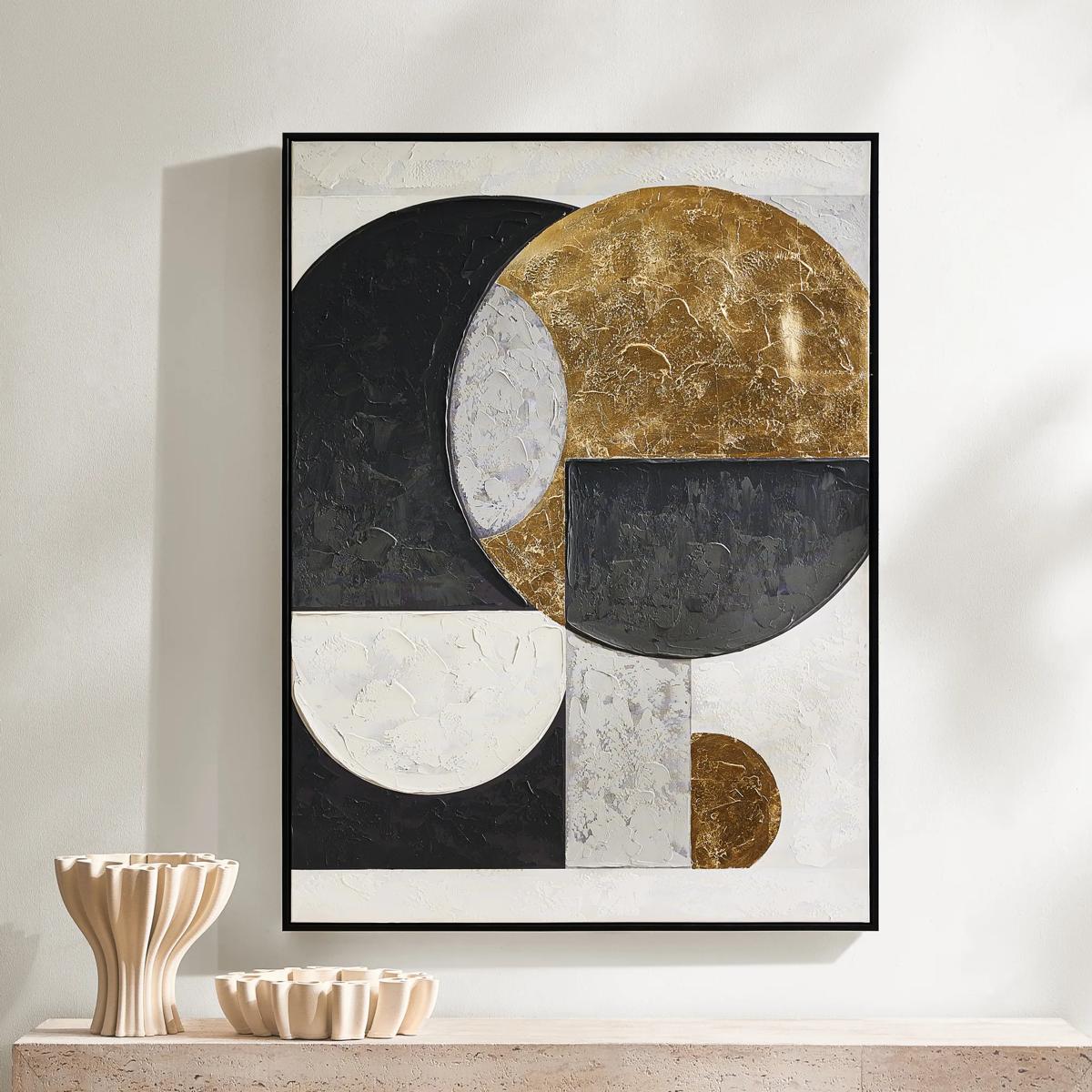
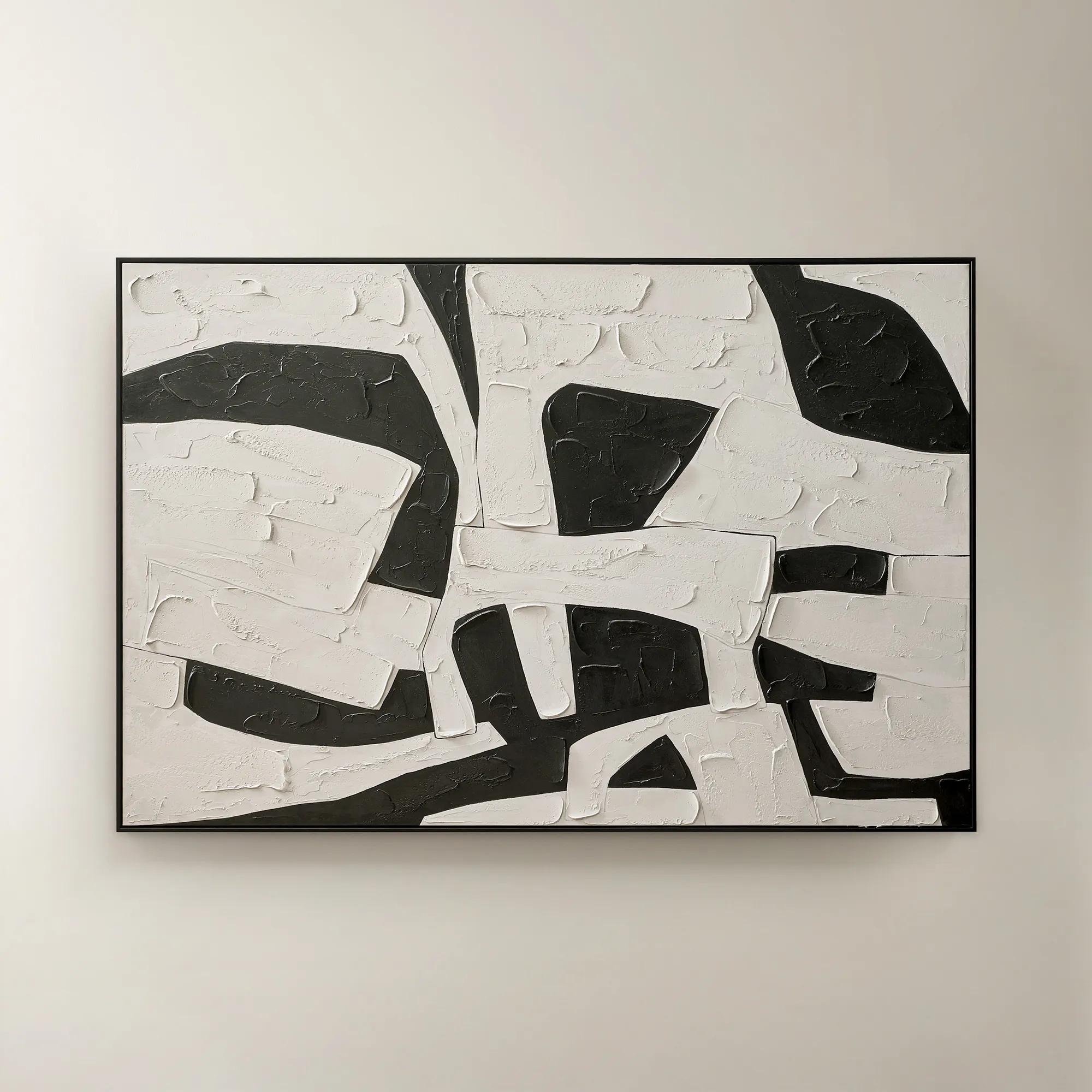 Space Between Shadows Framed Painted Wall Art 72" x 48"$799
A hand-painted abstract canvas featuring bold alabaster and black geometric forms in a sleek black frame.
Add To Cart -
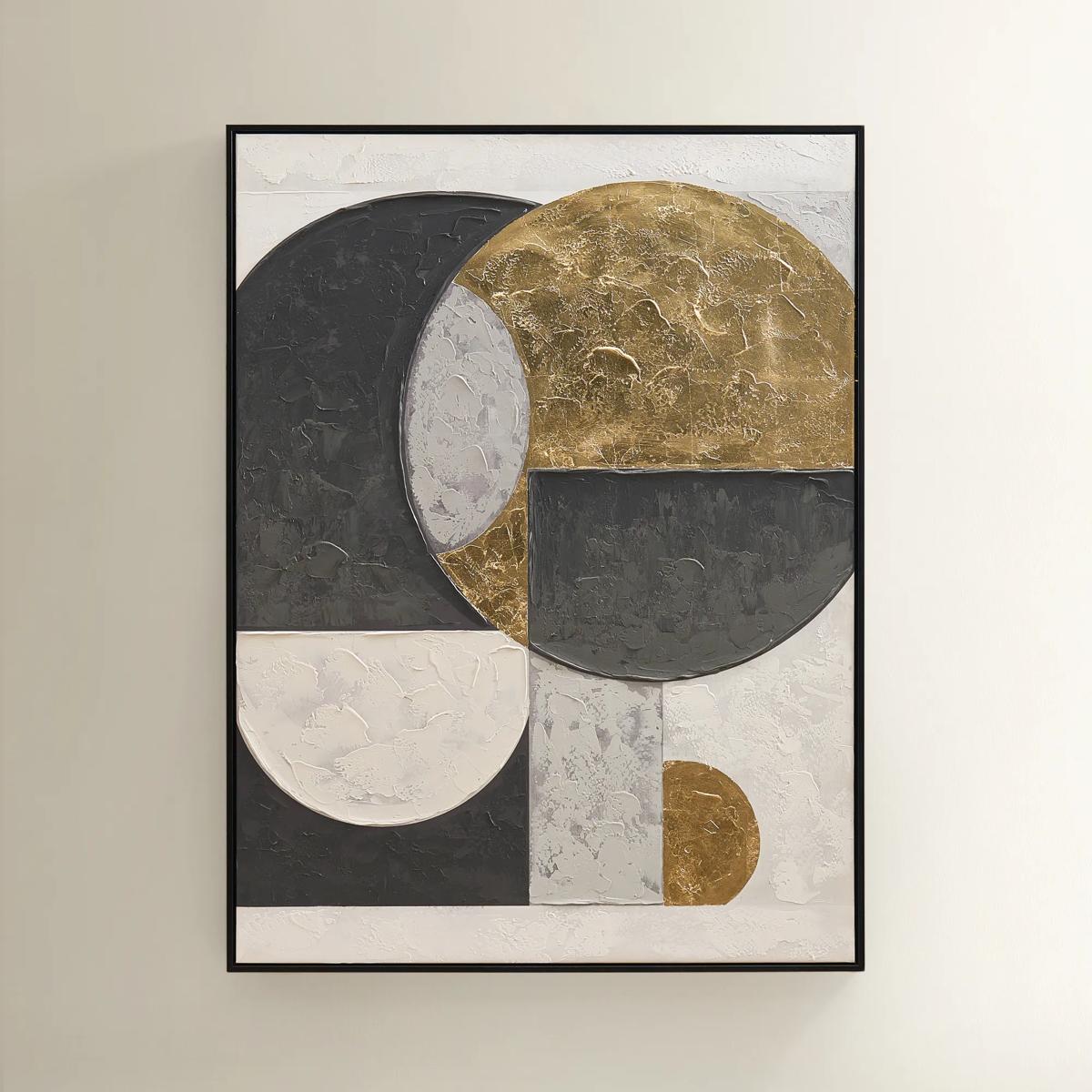
 Eclipse Framed Gold Leaf Painted Wall Art 35.25" x 47.25"$449
A hand-painted canvas featuring bold black, grey, and gold geometric shapes with shimmering gold leaf accents.
Add To Cart -
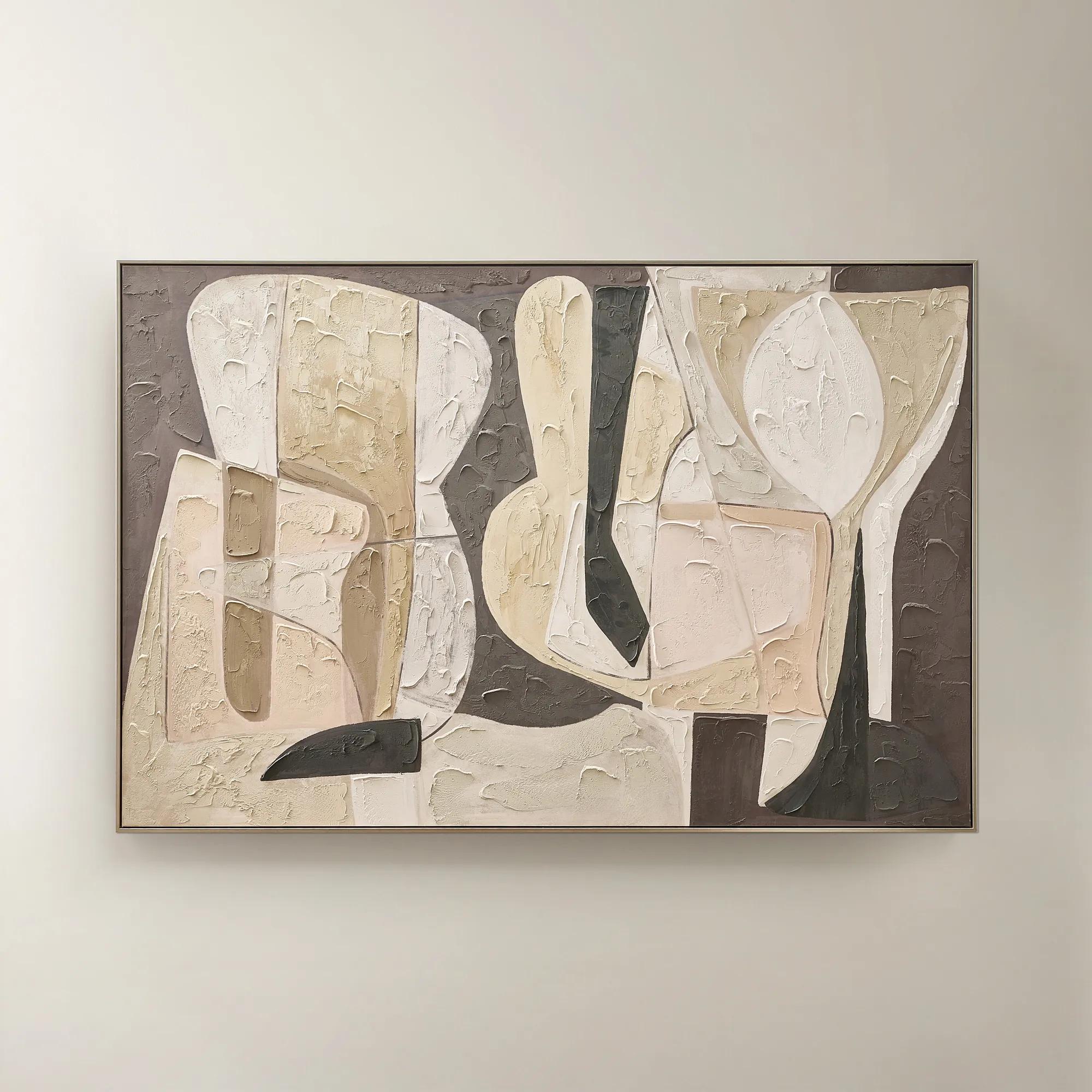 Wishful Thinking Framed Painted Wall Art 72" x 48"$599
A hand-painted abstract canvas featuring bold geometric forms and warm smoked plum, apricot, and tawny hues.
Add To Cart -
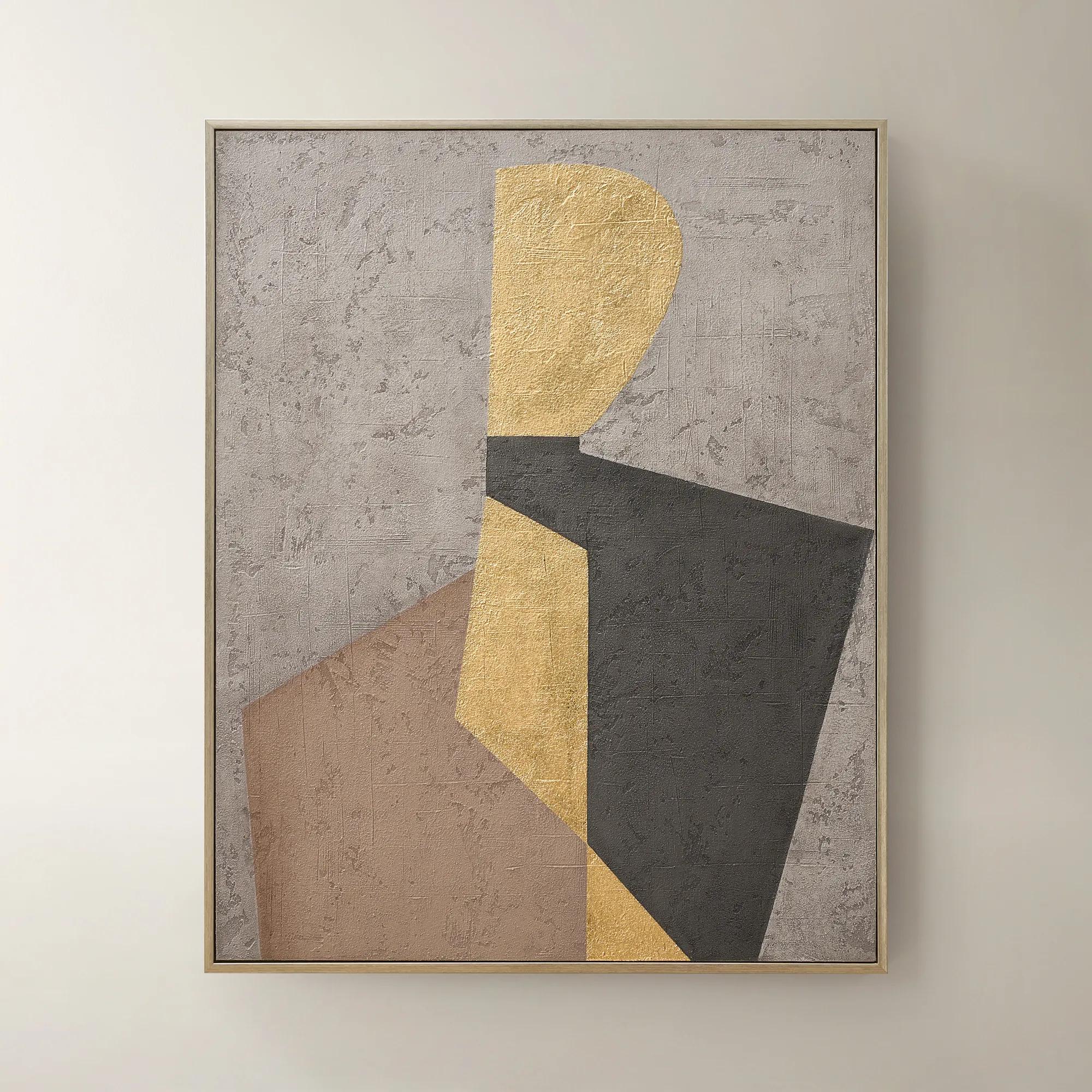 Aura of Gold Framed Painted Wall Art 40" x 50"$399
A hand-painted canvas with champagne leafing and a brushed champagne frame in mocha, grey, black, and gold.
Add To Cart -
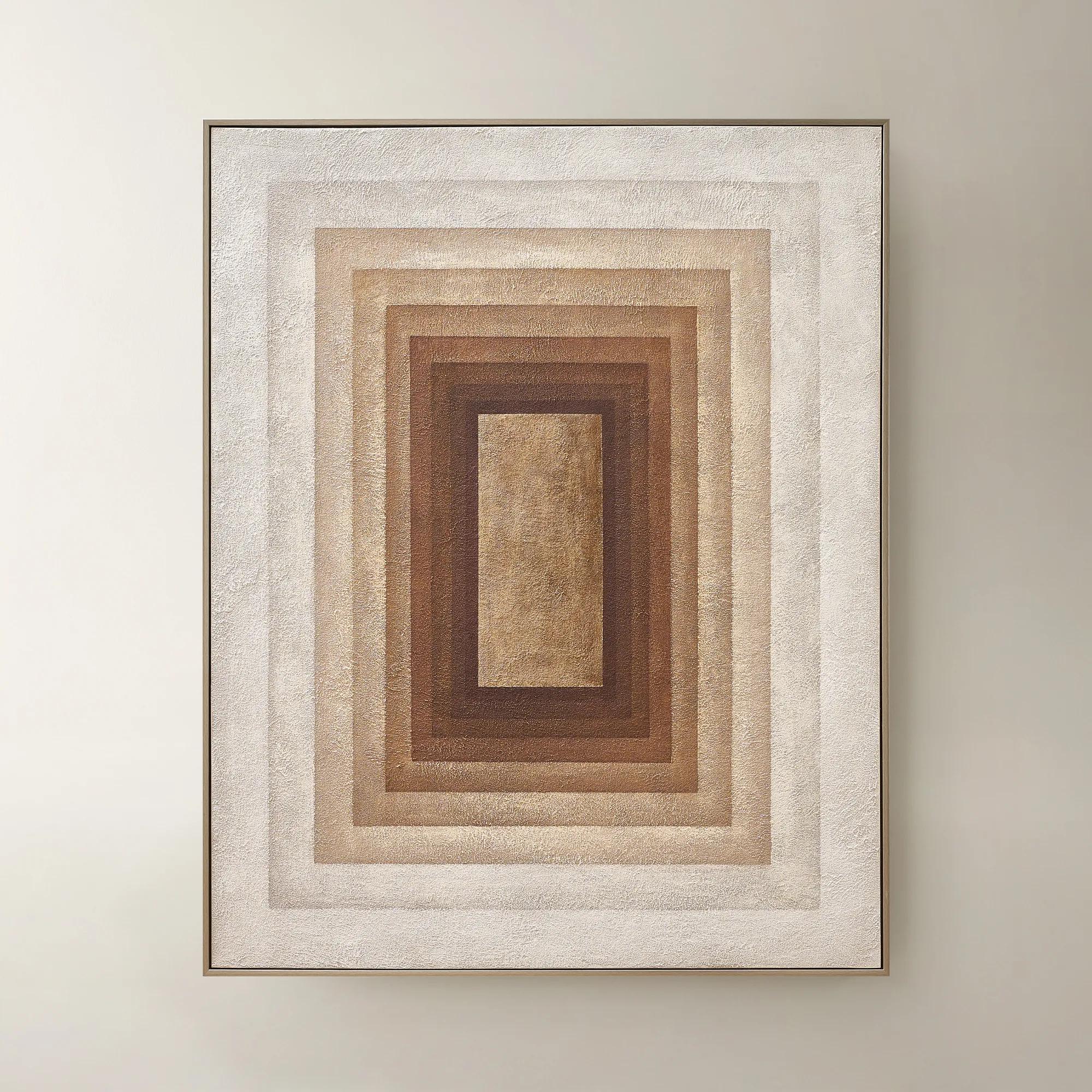 Monochrome Drift Framed Painted Wall Art 60" x 48"$699
A hand-painted abstract canvas with champagne leafing, featuring cocoa and gold tones in modern geometric design.
Add To Cart -
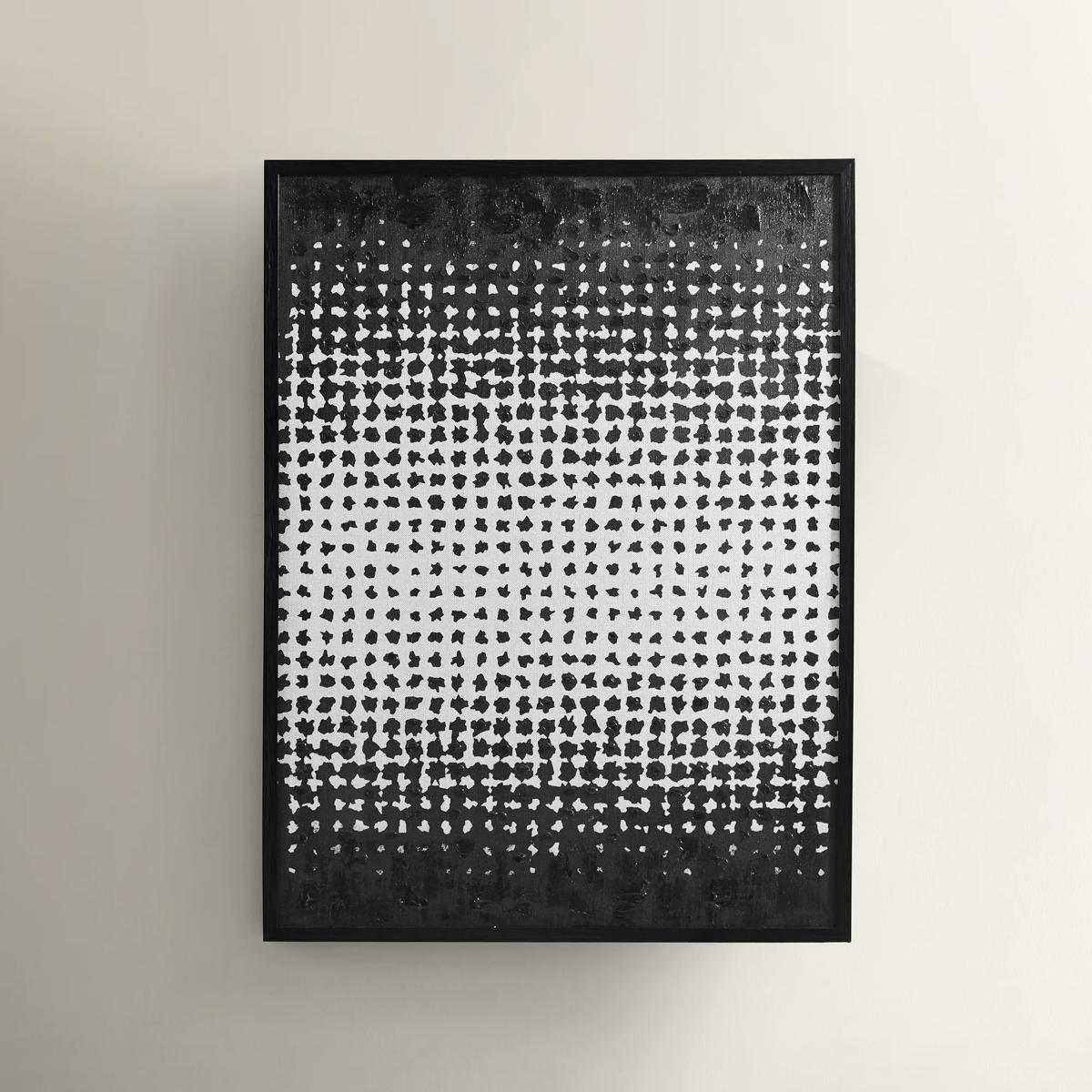
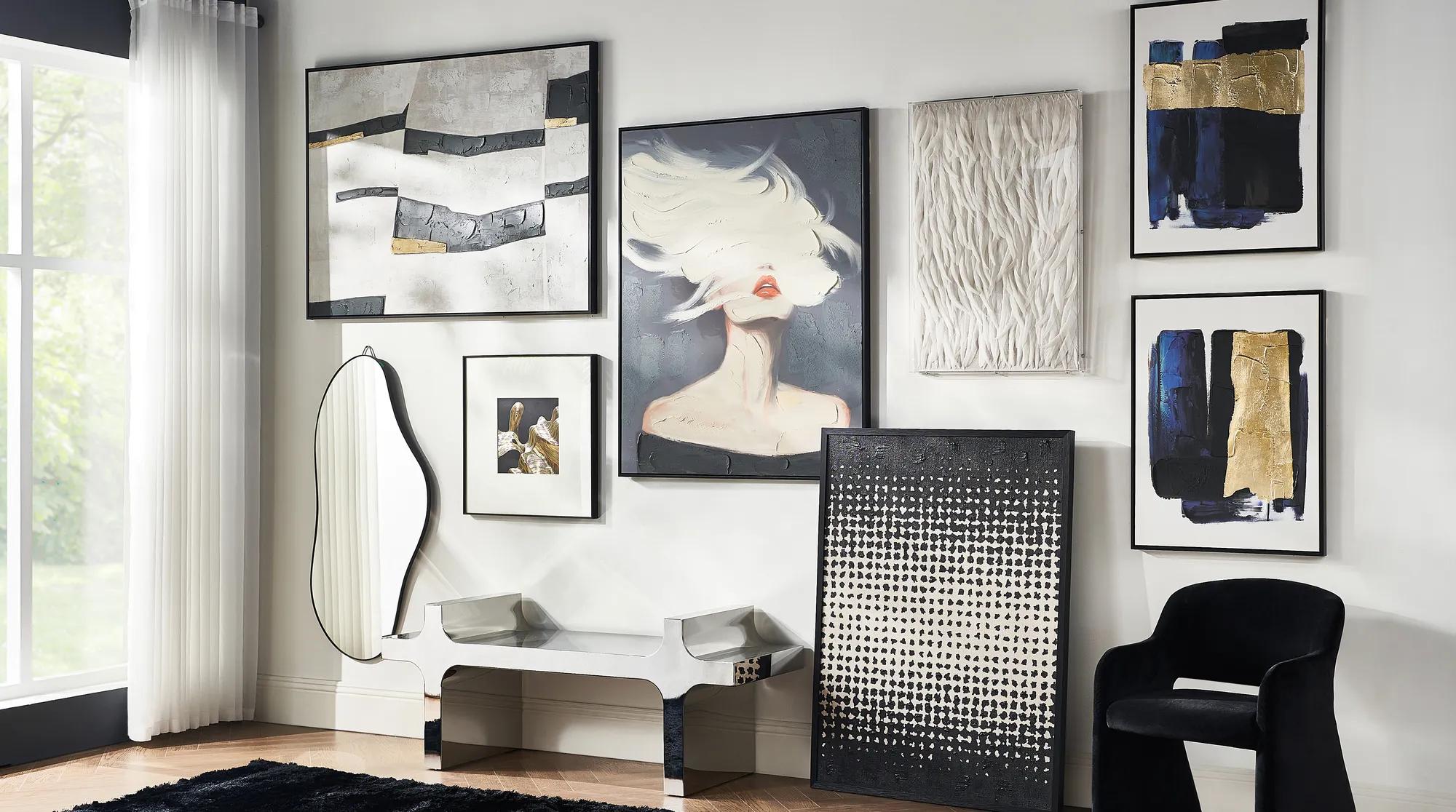 In Time Painting$399
A hand-painted linen canvas featuring cream and black dots in a modern, minimalist geometric pattern.
Add To Cart -
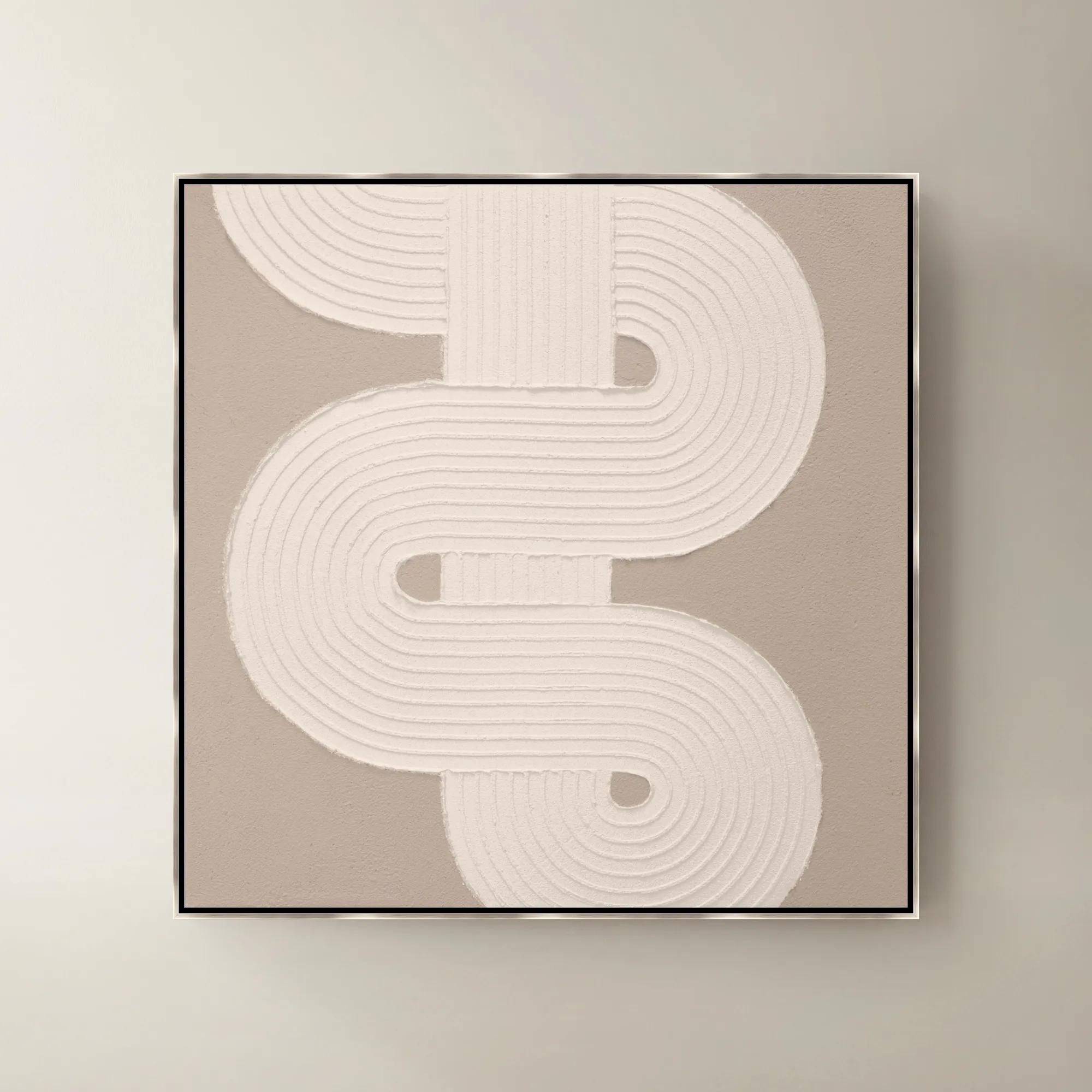
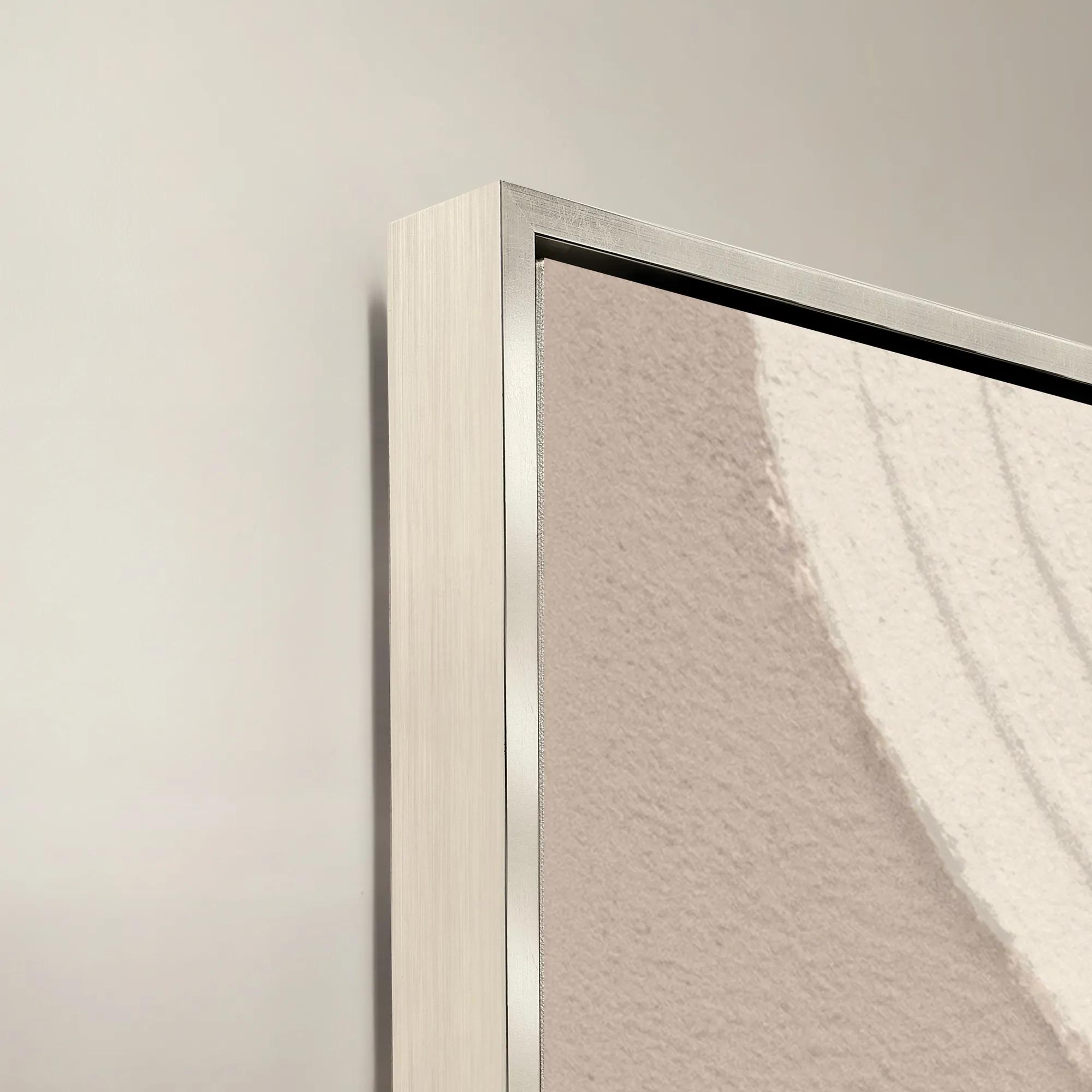 Sacred Geometry V Framed Painted Wall Art 40" x 40"$1099
A striking abstract art piece featuring bold geometric patterns for a modern, sophisticated touch.
Add To Cart -
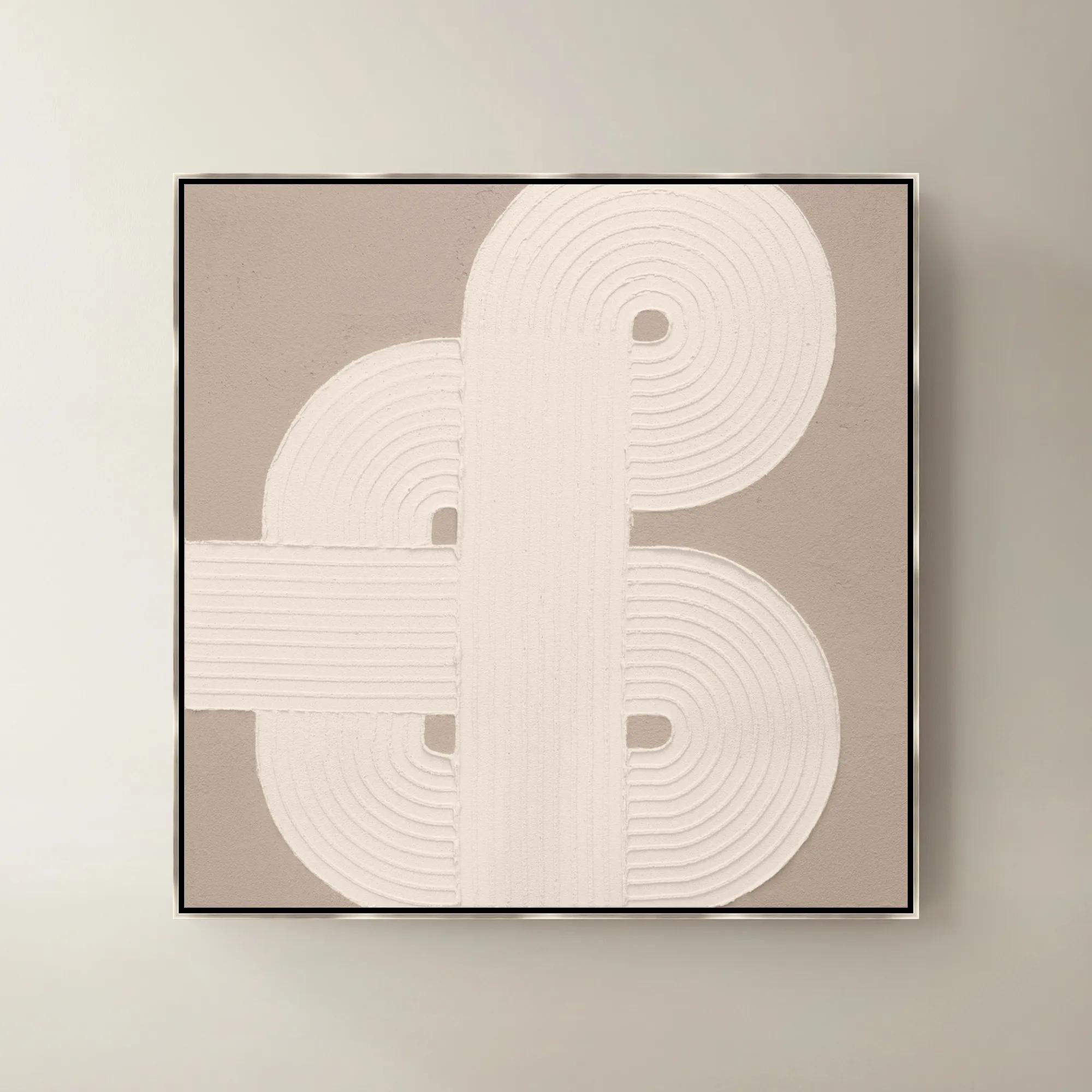
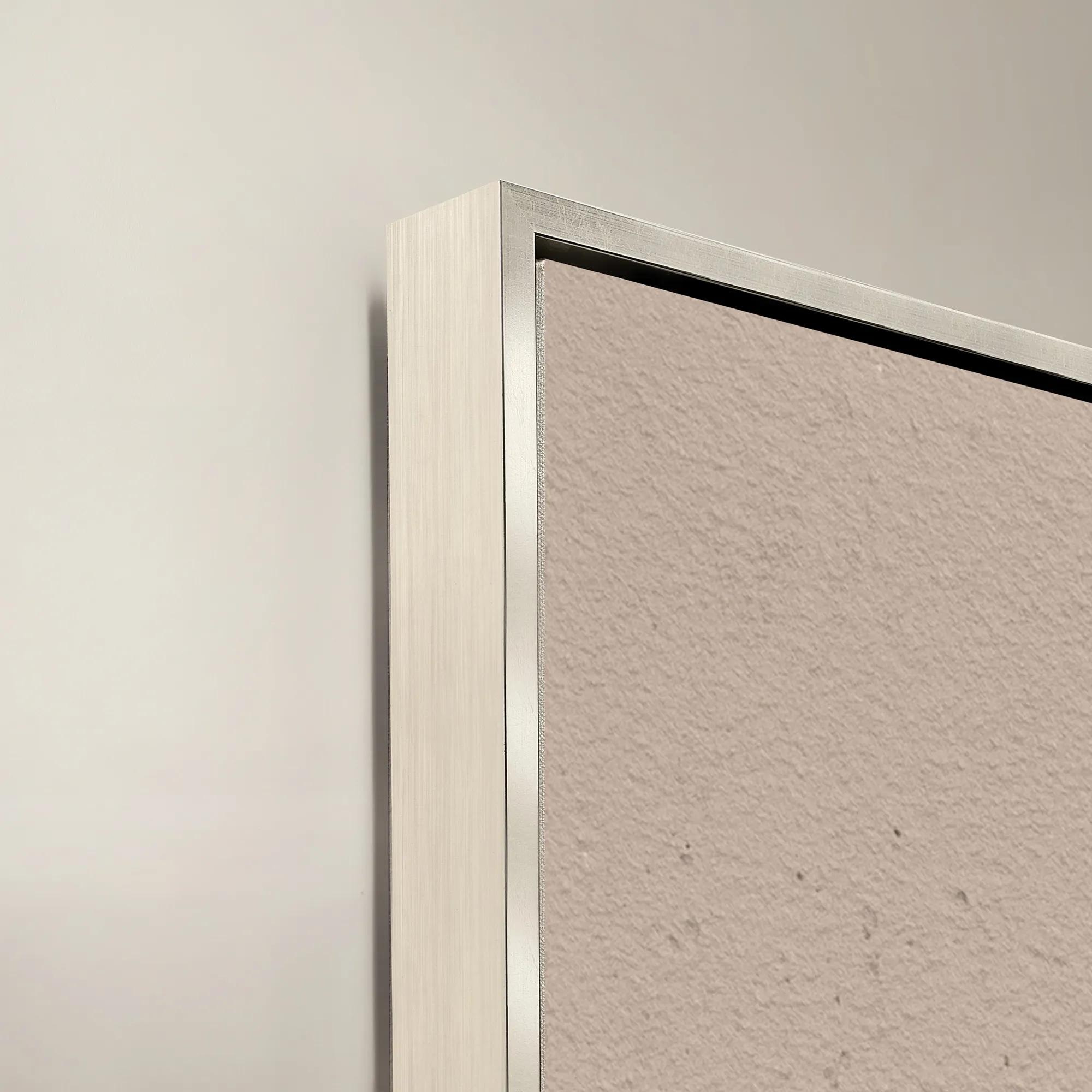 Sacred Geometry IV Framed Painted Wall Art 40" x 40"$1099
A striking abstract art piece featuring bold geometric patterns for a modern, sophisticated touch.
Add To Cart -

 Hint of Spring Framed Painted Wall Art 48" x 48"$599
A framed, multicolored painted canvas artwork that brings a vibrant, artistic touch to contemporary interiors.
Add To Cart -

 Jewel Toned Geometry Framed Wall Art 24" x 33"$519
A jewel-toned geometric canvas artwork framed to bring vibrant modern dimension to any wall.
Add To Cart -
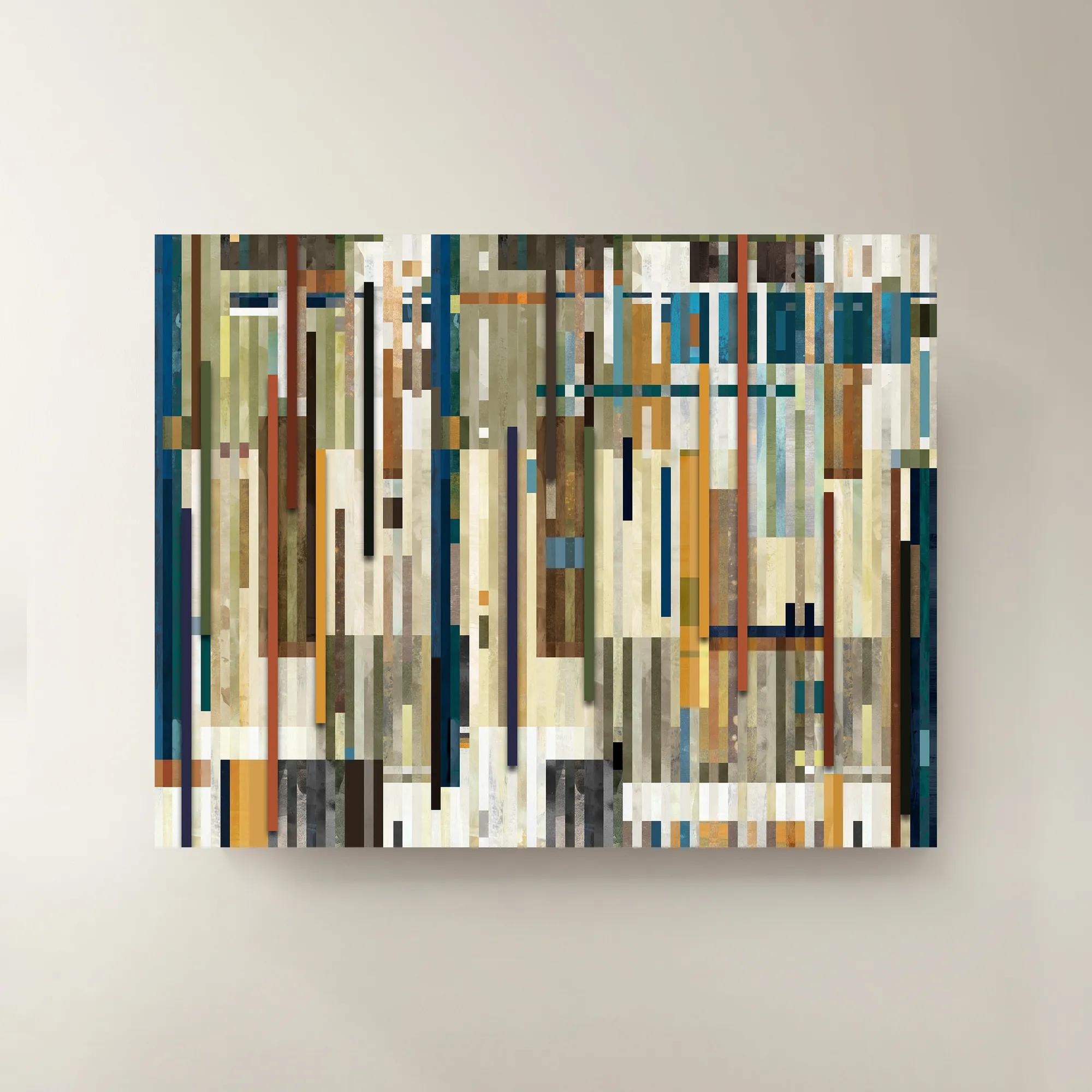
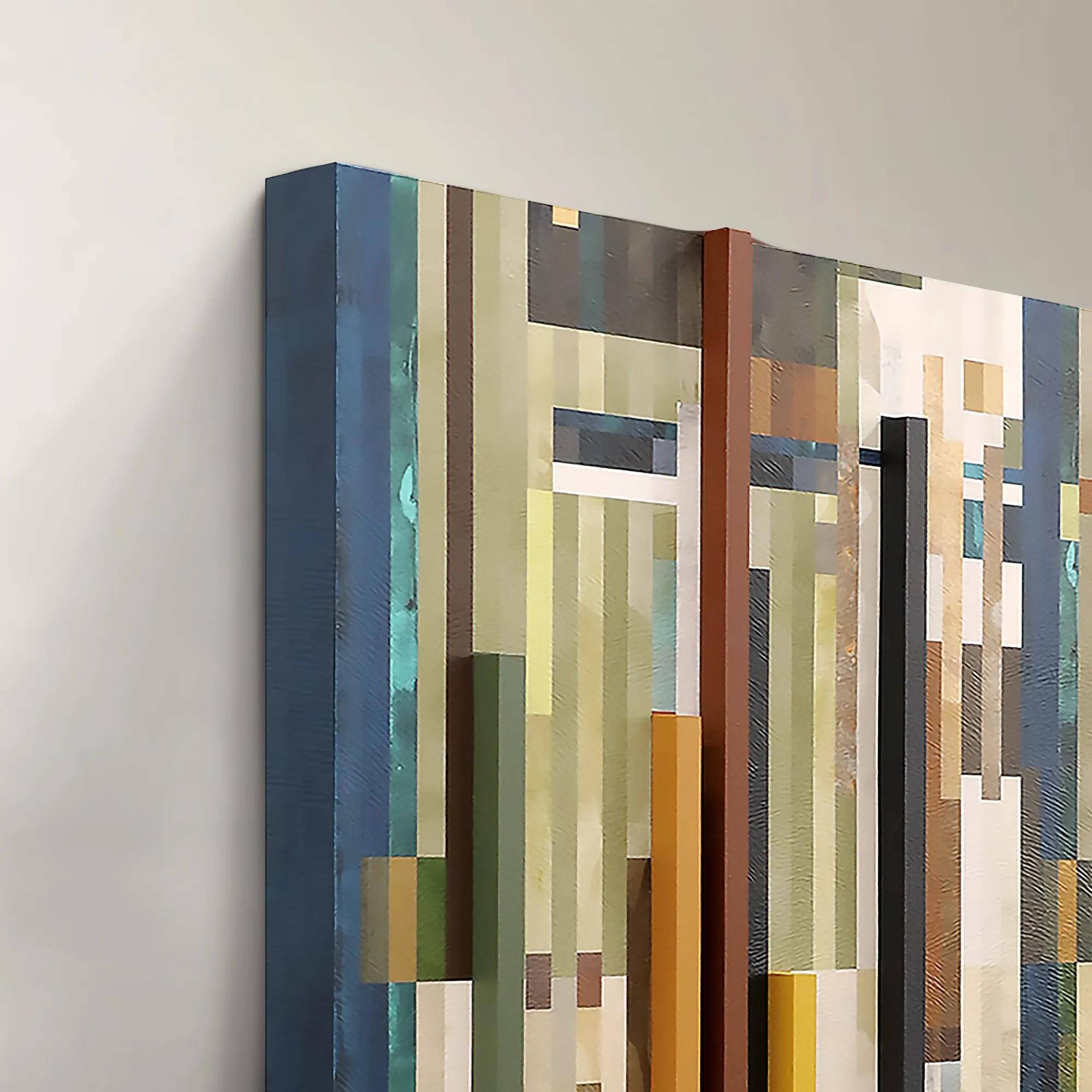 Chromatic Rhythms II Wall Art 60" x 47"$1899
A dynamic blue abstract canvas artwork featuring rhythmic geometric composition.
Add To Cart -
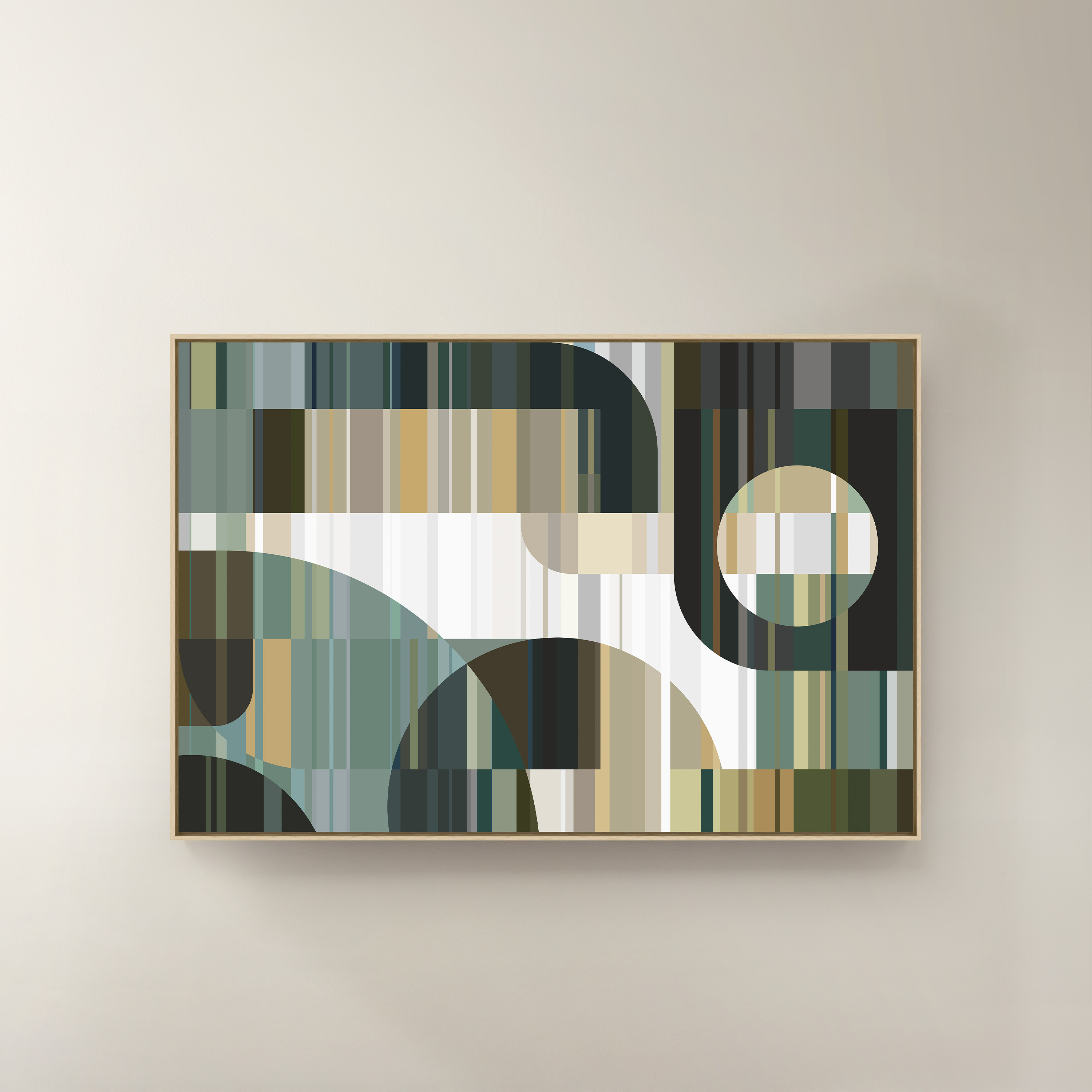
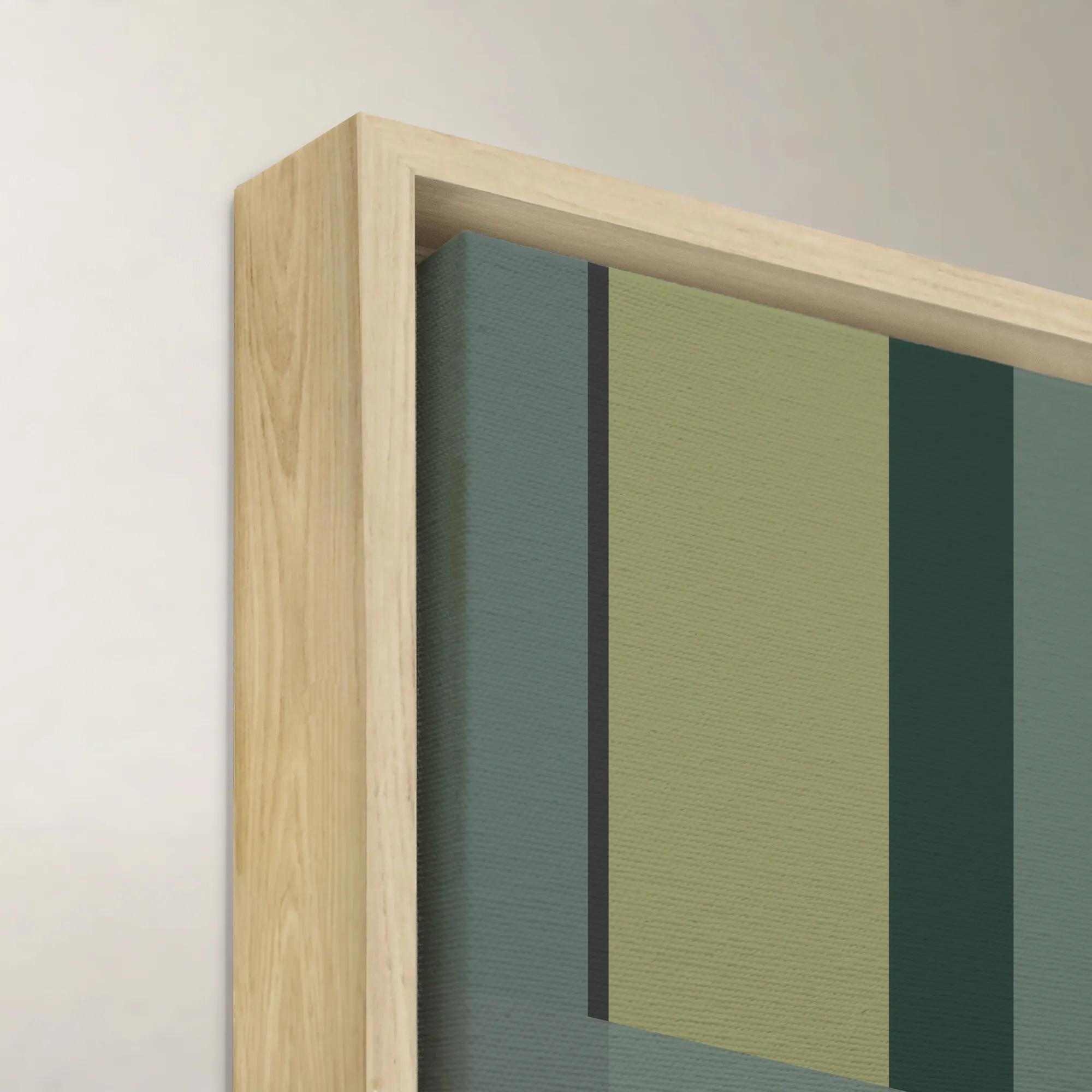 Cool Intersecting Forms II Framed Wall Art 60" x 40"$1099
A framed canvas wall artwork featuring cool-toned intersecting forms in a multicolored abstract composition.
Add To Cart -
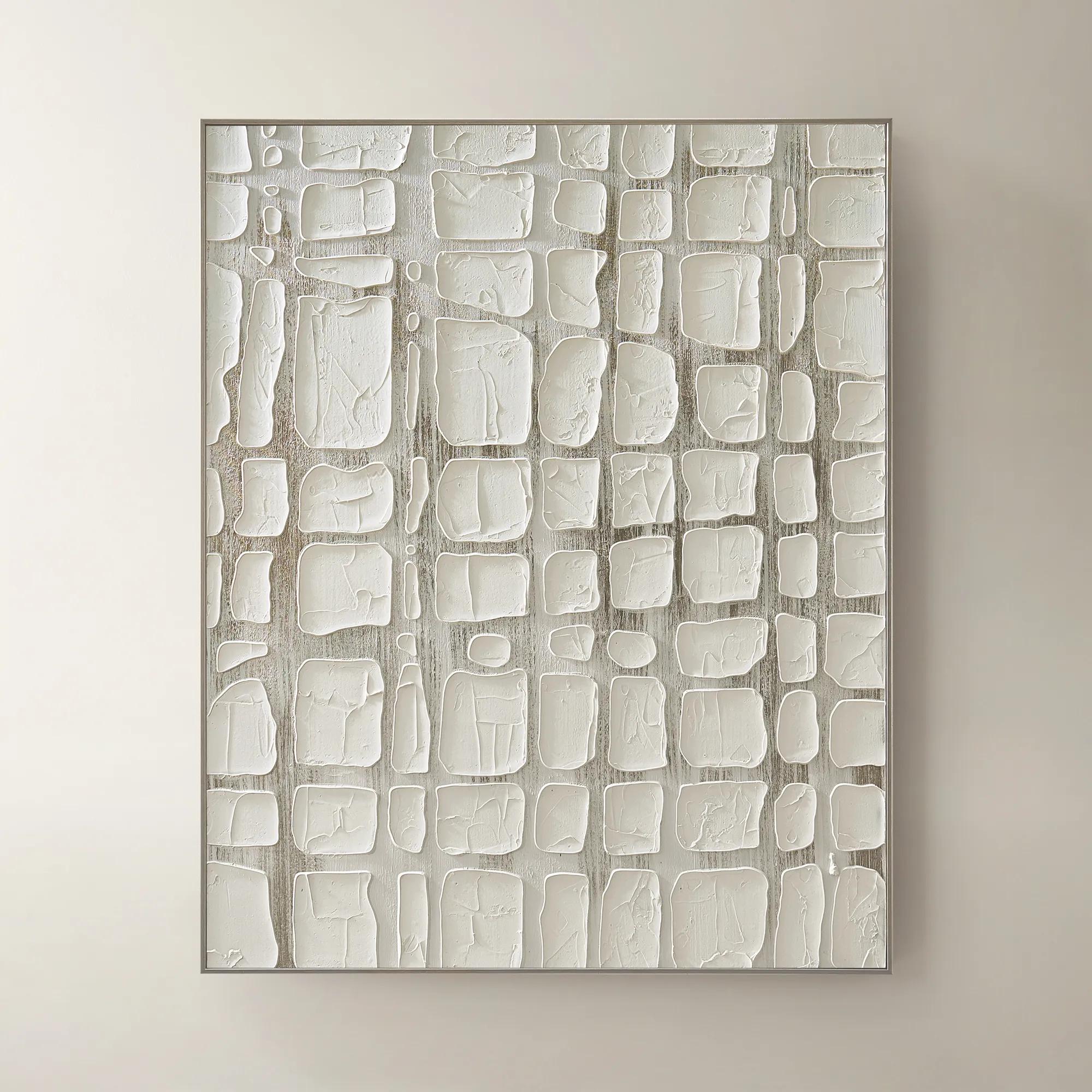
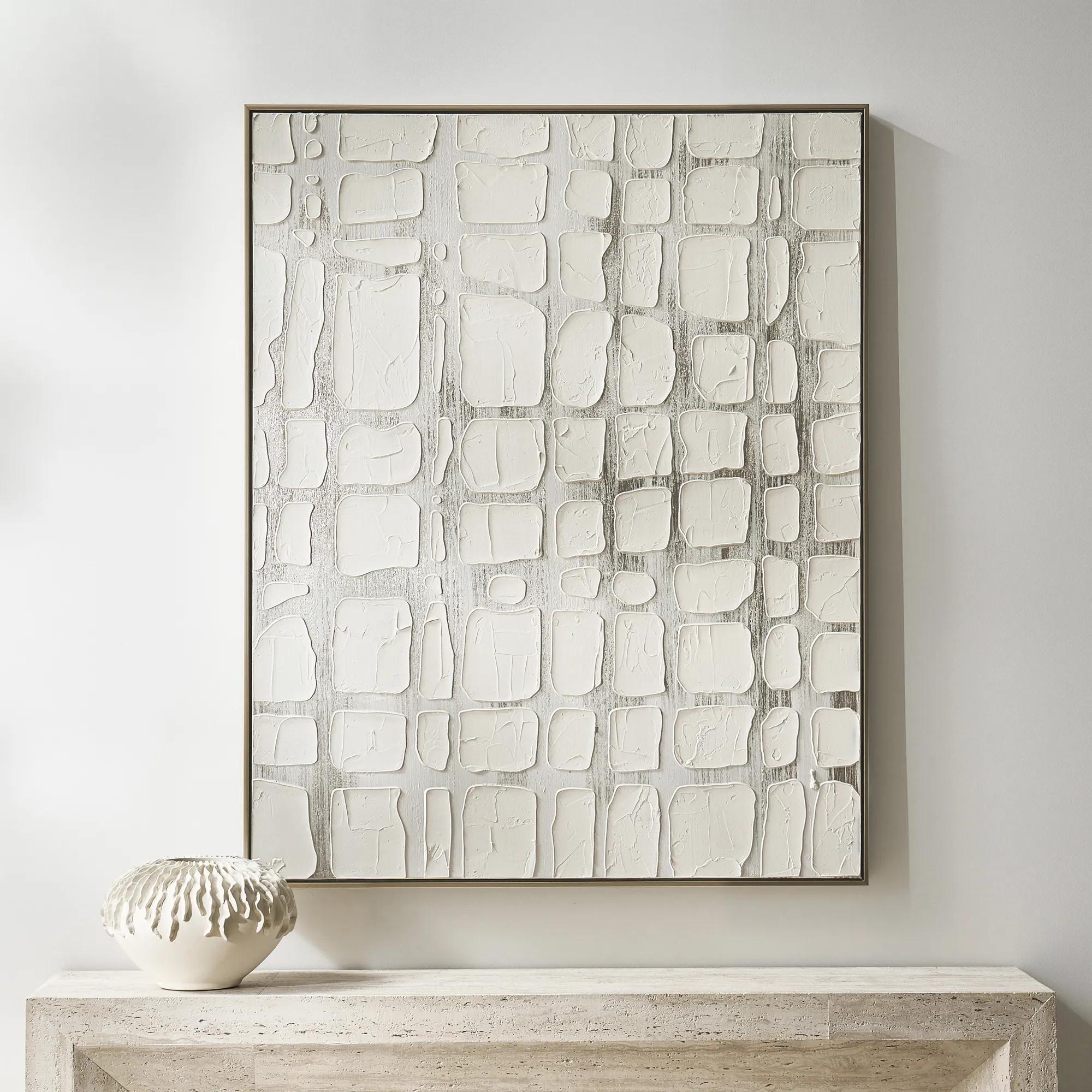 Vanish Framed Painted Wall Art 40" x 50"$499
A hand-painted canvas with raised white forms over champagne metallic ground in a refined floater frame.
Add To Cart -
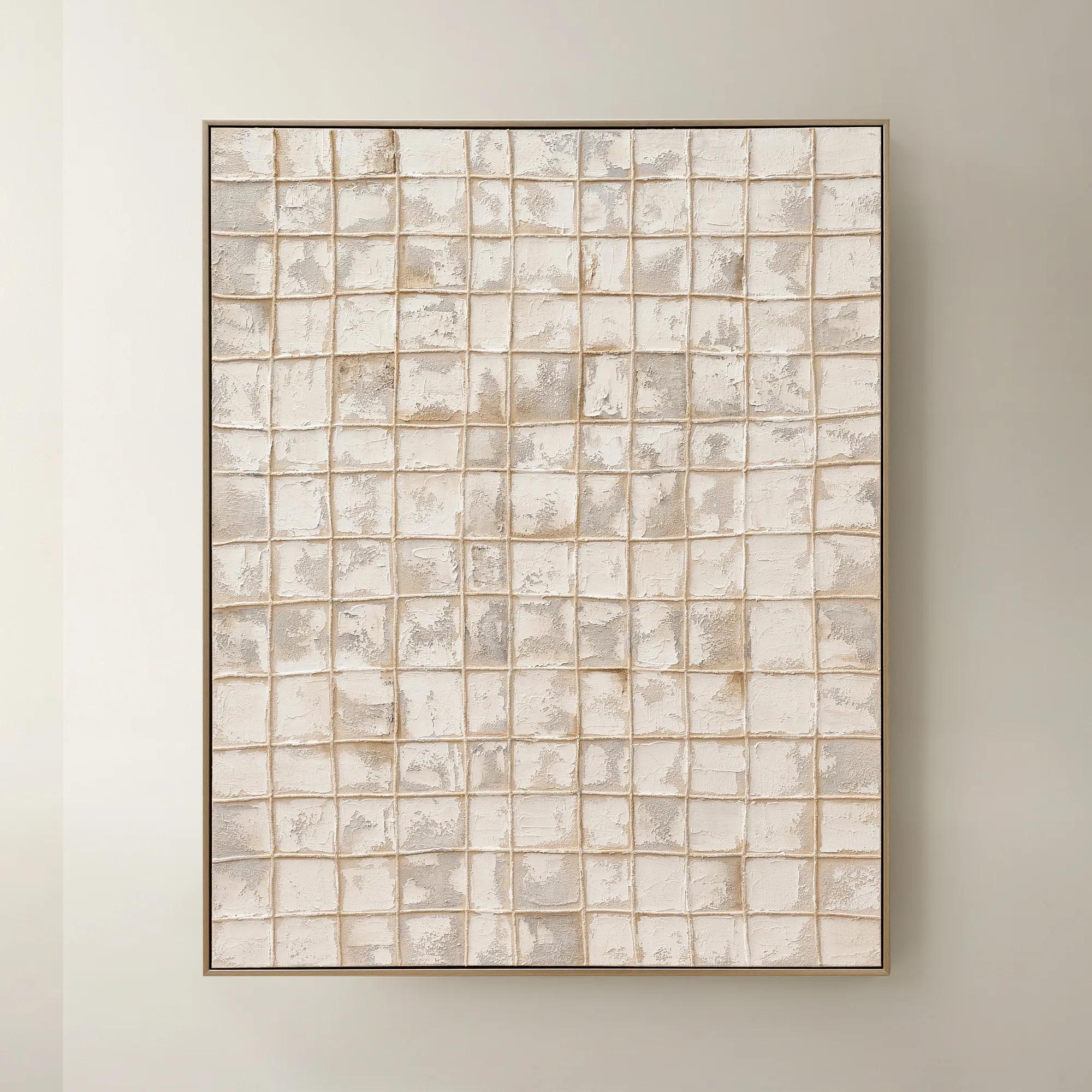
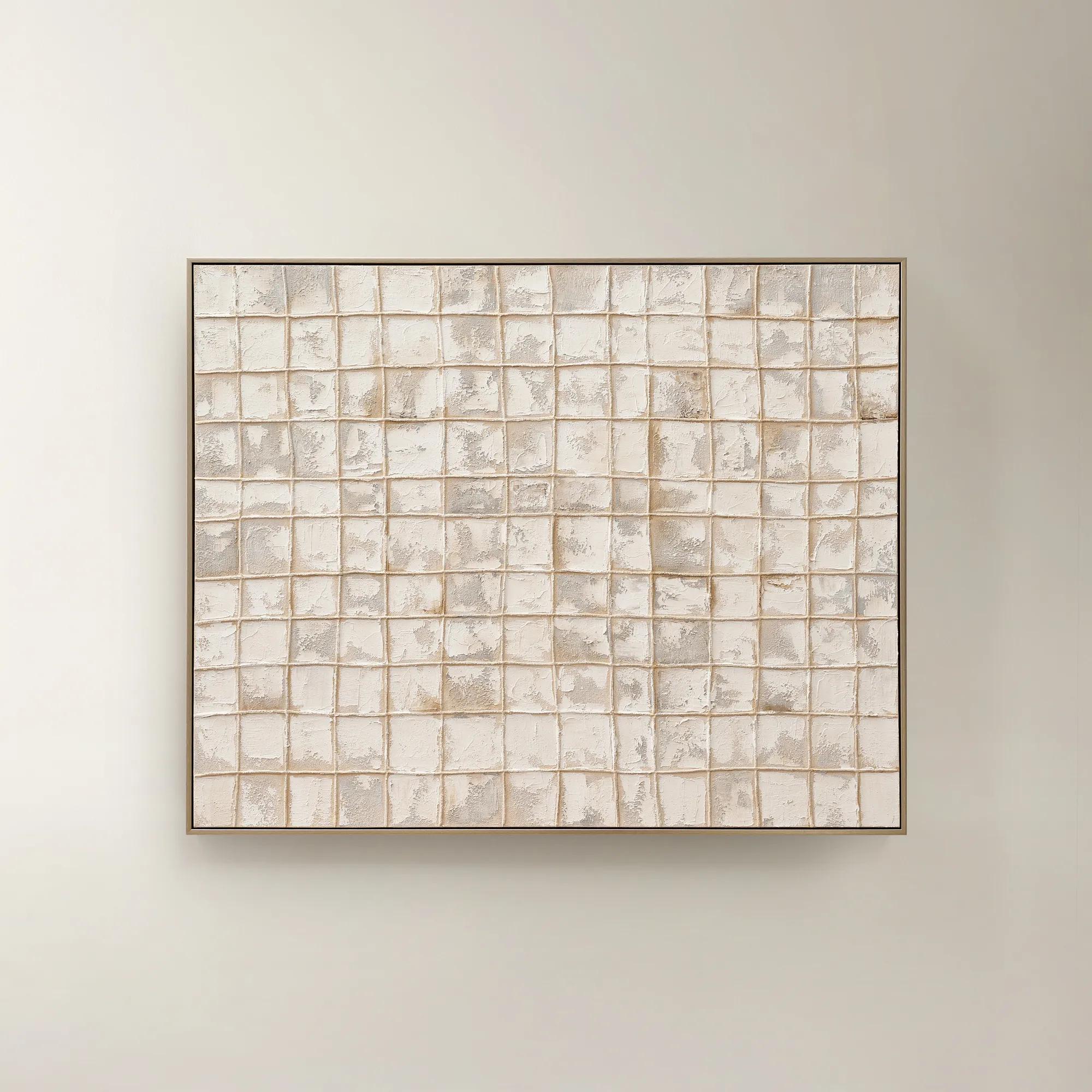 Painted Echos Framed Gold Leaf Wall Art 60" x 48"$699
A hand-painted abstract canvas with gold leaf accents and a champagne frame for modern, versatile display.
Add To Cart -
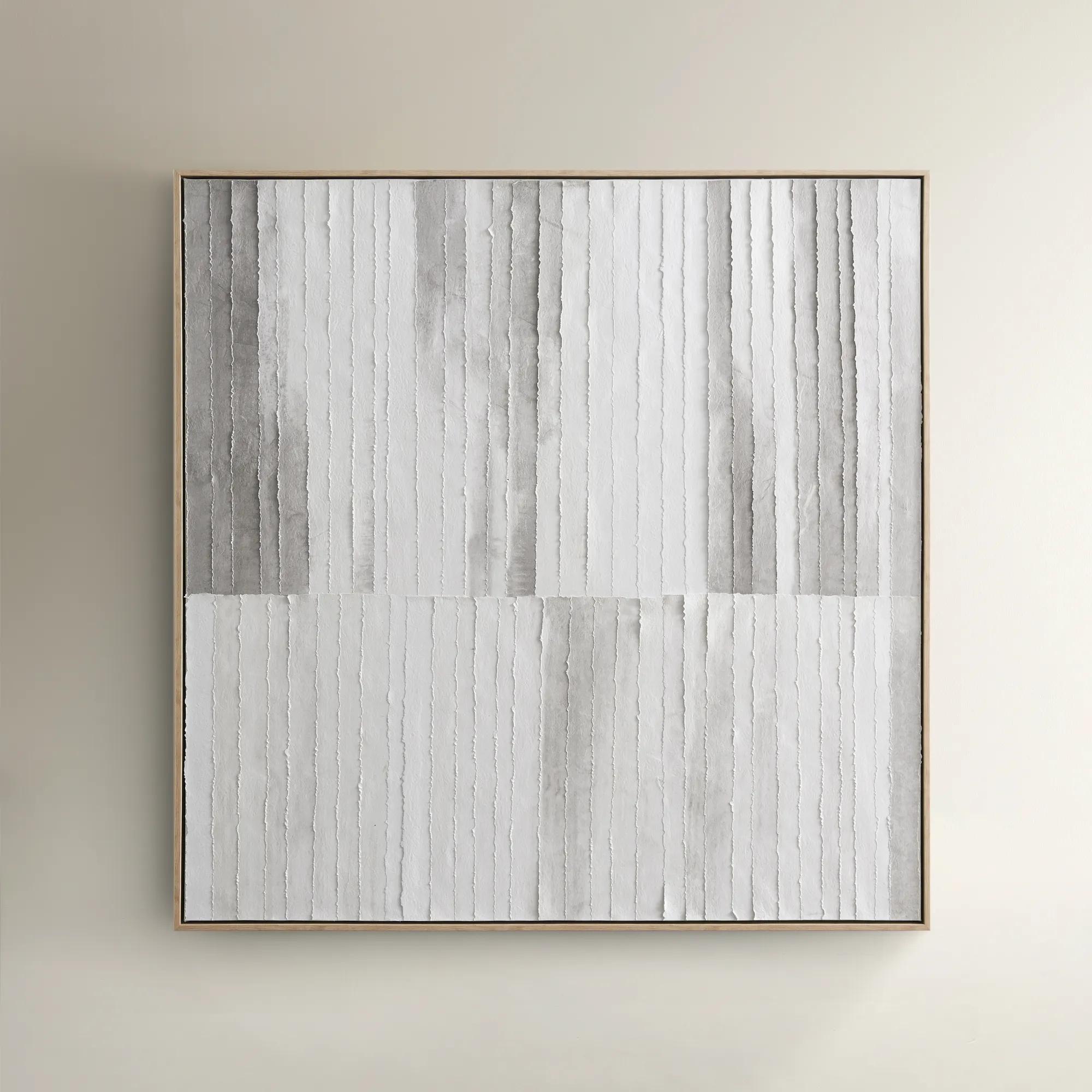
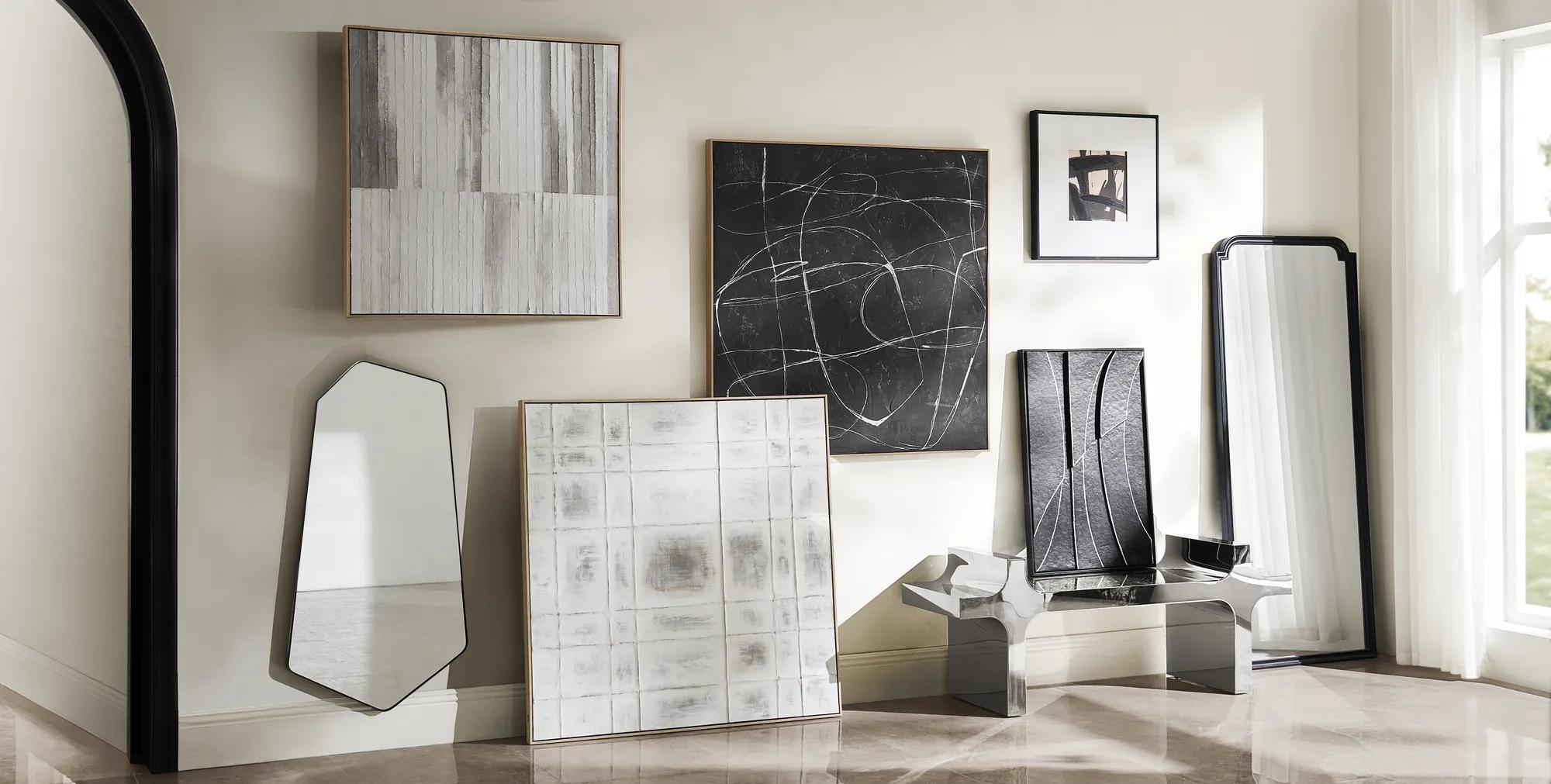 Morning Mist Paper Art$329
A hand-painted canvas featuring rhythmic grey lines in a textured, whitewashed floater frame for serene style.
Add To Cart -
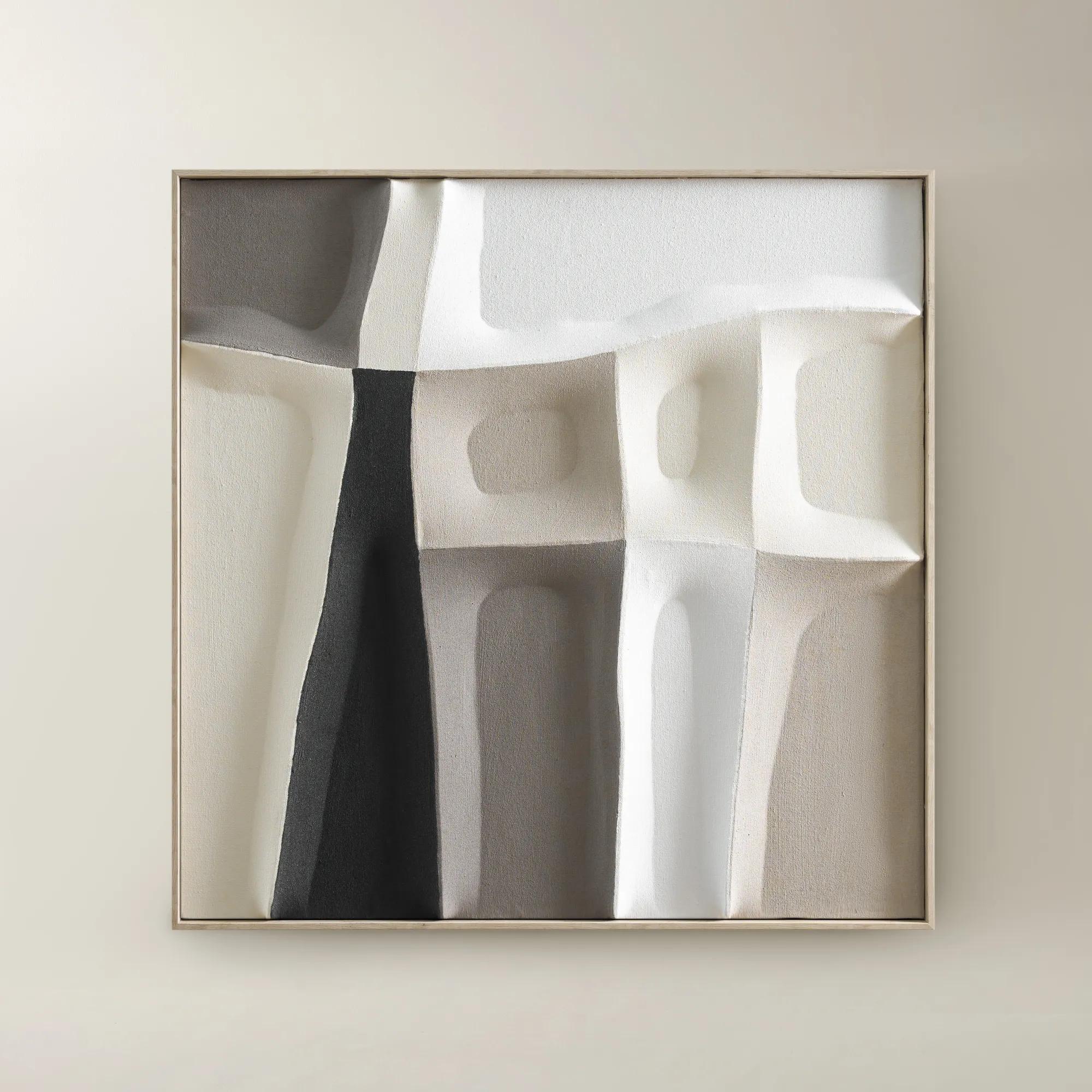 Shadow Painting 1$179
A hand-painted canvas featuring bold colors and sculptural textures in a warm whitewash floater frame.
Add To Cart -
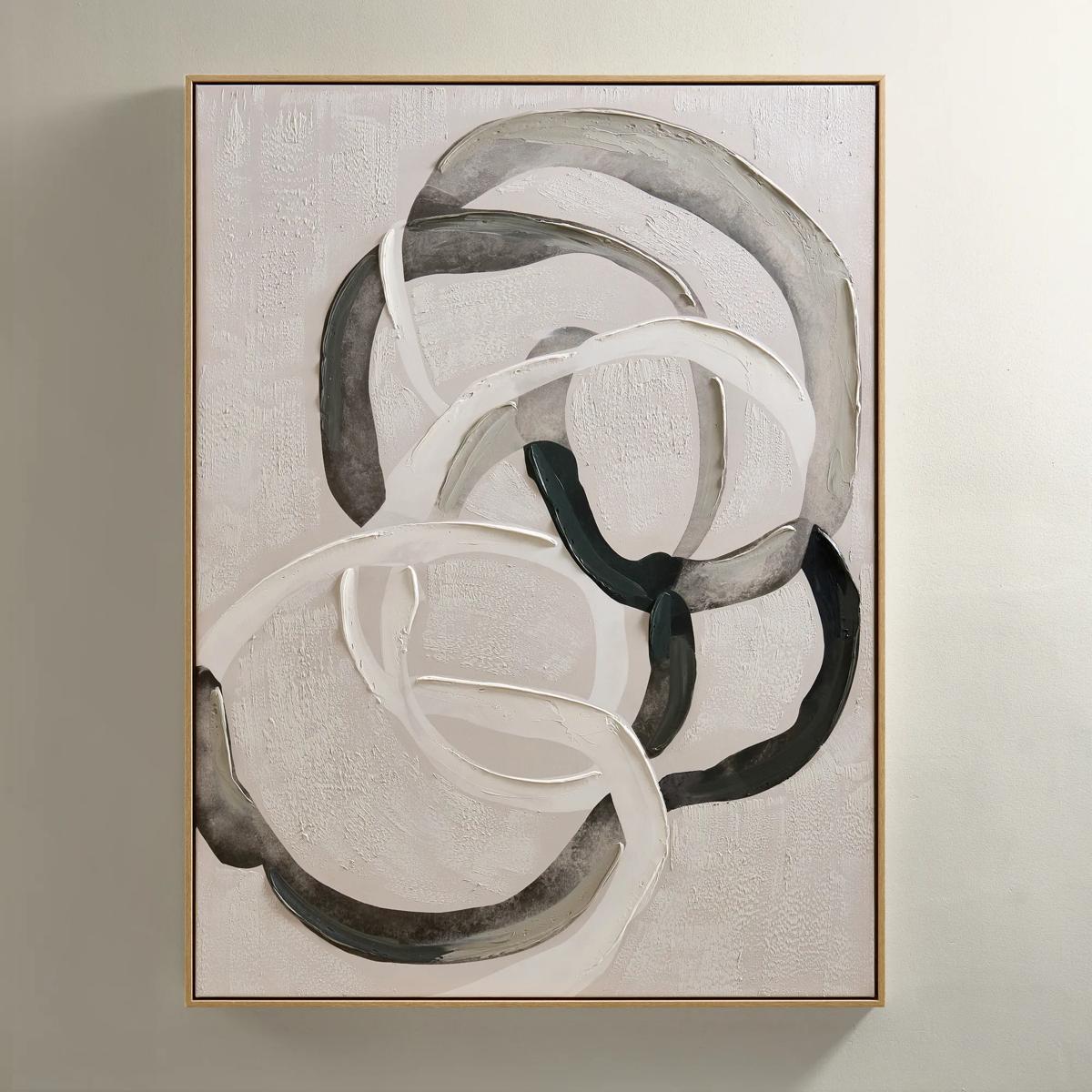
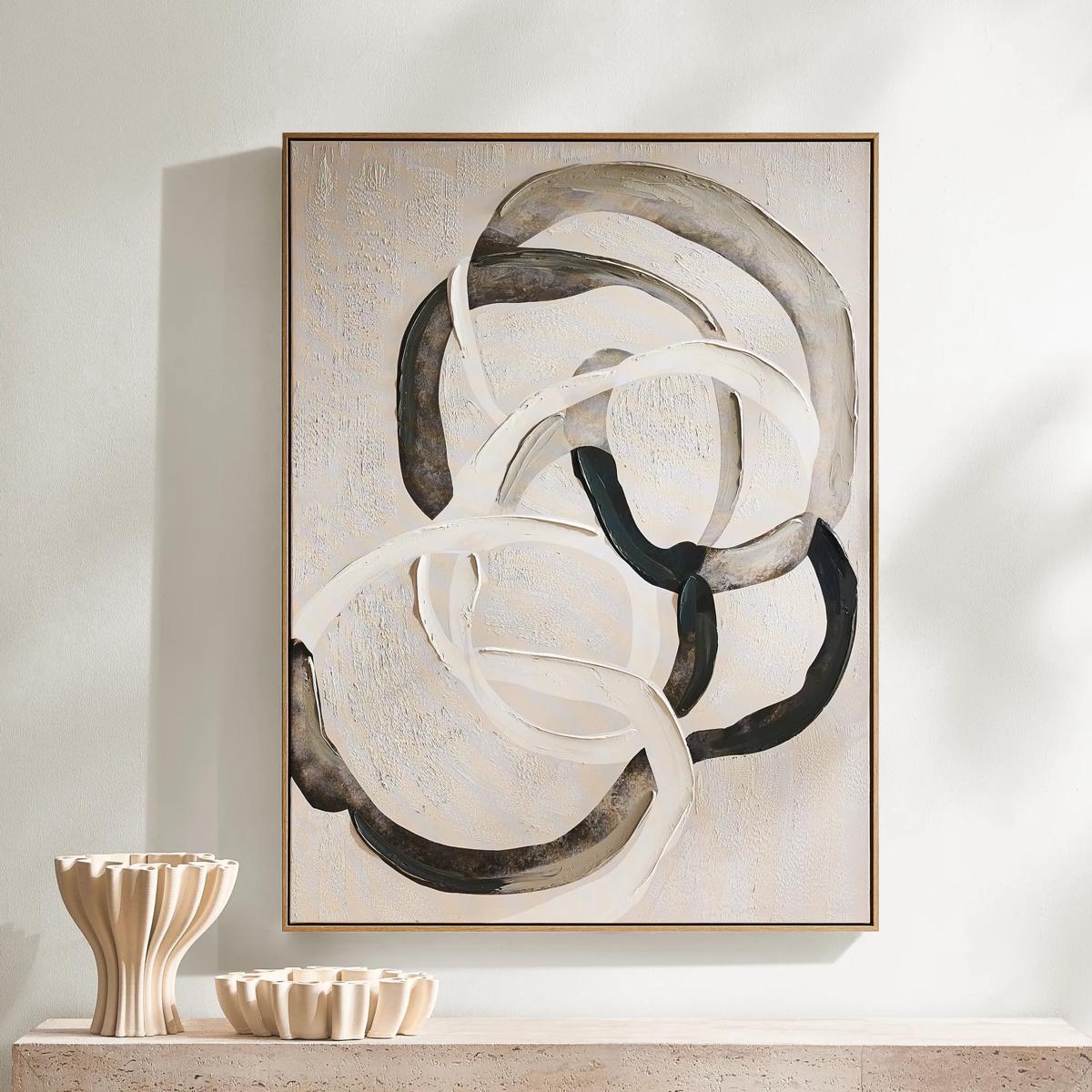 Round About Framed Painted Wall Art 35.25" x 47.25"$349
An abstract hand-painted canvas with tonal whites, charcoals, and taupes in a light wood floater frame.
Add To Cart -
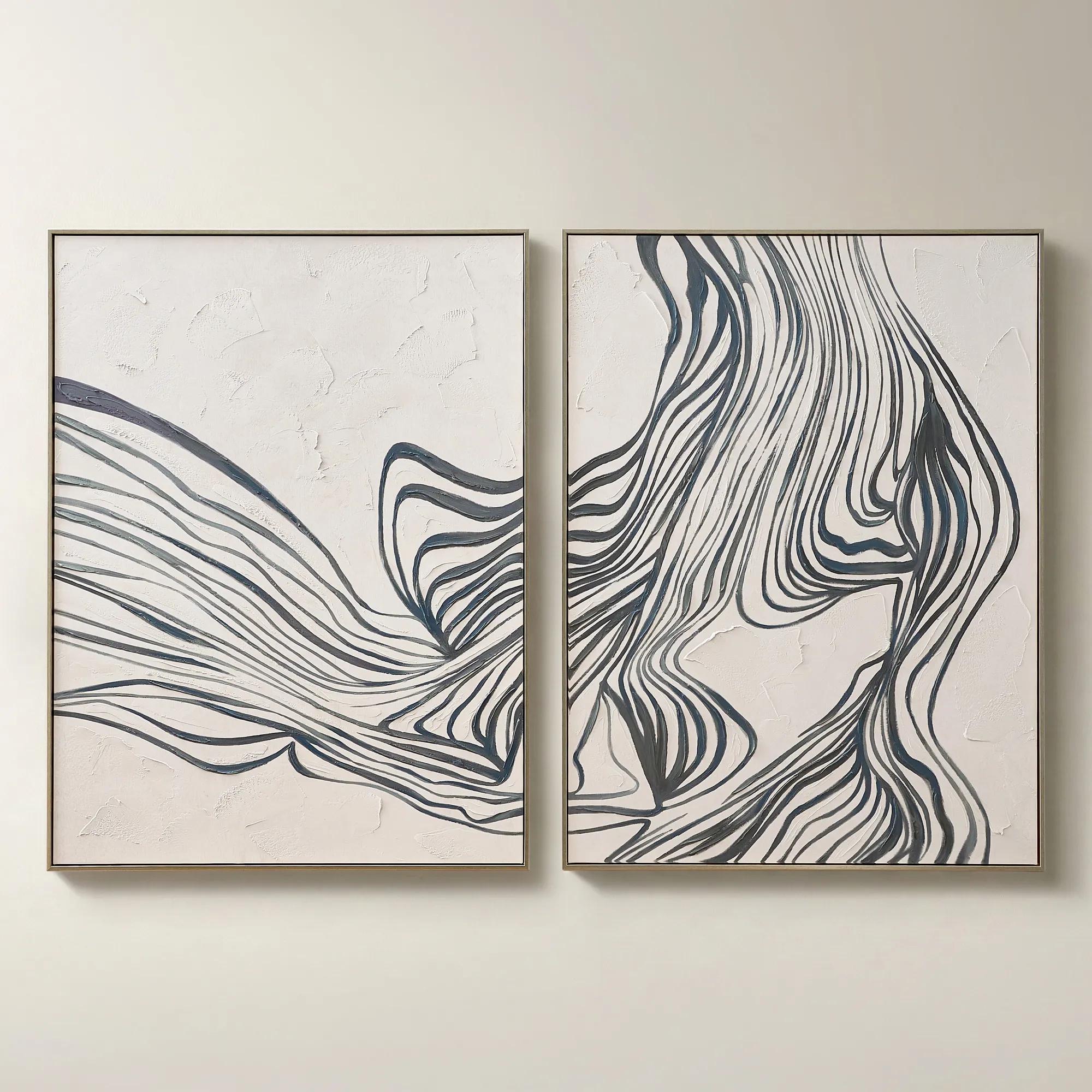
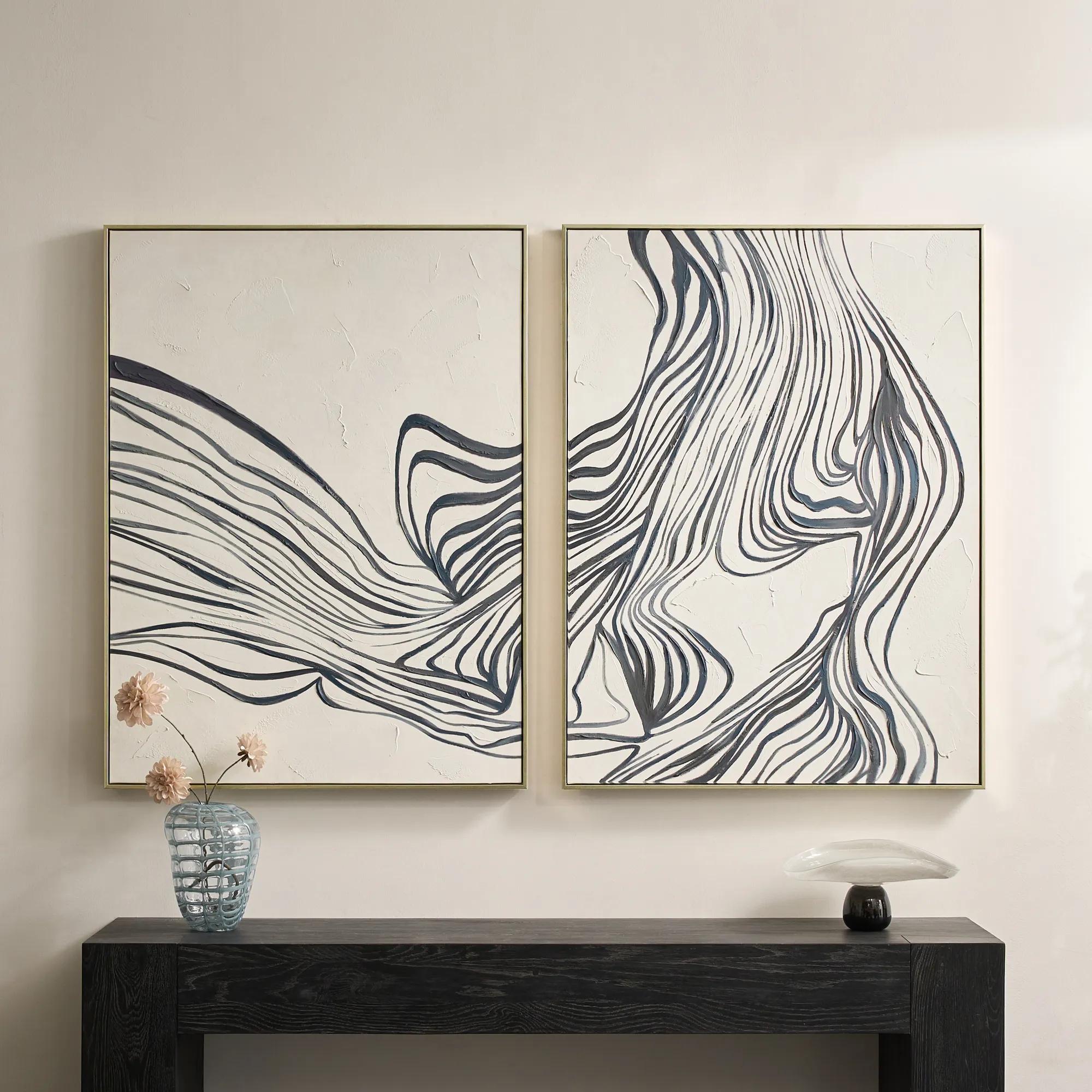 Rhythmic Framed Painted Wall Art 36" x 48" Set of 2$599
A hand-painted diptych featuring bold abstract stripes in dark slate and dusty blue with champagne frames.
Add To Cart -
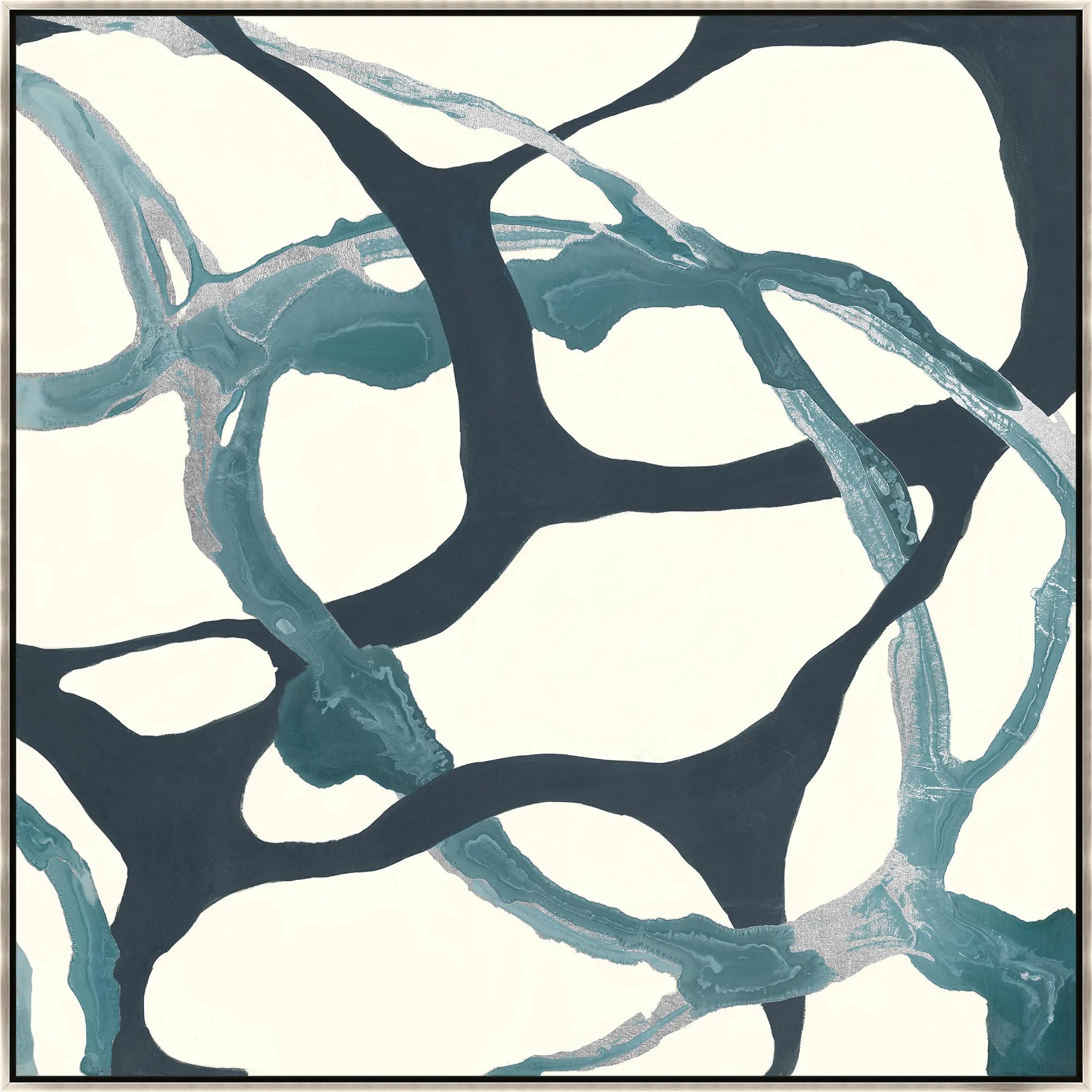
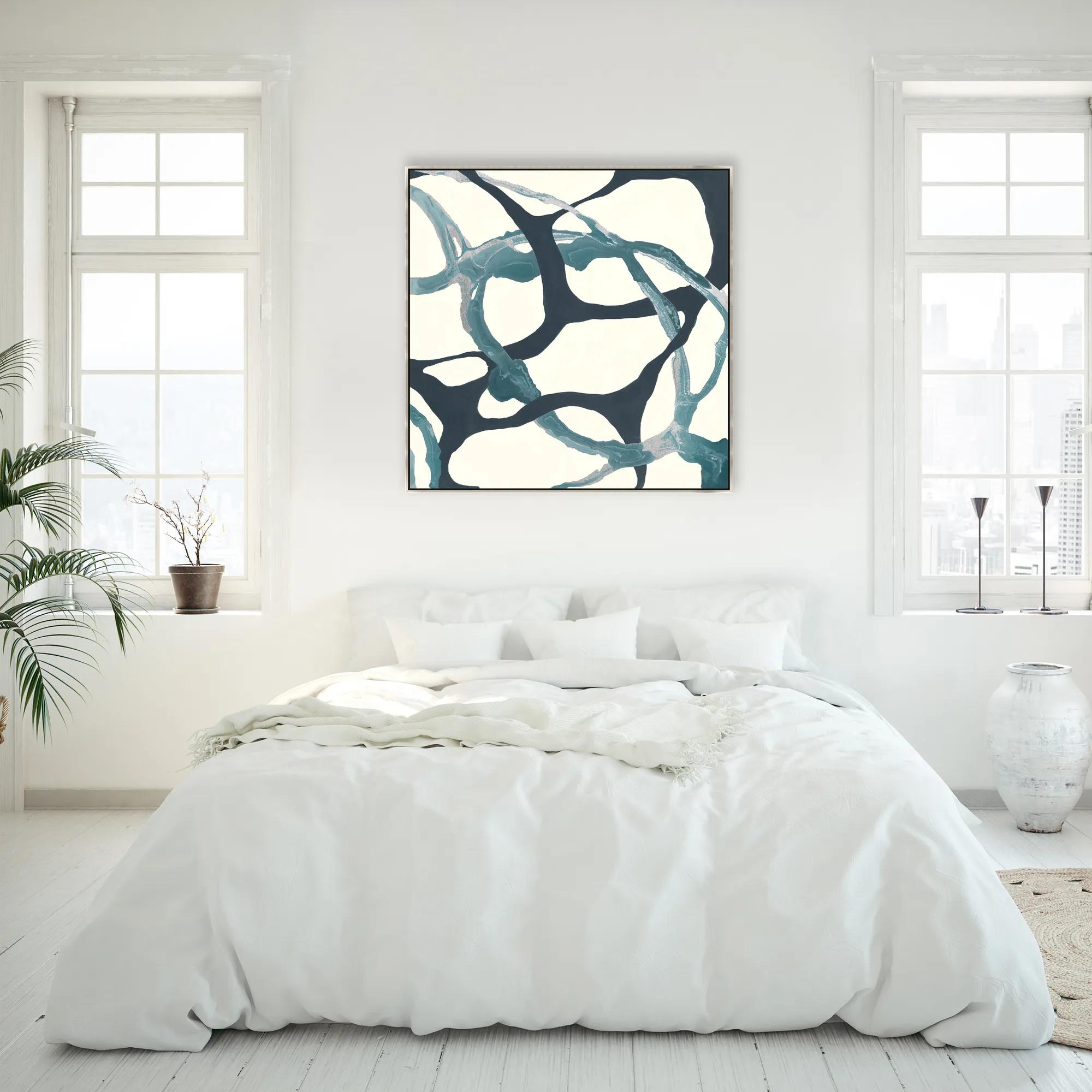 Alignments II Framed Wall Art 40" x 40"$899
A gallery-wrapped canvas featuring gilded silver accents and hand-applied brush gel in a silver floater frame.
Add To Cart -
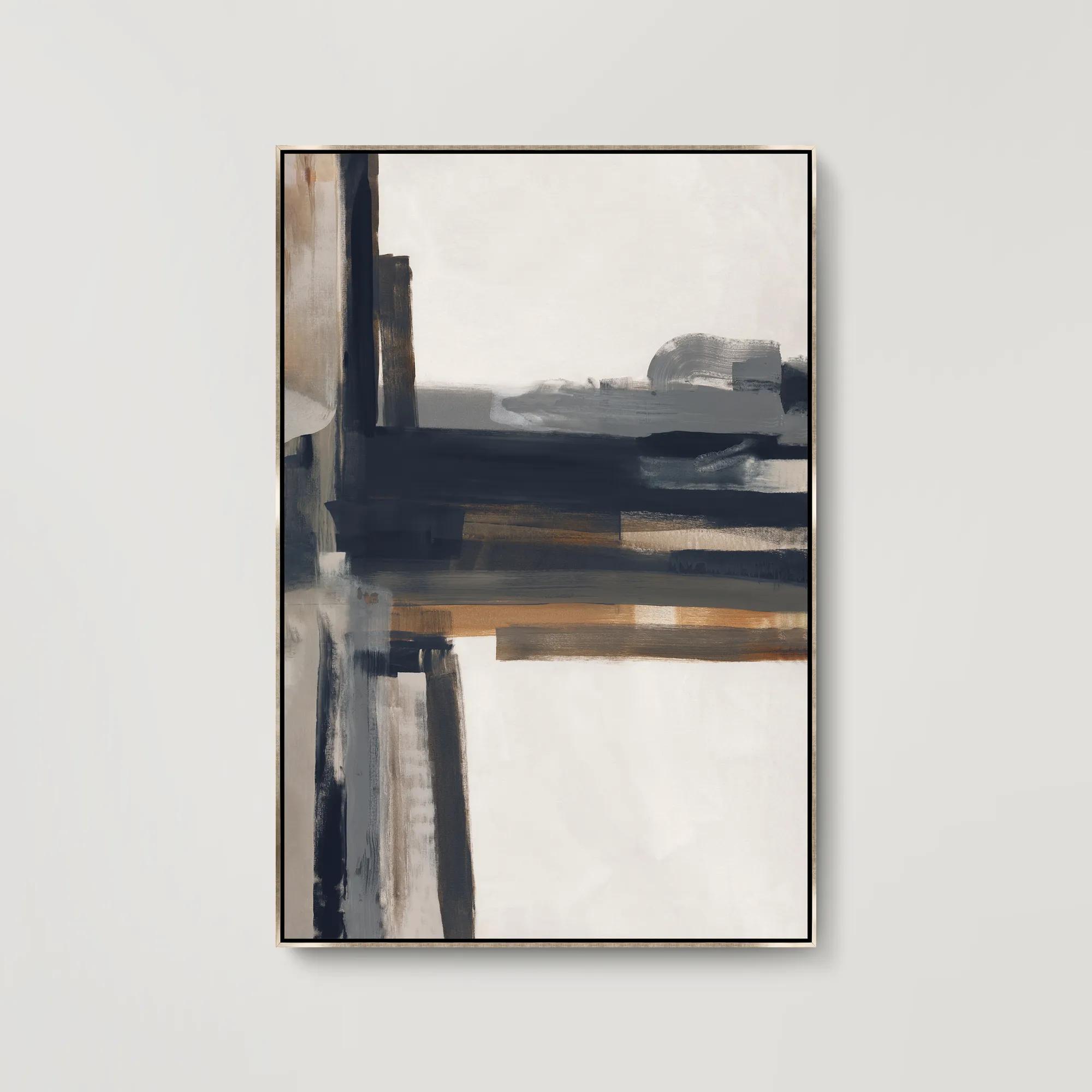
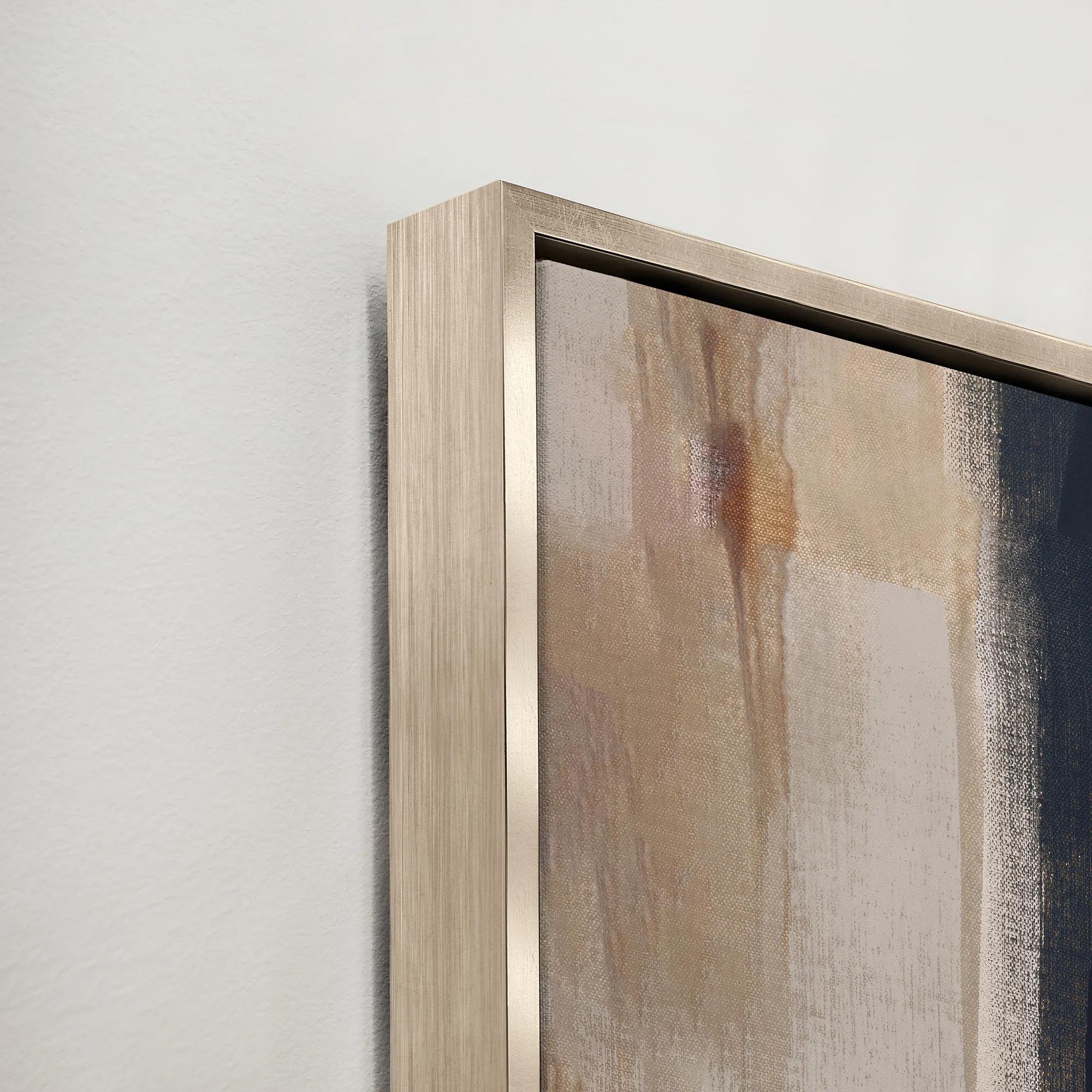 Imposing Construct I Framed Wall Art 41.5" x 61.5"$949
A gallery-wrapped abstract canvas featuring hand-applied brush gel and set in a sleek silver floater frame.
Add To Cart -

 Shift Framed Painted Wall Art 39.4" x 59"$499
A hand-painted canvas featuring bold black and beige contrasts with textured layers in a sleek black frame.
Add To Cart -
 Relic Framed Painted Triptych Wall Art Set of 3$399
A hand-painted abstract triptych in deep navy and neutral tones, set in sleek black floater frames.
Add To Cart -
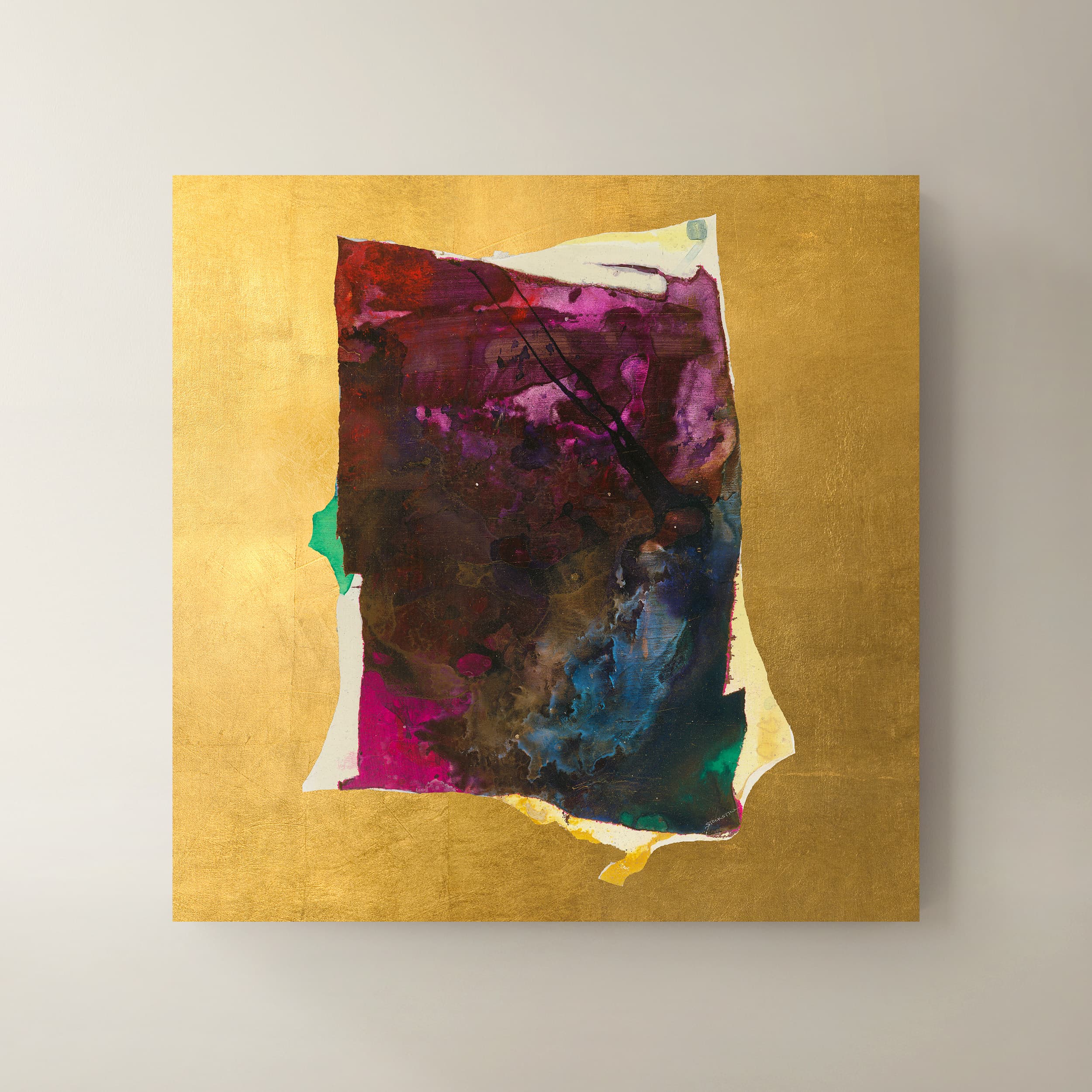 Supremo I Wall Art 40" x 40"$999
A multicolored canvas wall art piece adding contemporary visual interest to your interior.
Add To Cart -
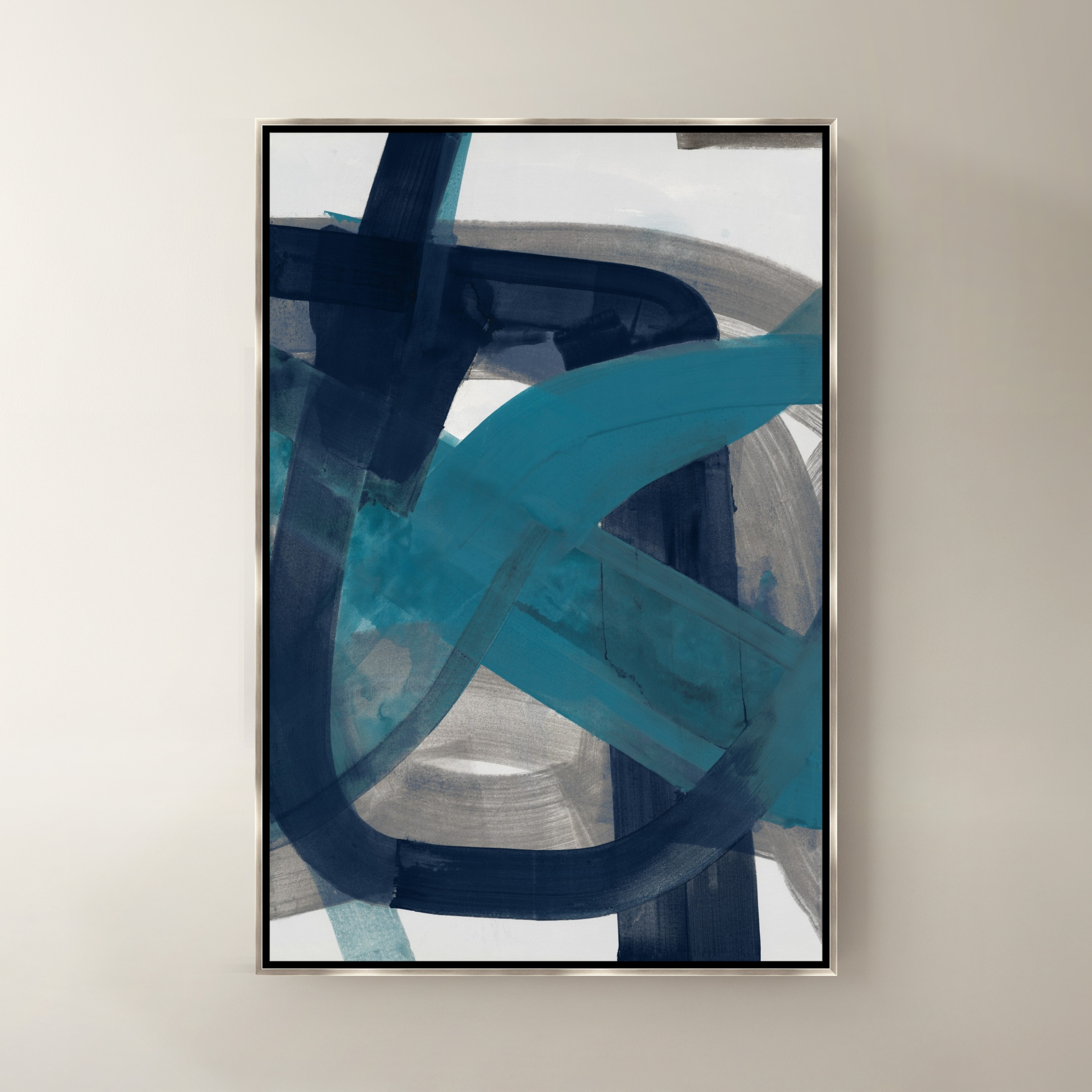
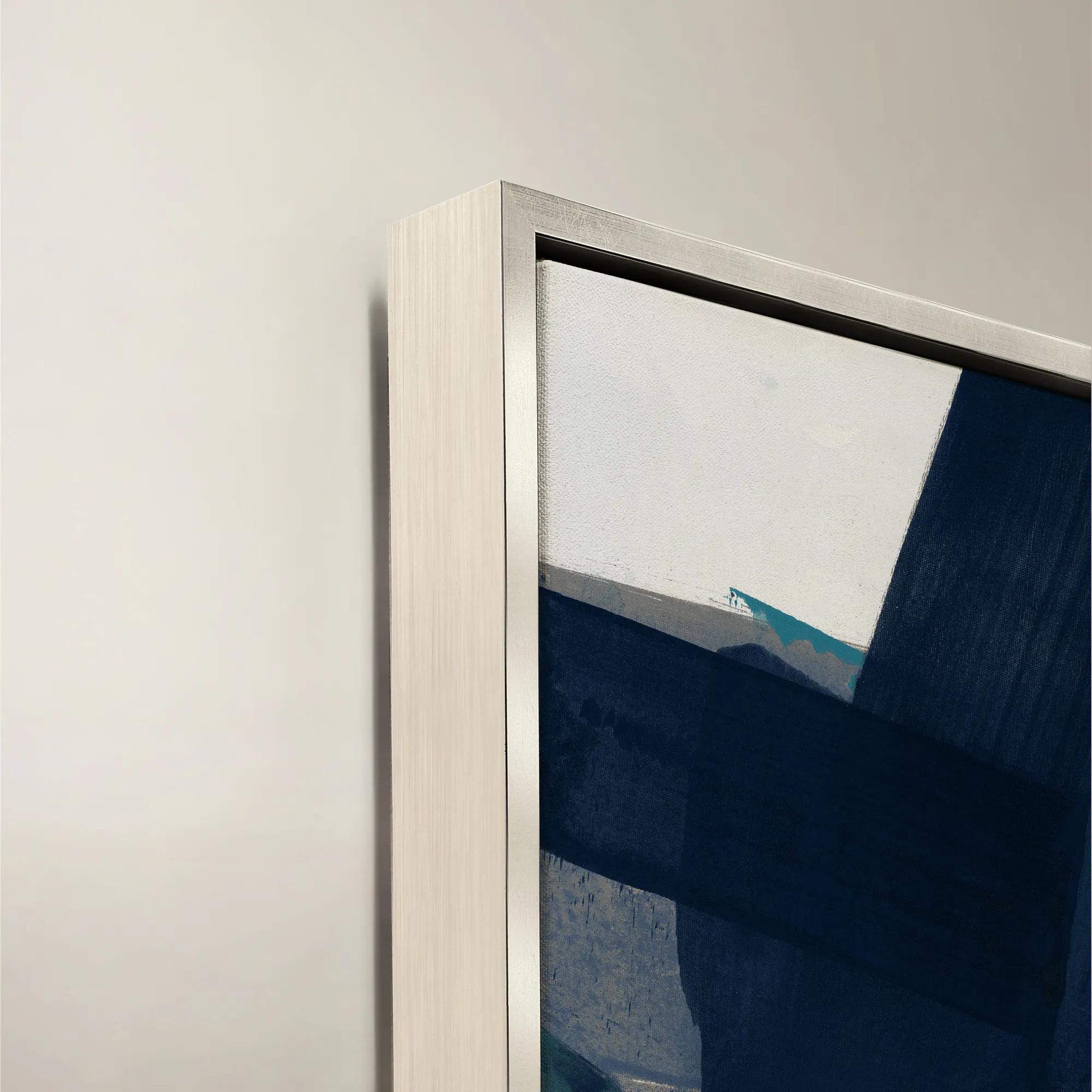 Fractured Currents II Framed Wall Art 24" x 36"$499
A framed canvas wall artwork featuring dynamic blue and purple tones for a modern, expressive accent.
Add To Cart

Hand Painted Geometric Canvas Arts
Hand Painted Geometric Canvas Arts transform blank walls into captivating showcases of artistry and imagination. Each piece is a bold declaration—where crisp lines, striking shapes, and vibrant hues converge in a symphony of modern glamour. These canvases invite you to embrace the unexpected, layering your space with dimension, drama, and a sense of curated wonder. Perfect for those who crave interiors that dazzle with personality, Hand Painted Geometric Canvas Arts promise to elevate every room into an expressive masterpiece worthy of admiration.
Hand-painted geometric canvas art brings the precision of shape together with the expressive character of paint. Defined by arrangements of lines, angles, circles, blocks, or intersecting planes, this style creates a modern focal point without relying on a literal scene. Its appeal lies in the tension between structure and gesture: a sharply outlined rectangle may sit beside a softly brushed field of color, while overlapping forms create depth through contrast rather than perspective. The canvas becomes more than a backdrop. Its weave can lend subtle texture beneath the paint, and hand-applied strokes may leave ridges, layered edges, or variations that reward a closer look. Compared with a flat reproduction, a hand-painted surface can offer a more tactile presence, although the degree of texture depends on the artist’s technique. Fully hand-painted artwork and a print finished with hand-applied embellishment involve different processes, making the stated medium and construction meaningful details when choosing a piece. Cotton and linen are common canvas materials; the support, paint application, and finish together influence the artwork’s appearance. Acrylic paint can produce crisp shapes, translucent layers, or substantial texture, while oil paint can create richly blended passages and dimensional marks. Neither medium determines the mood on its own. A composition of ivory, charcoal, and warm beige can feel architectural and composed, while cobalt, ocher, or saturated emerald introduces a more assertive rhythm. Metallic accents, when present, add another dimension by responding to light across the surface. Geometric compositions draw on a long tradition of abstraction, where proportion, repetition, and color carry the visual story. Their versatility makes them compelling for interiors that favor sculptural furniture, sumptuous upholstery, and expressive accessories, as well as rooms where one commanding artwork supplies the drama. The result is a focal point with both order and individuality: deliberate in its composition, yet animated by the marks of its making.
Scale gives geometric canvas wall art its relationship to a room. A broad horizontal composition above a sofa can visually connect the seating area, while a tall canvas brings presence to a narrow entry wall or the space beside a console. Square formats often feel especially balanced above a chest or within an architectural recess. As a general proportion, artwork spanning roughly two-thirds of the width of the furniture beneath it creates a cohesive arrangement without overwhelming the setting; for multiple canvases, that measurement includes the spaces between them. Final dimensions should account for the frame as well as the painted surface, particularly when neighboring sconces, shelving, or doorways limit the usable wall area. The center of an artwork often sits comfortably around eye level, approximately 57 to 60 inches from the floor, though placement above furniture may call for a different height to keep the composition connected to what sits below. Orientation also matters: a design should only be rotated when its construction, hanging hardware, and intended presentation allow it. Beyond measurements, the visual weight of a painting shapes its effect. Dense black forms can anchor a pale room, broad areas of cream can introduce breathing room among richly patterned furnishings, and repeated curves can soften an interior dominated by angular silhouettes. A slim dark frame can sharpen the geometry, while a metallic frame may connect with gleaming lighting or decorative accents. An unframed, gallery-wrapped canvas places greater emphasis on the painted form, with the appearance of its edges becoming part of the presentation. In a dining room, geometric artwork can establish an elegant backdrop without competing with conversation. In a bedroom, a composition with generous spacing and restrained contrast may feel quietly enveloping. For a home office, stronger diagonals or rhythmic repetition can introduce energy without the specificity of a landscape or portrait. These paintings also suit shared living spaces where abstract forms offer room for individual interpretation. Viewed from across the room, the arrangement reads as a confident statement; up close, the painted details reveal a more intimate character.
The lasting appeal of hand-painted geometric canvas art depends on thoughtful construction and appropriate care as much as on its composition. Canvas stretched over a sound support should retain an even surface, while secure framing and hanging hardware help protect the artwork during everyday display. Materials, depth, weight, and mounting requirements vary, so those details deserve attention before an artwork takes its place on the wall. A substantial canvas may need wall anchors suited to both its weight and the wall material rather than a small decorative hook. Painted surfaces also benefit from a protected setting. Prolonged direct sunlight can affect pigments and canvas over time, and locations exposed to moisture, steam, or frequent splashes are generally less suitable than dry interior walls. Light deserves particular consideration with textured artwork: gentle illumination from an angle can reveal raised brushwork, while an intense beam may create glare or distracting shadows. For routine care, follow the artwork’s supplied instructions and avoid household cleaners, abrasive cloths, or wet wiping unless specifically permitted. Delicate paint ridges and metallic finishes can be vulnerable to rubbing, and the presence of a protective coating should never be assumed. When moving a canvas, support its frame or stretcher rather than pressing against the painted face; careful handling helps preserve both the surface and its shape. These practical considerations leave the artistic experience at the center, allowing the work to remain a defining element of the room. Geometric canvas art can also make a considered housewarming or wedding gift for someone who enjoys expressive interiors, especially when the recipient’s preferred colors, available wall space, and taste in abstraction are known. A measured palette may suit a home with layered neutrals, while a bold composition can resonate with someone drawn to theatrical contrast. For those interested in the broader appeal of individually worked surfaces, Handcrafted Canvas Wall Arts offers a related direction to explore. Geometric painting’s particular distinction remains the interplay of disciplined form and human touch: crisp enough to hold a room together, expressive enough to give it a signature.
FAQs
Hand painted geometric canvas art is remarkably versatile, complementing a range of interior styles from contemporary and mid-century modern to eclectic and glam. Its bold lines and dynamic forms add visual interest to minimalist spaces, while its vibrant colors and layered textures can elevate maximalist or bohemian rooms. For a truly dramatic effect, pair geometric canvas art with metallic accents, mirrored surfaces, or sumptuous textiles.
To create a striking gallery wall, mix geometric canvas wall art with other styles such as abstract prints, photography, or sculptural pieces. Vary the sizes and orientations for added movement, but maintain a cohesive color palette to unify the display. Geometric pieces serve as bold anchors, guiding the eye and adding rhythm to the arrangement.
Absolutely. Geometric painting canvas makes a sophisticated and thoughtful gift for art enthusiasts, design lovers, or anyone celebrating a new home or special milestone. Its timeless appeal and modern edge ensure it will be cherished for years, serving as a daily reminder of your inspired taste and generosity.
Hand painted geometric canvas art stands apart with its palpable texture, dimensional brushwork, and one-of-a-kind artistry. Each piece carries the signature touch of the artist, resulting in subtle variations and depth that digital prints simply cannot replicate. This tactile quality brings energy and authenticity to any space.
During the winter months, geometric canvas art can infuse your interiors with warmth and vibrancy. Opt for pieces with rich jewel tones or metallic accents to reflect ambient light, or choose bold patterns that energize and uplift your space. Placing geometric art in high-traffic areas like living rooms or entryways ensures your home feels inviting and visually captivating all season long.