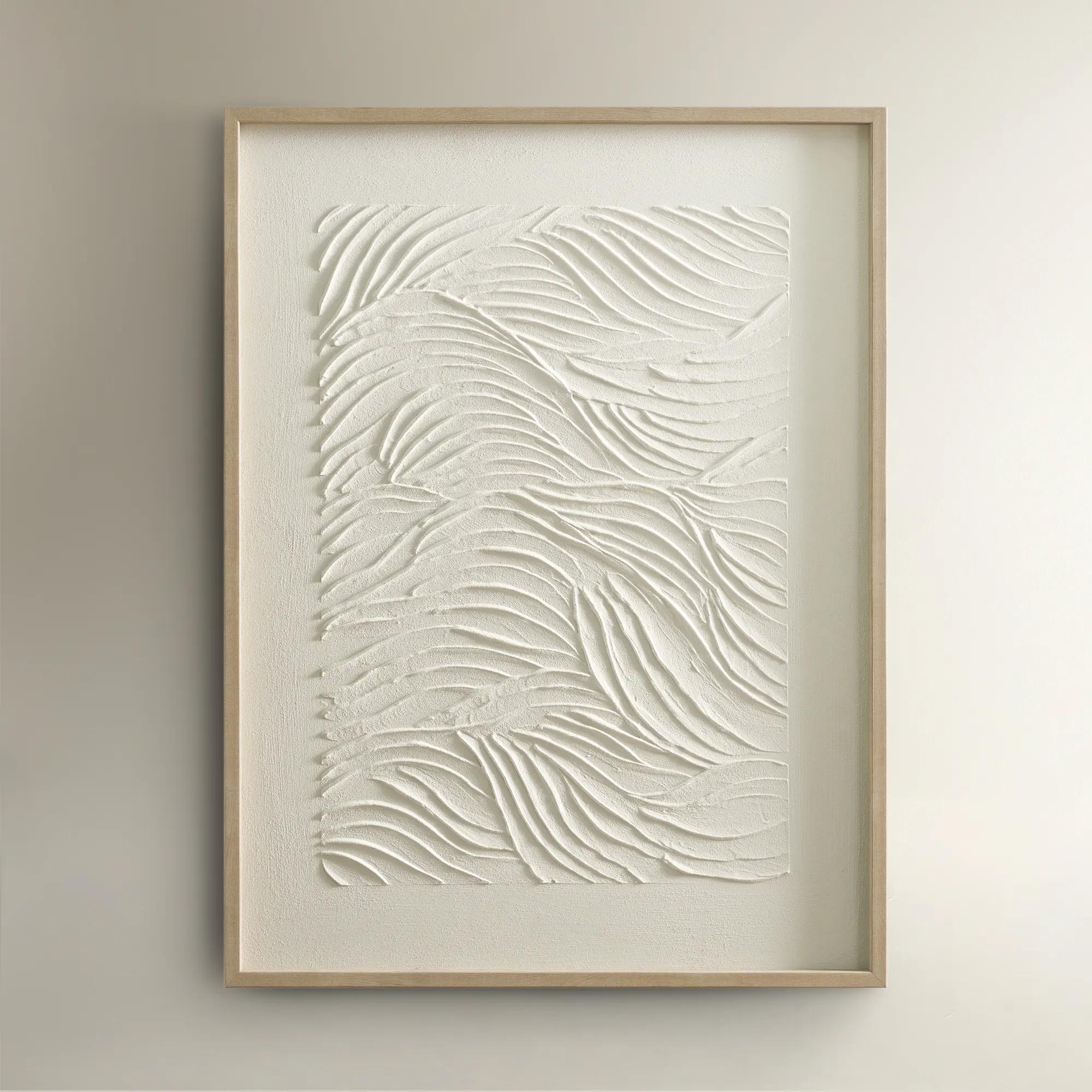
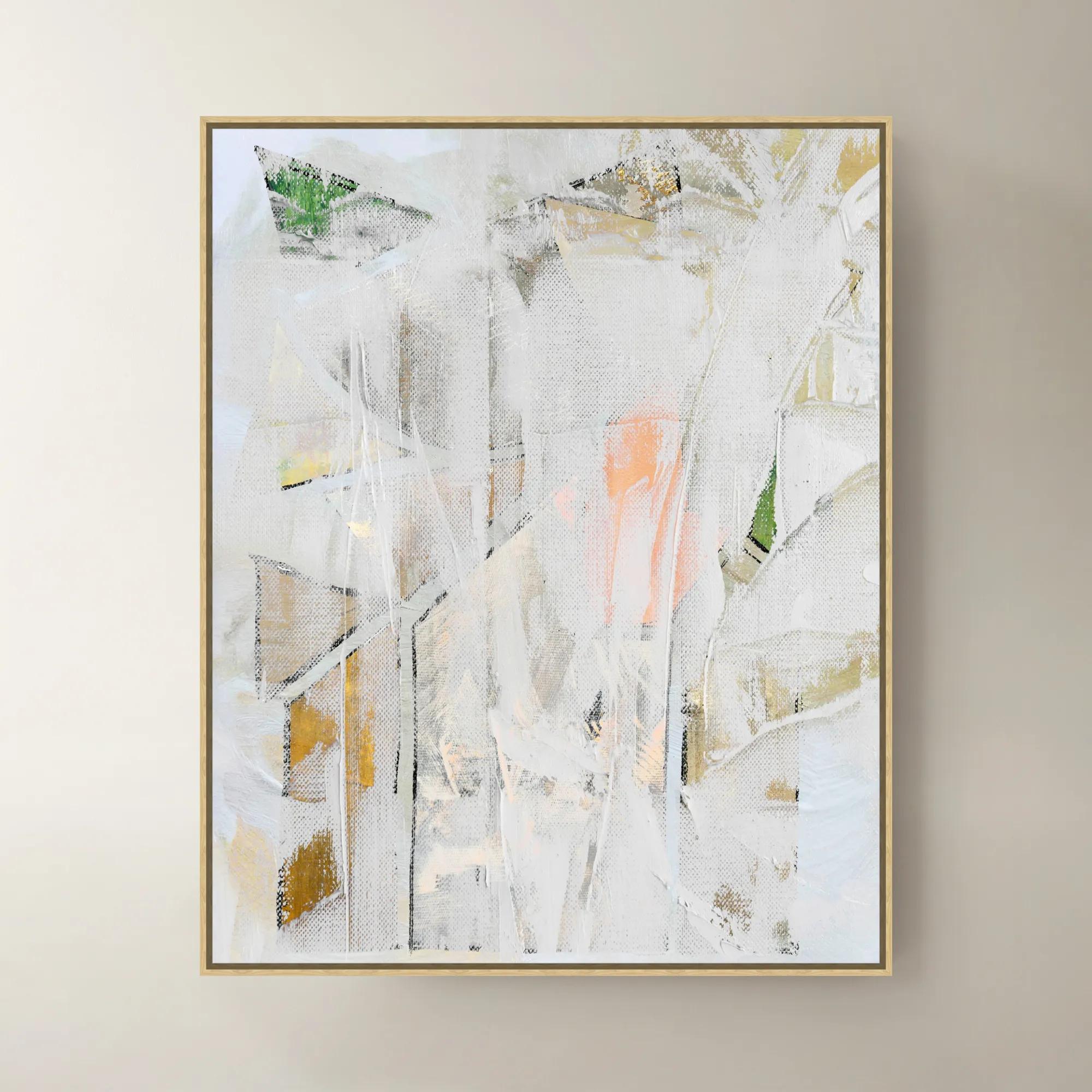
Bold Texture Canvas Wall Arts
Bold Texture Canvas Wall Arts
-
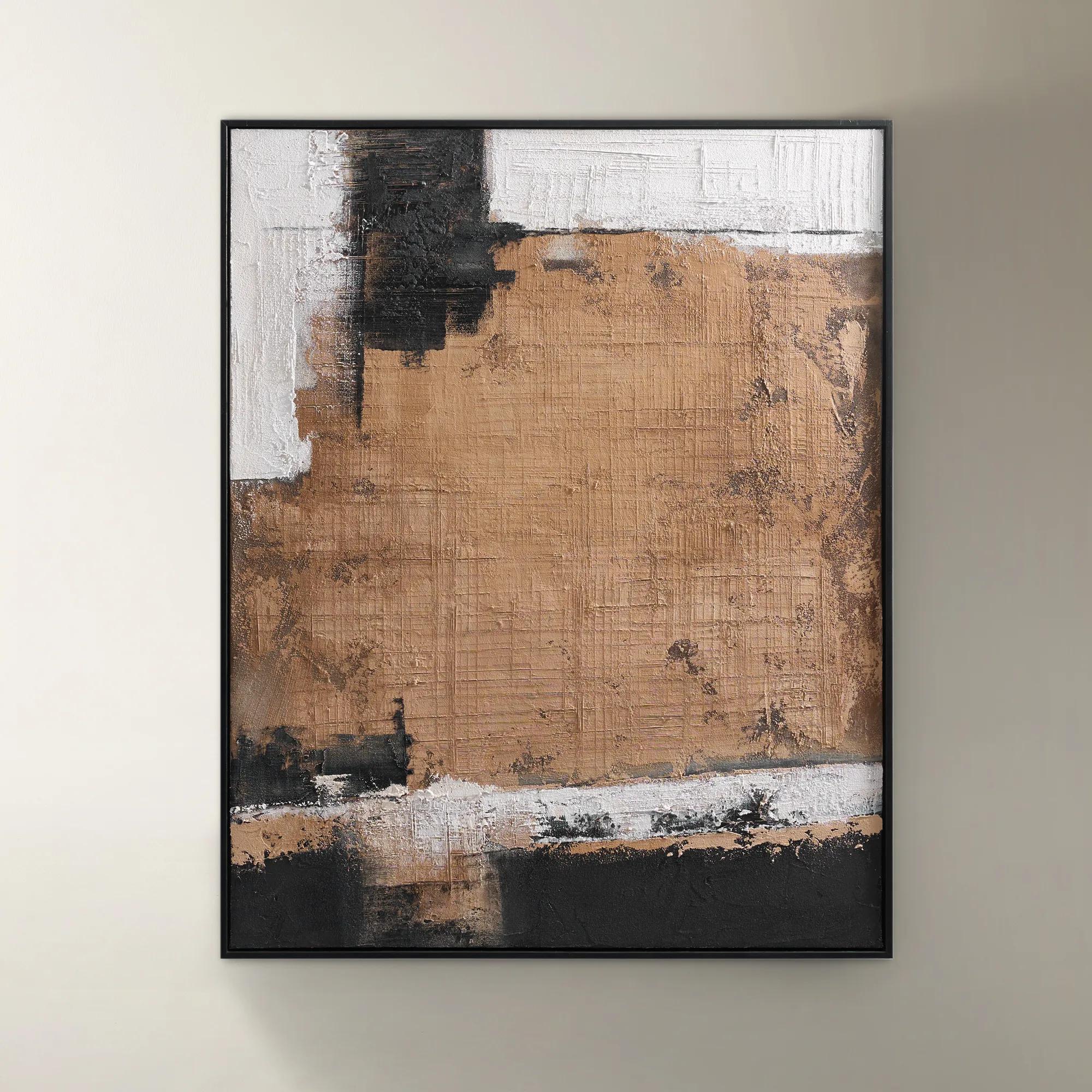
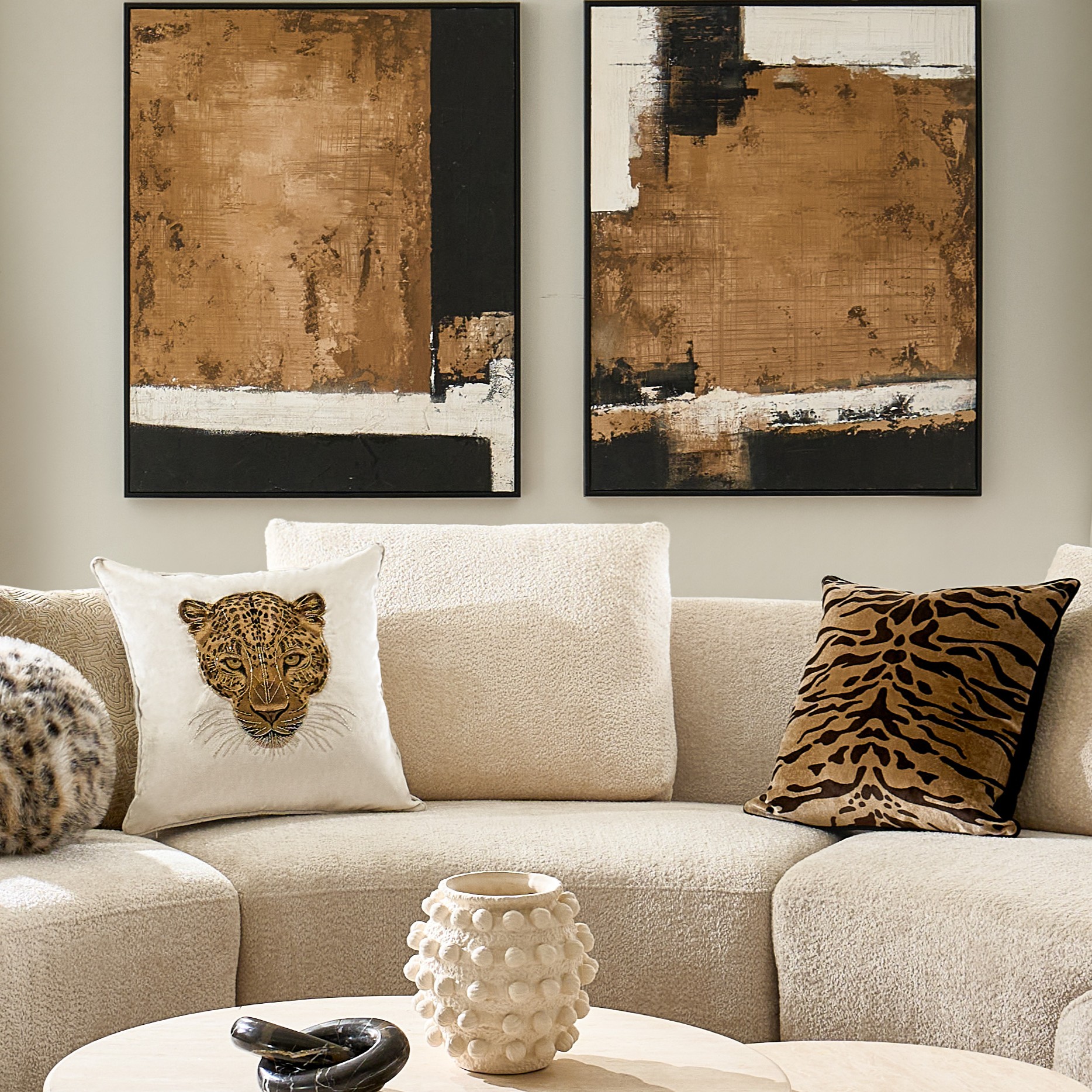 Drift Framed Painted Wall Art II 39.4" x 31.5"$299
A hand-painted canvas in brown, featuring bold texture and color interplay within a sleek black floater frame.
Add To Cart -
 Shadow Painting 2$179
A hand-painted abstract canvas featuring bold textures and brown hues in a warm whitewash floater frame.
Add To Cart -
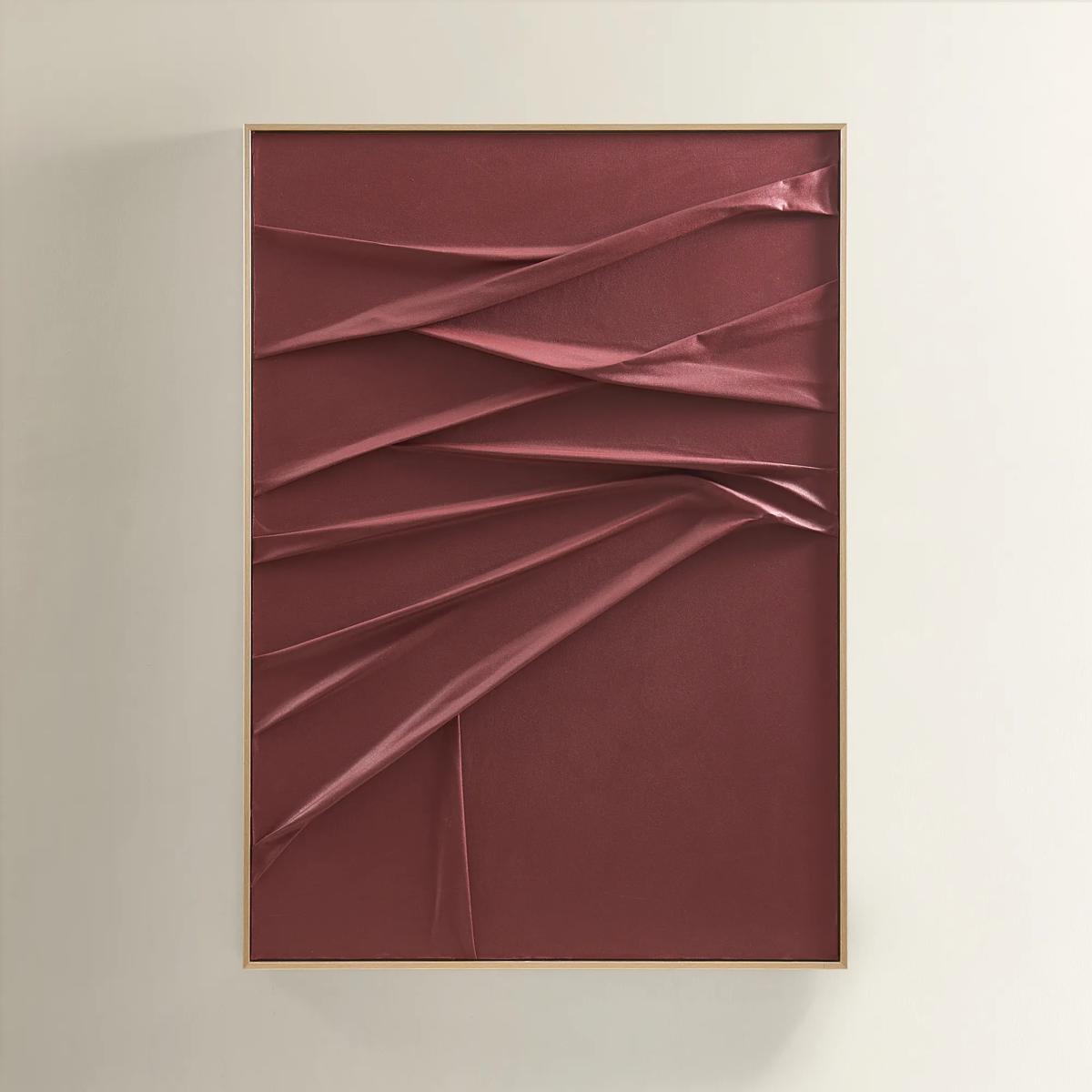
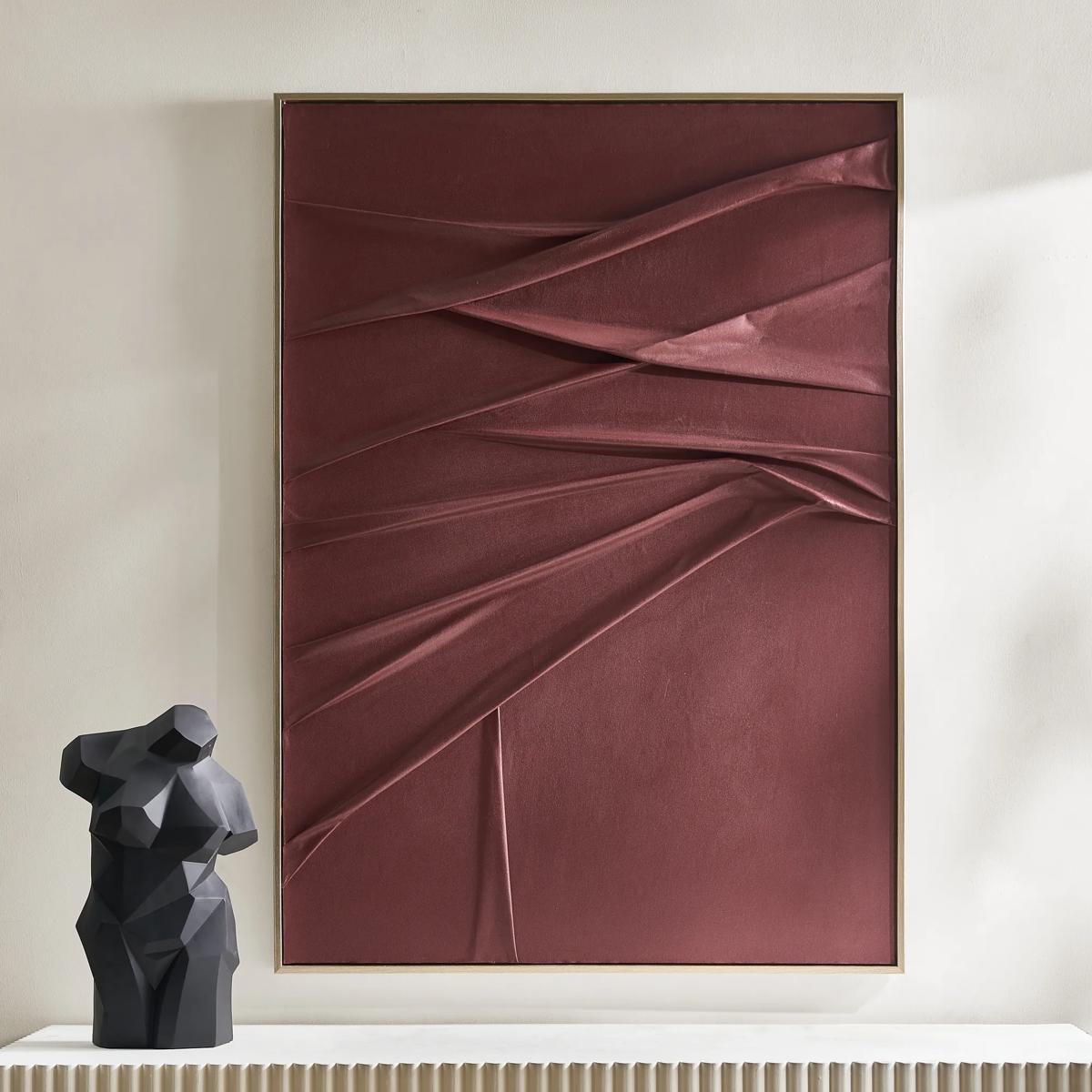 Crimson Painting$599
A handcrafted burgundy canvas artwork with sculptural folds, framed in champagne for a dramatic, textured effect.
Add To Cart -

 Shift Framed Painted Wall Art 39.4" x 59"$499
A hand-painted canvas featuring bold black and beige contrasts with textured layers in a sleek black frame.
Add To Cart -
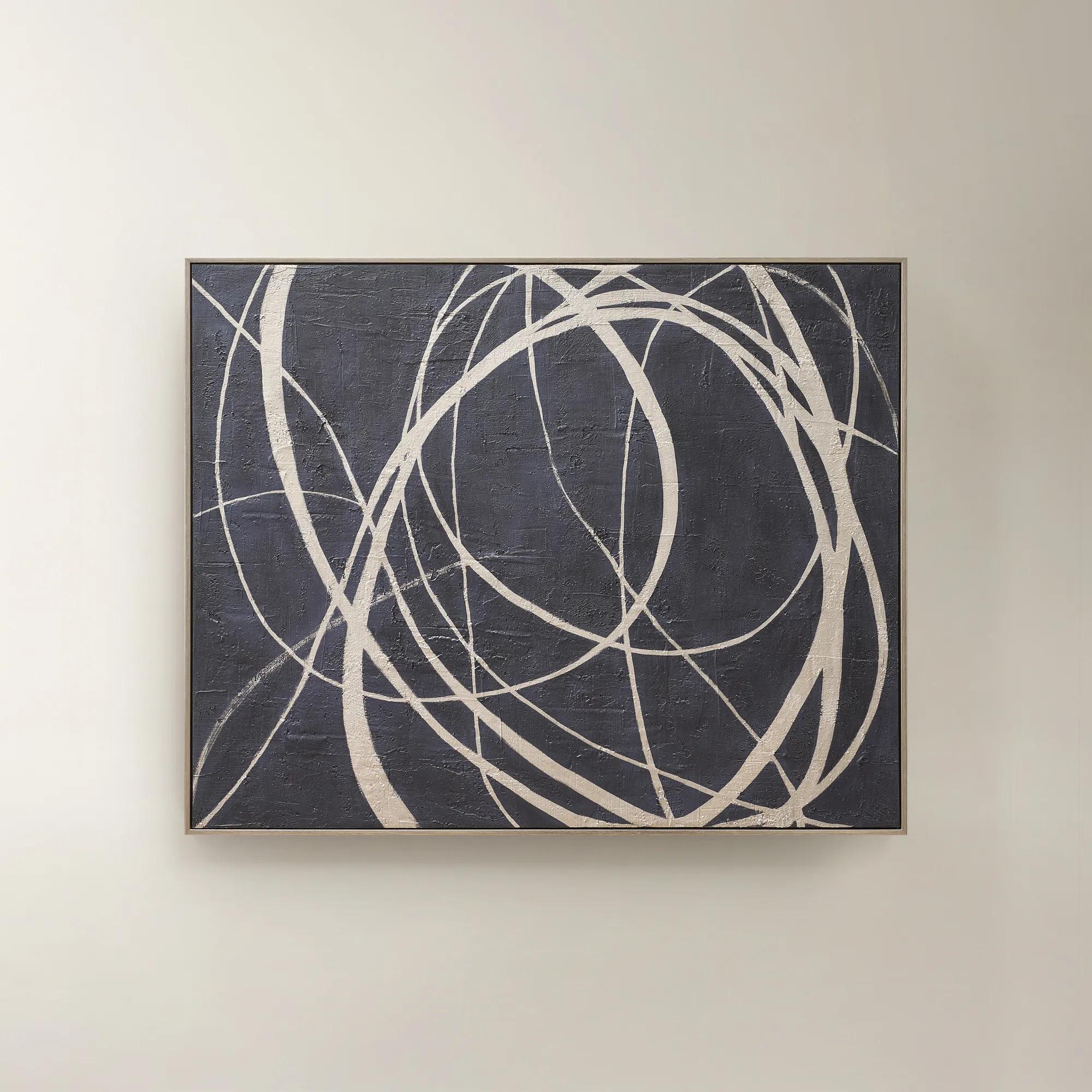 Wandering Framed Painted Wall Art 48" x 60"$699
An expressive hand-painted canvas in deep ink blue with champagne accents for a bold, sophisticated statement.
Add To Cart -
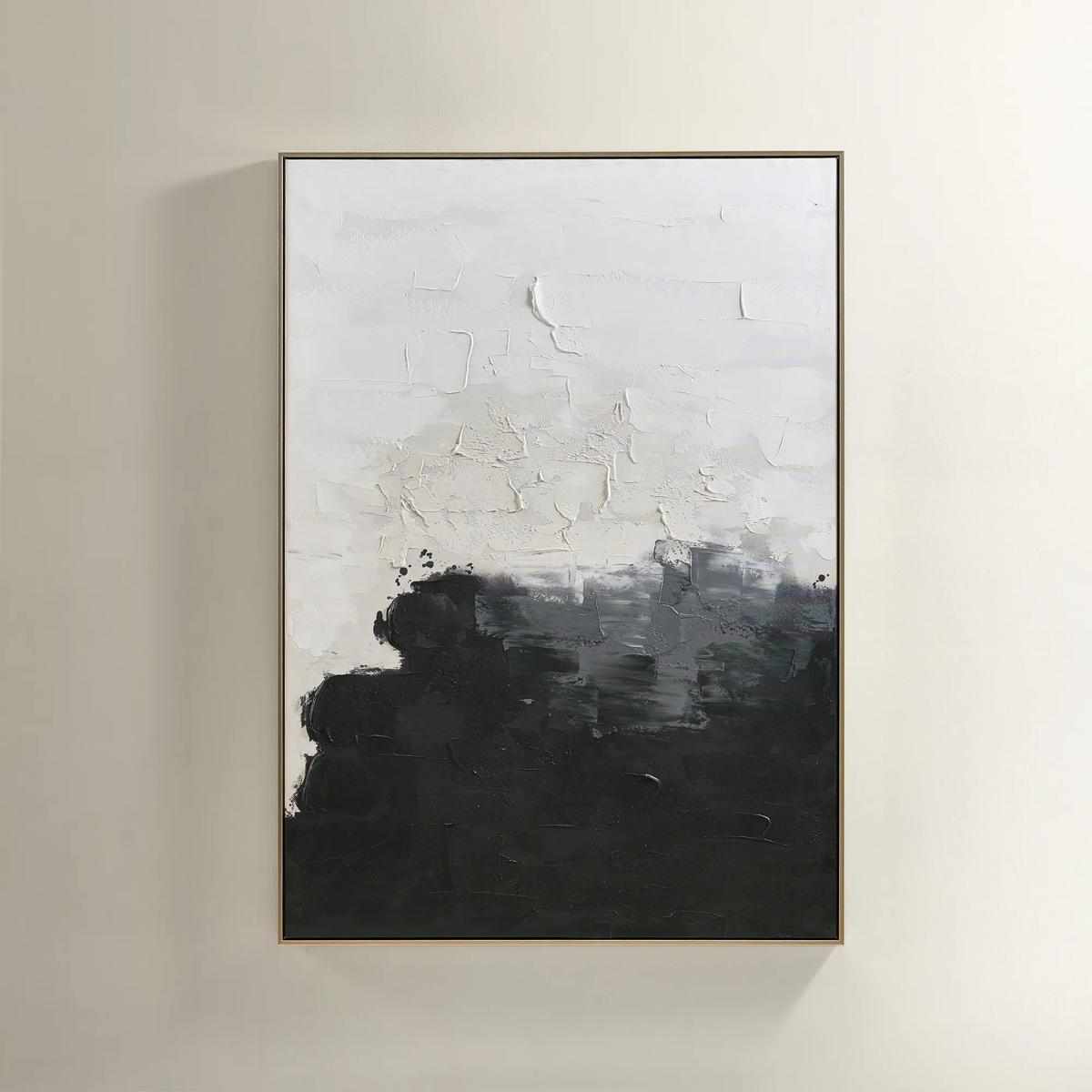
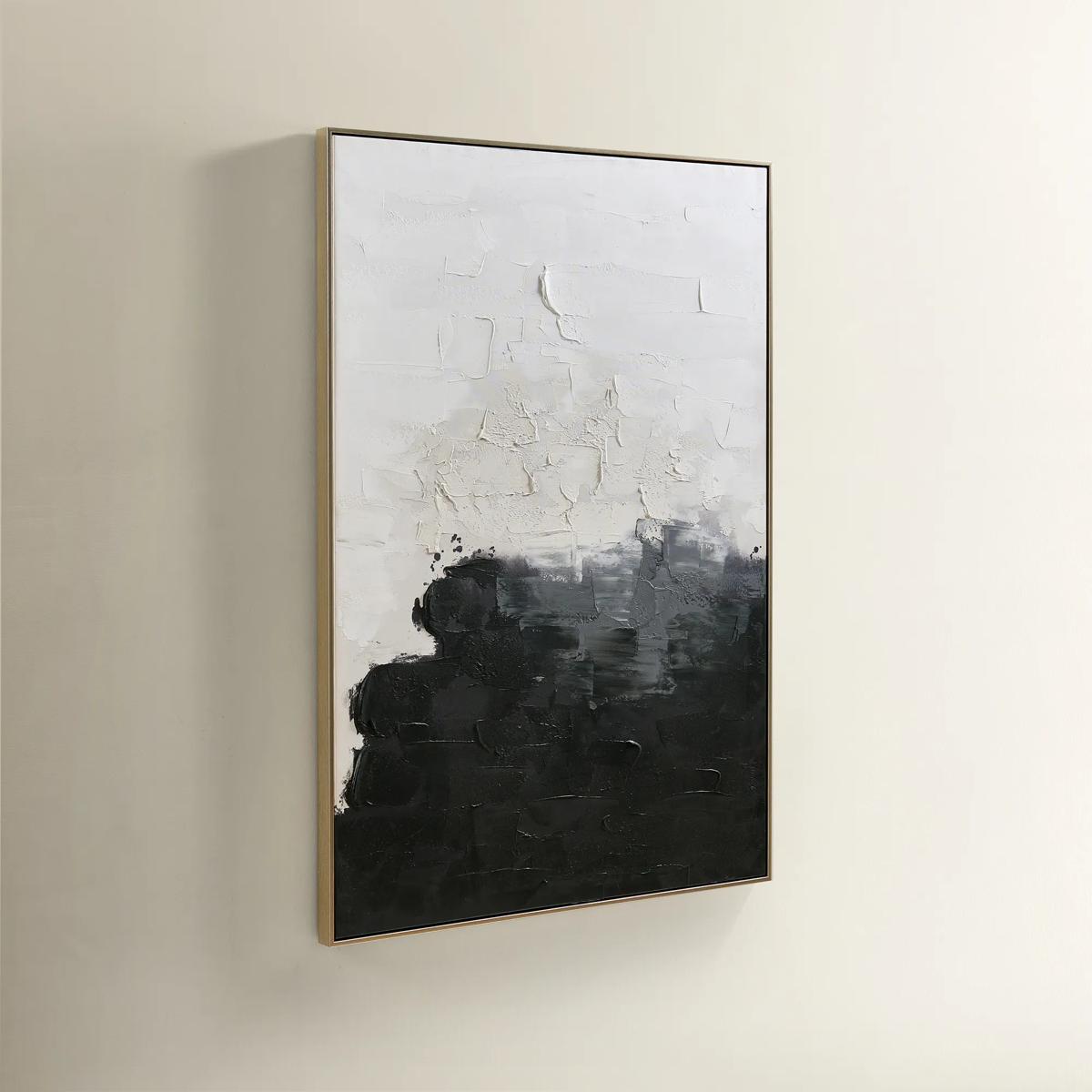 No Rush Painted Wall Art 39.25" x 55"$499
A hand-painted canvas featuring textured strokes of white, ivory, and charcoal in a natural wood frame.
Add To Cart -
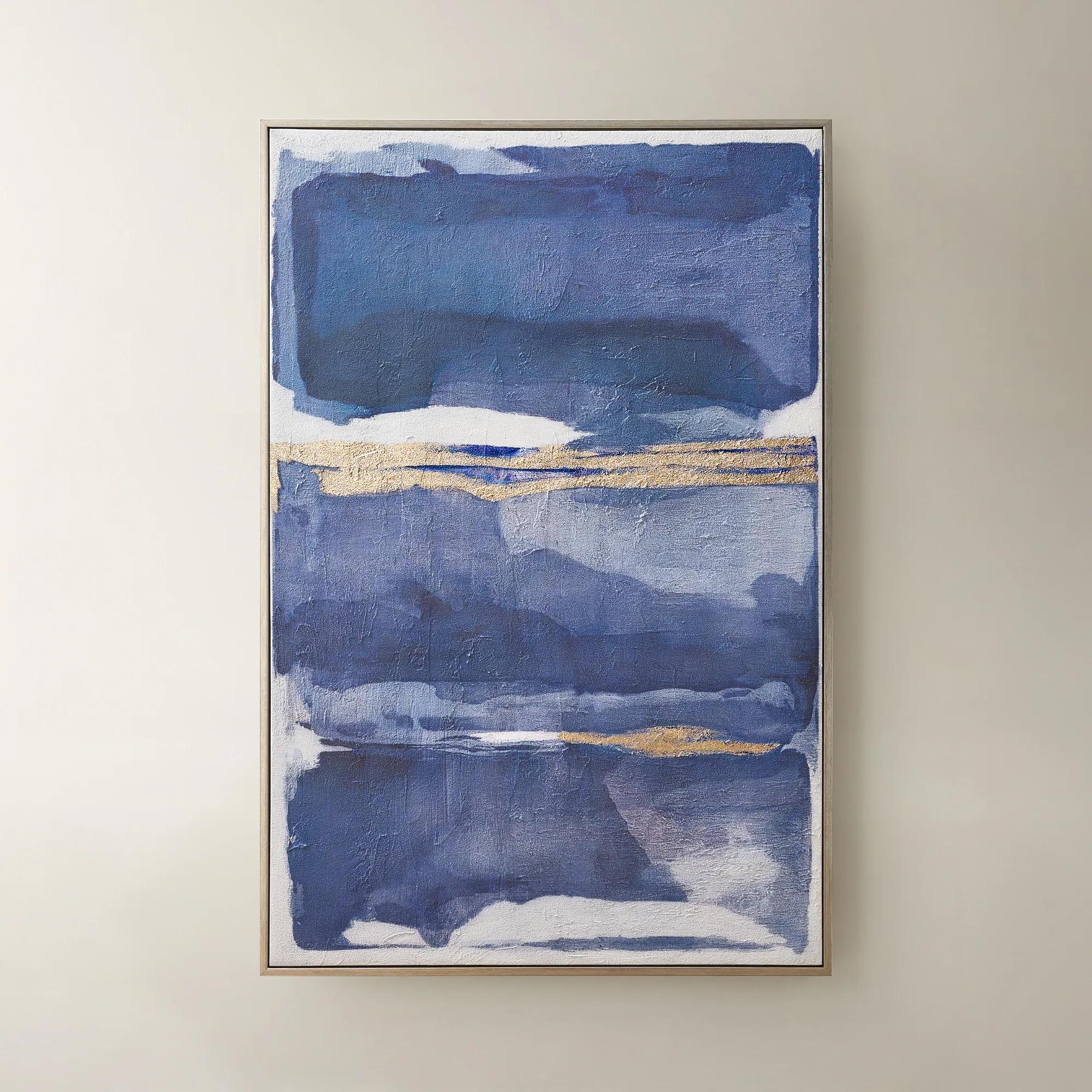
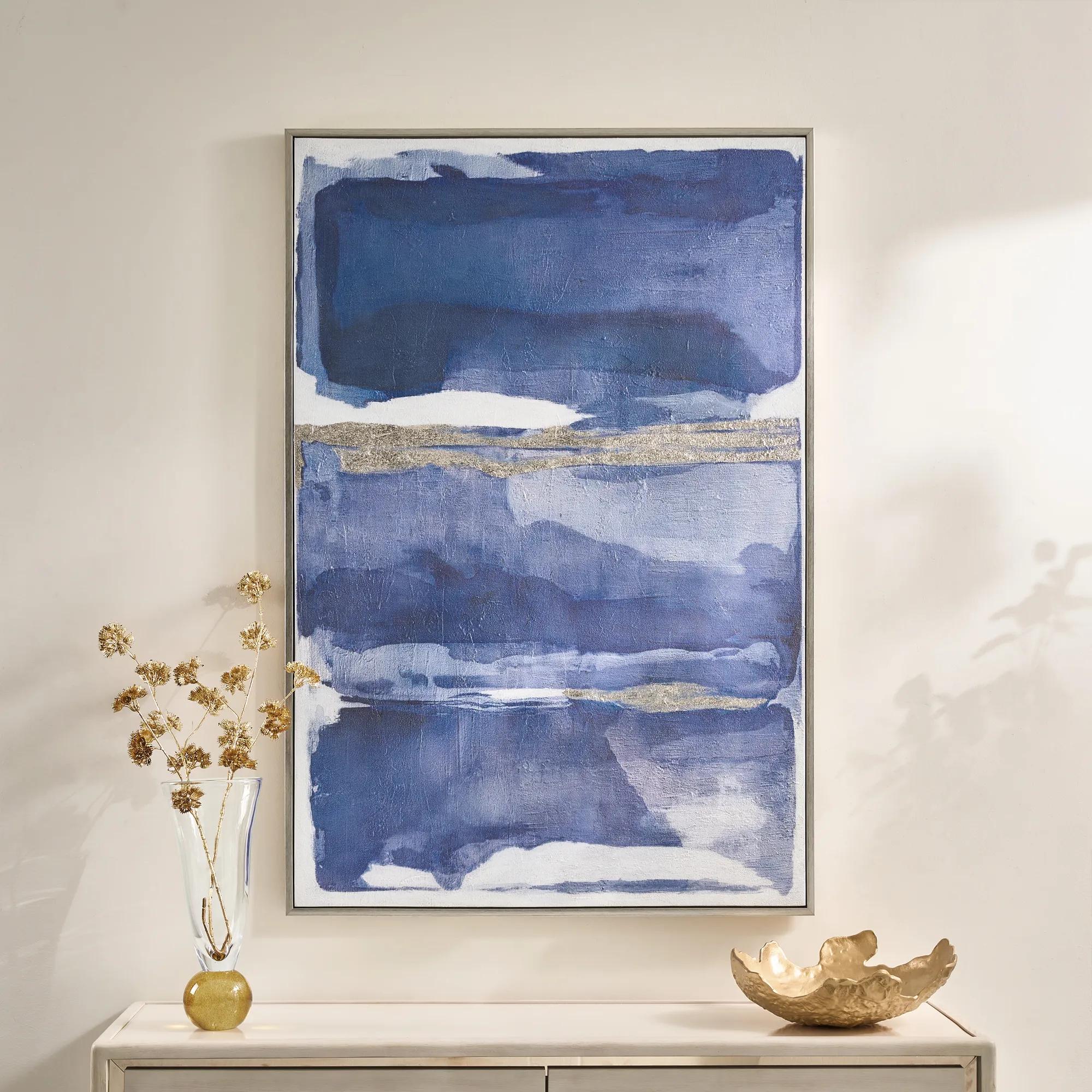 Memories in Blue Framed Painted Wall Art 40" x 60"$499
A hand-painted canvas in deep ink blue with champagne leafing for a sophisticated, gallery-inspired look.
Add To Cart -
 Espresso Framed Painted Wall Art 31.5" x 31.5"$149
A bold abstract artwork featuring rich brown hues on hand-painted canvas in a light wood floater frame.
Add To Cart -
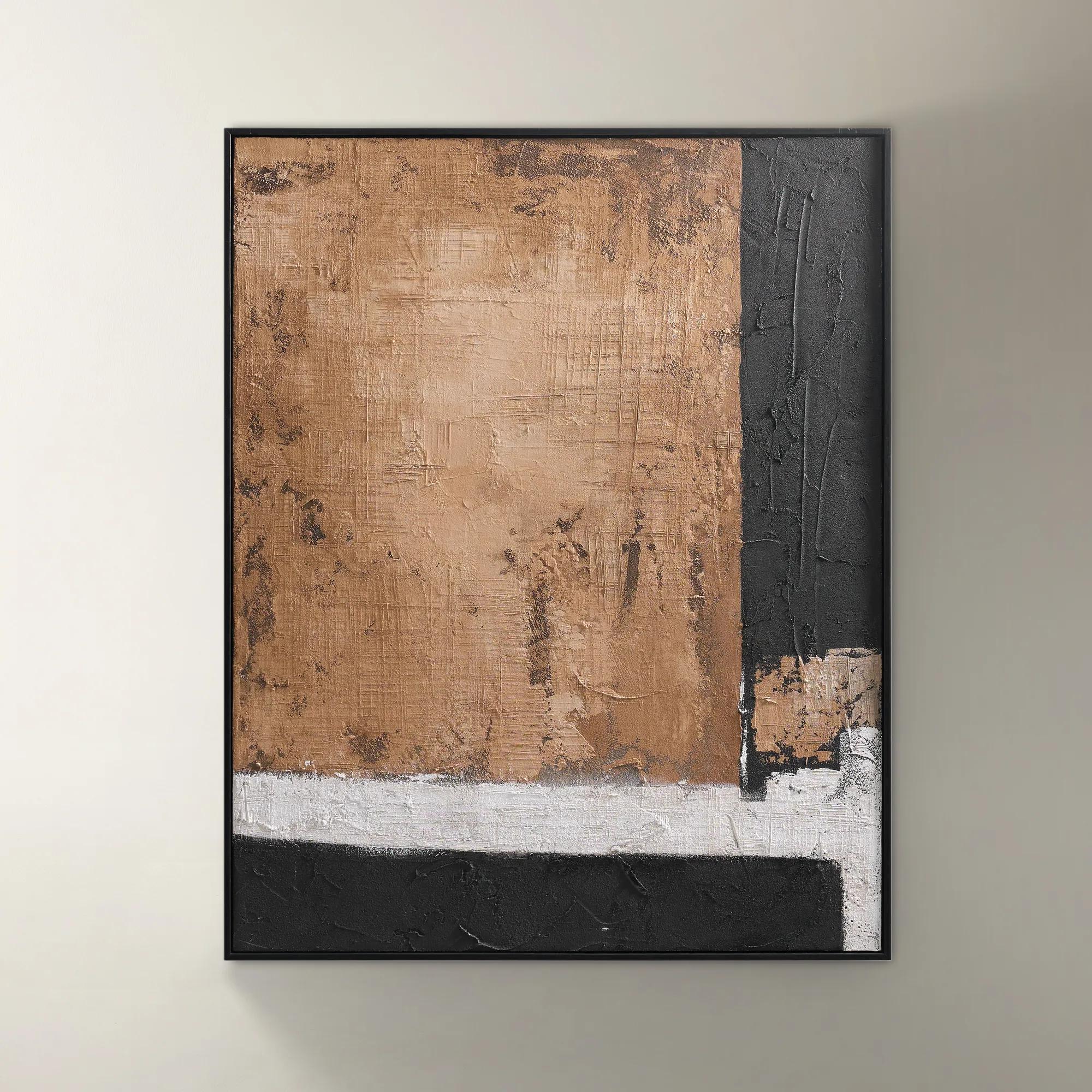 Drift Framed Painted Wall Art I 39.4" x 31.5"$299
A bold hand-painted abstract artwork featuring layered brown tones in a sleek black floater frame.
Add To Cart -
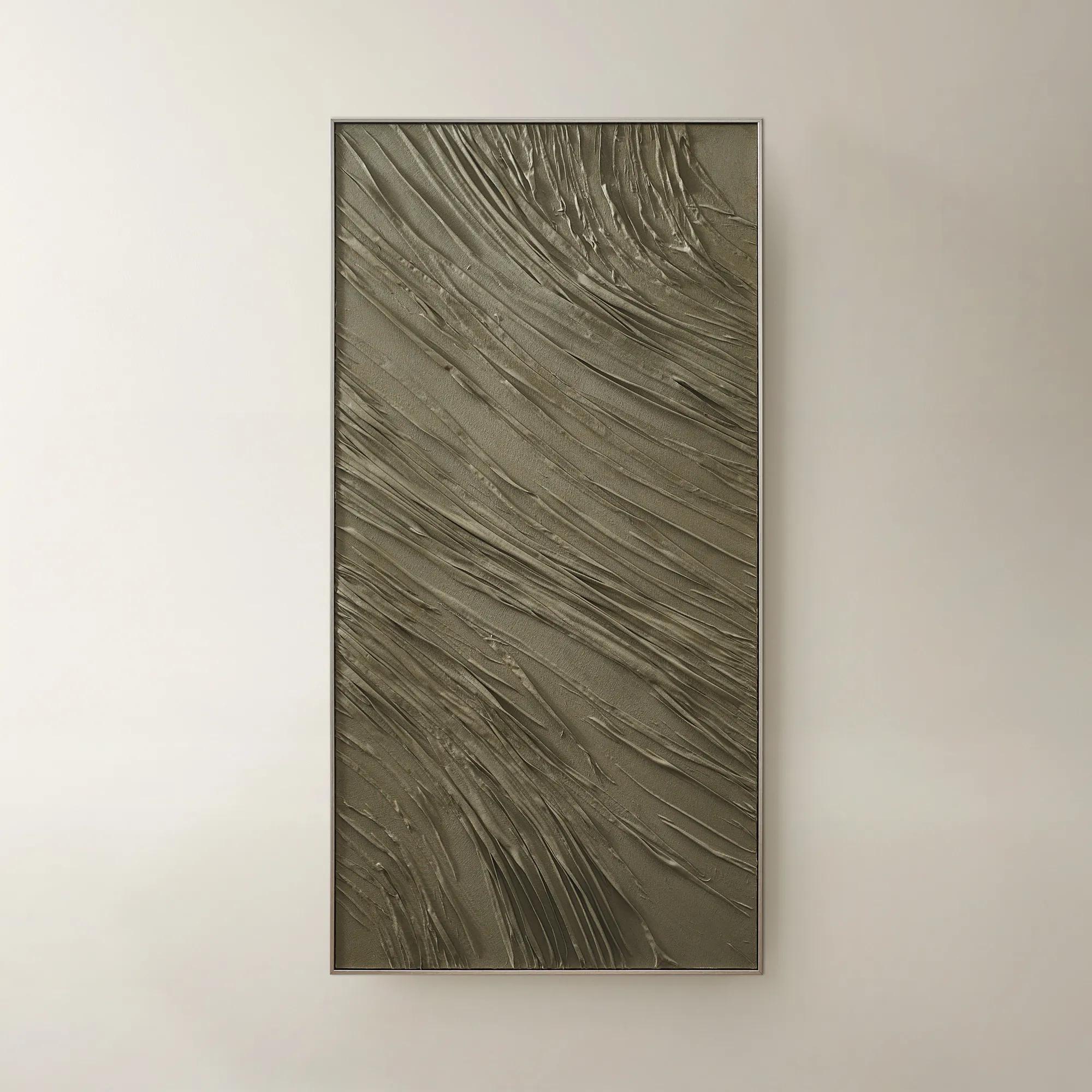
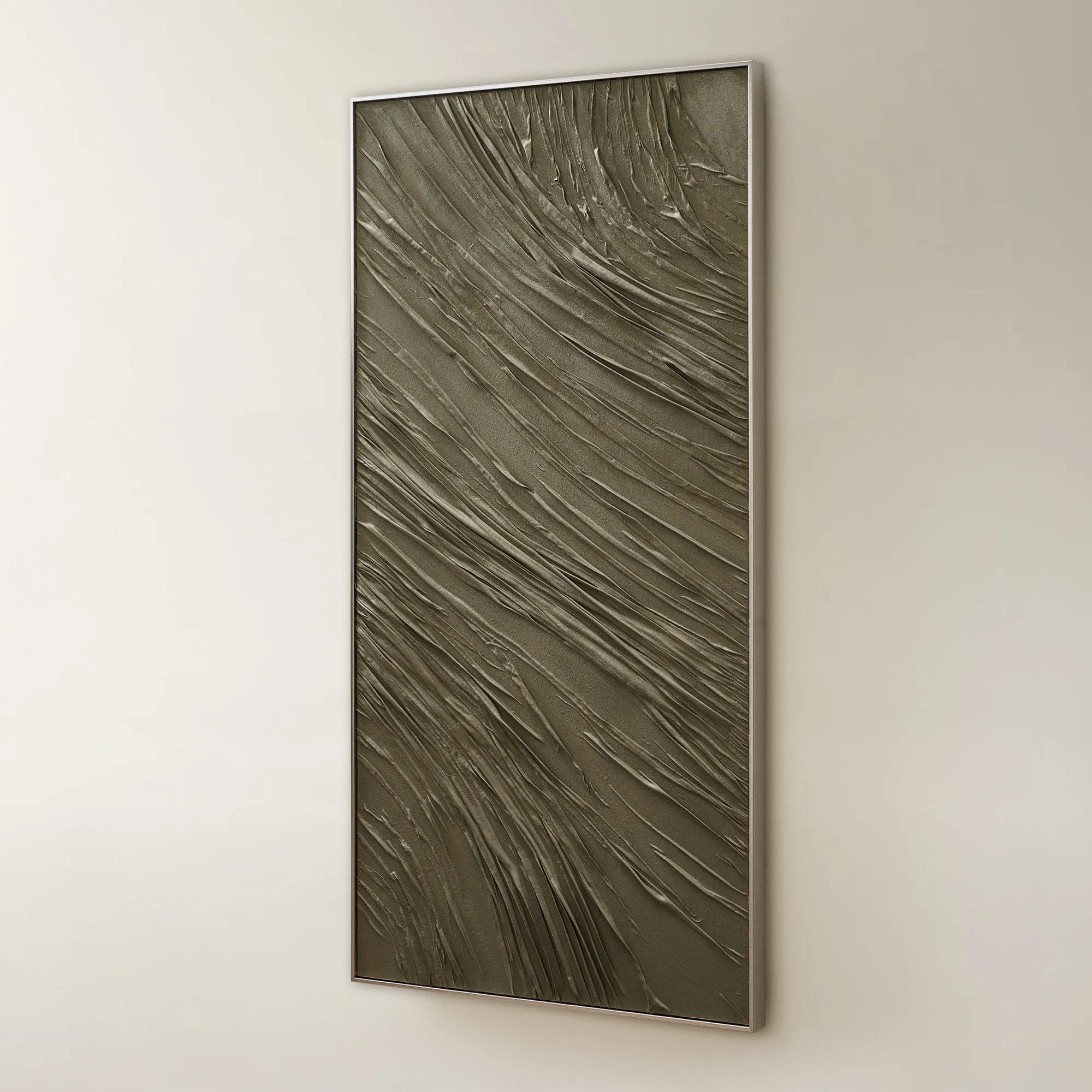 Grove Framed Hand-crafted Folded Fabric Wall Art 60" x 30"$349
A hand-crafted folded canvas in deep olive with a champagne frame for sculptural, modern wall art.
Add To Cart -
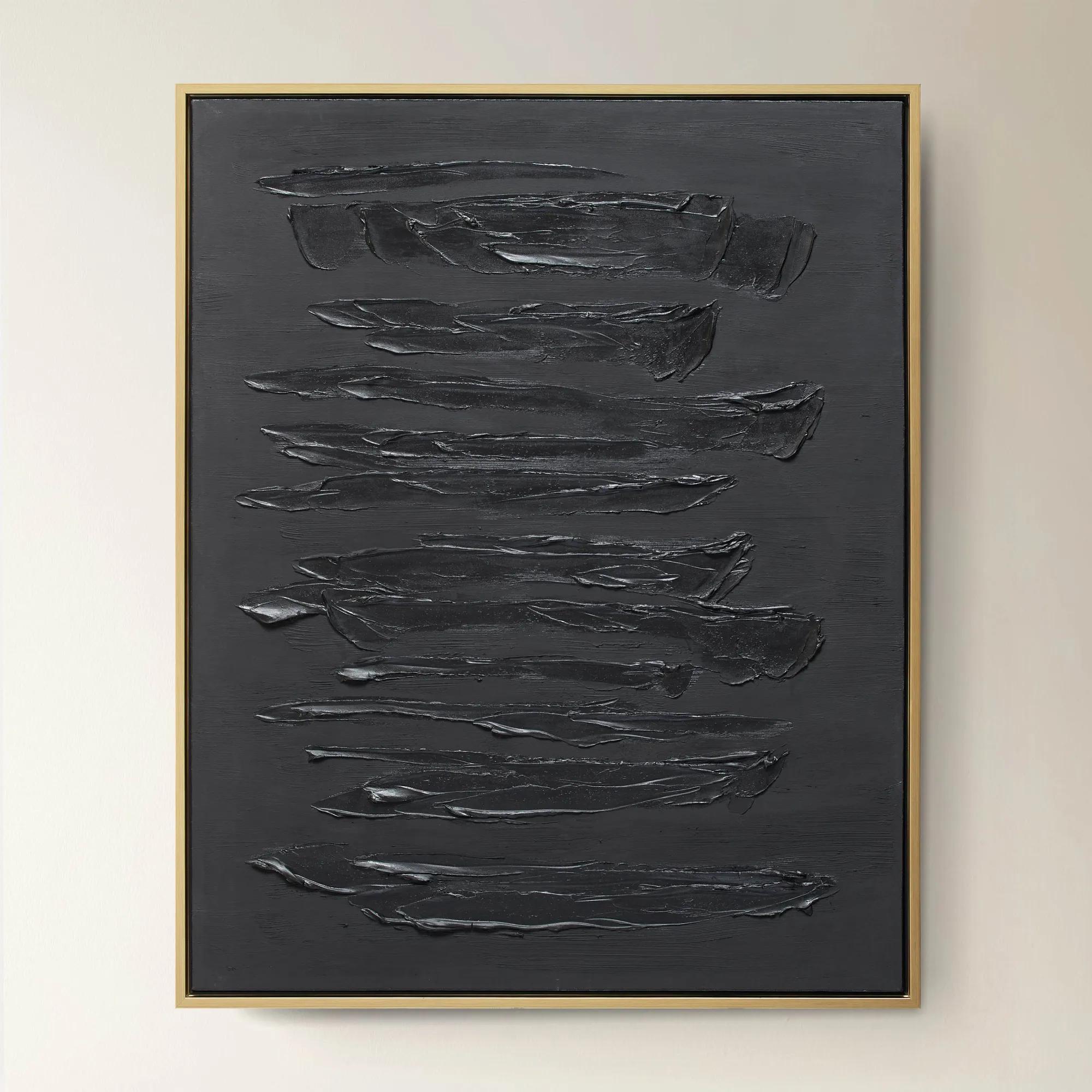
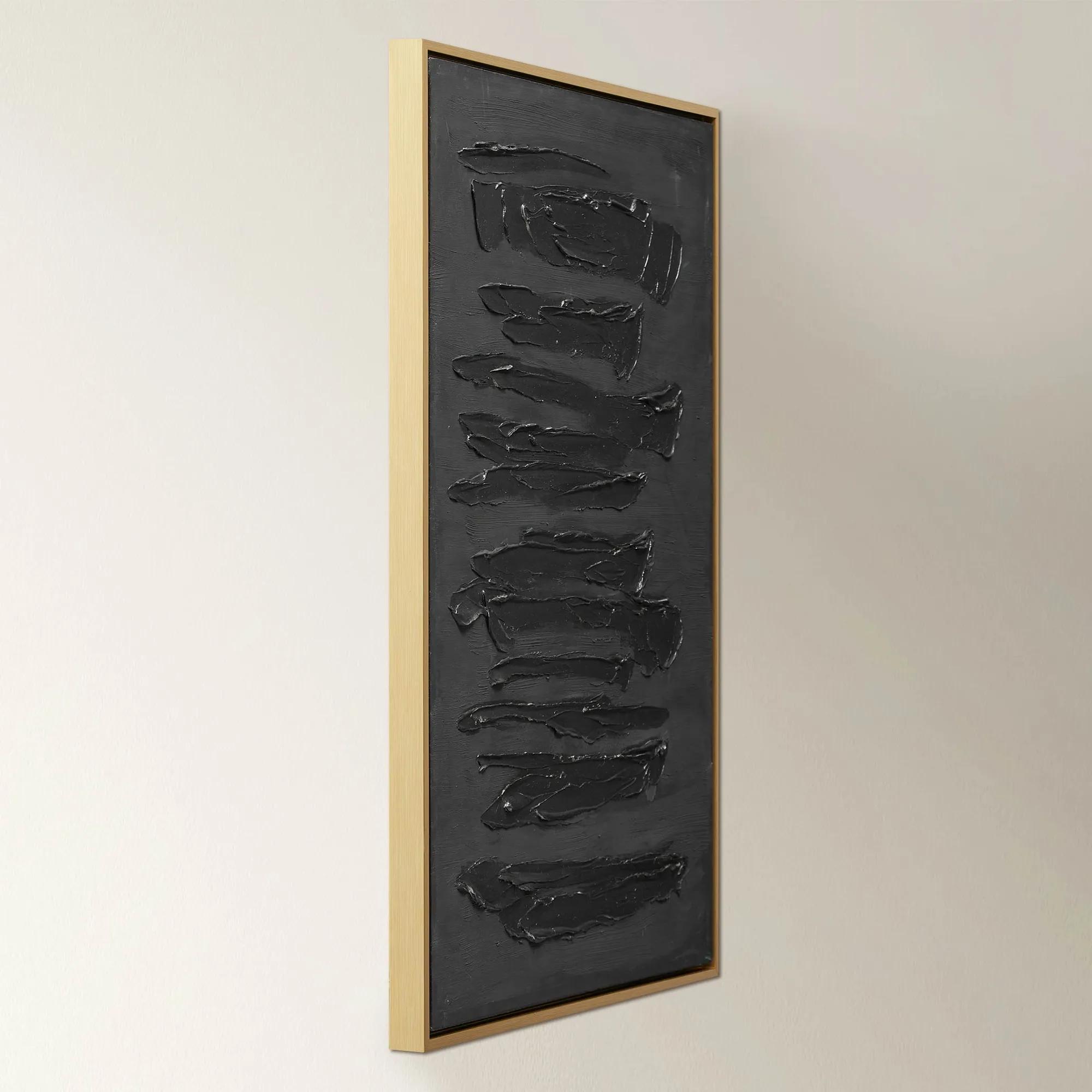 Nocturne$599.95
A dramatic abstract artwork featuring bold, dark brushstrokes on hand-painted canvas in a gold floater frame.
Add To Cart -
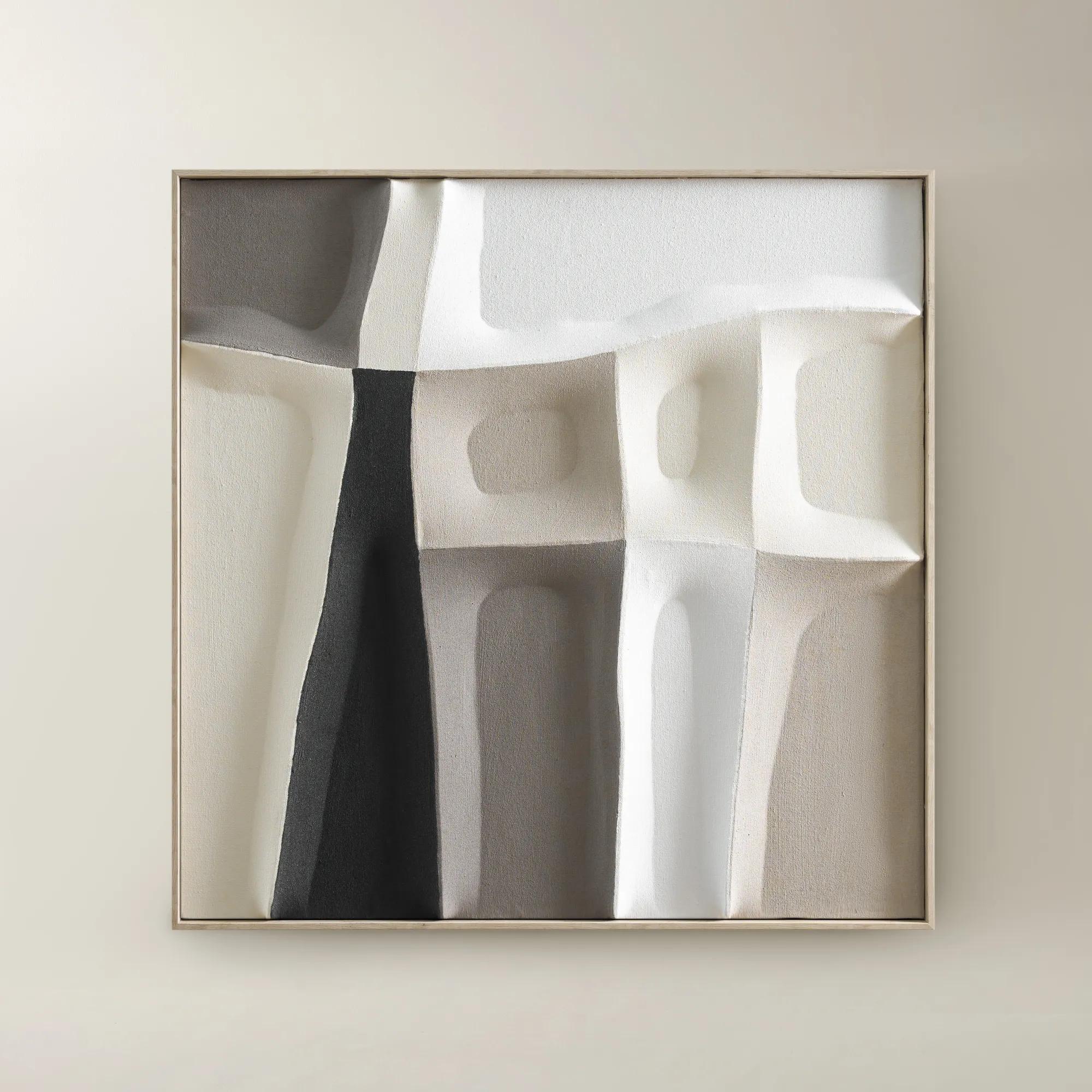 Shadow Painting 1$179
A hand-painted canvas featuring bold colors and sculptural textures in a warm whitewash floater frame.
Add To Cart -
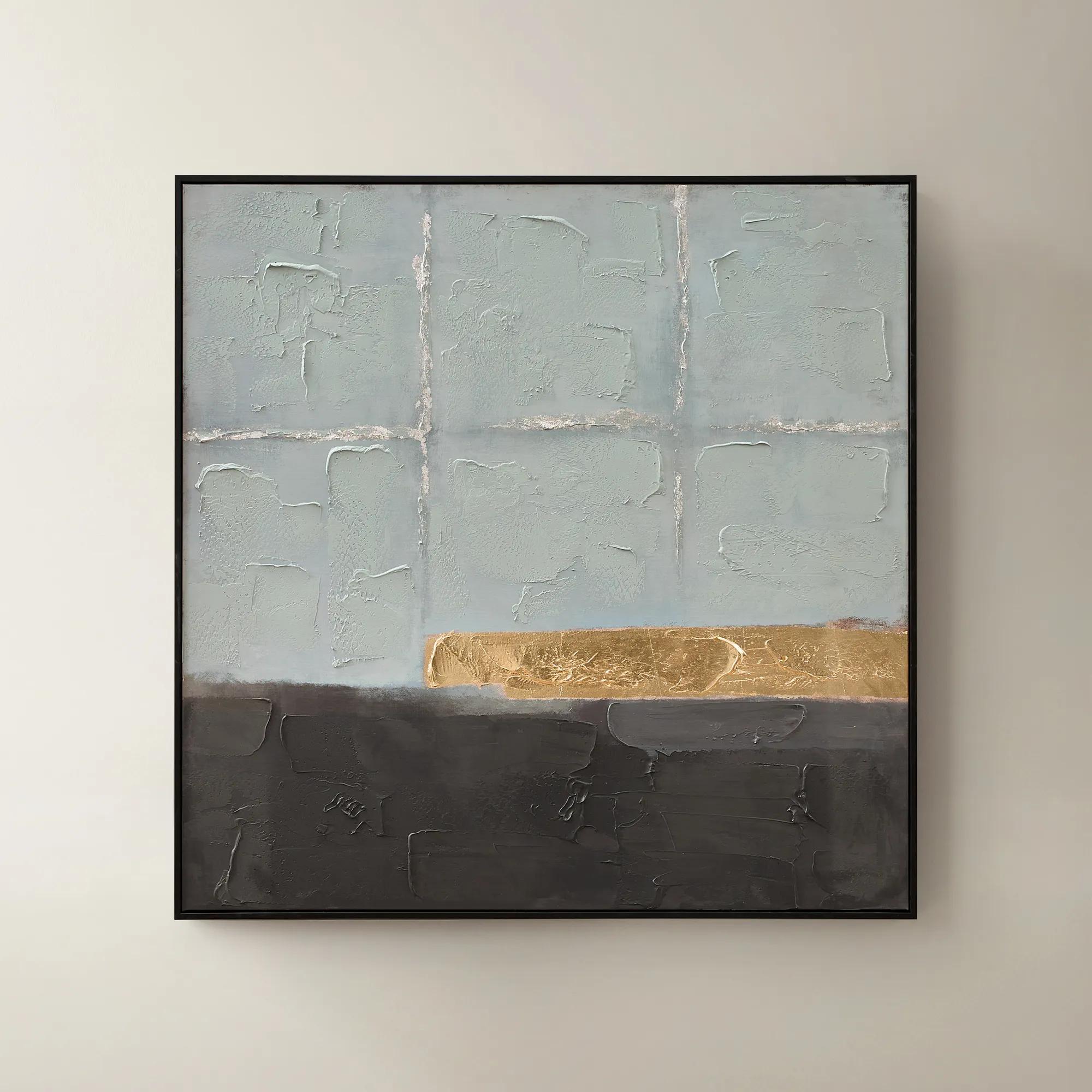
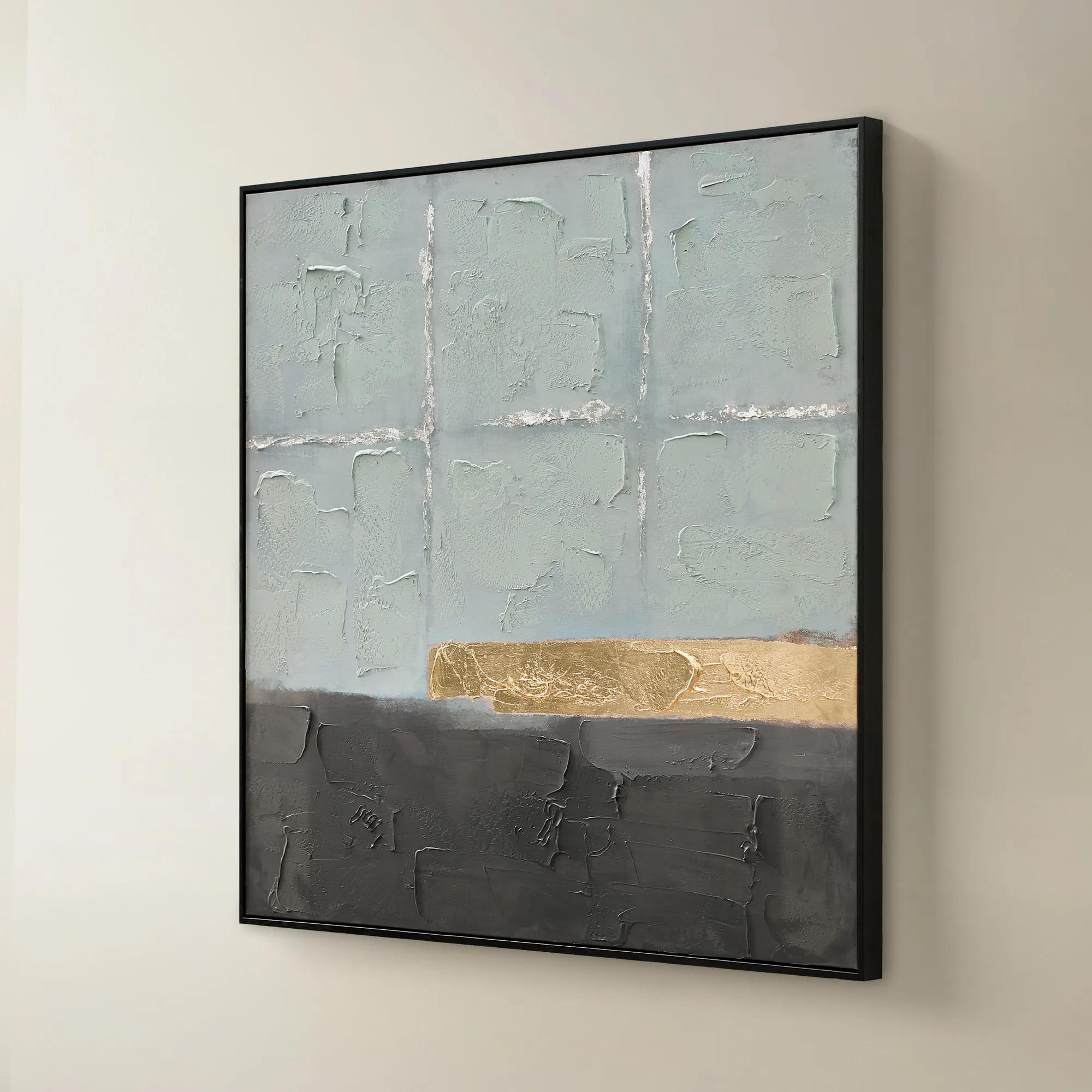 Jules Framed Gold Leaf Painted Wall Art 40" x 40"$299
A hand-painted canvas in mineral blue with gold leaf accents and a sleek black frame for modern appeal.
Add To Cart -
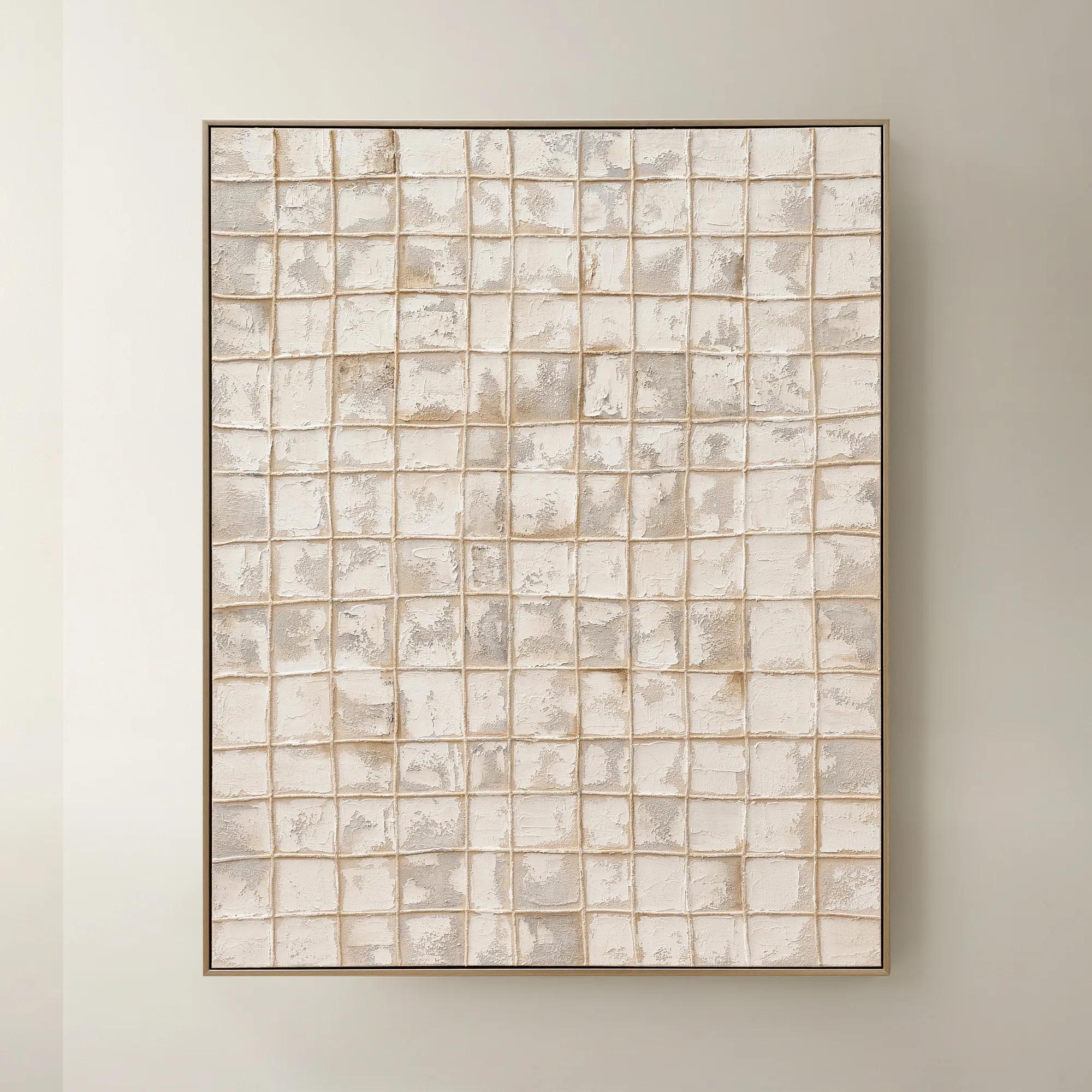
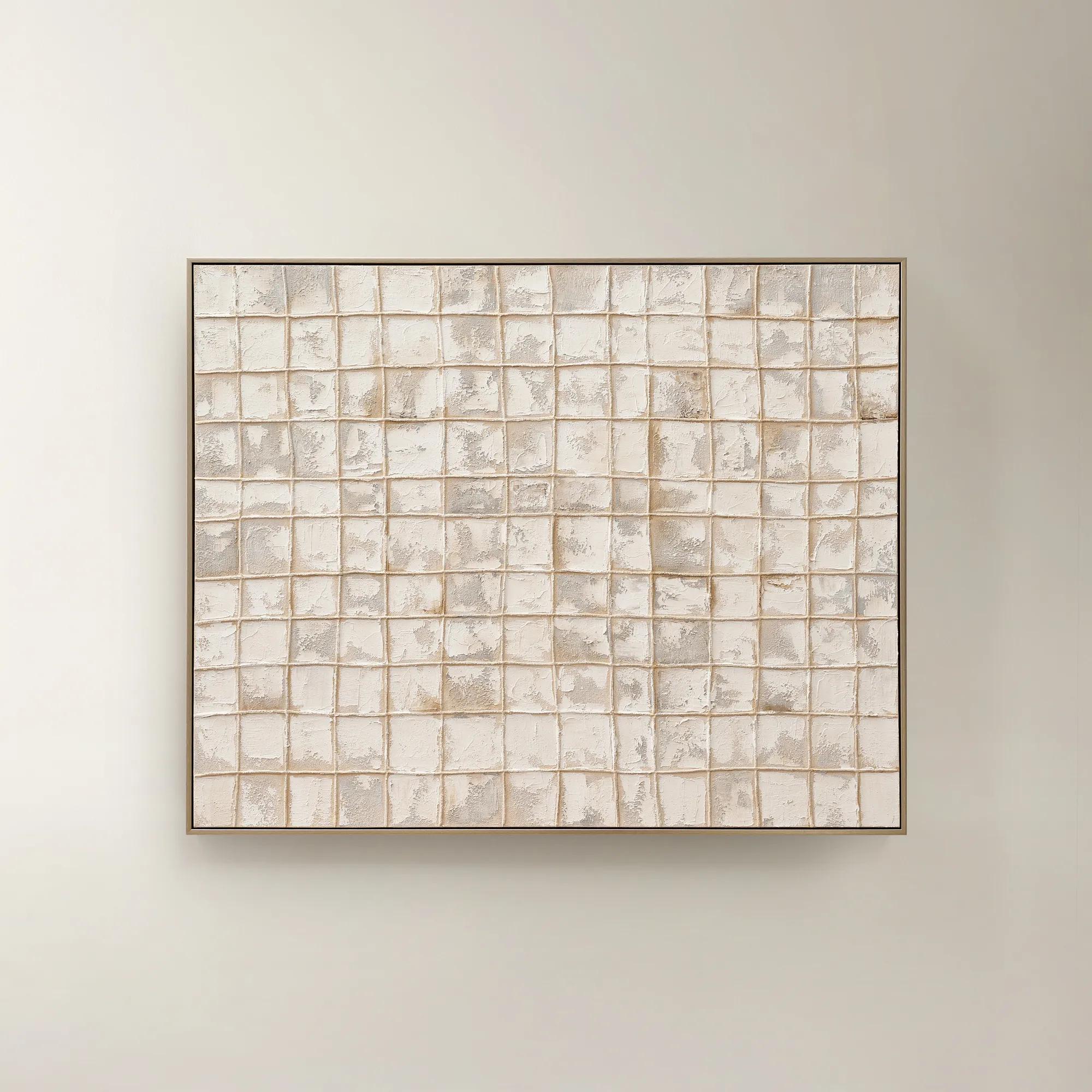 Painted Echos Framed Gold Leaf Wall Art 60" x 48"$699
A hand-painted abstract canvas with gold leaf accents and a champagne frame for modern, versatile display.
Add To Cart -
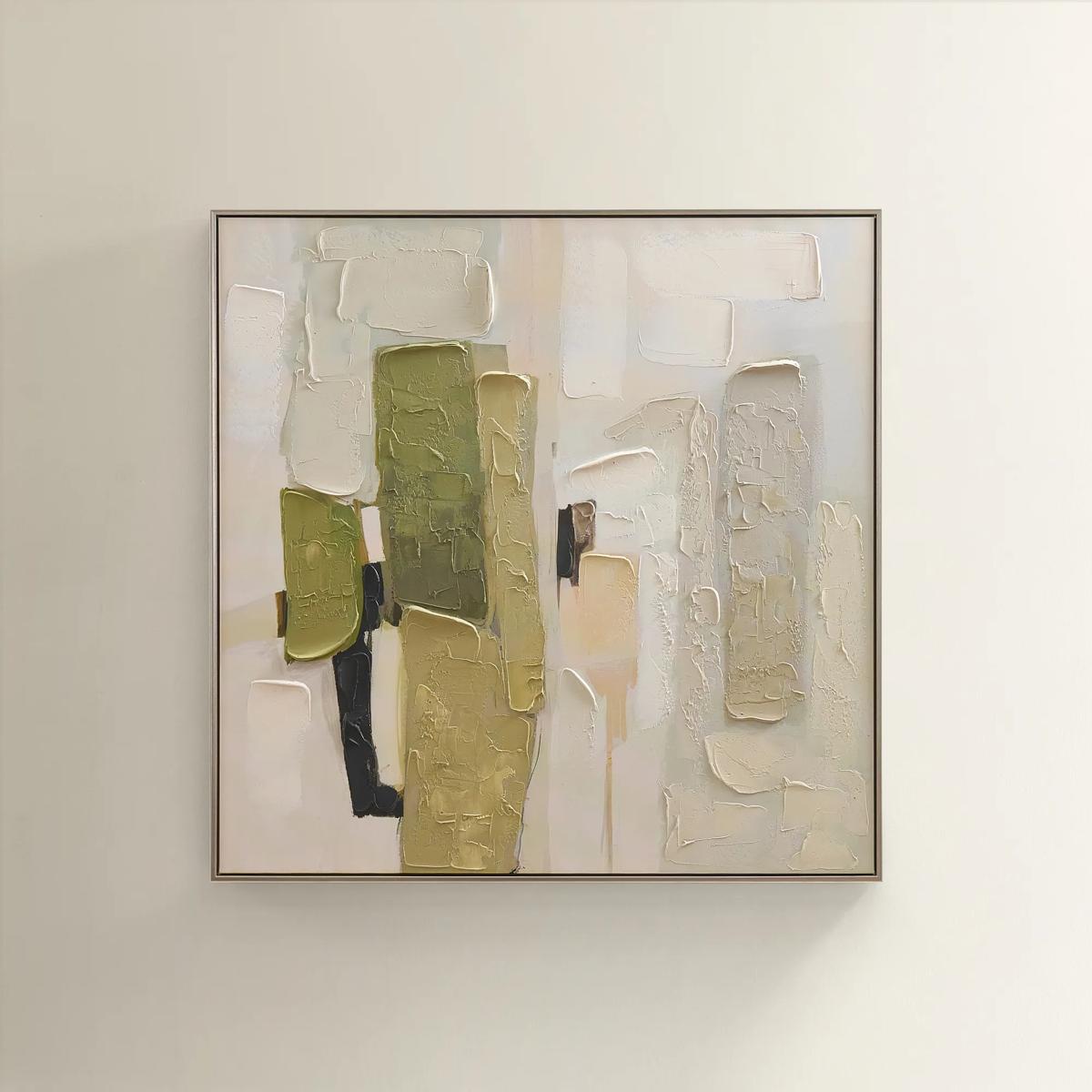 Verde Crush Framed Painted Wall Art 39.25" x 39.25"$349
A hand-painted abstract canvas featuring rich green tones, layered neutrals, and a champagne floater frame.
Add To Cart -
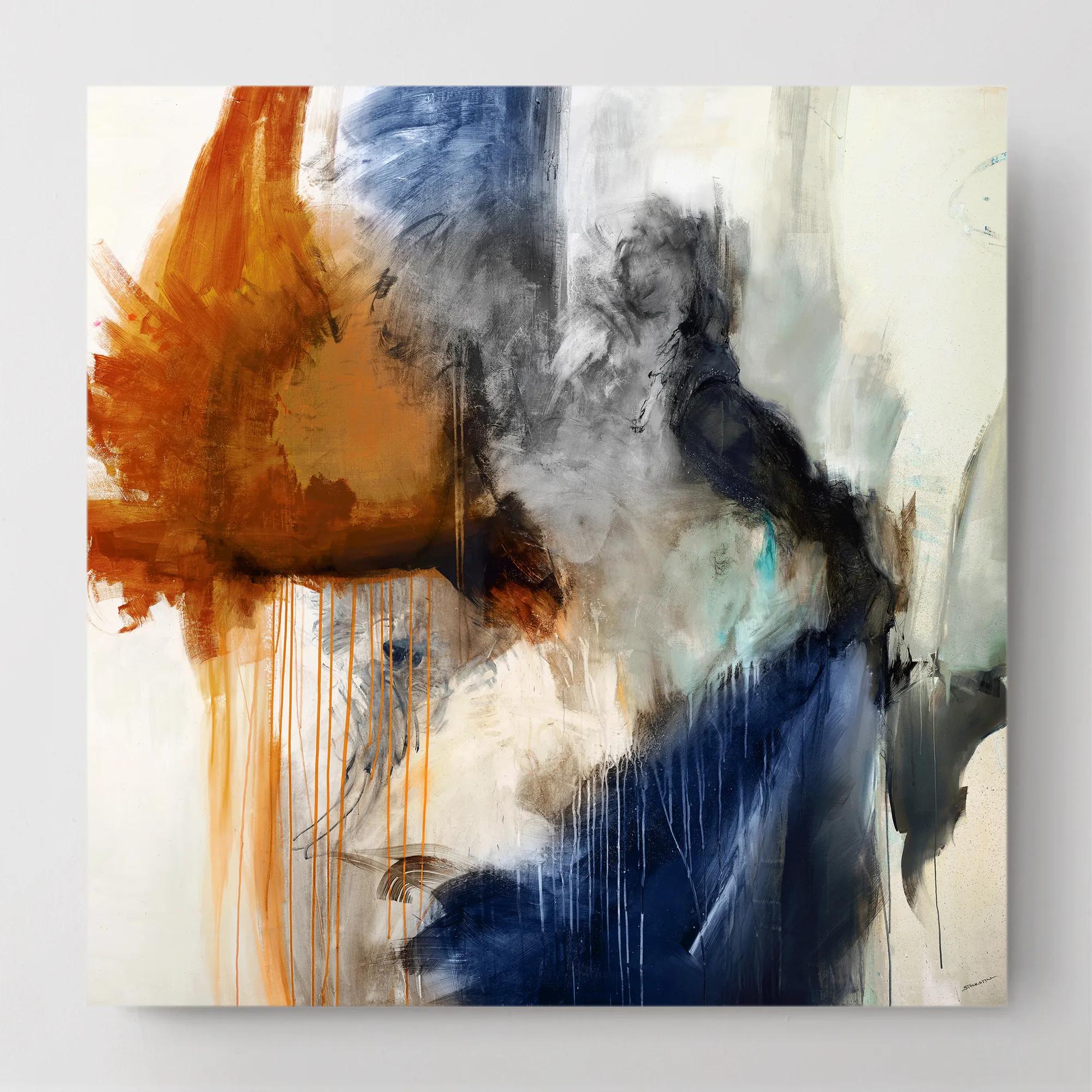
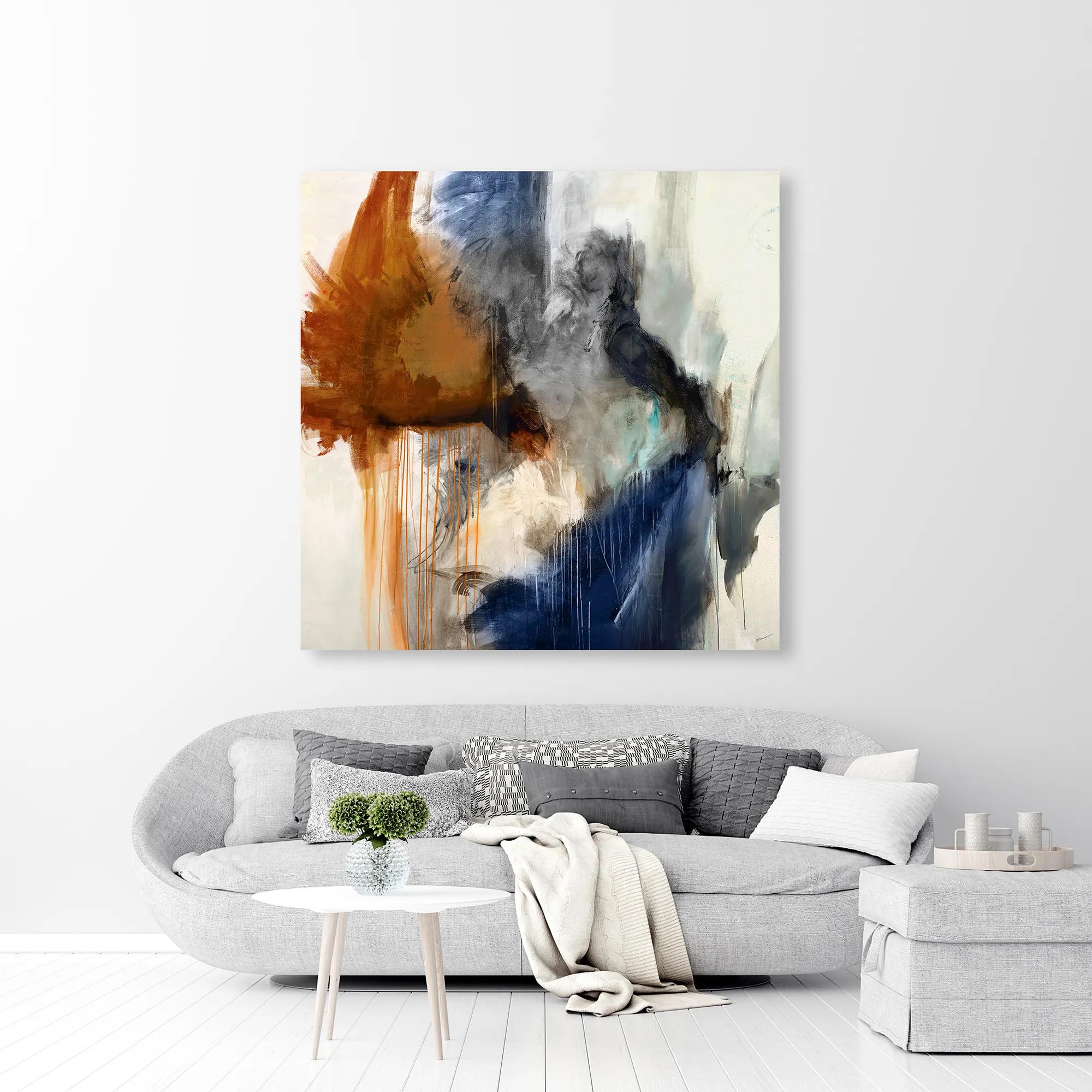 Swoon 6 Wall Art 54" x 54"$899
A gallery-wrapped canvas featuring a hand-applied image brush gel finish for a textured, artistic look.
Add To Cart -
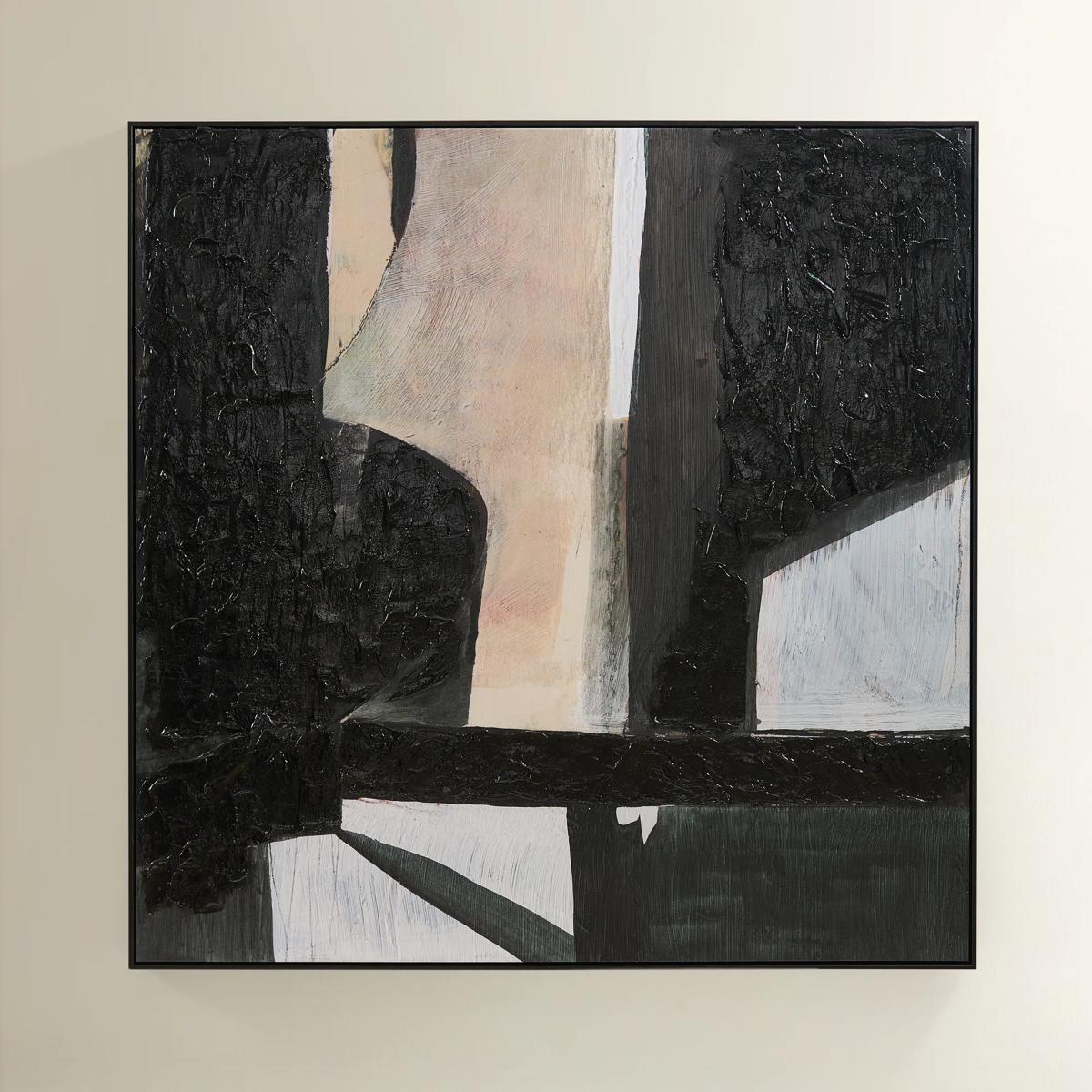 Grounded Painting$699
A hand-painted abstract canvas featuring black, cream, and earth tones in a sleek black floater frame.
Add To Cart -
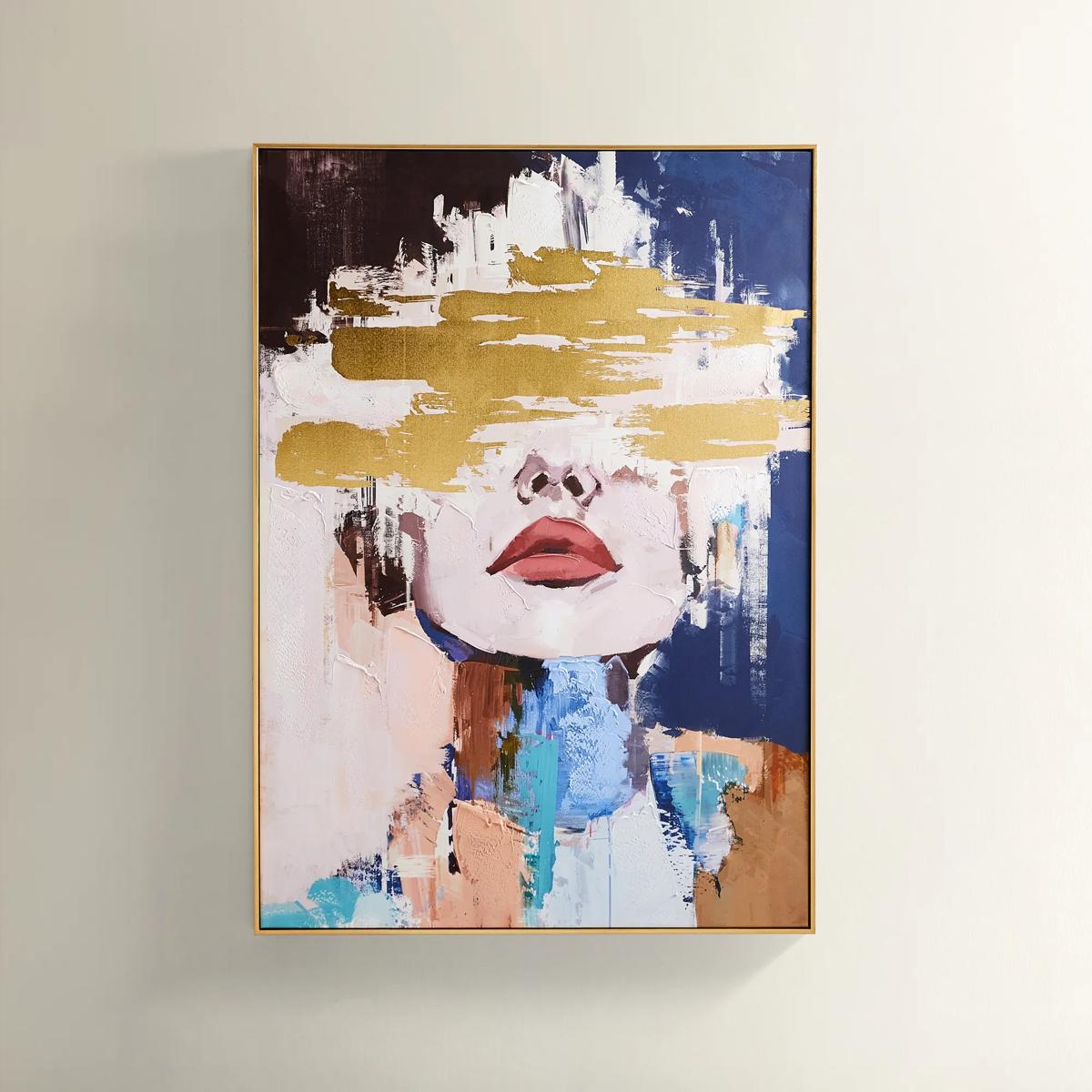
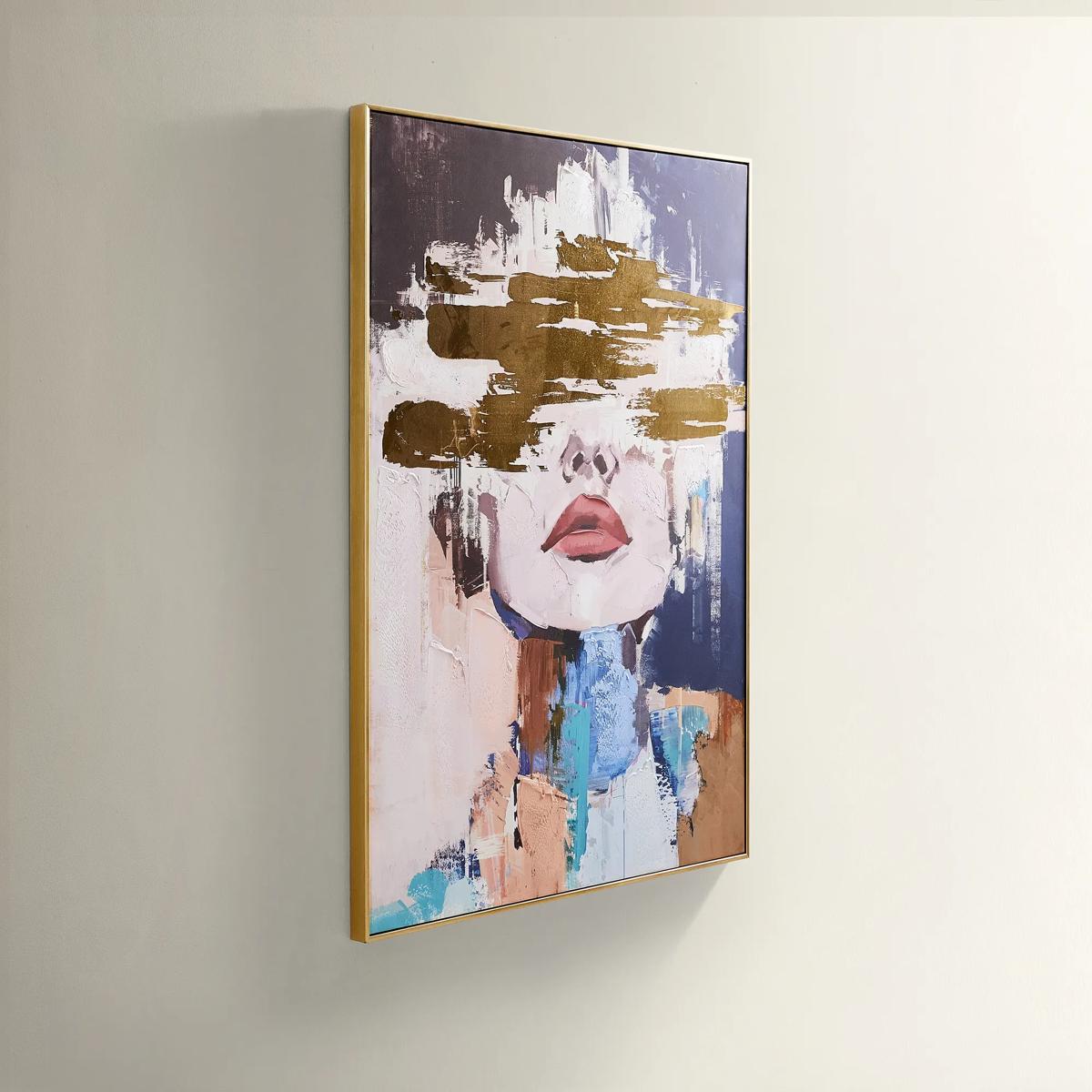 Waiting in Color Gold Foil Painted Wall Art 39.25" x 55"$499
A hand-painted abstract portrait in vivid blue, blush, and gold foil, framed in luxe gold.
Add To Cart -

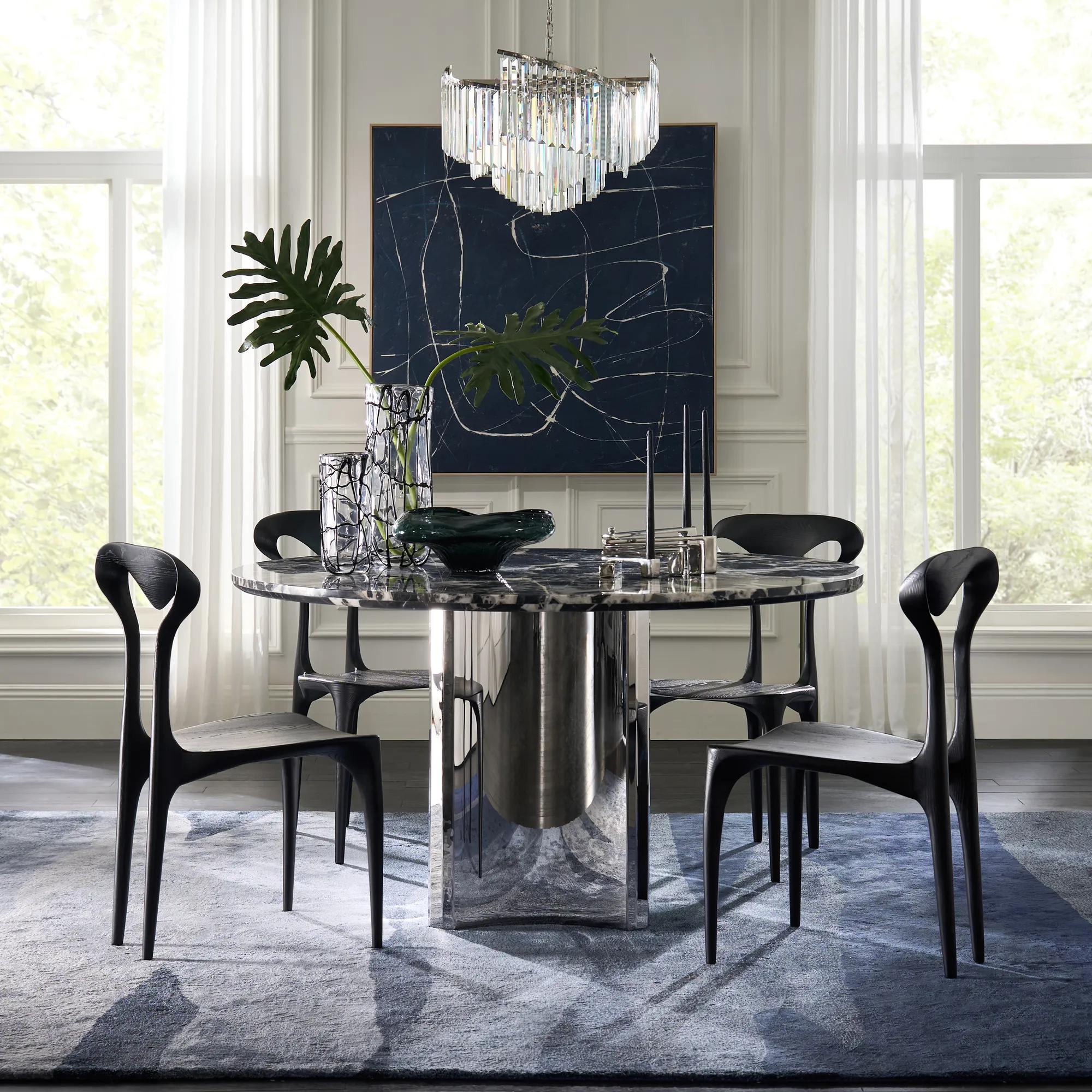 Almost Midnight Painting - Blue$439
A hand-painted canvas featuring bold blue and black tones with delicate white lines in a light wood frame.
Add To Cart -
 Fossil Painting$299
A bold hand-painted abstract artwork featuring textured black shades in a sleek black floater frame.
Add To Cart -
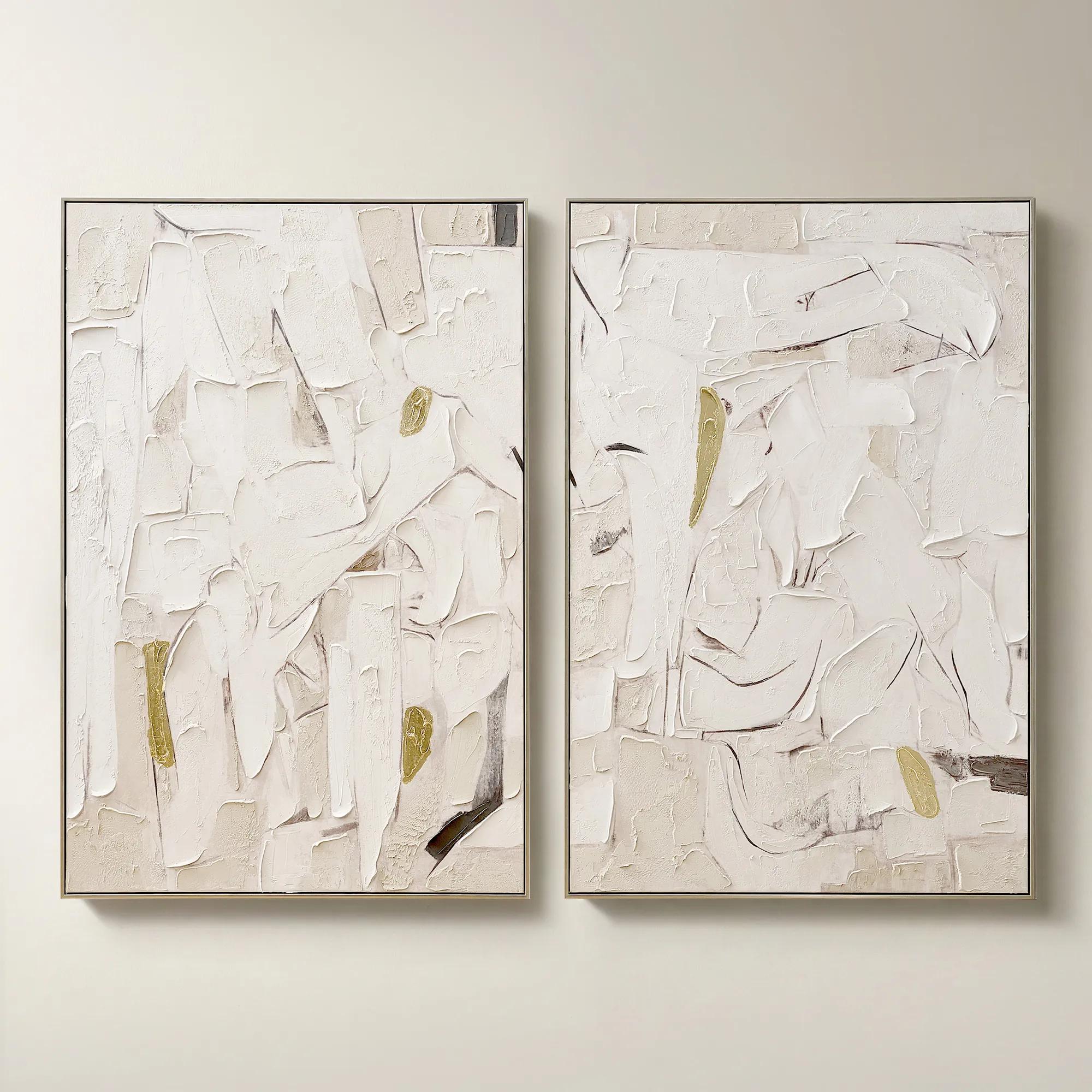 Beneath the Surface Framed Gold Leaf Painted Wall Art 40" x 60" Set of 2$799
A hand-painted abstract diptych featuring gold detailing and layered texture in alabaster and tawny hues.
Add To Cart -
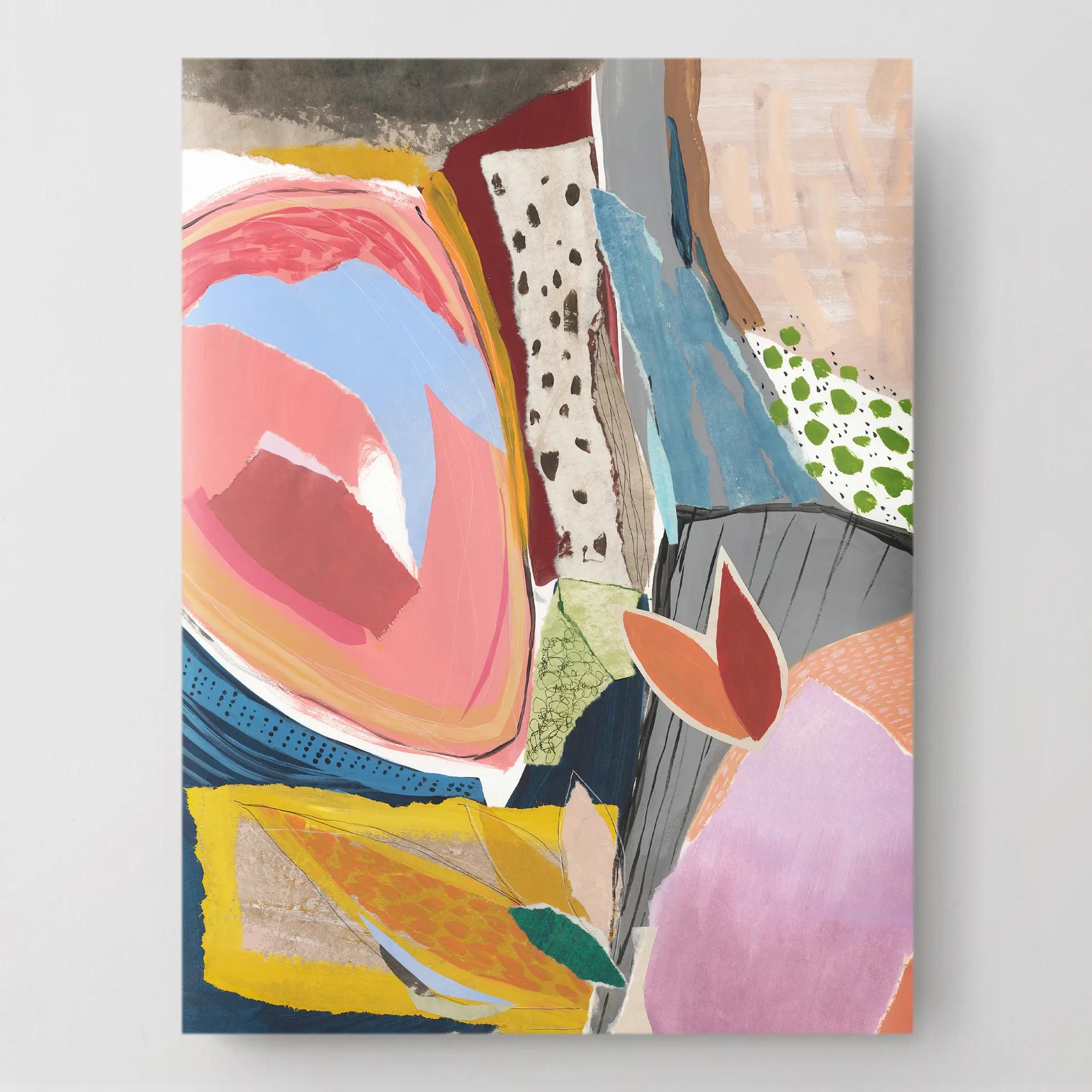
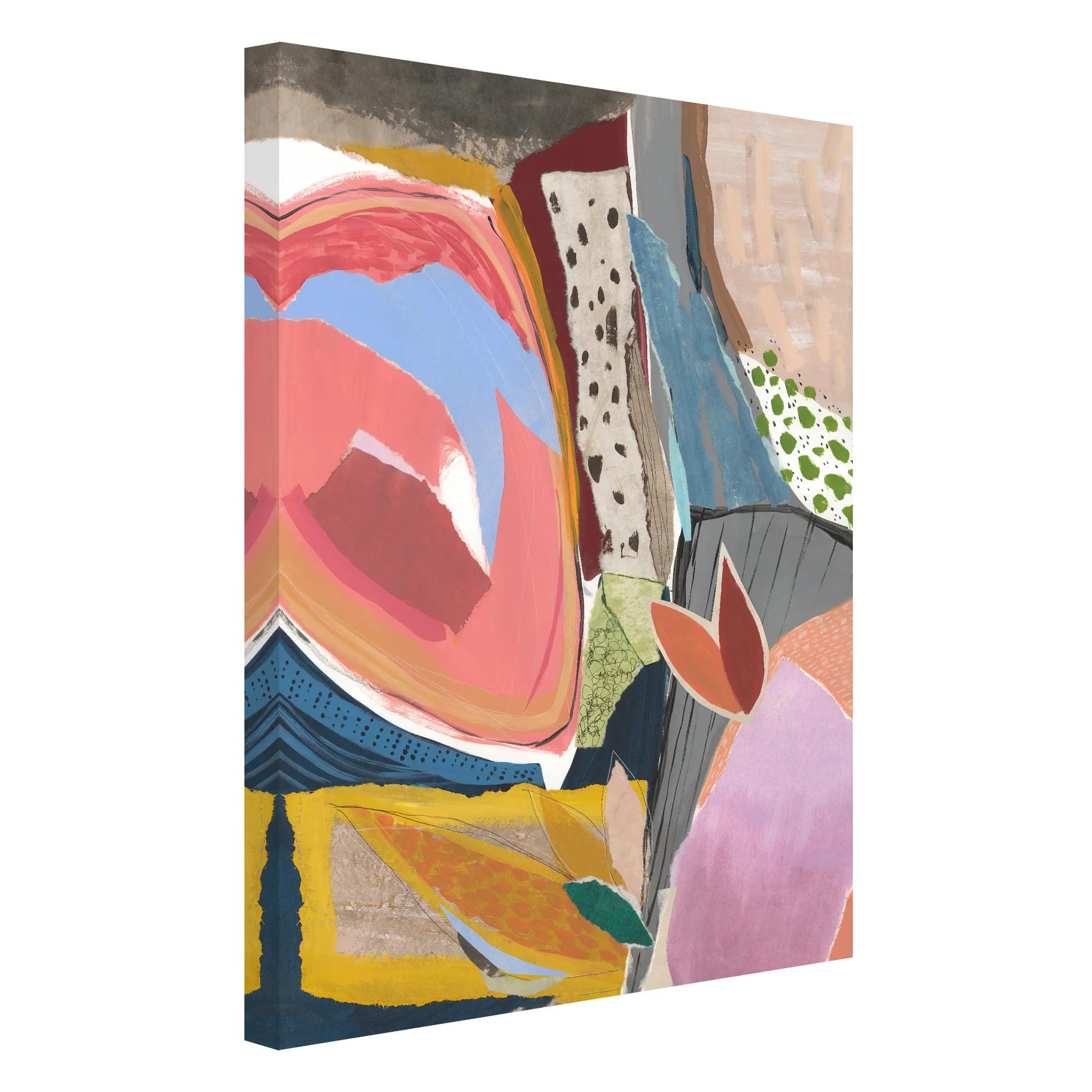 Sunday Vibes 1 Wall Art 30" x 40"$449
A gallery-wrapped canvas artwork featuring a hand-applied image brush gel finish for a textured look.
Add To Cart -
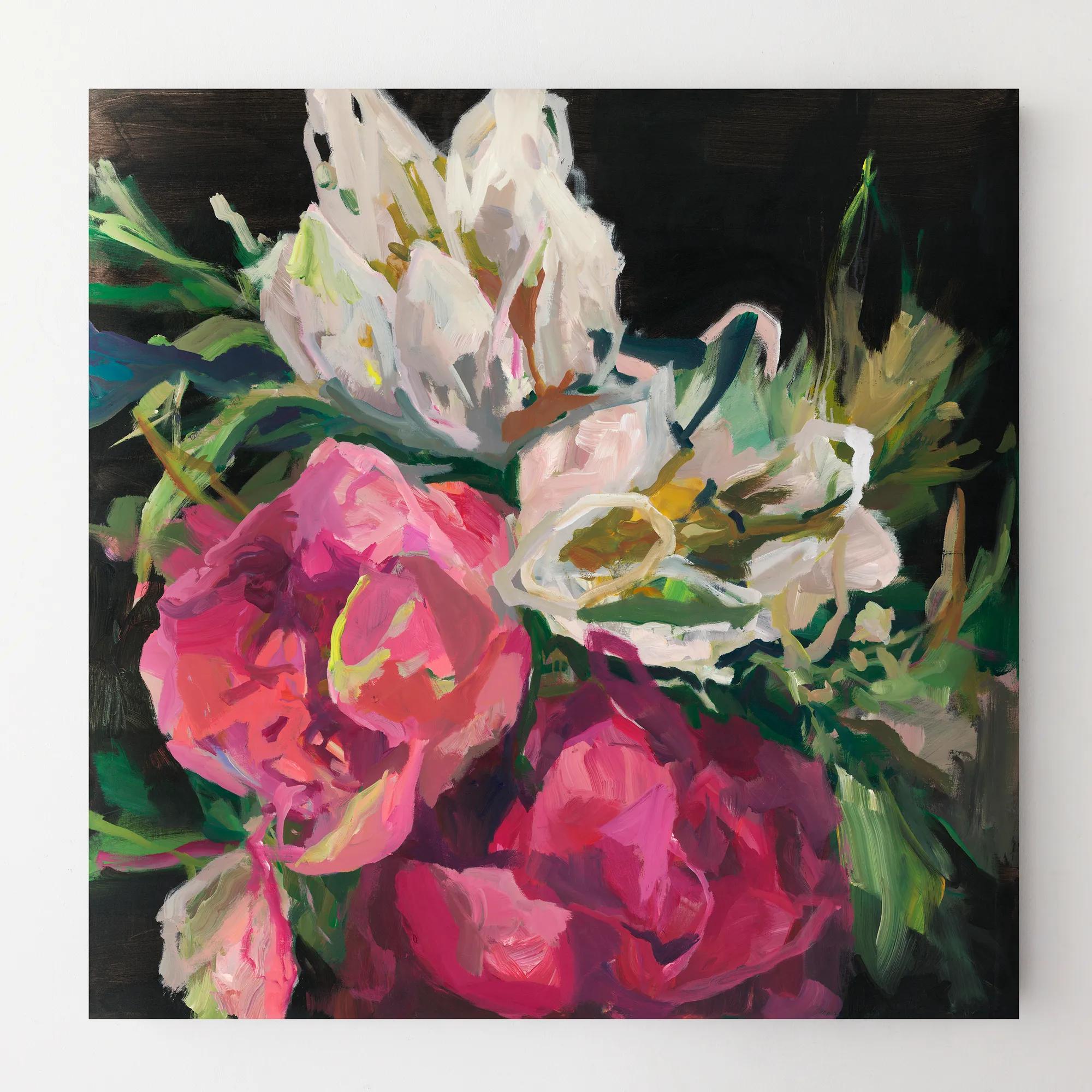
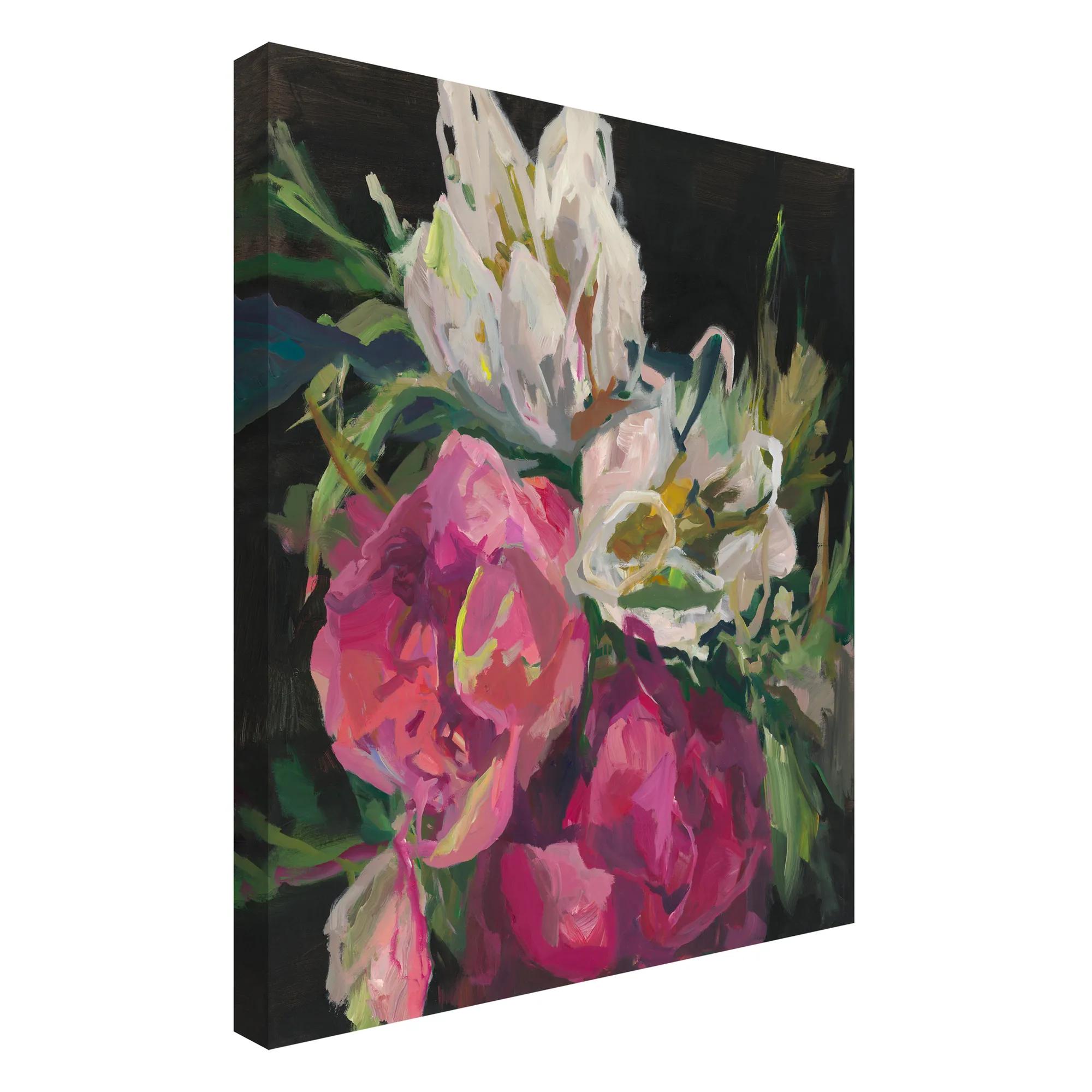 Wild At Heart Wall Art 30" x 30"$399
A gallery-wrapped canvas artwork featuring a hand-applied image brush gel finish for striking visual texture.
Add To Cart -
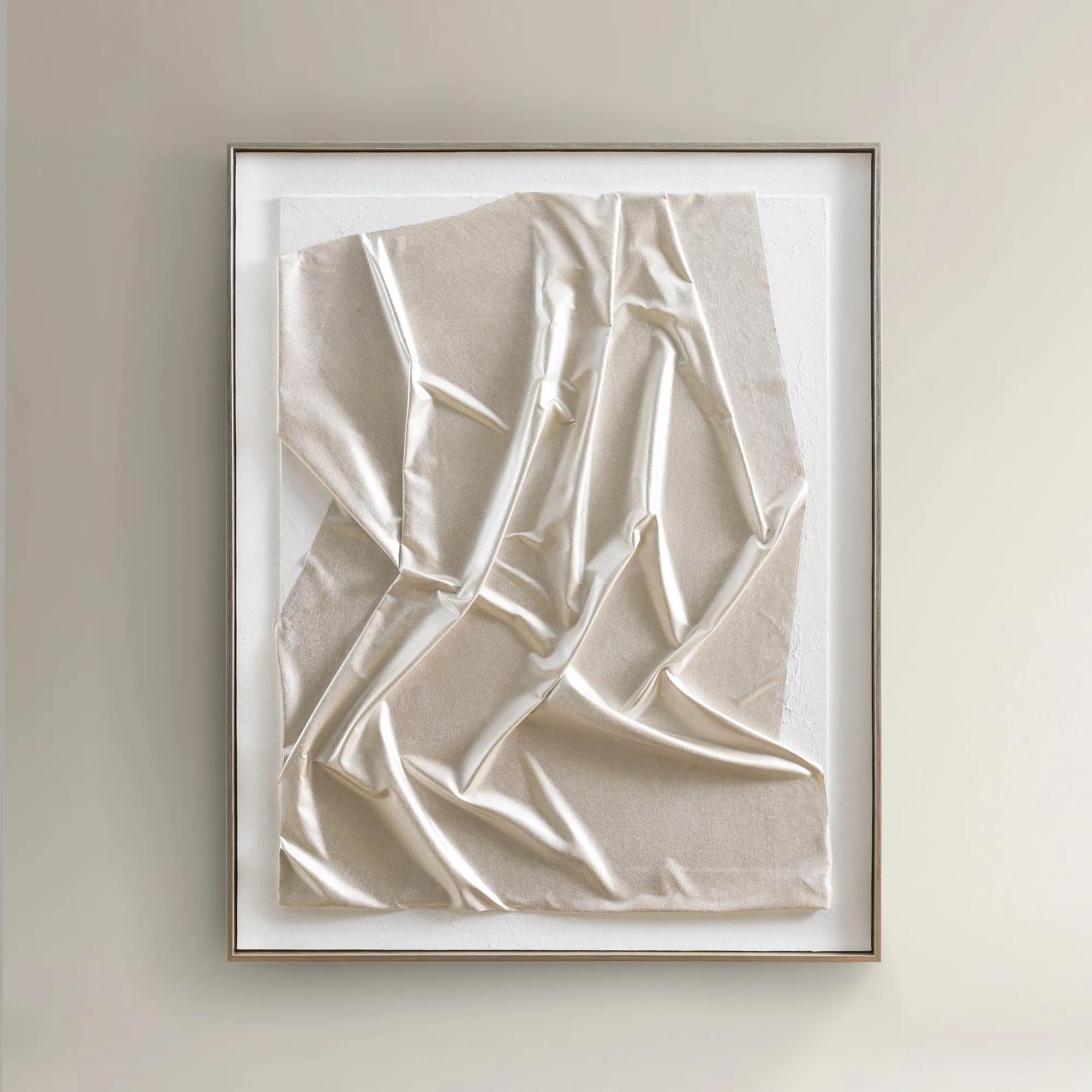
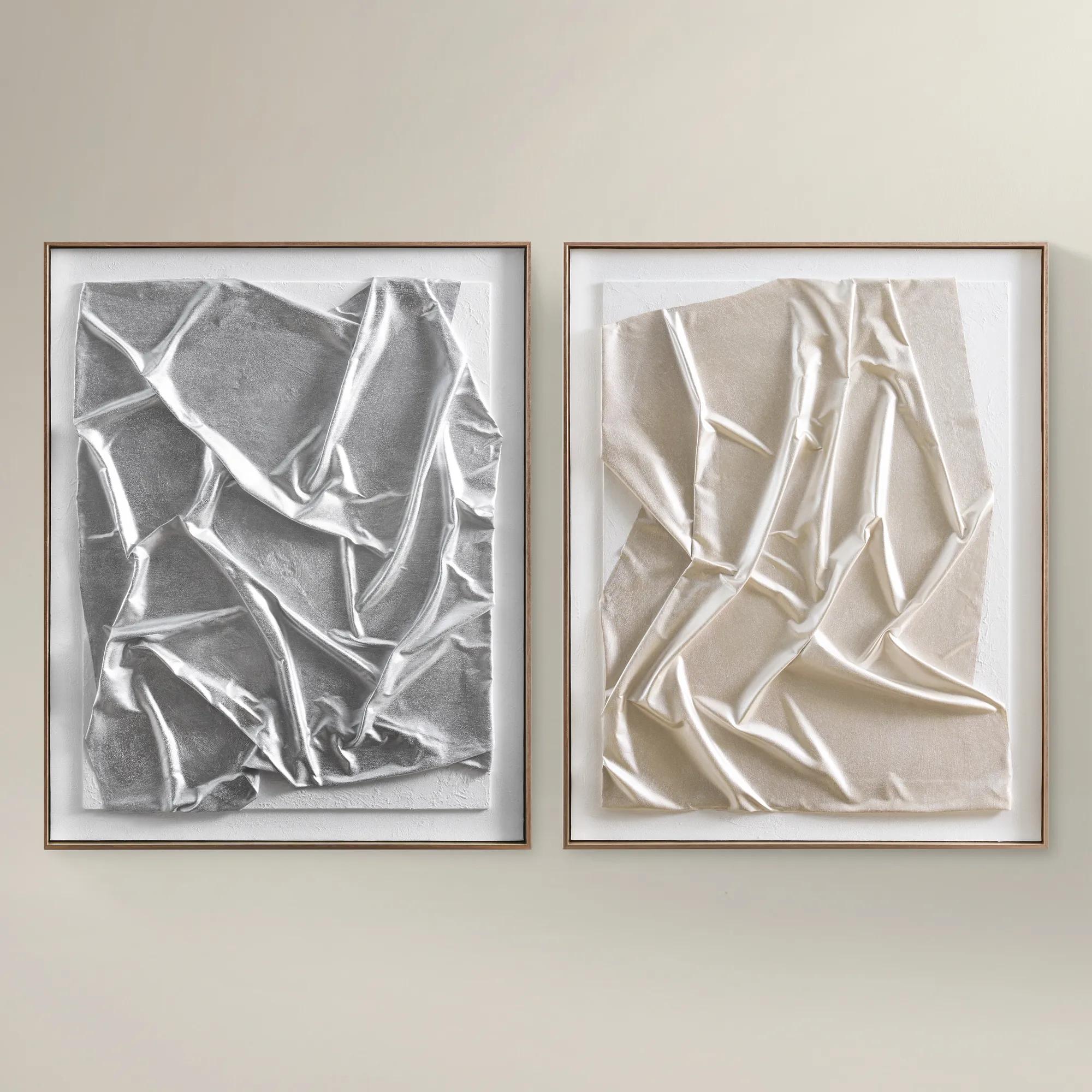 In the Mood Framed Painted Wall Art 31.5" x 39.5"$199
A hand-painted gold canvas artwork featuring textured surfaces and fluid forms in a champagne floater frame.
Add To Cart

Bold Texture Canvas Wall Arts
Command attention and ignite your imagination with bold texture canvas wall arts—where artistry leaps from the surface and every brushstroke is a celebration of depth and dimension. These statement pieces invite intrigue, layering your space with tactile drama and visual poetry. Let your walls become a gallery of fearless expression, each canvas transforming the ordinary into the extraordinary. With bold texture canvas wall arts, every glance is an invitation to experience art that dares you to touch, feel, and dream beyond the flat and expected.
Bold texture canvas wall art brings dimension to a room through raised surfaces, sculptural marks, and compositions that make light part of the artwork. Unlike a flat image alone, physically textured canvas can feature impasto painting, palette-knife strokes, acrylic gels, or modeling pastes that build ridges and layers above the woven ground. Some compositions also incorporate plaster-based materials, although their weight and support requirements depend on the construction. These techniques create relief: a crest catches the light, a recessed line holds a shadow, and a broad sweep of pigment reveals the movement behind its making. Printed canvas can suggest similar depth through photographed brushwork and tonal contrast, but visible texture in an image is different from a surface with actual raised detail. That distinction matters when the desired effect is a tactile, dimensional presence rather than the appearance of one. Both approaches can deliver drama, whether through expressive black gestures, luminous ivory fields, mineral-inspired grays, or saturated passages of color. Boldness does not require a vivid palette. An oversized cream composition with deeply worked surfaces can command attention as confidently as a canvas streaked with charcoal and gold tones. Materials and construction shape that impression, too. Canvas stretched over a sound support offers a familiar painting format, while the depth of the stretcher bars influences how far the artwork projects from the wall. A float frame can give textured edges a deliberate boundary and introduce a slim line of contrast without crowding the composition. Depending on the medium, built-up surfaces may appear matte, glossy, granular, or softly burnished. Those differences reward a closer look and give the artwork a presence that changes with the viewing angle. For interiors defined by sumptuous upholstery, polished metal, or sculptural furniture, textured canvas adds another layer of expression: less about matching every finish, more about giving the room a compelling visual center. Even restrained furnishings gain new intensity beside a canvas whose surface feels animated, its marks preserving the energy of each gesture.
Scale gives bold textured wall art its relationship to the room. Above a generous sofa, a broad horizontal canvas can establish a confident focal point, while a tall composition can bring emphasis to an entry wall or the space beside a console. A substantial work generally feels more connected to furniture when it occupies a meaningful portion of the wall above it rather than appearing isolated within a wide expanse. As a starting point, artwork spanning roughly two-thirds to three-quarters of the furniture’s width often creates a balanced relationship, though nearby windows, lamps, and architectural details can change what feels right. The visible dimensions should include the frame, and a deeply textured surface deserves consideration from the side as well as straight on. In a narrow passage, projection and secure placement matter as much as the image. In a living room, the strongest composition may be the one that reads beautifully from across the seating area, with finer marks becoming apparent at closer range. Color offers another connection without demanding repetition. A thread of warm taupe can echo a rug, an inky passage can sharpen a pale wall, and chalky white relief can temper the brilliance of mirrored furniture. Pairing textured canvas with glossy lacquer or smooth stone heightens the contrast between surfaces; placing it near richly woven fabric creates a more enveloping effect. For arrangements that combine dimensional surfaces with expressive painted movement, Bold Brushstroke Canvas Arts introduces a related artistic direction without requiring every composition to look alike. Shared undertones, compatible proportions, or a consistent framing finish can hold the arrangement together. Lighting completes the relationship. Gentle illumination from the side can reveal raised marks more clearly than light aimed directly at the canvas, although pronounced relief may also cast stronger shadows. A position that works with the room’s existing light lets the surface contribute depth without overpowering its color or design. In a dining space, that balance can make the artwork an elegant counterpoint to a dramatic chandelier rather than another competing centerpiece.
The lasting appeal of textured canvas depends on both its visual character and the care suited to its materials. A layered painted surface is not necessarily more durable because it is thicker; pronounced ridges and projecting details may be vulnerable to knocks, abrasion, or pressure. Stretched canvas can also respond to changes in its environment, making a stable, dry interior setting a more suitable home than a damp bathroom or a spot exposed to direct heat. Prolonged direct sunlight can affect pigments and other materials, so a sheltered wall often offers a better balance of visibility and protection. Care should follow the artist’s or manufacturer’s directions, particularly when a composition includes mixed media, loose particles, metallic finishes, or substantial relief. Household cleaners, wet cloths, and vigorous rubbing can damage surfaces that appear sturdy at first glance. A frame may permit gentle dusting with a clean, dry cloth, while the artwork itself may need a different approach or professional attention. During installation or a move, handling the frame or supported edges instead of pressing against the canvas helps protect both the image and its structure. Hanging hardware should suit the artwork’s weight and the wall material, especially for larger pieces or those with heavy built-up media. These practical details preserve the qualities that make textured art so expressive in the first place. Intended for spaces where visual impact matters, bold canvas compositions can anchor a living room, enrich a bedroom, or lend a home office the character of a thoughtfully collected interior. They also make considered housewarming or milestone gifts for someone whose taste favors expressive design, provided the scale, palette, and available wall space are understood. For a recipient who loves dramatic rooms but keeps furnishings restrained, a dimensional neutral can feel personal without dictating the entire color scheme. The most compelling choice has room to be seen and a connection to the person living with it: a sweeping gesture, a mineral-like surface, or a striking interplay of shadow and light that continues to reward attention.
FAQs
Bold texture canvas wall art stands apart through its dimensional surfaces and tactile appeal. Layers of paint, sculpted mediums, or mixed materials create a sense of depth and movement, transforming each piece into a multisensory experience. Unlike flat prints, these artworks interact with light and shadow, adding drama and intrigue to any room.
Textured canvas art is remarkably versatile and can serve as a striking focal point or a harmonious complement to your current style. Pair it with luxe fabrics like velvet or silk, juxtapose it with sleek metallics, or let it anchor a gallery wall of varied pieces. The key is to let the texture add dimension and interest, enhancing the overall narrative of your space.
Absolutely—these pieces make unforgettable gifts for those who appreciate expressive design and artistic flair. Whether for a housewarming, anniversary, or special milestone, textured canvas art offers a lasting impression and a daily reminder of your thoughtful taste.
Bold textured wall art thrives in spaces where creativity and personality are celebrated. Glamorous living rooms, serene bedrooms, dramatic dining areas, or even sophisticated home offices can all be elevated by the addition of textured art, which adds richness and visual intrigue to both minimalist and maximalist settings.
Lighting plays a transformative role in showcasing textured canvas art. Directional or accent lighting can highlight the peaks and valleys of the surface, casting captivating shadows and enhancing the sense of depth. Experiment with placement near natural light sources or under spotlights to amplify the art’s dimensional quality and bring its details to life.