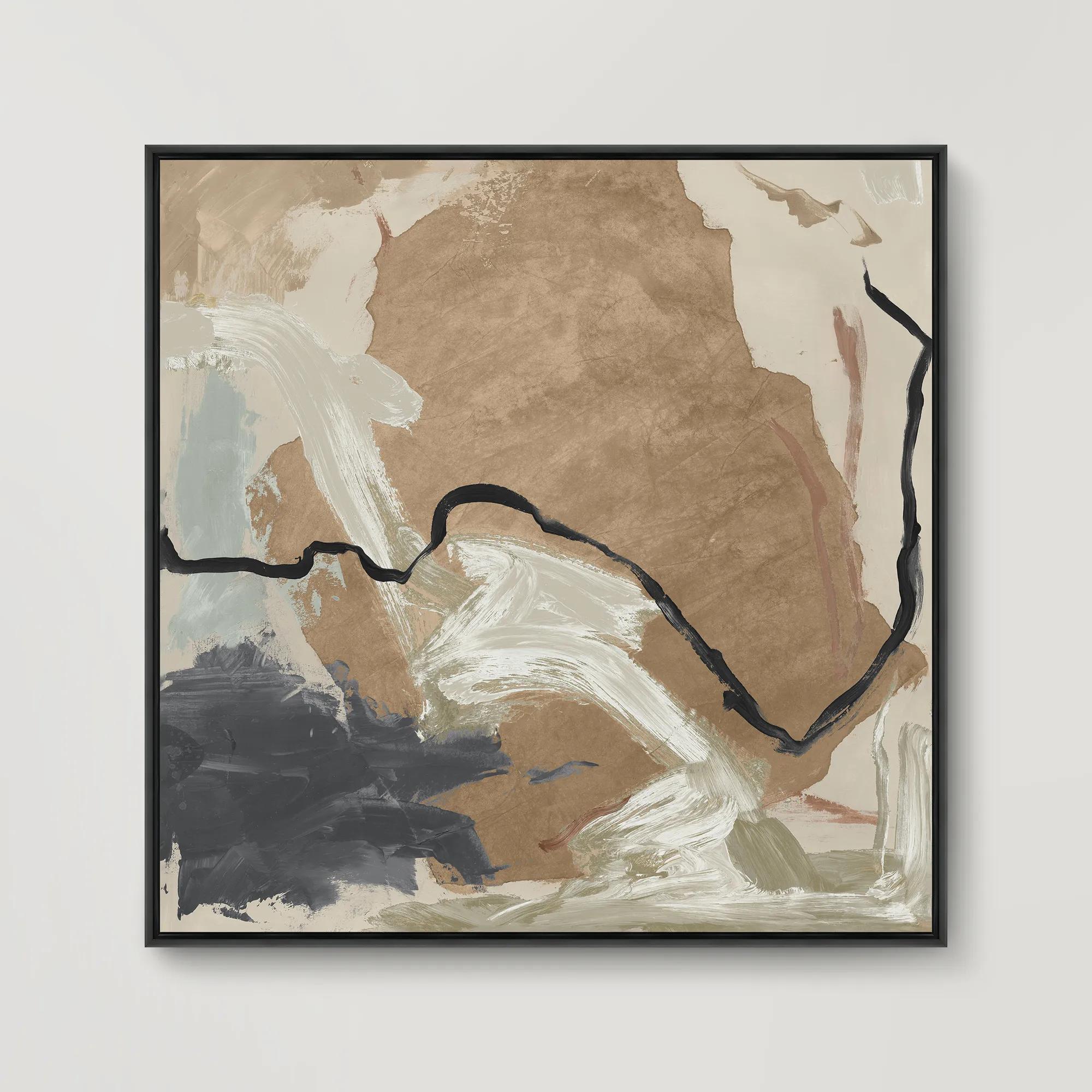
Bold Abstract Wall Art
Bold Abstract Wall Art
-
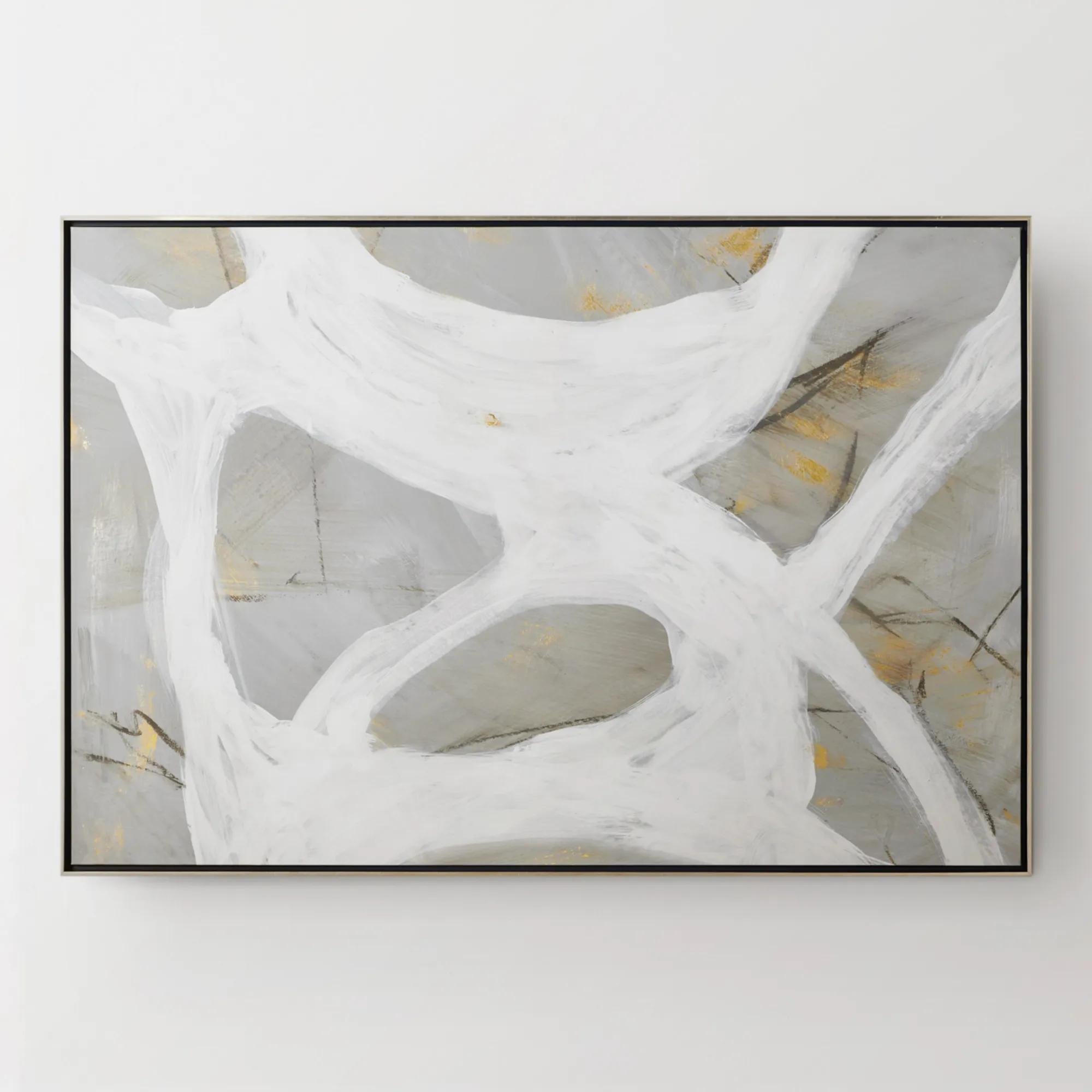
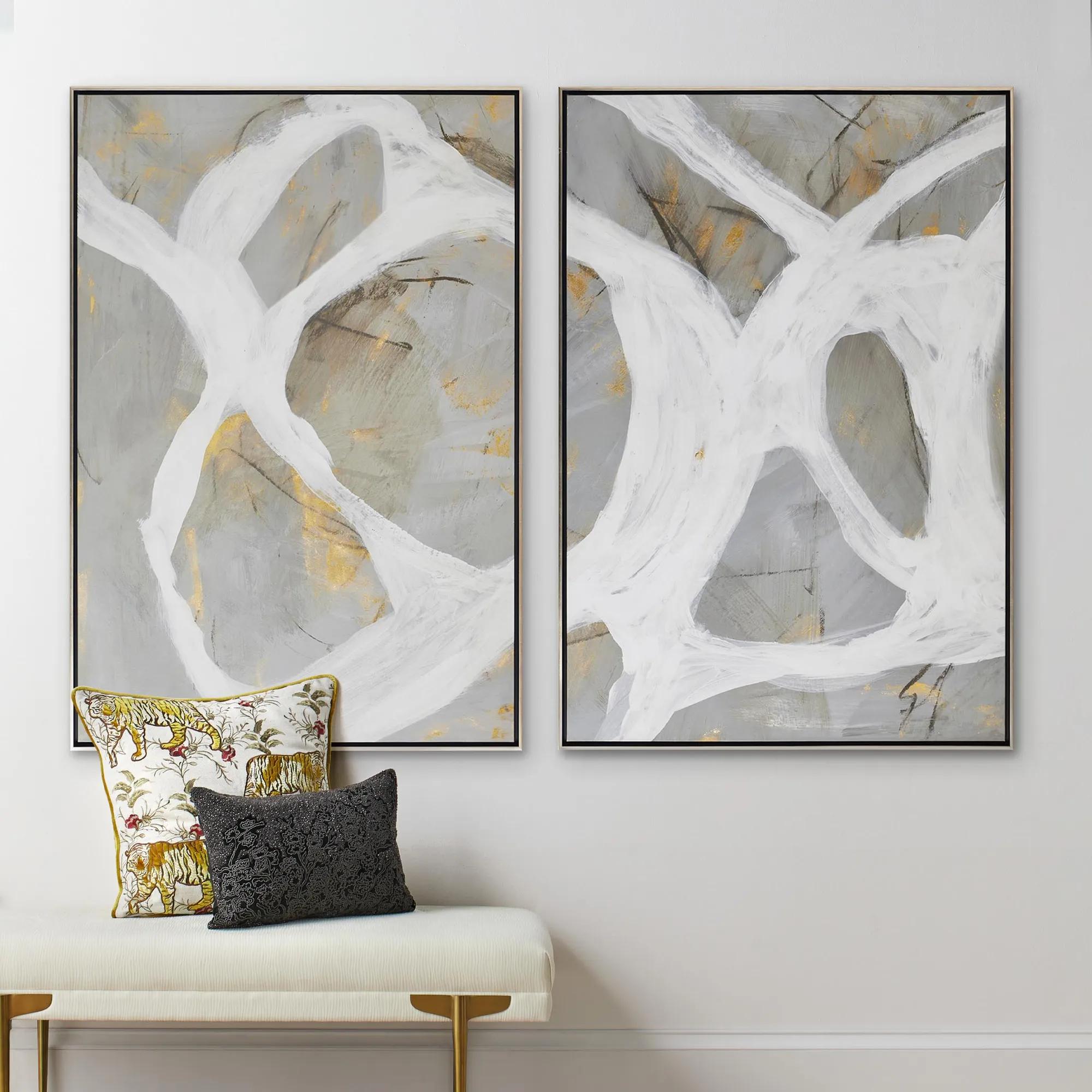 Les Series Framed Painted Wall Art II 61" x 41"$1099
An abstract canvas artwork featuring bold brushstrokes, hand-applied gold accents, and a silver floater frame.
Add To Cart -
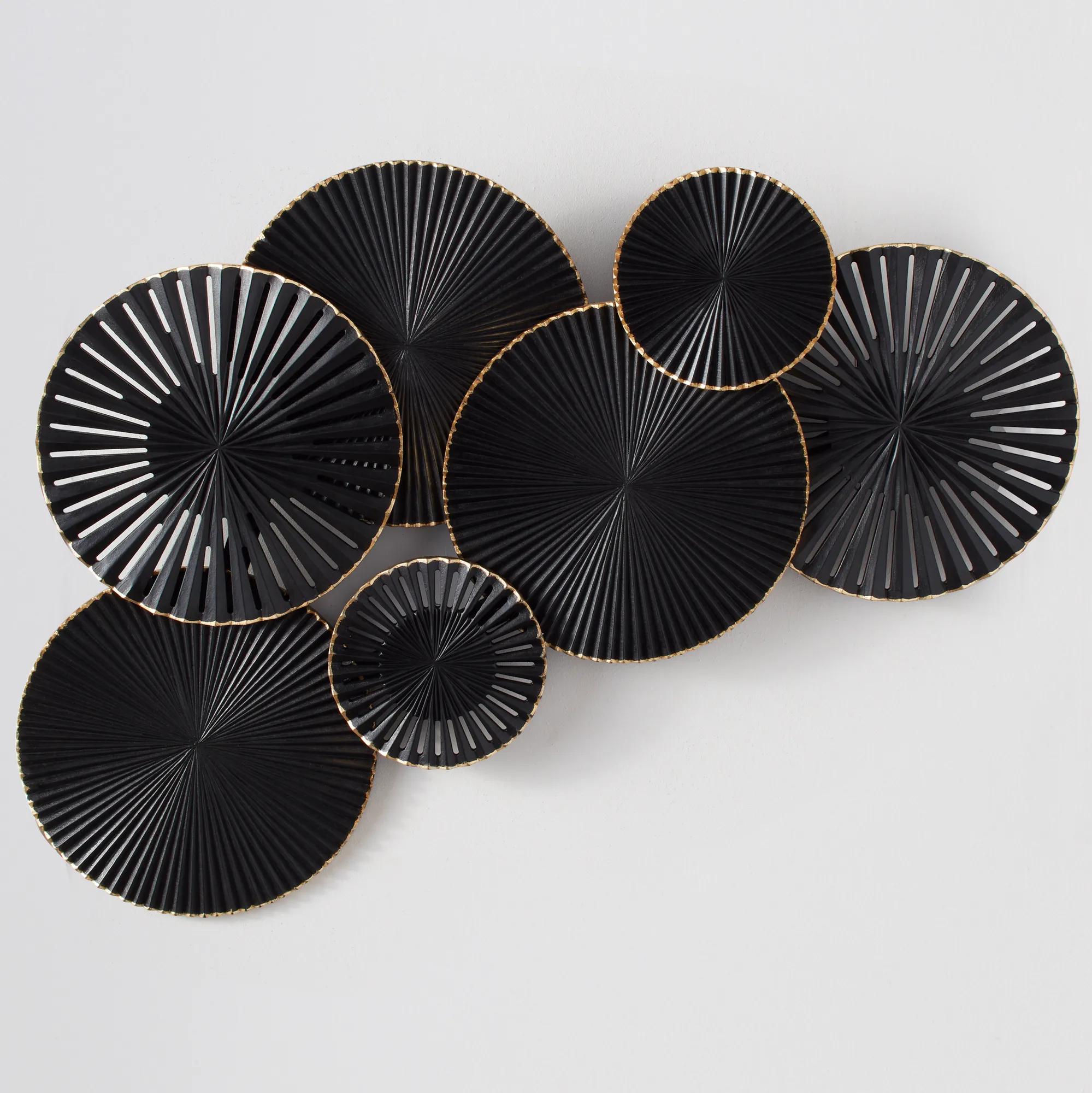
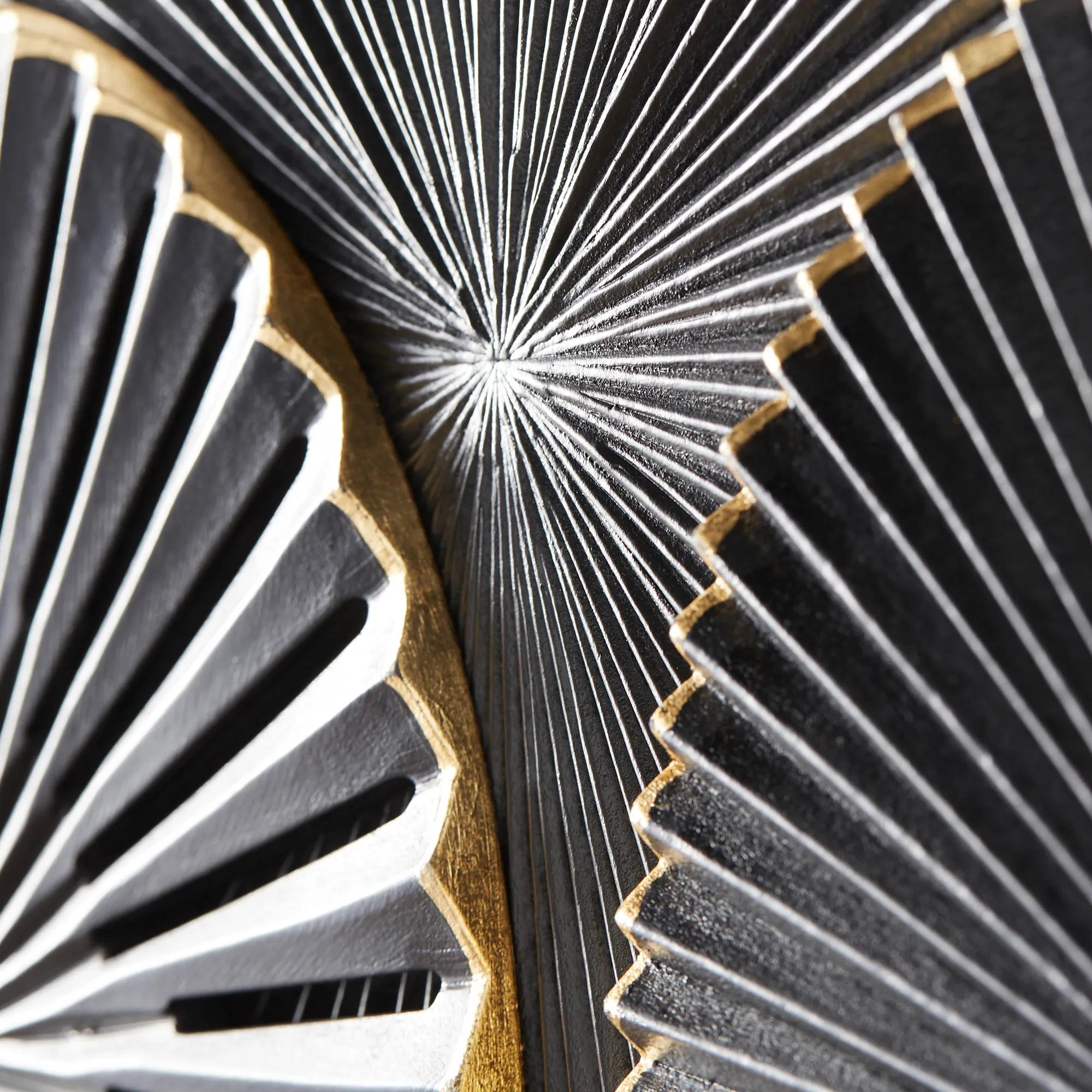 Circa Black Carved Wood Dimensional Wall Panel 47.25" x 27.5"$499
A carved wood wall art panel in black and gold that adds abstract intrigue to any room.
Add To Cart -
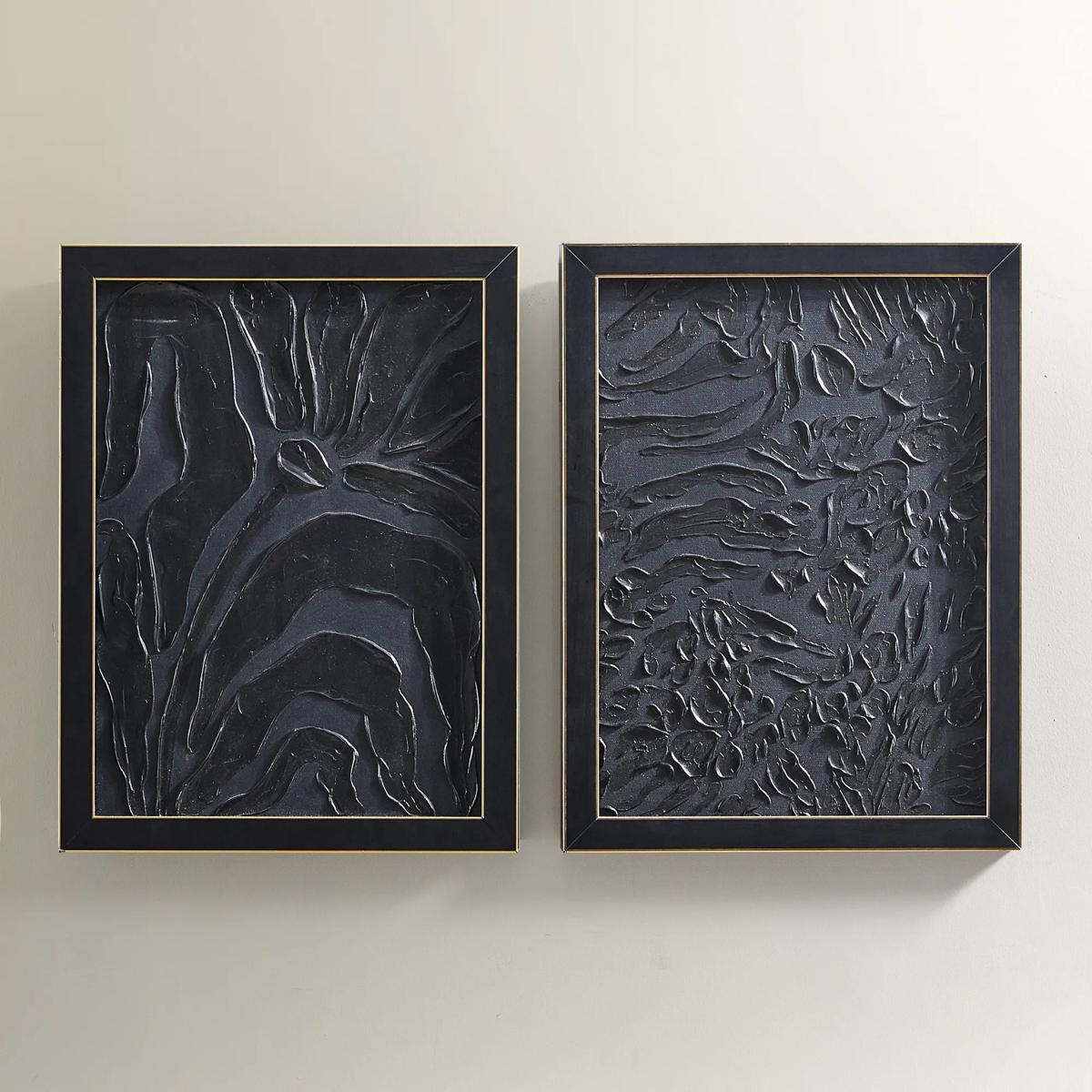
 Fossil Painting$299
A bold hand-painted abstract artwork featuring textured black shades in a sleek black floater frame.
Add To Cart -
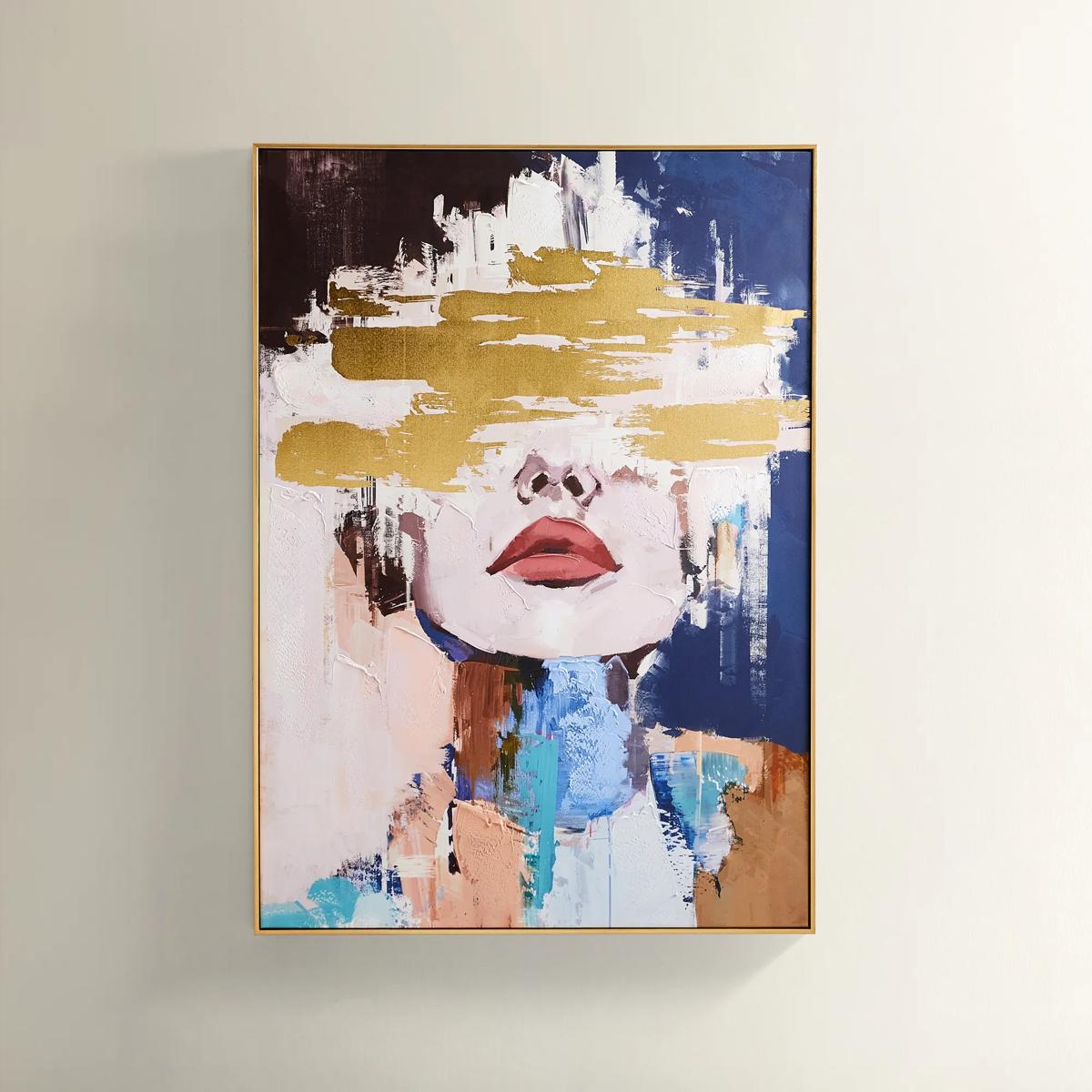
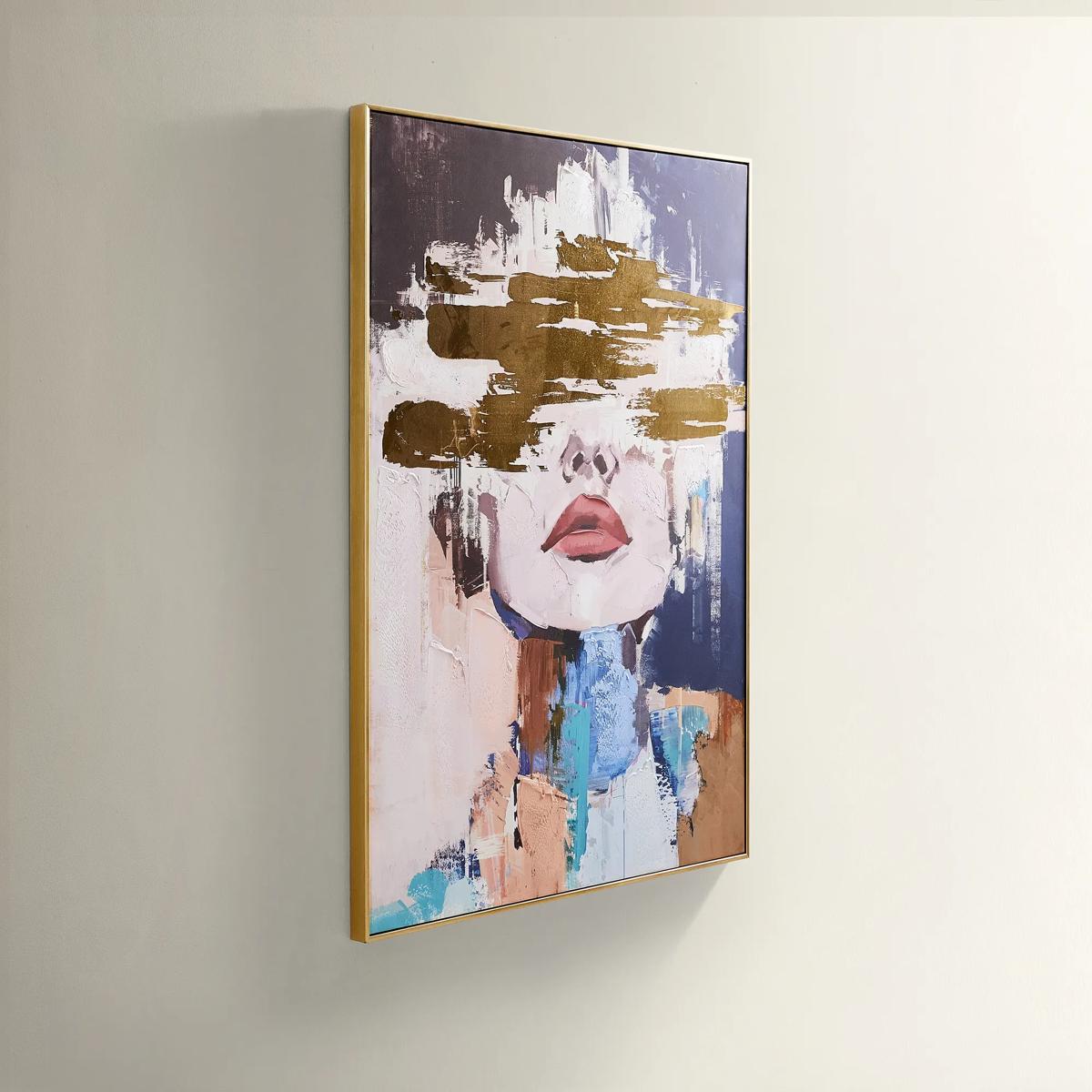 Waiting in Color Gold Foil Painted Wall Art 39.25" x 55"$499
A hand-painted abstract portrait in vivid blue, blush, and gold foil, framed in luxe gold.
Add To Cart -
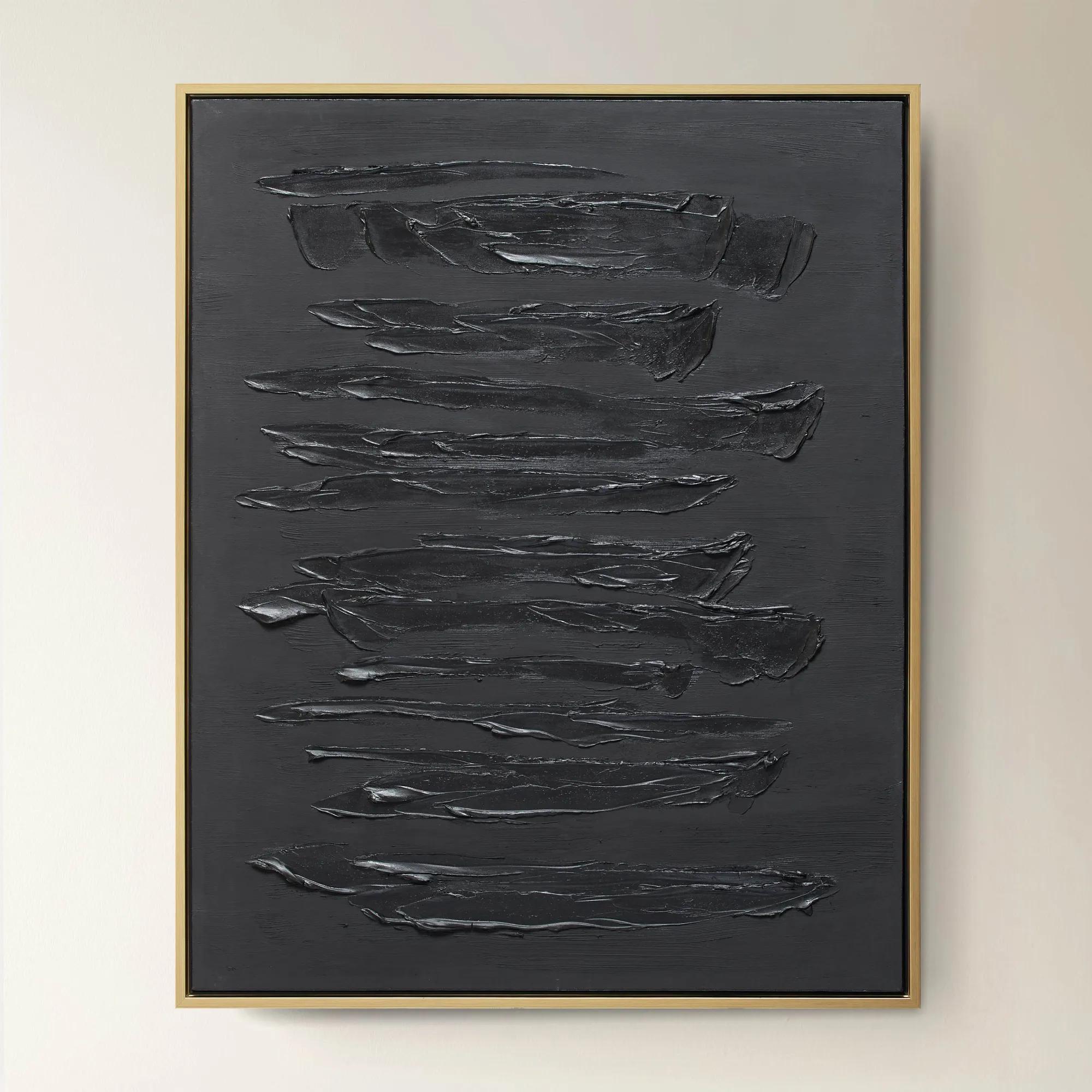
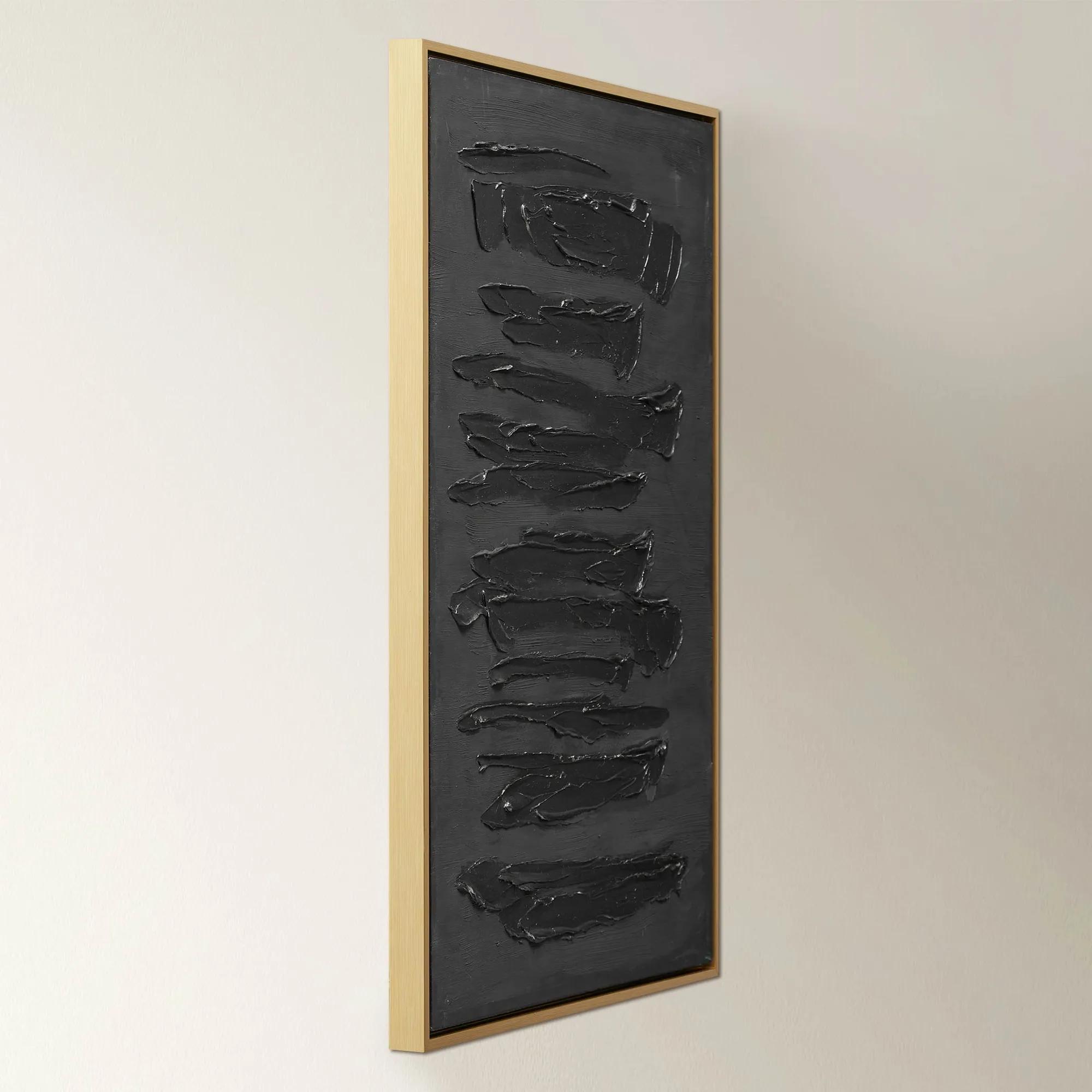 Nocturne$599.95
A dramatic abstract artwork featuring bold, dark brushstrokes on hand-painted canvas in a gold floater frame.
Add To Cart -

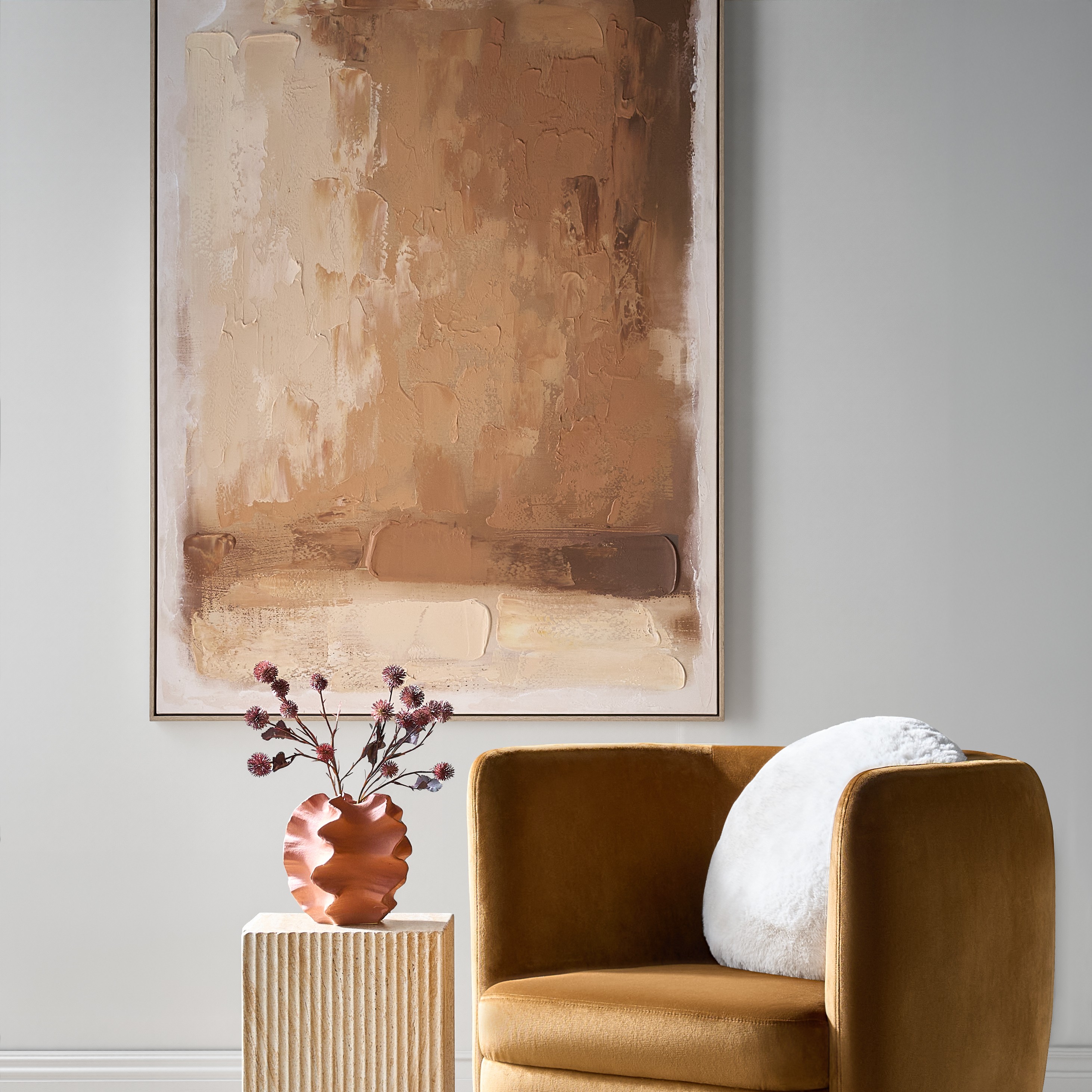 Ember Glow Framed Painted Wall Art 39.25" x 55"$499
A hand-painted abstract canvas blending ochre, terracotta, and golden clay hues in a light natural frame.
Add To Cart -
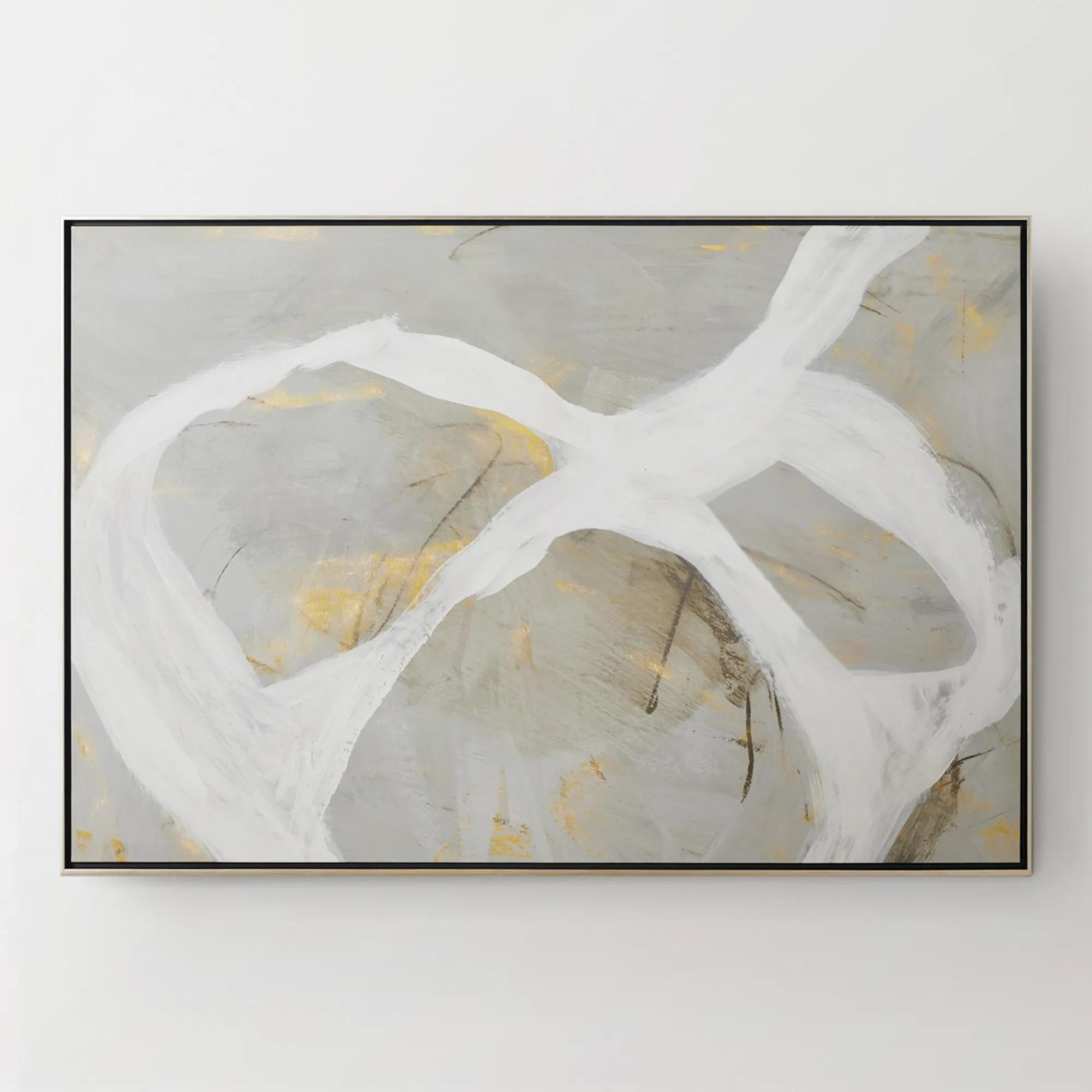
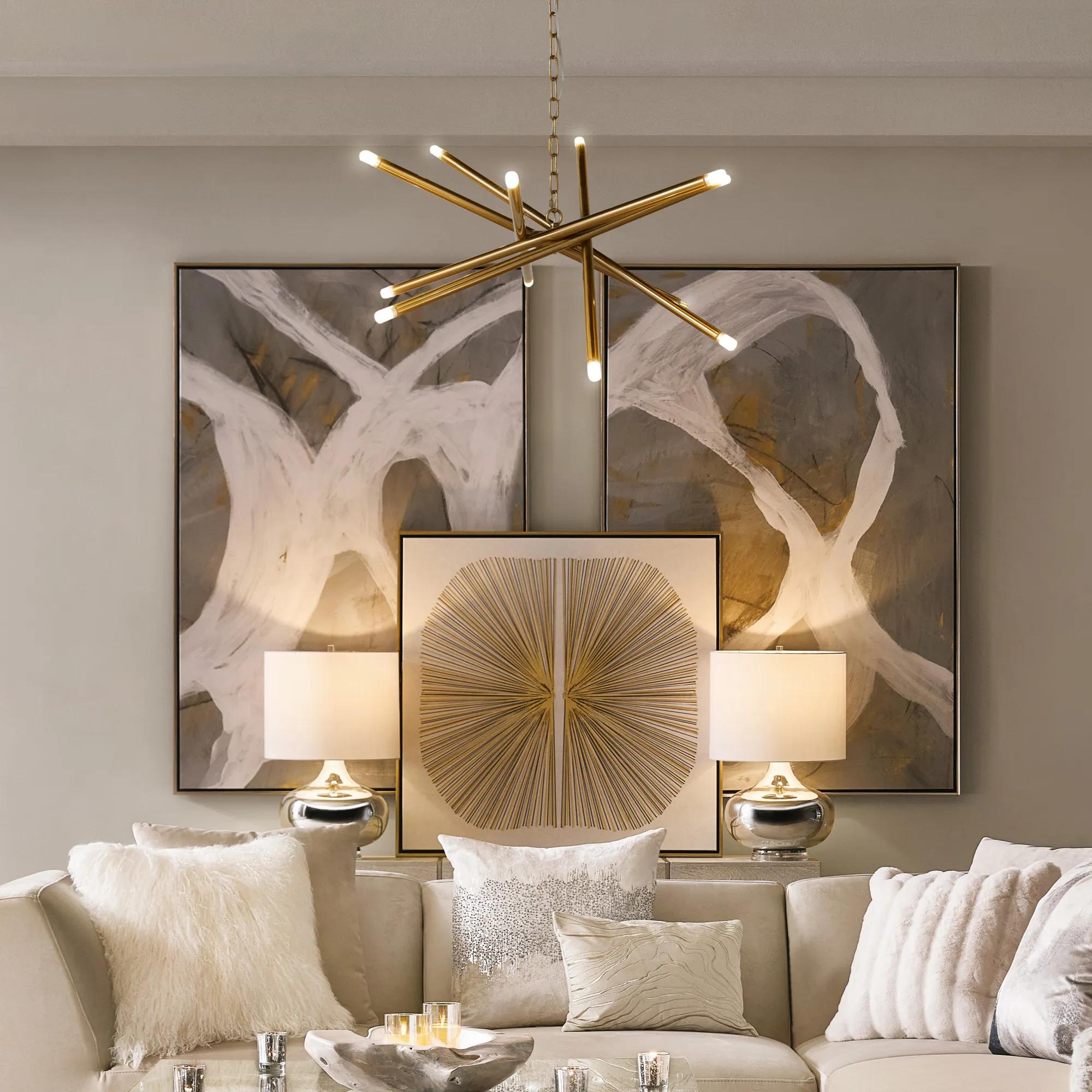 Les Series Framed Painted Wall Art I 61" x 41"$1099
An abstract canvas artwork featuring bold brushstrokes, hand-applied gold accents, and a silver floater frame.
Add To Cart -
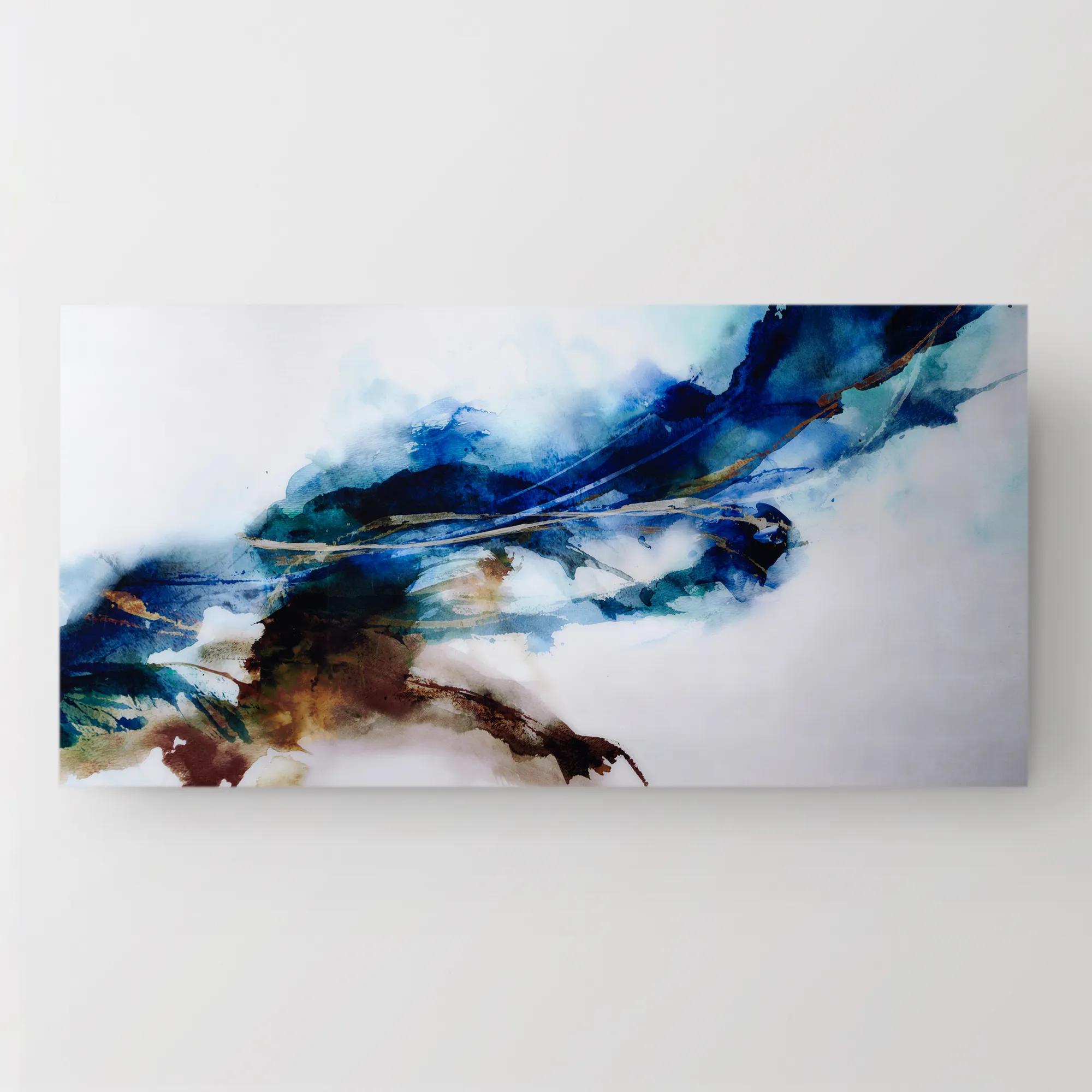 Cerulean Movement Acrylic Art 72" x 36"$1299
A vibrant abstract artwork printed on high-gloss acrylic, infusing your space with dynamic energy and movement.
Add To Cart -
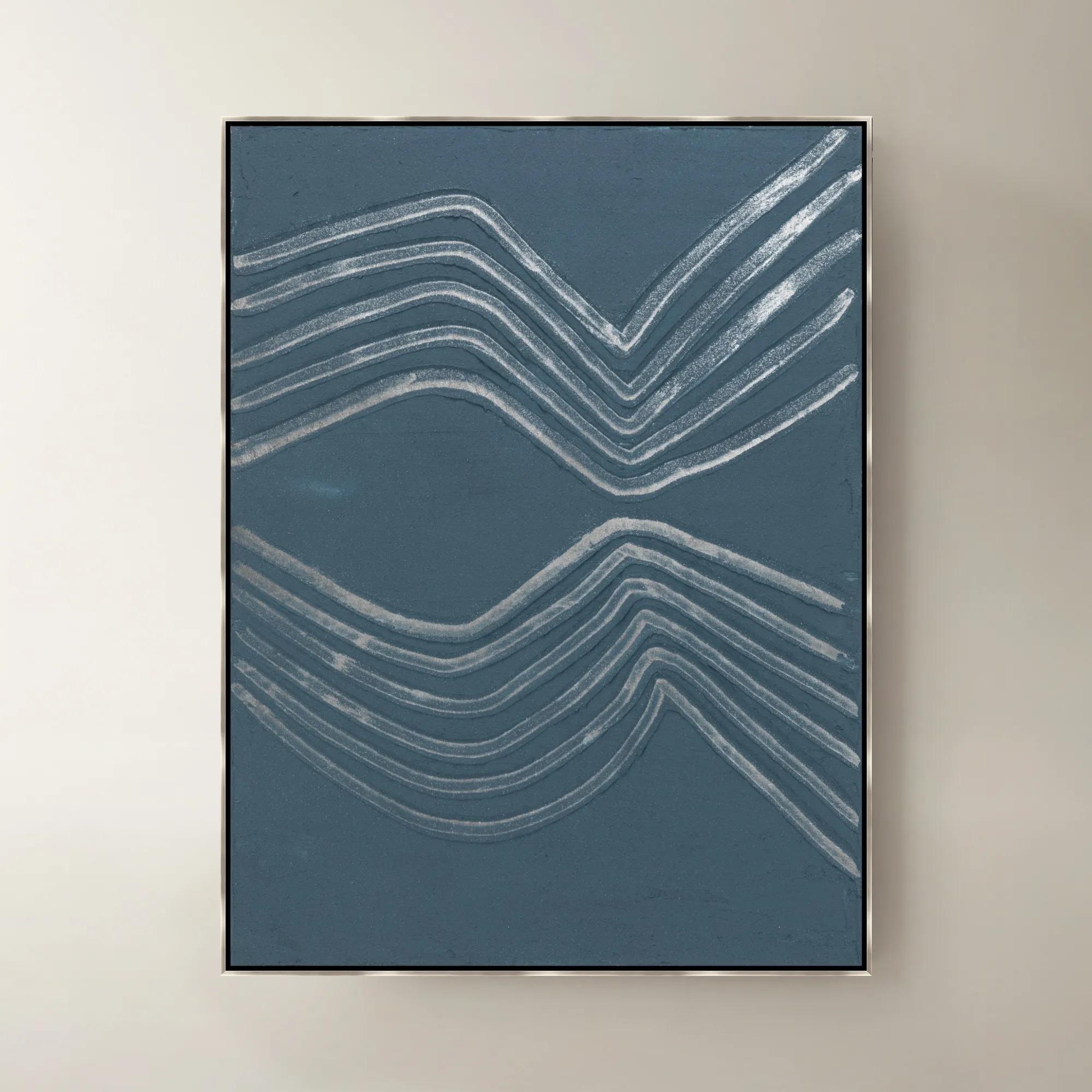
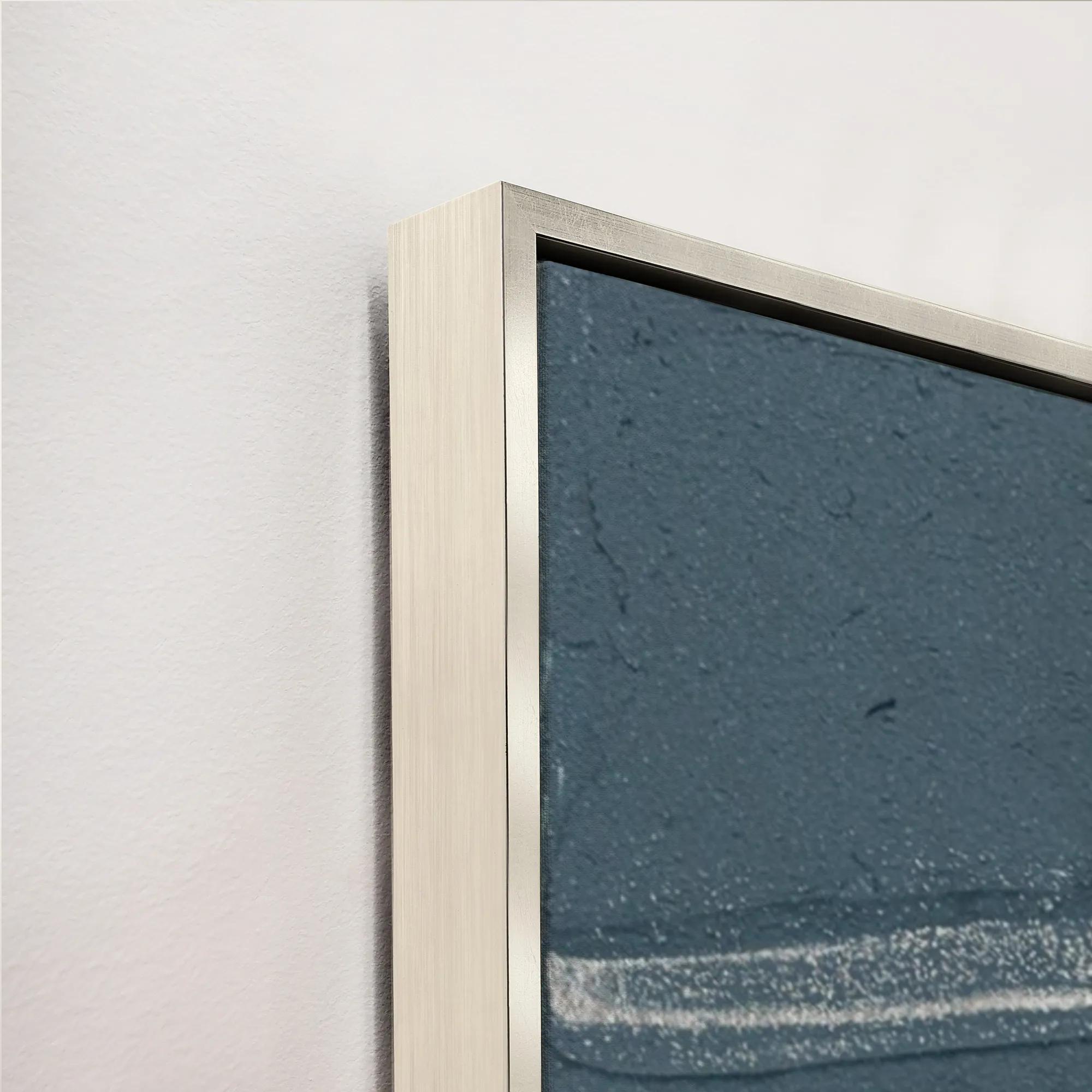 Gilded Waves VI Framed Painted Wall Art 40" x 53"$1399
A framed painted canvas artwork featuring sweeping gilded waves in rich blue and purple tones.
Add To Cart -
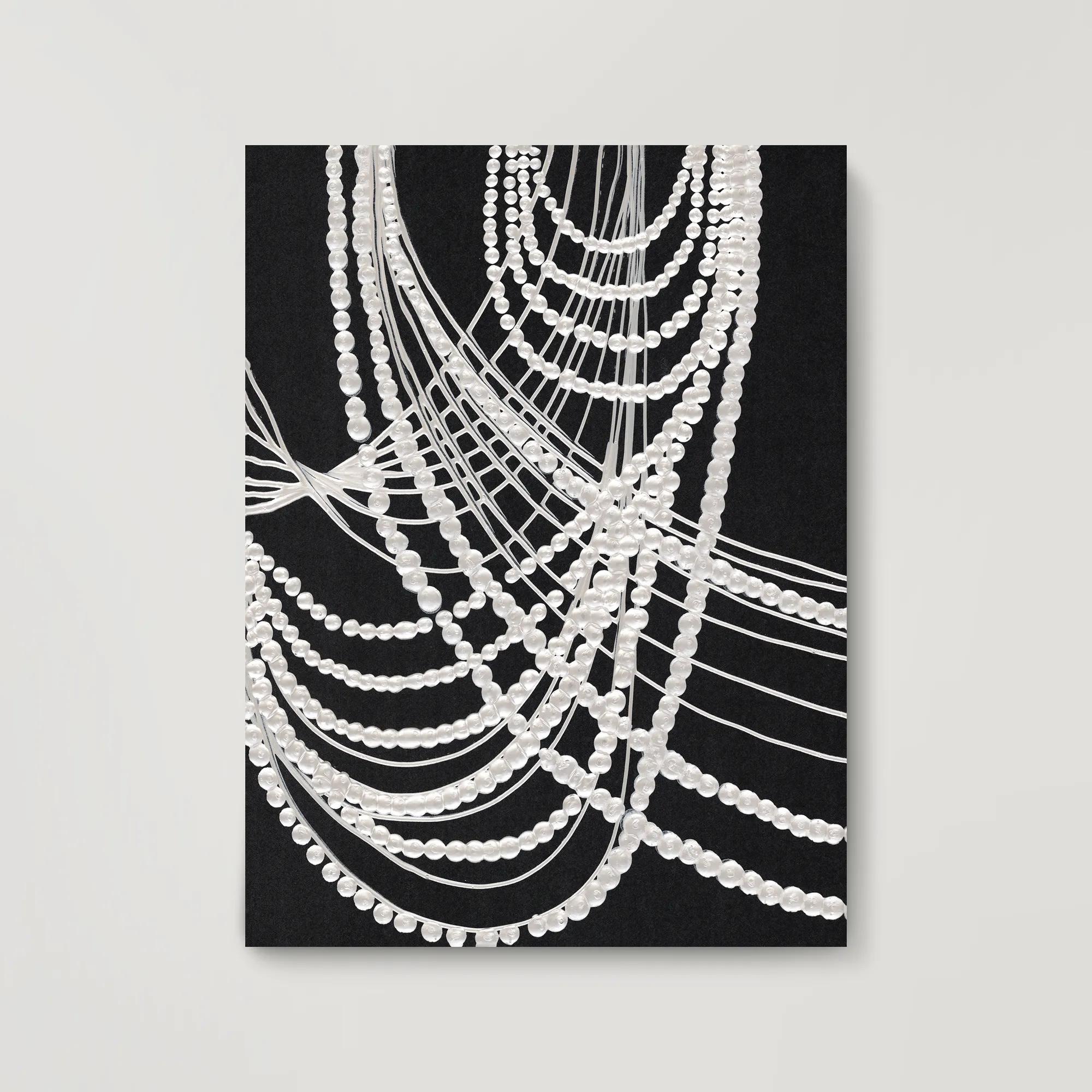 Dripping Pearls Painted Wall Art 36" x 48"$949
A striking hand-painted abstract artwork featuring layered acrylic and watercolor textures in a modern design.
Add To Cart -
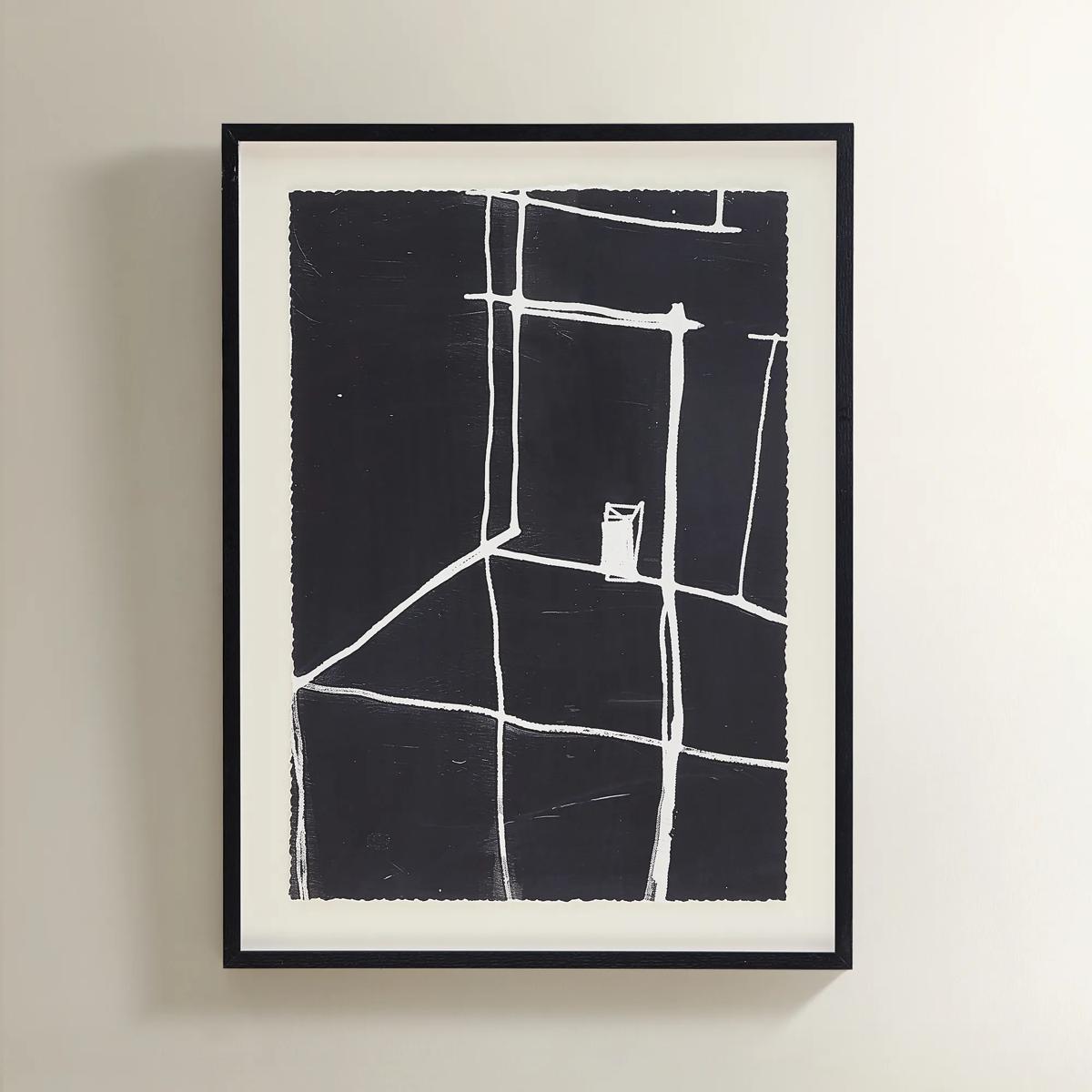 Solitude Art$269
A minimalist black-and-white abstract print featuring bold white lines in a sleek black polyresin frame.
Add To Cart -
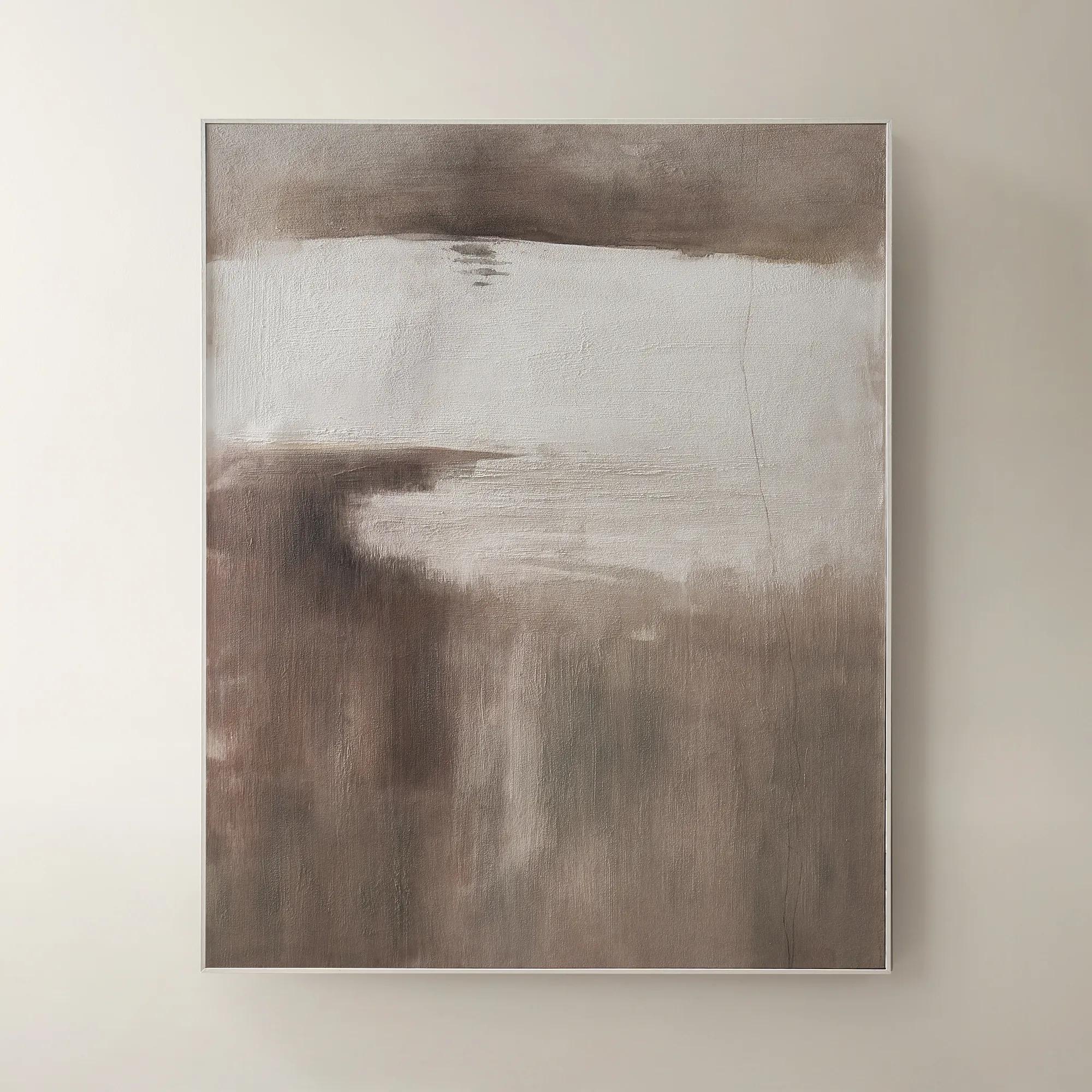
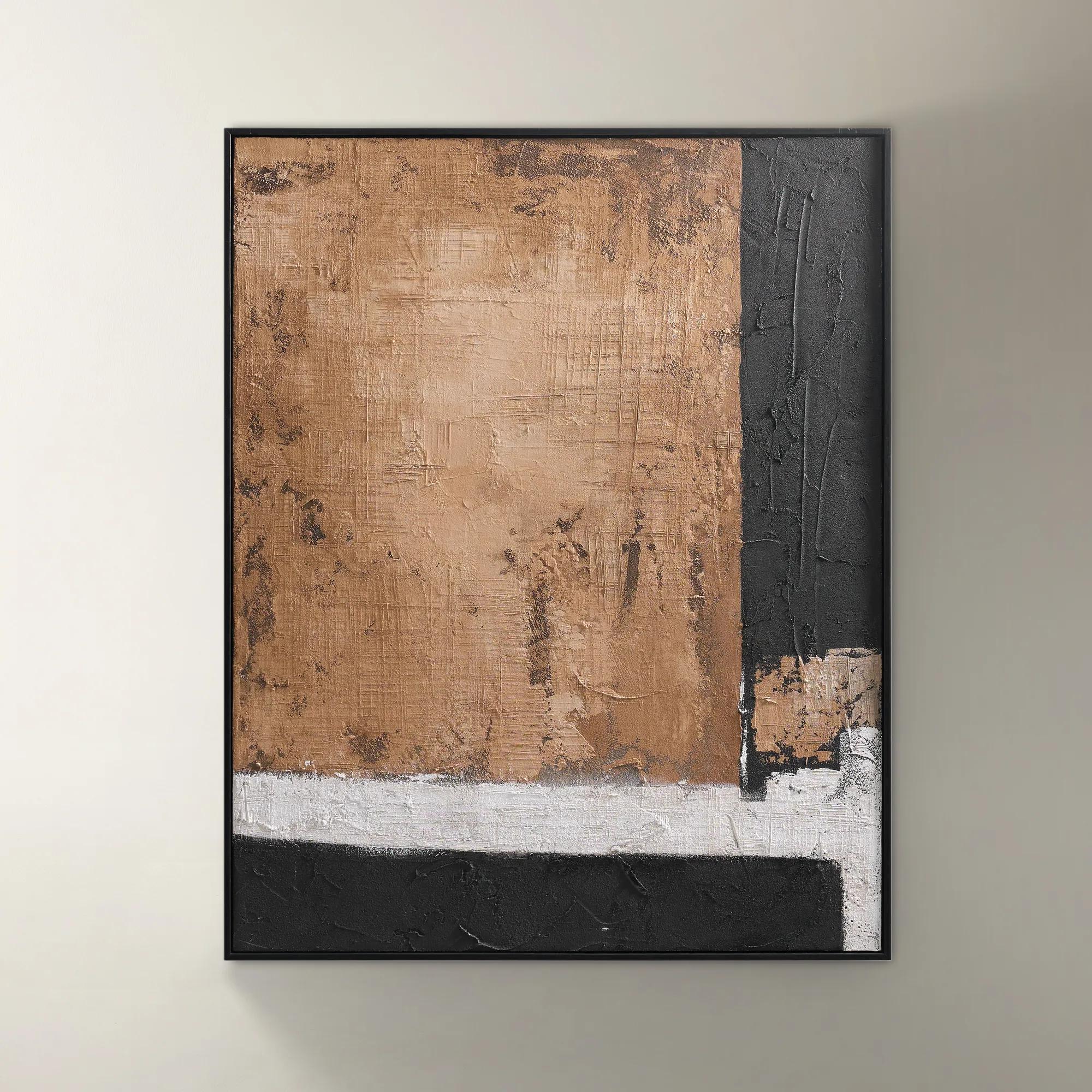 Drift Framed Painted Wall Art I 39.4" x 31.5"$299
A bold hand-painted abstract artwork featuring layered brown tones in a sleek black floater frame.
Add To Cart -
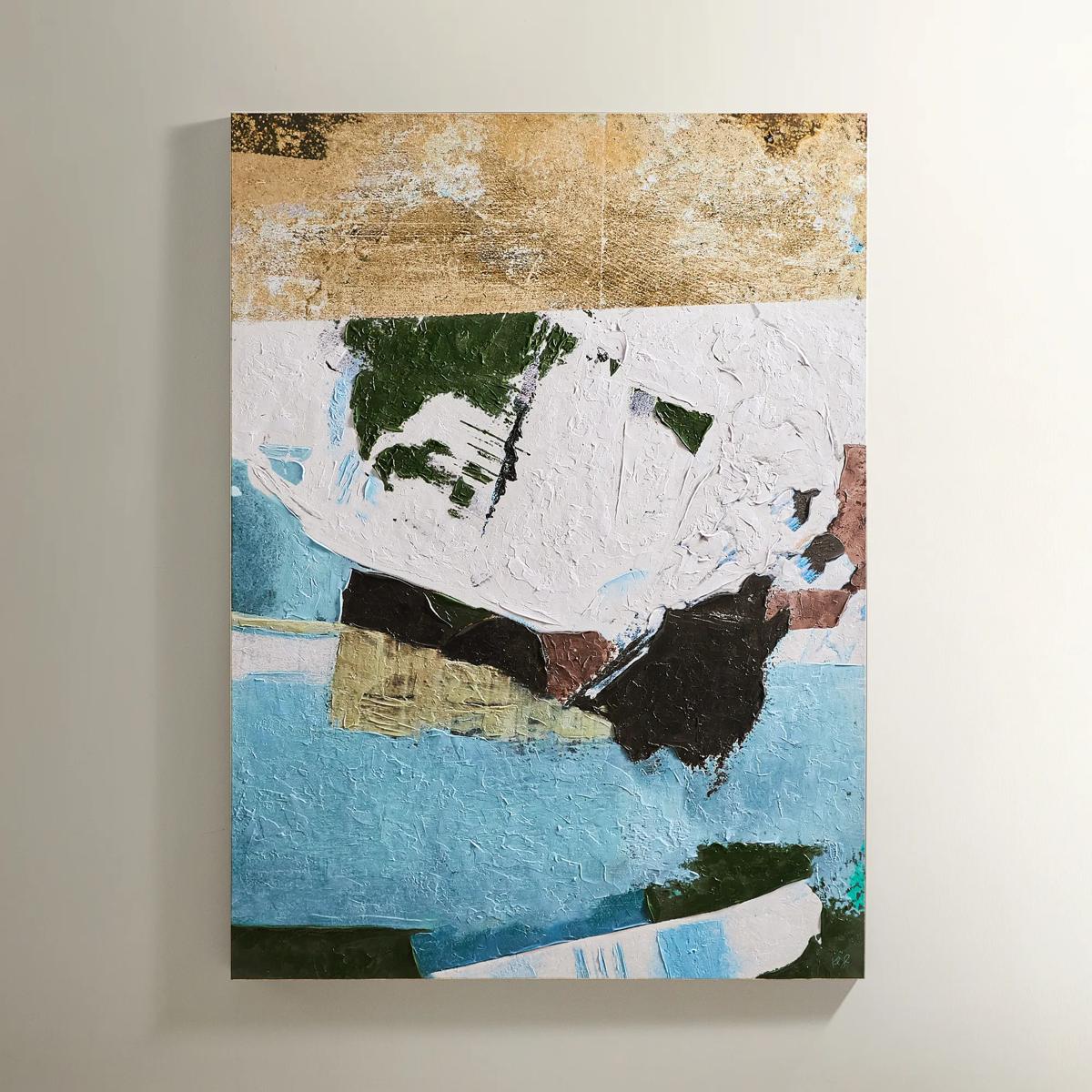
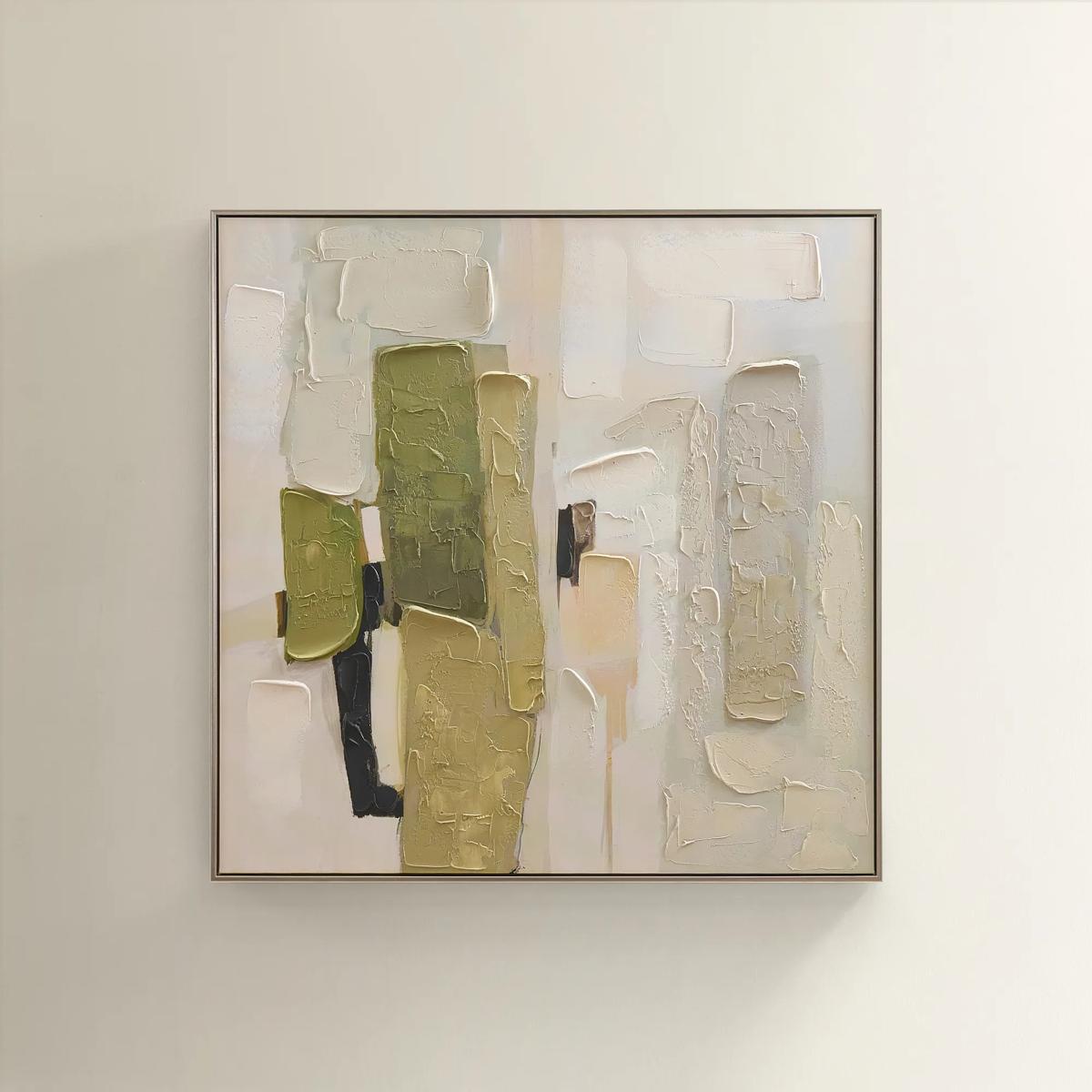 Verde Crush Framed Painted Wall Art 39.25" x 39.25"$349
A hand-painted abstract canvas featuring rich green tones, layered neutrals, and a champagne floater frame.
Add To Cart -
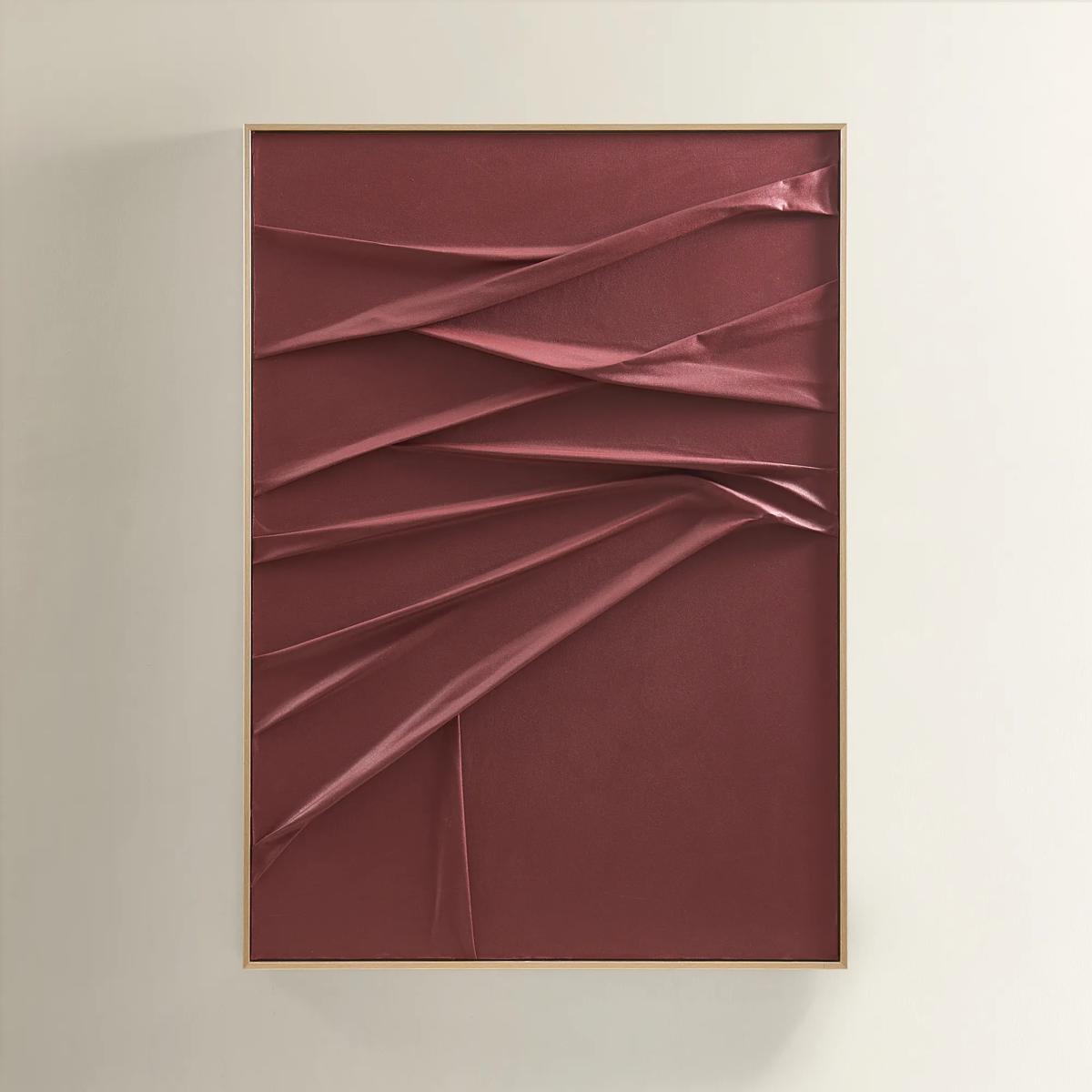
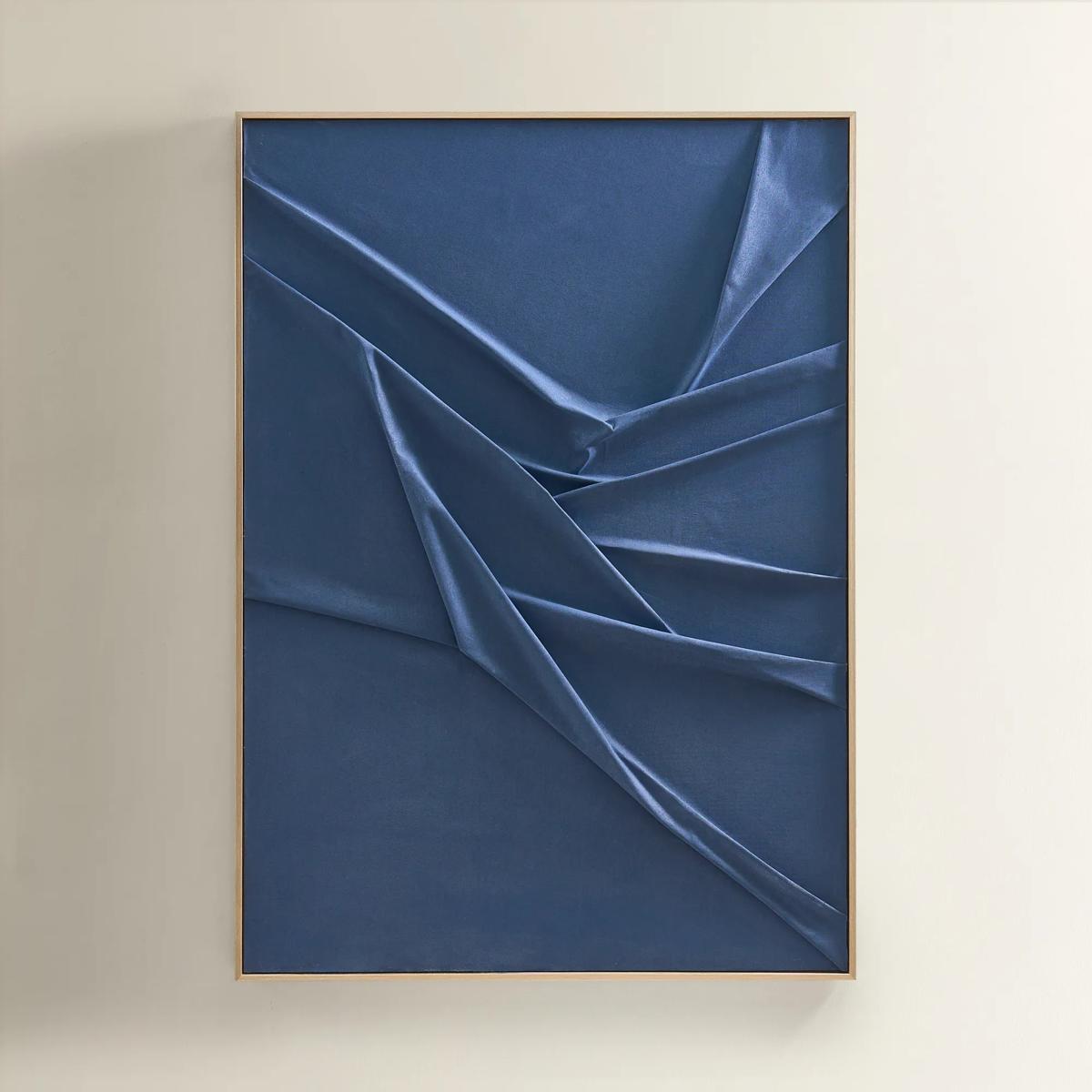
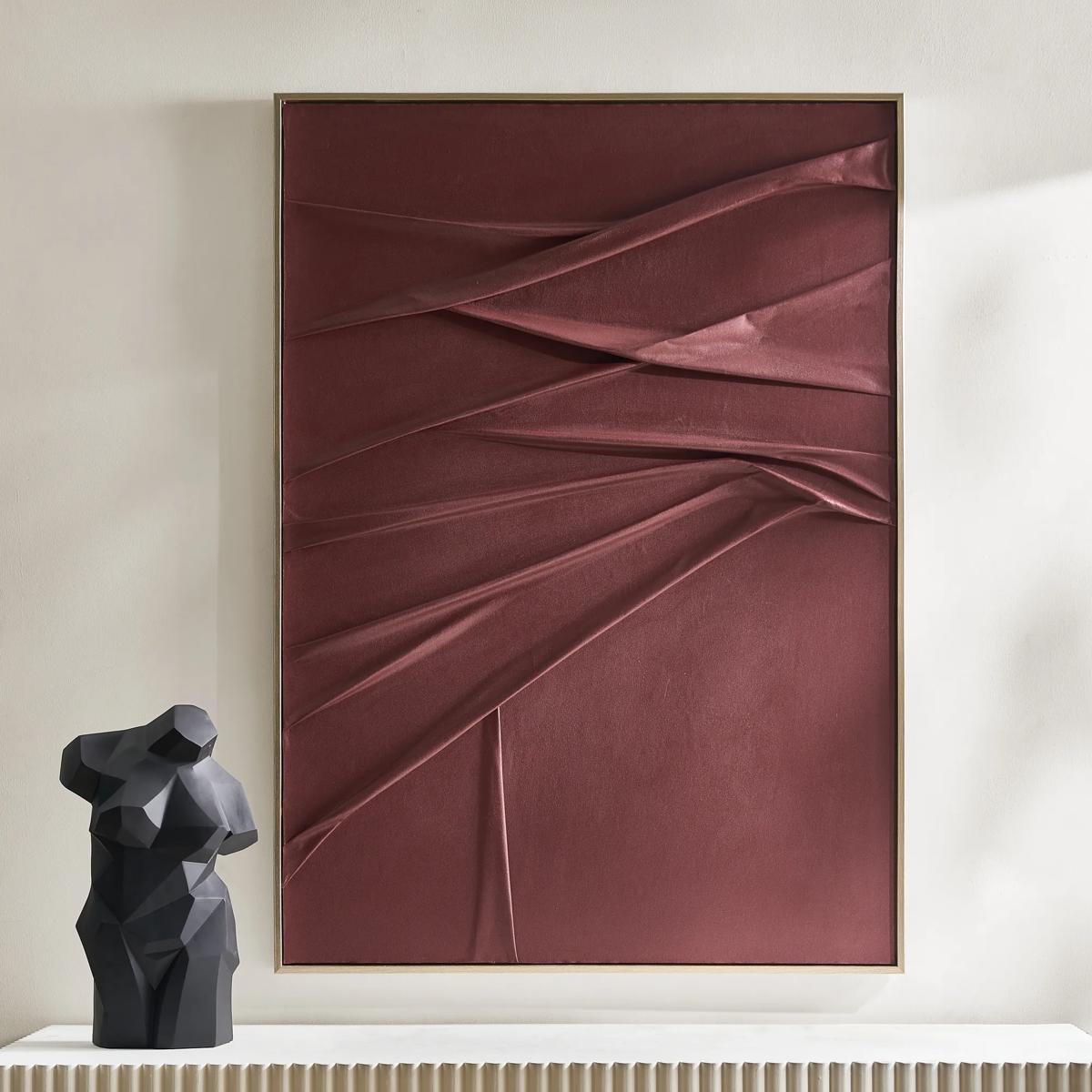 Crimson Painting$599
A handcrafted burgundy canvas artwork with sculptural folds, framed in champagne for a dramatic, textured effect.
Add To Cart -
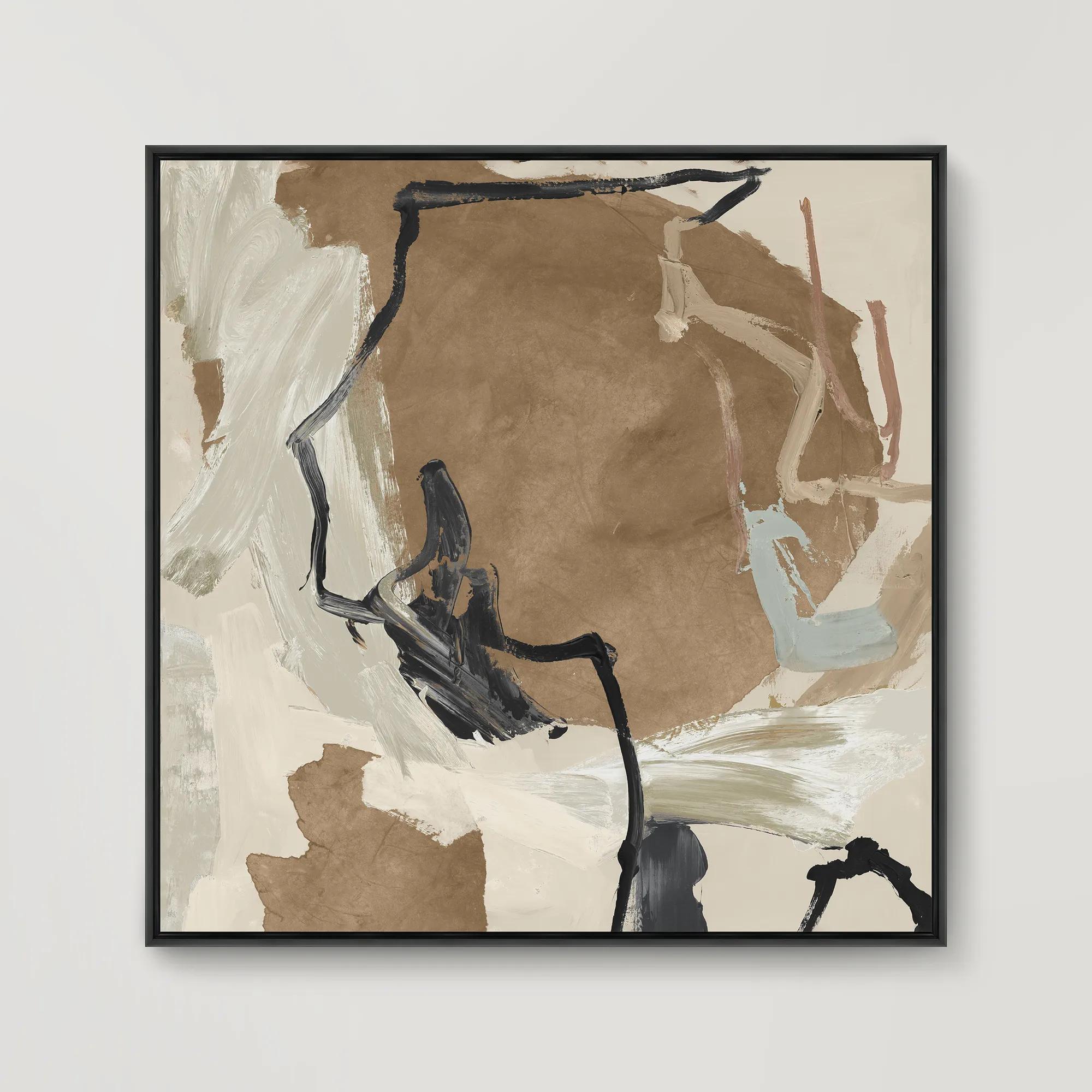
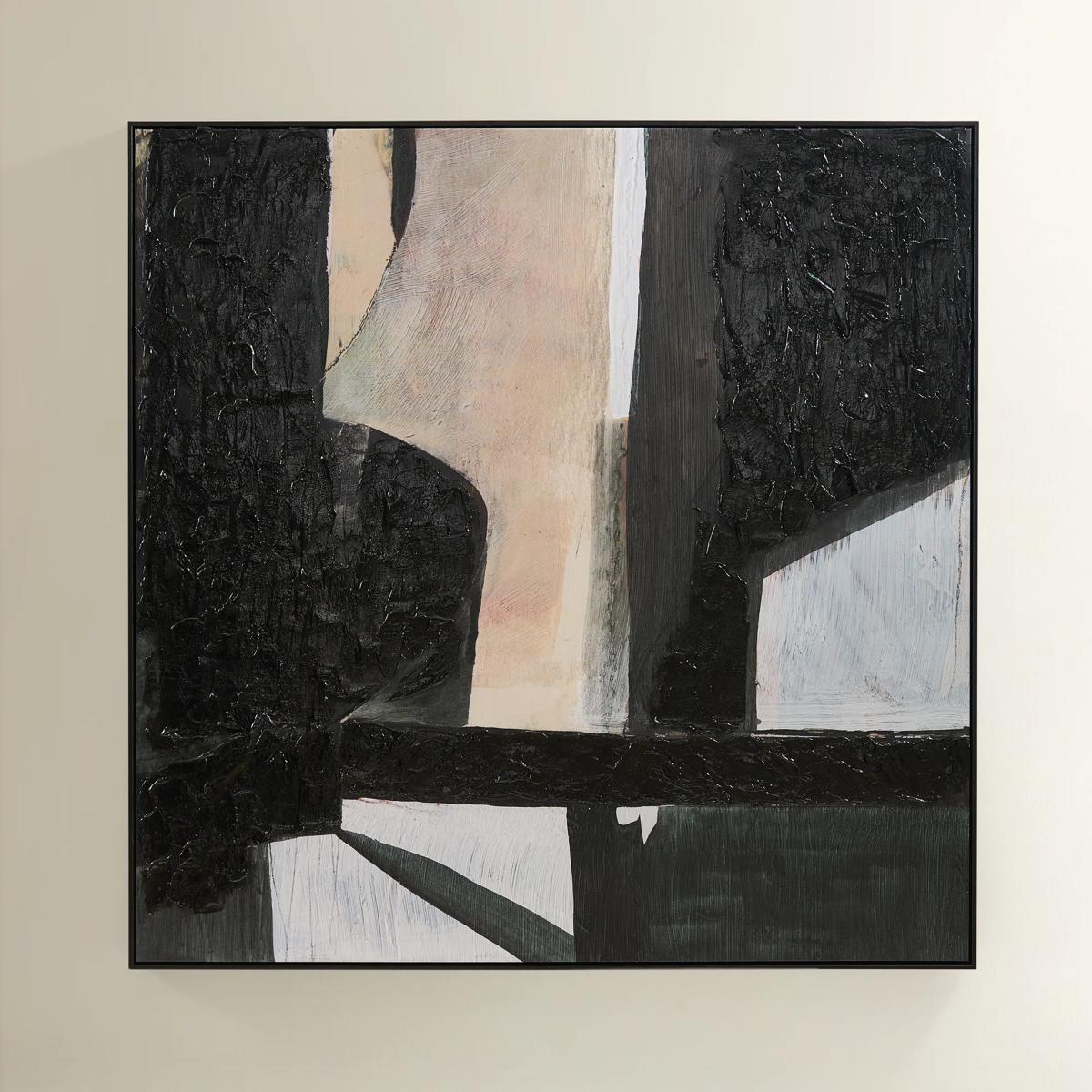 Grounded Painting$699
A hand-painted abstract canvas featuring black, cream, and earth tones in a sleek black floater frame.
Add To Cart -
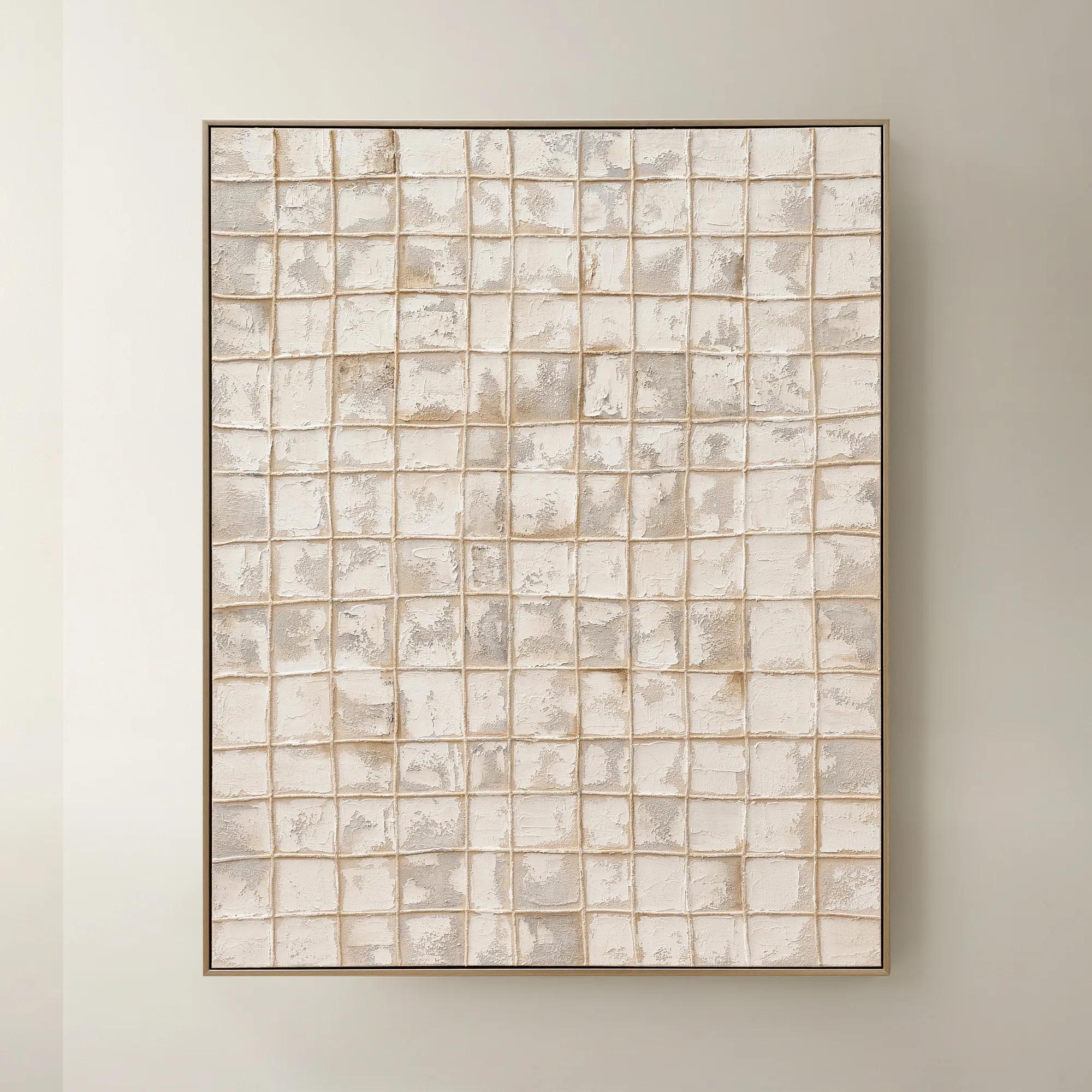
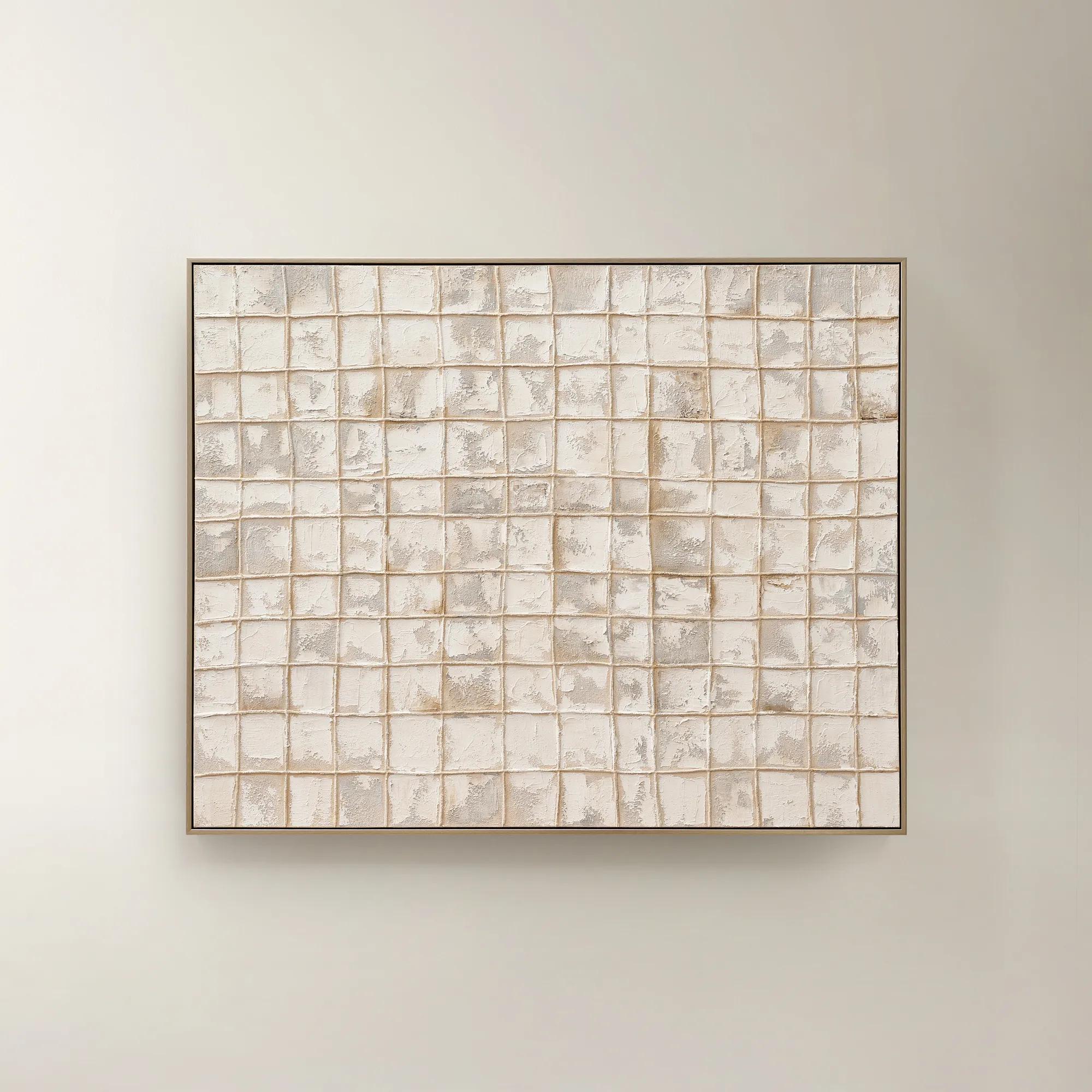 Painted Echos Framed Gold Leaf Wall Art 60" x 48"$699
A hand-painted abstract canvas with gold leaf accents and a champagne frame for modern, versatile display.
Add To Cart -

 Twin Abstract 1 Framed Wall Art 30" x 45"$699
A captivating abstract canvas artwork featuring layered blue and purple tones in a sophisticated framed presentation.
Add To Cart -
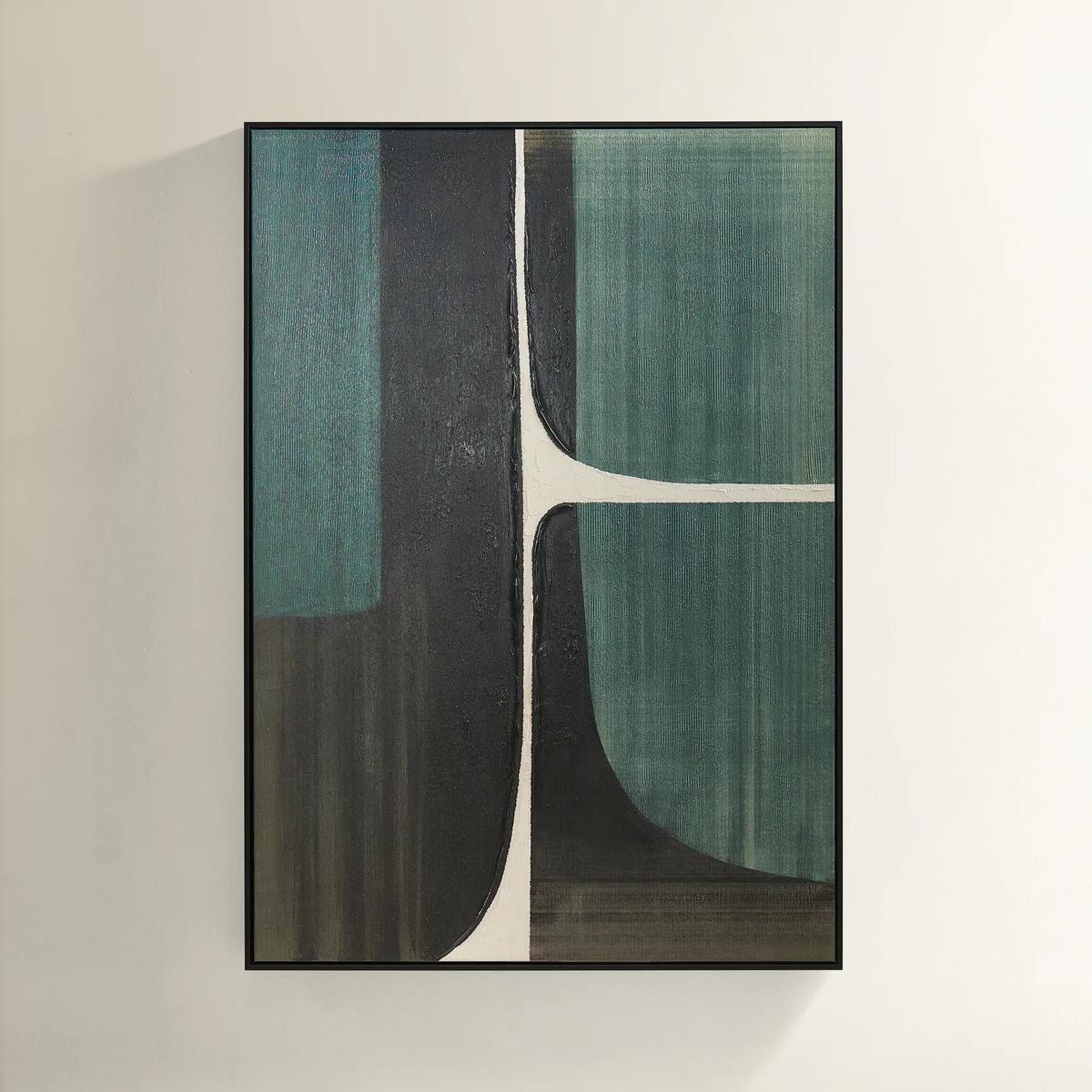 Plains Framed Painted Wall Art 39.25" x 55"$499
A hand-painted abstract canvas in forest green, ivory, and black with a sleek black floater frame.
Add To Cart -
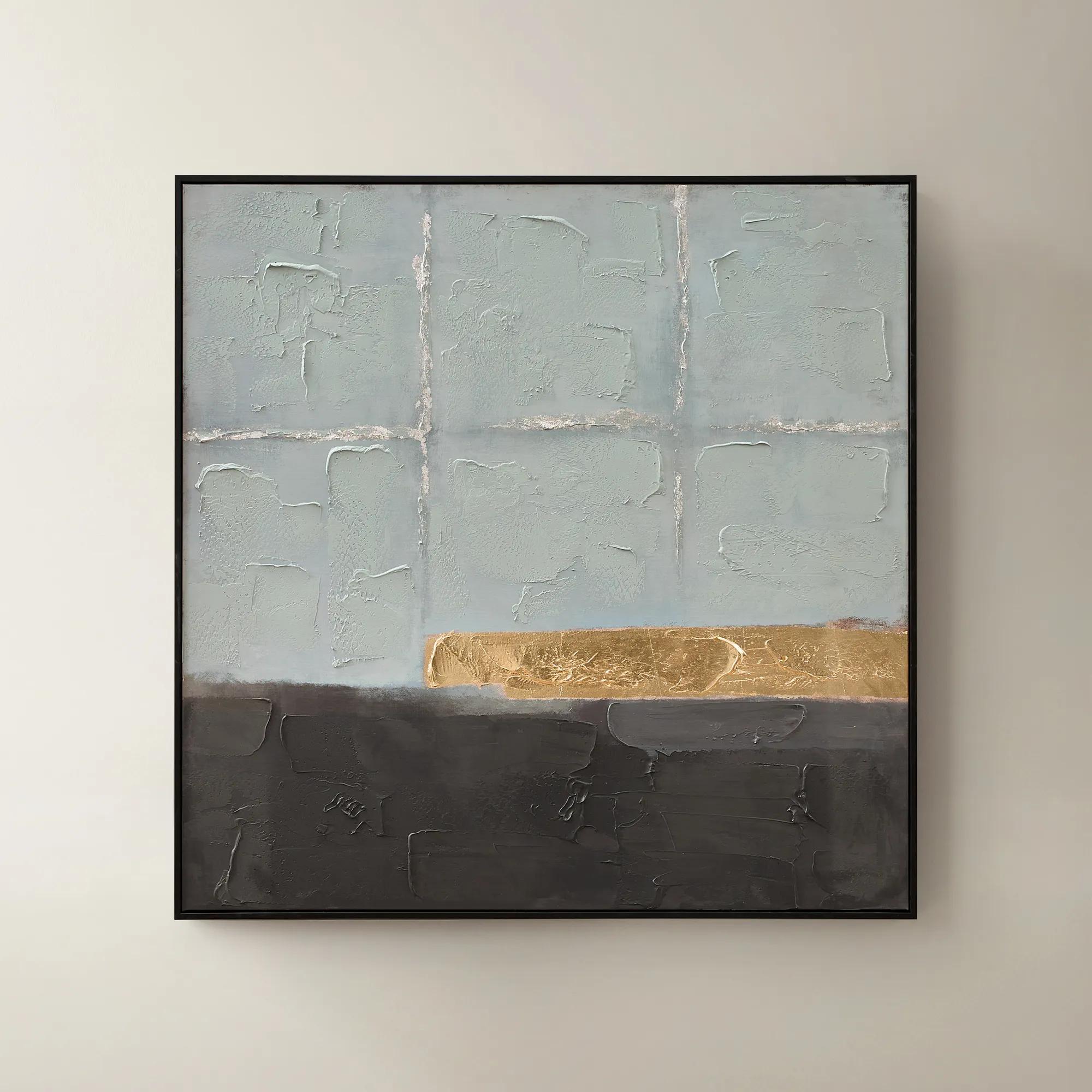
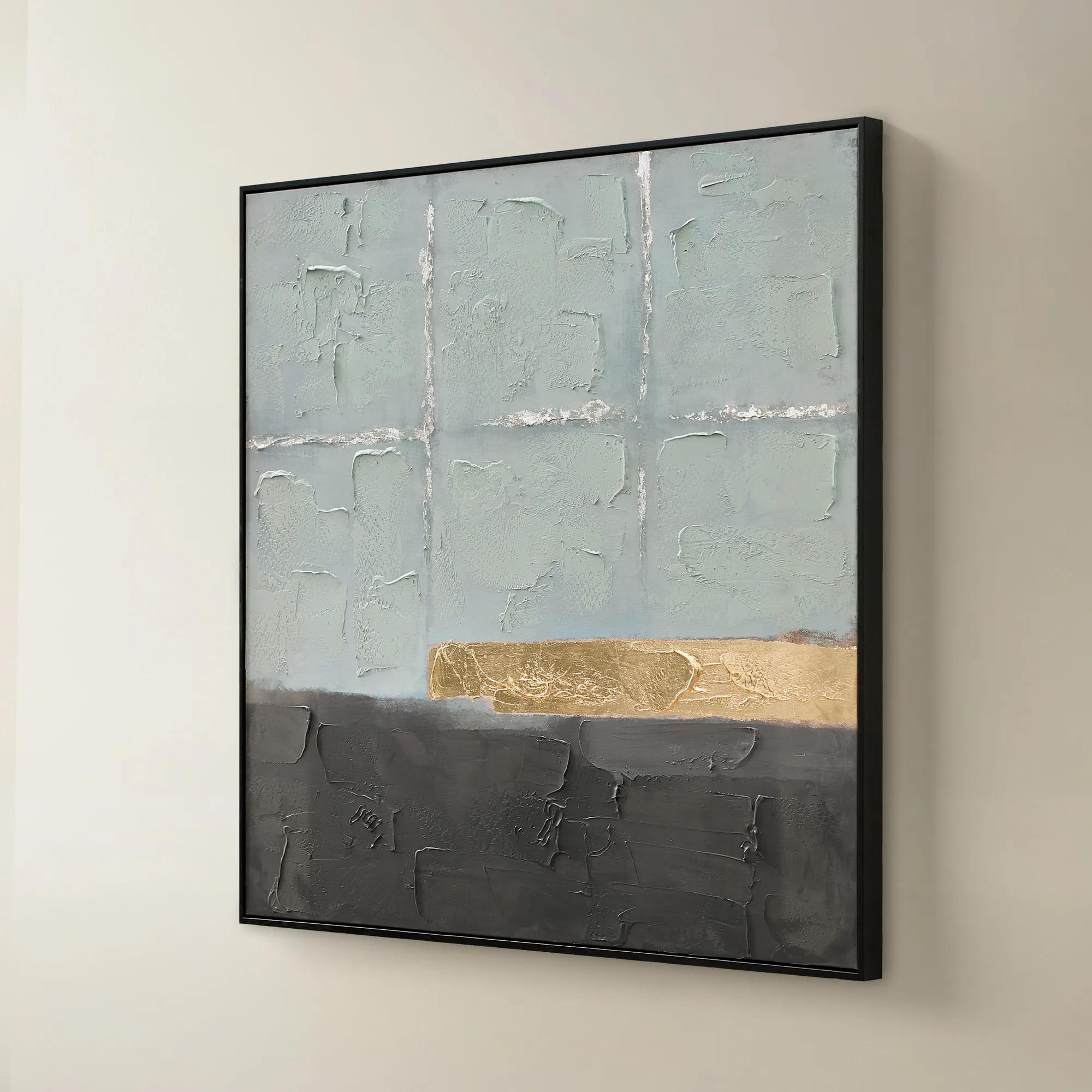 Jules Framed Gold Leaf Painted Wall Art 40" x 40"$299
A hand-painted canvas in mineral blue with gold leaf accents and a sleek black frame for modern appeal.
Add To Cart -
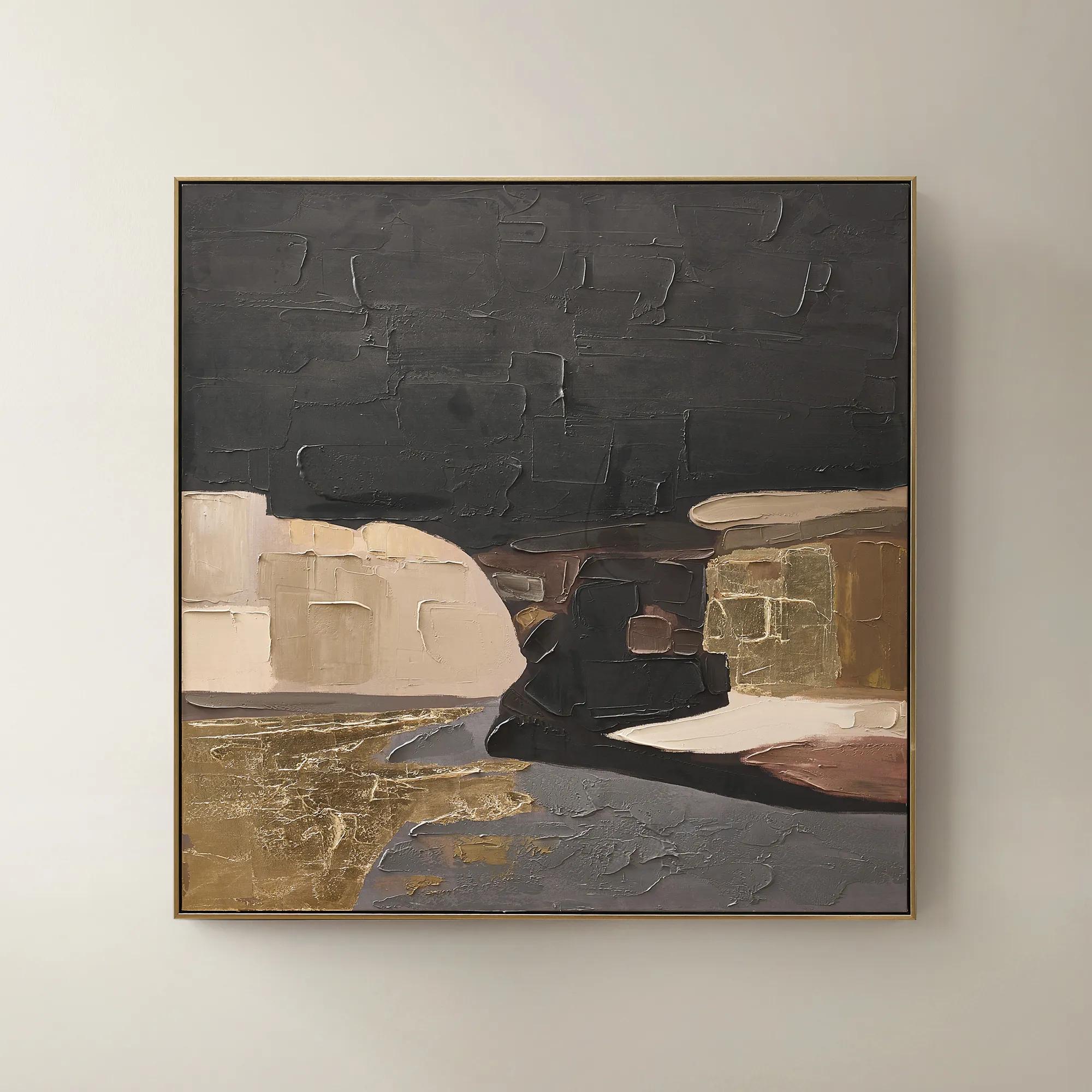 Obscured Light Framed Gold Leaf Painted Wall Art 48" x 48"$499
A hand-painted canvas with gold leaf accents and a black-gold frame in dramatic neutral tones.
Add To Cart -
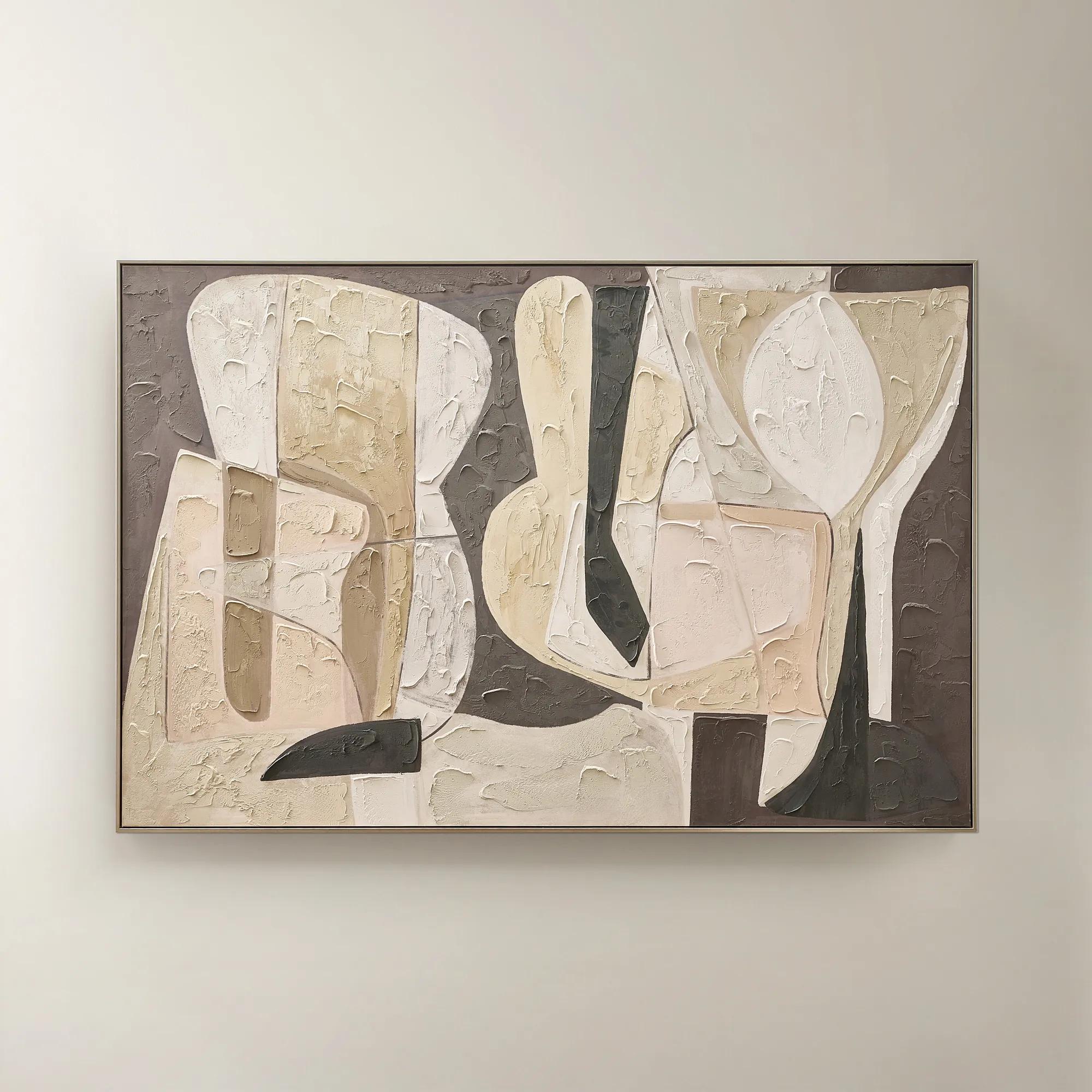 Wishful Thinking Framed Painted Wall Art 72" x 48"$599
A hand-painted abstract canvas featuring bold geometric forms and warm smoked plum, apricot, and tawny hues.
Add To Cart -
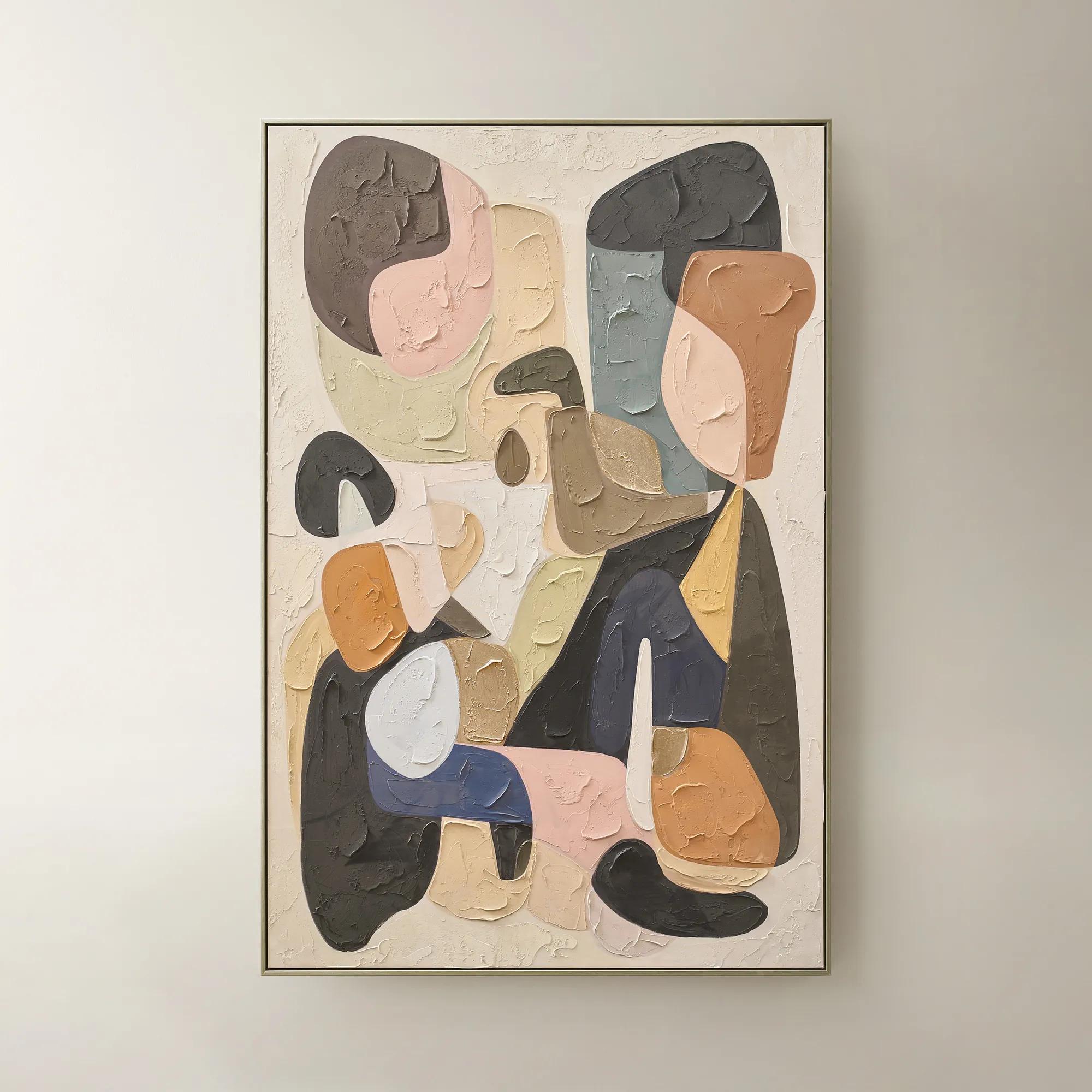 Chromatic Bloom Framed Painted Wall Art 40" x 60"$519
A hand-painted abstract canvas featuring a vibrant multi-color palette and shimmering champagne detailing.
Add To Cart -
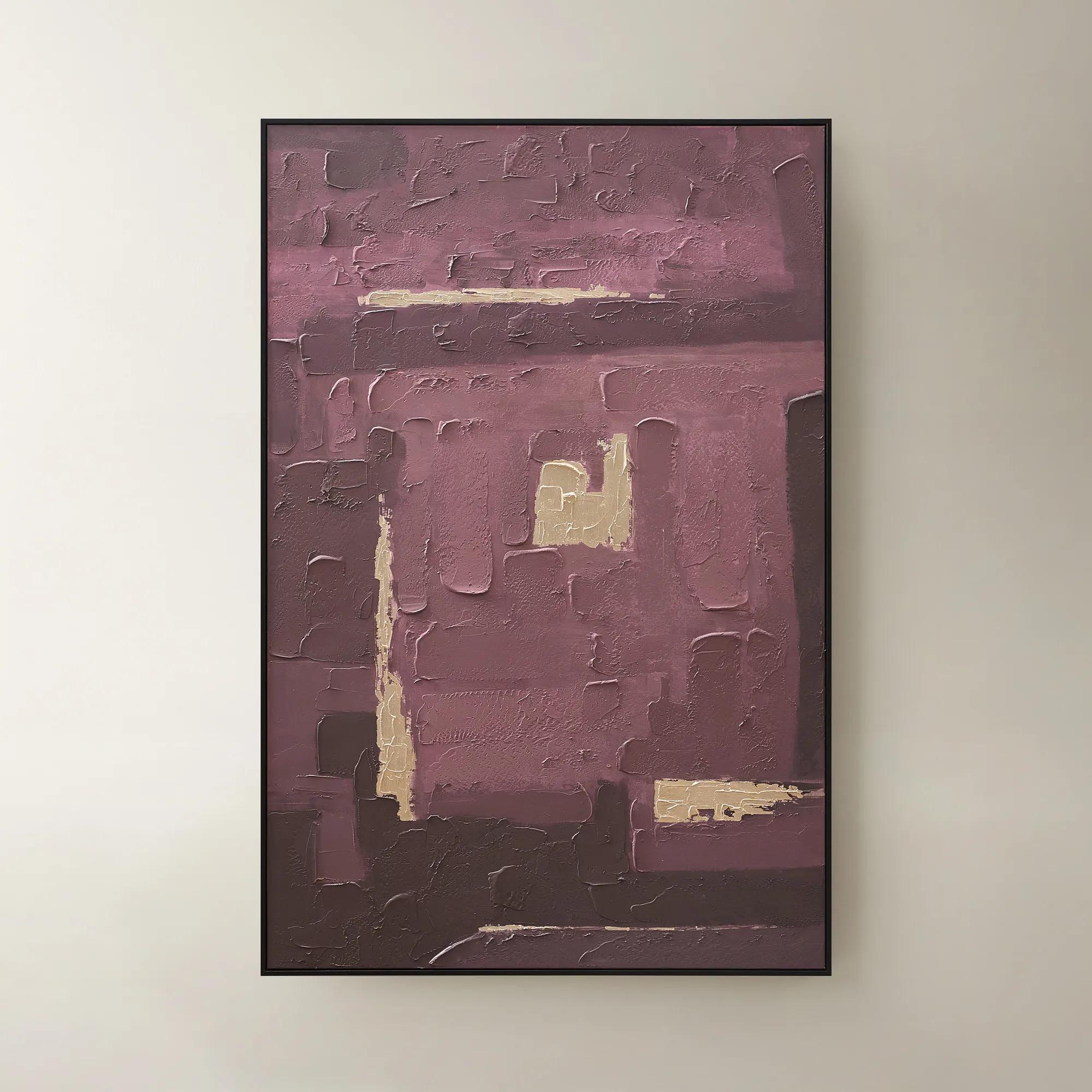
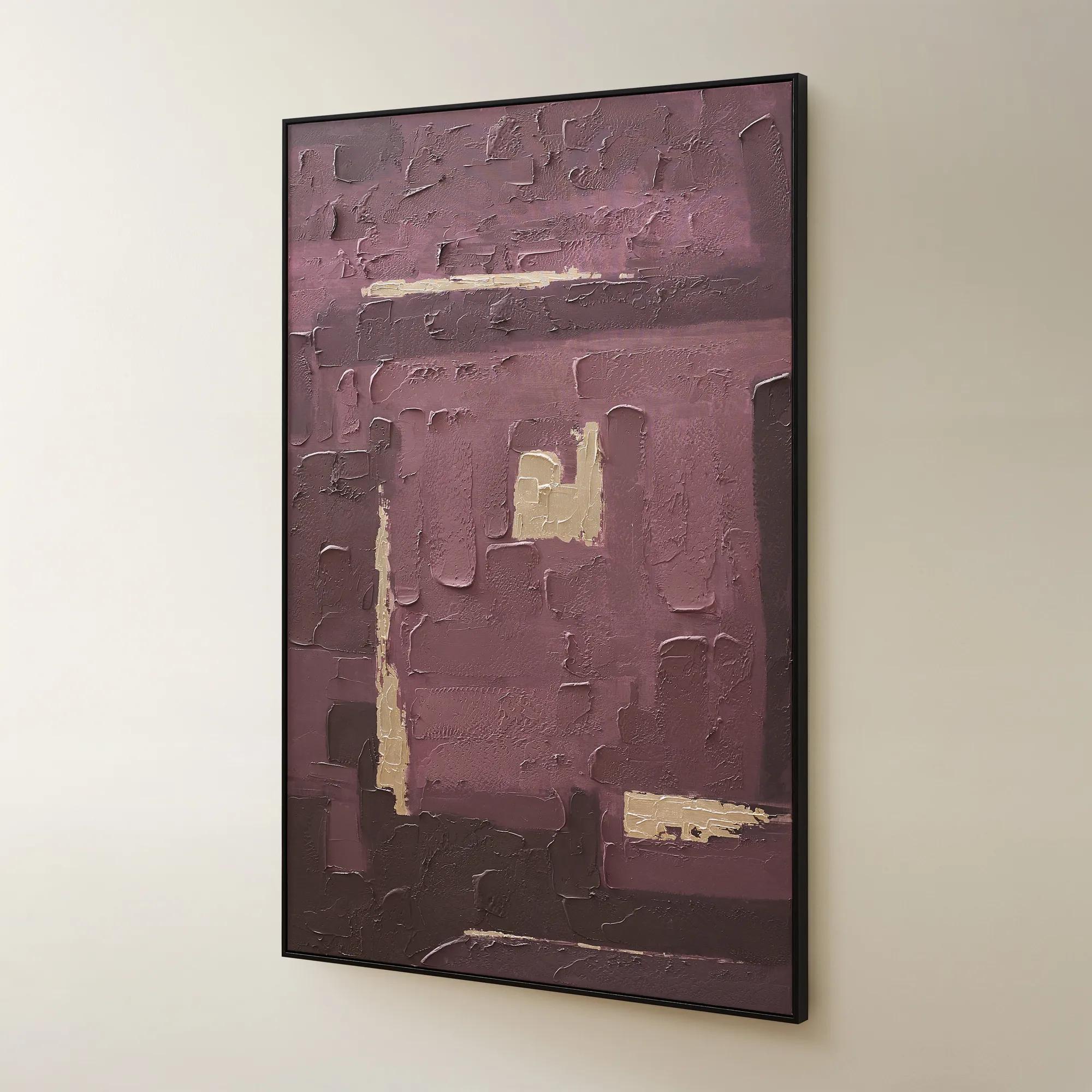 Fallback Framed Painted Wall Art 60" x 40"$499
A hand-painted abstract canvas in rich fig hues with champagne accents, set in a sleek black frame.
Add To Cart -
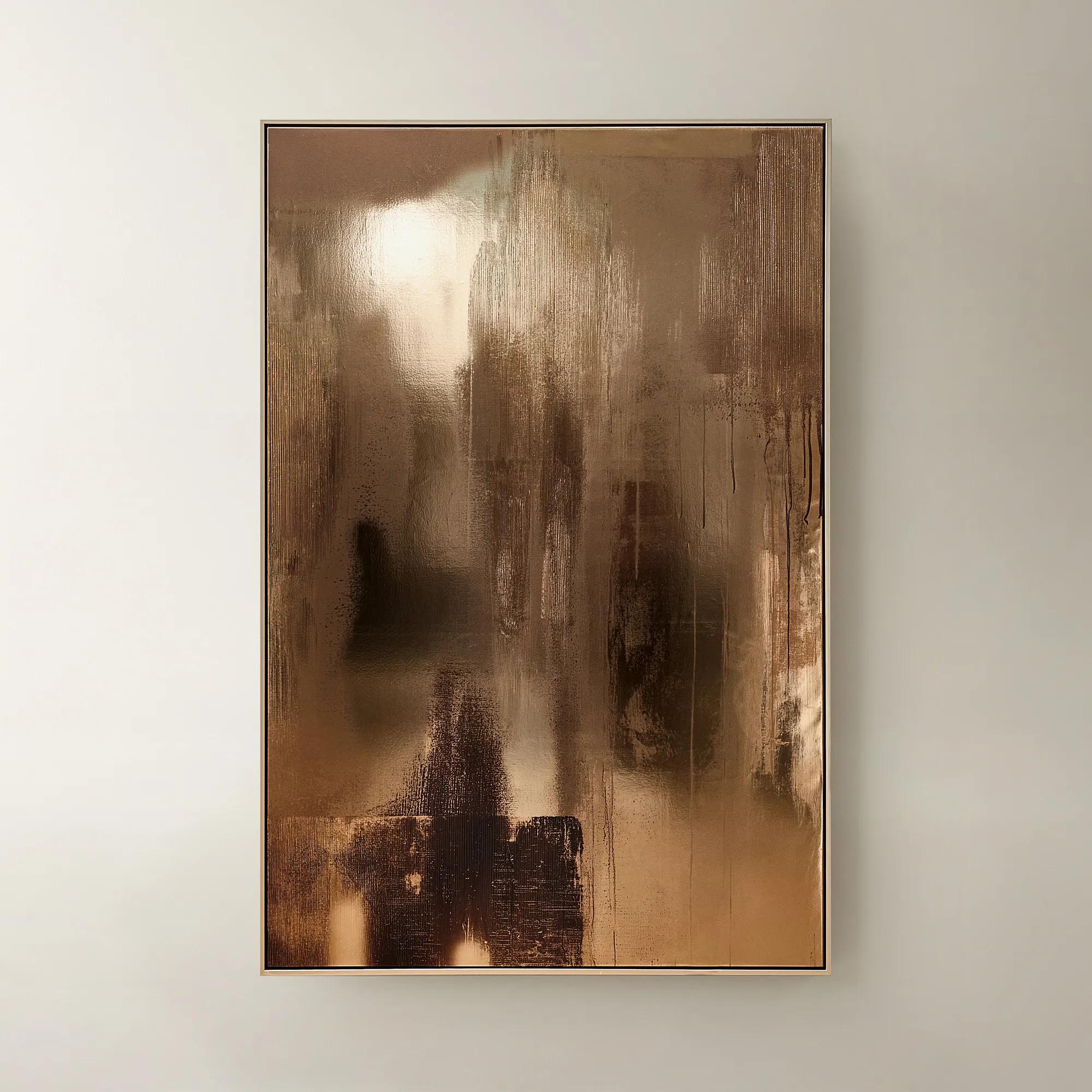
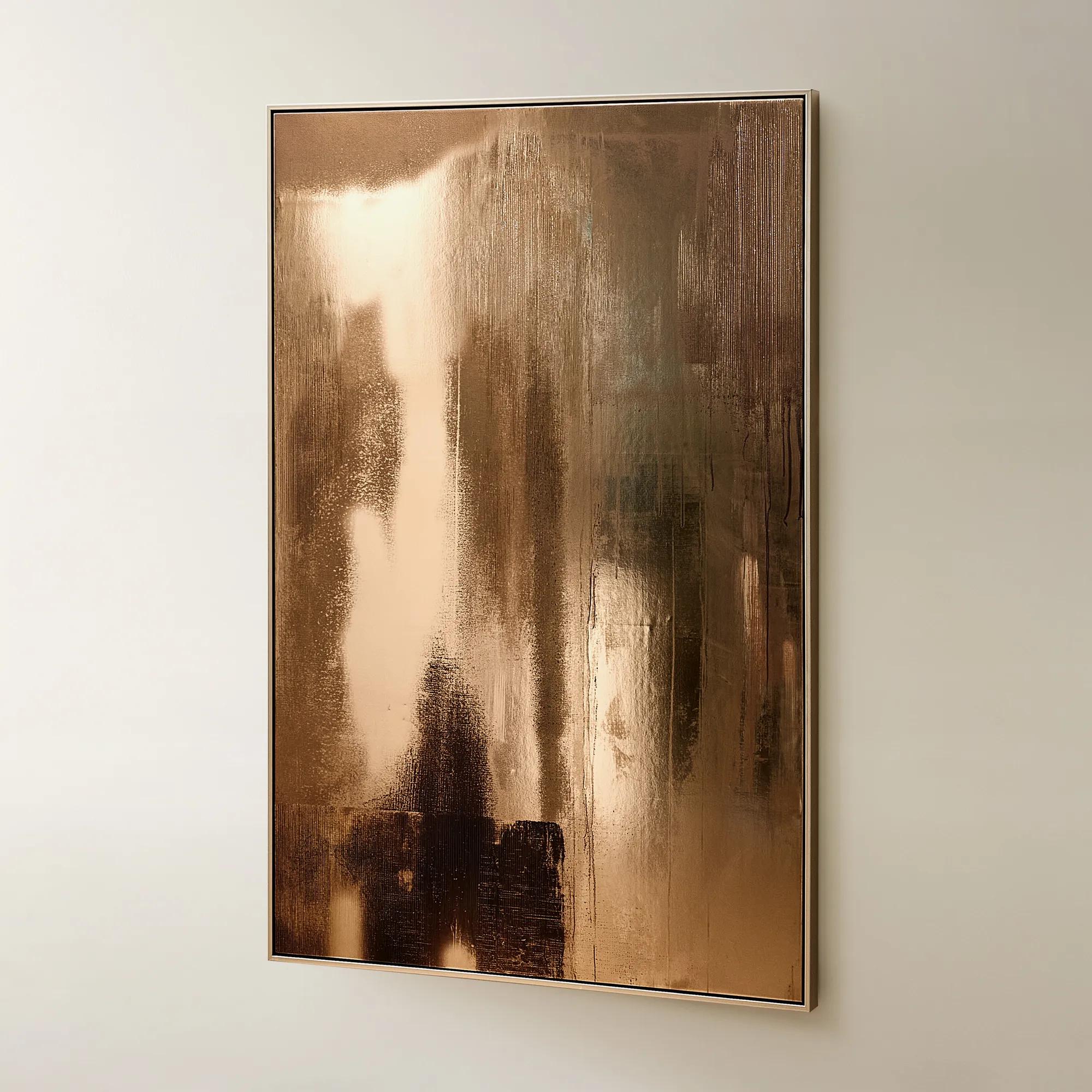 Bronze Reflective Framed Leather Painted Wall Art 40" x 60"$799
A hand-painted abstract wall art featuring reflective bronze faux leather and a warm champagne metallic frame.
Add To Cart

Bold Abstract Wall Art
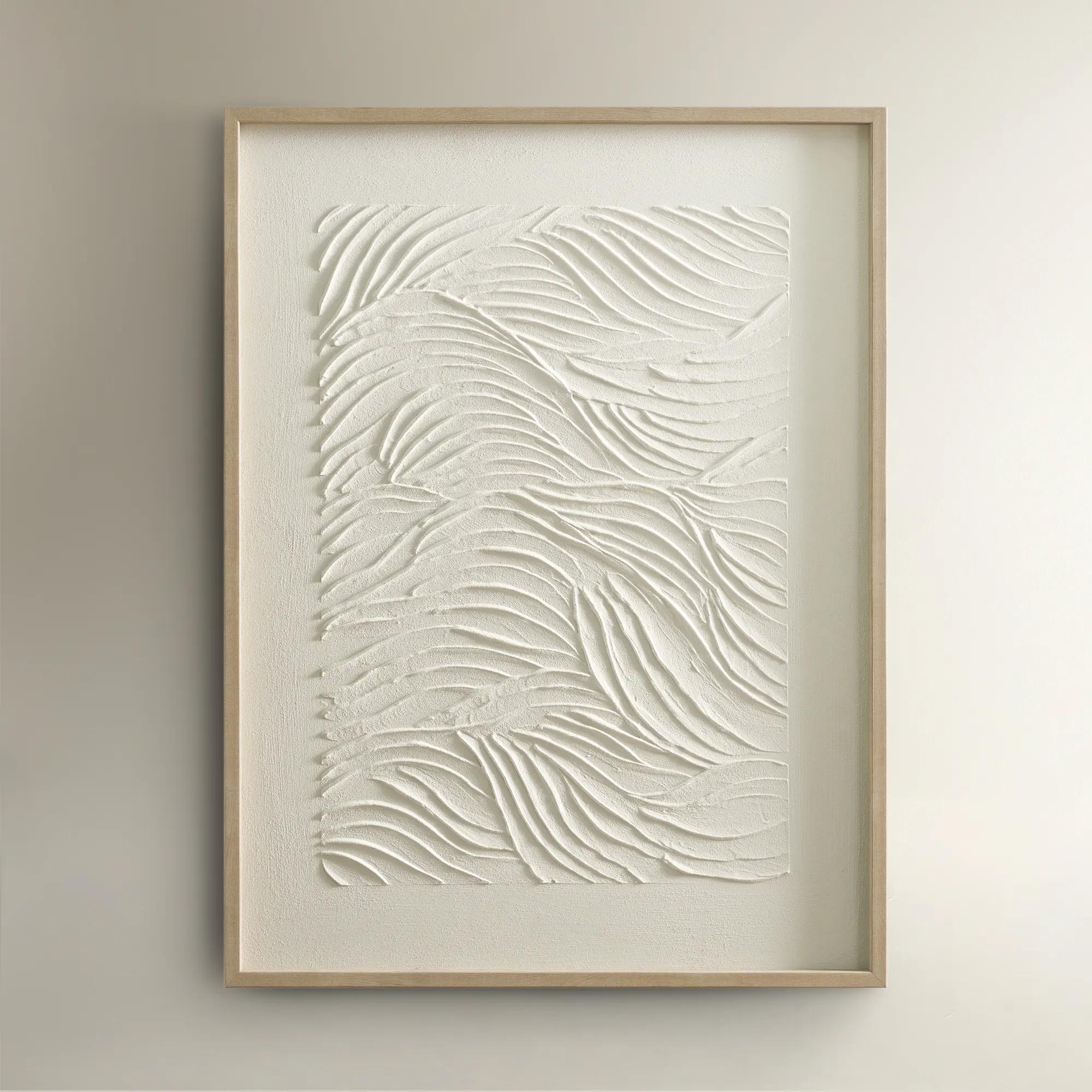
Find bold abstract wall art that brings expressive shapes, visual movement, and a dramatic focal point to your space. Consider how a composition’s colors relate to your furnishings and how its scale suits the wall—whether you’re anchoring a seating area, defining an entryway, or creating a striking contrast above a console.
Bold abstract wall art creates a strong visual statement through expressive color, high contrast, oversized shapes, and dynamic texture rather than a literal depiction of a scene. Its appeal lies in the energy it brings to a room: a sweep of cobalt can animate pale upholstery, a dramatic black gesture can sharpen a soft neutral palette, and layered ivory tones can give a monochromatic interior unexpected depth. These compositions invite interpretation, allowing the same artwork to feel architectural, atmospheric, or intensely personal depending on its surroundings. Large abstract wall art is especially compelling where a room needs a clear focal point, whether above a generous sofa, opposite an entryway, or along a dining room wall visible from several adjoining spaces. Boldness does not depend on saturated color alone. An expansive field of white interrupted by a single charcoal line can command as much attention as a composition filled with jewel tones. Geometric abstract art introduces structure through intersecting planes, circles, and angular forms, while gestural artwork brings movement through sweeping strokes, layered marks, and fluid edges. Textured abstract wall art adds another dimension, with raised surfaces and tactile-looking details that reveal themselves differently as light moves across the room. The strongest connection often comes from a composition that echoes something already loved in the space without matching it exactly: the curve of a sculptural chair, the warm undertone of a wood console, or the gleam of a metallic accent. For interiors with richly patterned rugs or expressive upholstery, a restrained palette can give the eye somewhere to settle while preserving the room’s drama. In quieter surroundings, vivid abstract artwork can become the defining expression of personality. The compositions explored in Bold Modern Canvas Wall Arts offer another way to consider how color, scale, and canvas presentation contribute to that statement. The result is more than an embellished wall; it is a visual anchor that gives furnishings, finishes, and personal objects a shared sense of direction.
Material and presentation shape the experience of abstract art as much as the composition itself. Canvas has a woven surface that can lend printed imagery a subtle texture, while painted canvas may carry visible brushwork, built-up layers, or variations in sheen. A stretched canvas can have an open, dimensional presence without the visual weight of a broad frame; a floating frame adds a narrow border of separation that emphasizes the artwork’s edges. Works on paper often offer a different character, from crisp graphic detail to softly graduated color, with matting creating a deliberate pause between the image and its frame. Protective glazing can help shield paper from dust and accidental contact, although reflections vary with the material and the lighting around it. Hand-applied details, metallic accents, and textured finishes, when present, introduce surface variation that is best appreciated at more than one distance. Across a room, the overall arrangement of color establishes the mood; closer inspection reveals the smaller gestures that give the piece its character. Dimensions deserve the same attention as finish. Above a sofa or console, artwork spanning roughly two-thirds to three-quarters of the furniture’s width often feels visually connected, though architectural features and the surrounding negative space can call for a different proportion. A tall, narrow composition can complement a compact entry or the space between windows, while a horizontal format can extend the visual rhythm of a dining table or low-profile seating arrangement. Coordinated panels offer a broader composition with intervals of wall showing between them, making spacing part of the finished effect. Depth also matters, particularly beside doorways or in narrow passages where a projecting frame may feel intrusive. Measuring the full framed dimensions, not just the image area, helps establish a confident fit. In a room with soaring ceilings, generous scale can feel more composed than several small pieces competing for attention; in an intimate sitting area, a concentrated composition can deliver equal intensity without overwhelming the furniture.
Abstract wall decor belongs wherever a space calls for expression, but the intended setting influences which qualities feel most compelling. In a living room designed for conversation, energetic marks and contrasting tones can introduce a lively point of connection. In a bedroom, bold art can remain restful when the composition relies on spacious forms, deep tonal layers, or a limited palette rather than constant visual activity. A home office may benefit from a decisive geometric arrangement that feels focused and assured, while an entryway can support a more theatrical introduction through sweeping movement or a striking interplay of light and dark. Art enthusiasts, new homeowners, and anyone refining a collected interior may gravitate toward abstract pieces because they can complement contemporary furniture without excluding antiques, heirlooms, or more traditional architectural details. As a housewarming or wedding gift, artwork is particularly personal; familiarity with the recipient’s preferred colors, available wall space, and taste in framing makes the gesture more considered. Lasting enjoyment also depends on appropriate placement and care. Direct sunlight can fade pigments and printed imagery over time, and sustained humidity or proximity to heat sources may affect canvas, paper, frames, and finishes. Kitchens, bathrooms, and covered outdoor areas require particular attention to the stated suitability of the artwork rather than assumptions based on appearance. For everyday care, a light touch is essential: exposed artwork generally calls for gentle dusting with a clean, soft, dry tool, while textured or delicate surfaces may need specific care instructions. Liquids and household cleaners should not touch the image surface, and any glazing should be cleaned according to its material, with cleaner applied to the cloth rather than sprayed toward the frame. Secure hanging hardware suited to the artwork’s weight and wall construction helps protect both the piece and its surroundings. With thoughtful placement, bold abstract art retains its power beyond an initial impression, revealing new relationships among color, texture, and form as the room evolves around it.
FAQs
Bold abstract wall art uses expressive shapes, striking contrasts, and dynamic compositions rather than literal subjects. Saturated color, sweeping gestures, or dramatic black-and-white forms give each piece its visual intensity, inviting interpretation while bringing an artful point of view to your room.
Decide whether you want your artwork to echo the room’s palette or introduce a daring contrast. Pulling a hue from your upholstery or decorative accents creates a considered connection, while an unexpected color gives a neutral interior a vivid new direction. Black-and-white abstract art offers drama through contrast alone.
Let the artwork establish the room’s visual rhythm, then repeat select colors or shapes through pillows, decorative objects, and accent furniture. Pair fluid brushwork with sculptural silhouettes, or balance angular compositions with softer contours. Keep surrounding details intentional so the art remains the focal point.
Bold abstract wall art creates a compelling counterpoint to traditional furnishings. Expressive compositions bring a fresh perspective to ornate details and classic silhouettes without requiring an entirely new decorating direction. Connect the two through a shared color to make the contrast feel deliberate and richly layered.
Choose a connecting thread, such as a recurring color, gestural line, or geometric motif, to give the arrangement a cohesive identity. Mix visually intense artwork with quieter compositions to create an engaging rhythm. Coordinated framing can unify different artistic expressions while allowing each work its own moment.