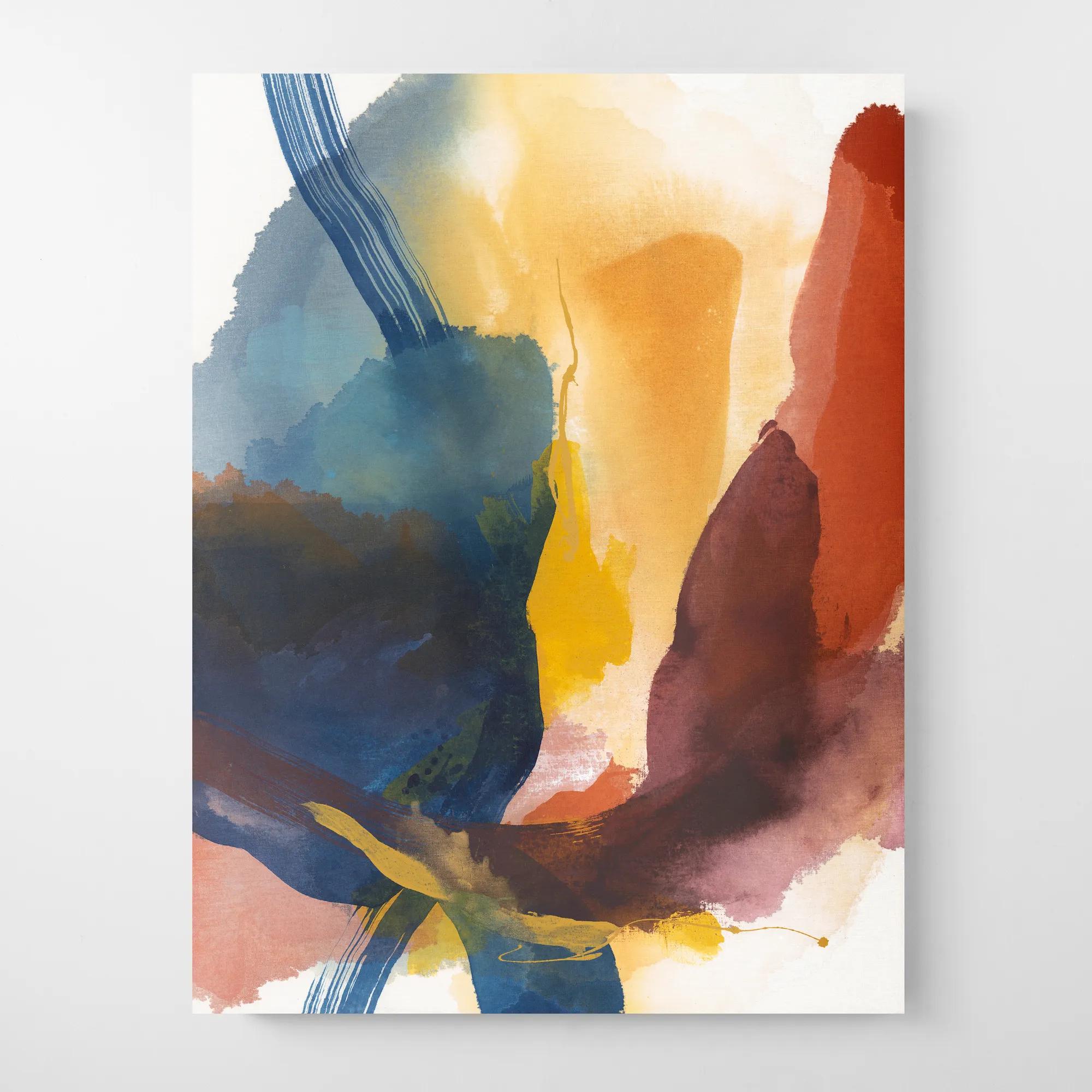
Statement Piece Wall Art
Statement Piece Wall Art
-
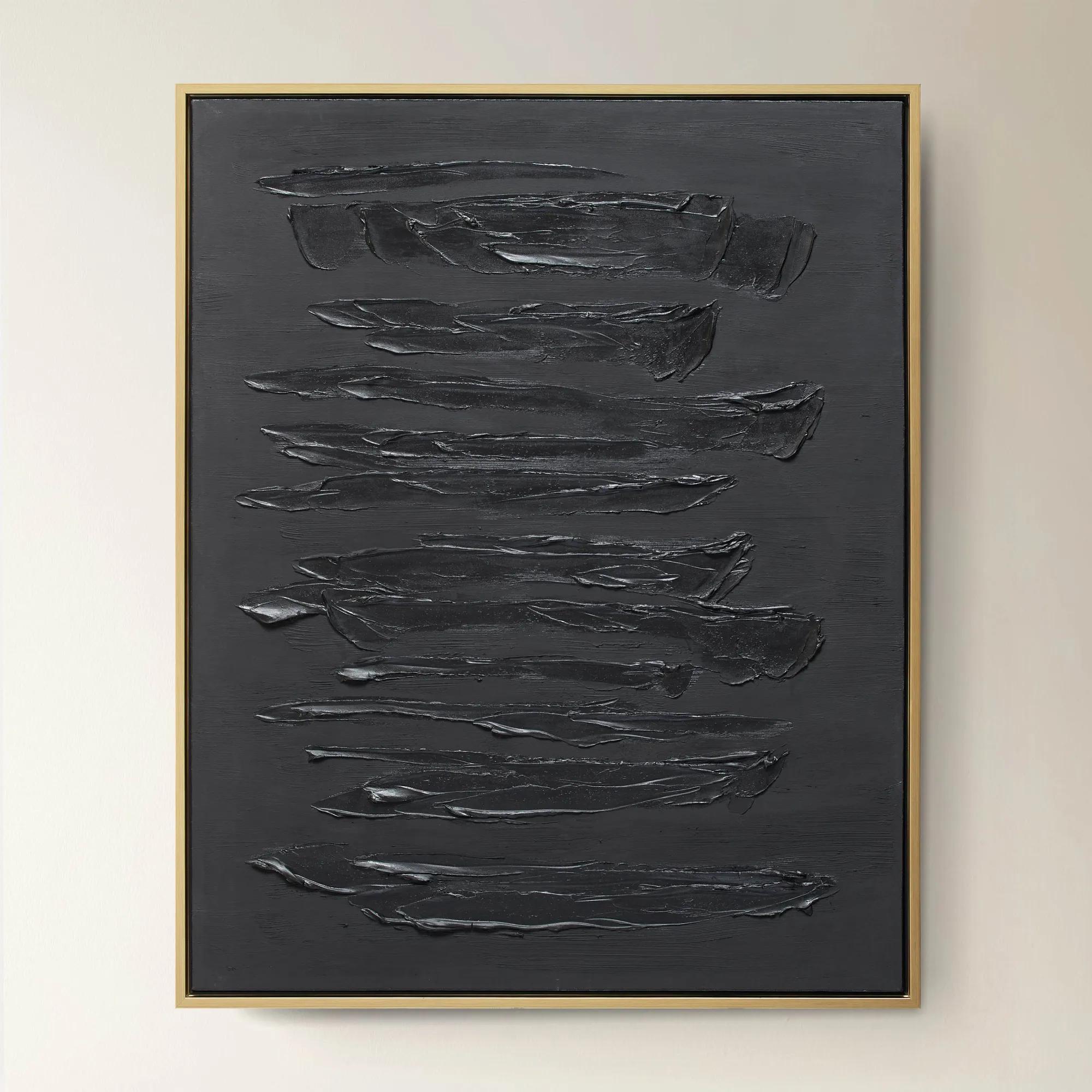
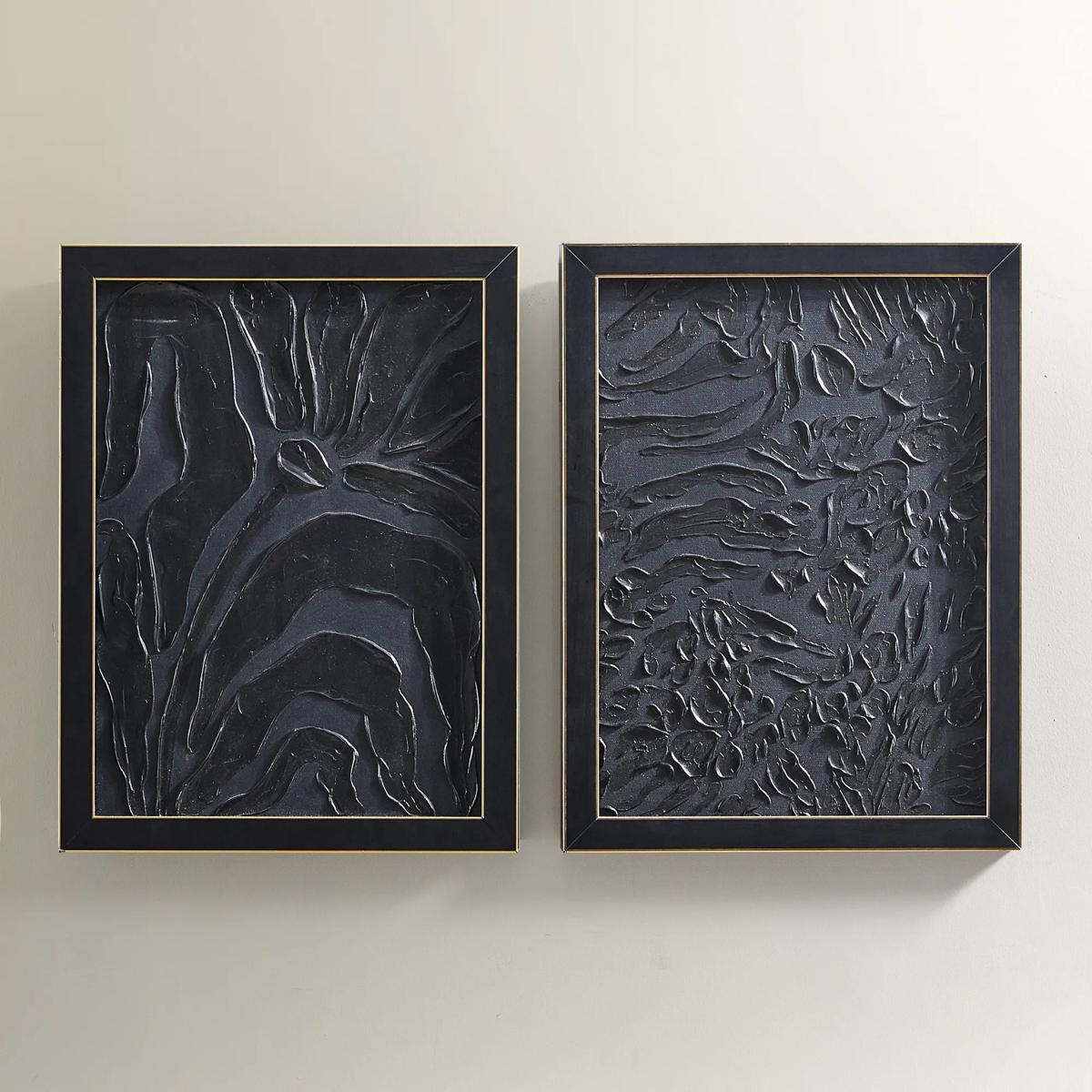
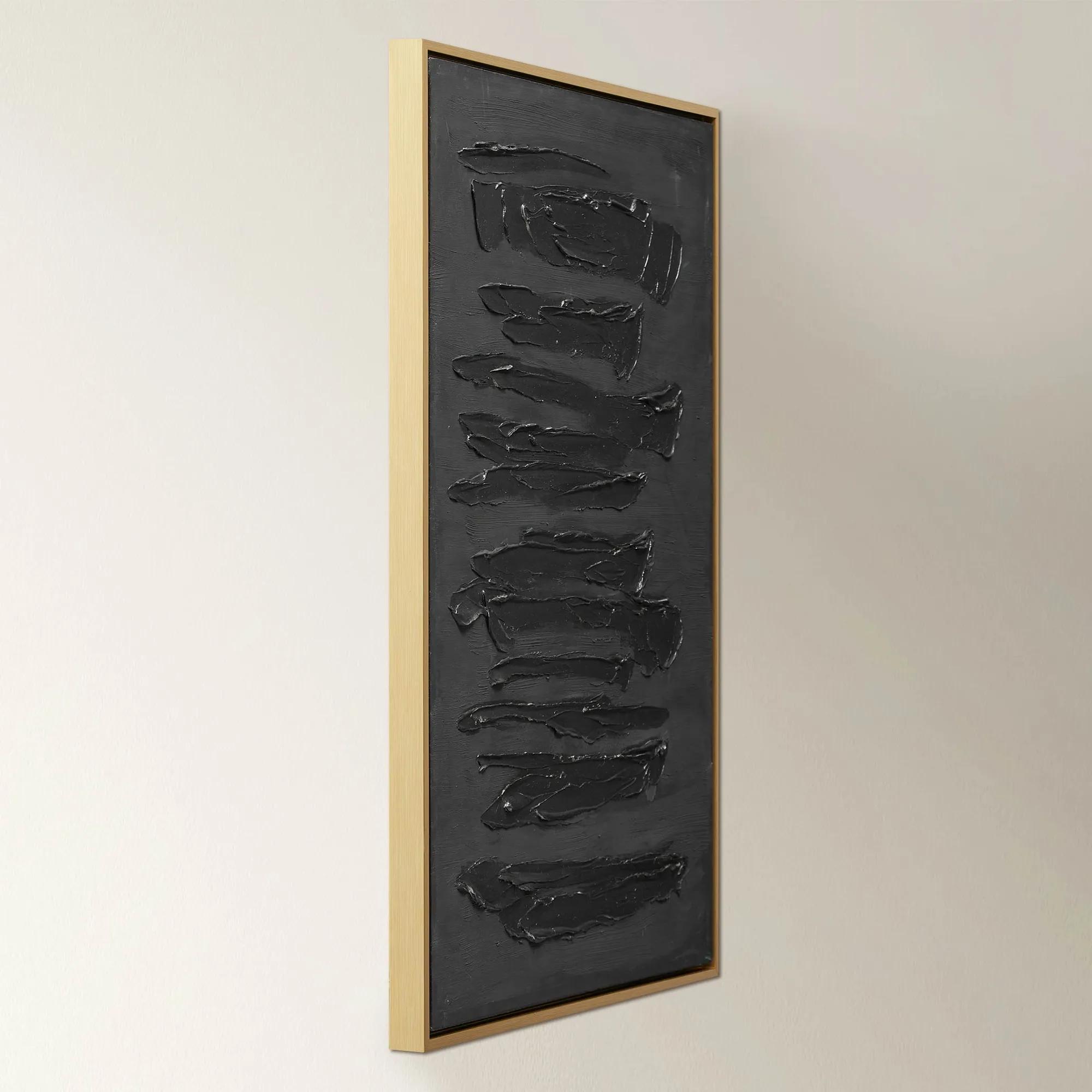 Nocturne$599.95
A dramatic abstract artwork featuring bold, dark brushstrokes on hand-painted canvas in a gold floater frame.
Add To Cart -
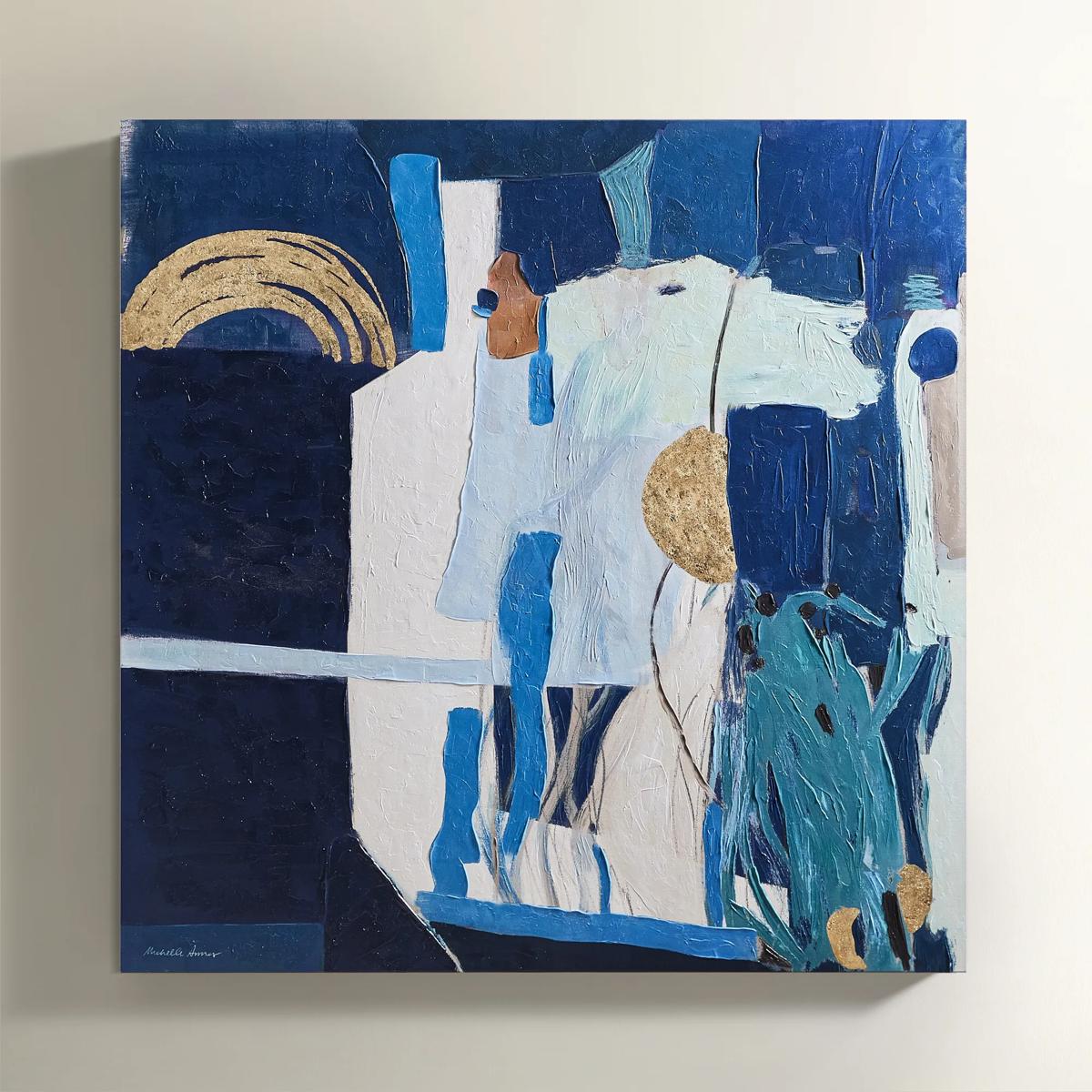
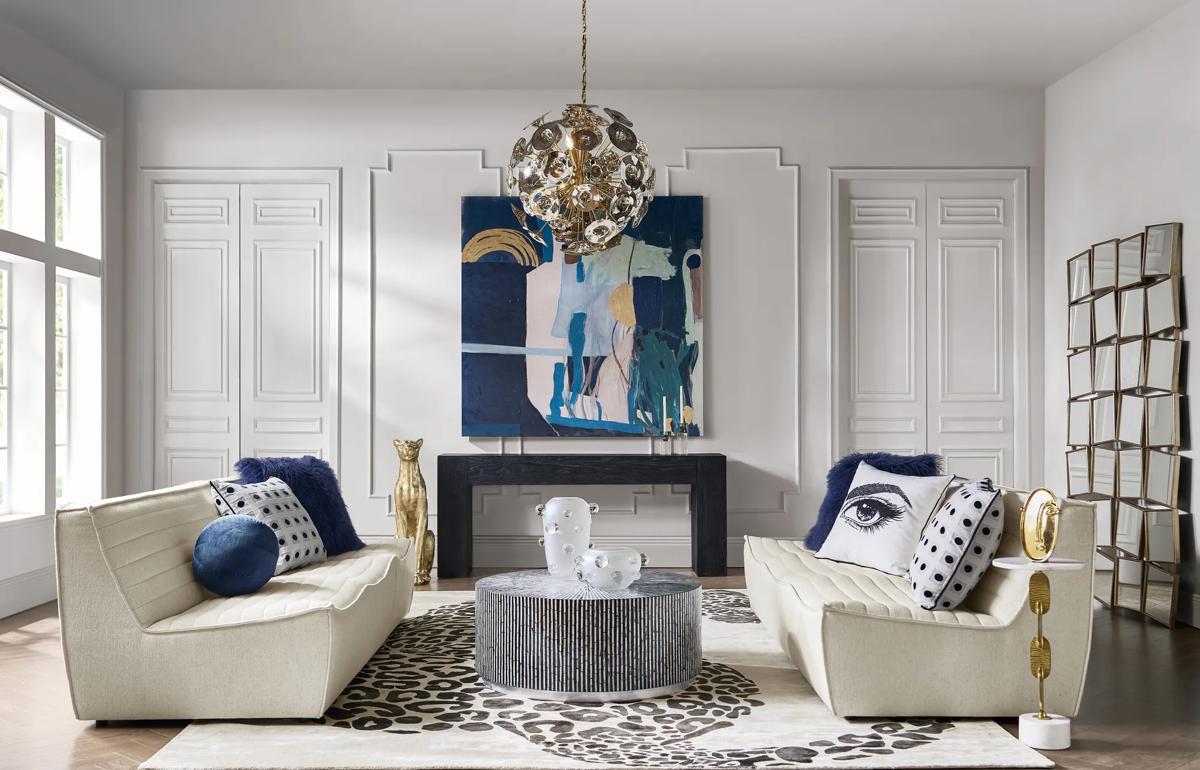 In Flux Painting$699
A hand-embellished canvas artwork featuring deep teal, green, ivory, and gold in a black Art Deco frame.
Add To Cart -
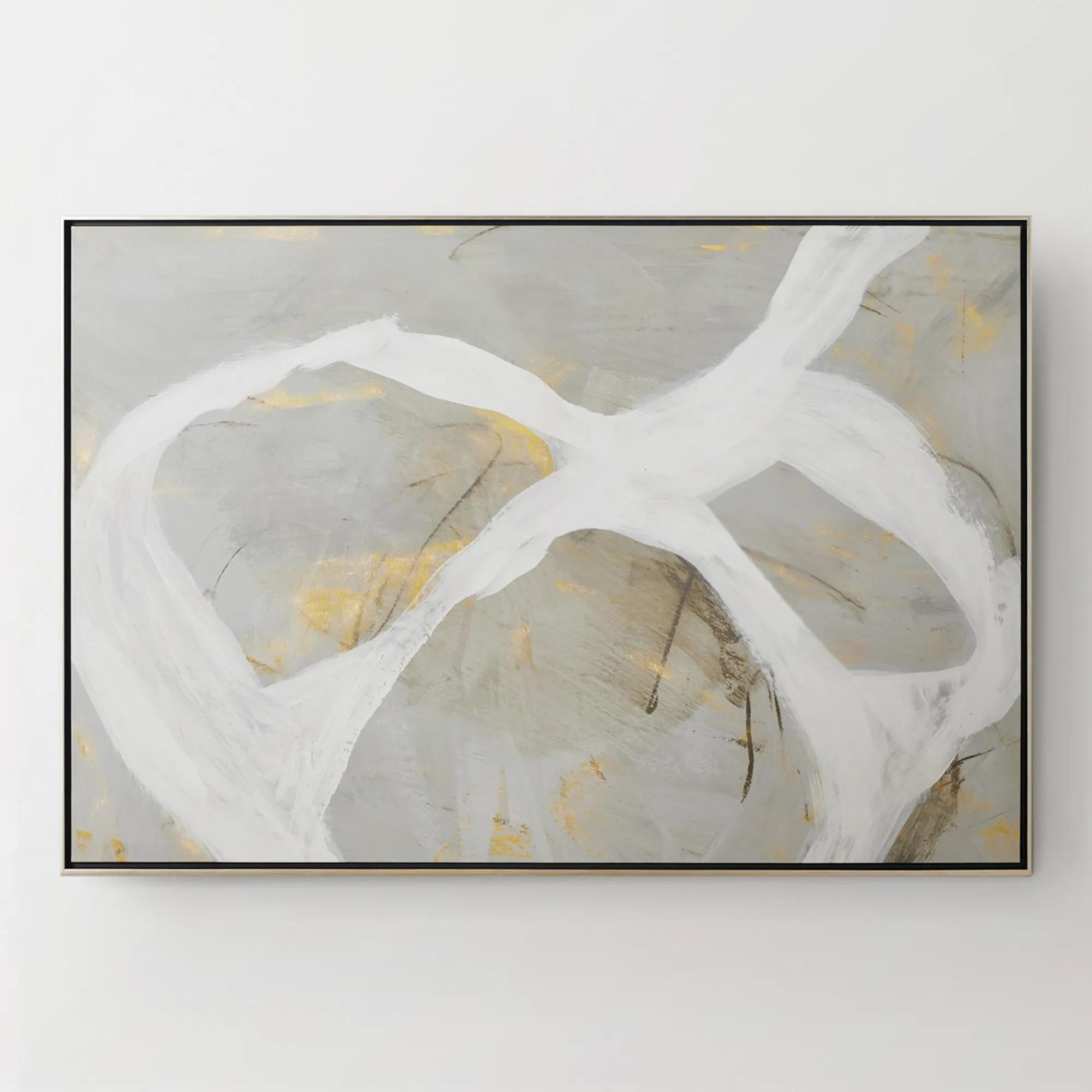
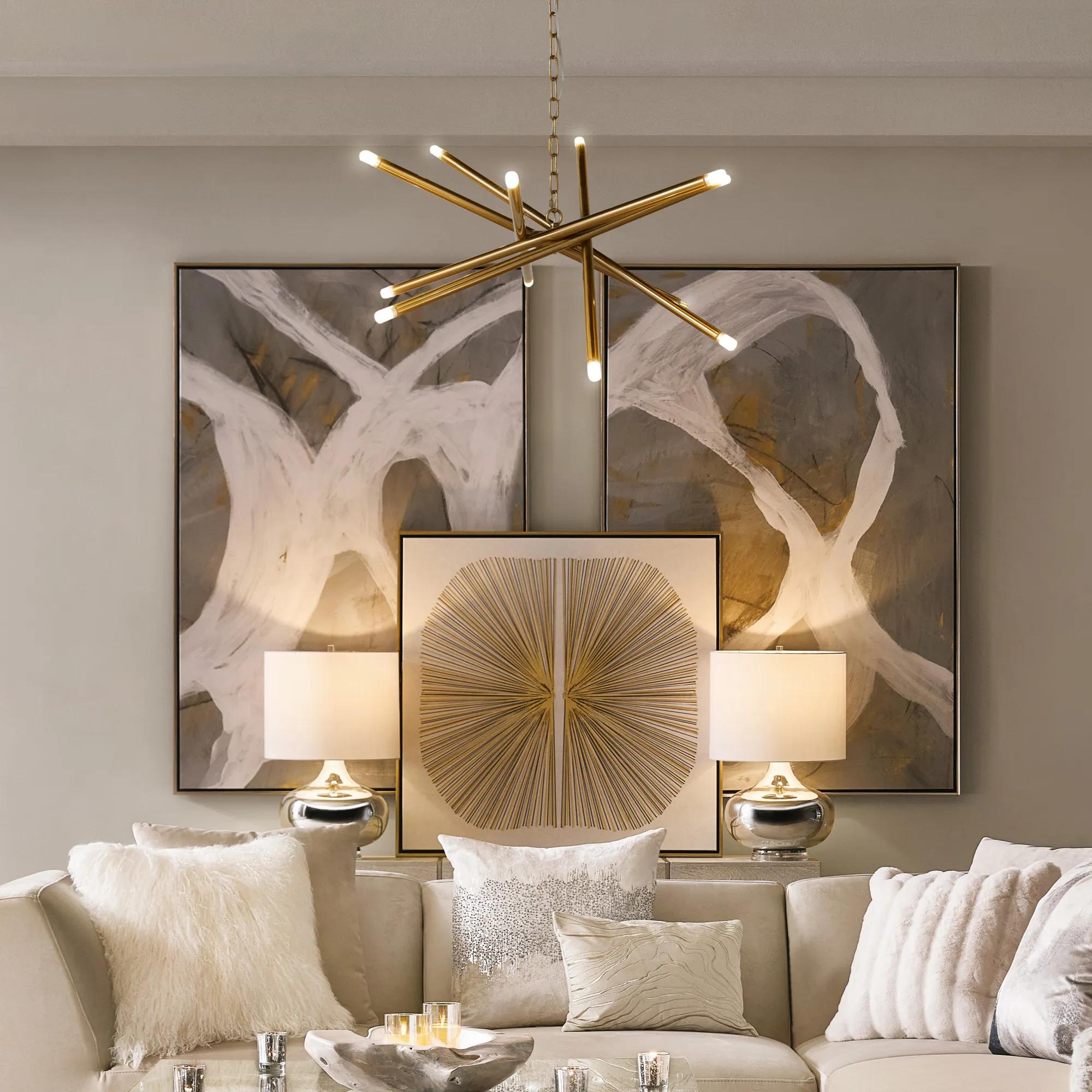 Les Series Framed Painted Wall Art I 61" x 41"$1099
An abstract canvas artwork featuring bold brushstrokes, hand-applied gold accents, and a silver floater frame.
Add To Cart -
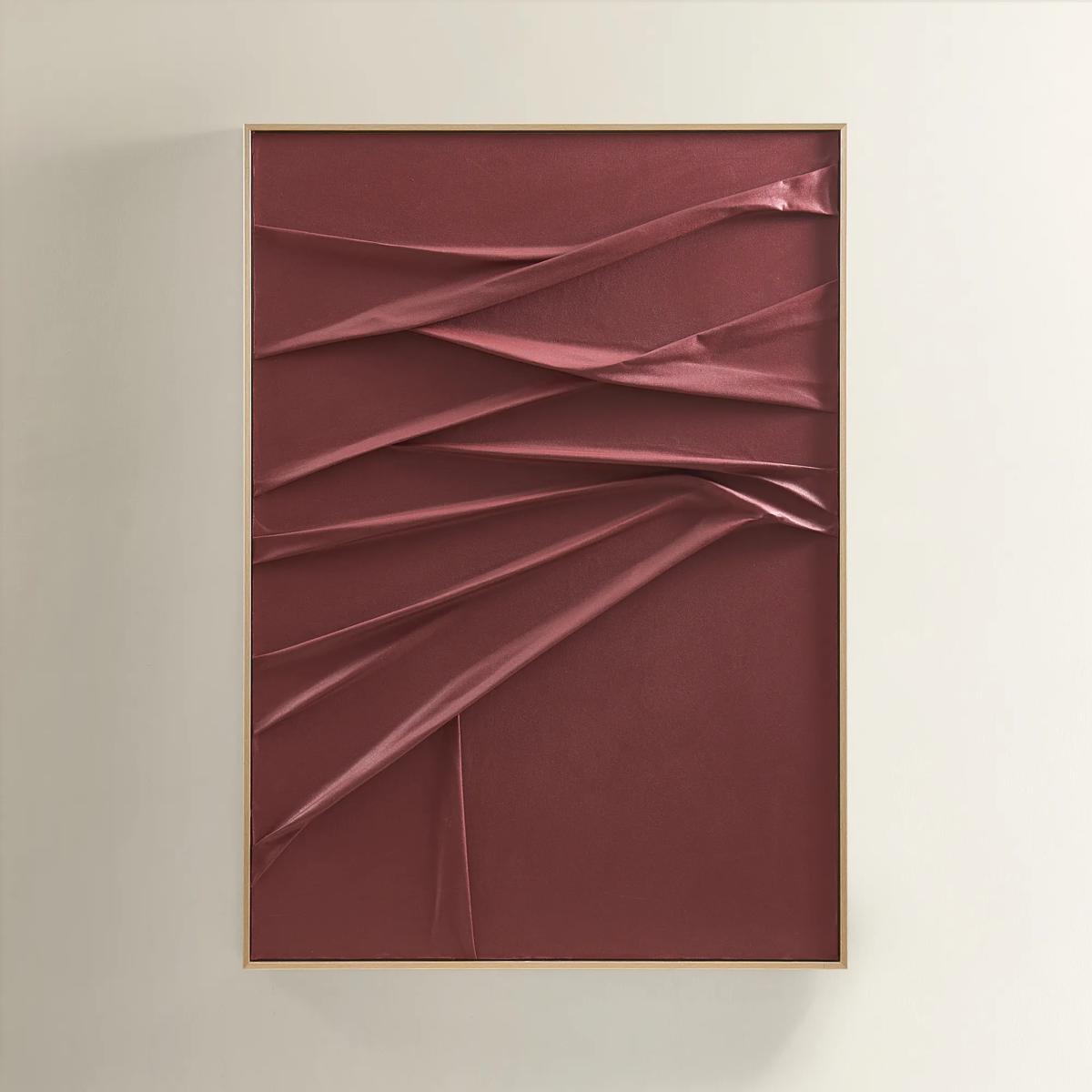
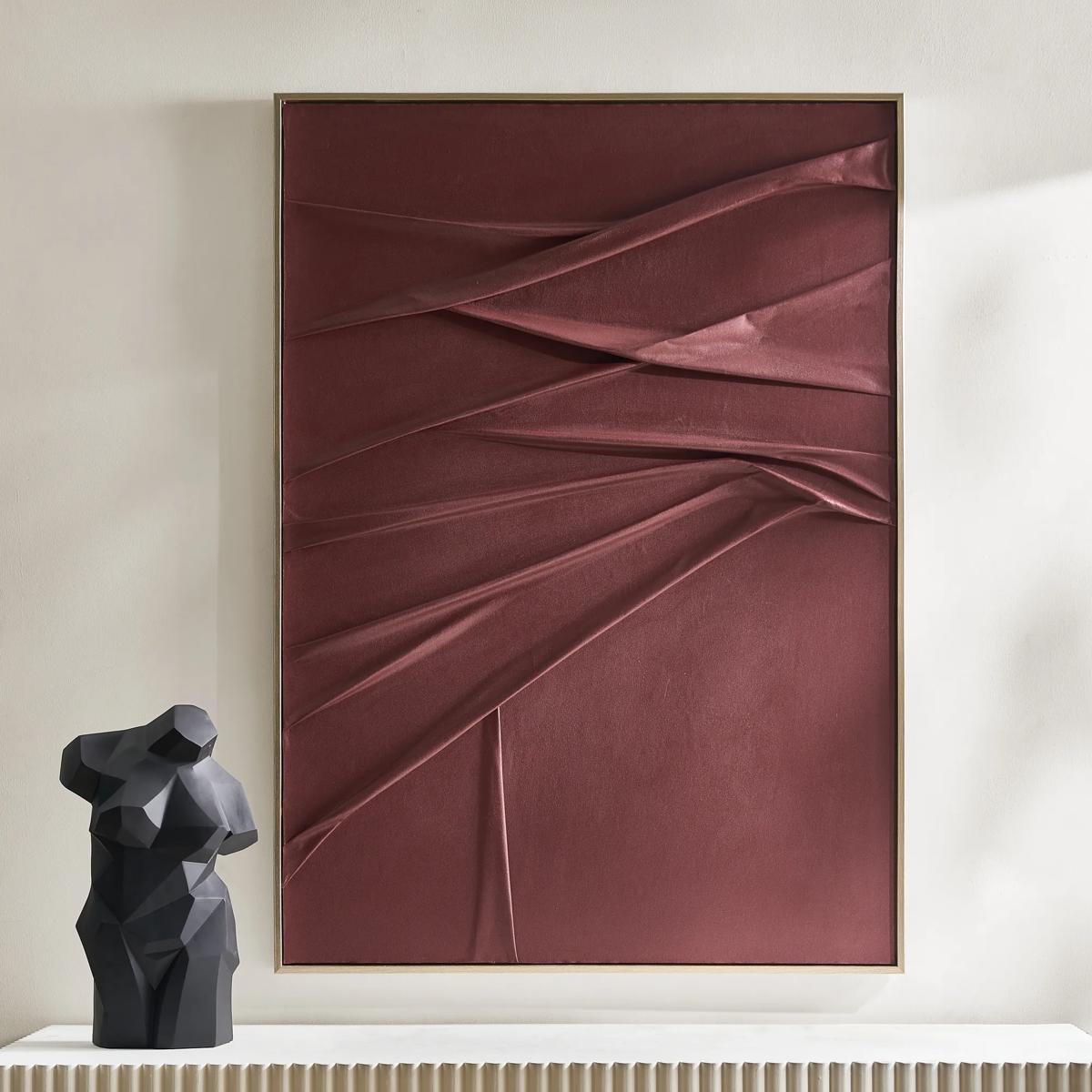 Crimson Painting$599
A handcrafted burgundy canvas artwork with sculptural folds, framed in champagne for a dramatic, textured effect.
Add To Cart -
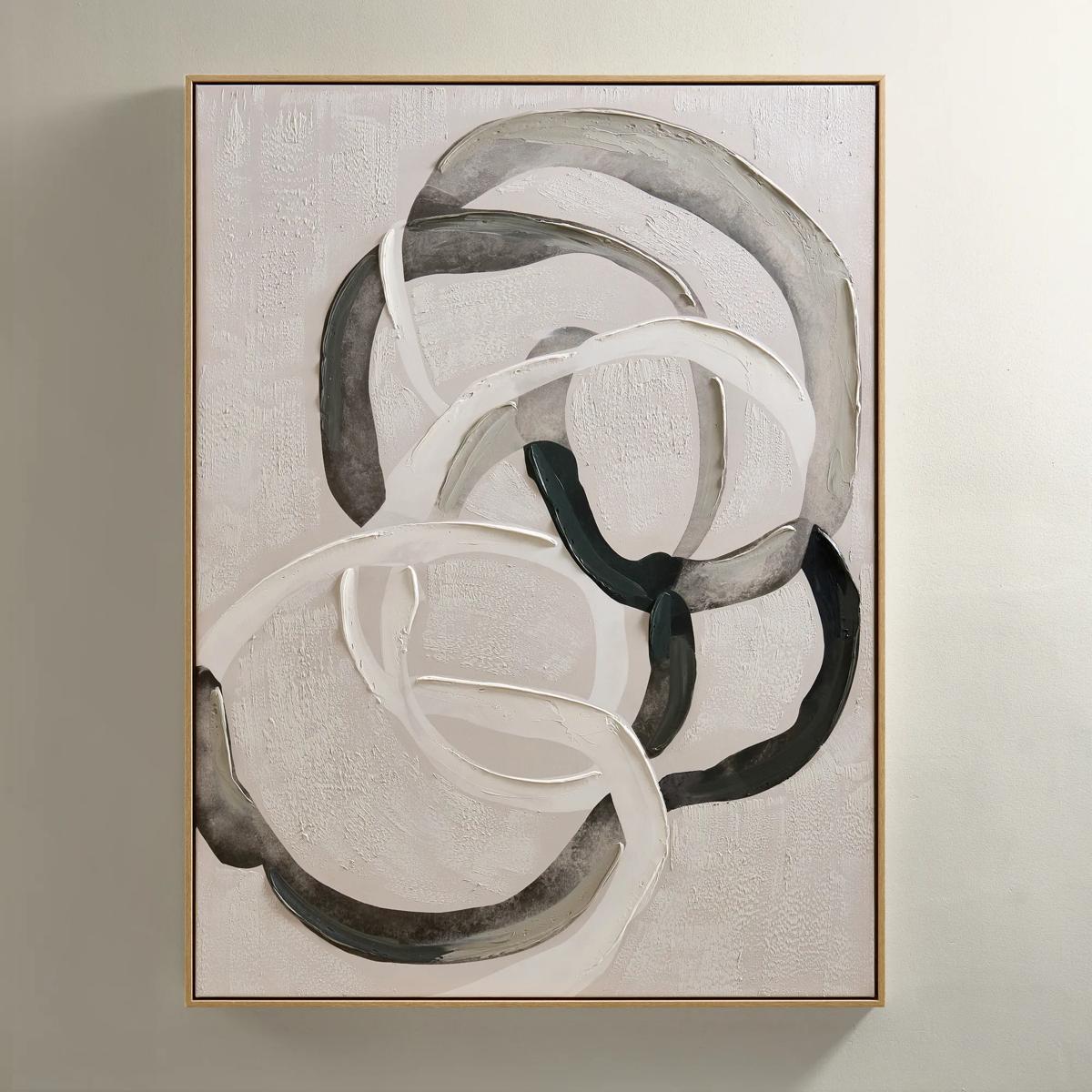
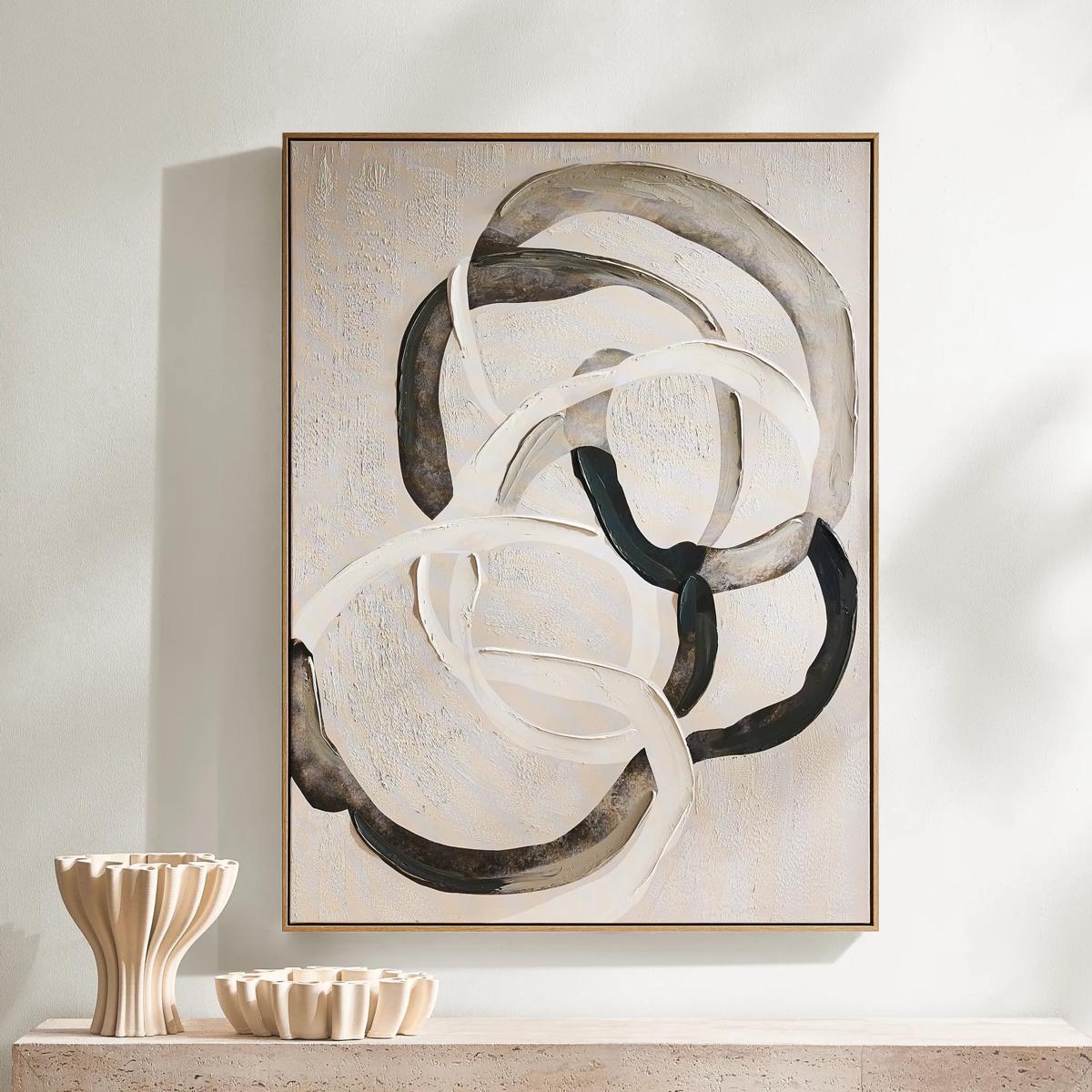 Round About Framed Painted Wall Art 35.25" x 47.25"$349
An abstract hand-painted canvas with tonal whites, charcoals, and taupes in a light wood floater frame.
Add To Cart -
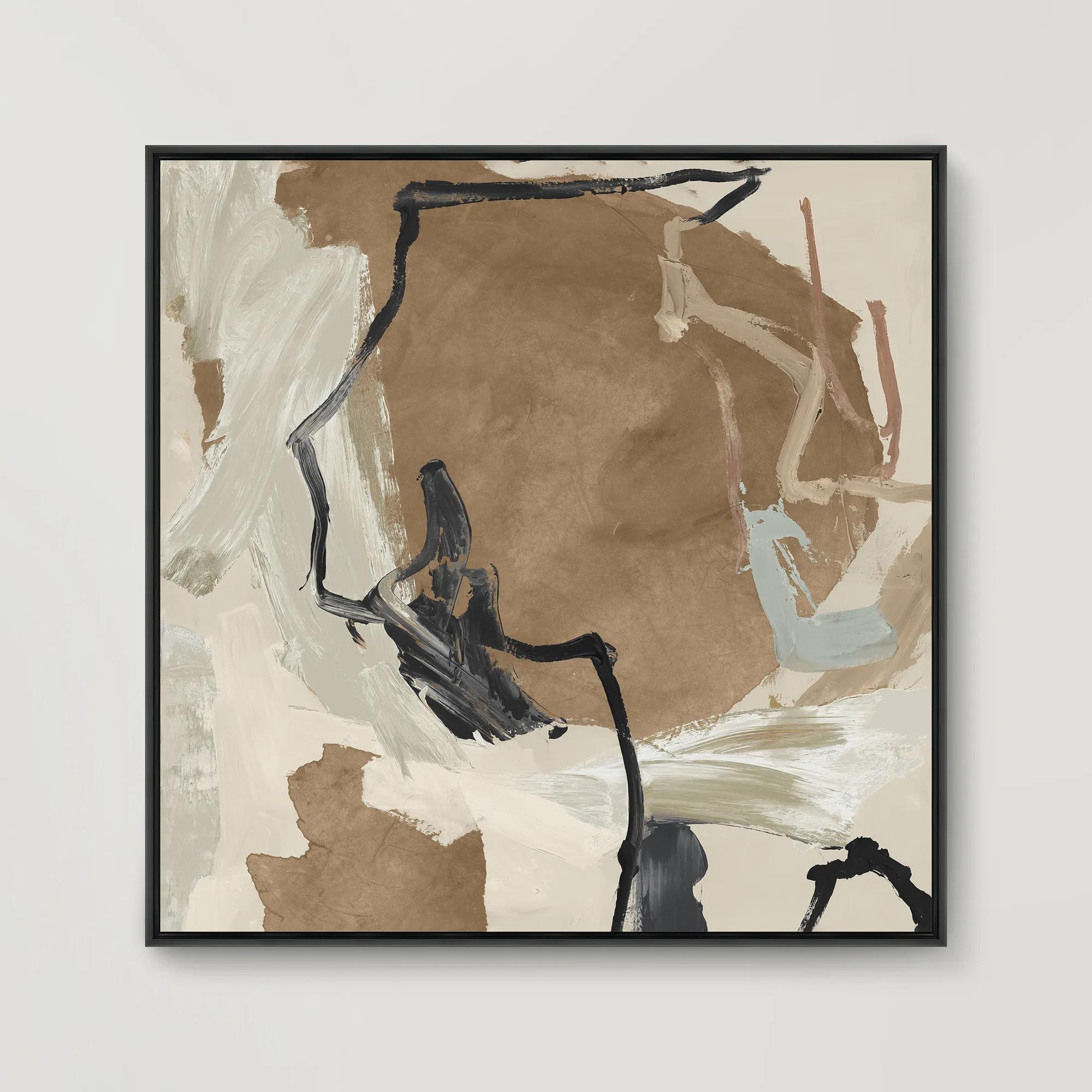
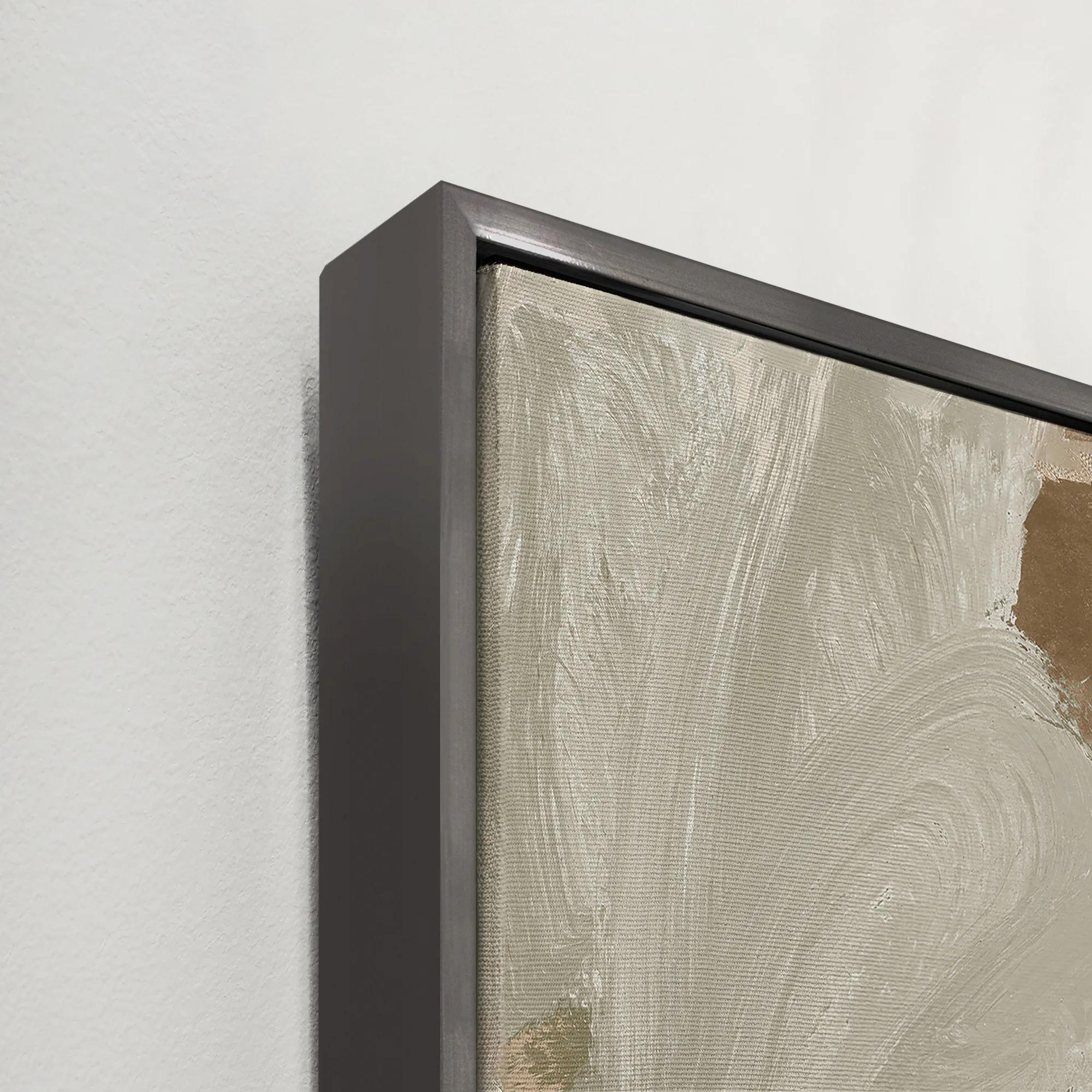 Borderlands IV Framed Wall Art 31.5" x 31.5"$499
A gallery-wrapped canvas artwork with a hand-applied brush gel finish in a sleek gray floater frame.
Add To Cart -
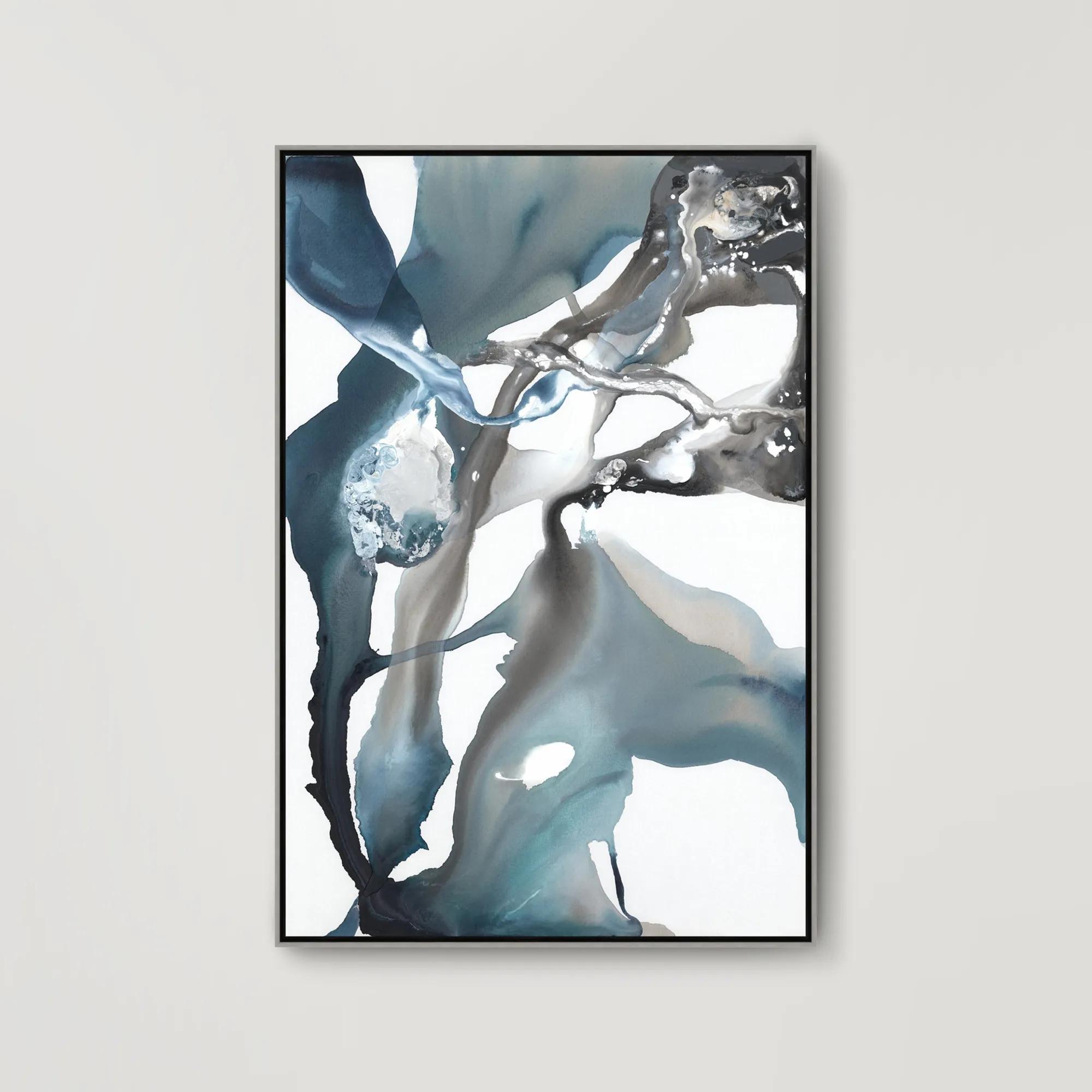
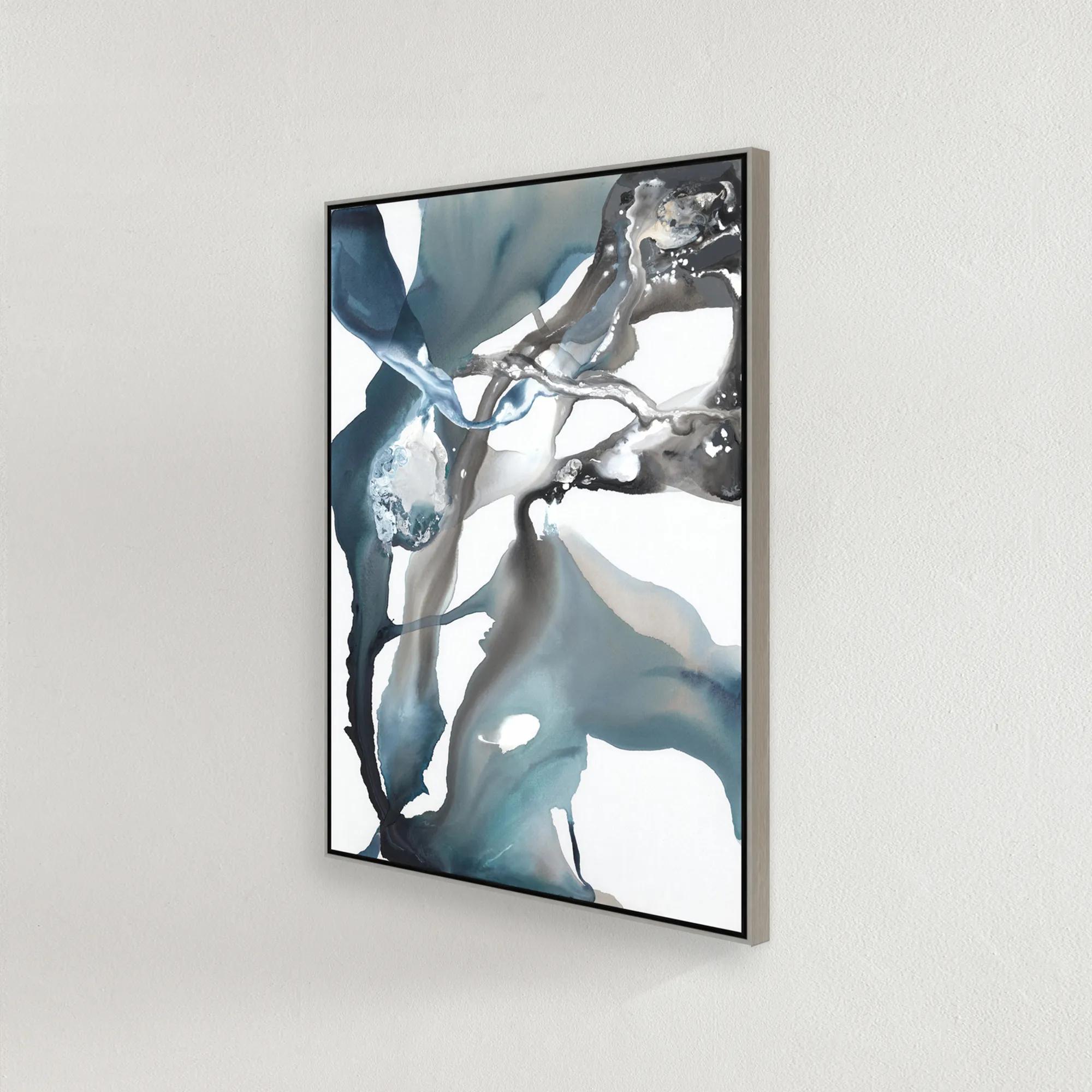 Cool Cascade Framed Wall Art 37.5" x 55.5"$849
A gallery-wrapped canvas artwork featuring expressive colors, hand-applied brush gel, and a gunmetal floater frame.
Add To Cart -
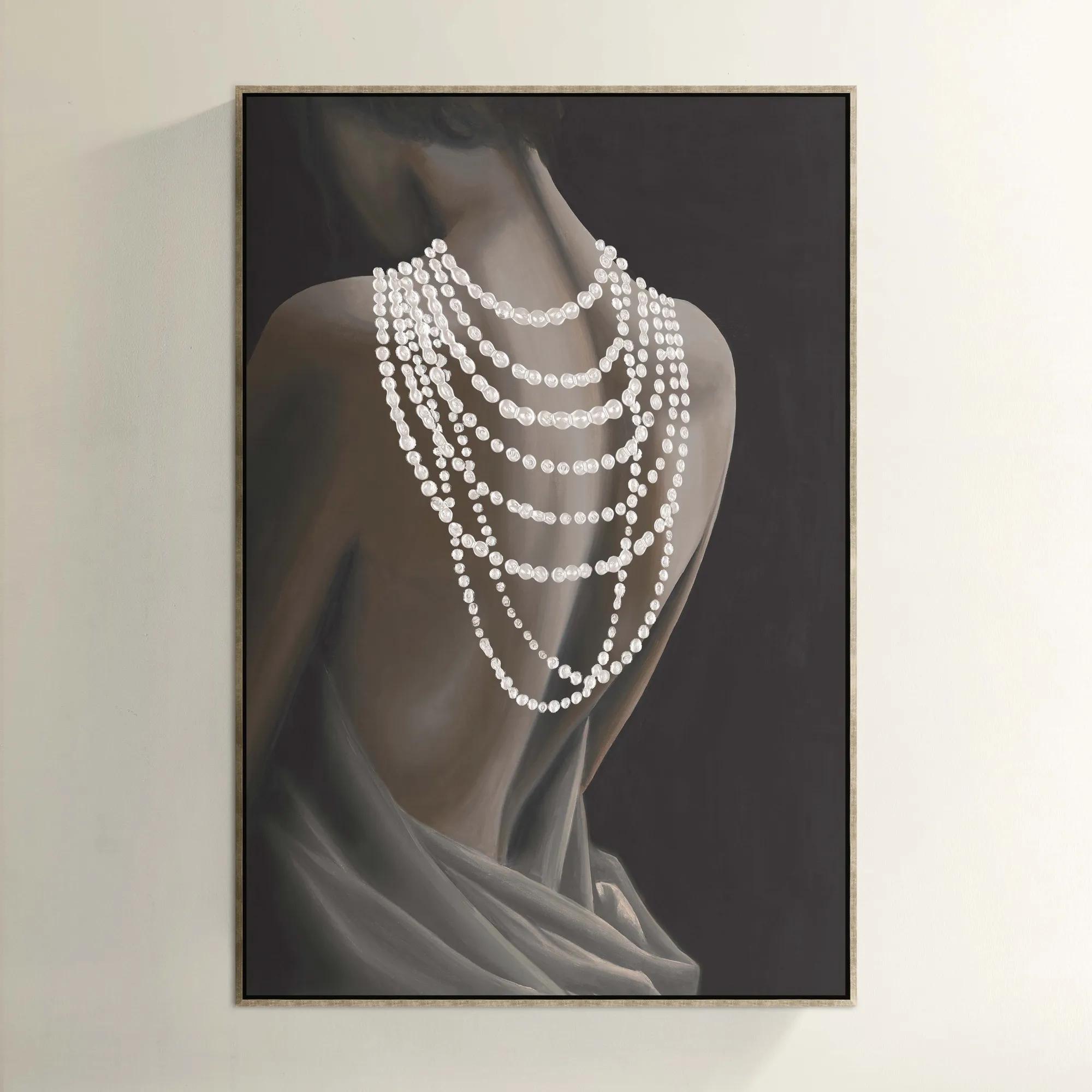 Luminescent Pearls Framed Wall Art 40" x 60"$1119
A hand-embellished canvas artwork featuring textured brush gel, set in a sleek silver floater frame.
Add To Cart -
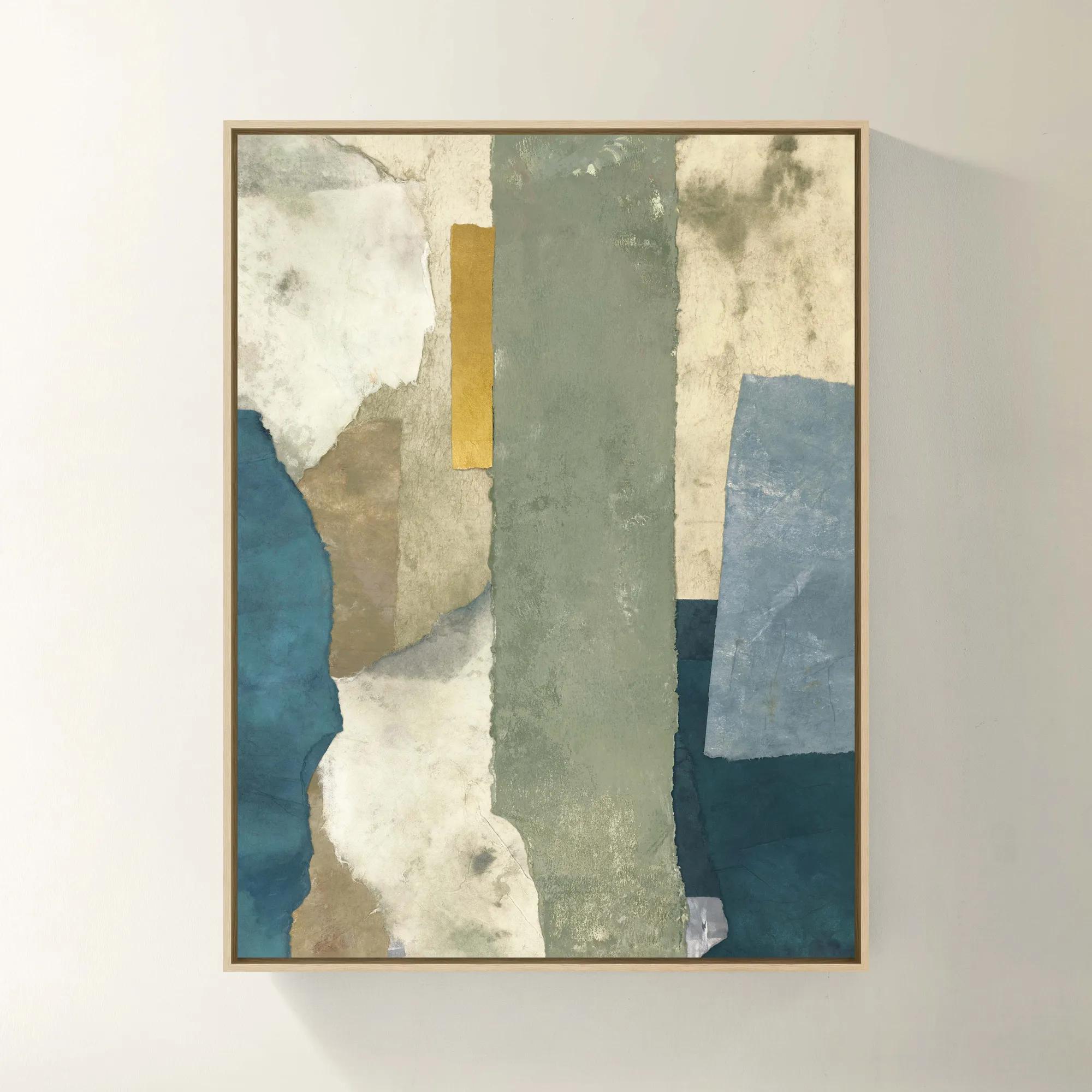 Earth Fragments II Framed Wall Art 30" x 40"$799
A gallery-wrapped canvas featuring gild accents and hand-applied gel, set in a natural floater frame.
Add To Cart -
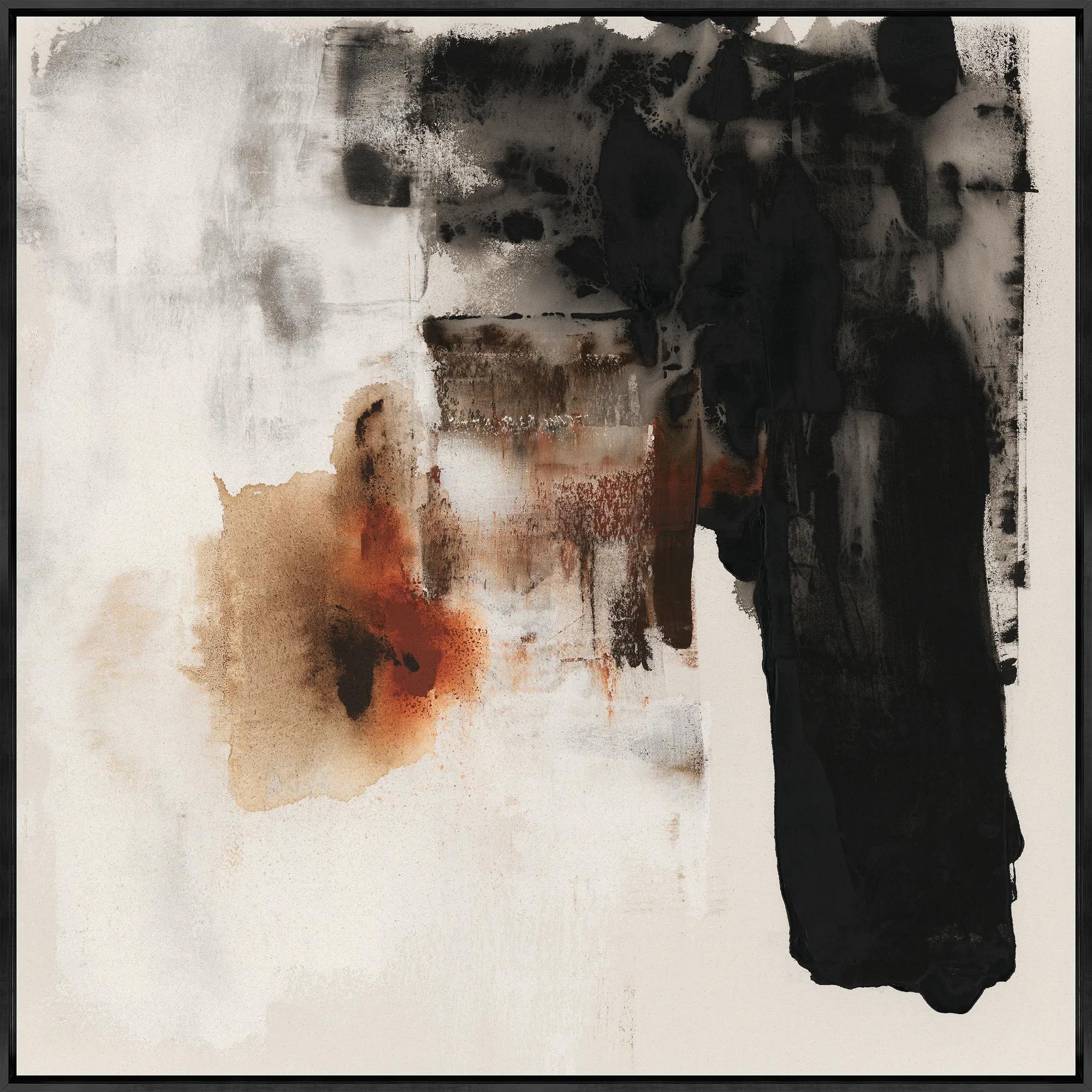
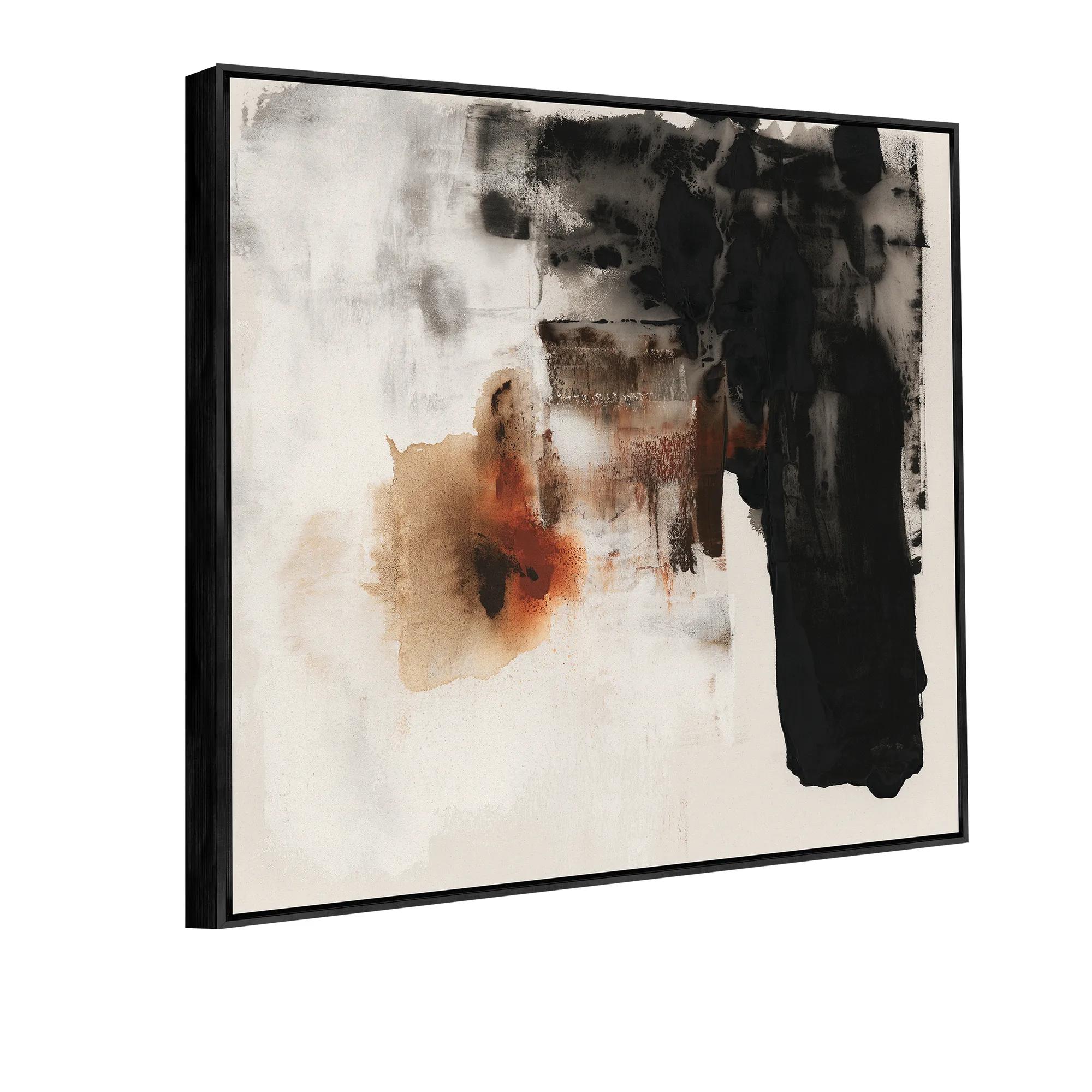 Burning for You II Framed Wall Art 40" x 40"$799
A gallery-wrapped canvas artwork with hand-applied brush gel, set in a sleek black floater frame.
Add To Cart -
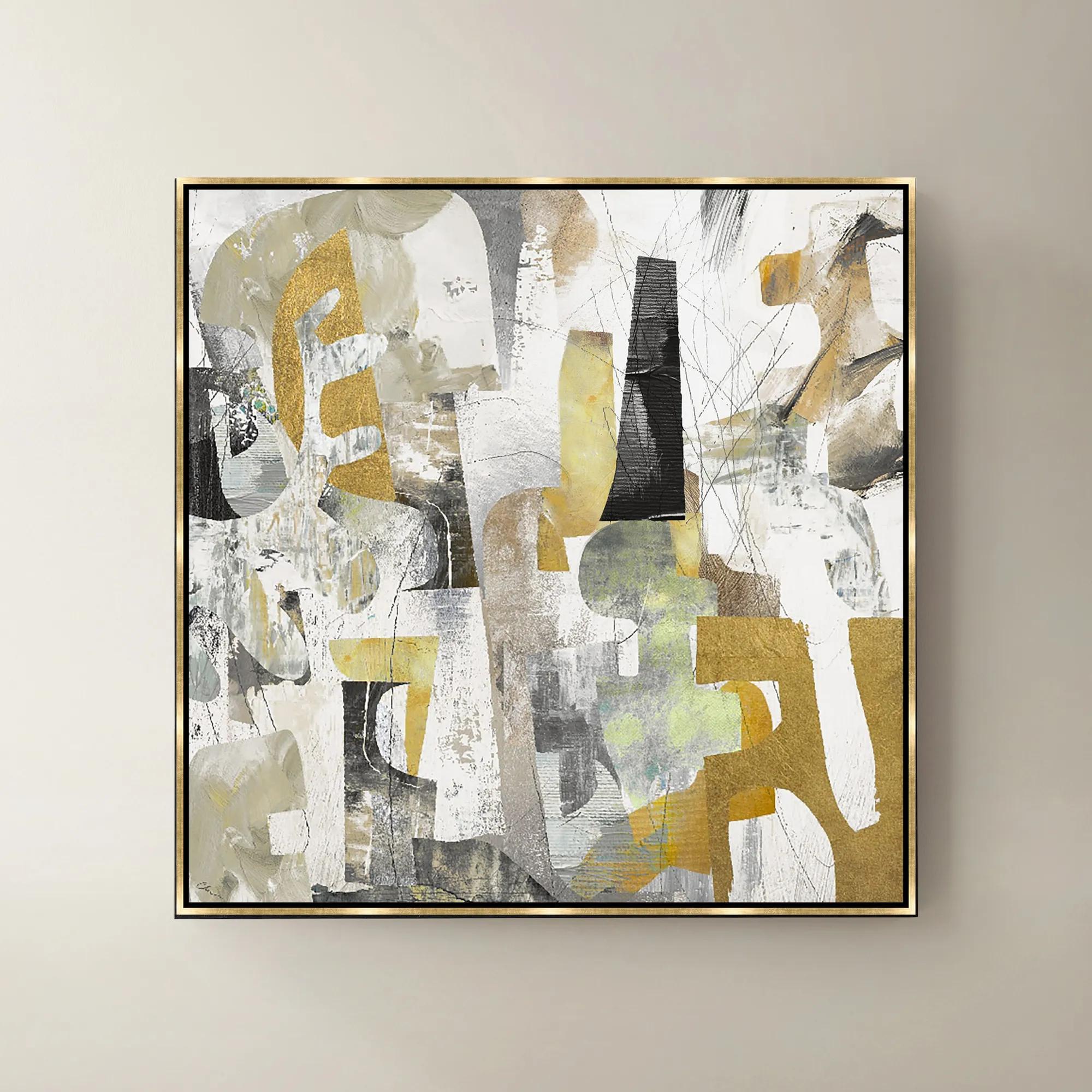
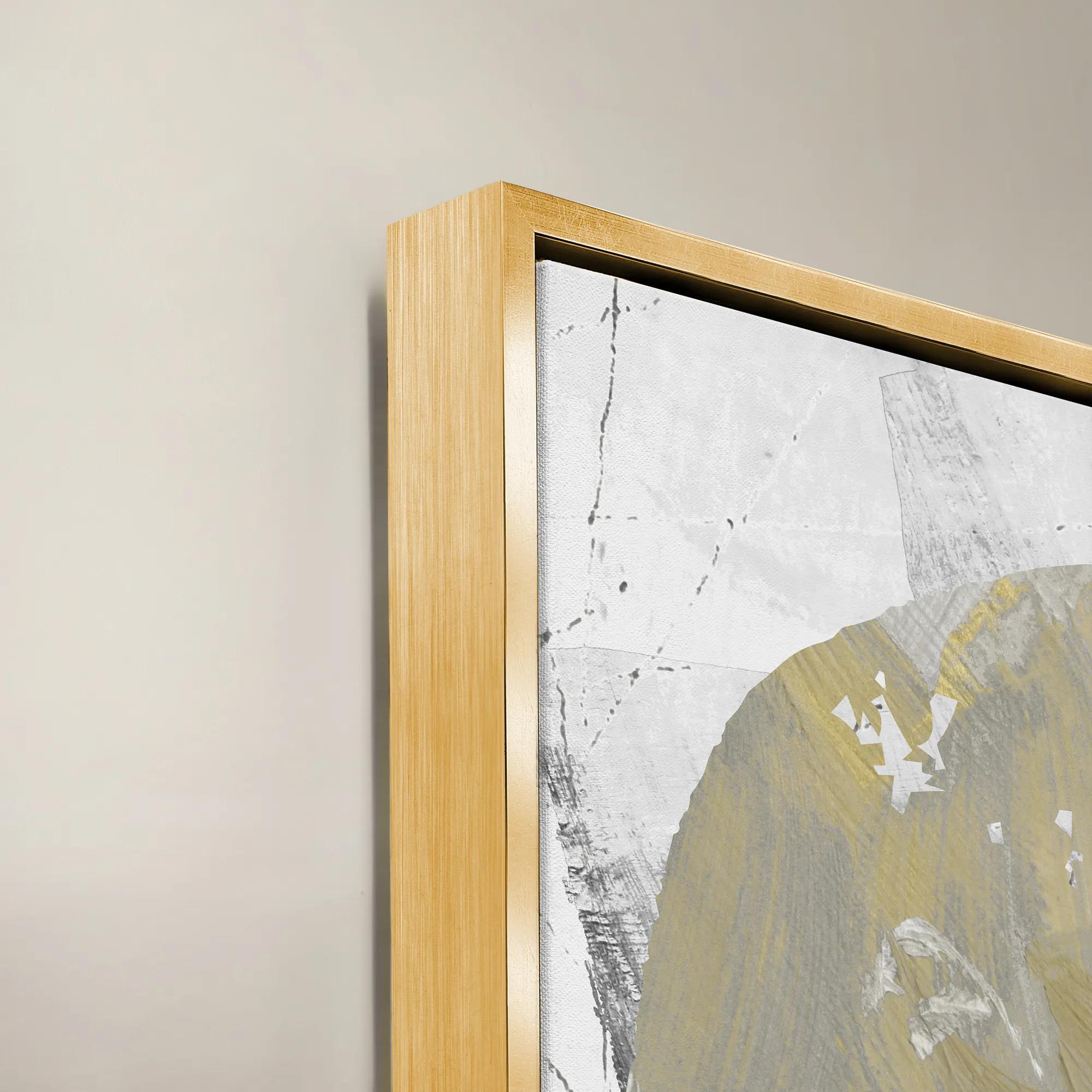 Abby II Framed Wall Art 40" x 40"$849
An abstract art piece inspired by Nikki Chu’s modern design aesthetic and creative expertise.
Add To Cart -
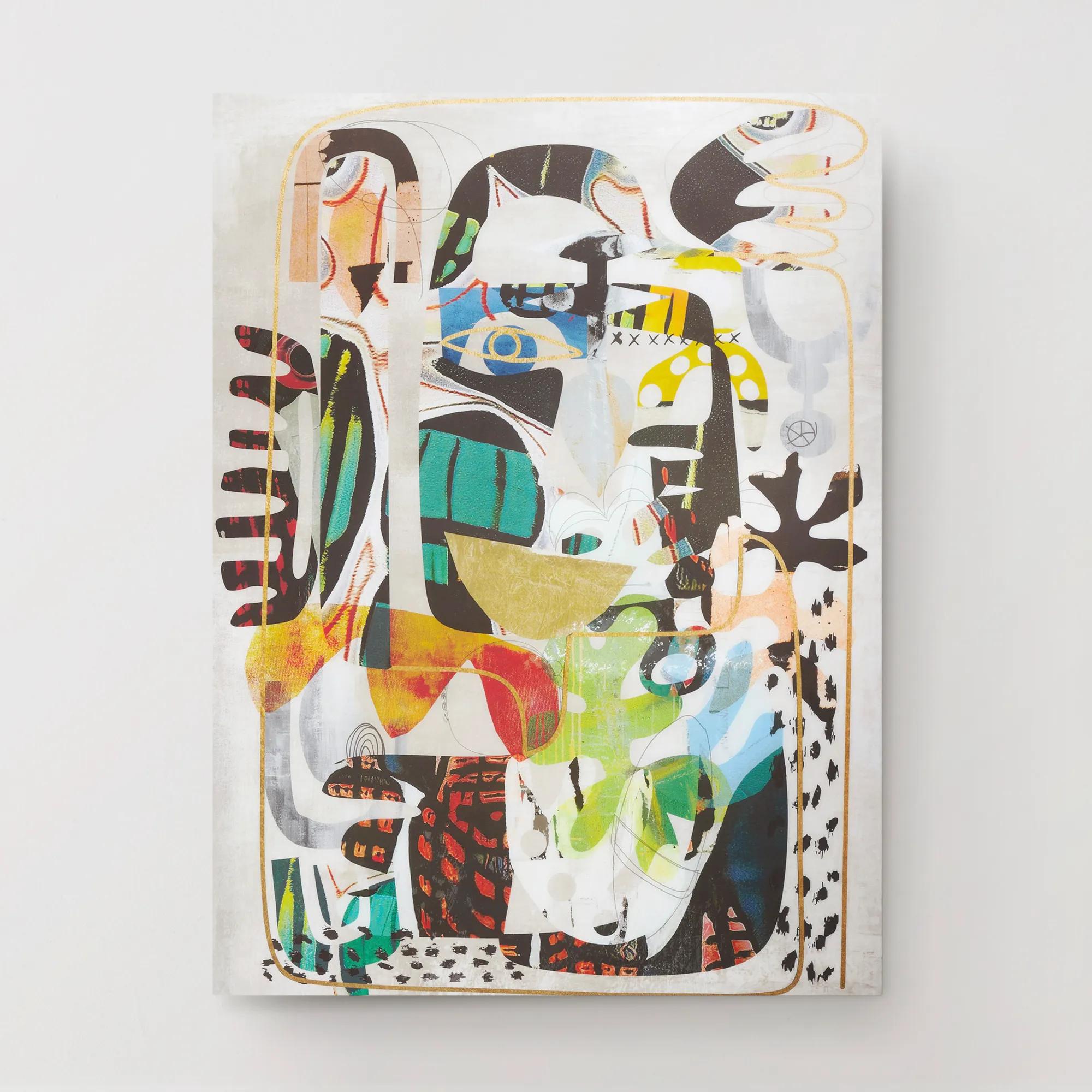
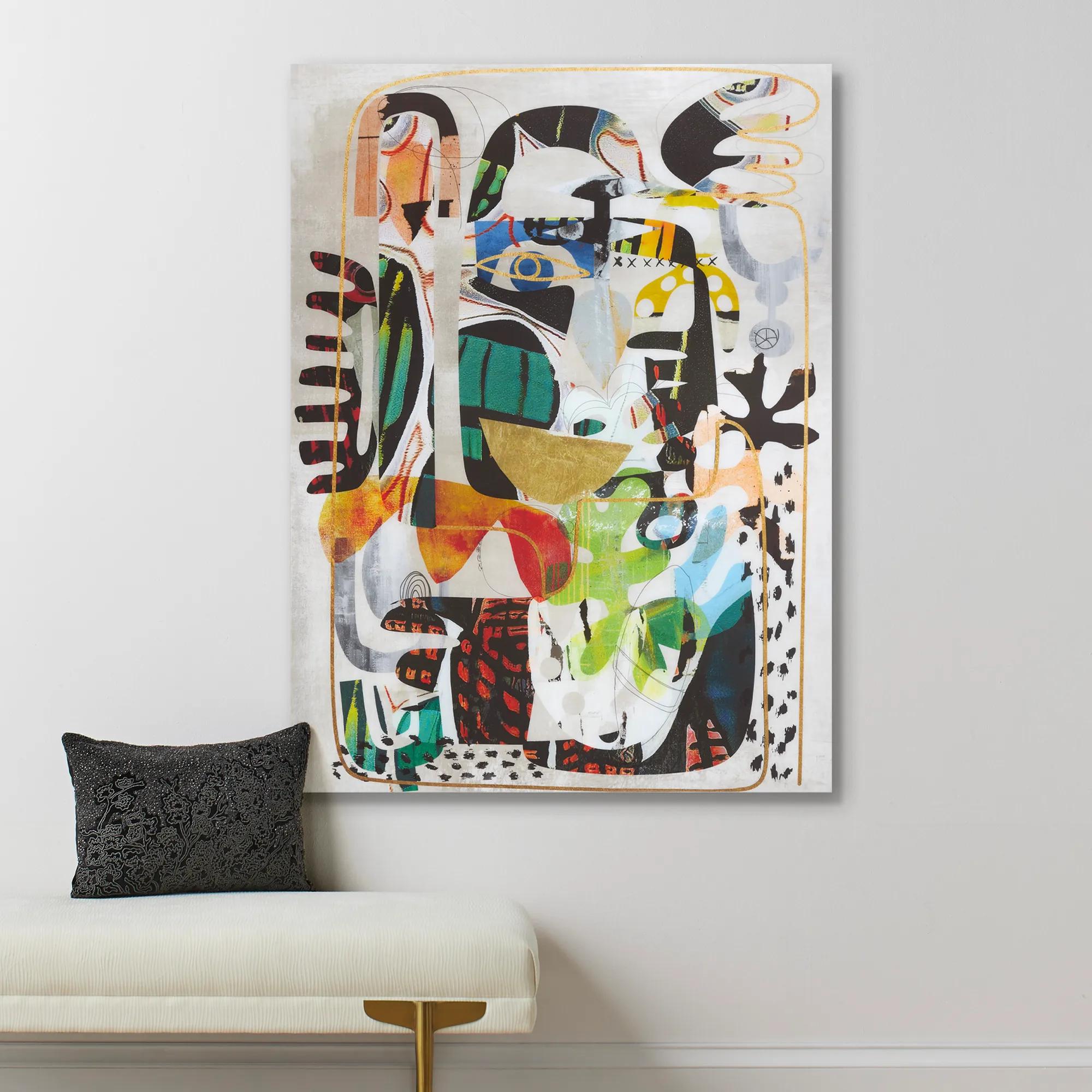 Nikki Chu Masked Wall Art 40" x 54"$899
A vibrant giclee print on canvas featuring a hand-applied glossy finish for a modern statement.
Add To Cart -
 World At Night Framed Wall Art 40" x 50"$899
A gallery-wrapped canvas artwork featuring a hand-applied gel finish and set in a sleek black frame.
Add To Cart -
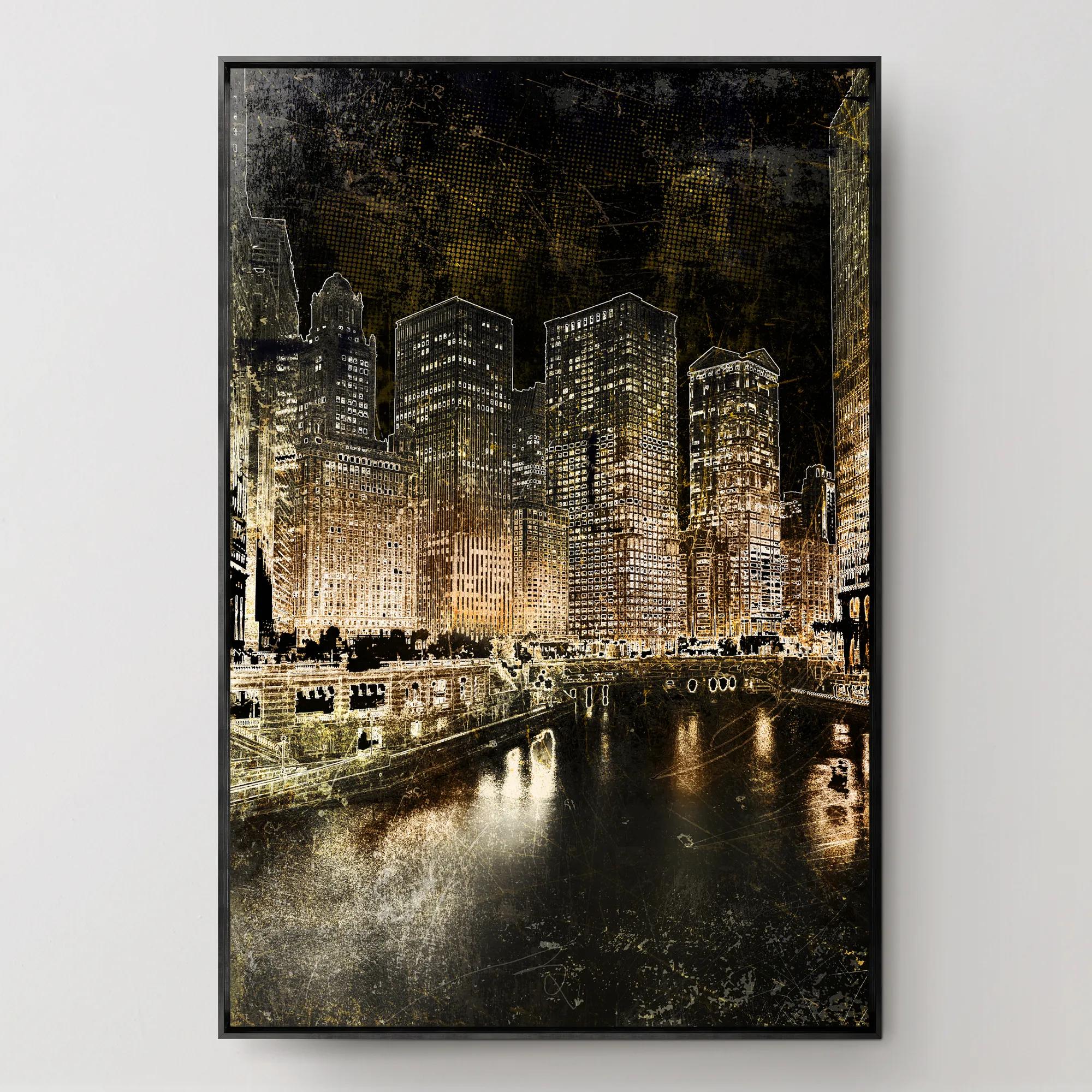
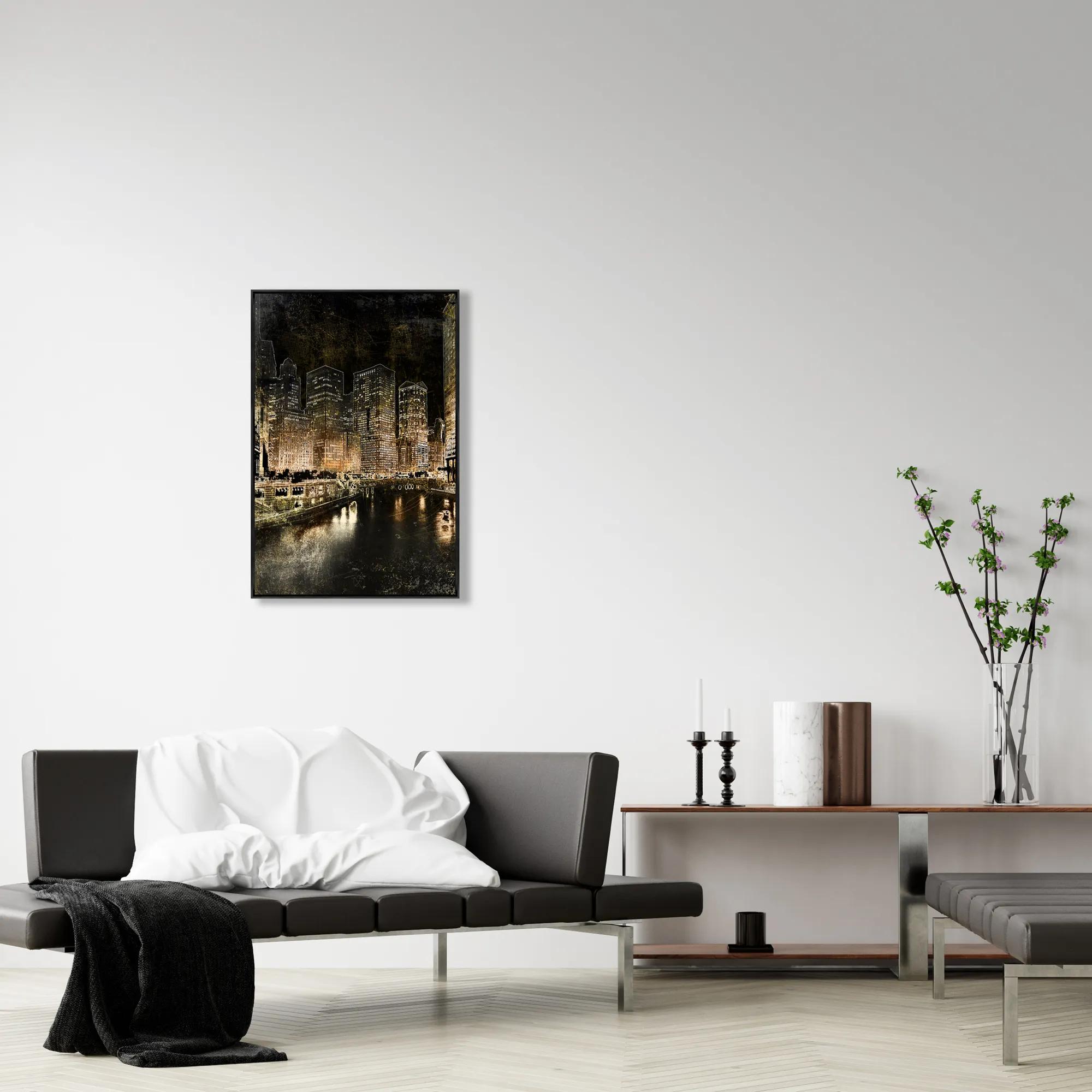 Chicago Lights Framed Wall Art 30" x 45"$649
A gallery-wrapped canvas artwork featuring a hand-applied gel finish in a sleek black floater frame.
Add To Cart -
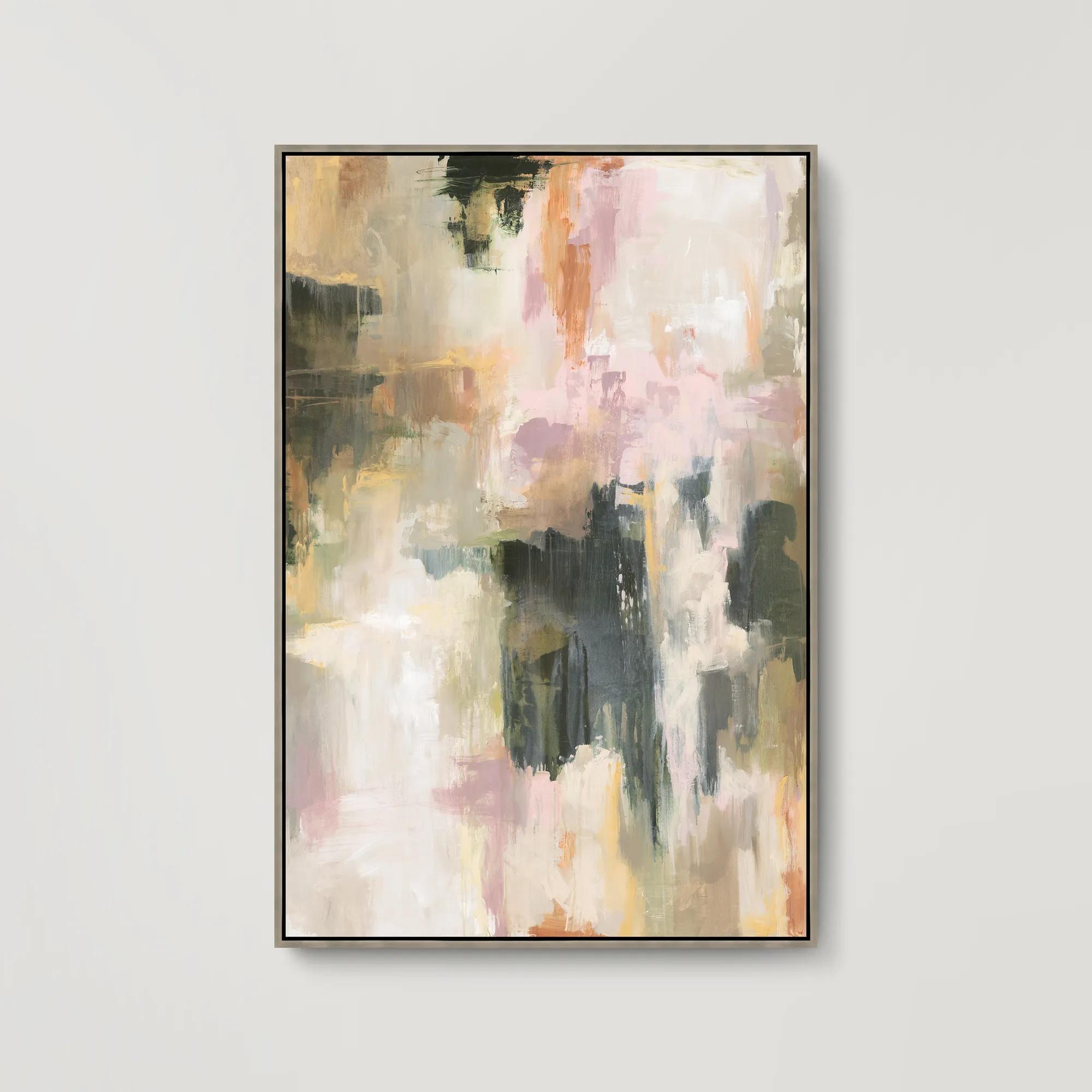
 Sculpted Dreamscape Framed Wall Art 41.5" x 61.5"$999
A gallery-wrapped canvas artwork featuring a hand-applied gel finish and a sleek silver floater frame.
Add To Cart -
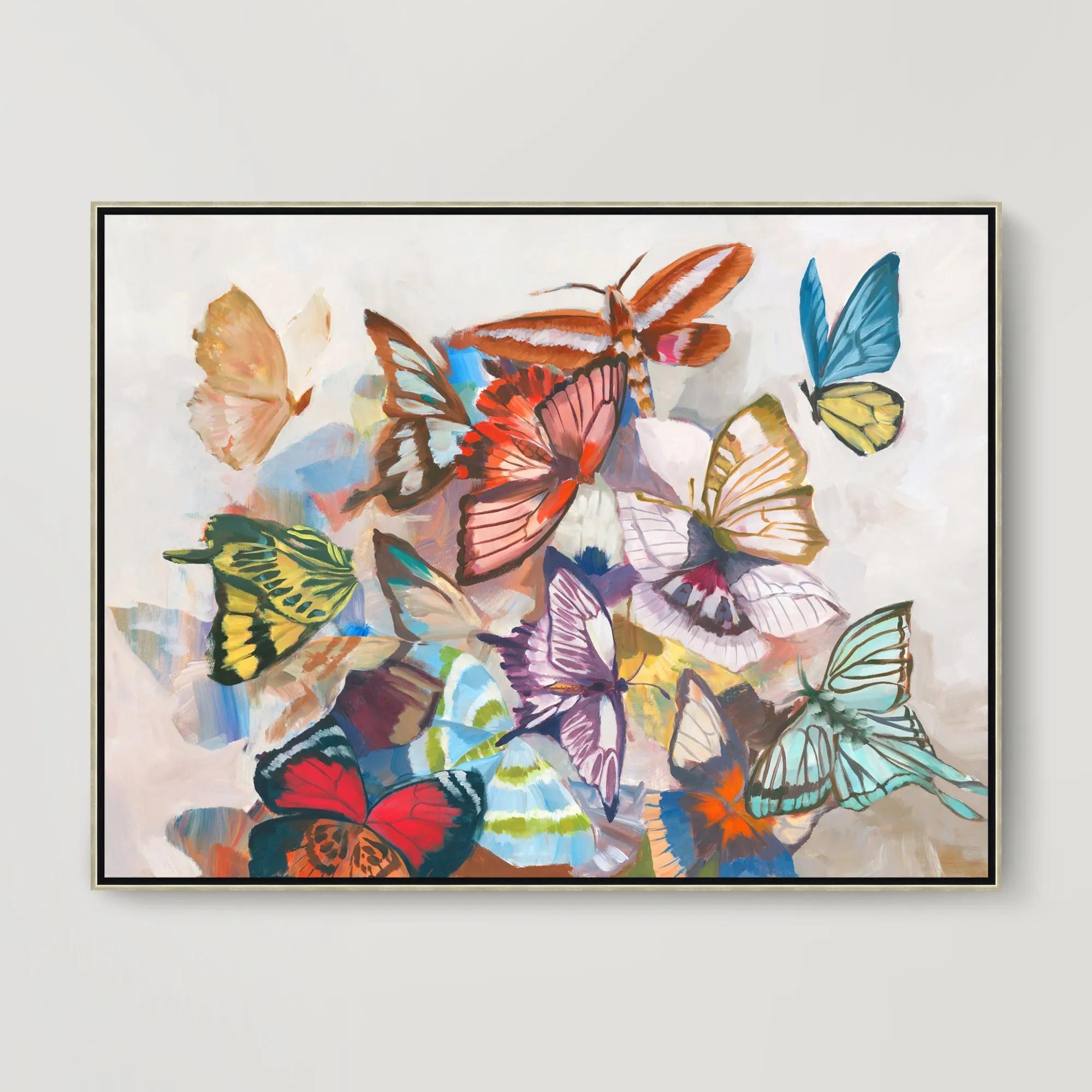 Sugar Wings Framed Wall Art 49.5" x 37.5"$799
A vibrant gallery-wrapped canvas artwork with hand-applied brush gel finish in a sleek silver floater frame.
Add To Cart -
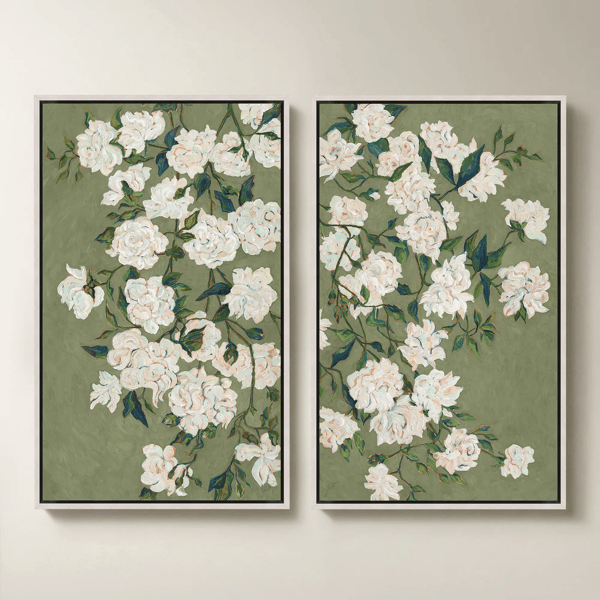
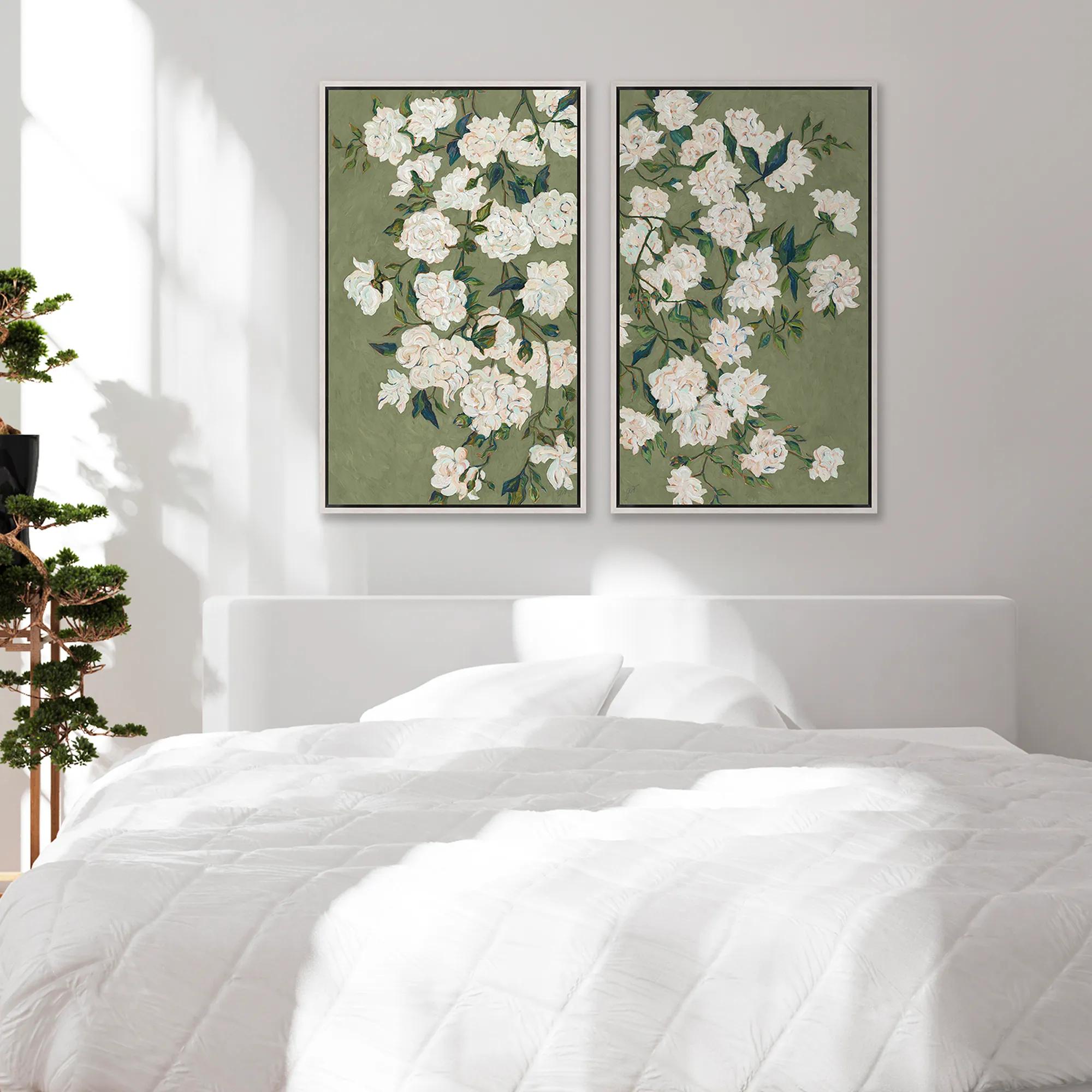 Verdi Vincent Framed Wall Art 21.5" x 41.5" Set of 2$949
A set of two gallery-wrapped fiber texture canvases in white floater frames for modern wall decor.
Add To Cart -
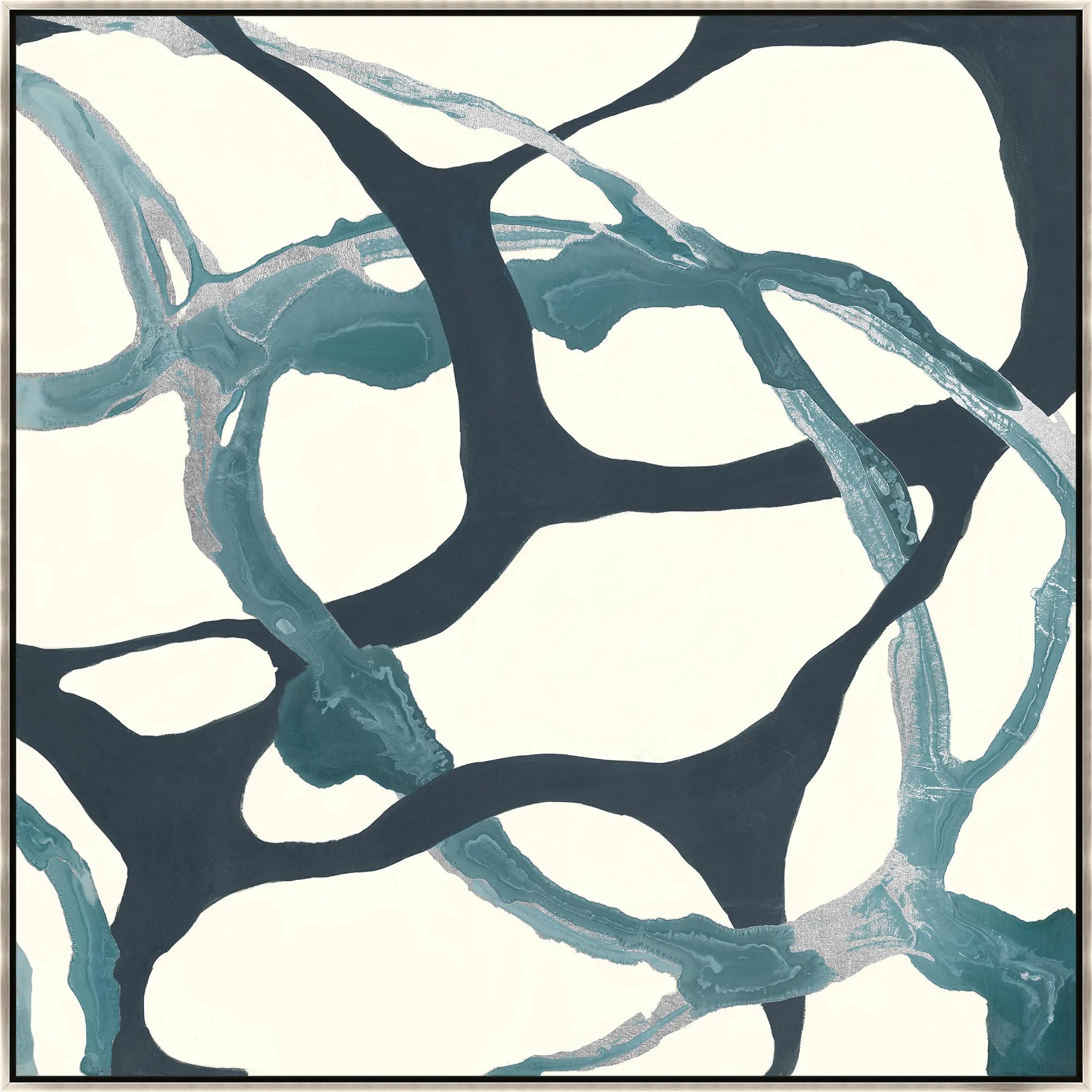
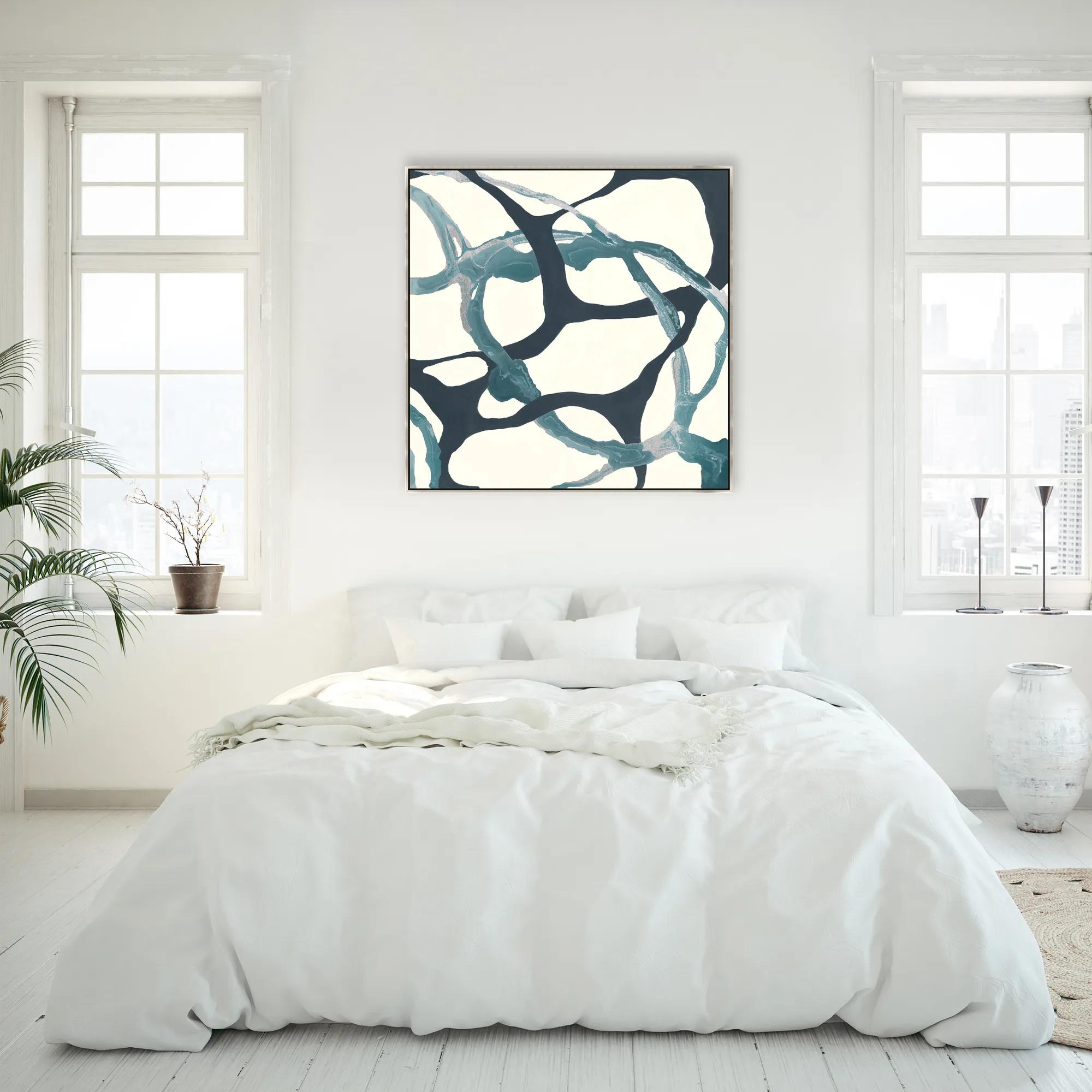 Alignments II Framed Wall Art 40" x 40"$899
A gallery-wrapped canvas featuring gilded silver accents and hand-applied brush gel in a silver floater frame.
Add To Cart -
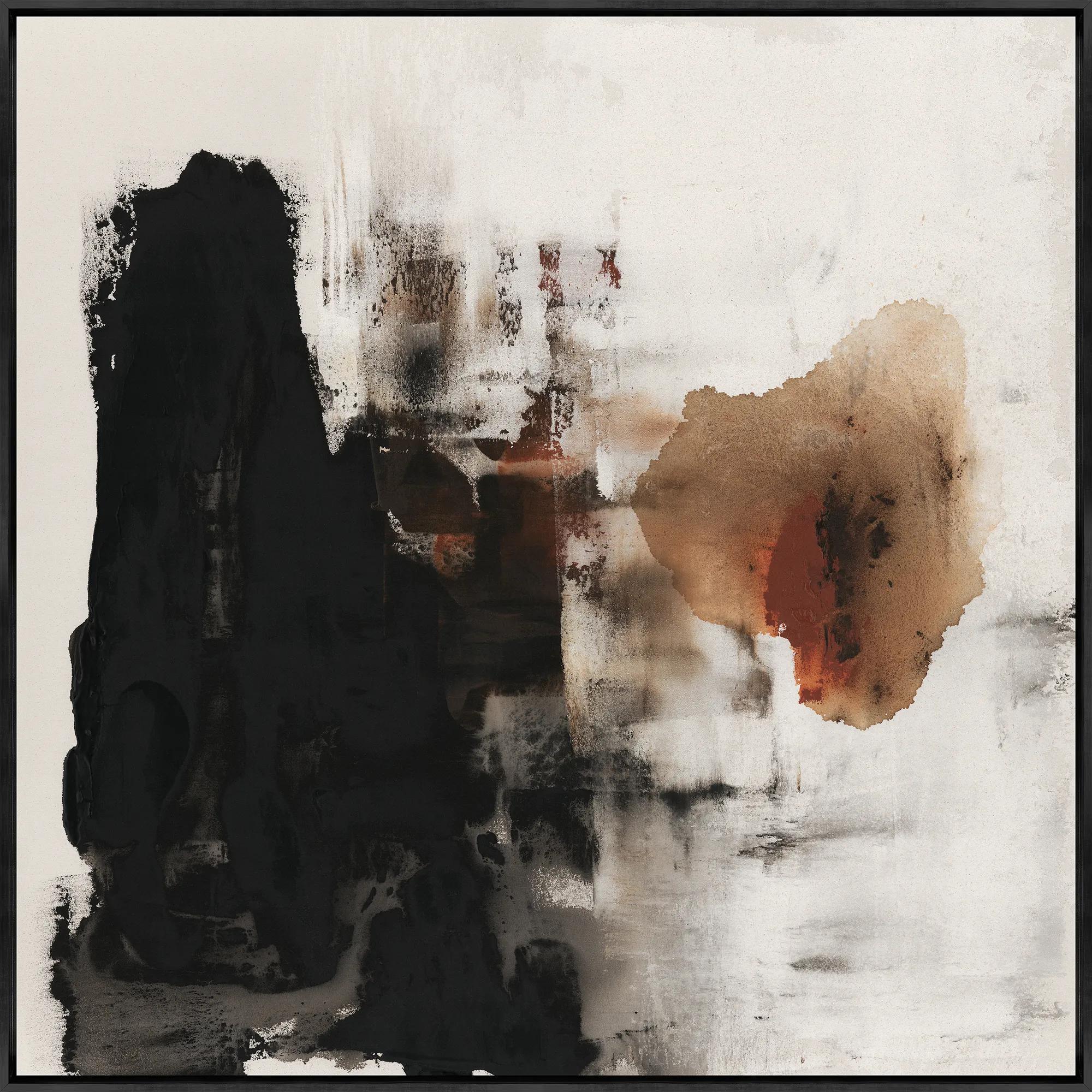 Burning for You I Framed Wall Art 40" x 40"$799
A gallery-wrapped canvas artwork with hand-applied brush gel, set in a sleek black floater frame.
Add To Cart -
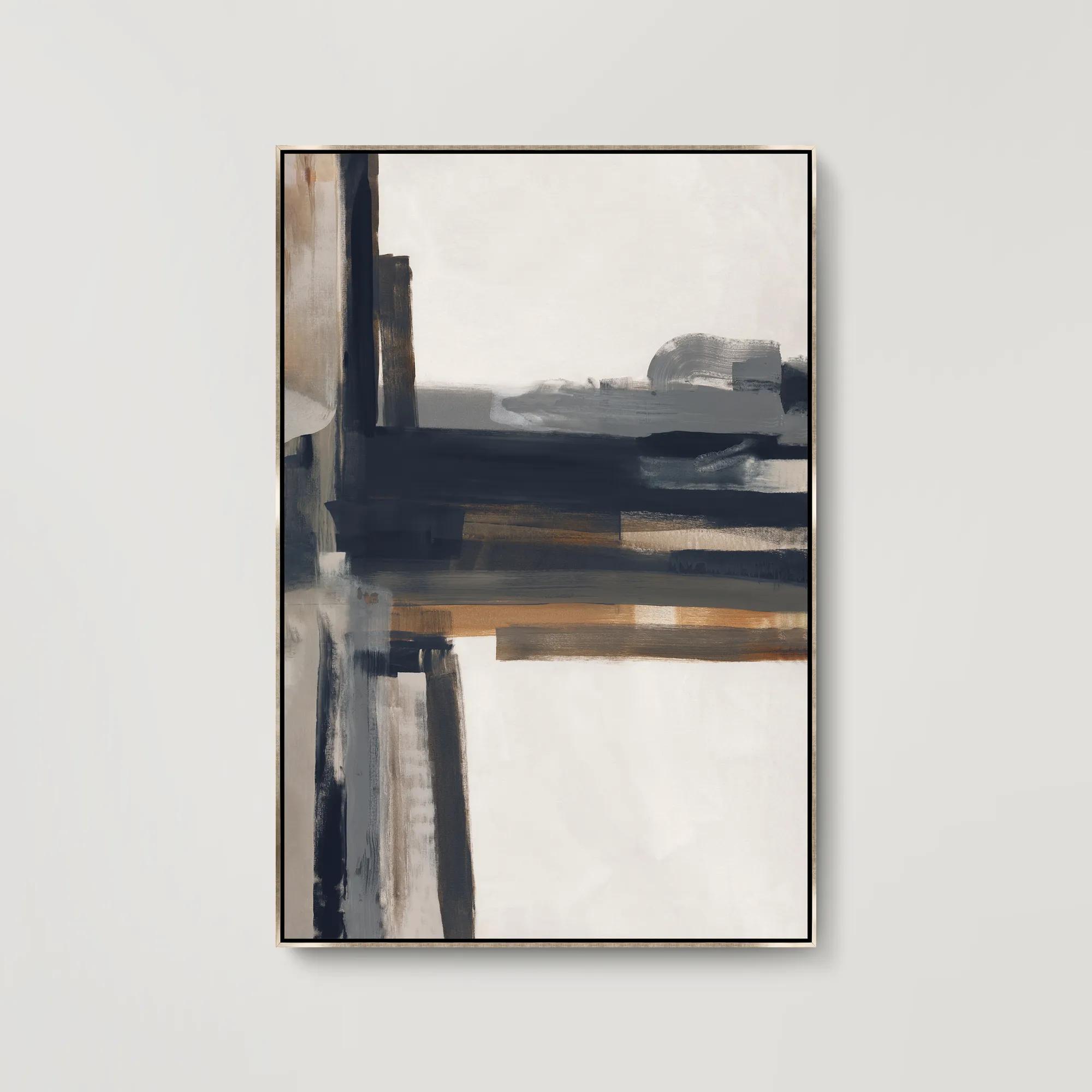
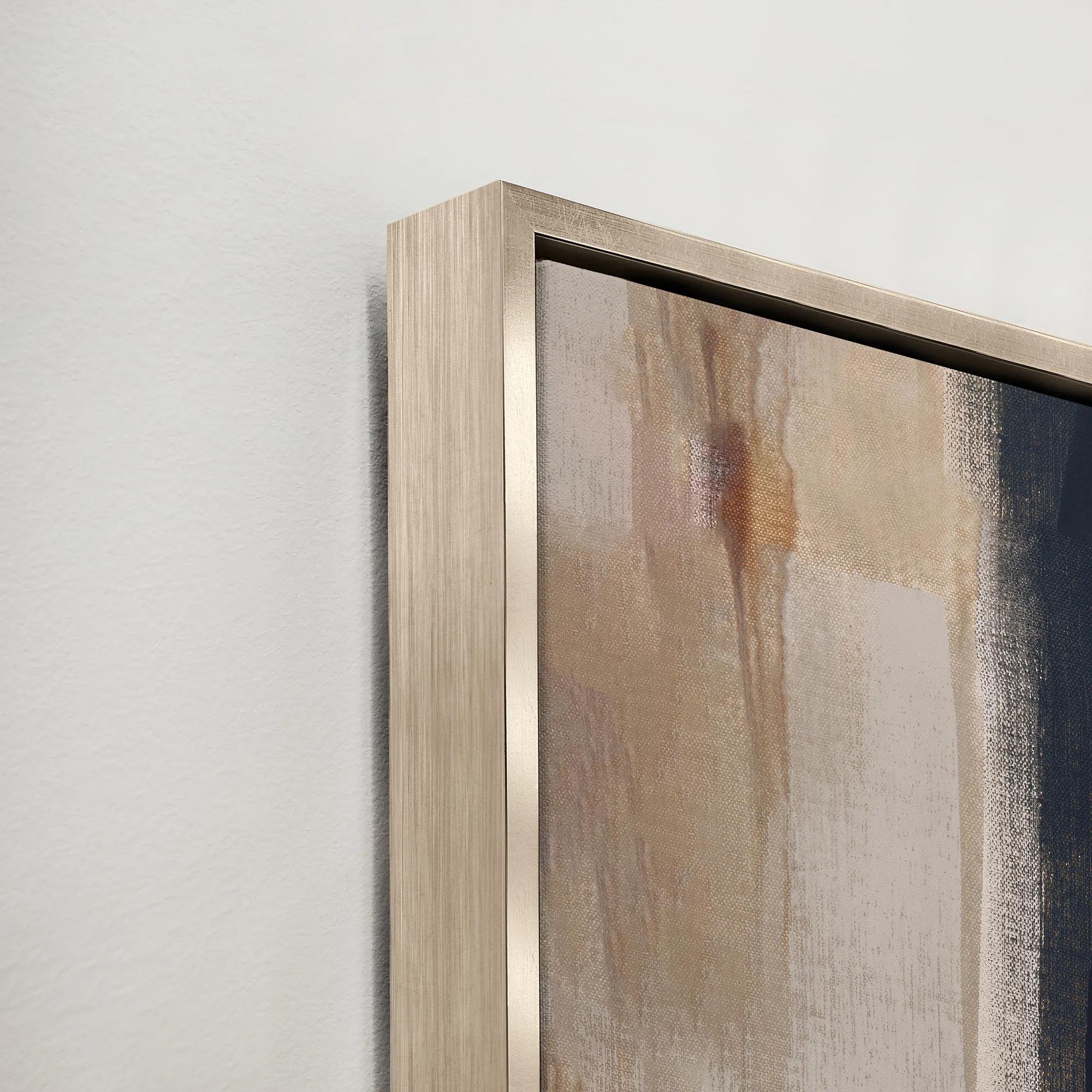 Imposing Construct I Framed Wall Art 41.5" x 61.5"$949
A gallery-wrapped abstract canvas featuring hand-applied brush gel and set in a sleek silver floater frame.
Add To Cart -
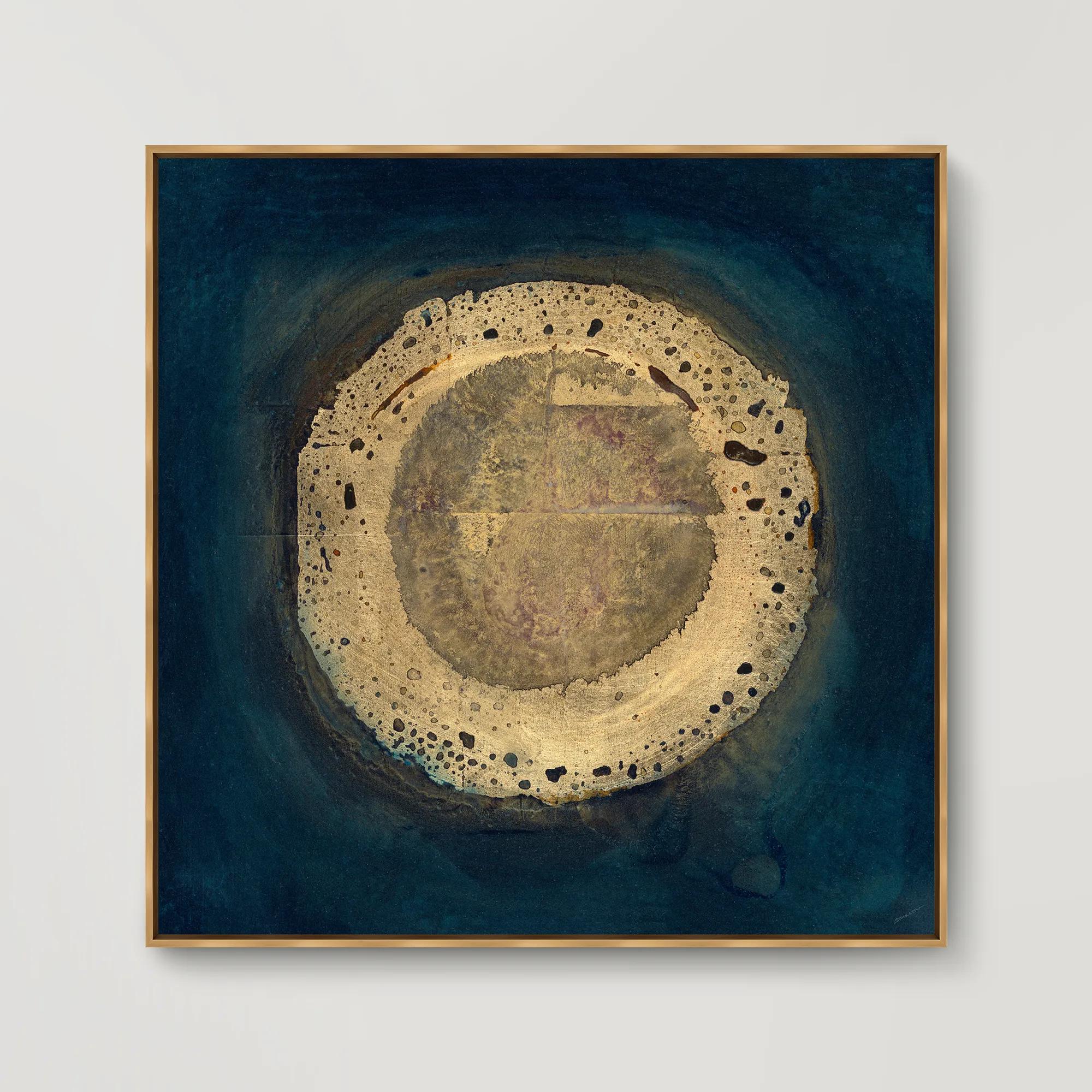
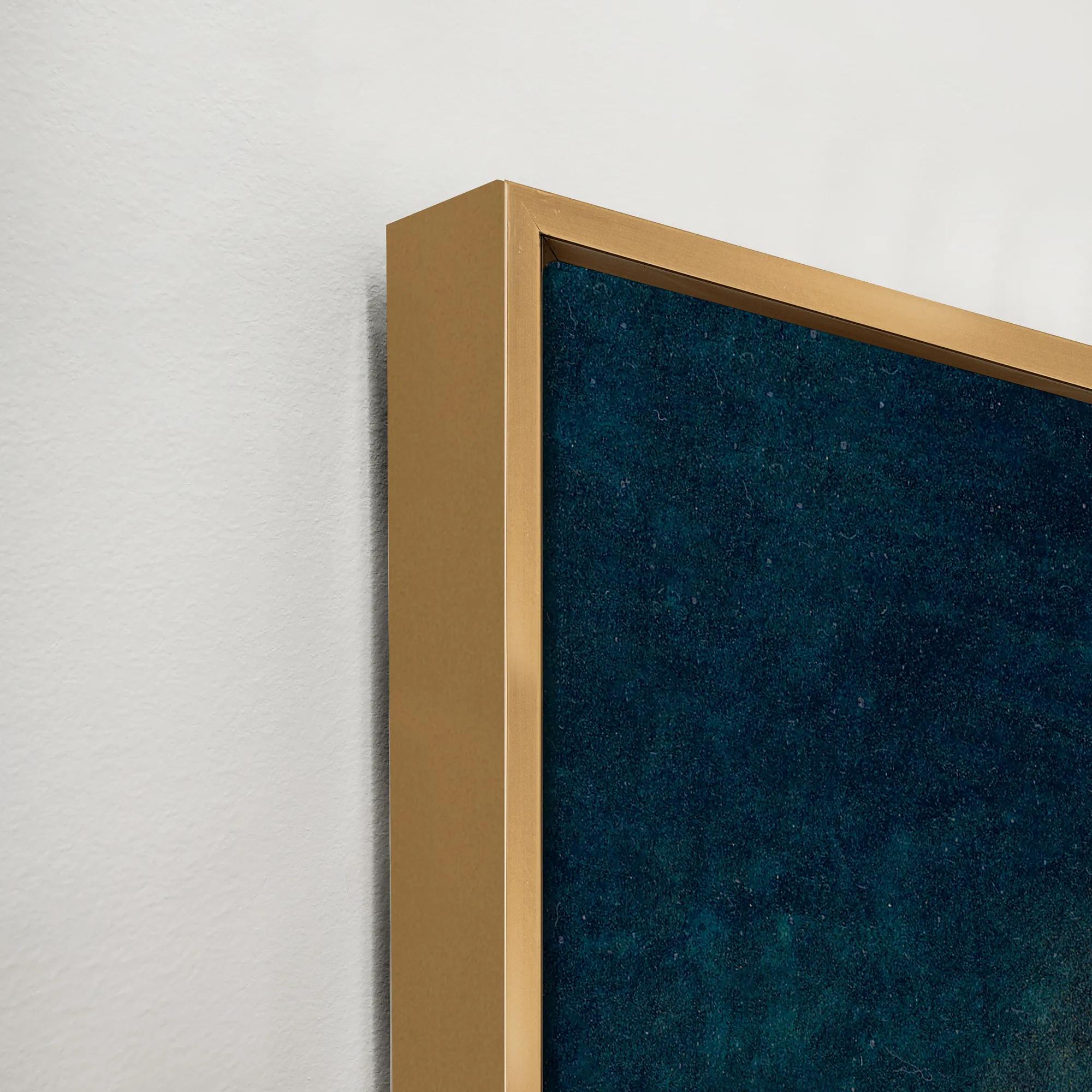 Bramble I Framed Wall Art 41.5" x 41.5"$749
A gallery-wrapped abstract canvas with hand-applied gel finish, set in an elegant gold floater frame.
Add To Cart -
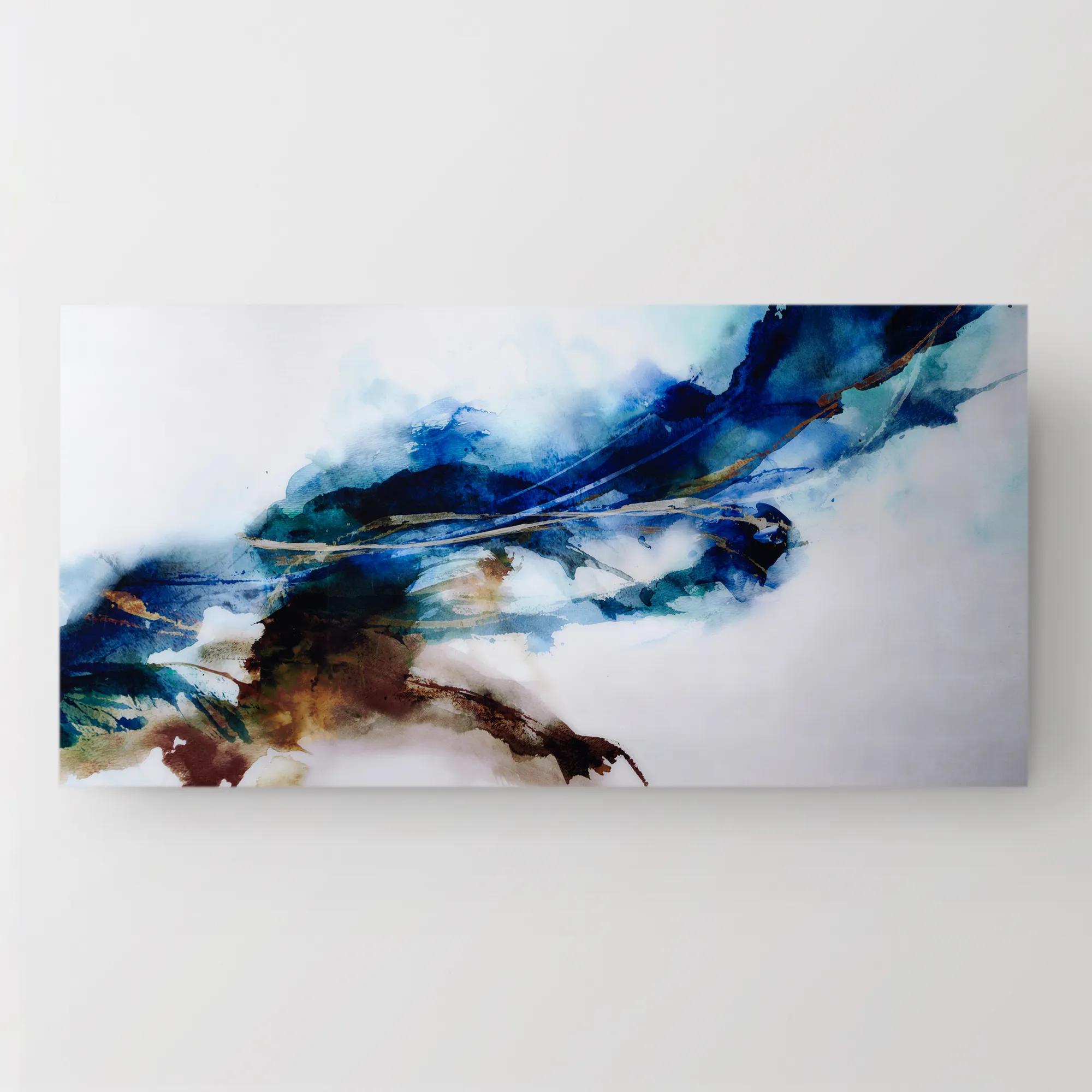 Cerulean Movement Acrylic Art 72" x 36"$1299
A vibrant abstract artwork printed on high-gloss acrylic, infusing your space with dynamic energy and movement.
Add To Cart -
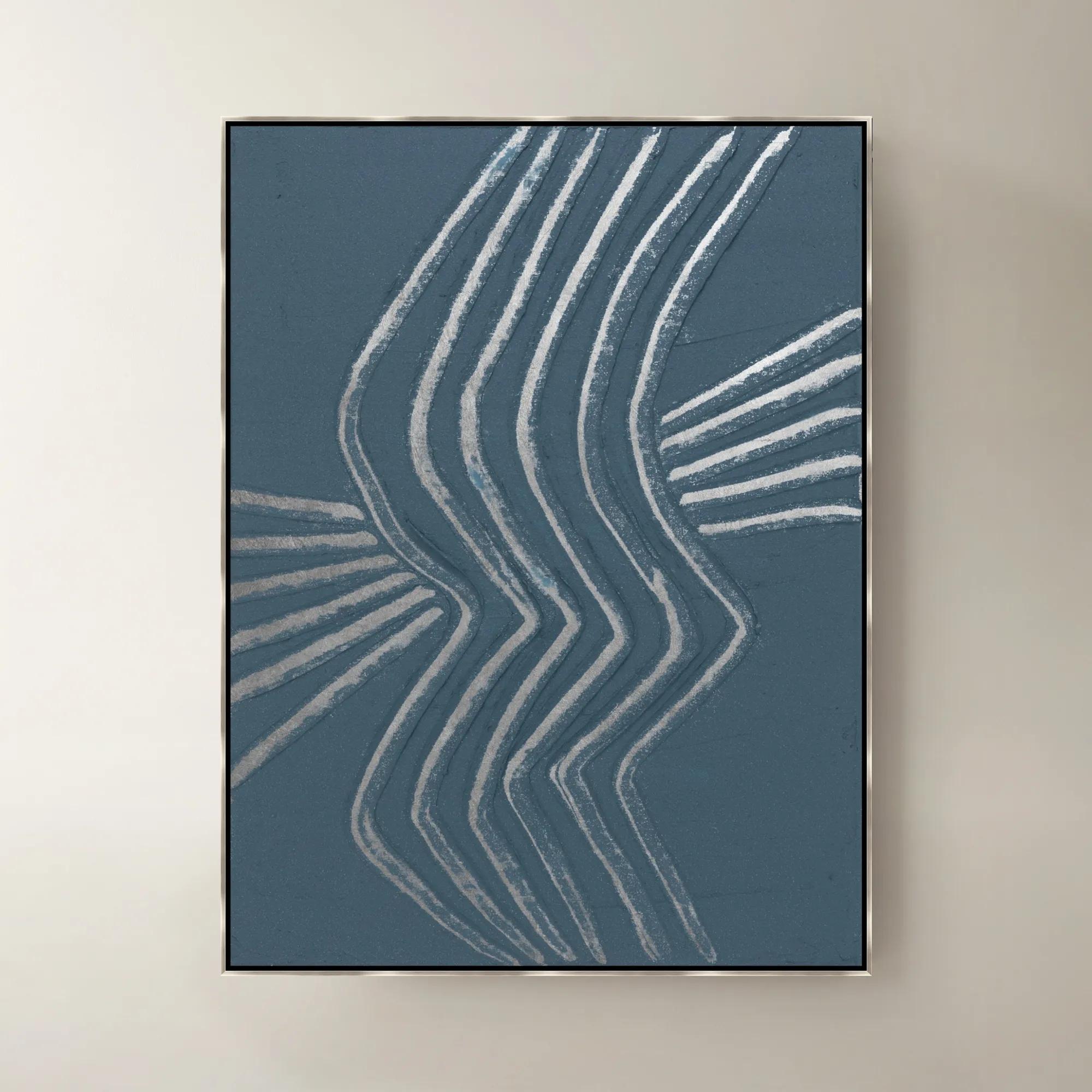
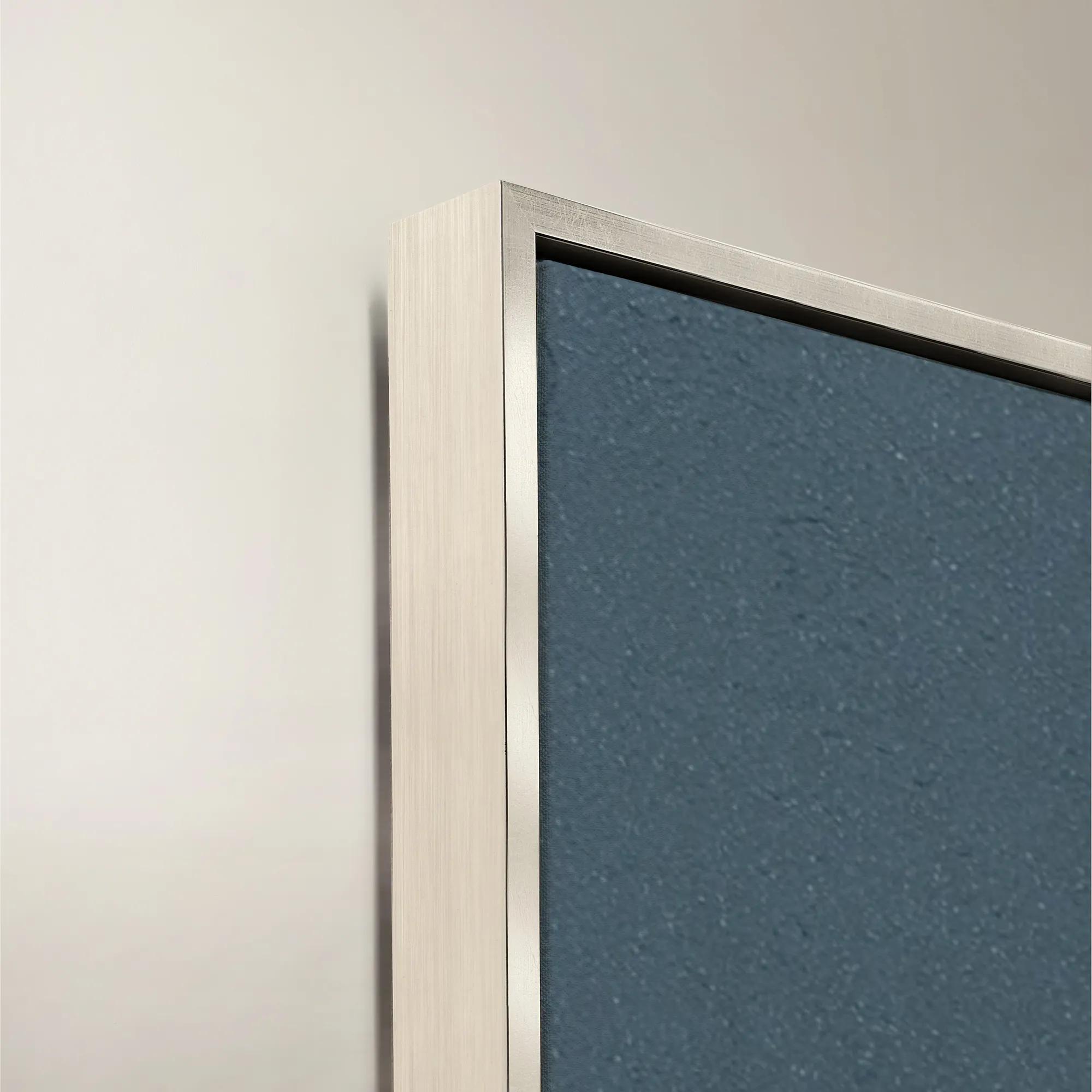 Gilded Waves IV Framed Painted Wall Art 40" x 53"$1399
A framed painted canvas artwork featuring flowing gilded waves in soothing blue and purple tones.
Add To Cart -
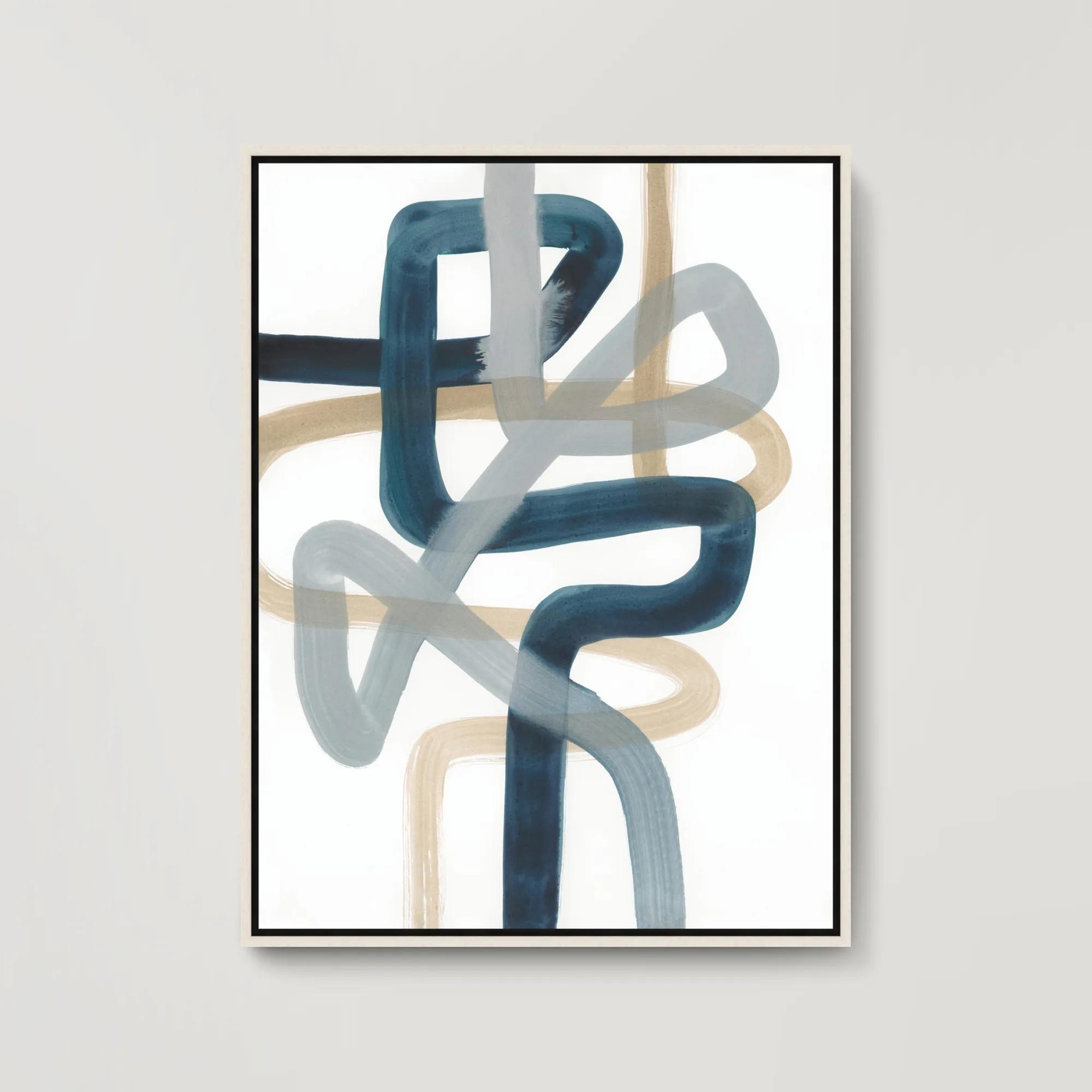
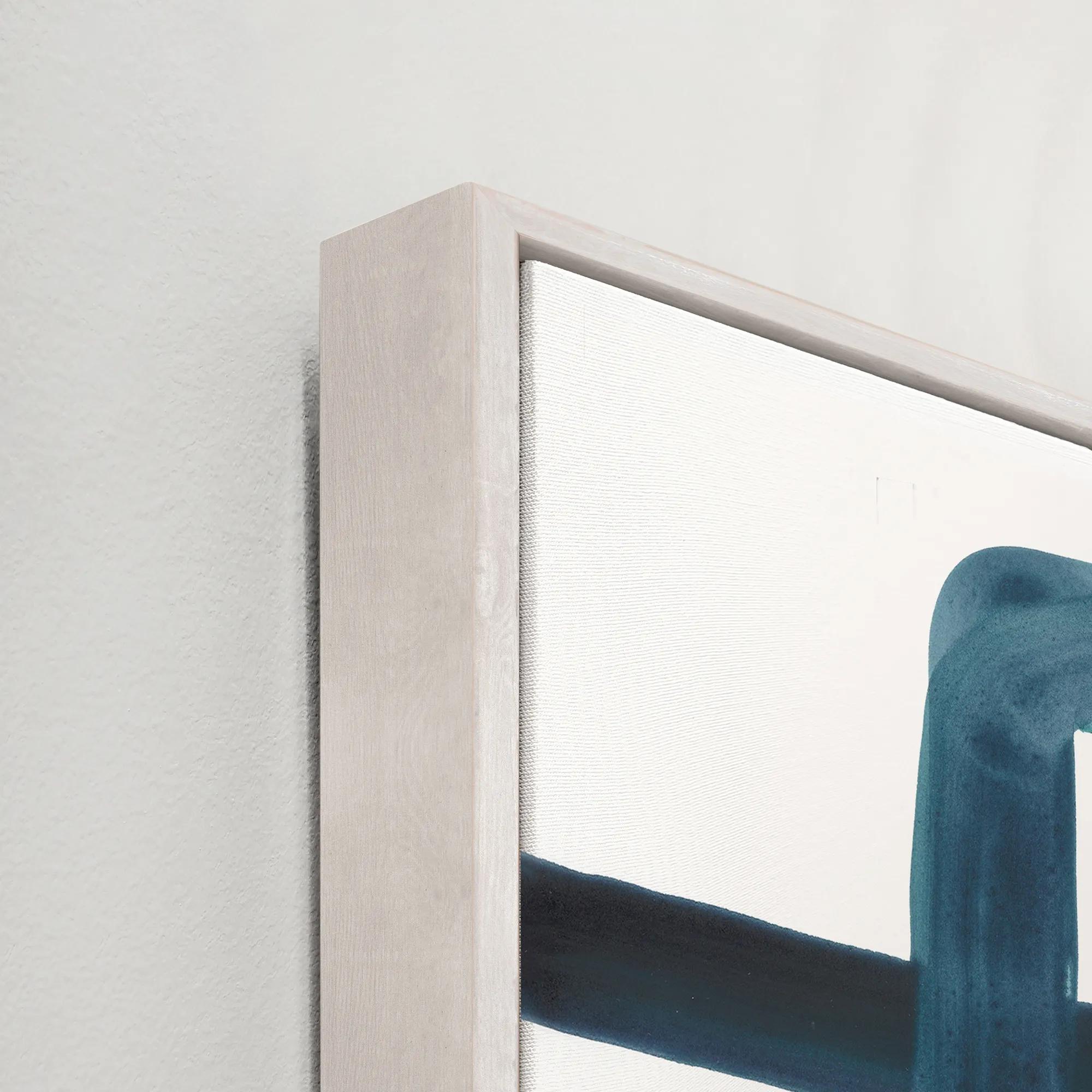 Looped In I Framed Wall Art 31.5" x 41.5"$699
A gallery-wrapped abstract canvas featuring hand-applied brush gel and a sleek white floater frame.
Add To Cart

Statement Piece Wall Art
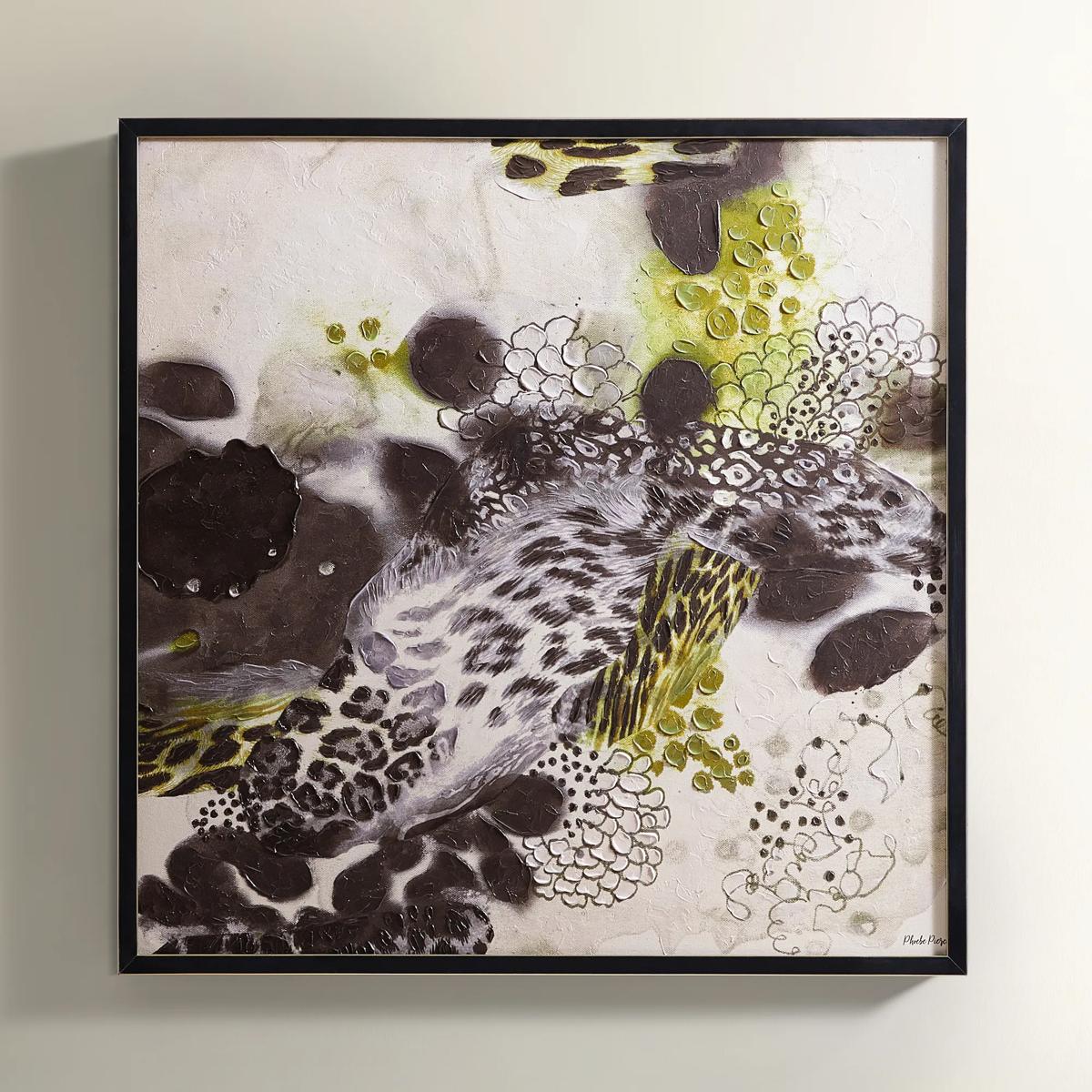
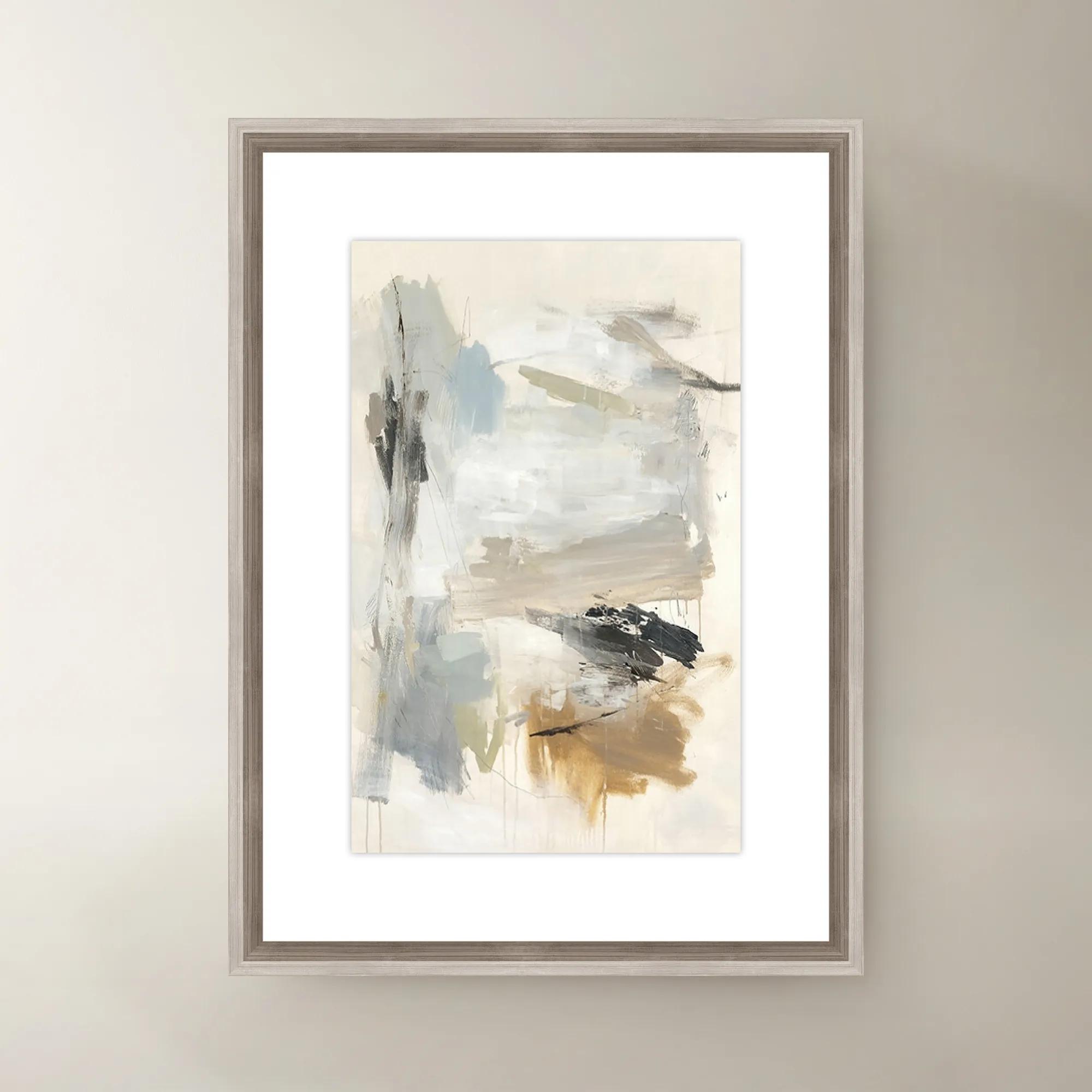
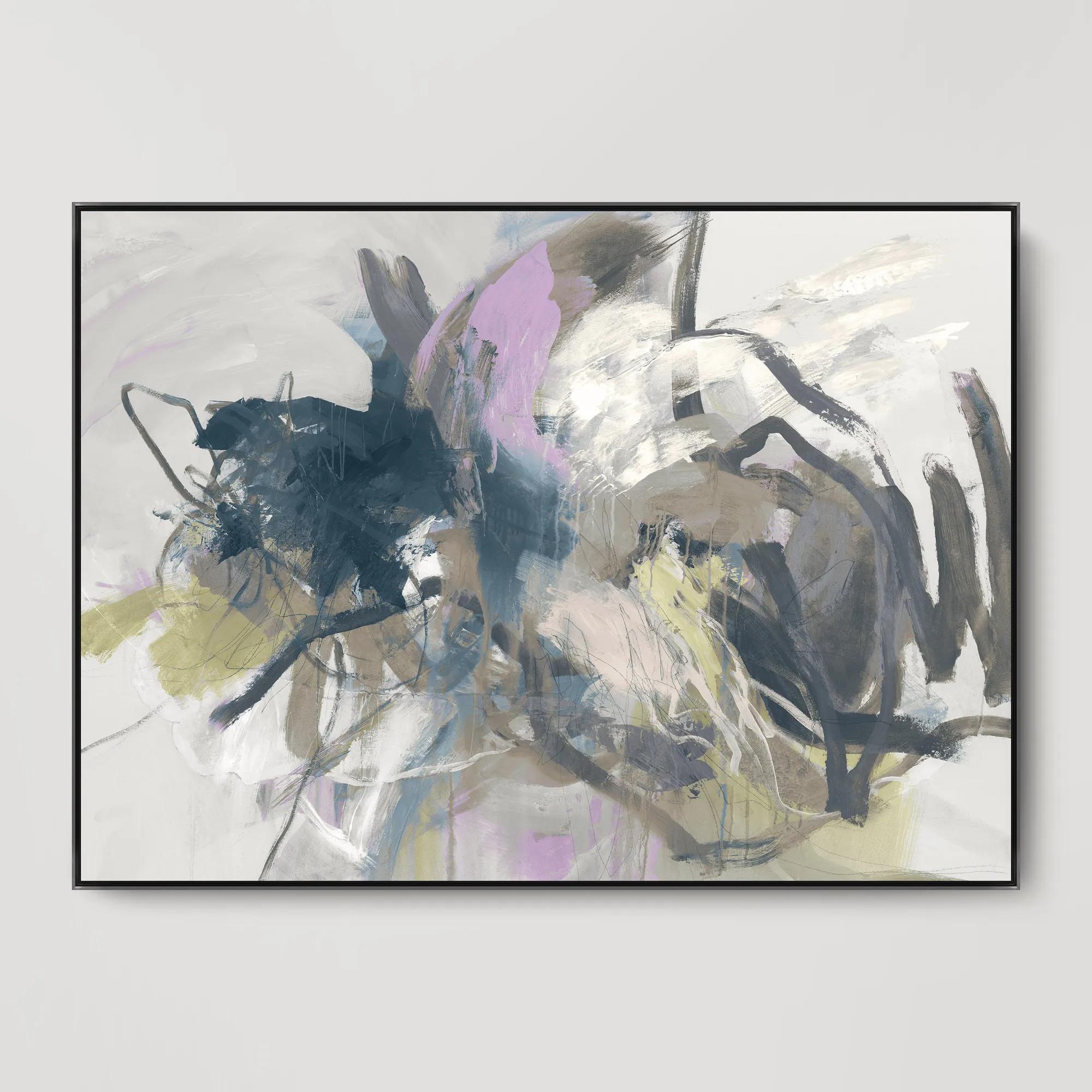
Explore statement piece wall art designed to give your room a striking focal point. This selection centers on expressive wall decor that commands attention and sets the mood for your space. Consider the scale of your wall, your room’s palette, and the surrounding furniture to choose a piece that feels intentional above a sofa, anchors a dining room, or brings drama to an entryway.
Statement piece wall art gives a room its point of view. More than a finishing touch, a commanding composition can establish the palette, sharpen the architecture, and introduce the expressive energy that makes an interior feel personal. An expansive abstract above a low-profile sofa brings movement to clean lines; a richly textured composition over a dining room console creates a backdrop as memorable as the gathering itself. The appeal lies in that relationship between artwork and surroundings. Sweeping gestures soften structured furniture, crisp geometry gives sumptuous upholstery a striking counterpoint, and luminous accents lend depth to a wall without requiring every surface nearby to shine. Large wall art is especially compelling in spaces with generous sightlines, where its composition can unfold from across the room. In a more intimate setting, a single substantial work can feel deliberate and immersive rather than crowded, particularly when the neighboring furnishings leave it room to breathe. Scale is only part of the statement: a restrained palette with pronounced texture can carry as much visual authority as a vivid field of color. Black and ivory compositions offer graphic definition, while layered neutrals create subtler drama through tonal shifts and surface detail. Saturated jewel tones, expressive brushwork, and metallic accents bring a different kind of presence, turning an otherwise quiet wall into the room’s most animated feature. For interiors that already include sculptural lighting or patterned textiles, art can connect those elements through a shared shape, finish, or accent color without becoming an exact match. A curve in the composition might echo the sweep of a chair; a slender metallic frame might pick up the gleam of a nearby lamp. These small visual connections make a bold choice feel intentional. The result is an interior with depth and character, where the artwork holds its own while contributing to the larger story of the space.
Materials and presentation shape that story as powerfully as the image itself. Canvas offers a tactile surface that can lend painterly compositions a softer, more dimensional presence, while artwork on paper often gains definition from a carefully proportioned mat and frame. A deep frame introduces a sculptural edge; a slender profile keeps attention on the composition. Wood framing can bring warmth and subtle grain into an interior, whereas metallic finishes add a polished line that feels especially expressive alongside velvet, glass, and lacquered surfaces. Glazing also changes the experience of a piece. Glass and acrylic can protect certain works from dust and incidental contact, though reflections, weight, and cleaning requirements vary by material. Textured surfaces and dimensional wall art invite a closer look, with raised details casting small shadows that shift as the room’s lighting changes. Those nuances give a composition presence beyond its color palette, making it engaging from both a distance and nearby. Finish matters, too: matte surfaces tend to absorb light and emphasize form, while reflective details create flashes of brilliance that enliven a vignette. Neither approach requires an entirely matching room. A gleaming accent can be particularly arresting against a muted wall, just as a chalky, textural work can temper an interior filled with polished finishes. With Multi Colored Statement Wall Arts, several hues can work together to connect upholstery, rugs, and decorative accents without reducing the composition to a color-matching exercise. A repeated undertone is often enough to create continuity, leaving the other shades free to introduce surprise. Color also influences the mood of the room: deep blue and plum suggest richness, ocher and terracotta bring earthy intensity, and clear contrasts between pale and dark passages establish visual rhythm. The most compelling statement artwork has something to reveal after the first impression, whether that is a finely drawn line, a layered transition, or the interplay between a luminous finish and a shadowed surface.
A successful fit considers the wall, the furniture beneath it, and the way the room is used. Above a sofa or sideboard, artwork that occupies a substantial portion of the furniture’s width generally feels more connected to the setting than a small composition floating far above it. Leaving visible wall space around the frame preserves its silhouette and prevents a generous piece from feeling pressed into place. In an entryway, the relationship may be vertical instead, with an elongated work complementing a tall wall and creating a graceful introduction to the home. Bedrooms often benefit from compositions whose movement and palette feel expressive without overwhelming the restful setting, while dining rooms and living areas can accommodate bolder contrasts and more theatrical scale. Viewing distance matters: broad shapes read beautifully across an open room, and intricate details reward placement where they can be appreciated up close. The physical weight of the artwork deserves equal attention. Frame construction, glazing, and dimensional elements can affect how a piece should be supported, so hardware and wall anchors should suit both the artwork and the wall material. Indoor decorative art also benefits from placement away from direct sunlight, persistent moisture, and areas where it may be bumped. Glazing does not automatically prevent fading, and even durable framing materials need appropriate handling. Gentle dusting with a soft, dry cloth is suitable for many frames, while painted, textured, or embellished surfaces may require different care; the material-specific instructions should govern cleaning. Cleaners should never be sprayed directly onto artwork, and lifting a framed piece by its frame rather than its hanging wire helps protect its construction. With thoughtful placement and care, statement piece wall art can remain a lasting source of pleasure through changes in furniture and room arrangement. It can also make a meaningful housewarming, wedding, or milestone gift for someone whose aesthetic is well understood, especially when the scale and palette suit a wall they are eager to transform. For collectors, design enthusiasts, and anyone drawn to expressive interiors, the right composition offers something enduring: an everyday encounter with color, texture, and artistic presence.
FAQs
Statement piece wall art gives a room a distinct point of view. Expressive color, striking composition, or unexpected imagery draws the eye and establishes a focal point. Whether boldly abstract or quietly dramatic, the artwork should feel intentional—a reflection of your taste that shapes the mood of the space.
Abstract compositions, graphic black-and-white imagery, expressive portraits, and dramatic landscapes can all create compelling statement wall decor. Look for a visual quality that captivates you, such as sweeping movement, luminous contrast, or intricate detail. The strongest choice brings personality to your interior rather than simply matching its surroundings.
Decide whether you want your artwork to harmonize with the room or introduce a daring contrast. Echoing a color from your upholstery or decorative accents creates a polished connection, while an unexpected hue adds a new layer of expression. In a richly colored interior, black-and-white art can offer a crisp, dramatic counterpoint.
Let the artwork set the creative direction, then carry select colors, shapes, or moods into your furnishings and decor. A fluid composition might inspire curved silhouettes, while graphic artwork can pair beautifully with sculptural accents. Keep surrounding details deliberate so the room feels layered and expressive without competing for attention.
Yes—statement wall art can serve as the visual anchor of a gallery wall. Build a thoughtful composition around it with complementary imagery, a recurring color, or a consistent framing approach. Vary the artistic details while preserving a shared visual thread for a collected look with a confident focal point.