Statement Art And Living Room Decor
Statement Art And Living Room Decor
-
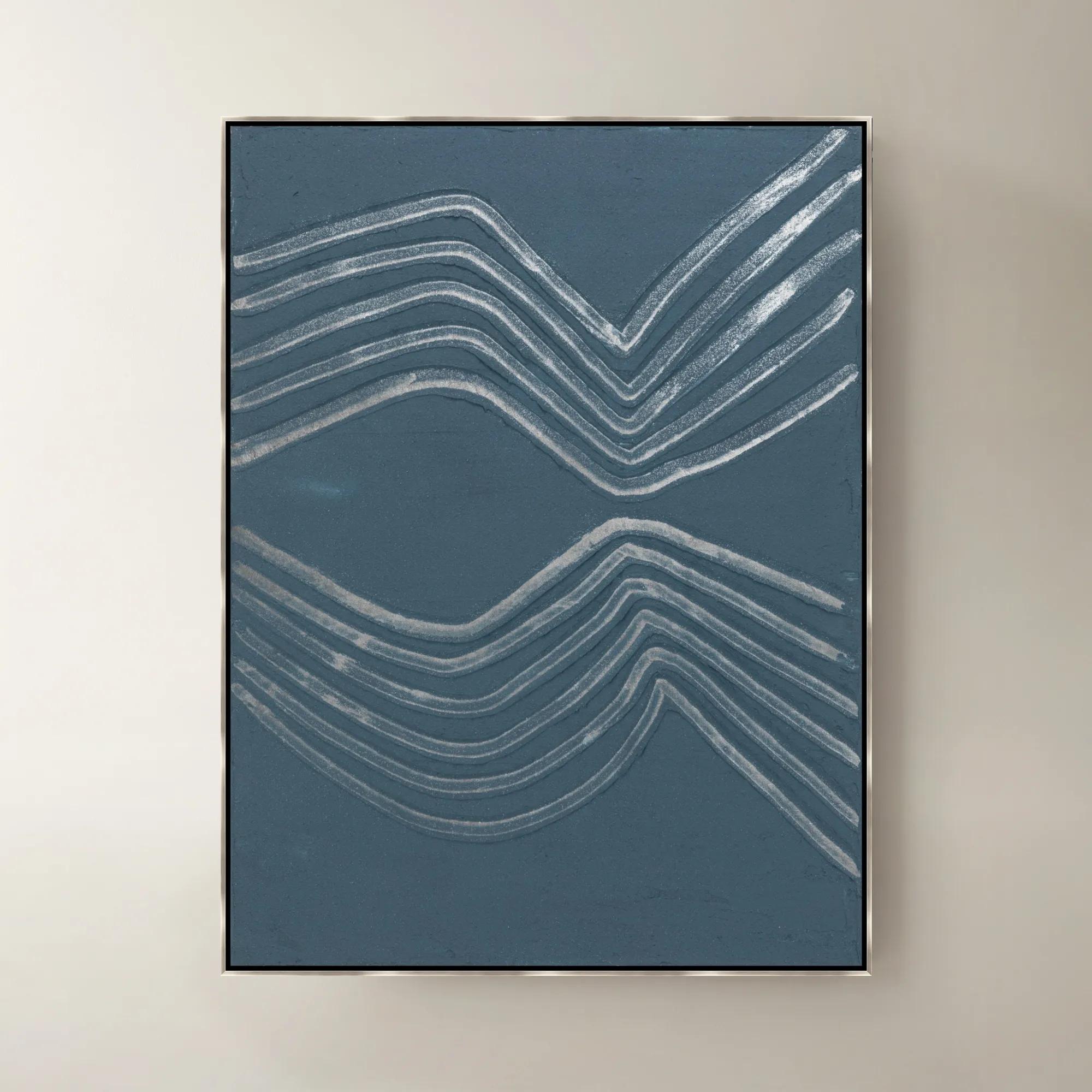
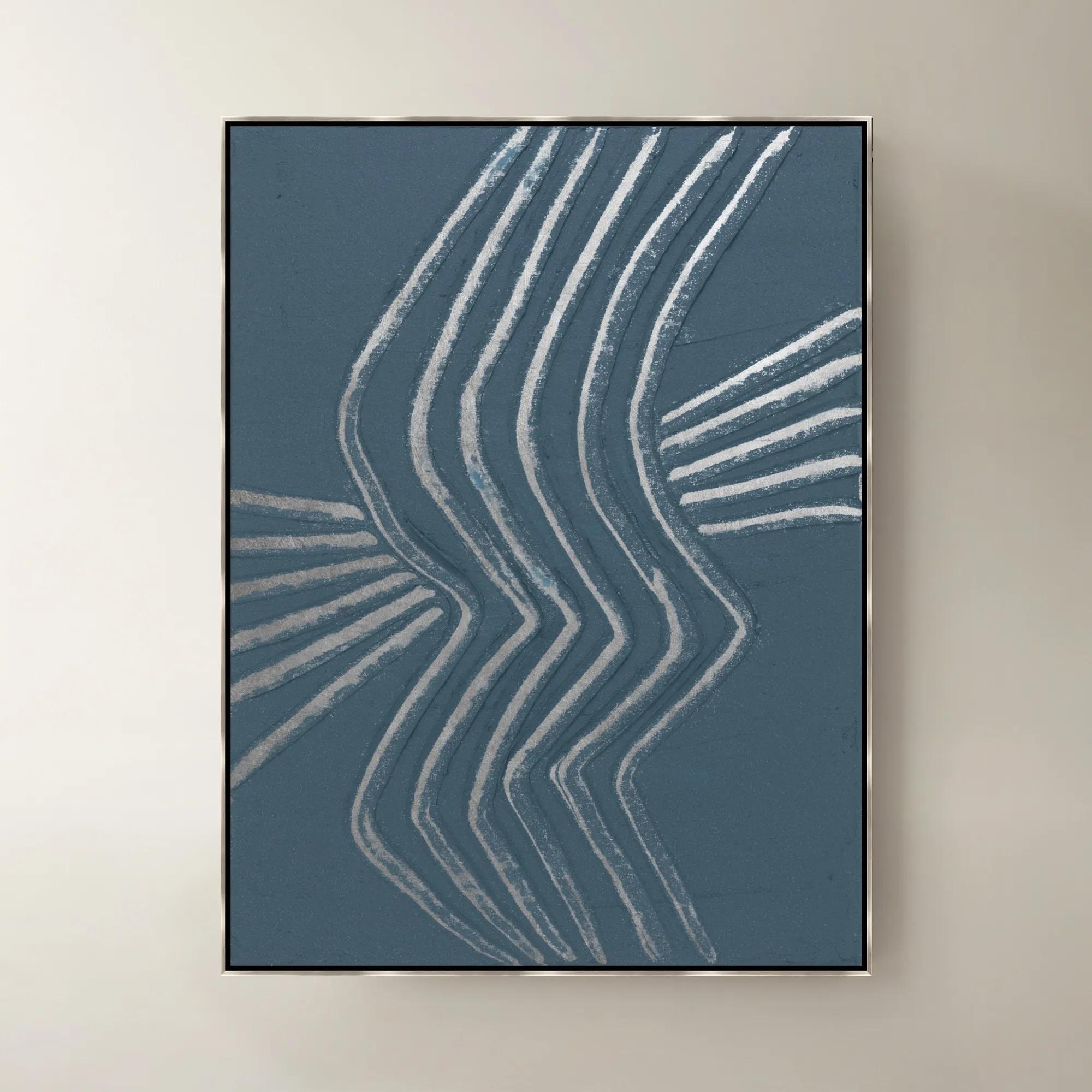
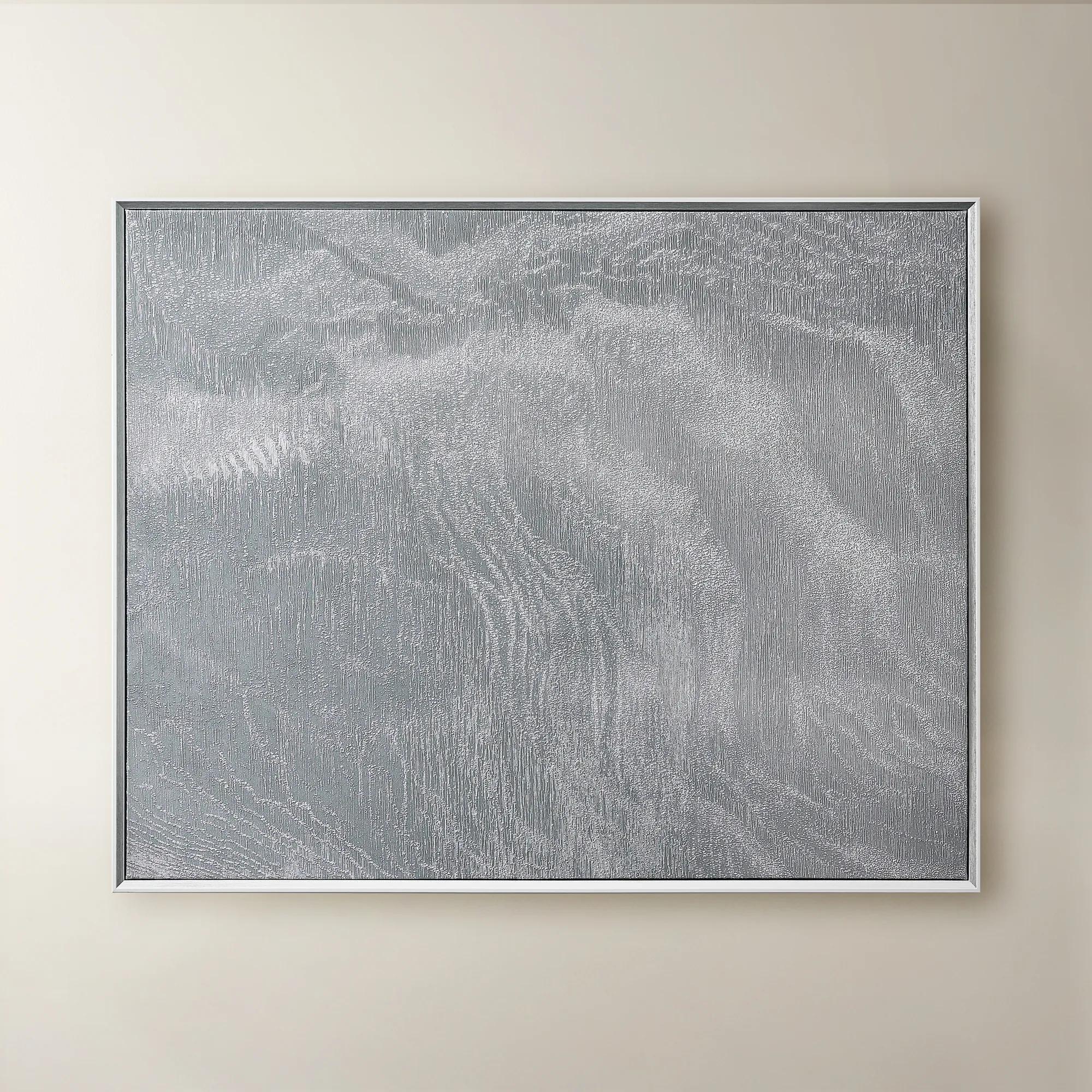 Slow Blue Morning Framed Silver Foil Wall Art 48" x 60"$599
A serene powder blue abstract canvas with silver foil accents, framed in silver and white for modern elegance.
Add To Cart -
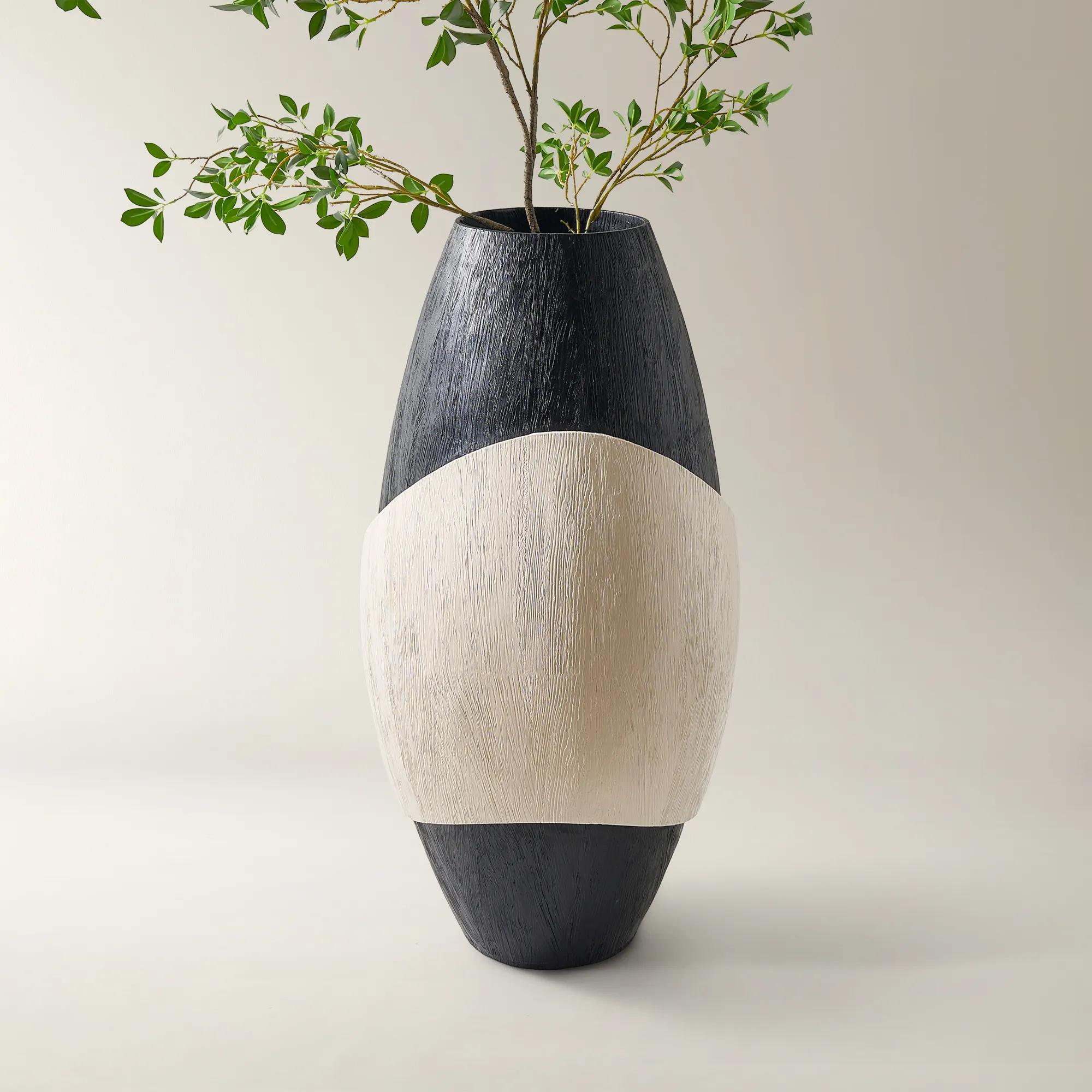
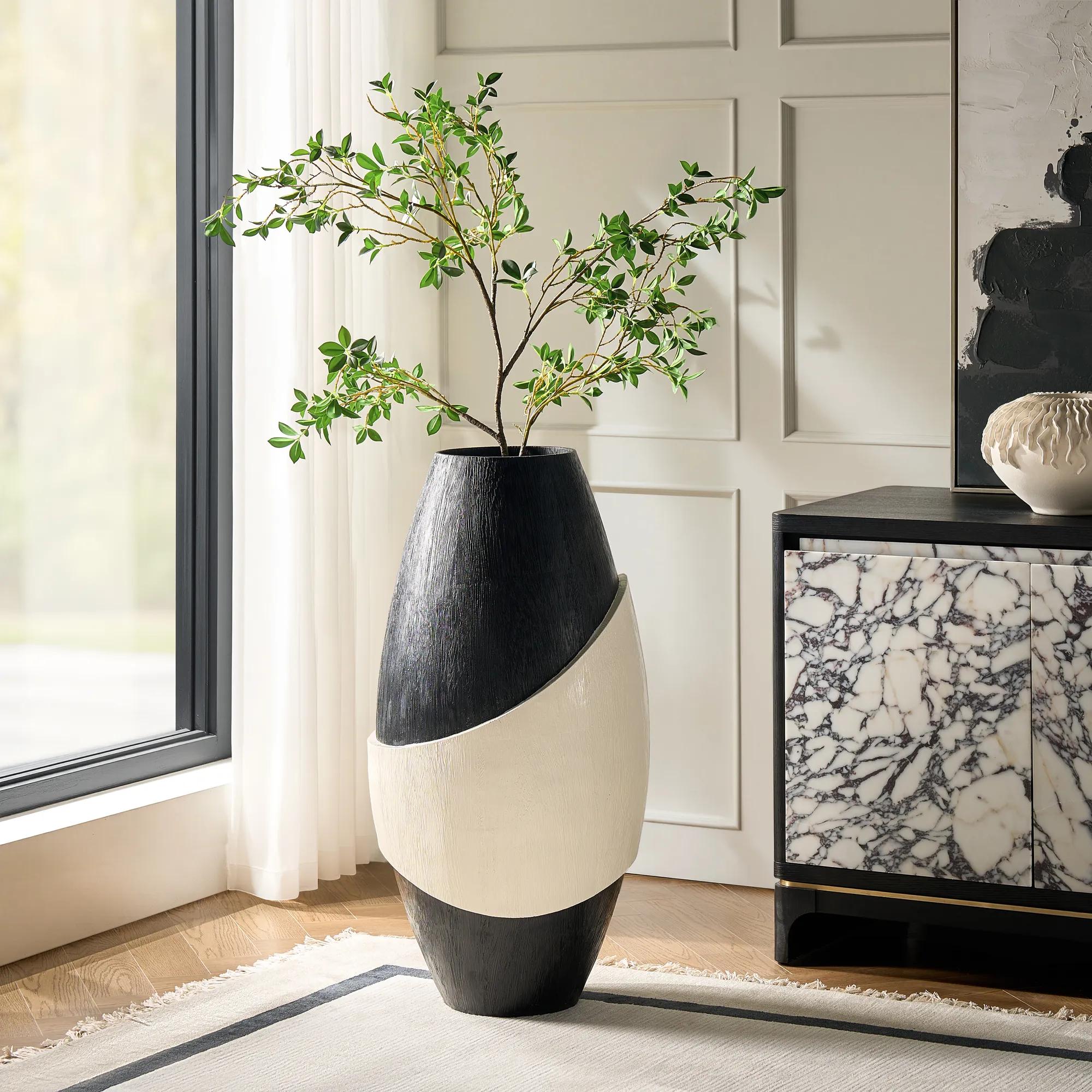 Domino Black And White Resin Floor Vase 35"$449
A modern decorative floor vase with a sculptural silhouette.
Add To Cart -
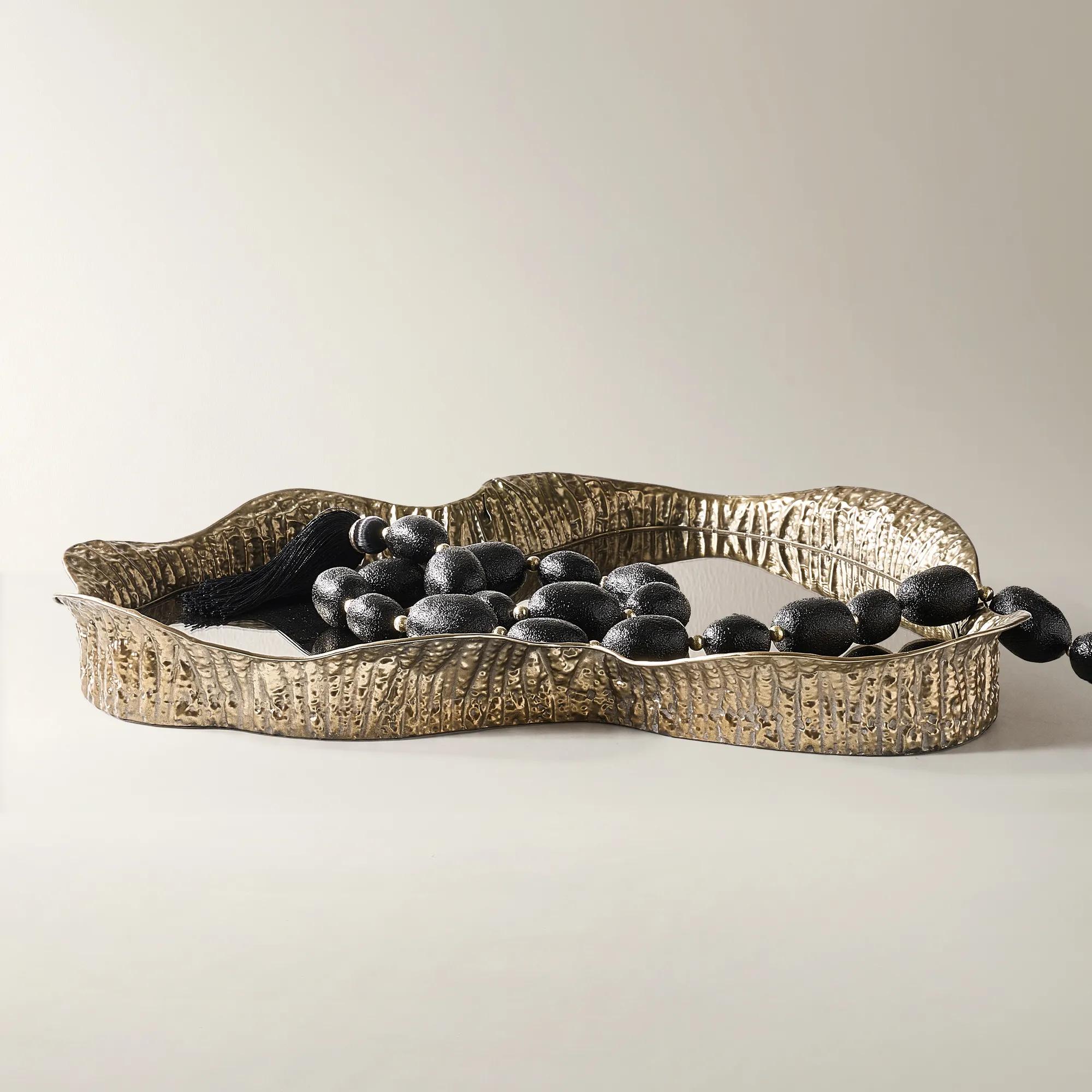 Cara Antique Gold Hand-Forged Iron Organic Shaped Amber Mirror Decorative Tray 21" x 23.5"$319
An antiqued gold iron tray with a bronze-tinted mirror surface for elegant, decorative display.
Add To Cart -

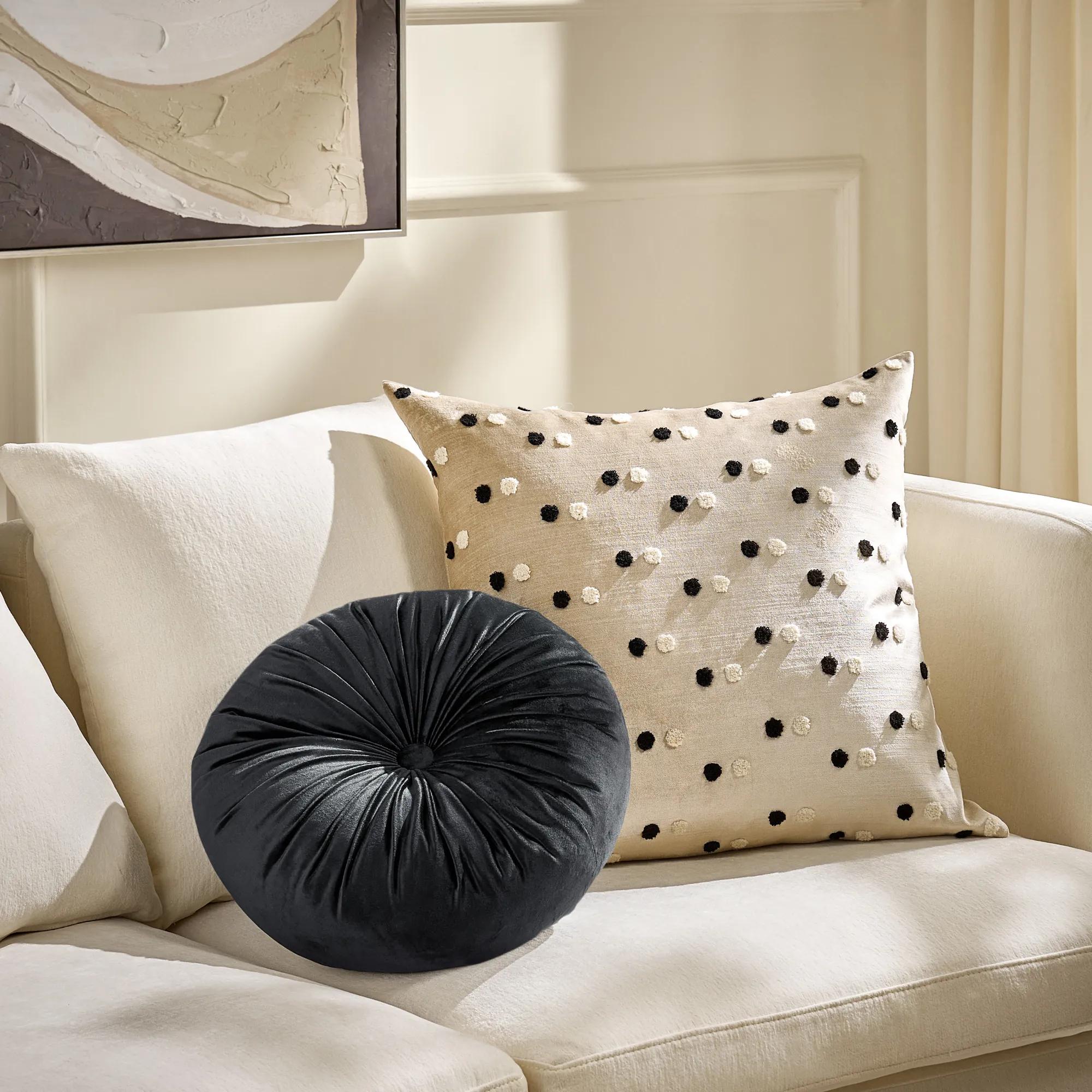 Clea Black Tufted Round Velvet Pillow 15"$69
A sculptural round pillow in plush black velvet with button-tufted detailing for Deco-inspired charm.
Add To Cart -
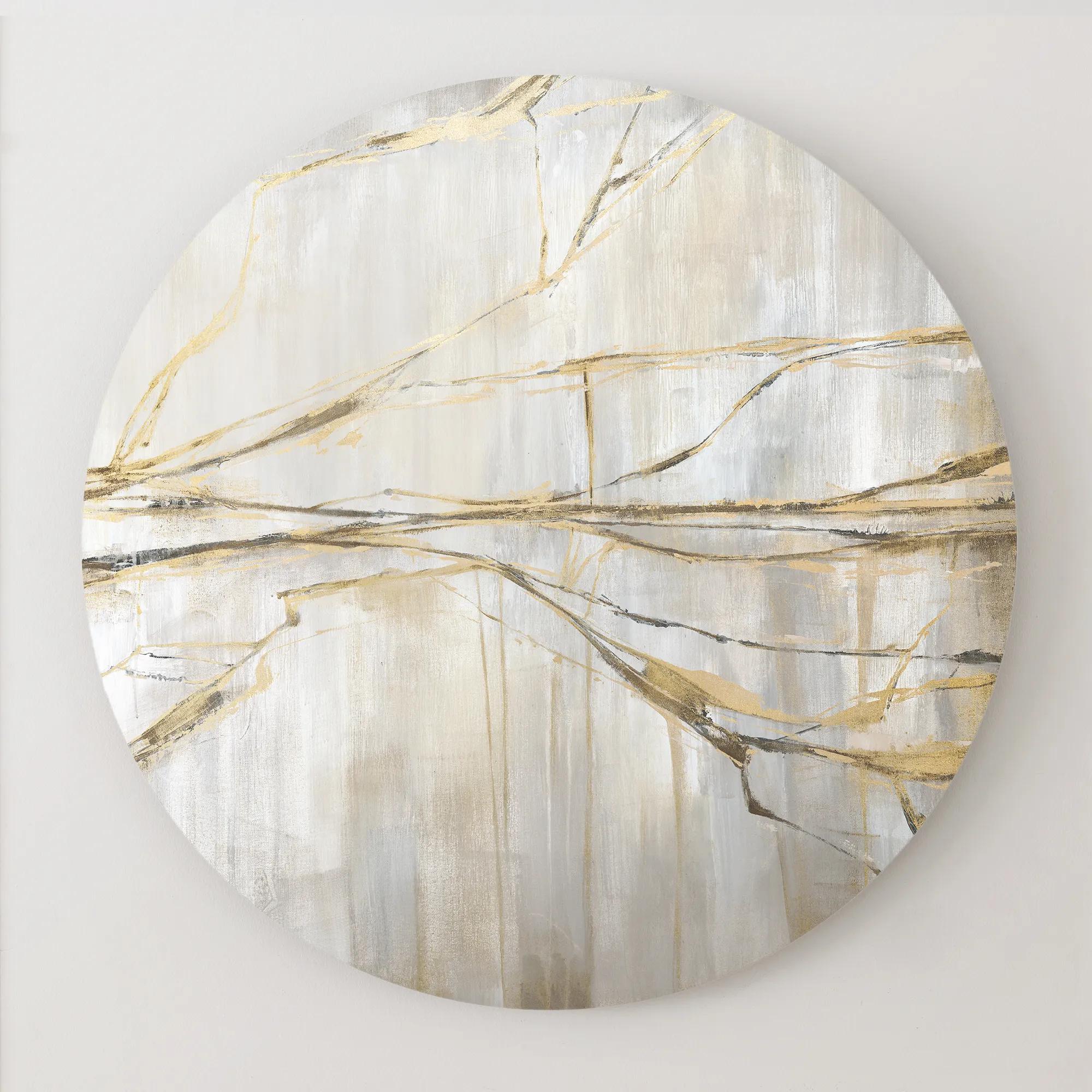
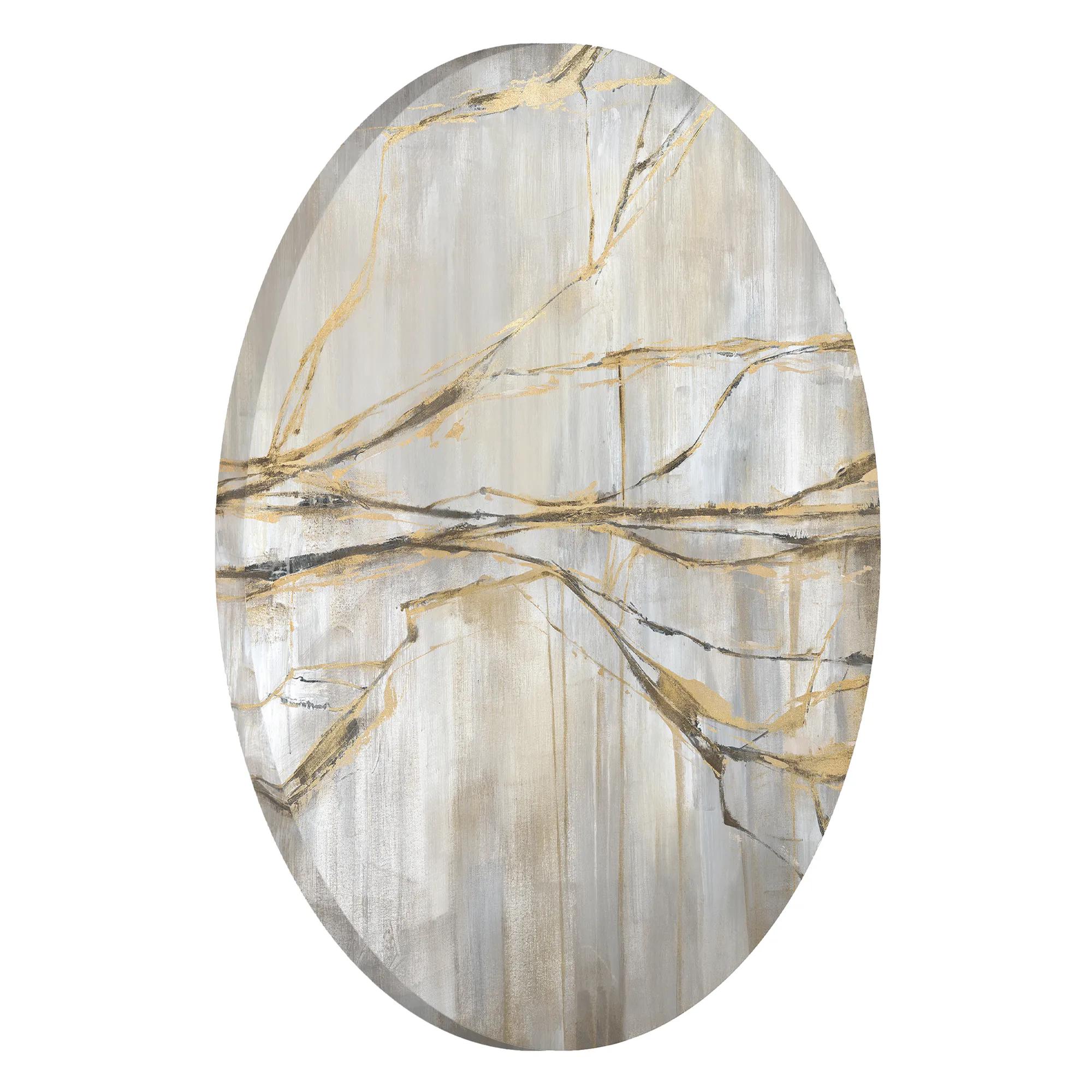 Lightening Crashes Round Wall Art 30"$899
A hand-textured circular linen canvas featuring a gallery-wrapped design for versatile wall display.
Add To Cart -
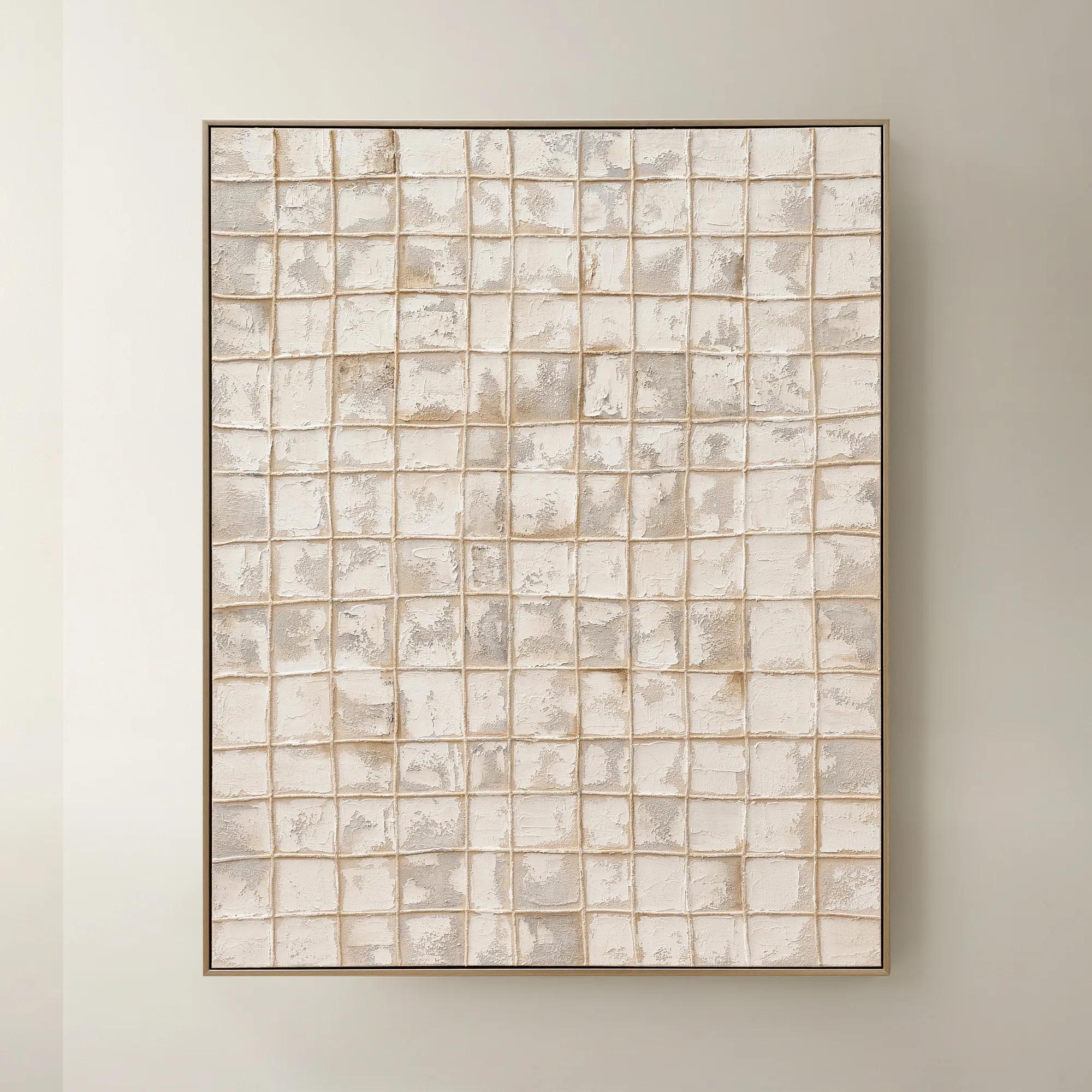
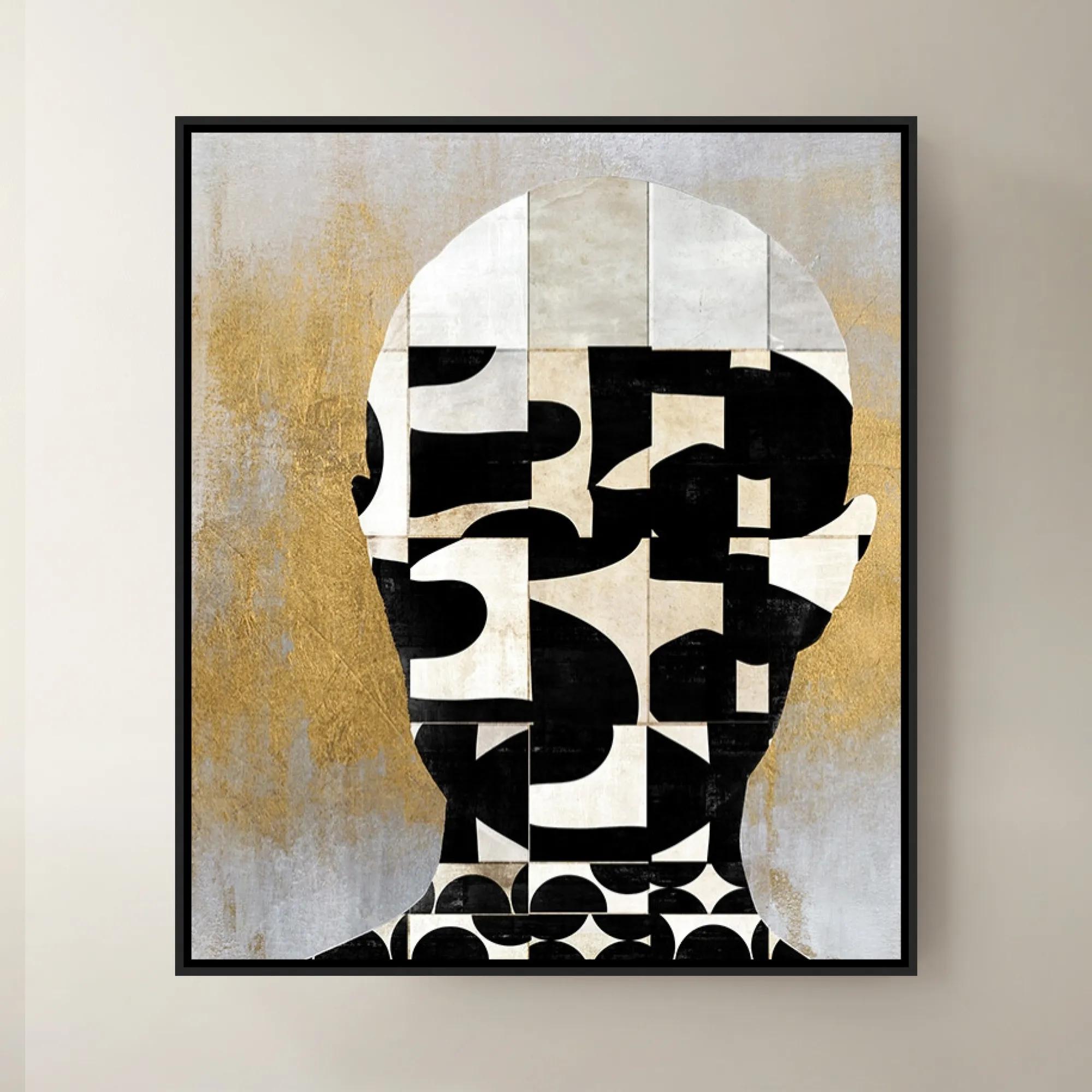
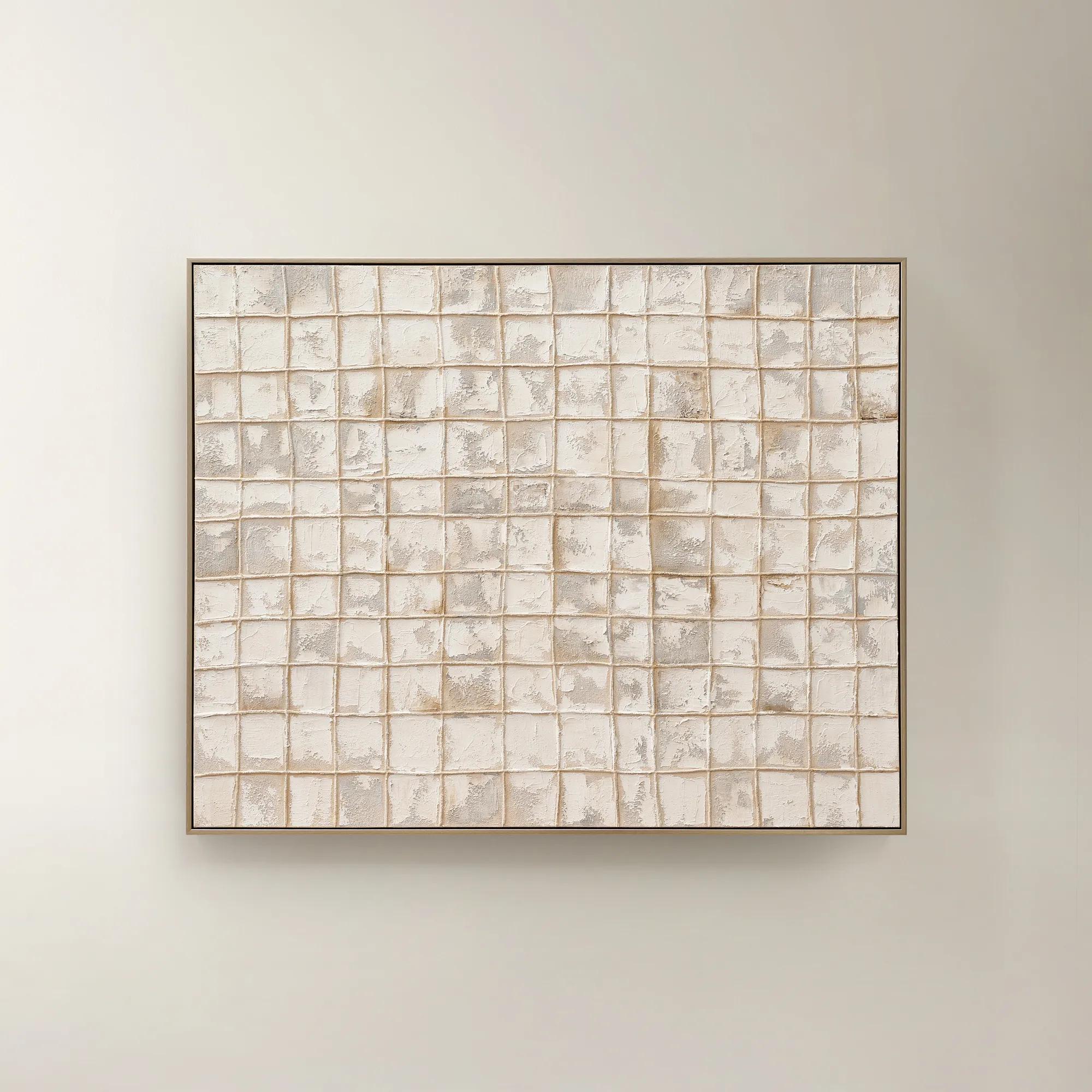 Painted Echos Framed Gold Leaf Wall Art 60" x 48"$699
A hand-painted abstract canvas with gold leaf accents and a champagne frame for modern, versatile display.
Add To Cart -
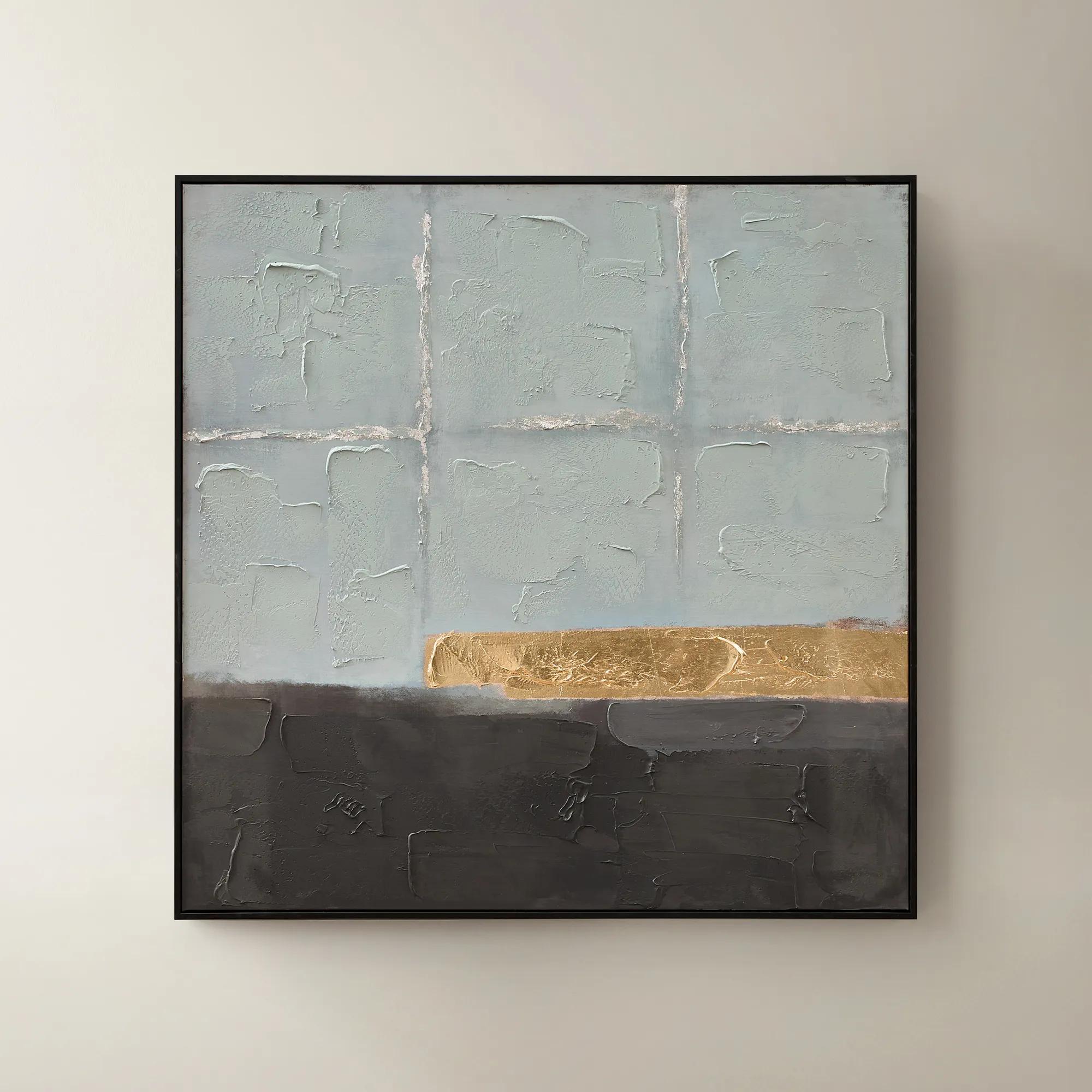
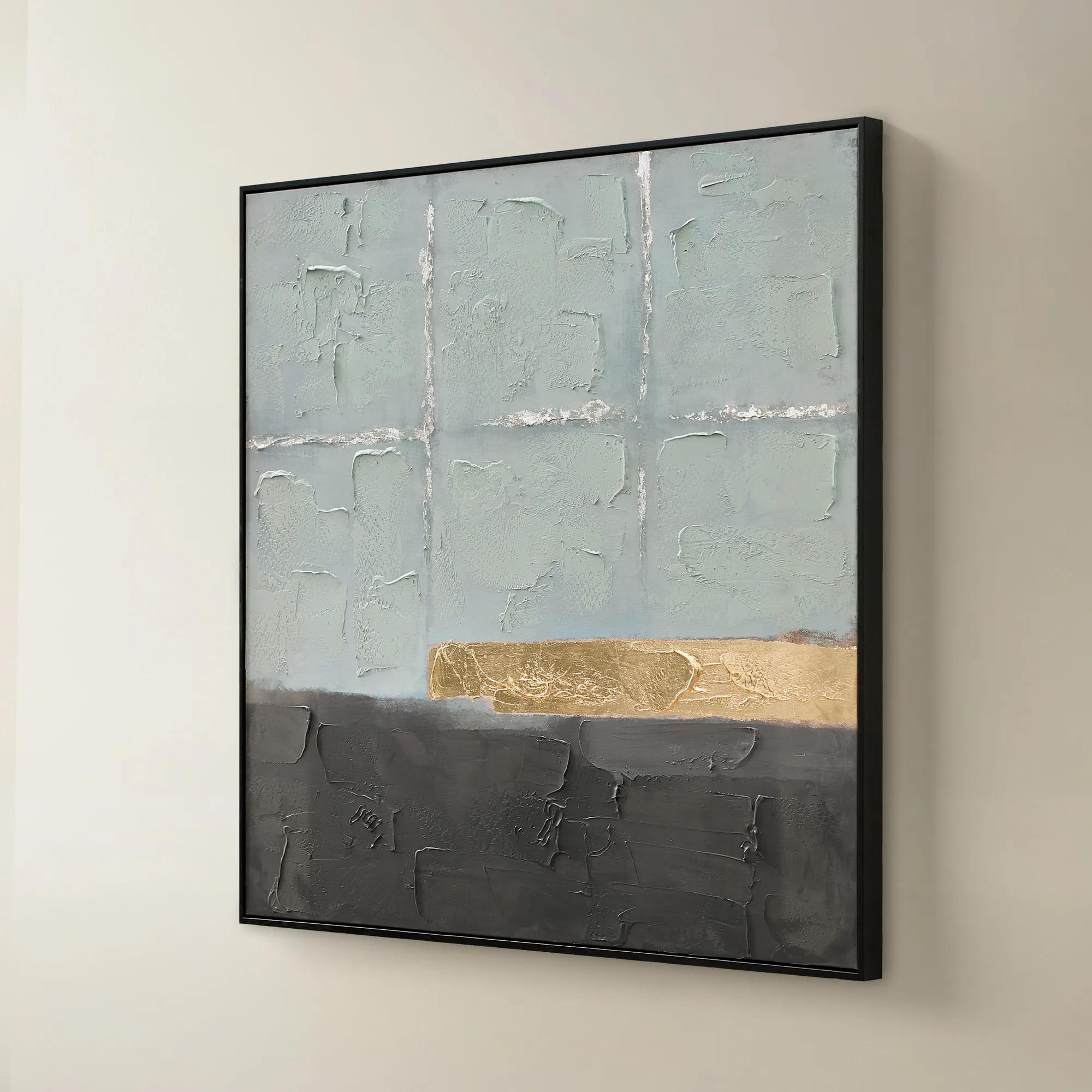 Jules Framed Gold Leaf Painted Wall Art 40" x 40"$299
A hand-painted canvas in mineral blue with gold leaf accents and a sleek black frame for modern appeal.
Add To Cart -
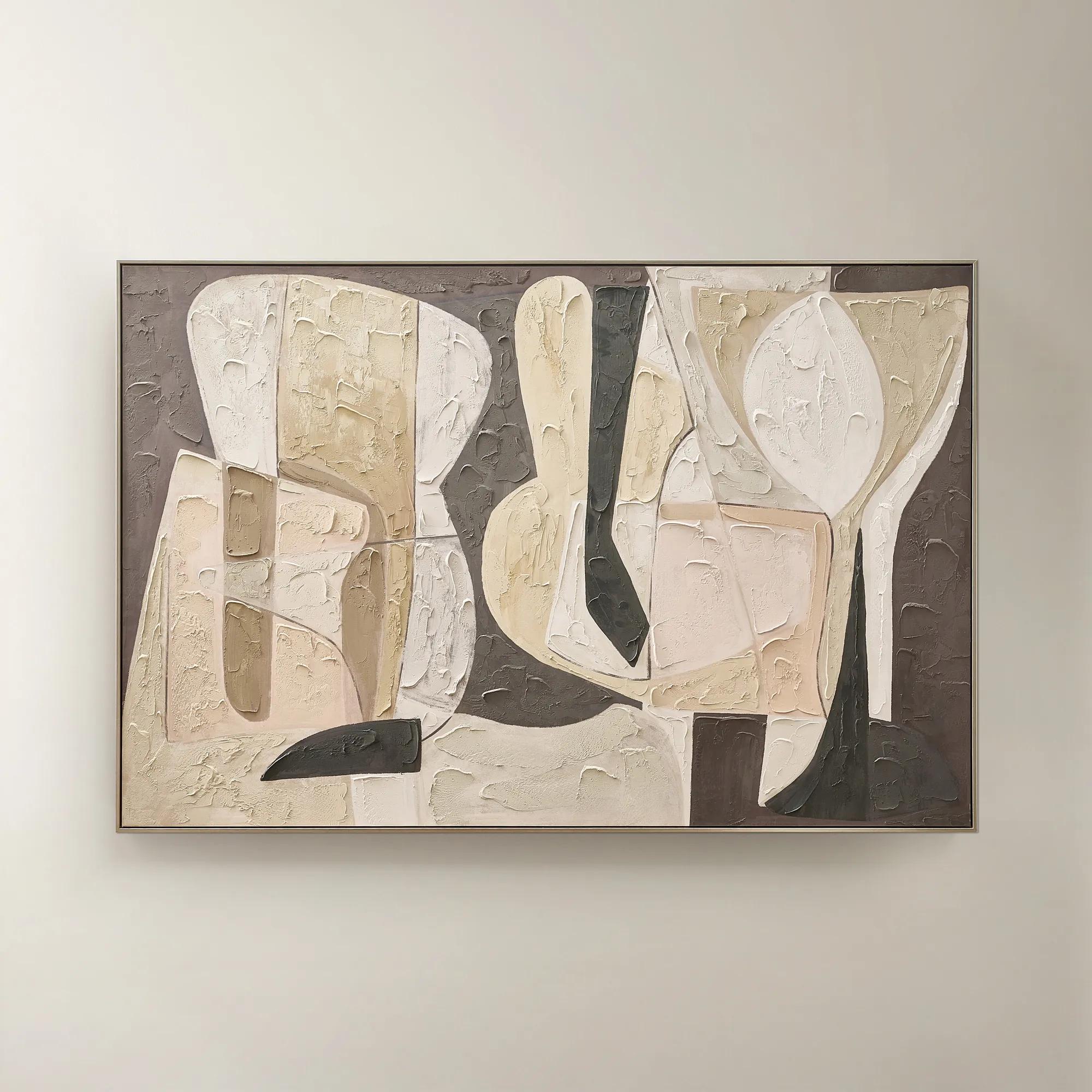 Wishful Thinking Framed Painted Wall Art 72" x 48"$599
A hand-painted abstract canvas featuring bold geometric forms and warm smoked plum, apricot, and tawny hues.
Add To Cart -
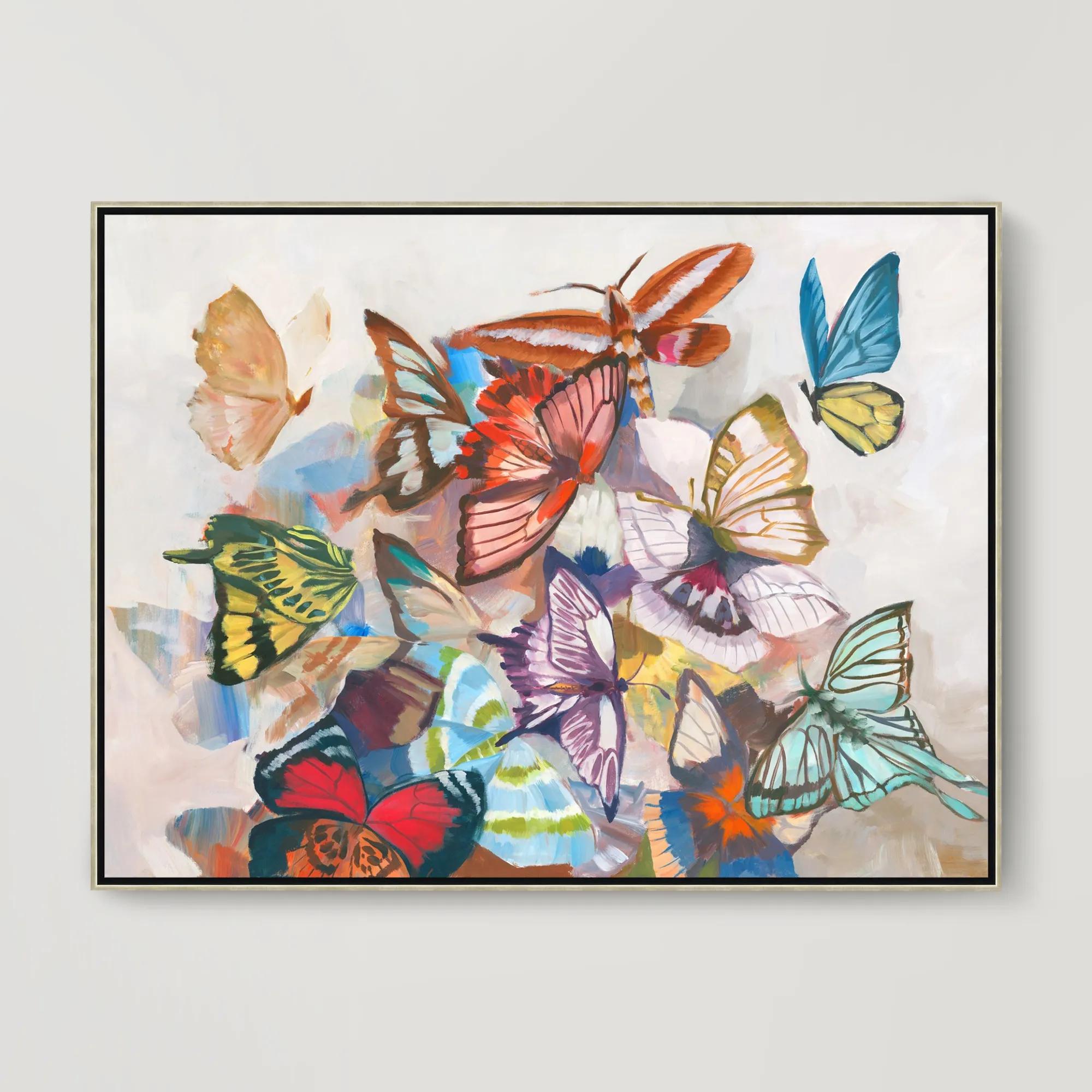
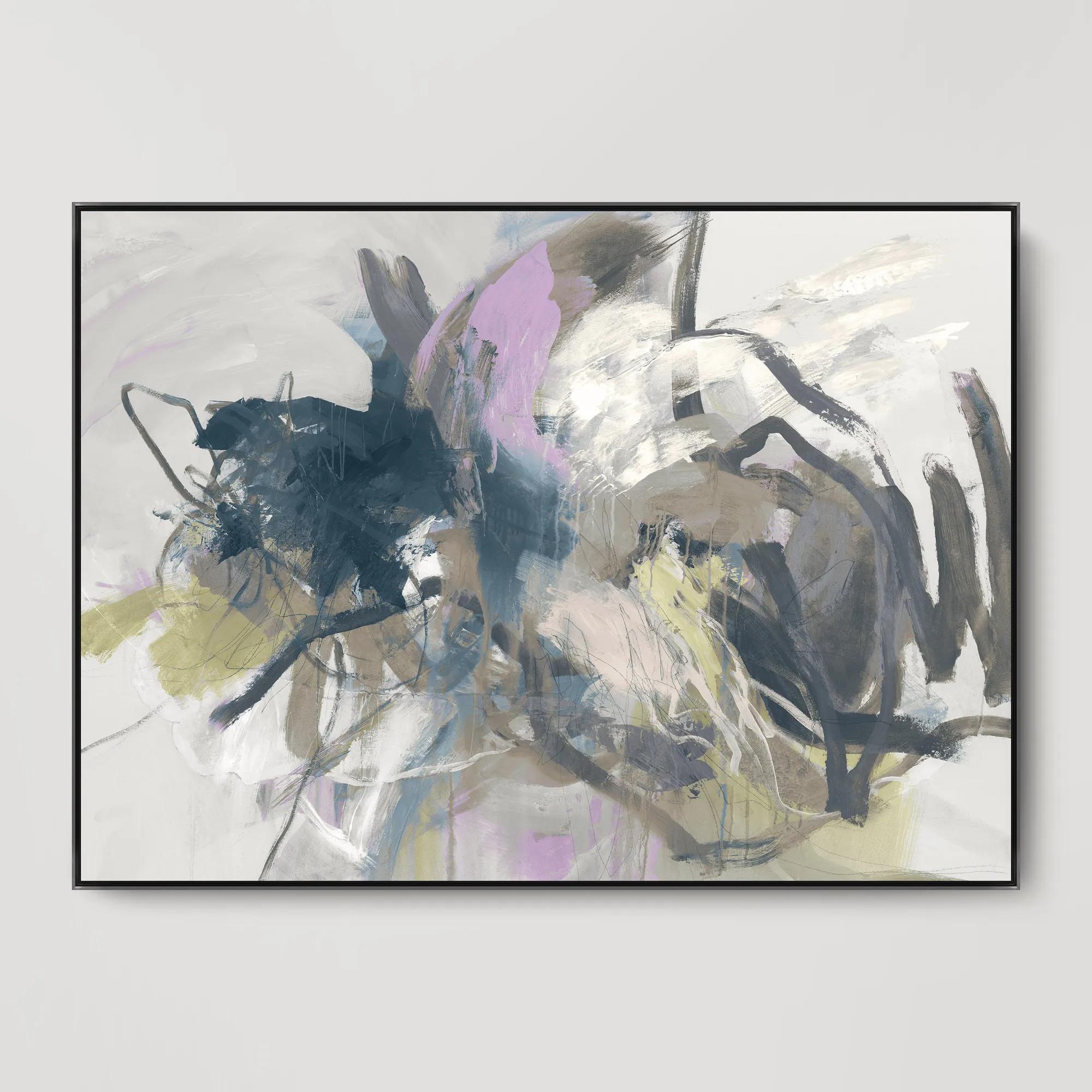
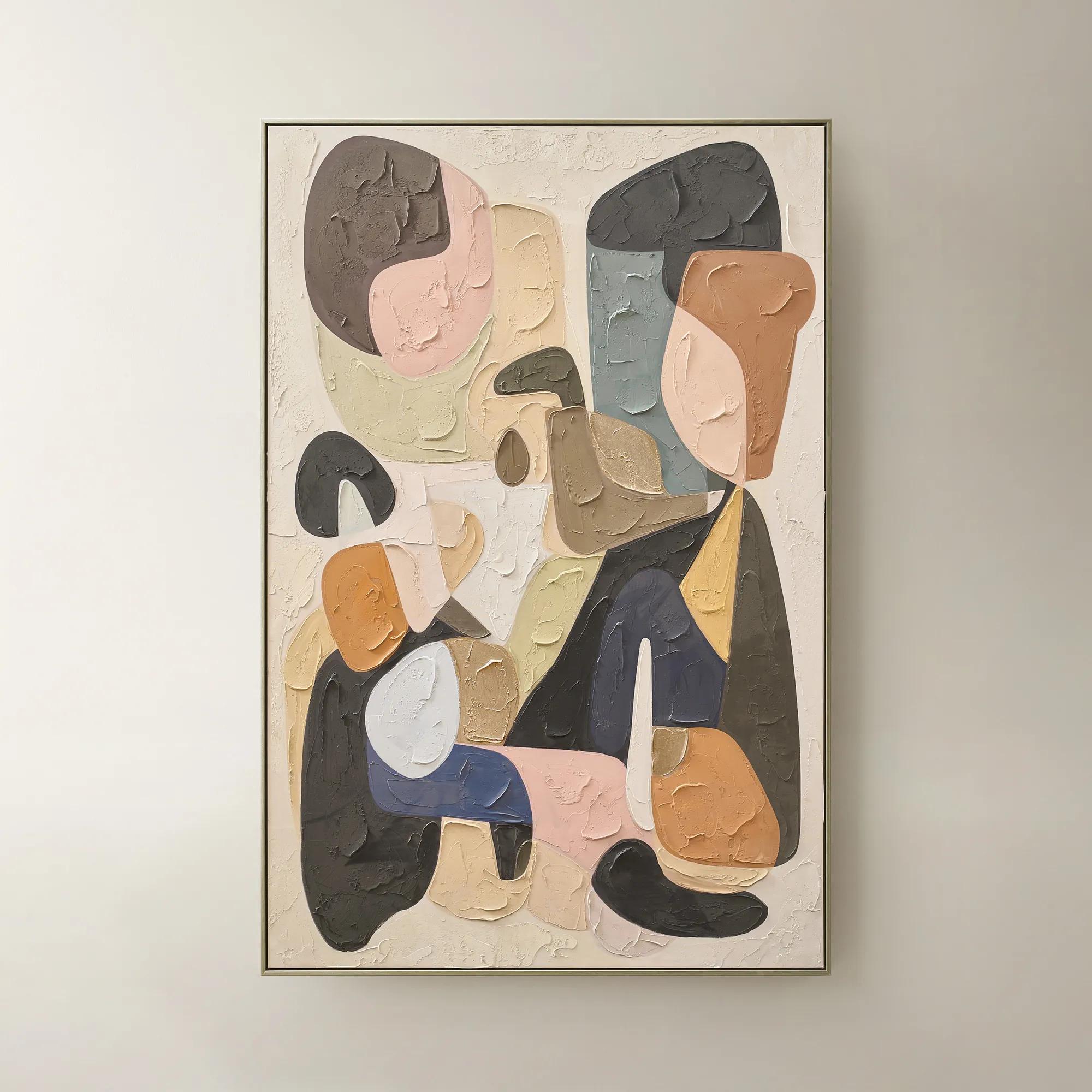 Chromatic Bloom Framed Painted Wall Art 40" x 60"$519
A hand-painted abstract canvas featuring a vibrant multi-color palette and shimmering champagne detailing.
Add To Cart -
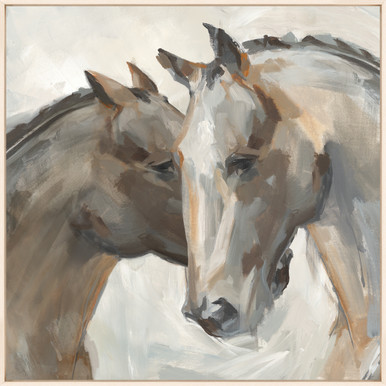
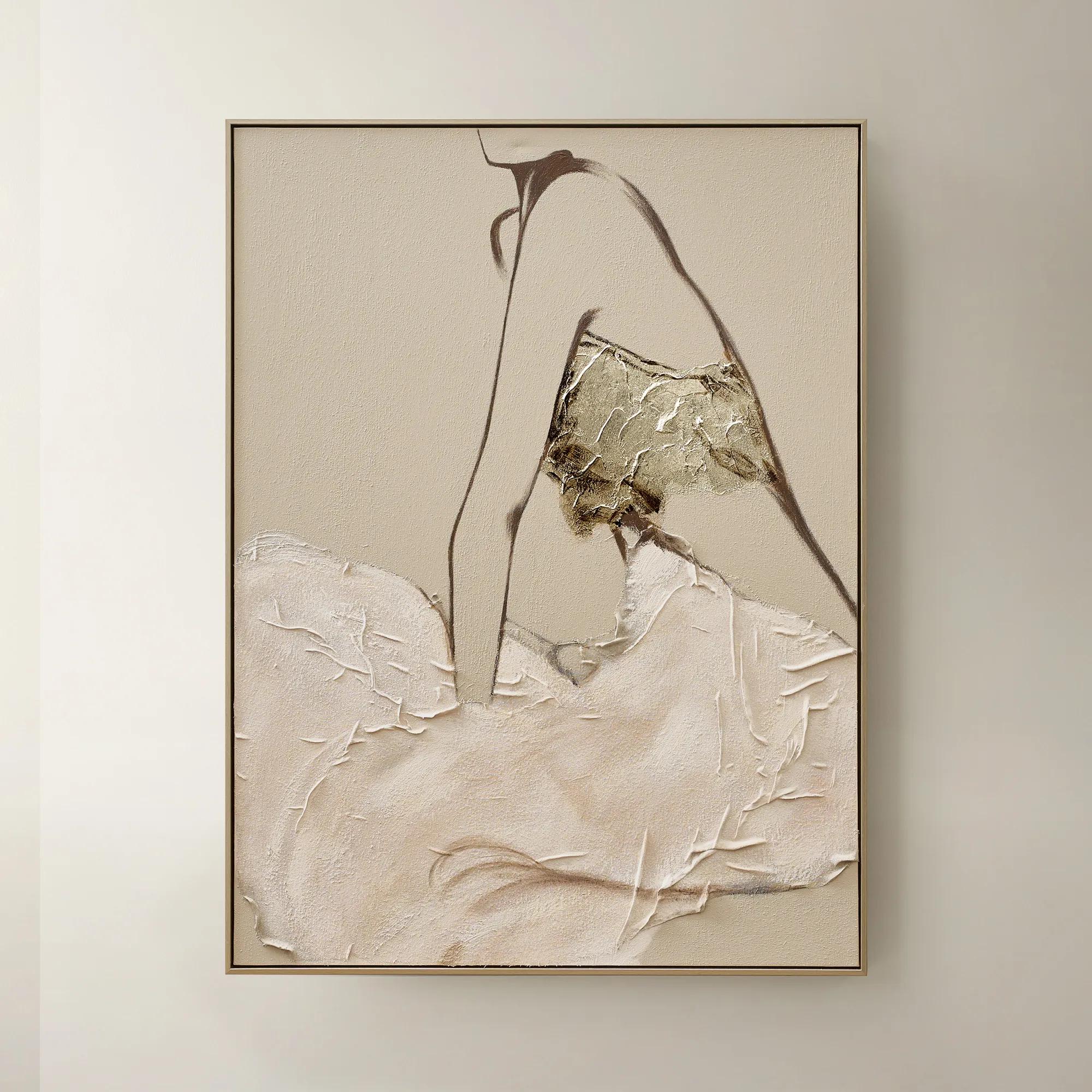 Quiet Pose Framed Painted Wall Art 36" x 48"$499
A hand-painted canvas in taupe and champagne tones features textural details and shimmering champagne leafing.
Add To Cart -
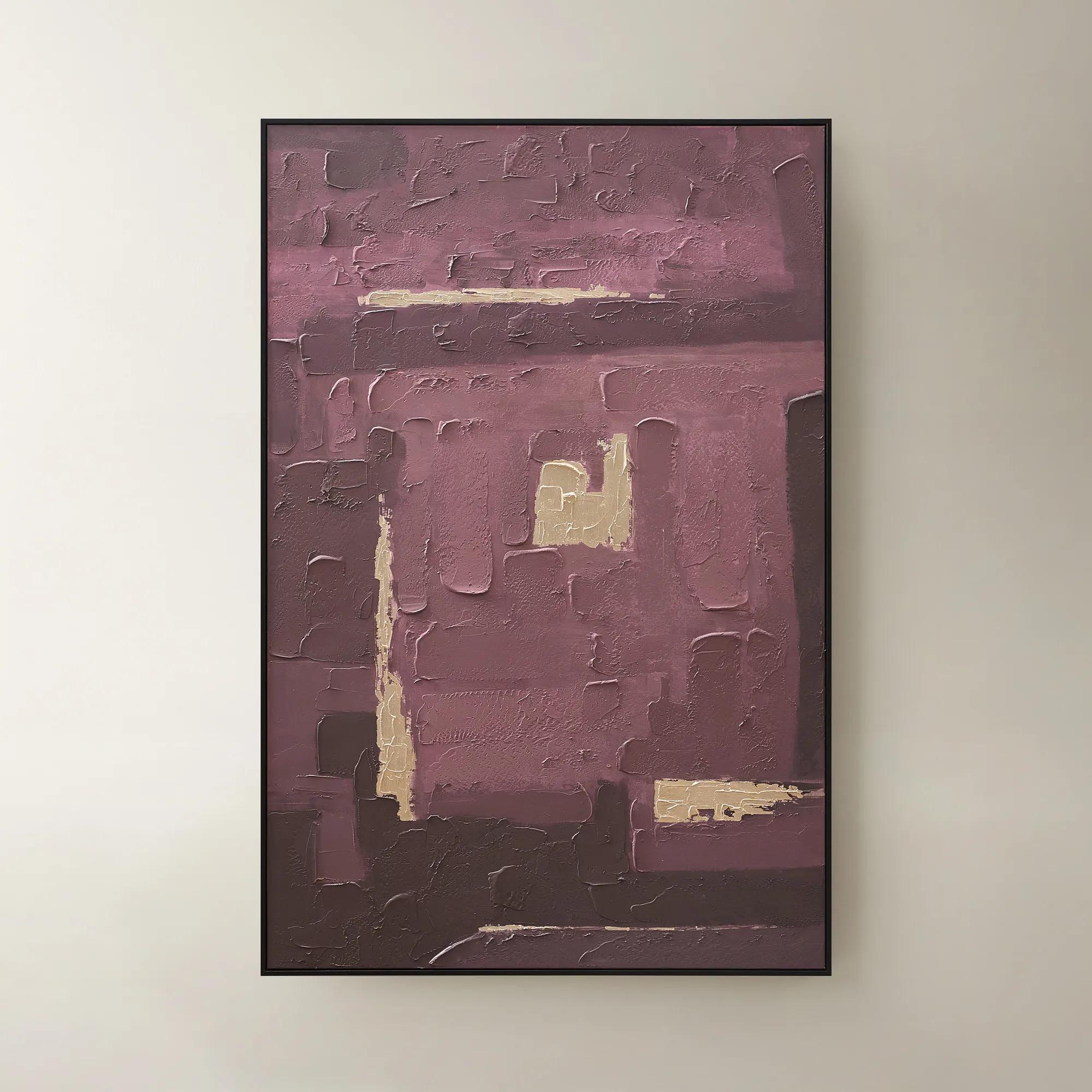
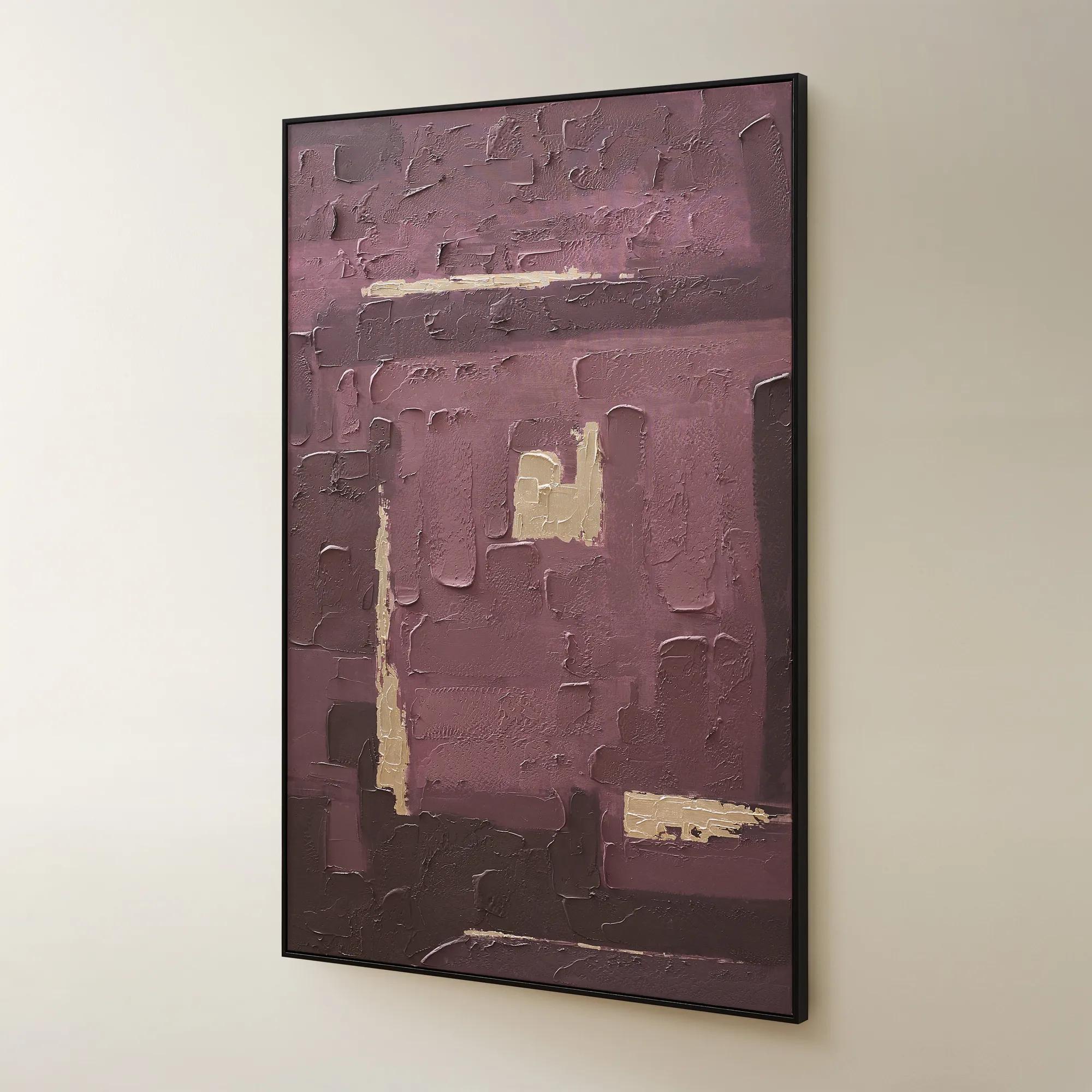 Fallback Framed Painted Wall Art 60" x 40"$499
A hand-painted abstract canvas in rich fig hues with champagne accents, set in a sleek black frame.
Add To Cart -
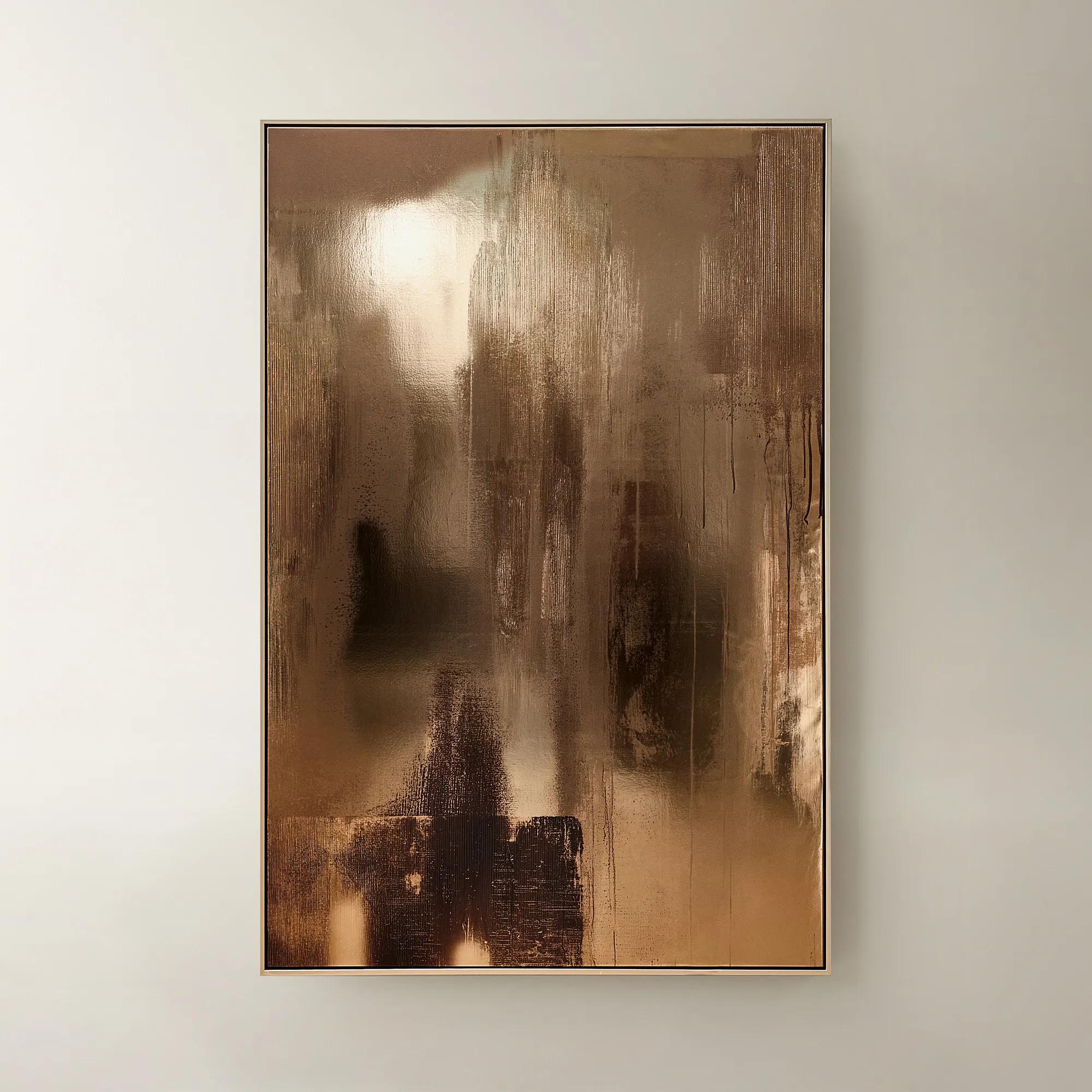
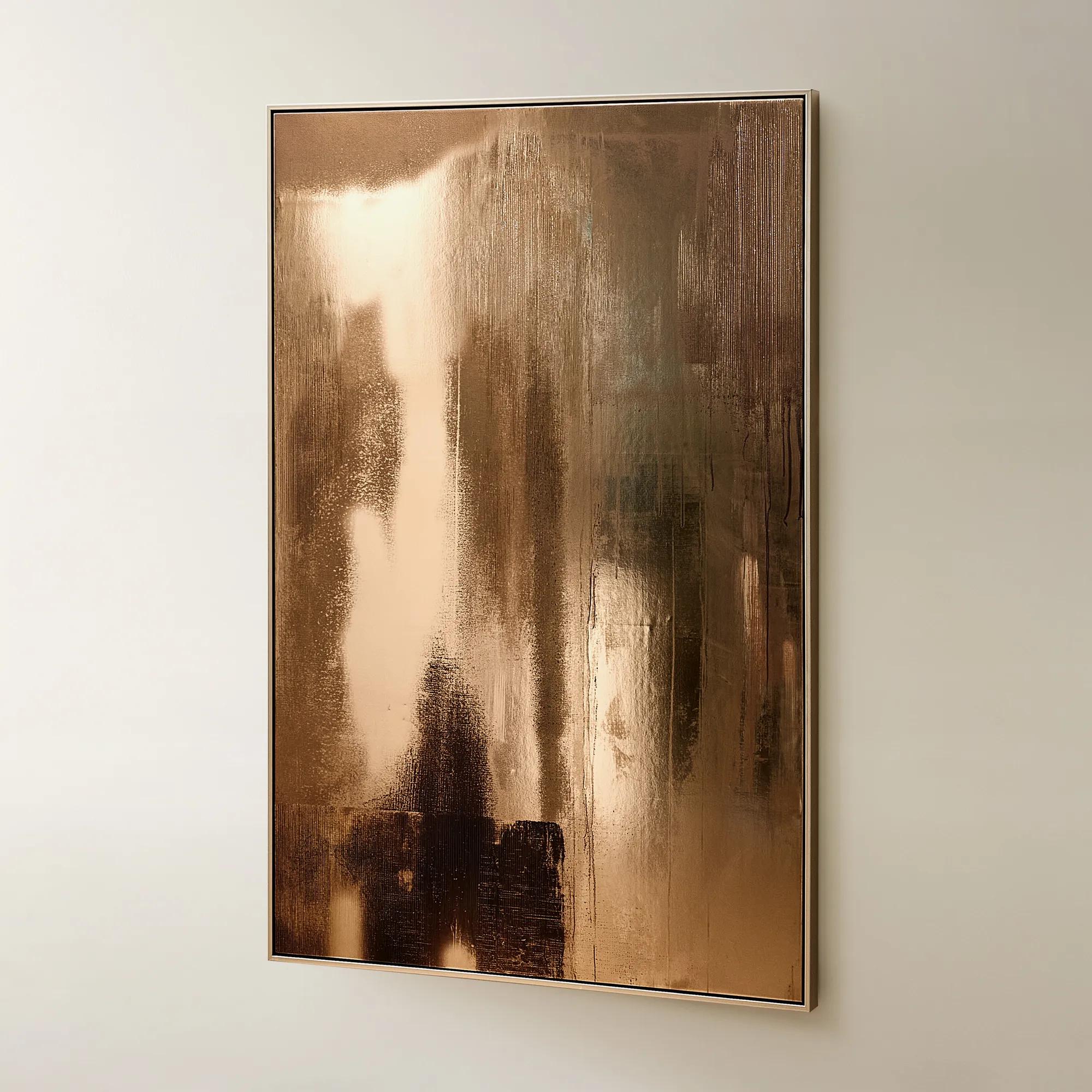 Bronze Reflective Framed Leather Painted Wall Art 40" x 60"$799
A hand-painted abstract wall art featuring reflective bronze faux leather and a warm champagne metallic frame.
Add To Cart -
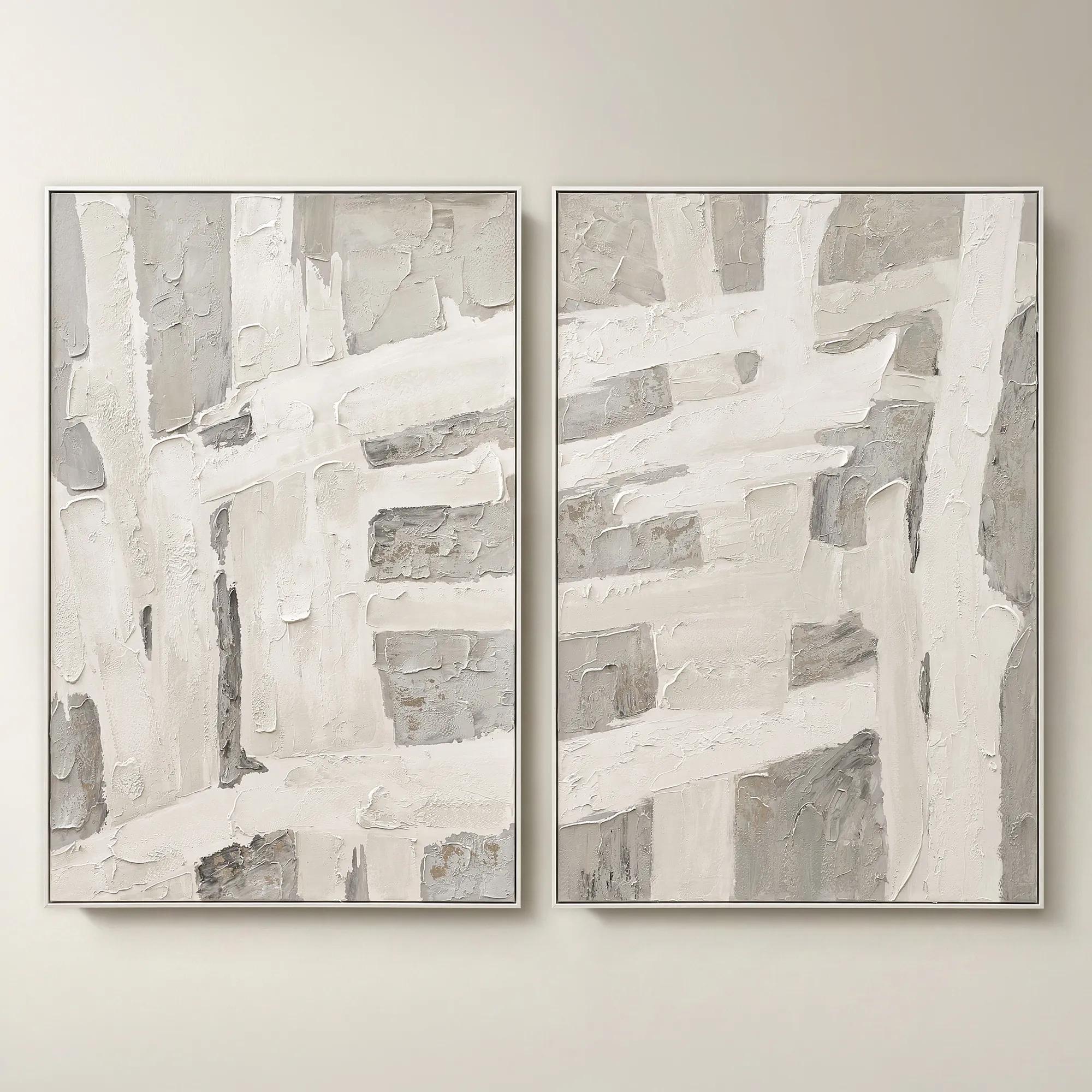 Traverse Framed Painted Wall Art 40" x 60" Set of 2$799
A hand-painted abstract diptych features champagne accents and soft grey, pearl, and alabaster tones in white frames.
Add To Cart -
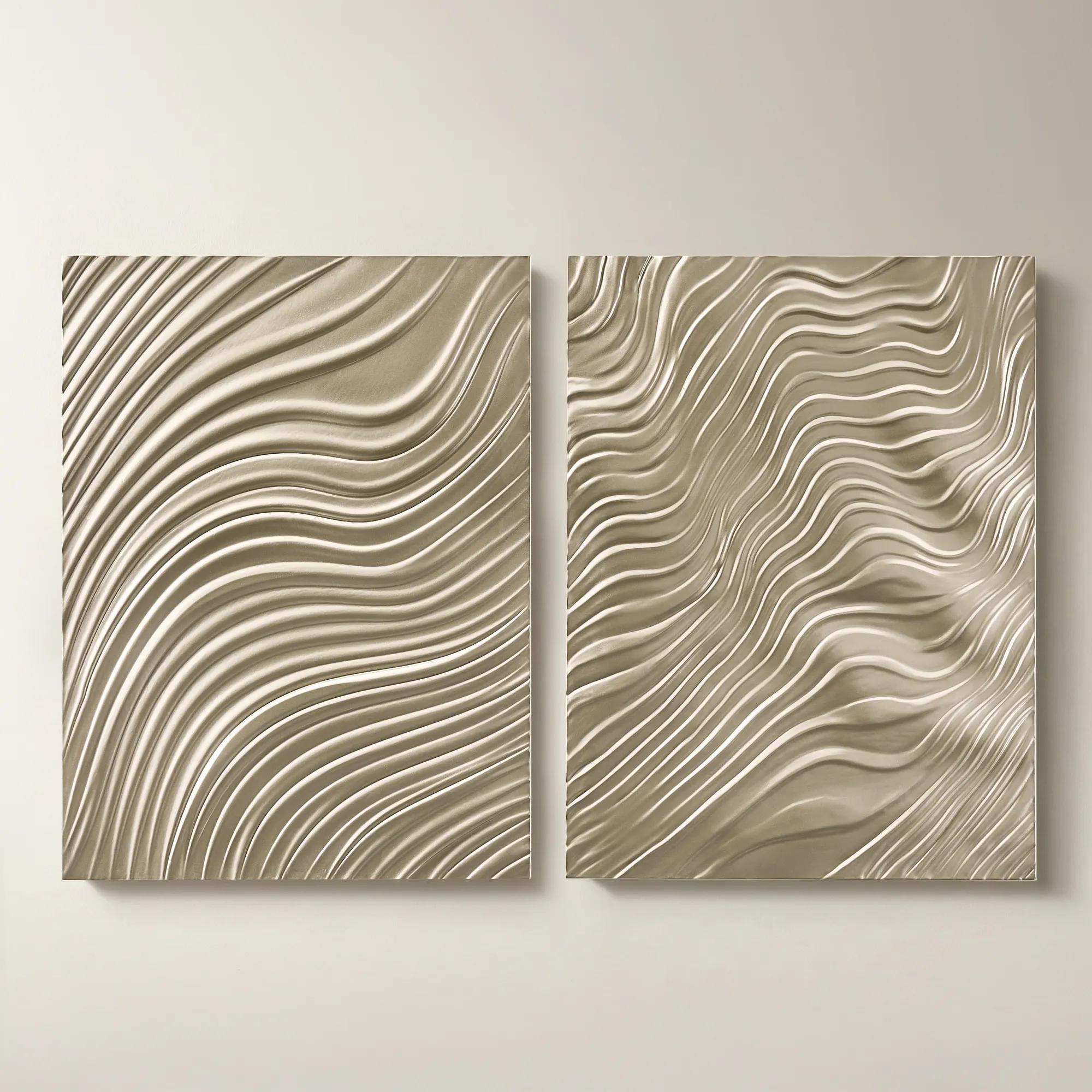
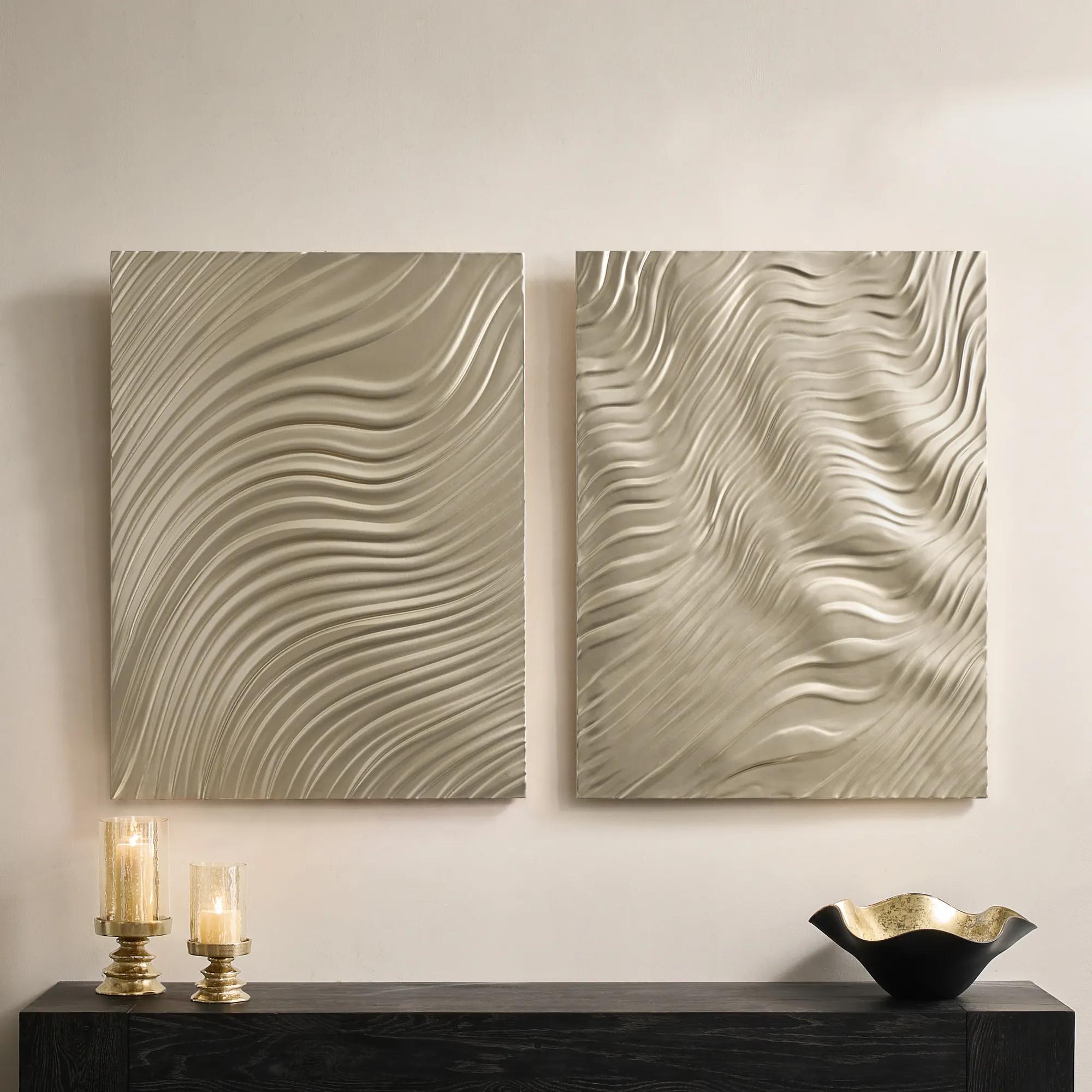 Mirage Champagne Carved Wood Wall Panels 30" x 40" Set of 2$799
A set of two intricately carved wood composite panels in a champagne finish with flowing 3D patterns.
Add To Cart -
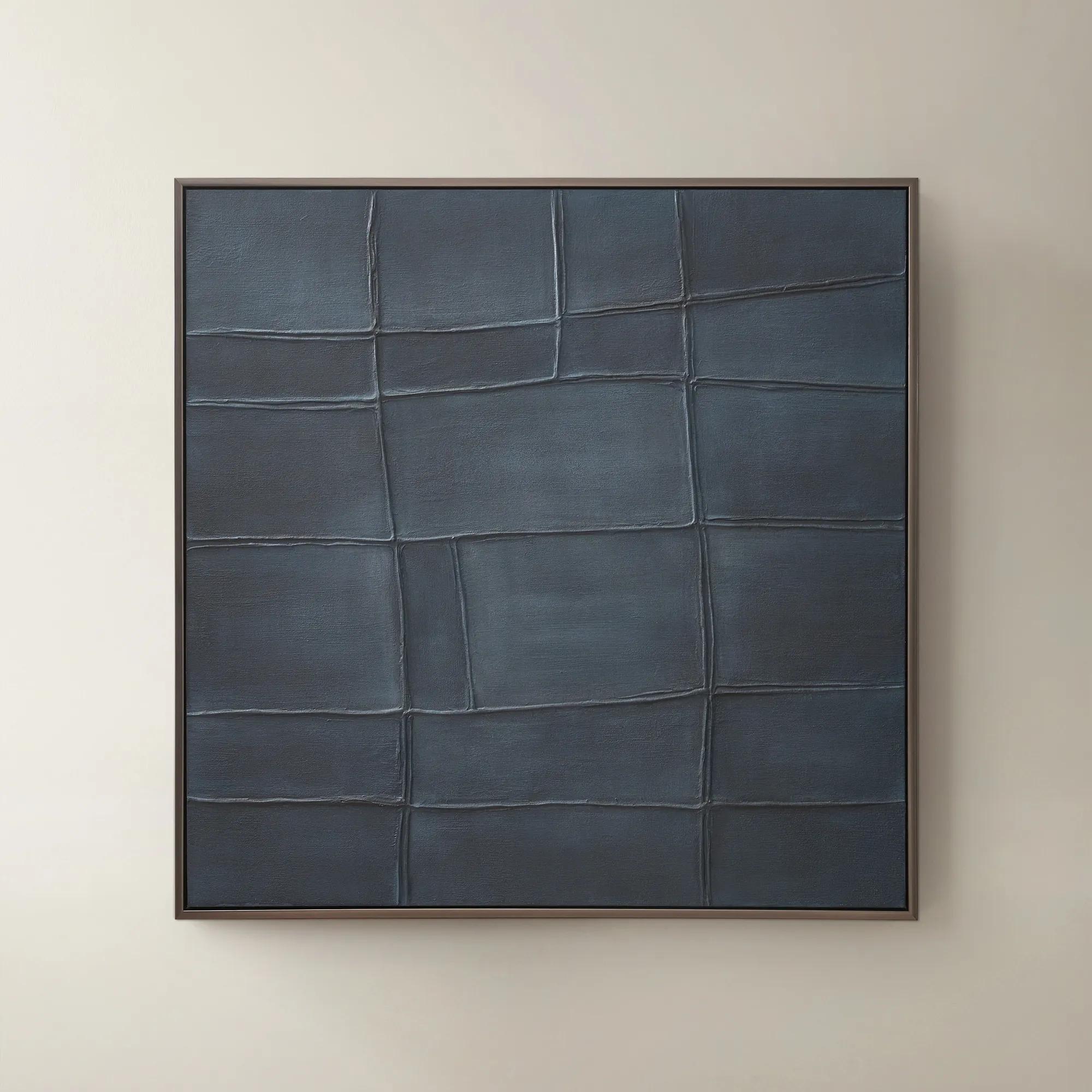
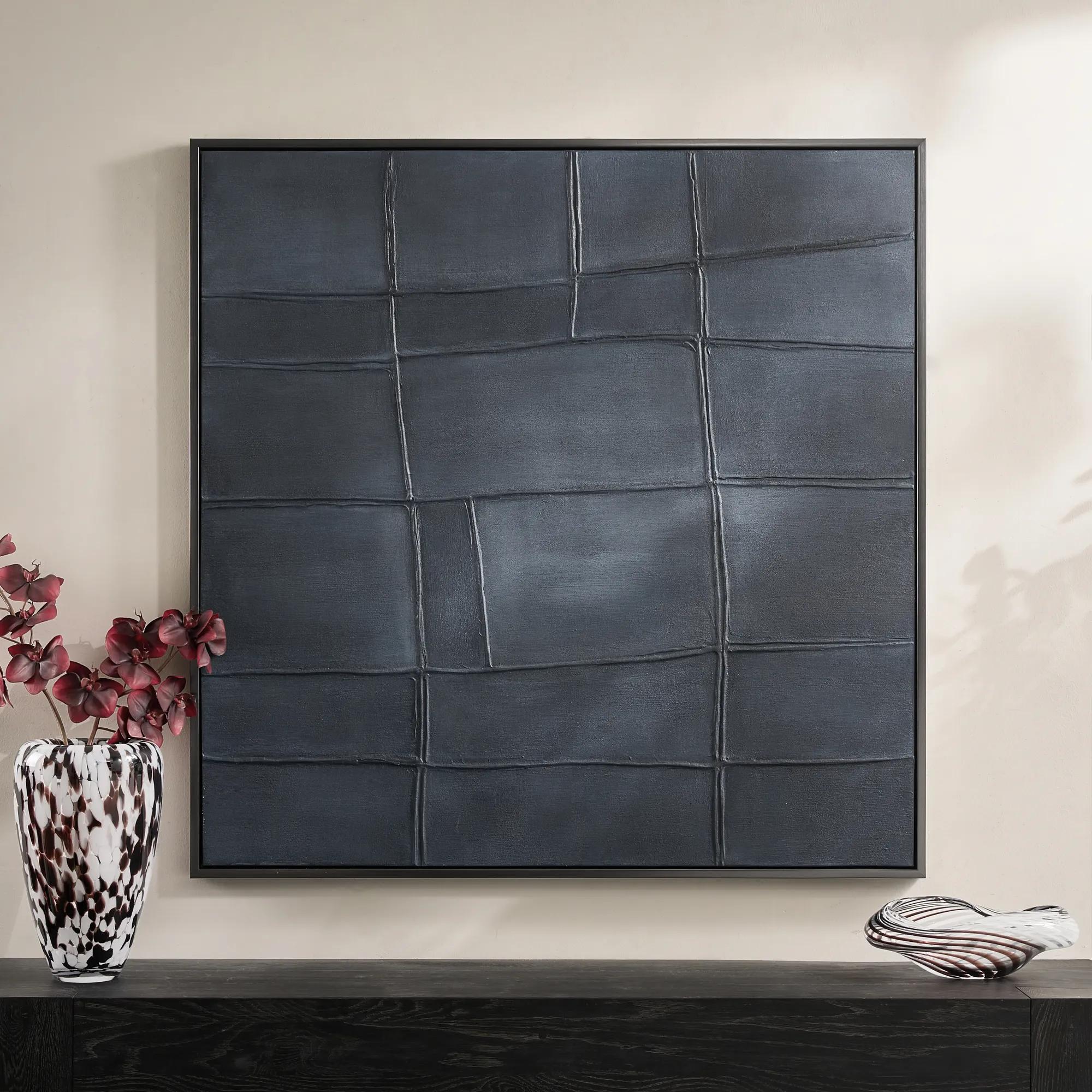 Ink Blue Interval Framed Painted Wall Art 48" x 48"$599
A hand-painted abstract canvas in deep ink blue, finished with a sleek gunmetal frame for modern appeal.
Add To Cart -
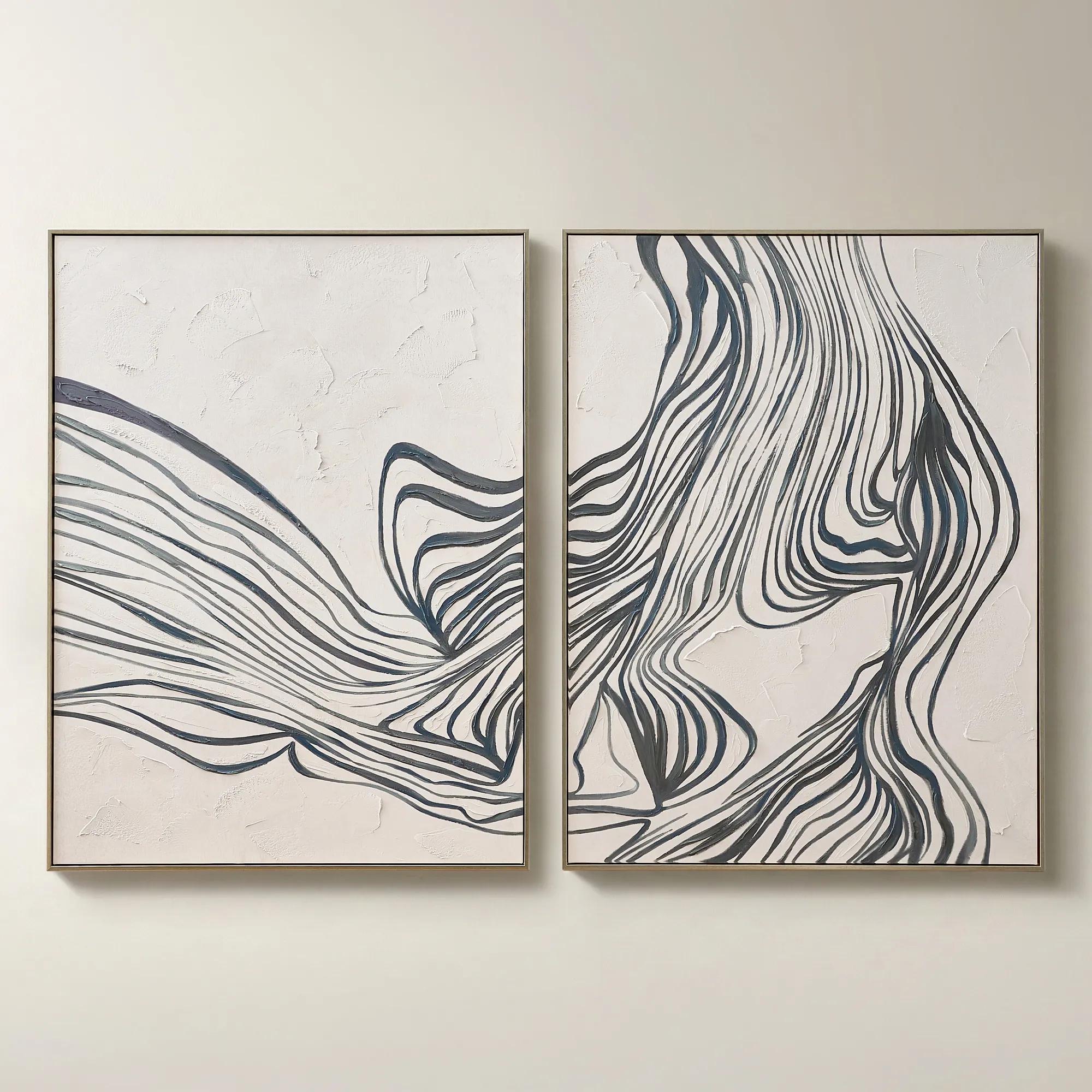
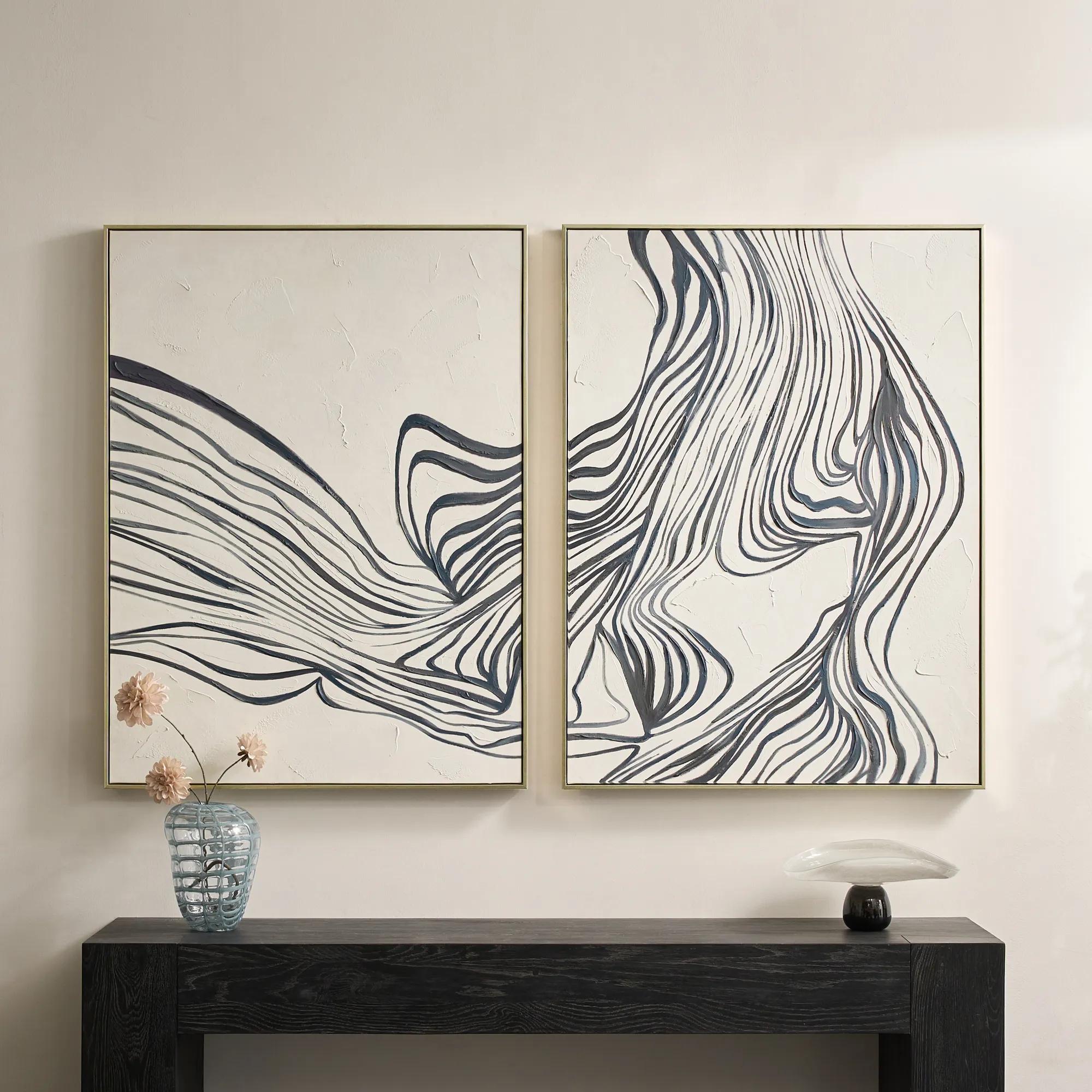 Rhythmic Framed Painted Wall Art 36" x 48" Set of 2$599
A hand-painted diptych featuring bold abstract stripes in dark slate and dusty blue with champagne frames.
Add To Cart -
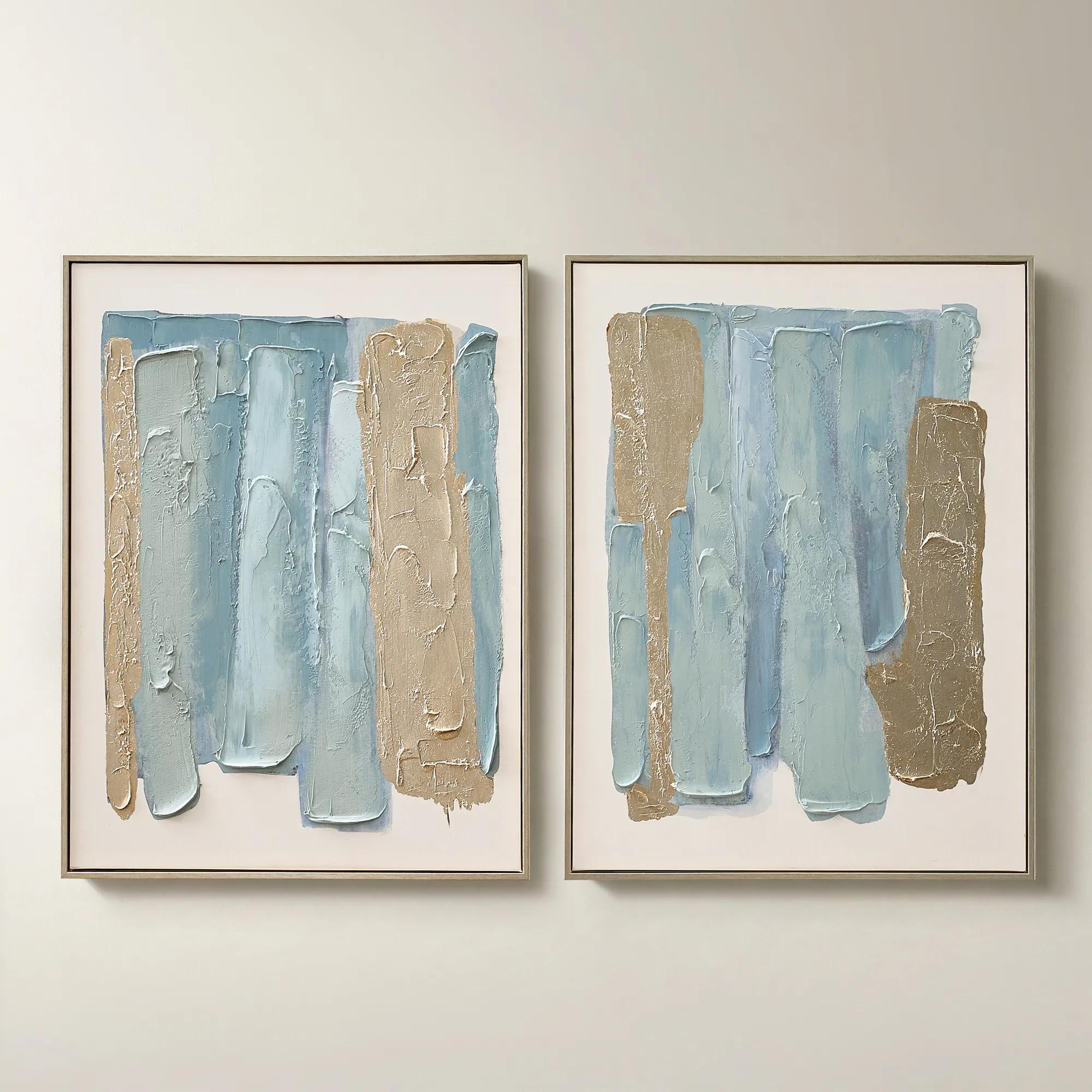
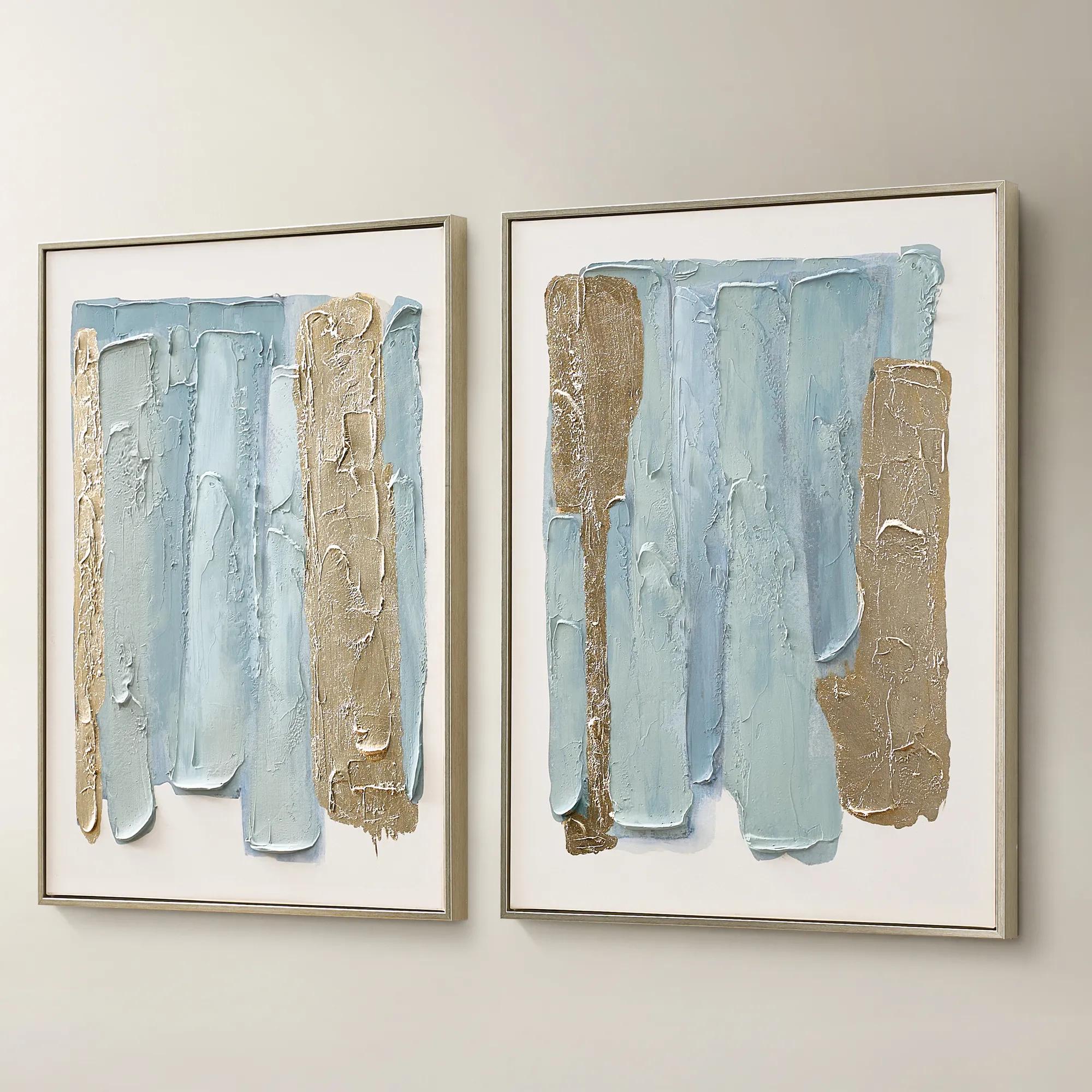 Blue Drift Framed Champagne Painted Wall Art 24" x 32" Set of 2$199
A set of two hand-painted canvases in dusty blue with champagne leafing and modern abstract movement.
Add To Cart -
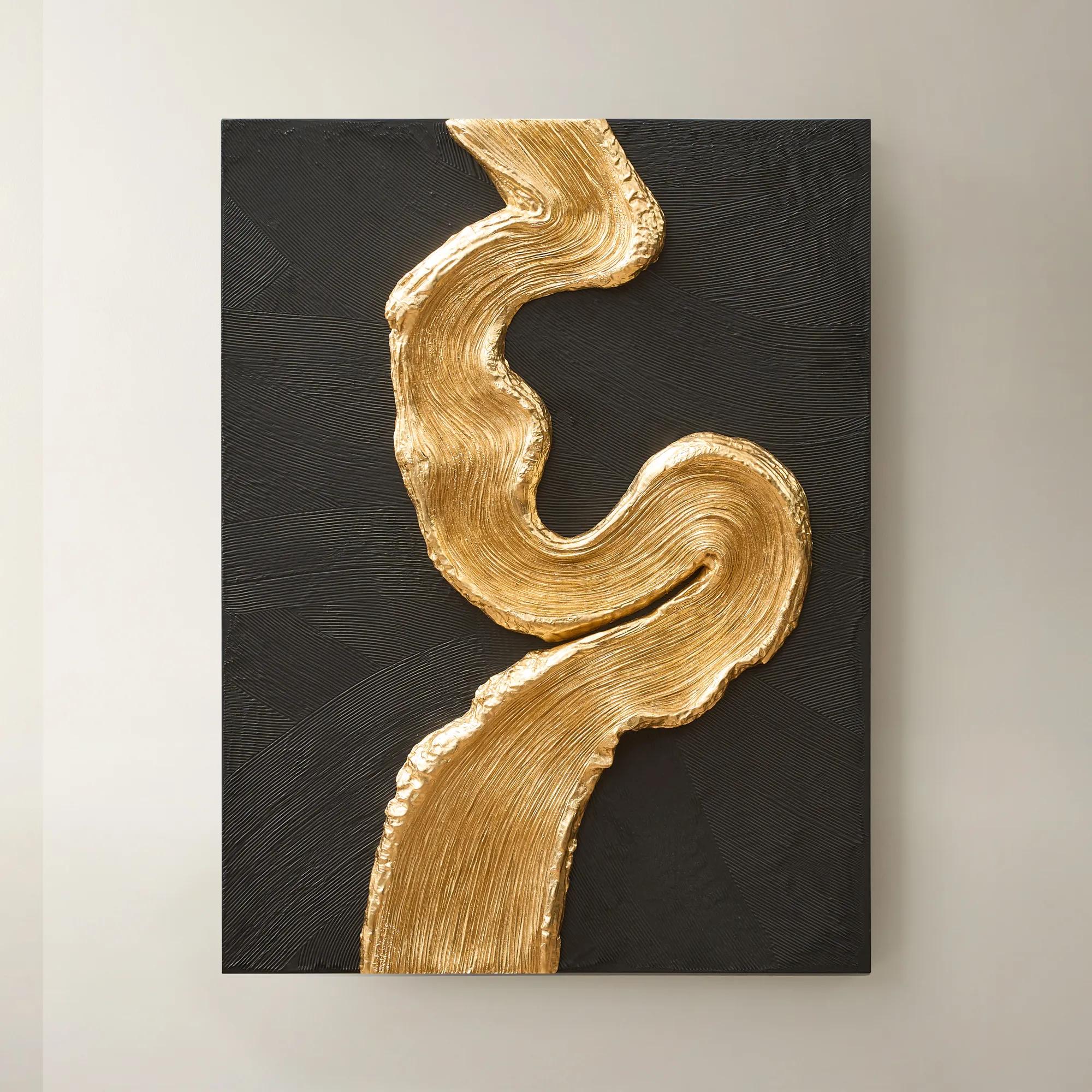
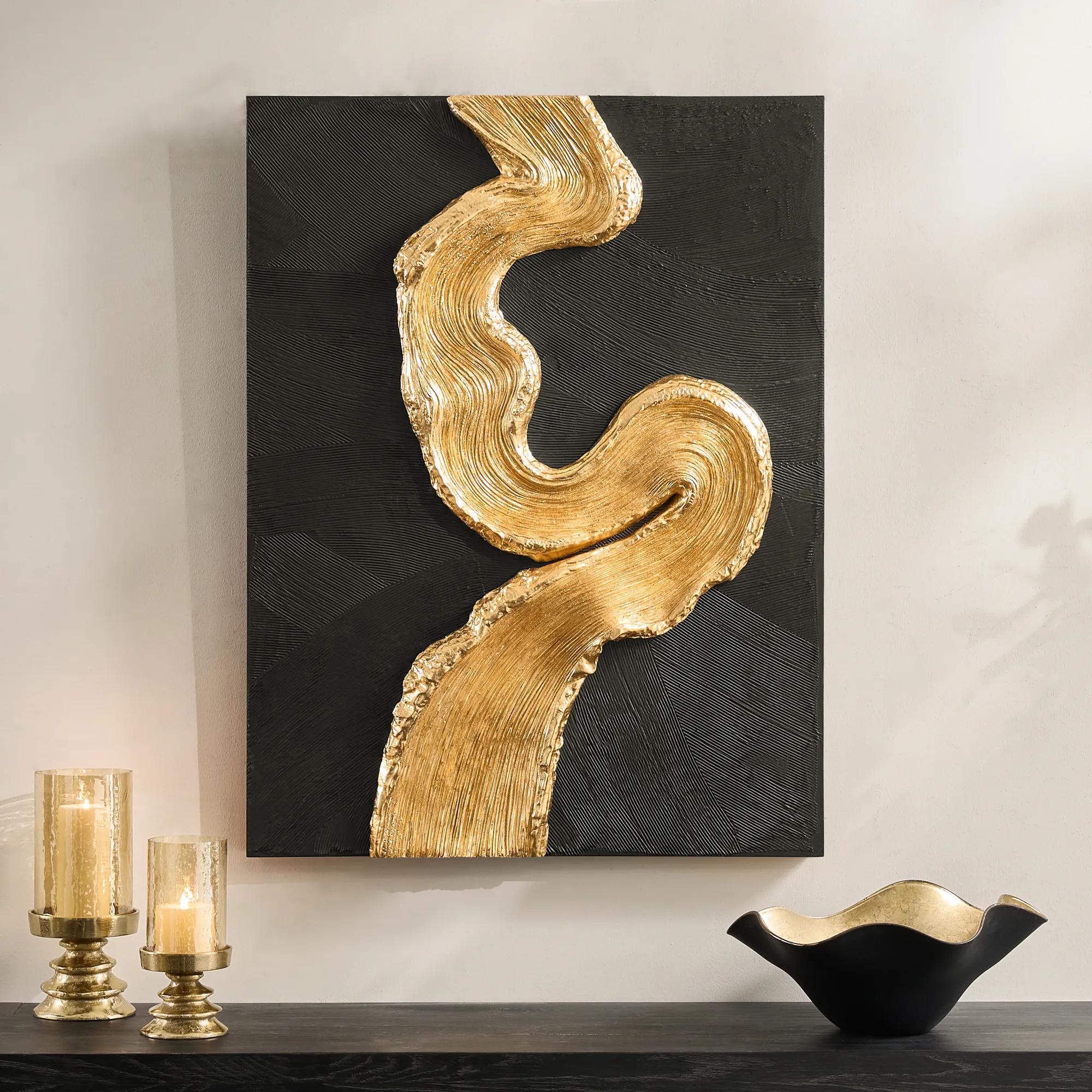 Gold Impasto Sculpted Resin Wall Panel 30" x 40"$499
A sculpted fiberglass resin wall panel featuring gold leaf detail and bold impasto texture on a black backdrop.
Add To Cart -
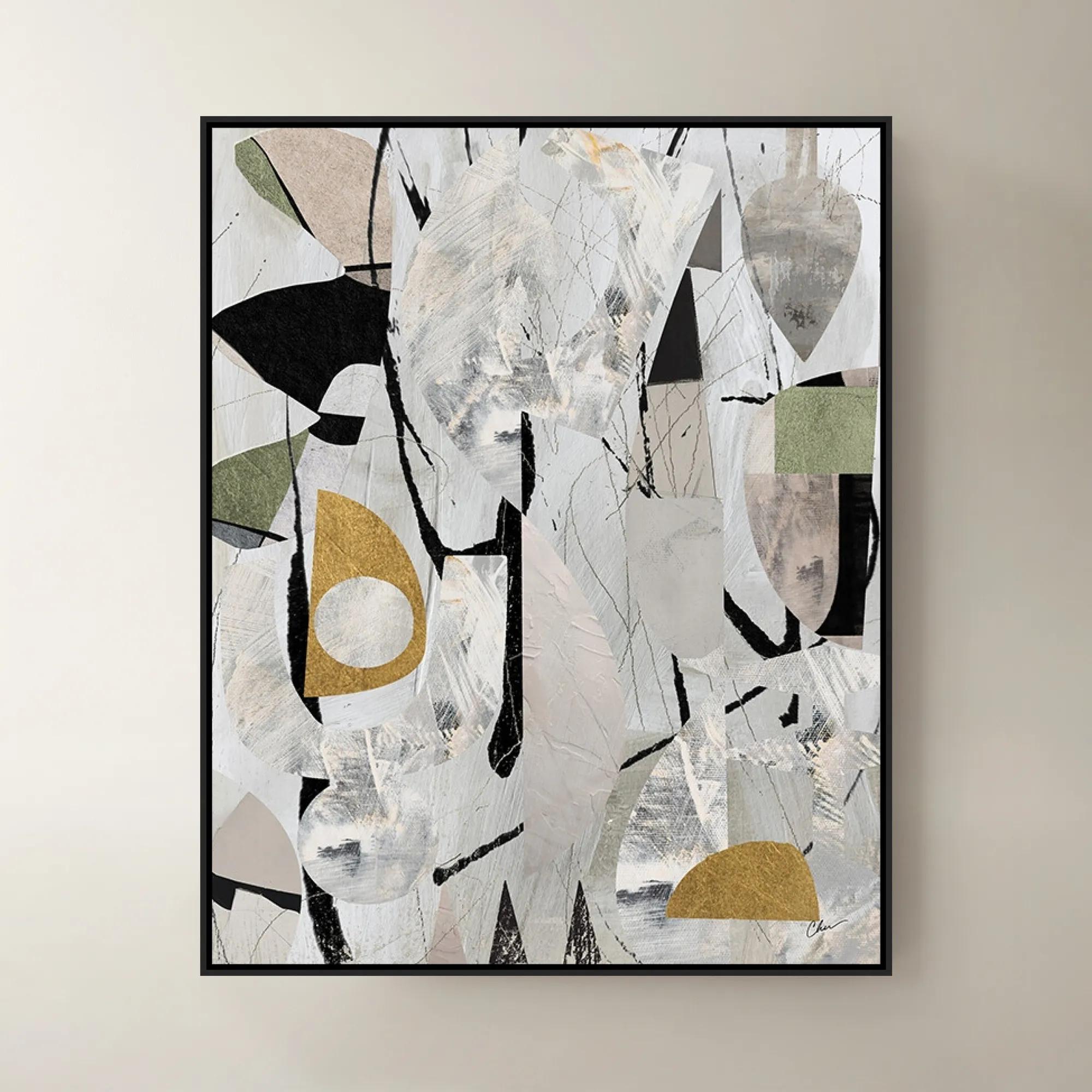
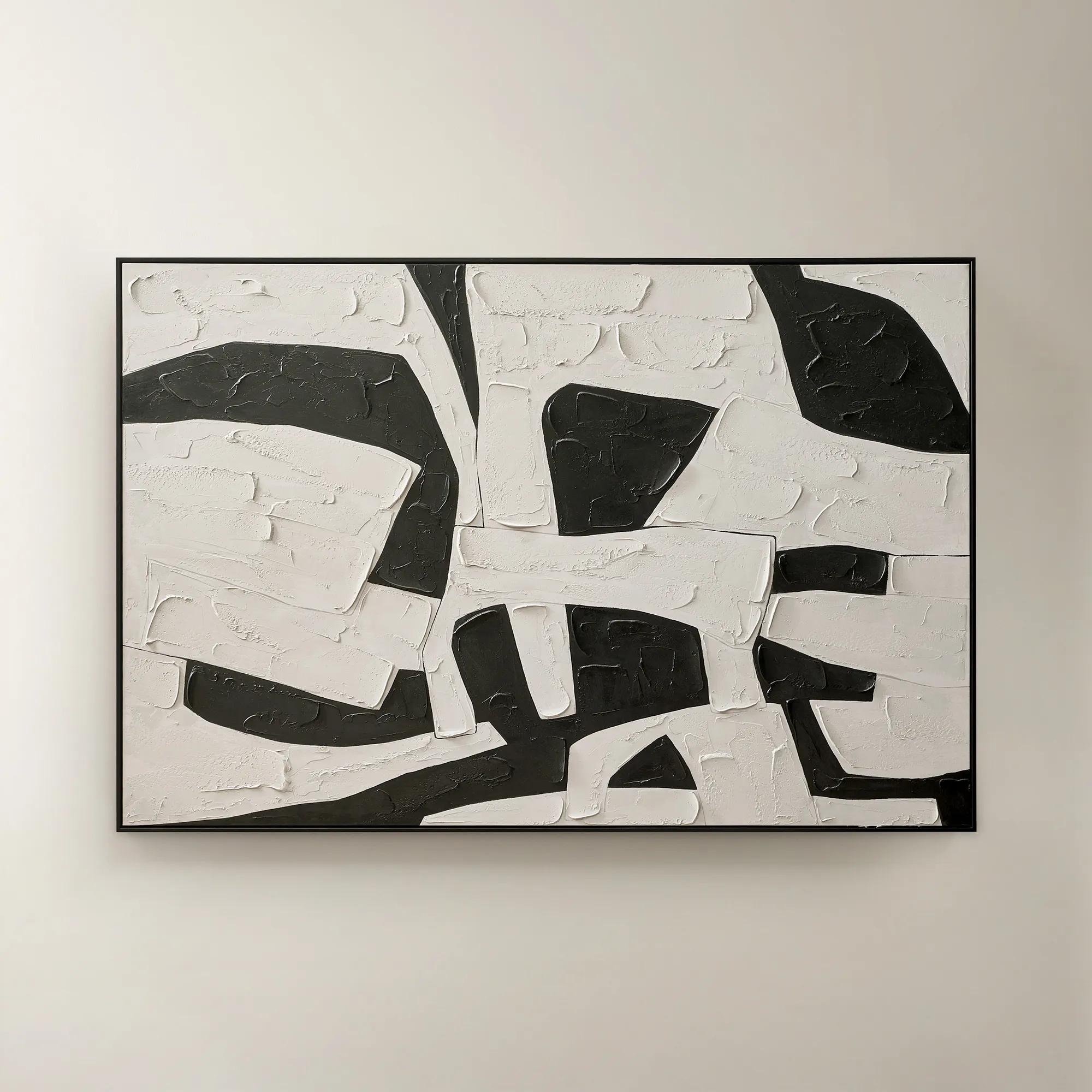 Space Between Shadows Framed Painted Wall Art 72" x 48"$799
A hand-painted abstract canvas featuring bold alabaster and black geometric forms in a sleek black frame.
Add To Cart -
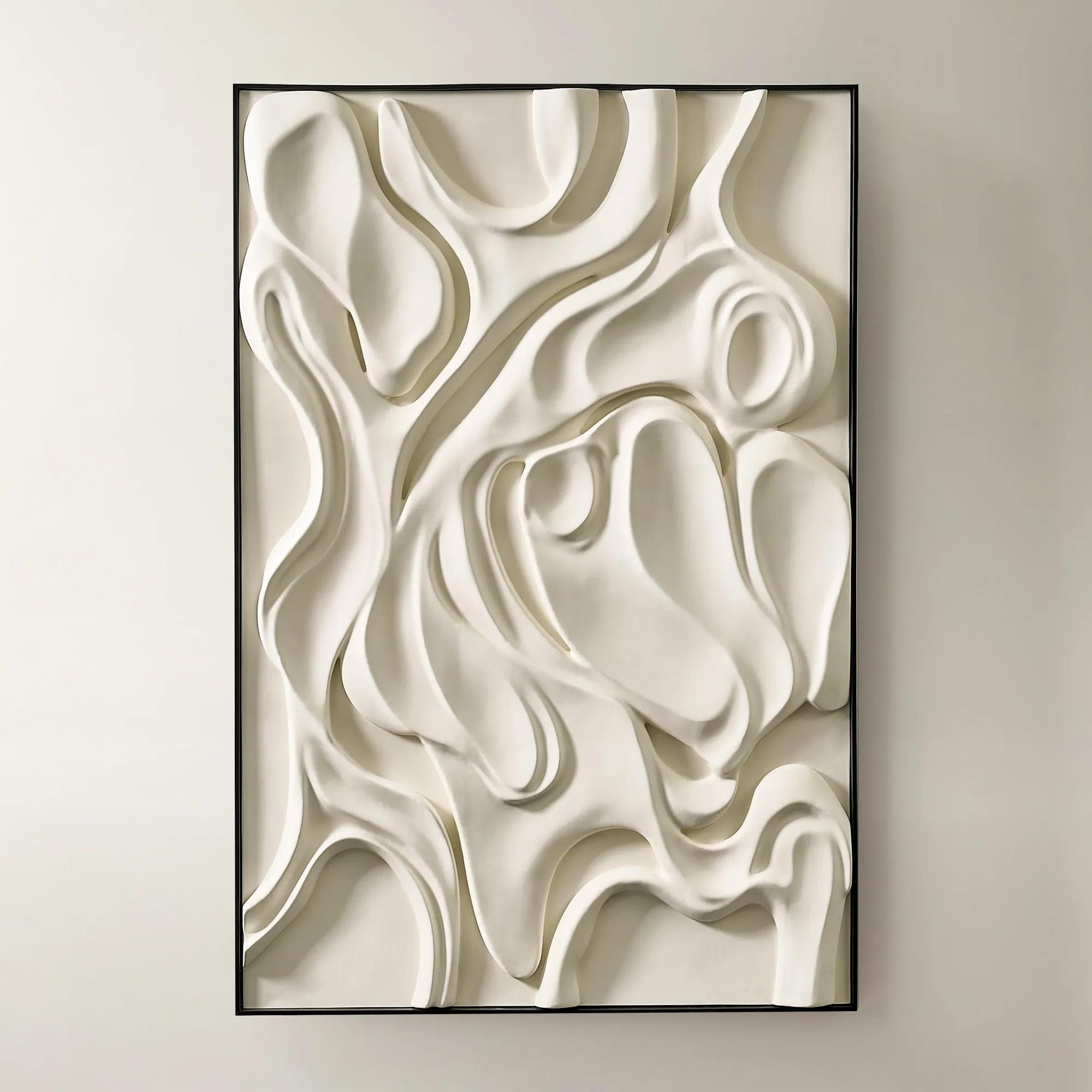 Overflow Alabaster Sculpted Resin Wall Panel 40" x 60"$699
An alabaster fiberglass resin wall panel with sculptural texture and a versatile black frame for modern spaces.
Add To Cart -
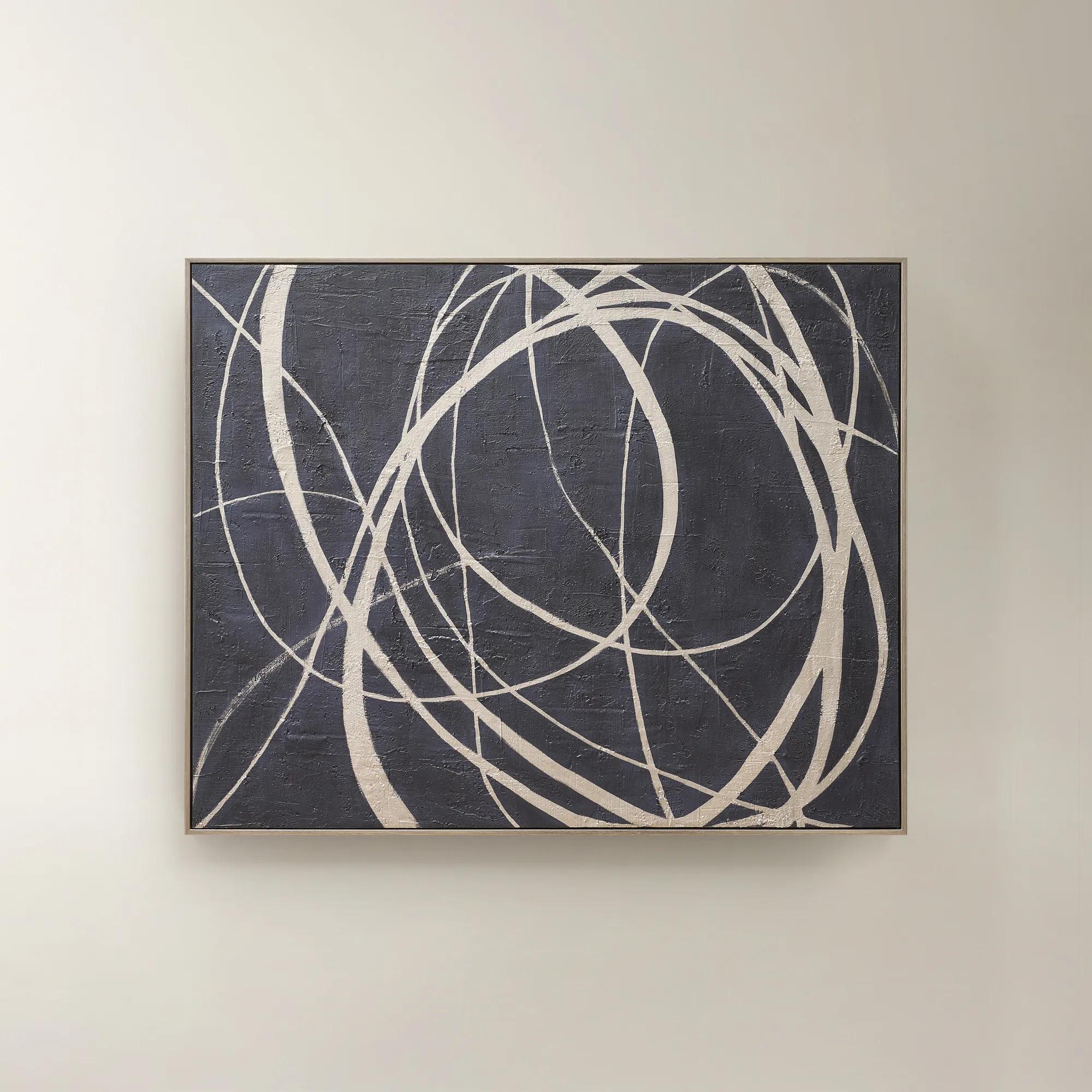 Wandering Framed Painted Wall Art 48" x 60"$699
An expressive hand-painted canvas in deep ink blue with champagne accents for a bold, sophisticated statement.
Add To Cart -
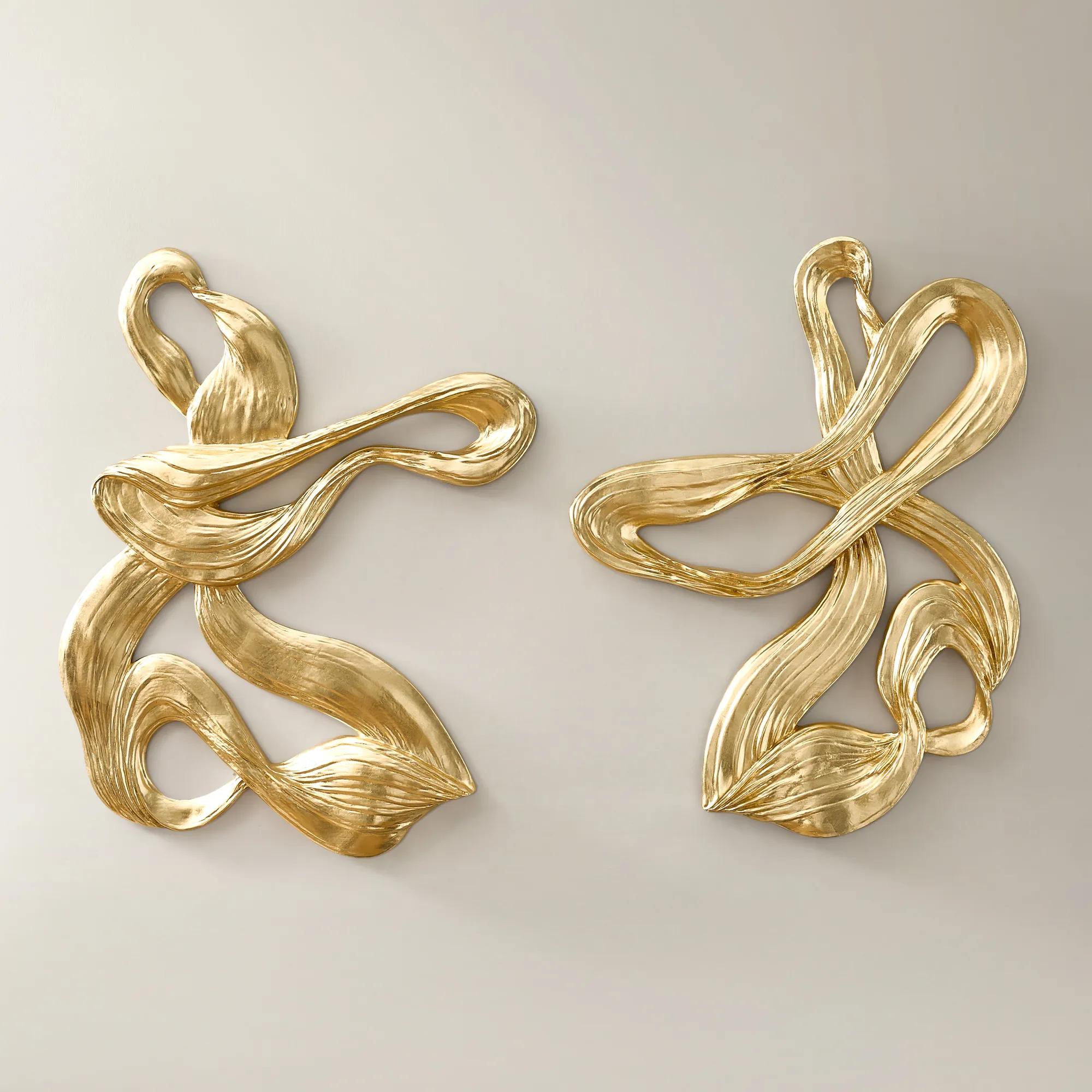
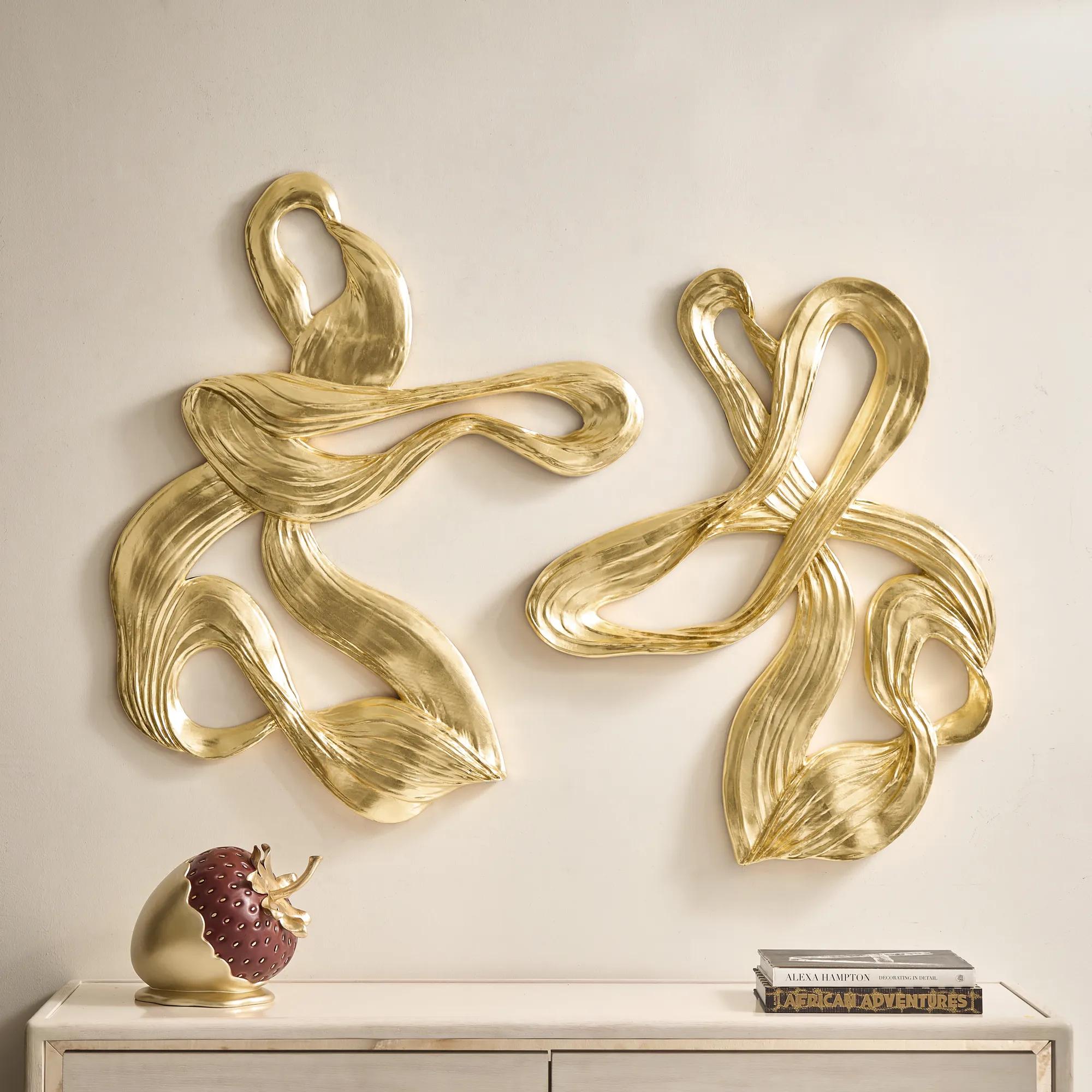 Vela Gold Leaf Sculpted Resin Wall Decor 30.5" x 39.25" Set of 2$699
A set of two resin wall sculptures featuring abstract loop designs and soft gold leafing for modern elegance.
Add To Cart -
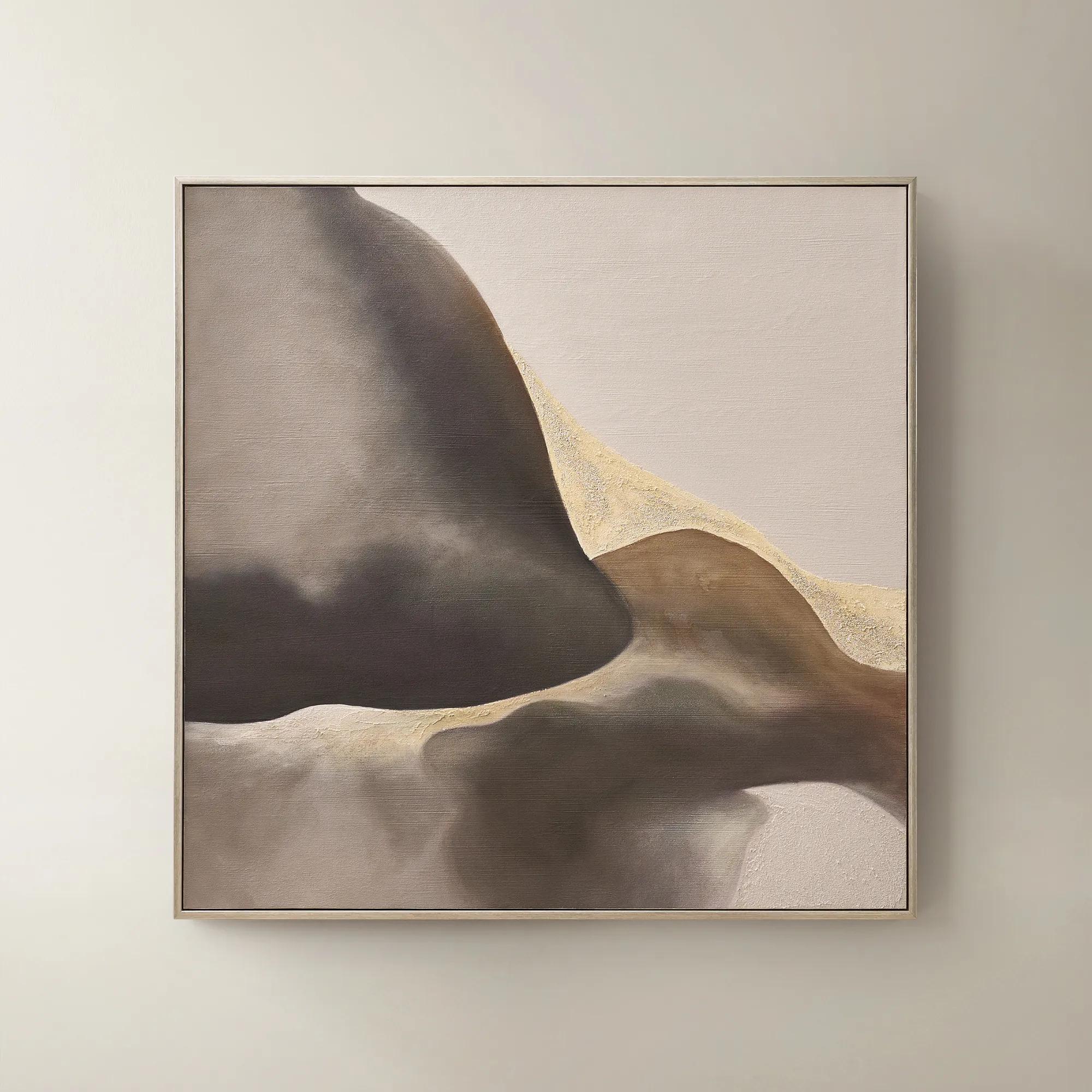 Windswept Framed Gold Leaf Painted Wall Art 50" x 50"$549
A hand-painted abstract canvas in plum truffle with gold leaf accents and a brushed champagne frame.
Add To Cart -
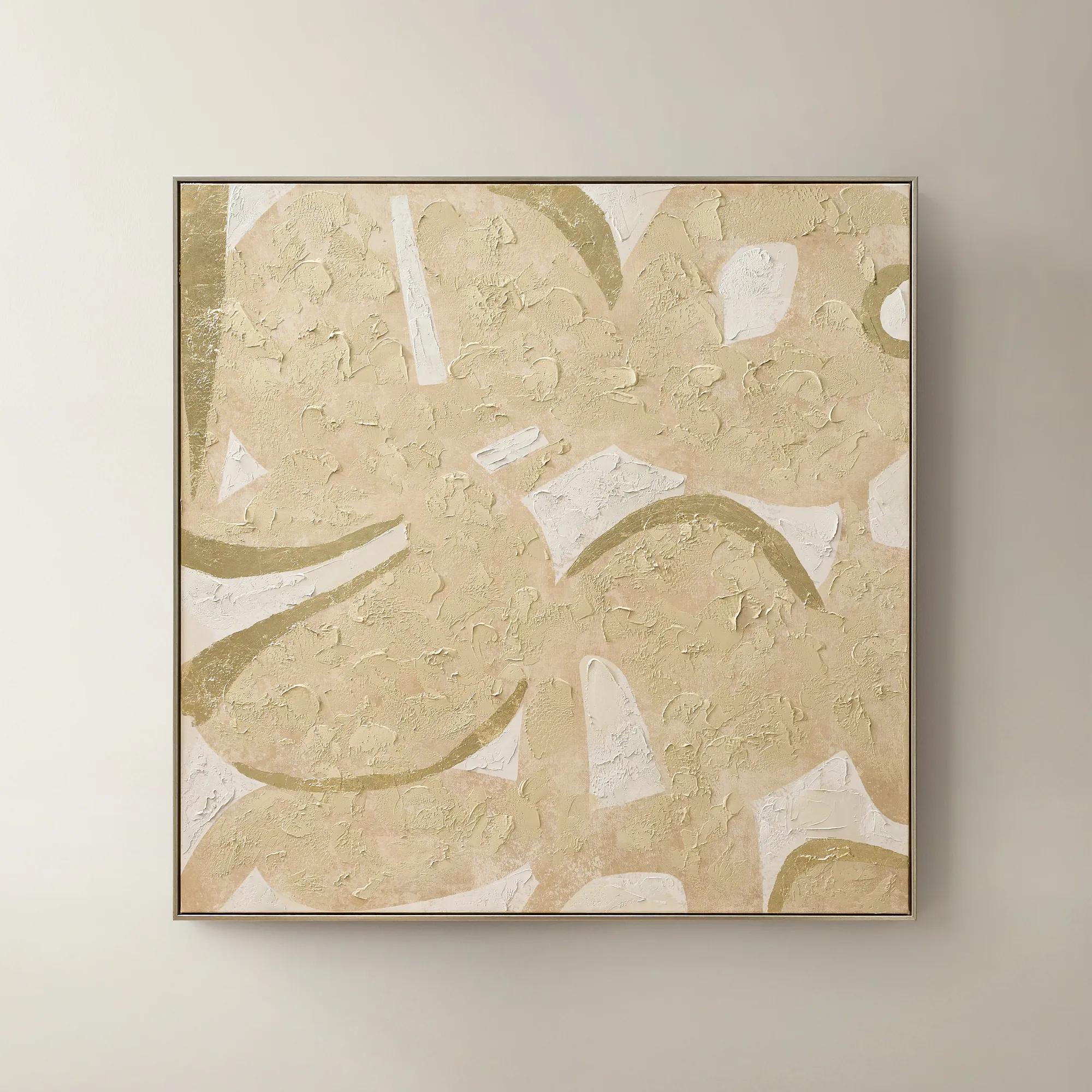
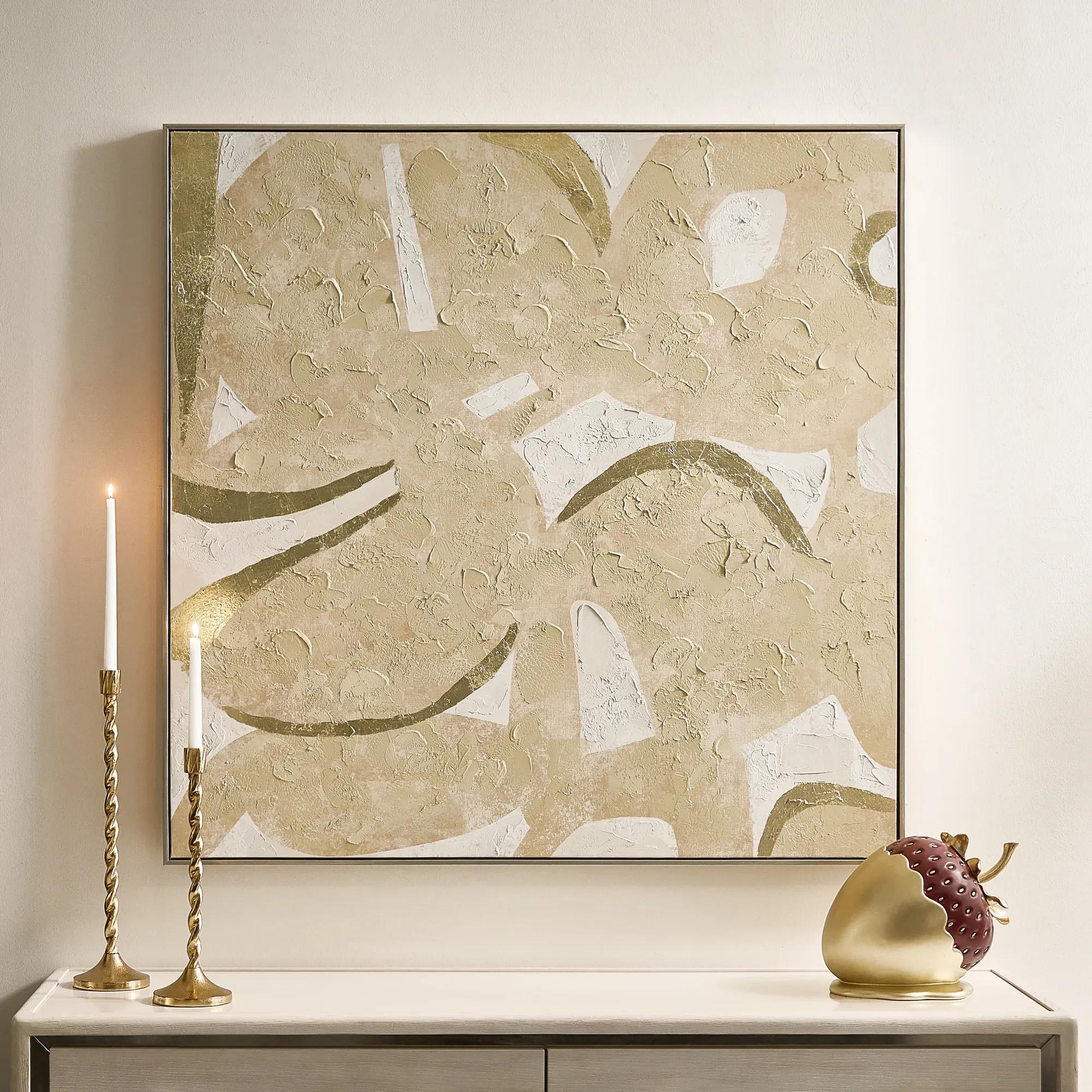 Golden Maize Framed Painted Wall Art 48" x 48"$399
A hand-painted canvas with champagne leafing and butter cream tones adds warmth and modern sophistication.
Add To Cart

Statement Art And Living Room Decor
Bring your living room decor into focus with statement artwork and accents that carry its color, texture, and mood throughout the space. Explore expressive wall art, dimensional wall decor, sculptural vases, decorative trays, and plush throw pillows to compose a room that feels inviting, layered, and unmistakably yours.
Let artwork set the room’s creative direction. A sweeping abstract composition can introduce fluid movement, while graphic forms bring structure and sculpted wall panels create depth through light and shadow. Consider the wall’s proportions, the furniture beneath it, and the view from your favorite seat before choosing a focal piece. The backdrop matters, too: a richly colored wall can intensify luminous details, while a softer finish lets bold shapes command attention. For a more nuanced composition, balance metallic shimmer with matte surfaces rather than asking every element to shine. Choose the mood you want to live with—serene, theatrical, or richly expressive—and let that guide the surrounding accents. Carry the artwork’s character beyond the wall without repeating it literally. A sculptural floor vase can echo a curved brushstroke, while a decorative tray introduces a reflective surface to a coffee table or console. Look for relationships in silhouette, undertone, and texture instead of matching every finish. Pair gleaming accents with plush pillows to give the room both polish and warmth, and vary pillow shapes to make the seating arrangement feel more expressive. Group tabletop objects with contrasting profiles, leaving enough open surface for each detail to register. Before selecting complementary decor, consider its material, placement, and care requirements alongside its visual appeal. The result is a living room with a clear artistic point of view and a welcoming place to settle in.
FAQs
Painted artwork emphasizes color, composition, and brushwork; dimensional pieces introduce projecting forms and changing shadows. Choose according to the effect you want to emphasize. If surface detail is central to your vision, explore <a href="https://zgallerie.com/o/large-textured-wall-art">textured wall art</a> for another way to bring depth to the room.
Gold and silver can create a sophisticated contrast. Give one finish the leading role, then repeat the other in a few deliberate accents. A shared shape or undertone can connect the pieces, while differences in sheen keep the arrangement from feeling overly matched.
Treat the tray as a frame for a small composition. Combine a sculptural object with a contrasting decorative accent, keeping part of the surface visible so the tray’s finish remains part of the display. Explore <a href="https://zgallerie.com/o/decorative-trays-for-tables">decorative trays for tables</a> to find a silhouette that complements your arrangement.
Let the upholstery lead the pattern story, then introduce pillows with tactile detail and a more restrained color palette. Tufting or plush surfaces can add richness without introducing another competing motif. Choose <a href="https://zgallerie.com/o/textured-throw-pillows">textured throw pillows</a> that echo a background tone or accent color in the fabric.
A floor vase can give an overlooked corner sculptural presence or punctuate the end of a console arrangement. Consider how its silhouette relates to nearby furniture and artwork. Leave visual separation around the form so it reads as a deliberate accent rather than part of a crowded grouping.