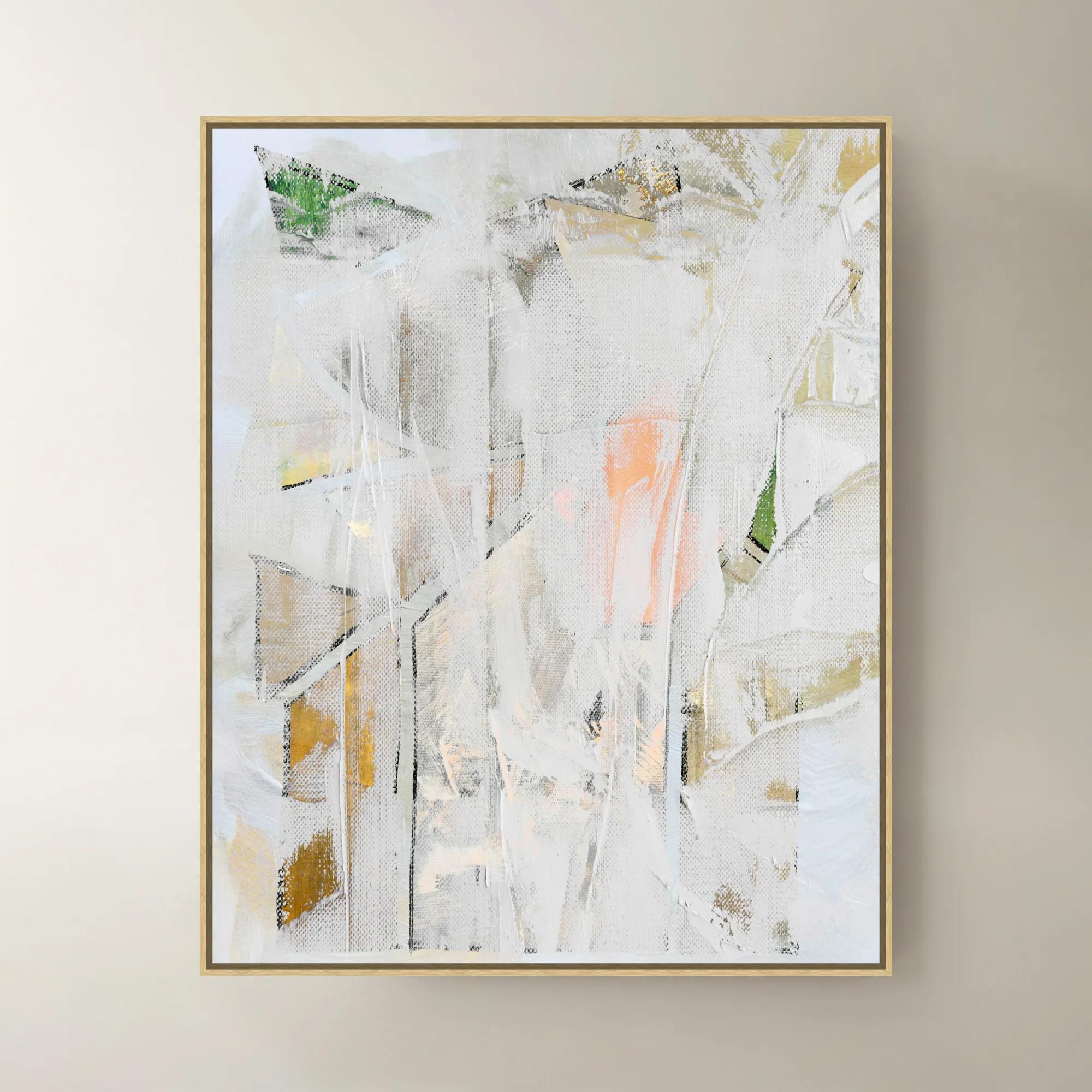
Statement Piece Wall Art
Statement Piece Wall Art
-
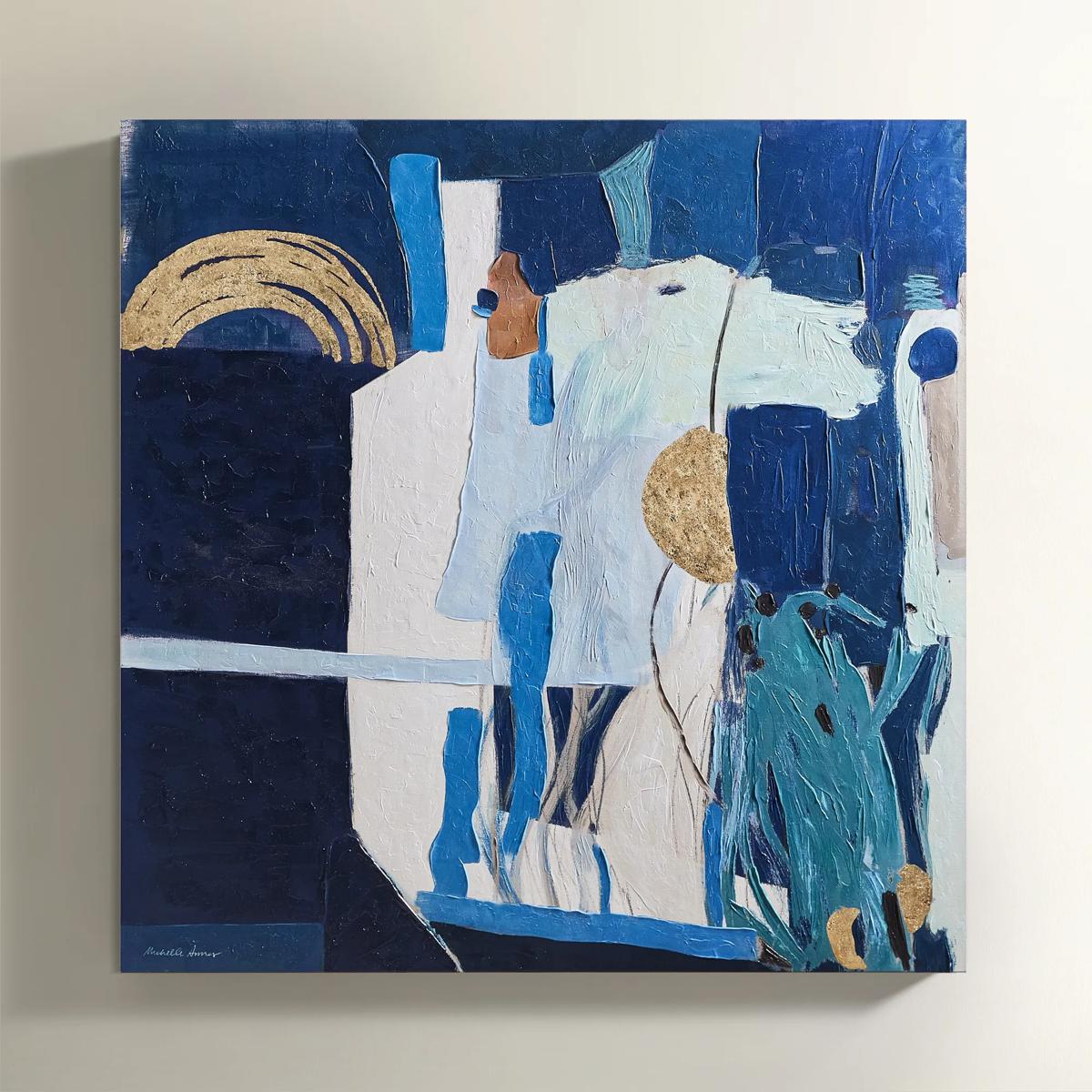
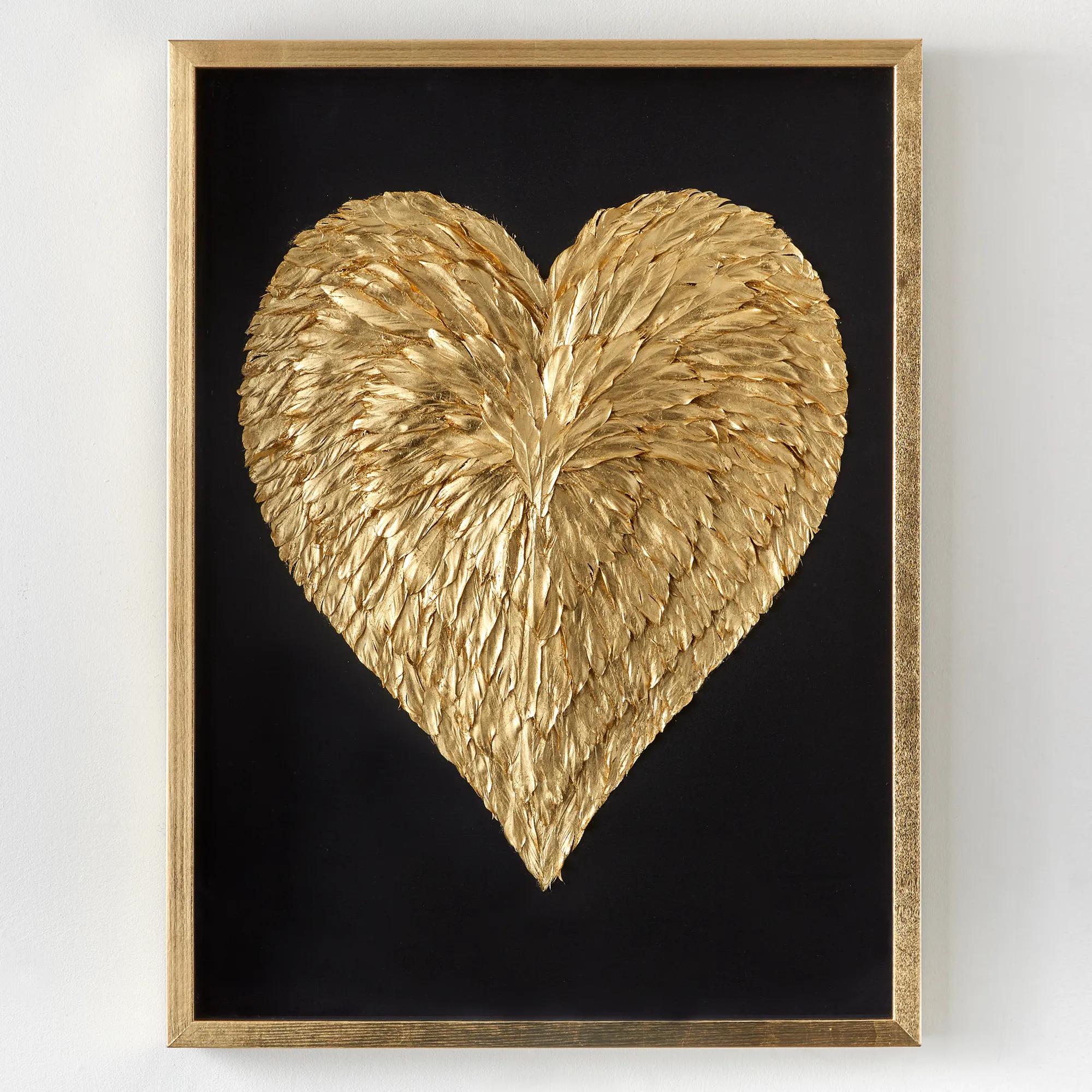
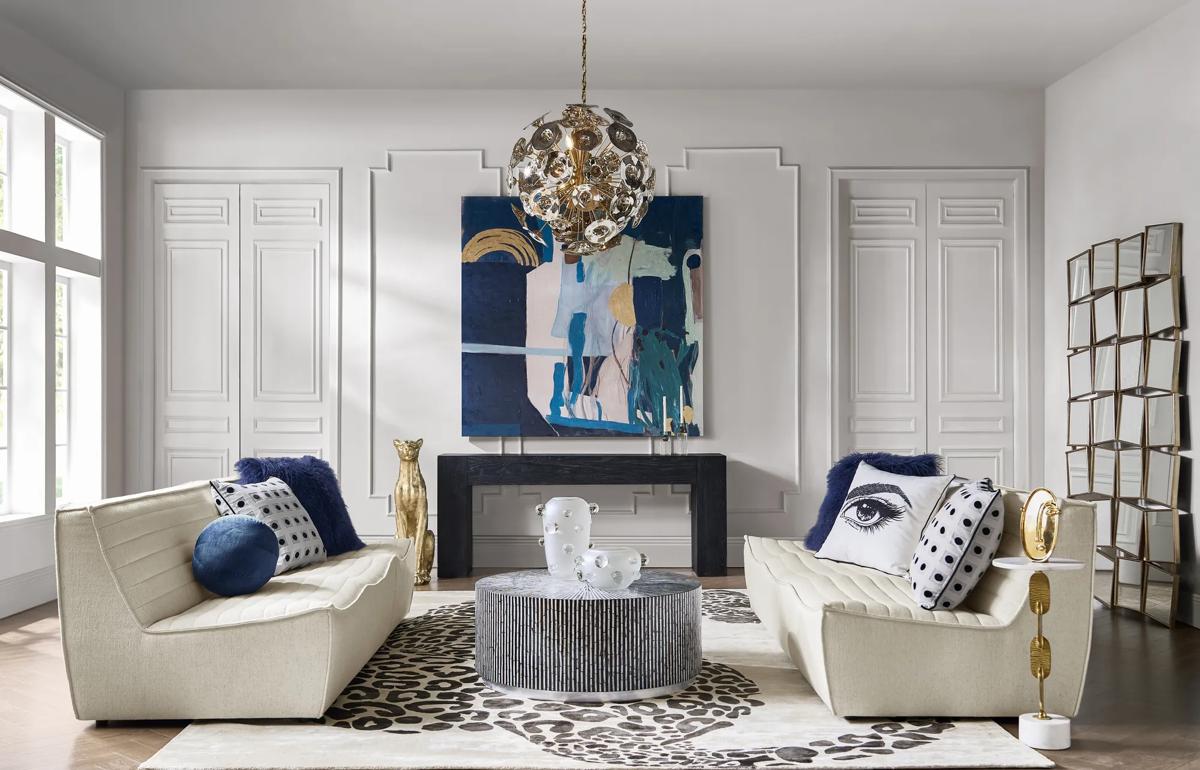 In Flux Painting$699
A hand-embellished canvas artwork featuring deep teal, green, ivory, and gold in a black Art Deco frame.
Add To Cart -
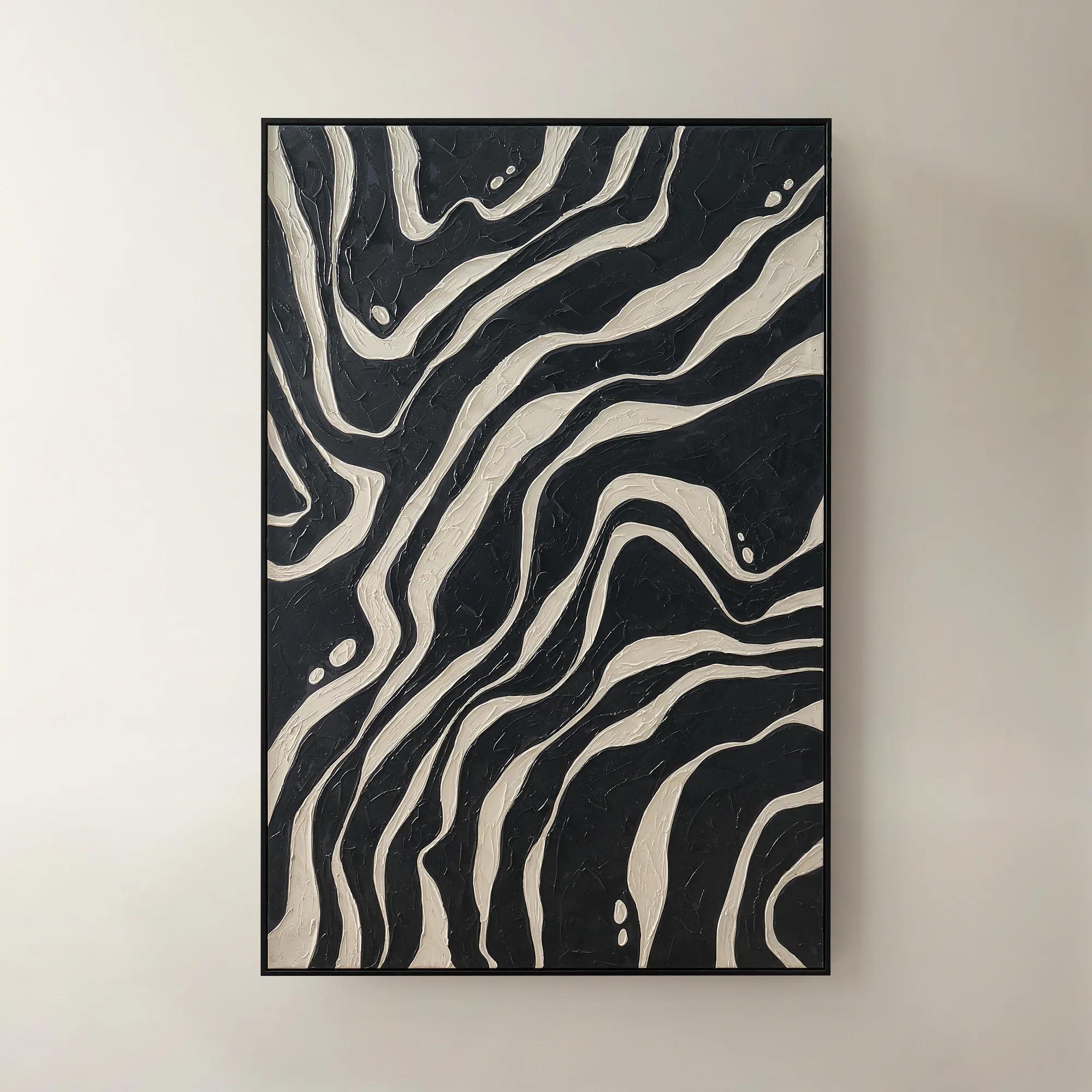
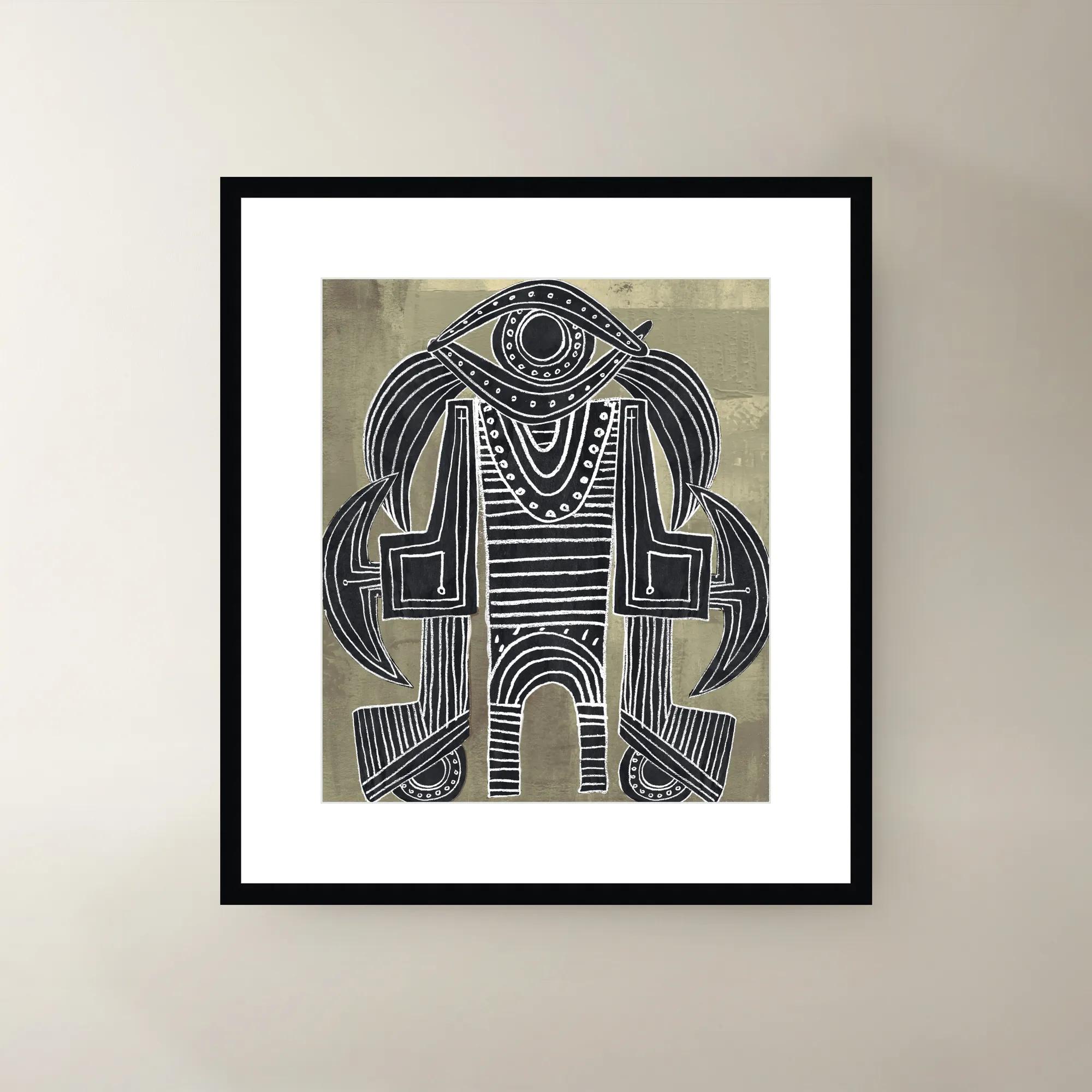
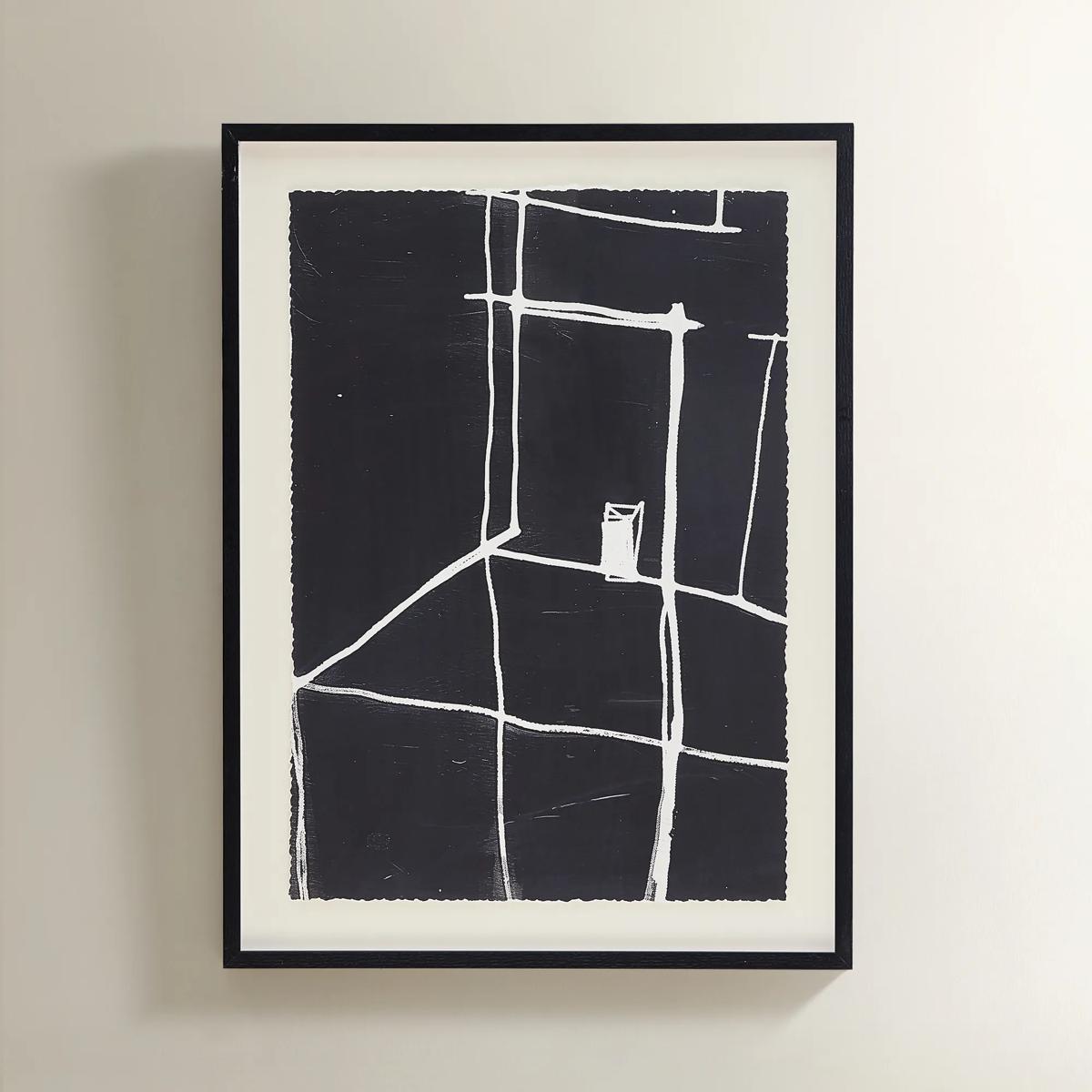 Solitude Art$269
A minimalist black-and-white abstract print featuring bold white lines in a sleek black polyresin frame.
Add To Cart -
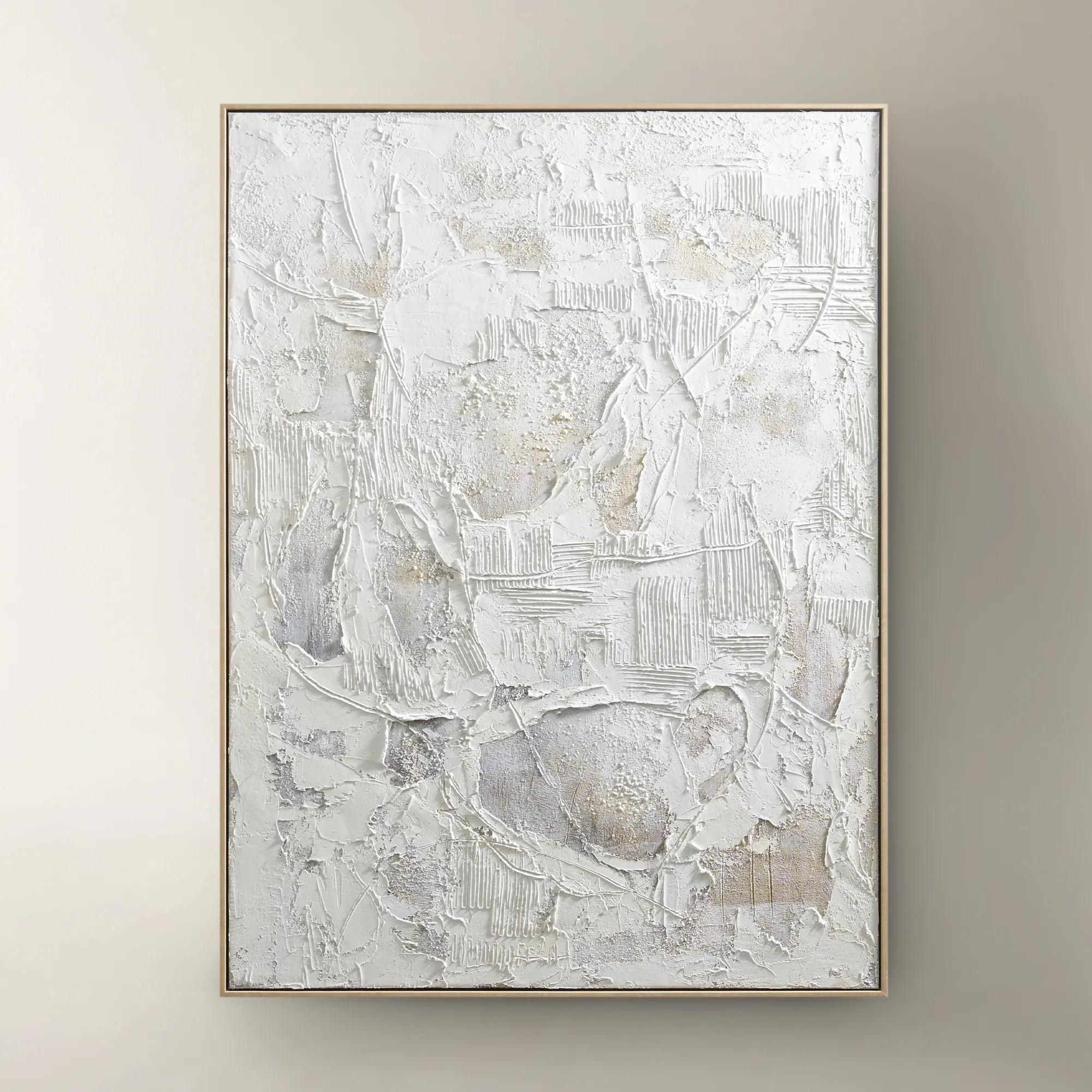
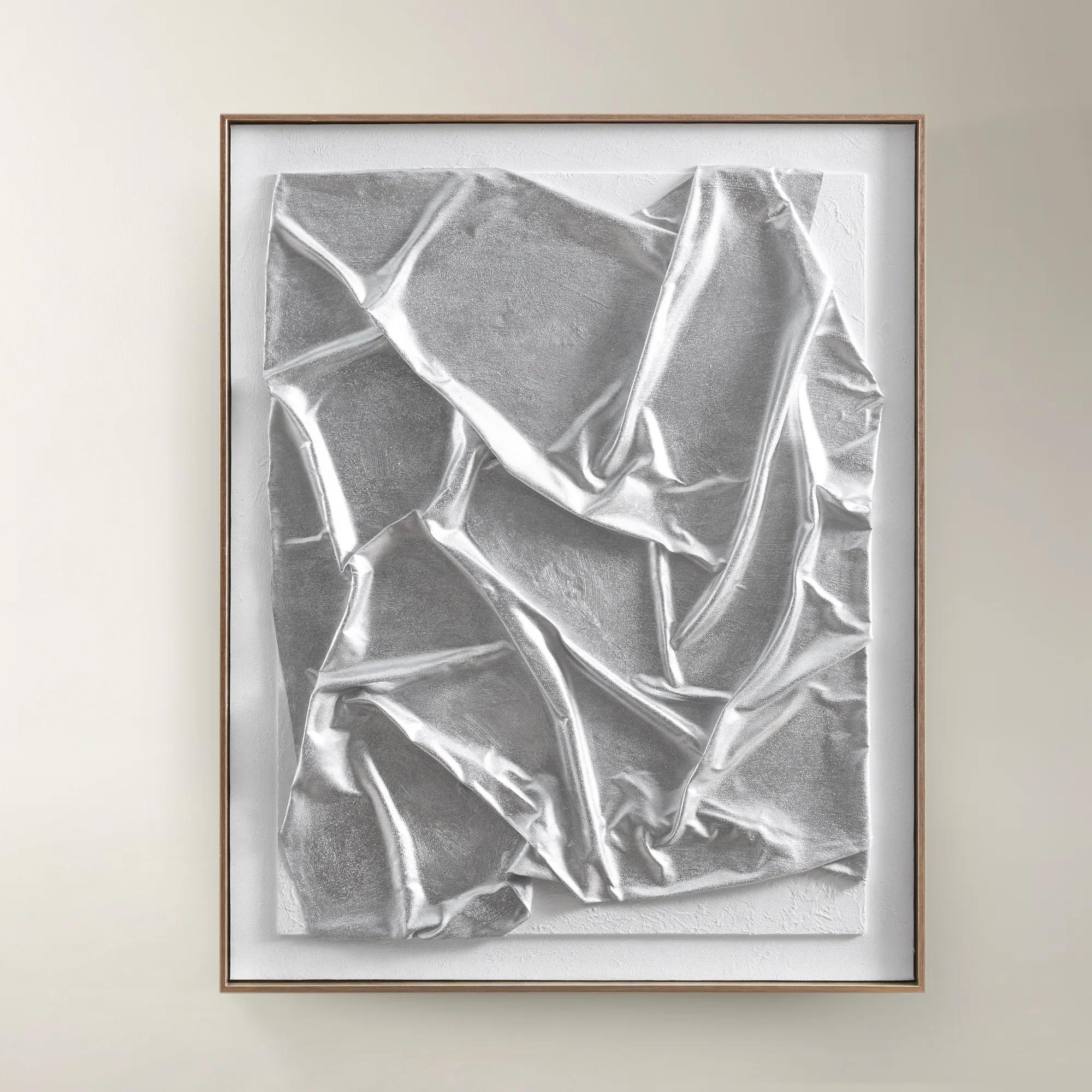 In the Mood Framed Painted Wall Art 31.5" x 39.5"$199
A hand-painted abstract canvas in shimmering silver tones, set in a warm champagne floater frame.
Add To Cart -
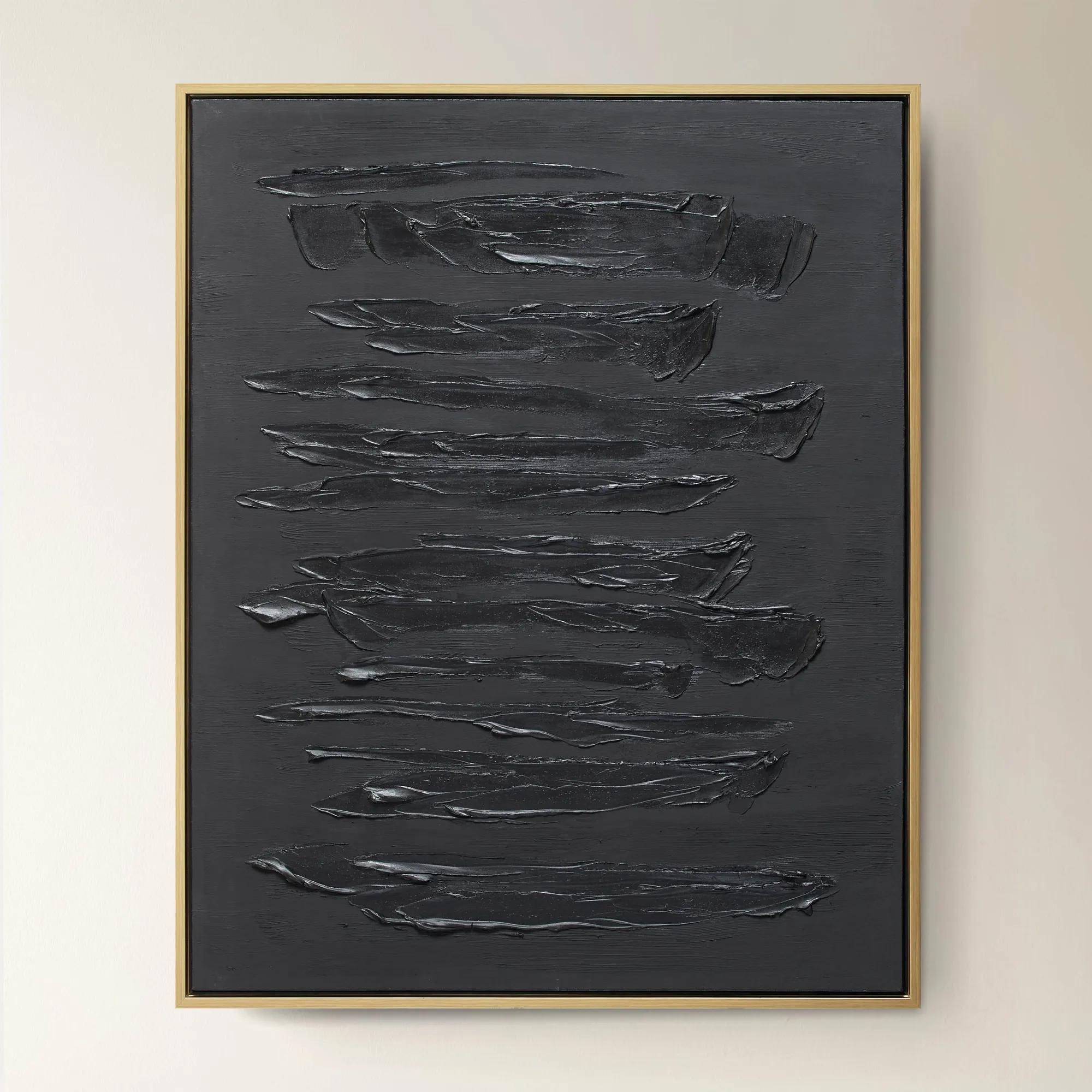
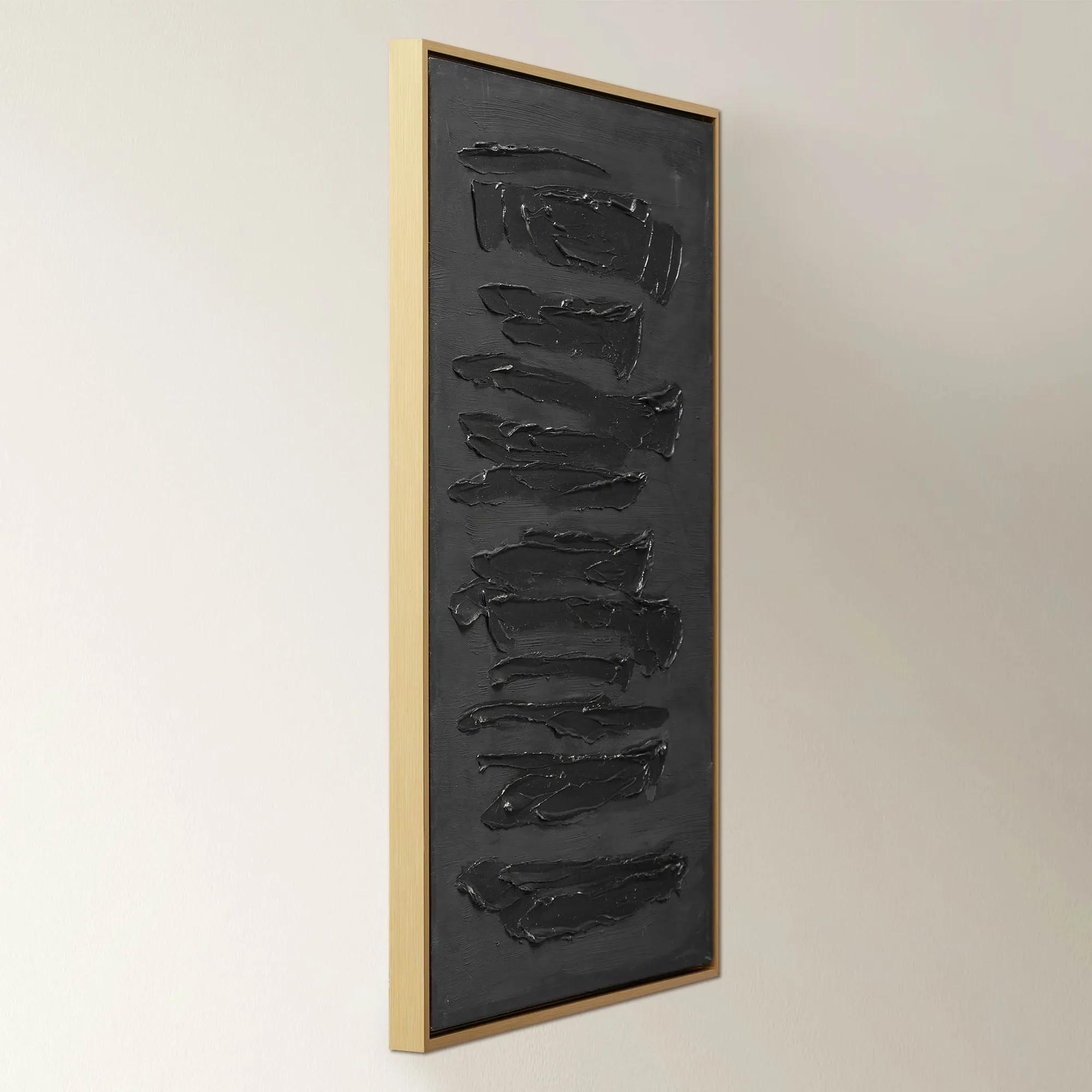 Nocturne$599.95
A dramatic abstract artwork featuring bold, dark brushstrokes on hand-painted canvas in a gold floater frame.
Add To Cart -
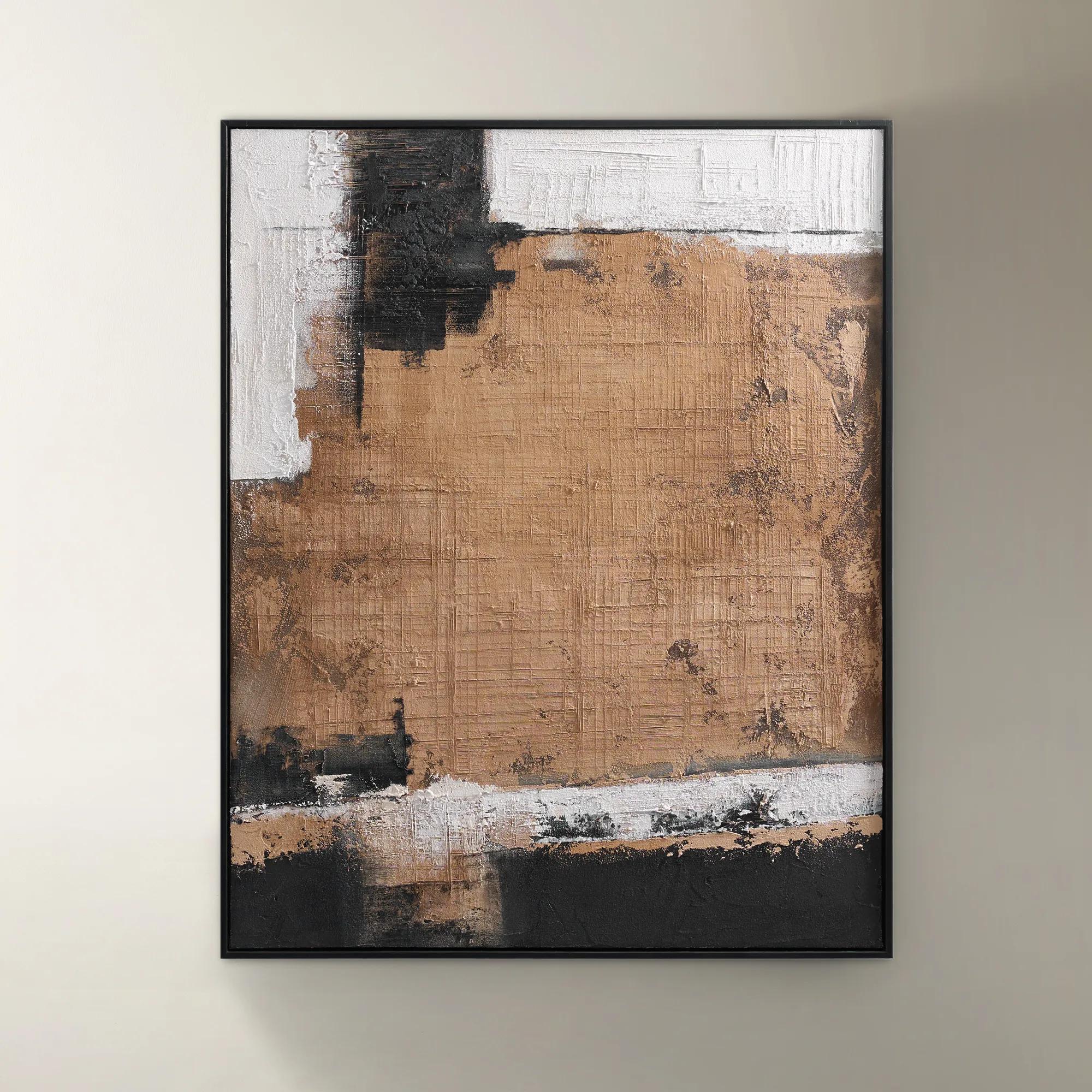
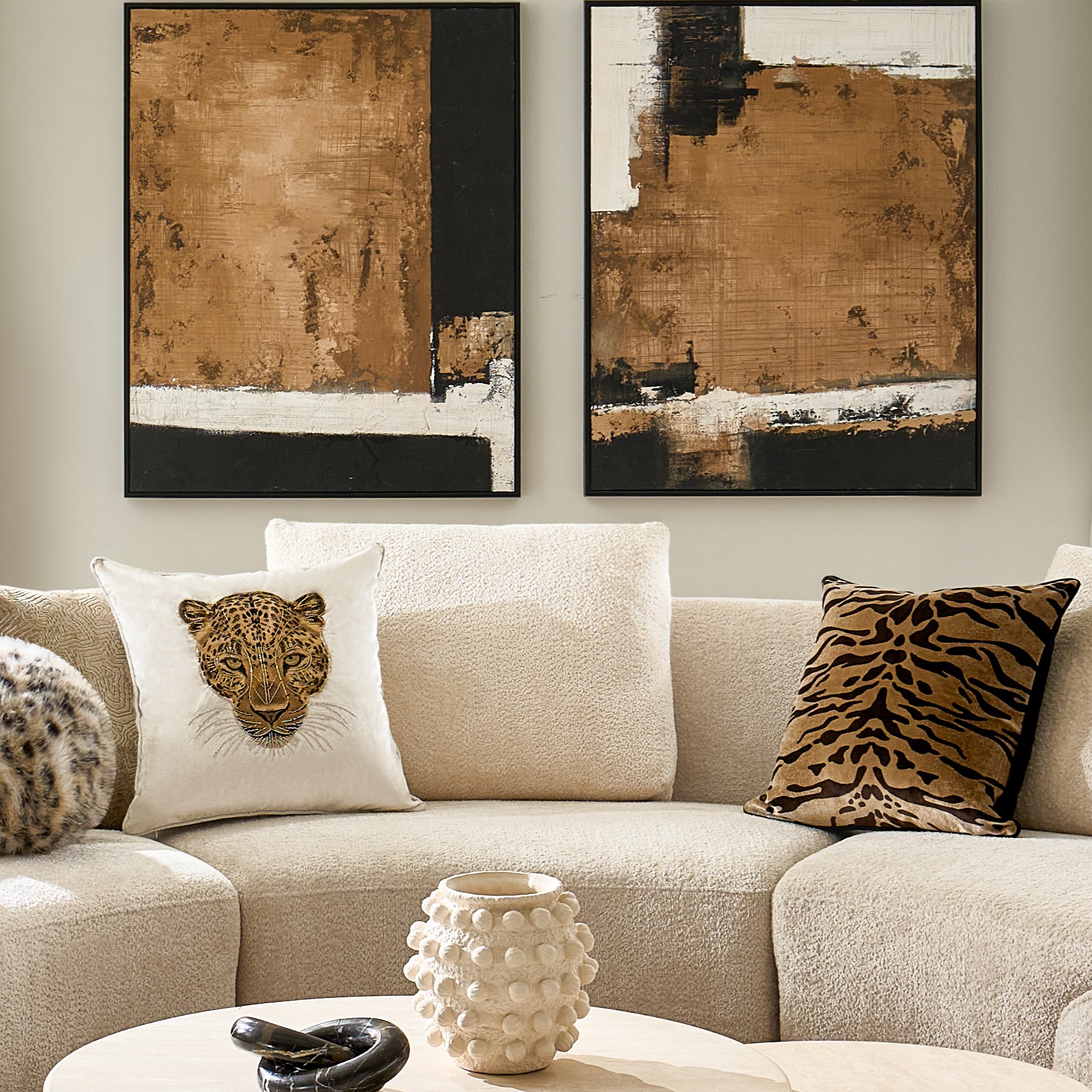 Drift Framed Painted Wall Art II 39.4" x 31.5"$299
A hand-painted canvas in brown, featuring bold texture and color interplay within a sleek black floater frame.
Add To Cart -
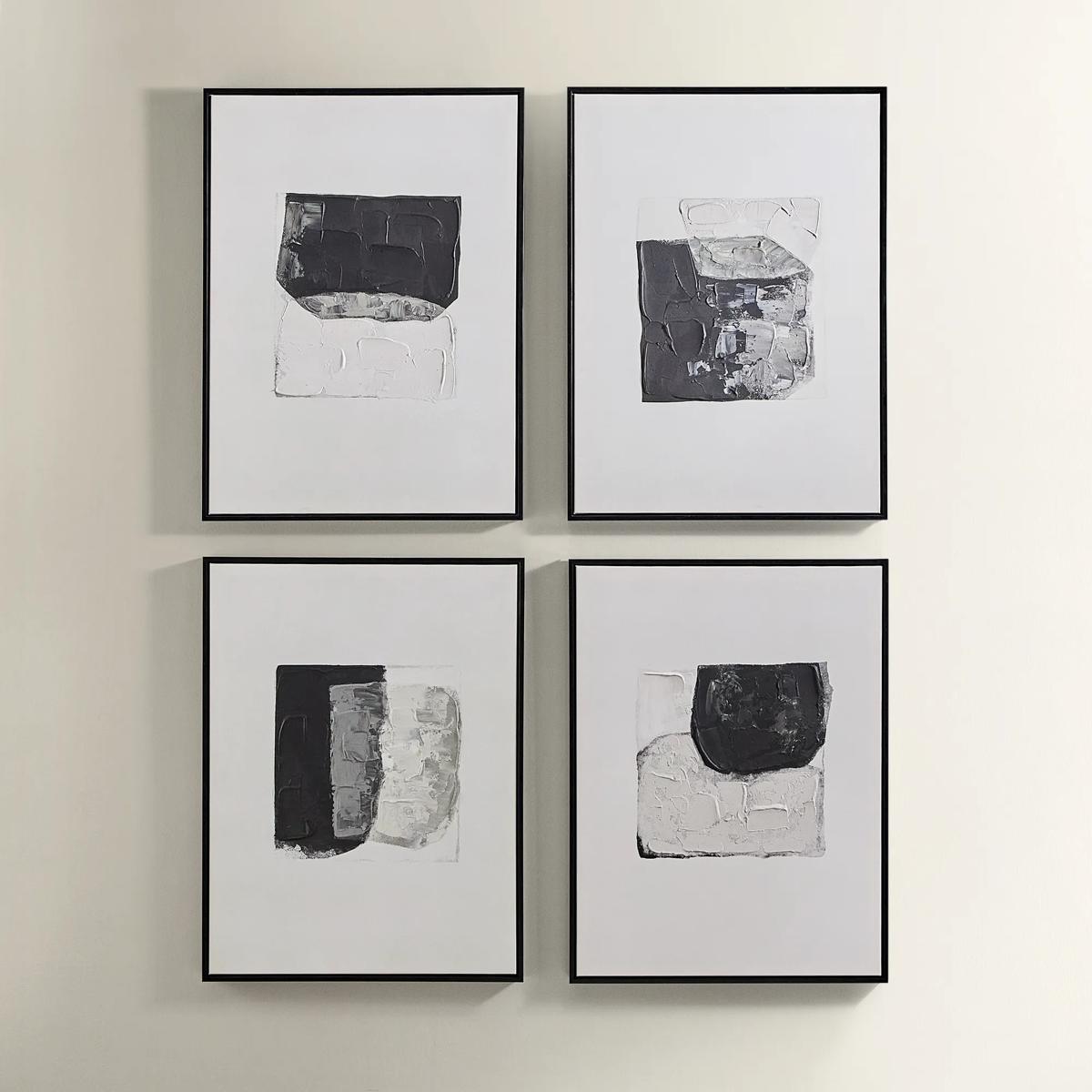
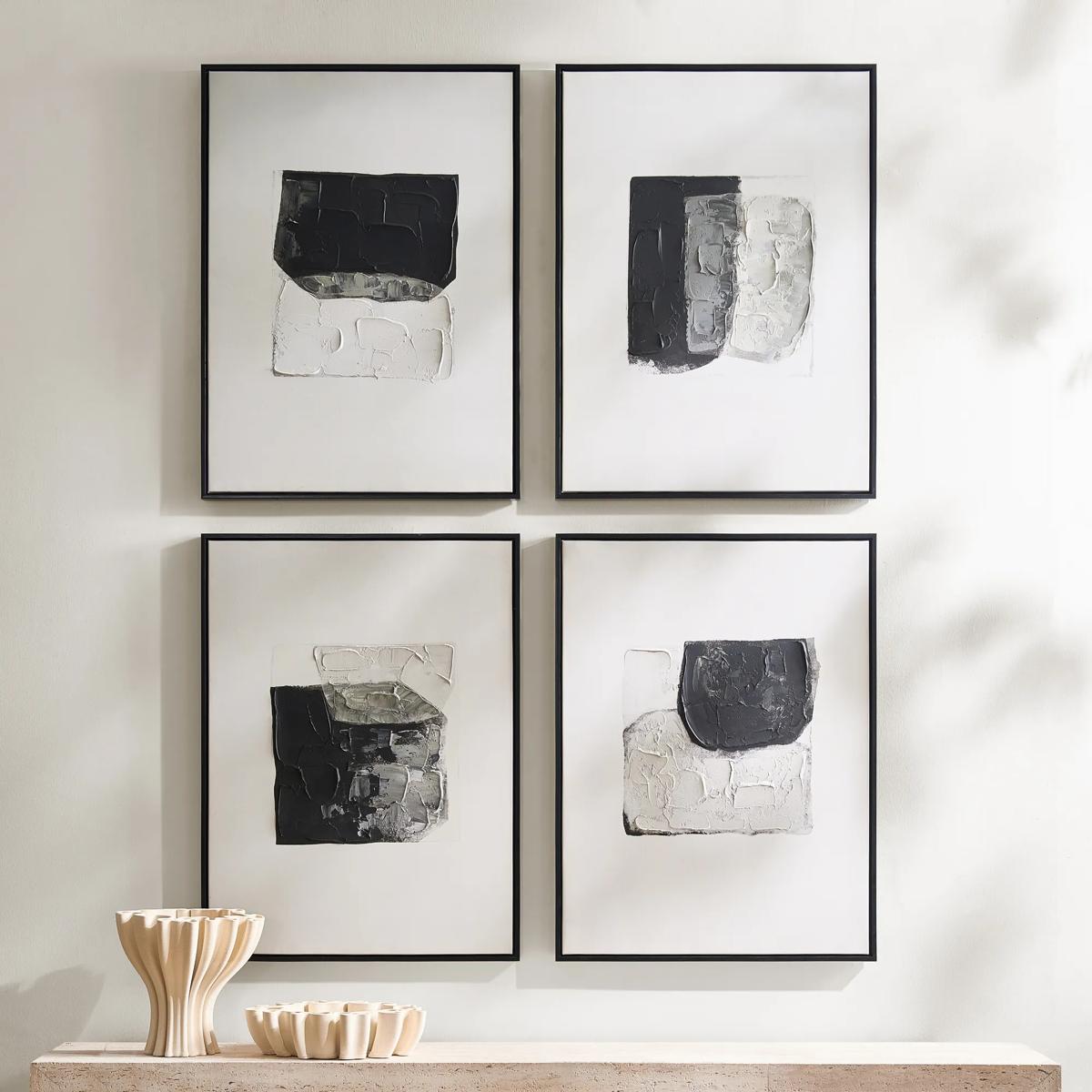 Shadows Framed Painted Wall Art Set of 4$299
A set of four hand-painted abstract canvases featuring black, white, and gold accents in black frames.
Add To Cart -
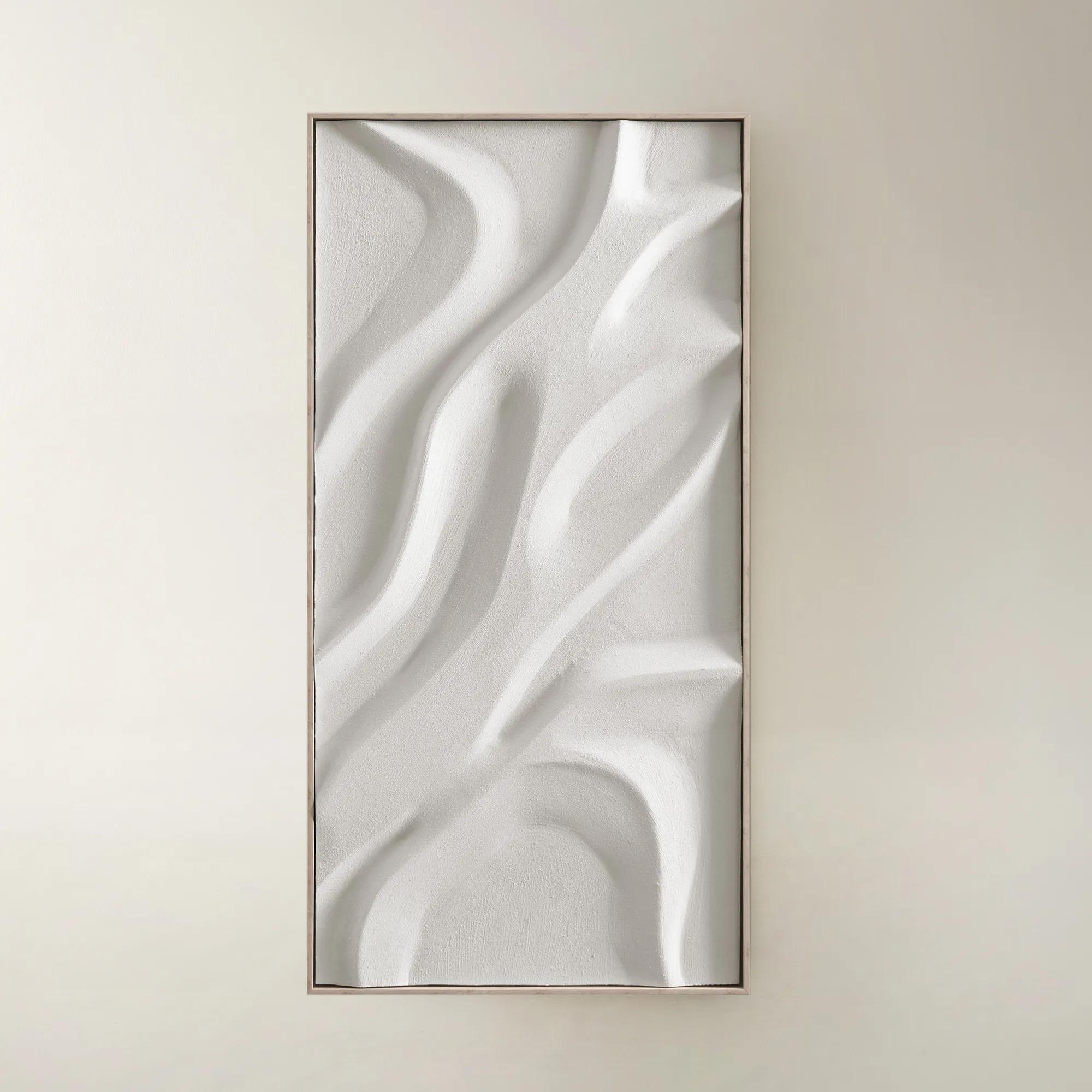
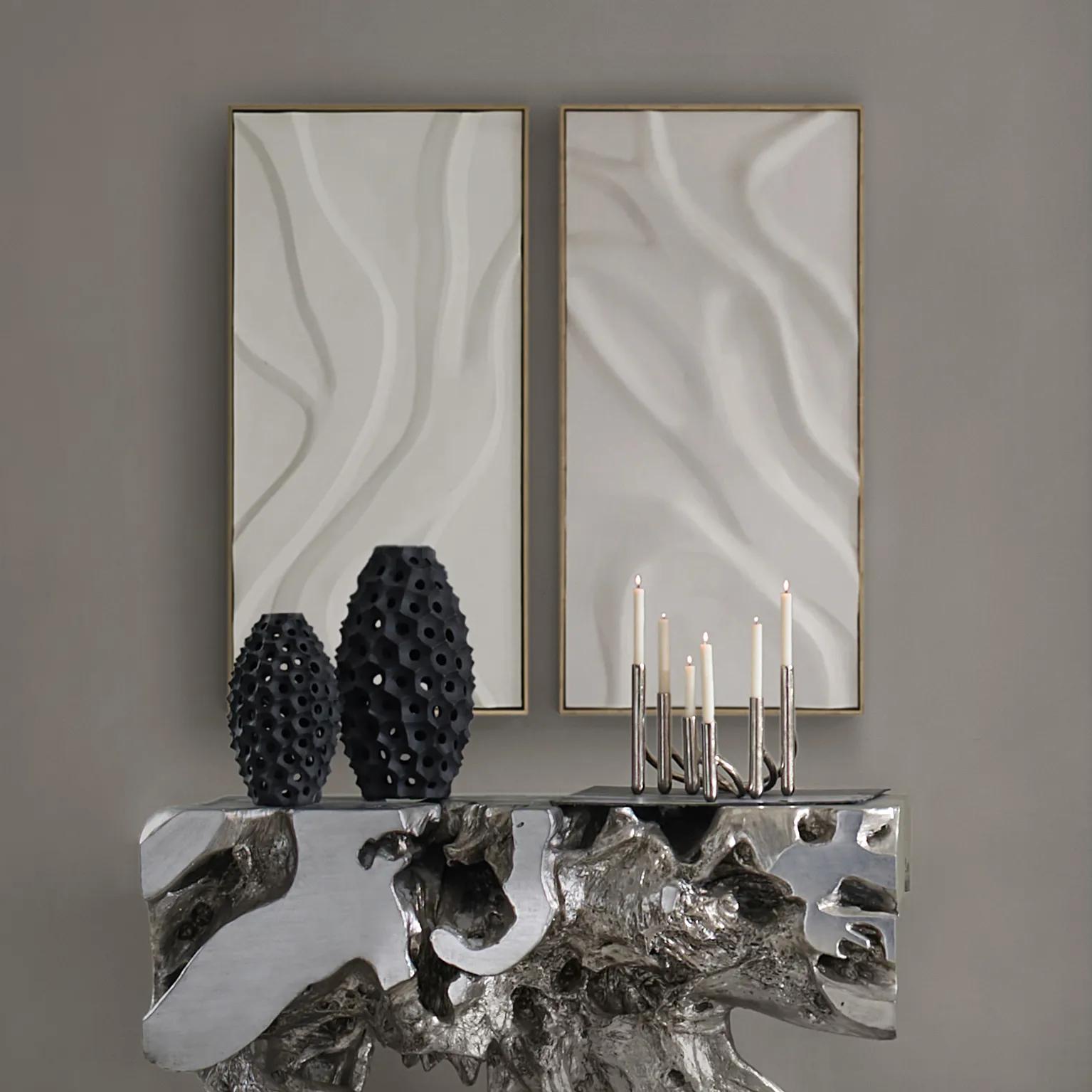 Au Lait Framed Painted Wall Art II 47.2" x 23.6"$199
A serene hand-painted canvas in beige, set in a warm whitewash floater frame for modern interiors.
Add To Cart -
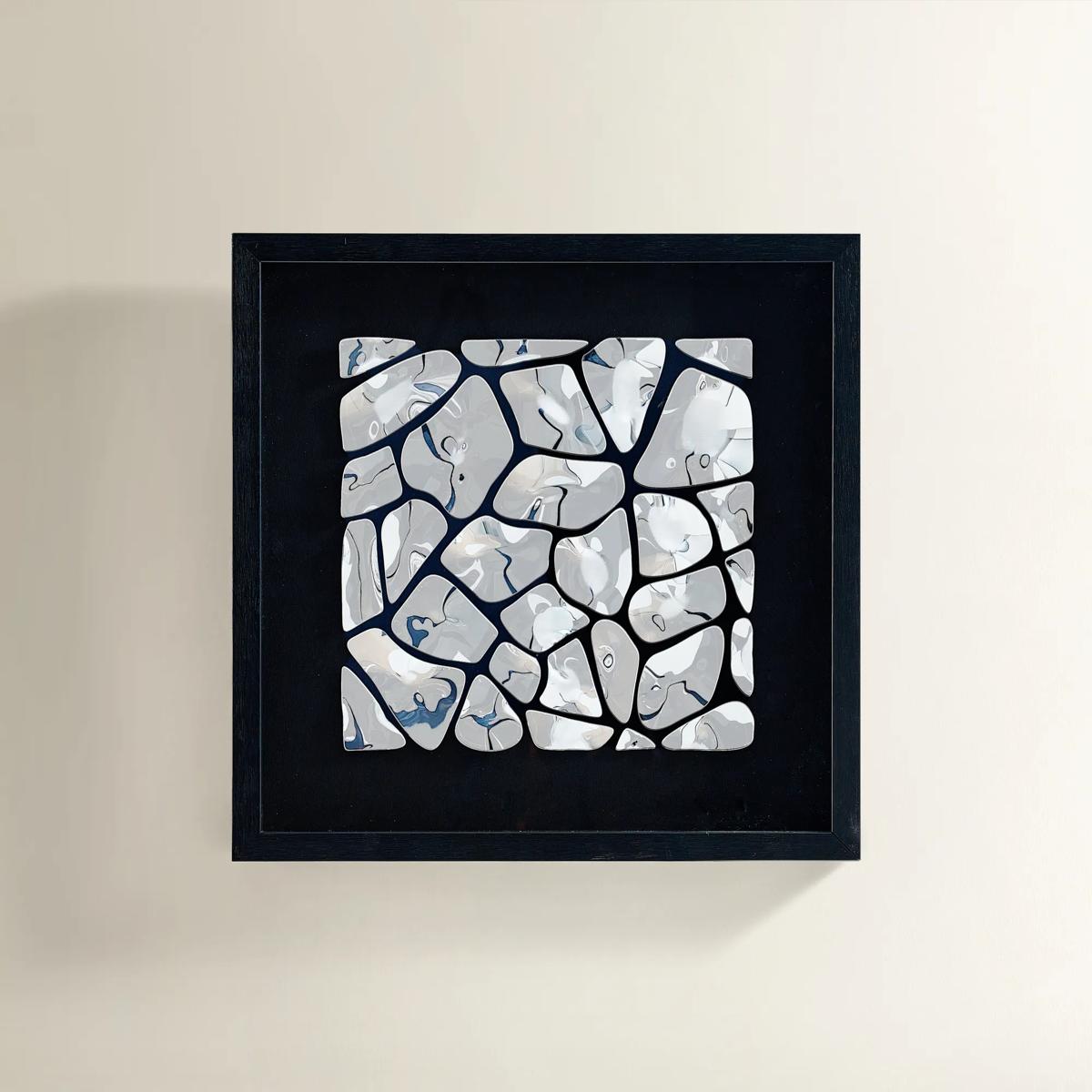 Reflect Silver And Black Shadowbox Art I$189
A dimensional metal wall art piece featuring polished silver and black forms in a sleek black frame.
Add To Cart -
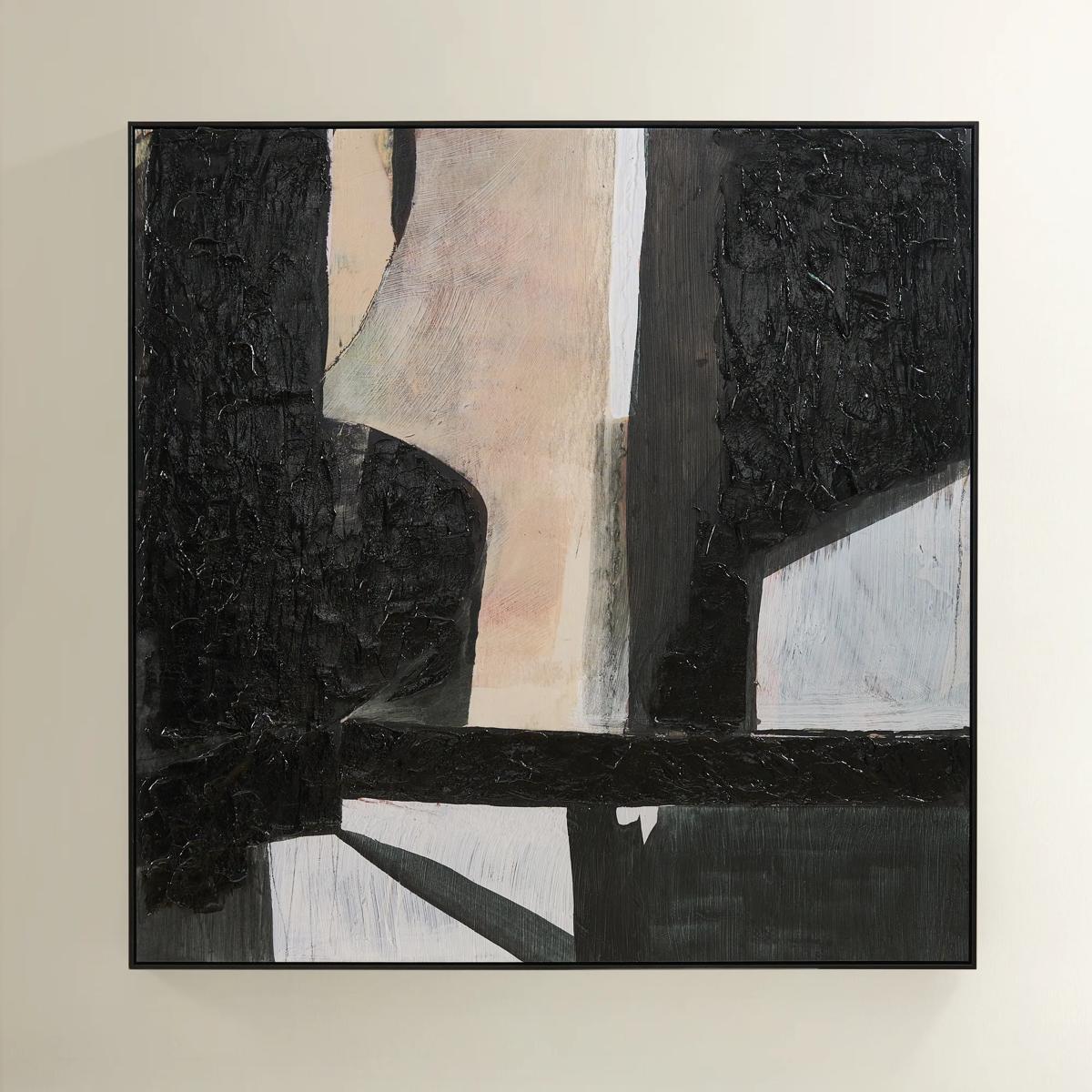 Grounded Painting$699
A hand-painted abstract canvas featuring black, cream, and earth tones in a sleek black floater frame.
Add To Cart -
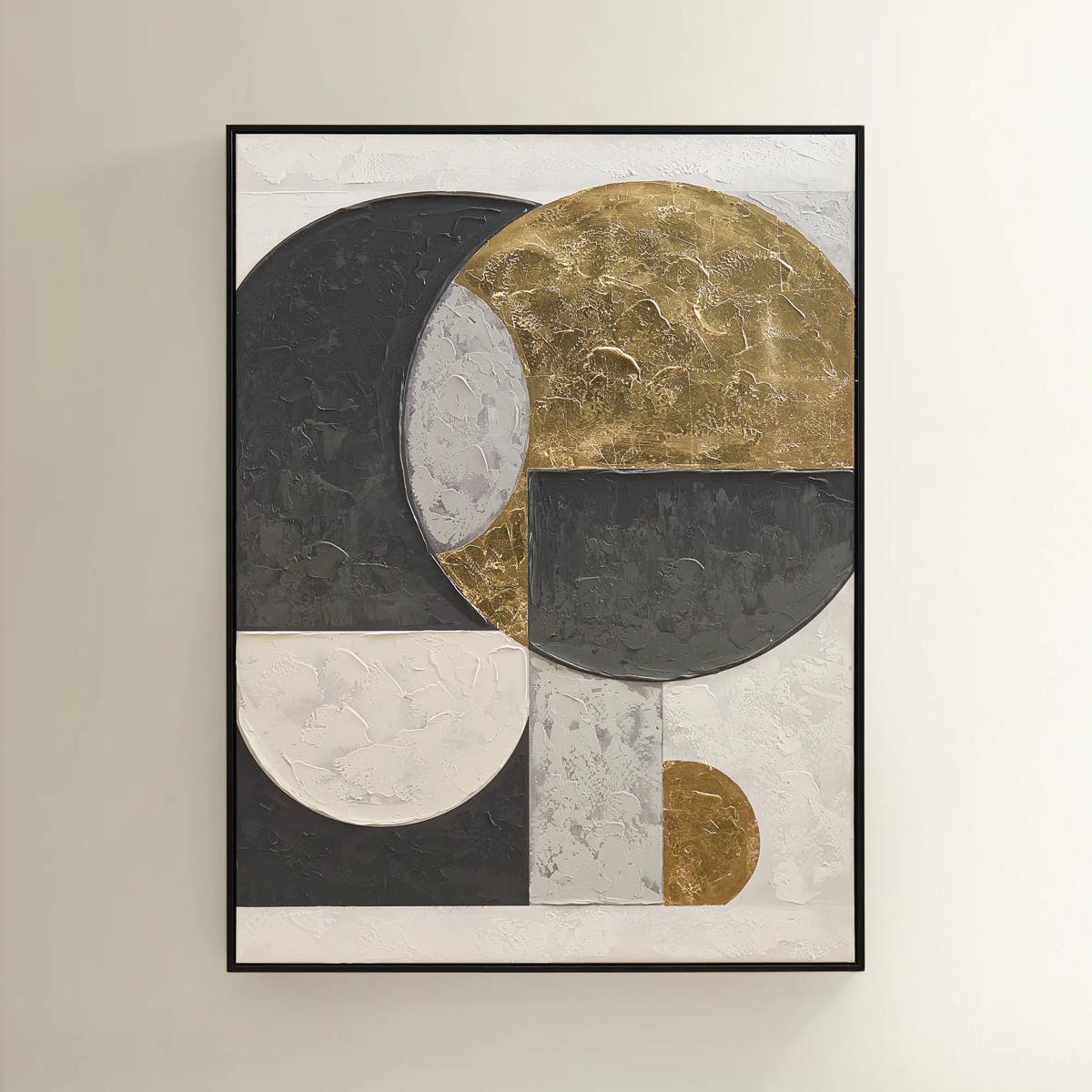
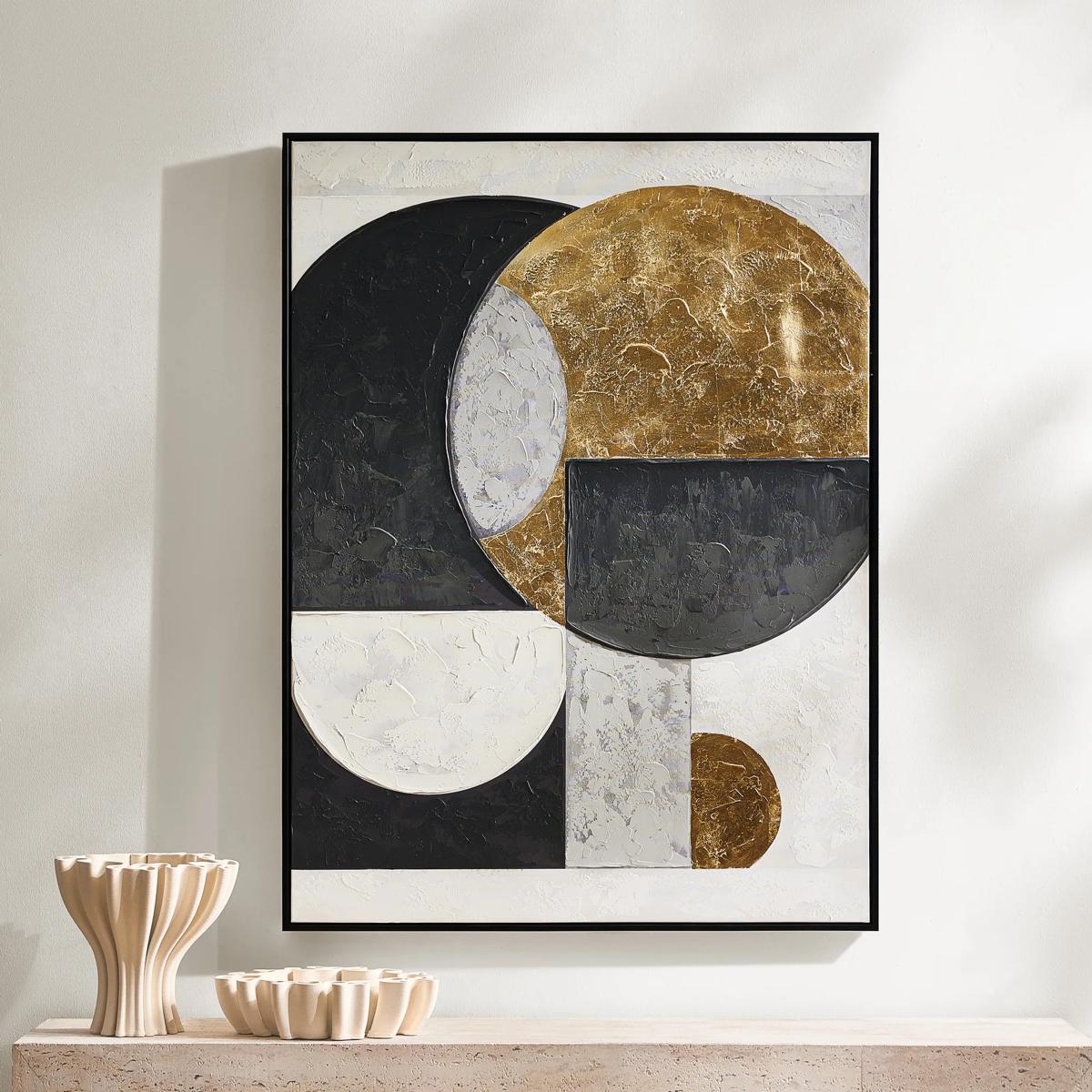 Eclipse Framed Gold Leaf Painted Wall Art 35.25" x 47.25"$449
A hand-painted canvas featuring bold black, grey, and gold geometric shapes with shimmering gold leaf accents.
Add To Cart -
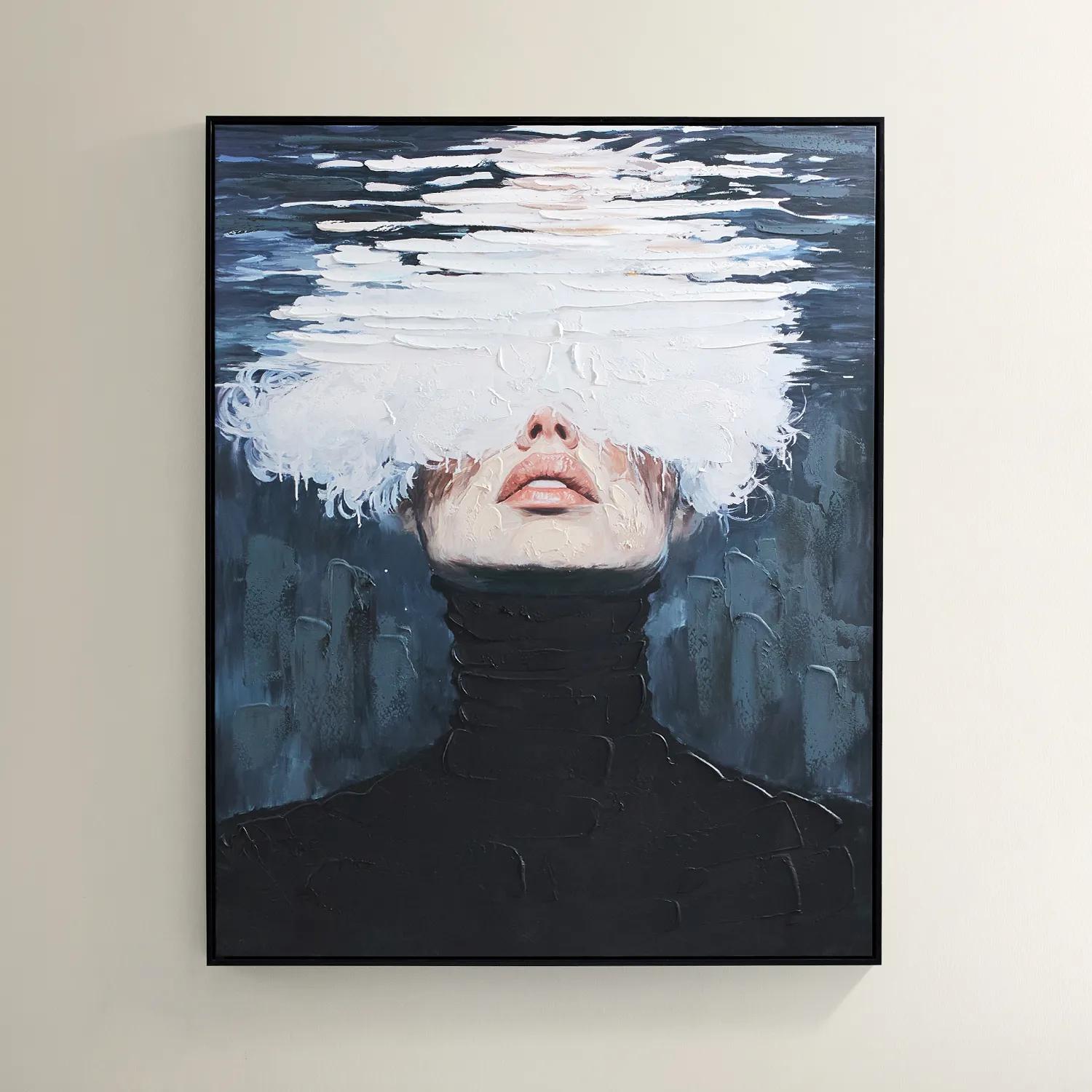
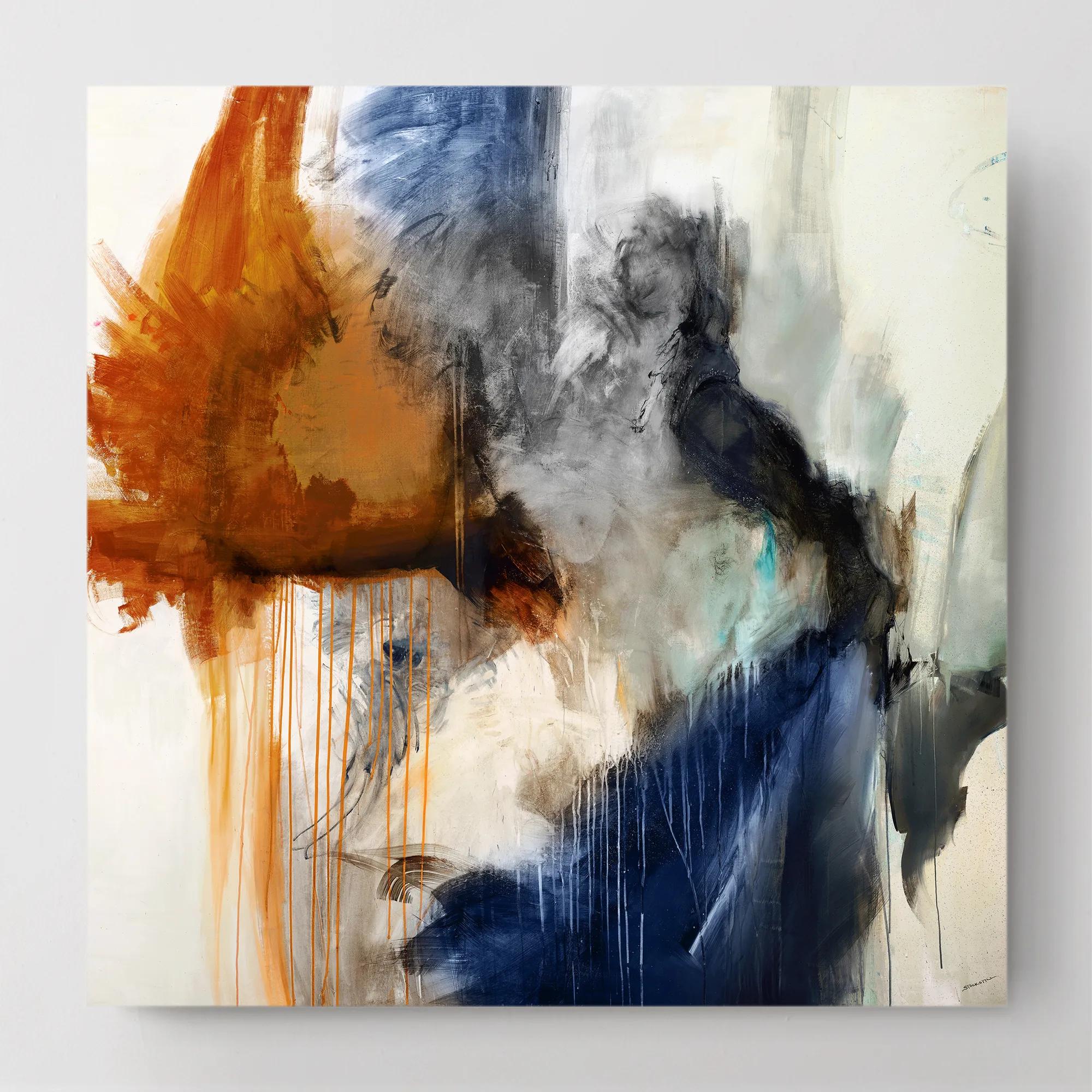
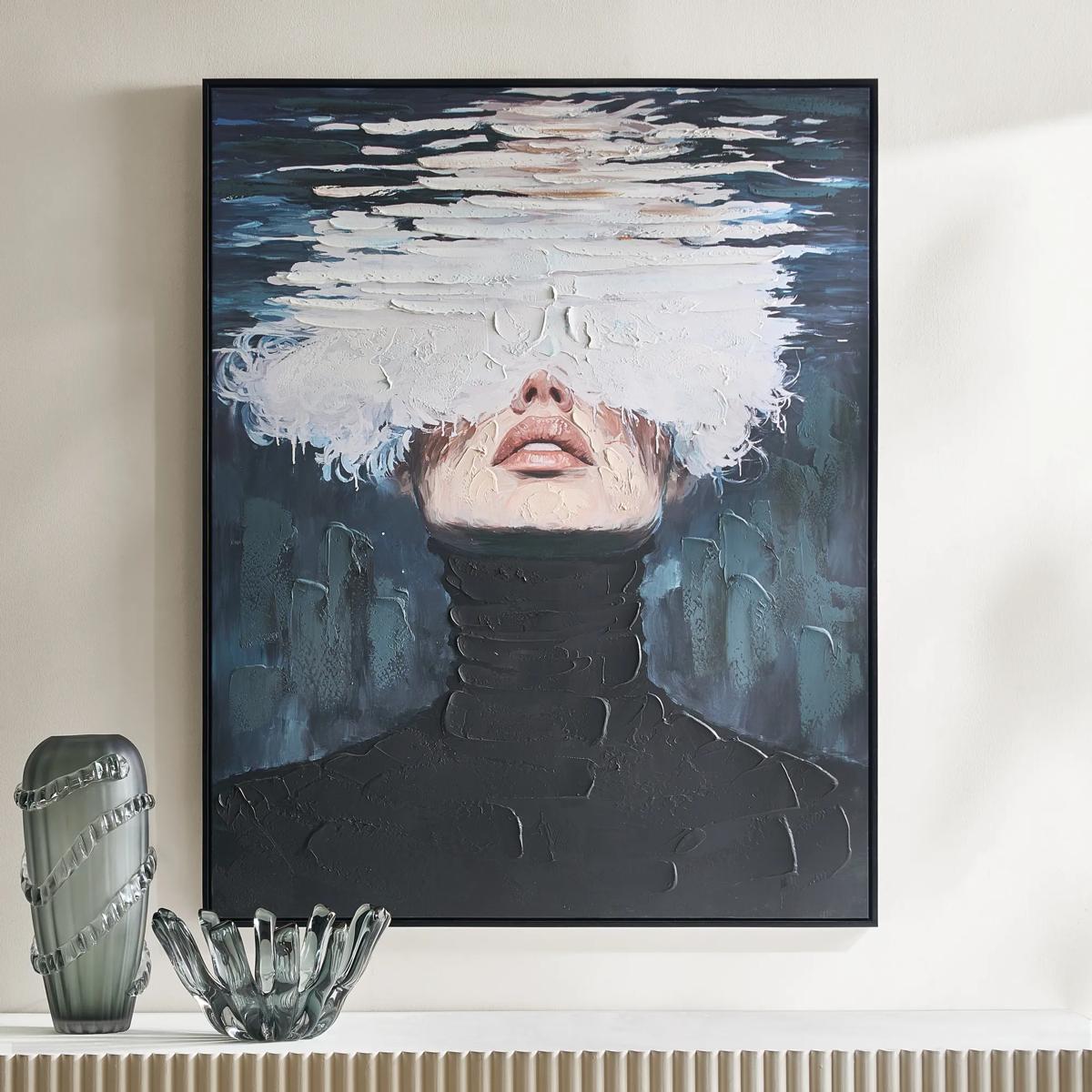 Submerged Framed Painted Wall Art 40" x 50"$599
A hand-painted canvas featuring a surreal portrait in black, blue, and white with a black floater frame.
Add To Cart -
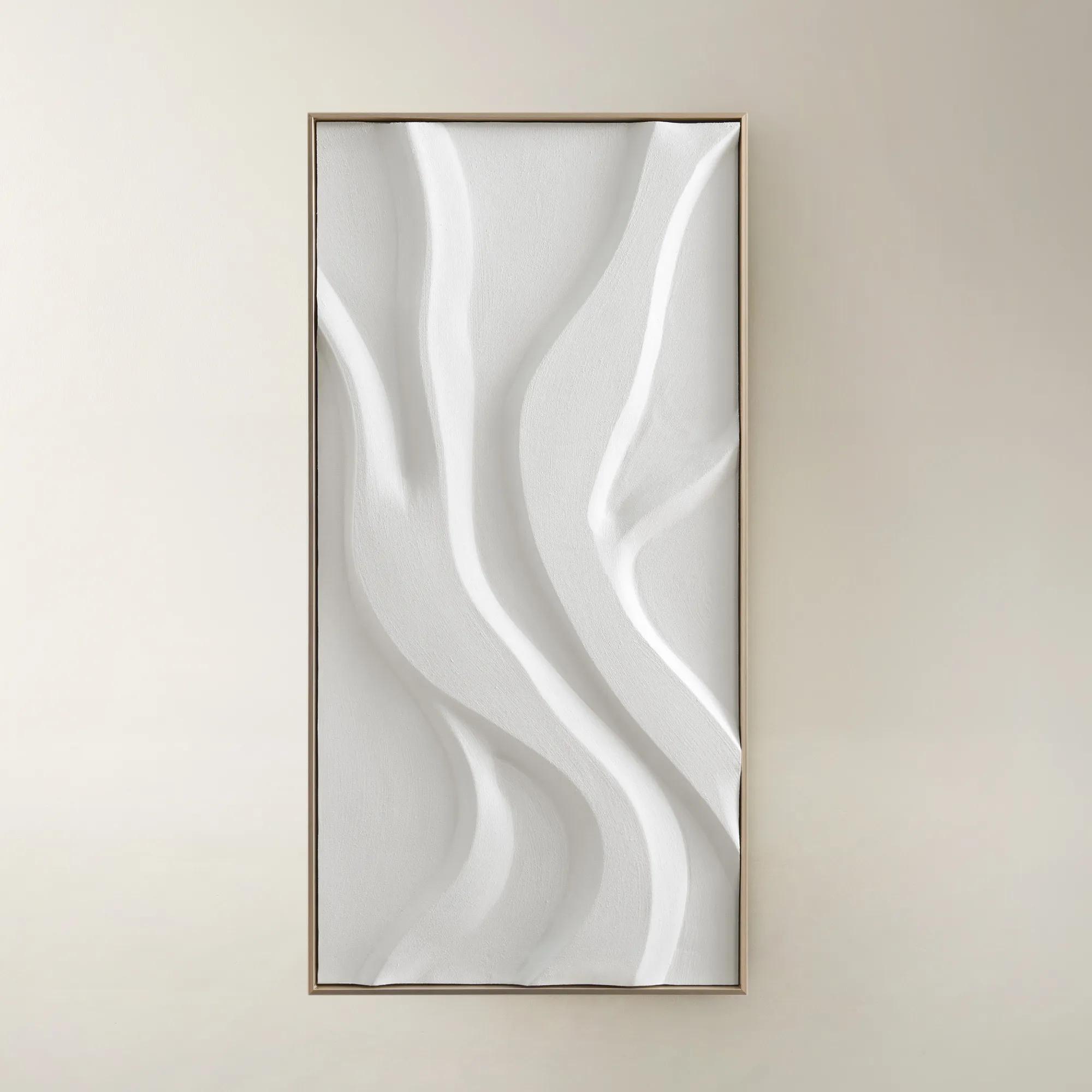
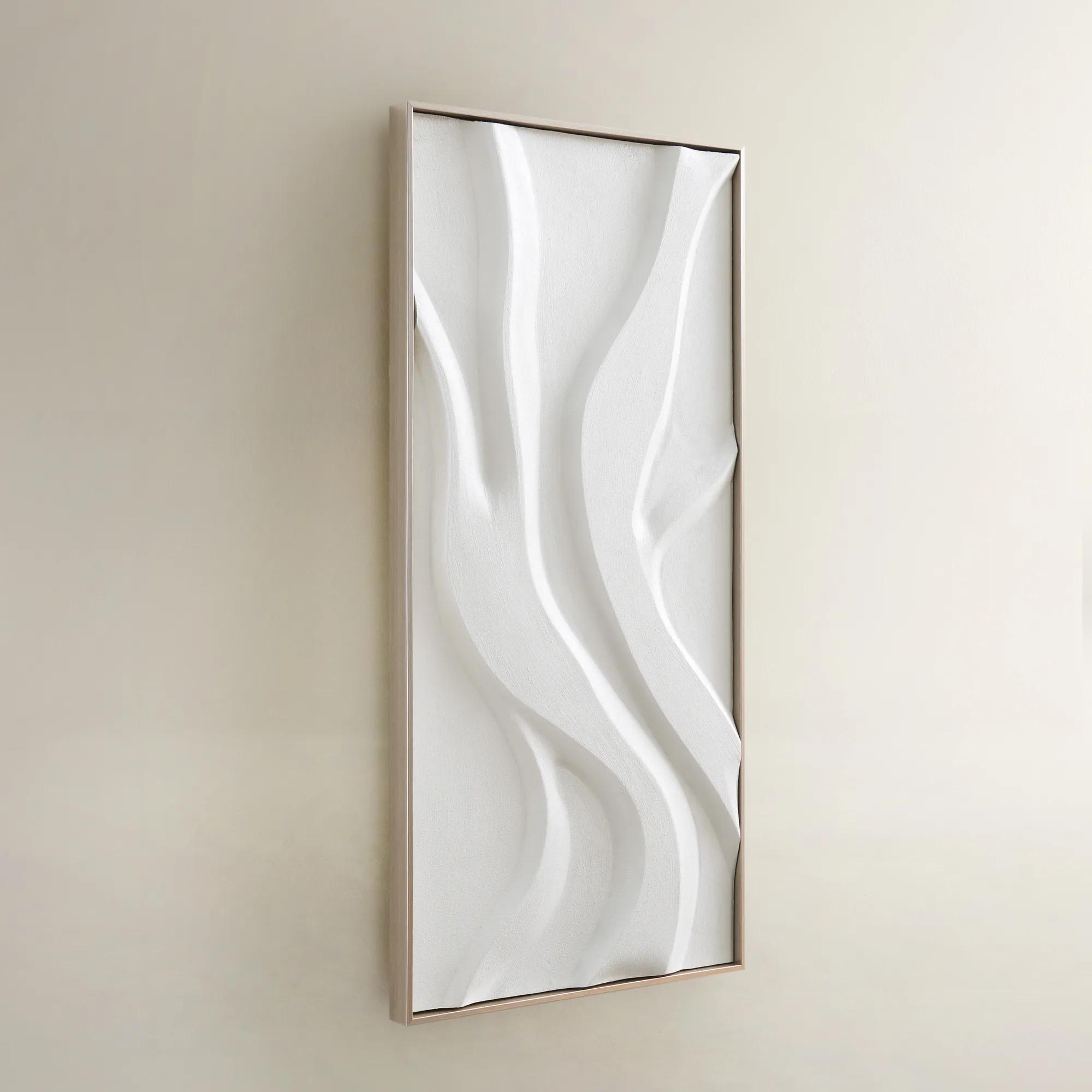 Au Lait Framed Painted Wall Art I 47.2" x 23.6"$199
An organic hand-painted canvas featuring flowing white forms in a warm champagne finish floater frame.
Add To Cart -
-0.jpeg?w=1200&h=1200)
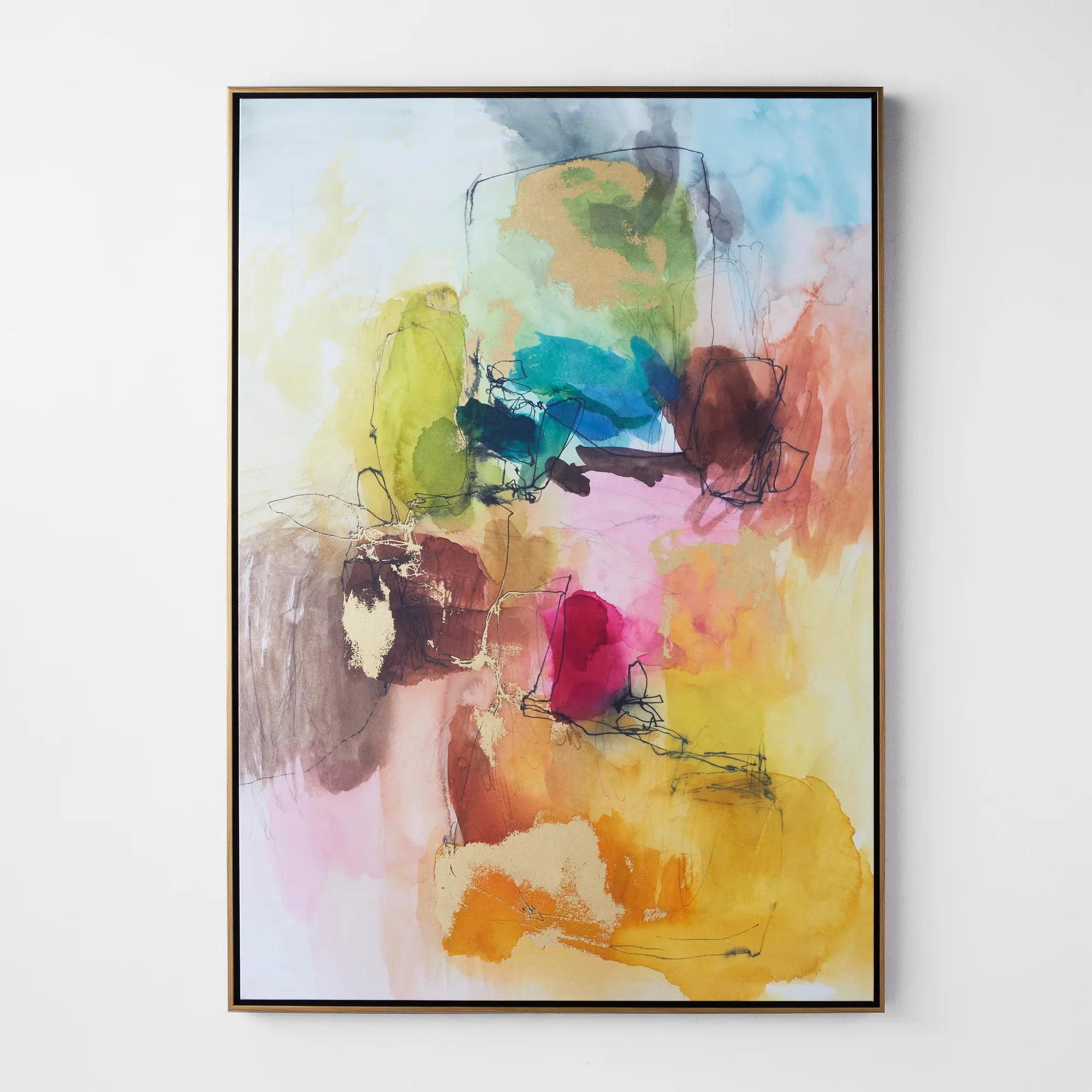
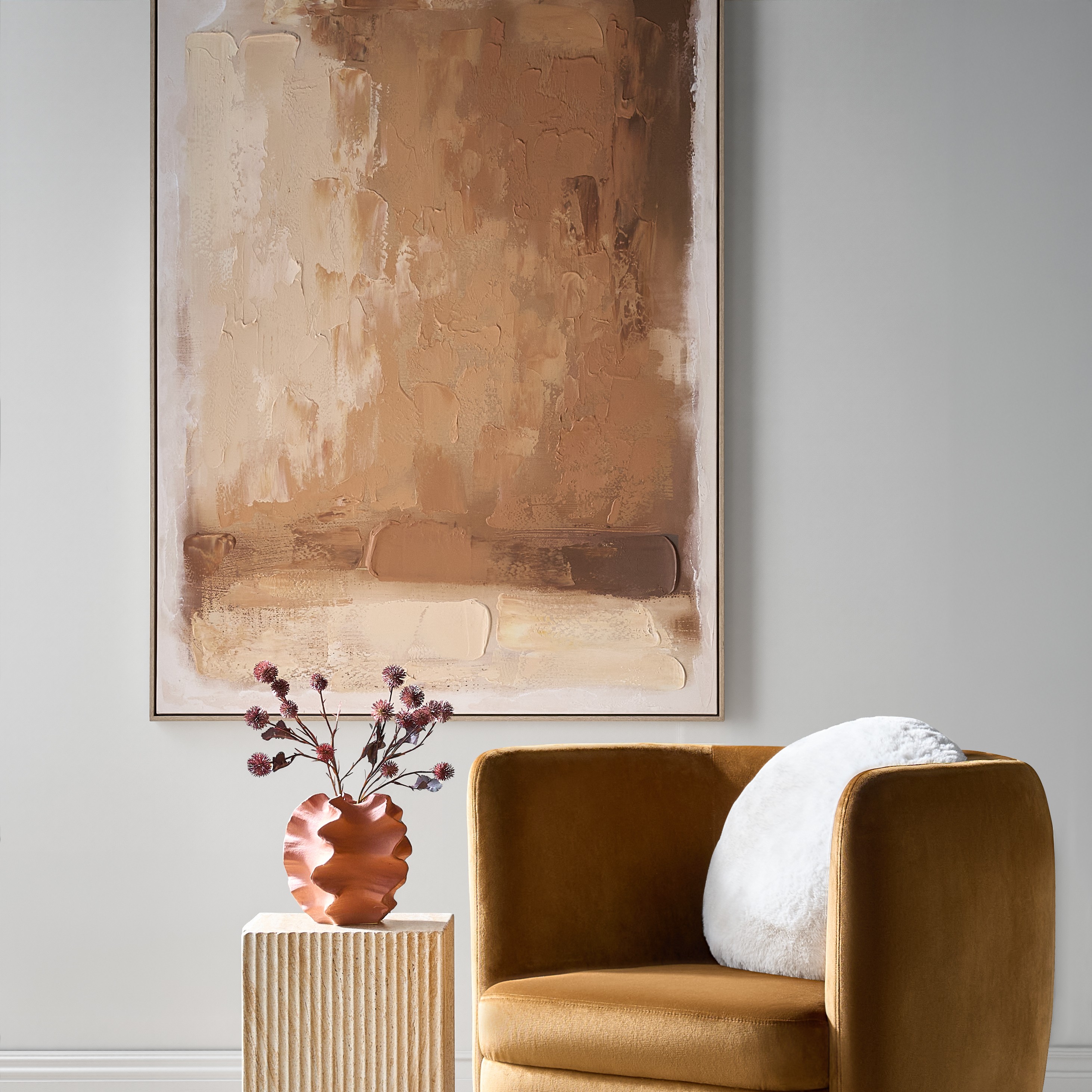 Ember Glow Framed Painted Wall Art 39.25" x 55"$499
A hand-painted abstract canvas blending ochre, terracotta, and golden clay hues in a light natural frame.
Add To Cart -
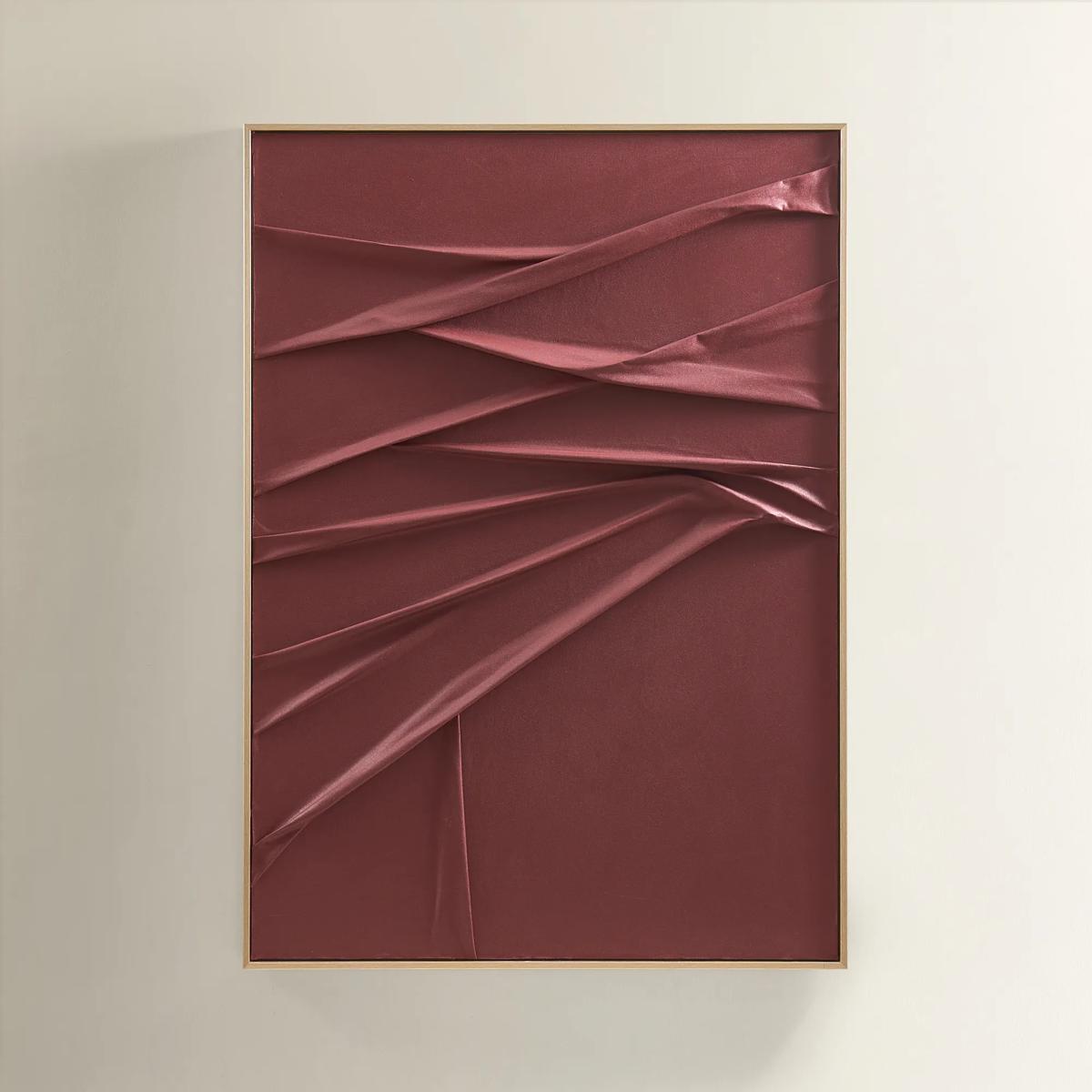
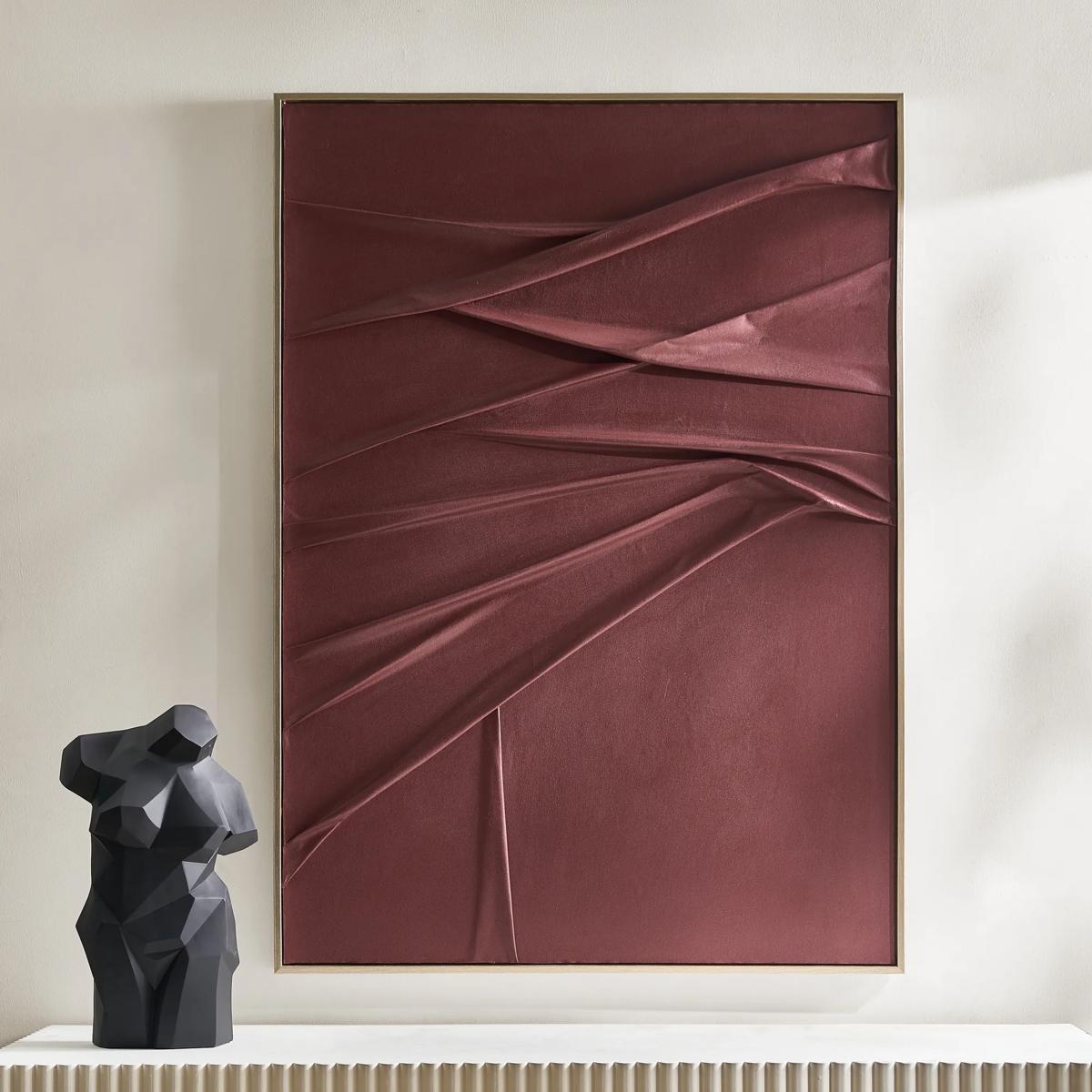 Crimson Painting$599
A handcrafted burgundy canvas artwork with sculptural folds, framed in champagne for a dramatic, textured effect.
Add To Cart -
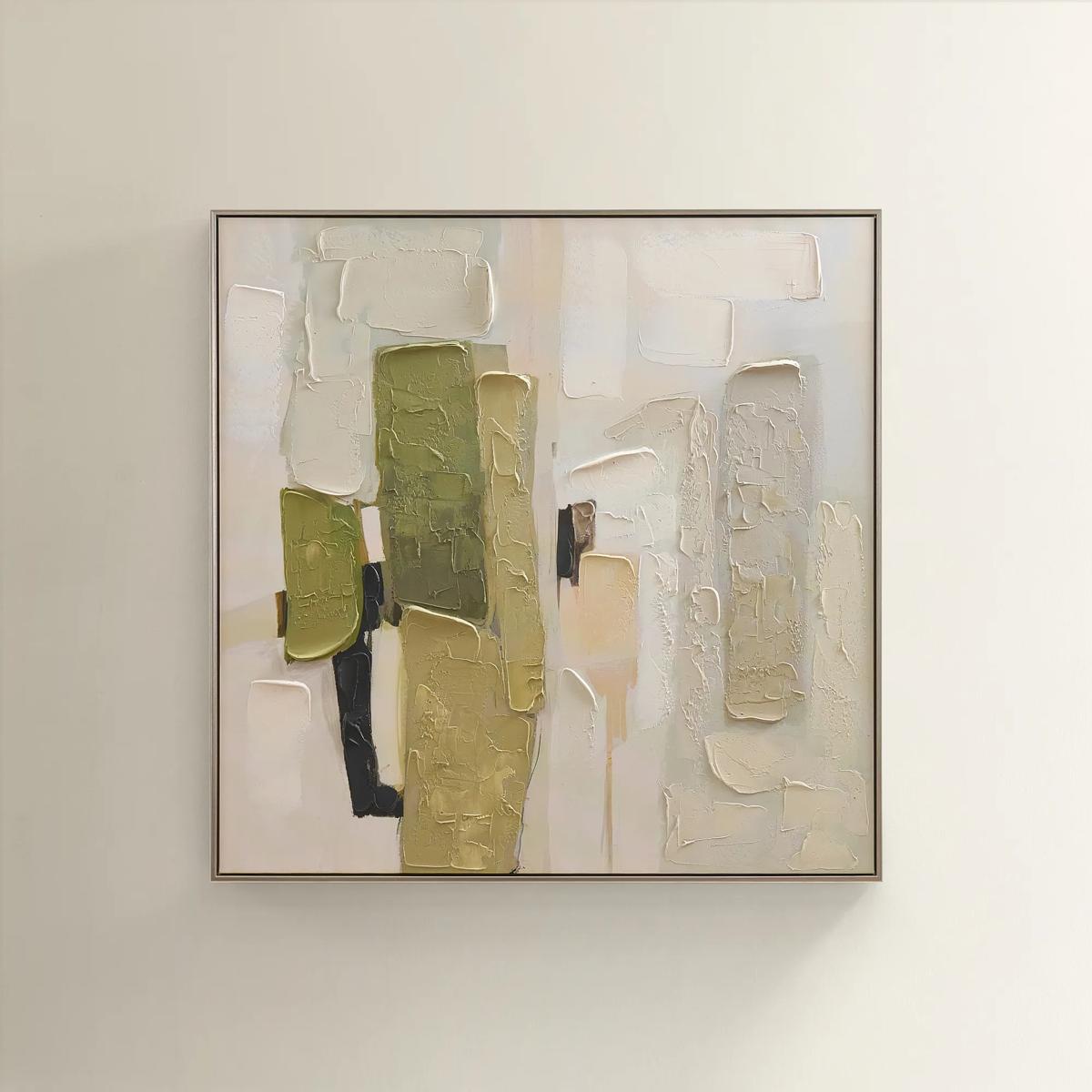 Verde Crush Framed Painted Wall Art 39.25" x 39.25"$349
A hand-painted abstract canvas featuring rich green tones, layered neutrals, and a champagne floater frame.
Add To Cart -
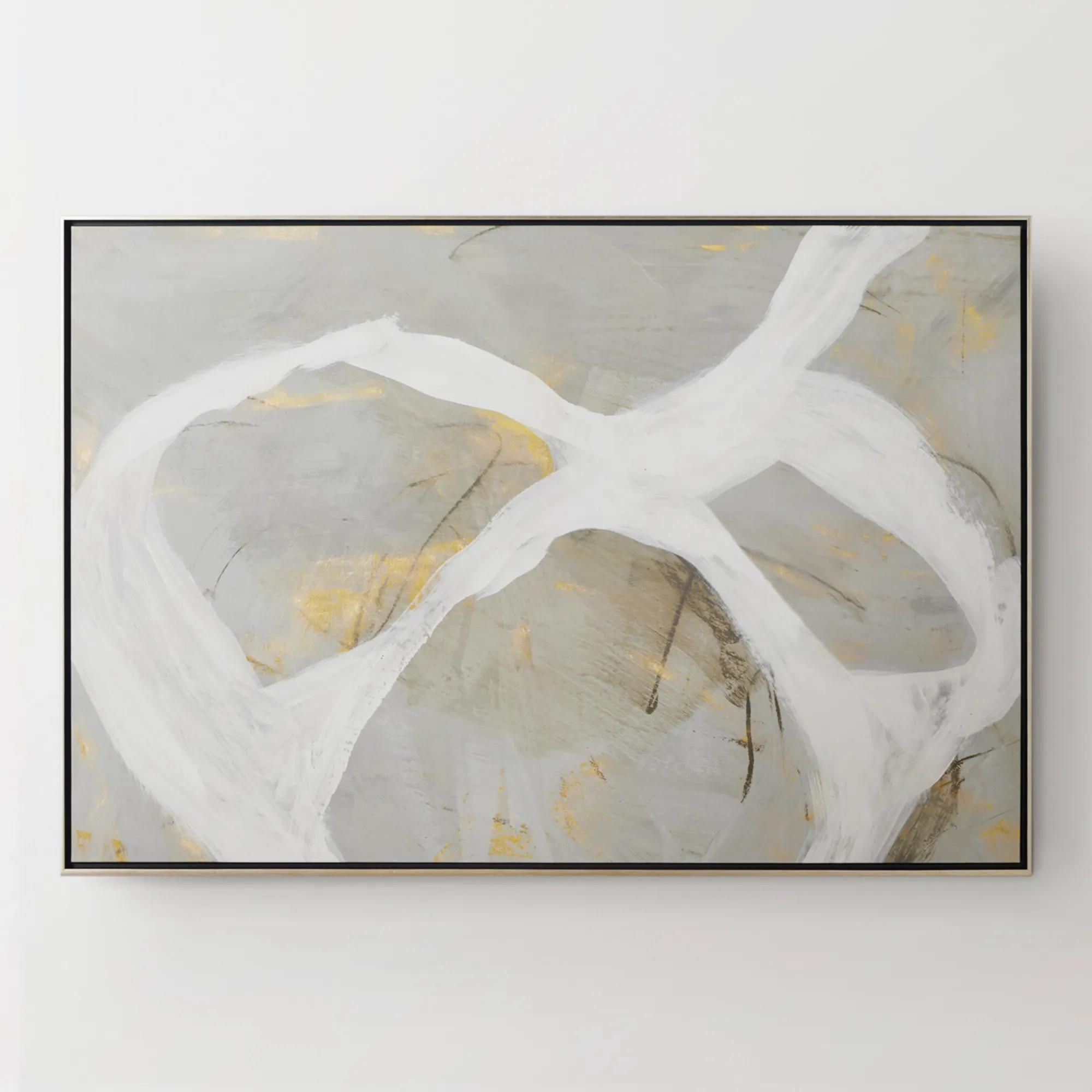
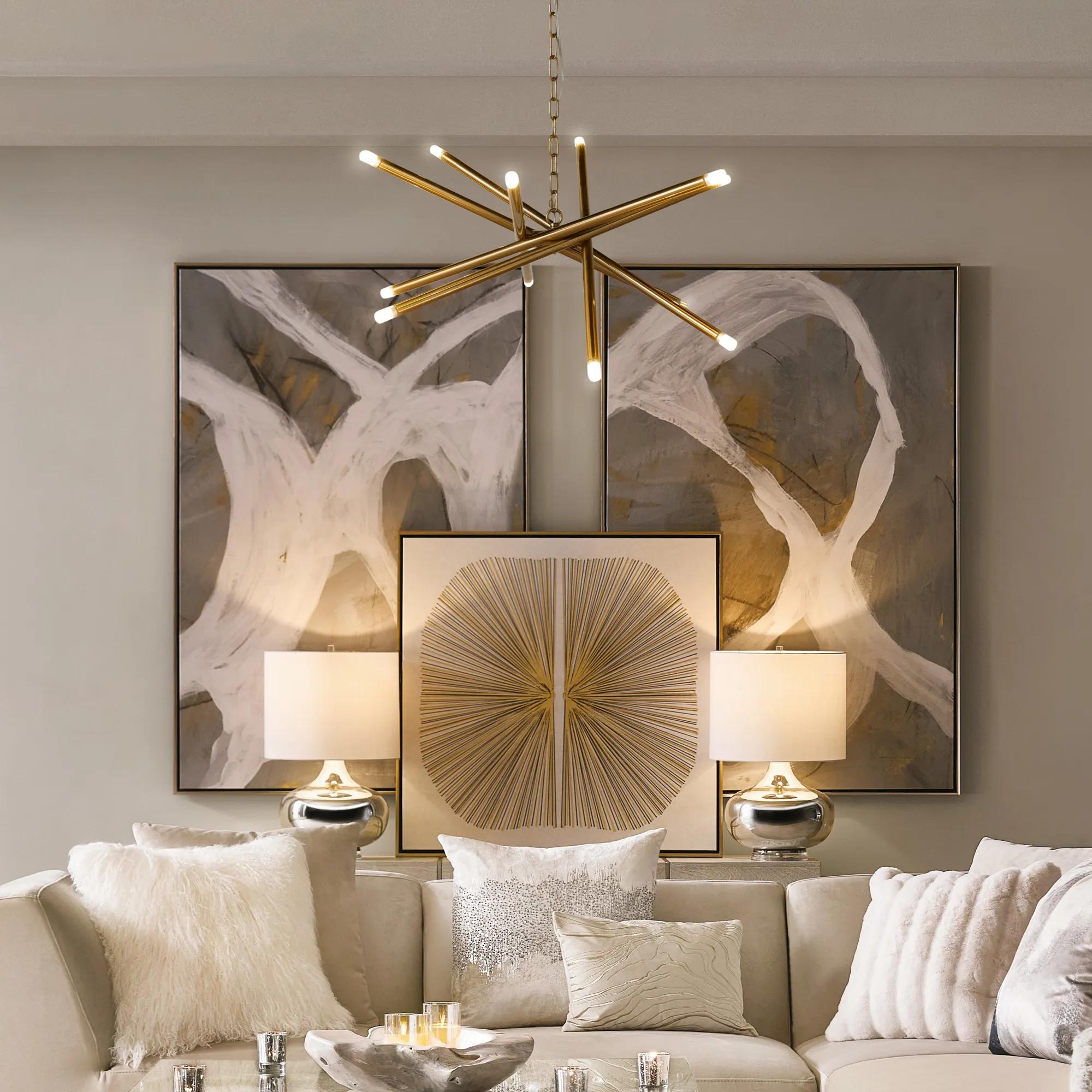 Les Series Framed Painted Wall Art I 61" x 41"$1099
An abstract canvas artwork featuring bold brushstrokes, hand-applied gold accents, and a silver floater frame.
Add To Cart -
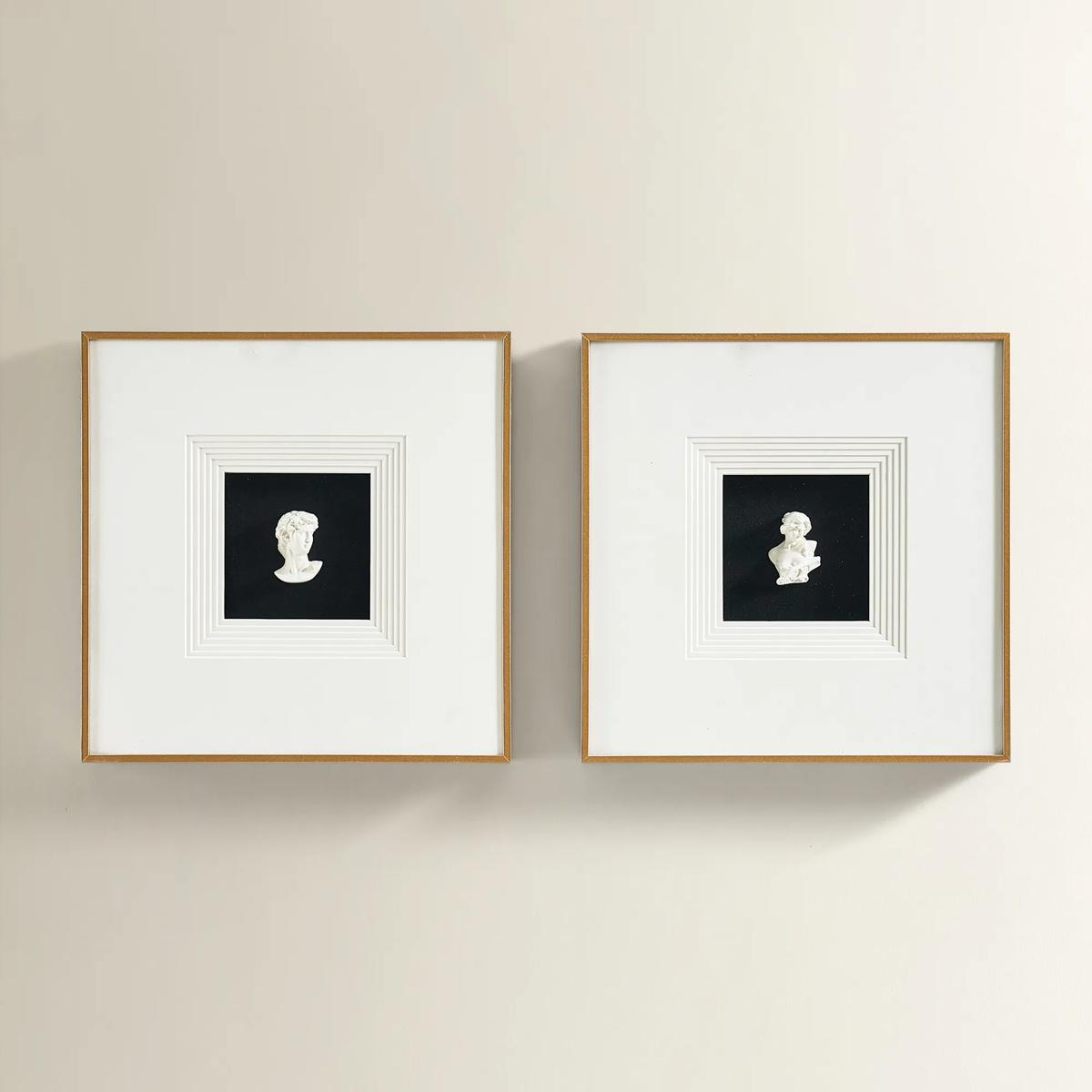
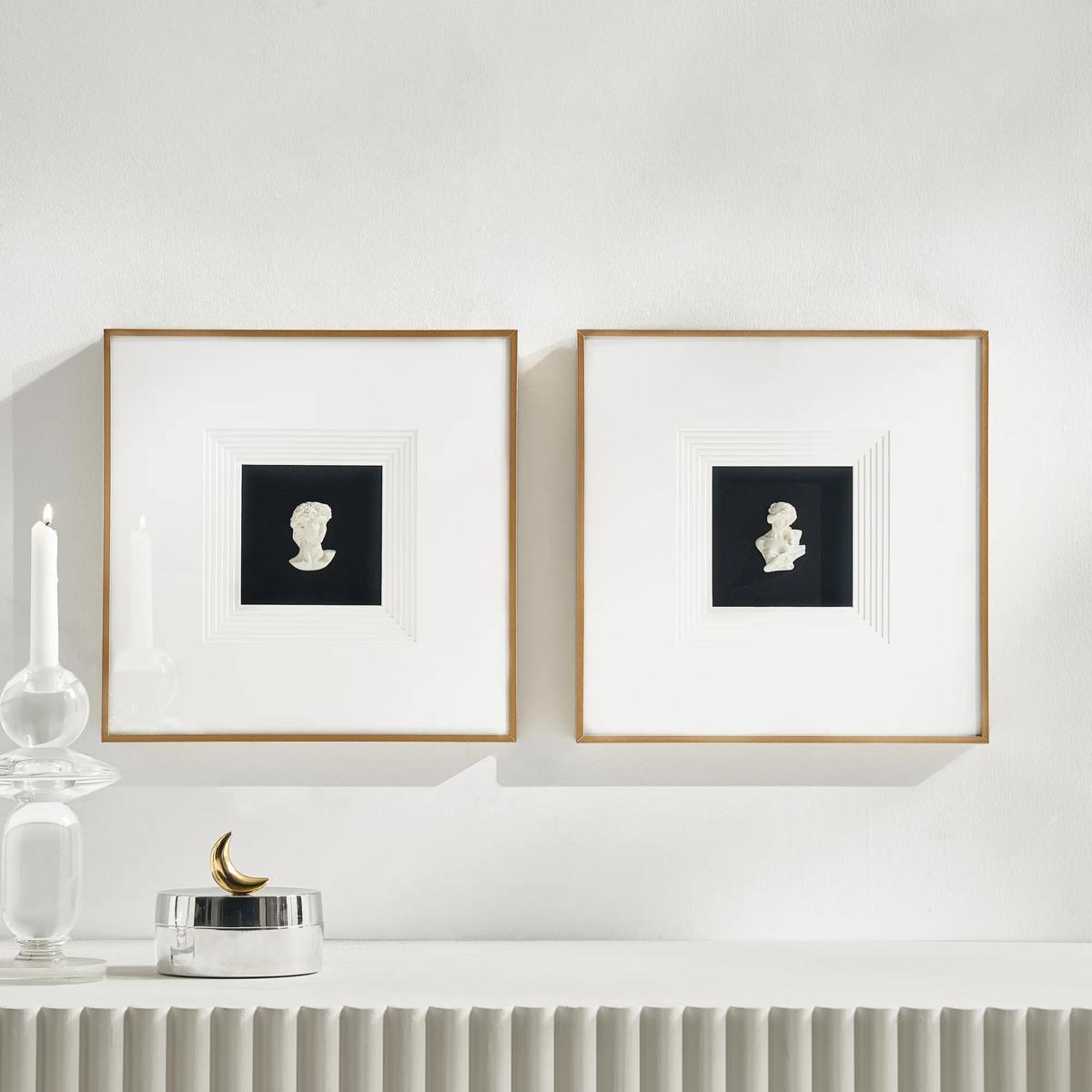 Classics Framed Plaster Wall Decor Set of 2$149
A set of two plaster portrait wall art pieces in black and ivory with sleek aluminum frames.
Add To Cart -
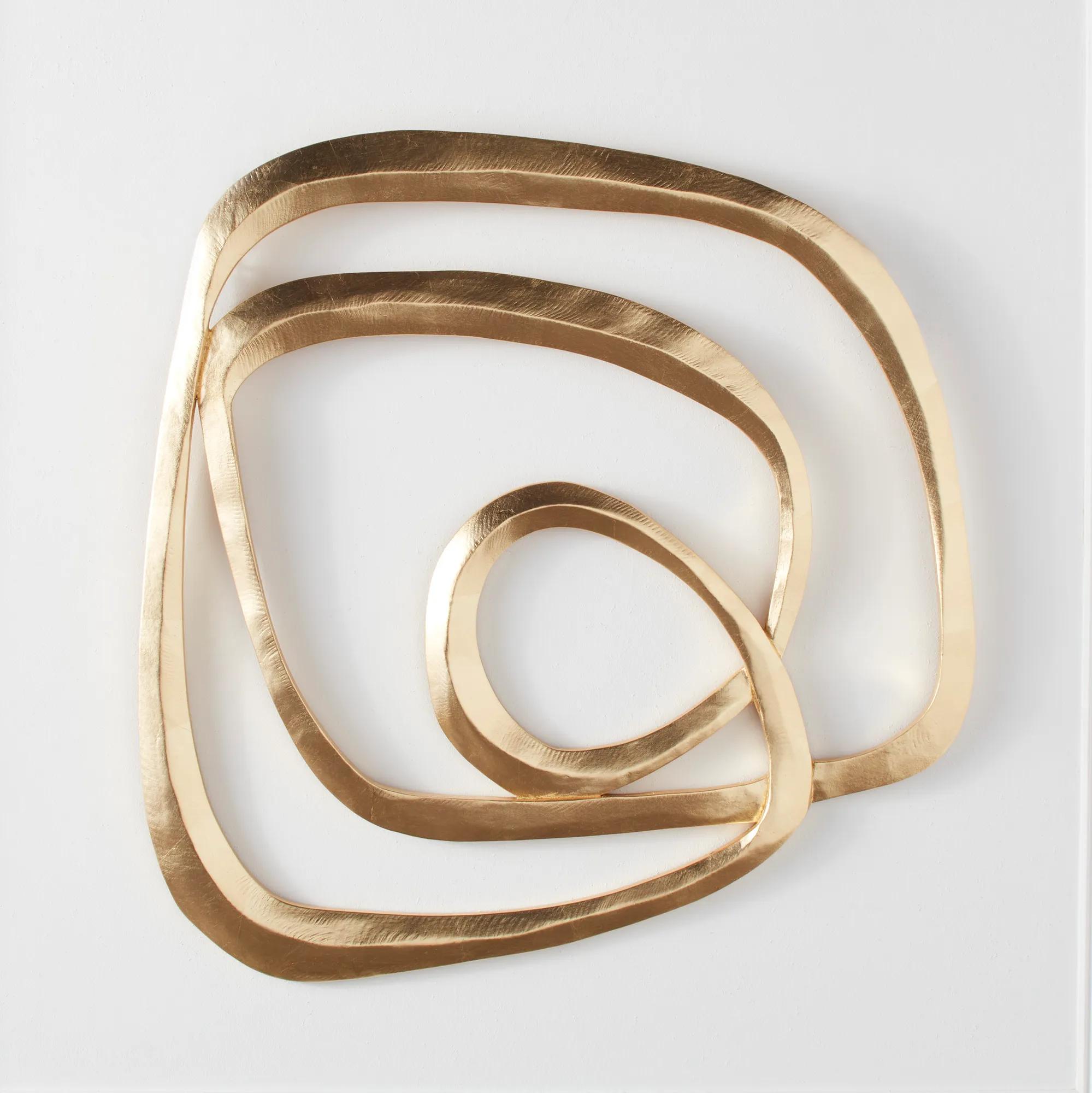 Infinity Gold Leaf Wood Wall Decor I 31.5" x 31.5"$299
A swirling wooden wall sculpture featuring a striking metallic gold finish for a bold decorative statement.
Add To Cart -
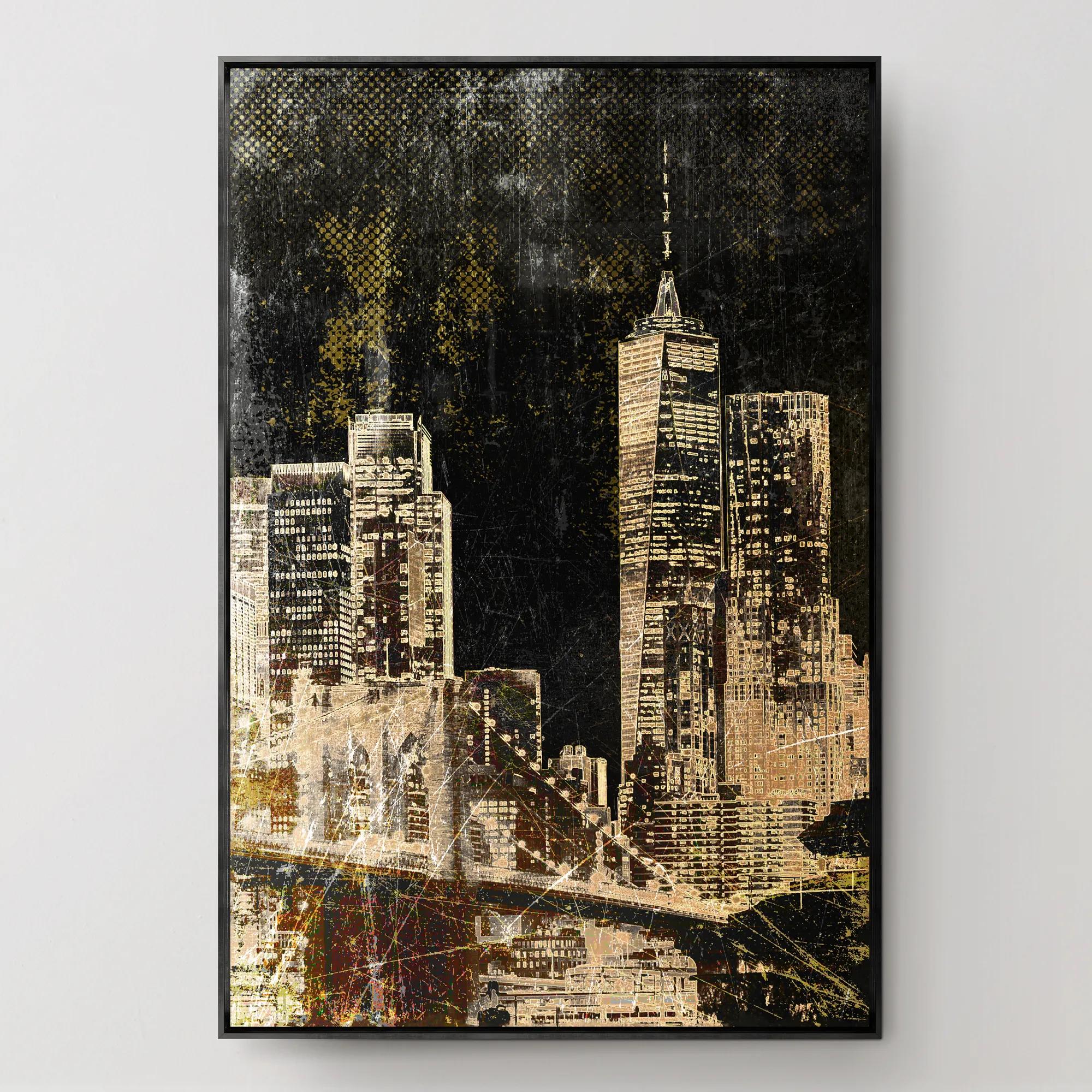
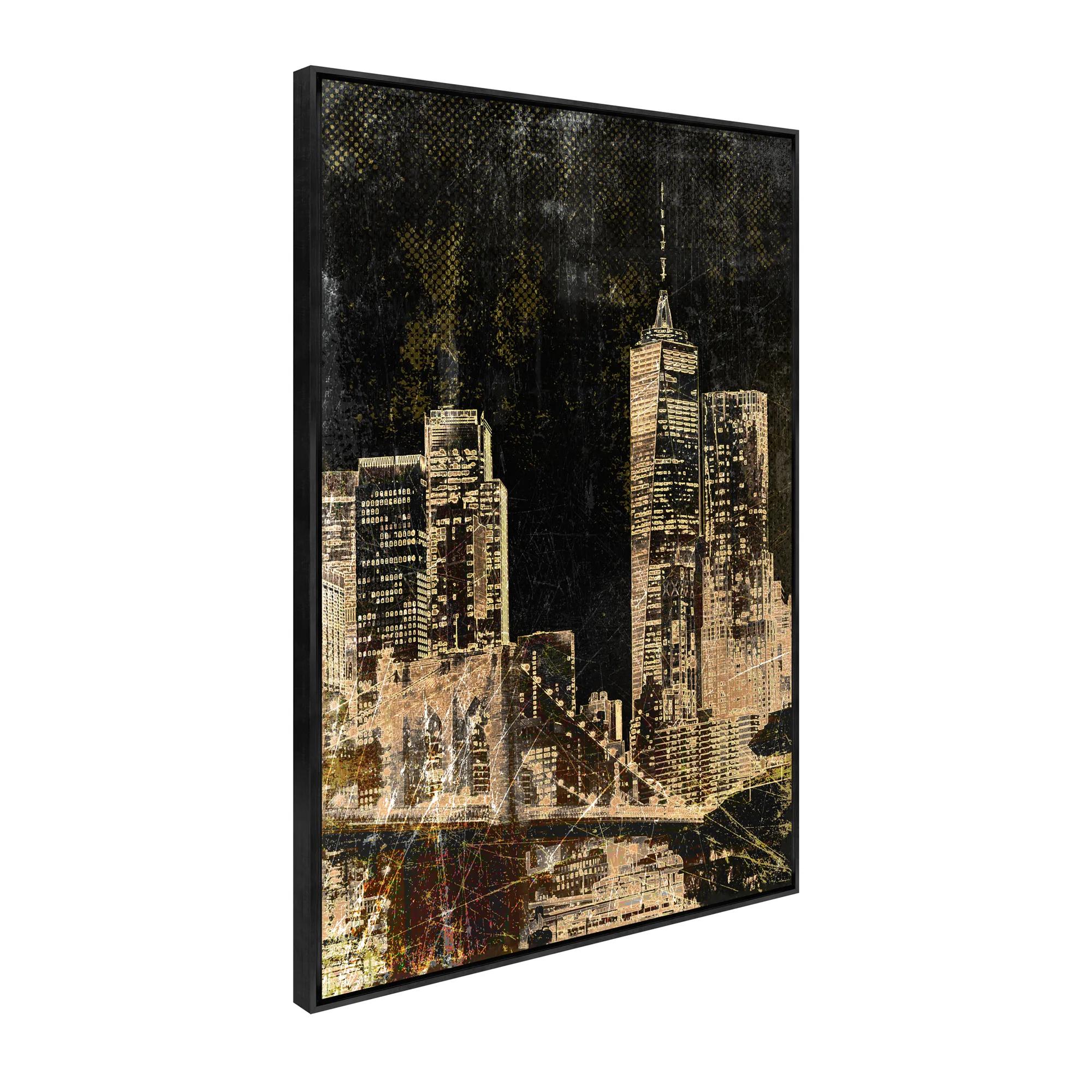 New York Lights Framed Wall Art 30" x 45"$649
A gallery-wrapped canvas artwork featuring a hand-applied gel finish and sleek black floater frame.
Add To Cart -
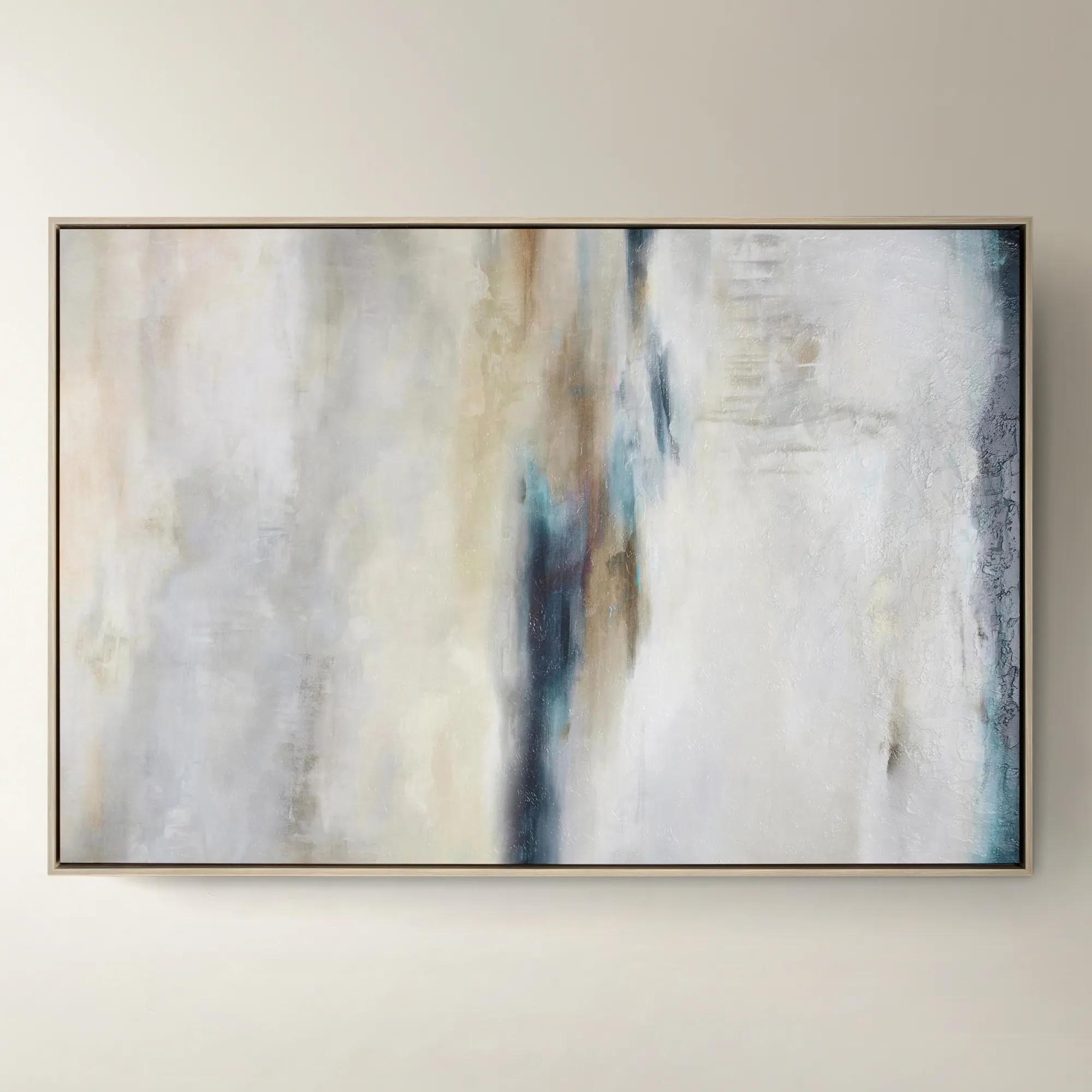
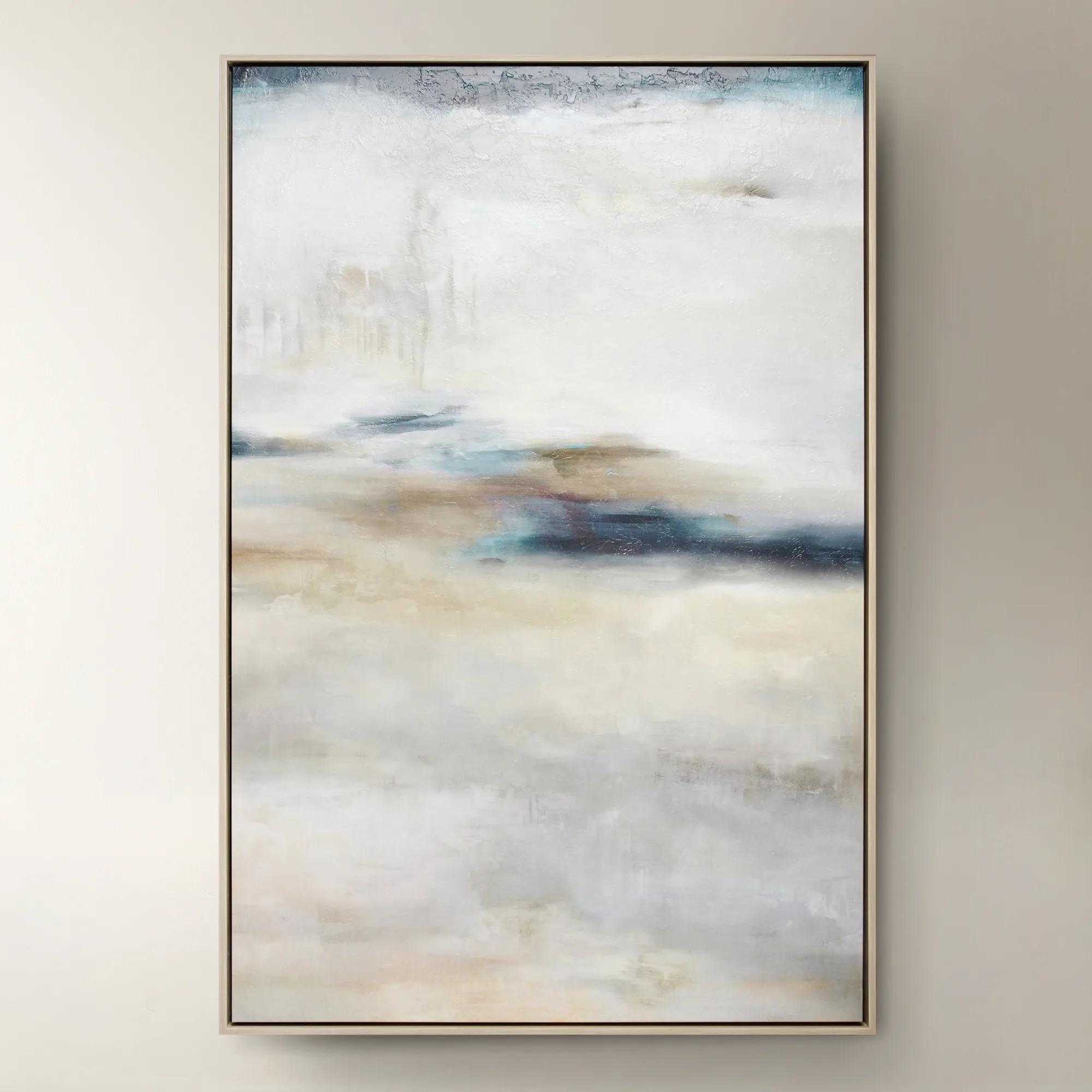 Forward Looking$1299
A softly layered abstract canvas print with a gel finish, set in a natural-hued floater frame.
Add To Cart -
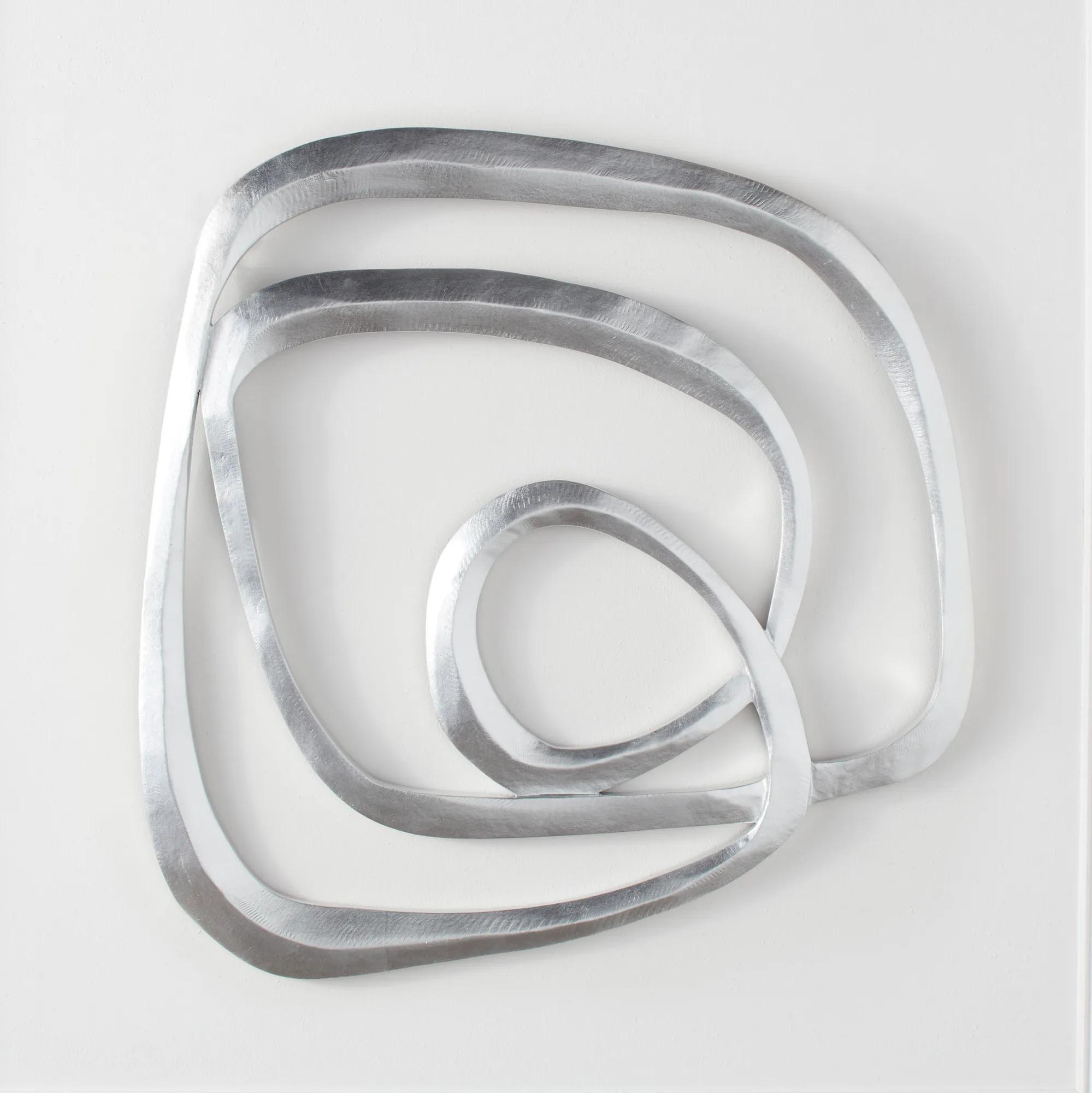 Infinity Silver Leaf Wood Wall Decor I 31.5" x 31.5"$299
A swirling wooden wall sculpture featuring a striking metallic silver finish for modern visual impact.
Add To Cart -
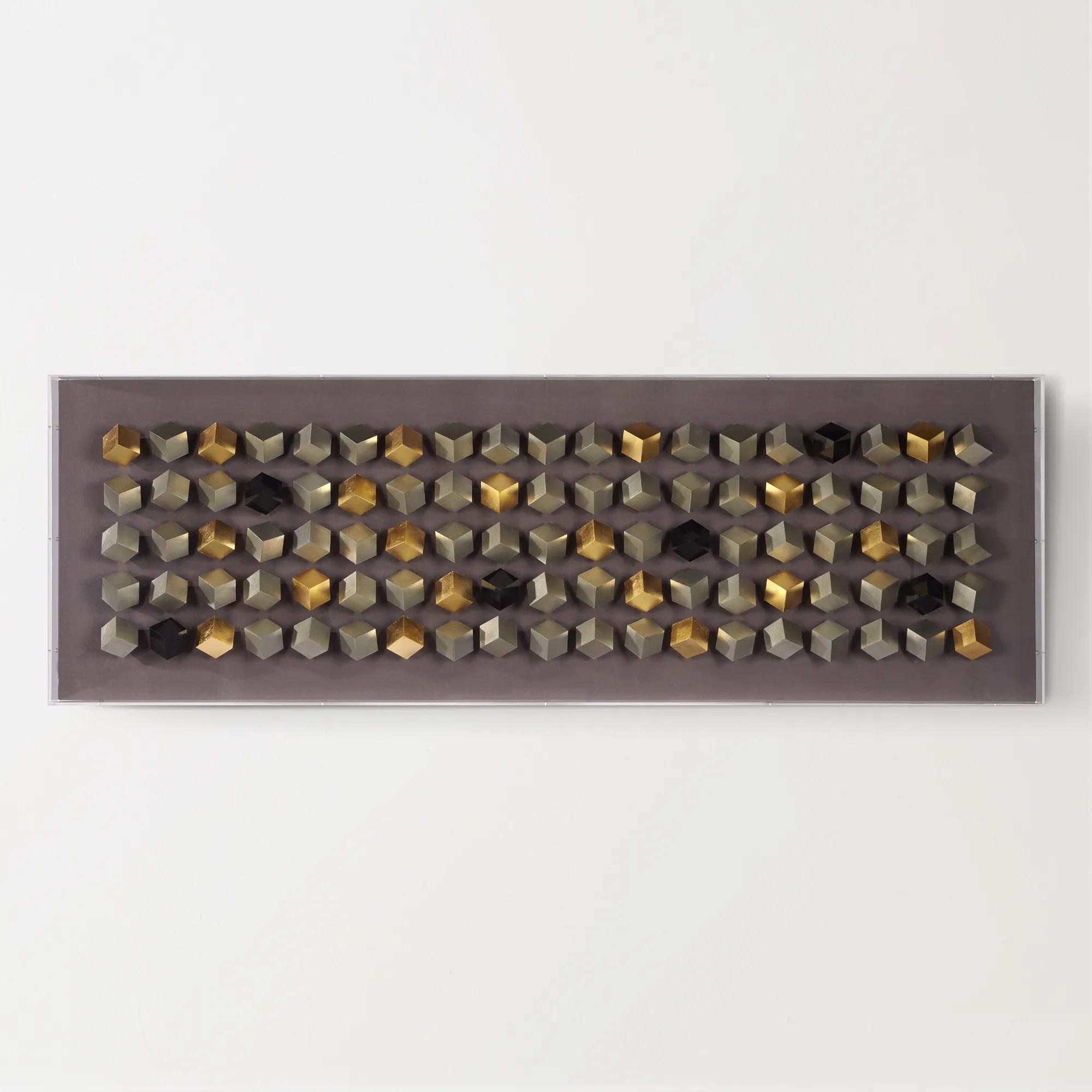
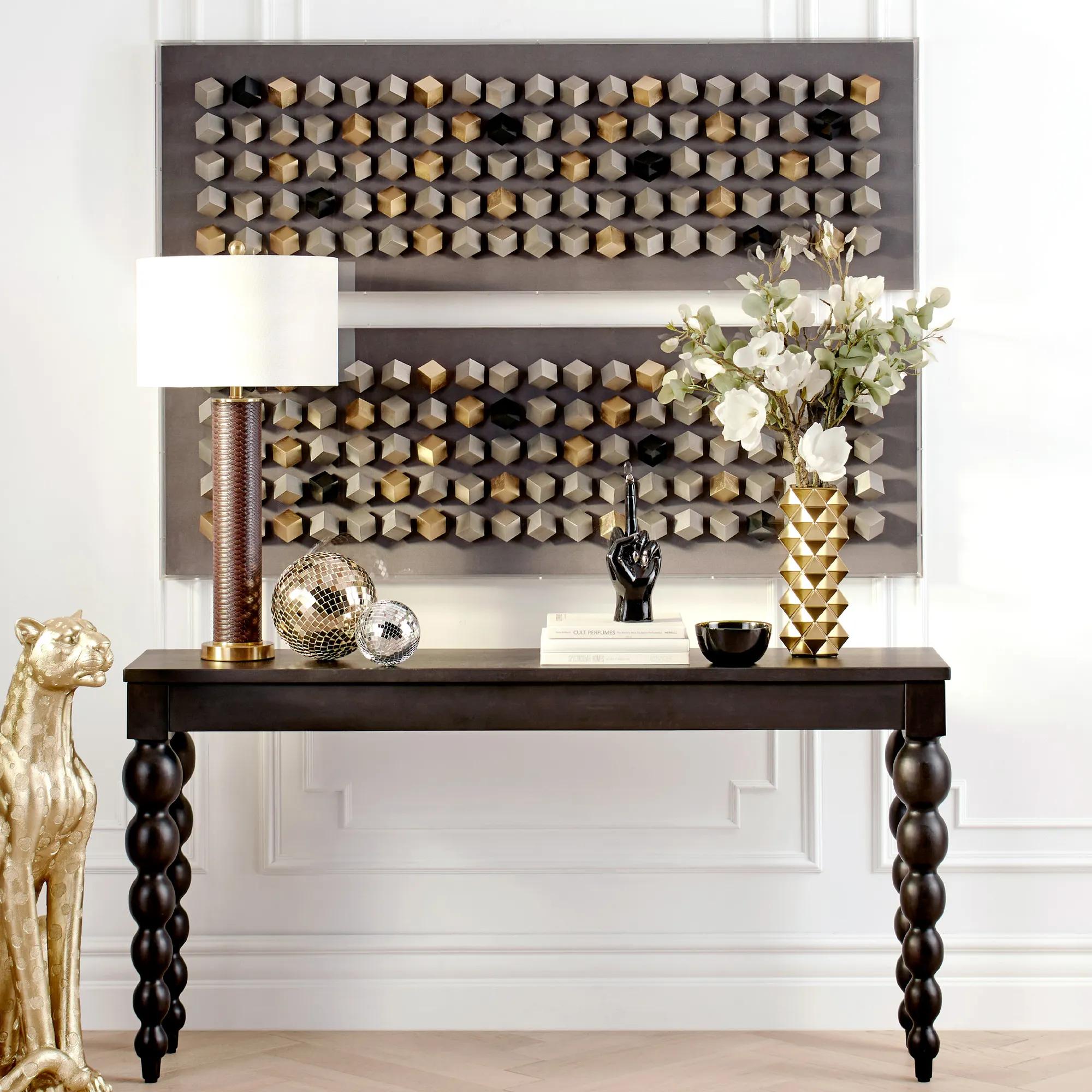 Cubic Array Dimensional Wall Decor in Acrylic 59" x 19.75"$599
A striking shadowbox wall art featuring a cubic, dimensional design with a tri-tone metallic finish.
Add To Cart -
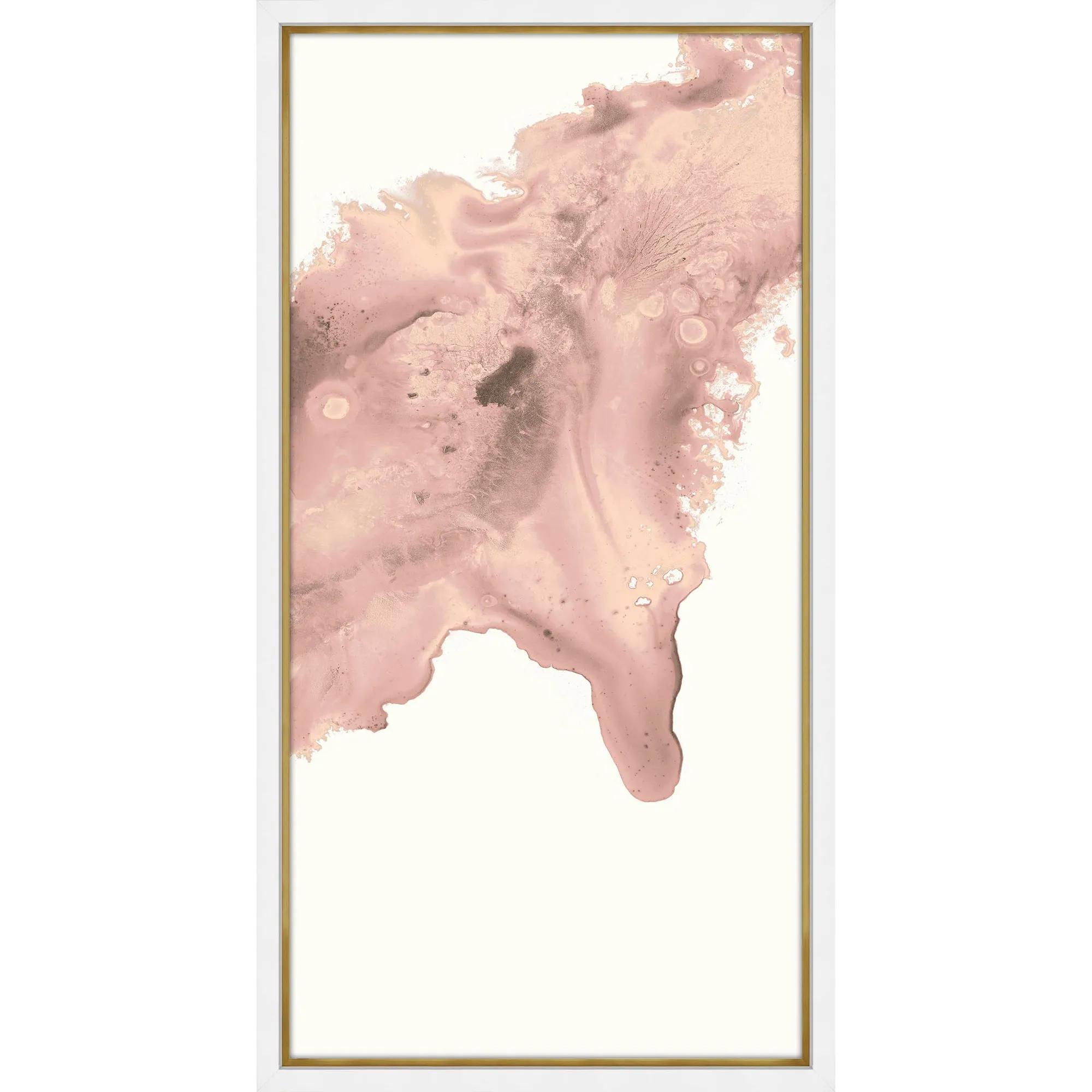
 Blush Conduit 2 Framed Wall Art 24" x 48"$849
A striking abstract print on pearl paper, elegantly framed in gold and matte white for modern appeal.
Add To Cart -
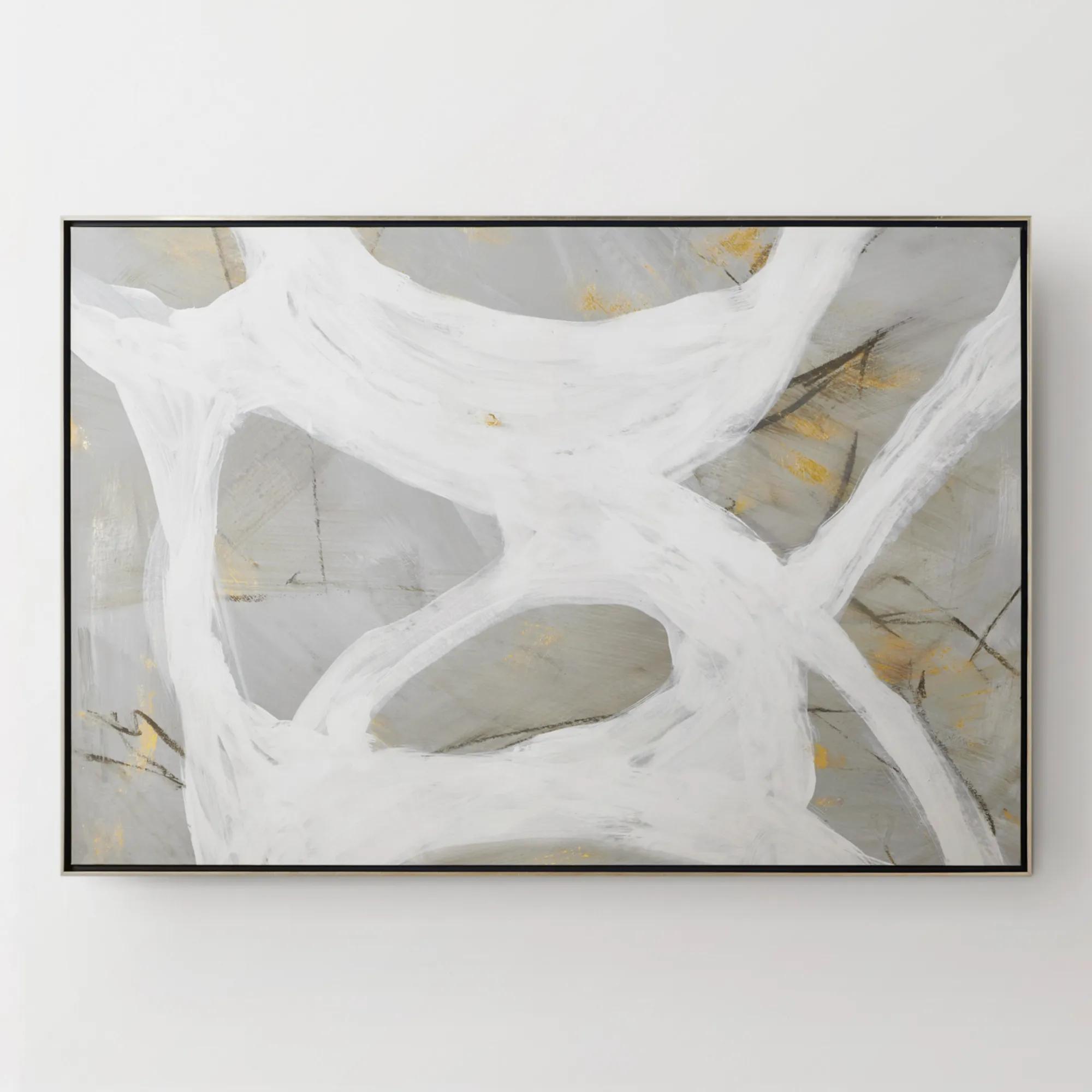
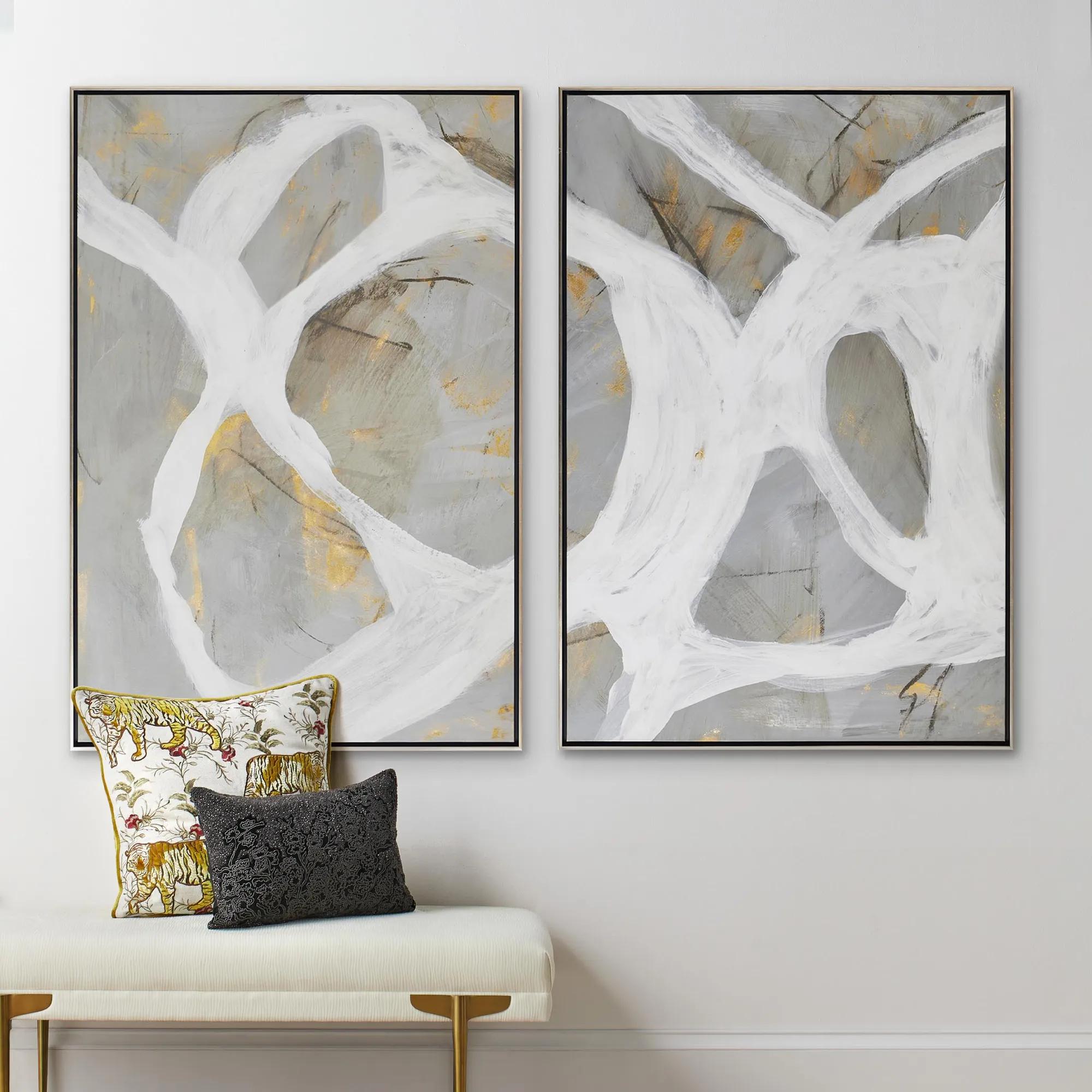 Les Series Framed Painted Wall Art II 61" x 41"$1099
An abstract canvas artwork featuring bold brushstrokes, hand-applied gold accents, and a silver floater frame.
Add To Cart

Statement Piece Wall Art
Explore statement piece wall art designed to give your room a striking focal point. This selection centers on expressive wall decor that commands attention and sets the mood for your space. Consider the scale of your wall, your room’s palette, and the surrounding furniture to choose a piece that feels intentional above a sofa, anchors a dining room, or brings drama to an entryway.
Statement piece wall art gives a room its visual signature, turning an open wall into an expression of your personal style. Whether your eye gravitates toward dramatic abstract compositions, expressive portraits, or sweeping landscapes, the most compelling artwork does more than complement your decor—it establishes a mood. Oversized wall art can bring gallery-inspired presence to a living room, while a composition with vivid color or striking contrast can lend a dining room a sense of theater. To choose a statement art piece with lasting impact, consider what you want the space to evoke: jewel tones create a rich, enveloping atmosphere, while a restrained palette with bold forms can feel equally commanding. Look for a connection between the artwork and your interior without making every element match. A color echoed in an accent pillow, a curved line reflected in nearby furniture, or a geometric motif repeated in decorative accessories can make modern wall decor feel thoughtfully integrated rather than merely coordinated. Scale and placement help statement piece wall art achieve its full expressive power. Above a sofa or sideboard, artwork spanning roughly two-thirds to three-quarters of the furniture’s width is a useful starting point for a balanced arrangement; adjust that proportion to suit the wall, ceiling height, and visual weight of the composition. Large wall art benefits from breathing room, so leave enough surrounding space for its shapes, colors, and details to command attention. For artwork displayed on an open wall, positioning the center near eye level—often around 57 to 60 inches from the floor—offers a practical guide, while pieces above furniture should relate closely to the furnishings below. A single oversized composition creates a decisive focal point, while a coordinated grouping can deliver similar drama through rhythm and repetition. Finish the vignette with thoughtfully directed lighting that reveals the artwork without distracting glare, and keep nearby accents selective. From living room wall art to a striking entryway display, a considered arrangement allows your statement piece to define the room’s character with confidence.
FAQs
Statement piece wall art gives a room a distinct point of view. Expressive color, striking composition, or unexpected imagery draws the eye and establishes a focal point. Whether boldly abstract or quietly dramatic, the artwork should feel intentional—a reflection of your taste that shapes the mood of the space.
Abstract compositions, graphic black-and-white imagery, expressive portraits, and dramatic landscapes can all create compelling statement wall decor. Look for a visual quality that captivates you, such as sweeping movement, luminous contrast, or intricate detail. The strongest choice brings personality to your interior rather than simply matching its surroundings.
Decide whether you want your artwork to harmonize with the room or introduce a daring contrast. Echoing a color from your upholstery or decorative accents creates a polished connection, while an unexpected hue adds a new layer of expression. In a richly colored interior, black-and-white art can offer a crisp, dramatic counterpoint.
Let the artwork set the creative direction, then carry select colors, shapes, or moods into your furnishings and decor. A fluid composition might inspire curved silhouettes, while graphic artwork can pair beautifully with sculptural accents. Keep surrounding details deliberate so the room feels layered and expressive without competing for attention.
Yes—statement wall art can serve as the visual anchor of a gallery wall. Build a thoughtful composition around it with complementary imagery, a recurring color, or a consistent framing approach. Vary the artistic details while preserving a shared visual thread for a collected look with a confident focal point.