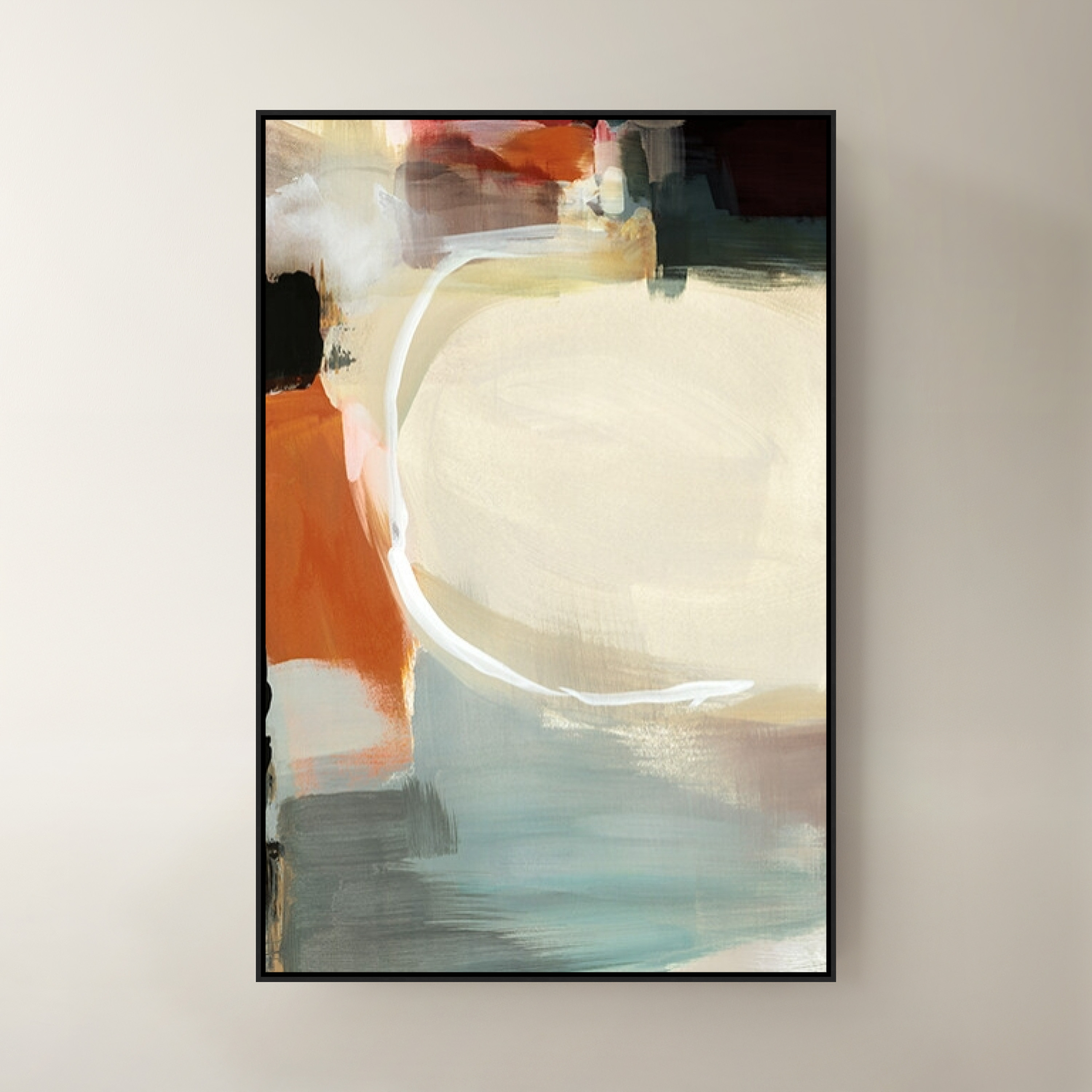
Horizontal Abstract Canvas Wall Arts
Horizontal Abstract Canvas Wall Arts
-
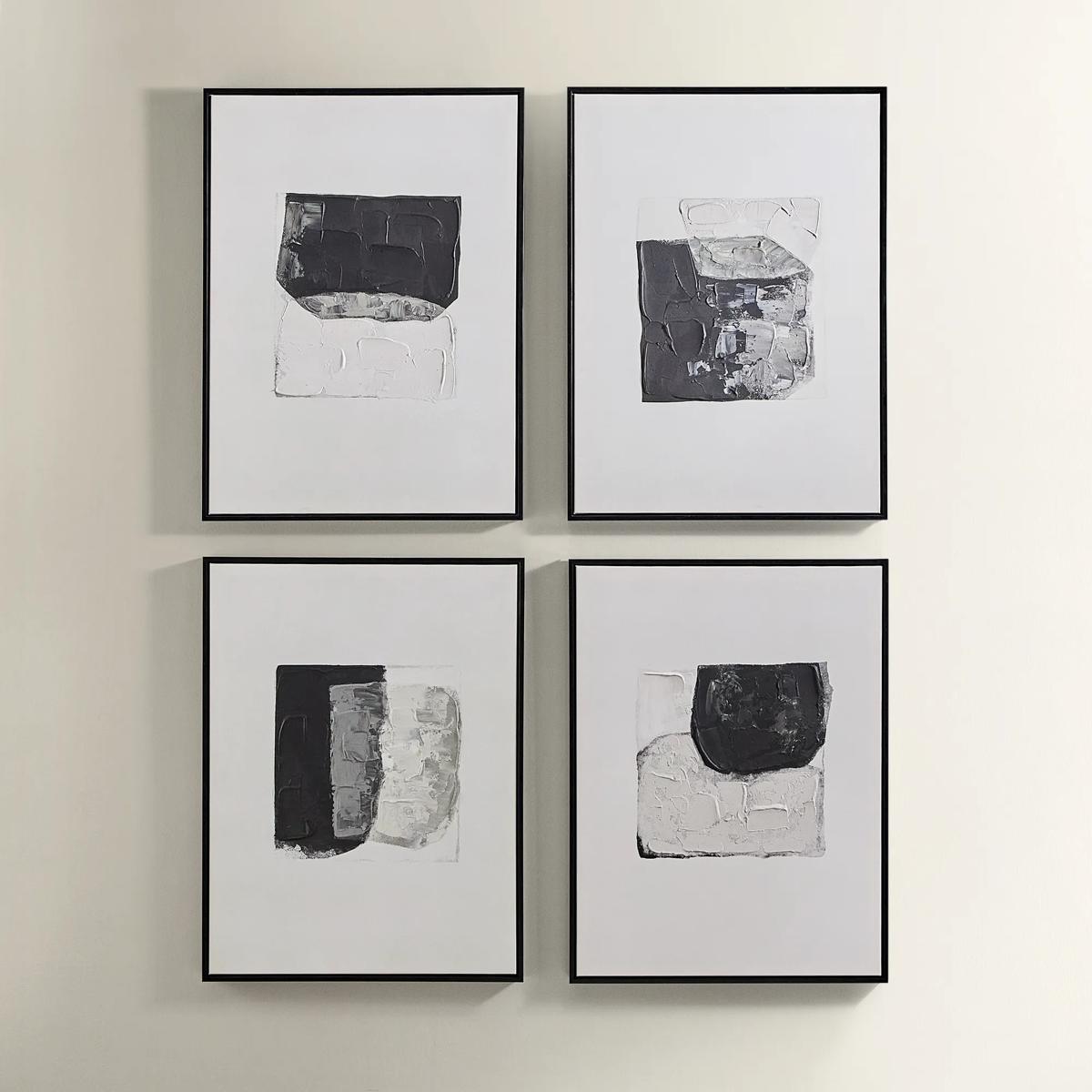
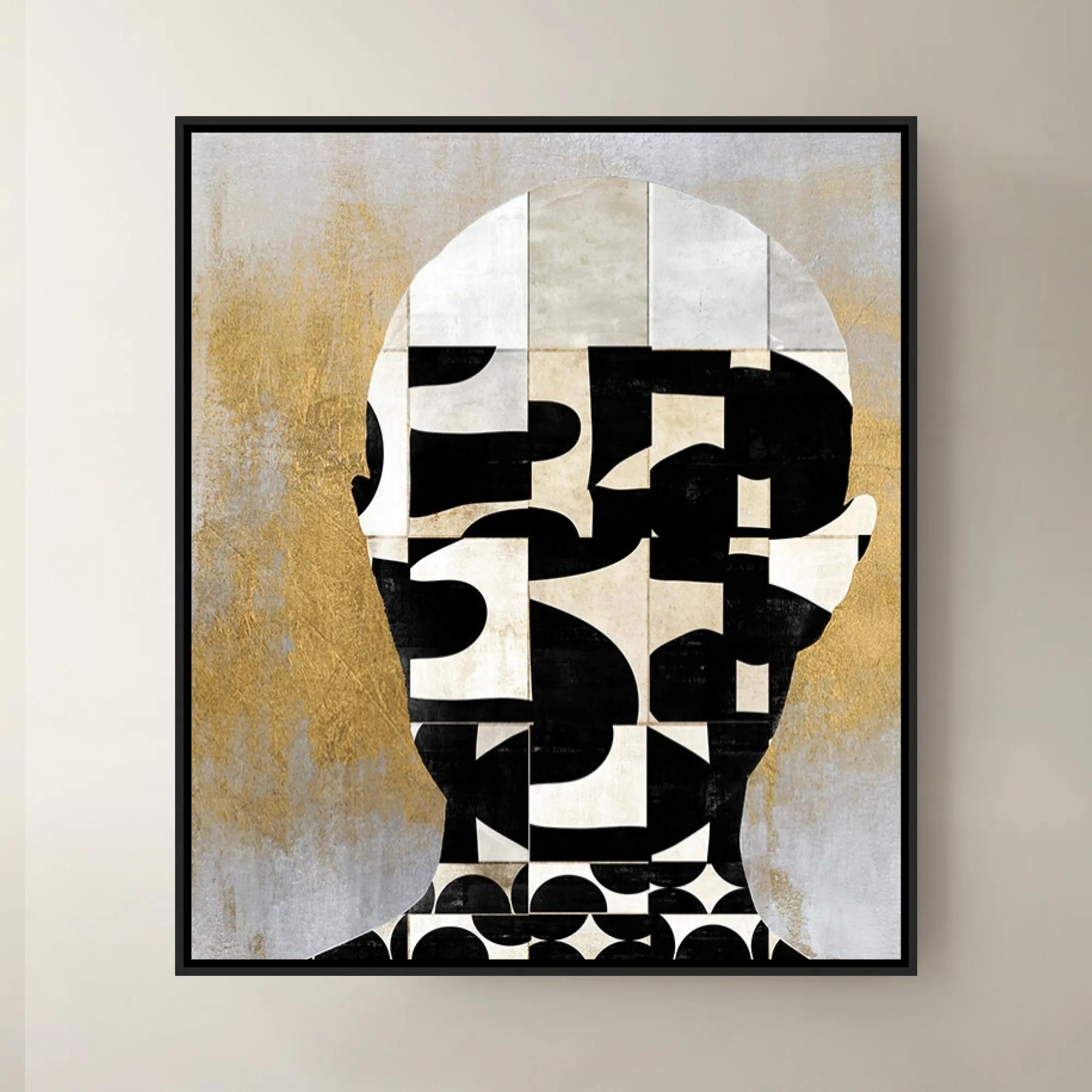
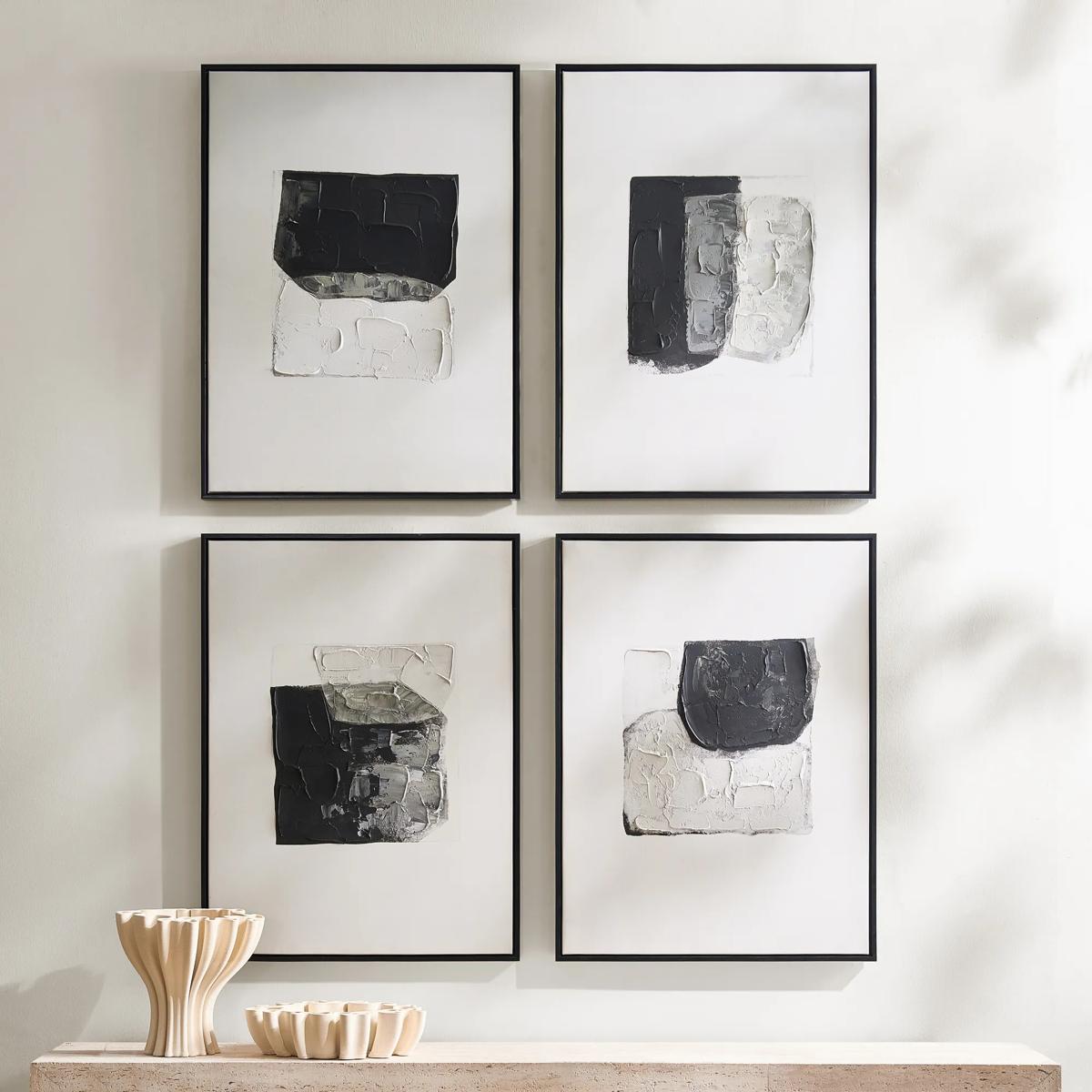 Shadows Framed Painted Wall Art Set of 4$299
A set of four hand-painted abstract canvases featuring black, white, and gold accents in black frames.
Add To Cart -
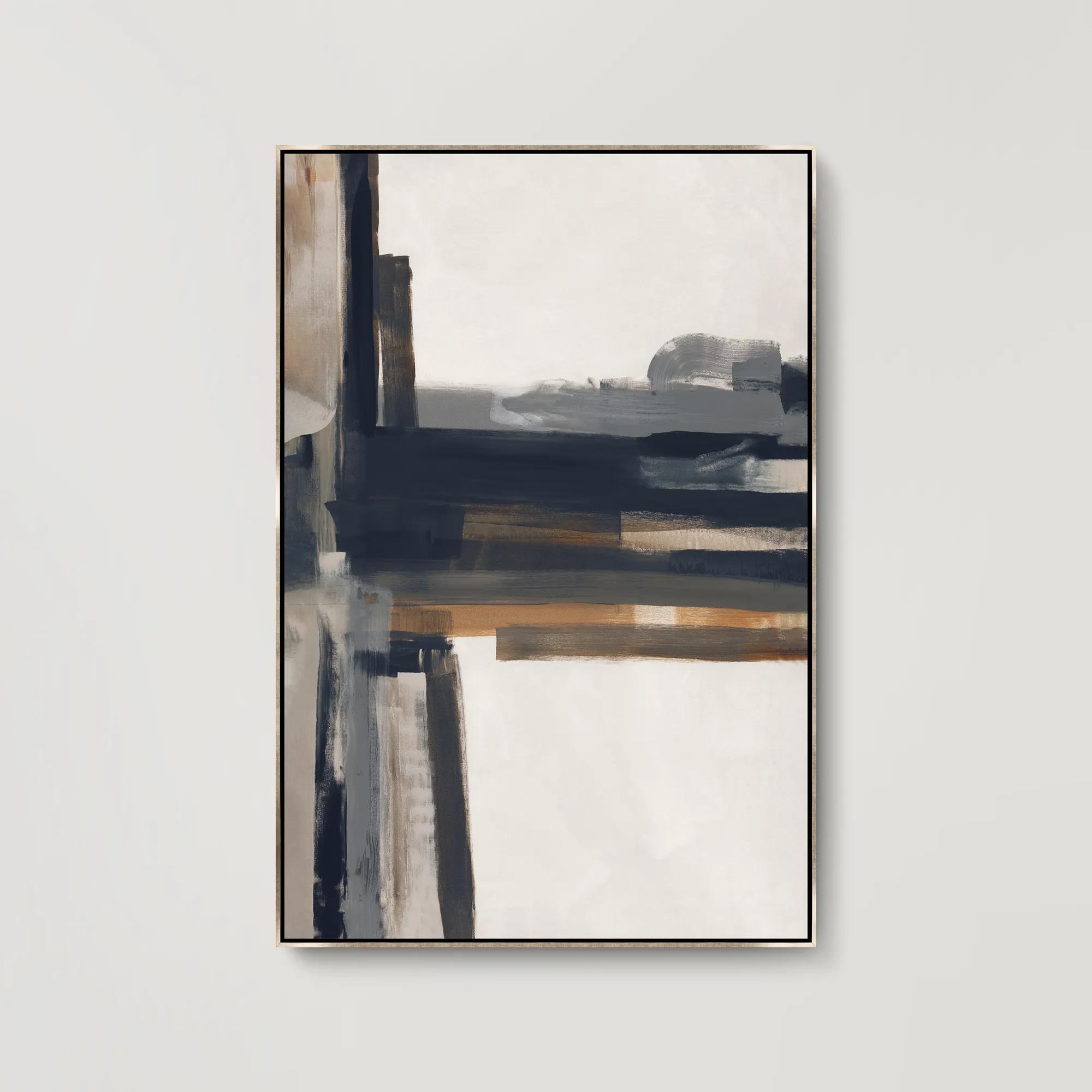
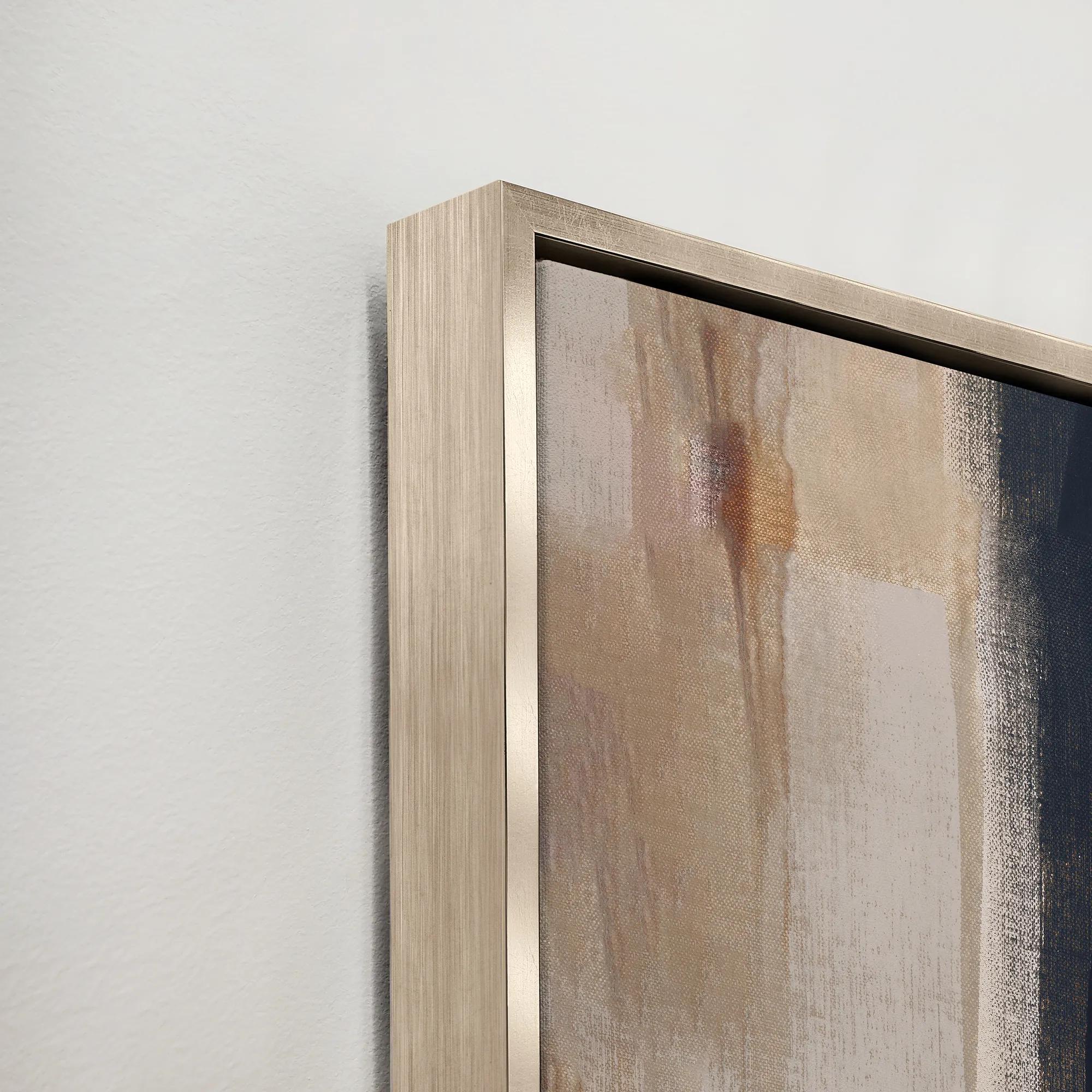 Imposing Construct I Framed Wall Art 41.5" x 61.5"$949
A gallery-wrapped abstract canvas featuring hand-applied brush gel and set in a sleek silver floater frame.
Add To Cart -
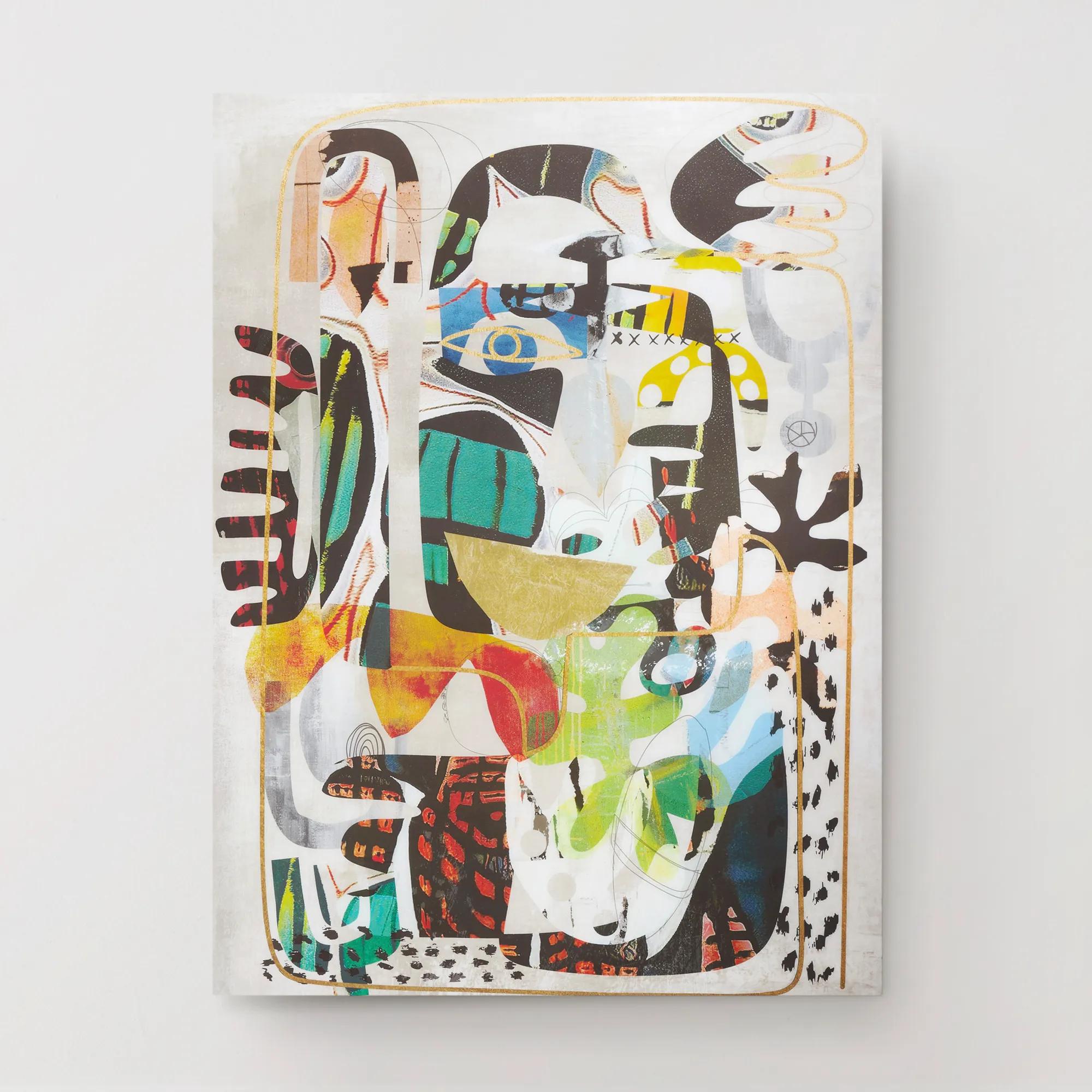
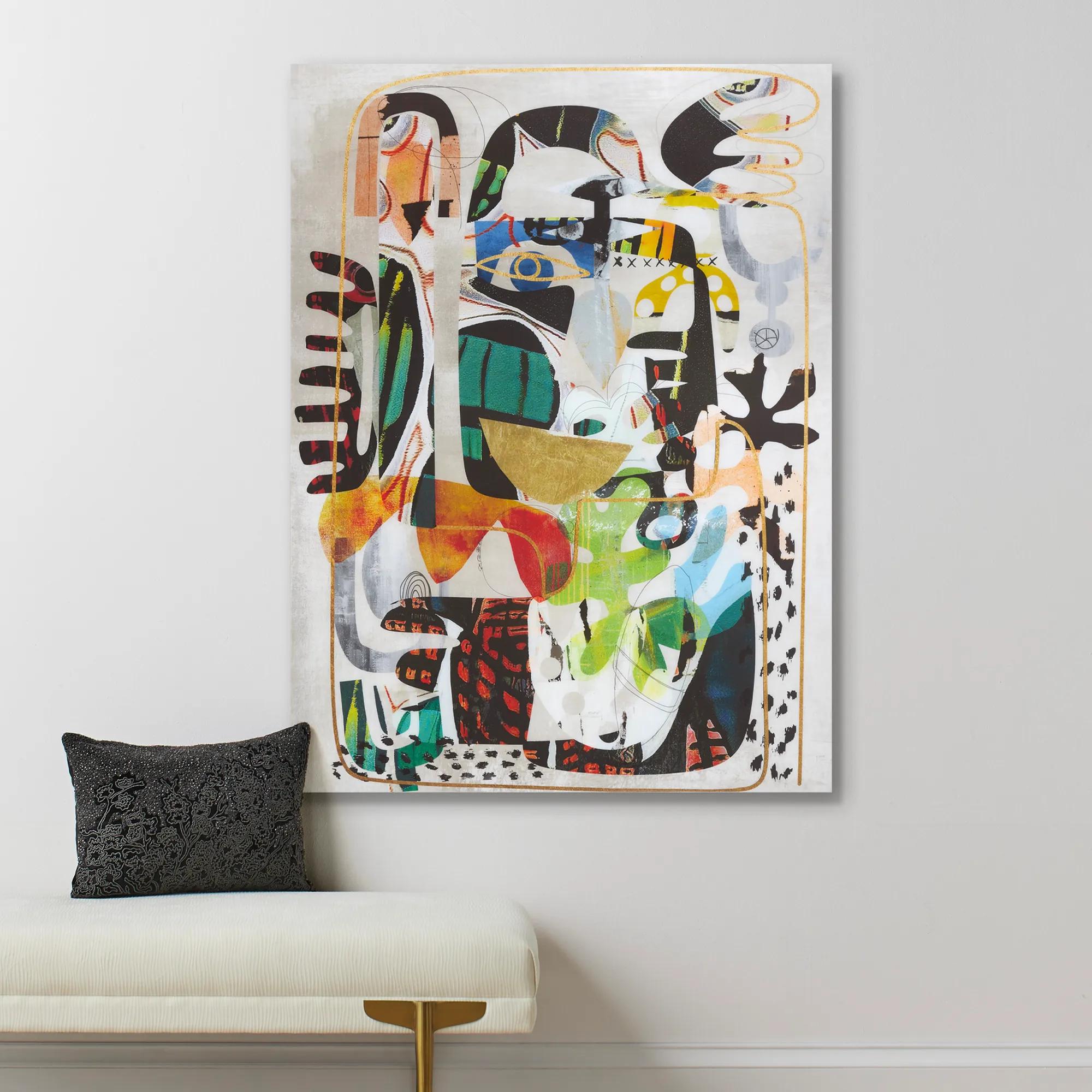 Nikki Chu Masked Wall Art 40" x 54"$899
A vibrant giclee print on canvas featuring a hand-applied glossy finish for a modern statement.
Add To Cart -
-0.jpeg?w=1200&h=1200)
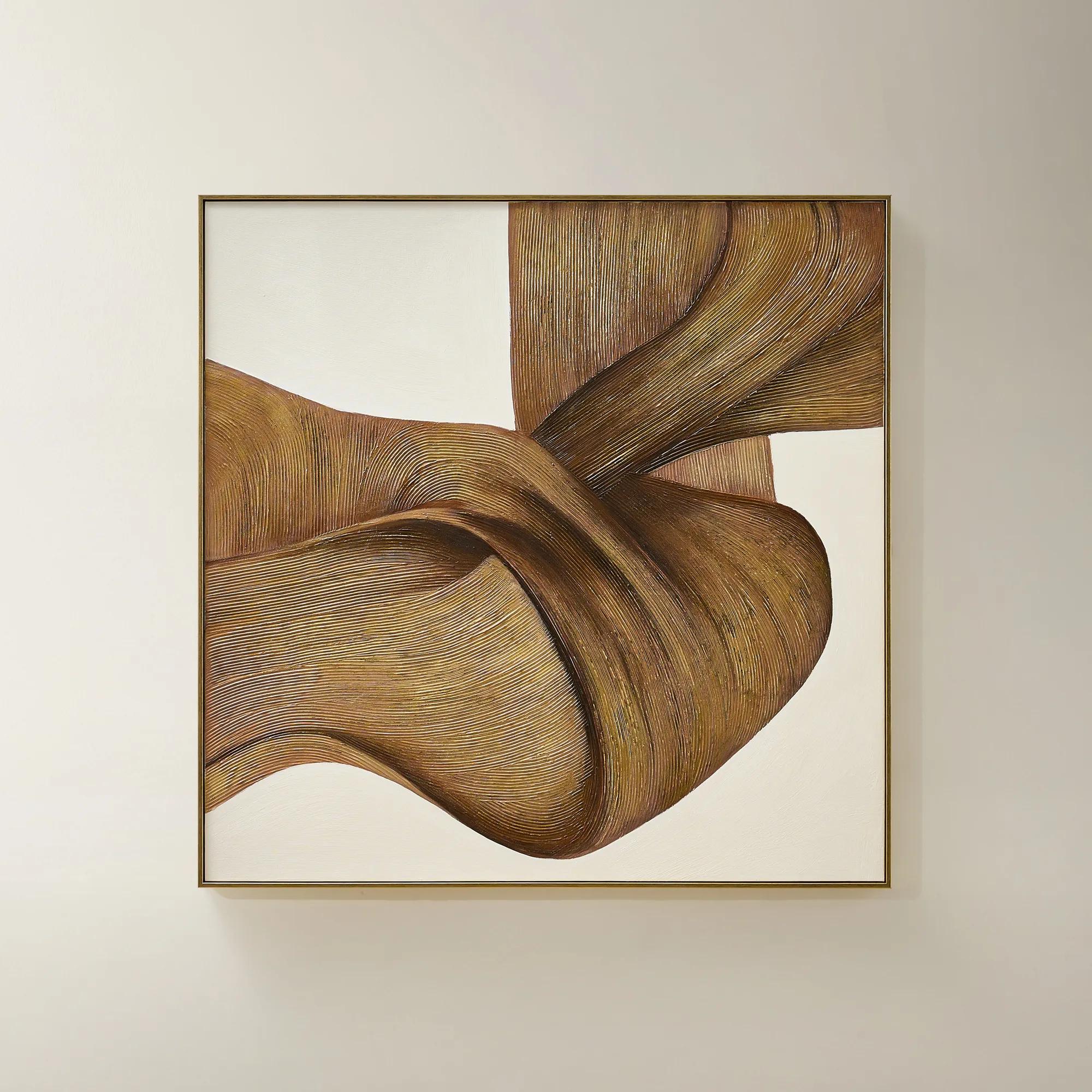
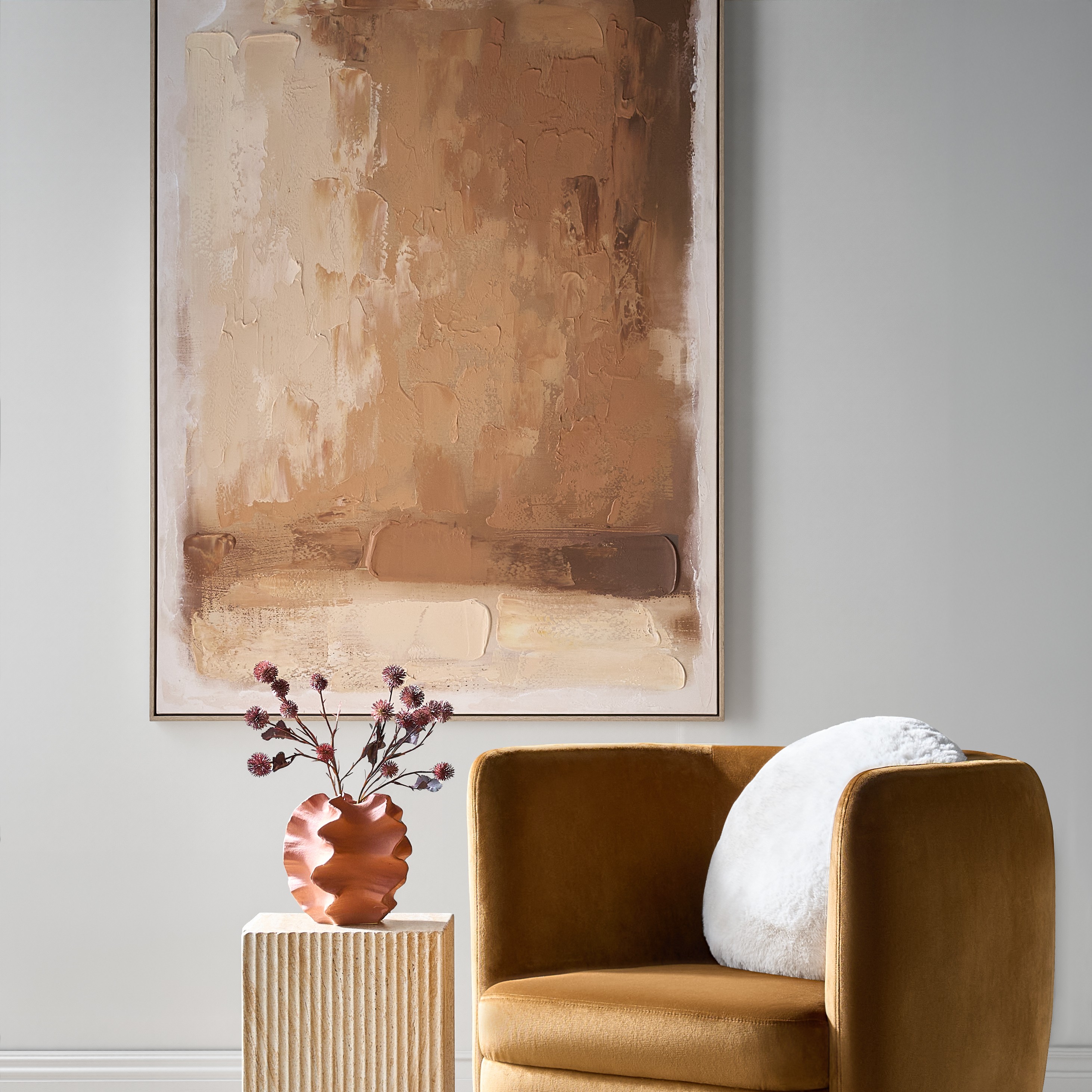 Ember Glow Framed Painted Wall Art 39.25" x 55"$499
A hand-painted abstract canvas blending ochre, terracotta, and golden clay hues in a light natural frame.
Add To Cart -
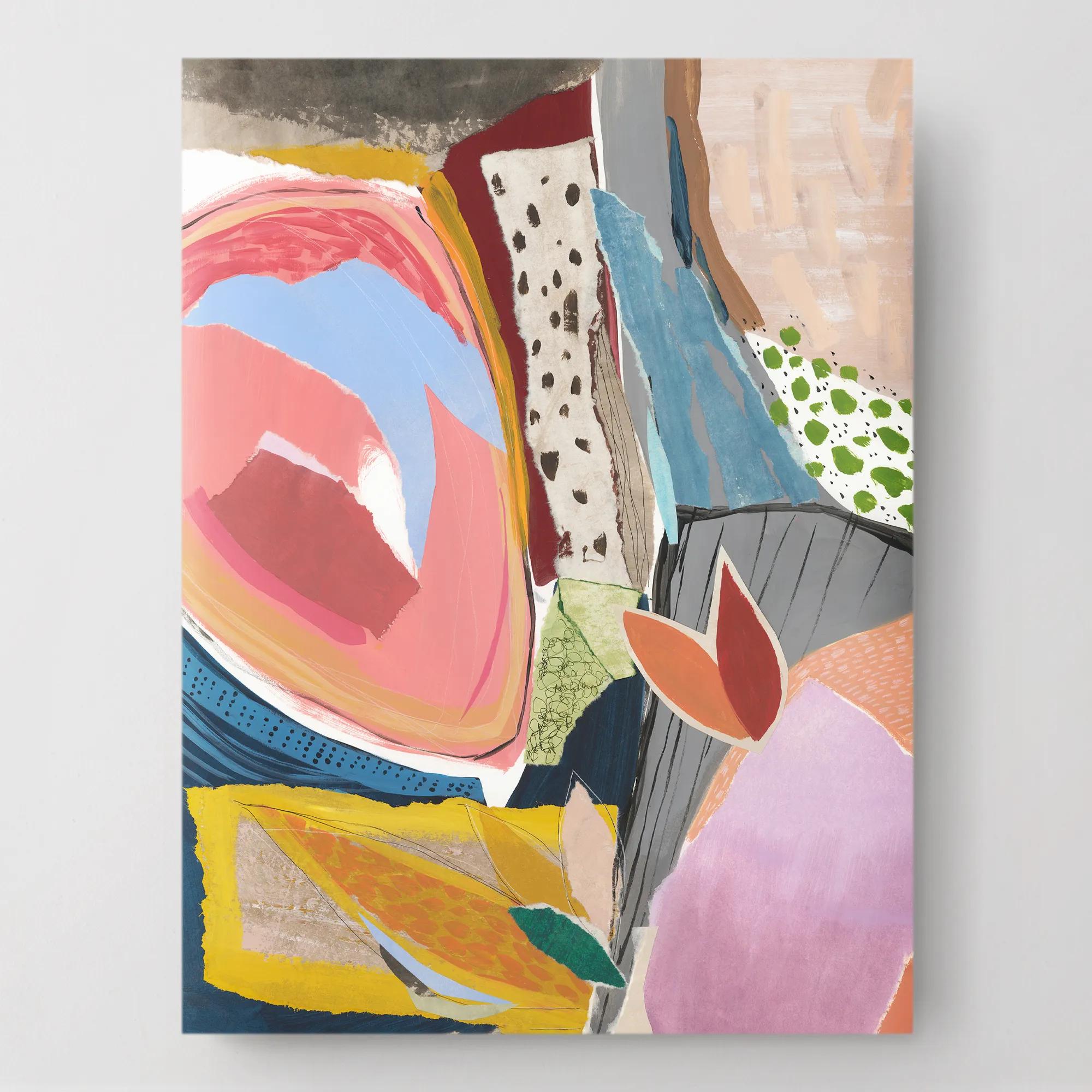
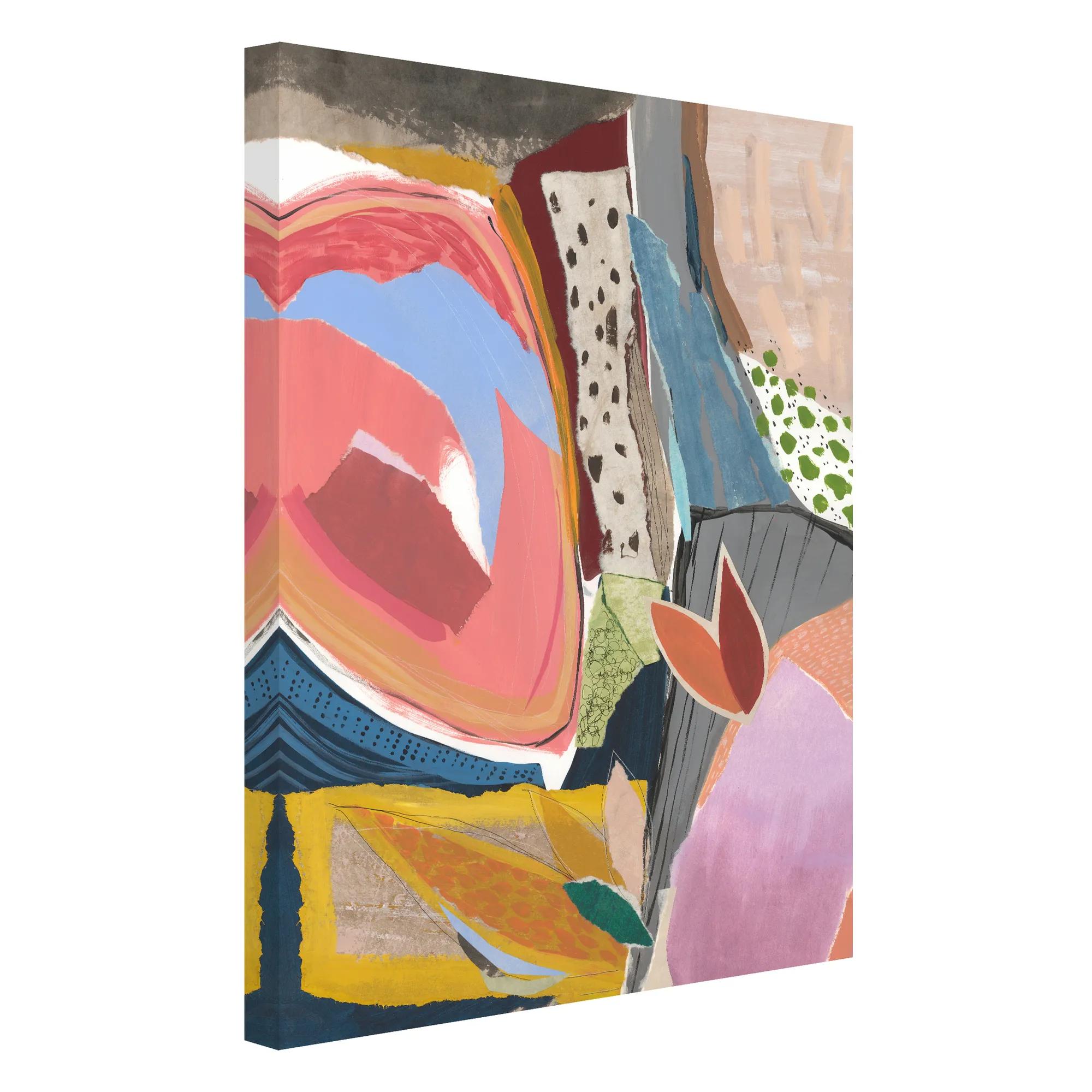 Sunday Vibes 1 Wall Art 30" x 40"$449
A gallery-wrapped canvas artwork featuring a hand-applied image brush gel finish for a textured look.
Add To Cart -
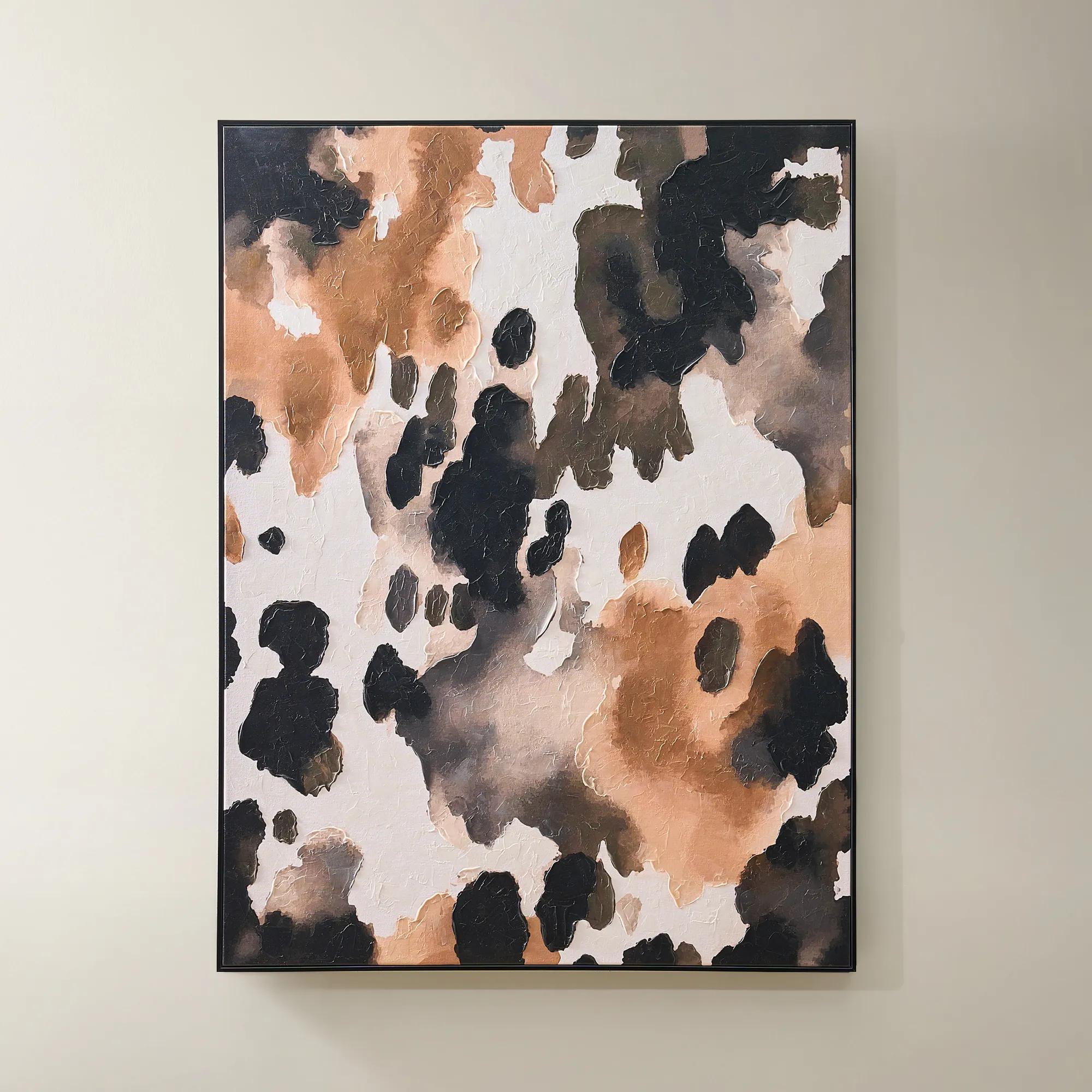
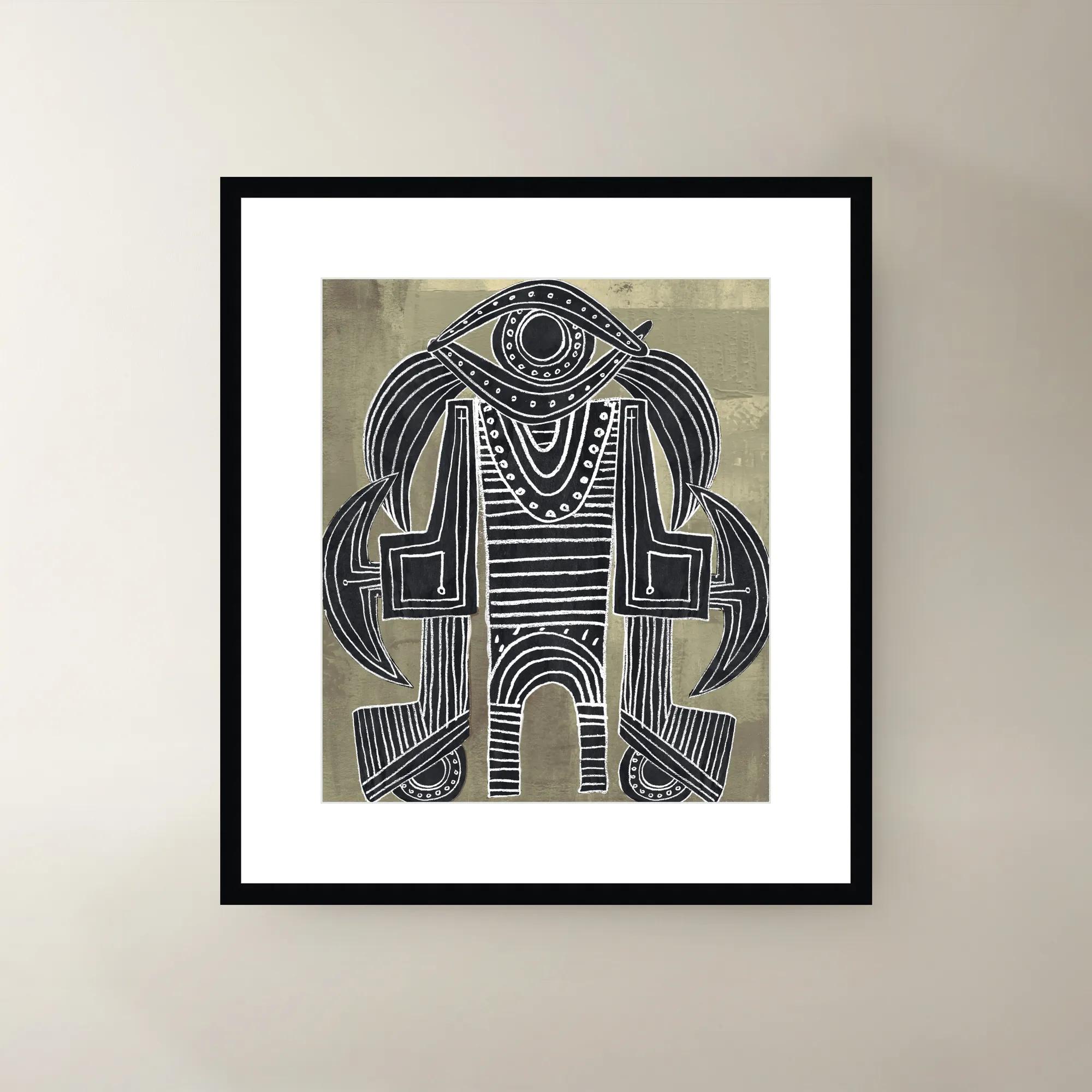
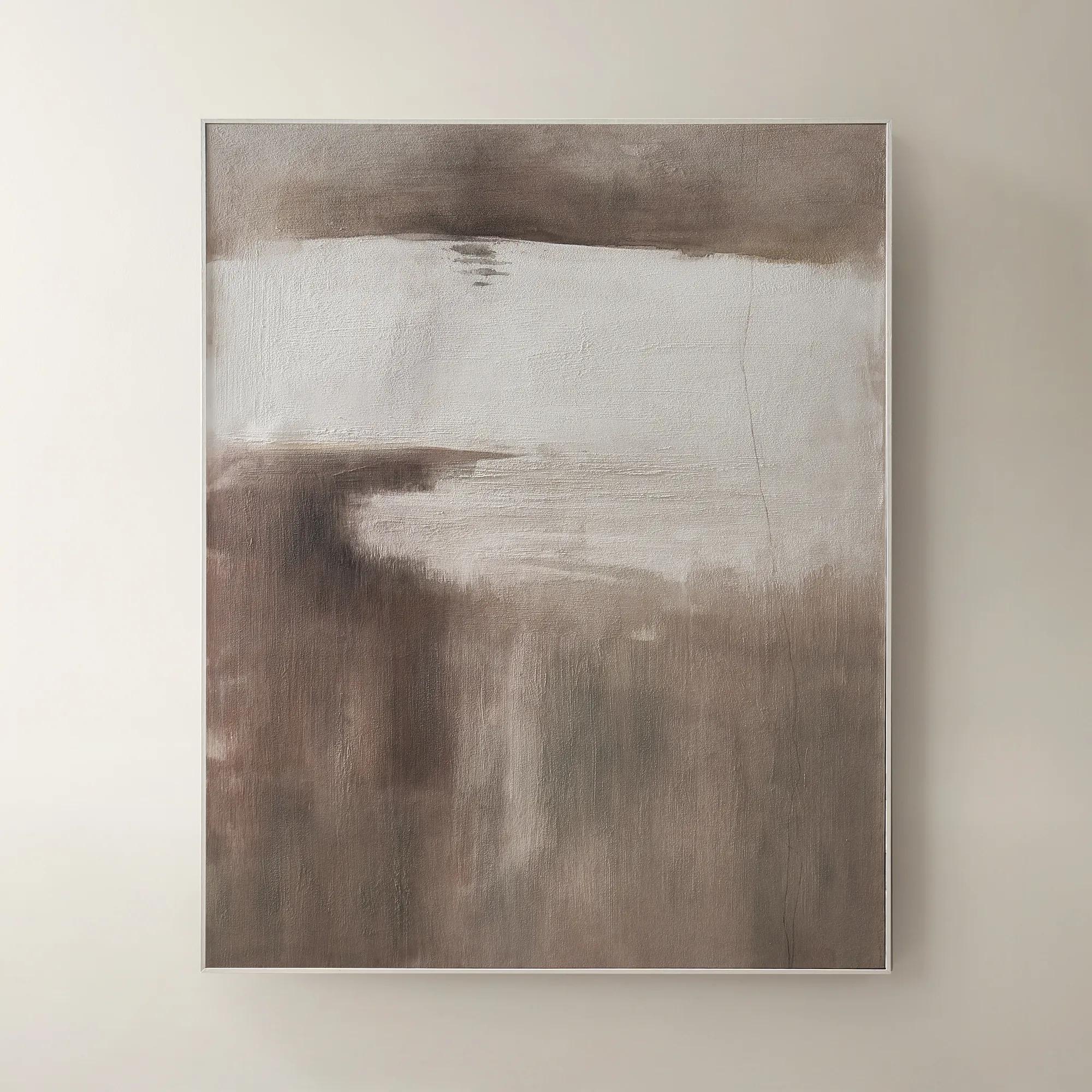
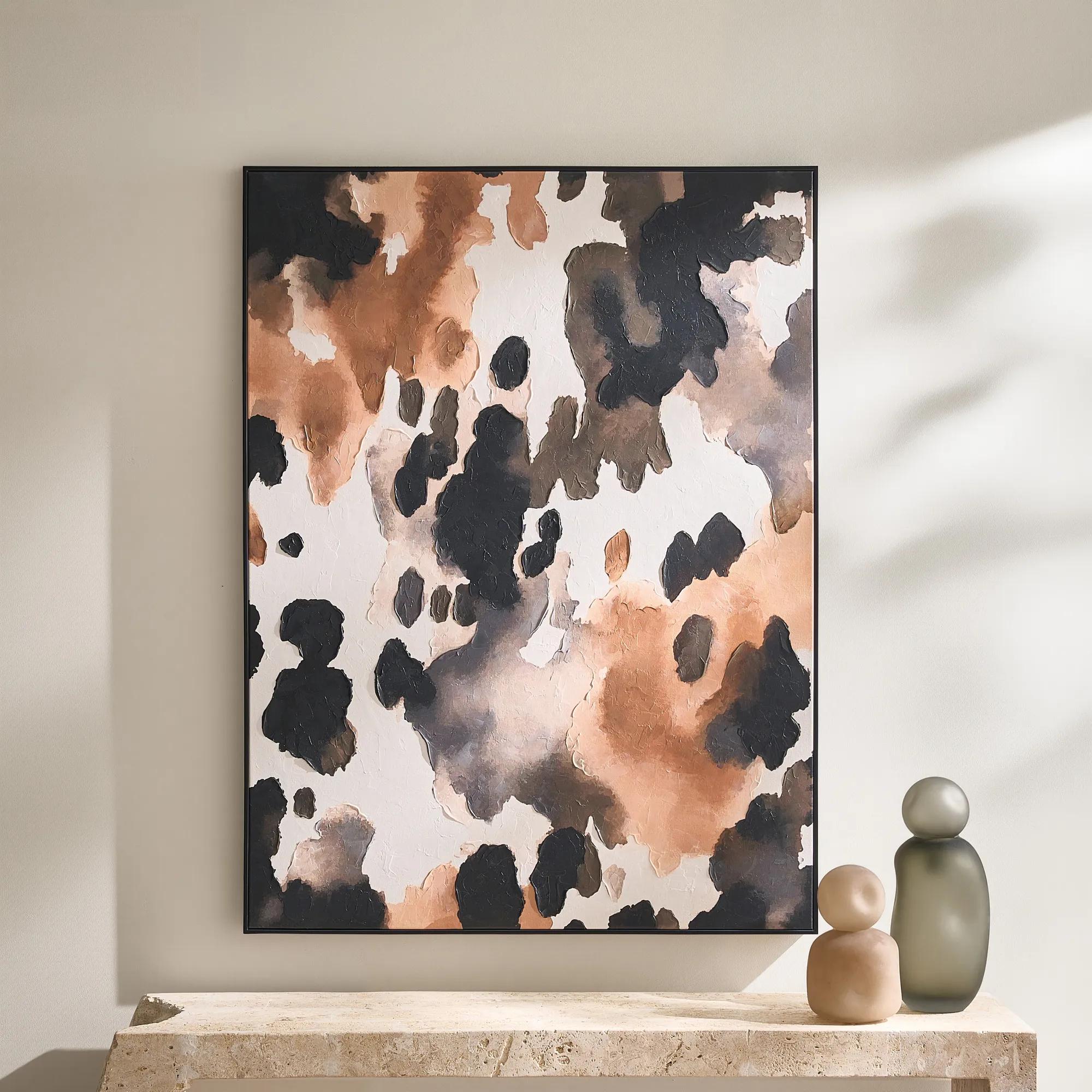 Wilder Framed Painted Wall Art 36" x 48"$499
An abstract hand-painted canvas featuring inky black, taupe, ivory, and coral hues in a sleek black frame.
Add To Cart -
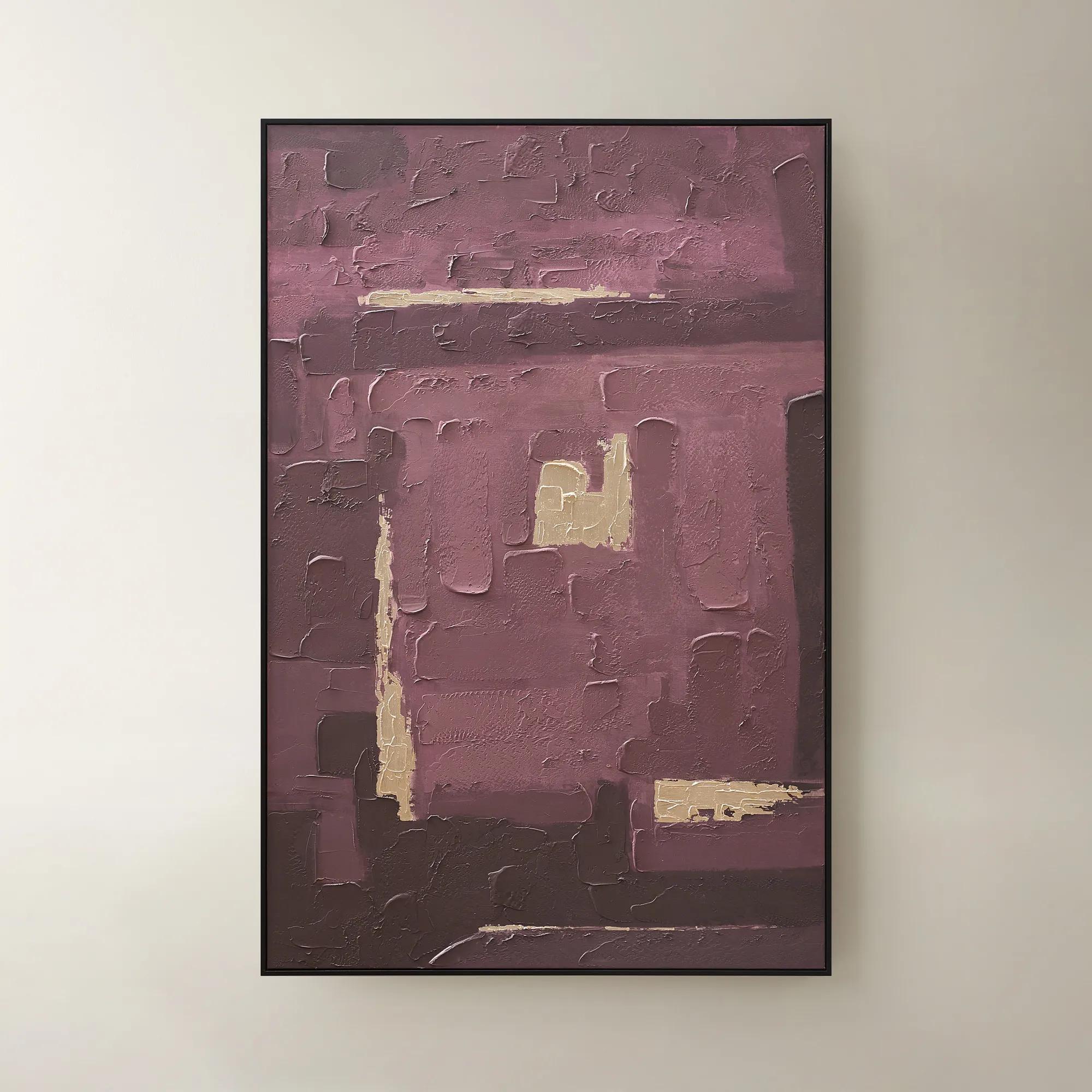
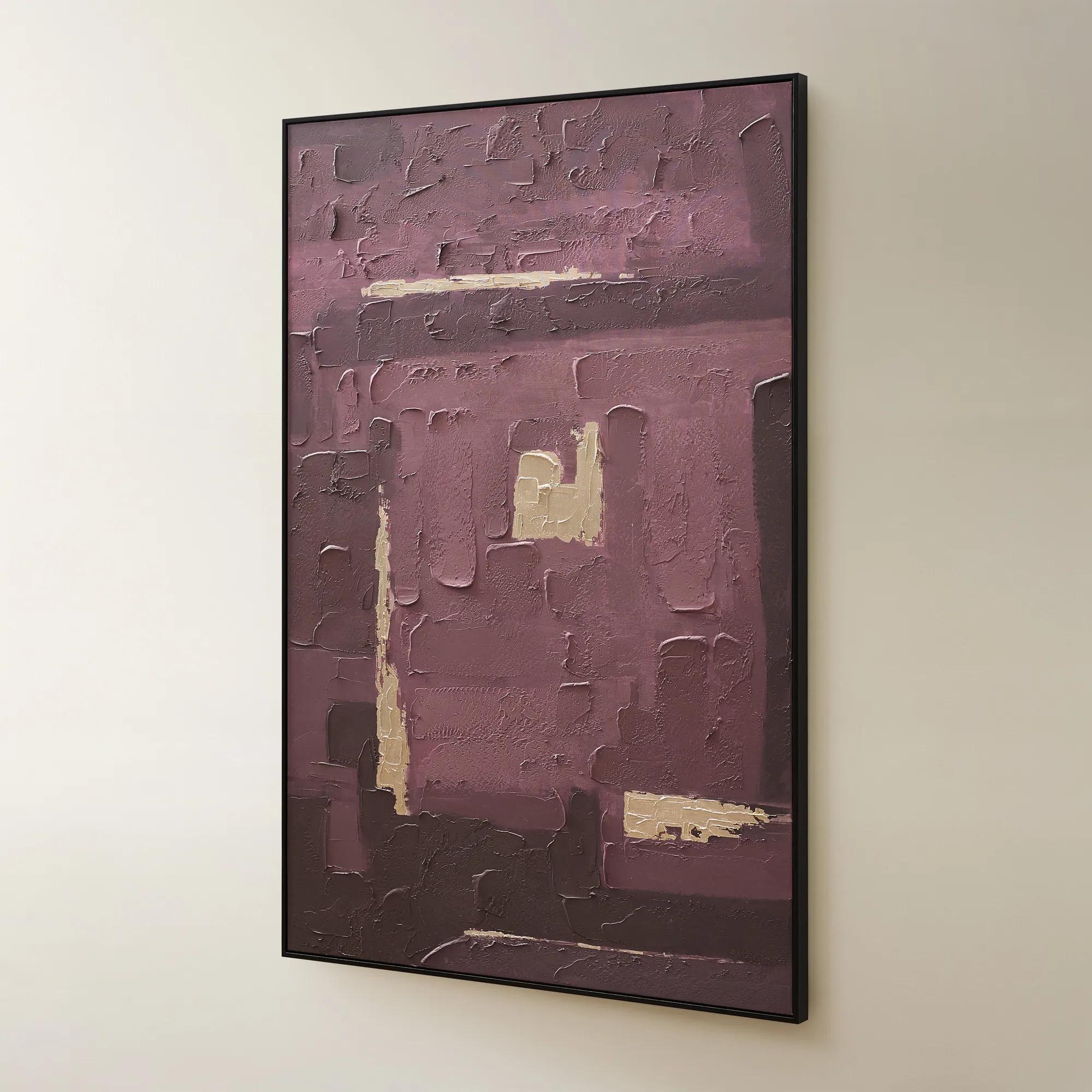 Fallback Framed Painted Wall Art 60" x 40"$499
A hand-painted abstract canvas in rich fig hues with champagne accents, set in a sleek black frame.
Add To Cart -
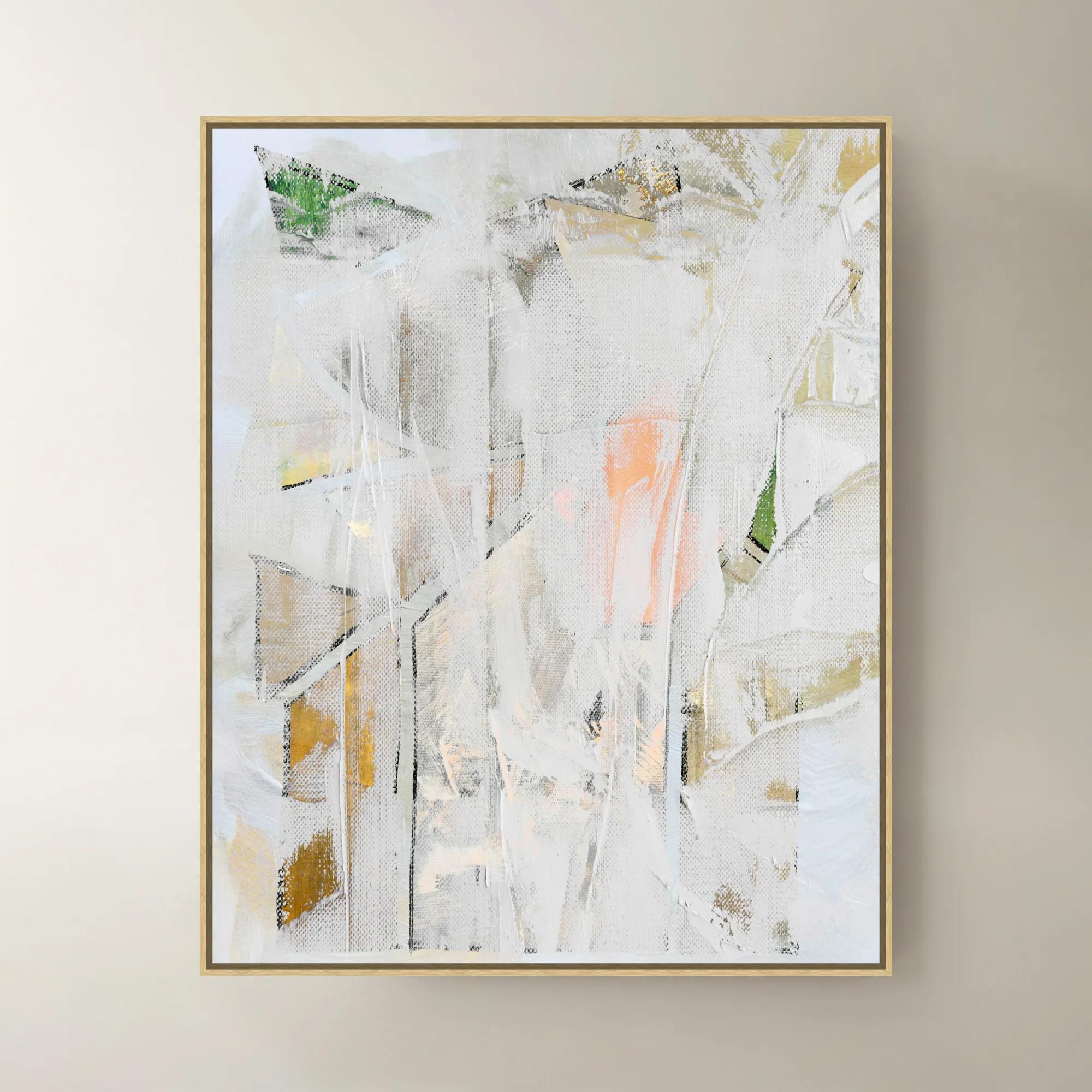
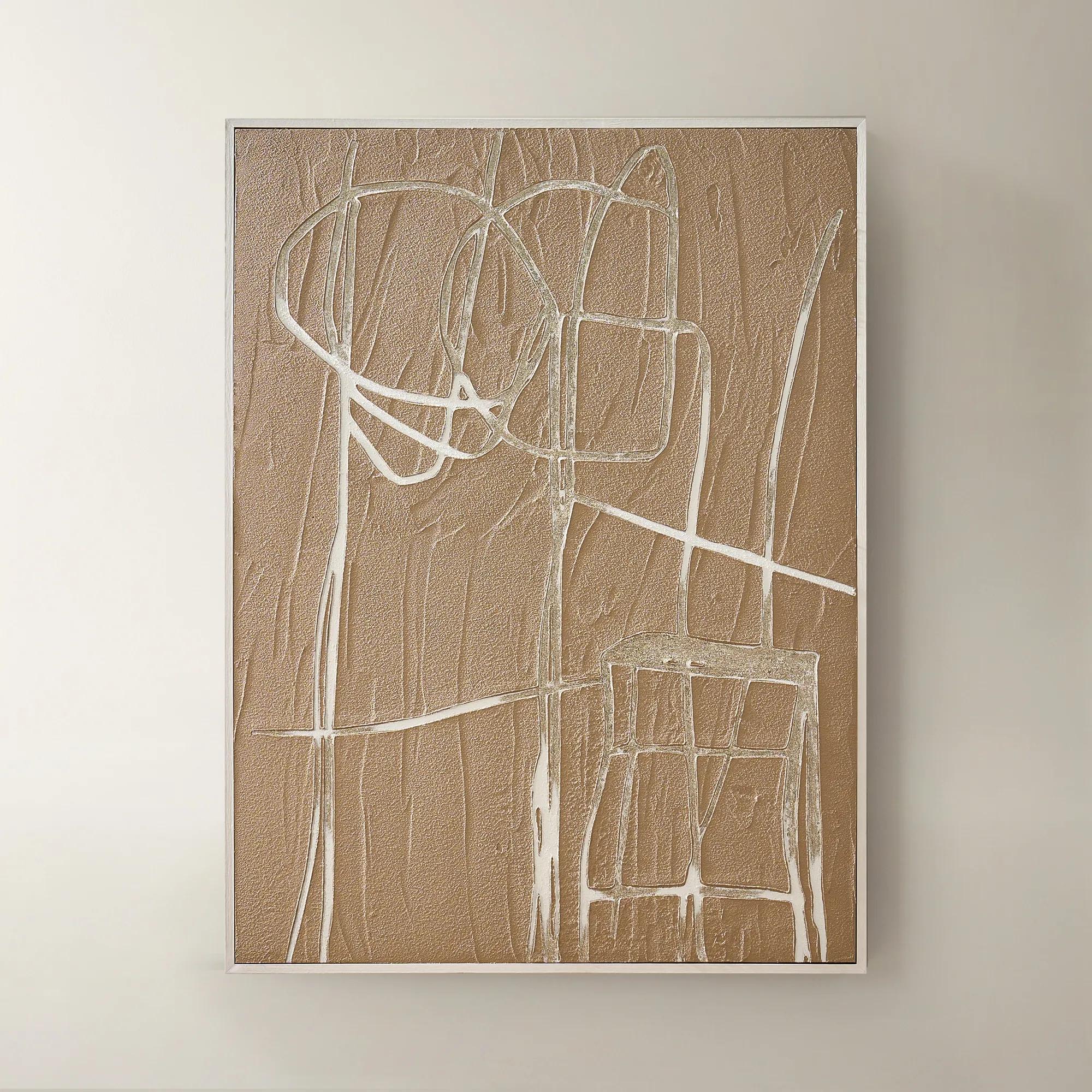
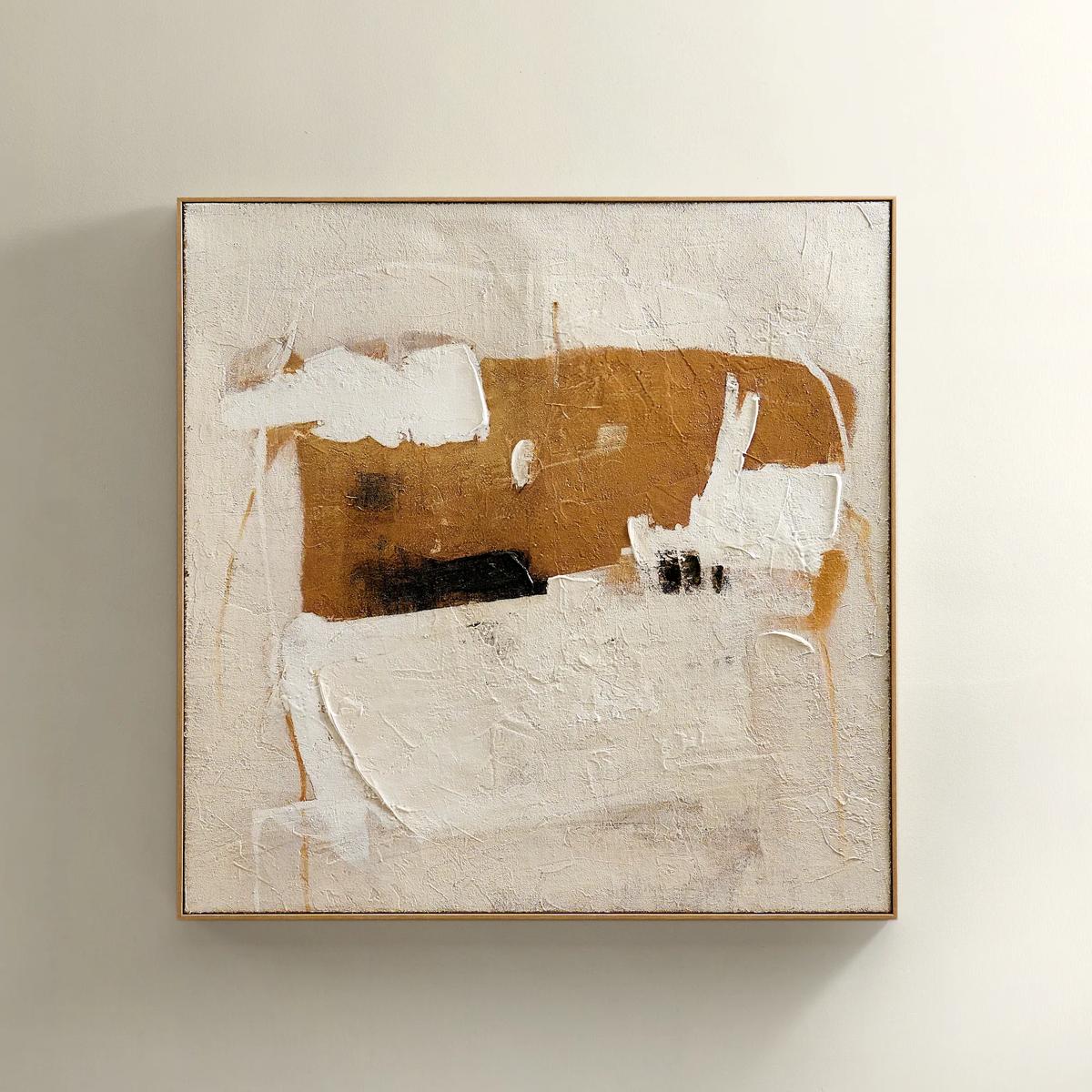 Instinct Framed Painted Wall Art 39.25" x 39.25"$349
An abstract hand-painted artwork featuring warm neutrals and black strokes on hessian with a light natural frame.
Add To Cart -
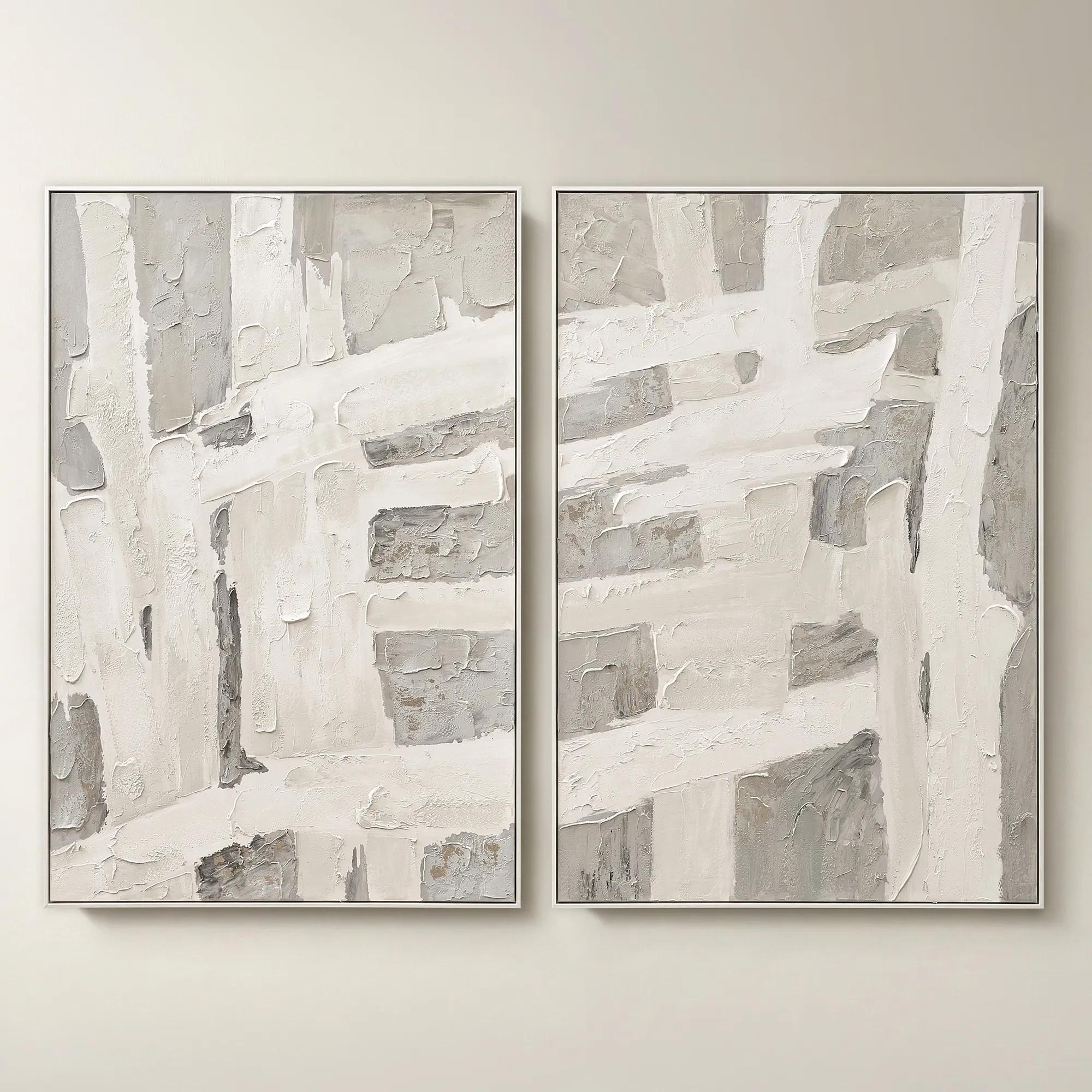 Traverse Framed Painted Wall Art 40" x 60" Set of 2$799
A hand-painted abstract diptych features champagne accents and soft grey, pearl, and alabaster tones in white frames.
Add To Cart -
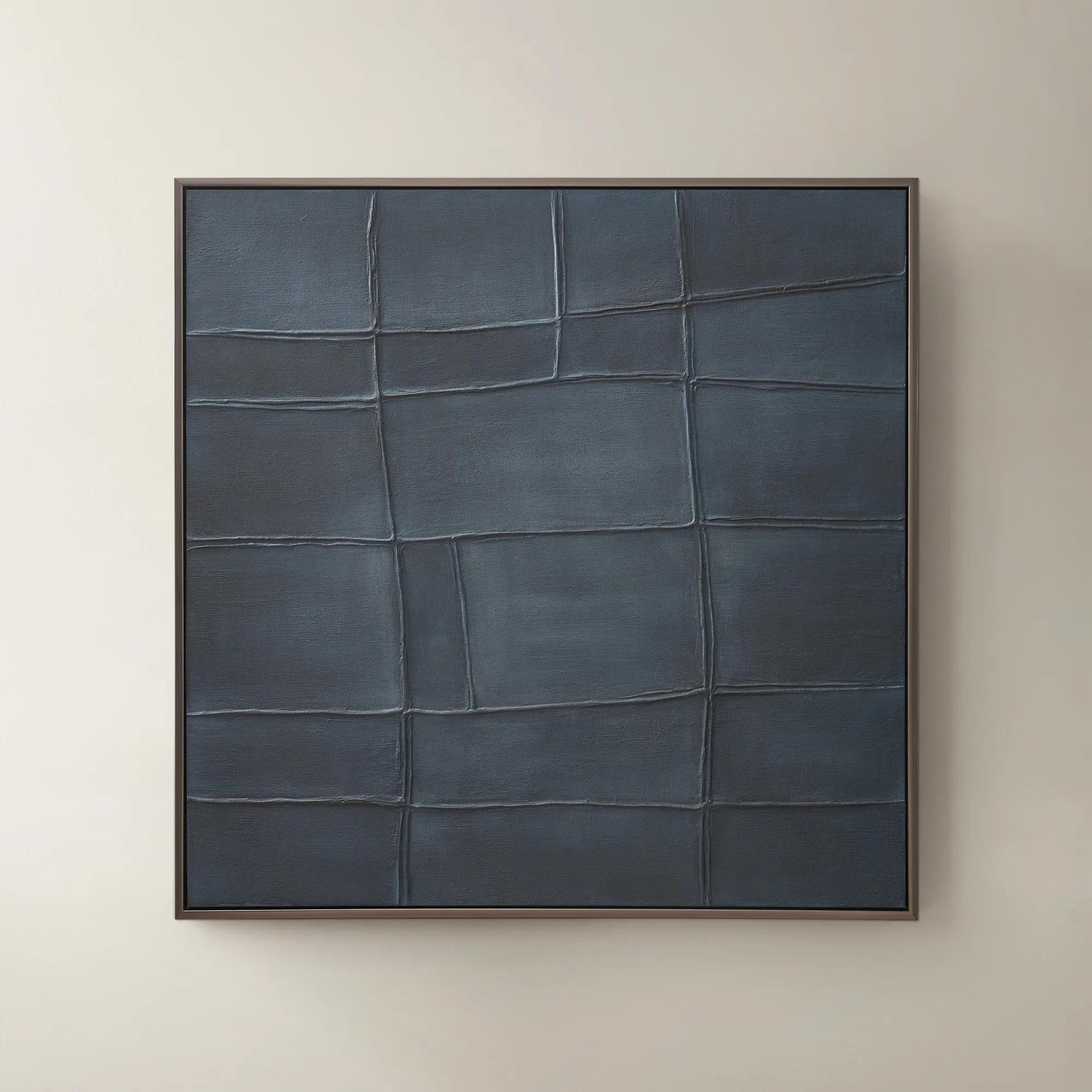
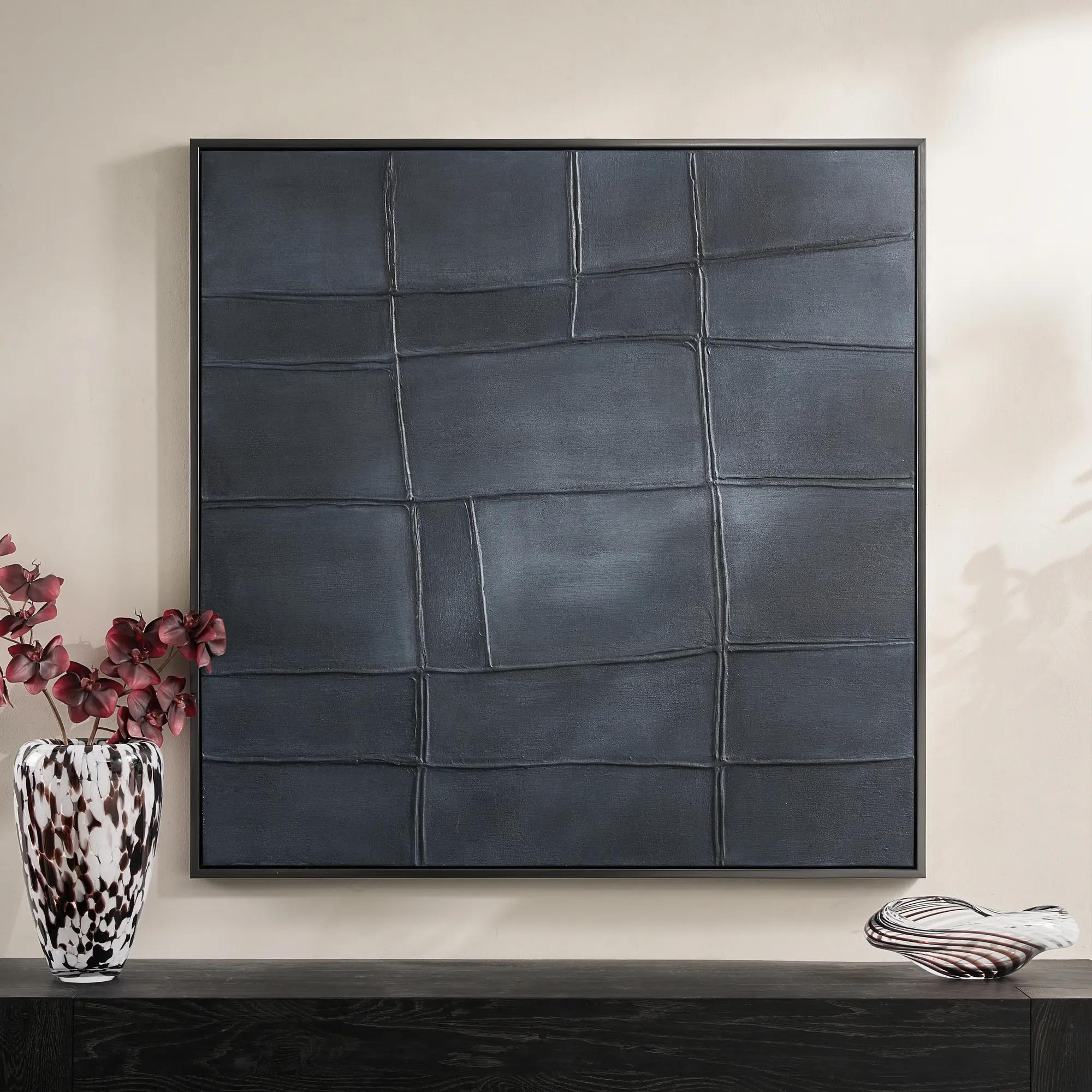 Ink Blue Interval Framed Painted Wall Art 48" x 48"$599
A hand-painted abstract canvas in deep ink blue, finished with a sleek gunmetal frame for modern appeal.
Add To Cart -
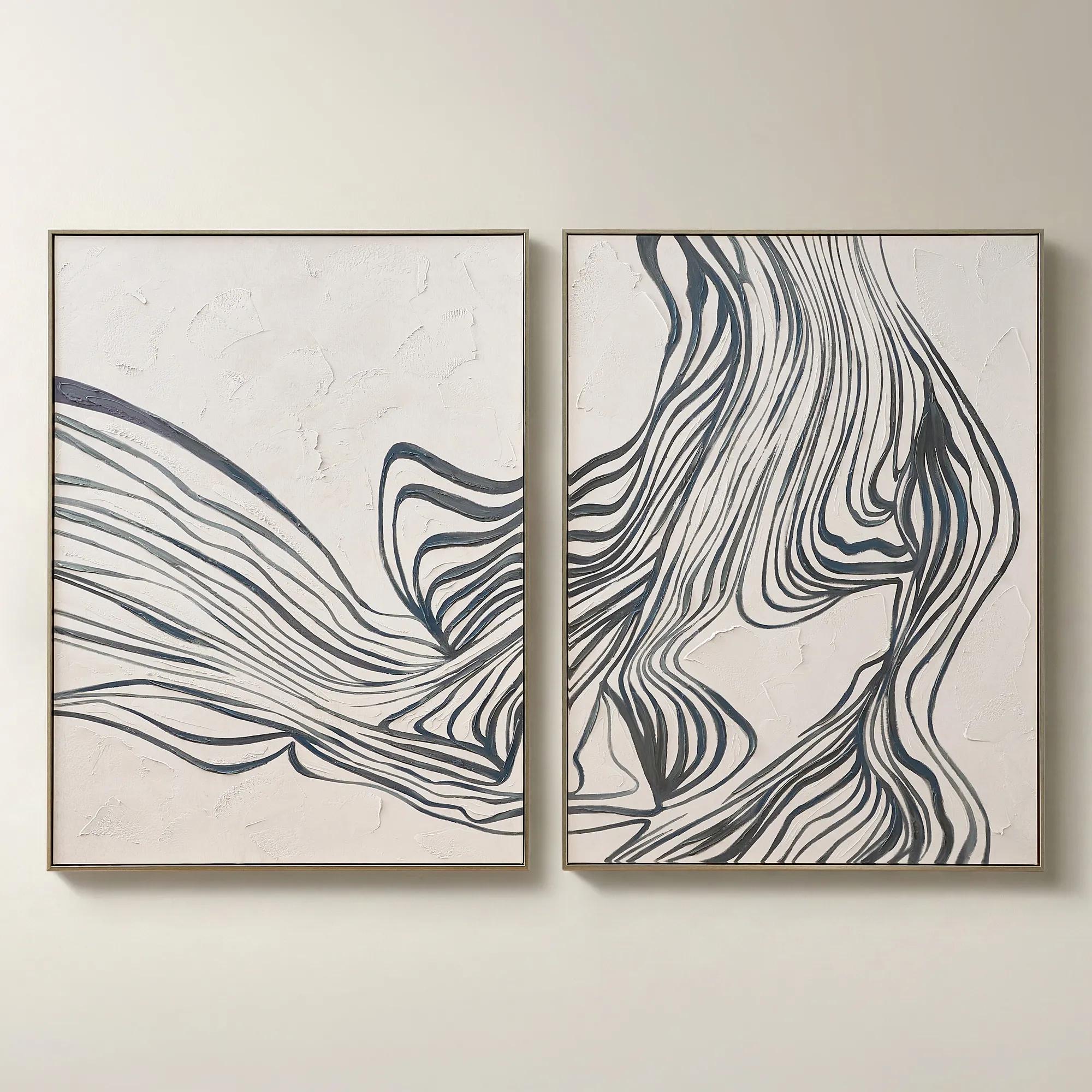
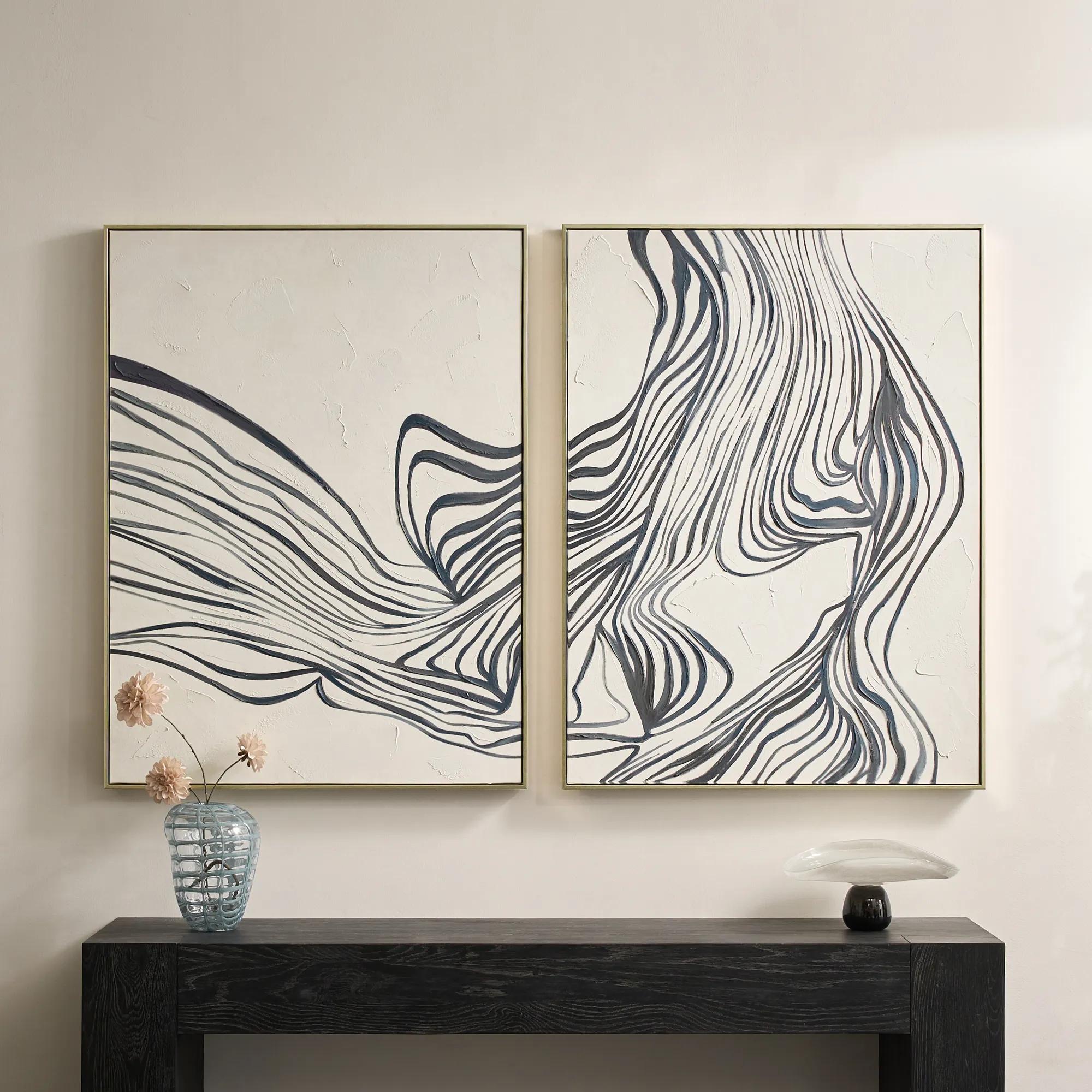 Rhythmic Framed Painted Wall Art 36" x 48" Set of 2$599
A hand-painted diptych featuring bold abstract stripes in dark slate and dusty blue with champagne frames.
Add To Cart -
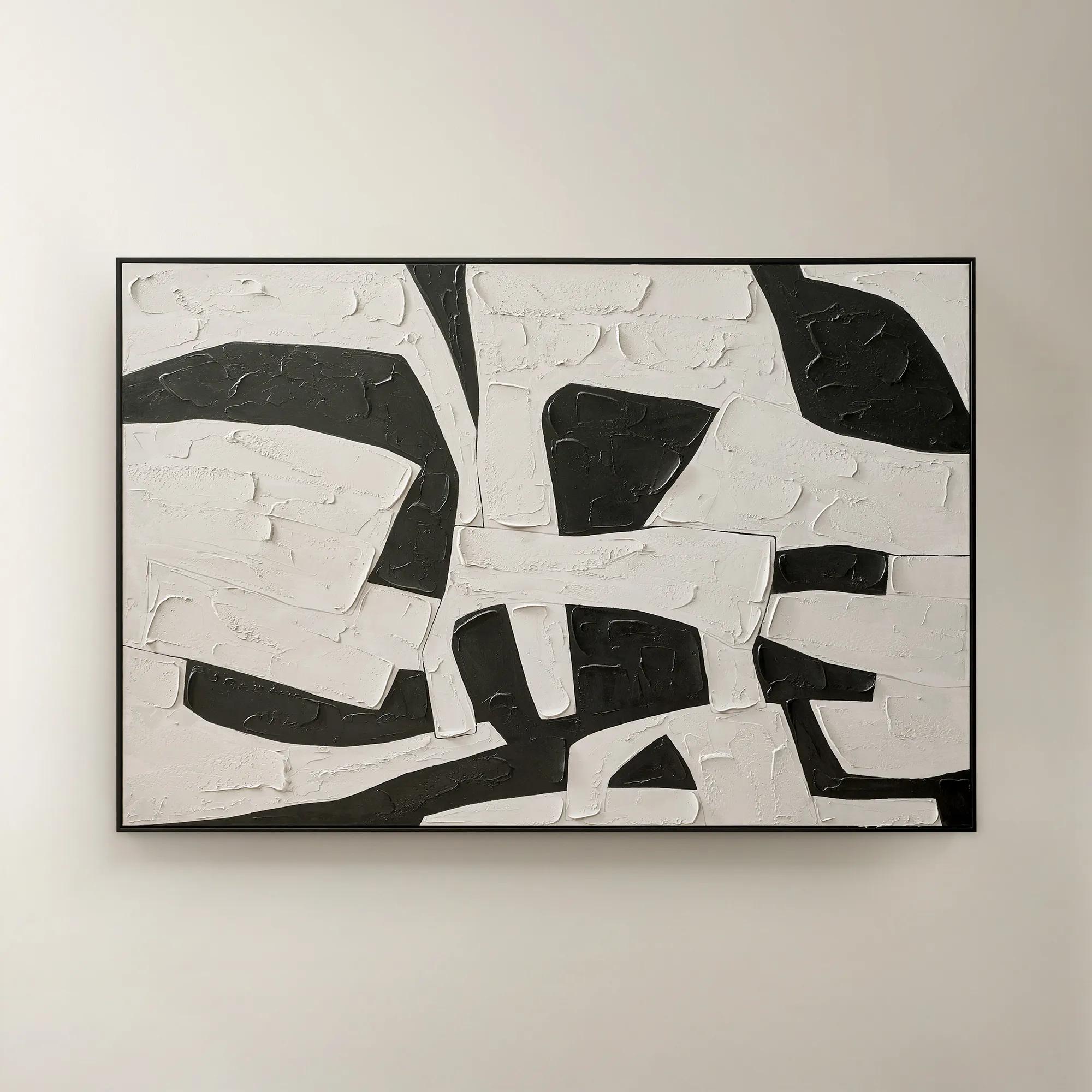 Space Between Shadows Framed Painted Wall Art 72" x 48"$799
A hand-painted abstract canvas featuring bold alabaster and black geometric forms in a sleek black frame.
Add To Cart -
.jpeg?w=1200&h=1200) Relic Framed Painted Triptych Wall Art Set of 3$399
Relic Framed Painted Triptych Wall Art Set of 3$399A hand-painted abstract triptych in deep navy and neutral tones, set in sleek black floater frames.
Add To Cart -
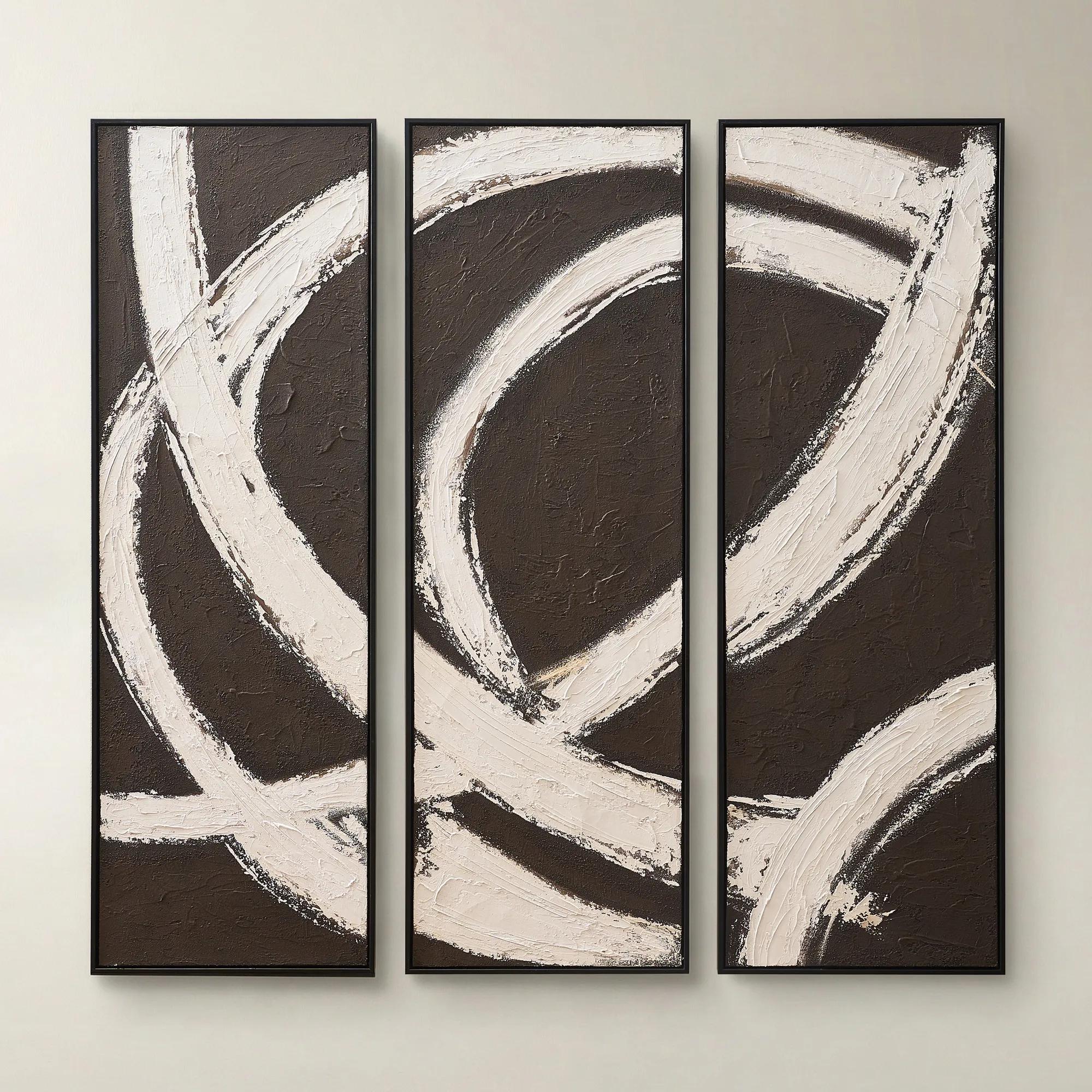
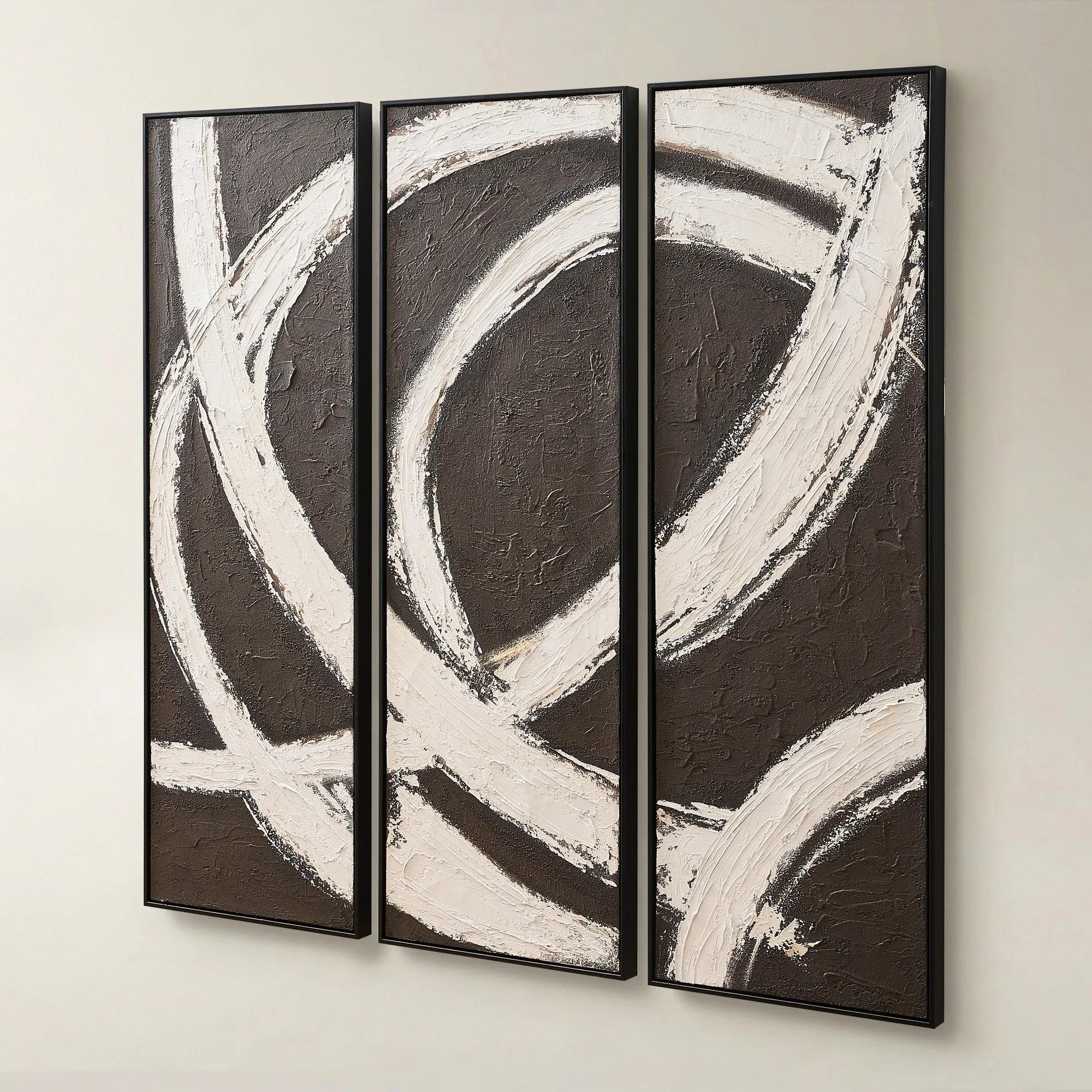 Spun in Coco Framed Painted Wall Art 20" x 60" Set of 3$499
A hand-painted triptych featuring dark chocolate and alabaster tones with rich texture and modern contrast.
Add To Cart -
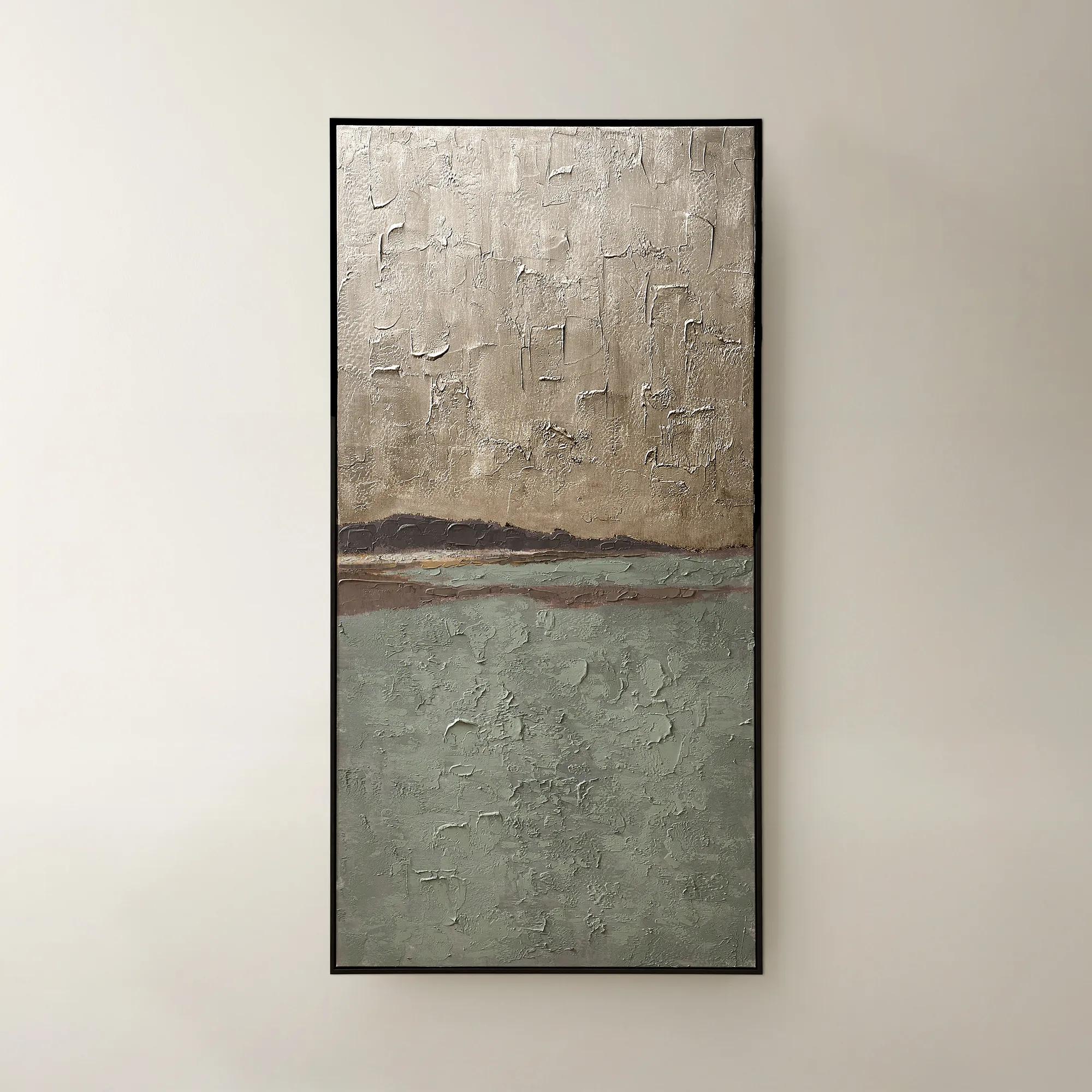
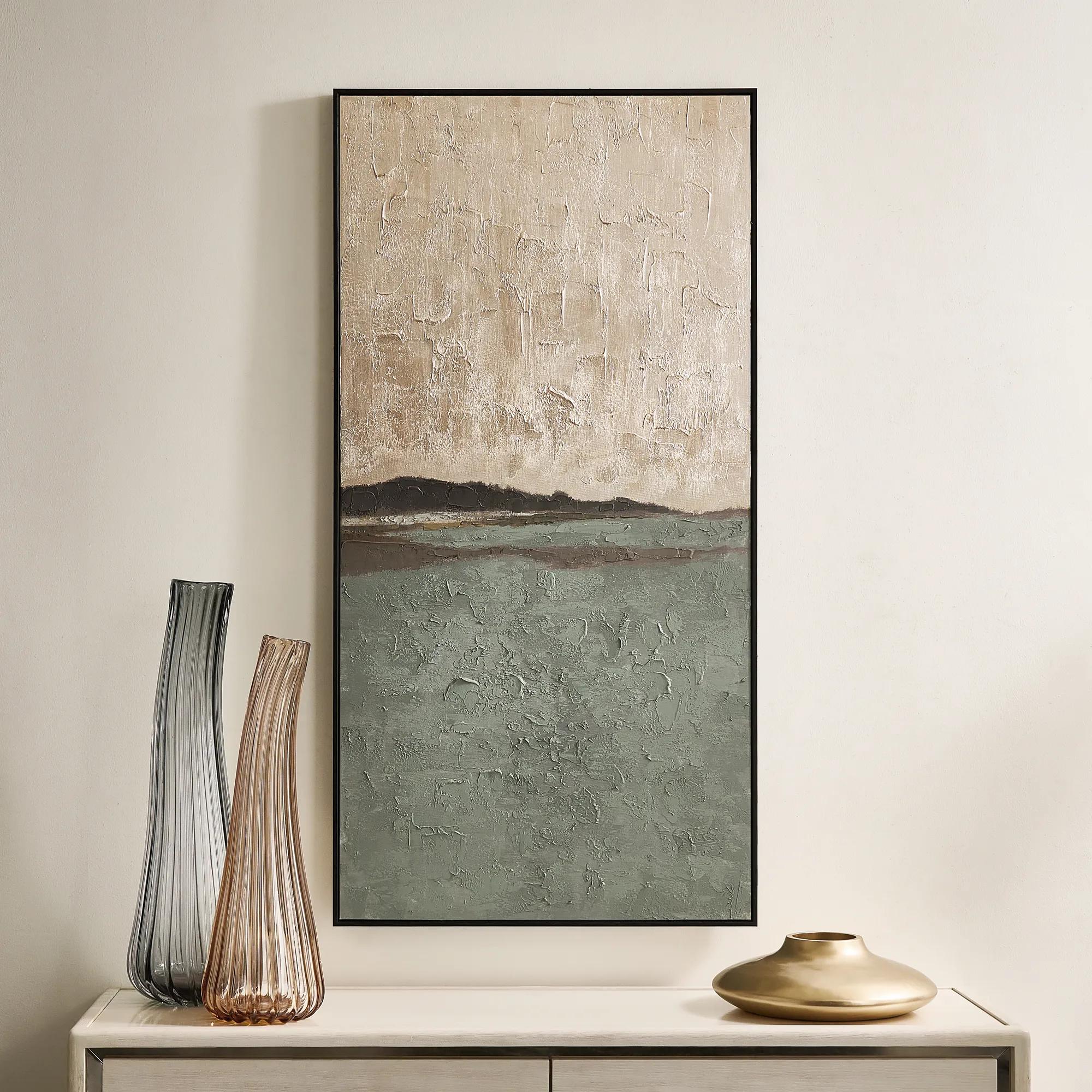 Fields of Gold Framed Painted Wall Art 60" x 30"$399
A hand-painted sage and champagne abstract canvas with a black frame, offering versatile vertical or horizontal display.
Add To Cart -
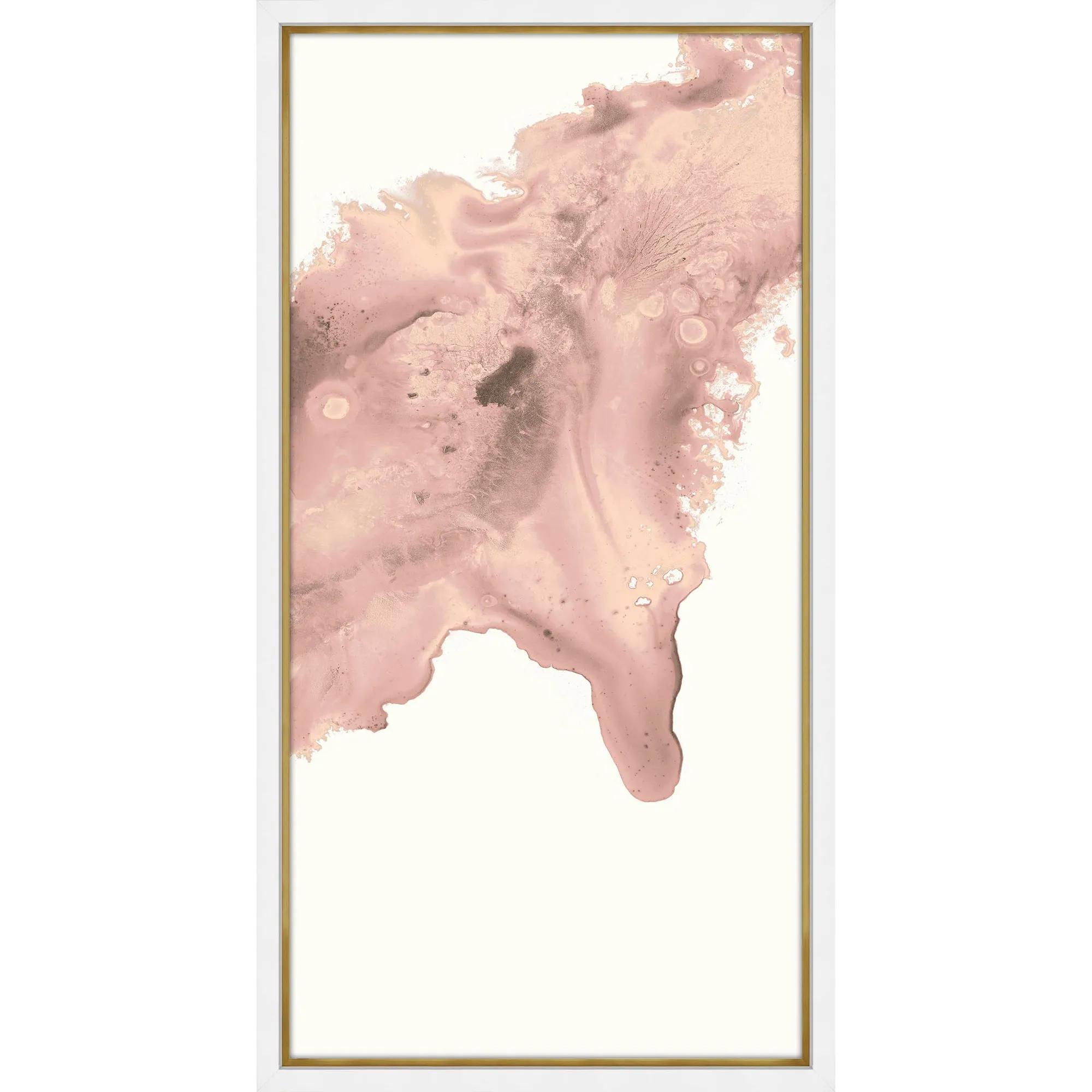
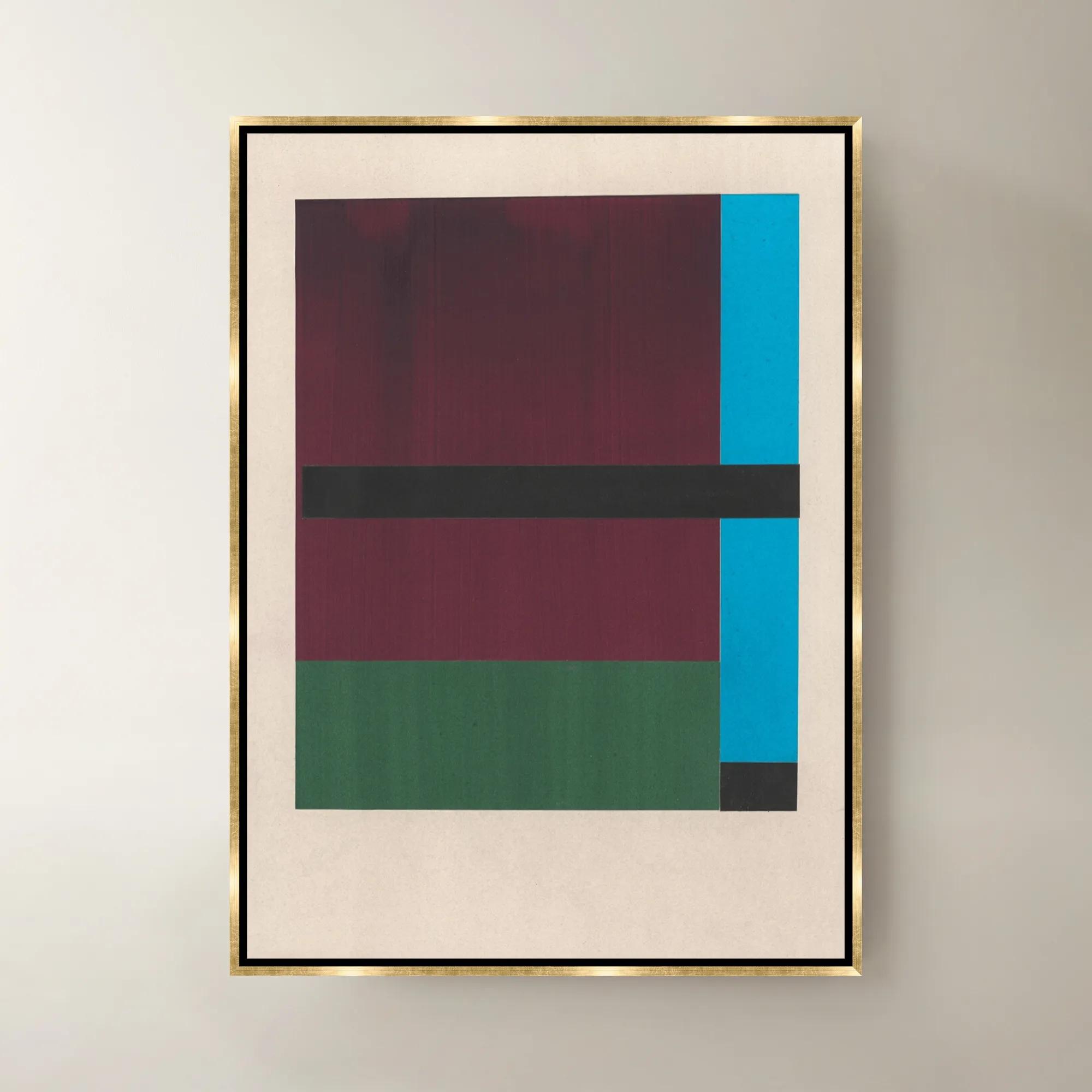
 Blush Conduit 2 Framed Wall Art 24" x 48"$849
A striking abstract print on pearl paper, elegantly framed in gold and matte white for modern appeal.
Add To Cart -
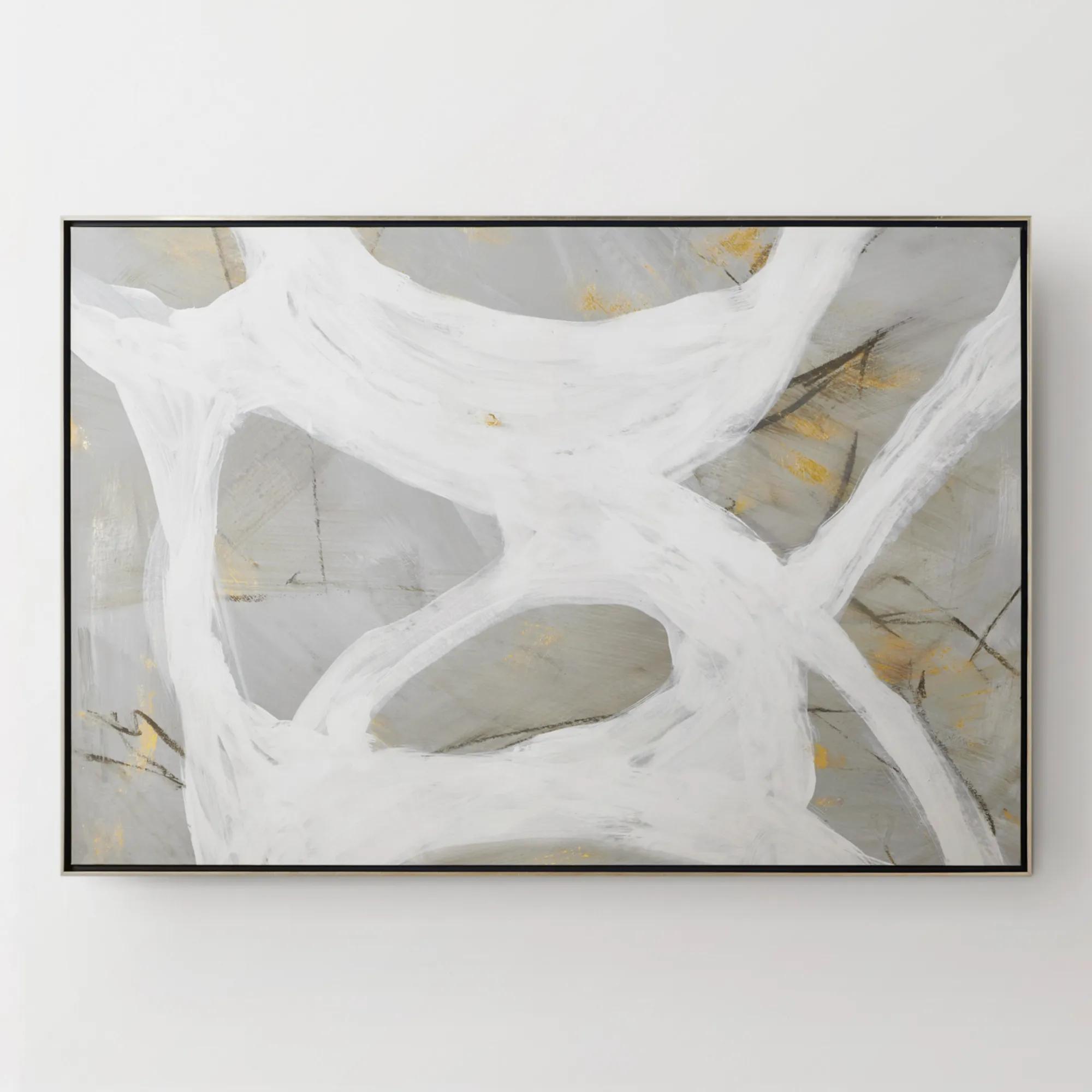
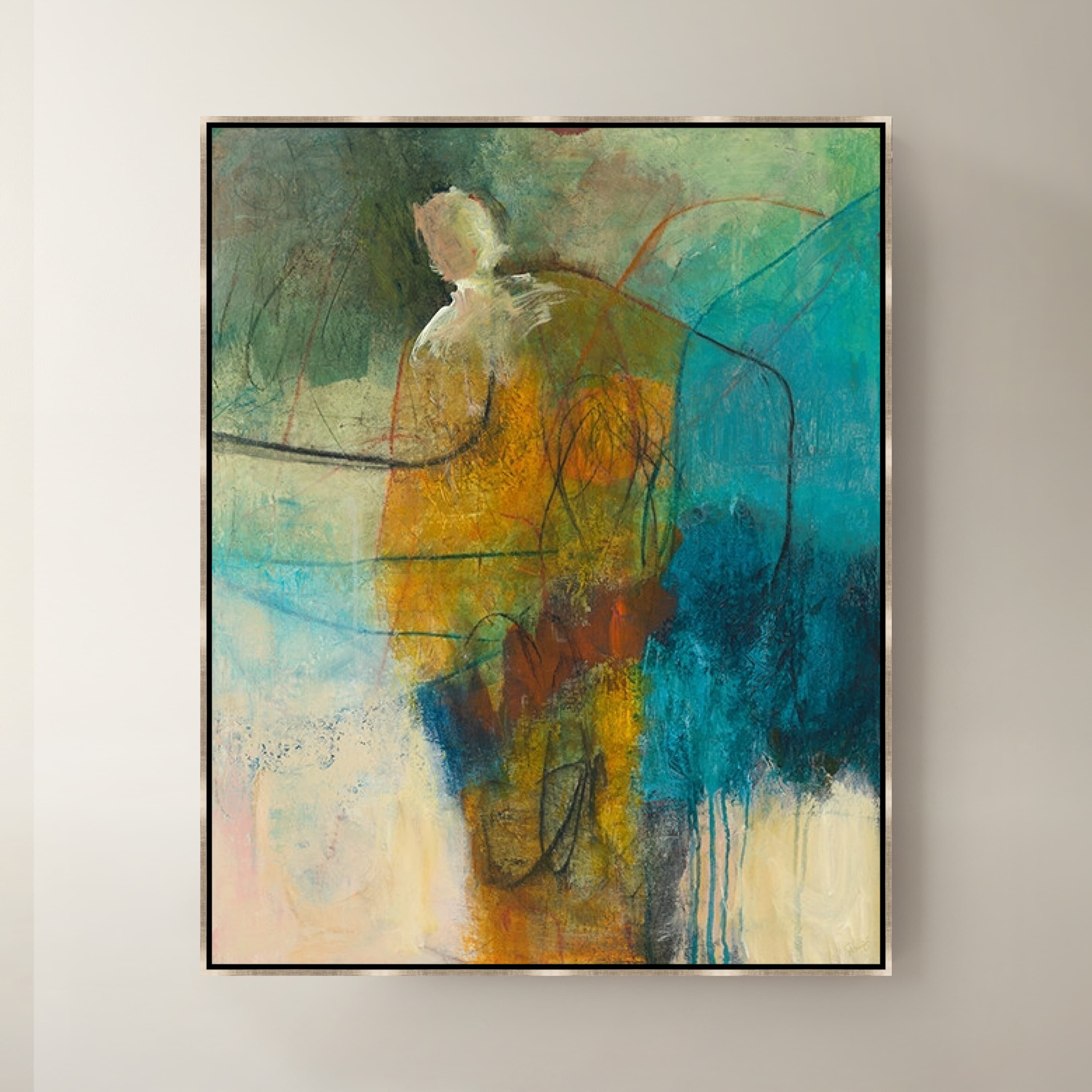
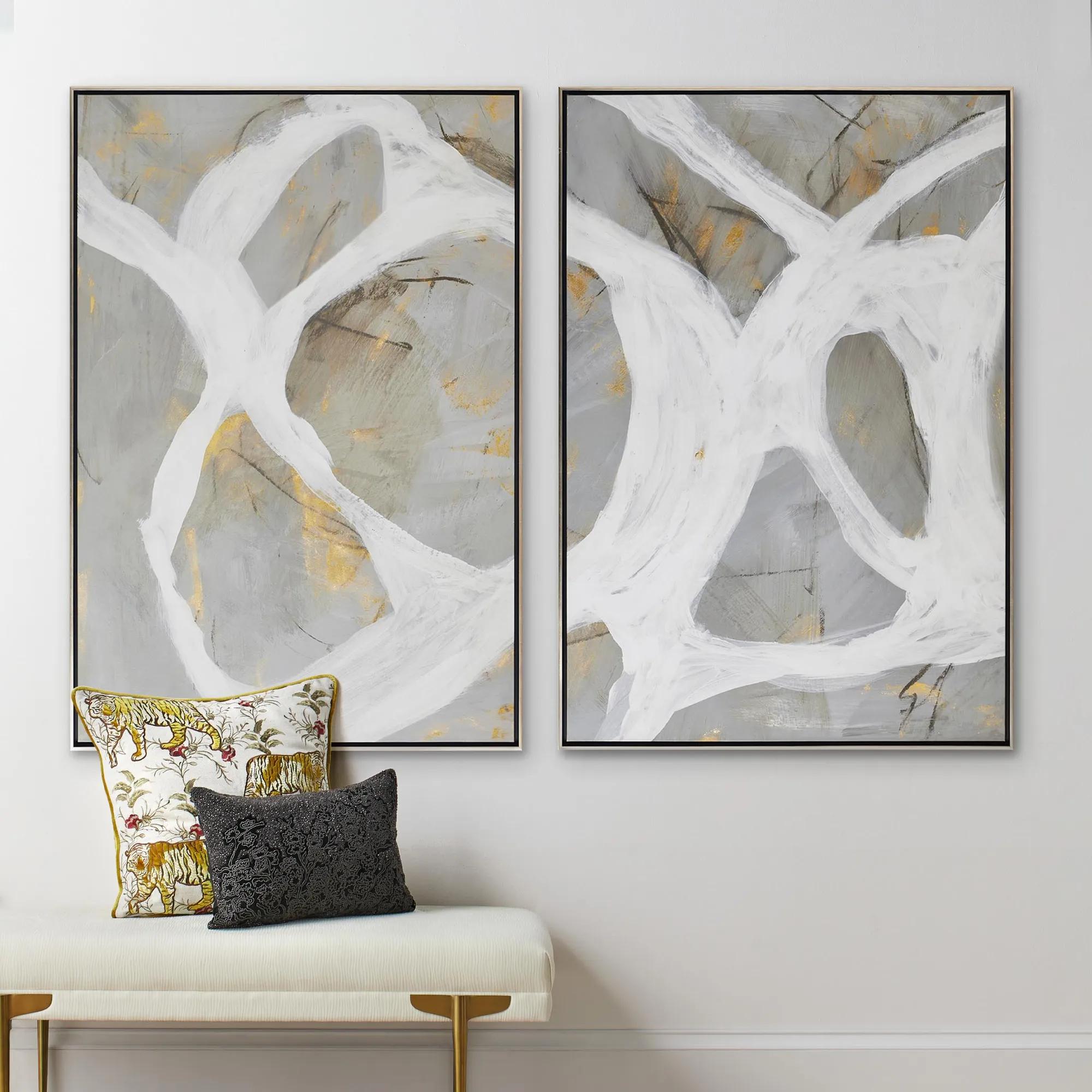 Les Series Framed Painted Wall Art II 61" x 41"$1099
An abstract canvas artwork featuring bold brushstrokes, hand-applied gold accents, and a silver floater frame.
Add To Cart -
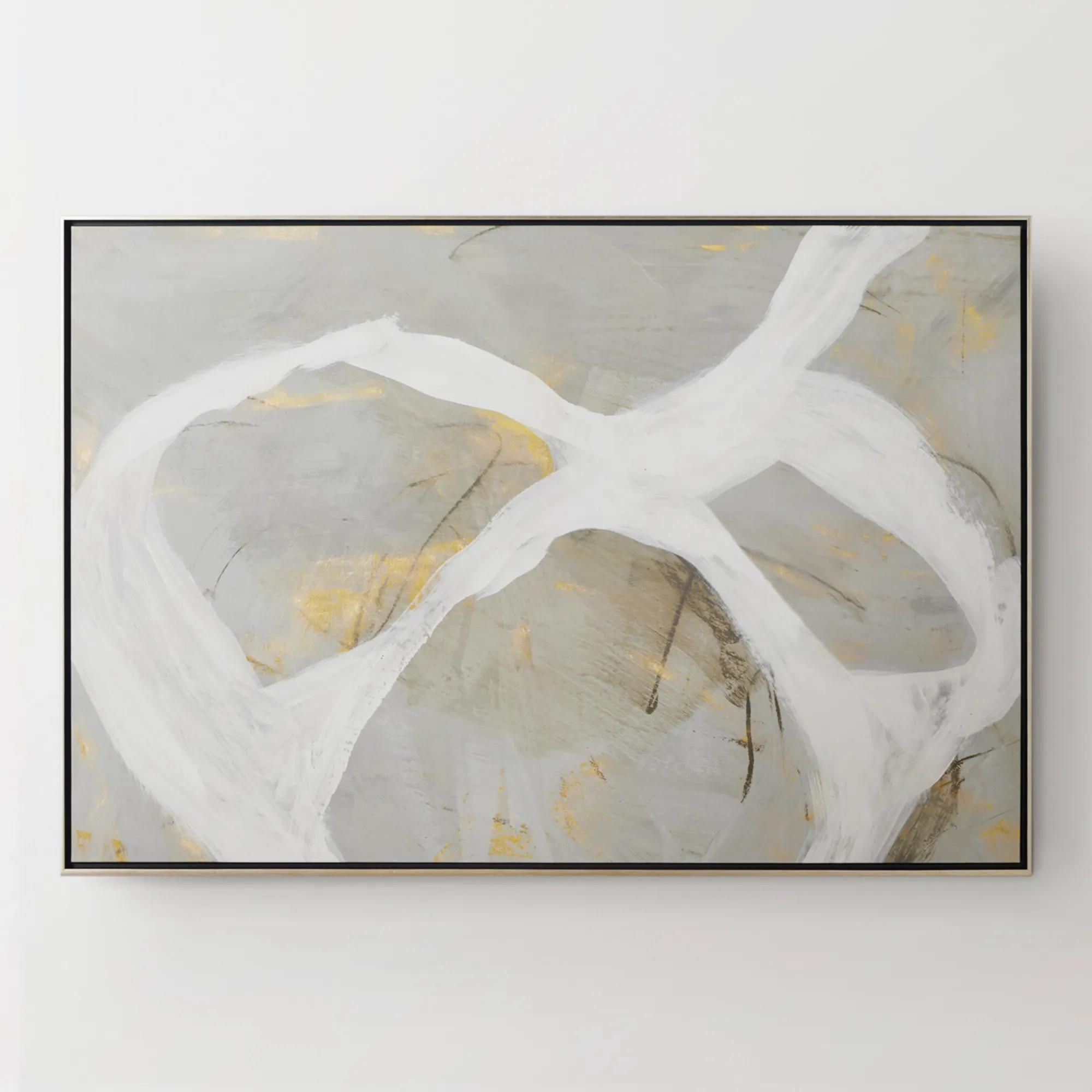
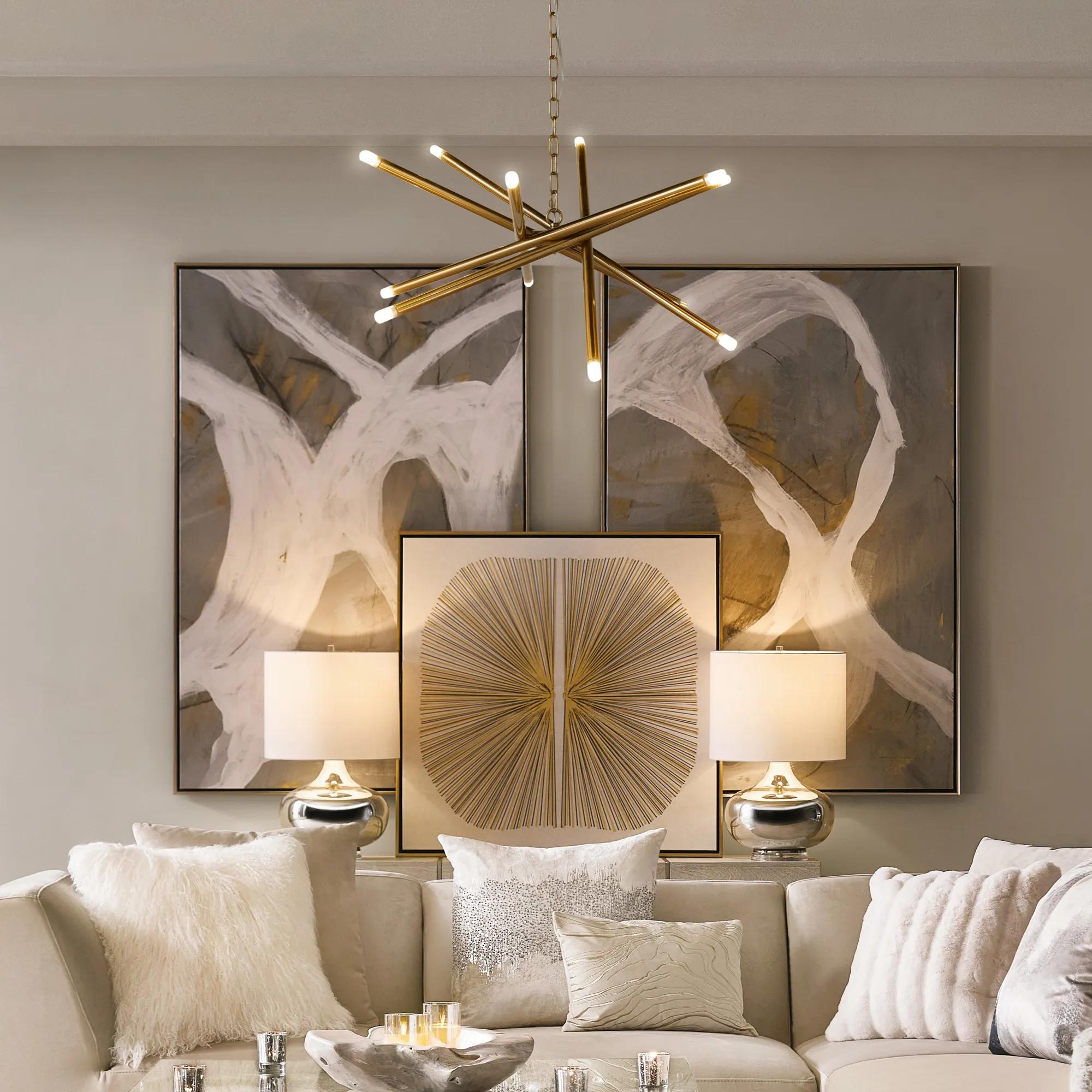 Les Series Framed Painted Wall Art I 61" x 41"$1099
An abstract canvas artwork featuring bold brushstrokes, hand-applied gold accents, and a silver floater frame.
Add To Cart -
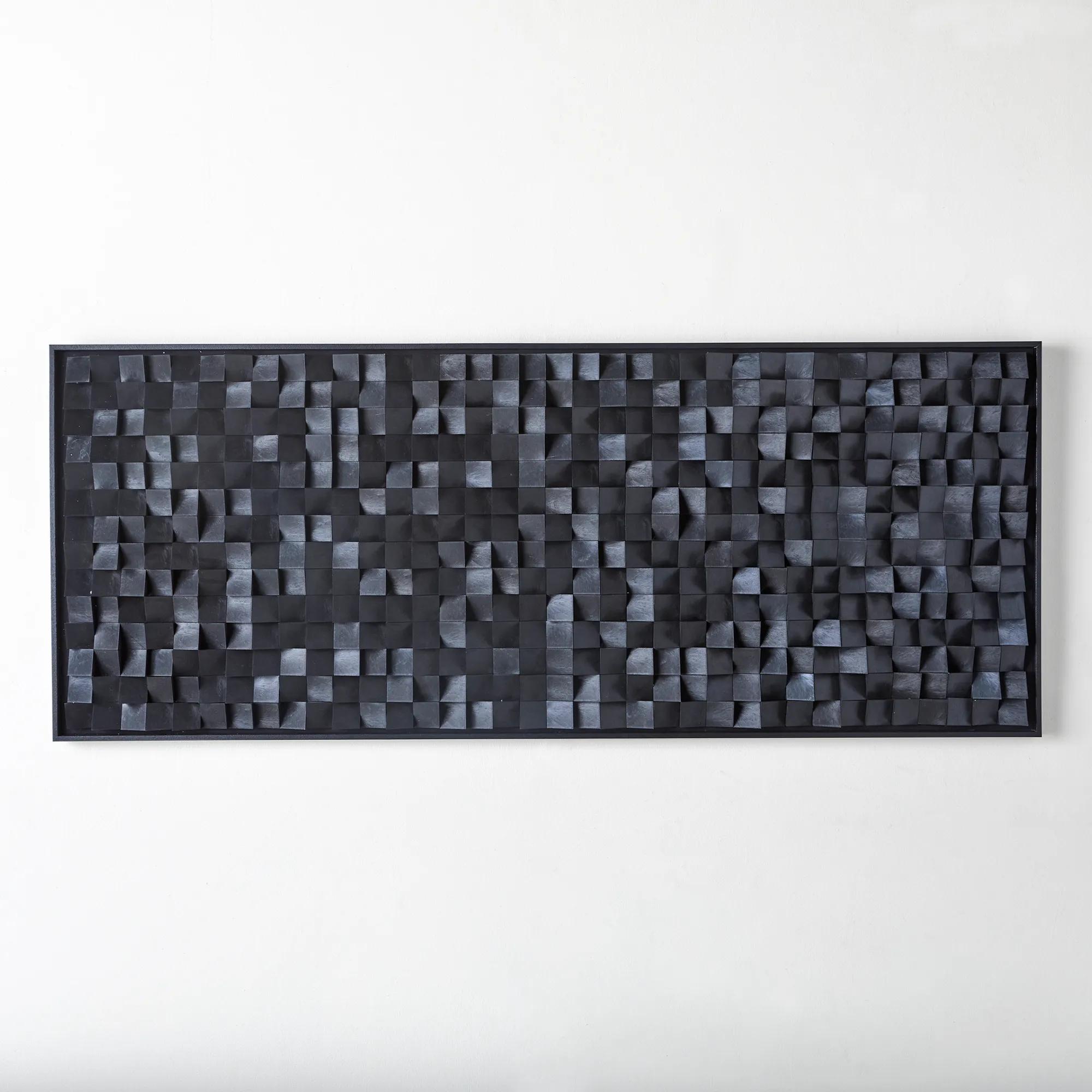 Nightfall Black Wood Dimenisonal Wall Panel 59" x 23.5"$599
An abstract wall art piece featuring cut black blocks in a sleek, low-profile black frame.
Add To Cart -
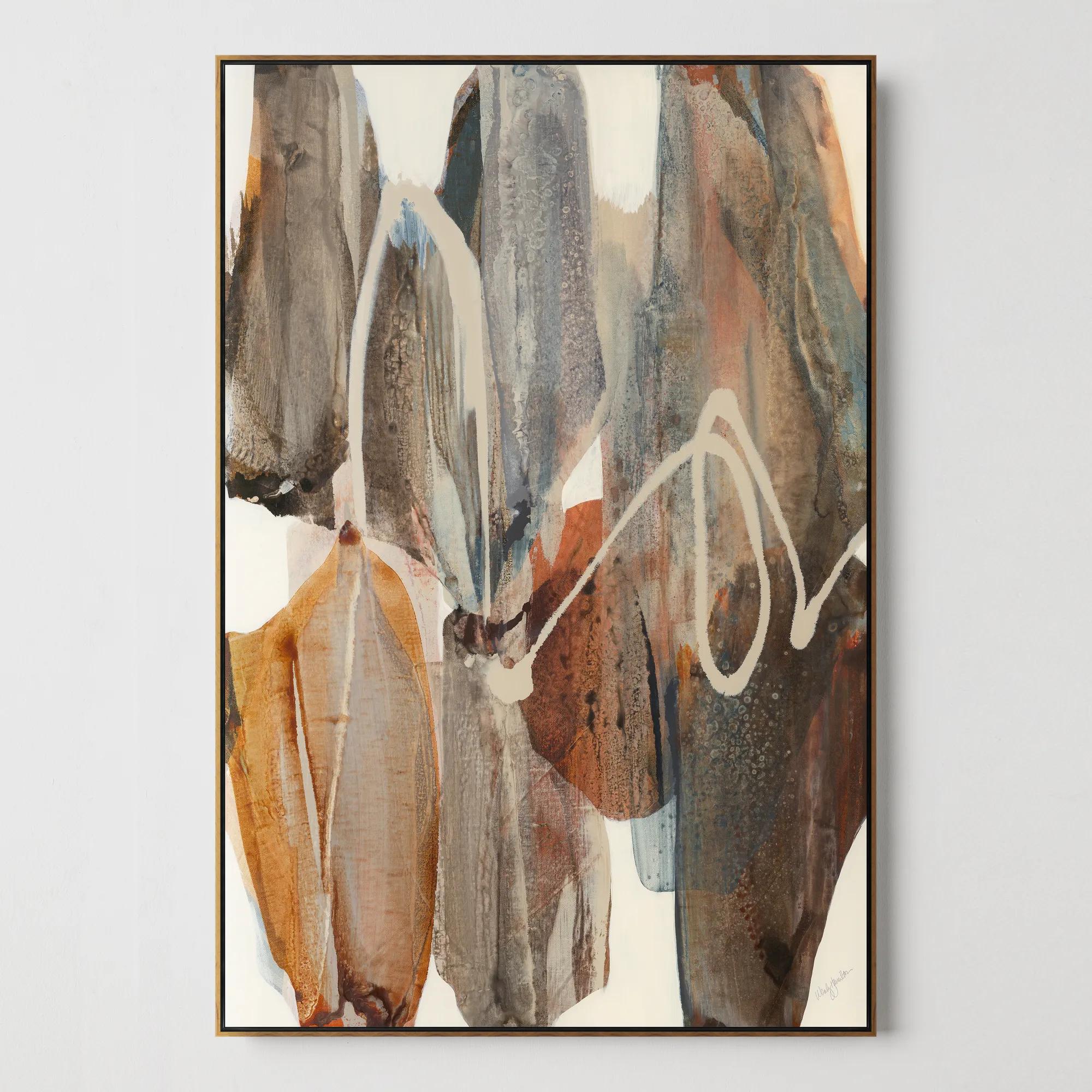
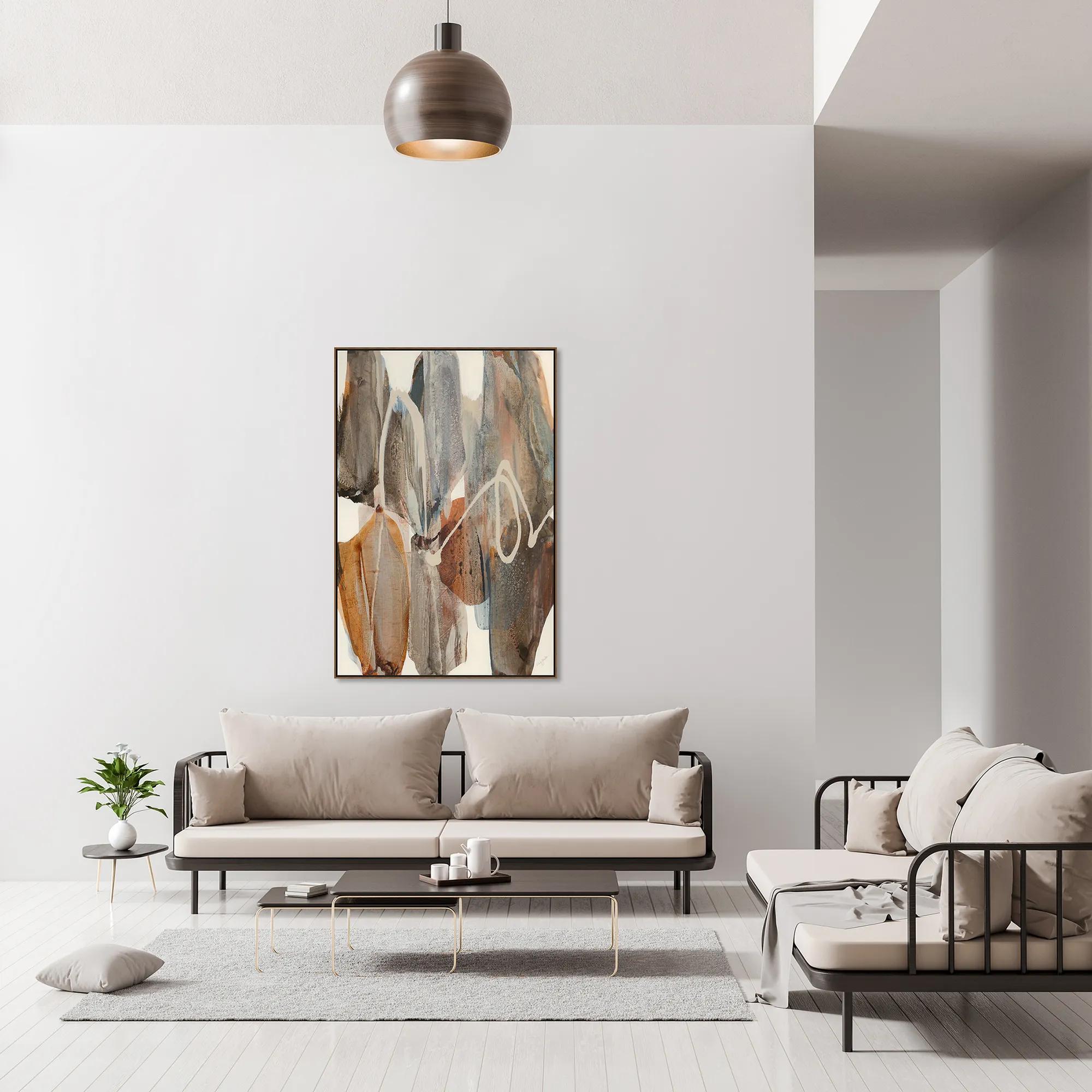 Boundless Framed Wall Art 40" x 60"$999
A gallery-wrapped canvas artwork with hand-applied brush gel finish in an oak floater frame.
Add To Cart -
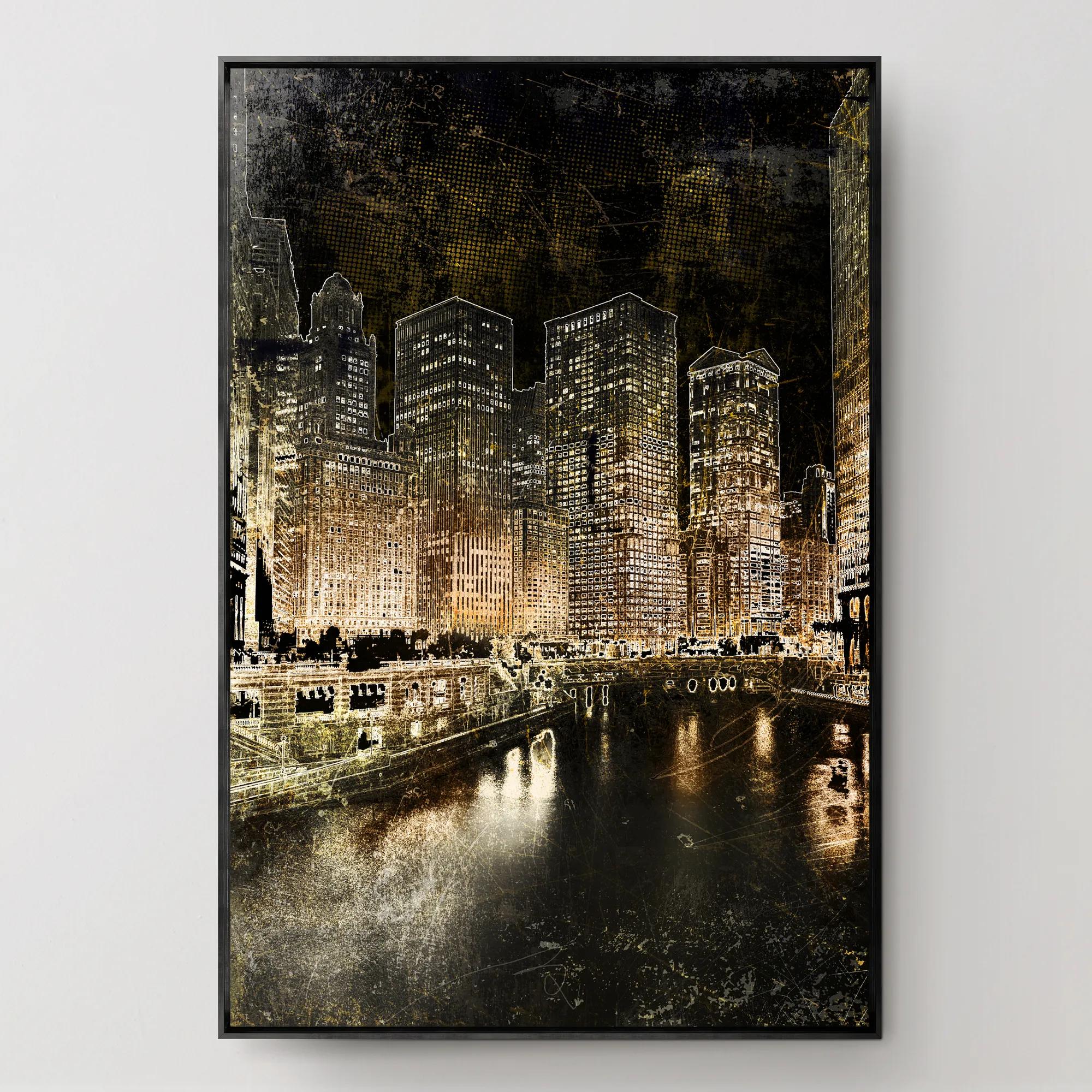
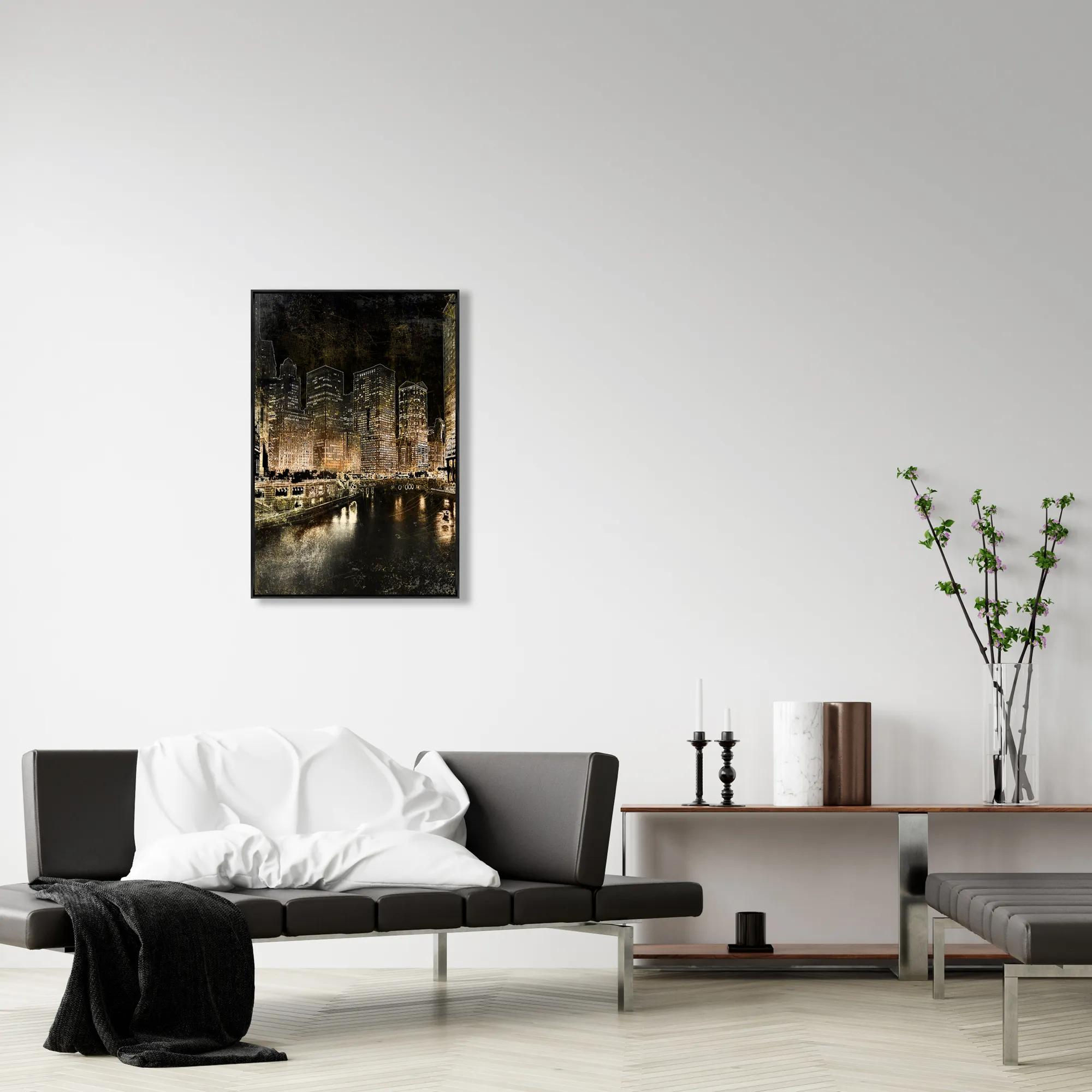 Chicago Lights Framed Wall Art 30" x 45"$649
A gallery-wrapped canvas artwork featuring a hand-applied gel finish in a sleek black floater frame.
Add To Cart -
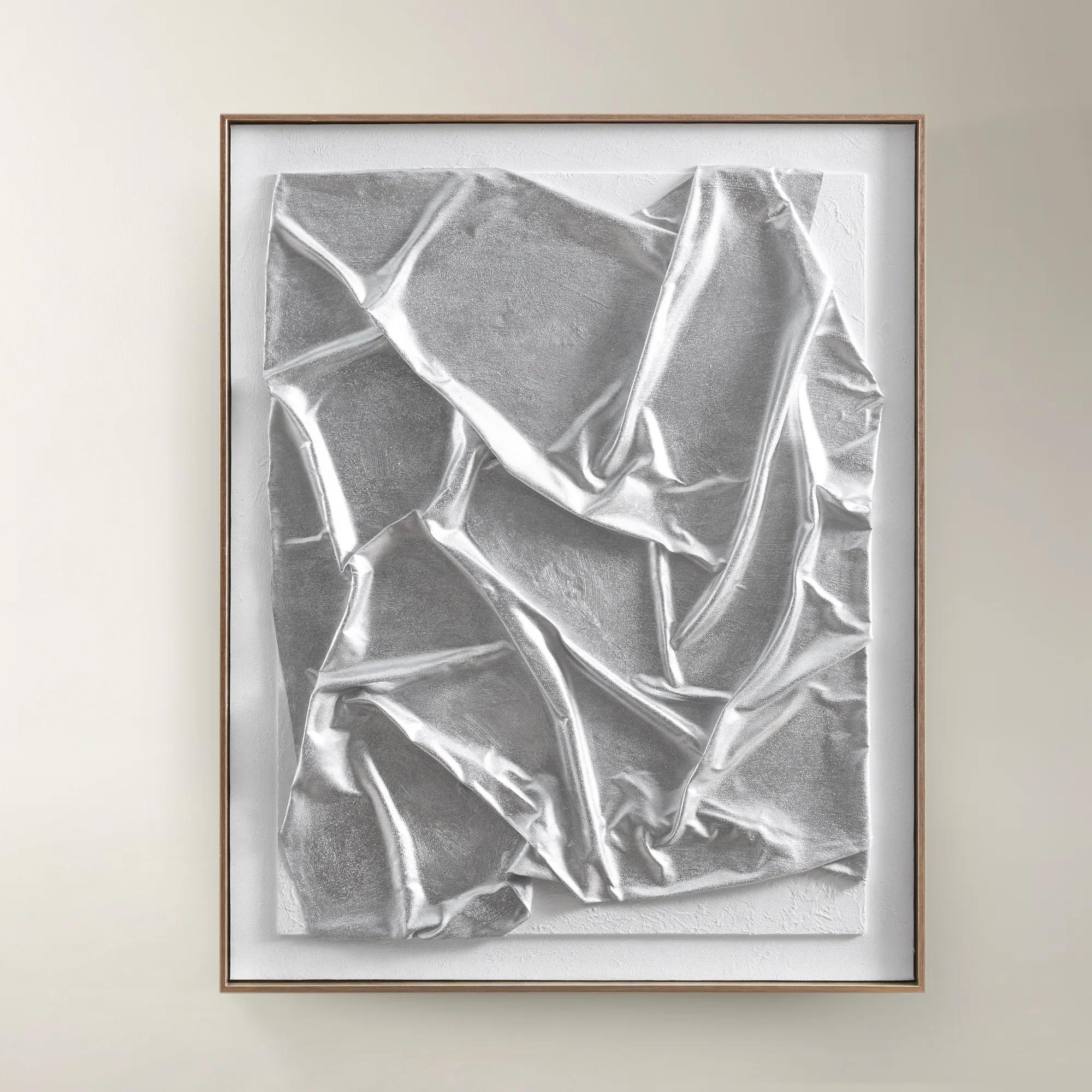 In the Mood Framed Painted Wall Art 31.5" x 39.5"$199
A hand-painted abstract canvas in shimmering silver tones, set in a warm champagne floater frame.
Add To Cart -
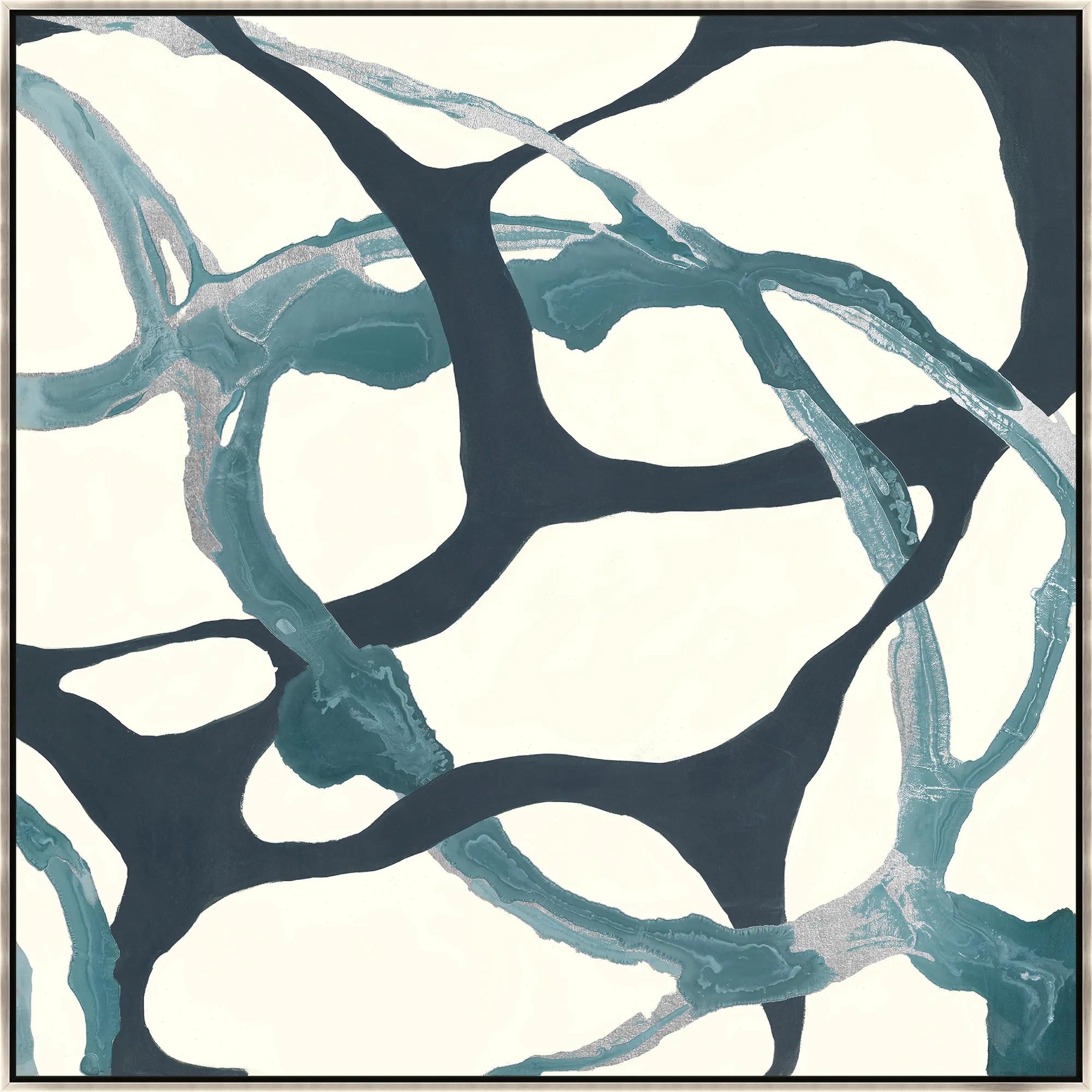
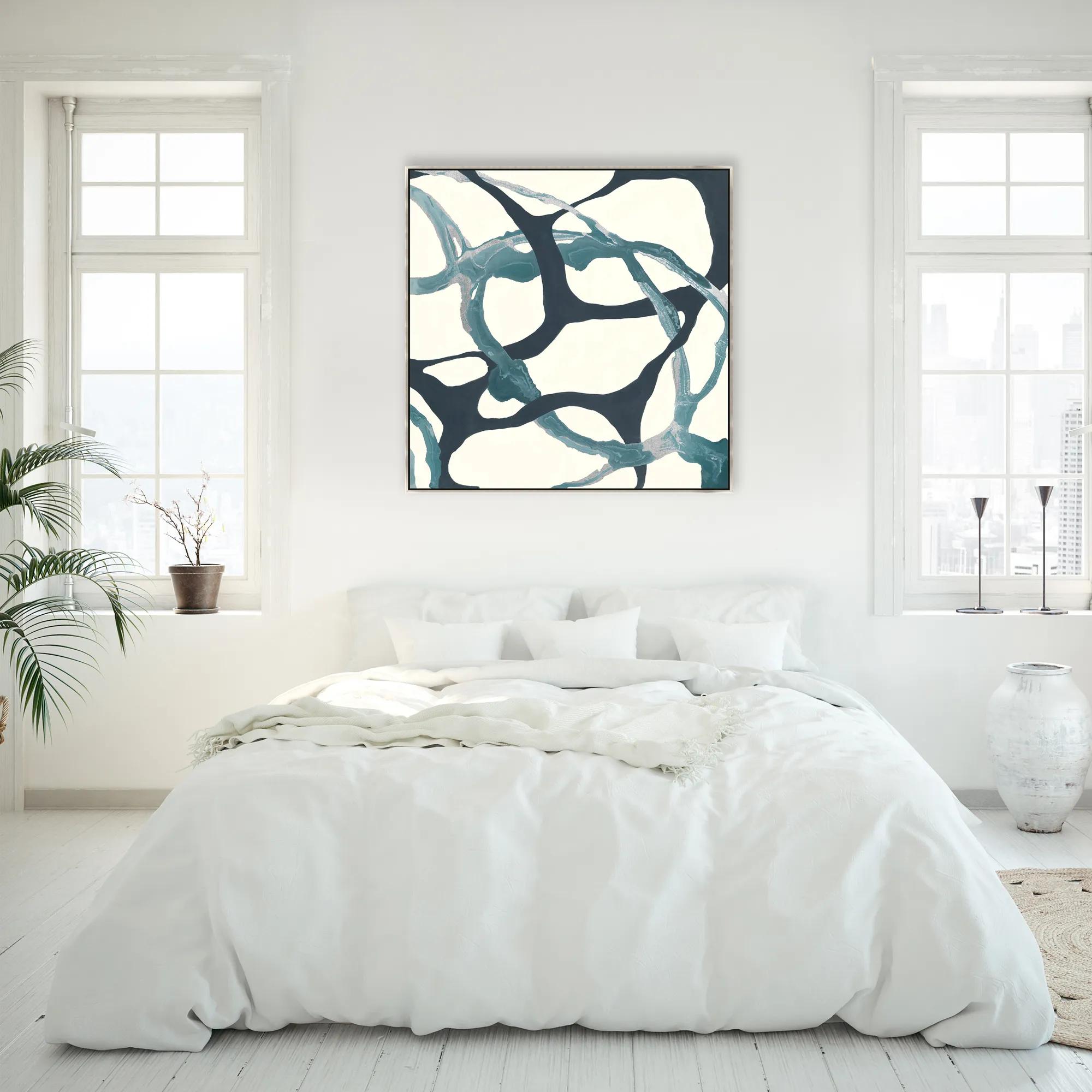 Alignments II Framed Wall Art 40" x 40"$899
A gallery-wrapped canvas featuring gilded silver accents and hand-applied brush gel in a silver floater frame.
Add To Cart -
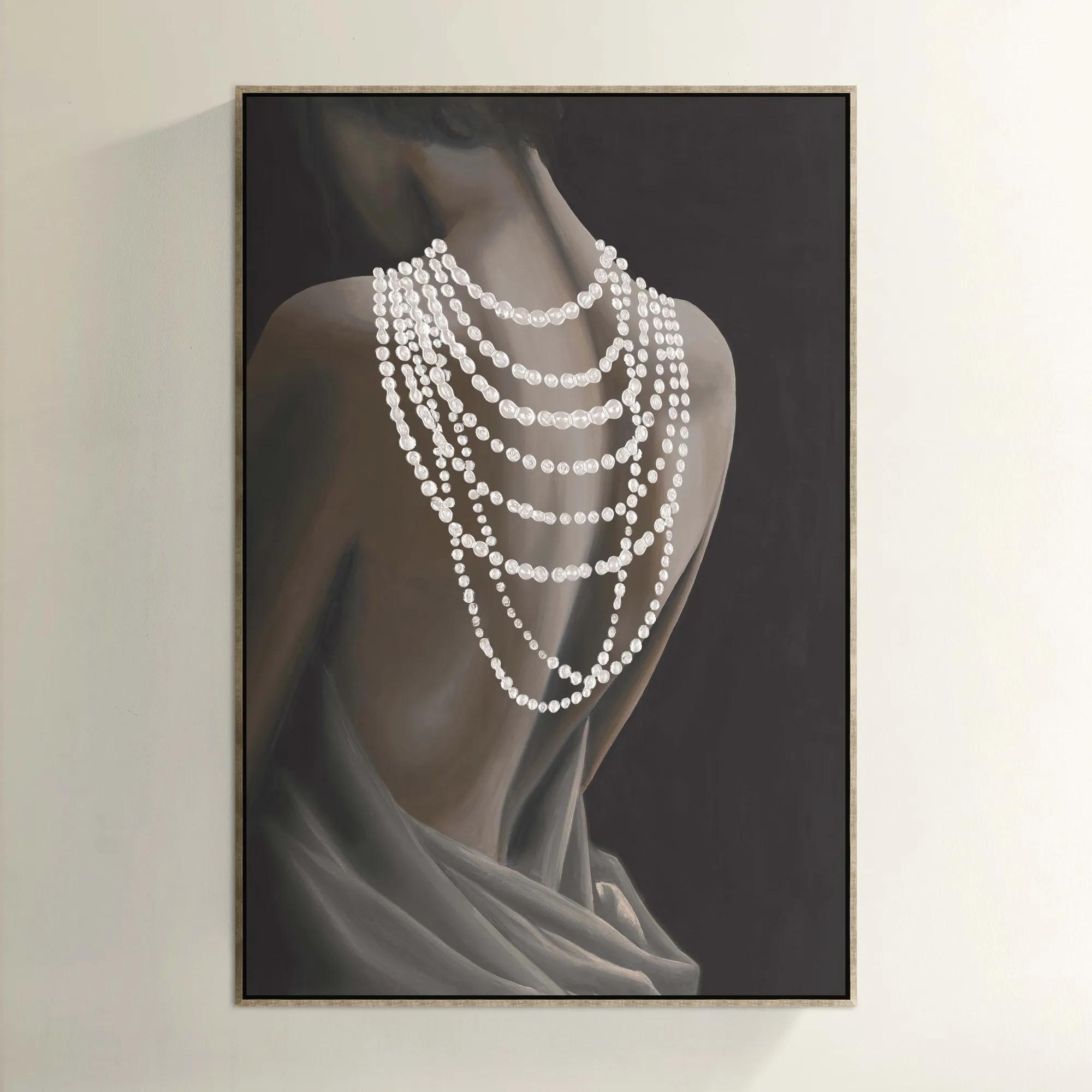 Luminescent Pearls Framed Wall Art 40" x 60"$1119
A hand-embellished canvas artwork featuring textured brush gel, set in a sleek silver floater frame.
Add To Cart

Horizontal Abstract Canvas Wall Arts
Horizontal abstract canvas wall arts command the room with sweeping gestures and evocative color stories, transforming blank walls into bold expressions of artistry. Each piece invites the eye to travel, creating a sense of movement and grandeur that elevates your space from everyday to extraordinary. Whether you favor fluid brushstrokes or striking geometric designs, these panoramic masterpieces set the stage for sophisticated drama—turning your home into a gallery of imagination and allure. Indulge in the art of living beautifully with horizontal abstract canvas wall arts that capture attention and spark conversation at every glance.
Horizontal abstract canvas wall art is artwork presented on a canvas surface in a format wider than it is tall, with compositions that emphasize color, gesture, texture, and shape rather than literal detail. That expansive proportion makes it especially compelling above sofas, headboards, sideboards, and other wide furnishings, where a single composition can give the entire arrangement a sense of intention. Sweeping brushwork draws the eye across a room, while layered fields of ivory, charcoal, or blue create depth without prescribing a particular subject. Some abstract compositions suggest a distant horizon or the movement of water; others make their presence felt through angular forms, bold contrasts, and expressive marks. The effect can be quietly atmospheric or unapologetically dramatic, depending on the palette, scale, and surrounding finishes. Against a pale wall, a richly saturated canvas becomes an arresting focal point. Against a deeper wall color, lighter passages can appear almost luminous, especially beside polished metal, glass, or sculptural ceramics. Horizontal abstract art also offers a generous visual counterpoint to tall windows and upright furniture, giving the eye somewhere to linger. In a living room, its broad silhouette can bring a sofa and neighboring accent chairs into one cohesive conversation. Above a bedroom headboard, a softer composition introduces movement without competing with sumptuous bedding. In a dining room, an energetic arrangement of lines and color adds presence above a buffet while leaving the tabletop free for entertaining. The appeal lies in that versatility: abstraction leaves room for personal interpretation, making the artwork feel distinctly at home among both tailored furnishings and more expressive interiors. A restrained room gains an unexpected layer of character, while a richly decorated space gains a visual anchor. Rather than matching every accessory, a compelling canvas can echo one deliberate detail—a smoky glass vase, a velvet cushion, a gleaming brass accent—and let the rest of the composition introduce something new.
Scale is central to the appeal of large horizontal abstract canvas wall art. A useful starting point is artwork that spans about two-thirds of the width of the furniture beneath it, although wall dimensions, ceiling height, and neighboring architectural features should shape the final choice. Above a 90-inch sofa, for example, a canvas approximately 60 inches wide often creates a balanced relationship without extending to the furniture’s outer edges. Use the complete framed dimensions when checking fit, and leave enough open wall around the piece for its silhouette to remain distinct. A common starting point for placement is approximately 6 to 10 inches above a sofa or console, adjusted for back height, objects displayed below, and comfortable clearance. Where no furniture sits beneath the artwork, placing its center near eye level often feels natural. Painter’s tape can outline the proposed dimensions before hanging, making it easier to judge the composition from the doorway and from a seated position. Materials and construction deserve equal attention because they influence both the visual effect and the way a piece lives in the room. Canvas may be made from cotton, linen, or synthetic blends, with its woven surface contributing a subtle tactile quality. Printed artwork reproduces an existing image, while hand-painted artwork carries applied brushwork; some pieces combine a printed image with hand-applied embellishment. These distinctions matter when the desired effect is either crisp graphic definition or more pronounced surface texture. Giclée describes an inkjet printing method, not a promise of a particular lifespan, so ink, canvas, and finish details remain worth checking. Stretched canvas is secured over support bars, while gallery-wrapped edges carry the presentation around the sides for a finished appearance without a surrounding frame. A floating frame creates a narrow visual separation around the canvas, adding architectural definition that can feel especially striking beside streamlined furniture. Frame depth also matters in a hallway or behind a chair, where a substantial projection may affect clearance. For a multi-panel horizontal arrangement, include the spaces between panels in the overall width so the complete display retains its intended proportions.
The most persuasive abstract canvas is one that suits both the room’s atmosphere and the way the space is used. In an open-plan interior, a broad composition can define the living area without introducing a physical divider, particularly when one of its colors reappears in a rug or upholstered seat. For a home office visible from an adjacent room, a horizontal canvas can create a considered backdrop without requiring a dense arrangement of smaller frames. Rooms with strong patterns often benefit from artwork with larger, more spacious color fields; interiors dominated by solid fabrics can support intricate marks and layered detail. Lighting changes how those details read. Soft, even illumination reveals the composition, while sharply angled light may exaggerate canvas texture or cast shadows along a substantial frame. Metallic embellishments, when present, can catch the light beautifully, but their effect is best considered alongside nearby mirrors and reflective finishes. Most decorative canvas artwork is intended for indoor display, away from direct sunlight, persistent moisture, and abrupt changes in humidity that can affect pigments, fabric tension, or wooden supports. A wall outside the path of kitchen splashes, bathroom steam, or heating vents generally provides a more suitable setting. Care should follow the instructions supplied with the artwork: light dusting with a clean, soft, dry cloth may be appropriate for some surfaces, while raised paint, delicate embellishments, and specialty finishes may require a different approach. Avoid household sprays, abrasive tools, or damp wiping unless expressly permitted. Secure installation also supports longevity; hanging hardware and wall anchors should be appropriate for the piece’s weight and the wall material. Horizontal abstract canvas art makes a thoughtful housewarming or wedding gift when the recipient’s wall dimensions and taste are known, especially for someone furnishing a shared living space or giving a bedroom a more personal identity. Where a narrow wall, tall alcove, or space beside a doorway calls for a different proportion, Vertical Abstract Canvas Arts offer a complementary direction. The strongest choice gives color, proportion, and expression equal consideration, turning a stretch of wall into an integral part of the room’s character.
FAQs
Horizontal abstract canvas wall art shines in areas where you want to emphasize width and create a sense of expansiveness. Living rooms above sofas, dining rooms, bedrooms above headboards, and even entryways with broad walls are ideal settings. The elongated orientation draws the eye across the space, grounding your design and making a striking statement.
Consider the existing tones in your room—whether you wish to complement or contrast them. For a harmonious look, echo accent colors from your furnishings or textiles. If you crave boldness, choose a piece with a vibrant palette that stands out and becomes the focal point. Abstract art’s versatility allows you to play with mood, from soothing neutrals to energetic jewel tones.
Absolutely. The abstract nature of these works makes them remarkably adaptable. In modern spaces, they add movement and visual intrigue; in traditional rooms, they offer a contemporary counterpoint that refreshes classic elements. The key is to select a piece whose colors and textures resonate with your overall décor.
Pair your horizontal canvas with sculptural lighting or metallic accents to amplify its impact. Layer it above a console table styled with curated objects, or flank it with tall vases for added drama. Using a gallery wall approach, mix it with smaller pieces for an eclectic, collected look that tells your personal story.
Horizontal abstract wall art makes a luxurious and thoughtful gift, especially for milestone occasions like housewarmings, weddings, or anniversaries. Its abstract design offers versatility, allowing recipients to interpret the piece in their own way and seamlessly integrate it into their home, making it a gift that’s both meaningful and enduring.
.jpg?w=3000&h=3000)