Unique Stoneware Decorative Bowls
Unique Stoneware Decorative Bowls
-
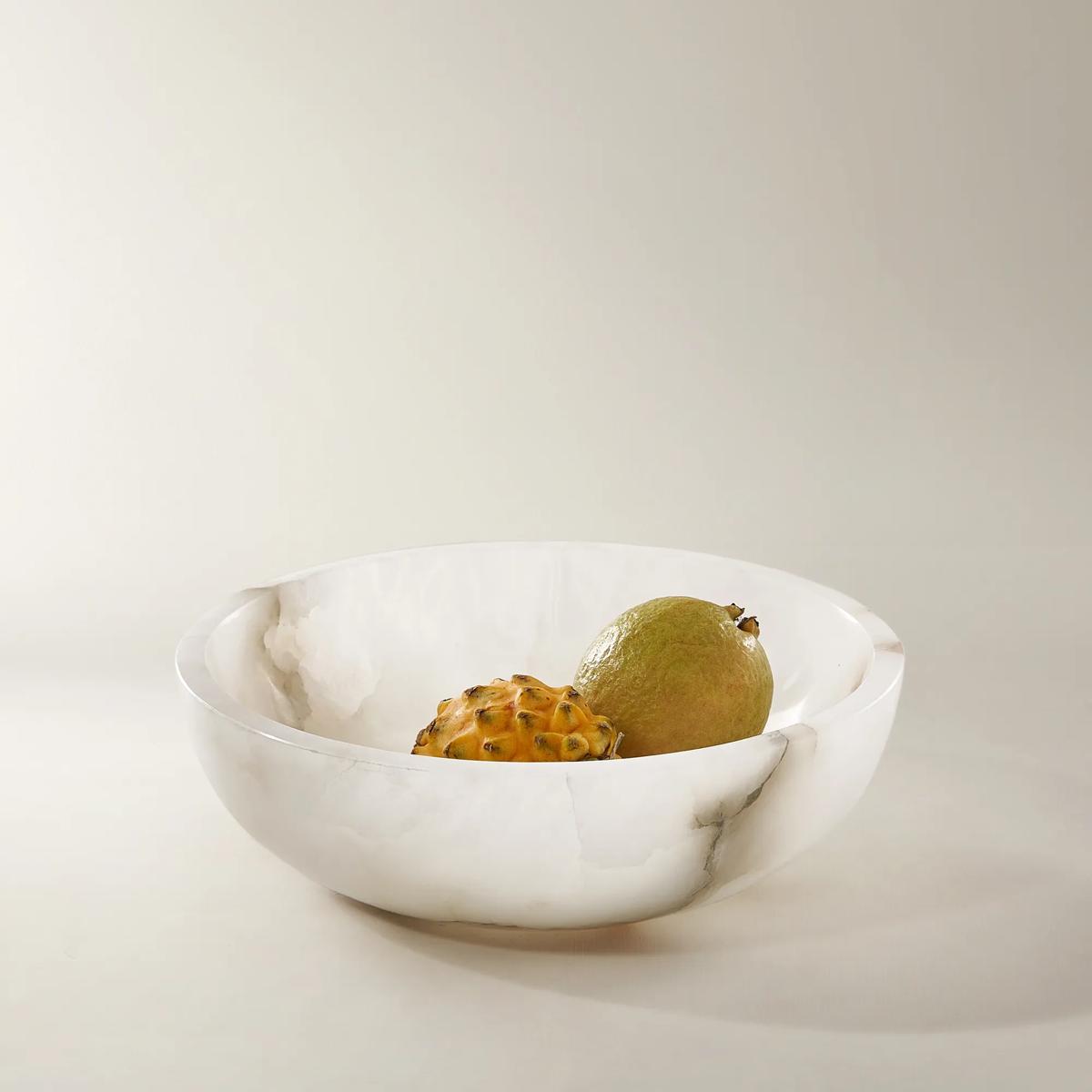 Alabaster Bowl$369
A hand-sculpted alabaster bowl featuring organic veining and soft, milky white translucence.
Add To Cart -
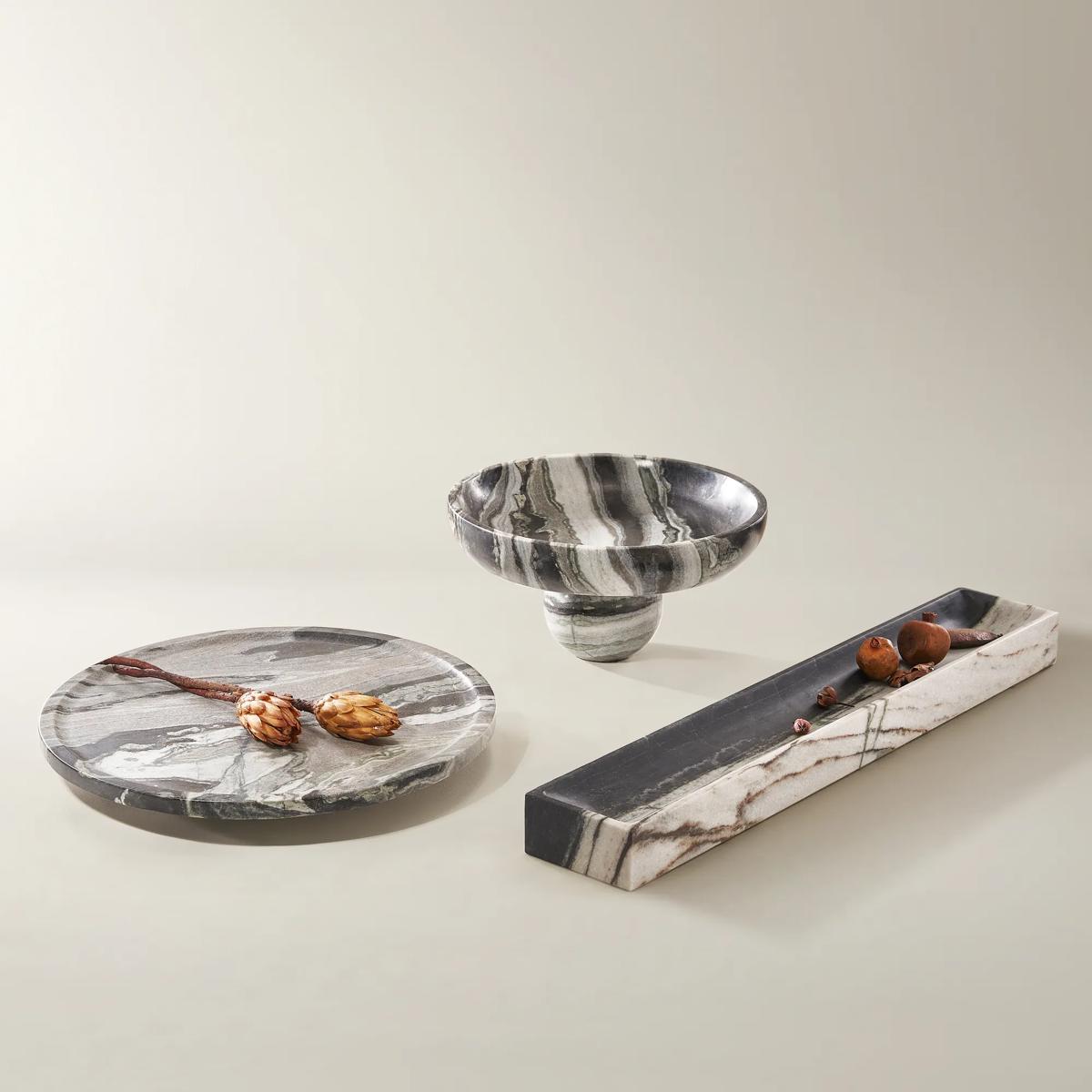
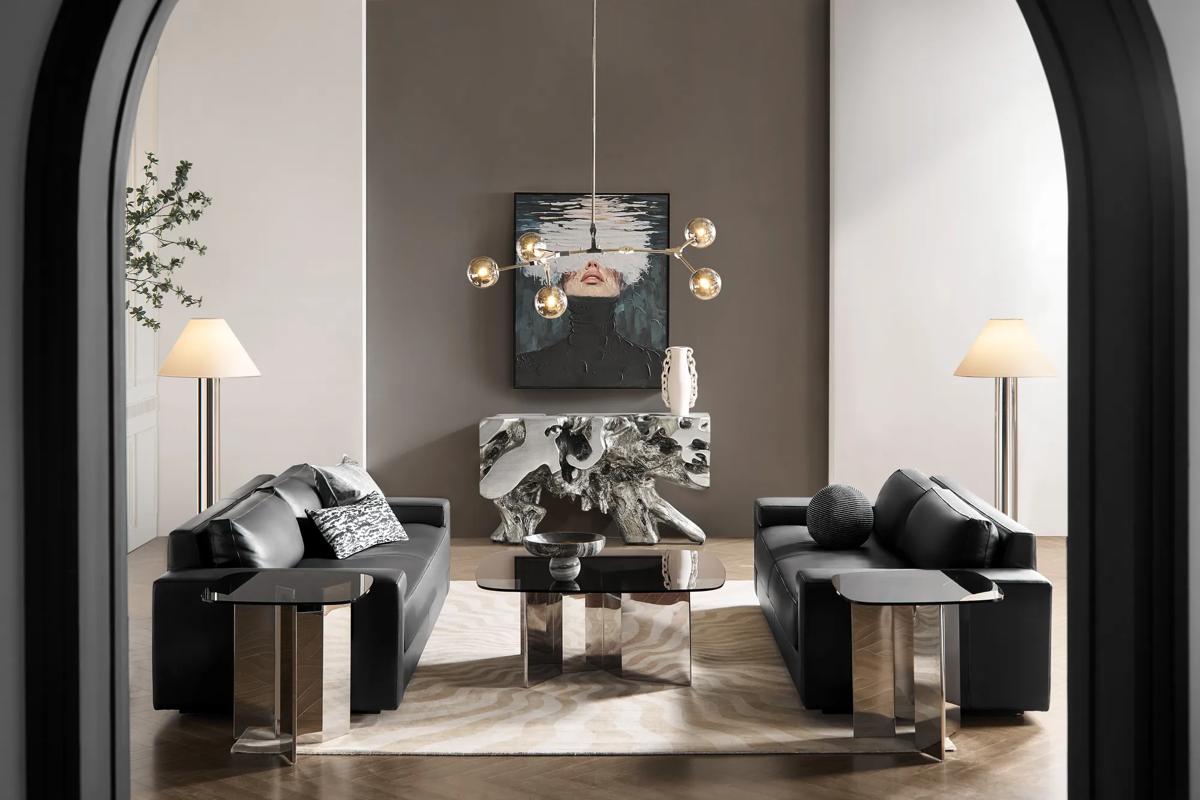 Luxe Marble Collection$119
A striking black marble decor collection featuring unique veining and elegant footed bowl, tray, and riser.
Add To Cart -
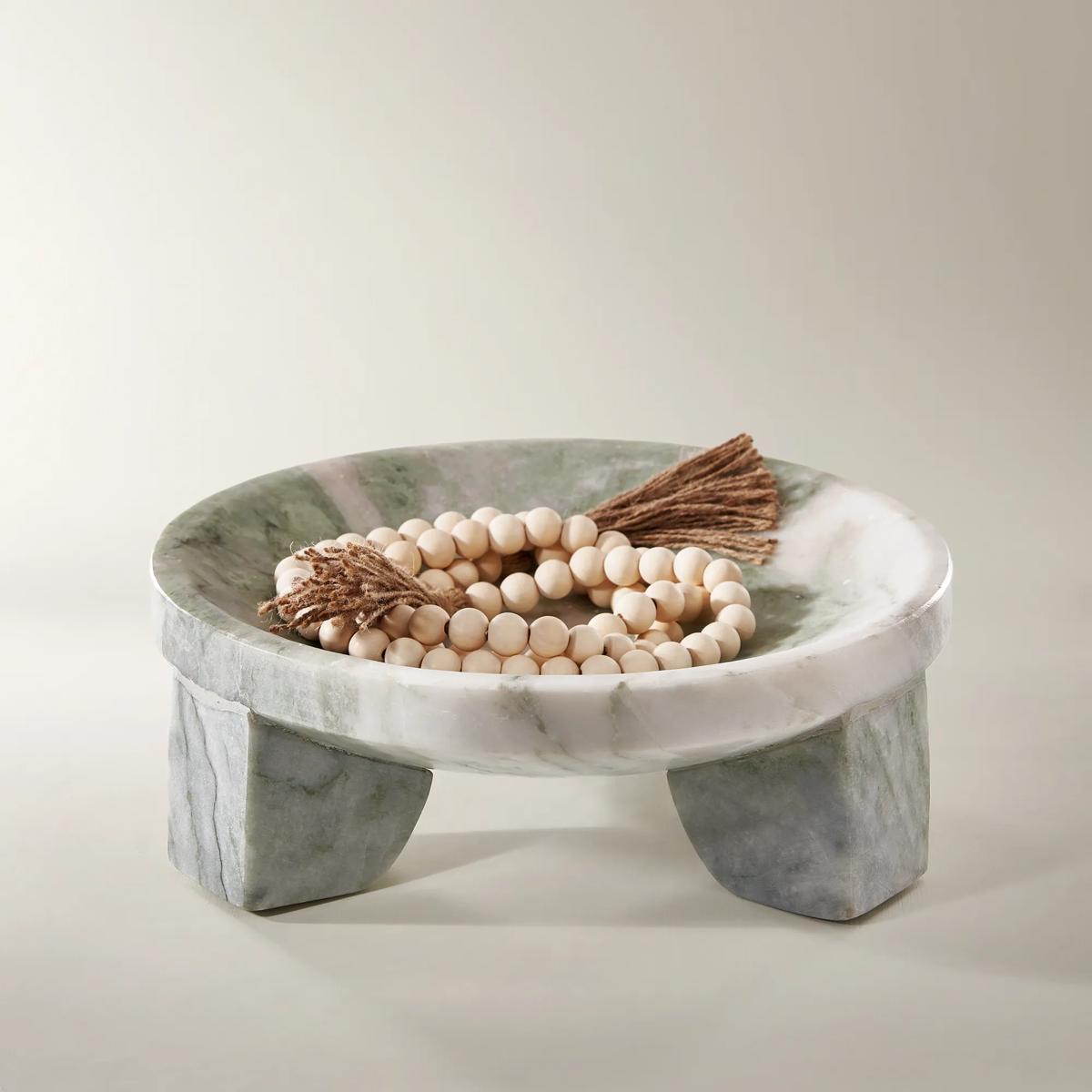
 Light Green Marble Footed Bowl$199
A hand-carved onyx bowl featuring soft green marbling and sculptural feet for organic elegance.
Add To Cart -
 Borra Grey Black Marble Vase & Bowl$249
A sculptural grey marble accent featuring bold black orbs and unique natural veining for modern drama.
Add To Cart -
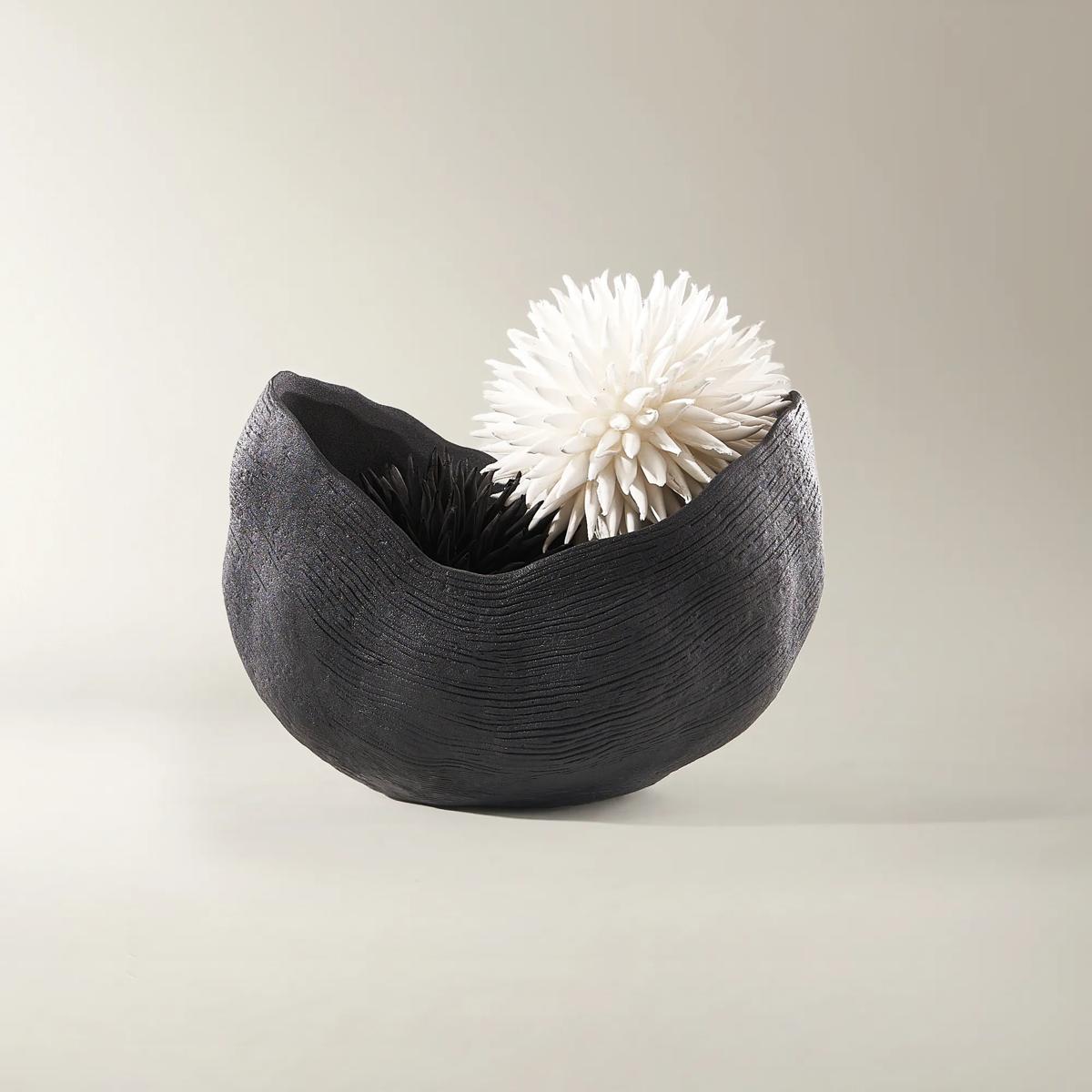 Baz Bowl - Black$119
A sculptural black porcelain bowl with a matte, ridged texture for bold, modern decor accents.
Add To Cart -
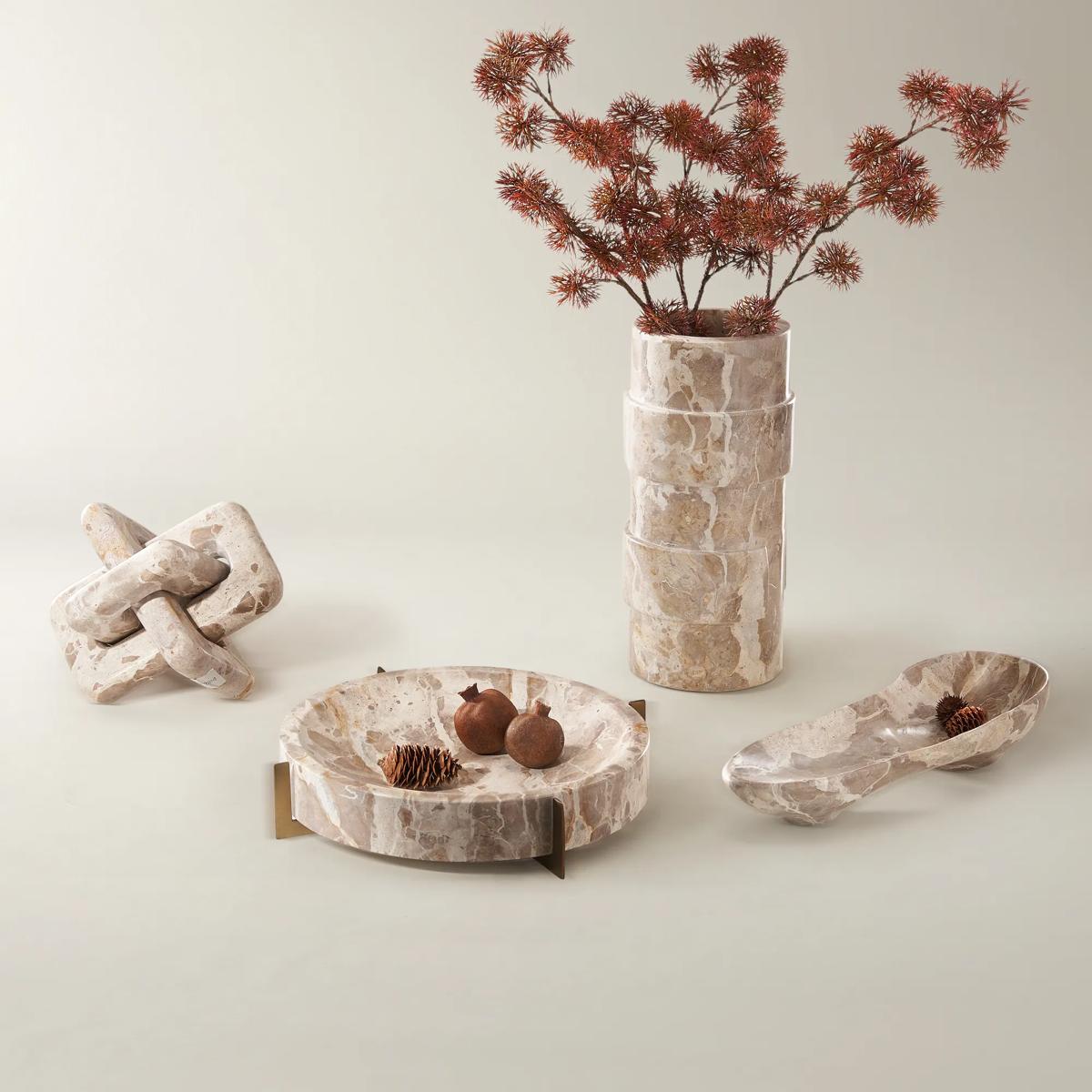
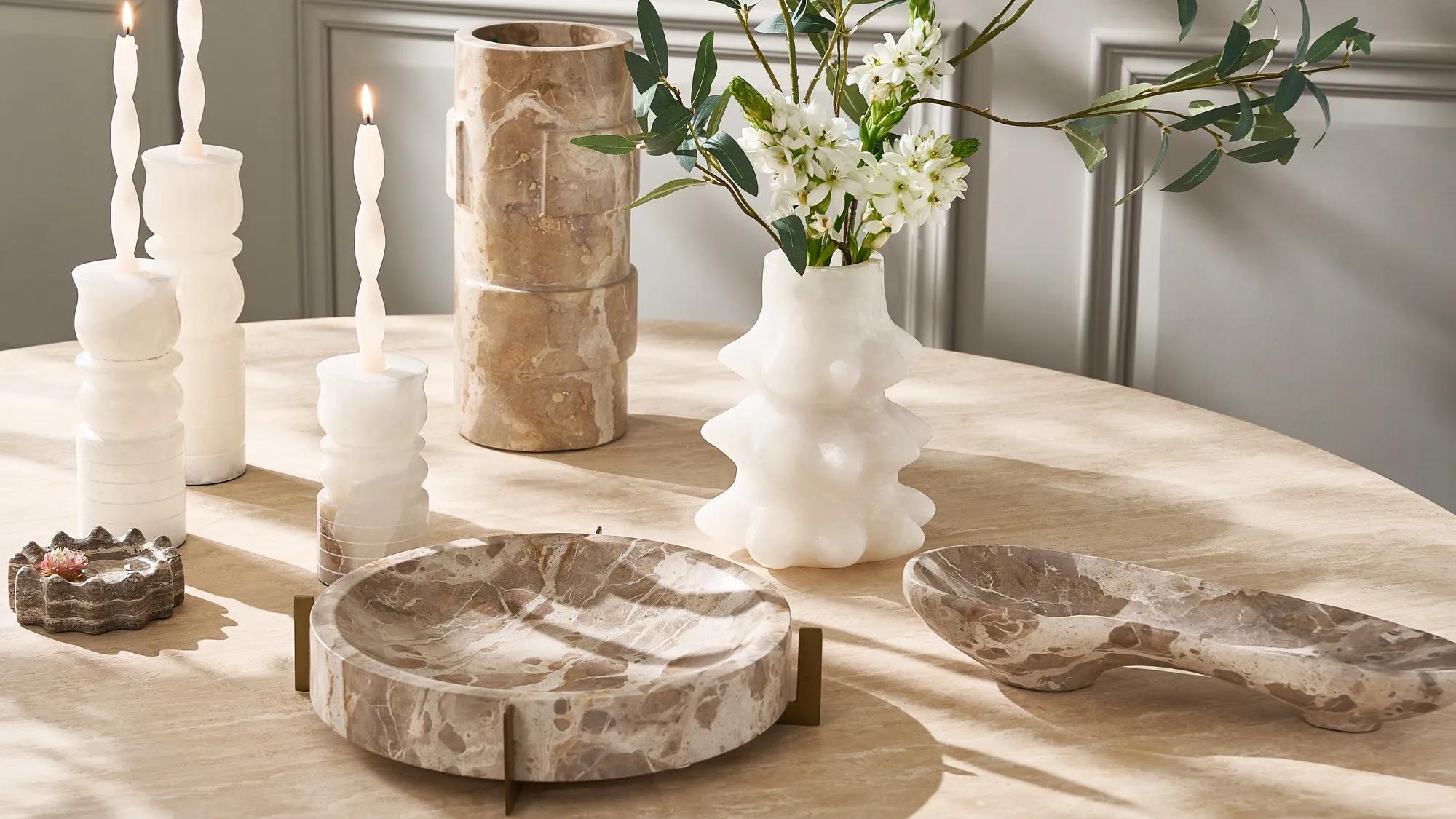 Neutral Marble Collection$159
A handcrafted marble decor collection featuring unique veining, natural neutral tones, and elegant metal accents.
Add To Cart -
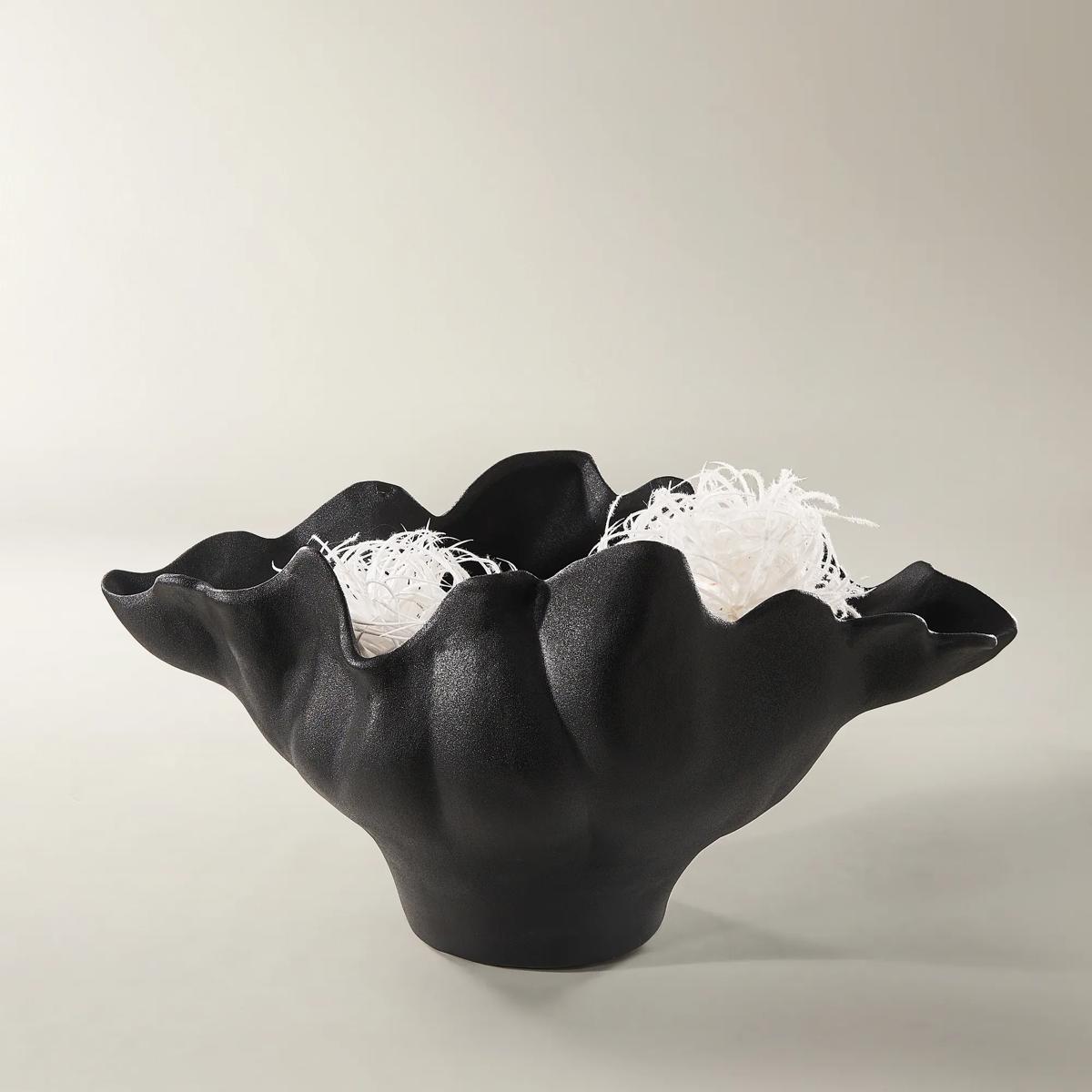
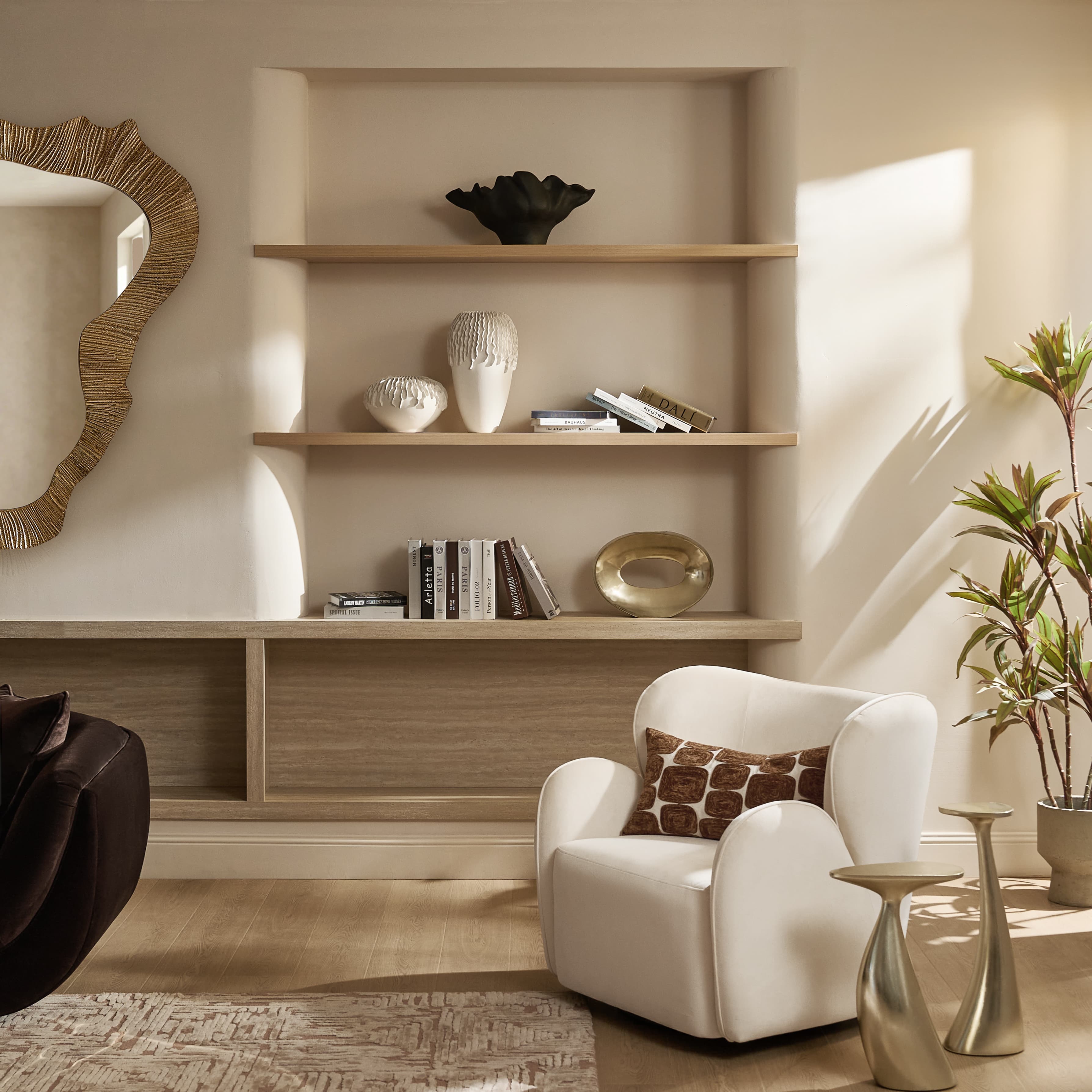 Ebba Black Porcelain Decorative Bowl 20.25" x 10.25"$199
A sculptural matte black porcelain bowl with undulating petal-like edges for bold, artistic elegance.
Add To Cart -
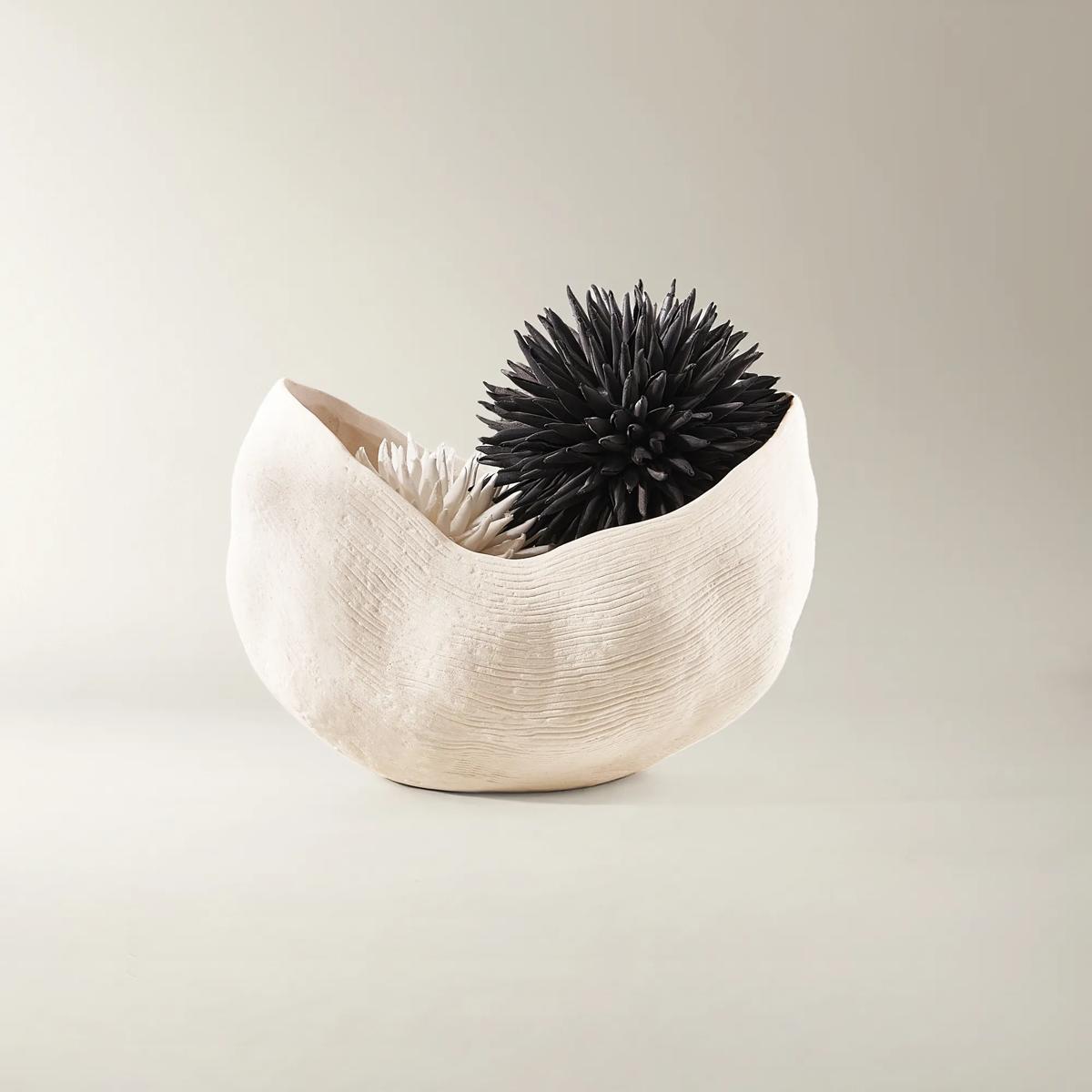 Baz Ivory Porcelain Bowl$119
A sculptural ivory porcelain bowl with a matte, textured finish and organic, free-flowing silhouette.
Add To Cart -
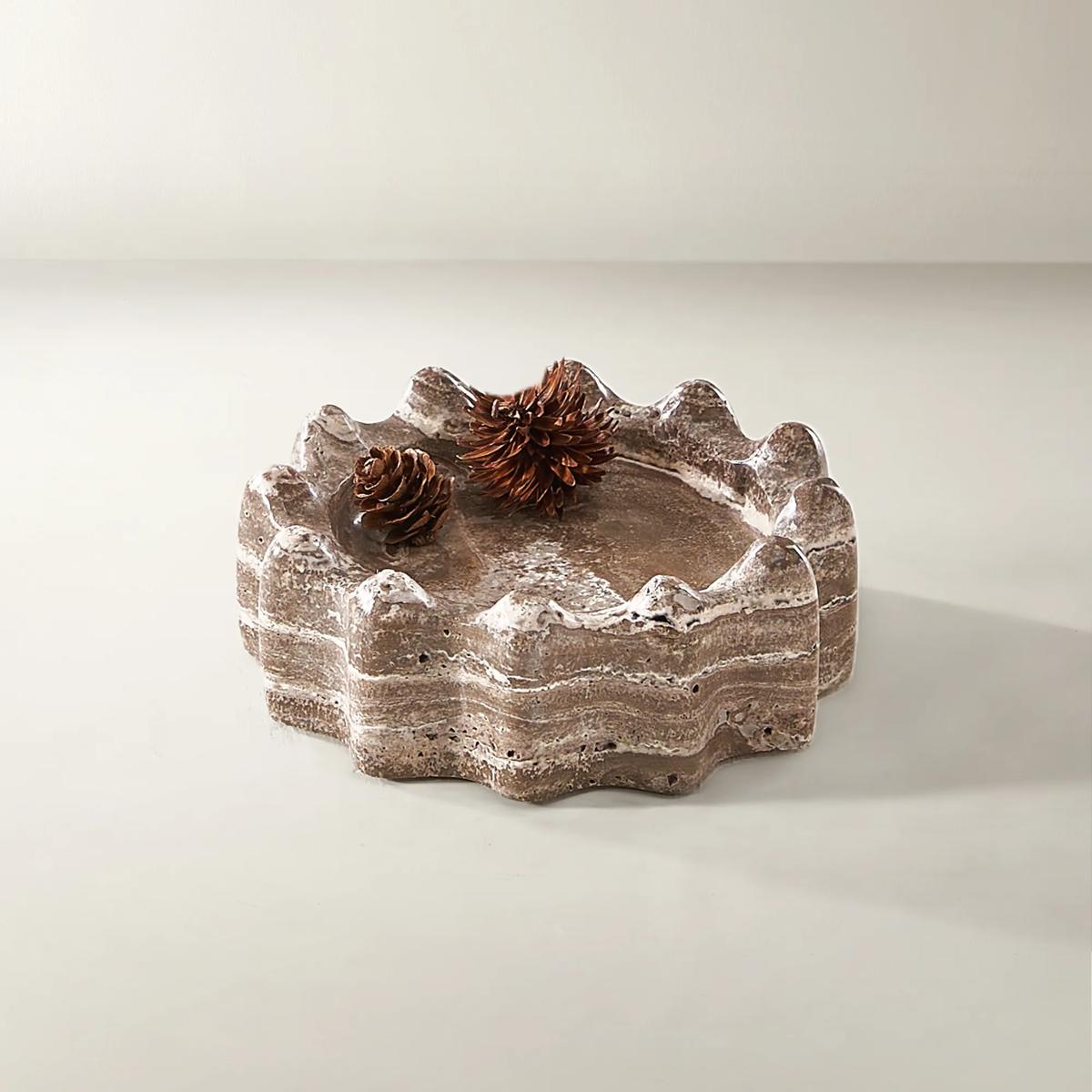 Flora Marble Catchall - Small$89
A hand-carved sand travertine catchall featuring unique veining and undulating, flower-inspired edges.
Add To Cart -
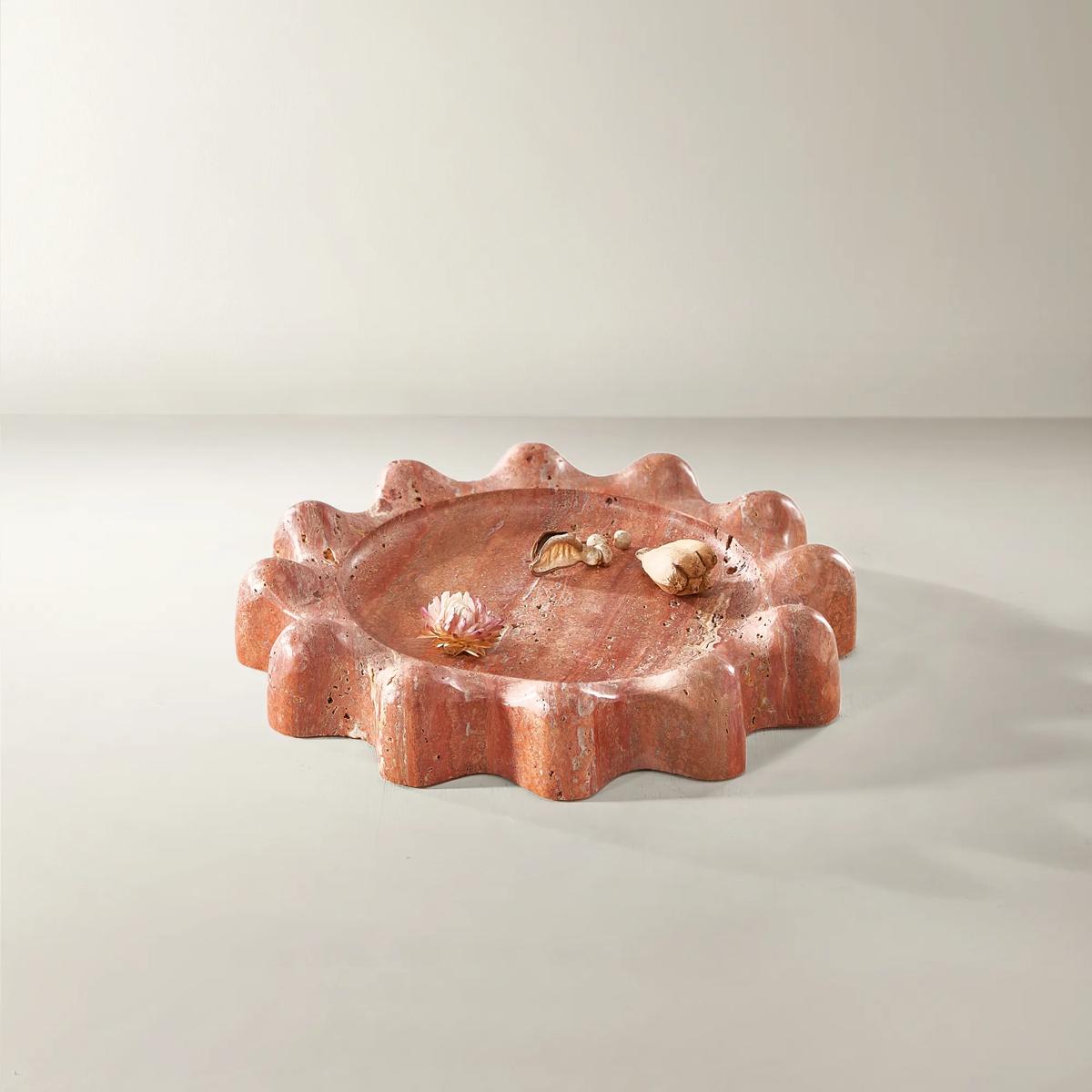 Flora Marble Catchall - Large$159
A hand-carved red travertine catchall with unique veining and undulating, flower-inspired edges.
Add To Cart

Unique Stoneware Decorative Bowls
Unique Stoneware Decorative Bowls transform the ordinary into the extraordinary, inviting artistry and intrigue to every surface they grace. Each piece is a celebration of sculptural form and tactile allure, designed to captivate the eye and spark conversation. Whether poised as a centerpiece or layered among curated treasures, these bowls infuse your home with a sense of wonder—grounded in organic elegance, yet daringly distinct. Elevate your décor with vessels that echo the beauty of nature’s palette and the sophistication of modern design.
Unique stoneware decorative bowls are high-fired ceramic accents that bring sculptural shape, expressive texture, and distinctive glaze effects to a room. Made from clay rather than carved stone, stoneware develops a dense, durable body through firing, giving these pieces a satisfying presence on a console, dining table, or open shelf. Their appeal lies in the relationship between form and finish: a broad, shallow bowl can read like a piece of sculpture, while a deeper vessel creates a more intimate focal point with its curved interior and substantial walls. Glazes may appear glossy, satin, or matte, with effects that include subtle speckling, pooled color, and tonal variation along an edge. Where hand shaping or hand-applied finishes are part of the process, slight differences can lend individual character; those details should be understood from each piece’s description rather than assumed. An irregular rim can soften a room filled with precise architectural lines, while a smooth, symmetrical silhouette brings composure to a richly layered setting. Color changes the mood just as decisively. Chalky ivory emphasizes contour and shadow, charcoal gives an arrangement visual depth, and earthy neutrals introduce warmth without competing with patterned upholstery or dramatic artwork. A luminous glaze catches the light beside a metallic lamp; an unglazed or softly textured surface offers a quieter counterpoint to polished furniture. These contrasts make decorative stoneware compelling for interiors that favor expressive details over predictable matching sets. A bowl does not need an elaborate arrangement to feel complete. Left empty, its interior becomes part of the composition, revealing the sweep of the glaze, the thickness of the rim, and the shape of its base. For a collector of sculptural objects or anyone looking to give a room a more distinctive signature, the right bowl offers artistry at an approachable scale.
Scale and placement determine how that artistry lives in a space. On an expansive dining table, a generous, low-profile stoneware bowl can anchor the surface without creating the visual barrier of a tall centerpiece. On a narrow entry console, a more compact form leaves room for a lamp and a clear landing area, allowing the arrangement to feel composed rather than crowded. Both the full diameter and the footprint matter: a dramatically flared rim may occupy considerably more space than its base suggests. Height deserves equal attention, particularly beneath artwork, inside a bookcase, or on a coffee table where sightlines should remain open. A piece with a stable base feels assured on its own, while a bowl placed near other objects benefits from enough breathing room to show its outline. Against dark wood, pale stoneware creates crisp contrast; against glass or mirror, a textured finish introduces substance and an appealing interruption in the reflection. Pairing a rounded bowl with rectangular books or a slender candlestick creates variety without requiring a large assortment of accessories. A shallow form can hold decorative spheres or other lightweight accents, provided their surfaces will not scratch the glaze, while a deeper bowl can conceal the visual clutter of small everyday belongings. Keys and metal objects may mark delicate finishes, so an entryway catchall needs a suitable interior and, where appropriate, a soft liner. Decorative use and food use are not interchangeable: fruit, snacks, or shared dishes belong only in bowls explicitly identified as food-safe, with any restrictions observed. For those drawn to mineral veining rather than ceramic glaze, Natural Stone Decorative Bowls offer a distinct material direction. Stoneware achieves its character through shaped clay and firing, while natural stone derives much of its visual identity from the material itself. Both can bring weight and sculptural presence to an interior, but their surfaces, care needs, and individual variations differ. The distinction helps make the material part of the room’s story, not merely a color match.
The lasting pleasure of unique stoneware decorative bowls comes from treating them as both expressive objects and ceramics with specific care requirements. High firing gives stoneware resilience, but it does not make a bowl unbreakable or its finish immune to scratches. Projecting edges, thin rims, and dimensional surface details deserve particular care when lifting or moving a piece. Supporting the body with both hands is safer than carrying it by the rim, especially with a broad or weighty design. Routine dusting with a soft cloth keeps contours and textured details visible; when cleaning is needed, follow the maker’s directions for the particular glaze and any applied decoration. Abrasive pads, harsh cleaners, and prolonged soaking can be unsuitable for certain finishes, and an ornamental bowl should never be assumed dishwasher-, microwave-, or oven-safe. An unglazed foot may be rough enough to mark furniture, making discreet, nonstaining protective pads useful on wood, lacquer, or other delicate surfaces. Water-holding ability also varies, so a decorative vessel should not be treated as a planter or vase unless its intended use supports that function. These practical distinctions allow the beauty of the piece to remain the focus. In a home with children or active pets, a secure position away from an exposed edge is more appropriate than a precarious perch. For gifting, a decorative stoneware bowl suits someone who appreciates ceramics, enjoys arranging collected objects, or is furnishing a new home with meaningful accents. A versatile proportion and a finish that relates to the recipient’s furnishings can make the gesture feel personal without requiring an exact room match. Ultimately, its presence can be bold without being oversized: a deeply curved profile, an unexpected glaze, or a beautifully uneven edge is enough to lend a familiar surface a new sense of intention. The strongest decorative bowls hold attention as convincingly as they hold an arrangement, bringing material richness and an unmistakable point of view to the room.
FAQs
Stoneware decorative bowls stand apart for their artisanal craftsmanship and one-of-a-kind finishes. Each piece is shaped and glazed to reveal subtle variations in color, texture, and form, ensuring that no two bowls are exactly the same. This individuality brings a sense of character and artistry to any space, making stoneware bowls both functional vessels and expressive works of art.
To create a dramatic focal point, choose a stoneware bowl with a bold glaze or sculptural shape and place it prominently on a coffee table, dining table, or entryway console. Fill it with seasonal botanicals, decorative spheres, or simply let it stand alone to showcase its artistry. Layering the bowl with other textures—such as metallic trays or woven placemats—can amplify the visual impact and elevate the overall look.
Absolutely. Stoneware decorative bowls make thoughtful and enduring gifts, perfect for weddings, housewarmings, anniversaries, or milestone celebrations. Their handcrafted nature and timeless appeal convey a sense of intention and artistry, making them cherished keepsakes that add beauty and meaning to the recipient’s home.
Stoneware bowls are remarkably versatile and complement a range of interior styles—from modern glam and eclectic maximalism to organic contemporary and rustic chic. Their tactile finishes and organic forms add depth and interest to both opulent and minimalist spaces, serving as grounding accents or expressive statements depending on your styling approach.
The rich textures and nuanced glazes of stoneware bowls play with light and shadow, adding layers of visual intrigue to a room. Matte finishes lend a sense of understated luxury, while glossy or speckled surfaces catch the eye and invite touch. These tactile qualities not only elevate the aesthetic of a space but also create a warm, inviting ambiance that draws people in.