Sophisticated Living Room Tables
Sophisticated Living Room Tables
-
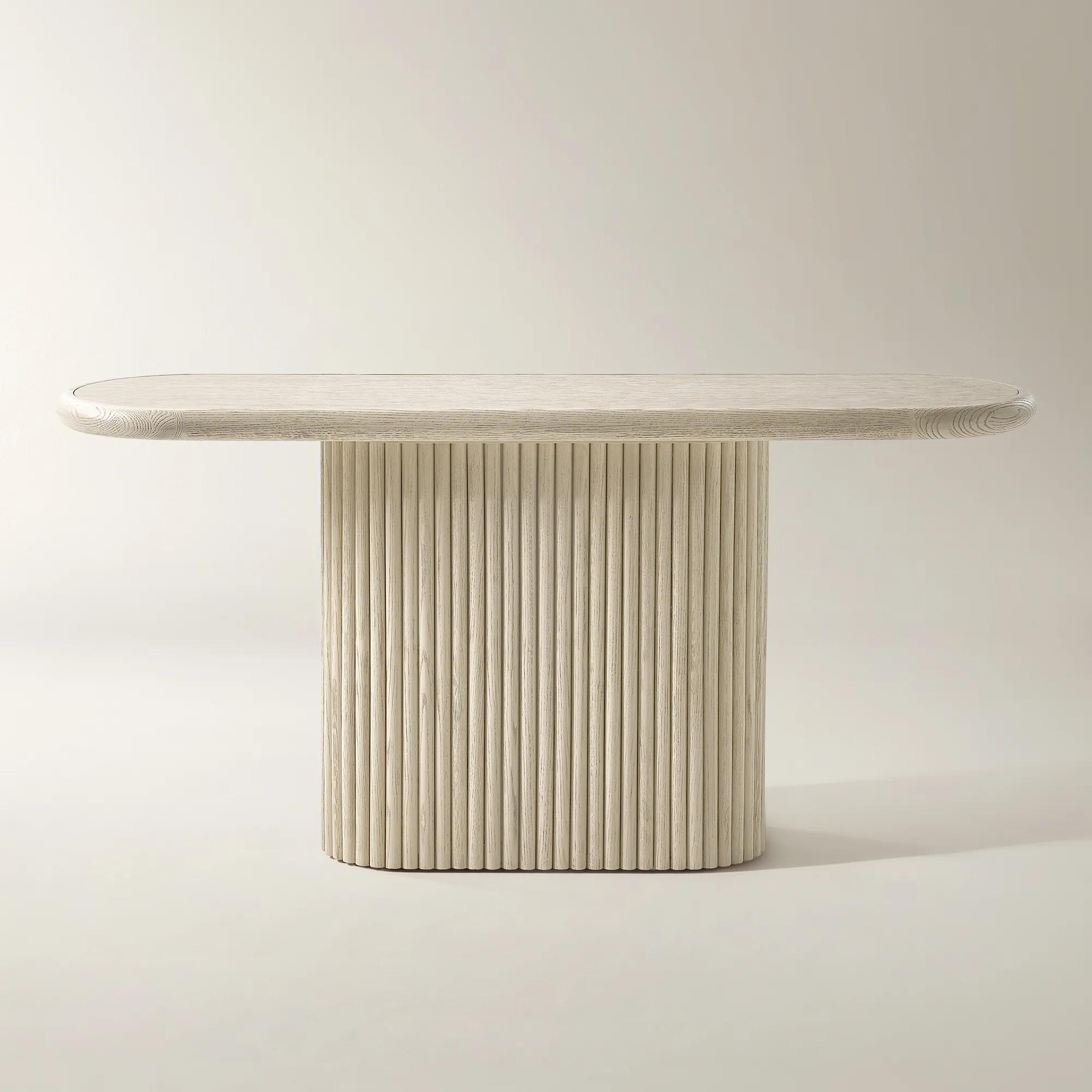
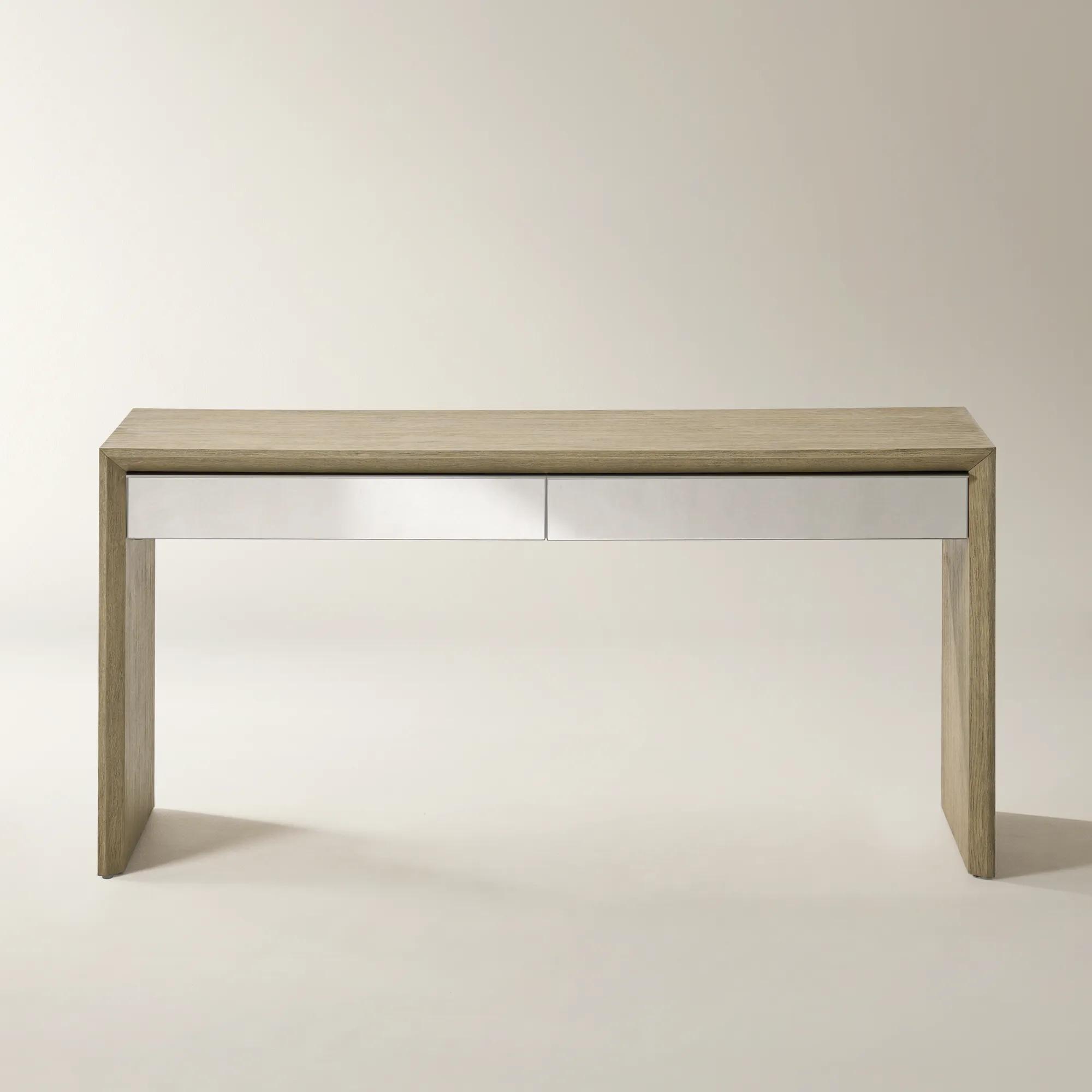
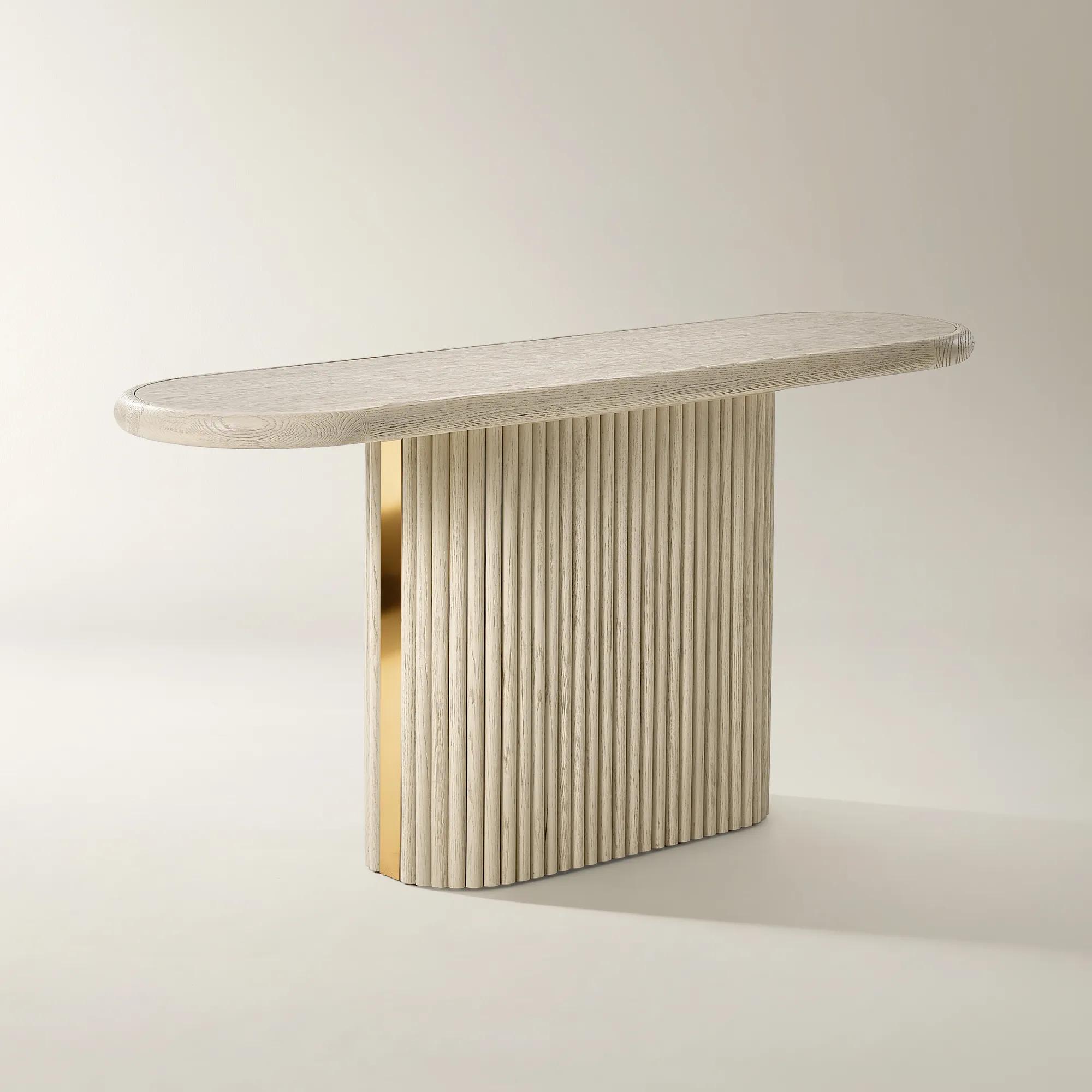 Stria Oval Reeded White Oak Console Table (63")$1399
A sculptural console table featuring reeded white oak, soft gold metal trim, and an architectural pedestal base.
Add To Cart -
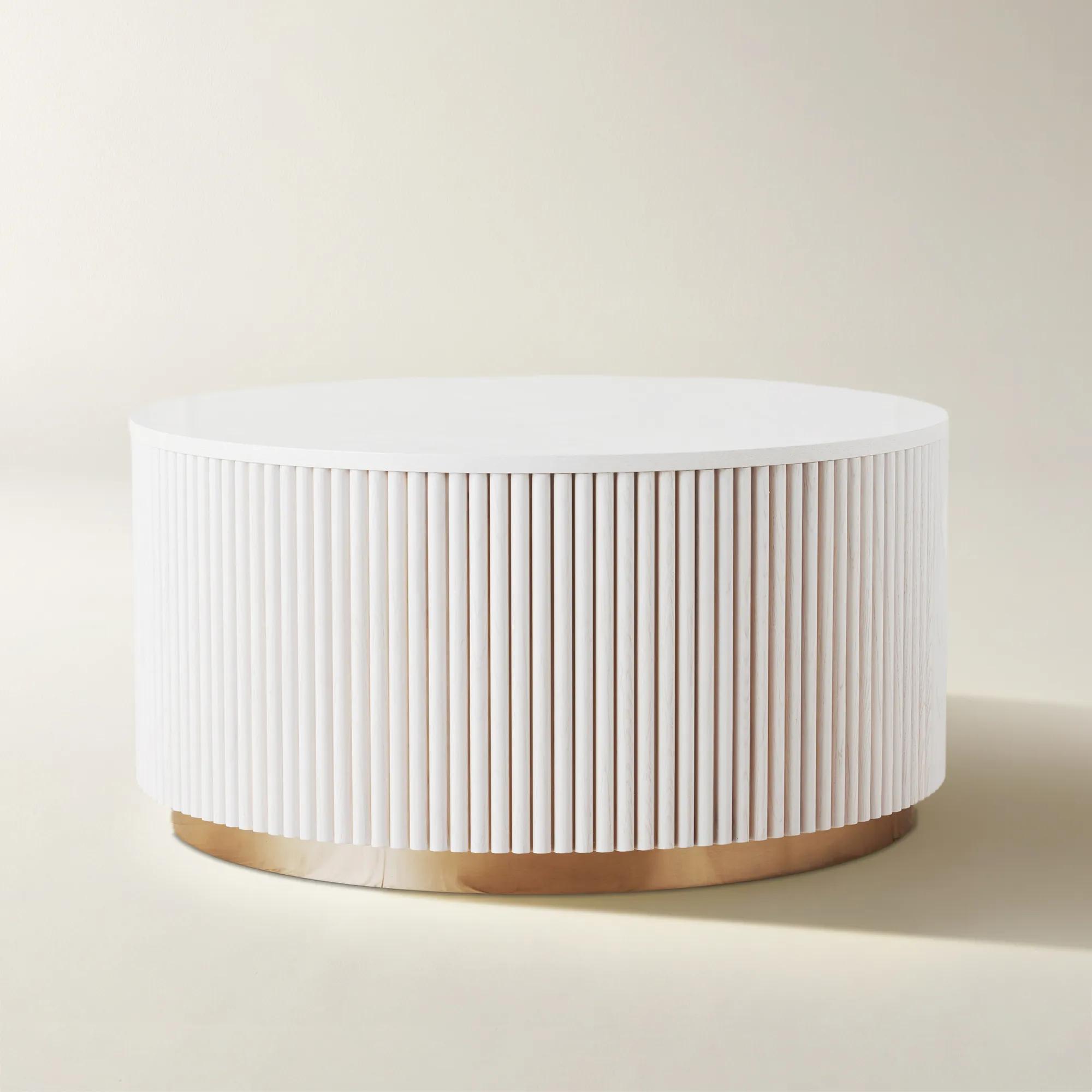
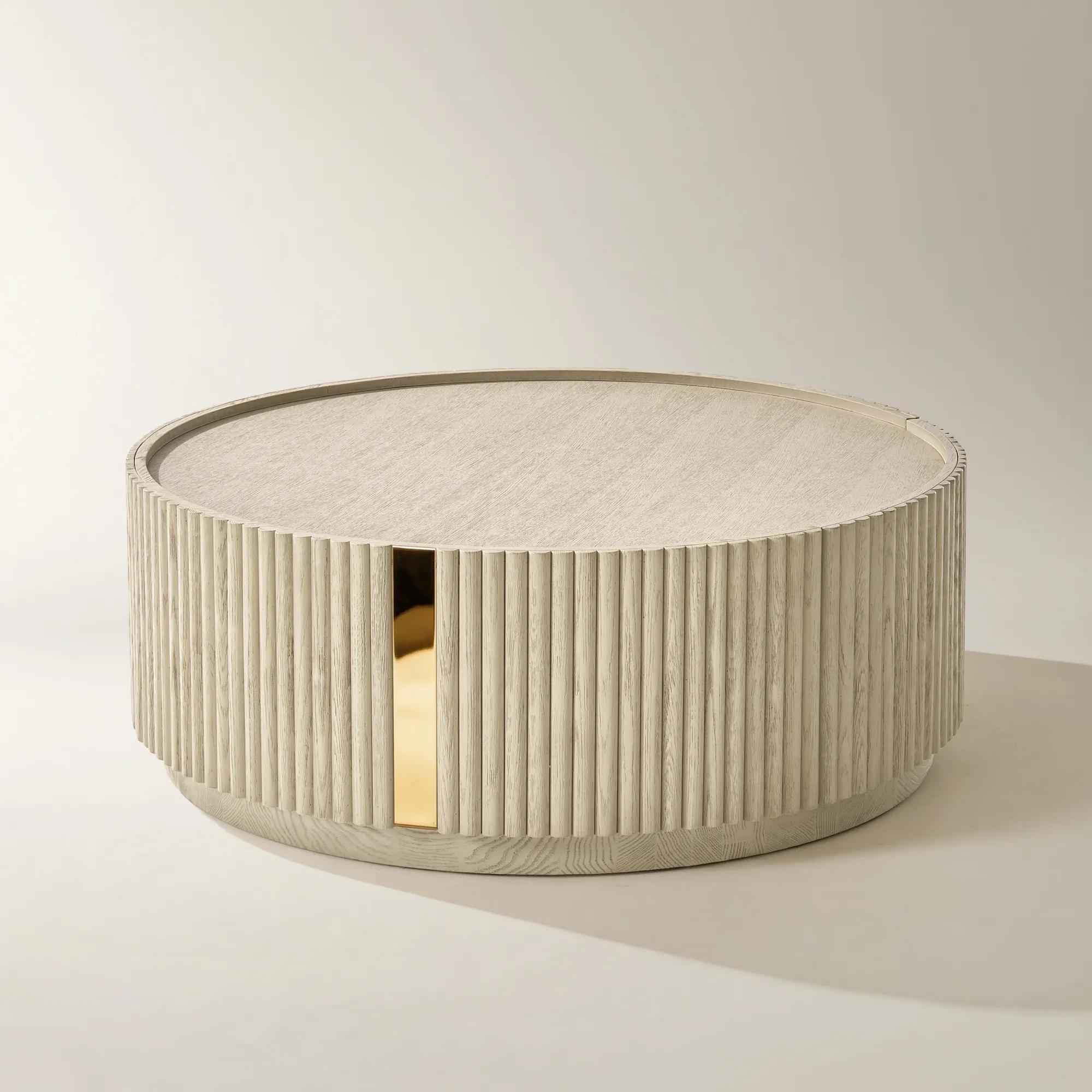
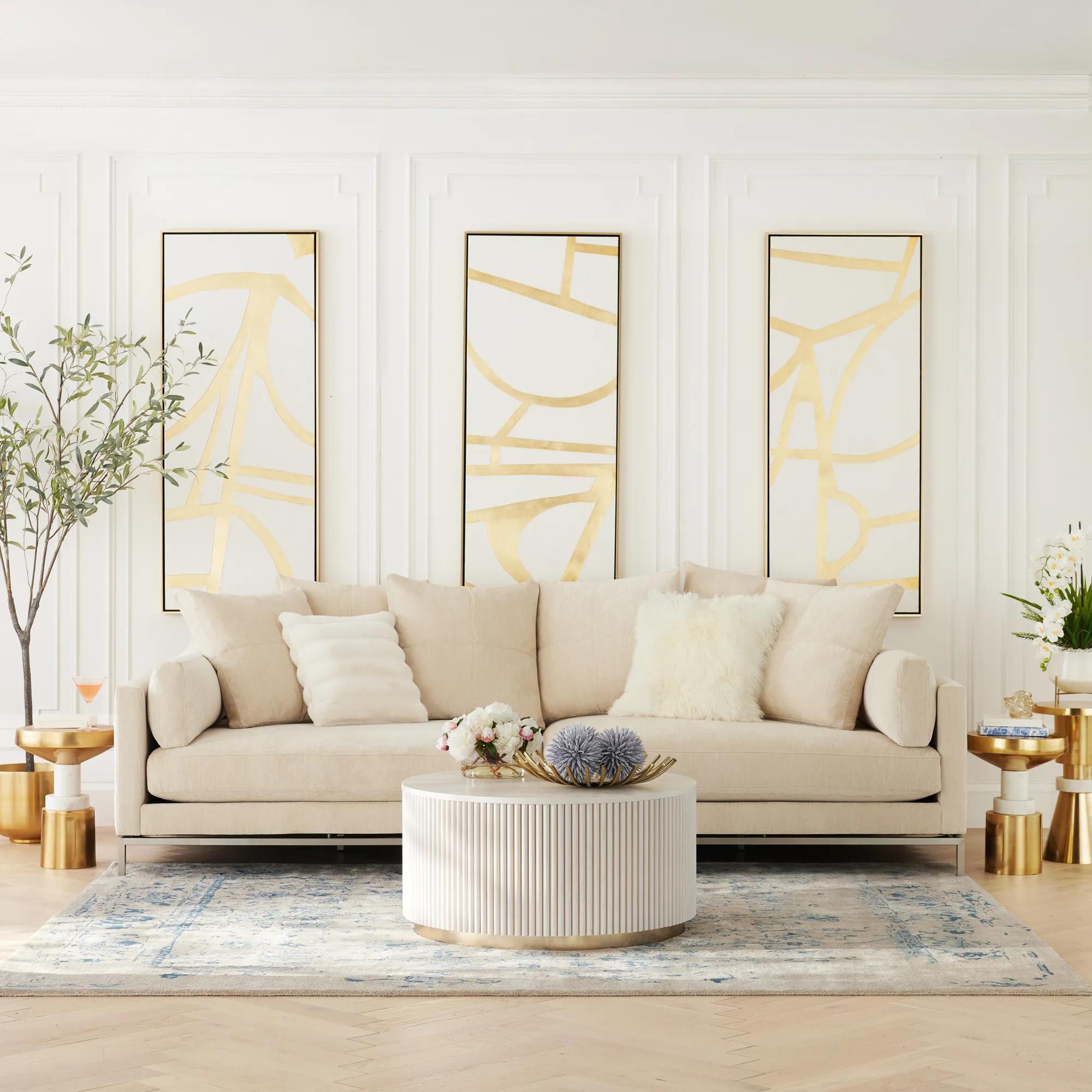 Natalia Round Reeded Whitewashed Ash Wood Coffee Table (36")$1299
A striking coffee table featuring reeded ash wood sides, a smooth top, and a whitewashed finish.
Add To Cart -
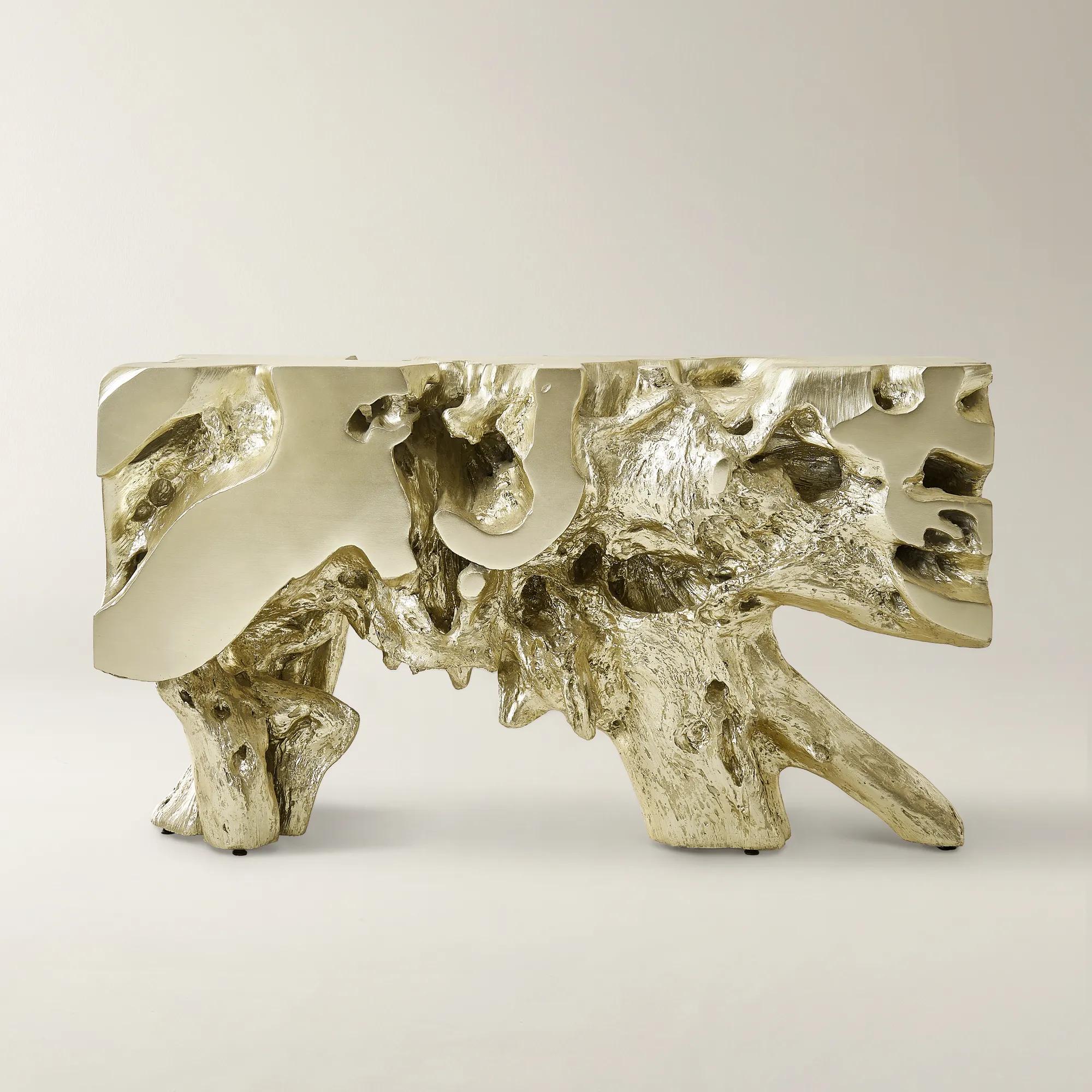 Sequoia Champagne Gold Resin Console Table (58")$1999
A sculptural resin console table finished in luminous champagne gold leaf with organic, root-inspired texture.
Add To Cart -
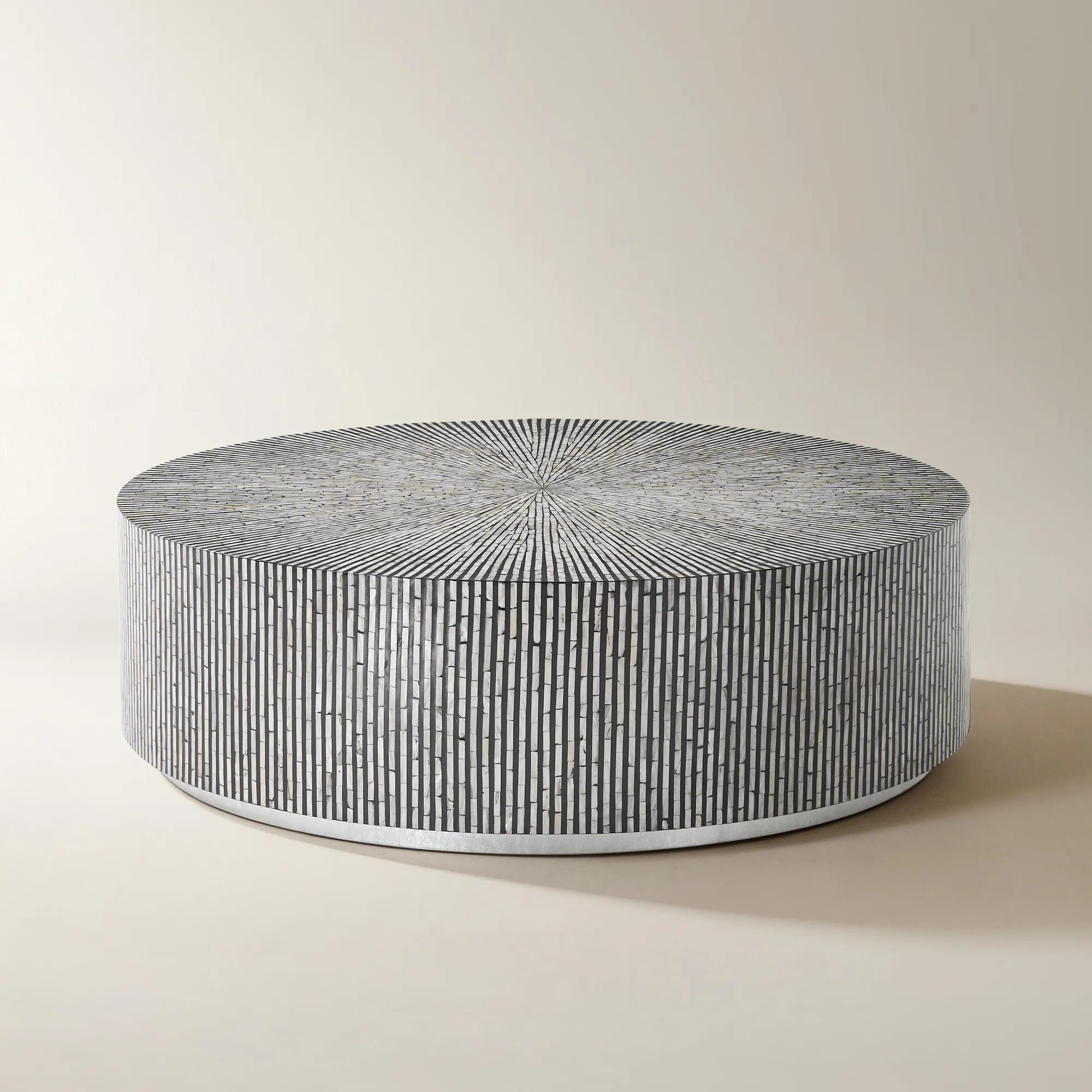
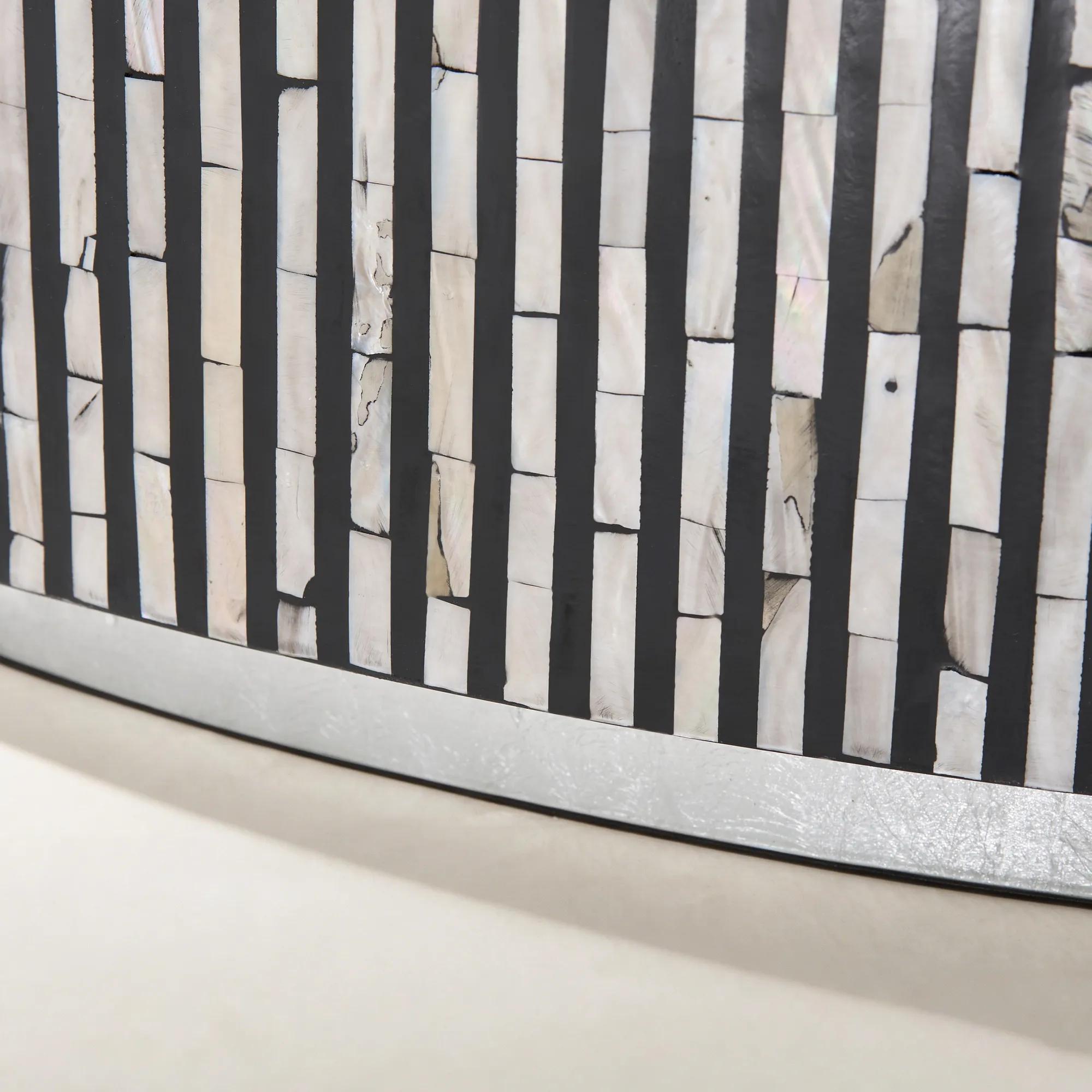 Marina Round Mosaic Black Coffee Table (52")$1399
A sculptural black coffee table featuring hand-applied mother-of-pearl mosaic and a silver leaf base.
Add To Cart -
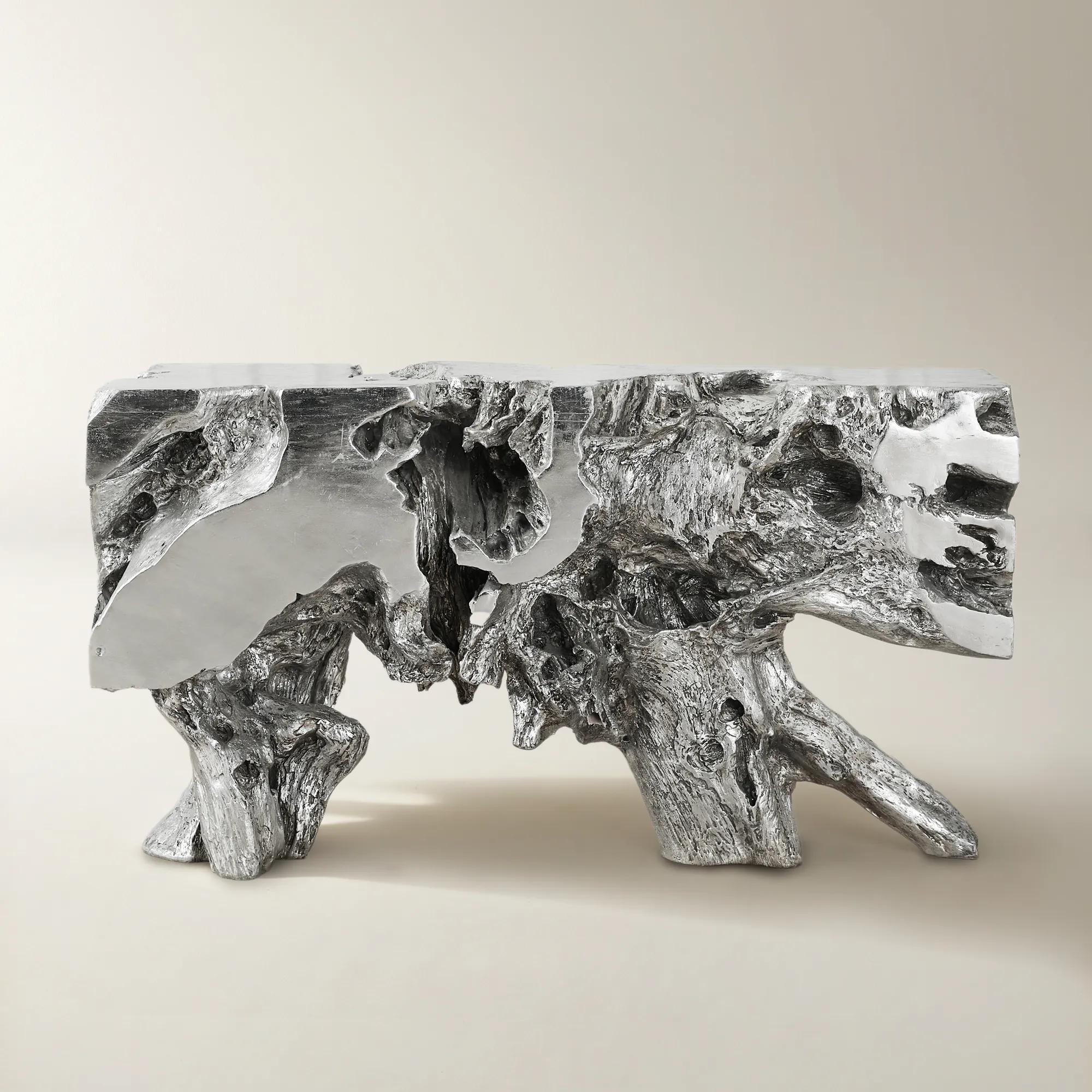
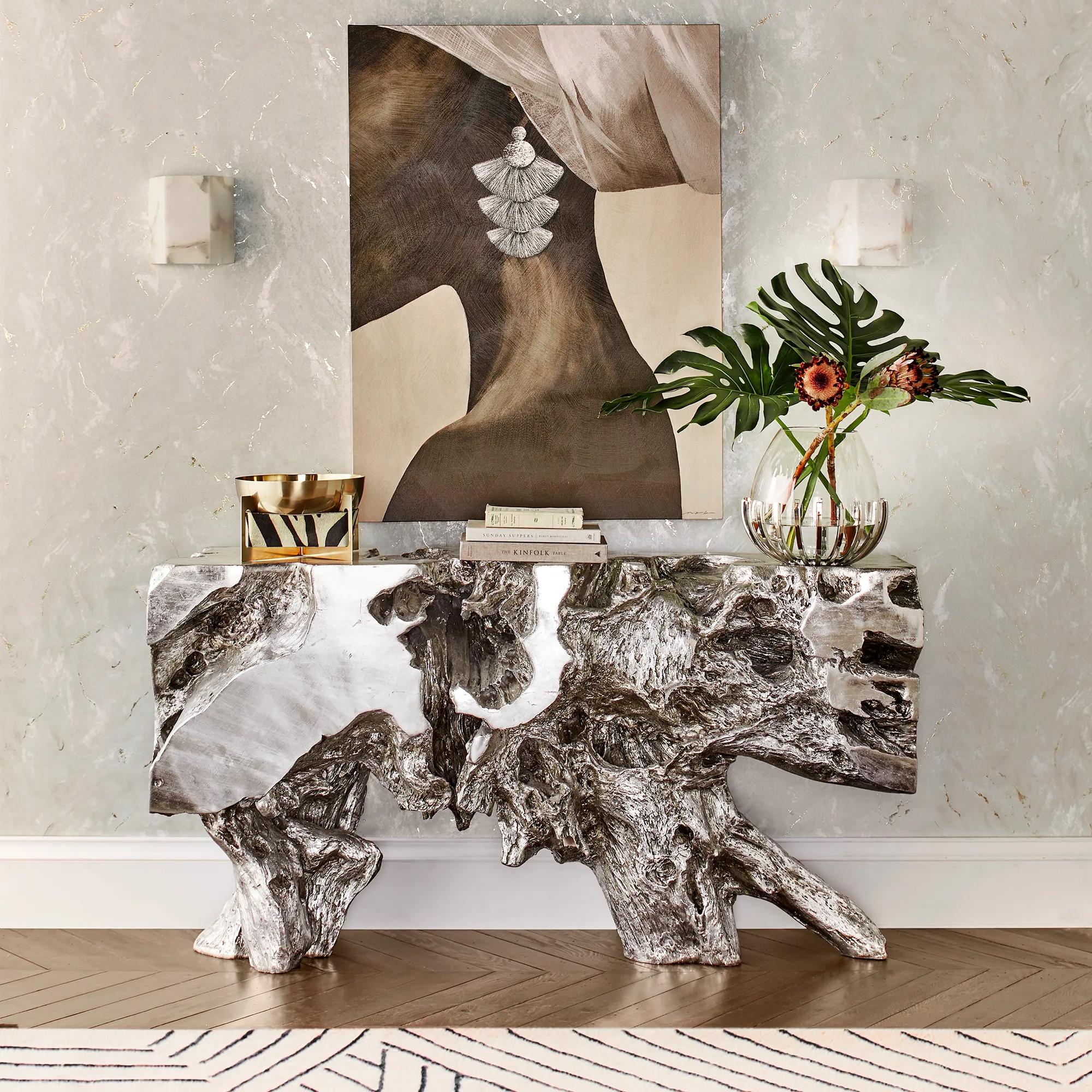 Sequoia Silver Resin Console Table (58")$1999
A sculptural console table featuring hand-applied silver leaf over resin and fiberglass with an iron core.
Add To Cart -
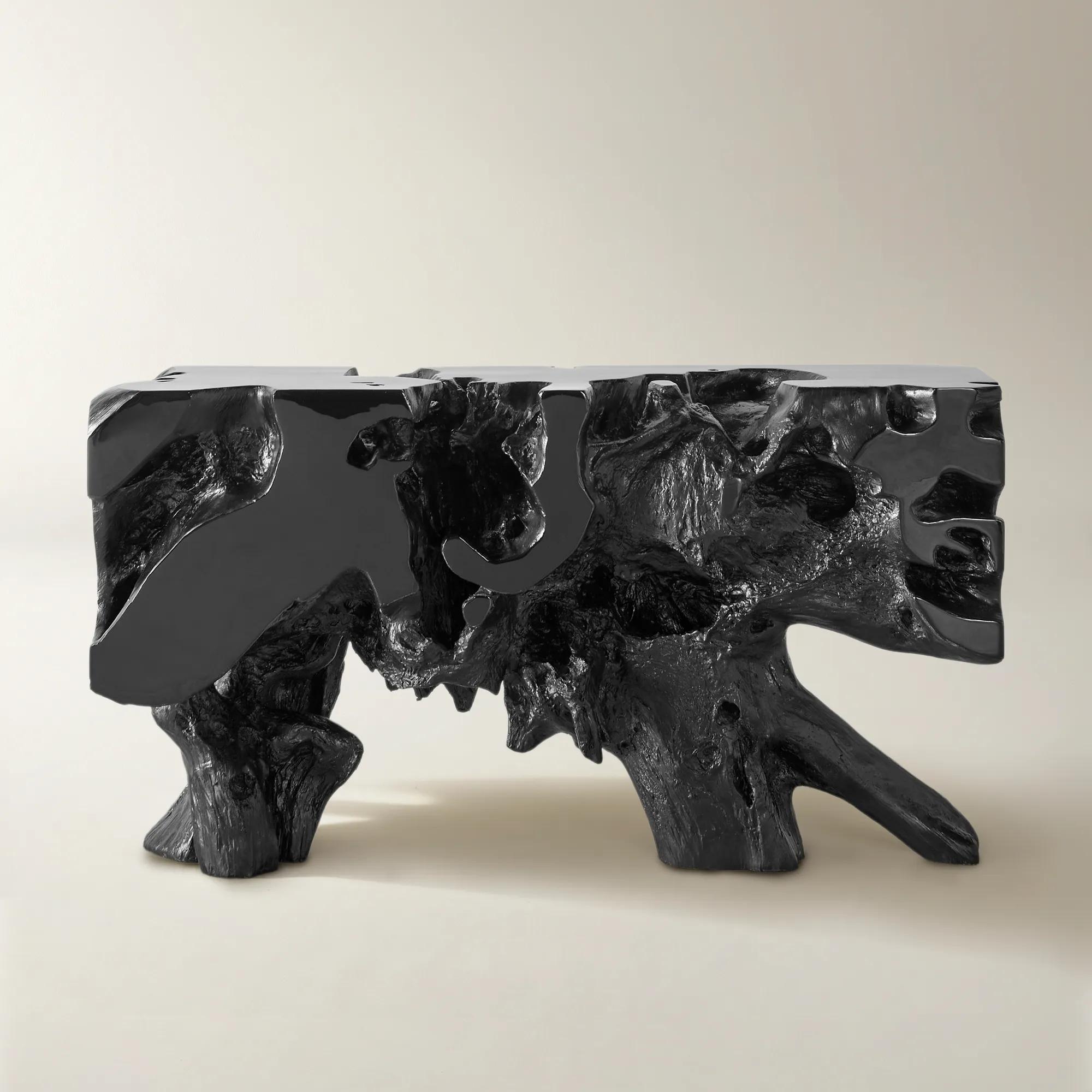 Sequoia Black Resin Console Table (58")$1999
A sculptural black console table crafted from resin, fiberglass, and polished stone for indoor or outdoor use.
Add To Cart -
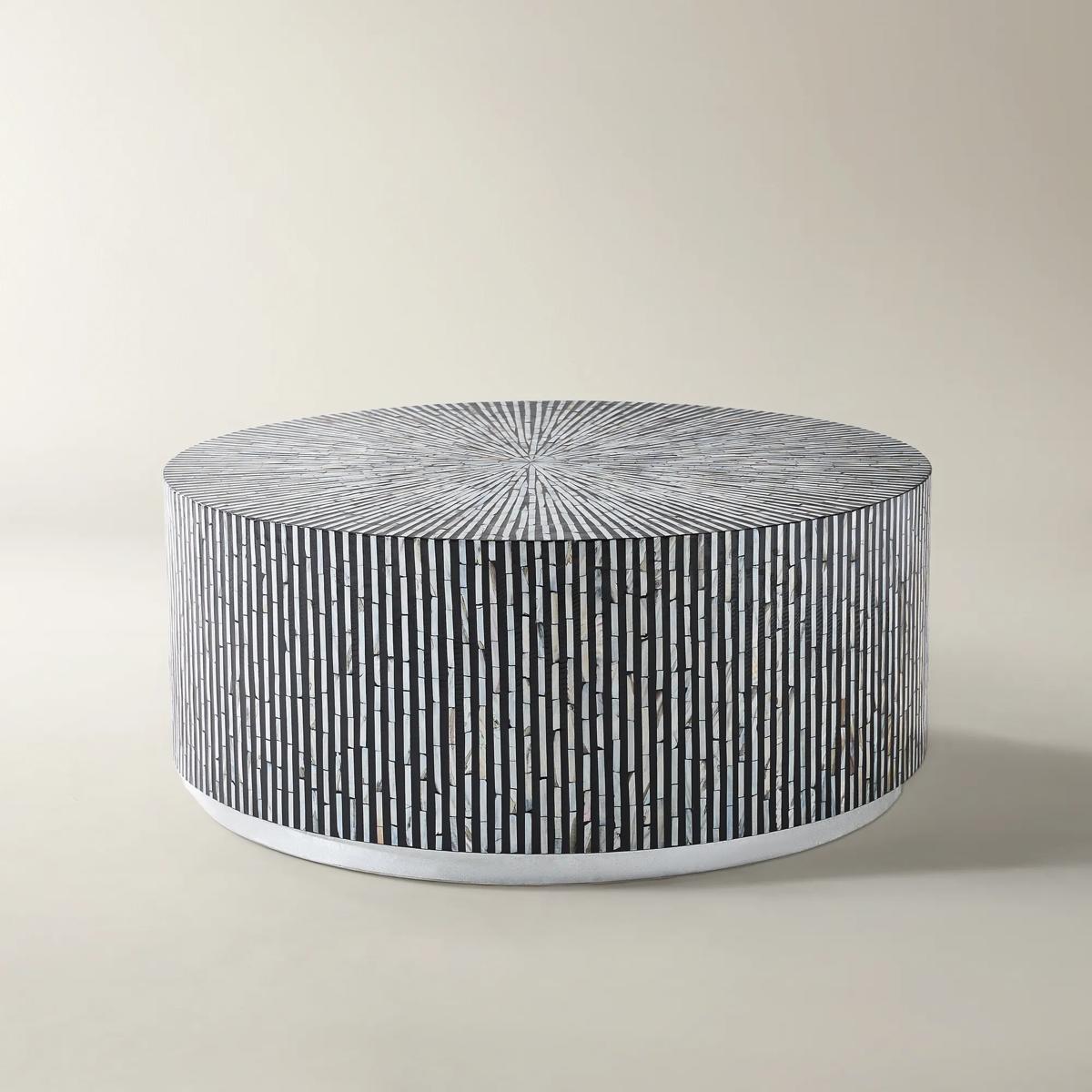
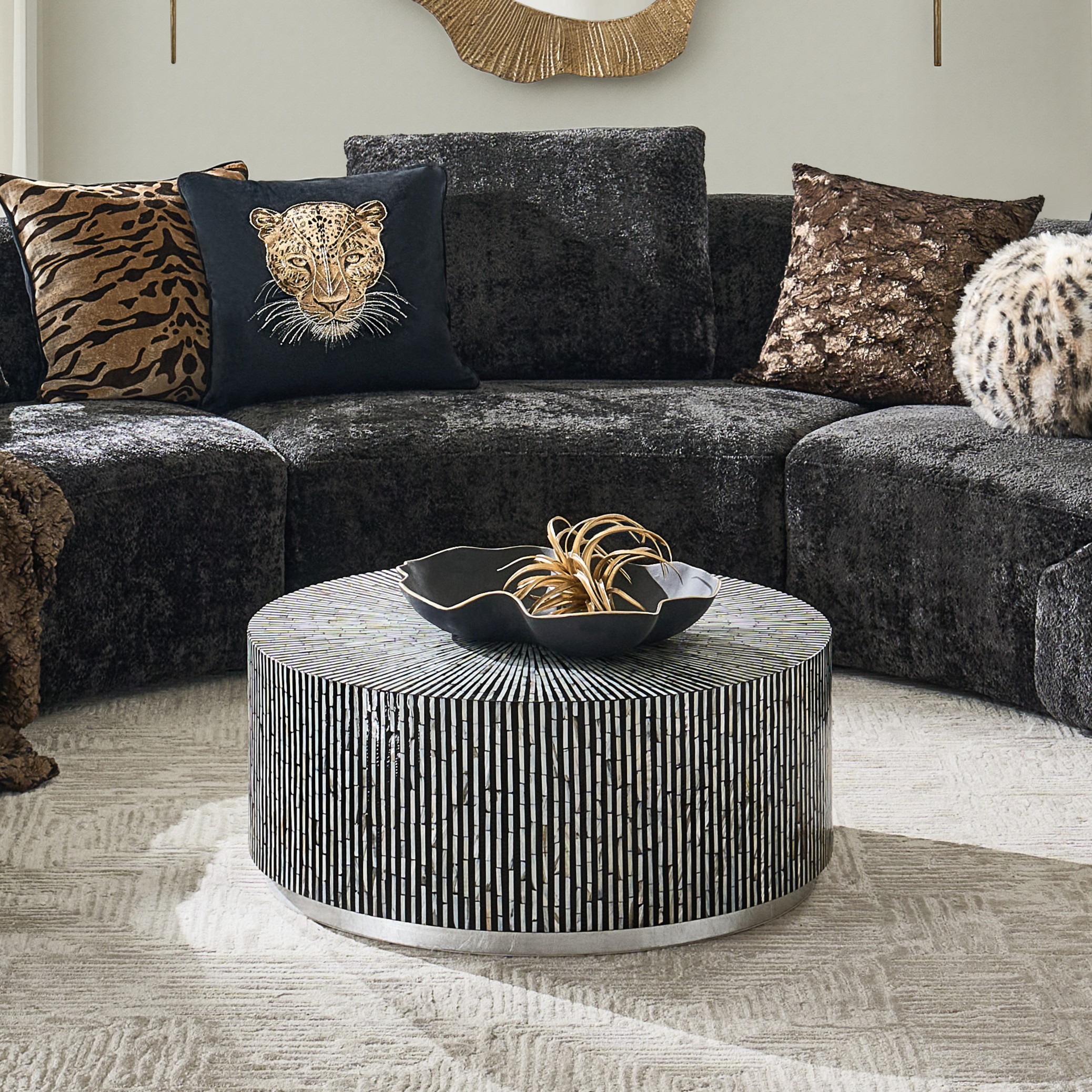 Marina Round Mosaic Black Coffee Table (35.8")$799
A handcrafted round coffee table featuring iridescent mother-of-pearl inlay and a silver leaf base.
Add To Cart -

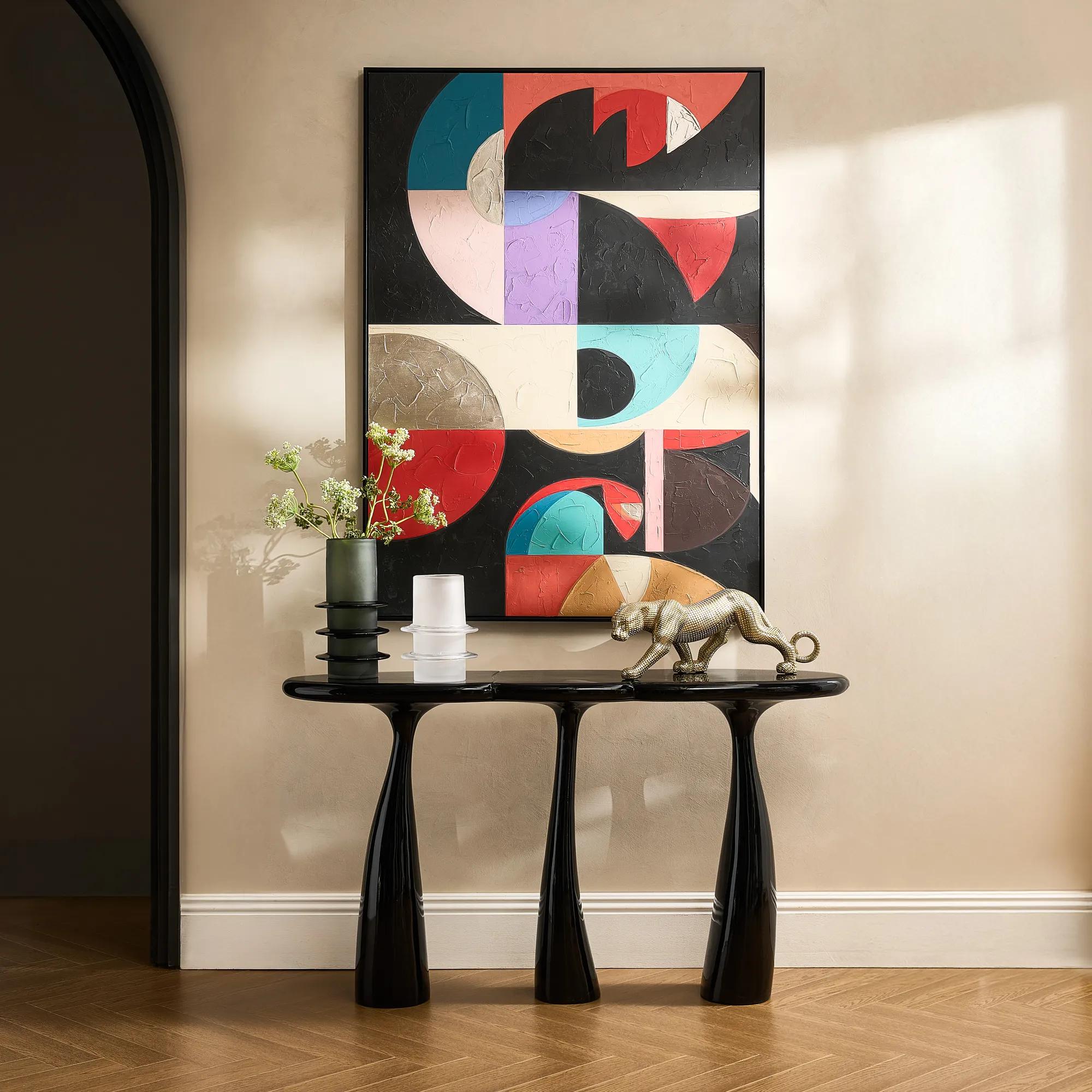 Thalia Glossy Black Console Table (52.4")$999
A sculptural console table crafted from glossy black fiberglass with seamless curves and a mirror-like finish.
Add To Cart -
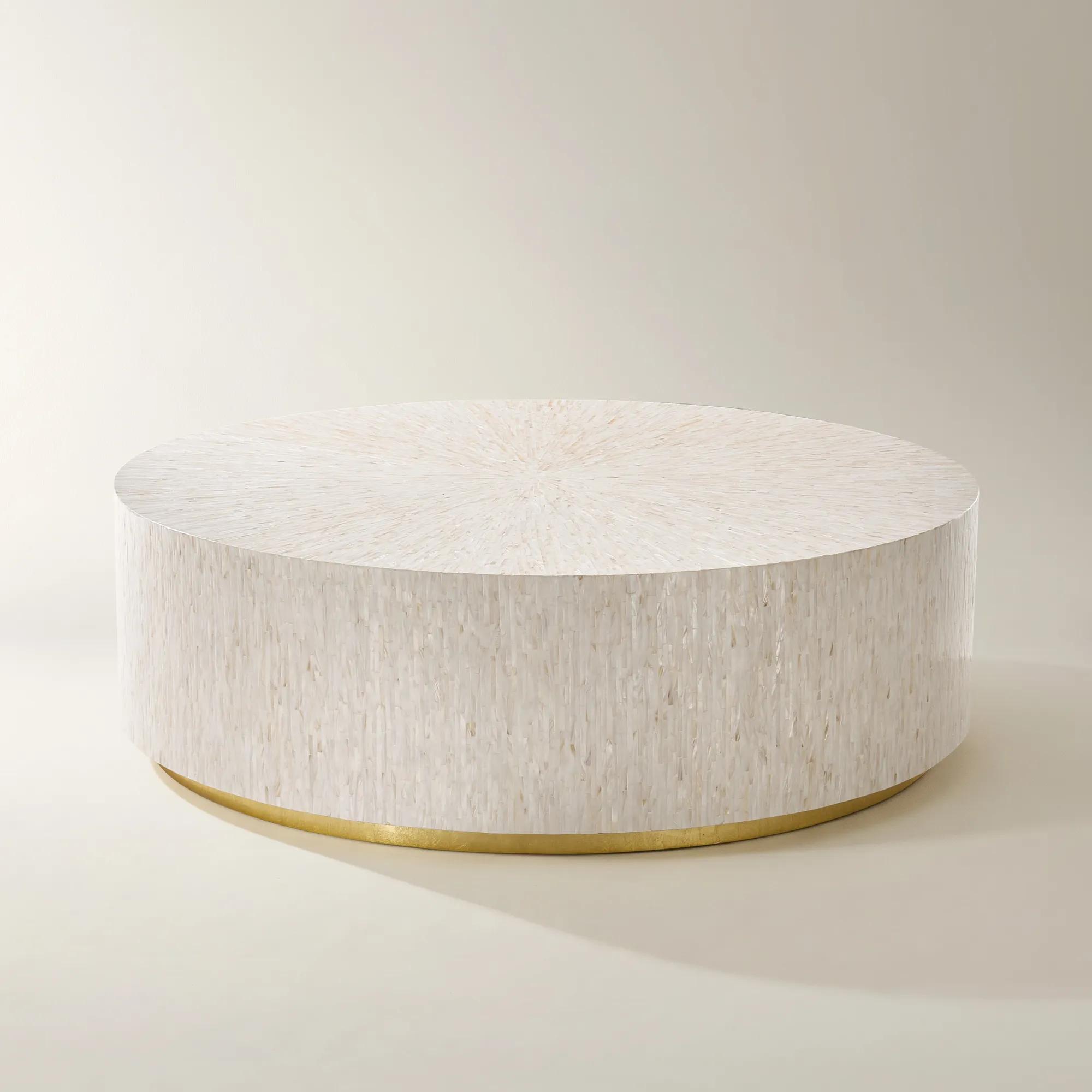 Alexandria Round Mosaic Platinum Coffee Table (52")$1399
A luminous mother-of-pearl mosaic coffee table with a sculptural round form and gold leaf–accented base.
Add To Cart -
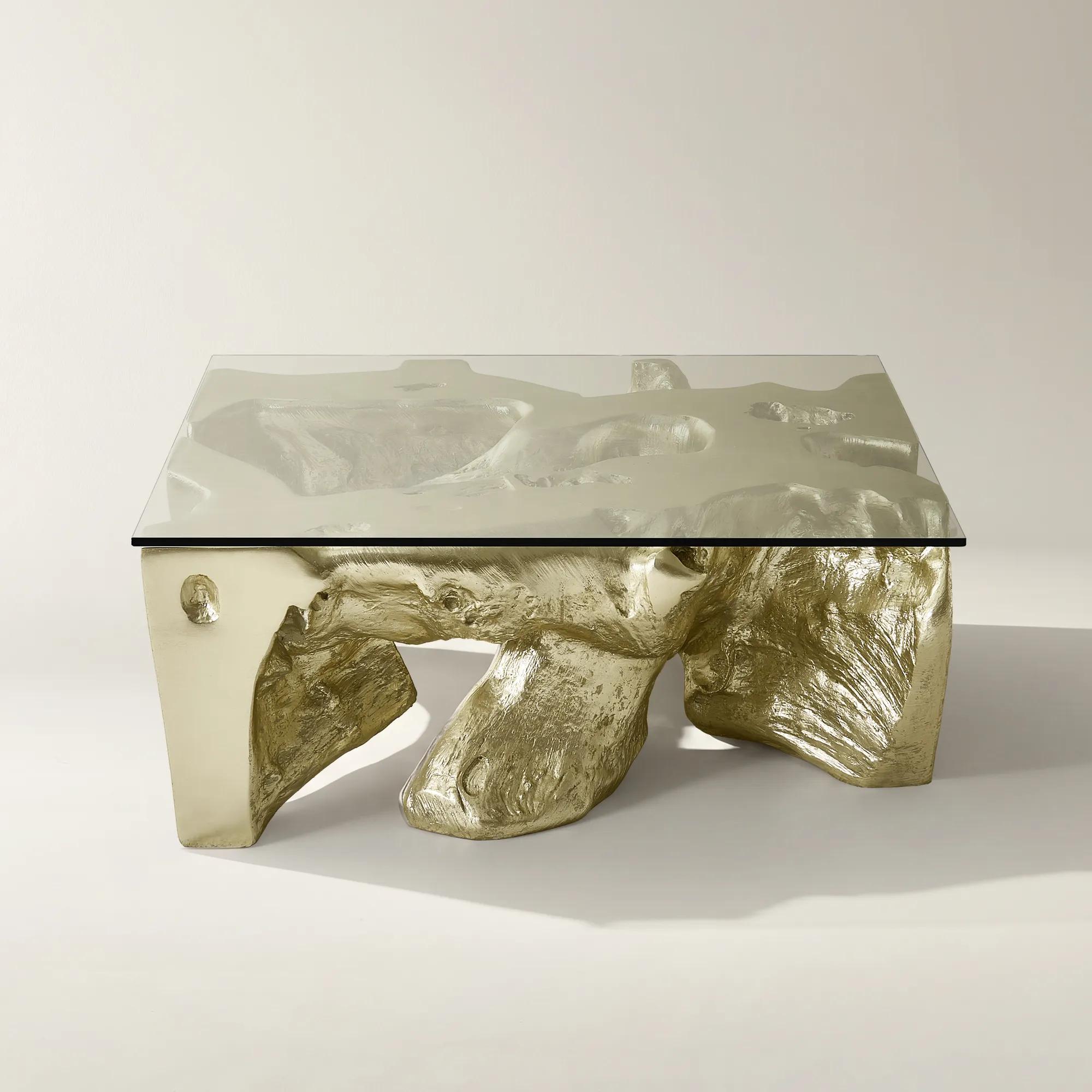 Sequoia Champagne Gold Resin Coffee Table With Glass Top (44")$2299
A sculptural resin coffee table with a champagne gold leaf finish and a clear tempered glass top.
Add To Cart -
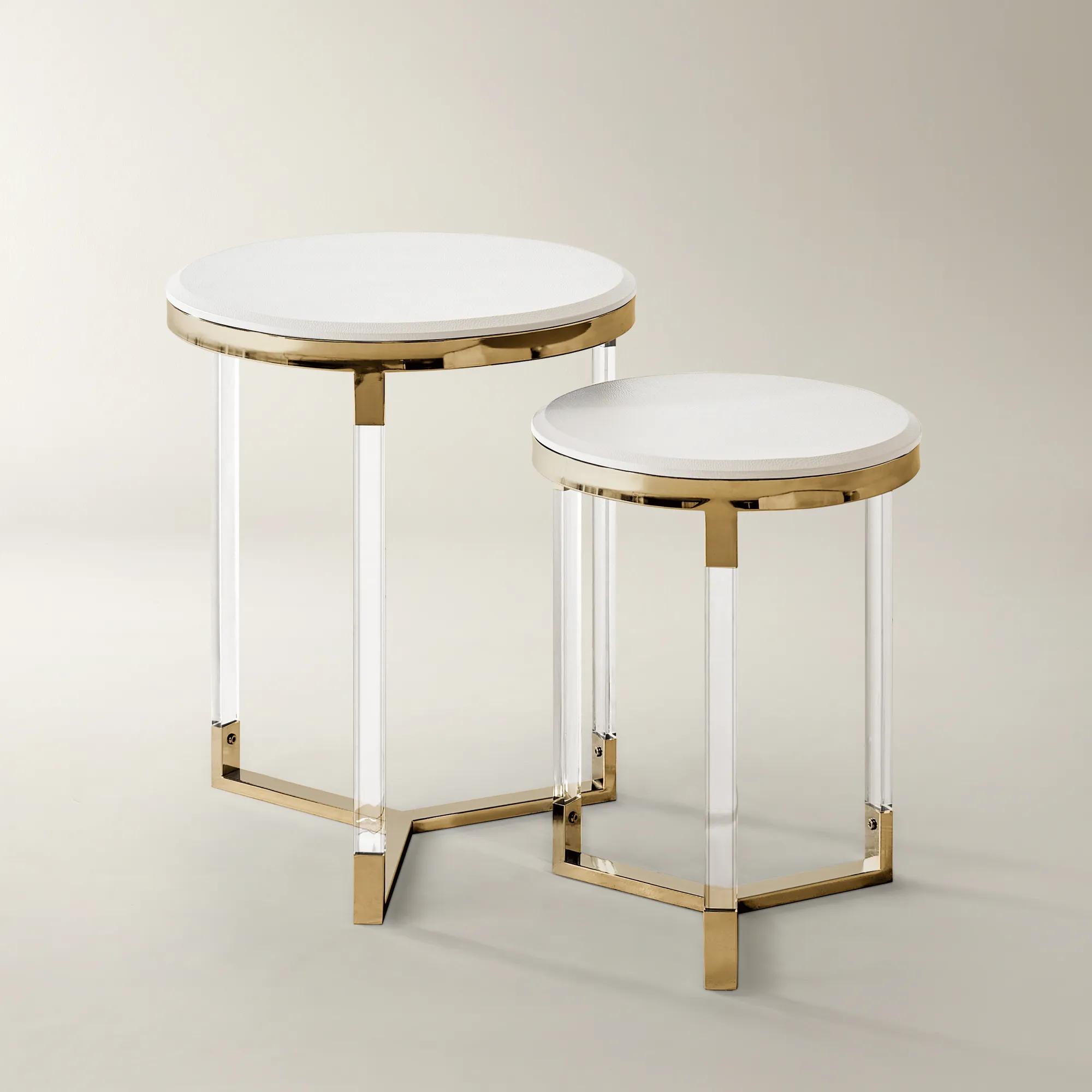
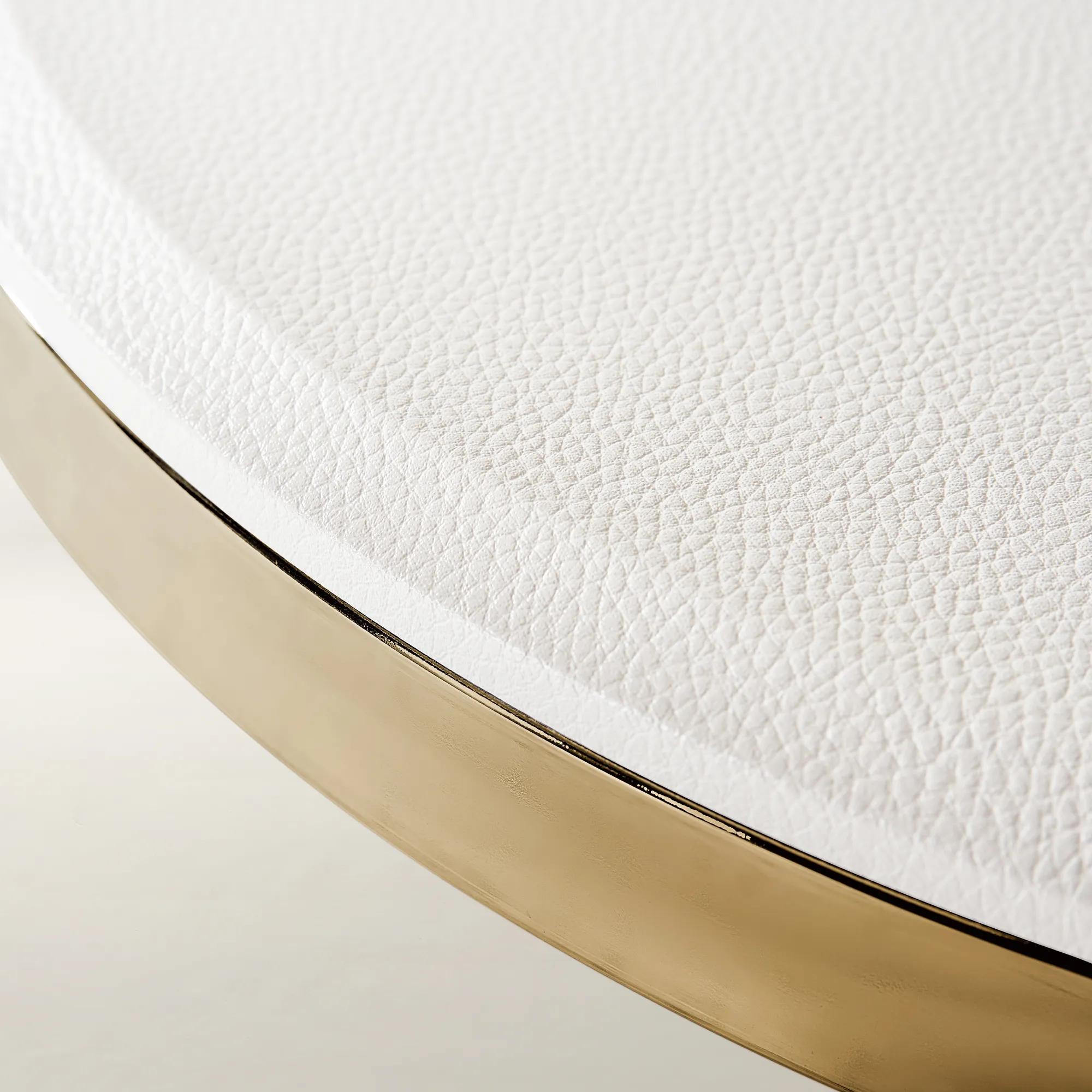 Murano Round White Accent Table With Faux Leather Top Set Of 2 (14.5"-18.5")$399
A set of two accent tables featuring mixed woods, faux leather tops, and acrylic legs with metallic finishes.
Add To Cart -
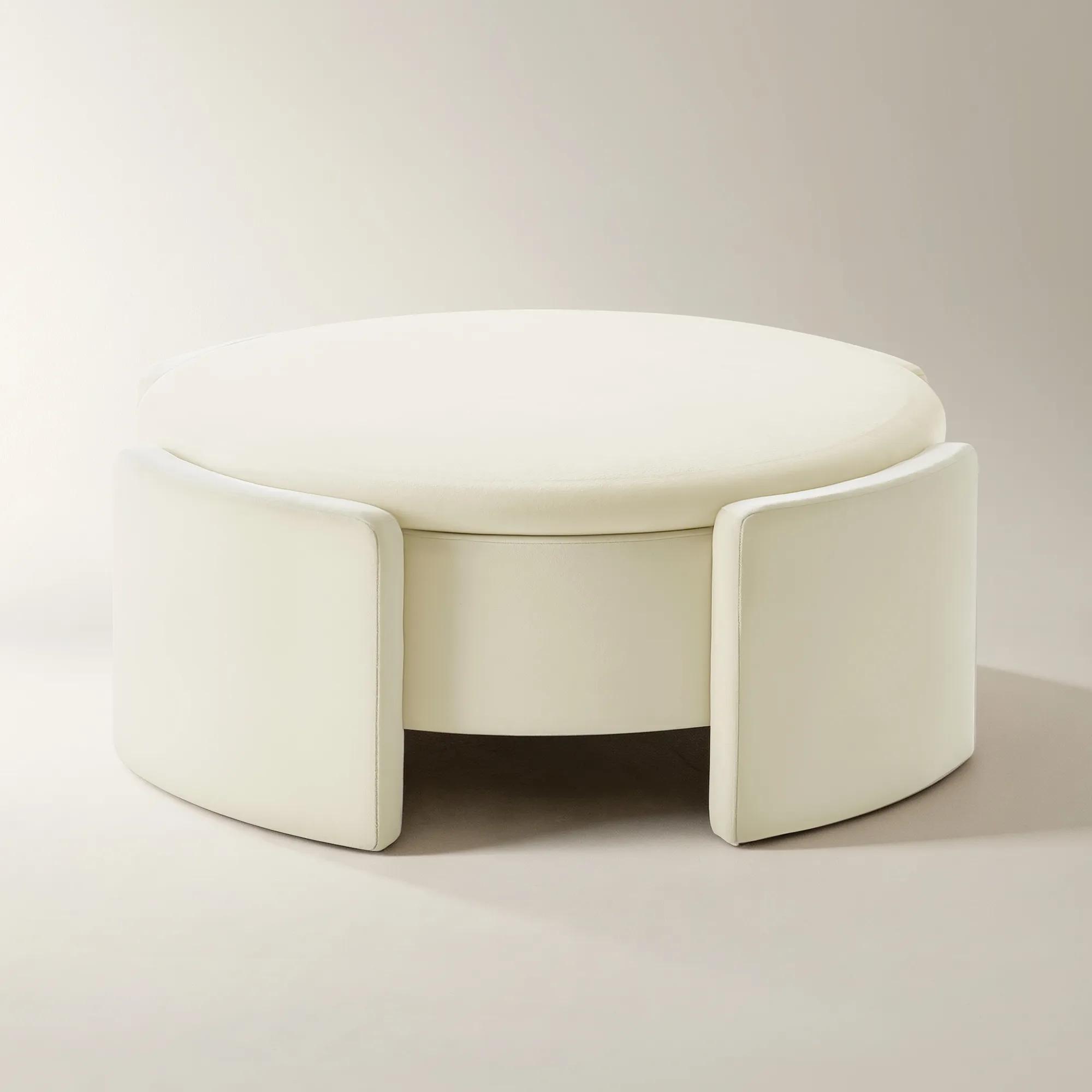
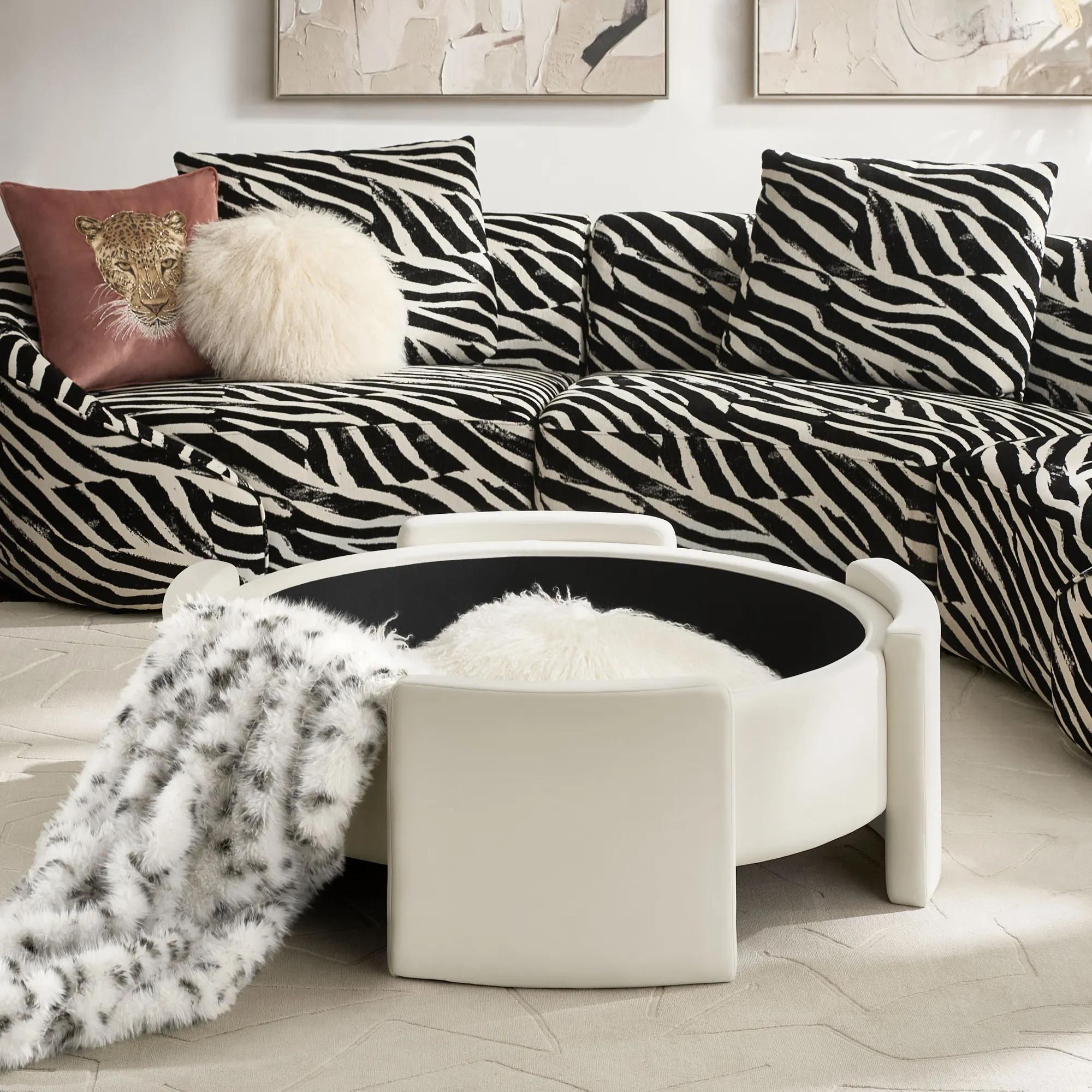 Jora Round Cloud Velvet Storage Coffee Table With Reversible Tabletop (47.7")$799
A round coffee table featuring plush velvet upholstery, reversible wood tabletop, and hidden interior storage.
Add To Cart -

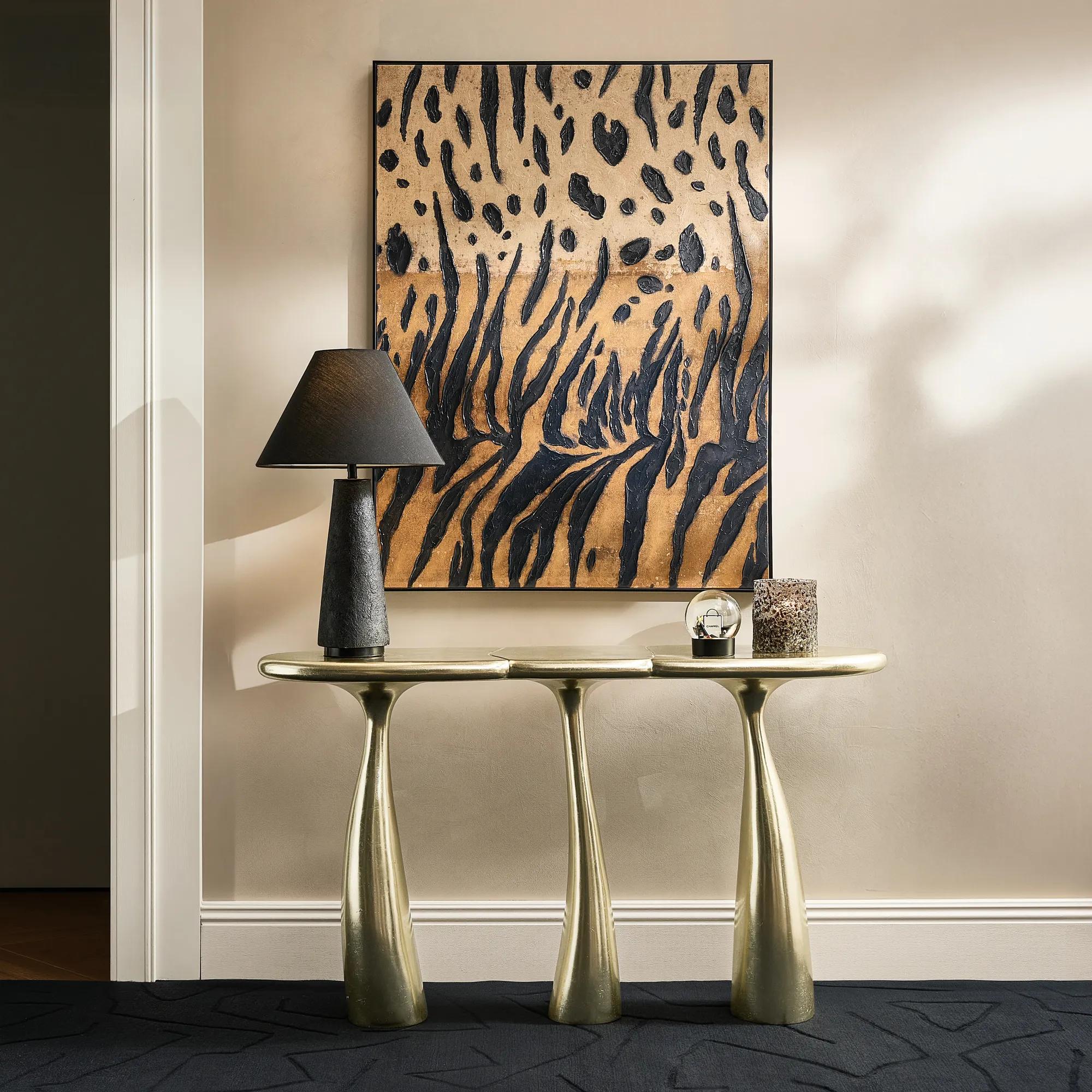 Thalia Soft Gold Console Table (52.4")$999
A sculptural console table hand-molded from fiberglass with a luminous, hand-applied gold leaf finish.
Add To Cart -
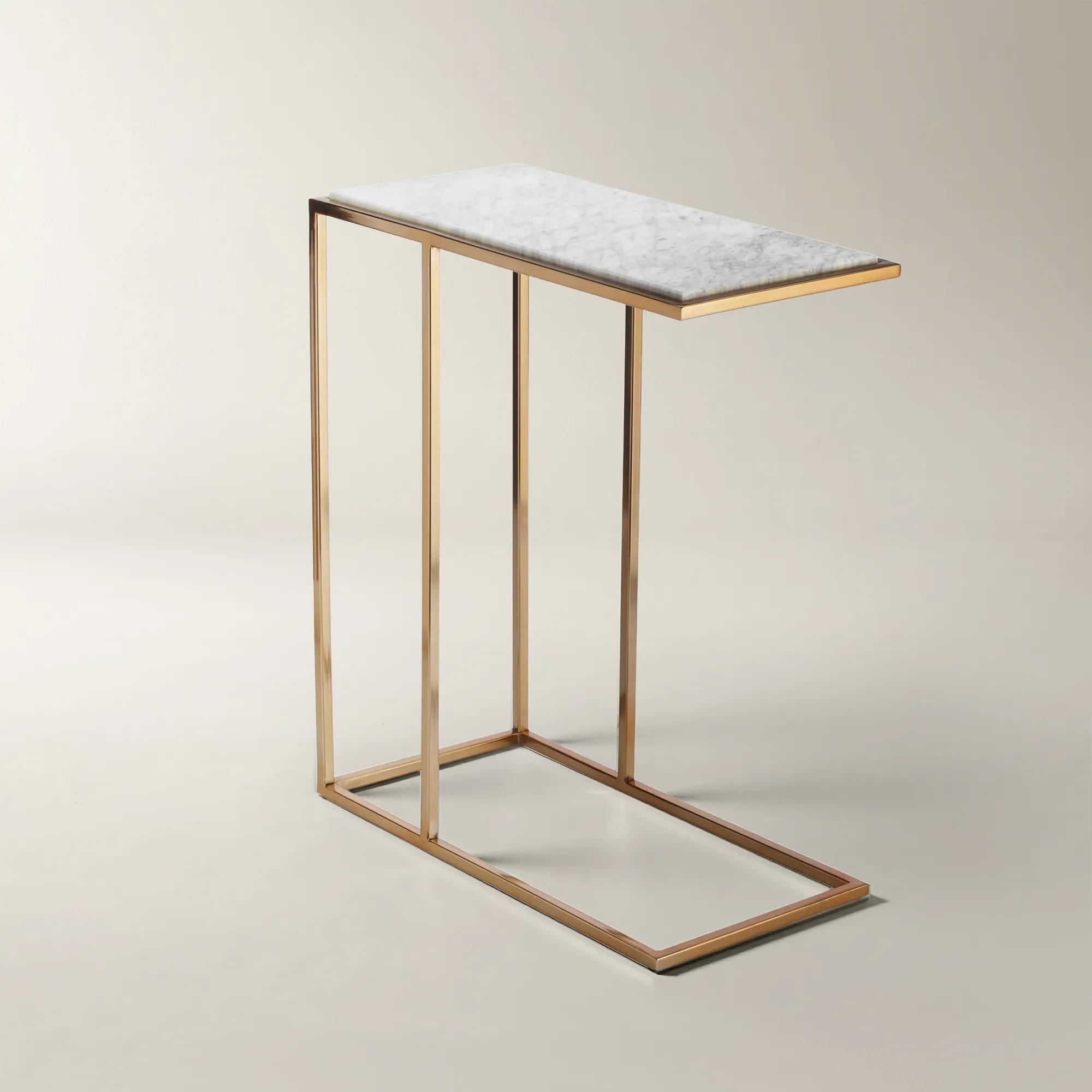
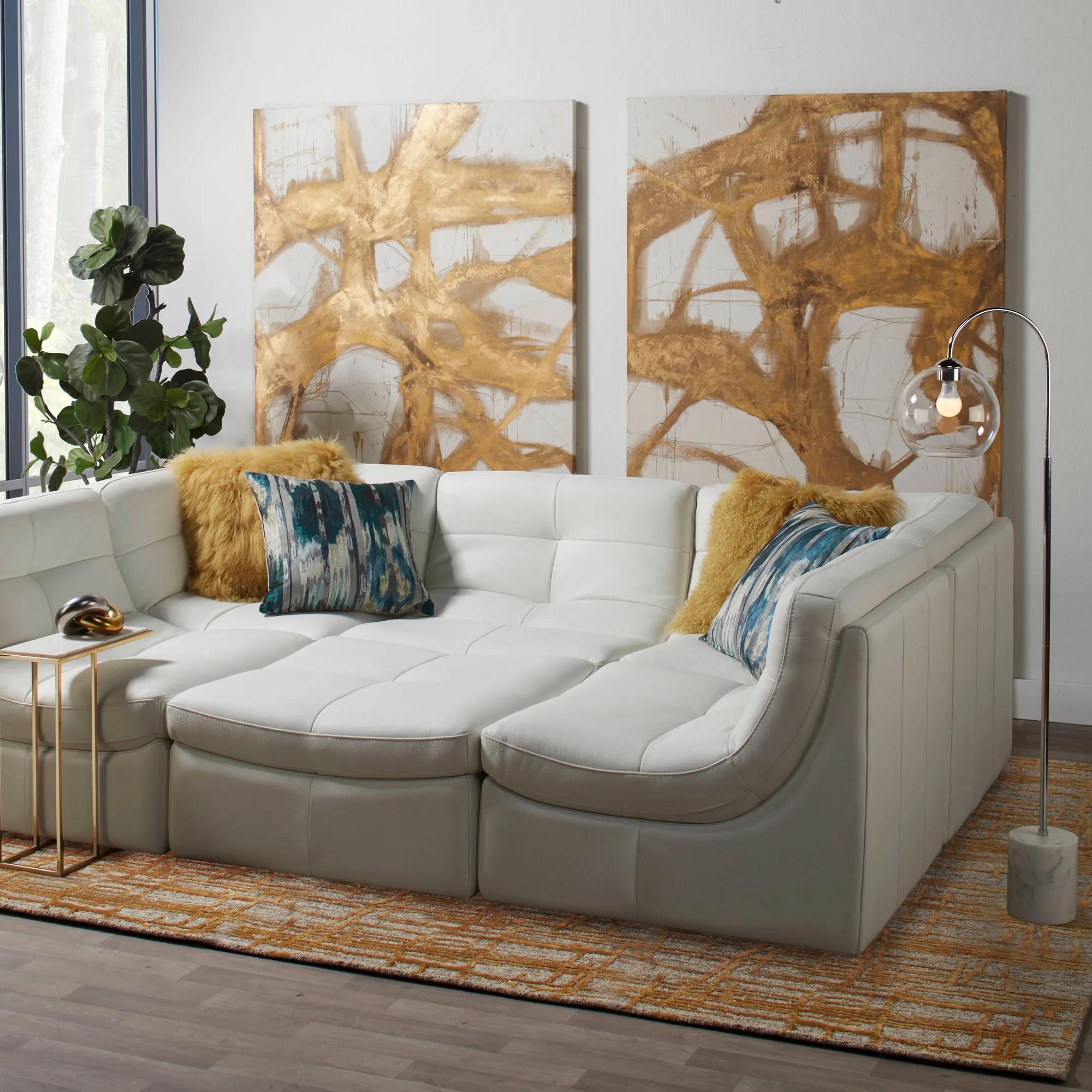 Lawton Rectangular Gold Stainless steel Accent Table With Marble Top (19.75")$259
A space-saving table featuring a white marble top and gold-finished stainless steel base.
Add To Cart -
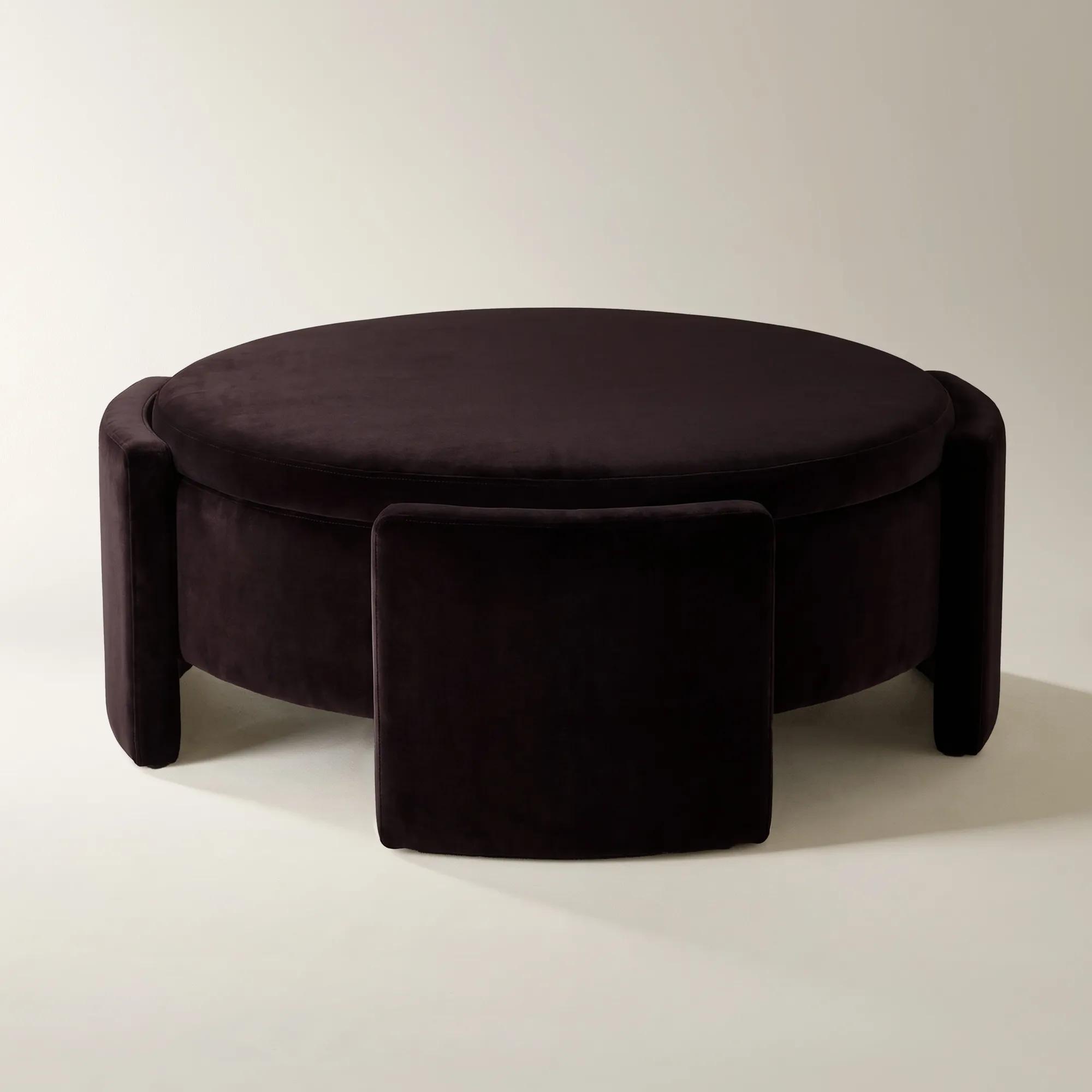
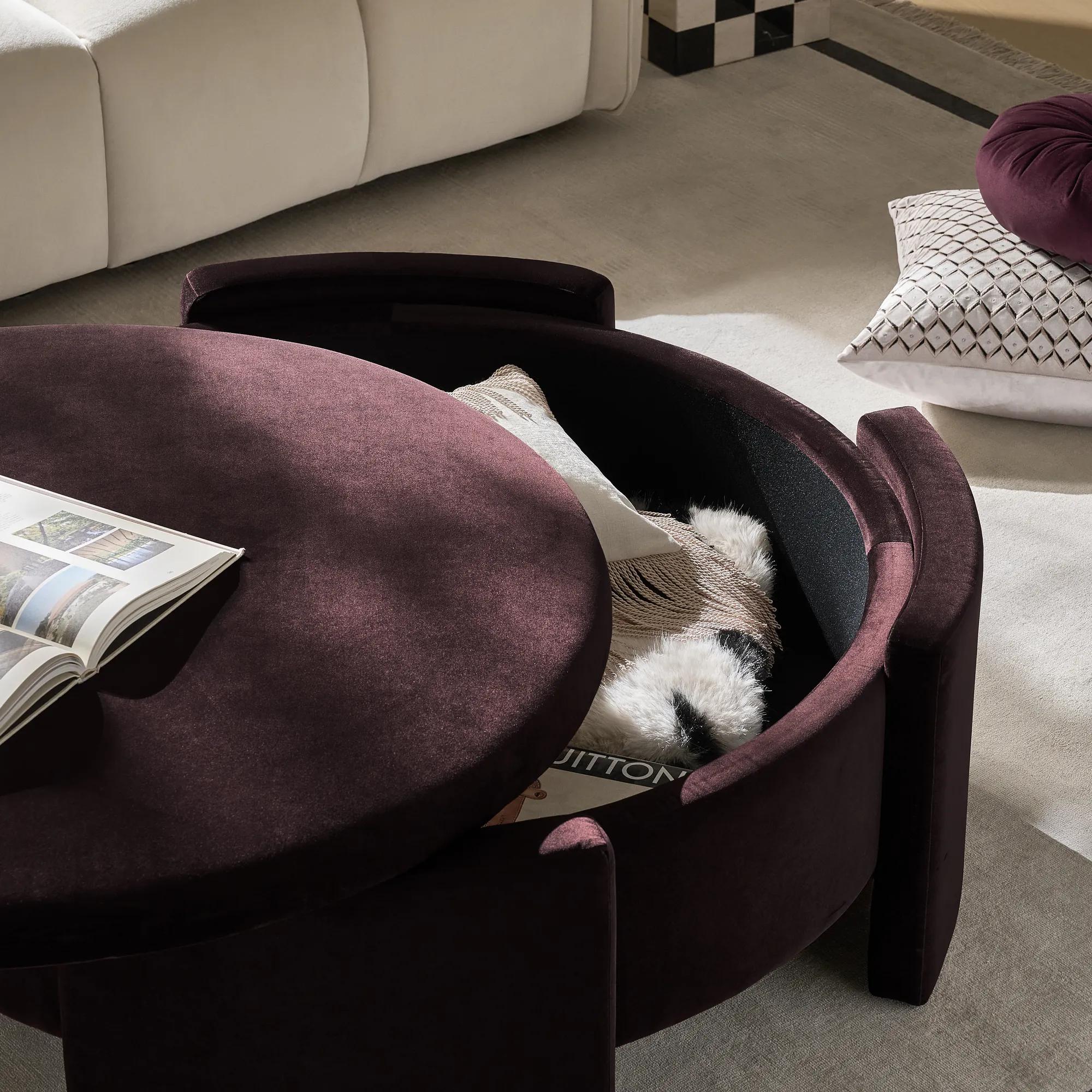 Jora Round Fig Velvet Storage Coffee Table With Reversible Tabletop (47.7")$799
A round fig velvet coffee table featuring a reversible wood tabletop and hidden interior storage.
Add To Cart -
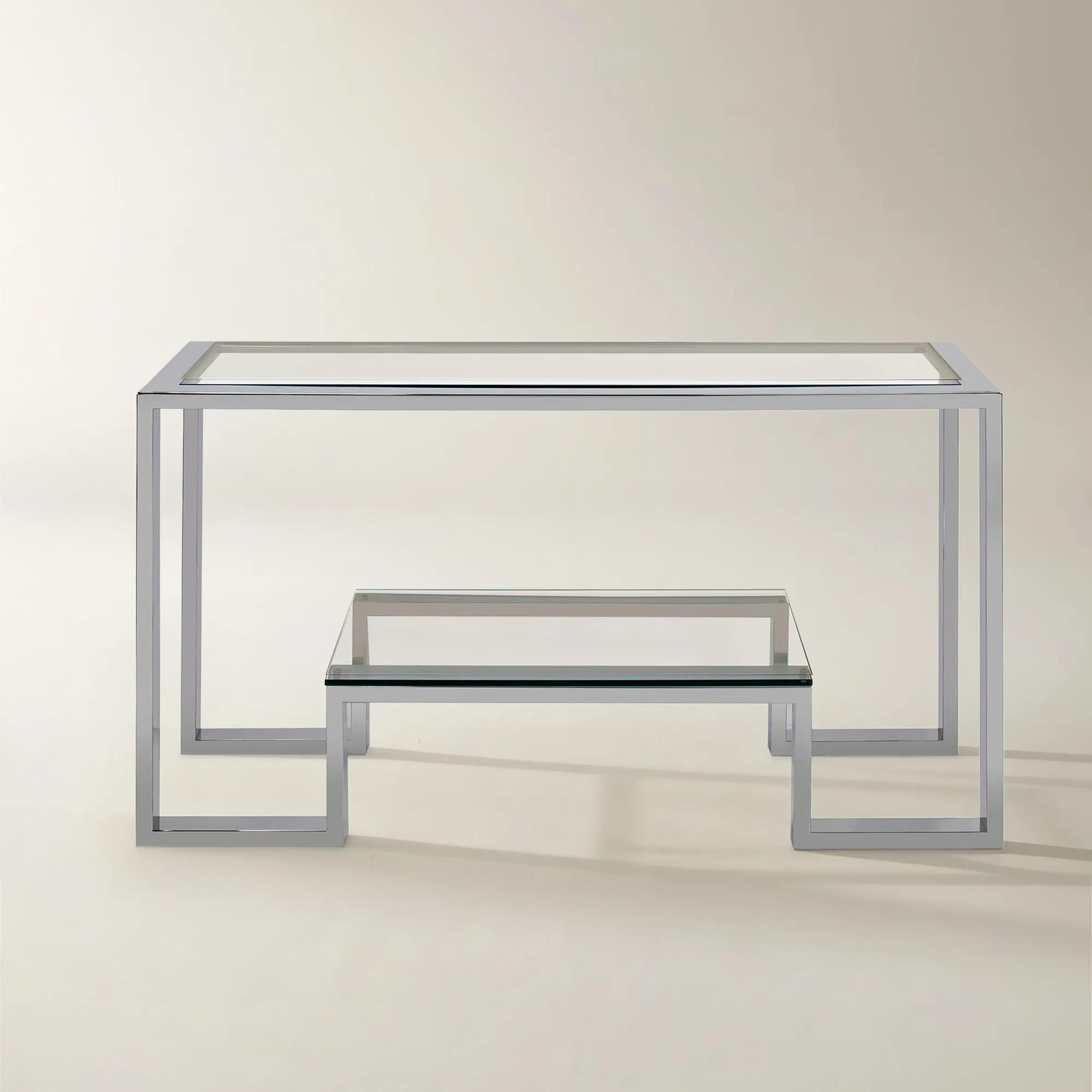
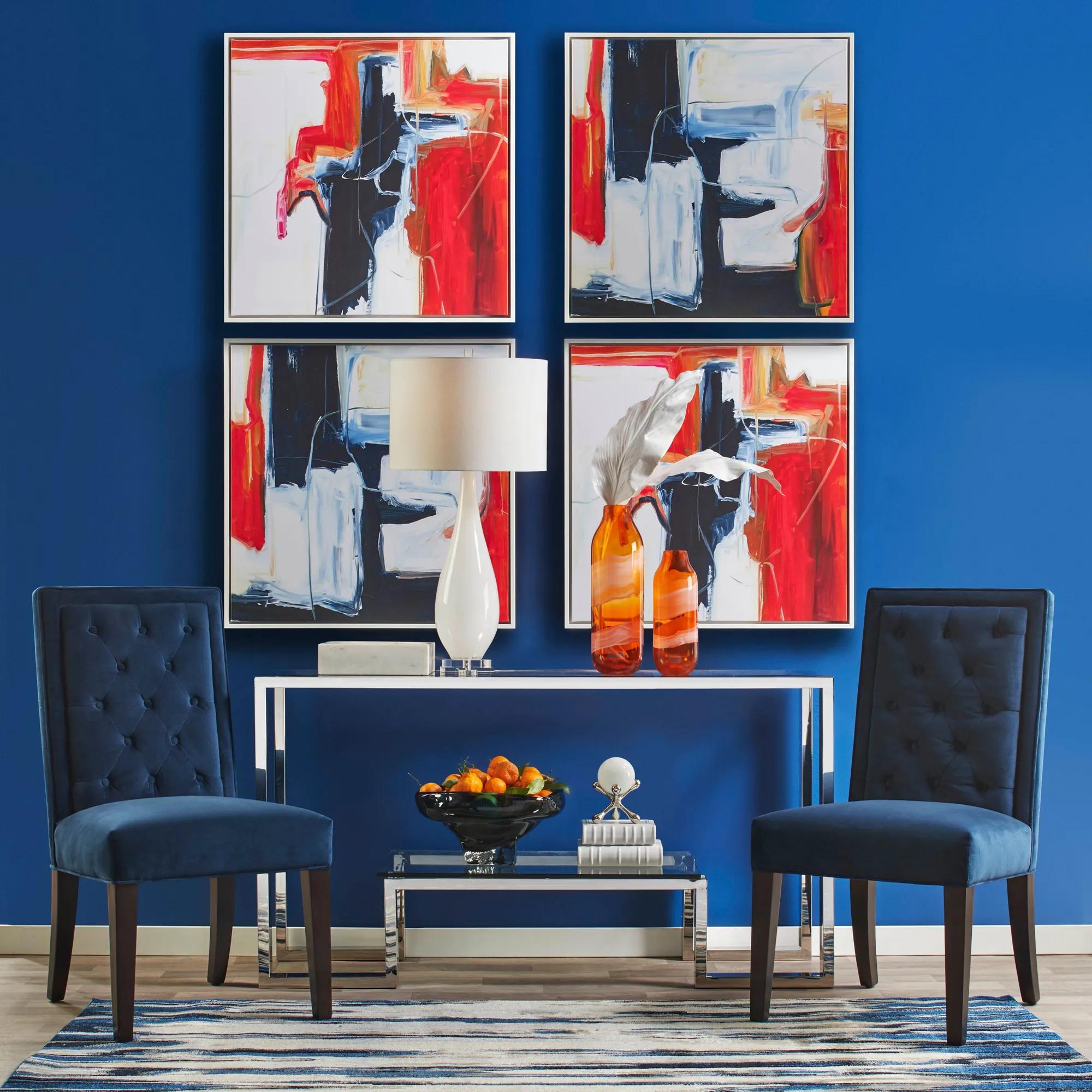 Duplicity Rectangular Silver Stainless Steel Console Table With Glass Top (59")$1399
A modern console table crafted from stainless steel and tempered glass with a floating bottom shelf.
Add To Cart -
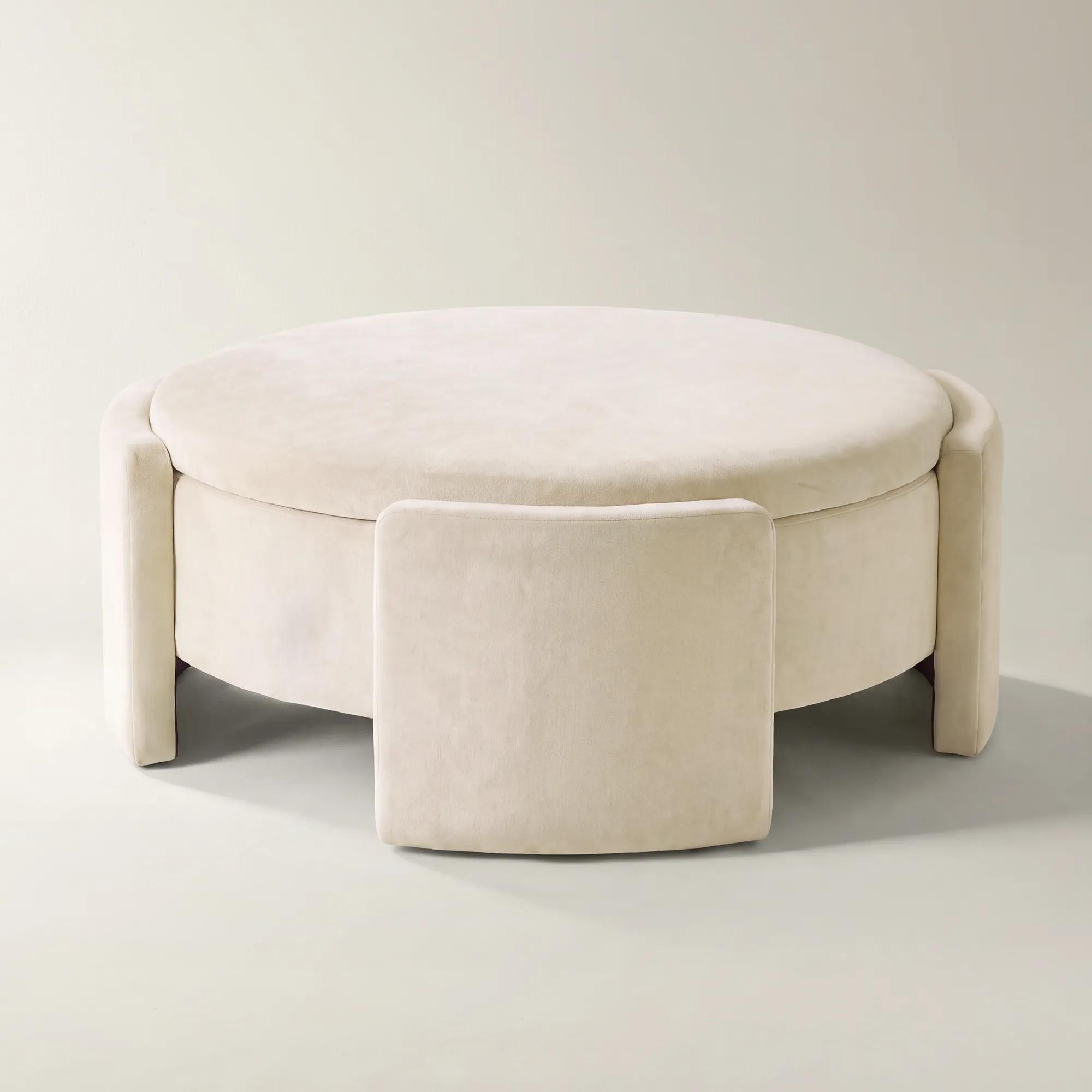
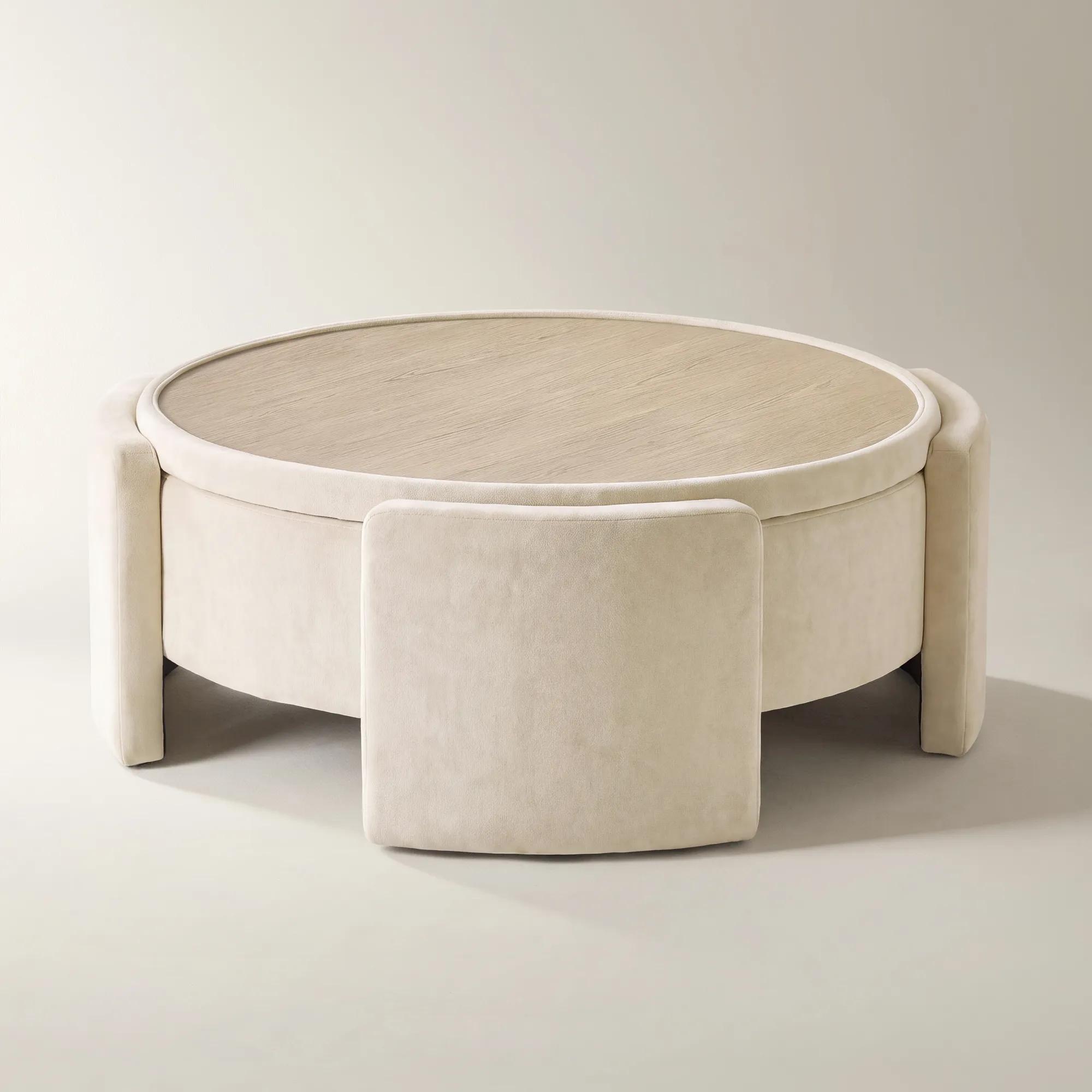 Jora Round Oatmeal Velvet Storage Coffee Table With Reversible Tabletop (47.7")$799
A round oatmeal velvet coffee table with hidden storage and a reversible velvet and wood tabletop.
Add To Cart -
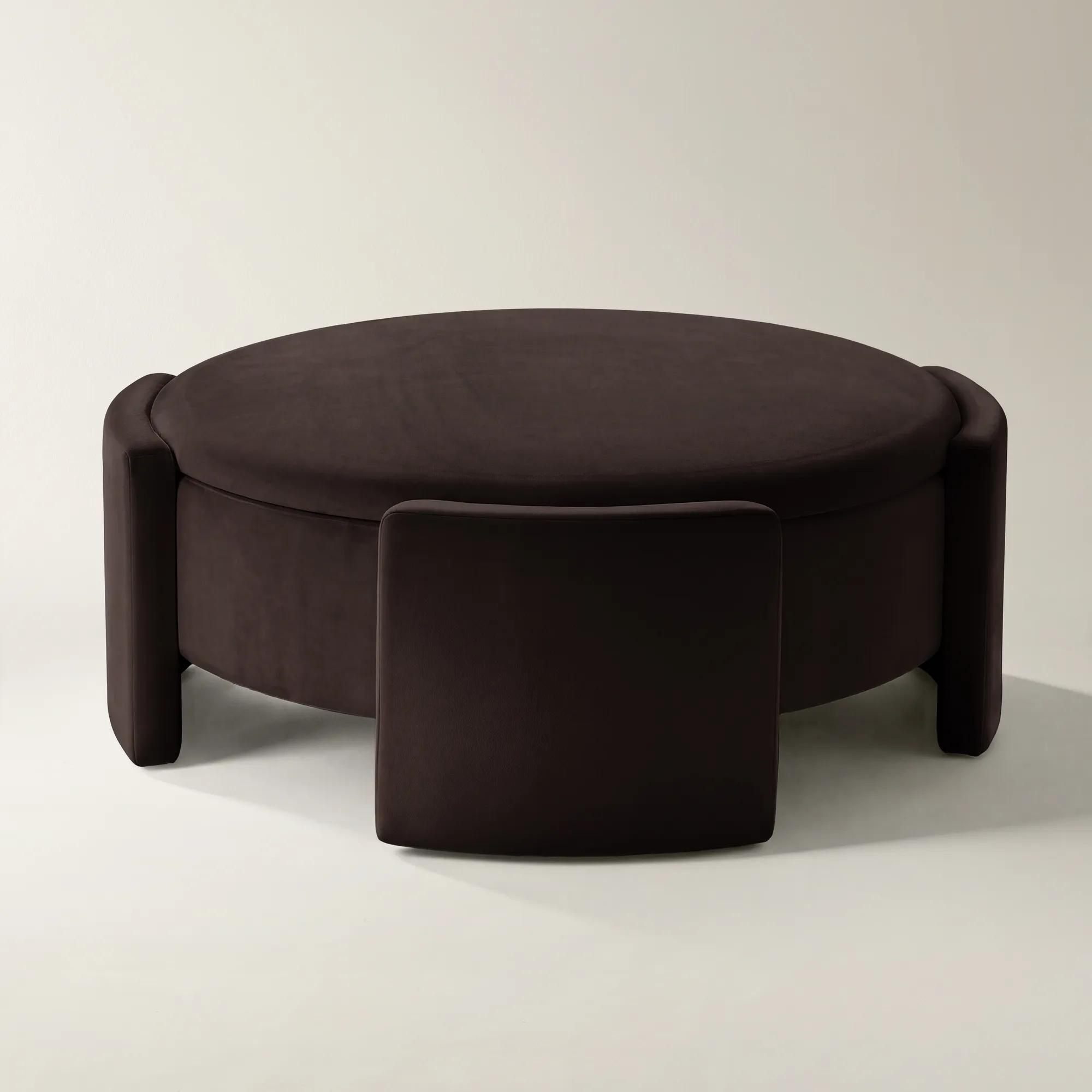
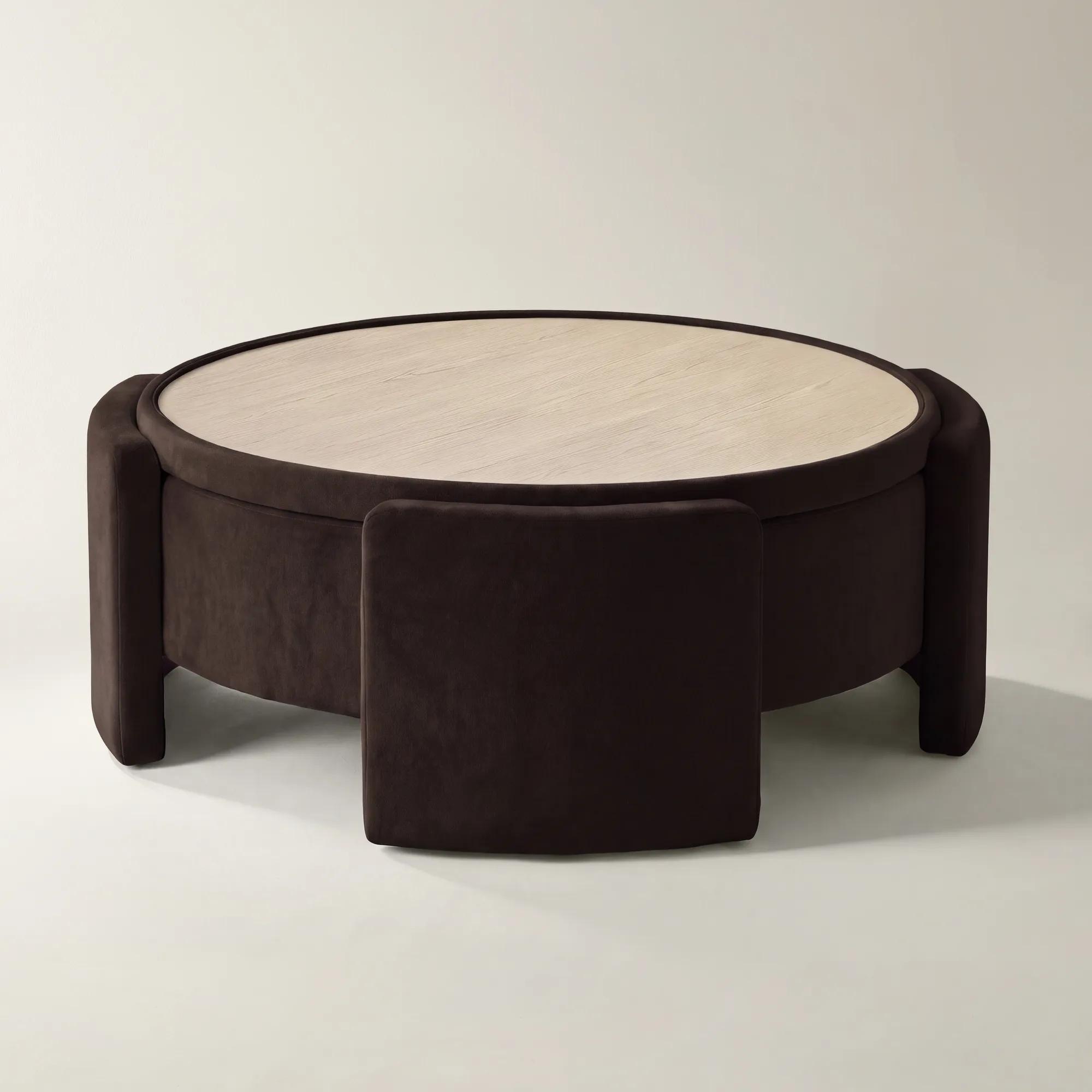 Jora Round Dark Chocolate Velvet Storage Coffee Table With Reversible Tabletop (47.7")$799
A dark chocolate velvet coffee table with hidden storage and a reversible velvet-and-rubberwood tabletop.
Add To Cart -
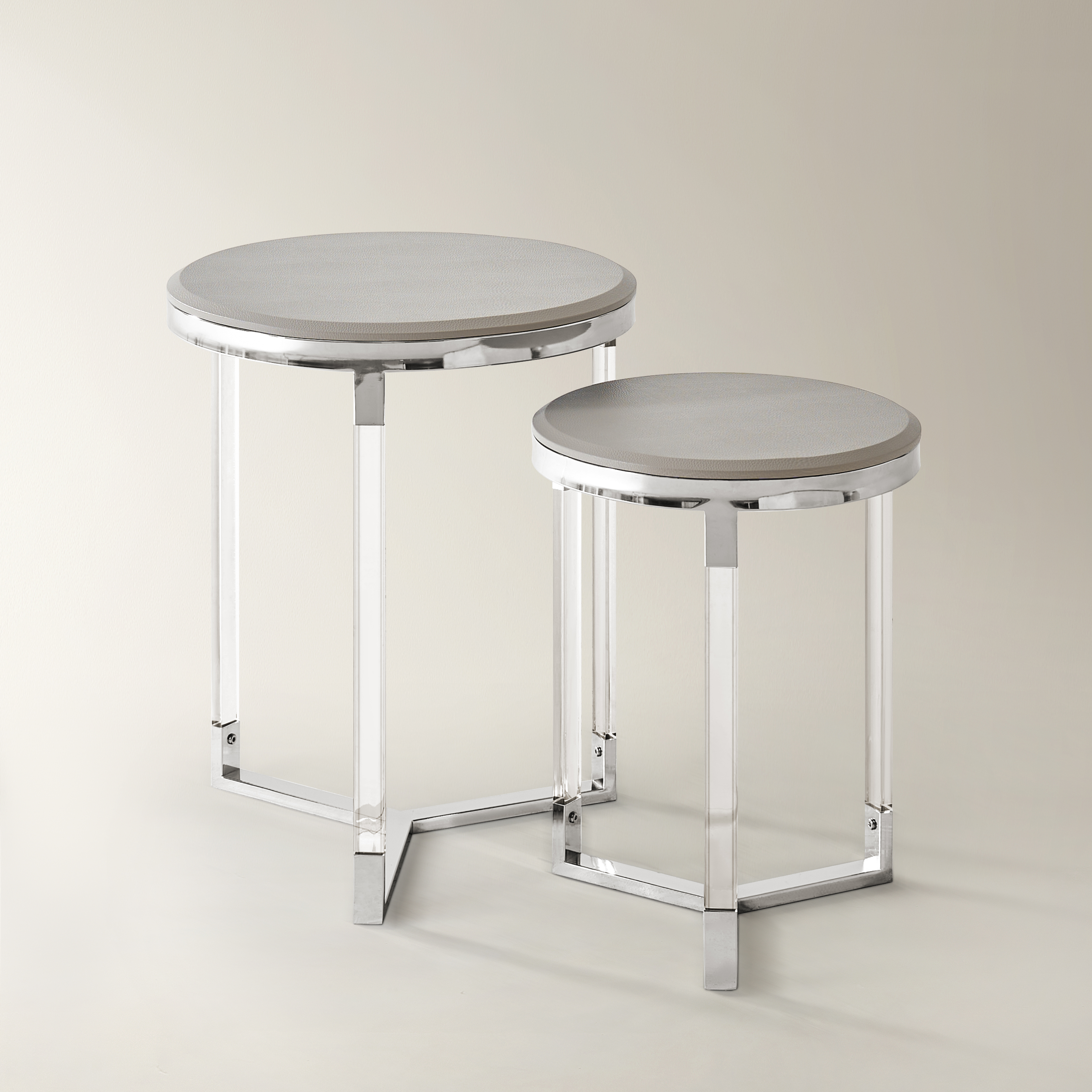
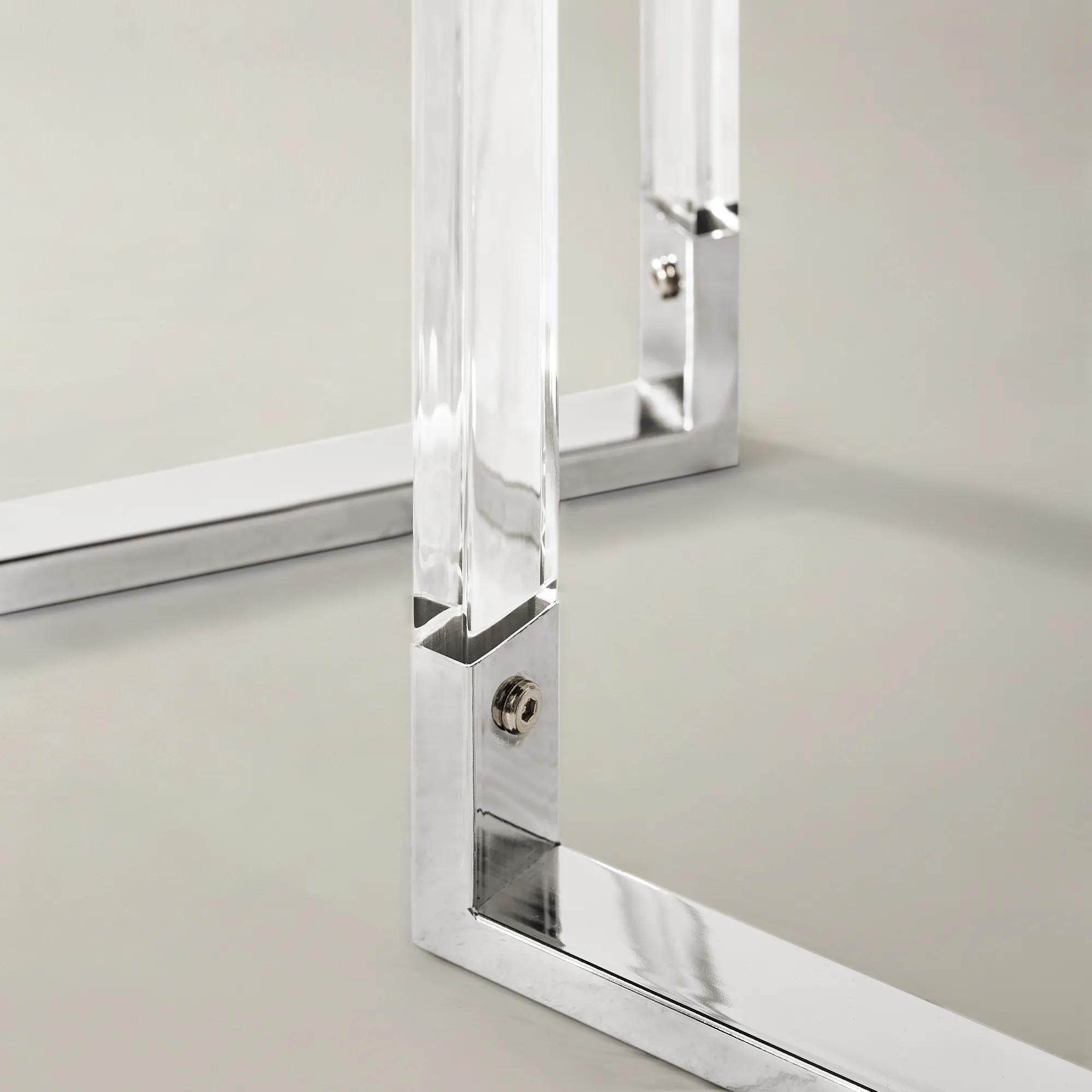 Murano Round Grey Accent Table With Faux Leather Top Set Of 2 (14.5"-18.5")$399
A bold set of two accent tables featuring mixed woods, acrylic legs, and faux leather tops.
Add To Cart -
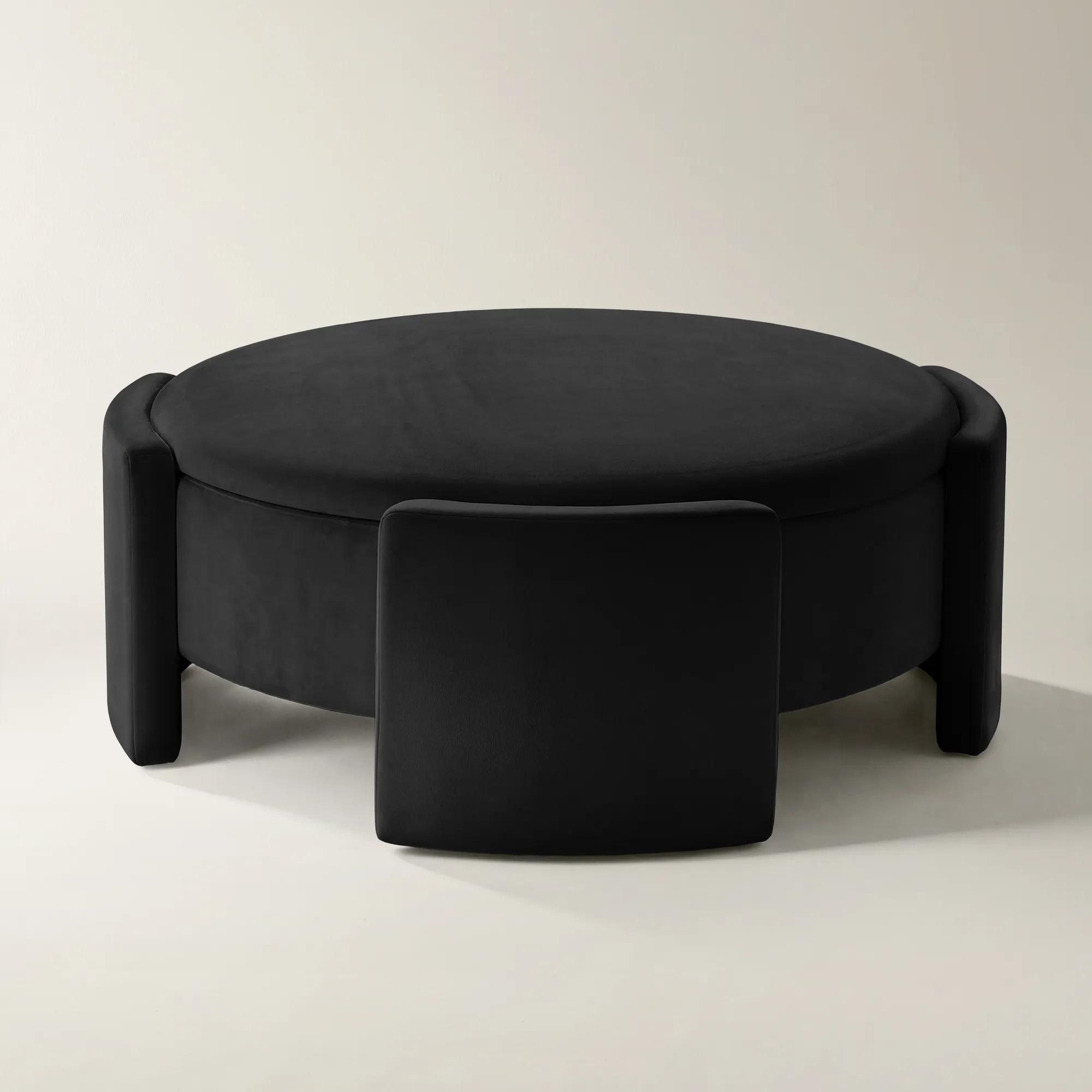
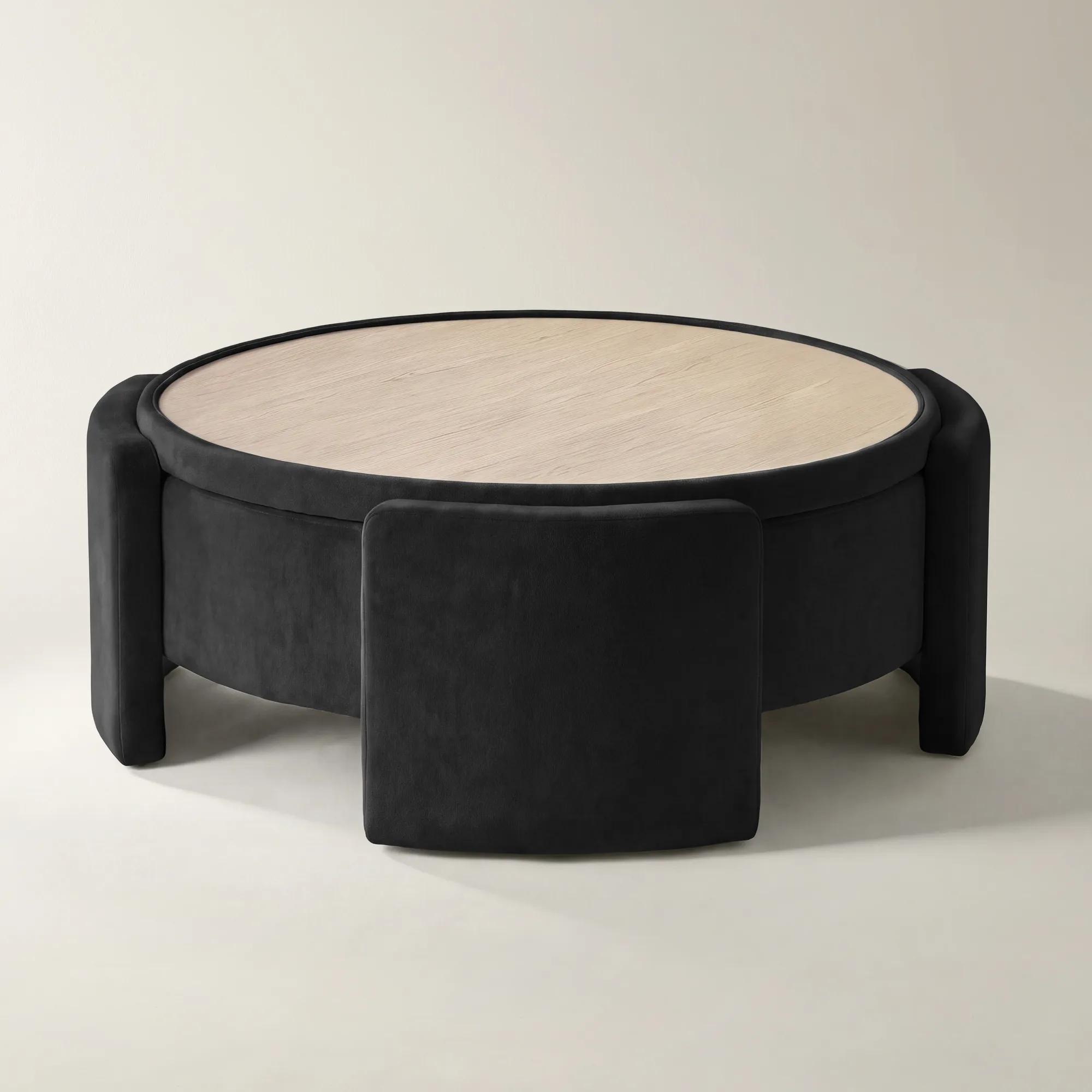 Jora Round Charcoal Velvet Storage Coffee Table With Reversible Tabletop (47.7")$799
A charcoal velvet coffee table with reversible wood veneer tabletop offers hidden storage and sculptural style.
Add To Cart -
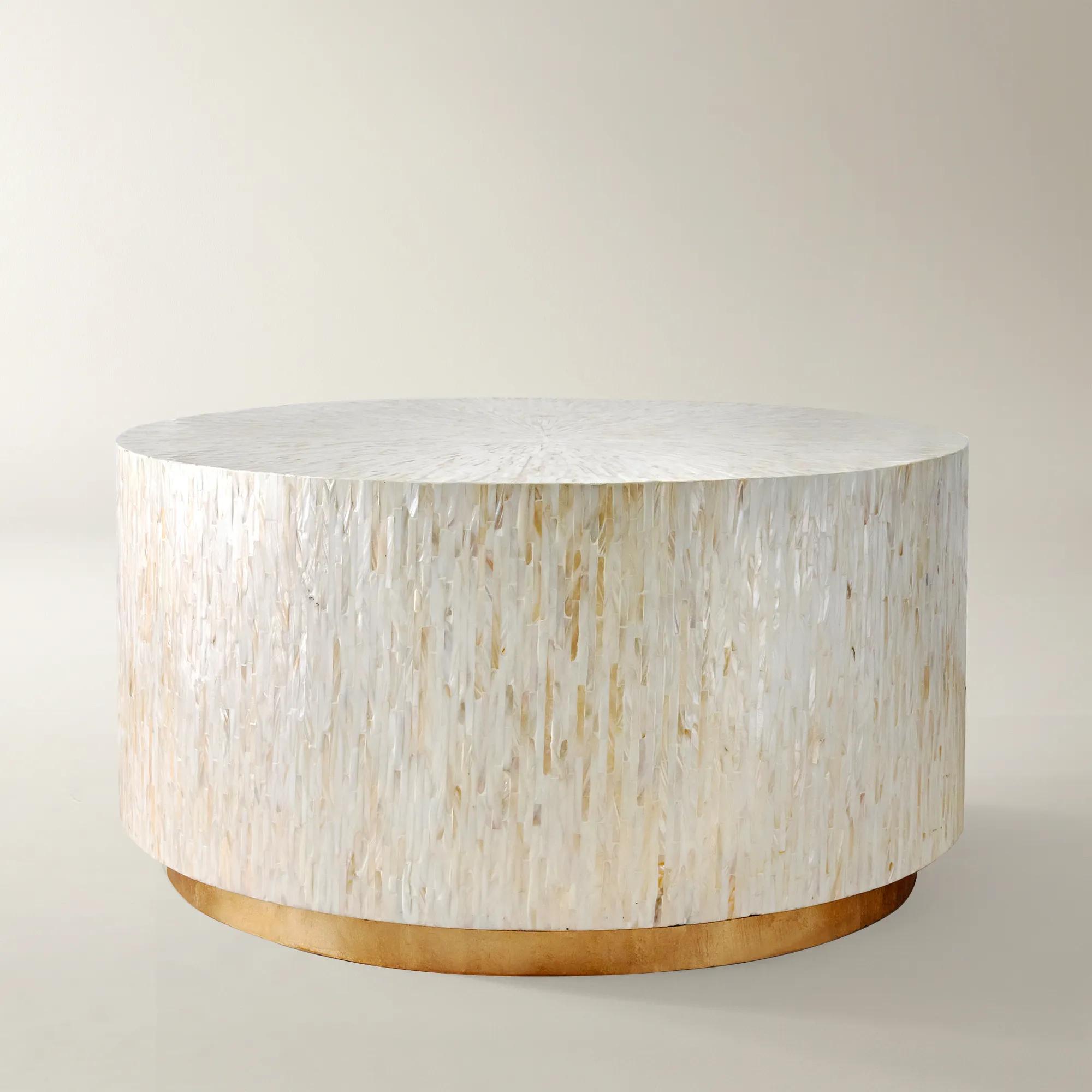
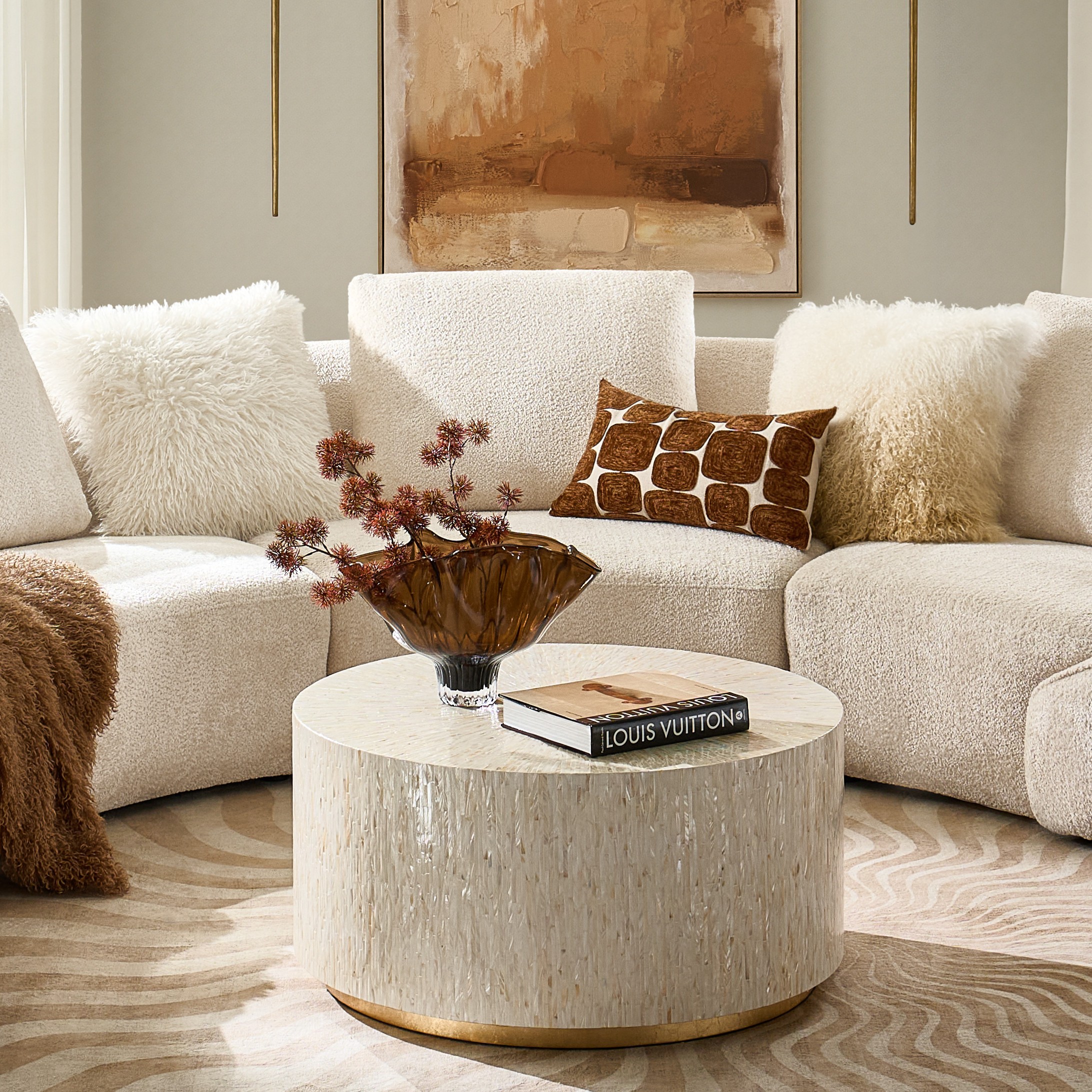 Alexandria Round Mosaic Platinum Coffee Table (36")$799
A luminous ivory coffee table featuring hand-applied mother-of-pearl mosaic and a gold leaf-accented base.
Add To Cart -
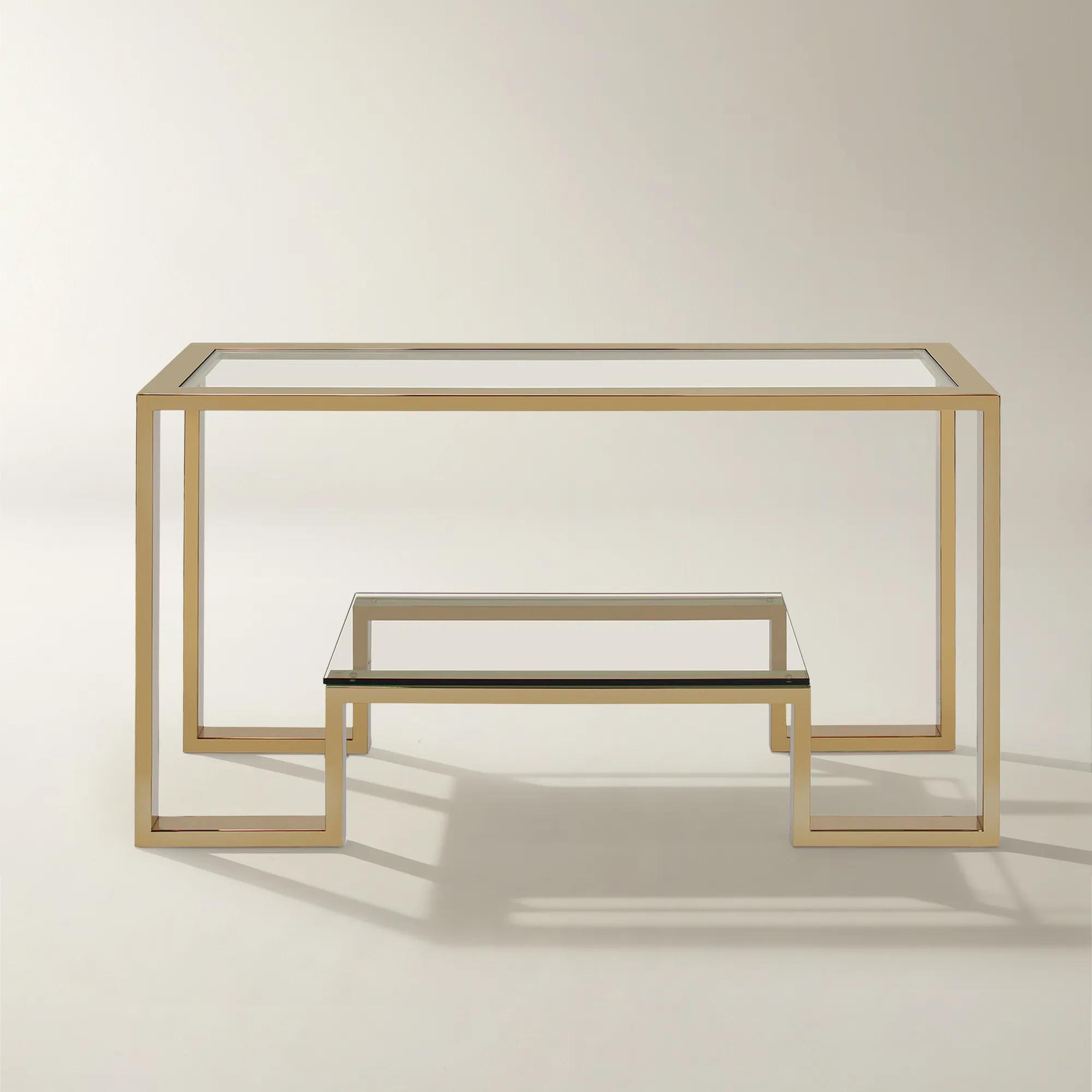
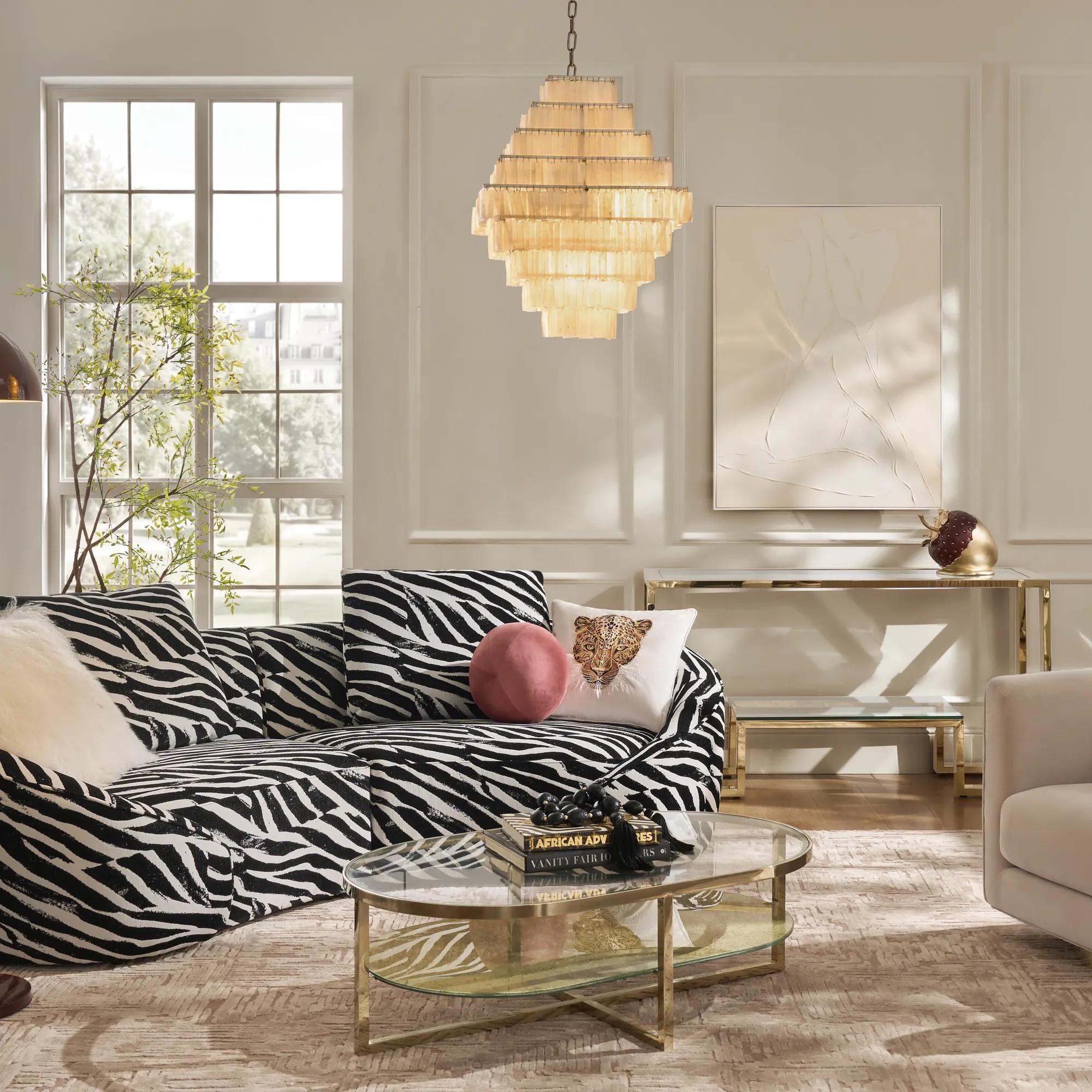 Duplicity Rectangular Gold Stainless Steel Console Table With Glass Top (59")$1399
A modern console table crafted from stainless steel and tempered glass with a floating bottom shelf.
Add To Cart -

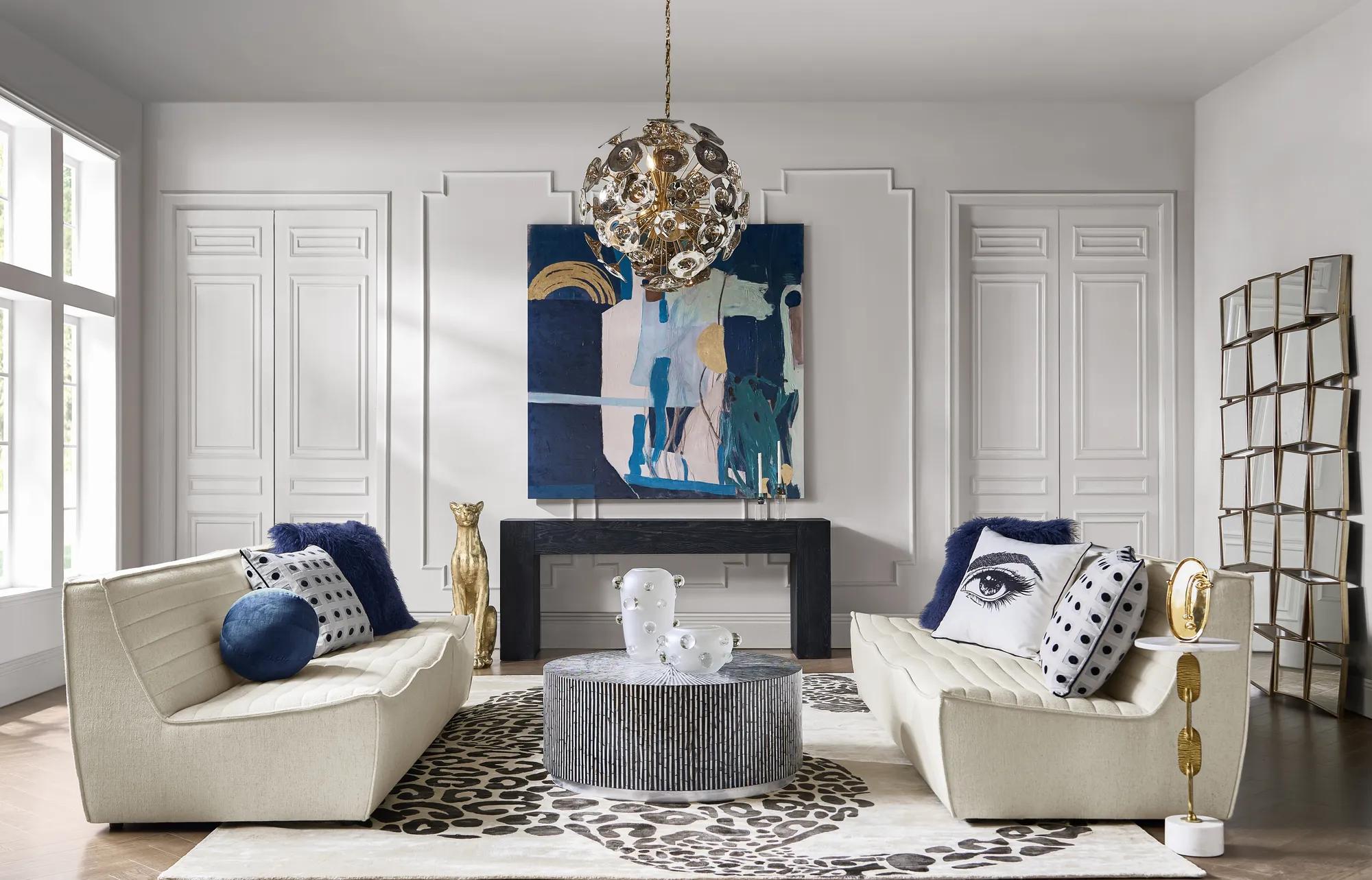 Bristol Rectangular Black Oak Console Table (72")$2099
A handcrafted black reclaimed oak console table featuring natural wood cracks and sturdy dovetail joints.
Add To Cart -
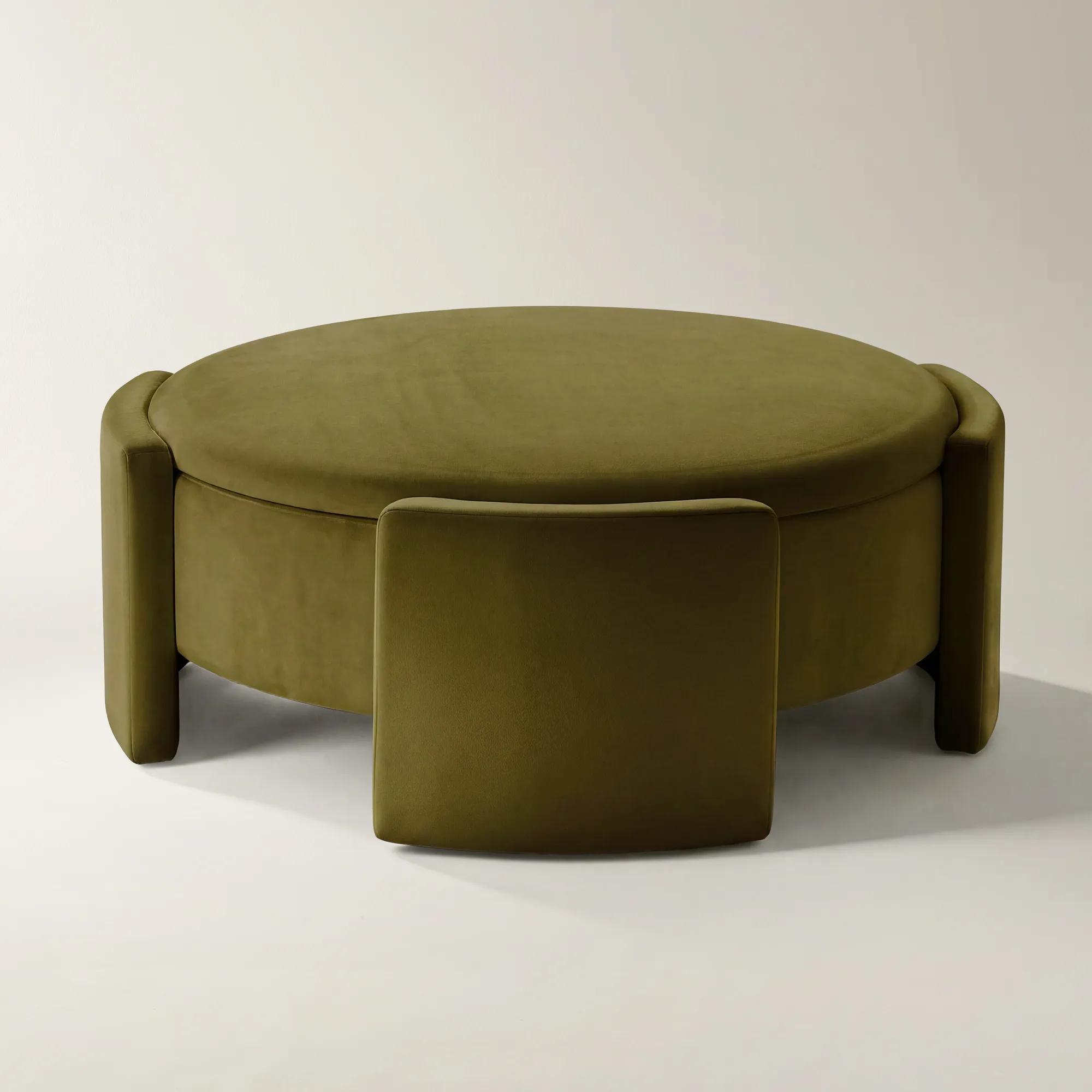
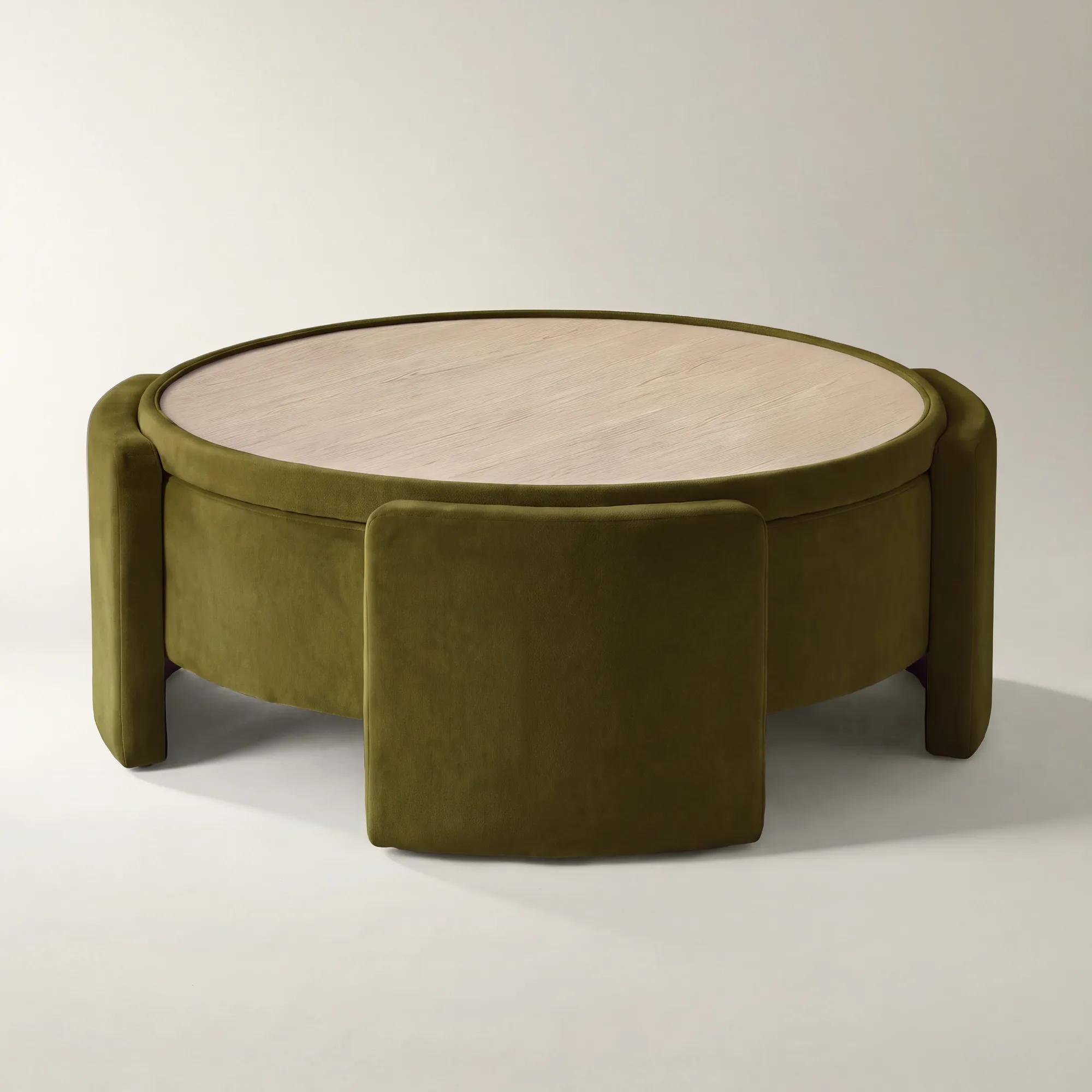 Jora Round Deep Olive Velvet Storage Coffee Table With Reversible Tabletop (47.7")$799
A deep olive velvet coffee table with a reversible tabletop and hidden storage.
Add To Cart

Sophisticated Living Room Tables
Elevate your space with sophisticated living room tables that transform the ordinary into the extraordinary. Each piece is a masterstroke of design, inviting you to indulge in a world where artistry meets function and every surface becomes a stage for your personal style. Whether you seek sleek silhouettes or dramatic accents, these tables are crafted to command attention—anchoring your living room with undeniable poise and presence. Unleash your inner curator and let your home tell a story of glamour, confidence, and expressive detail through the allure of sophisticated living room tables.
Sophisticated living room tables pair refined materials such as marble, tempered glass, and solid wood with architectural silhouettes. A low stone coffee table can give a generous sectional a focal point, while a glass top on a sculptural base leaves the pattern of a rug visible beneath it. Each type of table plays a different part in the room. Coffee tables sit at the center of a seating arrangement, where they hold everything from an art book left open to a tray of drinks within reach of guests. Side tables serve a more intimate purpose: a place for a reading lamp beside a deep chair or a spot to set a cup without leaning forward from the sofa. A narrow console behind a floating sofa gives the arrangement a finished edge and brings lamplight to the middle of the room. Nesting tables are especially useful where the seating changes with the occasion; the smaller table can move beside a guest’s chair without leaving the center of the room permanently crowded. Shape sets the tone as much as finish. An oval coffee table softens the right angles of a tailored sofa and leaves a gentler edge along the route through the room. A long rectangular top echoes the sweep of a bench cushion and gives people at either end somewhere to set a glass. A pedestal base draws attention to its profile, while an open frame lets light reach the floor and gives an intricately patterned rug more room to show. Matching tables can lend symmetry to a formal arrangement, but an intentional contrast can be just as composed. A dark wood coffee table and a slim metal side table, for example, can share a curved profile without repeating the same finish. In a room with expressive upholstery, that small echo is often enough to connect the pieces without asking them to compete for attention.
Material determines how a table catches the light, how it feels to the touch, and what it takes to keep the surface looking its best. Marble veining brings movement to even the simplest slab; a honed finish scatters light softly, while polished stone gives a lamp or candle a sharper reflection. Because marble is porous and sensitive to acids, a splash of citrus or wine is best blotted promptly. Sealing can help reduce staining, but it does not prevent the dull marks that acidic spills can leave. Coasters and a tray under drinks give the stone some protection without concealing the veining. Solid wood has a quieter richness, particularly where the grain runs uninterrupted across a broad tabletop. The finish matters for everyday care: a soft cloth is generally sufficient for dusting, while any cleaner should be suited to the specific finish. Felt pads beneath a ceramic bowl or decorative object help prevent scratches when it shifts. A well-made wood veneer can also be a deliberate design choice, especially when the grain is arranged in a mirrored pattern; neatly finished edges and a stable base matter more than the label alone. Tempered glass preserves sightlines and is stronger than ordinary glass of the same thickness, but it can still scratch or chip. A soft, lint-free cloth and a cleaner approved for the surface are preferable to anything abrasive, and lifting a stone tray rather than sliding it helps protect the top. Metal introduces another kind of luster, from the subtle grain of a brushed finish to the crisp reflections of polished chrome. Where a table will hold a substantial lamp or stacks of oversized books, a steady base and a surface rated for the intended load matter as much as the finish. Even a small accent table should sit level where it will actually be used, especially if part of its base rests on a thick rug.
The most assured proportions are often the ones that make a room easier to move through. A coffee table about two-thirds the length of the sofa is a useful starting point, with the top at seat height or an inch or two below. Leaving roughly 16 to 18 inches between the sofa and table generally gives seated guests room for their knees while keeping drinks within easy reach. That gap is not a substitute for a clear passage elsewhere: in a room with a route to a doorway or adjoining dining area, the space beyond the table matters just as much. A low, broad coffee table can hold its own in front of an expansive sectional, but an offset pair of smaller tables may serve the inside corner more comfortably. In a compact sitting room, a round top can ease the turn around a sofa arm, and a slender pedestal can keep the floor from feeling crowded. Explore Elegant Small Living Room Tables for these more compact proportions. Beside a sofa or chair, a tabletop close to arm height makes it easy to set down a drink without reaching awkwardly. Depth matters too: a side table that stops short of the seat front won’t intrude on the route past it, and a lamp base should leave enough surface for whatever else belongs there. For a household that uses the coffee table for games as often as drinks, a generous, uninterrupted top offers more flexibility than one largely occupied by decorative objects. A petite accent table can make a thoughtful housewarming gift when a recipient’s taste and available space are known, particularly if there is a favorite chair that could use a surface nearby. Whether the table anchors an entire seating arrangement or simply gives that chair a purpose after dark, its materials and proportions should feel as considered at arm’s length as they do from the doorway.
FAQs
Sophisticated living room tables often feature luxurious materials such as natural burl wood, marble, high-gloss lacquer, polished metals, and refined wood veneers. These finishes not only elevate the aesthetic but also bring tactile richness and visual intrigue to your space.
To create a modern, glamorous atmosphere, layer your table with statement pieces like sculptural vases, mirrored trays, or crystal objets d’art. Pairing metallic accents with textured stone or rich wood tones adds dimension and drama, while a curated arrangement of books and fresh florals completes the scene with a personal touch.
Absolutely—round and oval tables are ideal for promoting flow and conversation in open seating areas, while rectangular or crescent-shaped tables can define zones or complement sectional sofas. Sculptural and cloud-inspired designs work beautifully as focal points in more spacious rooms, adding artistry and movement.
A sophisticated living room table is both practical and deeply personal, making it a memorable gift for weddings, anniversaries, or housewarmings. Its enduring craftsmanship and statement-making presence ensure it will be cherished and serve as a centerpiece for countless shared moments.
Start by selecting a unifying element, such as a common material, finish, or color palette. Pair a bold, statement coffee table with more understated side tables, or mix textures like marble and brushed metal for a curated yet harmonious effect. The key is to balance drama with cohesion, creating a layered, gallery-inspired living room.