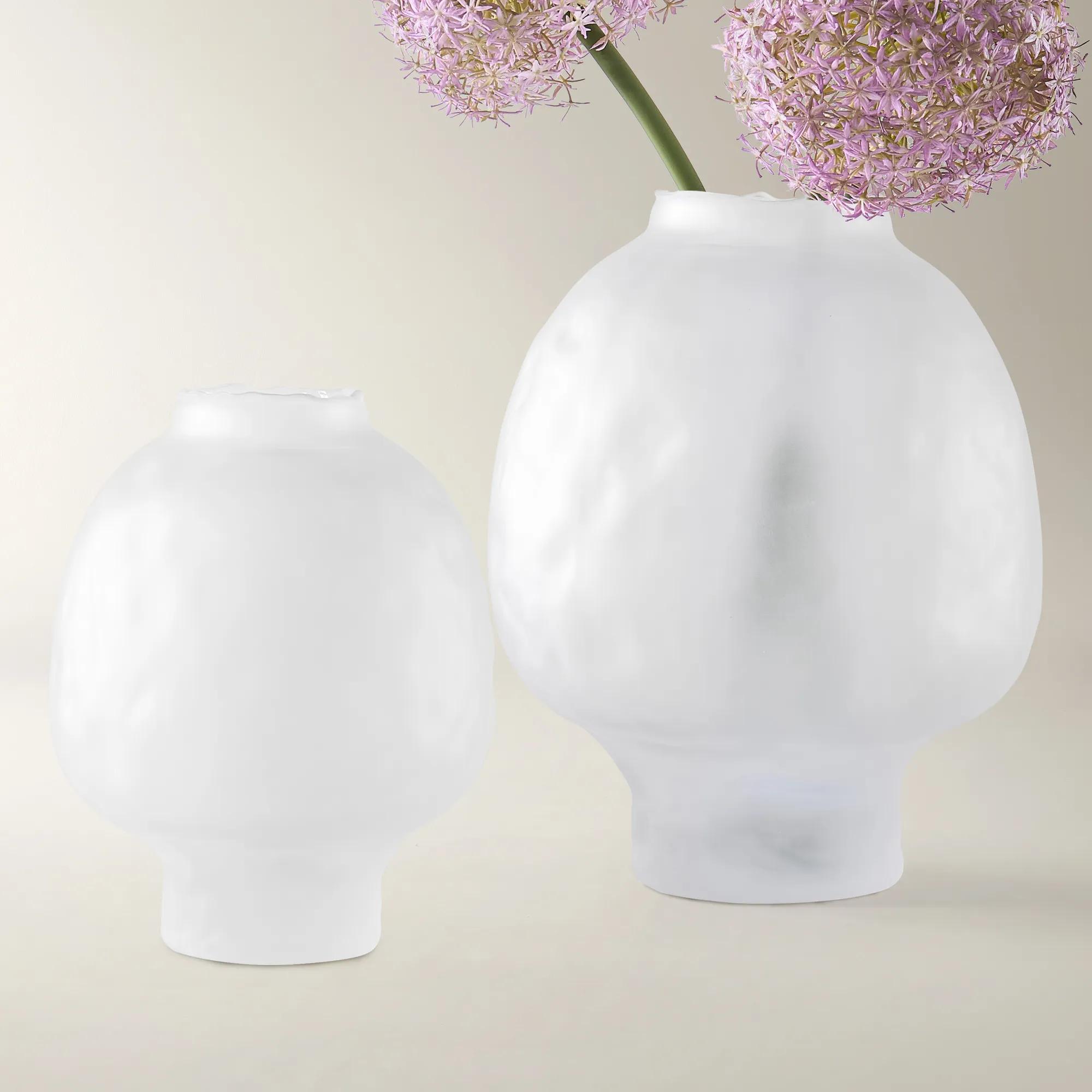
Sculptural Ceramic Vases For Accent Tables
Sculptural Ceramic Vases For Accent Tables
-
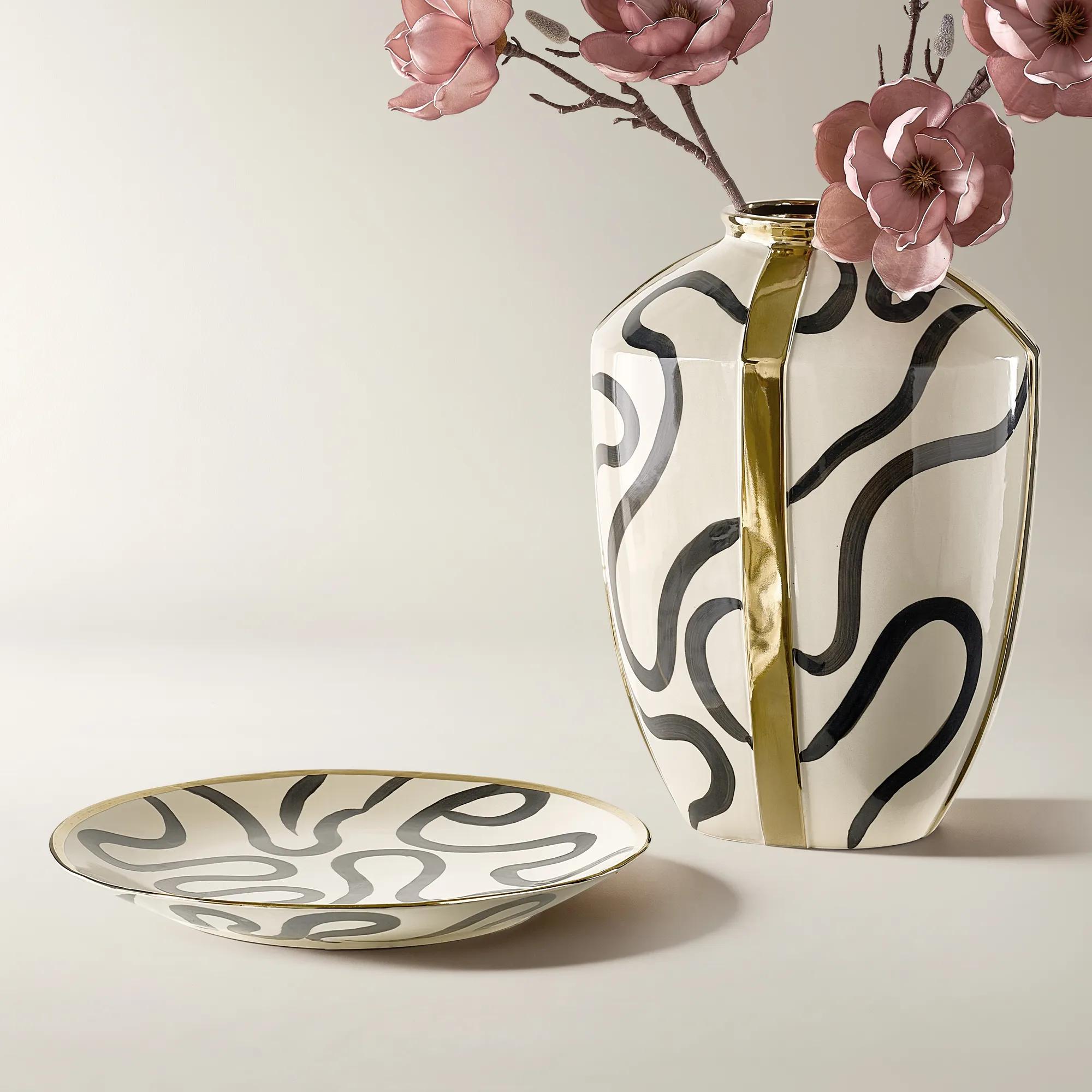
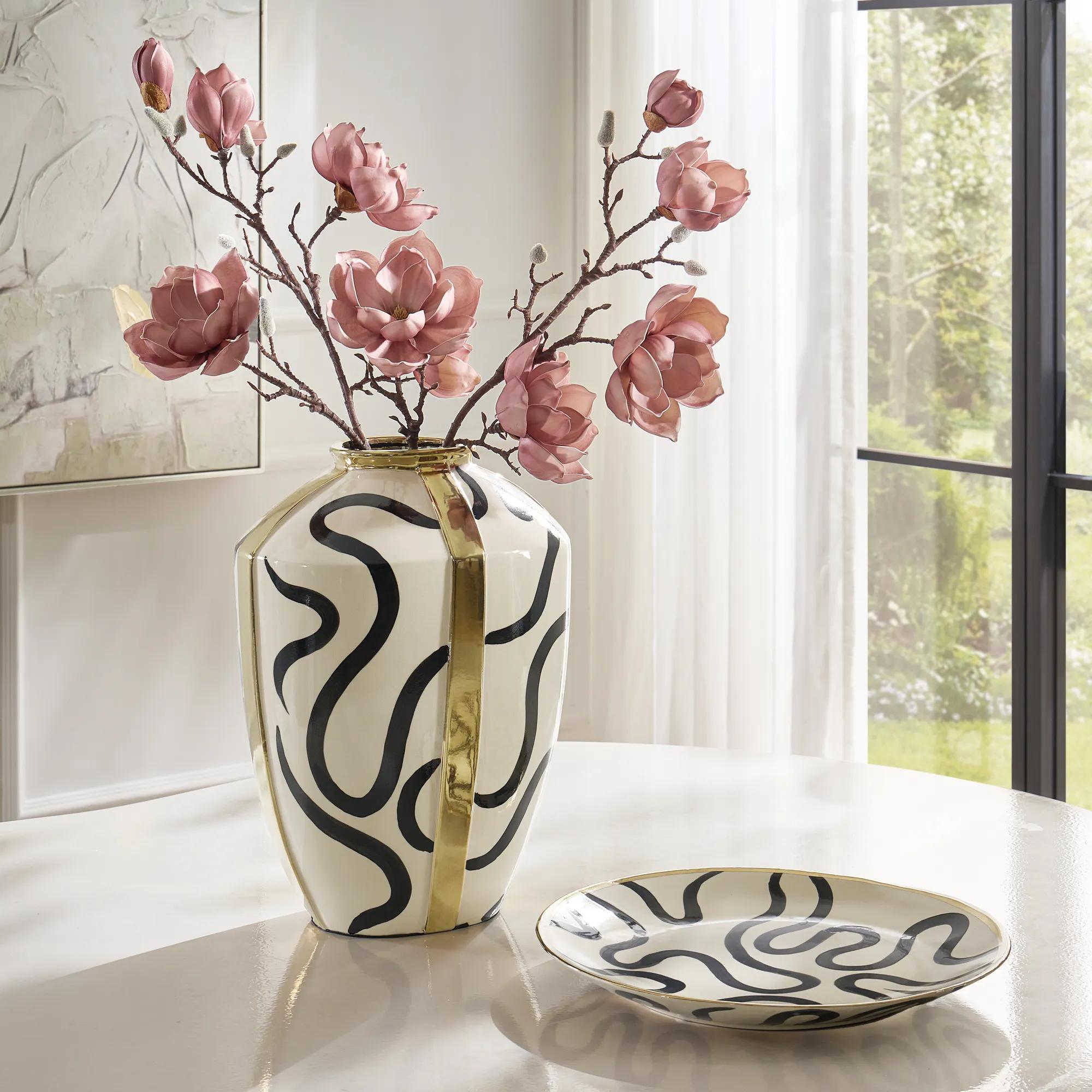 Sonder Soft Gold Black Ceramic Vase & Plate$149
A ceramic vase and plate set featuring sculptural wavy loops in soft gold, alabaster, and black.
Add To Cart -
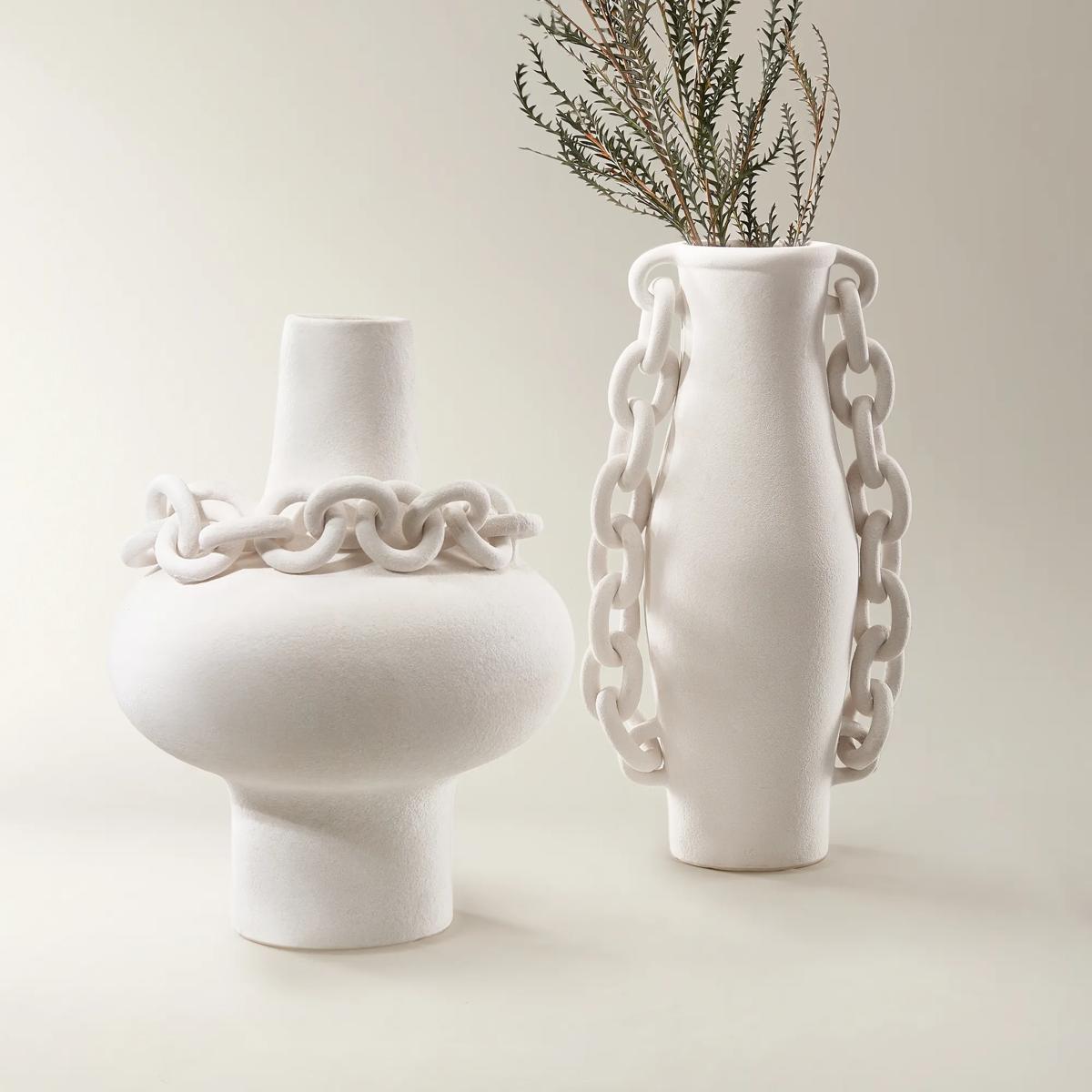
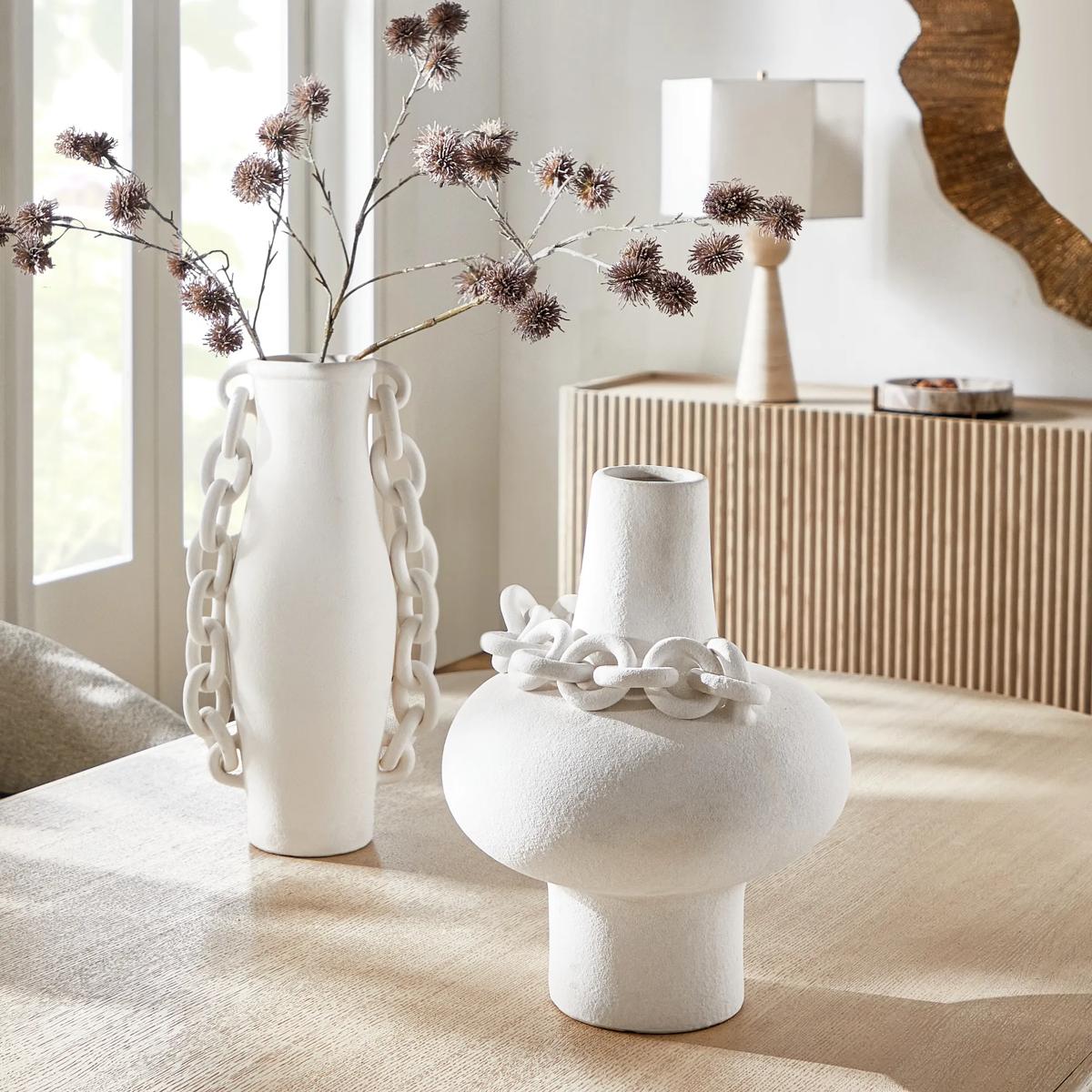 Links Stoneware Vases$139
A sculptural matte white stoneware vase featuring bold chain-link details for modern, artful texture.
Add To Cart -
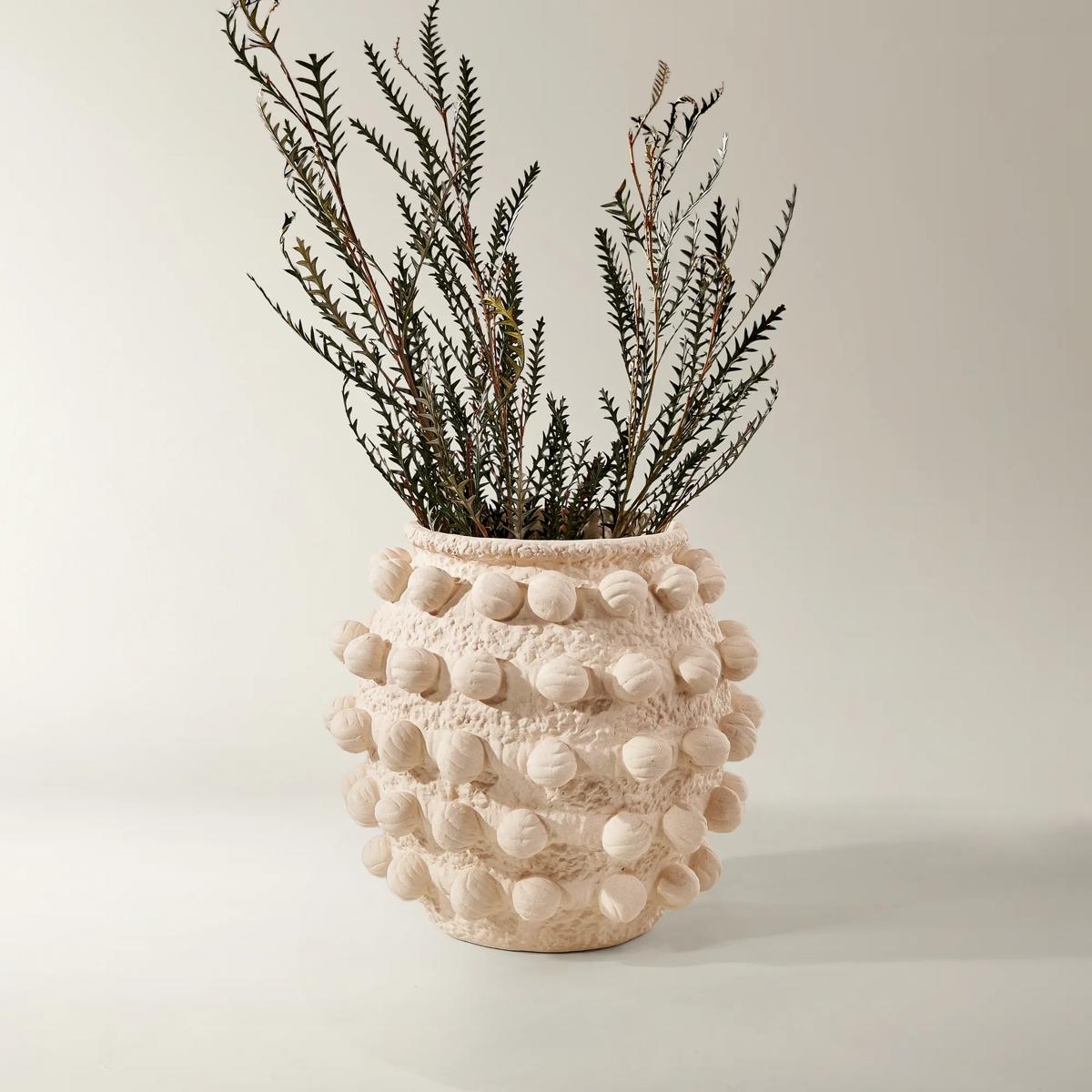
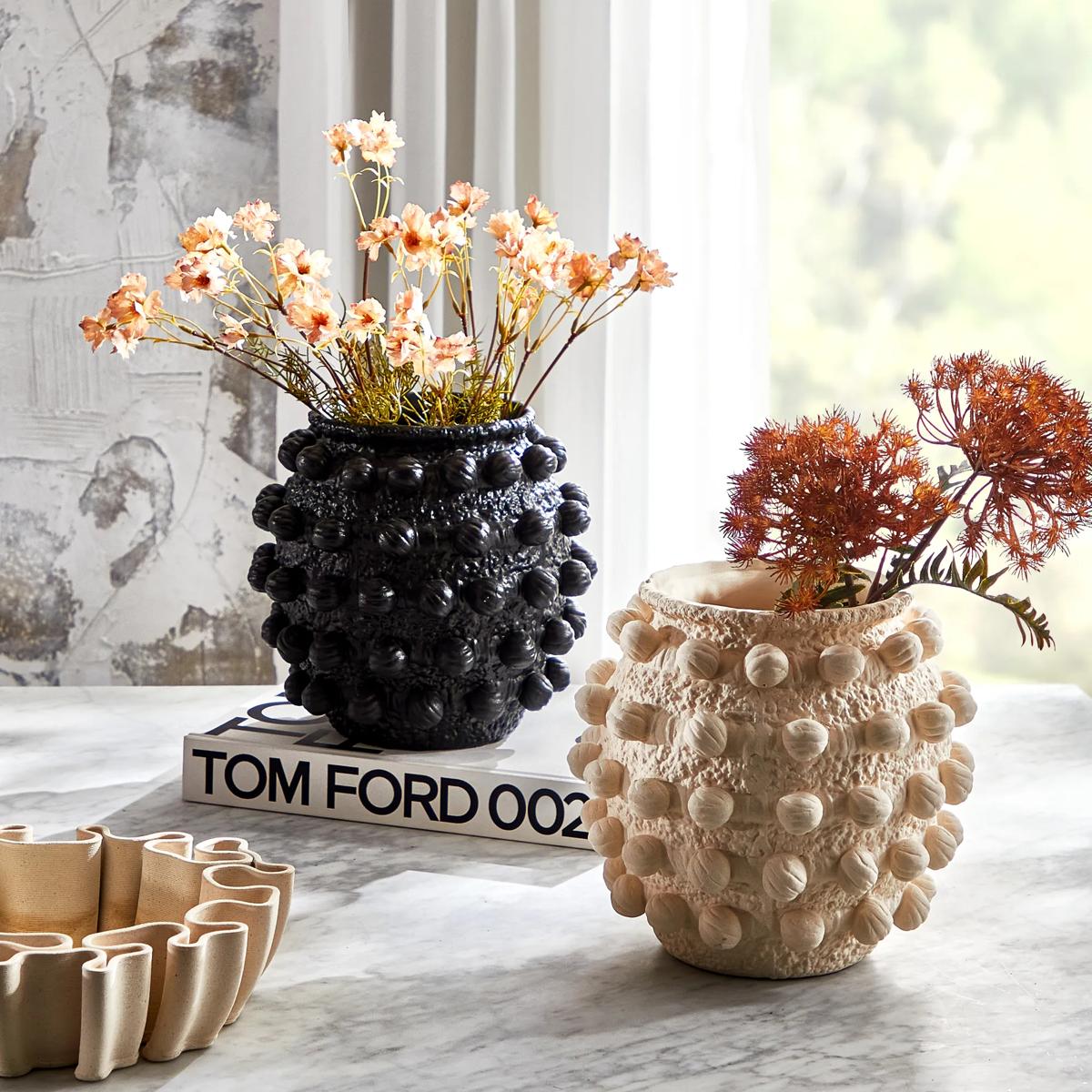 Pompa Vase - Ivory$119
An ivory porcelain vase featuring sculptural rounded forms and a richly textured, tactile surface.
Add To Cart -
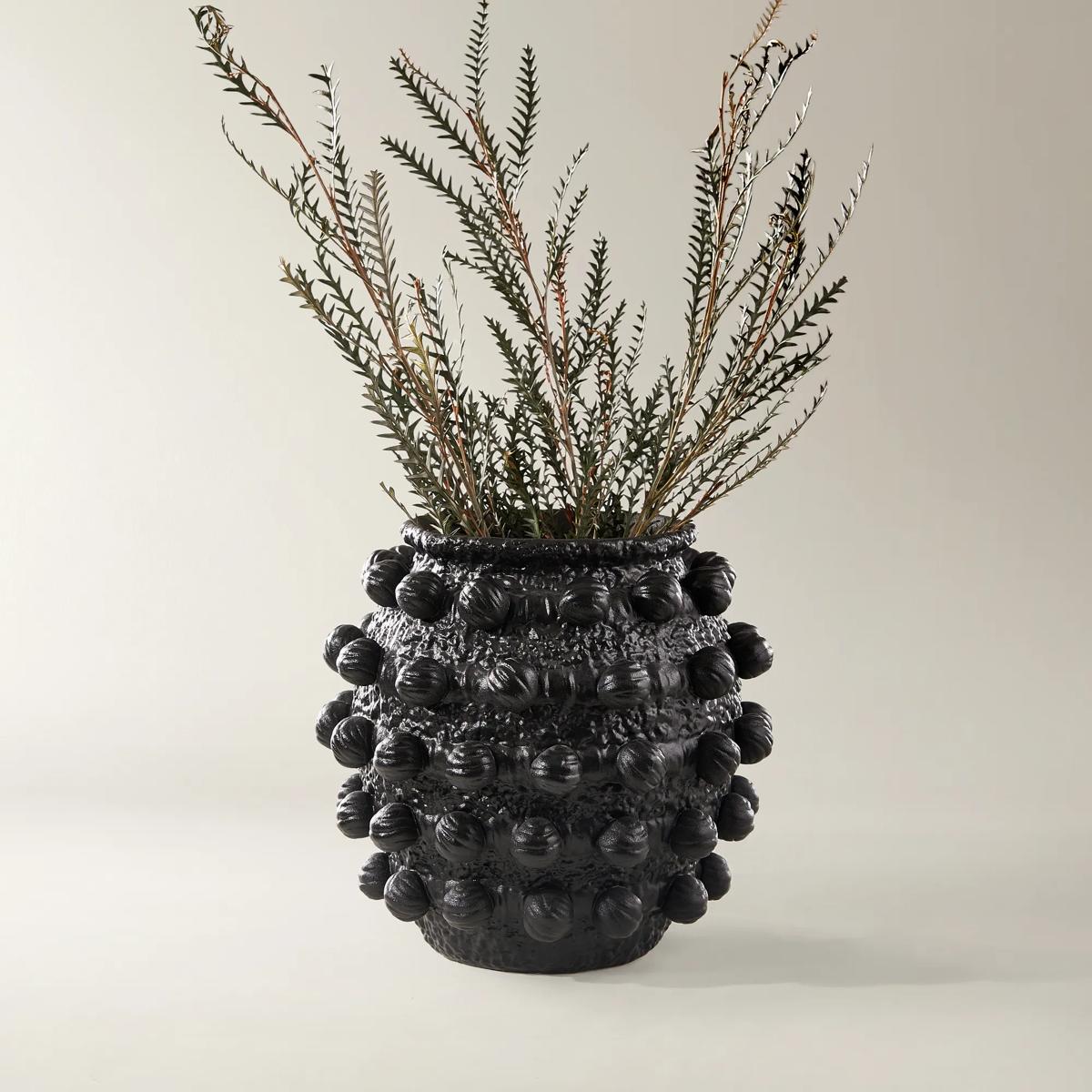 Pompa Vase - Black$119
A sculptural black porcelain vase featuring bold, rounded forms and a richly textured surface.
Add To Cart -
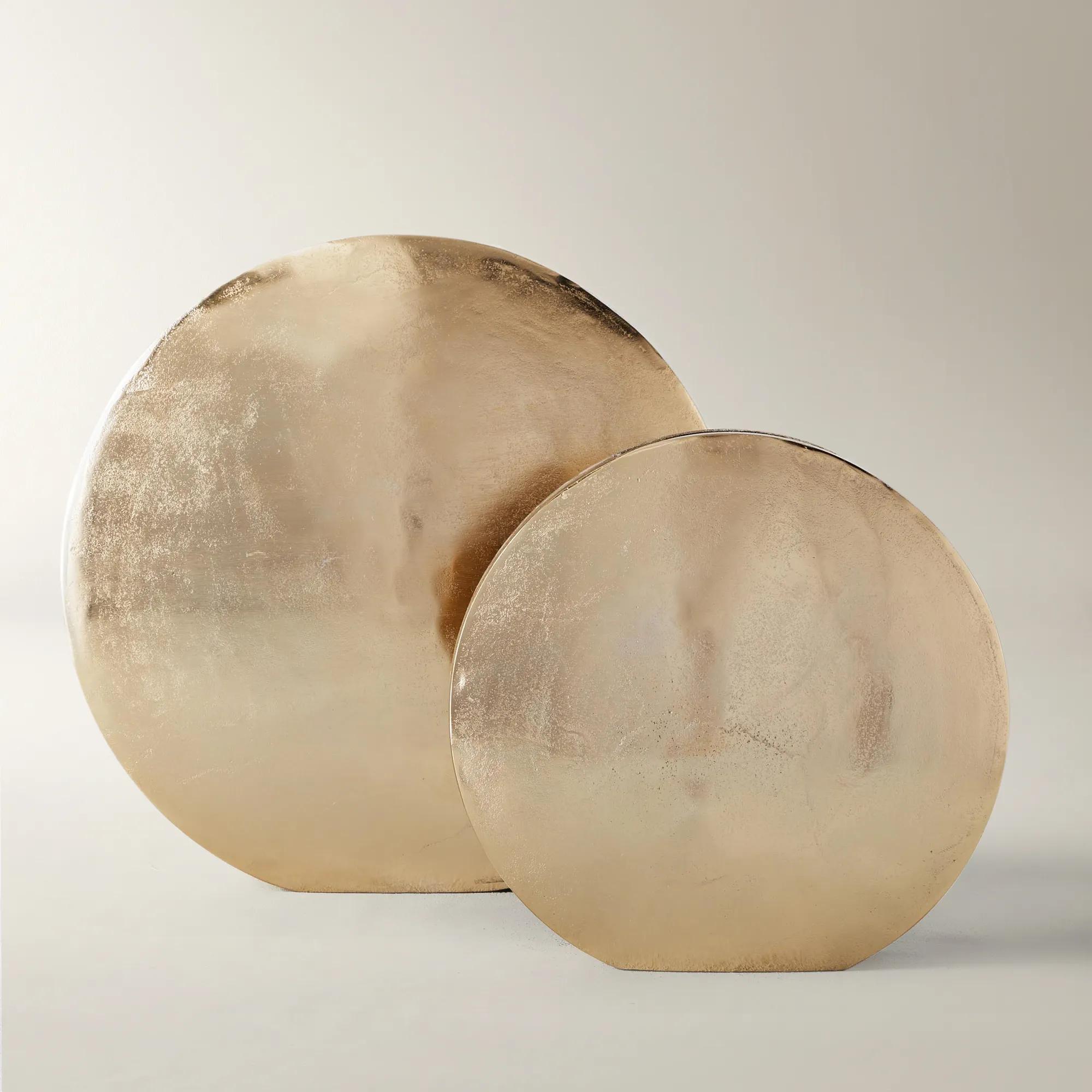
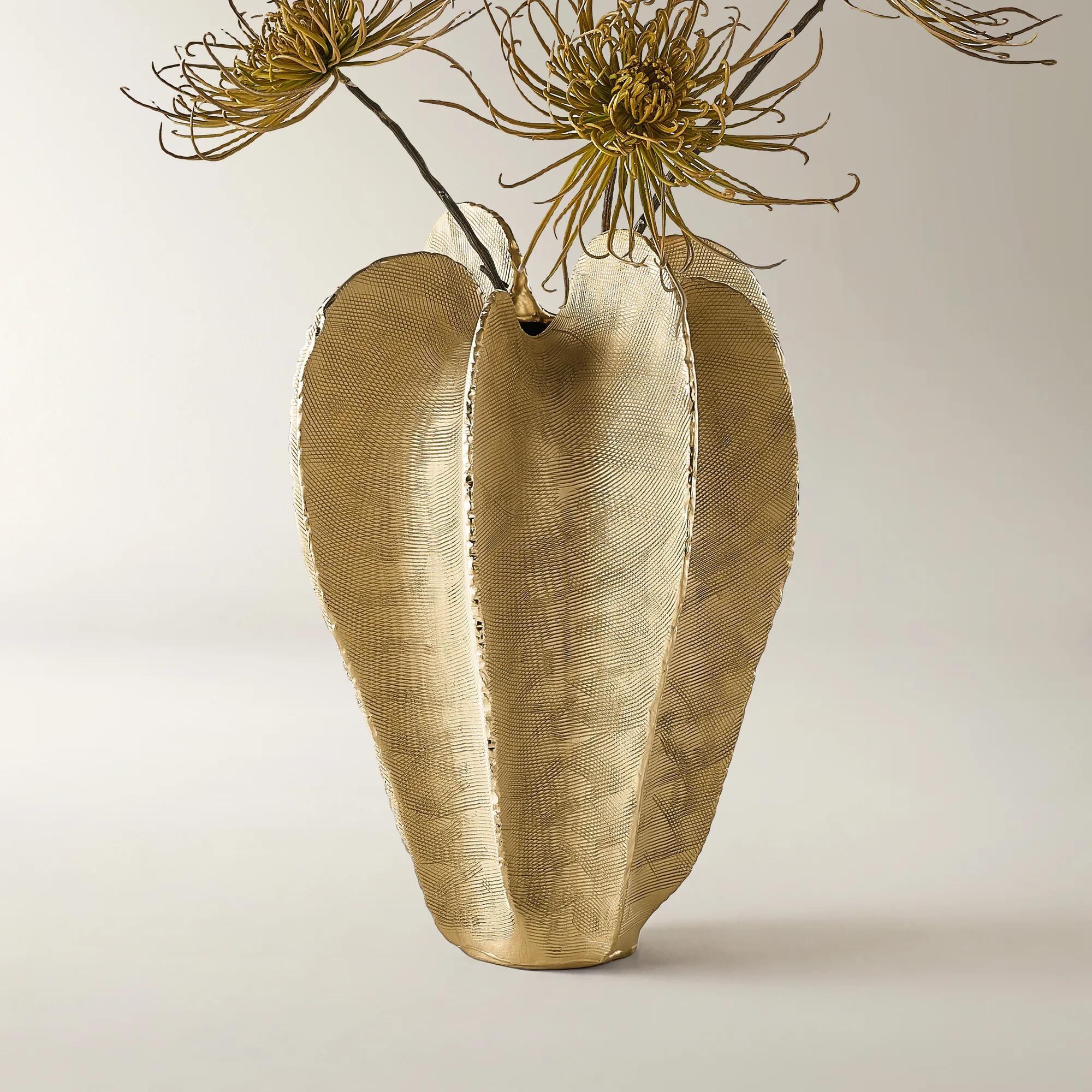 Kosta Soft Gold Textured Ceramic Vase 15.75"$129
A sculptural stoneware vase in a soft gold finish that adds artisanal texture and refined glamour.
Add To Cart -
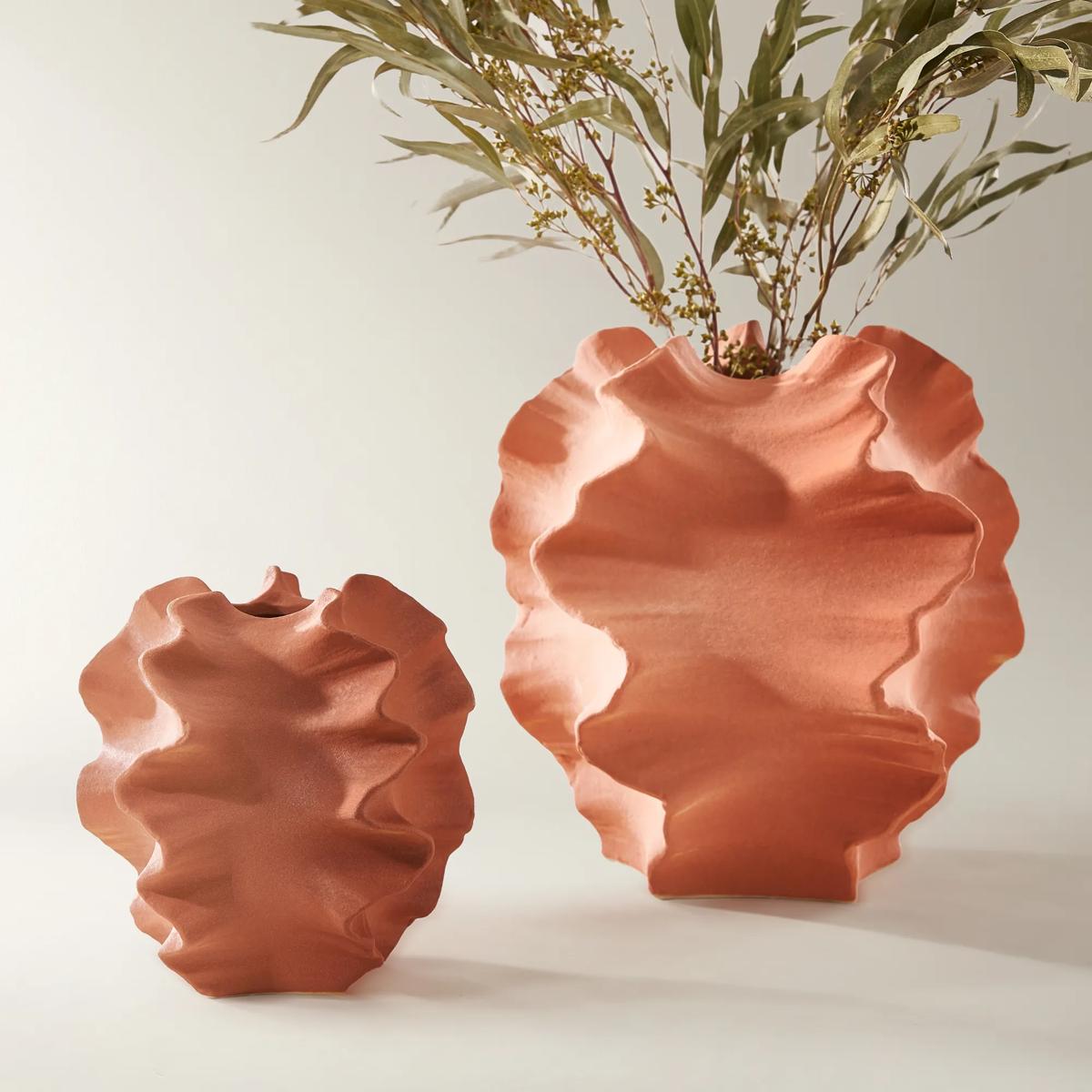
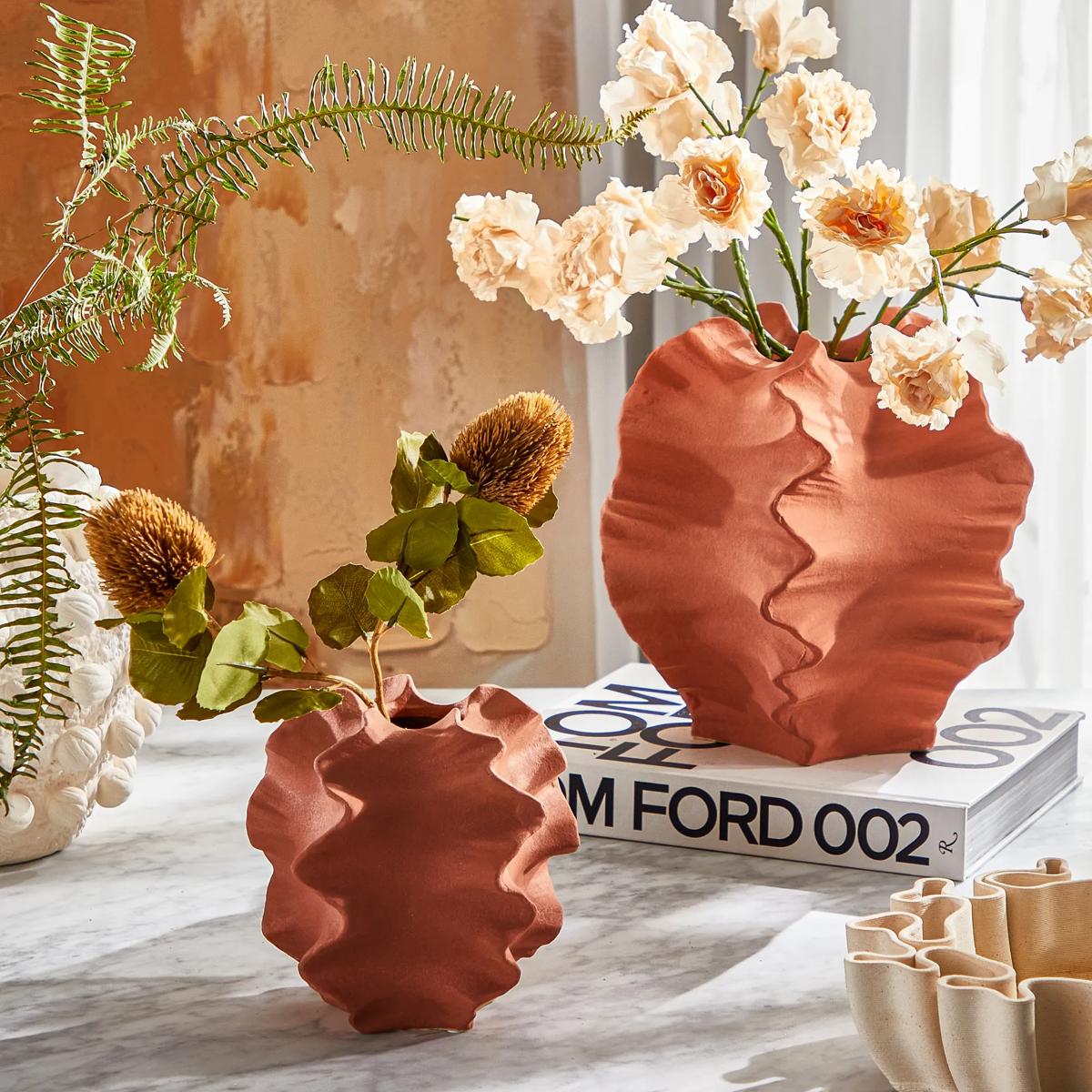 Morra Terracotta Sculptural Vases$79
A sculptural terracotta stoneware vase with rippling contours and a matte, earthy finish.
Add To Cart -

 Miami Gold Ceramic High Gloss Vase 18.5"$69
A contemporary gold ceramic vase designed for decorative use or displaying faux foliage.
Add To Cart -
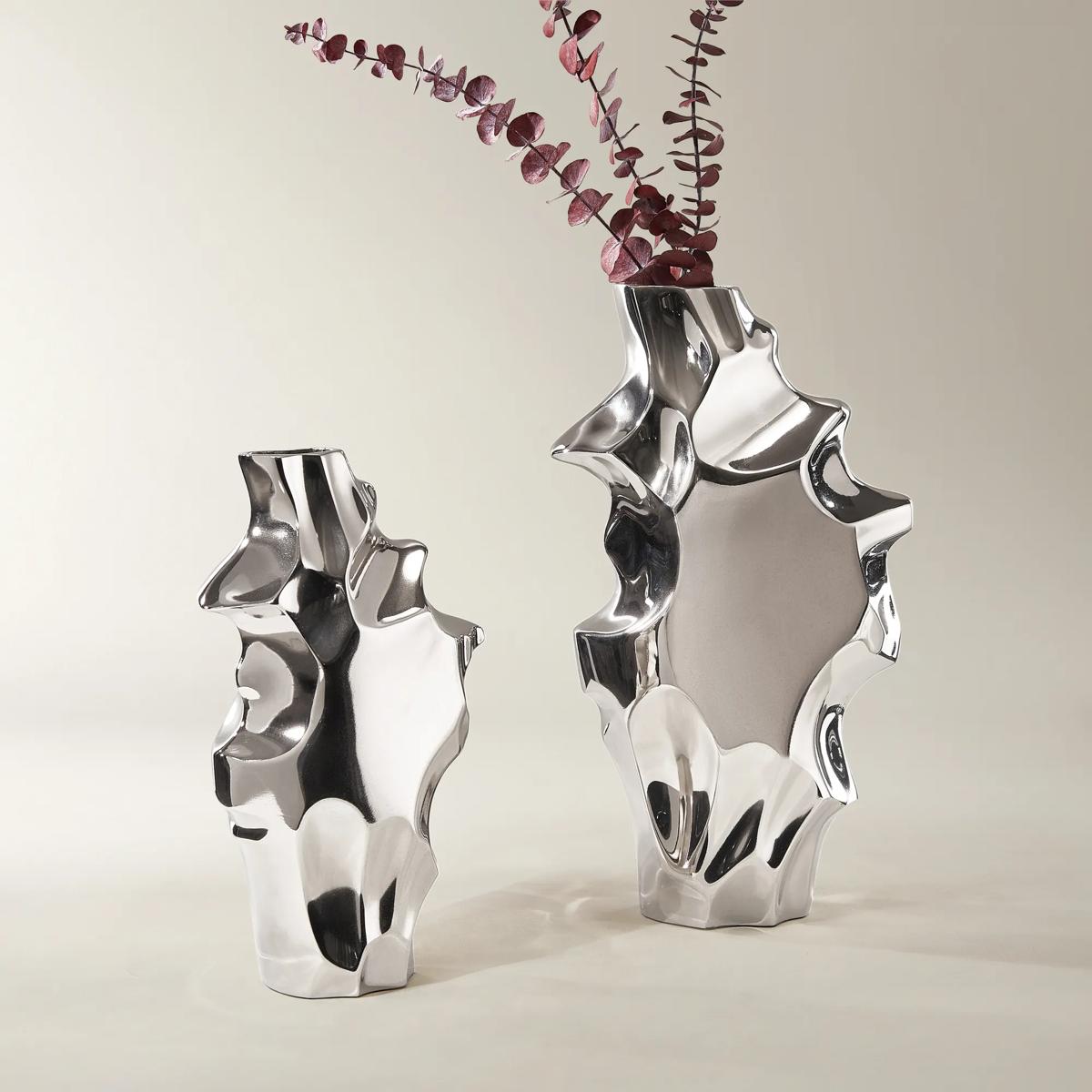
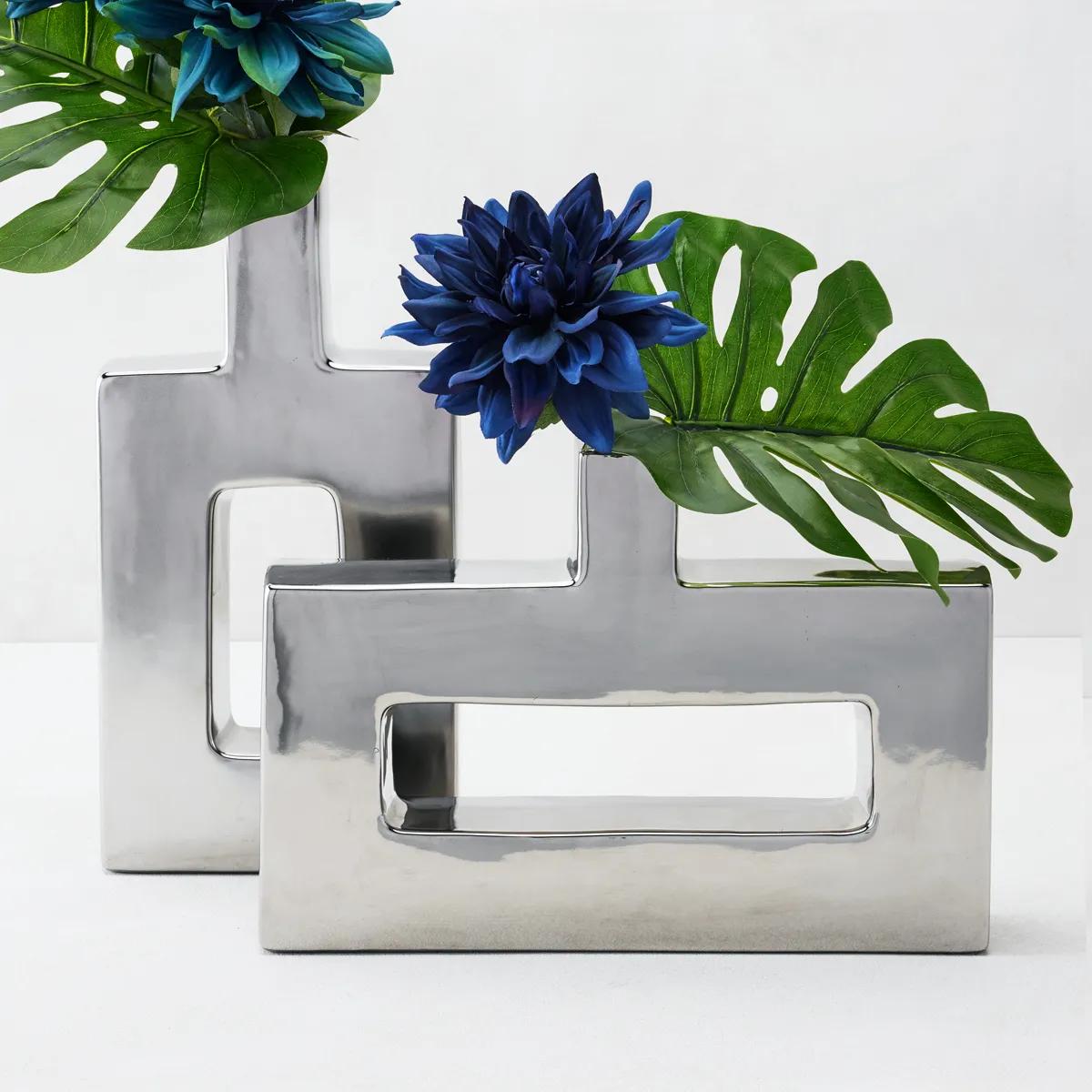 Miami Silver Ceramic High Gloss Vase 18.5"$69
A contemporary silver ceramic vase with a stylish gold glaze, perfect for decorative foliage or display.
Add To Cart -
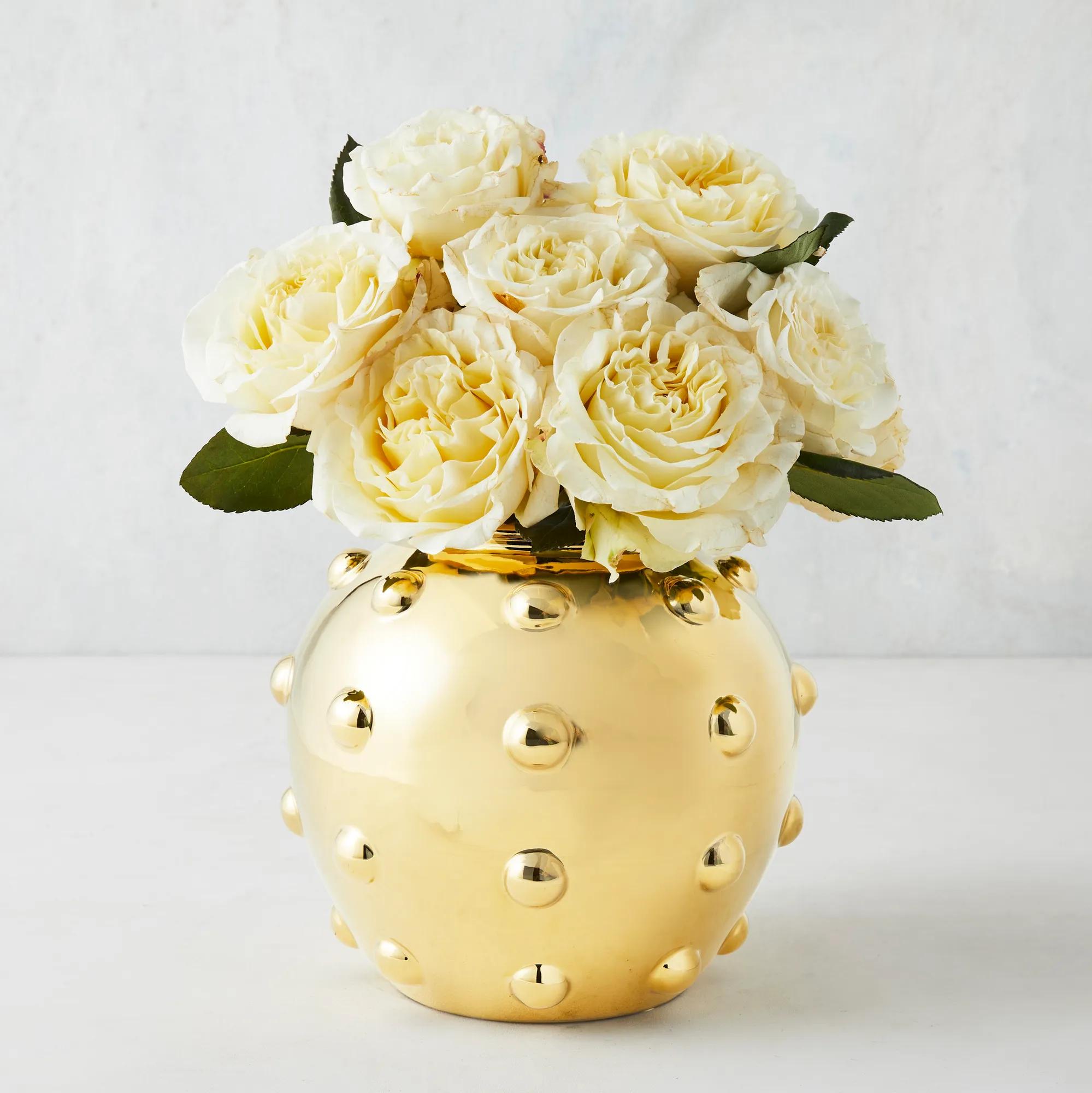
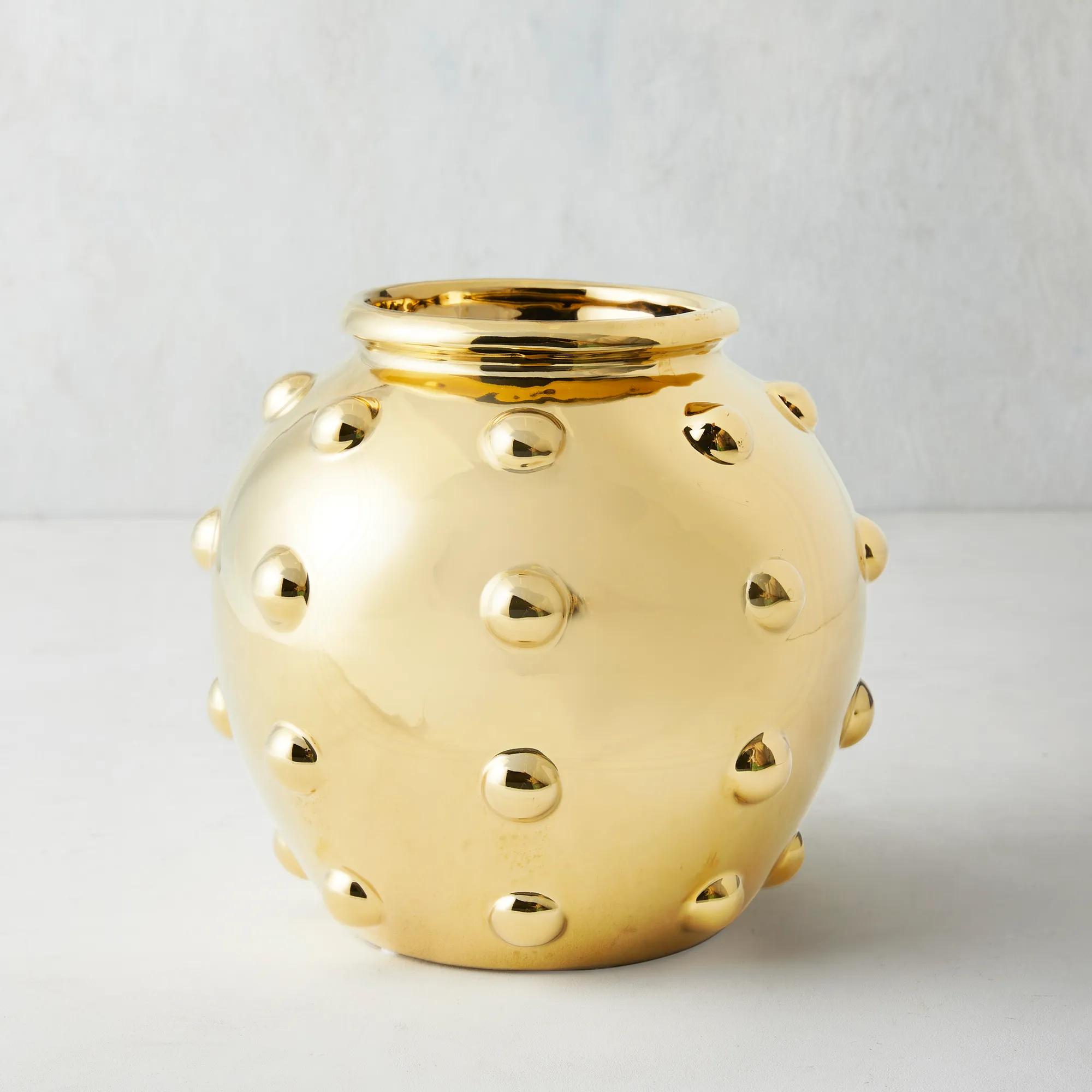 Orb Bauble Vase$59
A ceramic vase with a dimensional dot design and a gleaming gold finish for bold decor impact.
Add To Cart -
Miami Gold Ceramic High Gloss Vase 11.75"$69
A contemporary gold ceramic vase designed for decorative use as a sculptural accent or with foliage.
Add To Cart -
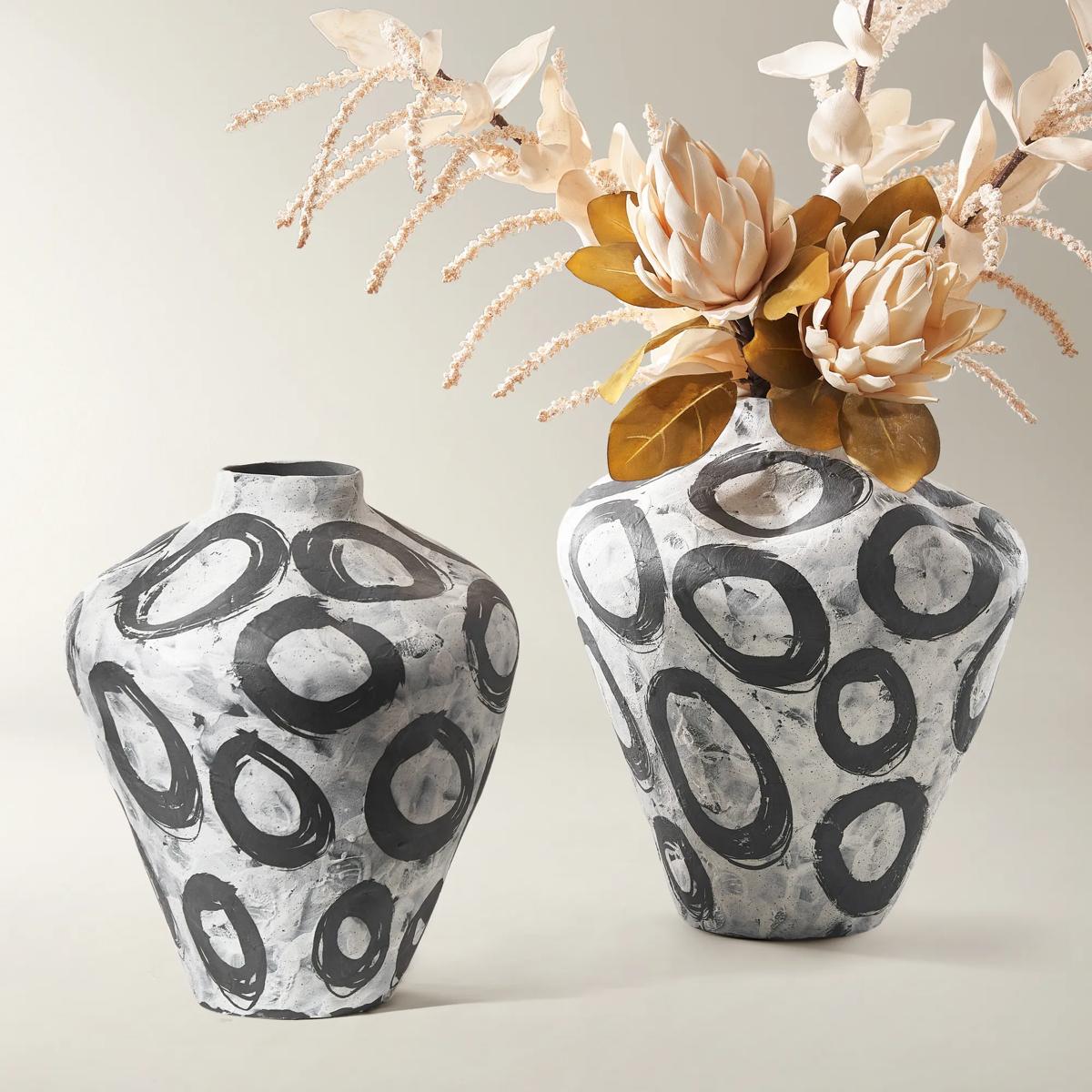
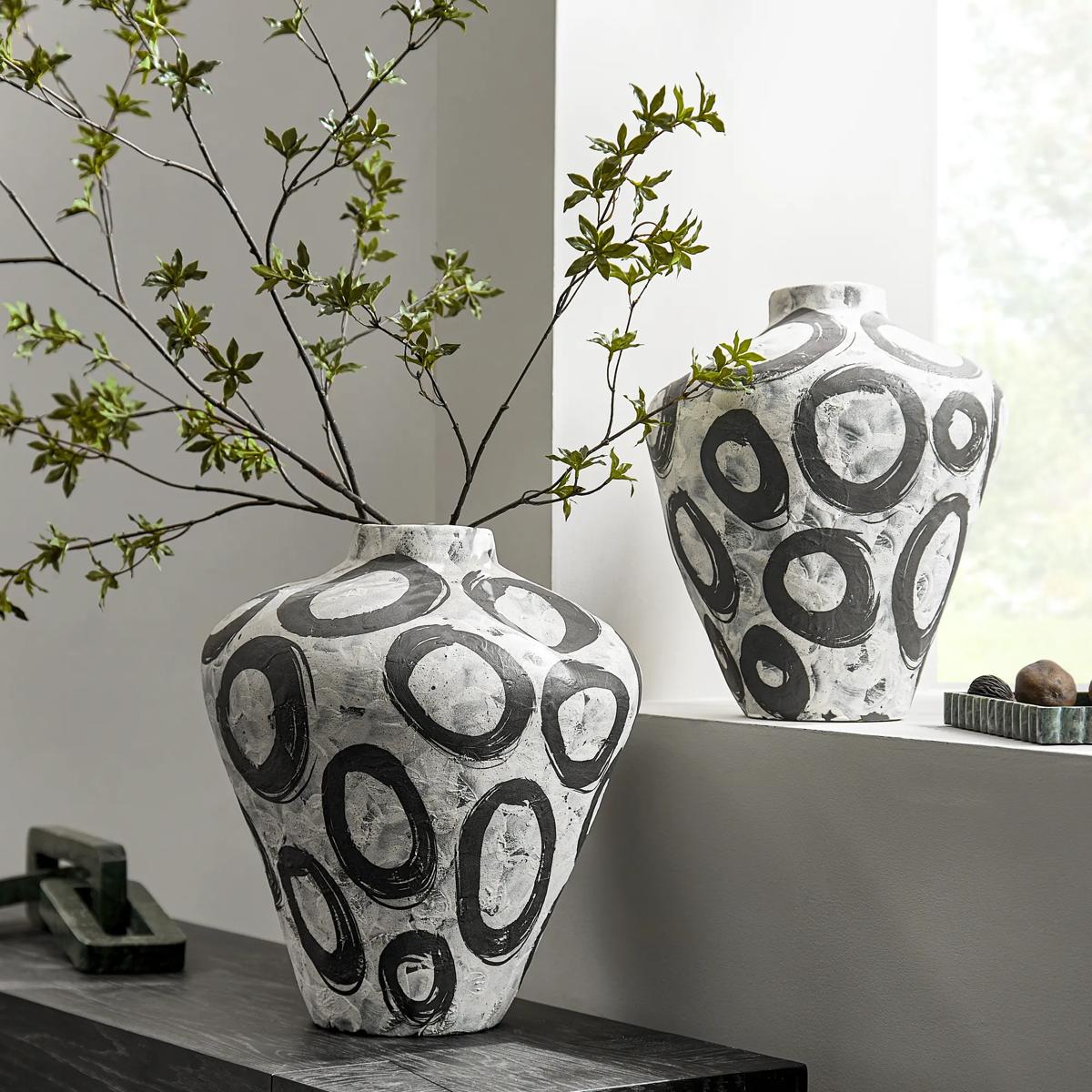 Stone Porcelain Vase$239
A sculptural porcelain vase featuring hand-painted black and white circular brushwork with a matte stone-like texture.
Add To Cart -
Miami Silver Ceramic High Gloss Vase 11.75"$69
A contemporary silver ceramic vase with a stylish gold glaze, perfect for decorative foliage or display.
Add To Cart -
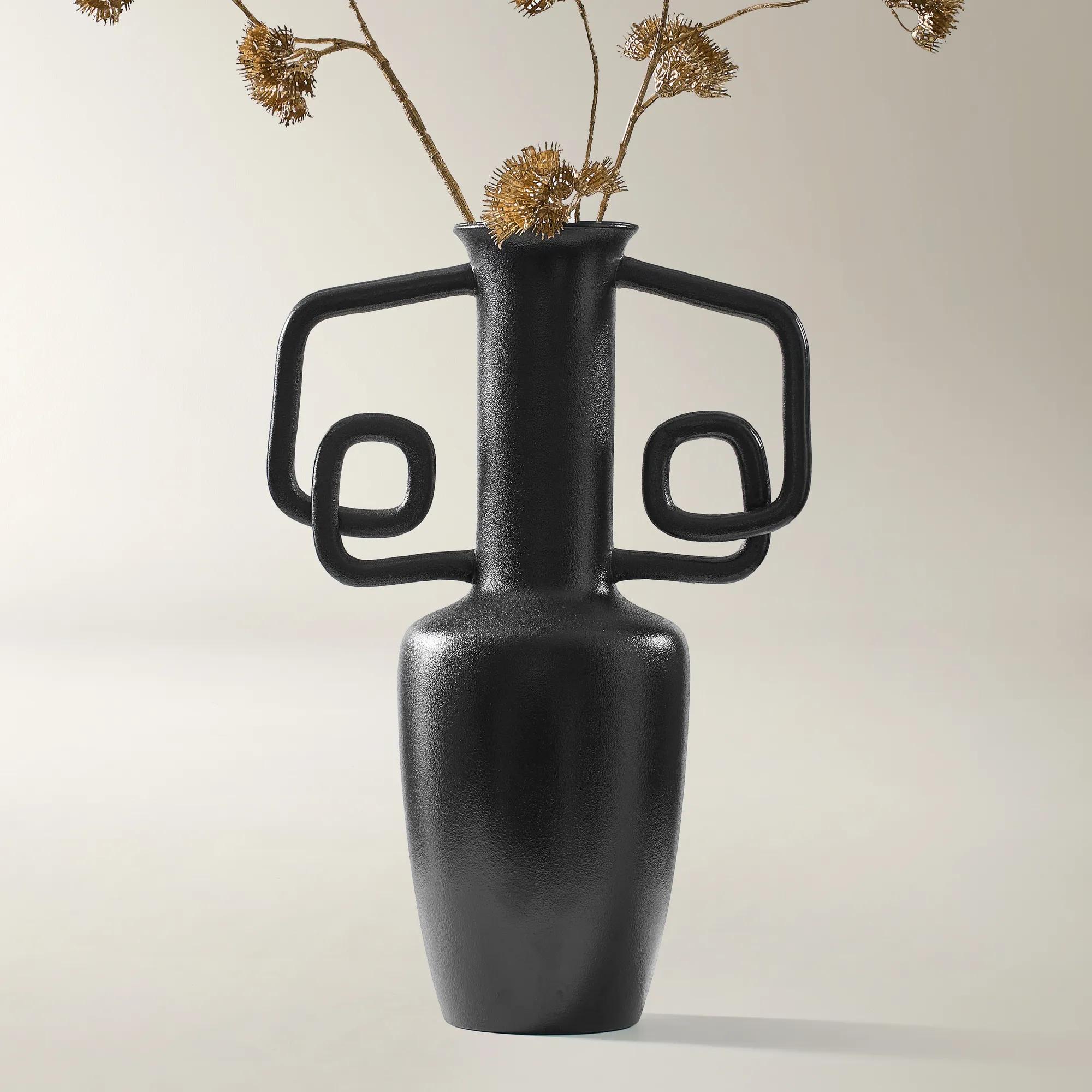 Cleo Handcrafted Black Porcelain Vase 19"$159
A sculptural black porcelain vase with exaggerated handles and a smooth, refined finish for modern decor.
Add To Cart -
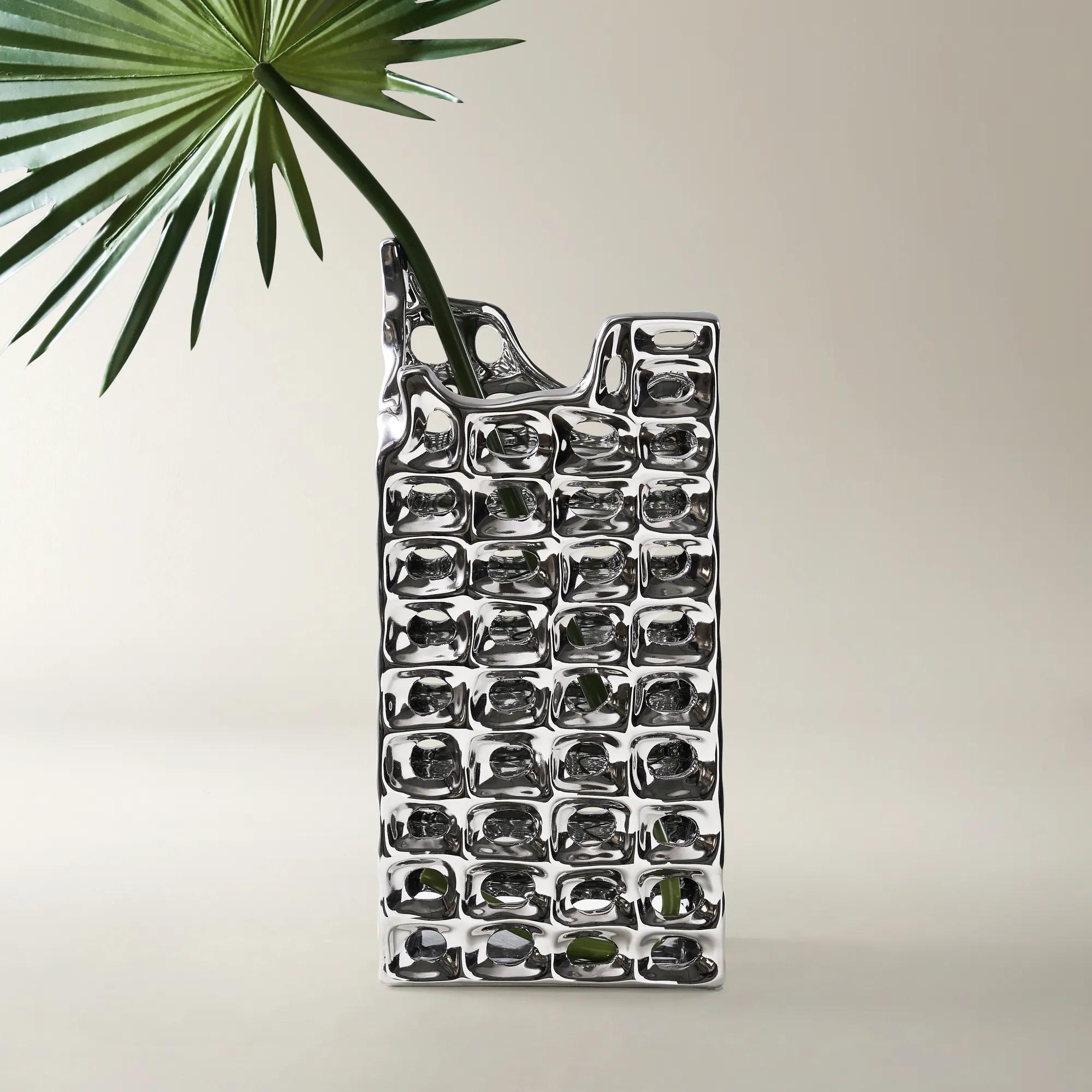
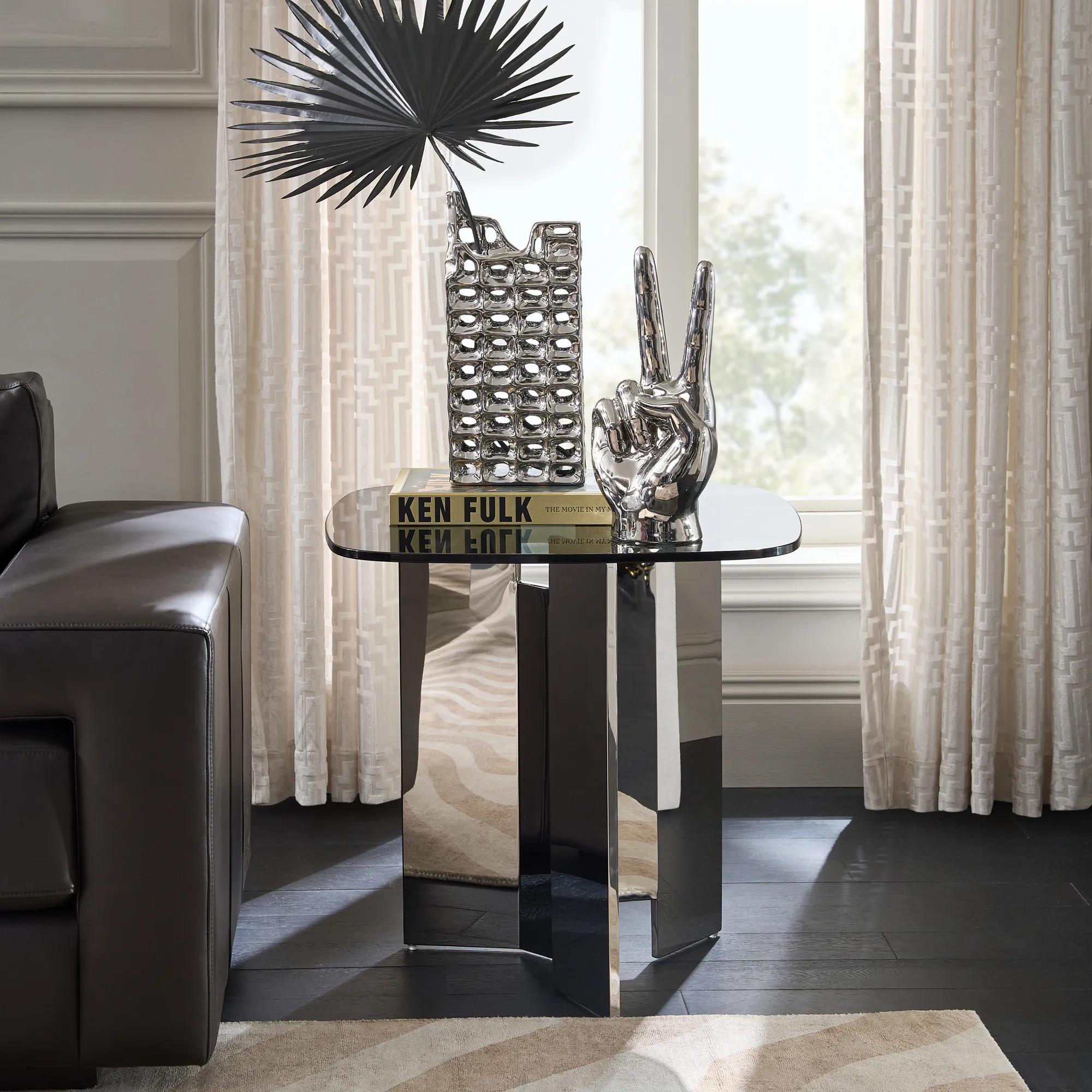 Pierce Vase$69
A ceramic vase with intricate facets and a gleaming silver finish for striking visual impact.
Add To Cart -
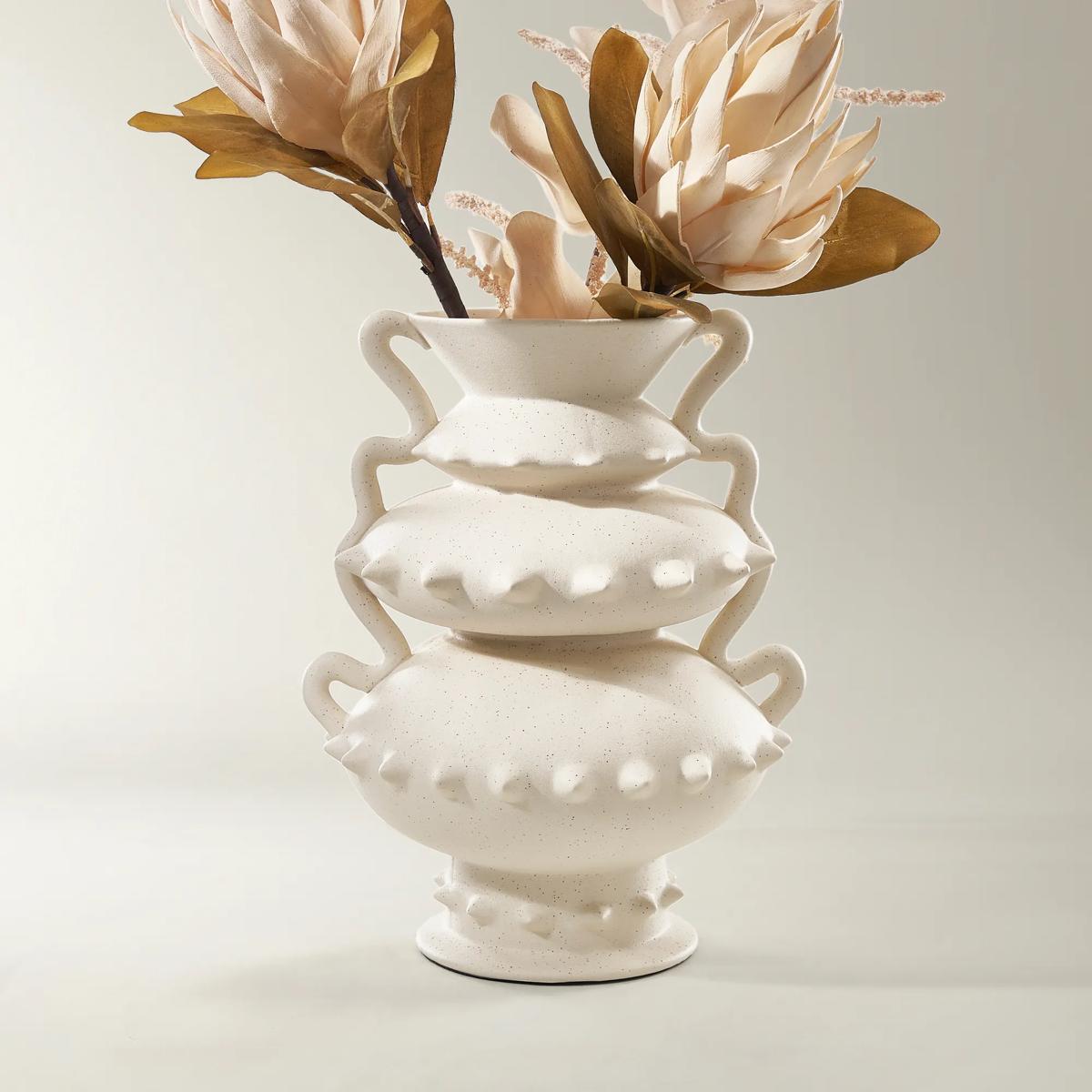 Savior Porcelain Vase - Ivory$189
An ivory porcelain vase featuring sculptural handles, tiered silhouette, and a matte, softly speckled finish.
Add To Cart -
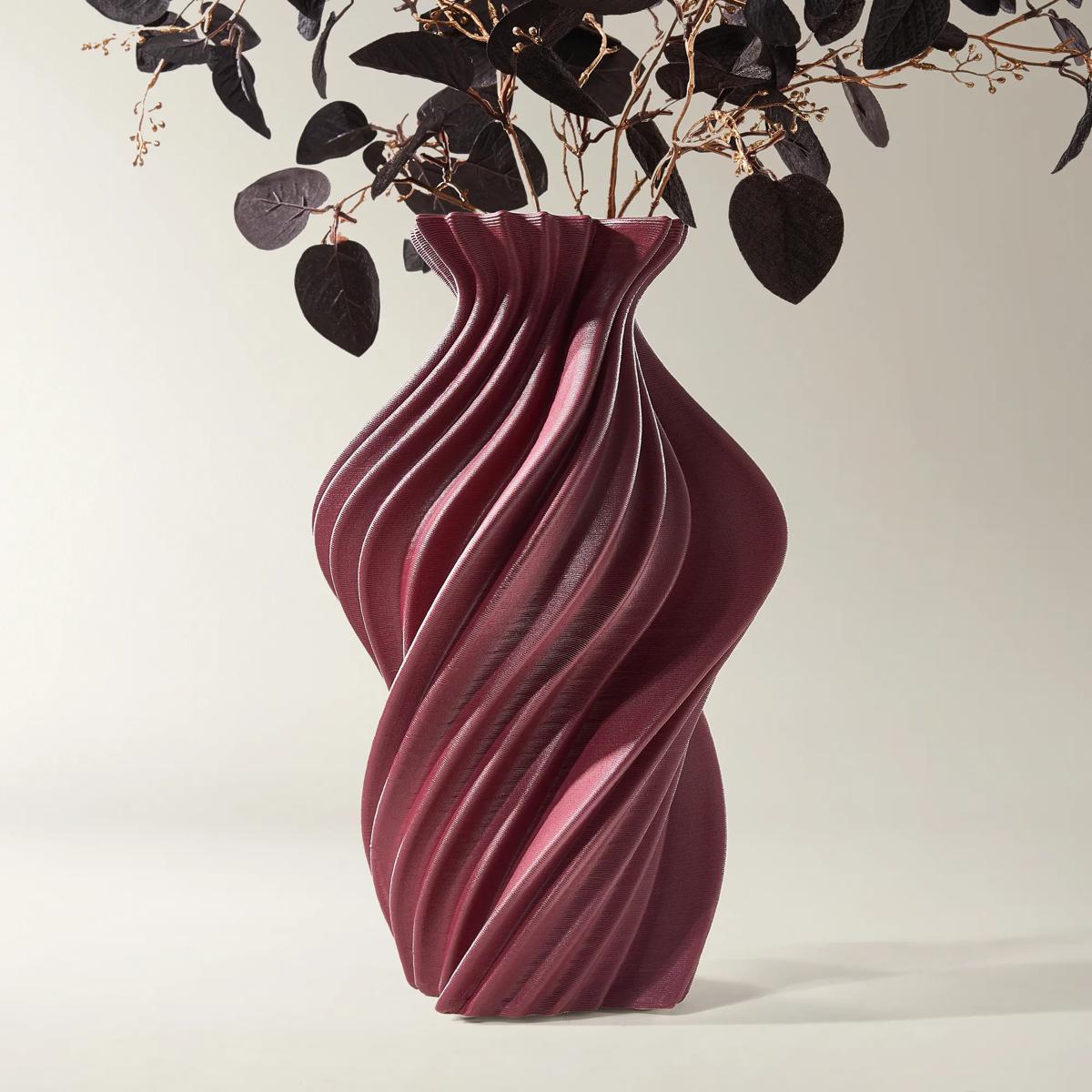
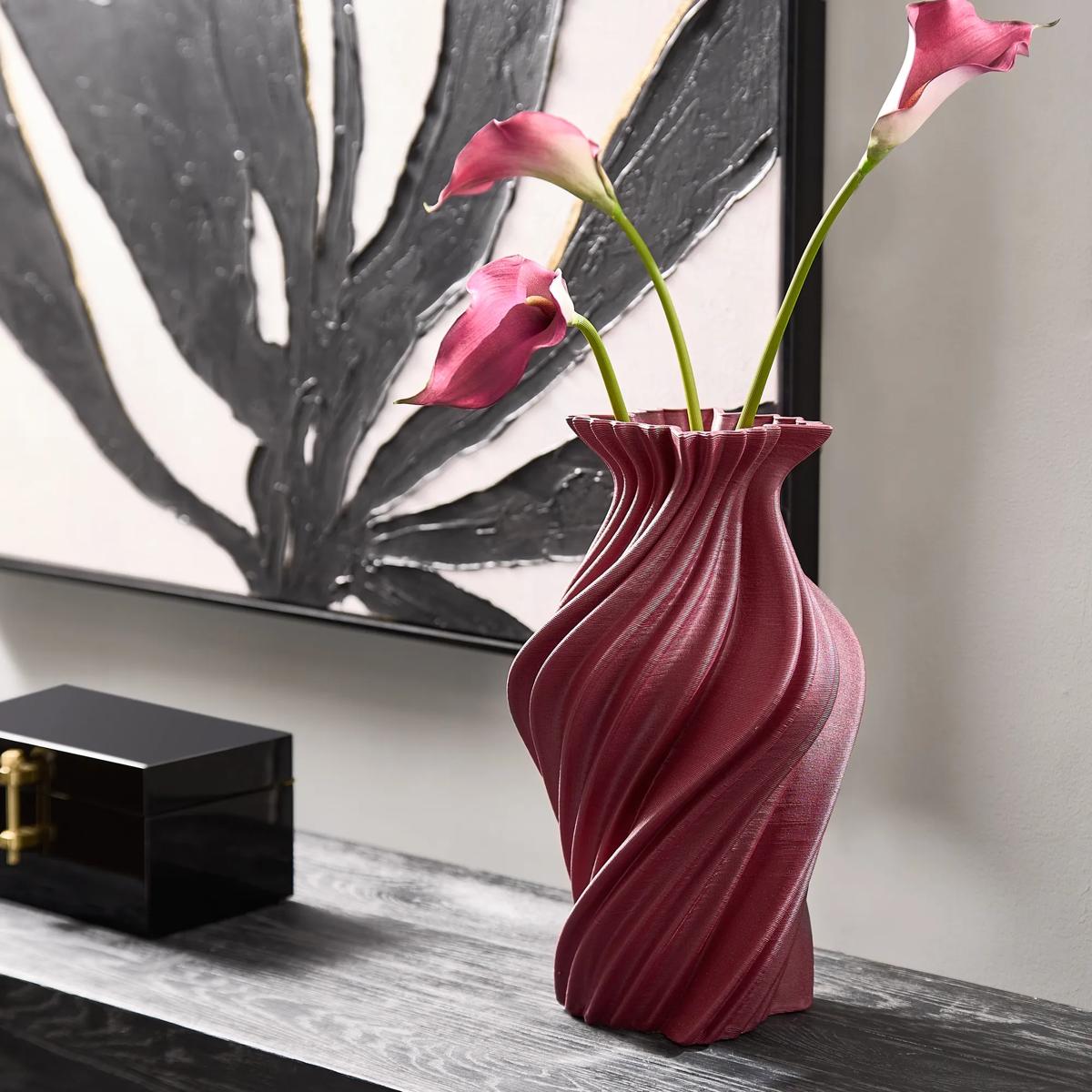 Flame Deep Red Porcelain Vase 16.25"$119
A sculptural porcelain vase in deep red with a dynamic, twisted silhouette inspired by flowing flames.
Add To Cart -

 Madre Handcrafted Ivory Porcelain Vases$149
A handcrafted ivory porcelain vase with cascading textured fronds and a sculptural matte finish.
Add To Cart -
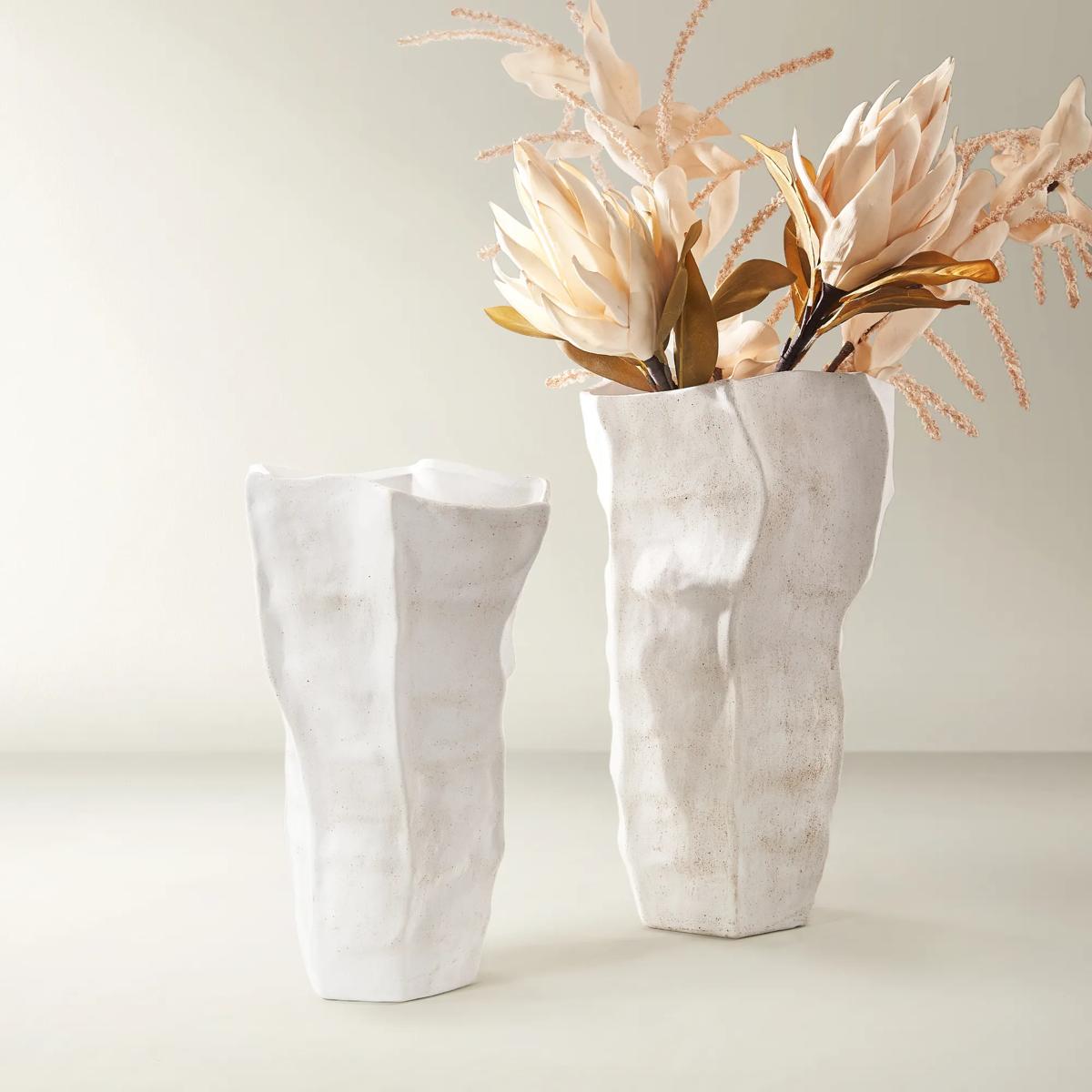 Kira Porcelain Vase$169
A sculptural matte white porcelain vase with a fluid, faceted design for modern, minimalist decor.
Add To Cart -
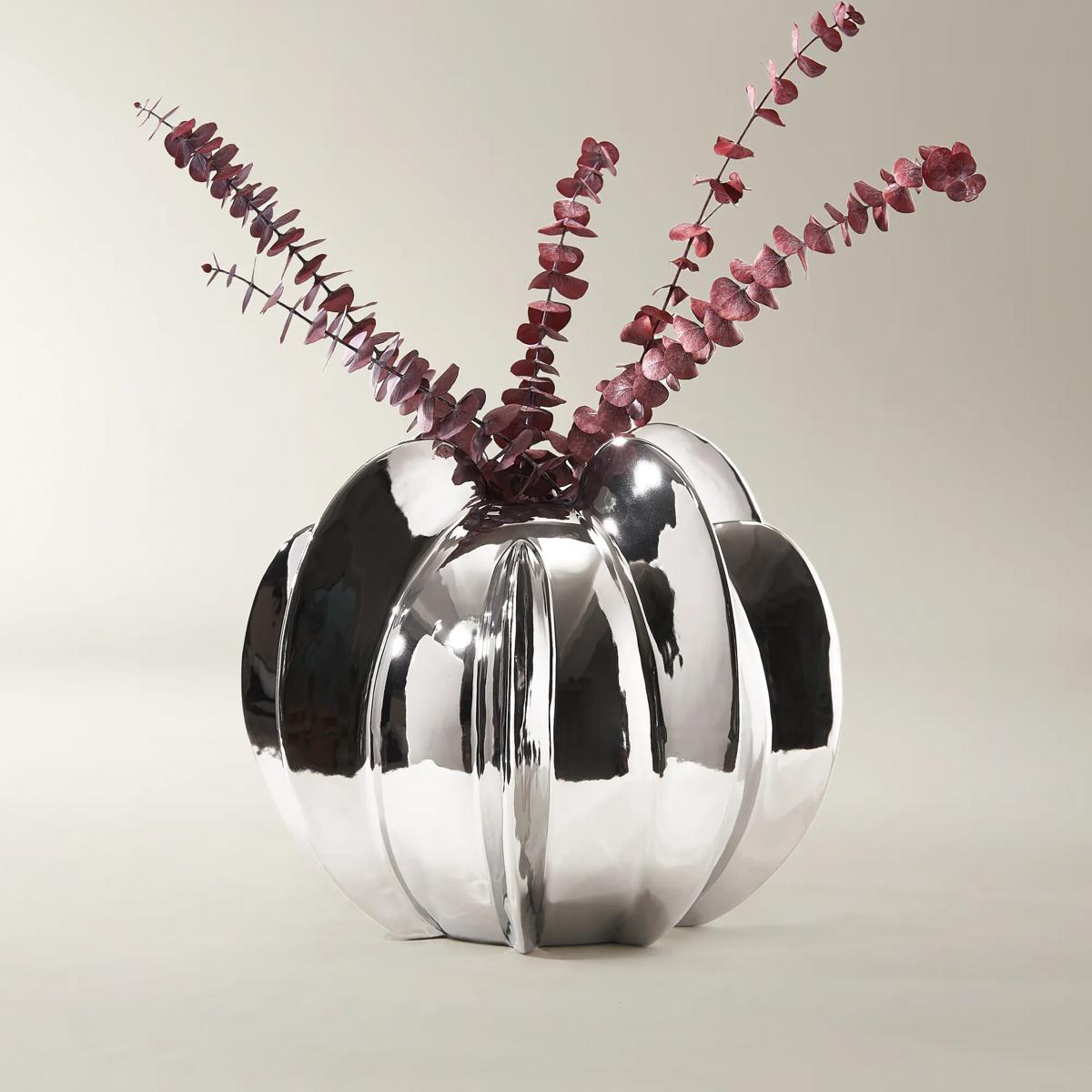
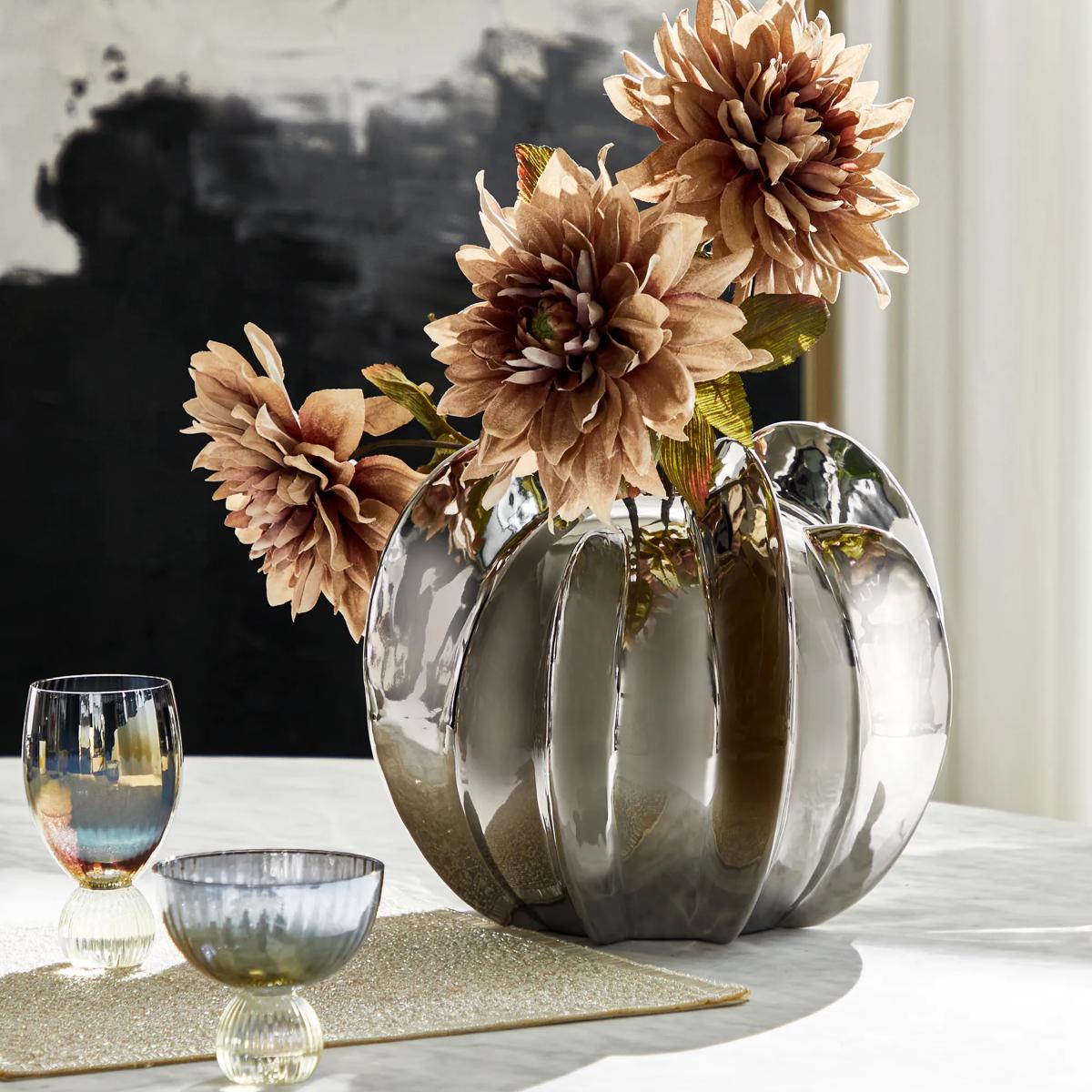 Voyage Vase$99
A reflective silver ceramic vase featuring a bold orb shape and dimensional vertical finned texture.
Add To Cart

Sculptural Ceramic Vases For Accent Tables
Sculptural ceramic vases turn an accent table into an artful focal point, bringing expressive contours and dimensional detail to your living room. Explore statement silhouettes with an eye for texture, finish, and proportion—whether you envision a striking standalone vessel beside the sofa or a layered arrangement that gives your space a distinctly collected character.
Sculptural ceramic vases for accent tables bring the presence of art to the places that shape everyday living: beside a favorite chair, at the end of a sofa, or on a pedestal table that deserves a distinctive finishing touch. Their appeal begins with silhouette. A rounded body with a slender neck feels different from an angular vessel with an off-center opening; an open-loop form introduces negative space, allowing the wall color or a sliver of lamplight to become part of the composition. These are decorative objects with enough character to stand alone, whether filled with a few architectural stems or left empty to reveal the full sweep of their contours. Ceramic gives those shapes a particular richness. Depending on the clay body and firing process, the surface may appear finely grained, softly irregular, or polished beneath a luminous glaze. Earthenware, stoneware, and porcelain each offer distinct possibilities, although weight, strength, and water resistance depend on the individual construction and finish rather than the material name alone. A matte finish draws attention to curves and shadow, while a glossy glaze catches light along a shoulder or rim. Ribbed, carved, and subtly textured surfaces add another dimension, especially against a smooth stone tabletop or a mirrored accent table. Color can be equally expressive: ivory lends sculptural clarity, charcoal creates a dramatic outline, and saturated hues turn a compact vessel into a deliberate focal point. For a room already rich in pattern, a single-color vase offers visual definition without introducing another motif. In a quieter interior, an unexpected profile can supply the drama. The result is not simply a place to hold flowers, but a concentrated expression of personal style—an object that rewards a closer look and gives a small surface a stronger identity. Even when flowers are absent, a carefully chosen vessel can hold the composition together, linking the table’s finish with nearby upholstery, artwork, or lighting through a shared tone or an echoing curve.
Scale determines how comfortably a ceramic vase belongs on an accent table. A broad, low vessel has a grounded presence beside generous upholstery, while a taller, narrower silhouette can give a compact arrangement height without occupying the entire surface. Overall dimensions matter more than height alone: a flared rim, projecting handle, or sculpted shoulder may extend well beyond the base. On a petite drink table, a restrained footprint preserves space for a glass; on a larger side table, a more substantial form can balance a lamp and a short stack of books. The relationship between these objects is where the composition gains its sophistication. A curving vase softens the lines of a square table, while a sharply defined profile brings contrast to a round top. Beside a lamp, variations in height keep the arrangement from appearing rigid, provided the vessel does not crowd the shade or interfere with the light. Near a sofa, the most successful proportions also respect conversation and movement, leaving sightlines open and keeping delicate rims away from passing elbows. A vase intended for stems needs additional consideration: the opening influences how loosely branches spread, and a narrow neck can support a few stems with greater definition. An asymmetric vessel with a small opening may be most compelling with one sweeping branch, while a wider mouth can accommodate a fuller arrangement when the vessel is designed for that use. Empty display is equally intentional, particularly for forms whose openings or interior curves are part of their artistry. For spaces that call for a complementary statement beyond the tabletop, Sculptural Ceramic Floor Vases offer a related category at a different scale. Repeating a finish or contour between tabletop and floor-level accents can connect separate areas of a room without making every object match. That visual thread is especially effective in an open living space, where a ceramic accent beside a reading chair can quietly relate to a larger arrangement across the room.
The lasting pleasure of a sculptural ceramic vase depends on choosing a form and finish suited to its intended use. Decorative ceramics are not automatically watertight, even when the exterior has a glazed appearance. For fresh flowers, the vessel’s stated suitability for holding water is essential; a separate watertight insert may be appropriate only when its fit and the vase’s care instructions allow it. Dried botanicals and faux stems offer another avenue for display, bringing height and movement without requiring water, though their scale should still feel balanced against the vessel’s base. Ceramic is rigid and can be durable in a settled display, but a projecting detail or thin rim remains vulnerable to knocks. A stable base and a position away from a table’s edge are especially valuable in busy living rooms or homes with children and pets. The underside deserves attention, too: unglazed ceramic can be abrasive against wood, glass, or stone, making a suitable nonstaining protective pad a thoughtful addition when compatible with both surfaces. Routine care is generally gentle rather than intensive. A soft, dry cloth or soft brush can lift dust from curves and recessed textures; any damp cleaning should follow the maker’s directions, particularly with porous surfaces, painted details, crackle glazes, or metallic finishes. Abrasive cleaners, prolonged soaking, and dishwasher cleaning may damage decorative treatments unless expressly permitted. These practical considerations leave the artistry free to take center stage. For someone furnishing a first home, refreshing a reading corner, or collecting distinctive decorative objects, a sculptural vase offers expression without demanding a large footprint. It can also make a considered housewarming or wedding gift when its proportions and palette reflect the recipient’s space. A neutral vessel with an intriguing contour suits someone who enjoys changing arrangements, while a more assertive color or shape speaks to a confident collector. Whether displayed alone or in a deliberate grouping, ceramic brings an enduring balance of substance, surface, and sculptural intrigue to the accent table.
FAQs
A sculptural vase places artistic emphasis on its silhouette, surface, or dimensional details. Expressive curves, unexpected openings, dramatic handles, and raised textures can give the vessel the visual presence of an art object, even without an arrangement.
Yes. Stoneware and porcelain are both types of ceramic. Each can take on a range of shapes, textures, and finishes, so the material name alone does not define the vase’s appearance or intended use. Review the individual description for those details.
Absolutely. An empty vase lets its contours, openings, and surface details become the focus. Give an expressive silhouette space around it, or place it against a contrasting backdrop so its artistry remains visible.
Follow the individual vase’s care instructions, especially for metallic finishes and intricate surfaces. Where dry dusting is recommended, use a soft, dry cloth and work gently around raised details. Avoid assuming that every decorative finish can be washed or scrubbed.
Take cues from the recipient’s interiors: their preferred palette, balance of texture and shine, and appetite for expressive design. A form that echoes their taste feels considered, while an unexpected contour adds a distinctive artistic note to their new home.