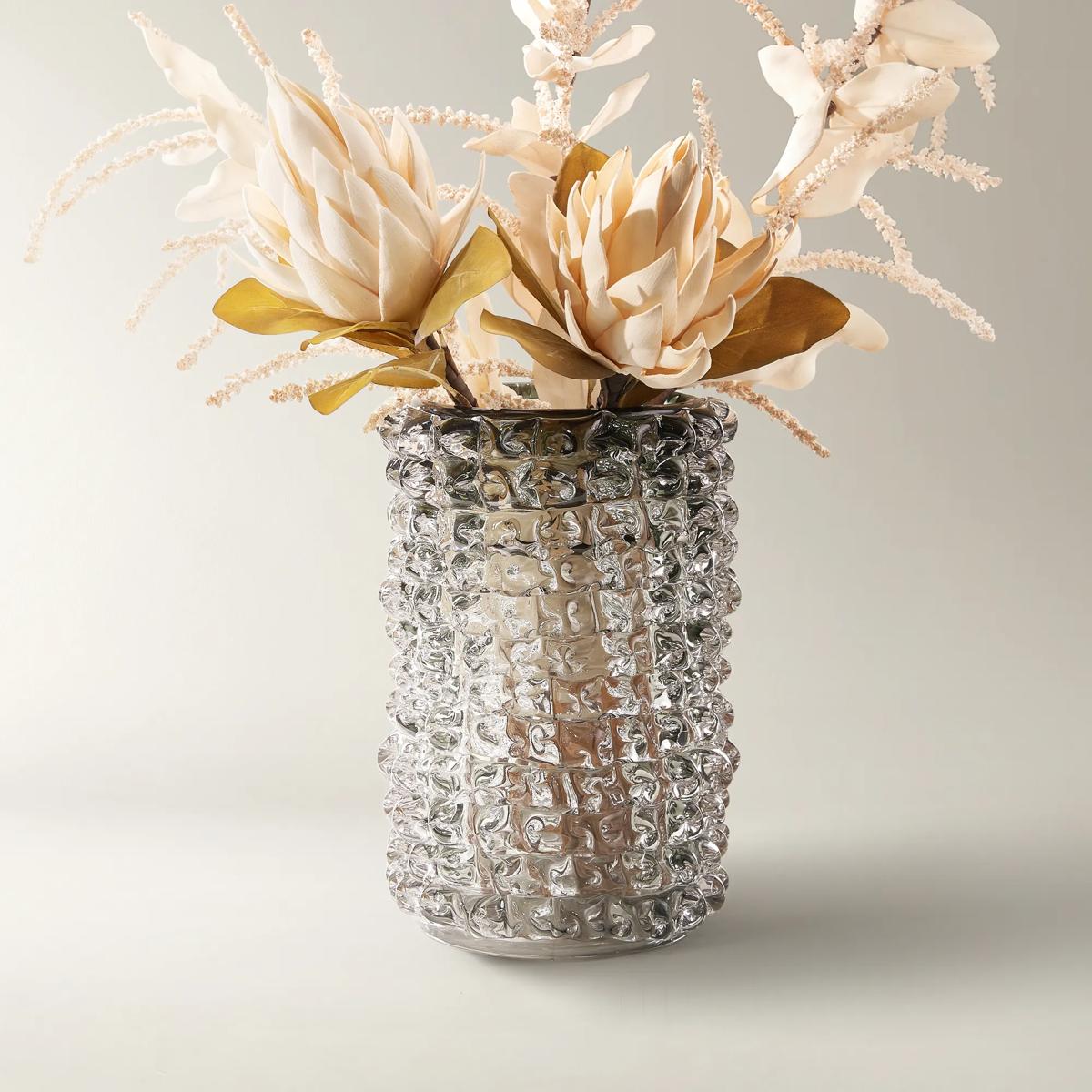
Unique Ceramic Vases
Unique Ceramic Vases
-
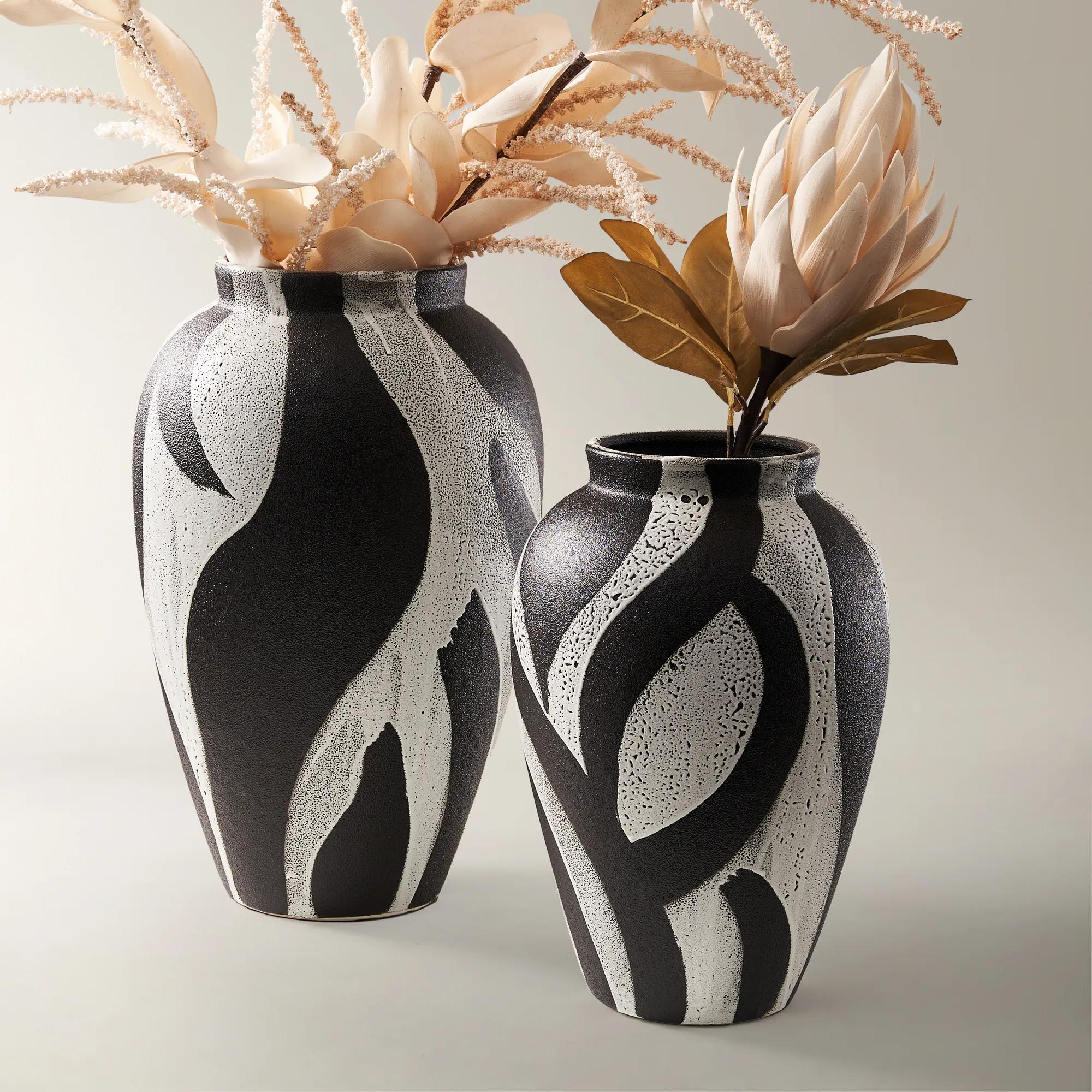 Montae Abstract Zebra Ceramic Vases$149
A ceramic vase featuring expressive black-and-white abstract zebra striping and a rounded, tapered silhouette.
Add To Cart -
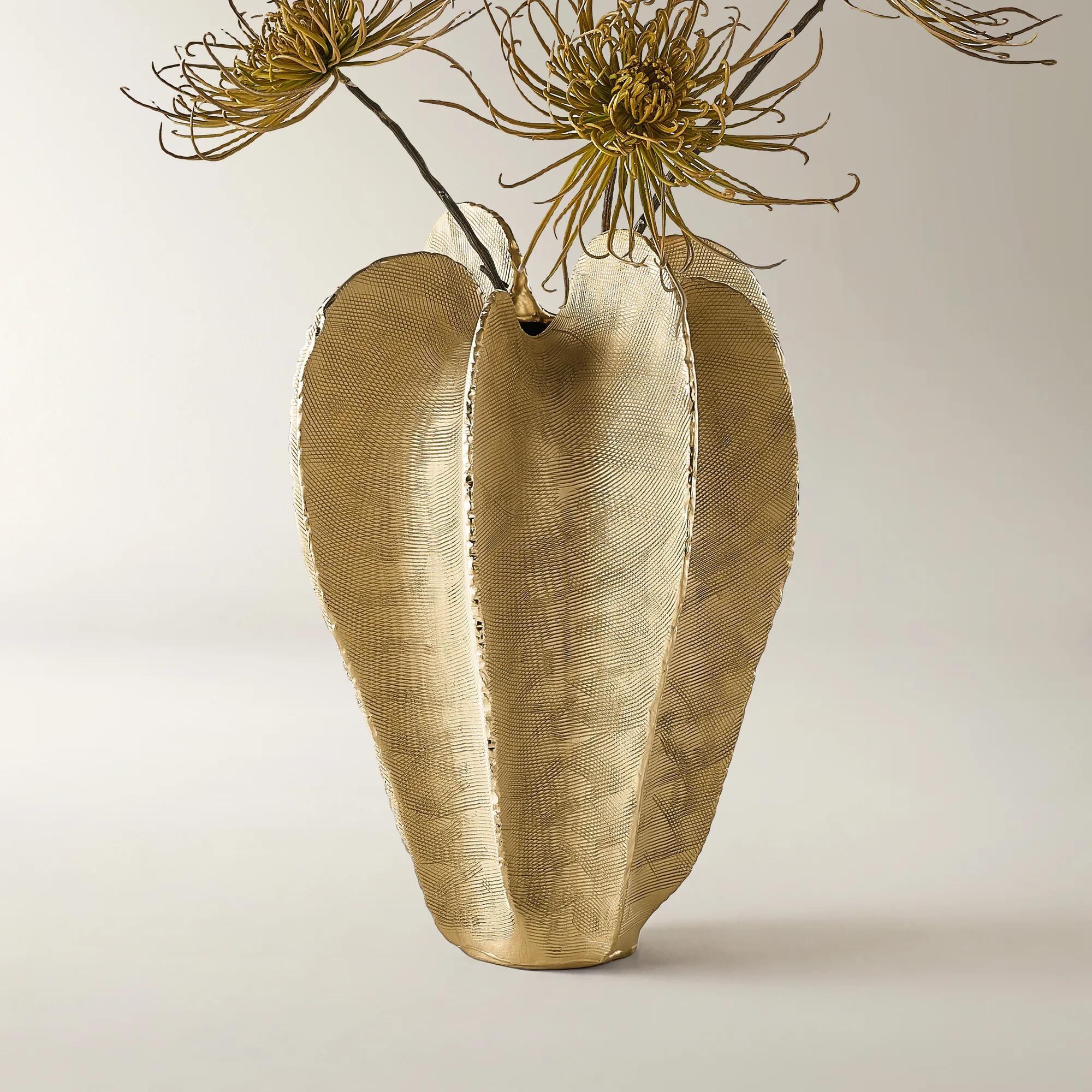 Kosta Soft Gold Textured Ceramic Vase 15.75"$129
A sculptural stoneware vase in a soft gold finish that adds artisanal texture and refined glamour.
Add To Cart -
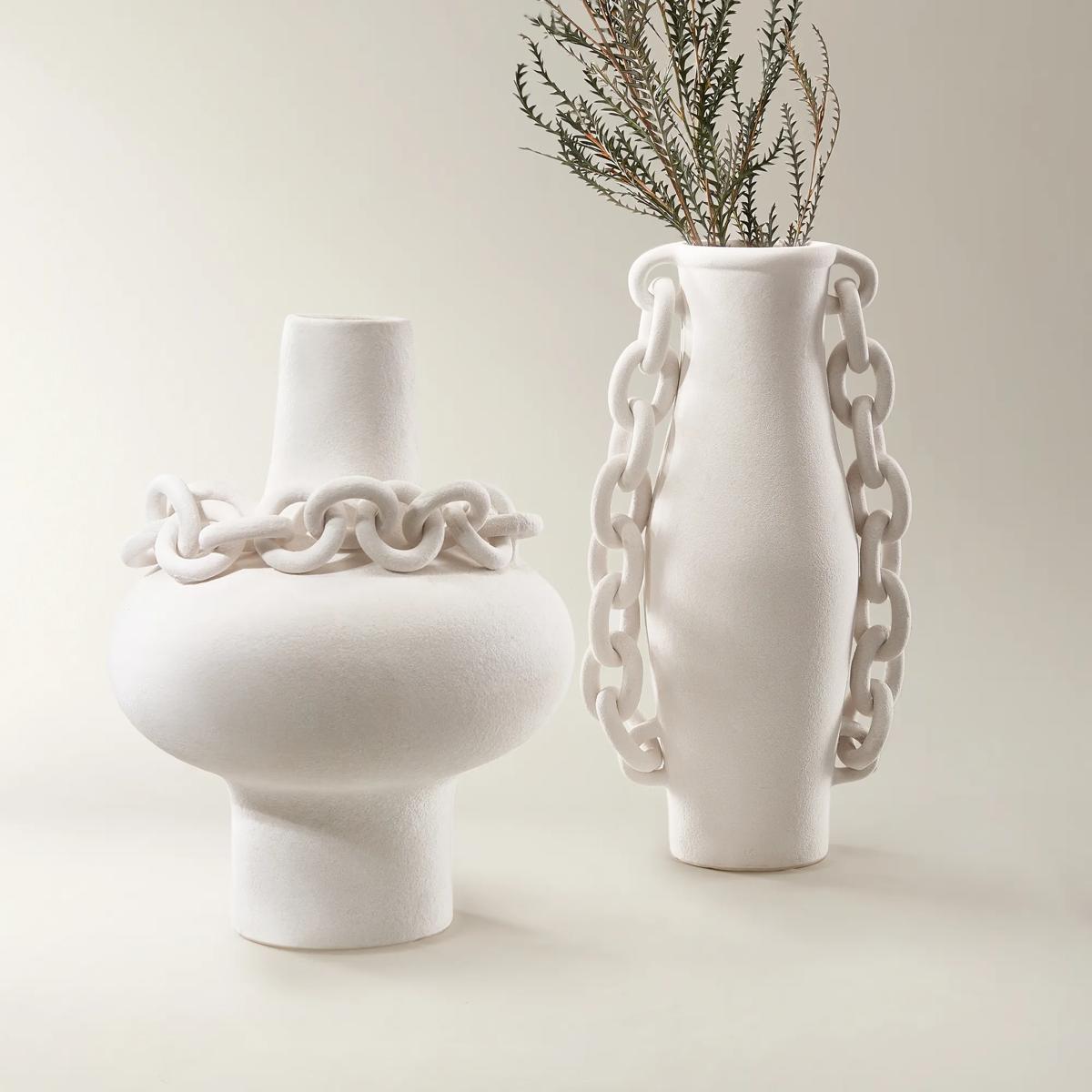
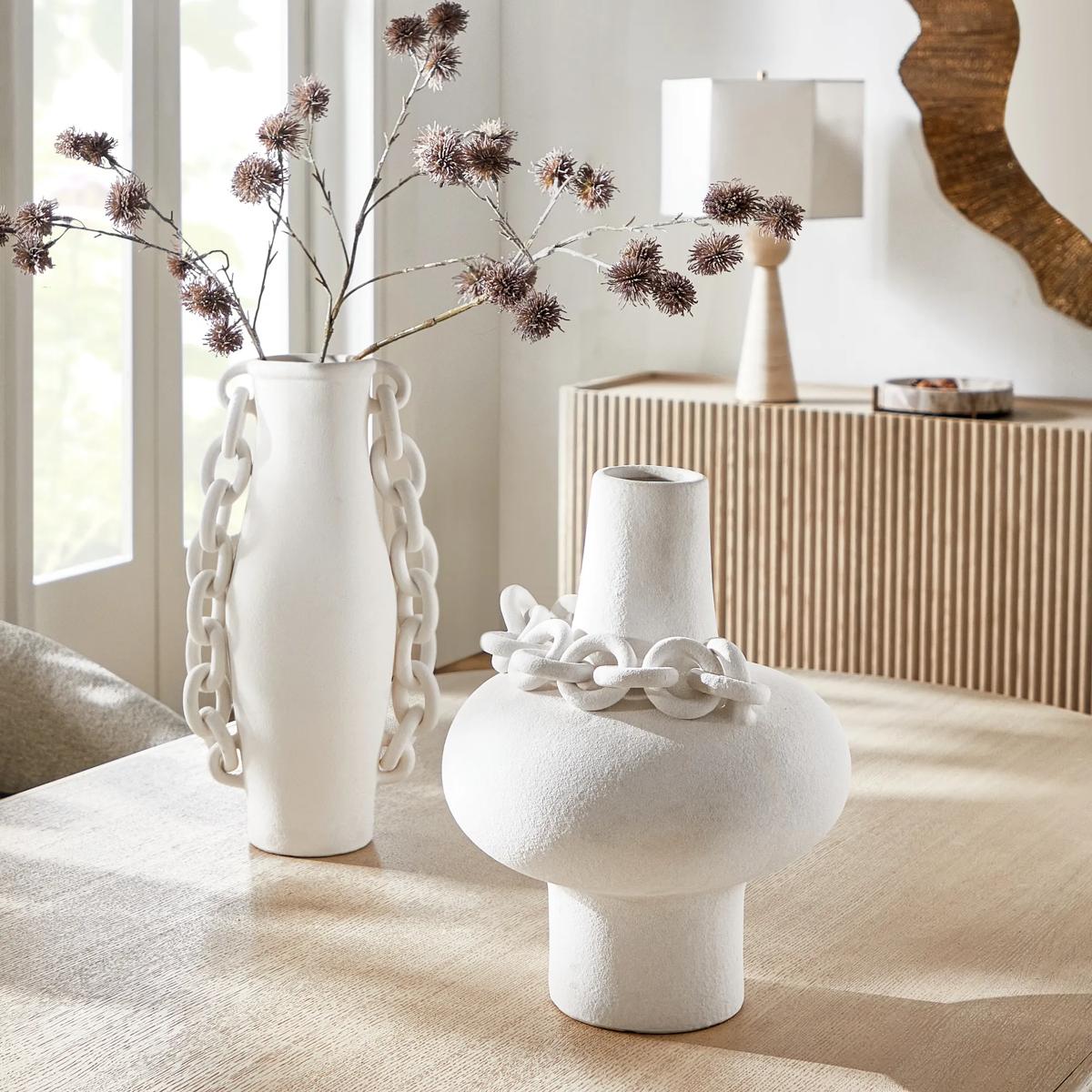 Links Stoneware Vases$119
A sculptural matte white stoneware vase featuring bold chain-link details for modern, artful texture.
Add To Cart -
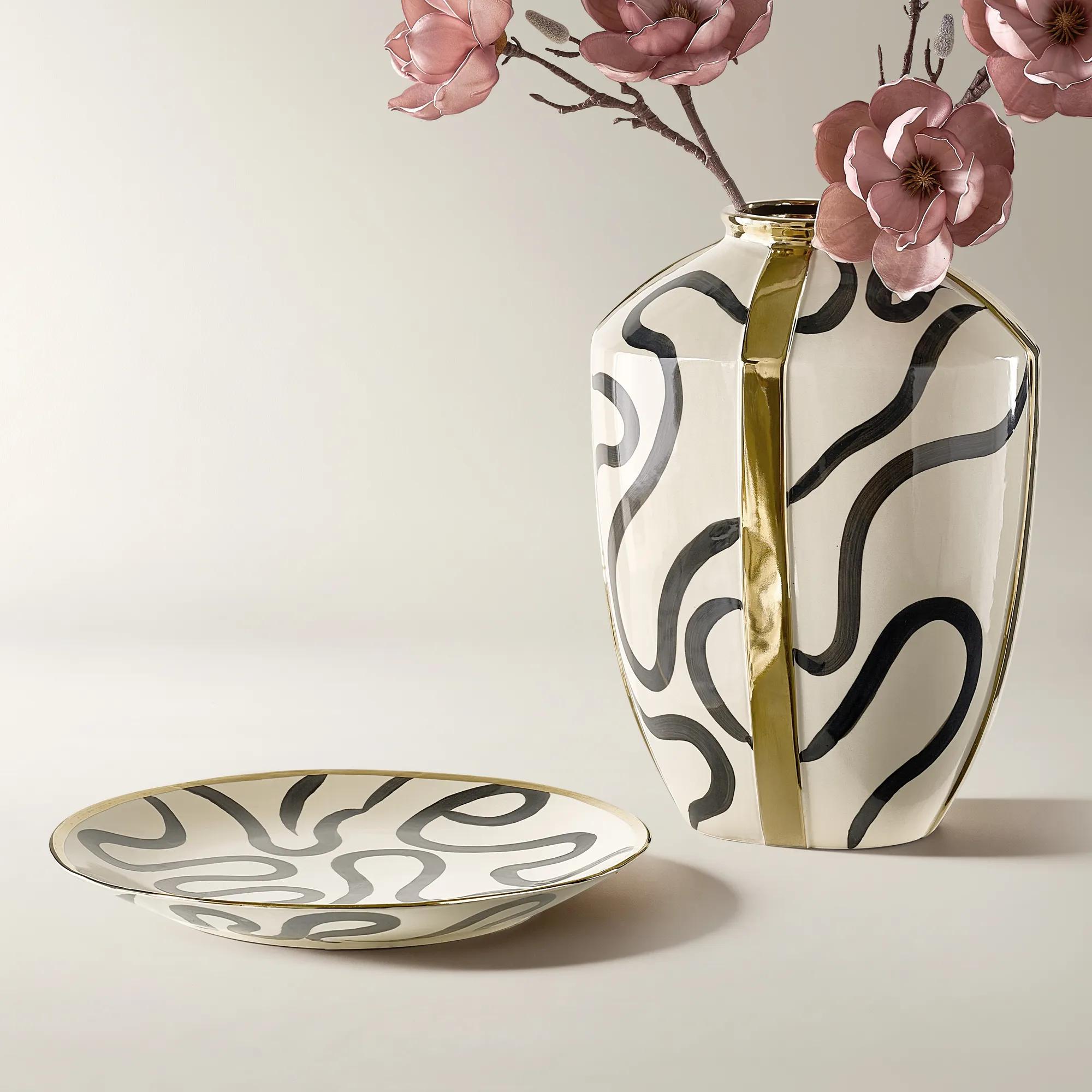
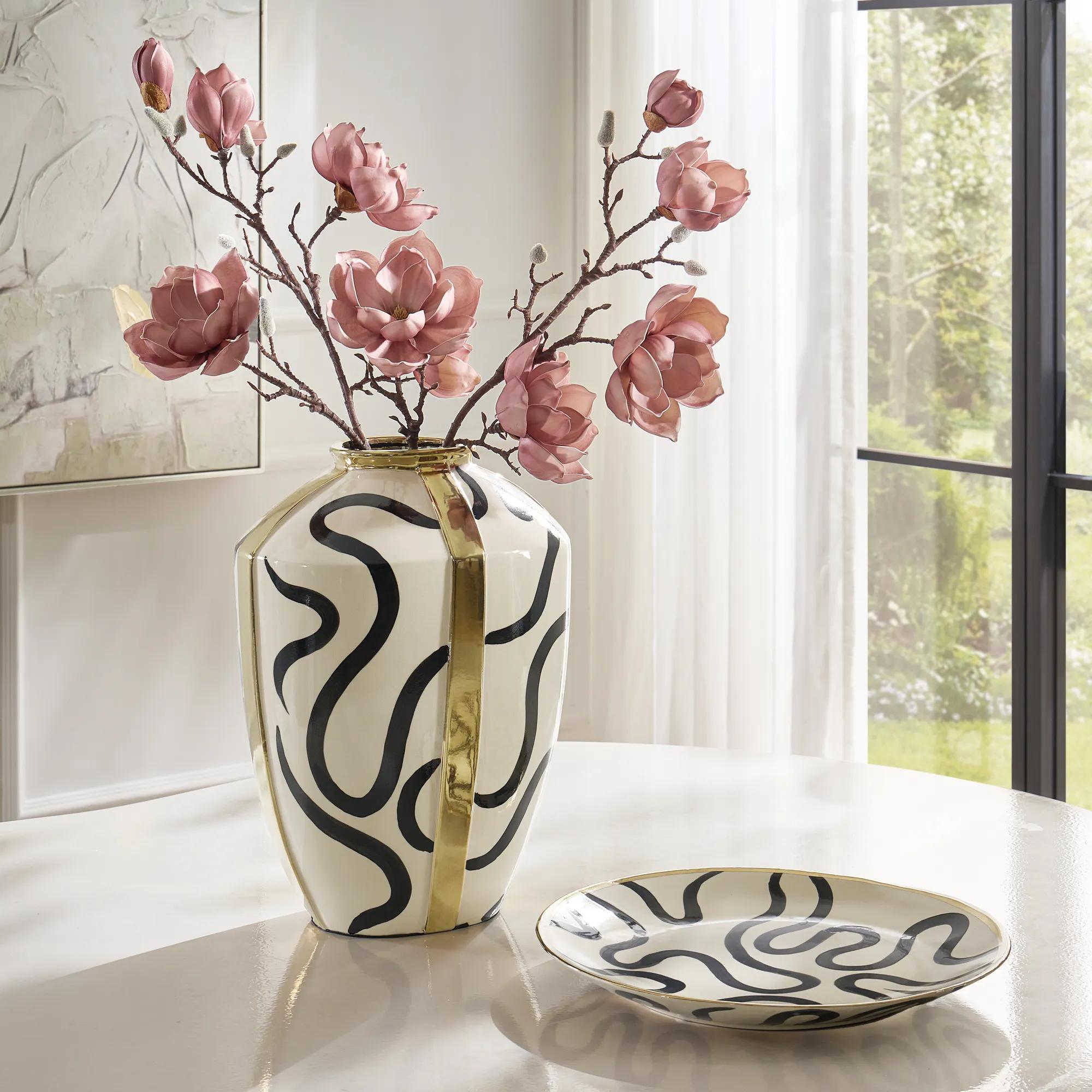 Sonder Soft Gold Black Ceramic Vase & Plate$99
A sculptural ceramic vase featuring interlacing wavy loops in soft gold, alabaster, and black tones.
Add To Cart -
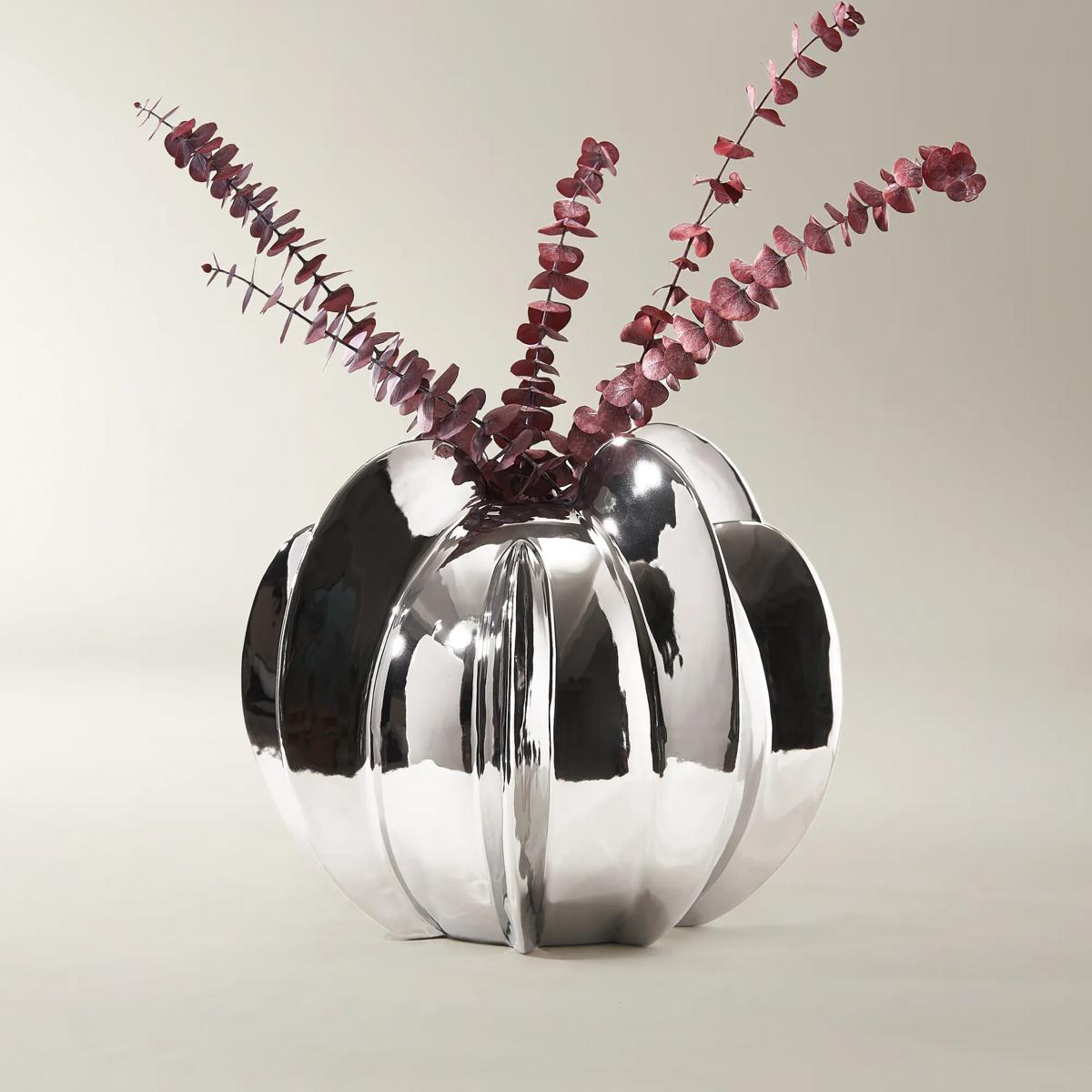
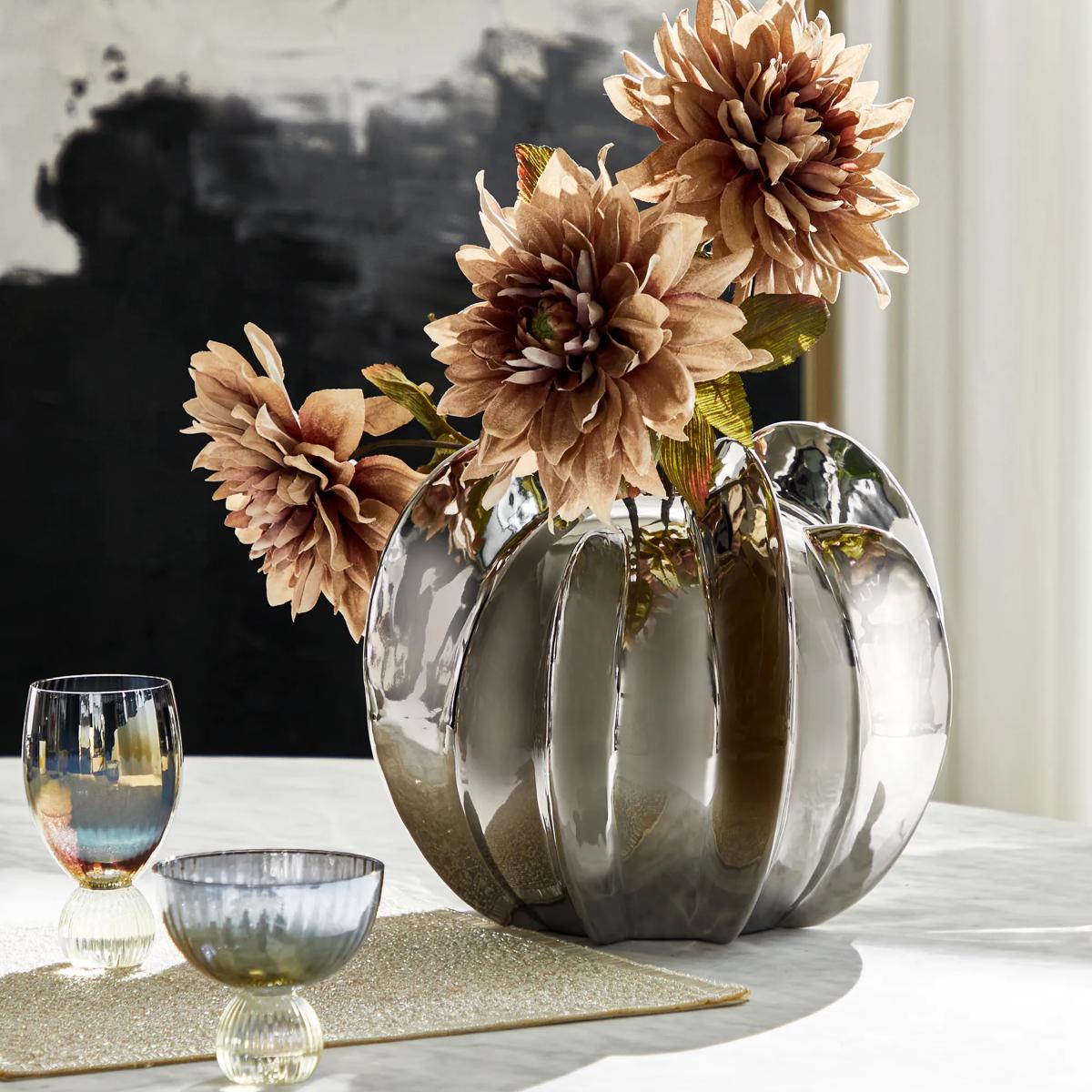 Voyage Vase$99
A reflective silver ceramic vase featuring a bold orb shape and dimensional vertical finned texture.
Add To Cart -

 Miami Gold Ceramic High Gloss Vase 11.75"$69
A contemporary gold ceramic vase designed for decorative use as a sculptural accent or with foliage.
Add To Cart -
Miami Gold Ceramic High Gloss Vase 18.5"$69
A contemporary gold ceramic vase designed for decorative use or displaying faux foliage.
Add To Cart -
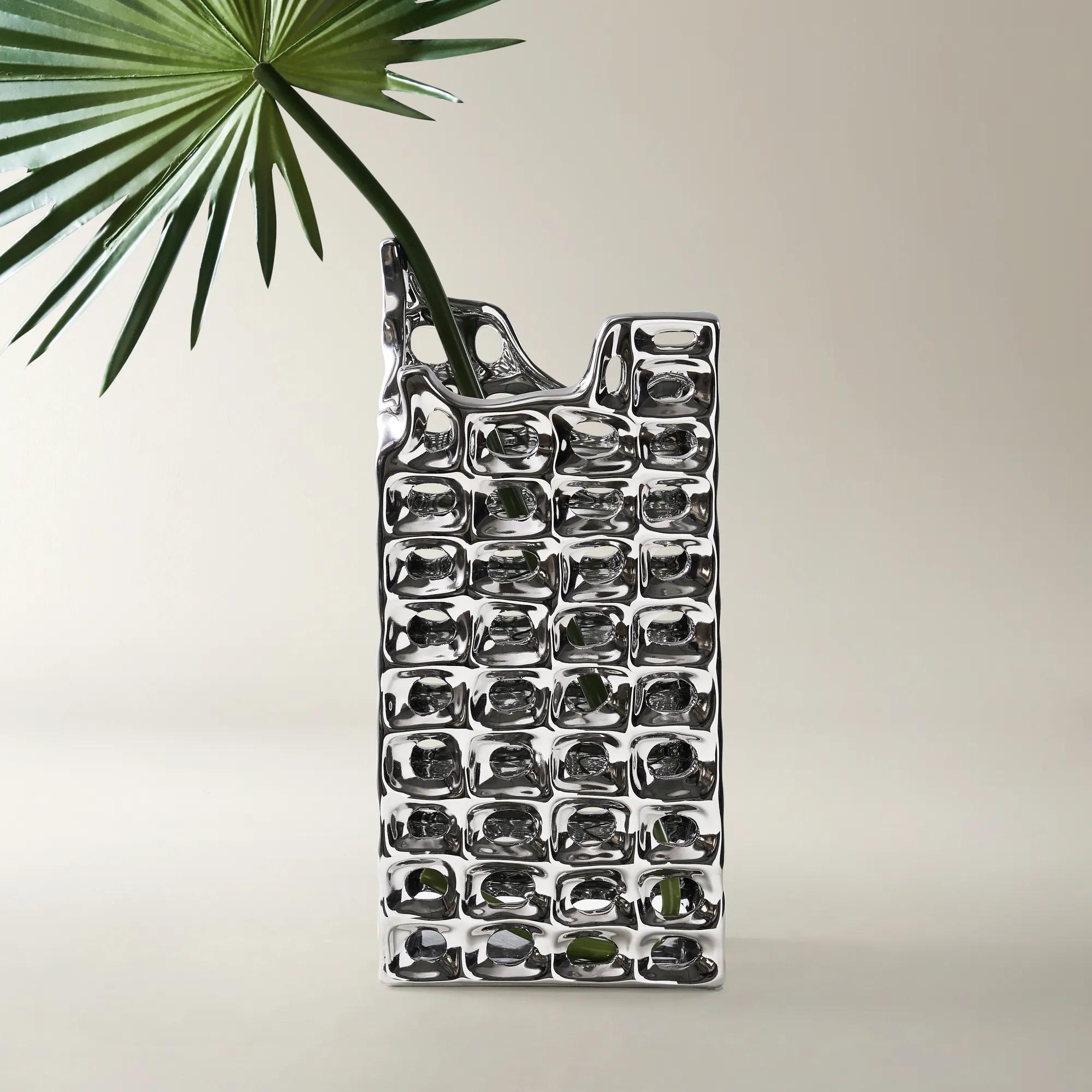
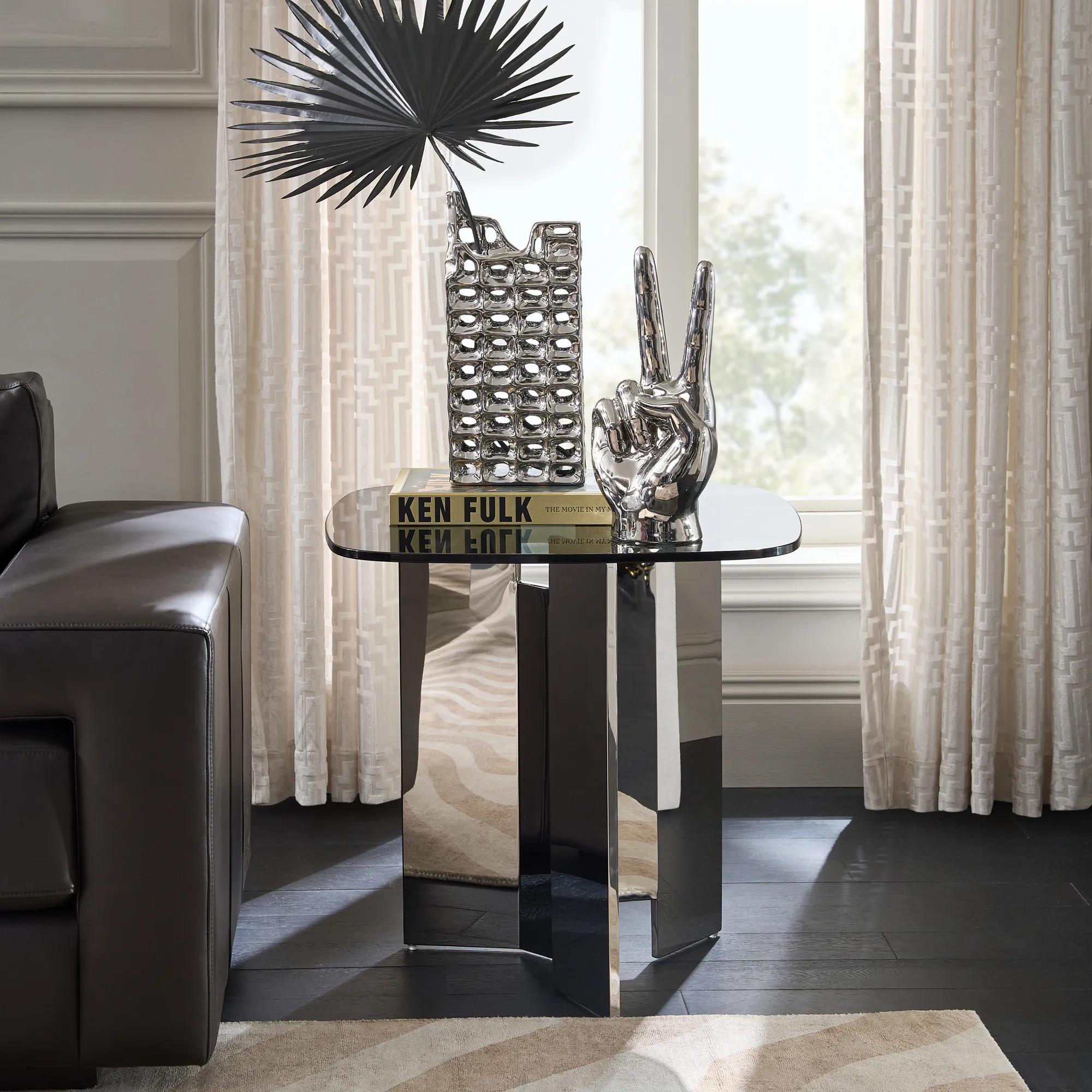 Pierce Vase$69
A ceramic vase with intricate facets and a gleaming silver finish for striking visual impact.
Add To Cart -
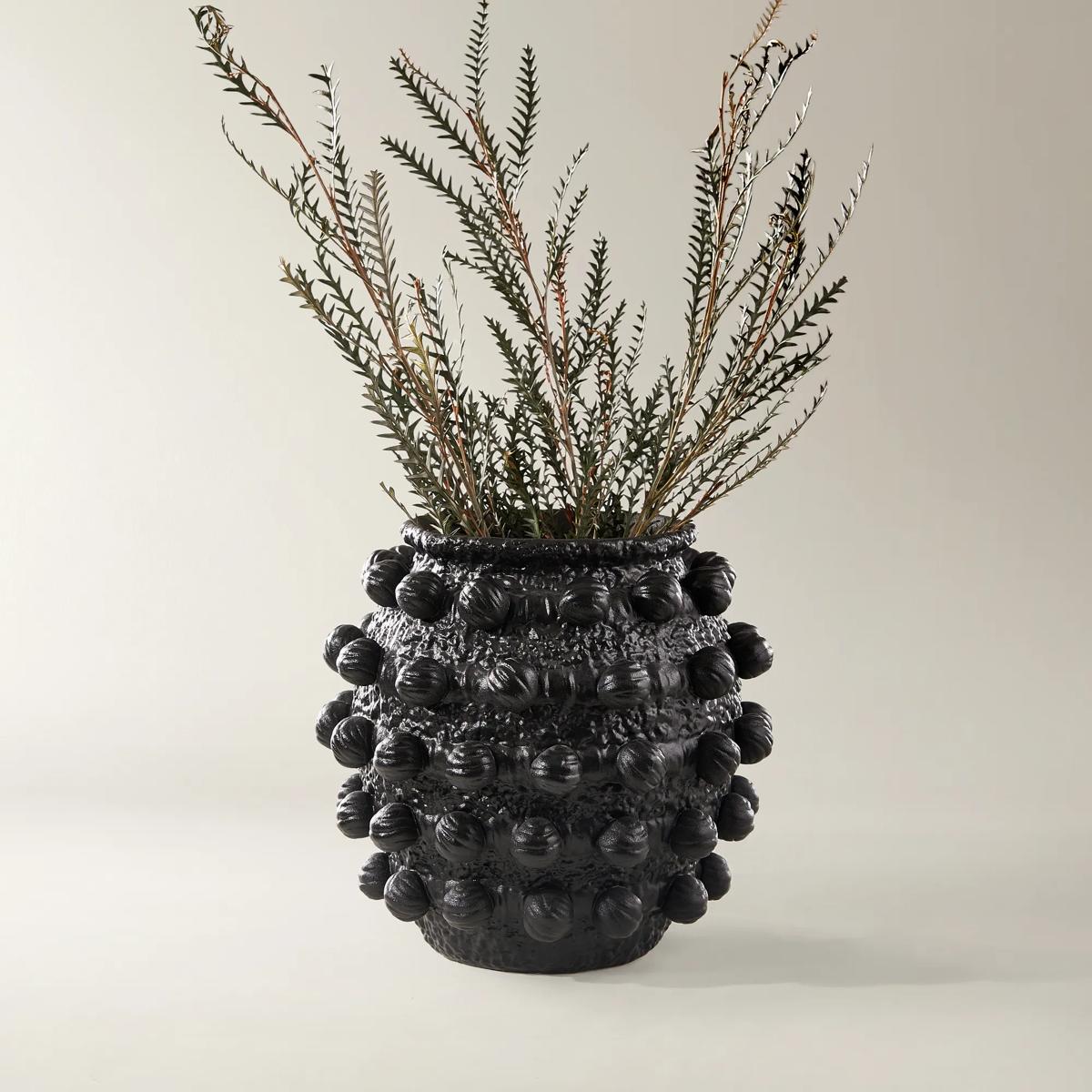
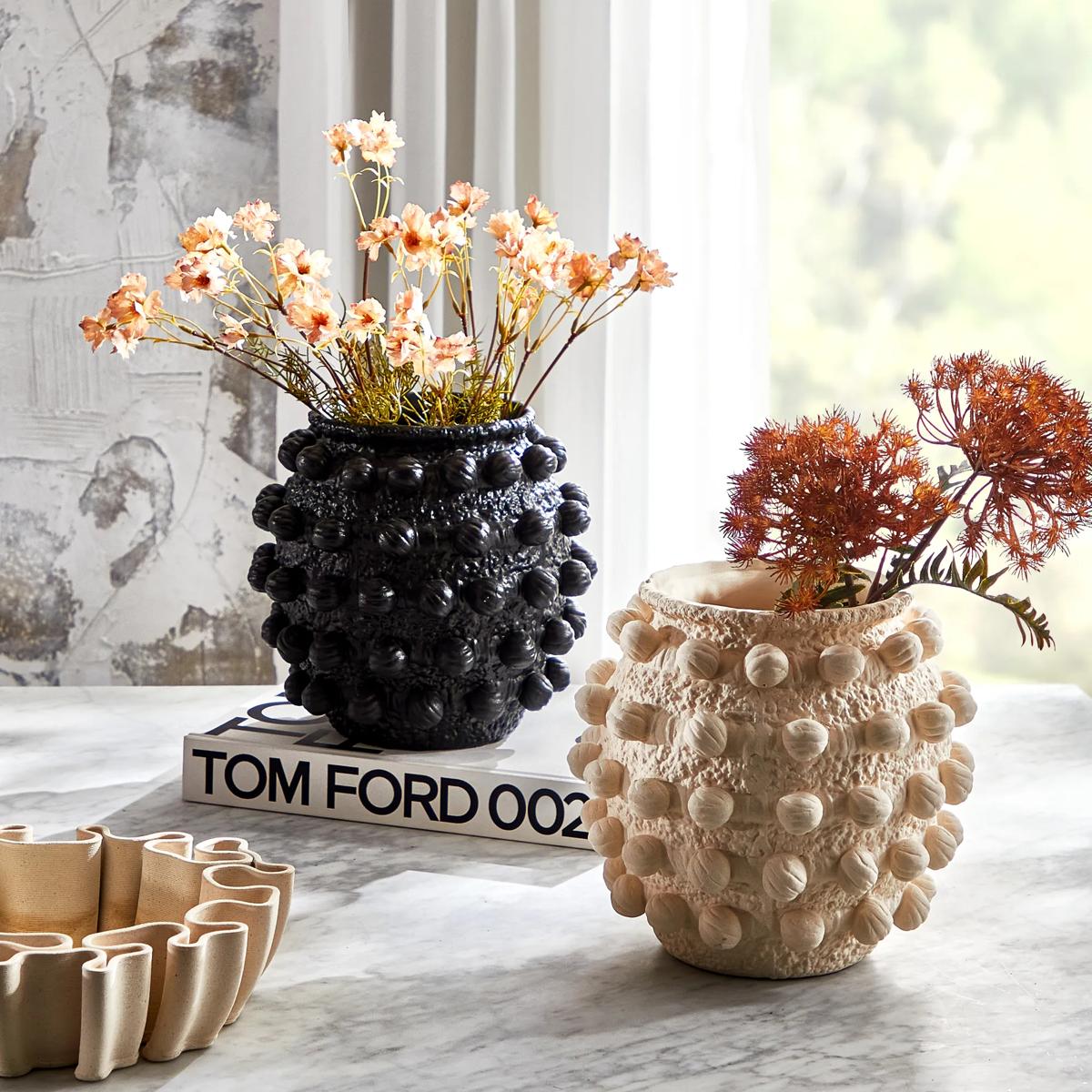 Pompa Vase - Black$119
A sculptural black porcelain vase featuring bold, rounded forms and a richly textured surface.
Add To Cart -
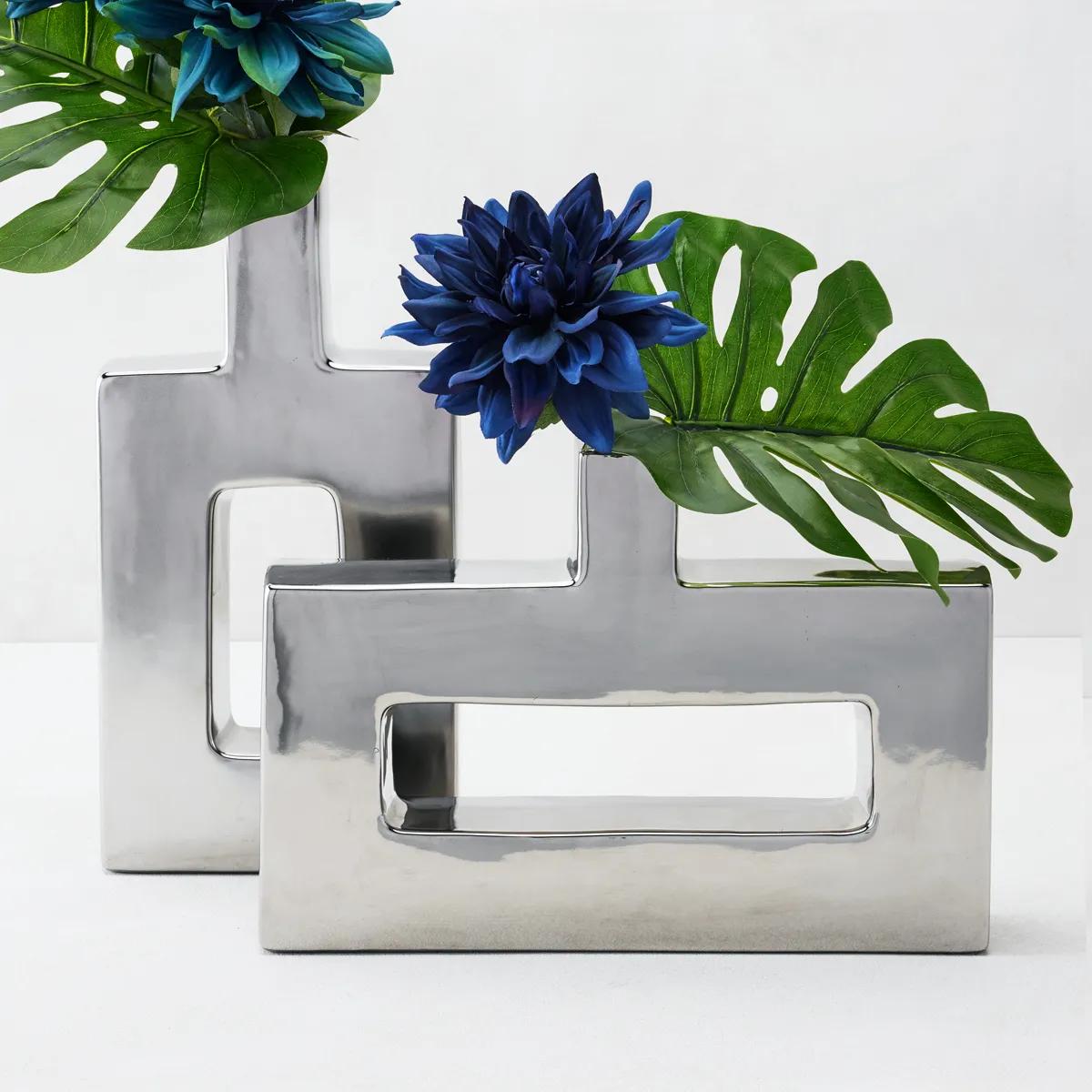 Miami Silver Ceramic High Gloss Vase 18.5"$69
A contemporary silver ceramic vase with a stylish gold glaze, perfect for decorative foliage or display.
Add To Cart -
Miami Silver Ceramic High Gloss Vase 11.75"$69
A contemporary silver ceramic vase with a stylish gold glaze, perfect for decorative foliage or display.
Add To Cart -
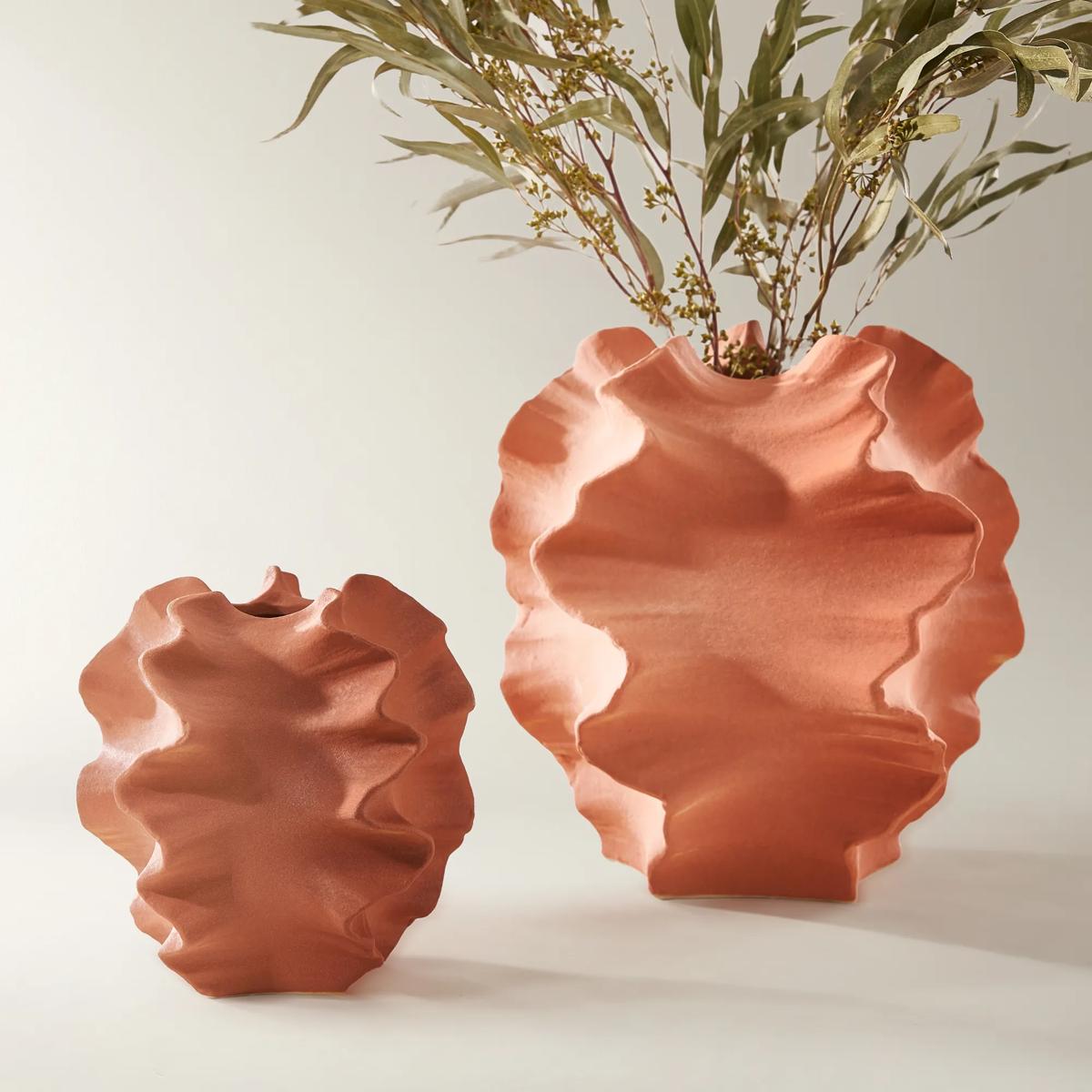
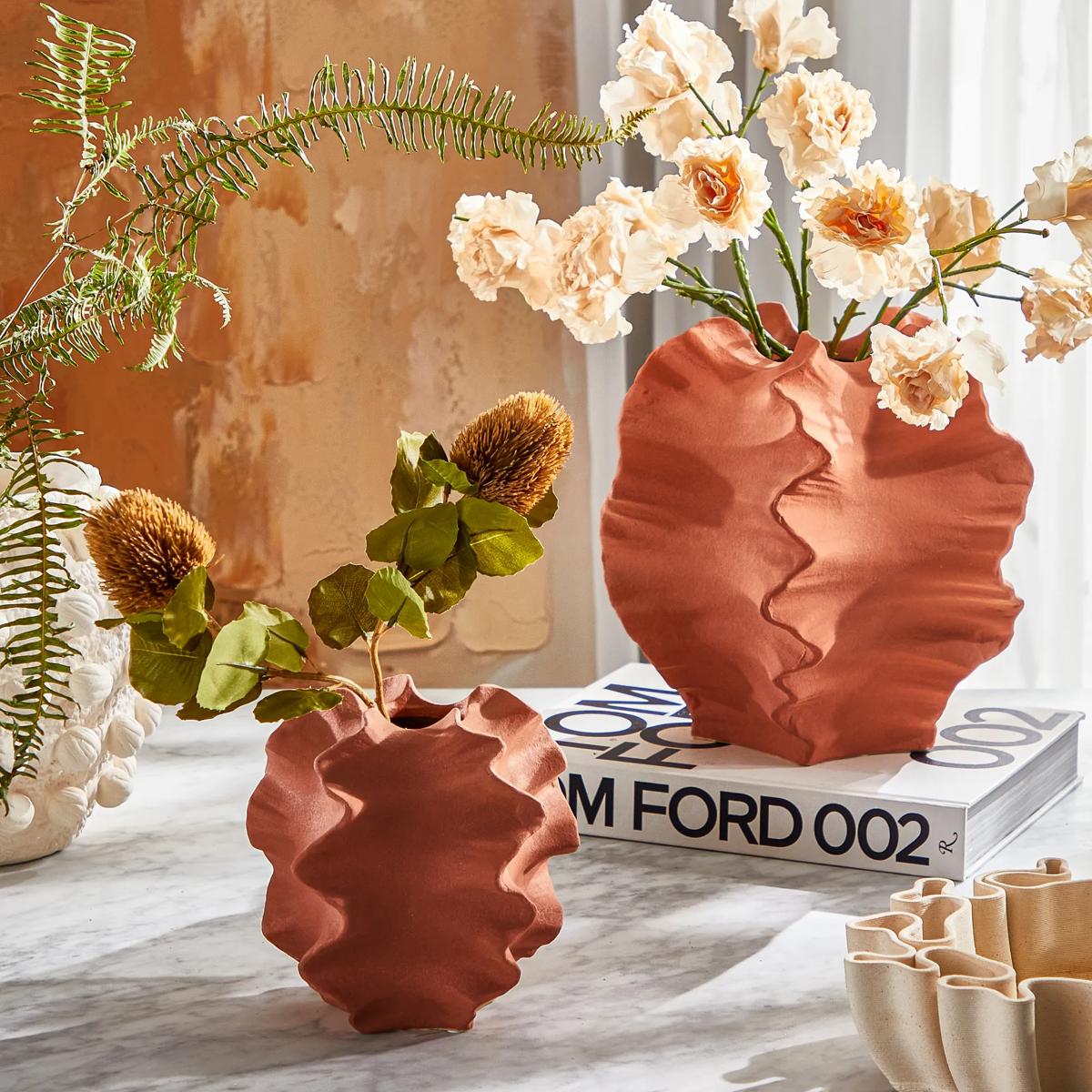 Morra Terracotta Sculptural Vases$79
A sculptural terracotta stoneware vase with rippling contours and a matte, earthy finish.
Add To Cart -
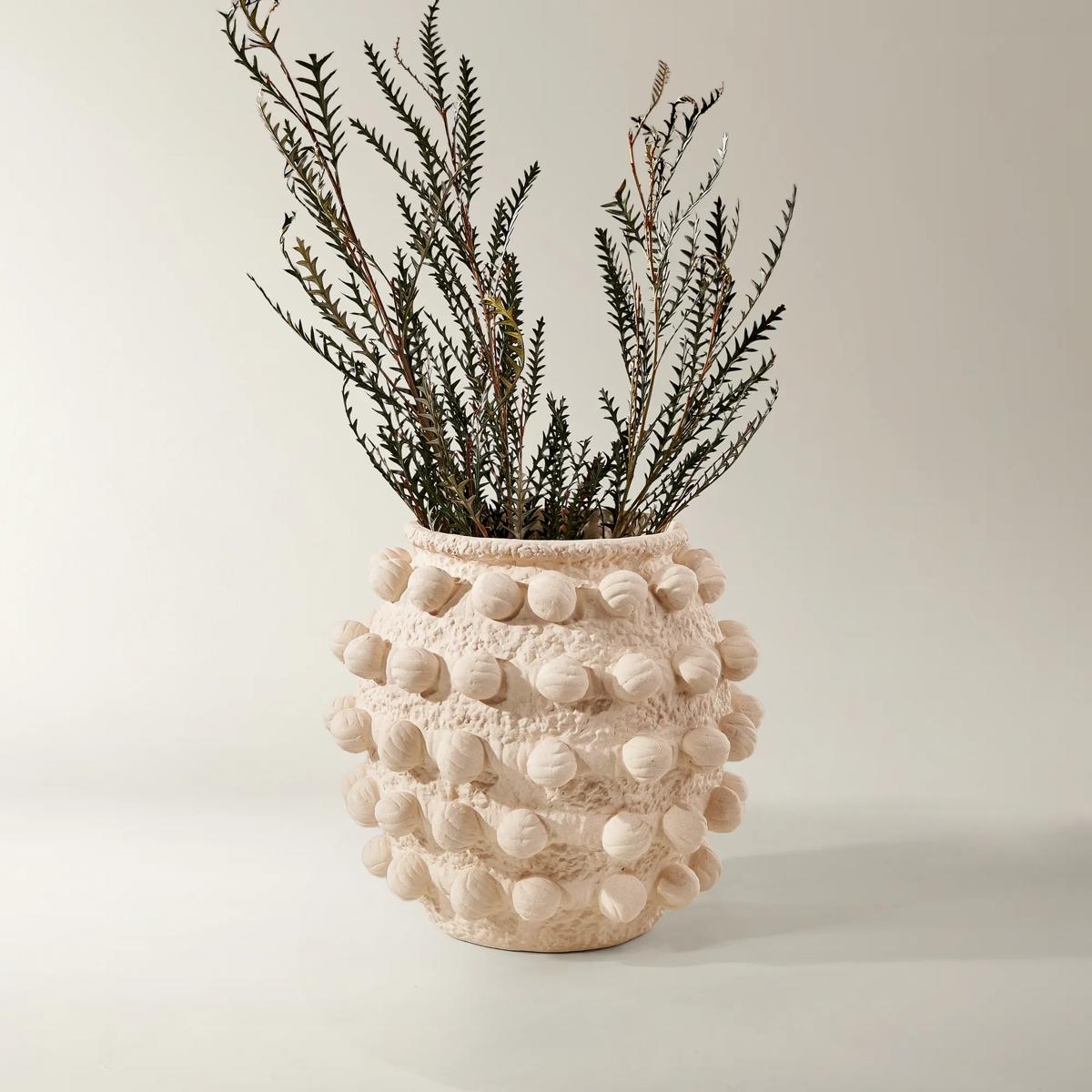 Pompa Vase - Ivory$119
An ivory porcelain vase featuring sculptural rounded forms and a richly textured, tactile surface.
Add To Cart -
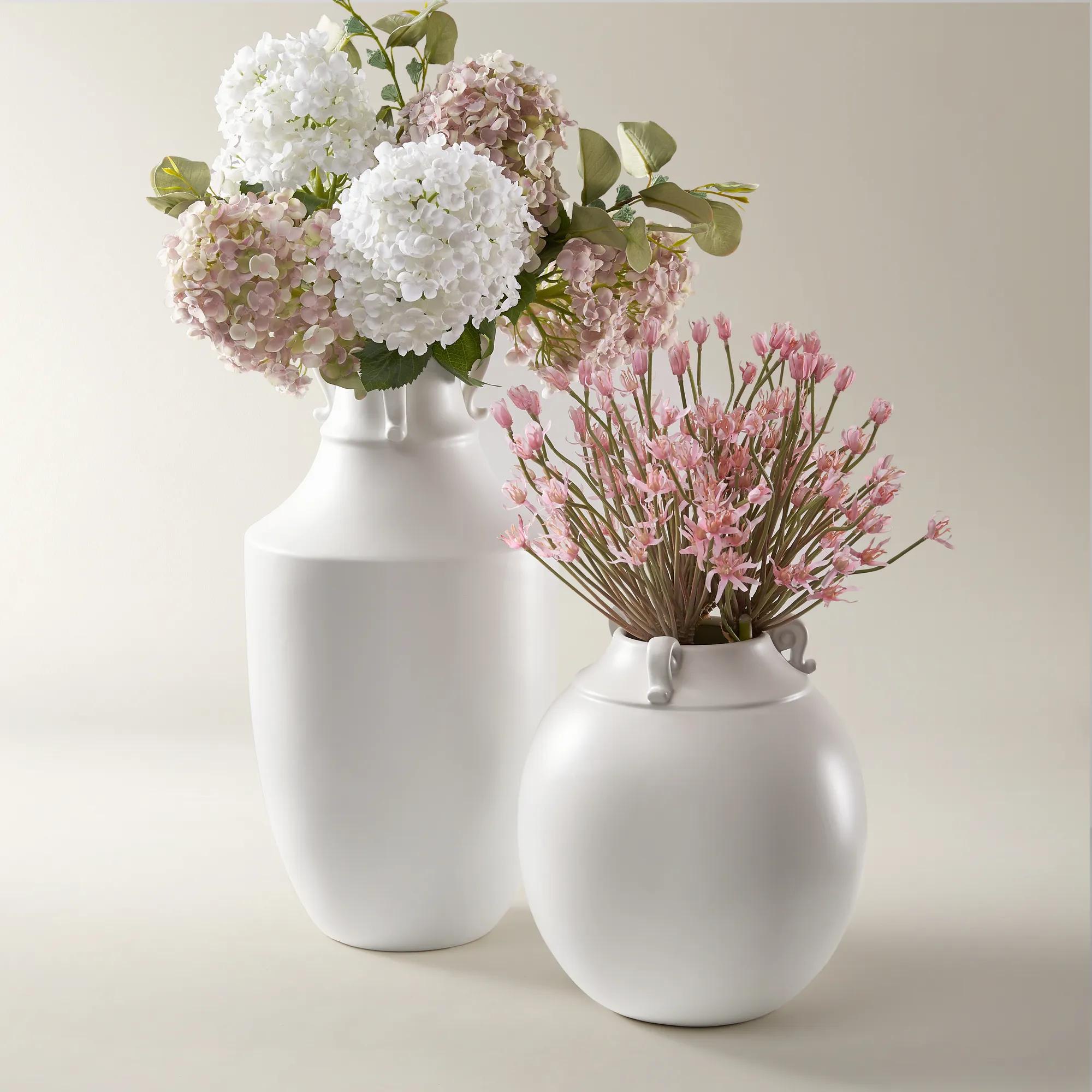 Amora Vase$119
A graceful white ceramic vase featuring smooth curves for a refined, contemporary accent to any space.
Add To Cart -
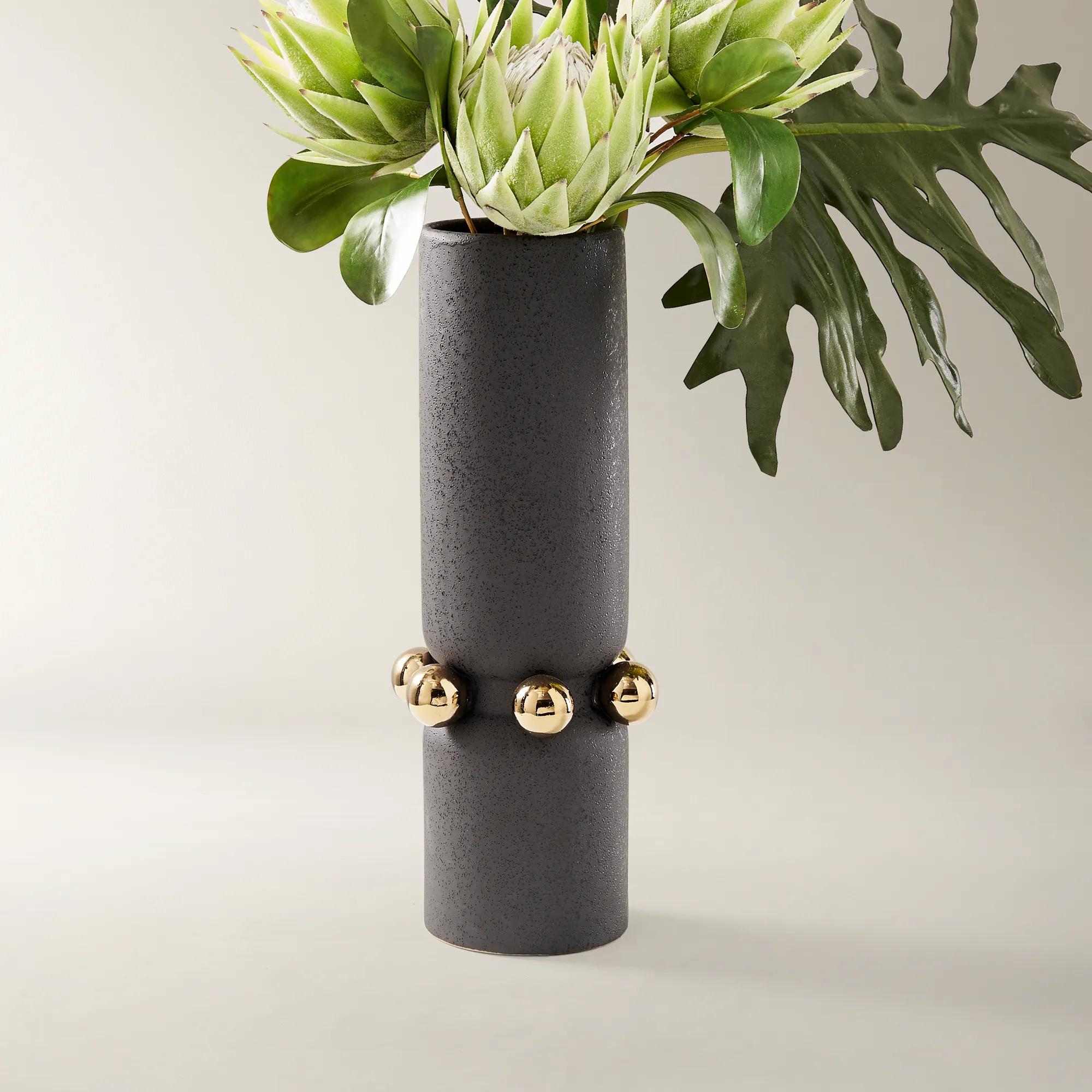 Zerra Vase$99
A ceramic vase featuring a striking matte black and shimmering gold contrast for bold, glamorous decor.
Add To Cart -
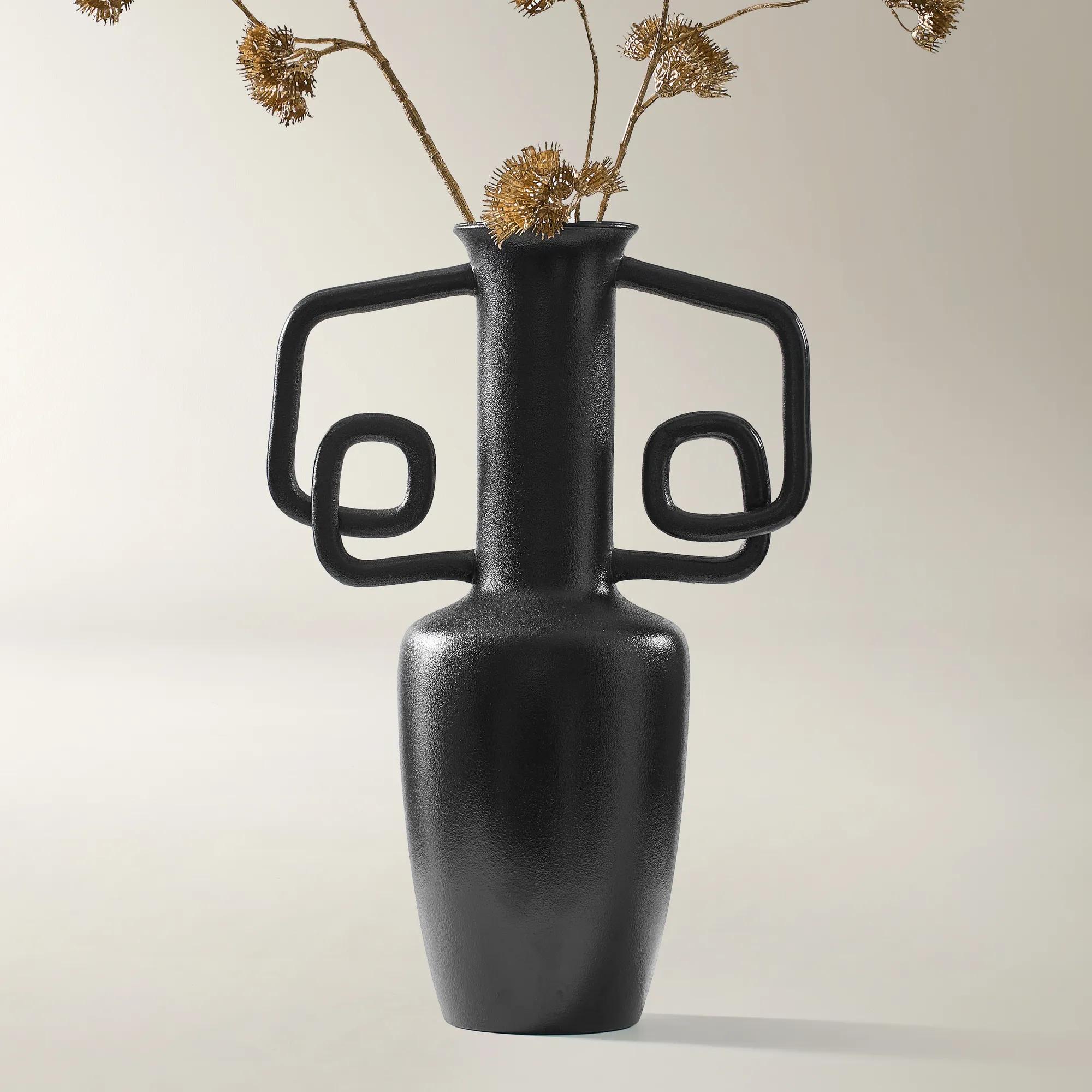 Cleo Handcrafted Black Porcelain Vase 19"$159
A sculptural black porcelain vase with exaggerated handles and a smooth, refined finish for modern decor.
Add To Cart -
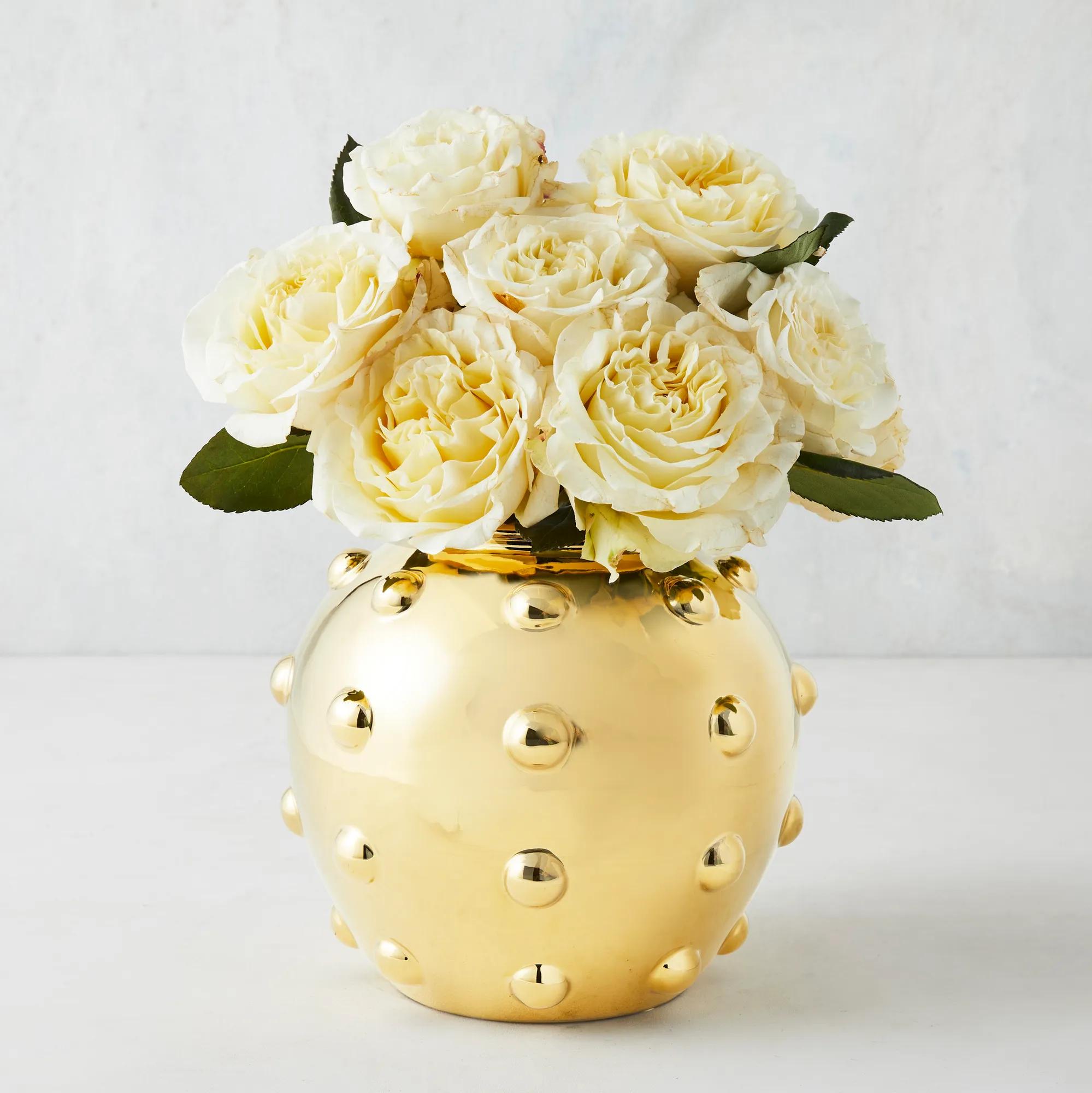
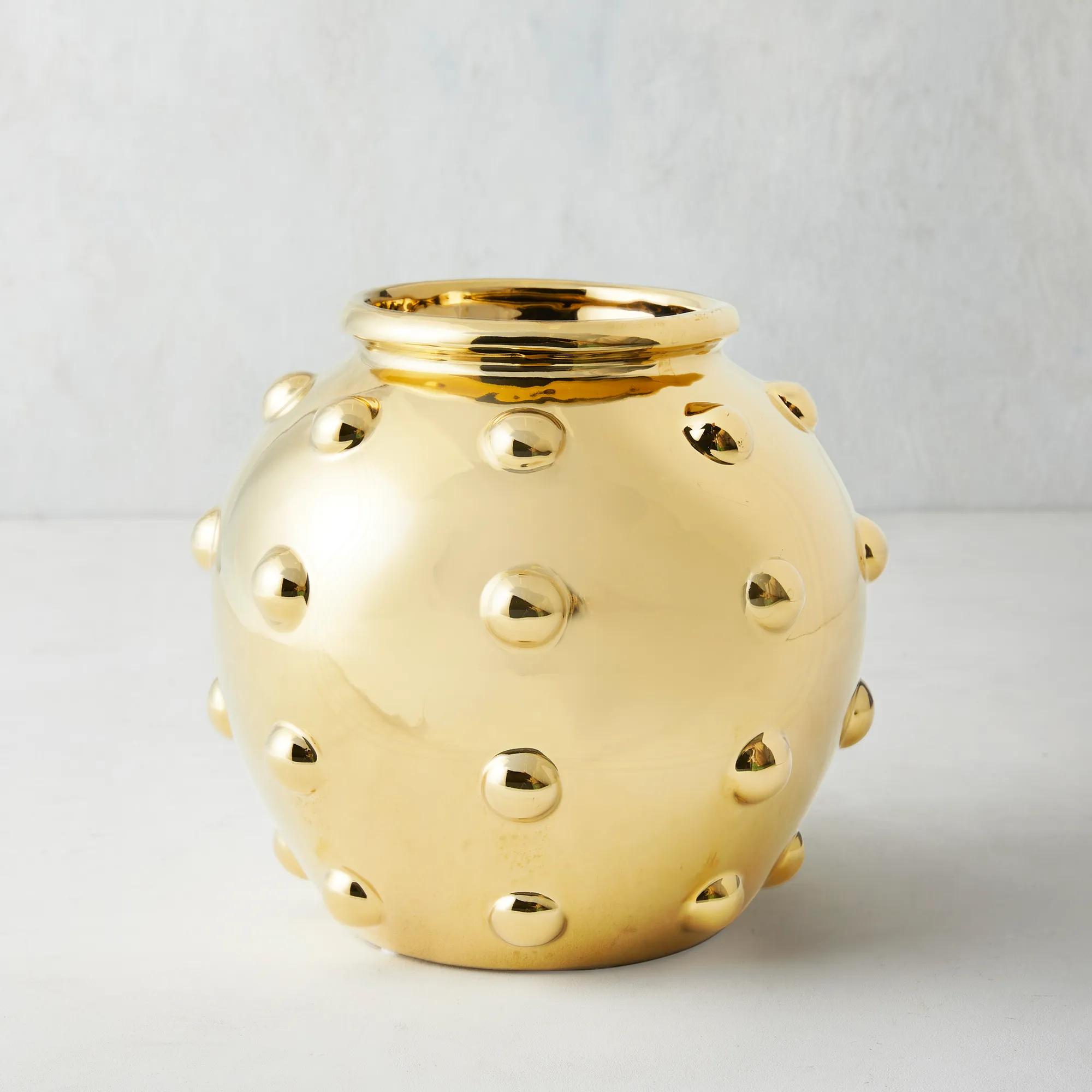 Orb Bauble Vase$59
A ceramic vase with a dimensional dot design and a gleaming gold finish for bold decor impact.
Add To Cart -
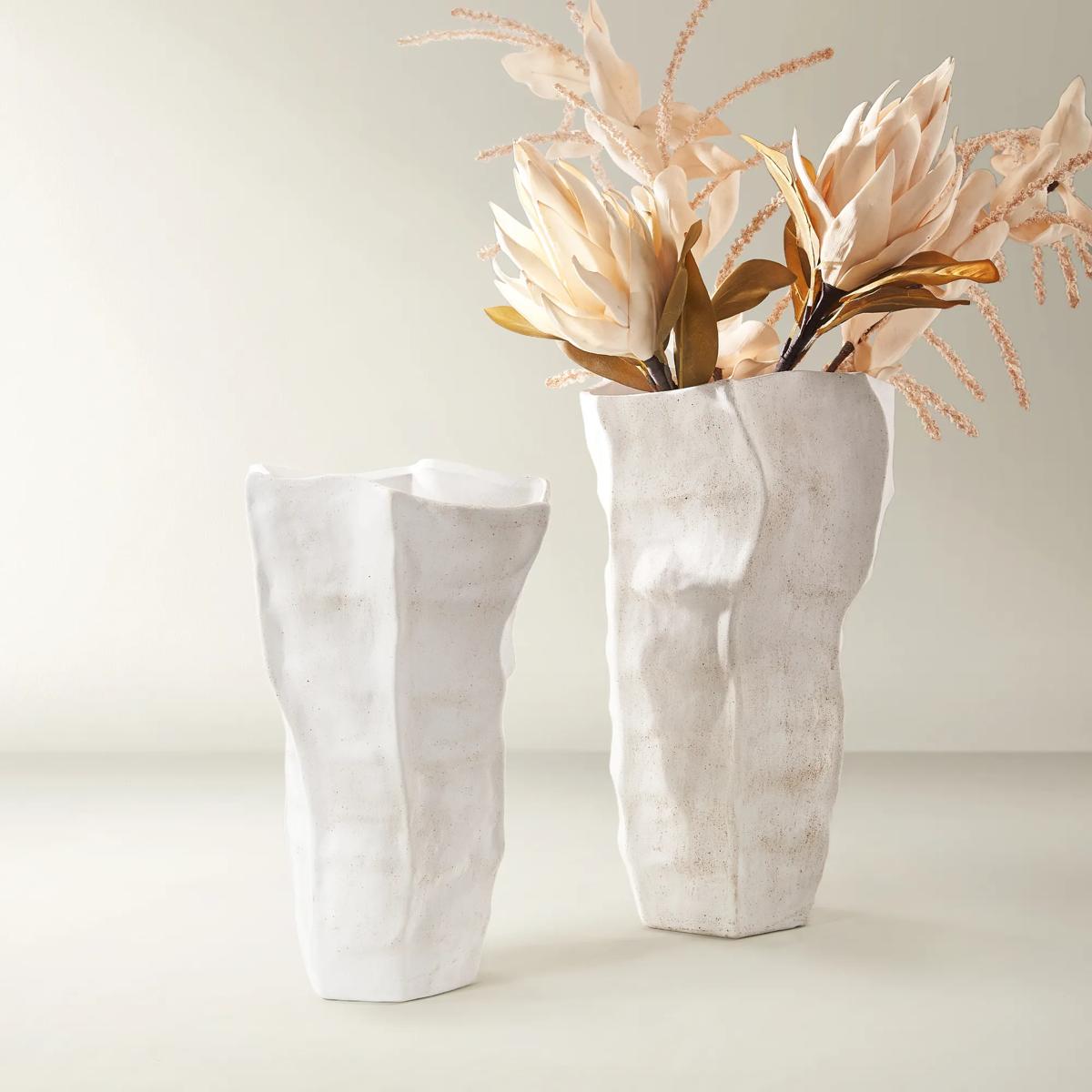 Kira Porcelain Vase$139
A sculptural matte white porcelain vase with fluid, faceted curves and a soft, textured finish.
Add To Cart -
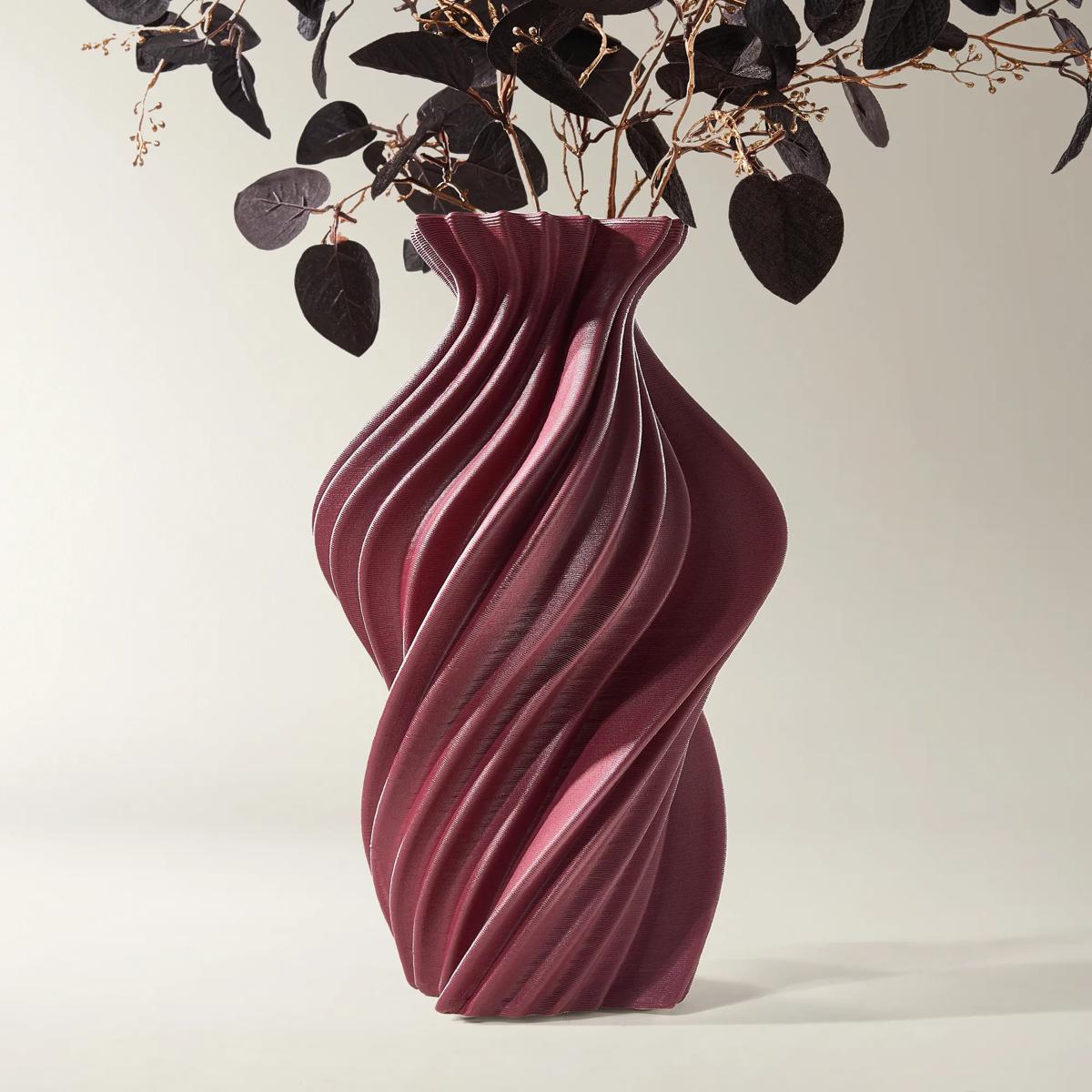
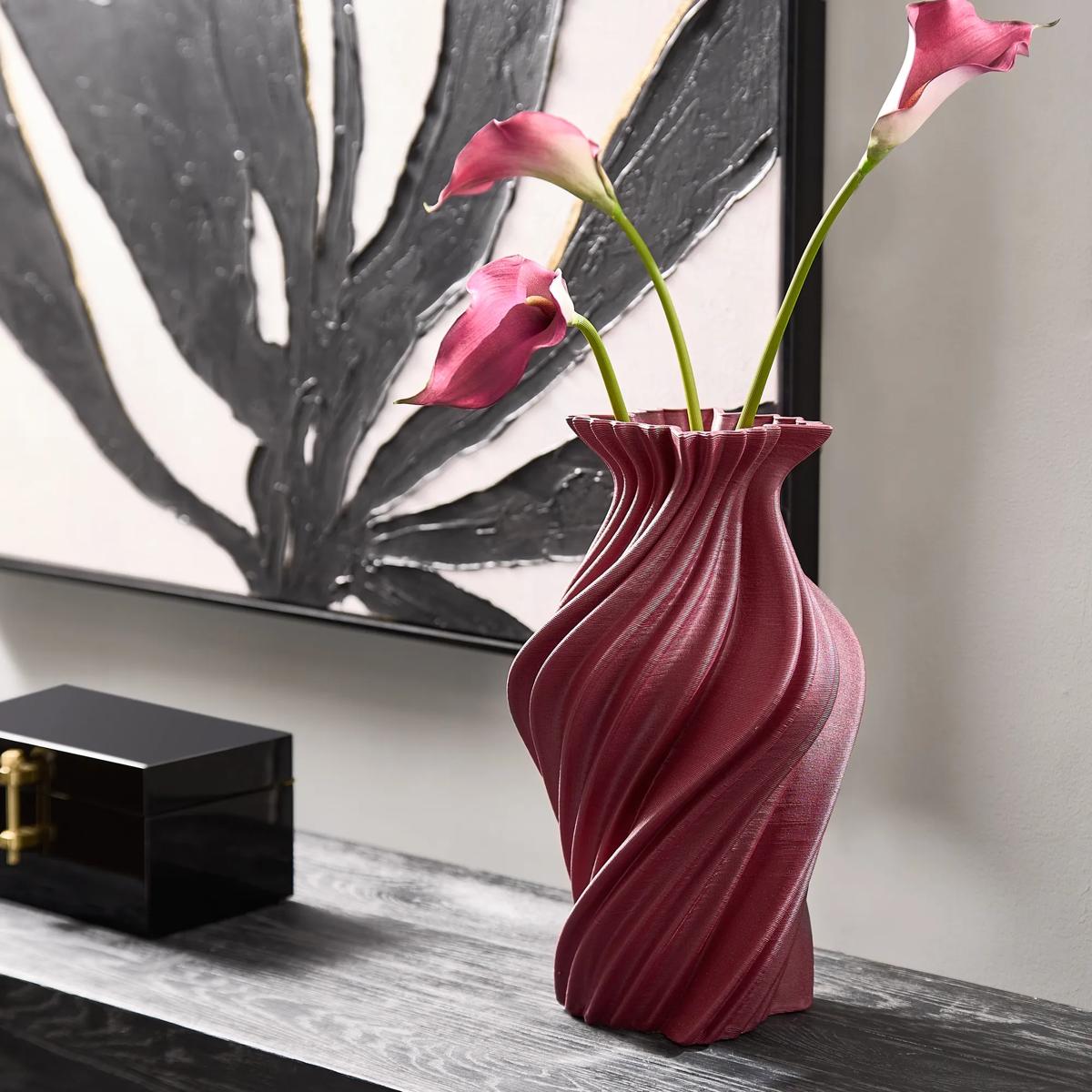 Flame Deep Red Porcelain Vase 16.25"$119
A sculptural porcelain vase in deep red with a dynamic, twisted silhouette inspired by flowing flames.
Add To Cart -
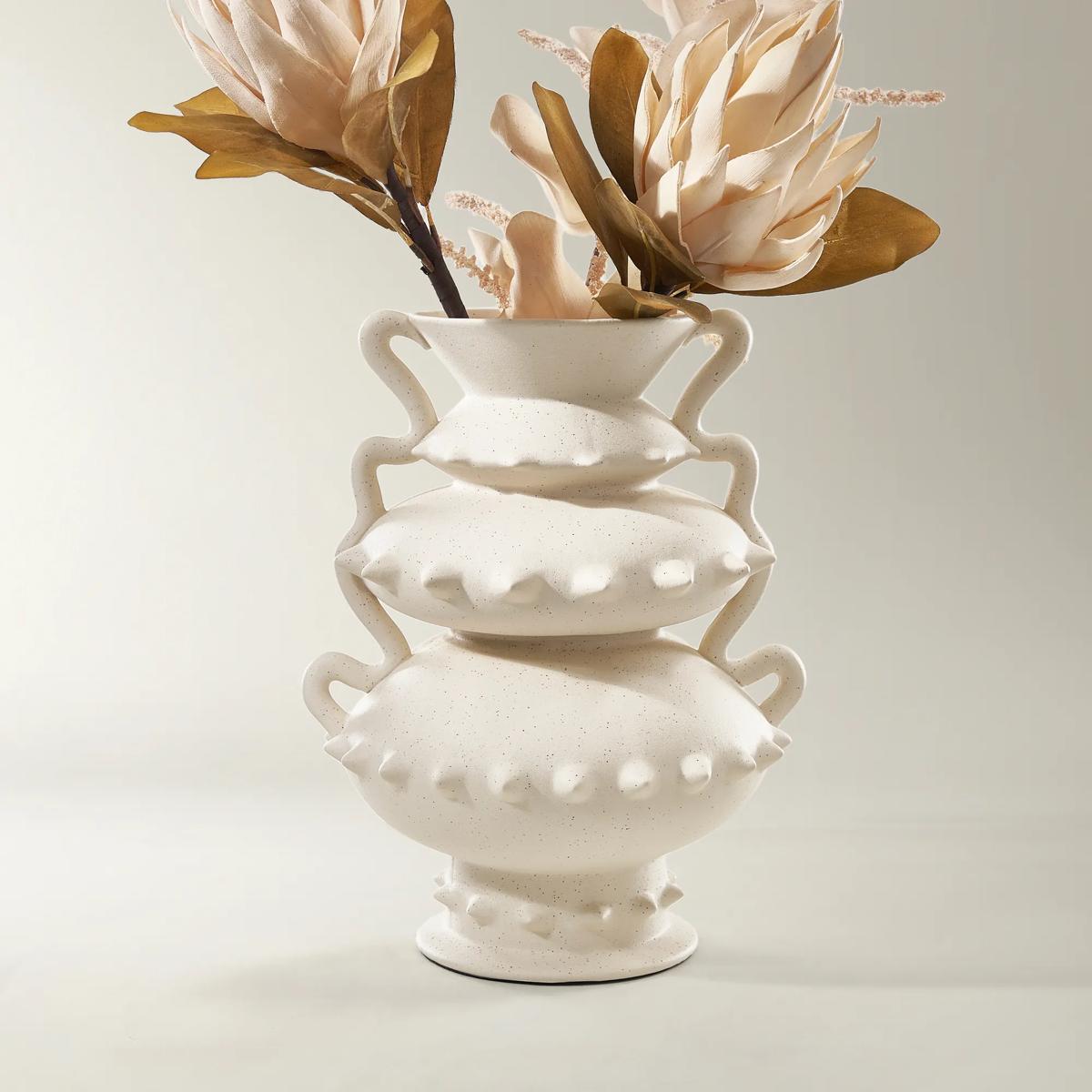 Savior Porcelain Vase - Ivory$189
An ivory porcelain vase featuring sculptural handles, tiered silhouette, and a matte, softly speckled finish.
Add To Cart -
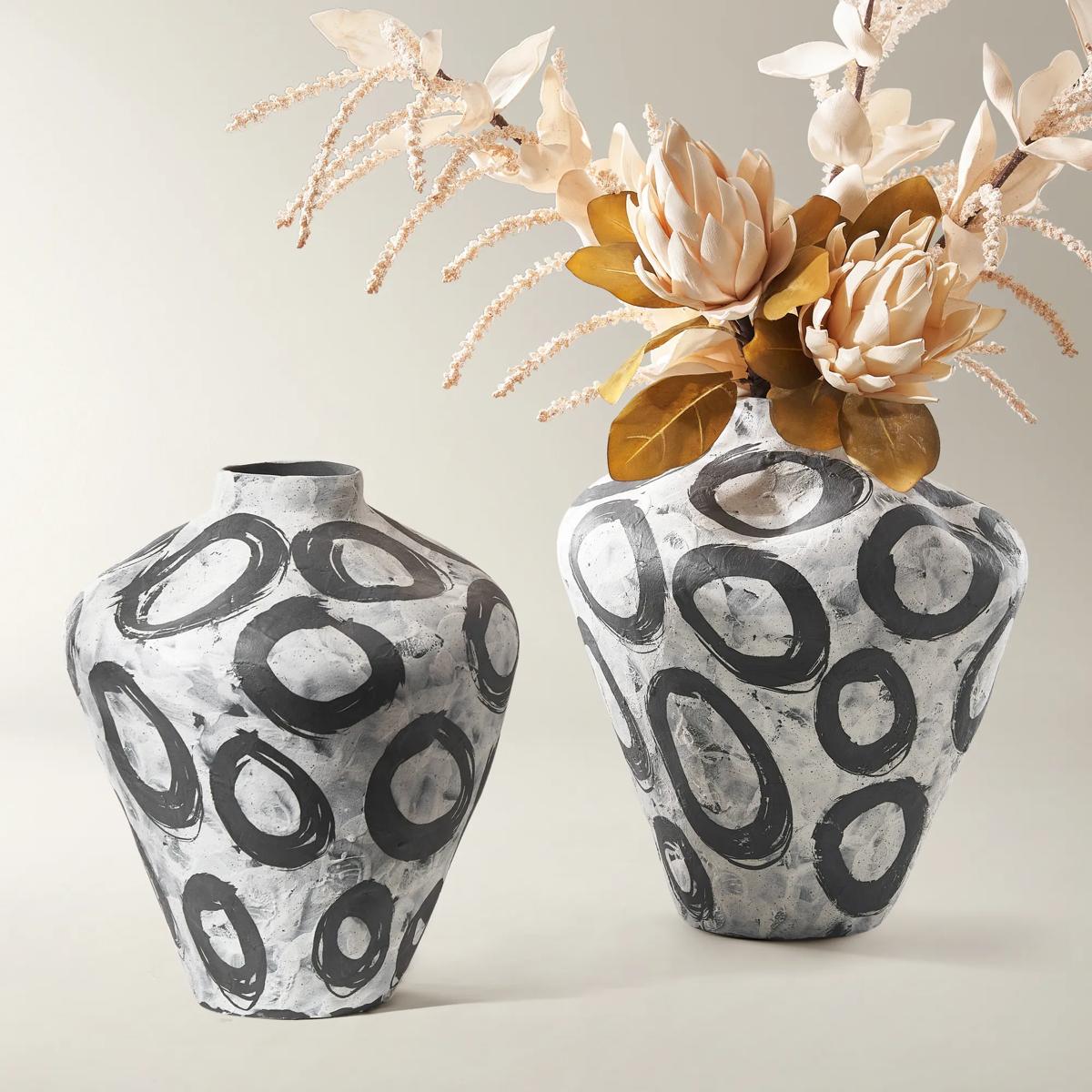
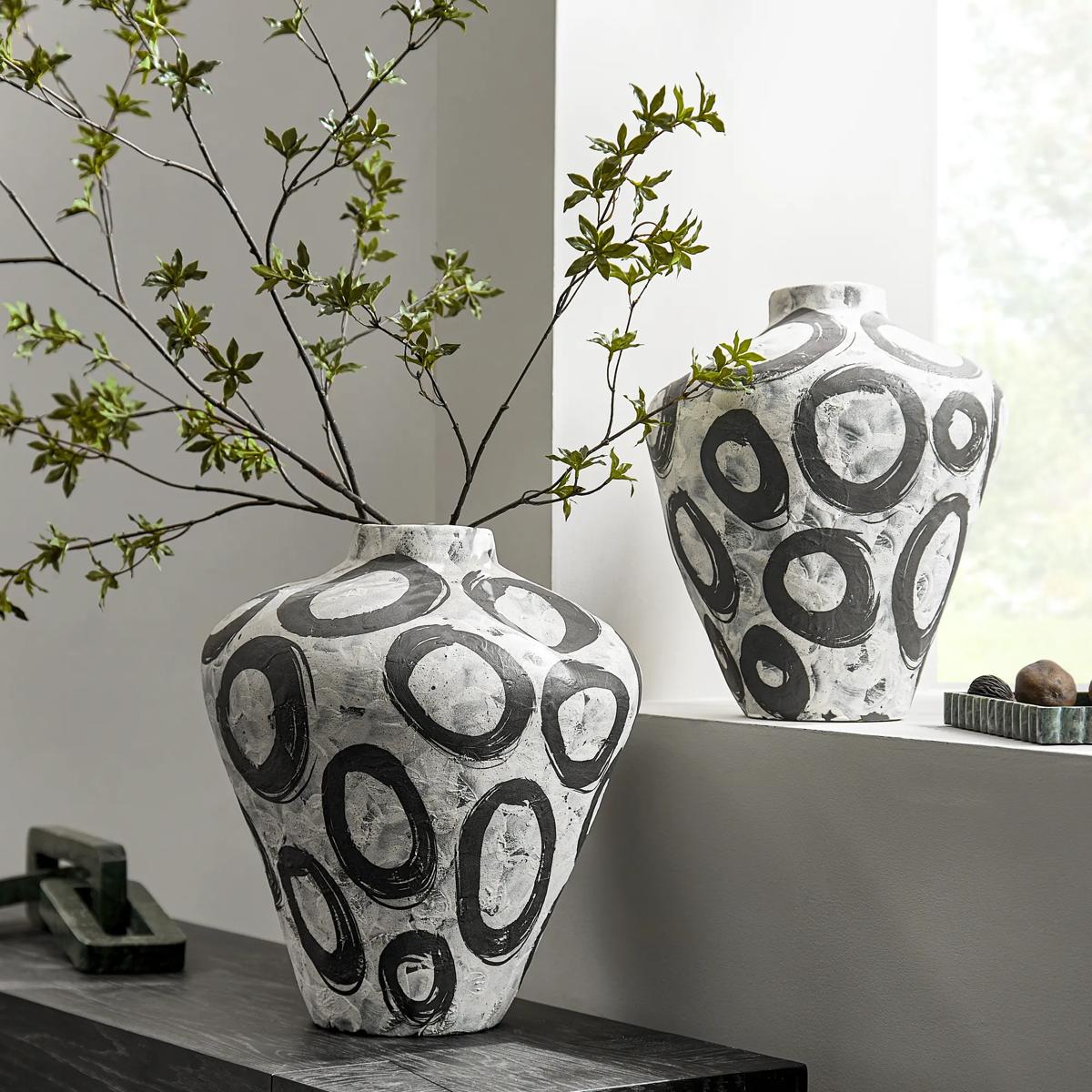 Stone Porcelain Vase$239
A sculptural porcelain vase featuring hand-painted black and white circular brushwork with a matte stone-like texture.
Add To Cart -

 Madre Handcrafted Ivory Porcelain Vases$149
A handcrafted ivory porcelain vase with cascading textured fronds and a sculptural matte finish.
Add To Cart -

 Coral Ivory Porcelain Vase & Bowl$139
An ivory porcelain accent featuring flowing, coral-inspired curves for a modern, gallery-worthy display.
Add To Cart -
 Odessey Collection$159
A decorative porcelain accent in shiny gold, perfect for adding modern elegance to any space.
Add To Cart

Unique Ceramic Vases
Unique Ceramic Vases capture the art of self-expression in every curve, color, and silhouette. Each piece is a sculptural statement, designed to elevate your space with unexpected artistry and undeniable presence. Whether clustered as a dramatic centerpiece or standing alone as a singular work of art, these vases invite you to reimagine your home as a gallery of personal style. Let your interiors bloom with creativity and character, where even the smallest details become unforgettable moments of beauty.
Unique ceramic vases are decorative vessels distinguished by expressive silhouettes, distinctive finishes, and artful variations in color or texture. Their appeal lies in the meeting of sculpture and function: a vase can give a floral arrangement its architecture, introduce contrast to a console, or command attention without a single stem. Rounded bodies, elongated necks, folded contours, and asymmetrical openings each create a different presence. A generous, curved vessel lends softness to an angular room, while a sharply defined form brings structure to a setting layered with plush upholstery and flowing textiles. Ceramic itself encompasses several clay-based materials, including earthenware, stoneware, and porcelain, with different firing processes and formulations influencing weight, density, and surface character. Stoneware often has a substantial feel; porcelain can support finer profiles and delicate detail; earthenware offers a broad range of decorative possibilities. The finished effect depends as much on the glaze as on the underlying clay. Glossy surfaces catch highlights and give saturated colors depth, while matte finishes emphasize shape and lend a quieter richness to sculptural details. Raised patterns, carved lines, and contrasting glazed and unglazed areas invite a closer look, especially when light falls across the surface from the side. Variations in a reactive glaze or a hand-applied finish may give individual pieces distinct character, although an unusual design does not necessarily mean a vase is handmade or one of a kind. That distinction matters for anyone drawn to the individuality of studio ceramics. Whether the desired effect is architectural, organic, or boldly ornamental, the strongest choice has a clear relationship to the room around it. A luminous ivory vessel can sharpen the contrast of a dark wood cabinet; a deep, inky glaze can give a pale mantel a compelling focal point. For another expression of refined form and finish, explore Luxury Ceramic Vases, where the decorative vessel becomes an opportunity to bring greater depth and intention to an interior.
Scale gives unique ceramic vases their particular power within a room. A tall silhouette can draw the eye upward on an entry console, while a broad, lower vessel lends visual weight to a coffee table without competing with the seating beyond it. Dimensions deserve attention beyond height alone: the widest point determines how comfortably a vase sits on a narrow shelf, the base affects stability, and the opening shapes the kind of arrangement it can support. A slender neck gathers a few stems into a deliberate line, making each bloom or branch more visible. A wider mouth allows a fuller composition, though it may require an appropriate floral support to hold stems in place. For a dining table, a low arrangement preserves conversation and sightlines; on a sideboard, a taller composition can rise above a layered display of serving pieces and art. These proportions also matter when a vase is displayed empty. A sculptural opening or an unexpected curve may provide all the detail a vignette needs. Where several vessels share a surface, a connection in color, finish, or shape creates cohesion without requiring an exact match. Different heights establish rhythm, while space between pieces allows their outlines to remain distinct. Three forms in a restrained palette can feel richly composed when their textures differ: one gleaming, one softly matte, one deeply ridged. Nearby materials influence the result, too. Ceramic brings an earthy counterpoint to polished metal and mirrored surfaces, and its solidity balances the airy quality of glass. On open shelving, a substantial vessel can anchor a grouping of books without making every shelf feel equally dense. In a bedroom, a rounded form beside a tailored lamp adds a gentler contour. For those furnishing an apartment or refreshing a single corner, one expressive vase offers a meaningful design gesture without demanding a complete change of furniture. The effect comes from proportion and placement, not from filling every available surface.
Beauty is only part of the selection; intended use determines which ceramic vase will serve a space well. A vessel meant for fresh flowers should be explicitly suitable for holding water, since a glazed appearance alone does not establish that it is watertight. Decorative ceramics, especially those with porous bodies, unglazed interiors, or crackle finishes, may be intended only for dry display. When the maker permits it and the shape allows, a properly fitted watertight insert can separate flower water from the ceramic body. Dried botanicals and artificial stems offer other possibilities, bringing height and movement to vessels that are not designed for fresh arrangements. Even then, the weight and spread of the stems should suit the base; a dramatic branch should not make a narrow vessel unstable. Ceramic is rigid rather than flexible, so edges, handles, and projecting details can chip if knocked against another hard surface. A secure position away from a busy walkway or an easily reached table edge helps protect both the vase and its surroundings. On wood, lacquer, or other delicate furniture finishes, a suitable protective barrier can reduce contact marks, and any moisture should be wiped away promptly. Care is generally gentlest with a soft cloth and careful handling, but the finish-specific instructions should always take precedence. Abrasive pads, harsh cleaners, prolonged soaking, and dishwasher cleaning can be unsuitable for decorative surfaces. For water-safe vessels, regular water changes and appropriate interior cleaning help prevent residue from collecting around the base of stems. Lift a vase by its main body rather than a narrow rim or ornamental handle, and support heavier pieces with both hands. These practical considerations make a distinctive vase a thoughtful gift for a housewarming, wedding, or anniversary, particularly when its proportions and palette reflect the recipient’s home. For an art enthusiast, an unconventional contour may be the attraction; for someone who loves arranging flowers, a useful opening and water-safe construction may matter more. The most memorable choice unites expressive design with a role in daily life, bringing sculptural presence to a room long after the flowers have changed.
FAQs
Unique ceramic vases serve as captivating focal points, infusing any space with artistry and personality. Their sculptural forms, rich glazes, and striking silhouettes can complement existing decor or introduce an unexpected element, elevating the mood and style of the room. Whether displayed solo or as part of a curated grouping, these vases create visual interest and tell a story of bold, expressive living.
Unique decorative vases can be styled with seasonal botanicals, dramatic branches, or simply left empty as standalone art pieces. In winter, consider filling them with sculptural twigs or dried florals for a touch of texture. As spring approaches, fresh blooms add a burst of color and life. Experiment with placing vases on mantels, entryway tables, or bookshelves to create dynamic vignettes that shift with the seasons.
Ceramic vases make thoughtful gifts for design enthusiasts, new homeowners, or anyone who delights in artistic expression. Their timeless beauty and versatility mean they suit a variety of tastes and interiors, making them ideal for birthdays, housewarmings, or special occasions when you want to give something both beautiful and meaningful.
To achieve a harmonious arrangement, play with varying heights, shapes, and finishes while maintaining a consistent color palette or design theme. Grouping vases in odd numbers often creates a more balanced and visually appealing display. Layering textures—such as pairing a glossy vase with a matte or ribbed piece—adds depth and intrigue to your decor.
Handcrafted ceramic vases are distinguished by their unique details, artistry, and the subtle variations that come from skilled craftsmanship. Each piece is a work of art, often featuring individual glazes, textures, and forms that reflect the hand of the maker. This authenticity and character imbue your space with a sense of luxury and originality that mass-produced items simply cannot replicate.