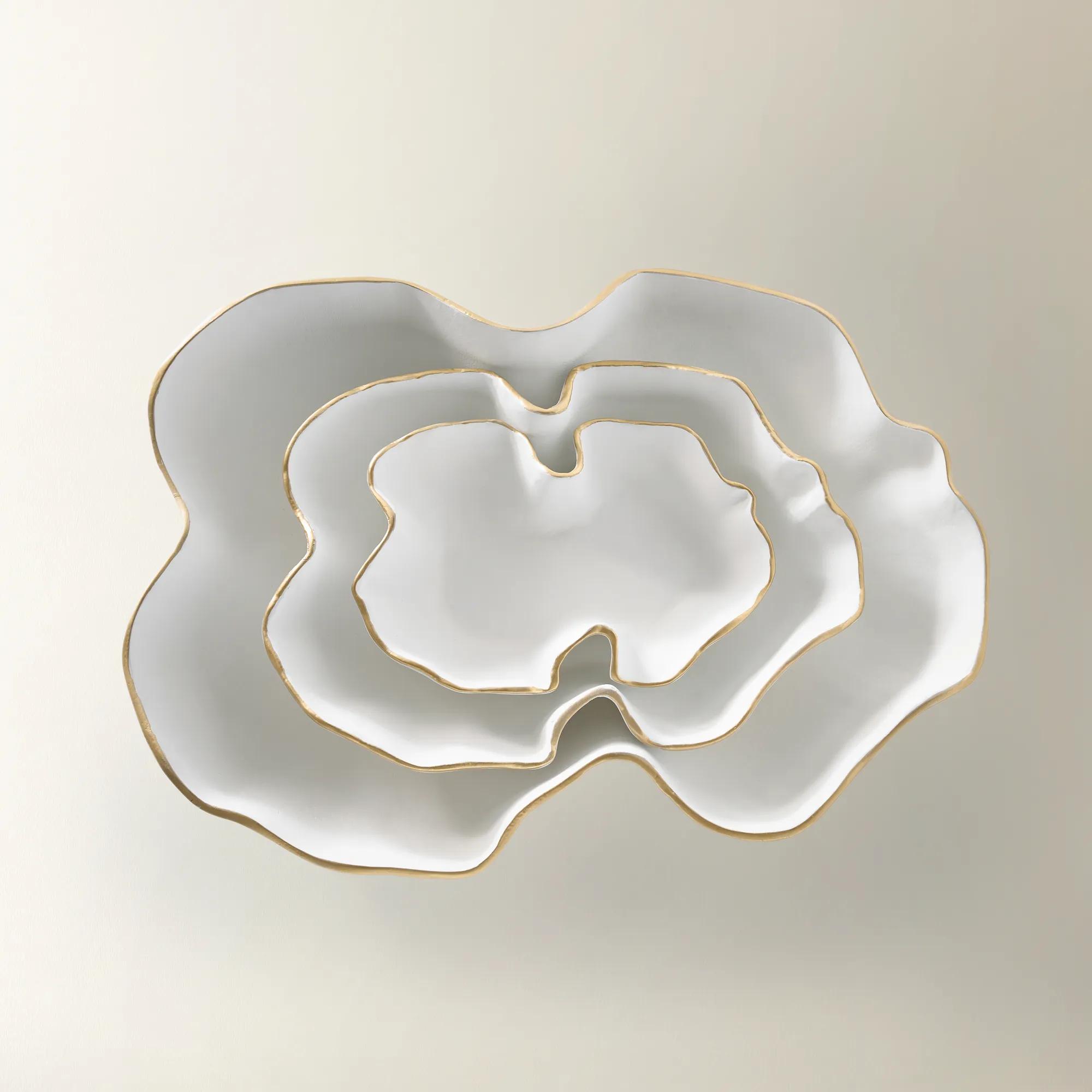
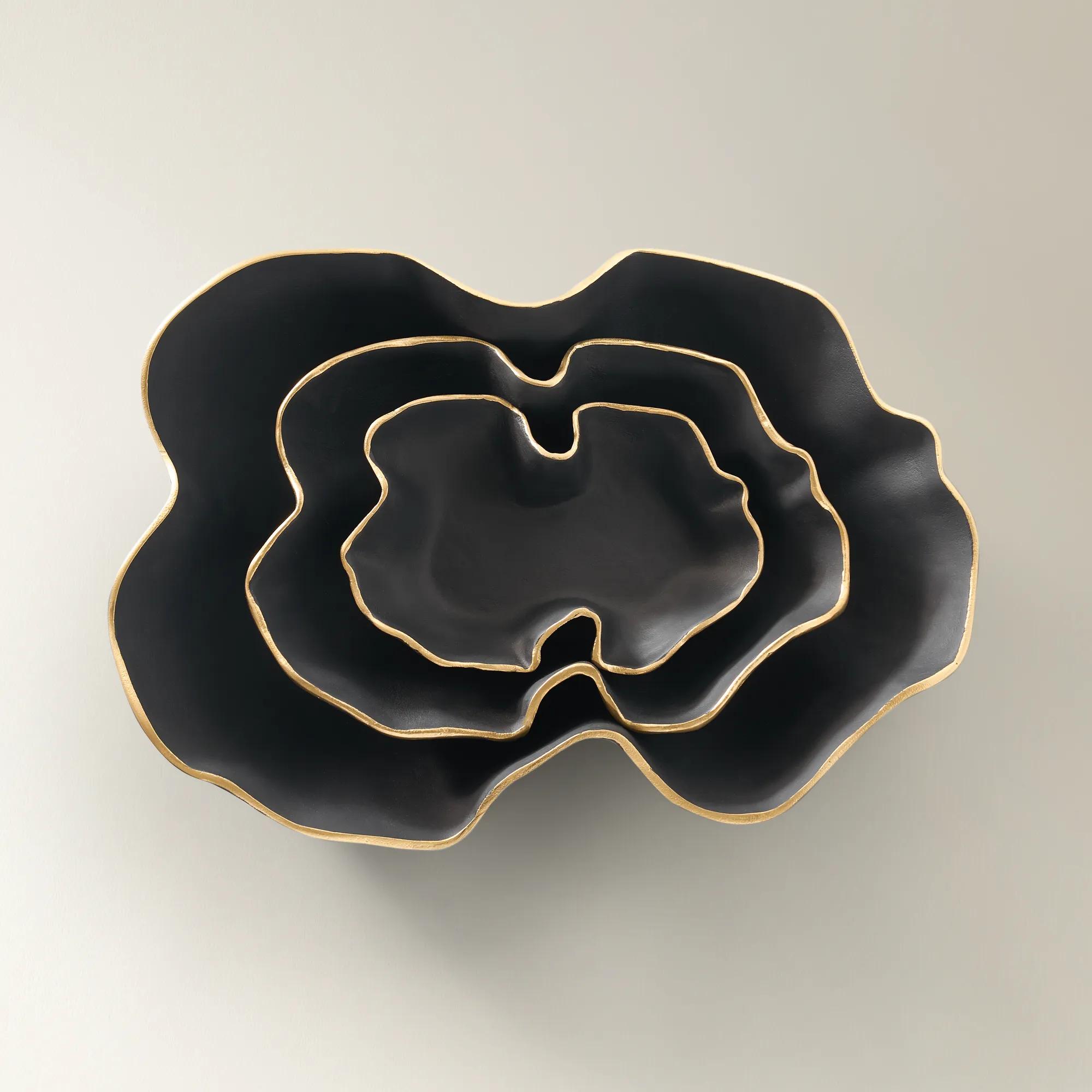
Scalloped And Rippled Decorative Bowls
Scalloped And Rippled Decorative Bowls
-
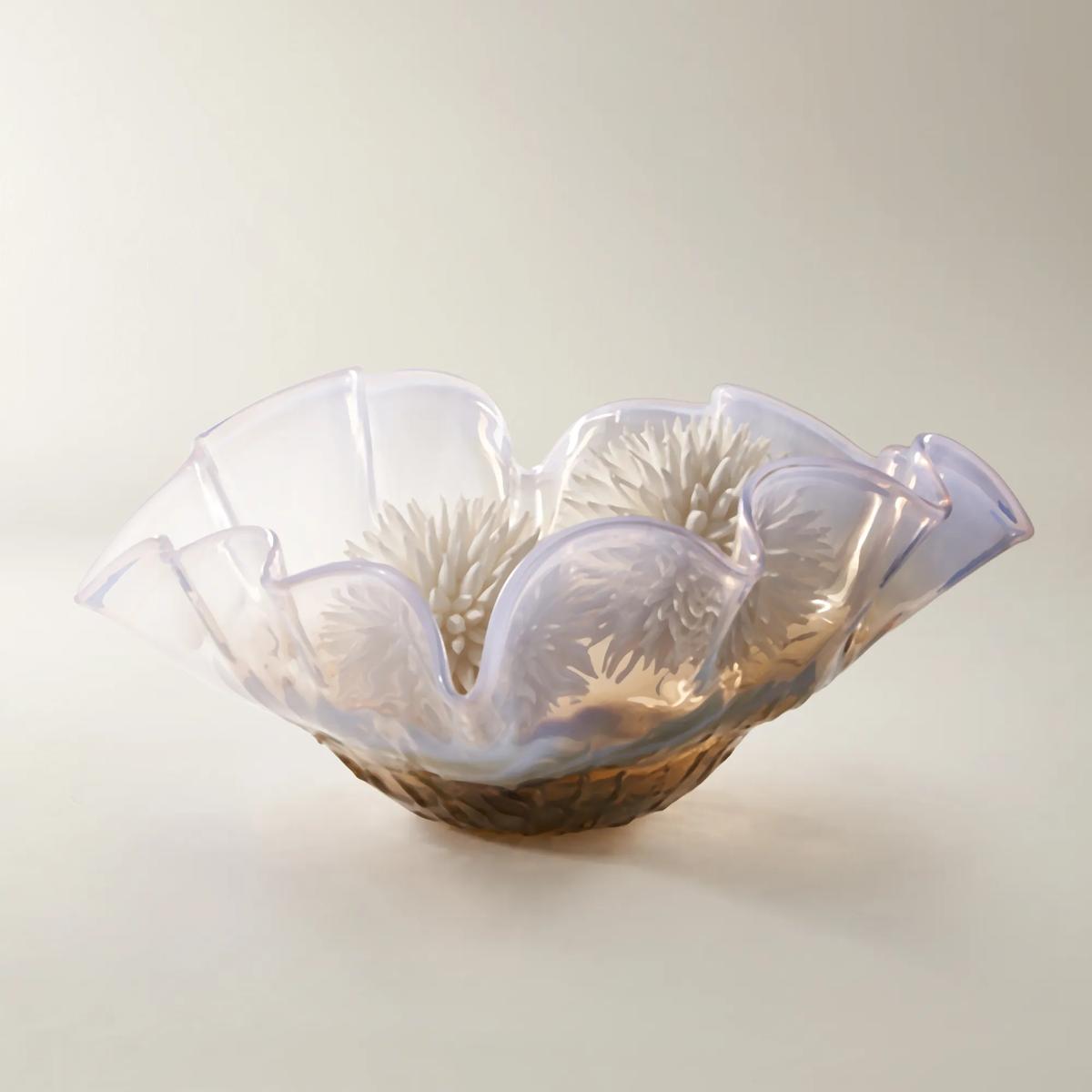
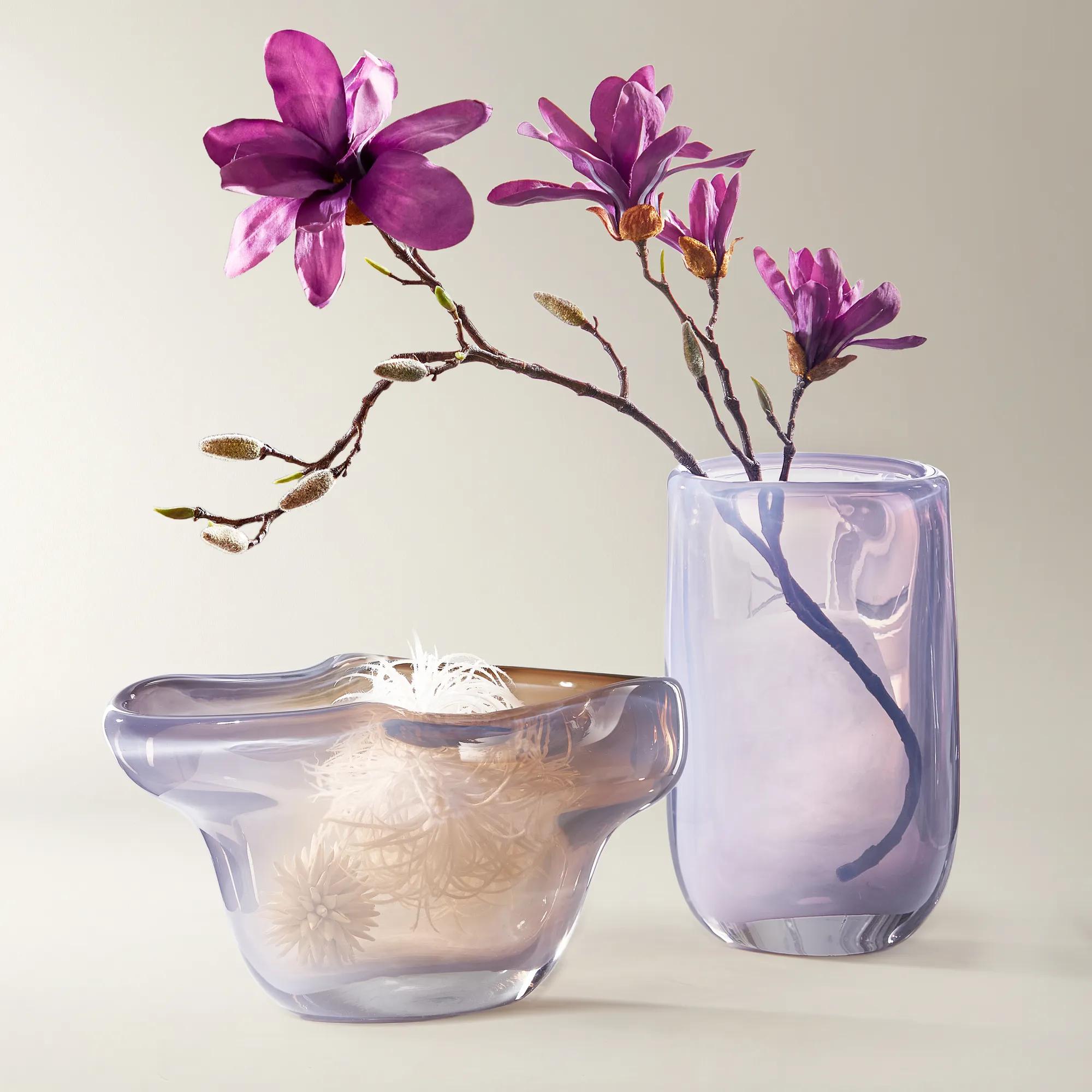
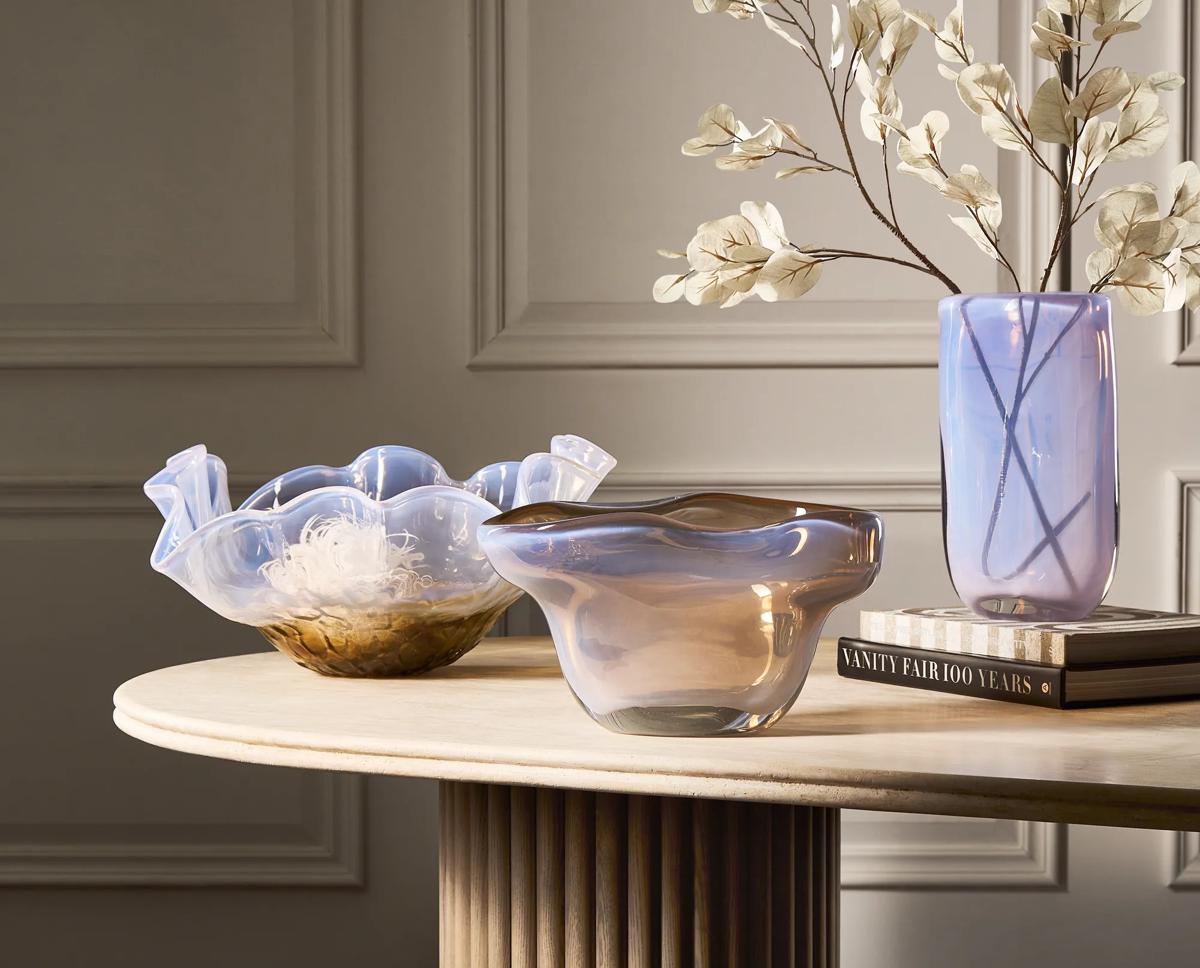 Glacier Glass Bowl$269
A hand-blown glass bowl featuring scalloped edges and swirling lavender and amber hues for artistic elegance.
Add To Cart -

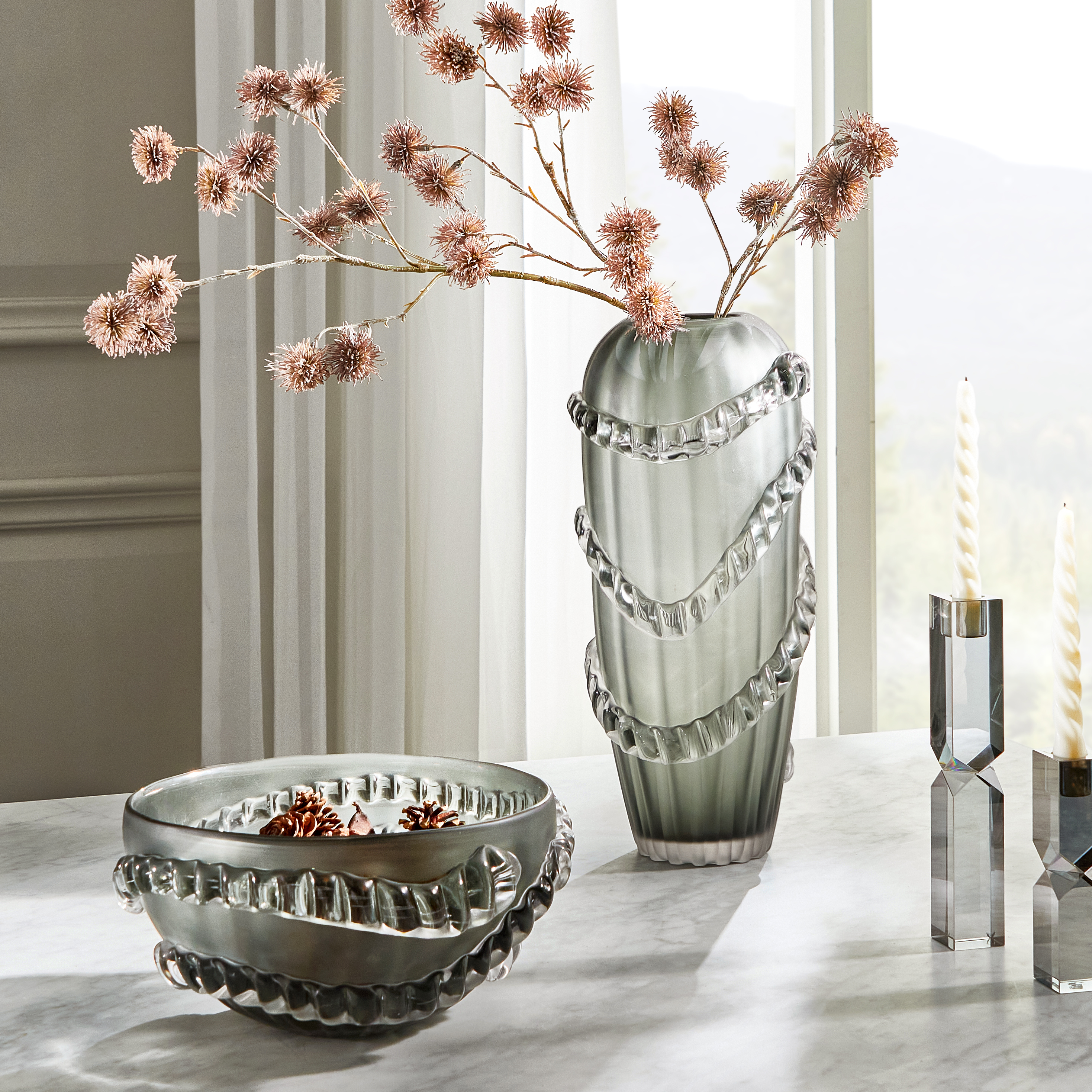 Helix Glass Collection$129
A hand-blown dark gray glass piece featuring fluted bodies and rippling sculptural ribbons for modern elegance.
Add To Cart -
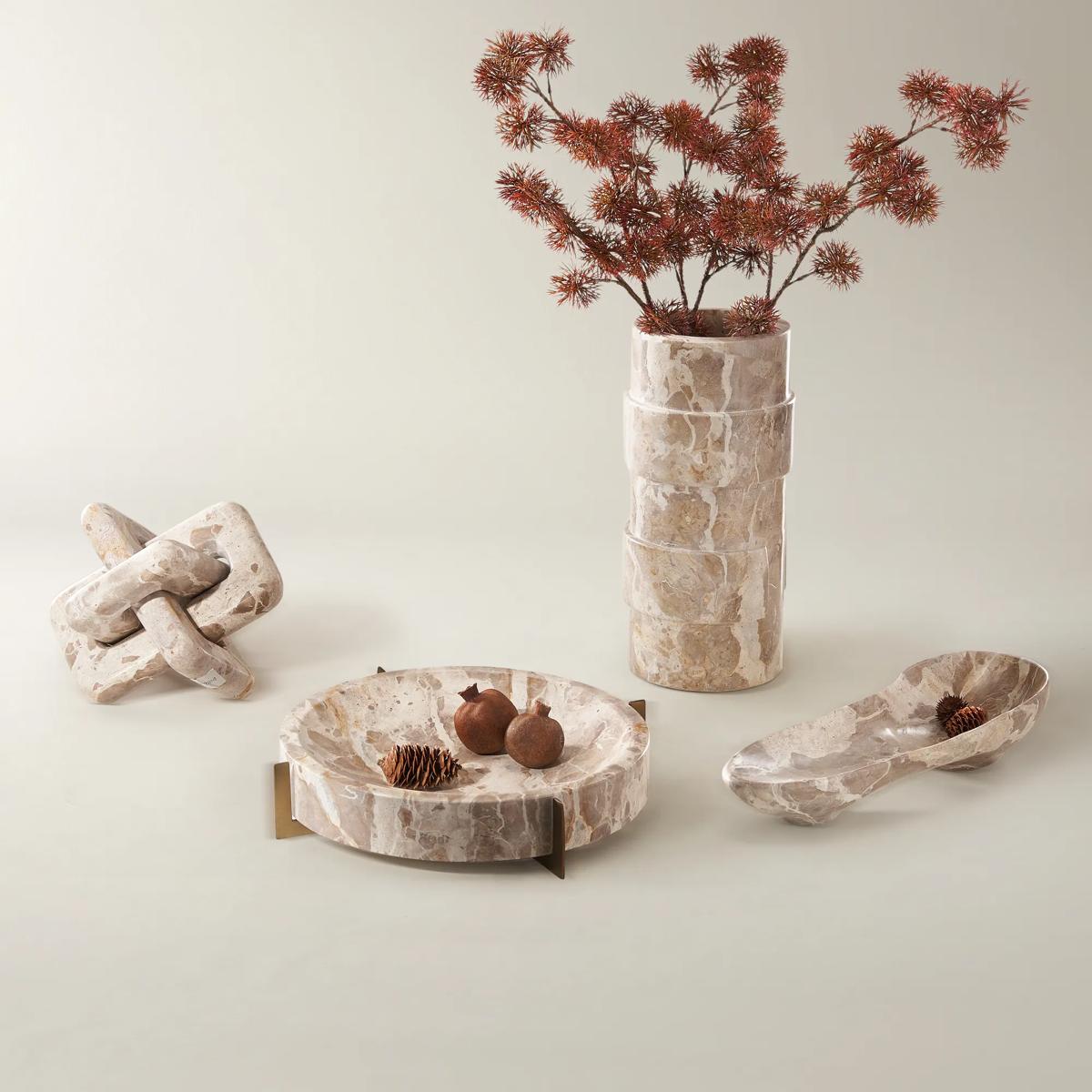
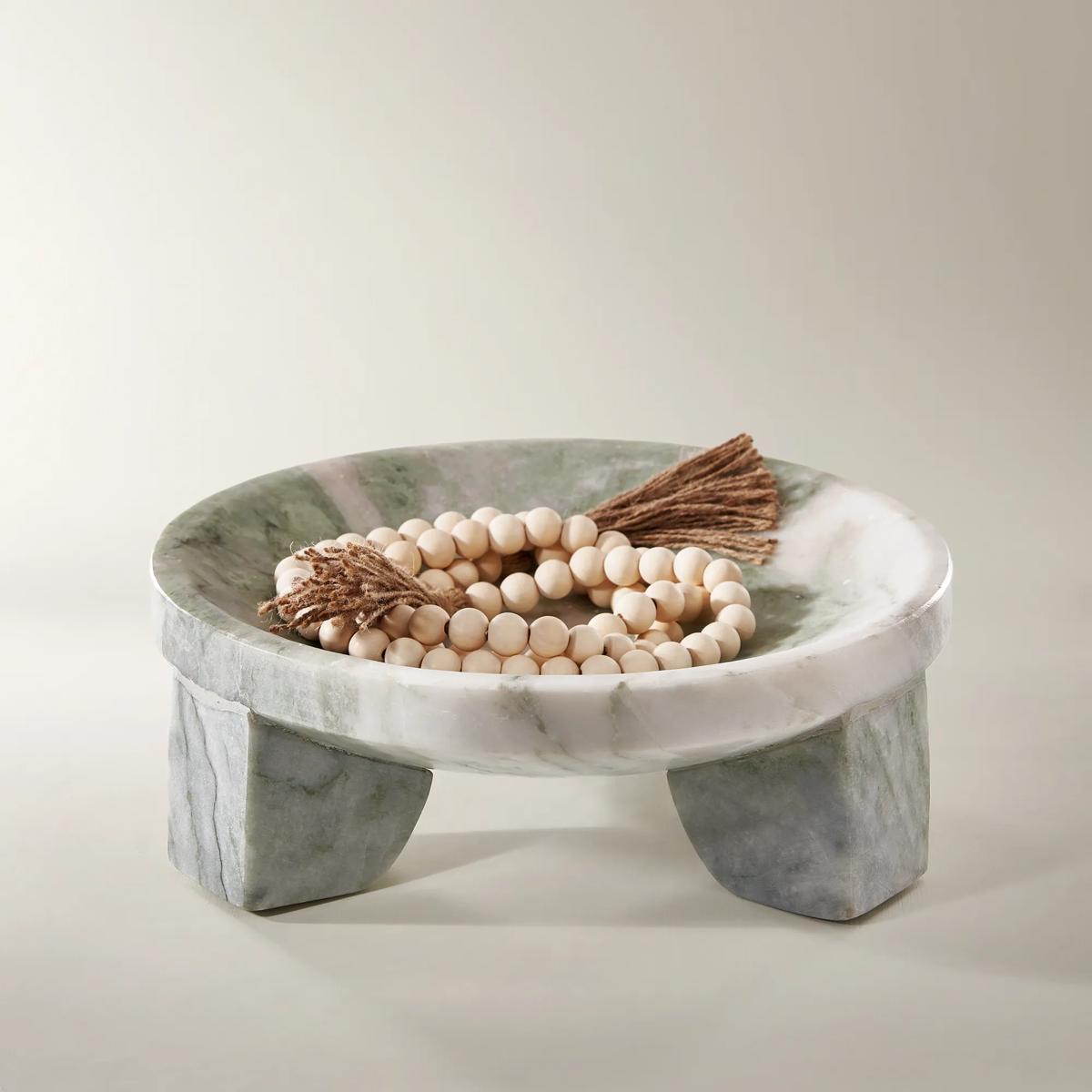
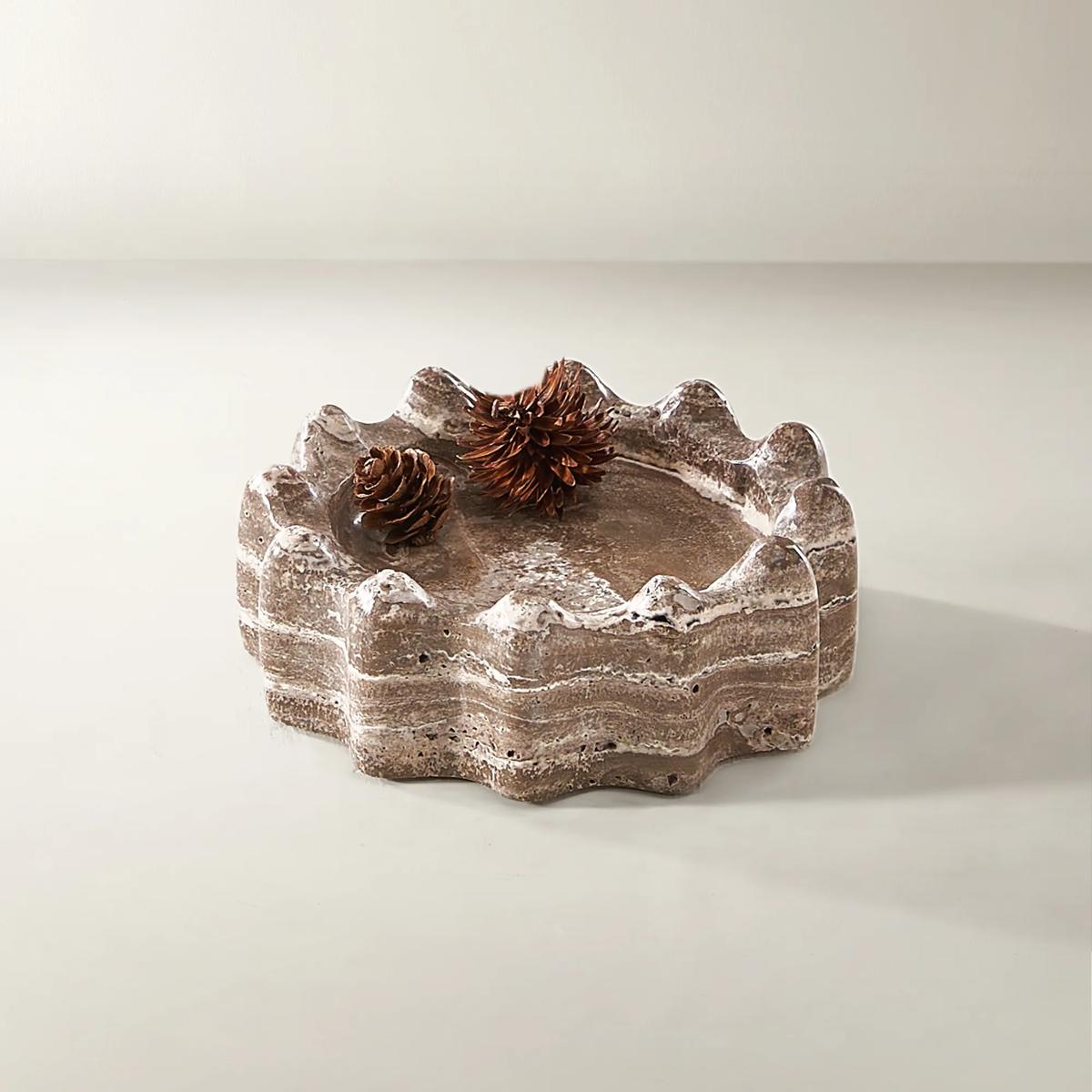 Flora Marble Catchall - Small$89
A hand-carved sand travertine catchall featuring unique veining and undulating, flower-inspired edges.
Add To Cart -
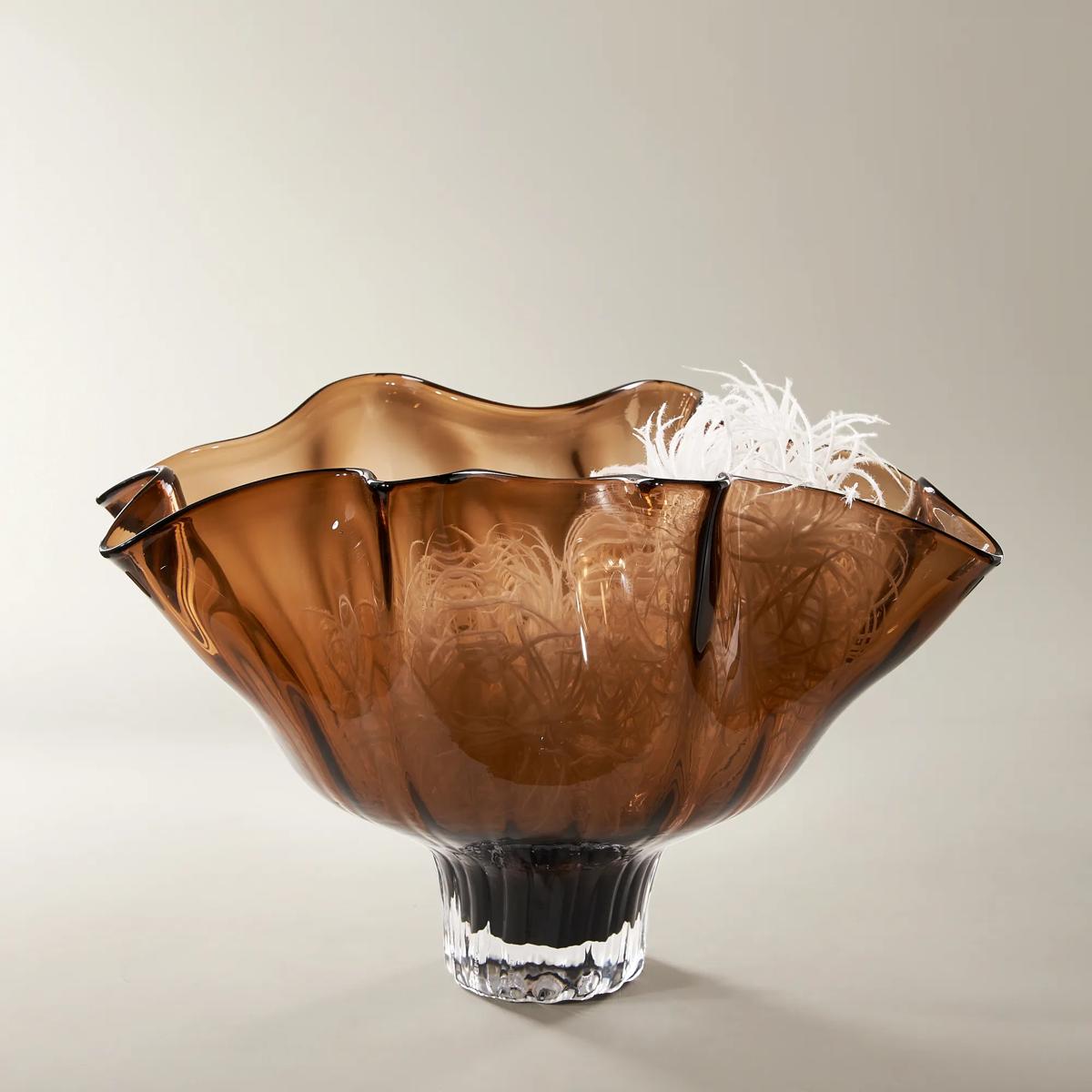
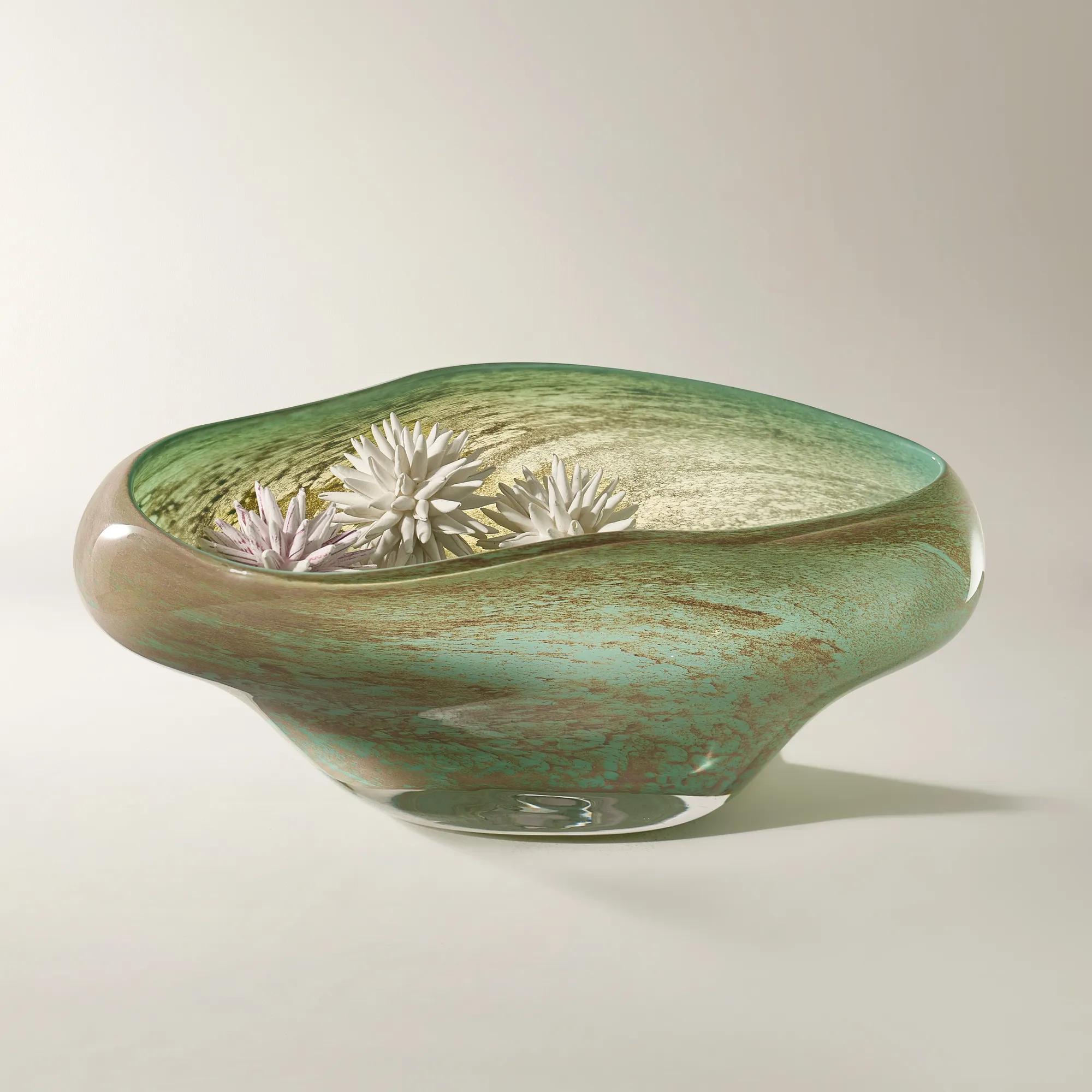
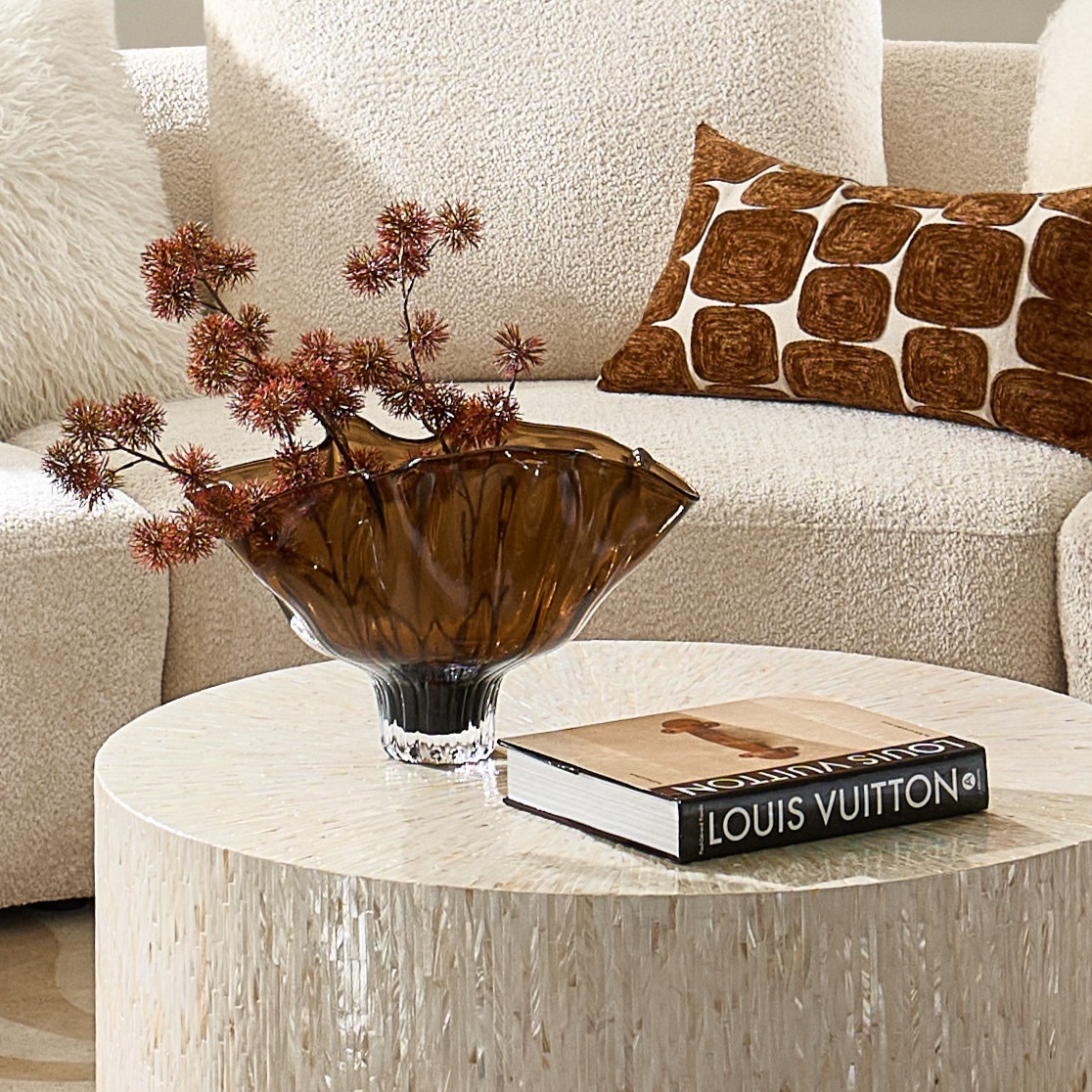 Coco Mouthblown Brown Glass Bowl 17" x 9.75"$139
A hand-blown brown glass bowl with an undulating rim and clear tapered base for sculptural elegance.
Add To Cart -
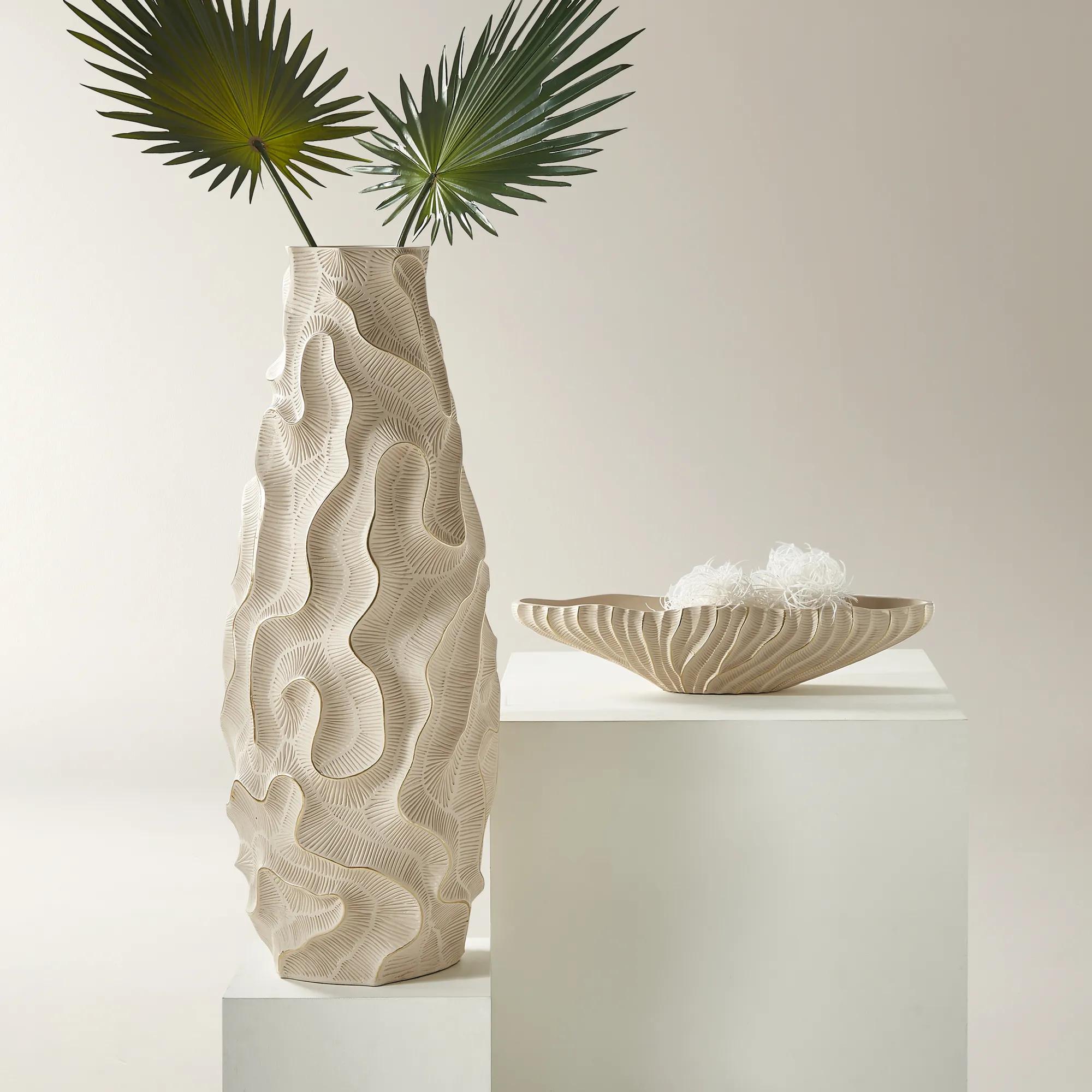
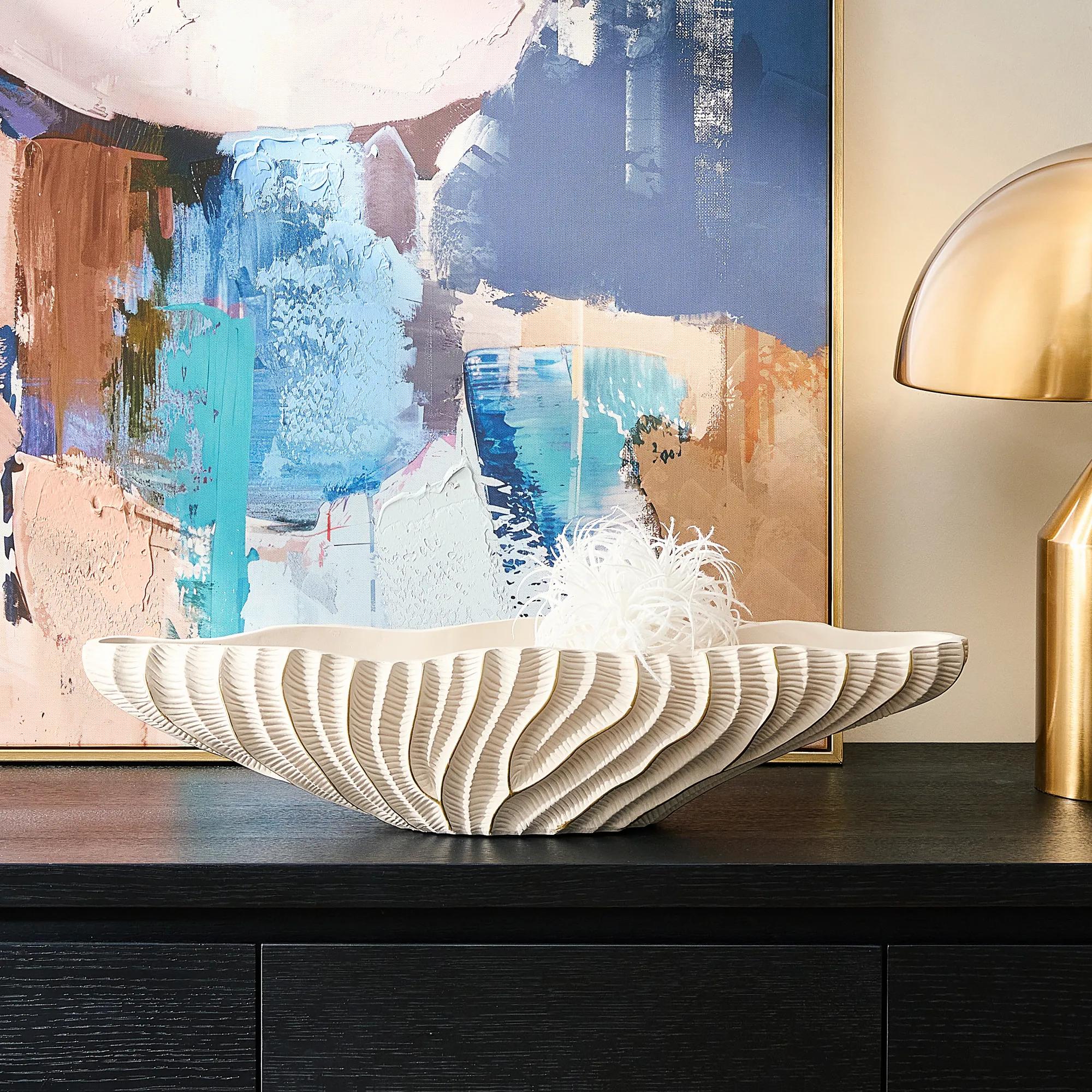 Rouche Ivory And Gold Etched Resin Floor Vase & Bowl$79
A decorative resin vase and bowl set with organic forms, ivory surfaces, and elegant gold etching.
Add To Cart -
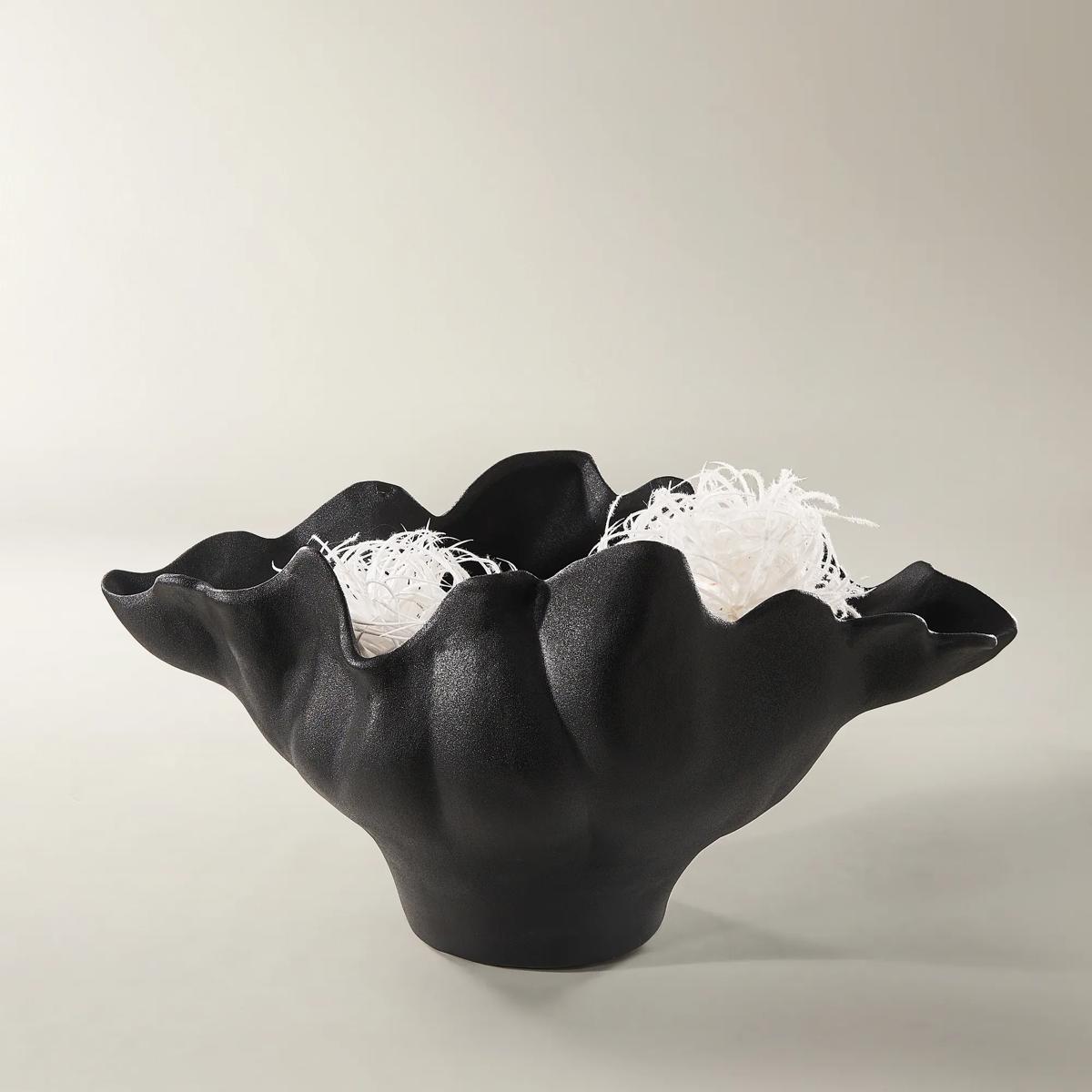
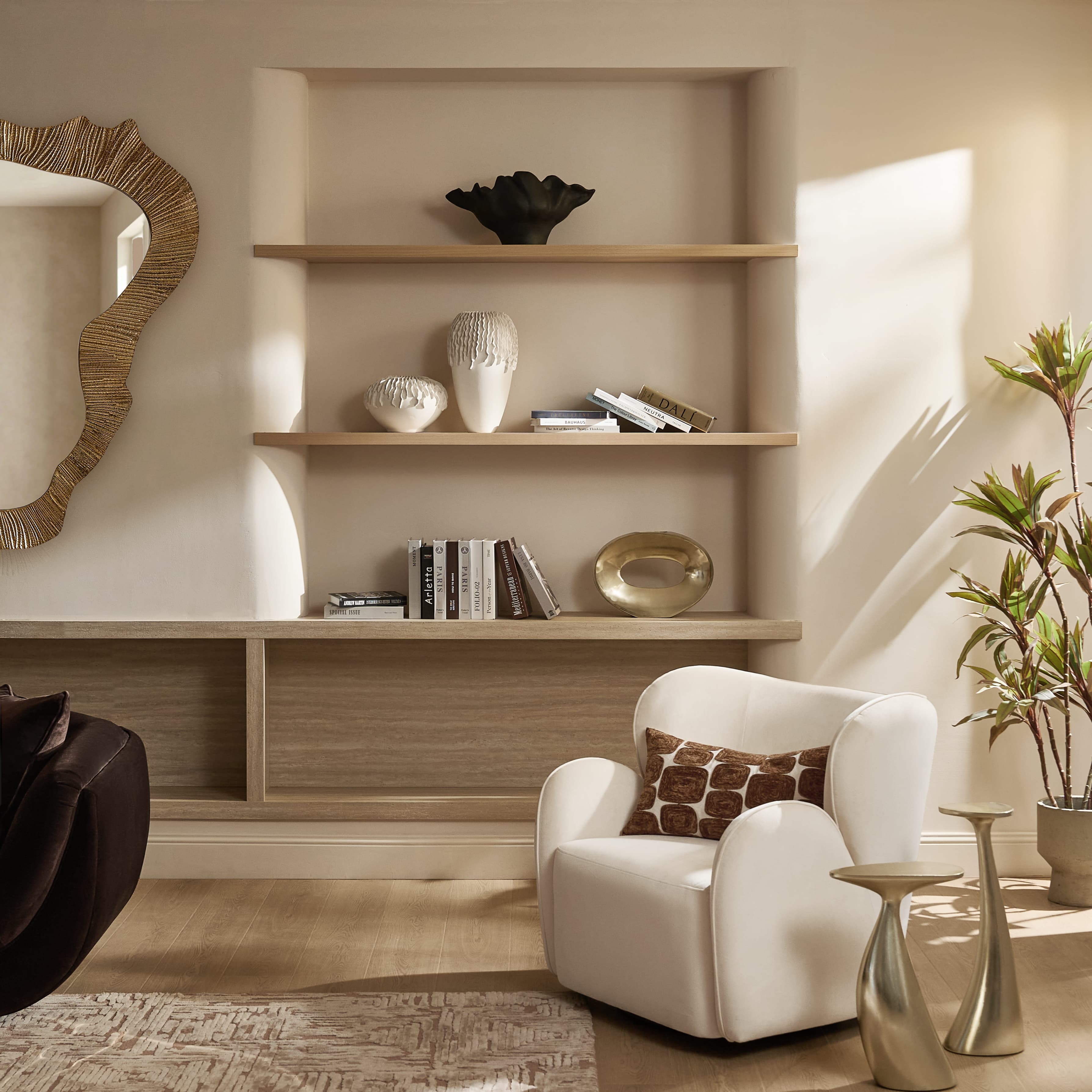 Ebba Black Porcelain Decorative Bowl 20.25" x 10.25"$199
A sculptural matte black porcelain bowl with undulating petal-like edges for bold, artistic elegance.
Add To Cart -
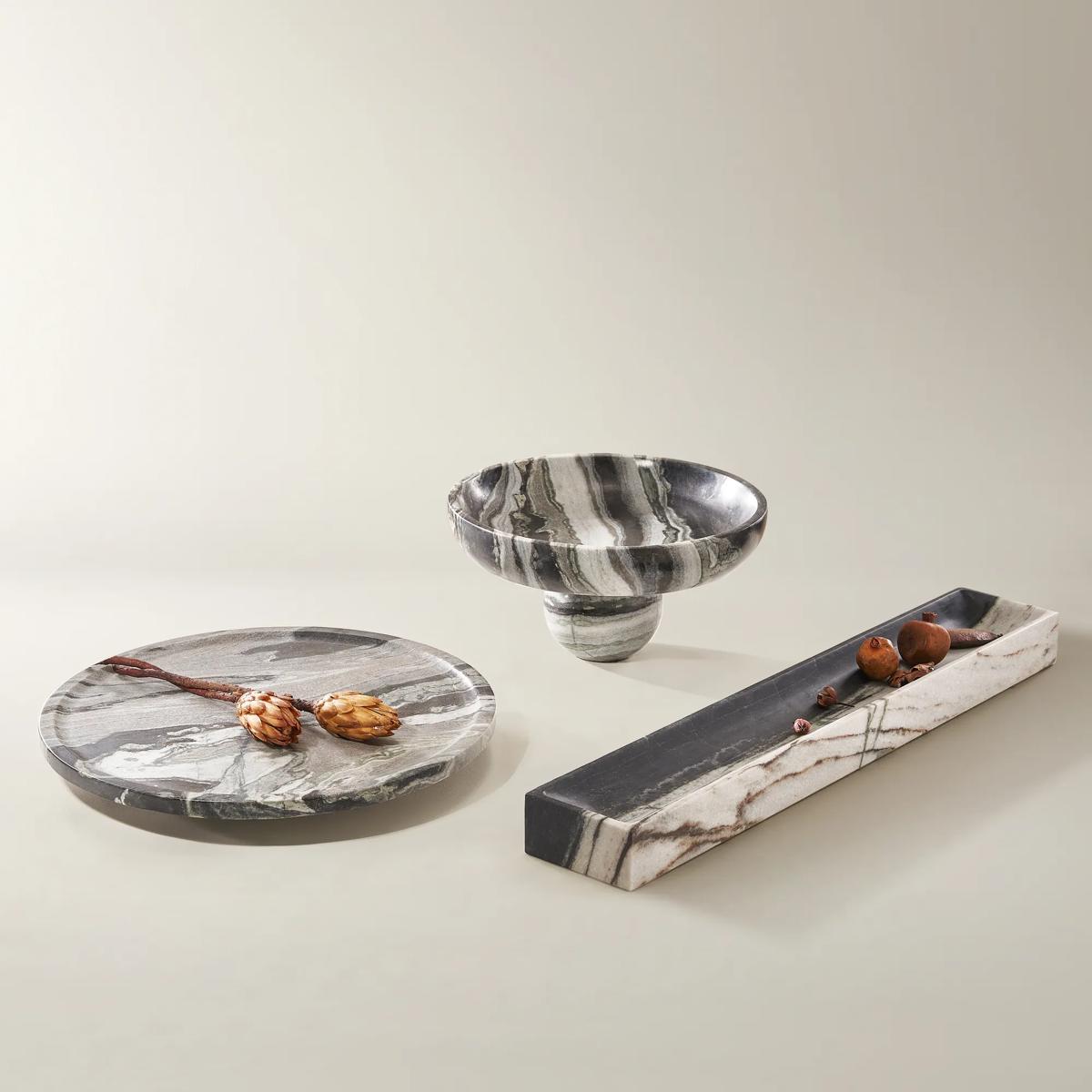
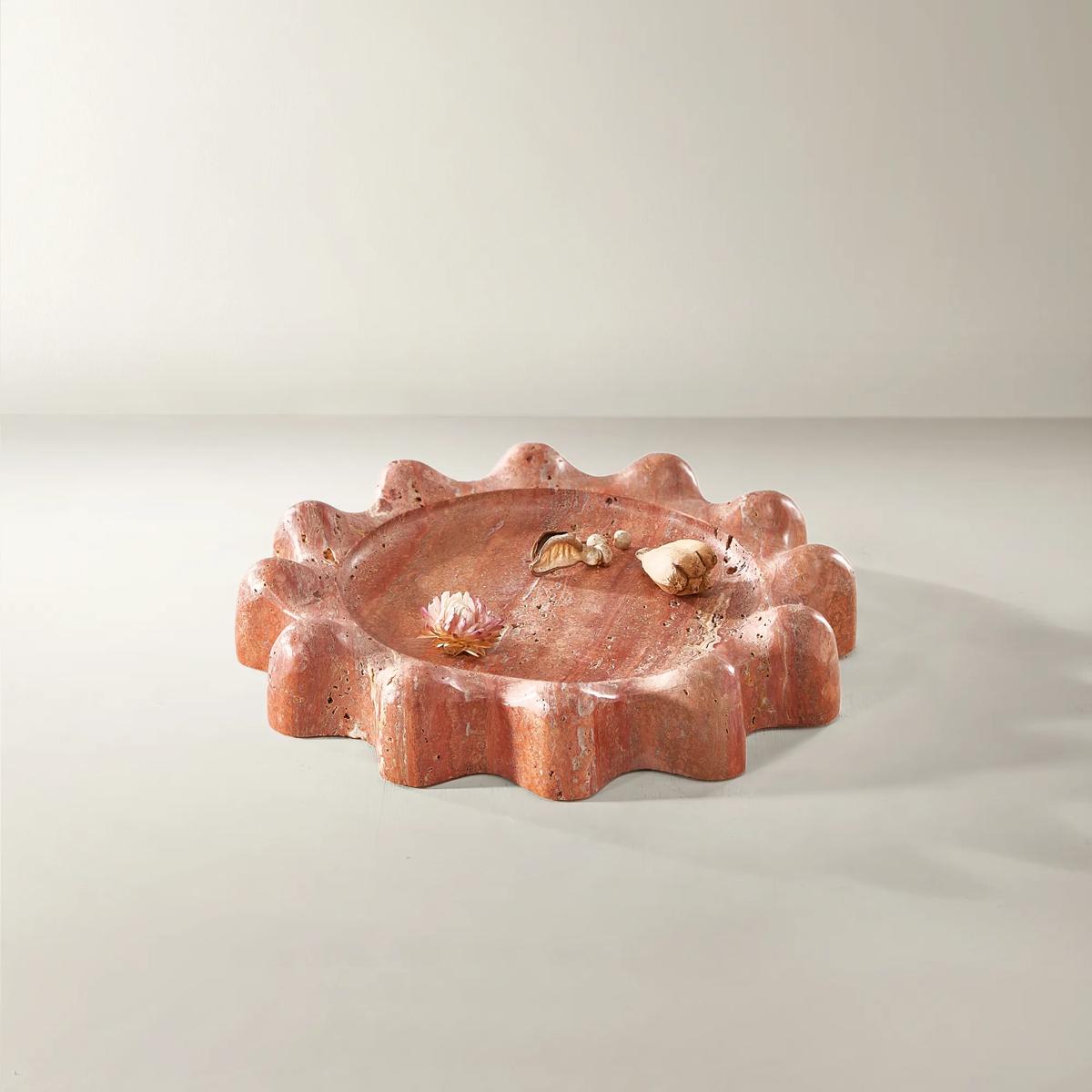 Flora Marble Catchall - Large$159
A hand-carved red travertine catchall with unique veining and undulating, flower-inspired edges.
Add To Cart -
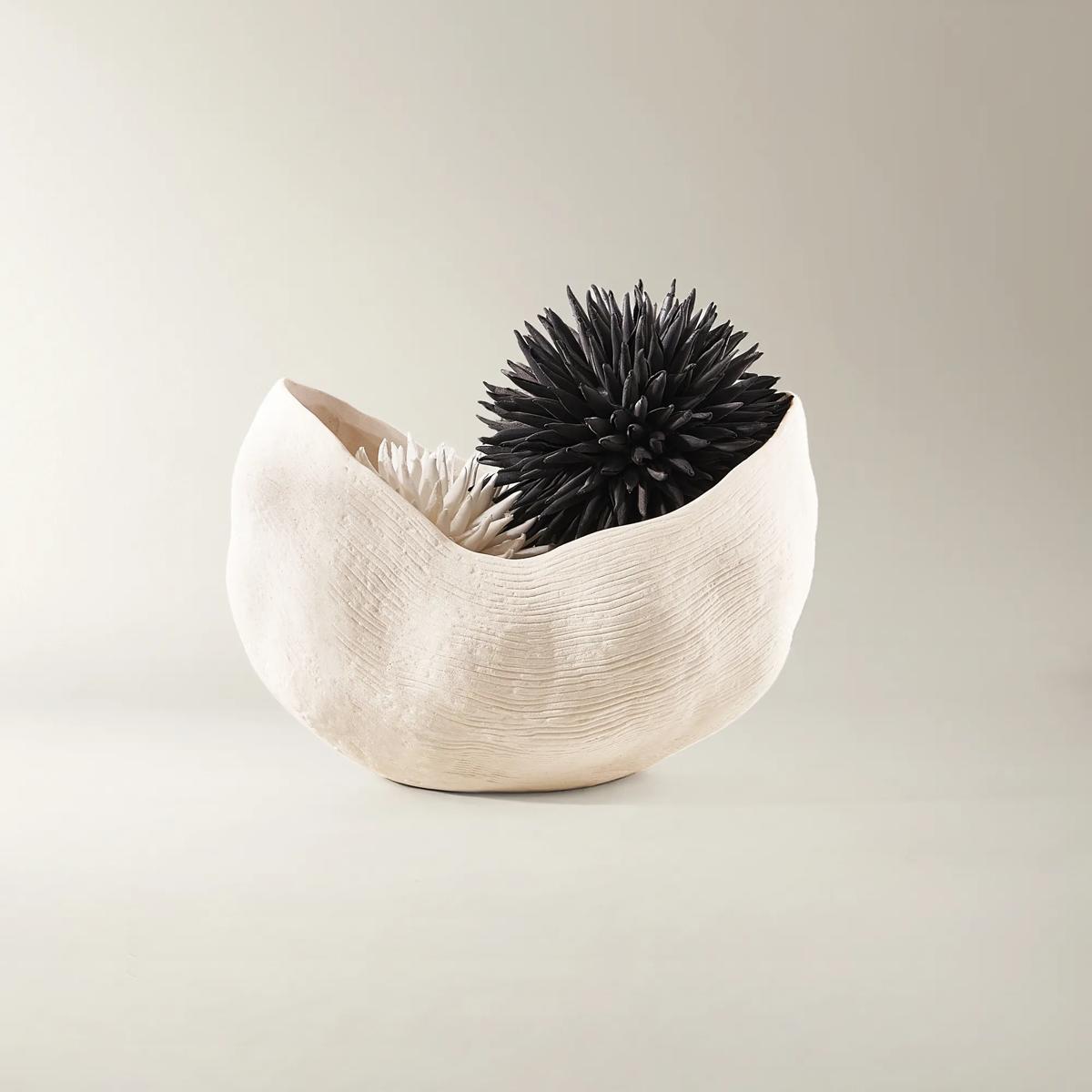
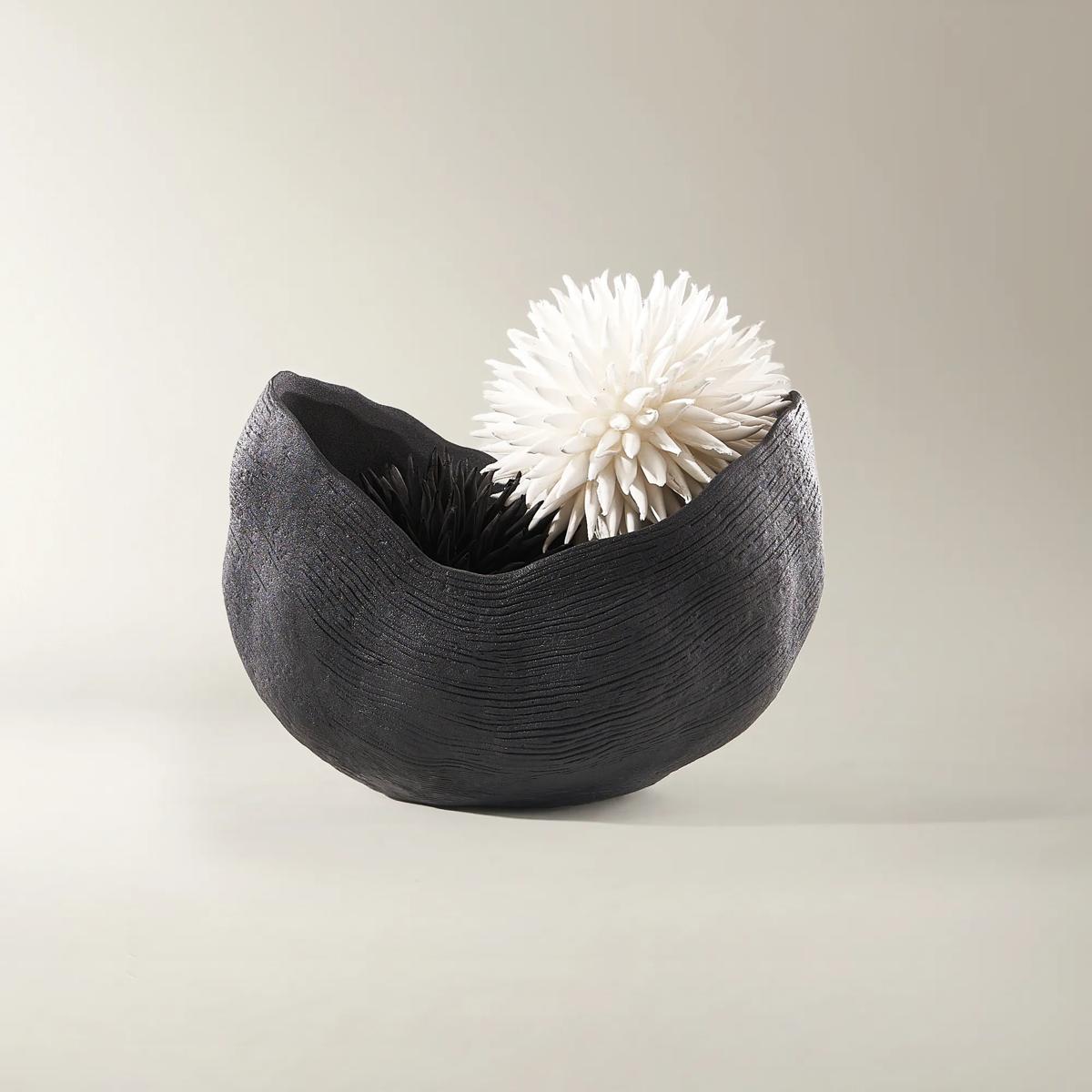 Baz Bowl - Black$119
A sculptural black porcelain bowl with a matte, ridged texture for bold, modern decor accents.
Add To Cart

Scalloped And Rippled Decorative Bowls
Explore scalloped and rippled decorative bowls that bring sculptural movement to coffee tables, consoles, and shelves. Defined by curved edges and undulating contours, these accent bowls offer an expressive alternative to simple silhouettes. Style one as a focal point or pair it with streamlined decor to let its distinctive shape command attention.
Scalloped and rippled decorative bowls are sculptural accents defined by curved edges, undulating surfaces, or wave-like folds that bring movement to a tabletop. A scalloped bowl typically has a rim formed by repeated rounded curves, while a rippled bowl may carry flowing ridges across its sides, interior, or entire silhouette. Some designs combine both details, creating a vessel that feels as expressive as a piece of sculpture. These contours give light somewhere to linger: a glossy crest catches a bright reflection, while the neighboring fold settles into shadow. On a coffee table, that interplay adds dimension beside the clean lines of a book stack or rectangular tray. On a console, a wide, ruffled silhouette can establish a dramatic focal point beneath artwork without competing with its height. The effect depends as much on proportion as ornament. Broad, shallow bowls emphasize the sweep of the rim and reveal more of the interior; deeper vessels draw attention to their exterior profile and create a more substantial presence. A delicately scalloped edge can soften a room filled with angular furniture, while pronounced ripples introduce theatrical movement to a restrained arrangement. For a layered vignette, pair the bowl with elements that offer a different visual rhythm, such as a smooth cylindrical vase or a tailored upholstered surface nearby. Repeating too many wavy shapes can blur their individual character, so a few crisp lines help the curves stand apart. These decorative bowls also have presence when displayed empty. Leaving the interior open preserves the full sweep of the form, particularly when the surface has distinctive glazing, translucent depth, or a striking finish. For anyone drawn to expressive interiors, the appeal lies in this balance: a familiar vessel becomes an artistic gesture, bringing texture and personality to the places where daily life unfolds.
Material shapes both the appearance of a decorative bowl and the way it belongs in a room. Ceramic offers a broad range of expressions, from softly textured surfaces to luminous glazes that pool around ridges and accentuate their depth. The appeal of Decorative Ceramic Bowls is especially evident in sculptural forms, where the body of the vessel and its finish work together to define each curve. Porcelain can support a more refined visual effect, though actual weight, thickness, and translucency vary by design. Glass brings another kind of drama: clear or tinted walls allow light to travel through the bowl, making ripples visible through overlapping reflections. Against a darker tabletop, a glass silhouette may become especially distinct; against a pale surface, it can feel more ethereal. Metal bowls introduce reflective brilliance or a softer, brushed luster, depending on the finish. Their folds can appear sharply tailored or fluid, giving a console or dining table an architectural accent. Wood emphasizes grain and warmth, with carved contours offering a tactile contrast to polished stone or glass furniture. Resin and concrete can also lend themselves to sculptural shapes, although their weight, texture, and finish vary considerably. The material name alone does not establish durability: wall thickness, construction, surface treatment, and the delicacy of the rim all matter. Color deserves equal attention. An ivory bowl can make shadow and contour the central attraction, while a saturated hue gives the entire silhouette greater visual weight. Metallic finishes draw the eye through reflection, and matte finishes tend to emphasize shape without the same degree of shine. When choosing a finish, consider the surfaces already surrounding it. A lustrous bowl on a matte console creates contrast; a textured ceramic form on polished stone offers a softer counterpoint. Rather than matching every accent precisely, allow a shared undertone or repeated finish to connect the arrangement while the bowl contributes its own distinctive character.
Scale, placement, and intended use determine how comfortably a scalloped or rippled bowl fits into everyday living. Measure the available surface before choosing a size, accounting for the outermost edge rather than only the bowl’s interior. An expansive ruffled rim can extend well beyond its base, so a generous footprint needs enough clearance to remain away from passing hands and table edges. On a coffee table, leave room for drinks and conversation essentials instead of allowing the arrangement to occupy the entire surface. A low bowl on a dining table preserves clearer sight lines than a tall centerpiece, while a deeper form may have more presence on a broad entry console. If the bowl will hold keys or other small belongings, consider whether those objects could scratch the interior or disappear into deep folds. A smooth, accessible interior is generally more practical for frequent handling, while intricate contours reward a display-focused placement. Decorative use does not automatically mean a bowl is suitable for food, water, candles, or fresh floral arrangements; rely on the stated use and care information before introducing any of those elements. For cleaning, follow the material-specific instructions and avoid assuming that a glazed or polished surface is dishwasher-safe. A soft cloth or gentle duster can help reach scalloped edges, while abrasive pads and harsh cleaners may damage delicate finishes. Lift the bowl from its base rather than pulling on a thin or projecting rim, and consider suitable protective pads beneath it if the tabletop is vulnerable to scratches. These details are worth considering when giving a decorative bowl as a housewarming, wedding, or host gift. Match its scale and character to the recipient’s home: a light-catching glass form for someone who favors luminous interiors, or a richly textured ceramic silhouette for someone who appreciates tactile objects. Whether presented as a gift or chosen for a personal space, the strongest piece feels intentional from every angle, with a shape worth noticing and a place where its sculptural detail can be fully appreciated.
FAQs
Scalloped decorative bowls typically feature a series of rounded curves along the rim, while rippled bowls evoke flowing waves across the rim or surface. Both bring sculptural movement to a vignette, transforming a familiar accent into an expressive focal point.
Let the bowl’s contours take the spotlight. Place it beside a stack of art books, then introduce a contrasting accent with clean, architectural lines. Leave open space around the arrangement so the undulating silhouette reads as sculpture rather than simply another layer of decor.
Decorative spheres, polished stones, or artfully arranged seasonal ornaments can echo the bowl’s curves or introduce contrast. For a more gallery-inspired presentation, leave the bowl empty: an expressive rim and sculptural surface can create all the drama the arrangement needs.
These fluid silhouettes bring an artistic flourish to modern, glamorous, and eclectic interiors. In a tailored room, their curves soften crisp lines; in a richly layered space, they add another note of movement. Repeat a color from the surrounding decor to make the statement feel intentional.
Build contrast around the curves. A streamlined vase, geometric object, or neatly stacked books gives a rippled or scalloped bowl a striking counterpoint. Connect the pieces through a shared tone or visual detail, allowing the bowl’s flowing shape to remain the defining gesture.