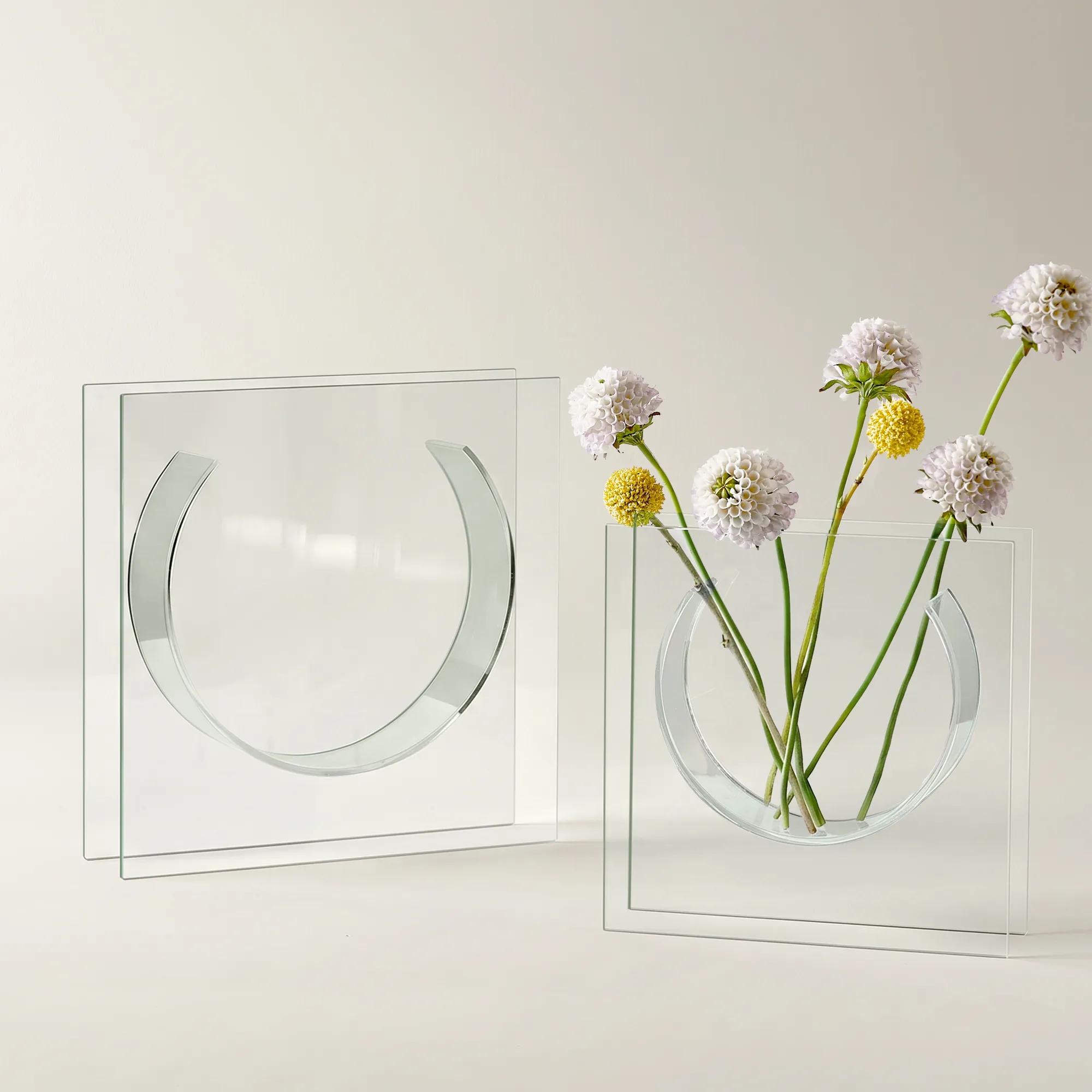
Wavy And Rippled Vases
Wavy And Rippled Vases
-
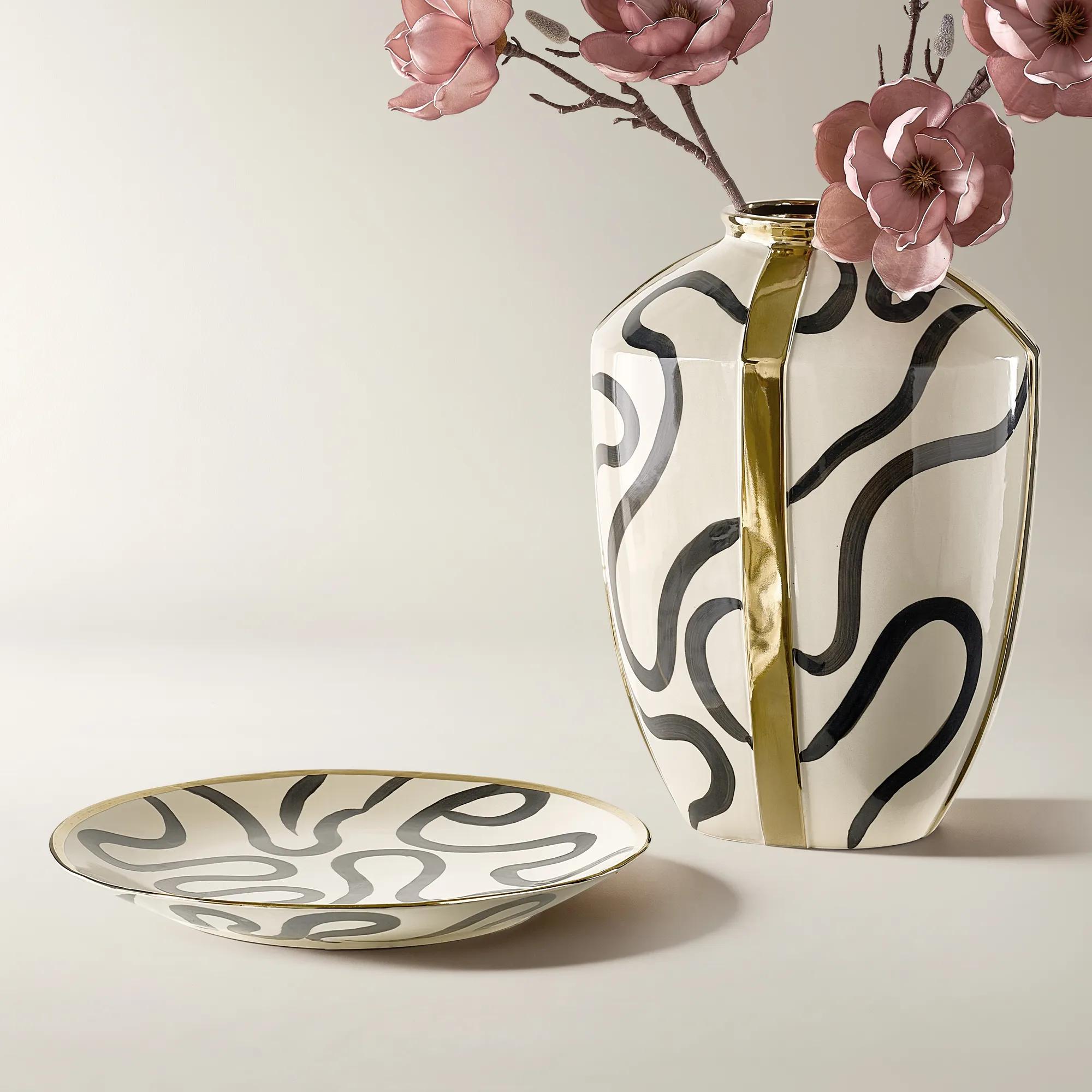
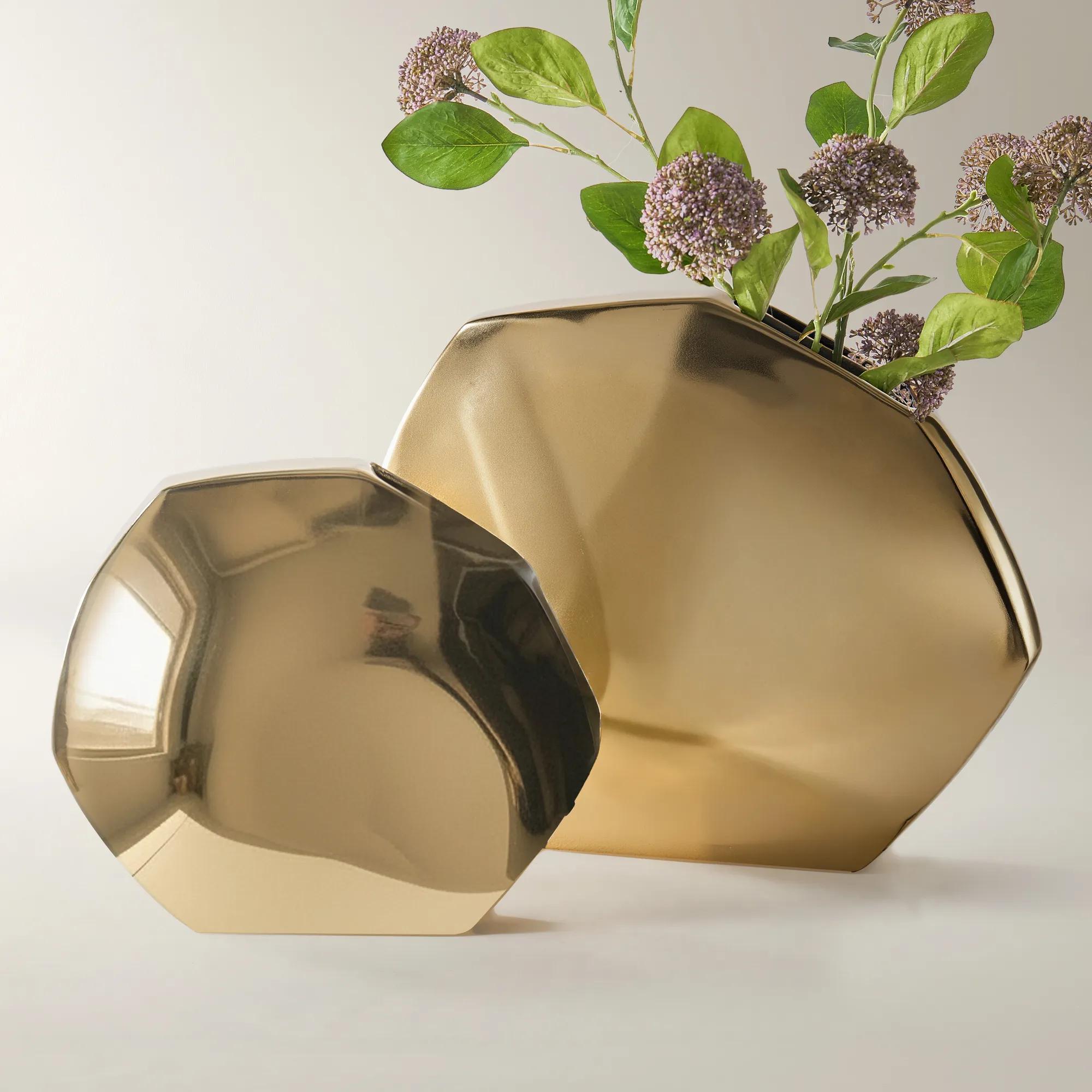
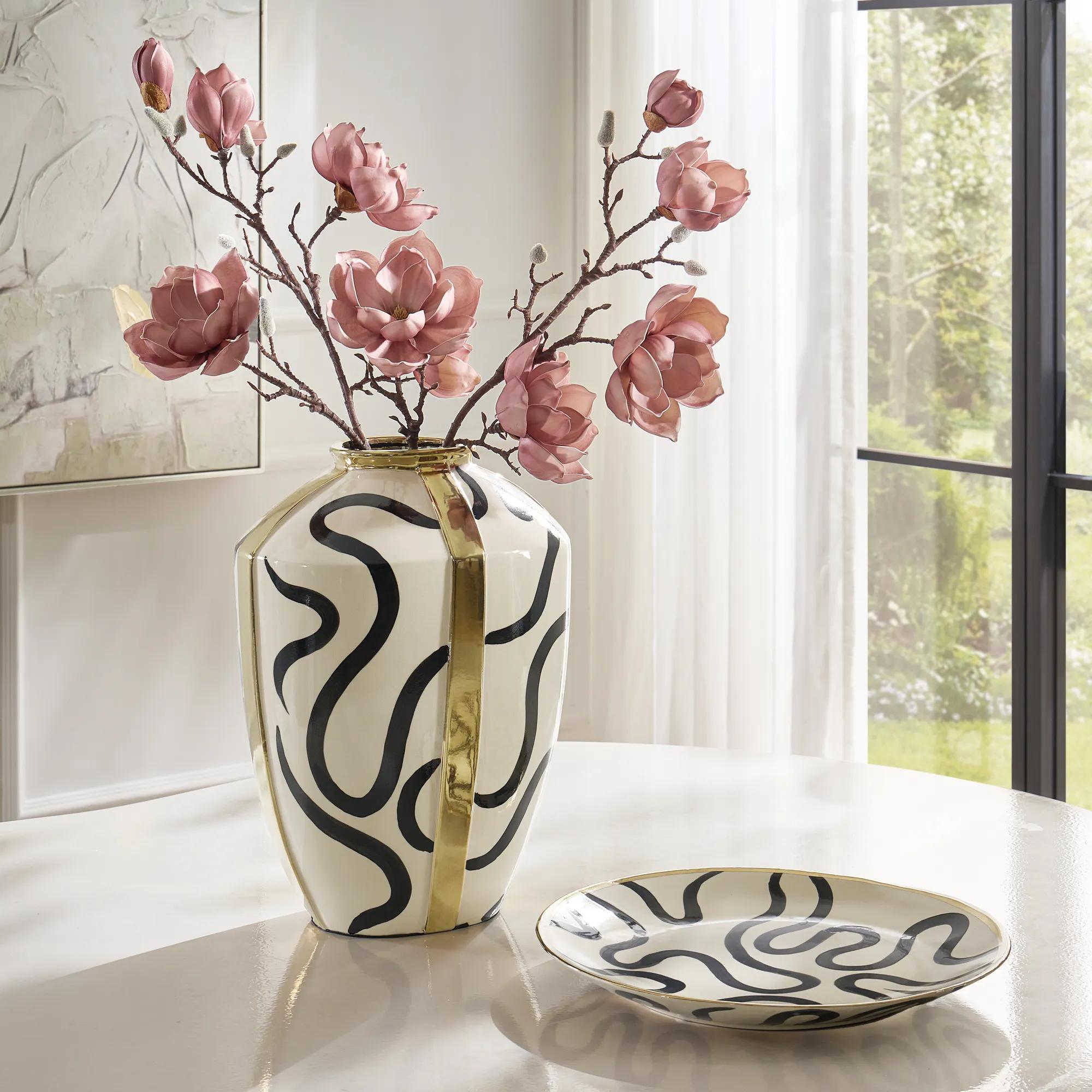 Sonder Soft Gold Black Ceramic Vase & Plate$99
A sculptural ceramic vase featuring interlacing wavy loops in soft gold, alabaster, and black tones.
Add To Cart -
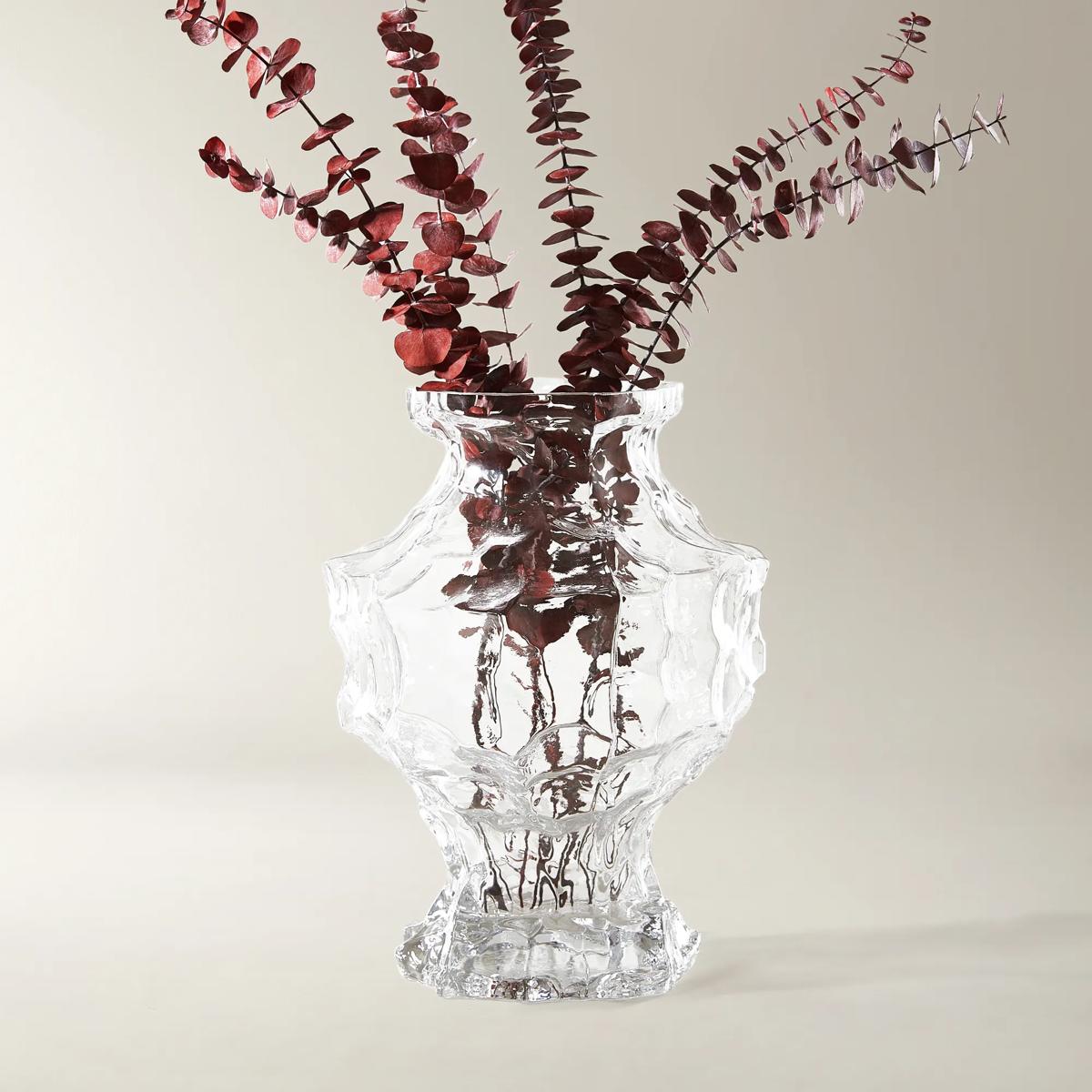
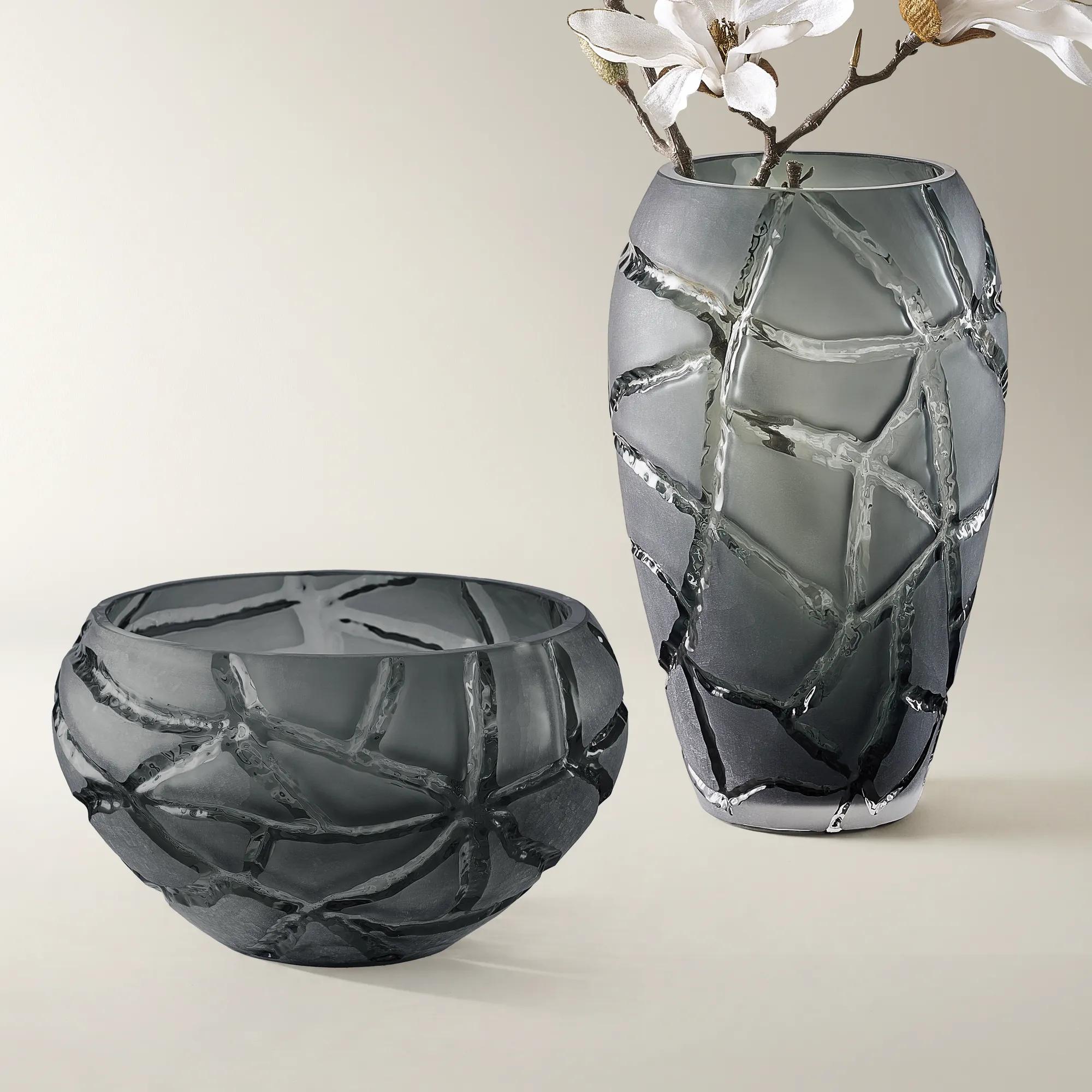
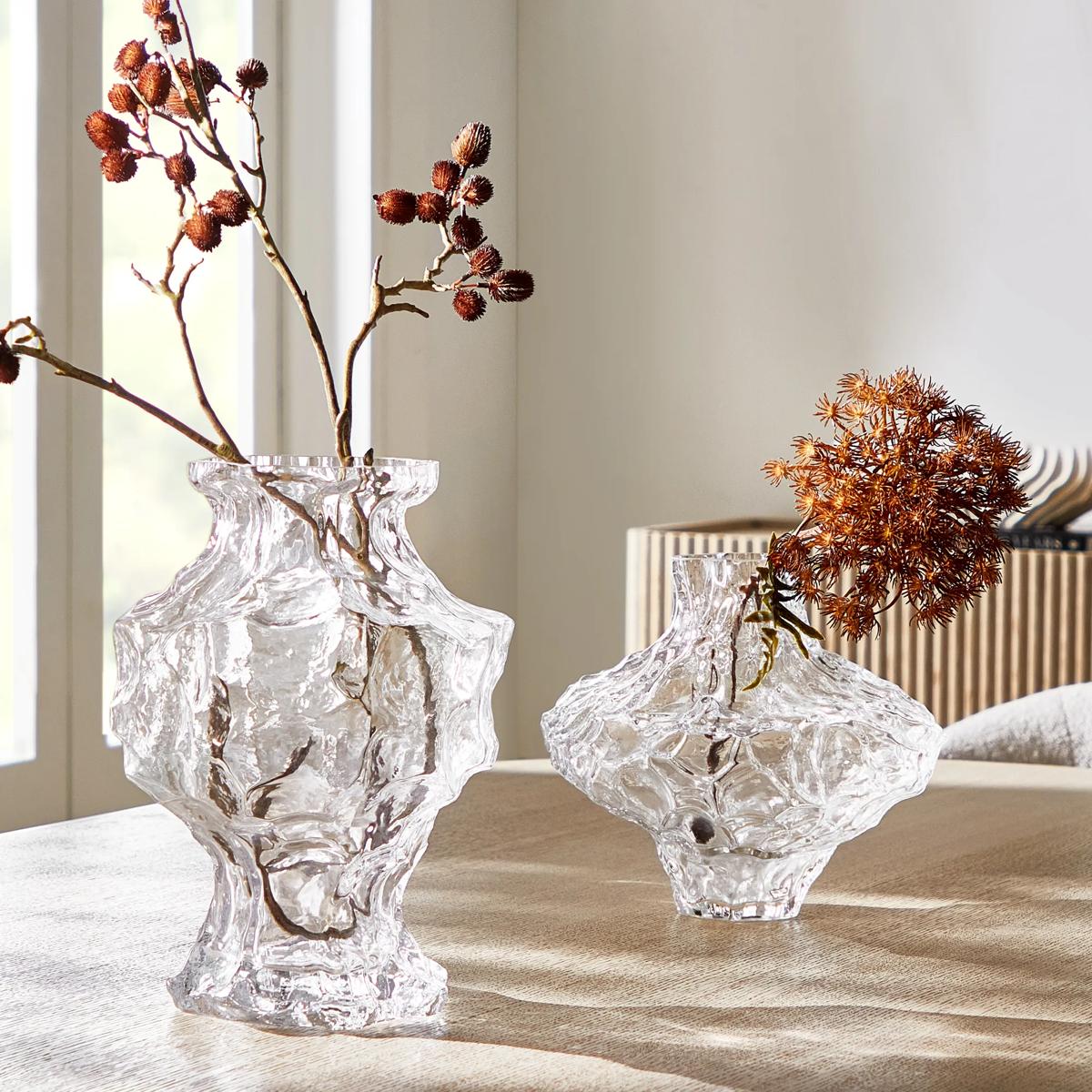 Mari Glass Vase$99
A hand-blown clear glass vase featuring rippling texture and modern, elegant curves.
Add To Cart -
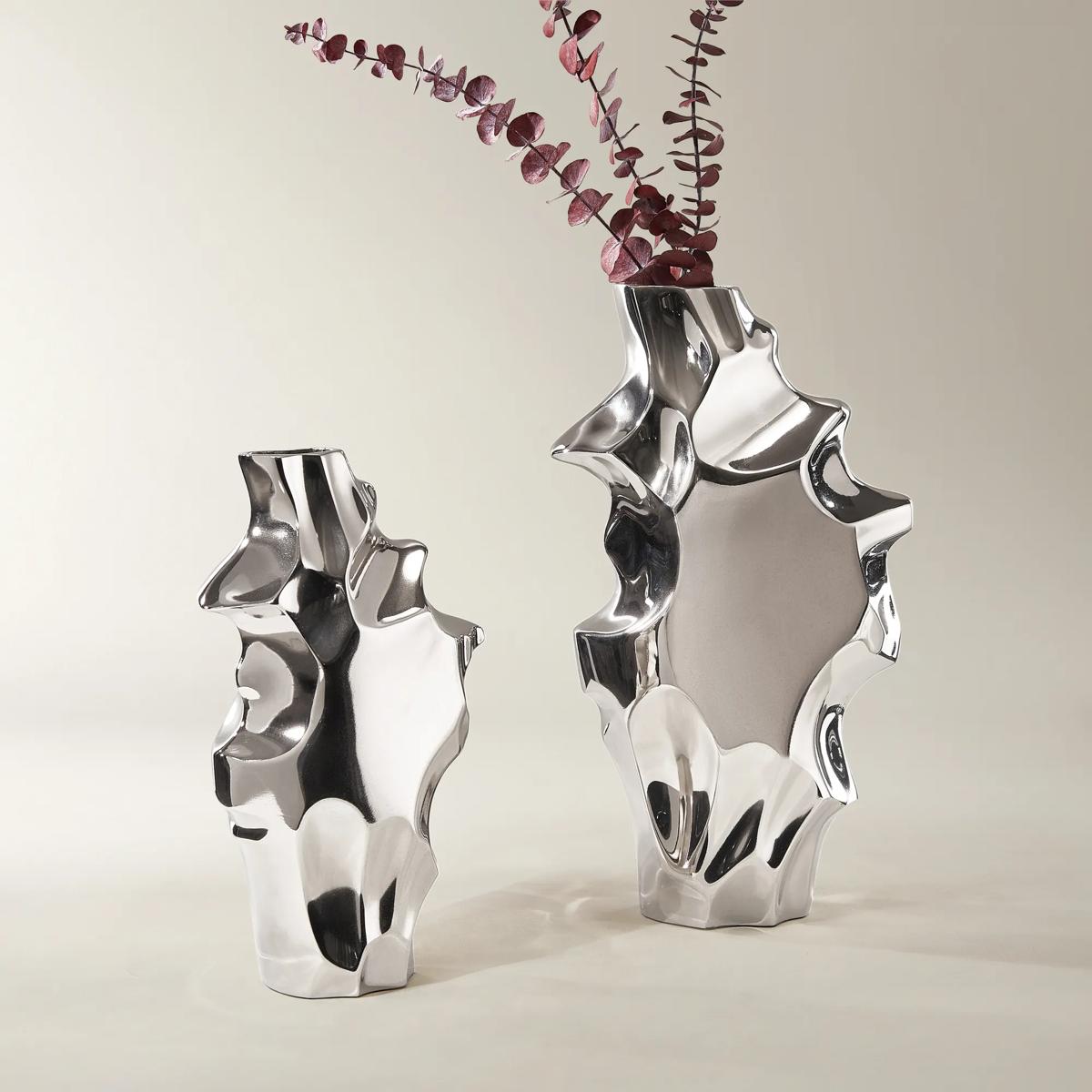
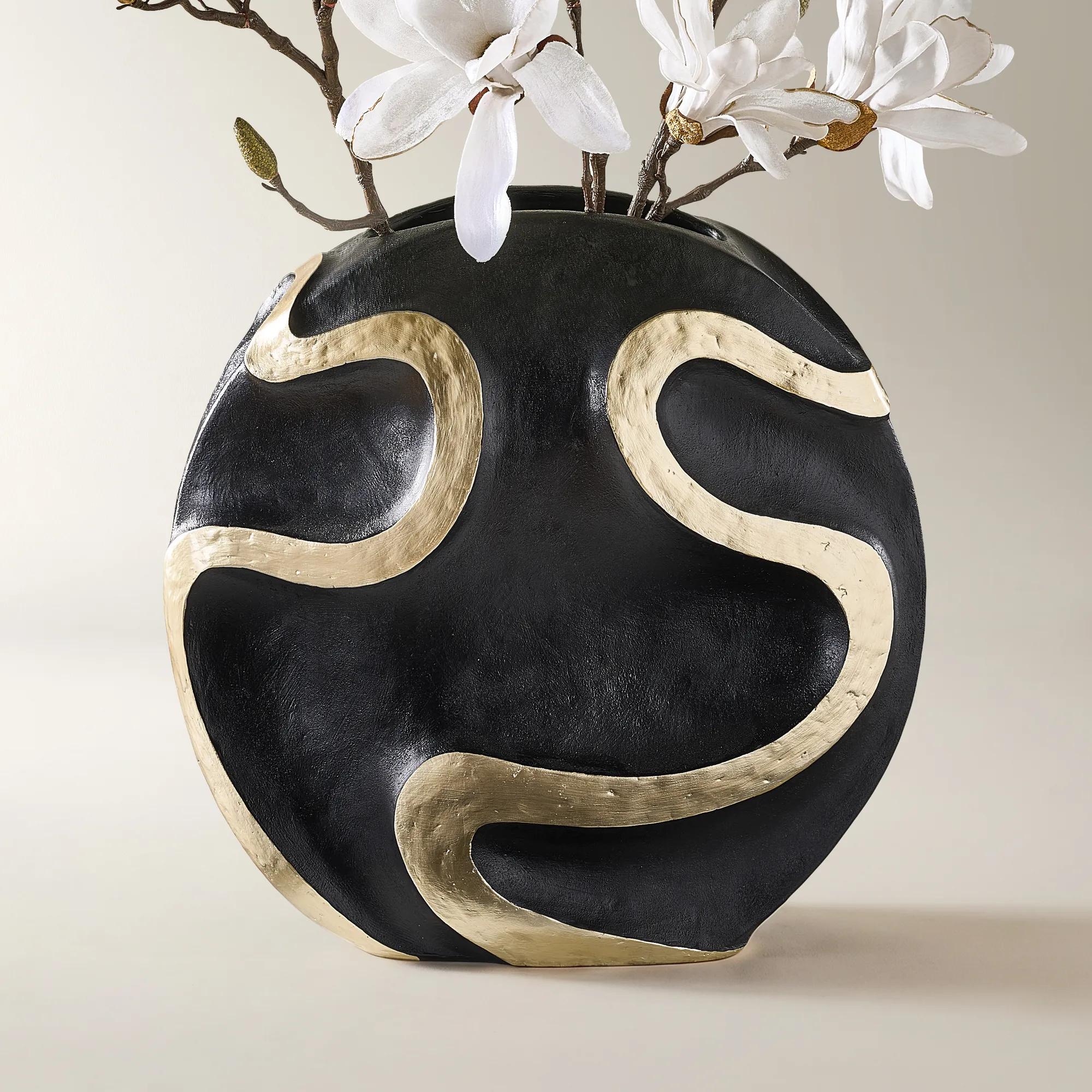 Seraphina Black Soft Gold Resin Vase 16.5"$179
A sculptural resin vase featuring interlacing wavy loops in soft gold and black for modern glamour.
Add To Cart -
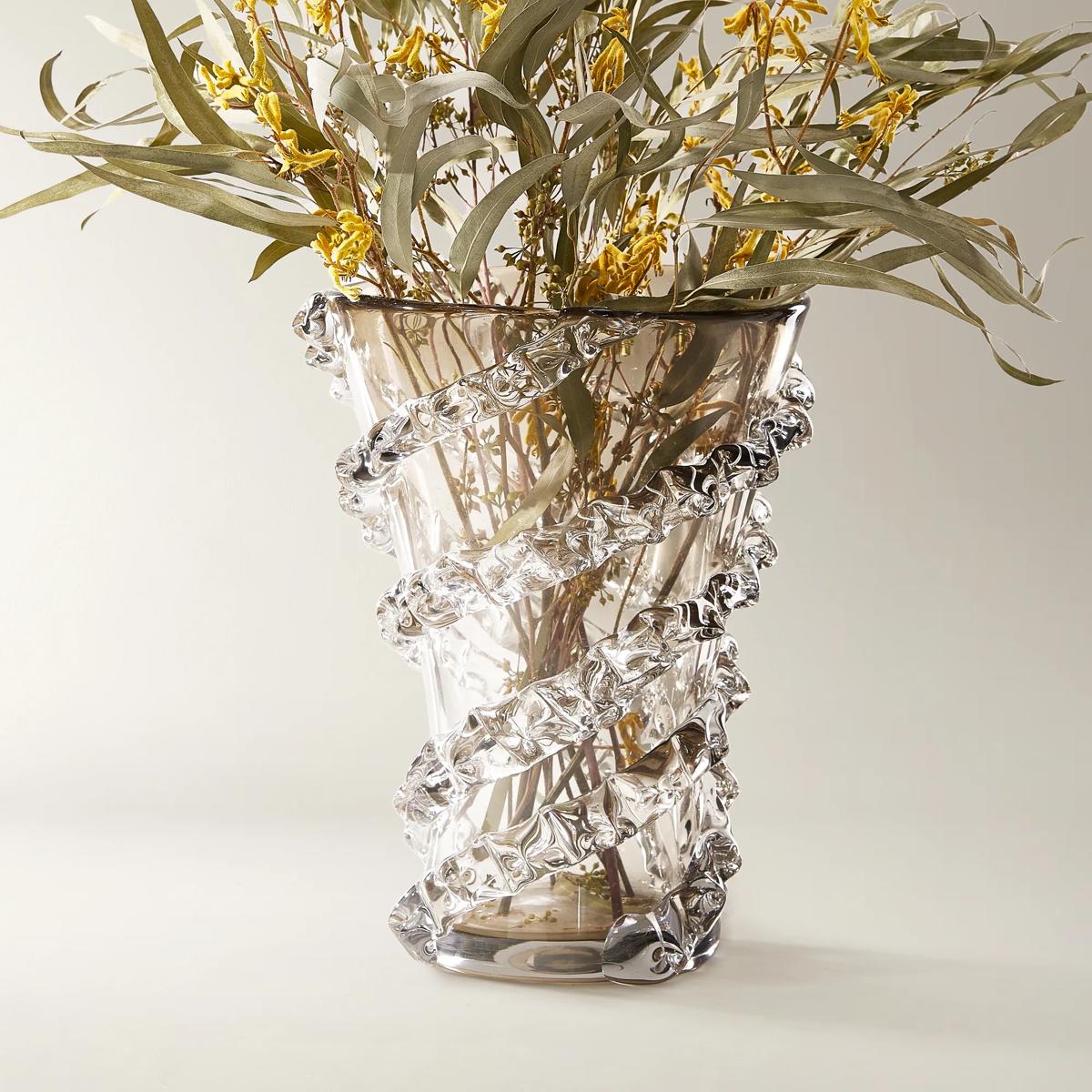
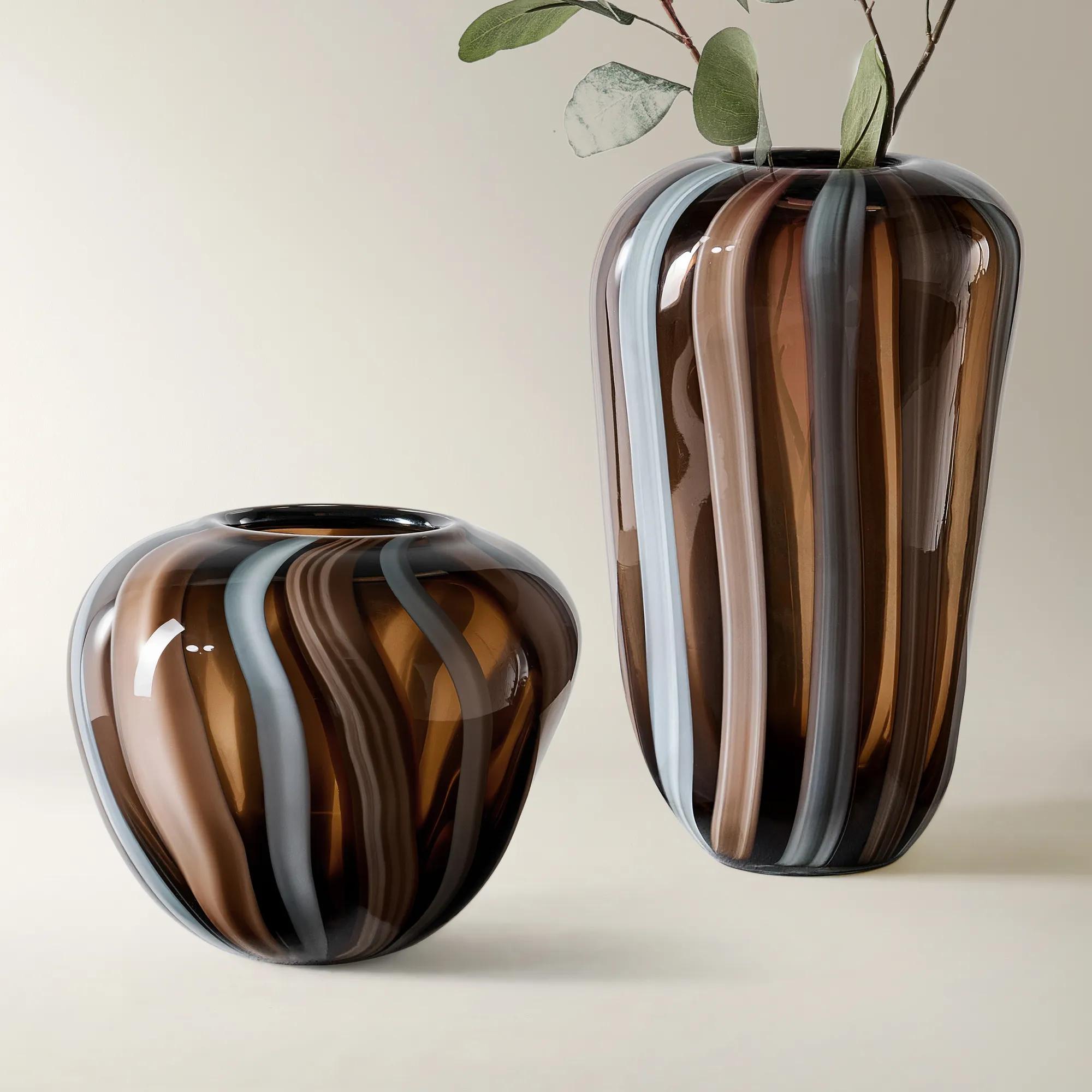
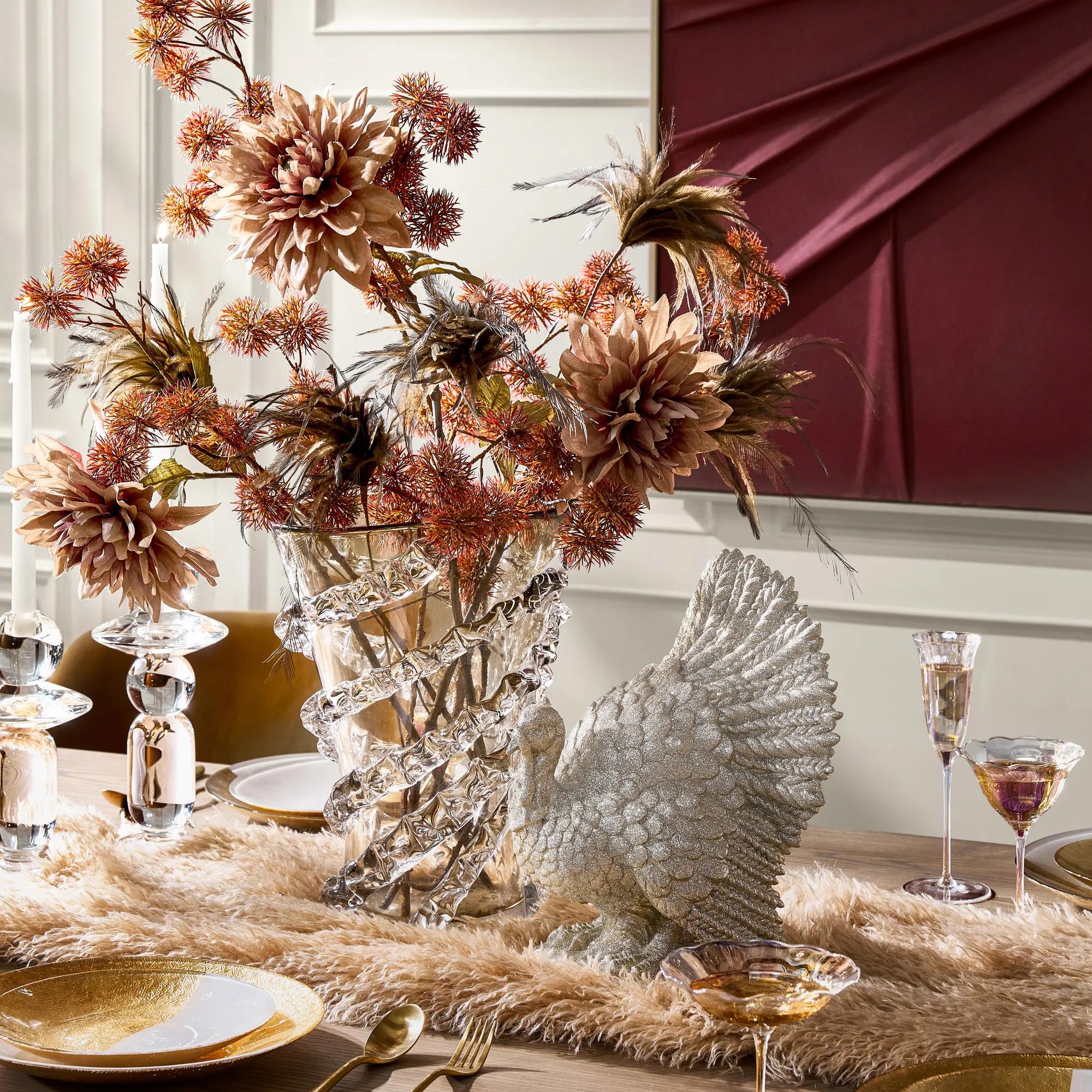 Reyna Glass Vase$299
A hand-blown glass vase featuring a sculptural swirl design and a smoky grey-brown finish.
Add To Cart -

 Madre Handcrafted Ivory Porcelain Vases$149
A handcrafted ivory porcelain vase with cascading textured fronds and a sculptural matte finish.
Add To Cart -
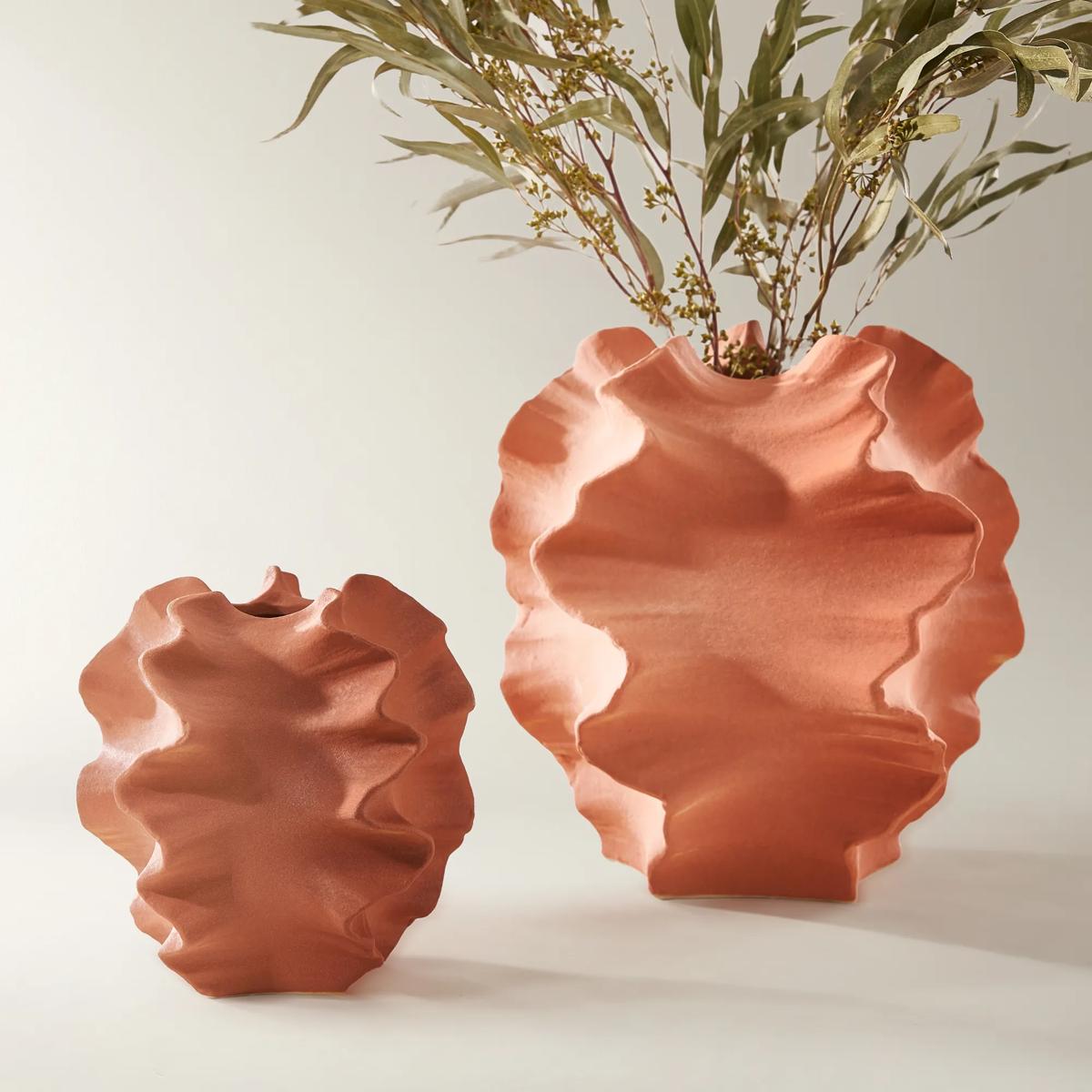
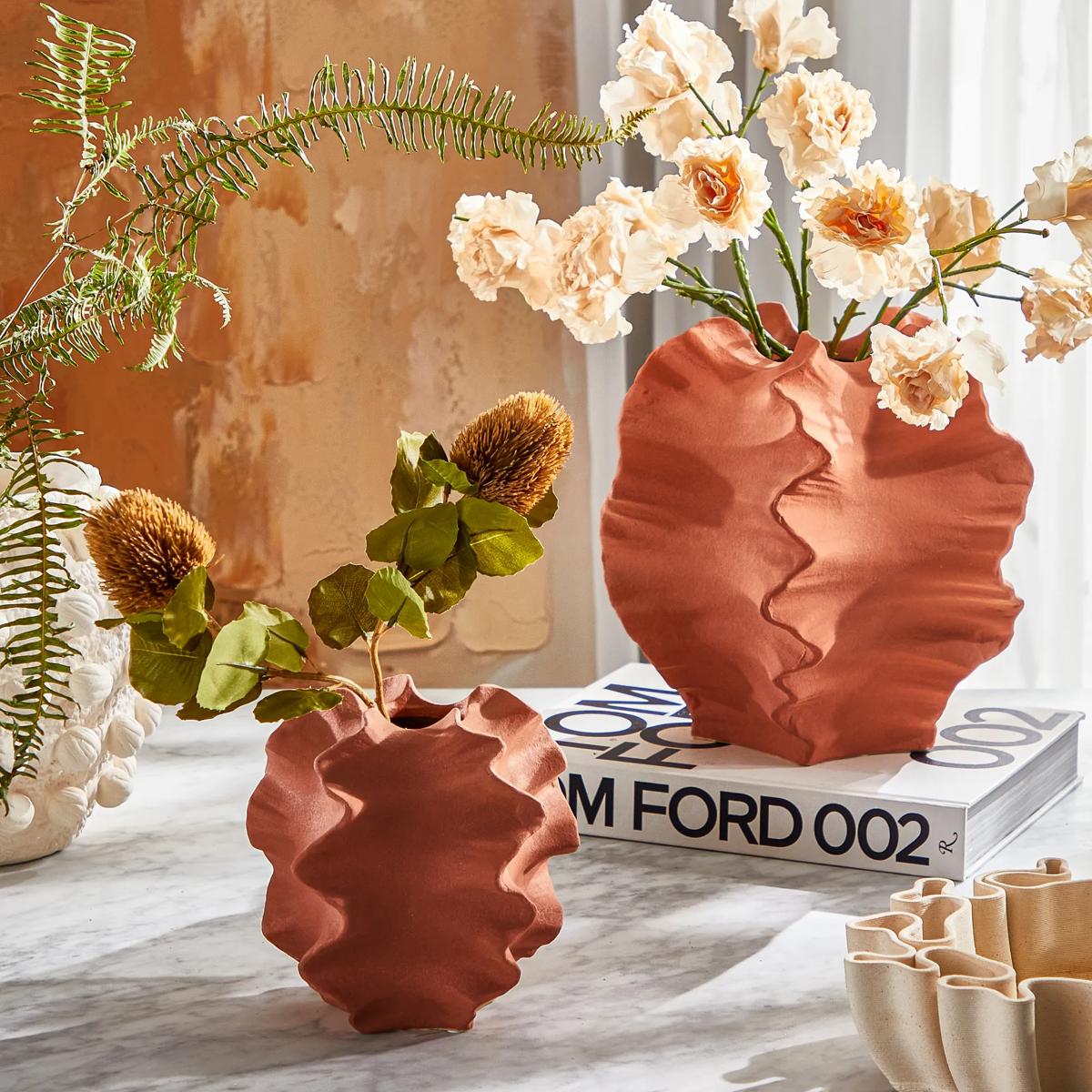 Morra Terracotta Sculptural Vases$79
A sculptural terracotta stoneware vase with rippling contours and a matte, earthy finish.
Add To Cart -
 Ripple Eggshell Blue Handblown Glass Vase 10.25"$89
A handblown eggshell blue glass vase adding sculptural elegance to modern decor.
Add To Cart -
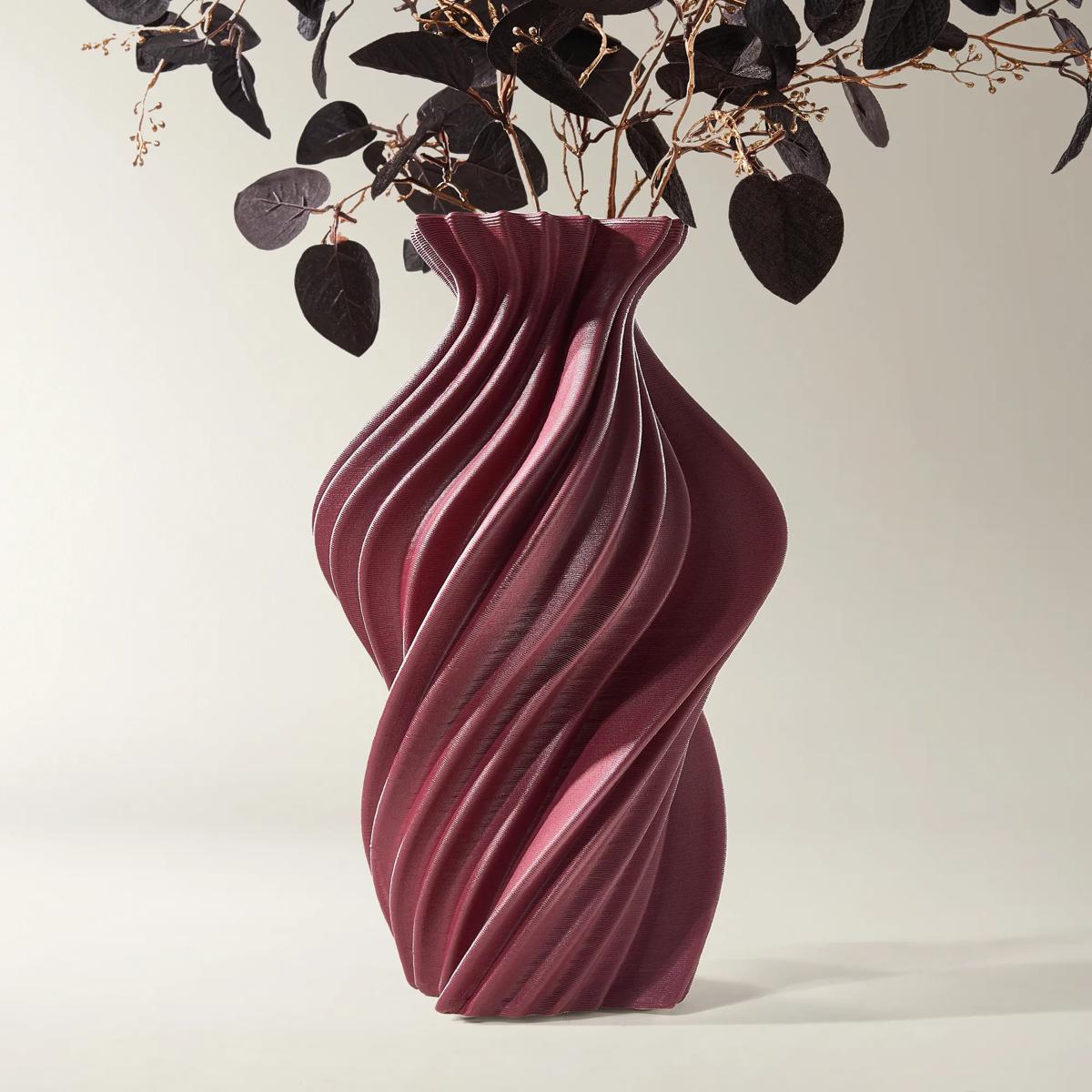
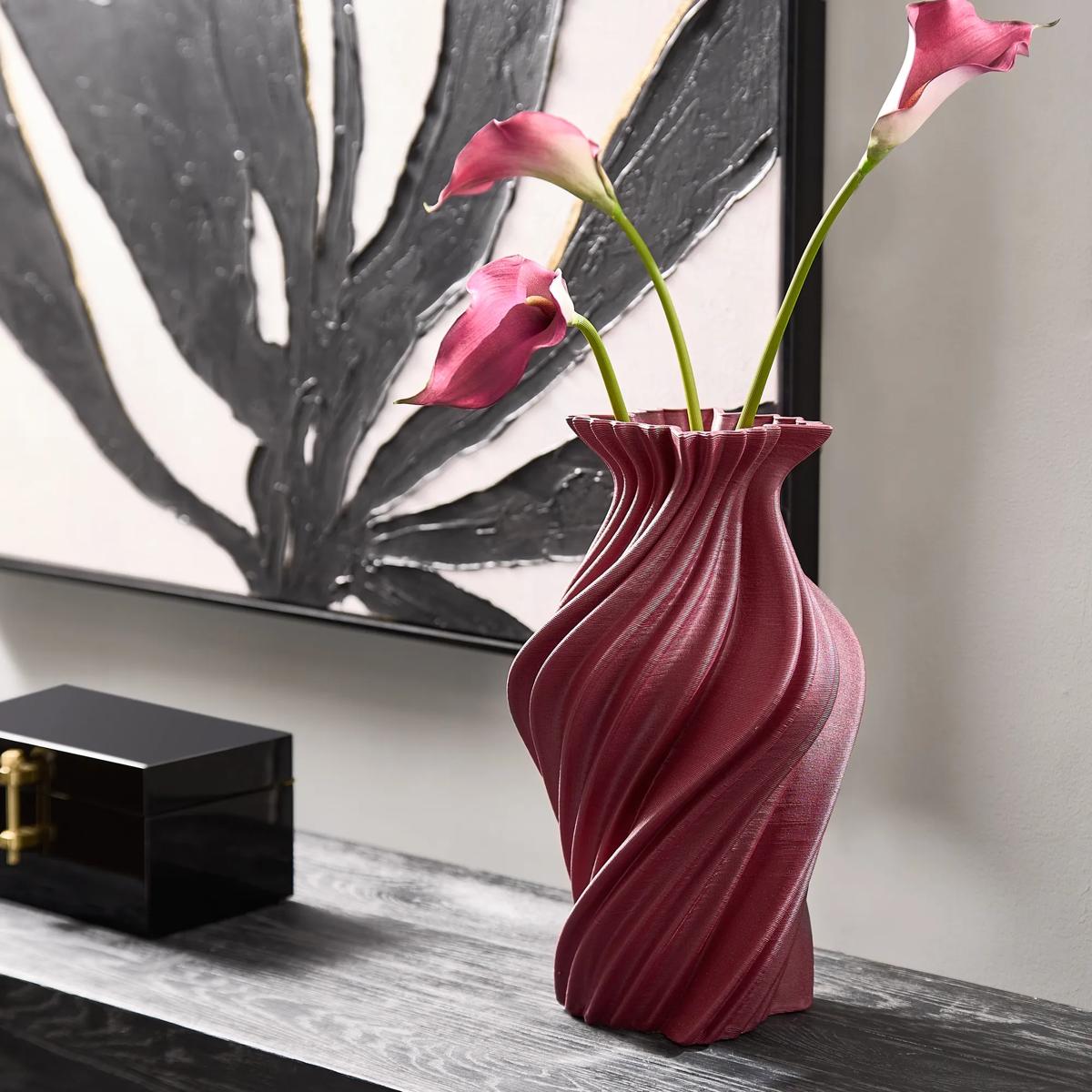 Flame Deep Red Porcelain Vase 16.25"$119
A sculptural porcelain vase in deep red with a dynamic, twisted silhouette inspired by flowing flames.
Add To Cart -
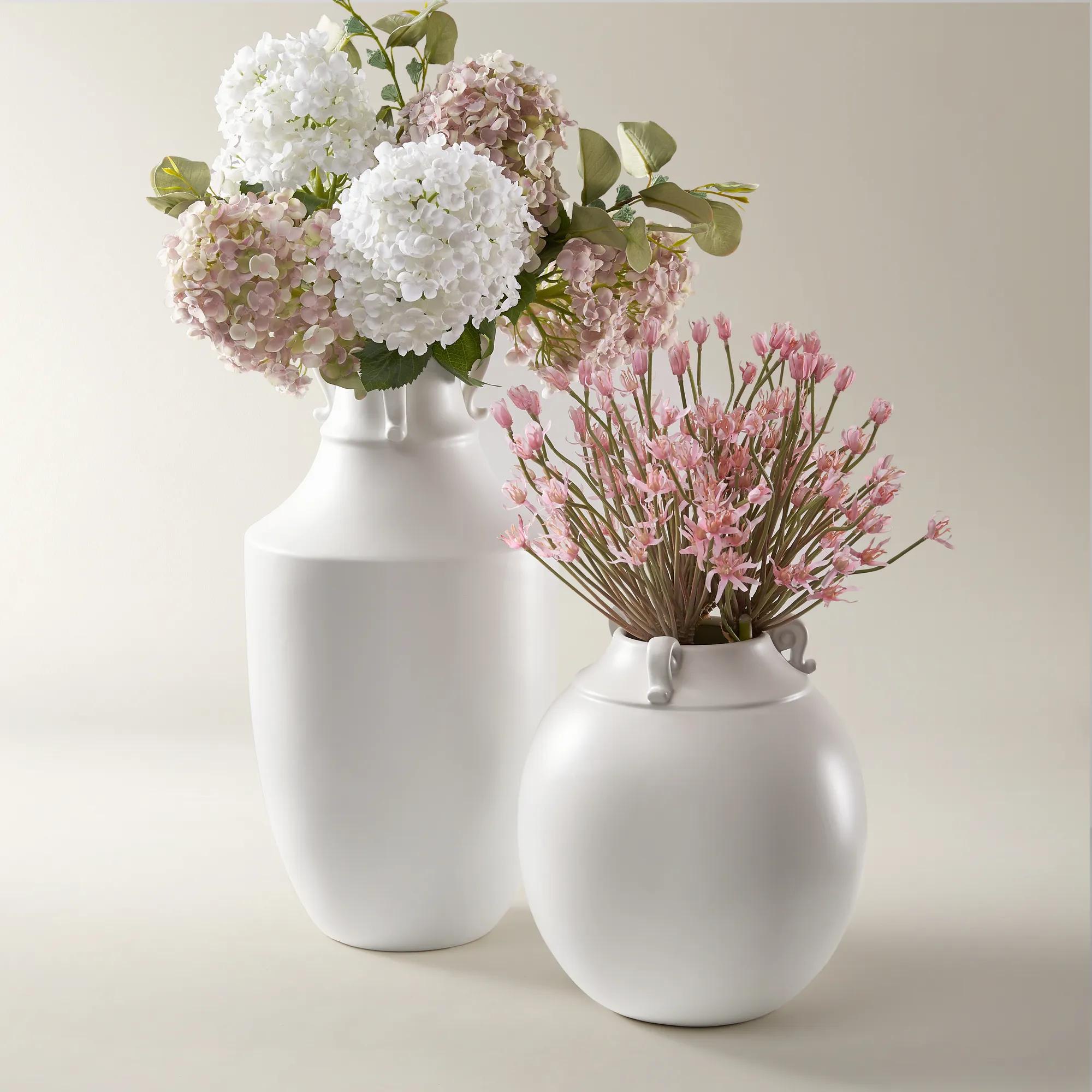 Amora Vase$79
A graceful white ceramic vase featuring smooth curves and a timeless, contemporary design.
Add To Cart -
 Dylan Muted Olive Handblown Glass Vase 6.5"$129
A muted olive green handblown glass vase adding artisanal elegance to modern décor.
Add To Cart

Wavy And Rippled Vases
Explore wavy and rippled vases that bring sculptural movement to your decor through flowing contours and rhythmic surface details. Choose an expressive silhouette to frame a floral arrangement, or let the vase stand alone as an artful accent. On a console, mantel, or dining table, these forms add dimension to a thoughtfully layered display.
Wavy and rippled vases bring organic movement, tactile texture, and sculptural interest to floral arrangements and standalone displays. Their defining details range from softly undulating silhouettes to raised ridges, folded-looking edges, and rhythmic grooves that travel around the vessel. Unlike a smooth vase, a rippled surface catches light at different angles, creating highlights and shadows that give even a single-color piece remarkable depth. Some shapes suggest the fluid sweep of fabric; others have the measured repetition of architectural fluting. The effect can be restrained or theatrical, depending on the scale of the waves, the finish, and the surrounding furnishings. A glossy white vessel offers crisp definition against a dark console, while a matte neutral surface allows the contours to create a quieter, more tactile presence. Metallic finishes emphasize the peaks and valleys with luminous contrast, and translucent glass introduces another dimension as light passes through the form. These decorative vases suit interiors that favor expressive details without requiring an abundance of accessories. On a living room mantel, one generous silhouette can hold its own beside a framed work of art. On an entryway table, a rippled vase gives a familiar landing place the presence of a considered vignette. Wavy edges also introduce a welcome counterpoint to straight-lined furniture, rectangular mirrors, and sharply tailored upholstery. The distinction between shape and surface matters: a vase may have a rippled exterior while maintaining a simple overall profile, or it may feature an irregular outline that becomes the primary visual statement. Both approaches offer dimension, but they interact differently with flowers and nearby objects. Closely spaced ridges reward a nearer view, making them especially appealing on a sideboard or side table, while broad waves remain legible across a larger room. Even without stems, a well-proportioned vessel can read as a small sculpture, giving a shelf or tabletop a deliberate focal point rather than simply occupying space.
Material influences how wavy and rippled vases look, feel, and function. Ceramic can express everything from crisp, repeated grooves to generous, free-form curves, with glazes that range from polished and reflective to softly muted. Porcelain often allows for refined details and thinner-looking profiles, while stoneware can have a more substantial, grounded character; actual weight and durability depend on the individual construction. Glass offers clarity, color, and changing reflections, particularly when rippled walls distort the view of stems inside. Opaque vessels conceal stems and create a clean visual foundation for an arrangement, while transparent designs make the water and botanical structure part of the composition. For interiors that favor expressive clay forms and distinctive glazed surfaces, Unique Ceramic Vases offer a related perspective on sculptural decorating. Whatever the material, suitability for fresh flowers should be confirmed in the care and use information. A decorative finish or glazed appearance alone does not establish that a vase is watertight. Vessels intended only for decorative use are better suited to dried branches or artificial stems; a properly fitted waterproof insert may be an option when the shape and manufacturer’s guidance allow it. The opening deserves as much attention as the exterior. A narrow neck gathers a few stems into a controlled, vertical arrangement, while a wider mouth gives fuller bouquets room to spread. Pronounced waves around the rim can frame flowers beautifully, though delicate petals should sit clear of edges that might bruise them. Tall branches need sufficient interior depth and a stable base, not merely an impressive overall height. For a dining table, a lower profile preserves conversation and sightlines; for a console beneath a mirror, a taller form can draw the eye upward without competing with the reflection. Checking the widest point is especially important with wavy silhouettes, since the rim or body may extend beyond the base. Adequate clearance keeps an expressive curve from crowding a shelf, brushing a lampshade, or interrupting everyday use.
Styling these vases is most compelling when the surrounding details give their contours room to register. A broad, rippled vessel on a low cabinet can anchor a composition with a smaller bowl and a stack of art books, provided the objects differ enough in height to remain distinct. Two vases in related tones can create a graceful exchange between a slender neck and a fuller body, while an exact match in size may feel more formal. Repeating one color or finish elsewhere in the room helps connect a dramatic shape to the larger interior without making every accessory look alike. Flowers can either echo the movement or offer contrast: loosely arranged tulips reinforce a flowing outline, while a few upright stems sharpen the distinction between the botanical arrangement and the vessel. Dried sculptural branches can extend an already expressive silhouette, but a heavily textured vase often needs fewer stems than a smooth one. Empty space around the arrangement keeps each curve visible. Practical placement protects both the vase and the furniture beneath it. A level surface, a discreet protective pad, and a position away from busy edges are particularly valuable for tall forms or homes with children and pets. Raised details and delicate rims deserve gentle handling, and a substantial appearance should not be mistaken for resistance to chips or impact. Routine care usually begins with a soft cloth or a gentle brush that can lift dust from grooves without scraping the finish. Washing methods should follow the material-specific instructions, especially for metallic accents, porous surfaces, and decorative coatings; abrasive cleaners and automatic dishwashing may damage finishes not designed for them. Fresh-flower vessels benefit from regular water changes and careful interior cleaning, followed by thorough drying before storage. For a housewarming or wedding gift, a versatile size and a finish that complements the recipient’s furnishings make an expressive silhouette easier to place. Whether holding a generous bouquet or standing alone, a wavy or rippled vase offers lasting visual interest through the interplay of form, texture, and light.
FAQs
Wavy and rippled vases bring a sense of movement to decorative vessels through undulating silhouettes, wave-like edges, or rhythmic surface details. Their sculptural character turns a floral accent into an artistic focal point, adding dimension and drama even without an arrangement.
Give a wavy vase a prominent place on an entryway console, dining room sideboard, or living room mantel. A backdrop with clean lines lets its flowing contours take focus, while nearby artwork can draw out a shared color or echo its expressive curves.
Faux orchids, dried botanicals, and decorative branches beautifully complement wave-inspired forms. Choose an airy arrangement to reveal the vase’s sculptural details, or create a more theatrical composition with sweeping stems. Let either the vessel or the arrangement lead so their shapes feel intentional rather than competing.
Wavy and rippled vases bring expressive curves to modern, contemporary, and glamorous interiors. In a room defined by crisp geometry, they introduce fluid contrast. Among layered textiles and artful accents, their rhythmic contours add another dimension to a richly composed space.
Build a vignette around a shared color palette, then contrast the vase’s flowing lines with a geometric object, decorative books, or a sleek tray. Leave visual breathing room around the rippled details. The result feels curated and expressive, with each accent contributing its own distinct character.