Modern Art Glass Vases
Modern Art Glass Vases
-
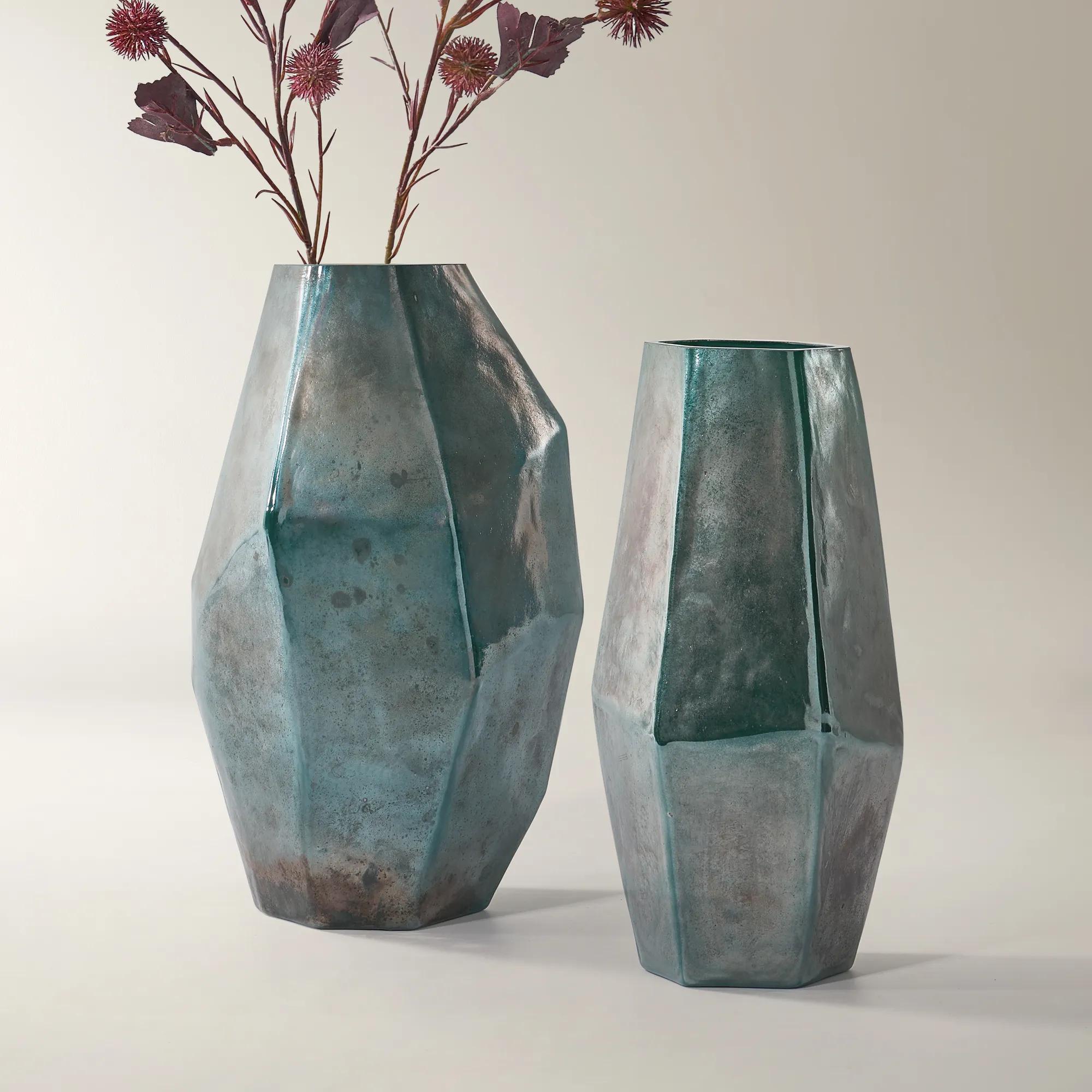
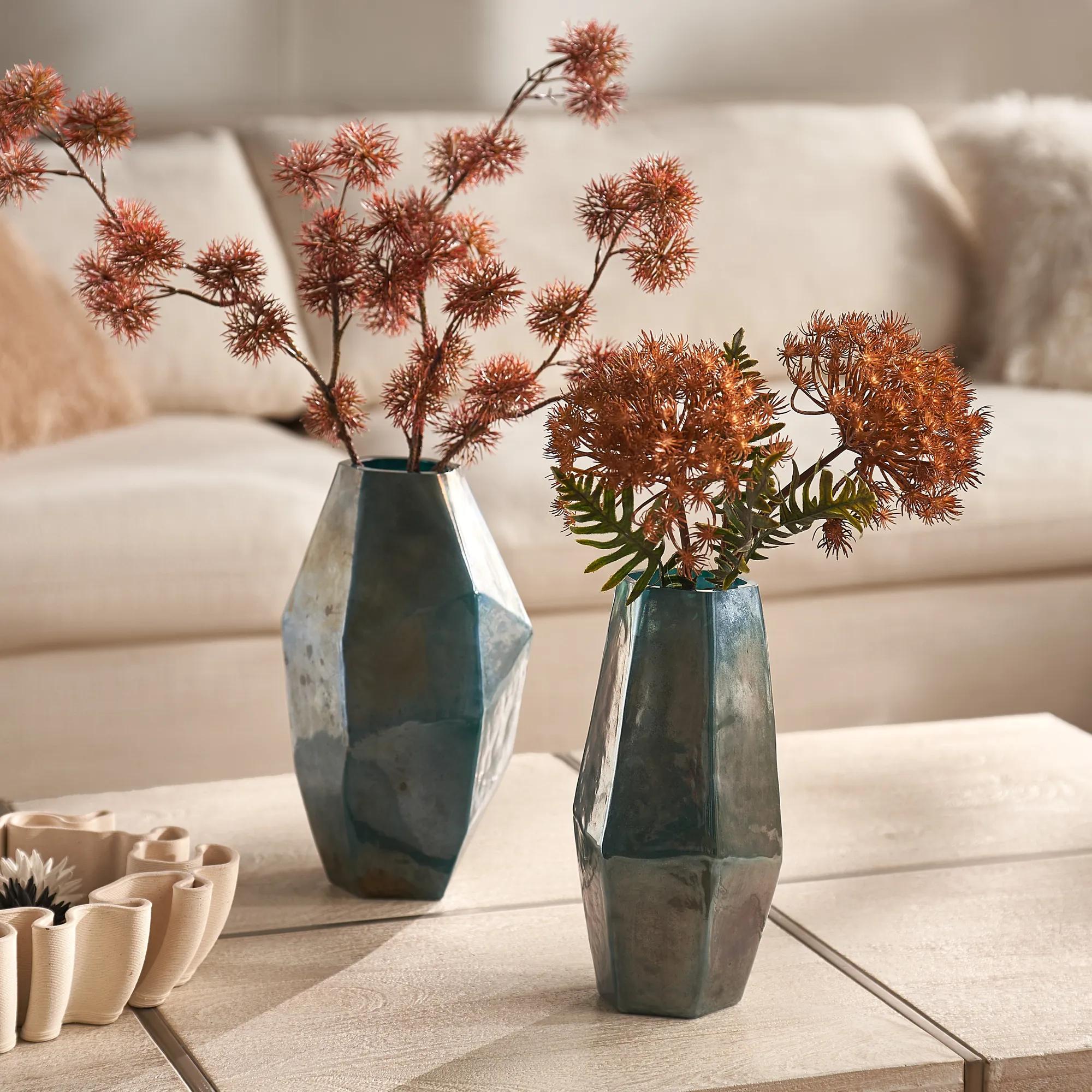 Sienna Vase$79
A hand-blown glass vase in prismatic green with a faceted, geometric silhouette for modern appeal.
Add To Cart -
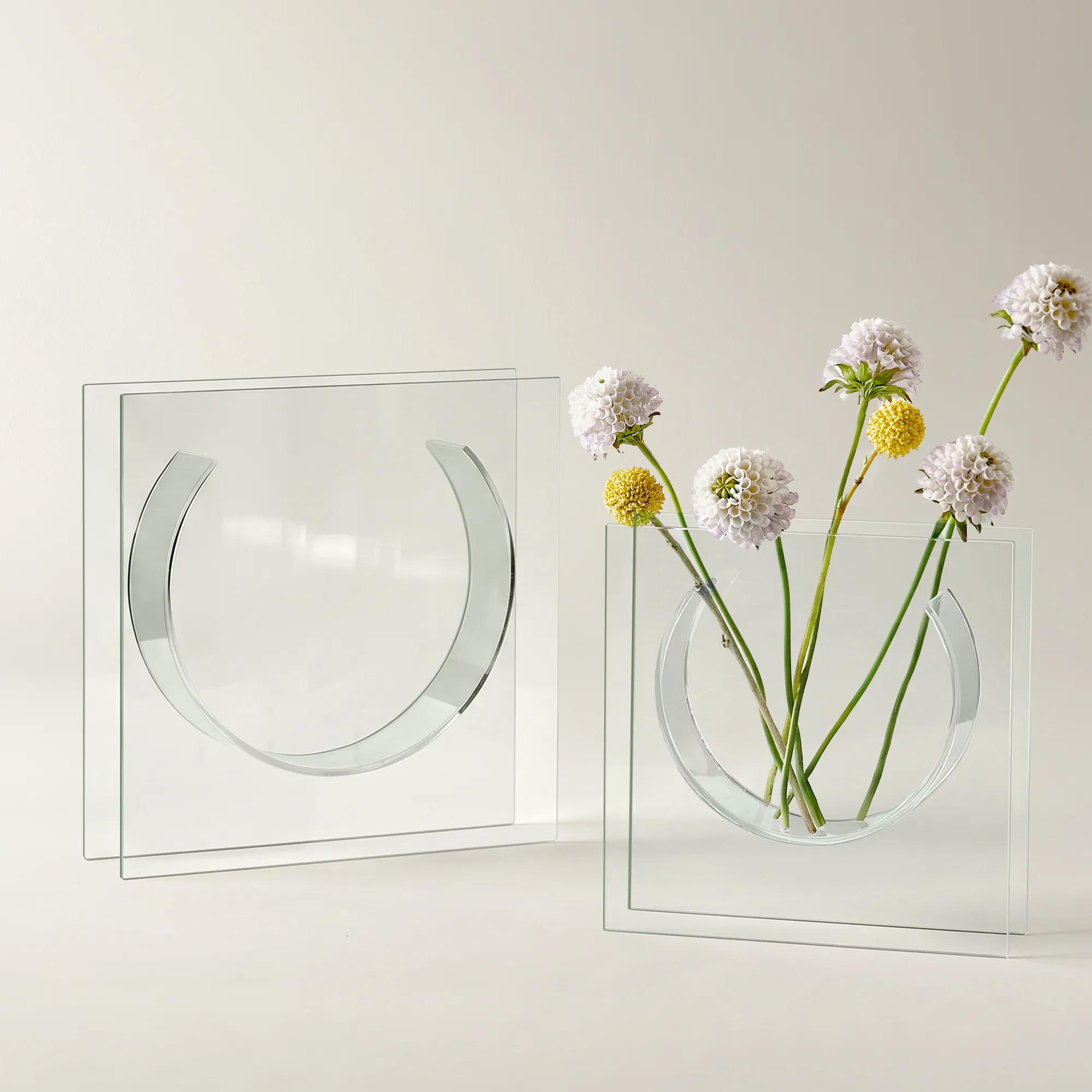
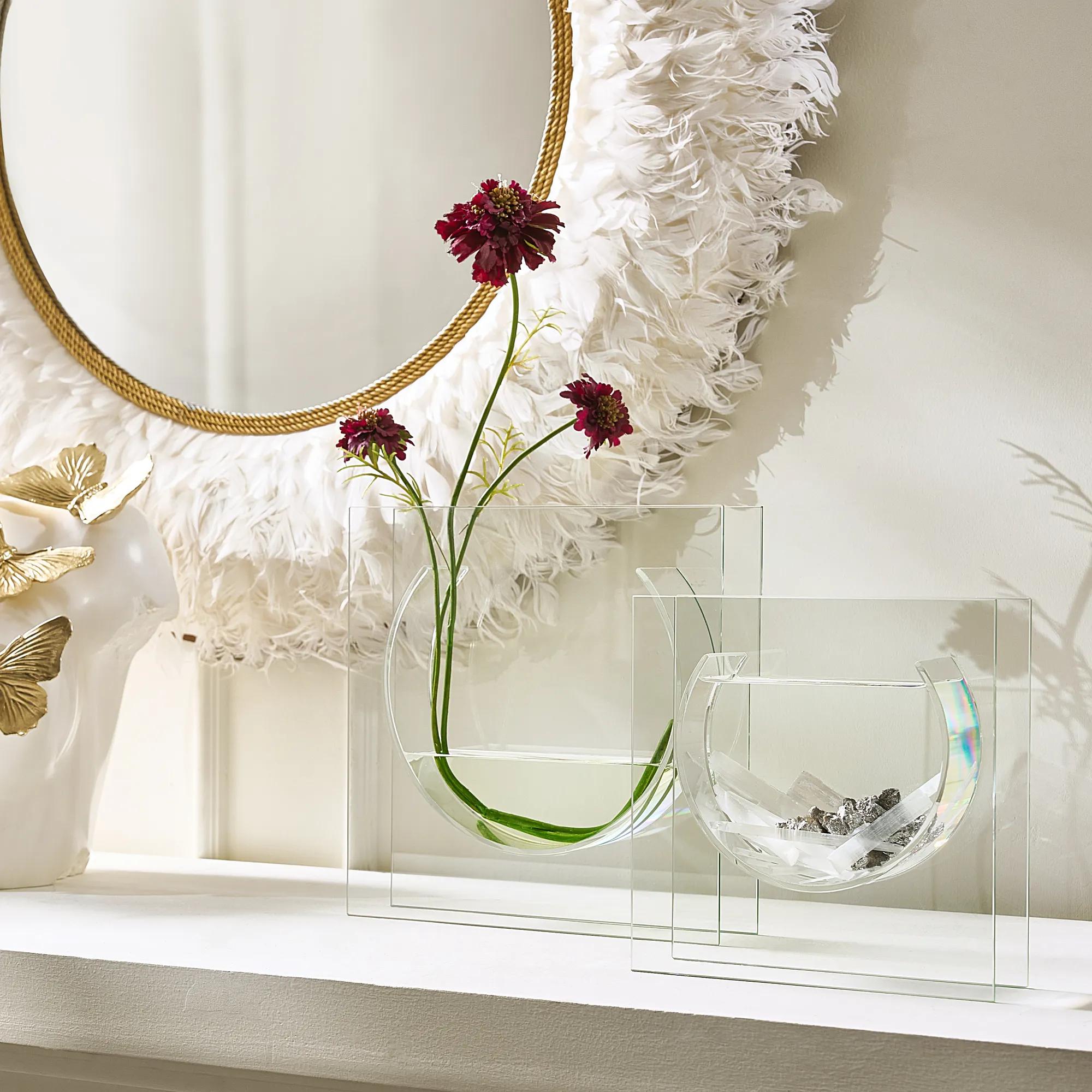 Solaris Clear Glass Vases$29
A clear glass vase with an elliptical bowl and bold modern design between two glass panels.
Add To Cart -
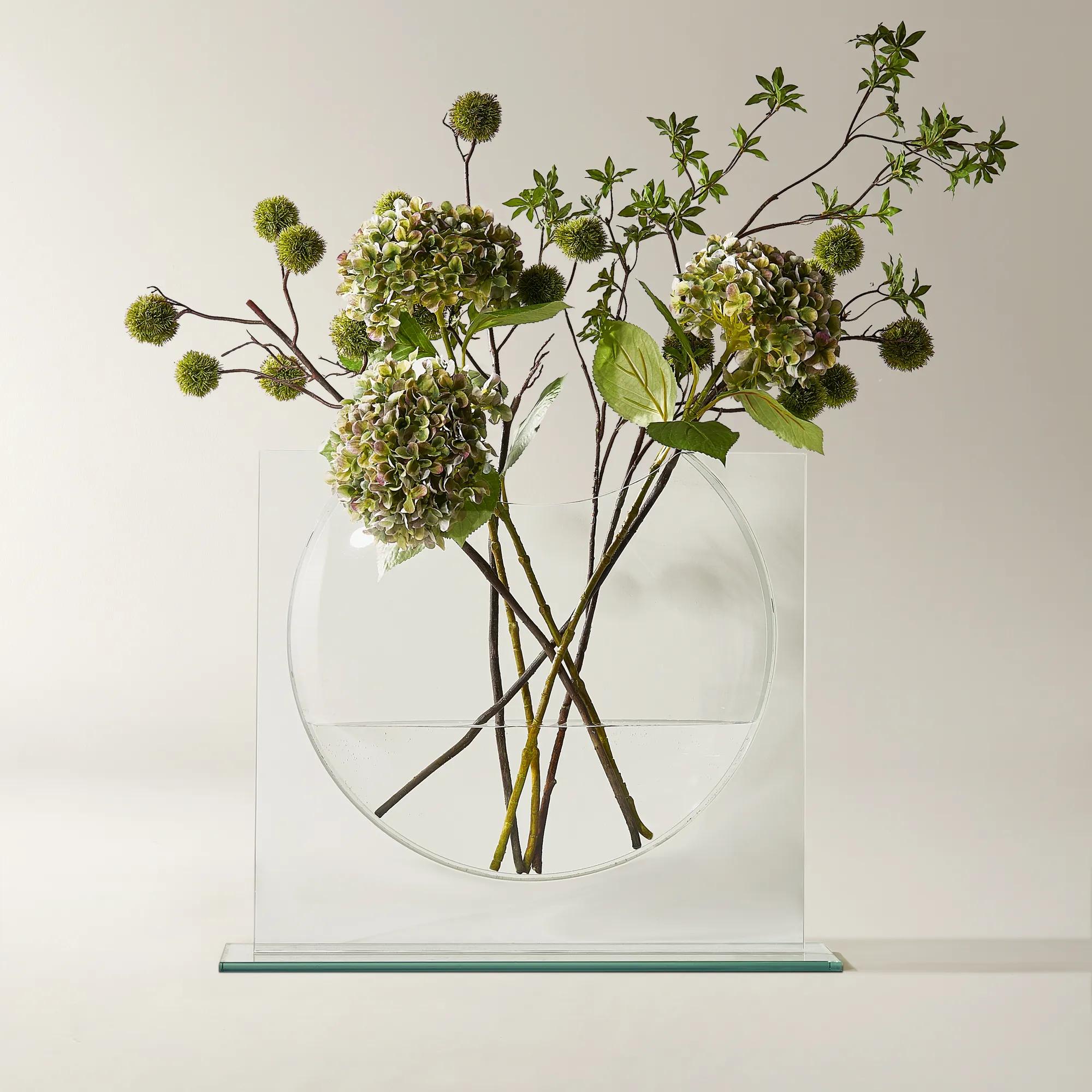
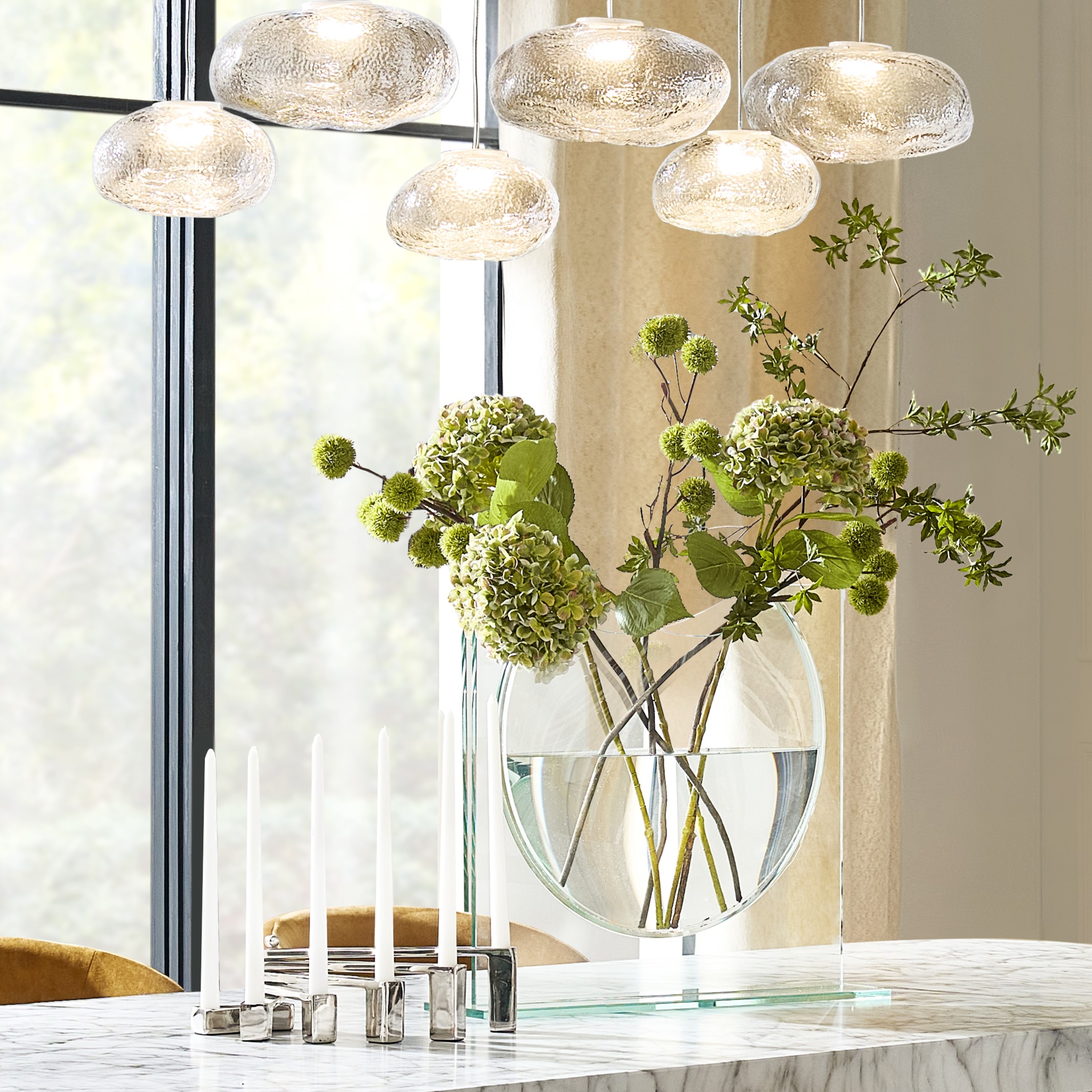 Ellipse Clear Glass Vase 20"$259
A sleek elliptical glass vase offering a modern, functional accent for fresh floral arrangements.
Add To Cart -
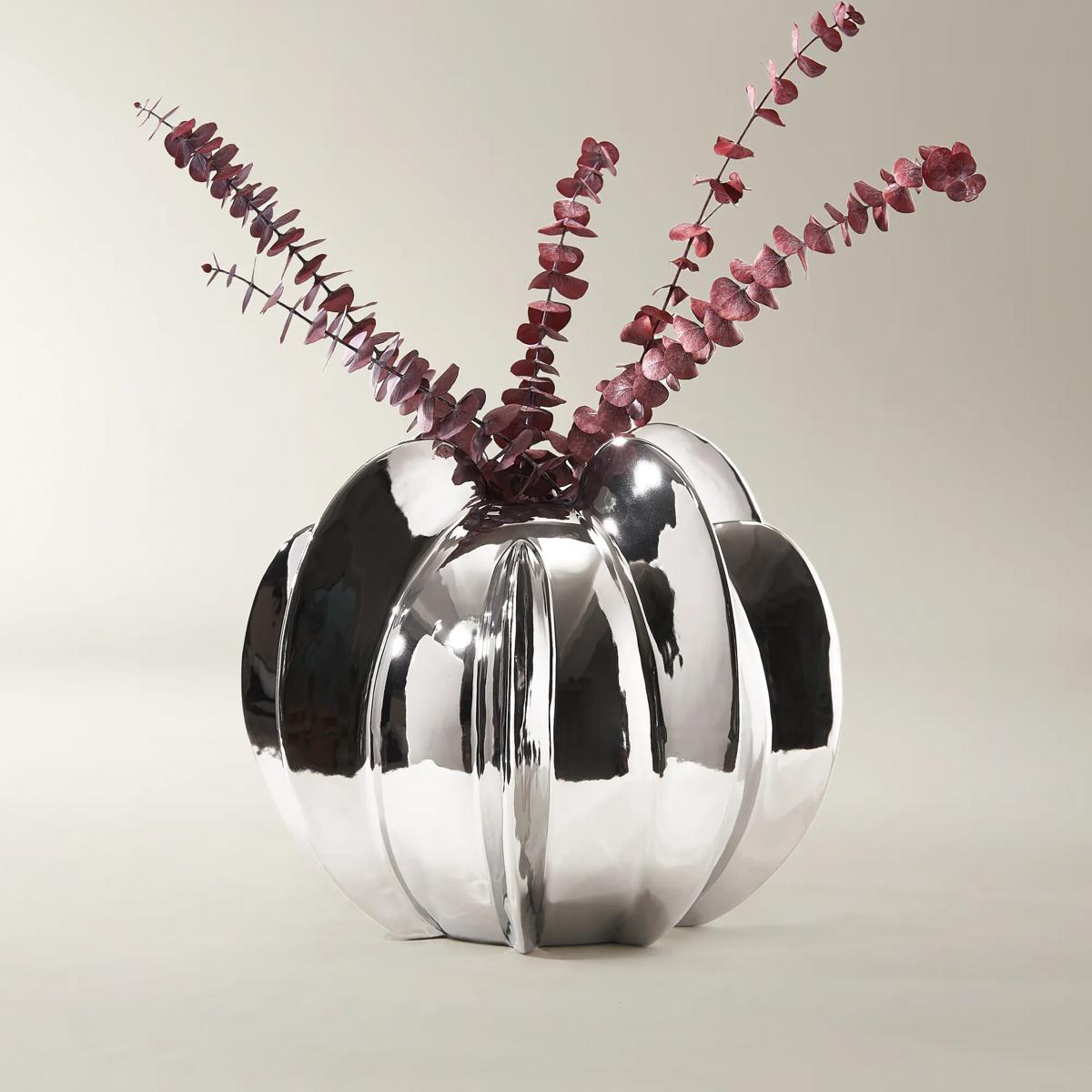
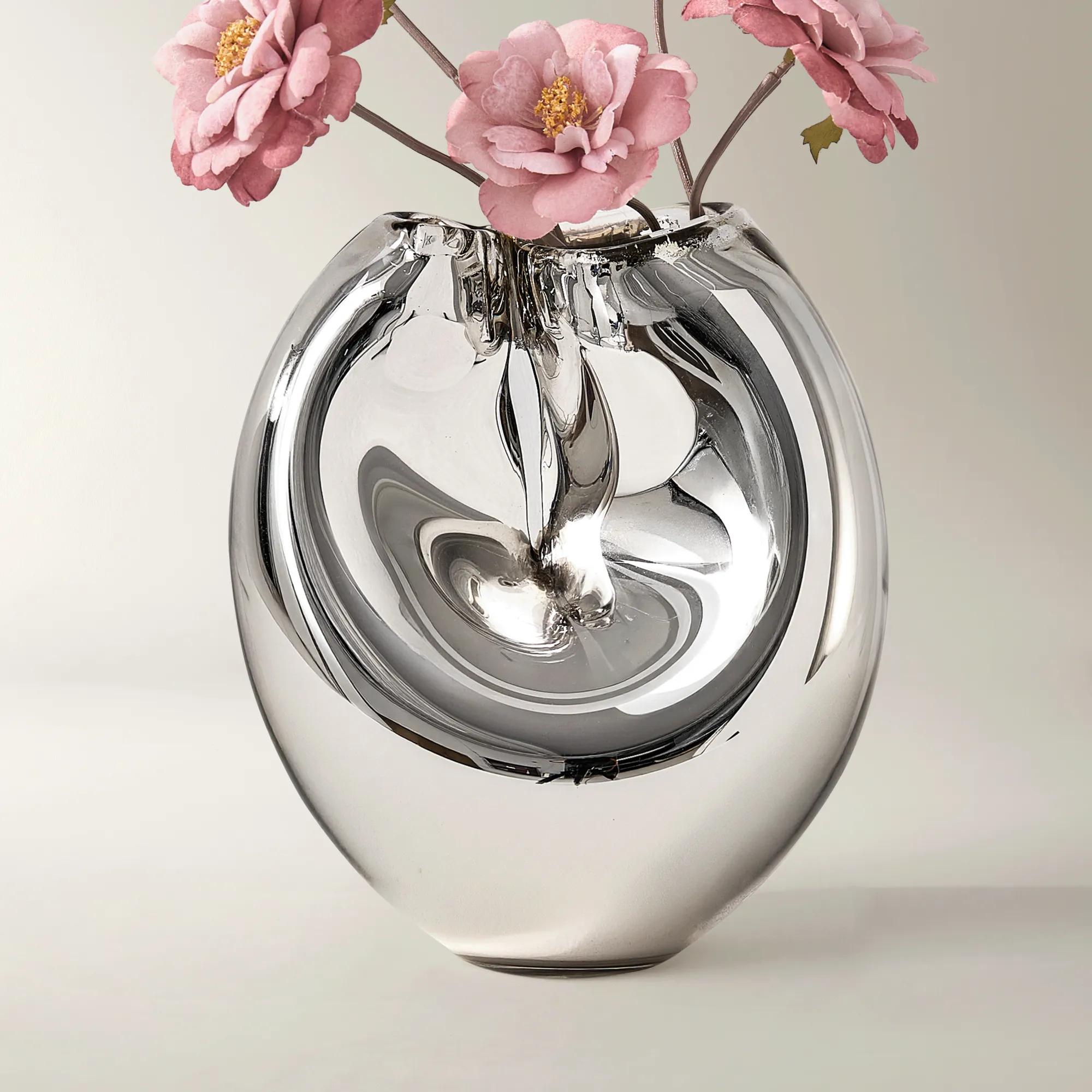 Ono Mouth Blown Mirrored Silver Glass Vase 7.75"$79
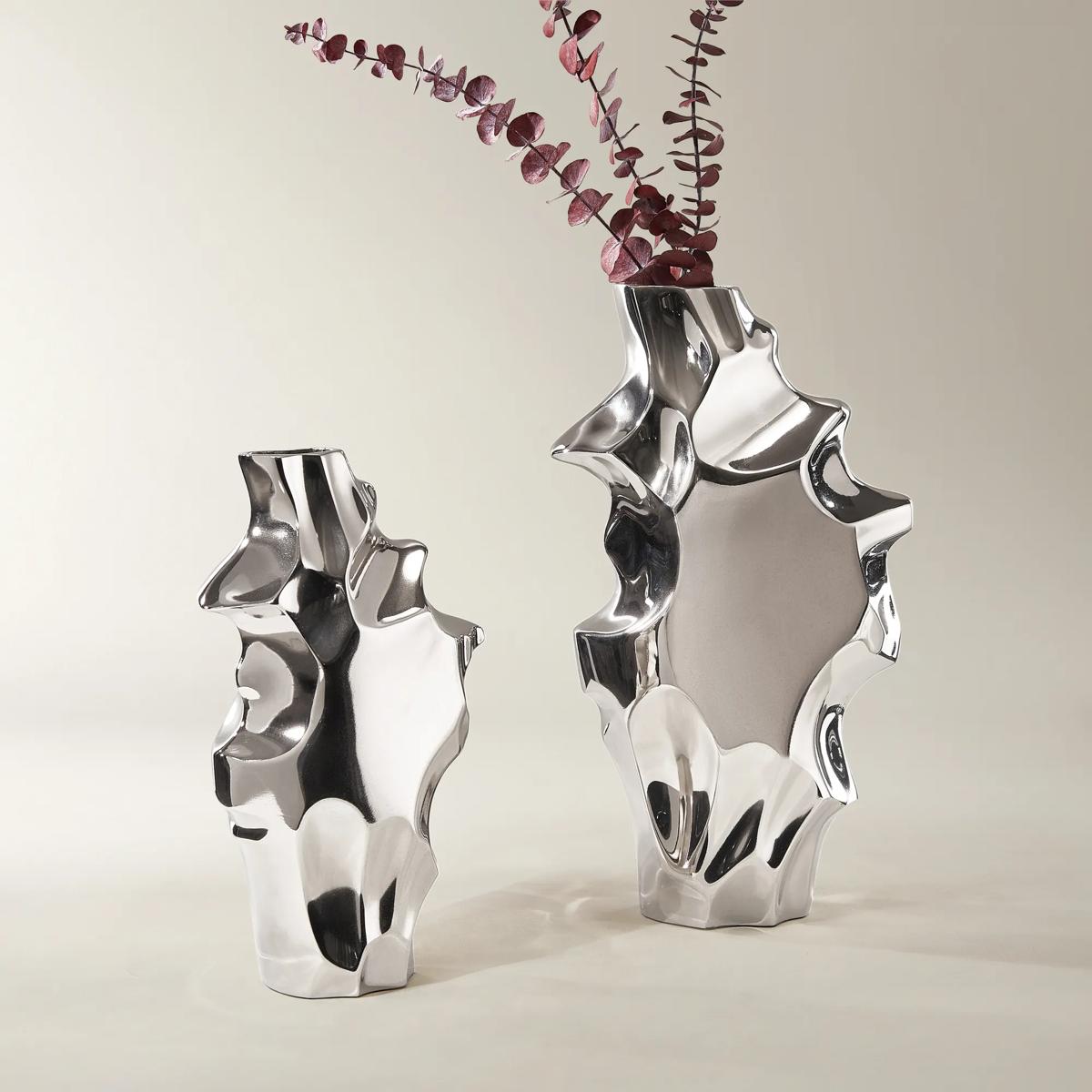
A handblown glass vase with a mirrored finish and organic silhouette for modern, artful display.
Add To Cart -
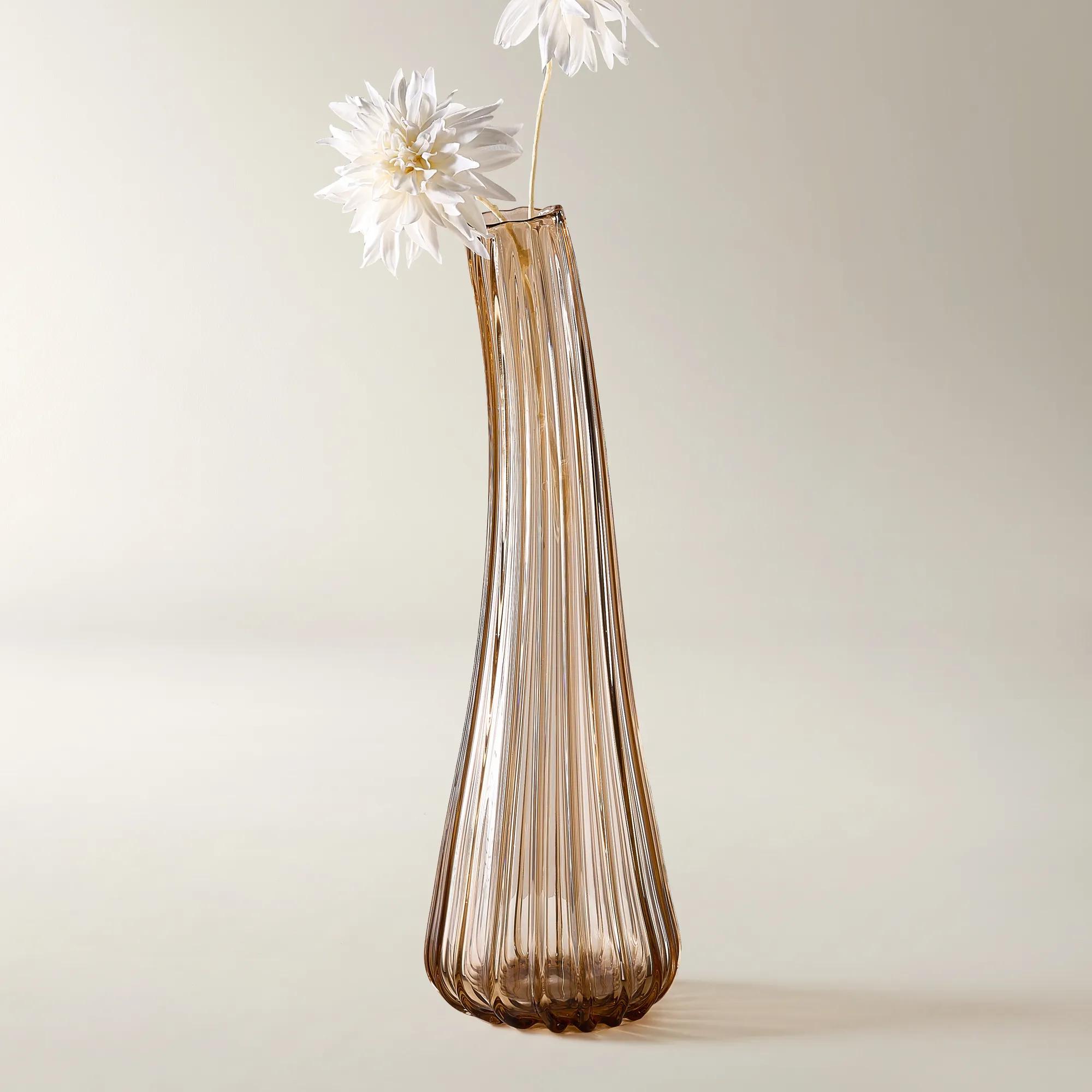
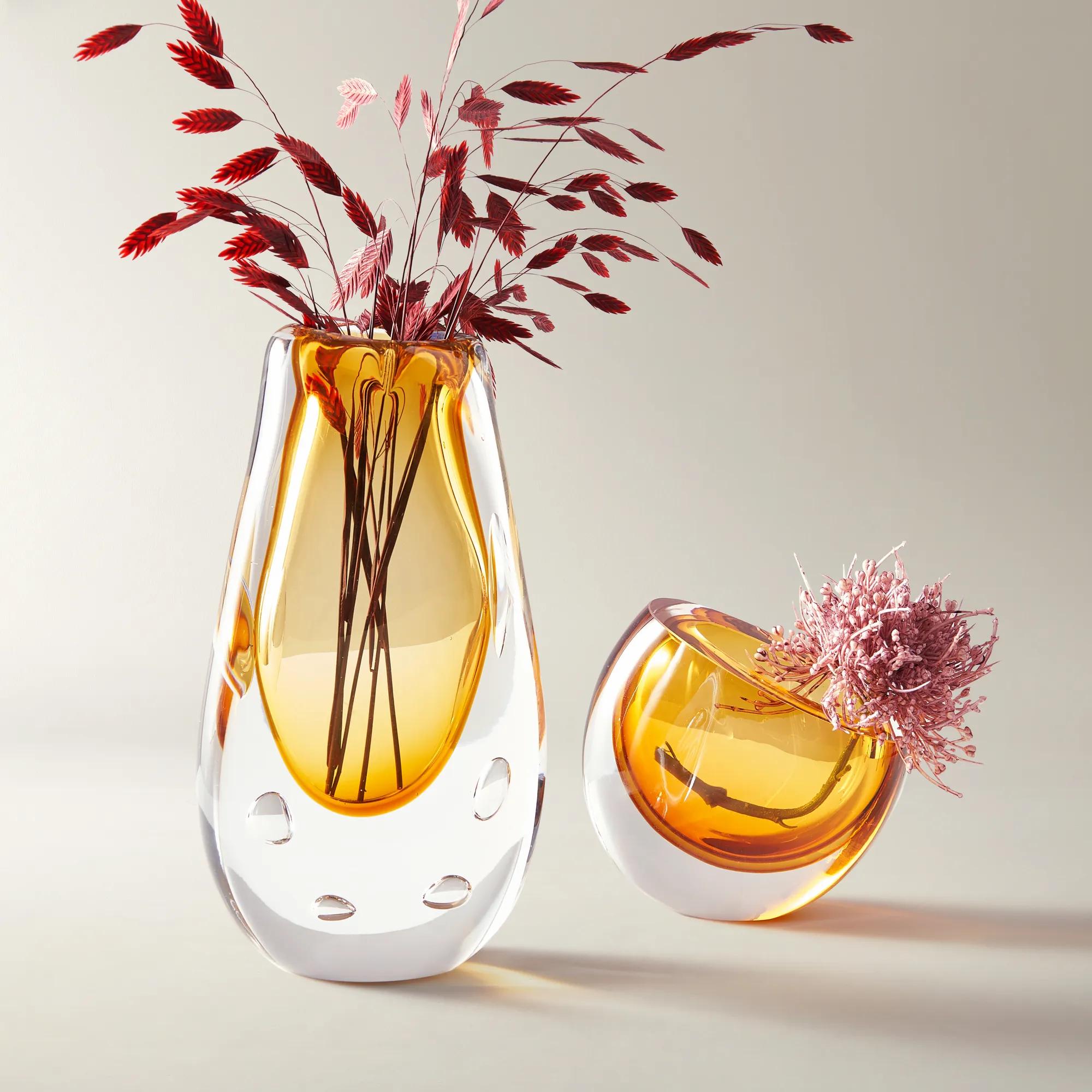
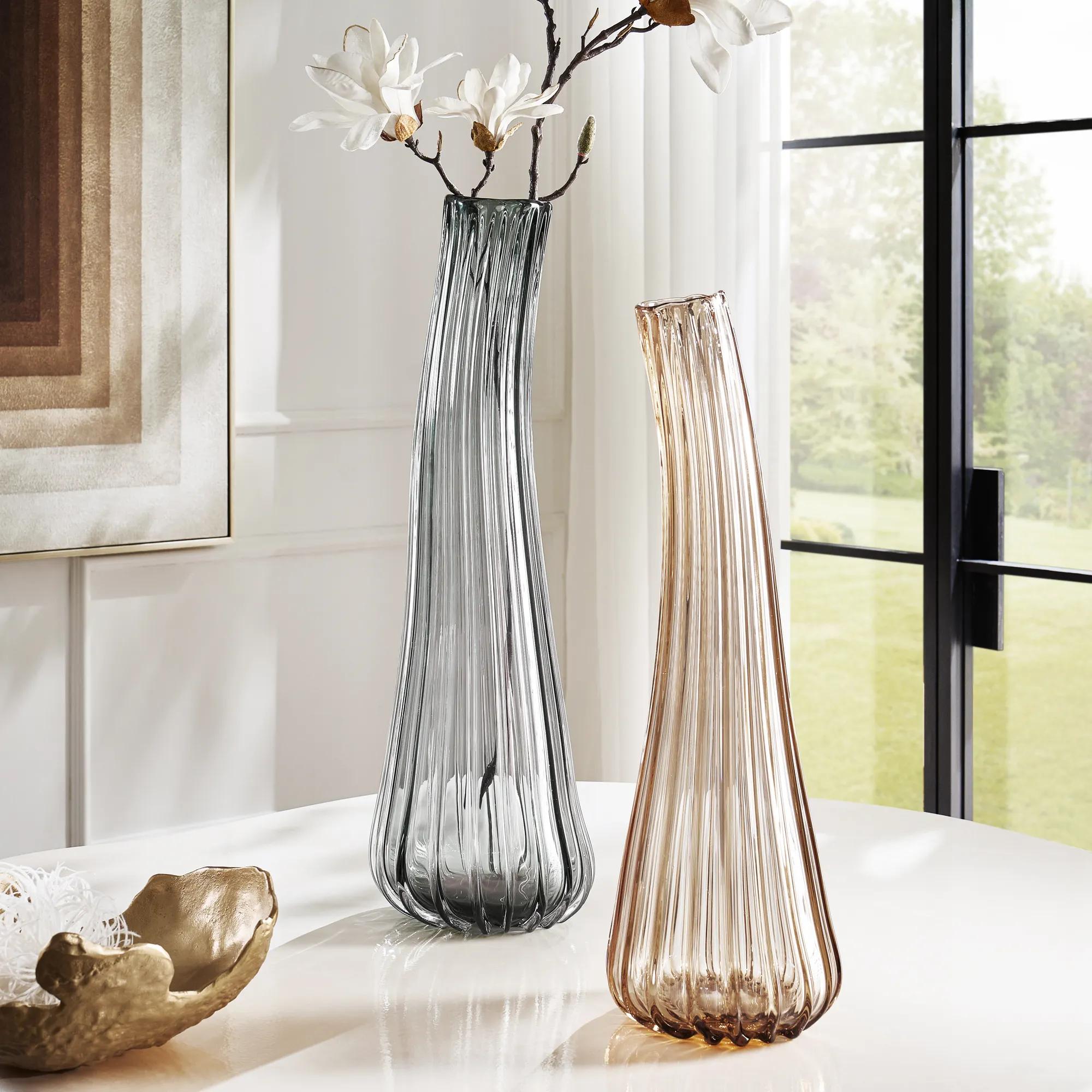 Tango Mouth Blown Soft Amber Vase 24.75"$179
A handblown glass vase in a soft amber finish with a textured, sculptural centerpiece design.
Add To Cart -
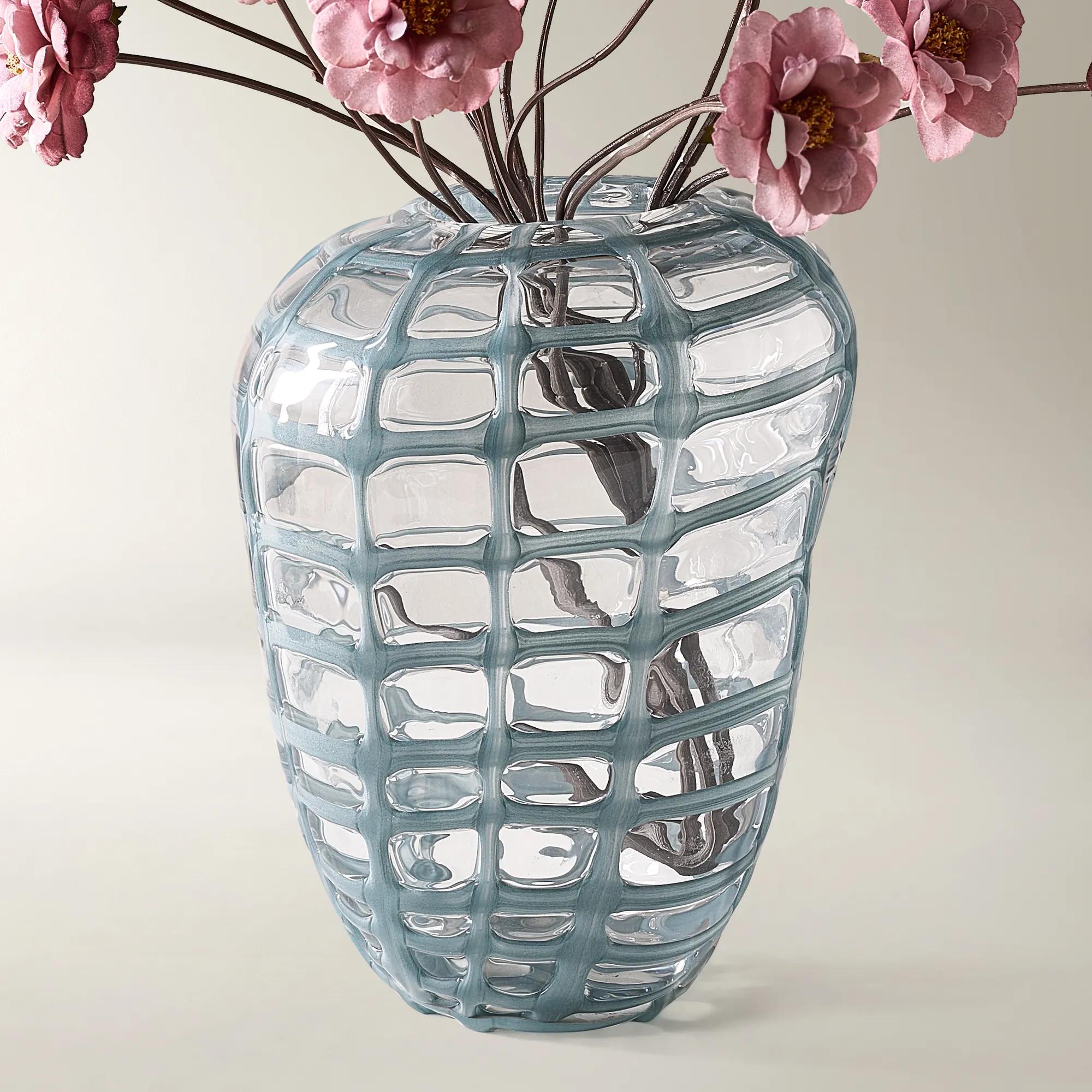 Contra Mouth Blown Dusty Blue Grid Glass Vase 10.25"$79
A handblown dusty blue glass vase featuring a graphic grid pattern and softly organic silhouette.
Add To Cart -
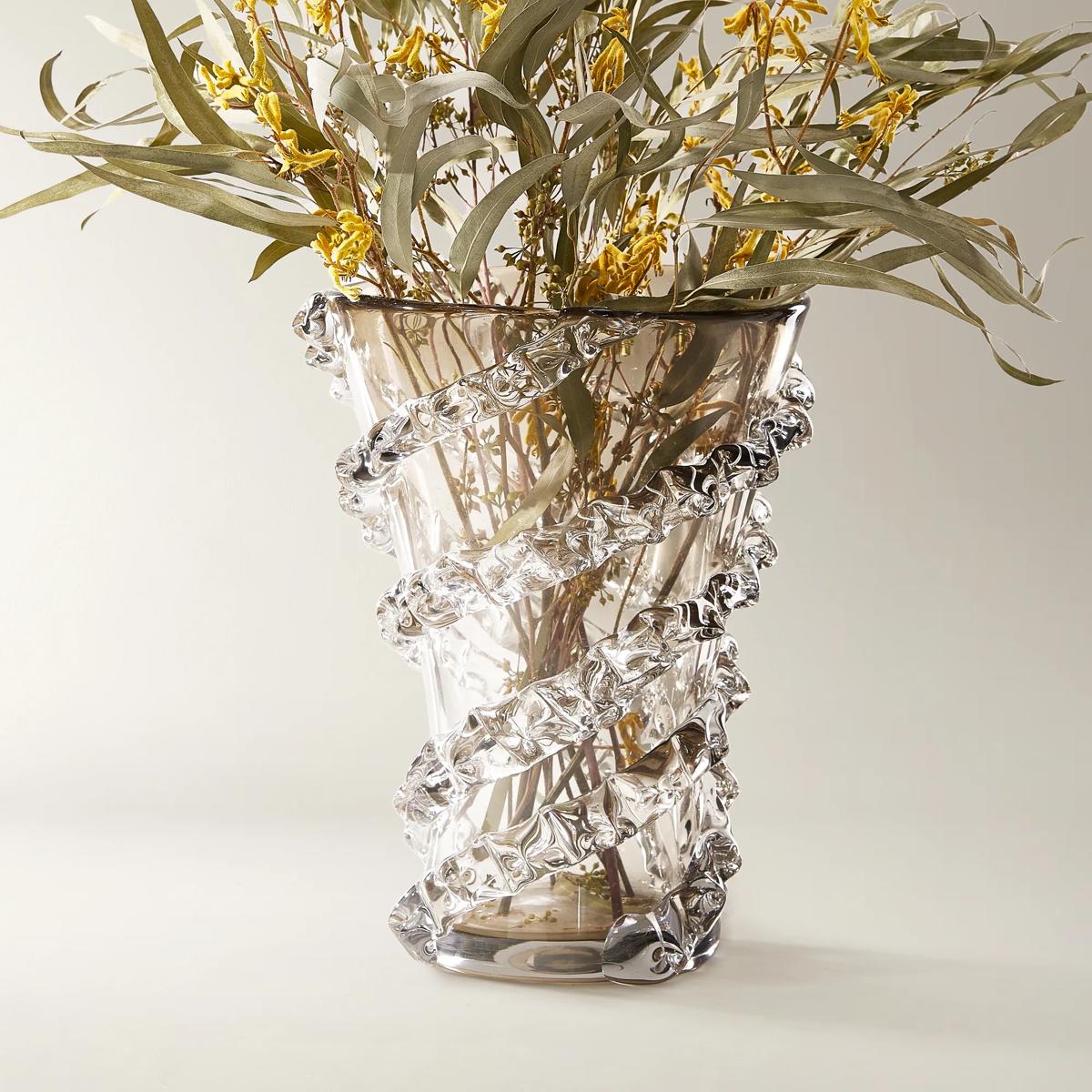
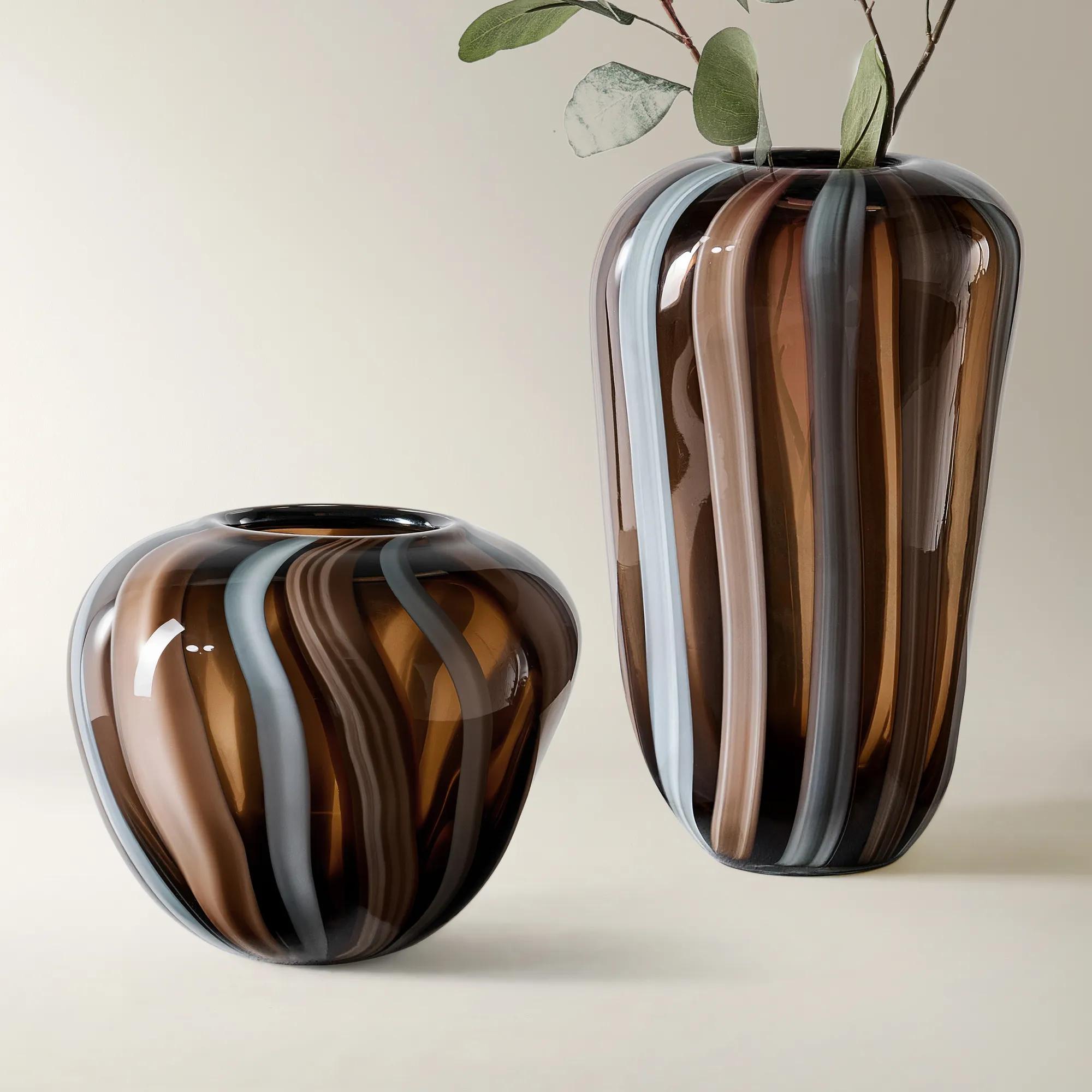
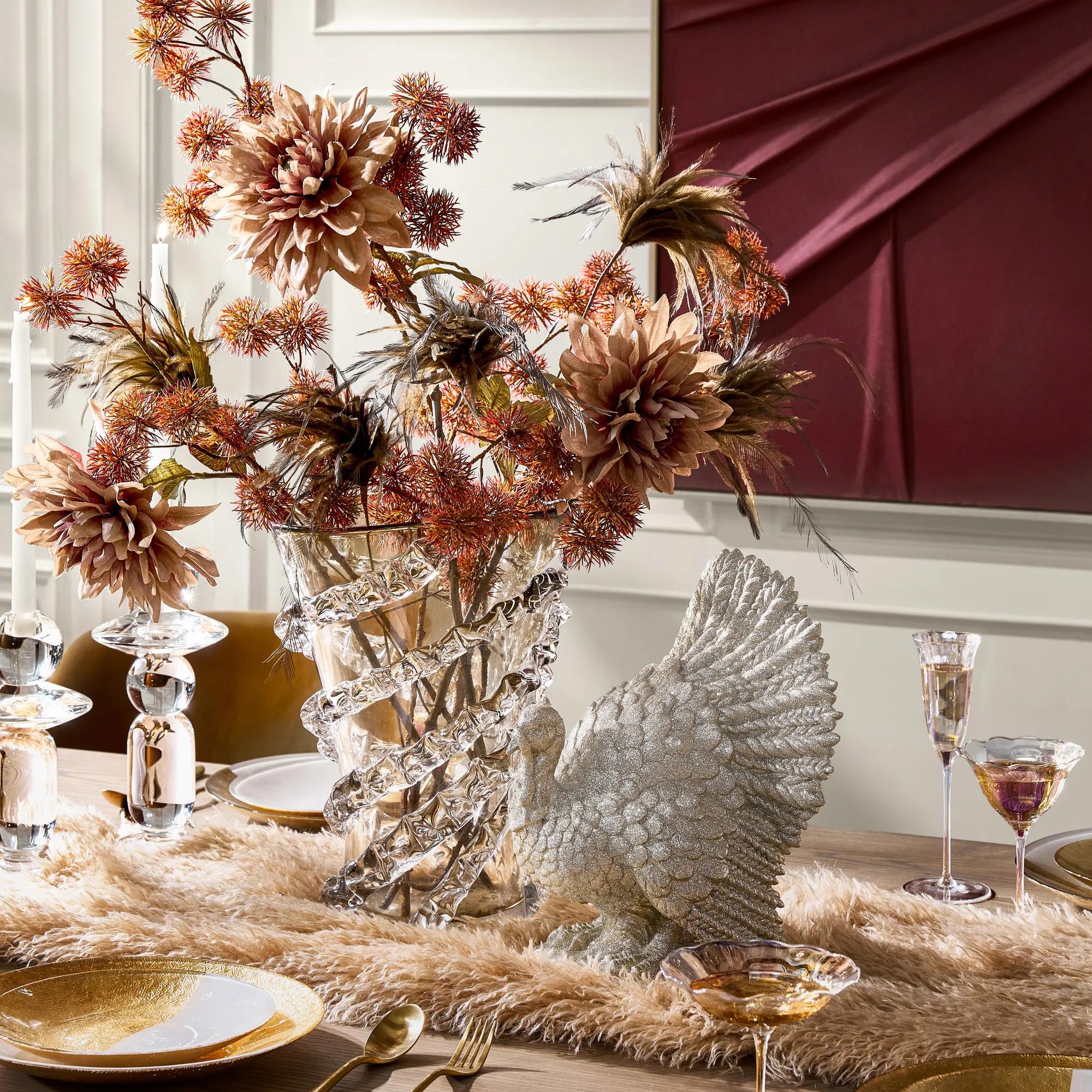 Reyna Glass Vase$299
A hand-blown glass vase featuring a sculptural swirl design and a smoky grey-brown finish.
Add To Cart -
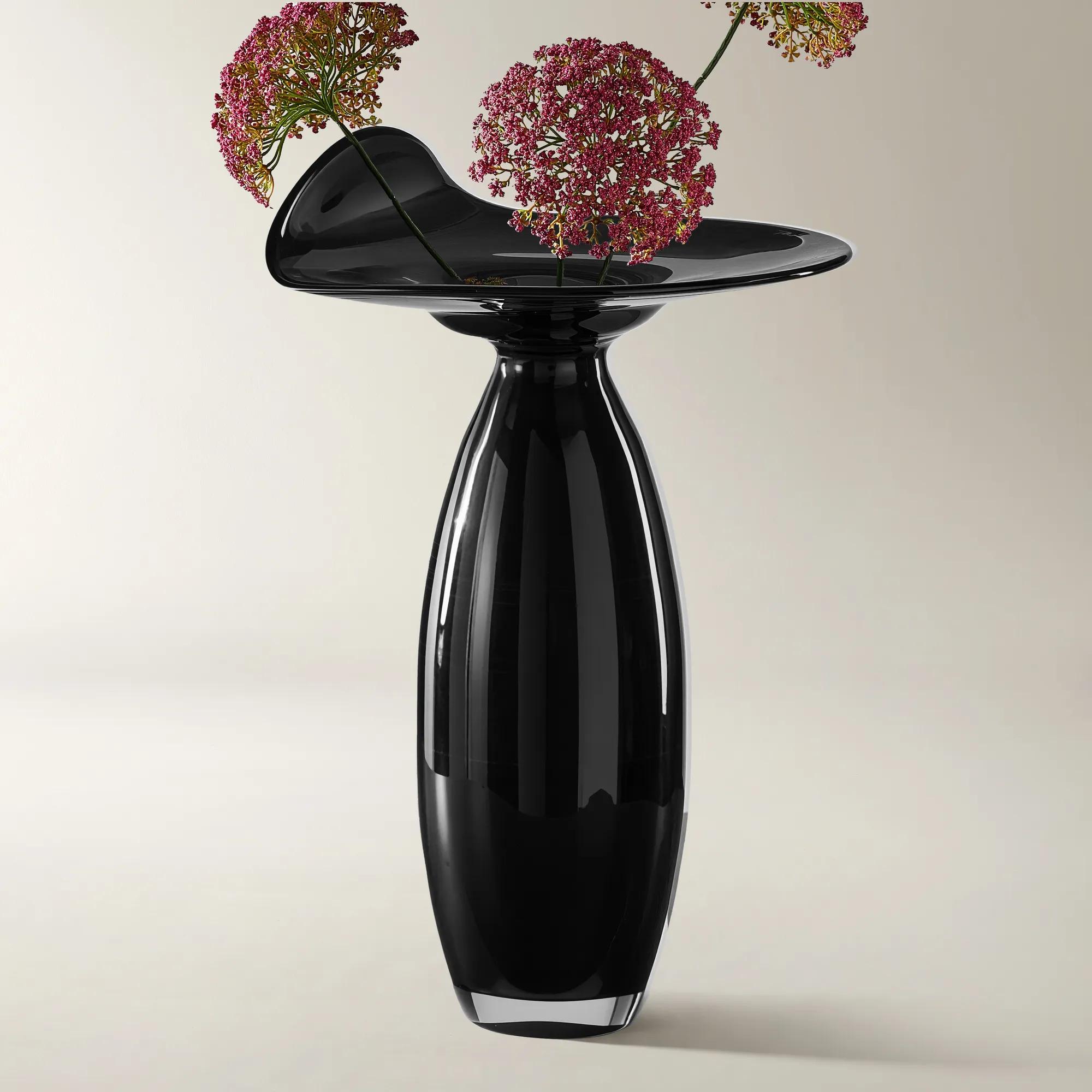 Folia Mouth Blown Glossy Black Glass Vase 22"$199
A handblown glass vase with a glossy black finish and organic sculptural silhouette for modern decor.
Add To Cart -
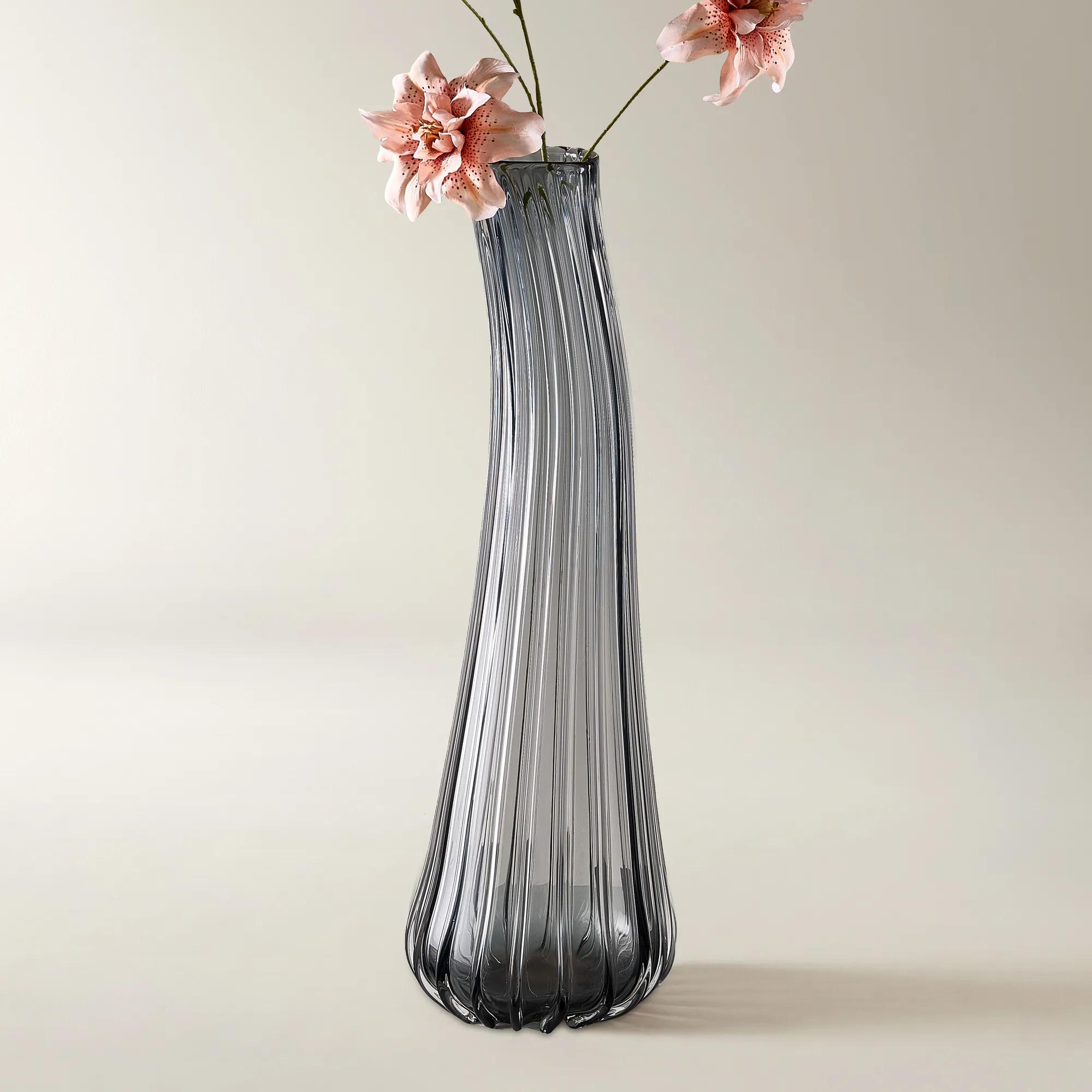 Tango Mouth Blown Smoked Pearl Vase 29"$199
A handblown glass vase in a smoked pearl finish with a textured surface for sculptural elegance.
Add To Cart -
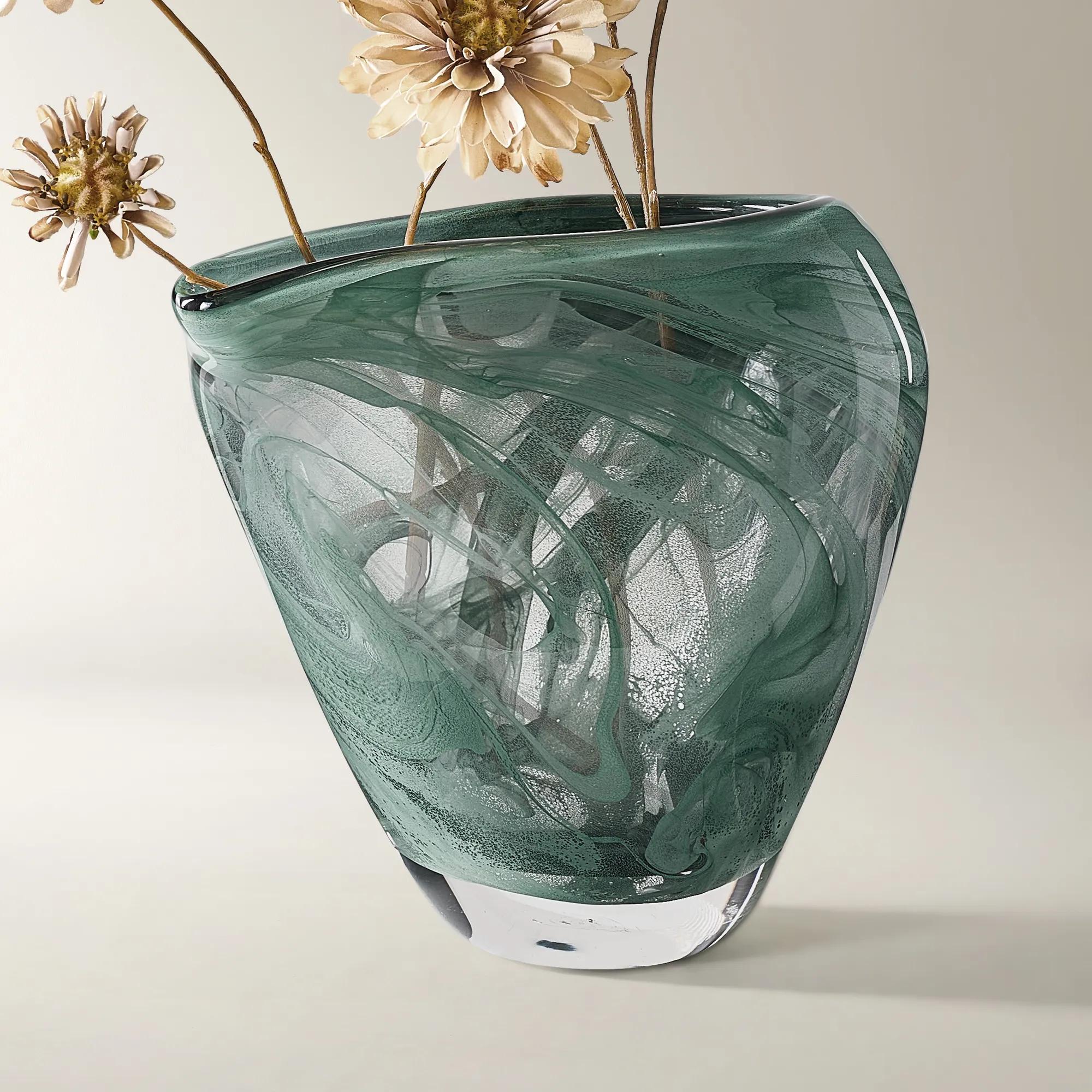 Flow Mouth Blown Sage Green Glass Vase 12.25"$199
A handblown glass vase in calming sage green with an organic, sculptural silhouette for modern decor.
Add To Cart -
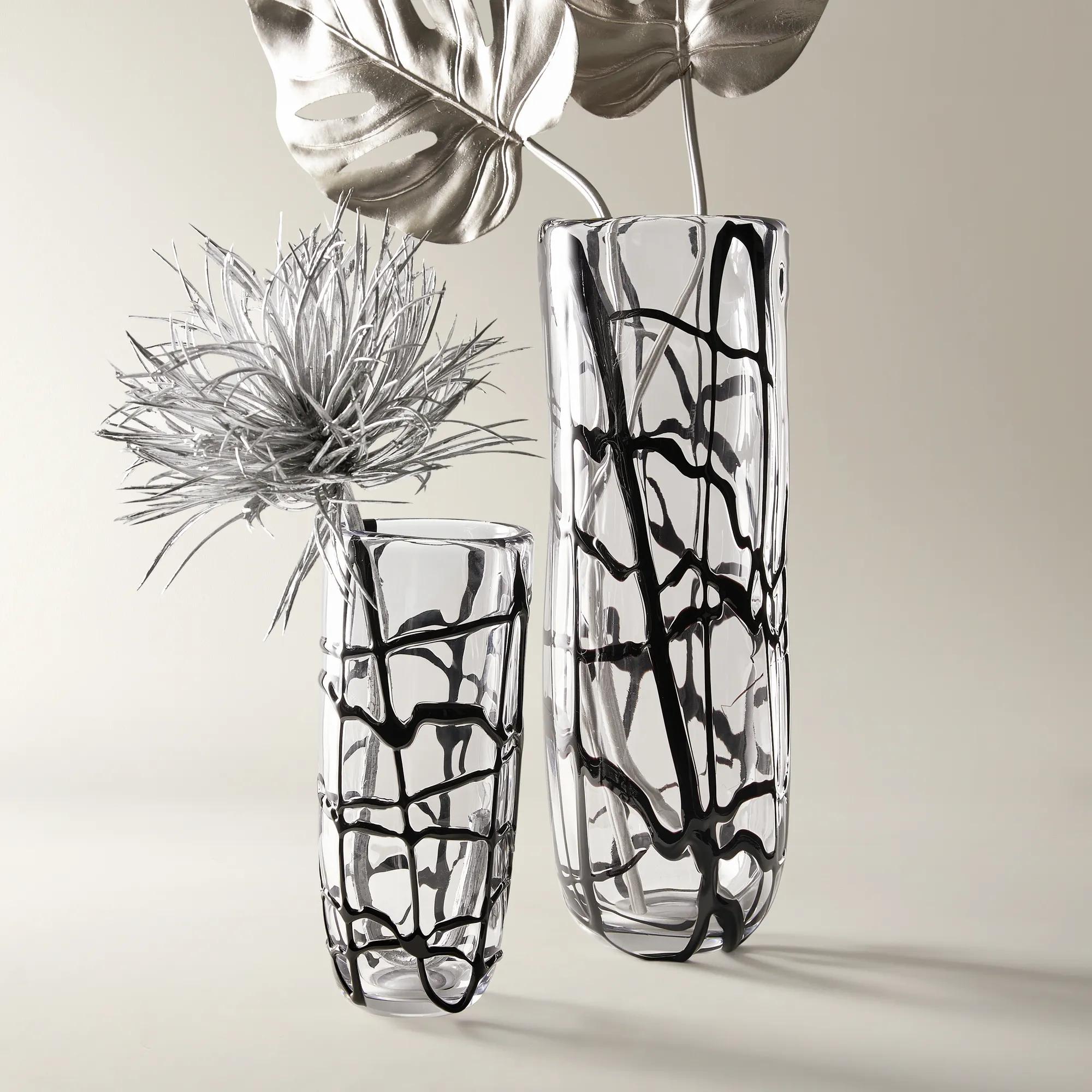 Torino Glass Vase$109
A hand-blown glass vase featuring a dramatic black design and sleek cylindrical silhouette for modern appeal.
Add To Cart -
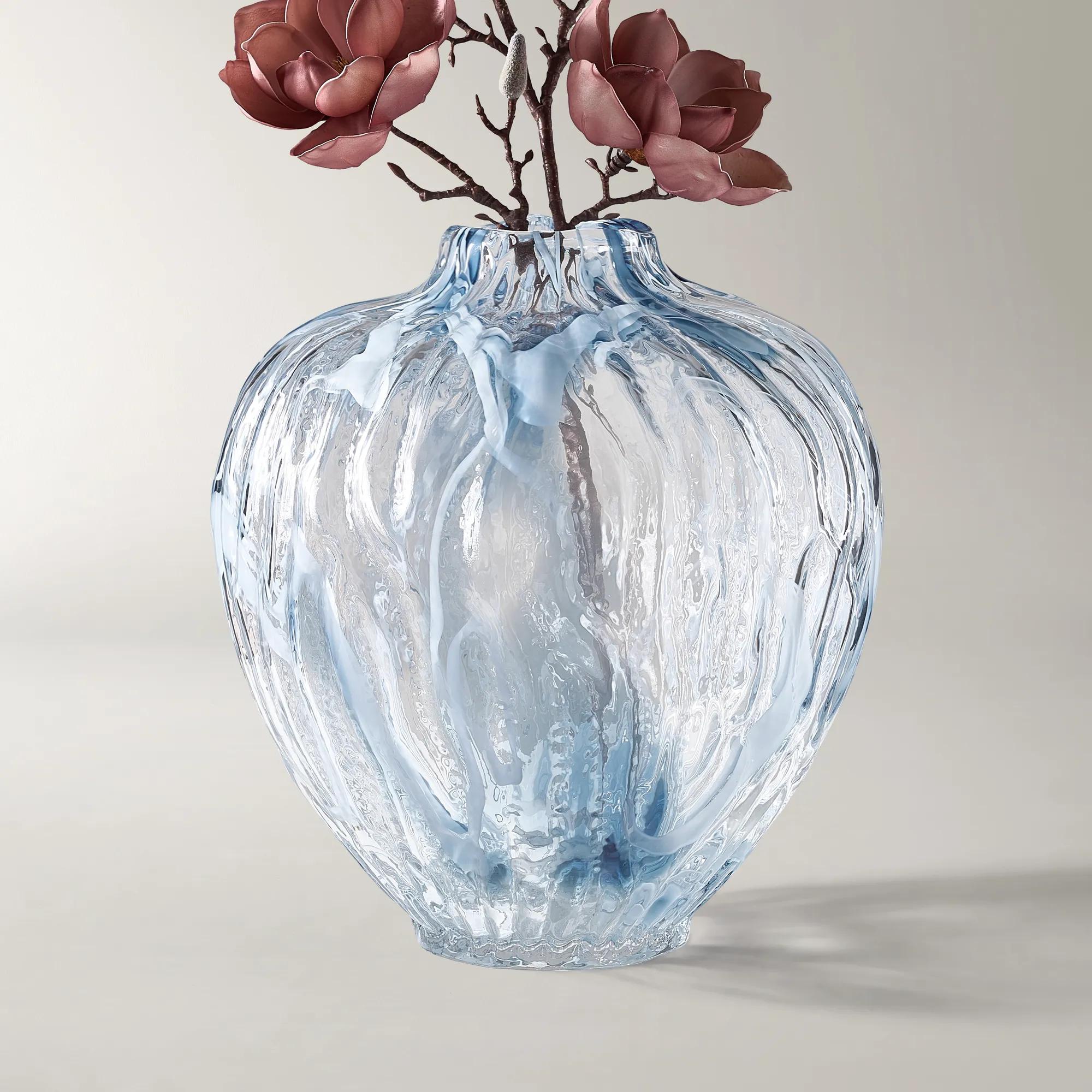 Cruz Mouth Blown Powder Blue Glass Vase 15.75"$169
A handblown glass vase in powder blue with a sculptural, light-catching surface for modern decor.
Add To Cart -
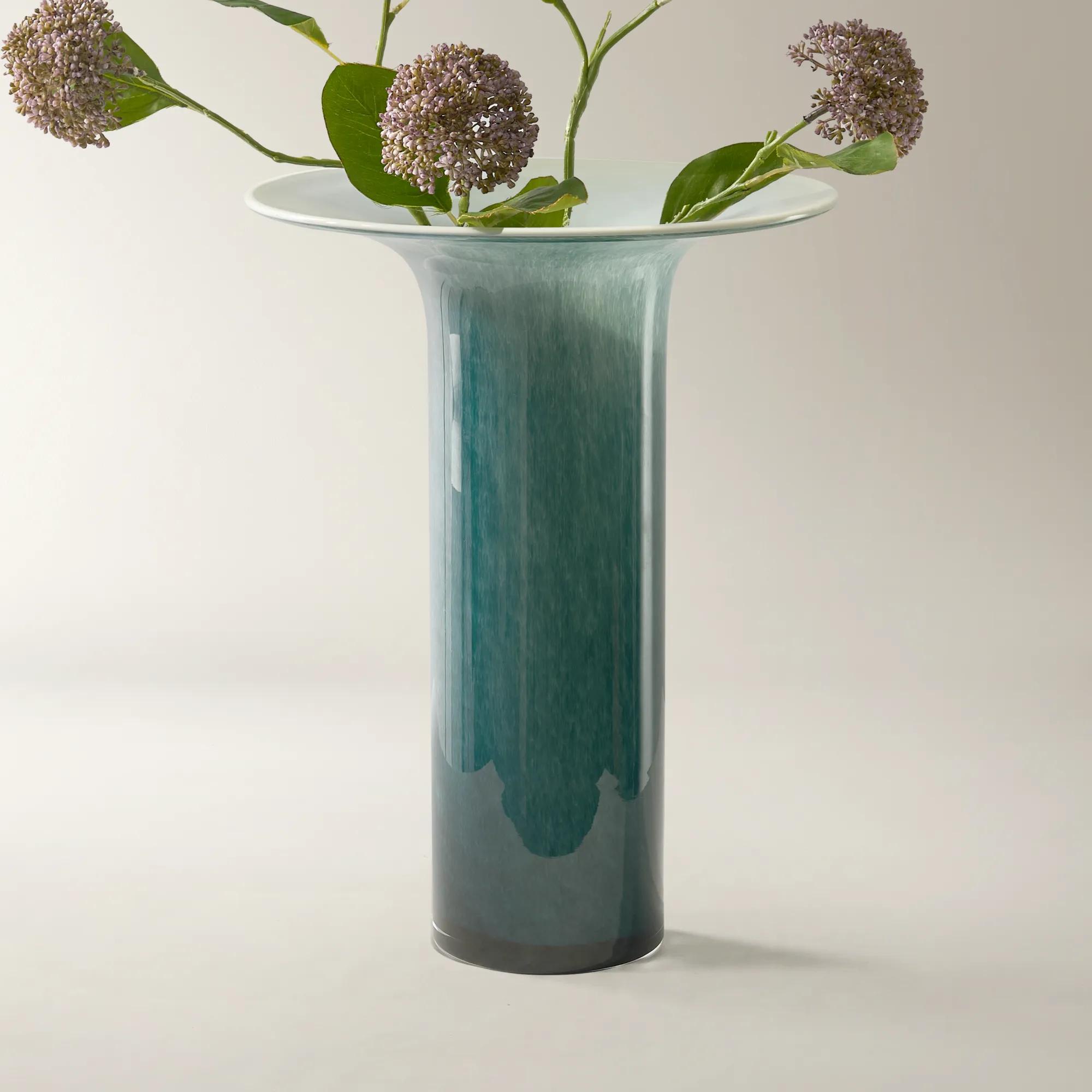 Loft Mouth Blown Deep Teal Glass Vase 15.75"$129
A handblown glass vase in deep teal with a sculptural column silhouette for bold, artful impact.
Add To Cart -
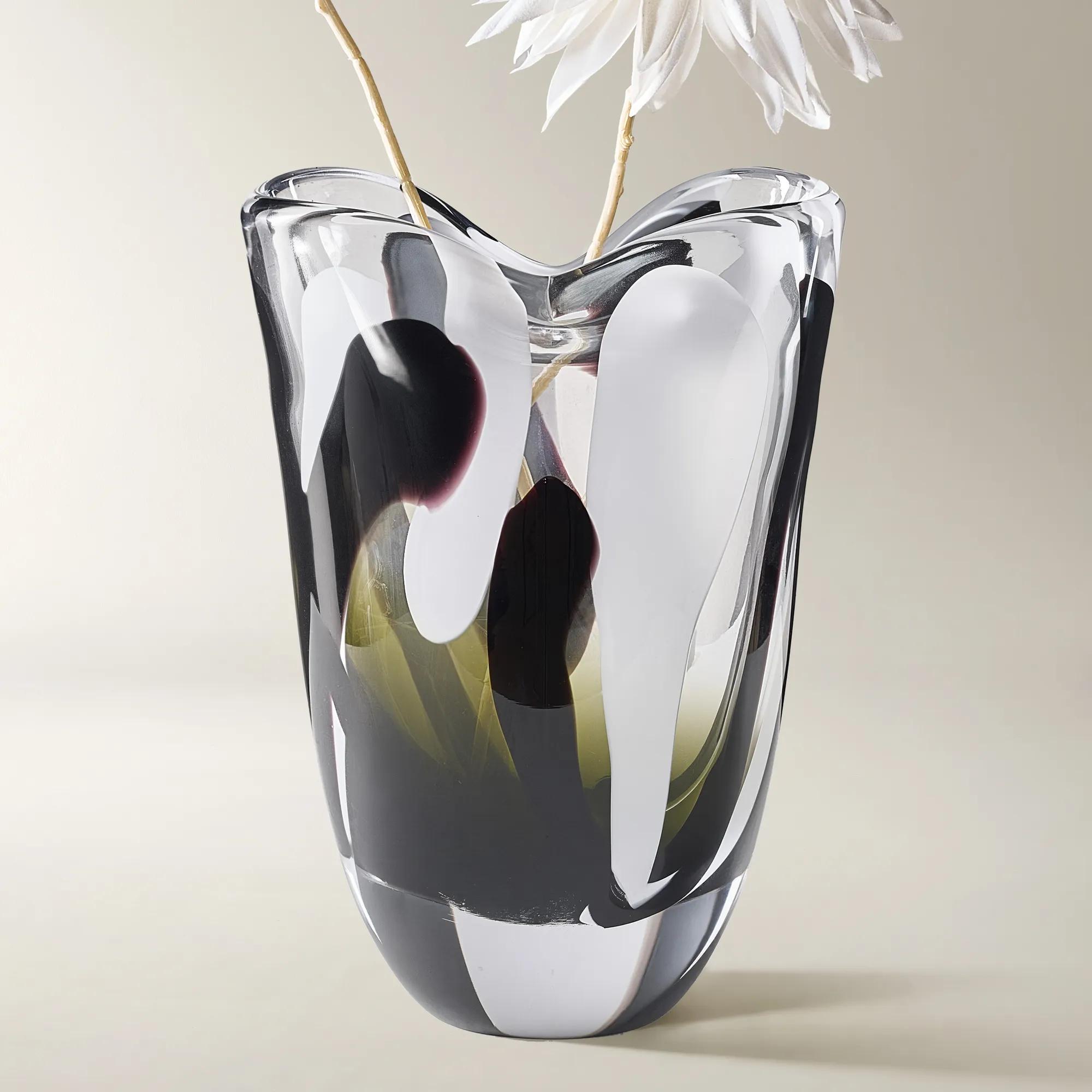 Melrose Mouth Blown Black White Glass Vase 11.25"$109
A handblown glass vase featuring a bold black and white abstract animal pattern for modern appeal.
Add To Cart -
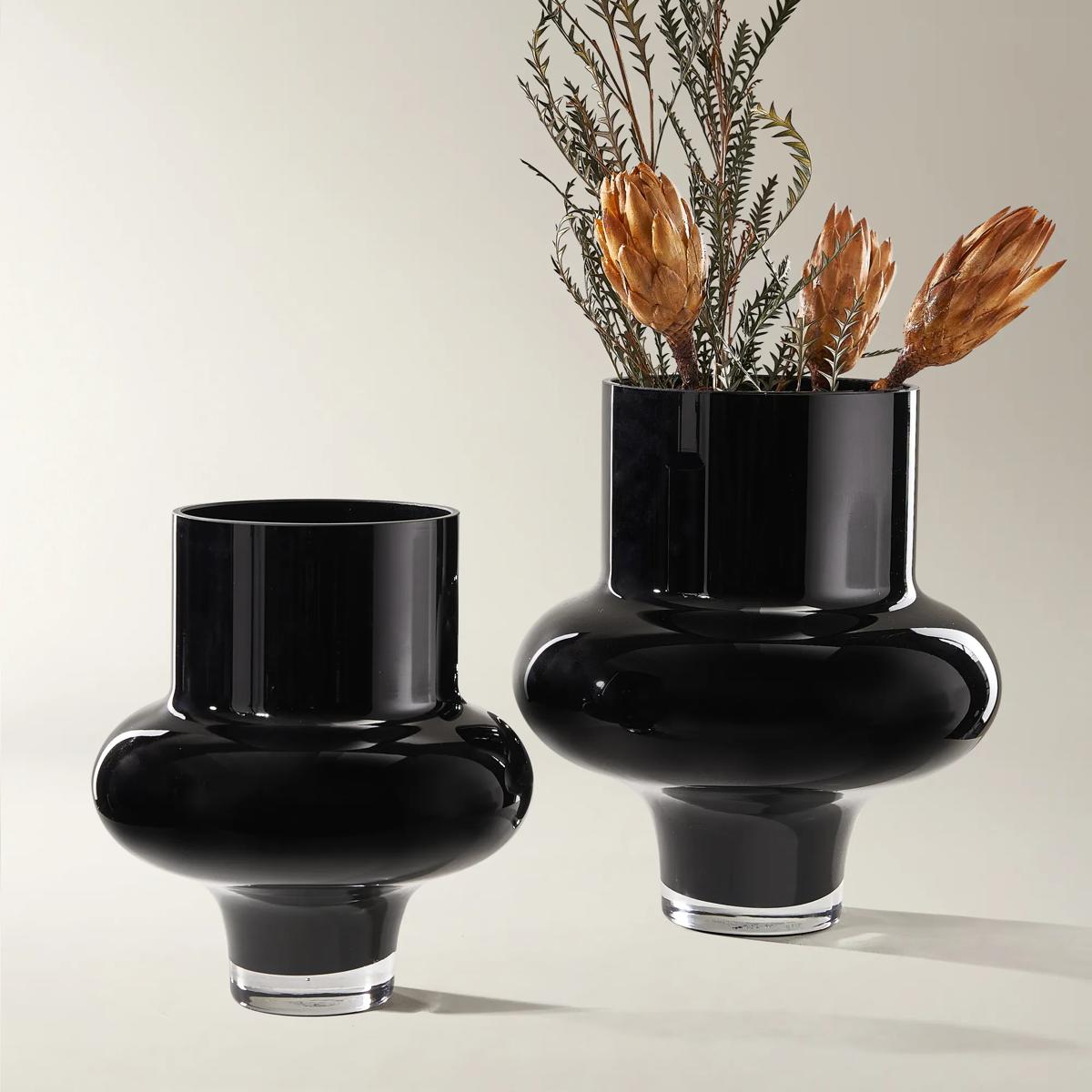
 Kors Glass Vase$89
A sculptural hand-blown black glass vase with a high-gloss finish and bold, curvaceous form.
Add To Cart -
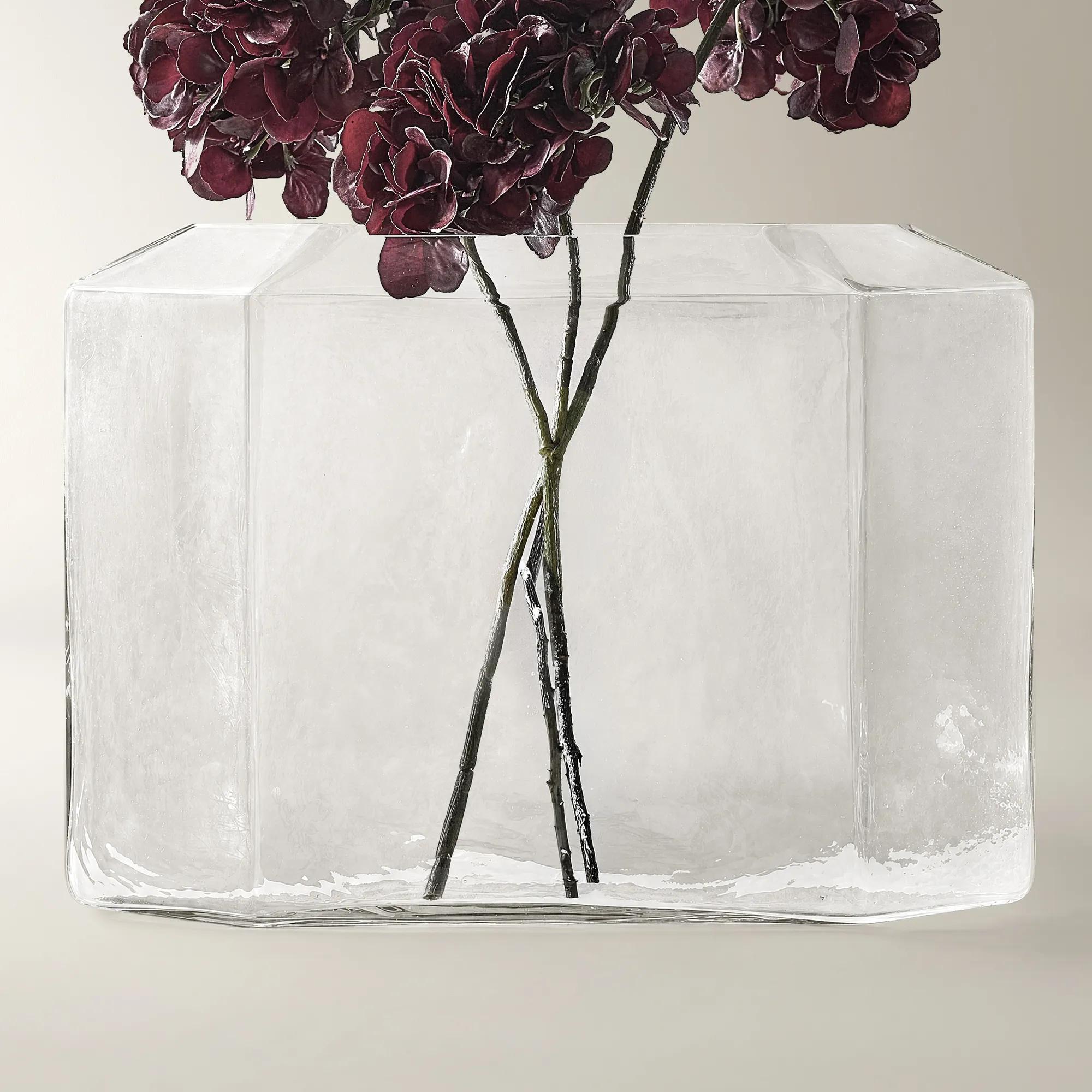 Studio Mouth Blown Clear Glass Vase 13.75"$199
A handblown clear glass vase with faceted detailing that beautifully reflects light for modern elegance.
Add To Cart -
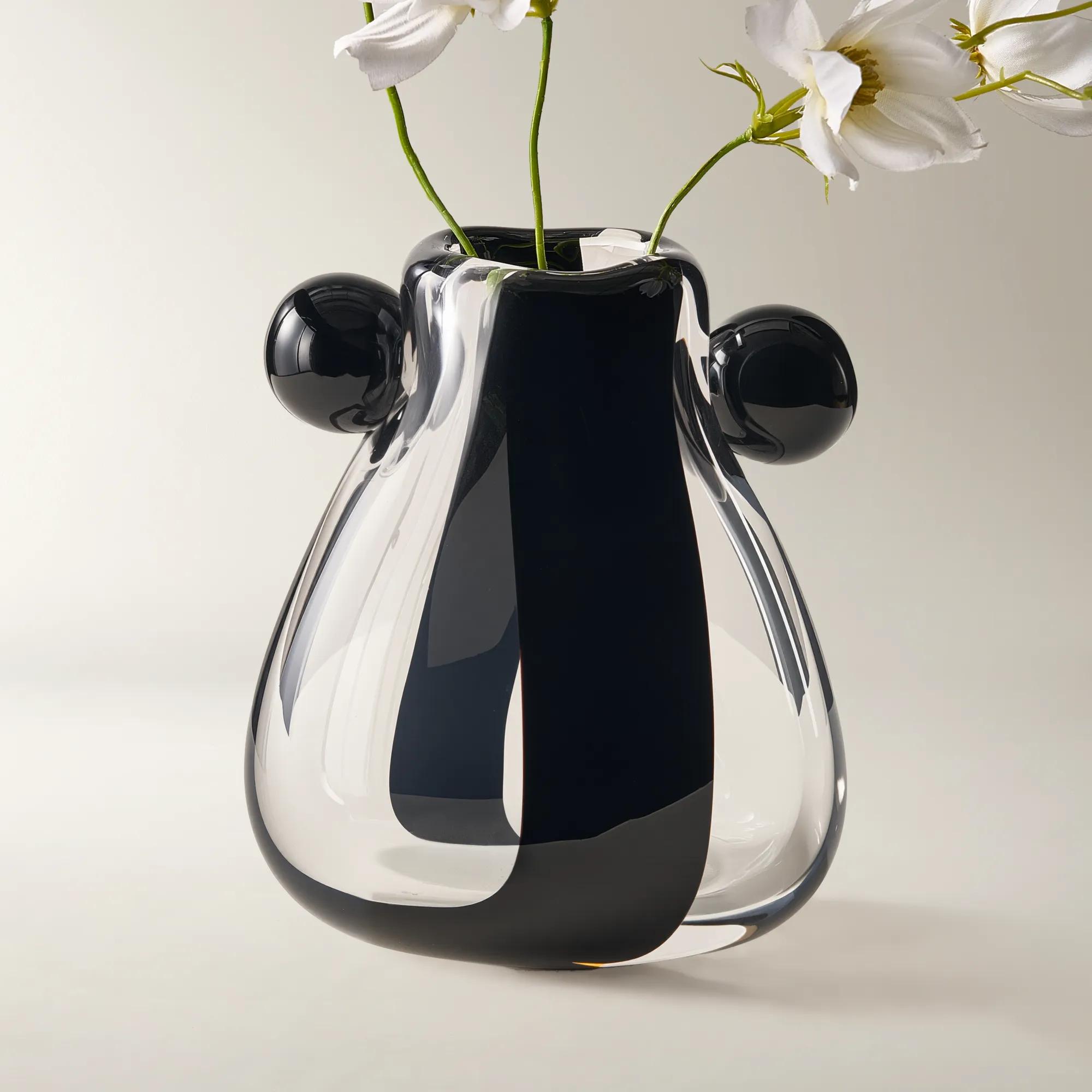
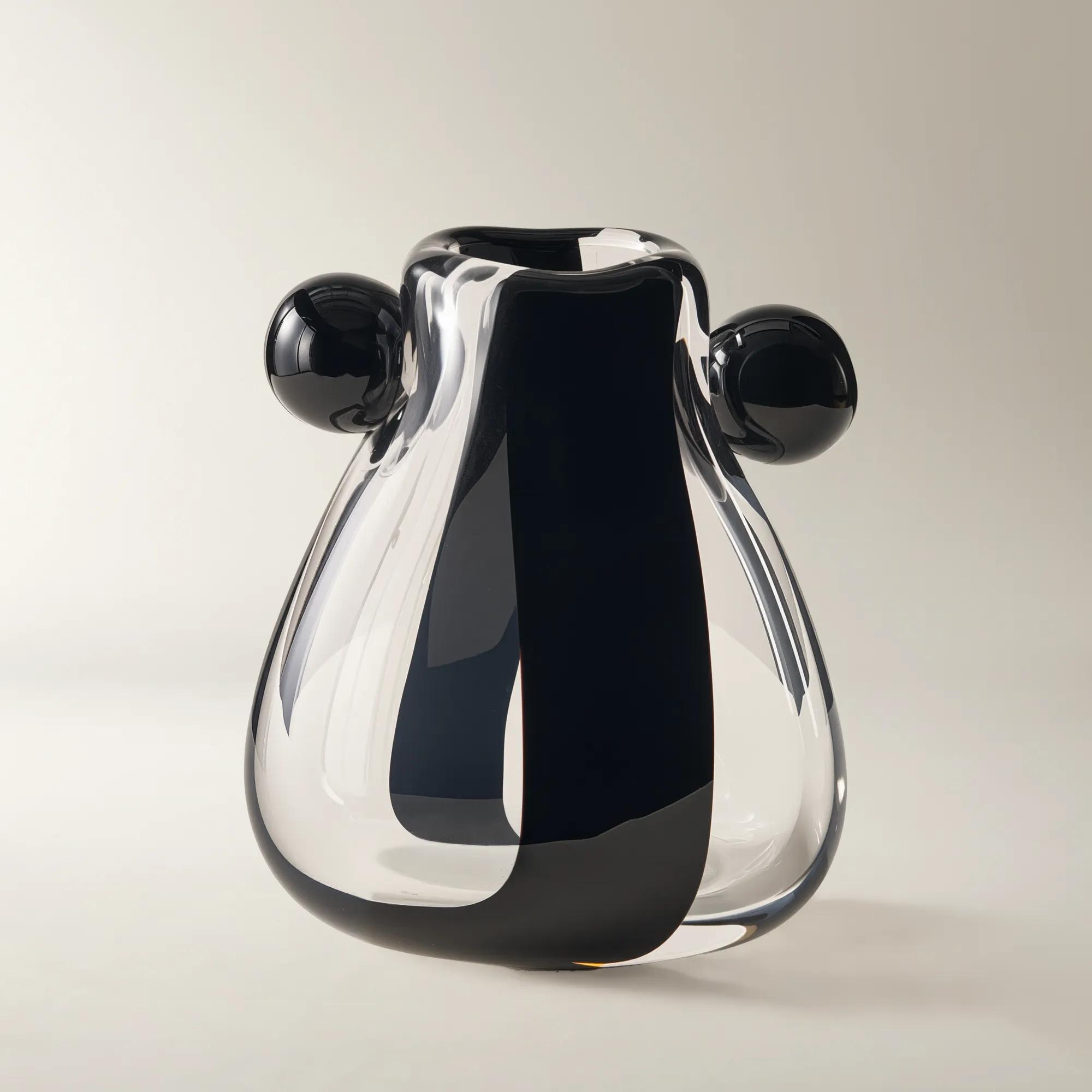 Wink Mouth Blown Black Clear Glass Vase 7.25"$59
A handblown glass vase featuring black and clear stripes with sculptural bauble accents for artistic flair.
Add To Cart -
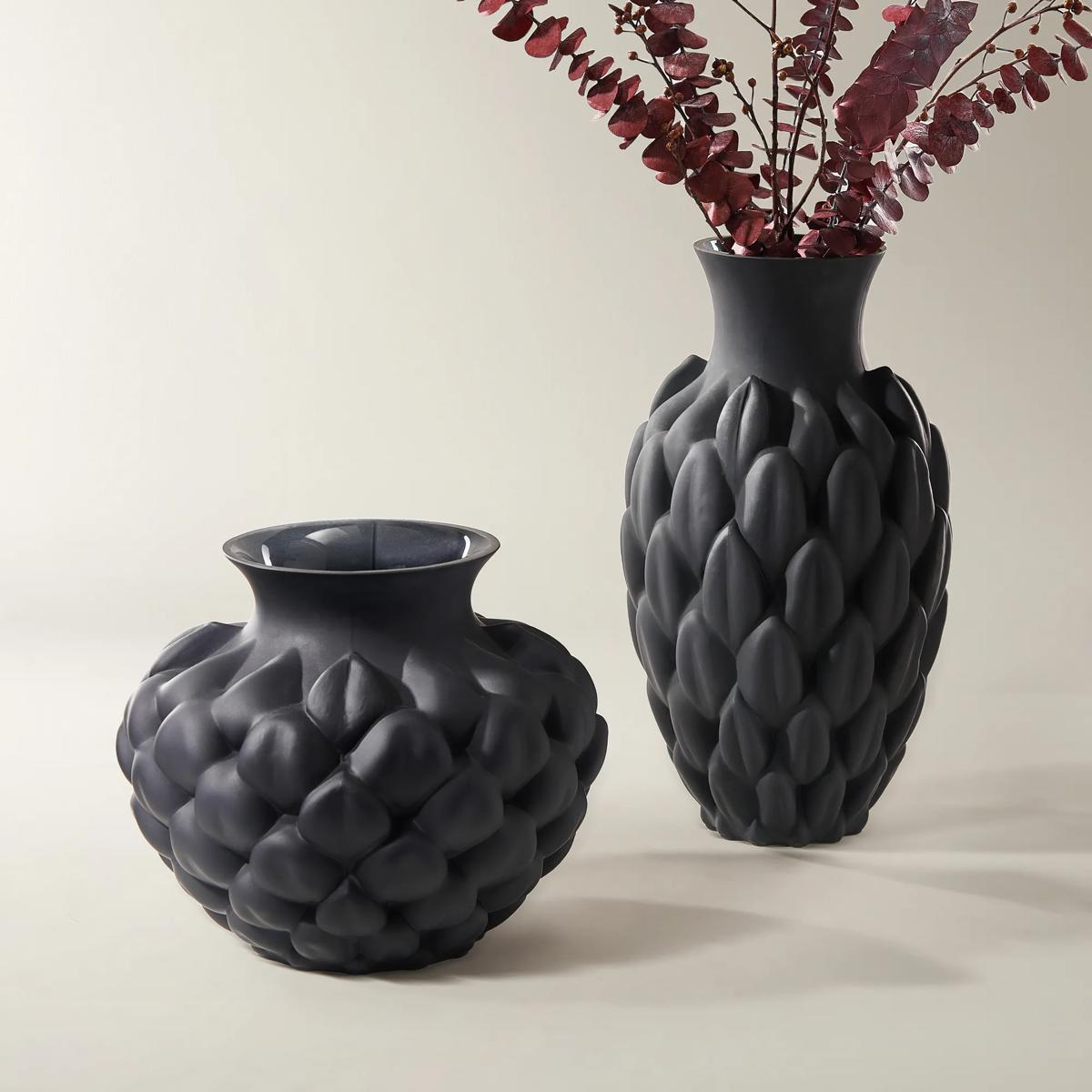
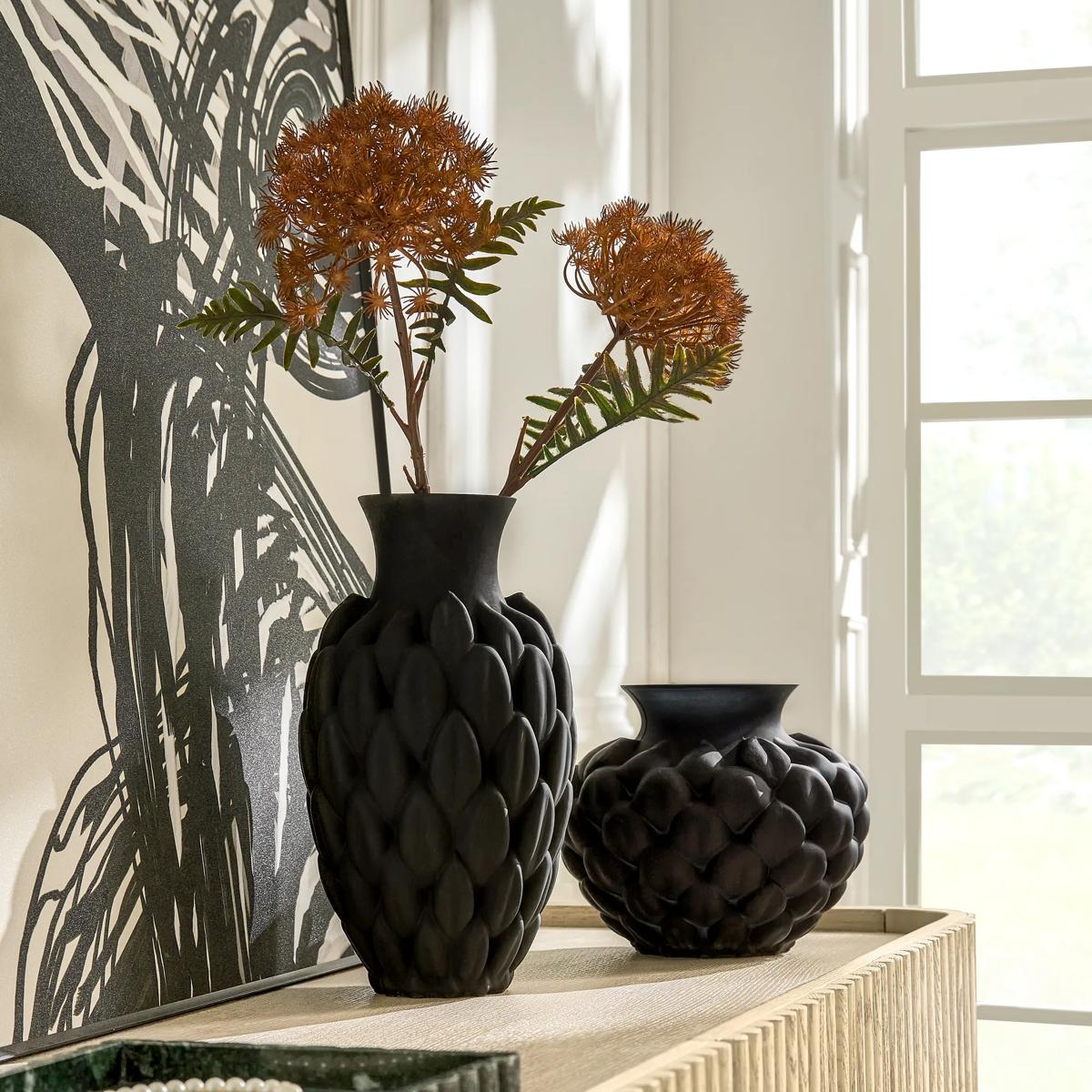 Sabine Glass Vase$79
A sculptural matte black glass vase featuring a dimensional, petal-inspired texture for bold, modern appeal.
Add To Cart -
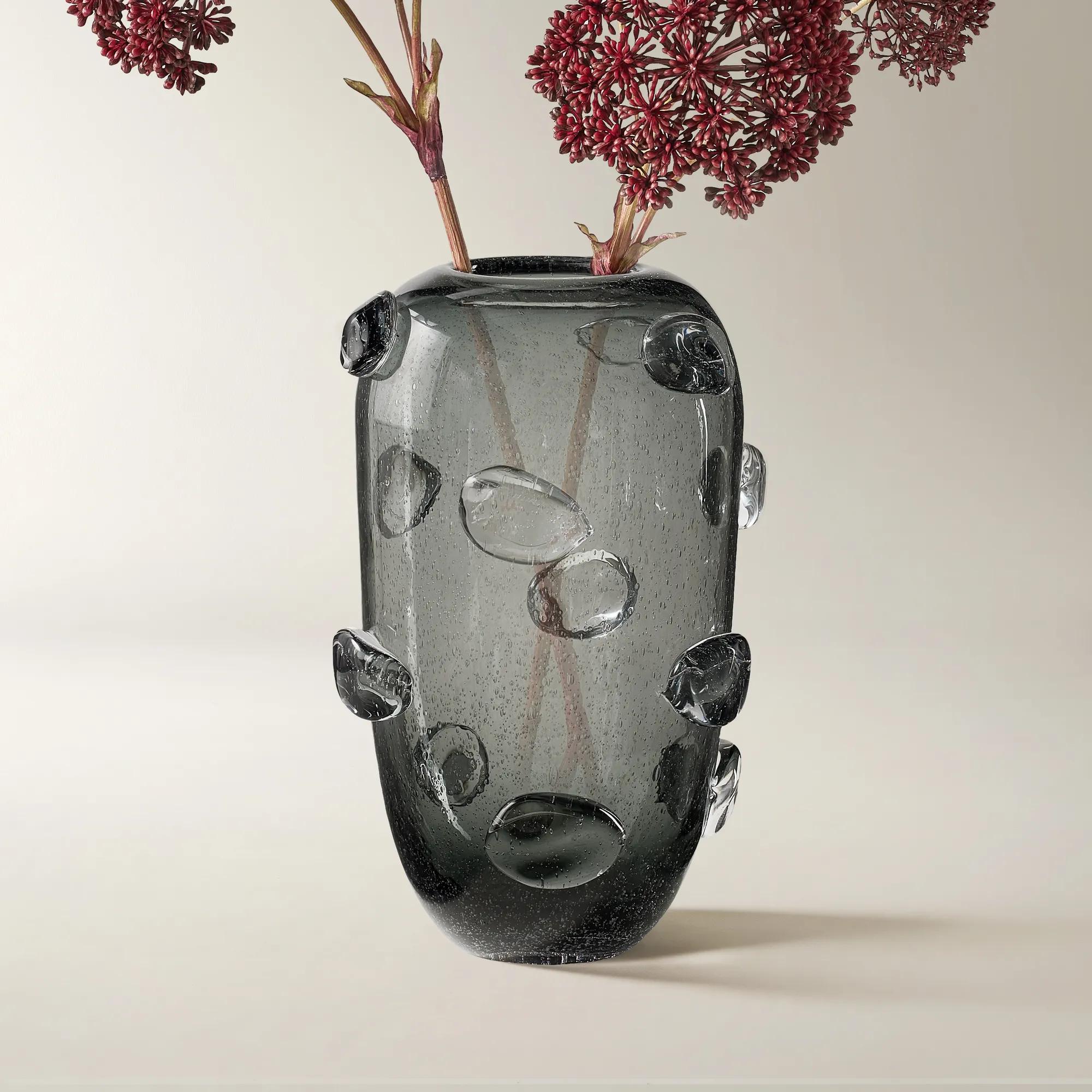 Surel Mouth Blown Graphite Glass Vase 13.5"$149
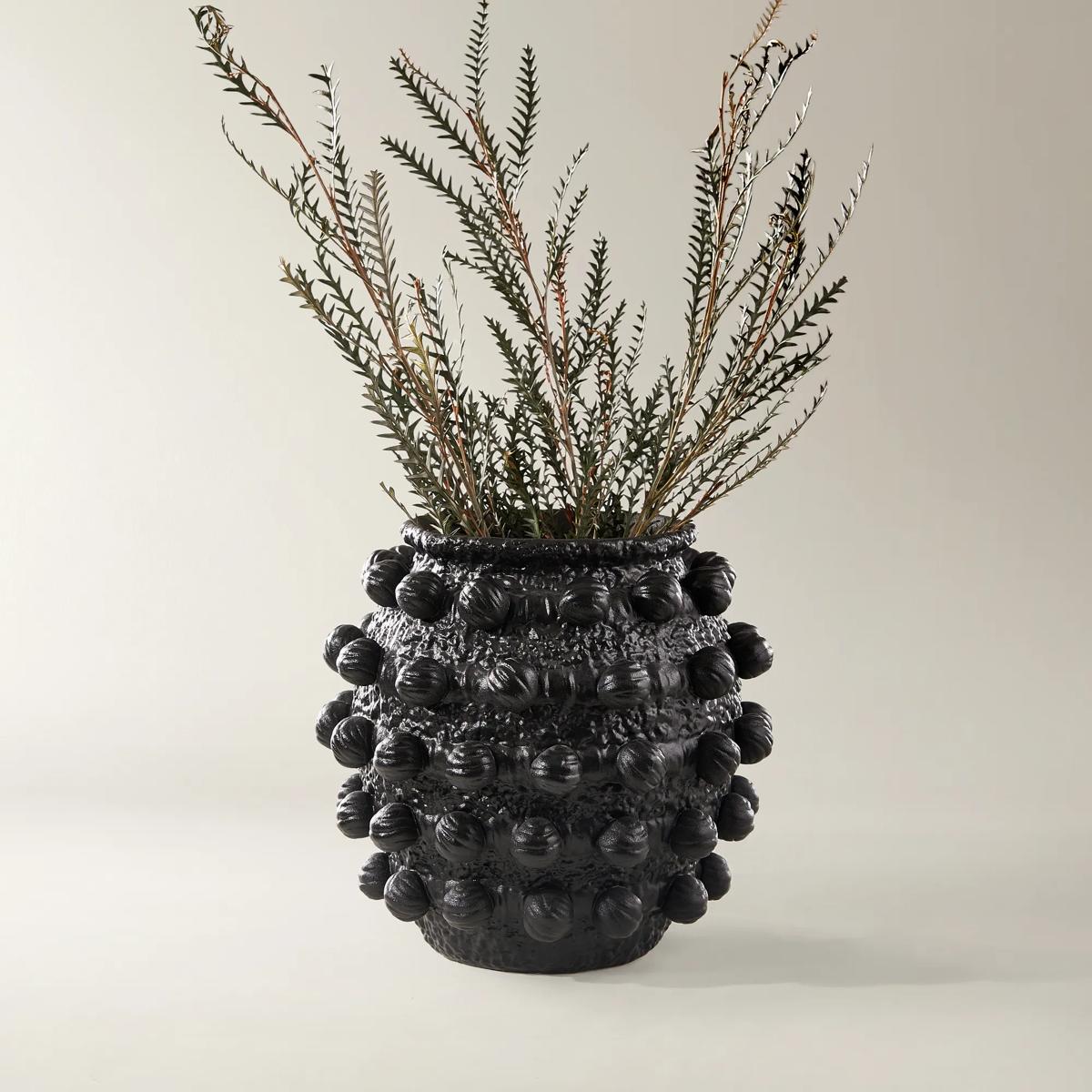
A handblown glass vase in moody graphite with playful bauble accents for sculptural sophistication.
Add To Cart -
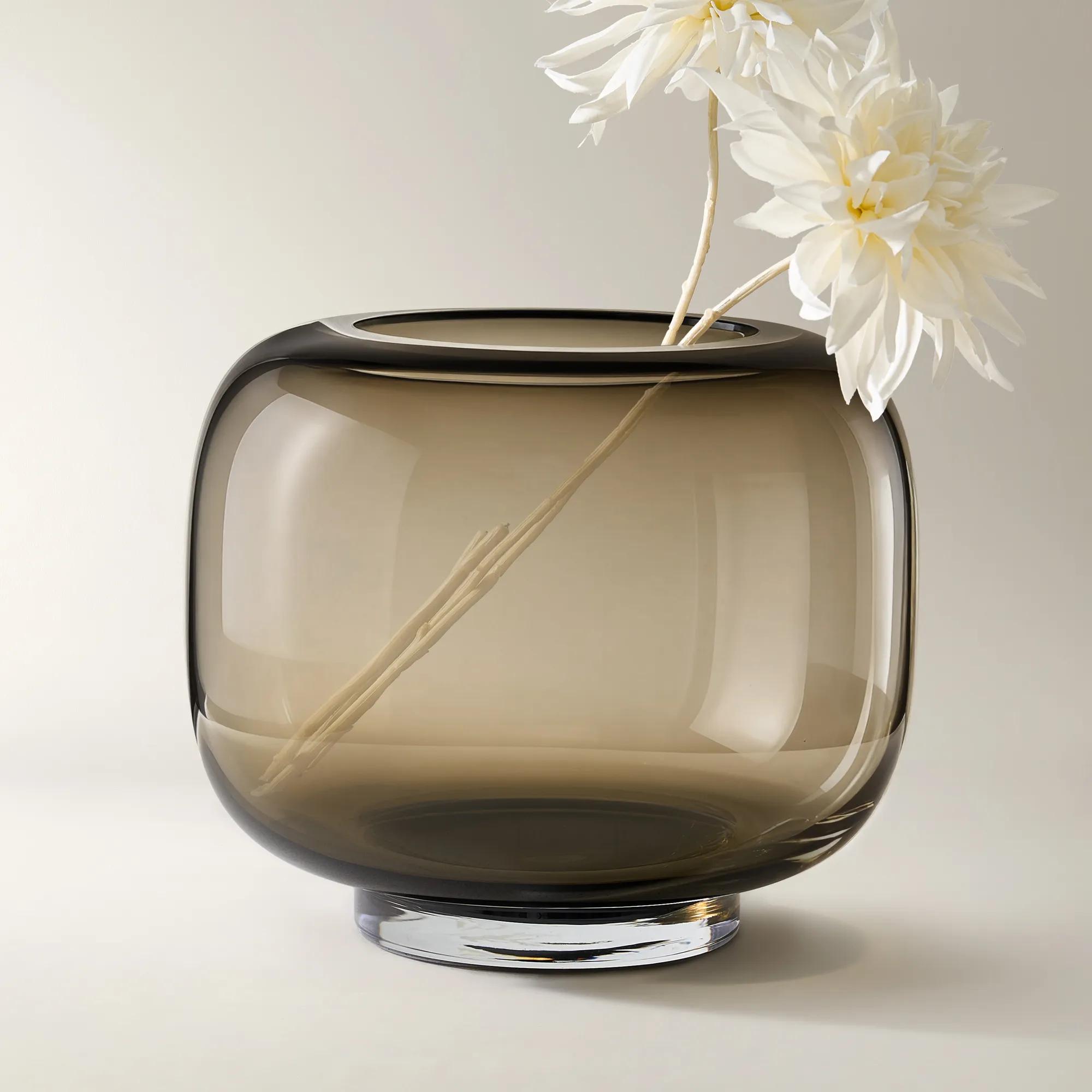 Mateo Smoke Handblown Glass Vase 9.75"$89
A smoke-toned handblown glass vase adding sculptural elegance to modern interiors.
Add To Cart -
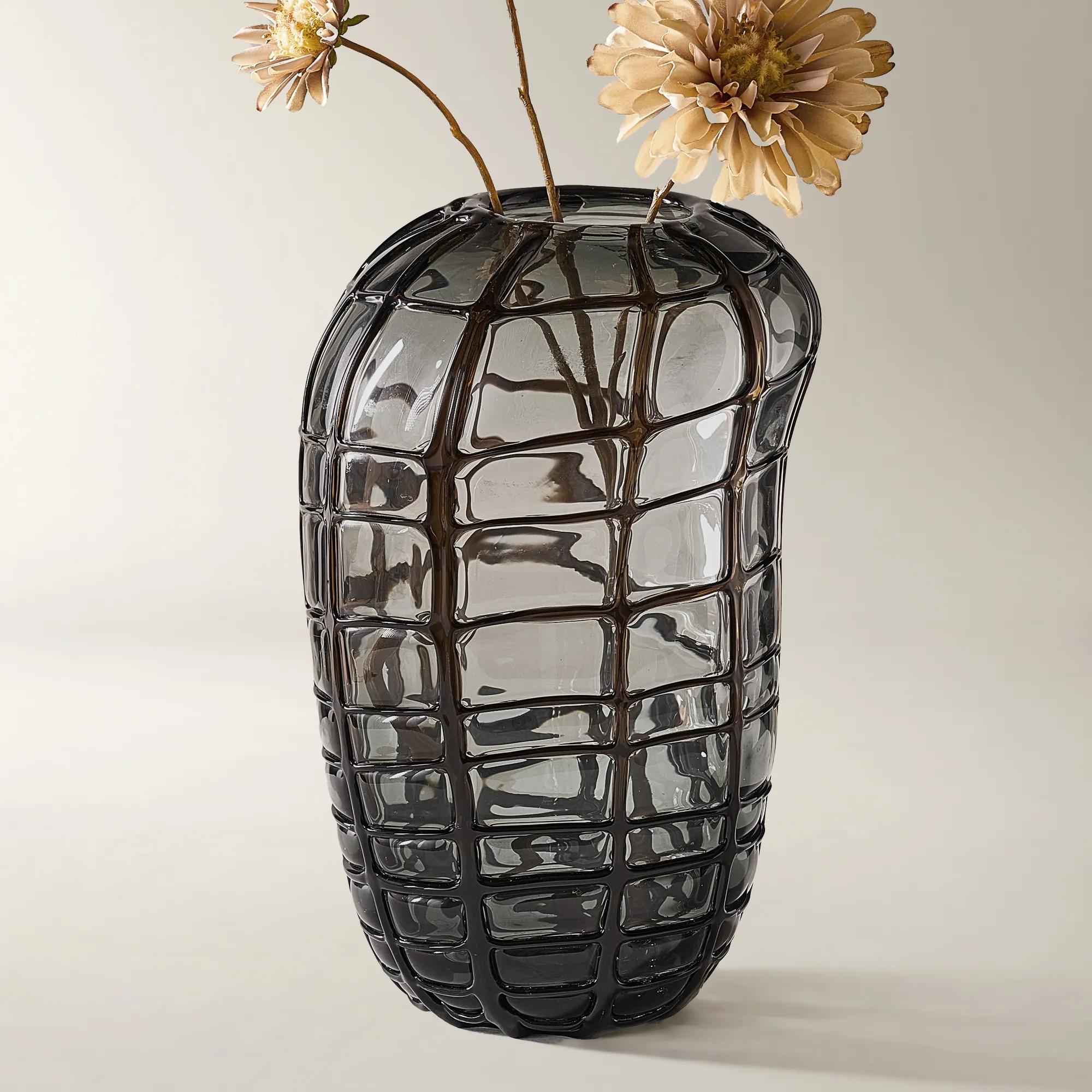 Contra Mouth Blown Black Grid Glass Vase 13"$89
A handblown black glass vase featuring a graphic grid pattern and an organically sculpted silhouette.
Add To Cart -

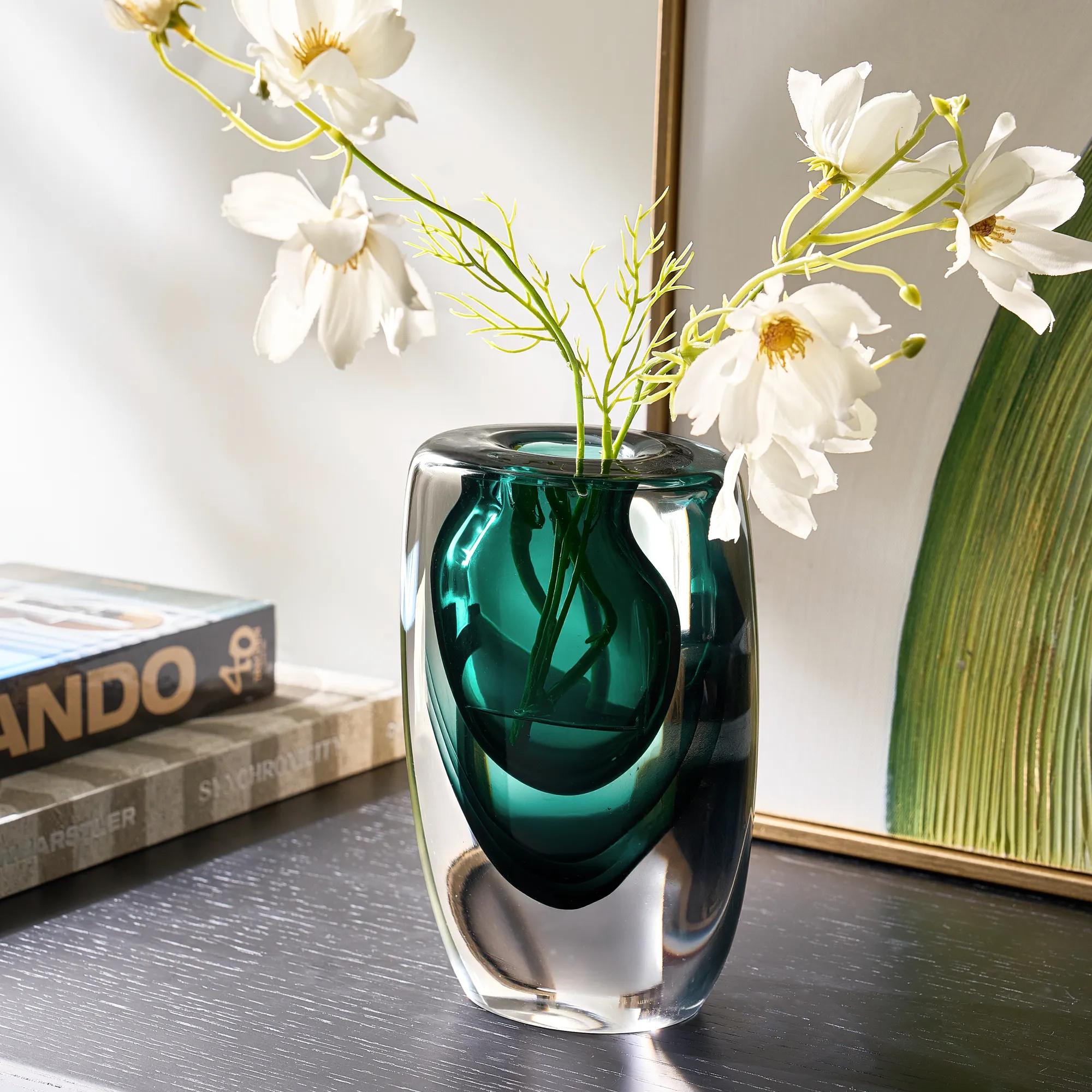 Monro Green Handblown Glass Vase 7.75"$149
A green handblown glass vase adding artisanal texture and modern elegance to curated interiors.
Add To Cart -
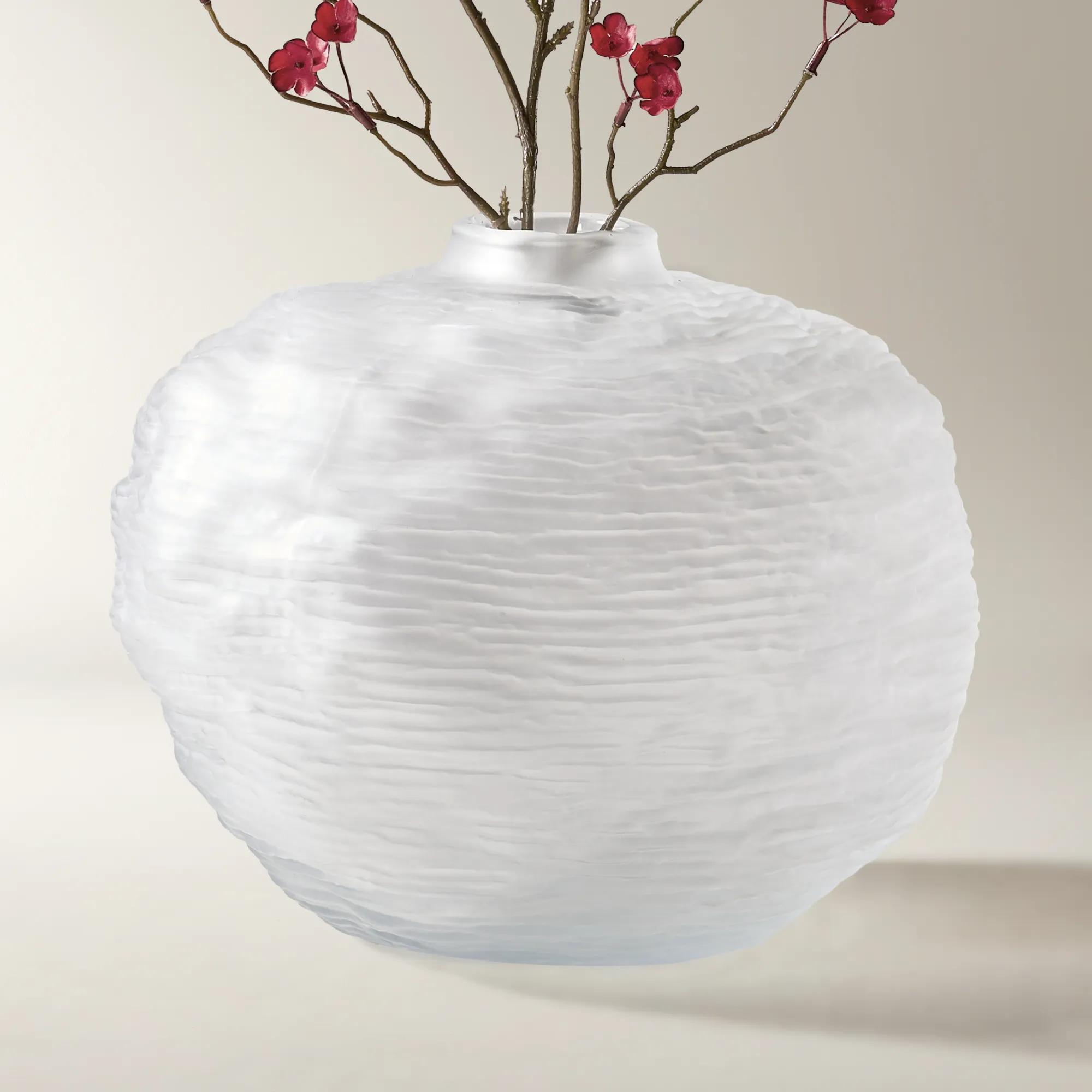 Lucid Mouth Blown Frosted Glass Vase 9.25"$99
A handblown frosted white glass vase with a sculptural, softly textured surface for modern elegance.
Add To Cart -
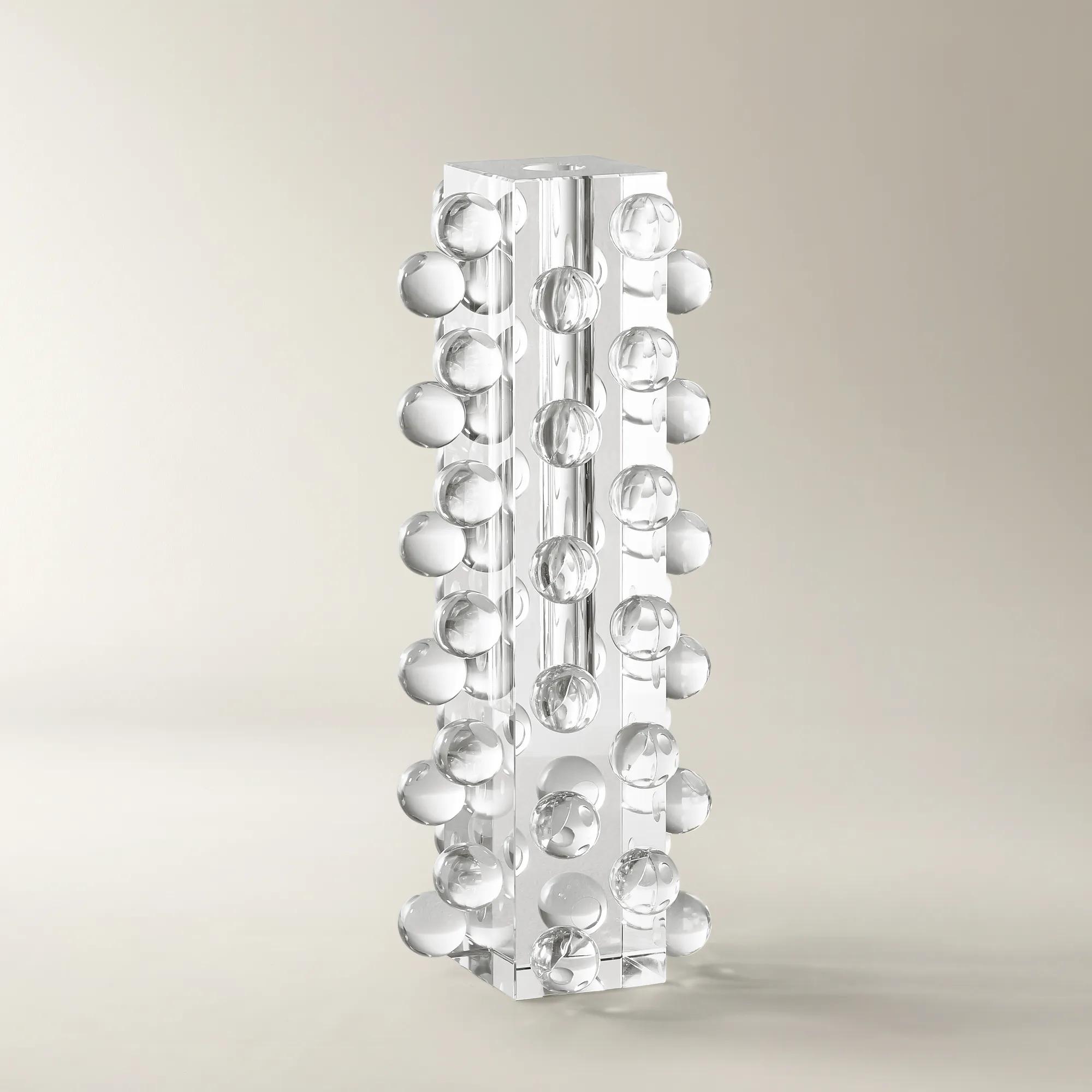
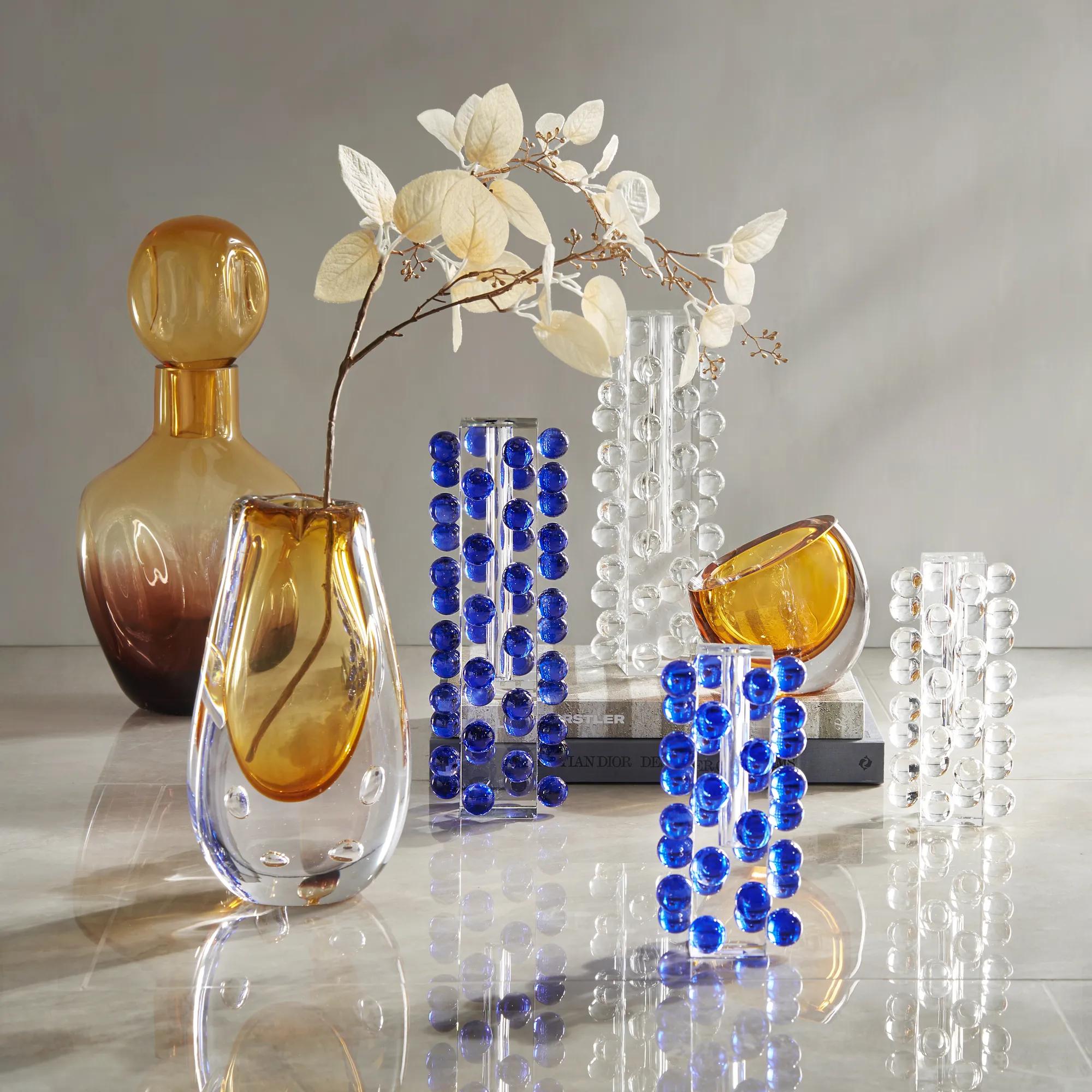 Bubble Vase Clear$119
A sculptural clear crystal glass vase featuring a cluster of transparent spheres for modern visual interest.
Add To Cart

Modern Art Glass Vases
Explore modern art glass vases with an artistic presence, ideal for creating a focal point on a console, mantel, or dining table. Choose a silhouette and scale that complement your space, whether you envision a single statement vase or a layered arrangement of decorative glass vessels.
Modern art glass vases bring sculptural presence to a room, pairing the fluid beauty of glass with shapes that feel expressive from every angle. A sweeping curve, an elongated neck, or a boldly rounded body can give a familiar surface the distinction of a carefully composed gallery display. Unlike a purely functional vessel, an art glass vase contributes its own color, movement, and visual weight, whether filled with flowers or left beautifully unadorned. Clear glass invites light into the composition and keeps stems visible, while translucent color adds depth without completely concealing what lies inside. Opaque glass creates a stronger silhouette, particularly against pale walls, mirrored surfaces, or richly textured upholstery. Smoked tones lend a moody sophistication; saturated hues can become the central accent in an otherwise restrained room. Depending on the design and glassmaking technique, swirls, layered color, rippled surfaces, or subtle variations in thickness may give the material an almost painterly quality. Blown glass can feature gentle irregularities that reflect its making, while molded forms can emphasize crisp geometry and repeated detail. Neither approach defines the appeal on its own: the character comes from the relationship between shape, finish, proportion, and light. A polished surface catches bright reflections, while frosted or textured glass softens them into a quieter glow. These distinctions make modern decorative glass vases compelling for interiors that combine clean-lined furniture with more dramatic accents. A luminous vessel beside a dark lacquered cabinet creates contrast; a softly colored form on a stone console draws attention to the surface beneath it. Even an empty vase can establish a focal point through its outline alone. For anyone drawn to contemporary art, expressive color, or objects with a strong sculptural identity, art glass offers a distinctive way to bring those preferences into daily surroundings without requiring a large display or a complete room transformation.
The most successful placement gives the vase enough room to reveal its shape while keeping its proportions connected to the furniture around it. A tall, narrow vessel can introduce vertical movement to a broad console, while a generous, low form brings substance to a coffee table without dominating the view across the room. On a compact side table, a smaller vase with a pronounced curve may offer all the drama the surface needs. The base deserves as much attention as the height: a stable footprint is especially important for arrangements with long stems or branches, whose weight can shift the balance of the vessel. The opening also shapes the finished arrangement. A narrow neck gathers a few stems into a defined gesture, while a wider mouth allows flowers to spread into a fuller composition. For displays centered on dining tables, occasional tables, or entry consoles, glass table vases offer another way to explore the relationship between decorative form and everyday placement. In a dining setting, lower silhouettes preserve sightlines and leave space for place settings; taller designs often make a stronger statement on a buffet or nearby cabinet. An entryway vase can establish the room’s color story before any other detail comes into view. Across these settings, a single distinctive piece can be more commanding than a crowded arrangement. When several vases share a surface, varied heights and complementary shapes create rhythm, while a repeated hue or finish keeps the grouping cohesive. Glass also rewards thoughtful contrast. A translucent vessel against an opaque backdrop reveals its color more clearly, and a smooth vase beside woven fabric or natural wood introduces a tactile counterpoint. Ambient light changes the reflections across the surface, making the piece feel animated throughout the day, but placement should remain practical. Keep glass away from precarious edges and busy pathways, and use particular care near strong direct sunlight, where concentrated reflections or fading-sensitive surroundings may make another position preferable.
Intended use is an important part of choosing an art glass vase, particularly when the decorative finish is as compelling as the form. Some vessels are suitable for fresh floral arrangements, while others are intended only for dry stems or display; the stated care and use information should determine whether water belongs inside. For a water-compatible design, transparent glass makes the stems part of the arrangement, so neatly trimmed foliage and clean water help preserve the overall effect. Dried botanicals and artificial stems offer a different approach, allowing a sculptural outline to remain consistent without regular water changes. An empty vase is equally considered when its surface pattern or silhouette deserves uninterrupted attention. Glass is rigid and can retain its beauty with careful handling, but it remains vulnerable to impact, sudden temperature changes, and scratches from abrasive cleaning. A substantial base may improve stability, yet weight alone does not make a piece resistant to breakage. Lift a vase by supporting its body and base rather than pulling it by a narrow rim or decorative projection, and avoid moving a filled vessel when the added weight makes it difficult to hold securely. Routine dusting with a soft cloth keeps reflections clear. When washing is permitted, mild soap, lukewarm water, and gentle handling are generally preferable to harsh cleaners or scouring tools; dishwasher use should depend on the manufacturer’s instructions, especially for painted, metallic, or otherwise decorated surfaces. Drying thoroughly helps prevent water spots, while a discreet surface protector can reduce contact with delicate furniture finishes. This balance of artistry and practical consideration also makes modern art glass vases thoughtful gifts for housewarmings, weddings, anniversaries, or a host with a distinctive eye for interiors. A graceful, versatile shape suits someone still developing a room, while a daring color or unconventional silhouette may resonate with an established collector. Chosen with the recipient’s space and taste in mind, an art glass vase becomes a lasting accent—an object that brings color, light, and individual expression to the places where everyday life unfolds.
FAQs
Modern art glass vases bring an artistic point of view to a familiar decorative form. Expressive silhouettes, intriguing color, and the interplay of light and transparency give them a sculptural presence. Styled with stems or displayed alone, an art glass vase adds a deliberate stroke of drama to a room.
Give an art glass vase a setting that lets its contours command attention. Place it against a contrasting backdrop, pair it with a stack of art books, or compose a vignette with a decorative tray. Leave visual breathing room around the arrangement so the glass and its reflections become part of the story.
Decide whether you want your vase to echo the room’s palette or introduce a daring contrast. A color drawn from nearby artwork creates a considered connection, while a contrasting hue adds an expressive focal point. Clear or subtly tinted glass offers another direction, inviting light and surrounding colors into the composition.
Absolutely. A modern art glass vase can hold its own as a sculptural accent, with shape, color, and reflections providing the visual intrigue. Display one as the focal point of a console arrangement, or group distinct forms with a shared color story for a gallery-inspired composition.
Modern art glass vases bring expressive detail to contemporary, glamorous, and eclectic interiors. Pair glass with mirrored accents for luminous drama, place it near richly textured upholstery for contrast, or introduce it among traditional furnishings for an unexpected artistic note. Let a recurring color or curve connect the vase to the room.