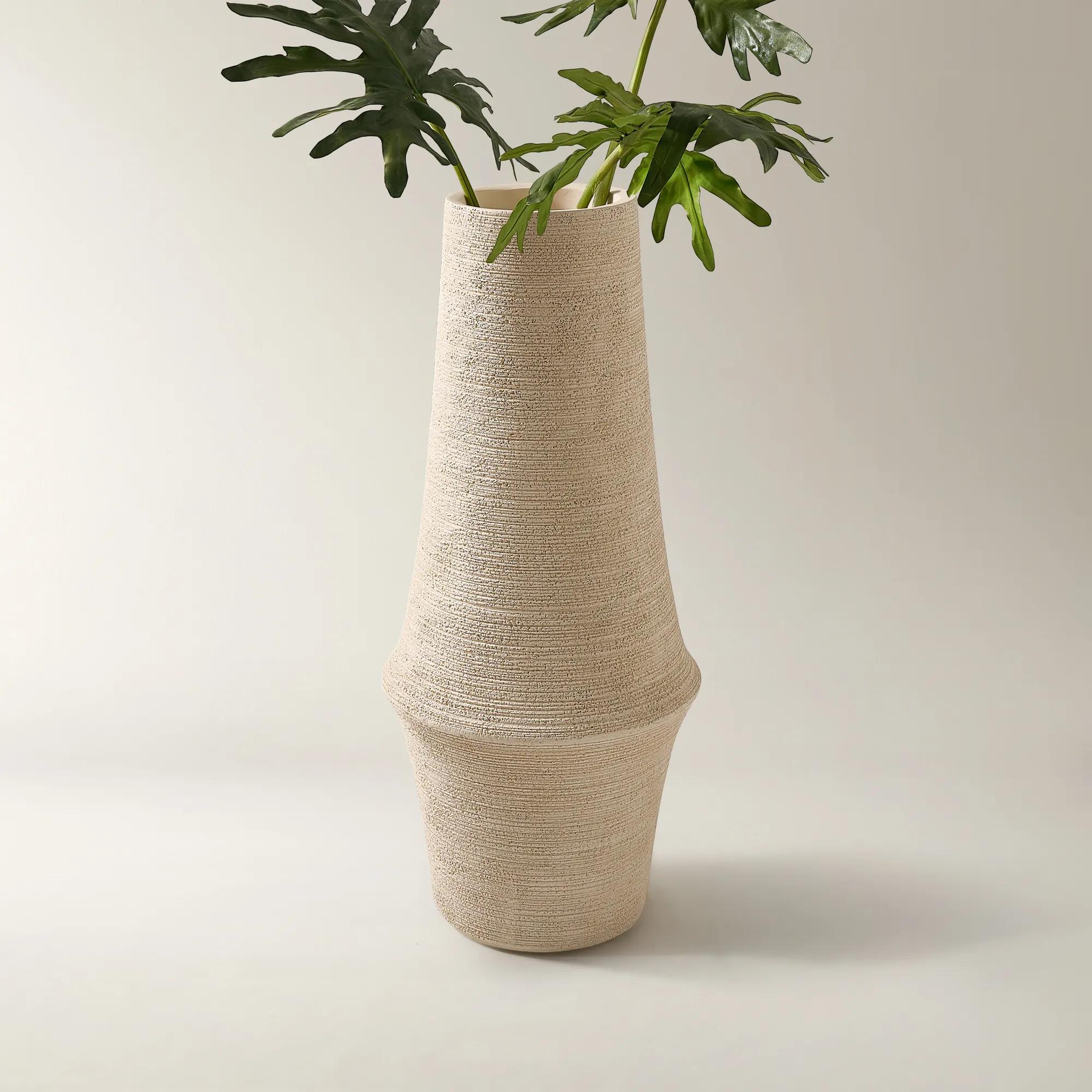
Contemporary Glass Vases
Contemporary Glass Vases
-
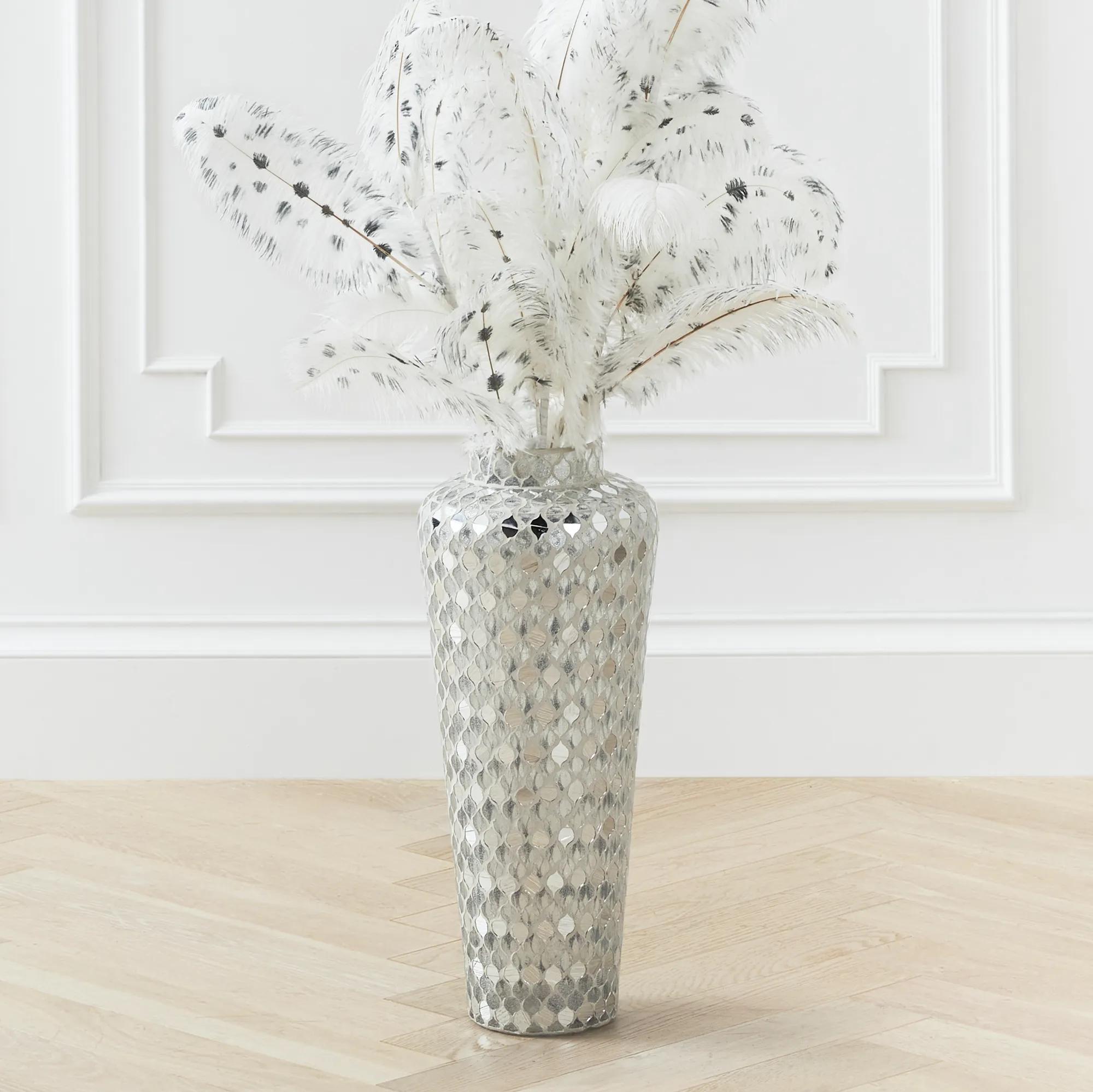 Fez Vase$139
A dazzling glass vase adorned with iridescent mirror and clear tiles for a glamorous decorative accent.
Add To Cart -
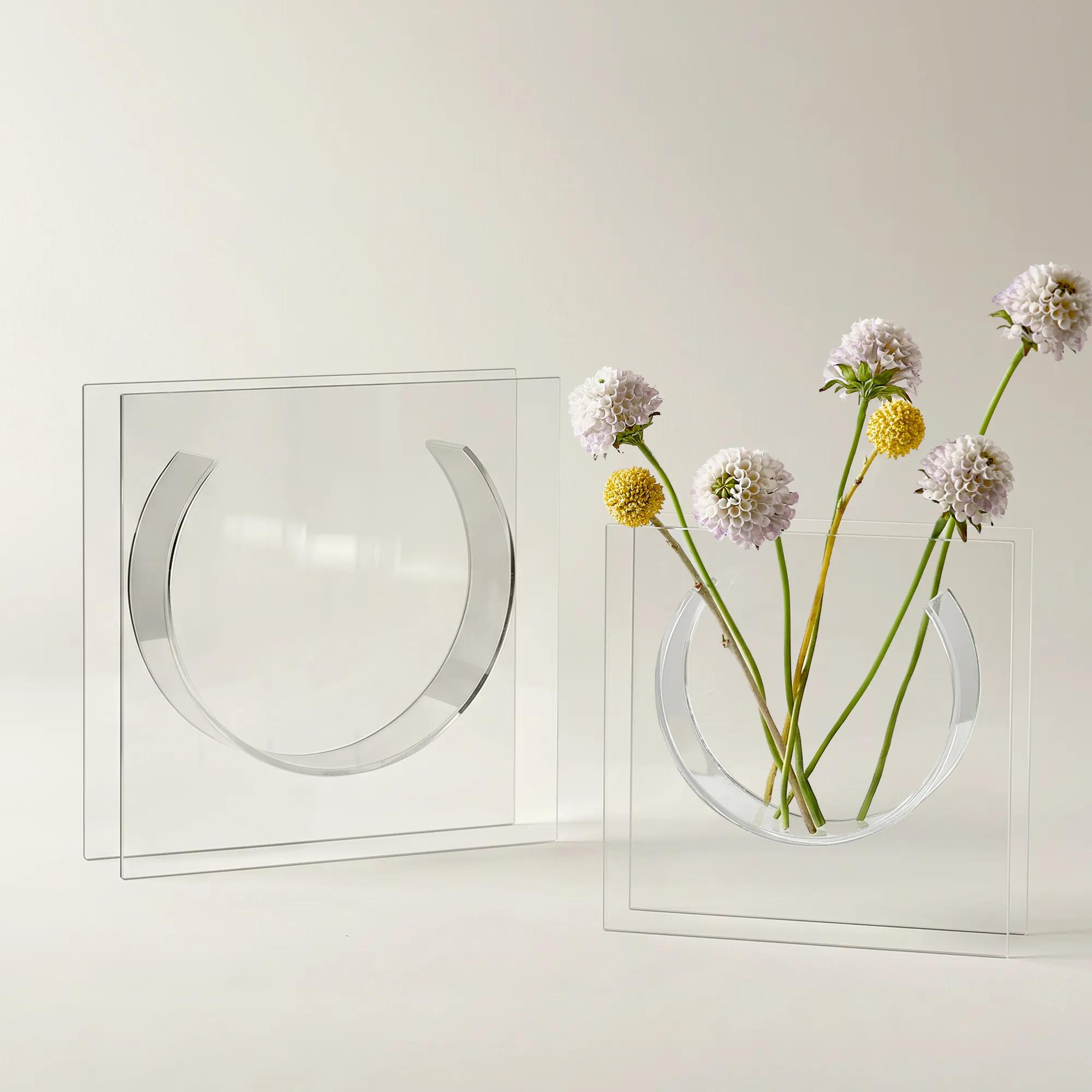
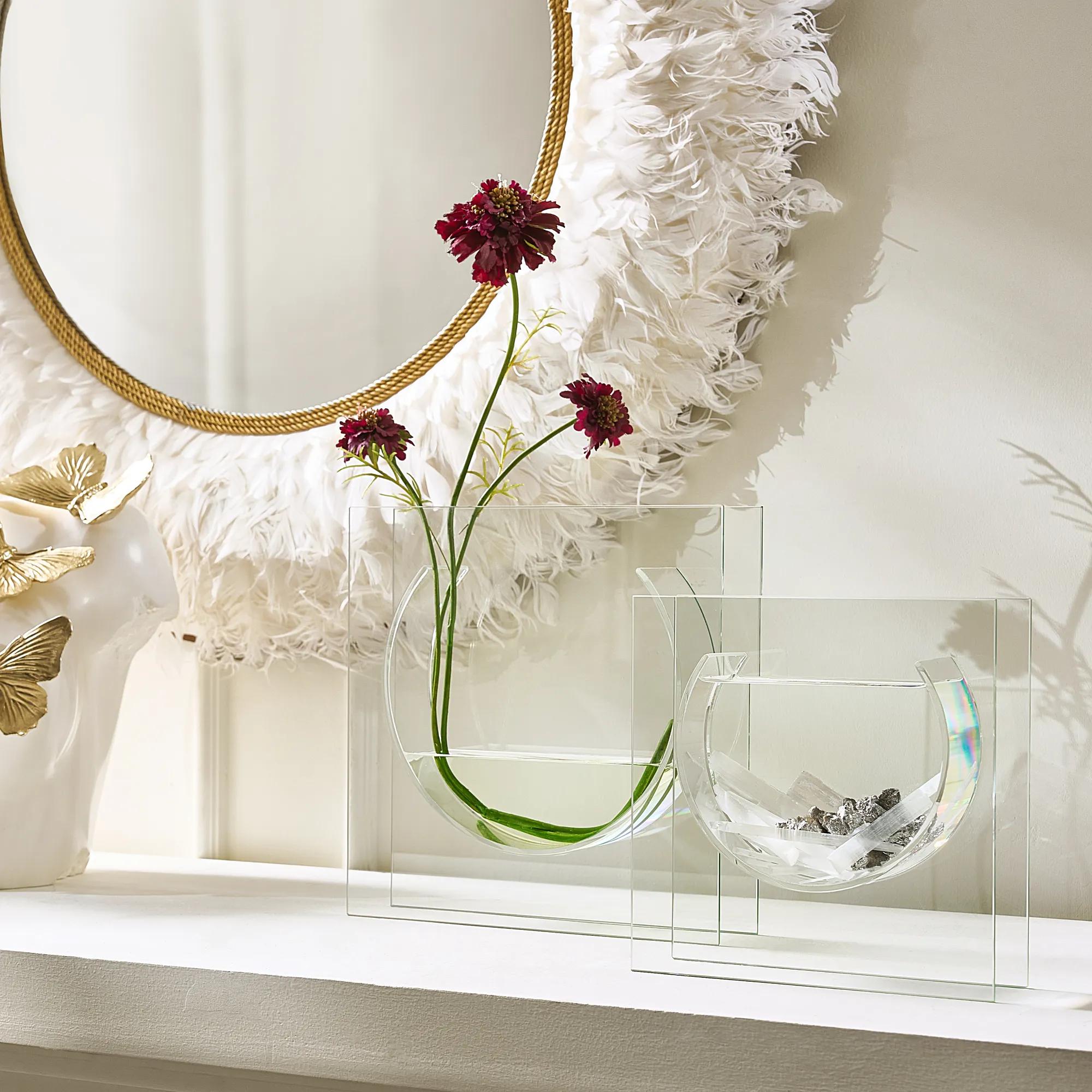 Solaris Clear Glass Vases$39
A bold modern vase crafted from clear glass with an elliptical bowl between two sleek glass panels.
Add To Cart -
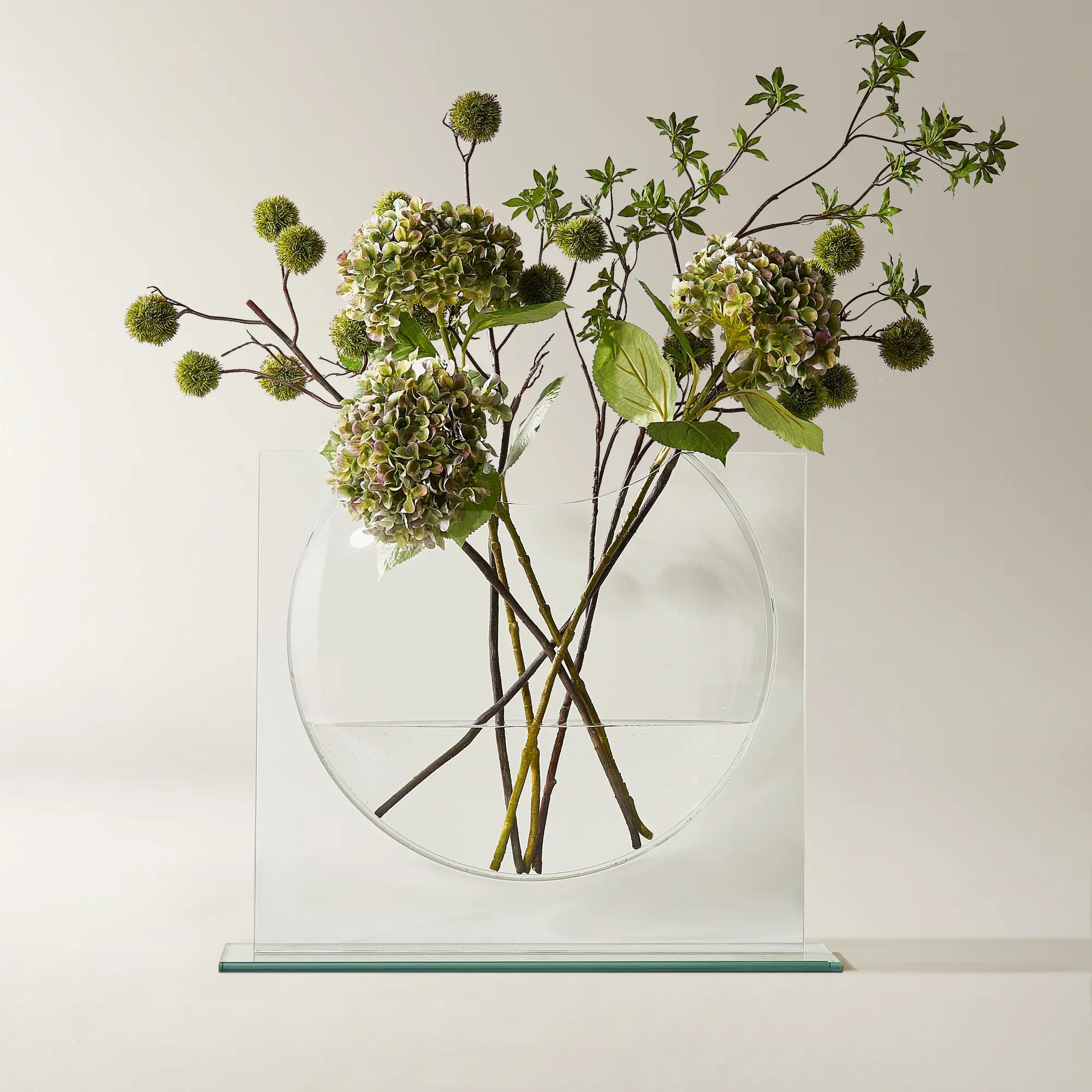
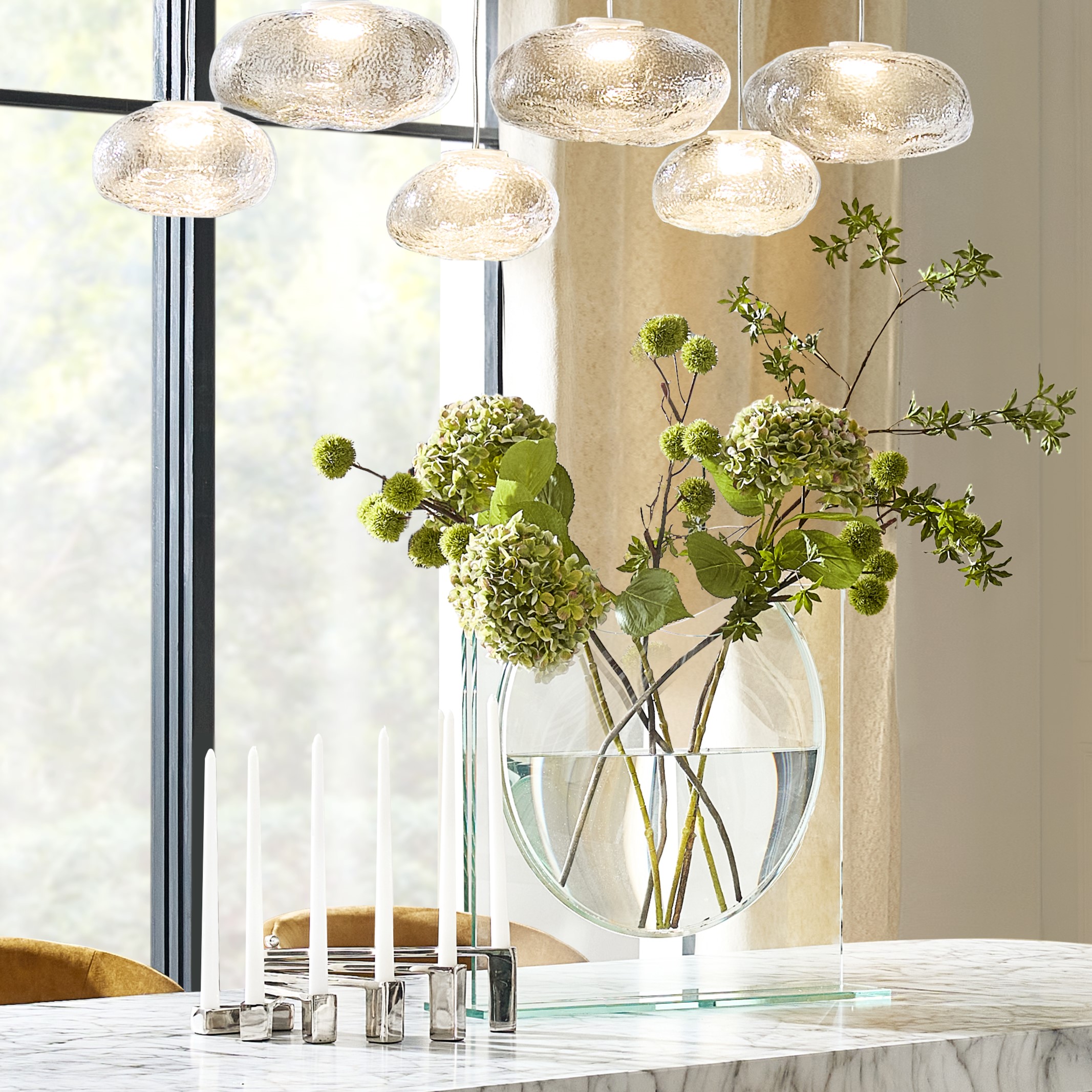 Ellipse Clear Glass Vase 20"$259
A sleek elliptical glass vase offering a modern, functional accent for fresh floral arrangements.
Add To Cart -
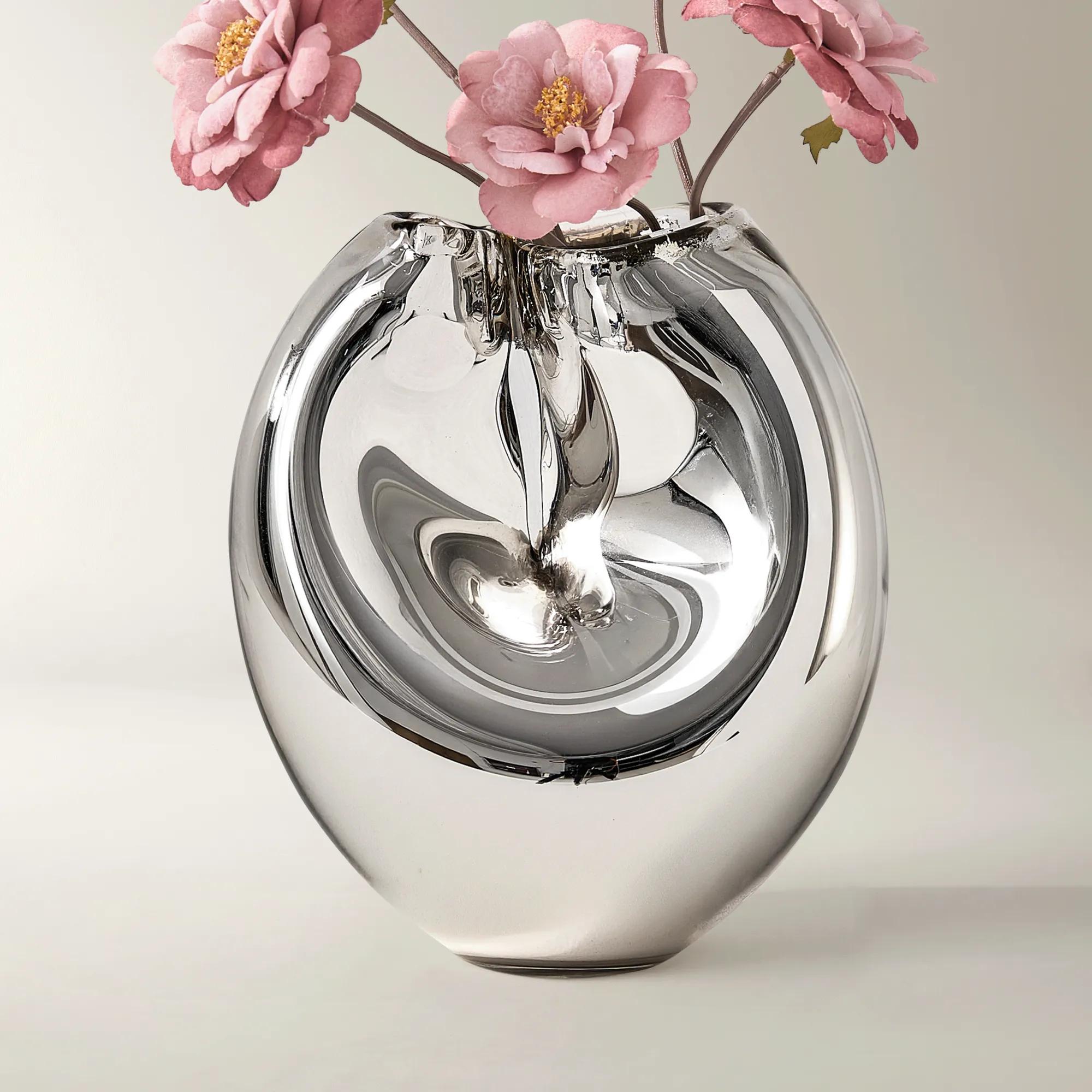 Ono Mouth Blown Mirrored Silver Glass Vase 7.75"$79
A handblown glass vase with a mirrored finish and organic silhouette for modern, artful display.
Add To Cart -
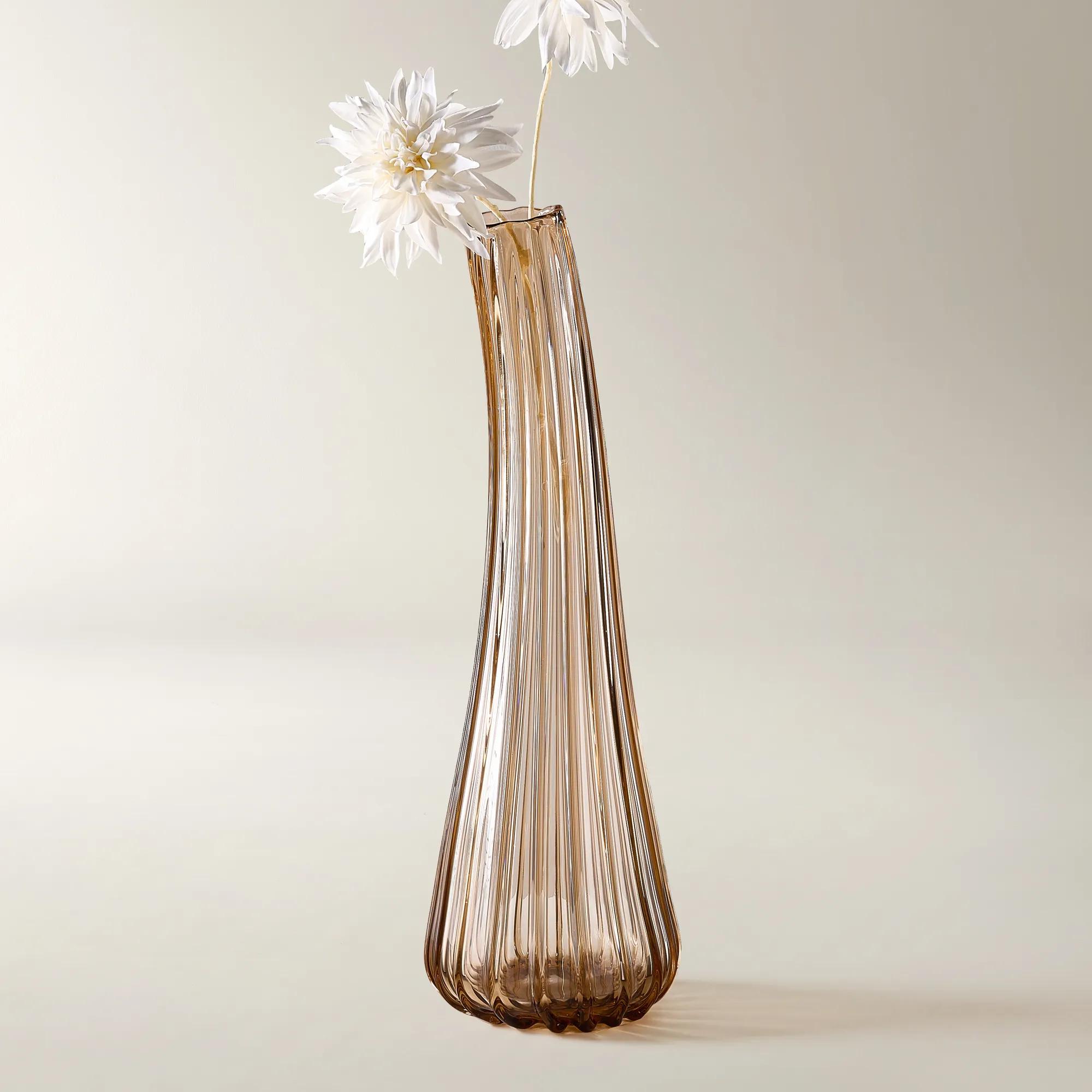
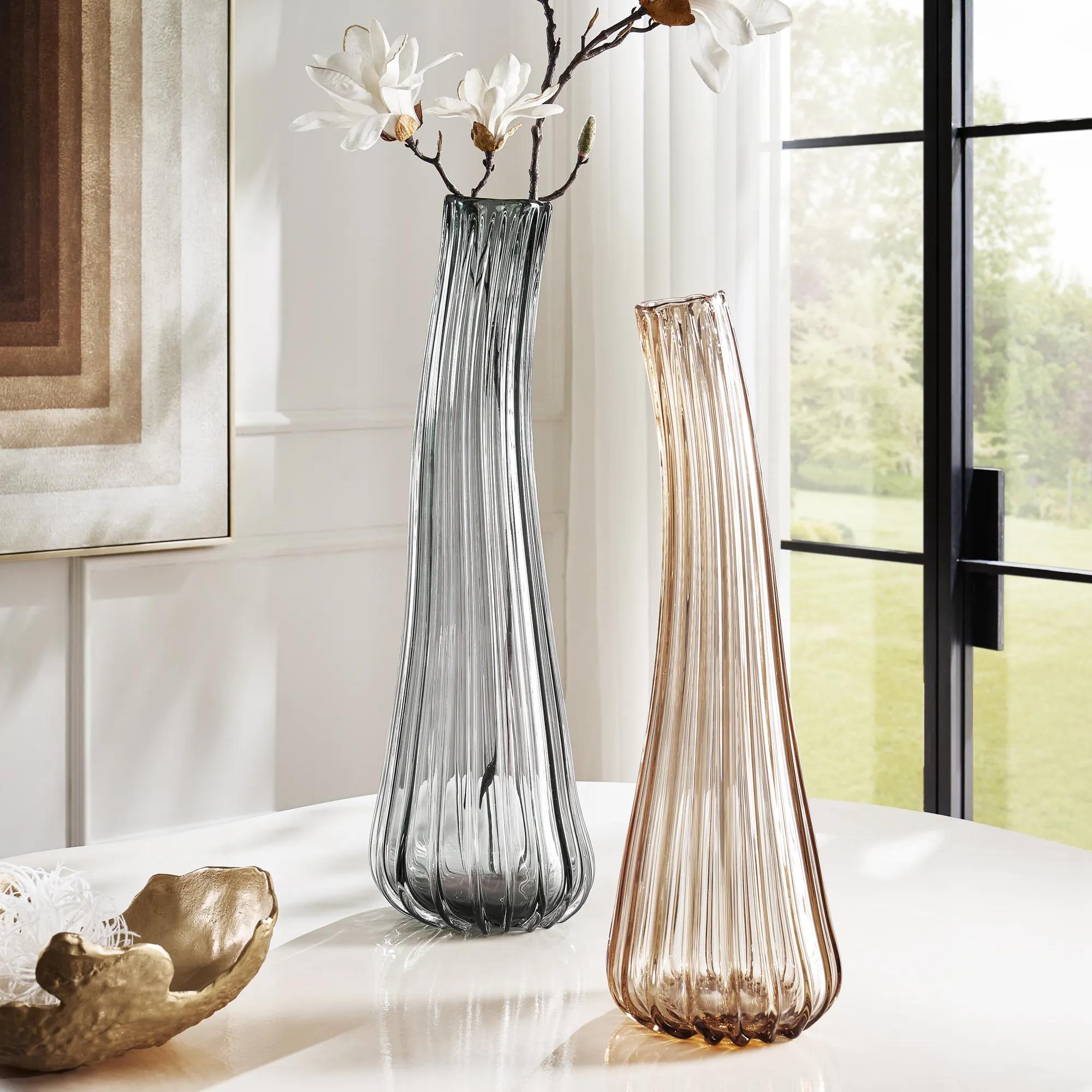 Tango Mouth Blown Soft Amber Vase 24.75"$179
A handblown glass vase in a soft amber finish with a textured, sculptural centerpiece design.
Add To Cart -
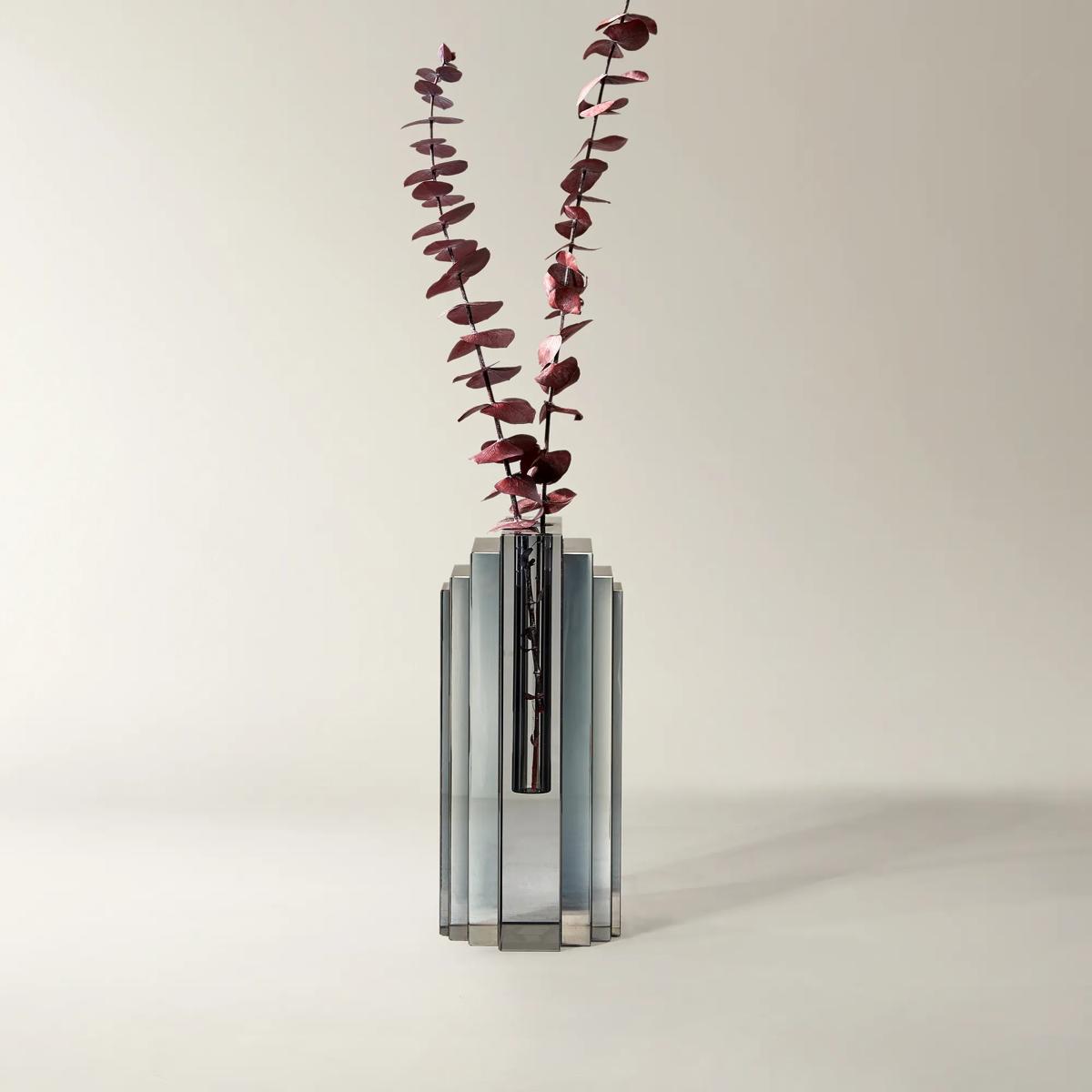 Lucca Crystal Vase - Mirrored Graphite$109
A mirrored graphite crystal vase with a multifaceted geometric design that reflects light for sculptural brilliance.
Add To Cart -
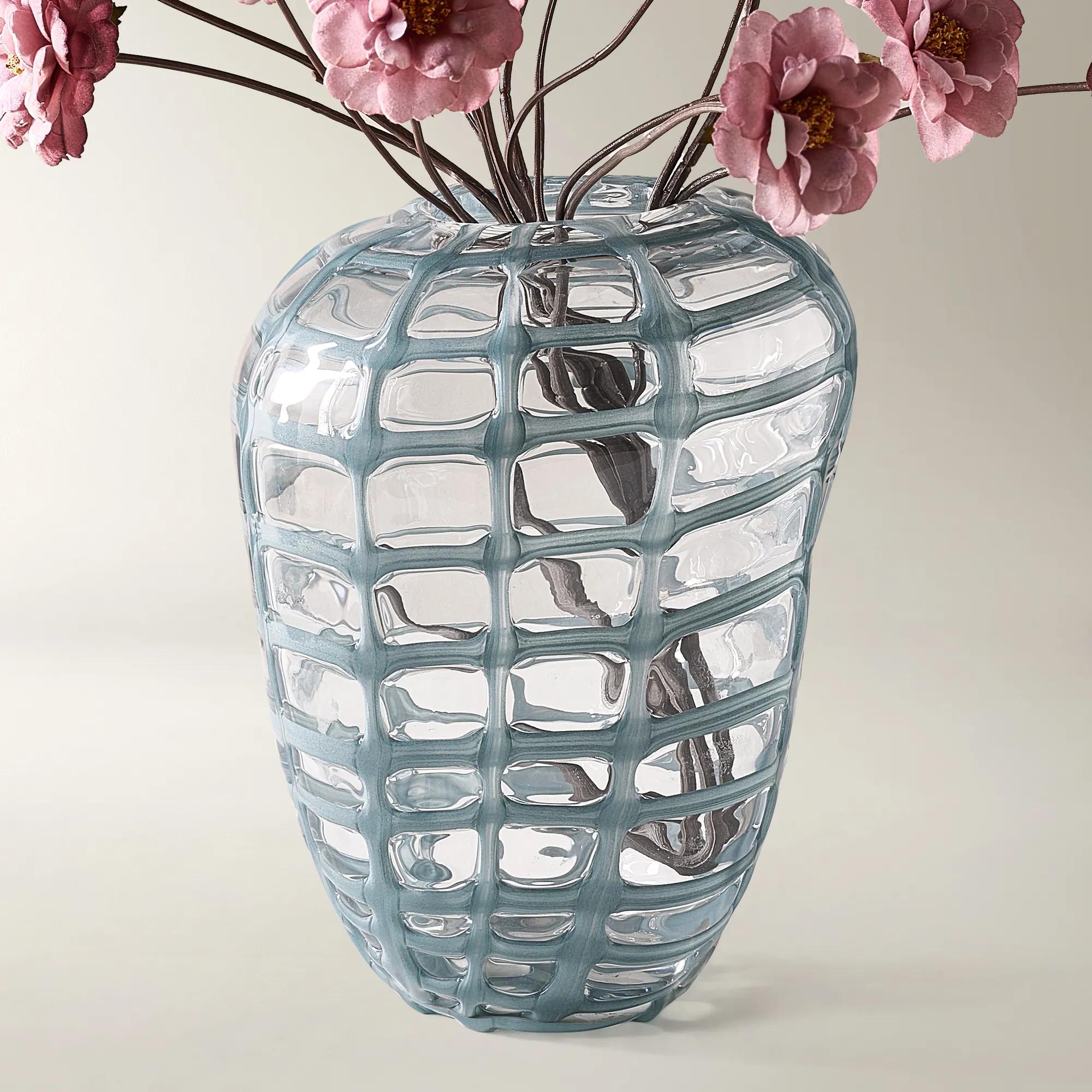 Contra Mouth Blown Dusty Blue Grid Glass Vase 10.25"$79
A handblown dusty blue glass vase featuring a graphic grid pattern and softly organic silhouette.
Add To Cart -
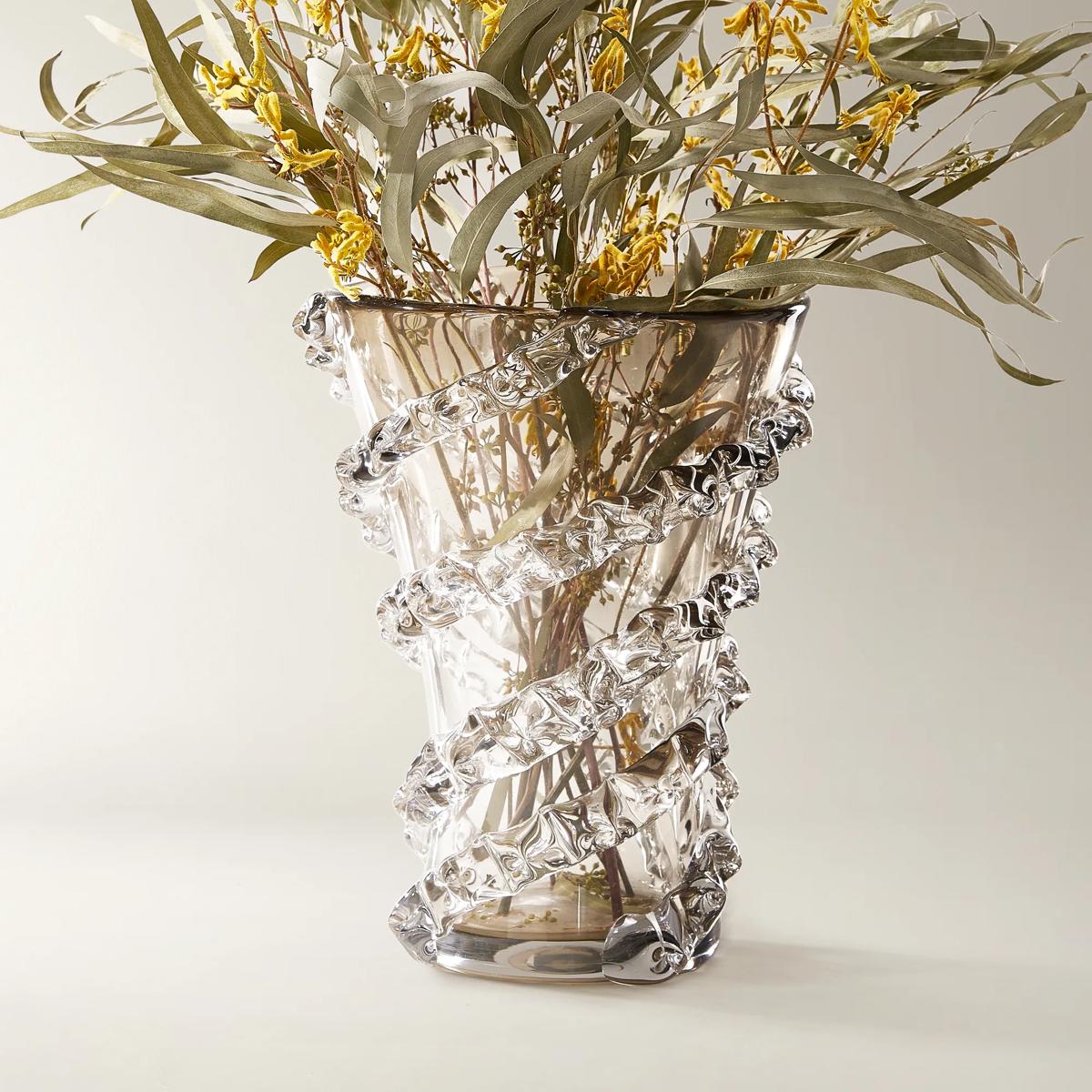
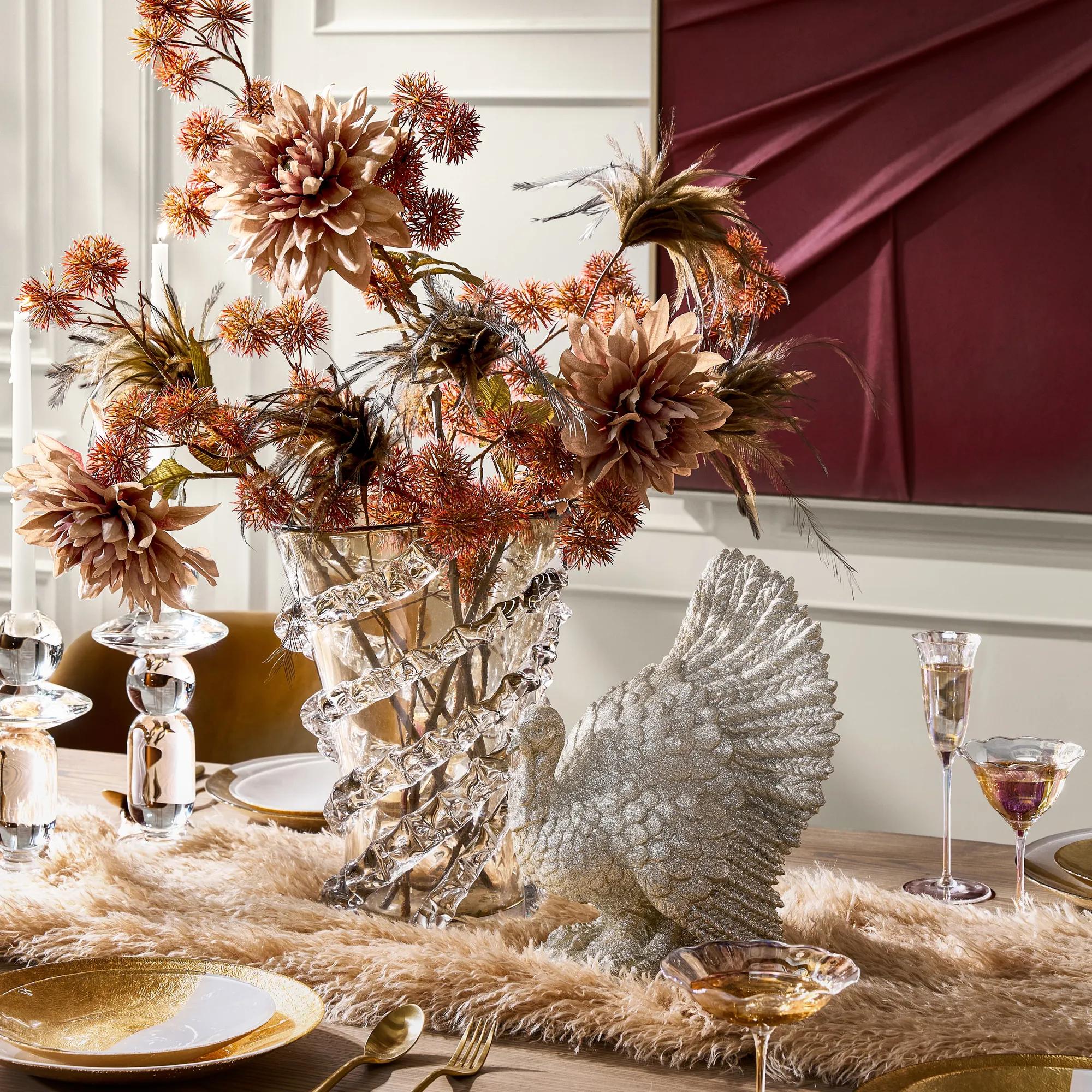 Reyna Glass Vase$299
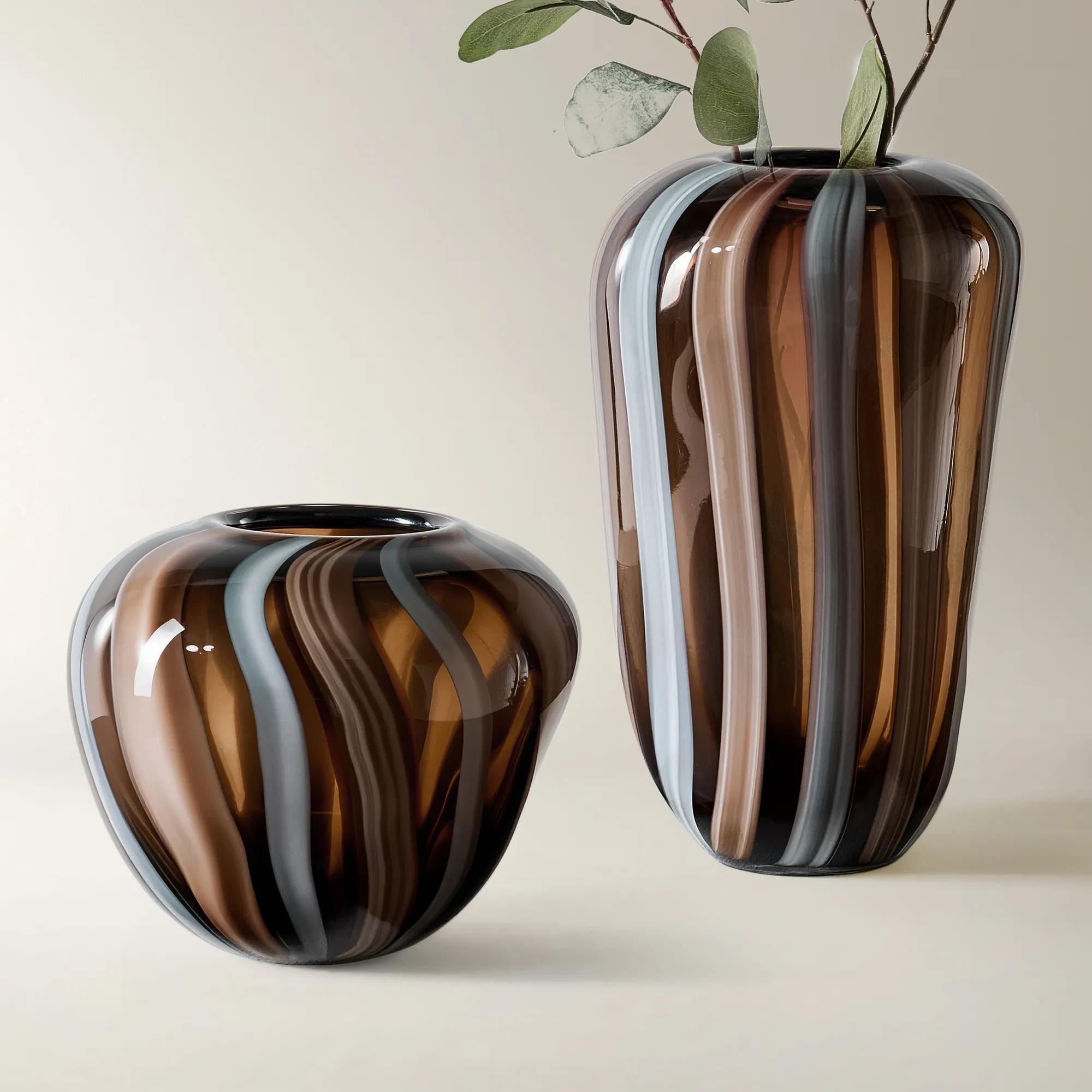
A hand-blown glass vase featuring a sculptural swirl design and a smoky grey-brown finish.
Add To Cart -
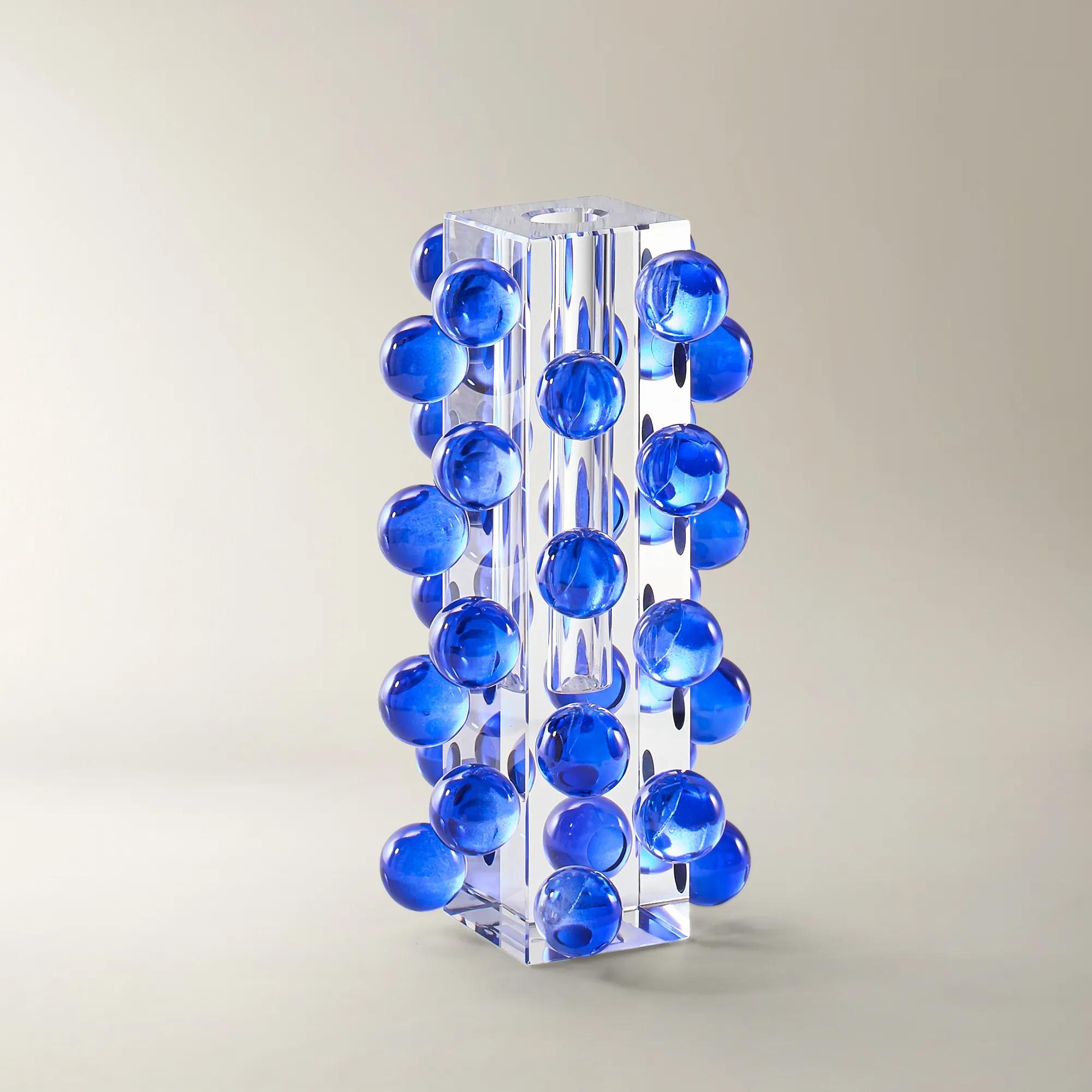 Bubble Vase Blue$79
A vibrant blue crystal glass vase featuring playful clusters of spheres for a striking decorative accent.
Add To Cart -
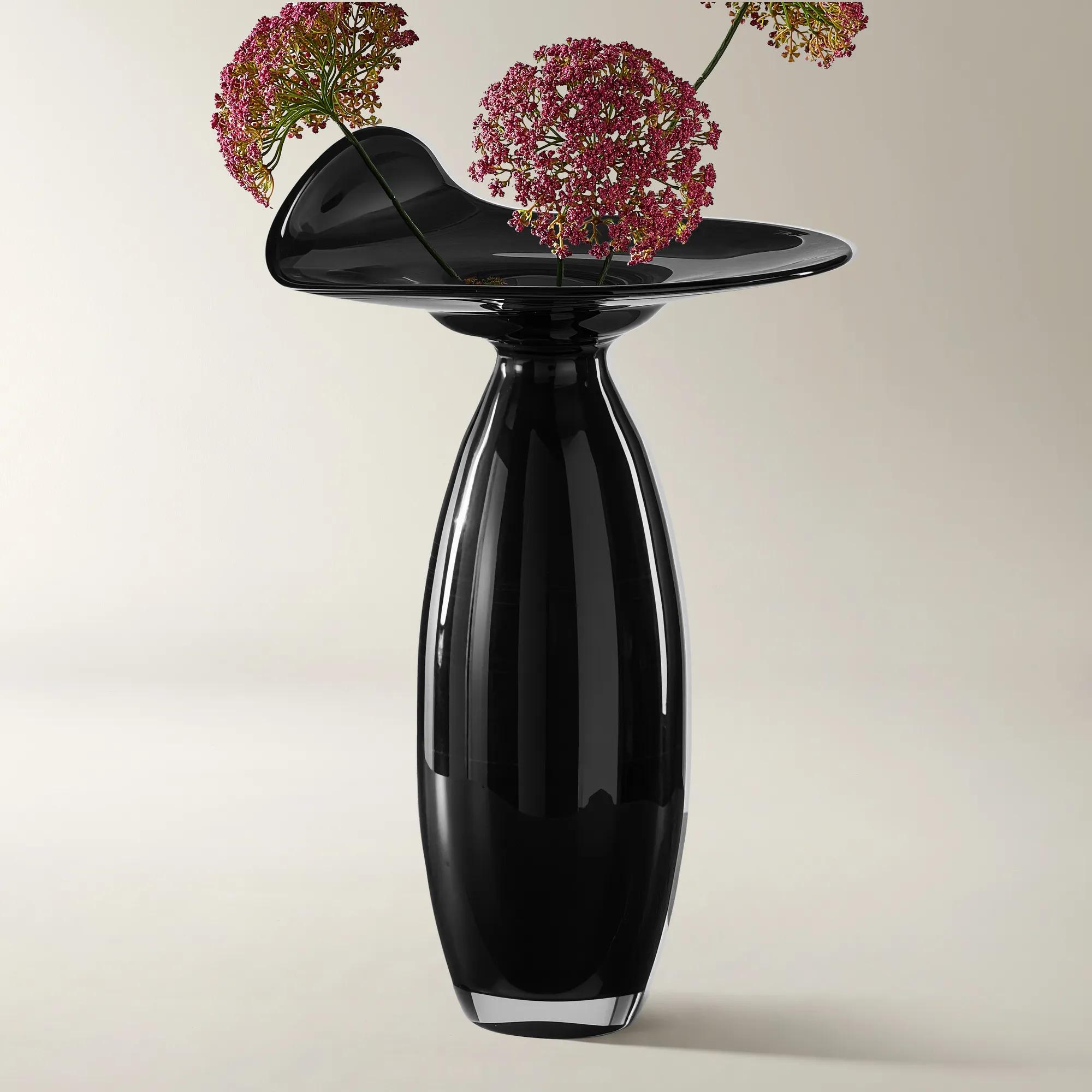 Folia Mouth Blown Glossy Black Glass Vase 22"$199
A handblown glass vase with a glossy black finish and organic sculptural silhouette for modern decor.
Add To Cart -
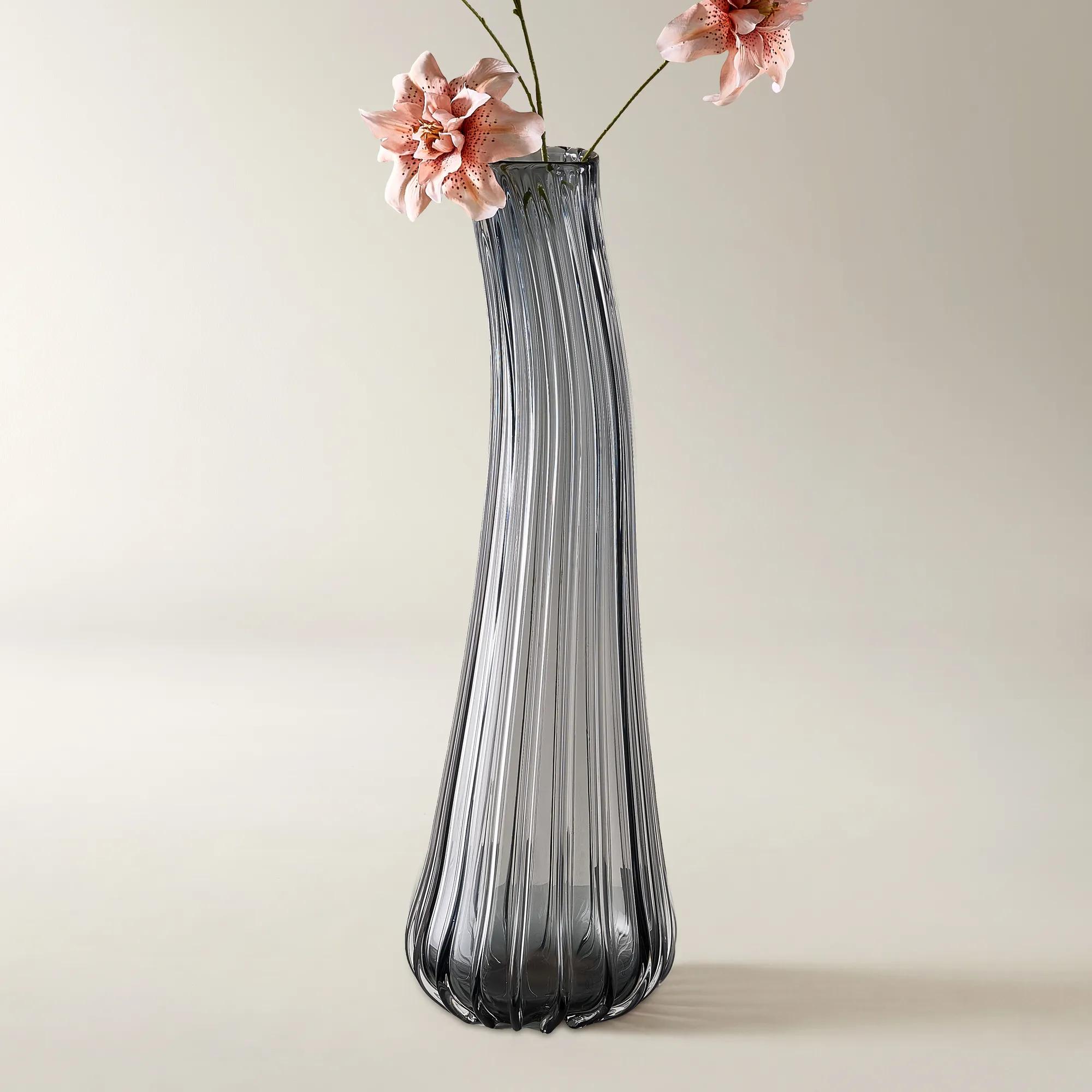 Tango Mouth Blown Smoked Pearl Vase 29"$199
A handblown glass vase in a smoked pearl finish with a textured surface for sculptural elegance.
Add To Cart -
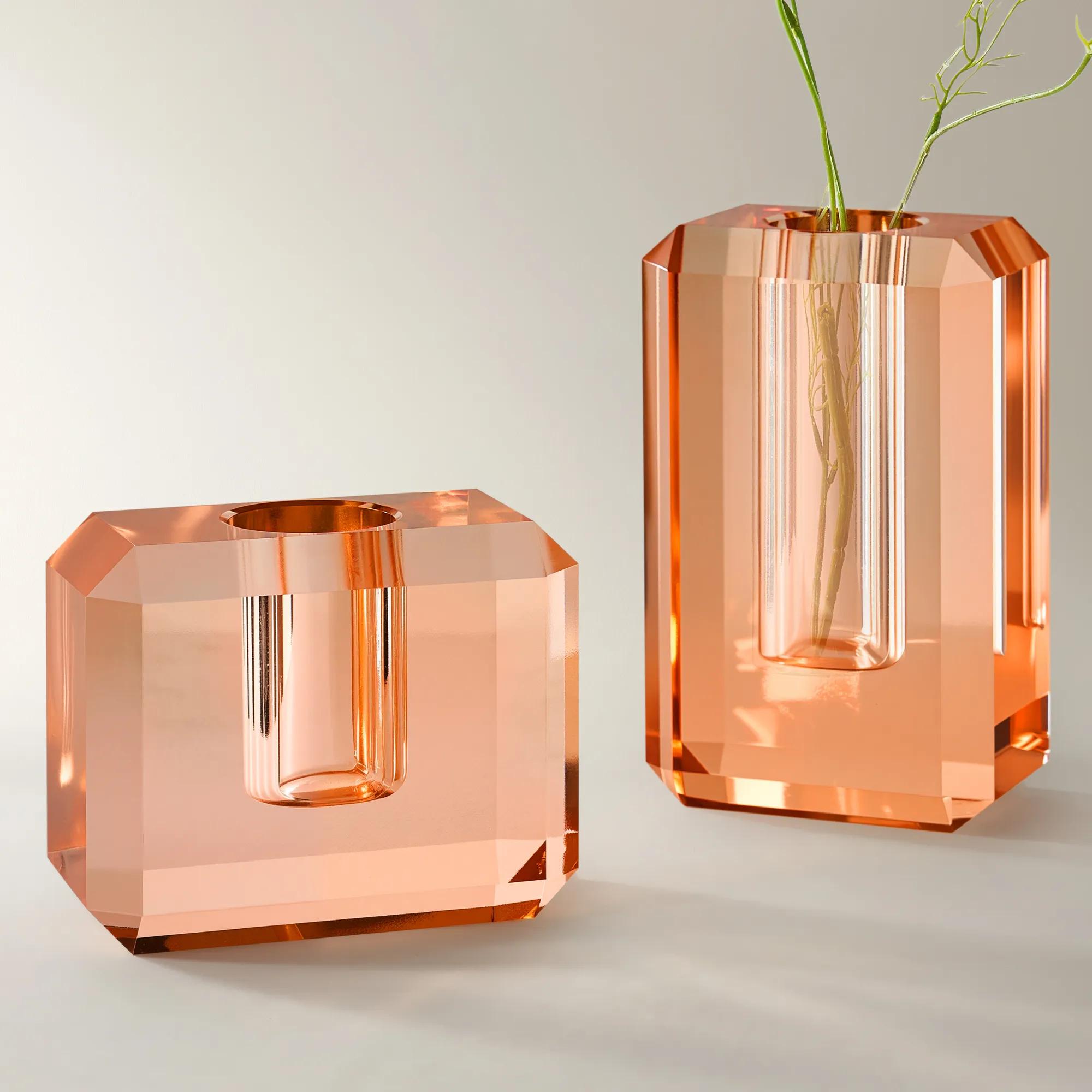
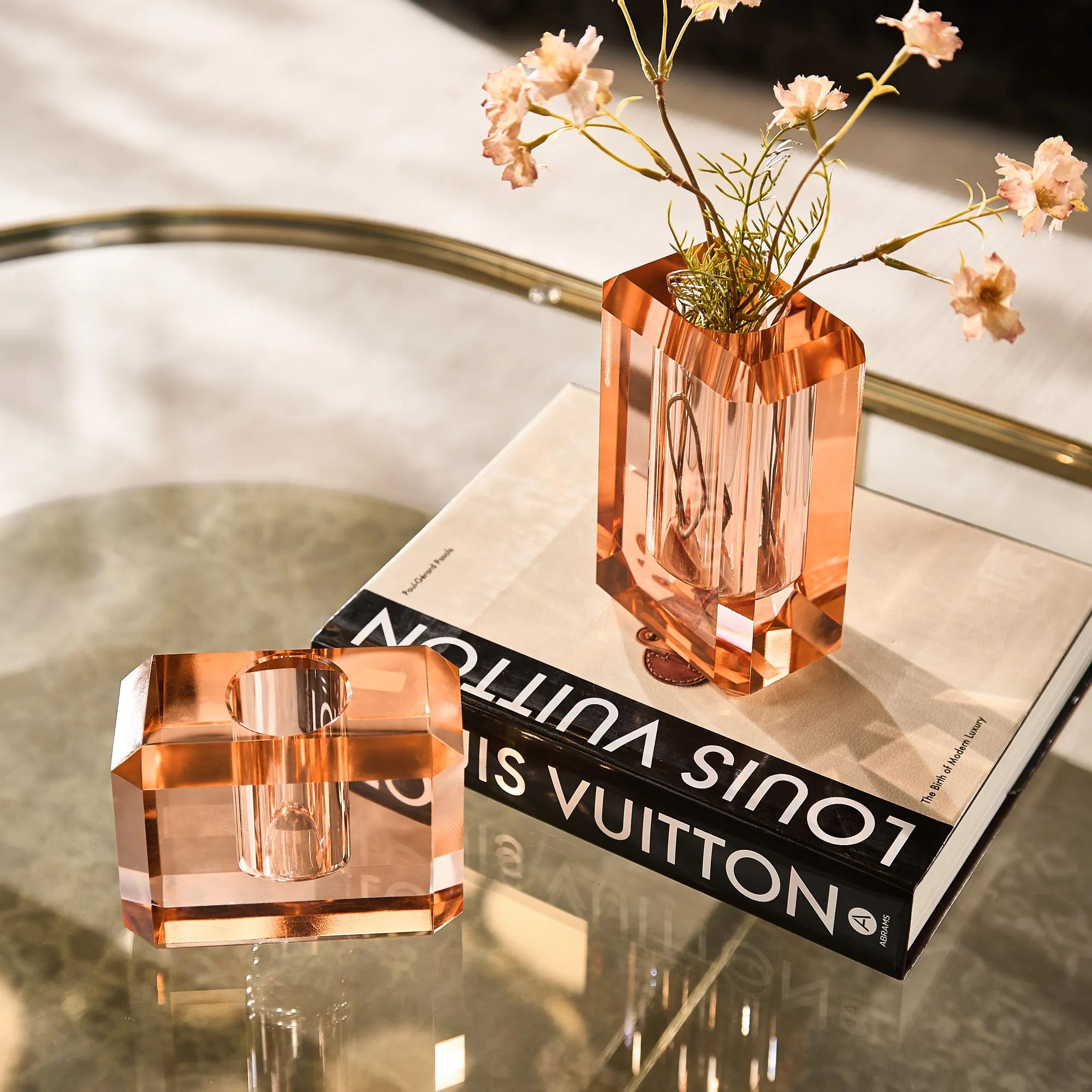 Corina Crystal Glass Bud Vase$89
A delicate crystal glass bud vase adding sparkling elegance to contemporary floral arrangements.
Add To Cart -
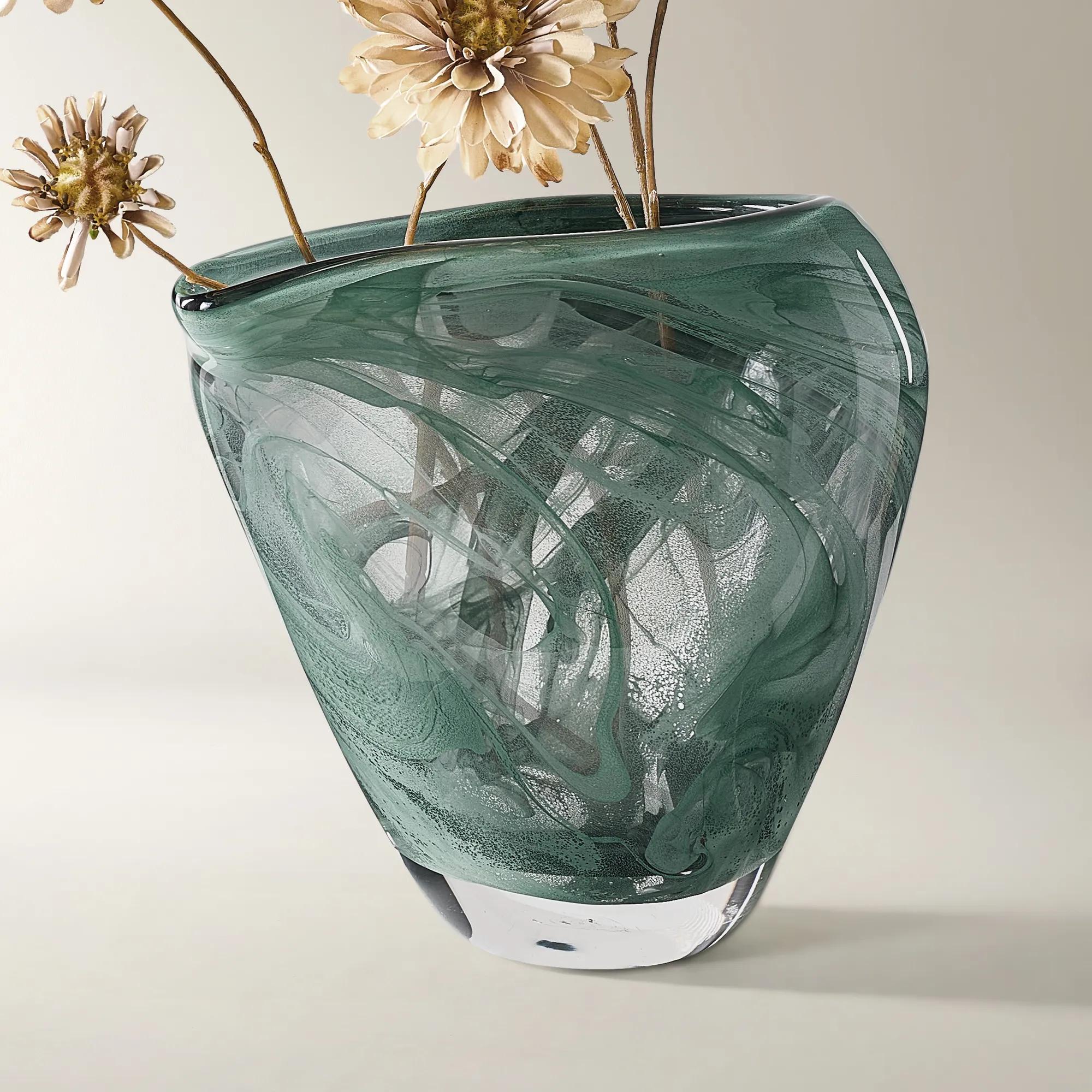 Flow Mouth Blown Sage Green Glass Vase 12.25"$199
A handblown glass vase in calming sage green with an organic, sculptural silhouette for modern decor.
Add To Cart -
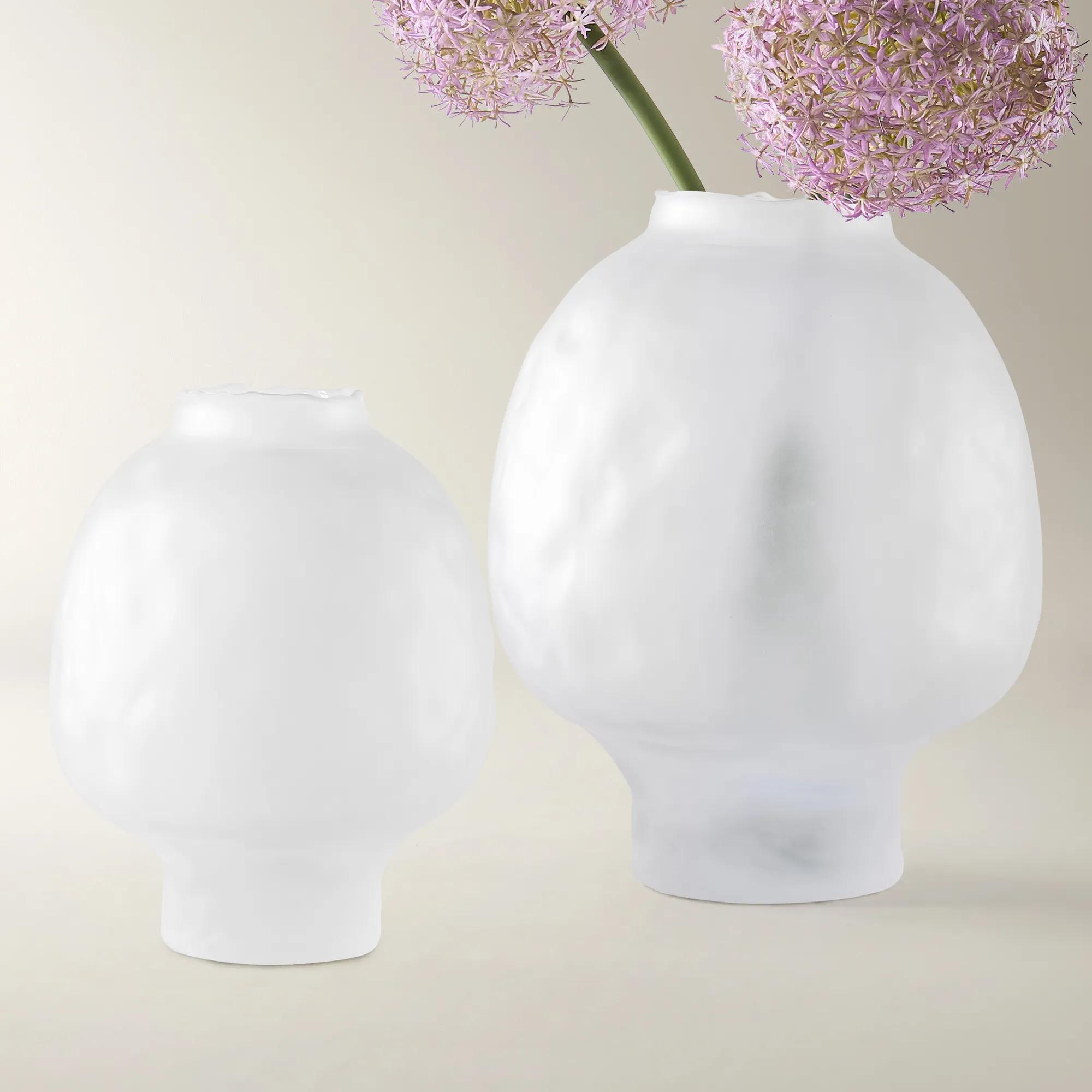
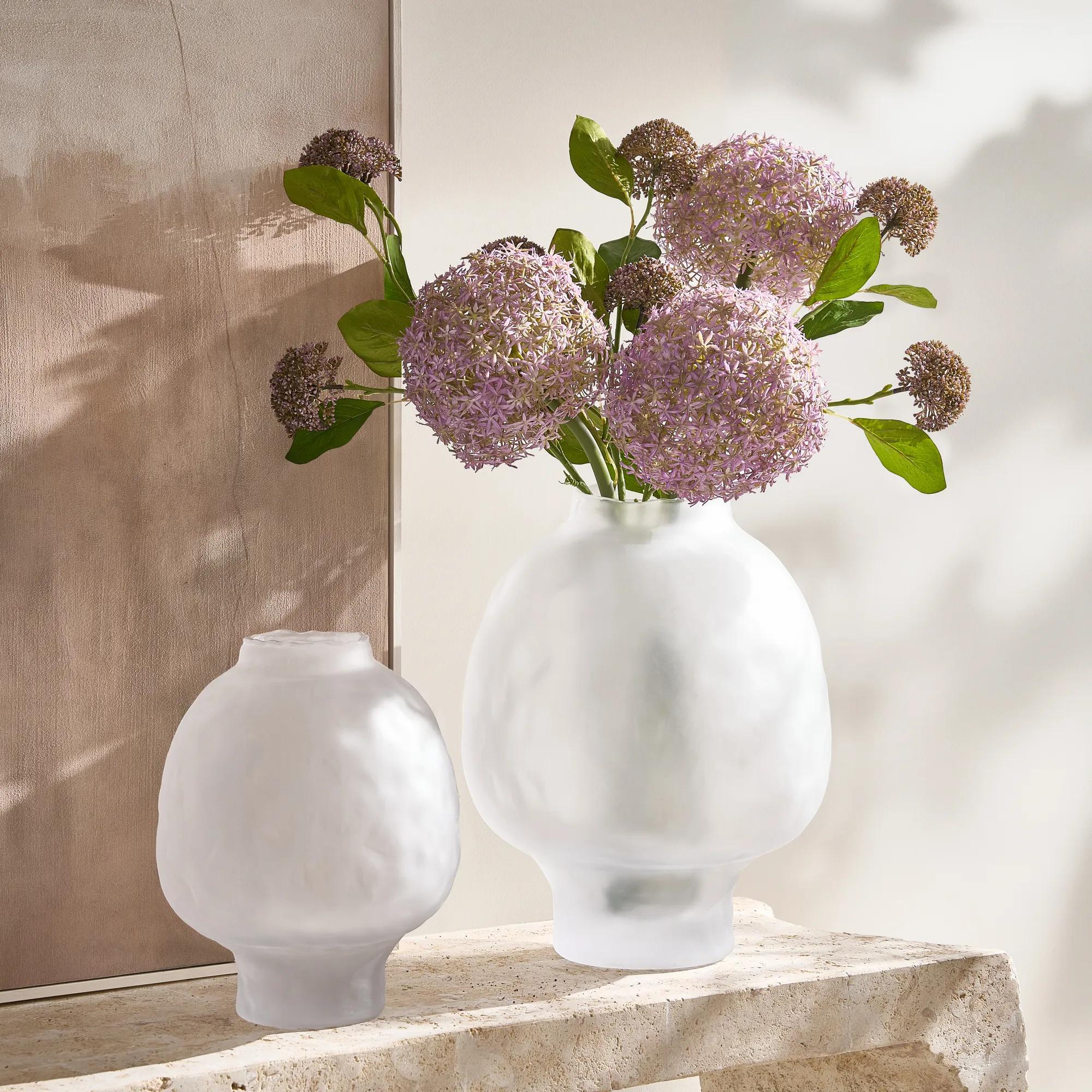 Frost Glass Vase$149
A frosted glass vase adding contemporary elegance to decorative arrangements.
Add To Cart -
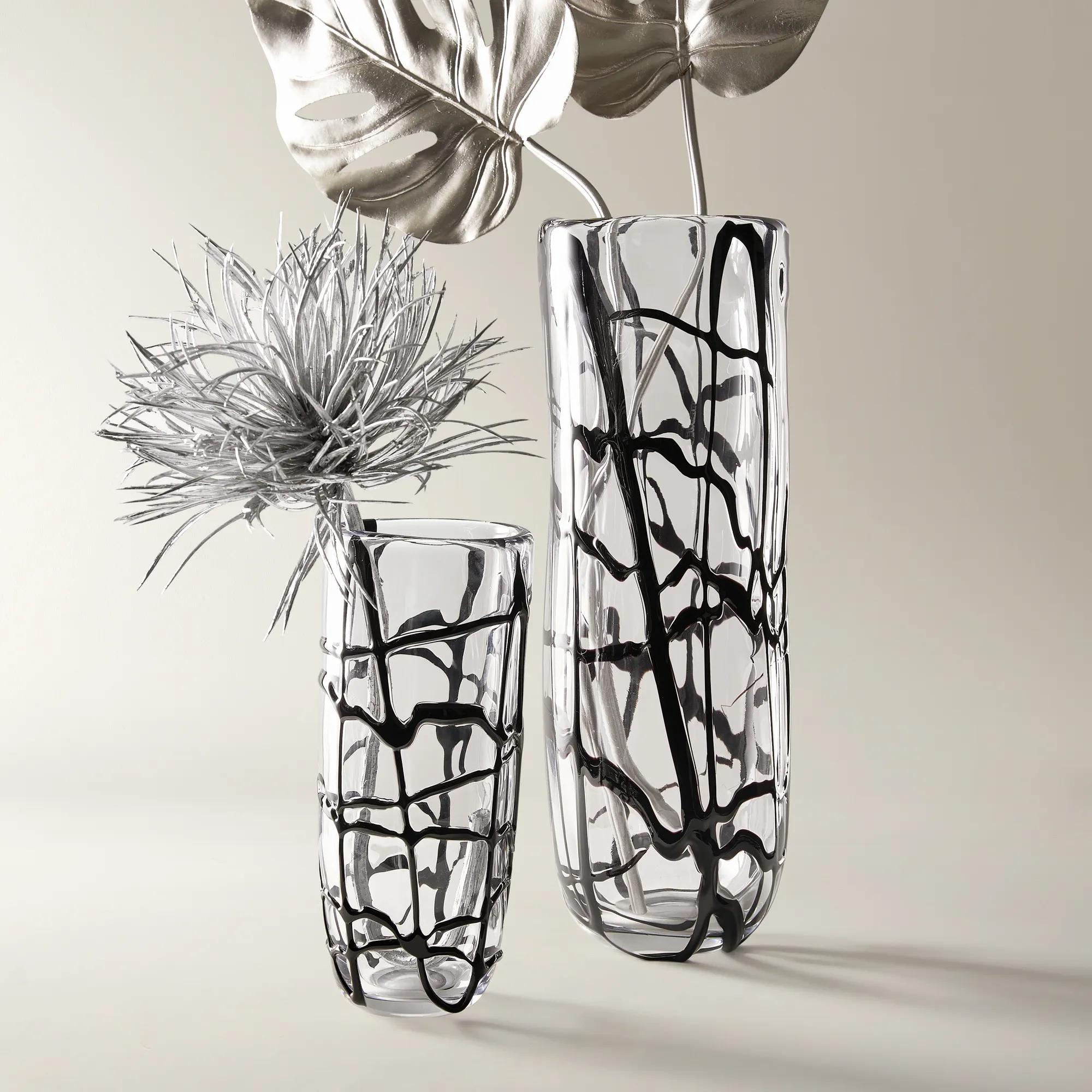 Torino Glass Vase$109
A hand-blown glass vase featuring a dramatic black design and sleek cylindrical silhouette for modern appeal.
Add To Cart -
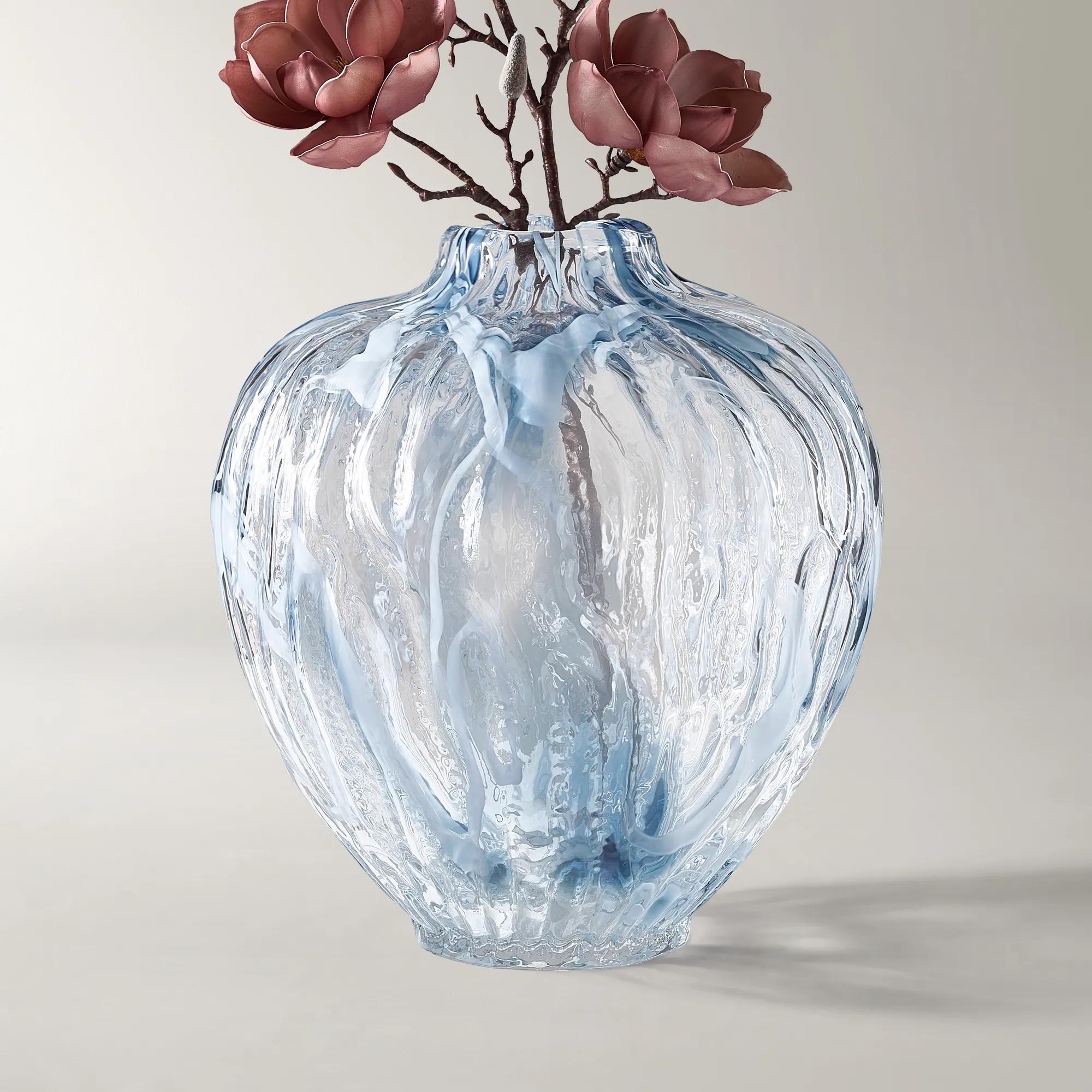 Cruz Mouth Blown Powder Blue Glass Vase 15.75"$169
A handblown glass vase in powder blue with a sculptural, light-catching surface for modern decor.
Add To Cart -
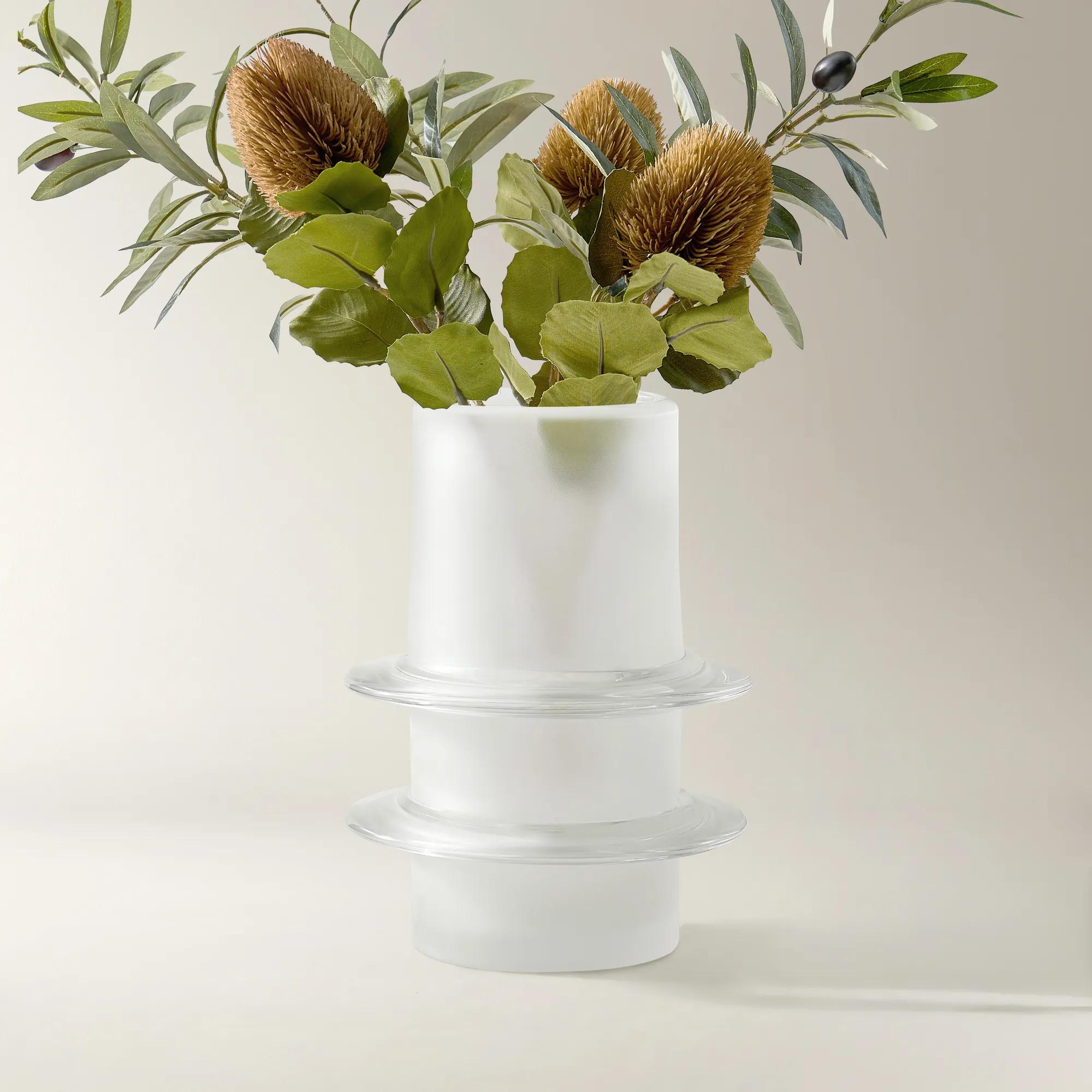
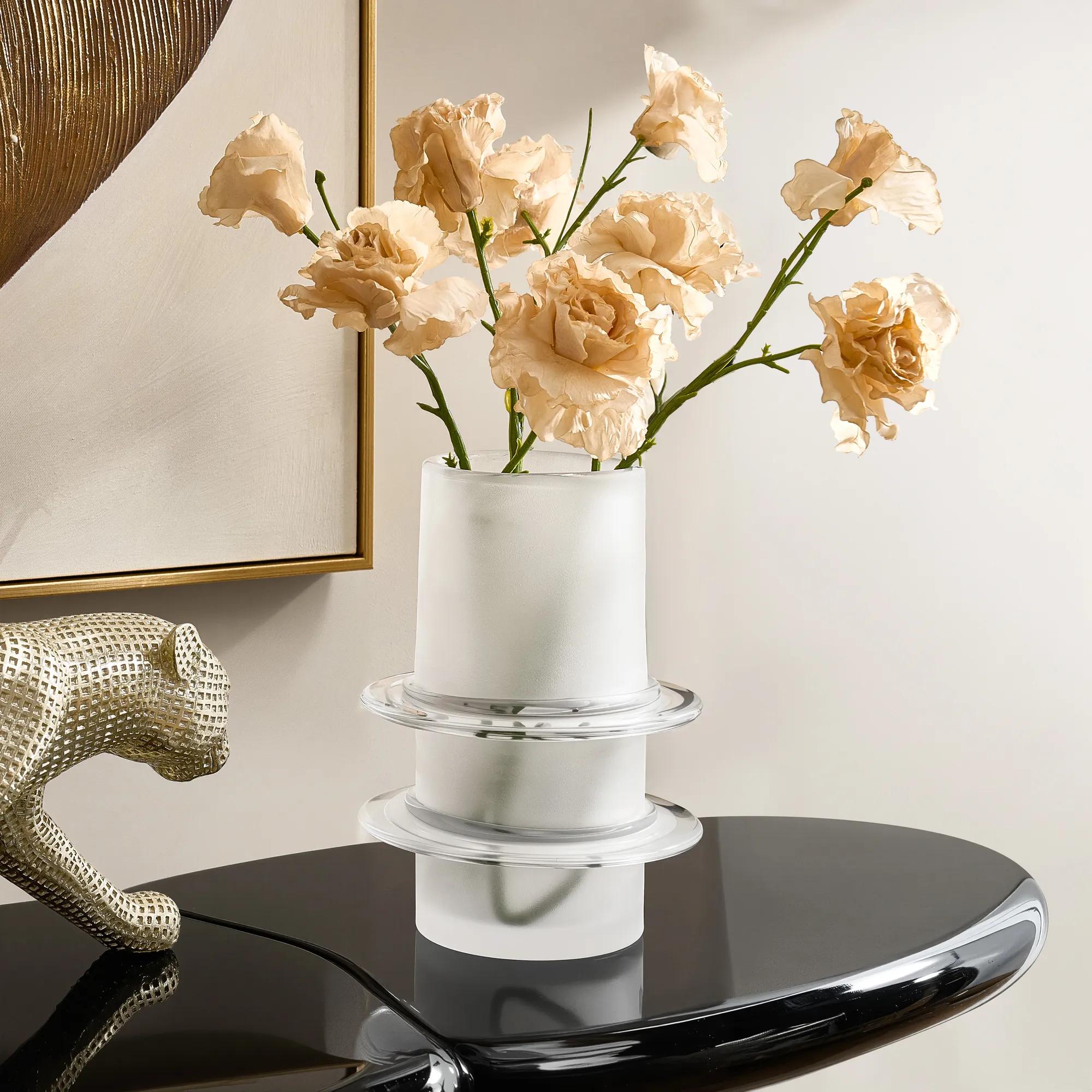 Pierre Glass Vase - Frosted White$99
A frosted white glass vase adding modern elegance to any décor.
Add To Cart -
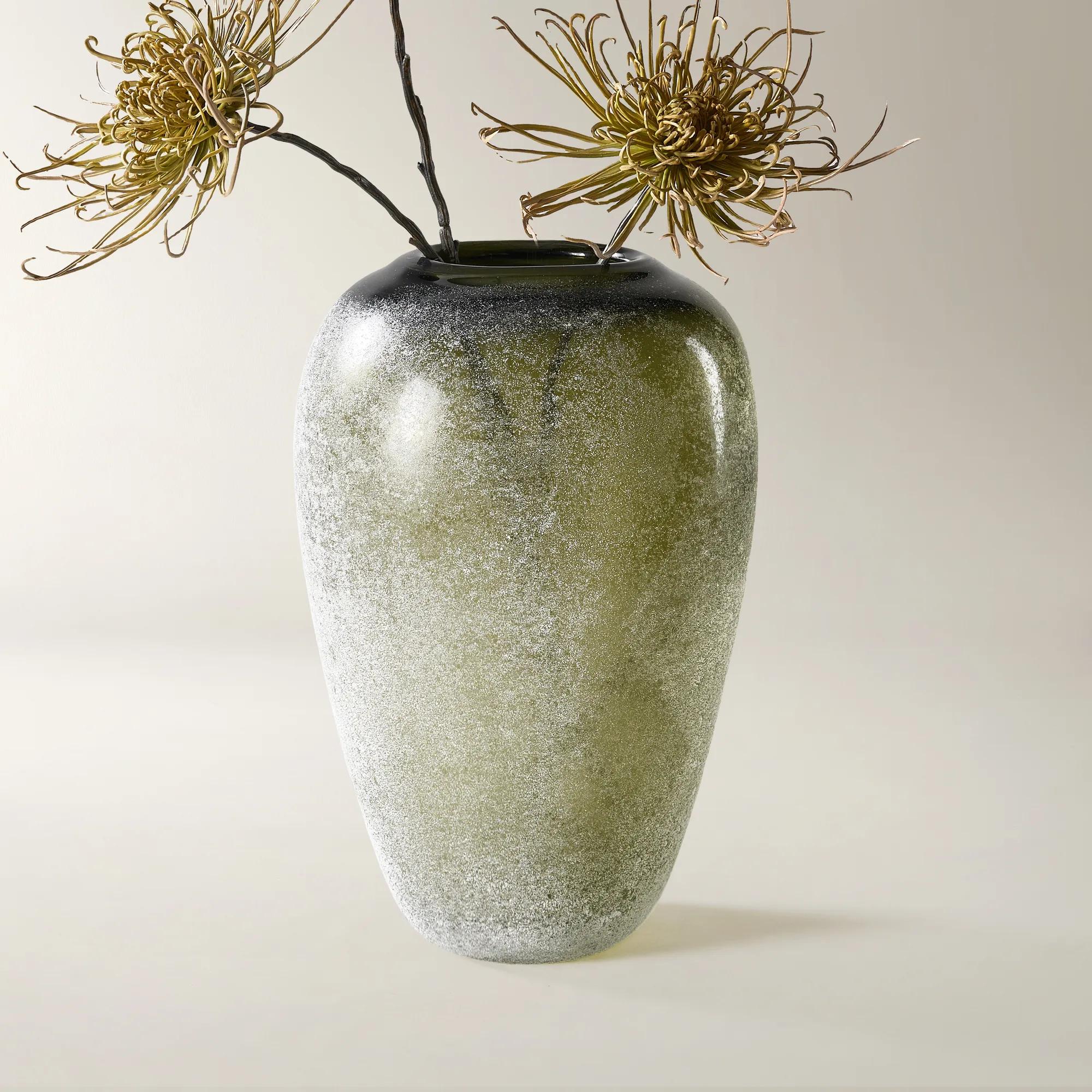 Linden Mouth Blown Pistachio Green Glass Vase 13.75"$129
A handblown glass vase in pistachio green adds a fresh, artful accent to any space.
Add To Cart -
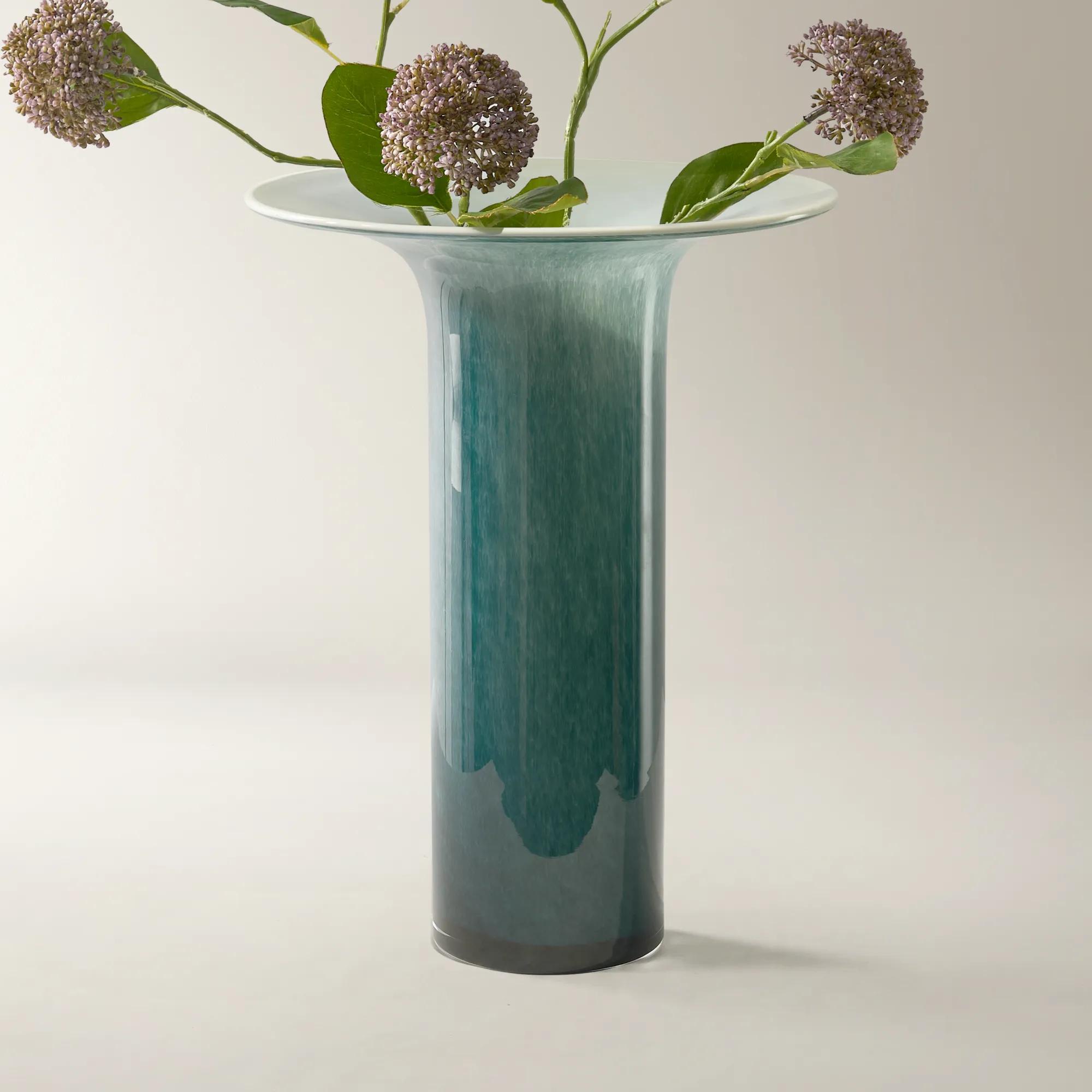 Loft Mouth Blown Deep Teal Glass Vase 15.75"$129
A handblown glass vase in deep teal with a sculptural column silhouette for bold, artful impact.
Add To Cart -
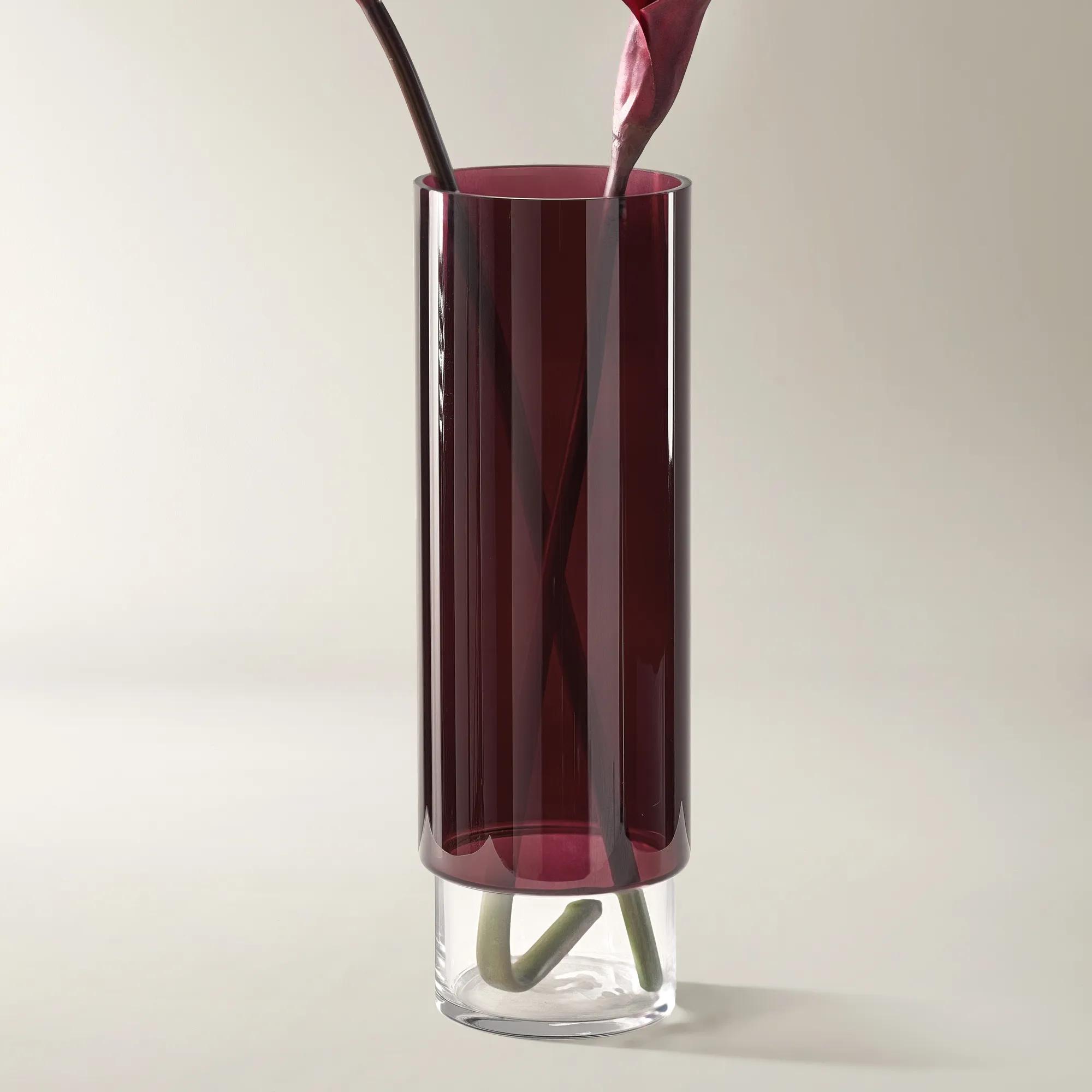 Bennet Mouth Blown Burgundy Glass Vase 19.5"$99
A handblown glass vase in rich burgundy with a sculptural Deco-inspired column silhouette.
Add To Cart -
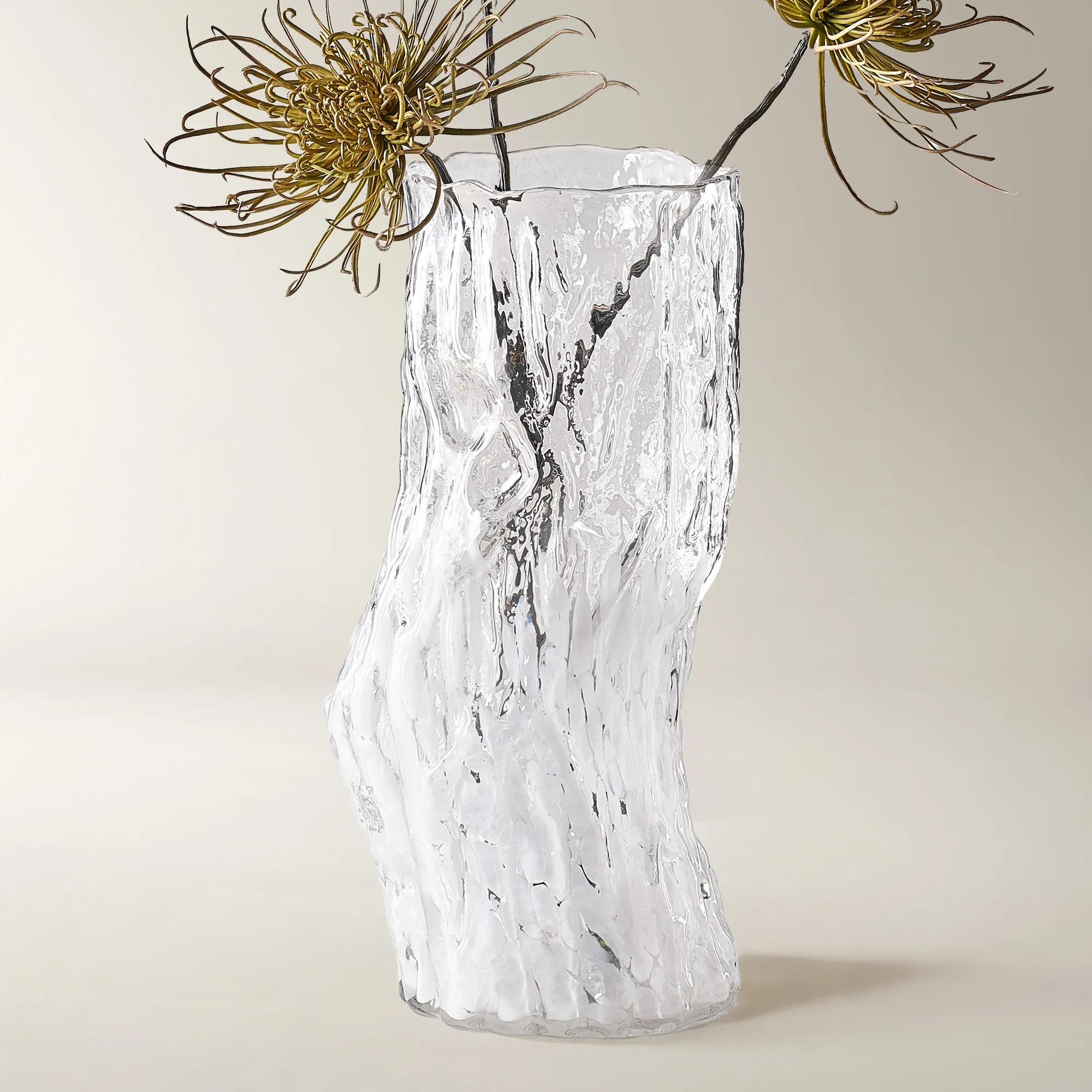 Vanish Mouth Blown Frosted White Glass Vase 18.5"$159
A handblown frosted white glass vase with an ethereal, translucent finish and sculptural silhouette.
Add To Cart -
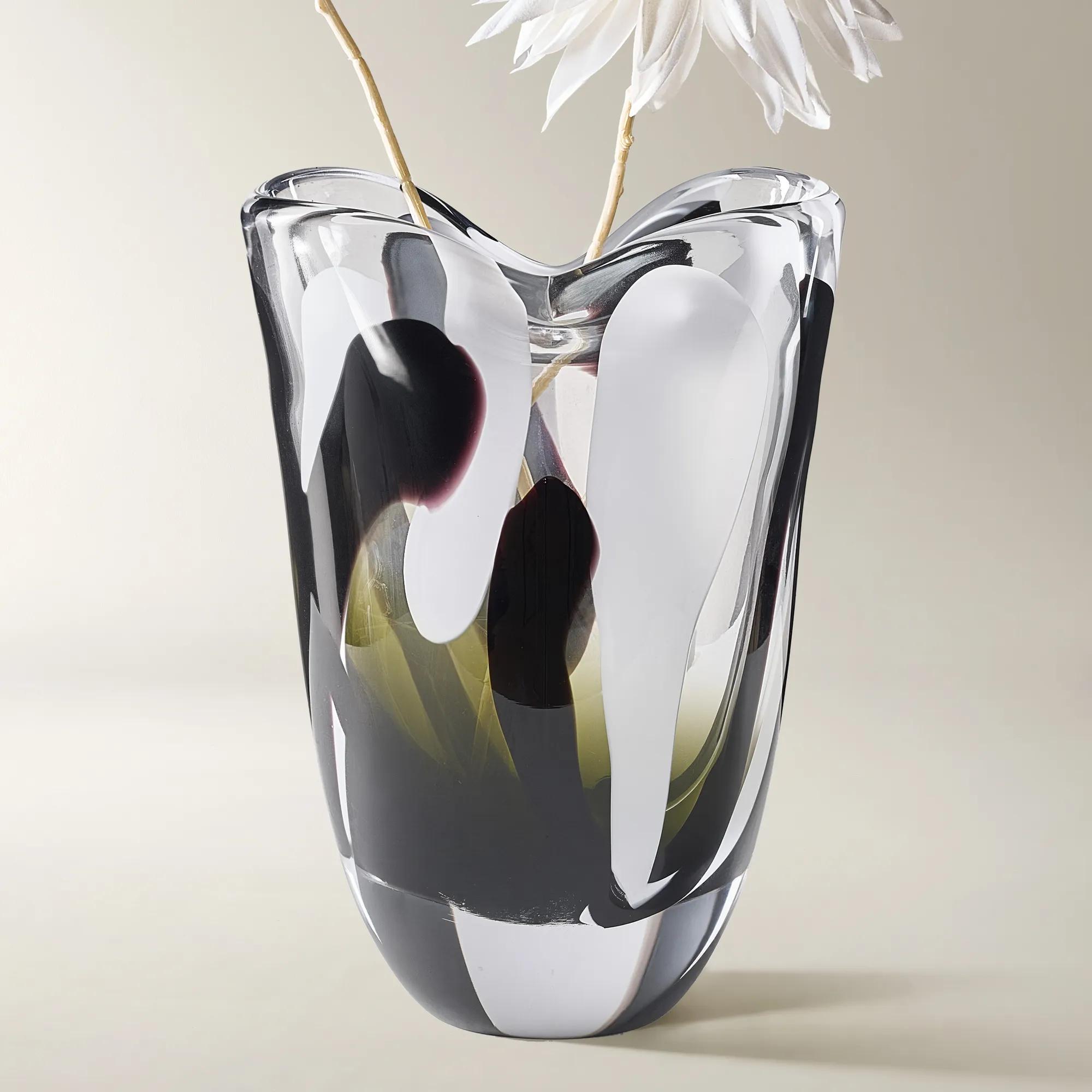 Melrose Mouth Blown Black White Glass Vase 11.25"$109
A handblown glass vase featuring a bold black and white abstract animal pattern for modern appeal.
Add To Cart -
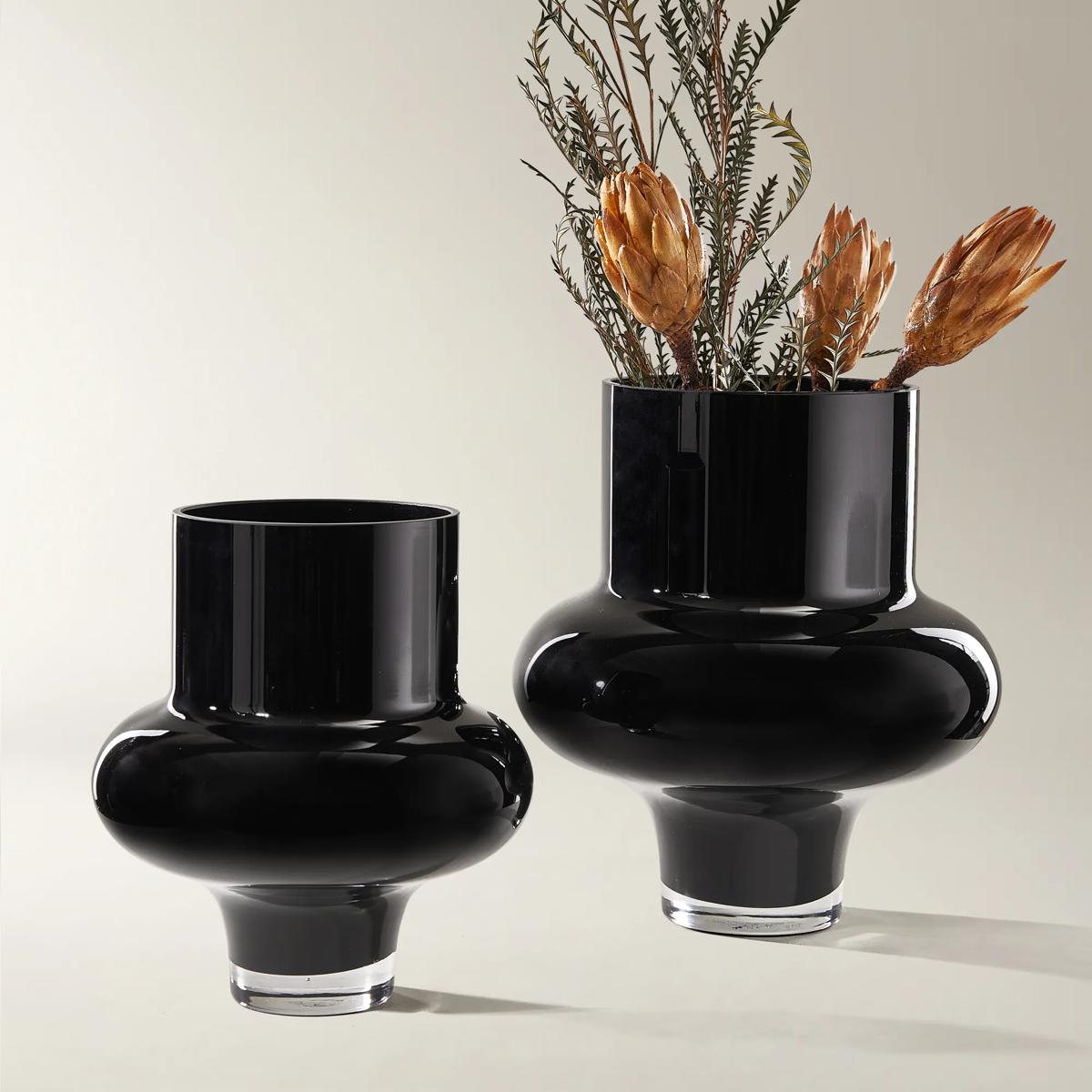
 Kors Glass Vase$89
A sculptural hand-blown black glass vase with a high-gloss finish and bold, curvaceous form.
Add To Cart -
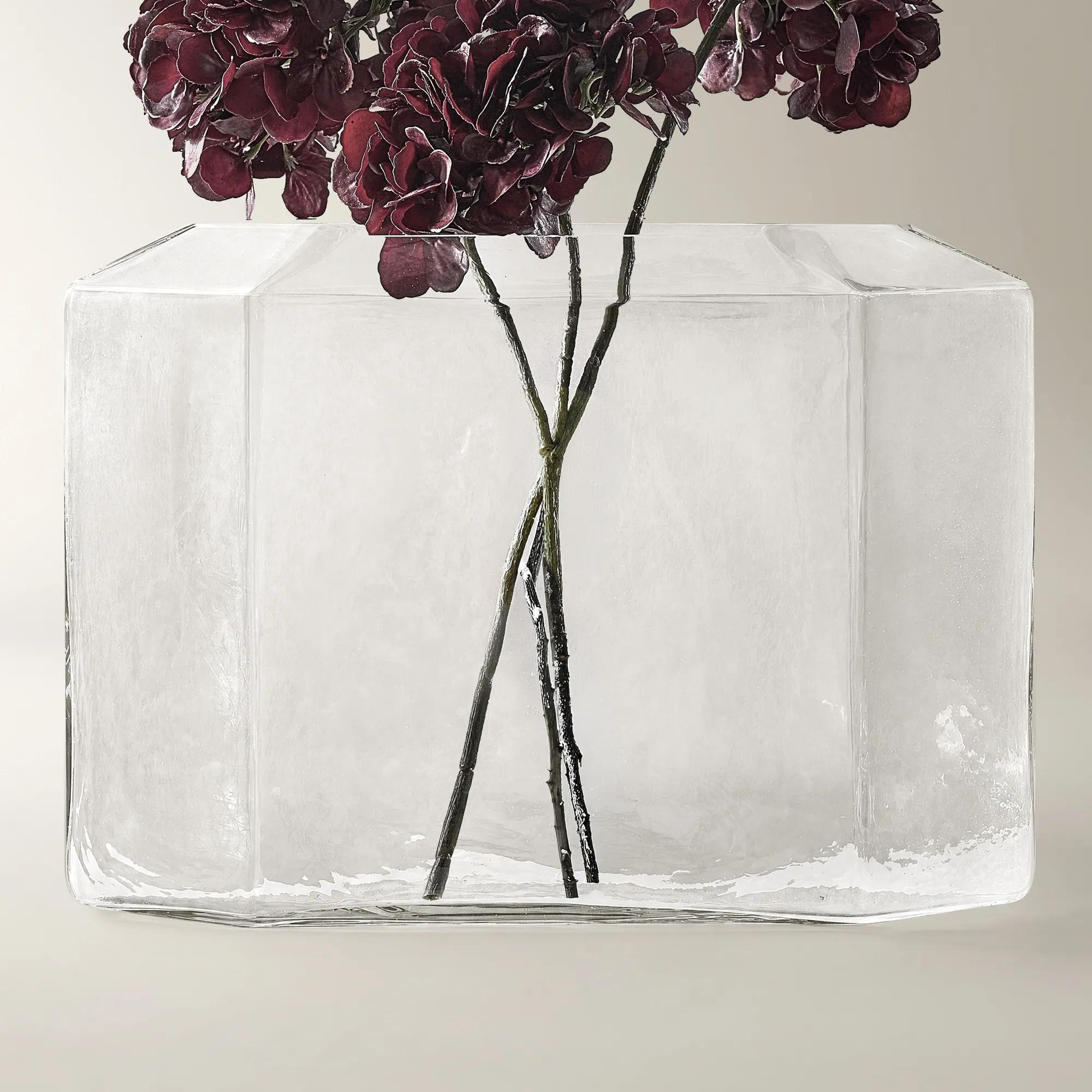 Studio Mouth Blown Clear Glass Vase 13.75"$199
A handblown clear glass vase with faceted detailing that beautifully reflects light for modern elegance.
Add To Cart

Contemporary Glass Vases
Explore contemporary glass vases that bring an artful focal point to floral arrangements and stand-alone displays. For a dining table, console, or styled shelf, consider how each vase’s silhouette and scale will complement your space—whether framing a few expressive stems or adding a sculptural accent to a layered vignette.
Contemporary glass vases bring sculptural presence to a room, transforming a floral arrangement into an expressive focal point. With their interplay of light, shape, and transparency, these decorative accents can lend dimension to a console, introduce a graceful silhouette to a bookshelf, or create a striking dining table centerpiece. The appeal of modern glass vases lies in their visual balance: they can feel luminous and understated alongside richly textured furnishings, yet command attention through an unexpected curve or dramatic proportion. To find a shape that complements your space, consider the surrounding lines. A rounded silhouette softens angular furniture, while a tall, slender profile draws the eye upward and adds rhythm to a layered vignette. Clear glass vases keep stems visible as part of the composition, making even a handful of thoughtfully arranged flowers feel artful. For a more expressive approach, consider how colored glass could echo a painting, contrast with upholstery, or introduce a jewel-like accent to a neutral room. Styling contemporary glass vases is an exercise in proportion, placement, and personal expression. On a dining table, choose a vase height that allows conversation to flow across the arrangement; on an entryway console, a taller composition can establish a confident first impression. For a coffee table display, pair a lower vase with a stack of art books and a decorative object, leaving enough open surface for the arrangement to feel deliberate rather than crowded. A grouping of glass flower vases in varied heights creates a layered composition, especially when a shared color or complementary silhouette gives the display cohesion. Match the opening to the arrangement you envision: a narrow neck helps gather a few stems, while a wider mouth allows a fuller bouquet to spread. Before adding fresh flowers and water, confirm that the vase is intended to hold water, since some decorative vases are designed for display only. Whether styled with sweeping branches, a tailored floral arrangement, or no stems at all, a contemporary glass vase can give a room a luminous finishing gesture that feels distinctly your own.
FAQs
Contemporary glass vases turn a familiar decorative accent into an artistic statement through expressive silhouettes, compelling color, and interplay with light. From fluid curves to architectural lines, their forms bring a sculptural presence to a room—with or without flowers.
Compose a vignette with contrasting silhouettes and a deliberate color story. Pair a curved glass vase with angular decorative objects, or arrange several vases with space between them so each outline remains distinct. A mirrored backdrop can amplify the glass’s luminous character and give the display an extra layer of glamour.
Calla lilies, orchids, and flowering branches echo the sculptural character of contemporary glass vases. For a restrained yet expressive arrangement, choose a single flower variety and let its shape lead. For richer drama, layer blooms in closely related hues to create depth without competing with the vase’s design.
Let the room’s palette guide the mood. Clear glass creates a luminous counterpoint to richly textured furnishings, while smoky tones introduce a more atmospheric note. Colored glass can echo a hue in artwork or upholstery, or create a deliberate contrast that gives a neutral setting a bold focal point.
Absolutely. Contemporary glass vases can hold their own as sculptural decor, allowing their contours, color, and reflections to become the focus. Display one against a contrasting wall or compose a grouping on a console with art books and a decorative object. Leaving the vase unfilled gives its form room to speak.
.jpeg?w=3495&h=3495)