Contemporary Black And White Vases
Contemporary Black And White Vases
-
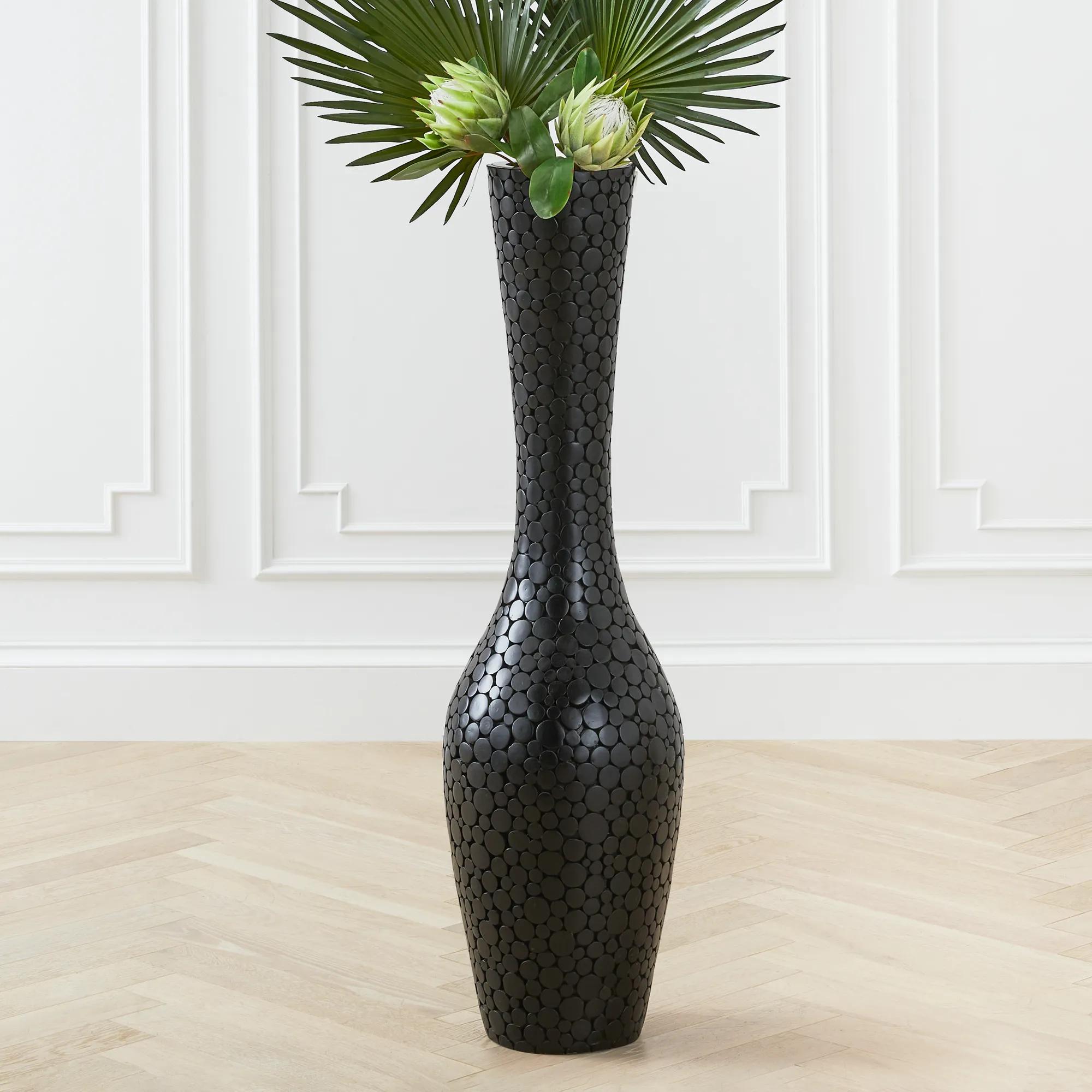
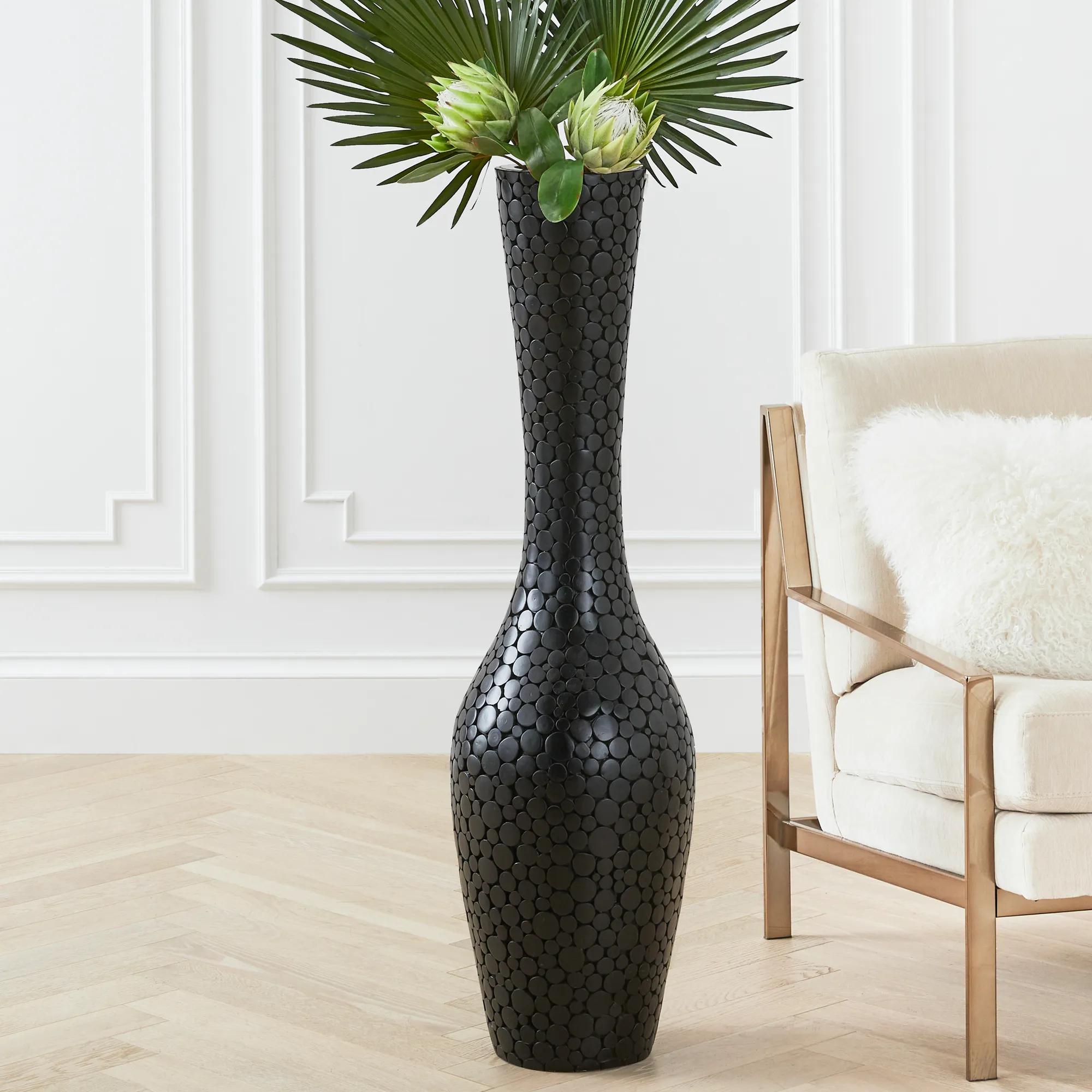 Oslo Black Wood Floor Vase 45"$299
A contemporary floor vase featuring hand-applied wood accents and a glossy black fiberglass base.
Add To Cart -
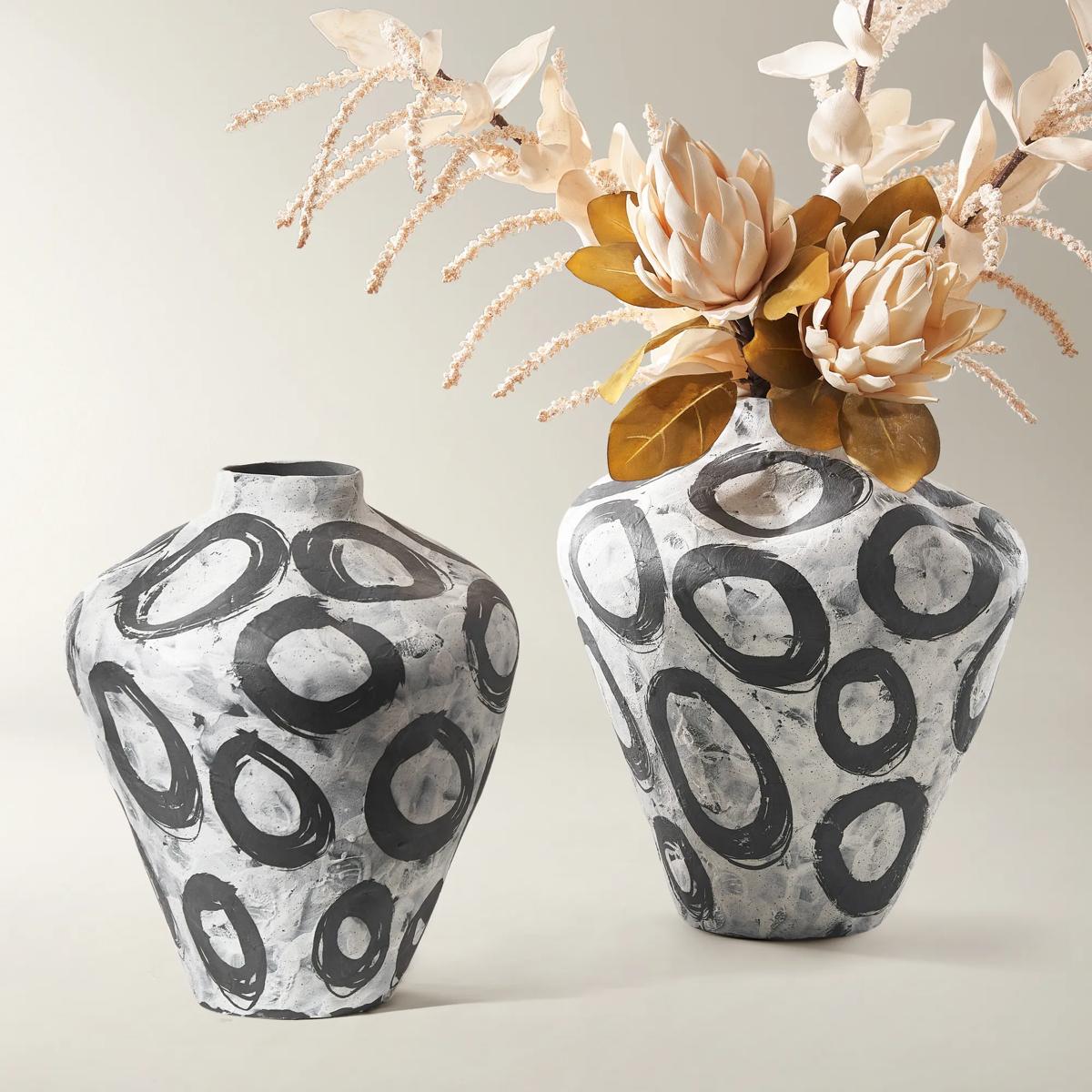
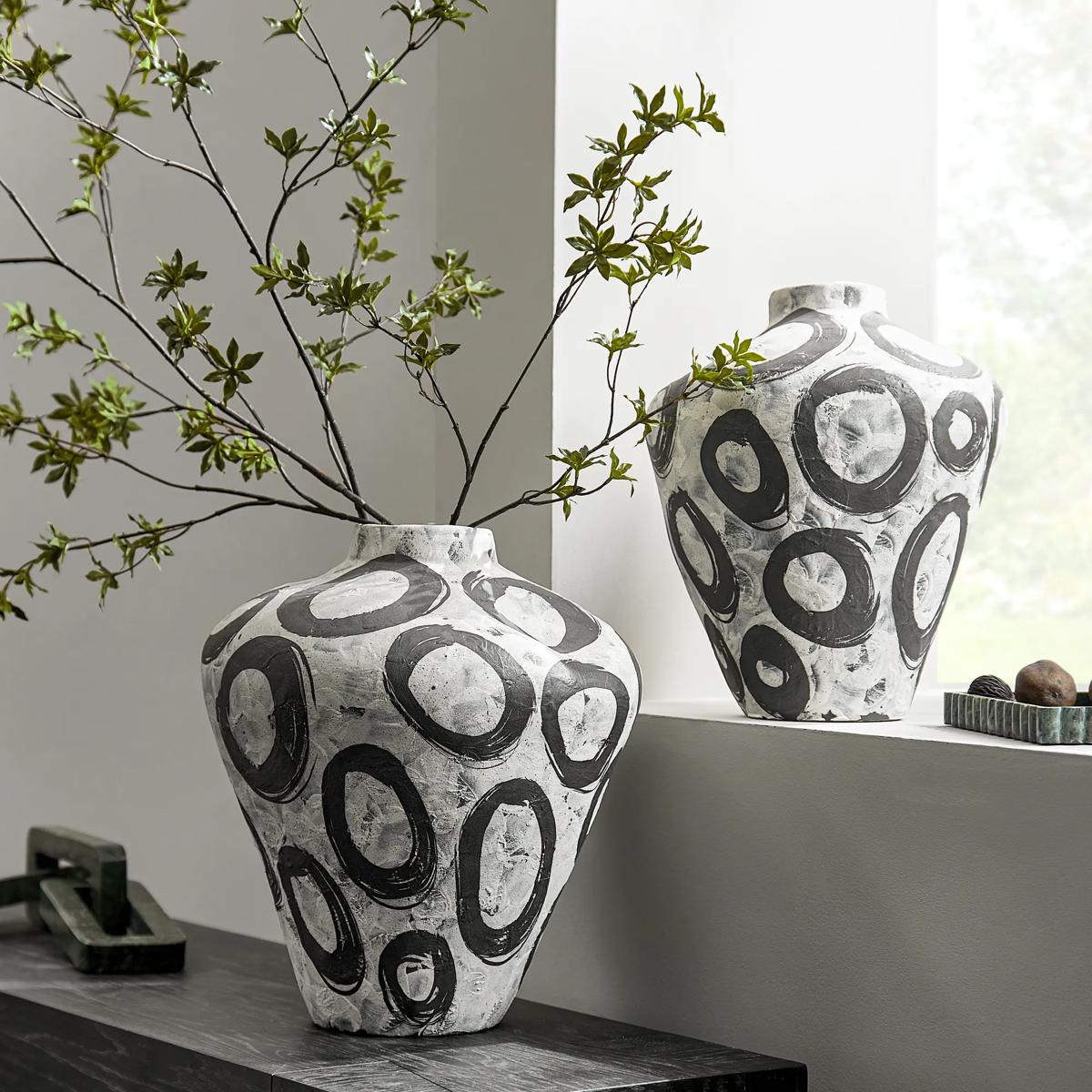 Stone Porcelain Vase$239
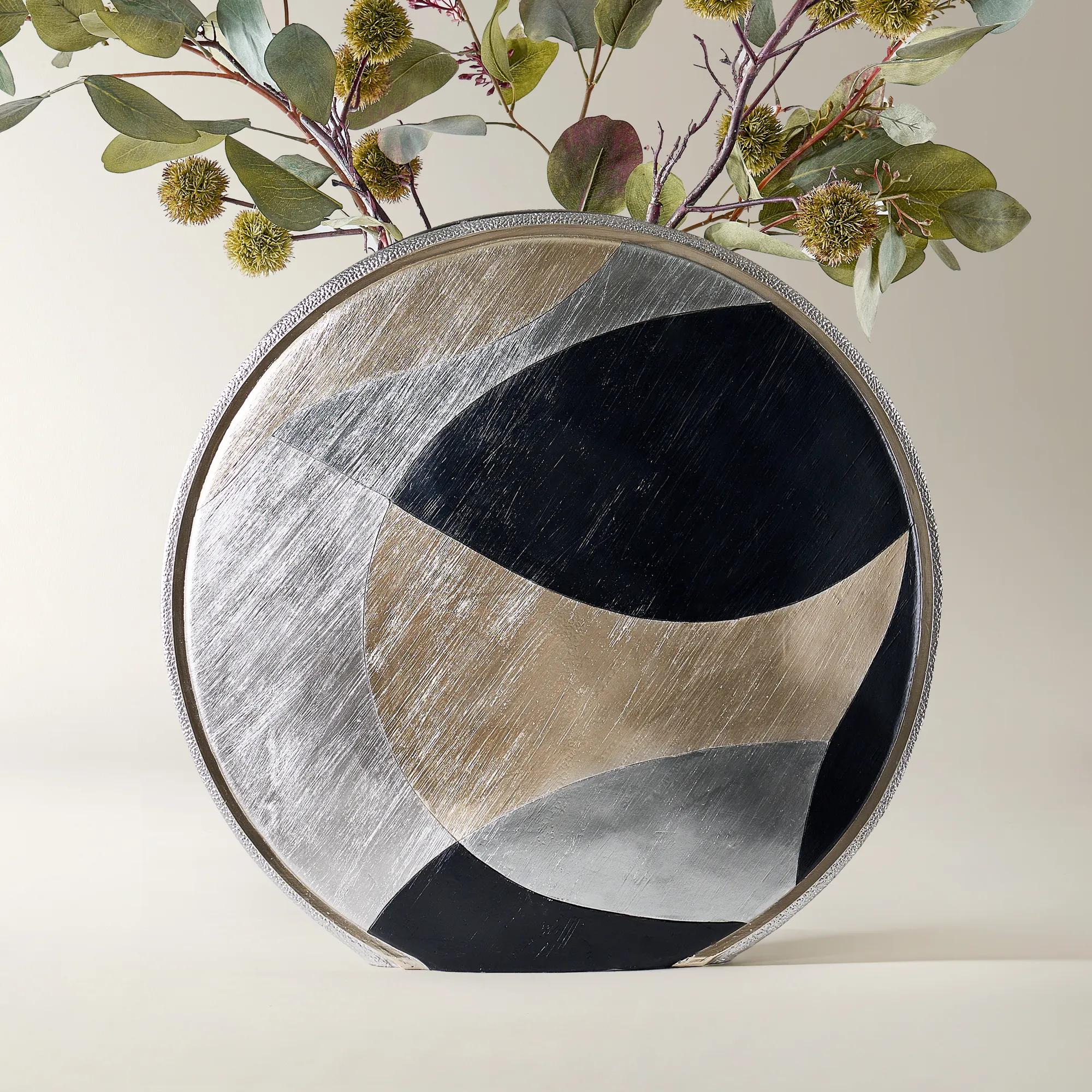
A sculptural porcelain vase featuring hand-painted black and white circular brushwork with a matte stone-like texture.
Add To Cart -
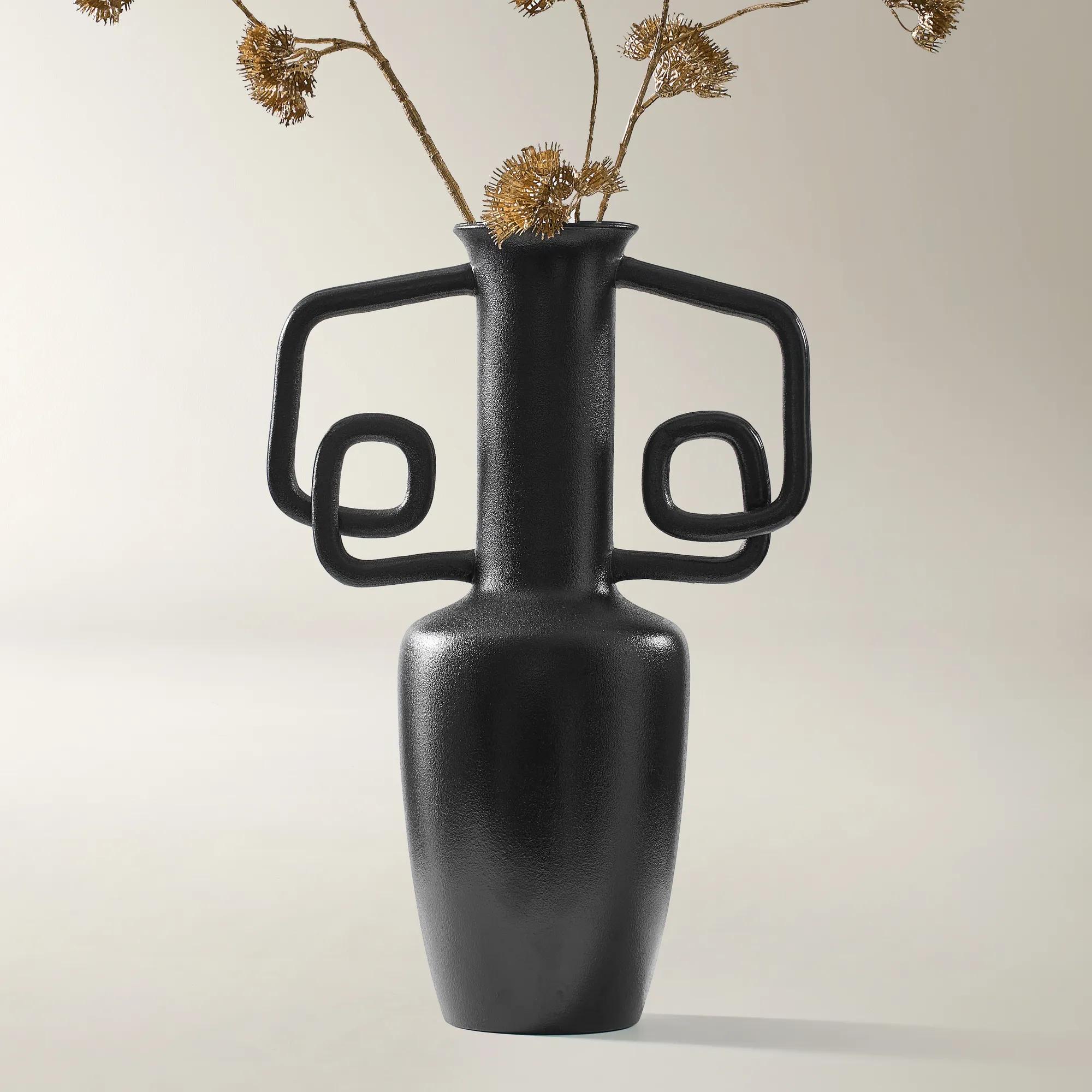 Cleo Handcrafted Black Porcelain Vase 19"$159
A sculptural black porcelain vase with exaggerated handles and a smooth, refined finish for modern decor.
Add To Cart -
.jpeg?w=1200&h=1200) Playa Black Resin Floor Vase 15" x 36"$299
Playa Black Resin Floor Vase 15" x 36"$299A matte black resin vase featuring an organic texture that adds modern sophistication to any space.
Add To Cart -
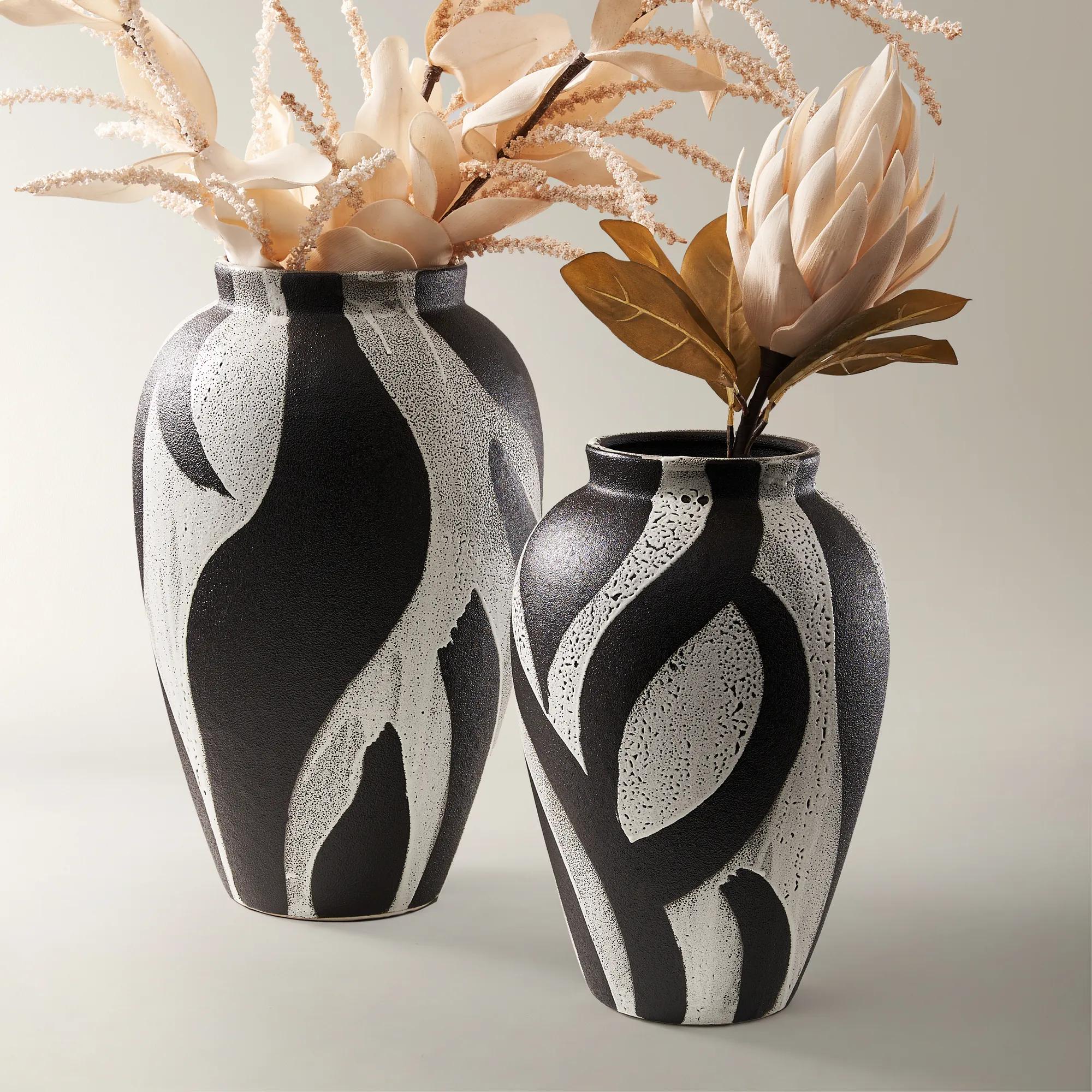 Montae Abstract Zebra Ceramic Vases$149
A bold ceramic vase featuring vivid black and white zebra stripes for a dramatic decorative accent.
Add To Cart -
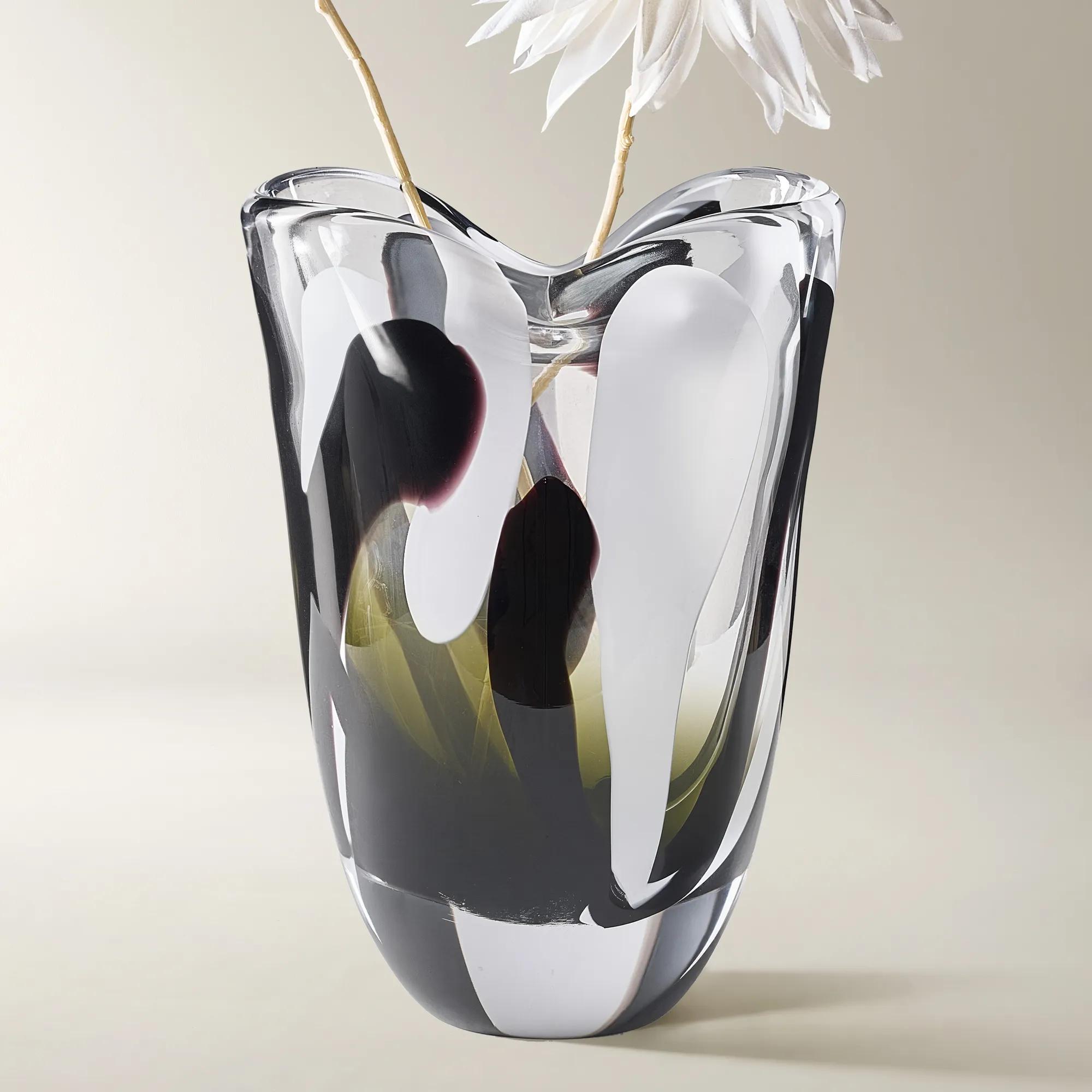 Melrose Mouth Blown Black White Glass Vase 11.25"$109
A handblown glass vase featuring a bold black and white abstract animal pattern for modern appeal.
Add To Cart -
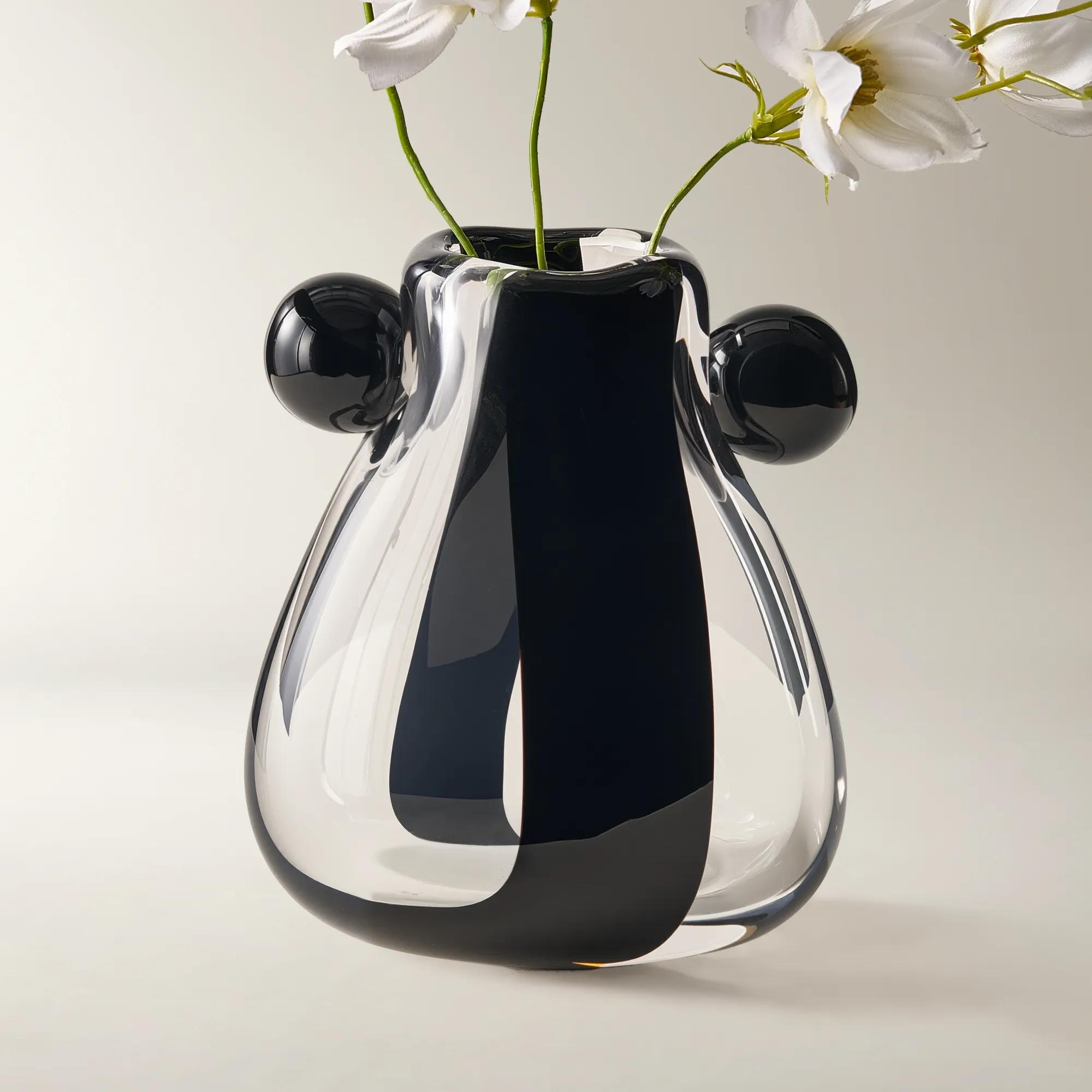
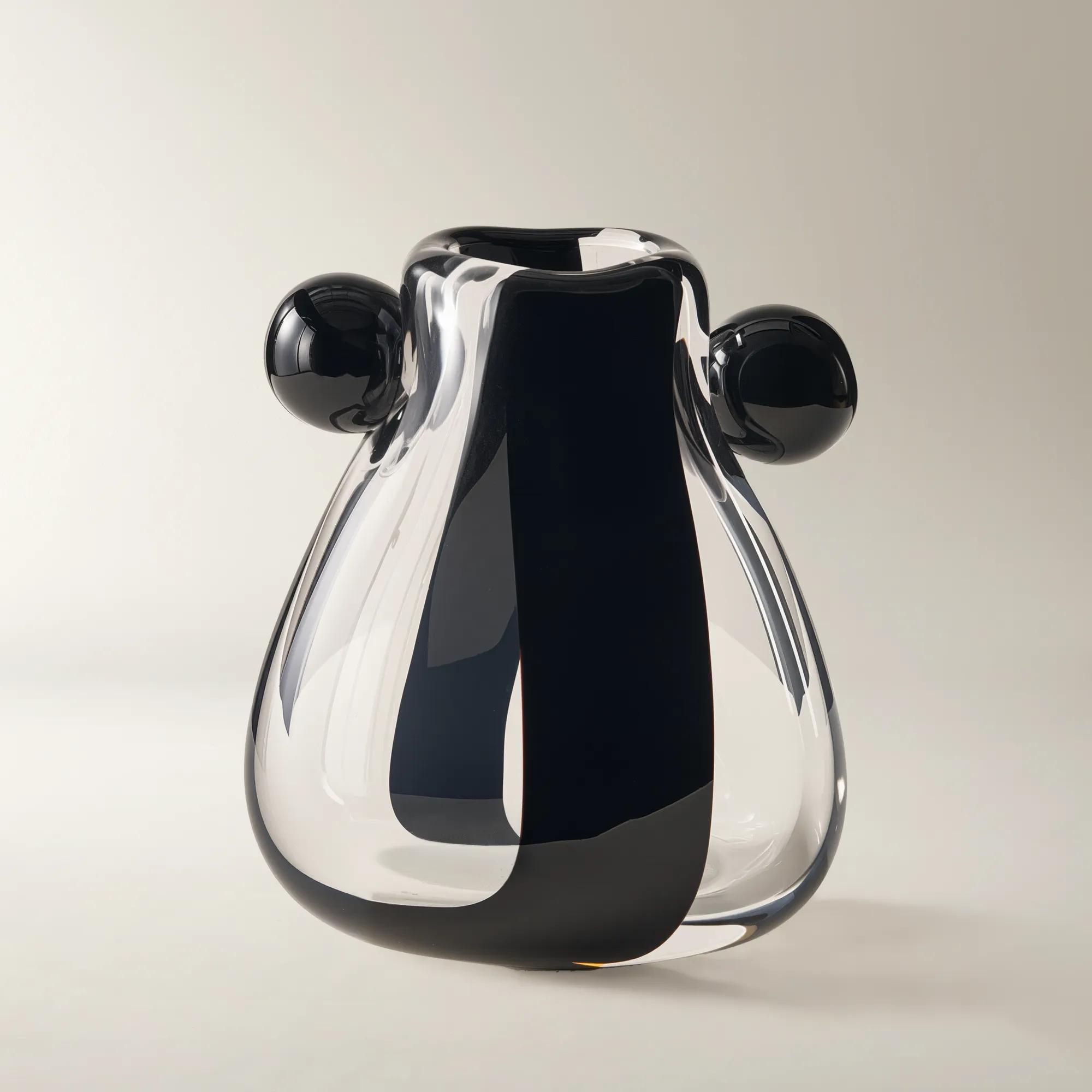 Wink Mouth Blown Black Clear Glass Vase 7.25"$59
A handblown glass vase featuring black and clear stripes with sculptural bauble accents for artistic flair.
Add To Cart -
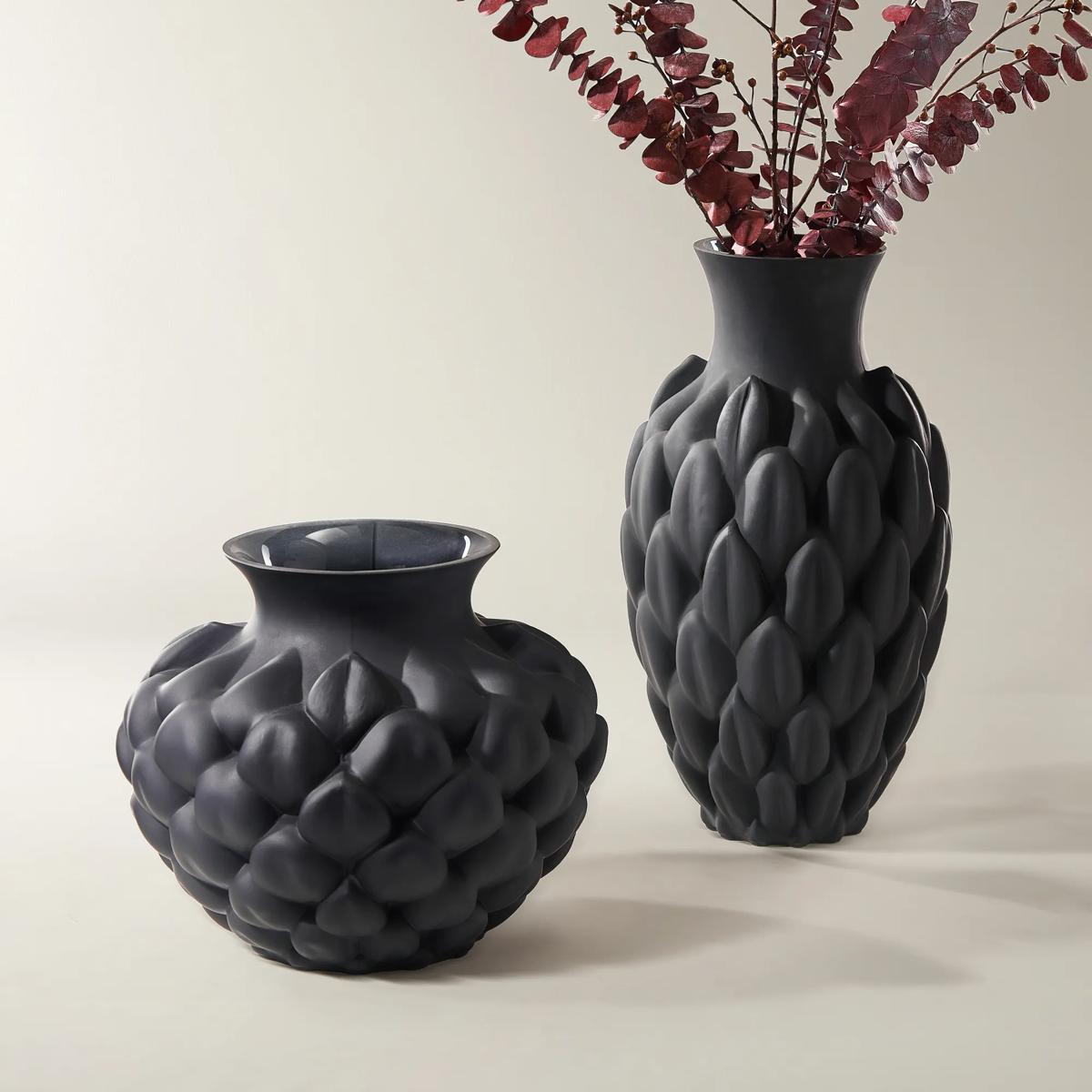
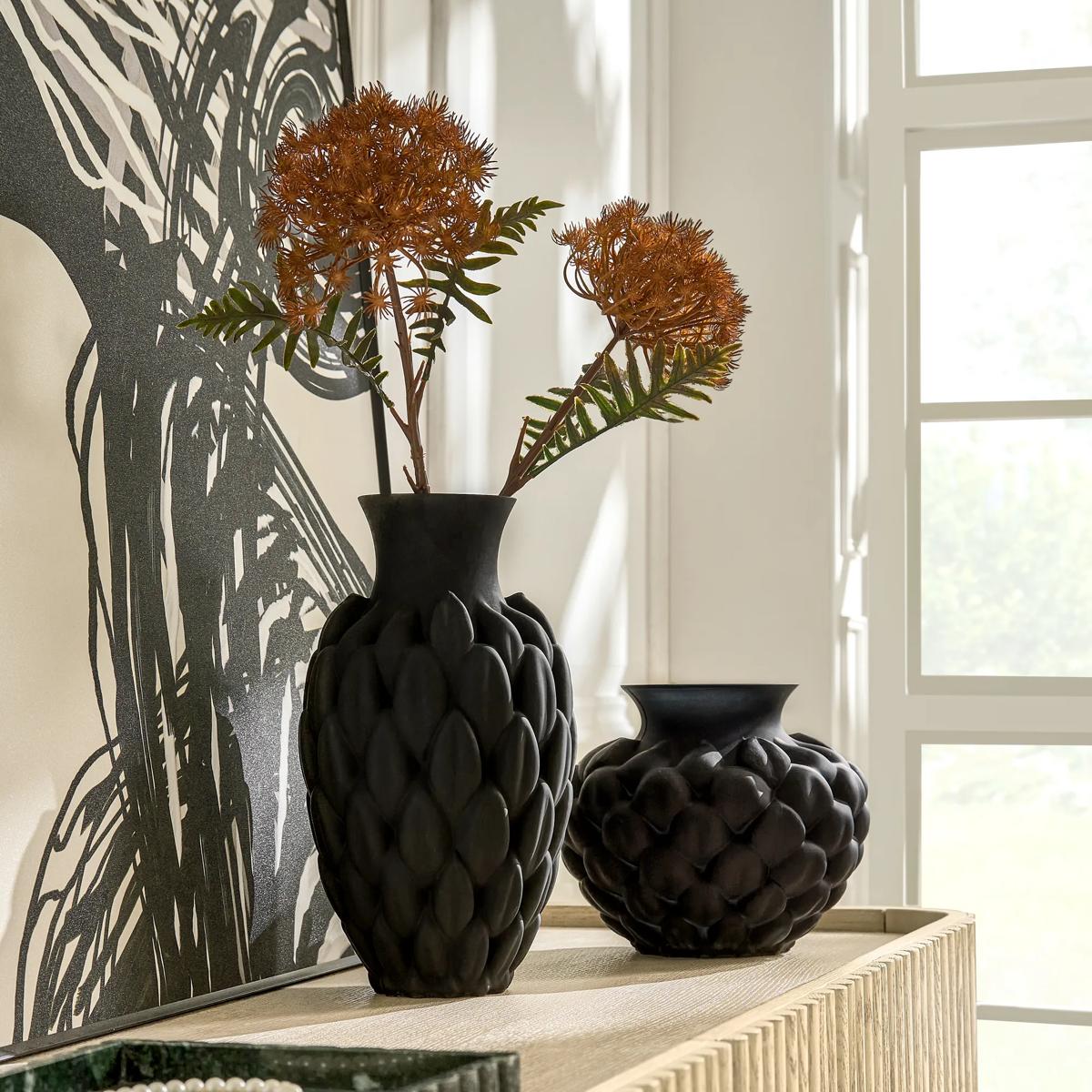 Sabine Glass Vase$69
A sculptural matte black glass vase featuring a dimensional, petal-inspired texture for bold visual impact.
Add To Cart -
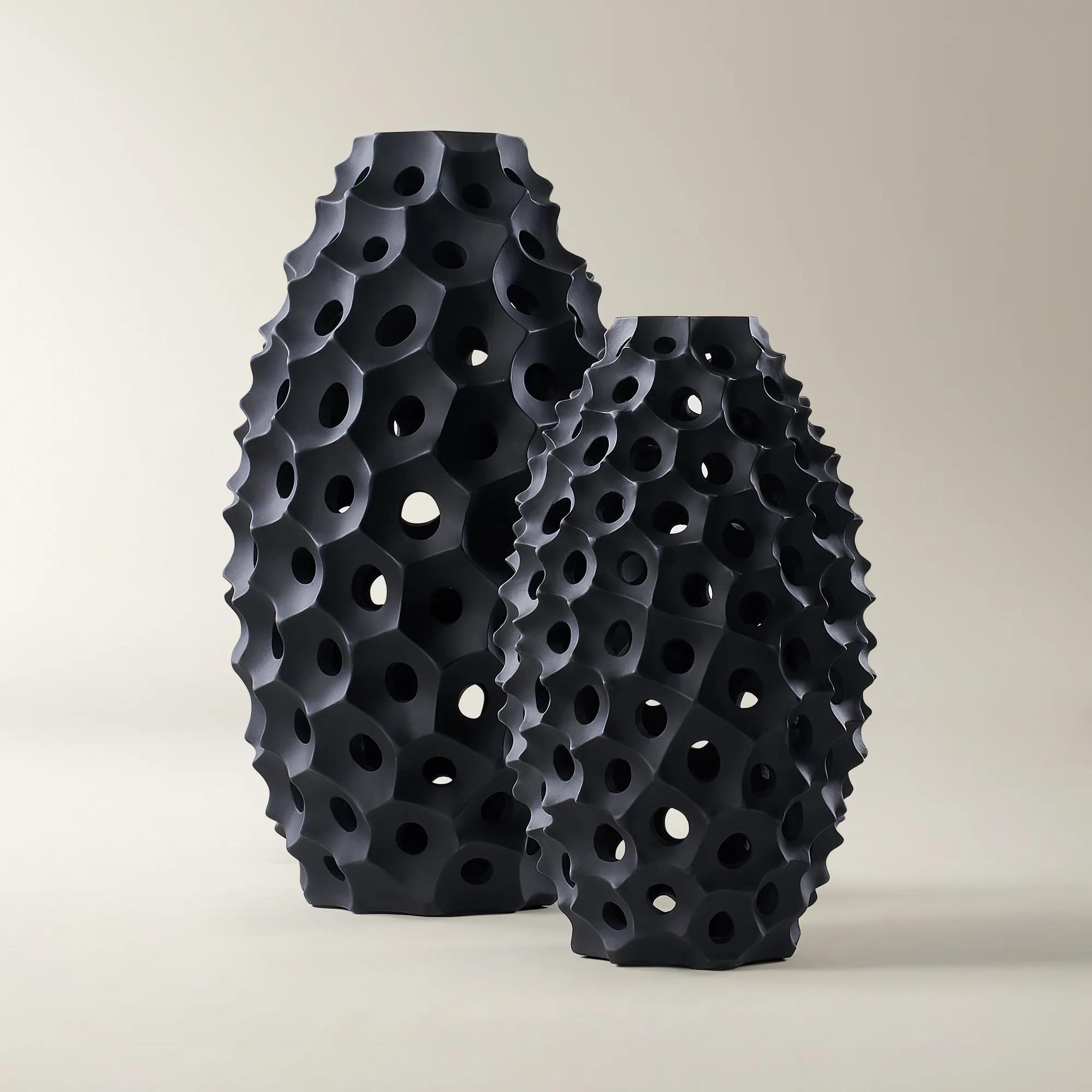
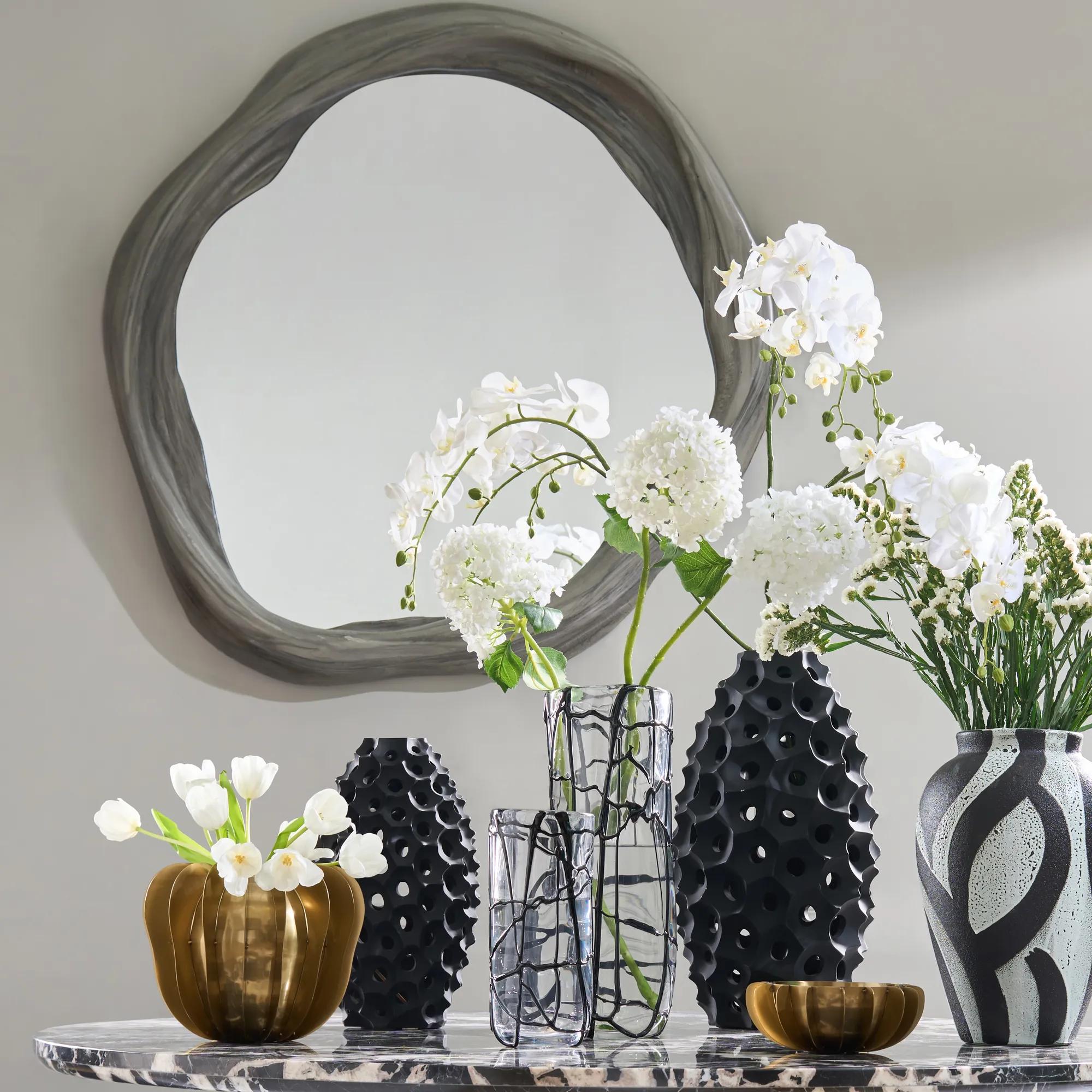 Neo Vase$119
A sleek black resin vase with an aperture design, perfect for adding modern drama to any space.
Add To Cart -
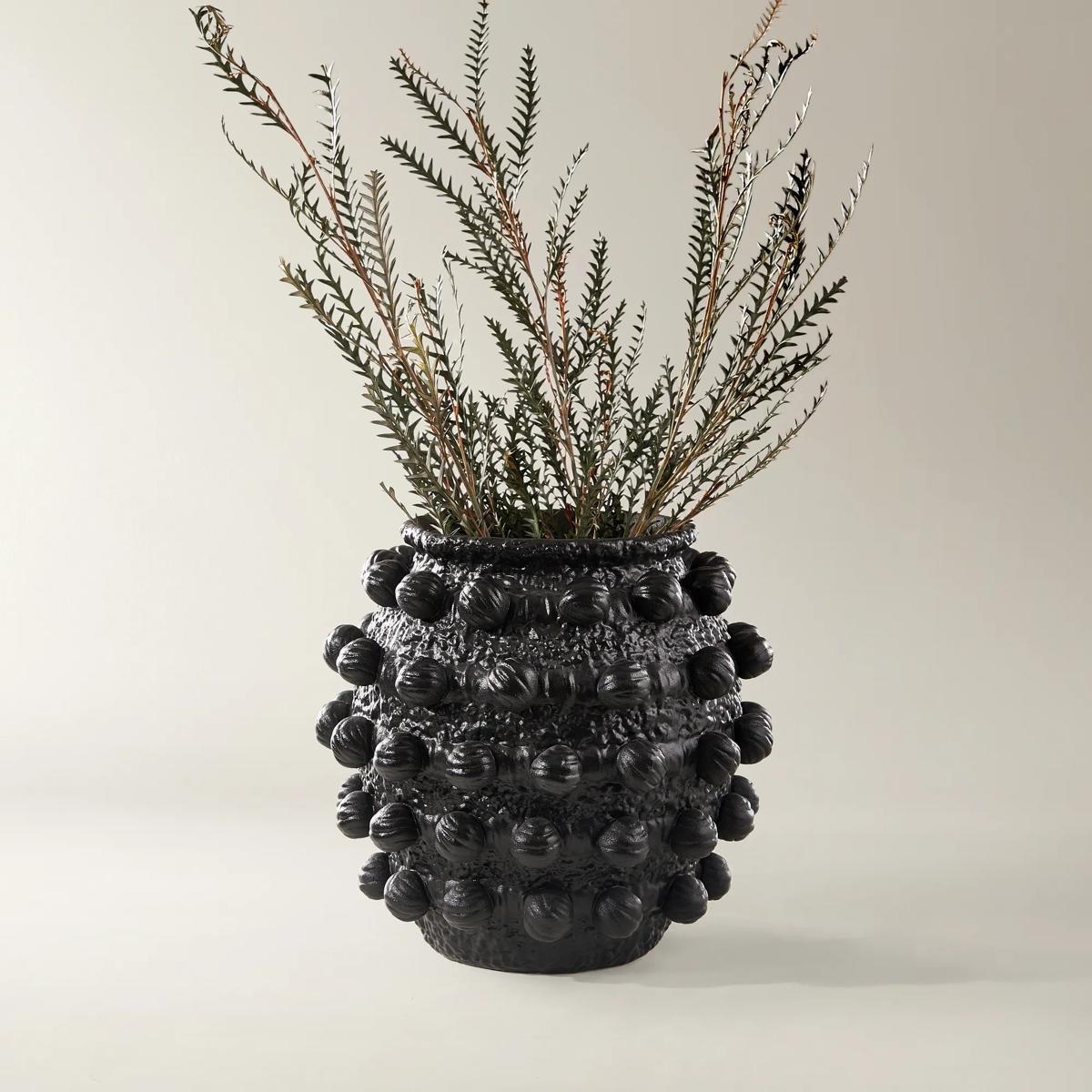
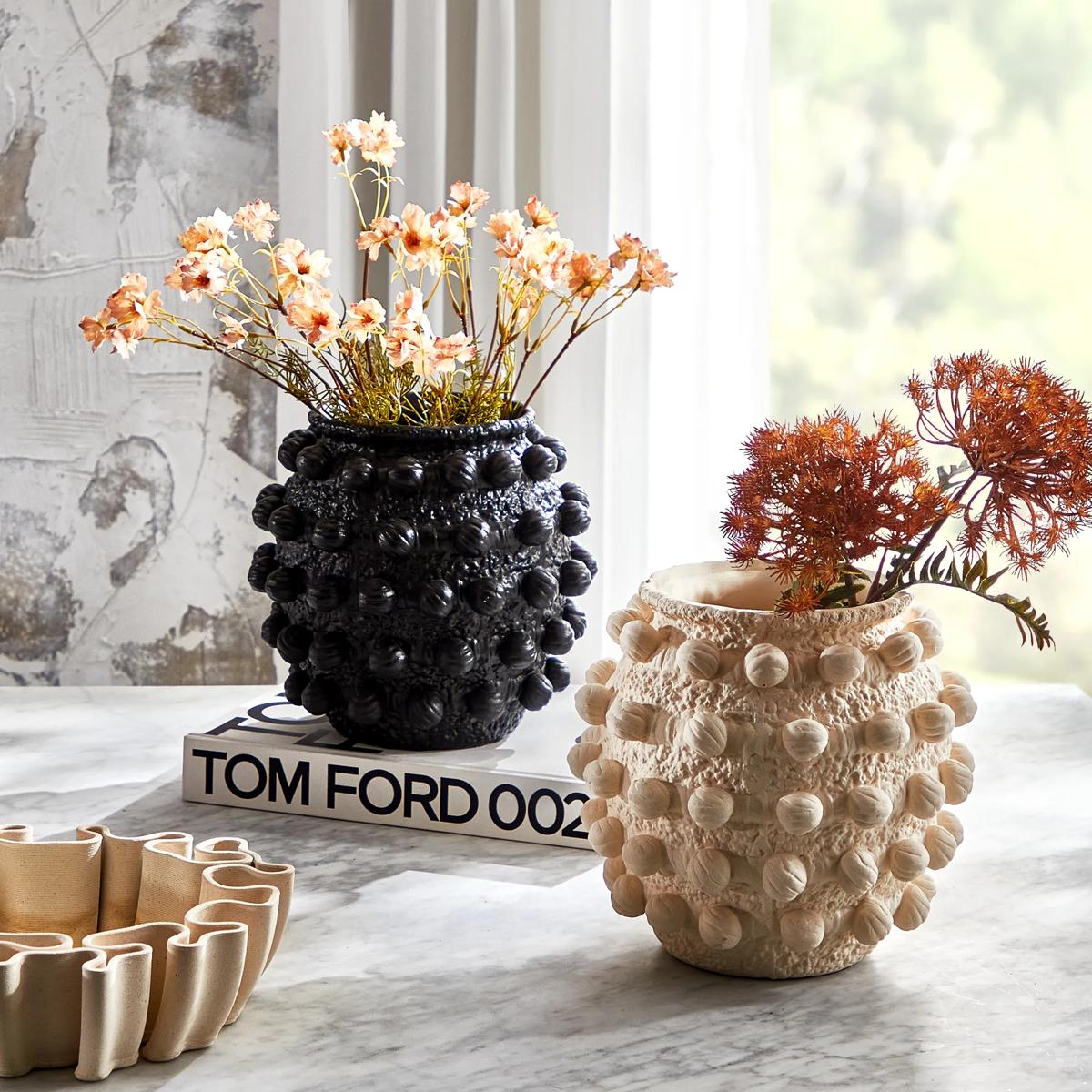 Pompa Vase - Black$119
A sculptural black porcelain vase featuring bold, rounded forms and a richly textured surface.
Add To Cart -
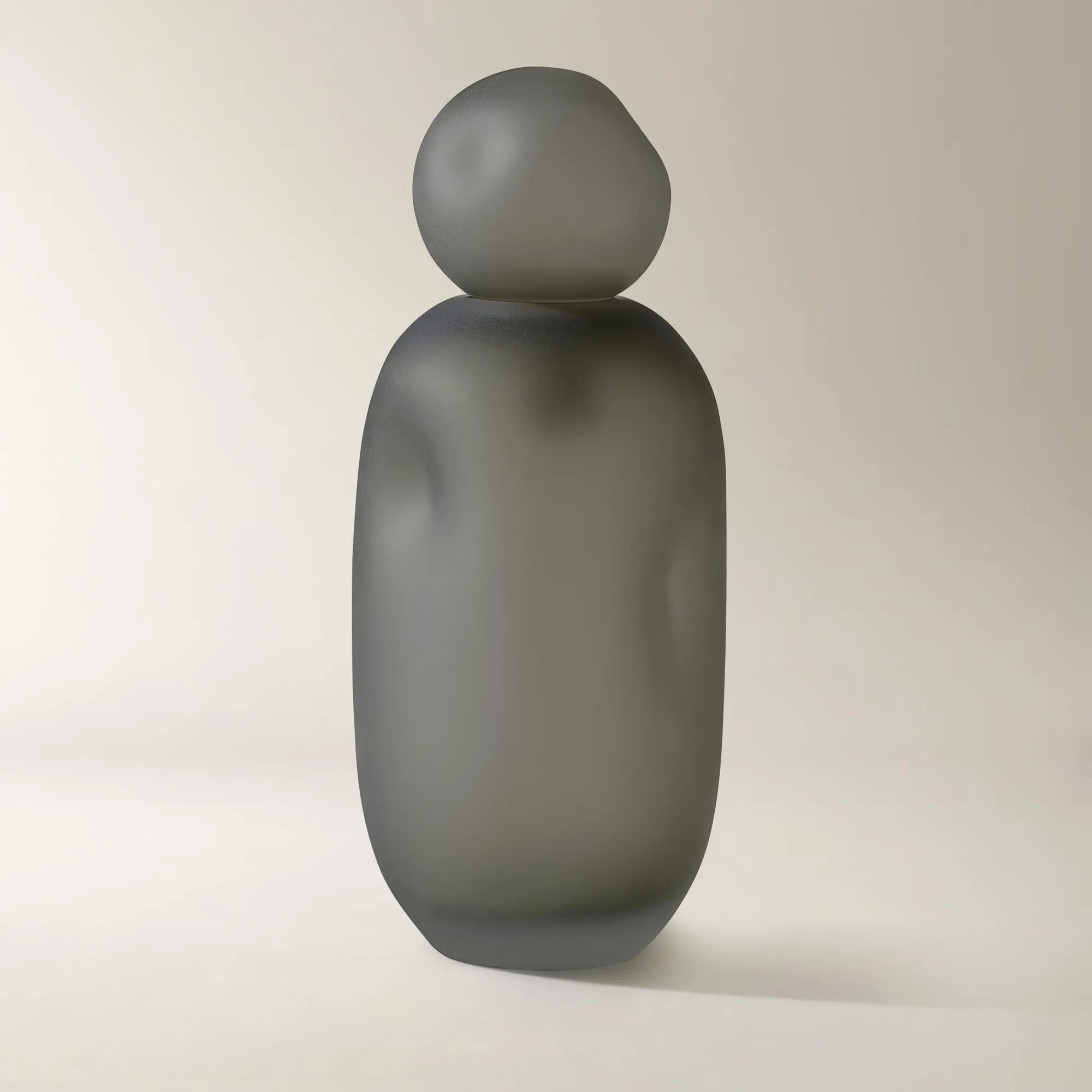
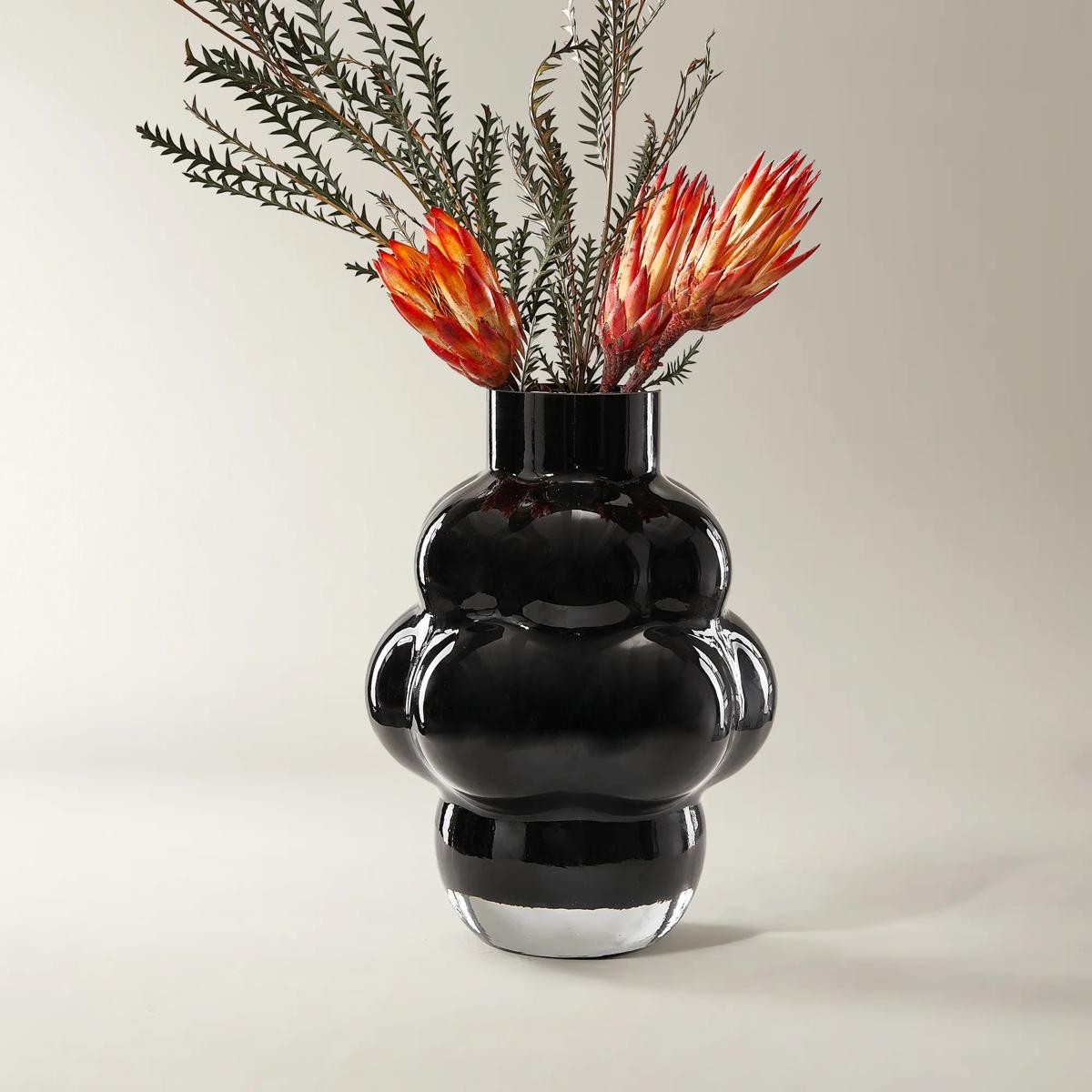 Cloud Glass Vase - Black$129
A hand-blown black glass vase featuring a sculptural silhouette and glossy, dramatic finish.
Add To Cart -
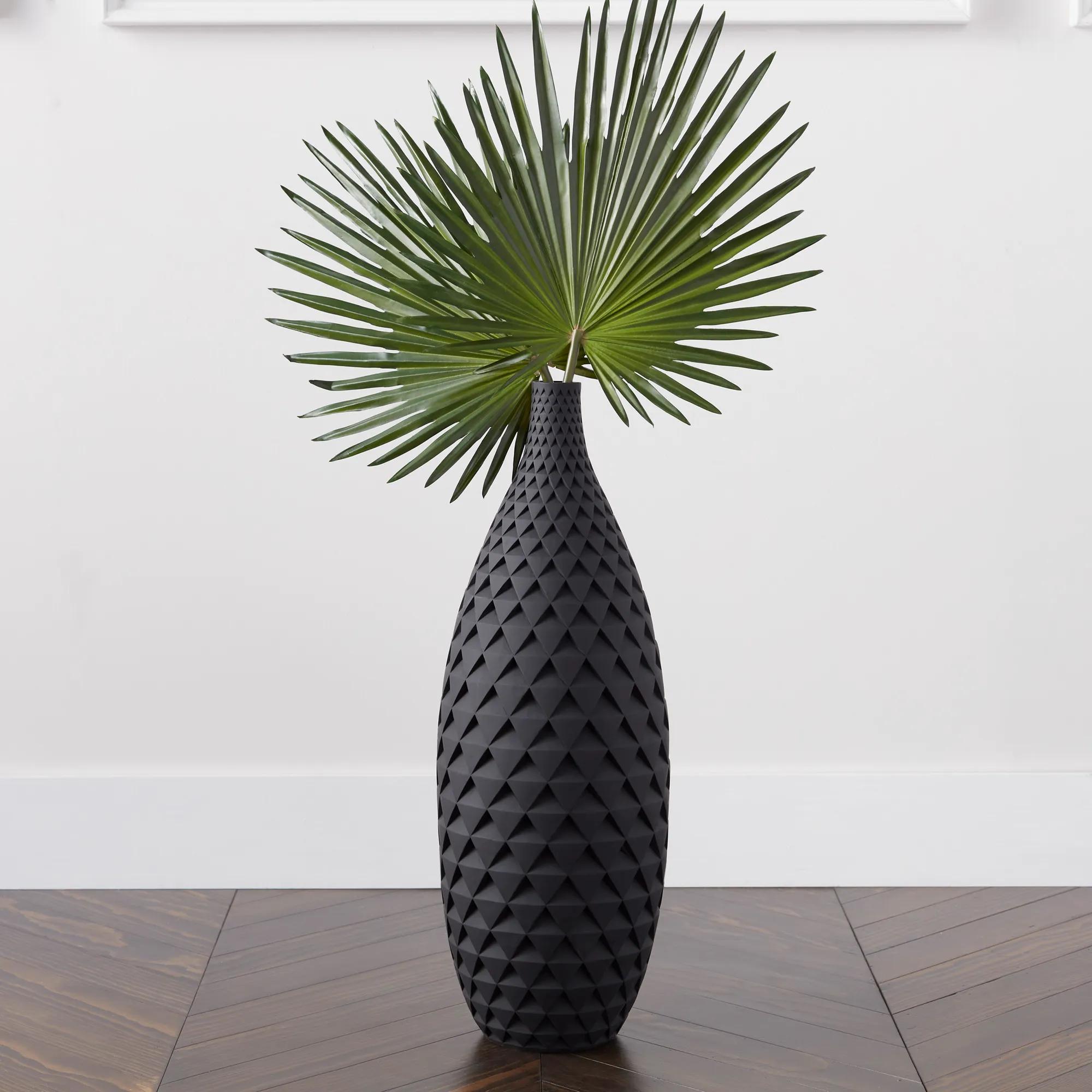 Cairo Floor Vase$99
A lightweight resin floor vase featuring a matte black finish and a striking scalloped texture.
Add To Cart -
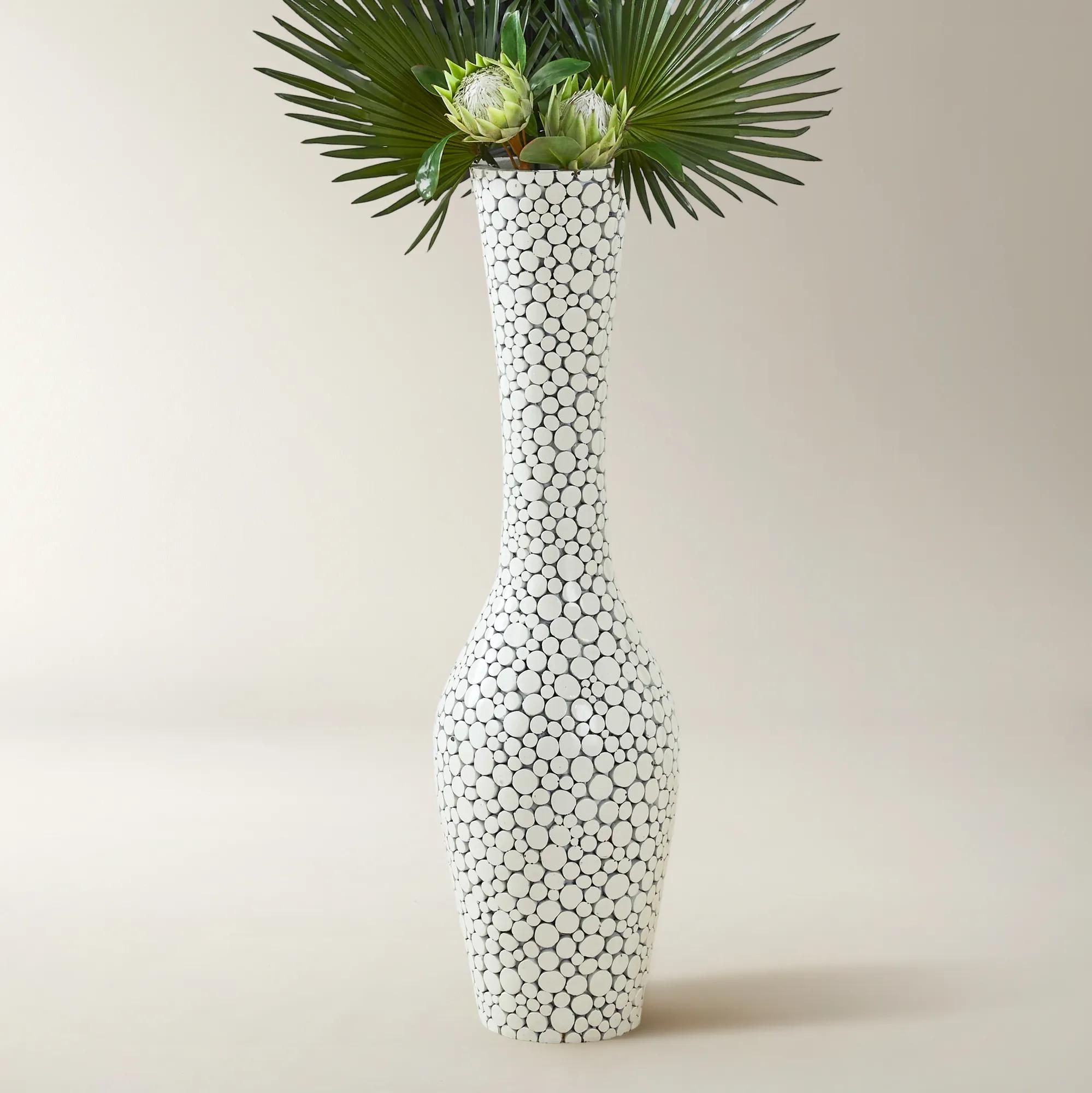 Oslo Floor Vase$299
A contemporary floor vase featuring hand-applied wood accents and a glossy white fiberglass base.
Add To Cart -
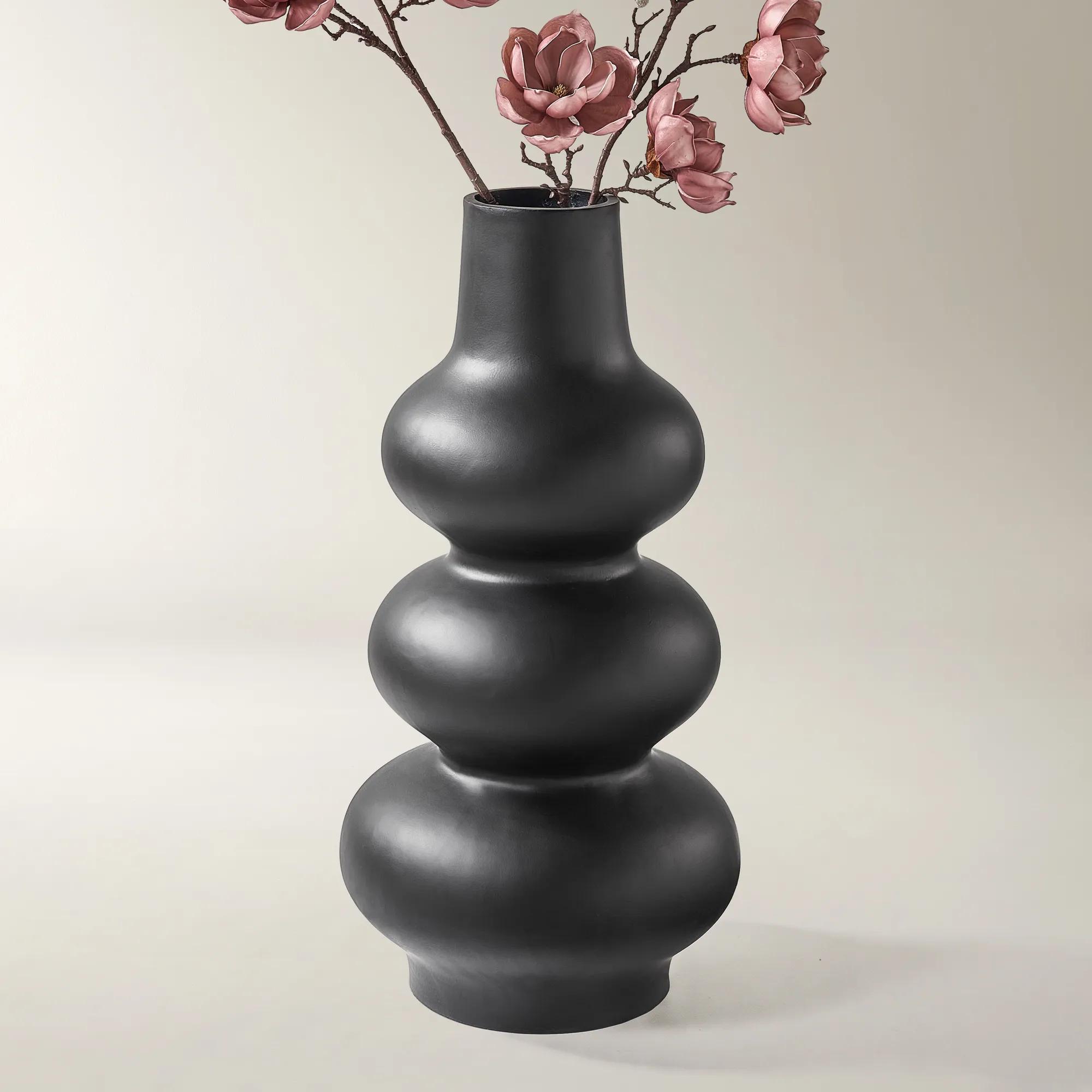 Naali Black Resin Floor Vase 31"$279
A bold black resin vase featuring a chunky, sculptural silhouette for striking modern decor.
Add To Cart -
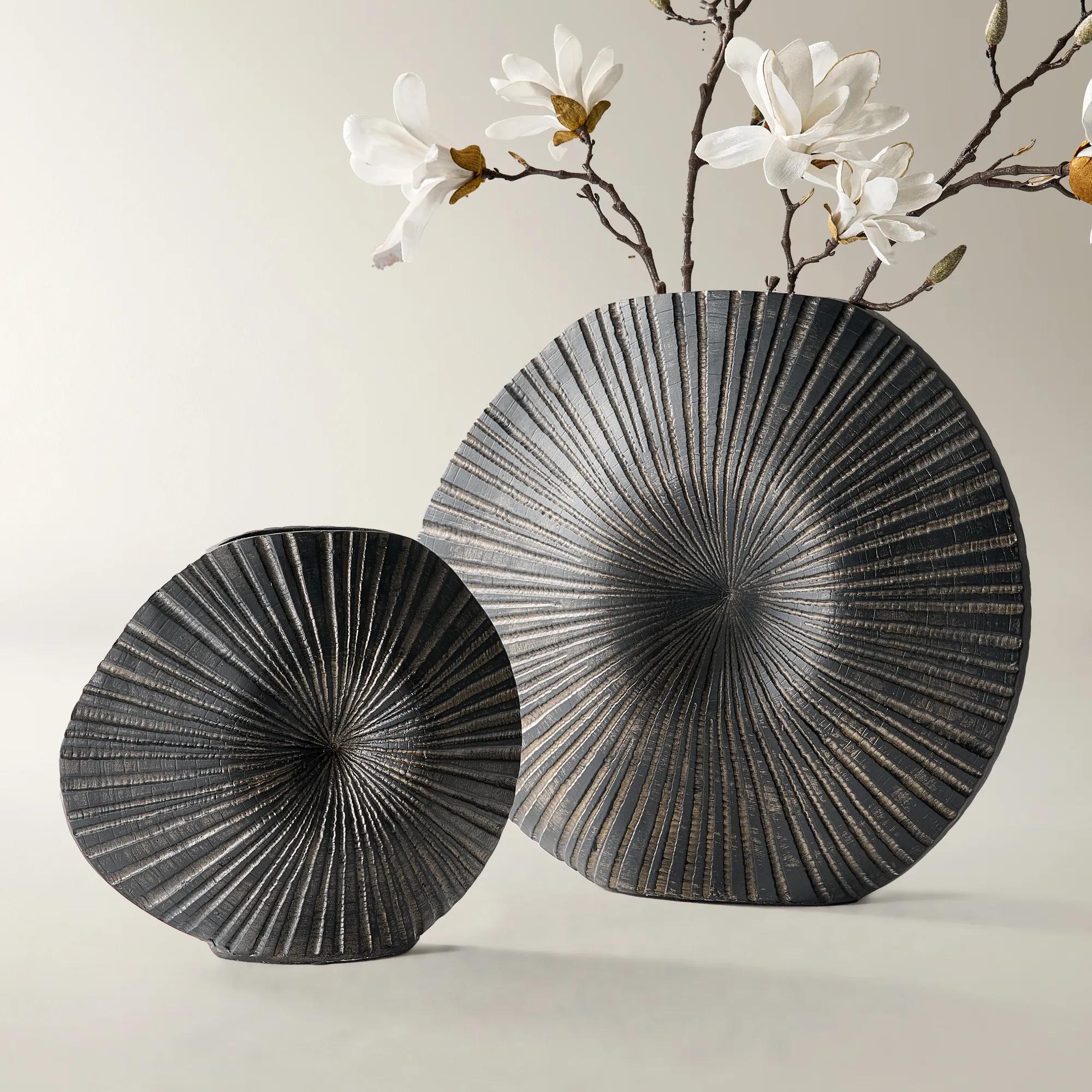
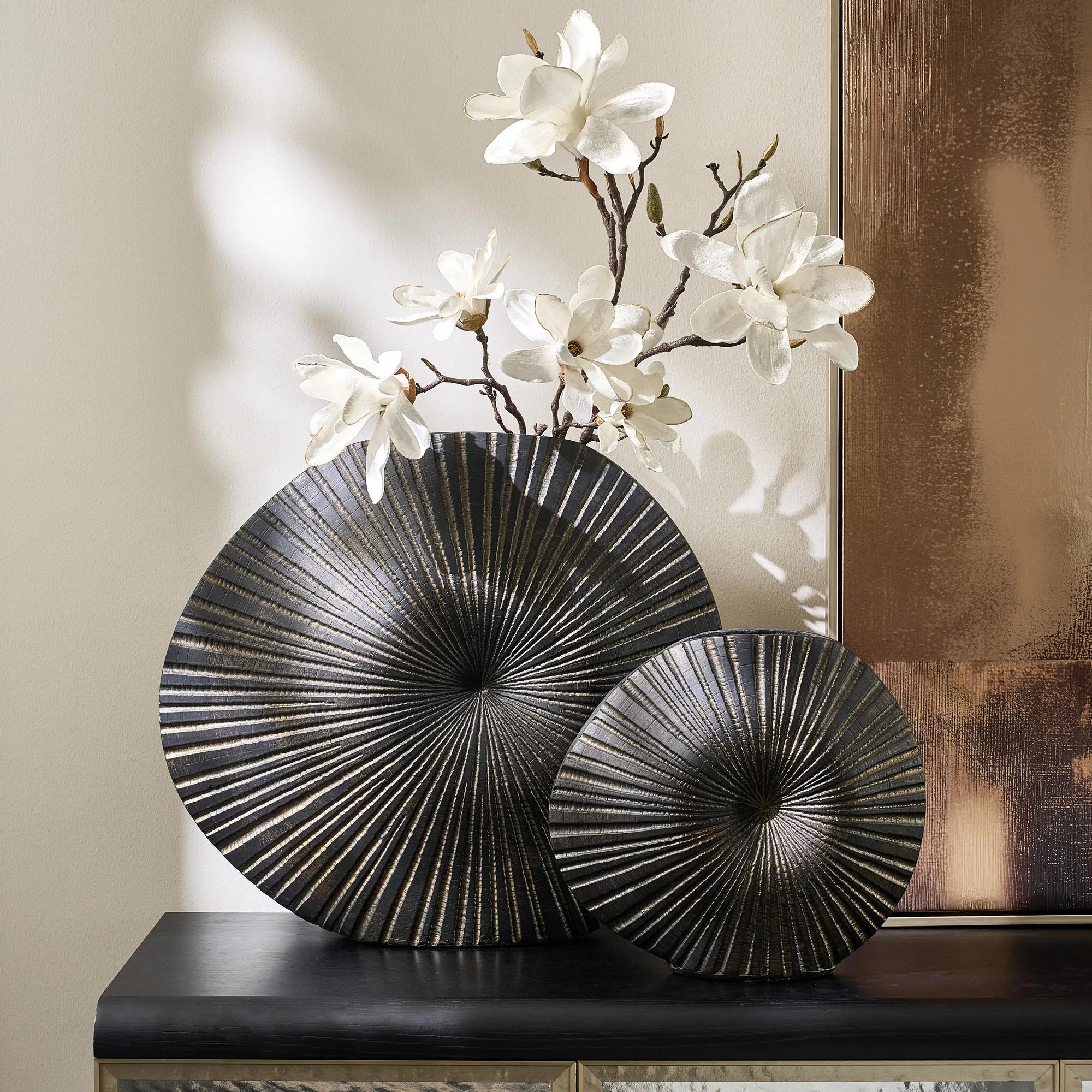 Stellar Black Champagne Resin Vases$169
A sculptural resin vase in black and champagne tones, offering modern glamour and artful visual depth.
Add To Cart -
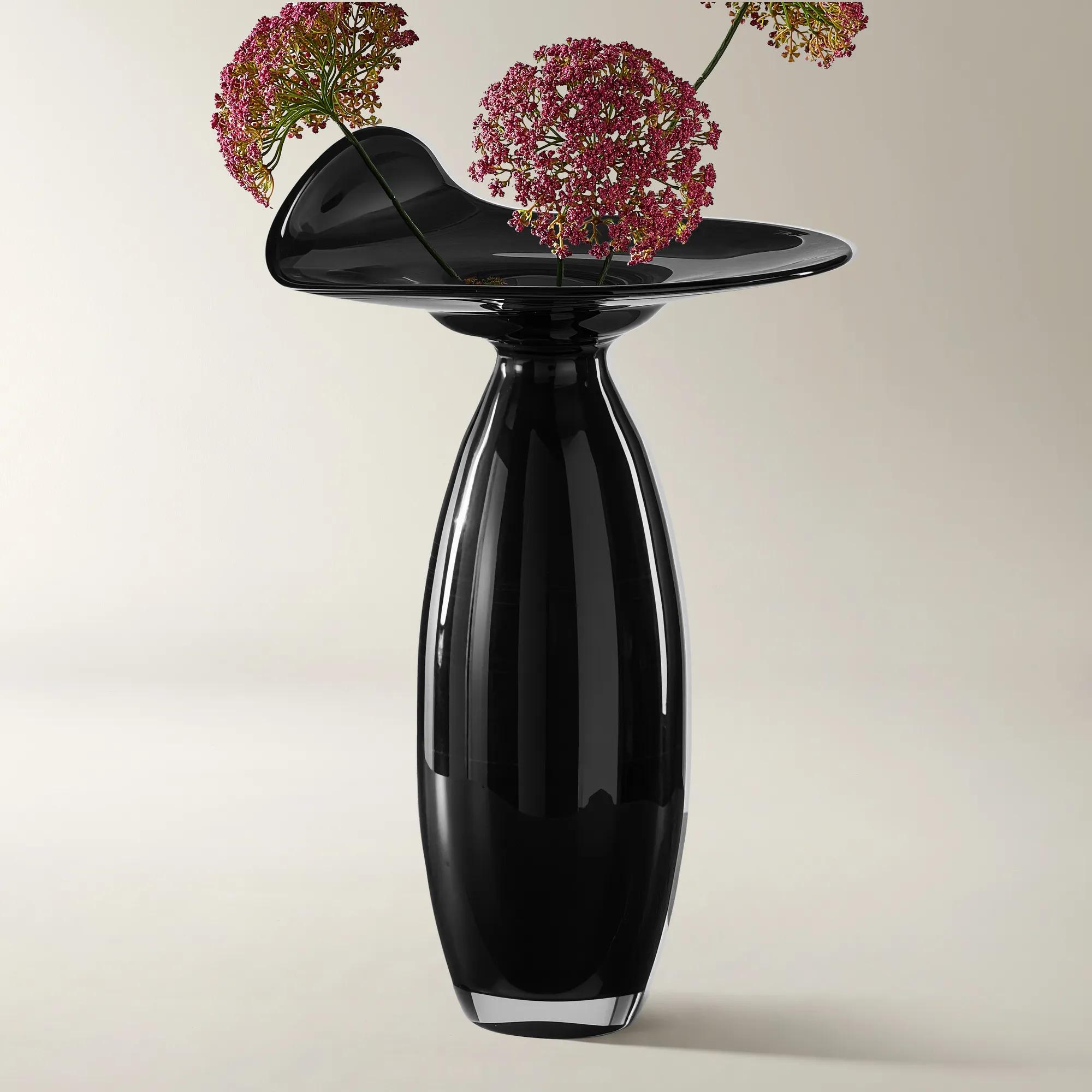 Folia Mouth Blown Glossy Black Glass Vase 22"$199
A handblown glass vase with a glossy black finish and organic sculptural silhouette for modern decor.
Add To Cart -
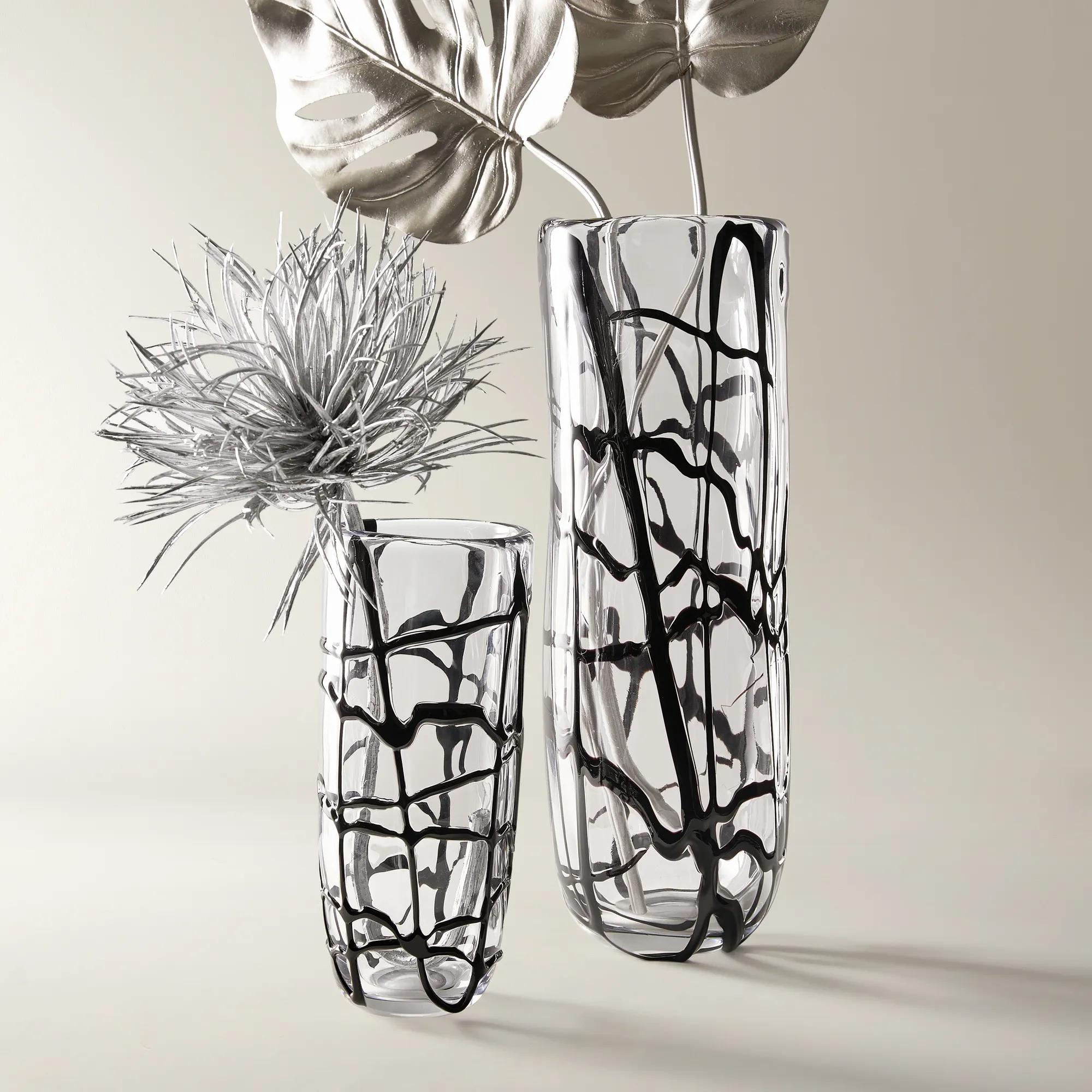 Torino Glass Vase$109
A hand-blown glass vase featuring a dramatic black design and sleek cylindrical silhouette for modern appeal.
Add To Cart -
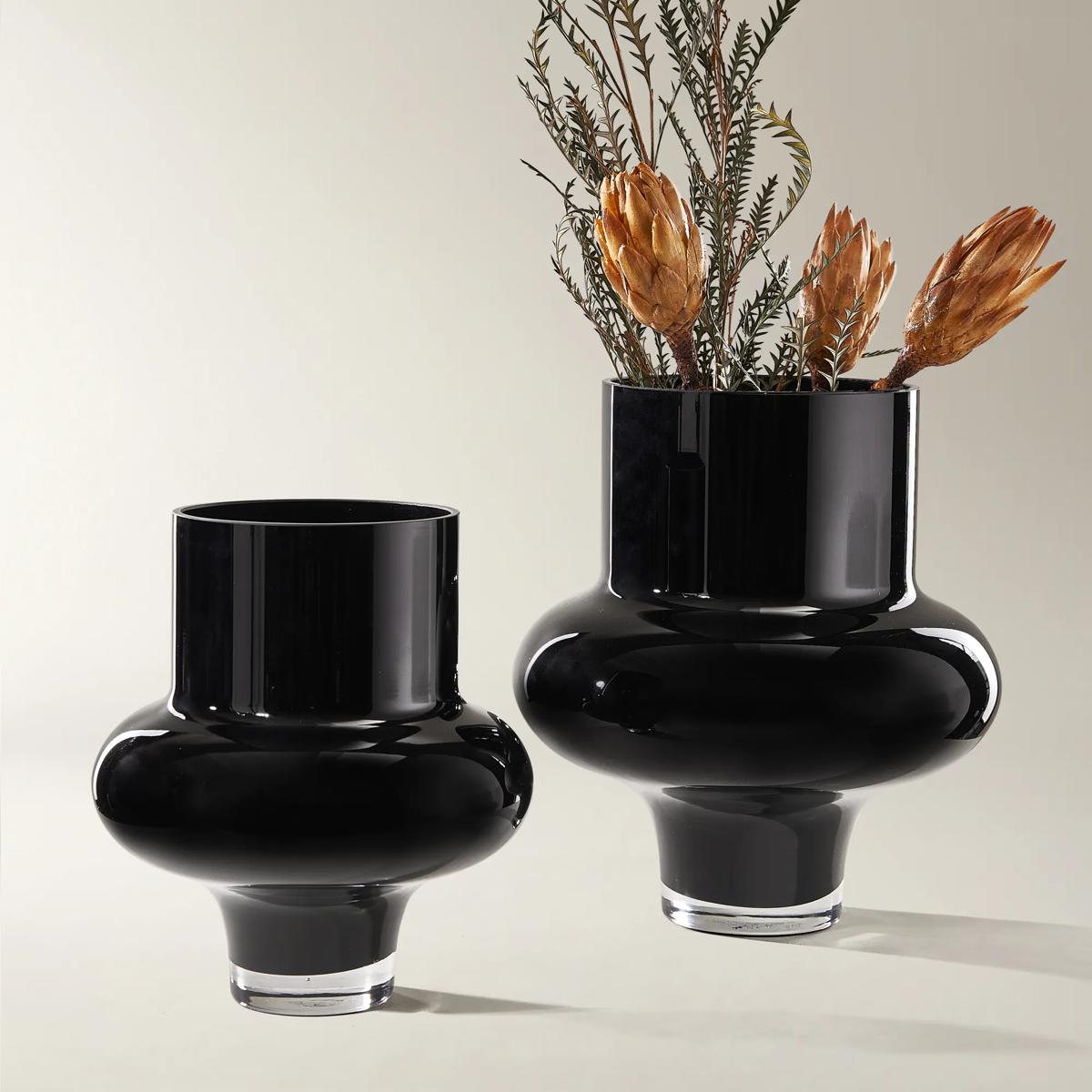
 Kors Glass Vase$69
A sculptural hand-blown black glass vase with a high-gloss finish and bold, curvaceous silhouette.
Add To Cart -
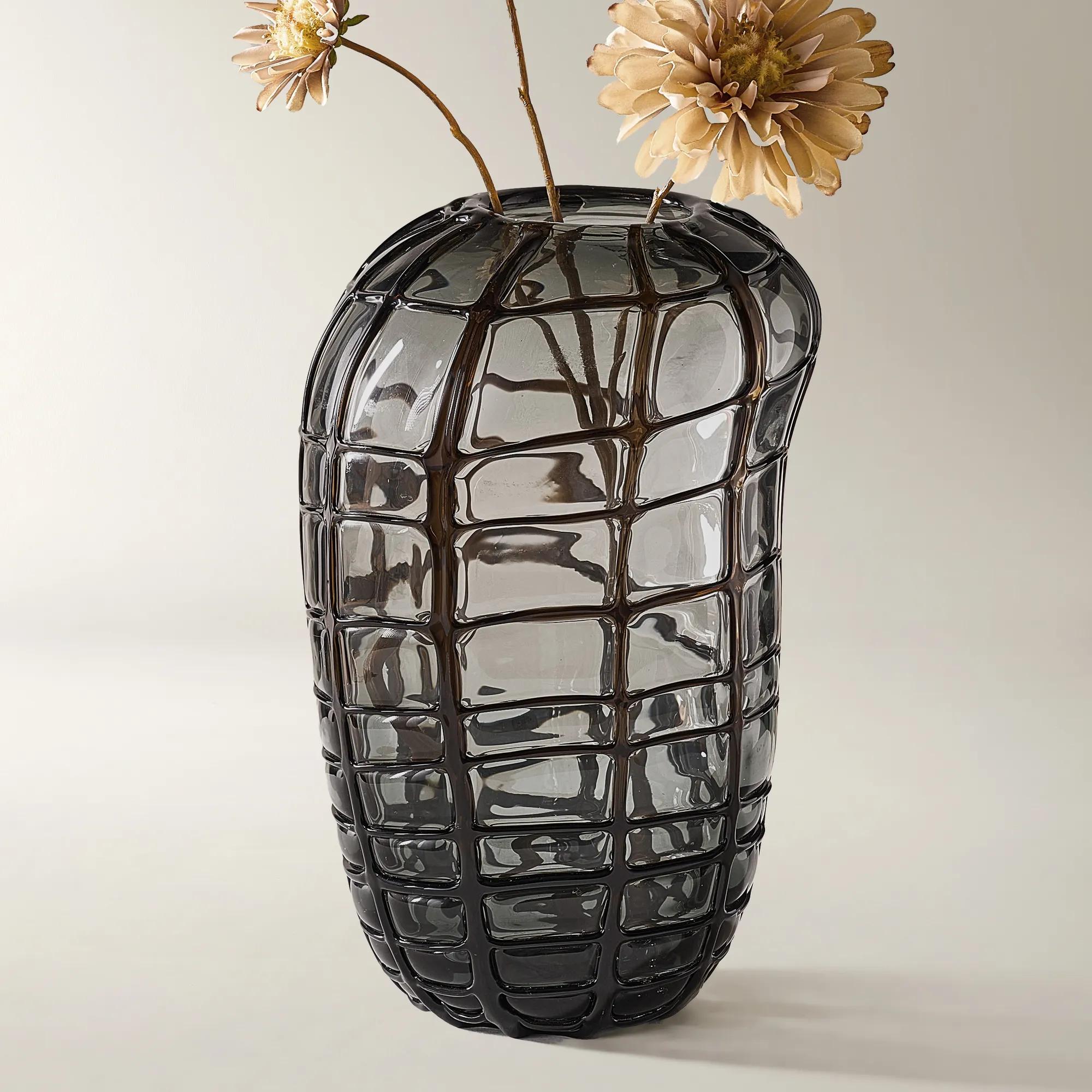 Contra Mouth Blown Black Grid Glass Vase 13"$89
A handblown black glass vase featuring a graphic grid pattern and an organically sculpted silhouette.
Add To Cart -
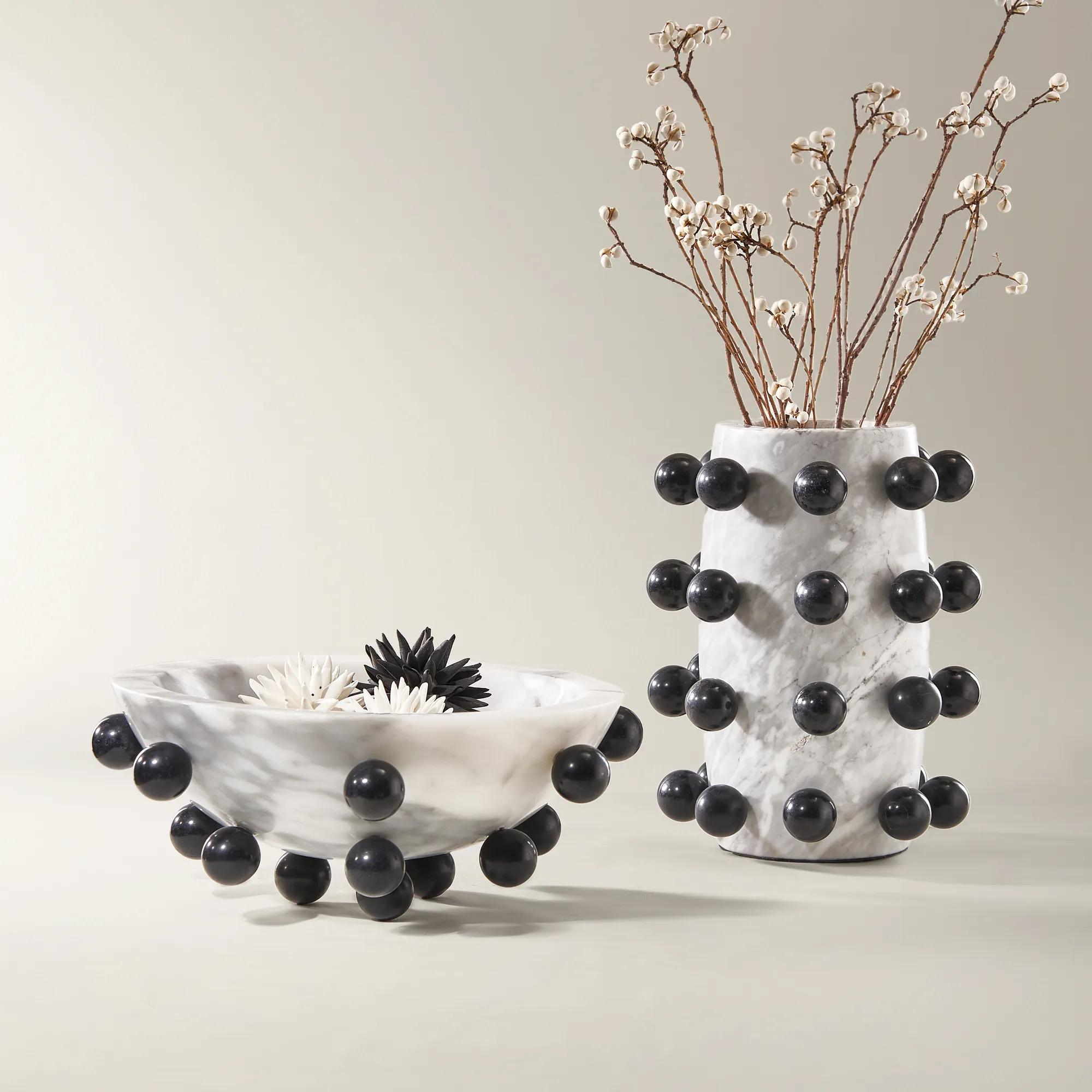 Borra Grey Black Marble Vase & Bowl$219
A sculptural grey marble accent featuring bold black orbs and unique natural veining for modern drama.
Add To Cart -
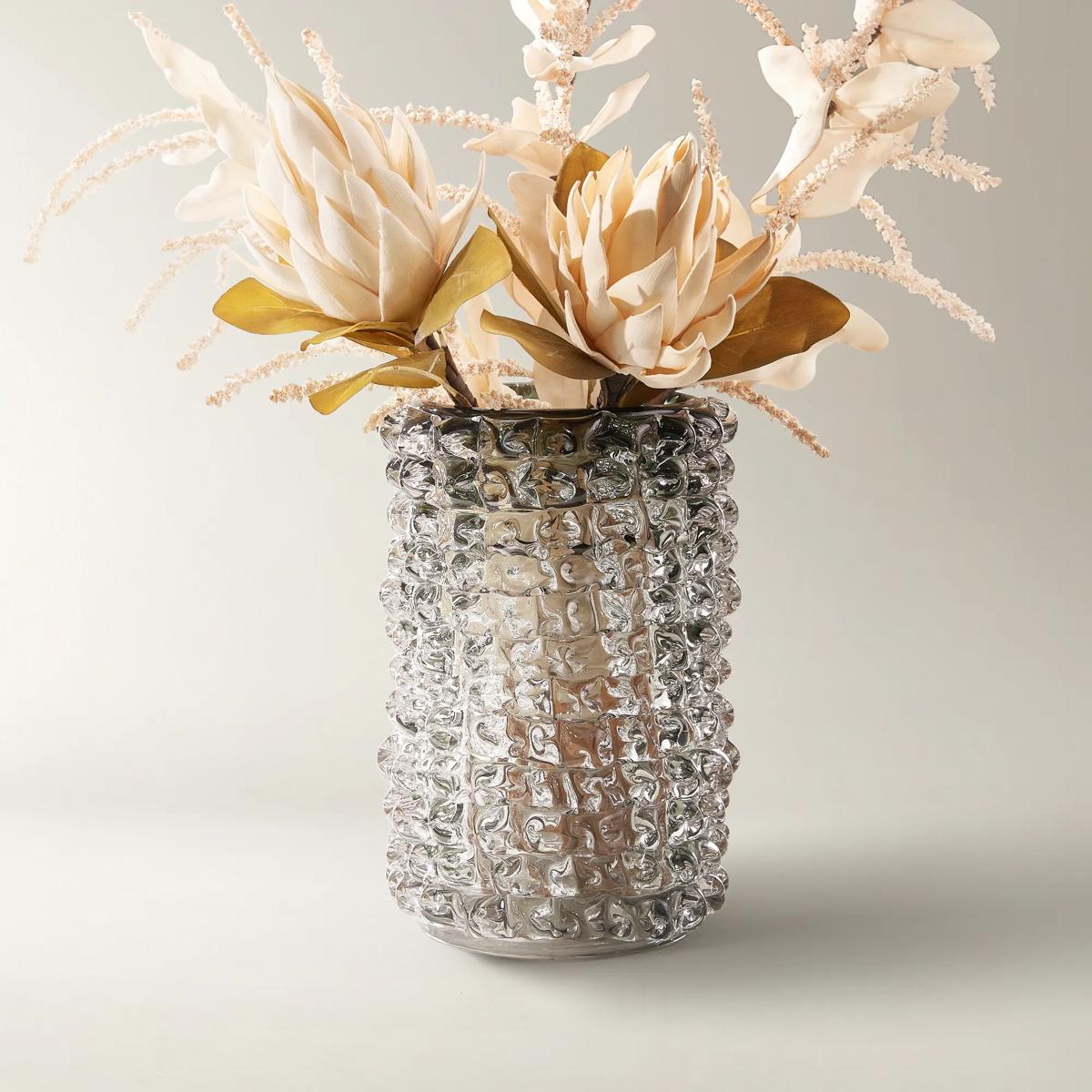
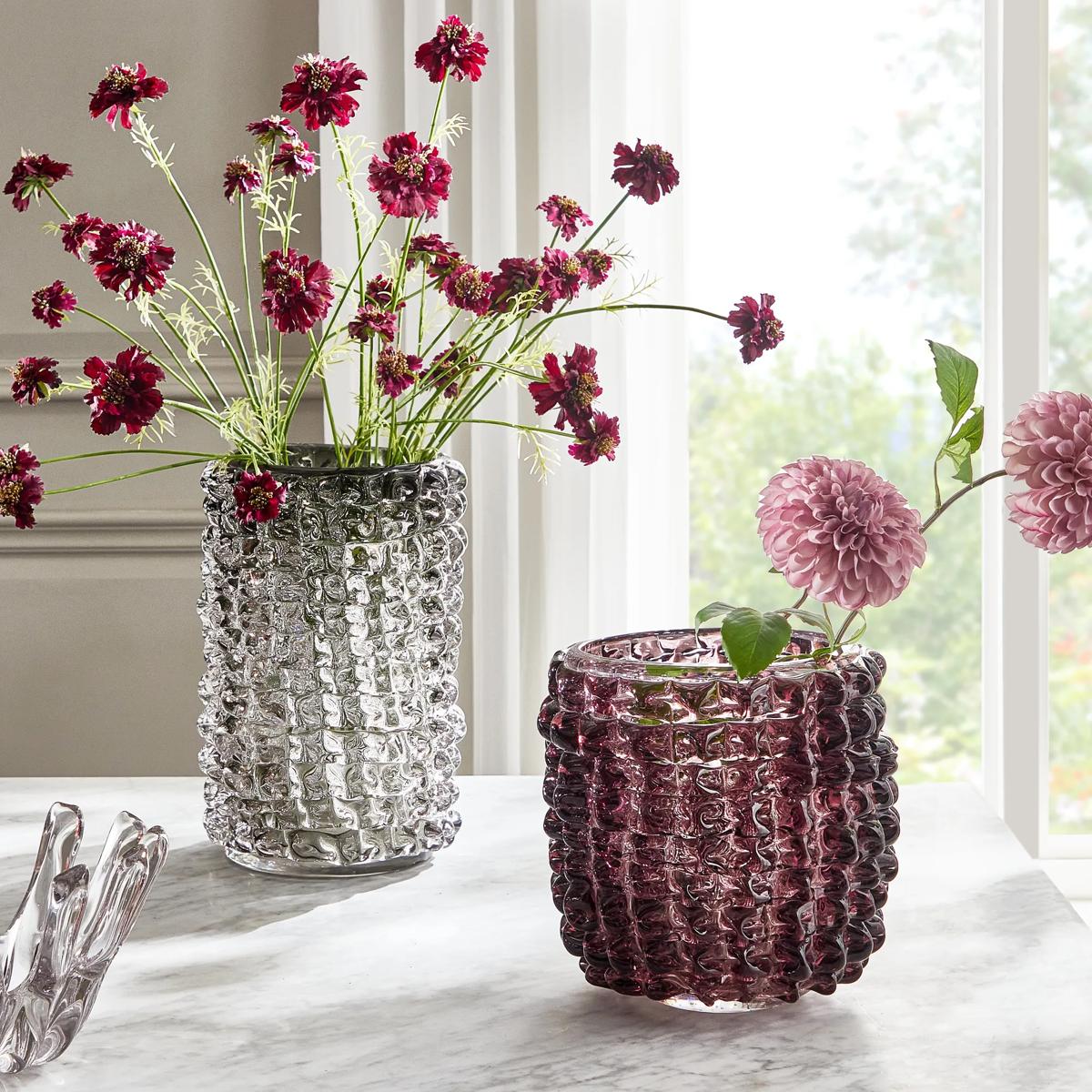 Laurel Glass Vase - Large Graphite$399
A hand-blown glass vase in smoky graphite with a bubbled, light-catching organic texture.
Add To Cart -
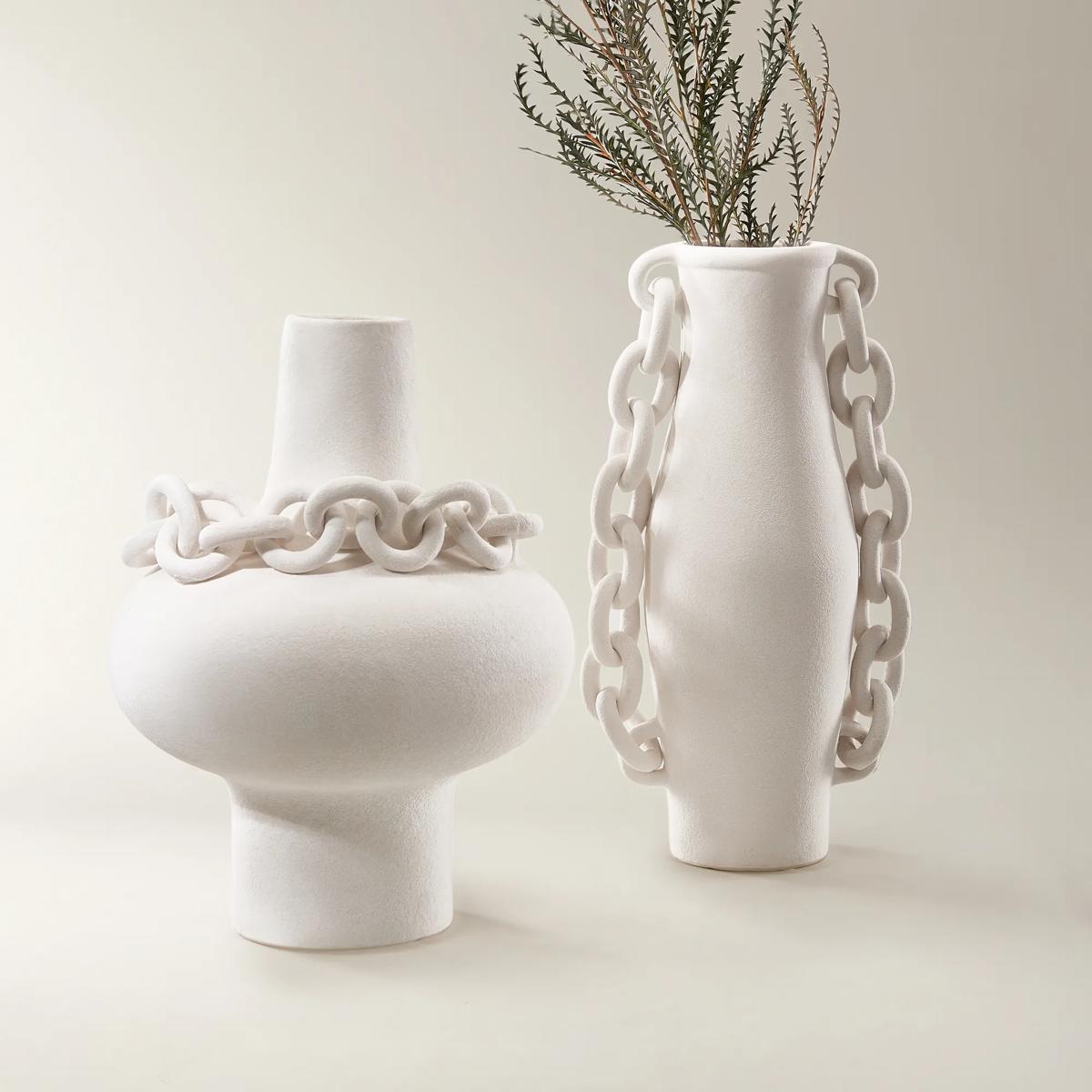
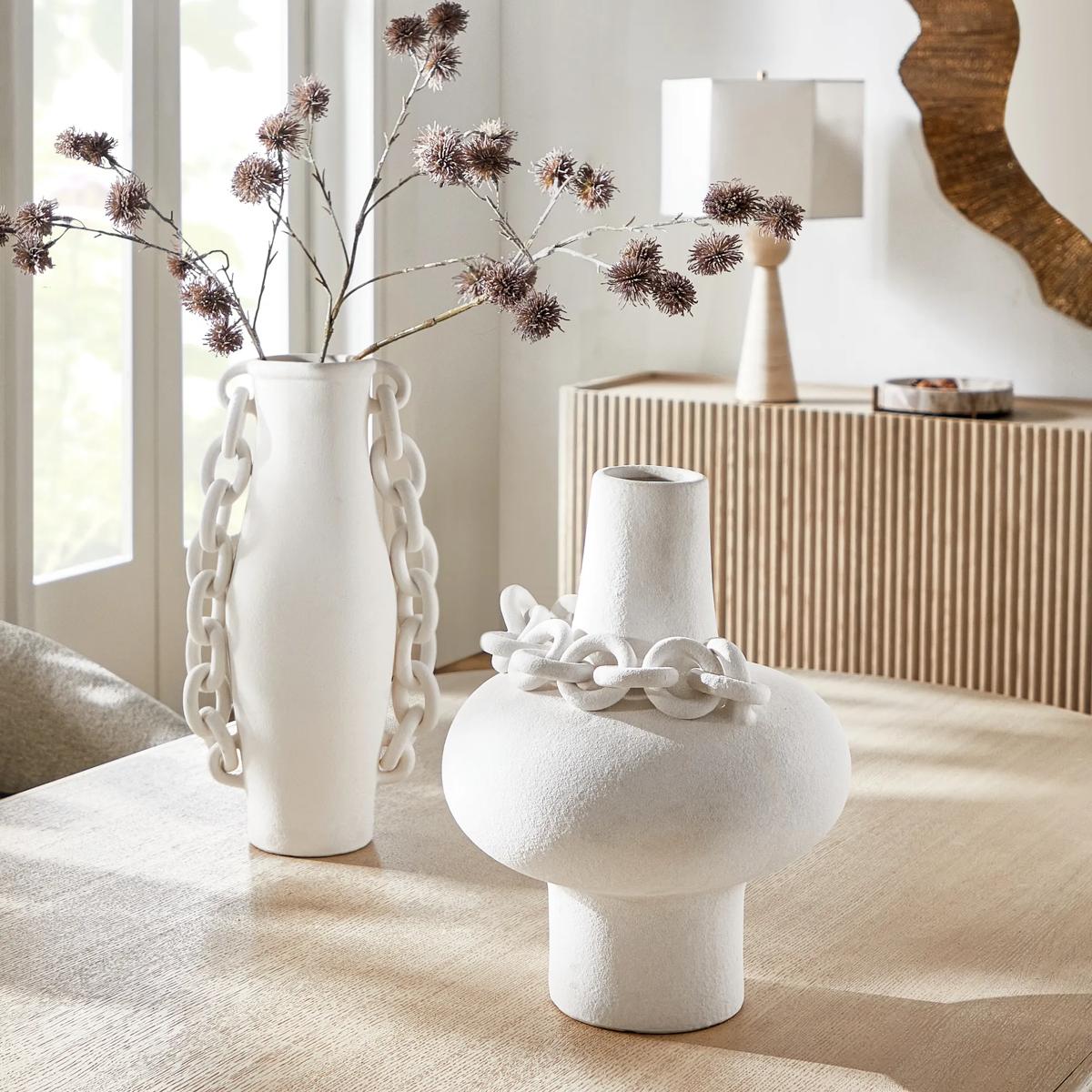 Links Stoneware Vases$139
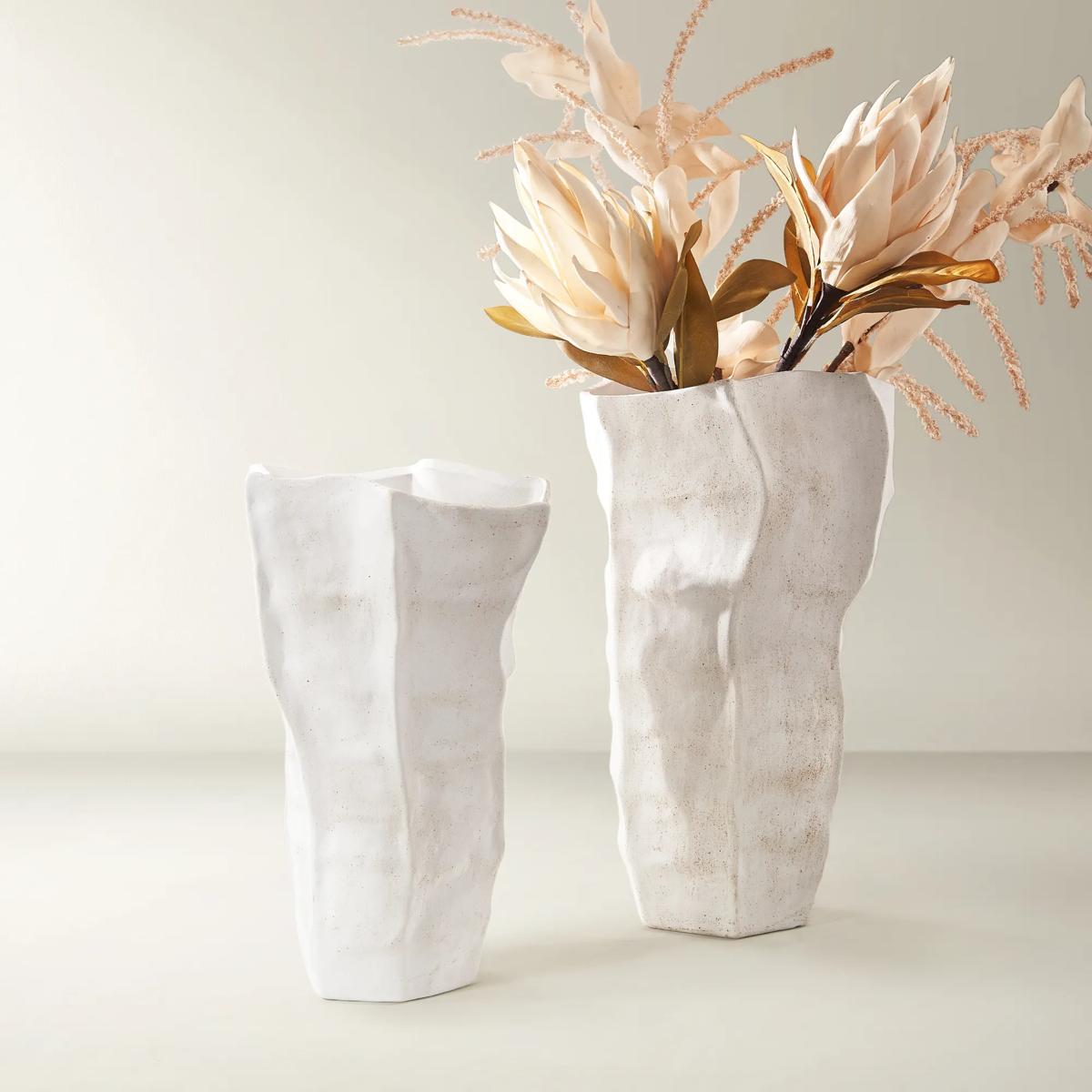
A sculptural matte white stoneware vase featuring bold chain-link details for modern, artful texture.
Add To Cart -
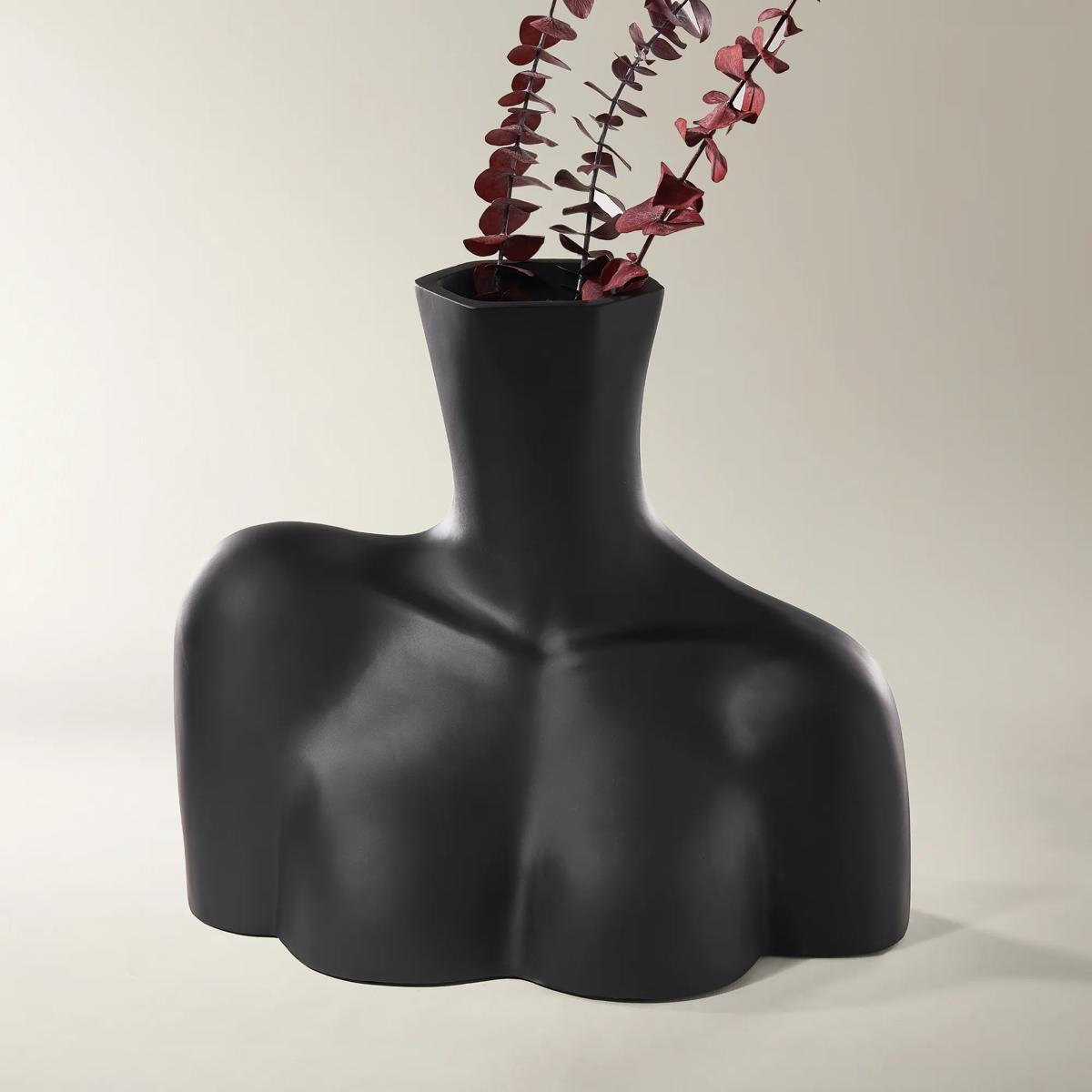 Figure Black Resin Vase 11.25"$79
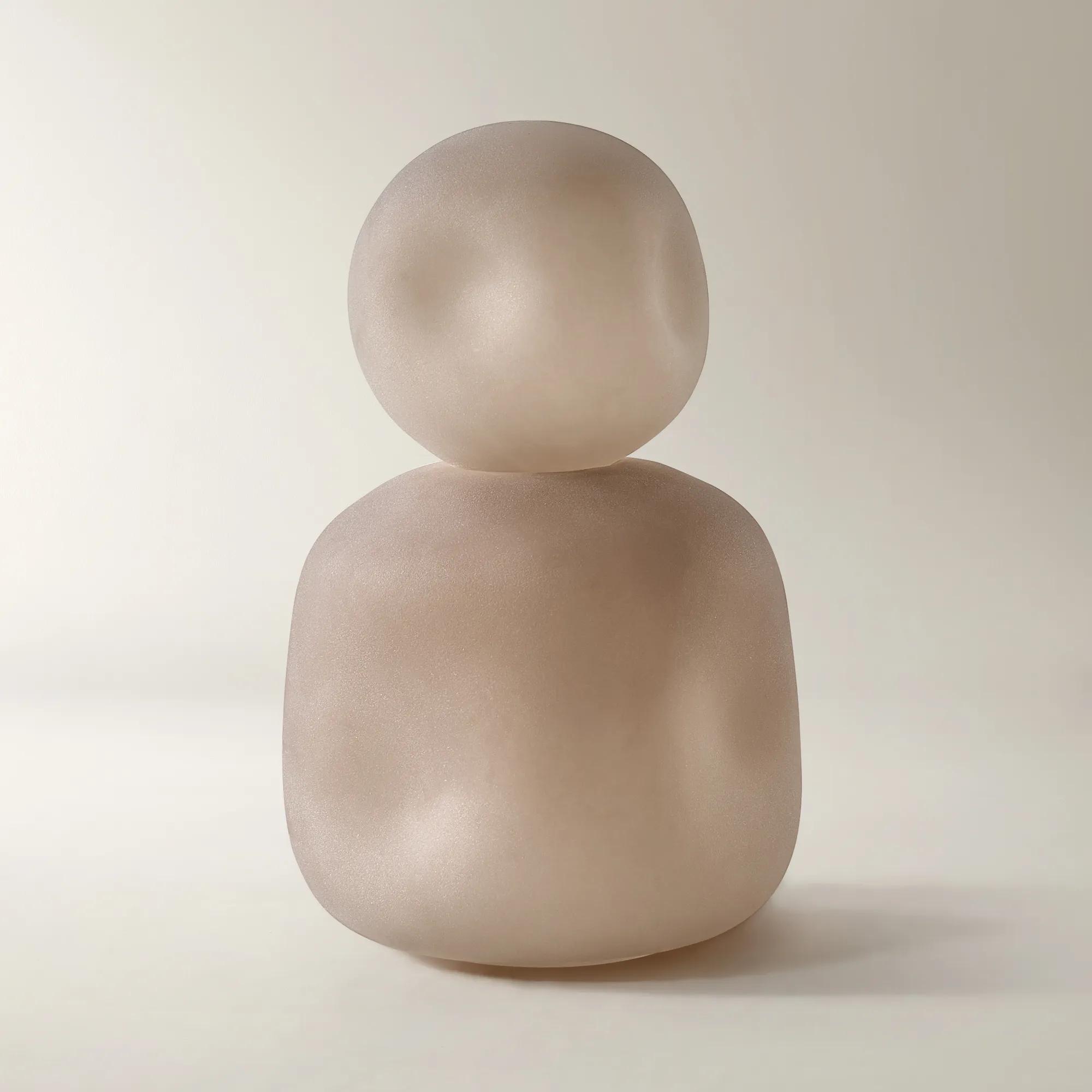
A sculptural matte black resin vase that reimagines the human form as bold, modern decor.
Add To Cart -
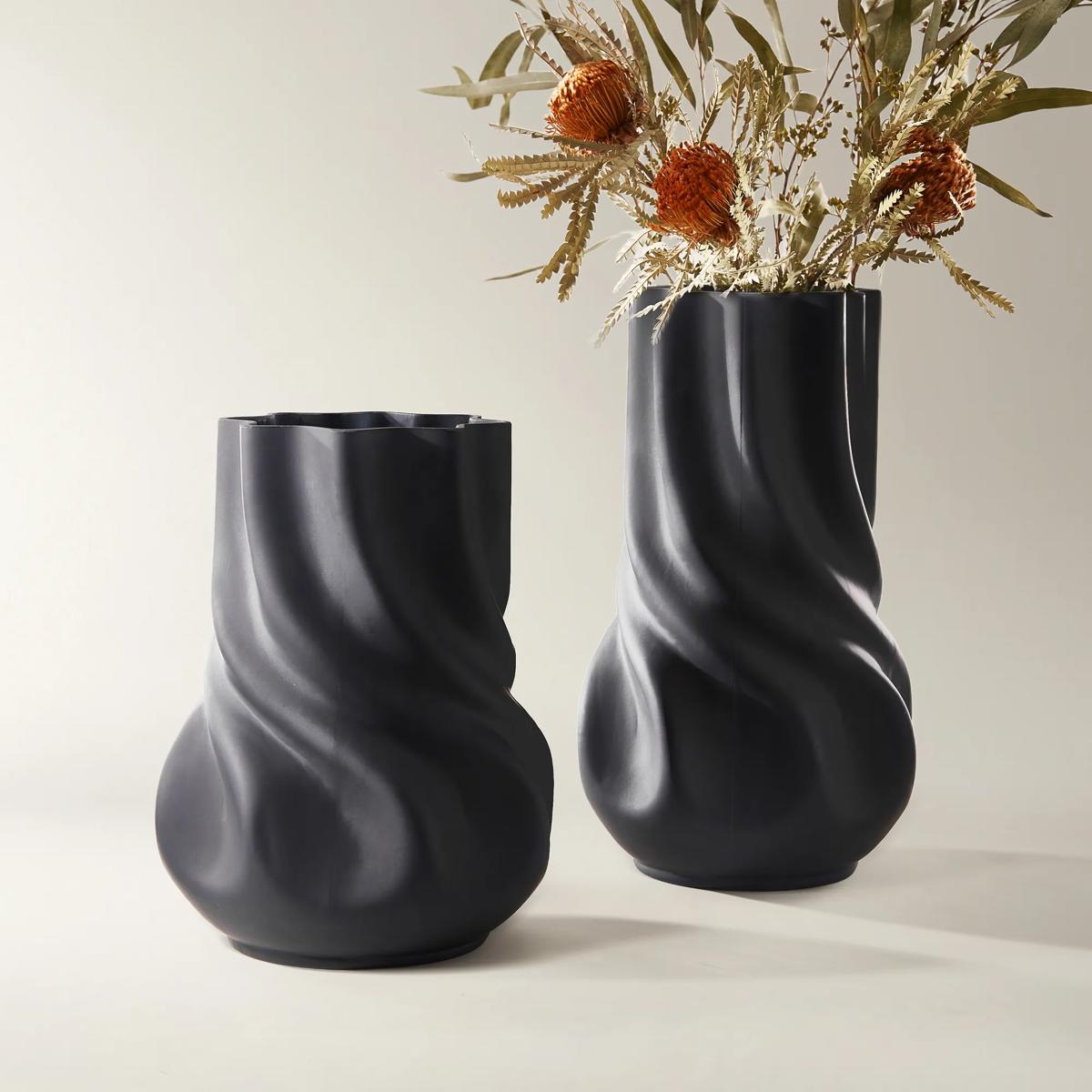
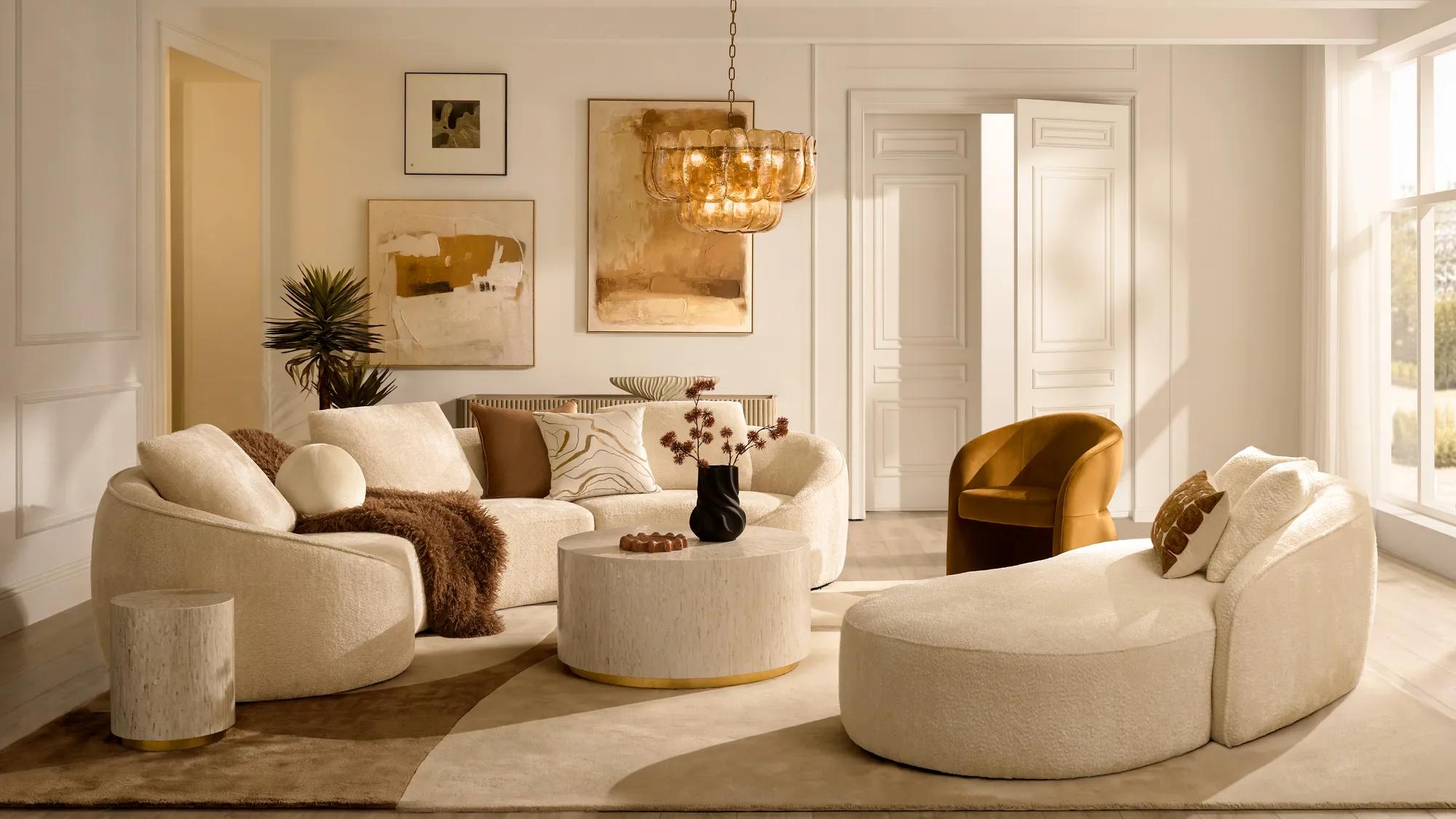 Twist Glass Vase$69
A sculptural matte black glass vase featuring fluid curves and a swirling, gallery-worthy silhouette.
Add To Cart

Contemporary Black And White Vases
Contemporary Black and White Vases command attention with their striking interplay of contrast and form—evoking a gallery-worthy sophistication that transforms any surface into a curated vignette. Each silhouette becomes a work of art, where bold monochrome hues dance across sculptural contours, inviting the eye to linger and the imagination to wander. Whether arranged as a dramatic centerpiece or layered for textural intrigue, these vases capture the essence of modern glamour—effortlessly elevating your space with an air of expressive refinement.
Contemporary black and white vases bring graphic contrast, sculptural shape, and an artful sense of balance to modern and transitional interiors. Their appeal comes from the tension between two colors: black gives a composition depth and definition, while white introduces brightness and reveals the contours of a silhouette. Together, they create a focal point that feels deliberate without requiring a room full of coordinating accessories. A rounded vessel with sweeping dark marks can soften the straight lines of a console, while a tall, angular form adds architectural presence beside an upholstered sofa. The effect shifts with the pattern, too. Broad stripes feel bold and rhythmic; loose brushstroke motifs suggest movement; marbled details lend a fluid, almost mineral character. A vase does not need an elaborate pattern to command attention, however. A sharply divided two-tone surface can make an unconventional profile feel even more expressive. Black and white decorative vases also offer unusual versatility, holding their own against saturated upholstery while adding definition to rooms built around ivory, taupe, and charcoal. On a pale stone tabletop, a predominantly black vessel creates a strong visual anchor. Against dark shelving, a white-dominant design allows its shape to register clearly rather than disappear into the background. These relationships make monochrome vases especially appealing to anyone who enjoys expressive interiors but prefers a disciplined palette. Their contemporary character comes less from a particular shape than from the relationship between proportion, finish, and negative space. An open curve, an exaggerated shoulder, or a narrow neck can be as compelling as a dramatic floral arrangement. Displayed empty, the vessel becomes a small sculpture; filled with a few carefully chosen stems, it frames a living composition. Either approach gives a mantel, entry table, or dining room sideboard an intentional finishing note without asking every surrounding detail to compete.
Material and finish give black and white vases much of their personality, influencing both their appearance and their intended use. Ceramic offers a substantial visual presence, with surfaces that can range from smooth and glossy to softly textured. A glazed finish catches highlights along rounded shoulders, while a matte surface emphasizes form and makes graphic patterns feel especially pronounced. Porcelain can carry crisp detailing and refined profiles, although the delicacy of any vessel depends on its construction and wall thickness. Glass introduces a different kind of drama: transparent areas allow light to move through the piece, while opaque layers, swirled patterns, or contrasting surface treatments create depth. Where a design is genuinely hand-worked, slight variations may contribute to its individual character, but craftsmanship and production methods should be confirmed in the product details rather than assumed from appearance. Painted or coated metal offers another sculptural option, though its suitability for water depends on the interior finish and construction. For fresh flowers, the essential consideration is whether the vase is explicitly intended to hold water. A ceramic body, glazed exterior, or glass-like appearance alone does not establish watertightness; decorative vessels may be intended only for dry stems or artificial botanicals. A suitable removable liner can sometimes protect a decorative vessel, provided the design accommodates it securely and the care instructions allow that use. Durability also varies by material and finish. Ceramic and glass can chip or break when knocked, and painted surfaces may scratch against rough objects. A stable base and protected placement matter as much as visual weight, especially in homes with children or pets. Routine care is generally restrained: gentle dusting, a soft cloth, and only the cleaning methods recommended for the particular finish. Water-safe interiors used for fresh arrangements need regular cleaning to remove residue, while textured exteriors benefit from careful attention around grooves. Abrasive pads, prolonged soaking, and dishwasher cleaning can damage finishes not designed to withstand them. Thoughtful care preserves the contrast that makes these pieces so distinctive.
Scale determines how convincingly a vase belongs within a room. A generous vessel can hold its own on a broad console, while a compact silhouette brings definition to a bedside table without crowding a lamp or a favorite book. Height alone does not tell the whole story: the widest point, opening diameter, and base footprint affect placement and the kinds of arrangements a vase can support. A narrow neck suits a few slender stems, whereas a wider mouth accommodates a fuller composition but may require additional floral support. Heavy branches need a sufficiently stable vessel, and an arrangement should never make the display top-heavy. On a dining table used for conversation, a lower profile keeps faces visible; on an entry console, a taller arrangement can create a memorable first impression. Coffee table displays benefit from room around the vase for everyday use, with a protective pad beneath the base where appropriate for the surface. Black and white vases for shelves work particularly well when their outlines remain visible against the backing and neighboring objects. A curved vessel beside a stack of art books creates a satisfying contrast of forms, while two pieces of unequal height can establish rhythm without rigid symmetry. For a darker companion to a patterned composition, Modern Black Vases For Contemporary Homes offers a related expression of the same sculptural sensibility. Botanical choices can sharpen or soften the mood: white blooms echo the lighter portions of a two-tone vessel, green foliage introduces organic contrast, and spare branches emphasize line. Faux stems and dried botanicals offer alternatives for vessels not intended for water, though delicate dried materials are best positioned away from frequently brushed surfaces. These considerations also make monochrome vases thoughtful housewarming or wedding gifts for recipients who appreciate interiors, flowers, or sculptural objects. A moderately scaled piece gives the recipient flexibility across rooms, while a distinctive pattern suits someone drawn to more expressive design. Whether chosen as a gift or as the defining accent in a personal space, a contemporary black and white vase offers a compelling balance of artistry and purpose: strong enough to stand alone, versatile enough to become part of a richly layered room.
FAQs
To create a dramatic centerpiece, arrange contemporary black and white vases in varying heights and shapes along the center of your dining or coffee table. Fill them with bold botanicals such as sculptural branches, white orchids, or deep green foliage. For added impact, cluster the vases together and layer in reflective accents like mirrored trays or metallic candleholders to amplify the interplay of light and shadow.
Black and white vases are remarkably versatile, enhancing a range of interior styles from modern and minimalist to eclectic and glam. Their crisp palette pairs beautifully with jewel tones, metallics, and natural textures, making them a striking addition to contemporary, Art Deco, and even transitional spaces.
Absolutely. These vases make sophisticated gifts for housewarmings, weddings, anniversaries, or holidays. Their timeless aesthetic and artistic flair appeal to design lovers and those who appreciate unique, expressive home accents. Presenting a vase filled with fresh blooms or seasonal branches adds a personal, thoughtful touch.
For maximum impact, position black and white vases where they can catch natural or ambient light, such as on a mantel, entryway console, or open shelving. Play with asymmetrical groupings and mix textures—combining glossy and matte finishes—to create a visually compelling vignette that draws the eye and anchors the space.
Contemporary black and white vases are crafted from a variety of luxurious materials, including glazed ceramic, porcelain, hand-blown glass, and sometimes metal with enamel finishes. Each material offers a unique tactile and visual experience, allowing you to choose pieces that reflect your personal style and the mood you wish to create.