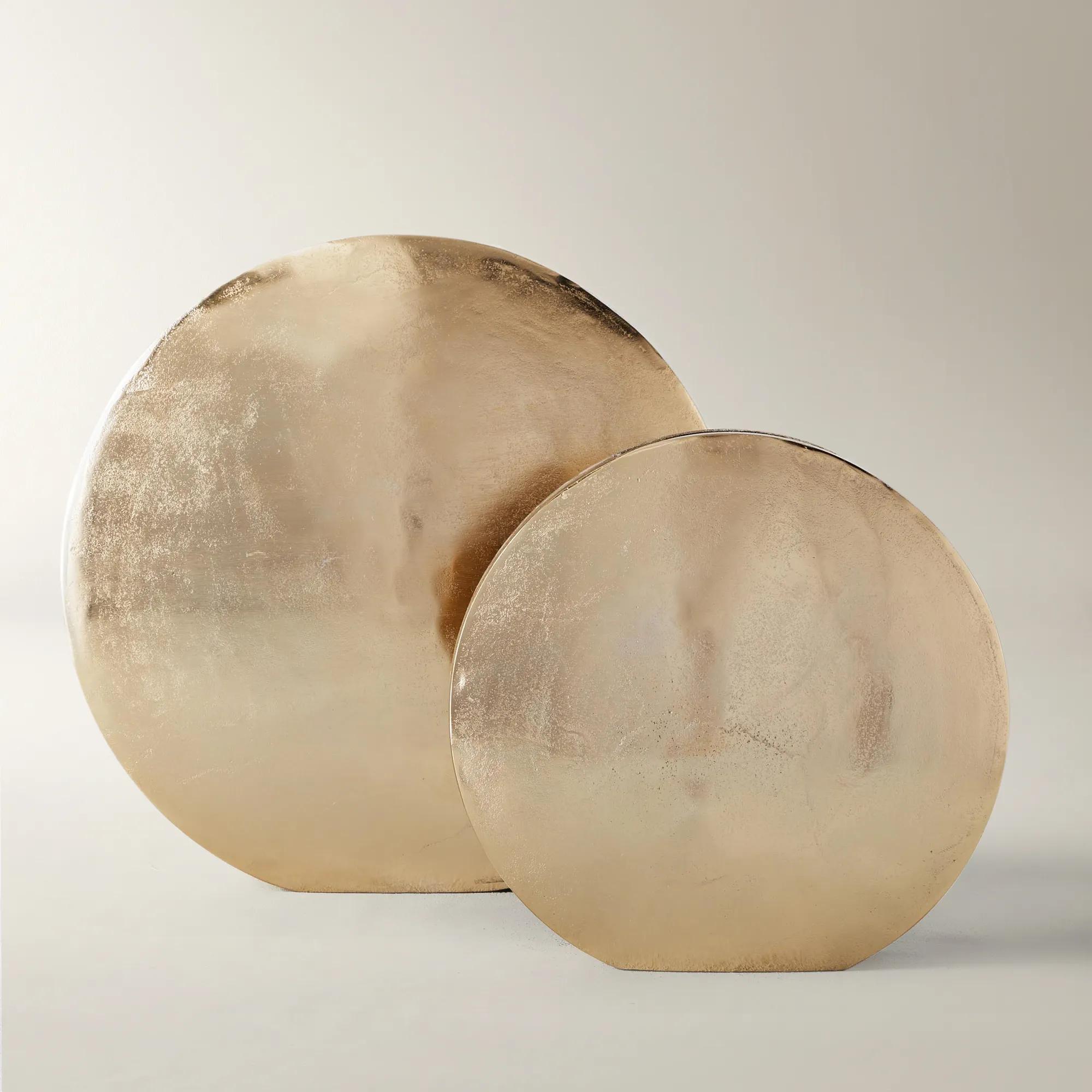
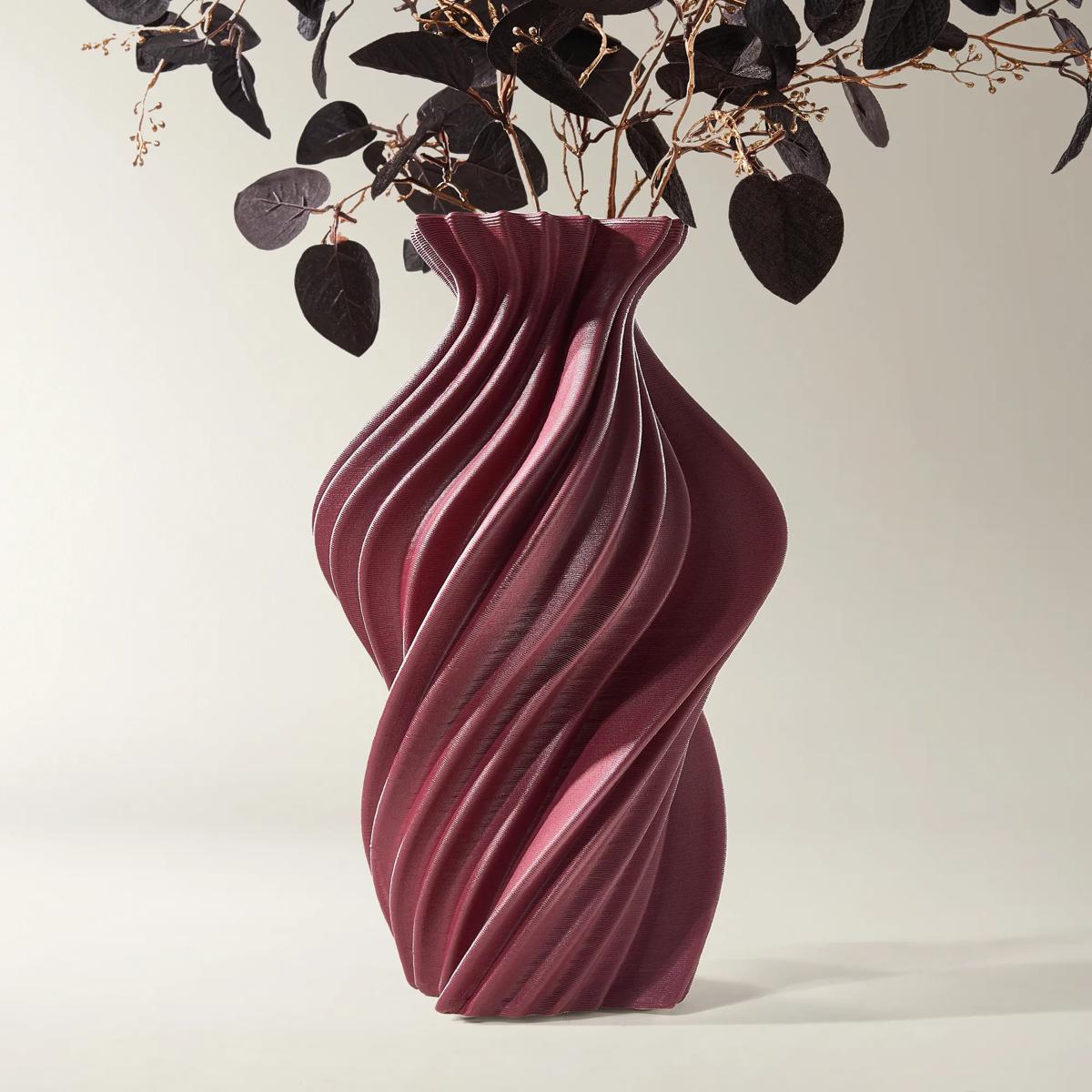
Contemporary Flower Display Vases
Contemporary Flower Display Vases
-
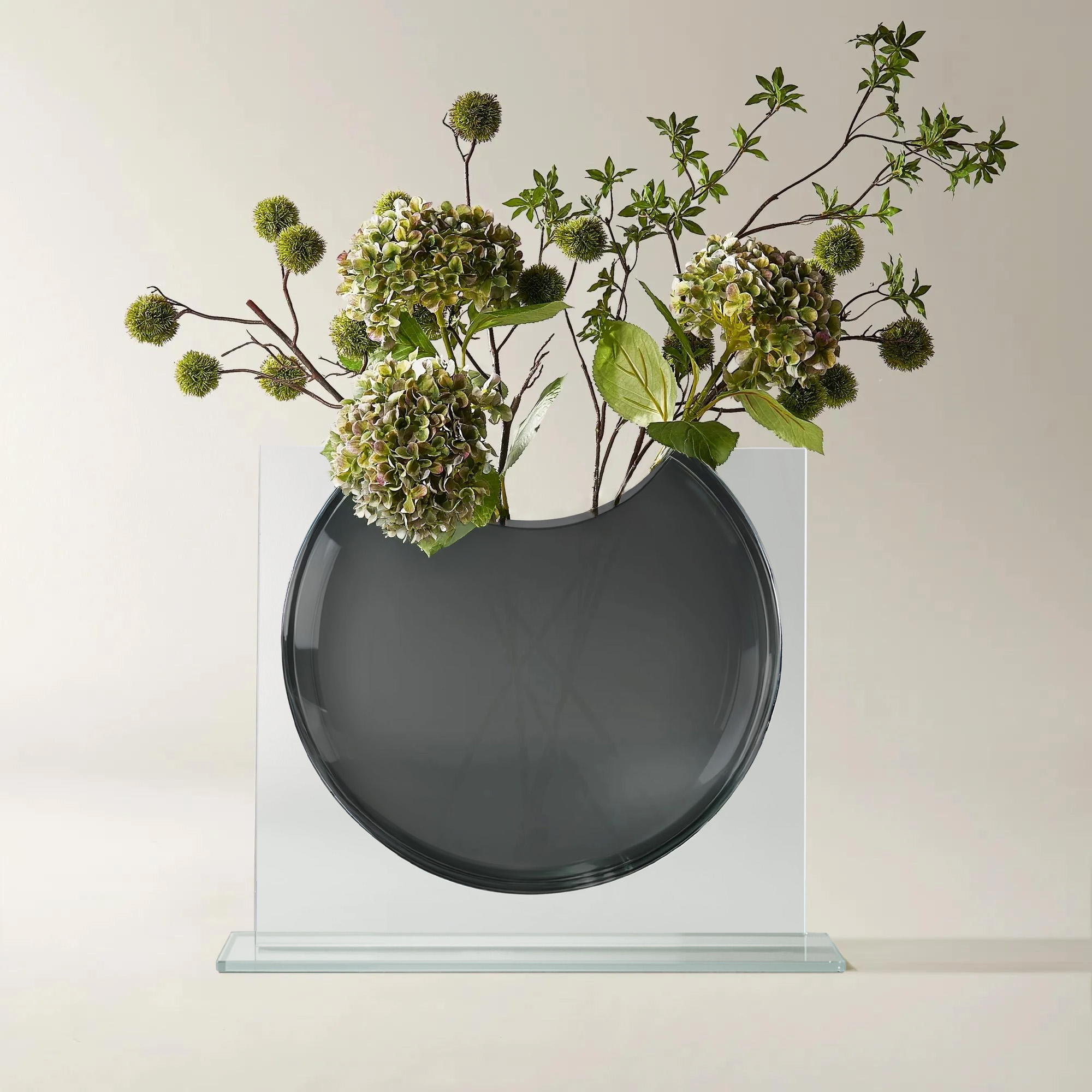
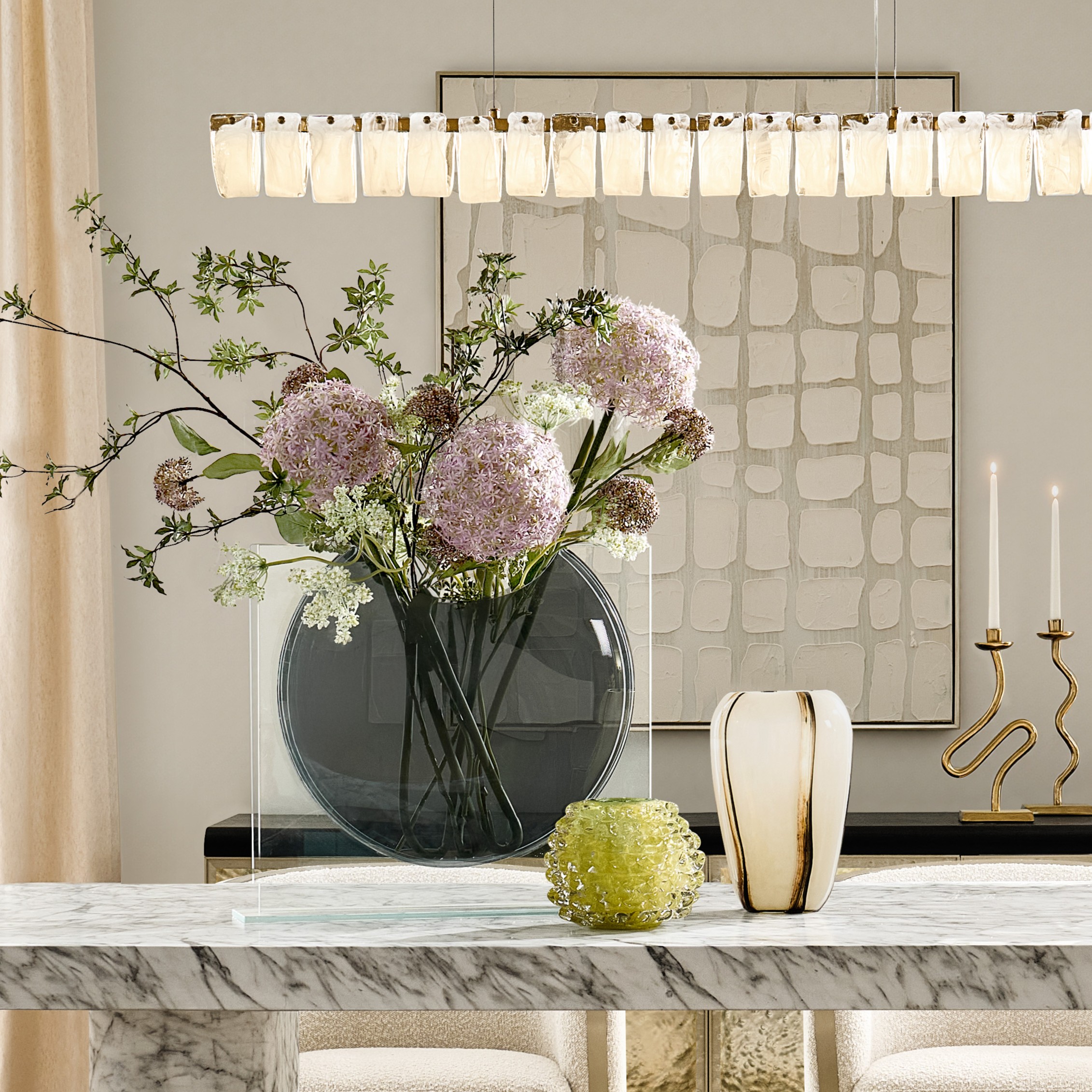 Ellipse Charcoal Glass Vase 20"$299
A sleek elliptical glass vase in clear and charcoal, perfect for displaying fresh flowers in modern spaces.
Add To Cart -
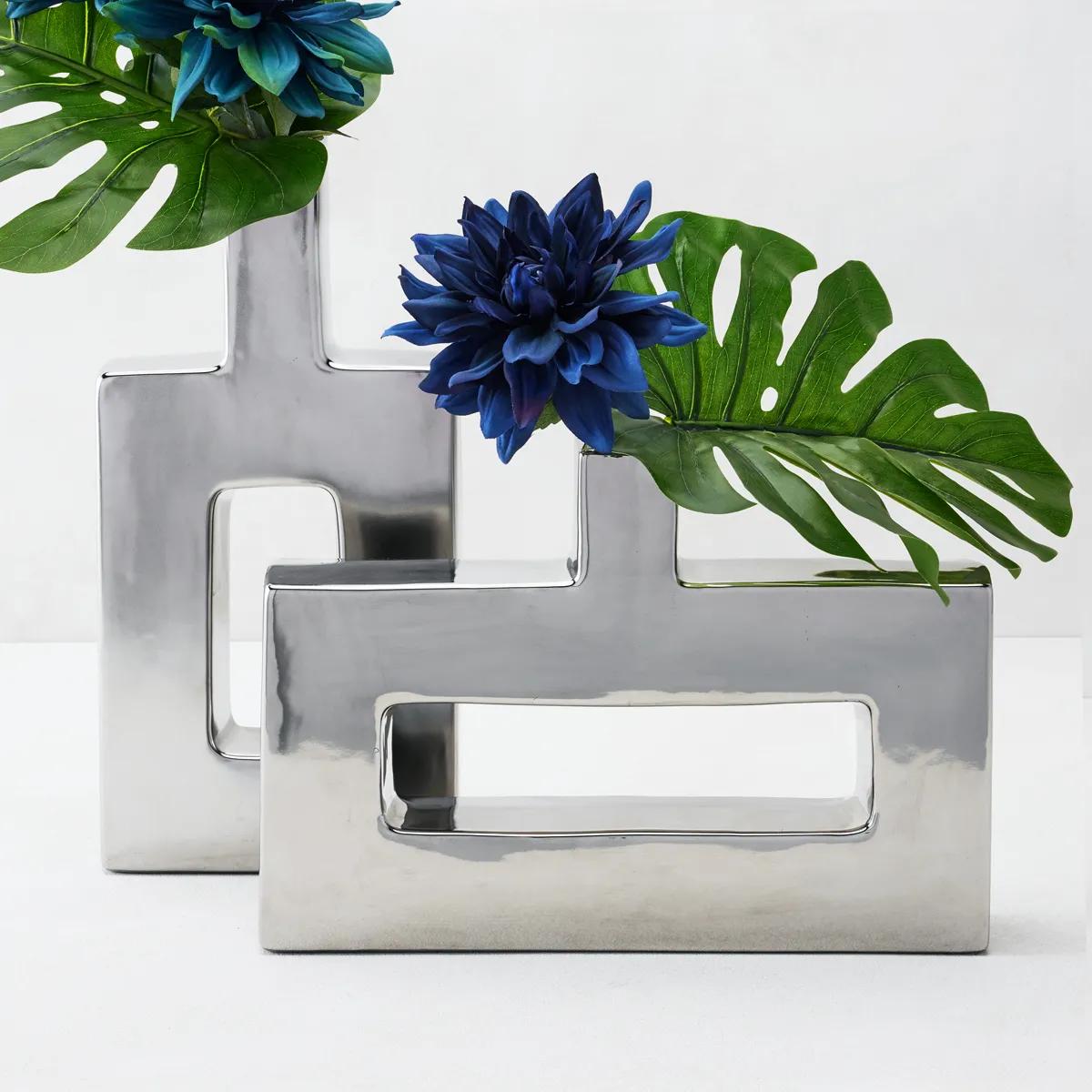 Miami Silver Ceramic High Gloss Vase 11.75"$69
A contemporary silver ceramic vase with a stylish gold glaze, perfect for decorative foliage or display.
Add To Cart -
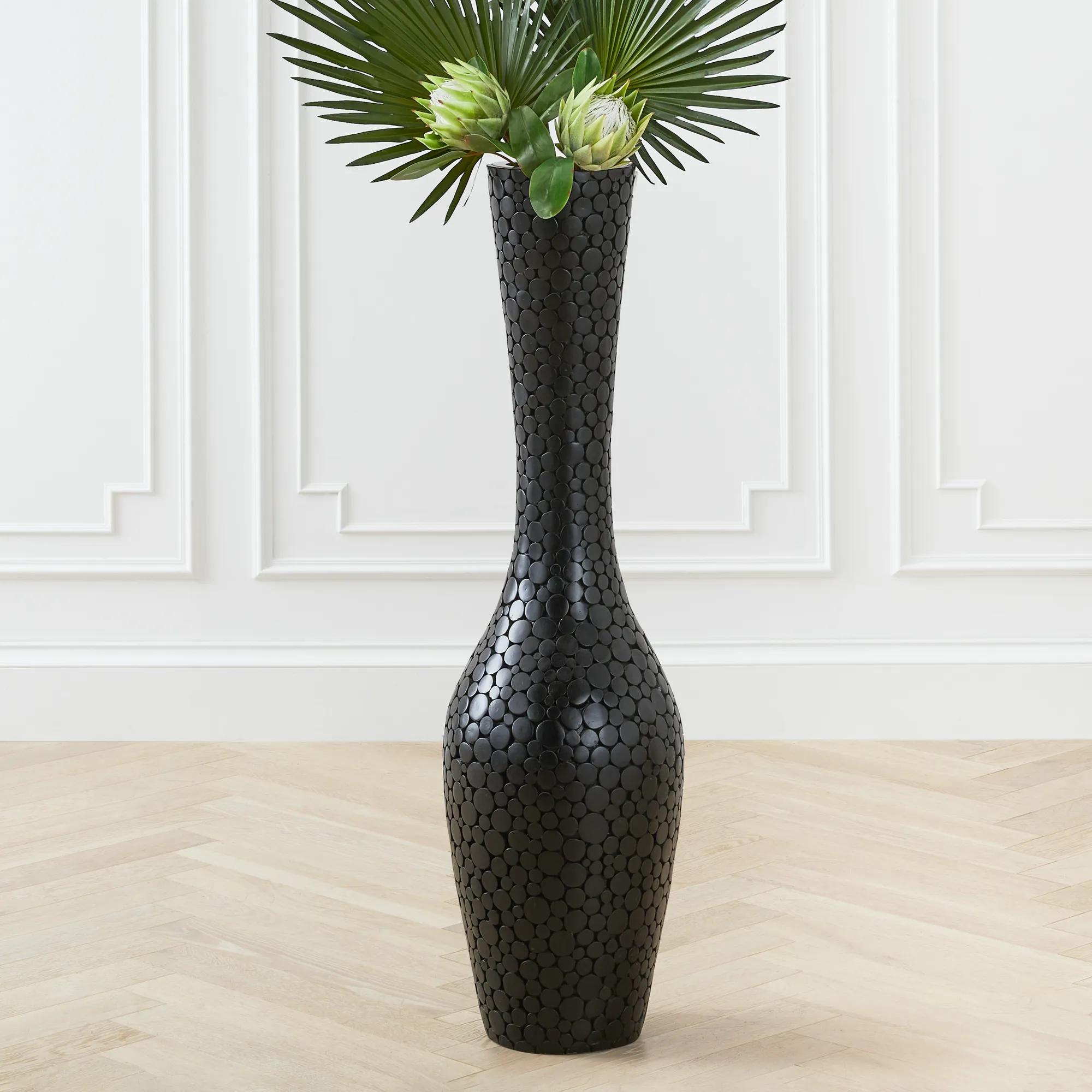
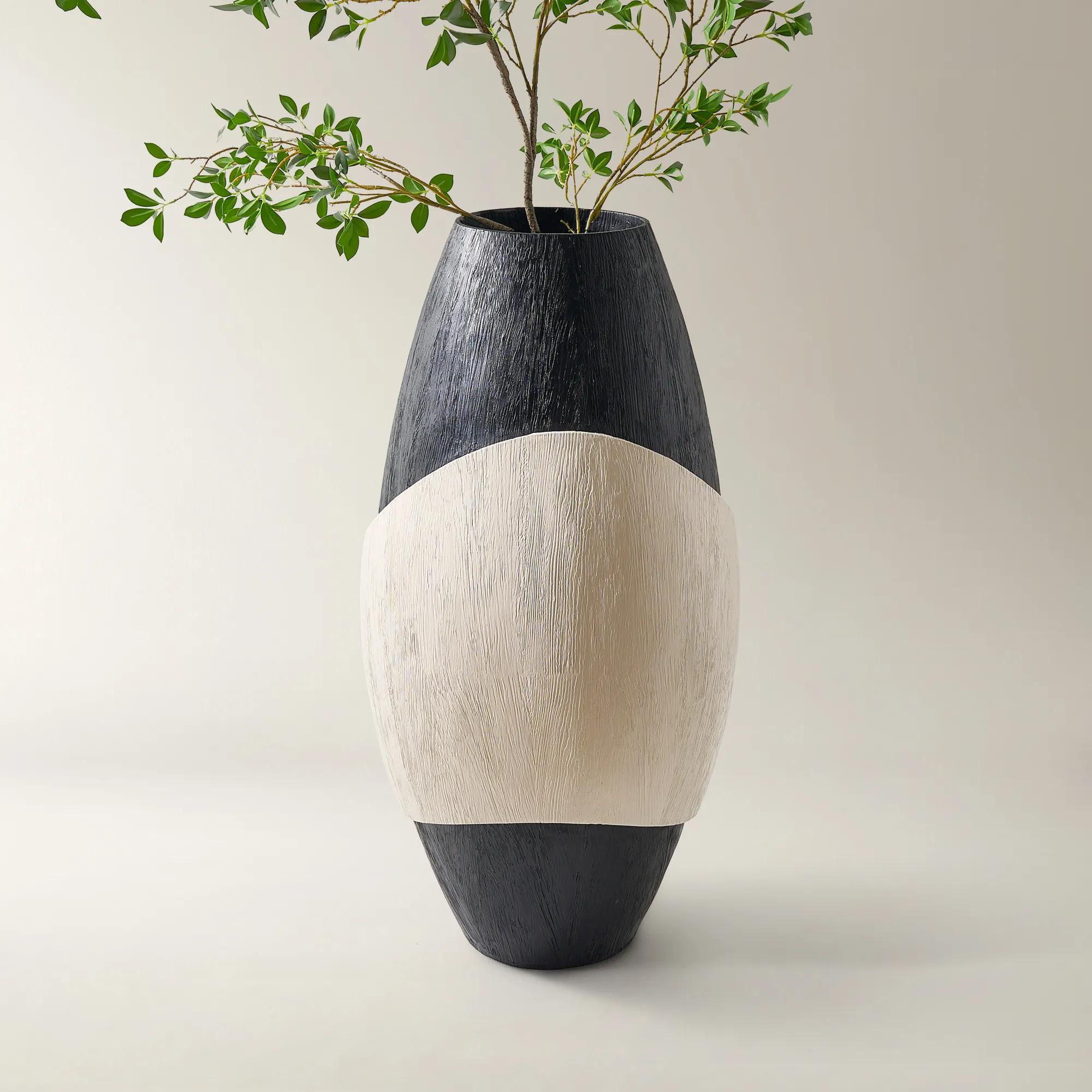
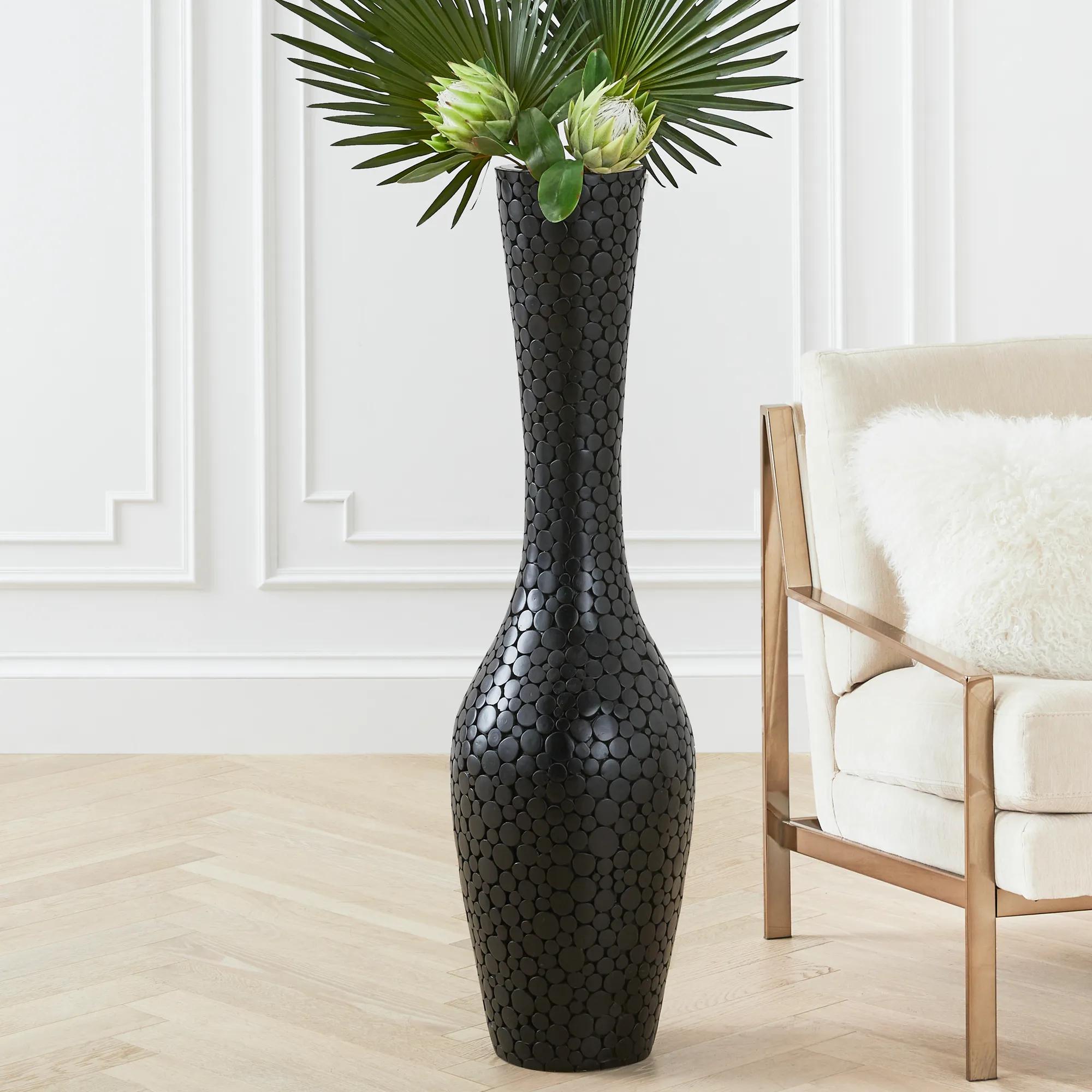 Oslo Black Wood Floor Vase 45"$299
A contemporary floor vase featuring hand-applied wood accents and a glossy black fiberglass base.
Add To Cart -
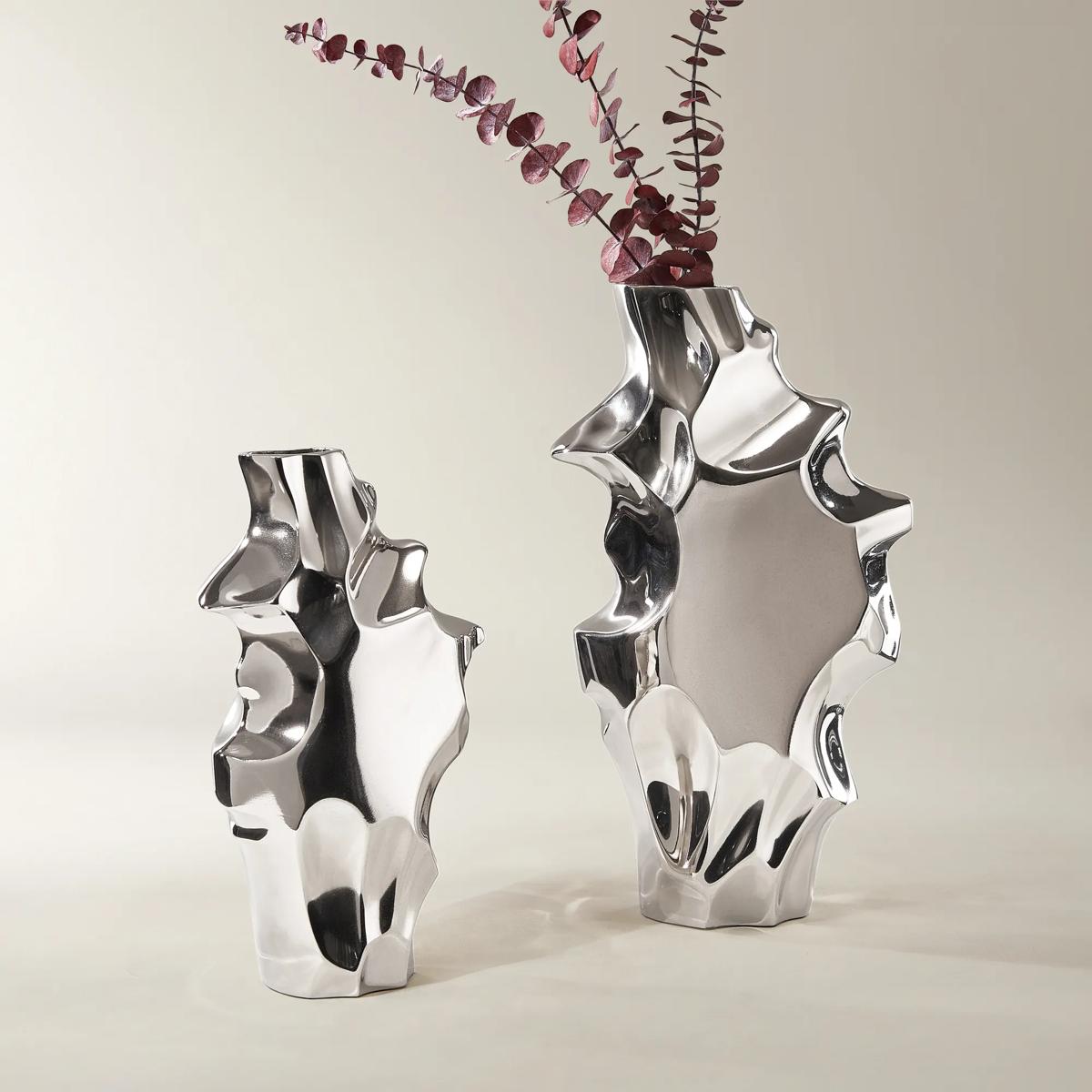
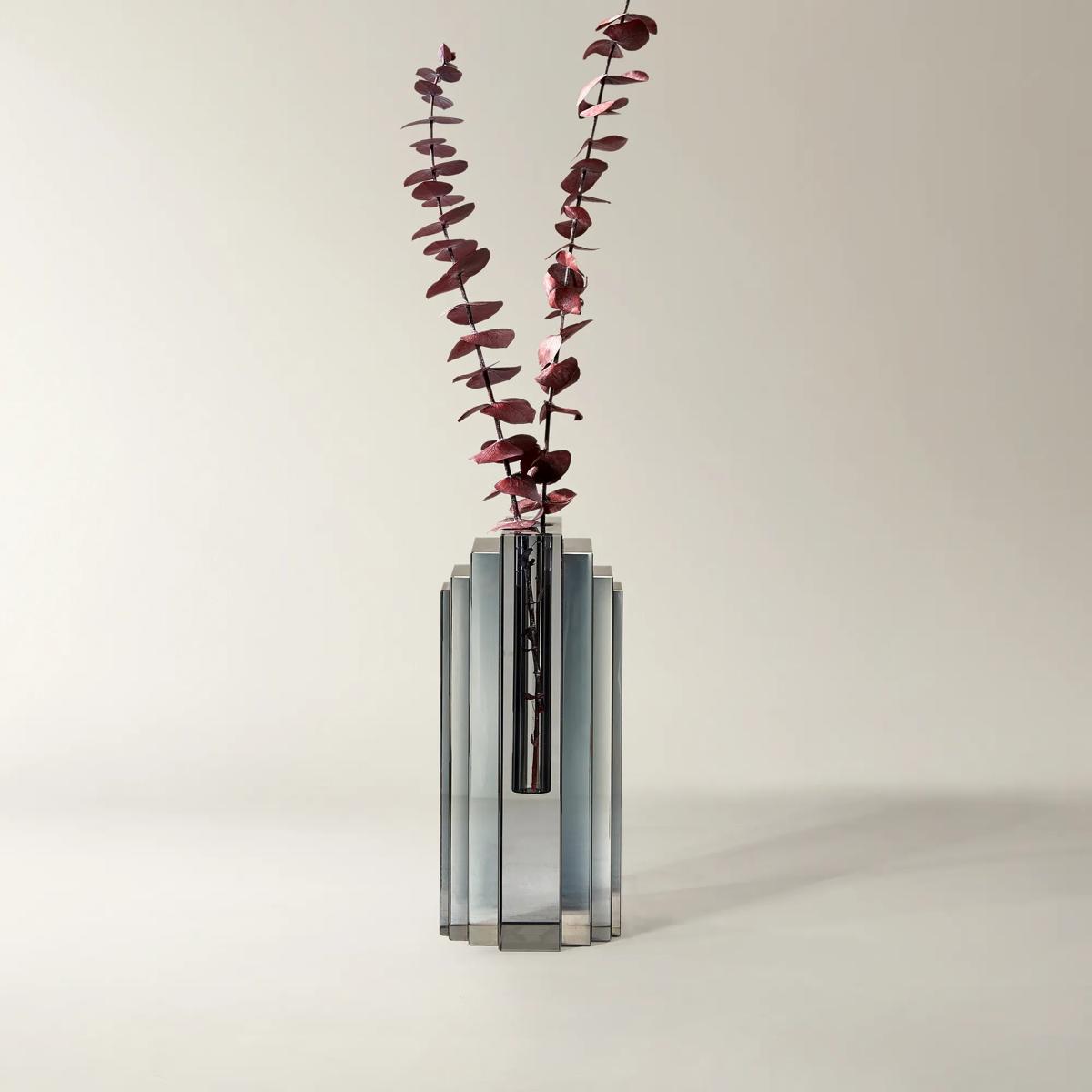 Lucca Crystal Vase - Mirrored Graphite$109
A mirrored graphite crystal vase with a multifaceted geometric design that reflects light for sculptural brilliance.
Add To Cart -
Miami Silver Ceramic High Gloss Vase 18.5"$69
A contemporary silver ceramic vase with a stylish gold glaze, perfect for decorative foliage or display.
Add To Cart -
 Lucca Crystal Vase - Mirrored Amber$129
A geometric mirrored crystal glass vase in warm amber, reflecting light for a sculptural, modern statement.
Add To Cart -

 Miami Gold Ceramic High Gloss Vase 11.75"$69
A contemporary gold ceramic vase designed for decorative use as a sculptural accent or with foliage.
Add To Cart -
Miami Gold Ceramic High Gloss Vase 18.5"$69
A contemporary gold ceramic vase designed for decorative use or displaying faux foliage.
Add To Cart -
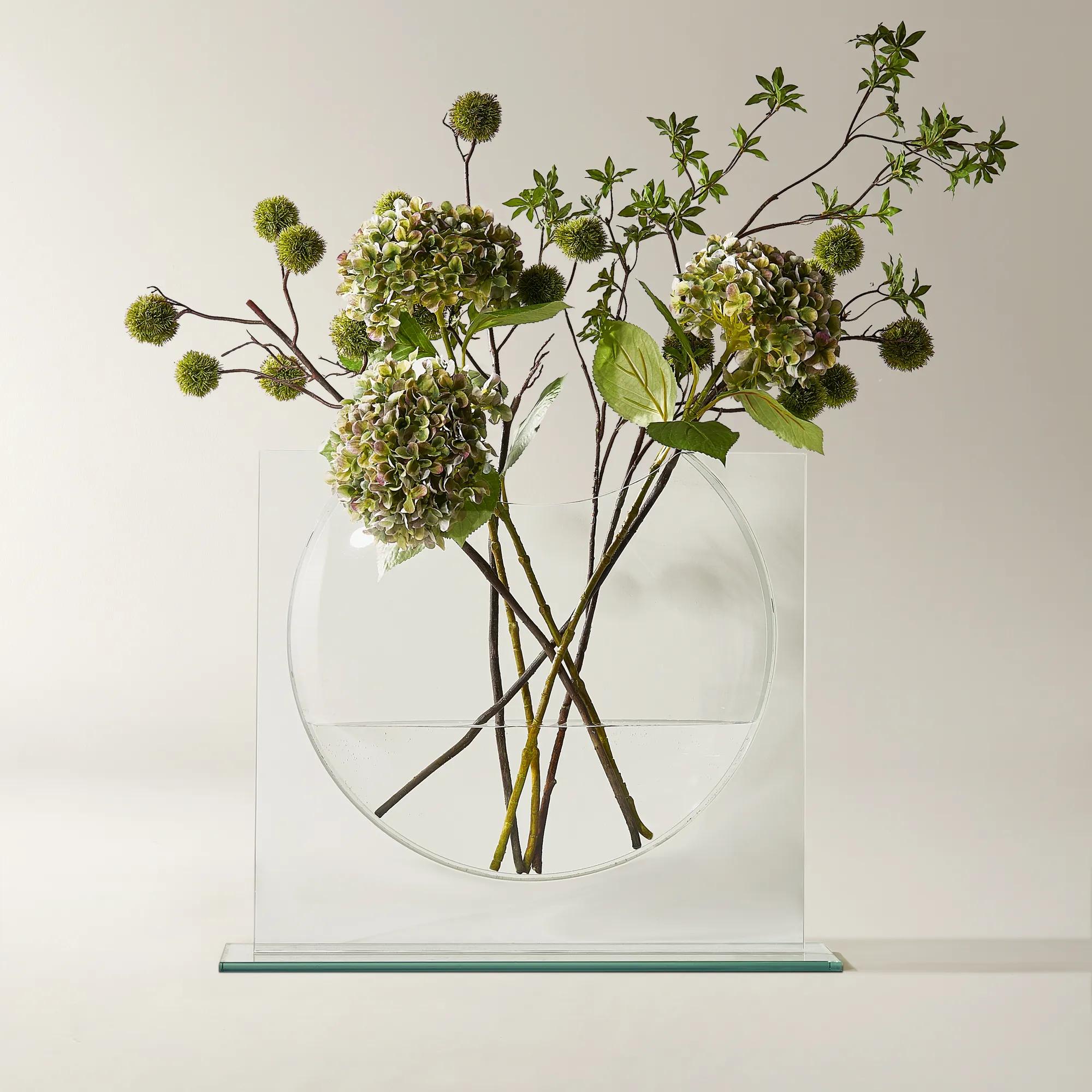
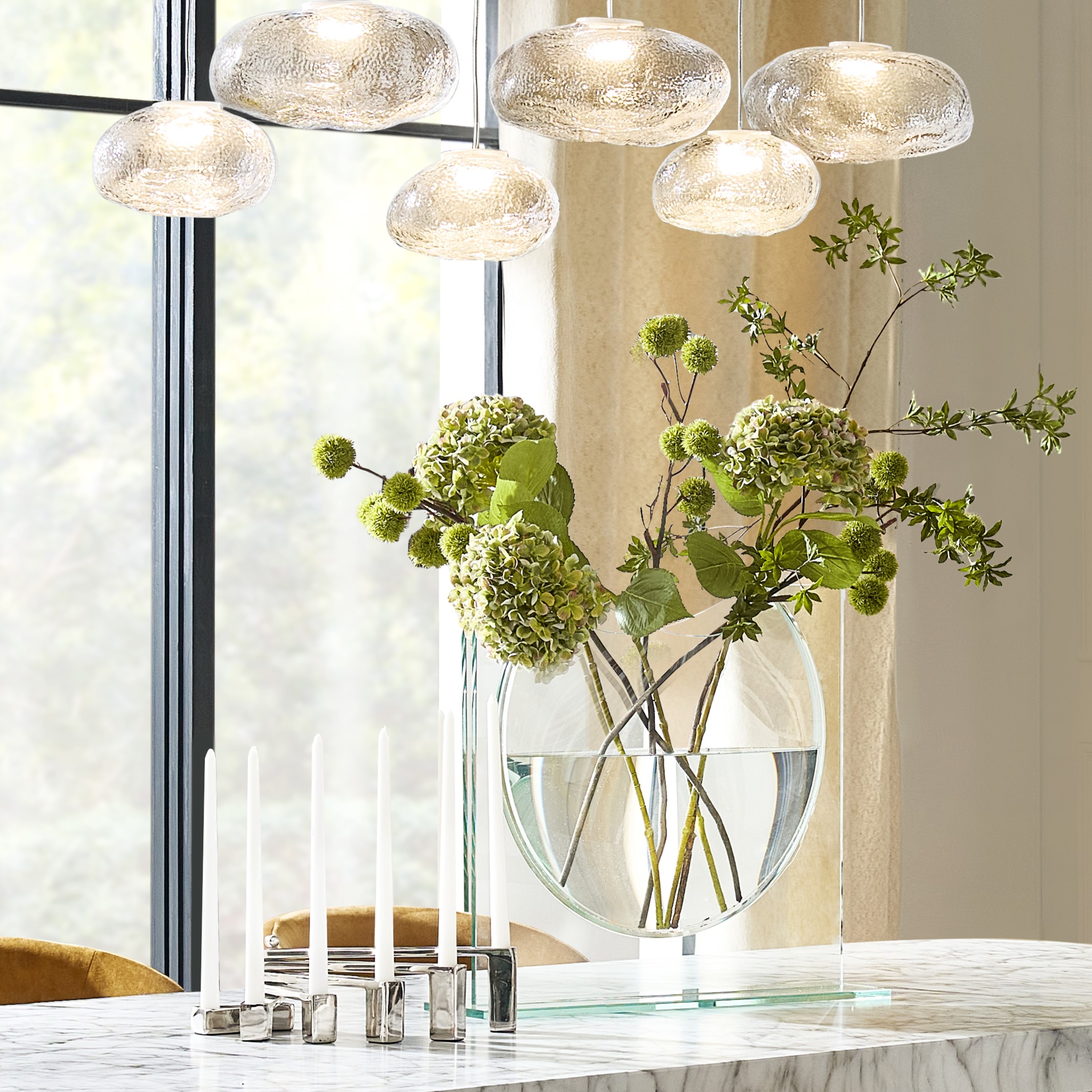 Ellipse Clear Glass Vase 20"$259
A sleek elliptical glass vase offering a modern, functional accent for fresh floral arrangements.
Add To Cart -
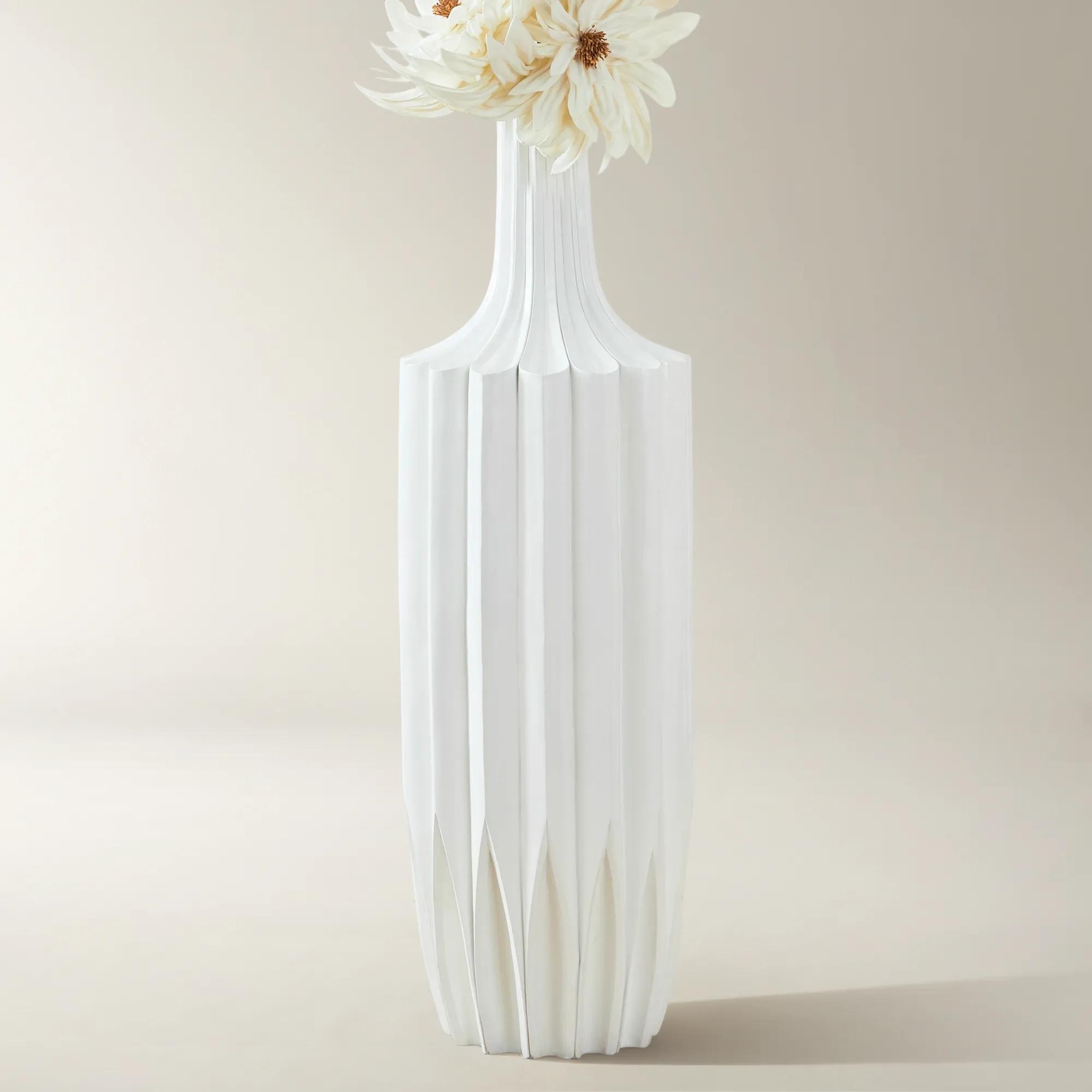 Savannah White Resin Floor Vase 48.75"$509
A sophisticated polyresin vase featuring sleek vertical curves, perfect for displaying decorative flowers or foliage.
Add To Cart -
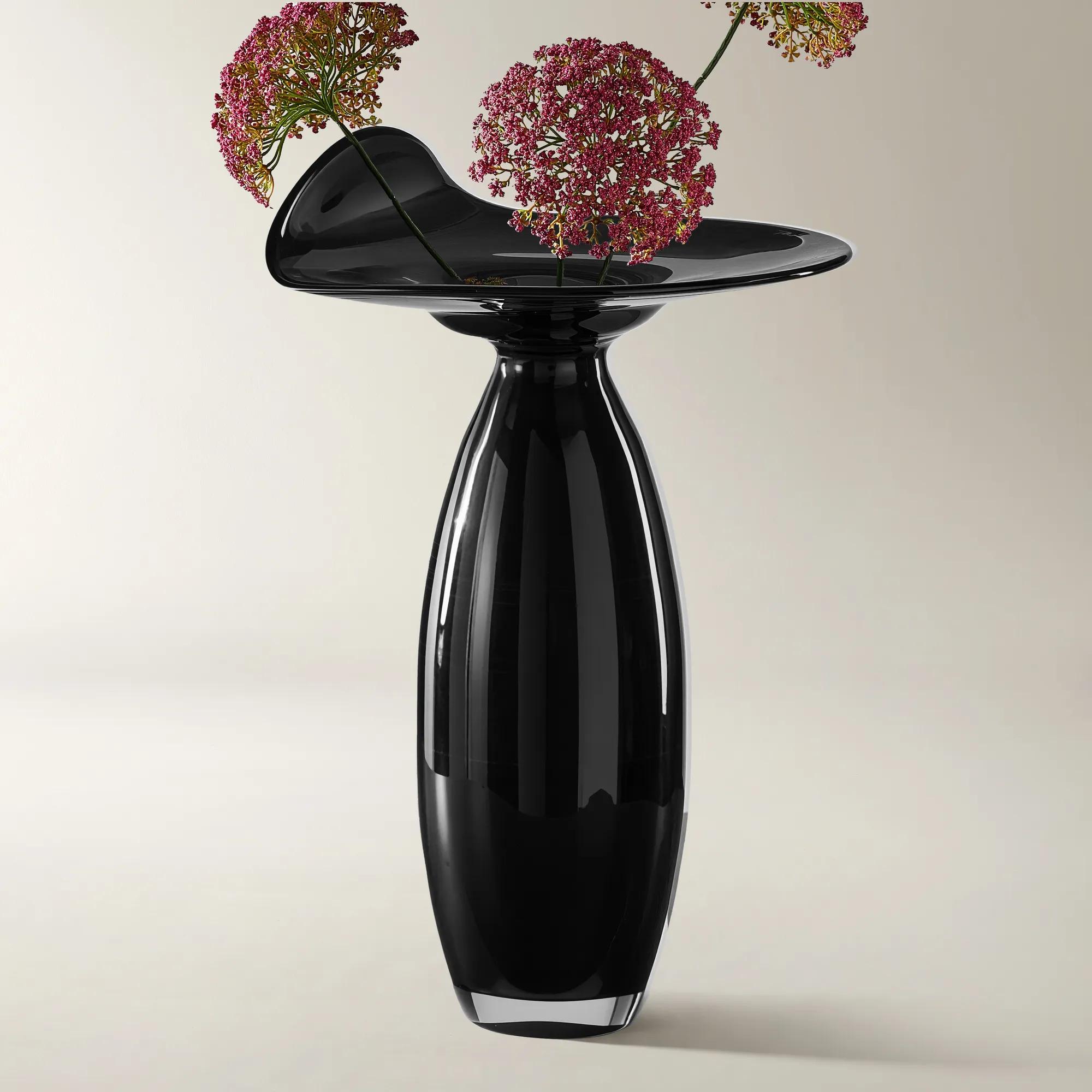 Folia Mouth Blown Glossy Black Glass Vase 22"$199
A handblown glass vase with a glossy black finish and organic sculptural silhouette for modern decor.
Add To Cart -
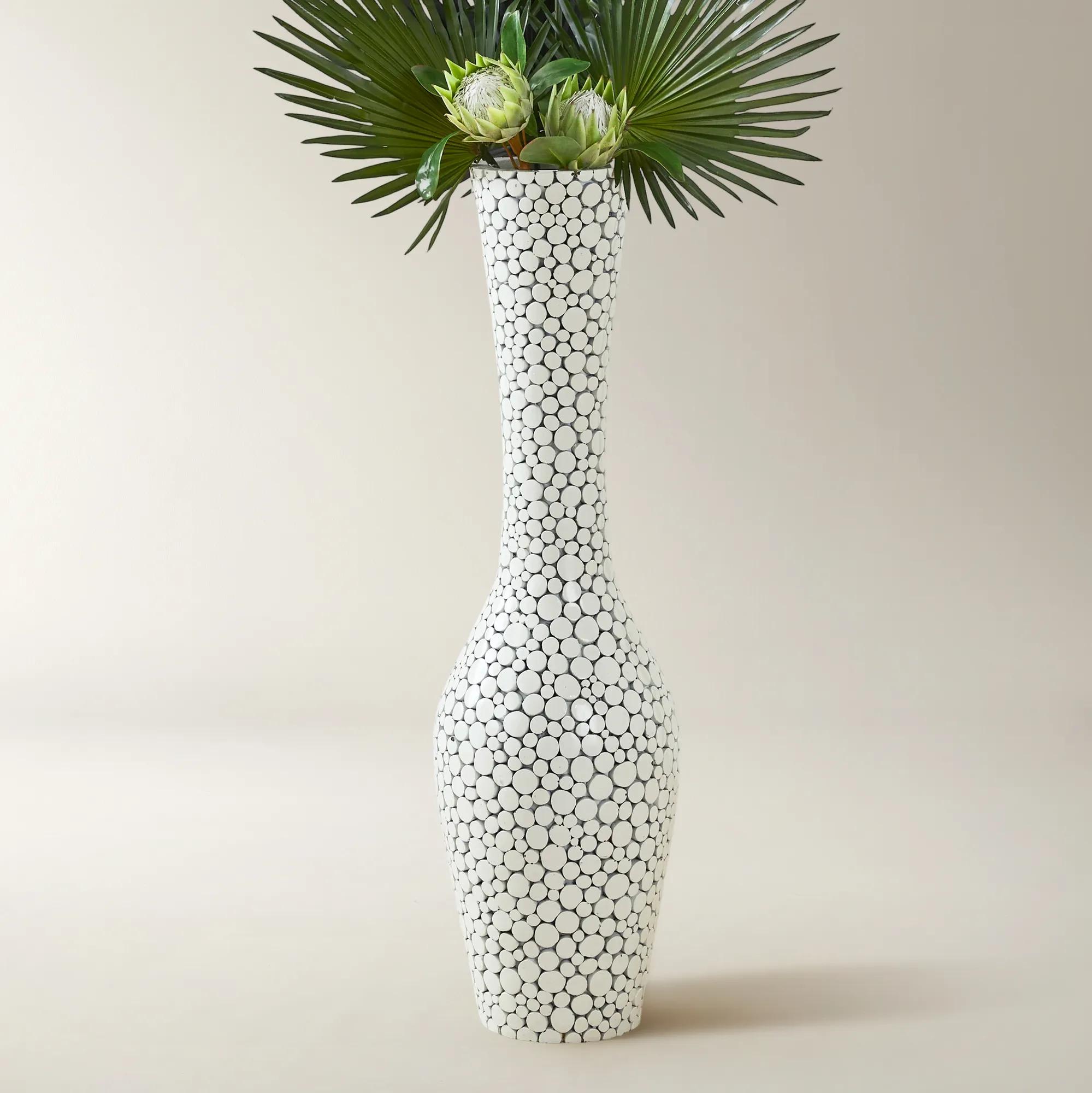 Oslo Floor Vase$299
A contemporary floor vase featuring hand-applied wood accents and a glossy white fiberglass base.
Add To Cart -
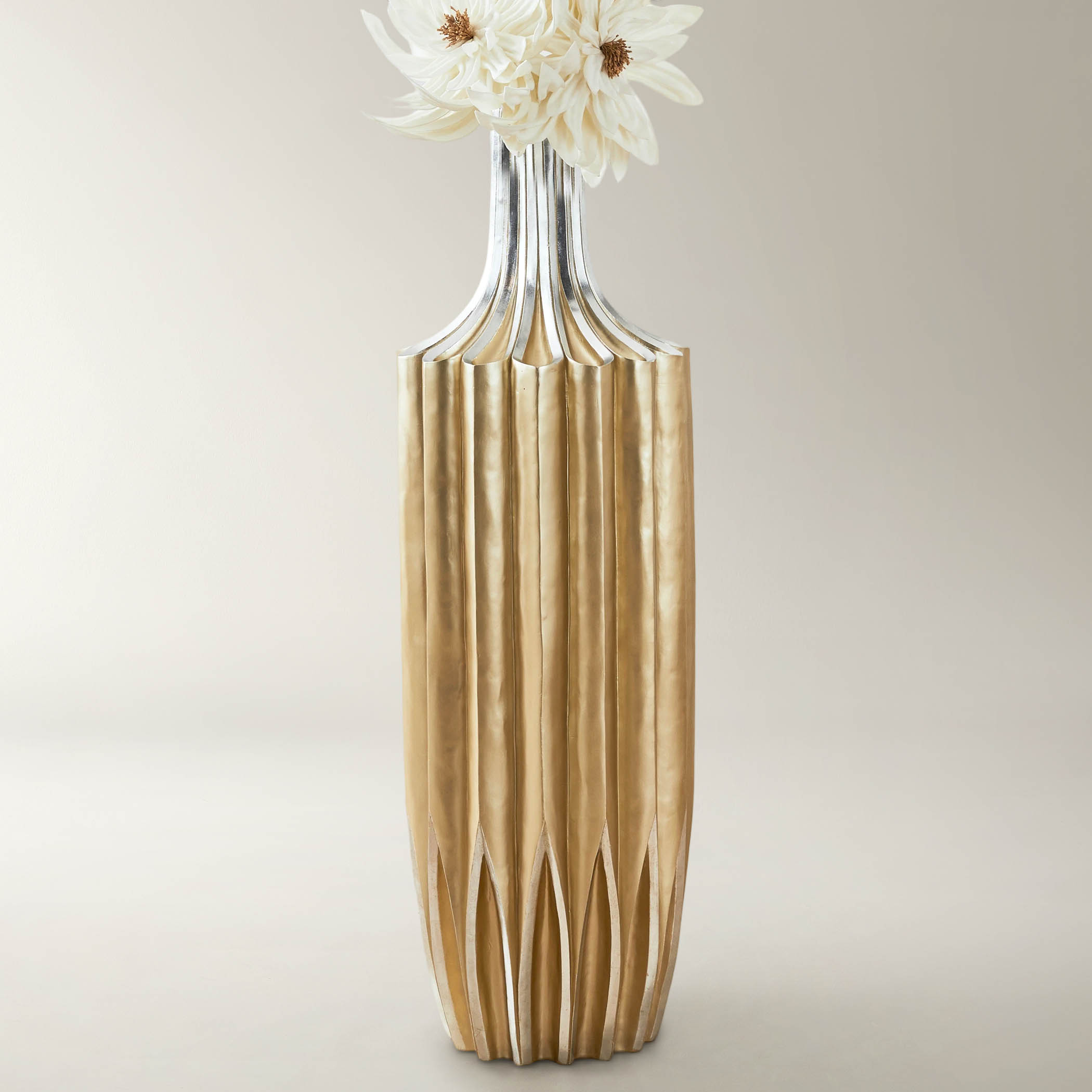
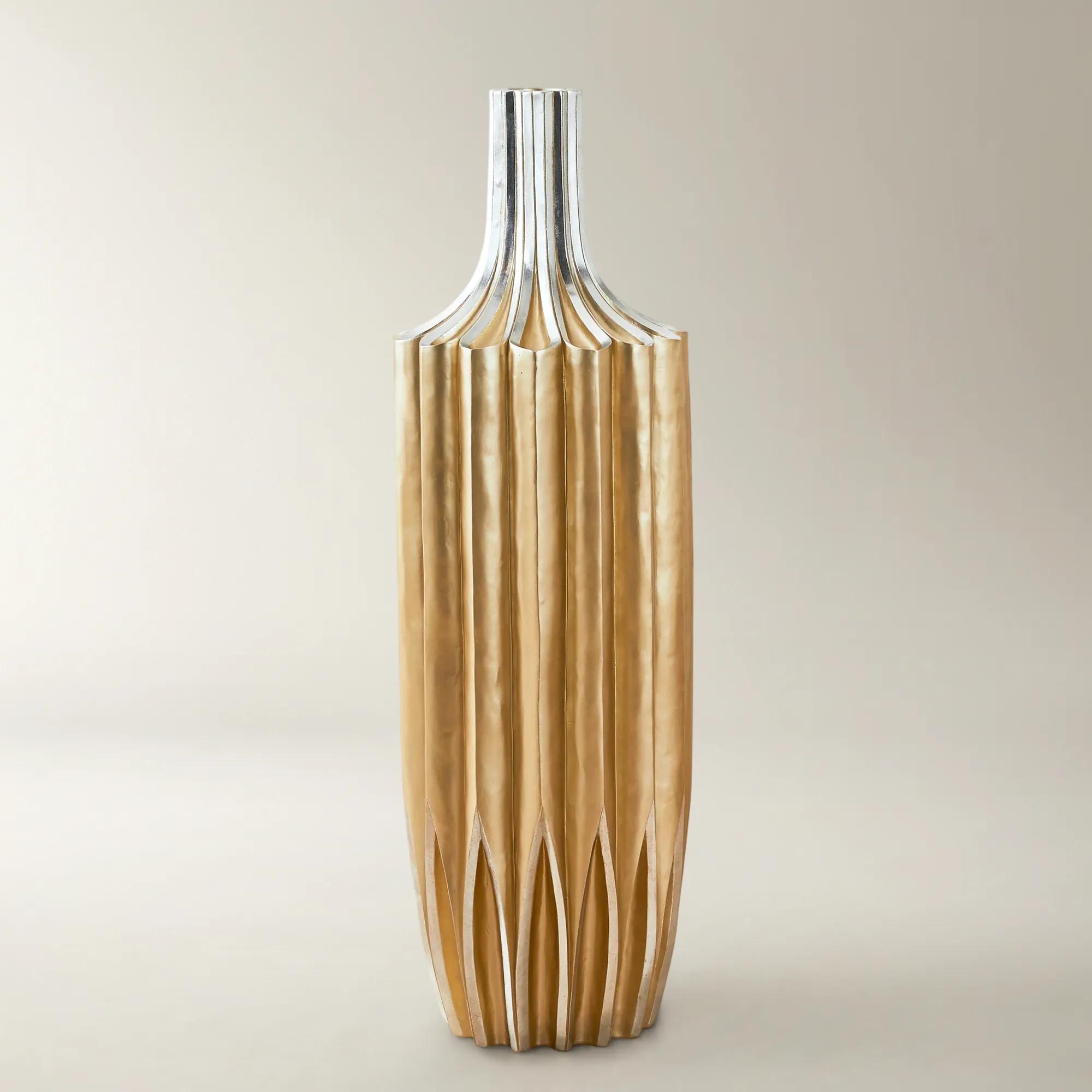 Savannah Gold Resin Floor Vase 48.75"$509
A sophisticated polyresin vase featuring sleek vertical curves for a modern decorative accent.
Add To Cart -
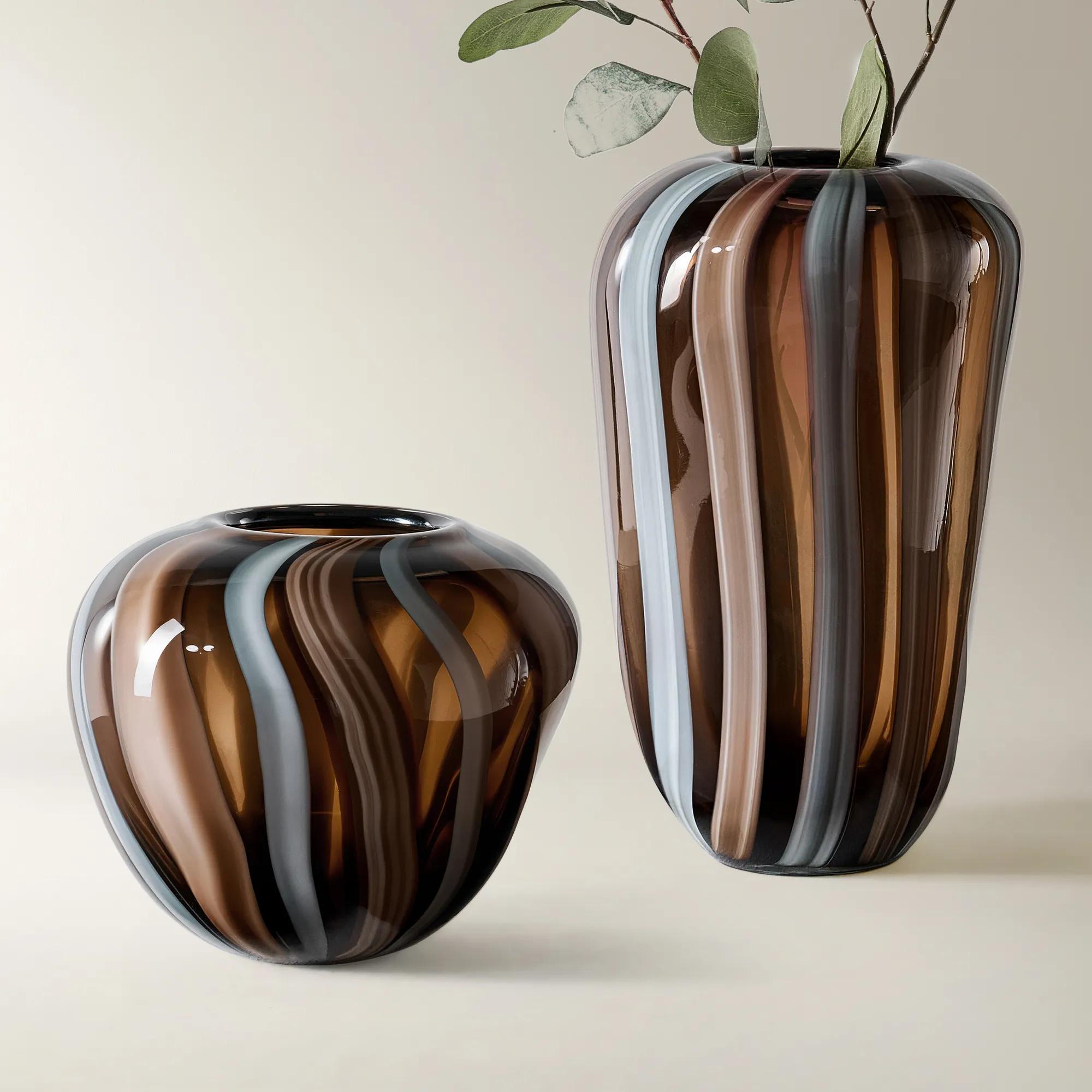
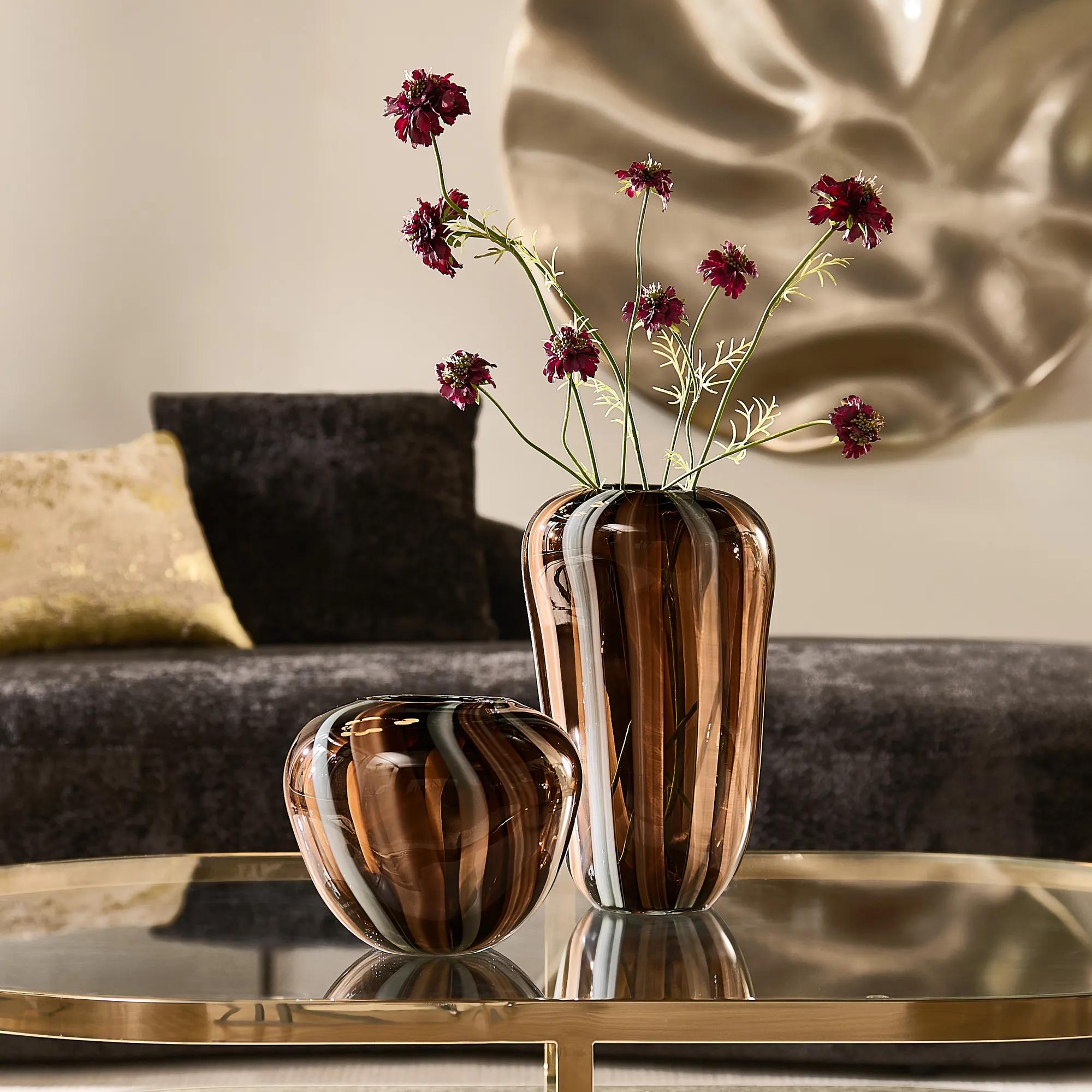 Billow Mouth Blown Brown Striped Glass Vases$119
A sculptural glass vase adding modern elegance to any décor.
Add To Cart -
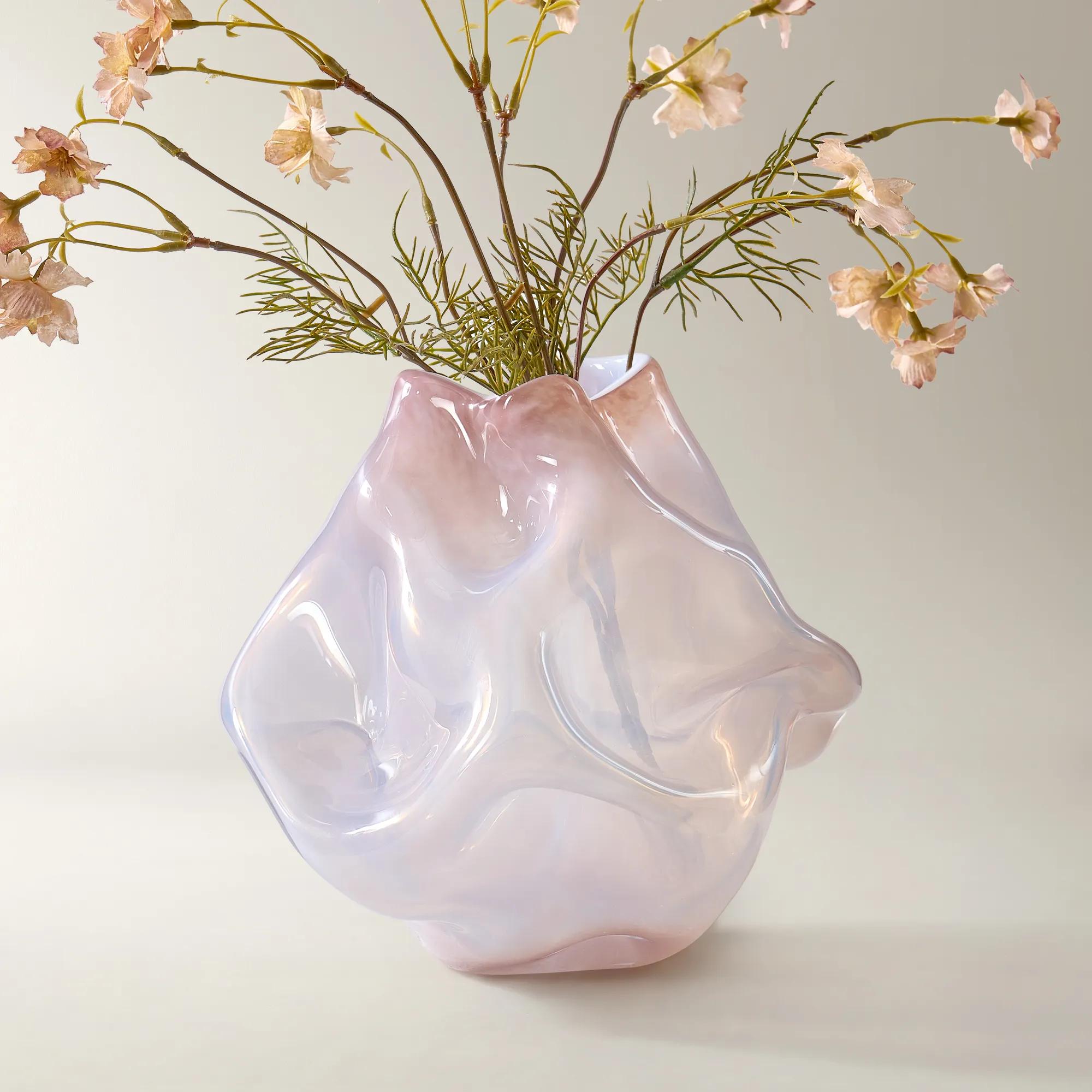 Melt Mocha Rose Handblown Glass Vase 8"$99
A handblown glass vase in a warm mocha rose hue, bringing sculptural elegance to modern spaces.
Add To Cart -
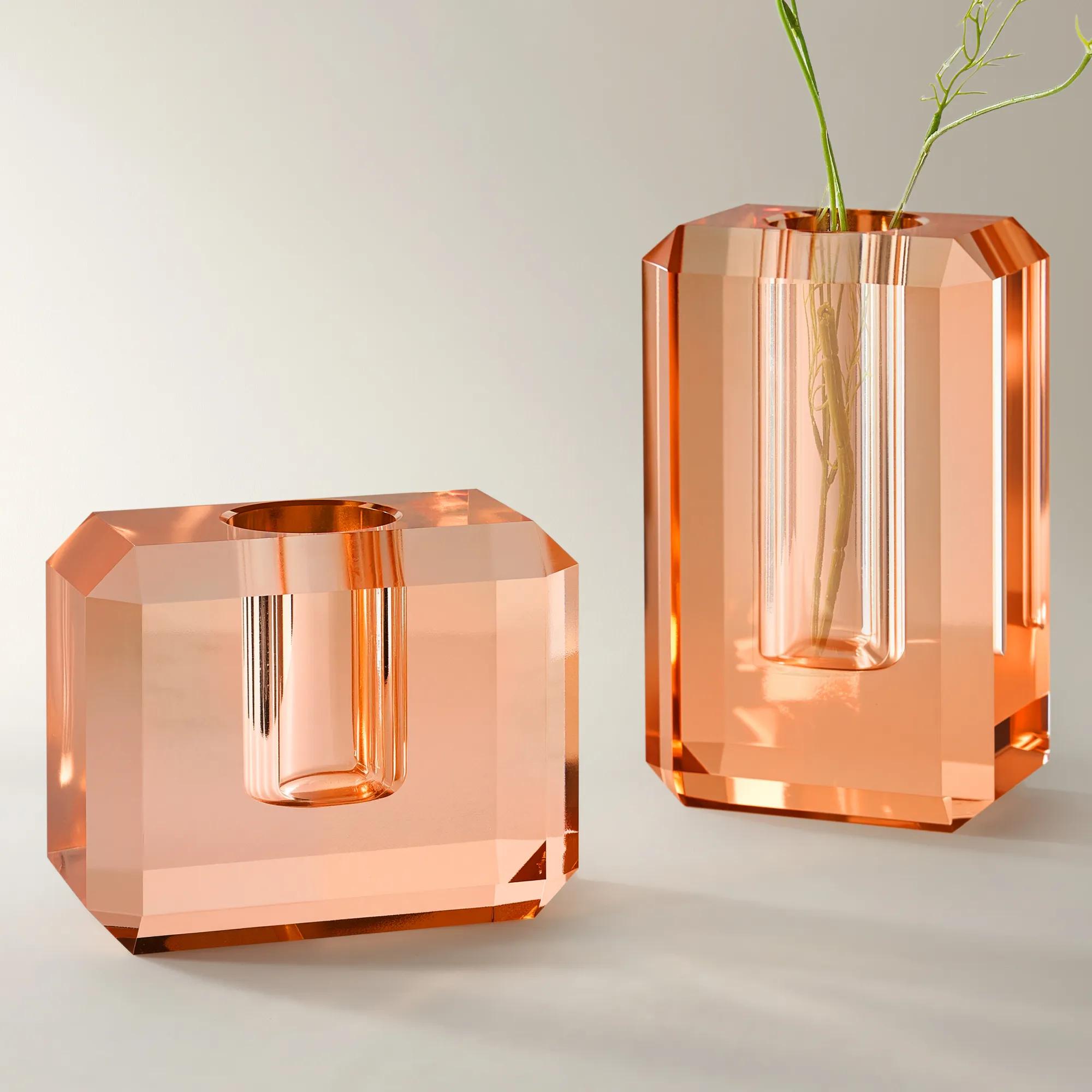
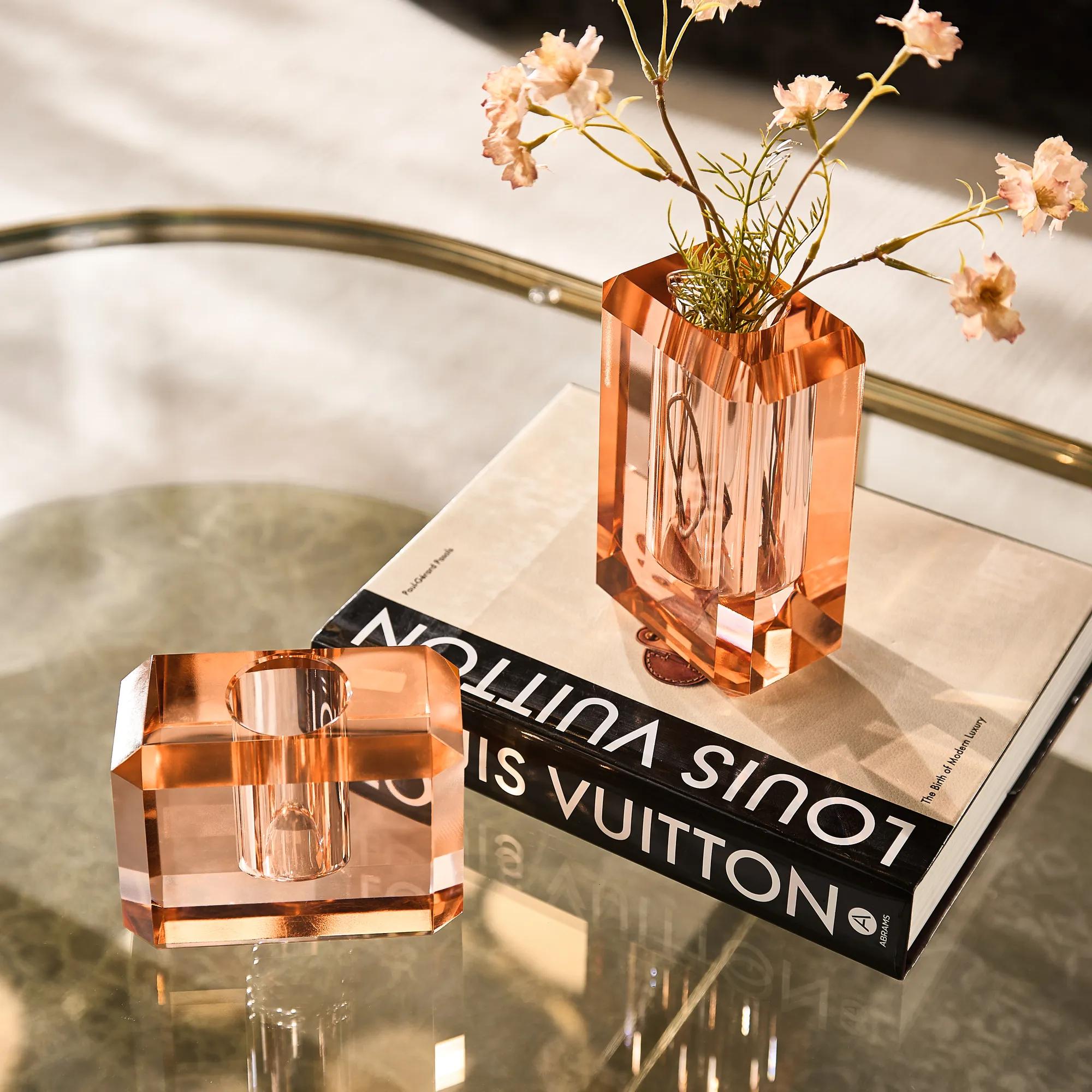 Corina Crystal Glass Bud Vase$89
A delicate crystal glass bud vase adding sparkling elegance to contemporary floral arrangements.
Add To Cart -
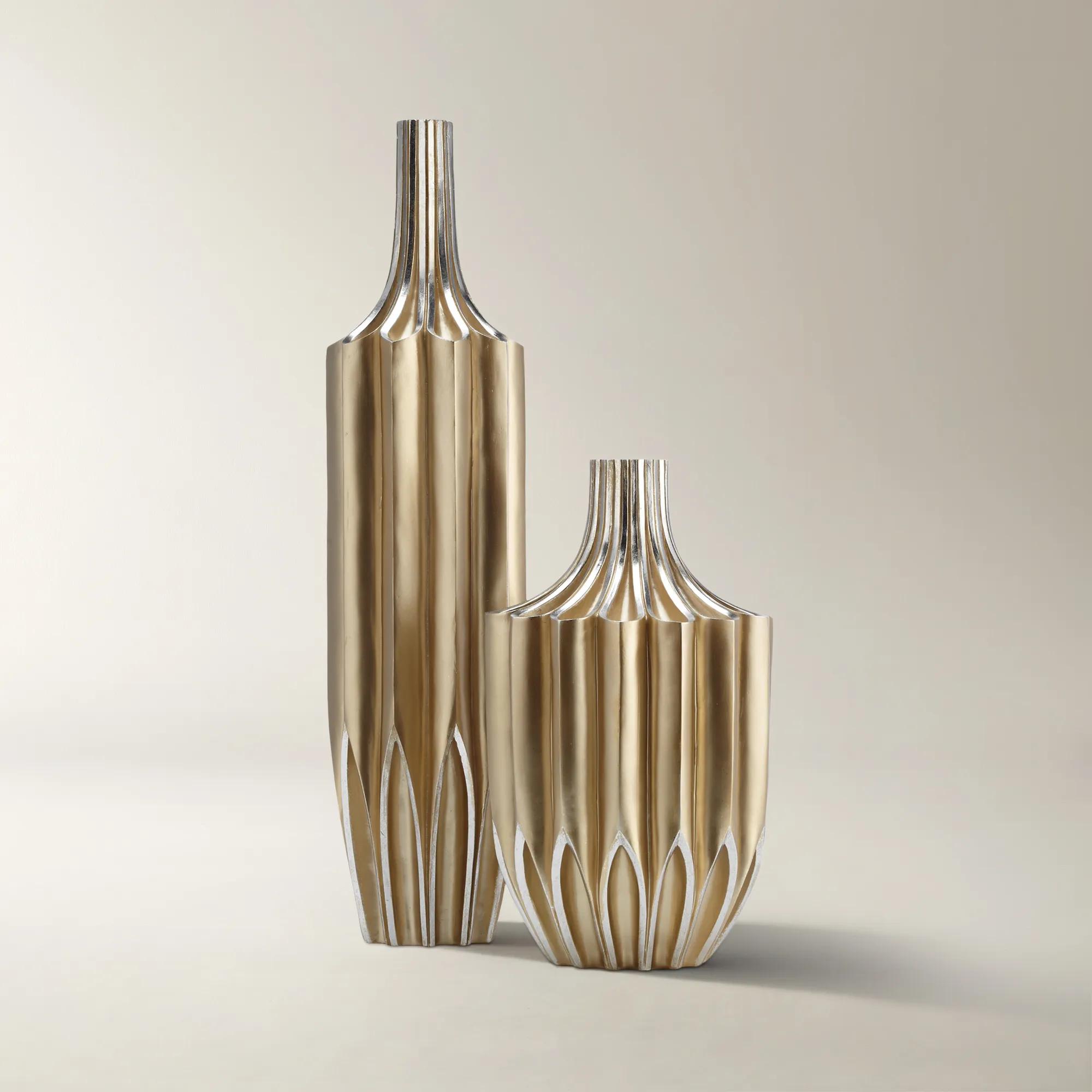
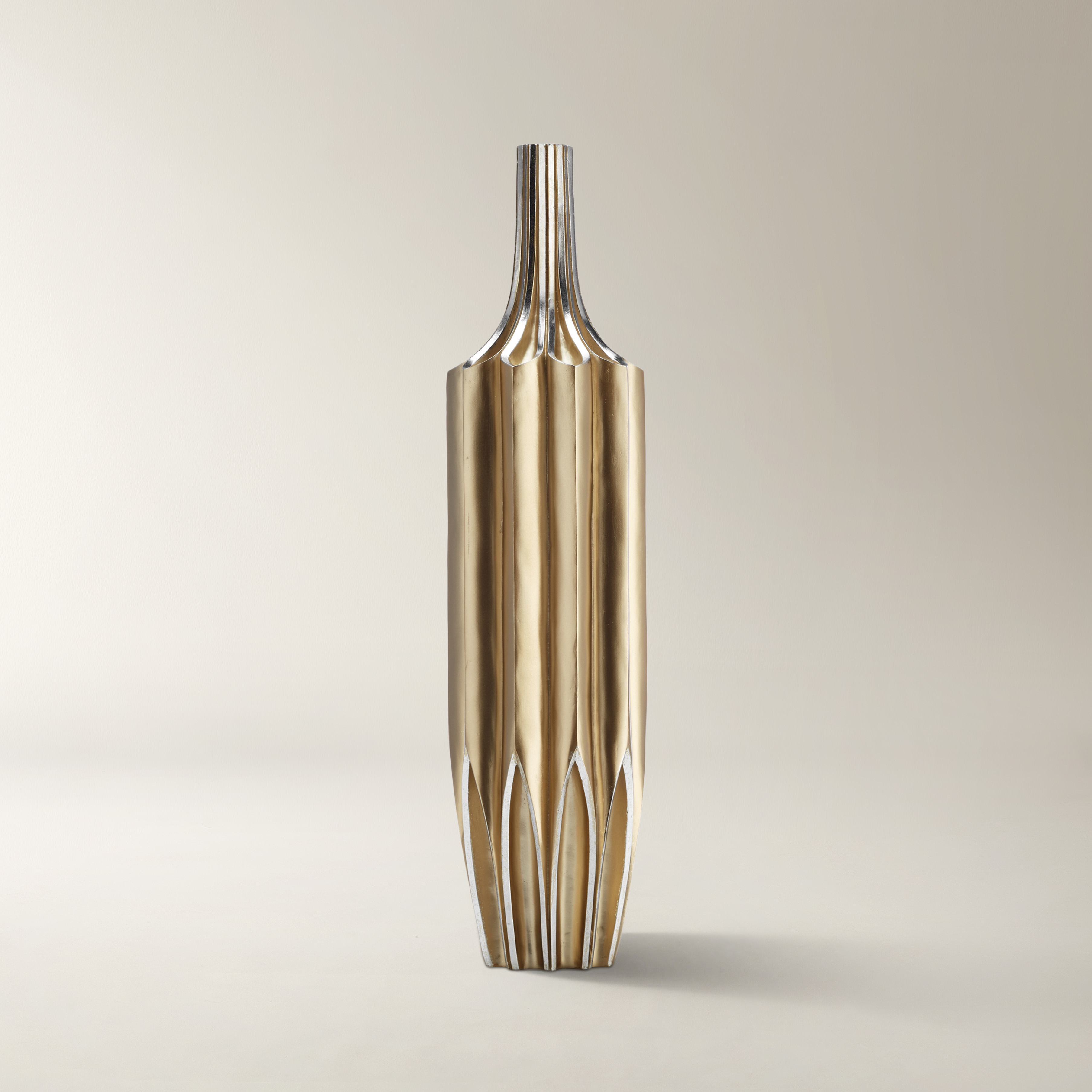 Savannah Gold Resin Vases$79
A sophisticated polyresin vase featuring sleek vertical curves and a modern, inward-flaring design.
Add To Cart -
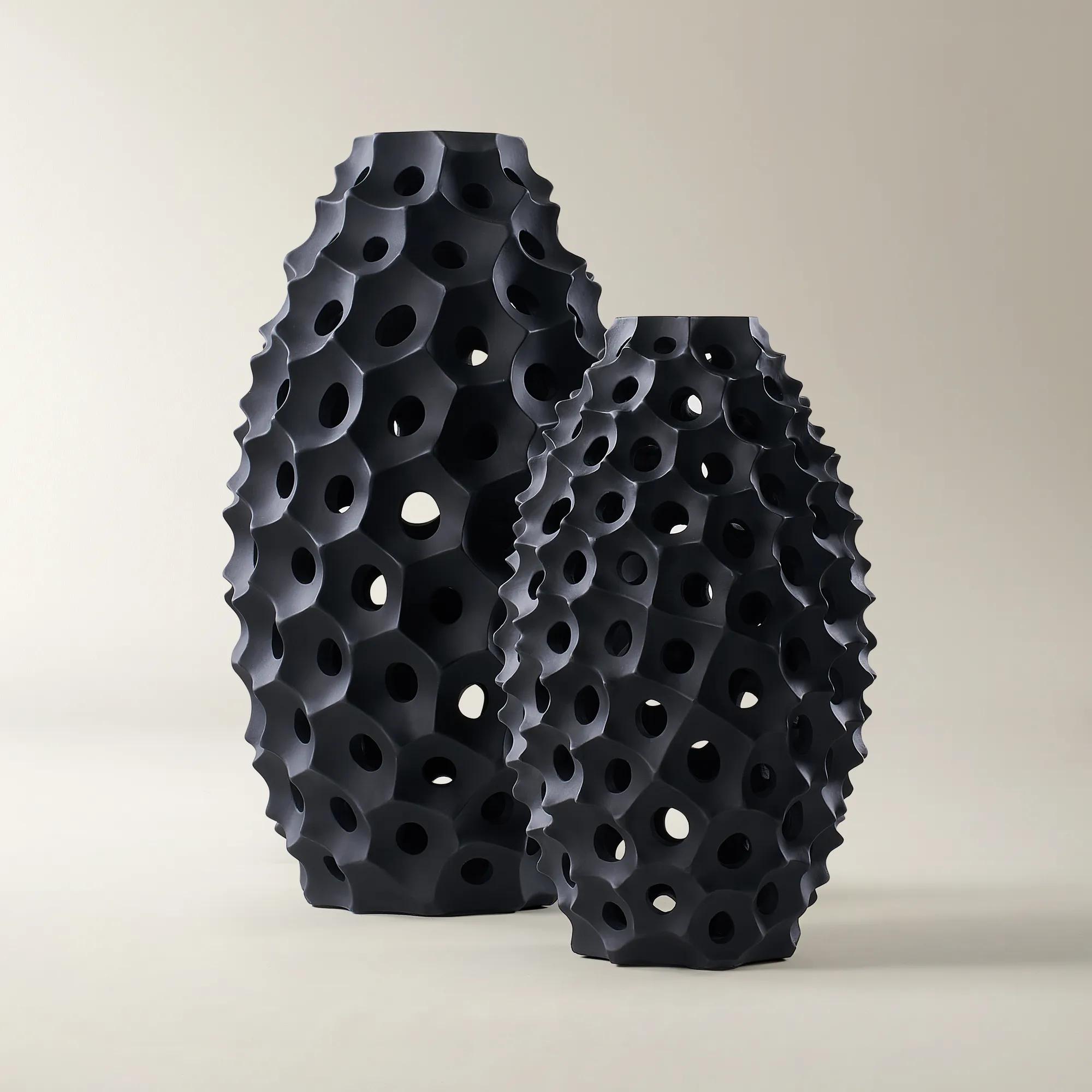
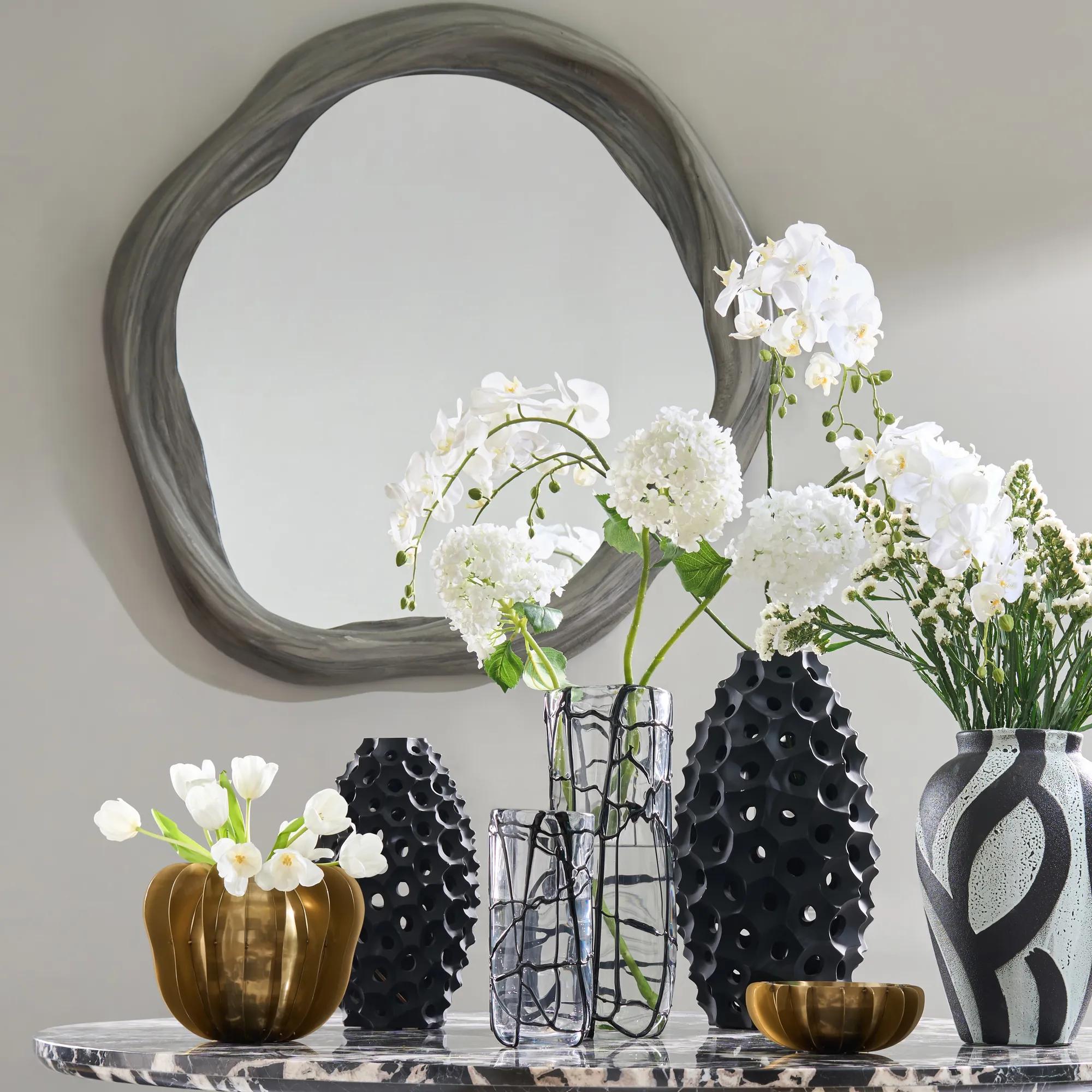 Neo Vase$119
A sleek black resin vase with an aperture design, perfect for adding modern drama to any space.
Add To Cart -
 Speckled Mouth Blown Brown And White Glass Vase 14.75"$129
A handblown glass vase featuring a brown and white speckled pattern for modern, artful appeal.
Add To Cart -
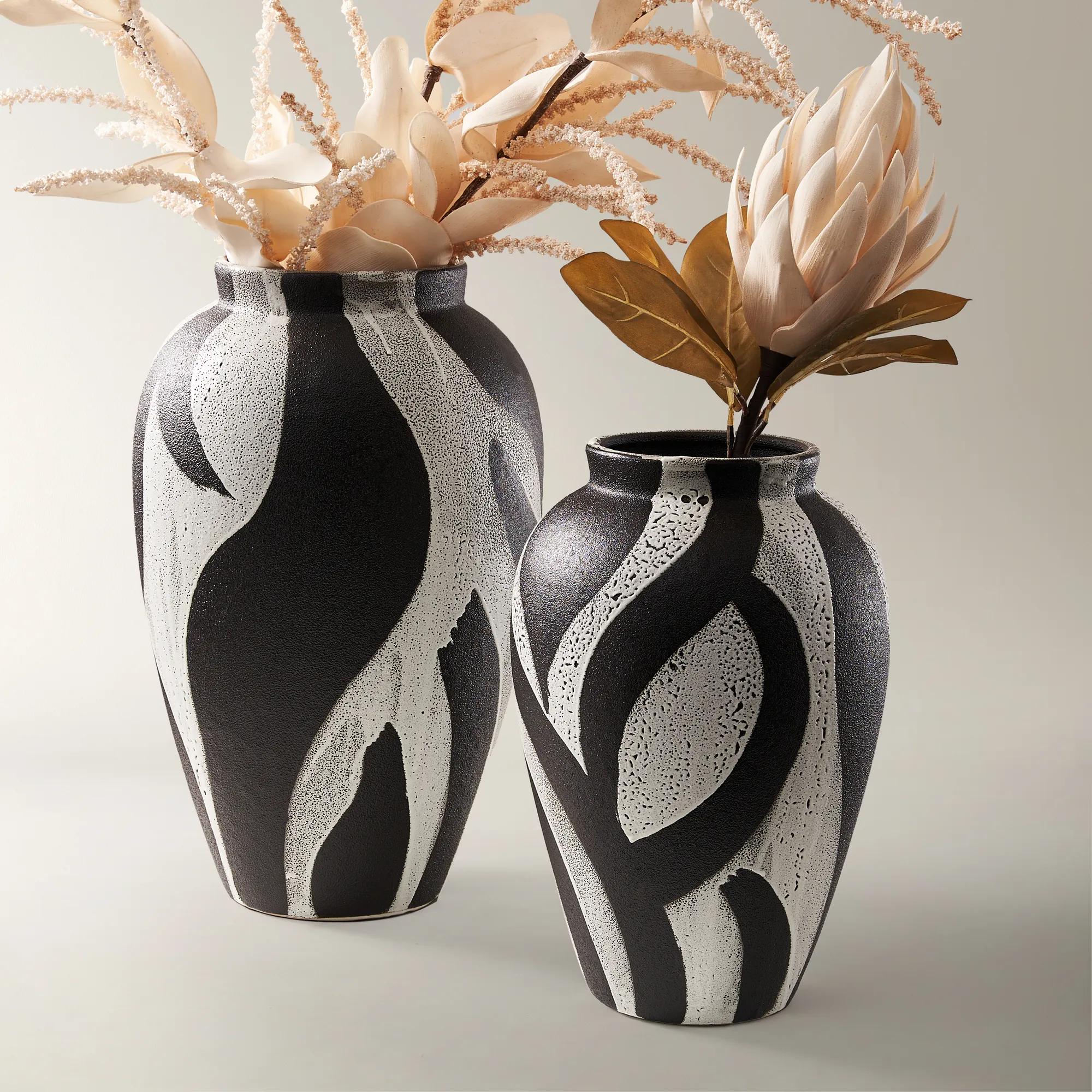
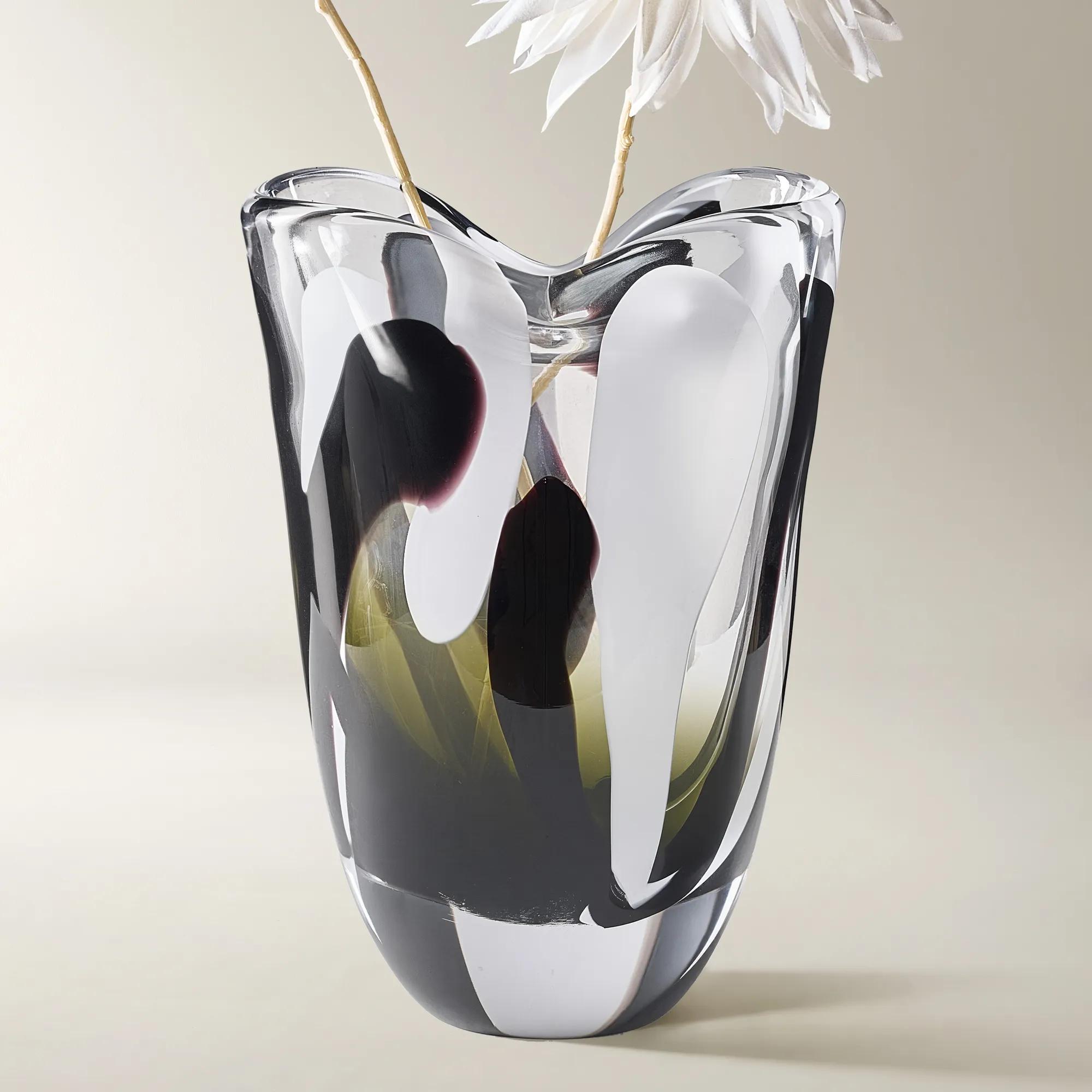 Melrose Mouth Blown Black White Glass Vase 11.25"$109
A handblown glass vase featuring a bold black and white abstract animal pattern for modern appeal.
Add To Cart -
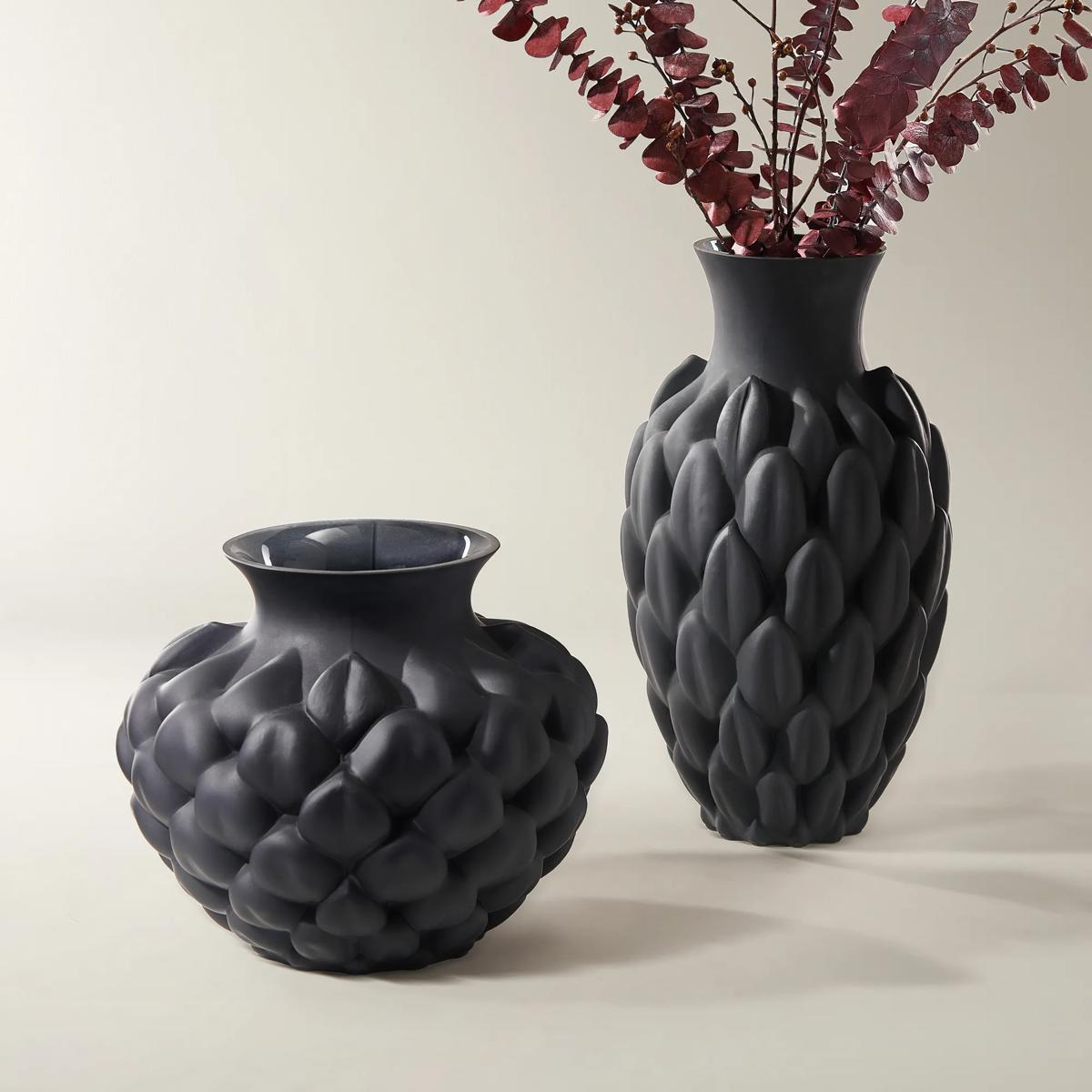
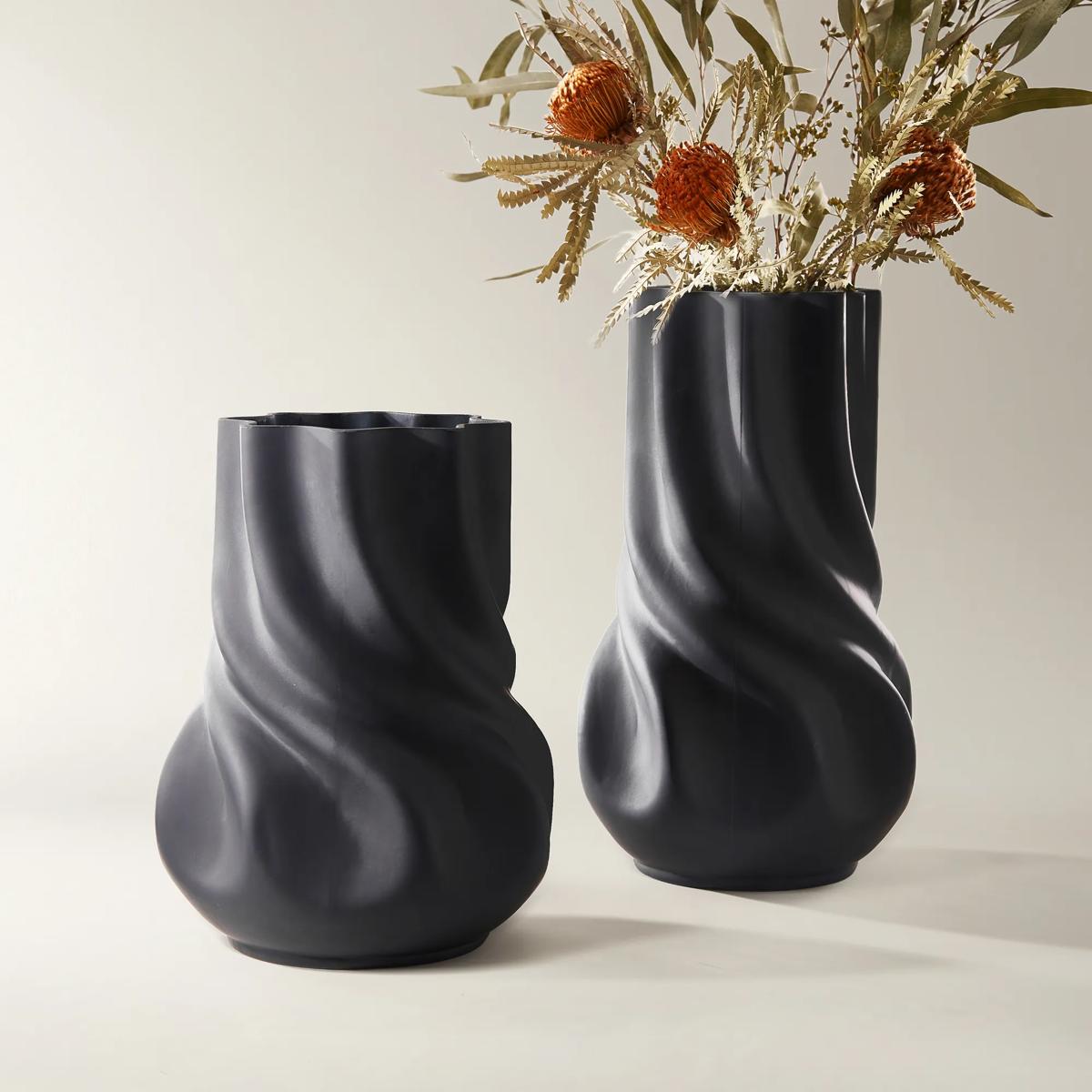
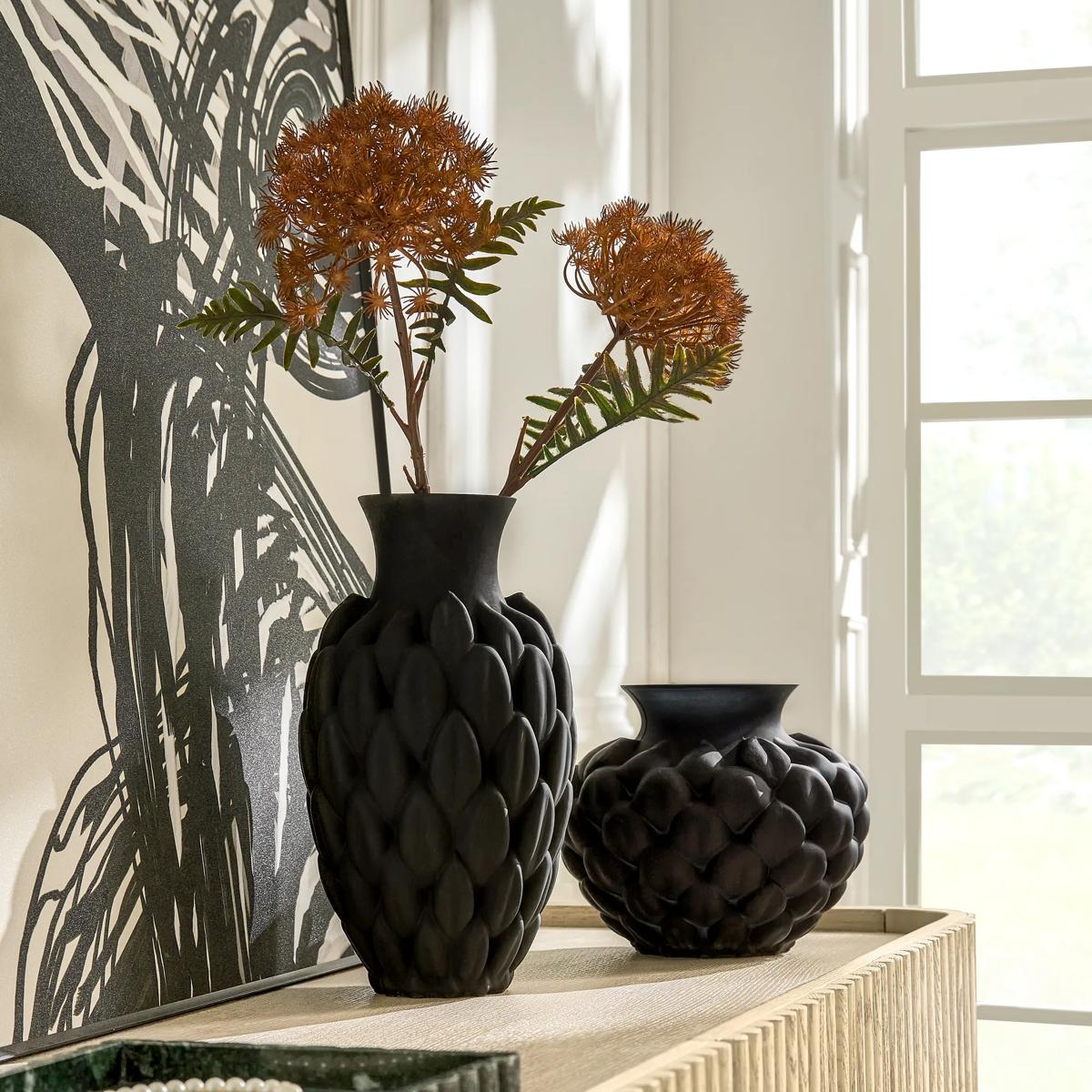 Sabine Glass Vase$69
A sculptural matte black glass vase featuring a dimensional, petal-inspired texture for bold visual impact.
Add To Cart -
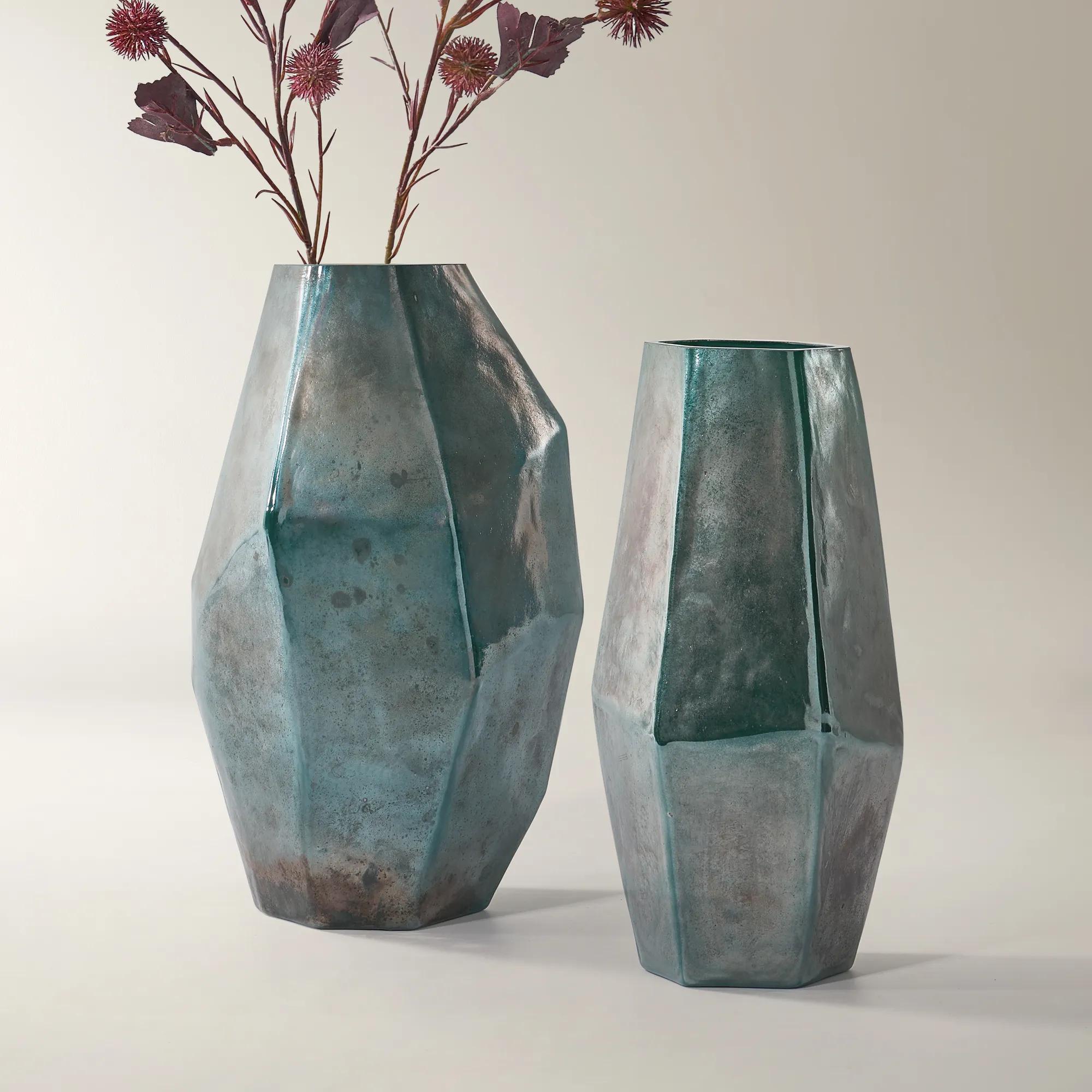
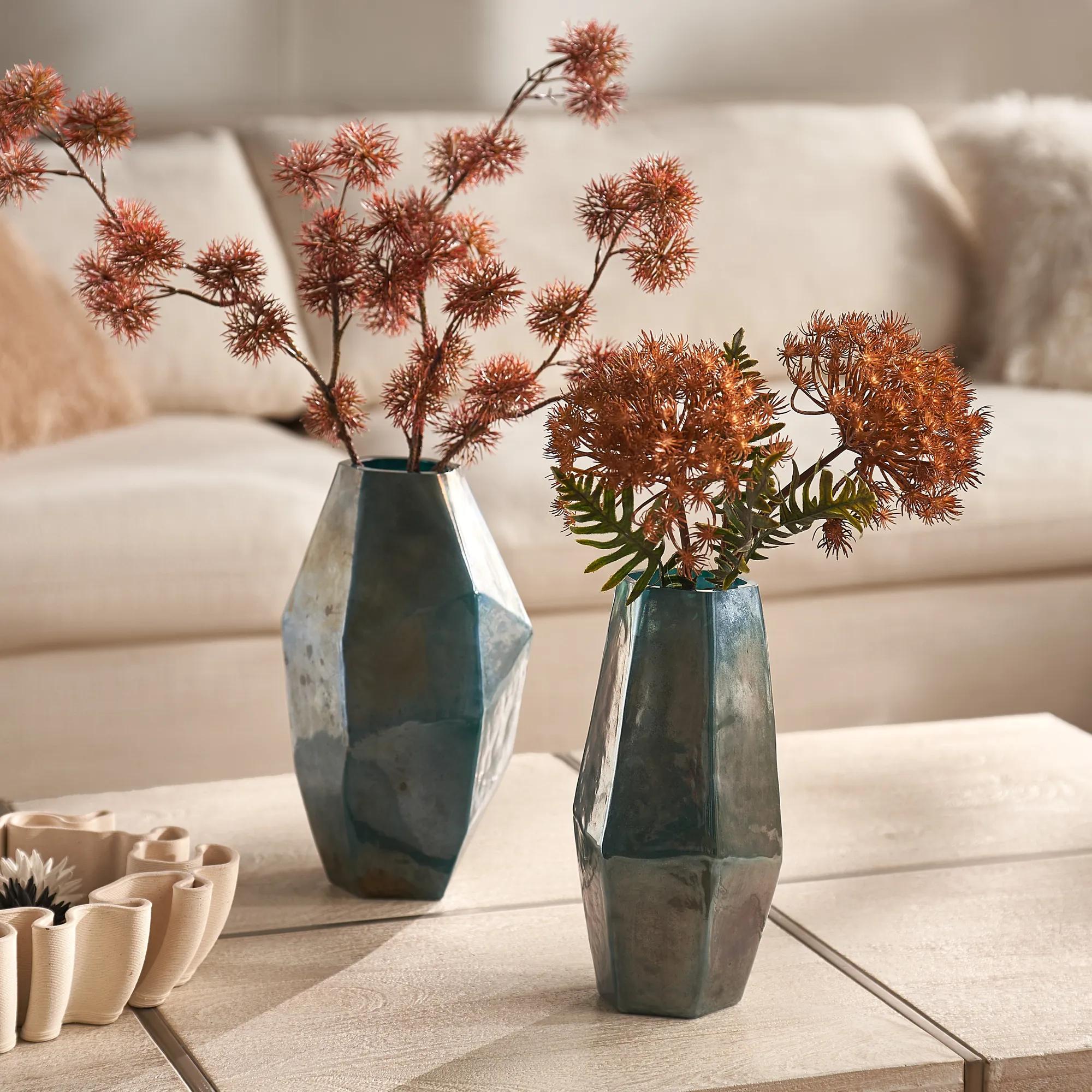 Sienna Vase$79
A hand-blown glass vase in prismatic green with a faceted, geometric silhouette for modern appeal.
Add To Cart -
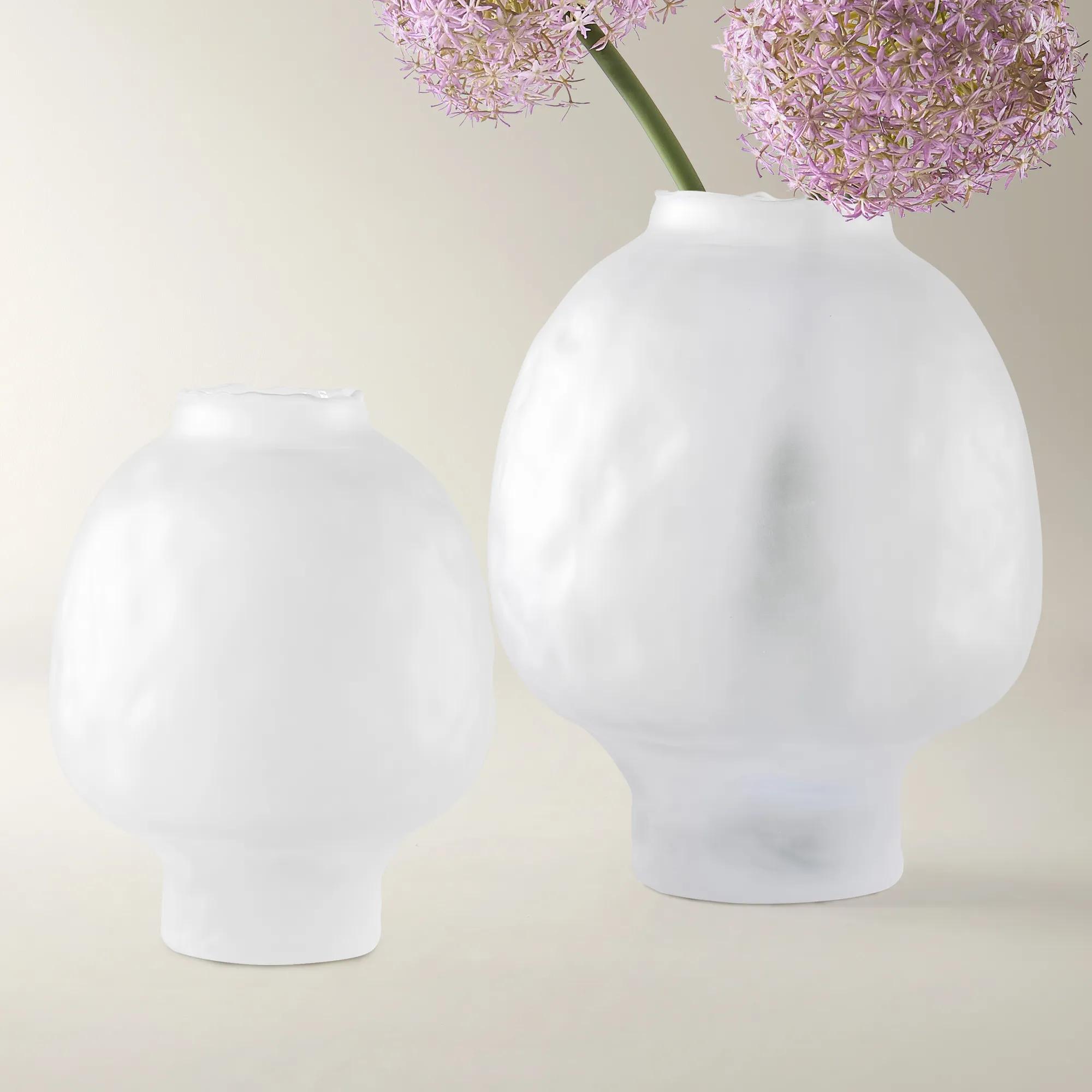
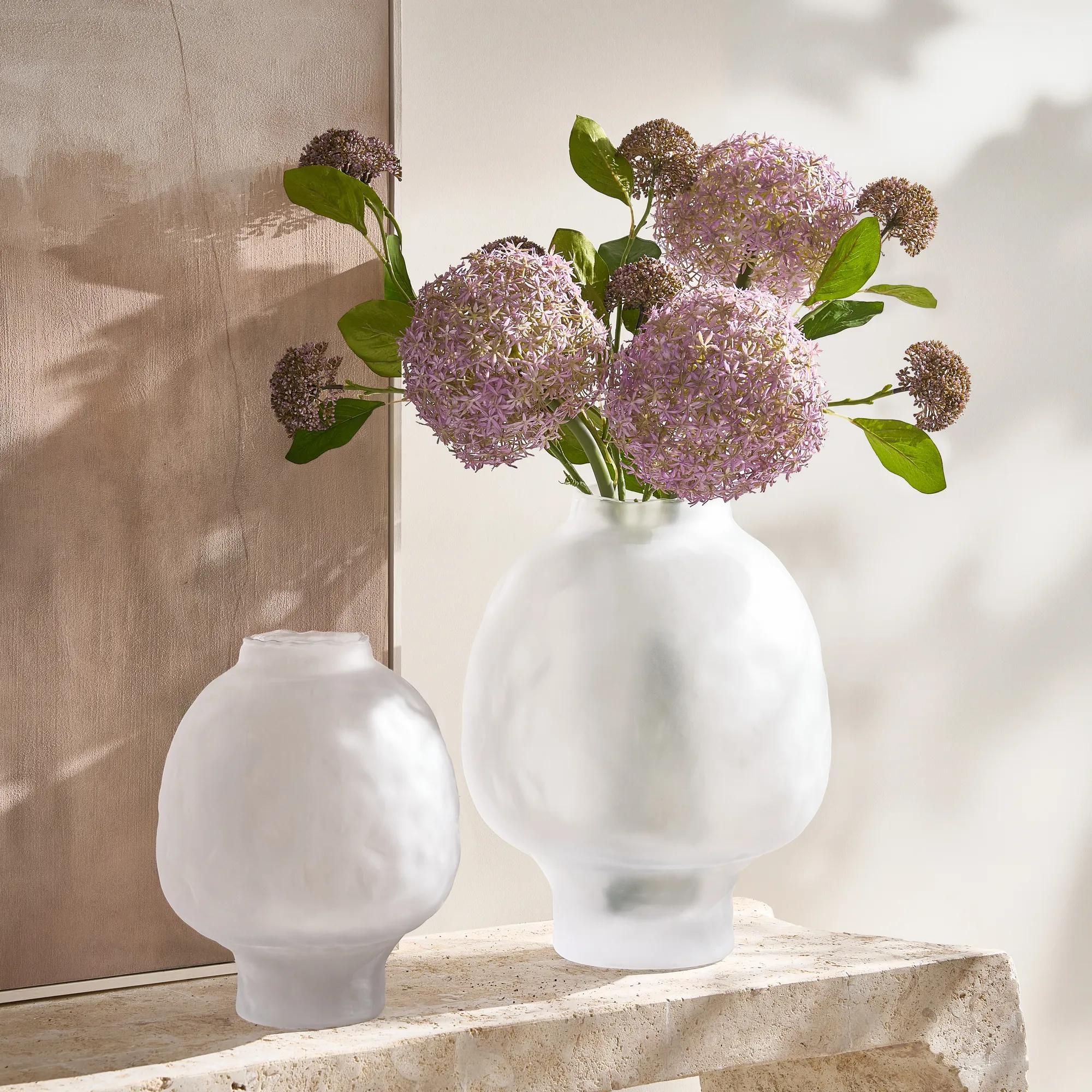 Frost Glass Vase$149
A frosted glass vase adding contemporary elegance to decorative arrangements.
Add To Cart -
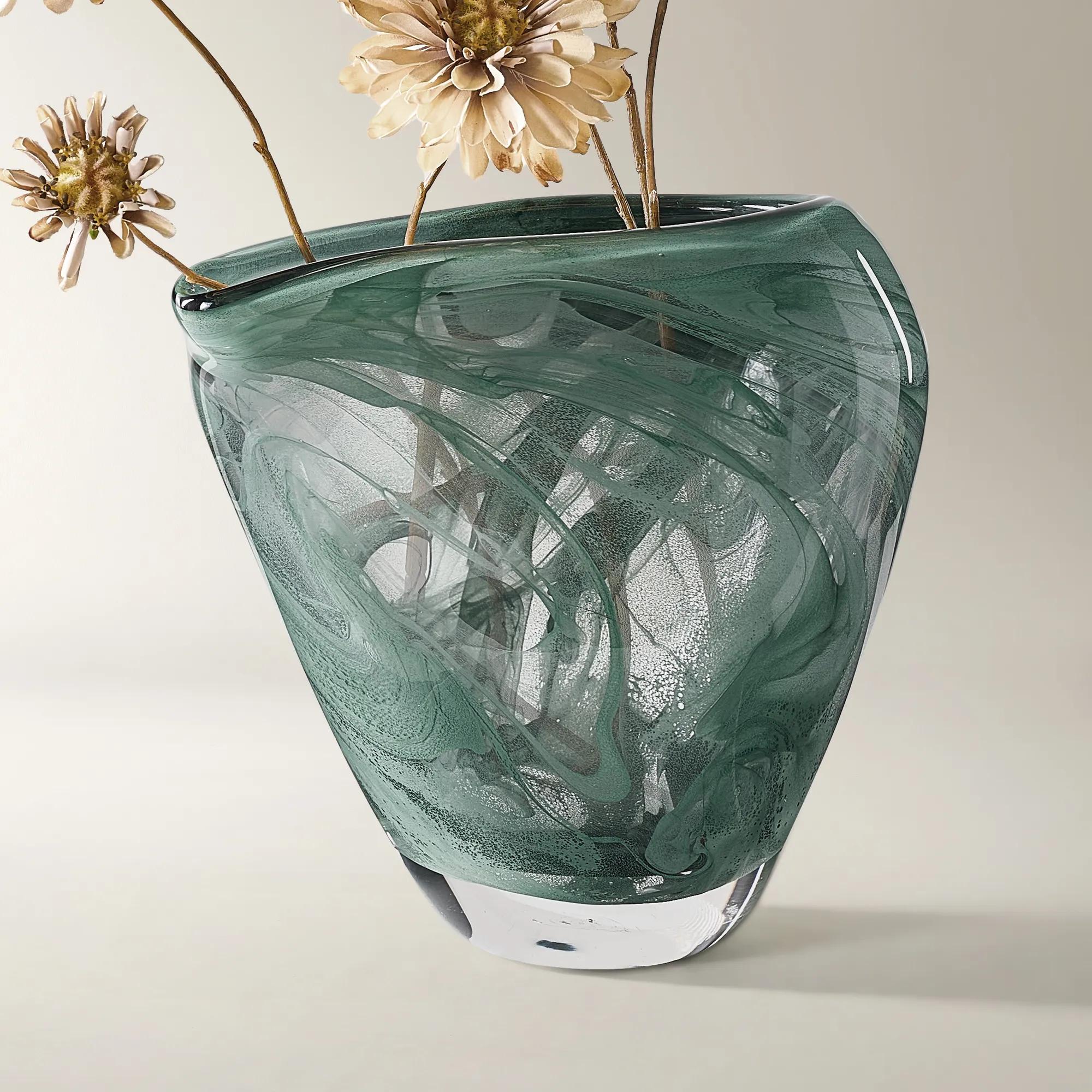 Flow Mouth Blown Sage Green Glass Vase 12.25"$199
A handblown glass vase in calming sage green with an organic, sculptural silhouette for modern decor.
Add To Cart

Contemporary Flower Display Vases
Contemporary flower display vases transform the ordinary into the extraordinary, inviting artful arrangements and sculptural silhouettes to take center stage in your home. Each vessel is designed not just to hold blooms, but to elevate them—turning petals and stems into living masterpieces. Whether poised atop a dramatic console or anchoring a sunlit dining table, these vases infuse every room with a sense of modern glamour and expressive sophistication. Let your floral visions unfurl within forms that blur the line between function and artistry, creating moments of wonder in every corner.
Contemporary flower display vases pair sculptural silhouettes with expressive materials, giving fresh bouquets, dried botanicals, and decorative stems a setting as compelling as the arrangement itself. Their defining features include clean lines, unexpected proportions, geometric forms, and surfaces that range from luminous glass to richly textured ceramic. Unlike vessels that disappear behind their flowers, these designs contribute shape, color, and presence to a room, even when displayed unfilled. A rounded vase softens the crisp edge of a console, while a sharply faceted profile introduces an architectural note beside upholstered seating. Stacked spheres, asymmetrical openings, and gently twisting contours bring movement to a tabletop without requiring an elaborate arrangement. Materials make an equally distinctive impression. Clear glass reveals the graceful structure of stems and allows water to become part of the composition; smoked or colored glass adds depth, filtering daylight into subtle pools of tone. Mouth-blown glass may feature small bubbles or variations in shape that reflect its making, lending individuality to an otherwise polished silhouette. Ceramic offers a different kind of richness, from the quiet depth of a matte glaze to the light-catching relief of ribbed, fluted, or carved surfaces. Porcelain can create a refined backdrop for saturated petals, while substantial stoneware gives airy branches a grounded visual foundation. Metallic finishes introduce another dimension: a gleaming surface echoes nearby mirrors and lighting, and hammered metal breaks reflections into a textured shimmer. Material alone does not establish whether a vase can hold water, however. Watertight construction, interior glazing, and any required liner matter when fresh flowers are the intended display. Decorative ceramic and metal vessels may be designed for dry arrangements only, so their stated use deserves as much attention as their finish. The most satisfying choice brings these qualities together: a striking profile, a surface that enriches its surroundings, and construction suited to the flowers it will hold.
Scale and opening shape influence how contemporary vases frame an arrangement and how comfortably they belong in a space. A narrow neck gathers a few stems into a deliberate gesture, making a single orchid spray or a small cluster of calla lilies feel considered rather than sparse. A broader mouth gives fuller bouquets room to open, allowing layered petals and foliage to form a generous crown. Wide openings may require more stems or a suitable floral support to keep an arrangement from falling outward, while a gently tapered neck can help maintain its shape. The body and base matter, too: tall branches create leverage, so their height and weight should be balanced by a sufficiently substantial vessel with a stable footprint. For arrangements with greater vertical reach, Contemporary Tall Vases offer a related direction for exploring elongated proportions and dramatic stem displays. Height should feel intentional within the setting rather than simply impressive on its own. On a dining table, a low, generous arrangement leaves sightlines open and gives place settings room to breathe. An entry console can carry a more soaring composition, provided the flowers remain clear of artwork, overhead fixtures, and the path through the room. On a mantel, a slender vessel can punctuate a layered display without crowding framed pieces; on a bedside table, a compact bud vase leaves space for a lamp and evening essentials. Floor vases belong where their footprint is secure and their contents will not brush against passing guests, curtains, or doors. Groupings work especially well when they share a color or material but vary in height and outline. A glossy cylindrical form beside a lower textured vessel creates contrast without visual disorder, and a little open space allows each silhouette to register. Color can either extend the room’s palette or interrupt it with purpose. Ivory ceramic lets jewel-toned flowers command attention, charcoal glass deepens a pale arrangement, and a reflective finish lends restrained greenery a distinctly glamorous edge.
The intended flowers help determine which details deserve priority over time. Fresh arrangements need a vessel that can be emptied, cleaned, and refilled without difficulty; a dramatic curve loses some of its practicality if the interior cannot be reached with an appropriate soft brush. Transparent glass rewards regular care because mineral deposits, cloudy water, and stem debris remain visible. Fresh water and clean interiors also help support the arrangement’s longevity, while keeping foliage below the waterline to a minimum reduces decaying plant material. Dried flowers and faux stems allow greater freedom with decorative vessels that are not rated to hold water, bringing lasting texture to bookshelves, consoles, and quieter corners. During the cooler months, branching forms, preserved foliage, and richly toned botanicals can introduce warmth without tying the display to a single celebration. Their lighter weight does not eliminate the need for stability, especially when stems extend far beyond a vase’s opening. Durability depends on both construction and placement. Glass and ceramic can chip or crack when knocked against hard surfaces, and delicate necks or applied details benefit from careful handling. Metal resists some forms of breakage but may dent, scratch, or react to prolonged moisture, depending on its composition and finish. A vase is best lifted from its body or base rather than its rim, handles, or ornamental projections unless those features are expressly designed for carrying. Cleaning should follow the maker’s directions; abrasive pads, harsh chemicals, prolonged soaking, and dishwasher heat can damage decorative surfaces. A soft cloth is often appropriate for exterior dusting, while any damp base should be dried before returning the vessel to a table. A suitable protective pad can help safeguard furniture, although it is not a substitute for watertight construction. These considerations also make flower vases thoughtful gifts for hosts, newlyweds, and anyone establishing a new home. A manageable size, versatile opening, and finish that complements the recipient’s surroundings make the gesture personal and easy to enjoy. Whether holding a generous bouquet or a few carefully chosen stems, a contemporary vase gives flowers a lasting architectural counterpart: something expressive enough to shape the room long after the petals have changed.
FAQs
Contemporary floral vases are defined by their bold silhouettes, innovative materials, and artistic finishes. Unlike traditional vases, which often feature ornate patterns and classic shapes, contemporary designs celebrate minimalism, geometric forms, and unexpected textures. These vases are crafted to make a statement, serving as both functional vessels and decorative art pieces that bring a fresh, modern sensibility to any setting.
Contemporary decorative vases are perfect for elevating holiday decor with a touch of modern glamour. Fill a metallic or glass vase with winter greens, berry branches, or white florals to create a striking centerpiece. Cluster several vases of varying heights for a dramatic tablescape, or use a single sculptural vase to draw the eye on a mantel or entryway console. Their sleek designs complement both festive and minimalist themes, making them versatile accents for any seasonal celebration.
Absolutely—contemporary flower display vases make exceptional gifts for housewarmings, weddings, anniversaries, or any occasion that calls for a memorable gesture. Their artistic appeal and versatility ensure they suit a wide range of personal styles. Choose a vase that reflects the recipient’s aesthetic, or opt for a timeless design that can be enjoyed year-round with fresh or faux blooms.
Contemporary decorative vases are designed to showcase everything from lush, layered bouquets to simple, single-stem arrangements. Their unique shapes often inspire creative displays—think asymmetrical branches, monochromatic blooms, or even dried botanicals for a modern twist. The key is to let the vase and florals complement each other, creating a harmonious balance between structure and organic beauty.
Yes, many contemporary vases are crafted to stand alone as striking decorative objects. Their sculptural forms, bold colors, and luxurious finishes make them captivating even when empty. Display a vase solo on a shelf or console, or group several together for a curated, gallery-inspired look that adds dimension and artistry to your space.