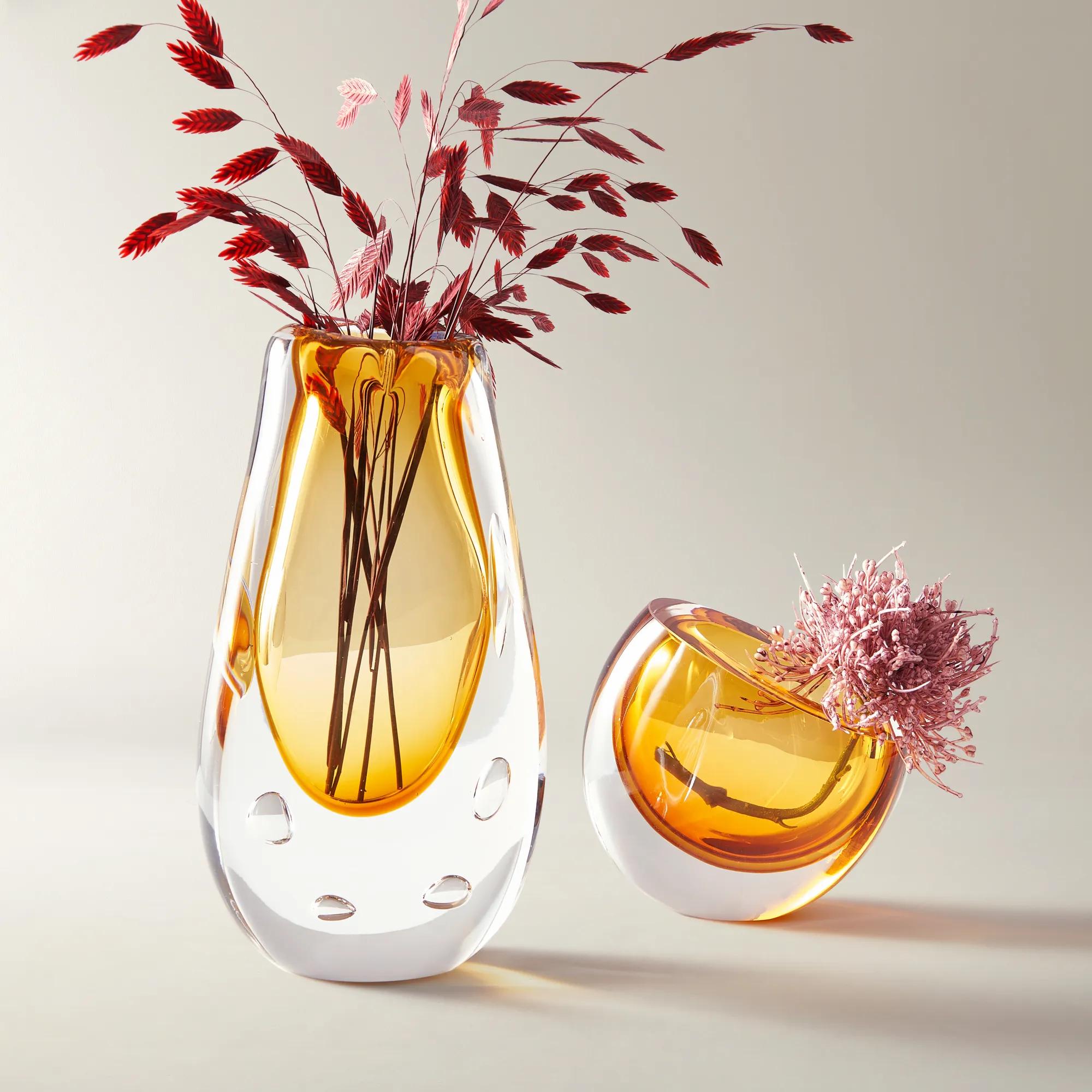
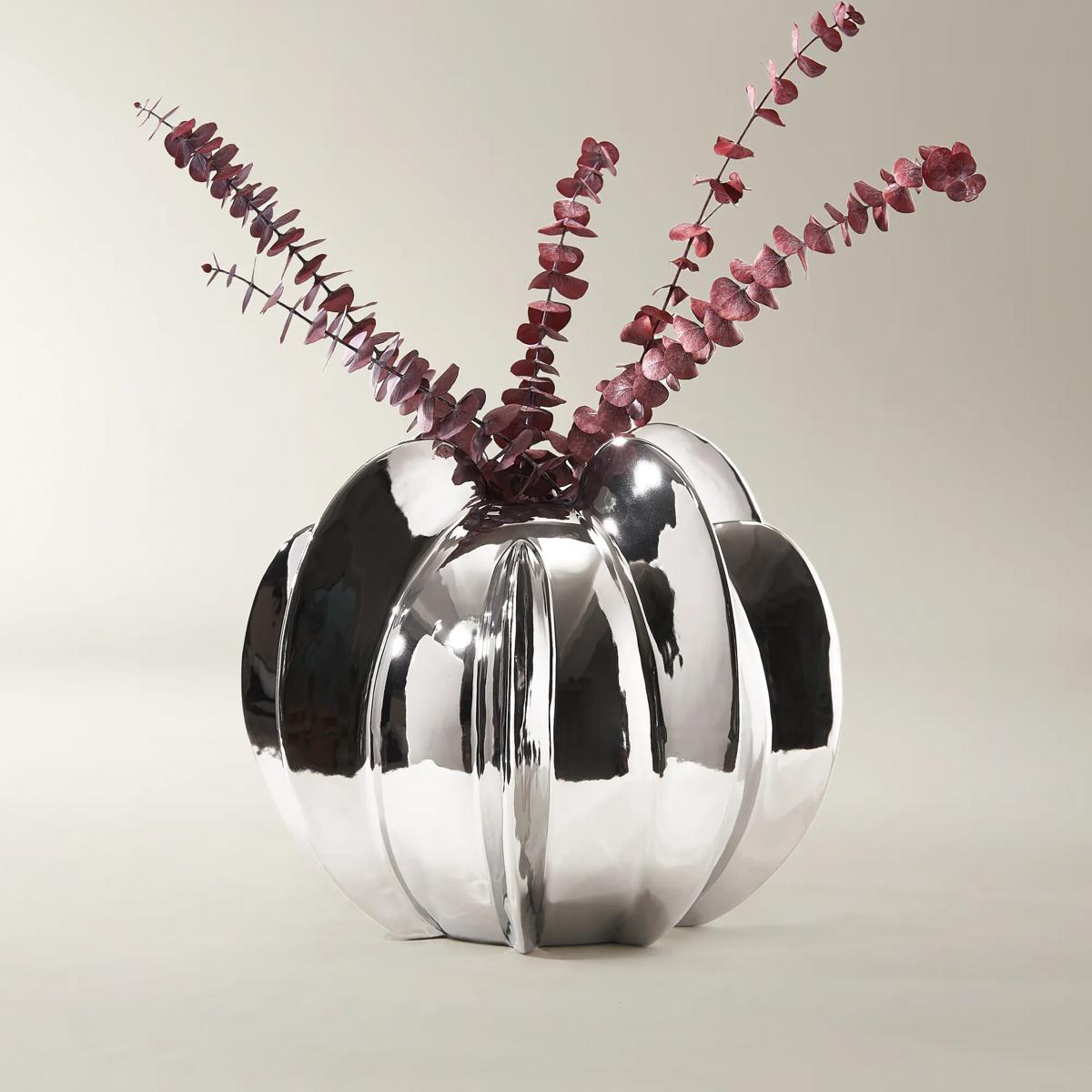
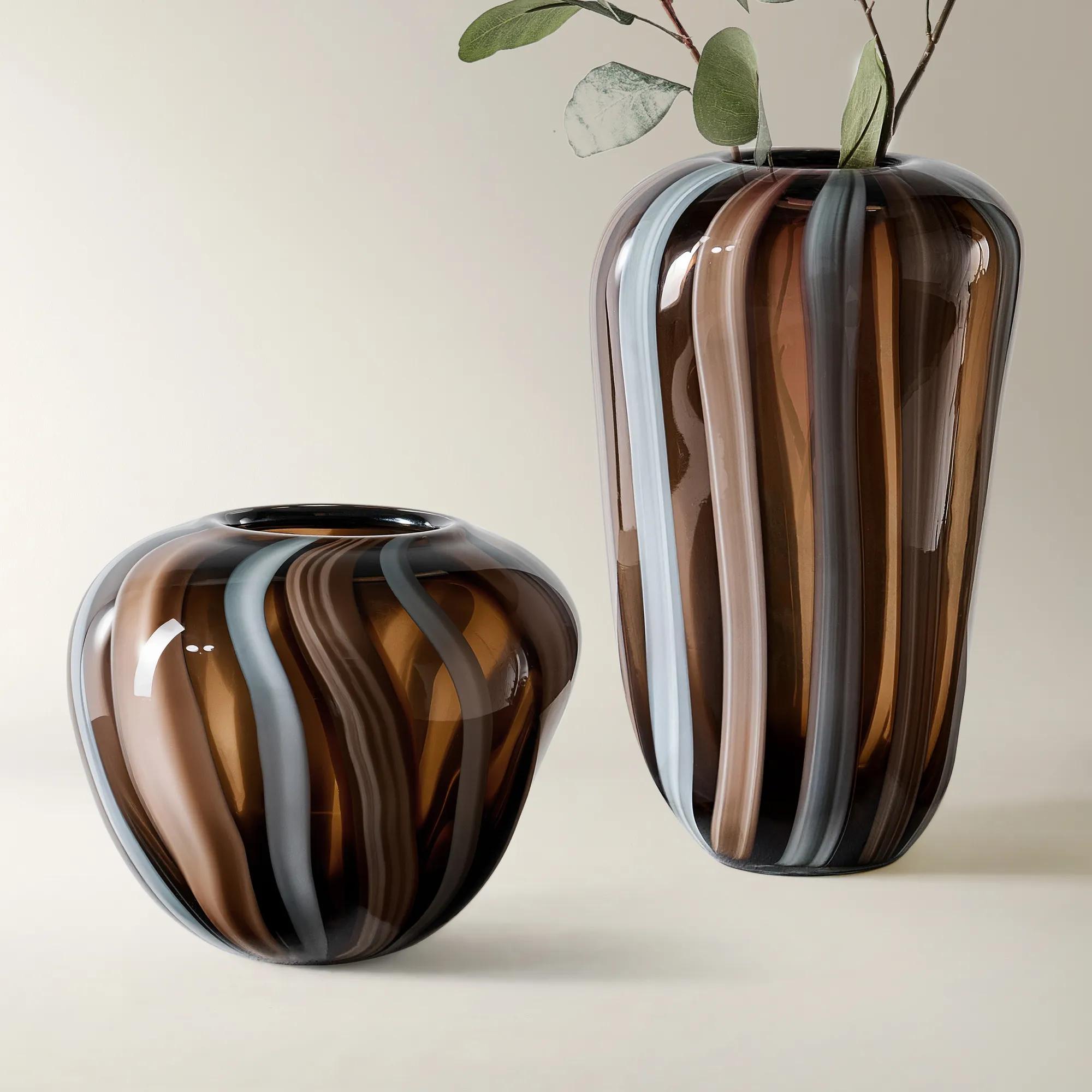
Vases For Contemporary Spaces
Vases For Contemporary Spaces
-
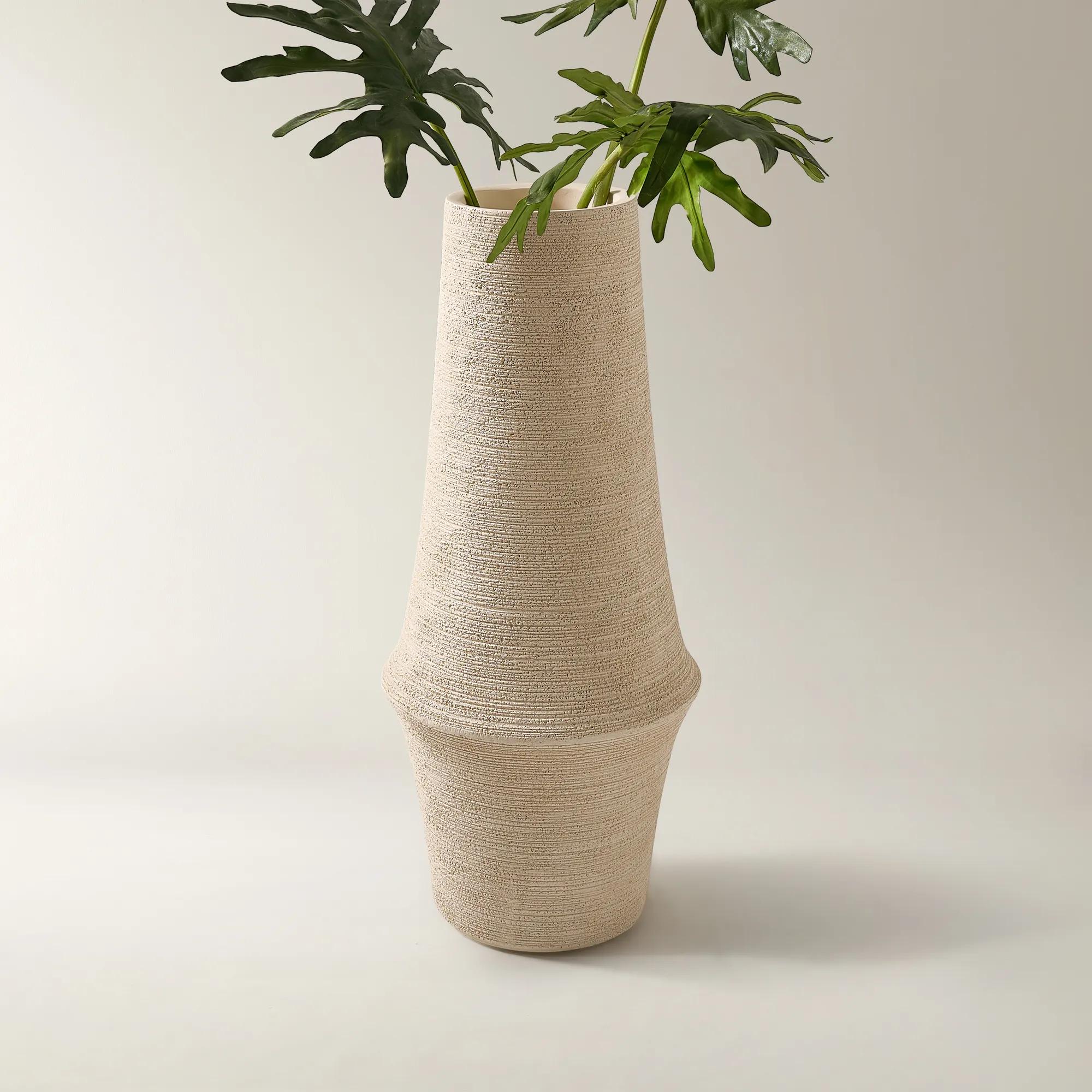 Tulum Sand Resin Floor Vase 33.75"$249
A sand-toned resin floor vase adding modern sculptural appeal to contemporary interiors.
Add To Cart -
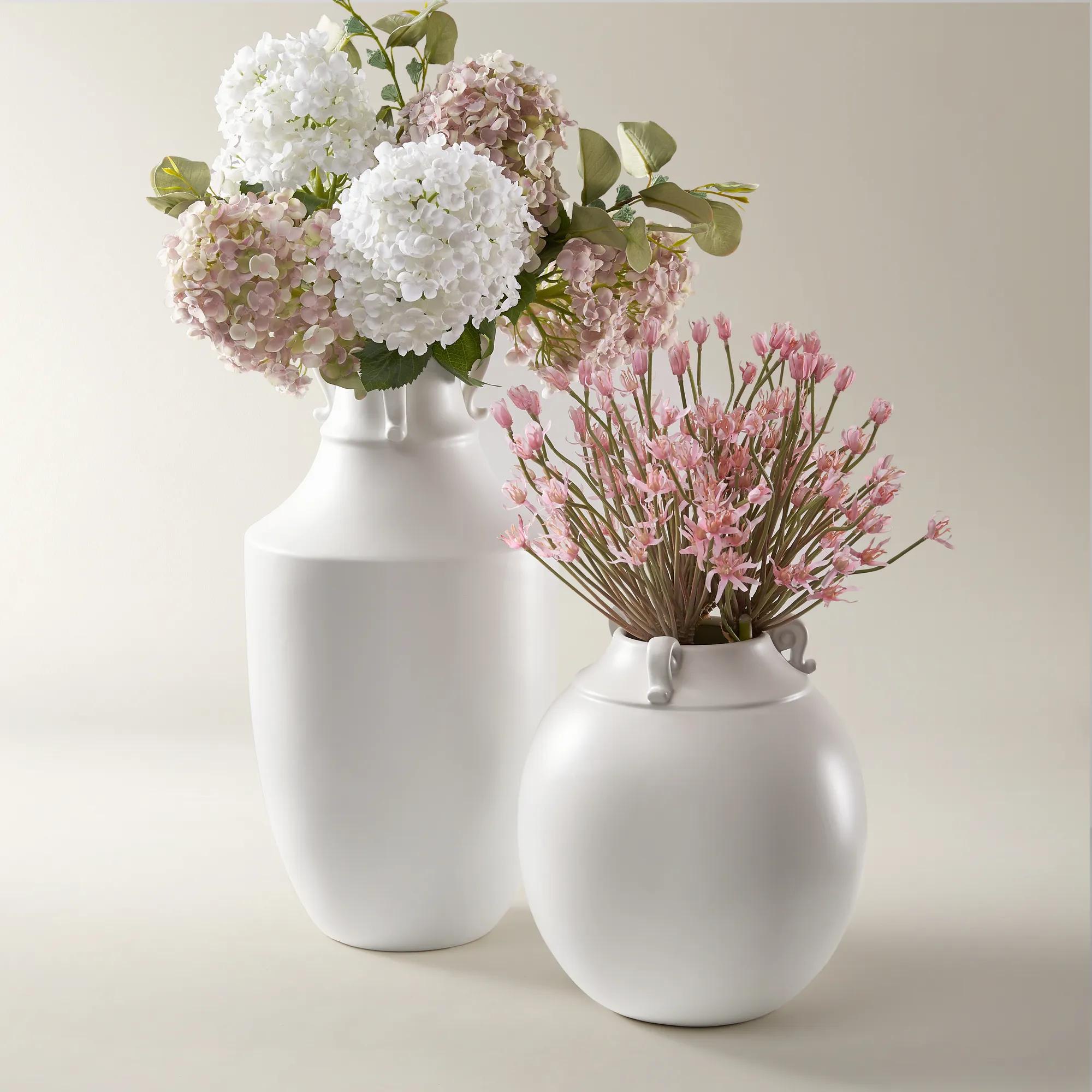 Amora Vase$119
A graceful white ceramic vase featuring smooth curves for a refined, contemporary accent to any space.
Add To Cart -
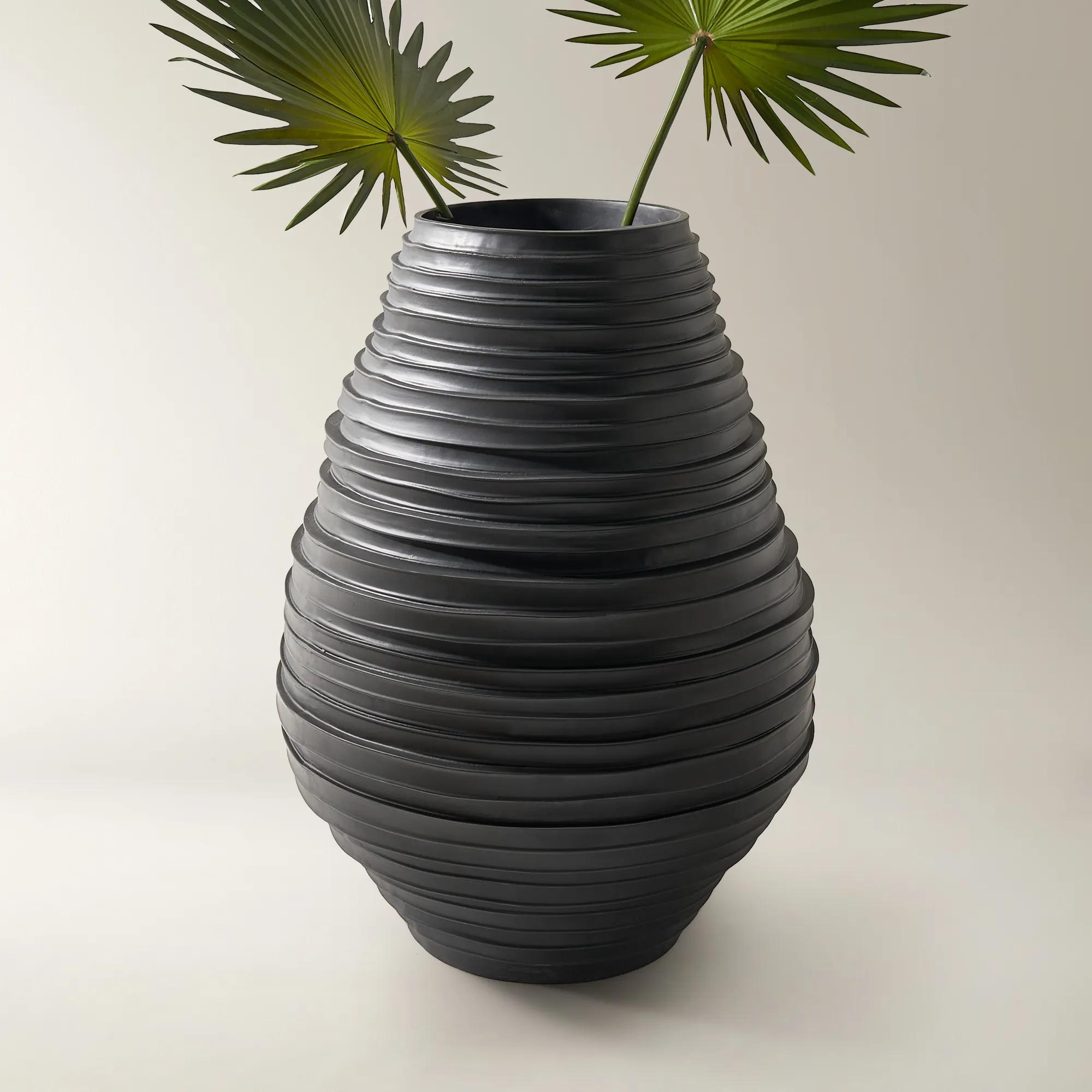
 Koma Floor Vase$529
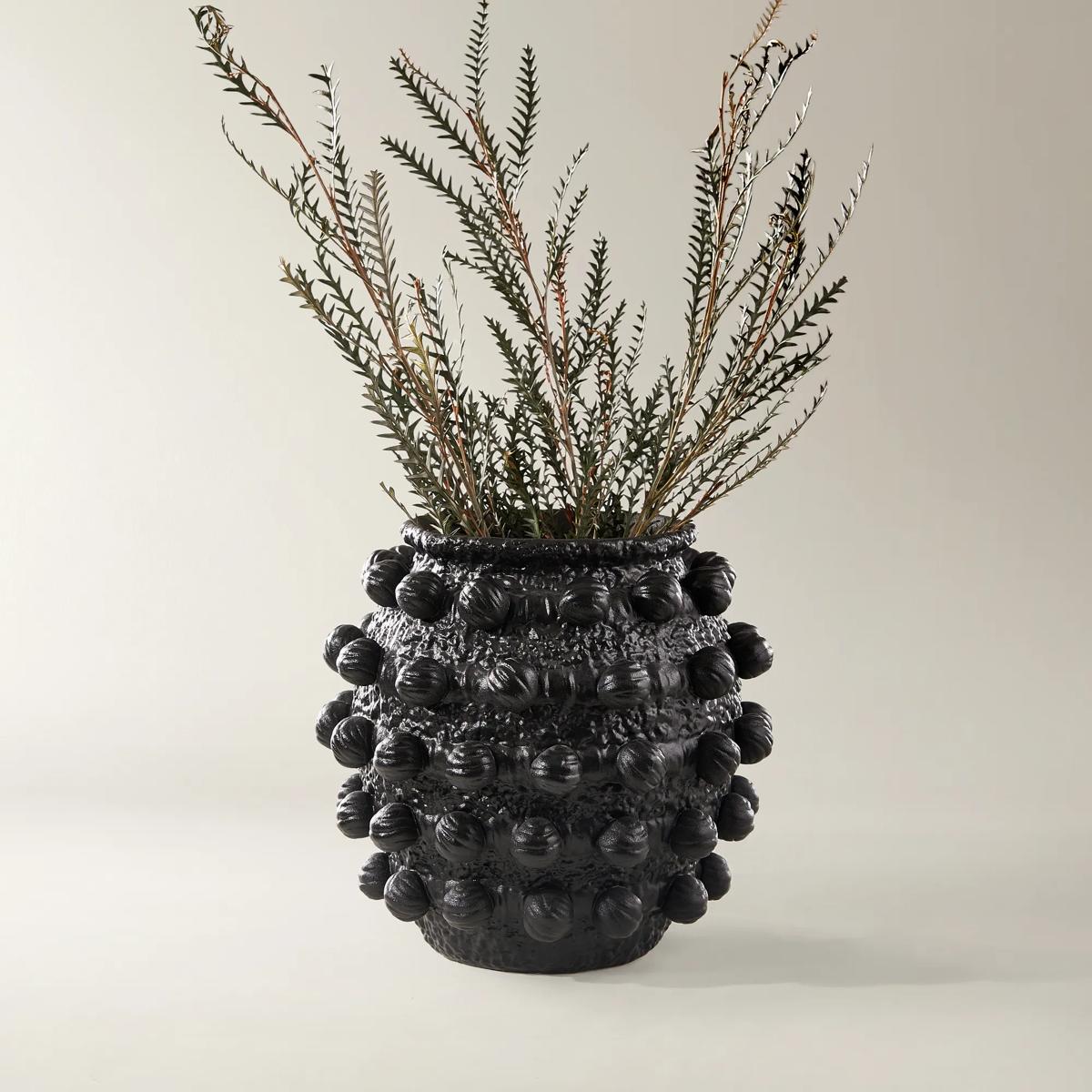
A sculptural black floor vase adding modern dimension to contemporary interiors.
Add To Cart -
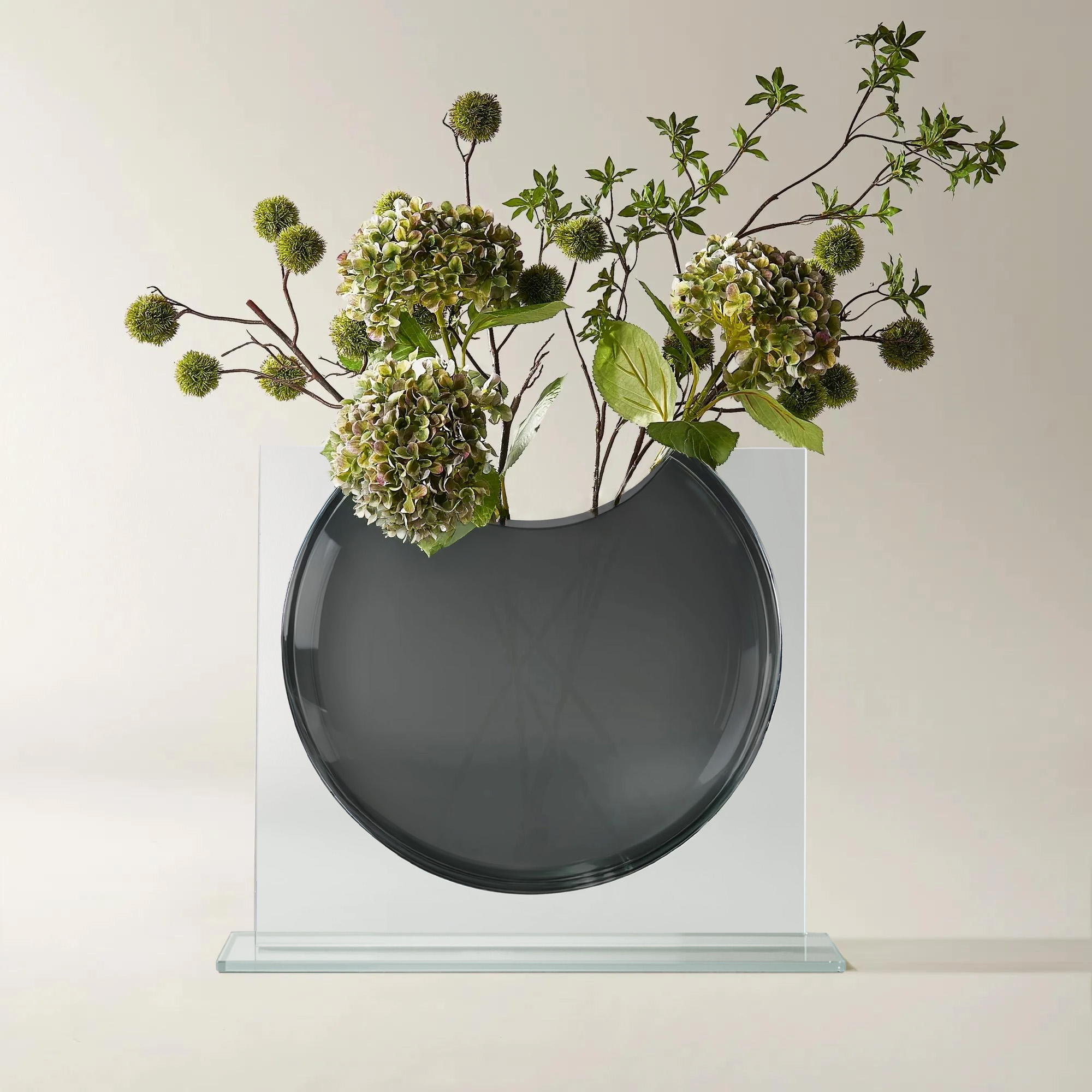
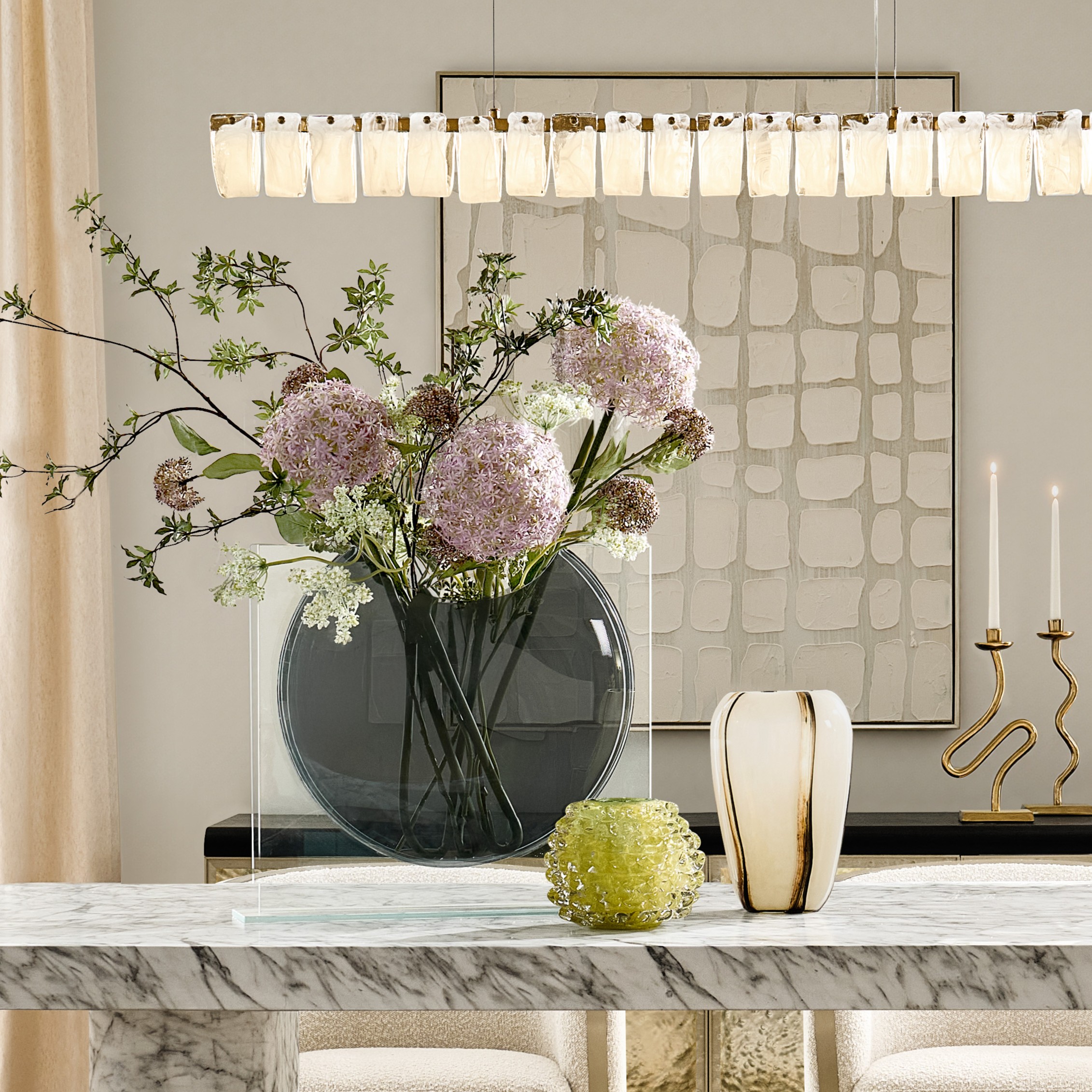 Ellipse Charcoal Glass Vase 20"$299
A sleek elliptical glass vase in clear and charcoal, perfect for displaying fresh flowers in modern spaces.
Add To Cart -
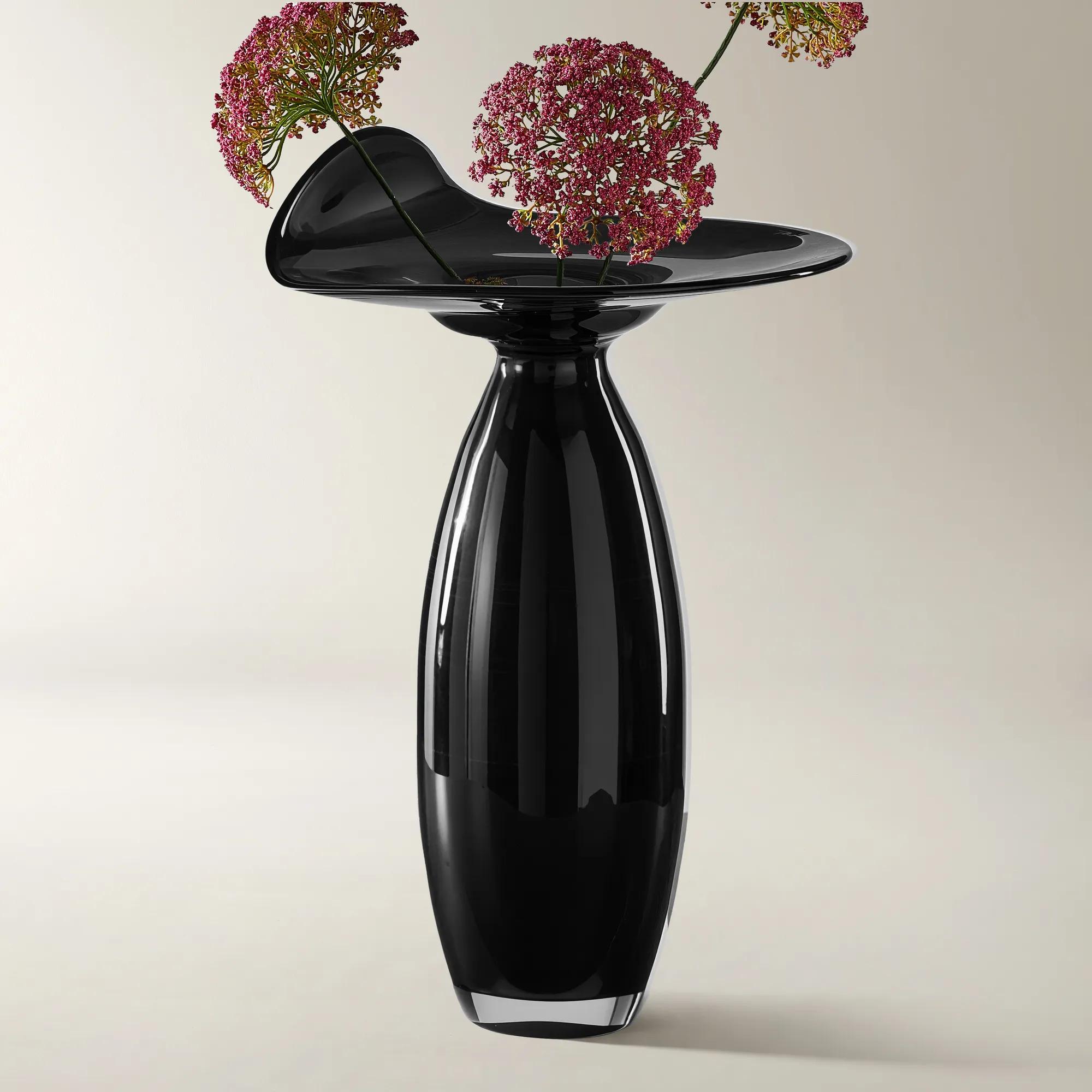 Folia Mouth Blown Glossy Black Glass Vase 22"$199
A handblown glass vase with a glossy black finish and organic sculptural silhouette for modern decor.
Add To Cart -
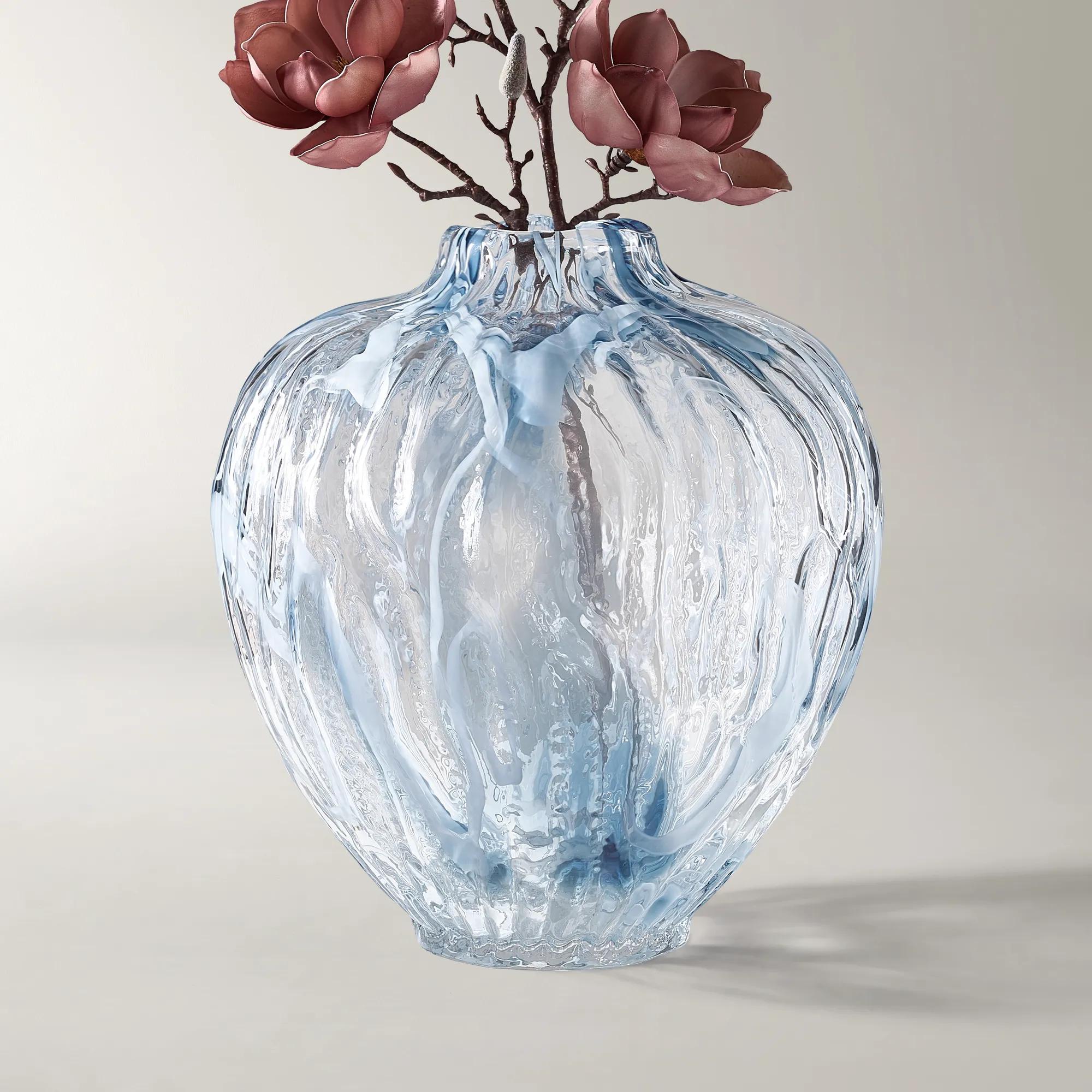 Cruz Mouth Blown Powder Blue Glass Vase 15.75"$169
A handblown glass vase in powder blue with a sculptural, light-catching surface for modern decor.
Add To Cart -
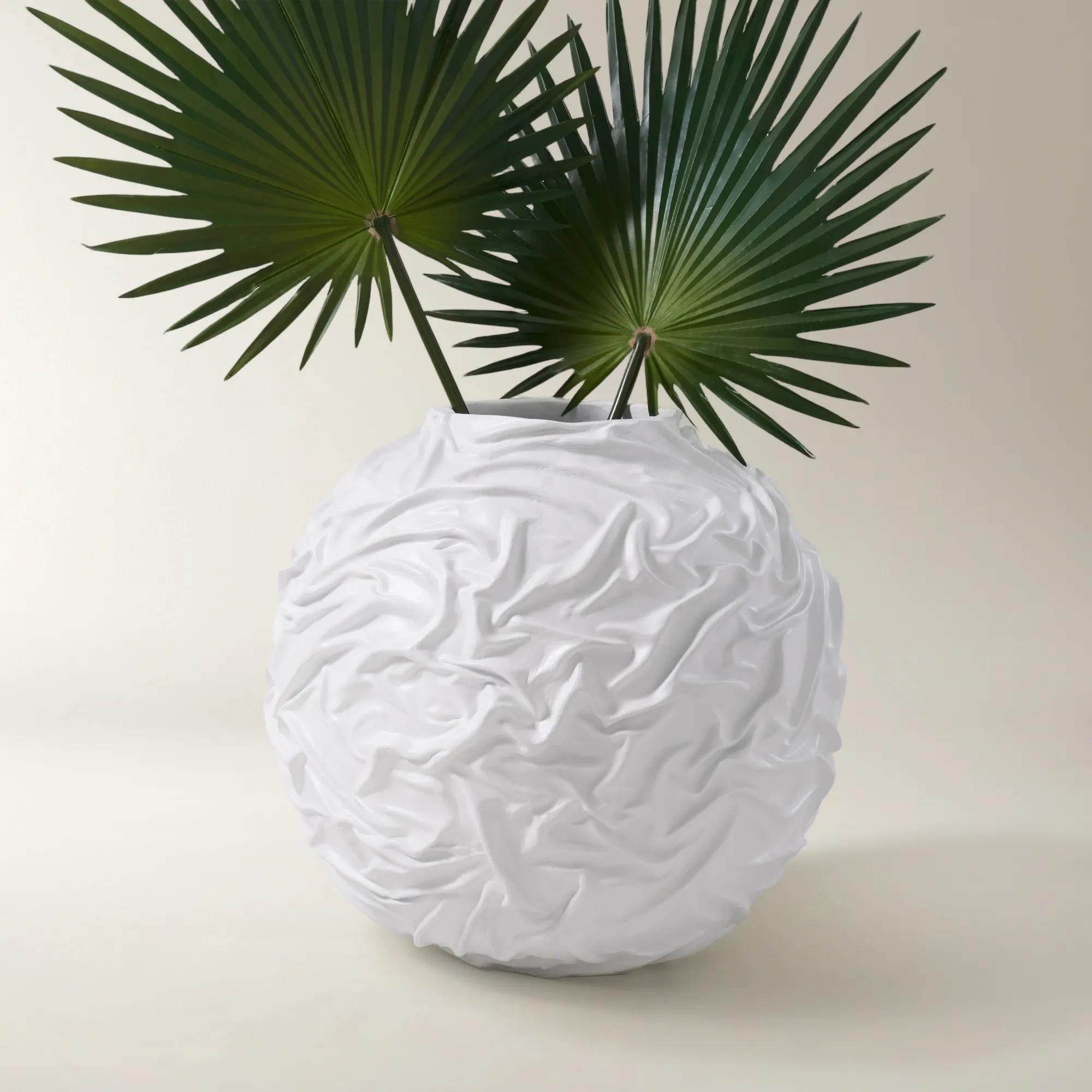 Crumple White Resin Floor Vase 18.3"$259
A sculptural resin vase with a crumpled-paper design and a sleek white finish for modern spaces.
Add To Cart -

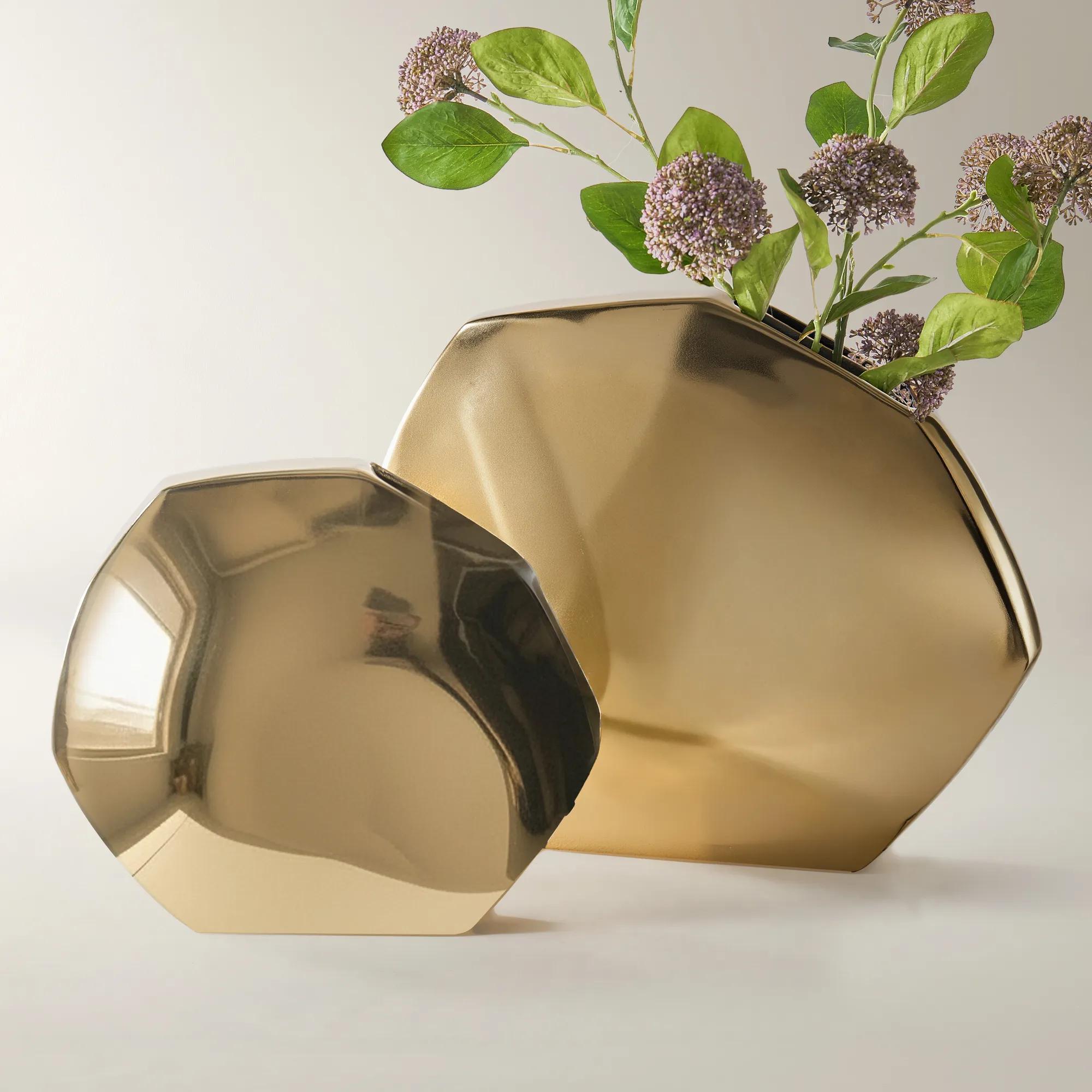
 Miami Gold Ceramic High Gloss Vase 18.5"$69
A contemporary gold ceramic vase designed for decorative use or displaying faux foliage.
Add To Cart -
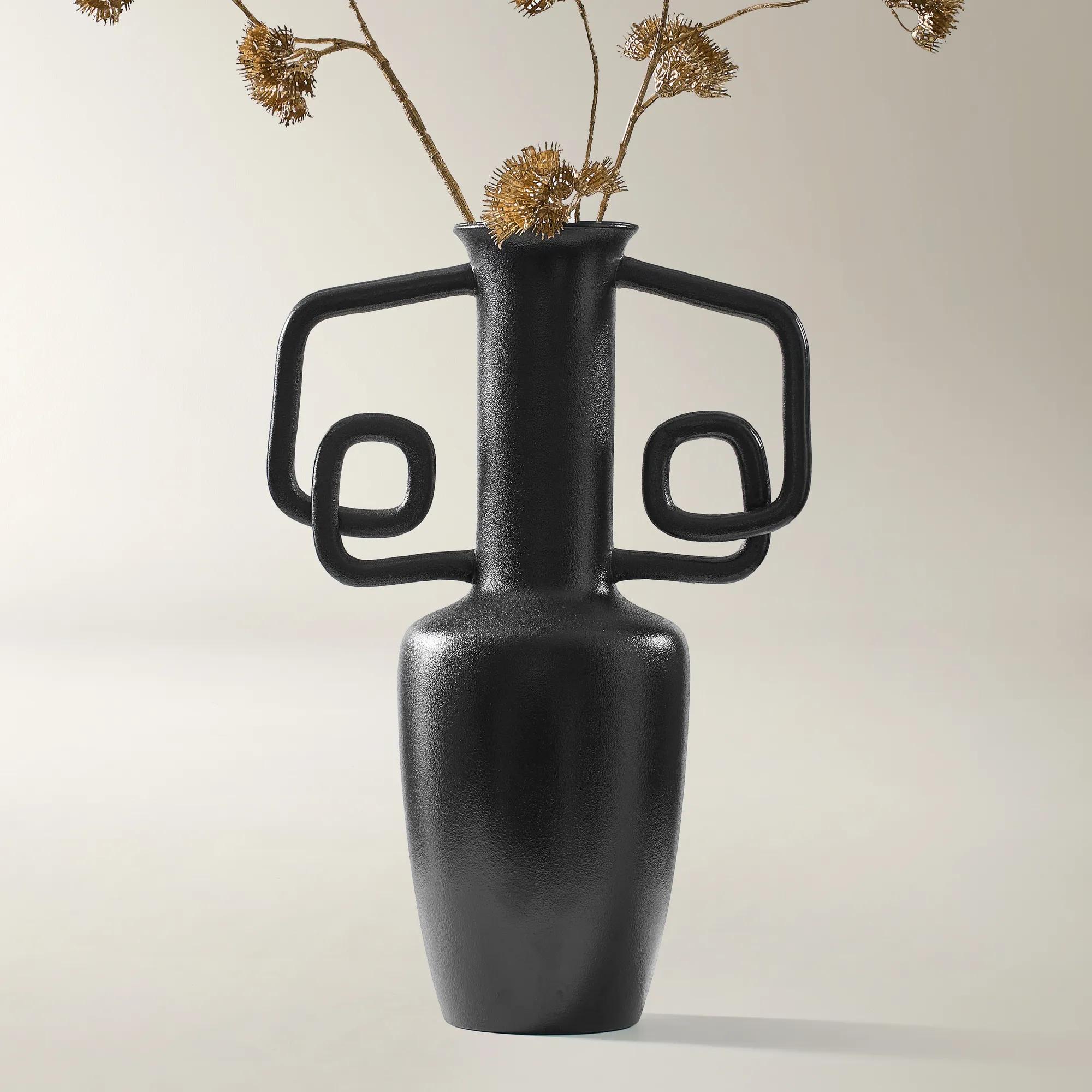 Cleo Handcrafted Black Porcelain Vase 19"$159
A sculptural black porcelain vase with exaggerated handles and a smooth, refined finish for modern decor.
Add To Cart -
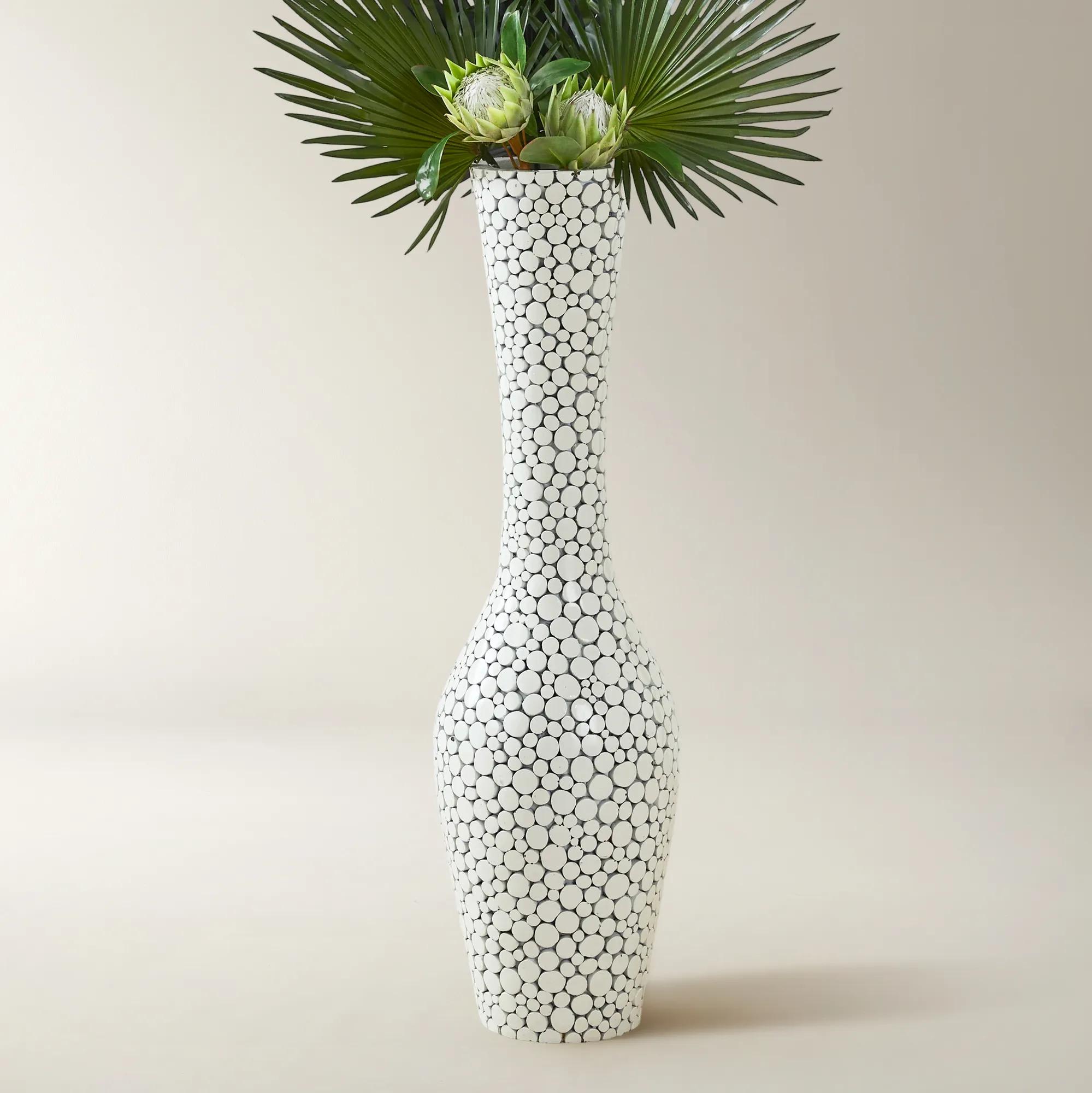 Oslo Floor Vase$299
A contemporary floor vase featuring hand-applied wood accents and a glossy white fiberglass base.
Add To Cart -

 Sesena Glass Vase$69
A hand-blown glass vase in a warm amber hue with sculptural, contemporary curves.
Add To Cart -
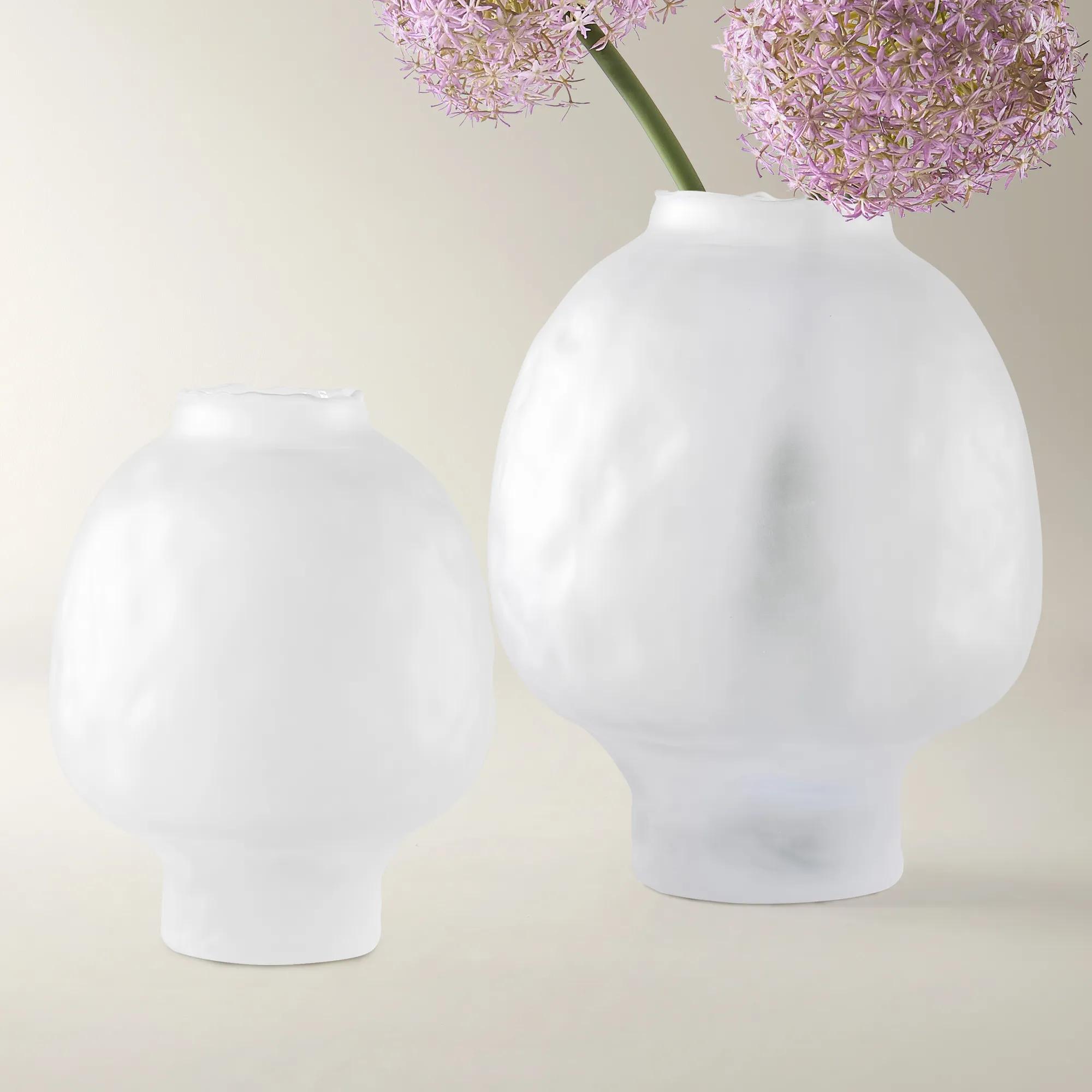
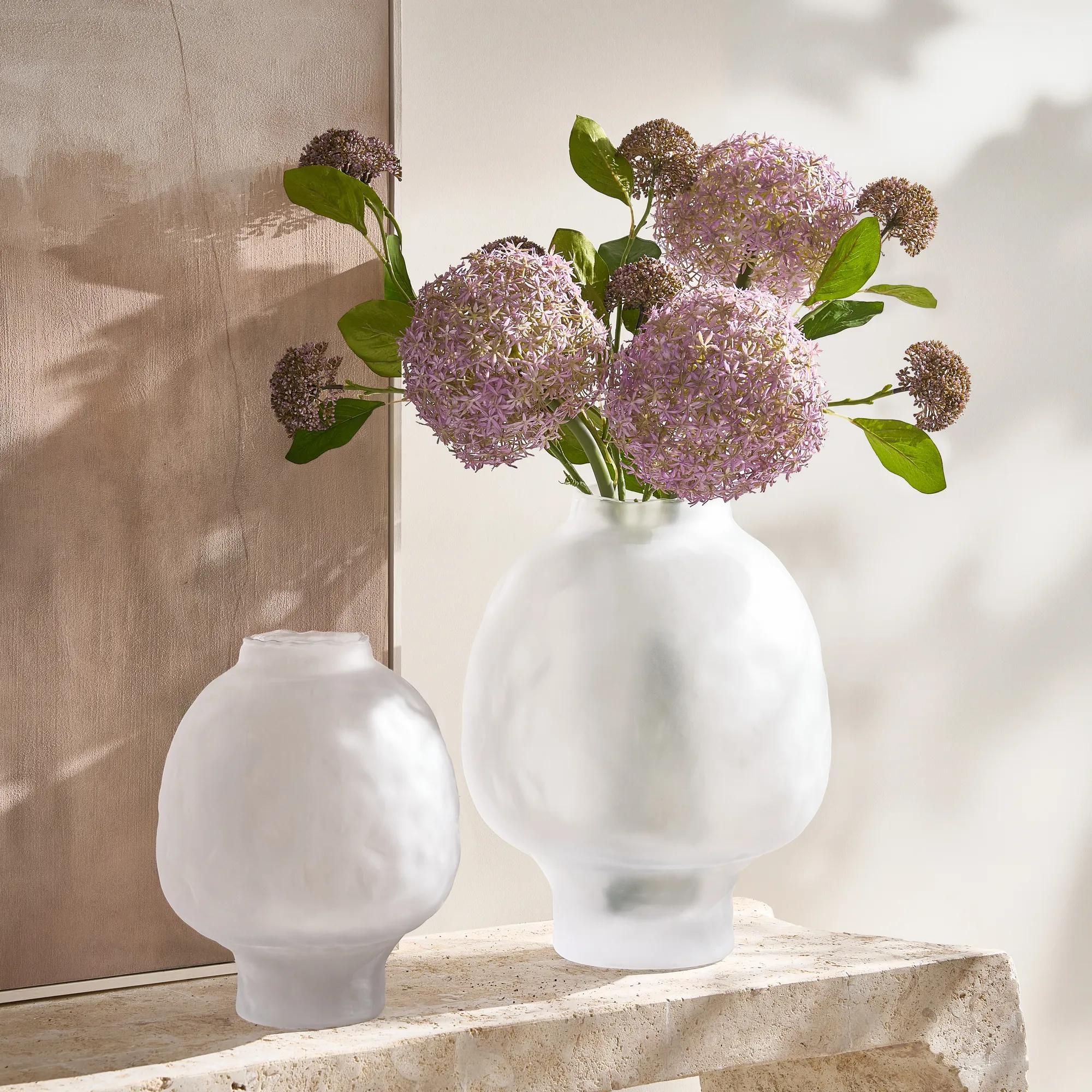 Frost Glass Vase$179
A sculptural frosted glass vase adding sleek, contemporary elegance to curated interiors.
Add To Cart -
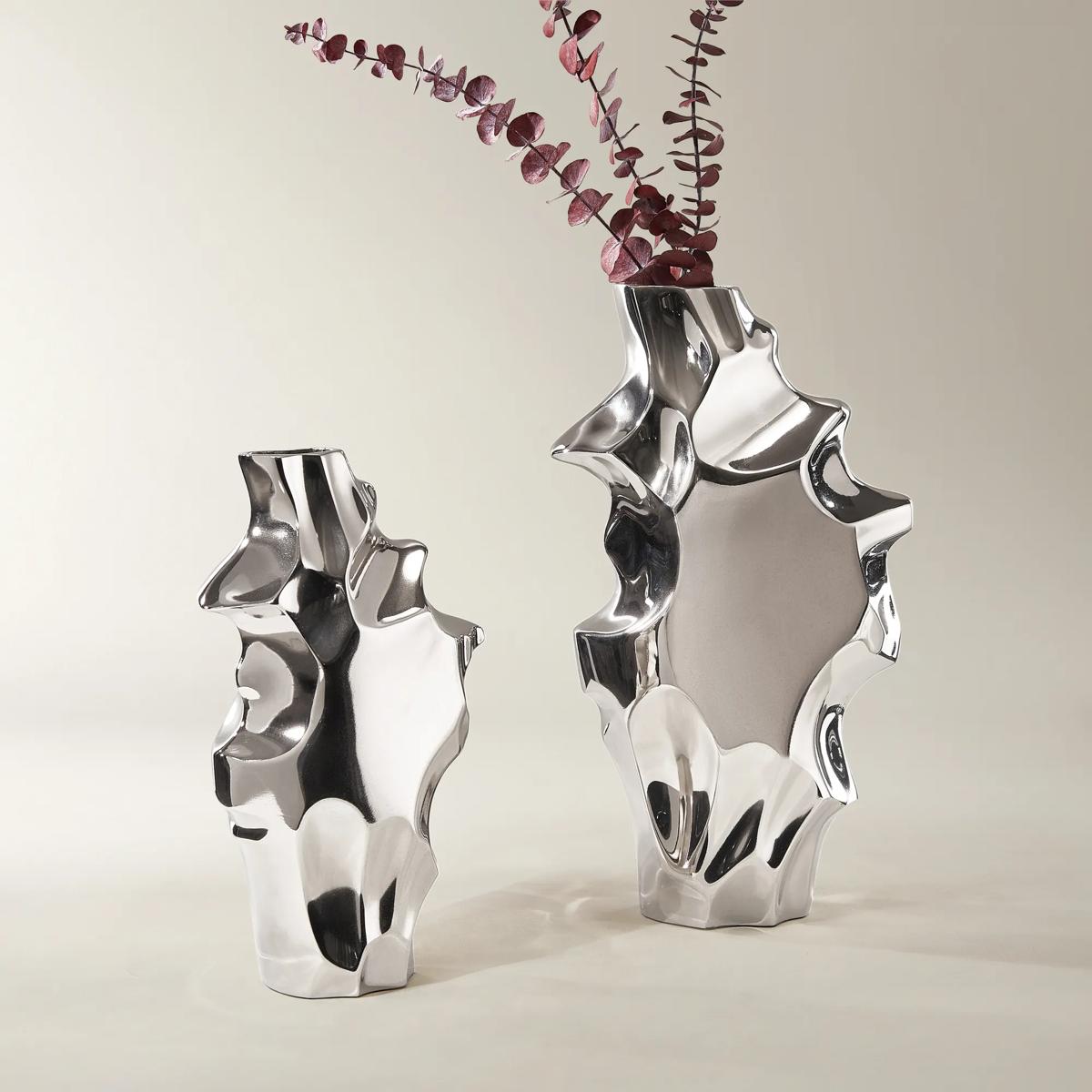
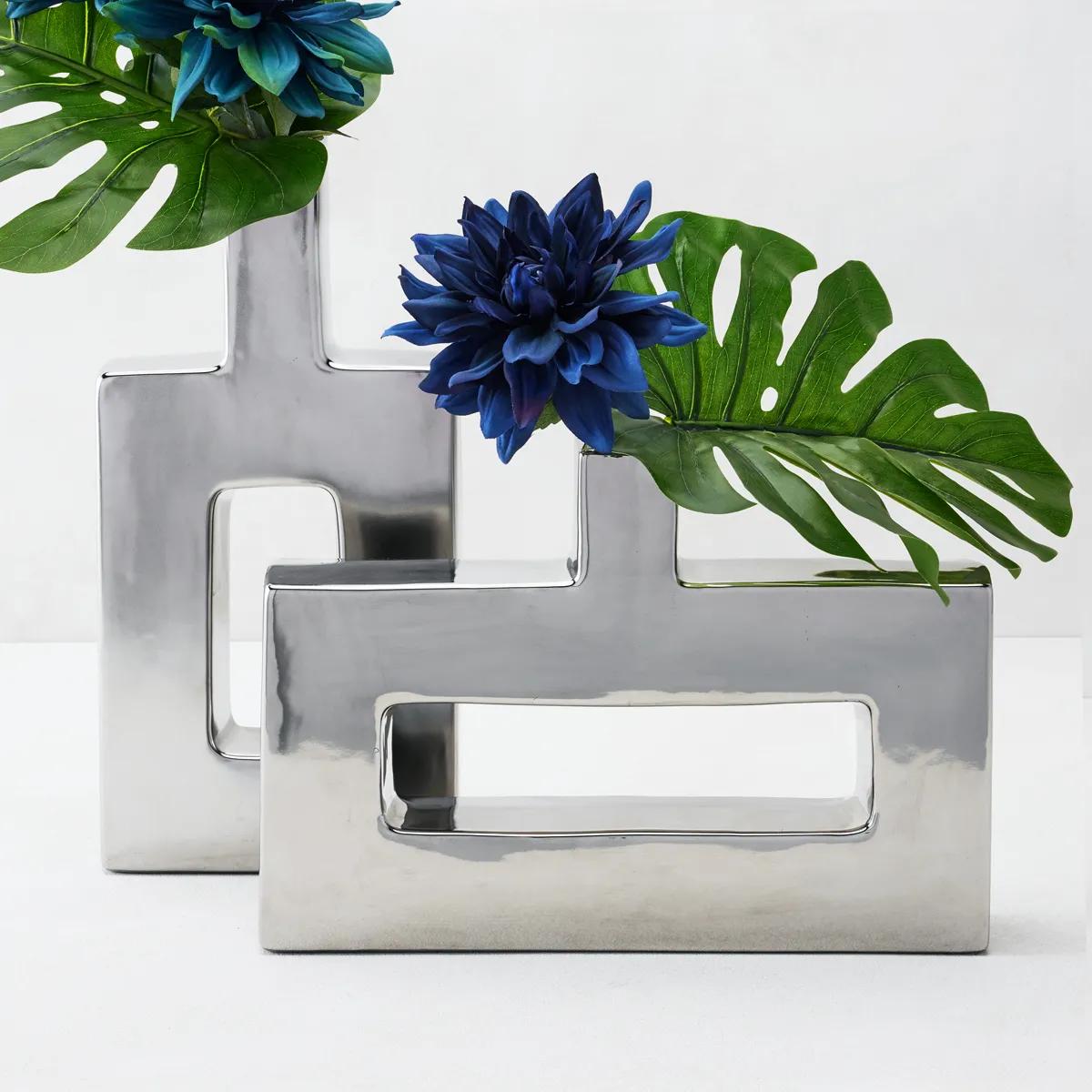 Miami Silver Ceramic High Gloss Vase 18.5"$69
A contemporary silver ceramic vase with a stylish gold glaze, perfect for decorative foliage or display.
Add To Cart -
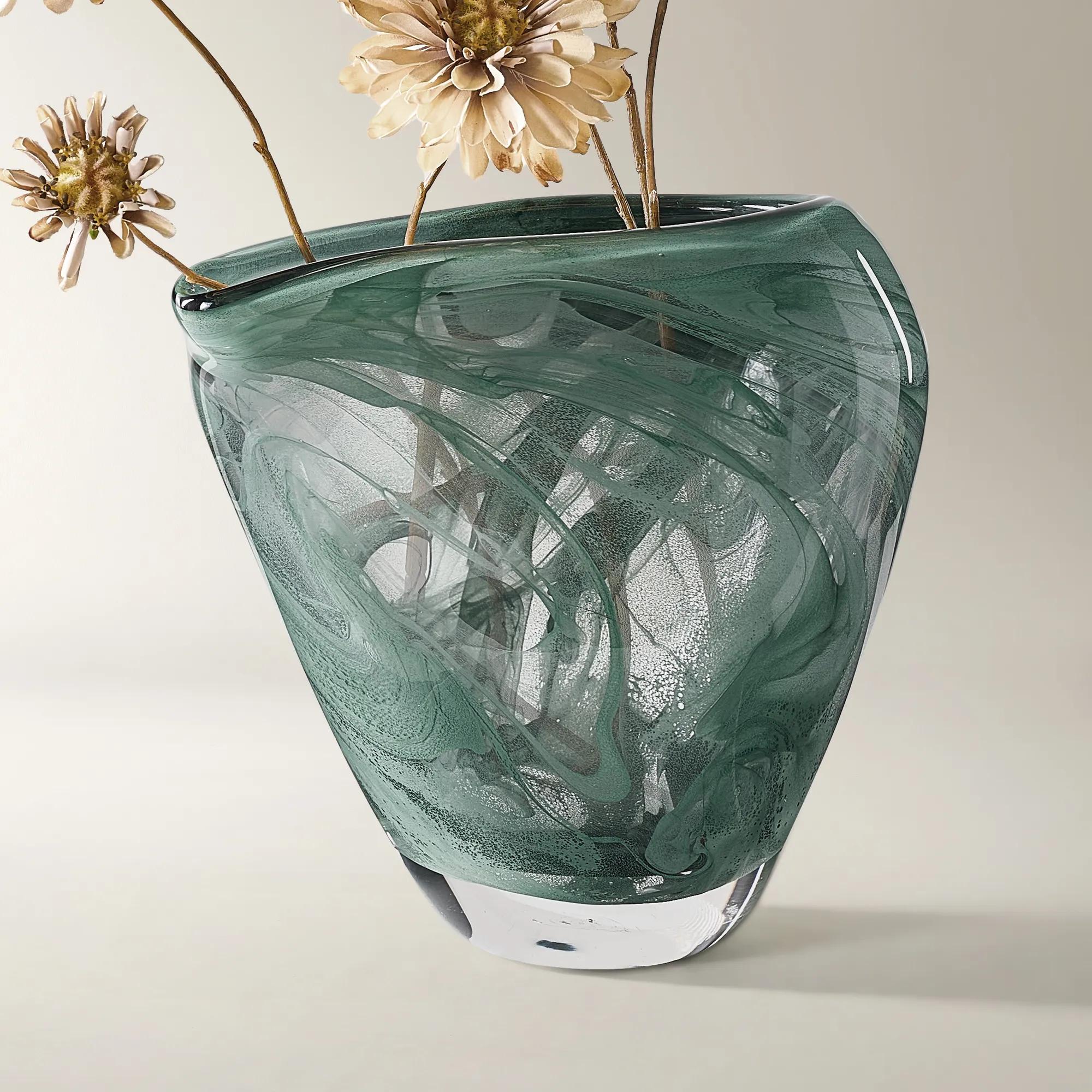 Flow Mouth Blown Sage Green Glass Vase 12.25"$199
A handblown glass vase in calming sage green with an organic, sculptural silhouette for modern decor.
Add To Cart -
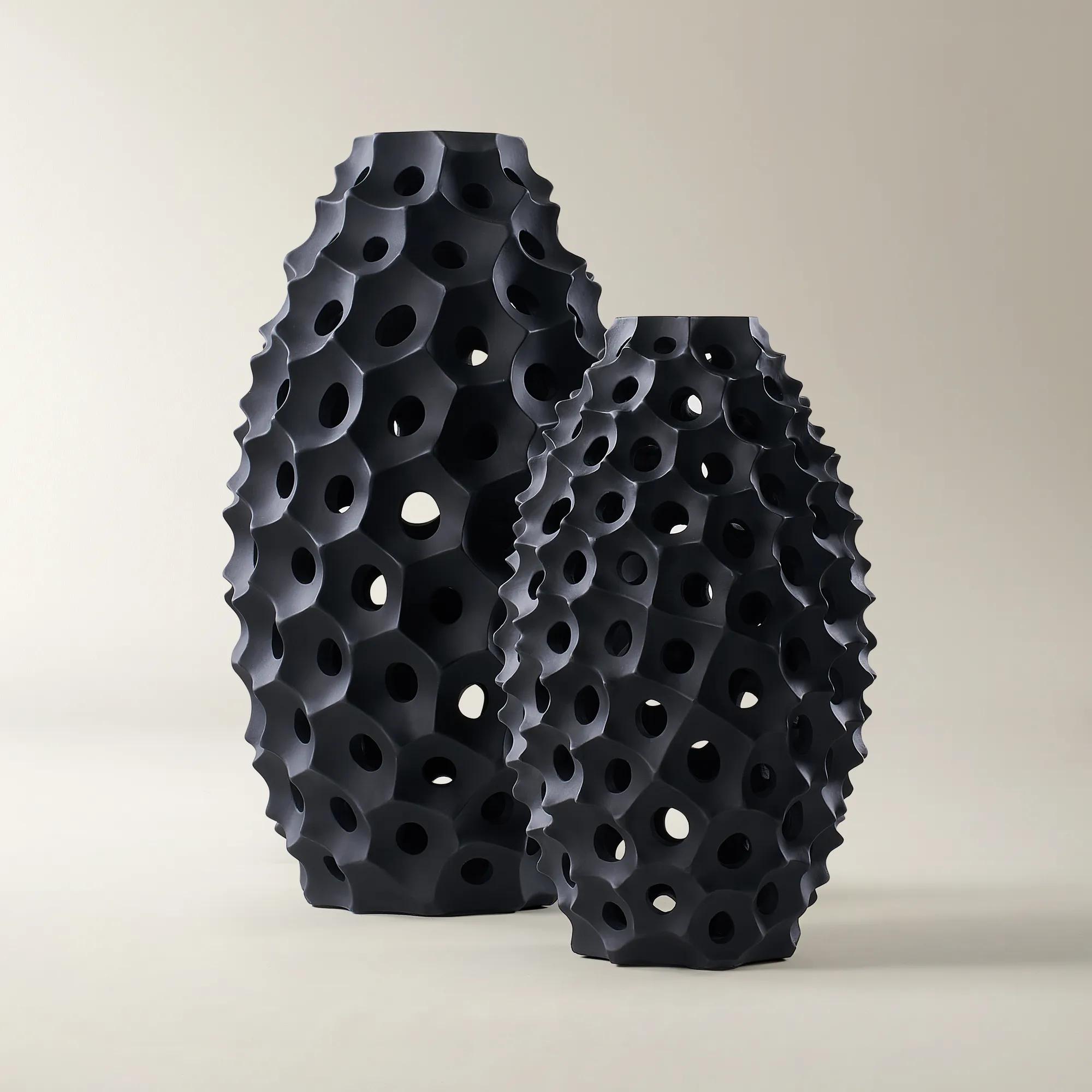
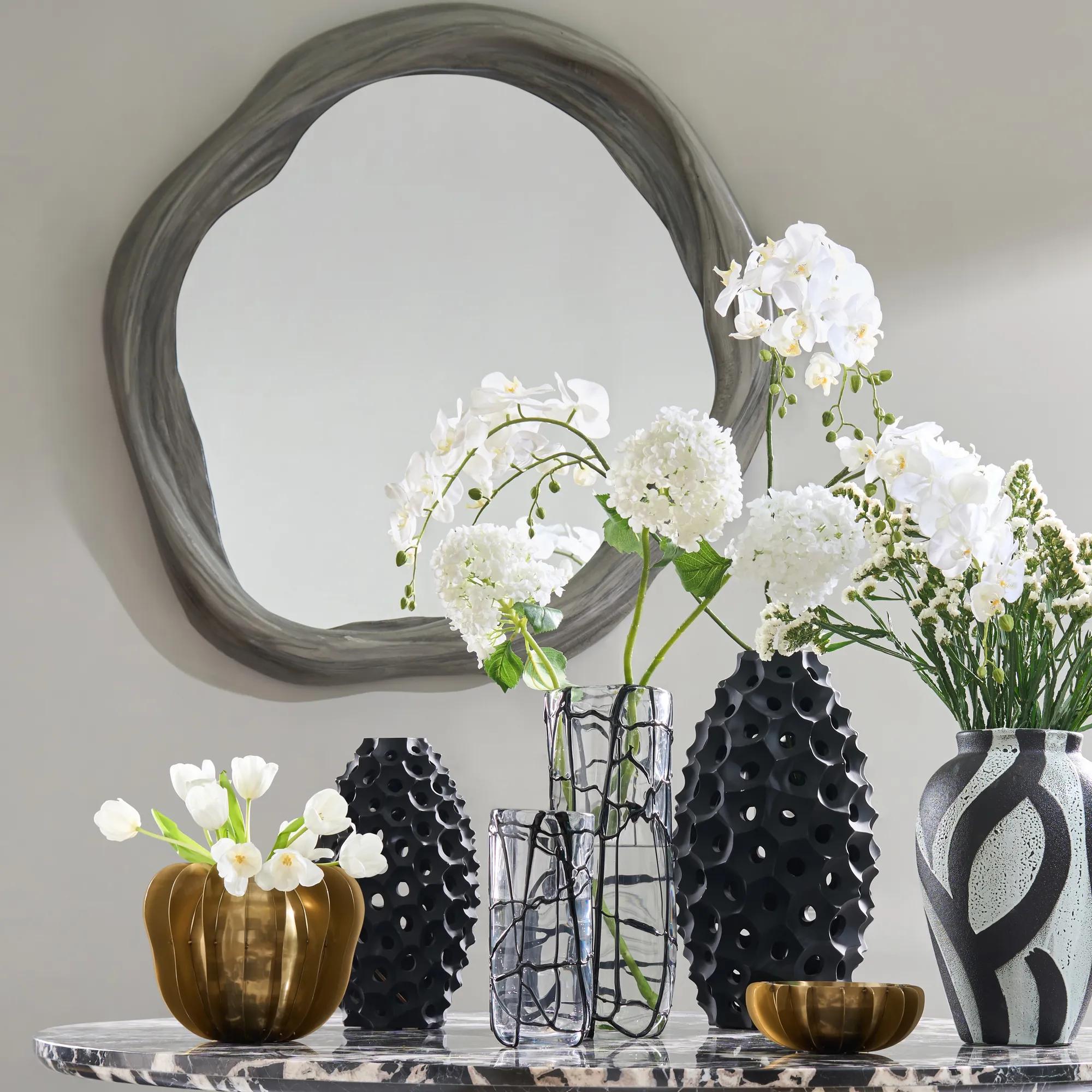 Neo Vase$119
A sleek black resin vase with an aperture design, perfect for adding modern drama to any space.
Add To Cart -
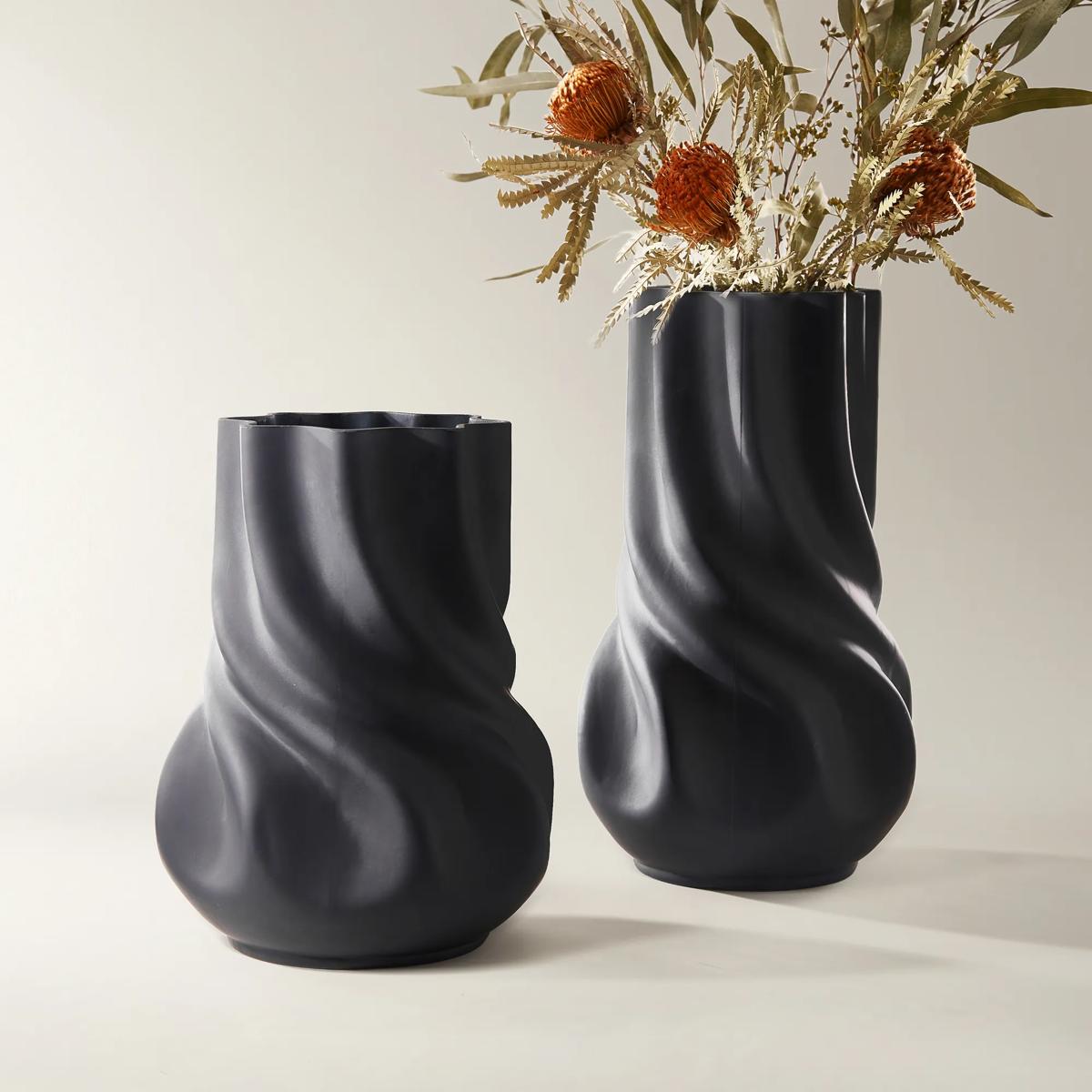
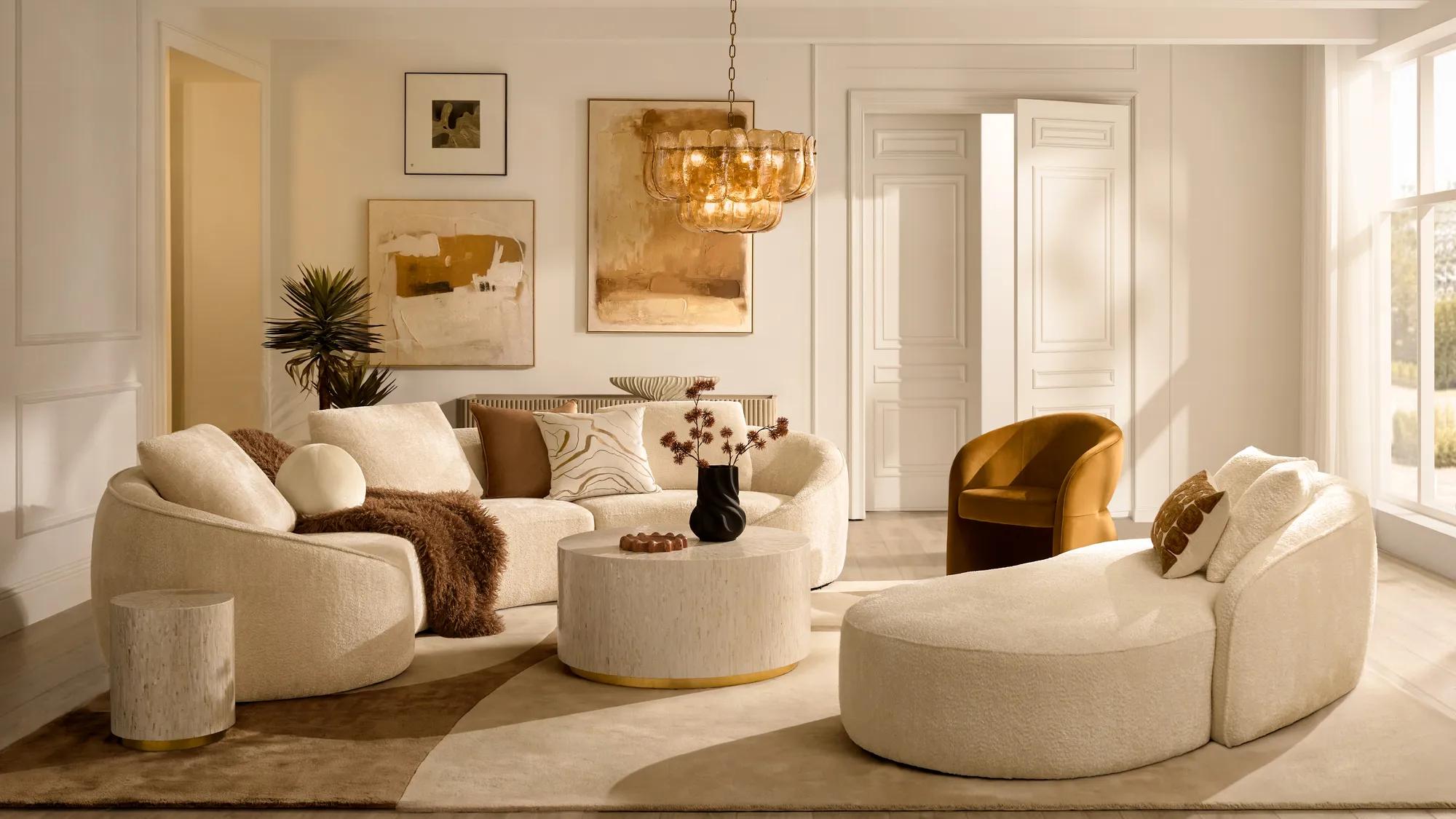 Twist Glass Vase$69
A sculptural matte black glass vase featuring fluid curves and a swirling, gallery-worthy silhouette.
Add To Cart -
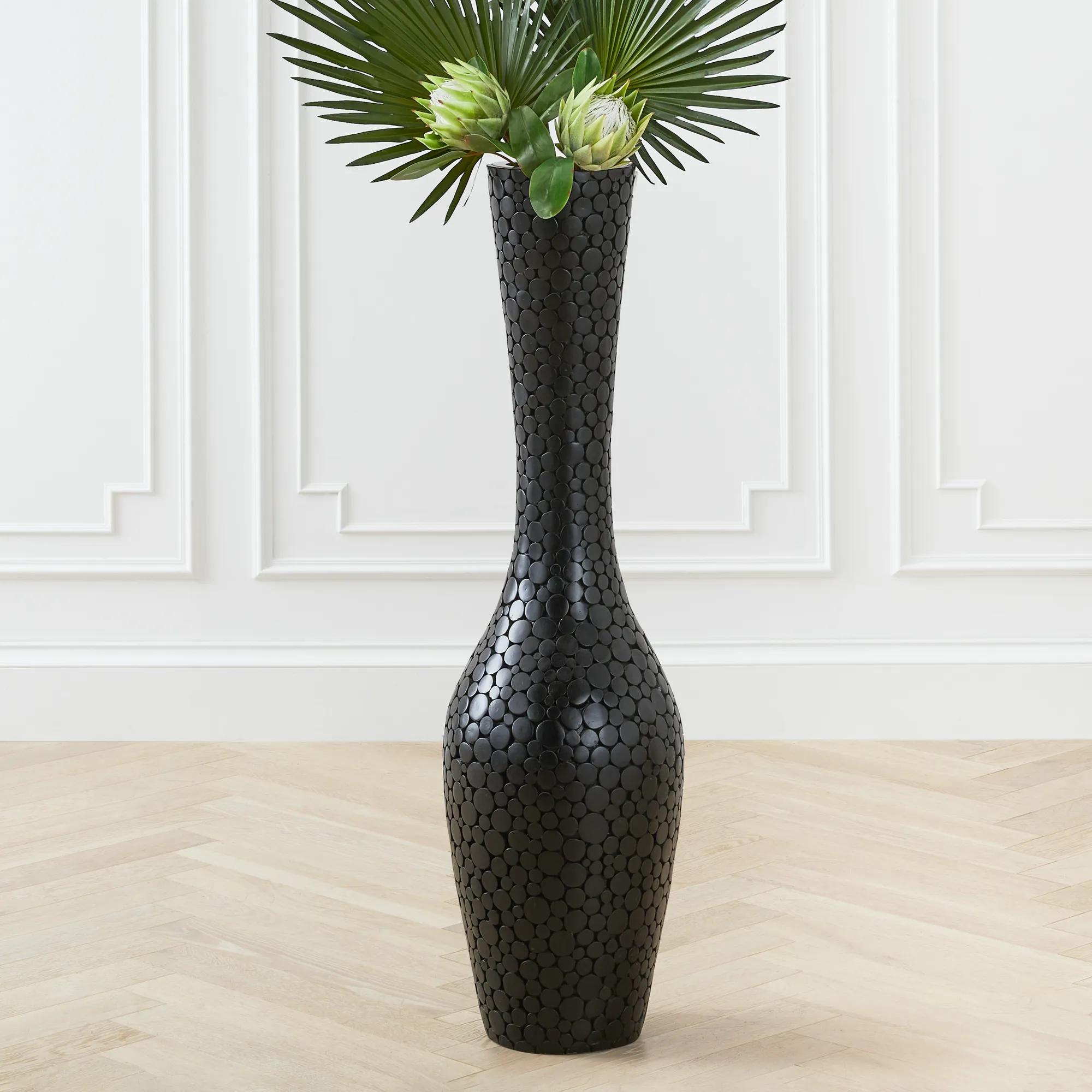
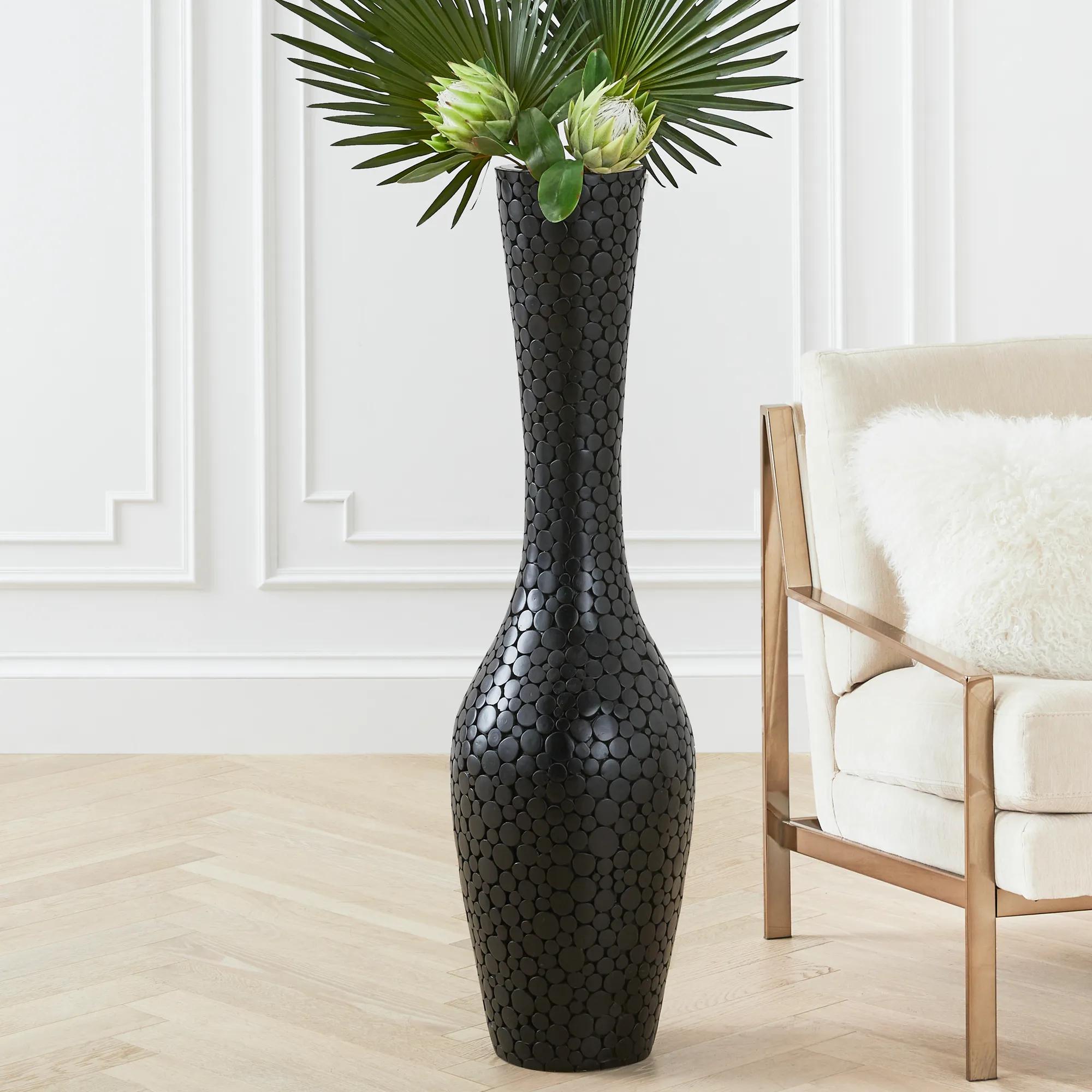 Oslo Black Wood Floor Vase 45"$299
A contemporary floor vase featuring hand-applied wood accents and a glossy black fiberglass base.
Add To Cart -

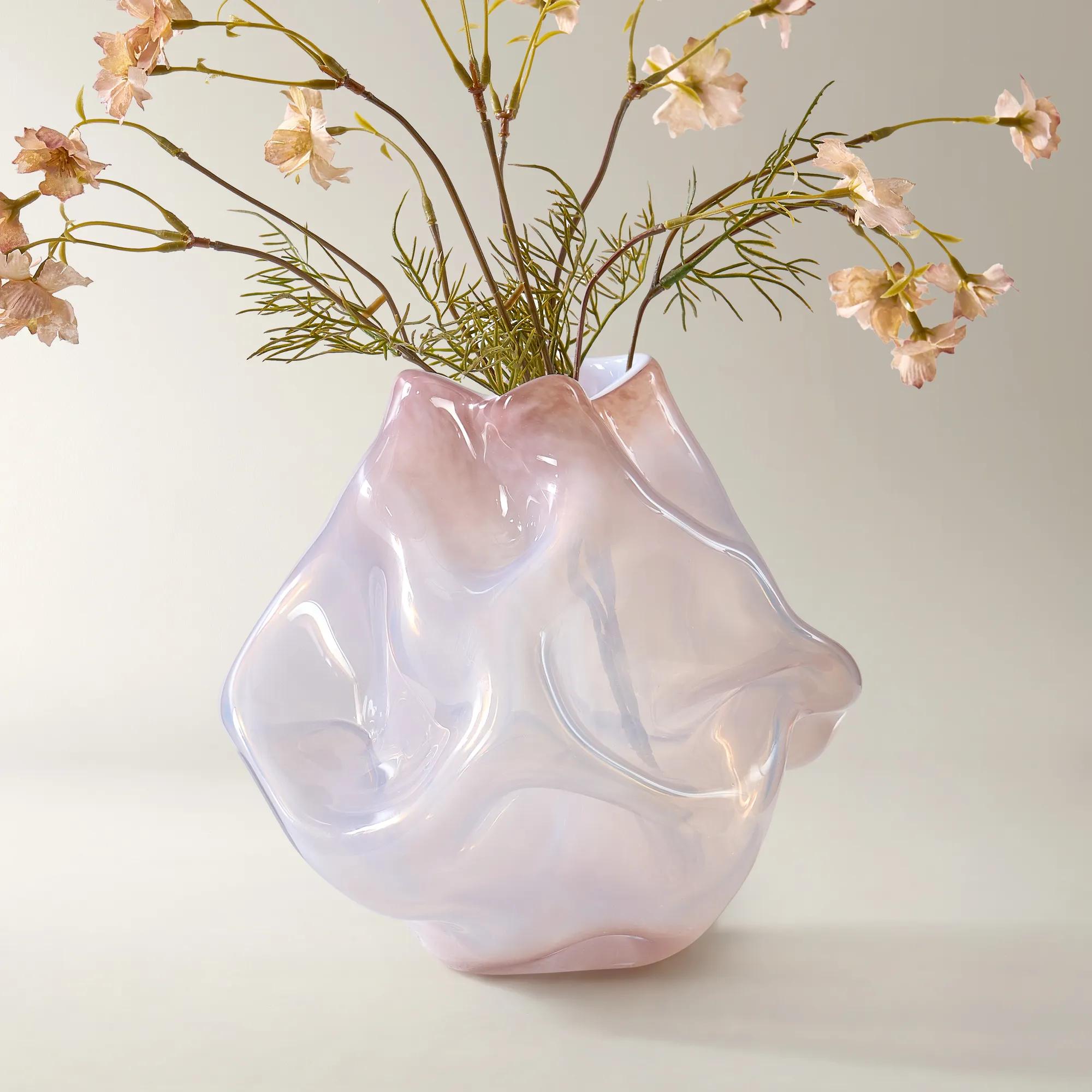
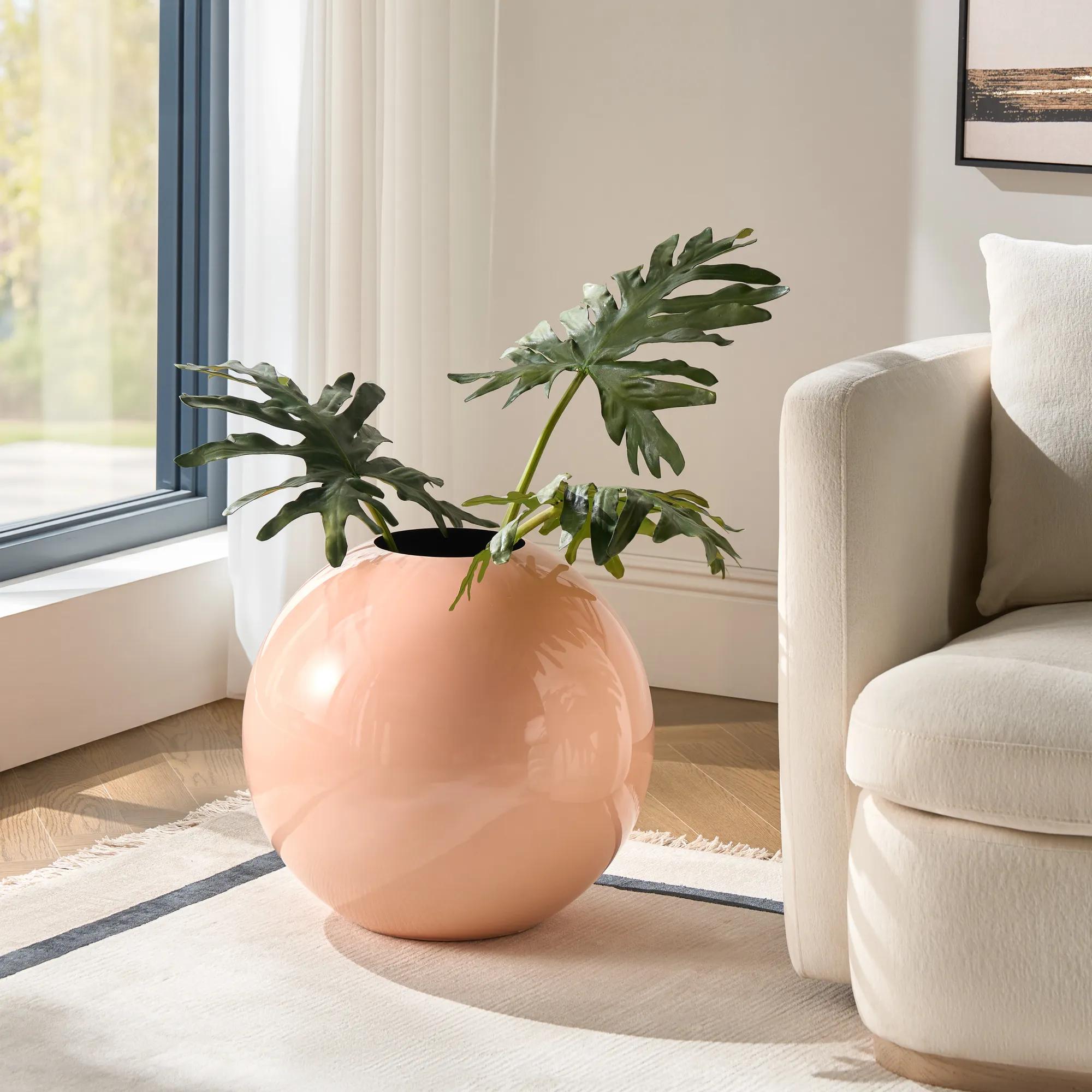 Pink Moon Floor Vase$299
A sculptural pink floor vase adding modern artistic appeal to contemporary interiors.
Add To Cart -
Miami Gold Ceramic High Gloss Vase 11.75"$69
A contemporary gold ceramic vase designed for decorative use as a sculptural accent or with foliage.
Add To Cart -
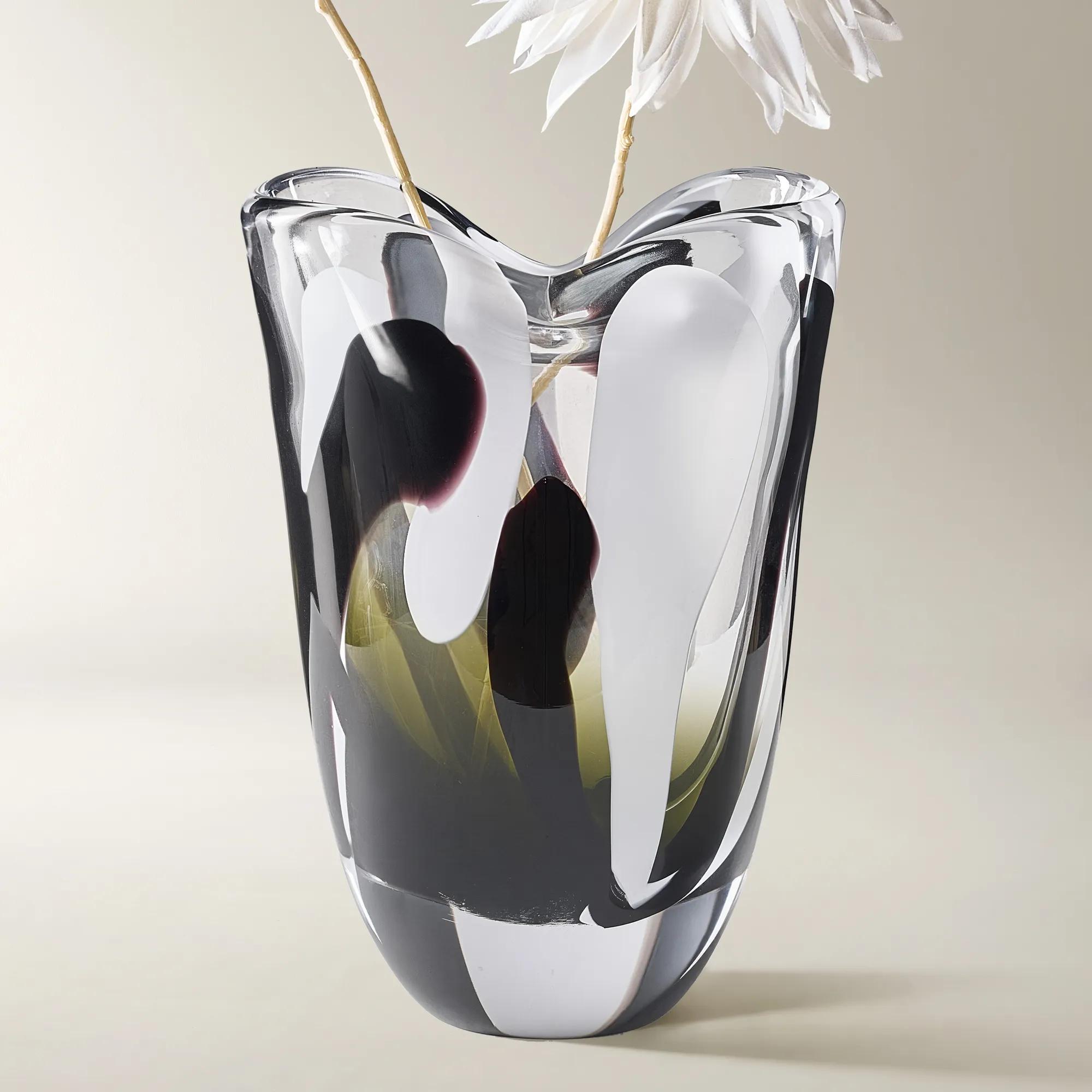 Melrose Mouth Blown Black White Glass Vase 11.25"$109
A handblown glass vase featuring a bold black and white abstract animal pattern for modern appeal.
Add To Cart -
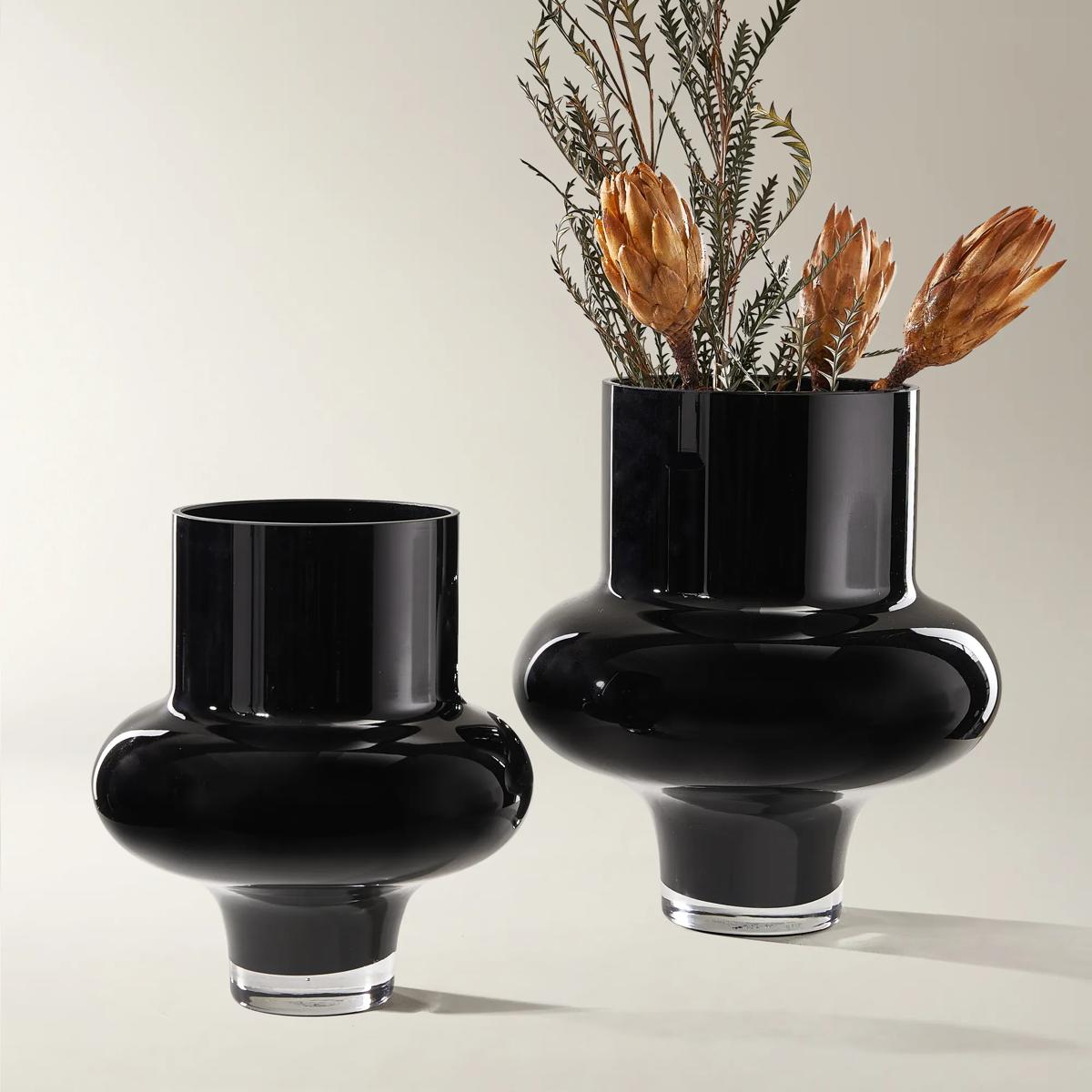
 Kors Glass Vase$69
A sculptural hand-blown black glass vase with a high-gloss finish and bold, curvaceous silhouette.
Add To Cart -
 Speckled Mouth Blown Brown And White Glass Vase 14.75"$129
A handblown glass vase featuring a brown and white speckled pattern for modern, artful appeal.
Add To Cart -
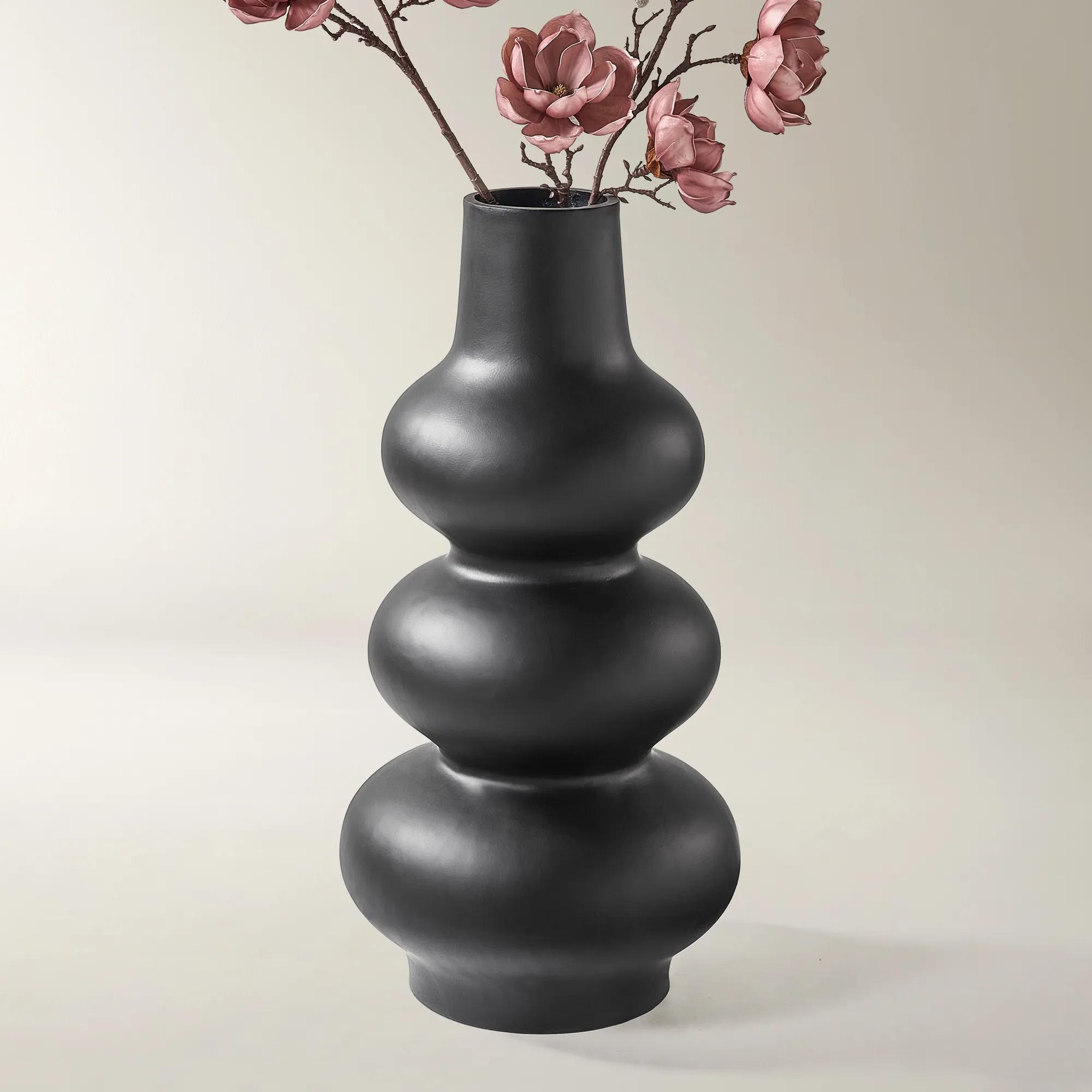 Naali Black Resin Floor Vase 31"$279
A bold black resin vase featuring a chunky, sculptural silhouette for striking modern decor.
Add To Cart -
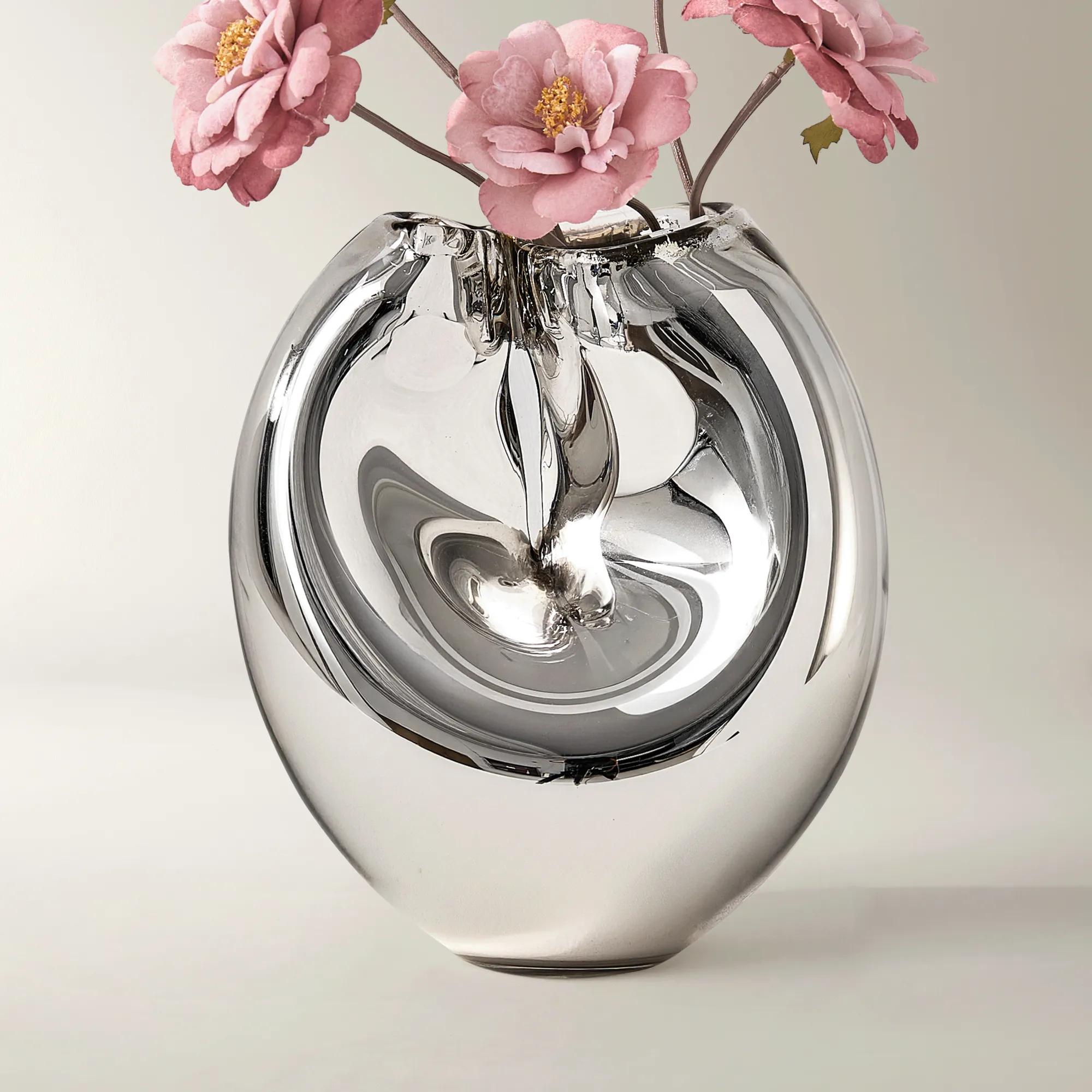 Ono Mouth Blown Mirrored Silver Glass Vase 7.75"$79
A handblown glass vase with a mirrored finish and organic silhouette for modern, artful display.
Add To Cart

Vases For Contemporary Spaces
Vases for contemporary spaces are more than vessels—they are sculptural statements, poised to transform the everyday into the extraordinary. With daring silhouettes and gleaming finishes, each piece is designed to punctuate your décor with artistry and intention. Whether anchoring a dramatic entryway or adding a whisper of elegance to a modern living room, these vases invite you to curate moments of beauty that reflect your boldest vision. Let every stem, every curve, and every shimmer become part of your home’s ever-evolving masterpiece.
Vases for contemporary spaces give modern interiors a sculptural focal point, pairing expressive silhouettes with finishes that reward a closer look. Their appeal extends beyond displaying flowers: a dramatic vessel can hold its own as an artful object, bringing shape, texture, and visual weight to a console, dining table, or open shelf. Rounded forms soften the crisp lines of contemporary furniture, while angular profiles echo architectural details and create a more graphic composition. An elongated neck draws the eye upward; a generous, low body lends substance without interrupting the view across a room. Color changes the effect just as decisively. Ivory and tonal neutrals reveal subtle contours, saturated hues establish a deliberate accent, and metallic finishes introduce a gleaming counterpoint to upholstered furniture and matte surfaces. For a distinctly graphic expression, modern black vases for contemporary homes create striking contrast against pale walls, luminous stone, and warm wood. A dark vessel can also connect black accents already present in artwork, lighting, or furniture, making the room feel considered rather than simply coordinated. Contemporary vase styling does not require every accessory to match. A shared undertone, repeated curve, or related finish can connect otherwise different pieces while allowing each silhouette to retain its character. On an entry console, a substantial vase beside a framed artwork establishes an immediate sense of presence. On a coffee table, a lower vessel adds dimension to a composition of books and decorative objects without competing with conversation. A floor vase can give an open corner purpose, provided its proportions suit the surrounding furniture and it stays clear of walking paths. The most compelling choices respond to the room’s existing lines while introducing something unexpected: a rippled surface against smooth lacquer, a luminous glass form beside richly textured upholstery, or a sculptural opening framed by a quiet wall. That tension gives contemporary decor its depth, turning an everyday vessel into an intentional part of the interior.
Material determines how a contemporary vase catches light, feels in the hand, and performs in daily use. Ceramic offers a broad range of visual expressions, from softly matte surfaces to richly glazed finishes; substantial forms can bring grounding weight to a shelf or tabletop. Porcelain can achieve refined profiles and crisp detail, while glass allows light to travel through the vessel, highlighting its curves and making stems part of the display. Clear glass creates an airy effect, whereas colored or opaque glass adds greater visual density. Metal contributes reflective brilliance or a subdued patina, depending on its finish, but suitability for holding water varies by construction and surface treatment. Stone introduces natural variation and a commanding presence, though its weight deserves consideration when choosing a supporting surface. No material alone guarantees that a vase is watertight, and decorative vessels may be intended only for dry stems, faux botanicals, or display without a filling. Check the stated use and care information before adding fresh flowers; a properly fitted, watertight liner may be appropriate when permitted by the manufacturer. The opening matters as much as the outer silhouette. A narrow neck helps support a few stems, while a broad mouth accommodates fuller arrangements that may need additional floral support. Tall branches require a stable base and enough interior depth to keep their weight balanced. For a dining table, a low arrangement preserves sightlines between guests; for a console beneath a mirror, a taller composition can connect the furniture to the wall above. Measure the intended location, including clearance beneath shelves and around nearby lamps, rather than judging size from a photograph alone. A generously scaled vase needs room for its outline to register, while a smaller vessel benefits from placement where its details can be appreciated. In a grouping, vary heights and widths while preserving some open space between forms. A taller vase paired with a compact, rounded companion can feel more expressive than several vessels of equal size, especially when their finishes share a subtle visual connection.
Thoughtful care preserves the finish that makes a contemporary vase distinctive. Follow the manufacturer’s directions first, particularly for metallic coatings, applied embellishments, porous materials, and delicate glazes. For routine dusting, a soft, dry cloth is often the gentlest starting point; use a lightly dampened cloth only when the finish allows it. Mild soap may be suitable for washable glass or glazed ceramic, but abrasive pads, harsh cleaners, and prolonged soaking can damage surfaces or decorative details. Do not assume a vase is dishwasher-safe. When using a water-safe vessel for fresh flowers, replace the water regularly and remove residue promptly so the interior stays clean and the arrangement remains fresh. Dry the exterior and base before returning the vase to furniture, and consider a discreet protective pad beneath heavy or rough-bottomed pieces to help guard delicate finishes. Durability depends on both material and placement. Ceramic and glass can chip or break if knocked, metal may scratch or dent, and stone can be damaged by impact despite its substantial appearance. A broad, stable base is especially useful in an active household, while narrow or top-heavy forms deserve a location away from table edges, pets, and frequently used passages. Lift a vase from its supported body or base rather than by a slender neck or decorative handle, and remove water or tall stems before moving a large vessel. These considerations make vases adaptable gifts as well as personal design statements. A housewarming gift can introduce a sculptural accent without asking the recipient to rearrange an entire room; a wedding or anniversary gift can become a lasting part of a shared home. When choosing for someone else, consider the colors, proportions, and materials they already enjoy, along with whether they prefer fresh flowers or an arrangement that needs little attention. A vessel with a compelling silhouette offers lasting versatility, looking equally considered with a few expressive stems or standing alone, its contours and finish bringing a distinct artistic presence to the space.
FAQs
To create a captivating focal point, layer vases of varying heights and shapes in a curated cluster on a coffee table or mantel. Choose vases with bold, sculptural lines and mix materials—such as glass, ceramic, and metal—for visual intrigue. Fill one or two with dramatic stems, like architectural branches or oversized blooms, and let others stand empty to showcase their artistry. This approach allows each vase to shine both individually and as part of a cohesive, modern arrangement.
Absolutely. Contemporary vases make sophisticated, thoughtful gifts for weddings, anniversaries, housewarmings, or milestone celebrations. Their timeless design ensures they transcend trends, while their versatility allows the recipient to use them in countless ways—whether displaying fresh flowers, dried botanicals, or simply as sculptural accents that elevate any space.
Contemporary vases often feature glass, ceramic, stoneware, and metal. Glass vases offer a clean, luminous look that highlights floral arrangements, while ceramics and stoneware introduce tactile texture and organic warmth. Metal finishes—such as brushed gold or matte black—add a hint of glamour and edge, making them perfect for bold, modern interiors.
Select a vase color that complements your existing palette or introduces a dramatic accent. Neutral tones like white, black, and gray offer understated elegance and versatility, while vibrant hues or metallic finishes can serve as statement pieces. For a curated, cohesive look, consider pairing vases in shades that echo other elements in your room, such as artwork or textiles.
Yes, many contemporary vases are designed to be visually compelling even when empty. Their sculptural forms, unique glazes, and striking silhouettes transform them into standalone art pieces. Displaying a vase on its own—on a shelf, entryway table, or sideboard—adds a touch of modern sophistication and allows the craftsmanship to take center stage.