White Vases For Contemporary Homes
White Vases For Contemporary Homes
-
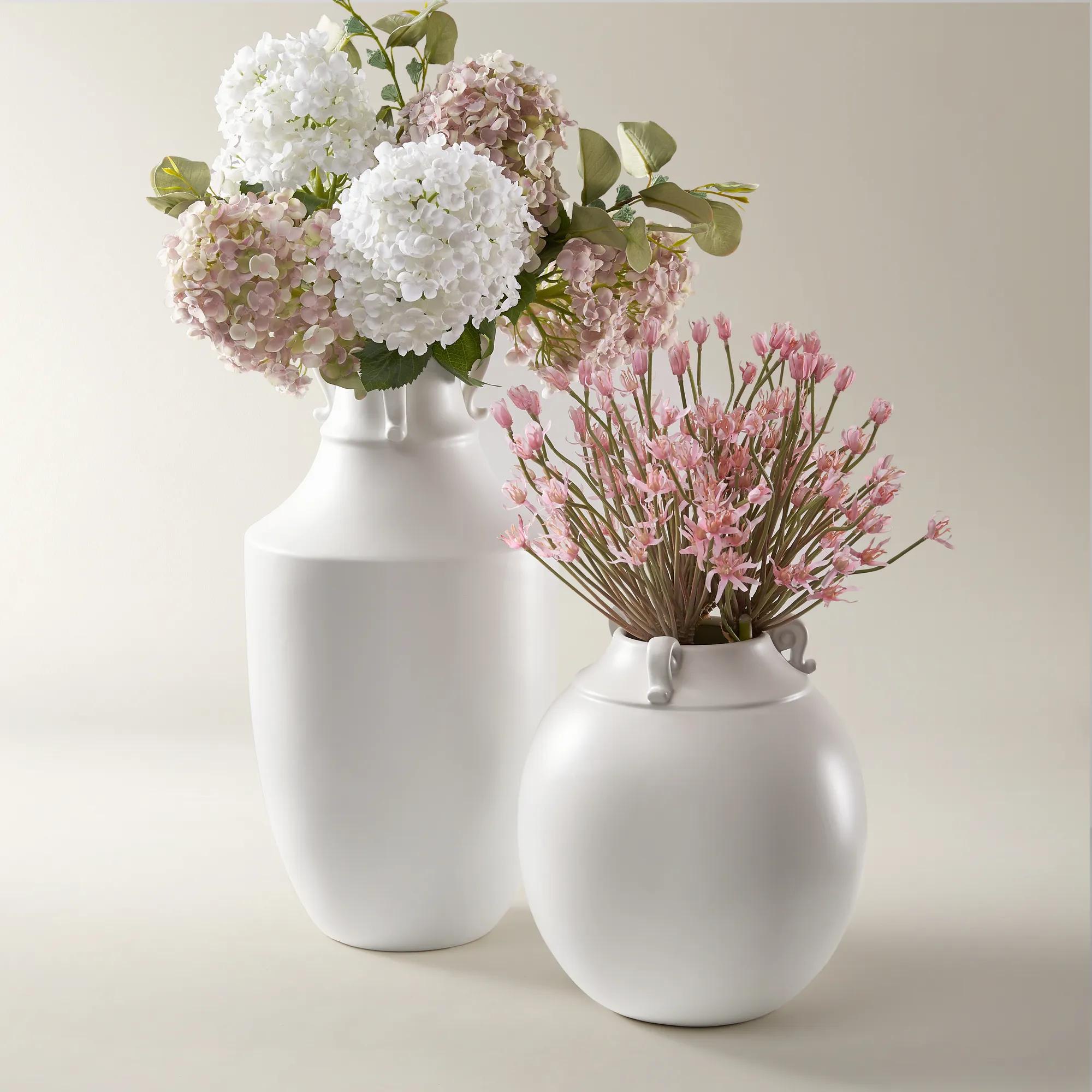 Amora Vase$119
A graceful white ceramic vase featuring smooth curves for a refined, contemporary accent to any space.
Add To Cart -
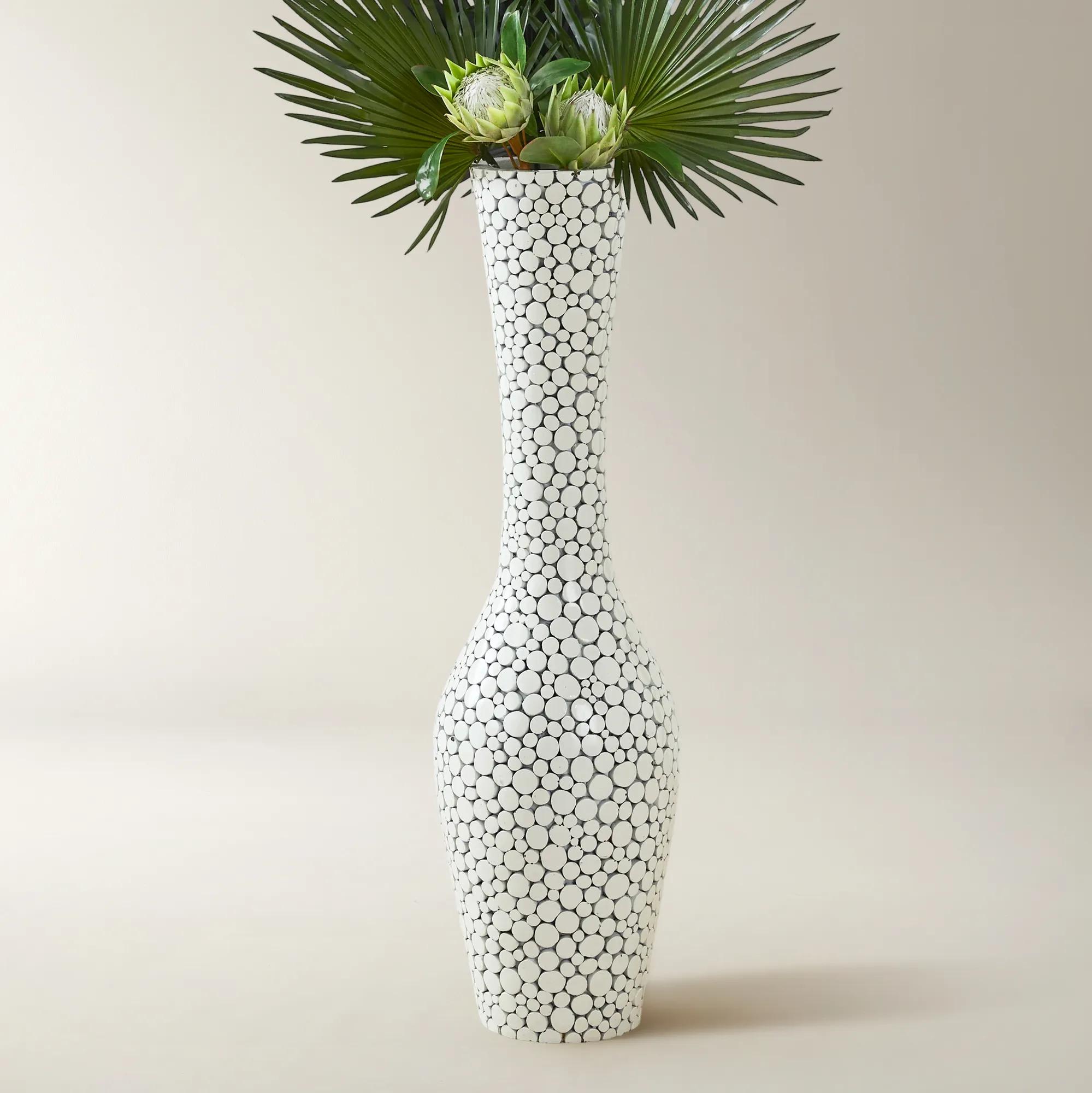 Oslo Floor Vase$299
A contemporary floor vase featuring hand-applied wood accents and a glossy white fiberglass base.
Add To Cart -
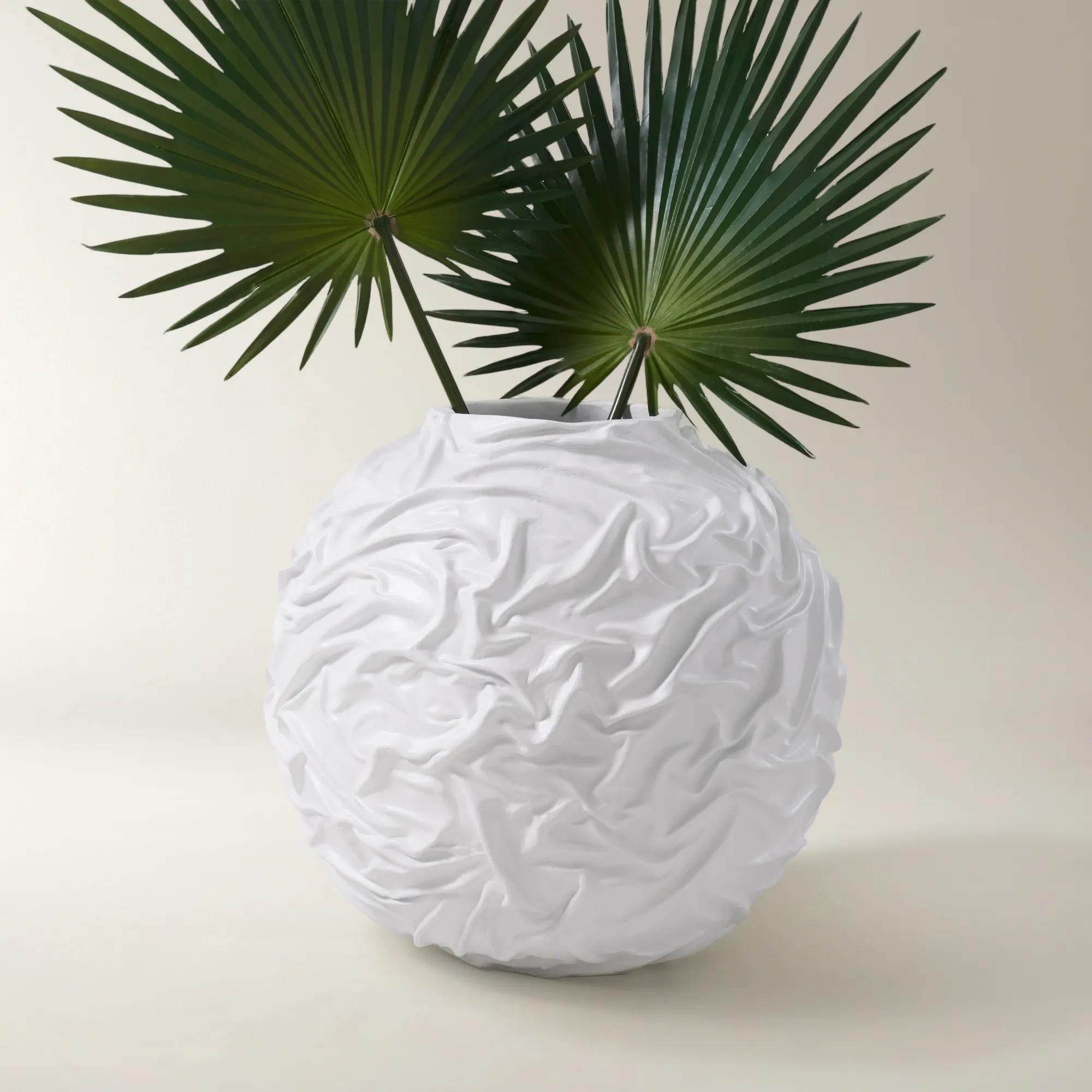 Crumple White Resin Floor Vase 18.3"$259
A sculptural resin vase with a crumpled-paper design and a sleek white finish for modern spaces.
Add To Cart -
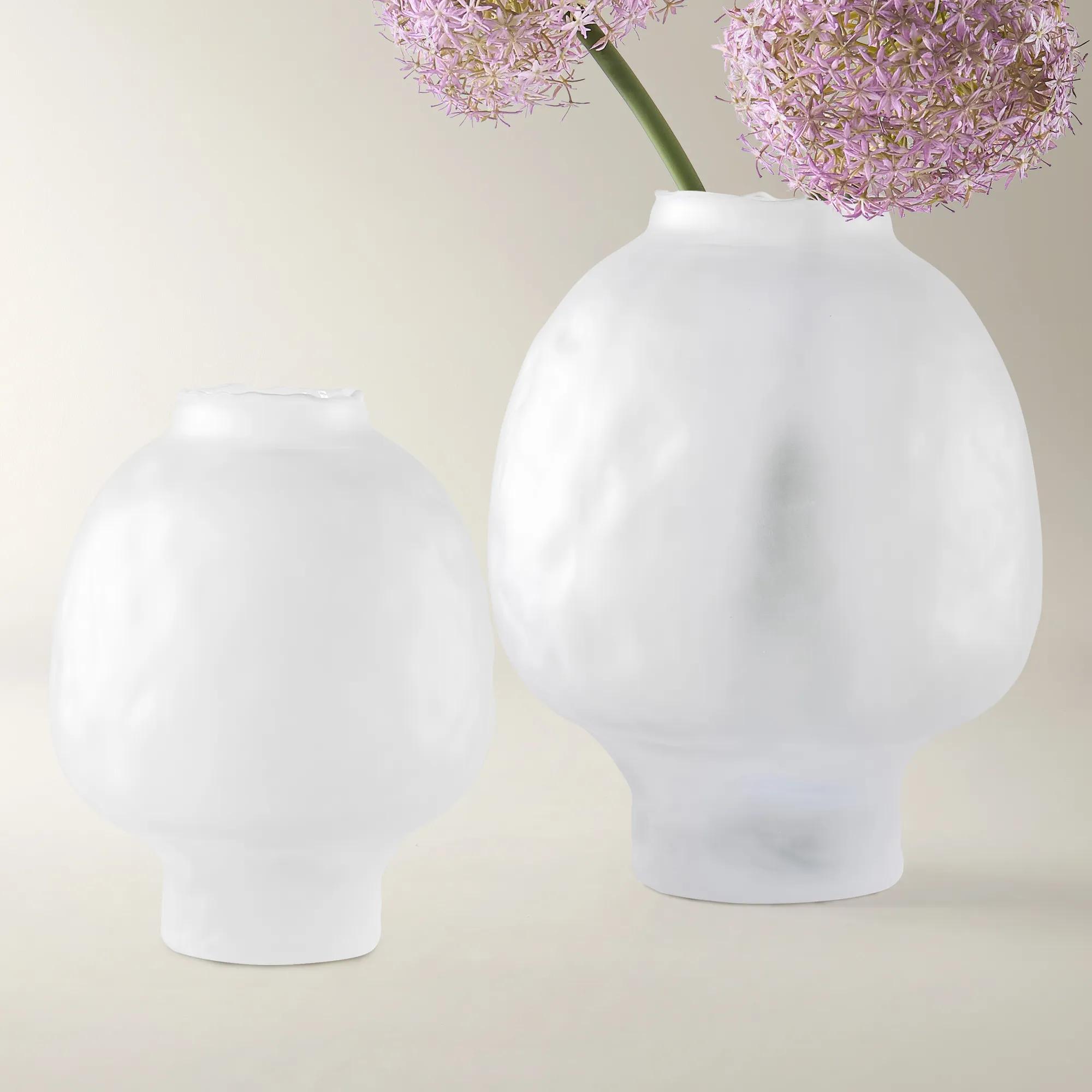
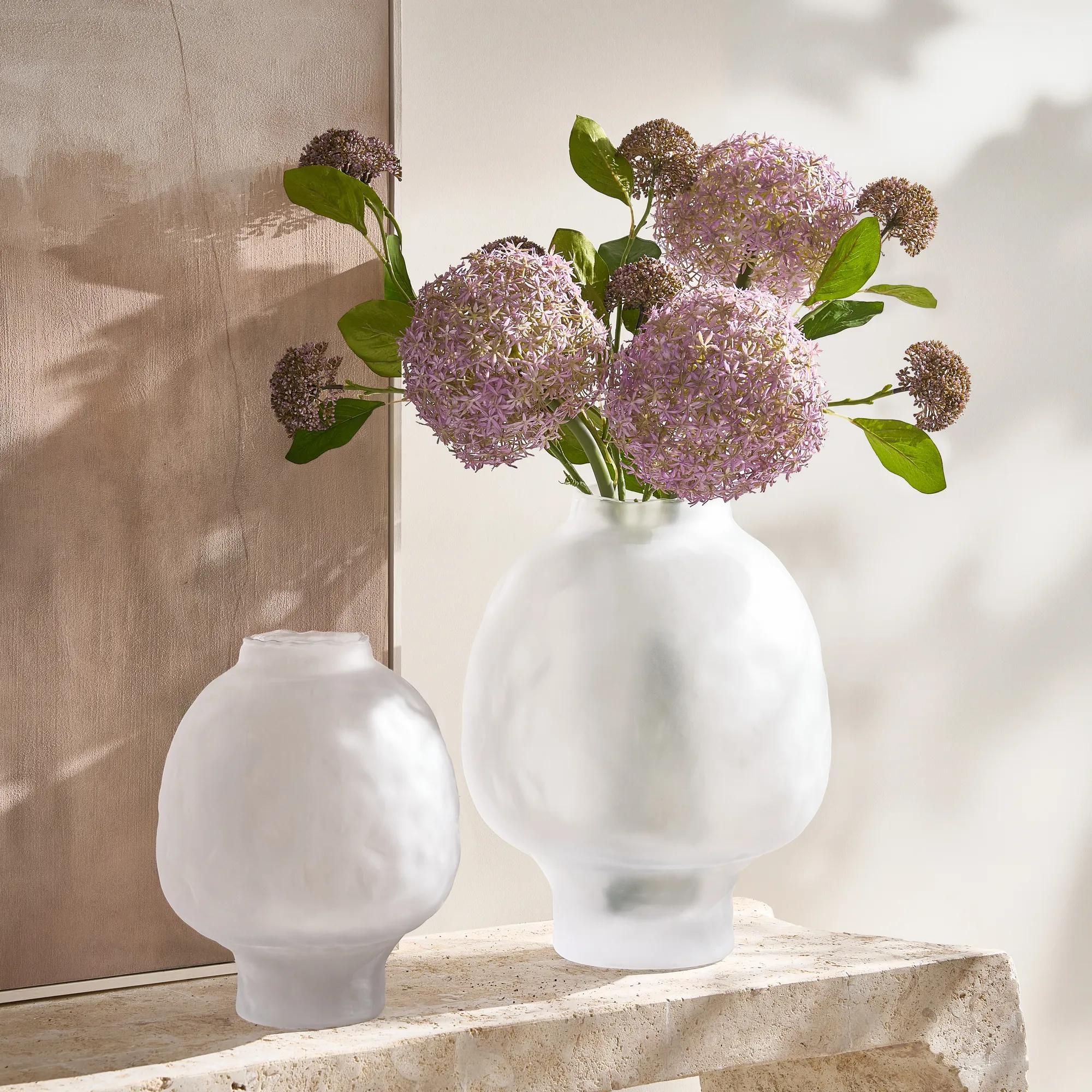 Frost Glass Vase$179
A sculptural frosted glass vase adding sleek, contemporary elegance to curated interiors.
Add To Cart -
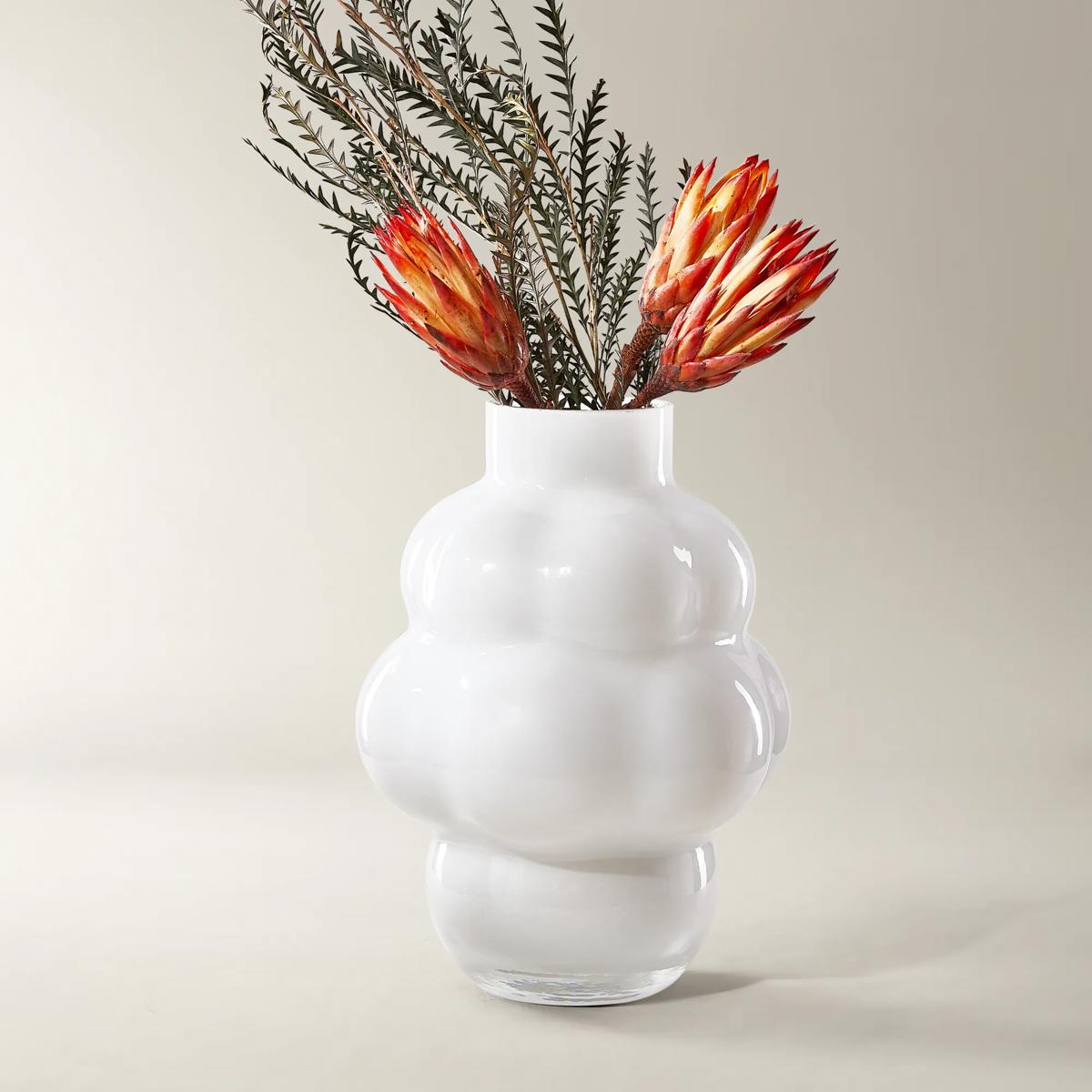 Cloud Glass Vase - White$129
A hand-blown glass vase in glossy opaque white with a sculptural, cloud-inspired silhouette.
Add To Cart -
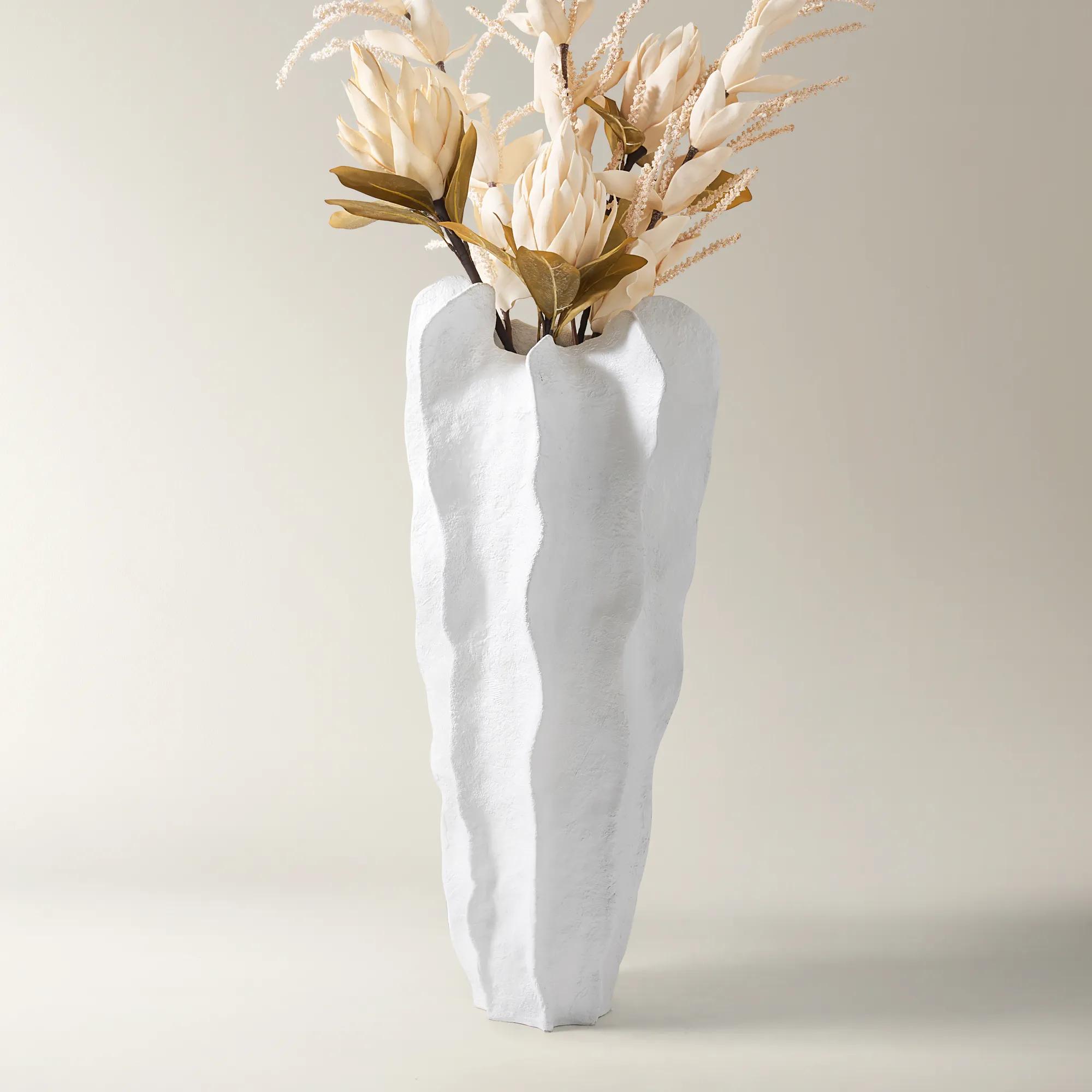 Playa White Resin Floor Vase 15" x 36"$299
A sculptural matte white resin vase featuring organic texture for a bold, dramatic accent.
Add To Cart -
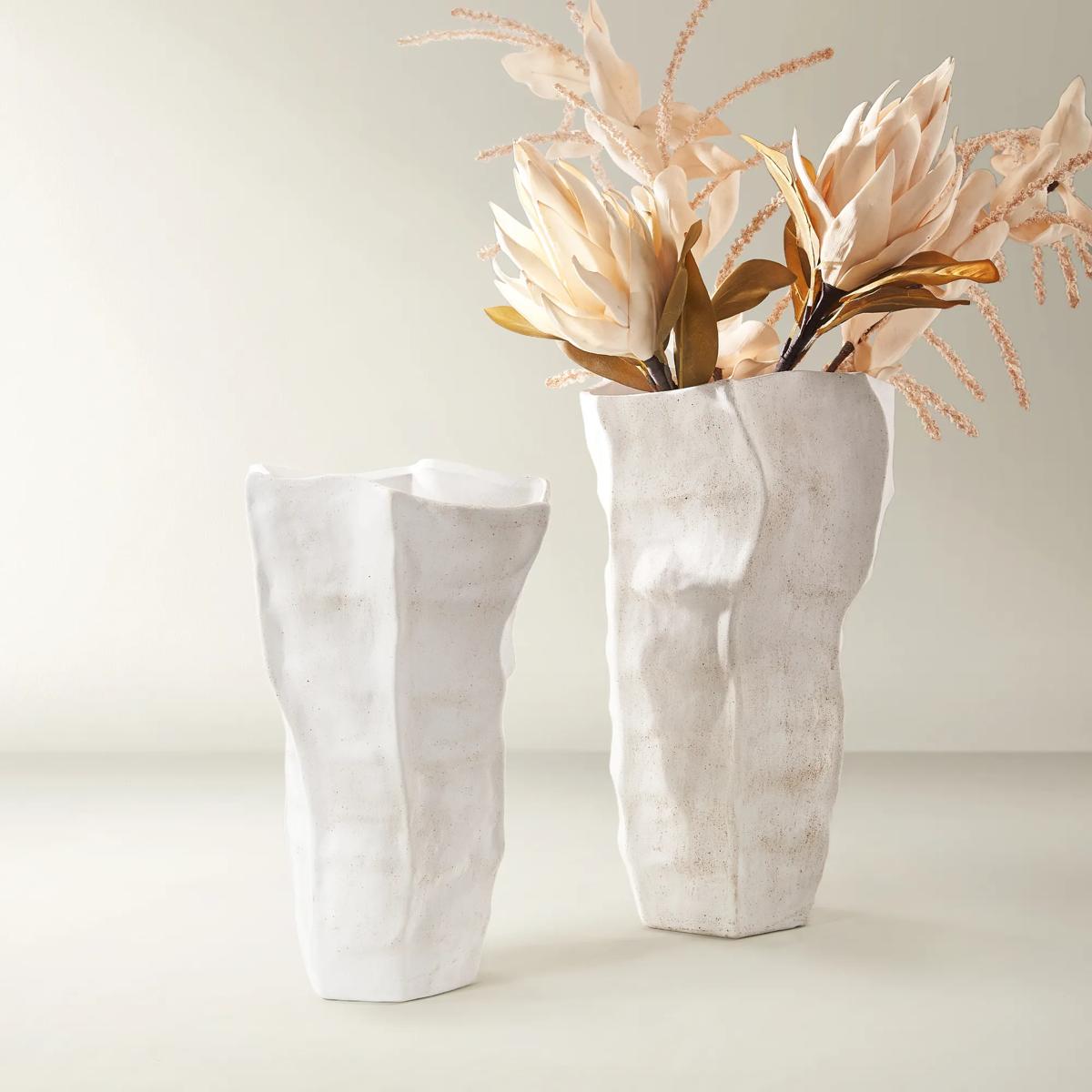 Kira Porcelain Vase$169
A sculptural matte white porcelain vase with a fluid, faceted design for modern, minimalist decor.
Add To Cart -
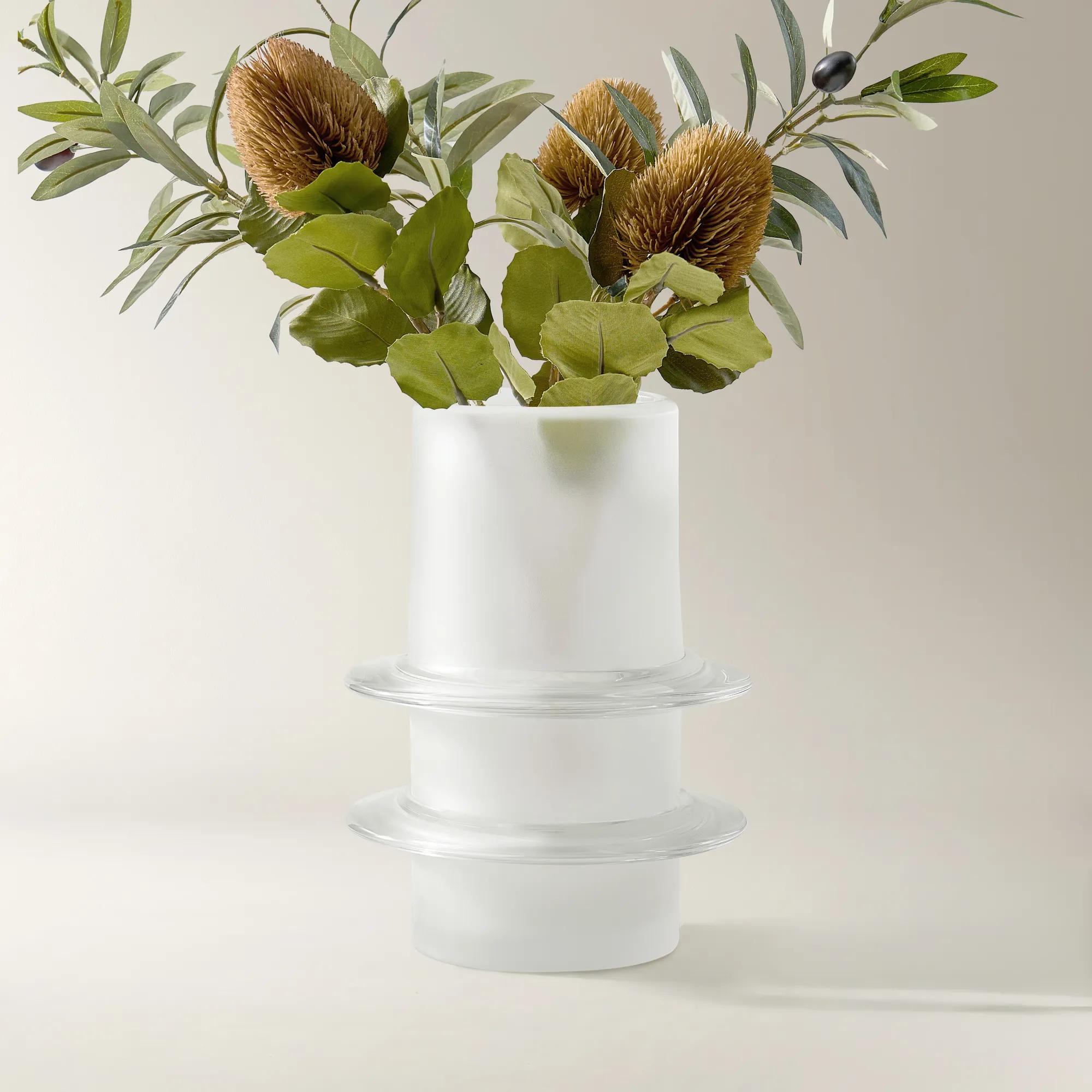
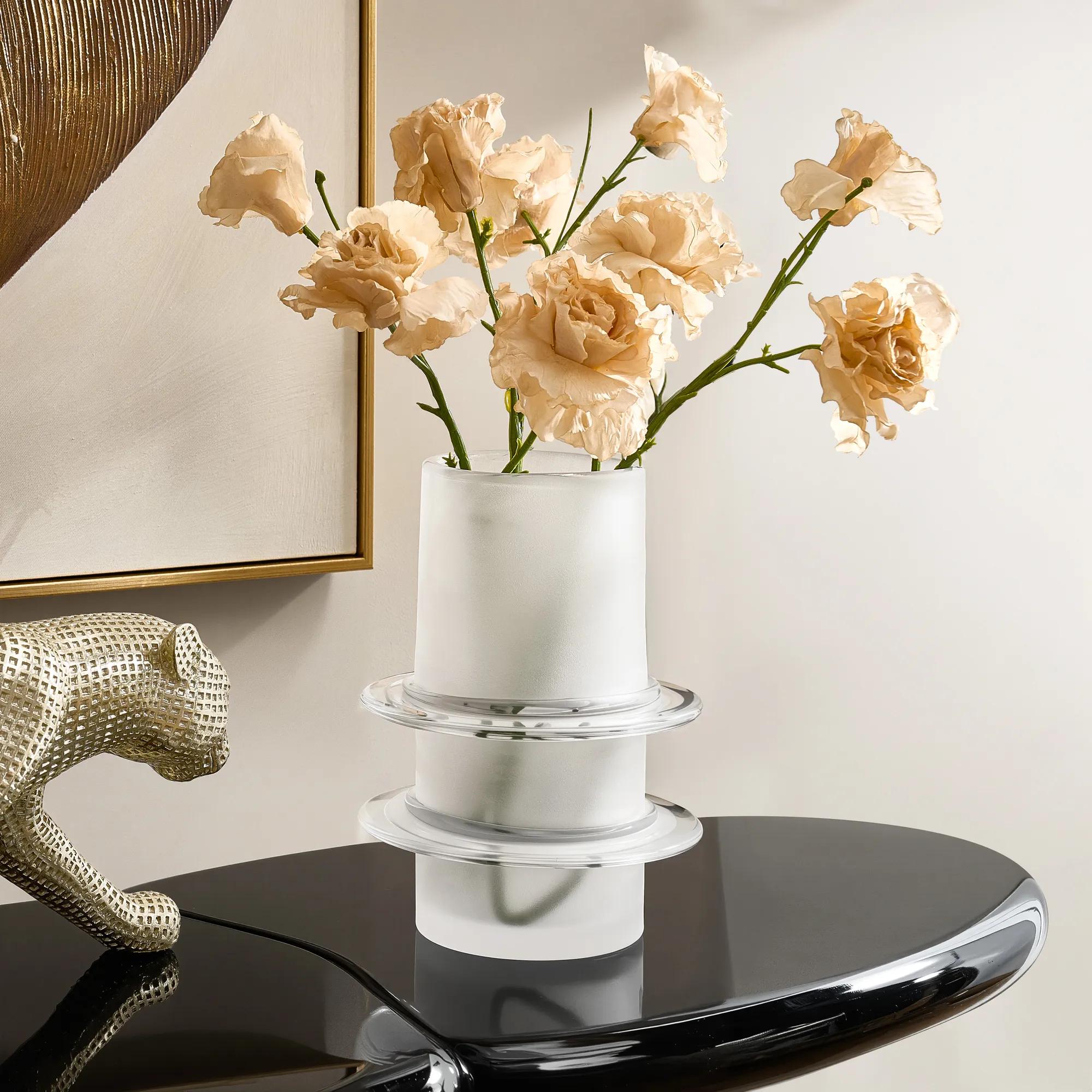 Pierre Glass Vase - Frosted White$99
A frosted white glass vase adding modern elegance to any décor.
Add To Cart -
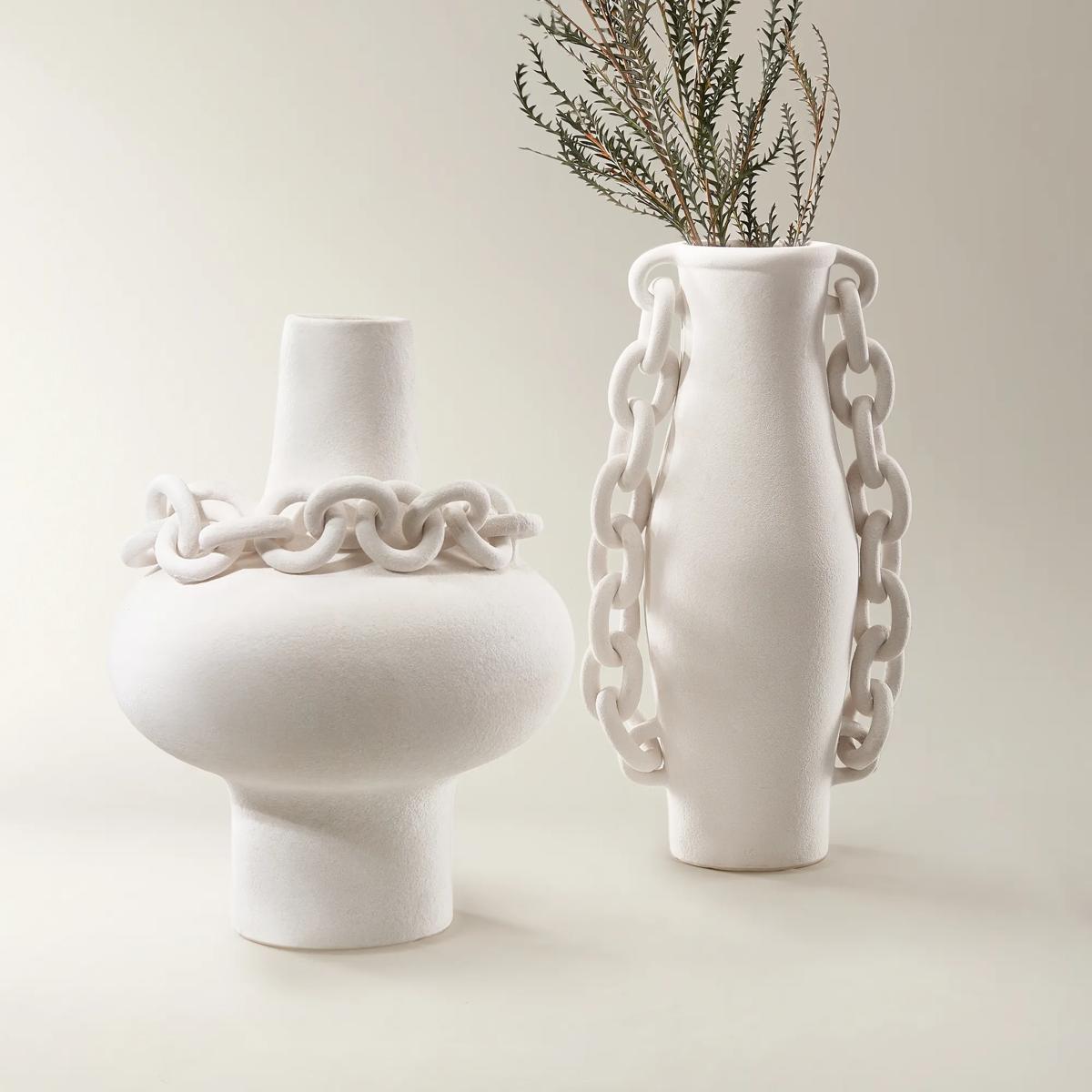
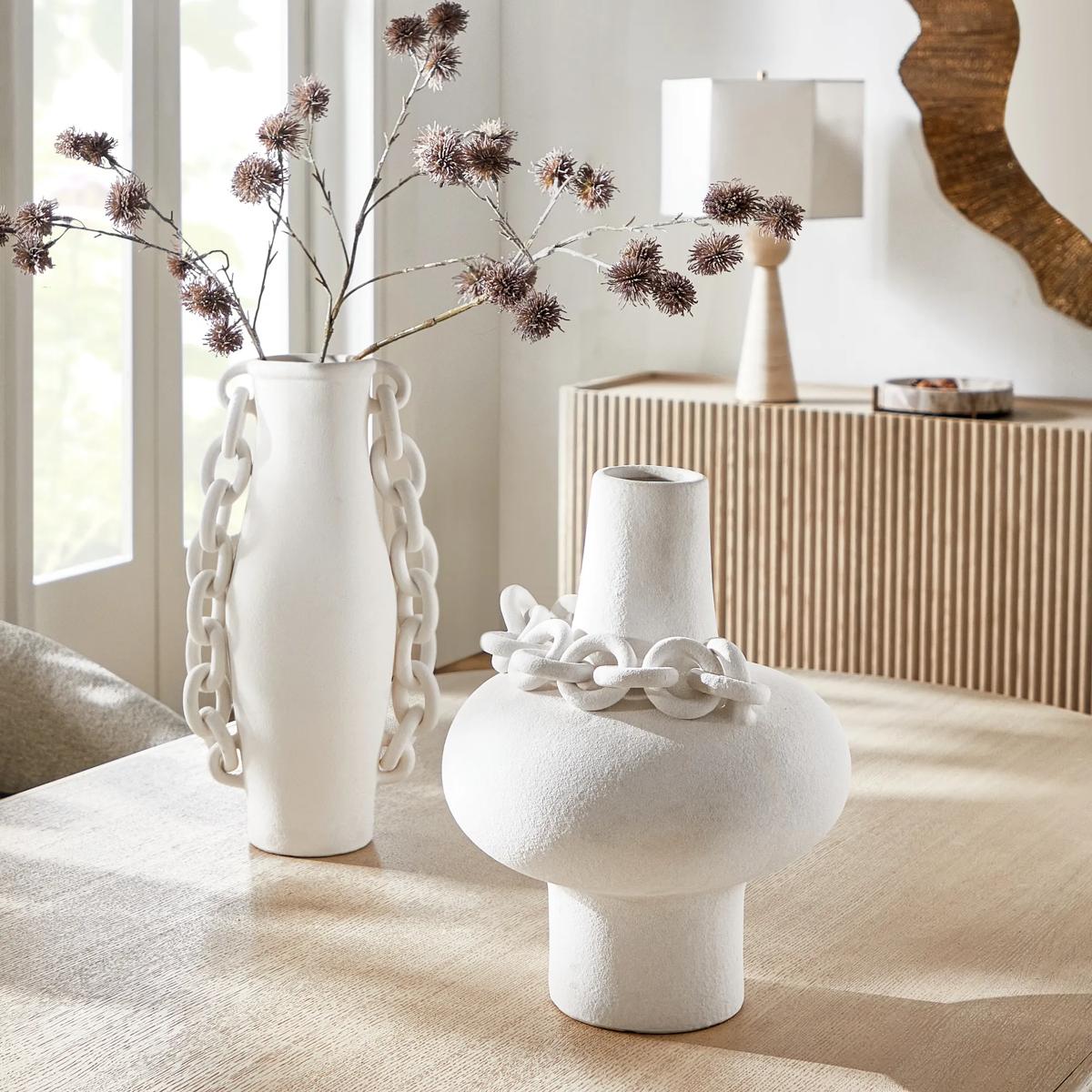 Links Stoneware Vases$119
A sculptural matte white stoneware vase featuring bold chain-link details for modern, artful texture.
Add To Cart -
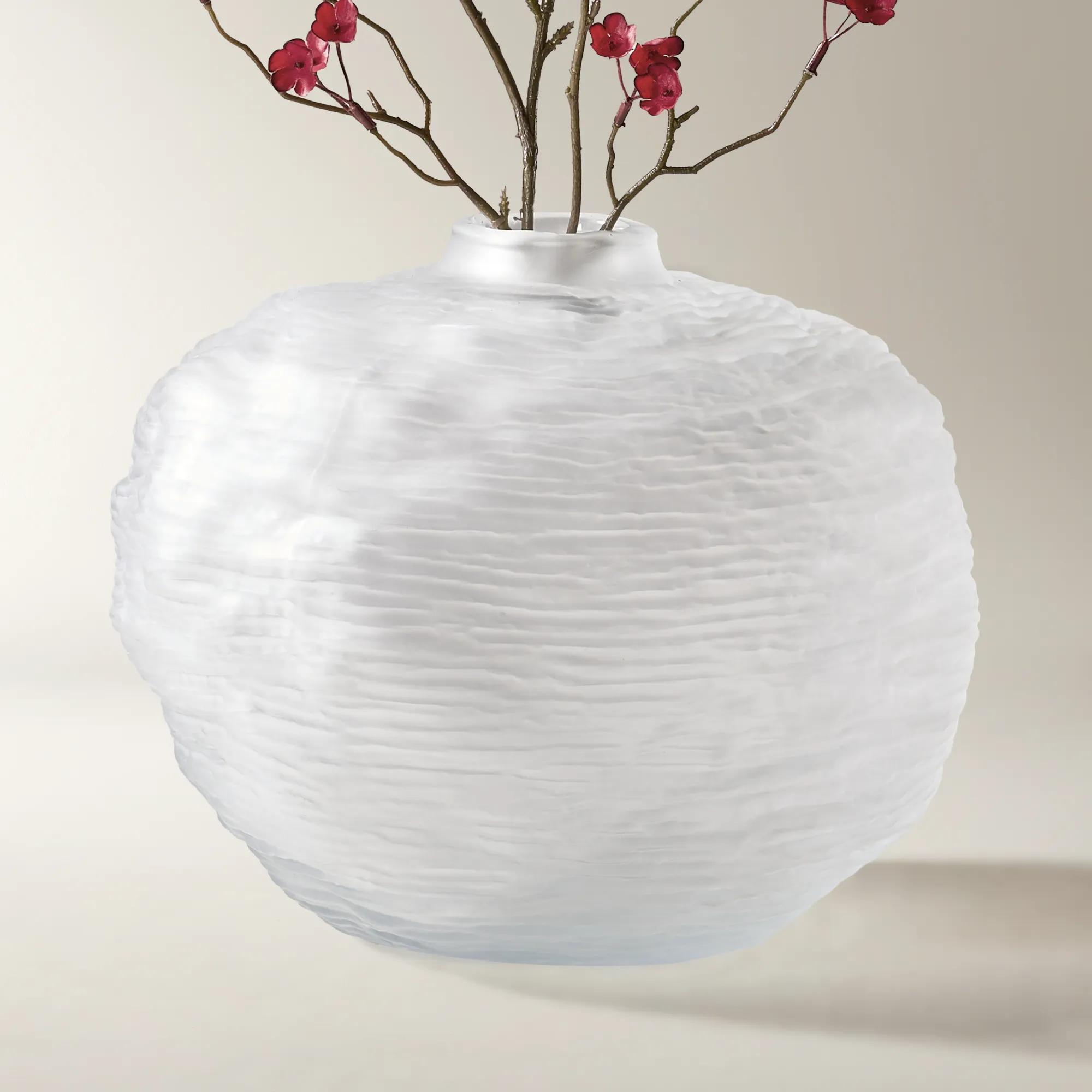 Lucid Mouth Blown Frosted Glass Vase 9.25"$99
A handblown frosted white glass vase with a sculptural, softly textured surface for modern elegance.
Add To Cart -
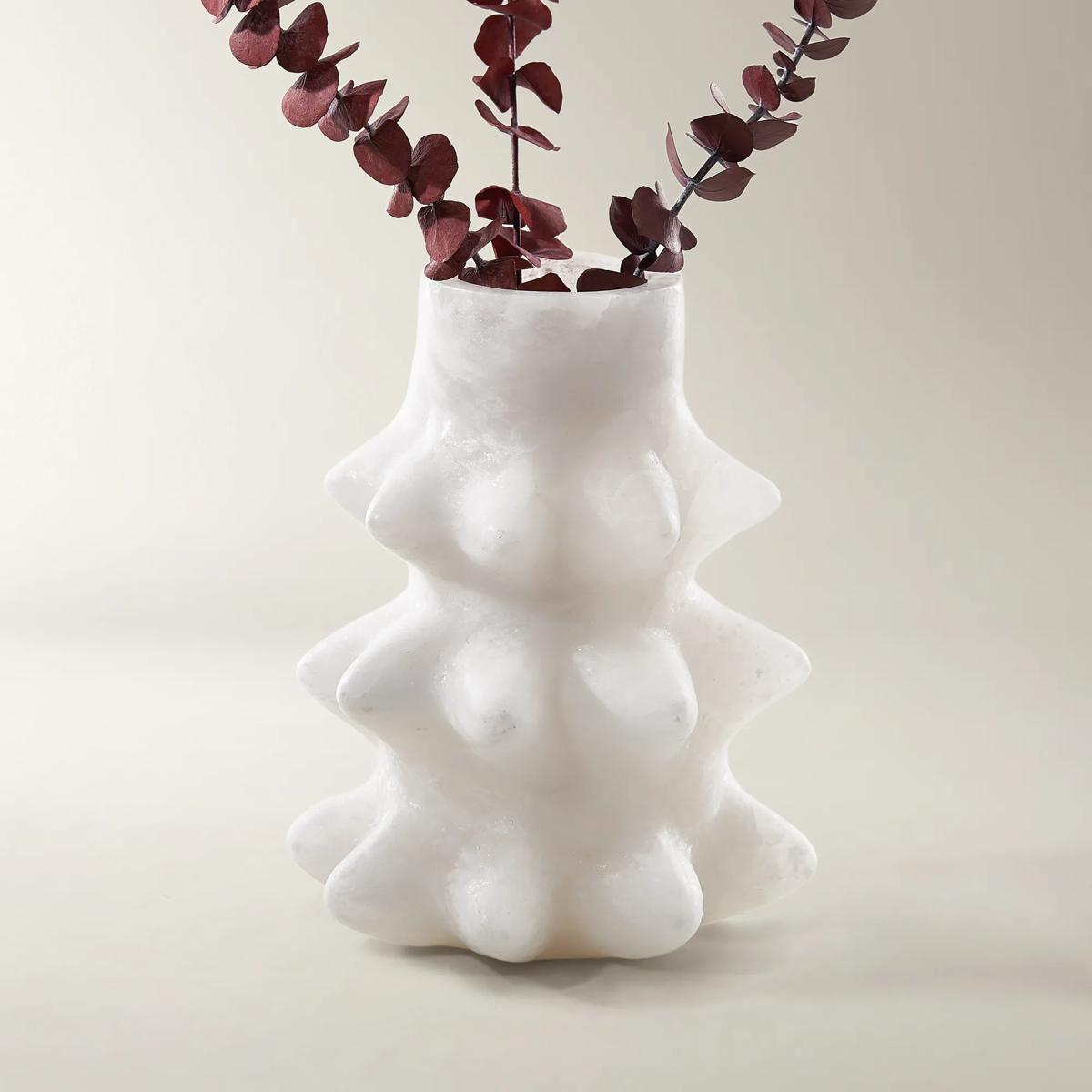
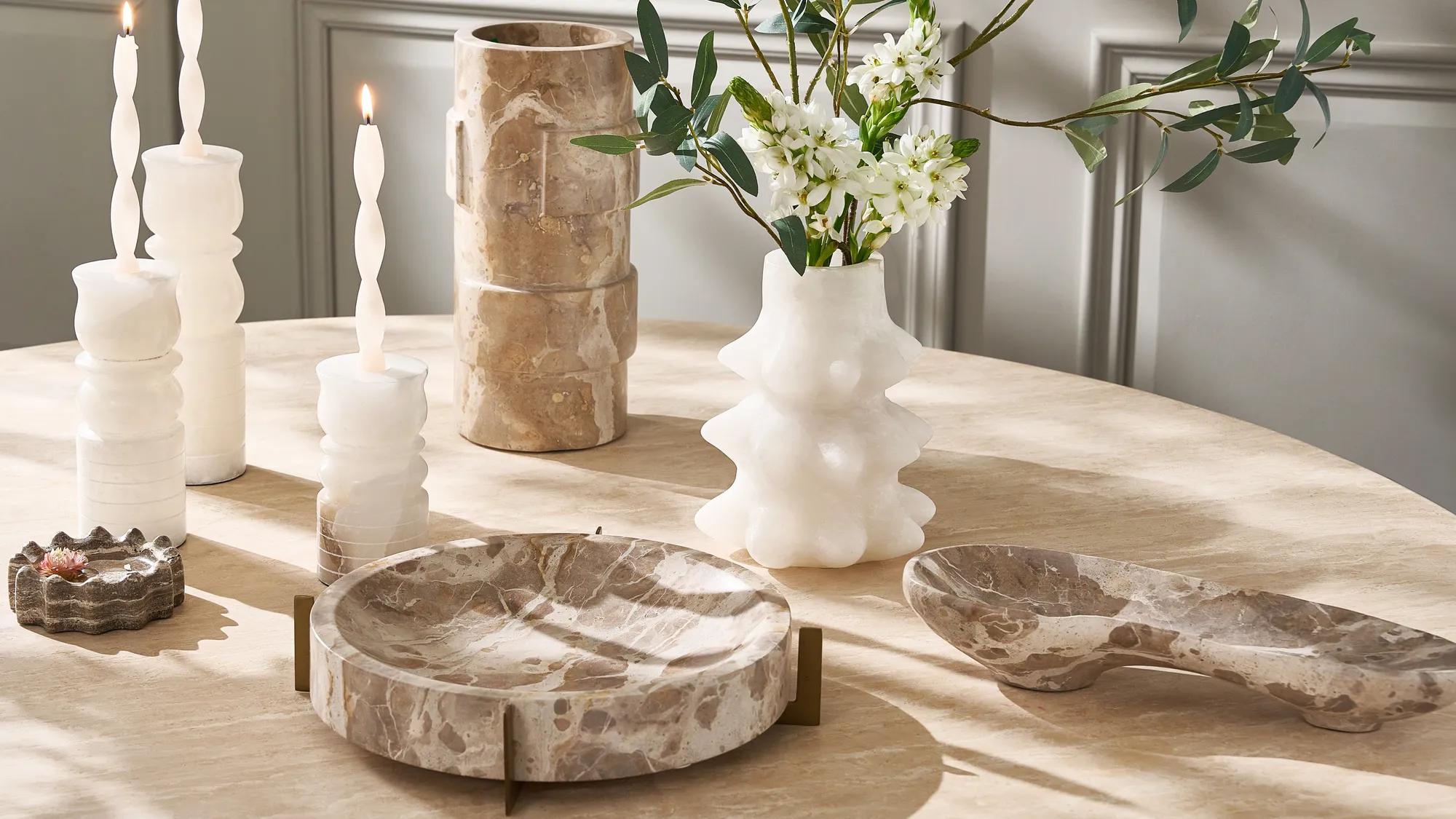 Alabaster Spike Vase$239
A sculptural white alabaster vase with bold spiked contours and naturally radiant veining.
Add To Cart -
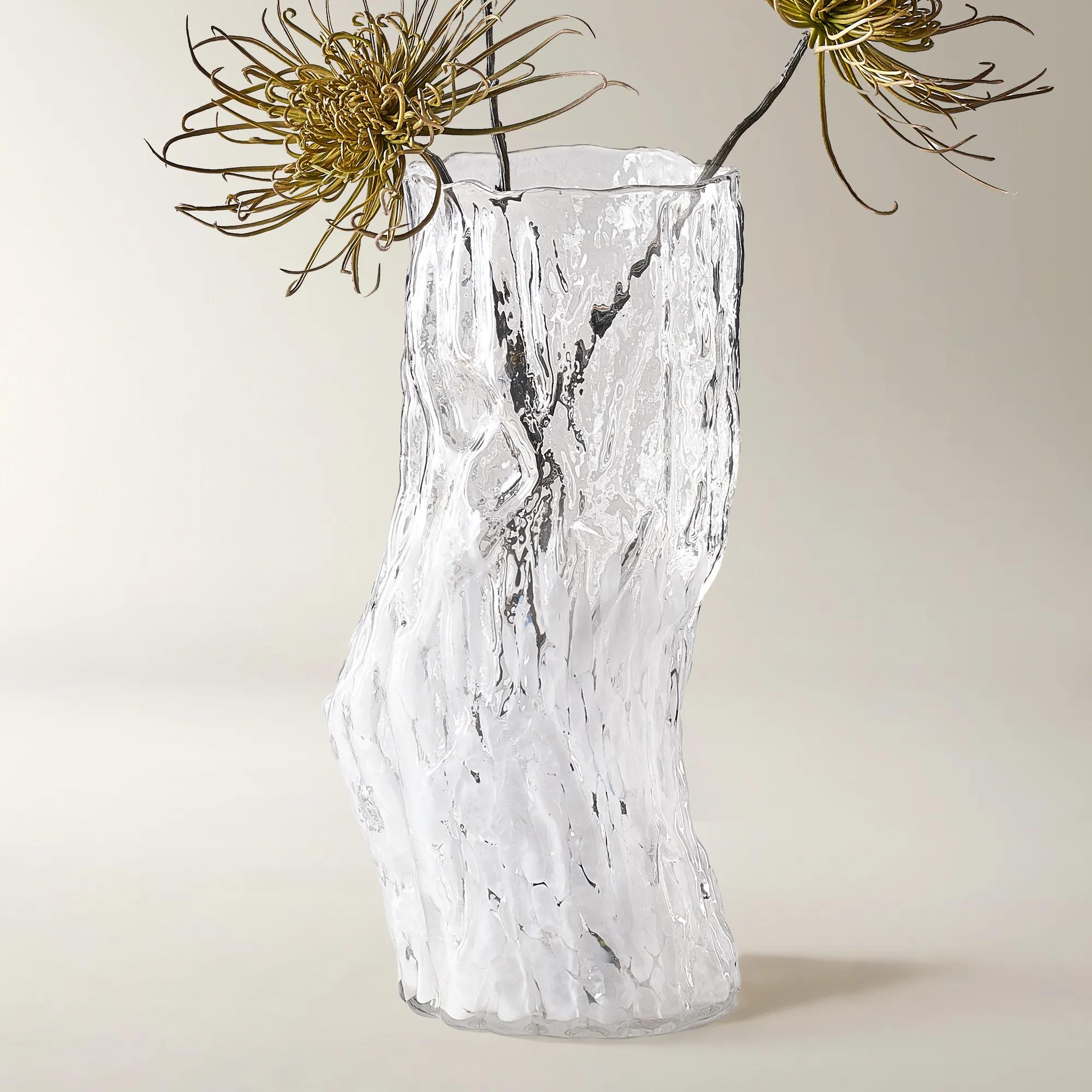 Vanish Mouth Blown Frosted White Glass Vase 18.5"$159
A handblown frosted white glass vase with an ethereal, translucent finish and sculptural silhouette.
Add To Cart -
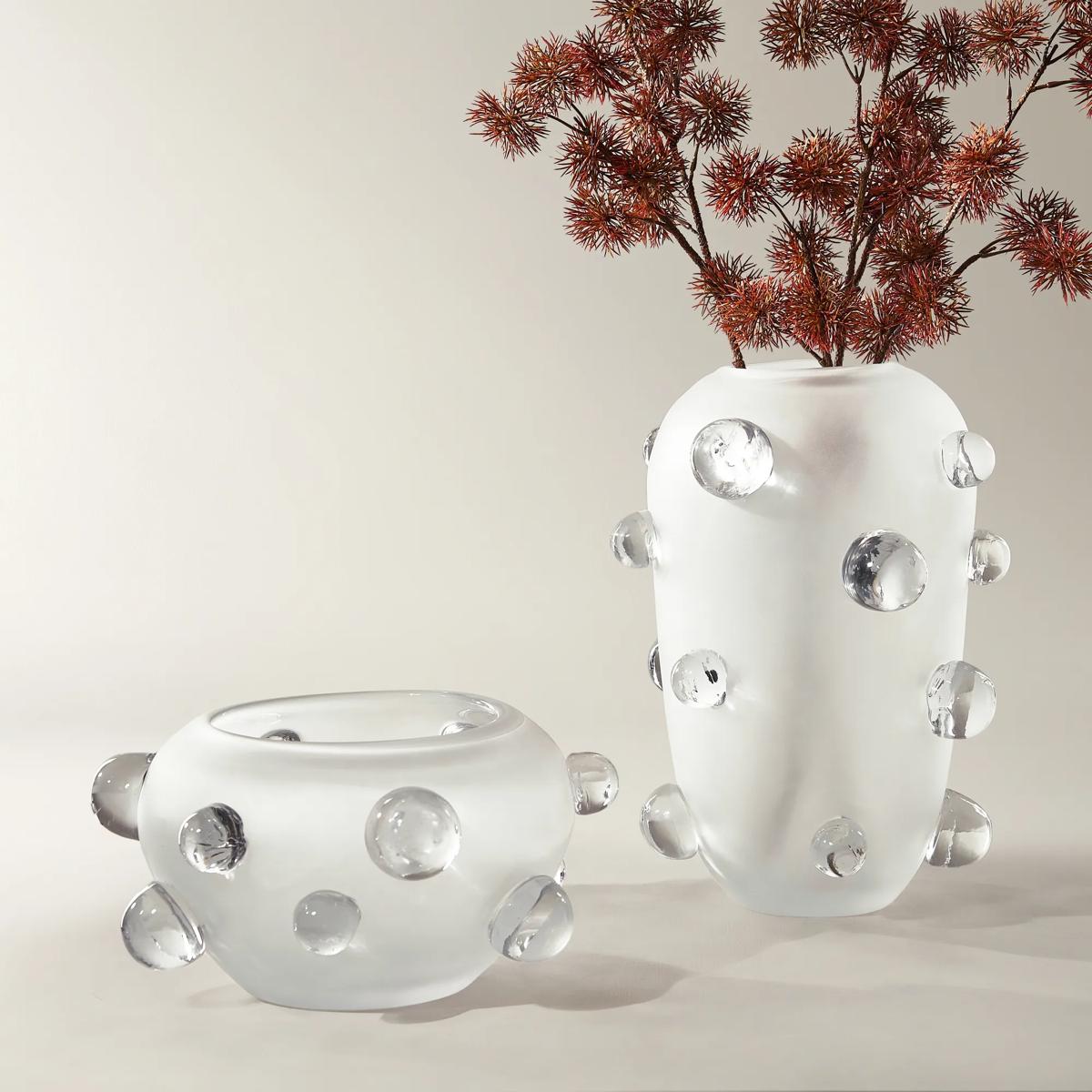 Cielo Clear Handblown Glass Vases$149
A hand-blown clear glass vase adorned with spherical orbs for a whimsical, modern decorative accent.
Add To Cart -
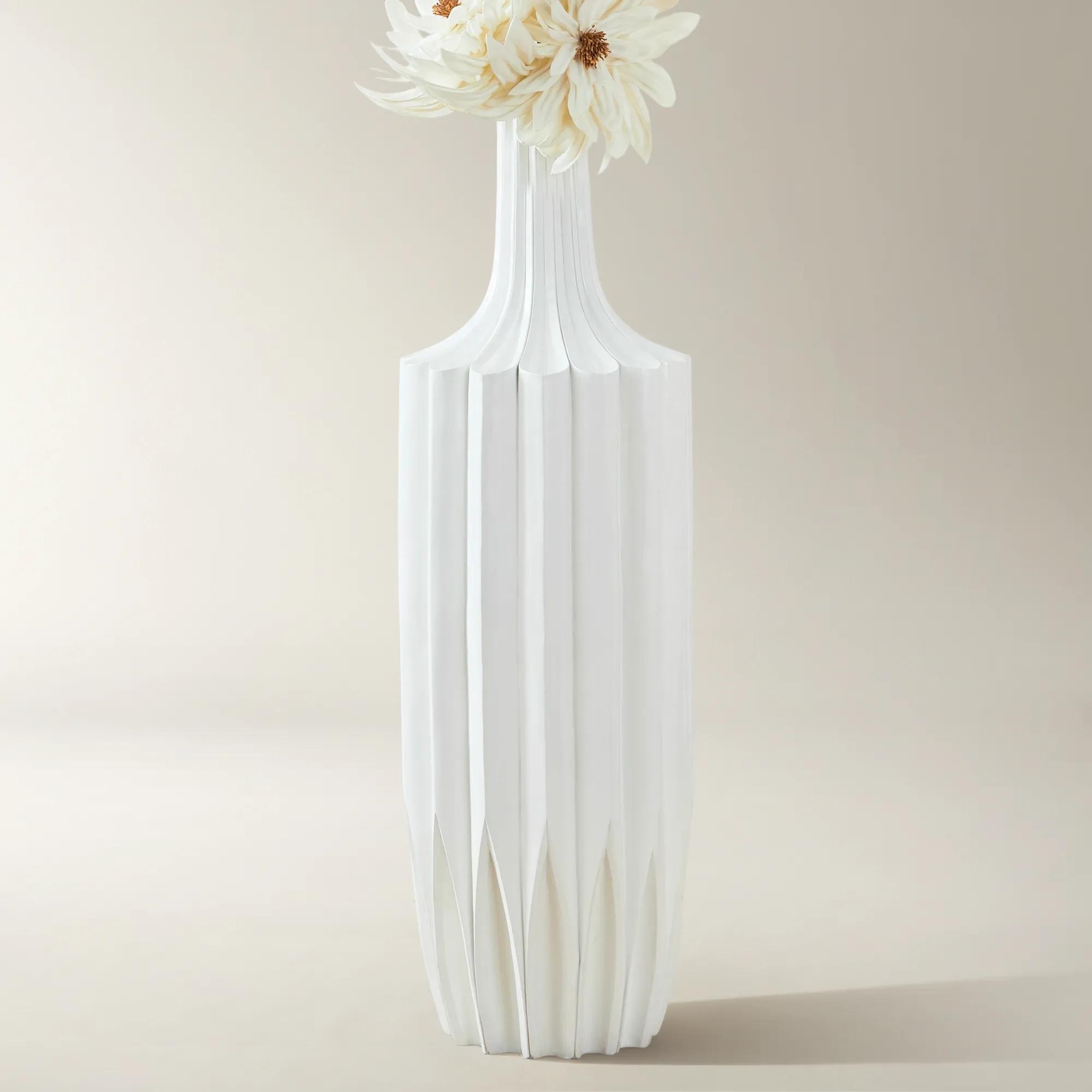 Savannah White Resin Floor Vase 48.75"$509
A sophisticated polyresin vase featuring sleek vertical curves, perfect for displaying decorative flowers or foliage.
Add To Cart -
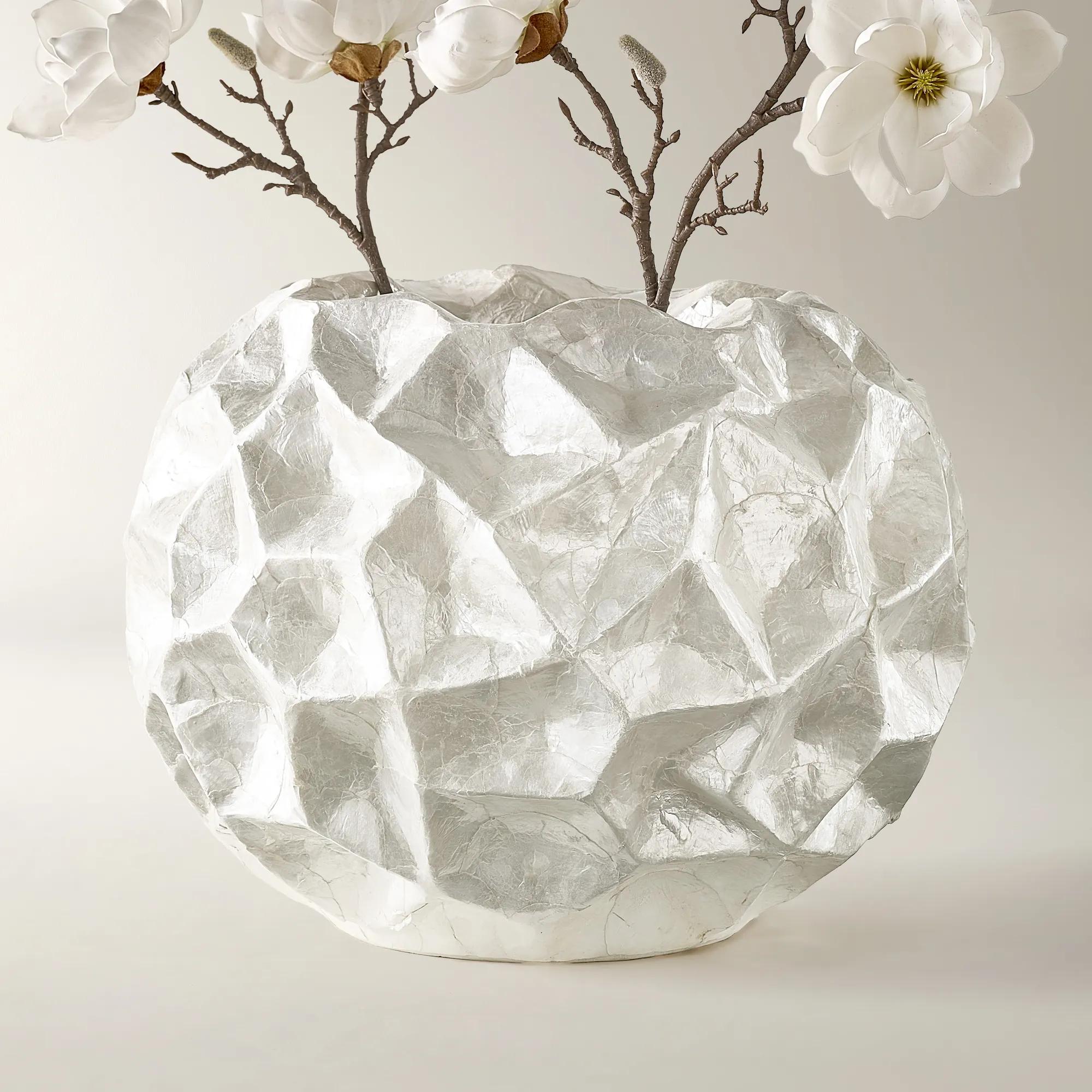
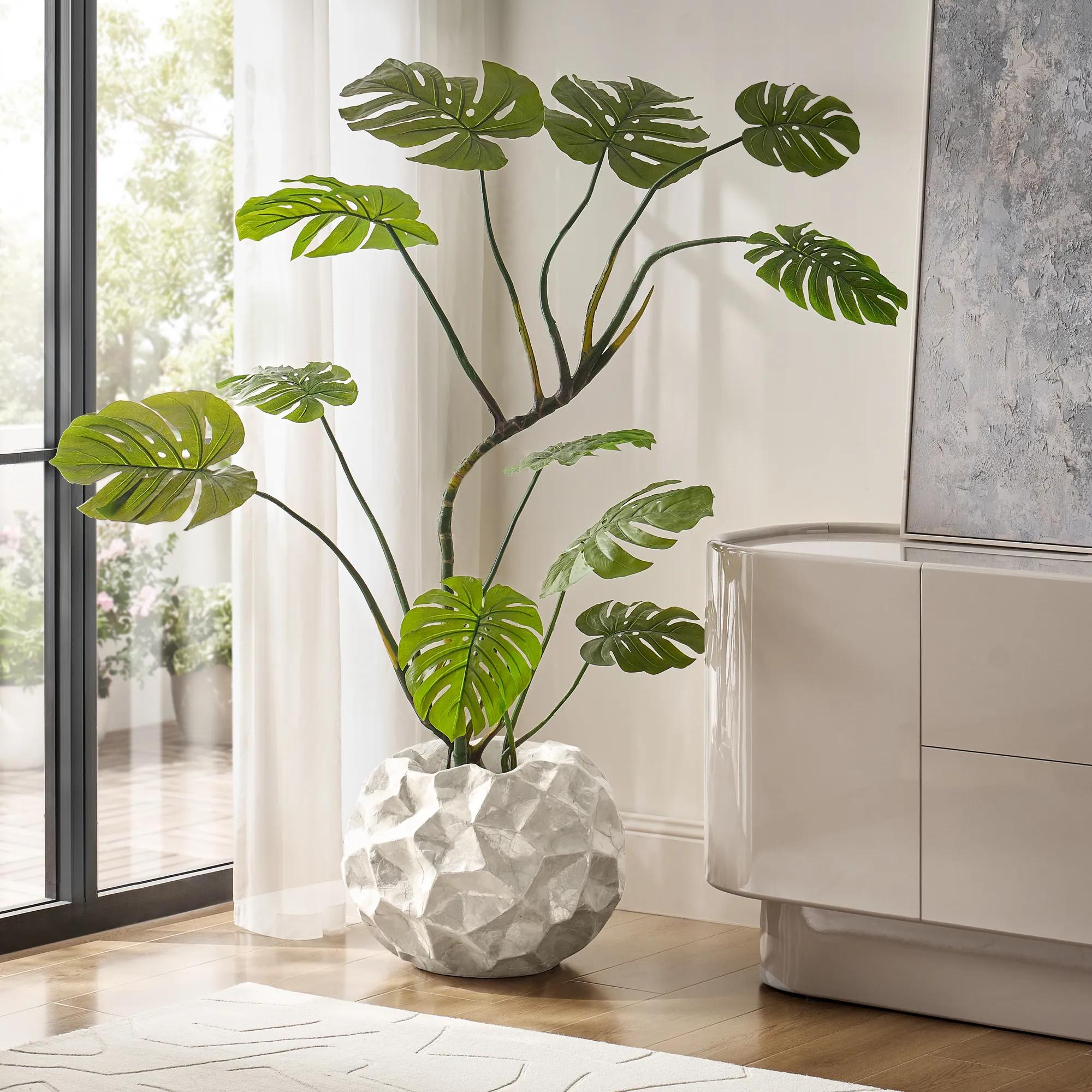 Aspen Capiz Shell Floor Planter 20.25" x 15.25"$299
An opaline pearl floor vase featuring luminous capiz shell texture and a sculptural resin form.
Add To Cart -
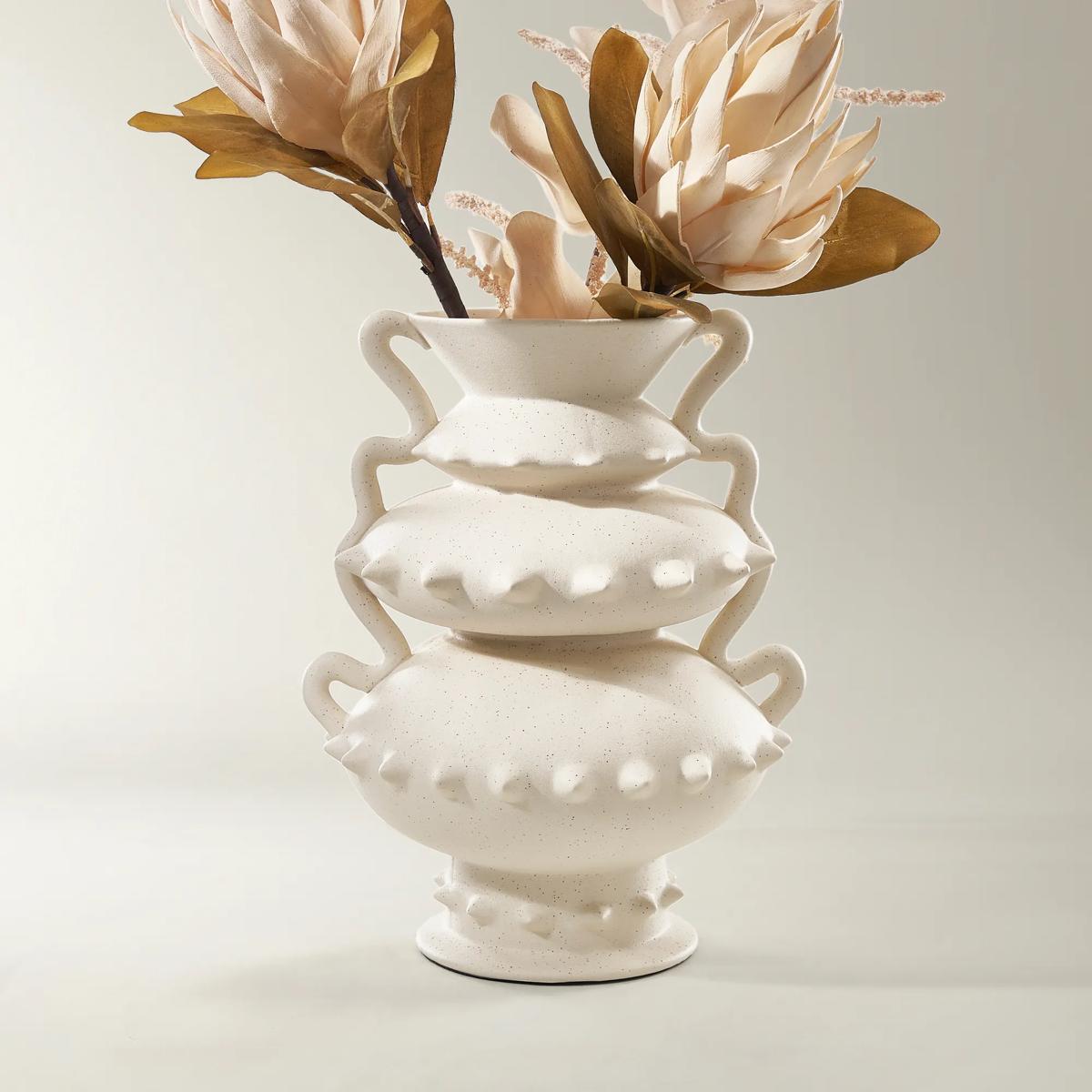 Savior Porcelain Vase - Ivory$189
An ivory porcelain vase featuring sculptural handles, tiered silhouette, and a matte, softly speckled finish.
Add To Cart -
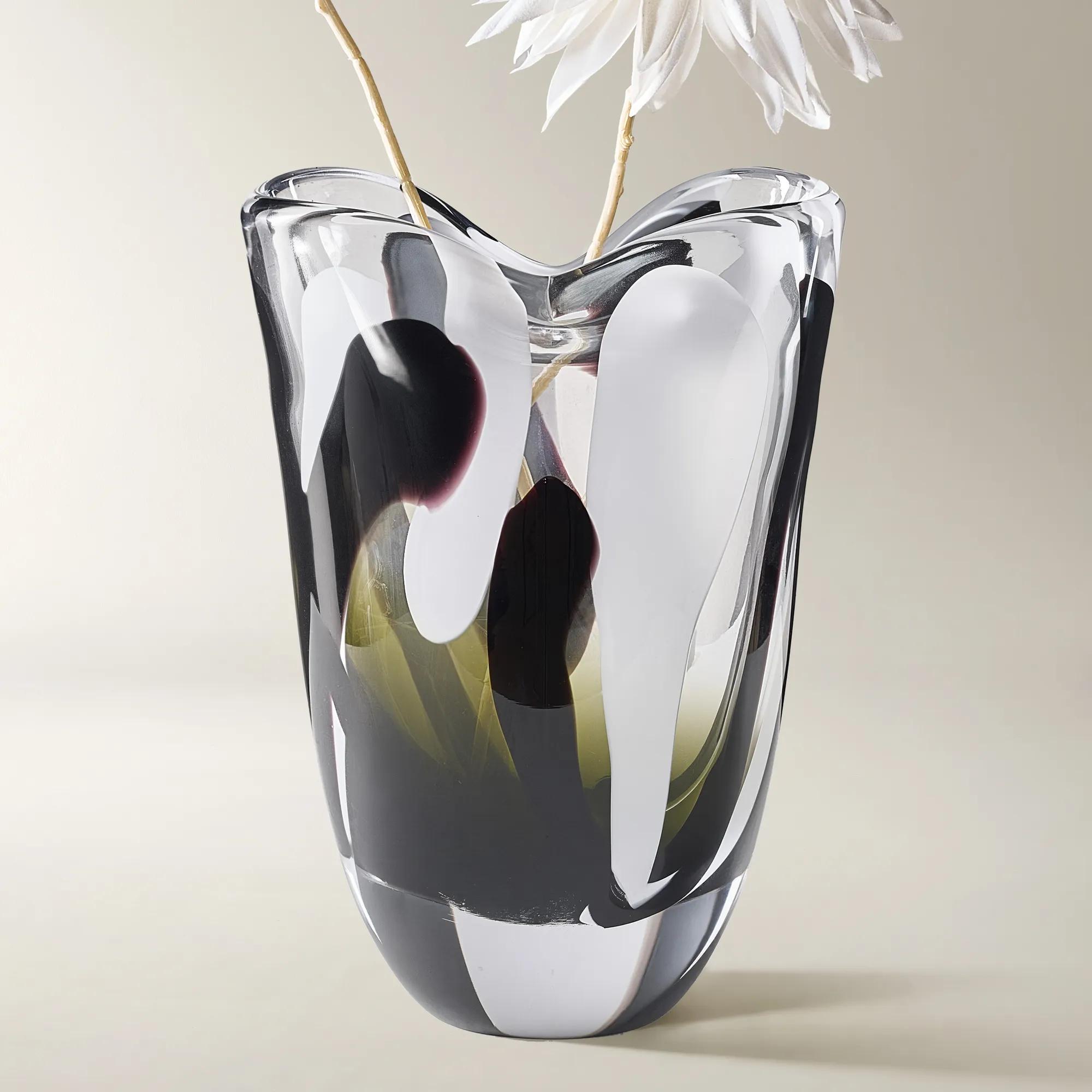 Melrose Mouth Blown Black White Glass Vase 11.25"$109
A handblown glass vase featuring a bold black and white abstract animal pattern for modern appeal.
Add To Cart -
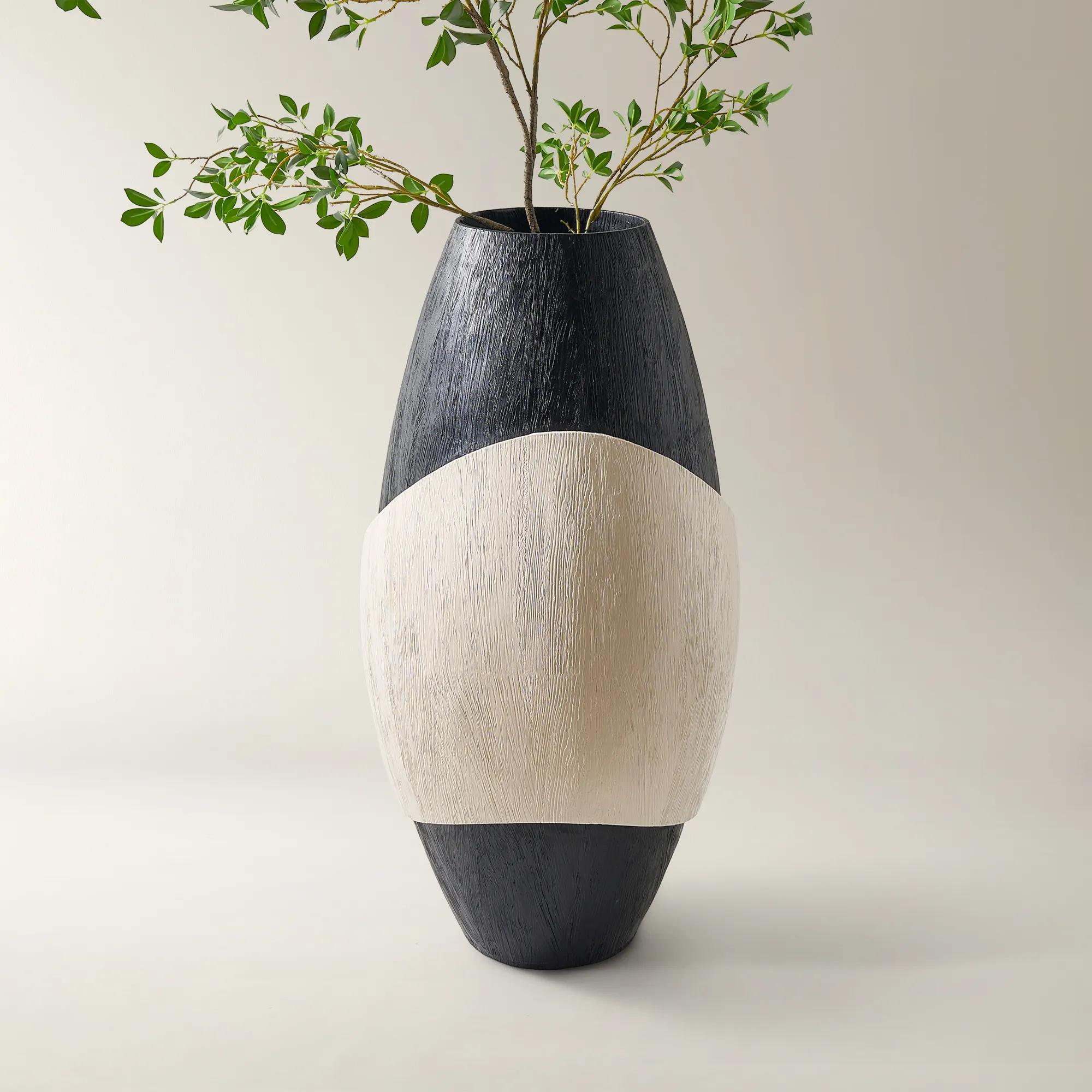
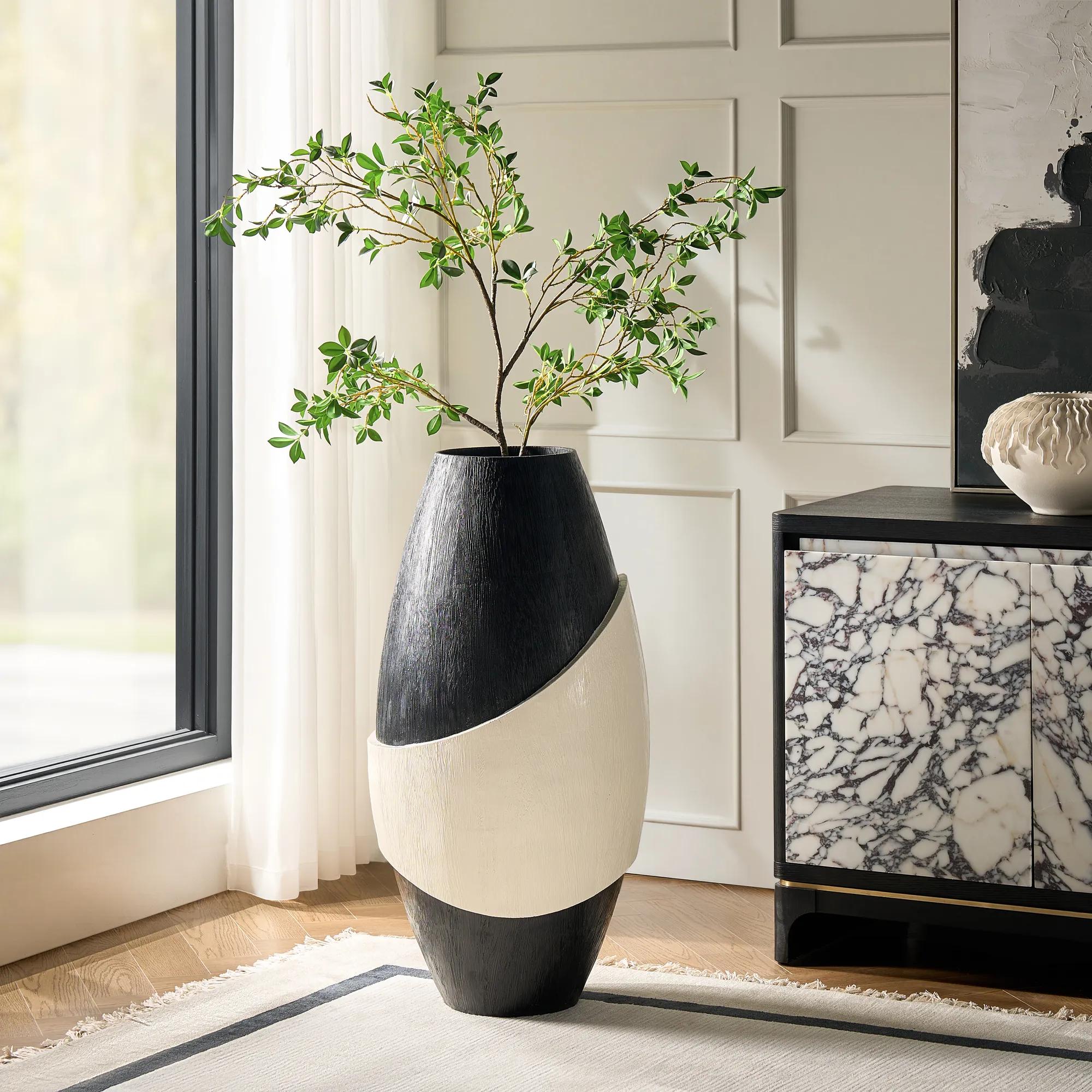 Domino Black And White Resin Floor Vase 35"$449
A modern decorative floor vase with a sculptural silhouette.
Add To Cart -

 Madre Handcrafted Ivory Porcelain Vases$129
A handcrafted ivory porcelain vase featuring cascading textured fronds and a smooth matte finish.
Add To Cart -
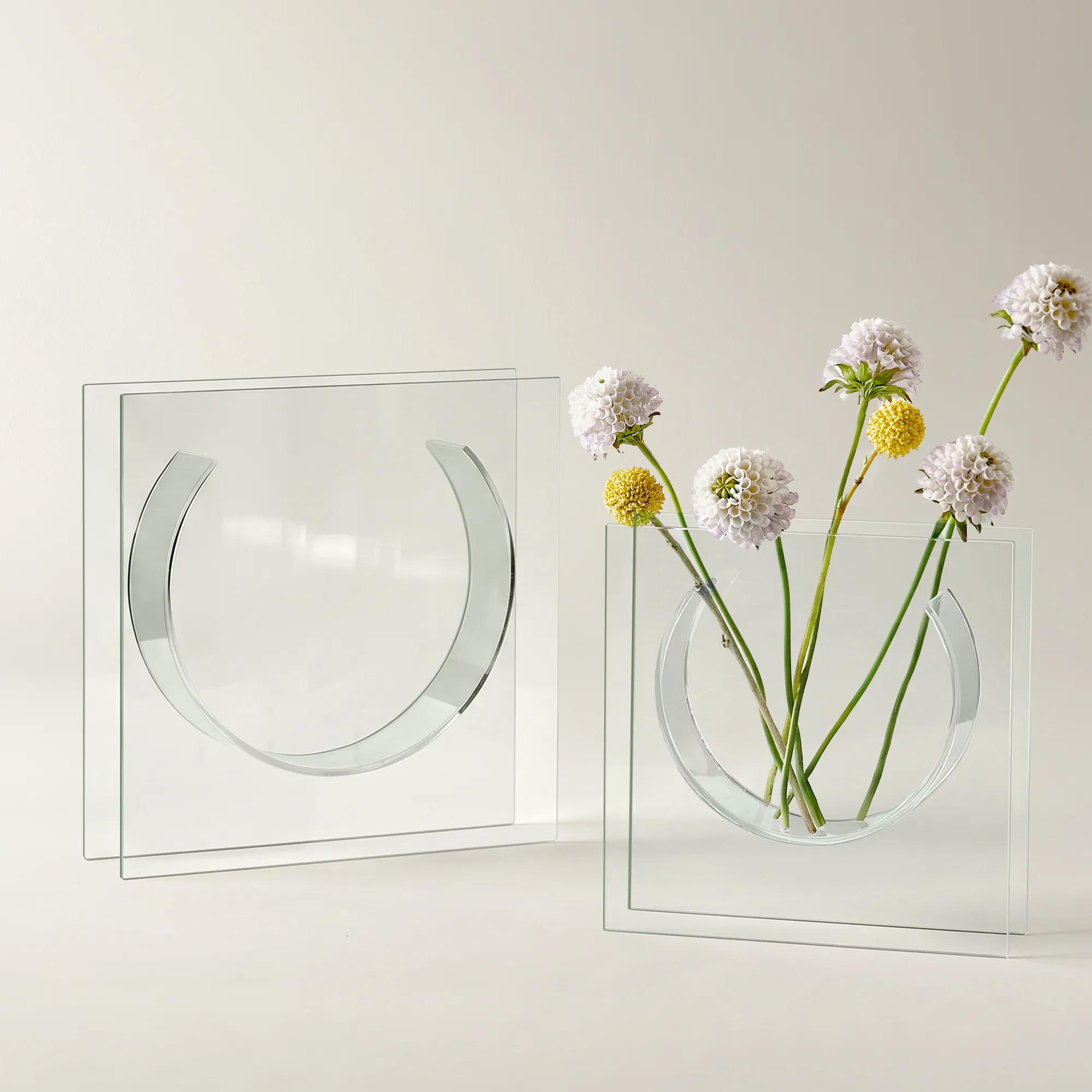
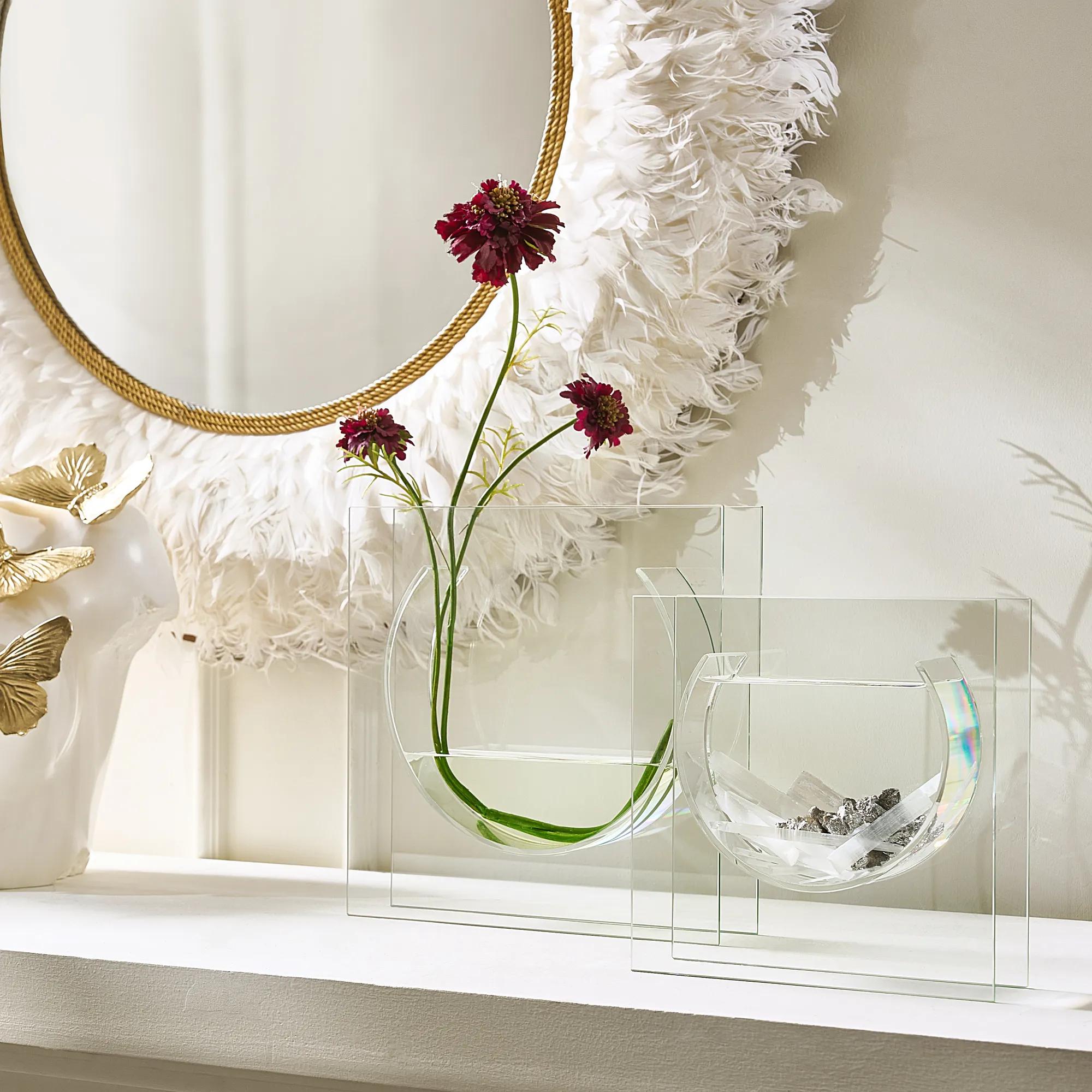 Solaris Clear Glass Vases$39
A bold modern vase crafted from clear glass with an elliptical bowl between two sleek glass panels.
Add To Cart -
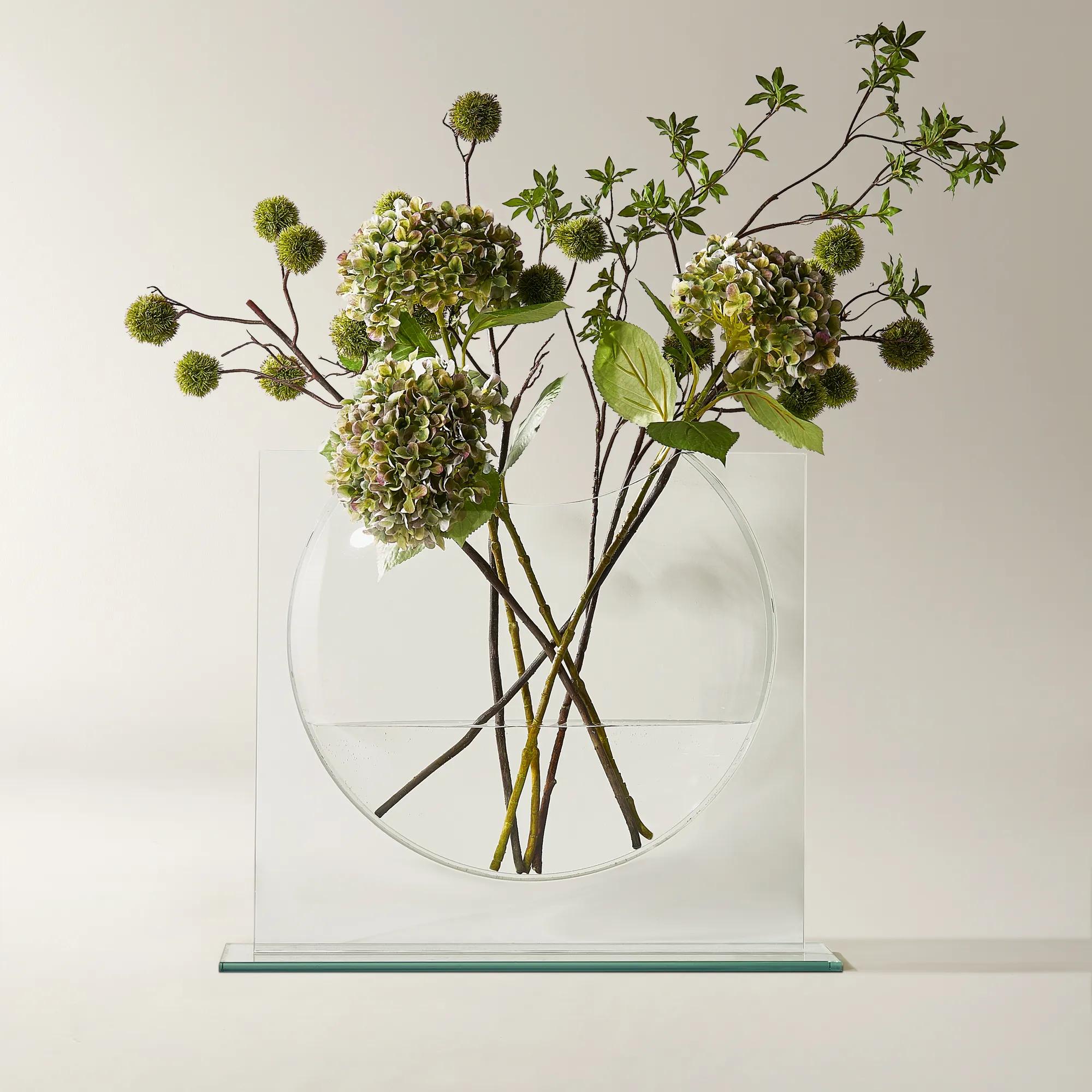
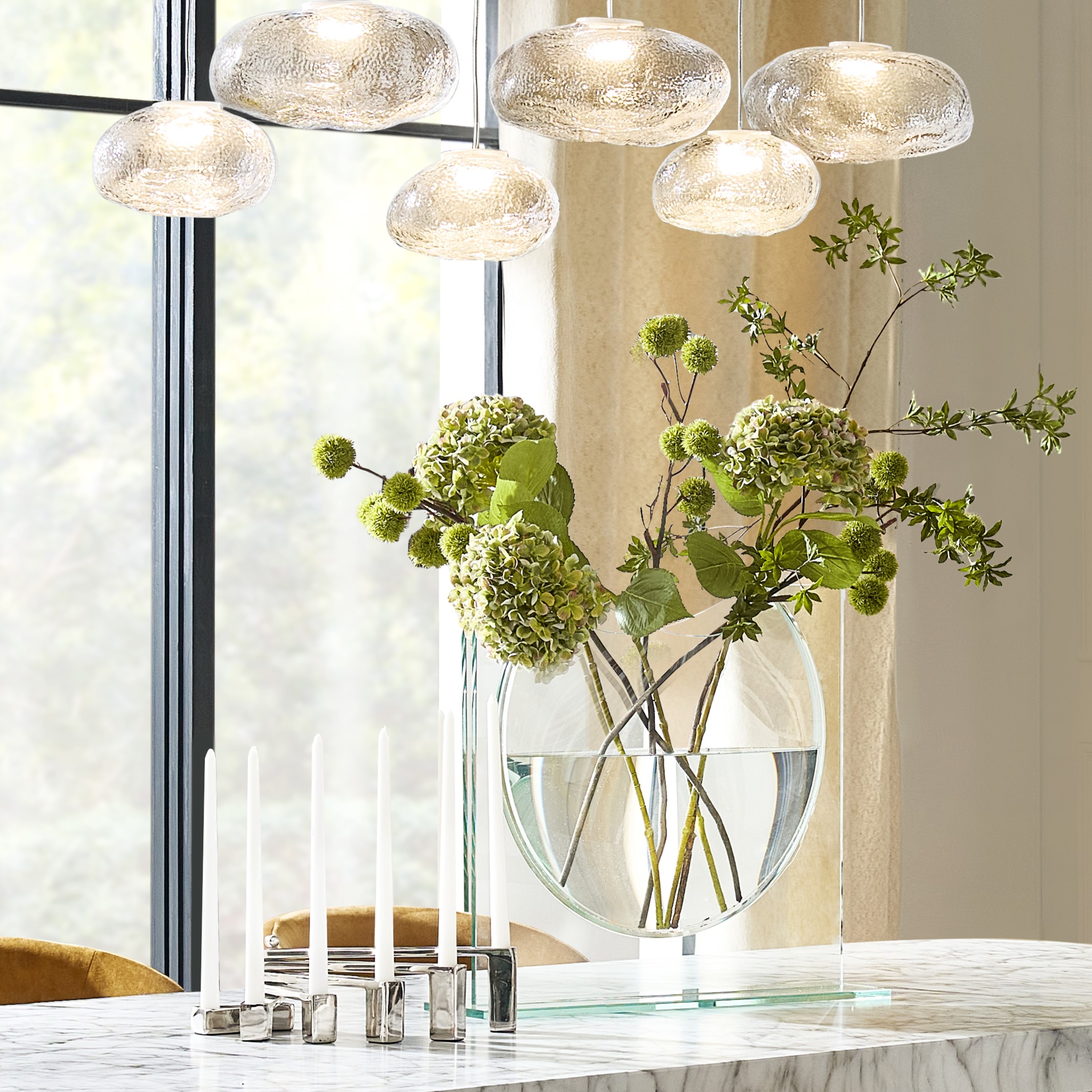 Ellipse Clear Glass Vase 20"$259
A sleek elliptical glass vase offering a modern, functional accent for fresh floral arrangements.
Add To Cart -
 Speckled Mouth Blown Brown And White Glass Vase 14.75"$129
A handblown glass vase featuring a brown and white speckled pattern for modern, artful appeal.
Add To Cart -
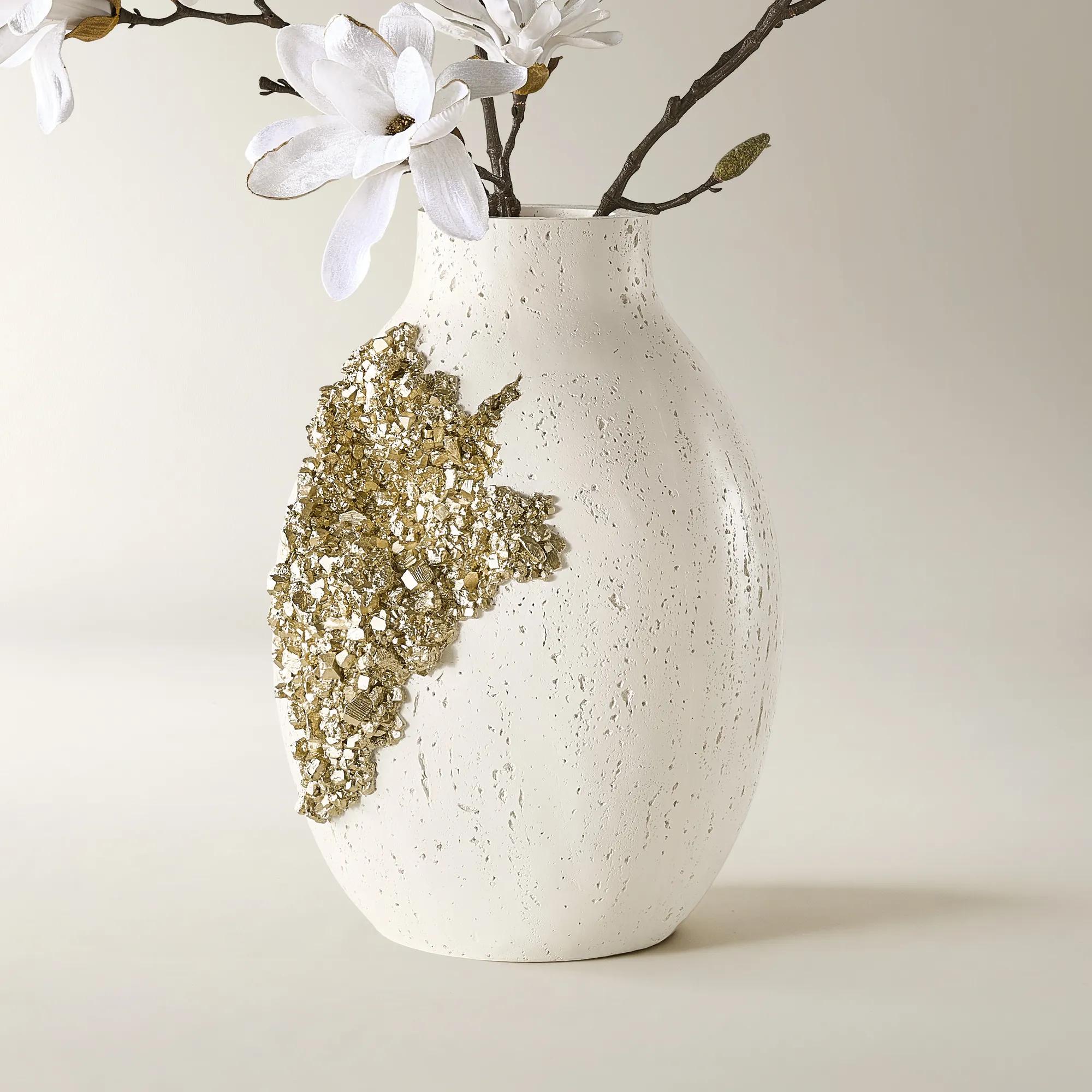 Delve Soft Gold Ivory Resin Vase 18.5"$199
A sculptural polyresin and stone vase in soft gold and white, adding modern glamour to any space.
Add To Cart -
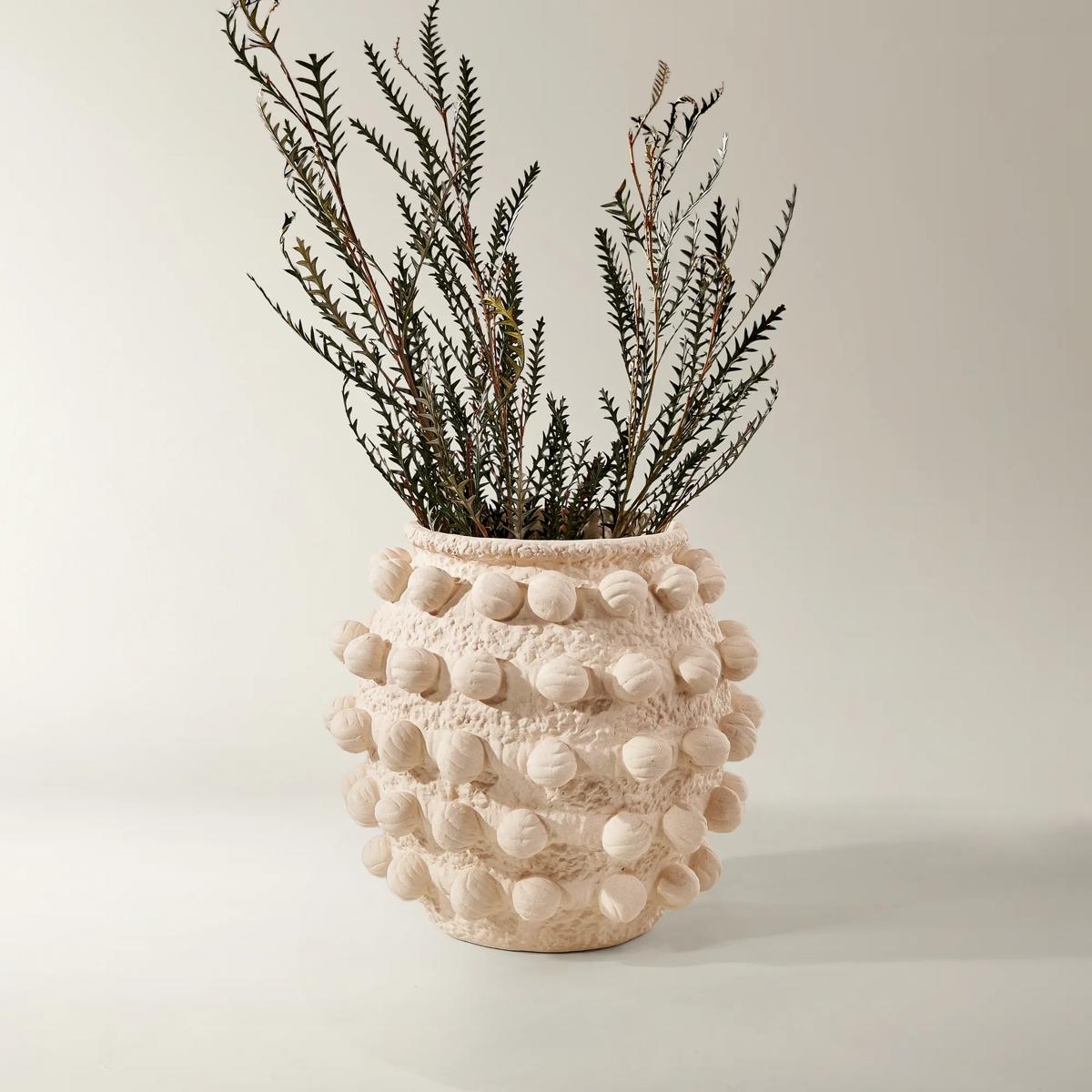
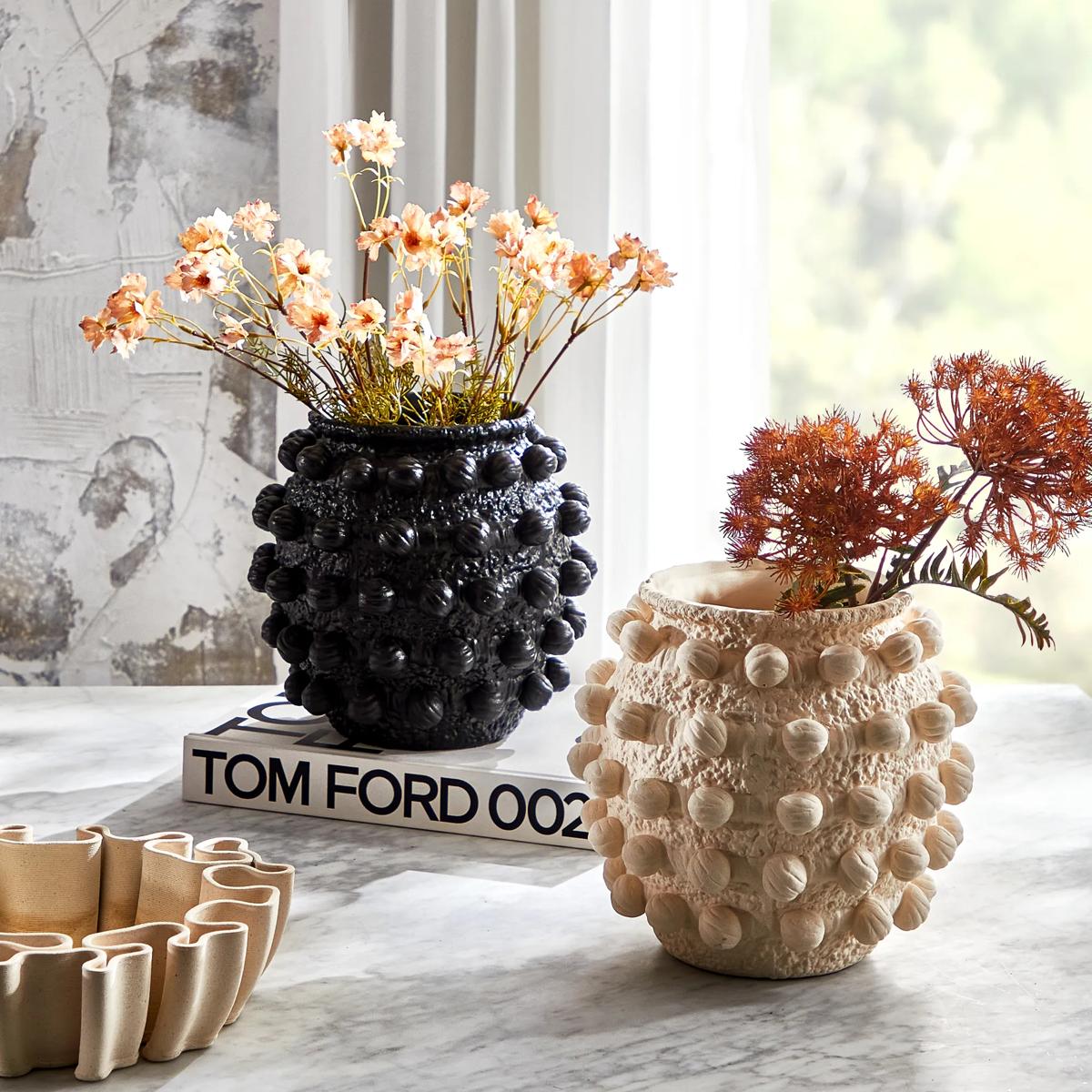 Pompa Vase - Ivory$119
An ivory porcelain vase featuring sculptural rounded forms and a richly textured, tactile surface.
Add To Cart

White Vases For Contemporary Homes
White vases for contemporary homes are the ultimate expression of refined artistry—sleek vessels that capture the purity of form and elevate every surface they grace. Their luminous silhouettes invite light to dance, casting subtle shadows and transforming everyday blooms into sculptural masterpieces. Whether perched atop a marble console or anchoring a dramatic tablescape, these vases embody the bold minimalism and quiet luxury that define modern living. Each piece is an invitation to curate your own gallery of style, infusing your space with serenity, sophistication, and endless possibility.
White vases for contemporary homes combine sculptural shapes, clean lines, and light-catching finishes to give flowers—and the rooms around them—a striking frame. Matte ceramic, glossy porcelain, and opaque white glass each express the color differently, from a soft, chalklike surface to a luminous sheen. Rounded vessels bring curves to angular furniture, while tall cylindrical forms echo the architecture of a room. Ribbed, fluted, and faceted surfaces introduce another dimension: even without flowers, their contours create a shifting composition of light and shadow. White is especially expressive against dark wood, charcoal upholstery, or a richly veined stone tabletop, where a vase’s silhouette becomes sharply defined. Against ivory walls and pale furnishings, the effect is more tonal, with texture and proportion providing the distinction. These are decorative accents with genuine presence, equally compelling as individual sculptures or as part of a layered arrangement. A generous rounded vase can soften the strong horizontal lines of a console, while a slender vessel brings height beside a low stack of books. On a mantel, an asymmetrical form introduces an artistic counterpoint to a rectangular mirror or framed artwork. The shade of white matters as much as the shape. Crisp whites lend a graphic quality to black-and-white interiors; creamy whites feel harmonious alongside warm wood, brass, and natural linen. Neither needs to match every surrounding surface exactly. Subtle variations can make a composition feel collected rather than overly coordinated, particularly when smooth and textured finishes appear together. For interiors with saturated color, white offers a clear visual pause without surrendering personality. A cobalt accent chair, jewel-toned artwork, or sumptuous velvet sofa gains a different kind of emphasis beside an unadorned white vessel. The result is balance with intention: a neutral accent that can hold its own amid expressive furnishings, drawing attention through its outline, surface, and placement rather than through color alone.
Material gives a white vase much of its character, influencing its weight, surface detail, and suitability for different arrangements. The appeal of ceramic vases for modern homes is especially evident in white, which allows modeled curves, carved details, and subtle variations in glaze to remain the focus. Ceramic includes both stoneware and porcelain, although their appearance and construction vary considerably. Stoneware can have a substantial, grounded presence, while porcelain often lends itself to finely shaped profiles and smooth surfaces. A glazed finish may be glossy, satin, or matte; its appearance alone does not establish whether the vessel is watertight. Opaque white glass offers another expression, with a sleek surface that can feel particularly luminous near a window or beneath accent lighting. Across materials, scale determines whether a vase reads as a delicate detail or a commanding focal point. A compact vessel leaves room for conversation and serving pieces on a dining table, while a taller silhouette brings vertical emphasis to an entry console. Broad arrangements need sufficient surface space for both the vessel and the stems extending beyond it. Narrow shelves call for a base that sits fully supported, with clearance above for branches or blooms. On a coffee table, a lower profile preserves views across the seating area and feels composed alongside a tray or art book. A substantial floor vase can animate an otherwise quiet corner, provided its footprint stays clear of walking paths and its base remains stable. The opening also shapes the display: a narrow neck gathers a few stems into a defined gesture, while a wide mouth allows a fuller arrangement to spread. Groupings feel most deliberate when heights and profiles vary, with enough space between vessels to appreciate each outline. Two rounded forms beside one taller, linear shape can create rhythm without the crowded effect of several equally sized accents competing for attention.
Intended use is just as important as appearance, particularly when choosing between a vessel for fresh flowers and one designed primarily for decorative display. Fresh arrangements require a vase identified as suitable for holding water; some decorative ceramics have porous interiors or finishes that are not intended for prolonged moisture exposure. A securely fitted watertight insert may be appropriate when permitted by the maker’s care instructions, but an unverified vessel should not be assumed safe for direct filling. Dried stems and faux botanicals offer alternatives that emphasize silhouette without the need for water, while an empty vase allows its sculptural qualities to stand alone. Tall branches also place greater demands on stability, making the relationship between base width, vessel weight, and arrangement height especially important. White surfaces reveal dust, pollen, and mineral residue readily, so regular, gentle attention helps preserve their clarity. A soft cloth is generally preferable to abrasive pads, and cleaning products should suit the specific material and finish. Unglazed textures may trap residue or absorb liquids, while delicate glazes and decorative surface treatments can require particularly restrained care. Handwashing, soaking, or dishwasher use should follow the manufacturer’s directions rather than assumptions based on appearance. Promptly removing spilled water and drying the base before replacing a vase helps protect the furniture beneath it; a suitable protective pad adds another layer of separation for scratch-sensitive surfaces. Although fired ceramic and glass can retain their beauty for years with appropriate handling, both remain vulnerable to chips and breakage from impact. These considerations make white vases thoughtful gifts when their proportions and intended use reflect the recipient’s home. A flower enthusiast may appreciate an opening suited to full bouquets, while an art-minded host may favor an expressive form that needs no arrangement at all. For a housewarming or wedding gift, a versatile white finish offers room for personal interpretation. Whether filled with sculptural foliage or left beautifully unadorned, the right vase brings a distinct point of view to an everyday surface.
FAQs
Contemporary white vases are remarkably versatile, complementing a spectrum of interior styles—from modern minimalism and mid-century chic to eclectic bohemian and transitional spaces. Their clean lines and luminous palette allow them to blend seamlessly with both bold, colorful rooms and serene, neutral settings, making them a sophisticated choice for any home.
For a dramatic effect, consider grouping white vases of varying heights and textures on a mantel or console table to create a striking vignette. Pair them with sculptural branches, lush greenery, or bold florals to amplify their visual impact. Alternatively, let a single, oversized vase stand alone as a sculptural statement piece, drawing the eye and anchoring the room.
Absolutely. White vases are timeless and universally appealing, making them thoughtful gifts for housewarmings, weddings, anniversaries, or birthdays. Their elegant simplicity ensures they will complement any recipient’s decor, while their artistic presence adds a touch of luxury to any space.
Yes, white vases are stunning as standalone decorative objects. Their sculptural forms and textured finishes can bring depth and artistry to shelves, mantels, or tables, even when left empty. They’re perfect for creating moments of visual interest throughout your home, whether paired or displayed solo.
White vases provide a luminous foundation for seasonal styling. In winter, fill them with bare branches or evergreens for a crisp, elegant look. As spring arrives, showcase fresh blooms or budding branches. Their neutral tone allows you to refresh your arrangements throughout the year, effortlessly adapting to each season’s mood and palette.