Modern Organic Vases
Modern Organic Vases
-
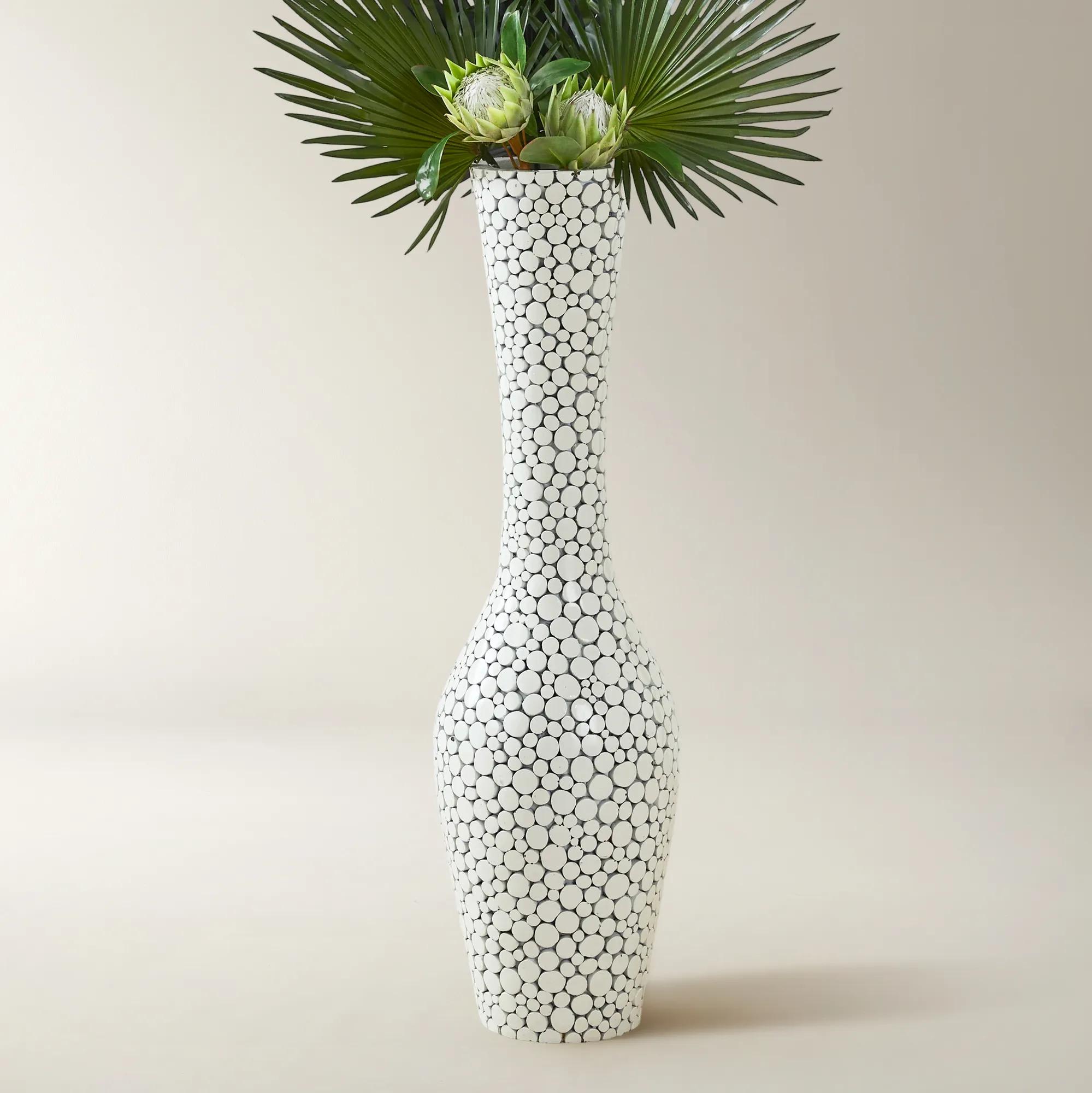 Oslo Floor Vase$299
A contemporary floor vase featuring hand-applied wood accents and a glossy white fiberglass base.
Add To Cart -
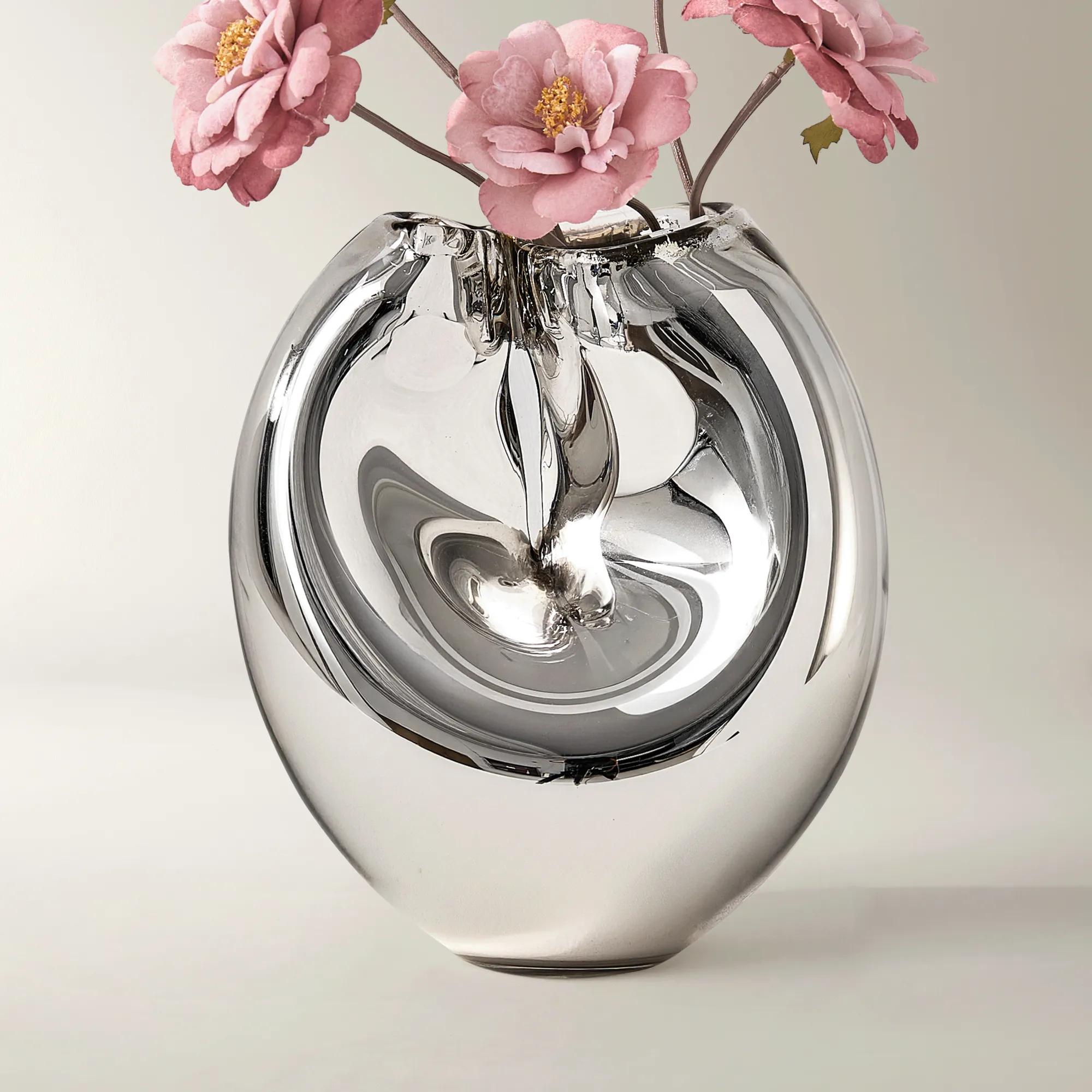 Ono Mouth Blown Mirrored Silver Glass Vase 7.75"$79
A handblown glass vase with a mirrored finish and organic silhouette for modern, artful display.
Add To Cart -
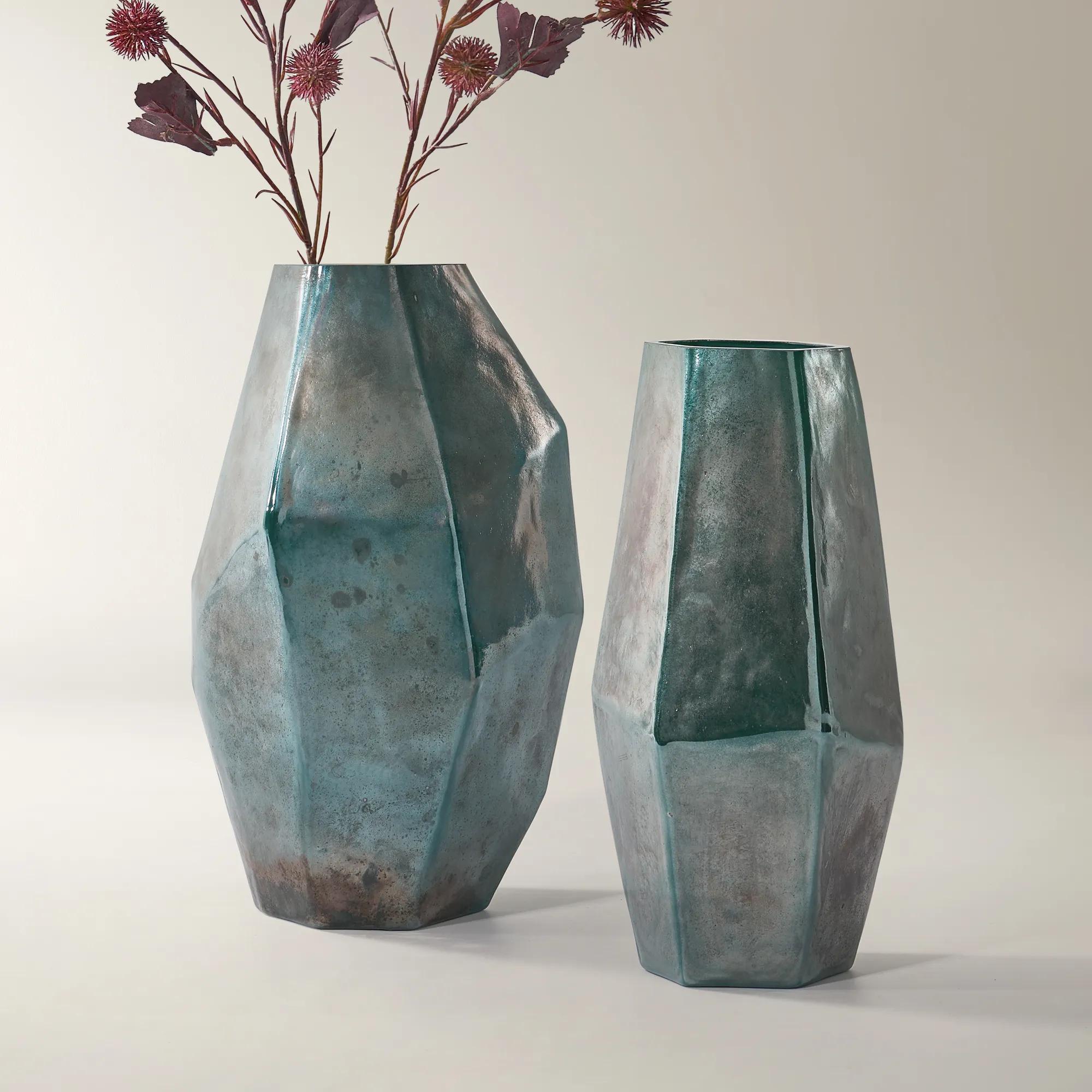
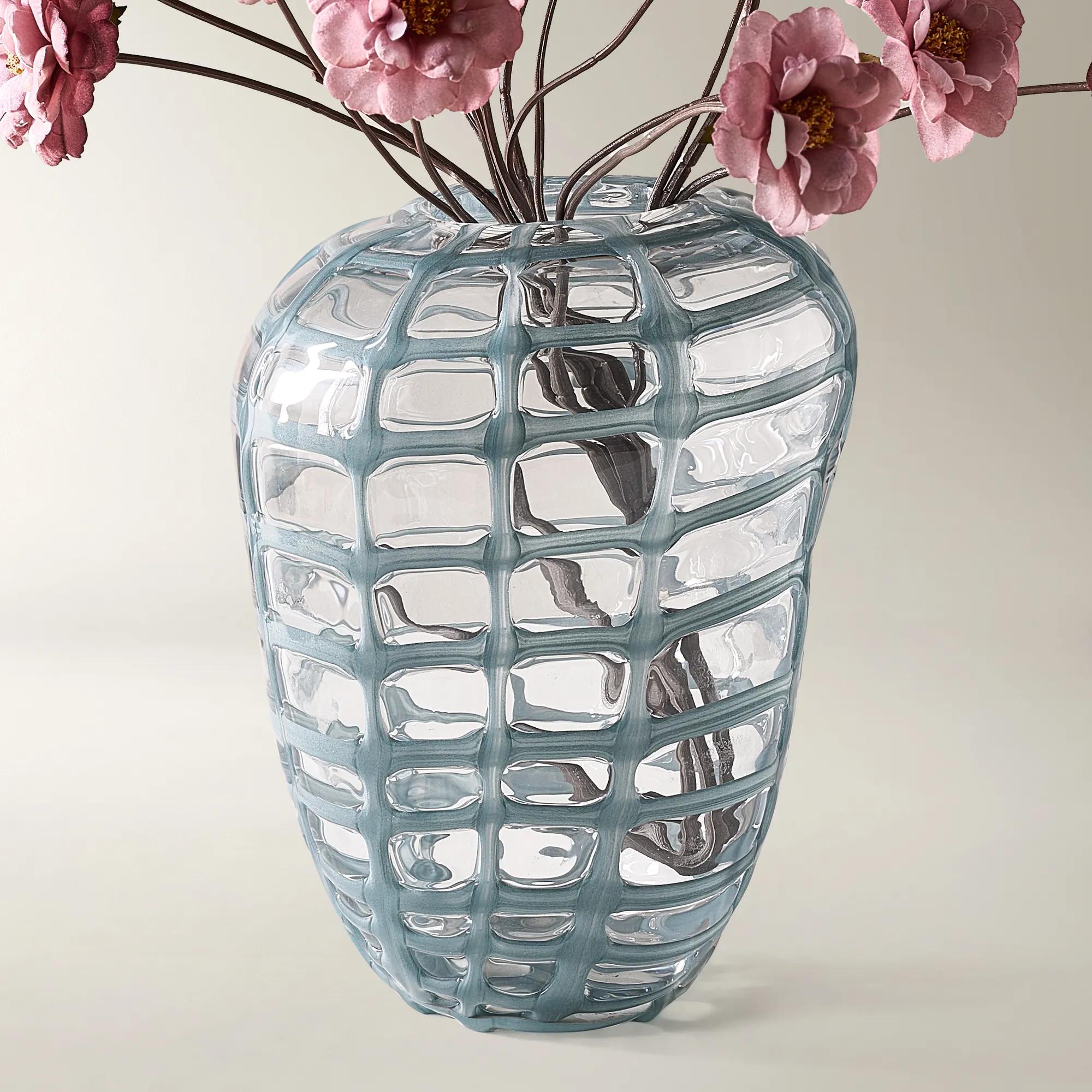 Contra Mouth Blown Dusty Blue Grid Glass Vase 10.25"$79
A handblown dusty blue glass vase featuring a graphic grid pattern and softly organic silhouette.
Add To Cart -
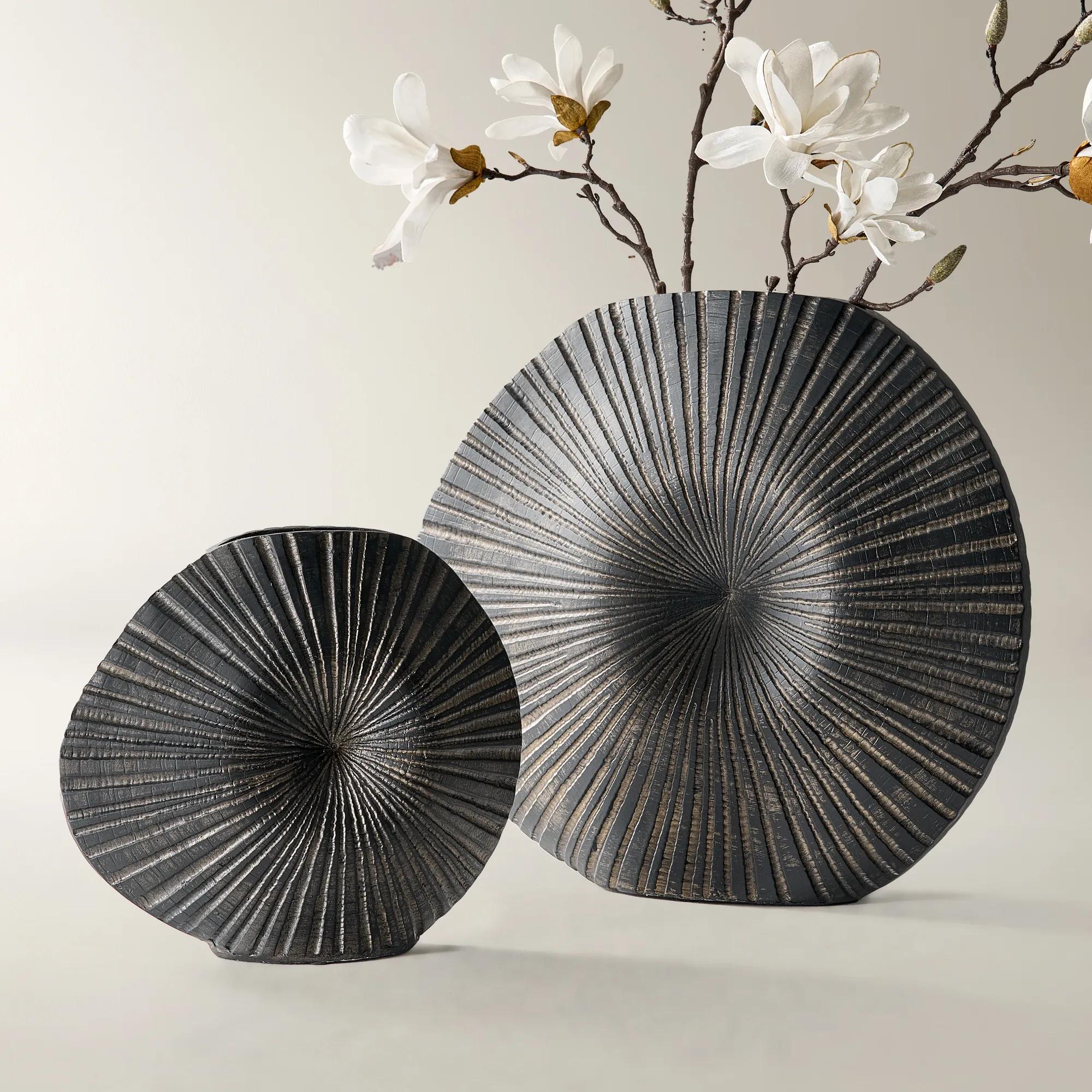
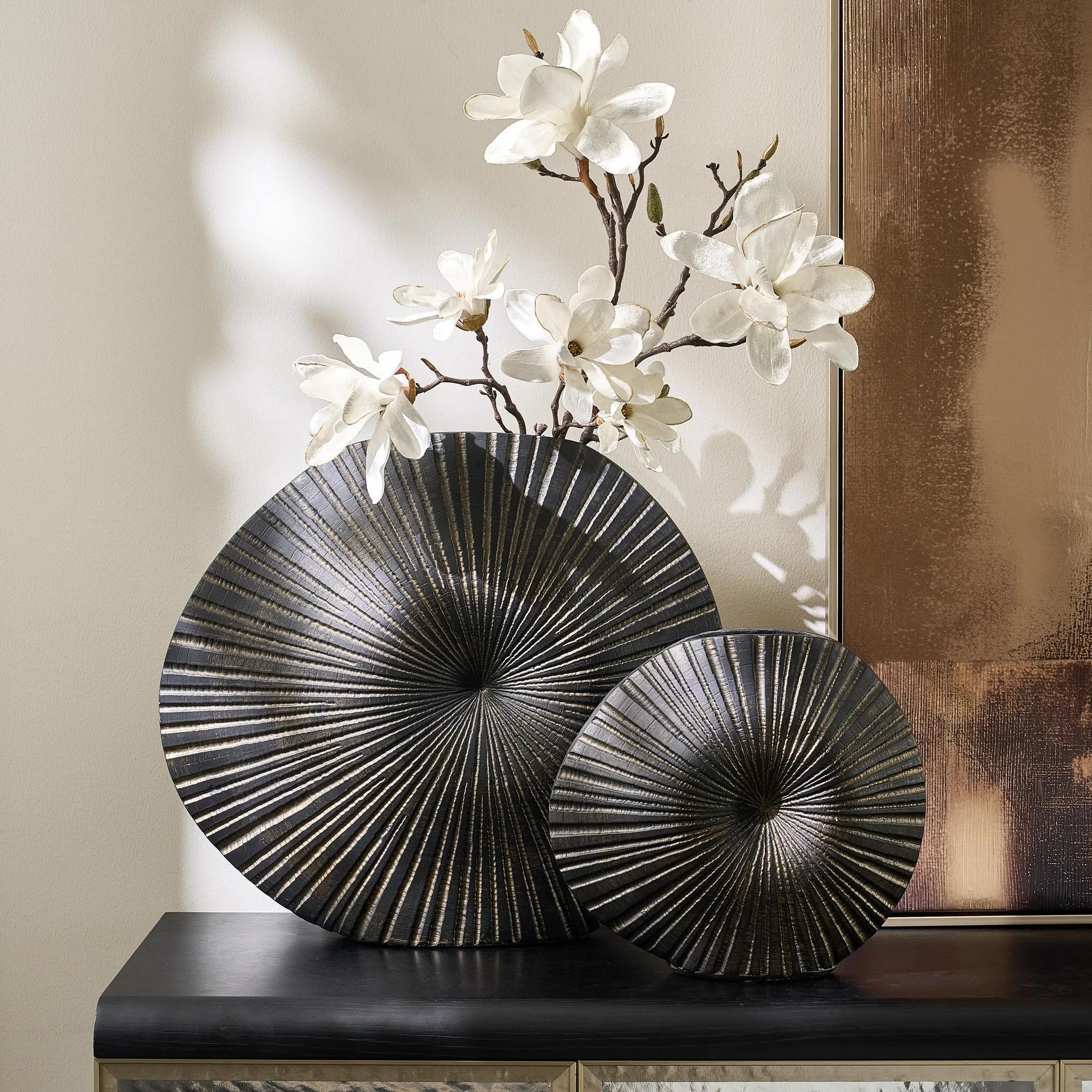 Stellar Black Champagne Resin Vases$149
A sculptural resin vase in black and champagne tones, offering bold modern glamour and refined visual depth.
Add To Cart -
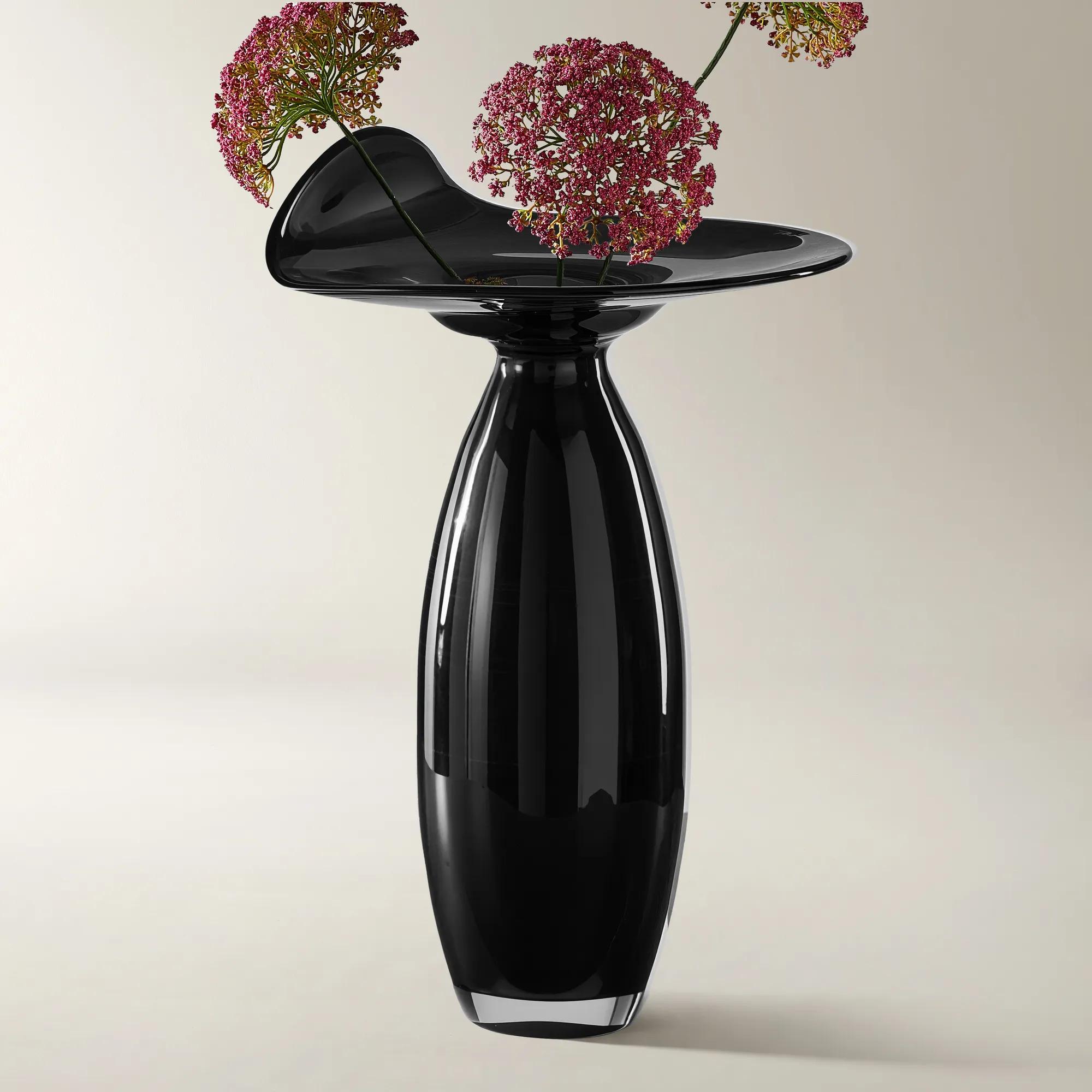 Folia Mouth Blown Glossy Black Glass Vase 22"$199
A handblown glass vase with a glossy black finish and organic sculptural silhouette for modern decor.
Add To Cart -
 Playa Black Resin Floor Vase 15" x 36"$299
A matte black resin vase featuring an organic texture that adds modern sophistication to any space.
Add To Cart -
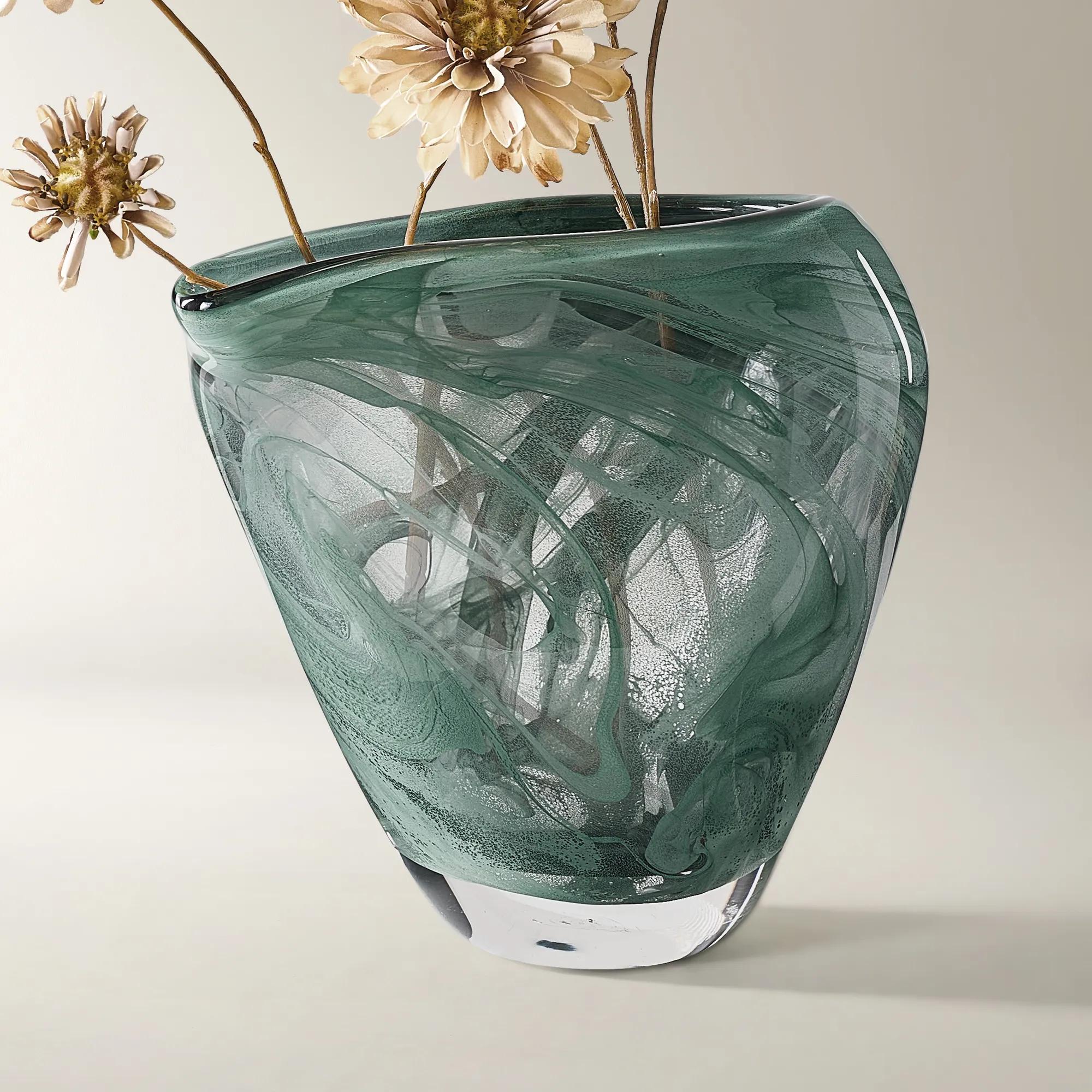 Flow Mouth Blown Sage Green Glass Vase 12.25"$199
A handblown glass vase in calming sage green with an organic, sculptural silhouette for modern decor.
Add To Cart -
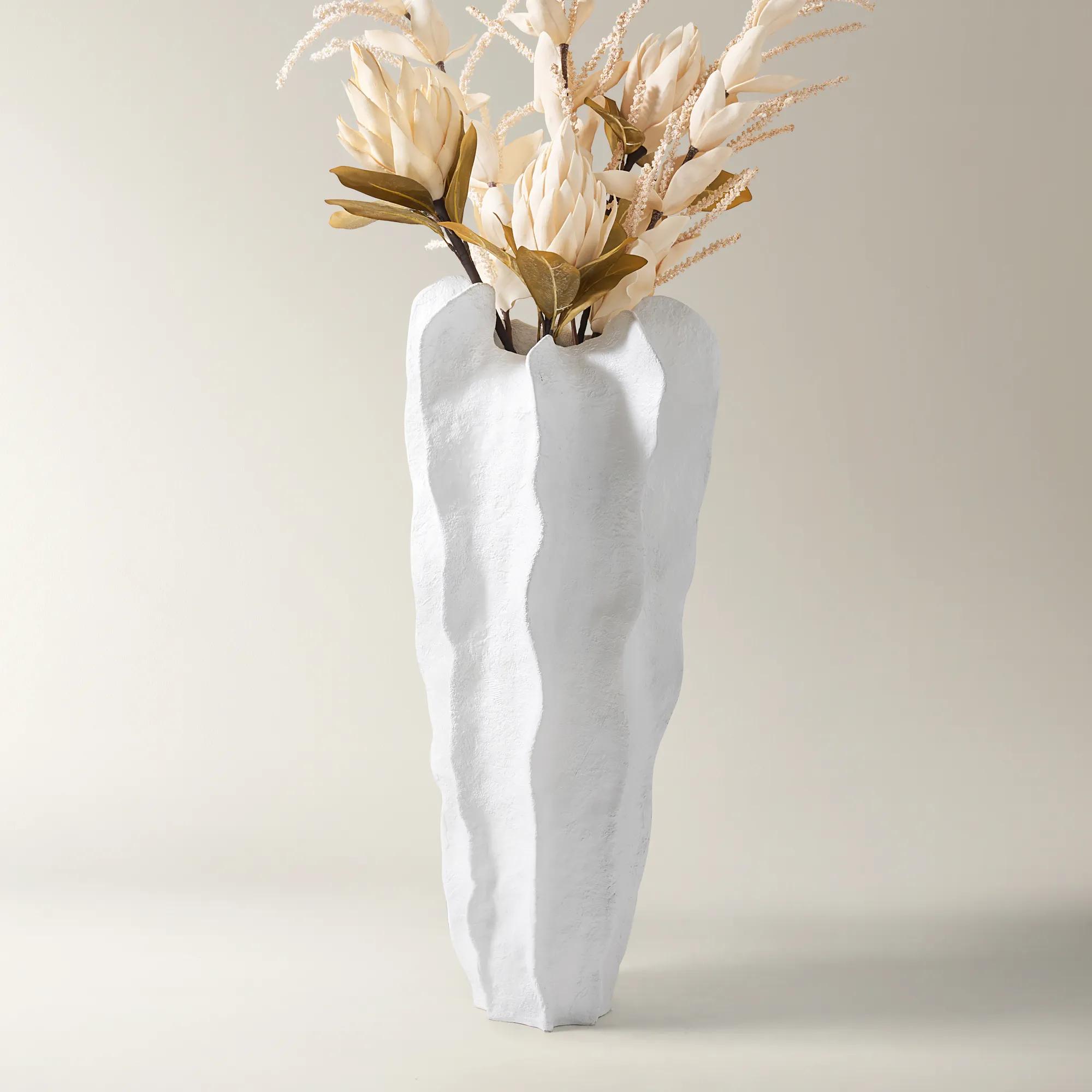 Playa White Resin Floor Vase 15" x 36"$299
A sculptural matte white resin vase featuring organic texture for a bold, dramatic accent.
Add To Cart -
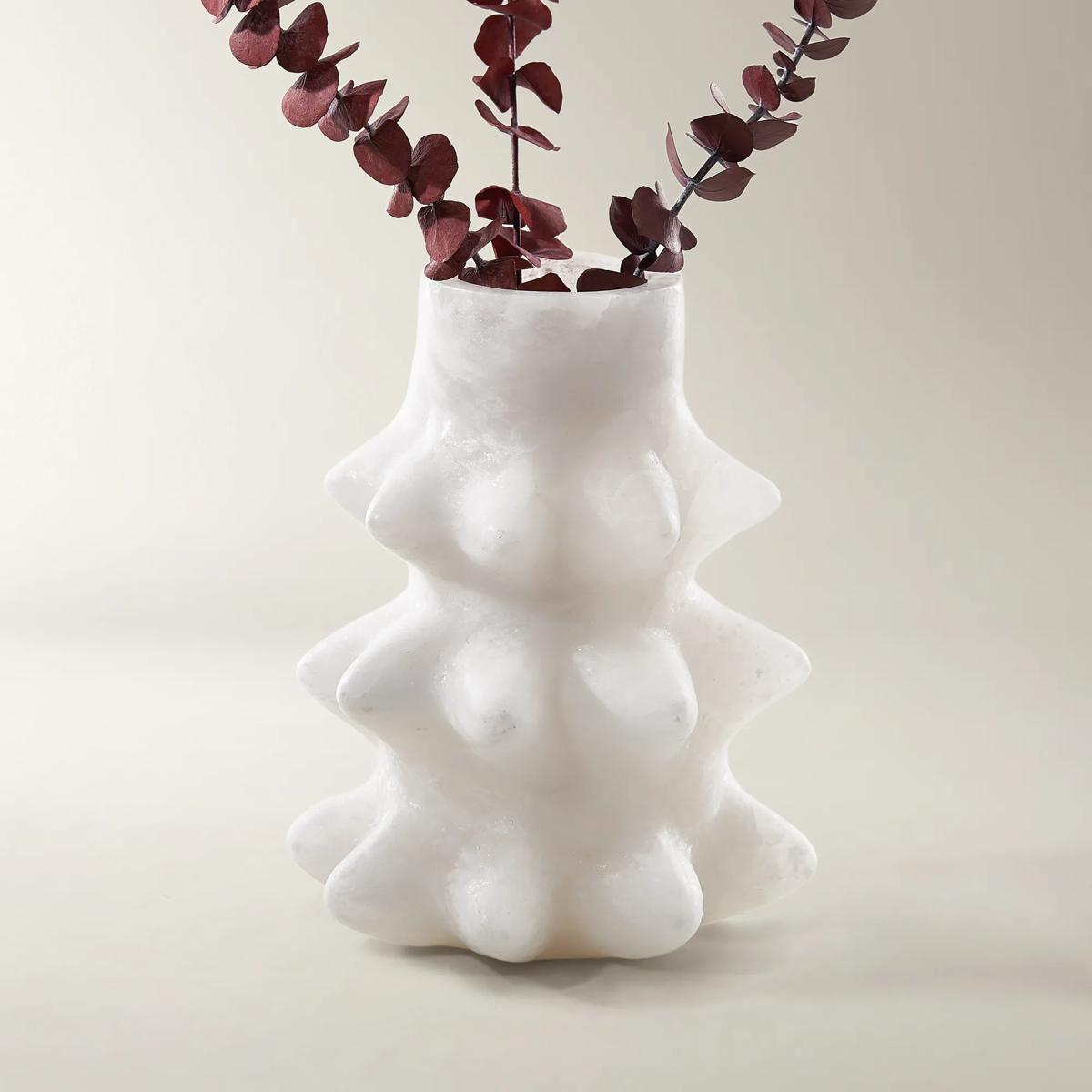
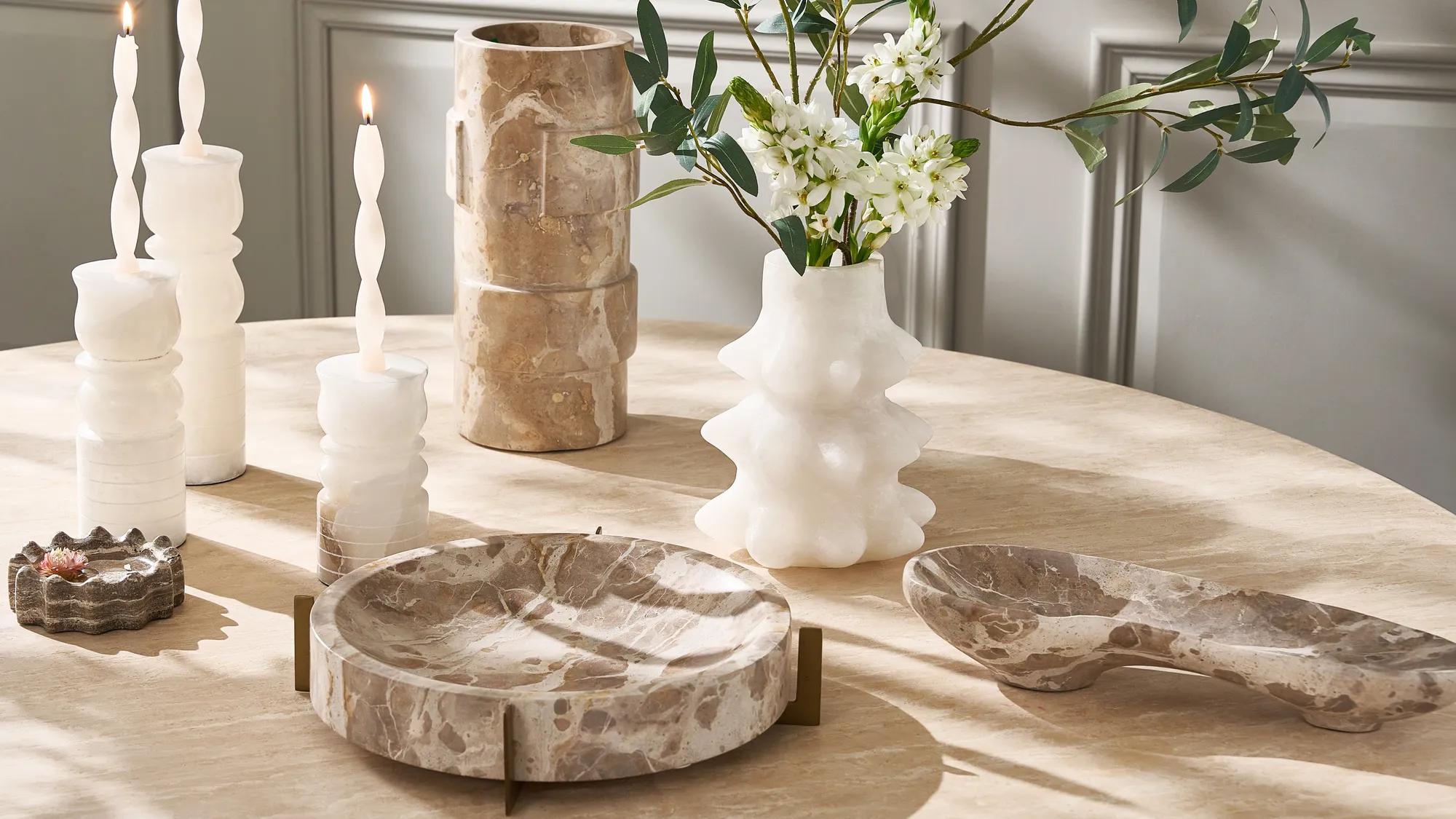 Alabaster Spike Vase$239
A sculptural white alabaster vase with bold spiked contours and naturally radiant veining.
Add To Cart -
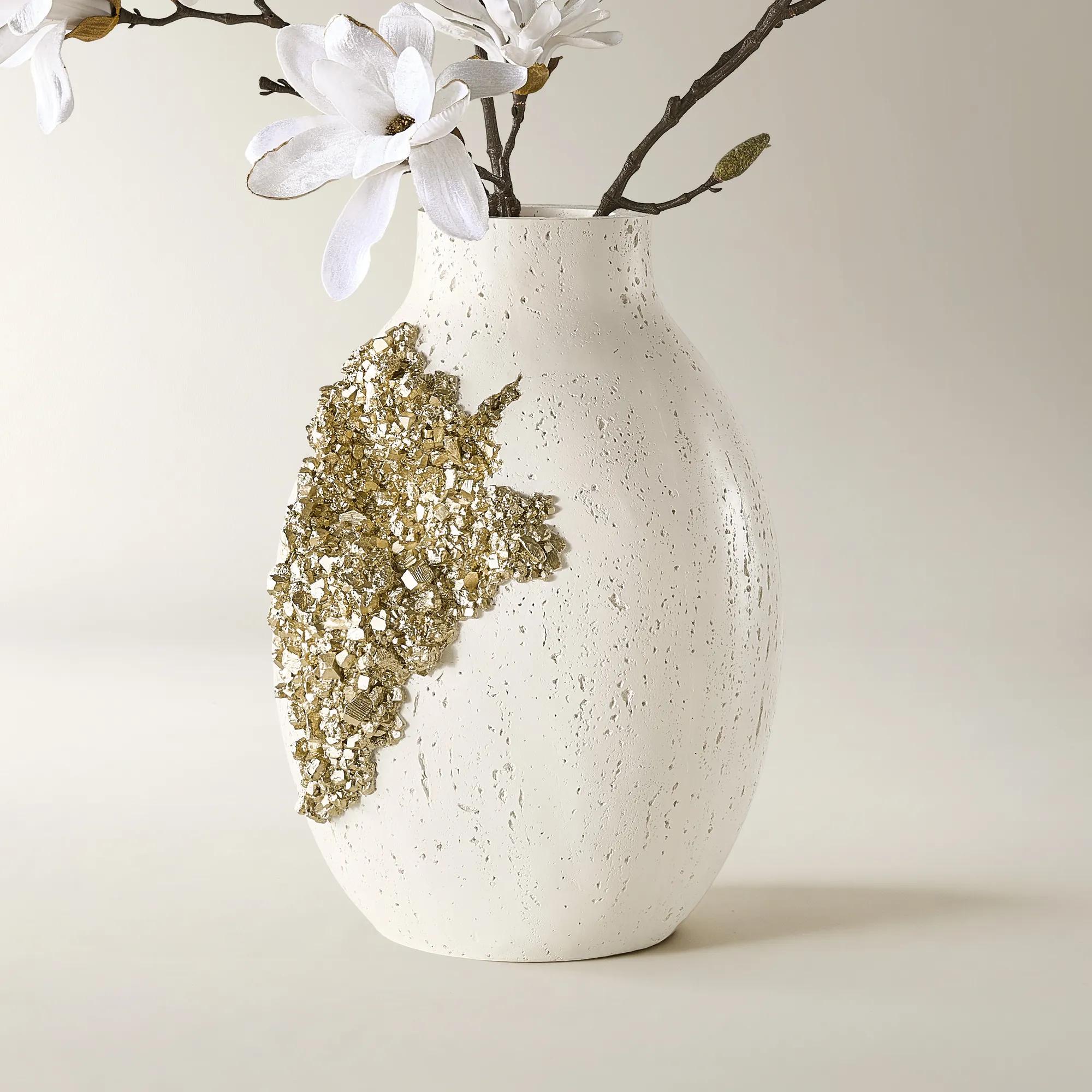 Delve Soft Gold Ivory Resin Vase 18.5"$199
A sculptural polyresin and stone vase in soft gold and white, adding modern glamour to any space.
Add To Cart -
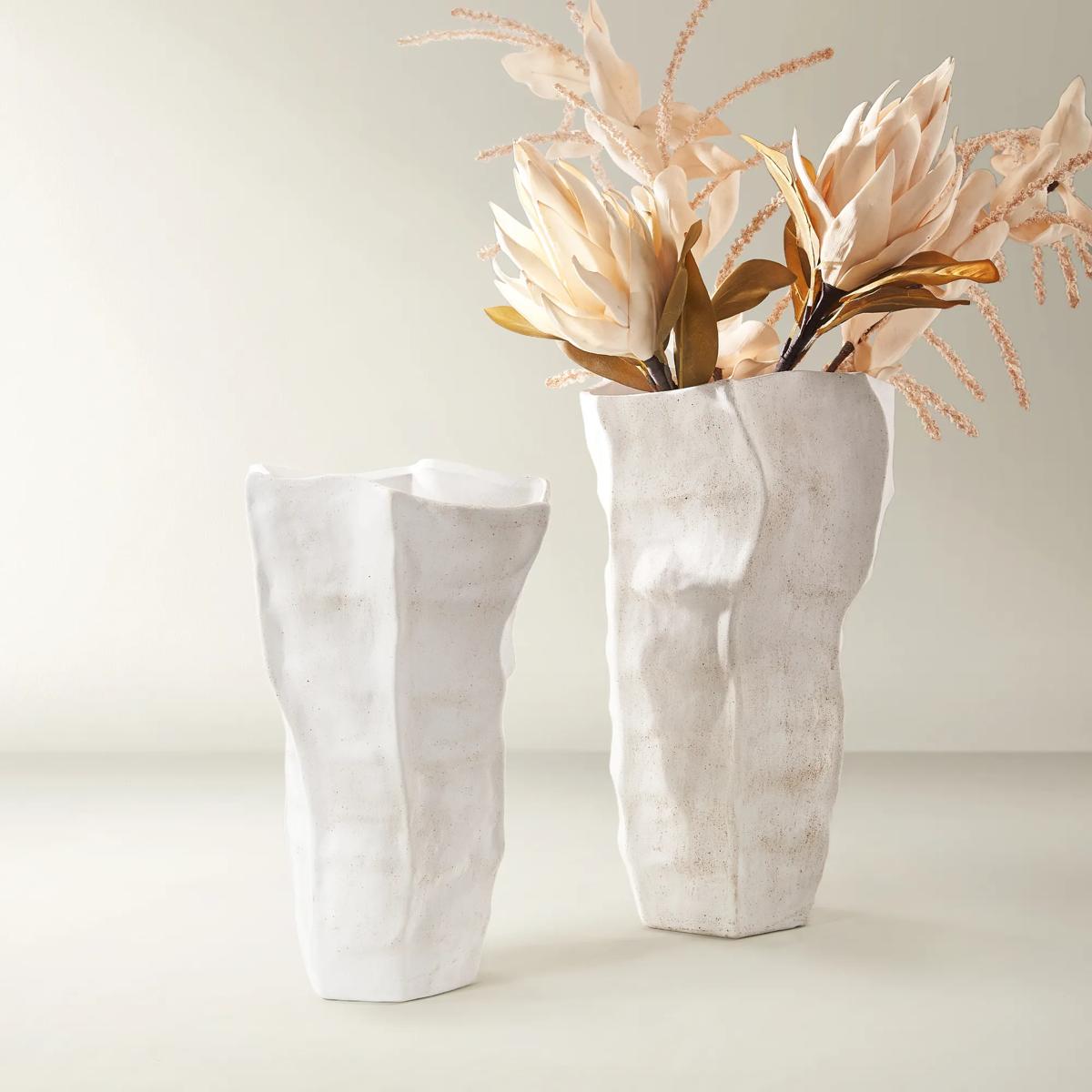 Kira Porcelain Vase$169
A sculptural matte white porcelain vase with a fluid, faceted design for modern, minimalist decor.
Add To Cart -
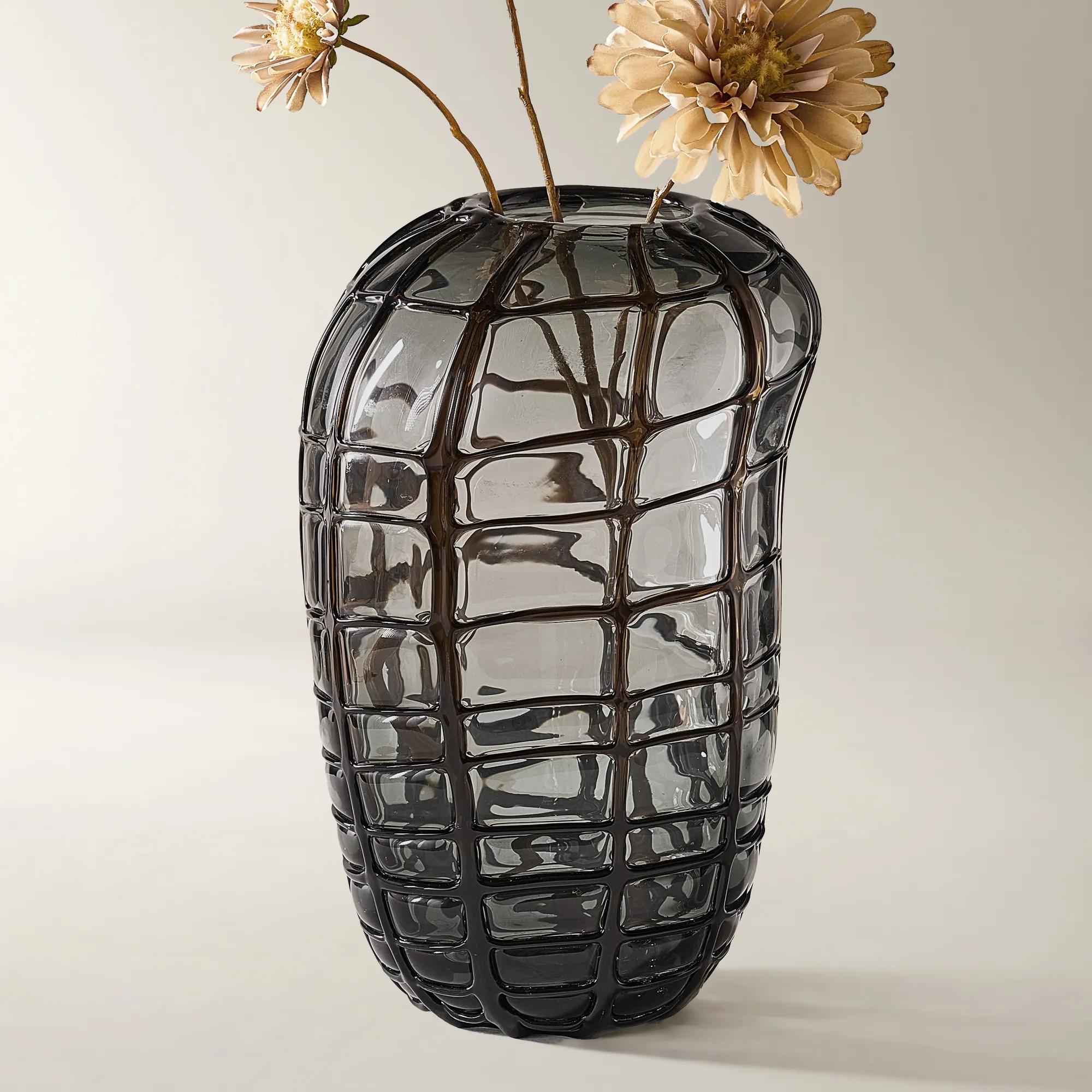 Contra Mouth Blown Black Grid Glass Vase 13"$89
A handblown black glass vase featuring a graphic grid pattern and an organically sculpted silhouette.
Add To Cart -
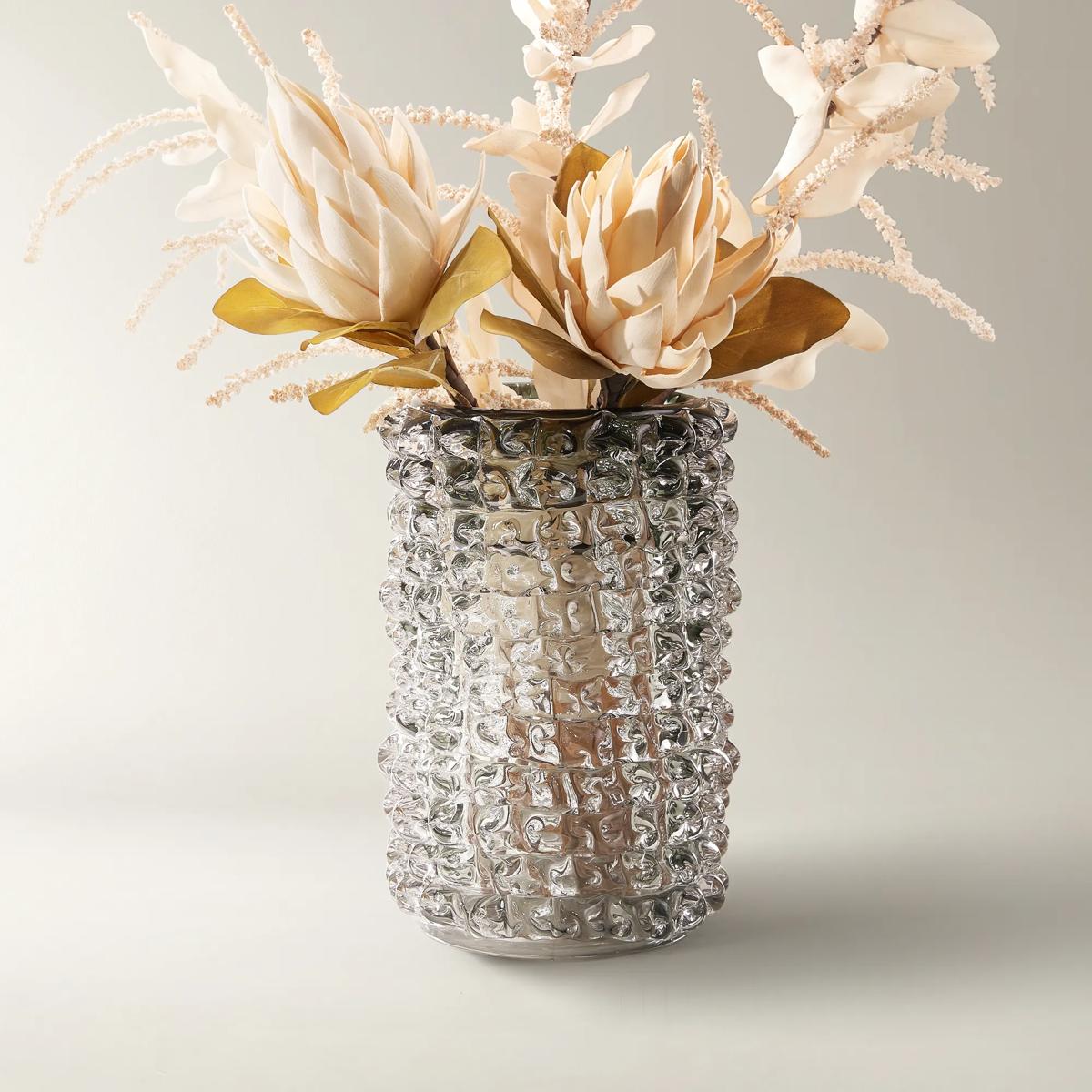
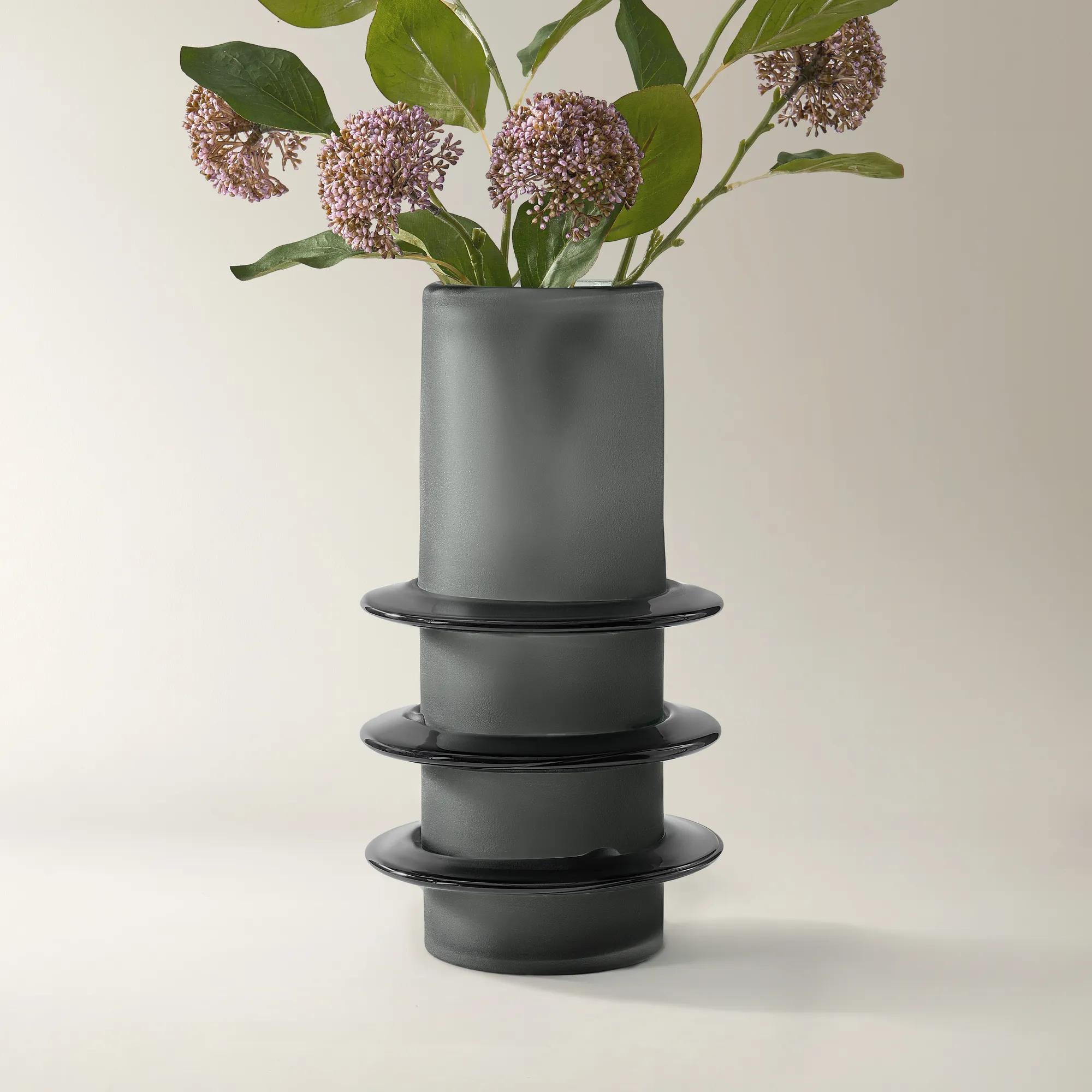
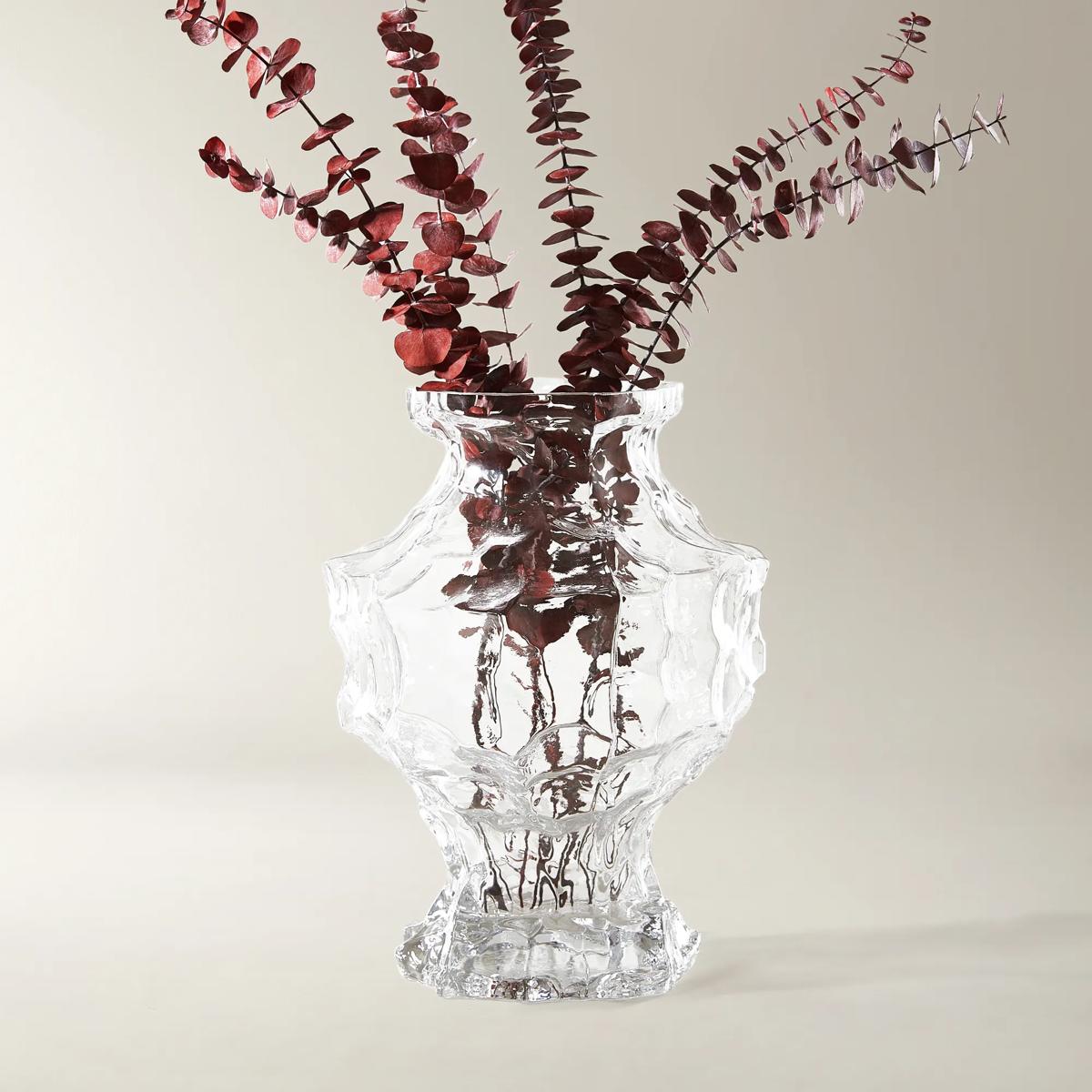
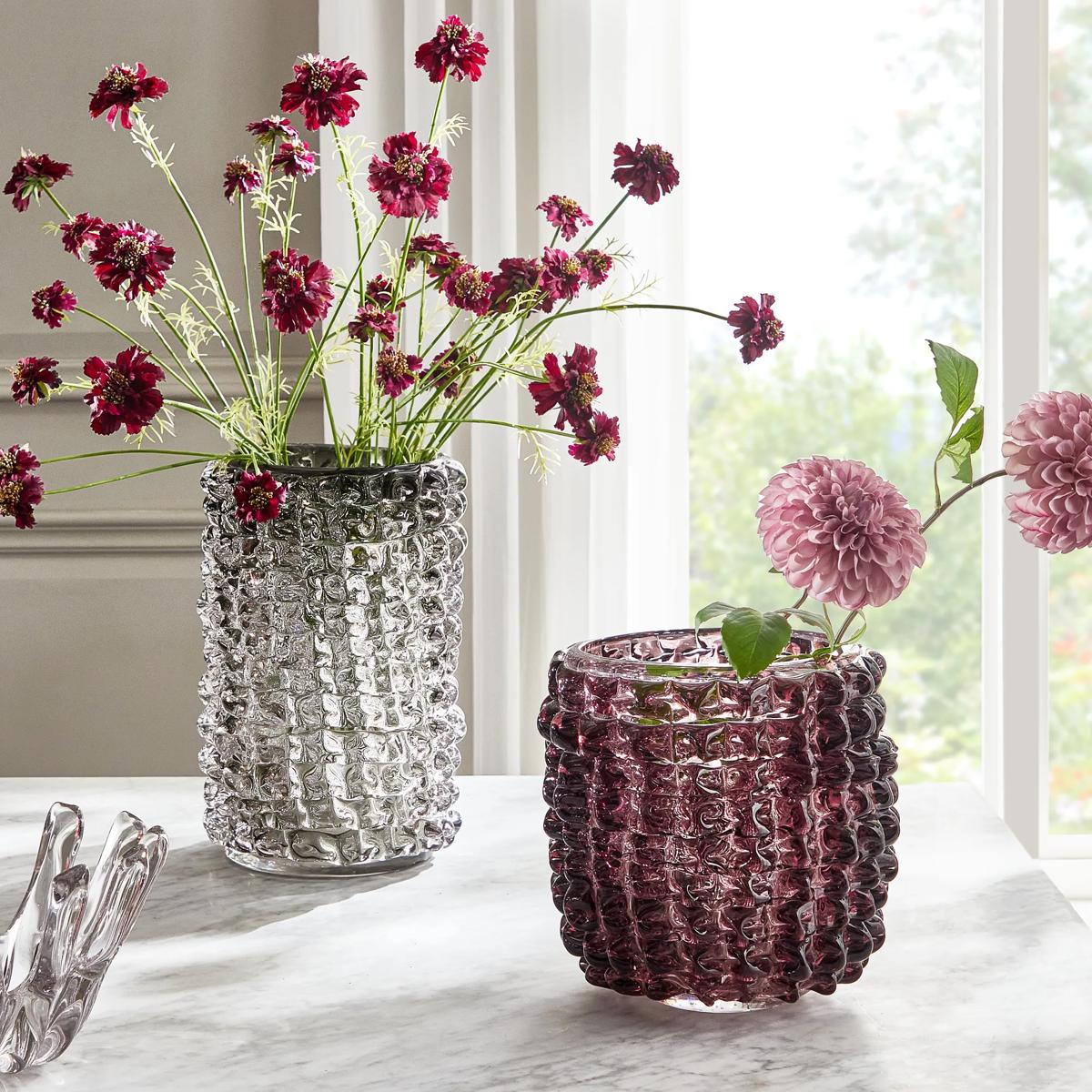 Laurel Glass Vase - Large Graphite$399
A hand-blown glass vase in smoky graphite with a bubbled, light-catching organic texture.
Add To Cart -
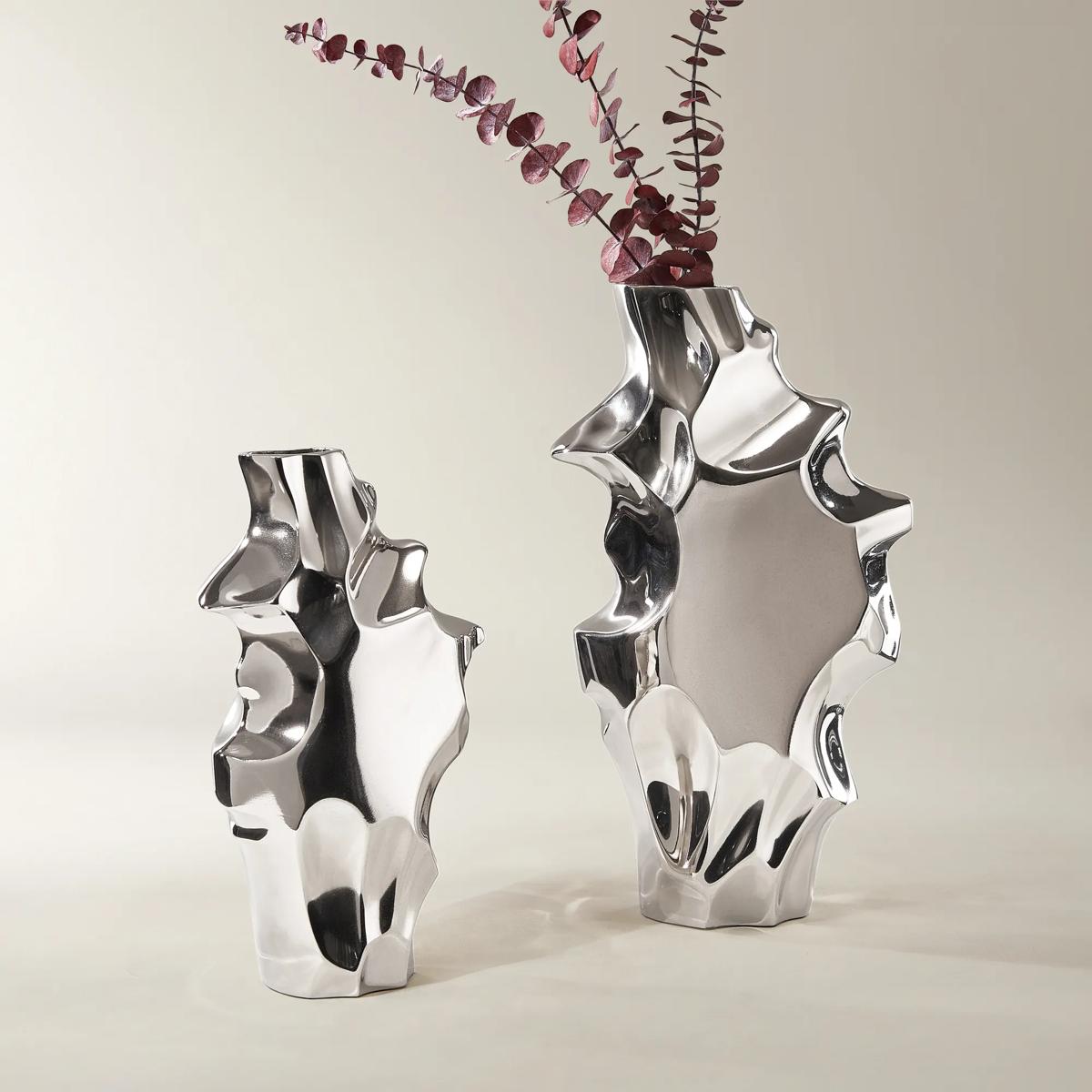
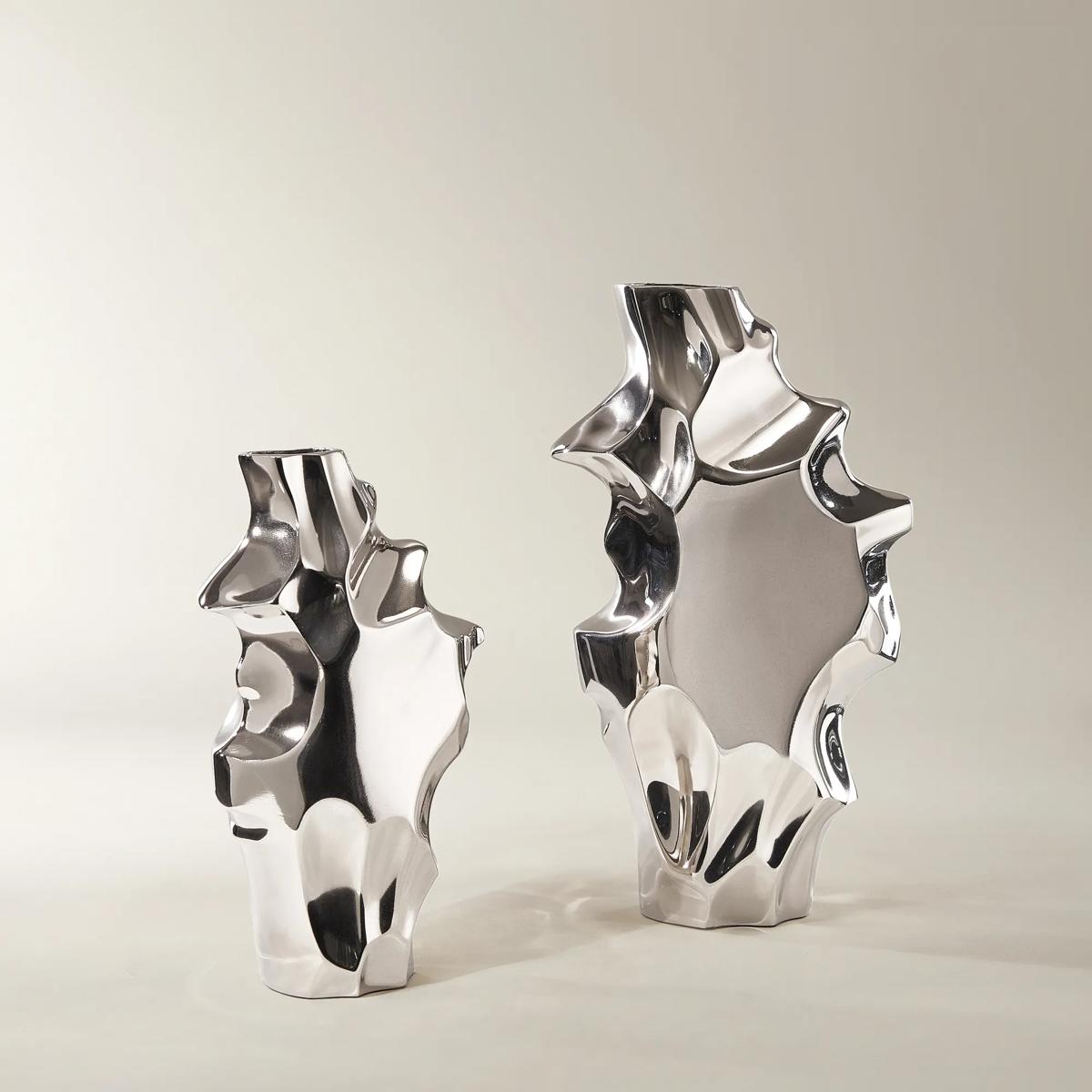 Sculpt Silver Aluminum Vases$69
A fluid, organic silhouette in lustrous silver aluminum brings modern artistry to any decor.
Add To Cart -
 Speckled Mouth Blown Brown And White Glass Vase 14.75"$129
A handblown glass vase featuring a brown and white speckled pattern for modern, artful appeal.
Add To Cart -
 Glow Mouth Blown Brown Glass Vase 10.75"$59
A luminous glass vase adding modern elegance to any décor.
Add To Cart -
 Desi Mouth Blown Spruce Green Glass Vase 10.25"D x 5.5"H$79
A handblown glass vase in spruce green with a chunky, rounded silhouette for modern organic appeal.
Add To Cart -
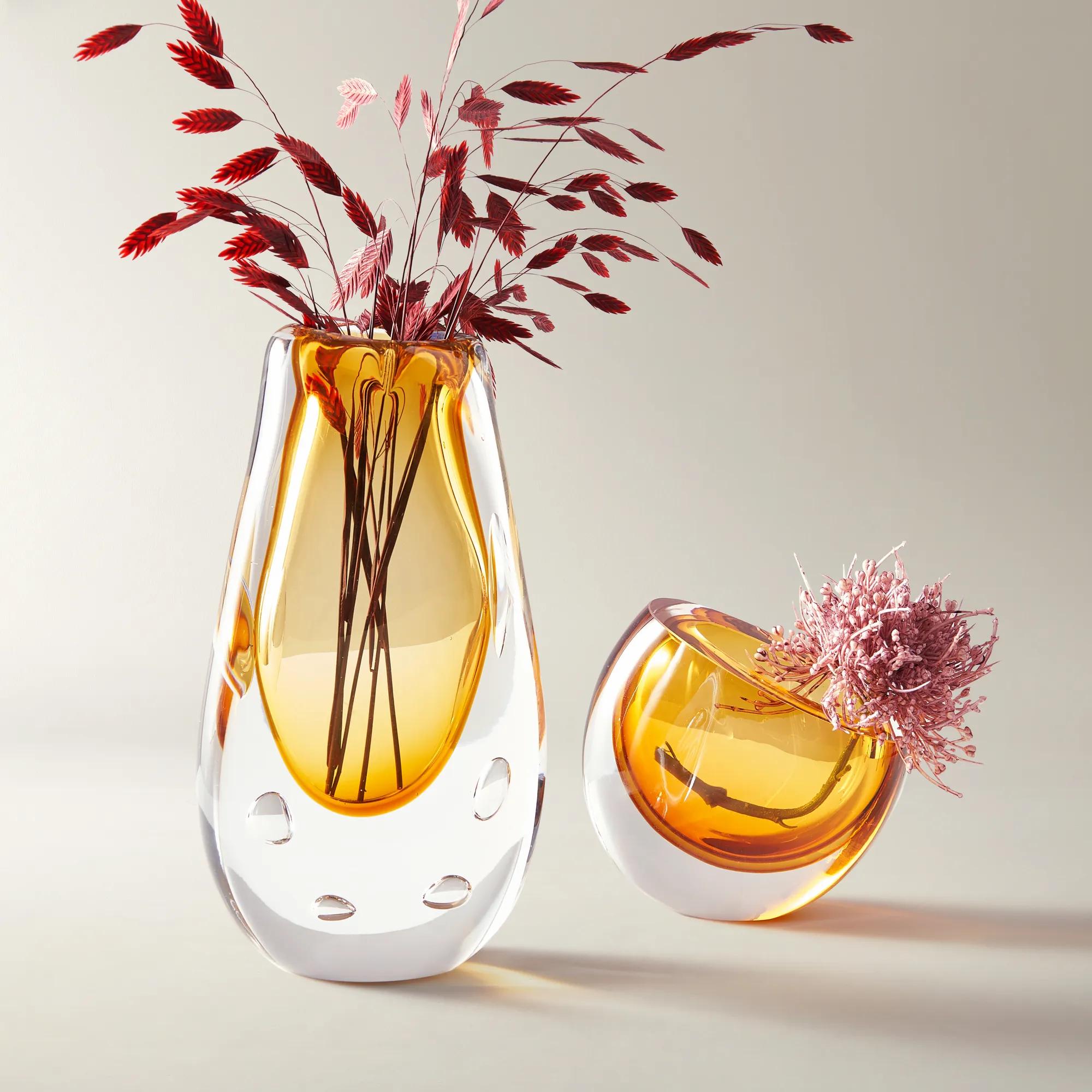
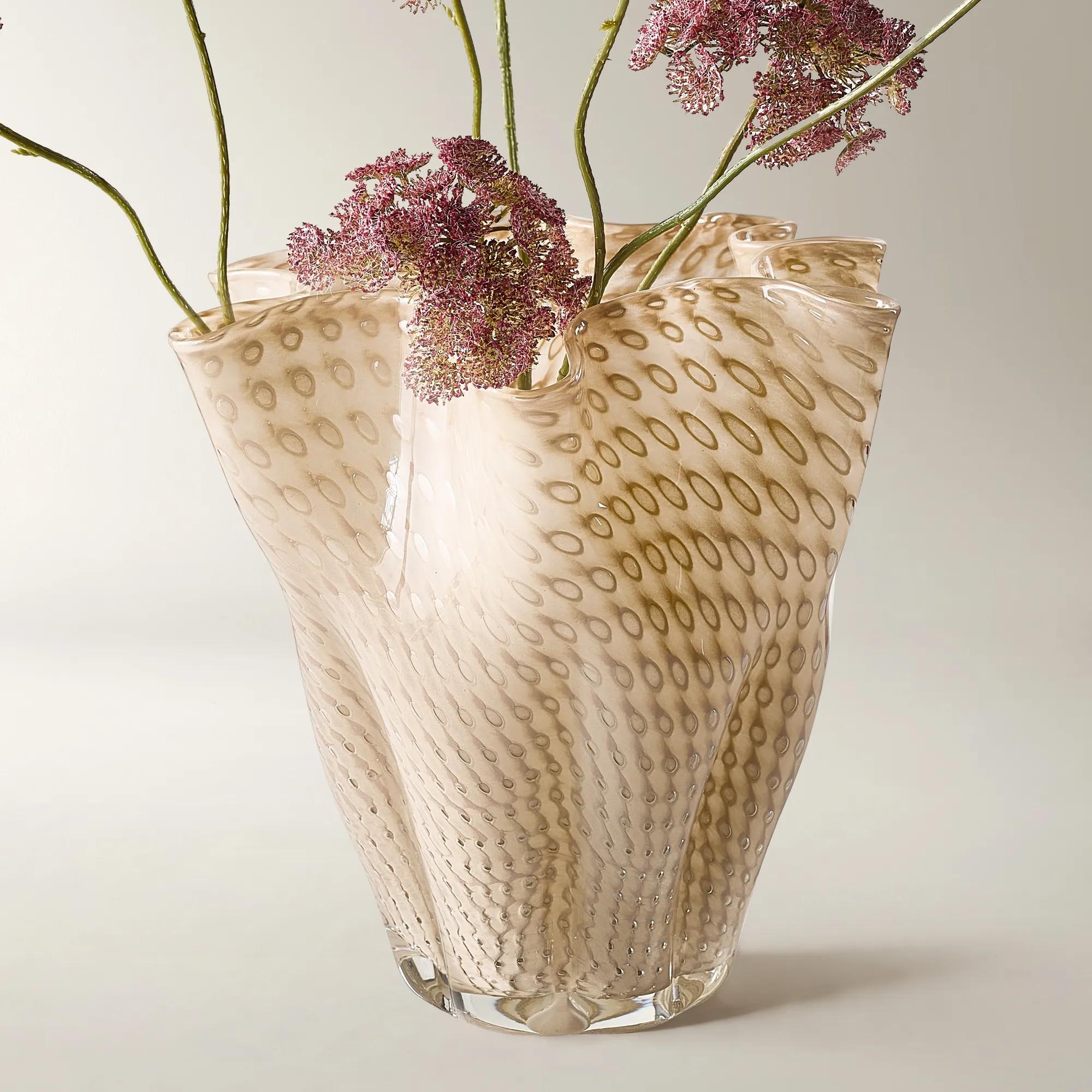 Elle Mouth Blown Tawny Glass Vase 11.25"$129
A handblown glass vase in a warm tawny hue with an organic, sculptural silhouette.
Add To Cart -
 Dylan Muted Olive Handblown Glass Vase 6.5"$129
A muted olive green handblown glass vase adding artisanal elegance to modern décor.
Add To Cart -
 Ripple Eggshell Blue Handblown Glass Vase 10.25"$89
A handblown eggshell blue glass vase adding sculptural elegance to modern decor.
Add To Cart -
 Gavin Mouth Blown Brown Glass Vase 12"$119
A sculptural brown glass vase adding modern elegance to decorative displays.
Add To Cart -
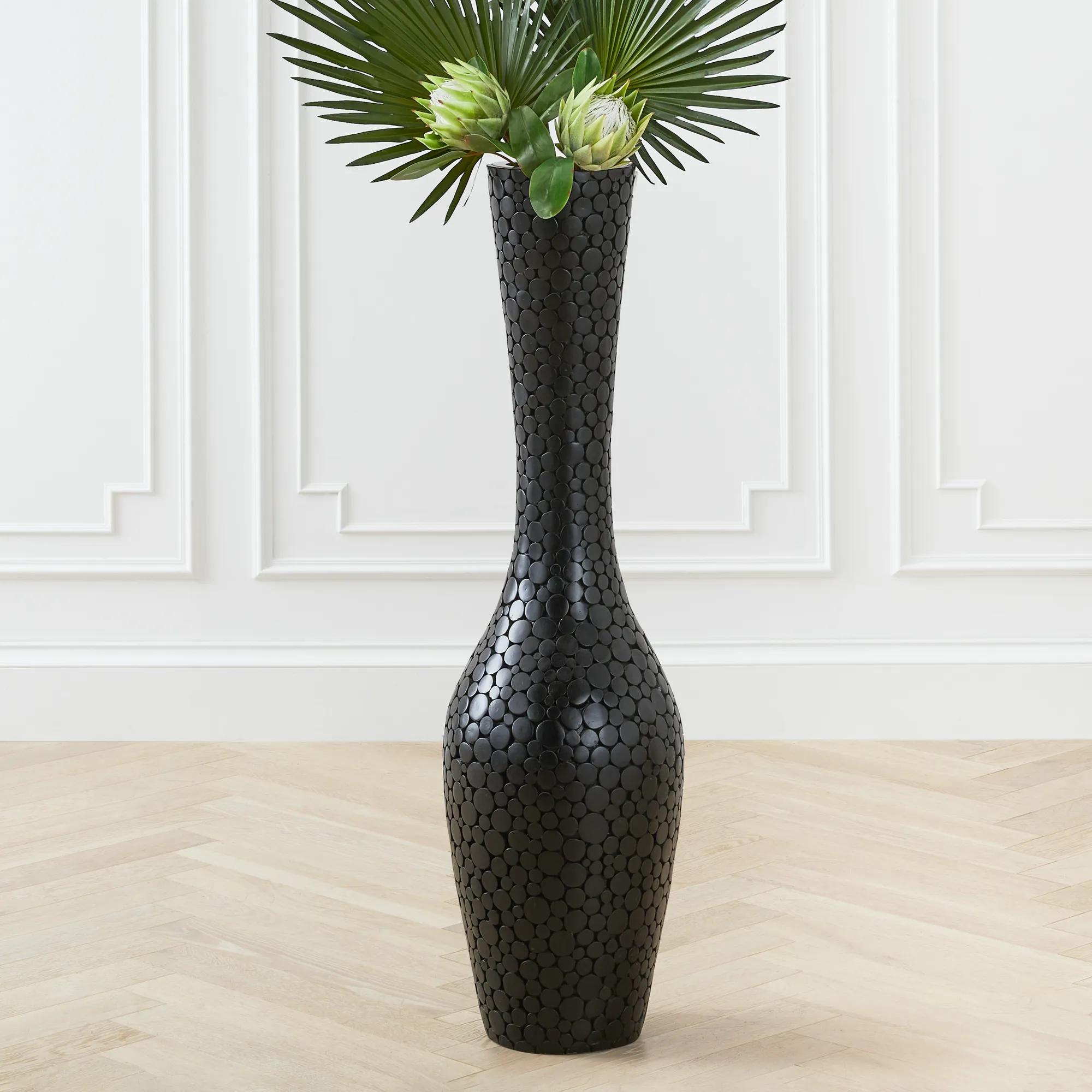
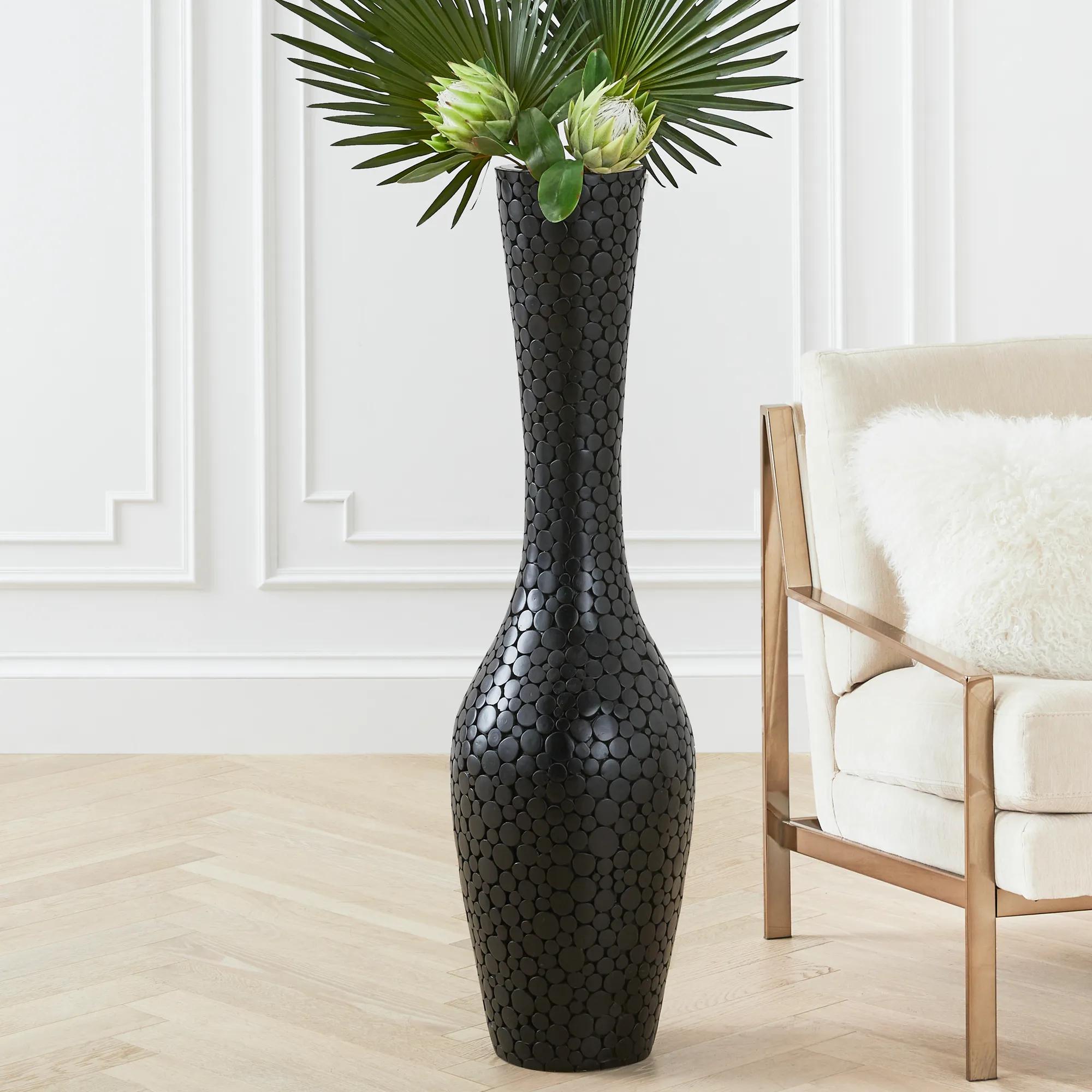 Oslo Black Wood Floor Vase 45"$299
A contemporary floor vase featuring hand-applied wood accents and a glossy black fiberglass base.
Add To Cart -
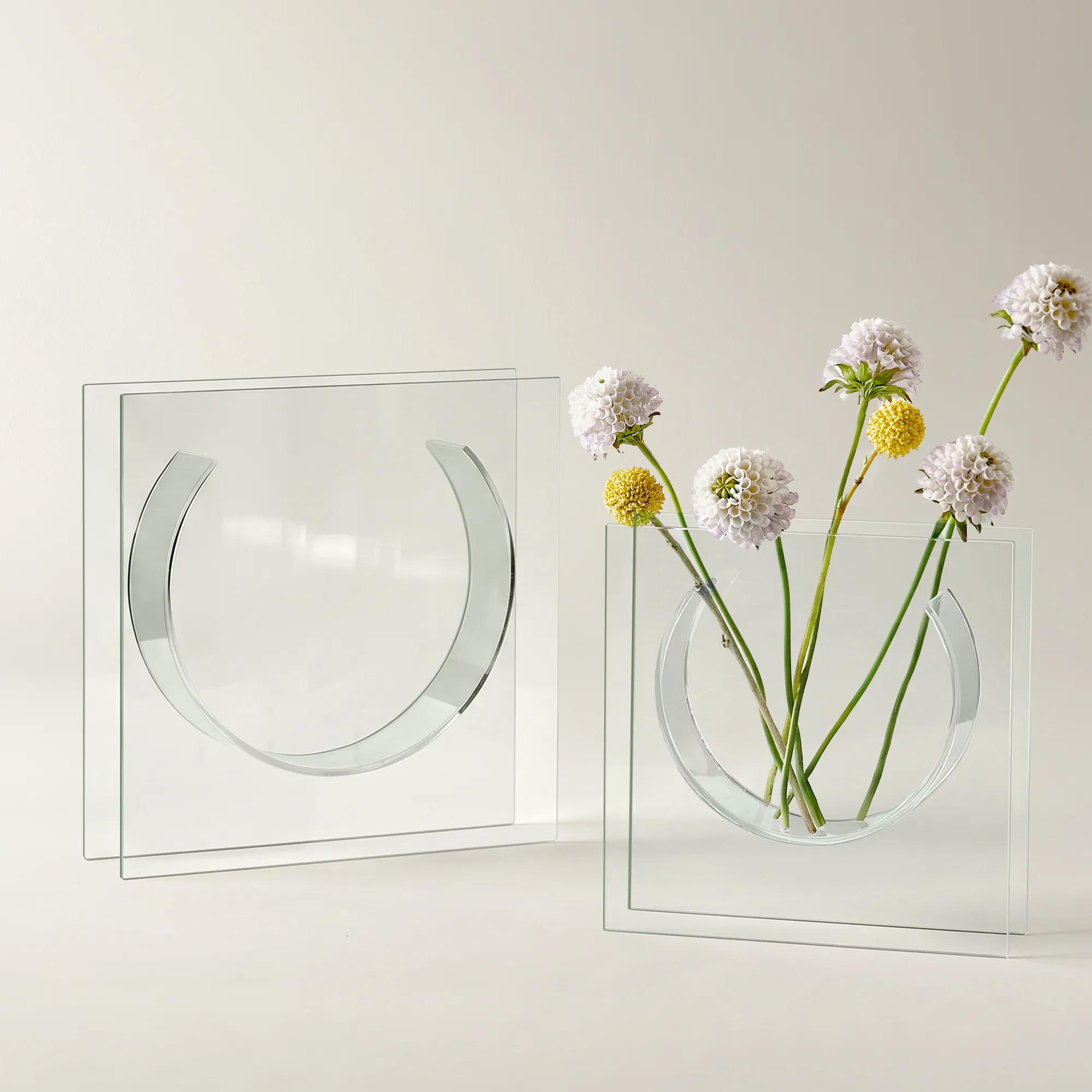
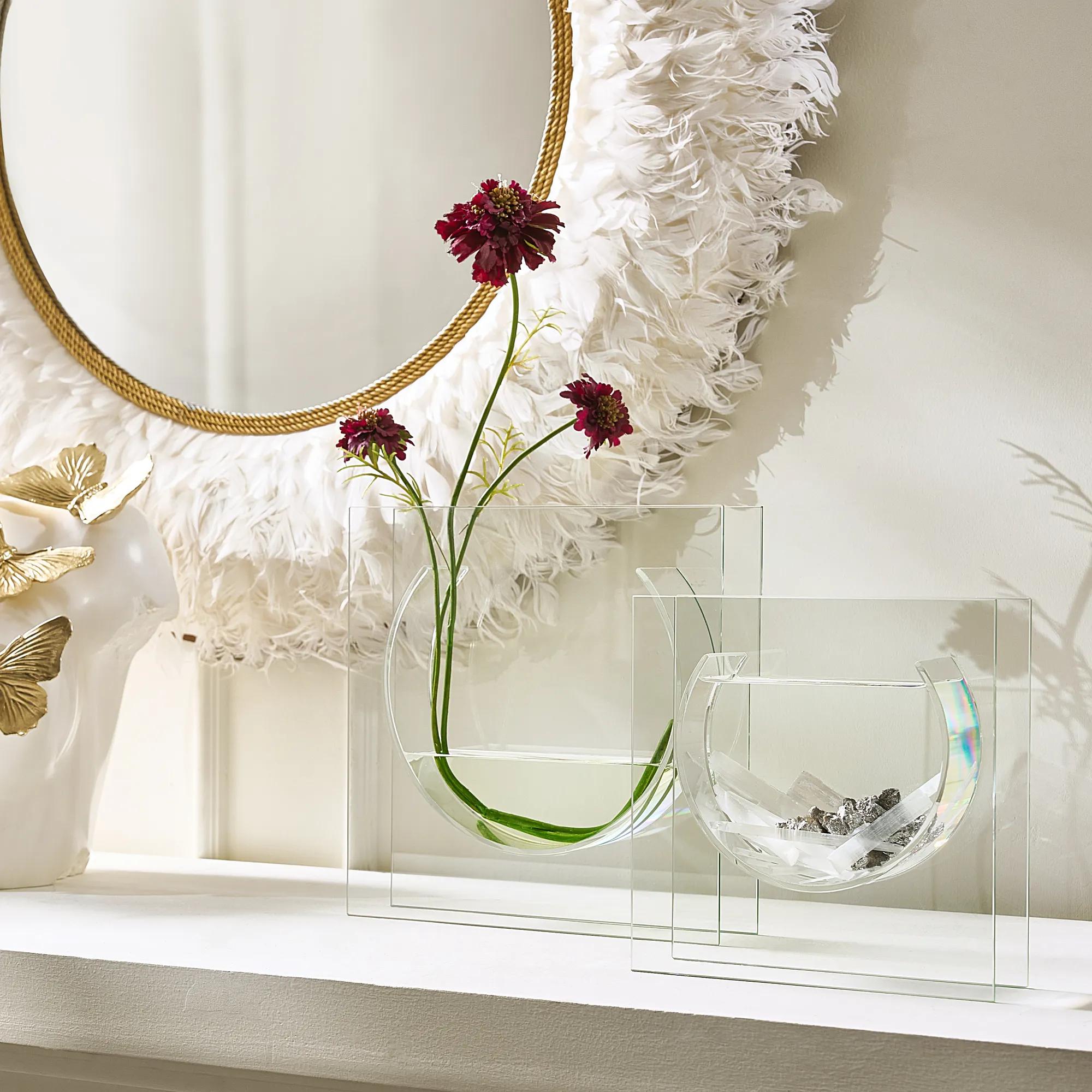 Solaris Clear Glass Vases$39
A bold modern vase crafted from clear glass with an elliptical bowl between two sleek glass panels.
Add To Cart -
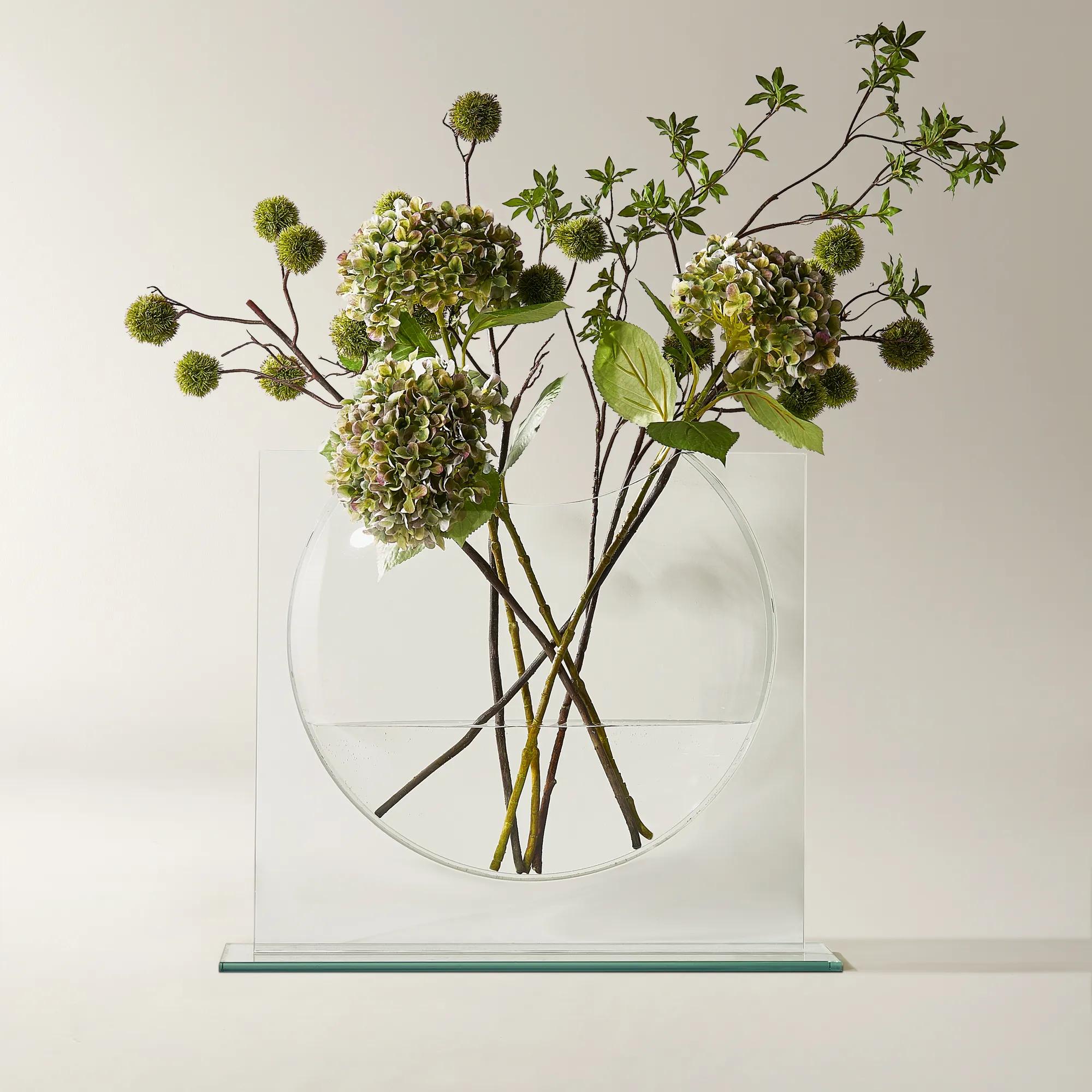
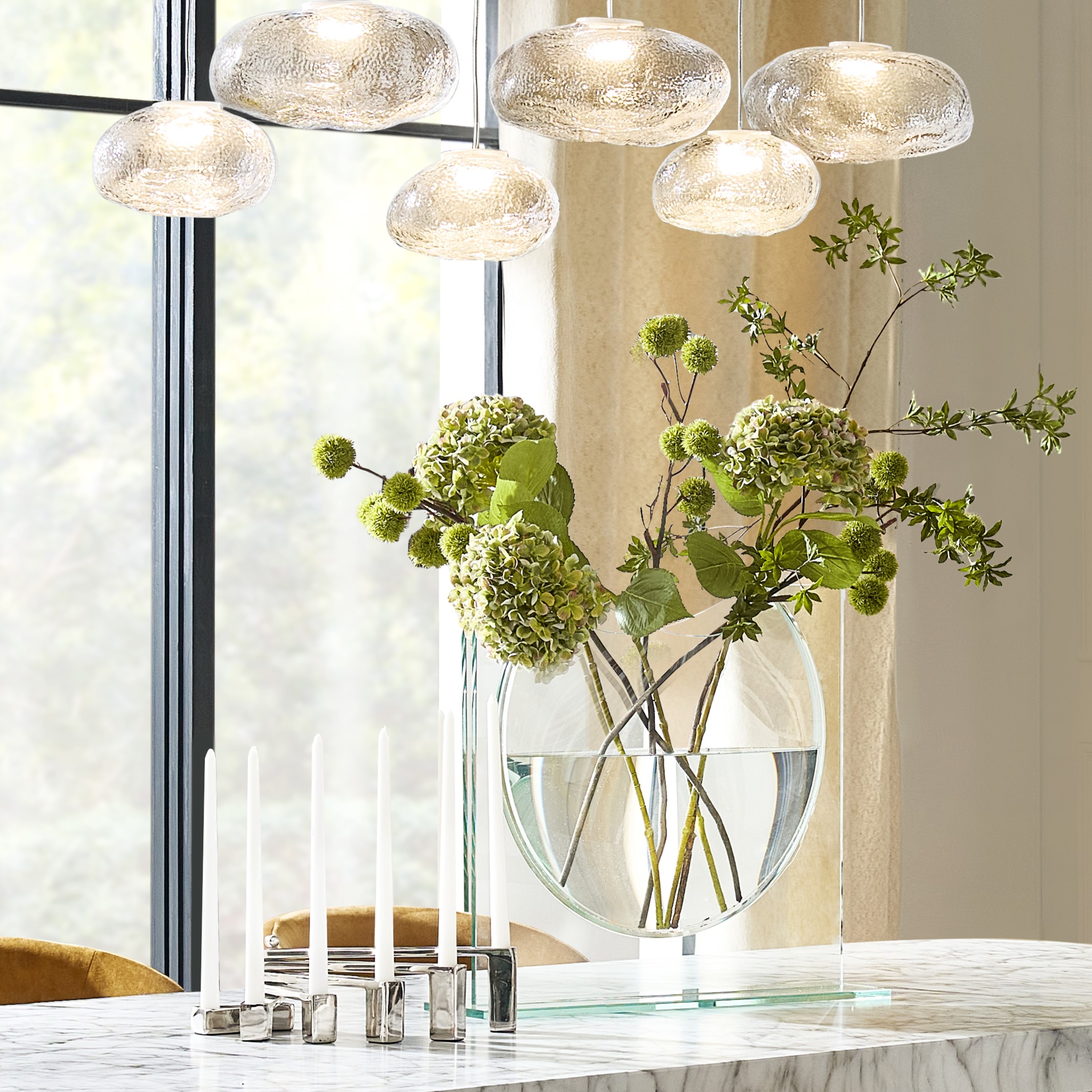 Ellipse Clear Glass Vase 20"$259
A sleek elliptical glass vase offering a modern, functional accent for fresh floral arrangements.
Add To Cart

Modern Organic Vases
Explore modern organic vases that bring nature-inspired form and sculptural presence to your decor. Look for silhouettes that complement your space, whether you’re creating a dramatic console arrangement or adding an artful focal point to a shelf. Consider height, proportion, and how each vase will stand alone or sit alongside your favorite decorative accents.
Modern organic vases bring nature’s expressive contours into the home through sculptural silhouettes, tactile surfaces, and colors that feel drawn from clay, stone, and sand. Here, “organic” describes a design sensibility rather than a promise about how a material was grown or sourced: rounded shoulders, irregular openings, softened edges, and forms that recall river-worn pebbles or the sweep of a branch. These vases offer a compelling balance between contemporary polish and earthy character, giving a room something more intriguing than a perfectly uniform accent. A generous curved vessel on a lacquered console creates contrast between the gleaming surface and the vase’s textured finish. An elongated form beside a velvet chair introduces a vertical gesture that complements the upholstery’s sumptuous depth. Cream, chalk, taupe, and charcoal can anchor this look, while richer mineral-inspired hues bring distinction without overwhelming the surrounding furnishings. Surface is as important as color. A softly mottled glaze catches light differently from a smooth, reflective finish; carved grooves create shadow and movement even when the vase holds nothing at all. That ability to stand alone makes modern organic vases especially appealing to those who treat decorative objects as small-scale sculpture. Their character can complement an expressive living room, lend dimension to a tailored bedroom, or give an entryway a memorable focal point. They also work beautifully within more glamorous interiors, where their grounded textures provide a deliberate counterpoint to mirrored furniture, polished metal, and richly layered textiles. The effect is not rustic by default, nor does it require an entirely neutral room. A dark, rounded vase against jewel-toned artwork can feel dramatic and composed, while a pale, undulating vessel on a richly grained wood table emphasizes the artistry of both surfaces. Whether displayed individually or as part of a considered grouping, these pieces introduce an element of natural variation that makes a space feel personal rather than prescribed. A gently asymmetric profile rewards a second glance, revealing a different curve or shadow as the viewer moves through the room.
Material gives each vase its visual presence and helps determine how it should be used. Ceramic encompasses a broad family of clay-based vessels, including earthenware and stoneware, with finishes that may range from smooth glaze to intentionally exposed texture. Stoneware is generally dense and durable, though any ceramic vase can chip or crack if struck or dropped. Glass brings another dimension to organic forms: clear surfaces reveal the architecture of stems, while tinted or opaque glass emphasizes the vessel’s outline and interaction with light. Stone can lend substantial weight and distinctive veining, but its porosity and maintenance requirements vary. Whatever the material, decorative appeal does not automatically mean a vase is suitable for holding water. A glazed exterior alone is not proof of a watertight interior, and vessels intended for dried or faux botanicals may need a manufacturer-approved liner before accommodating fresh flowers. Product dimensions and intended-use details matter just as much as the finish. On a narrow console, a vase with a restrained footprint leaves space for a lamp and a place to set keys without sacrificing presence. A broader, lower vessel suits a dining table when its arrangement allows conversation across the surface. Tall branches need an opening and base that can support their weight; a slender neck can help gather a few stems into a defined composition, while a wider mouth accommodates a fuller arrangement. The overall height includes whatever rises above the rim, an important consideration beneath artwork or shelving. Organic silhouettes also vary in how much space they occupy visually: a bulbous profile may feel substantial even at a modest height, while a tapered vessel can appear lighter. Groupings benefit from differences in proportion, with one commanding shape and smaller companions sharing a color or texture. A stable, level surface is essential, especially in homes with children or pets, and heavier pieces belong on furniture capable of supporting them. These practical considerations preserve the drama of the display while making it comfortable to live with.
The most compelling arrangements let the vase and its contents share the spotlight. A few sweeping stems can echo a curved profile, while an airy spray of dried botanicals adds delicate contrast to a substantial vessel. Faux branches offer a lasting sculptural element without requiring water, and an empty vase can be just as expressive when its opening, shoulders, and finish deserve an uninterrupted view. In a living room, a single substantial form can hold its own beside stacked art books; on a dresser, a smaller vessel can bring texture without competing with a jewelry tray or framed photograph. Repeating one surface tone across different shapes creates cohesion, while pairing a smooth vessel with a more tactile one gives a vignette depth. The broader design language of modern decorative vases complements this approach, connecting nature-inspired curves with other expressive silhouettes and finishes. Care should follow the material and the maker’s instructions rather than a single routine for every vase. A soft, dry cloth is often appropriate for routine dusting, while abrasive pads and harsh cleaners can damage delicate glazes, coatings, or textured surfaces. Water-safe vessels used for fresh arrangements generally need regular emptying and cleaning to prevent residue, followed by thorough drying before storage. Porous surfaces may stain, and metallic accents or applied finishes can require gentler handling. Protective pads beneath a vase can help guard furniture against scratches, provided they do not compromise stability; moisture should never be left trapped against a tabletop. These details are worth considering when choosing a gift as well. Modern organic vases make thoughtful housewarming, wedding, or host gifts for someone who appreciates distinctive interiors, particularly when the scale suits the recipient’s home and the finish relates to an existing palette. A compact sculptural vessel can feel personal without requiring a large display area, while a substantial piece suits someone who enjoys a commanding decorative gesture. More than containers for flowers, these vases bring shape, texture, and artistic intention to the spaces where everyday life unfolds.
FAQs
Modern organic vases pair contemporary design with shapes inspired by nature. Flowing curves, asymmetric silhouettes, and earthy tones give this style its expressive character. The result is a sculptural accent that brings warmth and artistry to a thoughtfully layered room.
Let fluid silhouettes create a striking contrast with polished surfaces and tailored furniture. Place an organic-shaped vase against a mirrored backdrop or alongside metallic accents to balance natural inspiration with luminous detail. Give each piece visual breathing room so its contours become part of the room’s composition.
Ivory, sand, taupe, and warm gray create a tonal backdrop that draws attention to sculptural form. For a more dramatic mood, introduce charcoal, deep chocolate, or rich olive. Touches of gold or bronze lend the palette a luminous finish without eclipsing its earthy character.
Dried branches, graceful faux stems, and feathery botanical accents echo the movement of organic silhouettes. Choose an airy arrangement to reveal the vase’s contours, or introduce expressive, twisting stems for a more theatrical composition. Let the vessel and arrangement share a visual rhythm rather than compete for attention.
Absolutely. A modern organic vase can stand alone as a sculptural focal point, with its curves and negative space providing the drama. Display one on a console beside abstract artwork, or compose a grouping with contrasting silhouettes and a cohesive palette for a collected, gallery-inspired effect.