Small Modern Vases
Small Modern Vases
-
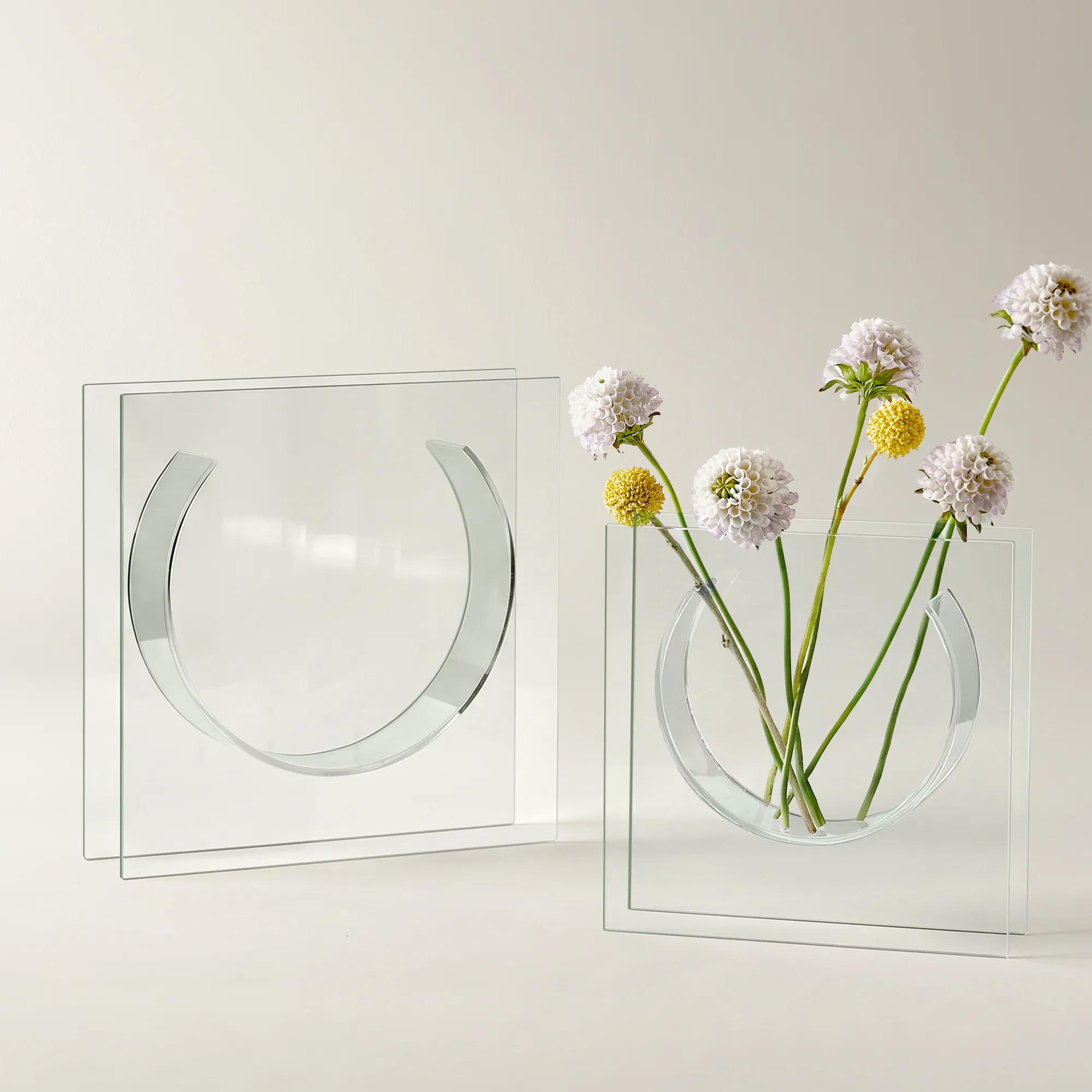
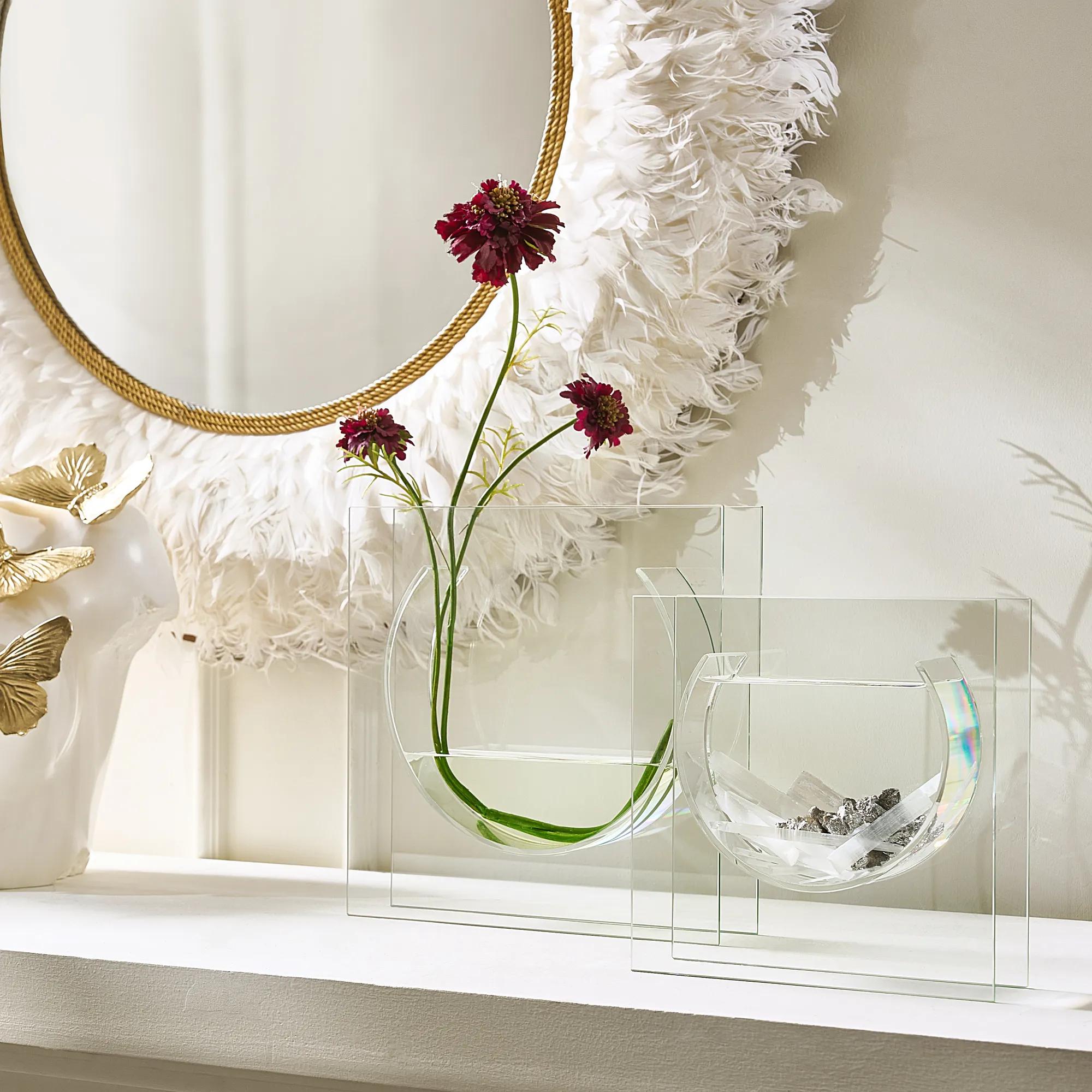 Solaris Clear Glass Vases$39
A bold modern vase crafted from clear glass with an elliptical bowl between two sleek glass panels.
Add To Cart -
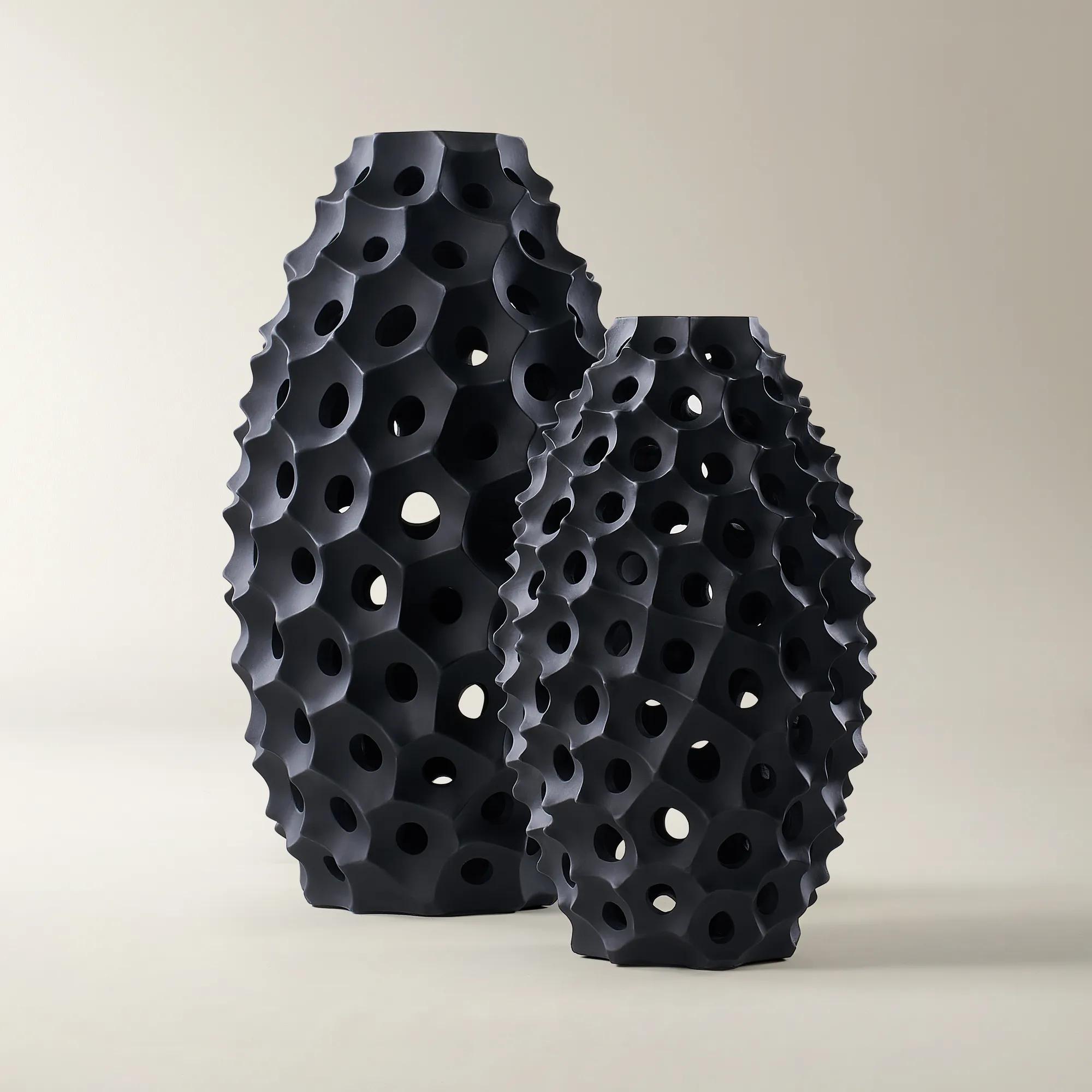
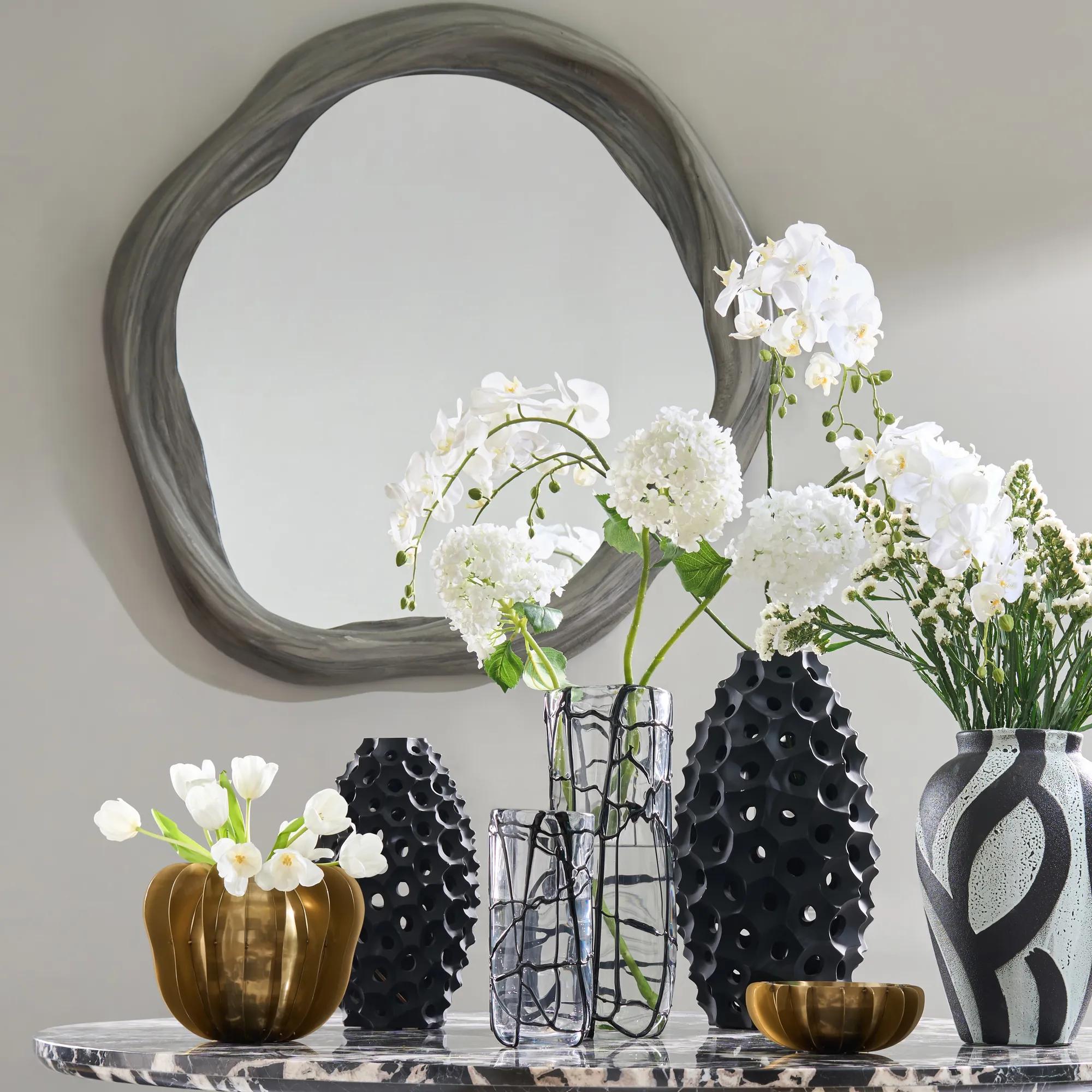 Neo Vase$79
A sleek black resin vase with an aperture design, perfect for adding modern drama to any space.
Add To Cart -
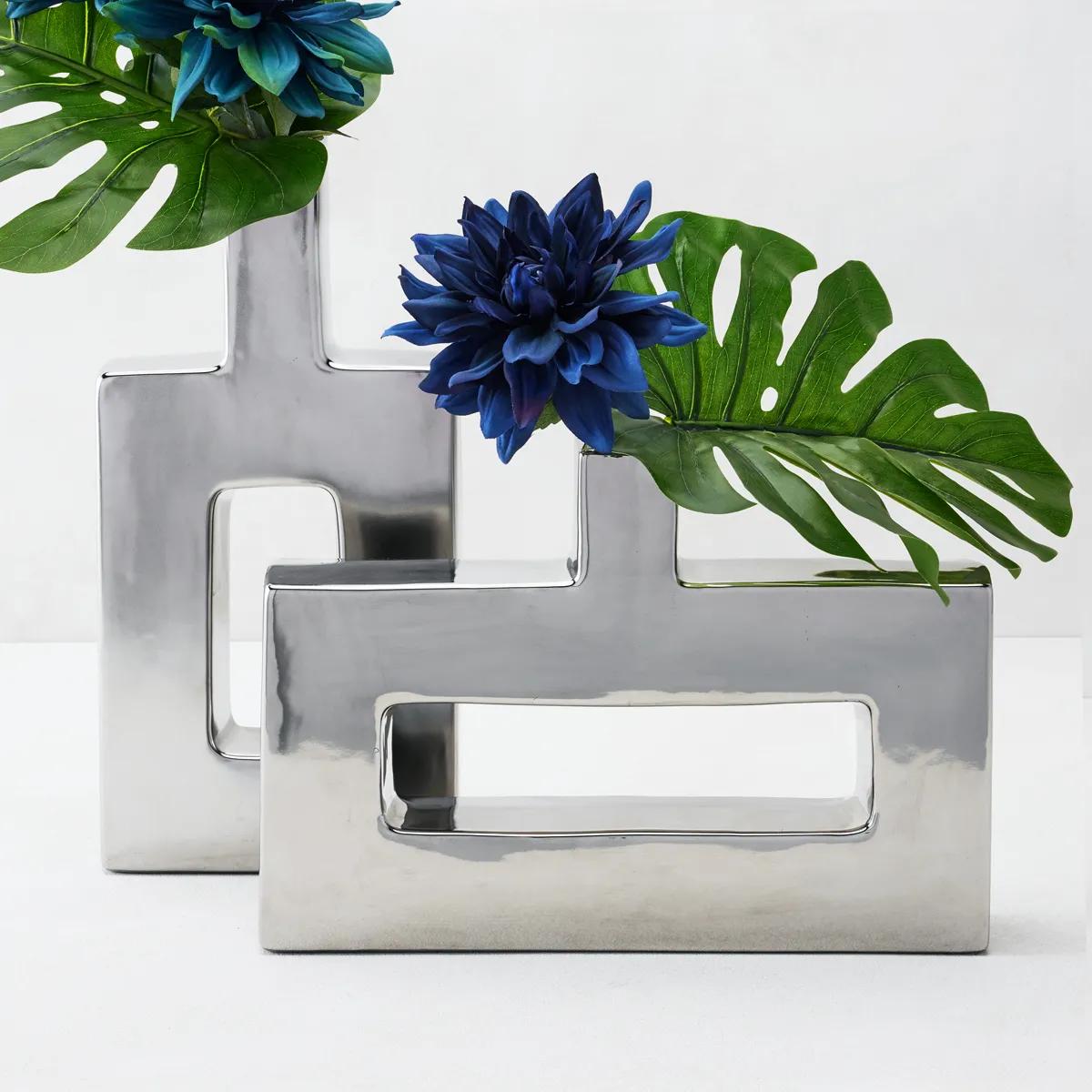 Miami Silver Ceramic High Gloss Vase 11.75"$69
A contemporary silver ceramic vase with a stylish gold glaze, perfect for decorative foliage or display.
Add To Cart -
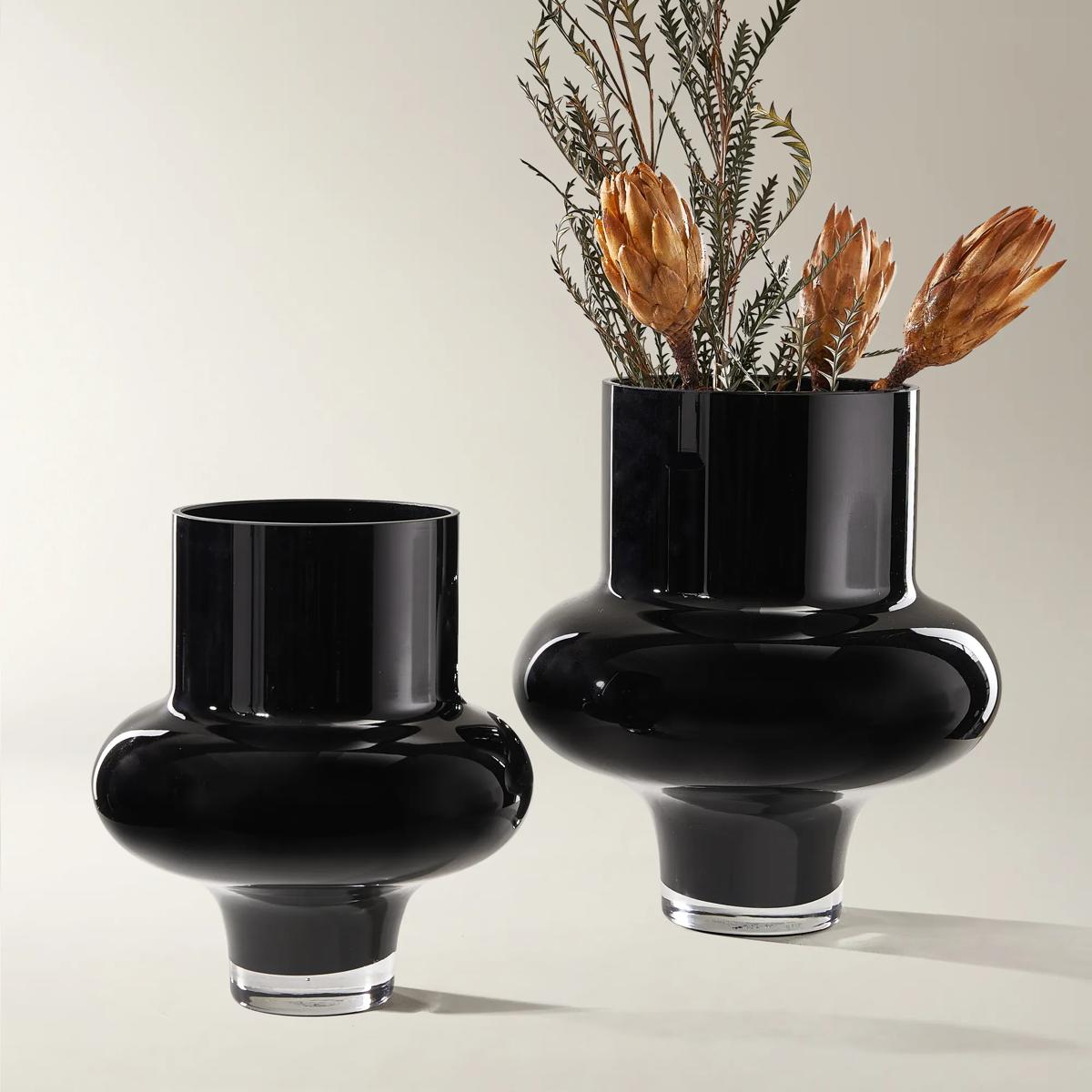
 Kors Glass Vase$69
A sculptural hand-blown black glass vase with a high-gloss finish and bold, curvaceous silhouette.
Add To Cart -

 Miami Gold Ceramic High Gloss Vase 11.75"$69
A contemporary gold ceramic vase designed for decorative use as a sculptural accent or with foliage.
Add To Cart -
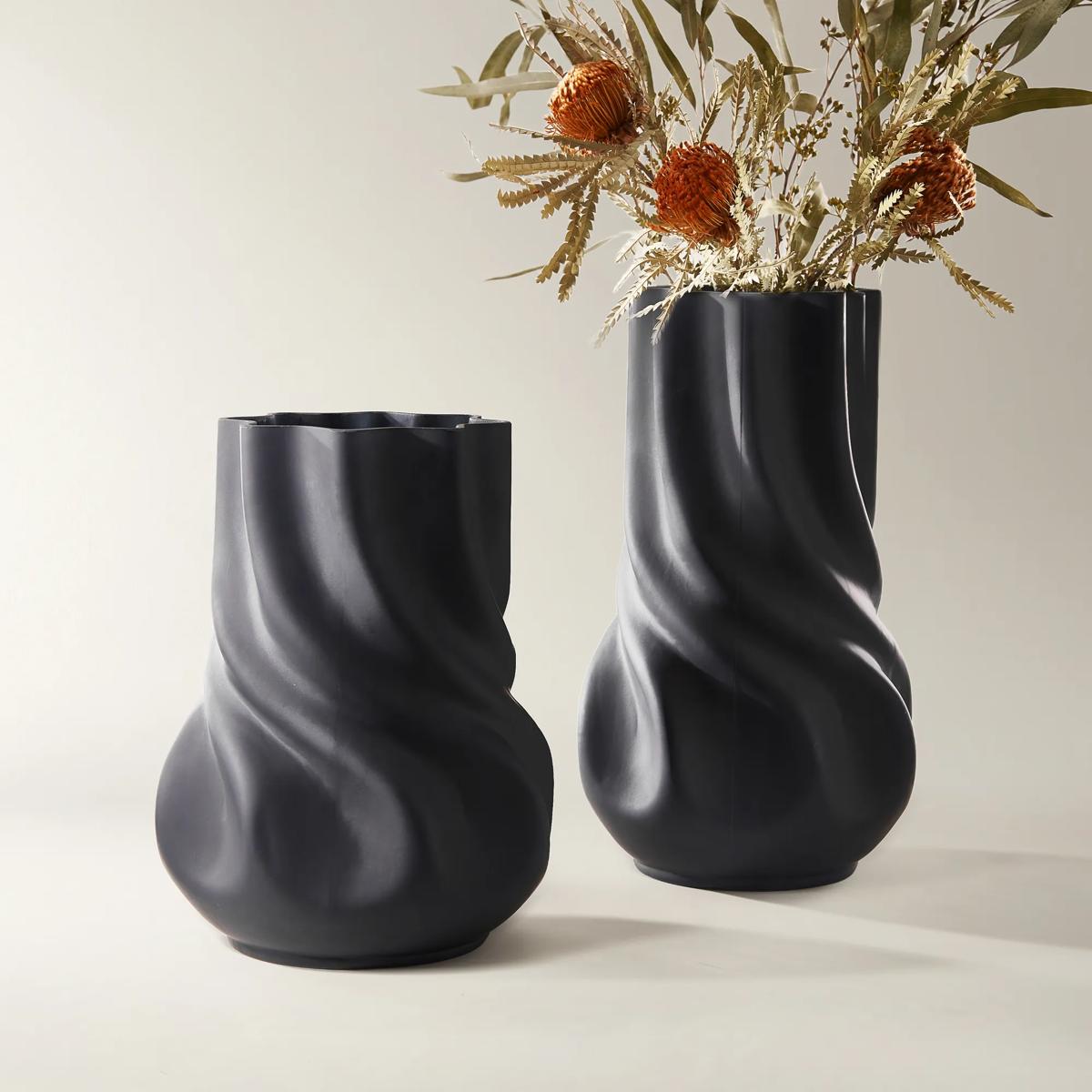
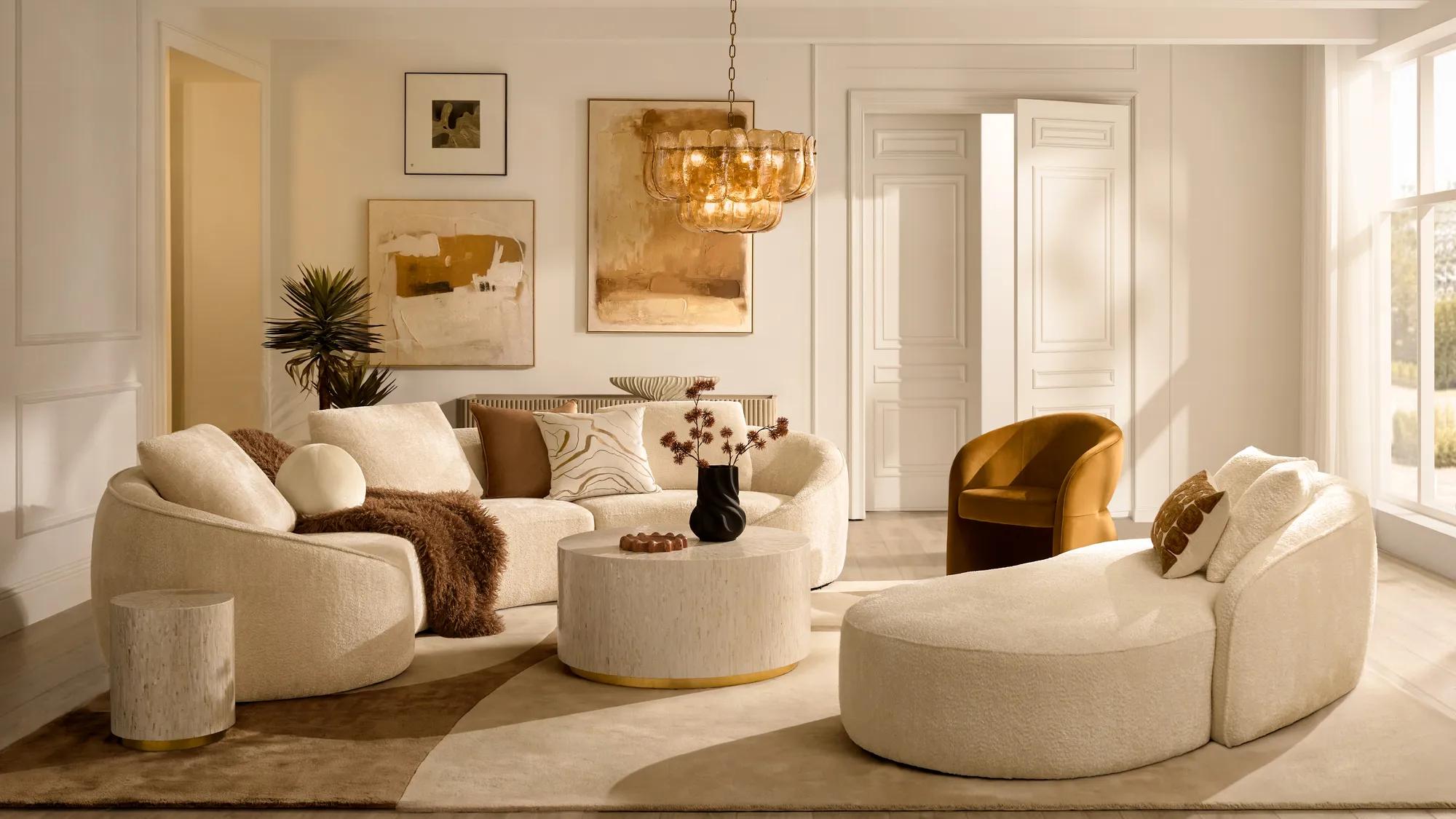 Twist Glass Vase$59
A sculptural matte black glass vase with fluid curves that create striking movement and depth.
Add To Cart -
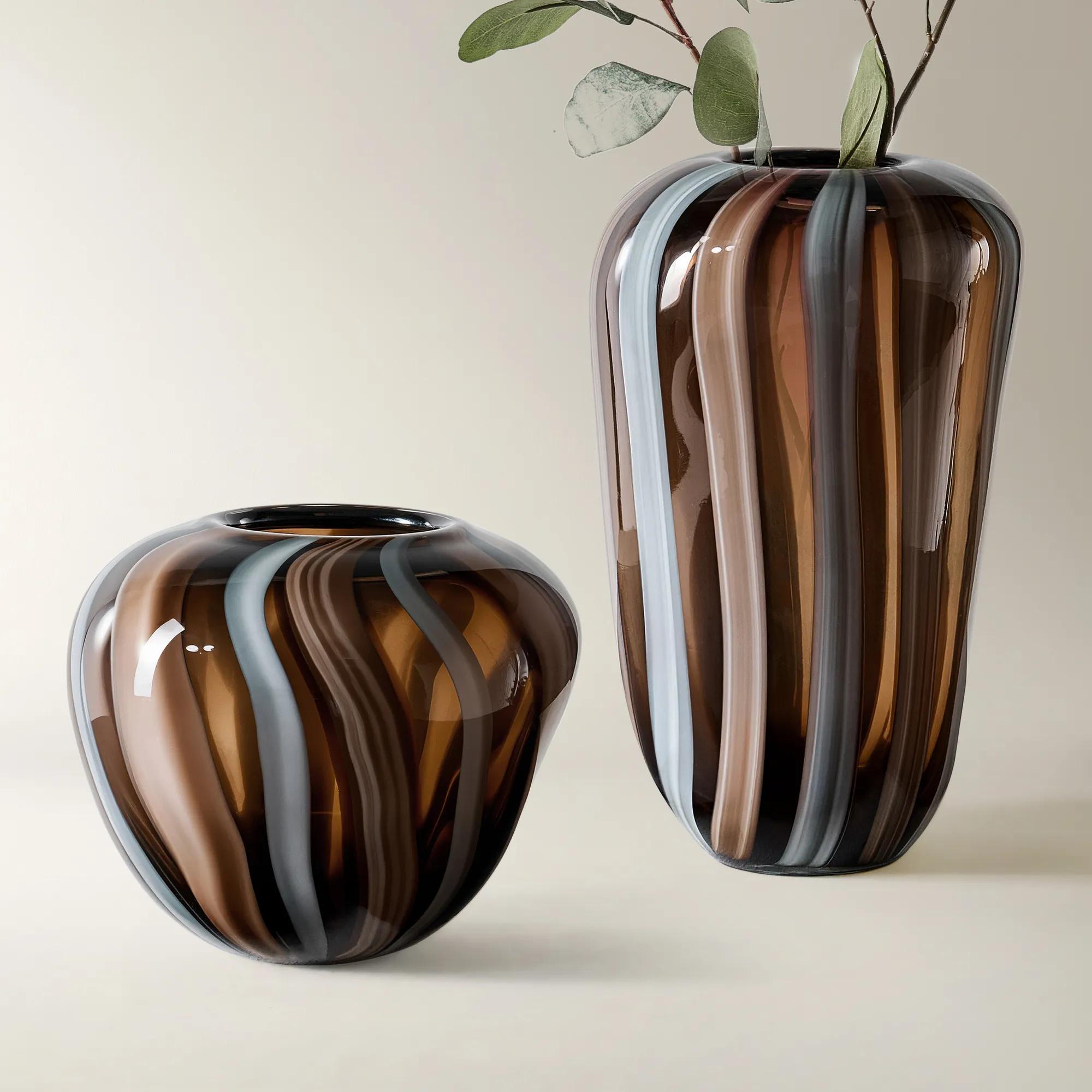
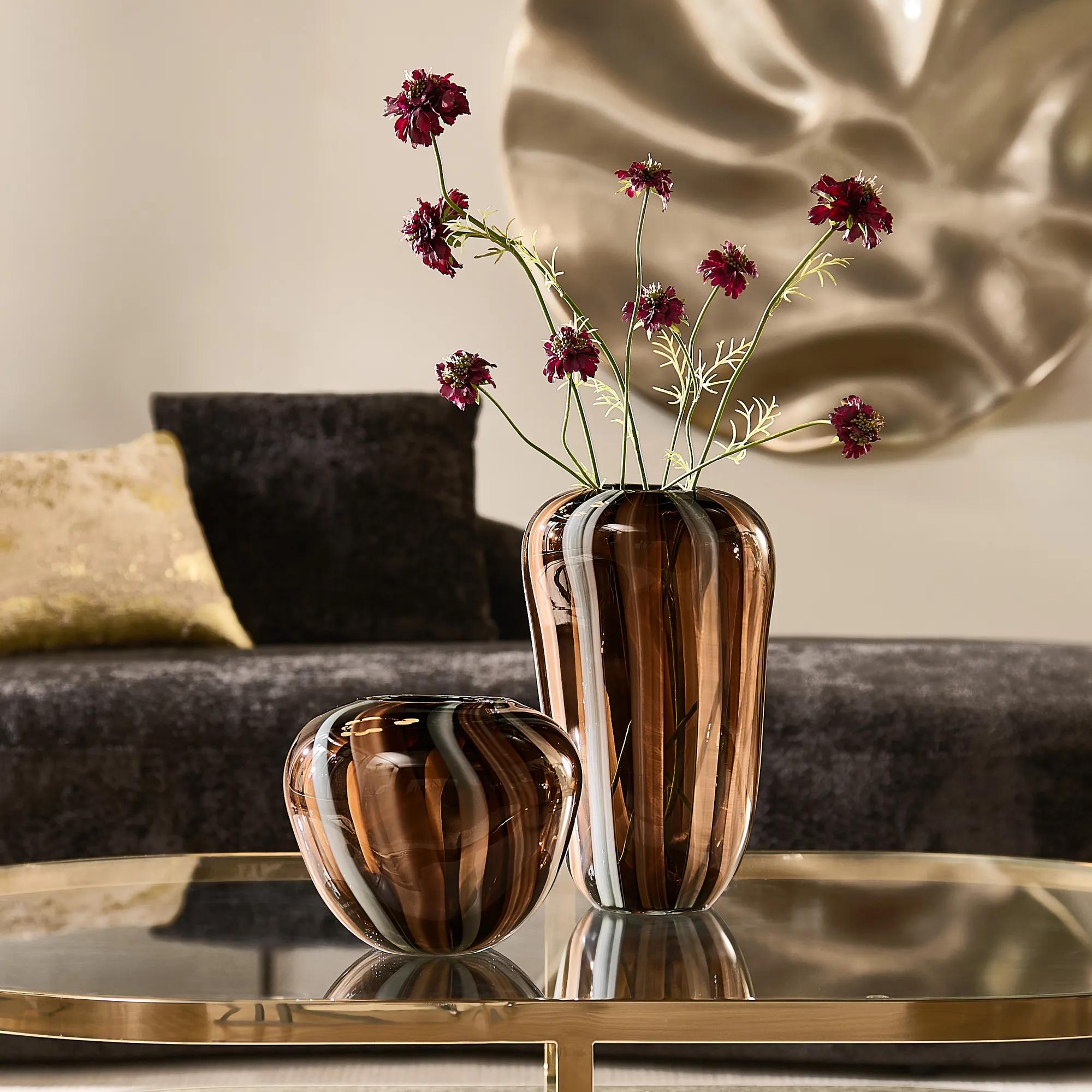 Billow Mouth Blown Brown Striped Glass Vases$89
A sculptural glass vase adding modern elegance to any décor.
Add To Cart -
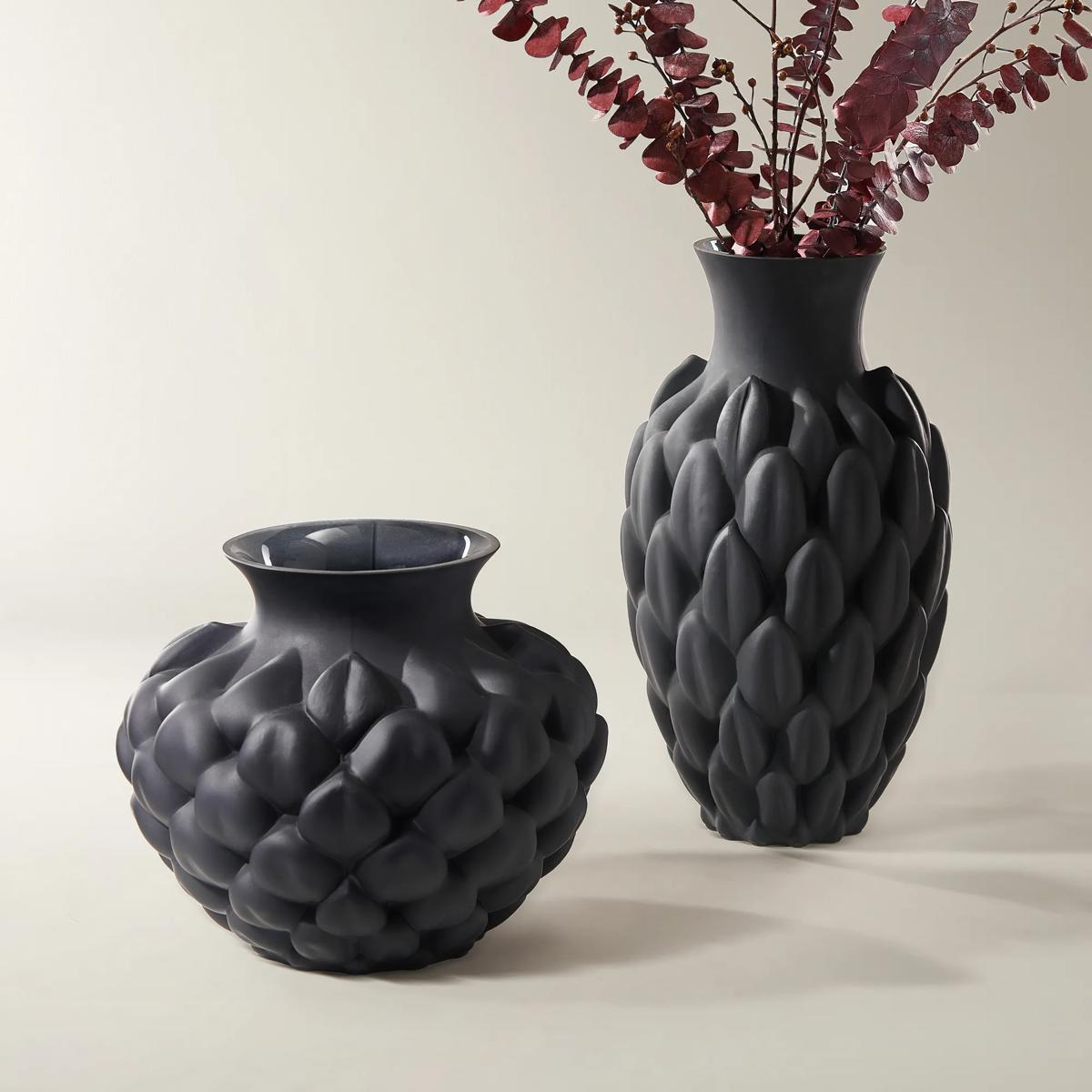
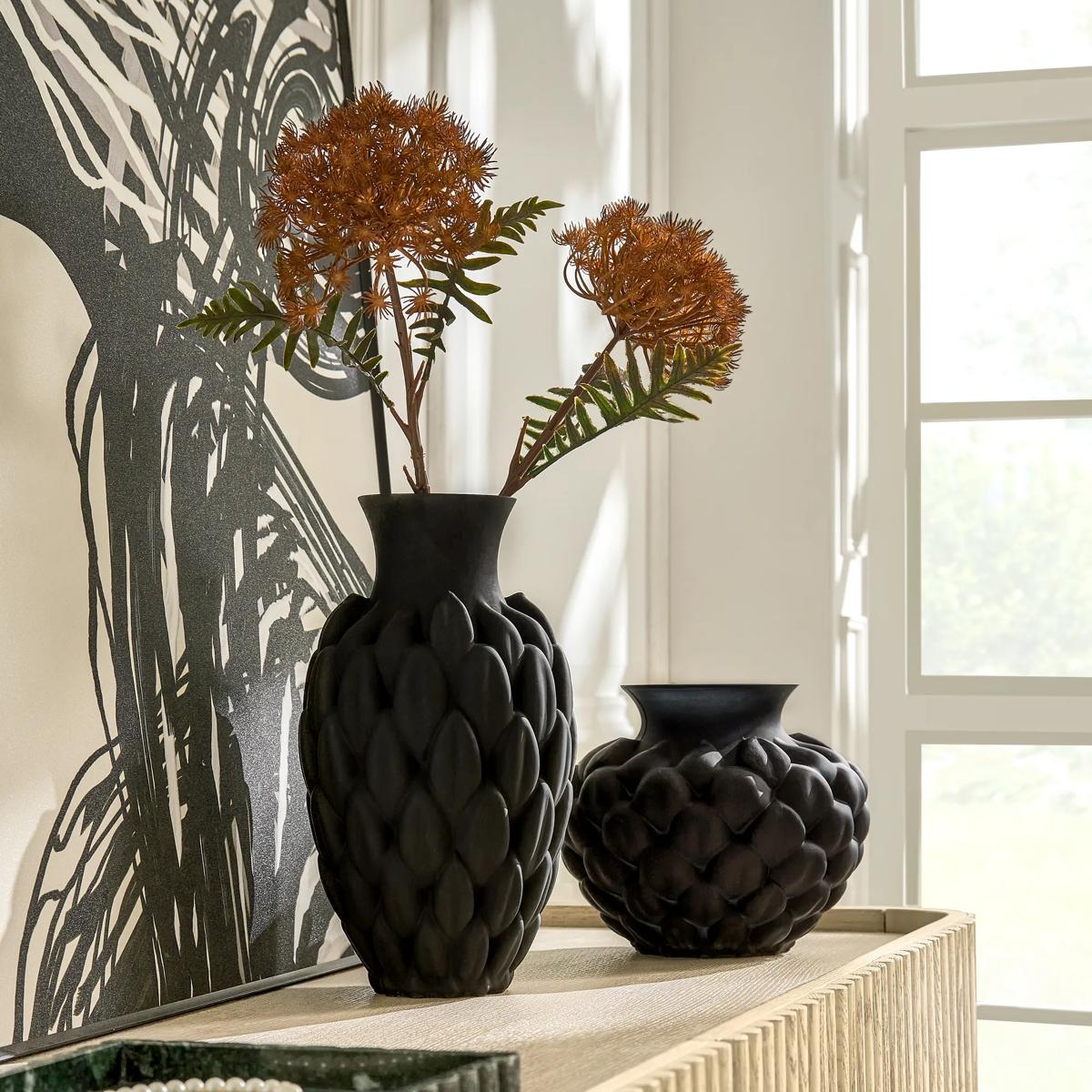 Sabine Glass Vase$79
A sculptural matte black glass vase featuring a dimensional, petal-inspired texture for bold, modern appeal.
Add To Cart -
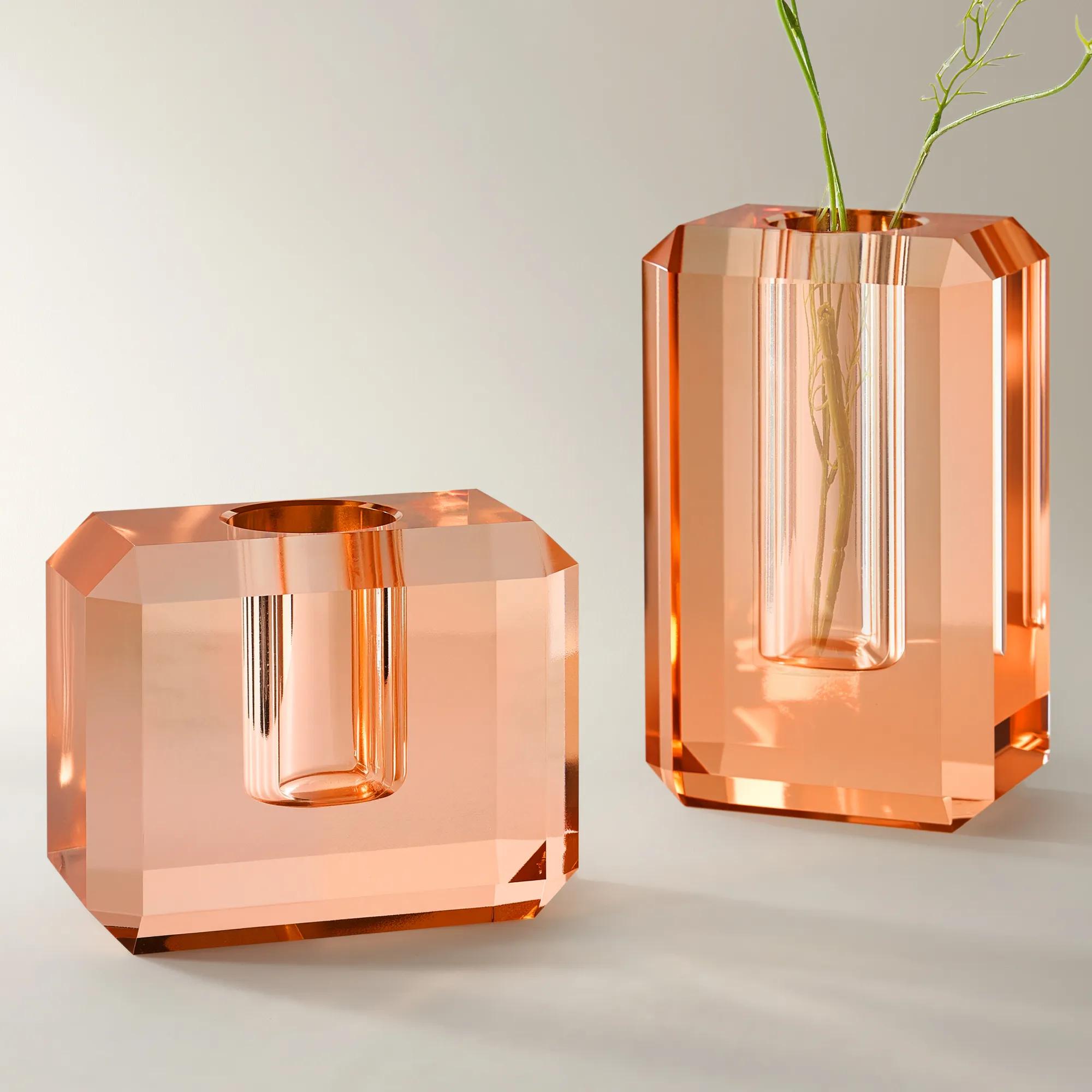
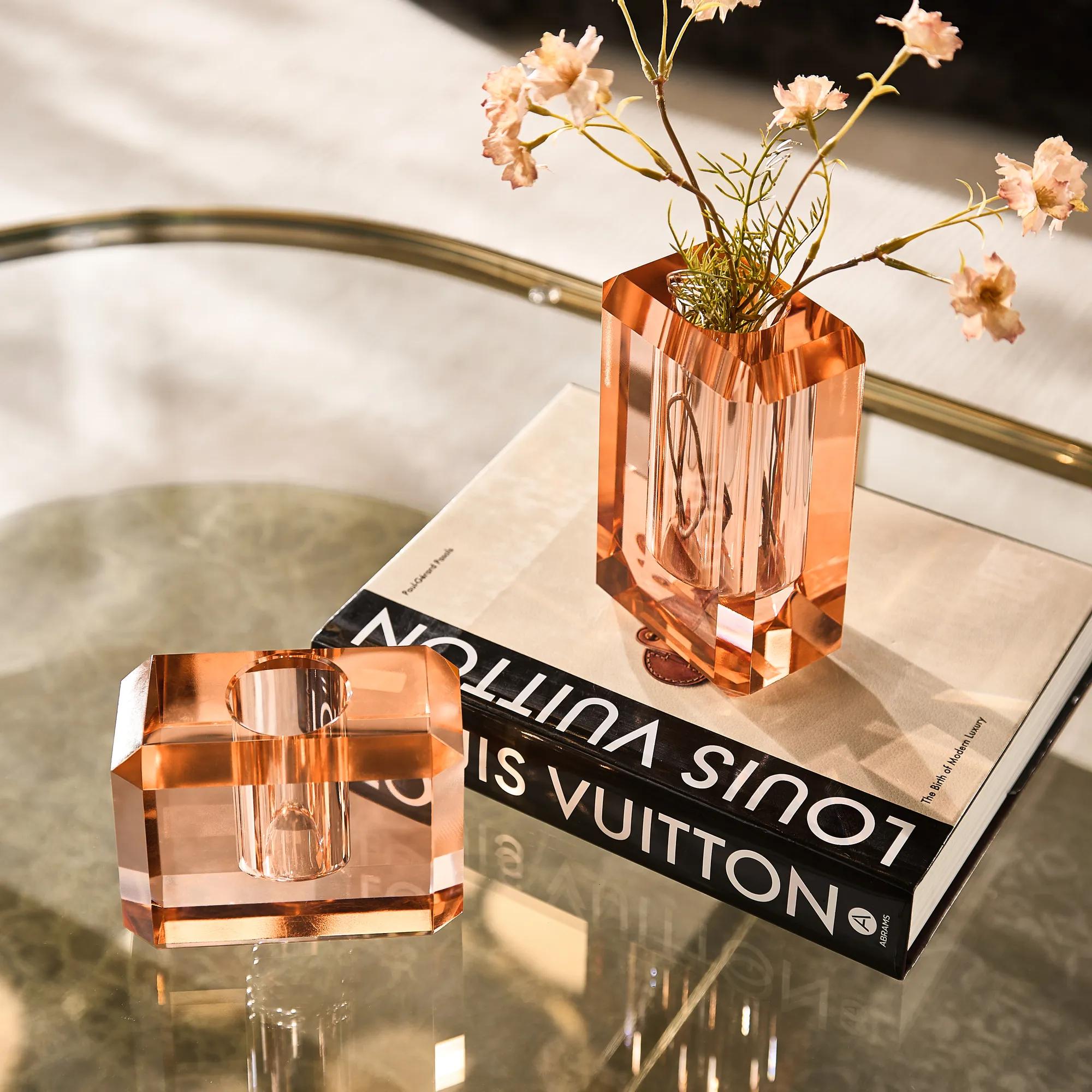 Corina Crystal Glass Bud Vase$99
A delicate crystal glass bud vase adding shimmering elegance to modern floral arrangements.
Add To Cart -
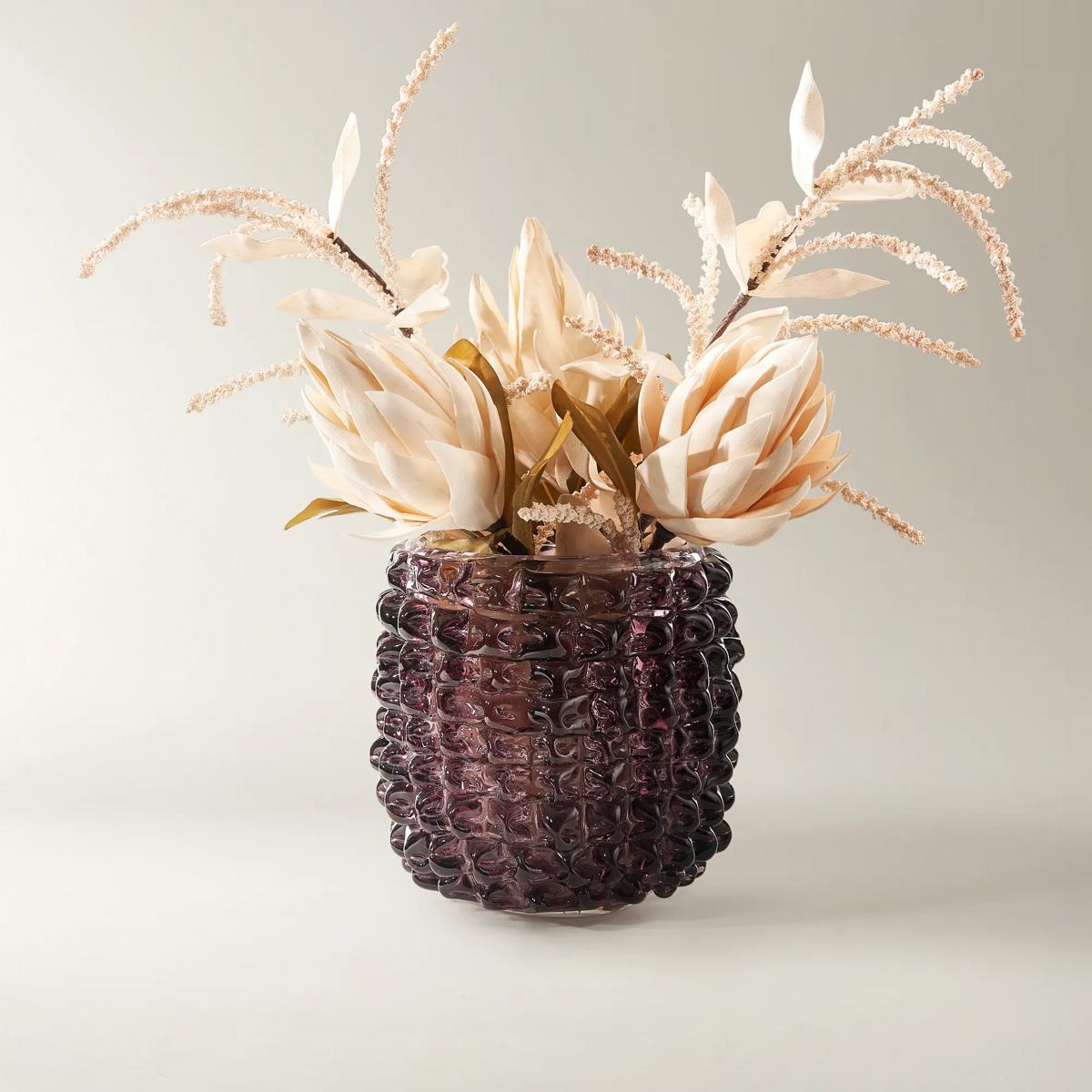 Laurel Glass Vase - Small Amethyst$349
A hand-blown amethyst glass vase featuring a bubbled, light-catching surface for sculptural elegance.
Add To Cart -
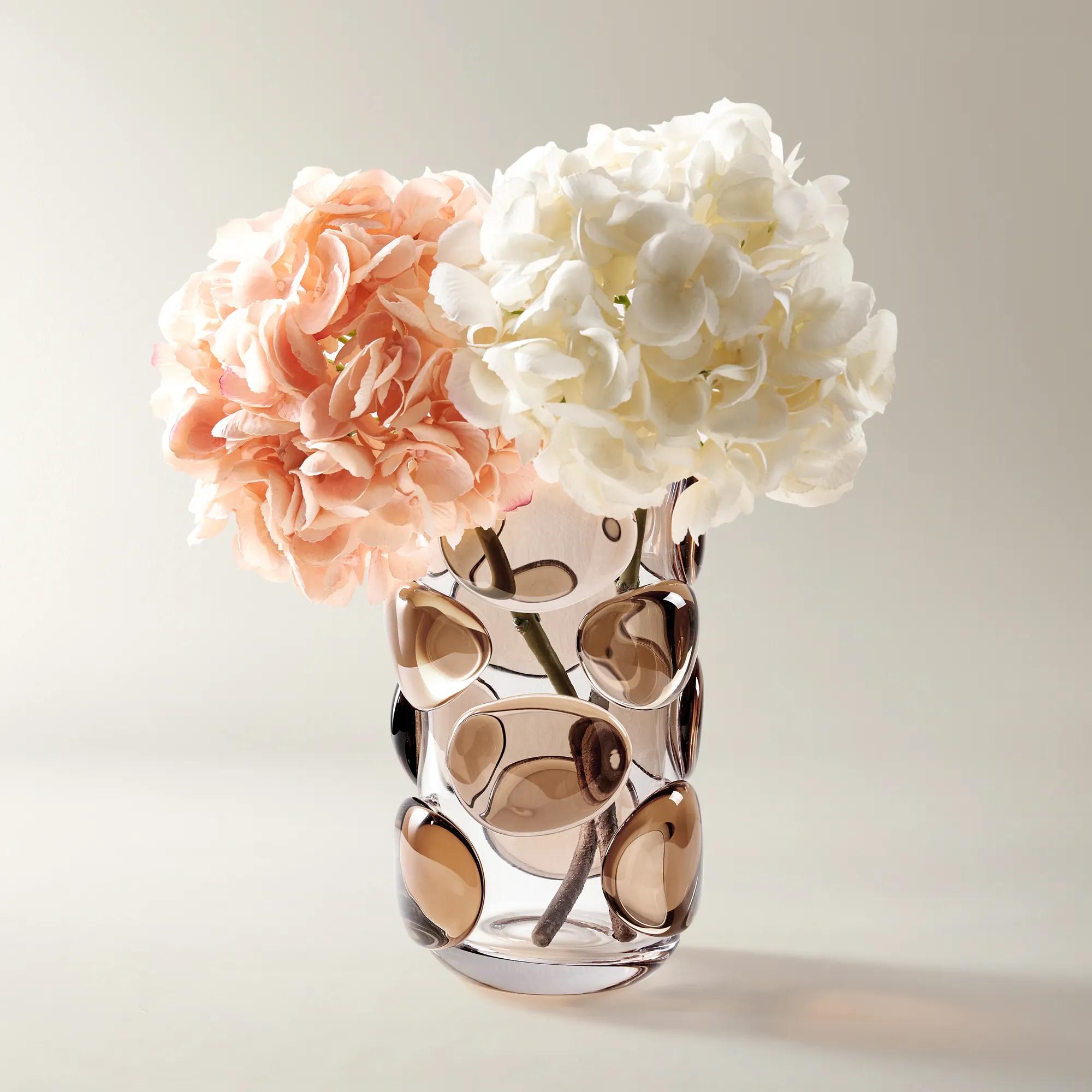
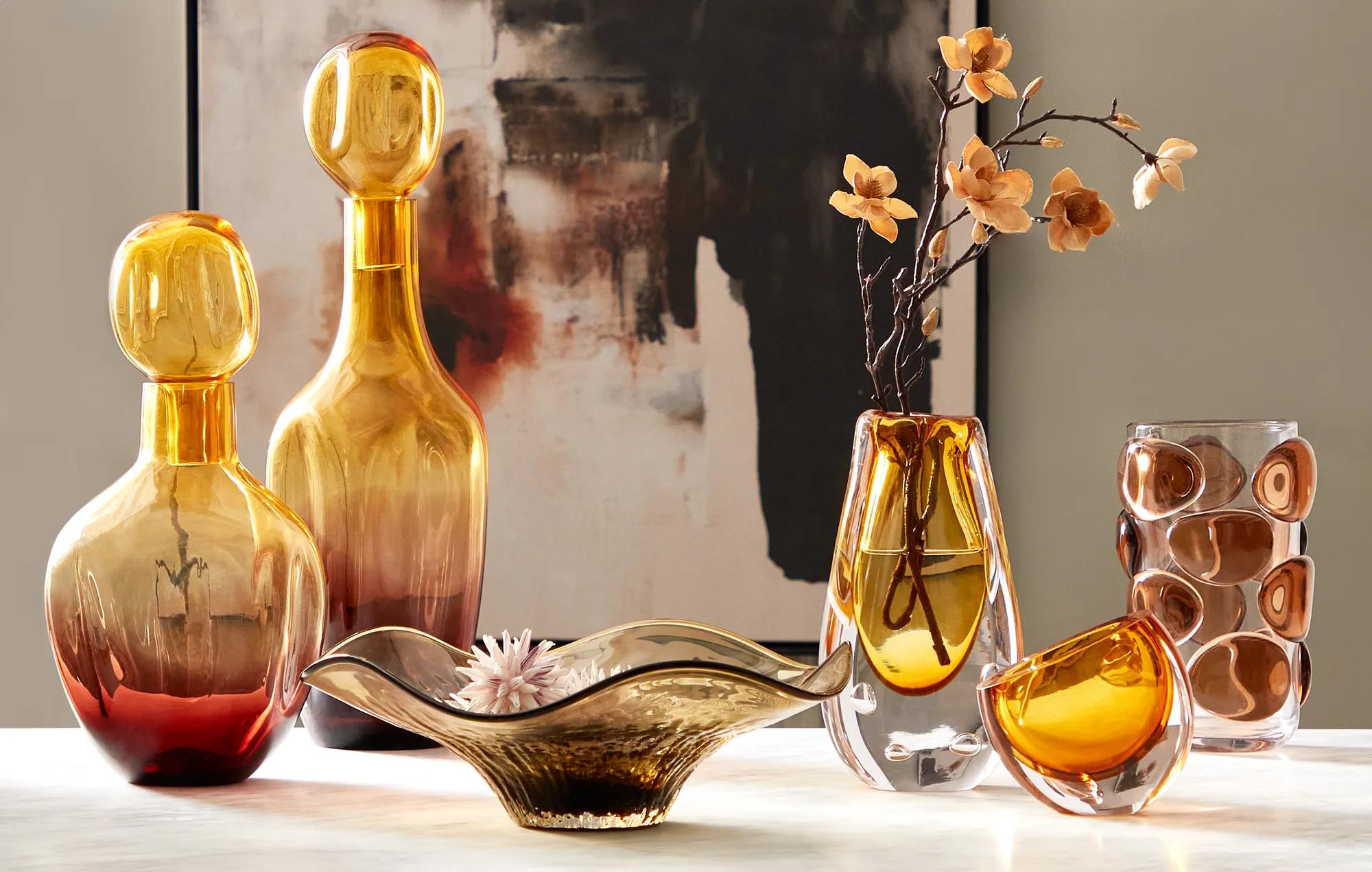 Nova Glass Vase - Small$149
An amber-toned, hand-blown glass vase featuring a sculptural bubble design for striking visual texture.
Add To Cart -
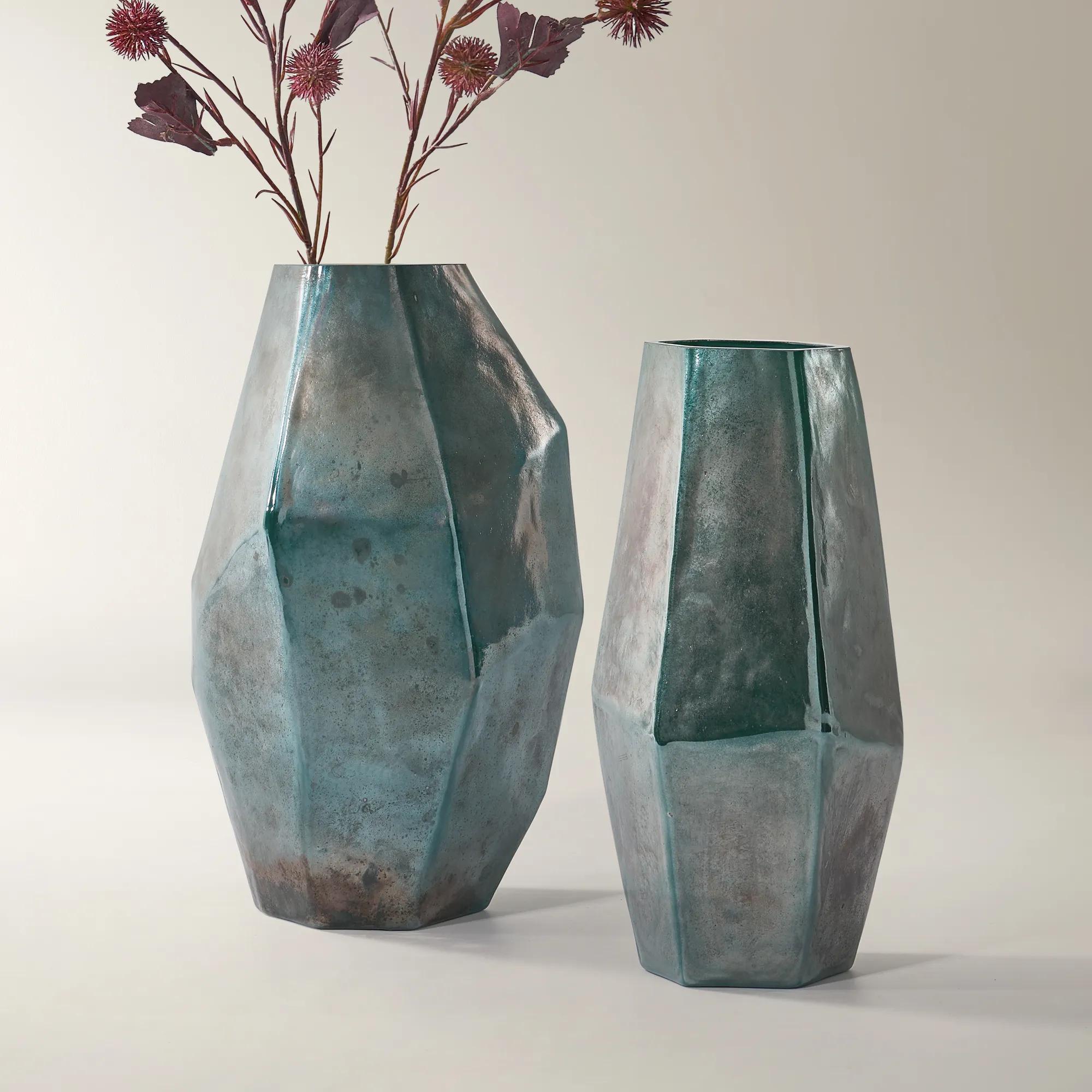
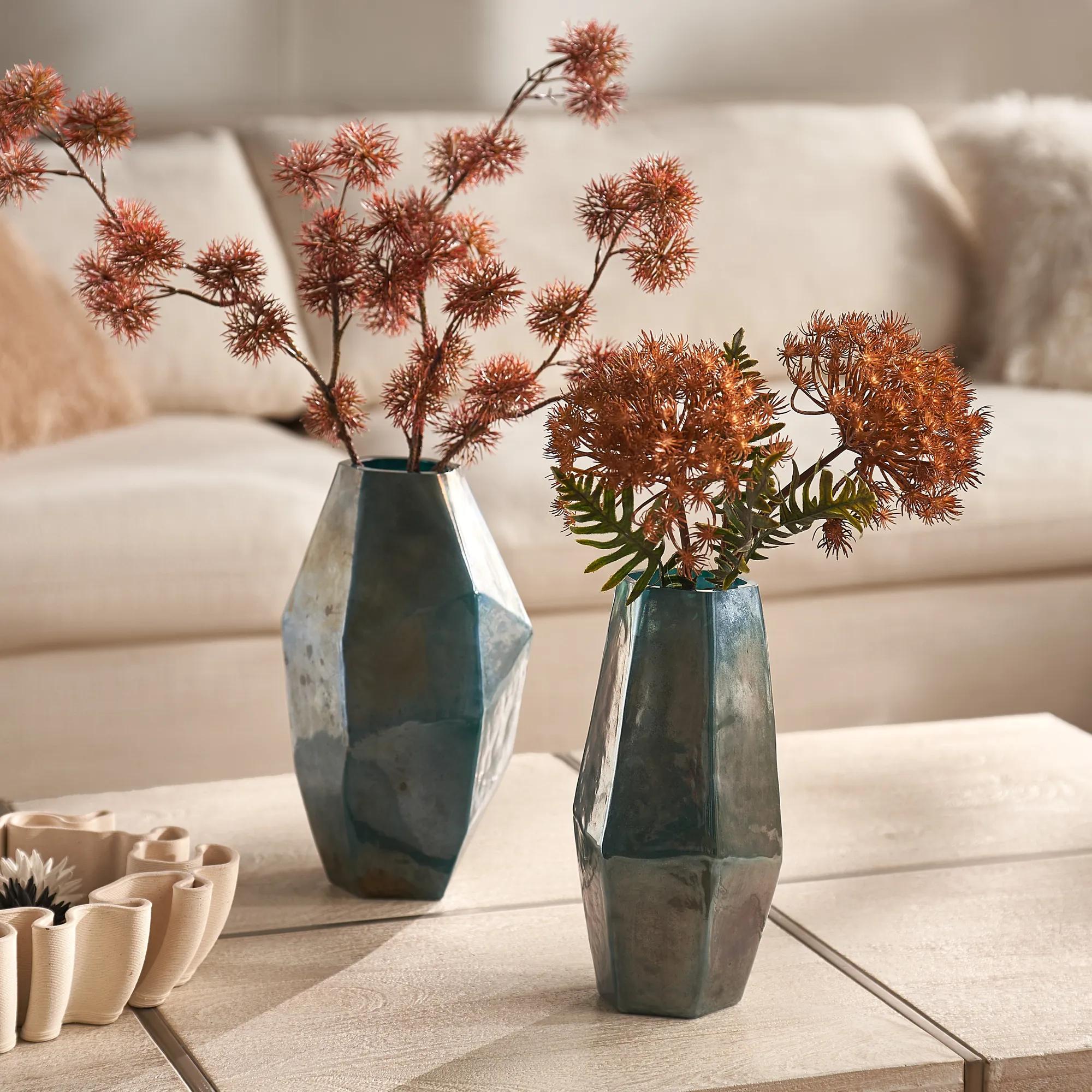 Sienna Vase$79
A hand-blown glass vase in prismatic green with a faceted, geometric silhouette for modern appeal.
Add To Cart -
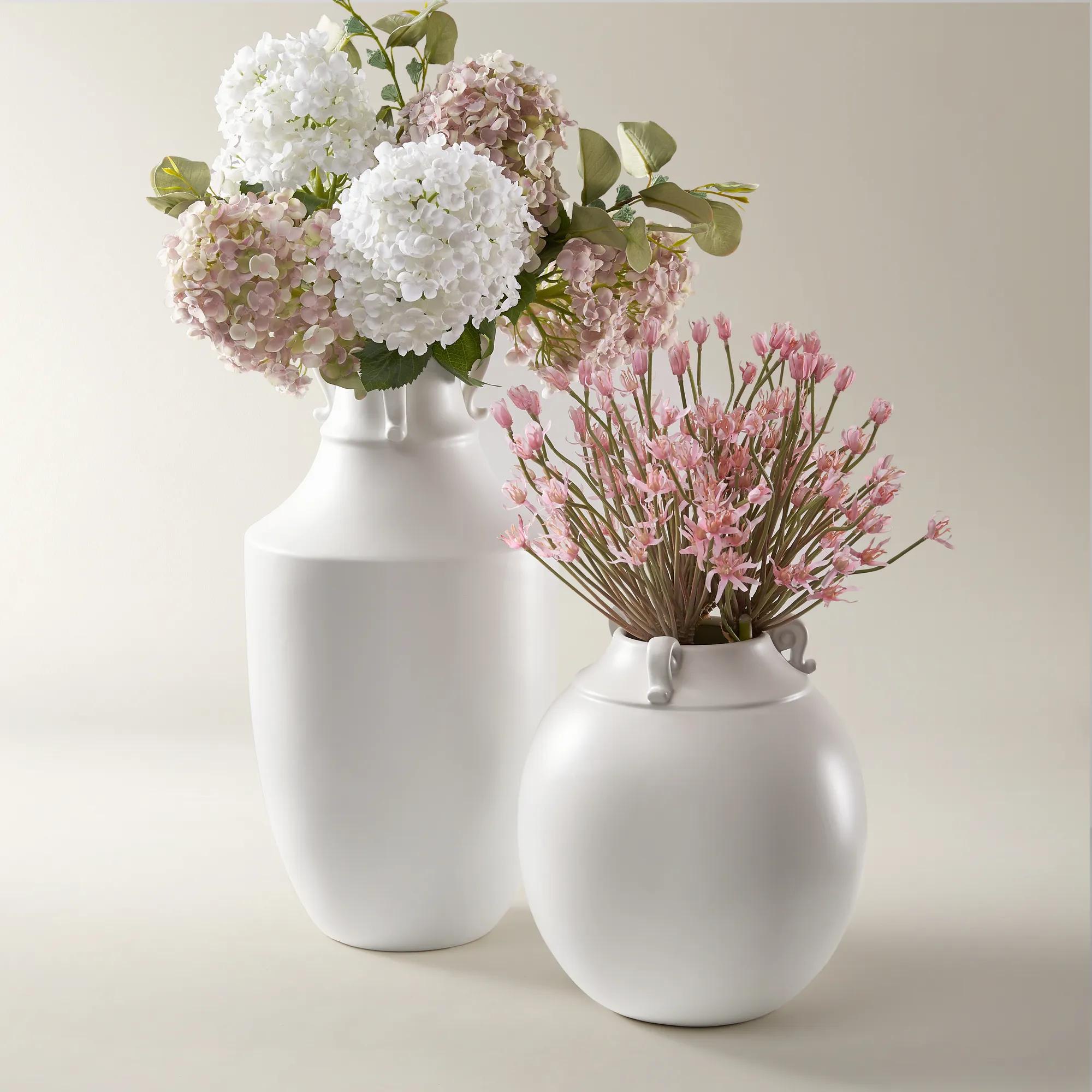 Amora Vase$119
A graceful white ceramic vase featuring smooth curves for a refined, contemporary accent to any space.
Add To Cart -
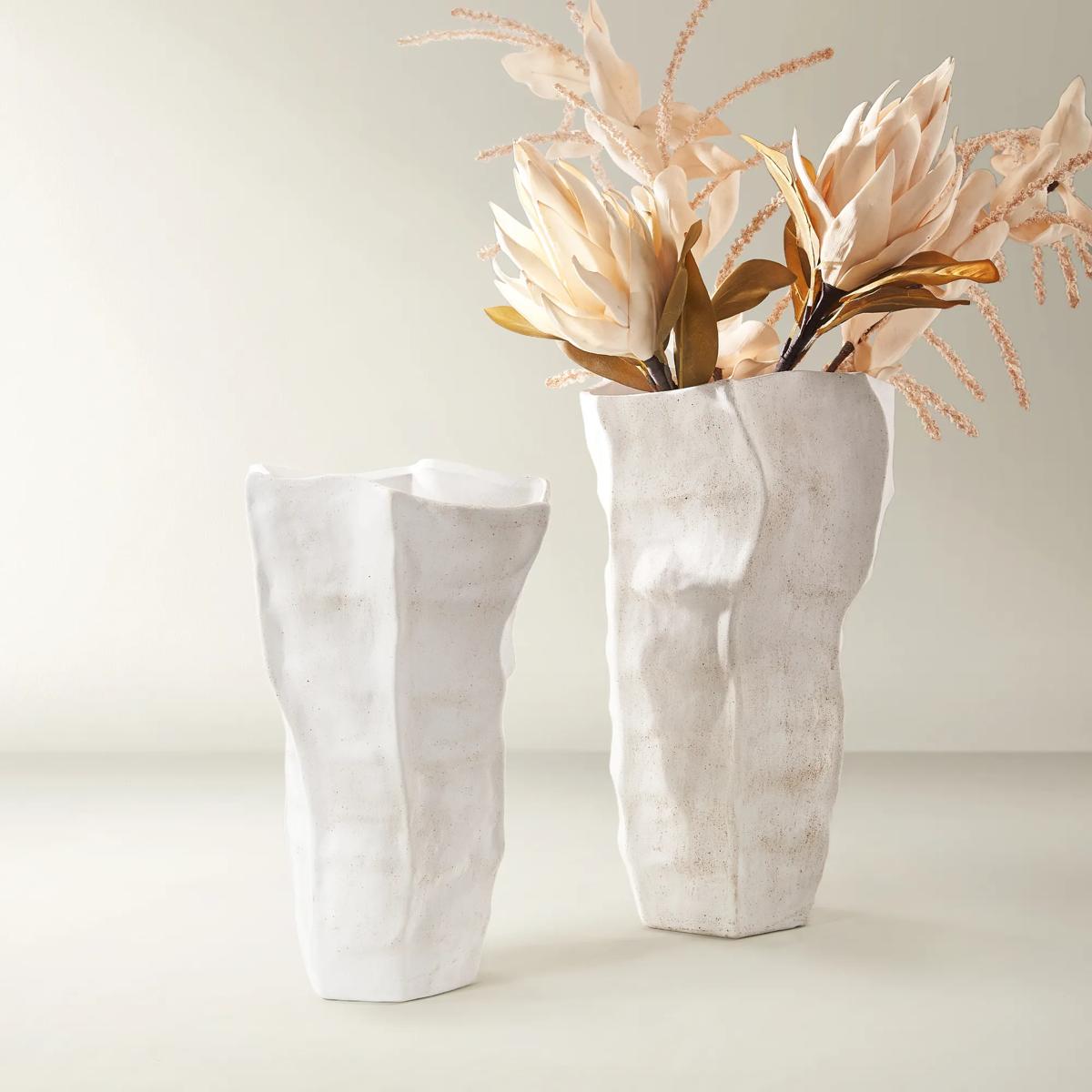 Kira Porcelain Vase$169
A sculptural matte white porcelain vase with a fluid, faceted design for modern, minimalist decor.
Add To Cart -

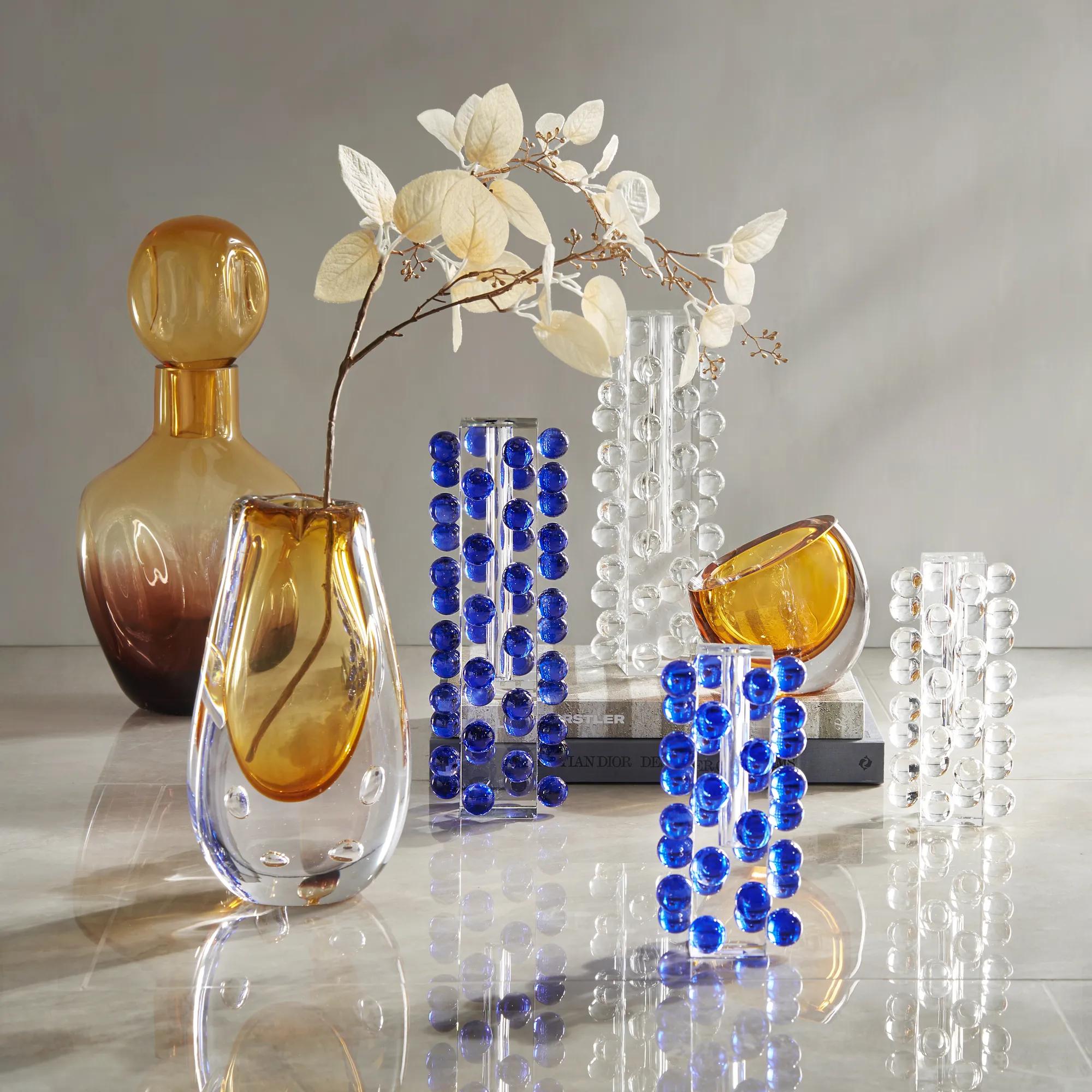 Belus Glass Vase$89
A hand-blown brown glass vase with an organic shape that beautifully plays with light and shadow.
Add To Cart -
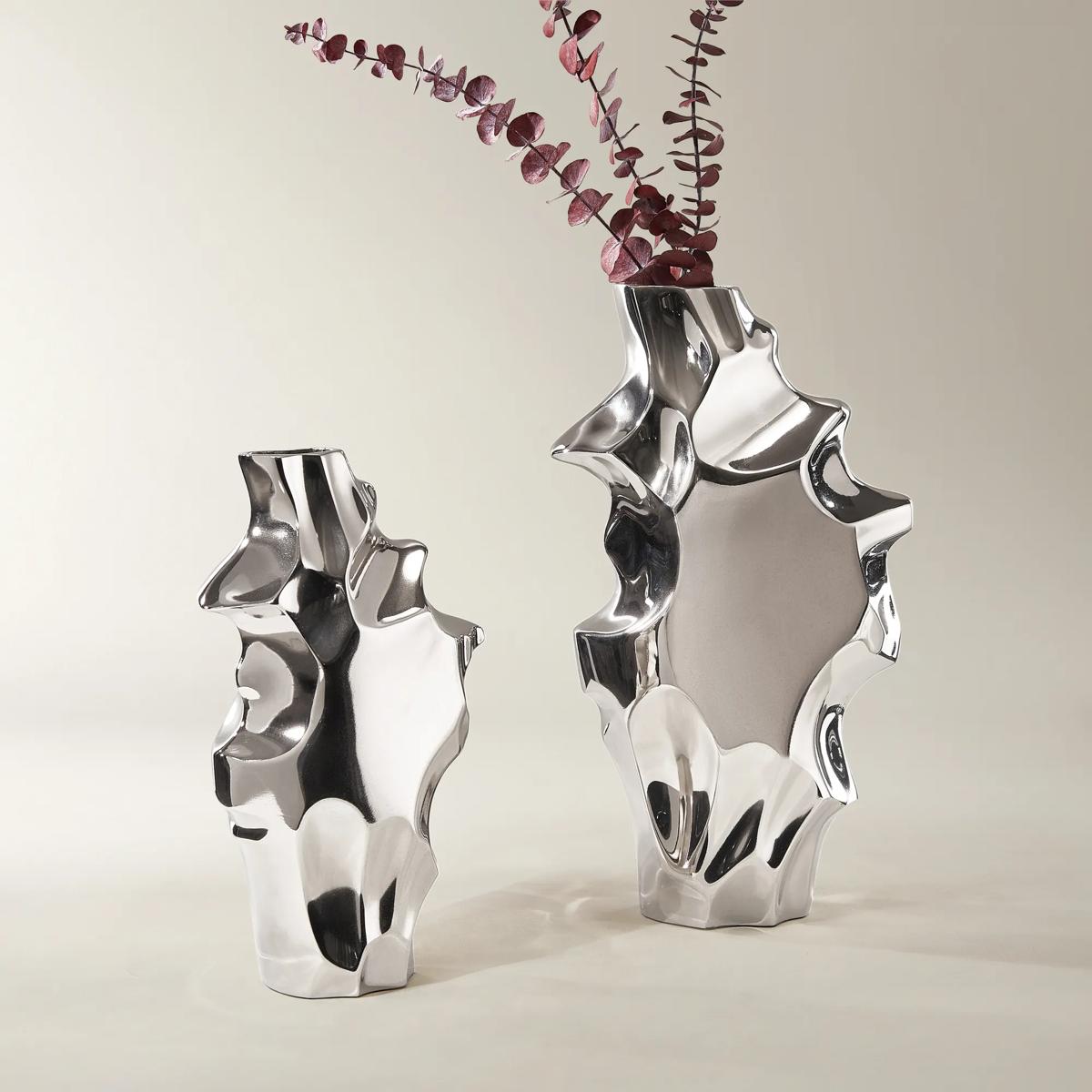
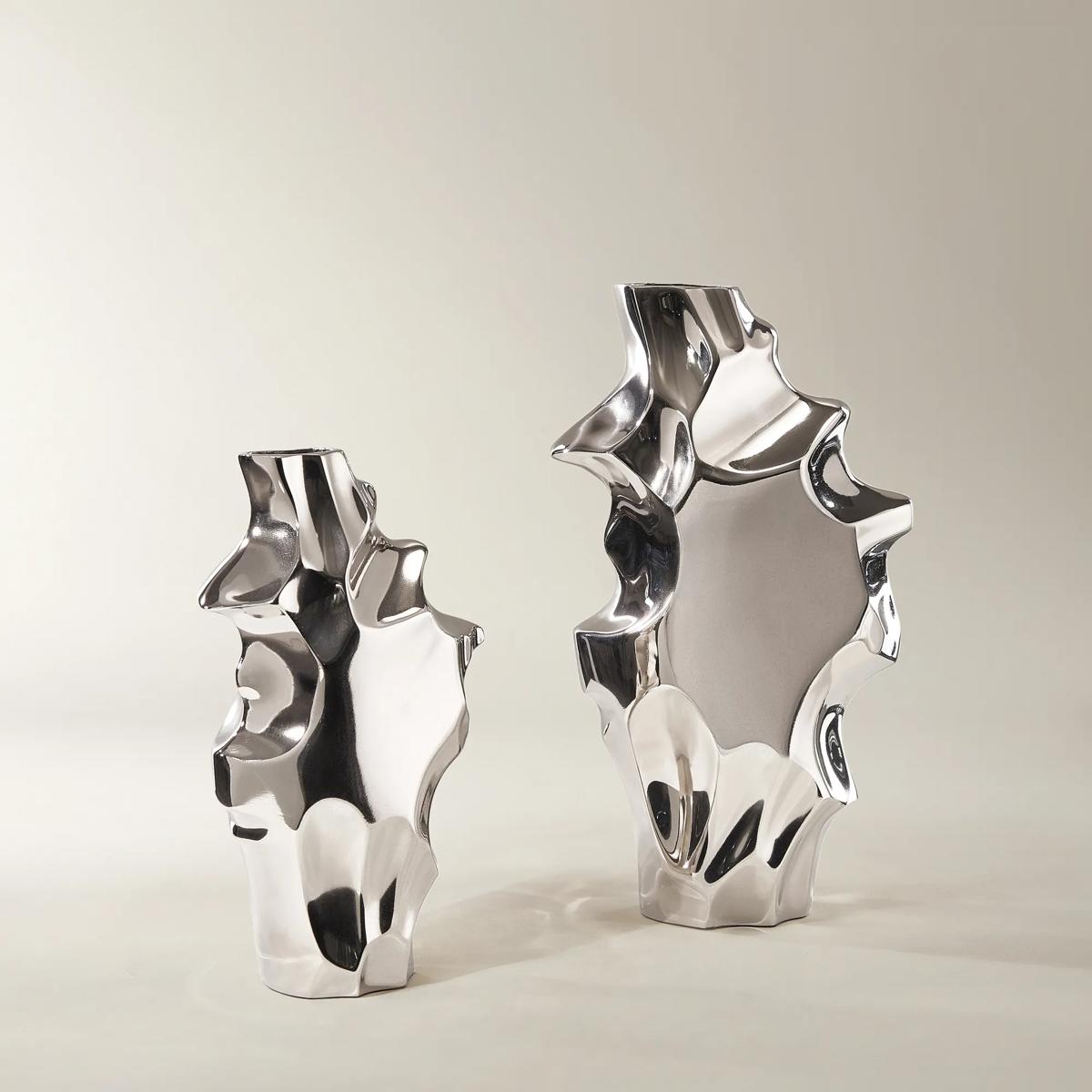 Sculpt Silver Aluminum Vases$69
A fluid, organic silhouette in lustrous silver aluminum brings modern artistry to any decor.
Add To Cart -
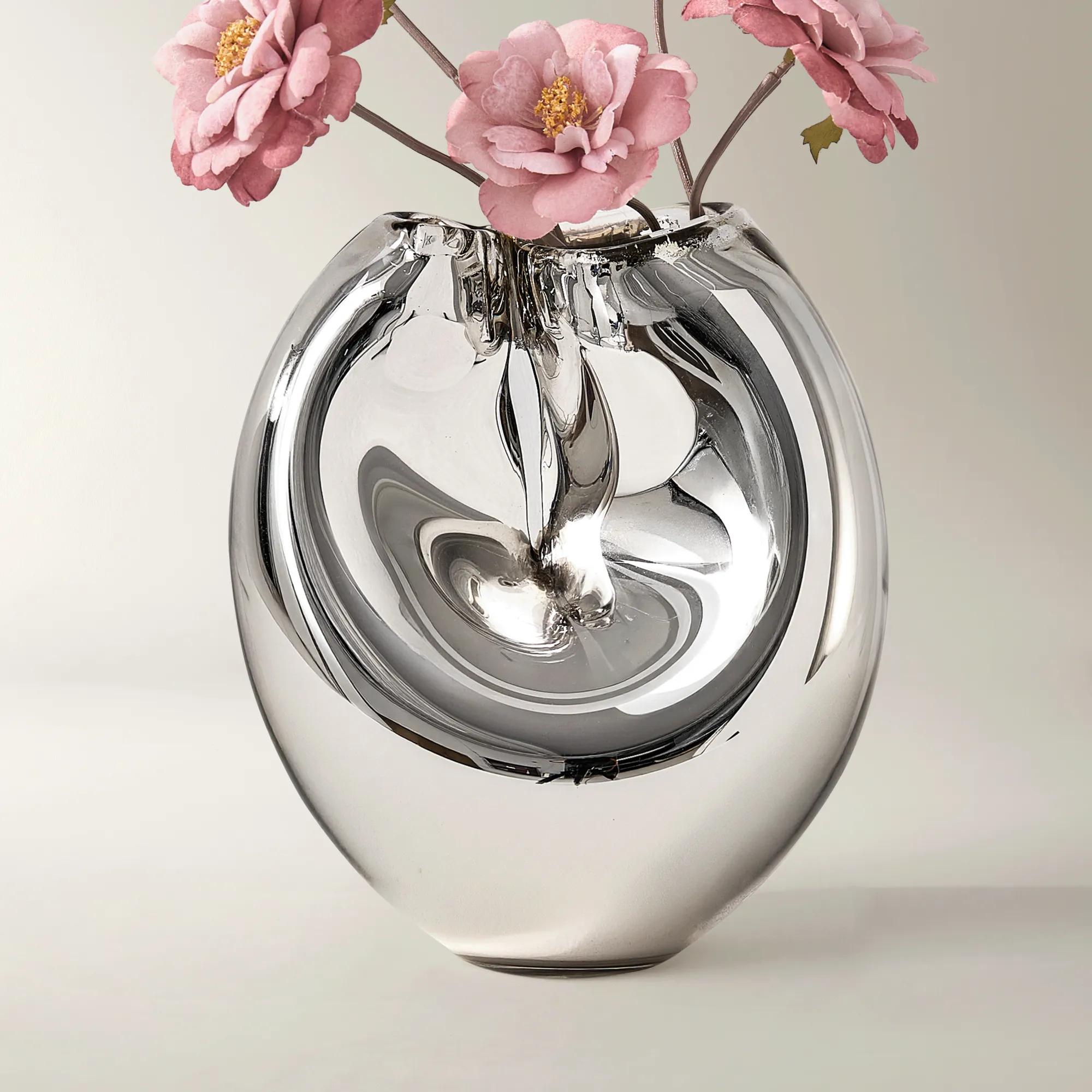 Ono Mouth Blown Mirrored Silver Glass Vase 7.75"$79
A handblown glass vase with a mirrored finish and organic silhouette for modern, artful display.
Add To Cart -
 Dylan Muted Olive Handblown Glass Vase 6.5"$129
A muted olive green handblown glass vase adding artisanal elegance to modern décor.
Add To Cart -
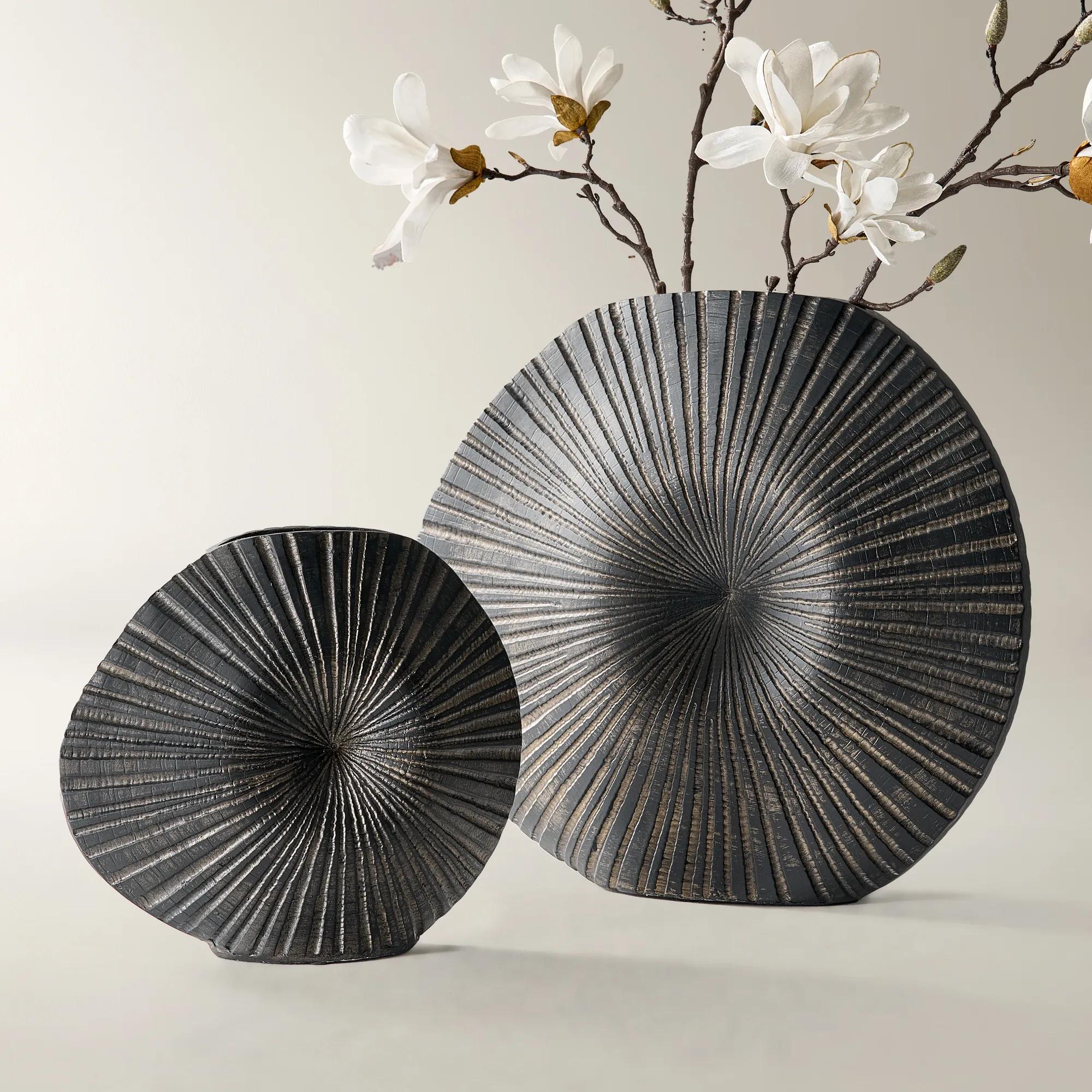
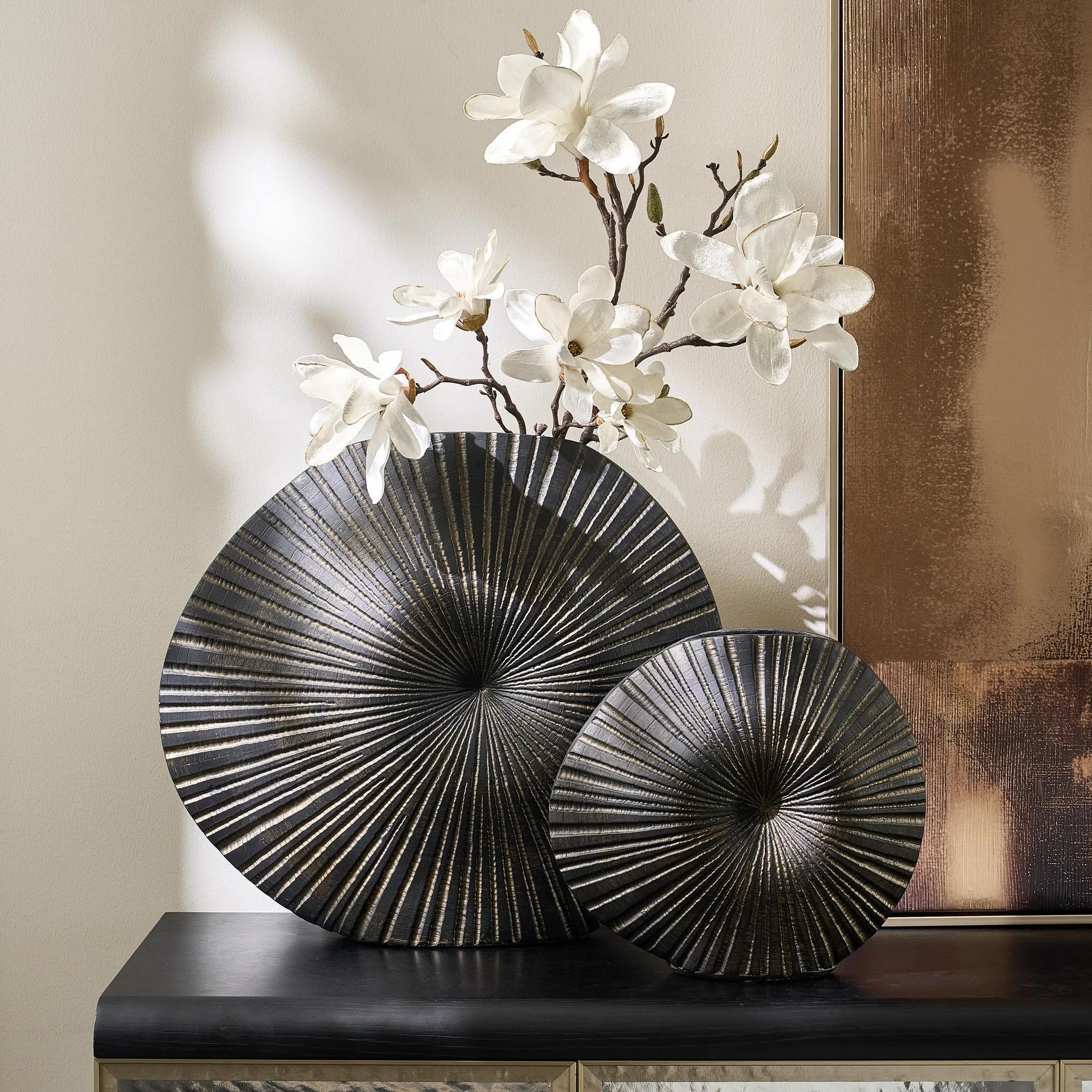 Stellar Black Champagne Resin Vases$149
A sculptural resin vase in black and champagne tones, offering bold modern glamour and refined visual depth.
Add To Cart -

 Pierre Glass Vase - Charcoal$129
A charcoal glass vase offering sleek, modern decorative appeal.
Add To Cart -
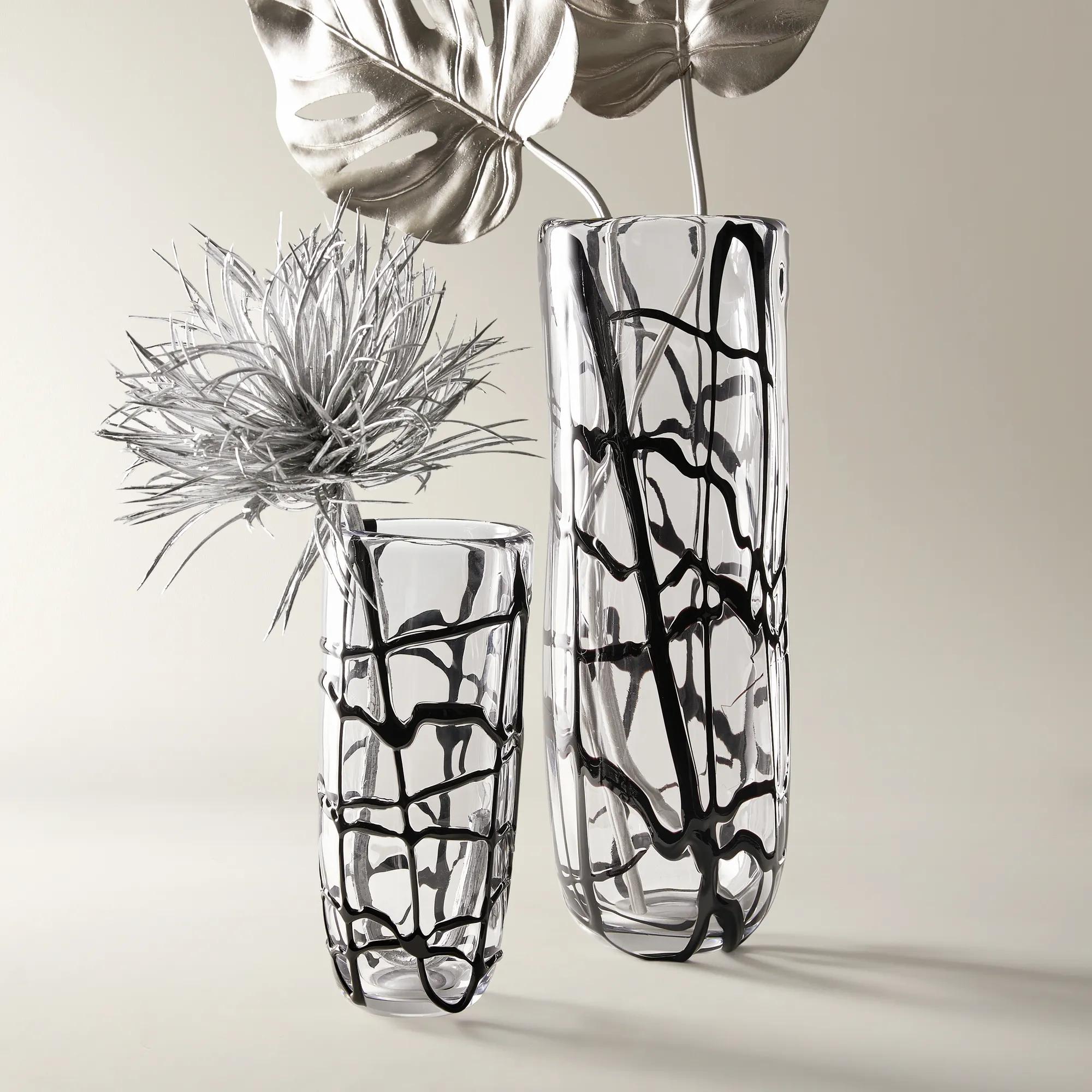 Torino Glass Vase$109
A hand-blown glass vase featuring a dramatic black design and sleek cylindrical silhouette for modern appeal.
Add To Cart -
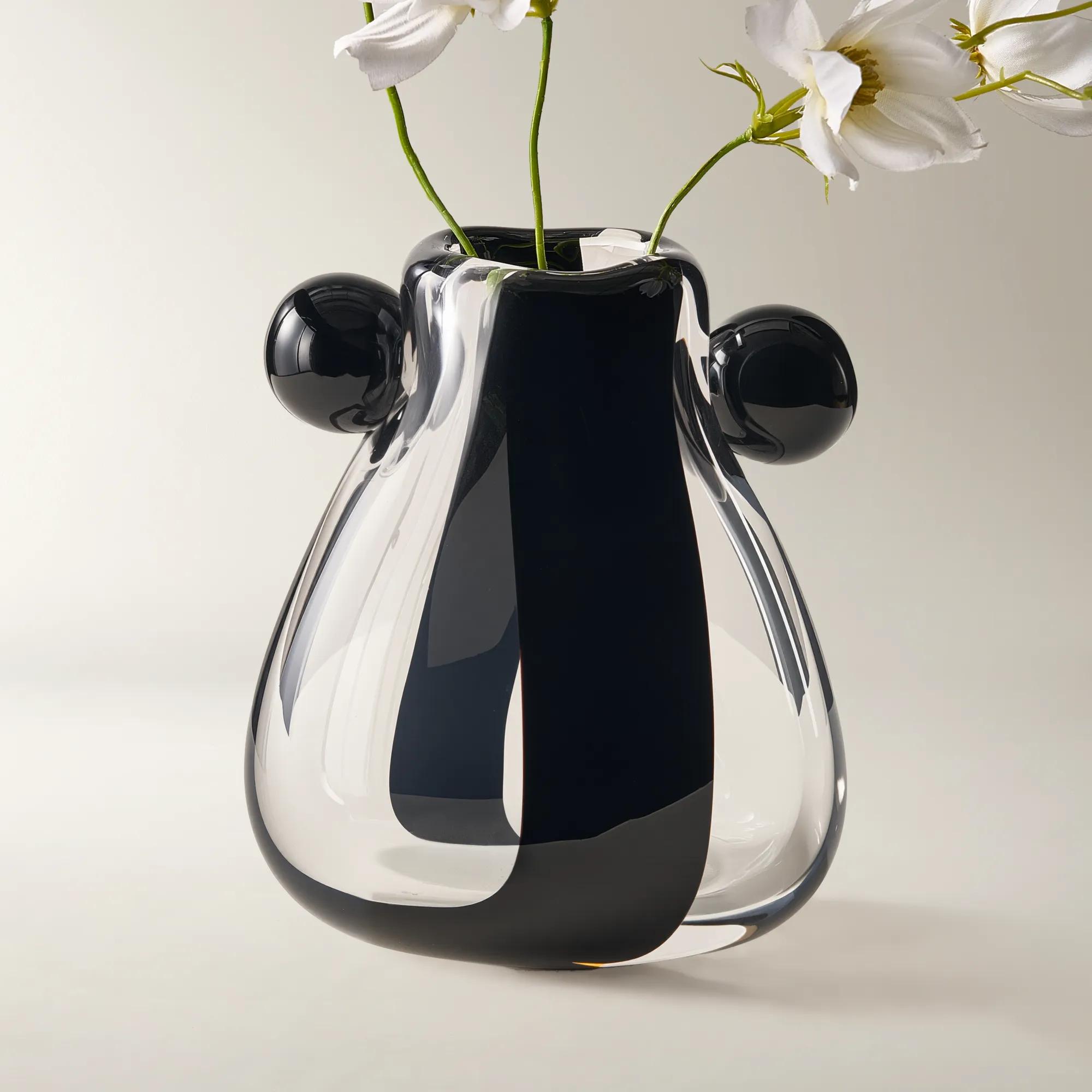
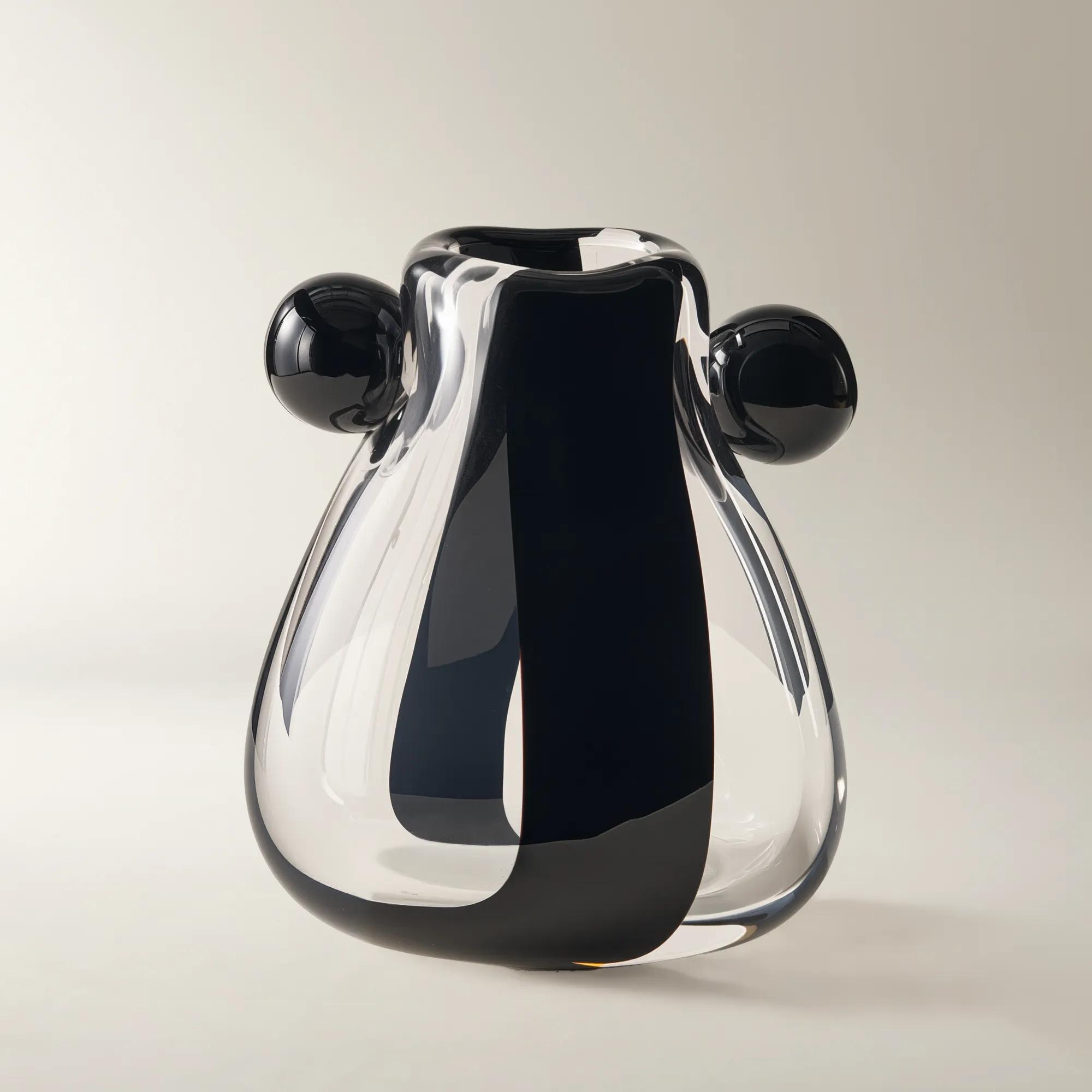 Wink Mouth Blown Black Clear Glass Vase 7.25"$59
A handblown glass vase featuring black and clear stripes with sculptural bauble accents for artistic flair.
Add To Cart -

 Sesena Glass Vase$99
A hand-blown glass vase featuring sculptural curves and a warm amber hue for modern appeal.
Add To Cart


Small Modern Vases
Small Modern Vases invite artistry into every corner, transforming even the most intimate spaces into curated moments of style. These sculptural accents capture the essence of contemporary glamour, balancing bold silhouettes with refined simplicity. Whether clustered on a coffee table or perched atop a mantel, each piece becomes a statement of personal expression. Elevate your décor with vases that celebrate form and finish, turning everyday arrangements into extraordinary works of art. Let Small Modern Vases be the finishing touch that brings your vision to life, infusing your home with a sense of wonder and modern allure.
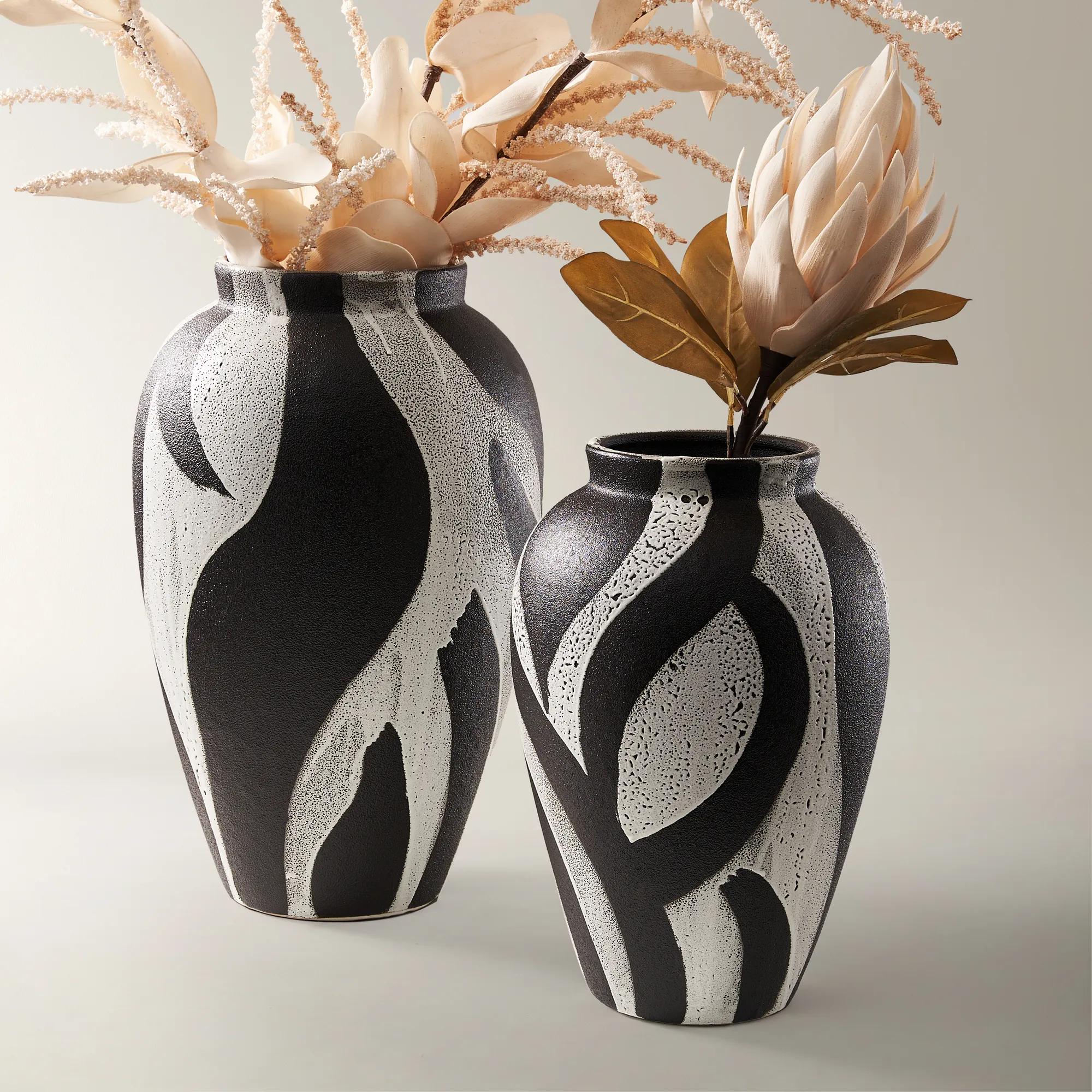
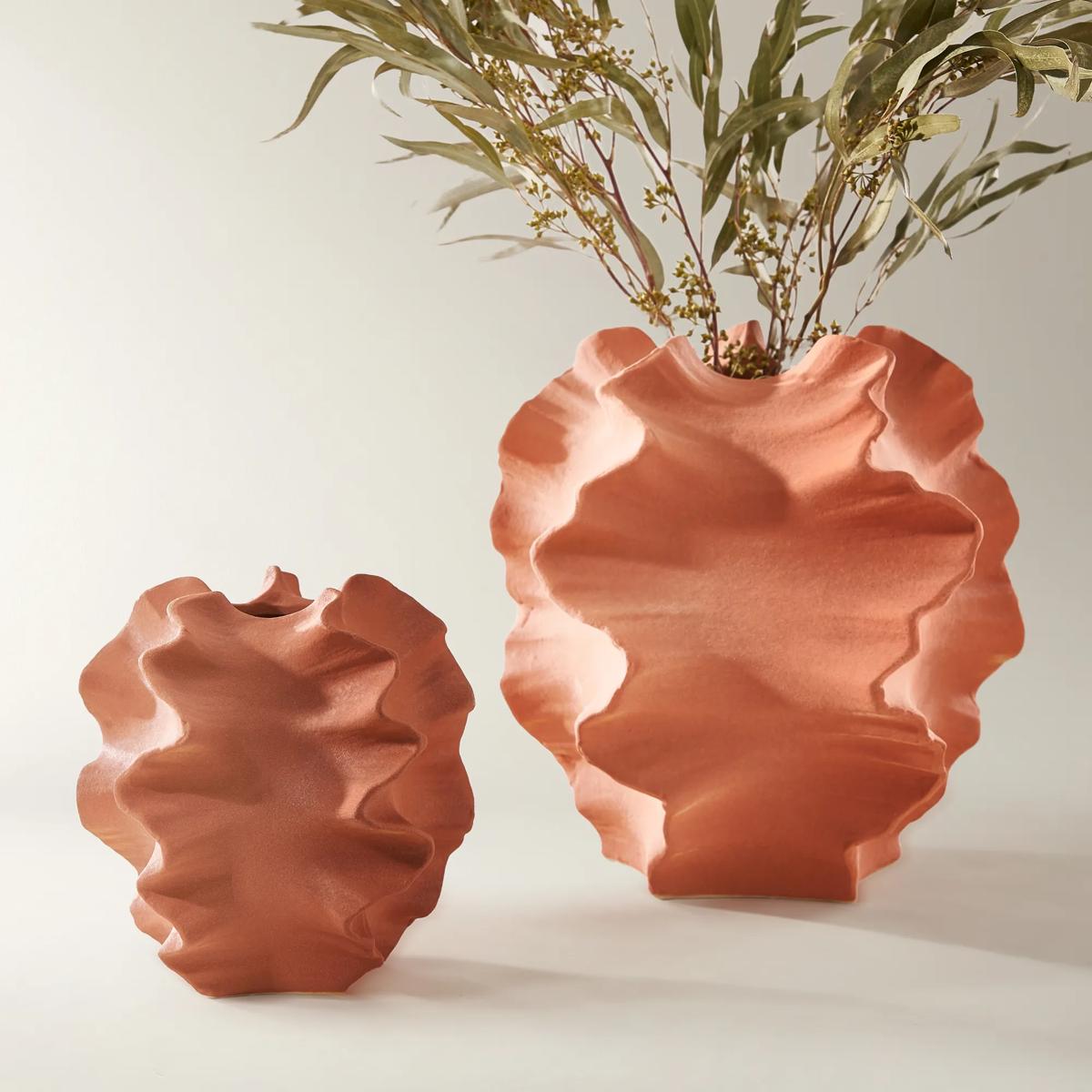
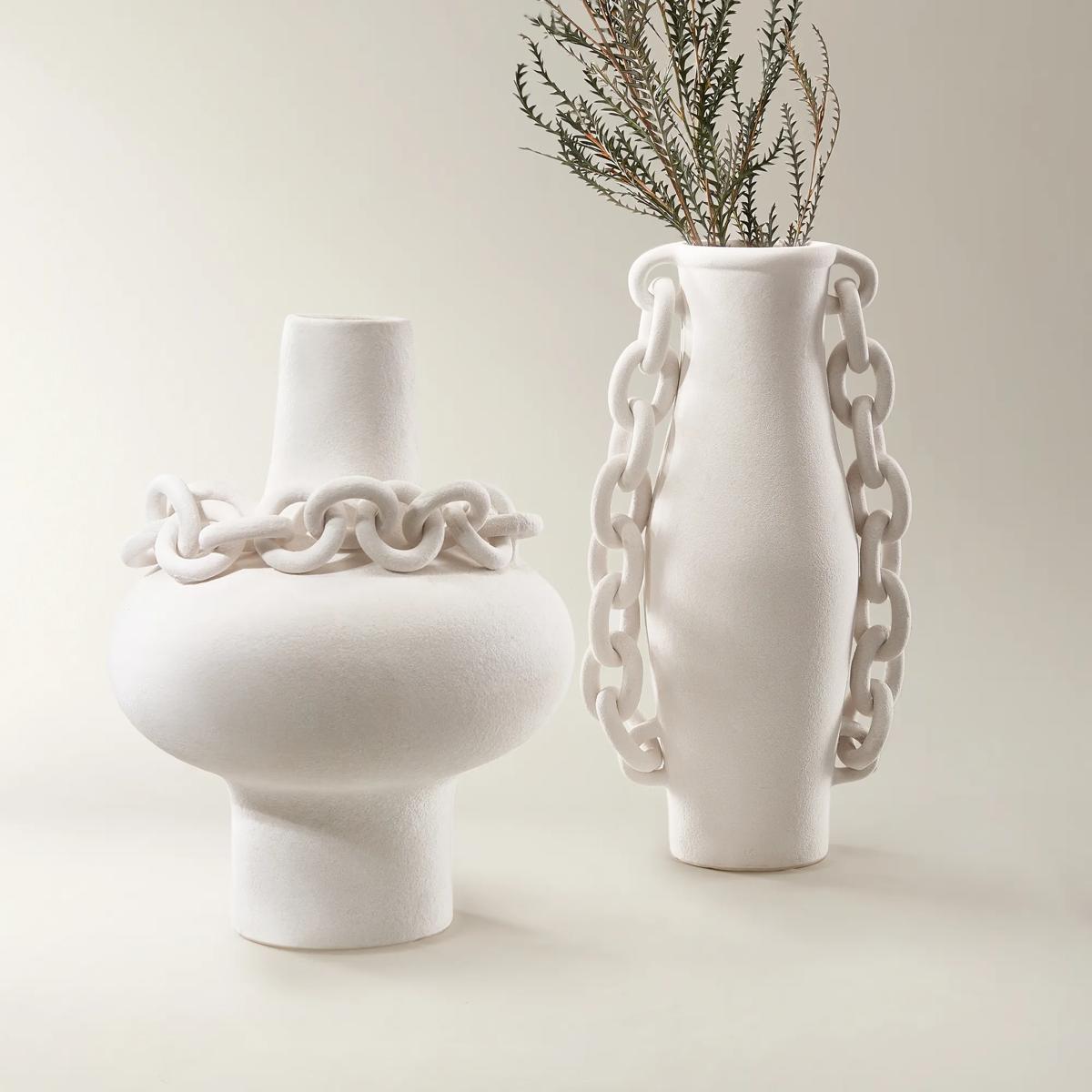
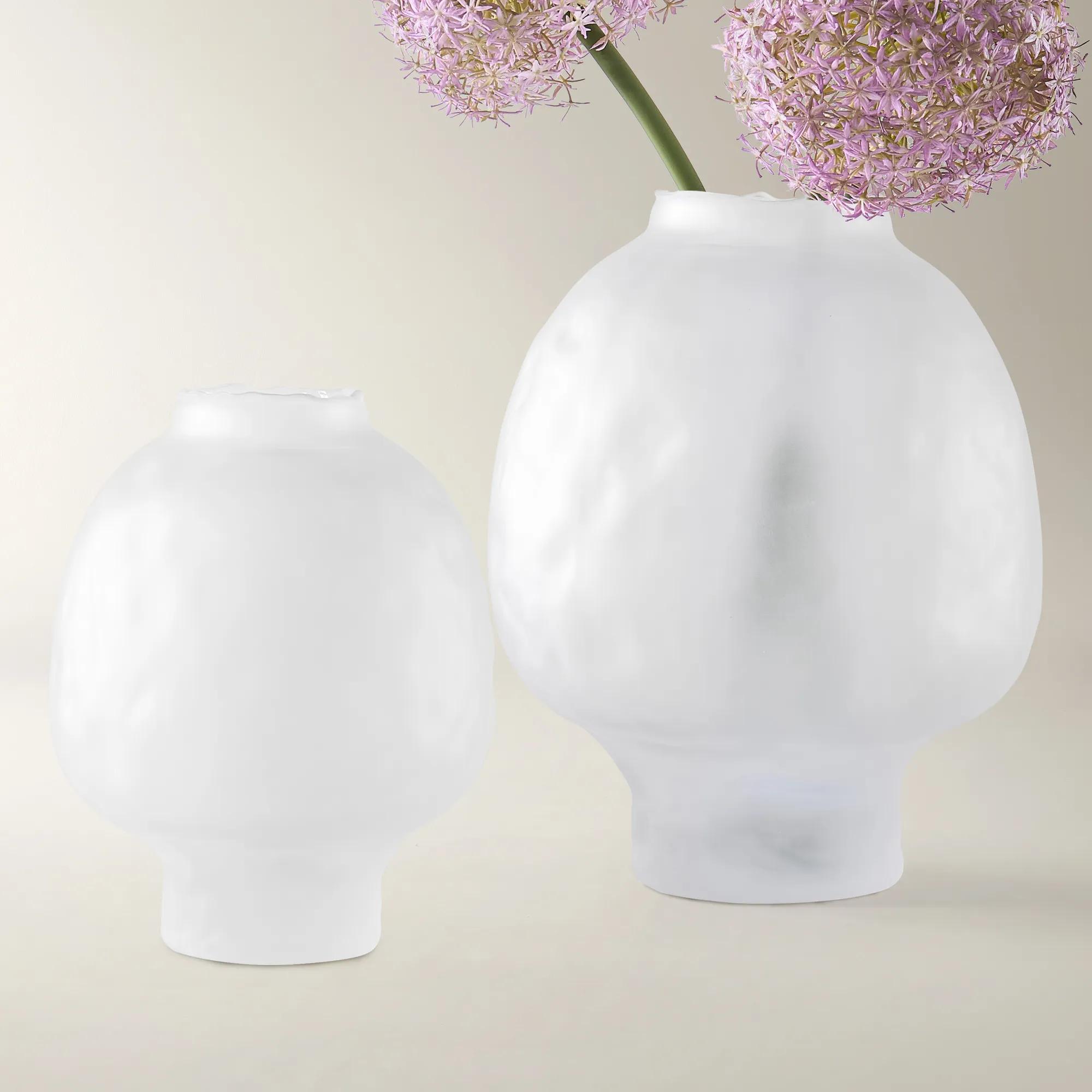
Small modern vases bring sculptural presence to the places where a room reveals its personality: the gleam of a console, the quiet corner of a desk, the layered surface of a cocktail table. Their appeal lies in the relationship between compact scale and expressive form. A rounded silhouette with a narrow opening feels composed and substantial, while an angular profile introduces a sharper, architectural note. An off-center neck, a folded edge, or a deeply textured surface gives even a petite vessel the visual intrigue of an art object. Modern design leaves room for all of these expressions, from restrained cylinders to daring organic shapes that look compelling without a single stem. Materials shape that character as much as silhouette. Clear glass invites light into an arrangement and makes stems part of the composition; colored or opaque glass delivers a more concentrated wash of tone. Ceramic offers a different kind of depth, with glazes that may appear glossy, softly matte, subtly pooled, or richly dimensional. For an emphasis on tactile surfaces and sculptural contours, small ceramic vases offer a distinctive direction within this decorative language. Porcelain can lend a refined, luminous quality, while stoneware often brings a more grounded visual weight. Metal vessels introduce polished reflection or a muted patina, depending on their finish, though suitability for fresh flowers varies by construction. These differences matter when choosing the mood of a display. A pale vessel against dark cabinetry creates a crisp focal point; a smoky glass form beside polished stone adds depth without overwhelming the surface. Metallic accents can echo a nearby lamp or picture frame, connecting separate details across the room. The result need not depend on an elaborate arrangement. In a small modern vase, a beautifully proportioned opening, a deliberate curve, and the way light travels across the surface can carry the entire composition. That concentration of detail gives compact decorative pieces their particular power.
Scale becomes especially important when a vase shares space with the objects of daily life. On a bedside table, a compact vessel should leave room for a reading lamp, a book, and a glass of water rather than turning the surface into a crowded display. On an entry console, it can lend polish beside a shallow tray while preserving a clear place for keys. Dimensions deserve a closer look than height alone: a low vase with a broad body may occupy more space than a taller, slender design, and a flared rim changes both its footprint and the shape of an arrangement. The opening is equally influential. A narrow neck supports a few carefully chosen stems, while a wider mouth generally calls for a fuller cluster to achieve a balanced outline. A single anthurium, a pair of tulips, or a short gathering of leafy cuttings can make a vivid statement when the vessel suits their proportions. Fresh stems also require sufficient water capacity, so a particularly petite vase may need more frequent attention than its larger counterpart. For dining tables, lower arrangements help preserve conversation across the setting, while taller stems are often better suited to a console or an occasional table where they will not interrupt sightlines. Grouping offers another way to give small modern vases greater presence. Two or three forms with different heights can create an engaging rhythm, especially when they share a color family, a finish, or a recurring curve. Leaving visible space between them allows each silhouette to register. A textured vase beside smooth glass feels intentional when their tones relate; pairing several equally intricate surfaces can make a compact area feel restless. In open shelving, a small vessel provides a sculptural pause between books and framed photographs. Against a mirror, its outline gains another dimension, though a restrained arrangement keeps the reflection from becoming visually crowded. These modest shifts in placement allow the same scale of object to feel intimate, dramatic, or quietly architectural.
Beauty is most satisfying when the vessel also suits its intended use. Not every decorative vase is designed to hold water, even when its exterior appears glazed or polished. Product care information should confirm whether a piece is watertight and intended for fresh flowers; dry stems and convincing faux botanicals offer alternatives for vessels made only for decorative display. An unglazed interior, a porous surface, or certain metal constructions may require particular care, and a decorative coating alone does not establish water resistance. Interior access matters, too. A very narrow neck creates an elegant line but can make cleaning more demanding, especially after fresh flowers have left residue. For pieces approved for fresh arrangements, refreshing the water and removing deteriorating foliage helps keep the display clean and inviting. Cleaning methods should follow the material and finish requirements rather than a universal routine. Abrasive pads and harsh cleaners can damage delicate surfaces, while prolonged soaking may be unsuitable for some finishes. Exterior dusting with a soft cloth is often enough for decorative vessels, with more involved cleaning guided by the maker’s instructions. Thoughtful placement helps preserve both the vase and the furniture beneath it. A stable base is valuable on frequently used surfaces, and a discreet protective layer can help guard against scratches or moisture where appropriate. Keep fragile forms away from shelf edges and busy pathways, particularly in homes with children or pets. Glass and ceramic can chip or break with impact; metal may resist breakage yet still dent or show scratches. Finish, construction, and everyday handling all influence how gracefully a piece wears. Those practical considerations also make small modern vases thoughtful gifts for a housewarming, a wedding, or a host with a discerning eye for interiors. Their compact proportions suit apartments, home offices, and established rooms that need only one expressive detail. A recipient drawn to architectural lines may appreciate a sharply defined silhouette, while someone who favors layered interiors may respond to an unusual glaze or sculptural texture. Chosen with the setting in mind, a small vase brings artistry within reach of everyday life, giving a single stem—or simply its own striking form—a place to command attention.
FAQs
Small modern vases are ideal for showcasing single stems, petite bouquets, or minimalist arrangements. Consider using delicate blooms like ranunculus, anemones, or snowdrops for a refined touch, or opt for sculptural greenery such as eucalyptus or fern fronds to highlight the vase’s artistry. Dried botanicals and preserved grasses also pair beautifully, offering texture and longevity that complements modern design.
Small modern vases are wonderfully versatile and can be styled to suit any space. Place one on a nightstand for a touch of tranquility, arrange a trio on a coffee table for visual interest, or add a single vase to a bathroom vanity for a dash of elegance. For a dramatic effect, cluster several vases of varying heights and finishes on a mantel or entryway console to create a curated, gallery-inspired vignette.
Absolutely—small modern vases make thoughtful, sophisticated gifts for housewarmings, birthdays, or holidays. Their timeless appeal and artistic design ensure they’ll be cherished and used in a variety of settings. For a personal touch, consider gifting a vase alongside a favorite bloom or a handwritten note, allowing the recipient to experience both beauty and sentiment.
When selecting a small modern vase, consider the dominant colors, textures, and shapes in your space. Choose a vase that either harmonizes with your palette for a seamless look or introduces a contrasting element for added drama. Materials like mirrored glass, matte ceramic, or metallic finishes can echo other decorative accents in the room, while unique silhouettes add a layer of sculptural intrigue.
Yes, many small modern vases are designed to be objets d’art in their own right. Their sculptural forms, captivating finishes, and bold lines make them striking even when empty. Display them solo as statement pieces, or group several together to create a dynamic arrangement that celebrates artistry and craftsmanship year-round.