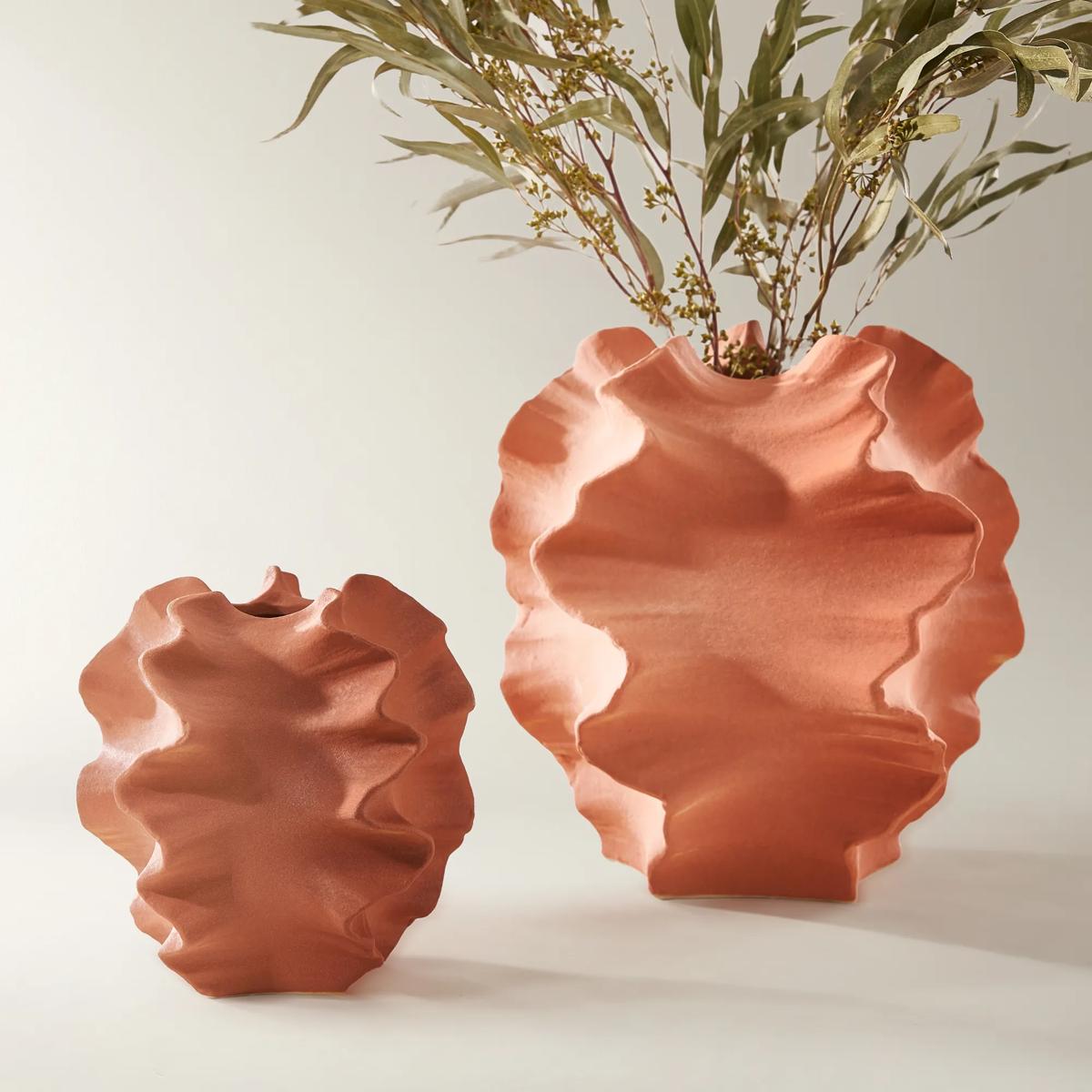
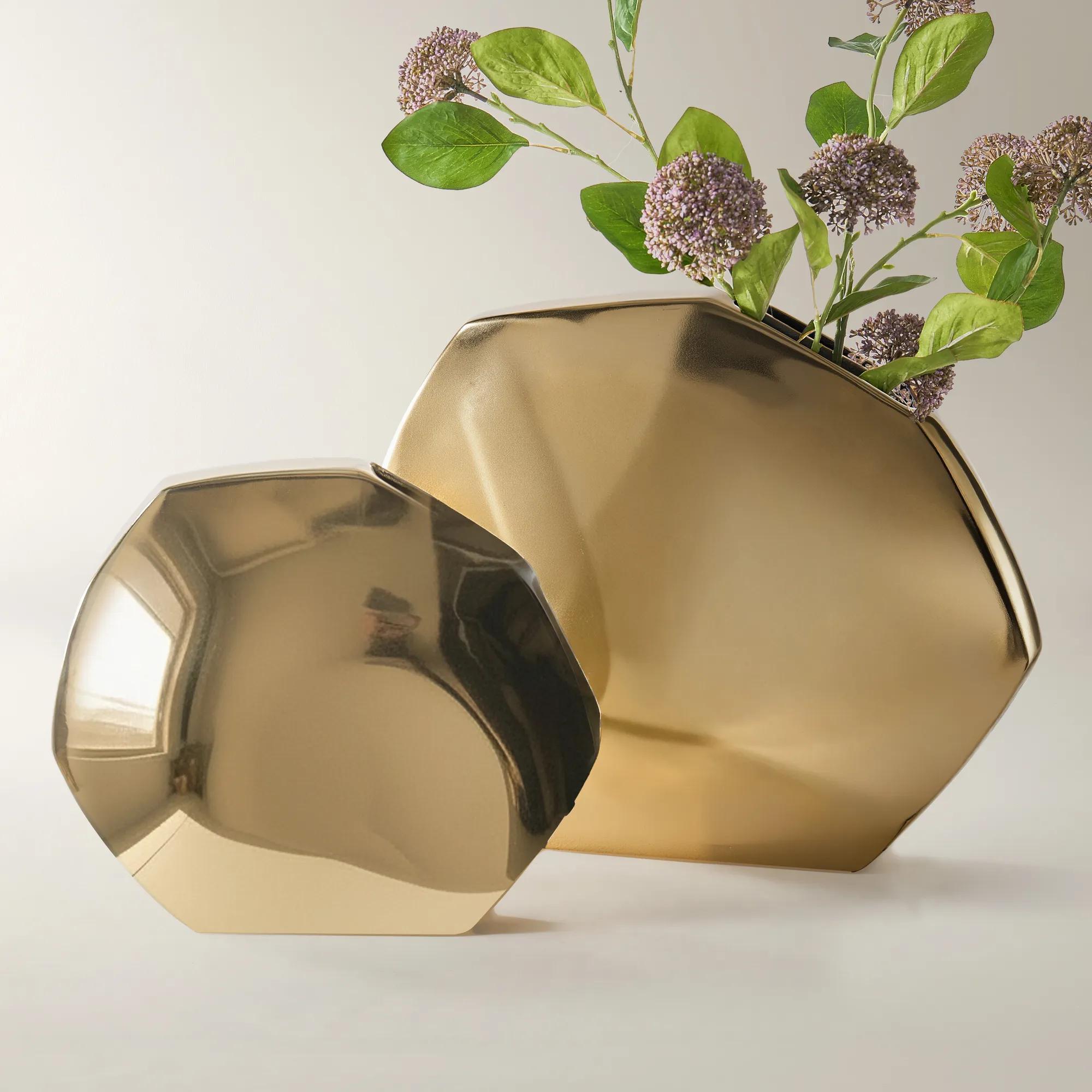
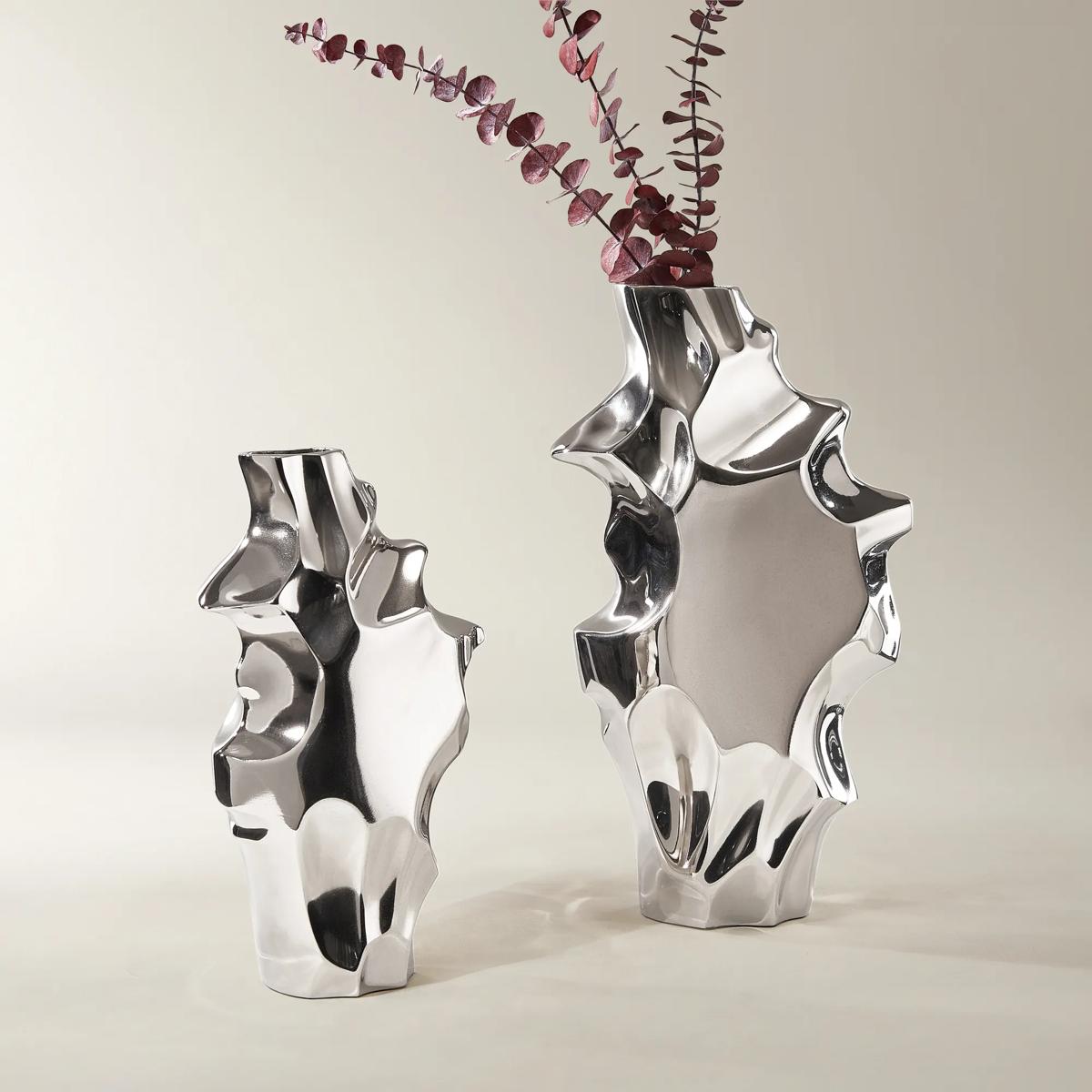
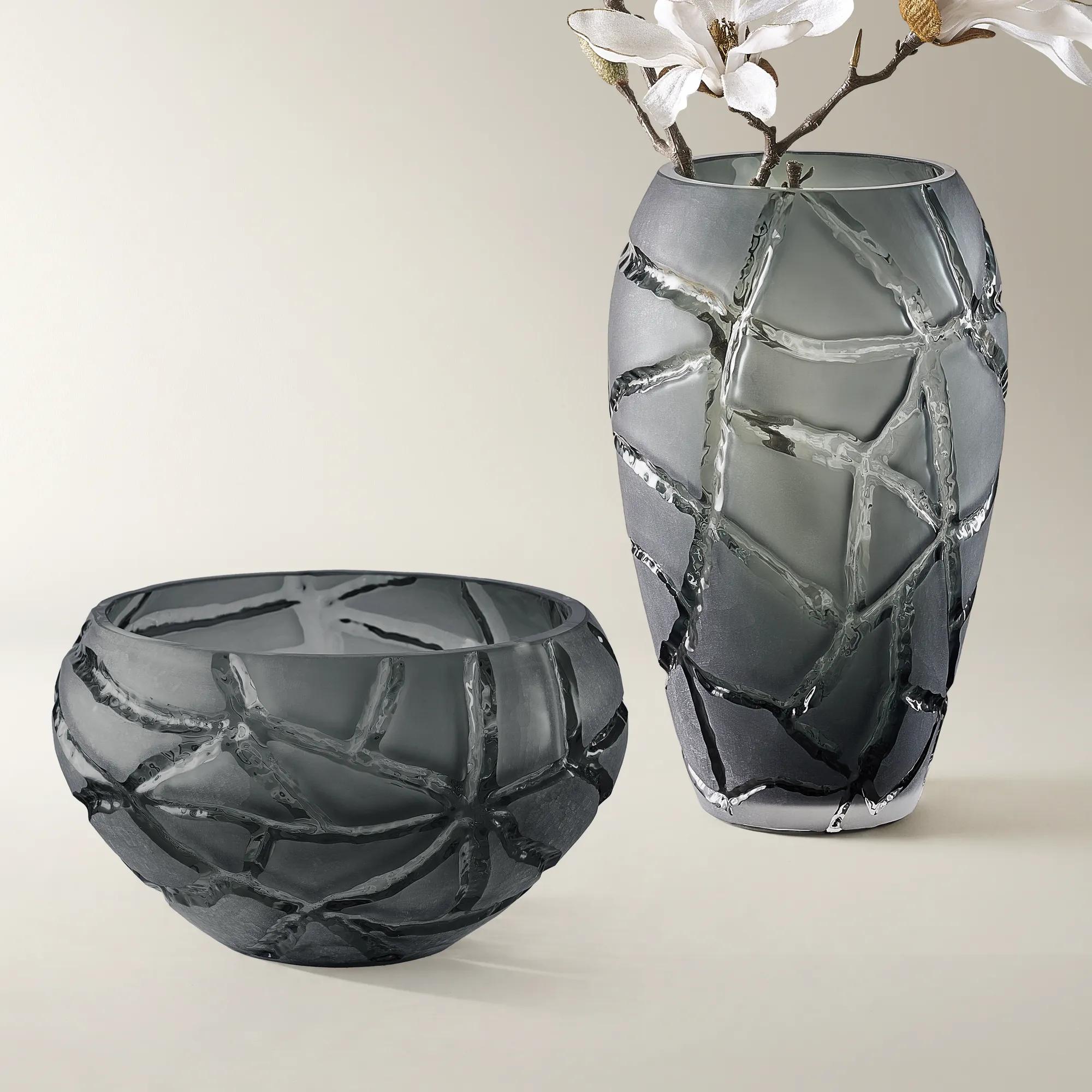
Small Decorative Glass Vases
Small Decorative Glass Vases
-
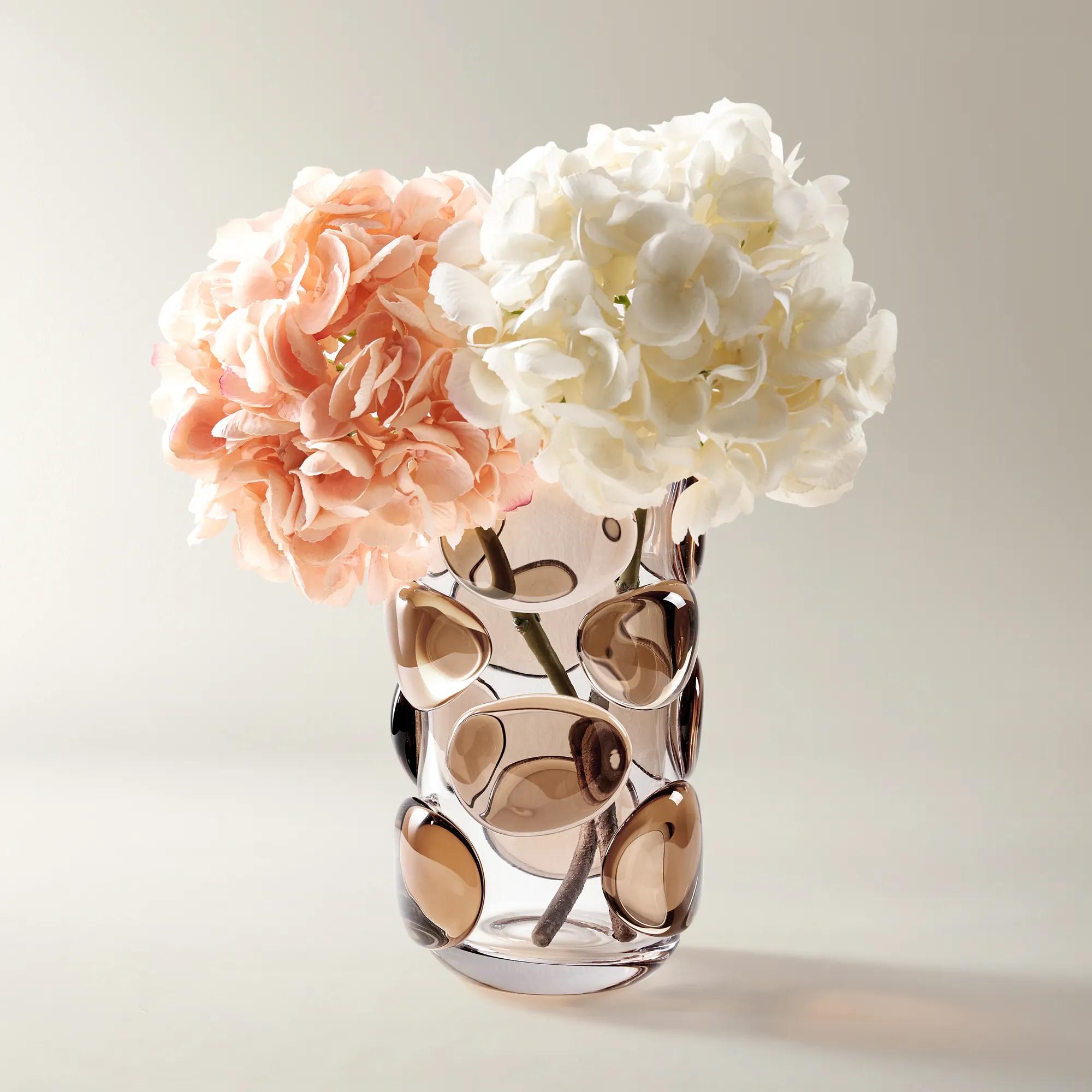
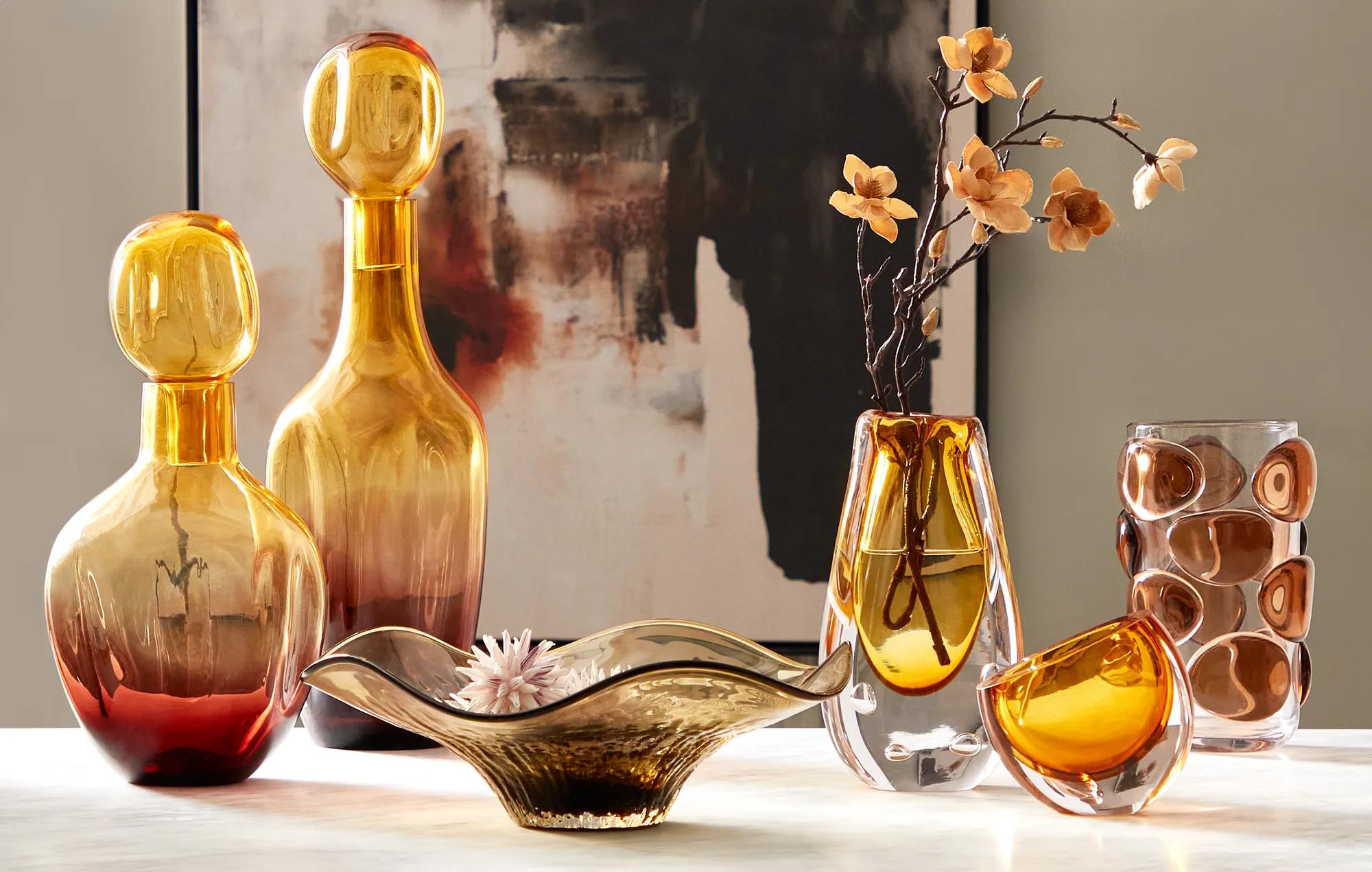 Nova Glass Vase - Small$149
An amber-toned, hand-blown glass vase featuring a sculptural bubble design for striking visual texture.
Add To Cart -
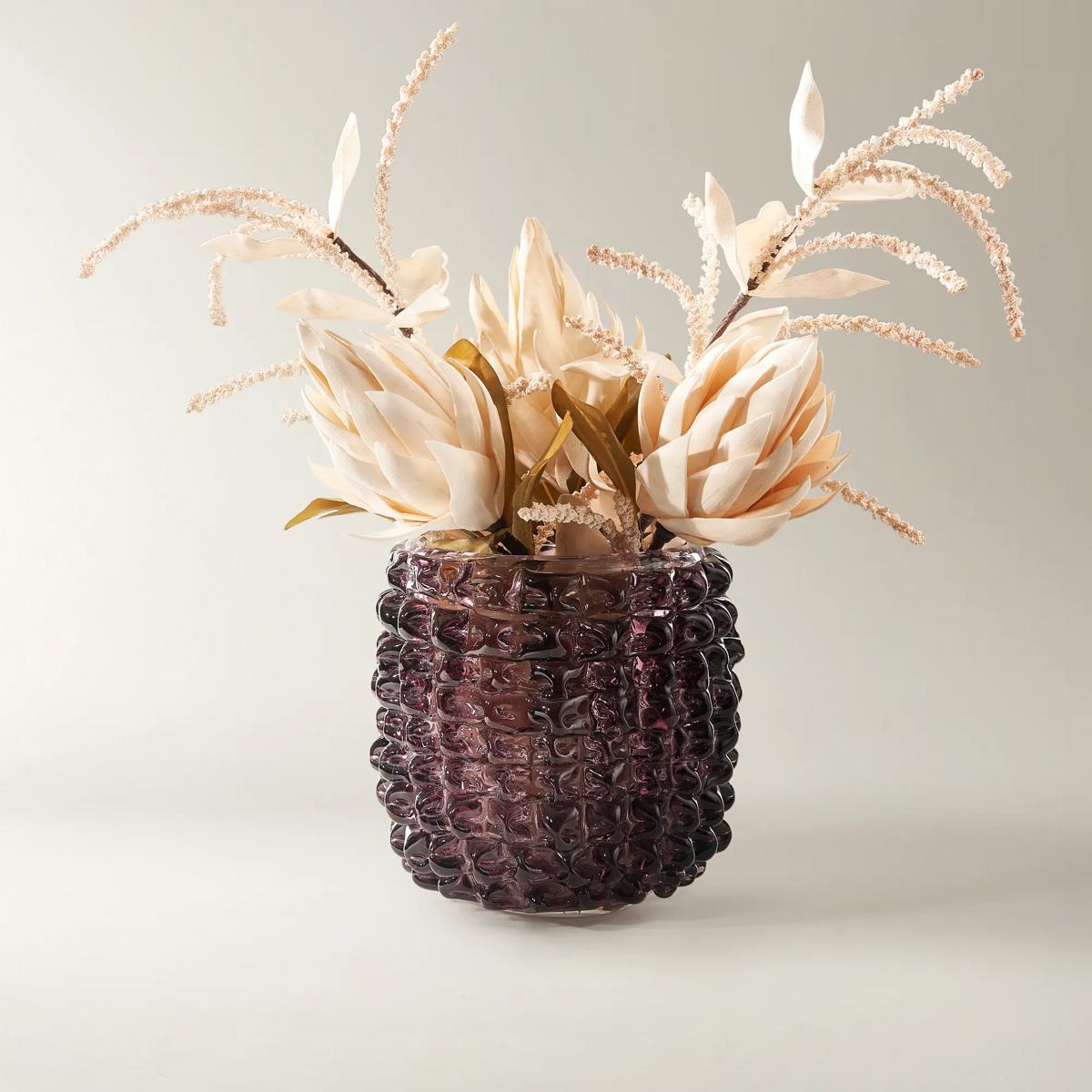 Laurel Glass Vase - Small Amethyst$349
A hand-blown amethyst glass vase featuring a bubbled, light-catching surface for sculptural elegance.
Add To Cart -
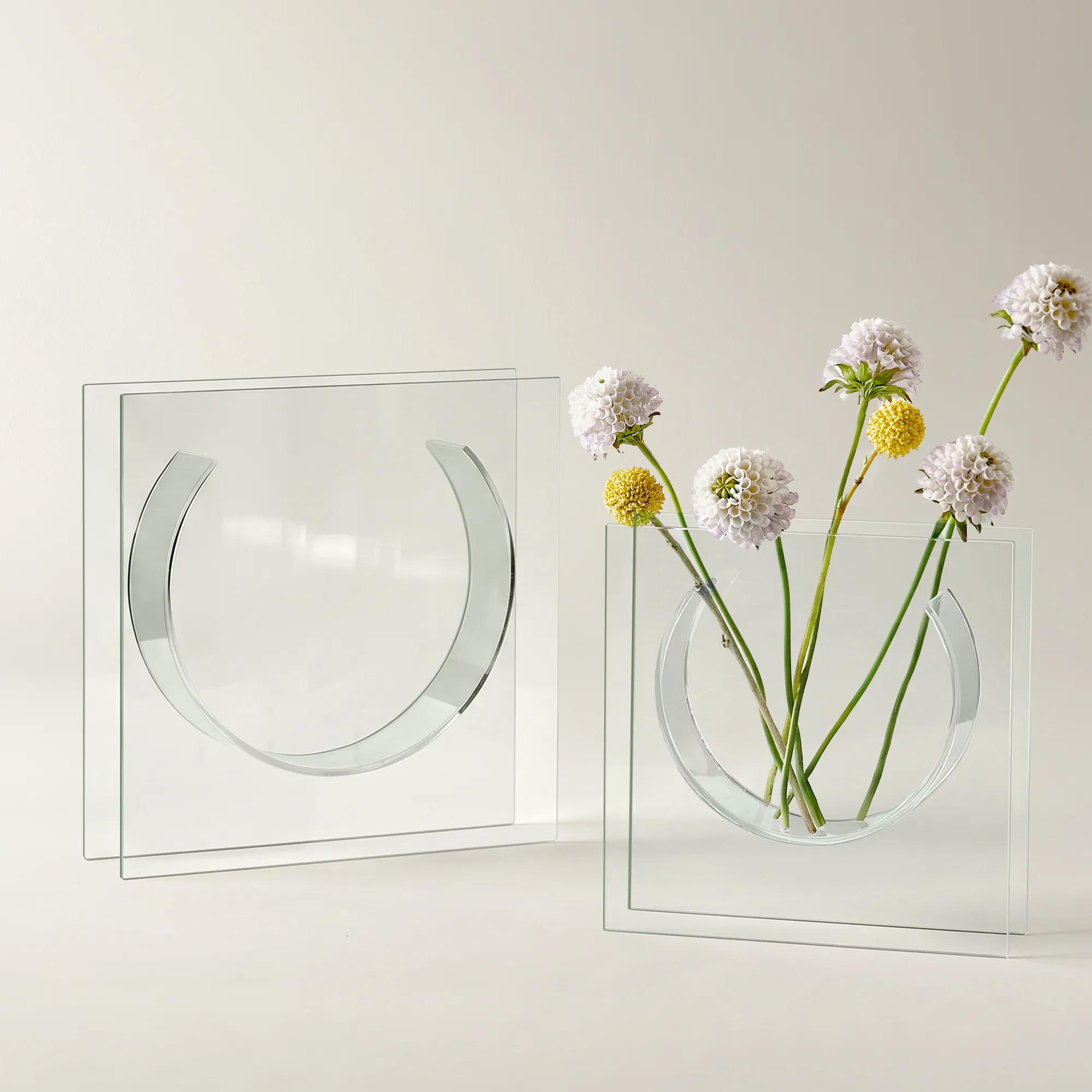
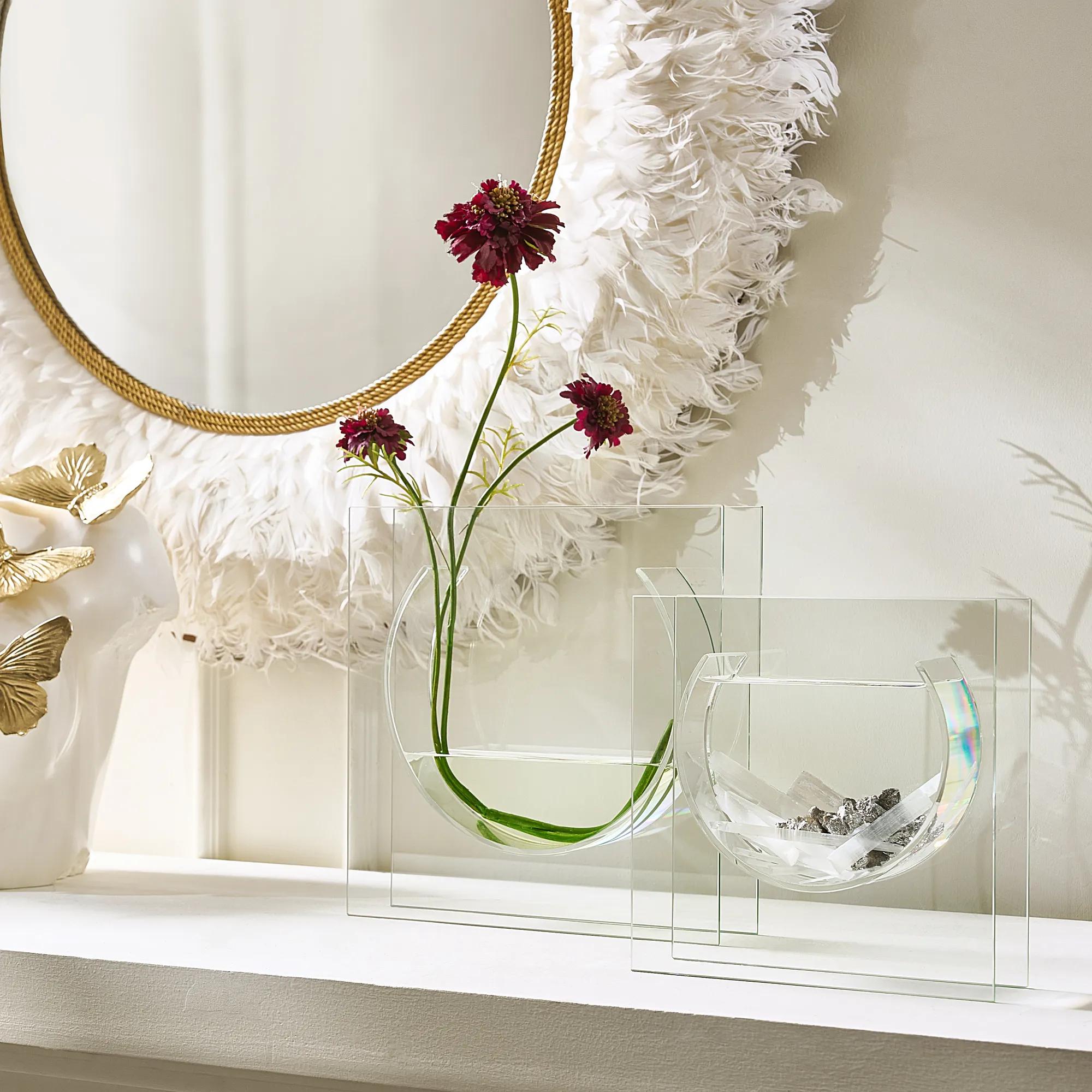 Solaris Clear Glass Vases$29
A clear glass vase with an elliptical bowl and bold modern design between two glass panels.
Add To Cart -
 Dylan Muted Olive Handblown Glass Vase 6.5"$129
A muted olive green handblown glass vase adding artisanal elegance to modern décor.
Add To Cart -
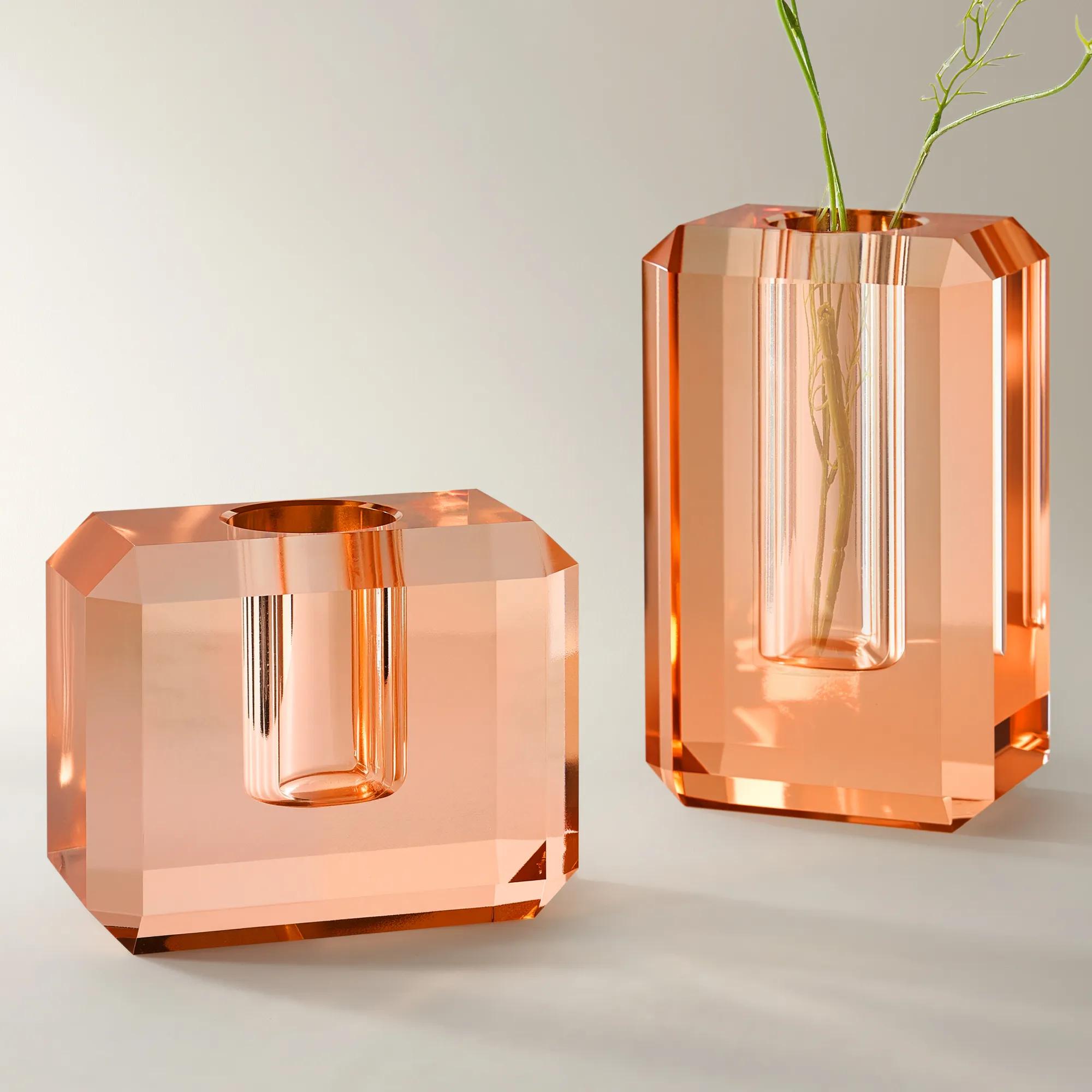
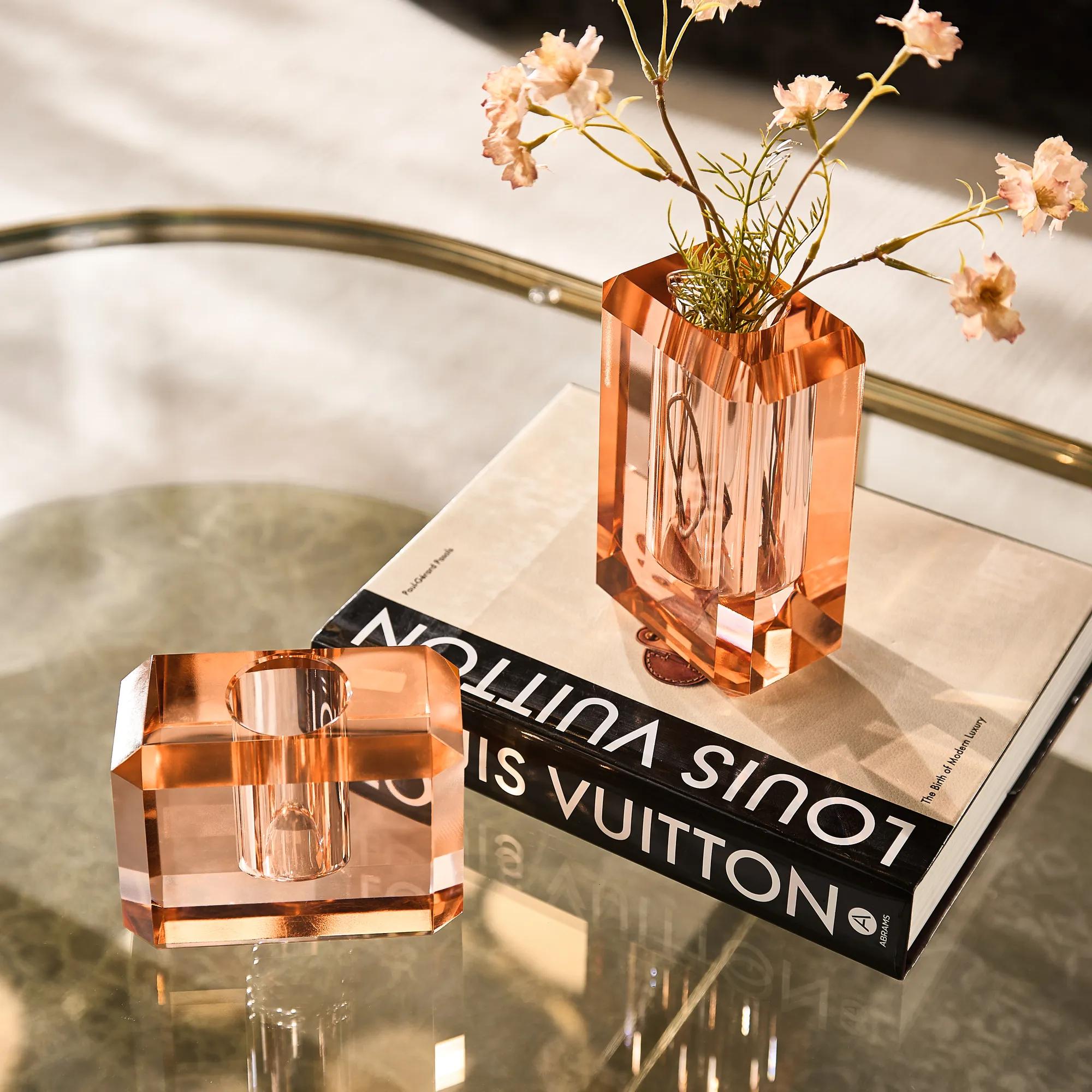 Corina Crystal Glass Bud Vase$89
A delicate crystal glass bud vase adding sparkling elegance to contemporary floral arrangements.
Add To Cart -
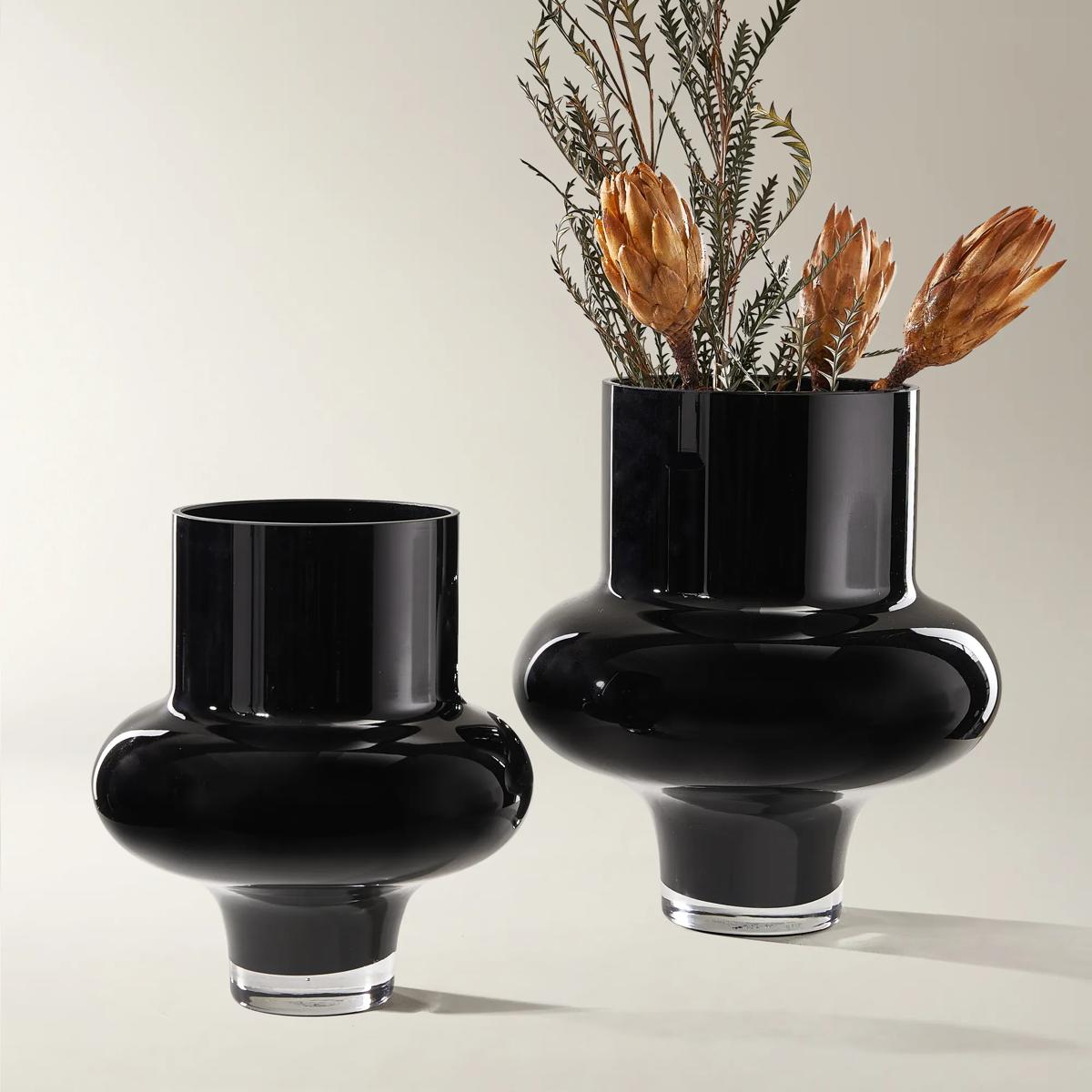
 Kors Glass Vase$69
A sculptural hand-blown black glass vase with a high-gloss finish and bold, curvaceous silhouette.
Add To Cart -
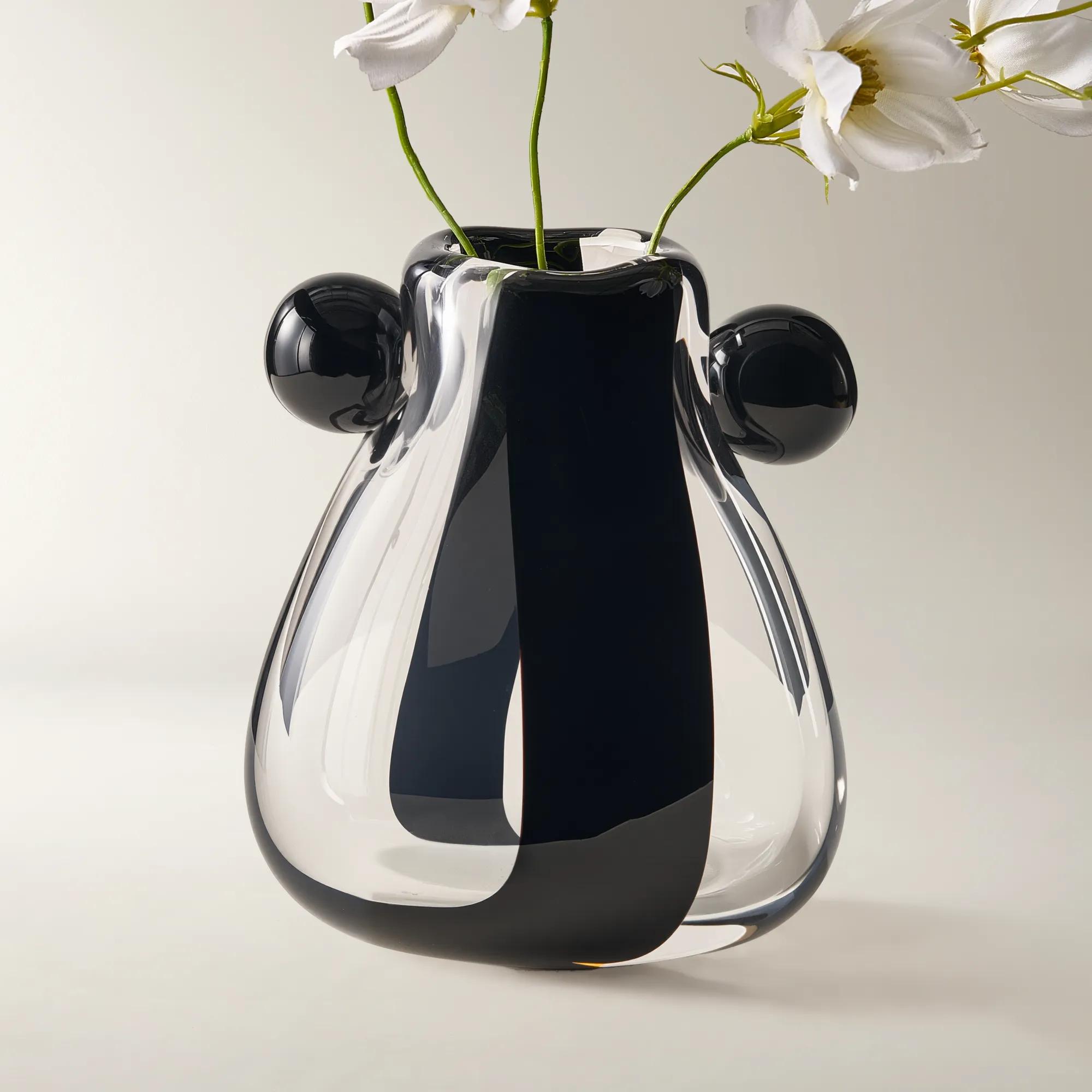
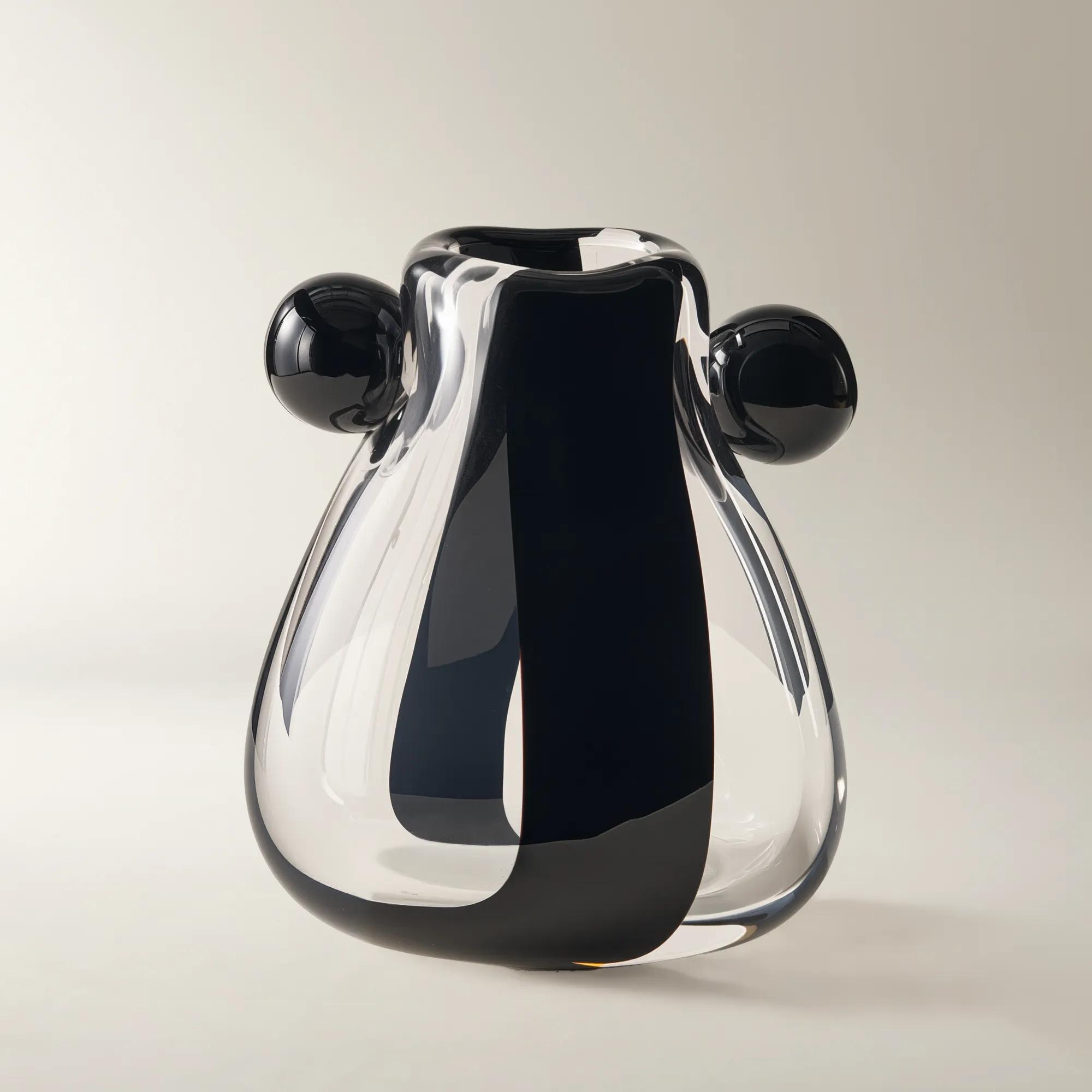 Wink Mouth Blown Black Clear Glass Vase 7.25"$59
A handblown glass vase featuring black and clear stripes with sculptural bauble accents for artistic flair.
Add To Cart -
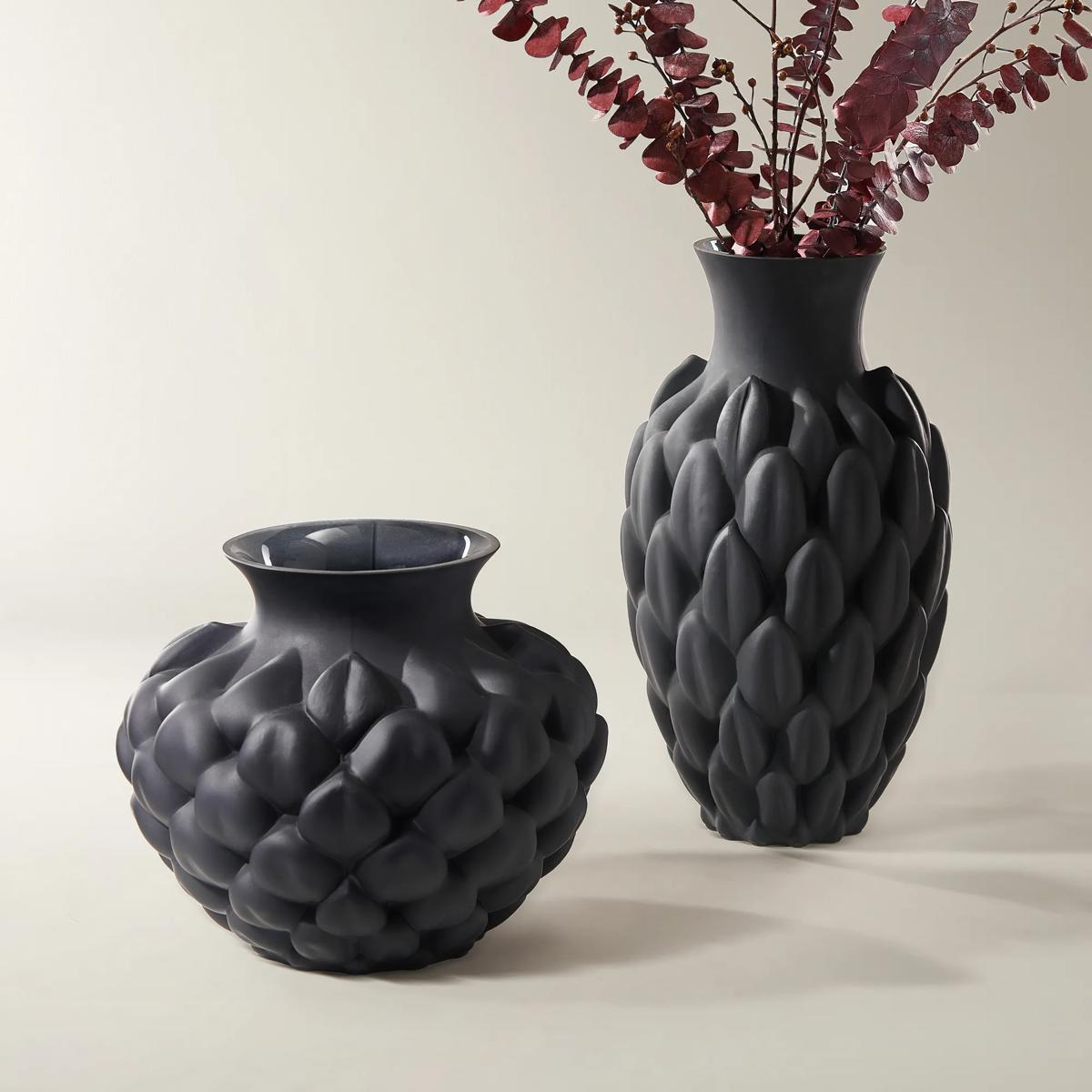
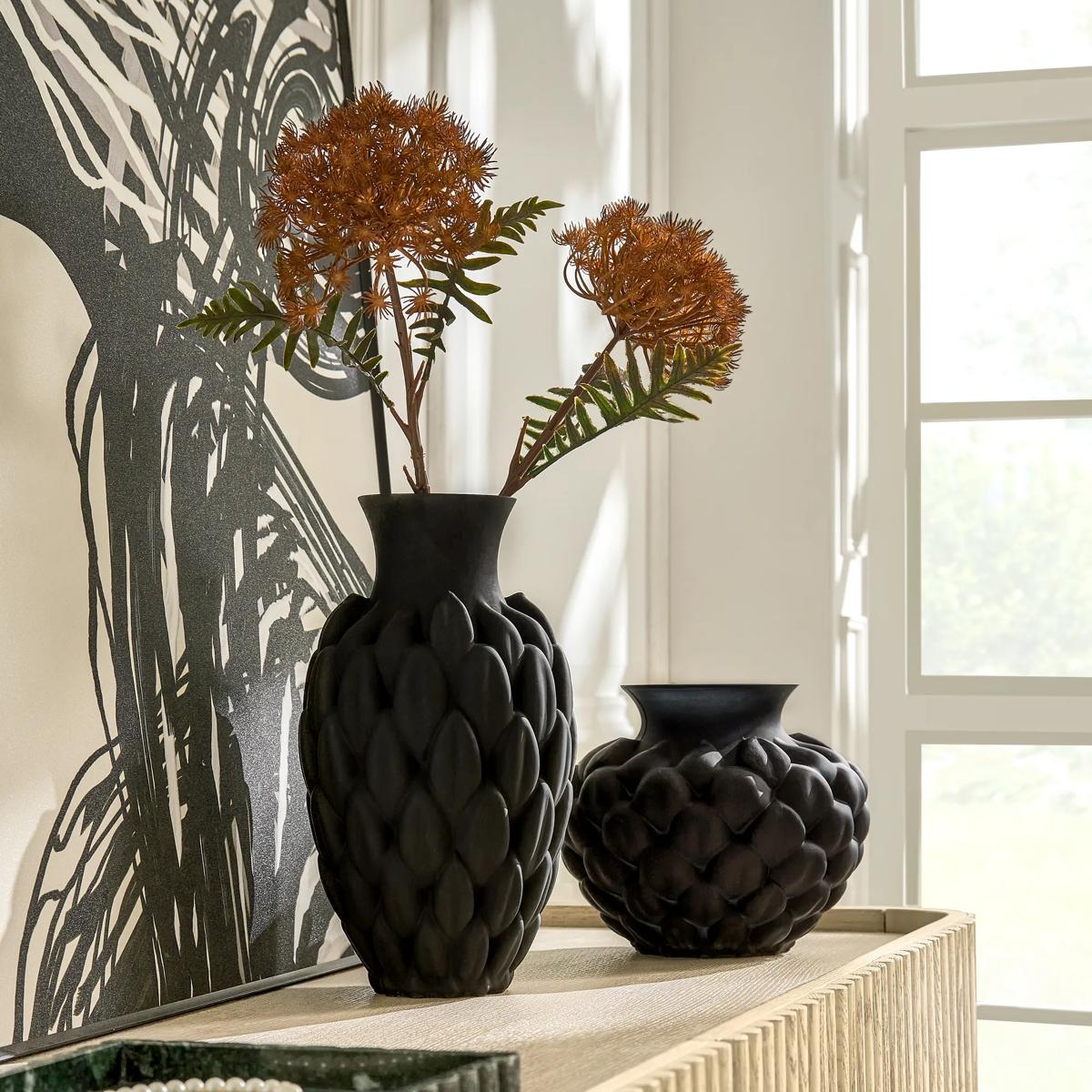 Sabine Glass Vase$79
A sculptural matte black glass vase featuring a dimensional, petal-inspired texture for bold, modern appeal.
Add To Cart -
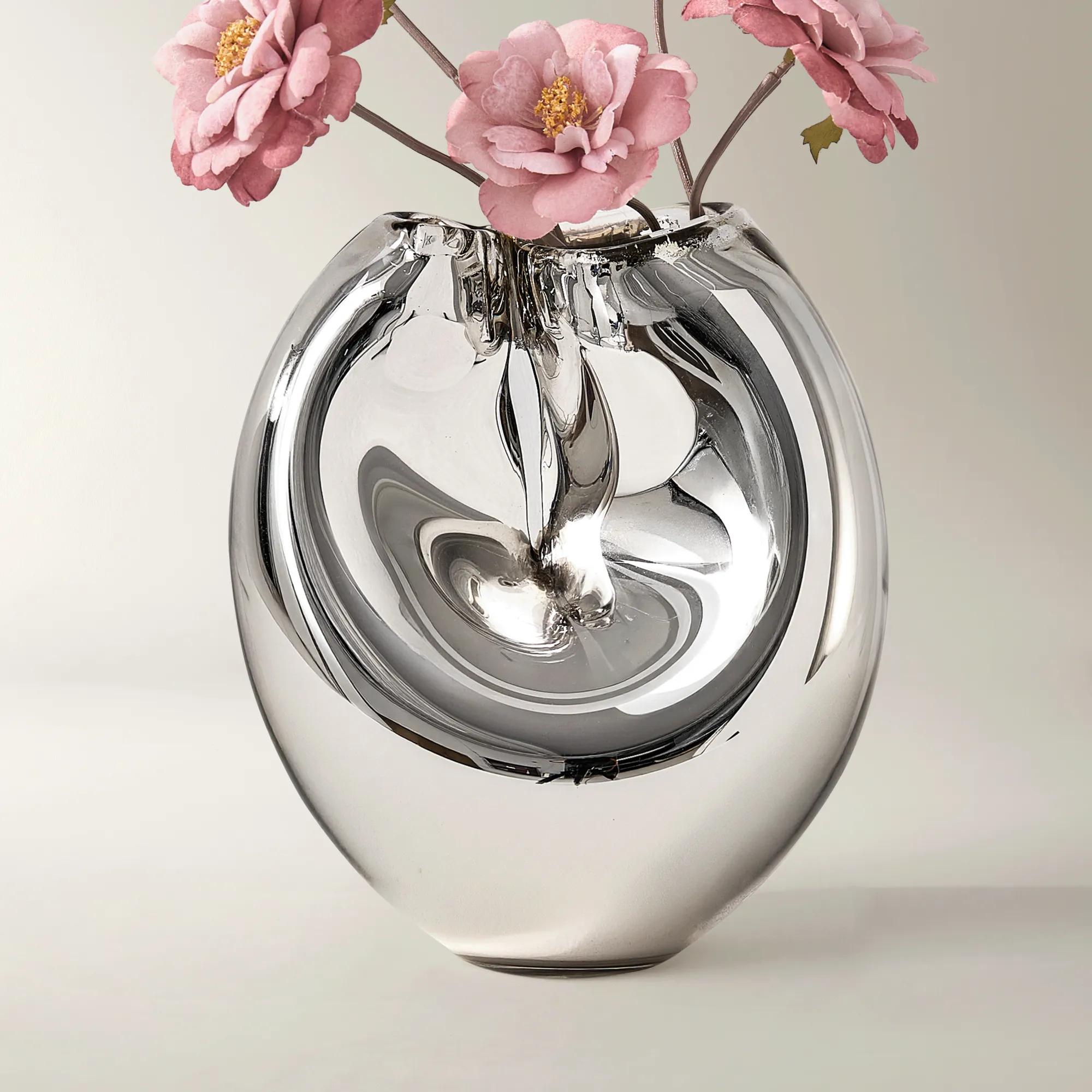 Ono Mouth Blown Mirrored Silver Glass Vase 7.75"$79
A handblown glass vase with a mirrored finish and organic silhouette for modern, artful display.
Add To Cart -
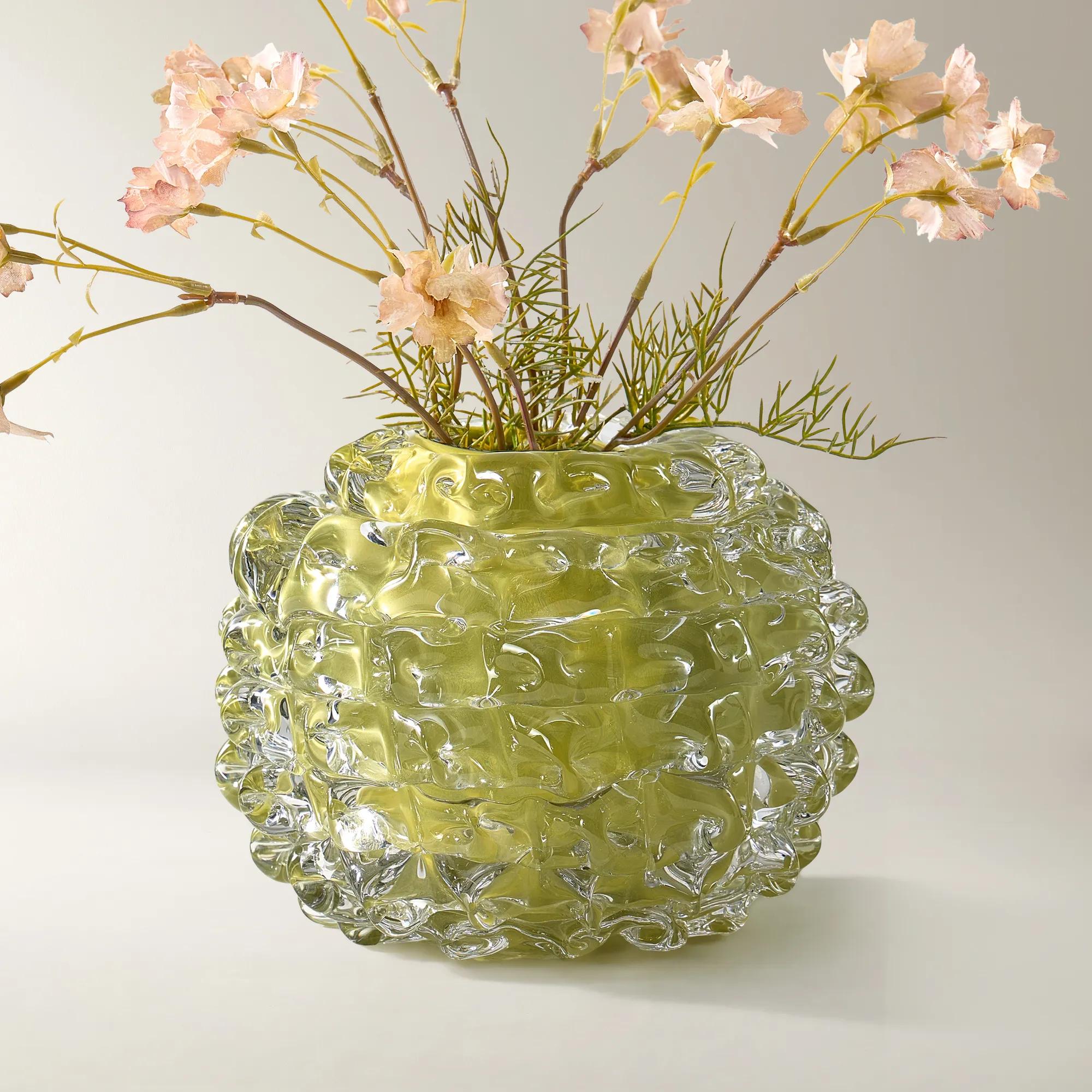 Citron Ice Glass Vase$169
A citron-hued glass vase adding vibrant, translucent color to modern décor.
Add To Cart -
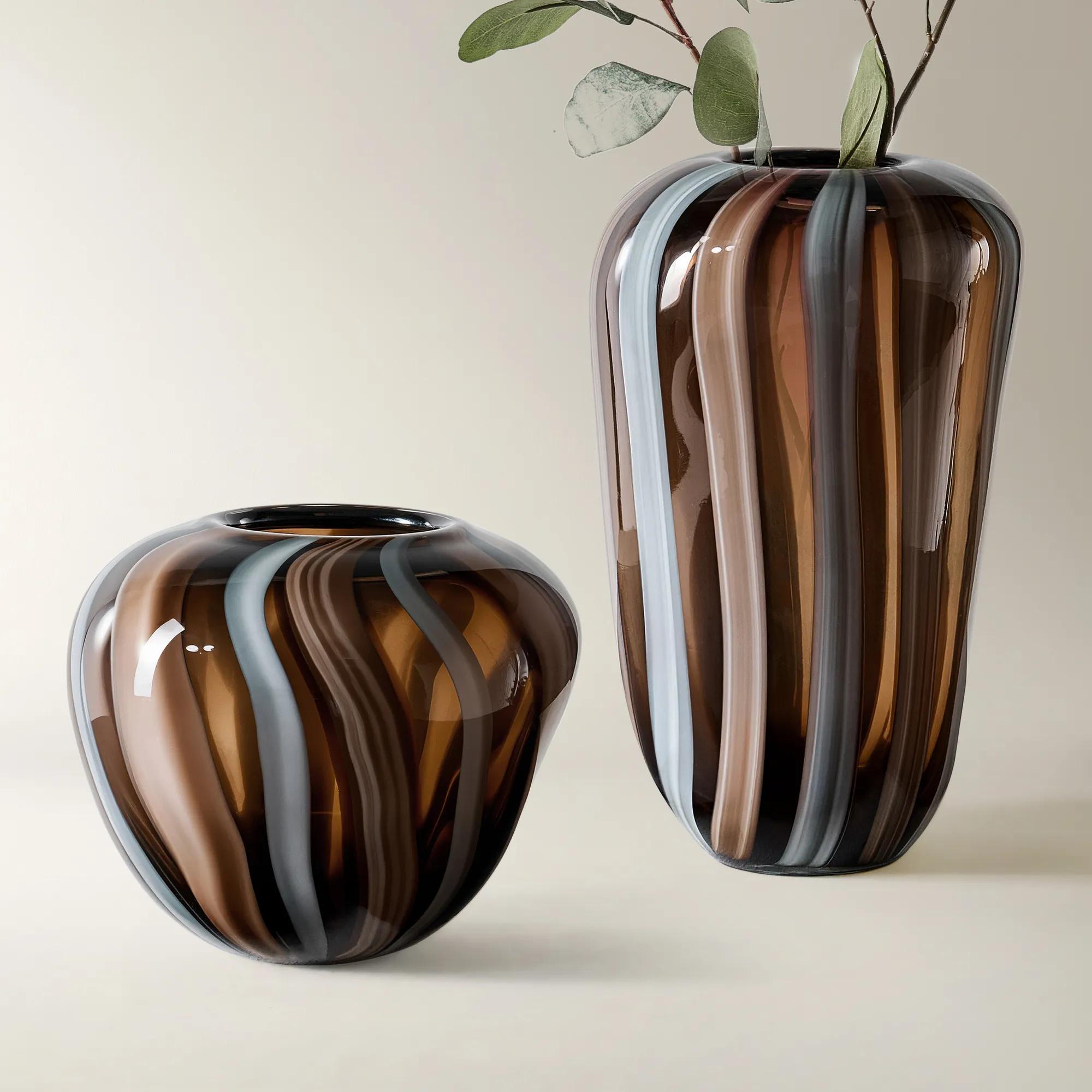
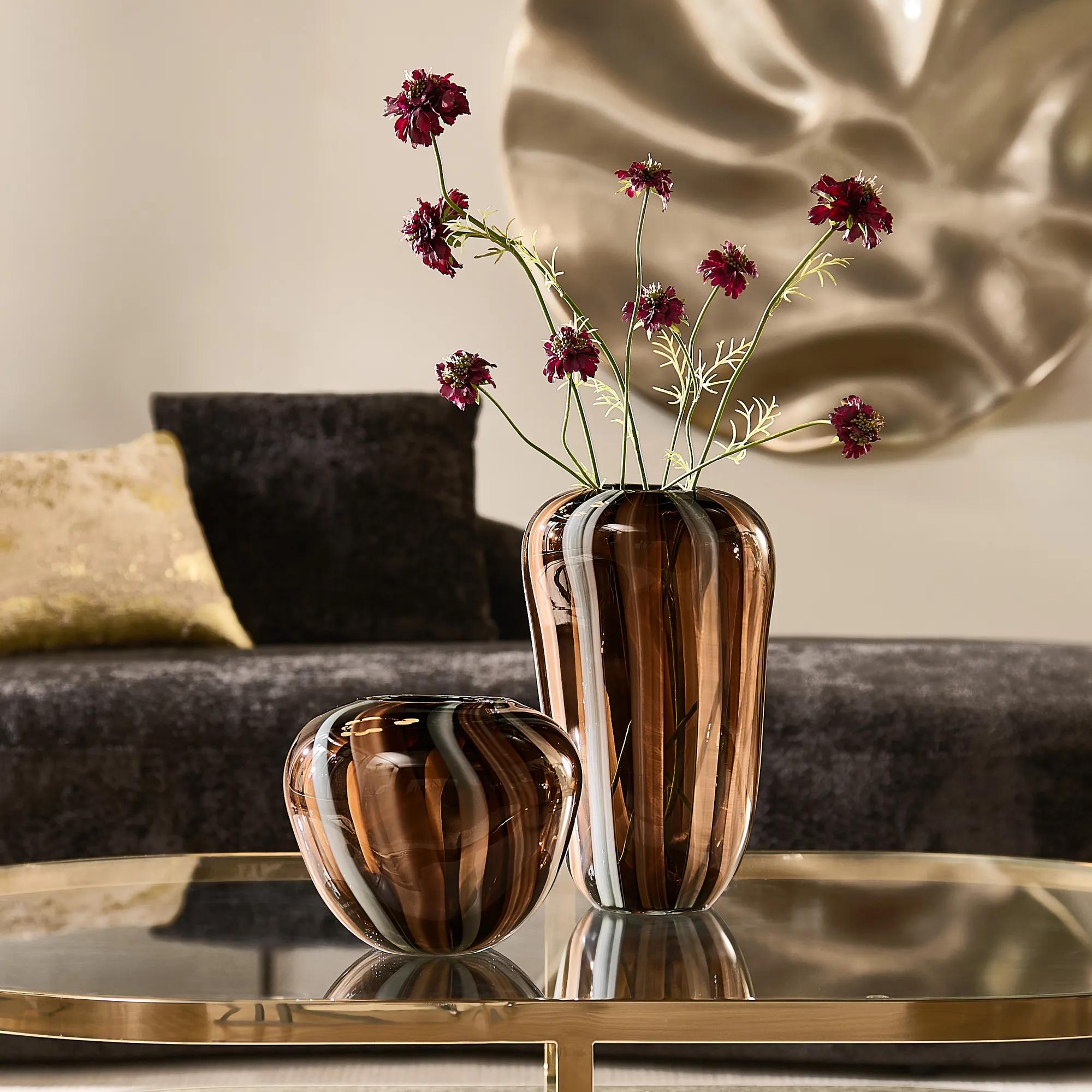 Billow Mouth Blown Brown Striped Glass Vases$89
A sculptural glass vase adding modern elegance to any décor.
Add To Cart -

 Anora Glass Vase - Amber$99
An amber glass vase adding sculptural warmth to modern décor.
Add To Cart -

 Pierre Glass Vase - Charcoal$129
A charcoal glass vase offering sleek, modern decorative appeal.
Add To Cart -

 Adaline Glass Vase - Charcoal$79
A sculptural charcoal glass vase adding modern elegance to any space.
Add To Cart -
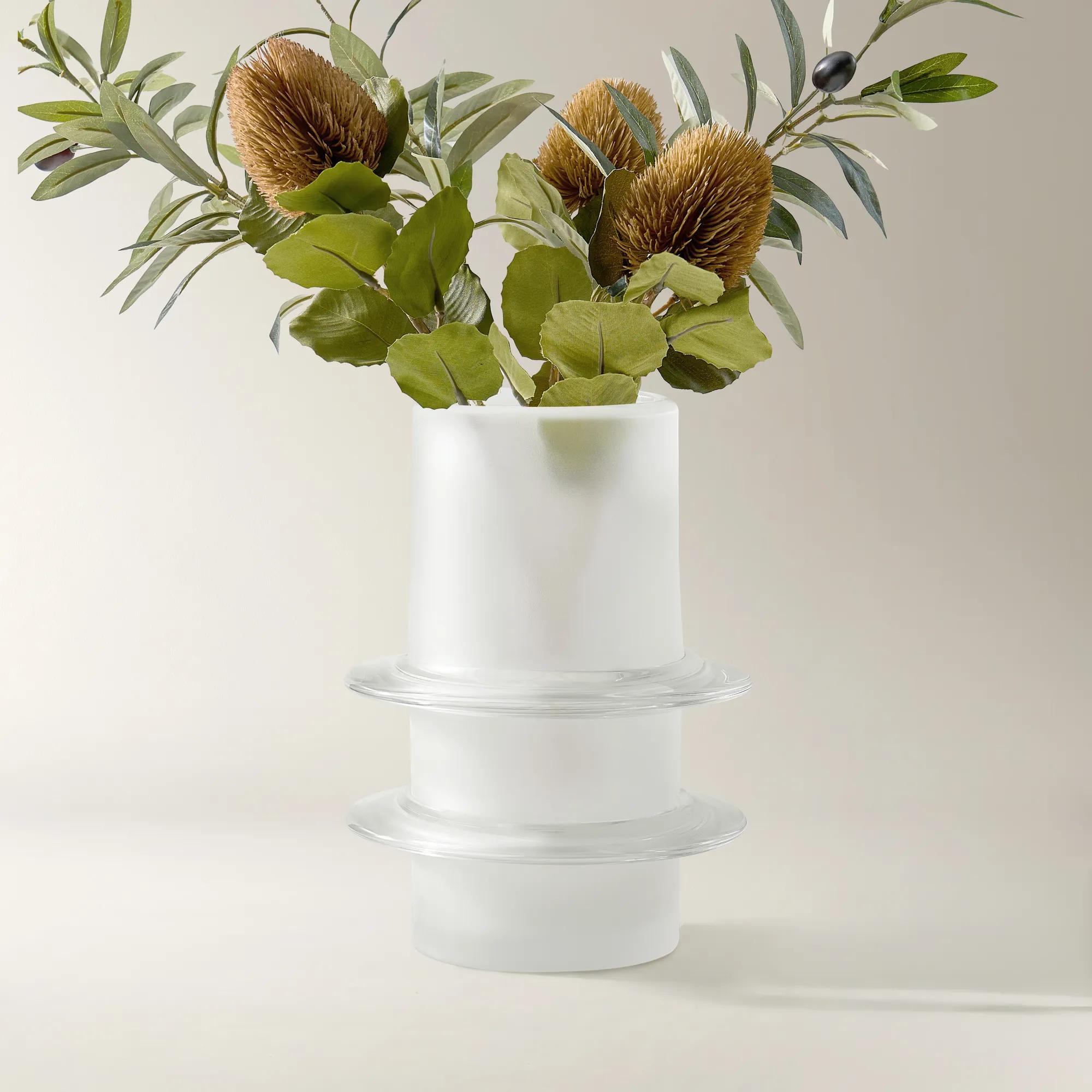
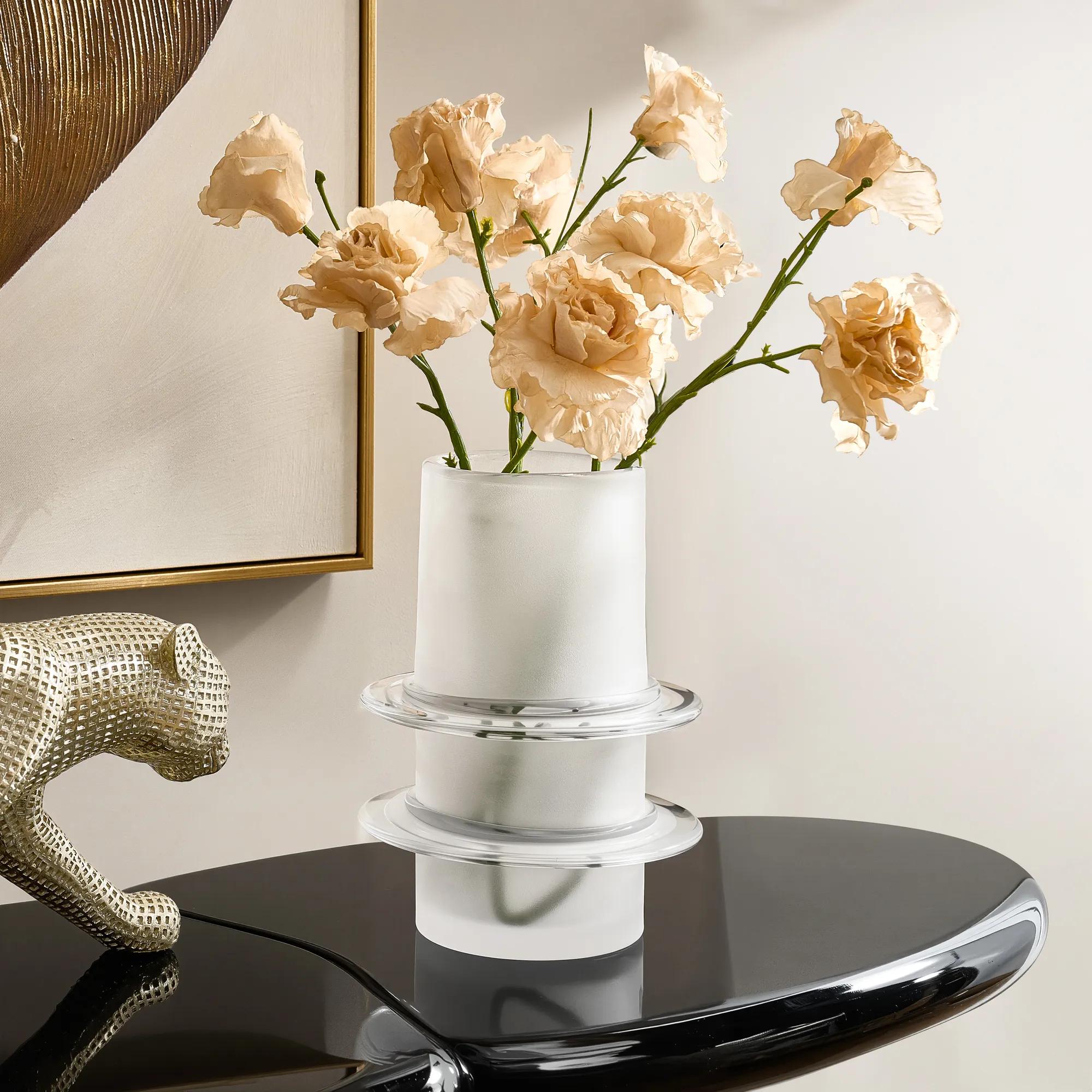 Pierre Glass Vase - Frosted White$99
A frosted white glass vase adding modern elegance to any décor.
Add To Cart -
 Melt Glass Vase - Amethyst$99
An amethyst glass vase featuring a fluid, sculptural silhouette.
Add To Cart -
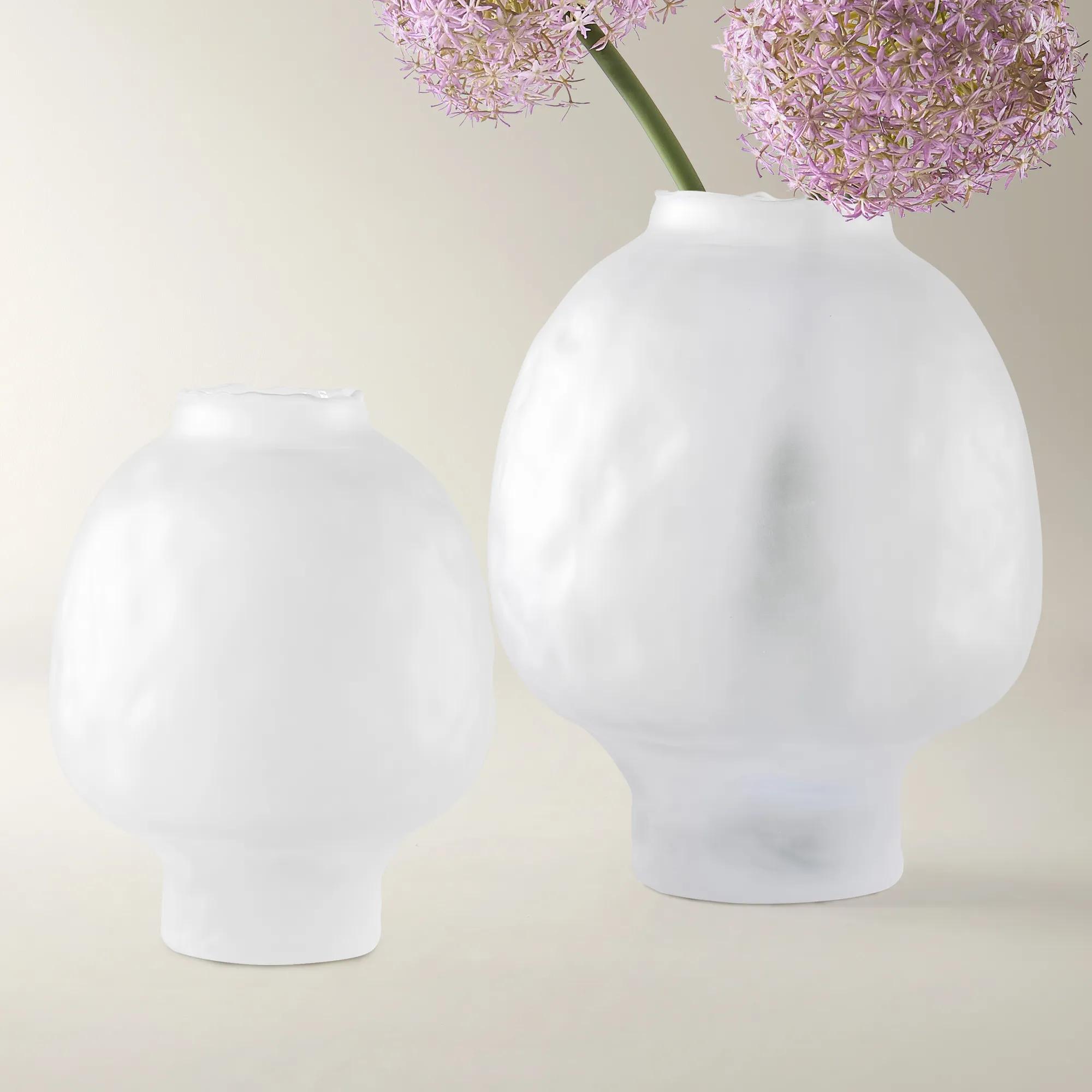
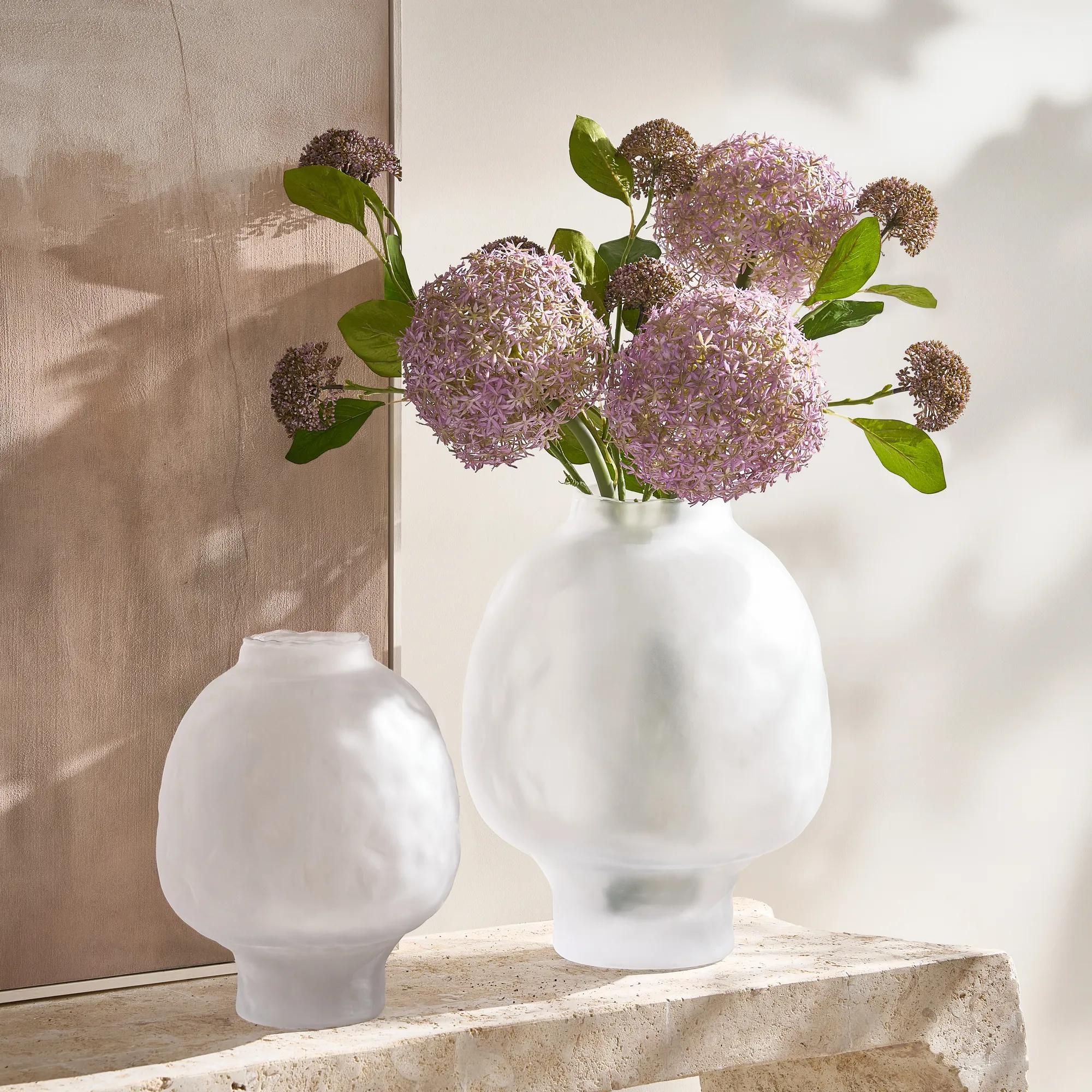 Frost Glass Vase$149
A frosted glass vase adding contemporary elegance to decorative arrangements.
Add To Cart -
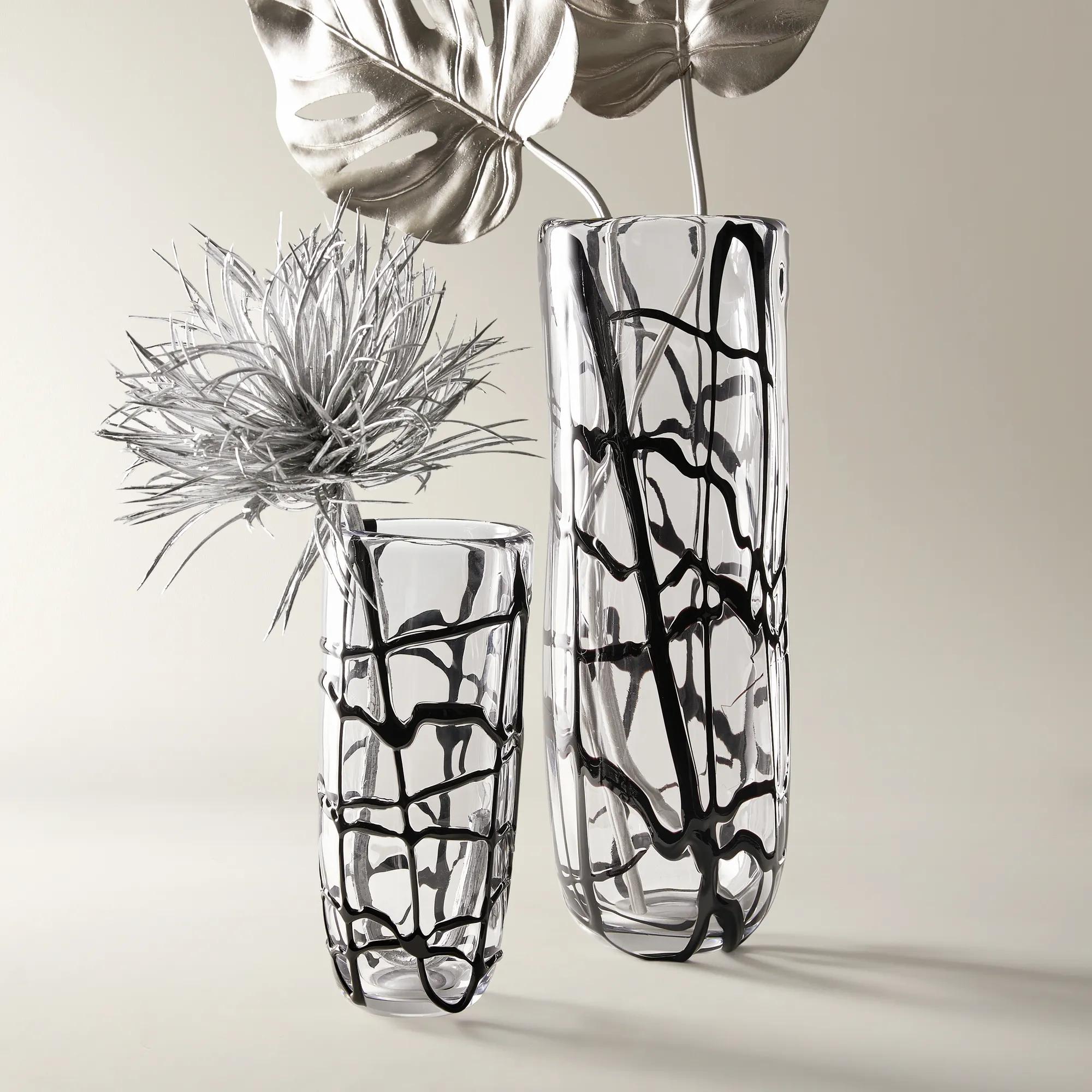 Torino Glass Vase$89
A hand-blown glass vase featuring a dramatic black design and a sleek cylindrical silhouette.
Add To Cart -
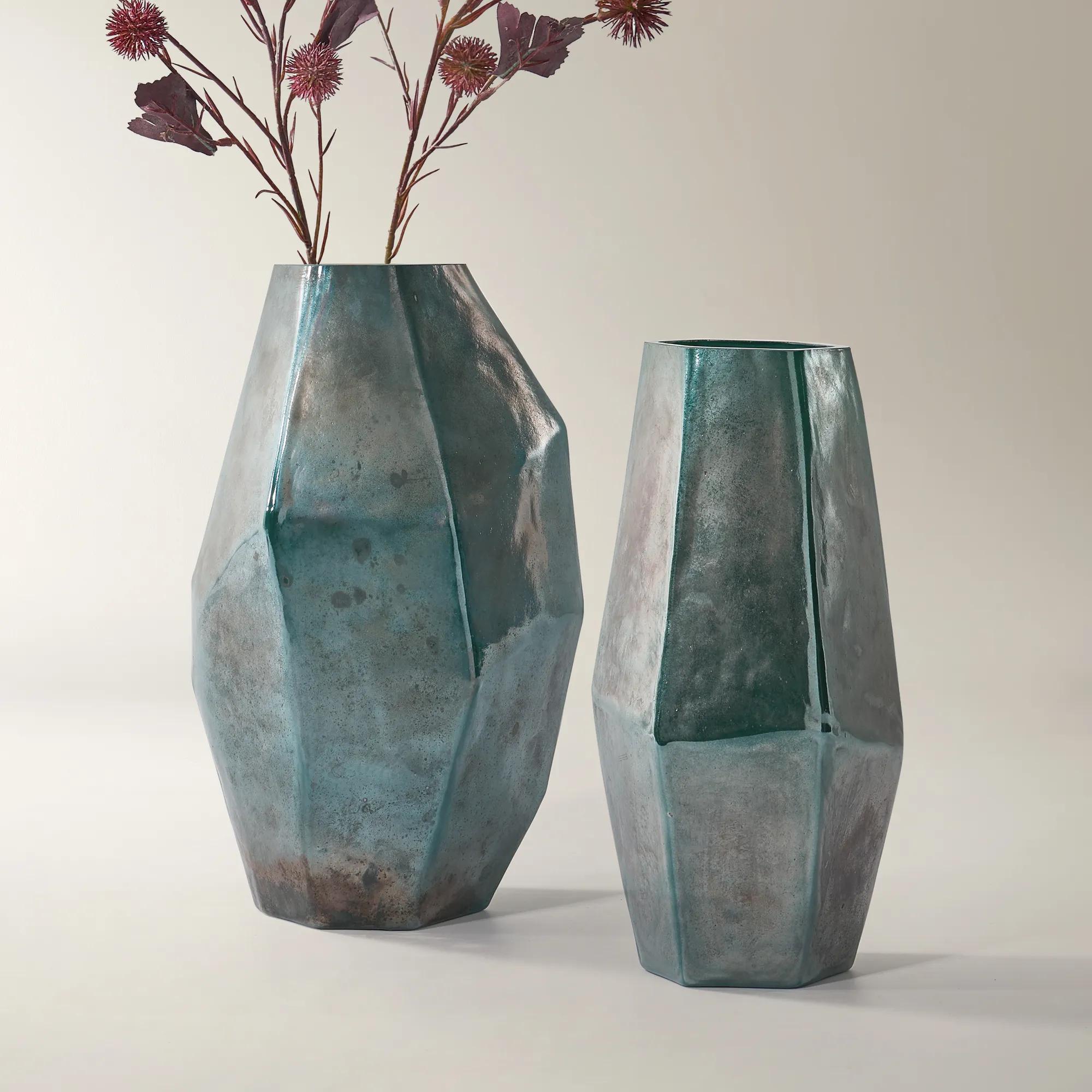
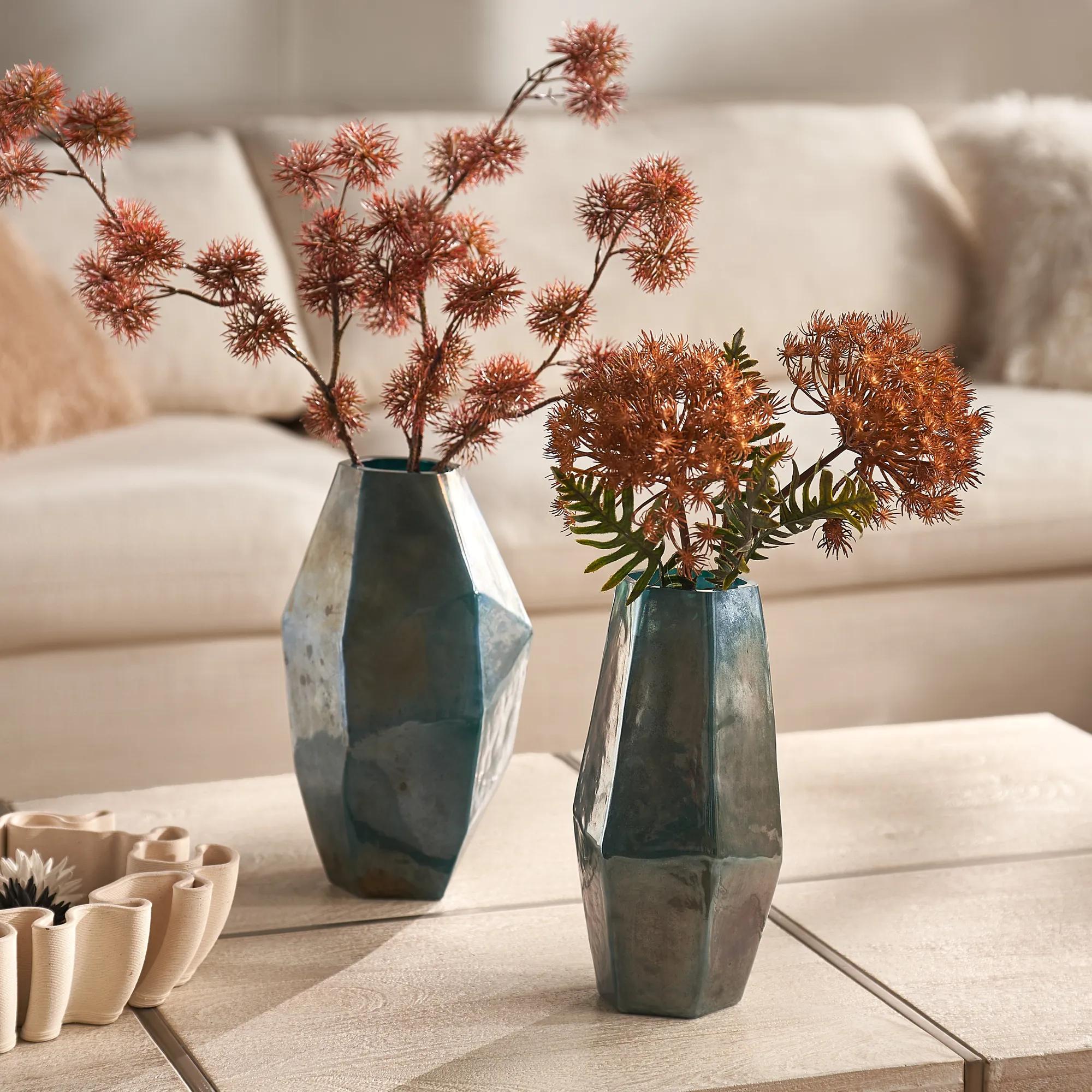 Sienna Vase$89
A sculptural hand-blown glass vase with a prismatic green finish and striking geometric silhouette.
Add To Cart -
 Surel Mouth Blown Antique Mauve Glass Vase 6.75"$119
A handblown glass vase in antique mauve with playful bauble accents and luminous depth.
Add To Cart -
 Lucca Crystal Vase - Mirrored Amber$129
A geometric mirrored crystal glass vase in warm amber, reflecting light for a sculptural, modern statement.
Add To Cart -
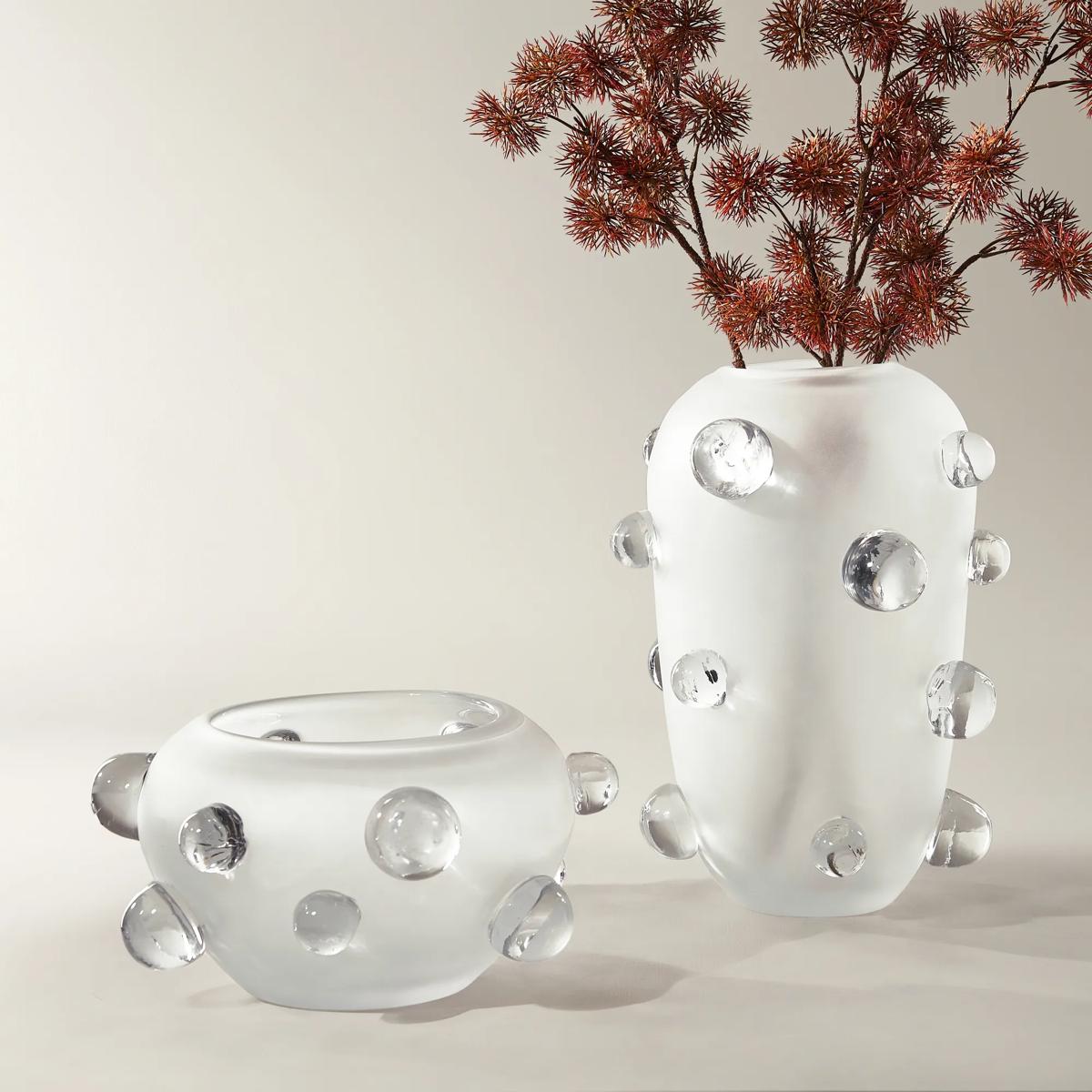 Cielo Clear Handblown Glass Vases$119
A hand-blown clear glass vase adorned with spherical orbs for a whimsical, modern decorative accent.
Add To Cart -

 Sesena Glass Vase$99
A hand-blown glass vase featuring sculptural curves and a warm amber hue for modern appeal.
Add To Cart


Small Decorative Glass Vases
Small Decorative Glass Vases invite a world of artistry into your home, transforming every surface into a stage for self-expression. These luminous vessels capture and reflect light, adding an irresistible touch of glamour to mantels, consoles, and intimate tablescapes. Whether clustered for dramatic impact or showcased solo as a sculptural accent, each vase becomes a curated detail that elevates the everyday. Let your décor tell a story of refined elegance and creative flair with small decorative glass vases that enchant from every angle.
Small decorative glass vases are compact accent vessels that bring color, reflection, and sculptural form to shelves, tables, and intimate displays. Some hold a few fresh stems; others make their strongest impression as decorative objects, with expressive silhouettes that need no arrangement at all. Their appeal lies in the contrast between a modest footprint and a distinct visual presence: a rounded body catches the light, a slender neck frames a single bloom, and a rippled surface turns an ordinary shelf into a more considered composition. Clear glass keeps stems visible and allows surrounding colors to remain part of the display. Smoked glass introduces depth without the visual weight of an opaque vessel, while amber, green, and graduated color lend richness to neutral furnishings. Ribbed and fluted glass creates a rhythmic play of highlights and shadows; faceted surfaces feel more jewel-like, especially beside polished metal or a mirrored tray. Smooth, curved forms offer a softer counterpoint to angular furniture, while an asymmetric rim or sculptural neck gives a compact arrangement an artistic edge. These differences matter even when a vase is empty. On a bookcase, transparent glass lets the objects behind it remain visible, making a layered display feel less crowded. Against a dark wall, a pale or clear vessel can catch available light; against a light wall, a saturated hue creates a more defined outline. A single small vase can punctuate a stack of art books, while several related shapes can establish a flowing composition across a console. Matching finishes create cohesion, but identical shapes are not essential. A shared color, repeated curve, or similar surface texture can connect pieces of different heights. The result can feel collected and expressive rather than rigidly coordinated, with enough variation to reward a closer look. Glass brings a particular kind of drama to these arrangements: it responds to its surroundings, revealing different reflections as the viewing angle changes.
Scale determines how comfortably a decorative vase belongs in a room. Height alone does not tell the whole story; the widest point of the body, the diameter of the base, and the size of the opening all affect its presence and usefulness. A low, rounded vessel may occupy more tabletop space than a taller bottle-shaped vase, while a narrow neck naturally gathers a few slender stems. A broader opening accommodates a fuller arrangement but may need more stems to keep flowers from falling outward. The appeal of small glass flower vases is especially evident on a dining table, where a low composition can add detail without interrupting conversation across the setting. Several restrained arrangements spaced along the table offer a different effect from one central bouquet, allowing each flower and glass silhouette to register individually. On a bedside table, a compact vase leaves room for a lamp, a book, and everyday essentials. On an entry console, a curved vessel beside a substantial decorative object can soften the grouping without competing for attention. Placement also changes how color behaves: a transparent tinted vase looks different against dark wood than it does against pale stone. Nearby upholstery, artwork, and metallic finishes can supply a color connection without requiring an exact match. For fresh flowers, the proportions of the stems should complement the vessel rather than overwhelm it, particularly when blooms are heavy or branch outward. A single open rose, a few delicate spray stems, or a compact cluster of flowers can each create a distinct mood. Dried botanicals offer another approach, provided the arrangement remains balanced and the vessel is kept away from places where it could be knocked over. These compact accents also make thoughtful housewarming, wedding, anniversary, or host gifts, especially for someone who enjoys flowers but has limited display space. An expressive shape or subtle tint gives the recipient room to interpret the piece within an existing interior.
Material, construction, and care distinguish a lasting decorative accent from one chosen for appearance alone. Glass can be transparent, colored throughout, coated, etched, or finished with surface decoration, and each treatment may require different handling. Mouth-blown glass may show slight variations in shape, small bubbles, or other individual characteristics associated with its making; more uniform forms can provide a precise, architectural effect. Recycled glass may also have variations in tone or texture, depending on how it is produced. None of these qualities alone establishes whether a vase is suitable for water. Fresh arrangements call for a vessel identified as watertight, since a decorative finish or an unusual construction does not necessarily indicate functional flower use. For narrow-necked designs, access to the interior is another practical consideration: an elegant opening should still suit the intended stems and allow appropriate cleaning. Glass is rigid but vulnerable to chips, scratches, and breakage, even when it feels substantial. A level base and a proportionate arrangement help with stability, while placement away from busy edges reduces accidental contact. Thick walls can create a weightier impression, but they do not make a vase unbreakable. Care is best guided by the individual finish and any supplied instructions. Gentle handwashing with mild soap and lukewarm water is often appropriate for plain glass when permitted; decorated, metallic, or coated surfaces may require more limited cleaning. Abrasive pads and sudden temperature changes can damage glass or its finish, and dishwasher suitability should never be assumed. For fresh flowers, regularly refreshed water and a clean interior help keep the display inviting and reduce visible residue. A soft, lint-free cloth restores clarity to the exterior, allowing the surface detail to remain the focus. Where a vase meets a delicate tabletop, a suitable protective layer can help prevent marks and contain incidental moisture. With thoughtful proportions and appropriate care, a small glass vessel becomes more than a finishing touch: it gives a favorite corner a distinctive point of expression.
FAQs
Small decorative glass vases are remarkably versatile and can be styled to suit any room. In the living room, cluster several vases of varying shapes and colors on a coffee table for an artful, curated effect. In the bedroom, a single vase with a fresh bloom on a nightstand adds a touch of luxury and tranquility. For dining spaces, line a few vases down the center of the table, each with a different seasonal stem, to create a dynamic and welcoming centerpiece. Their ability to reflect and refract light makes them especially striking on windowsills or mirrored surfaces.
Small decorative glass vases are perfect for showcasing delicate single stems, petite bouquets, or even unexpected elements like dried grasses and sculptural branches. Consider using ranunculus, anemones, or tulips for a romantic touch, or opt for greenery like eucalyptus or fern fronds for a modern, organic vibe. In winter, bare branches or evergreens can create a striking, minimalist arrangement. The key is to let the vase and the botanical element work in harmony, highlighting both the vessel’s artistry and the natural beauty of the stem.
Absolutely. Small decorative glass vases make thoughtful, elegant gifts for a variety of occasions—housewarmings, birthdays, anniversaries, or as a gesture of appreciation. Their timeless appeal and versatility ensure they suit any décor style, and they offer endless opportunities for creative expression. Pairing a vase with a fresh bloom or a handwritten note adds a personal touch that transforms a simple gift into a cherished keepsake.
As the seasons change, small decorative glass vases provide a simple yet impactful way to update your décor. In February, fill them with early spring blooms or fragrant hyacinths to invite a sense of renewal indoors. As the year progresses, swap in wildflowers, autumn foliage, or festive berries. Their compact size makes it easy to experiment with new colors, textures, and arrangements, allowing your home to reflect the beauty of each season.
Small decorative glass vases can be used in imaginative ways beyond holding flowers. Try filling them with decorative stones, colored water, or fairy lights for a magical glow. Use them to display found objects like feathers, shells, or even rolled-up love notes for a whimsical touch. Arranged on a tray with candles and other objets d’art, they become part of a larger, layered vignette that captures your unique style and personality.