Large Decorative Glass Vases
Large Decorative Glass Vases
-
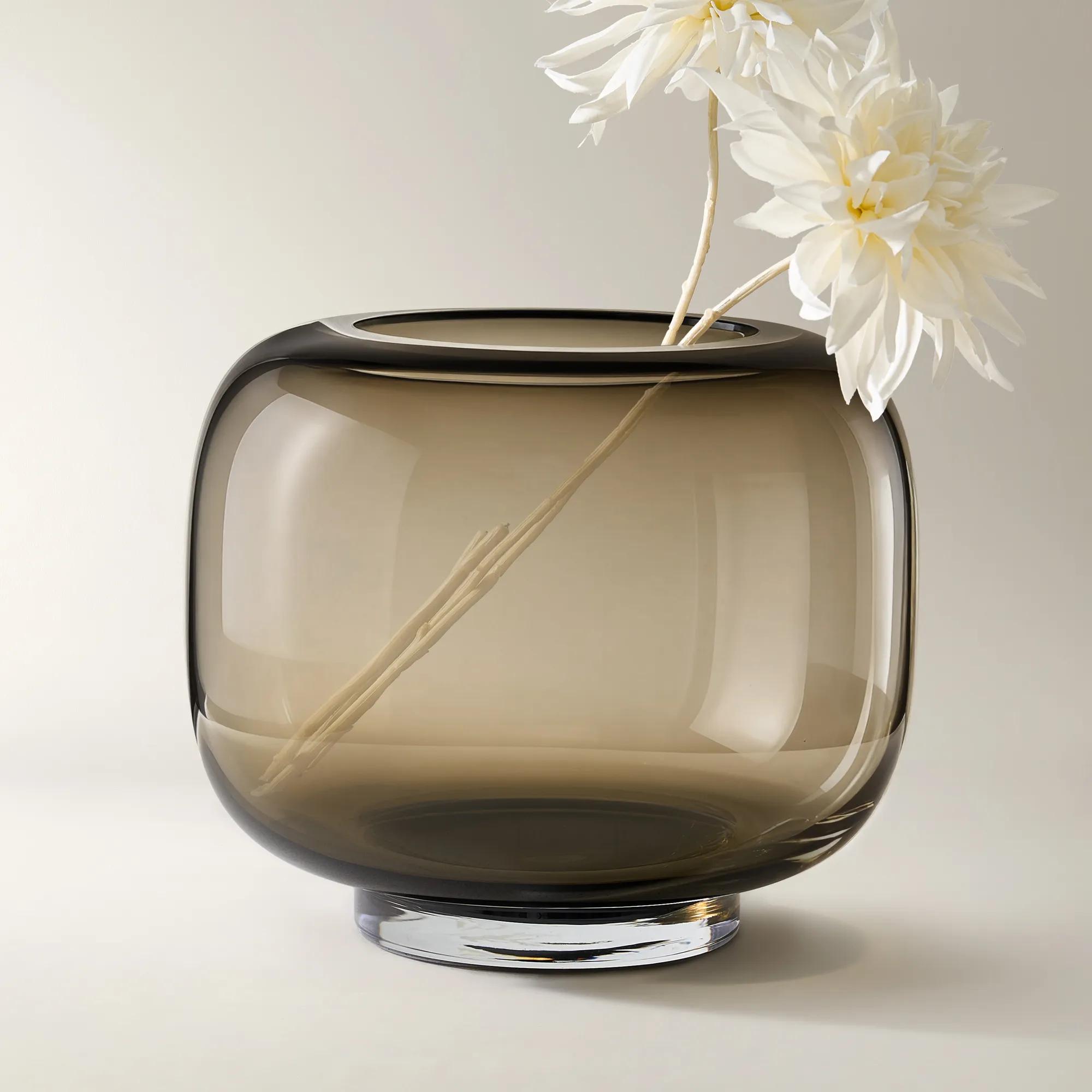 Mateo Smoke Handblown Glass Vase 9.75"$89
A smoke-toned handblown glass vase adding sculptural elegance to modern interiors.
Add To Cart -
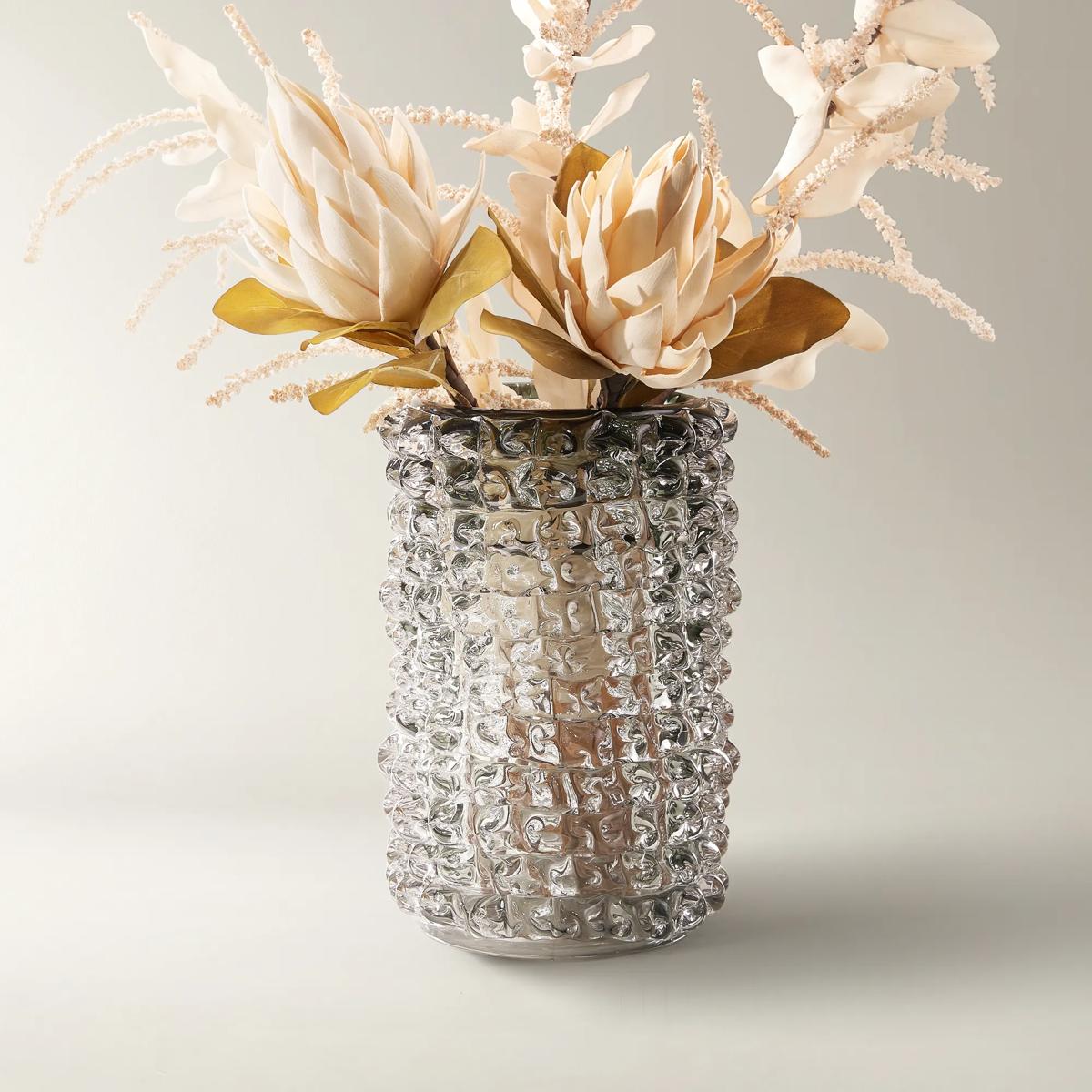
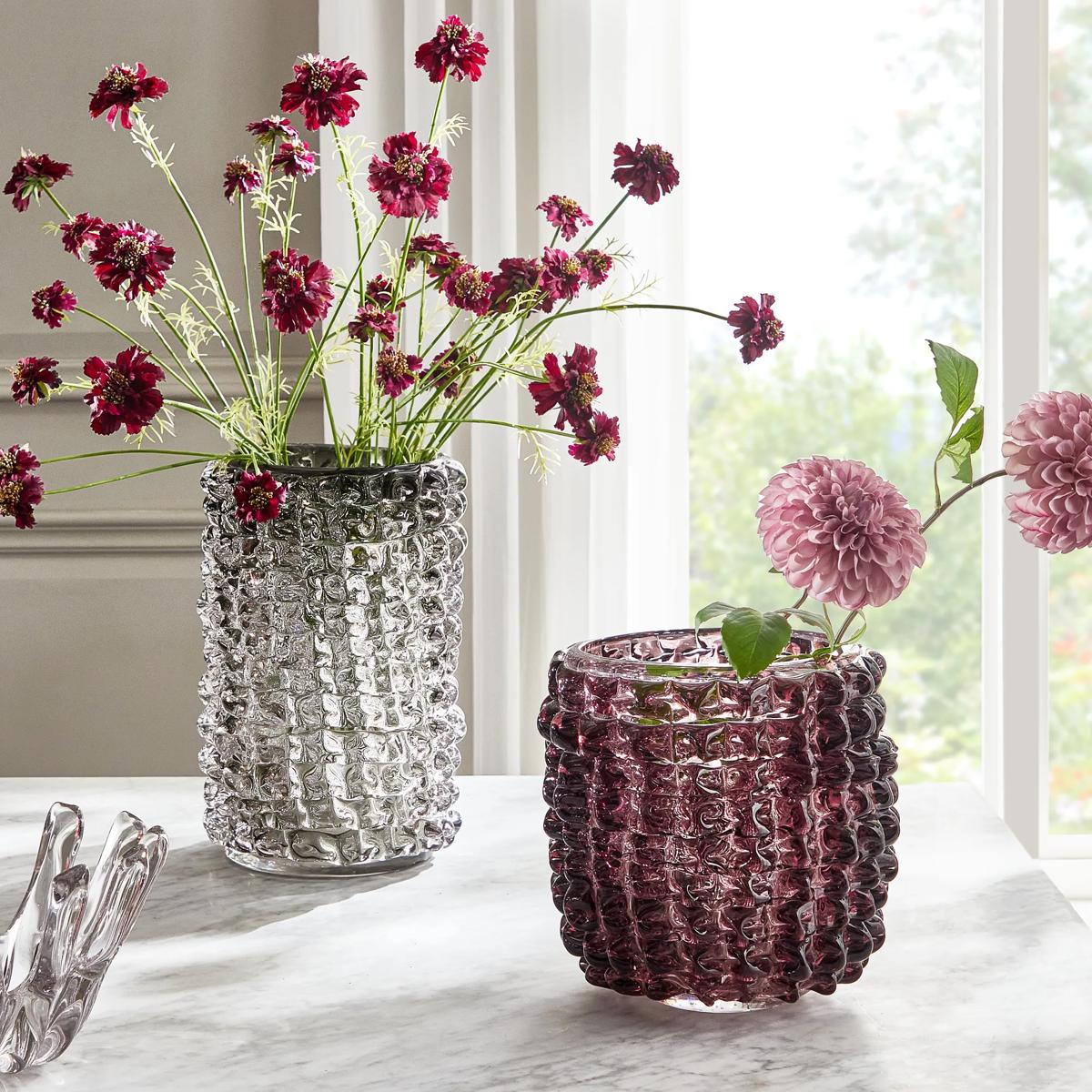 Laurel Glass Vase - Large Graphite$399
A hand-blown glass vase in smoky graphite with a bubbled, light-catching organic texture.
Add To Cart -
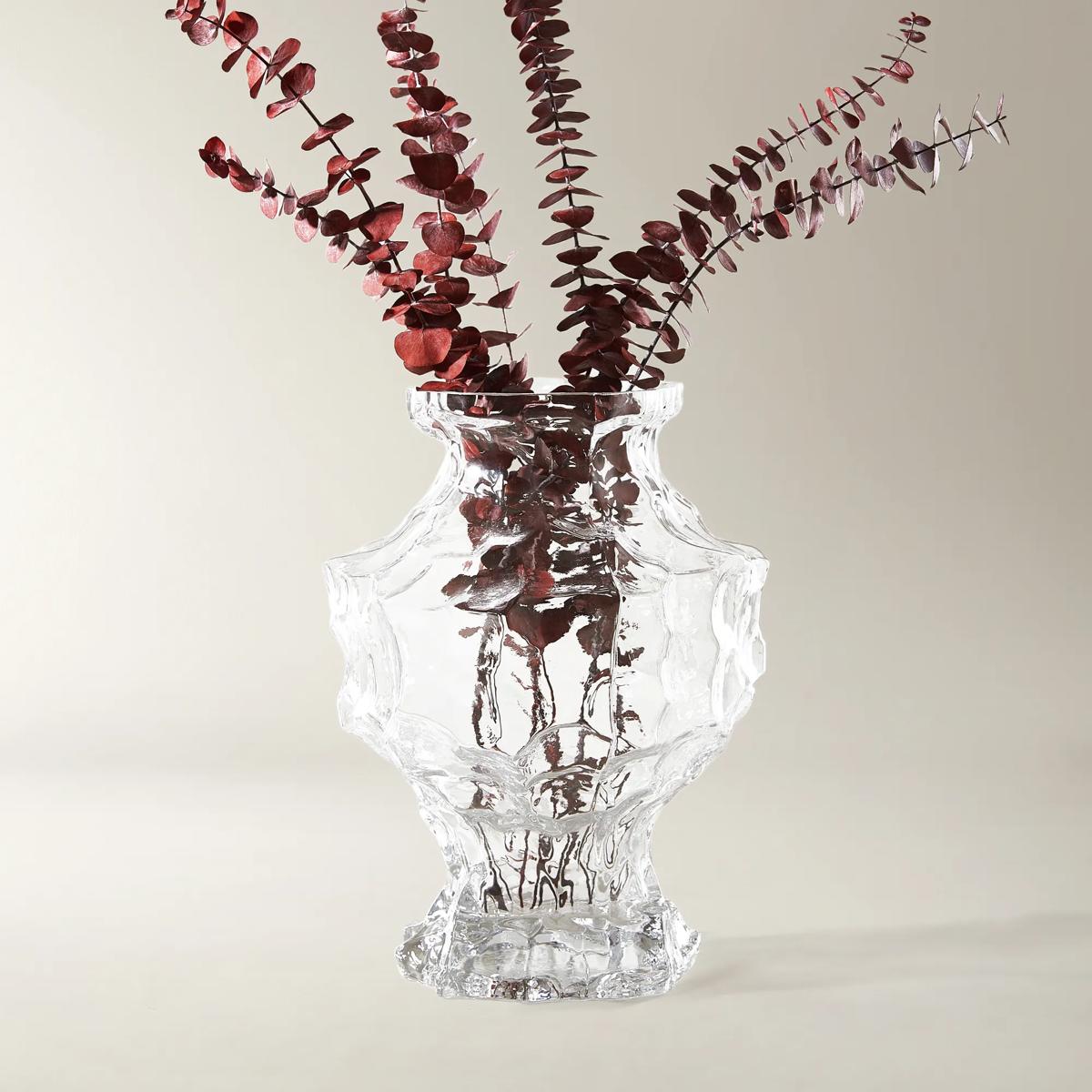
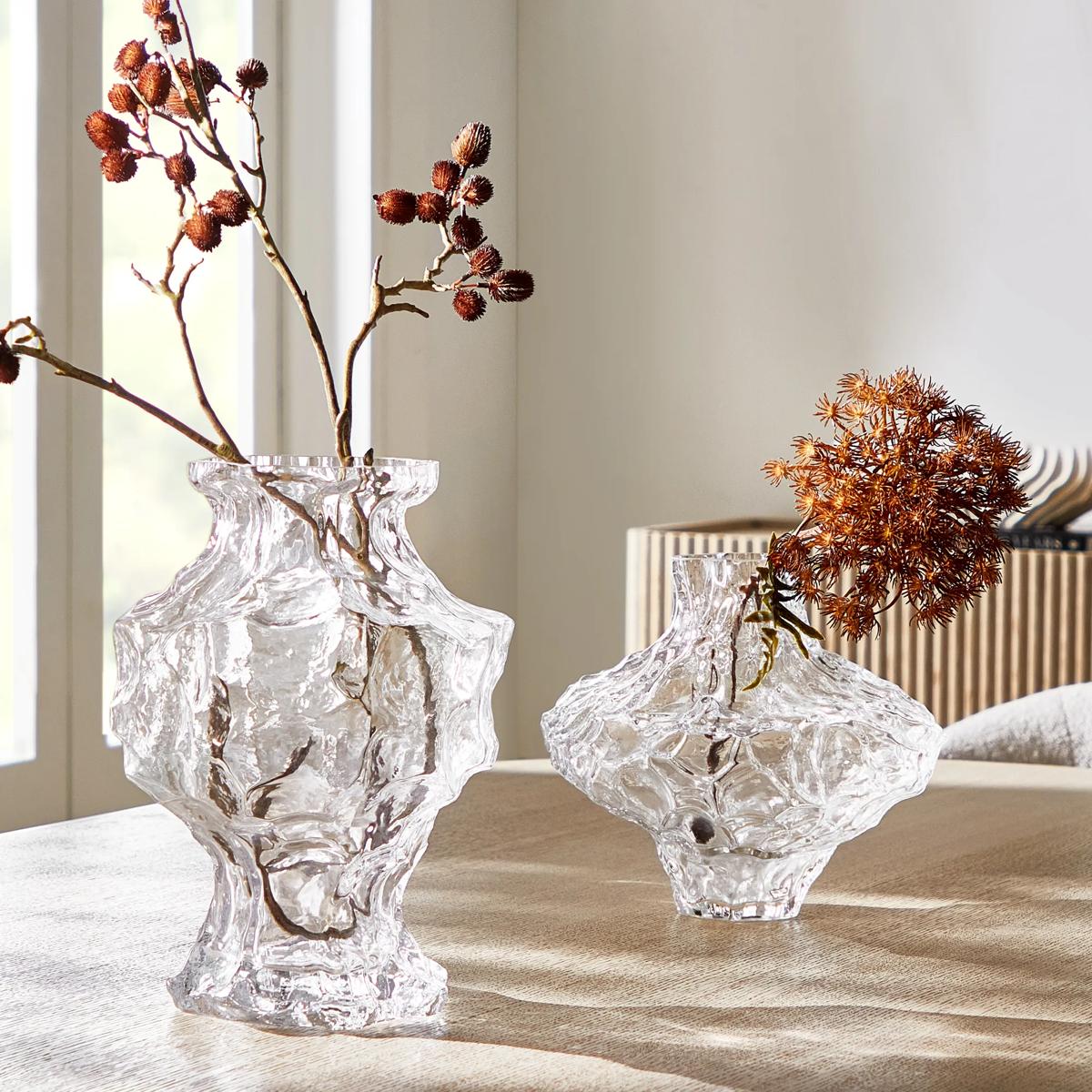 Mari Glass Vase$99
A hand-blown clear glass vase featuring rippling texture and modern, elegant curves.
Add To Cart -
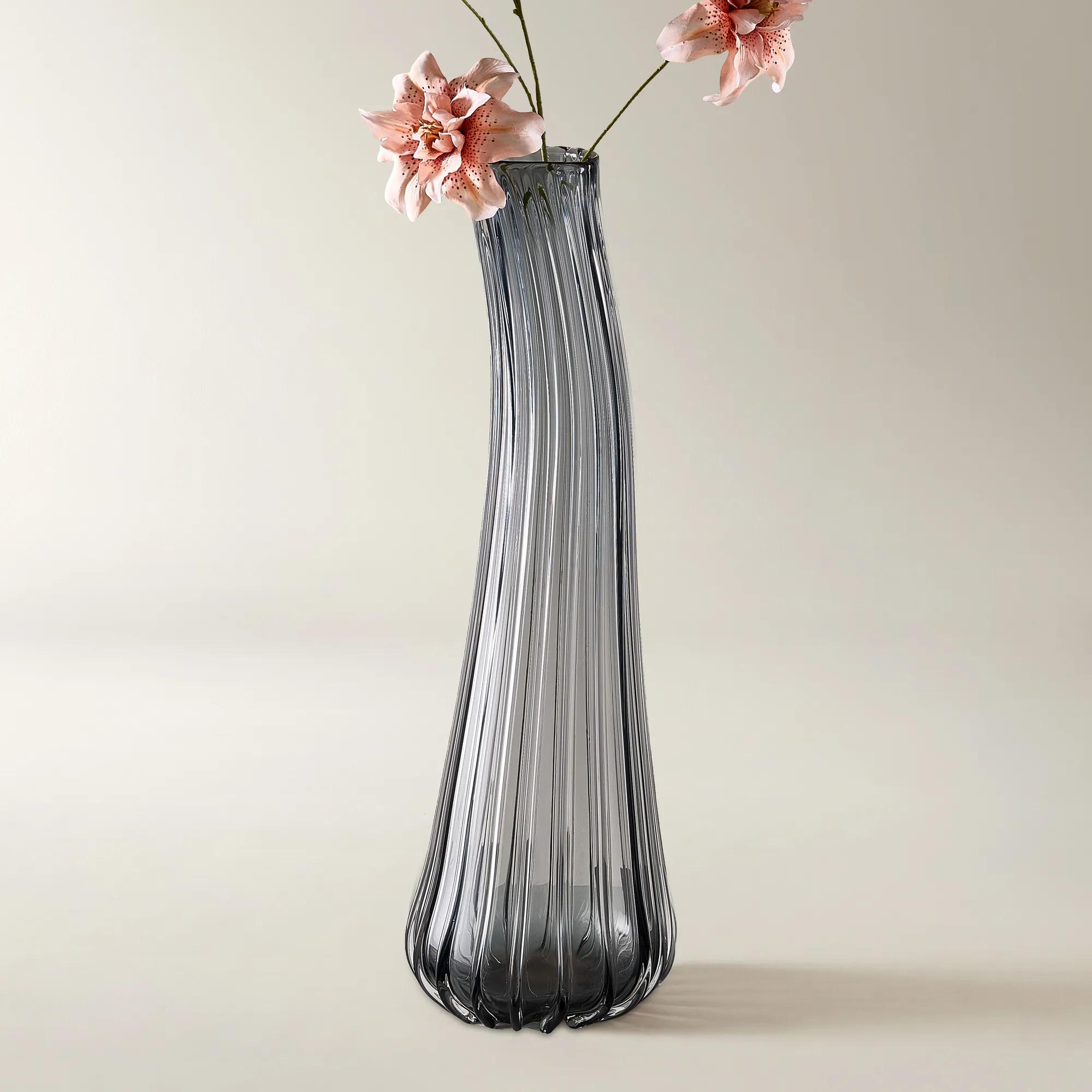 Tango Mouth Blown Smoked Pearl Vase 29"$199
A handblown glass vase in a smoked pearl finish with a textured surface for sculptural elegance.
Add To Cart -
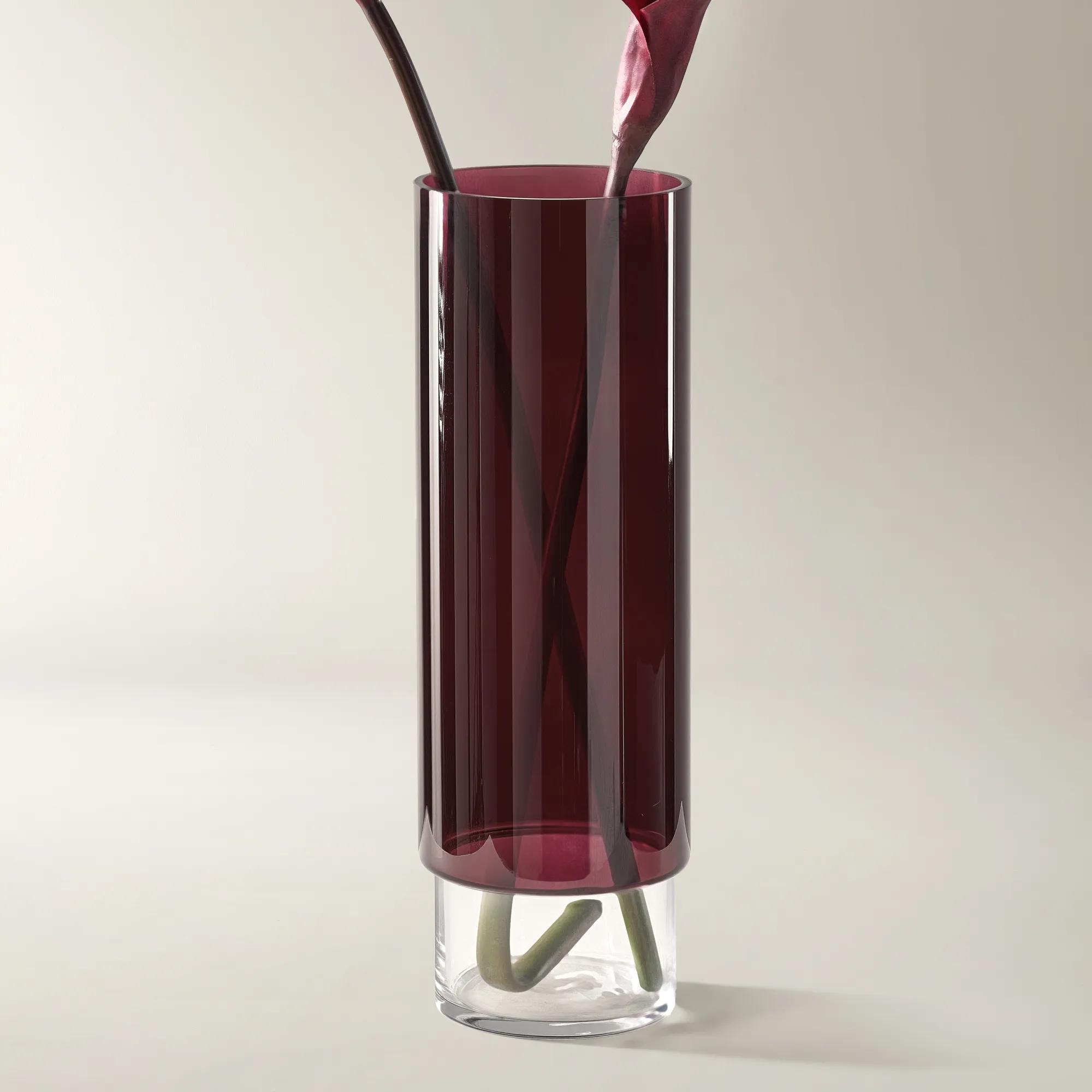 Bennet Mouth Blown Burgundy Glass Vase 19.5"$99
A handblown glass vase in rich burgundy with a sculptural Deco-inspired column silhouette.
Add To Cart -
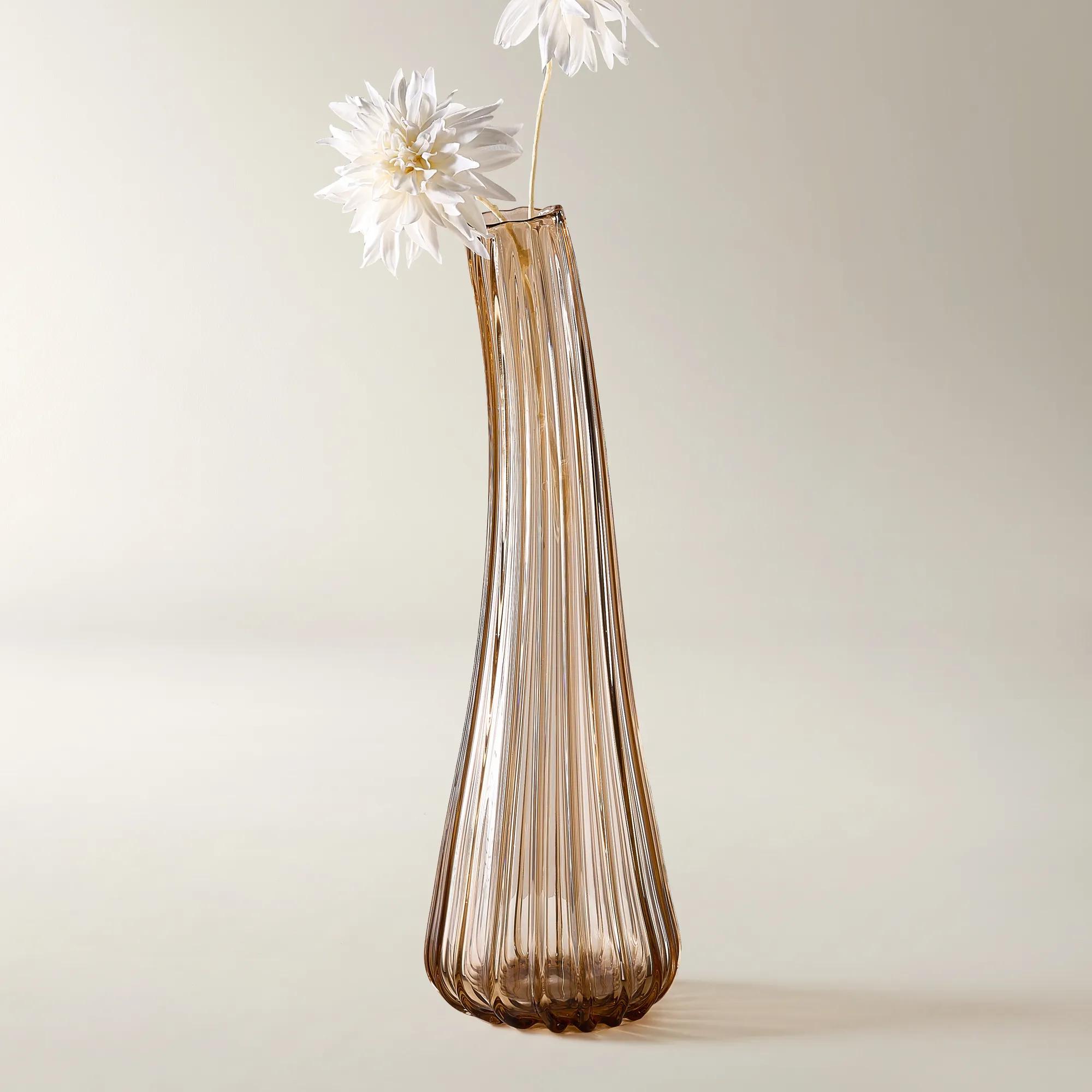
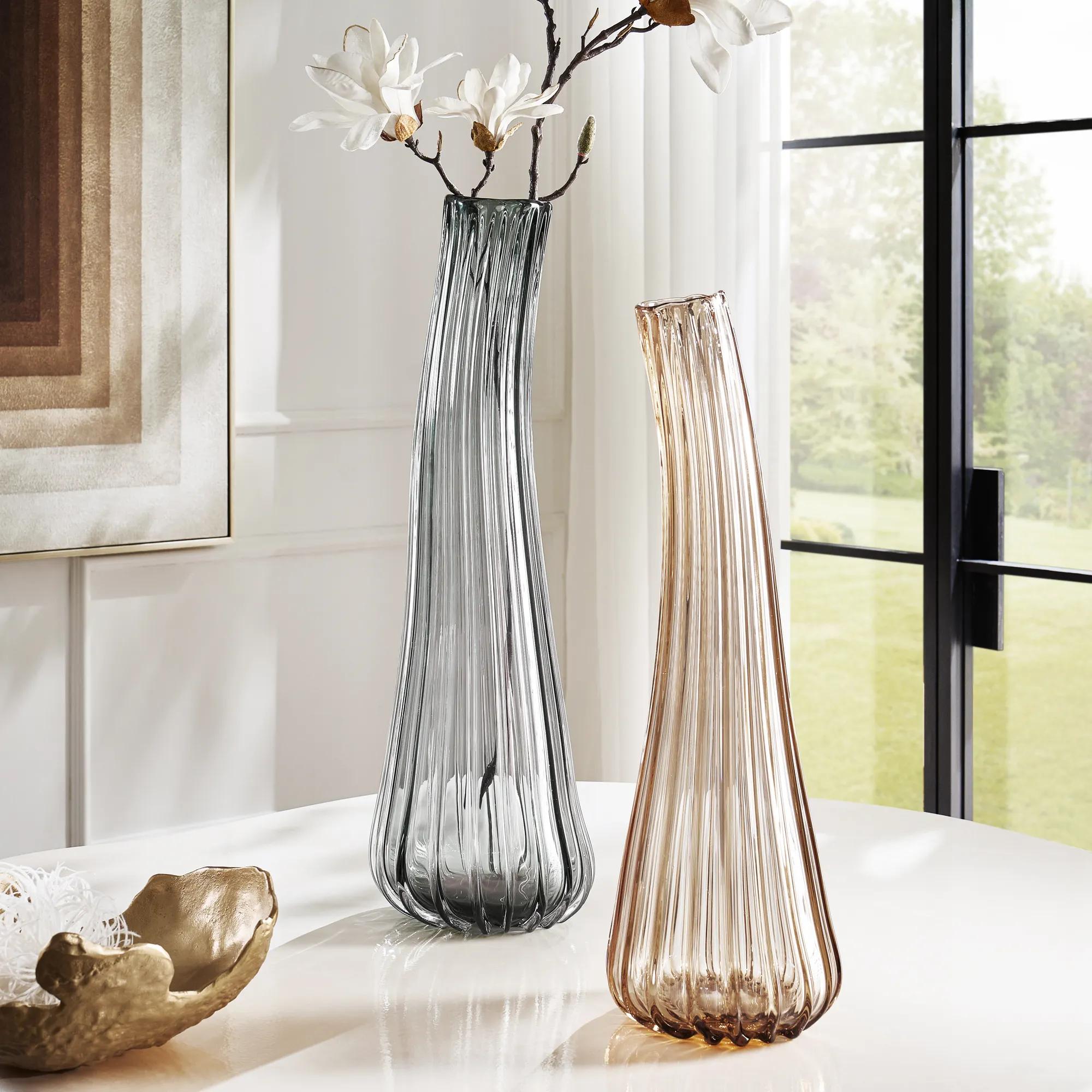 Tango Mouth Blown Soft Amber Vase 24.75"$179
A handblown glass vase in a soft amber finish with a textured, sculptural centerpiece design.
Add To Cart -
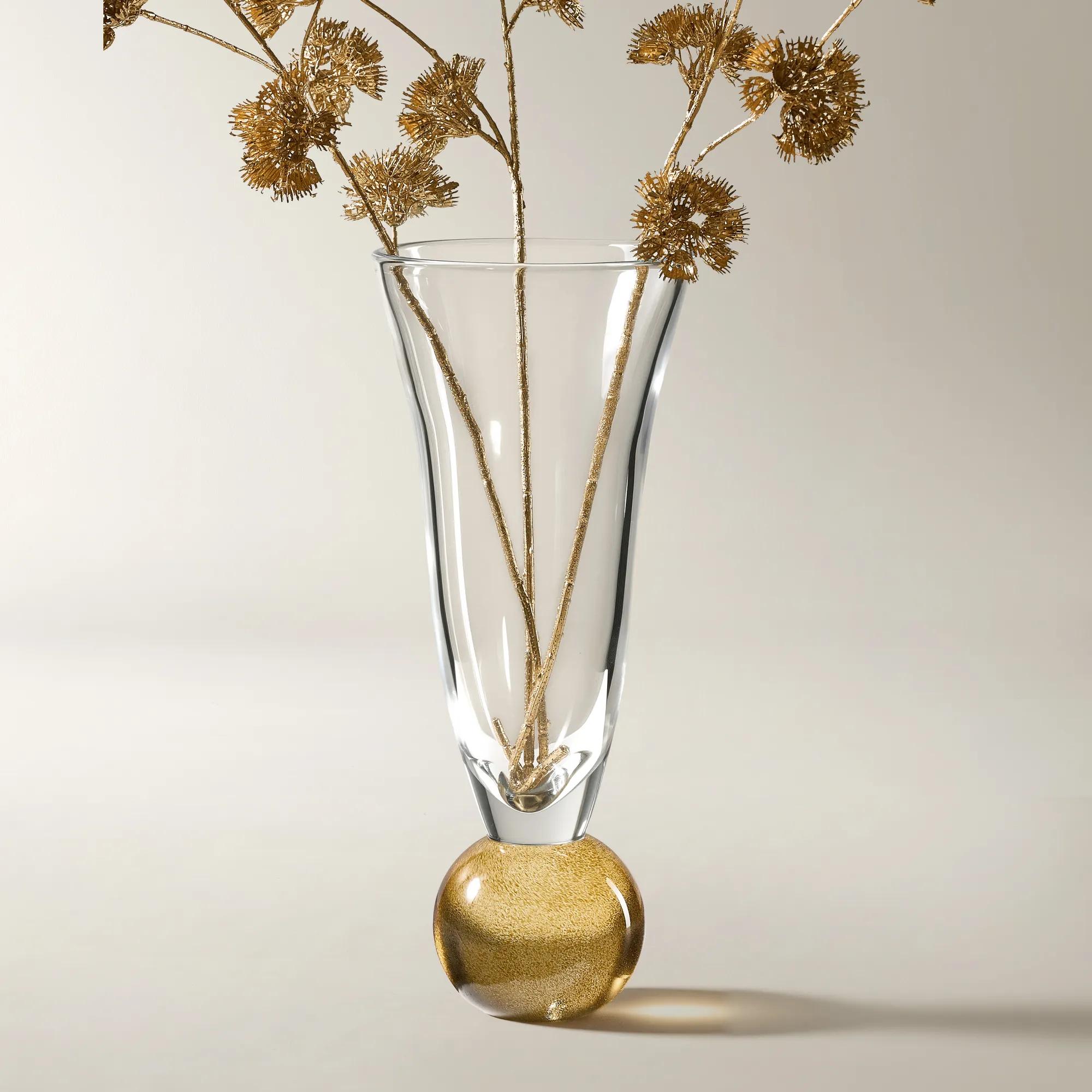 Palazzo Mouth Blown Honey Gold Clear Glass Vase 17.25"$119
A handblown glass vase in luminous honey gold with a sculptural, bauble-inspired silhouette.
Add To Cart -
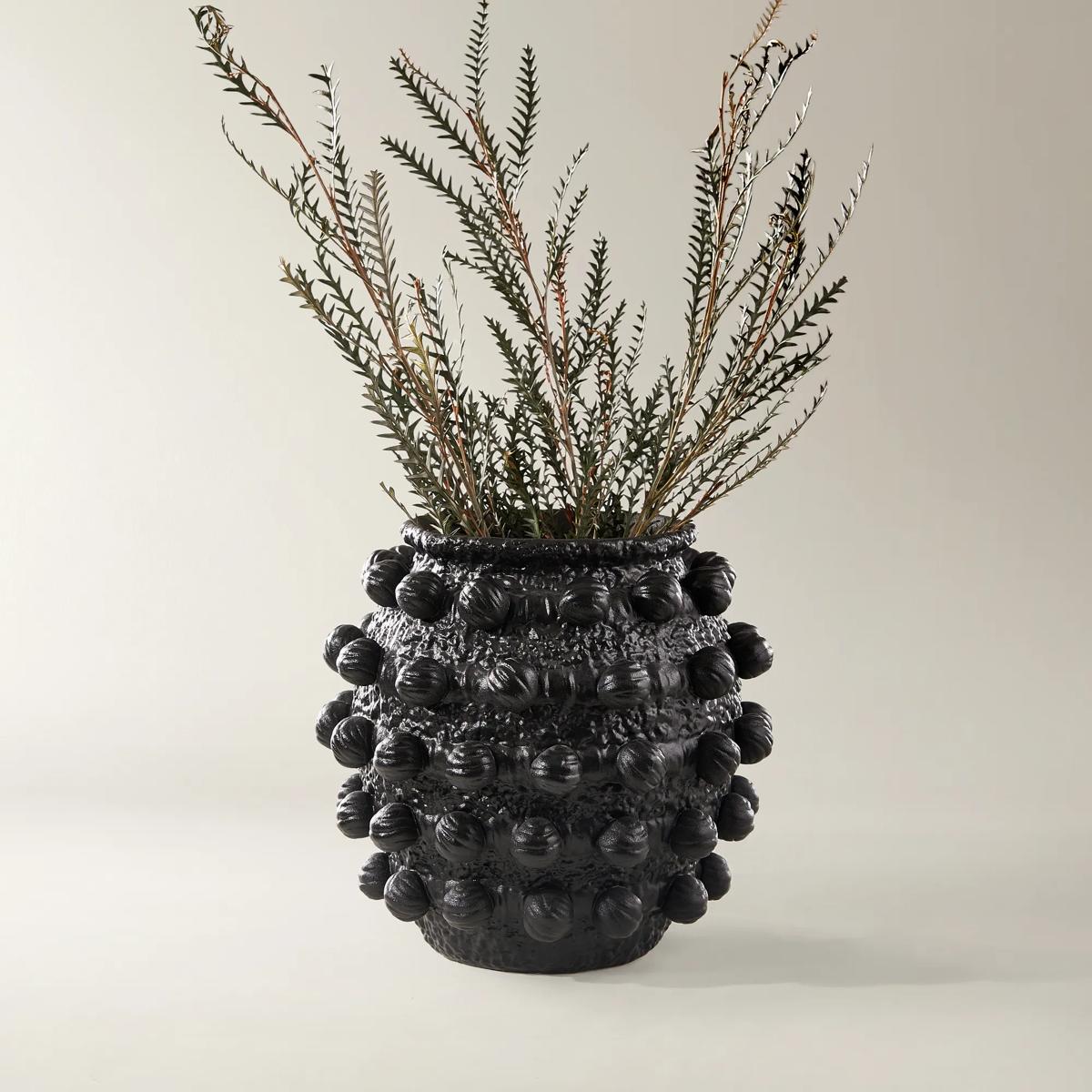
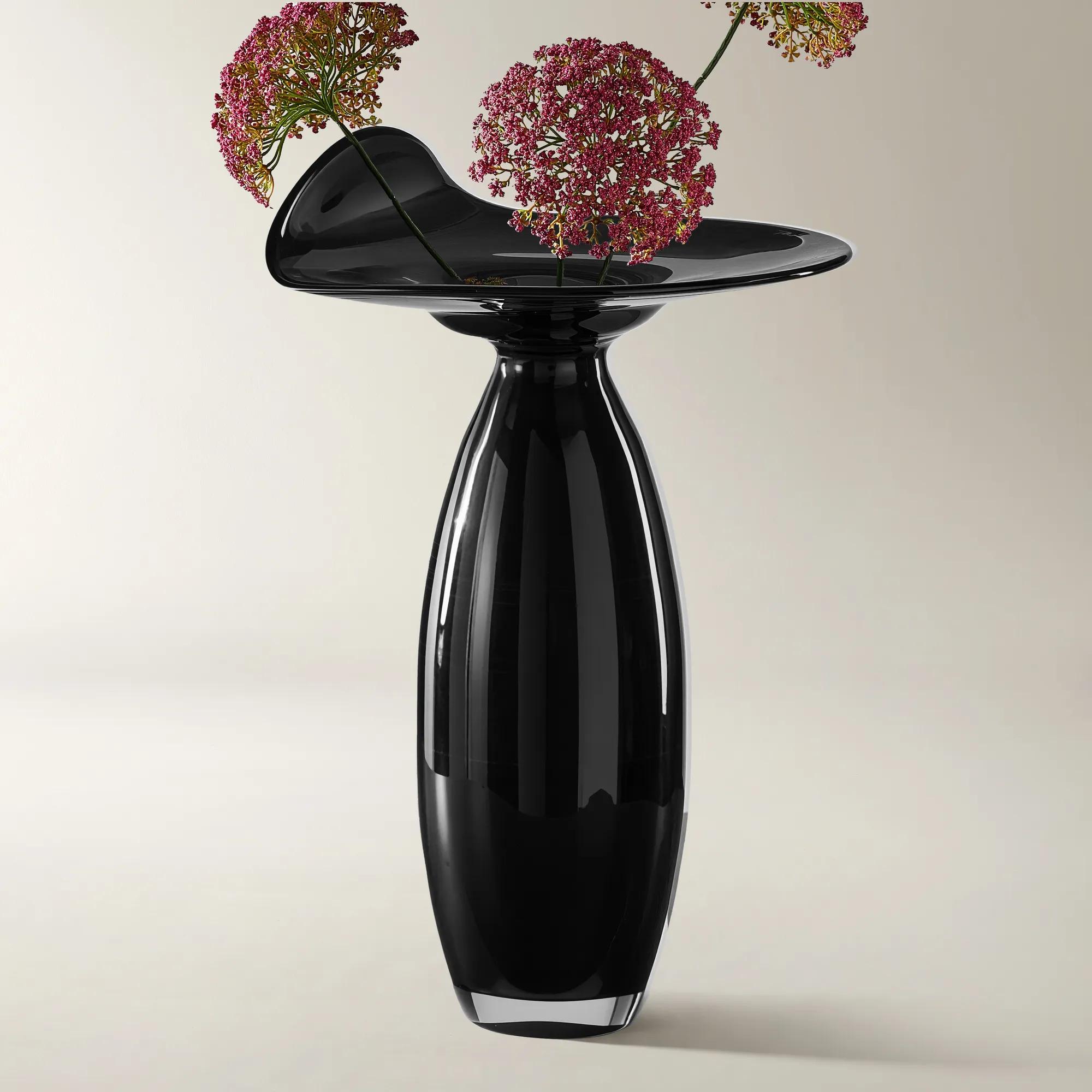 Folia Mouth Blown Glossy Black Glass Vase 22"$199
A handblown glass vase with a glossy black finish and organic sculptural silhouette for modern decor.
Add To Cart -
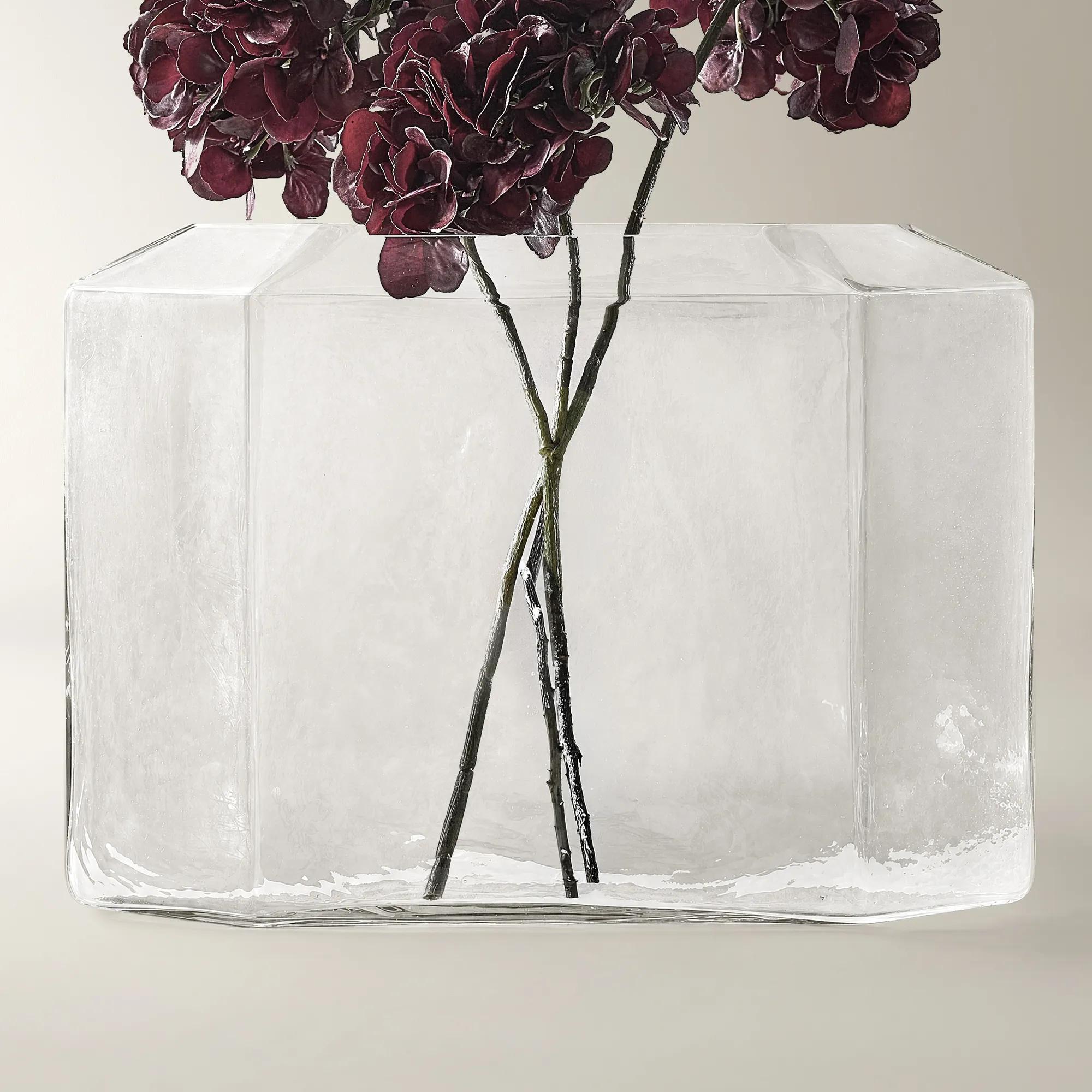 Studio Mouth Blown Clear Glass Vase 13.75"$199
A handblown clear glass vase with faceted detailing that beautifully reflects light for modern elegance.
Add To Cart -
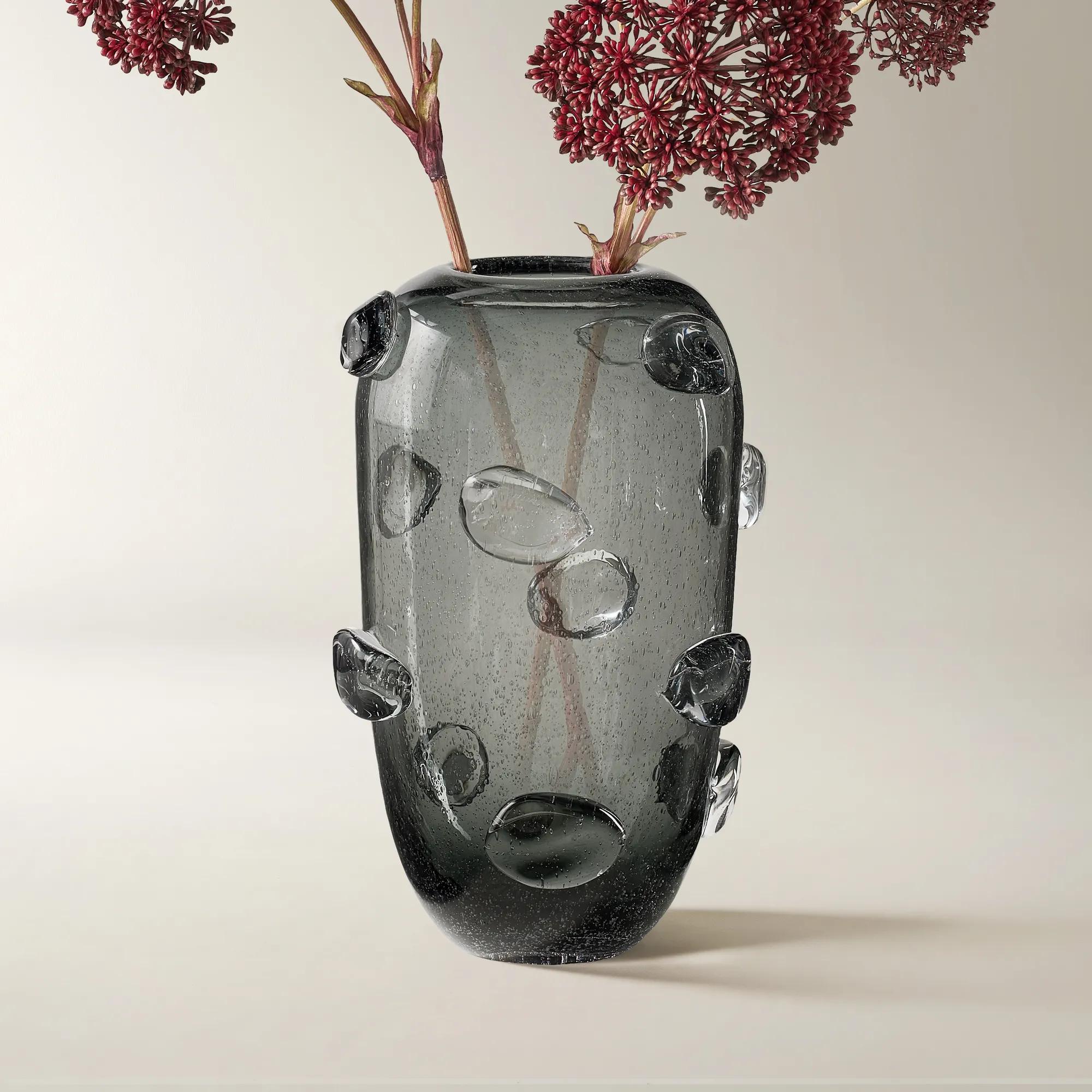 Surel Mouth Blown Graphite Glass Vase 13.5"$149
A handblown glass vase in moody graphite with playful bauble accents for sculptural sophistication.
Add To Cart -
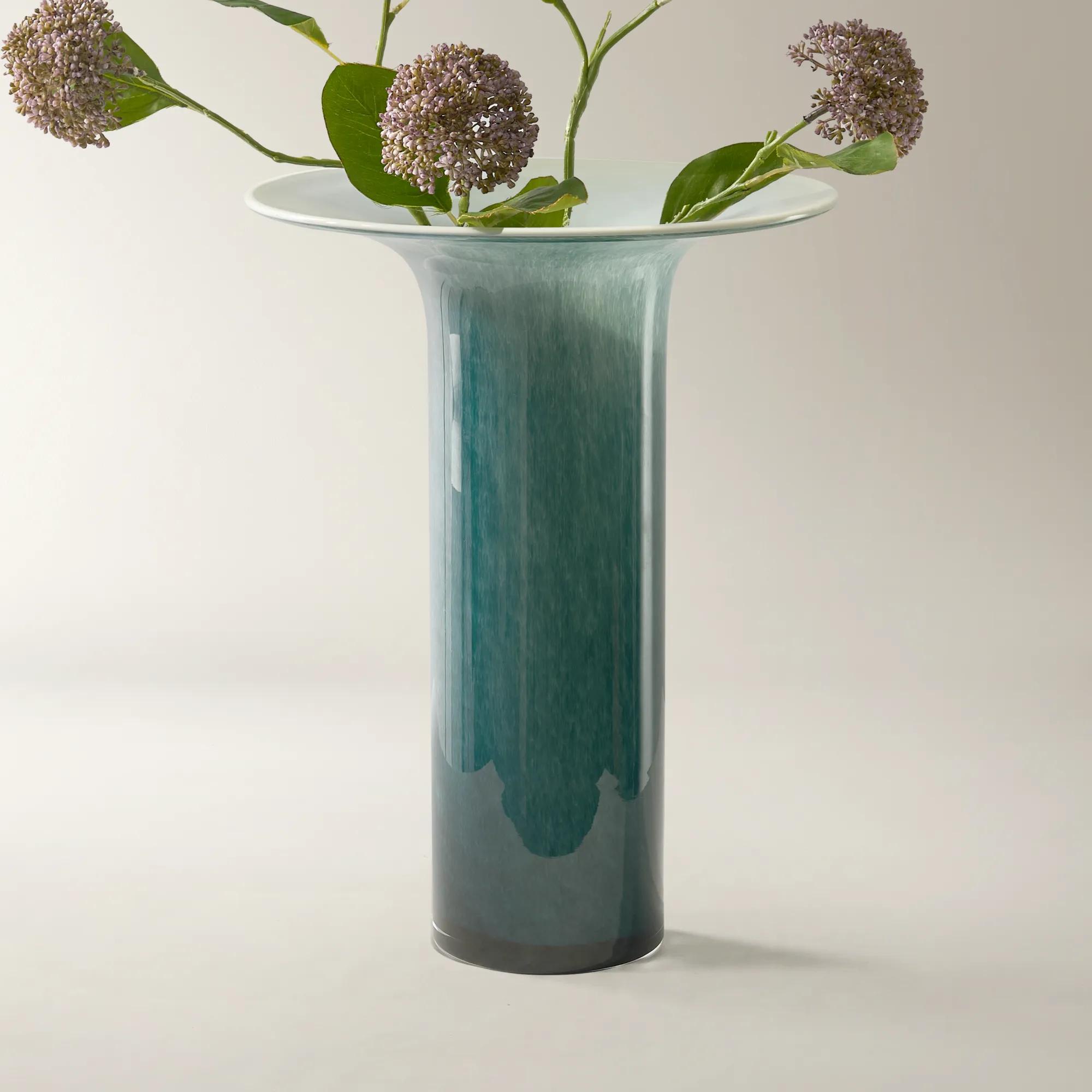 Loft Mouth Blown Deep Teal Glass Vase 15.75"$129
A handblown glass vase in deep teal with a sculptural column silhouette for bold, artful impact.
Add To Cart -
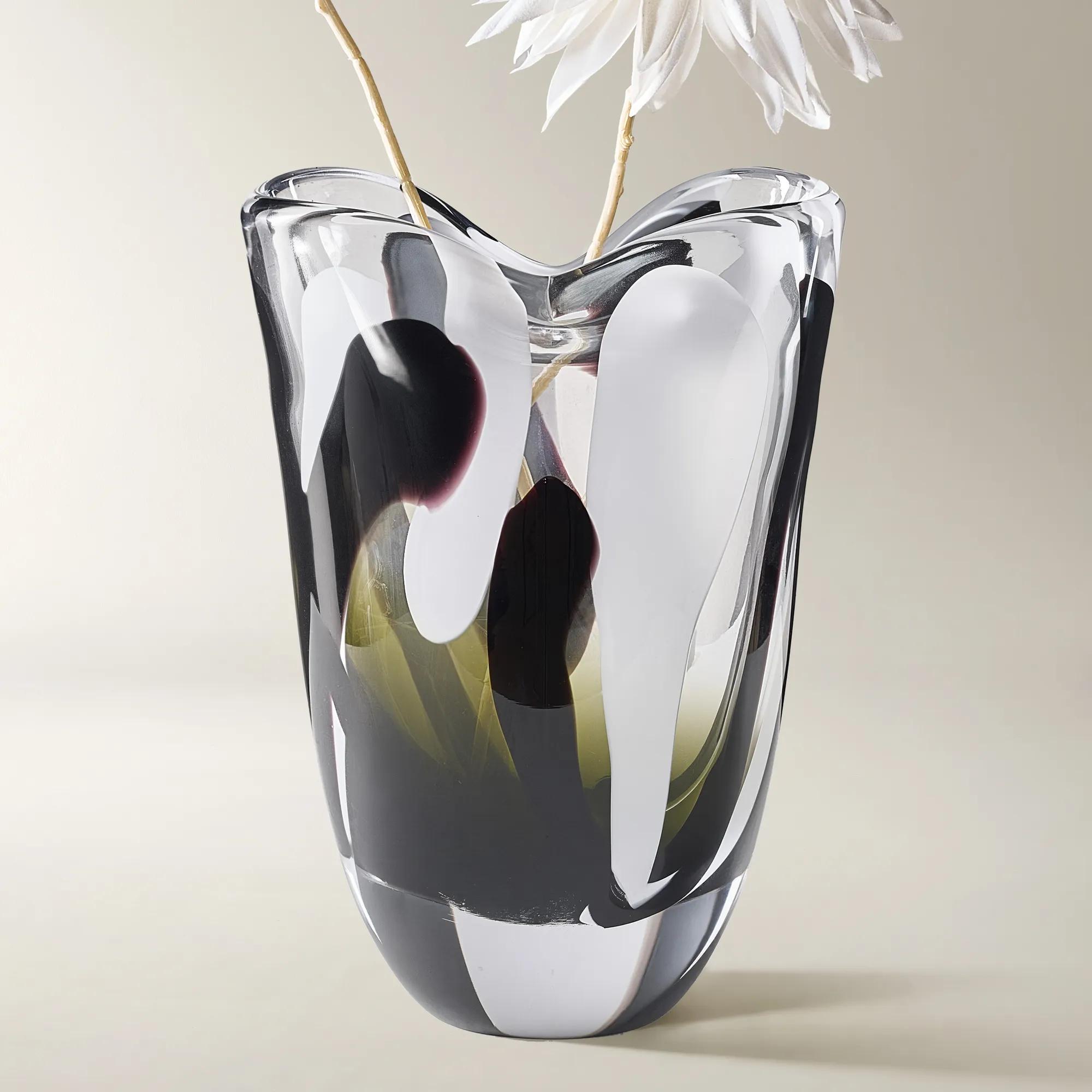 Melrose Mouth Blown Black White Glass Vase 11.25"$109
A handblown glass vase featuring a bold black and white abstract animal pattern for modern appeal.
Add To Cart -
 Speckled Mouth Blown Brown And White Glass Vase 14.75"$129
A handblown glass vase featuring a brown and white speckled pattern for modern, artful appeal.
Add To Cart -
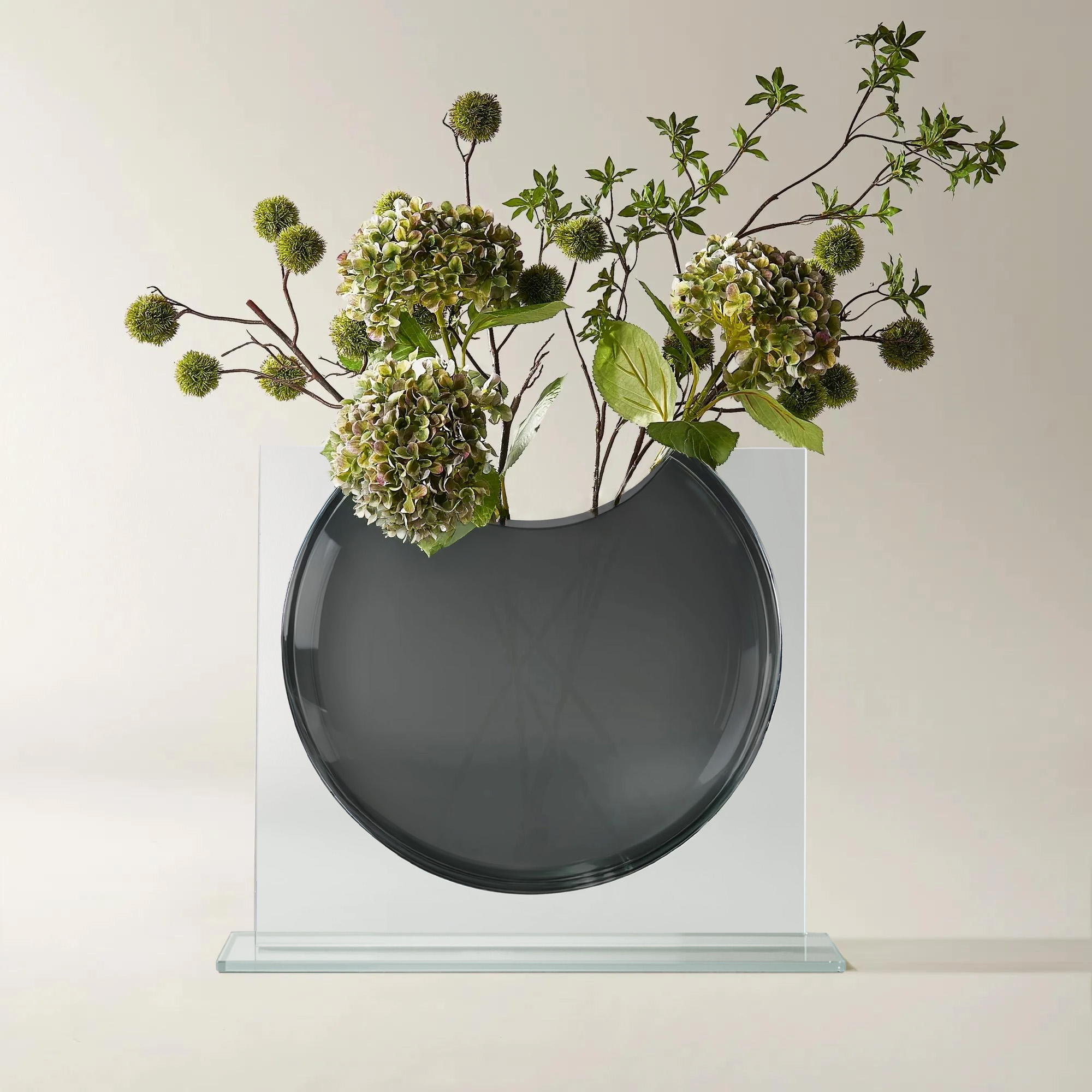
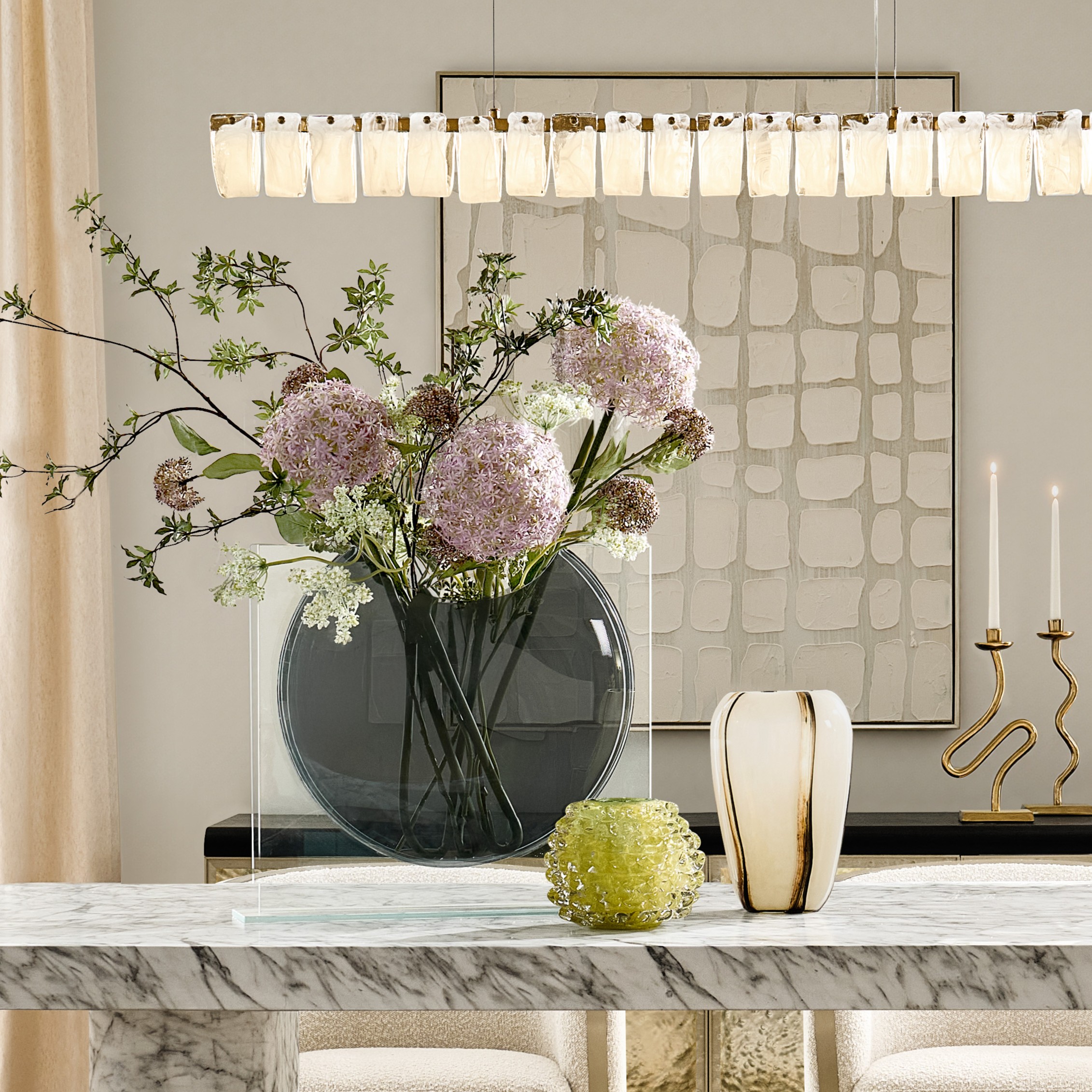 Ellipse Charcoal Glass Vase 20"$299
A sleek elliptical glass vase in clear and charcoal, perfect for displaying fresh flowers in modern spaces.
Add To Cart -
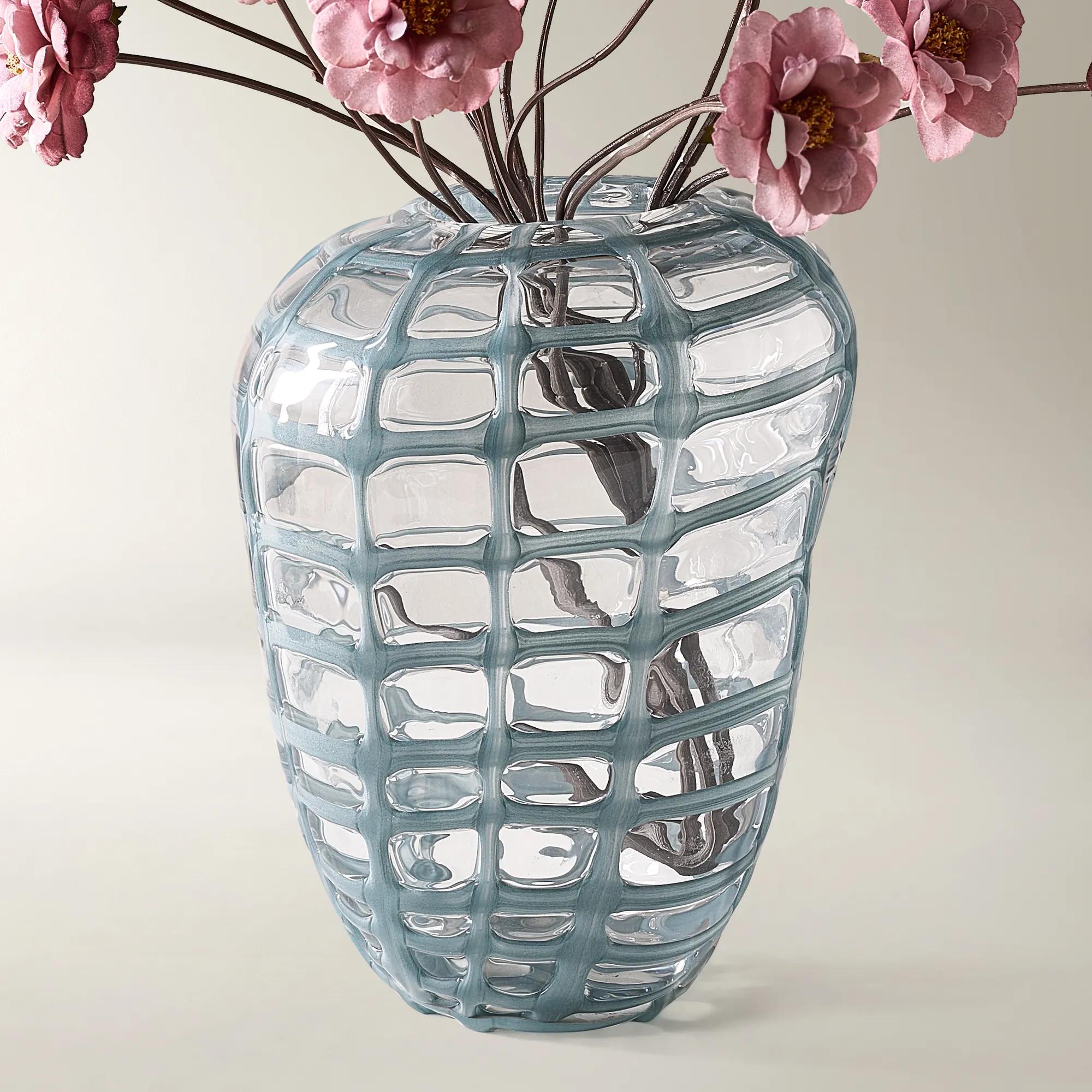 Contra Mouth Blown Dusty Blue Grid Glass Vase 10.25"$79
A handblown dusty blue glass vase featuring a graphic grid pattern and softly organic silhouette.
Add To Cart -
 Bree Brown Black Glass Vase 15.75"$129
A smoky brown-black sodalime glass vase featuring a dramatic tortoise pattern and flared neck.
Add To Cart -
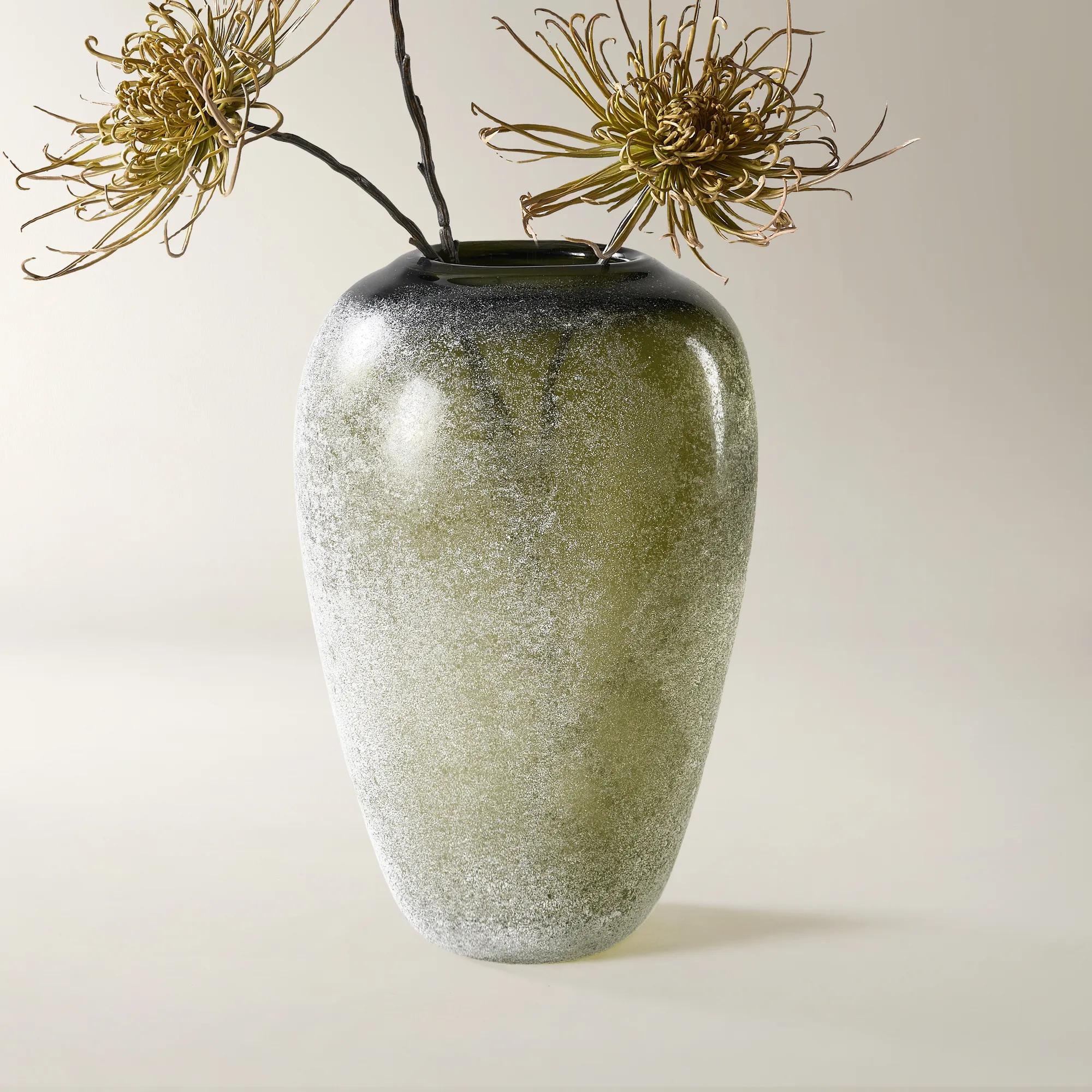 Linden Mouth Blown Pistachio Green Glass Vase 13.75"$129
A handblown glass vase in pistachio green adds a fresh, artful accent to any space.
Add To Cart -
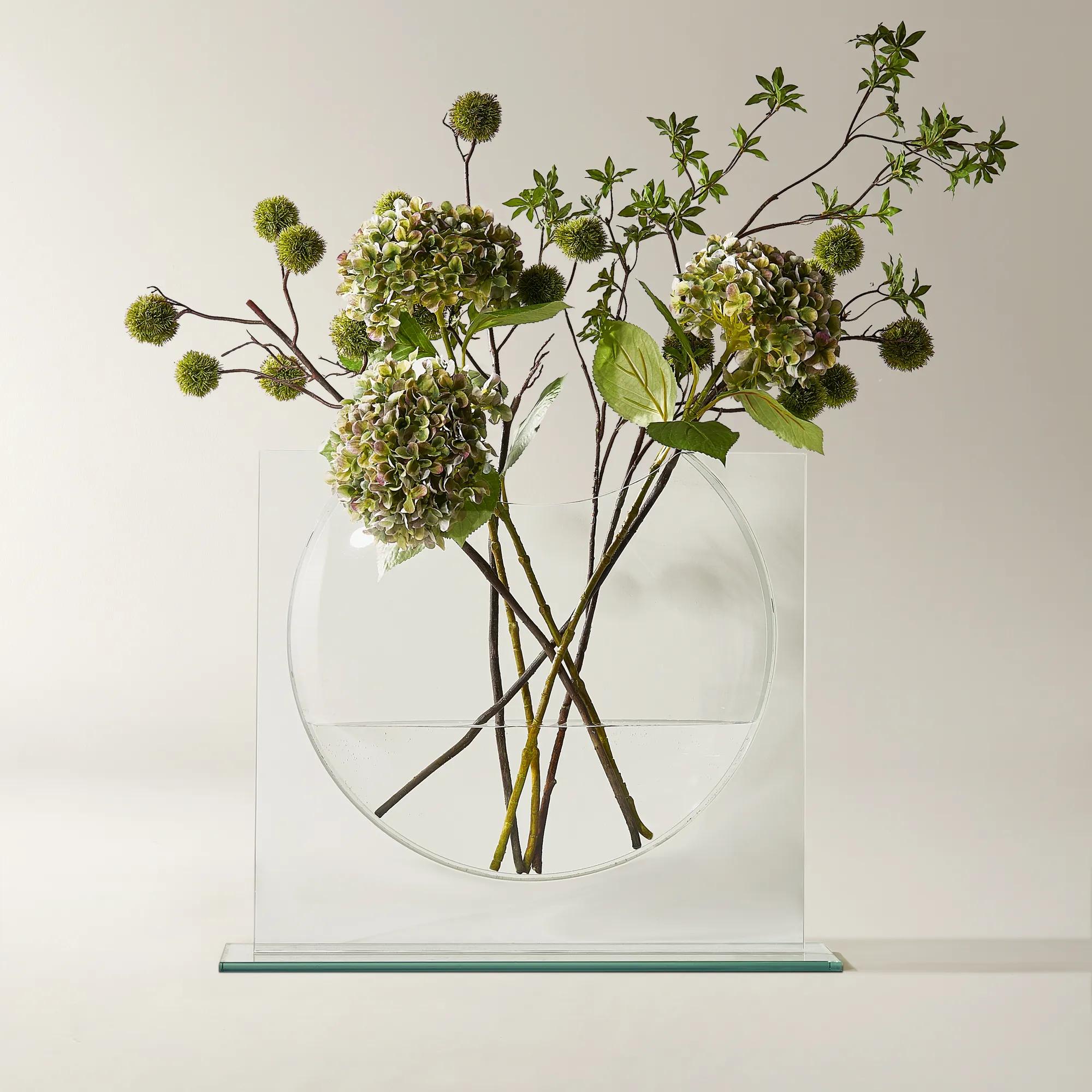
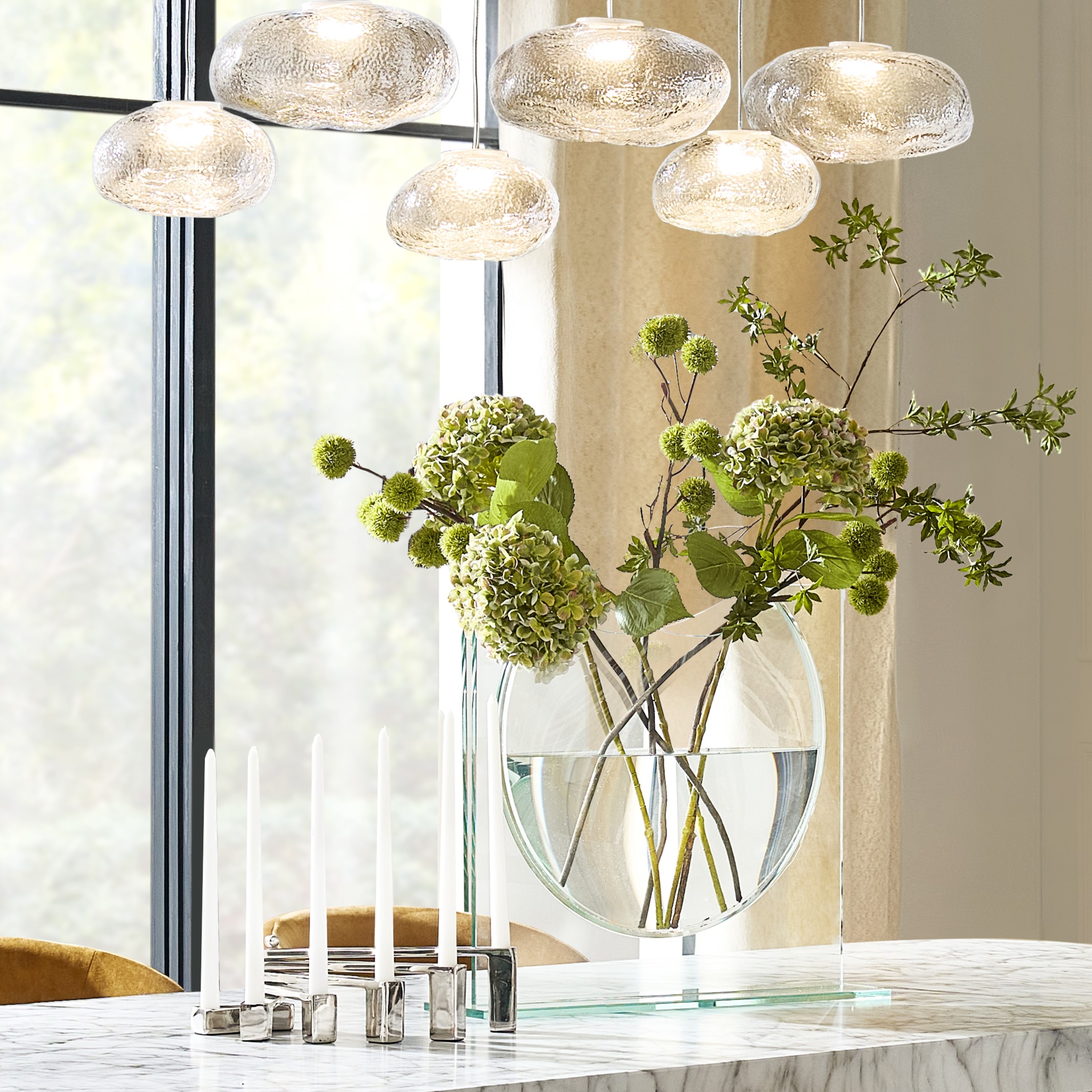 Ellipse Clear Glass Vase 20"$259
A sleek elliptical glass vase offering a modern, functional accent for fresh floral arrangements.
Add To Cart -
 Glow Mouth Blown Brown Glass Vase 10.75"$59
A luminous glass vase adding modern elegance to any décor.
Add To Cart -
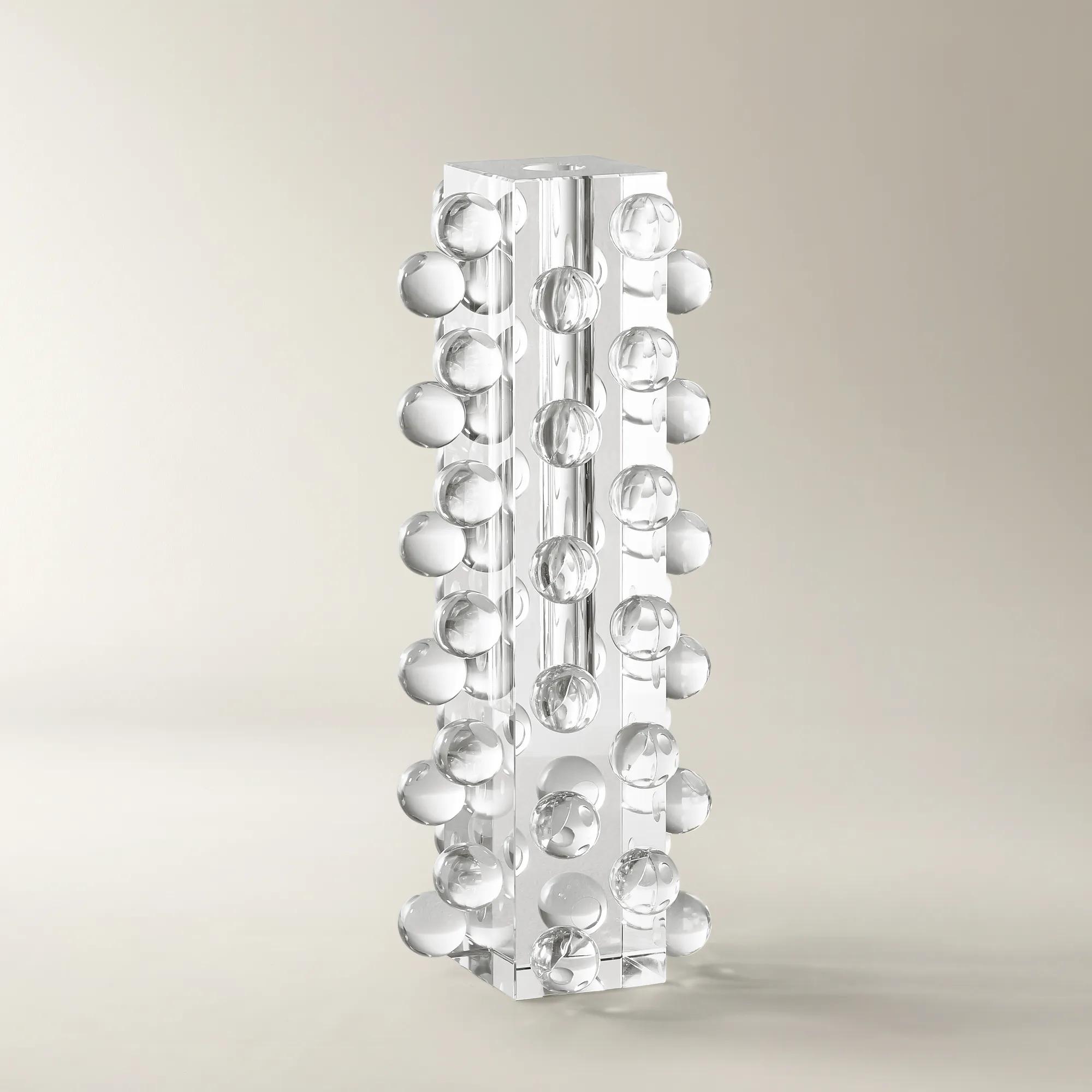
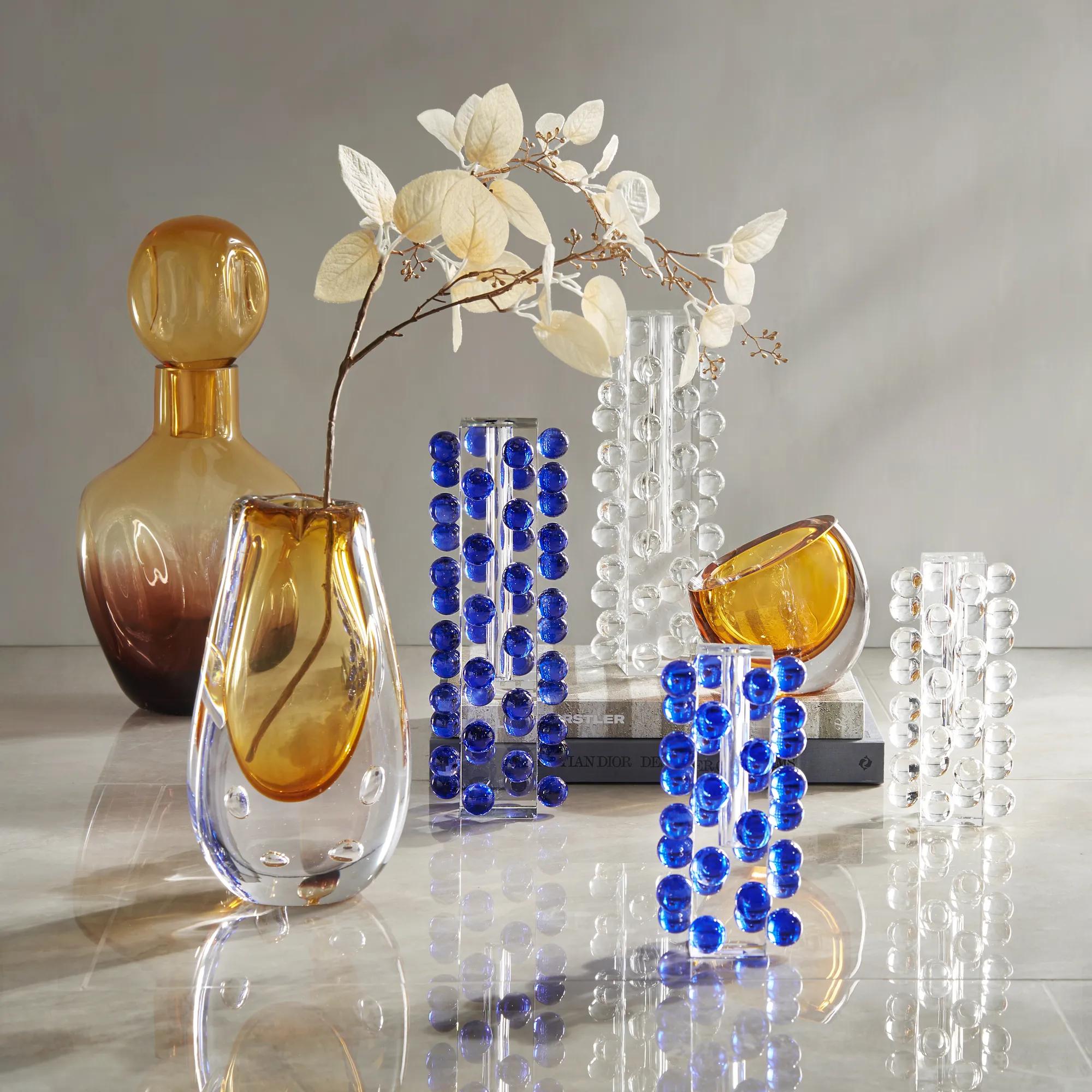 Bubble Vase Clear$119
A sculptural clear crystal glass vase featuring a cluster of transparent spheres for modern visual interest.
Add To Cart -
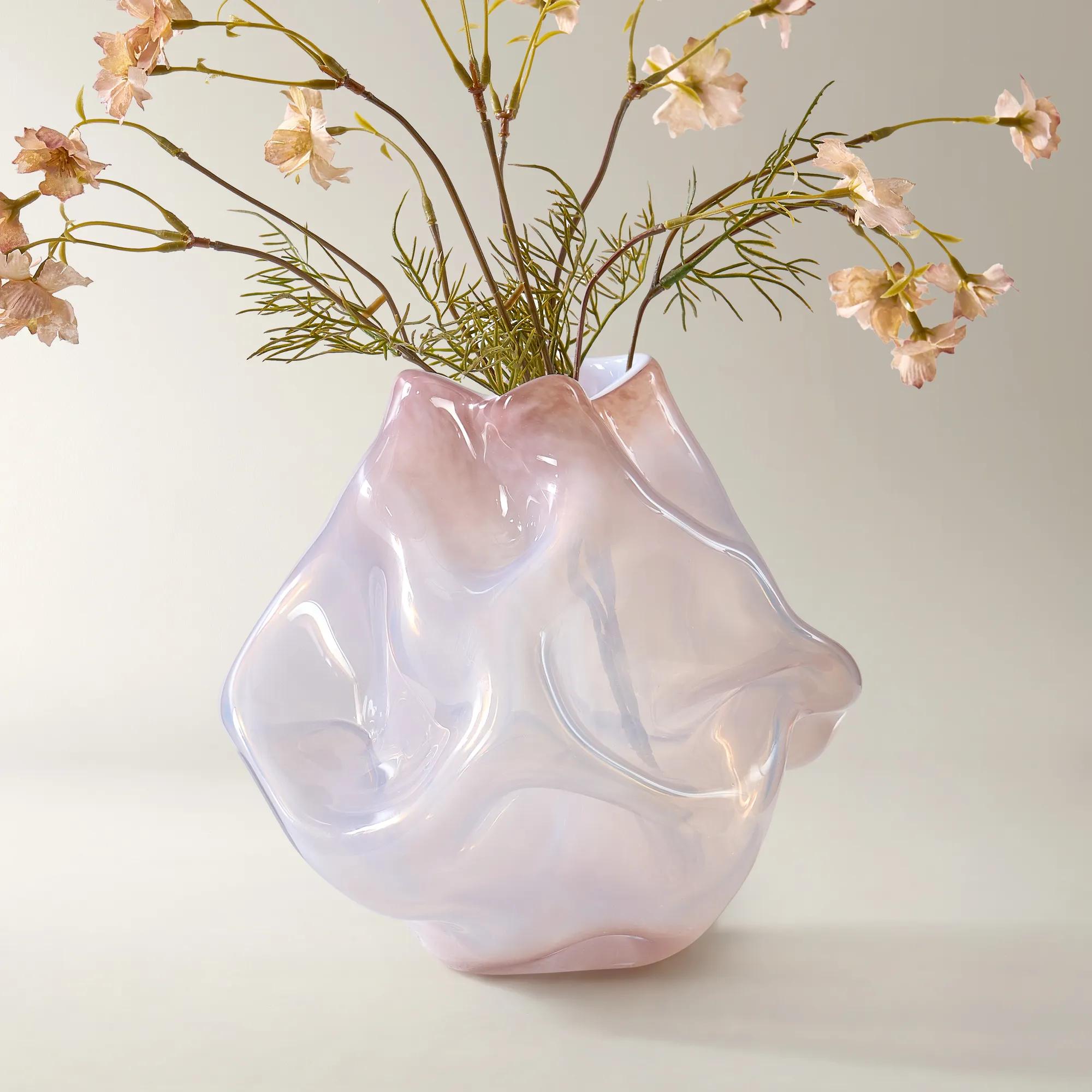
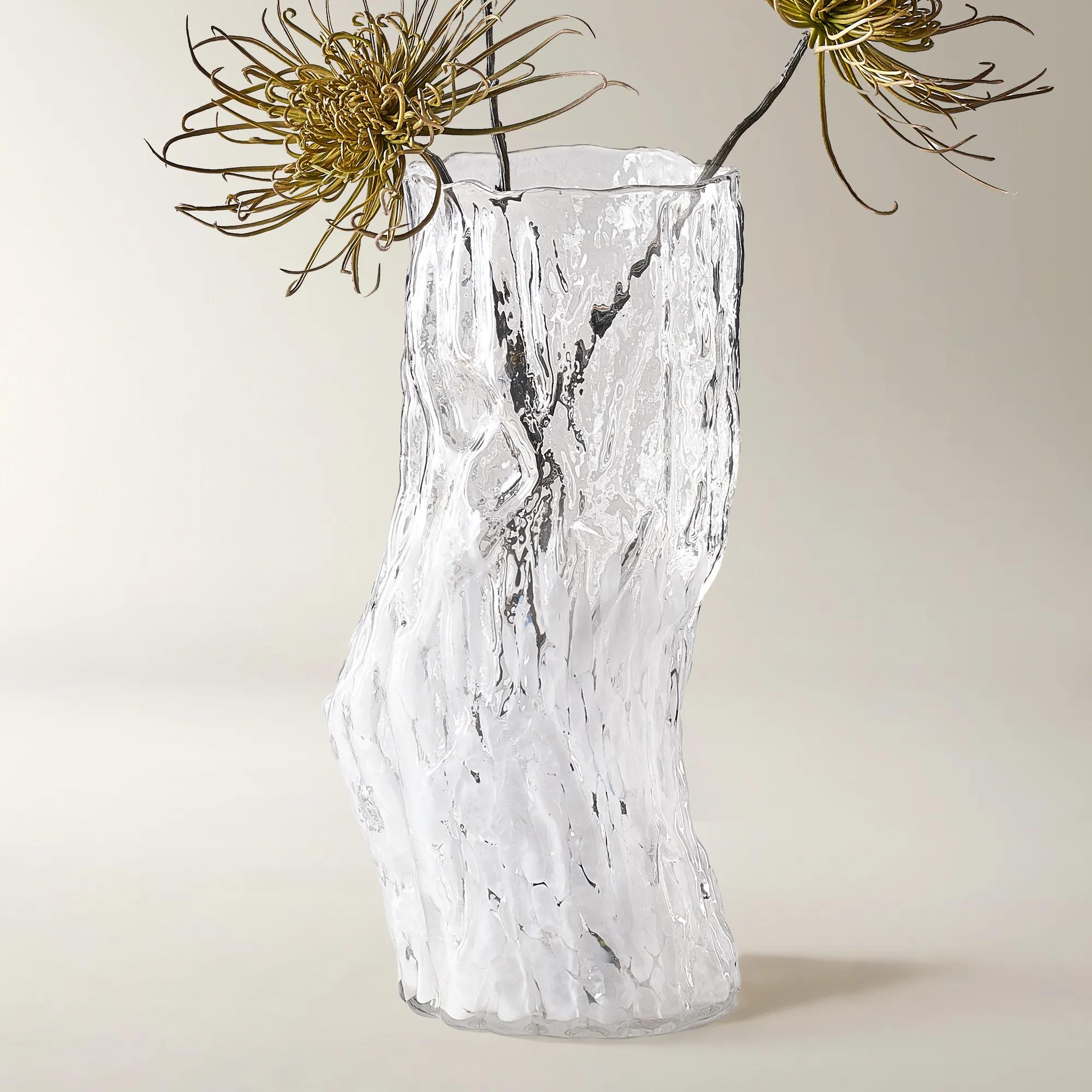 Vanish Mouth Blown Frosted White Glass Vase 18.5"$159
A handblown frosted white glass vase with an ethereal, translucent finish and sculptural silhouette.
Add To Cart -
 Ripple Eggshell Blue Handblown Glass Vase 10.25"$89
A handblown eggshell blue glass vase adding sculptural elegance to modern decor.
Add To Cart -
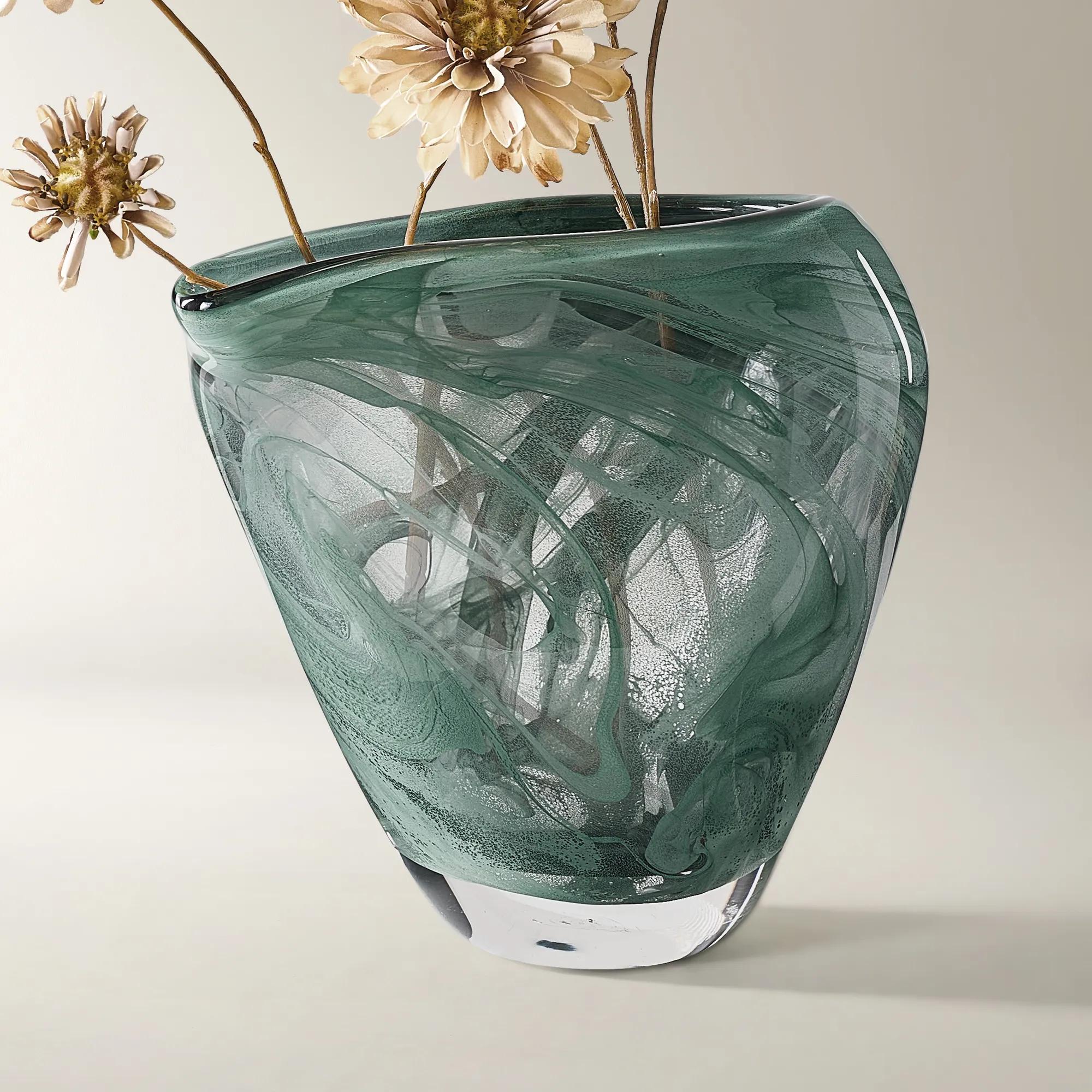 Flow Mouth Blown Sage Green Glass Vase 12.25"$199
A handblown glass vase in calming sage green with an organic, sculptural silhouette for modern decor.
Add To Cart -
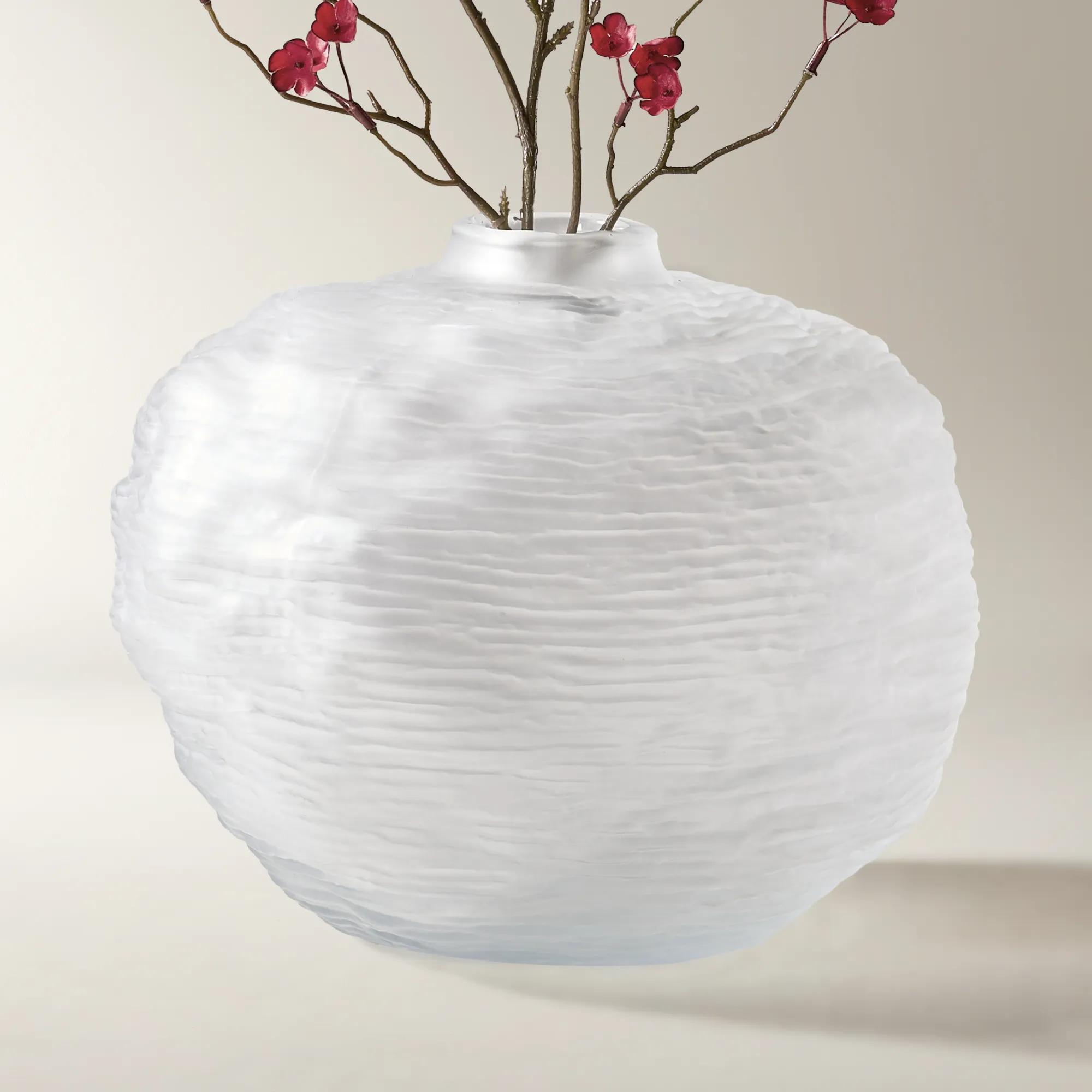 Lucid Mouth Blown Frosted Glass Vase 9.25"$99
A handblown frosted white glass vase with a sculptural, softly textured surface for modern elegance.
Add To Cart

Large Decorative Glass Vases
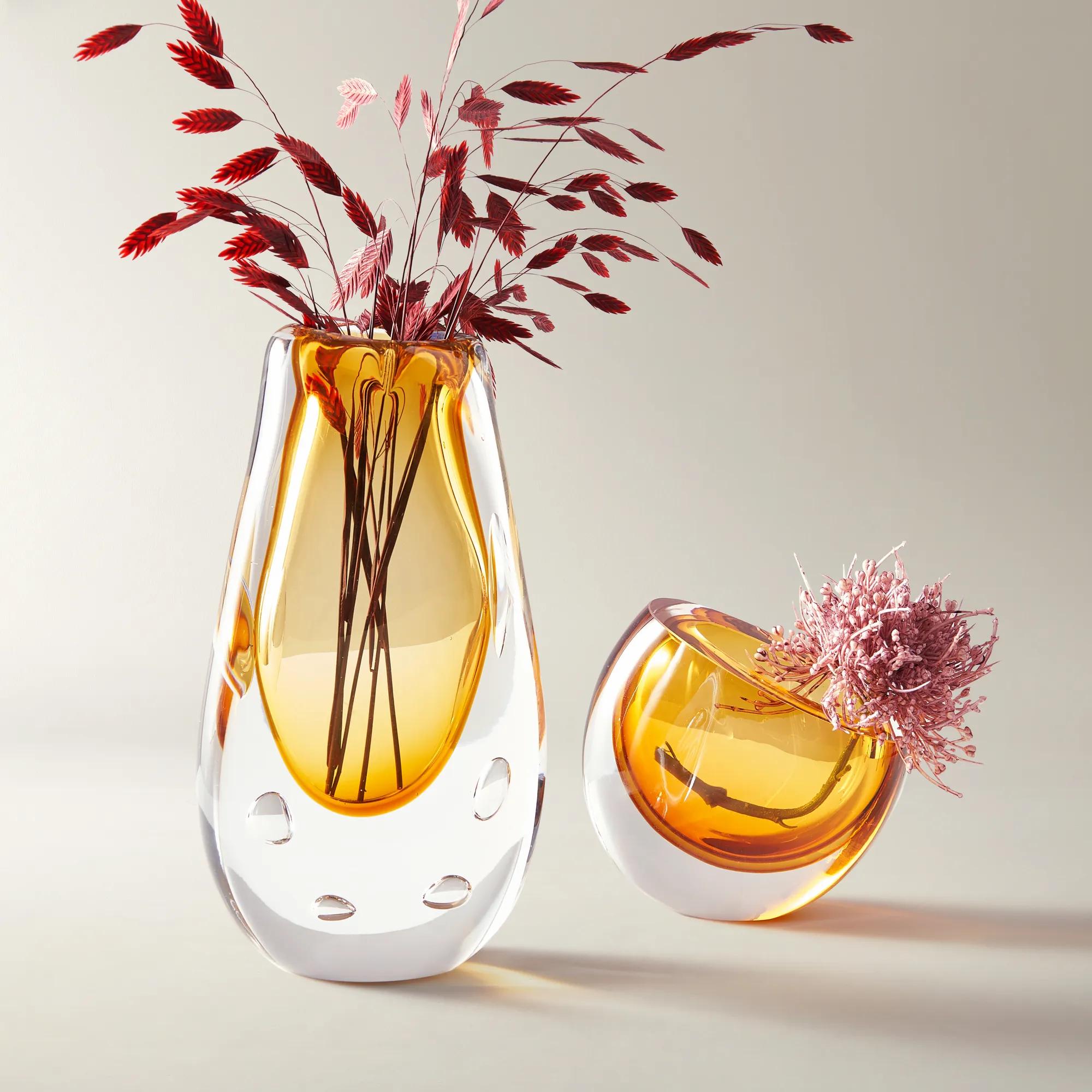
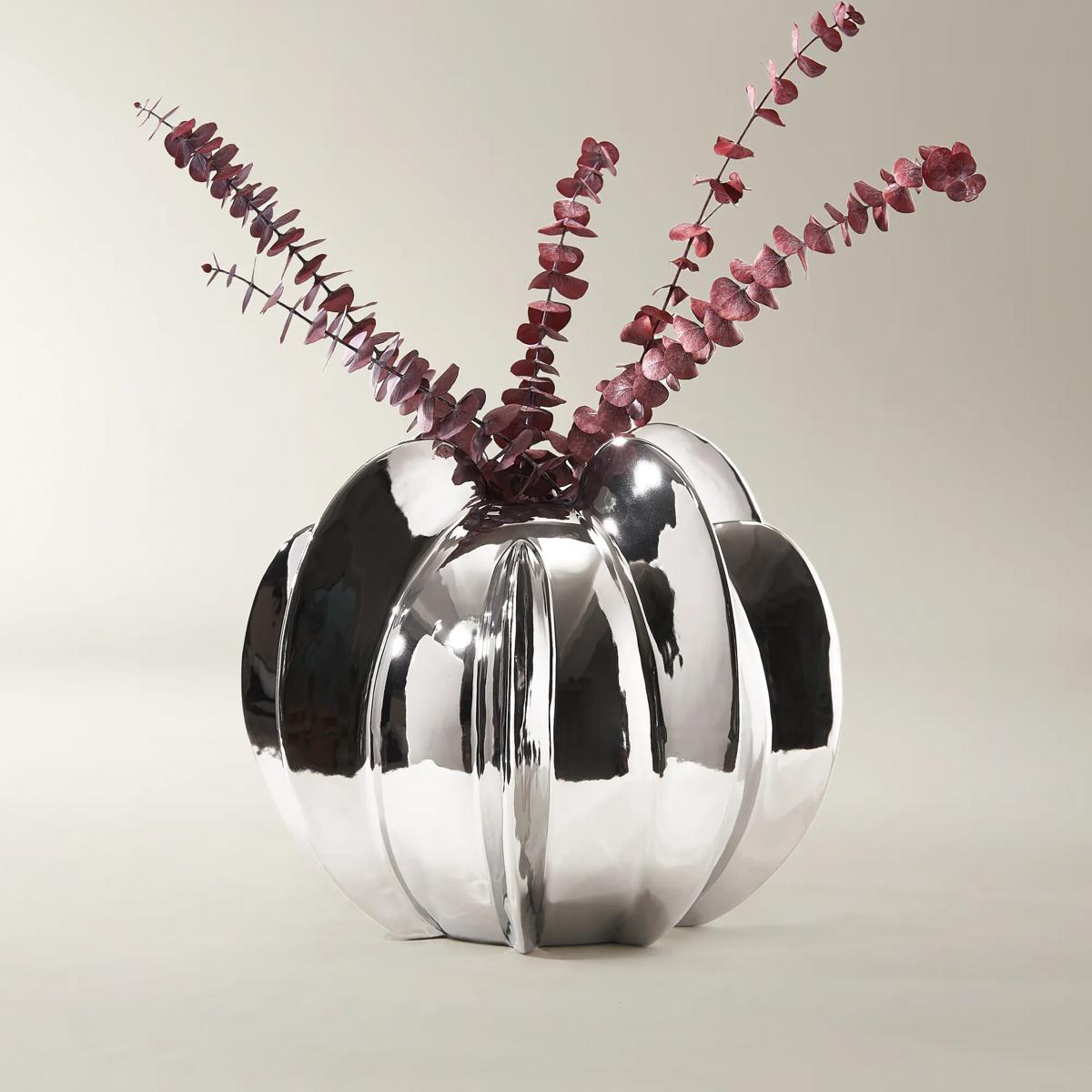
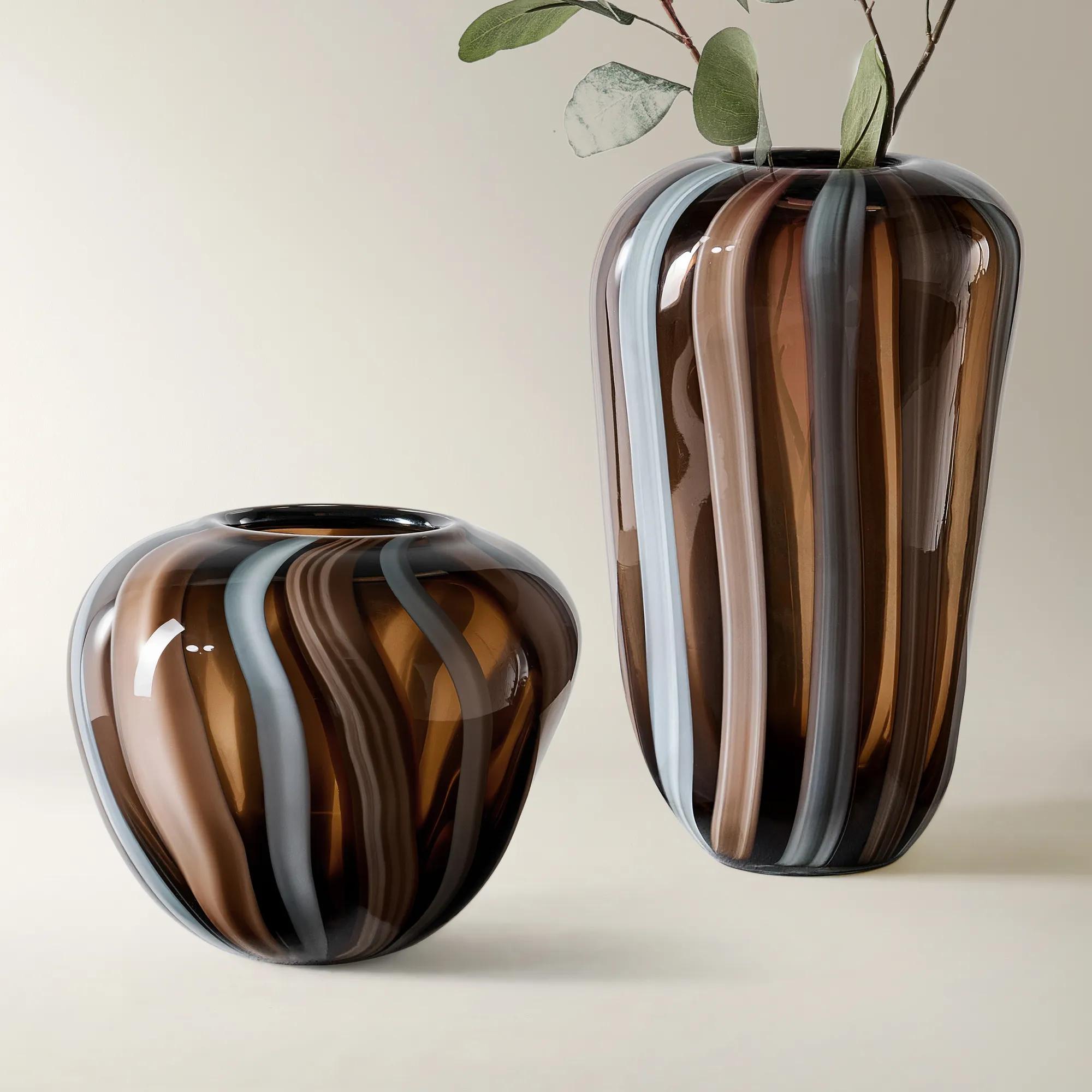
Large Decorative Glass Vases command attention, transforming any room into a gallery of shimmering artistry. Their grand silhouettes and luminous surfaces invite light to dance, creating ever-changing reflections that captivate the eye and spark conversation. Whether poised on a dramatic entryway console or anchoring a lavish dining table, these statement pieces evoke a sense of grandeur and creative possibility. With every curve and glint, Large Decorative Glass Vases elevate the ordinary, turning your home into a stage for bold expression and unforgettable moments.
Large decorative glass vases bring the presence of sculpture to a room, pairing generous proportions with a material that catches, bends, and reflects light. These oversized vessels can hold floral arrangements, frame a few expressive branches, or stand alone as artful accents. Their character comes from the relationship between silhouette, color, and transparency: a clear cylinder reveals the graphic lines of submerged stems, a rounded vessel gives a bouquet a generous sweep, and an elongated urn introduces a more formal note. Tall glass vases draw the eye upward, while wide, substantial shapes create a grounded focal point on a dining table or expansive console. Clear glass feels luminous against richly textured upholstery, polished stone, and dark wood, allowing surrounding finishes to remain visible through the vessel. Tinted glass adds another layer of expression, from smoky neutrals that soften reflected light to saturated hues that read almost like jewelry against a restrained backdrop. Opaque and deeply colored glass can emphasize the outline instead, giving a simple curve the visual weight of sculpture. Ribbed surfaces create a rhythmic play of highlights and shadows; smooth walls allow the shape and contents to command attention. A single vase with a pronounced shoulder or sweeping profile often needs little accompaniment beyond a carefully placed branch. For fuller arrangements, a broad body offers room for stems to spread, while a narrower neck gathers them into a more upright composition. The opening matters as much as the height: a wide mouth welcomes an abundant arrangement but may need a floral support designed for the vessel, whereas a slender opening suits fewer stems. Even without flowers, large glass vases can lend depth to a room, particularly where daylight or a nearby lamp reveals subtle variations in thickness, texture, and tone. That interplay makes the vessel part of the atmosphere rather than simply a container placed within it.
Scale gives large decorative glass vases their drama, but successful placement depends on more than choosing the tallest silhouette. There is no single standard measurement for “large”; height, width, opening size, and visual weight all influence how a vase belongs in a space. A vessel that looks commanding on a narrow mantel may feel understated beside a deep sectional or beneath an oversized work of art. On an entry console, a tall vase can anchor one end of the arrangement, balanced by a low bowl or a stack of substantial books, with enough open surface to keep the composition deliberate. On a dining table, the combined height of the vase and its contents affects conversation and sightlines, so a low, broad arrangement often serves seated gatherings better than a dense display at eye level. Taller centerpieces can create a striking effect for weddings and formal celebrations when their placement preserves views across the table and leaves space for place settings. Floor vases offer another kind of presence, bringing shape to an open corner or a spacious landing without requiring an additional piece of furniture. They belong on level, stable surfaces away from door swings, busy walkways, and places where children or pets could knock them over. A broad base generally provides more stability, though the weight and reach of branches also matter. For a dark, sculptural accent, large black glass vases create a defined silhouette against pale walls, light stone, or metallic finishes. Groupings feel especially considered when the vessels share a color family but vary in height and contour, with enough separation for each outline to remain distinct. An oversized glass vase can also make a thoughtful housewarming or wedding gift for someone who enjoys arranging flowers, collecting decorative objects, or hosting. Its proportions should suit the recipient’s surfaces and storage space as well as their aesthetic; a dramatic gift is most satisfying when it has a natural place to live.
The beauty and longevity of a large glass vase depend on its construction, finish, and intended use. Decorative glass may be mouth-blown, molded, or shaped through other glassmaking processes, each producing different effects in the walls, rim, and overall profile. Handworked glass can show small bubbles, gentle asymmetry, or variations in thickness that contribute to its individual character; these qualities are distinct from chips, cracks, or sharp edges, which can compromise safe use. Molded glass can offer crisp repeating textures and consistent forms, making the surface pattern as important as the silhouette. Thickness and weight influence how substantial a vase feels, but neither makes glass unbreakable. A heavy vessel still needs careful handling, particularly when filled with water. For fresh flowers, the vase must be identified as watertight and suitable for that purpose; some decorative vessels or applied finishes are intended only for dry arrangements or display. A compatible watertight insert may protect a decorative vessel when the manufacturer permits one, but water should never be assumed safe simply because the piece is made of glass. Faux stems and dried botanicals offer expressive alternatives without standing water, provided their scale does not make the arrangement top-heavy. Everyday care preserves the clarity that makes glass so compelling: dust with a soft cloth, and clean only by the method appropriate to the finish. Where washing is permitted, mild soap, lukewarm water, and a nonabrasive cloth are generally gentler than harsh cleaners or scouring pads. Painted, metallic, mirrored, and specialty surfaces may require different care from plain glass, and dishwasher use should be limited to vessels expressly labeled dishwasher-safe. Sudden temperature changes can stress glass, while dragging a heavy base can damage the surface beneath it. Supporting the body with both hands, emptying water before moving it, and using a suitable protective pad help preserve both the vase and its setting. With thoughtful placement and attentive care, an oversized glass vessel retains its appeal through changing arrangements, offering a lasting expression of color, light, and sculptural form.
FAQs
Large decorative glass vases are ideal for creating seasonal arrangements that reflect the mood of your home. In winter, consider filling them with tall evergreen branches, dried botanicals, or even a cluster of twinkling fairy lights for a touch of warmth. As the seasons change, swap in fresh blooms, sculptural branches, or decorative stones to keep your display feeling fresh and inspired.
A luxury glass vase can serve as a stunning standalone art piece or as a vessel for unexpected elements. Try filling it with layered sand and shells for a coastal vibe, colorful ornaments for festive occasions, or even a collection of vintage beads or marbles for added texture and intrigue. The transparency of glass invites you to experiment with different materials and colors.
Decorative glass vases make thoughtful gifts for a wide range of recipients, from newlyweds and new homeowners to art lovers and those who appreciate statement décor. Their versatility and timeless appeal ensure they’ll be cherished and used in many different ways, making them a memorable choice for special occasions.
Clear glass vases large blend seamlessly with a variety of décor styles, from modern minimalism to opulent maximalism. Use them to anchor a dining table centerpiece, create height on a sideboard, or add interest to an entryway console. Their transparency allows them to complement any color palette, making them a versatile addition to your home.
Glass large vases make a dramatic statement when placed in areas that naturally draw the eye, such as entryways, mantels, or dining tables. They can also add visual interest to corners, windowsills, or open shelving, especially when styled with bold floral arrangements or objects that play with light and shadow.