Decorative Green Glass Vases
Decorative Green Glass Vases
-
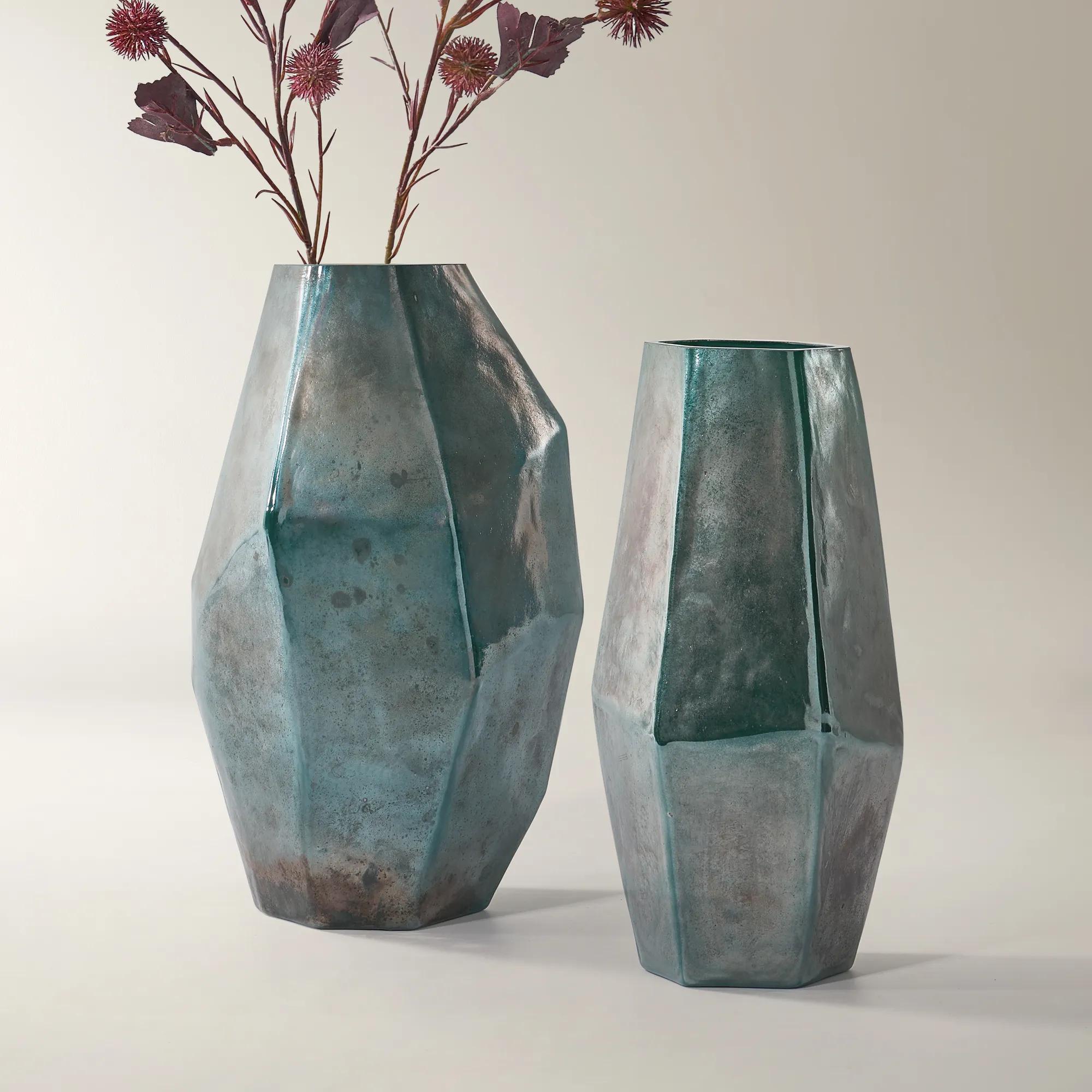
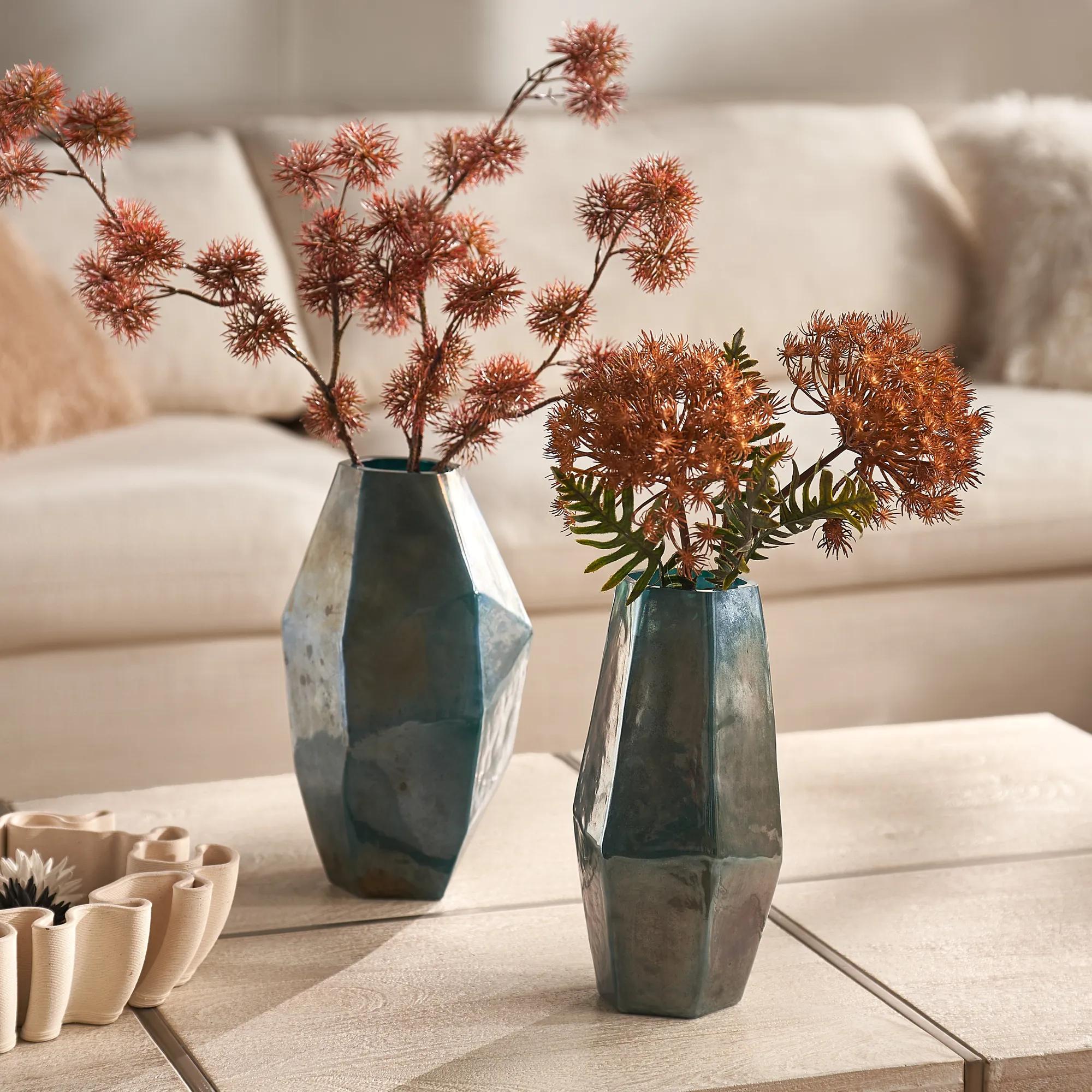 Sienna Vase$79
A hand-blown glass vase in prismatic green with a faceted, geometric silhouette for modern appeal.
Add To Cart -
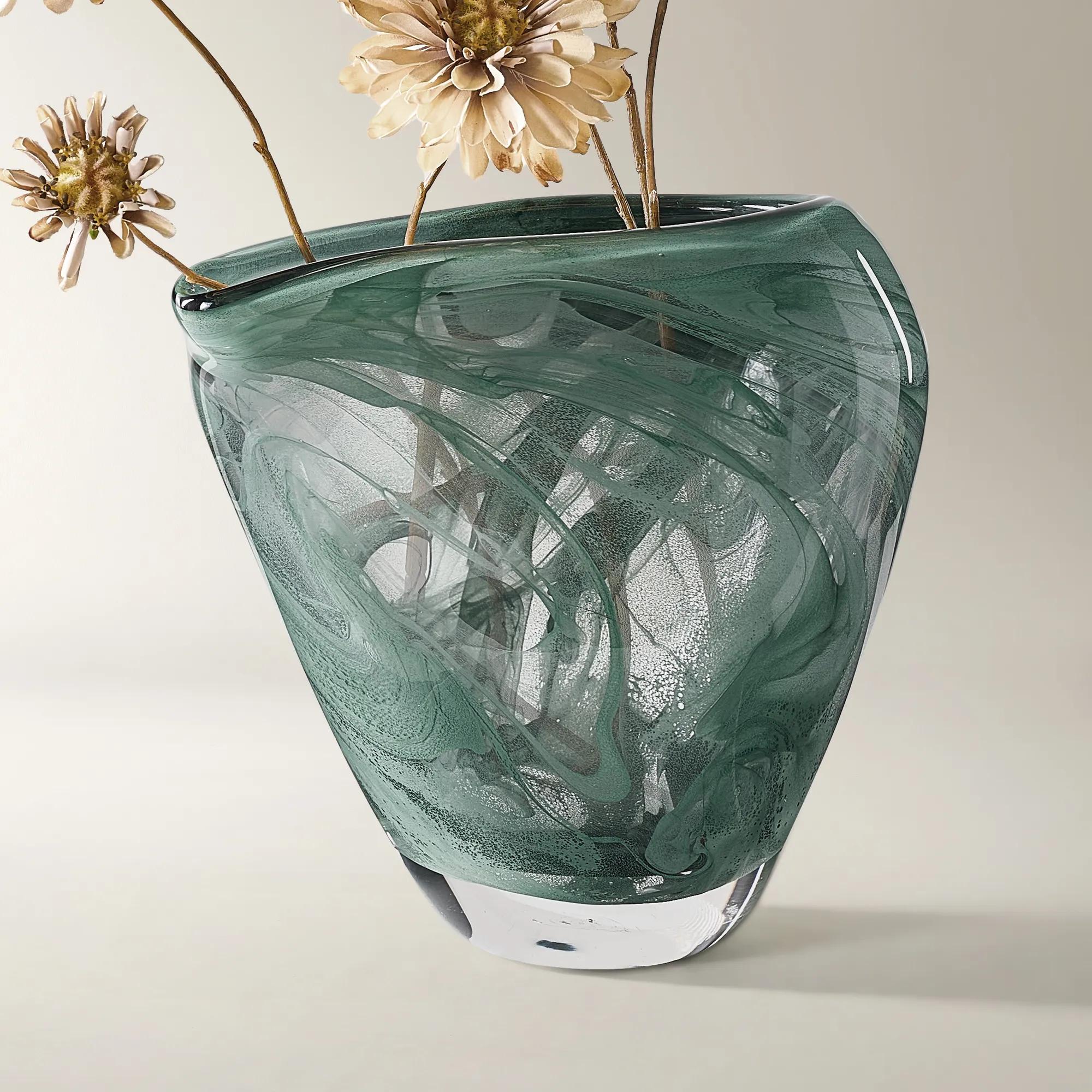 Flow Mouth Blown Sage Green Glass Vase 12.25"$199
A handblown glass vase in calming sage green with an organic, sculptural silhouette for modern decor.
Add To Cart -
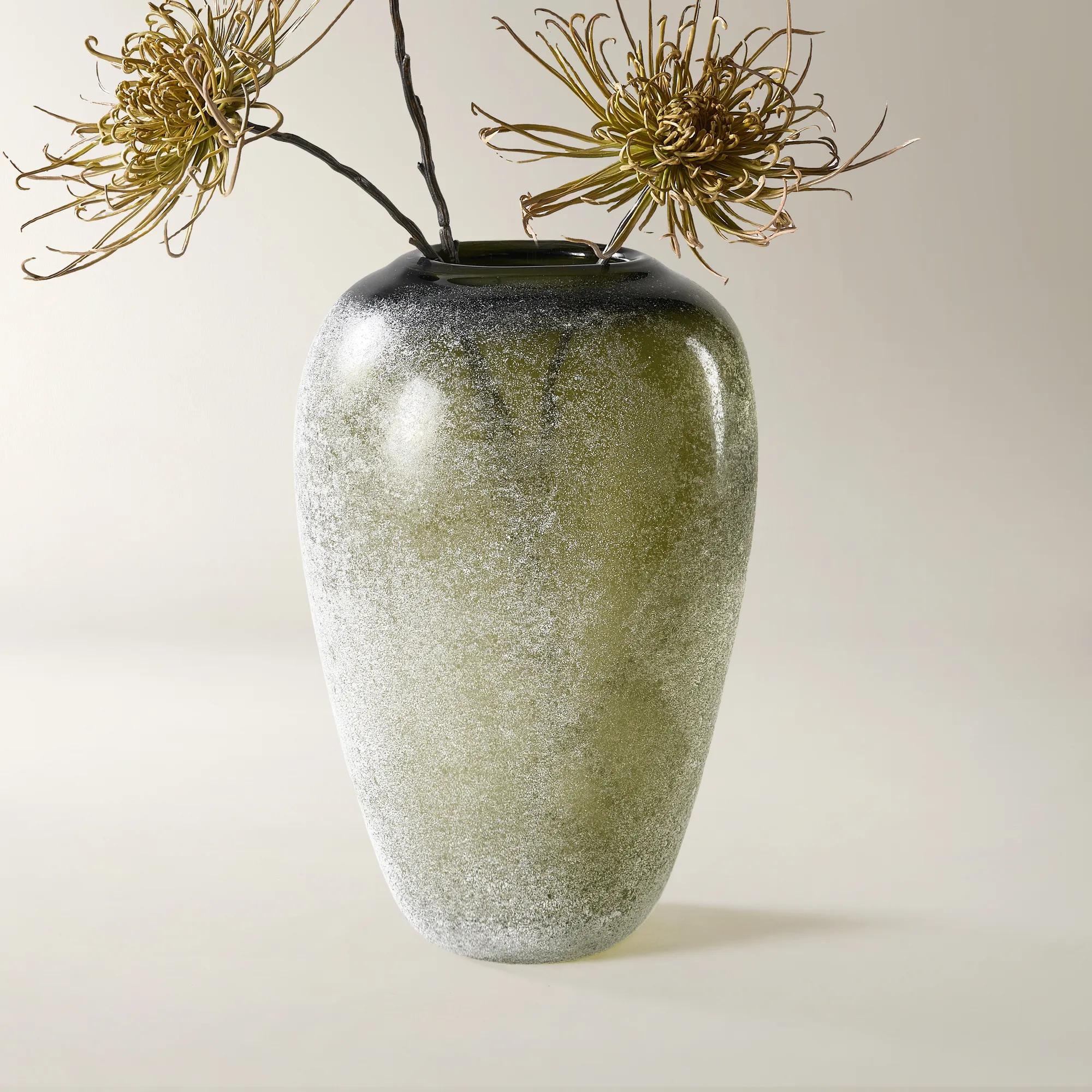 Linden Mouth Blown Pistachio Green Glass Vase 13.75"$129
A handblown glass vase in pistachio green adds a fresh, artful accent to any space.
Add To Cart -

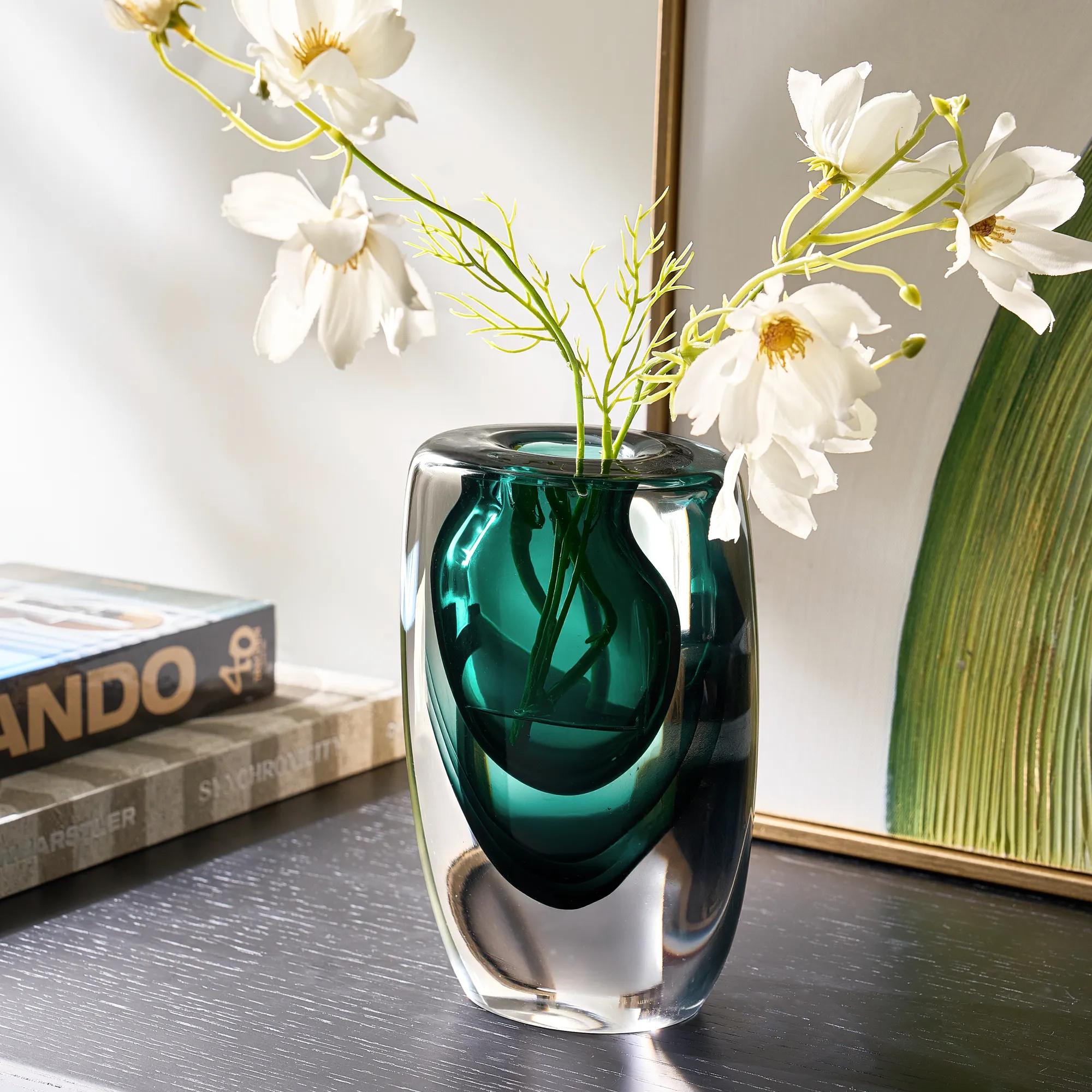 Monro Green Handblown Glass Vase 7.75"$149
A green handblown glass vase adding artisanal texture and modern elegance to curated interiors.
Add To Cart -
 Desi Mouth Blown Spruce Green Glass Vase 10.25"D x 5.5"H$79
A handblown glass vase in spruce green with a chunky, rounded silhouette for modern organic appeal.
Add To Cart -
 Dylan Muted Olive Handblown Glass Vase 6.5"$129
A muted olive green handblown glass vase adding artisanal elegance to modern décor.
Add To Cart -
 Pippa Mouth Blown Seaglass Glass Canister 9.25"$79
A handblown glass canister in a calming seaglass hue with a bold, sculptural silhouette.
Add To Cart -
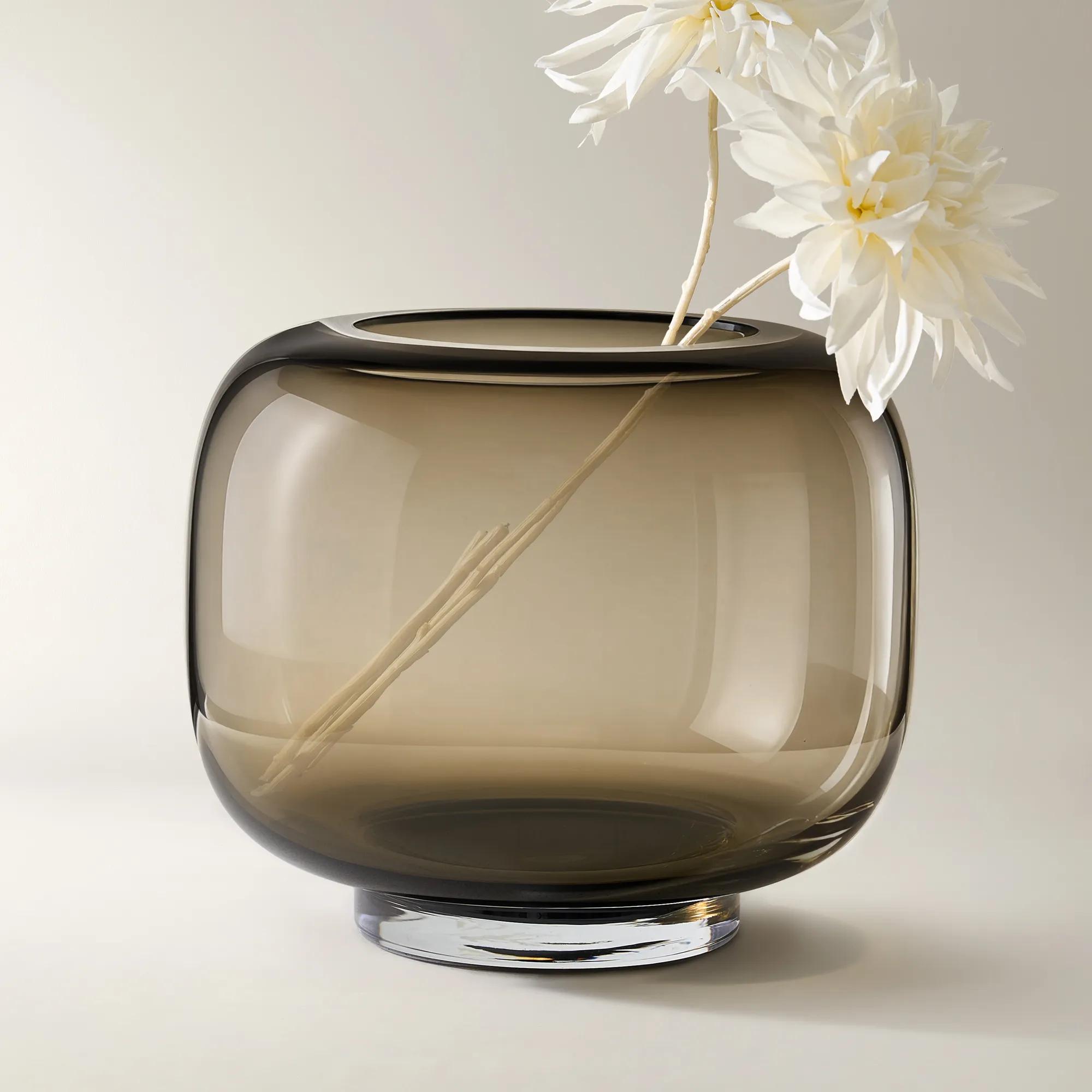 Mateo Smoke Handblown Glass Vase 9.75"$89
A smoke-toned handblown glass vase adding sculptural elegance to modern interiors.
Add To Cart -
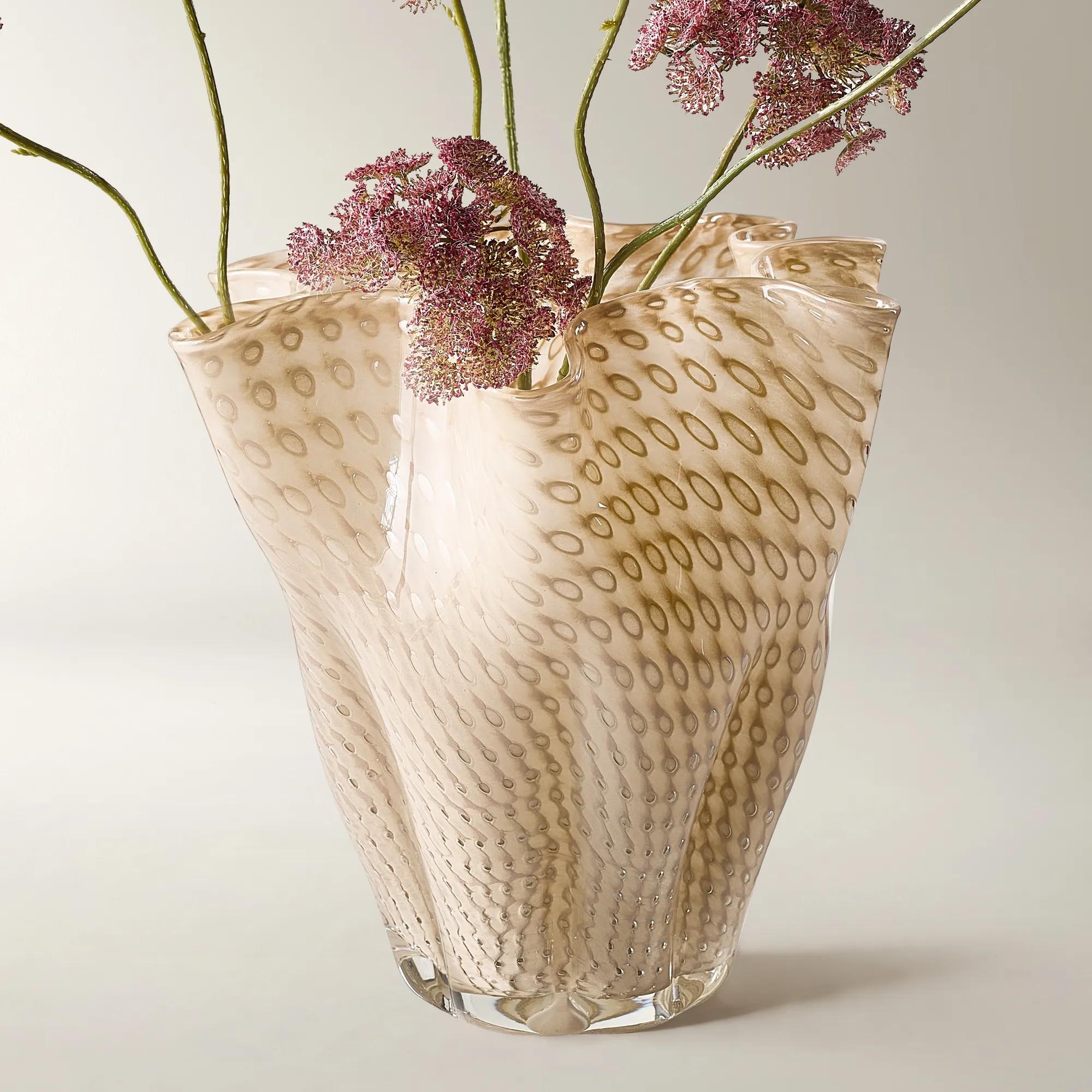 Elle Mouth Blown Tawny Glass Vase 11.25"$129
A handblown glass vase in a warm tawny hue with an organic, sculptural silhouette.
Add To Cart

Decorative Green Glass Vases
Explore decorative green glass vases that bring rich color and a luminous accent to your space. Whether styled with stems or displayed as a sculptural focal point, a green glass vase adds dimension to a mantel, console, or dining table. Consider the silhouette, scale, and shade of green to complement your room’s palette or create a daring contrast.
Decorative green glass vases bring a richly expressive note to an interior, combining the depth of color with the luminous character of glass. Emerald feels jewel-like and dramatic; olive introduces an earthy undertone; pale celadon and sea-glass shades offer a quieter wash of color without disappearing into the room. Each hue creates a different relationship with its surroundings. Against an ivory wall, a saturated green silhouette becomes a deliberate focal point. On a dark wood console, it adds a glint of light and a layer of tonal complexity. Beside brass, the effect is warm and opulent; with polished chrome, green glass takes on a crisp, contemporary edge. The appeal extends beyond color alone. A rounded vessel softens the straight lines of a cabinet or mantel, while a slender neck draws attention upward and gives a simple arrangement sculptural presence. Ribbed, faceted, or gently irregular surfaces break up reflections, creating detail that remains compelling even without flowers. Clear green glass allows stems to become part of the composition, while more opaque or heavily textured glass places greater emphasis on the vessel’s form. These distinctions matter in a room where every object has a visual role. A vase can introduce an accent color, echo the green in an artwork, or connect upholstery and decorative objects that otherwise feel unrelated. It can also stand alone, allowing its shape and finish to carry the moment. For someone drawn to expressive interiors, green offers a particularly versatile kind of drama: bold enough to command attention, yet familiar enough to sit comfortably beside wood, stone, velvet, and metallic finishes. A single piece on an entry table can establish the room’s mood before anything else comes into view, while a thoughtful grouping on a sideboard creates a more layered expression of color and light.
Scale determines whether a green glass vase reads as a subtle accent or an architectural statement. A compact vessel belongs comfortably on a bedside table, a shallow shelf, or a small accent table where a taller shape might overwhelm the surface. A broad, rounded form has greater visual weight and can anchor a console arrangement without needing an elaborate bouquet. Tall silhouettes suit rooms with generous ceiling height and furniture substantial enough to support their presence; the proportions feel most intentional when the vase relates to the width and depth of the surface beneath it. For compositions that call for greater height and presence, Large Decorative Glass Vases offer a related direction for exploring statement-making proportions. Dimensions deserve attention beyond overall height: the footprint affects placement, the opening determines how stems sit, and the interior depth influences the kind of arrangement a vessel can hold. A narrow neck gathers a few branches into a controlled, graphic gesture. A wider opening allows flowers to spread into a fuller shape, though it may require more stems to achieve a balanced composition. On a dining table, a lower vase keeps the sightline open between guests and leaves room for place settings. On a mantel, green glass can create a striking counterpoint to framed art, provided the arrangement leaves enough space for each silhouette to remain distinct. Groupings are especially expressive when they vary in height and contour rather than repeating the same shape. Two green tones can sit together beautifully when a shared texture, finish, or neighboring material gives them coherence. Leaving open space around the vessels keeps the arrangement from becoming crowded. White flowers emphasize the glass’s color, deep burgundy blooms create a sumptuous contrast, and a few sculptural stems allow the vessel itself to remain the focal point. Empty vases are equally purposeful, particularly where a patterned wall covering or richly detailed artwork already supplies movement. The result is decoration with presence, not simply another object occupying a surface.
Material and construction influence both the appearance and everyday use of decorative green glass vases. Glass may be colored within the material itself or receive its hue through a surface treatment, and those differences can affect how a finish should be handled and cleaned. Transparent glass reveals water lines and stems, making a clean interior especially important, while textured surfaces may need extra attention where dust settles into grooves. In handmade glass, subtle bubbles or slight variations in shape can contribute to the object’s character; they should not be confused with chips, cracks, or sharp edges that compromise safe use. Glass is rigid rather than flexible, so a substantial appearance does not make a vase resistant to impact. A stable base, a level surface, and placement away from busy edges help protect both the vessel and the furniture beneath it. Tall arrangements also need balance: heavy branches can make a narrow vase top-heavy, especially in areas accessible to children or pets. Fresh flowers belong only in vessels confirmed suitable for holding water, since some decorative finishes and constructions are intended for dry display. Dried stems or artificial botanicals provide alternatives when water use is not appropriate. For routine care, a soft cloth removes fingerprints without dulling the surface, and gentle hand washing with mild soap is generally preferable when the vase’s care instructions allow it. Abrasive pads, harsh chemicals, dishwashers, and abrupt changes in water temperature can damage glass or decorative treatments. Emptying flower water regularly and rinsing away residue helps preserve clarity; drying the base before returning it to furniture prevents trapped moisture from marking the surface. These practical details make green glass especially rewarding for people who enjoy refreshing a room through a few carefully chosen accents. As a housewarming, wedding, or birthday gift, a vase offers lasting decorative possibility without requiring a complete room redesign. Matching its scale and shade to the recipient’s home makes the gesture feel personal, whether the destination is a jewel-toned living room, an elegant entryway, or a quiet corner ready for a more expressive detail.
FAQs
Style decorative green glass vases as luminous accents on a console, mantel, or dining table. Pair them with art books and a sculptural object for a layered vignette, or let a single vase command attention against a crisp, neutral backdrop. Leave space around the arrangement so its color and silhouette take focus.
Green glass vases bring depth to ivory, charcoal, and warm taupe palettes. Gold-toned accents lend a glamorous note, while blush and plum create an expressive contrast. For a richly layered look, echo the green through artwork or textiles without matching every shade.
White blooms create a crisp contrast with green glass, while pink and burgundy flowers bring a more romantic mood. Architectural foliage draws attention to the vase’s botanical color. Let the silhouette guide your arrangement: sculptural stems emphasize clean lines, while loose, billowing blooms introduce softness.
Decorative green glass vases can stand alone as artful objects, with color, contour, and reflected light creating the drama. Display one beside a framed print or compose a grouping of contrasting silhouettes. An unfilled vase keeps the focus on the glass itself and gives a layered display a moment of visual calm.
Green glass vases offer a distinctive accent across modern, glamorous, and eclectic interiors. Pair streamlined forms with tailored furniture for a modern composition, or place expressive silhouettes near mirrored surfaces for added radiance. In an eclectic room, green glass creates a vibrant thread between collected artwork, patterned textiles, and decorative objects.