Minimalist Flower Vases
Minimalist Flower Vases
-
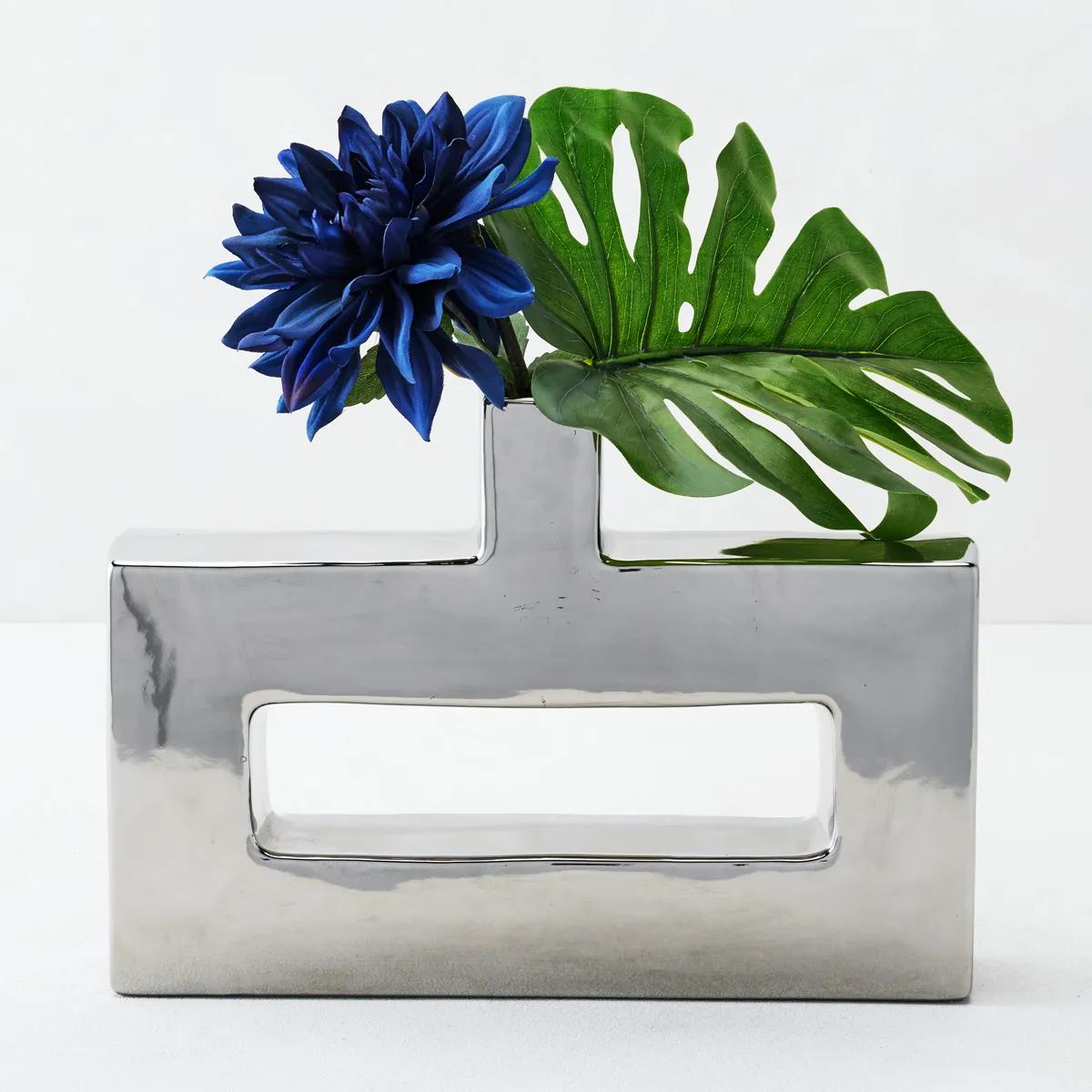 Miami Silver Ceramic High Gloss Vase 11.75"$69
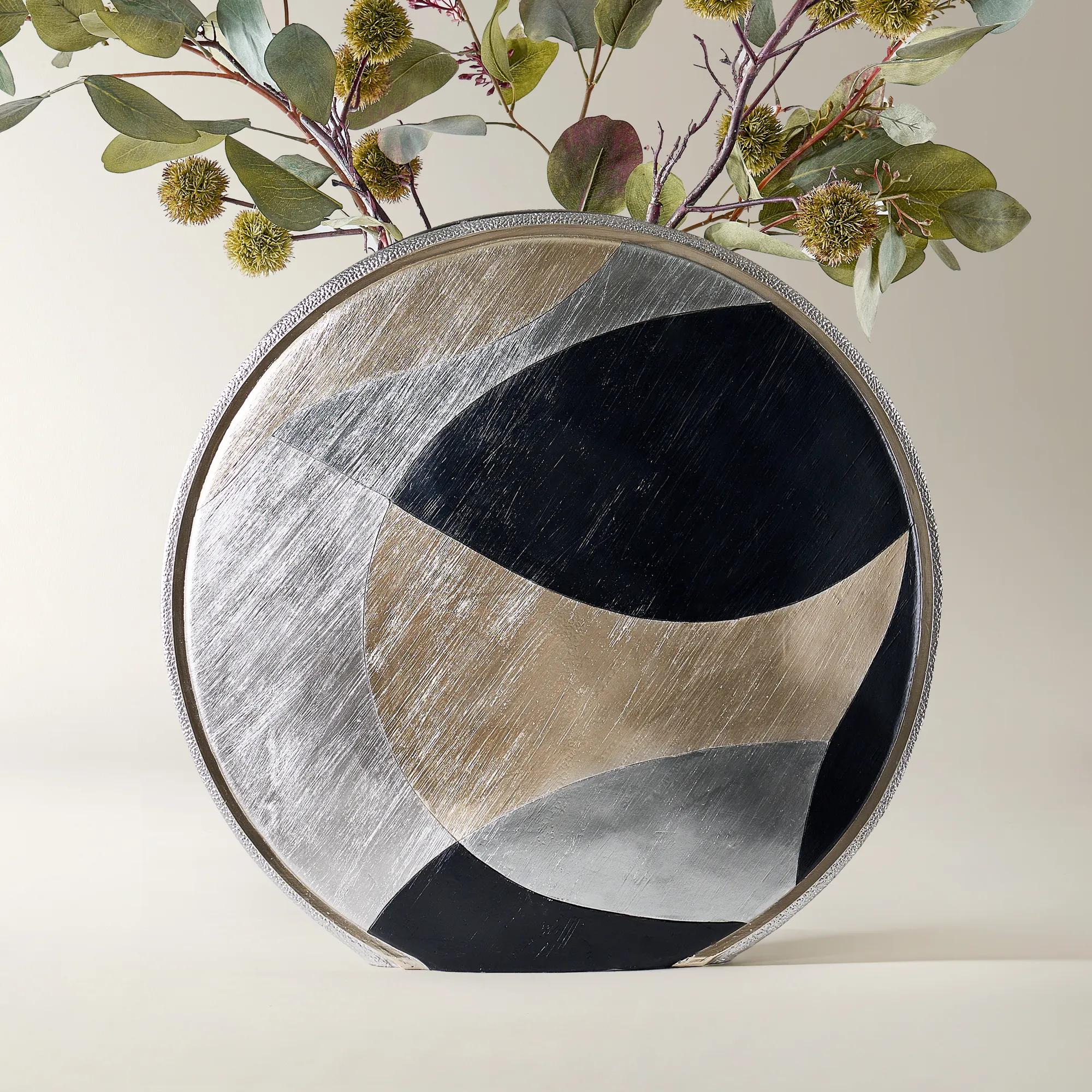
A contemporary silver ceramic vase with a stylish gold glaze, perfect for decorative foliage or display.
Add To Cart -
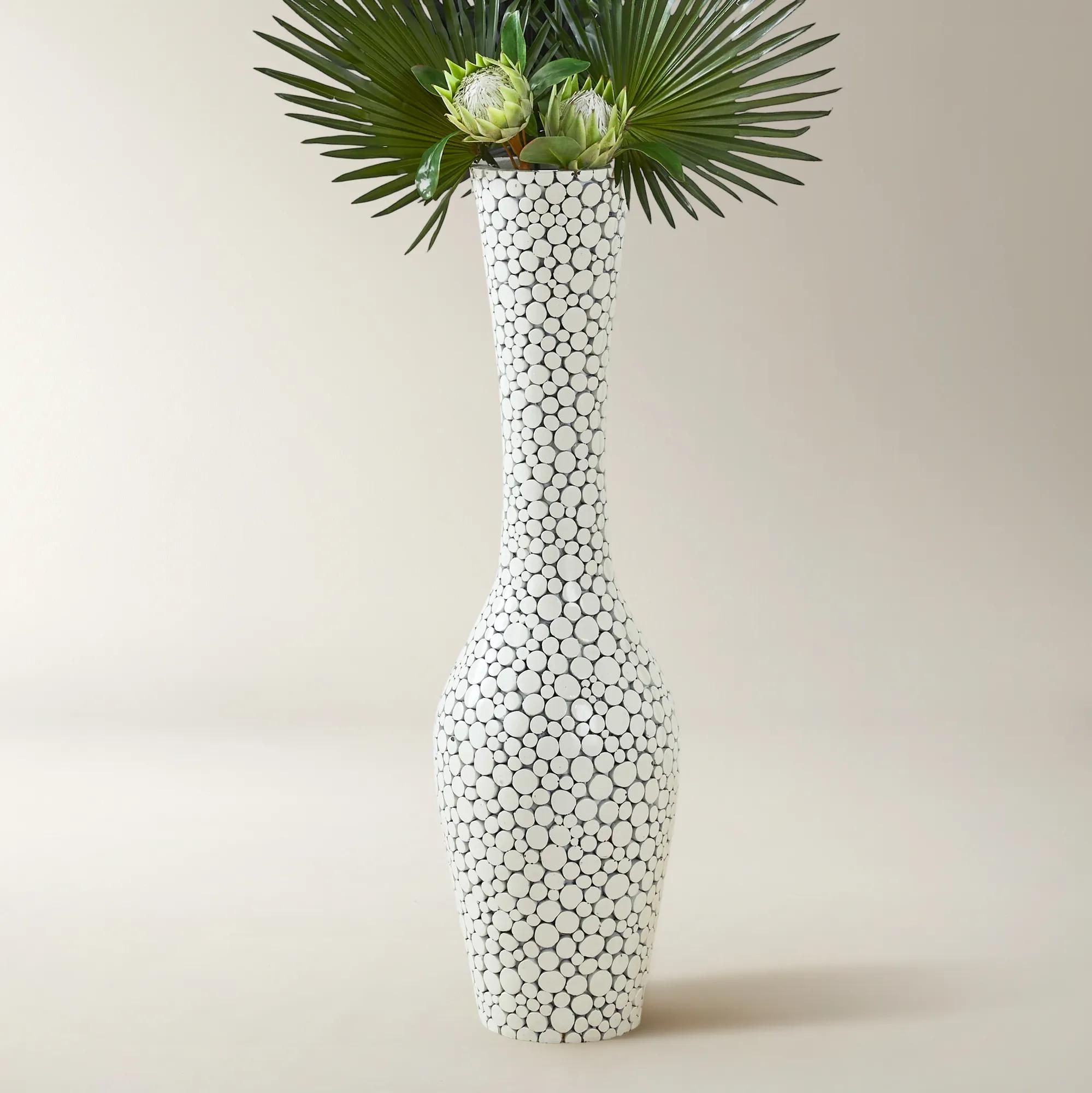 Oslo Floor Vase$299
A contemporary floor vase featuring hand-applied wood accents and a glossy white fiberglass base.
Add To Cart -
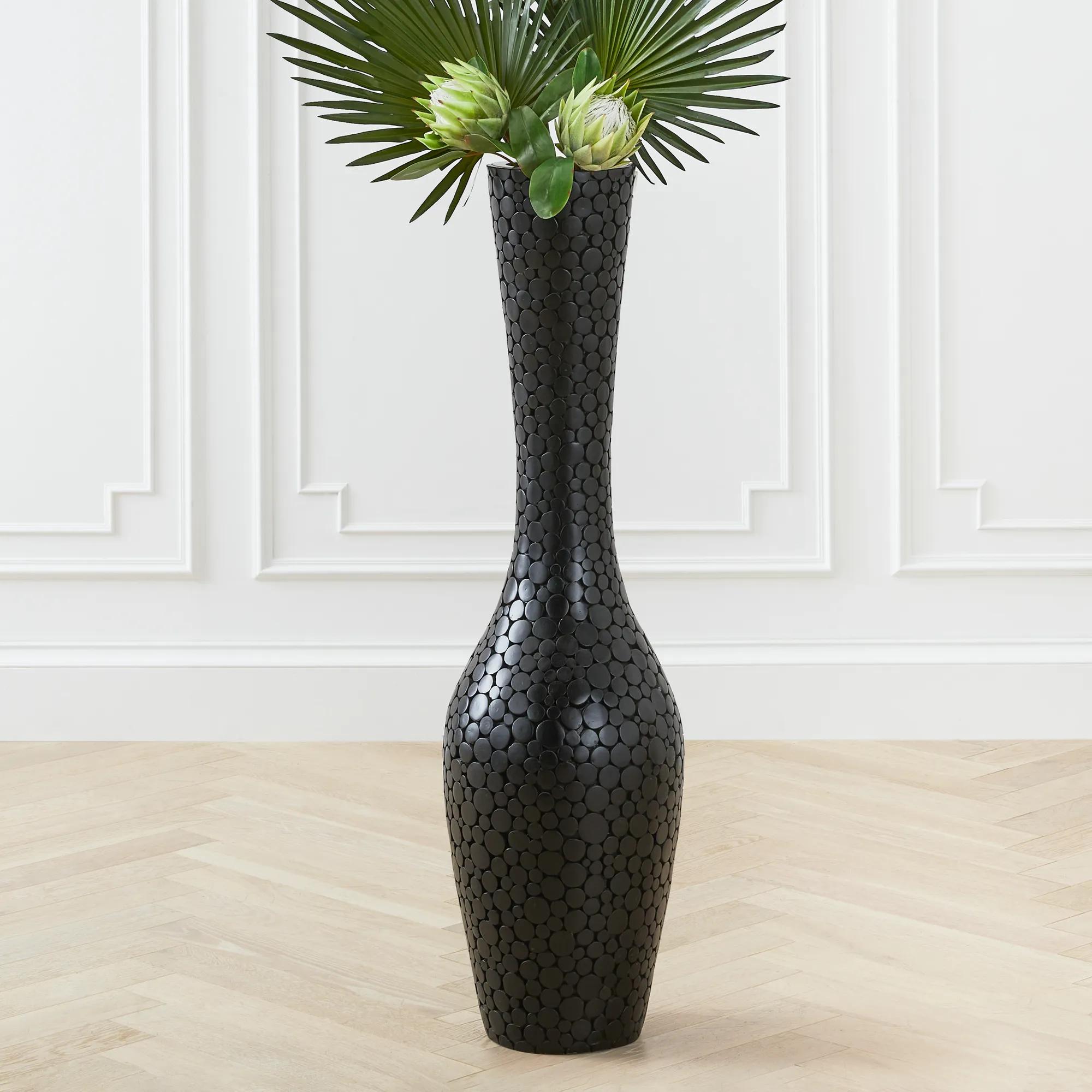
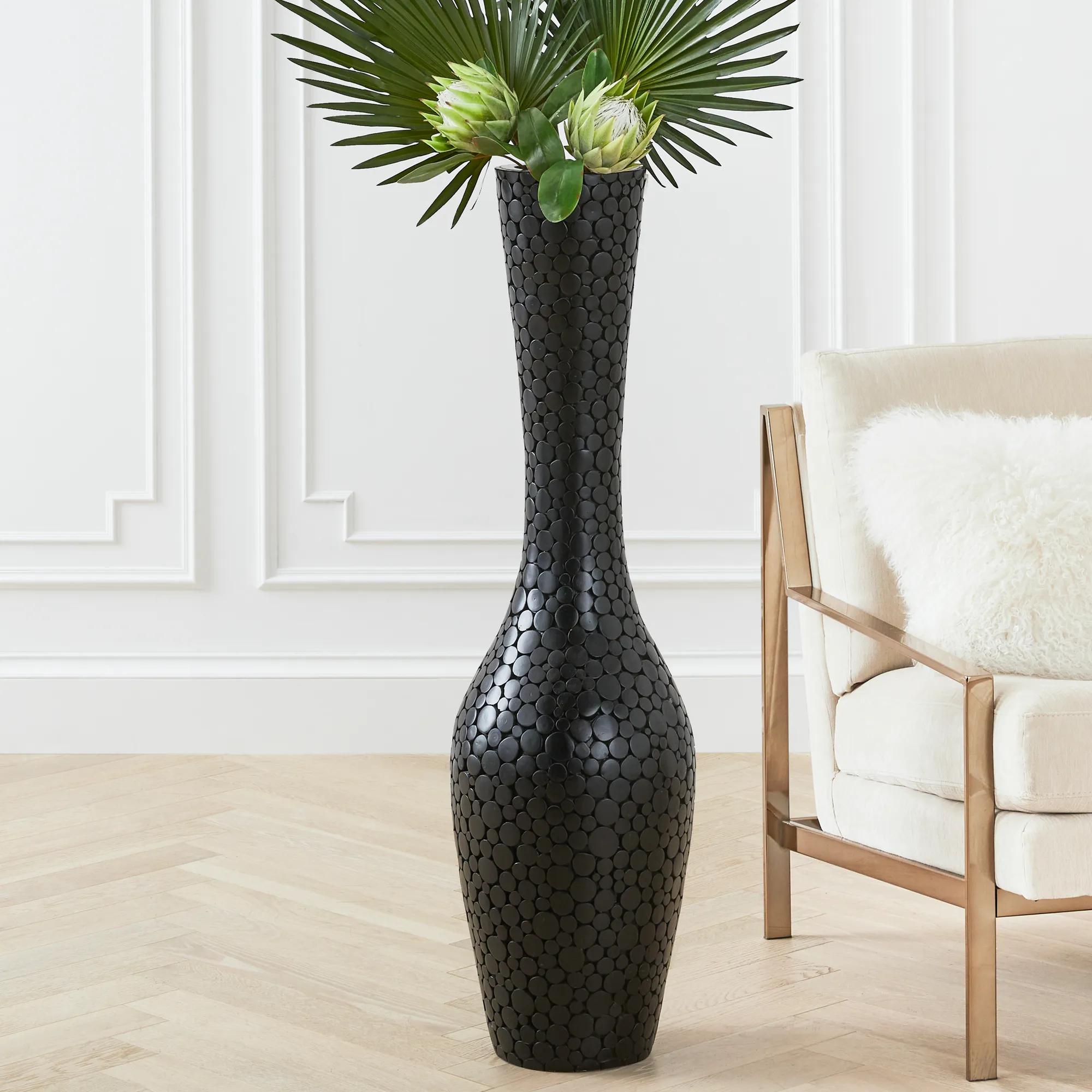 Oslo Black Wood Floor Vase 45"$299
A contemporary floor vase featuring hand-applied wood accents and a glossy black fiberglass base.
Add To Cart -
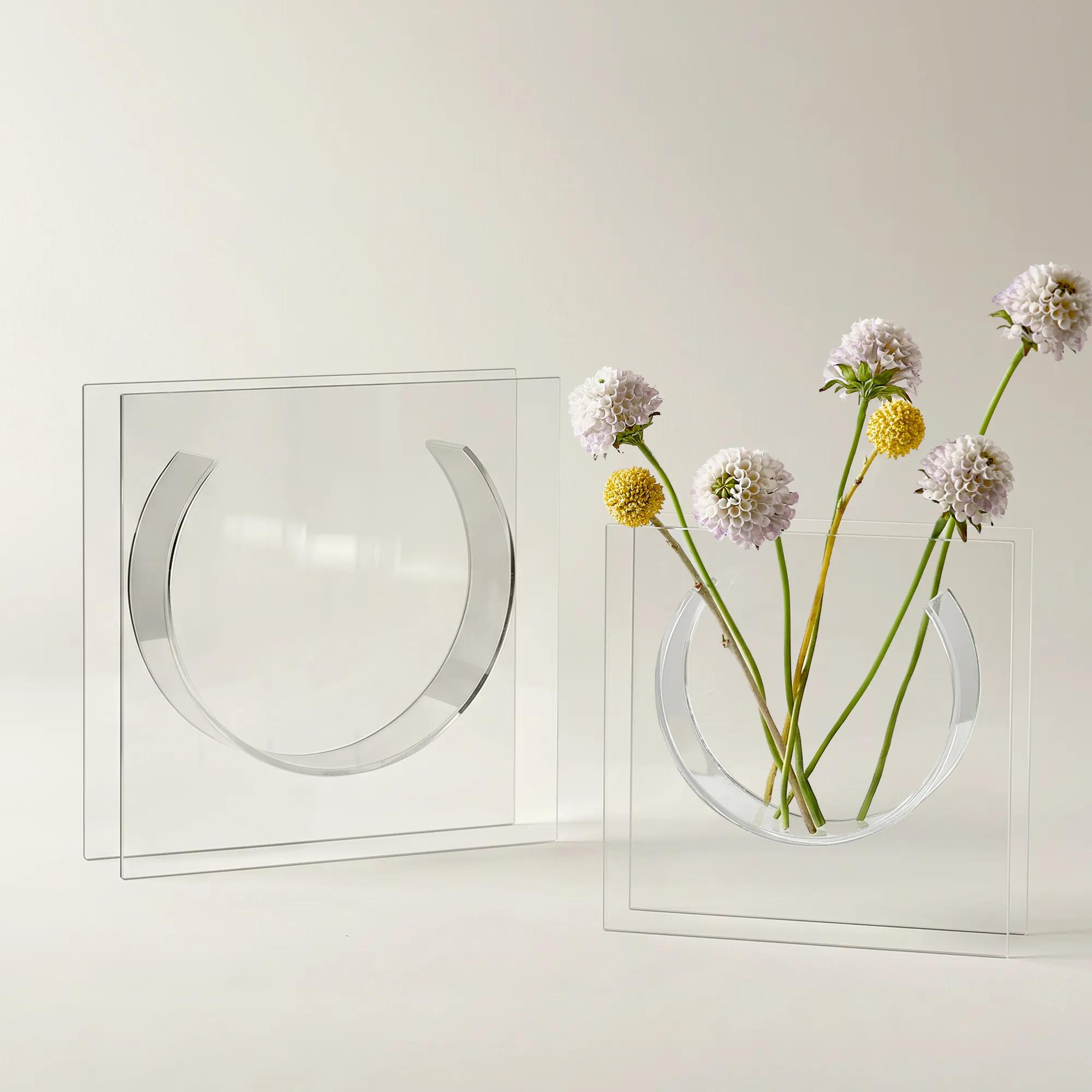
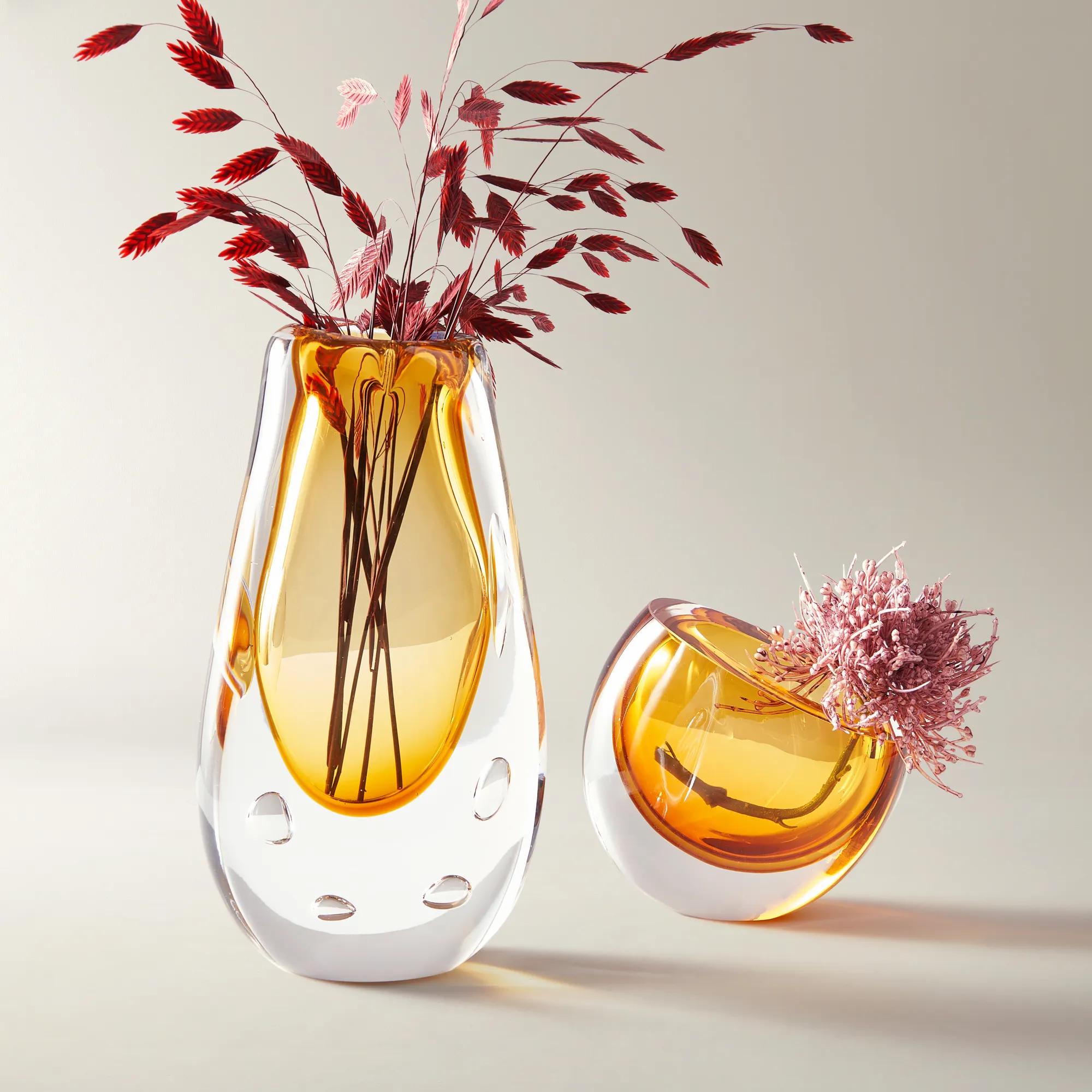
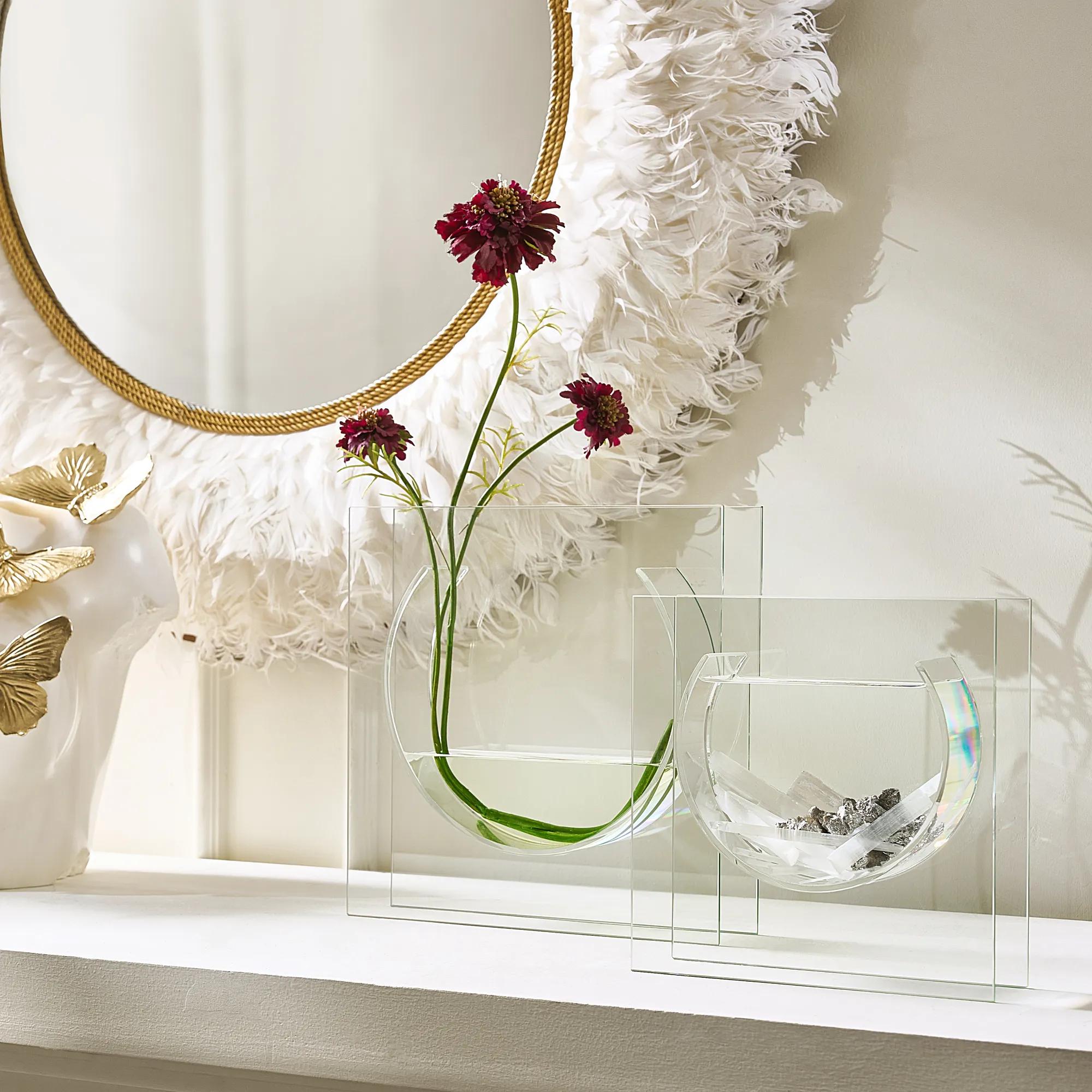 Solaris Clear Glass Vases$39
A bold modern vase crafted from clear glass with an elliptical bowl between two sleek glass panels.
Add To Cart -
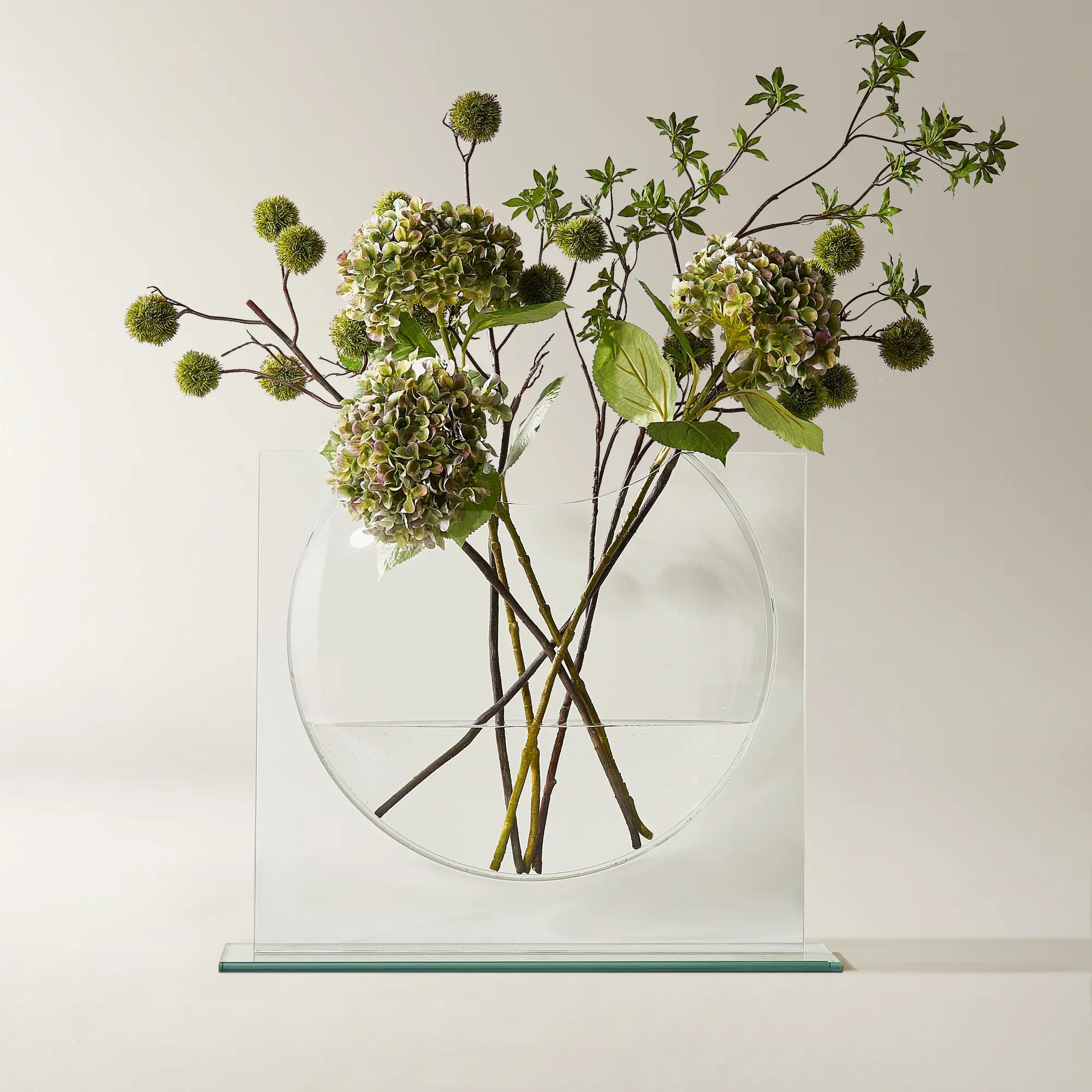
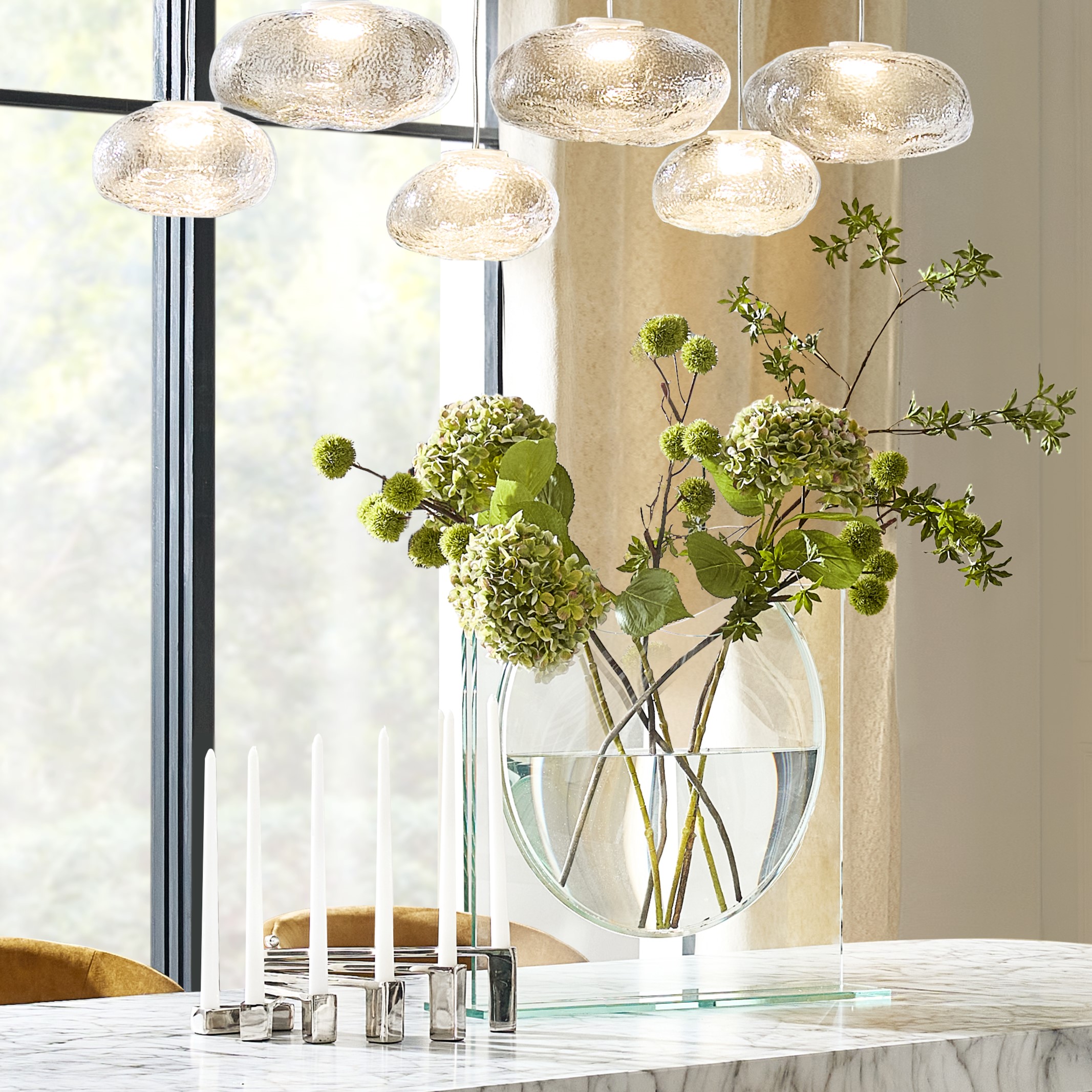 Ellipse Clear Glass Vase 20"$259
A sleek elliptical glass vase offering a modern, functional accent for fresh floral arrangements.
Add To Cart -
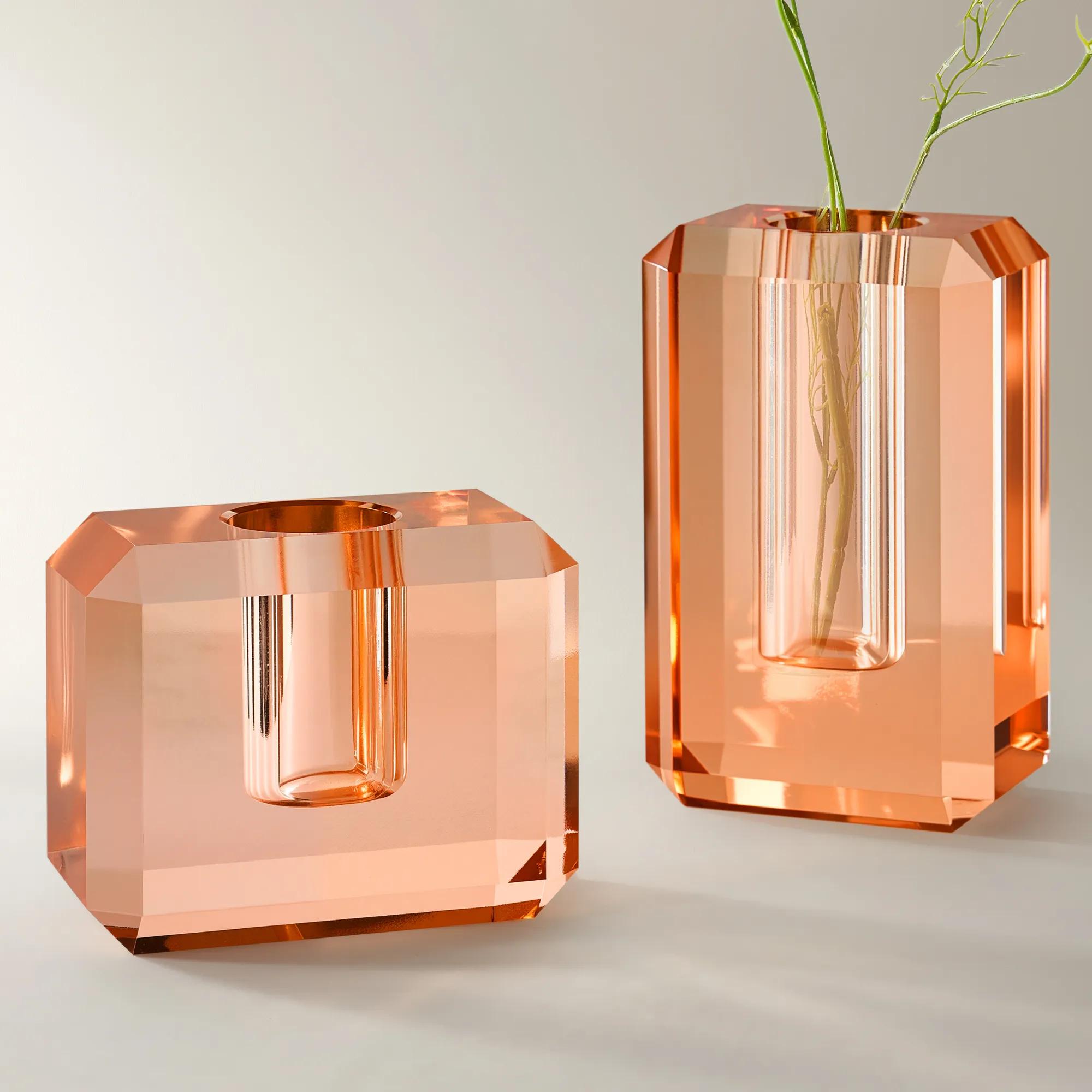
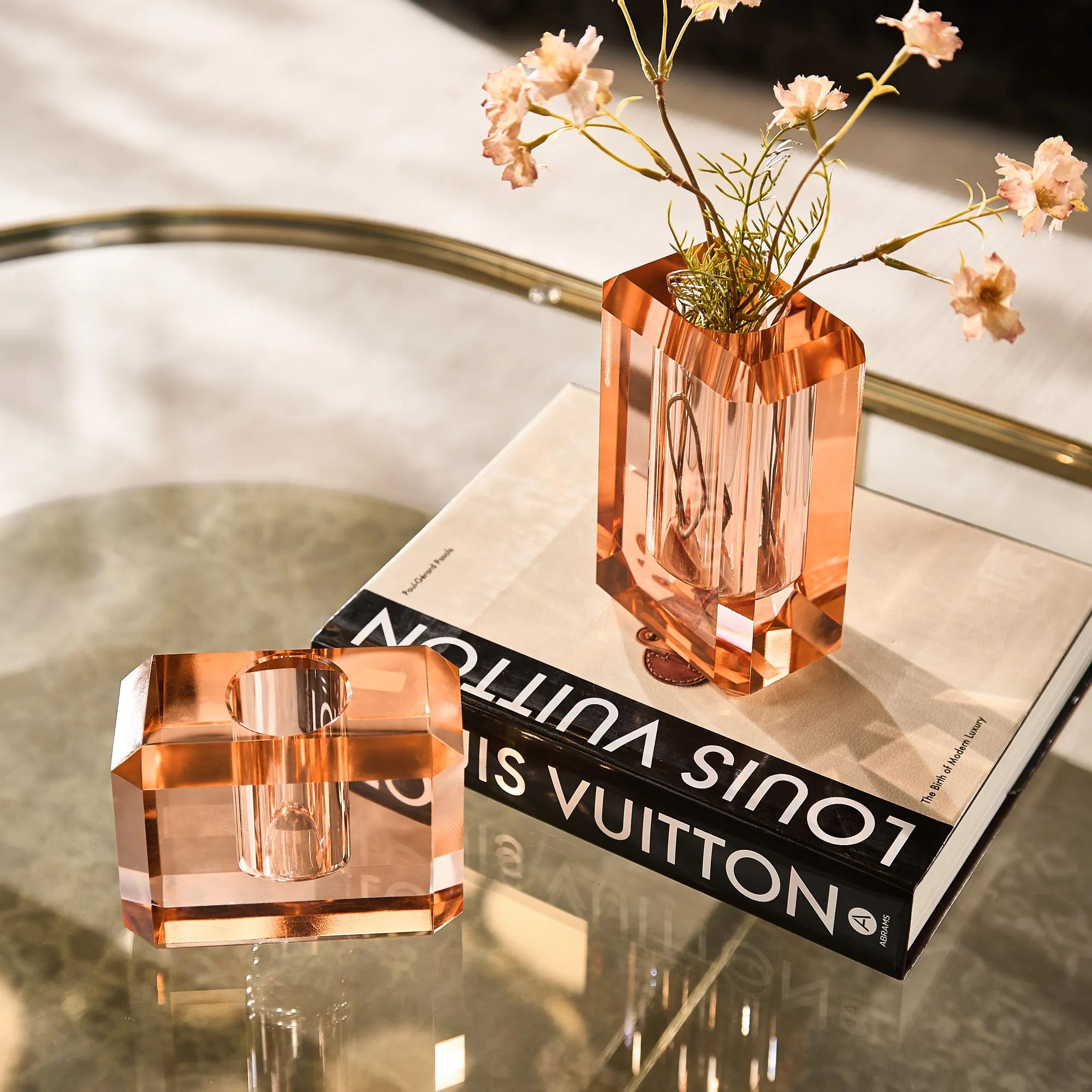 Corina Crystal Glass Bud Vase$99
A delicate crystal glass bud vase adding shimmering elegance to modern floral arrangements.
Add To Cart -
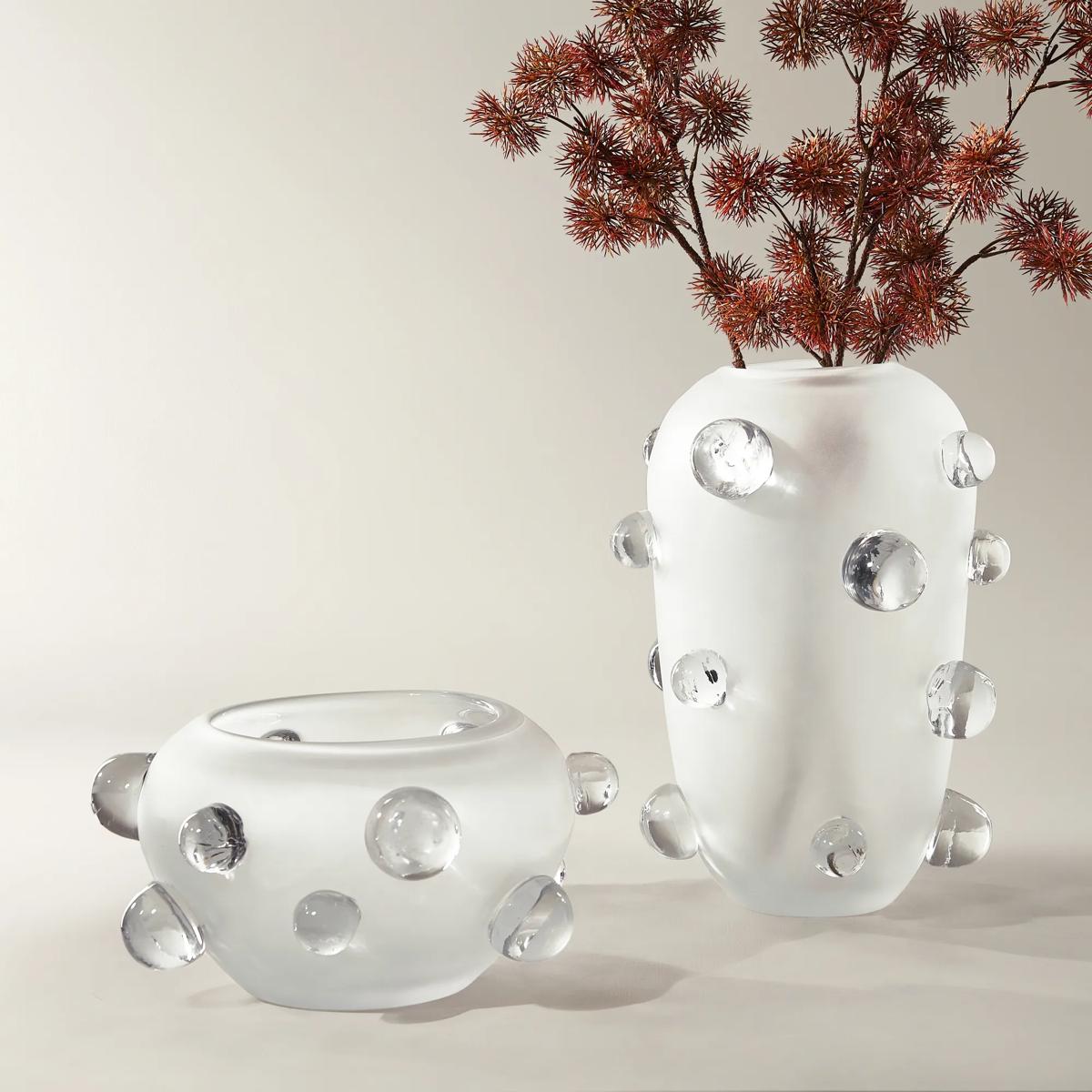
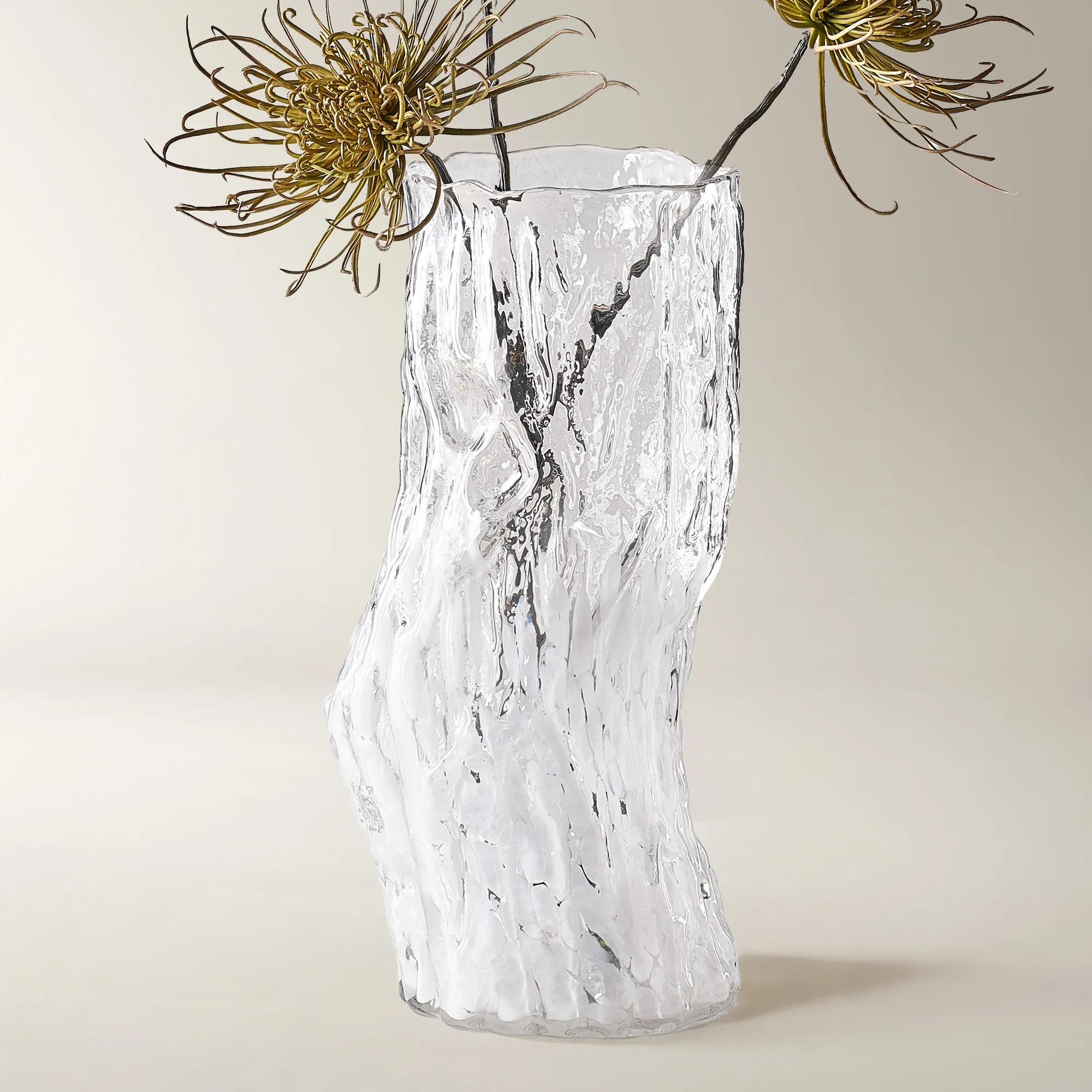 Vanish Mouth Blown Frosted White Glass Vase 18.5"$159
A handblown frosted white glass vase with an ethereal, translucent finish and sculptural silhouette.
Add To Cart -
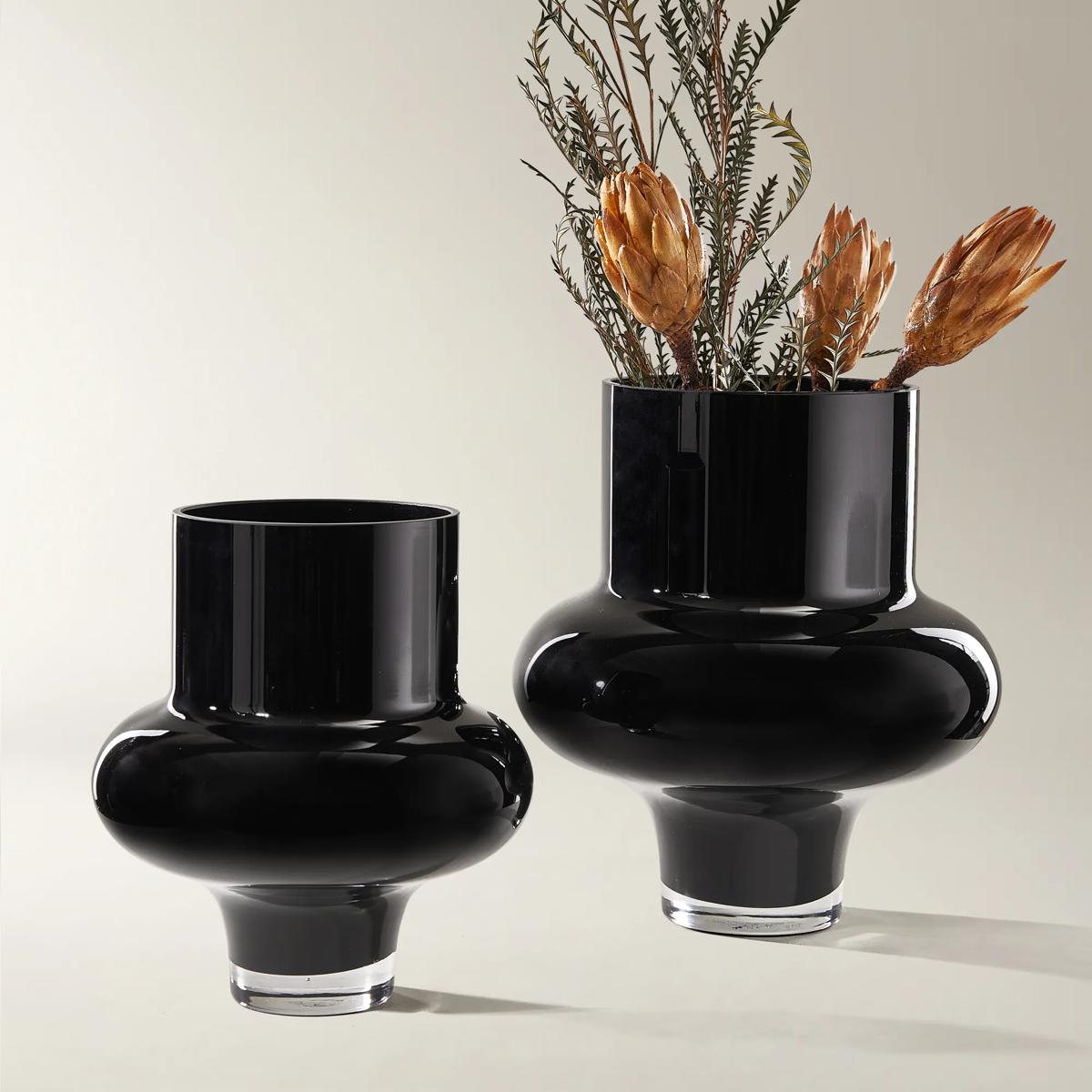
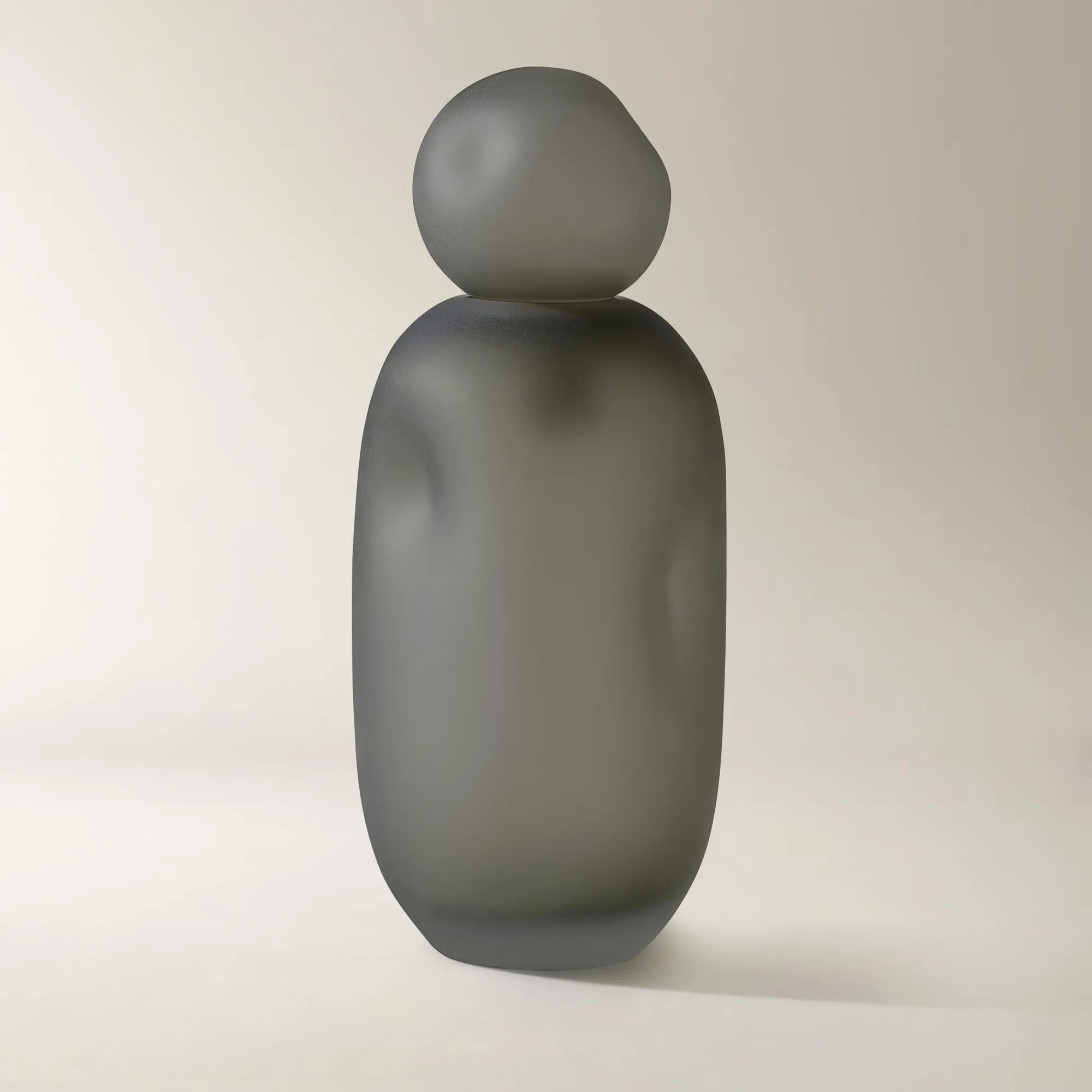
 Kors Glass Vase$69
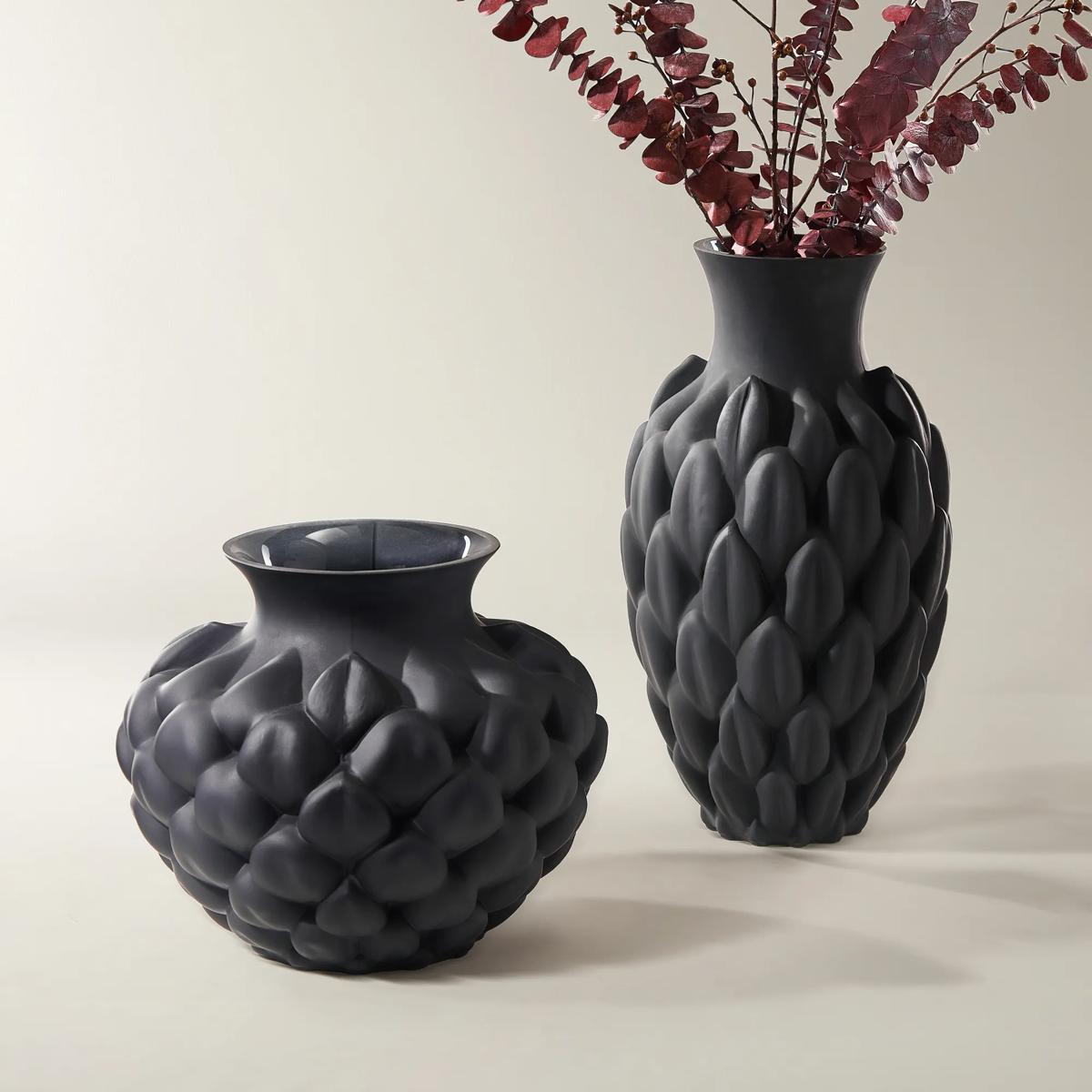
A sculptural hand-blown black glass vase with a high-gloss finish and bold, curvaceous silhouette.
Add To Cart -
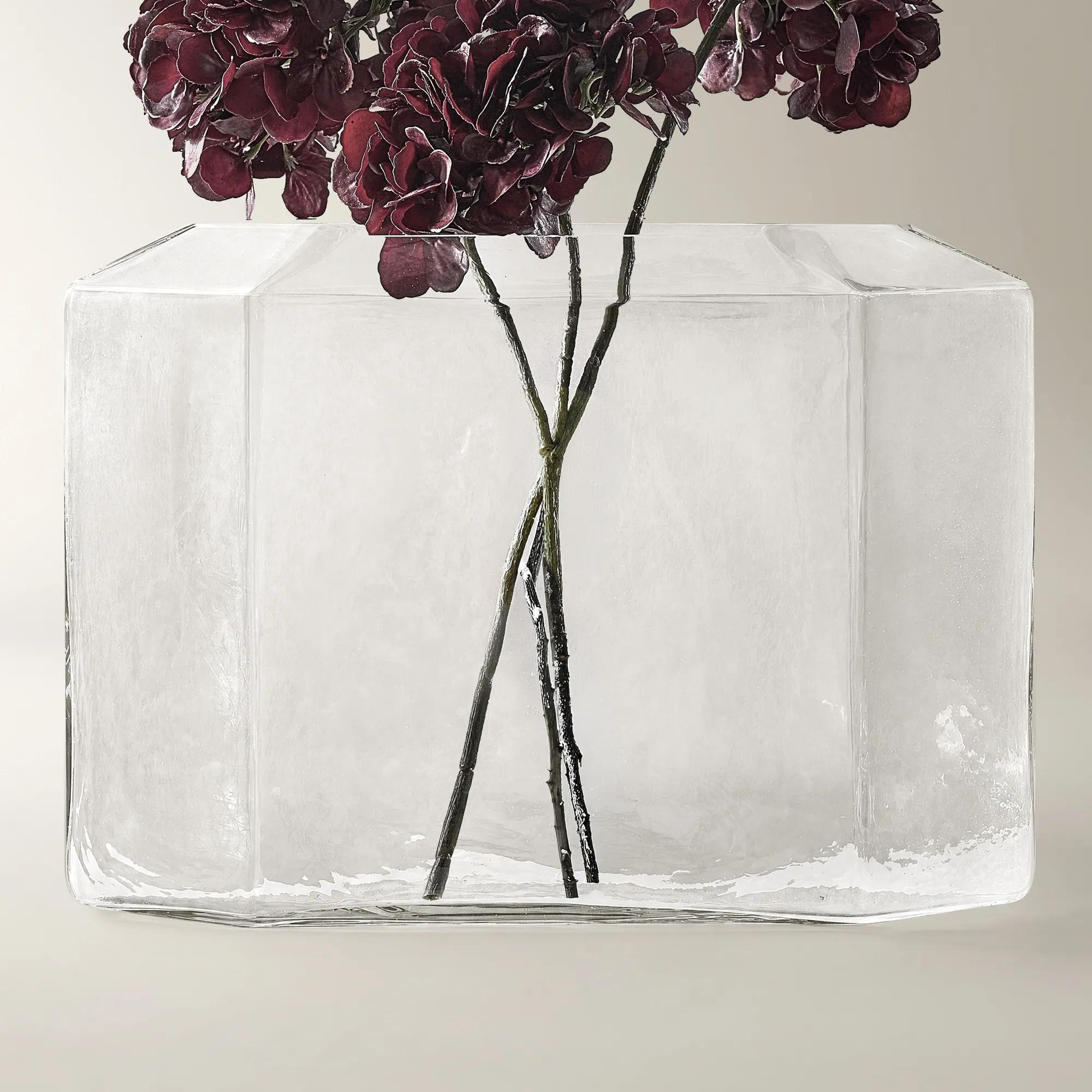 Studio Mouth Blown Clear Glass Vase 13.75"$199
A handblown clear glass vase with faceted detailing that beautifully reflects light for modern elegance.
Add To Cart -
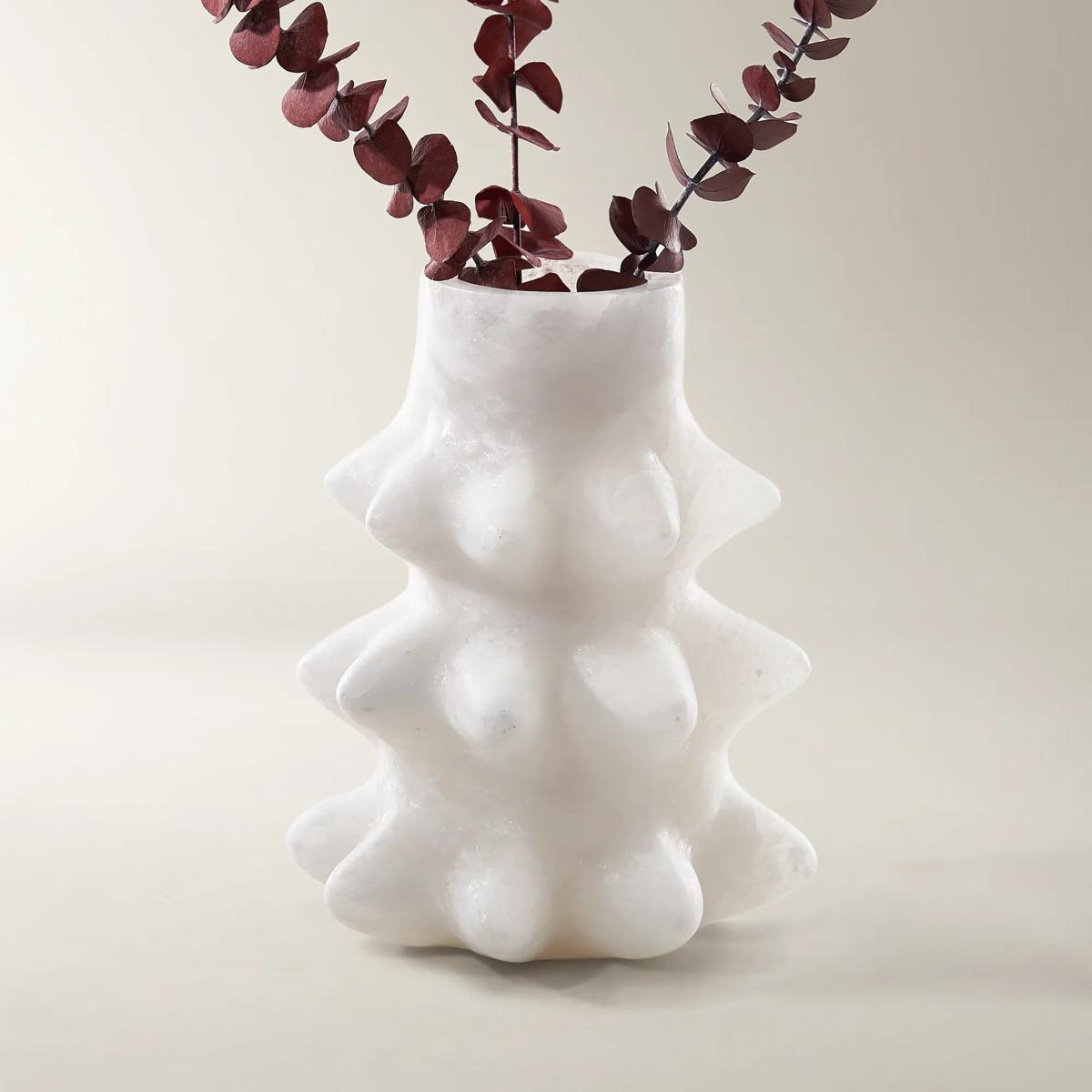
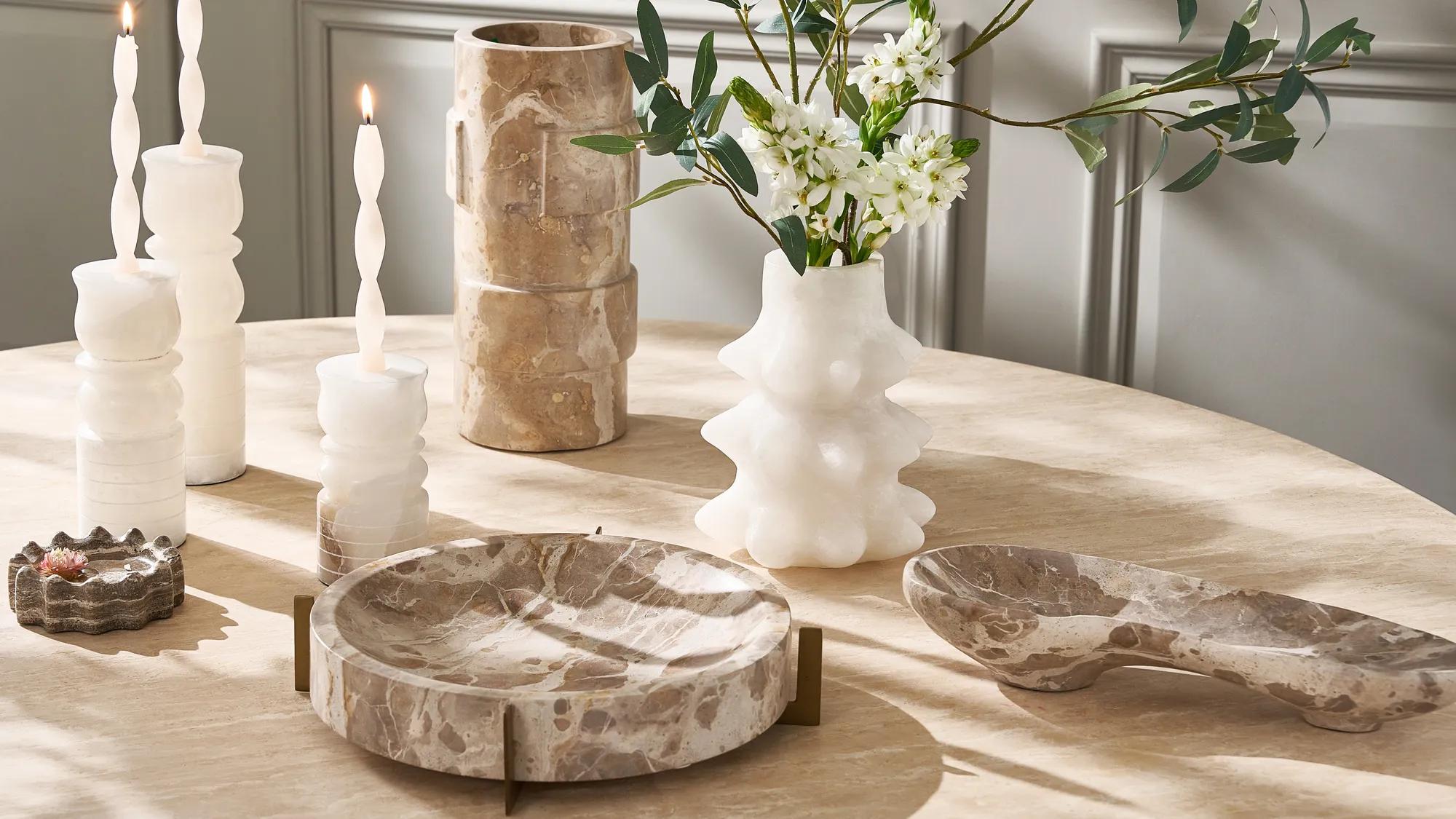 Alabaster Spike Vase$239
A sculptural white alabaster vase with bold spiked contours and naturally radiant veining.
Add To Cart -
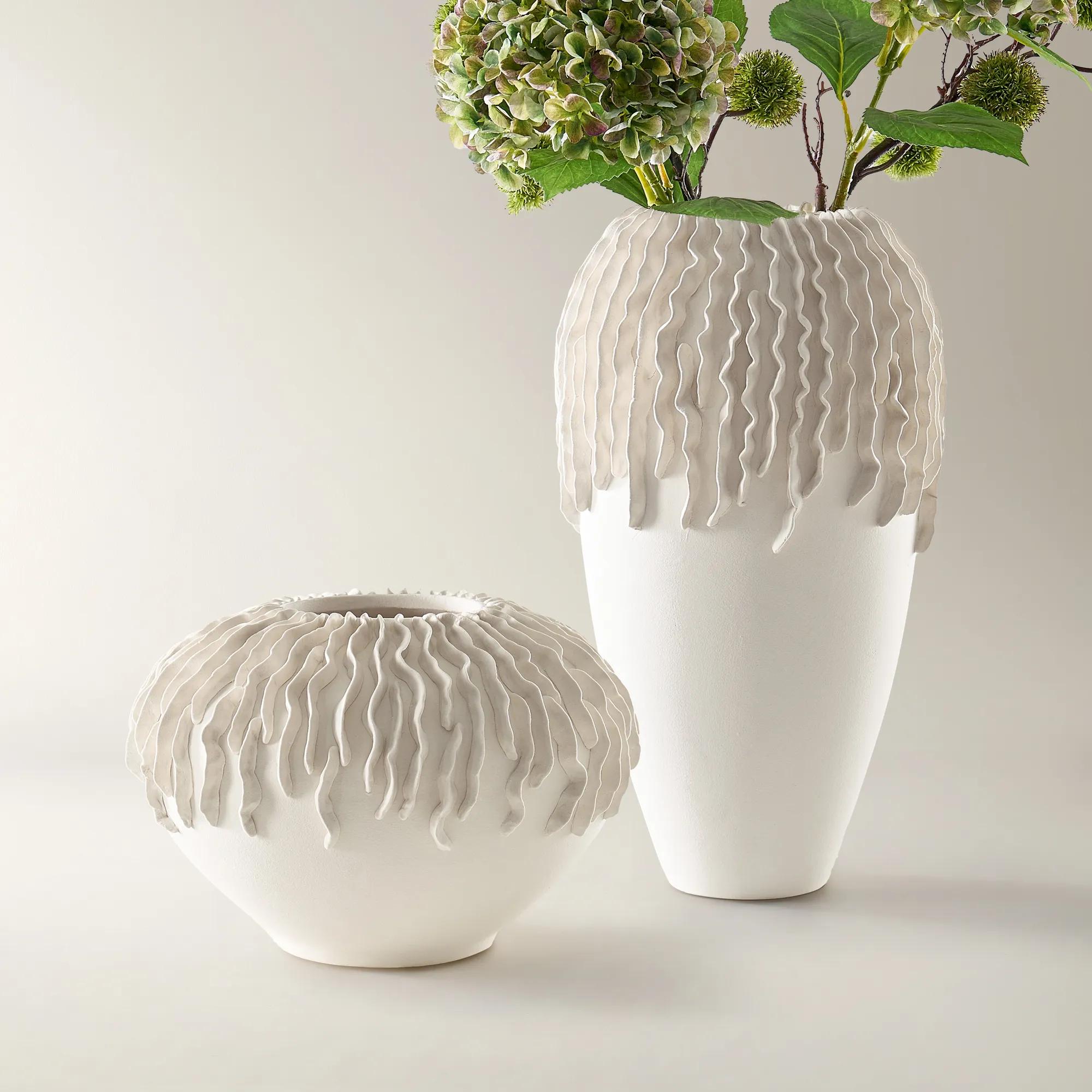
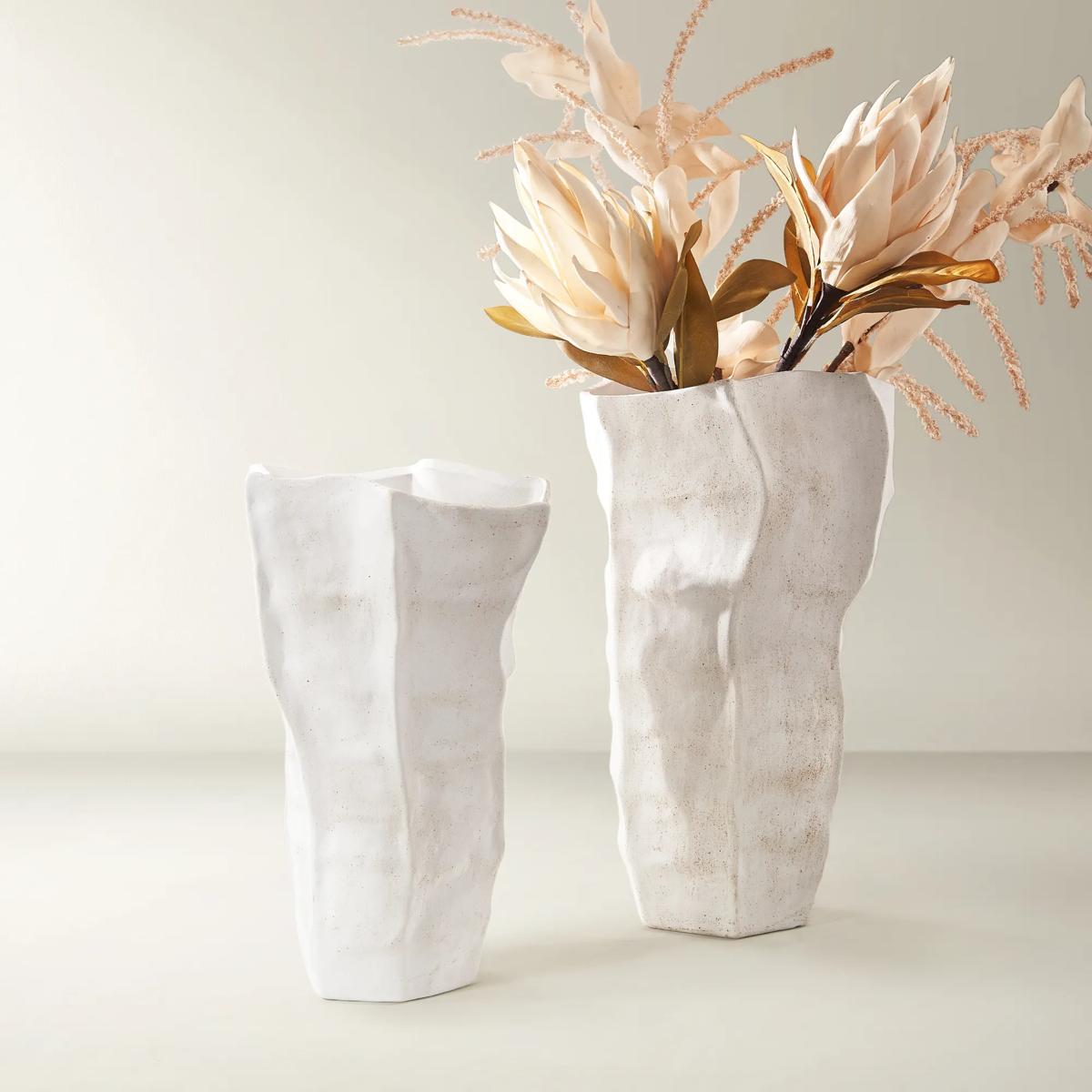 Kira Porcelain Vase$139
A sculptural matte white porcelain vase with fluid, faceted curves and a soft, textured finish.
Add To Cart -
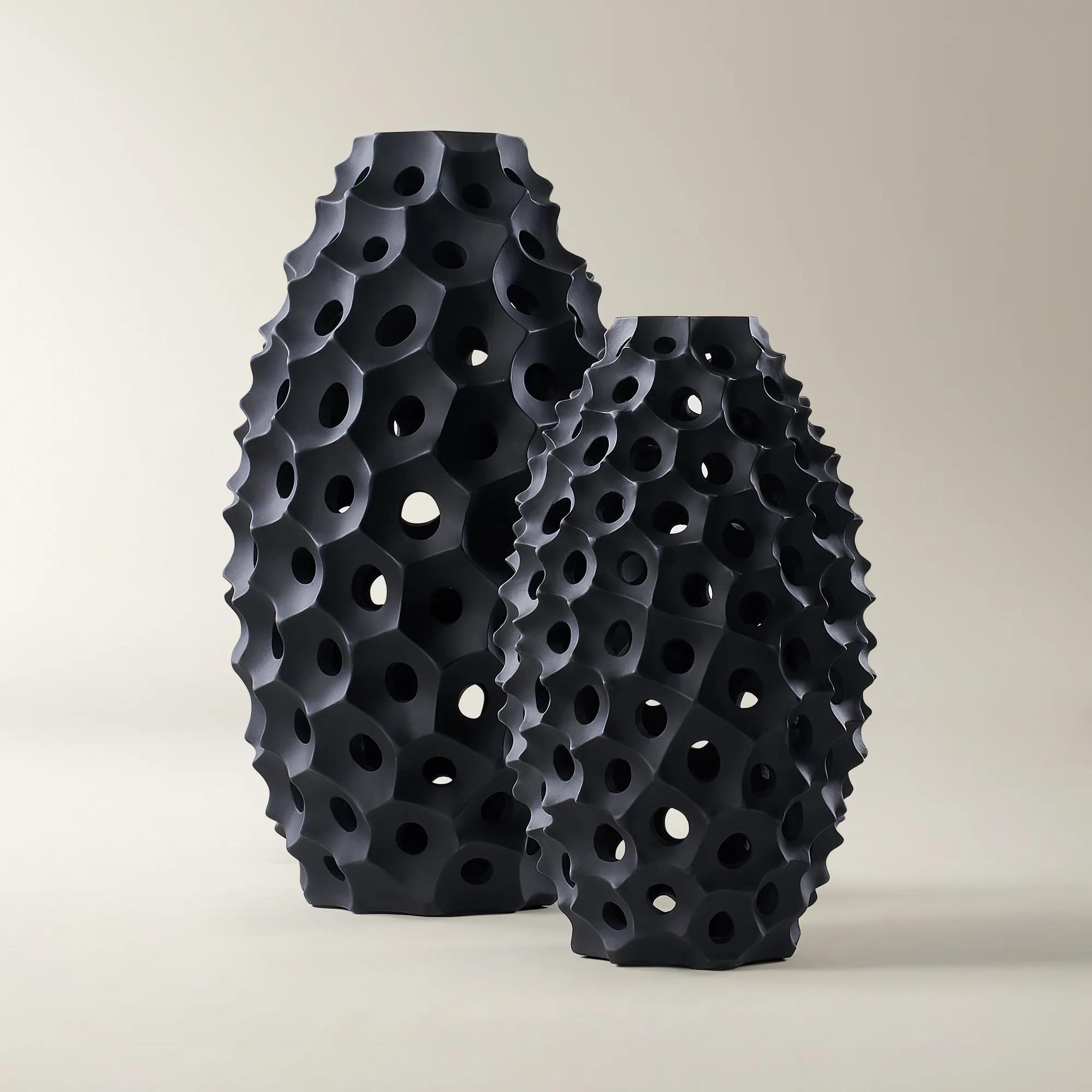
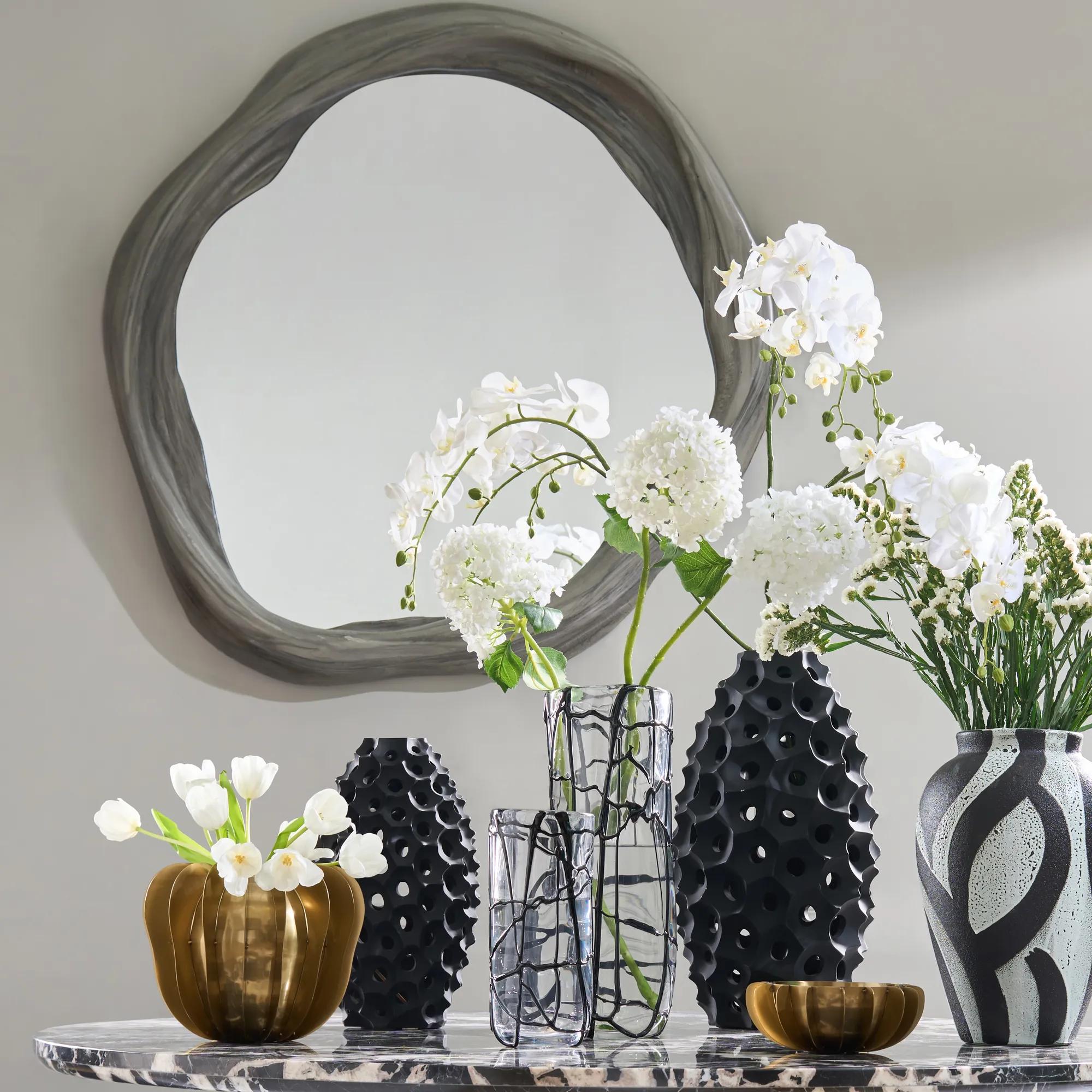 Neo Vase$119
A sleek black resin vase with an aperture design, perfect for adding modern drama to any space.
Add To Cart -
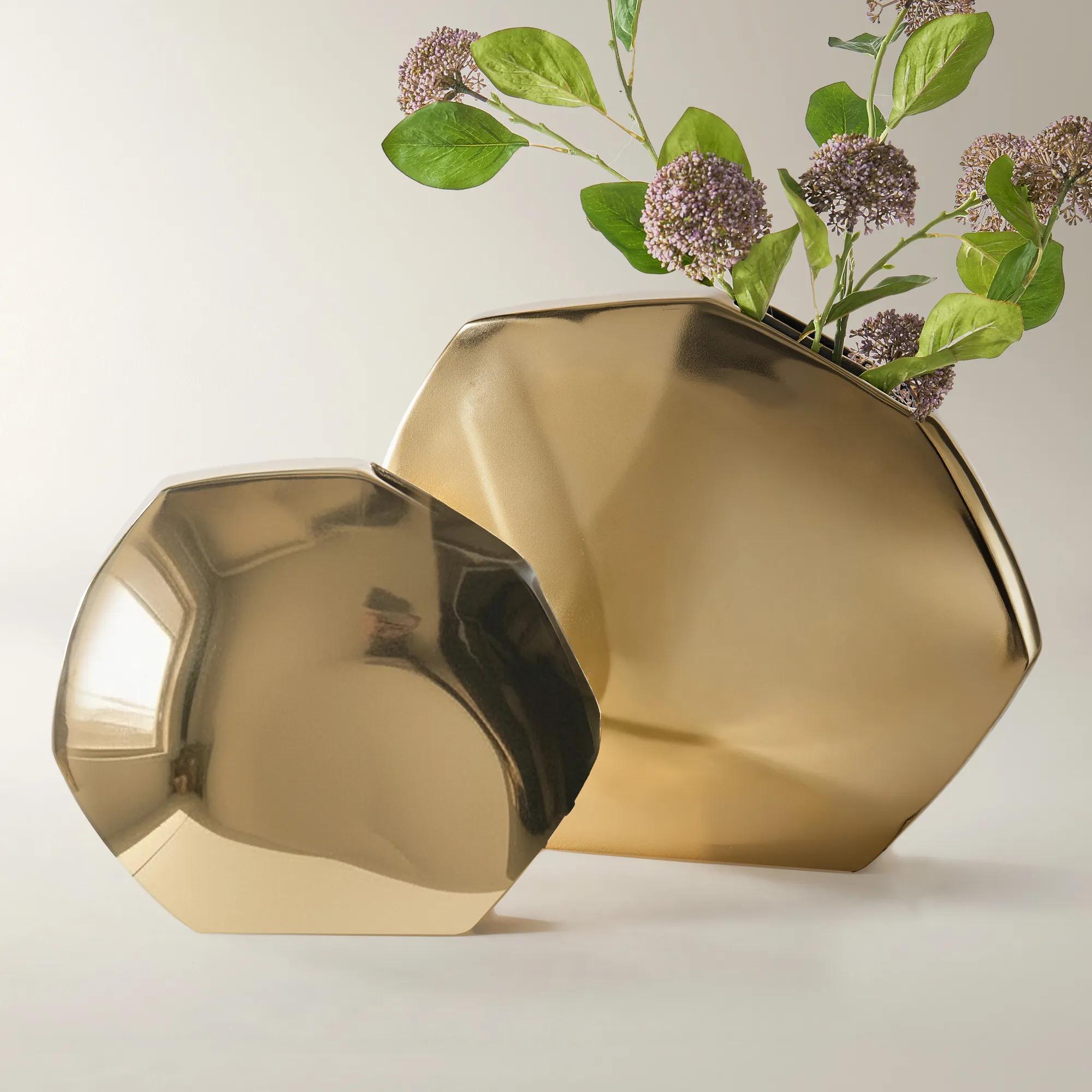 Gem Handcrafted Gold Aluminum Vases$269
A handcrafted gold aluminum vase adding sculptural elegance to modern décor.
Add To Cart -
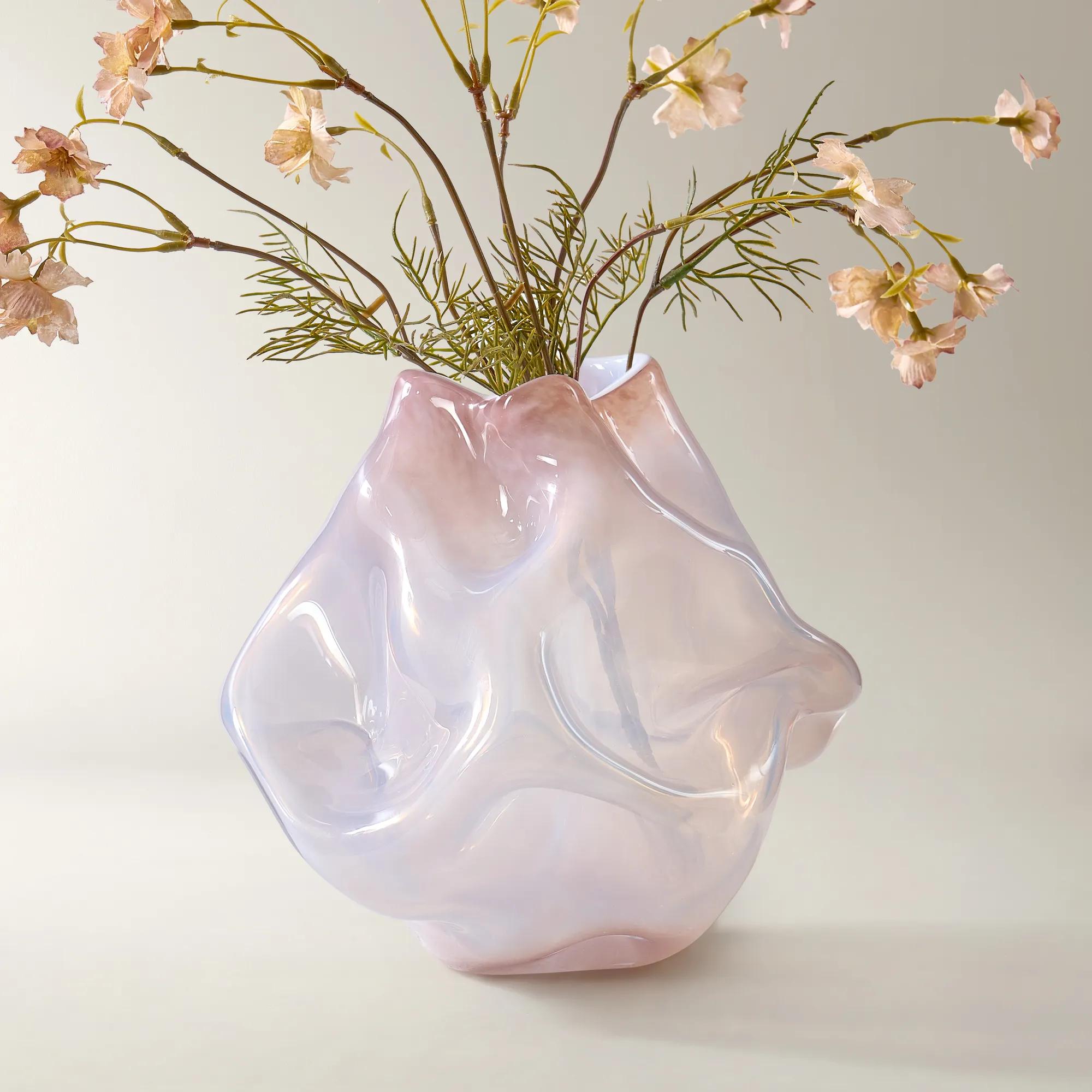 Melt Mocha Rose Handblown Glass Vase 8"$99
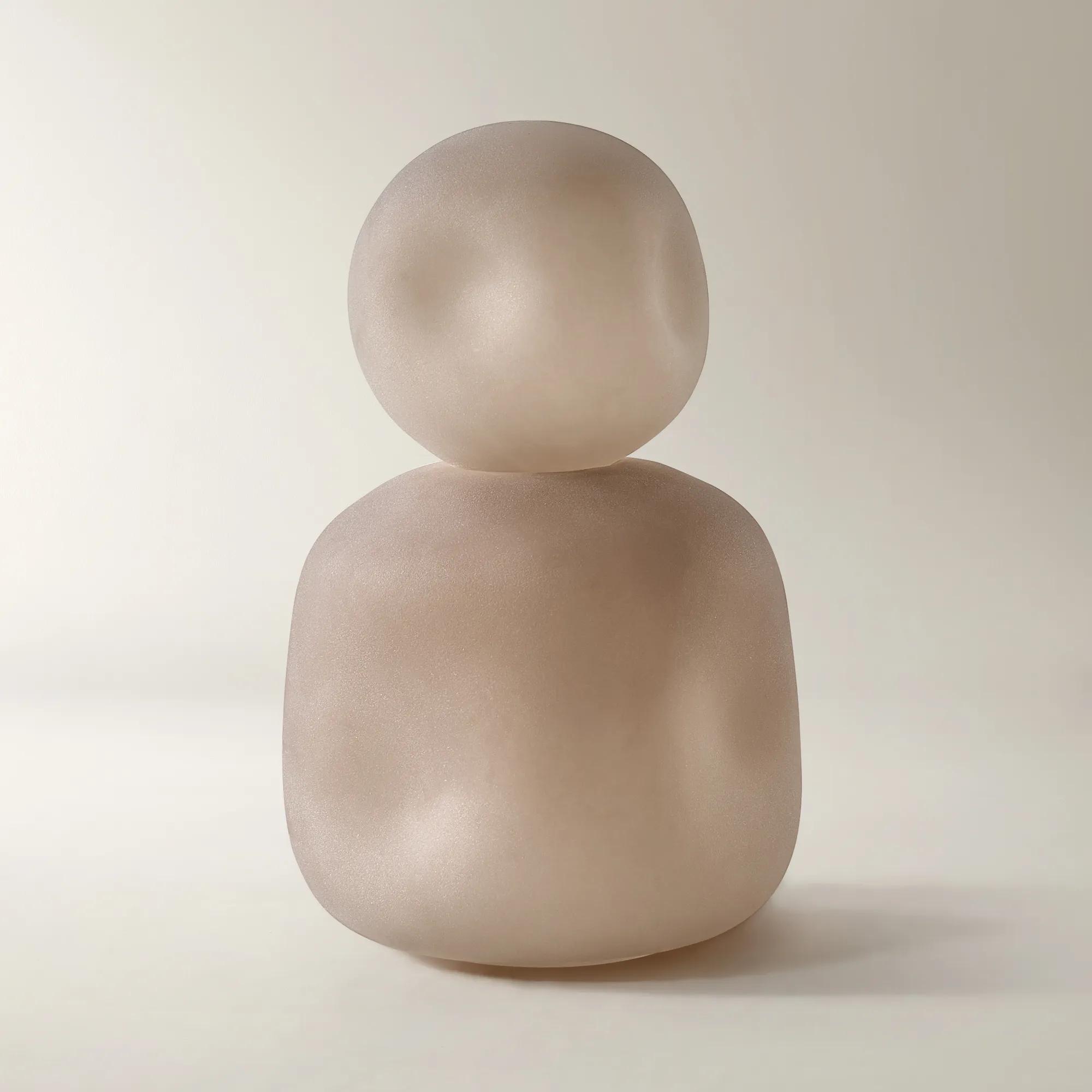
A handblown glass vase in a warm mocha rose hue, bringing sculptural elegance to modern spaces.
Add To Cart -
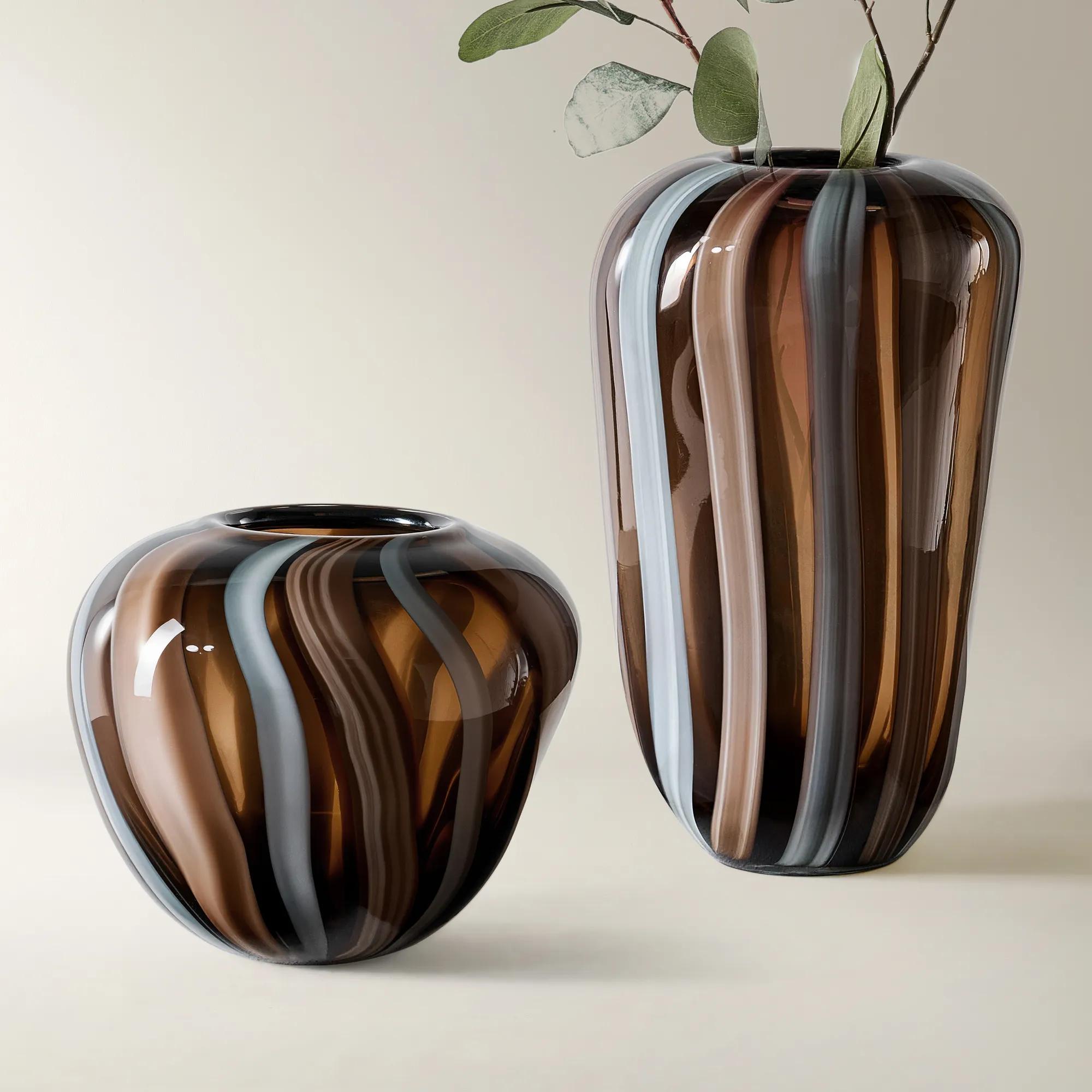
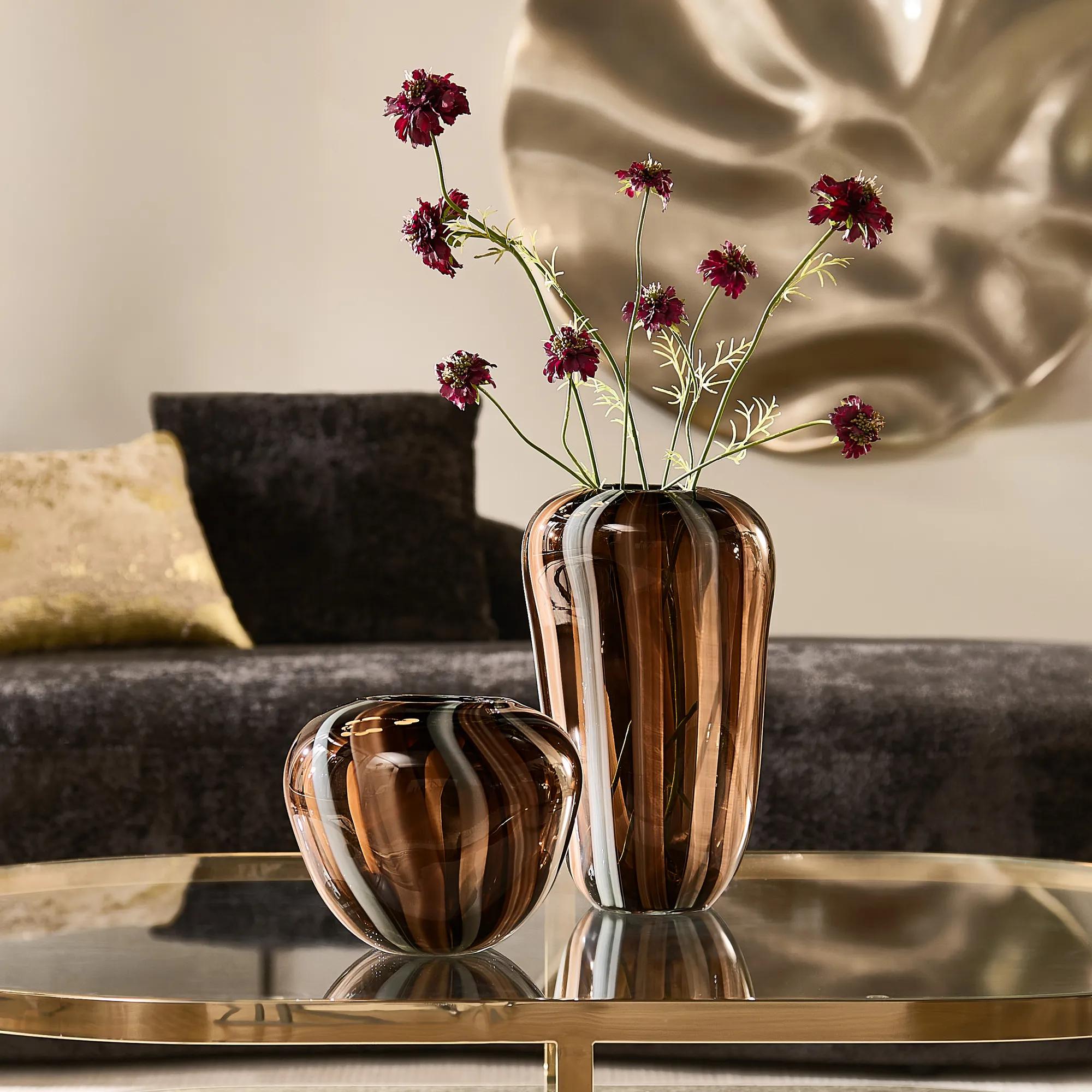 Billow Mouth Blown Brown Striped Glass Vases$89
A sculptural glass vase adding modern elegance to any décor.
Add To Cart -
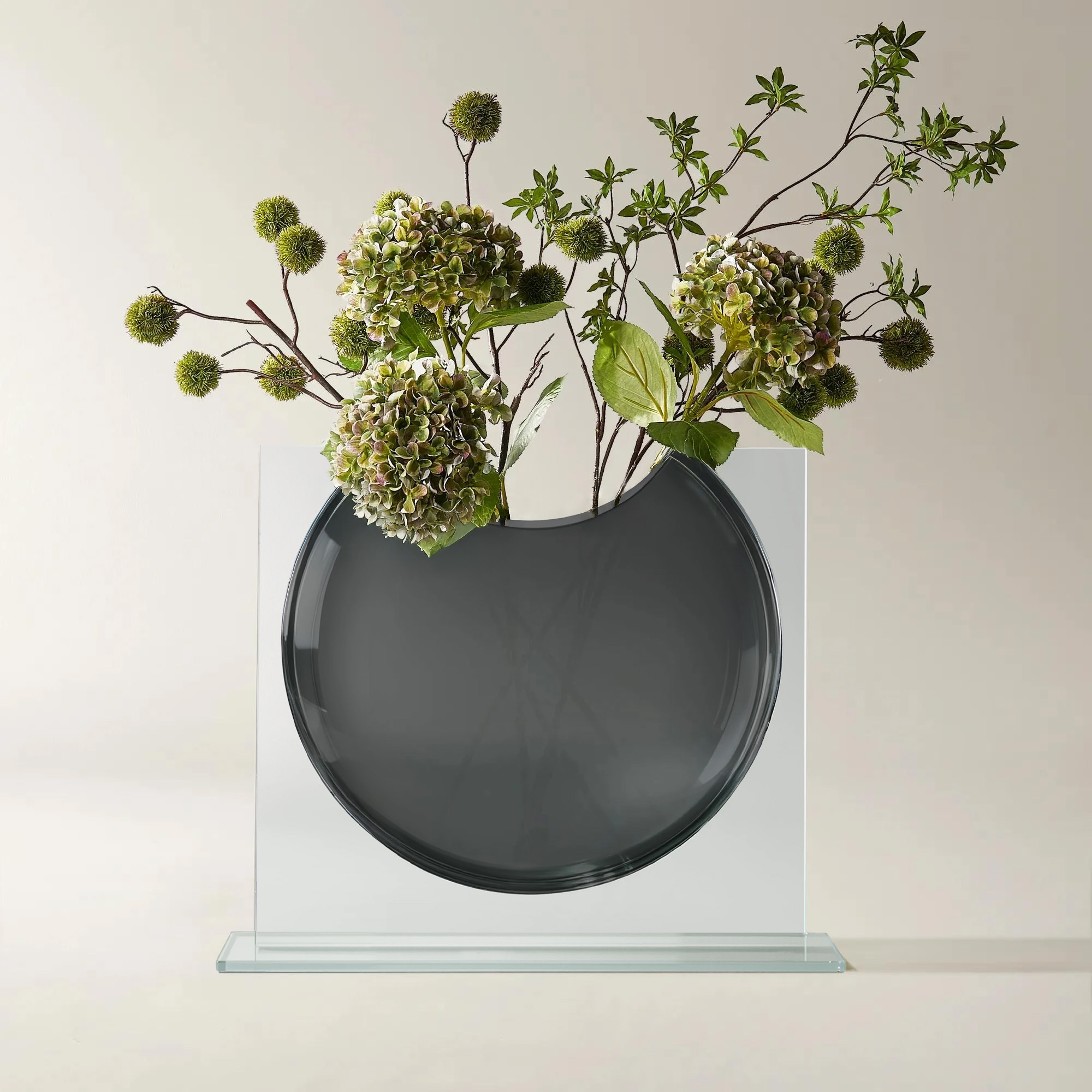
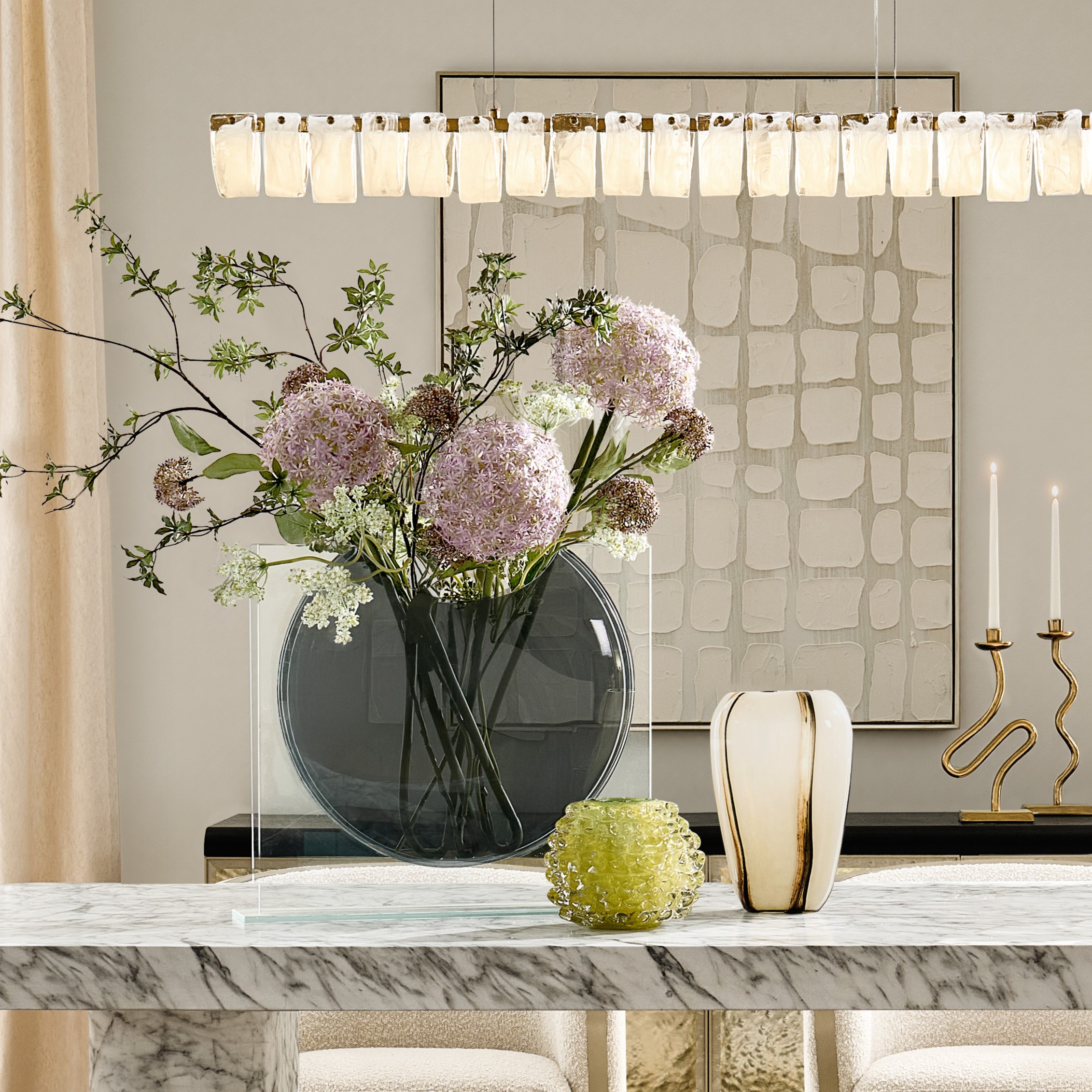 Ellipse Charcoal Glass Vase 20"$299
A sleek elliptical glass vase in clear and charcoal, perfect for displaying fresh flowers in modern spaces.
Add To Cart -
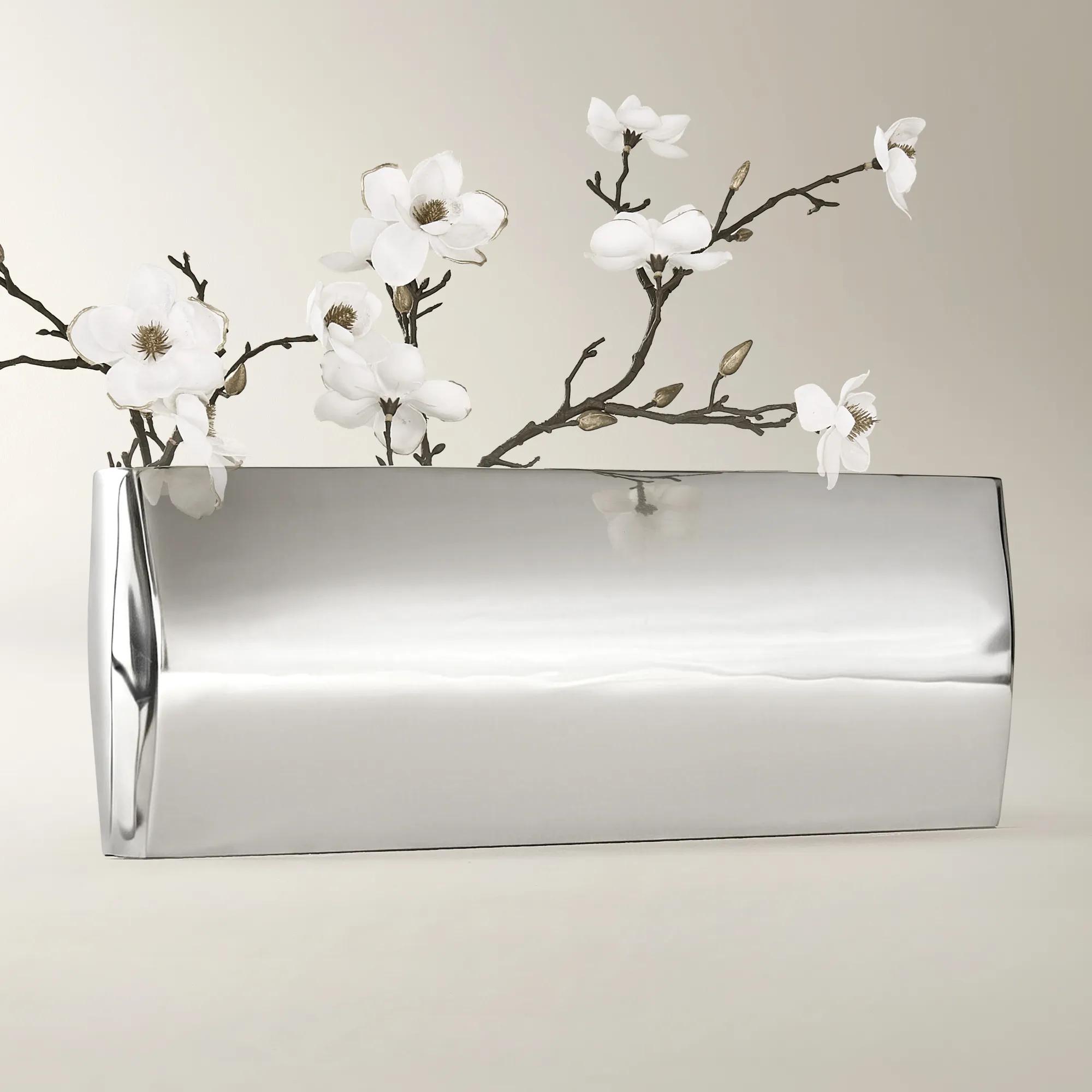 Forum Chrome Aluminum Vase 8.5"$149
A sculptural aluminum vase with a sleek chrome finish that adds modern glamour to any space.
Add To Cart -
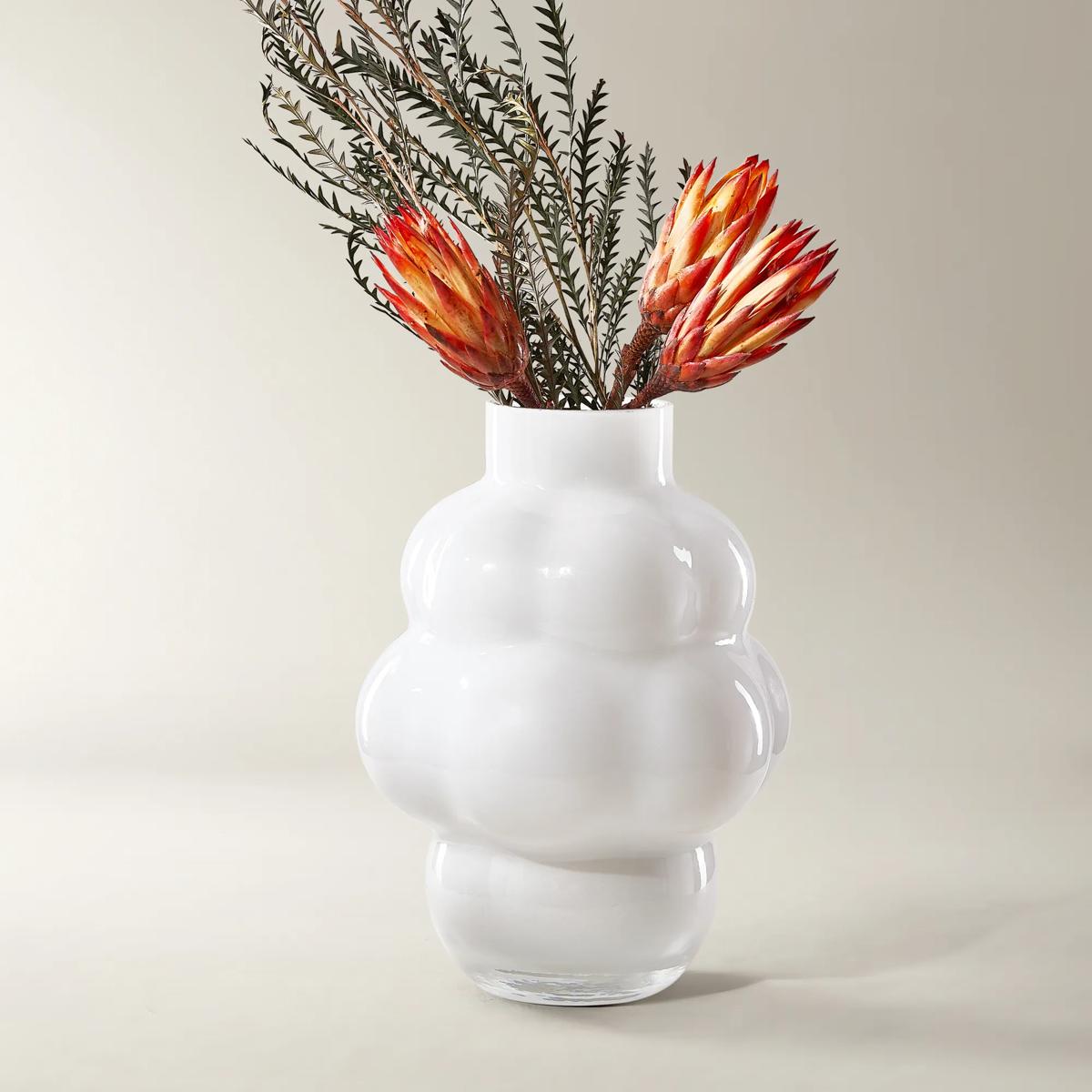 Cloud Glass Vase - White$129
A hand-blown glass vase in glossy opaque white with a sculptural, cloud-inspired silhouette.
Add To Cart

Minimalist Flower Vases
Explore minimalist flower vases with understated silhouettes that let your blooms take center stage. Find a refined focal point for a dining table, console, or shelf, whether you favor a single sculptural stem or a loosely gathered bouquet. Consider height, proportion, and opening size to choose a vase that complements your arrangement and gives it room to shine.
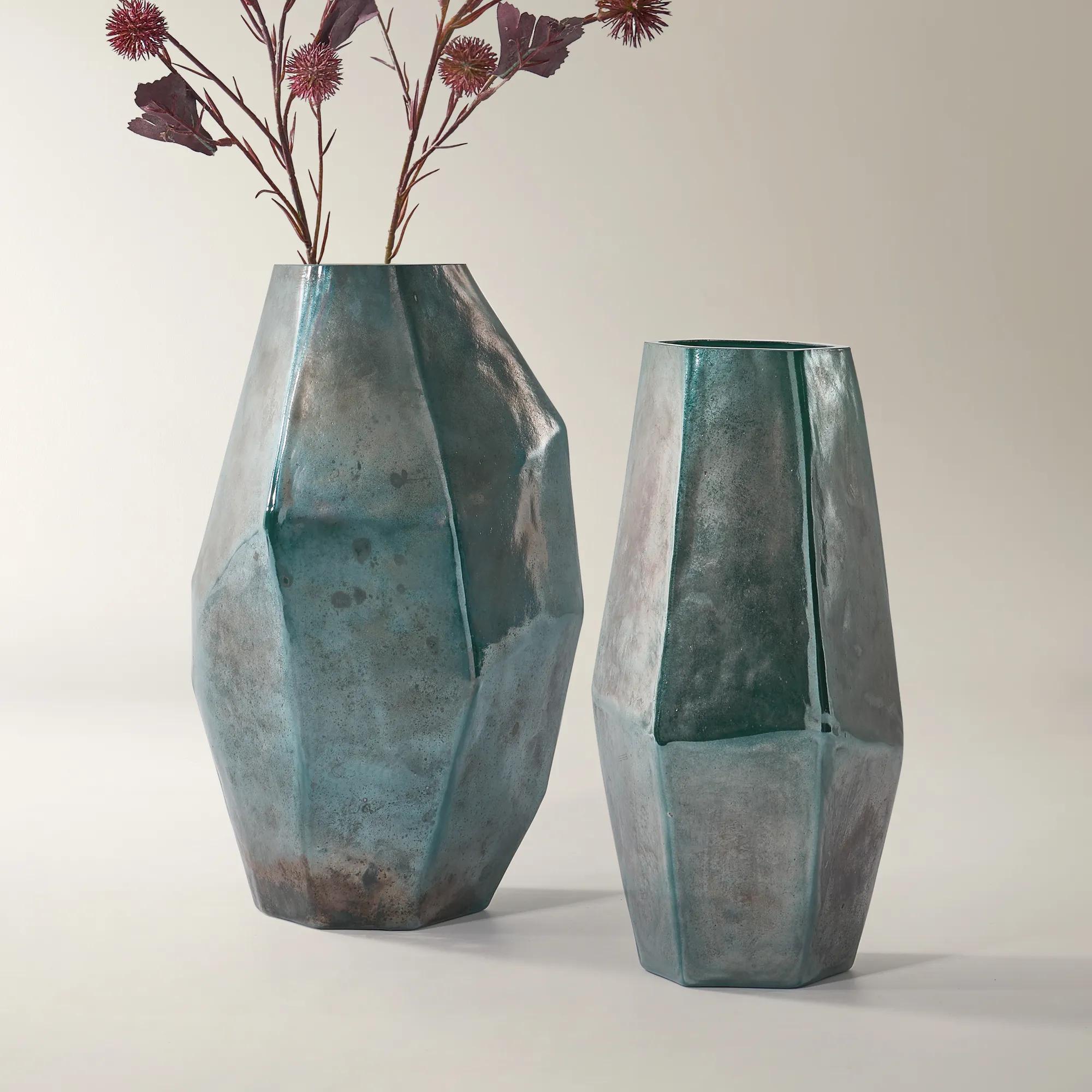
Minimalist flower vases bring sculptural elegance to a room, allowing silhouette, texture, and a beautifully chosen stem to command attention. Rather than relying on elaborate ornamentation, these modern decorative vases create impact through considered proportions: a slender cylinder draws the eye upward, a rounded vessel lends softness to angular furniture, and an asymmetric form introduces an artful focal point. For a serene yet expressive arrangement, explore ceramic flower vases in ivory, sand, or charcoal, where subtle surface variations add depth to a restrained palette. Clear glass vases offer a luminous alternative, showcasing the graceful lines of stems while allowing surrounding colors and finishes to shine. The distinction lies in the balance between simplicity and presence—a generous vase can anchor a console with quiet confidence, while a petite bud vase brings an intimate flourish to a bedside table. Choose a shape that feels compelling even without flowers, and your vase becomes an enduring part of the room’s composition rather than an accessory reserved for fresh bouquets. Styling minimalist flower vases is an exercise in thoughtful contrast, with each bloom and branch contributing to the overall mood. A narrow-neck vase supports a few long stems in a composed, upright arrangement, while a wider opening gives a fuller bouquet room to unfold; match the vessel’s height and weight to your flowers so the display feels balanced and remains stable. White ceramic vases paired with sculptural calla lilies create a striking tonal study, while a clear glass cylinder filled with airy flowering branches brings movement to a polished entryway. For dining table decor, select a lower vase and keep arrangements below seated eye level to preserve conversation without sacrificing elegance. On a mantel or coffee table, group two or three contemporary vases in varied heights, connecting them through a shared color or finish and leaving enough space for each silhouette to stand apart. A matte vessel set against a mirrored tray or glossy tabletop creates especially rich visual tension. For fresh flowers, confirm that the vase is watertight or use a suitable liner, refresh the water regularly, and remove foliage below the waterline. These considered details give minimalist vase decor its allure: a focused arrangement with the presence to shape the entire room.
FAQs
A minimalist flower vase pairs clean lines with a restrained palette, letting silhouette, texture, and material take the spotlight. Sculptural curves, crisp geometry, or a single expressive detail give these vases their artistic presence. The result is a considered accent that brings quiet drama to a beautifully layered room.
Ceramic, porcelain, and glass lend distinct character to minimalist flower vases. Matte ceramic creates a tactile contrast against polished furnishings, while porcelain brings a refined finish to an artful vignette. Clear or subtly tinted glass catches the light and makes visible stems part of the composition.
Calla lilies, orchids, and anthuriums echo the sculptural lines of minimalist vases. For a softer composition, gather roses or tulips in a single color and let their natural movement lead. An airy flowering branch offers another expressive direction, turning negative space into part of the arrangement.
Use a minimalist flower vase as a deliberate counterpoint to sumptuous textures and gleaming finishes. Pair matte ceramic with a mirrored tray, or place luminous glass against a richly colored wall. Keep nearby accents thoughtfully edited so the vase’s silhouette and floral arrangement remain distinct within the room’s layered composition.
Ivory, black, warm taupe, and soft gray emphasize form while complementing expressive interiors. Ivory creates a luminous contrast against dark furnishings, while black gives a floral arrangement a graphic foundation. For a richer interpretation, choose a single saturated hue, such as emerald or burgundy, and echo it in nearby artwork or textiles.