Organic Shaped Vases
Organic Shaped Vases
-
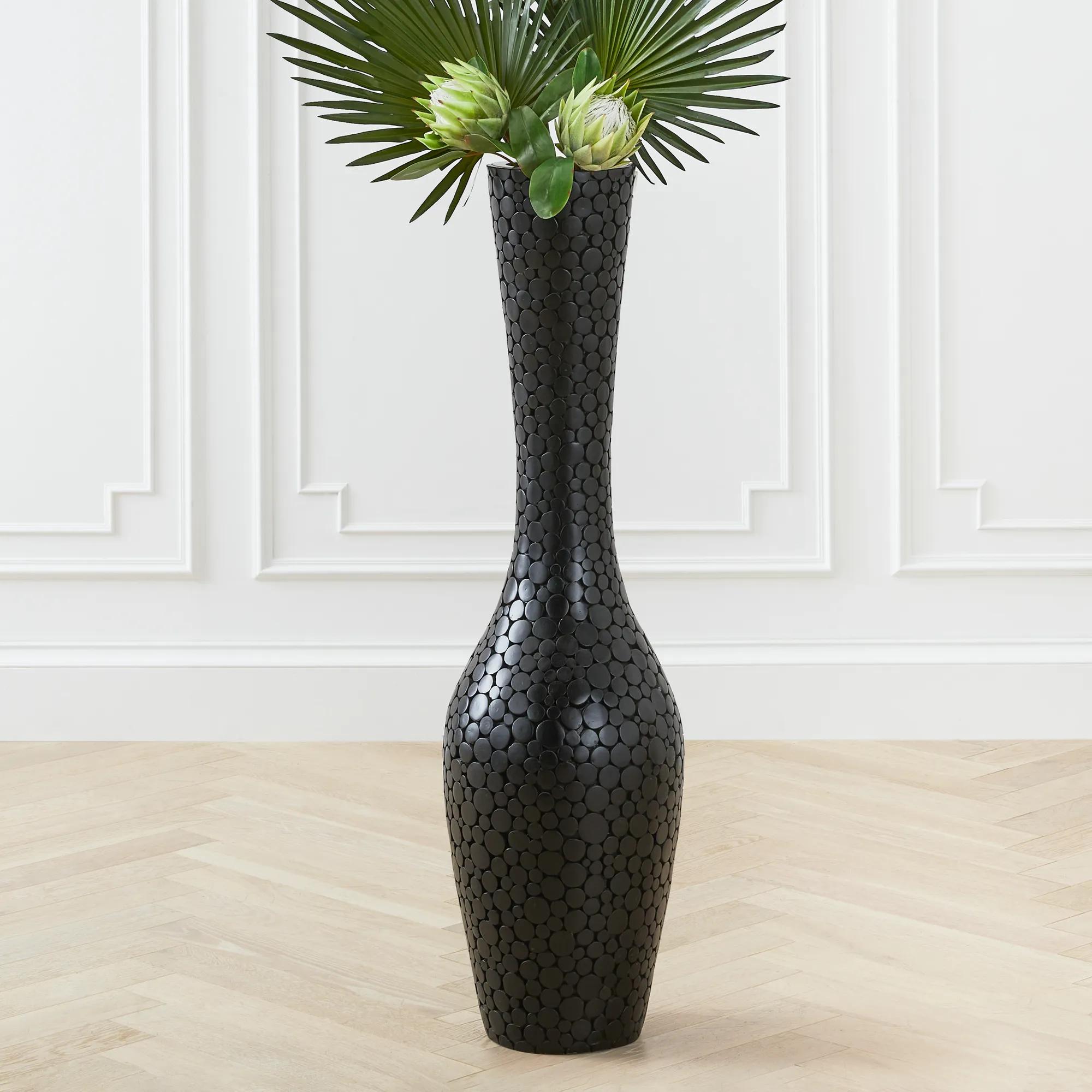
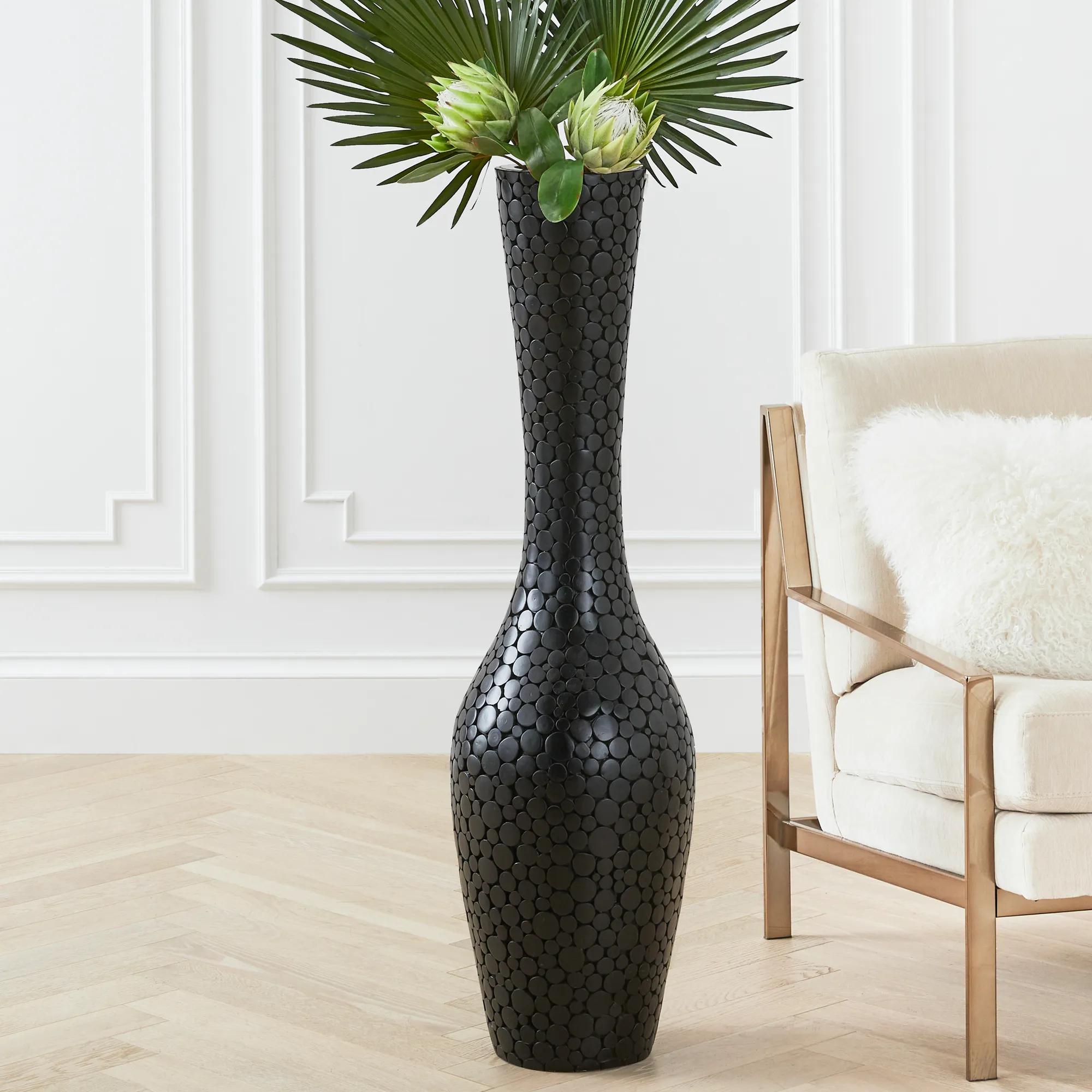 Oslo Black Wood Floor Vase 45"$299
A contemporary floor vase featuring hand-applied wood accents and a glossy black fiberglass base.
Add To Cart -
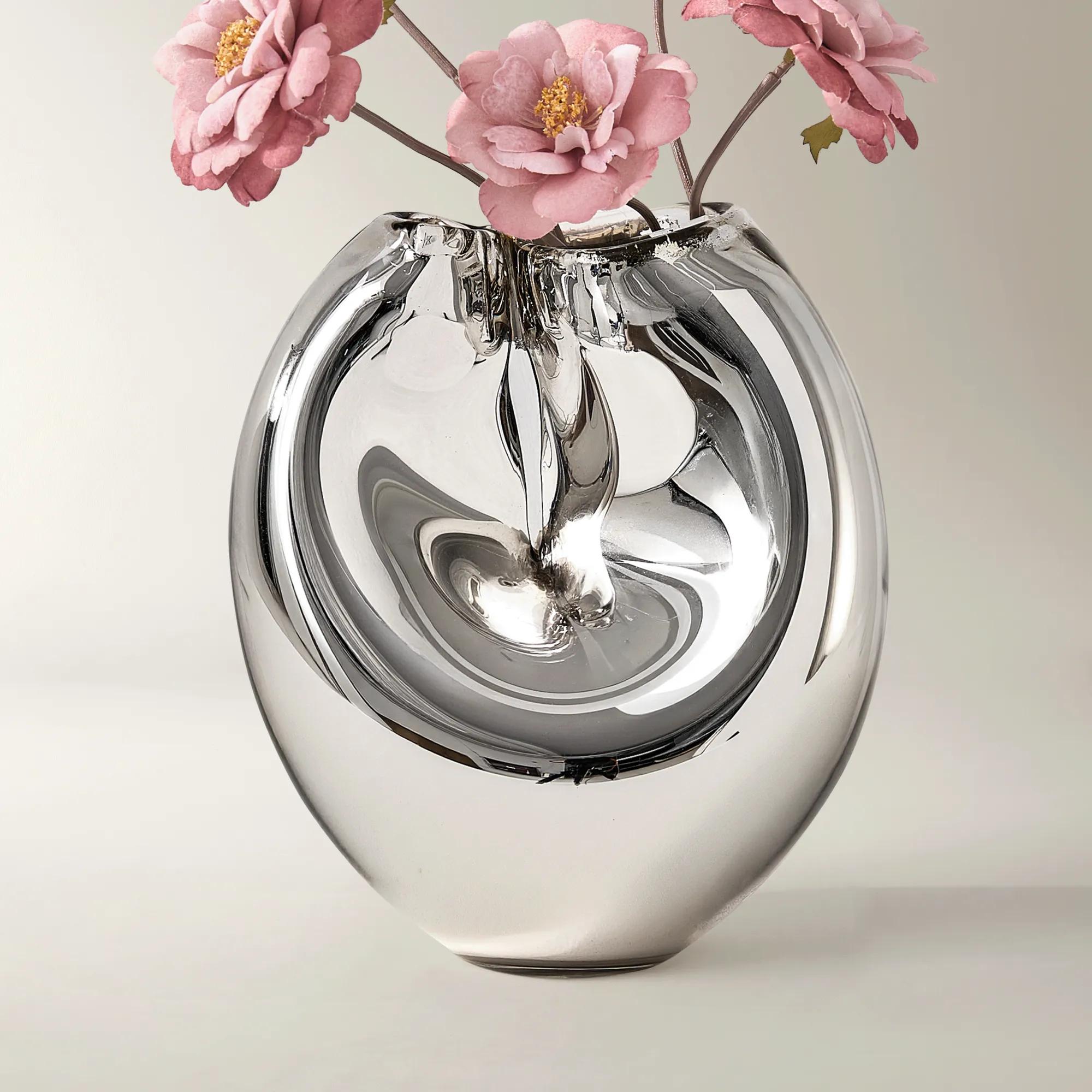 Ono Mouth Blown Mirrored Silver Glass Vase 7.75"$79
A handblown glass vase with a mirrored finish and organic silhouette for modern, artful display.
Add To Cart -
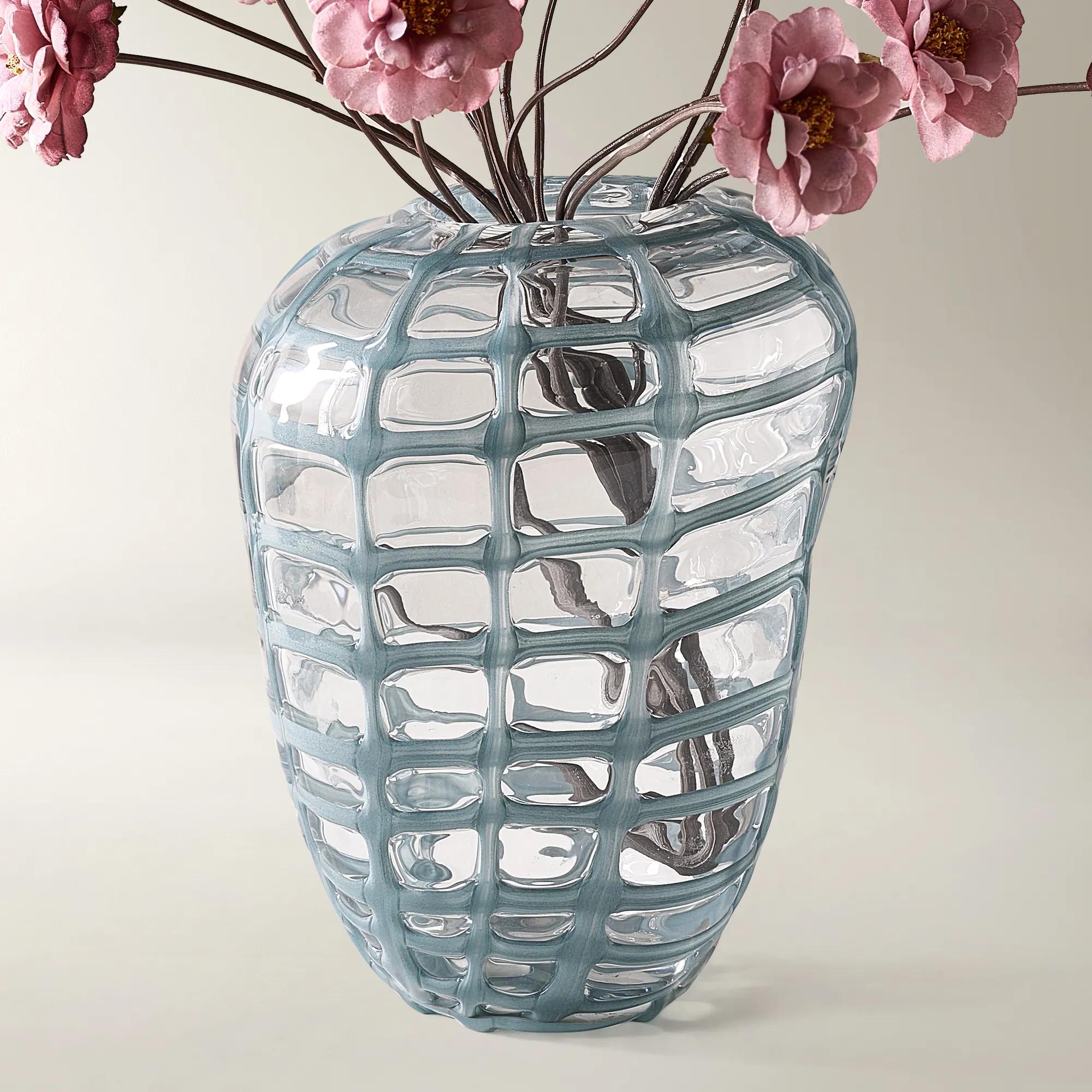 Contra Mouth Blown Dusty Blue Grid Glass Vase 10.25"$79
A handblown dusty blue glass vase featuring a graphic grid pattern and softly organic silhouette.
Add To Cart -
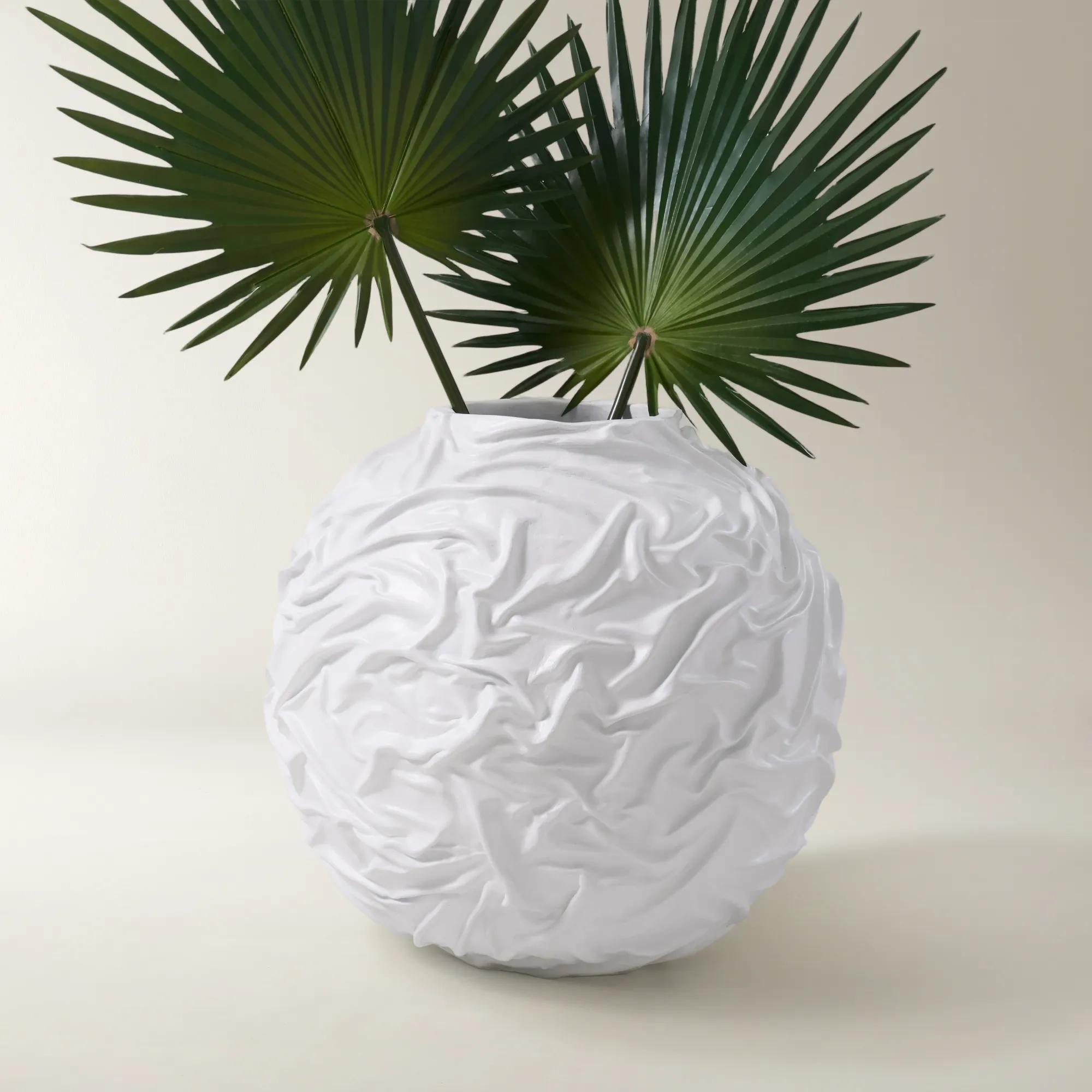 Crumple White Resin Floor Vase 18.3"$259
A sculptural resin vase with a crumpled-paper design and a sleek white finish for modern spaces.
Add To Cart -
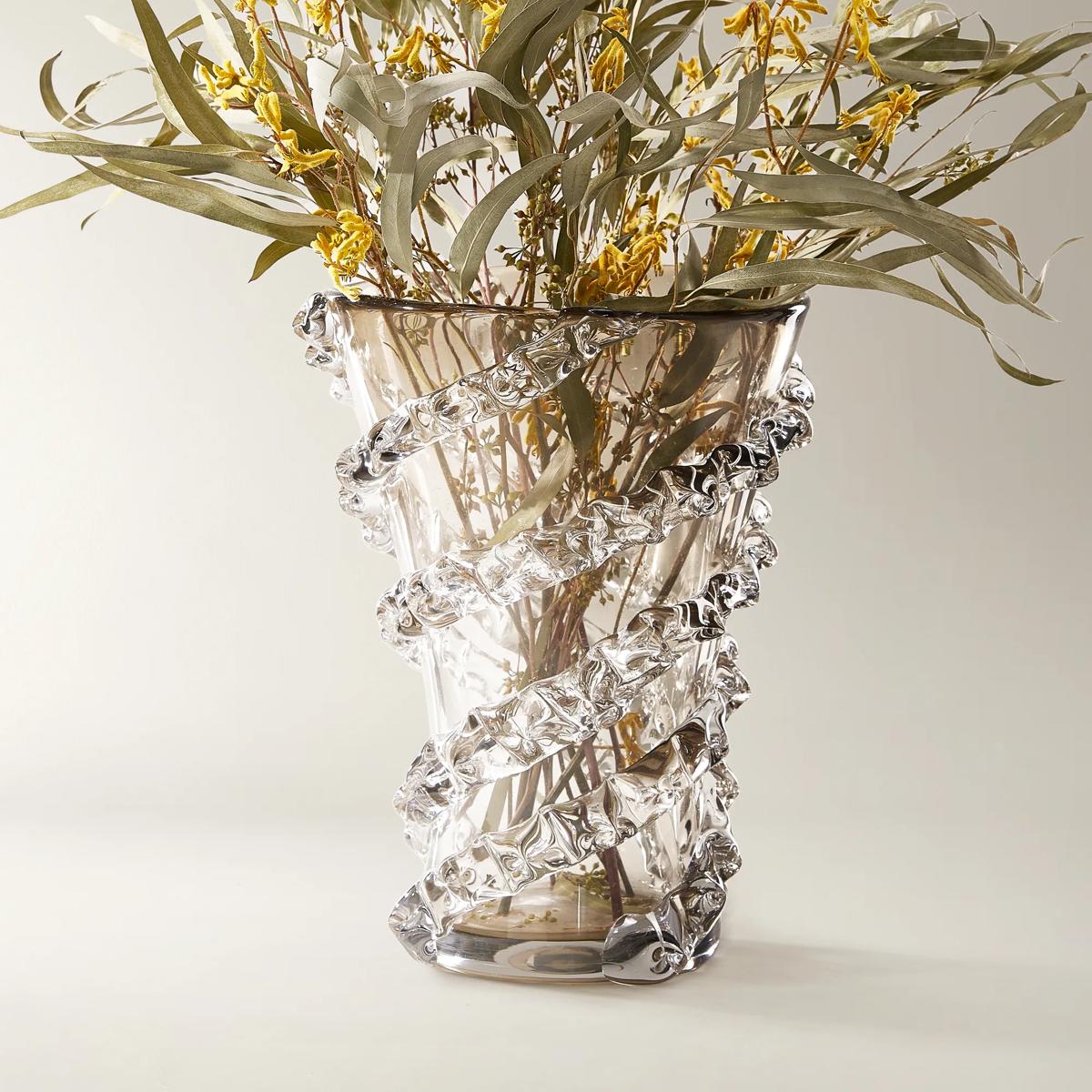
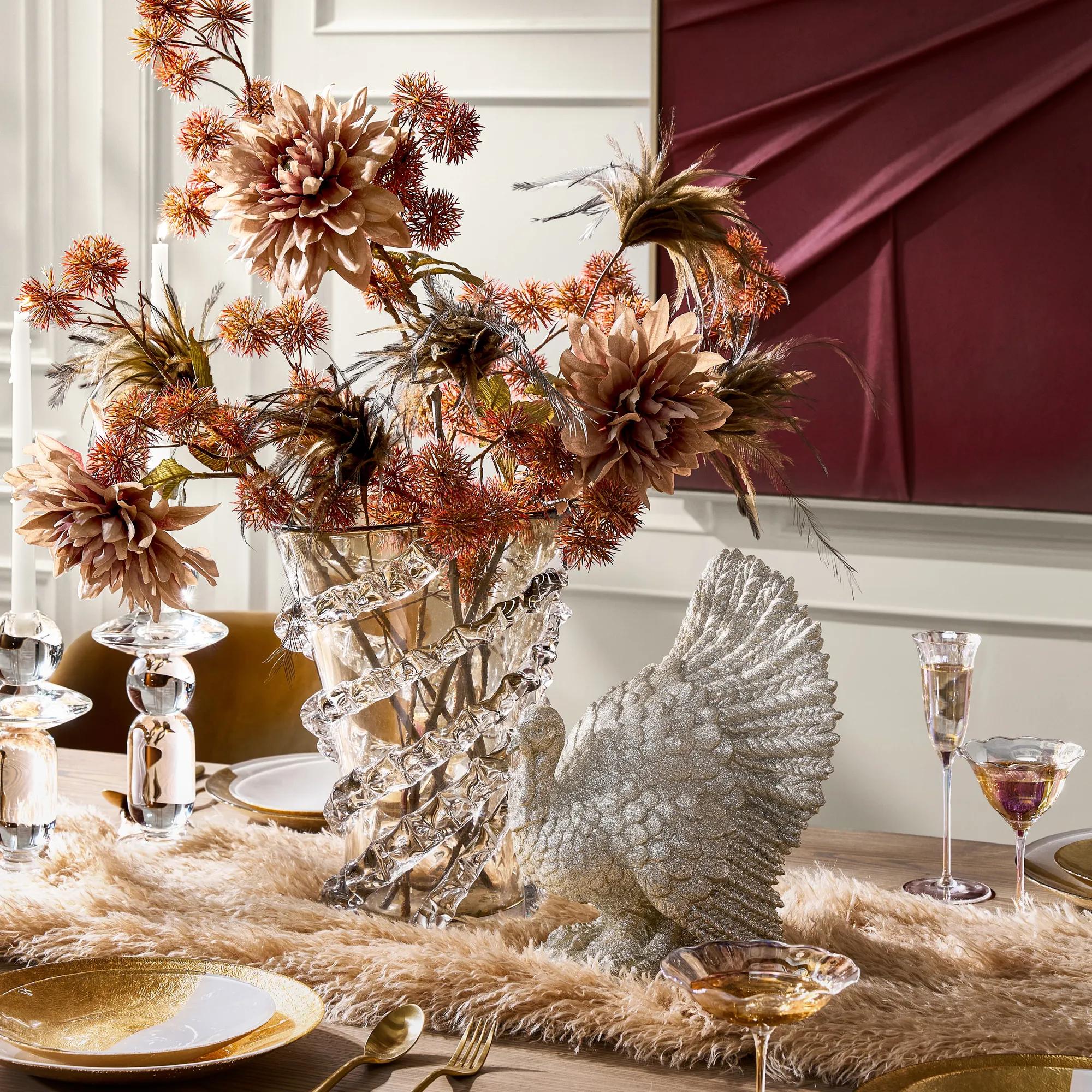 Reyna Glass Vase$299
A hand-blown glass vase featuring a sculptural swirl design and a smoky grey-brown finish.
Add To Cart -
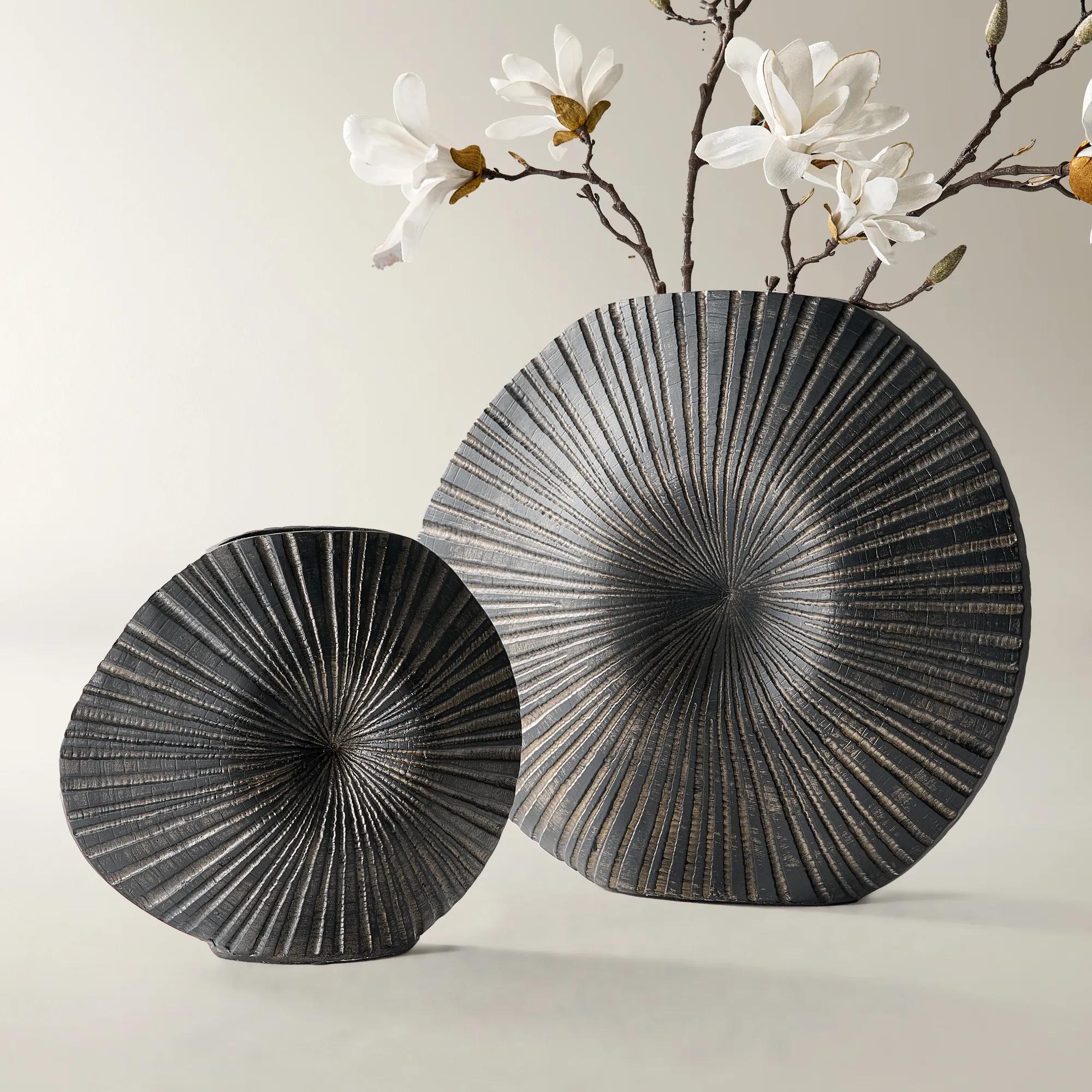
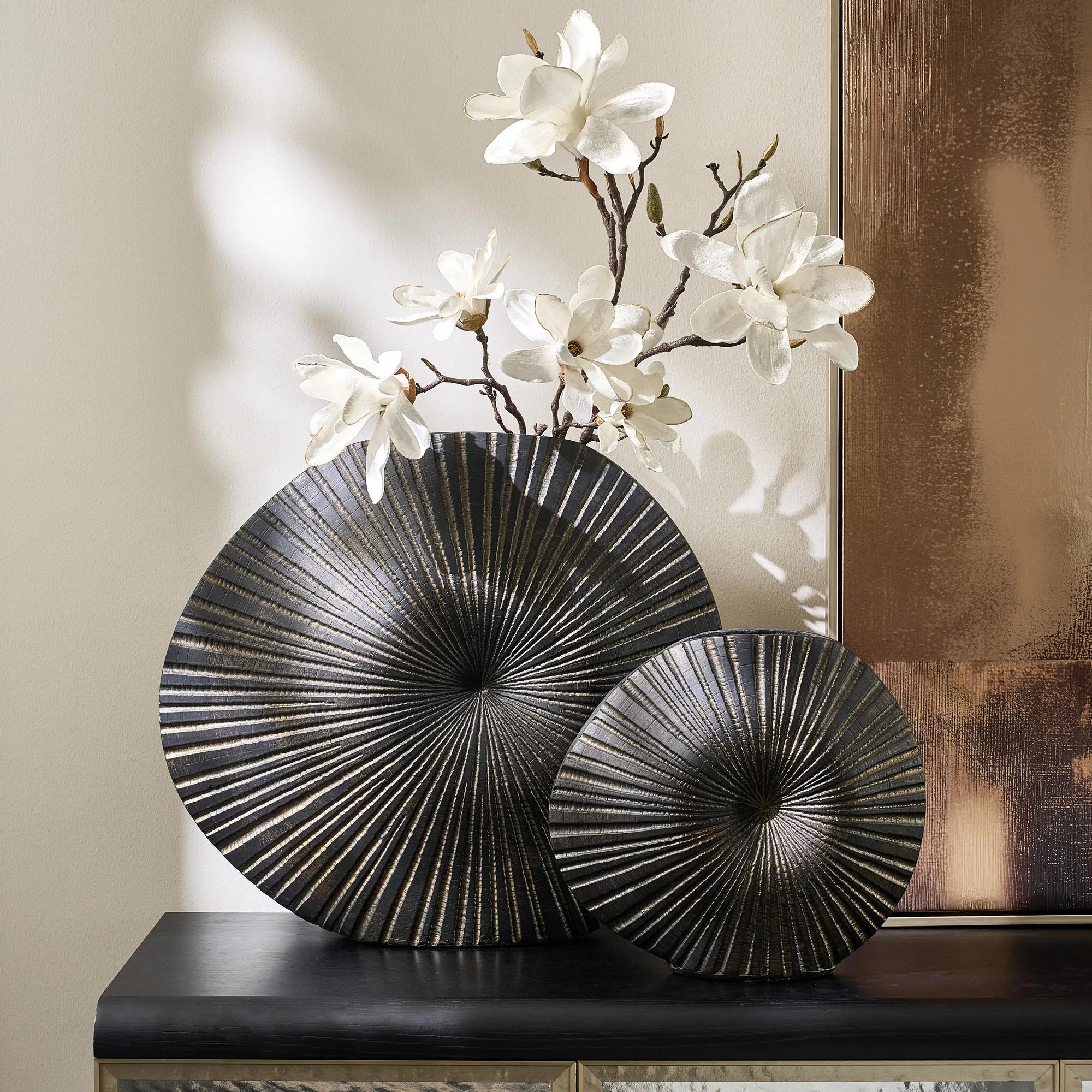 Stellar Black Champagne Resin Vases$169
A sculptural resin vase in black and champagne tones, offering modern glamour and artful visual depth.
Add To Cart -
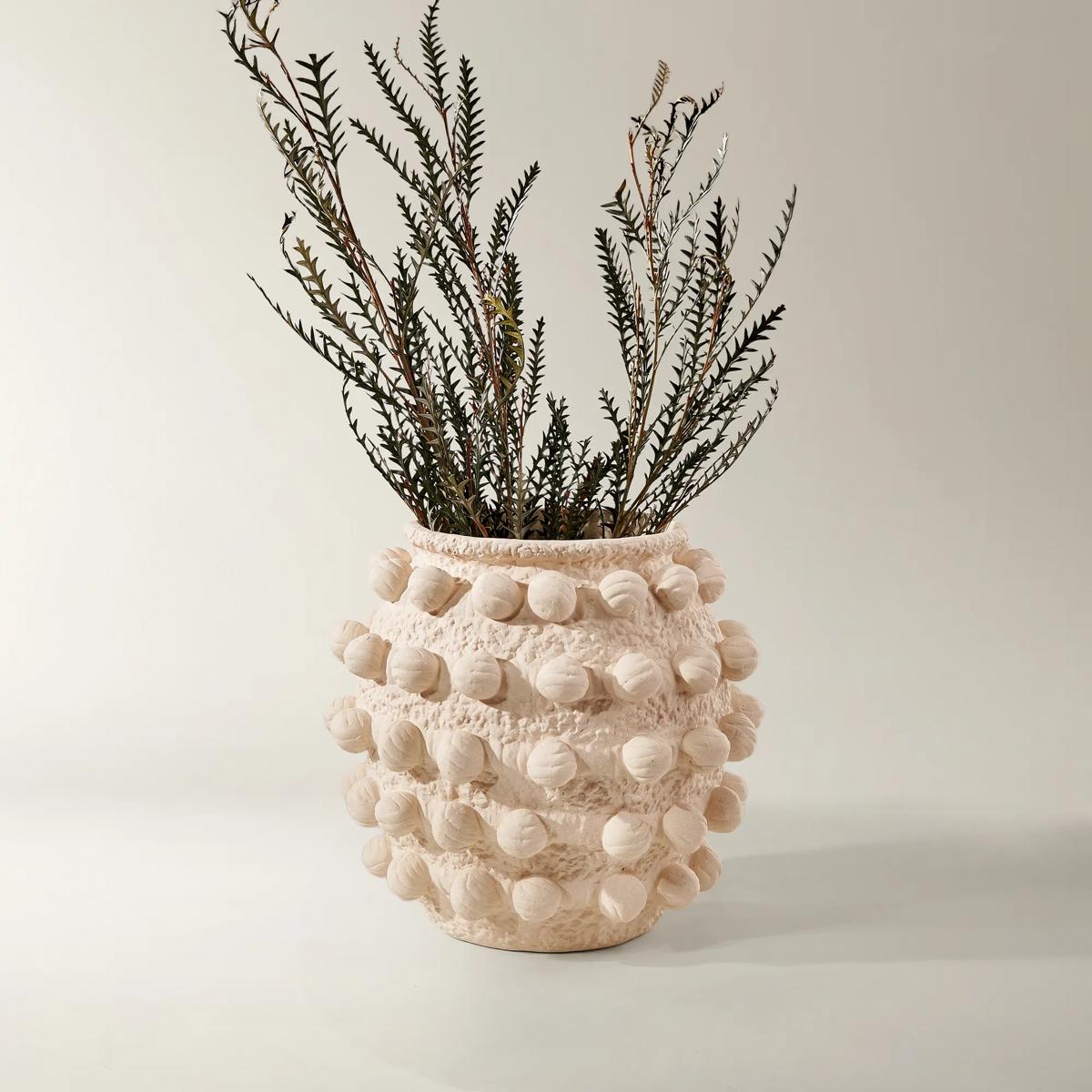
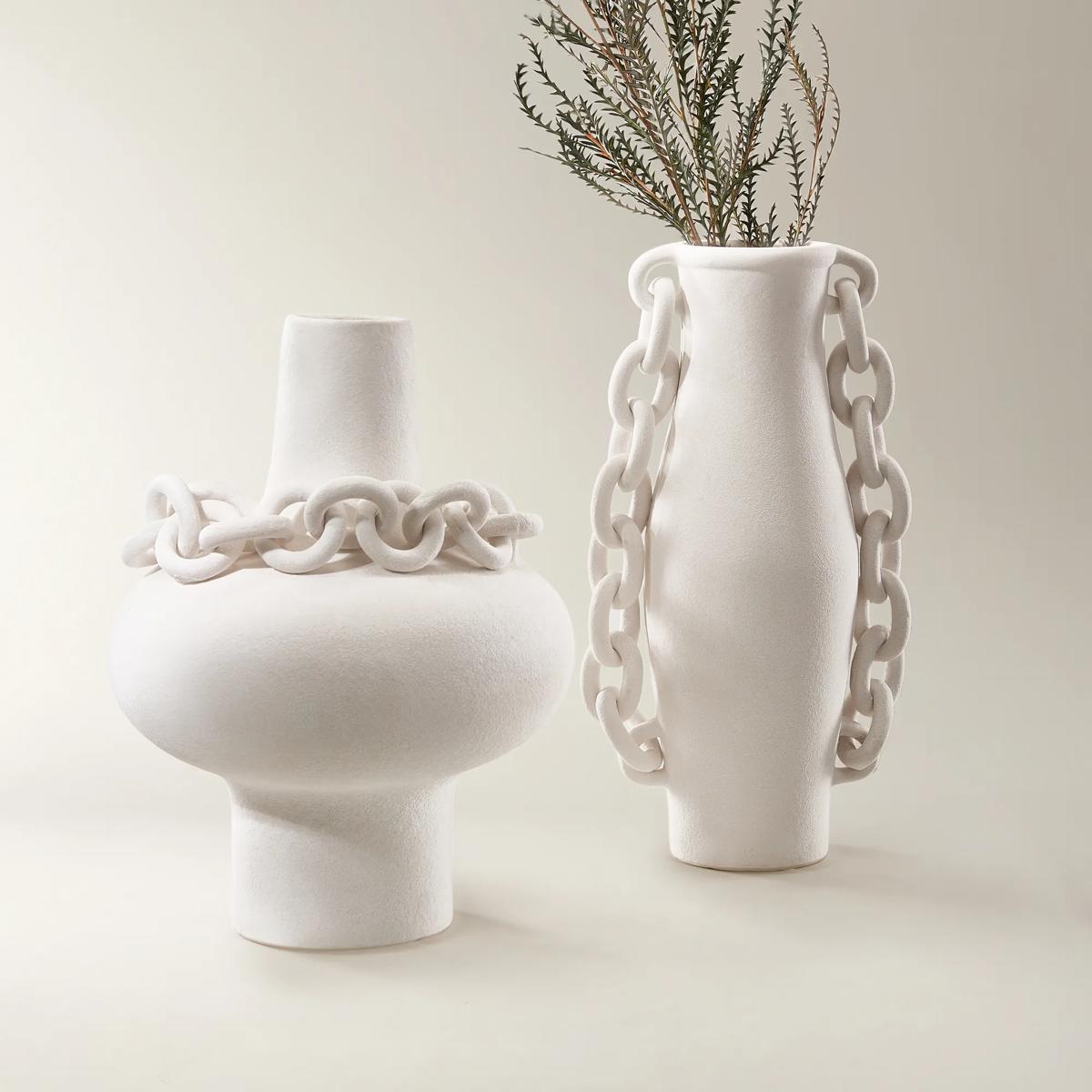
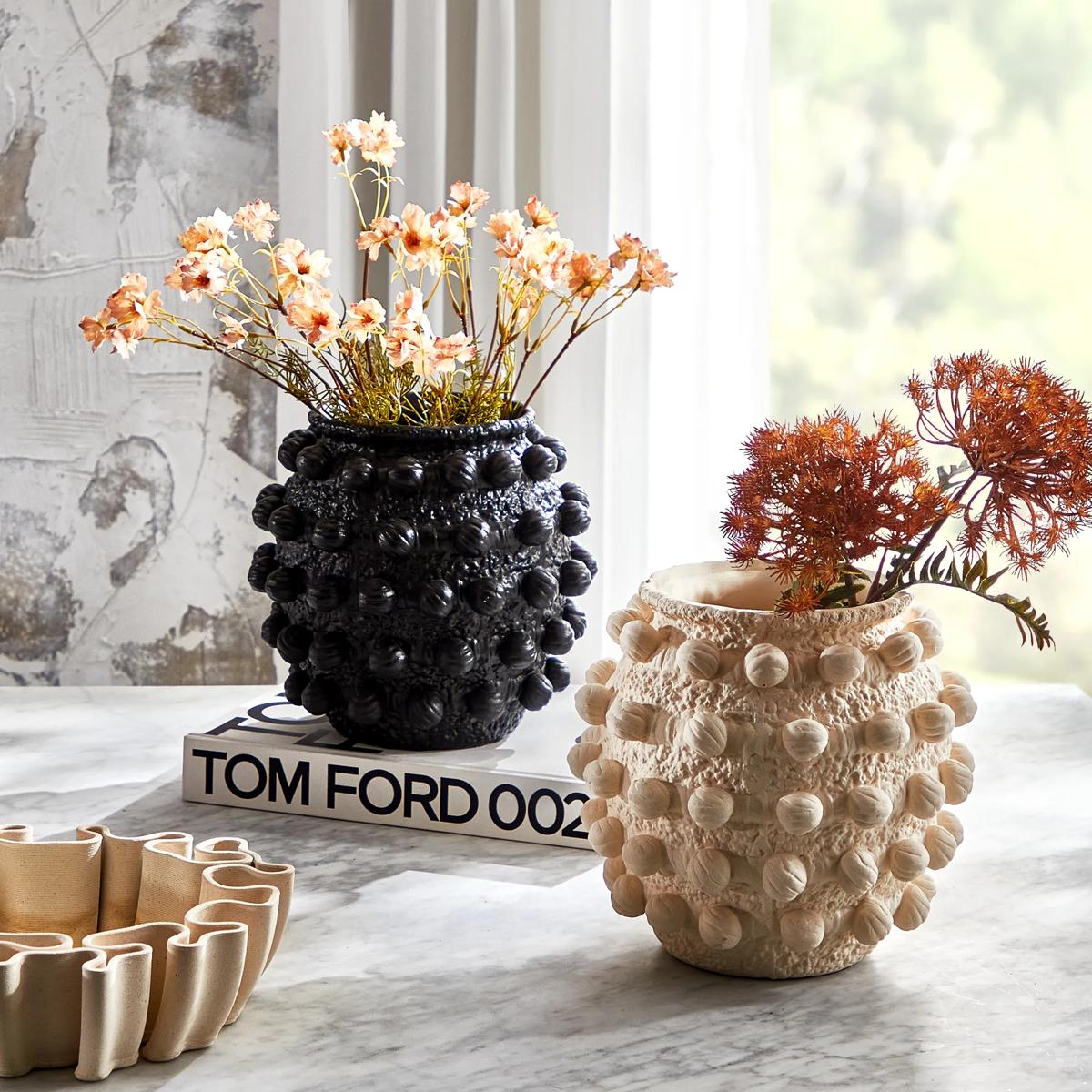 Pompa Vase - Ivory$119
An ivory porcelain vase featuring sculptural rounded forms and a richly textured, tactile surface.
Add To Cart -
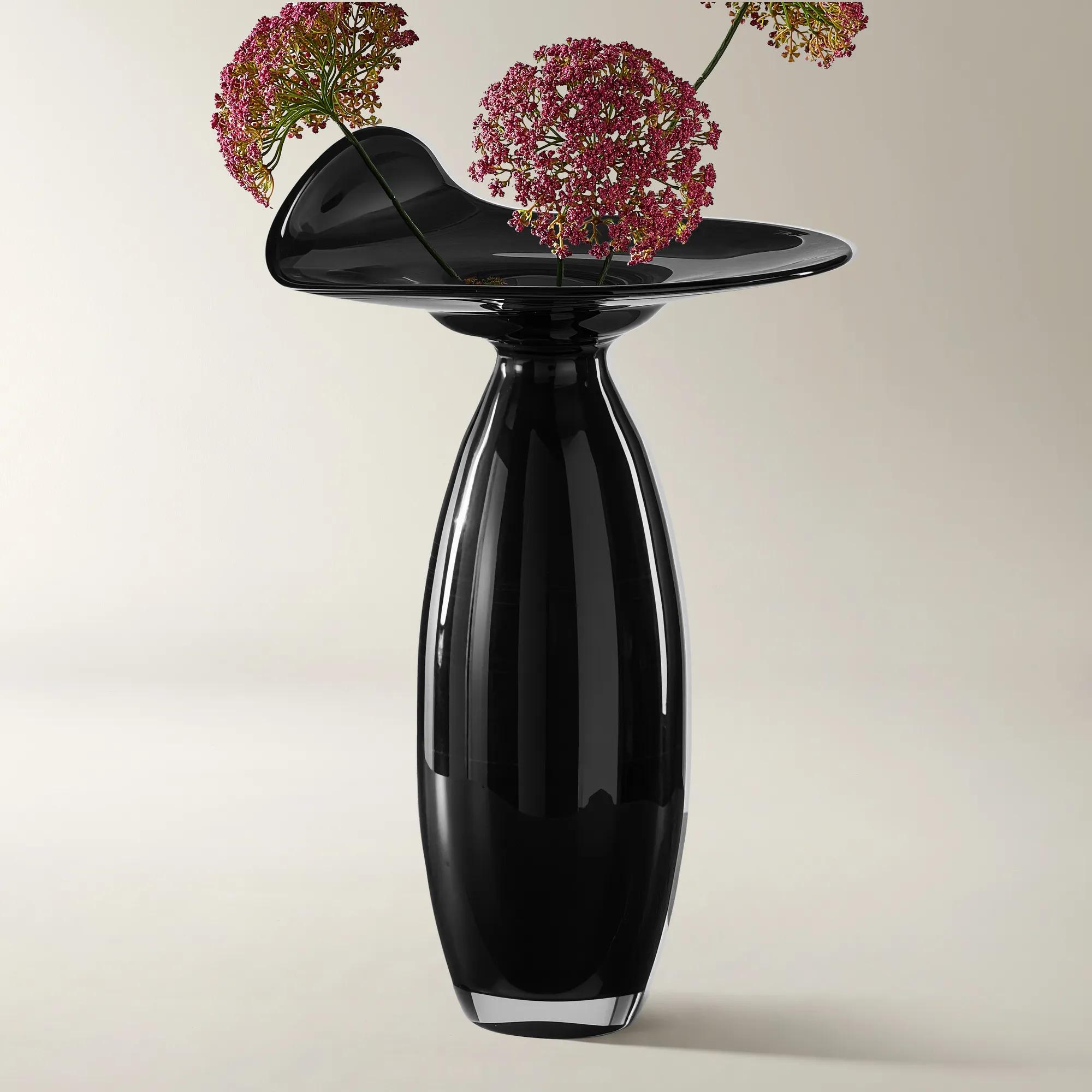 Folia Mouth Blown Glossy Black Glass Vase 22"$199
A handblown glass vase with a glossy black finish and organic sculptural silhouette for modern decor.
Add To Cart -
.jpeg?w=1200&h=1200) Playa Black Resin Floor Vase 15" x 36"$299
Playa Black Resin Floor Vase 15" x 36"$299A matte black resin vase featuring an organic texture that adds modern sophistication to any space.
Add To Cart -
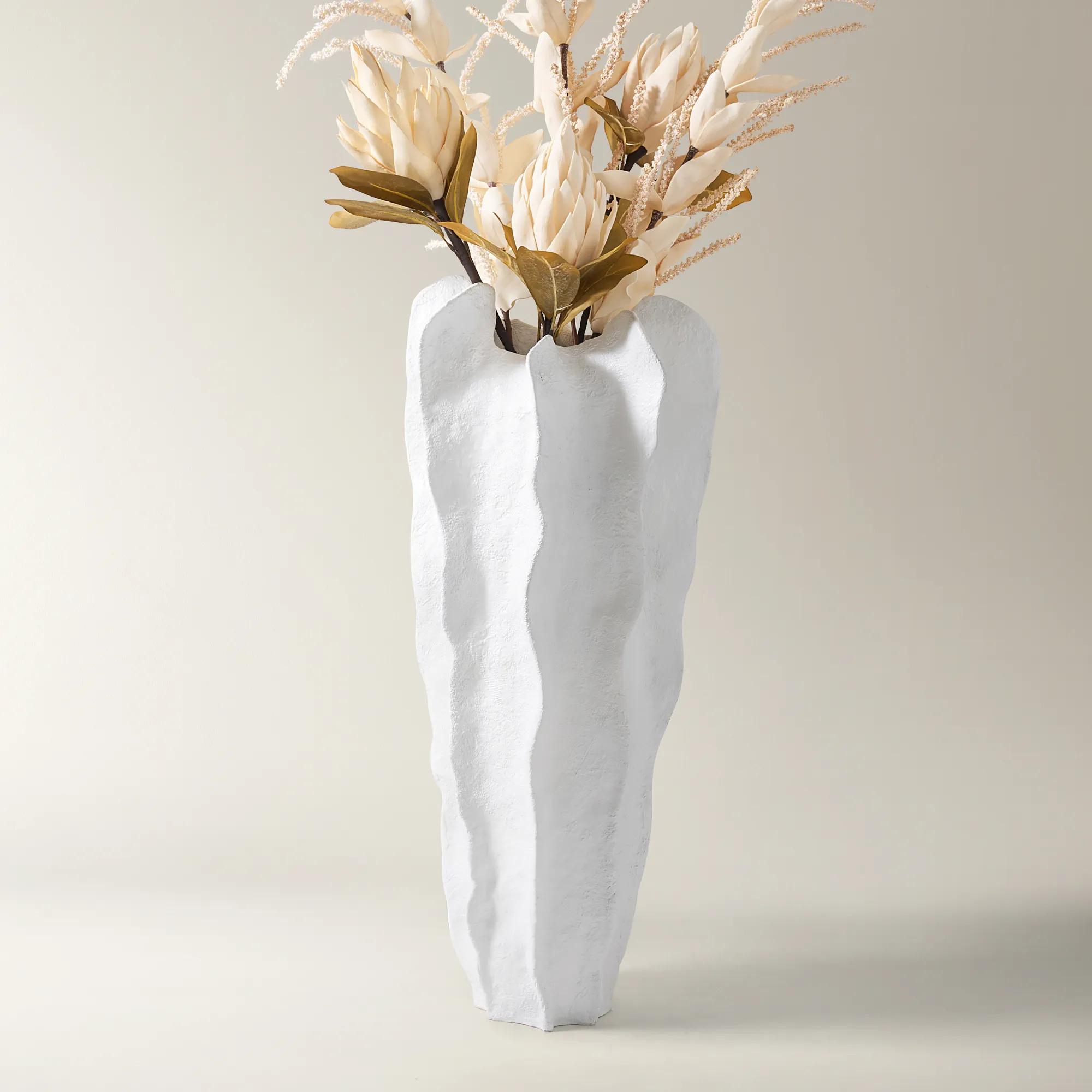 Playa White Resin Floor Vase 15" x 36"$299
A sculptural matte white resin vase featuring organic texture for a bold, dramatic accent.
Add To Cart -
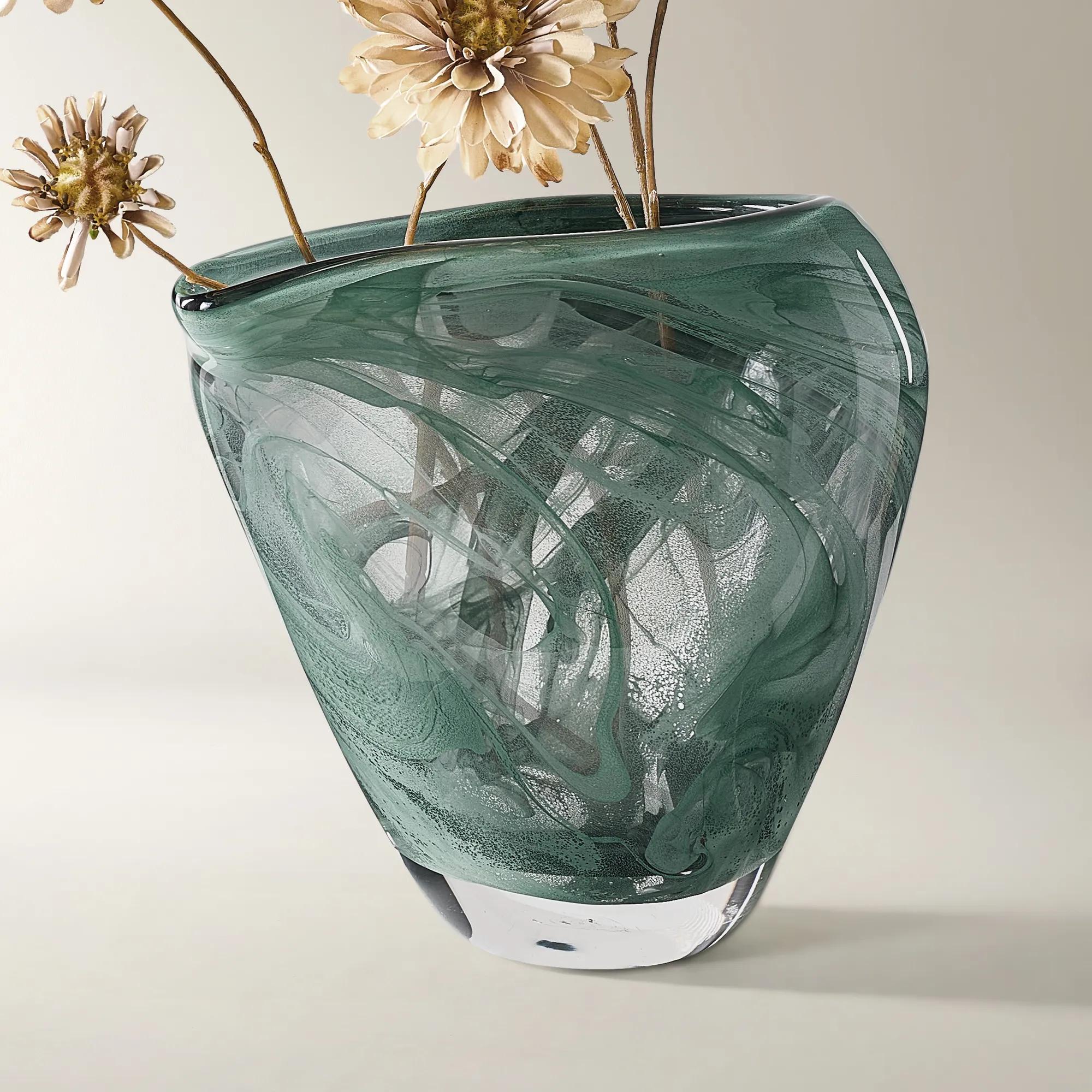 Flow Mouth Blown Sage Green Glass Vase 12.25"$199
A handblown glass vase in calming sage green with an organic, sculptural silhouette for modern decor.
Add To Cart -
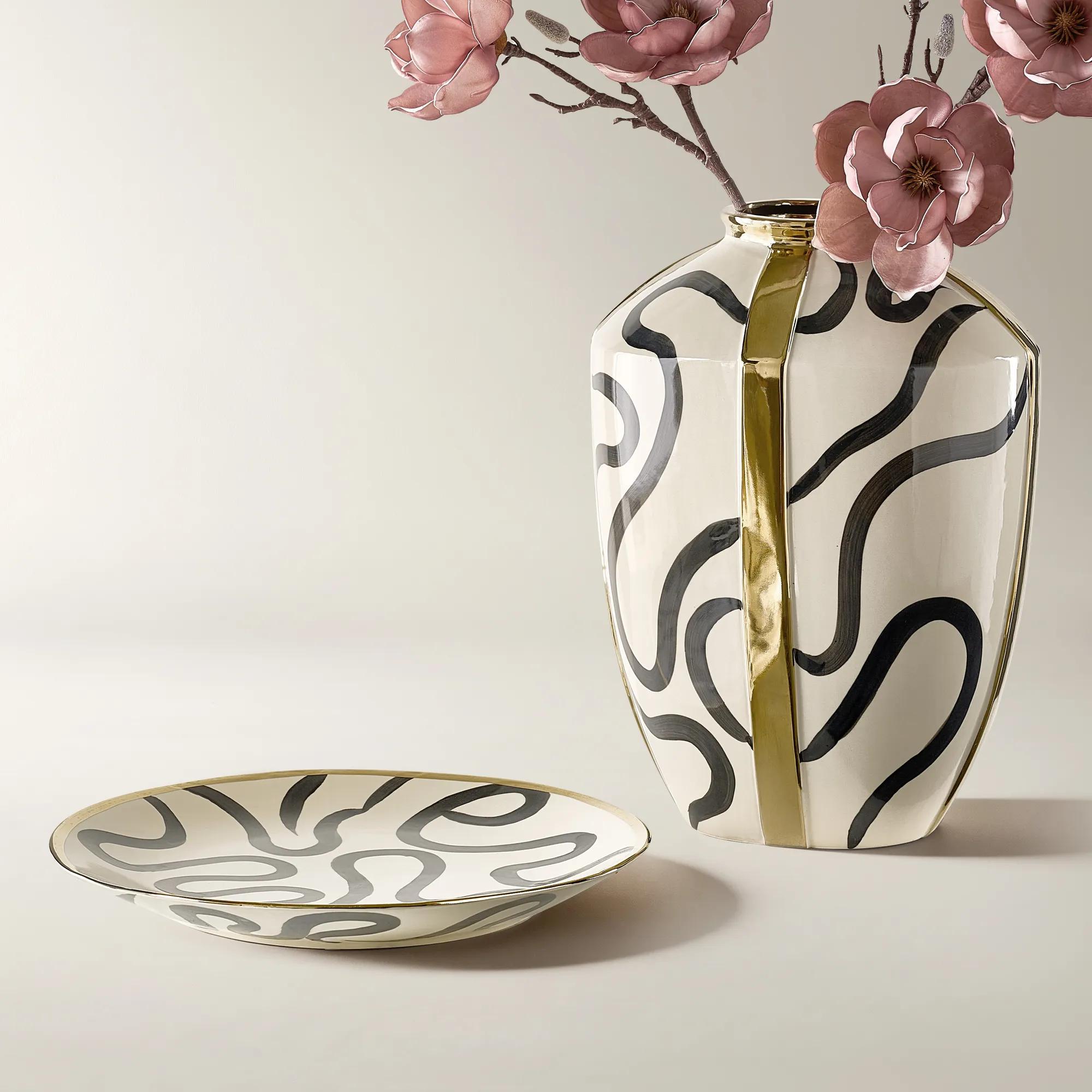
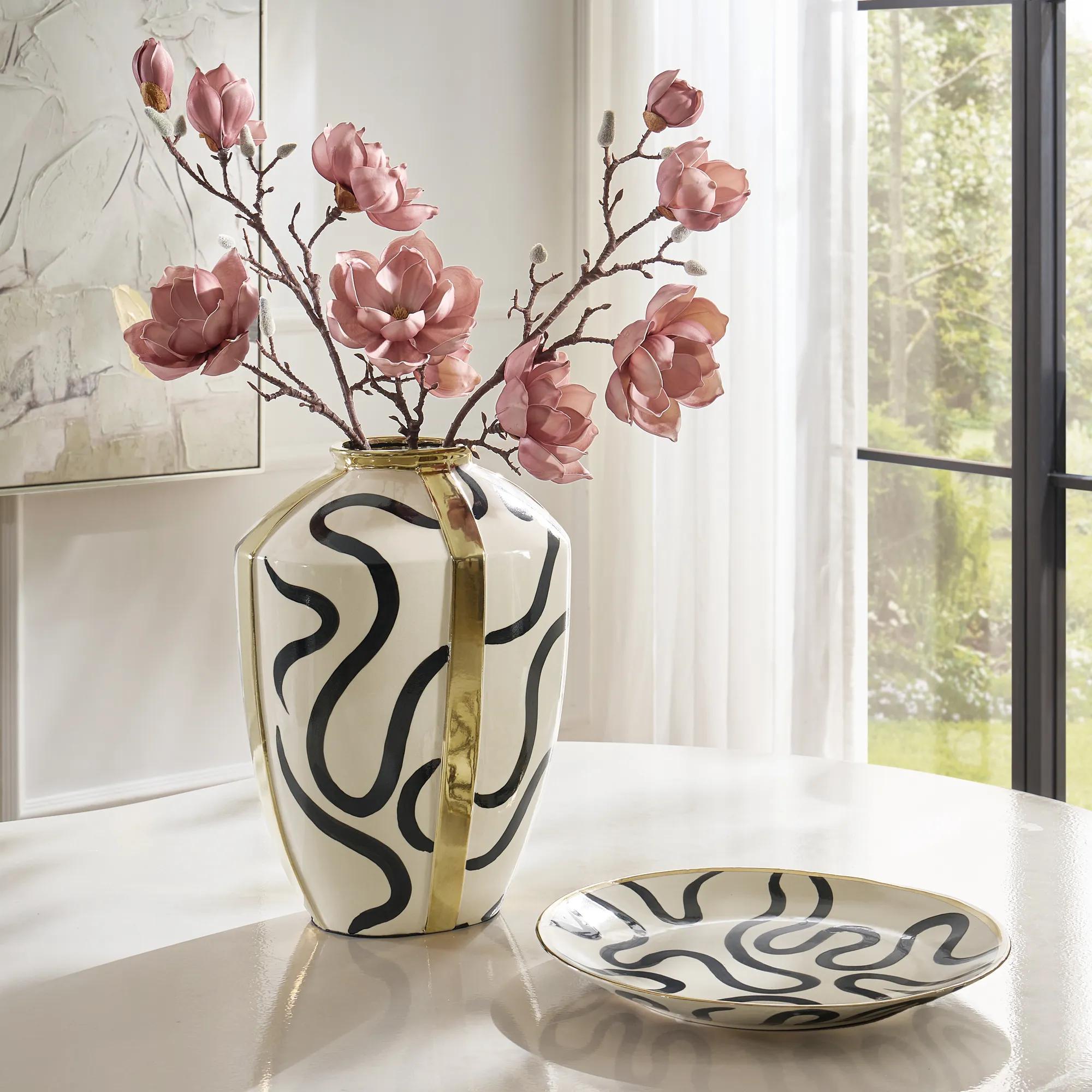 Sonder Soft Gold Black Ceramic Vase & Plate$99
A sculptural ceramic vase featuring interlacing wavy loops in soft gold, alabaster, and black tones.
Add To Cart -
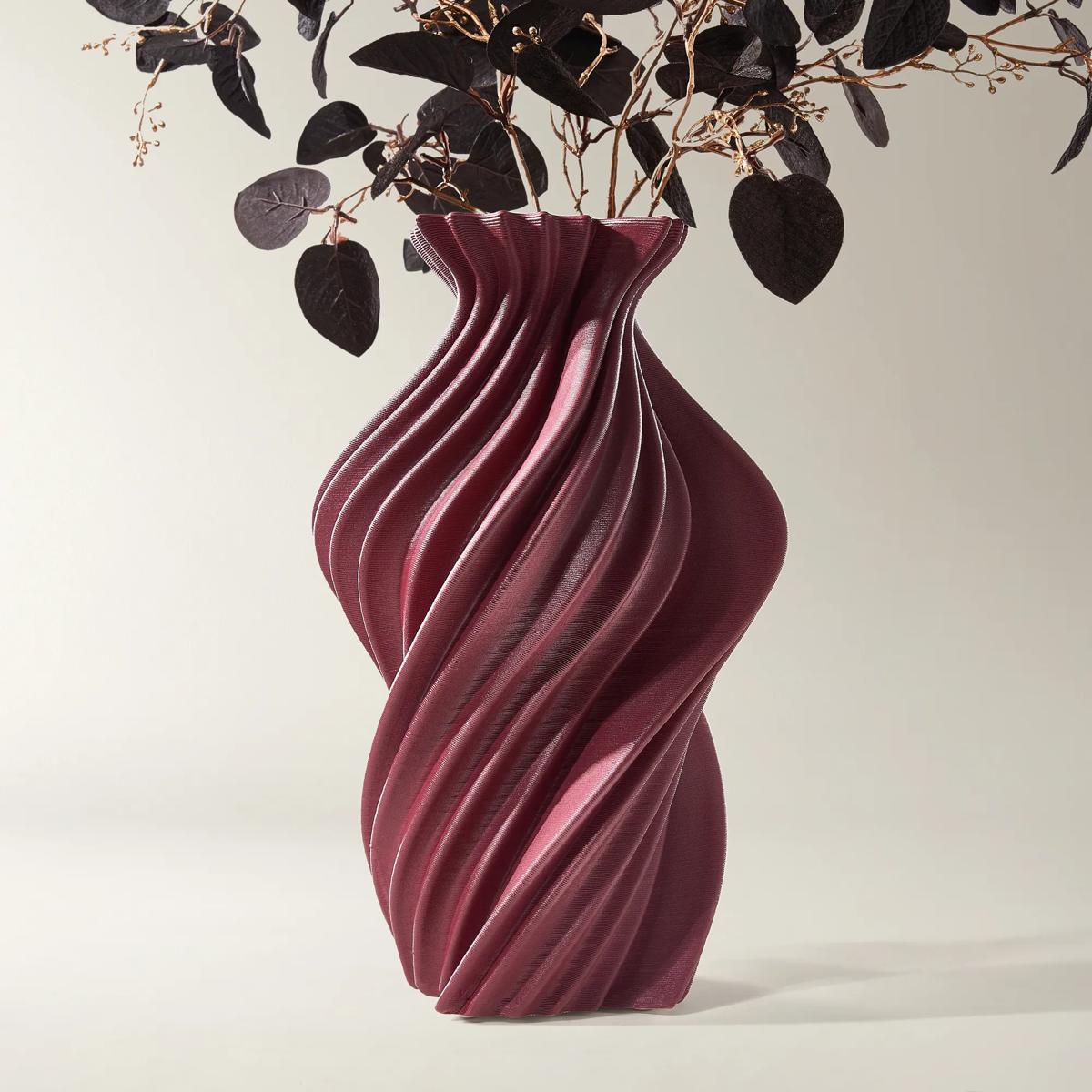
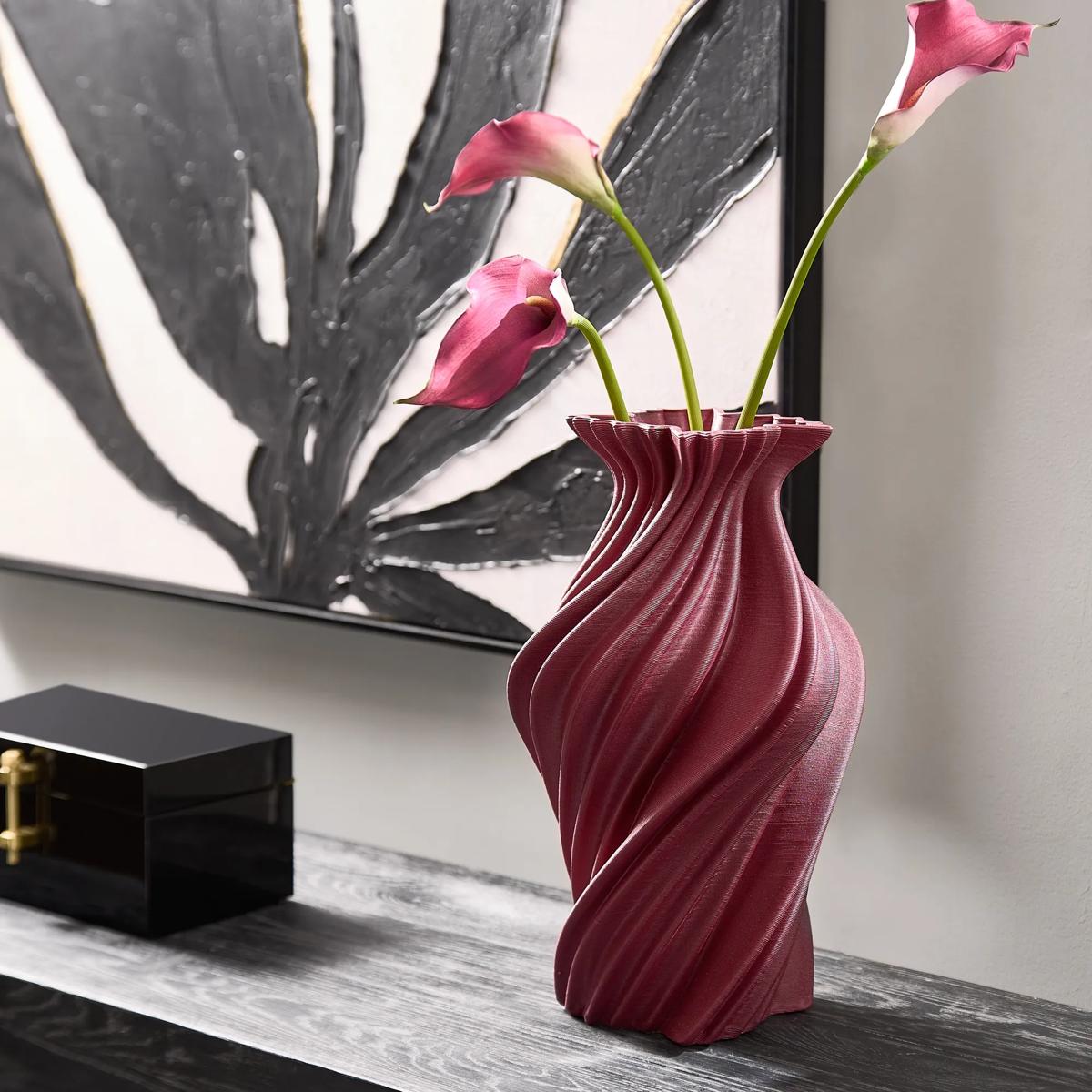 Flame Deep Red Porcelain Vase 16.25"$119
A sculptural porcelain vase in deep red with a dynamic, twisted silhouette inspired by flowing flames.
Add To Cart -
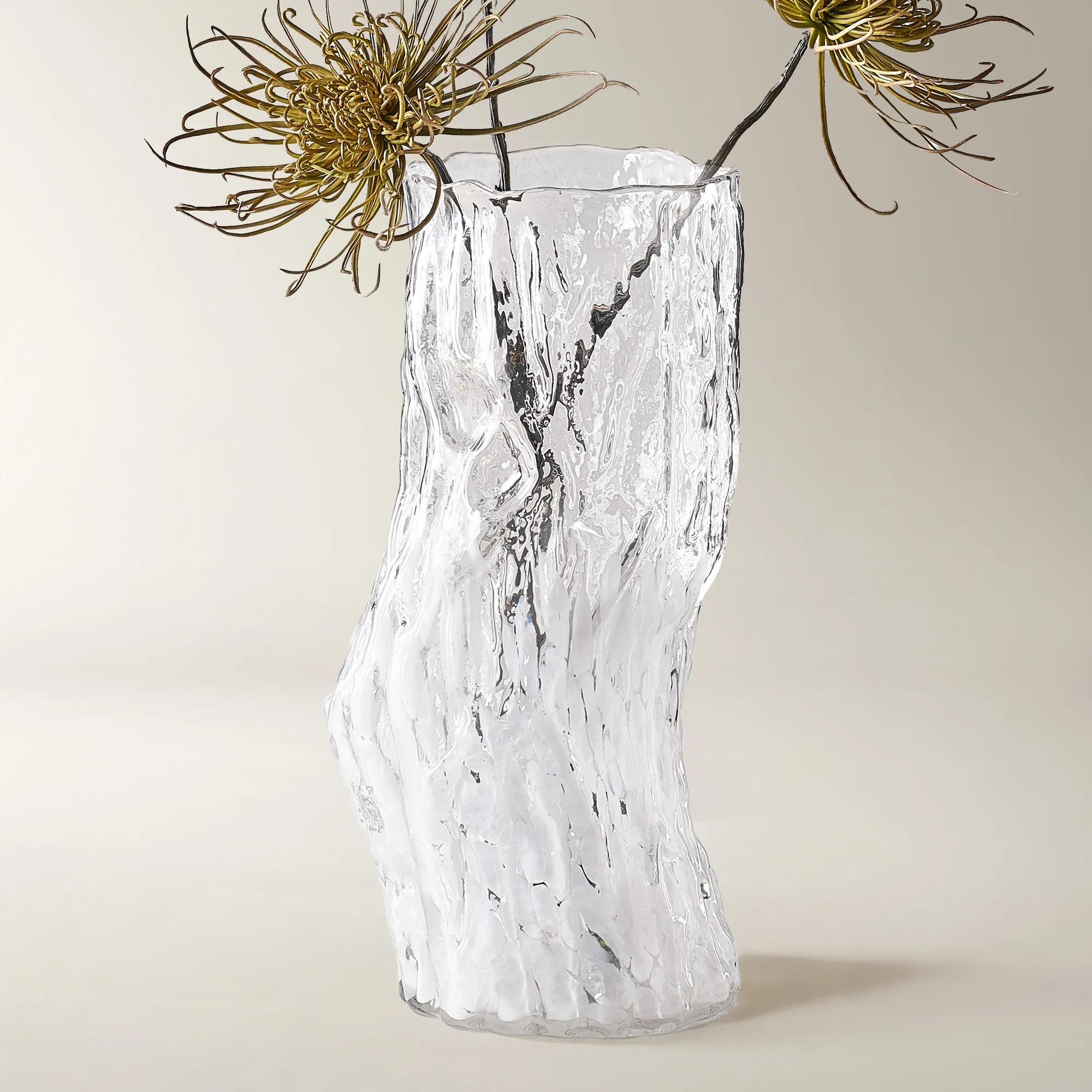 Vanish Mouth Blown Frosted White Glass Vase 18.5"$159
A handblown frosted white glass vase with an ethereal, translucent finish and sculptural silhouette.
Add To Cart -
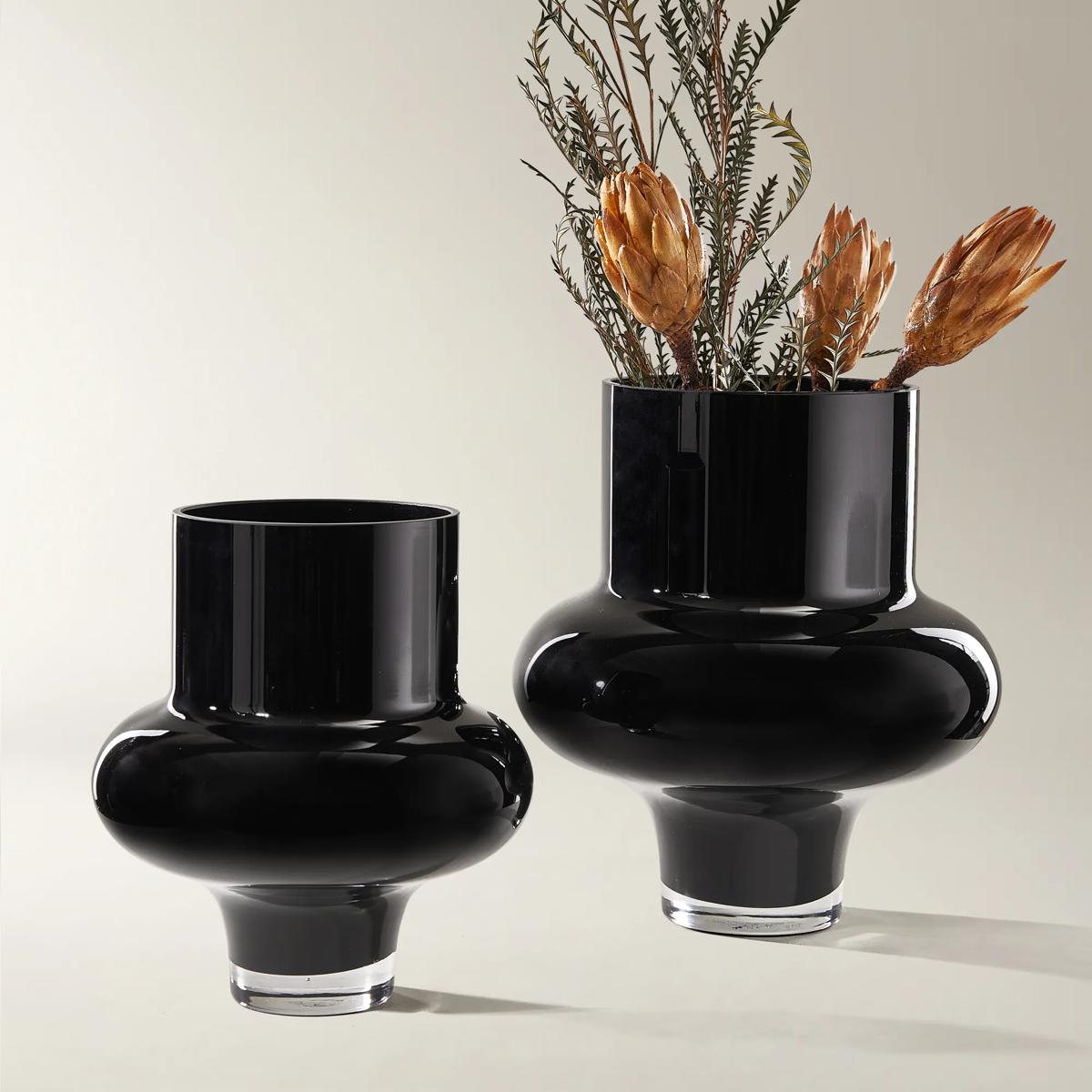
 Kors Glass Vase$69
A sculptural hand-blown black glass vase with a high-gloss finish and bold, curvaceous silhouette.
Add To Cart -
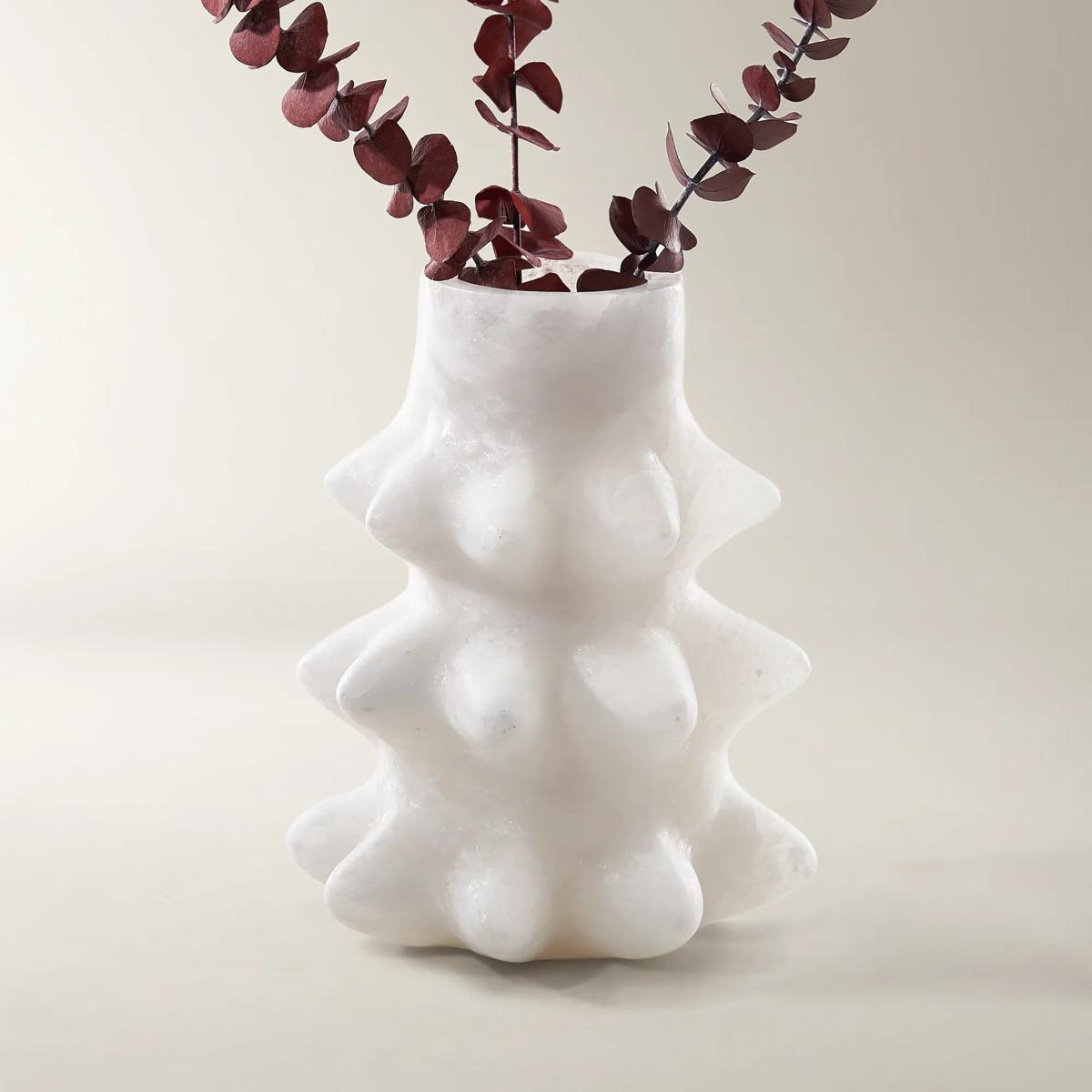
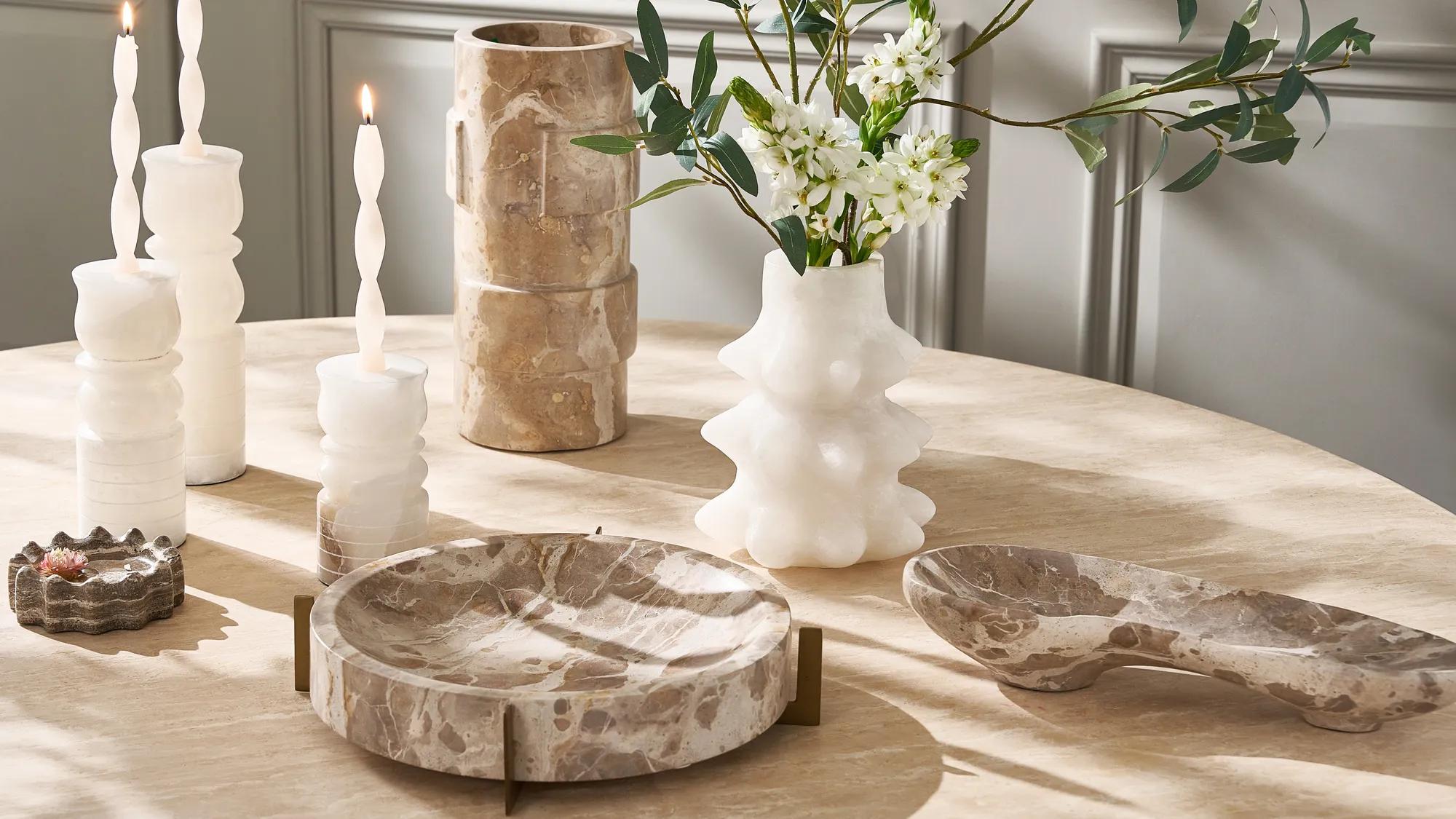 Alabaster Spike Vase$239
A sculptural white alabaster vase with bold spiked contours and naturally radiant veining.
Add To Cart -
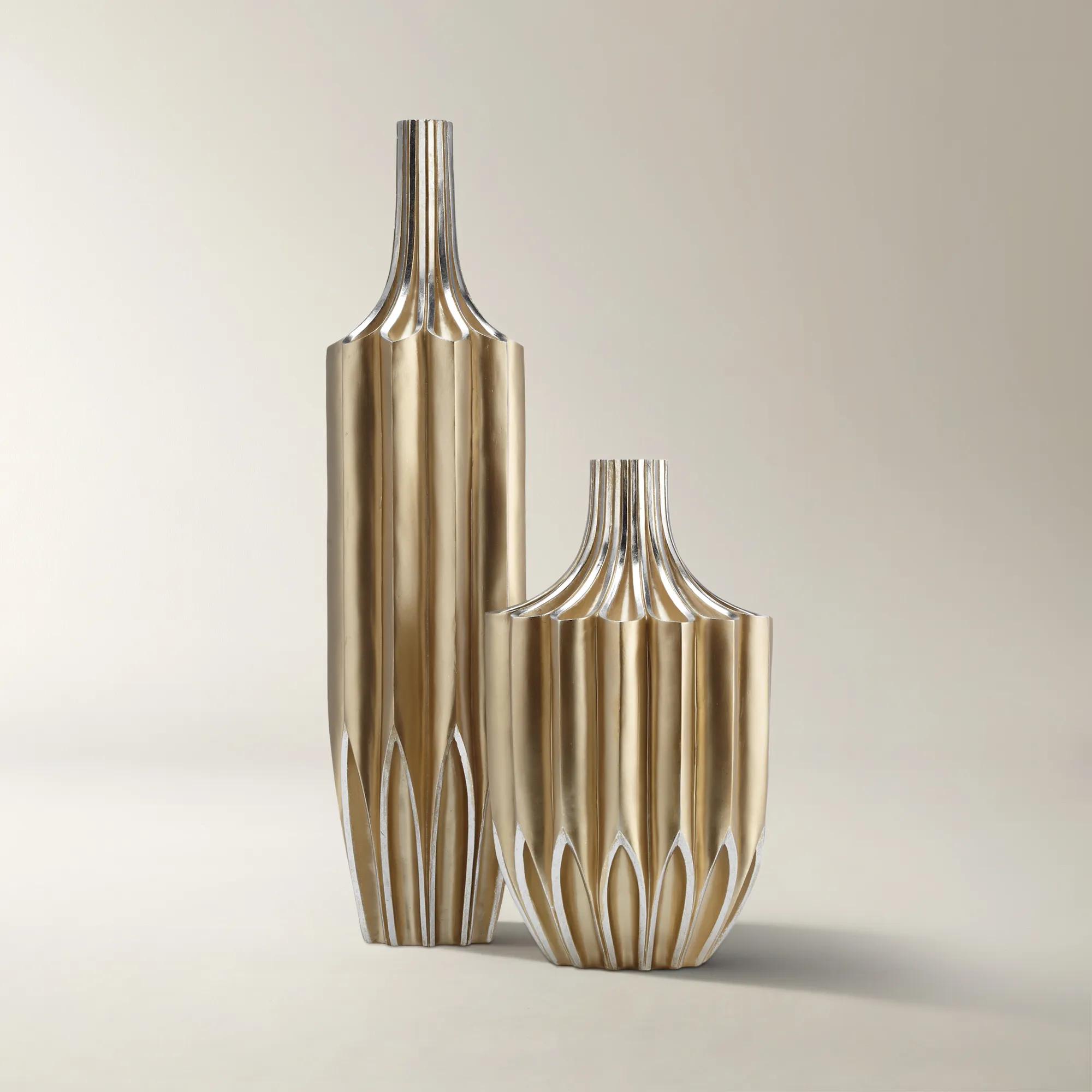
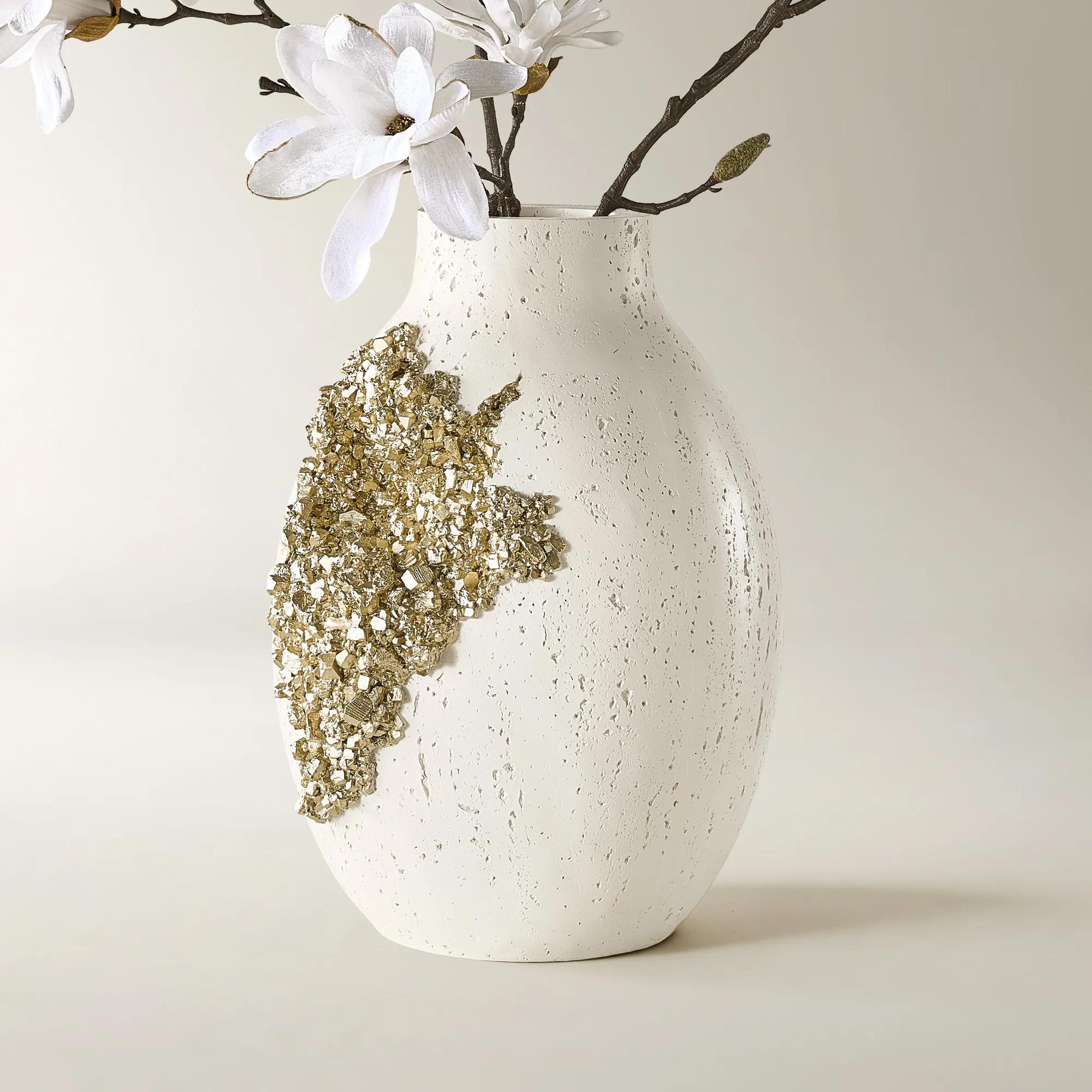 Delve Soft Gold Ivory Resin Vase 18.5"$199
A sculptural polyresin and stone vase in soft gold and white, adding modern glamour to any space.
Add To Cart -
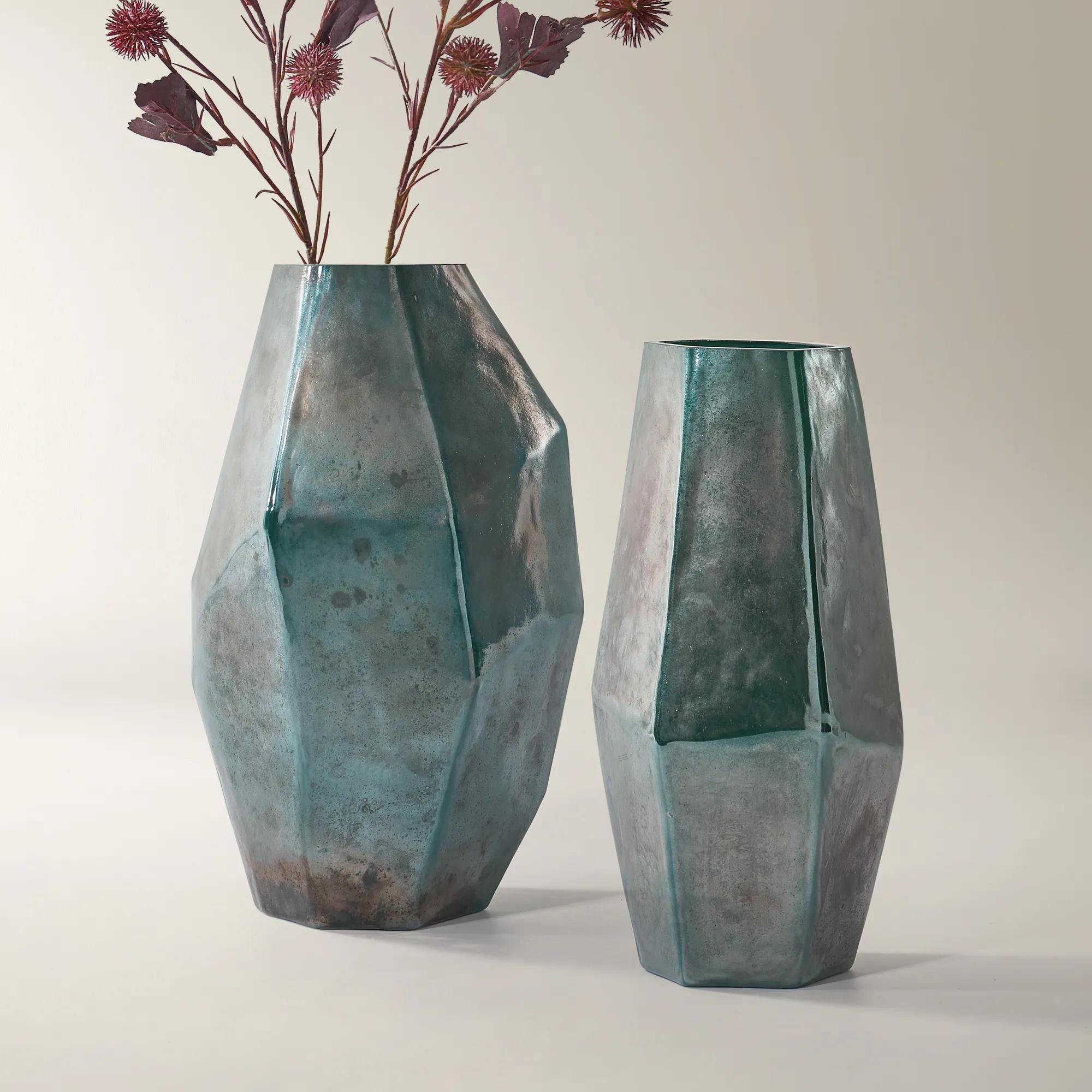
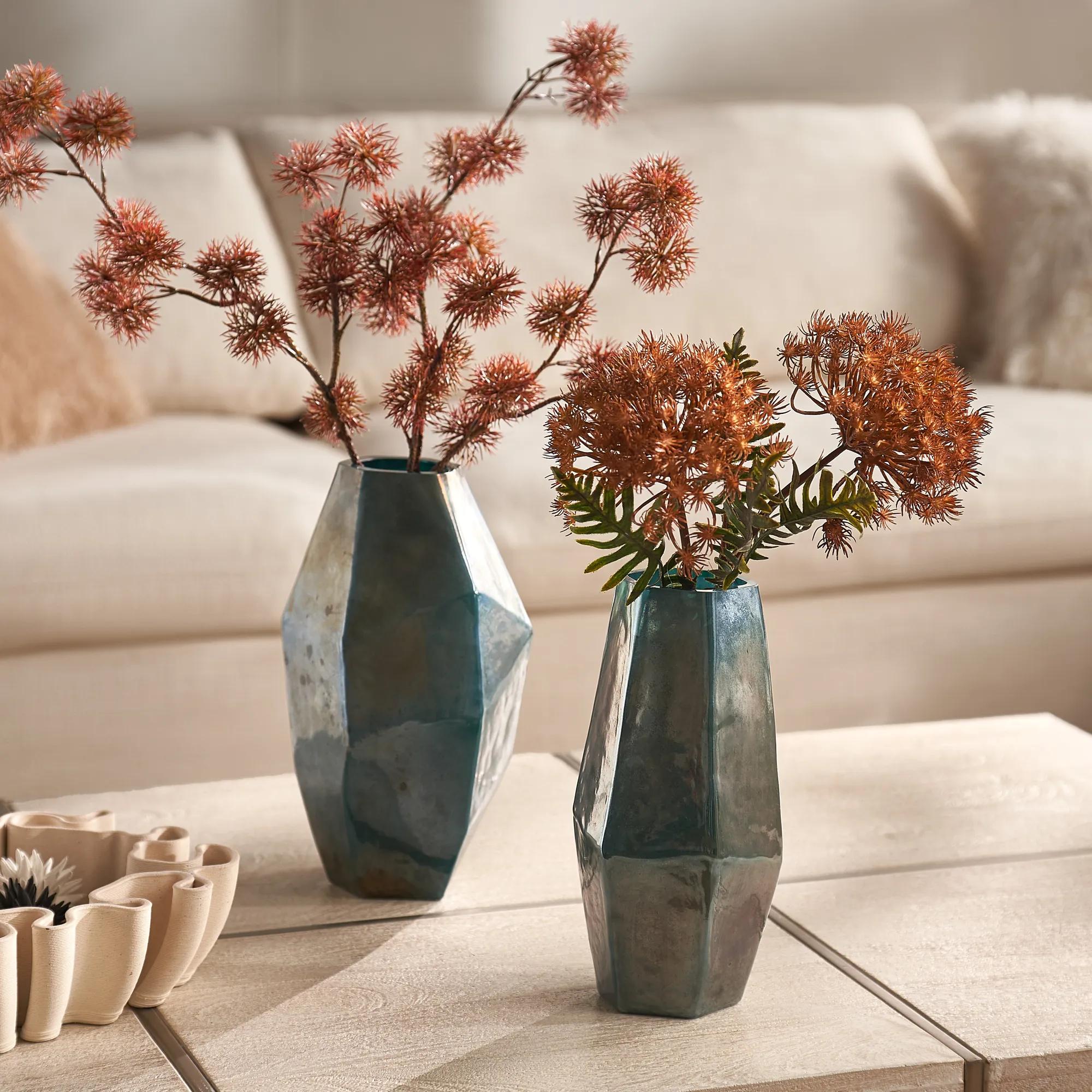 Sienna Vase$89
A sculptural hand-blown glass vase with a prismatic green finish and striking geometric silhouette.
Add To Cart -
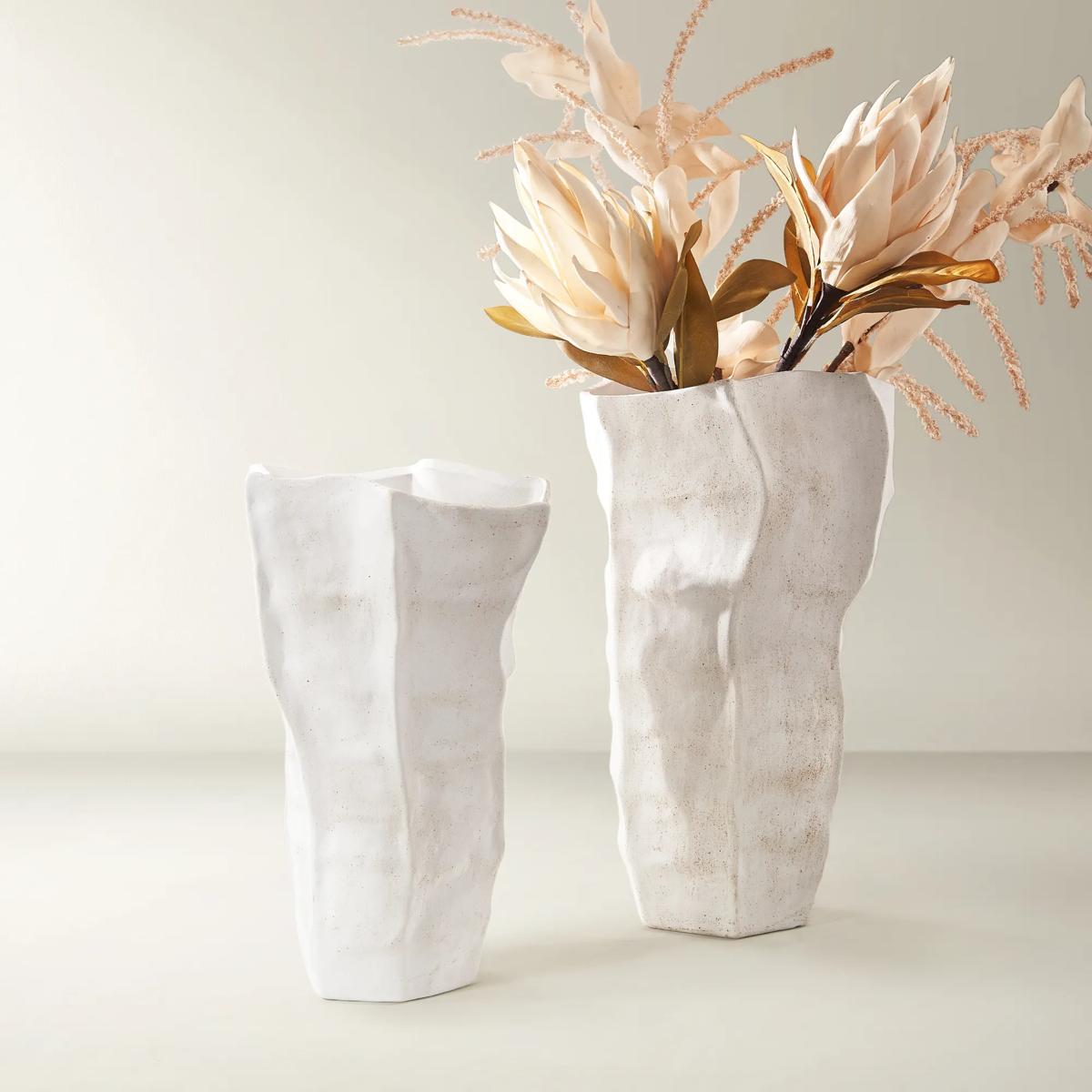 Kira Porcelain Vase$139
A sculptural matte white porcelain vase with fluid, faceted curves and a soft, textured finish.
Add To Cart -
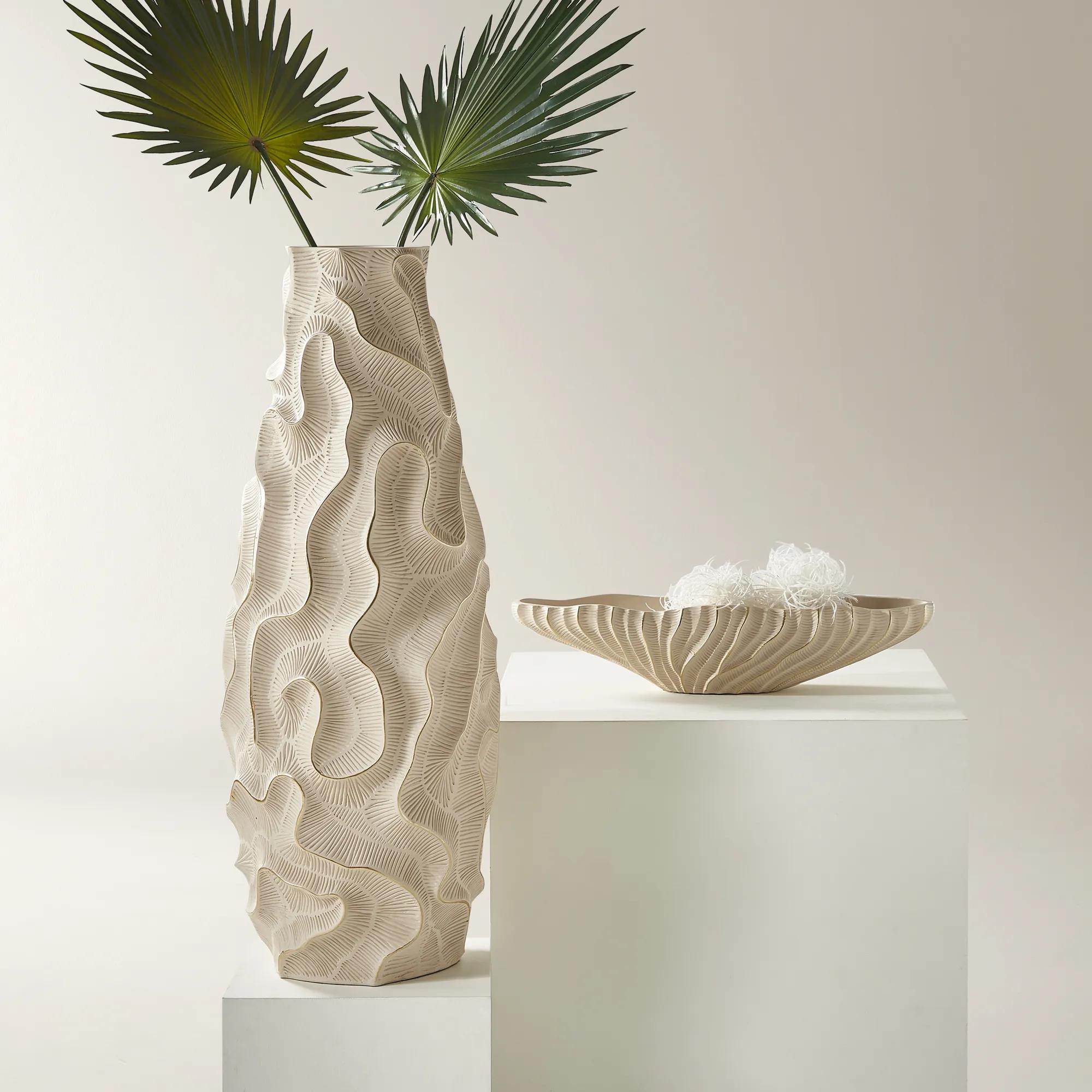
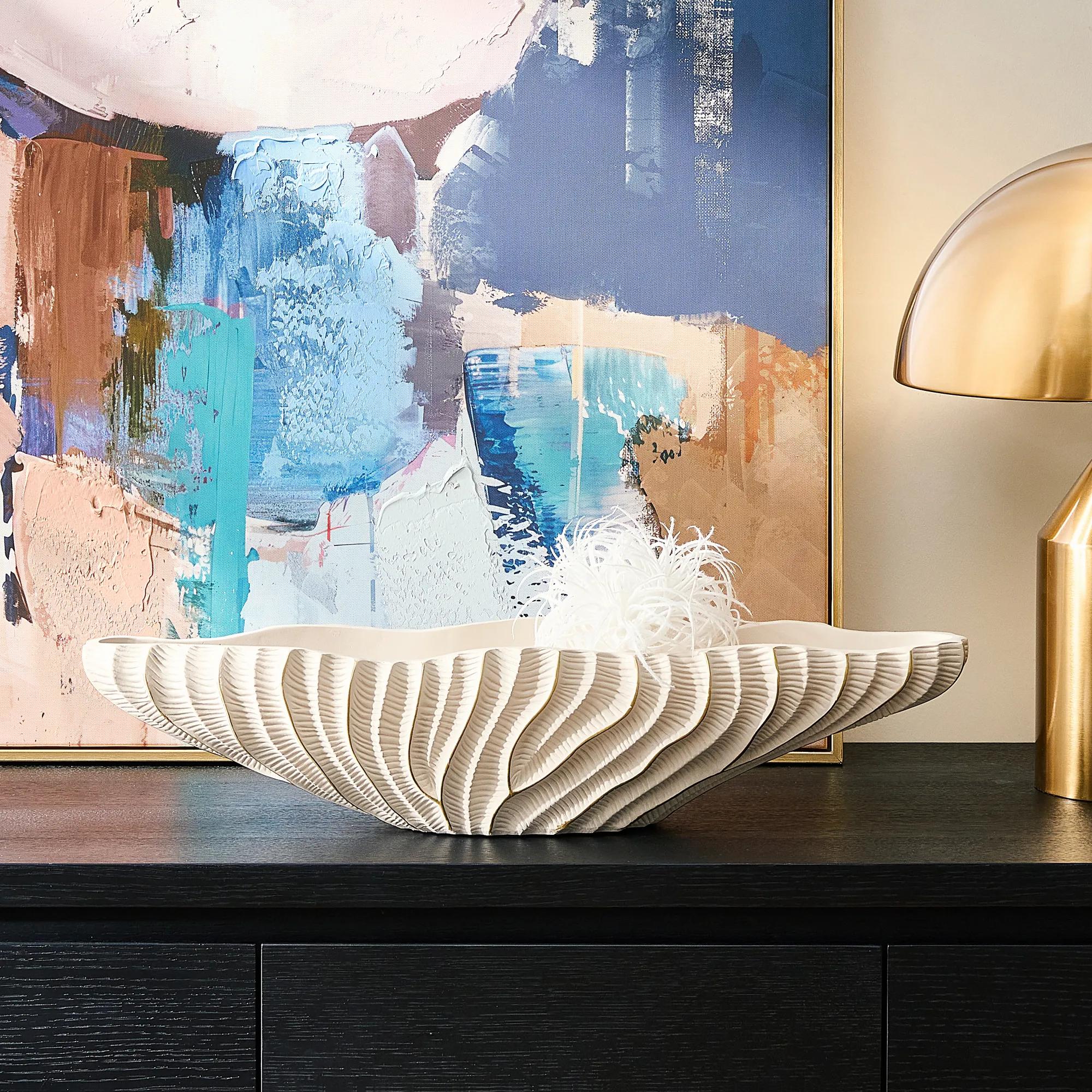 Rouche Ivory And Gold Etched Resin Floor Vase & Bowl$79
An ivory resin collection featuring sculptural, hand-etched textures and undulating organic contours.
Add To Cart -
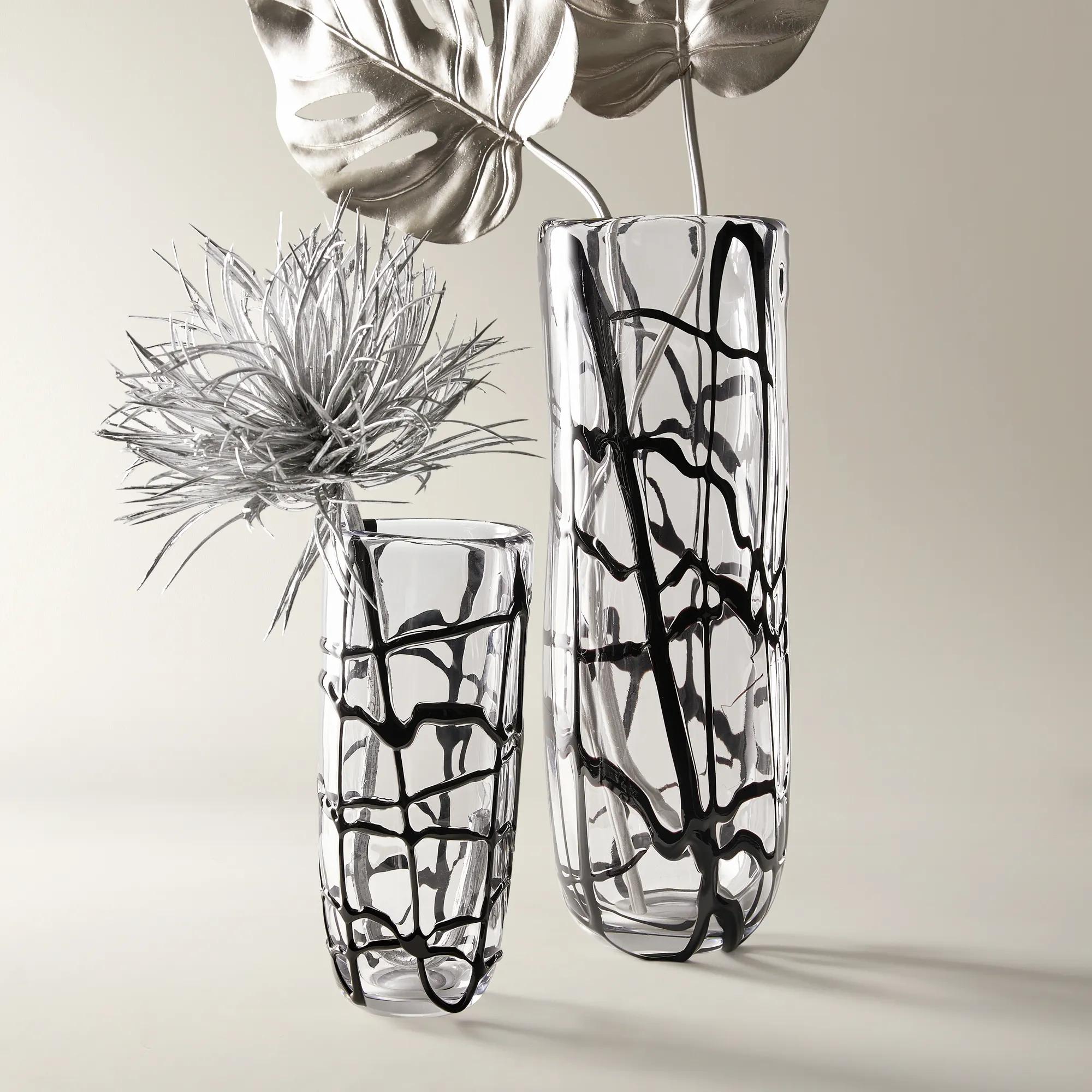
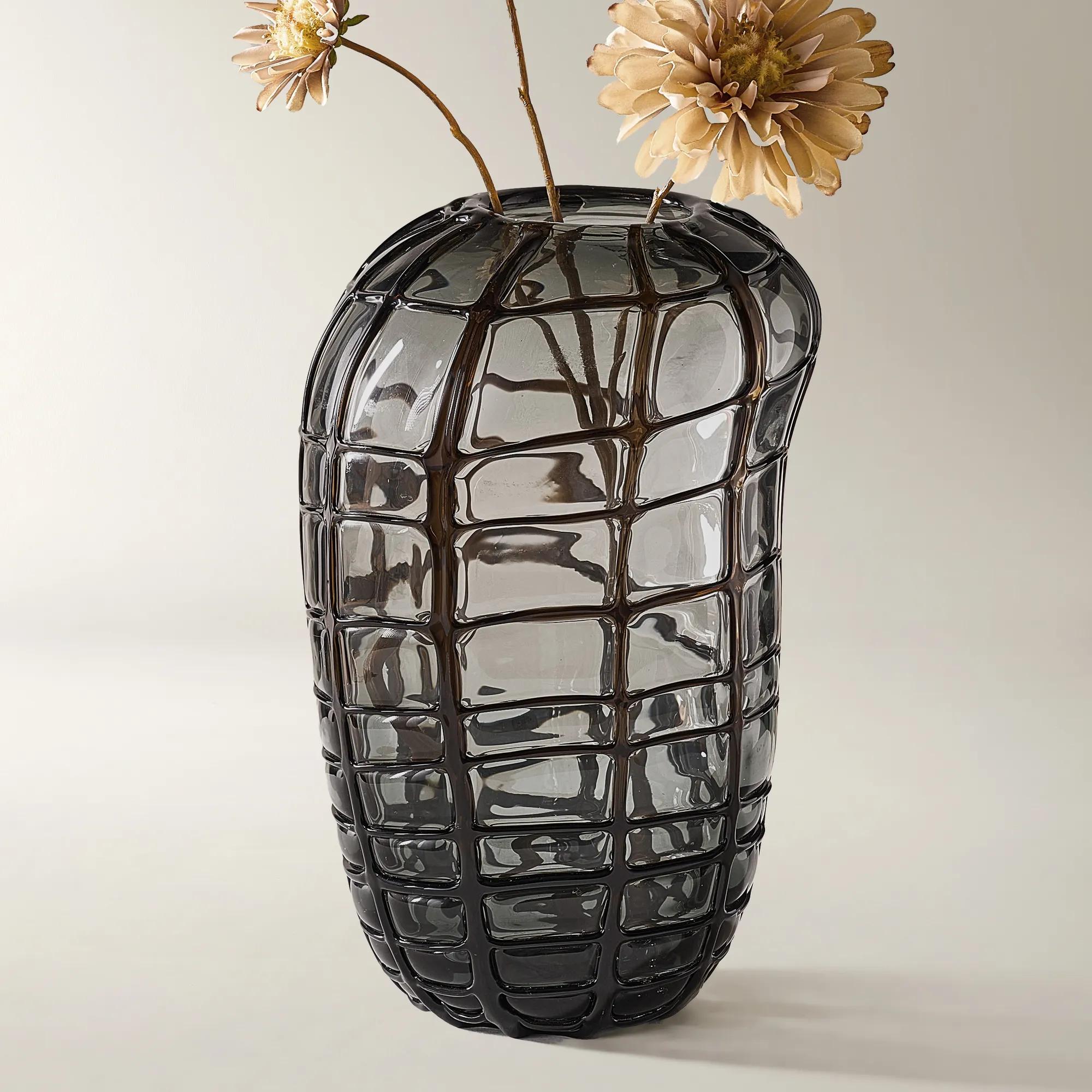 Contra Mouth Blown Black Grid Glass Vase 13"$89
A handblown black glass vase featuring a graphic grid pattern and an organically sculpted silhouette.
Add To Cart -
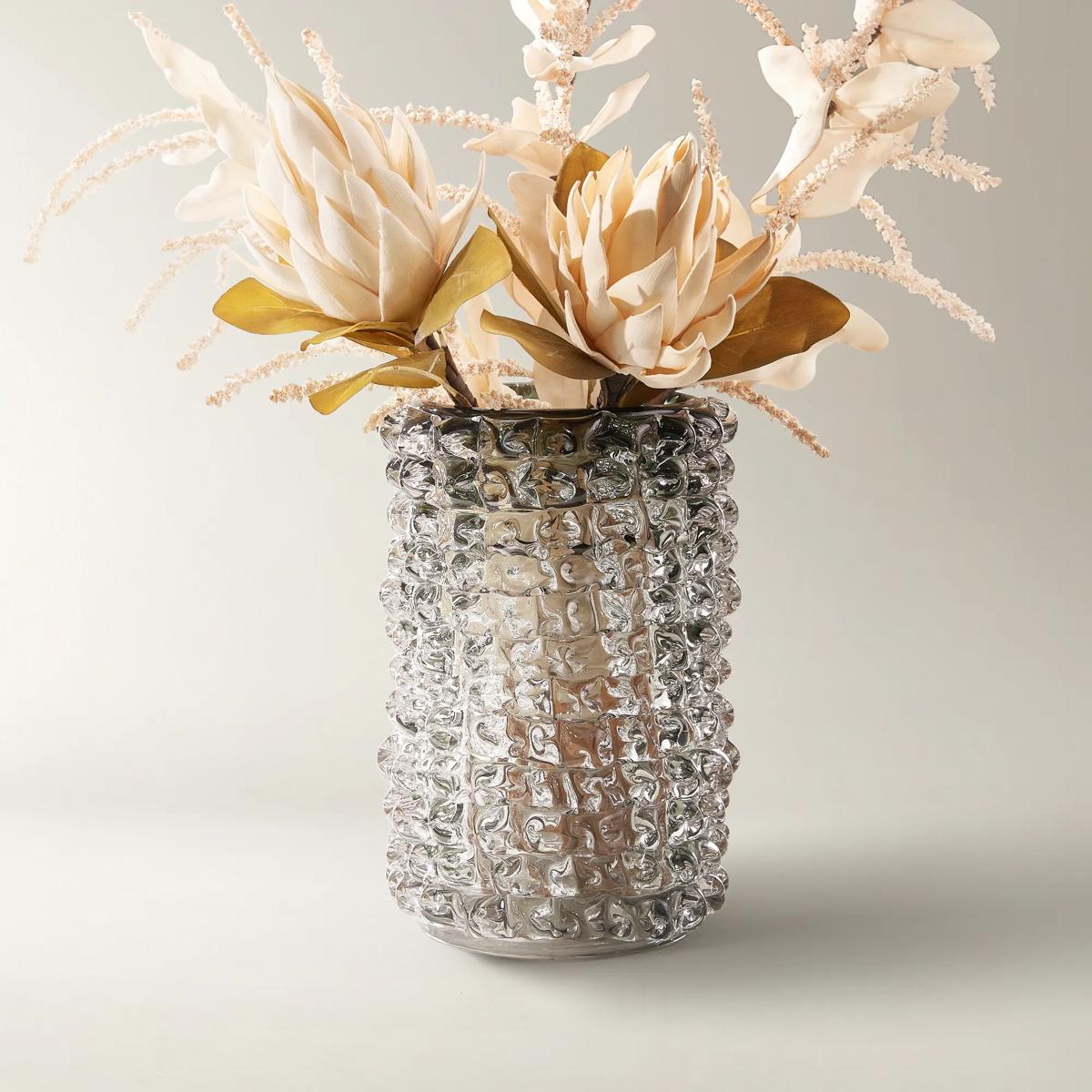
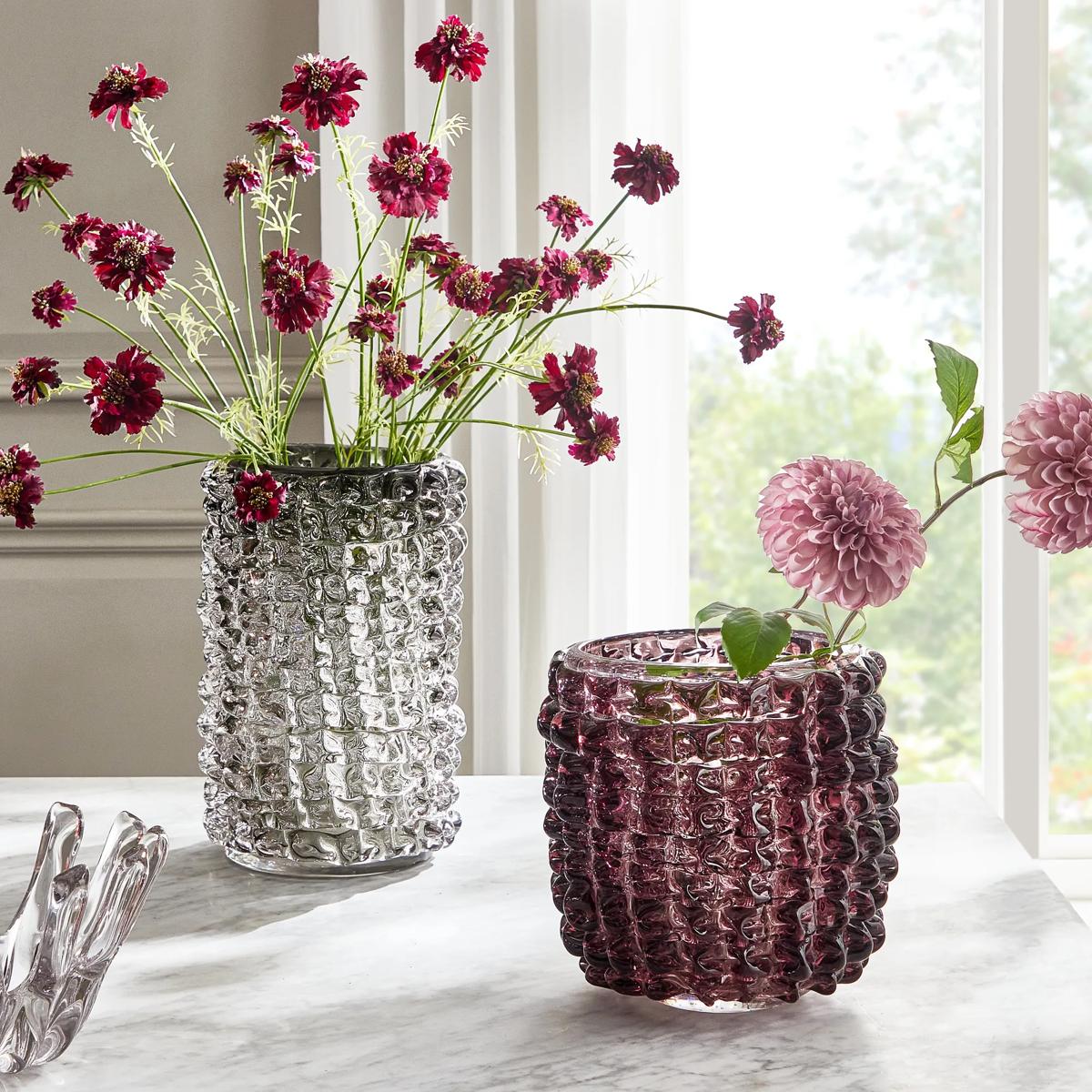 Laurel Glass Vase - Large Graphite$399
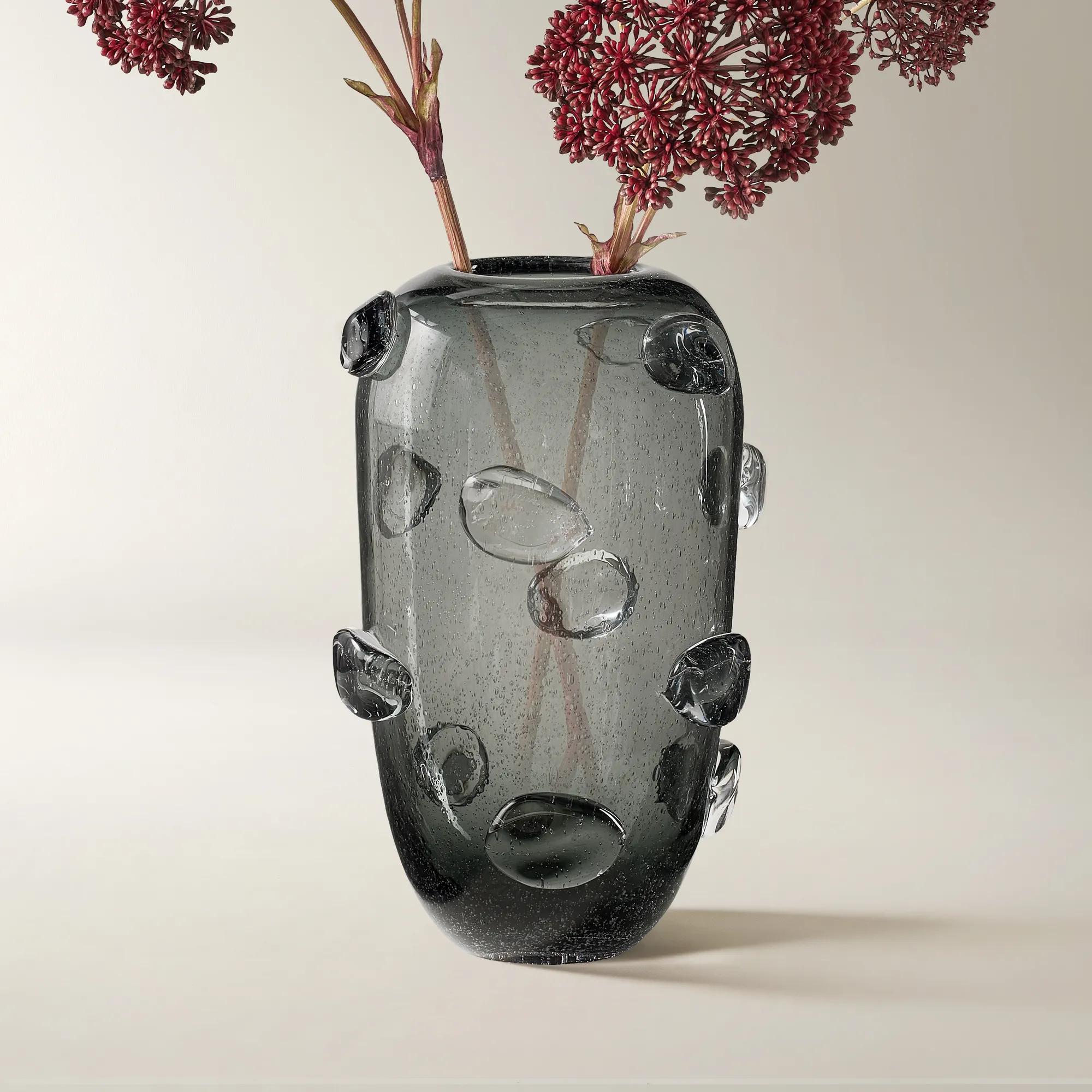
A hand-blown glass vase in smoky graphite with a bubbled, light-catching organic texture.
Add To Cart -
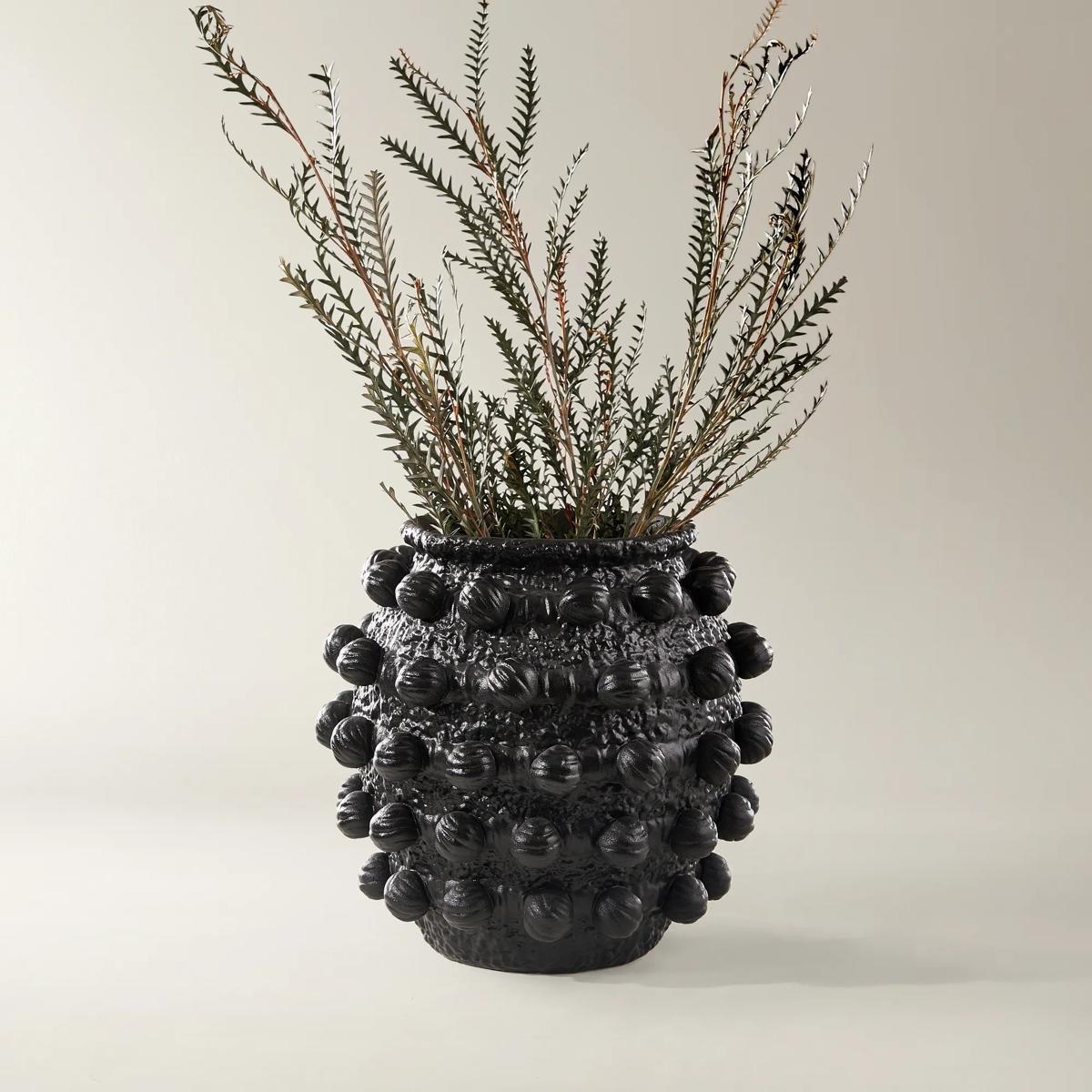 Pompa Vase - Black$119
A sculptural black porcelain vase featuring bold, rounded forms and a richly textured surface.
Add To Cart -
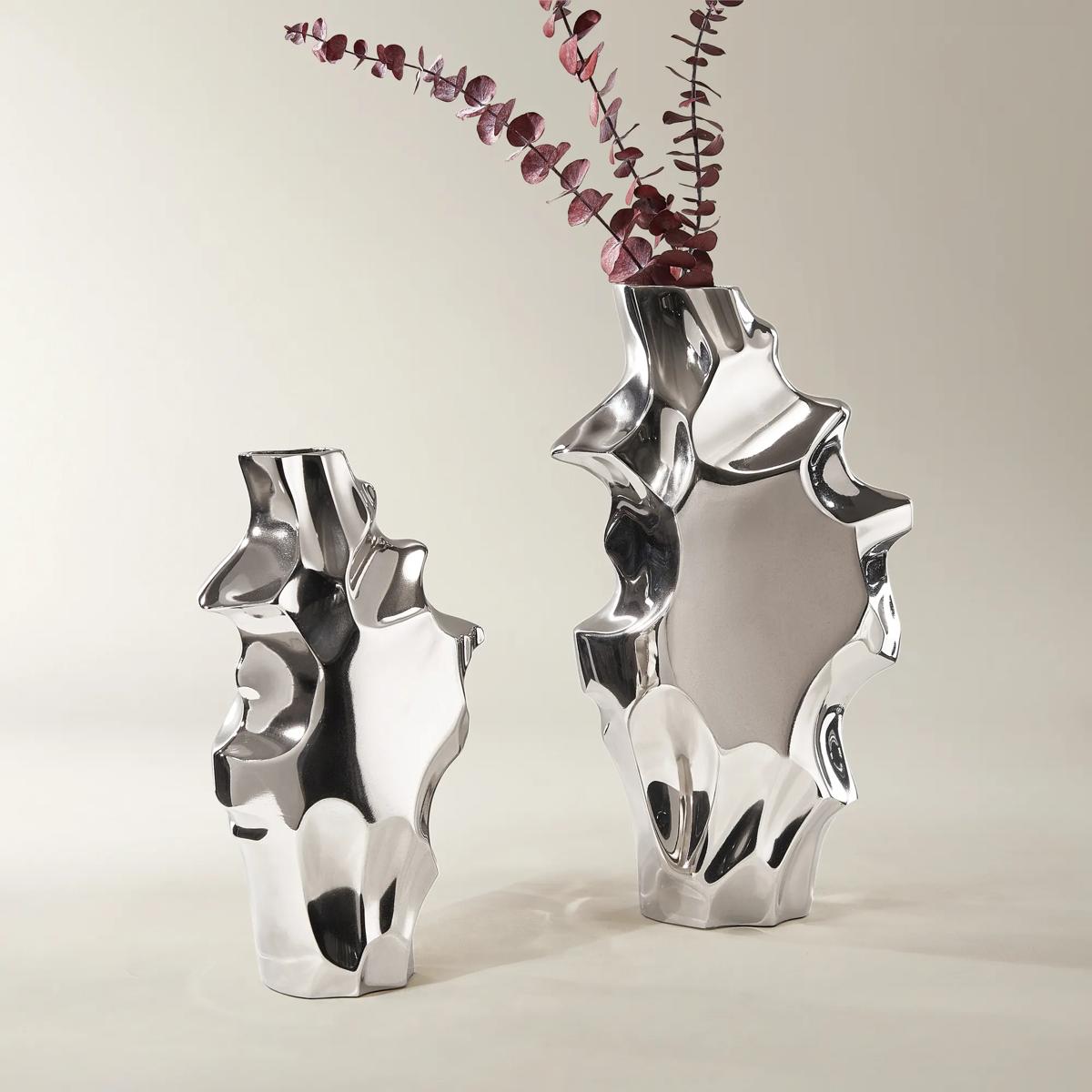
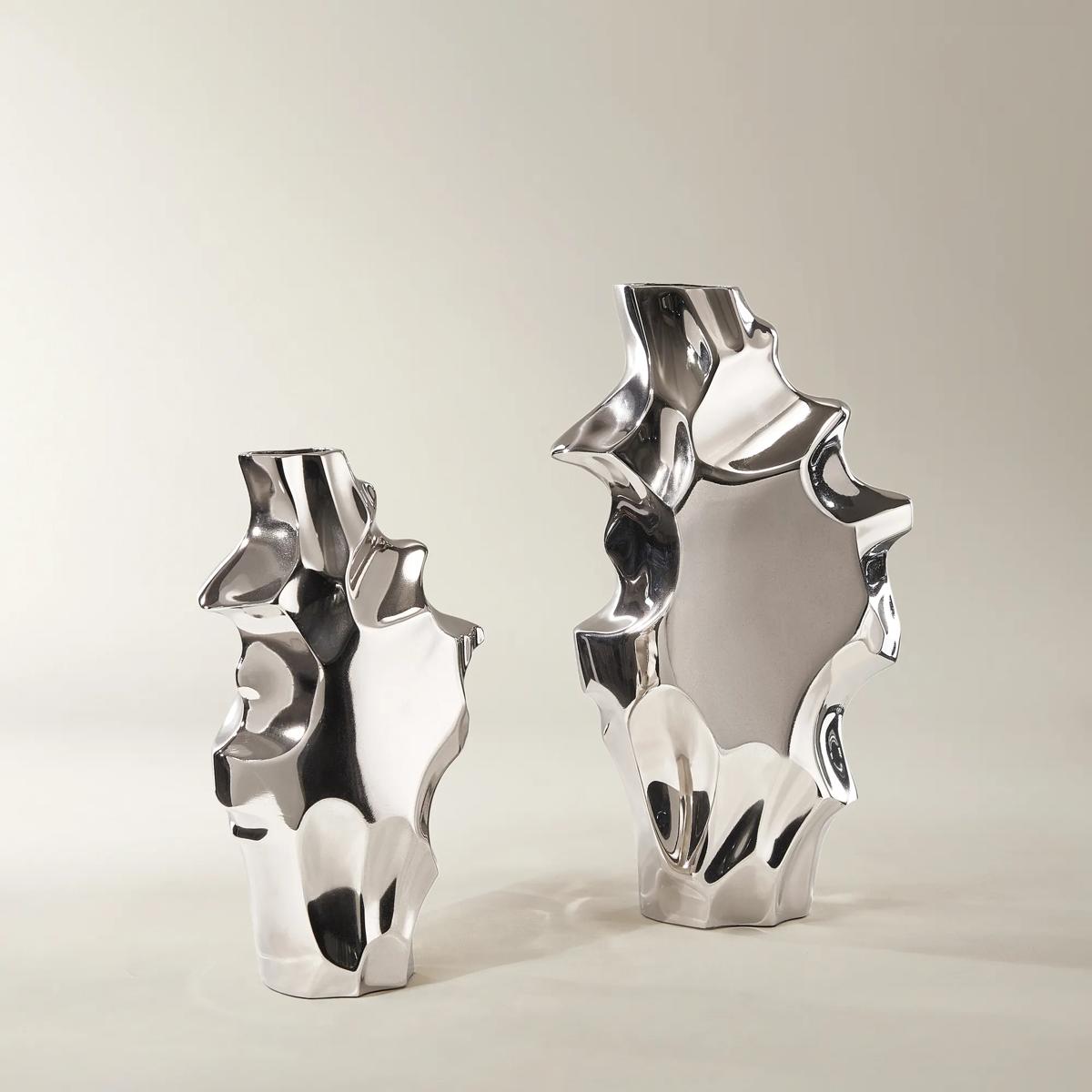 Sculpt Silver Aluminum Vases$69
A fluid, organic silhouette in lustrous silver aluminum brings modern artistry to any decor.
Add To Cart

Organic Shaped Vases
Organic Shaped Vases transform the art of display into a poetic gesture, capturing the fluid beauty of nature’s most enchanting forms. Each silhouette undulates with sculptural intrigue, inviting the eye to linger and the imagination to wander. These vases become more than mere vessels—they are objets d’art that infuse every surface with movement, elegance, and a sense of curated wonder. Elevate your floral arrangements or let them stand alone as captivating centerpieces; Organic Shaped Vases promise to awaken your interiors with artistry and unexpected allure.
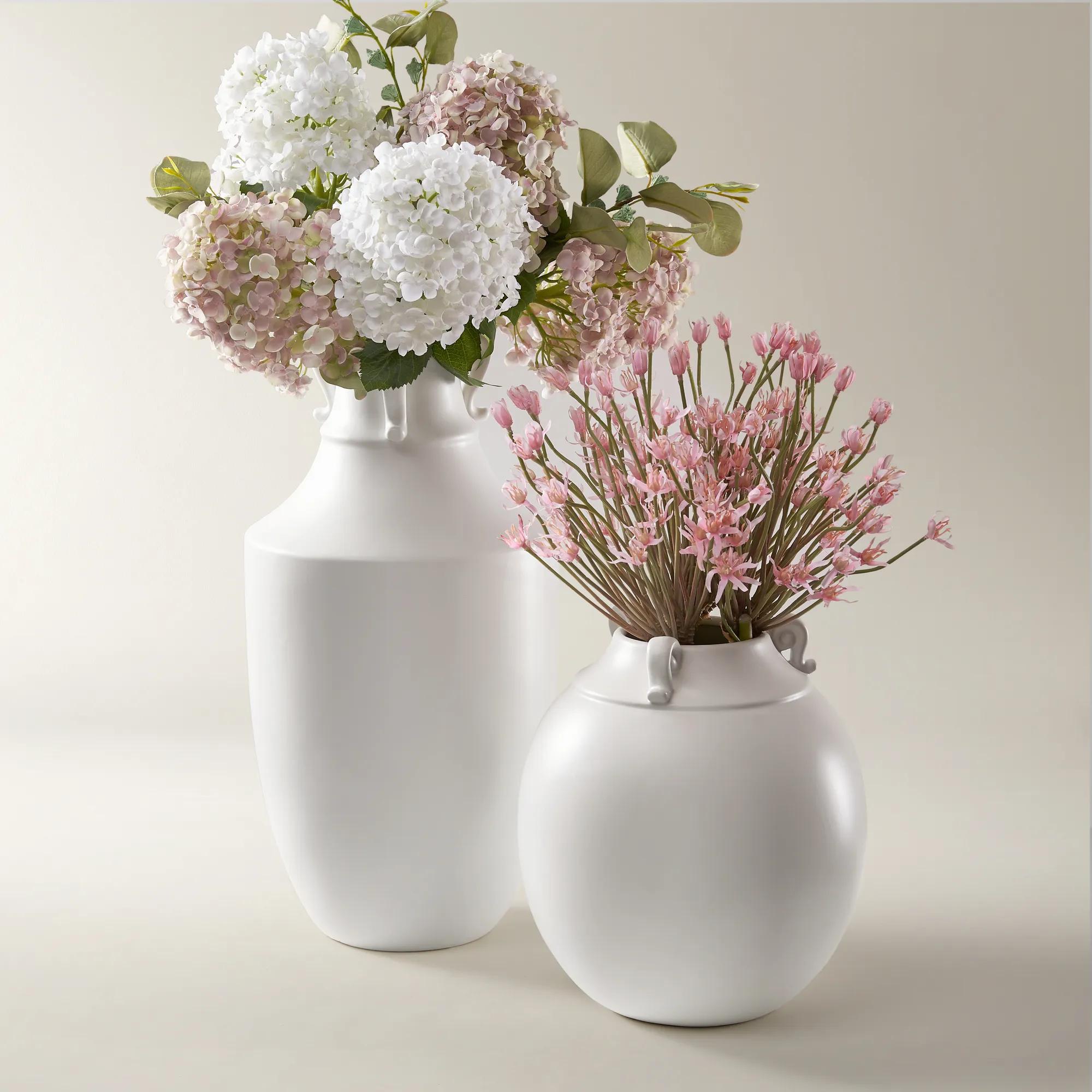
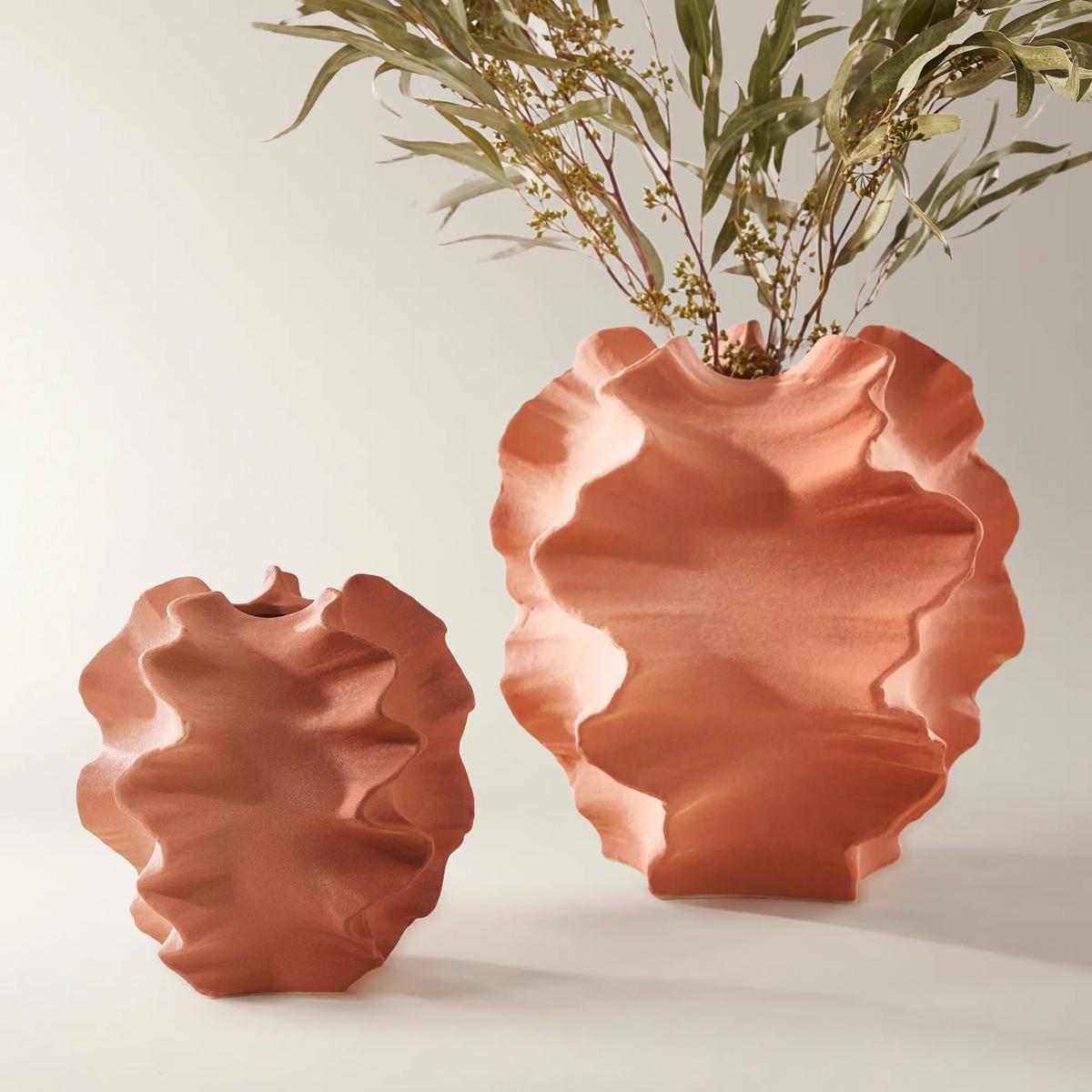
Organic shaped vases are decorative vessels defined by soft curves, asymmetrical contours, and flowing silhouettes inspired by nature. Rather than relying on straight sides or perfect symmetry, these sculptural vases echo the rounded profile of a river stone, the rippled edge of a shell, or the gentle bend of a growing stem. Their appeal lies in that sense of movement: a still object can bring remarkable energy to a console, dining table, or bookcase. Some forms feel full and generous, with broad shoulders and a narrow opening; others stretch upward, fold inward, or reveal an open center that becomes part of the composition. Each shape offers a different expression, from quiet sensuality to pronounced architectural drama. An ivory vessel with an undulating rim can soften the precise lines of a mirrored cabinet, while a deeply textured, asymmetrical vase introduces depth beside polished metal and glass. These pieces suit interiors that favor expressive details, whether the surrounding furniture is streamlined, richly upholstered, or layered with collected objects. Color helps establish the mood without competing with the silhouette. Chalky white, sand, and warm earth tones emphasize subtle changes in surface and contour; saturated hues or gleaming finishes turn the vessel into a stronger focal point. Even without flowers, an organic vase can hold its own as a small sculpture, especially when light catches a curved shoulder or casts a shadow through a pierced form. For those drawn to distinctive profiles across a broader range of designs, Unique Modern Vases offers a related direction for an expressive interior. The attraction is not simply an unusual outline. It is the way an unexpected curve interrupts a rigid arrangement, gives a shelf breathing room, and makes an everyday surface feel deliberately composed. A single vessel on a generous entry table can create a memorable arrival, while a small grouping brings a more intimate rhythm to a bedside chest or reading corner.
Material gives organic shaped vases much of their character, affecting both their visual presence and their intended use. Ceramic is a broad category that includes stoneware and terracotta, with finishes ranging from smooth glaze to grainy, tactile surfaces. Stoneware often has a substantial feel that complements rounded, grounded silhouettes, while terracotta brings an earthy quality through its clay body and naturally porous character. A coarse finish emphasizes sculptural relief; a satin surface lets the curves speak more softly. Reactive glazes can produce variations in color and sheen during firing, adding depth across an irregular profile rather than creating a perfectly uniform appearance. Glass brings a different kind of drama. Clear, tinted, or layered glass allows light to travel through the vessel, emphasizing thick rims, curved walls, and the meeting of color and shadow. Its transparency also makes stems part of the display, so the arrangement inside matters as much as the outer form. Opaque ceramic, by contrast, conceals stems and places greater emphasis on the outline of the vase and flowers above it. Material alone does not establish whether a vessel can hold water. Unglazed terracotta is generally porous, and even glazed ceramic should be used for fresh flowers only when its care information confirms that it is watertight. Decorative openings, unsealed interiors, and certain surface treatments may make a vase suitable only for dried stems, faux botanicals, or display without a filling. A removable watertight liner may be an option when the opening and interior dimensions accommodate one securely. Durability also depends on construction and handling: ceramic and glass are rigid but can chip or break, and thin lips, projecting curves, or sculpted handles deserve particular care. To preserve the finish, lift a vase from its body or base rather than an ornamental extension, and use a soft cloth for routine dusting. Water-safe interiors benefit from prompt cleaning after flowers are removed, following the vessel’s care directions. Abrasive pads, harsh cleaners, prolonged soaking, and dishwasher use can damage some finishes, so cleaning methods should match the material rather than its appearance.
Scale and proportion determine how comfortably an organic vase belongs in a room. Height is only one measurement; the widest point, footprint, opening, and visual weight all influence placement. A broad, low vessel can lend a dining table sculptural presence without the height of a tall arrangement, though the complete display should still leave comfortable sightlines between seated guests. On a narrow mantel or shallow shelf, a rounded silhouette needs enough depth for the entire base to rest securely, with space around any projecting edges. A taller vase can bring balance to a substantial console, but long branches require a stable base and sufficient interior support. Narrow necks gather a few stems into a concentrated gesture, making one sweeping branch or a handful of architectural leaves feel intentional. Wider mouths accommodate fuller arrangements and may need a suitable floral support to keep stems positioned without crowding. An open-center or deeply folded form often needs little embellishment; an empty vessel can reveal details that foliage would conceal. Groupings feel more considered when their shapes share a color or finish while differing in height and width. A tall, softly tapered profile beside a low, rounded form creates contrast without demanding a large collection, and leaving visible space between them allows each contour to register. On wood, stone, or other delicate furniture, a suitable protective pad beneath a rough base helps reduce scratching; water-filled displays also warrant protection against moisture. Heavier vessels belong on sturdy, level surfaces away from busy edges, especially in homes with children or pets. These practical details preserve the pleasure of living with an expressive object rather than limiting its impact. Organic shaped vases make thoughtful housewarming, wedding, or host gifts for people who enjoy flowers, collect decorative objects, or take pleasure in composing a room. A versatile scale and a finish suited to the recipient’s interior make the gesture especially personal. Filled with a few carefully chosen stems or displayed entirely on its own, an organic vase brings artful movement to the home through silhouette, texture, and the simple confidence of a distinctive form.
FAQs
Organic shaped vases introduce a sense of movement and artistry to your interiors, acting as both functional vessels and statement pieces. Their fluid lines and sculptural forms soften structured spaces, add visual intrigue, and invite a touch of nature-inspired elegance to any room.
Organic modern vases pair beautifully with both lush, free-form arrangements and minimal, sculptural stems. Experiment with dramatic branches, wild grasses, or a single striking bloom to highlight the unique contours of each vase and create a look that feels both curated and effortless.
Absolutely. Organic shaped vases make thoughtful and artistic gifts for housewarmings, weddings, anniversaries, or any occasion where you want to offer something truly distinctive. Their one-of-a-kind forms appeal to anyone who appreciates creative design and timeless craftsmanship.
In contemporary interiors, organic shaped vases shine when placed on mantels, consoles, or dining tables, either as solo statements or grouped in curated clusters. Mix textures, finishes, and heights to create visual harmony, and let the interplay of light accentuate their sculptural beauty.
Yes, many organic shaped vases are designed to be admired as standalone art objects. Their captivating forms and finishes make them perfect for display on shelves, coffee tables, or entryway consoles, where they bring character and artistic flair even without botanicals.