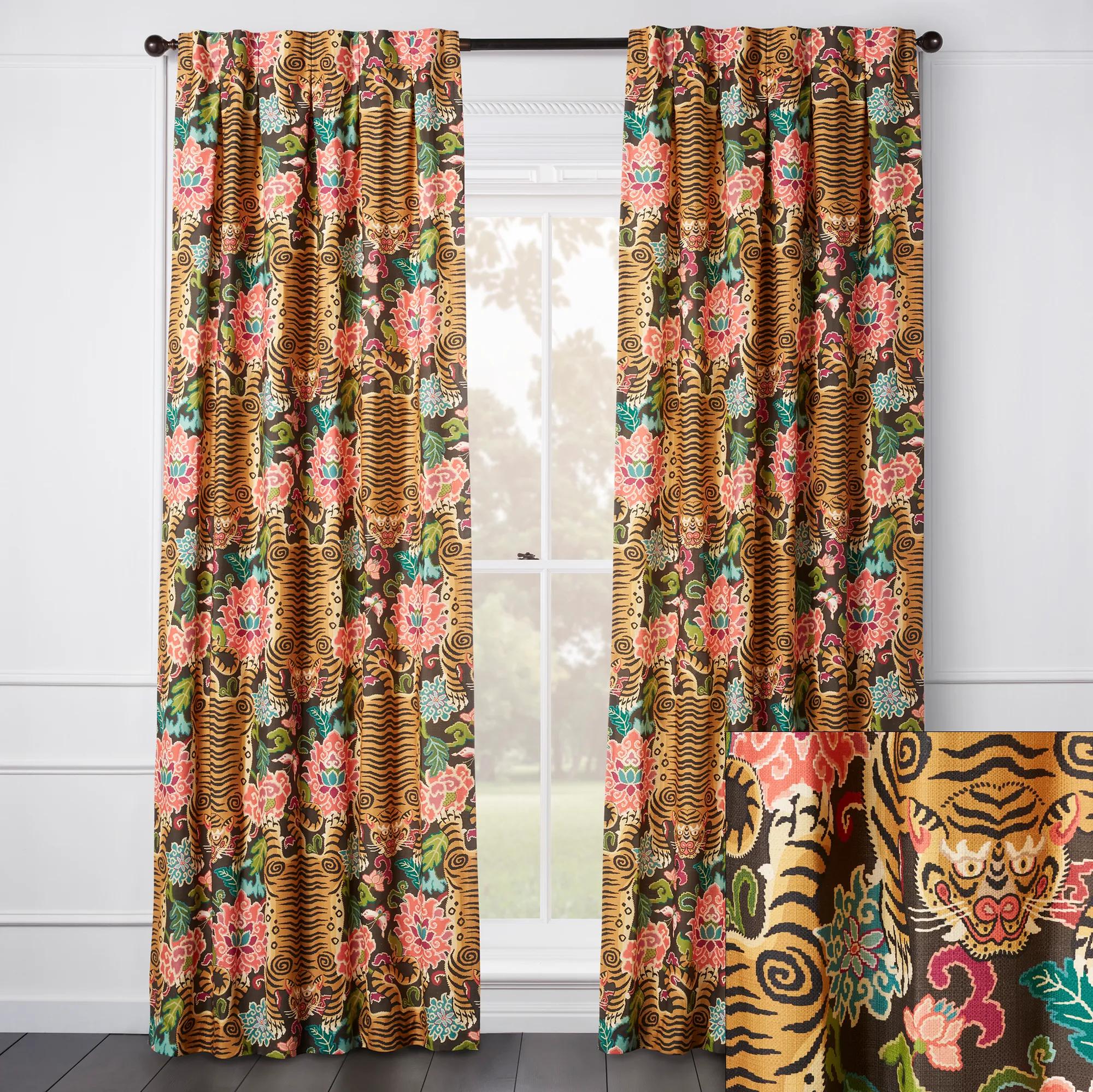
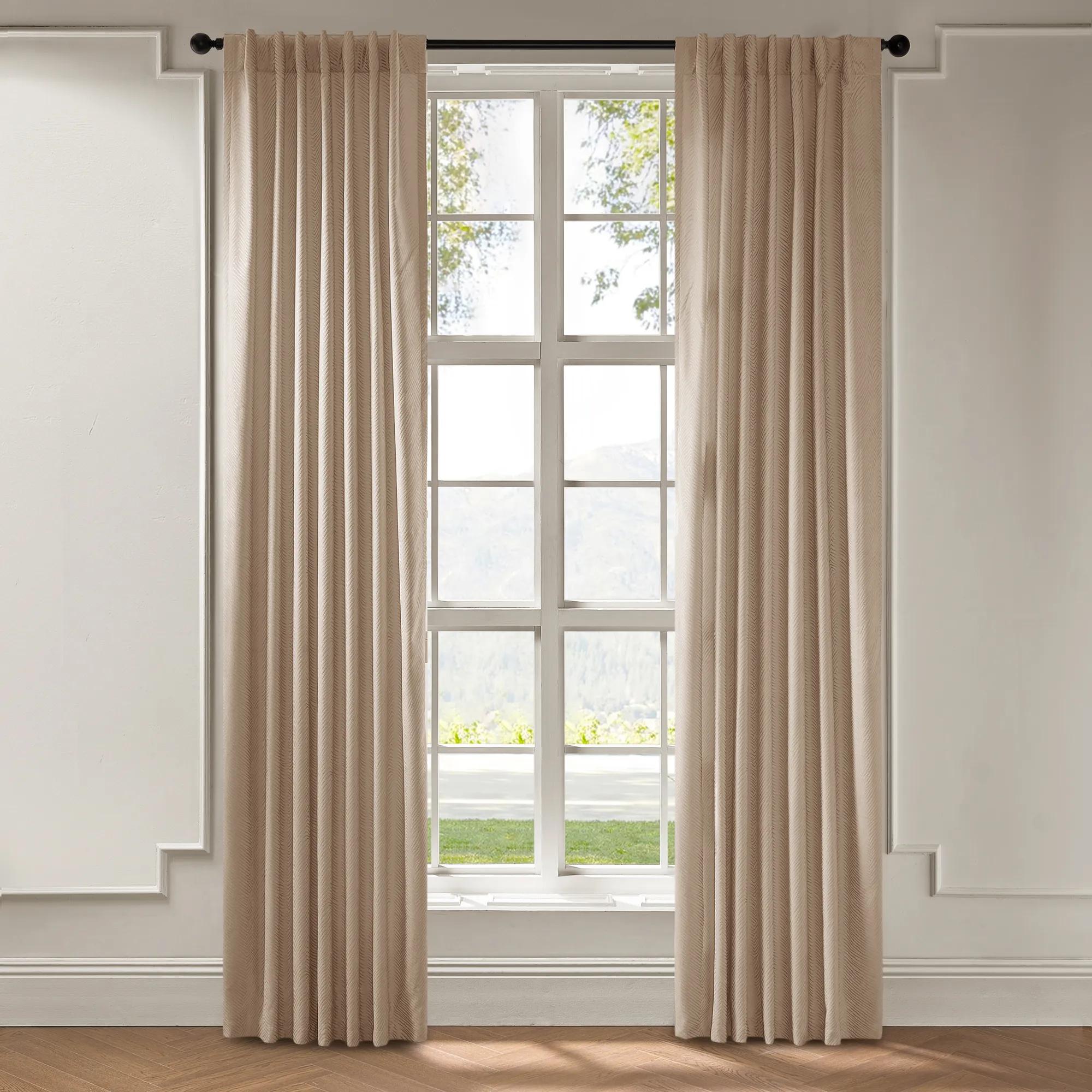
Room Darkening Window Panels
Room Darkening Window Panels
-
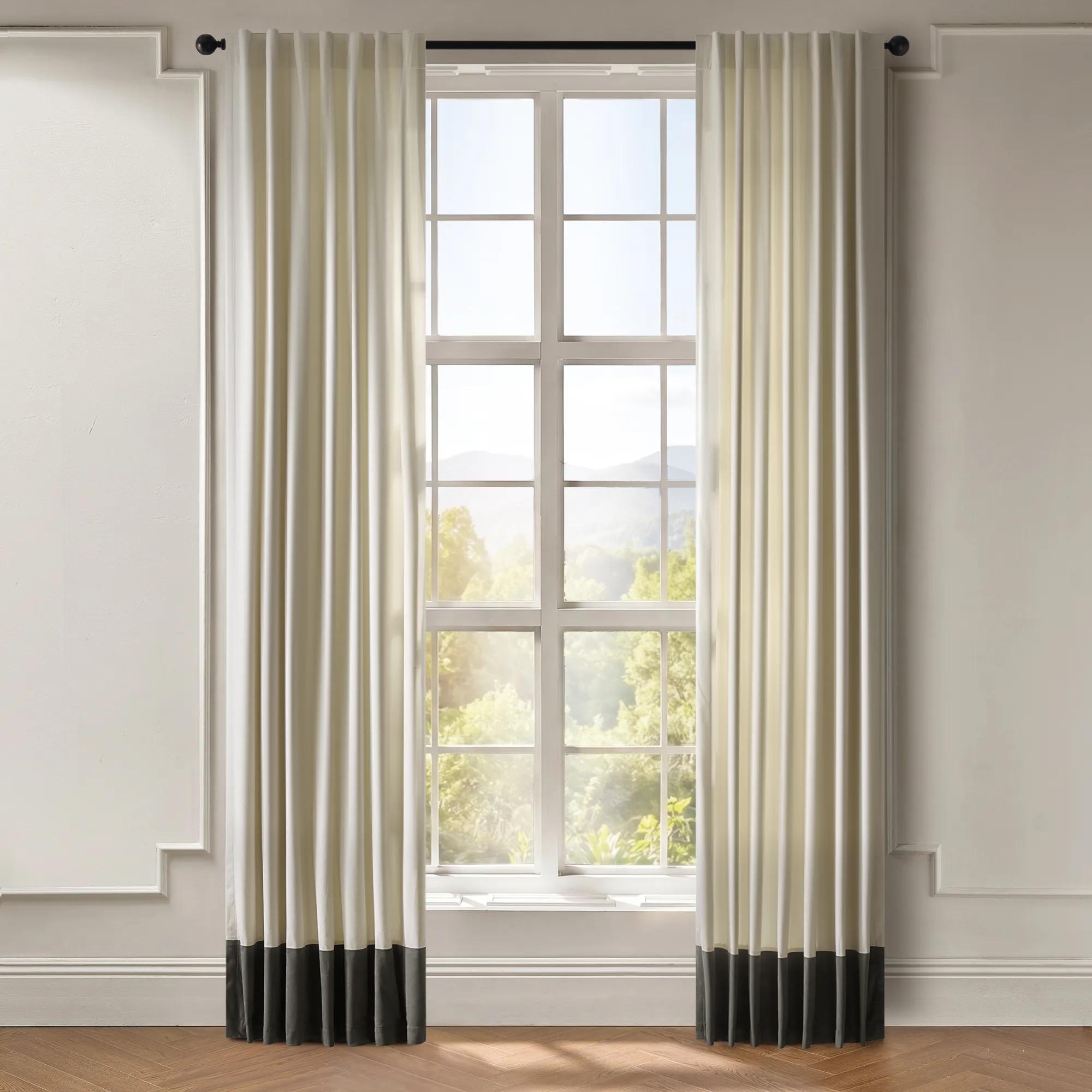
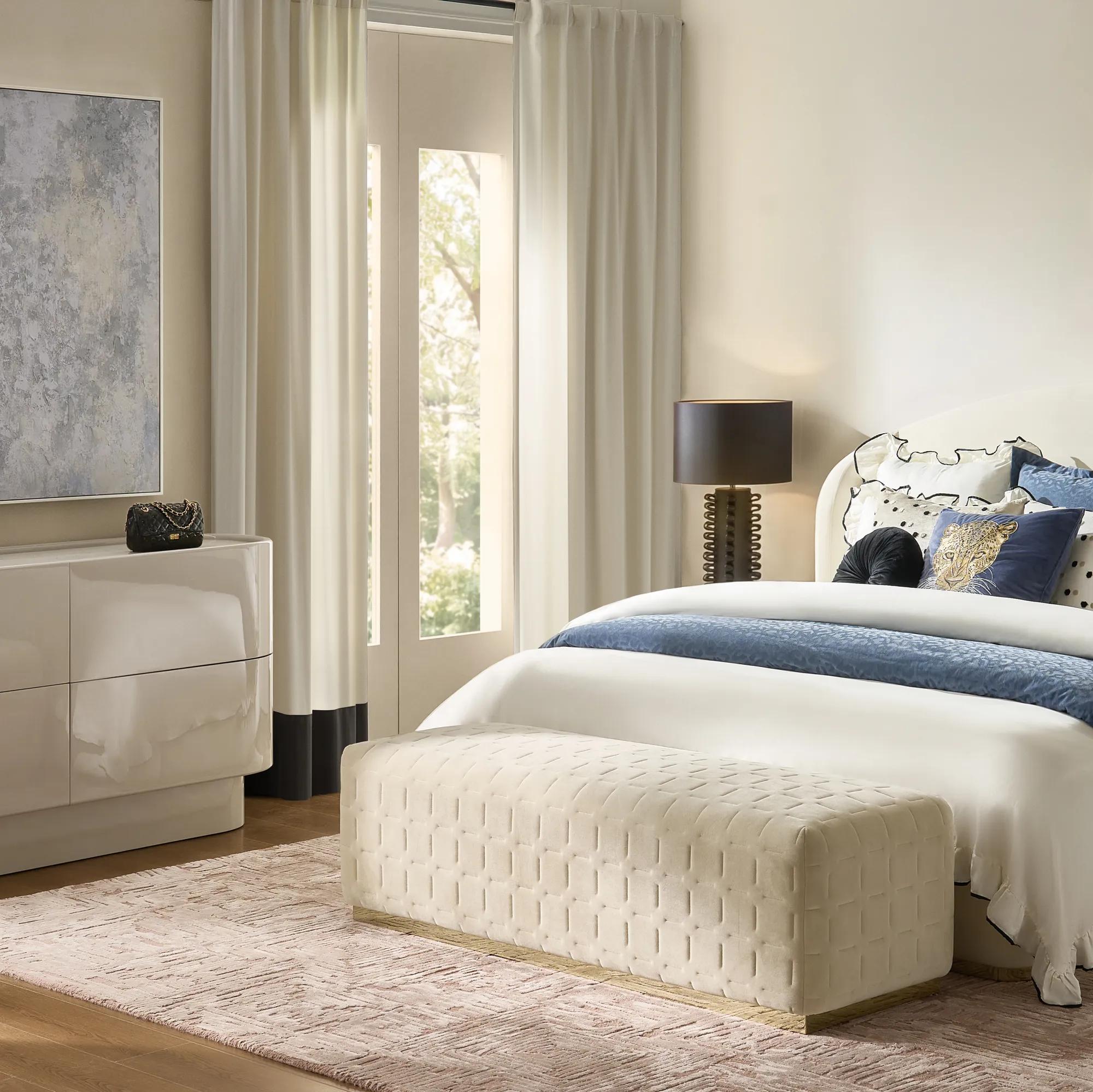 Bastien Ivory/Graphite Velvet Border Window Curtain Panel$99
A two-tone ivory and graphite velvet curtain panel with room-darkening design and versatile hanging options.
Add To Cart -
.jpeg?w=1200&h=1200)
 Mabel Natural Velvet Swirl Window Curtain Panel$99
Mabel Natural Velvet Swirl Window Curtain Panel$99A warm neutral velvet curtain with a tonal swirl pattern, offering room-darkening privacy and versatile hanging options.
Add To Cart -
.jpeg?w=1200&h=1200)
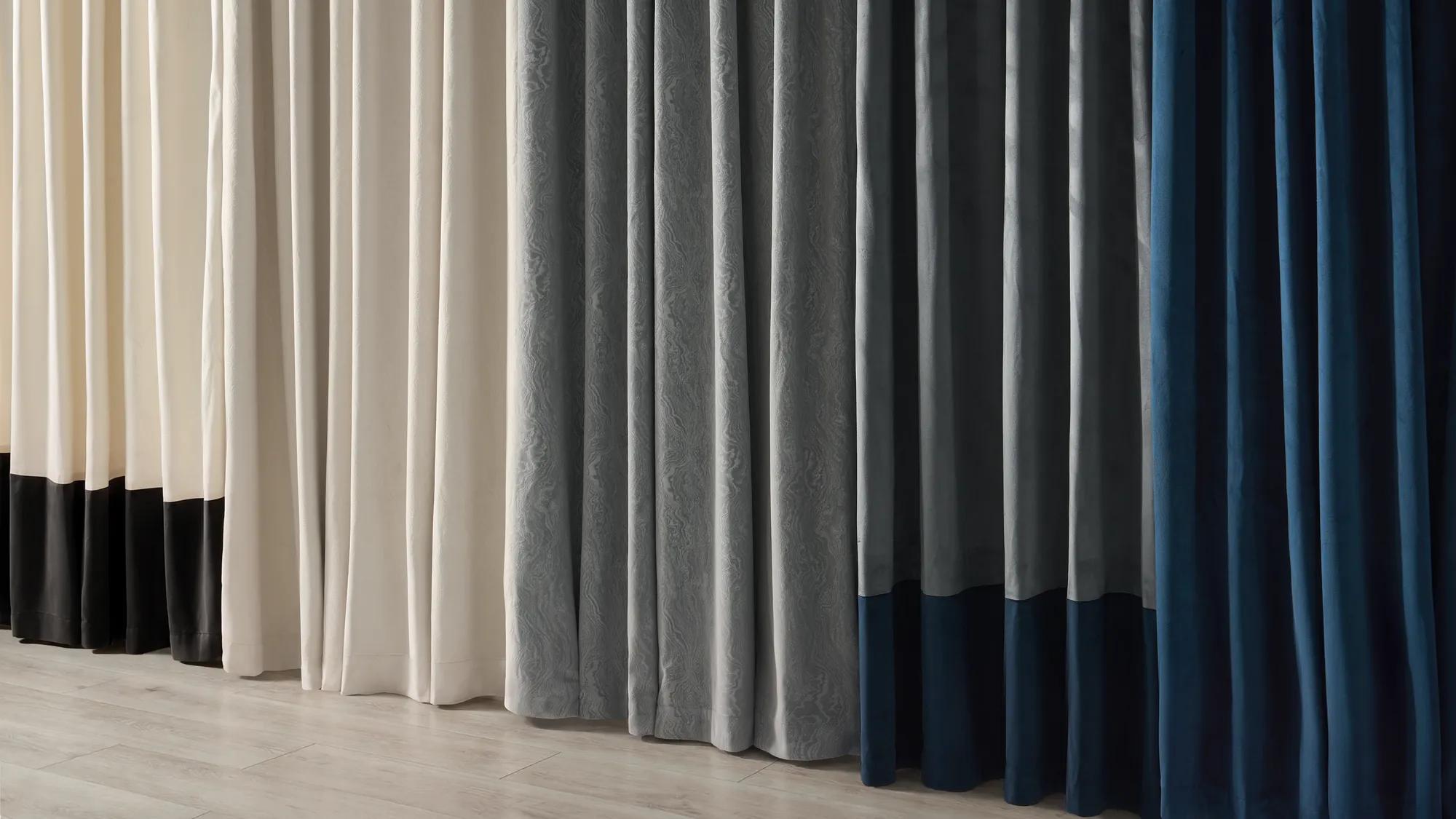 Mabel Velvet Swirl Curtain - Grey Blue$99
A grey blue velvet curtain featuring a tonal swirl pattern and versatile dual hanging options.
Add To Cart -
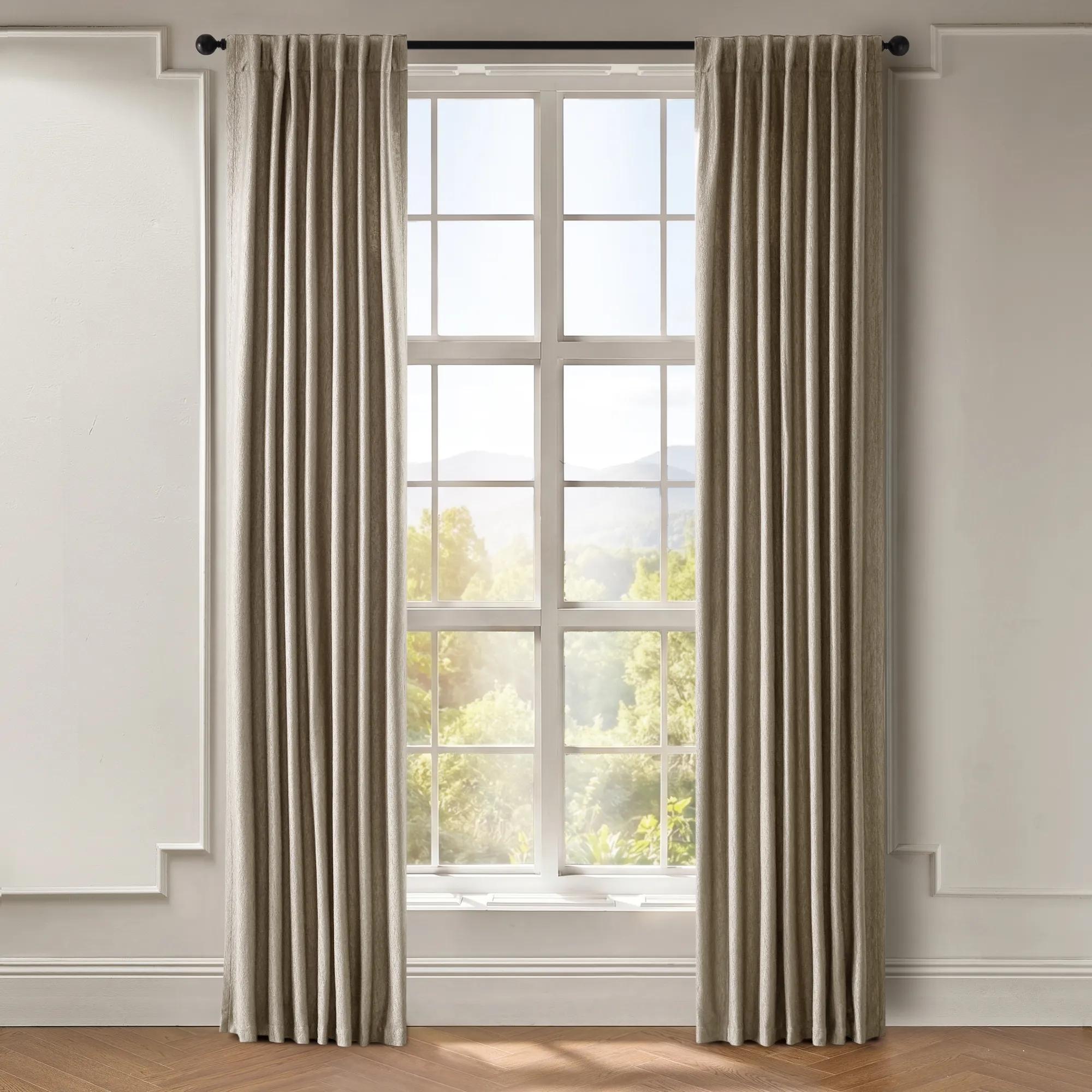
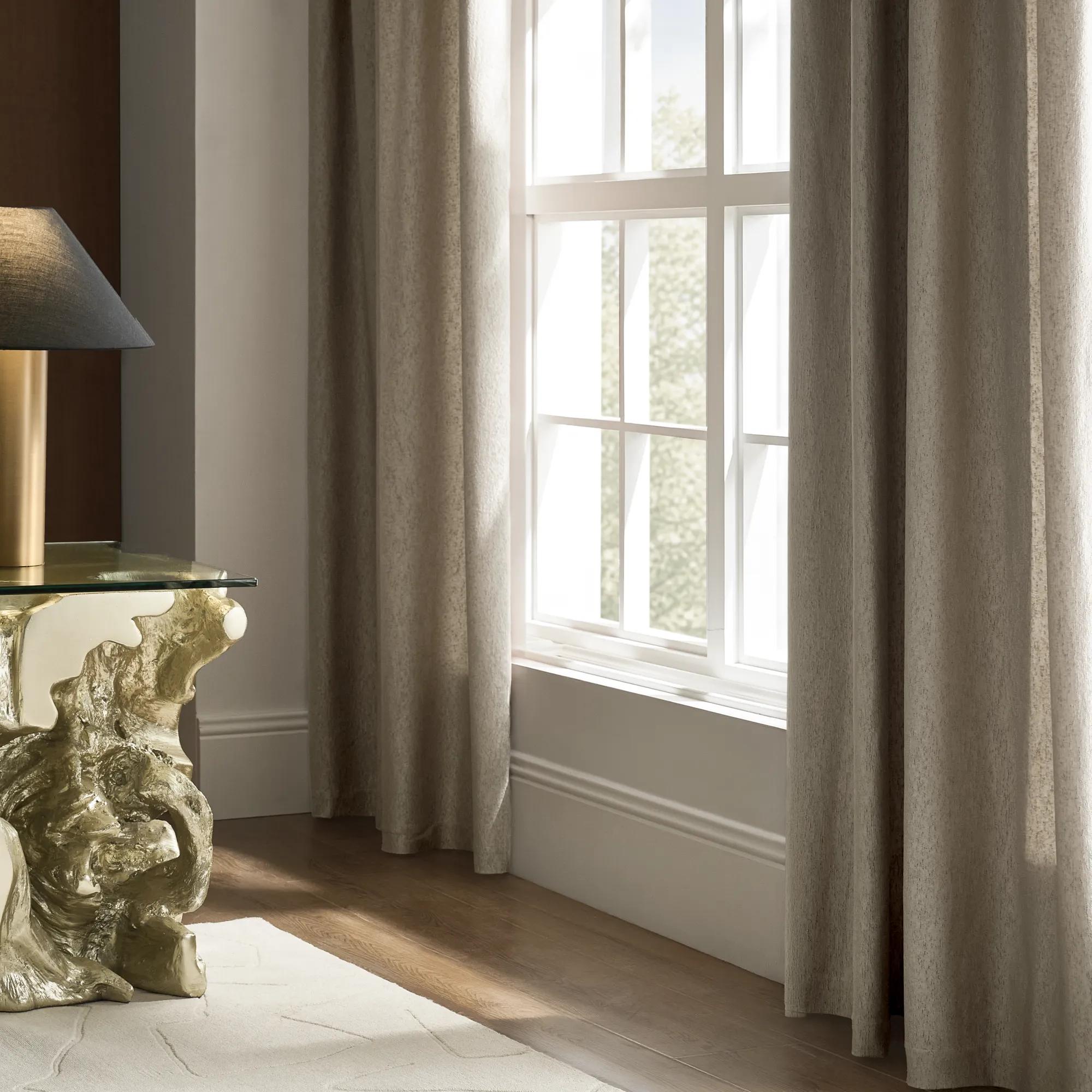 Anson Taupe Textured Window Curtain Panel$109
A taupe curtain panel featuring a crushed sheen texture and room-darkening, dual hanging design in 100% polyester.
Add To Cart -
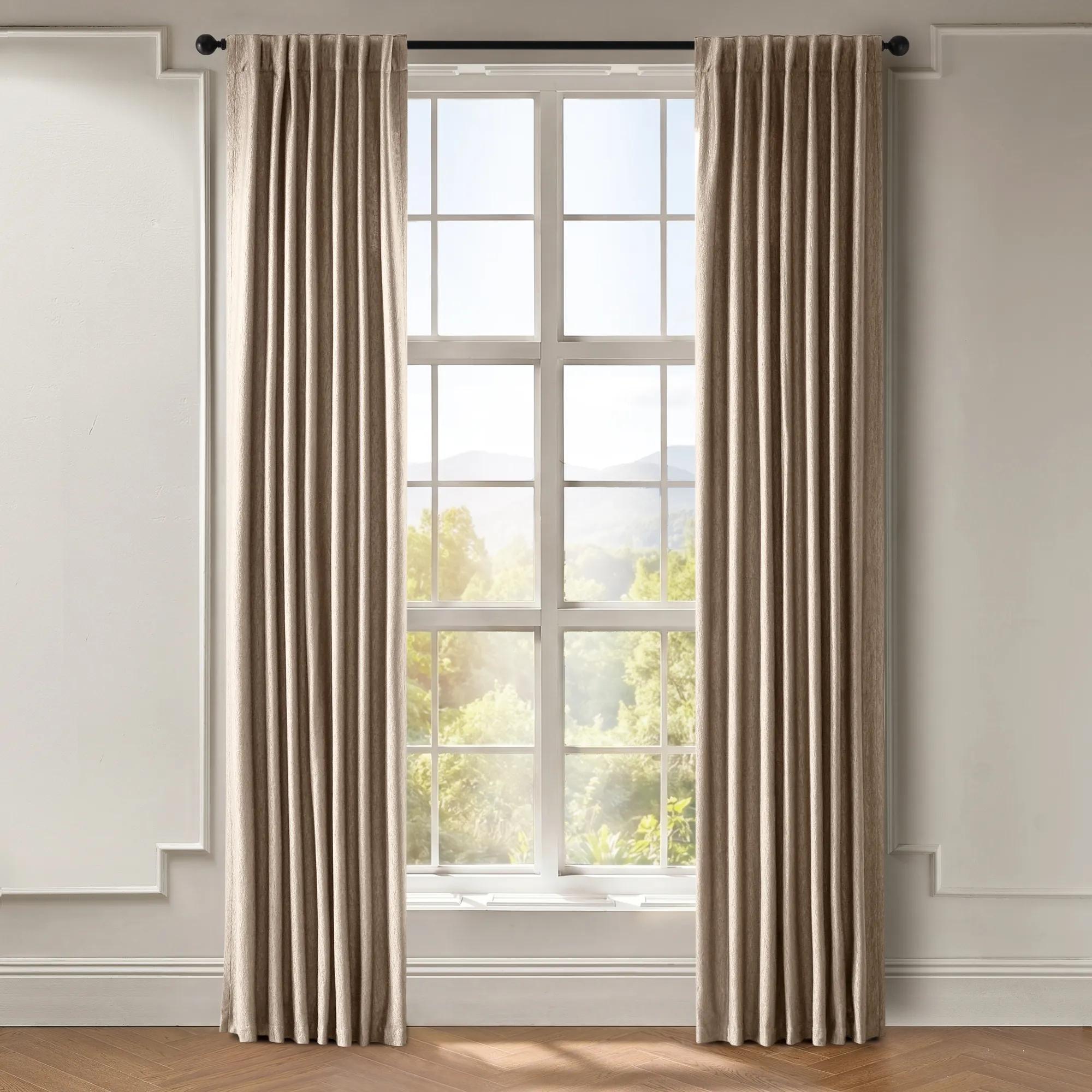 Anson Mocha Rose Textured Window Curtain Panel$89
A light mocha rose curtain panel with crushed sheen texture and room-darkening, dual hanging design.
Add To Cart -
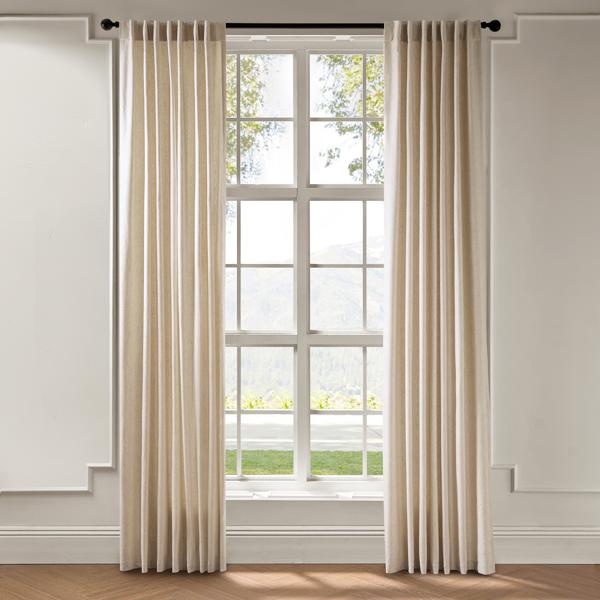
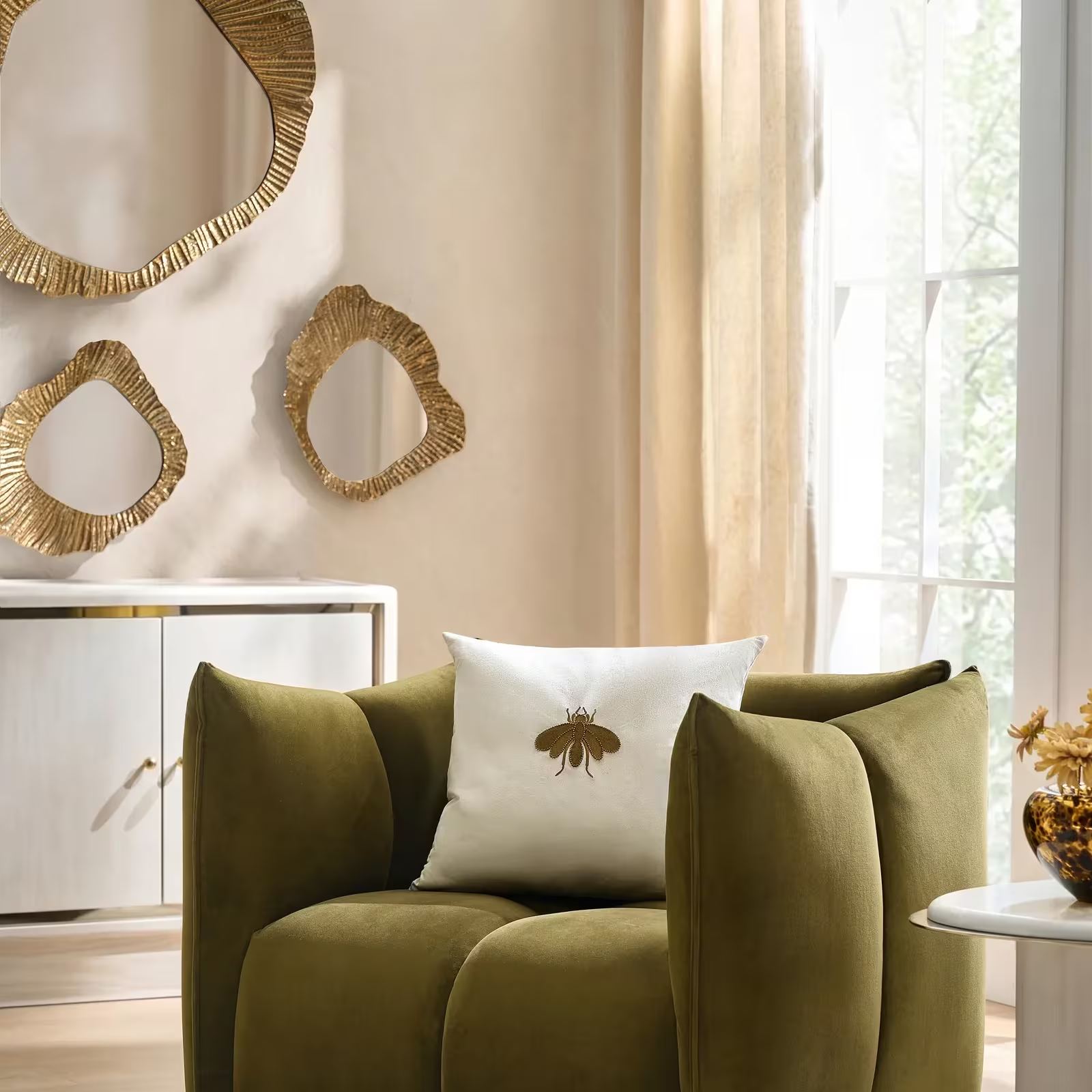 Anson Ivory Textured Window Curtain Panel$89
An ivory polyester curtain with a crushed, light-reflective texture for elegant, room-darkening style.
Add To Cart -
.jpeg?w=1200&h=1200)
 Anson Charcoal Textured Window Curtain Panel$89
Anson Charcoal Textured Window Curtain Panel$89A moody charcoal curtain with crushed polyester texture and subtle sheen for stylish, room-darkening appeal.
Add To Cart -
.jpeg?w=1200&h=1200)
 Adair Midnight Blue Solid Velvet Window Curtain Panel$69
Adair Midnight Blue Solid Velvet Window Curtain Panel$69A sumptuous midnight blue velvet curtain that adds elegance, depth, and room-darkening style to any space.
Add To Cart -
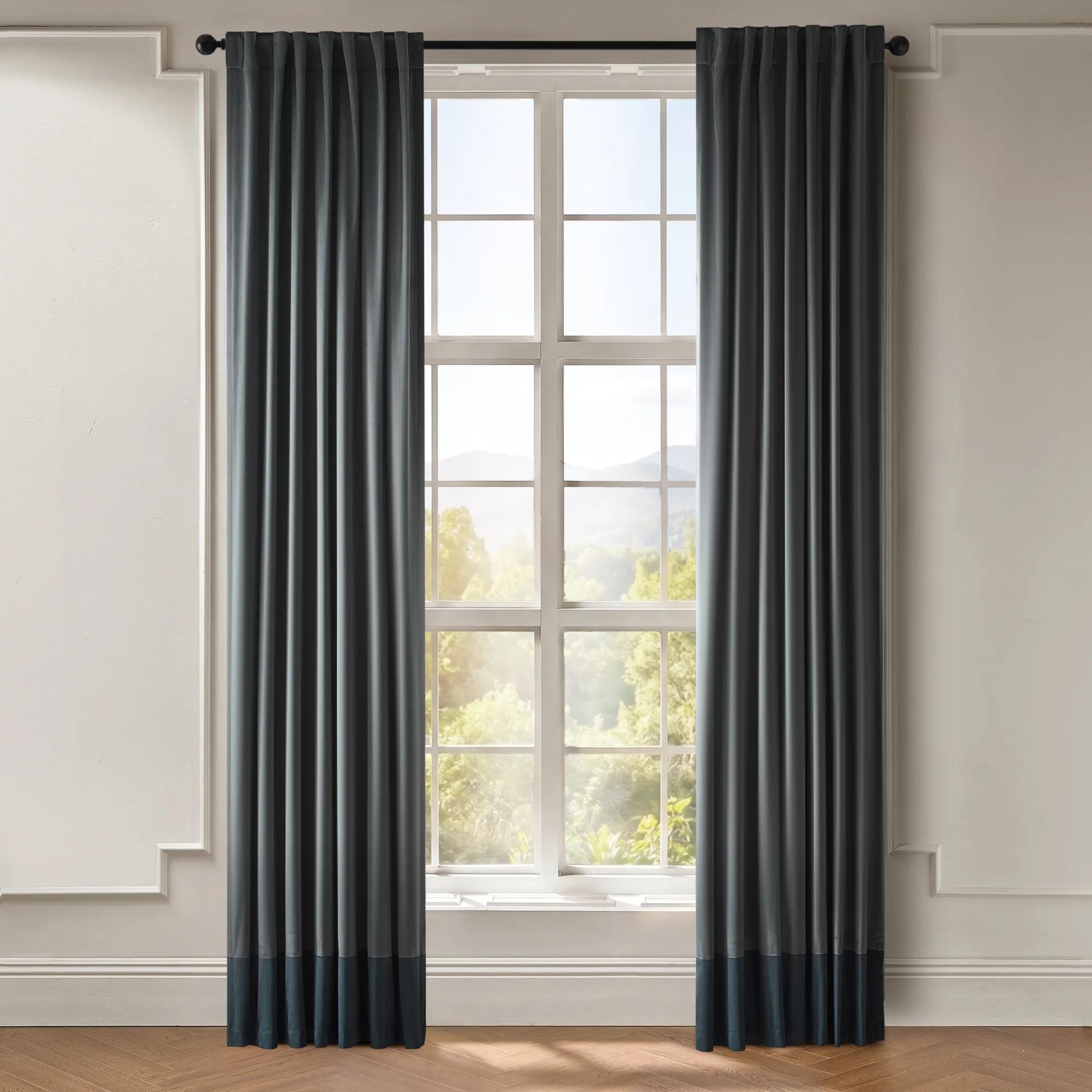
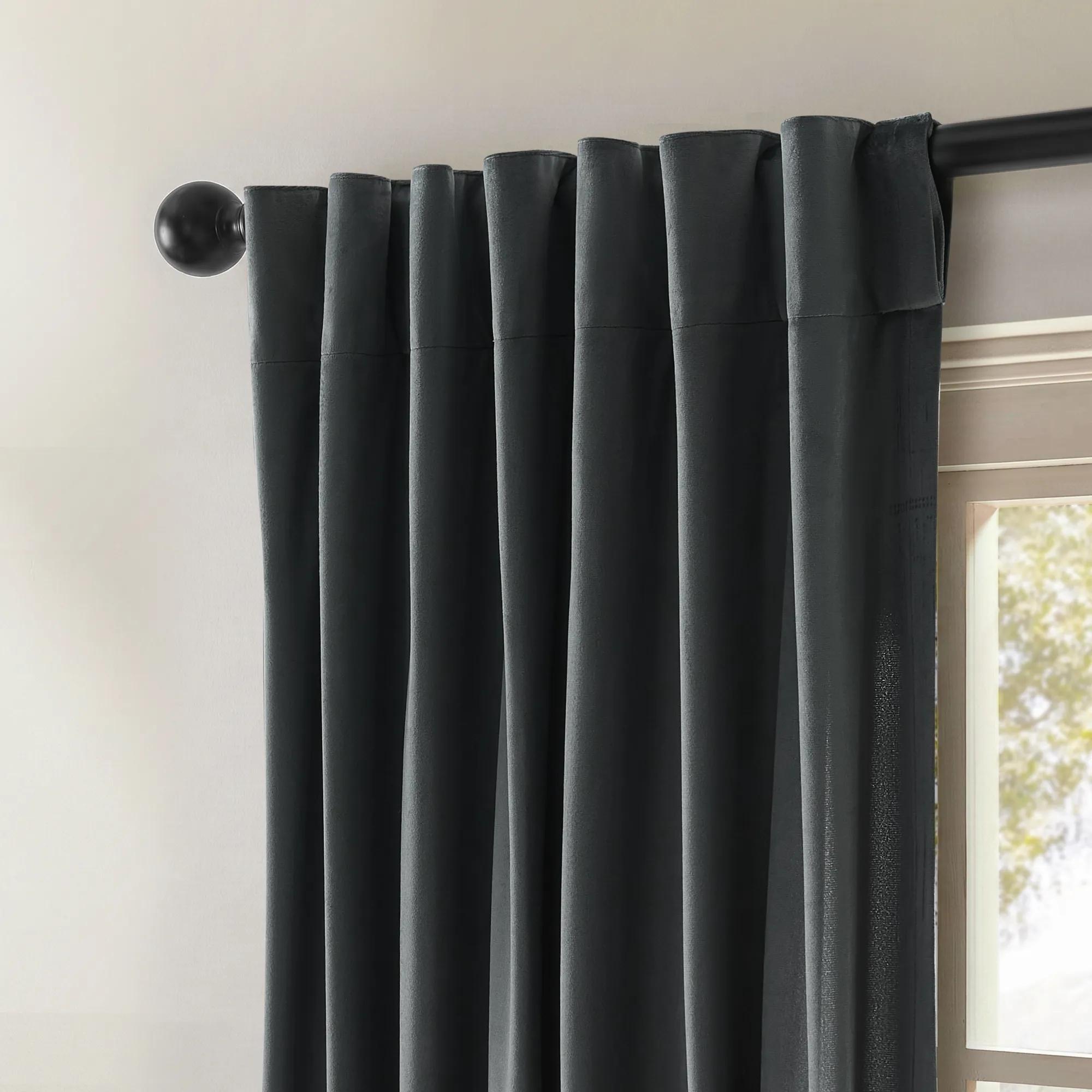 Bastien Blue/Midnight Velvet Border Window Curtain Panel$99
A two-tone dusty and midnight blue velvet curtain panel with a Deco-inspired border and room-darkening design.
Add To Cart -
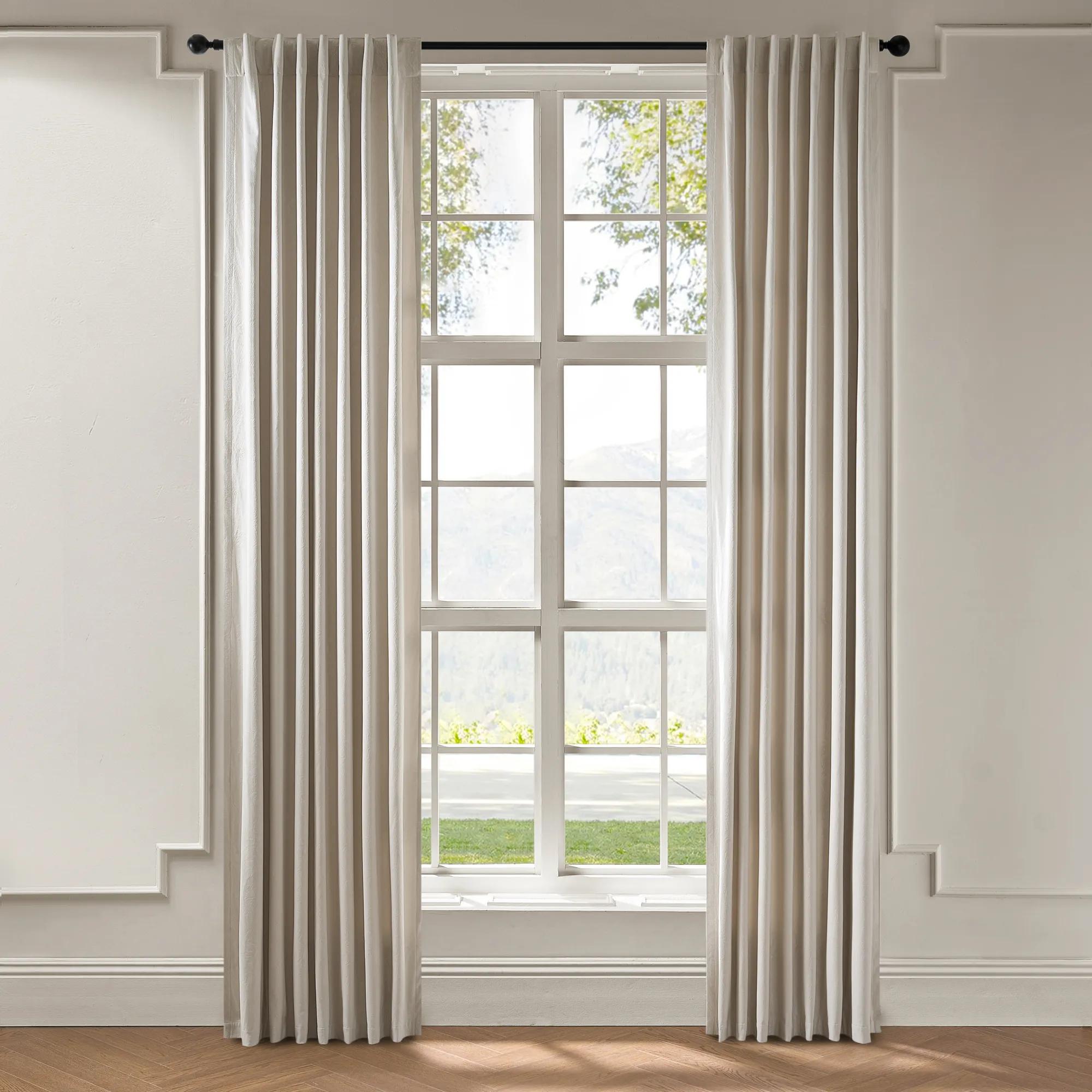
.jpeg?w=1200&h=1200) Mabel White Velvet Swirl Window Curtain Panel$109
Mabel White Velvet Swirl Window Curtain Panel$109A crisp white velvet curtain featuring a tonal swirl texture and versatile dual hanging options.
Add To Cart -
.jpeg?w=1200&h=1200)
 Adair Sand Solid Velvet Window Curtain Panel$79
Adair Sand Solid Velvet Window Curtain Panel$79A room-darkening sand velvet curtain with dual hanging options for a soft, tailored finish.
Add To Cart -
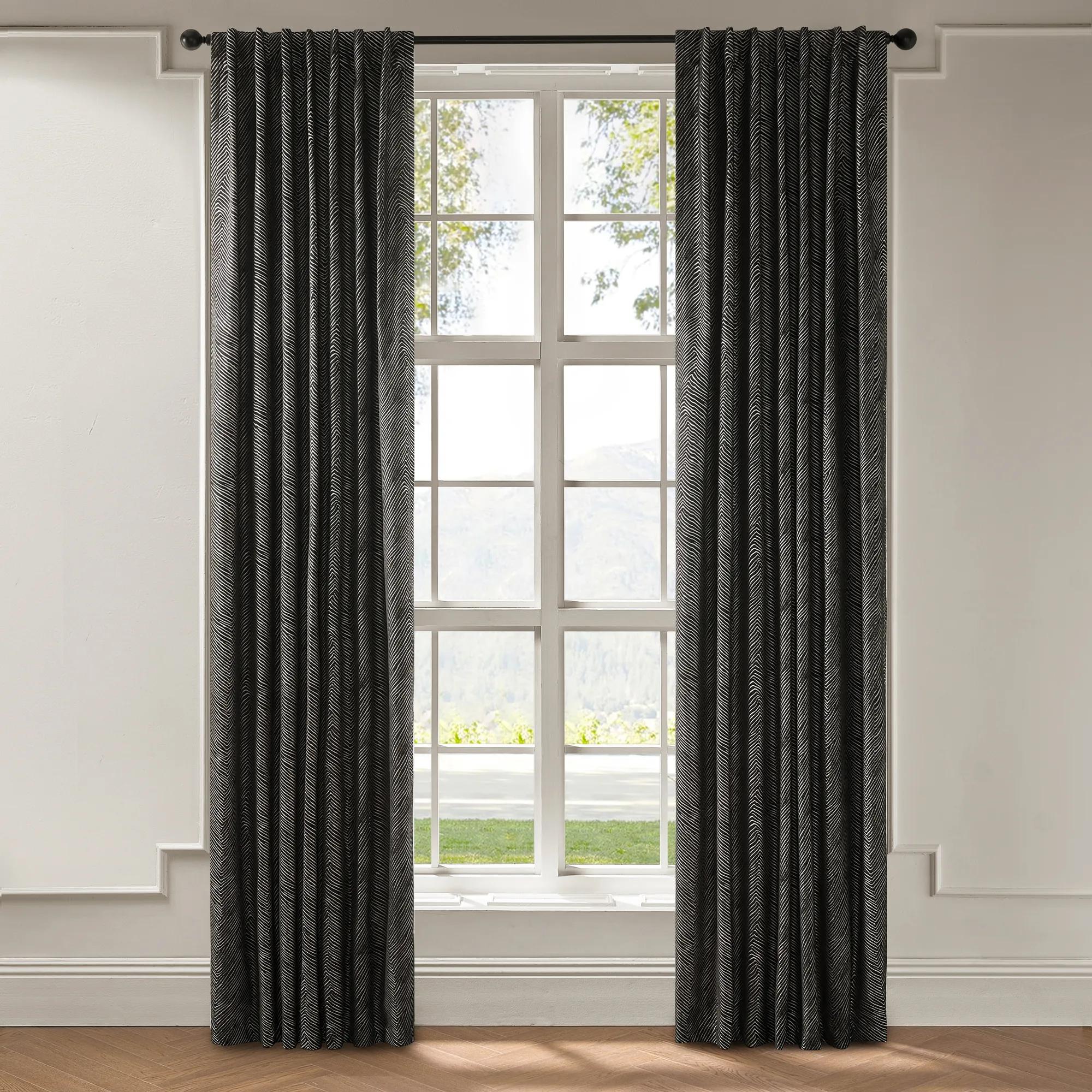
.jpeg?w=1200&h=1200) Kenzo Black Chenille Window Curtain Panel$139
Kenzo Black Chenille Window Curtain Panel$139A black chenille jacquard curtain with a room-darkening finish and versatile dual hanging options.
Add To Cart -
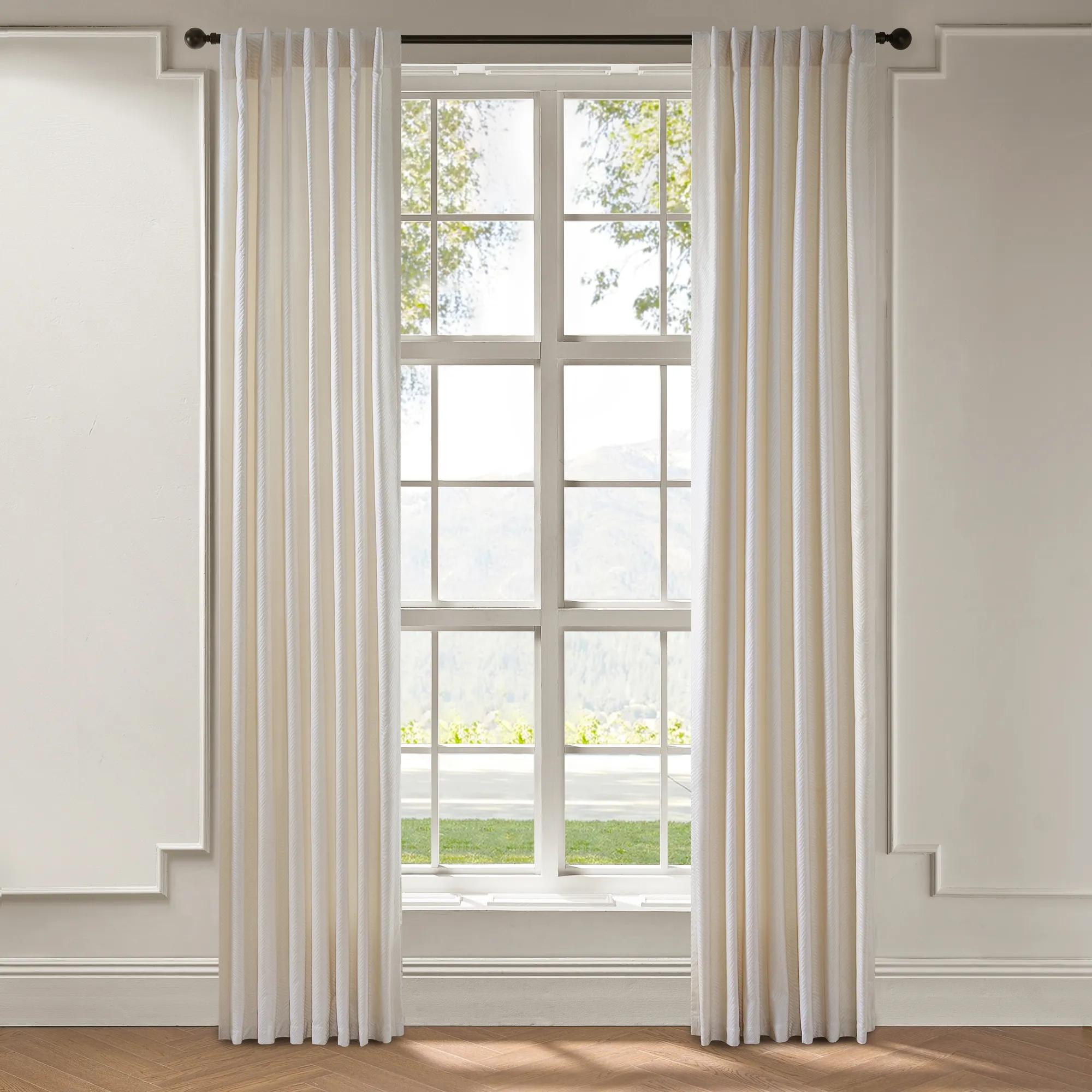
.jpeg?w=1200&h=1200) Kenzo Chenille Curtain - White$139
Kenzo Chenille Curtain - White$139A luxe white chenille jacquard curtain featuring a subtle high-contrast pattern and versatile dual construction.
Add To Cart -
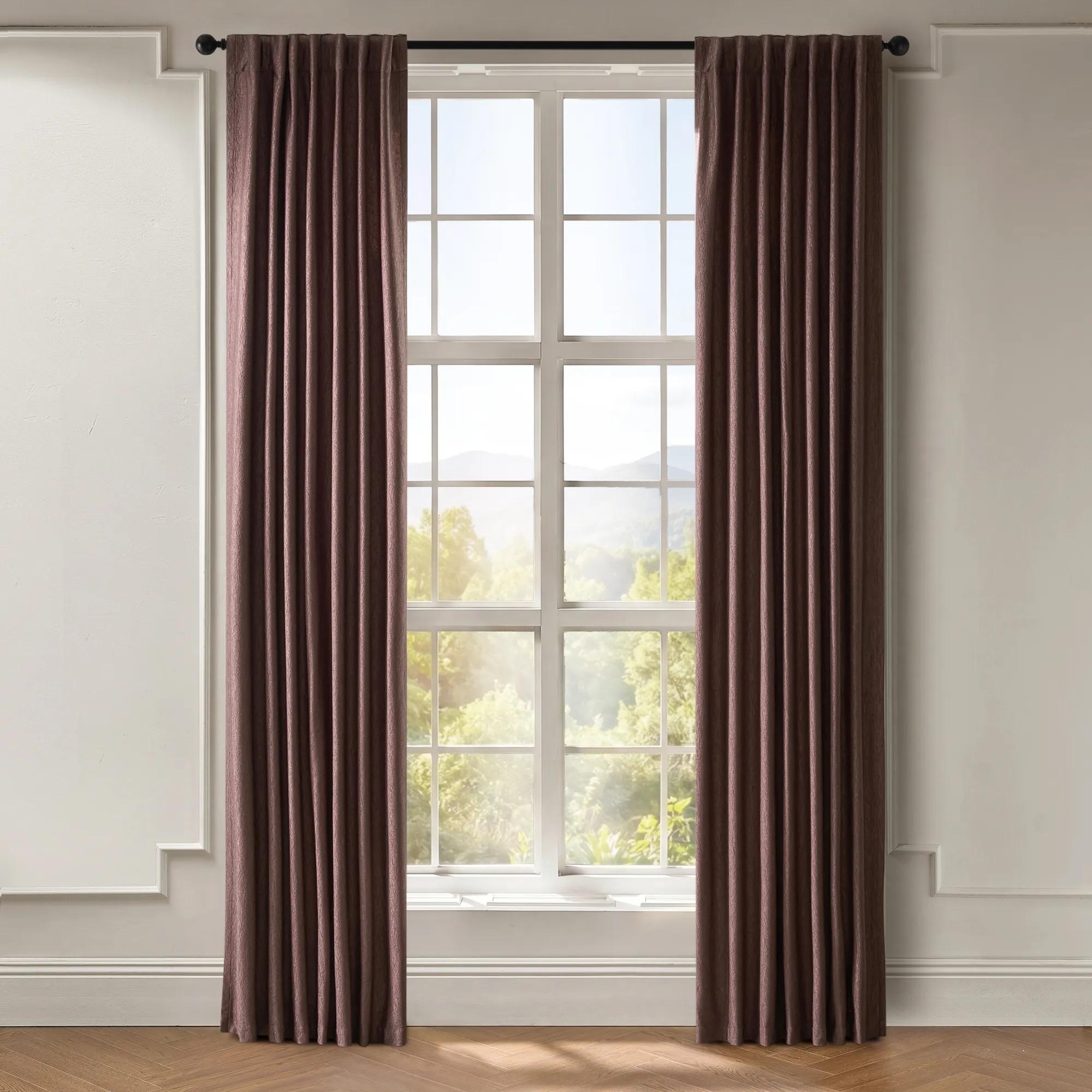
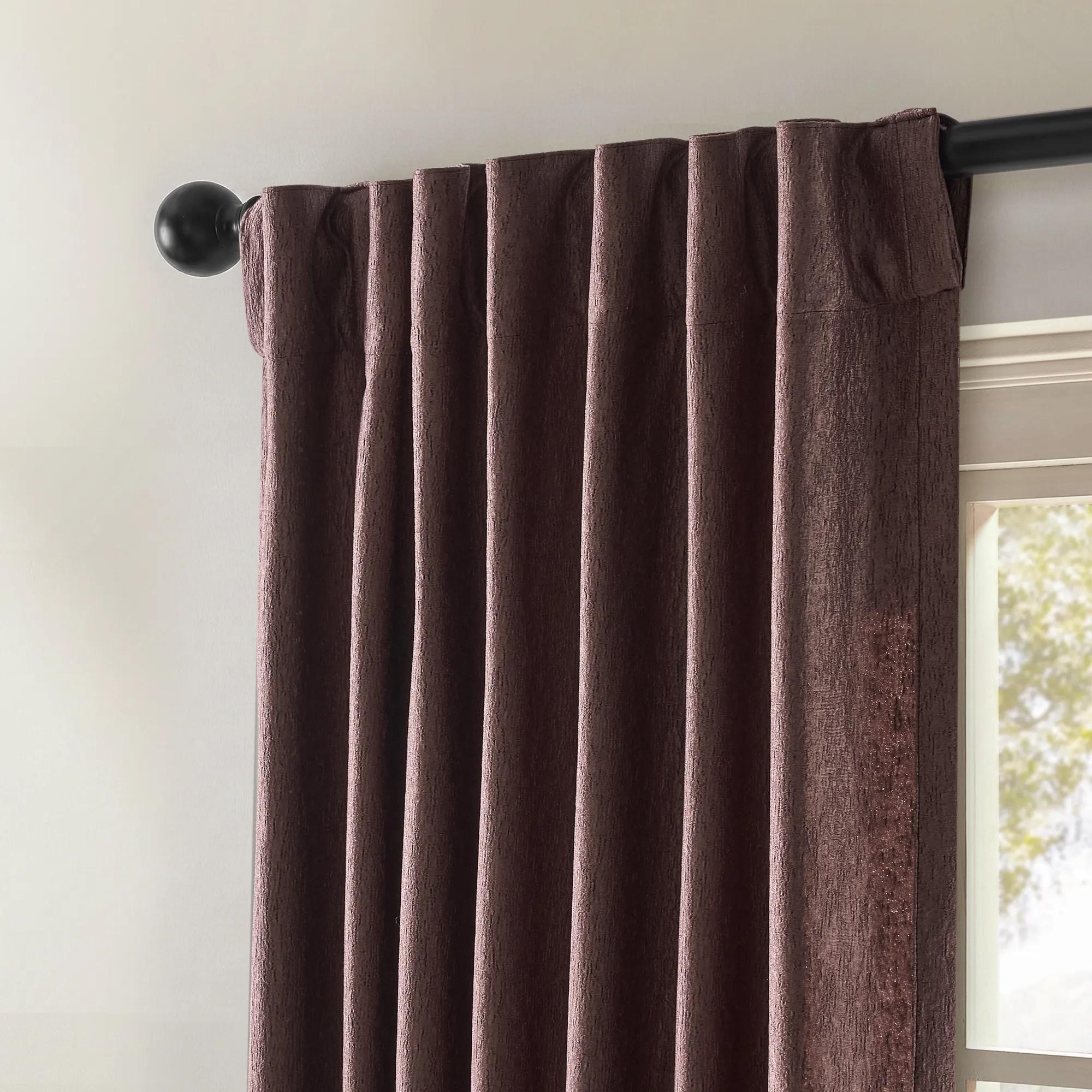 Anson Fig Textured Window Curtain Panel$99
A deep fig curtain panel in crushed, subtly sheened polyester with room-darkening and dual hanging options.
Add To Cart -
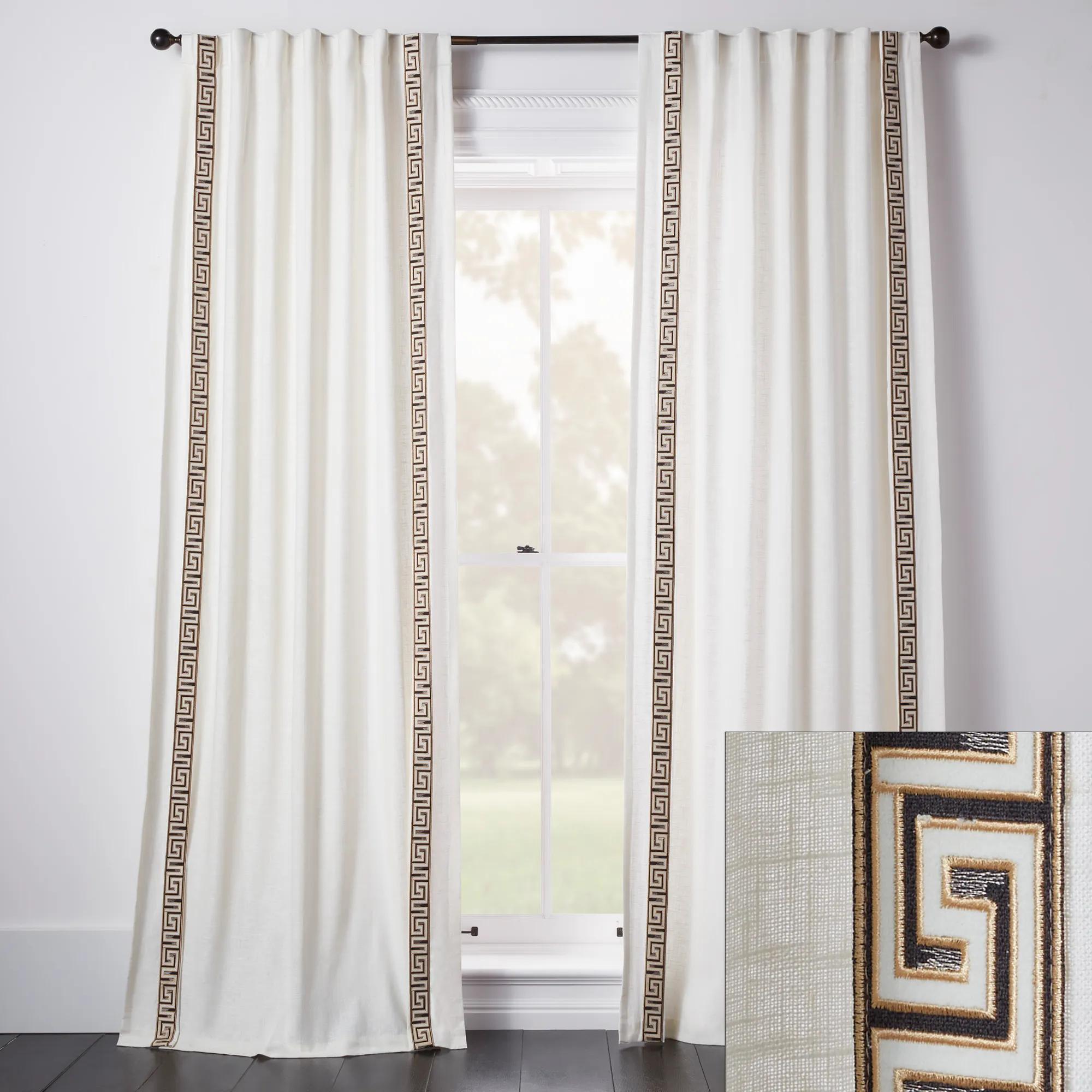 Chole Greek Key Border Velvet Widow Curtain Panels Custom$379
A linen-blend curtain panel with black and gold velvet Greek key border and customizable hanging options.
Add To Cart

Room Darkening Window Panels
Room Darkening Window Panels invite you to orchestrate ambiance with a single, sweeping gesture. Imagine a sanctuary where light bends to your will—where sumptuous fabrics cascade from ceiling to floor, enveloping your space in drama and allure. These panels transform ordinary windows into grand statements, setting the stage for moments of tranquility or intrigue. Whether you seek restful retreat or moody sophistication, Room Darkening Window Panels promise an elevated backdrop that amplifies every detail of your décor and turns privacy into pure artistry.
Room darkening window panels bring depth, softness, and a more intimate mood to a space while reducing the amount of light that passes through the window treatment. Unlike sheer curtains, which diffuse daylight without substantially darkening a room, these panels use dense fabric, a light-reducing lining, or a layered construction to create a more shaded interior. Room darkening curtains are not necessarily blackout curtains: the amount of light they block depends on their construction, and even blackout fabric can allow light around the edges of an uncovered window. That distinction matters in a bedroom where a streetlamp shines toward the bed, a living room with persistent glare across the television, or a guest room intended for unhurried rest. For someone who sleeps during the day, stronger light-blocking performance and generous window coverage may matter more than fabric weight alone. For a lounge or media room, a softer reduction in brightness can be enough to make the space feel more enveloping without requiring complete darkness. The decorative effect is equally compelling. Tall folds frame the architecture, soften the hard lines of glass and trim, and give furniture a richly composed backdrop. An ivory panel can lend a luminous room greater dimension; charcoal creates a striking border around a view; a saturated jewel tone introduces the presence of an upholstered wall without overwhelming the entire space. Solid fabrics let the silhouette and drape take center stage, while subtle woven patterns add detail that reveals itself at closer range. Drawn closed, the panels become a broad field of color and texture. Pulled aside, they create a sculptural frame that makes the window feel intentional rather than unfinished. Their appeal extends to bedrooms, dining rooms, home offices, and shared living spaces where control over brightness and privacy belongs alongside expressive design. The result is a window treatment with a clear purpose and a substantial visual presence, suited to interiors that deserve more than a purely functional finishing touch.
Fabric and construction determine how room darkening panels look, move, and perform. Velvet offers a plush surface with a directional pile that catches light differently across each fold, creating depth even in a single color. For interiors that call for this sumptuous texture, room darkening velvet curtains pair a richly layered appearance with light-reducing function, although the performance of any curtain still depends on its particular fabric and backing. Woven fabrics with a linen-like appearance offer visible texture and a more tailored mood, while smooth constructions can create crisp, uninterrupted columns of color. Polyester and polyester blends are common choices for their resilience and resistance to wrinkling, but fiber content alone does not establish how effectively a panel darkens a room. Some fabrics incorporate light-reducing yarns; others rely on a separate lining or a coated backing. A darker face fabric is not, by itself, proof of blackout performance, and a pale panel with an effective lining may reduce light more substantially than an unlined dark curtain. The stated light-control properties are therefore more useful than color or thickness as a basis for comparison. Fit brings those material choices into focus. Curtain dimensions should relate to the rod placement and the full area to be covered, not just the glass. Combined panel widths totaling roughly one and a half to two times the rod width often create attractive fullness, though the ideal proportion varies with the heading style and fabric. More generous folds bring a lavish rhythm to a wide window; insufficient width can leave the fabric looking stretched and make center gaps harder to close. A rod extending beyond the frame gives the panels room to overlap the sides, while placement above the frame can reduce exposed space at the top. Neither detail guarantees a complete seal, but both help limit stray light. Floor-skimming hems provide a refined line without excess fabric gathering underfoot. Grommets create broad, regular waves and generally move readily along a compatible rod; rod pockets produce a gathered heading but may be less convenient for frequent opening. Pleated headings offer controlled structure, with rings, hooks, or carriers selected to suit the hardware.
Everyday use deserves as much consideration as the initial impression. In a bedroom, panels that close smoothly and meet generously at the center make it easier to create a shaded setting without repeatedly adjusting narrow gaps. In a home office, adjustable coverage can reduce distracting screen glare while leaving another part of the window open to daylight. A dining room may call for panels that spend much of their time drawn back, where the beauty of the folds and the space they occupy beside the frame become especially important. Layering room darkening panels over sheers allows different levels of coverage throughout the day: the sheer layer softens the view, while the heavier outer layer provides greater light reduction and privacy when closed. Sheers alone may not provide adequate privacy when the interior is brighter than the exterior. Hardware must also suit the weight of the entire arrangement, including linings and additional curtain layers; secure brackets and appropriate center support help maintain a graceful, even hang. In children's rooms, securely mounted hardware and fabric kept away from cribs deserve particular attention. Care requirements vary considerably, especially when a decorative face fabric is paired with a specialized backing. Some panels are machine washable, while others require professional cleaning, so the care label should determine the method rather than appearance alone. Gentle vacuuming with an appropriate upholstery attachment, when permitted, can help prevent dust from settling into folds. Excessive heat, aggressive rubbing, or an unsuitable cleaning product may damage a coating, alter the drape, or mark a plush surface. Velvet also benefits from handling that respects the direction of its pile, and steaming should be used only when the care instructions allow it. For panels opened and closed daily, well-finished seams, reinforced headings, and hardware that moves without snagging all contribute to lasting performance. Dense curtains can soften some reflected sound within a room, but they should not be treated as soundproofing or a substitute for acoustic window solutions. Their defining strength is the combination of adjustable light, visual privacy, and beautiful proportion: substantial fabric that gives a room greater composure, whether framing a dramatic seating arrangement or creating a quieter backdrop for rest.
FAQs
Room darkening window panels are especially well-suited for bedrooms, media rooms, nurseries, and home offices—anywhere you desire enhanced privacy or wish to control the amount of natural light. They are also ideal for spaces where you want to create a dramatic, cozy retreat, such as a reading nook or a formal dining room.
These panels add depth, texture, and a sense of drama to any room. By softening or blocking light, they create a moodier, more intimate atmosphere, perfect for unwinding after a long day or setting the tone for a sophisticated evening gathering. The rich fabrics and tailored finishes further elevate the overall aesthetic.
Absolutely. Layering room darkening panels with sheers, blinds, or <a href="https://zgallerie.com/o/light-filtering-window-panels">Light Filtering Window Panels</a> allows you to customize the look and feel of your space throughout the day. This approach adds dimension and versatility, letting you modulate light and privacy to suit your mood.
Room darkening panels are incredibly versatile and can be found in a range of styles, from sleek and contemporary to ornate and classic. The key is to select fabrics, colors, and hardware that complement your existing décor, allowing these panels to become a seamless extension of your personal style.
You’ll find room darkening panels crafted from luxurious velvets, textured linens, jacquards, and tightly woven polyesters. Many feature added linings or blackout backings to enhance their light-blocking abilities, while still maintaining a soft, elegant drape that brings artistry and sophistication to your windows.
.jpeg?w=4130&h=4130)
.jpeg?w=3942&h=3942)