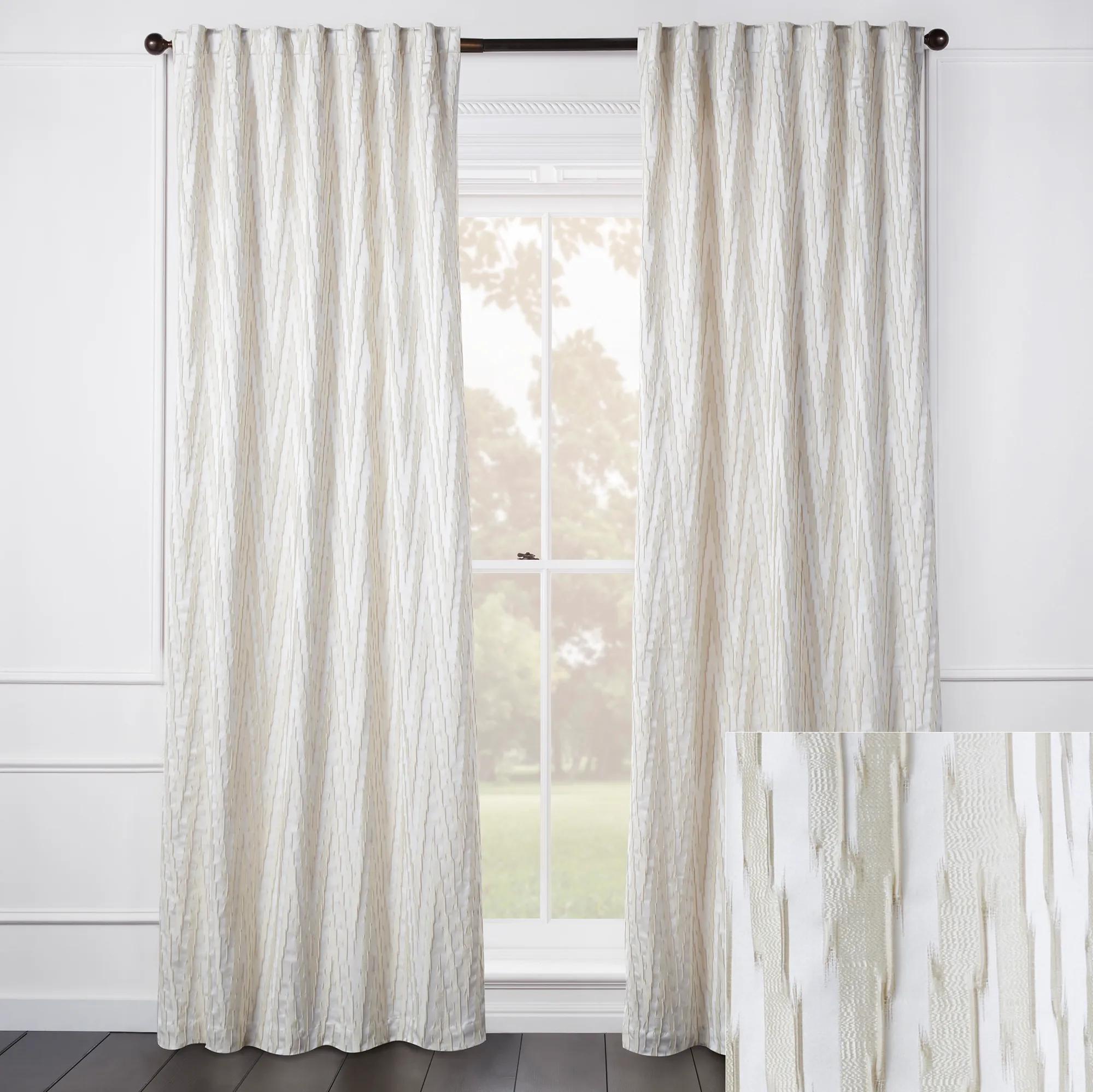
Room Darkening Drapery Panels
Room Darkening Drapery Panels
-
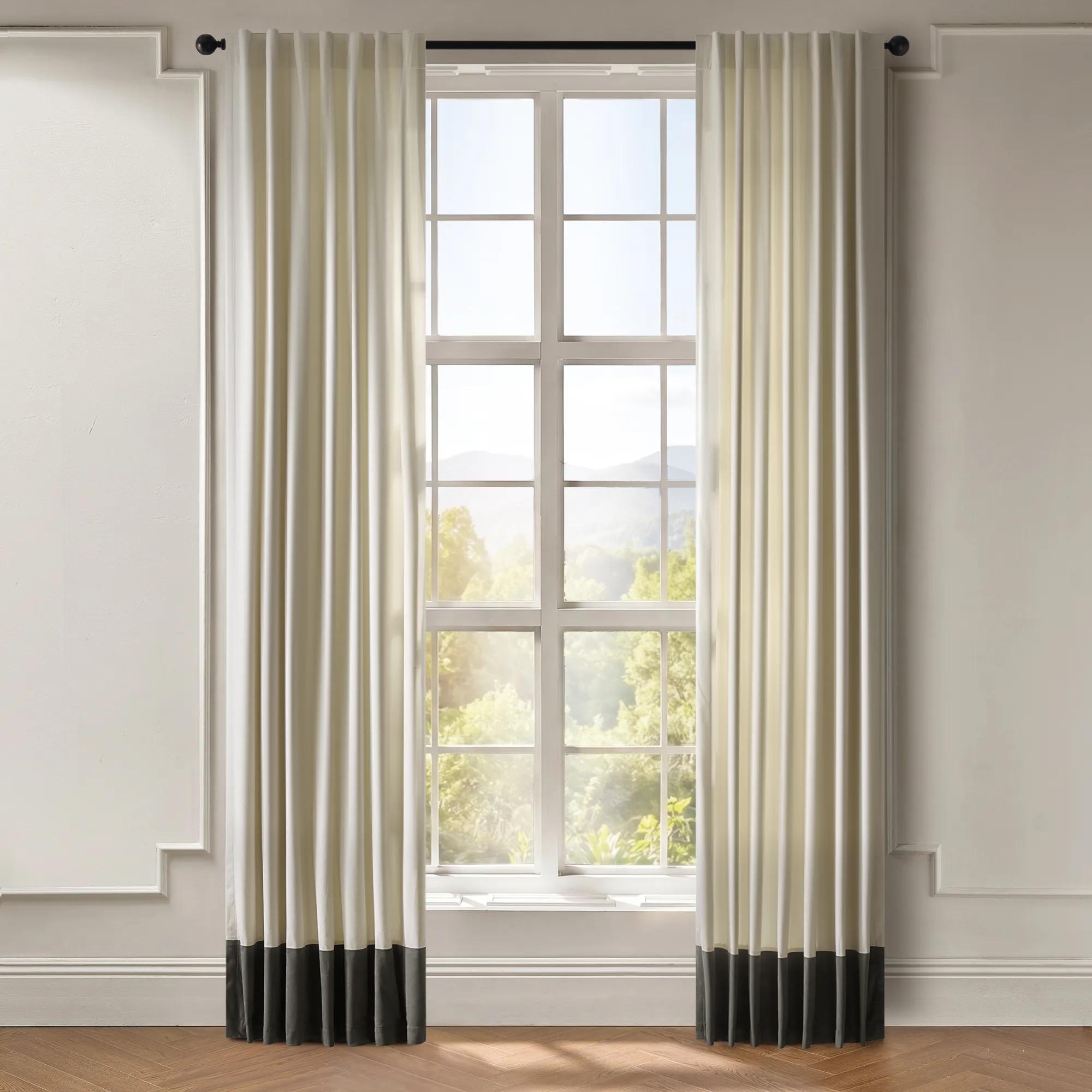
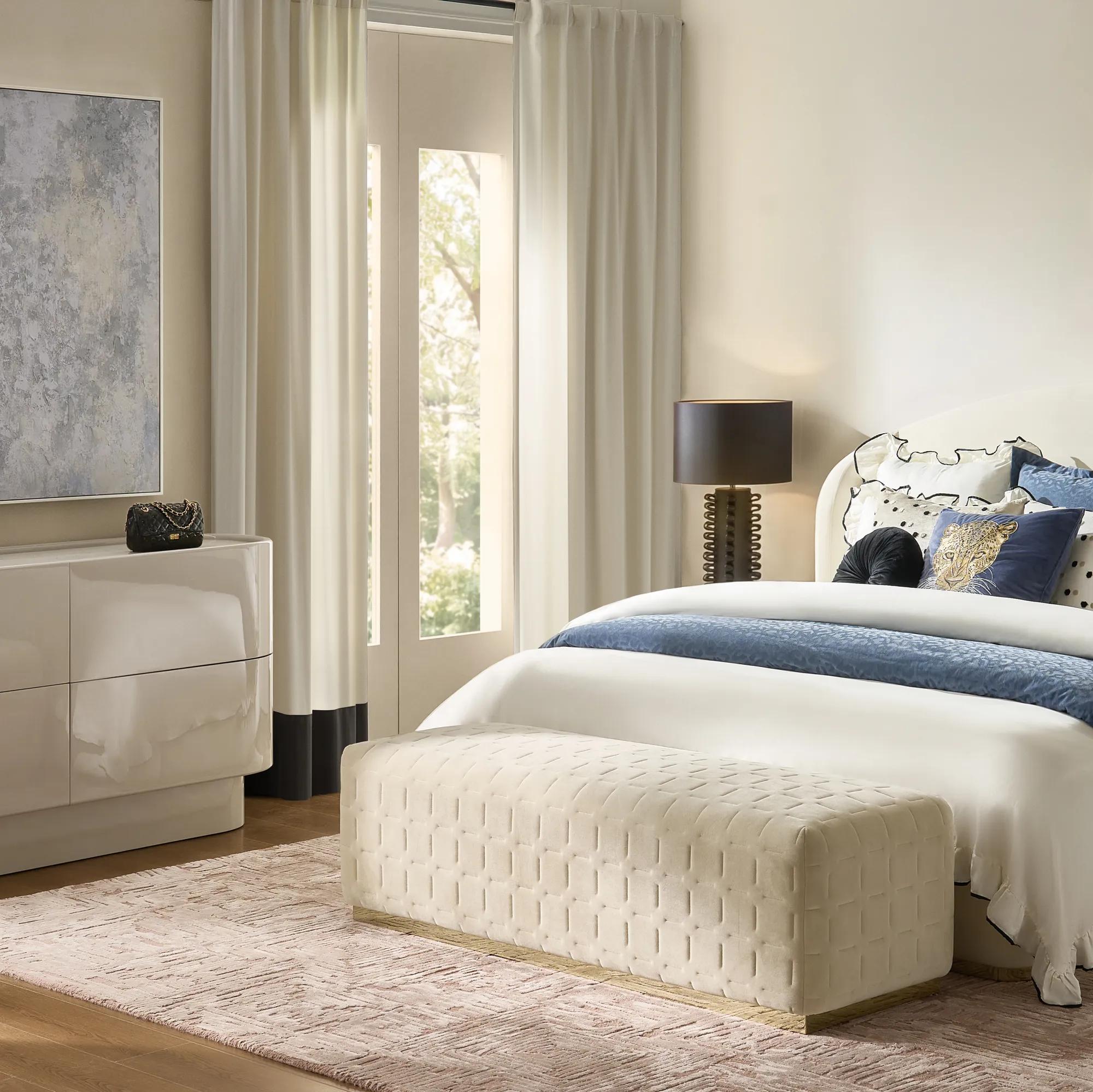 Bastien Ivory/Graphite Velvet Border Window Curtain Panel$99
A two-tone ivory and graphite velvet curtain panel with room-darkening design and versatile hanging options.
Add To Cart -
.jpeg?w=1200&h=1200)
 Mabel Natural Velvet Swirl Window Curtain Panel$99
Mabel Natural Velvet Swirl Window Curtain Panel$99A warm neutral velvet curtain with a tonal swirl pattern, offering room-darkening privacy and versatile hanging options.
Add To Cart -
.jpeg?w=1200&h=1200)
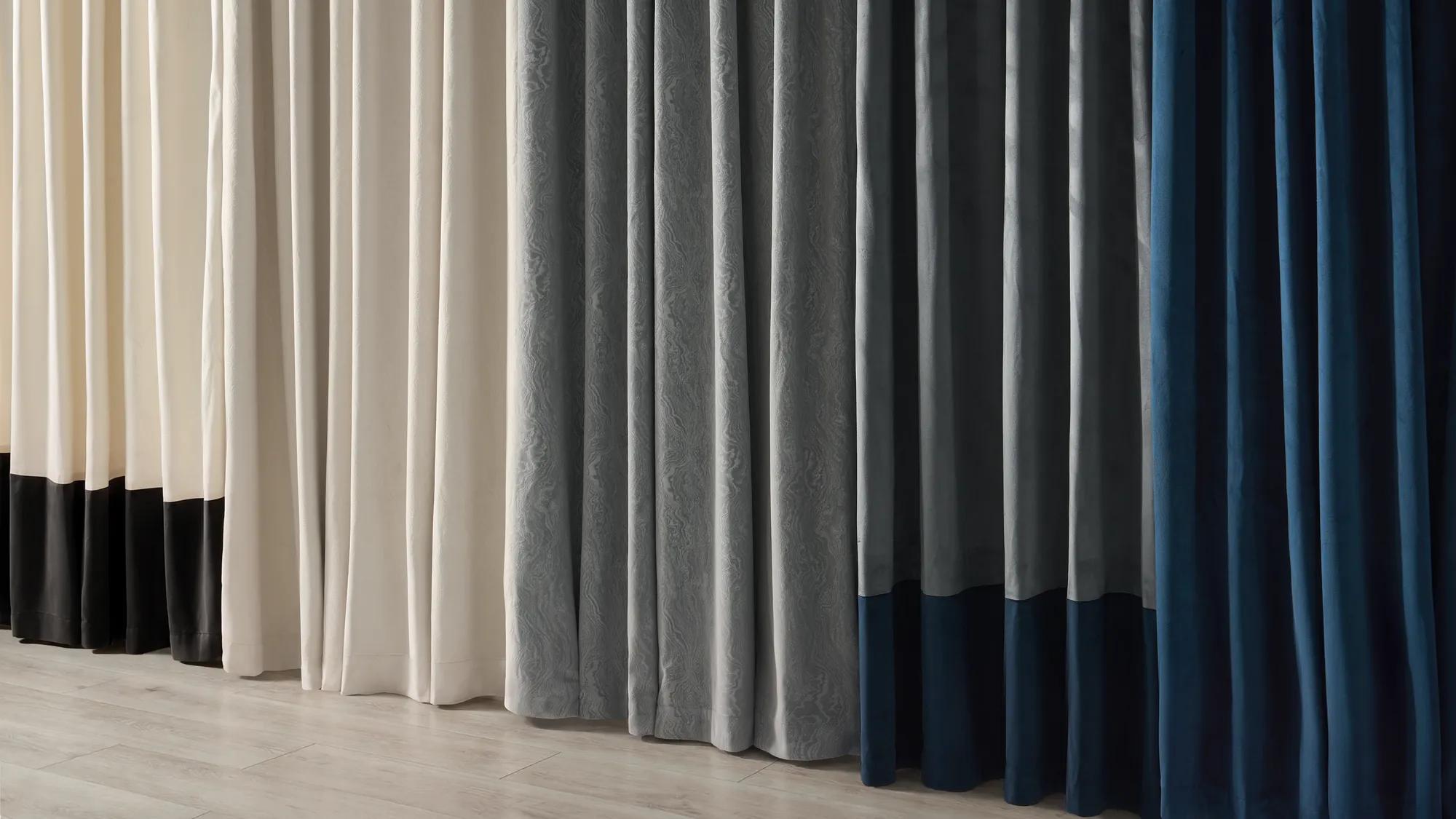 Mabel Velvet Swirl Curtain - Grey Blue$99
A grey blue velvet curtain featuring a tonal swirl pattern and versatile dual hanging options.
Add To Cart -
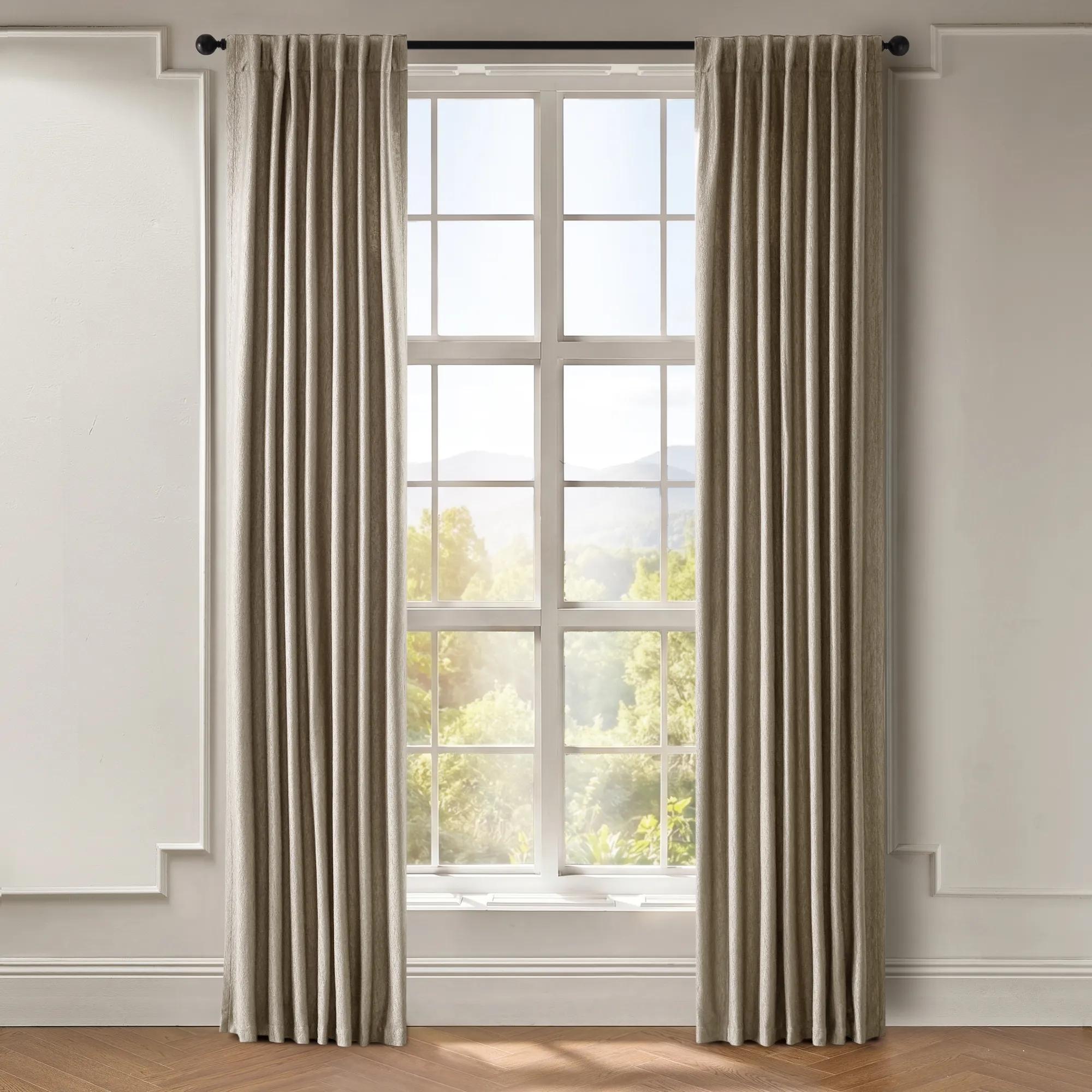
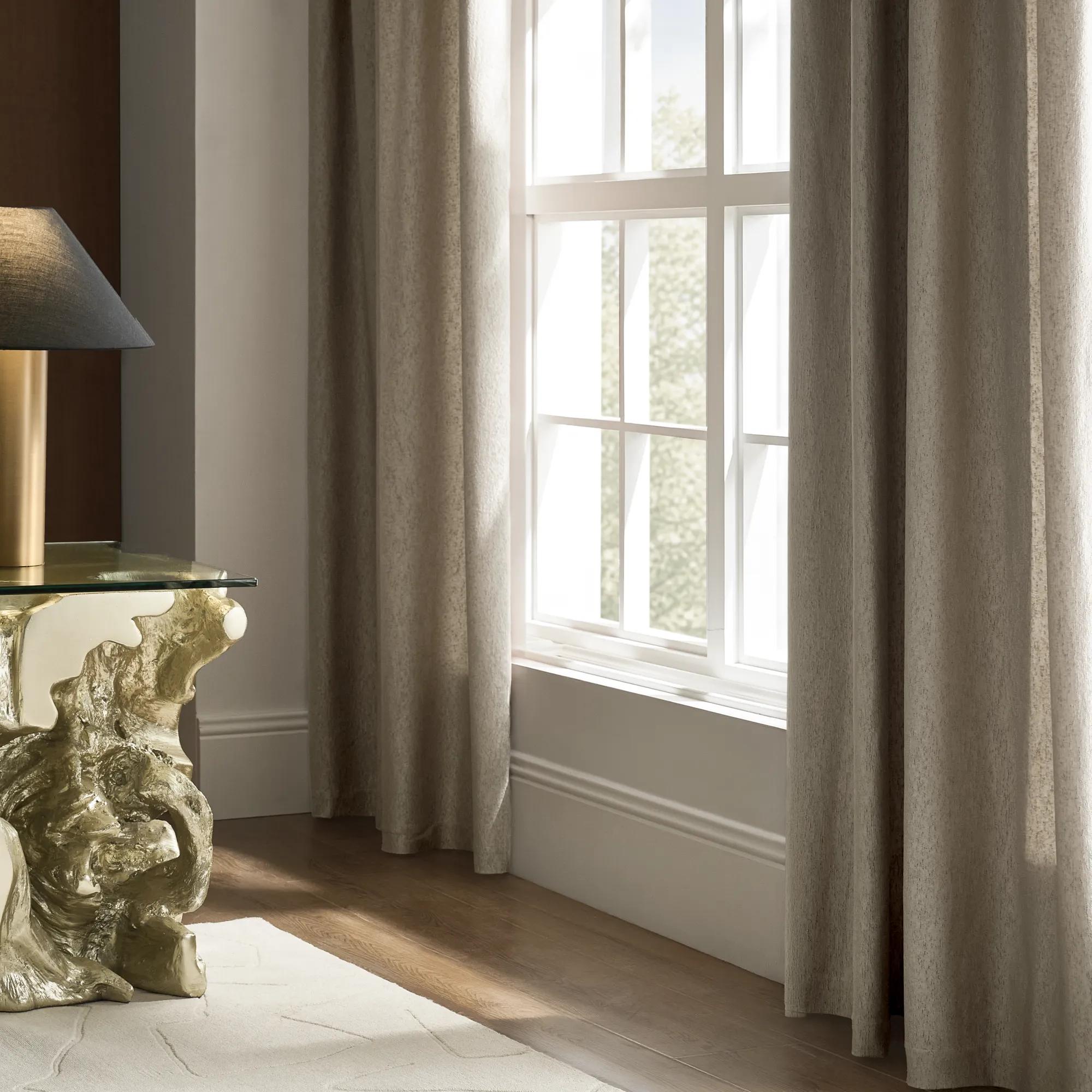 Anson Taupe Textured Window Curtain Panel$109
A taupe curtain panel featuring a crushed sheen texture and room-darkening, dual hanging design in 100% polyester.
Add To Cart -
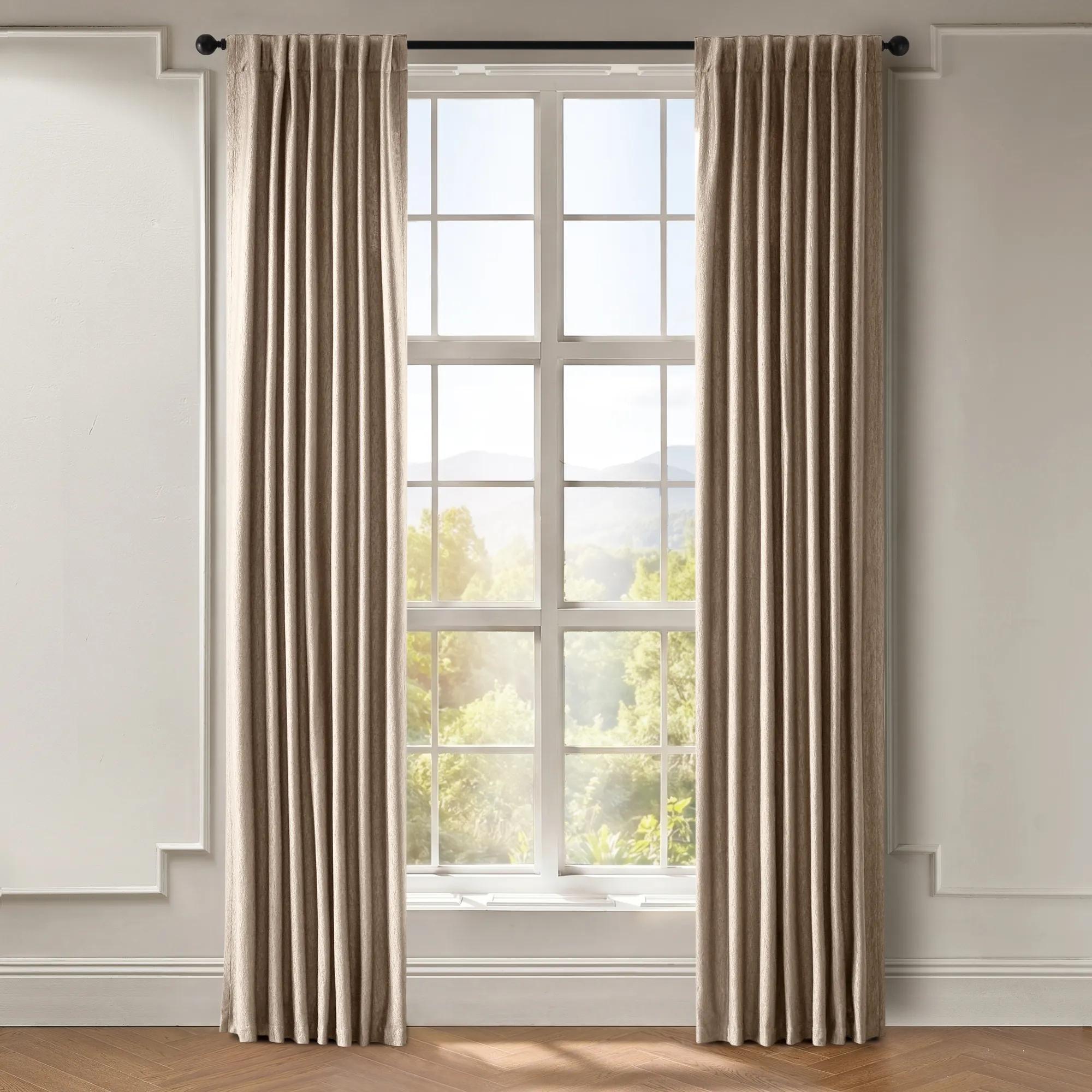 Anson Mocha Rose Textured Window Curtain Panel$89
A light mocha rose curtain panel with crushed sheen texture and room-darkening, dual hanging design.
Add To Cart -
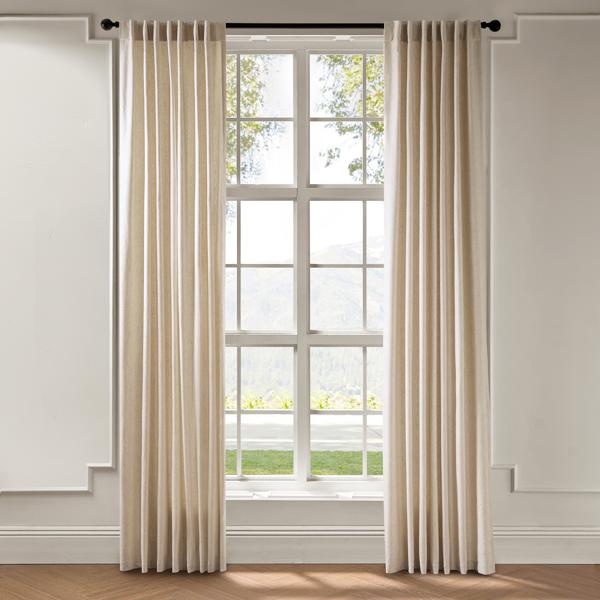
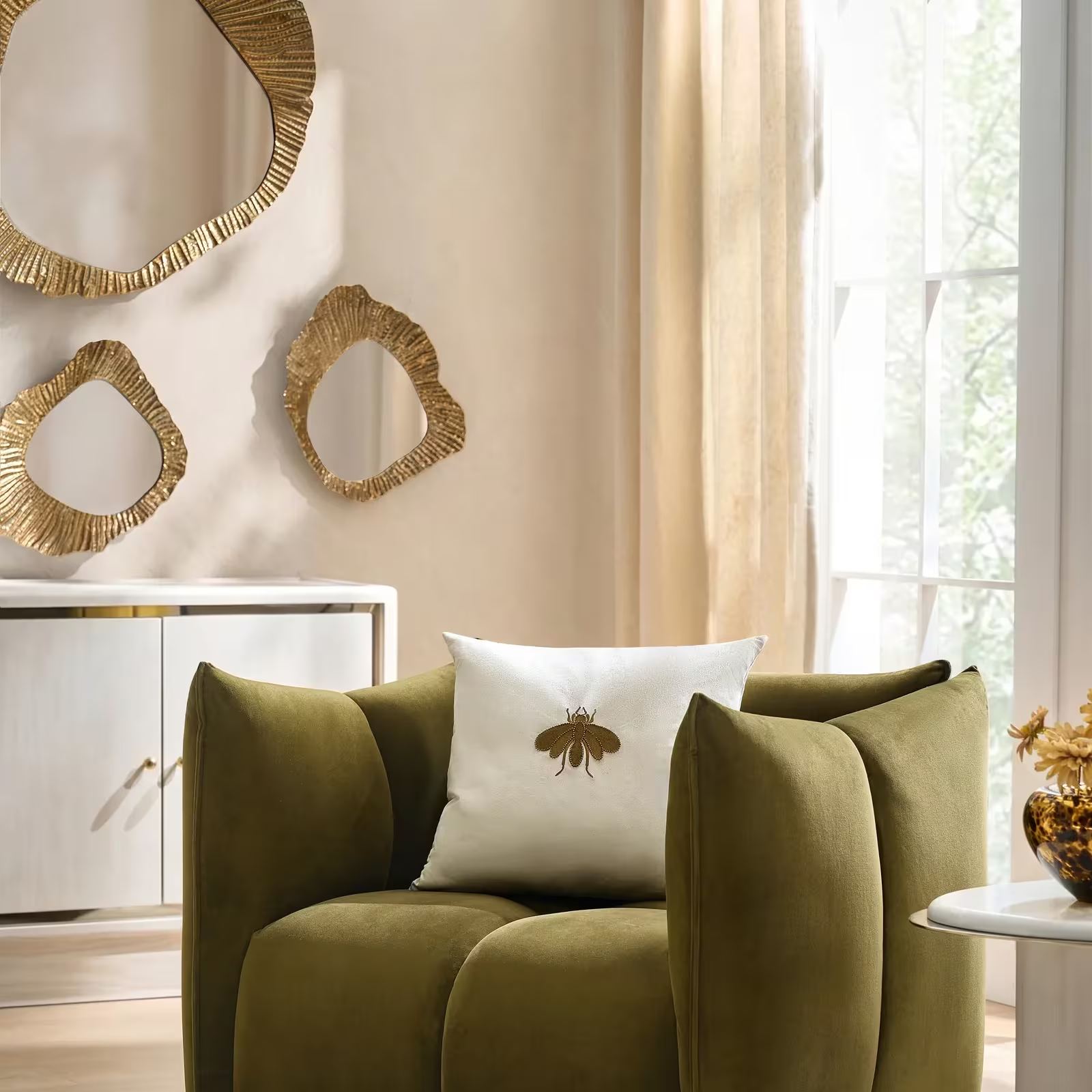 Anson Ivory Textured Window Curtain Panel$89
An ivory polyester curtain with a crushed, light-reflective texture for elegant, room-darkening style.
Add To Cart -
.jpeg?w=1200&h=1200)
 Anson Charcoal Textured Window Curtain Panel$89
Anson Charcoal Textured Window Curtain Panel$89A moody charcoal curtain with crushed polyester texture and subtle sheen for stylish, room-darkening appeal.
Add To Cart -
.jpeg?w=1200&h=1200)
 Adair Midnight Blue Solid Velvet Window Curtain Panel$69
Adair Midnight Blue Solid Velvet Window Curtain Panel$69A sumptuous midnight blue velvet curtain that adds elegance, depth, and room-darkening style to any space.
Add To Cart -
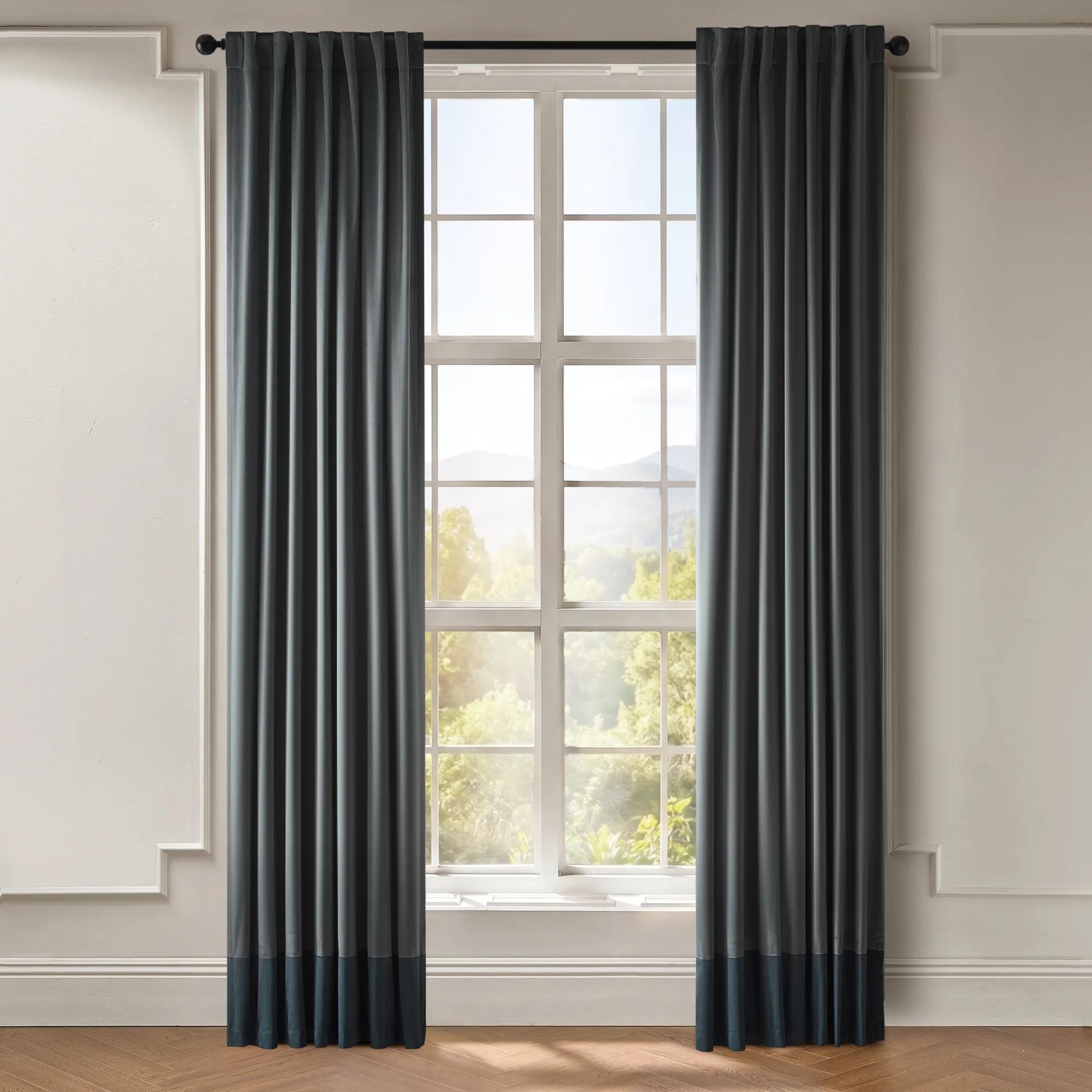
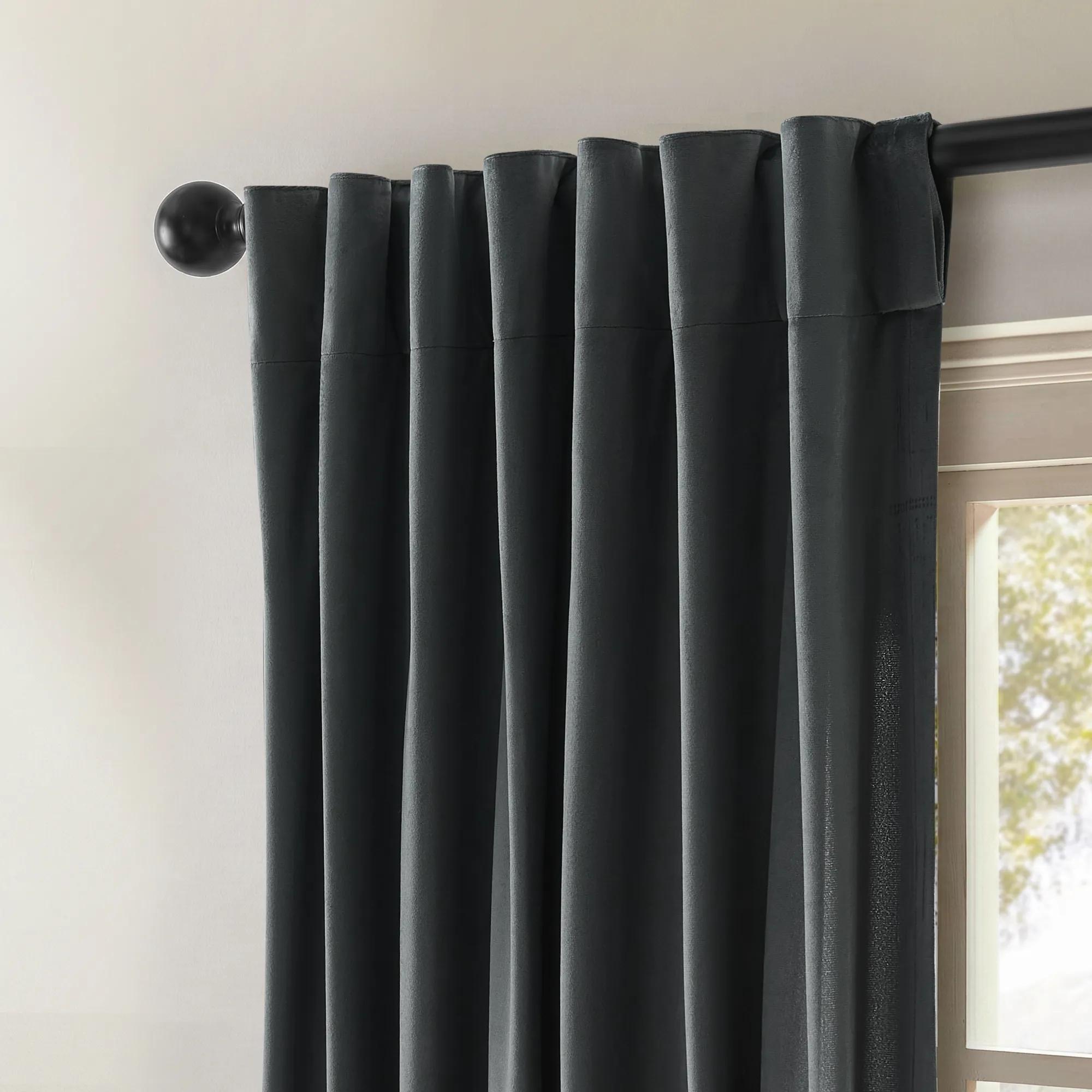 Bastien Blue/Midnight Velvet Border Window Curtain Panel$89
A two-tone dusty and midnight blue velvet curtain panel with a Deco-inspired border and room-darkening design.
Add To Cart -
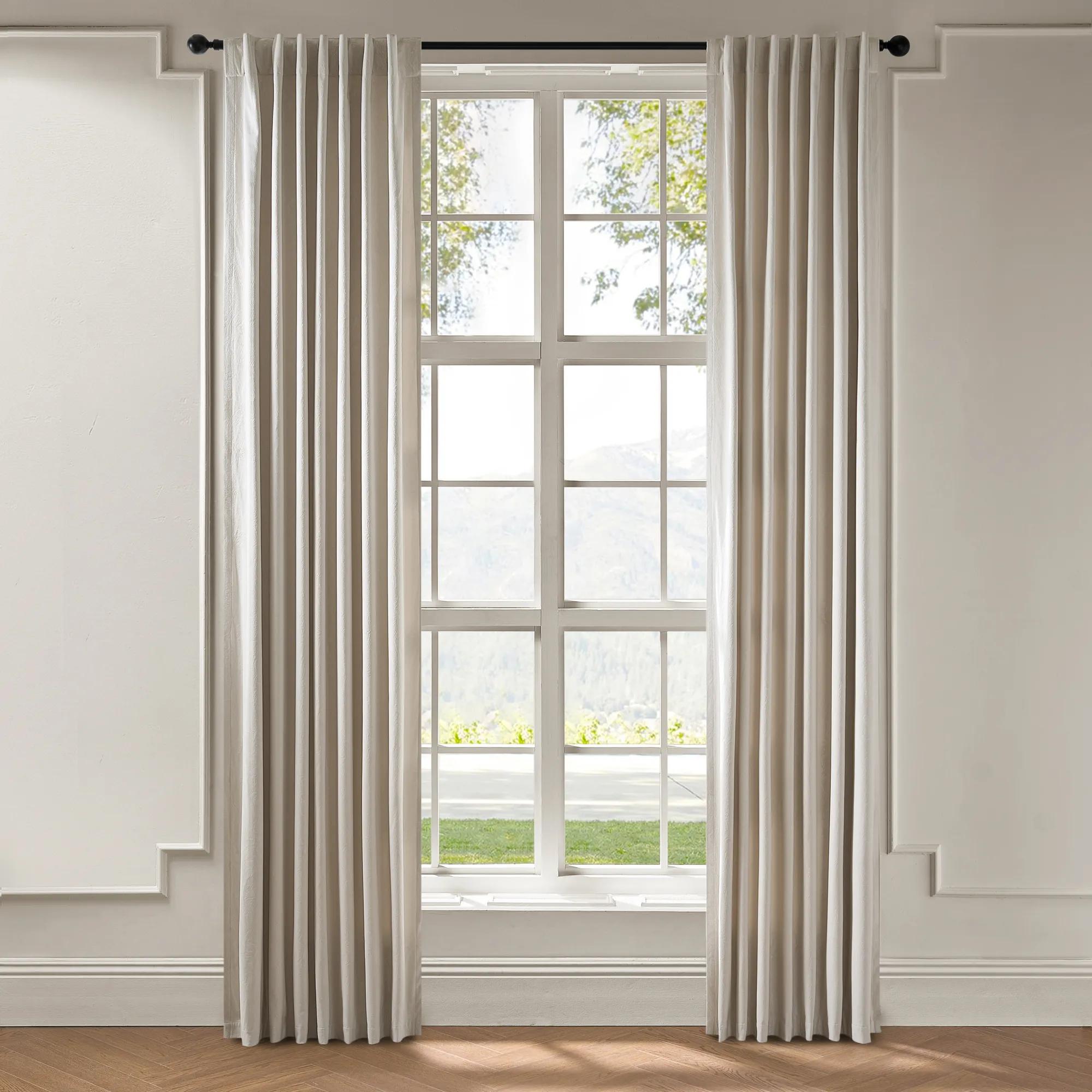
.jpeg?w=1200&h=1200) Mabel White Velvet Swirl Window Curtain Panel$99
Mabel White Velvet Swirl Window Curtain Panel$99A crisp white velvet curtain featuring a tonal swirl texture and versatile dual hanging options.
Add To Cart -
.jpeg?w=1200&h=1200)
 Adair Sand Solid Velvet Window Curtain Panel$79
Adair Sand Solid Velvet Window Curtain Panel$79A room-darkening sand velvet curtain with dual hanging options for a soft, tailored finish.
Add To Cart -
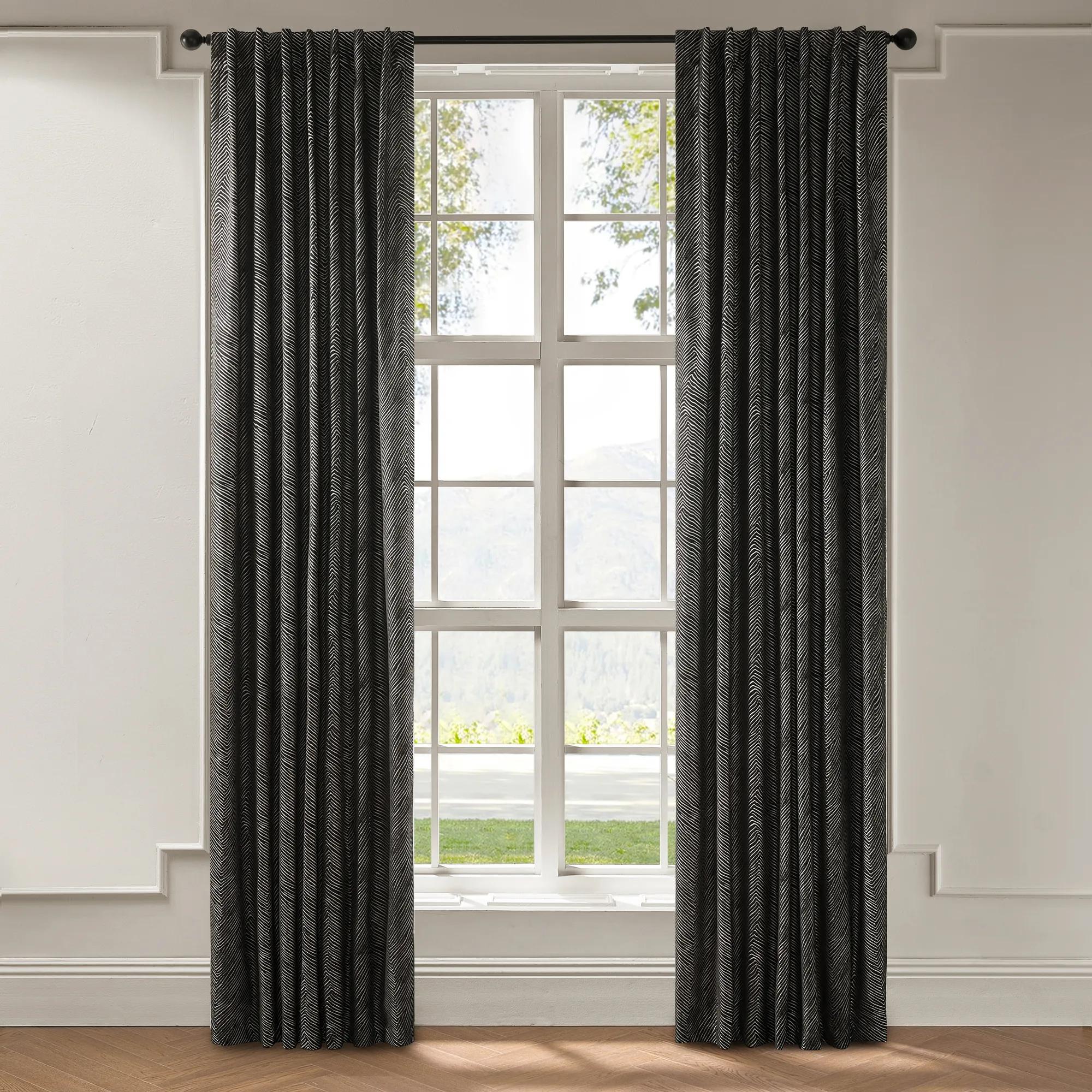
.jpeg?w=1200&h=1200) Kenzo Black Chenille Window Curtain Panel$139
Kenzo Black Chenille Window Curtain Panel$139A black chenille jacquard curtain with a room-darkening finish and versatile dual hanging options.
Add To Cart -
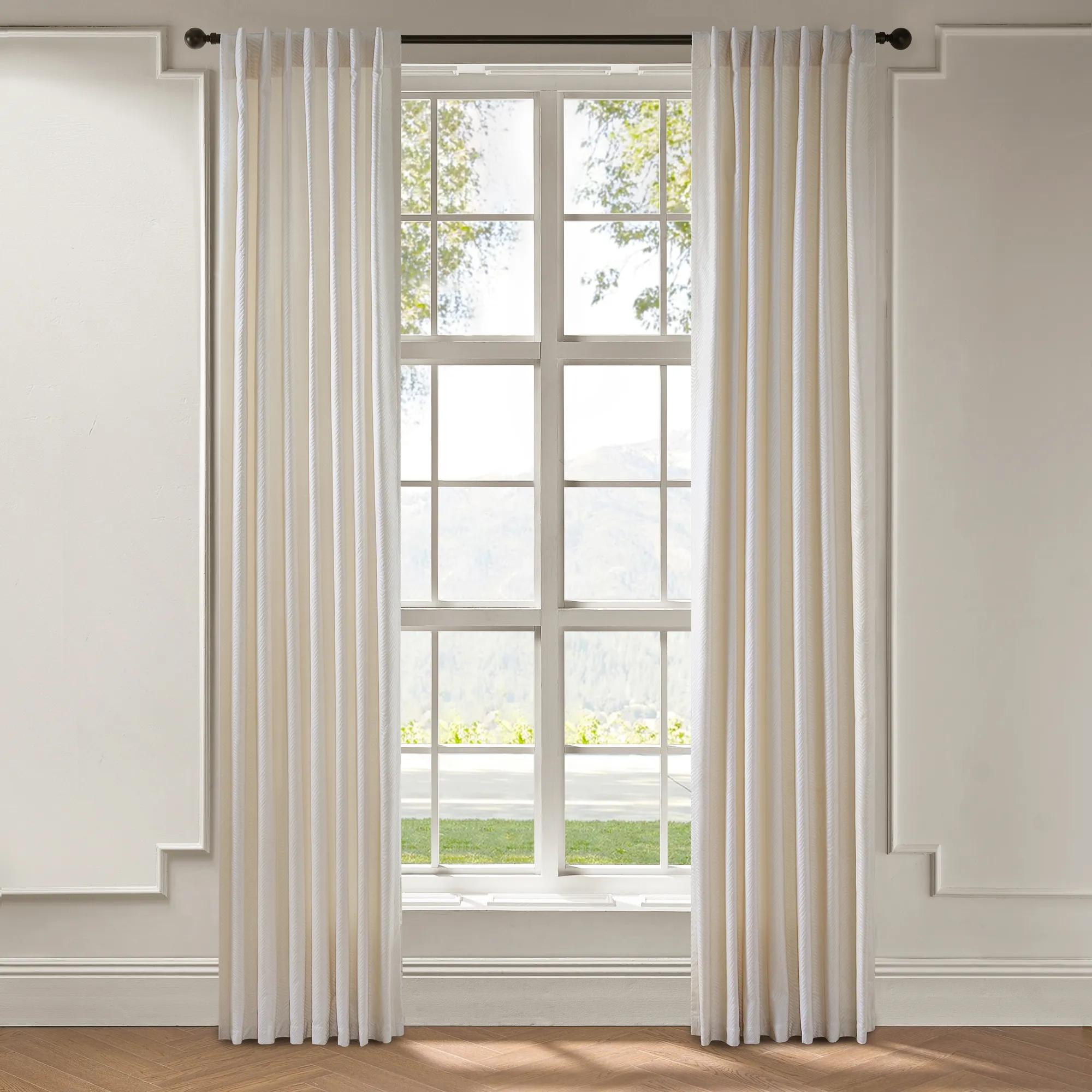
.jpeg?w=1200&h=1200) Kenzo Chenille Curtain - White$139
Kenzo Chenille Curtain - White$139A luxe white chenille jacquard curtain featuring a subtle high-contrast pattern and versatile dual construction.
Add To Cart -
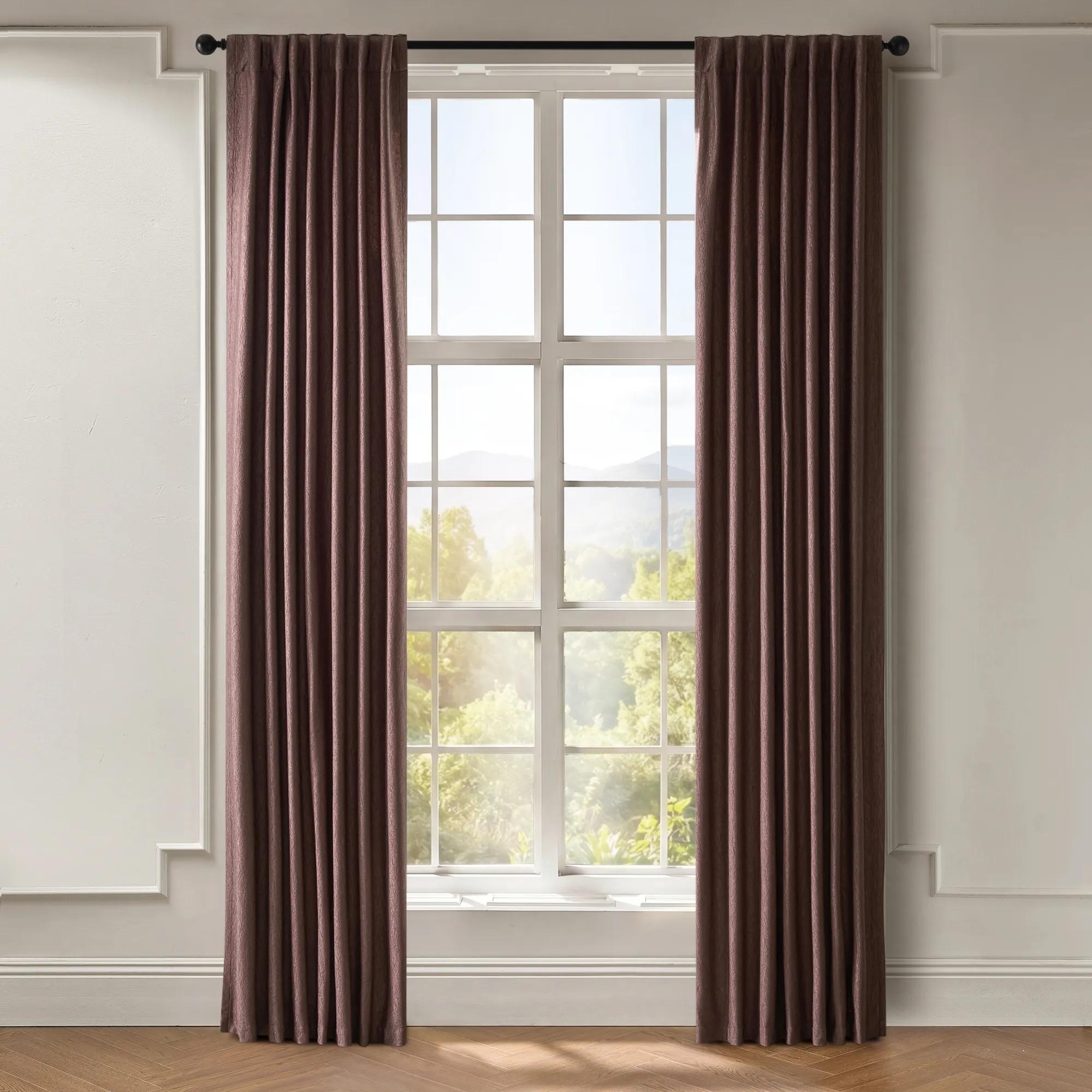
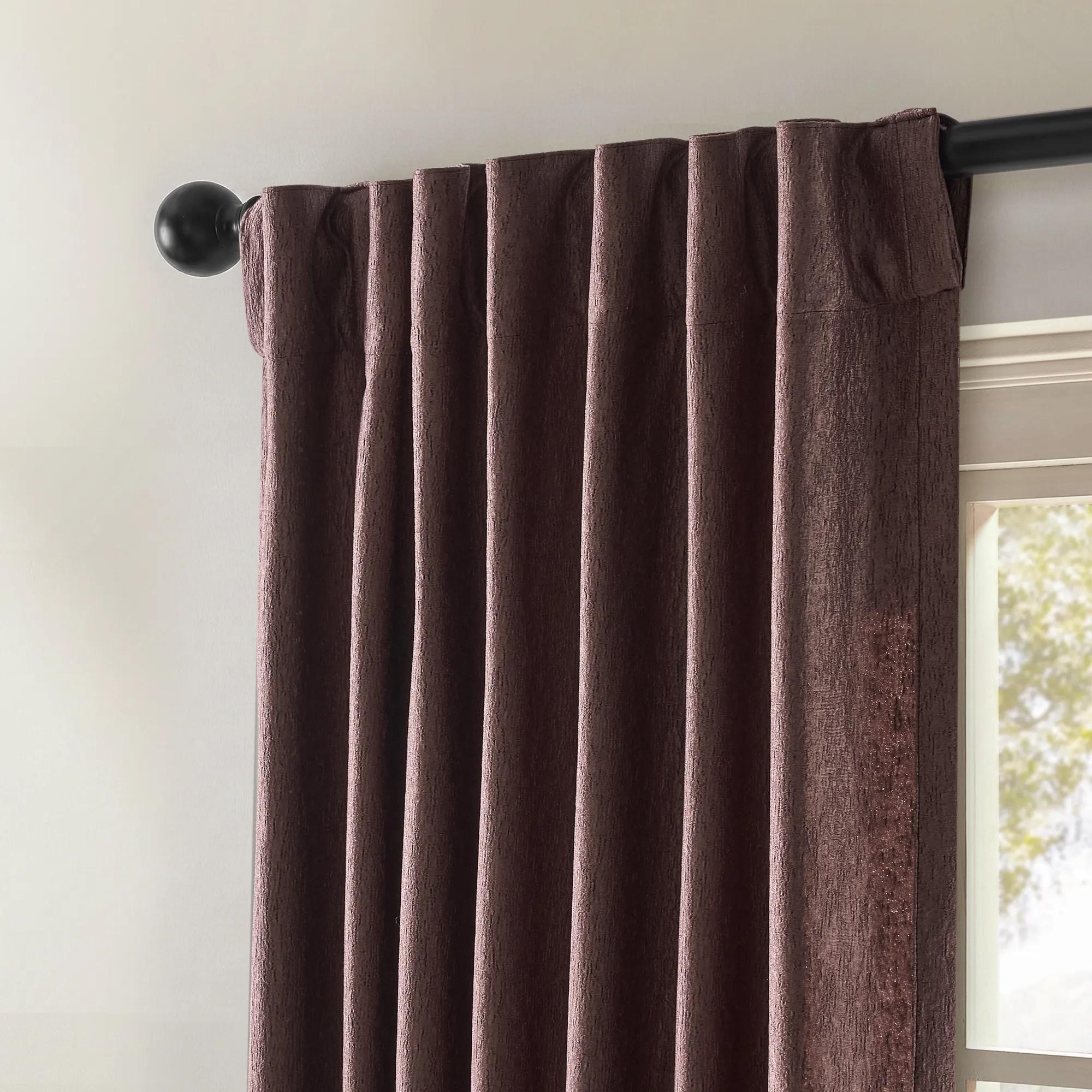 Anson Fig Textured Window Curtain Panel$99
A deep fig curtain panel in crushed, subtly sheened polyester with room-darkening and dual hanging options.
Add To Cart -
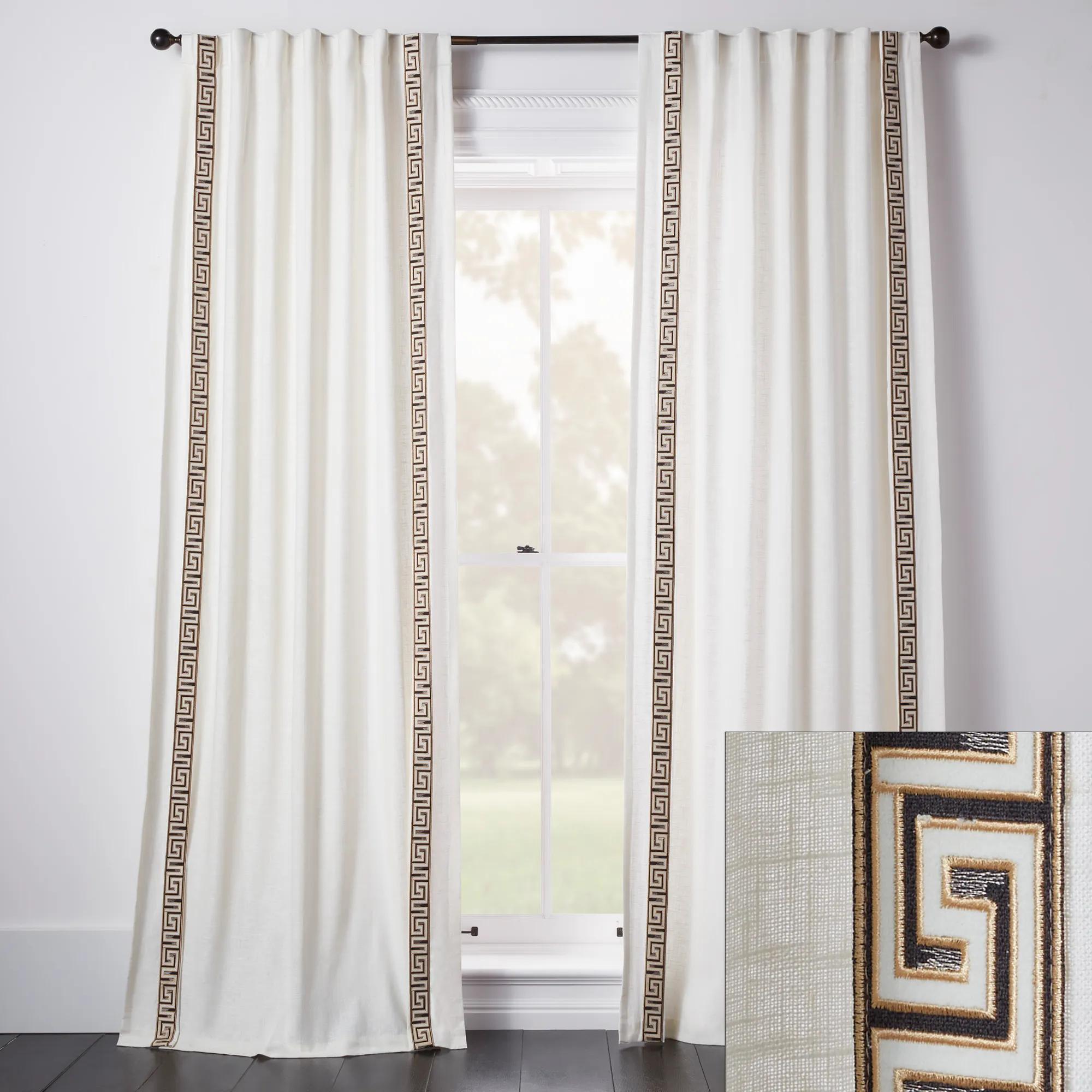 Chole Greek Key Border Velvet Widow Curtain Panels Custom$419
A linen-blend curtain panel with plush black and gold velvet Greek key border and customizable options.
Add To Cart

Room Darkening Drapery Panels
Room Darkening Drapery Panels are the secret to crafting interiors that exude both drama and intimacy. These sumptuous panels transform sunlight into a soft, seductive ambiance, setting the stage for moments of pure indulgence. Whether you seek to amplify the mood in a glamorous bedroom retreat or lend a sense of intrigue to your living space, each drapery panel is an invitation to curate your own masterpiece. Elevate every window with layers of luxe texture and bold presence—because at Z Gallerie, your home deserves nothing less than extraordinary.
Room darkening drapery panels give a room two distinct luxuries: greater control over incoming light and the presence of beautifully dressed windows. Designed to reduce light through dense fabric, a specialized weave, a backing, or a separate lining, these panels create a softer, more intimate atmosphere without necessarily making a space completely dark. Room darkening and blackout are not interchangeable terms. Blackout construction is intended to block nearly all light passing through the fabric, while room darkening construction allows varying degrees of light filtration; the finished effect also depends on coverage around the window. That distinction matters in a bedroom where an early sunrise interrupts sleep, a living room where glare competes with a favorite film, or a guest suite meant to feel like a private retreat. For people who sleep during daylight hours, fabric performance and a close-fitting installation deserve particular attention. In a dining room, the same substantial folds lend depth to the walls and make an evening gathering feel more intimate. Color and surface texture bring another dimension to that transformation. Ivory and pale neutral panels can frame a luminous interior with quiet grandeur, while charcoal, deep blue, and saturated jewel tones create a more enveloping composition. Fabric color alone, however, does not establish how much light a panel will block; the lining and construction are more reliable considerations. For interiors that call for a plush, light-catching surface, Room Darkening Velvet Curtains introduce a rich interplay of sheen and shadow. Velvet’s nap gives each fold visual depth, turning a broad expanse of fabric into an expressive architectural detail. Whether the setting is tailored and tonal or layered with sculptural furniture and gleaming accents, room darkening curtains balance decorative impact with everyday privacy. They are especially useful where windows face neighboring homes or illuminated streets, though privacy performance should always be checked against the fabric’s stated properties and the way the panels close.
The fit of room darkening drapery panels influences both their silhouette and their ability to control light. Panel dimensions describe the fabric itself, not necessarily the window size it will cover with generous folds, and widths may be listed for a single panel rather than a pair. A window dressed with fabric stretched nearly flat will have a different presence from one framed by substantial, softly gathered lengths. As a general starting point, a combined panel width of approximately one and a half to two times the rod width provides fullness, although pleated headings and individual designs may have different sizing requirements. Measurements should account for the intended rod placement, the heading style, and the finished drop rather than relying only on the dimensions of the glass. Extending a rod beyond the window frame can let open panels rest farther from the glass, preserving the view and giving the window a grander scale. When closed, generous side coverage and a slight overlap at the center help limit bright gaps. Light can still enter above and below the panels, so spaces intended for daytime sleep or screen viewing may benefit from a compatible shade beneath the drapery. The heading adds its own character. Grommet panels form broad, regular waves and reveal the rod through metal rings, making the hardware part of the composition. Rod-pocket panels gather along a concealed fabric channel for a softer treatment, though they may be less convenient for frequent opening and closing. Back-tab panels hide their attachment points behind the fabric, creating an orderly line with understated structure. Ring-hung and pleated styles offer other tailored expressions when compatible with the panel construction. Floor-skimming lengths provide a polished finish in rooms where drapery moves daily; a slight break at the floor introduces softness but collects more dust and needs clearance from foot traffic. Substantial fabrics and linings also require a rod, brackets, and wall fasteners rated for their combined weight. Thoughtful proportion allows the drapery to look intentional from across the room while functioning comfortably at the window.
Materials determine how room darkening window panels feel, fall, and stand up to daily use. Velvet offers a sumptuous surface and pronounced folds, while woven fabrics with a matte or subtly lustrous finish can bring definition without the same depth of pile. Polyester and blended fabrics are common in light-control drapery because they can combine a graceful drape with practical wrinkle resistance, although performance varies by weave and finish. Cotton-rich fabrics may offer a more natural hand, with a separate lining supplying additional light control and body. A decorative face fabric is only one part of the construction: the backing or lining can influence opacity, weight, flexibility, and care requirements. Dense fabric does not automatically qualify as blackout, and a luxurious texture is not a substitute for a stated light-control rating. For panels that will be drawn every morning and evening, even stitching, secure headings, and well-finished hems are meaningful details. Smooth, properly sized hardware also reduces unnecessary tugging at attachment points. Care deserves equal attention, especially with lined or backed drapery. Some panels are machine washable, while others require professional cleaning; the care label should govern the method, water temperature, and drying process. Velvet may need gentle handling to preserve its pile, and high heat or direct ironing can damage certain fibers and backings. Periodic dust removal with a suitable low-suction upholstery attachment, when permitted by the manufacturer, helps keep folds fresh without frequent laundering. In a busy living room, hems that clear the floor are easier to maintain around pets and regular cleaning. In a bedroom, a sheer layer behind the darker panels can provide a separate daytime light-filtering option, leaving the heavier drapery ready for rest. Coordinating the panels with a textured rug, a lustrous pillow, or a sculptural lamp creates continuity without requiring every surface to match. The most compelling arrangement gives each material a distinct role: the drapery frames the architecture, softens the light, and adds a confident sweep of texture that makes the entire room feel composed.
FAQs
Room darkening drapery panels offer more than just superior light control—they also enhance privacy, reduce outside noise, and provide an extra layer of insulation to help maintain a comfortable indoor temperature. Their luxurious textures and dramatic presence can elevate the overall aesthetic of your space, making every window a focal point of design.
For a sophisticated, designer-inspired look, layer room darkening drapery panels with sheer curtains. This combination allows you to enjoy soft, filtered light during the day and complete privacy and darkness at night. Pairing with metallic or sculptural hardware adds an extra touch of glamour and visual interest.
Absolutely. While they are often chosen for bedrooms and media rooms where darkness is essential, room darkening drapery panels can also add a luxurious touch to living rooms, dining spaces, and home offices. Their versatility lies in the wide range of colors, fabrics, and designs available, allowing you to tailor the mood of each space.
Room darkening drapery panels are typically crafted from densely woven fabrics like velvet, jacquard, or heavy linen. These materials not only block light effectively but also drape beautifully, adding richness and depth to your décor. Some panels feature special linings or blackout backings for enhanced performance.
Yes, gifting room darkening drapery panels is a meaningful way to celebrate a new home, a renovation, or a significant life event. Their blend of style and comfort makes them a luxurious yet practical present—one that brings daily enjoyment and transforms a space with elegance and warmth.
.jpeg?w=4130&h=4130)