
Room Darkening Window Treatments
Room Darkening Window Treatments
-
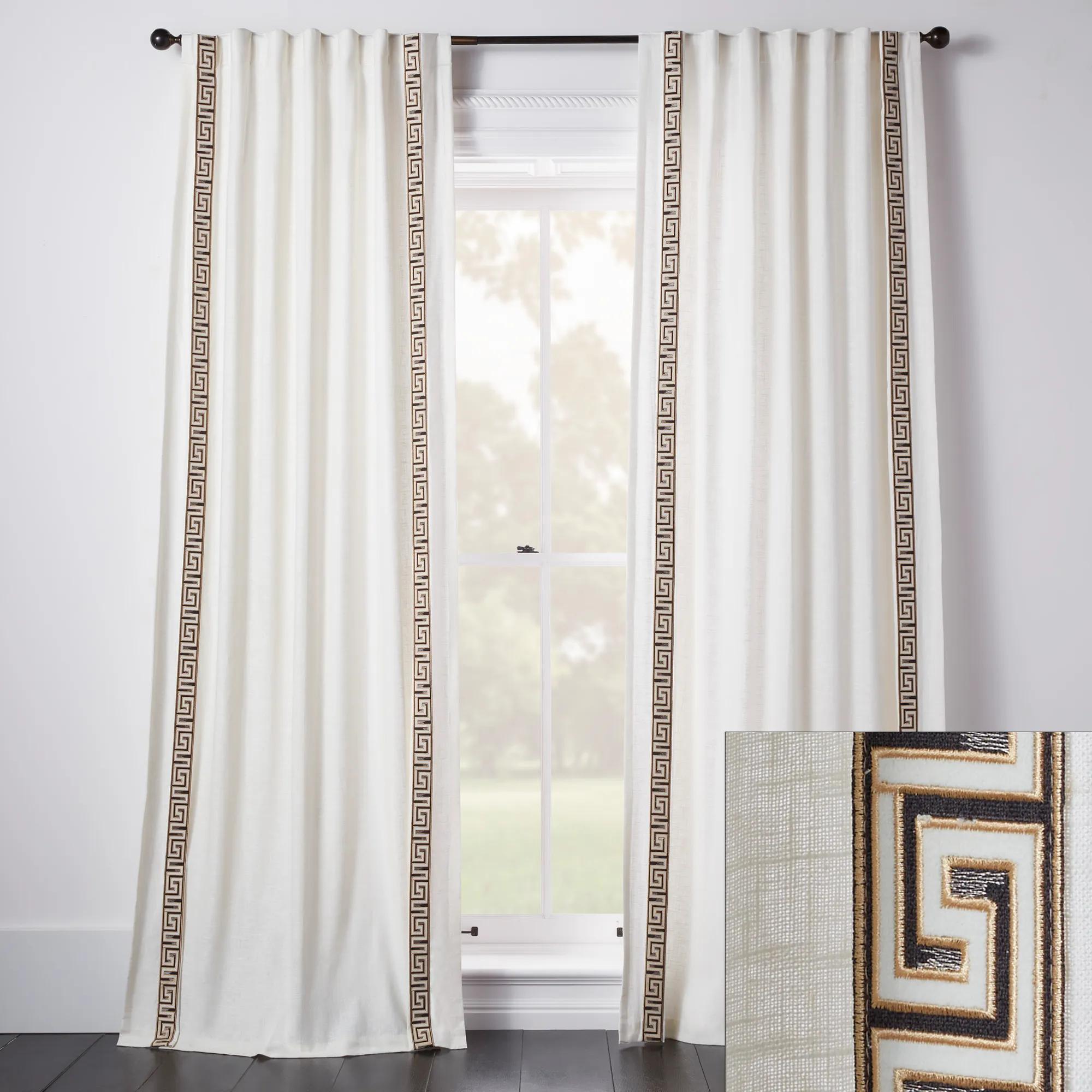 Chole Greek Key Border Velvet Widow Curtain Panels Custom$299
A white linen-blend curtain panel featuring a black and gold embroidered velvet Greek key border.
Add To Cart -
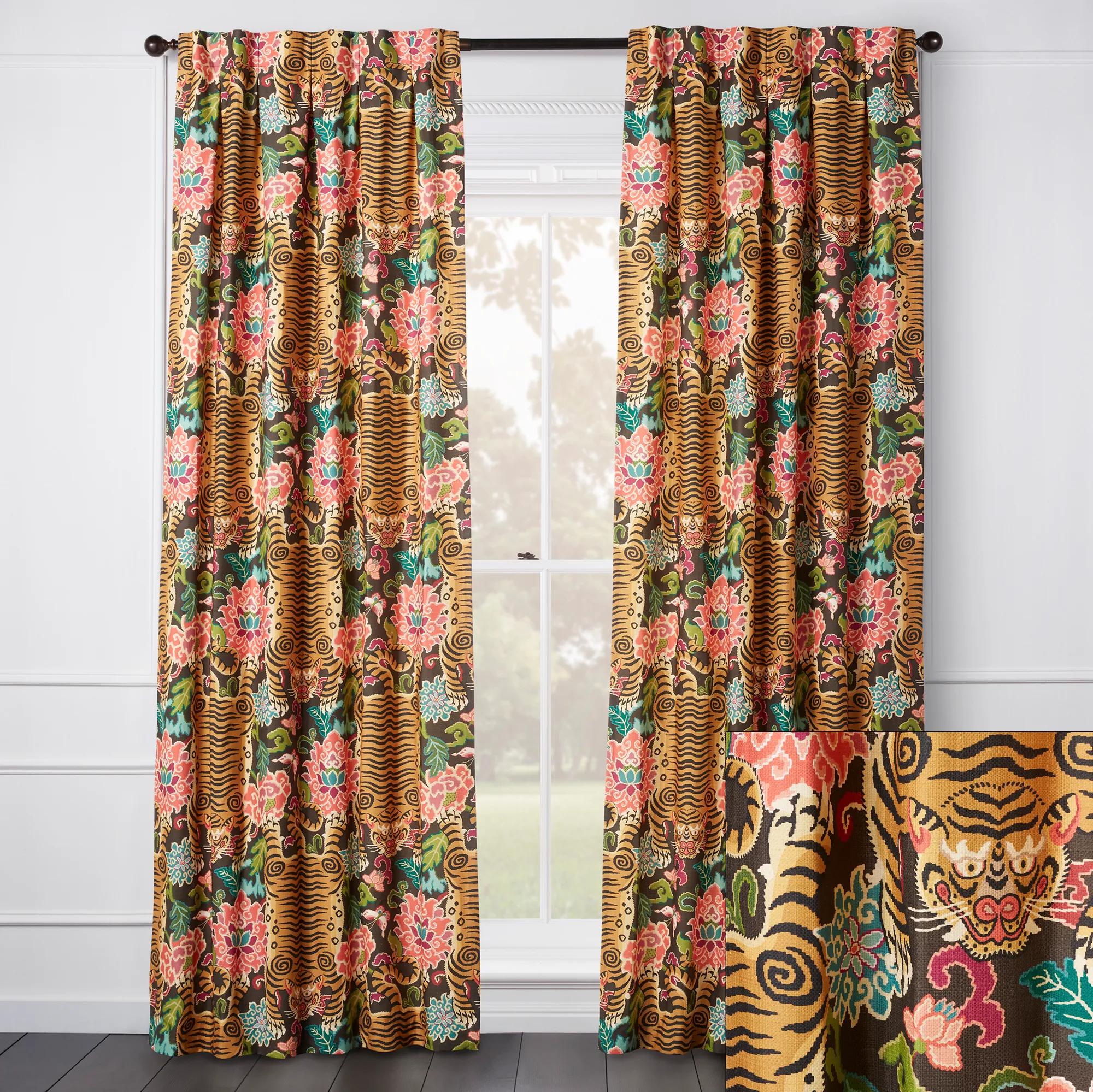
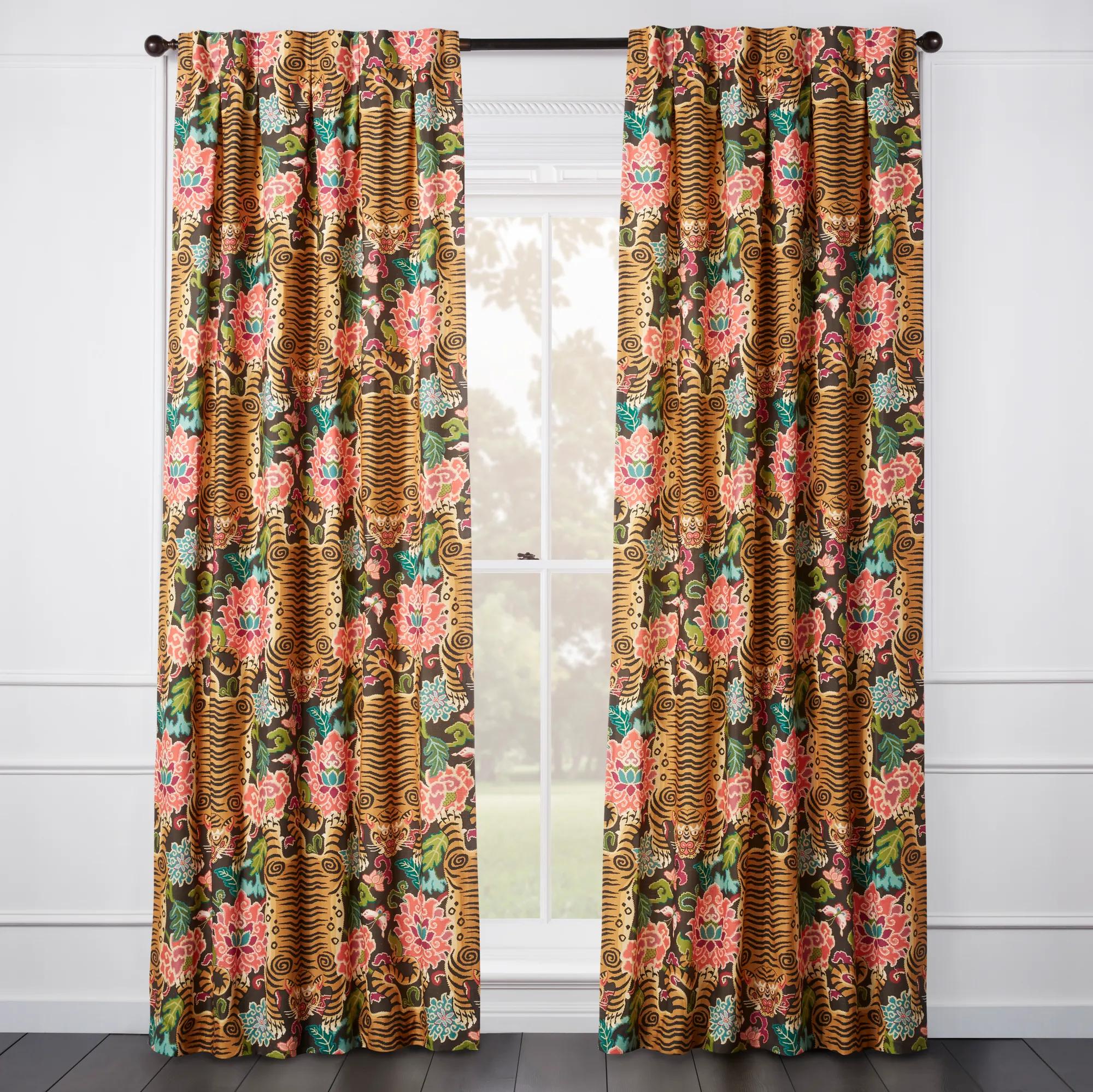 Nimer Gold/Multi Printed Slubbed Cotton Window Curtain Panel$349
A lively gold and multi-colored cotton curtain panel featuring a bold tiger print and customizable options.
Add To Cart -
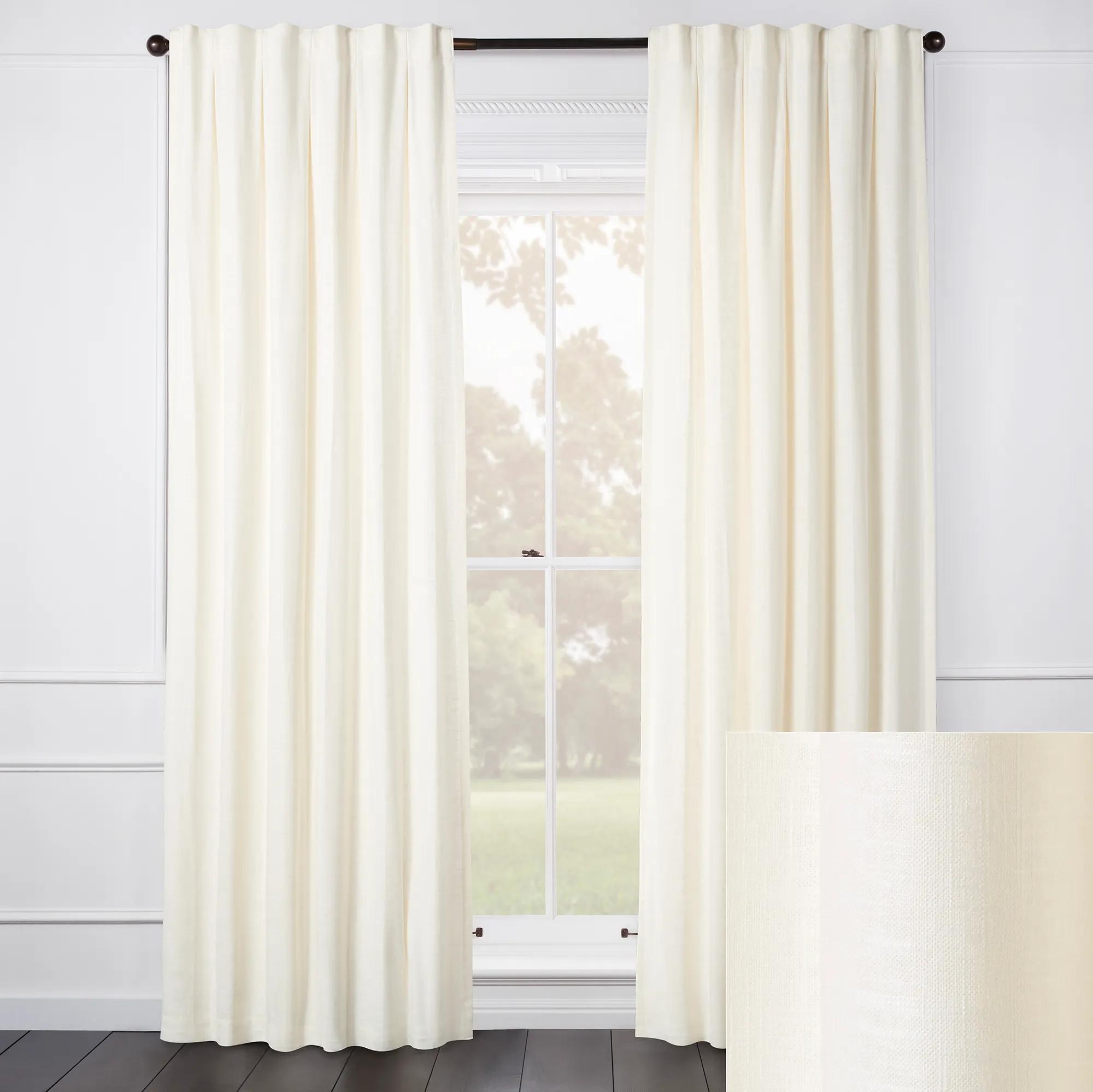
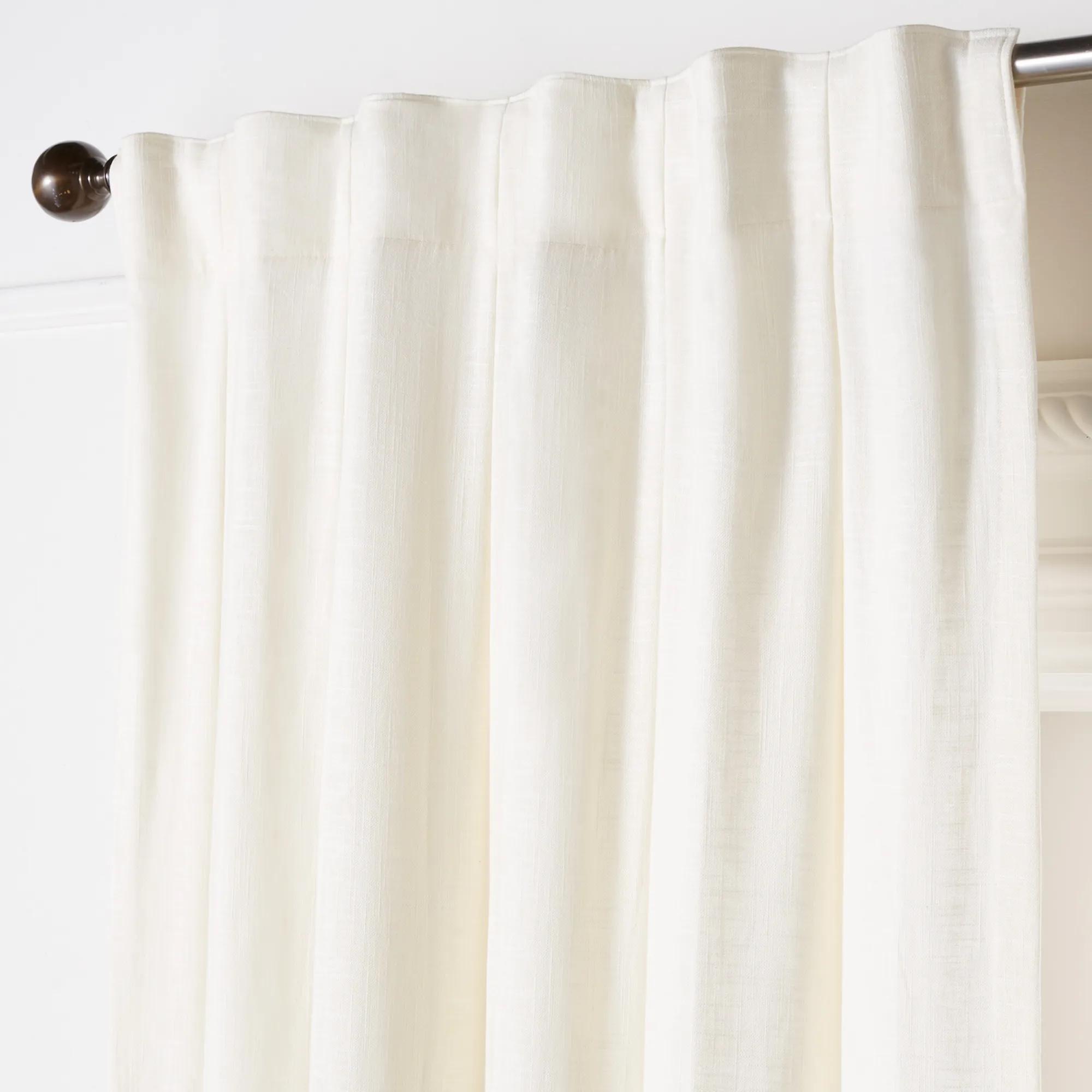 Audrey Linen Ivory Curtain - Custom$269
An ivory linen-blend curtain panel with lining, offering customizable lengths and two elegant header styles.
Add To Cart -
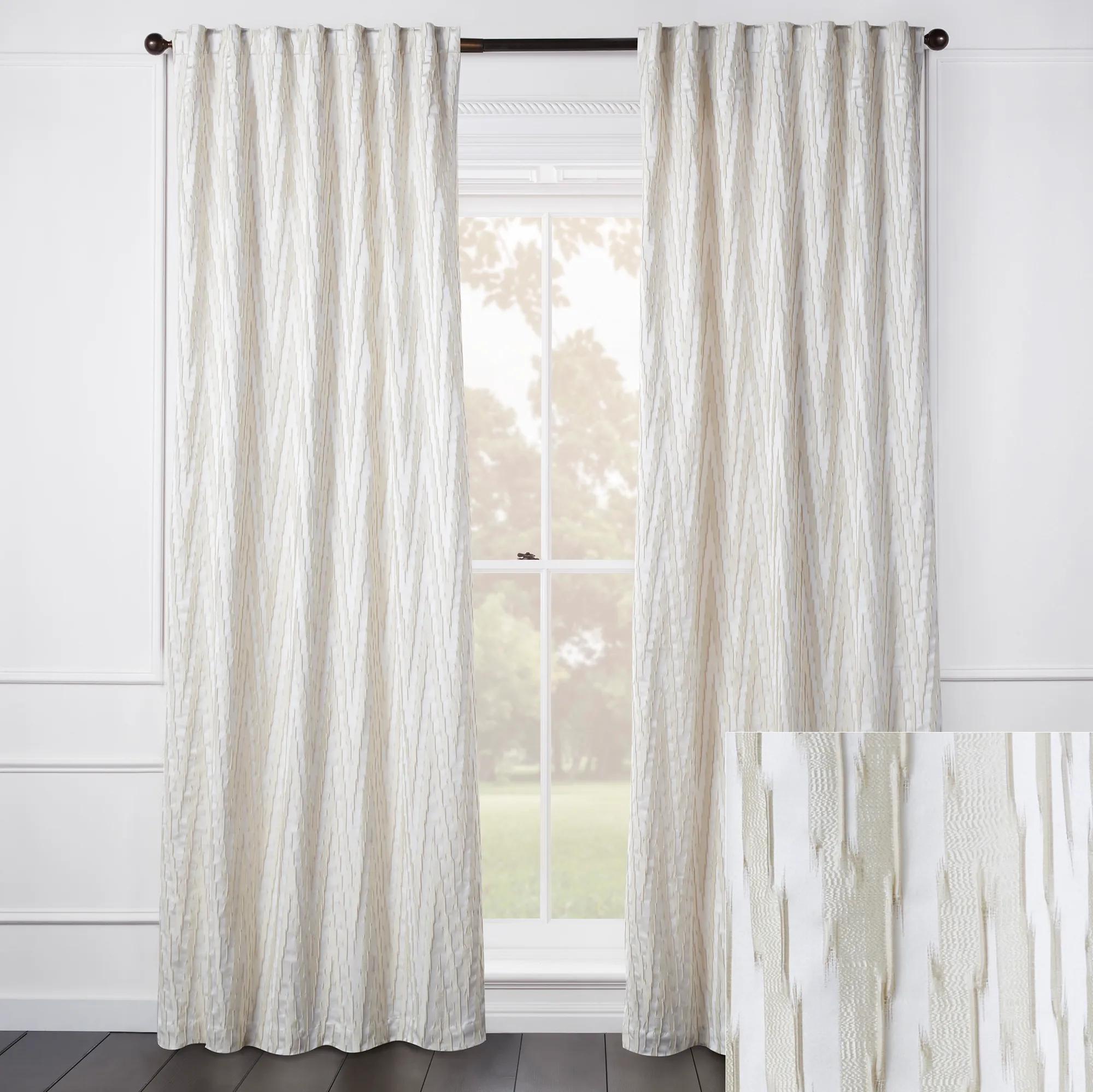
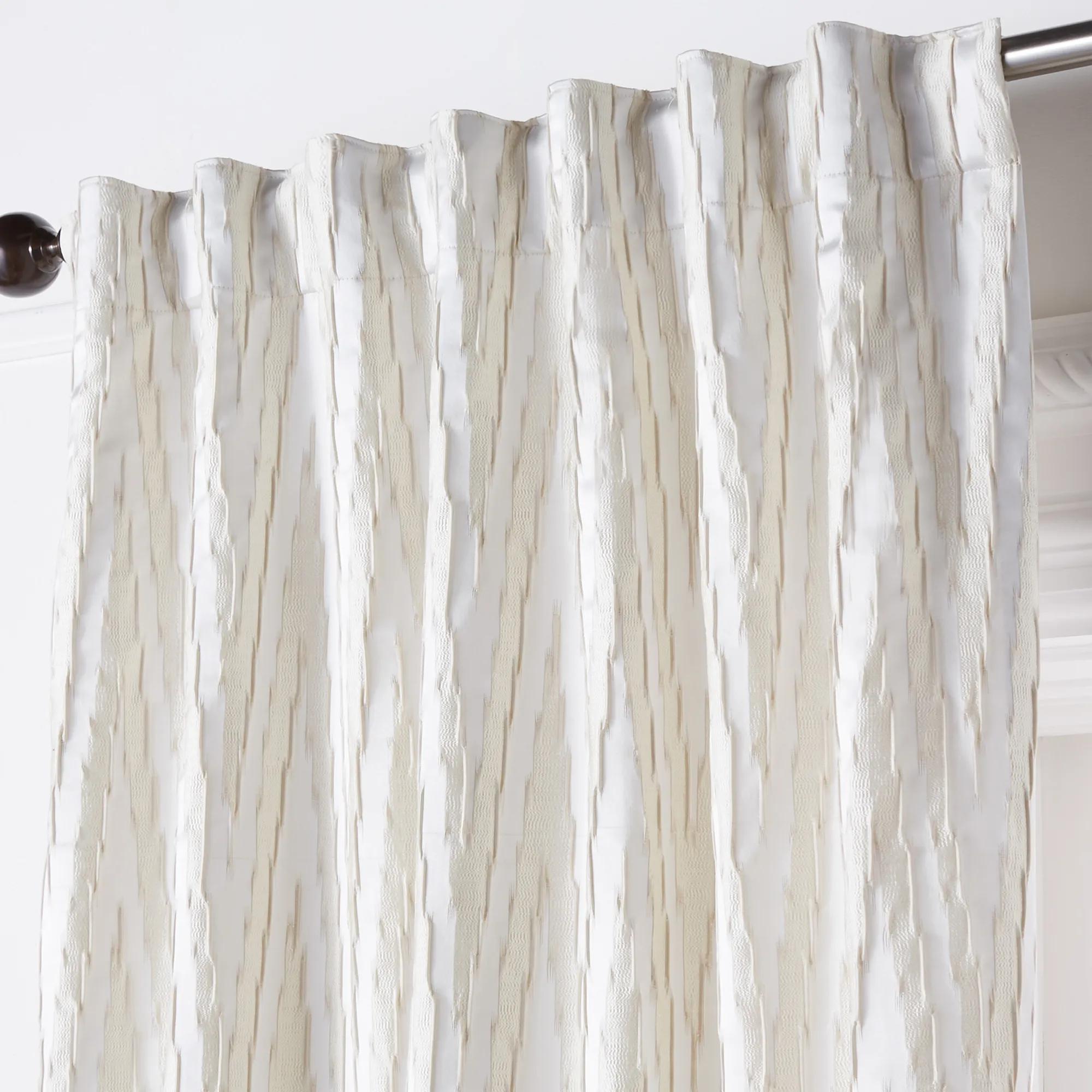 Minka Jacquard Pearl Window Curtain Panel Custom$299
A highly textured chevron curtain panel in pearl, crafted from polyester with customizable hanging options.
Add To Cart -
.jpeg?w=1200&h=1200)
 Mabel Natural Velvet Swirl Window Curtain Panel$99
Mabel Natural Velvet Swirl Window Curtain Panel$99A warm neutral velvet curtain with a tonal swirl pattern, offering room-darkening privacy and versatile hanging options.
Add To Cart -
.jpeg?w=1200&h=1200)
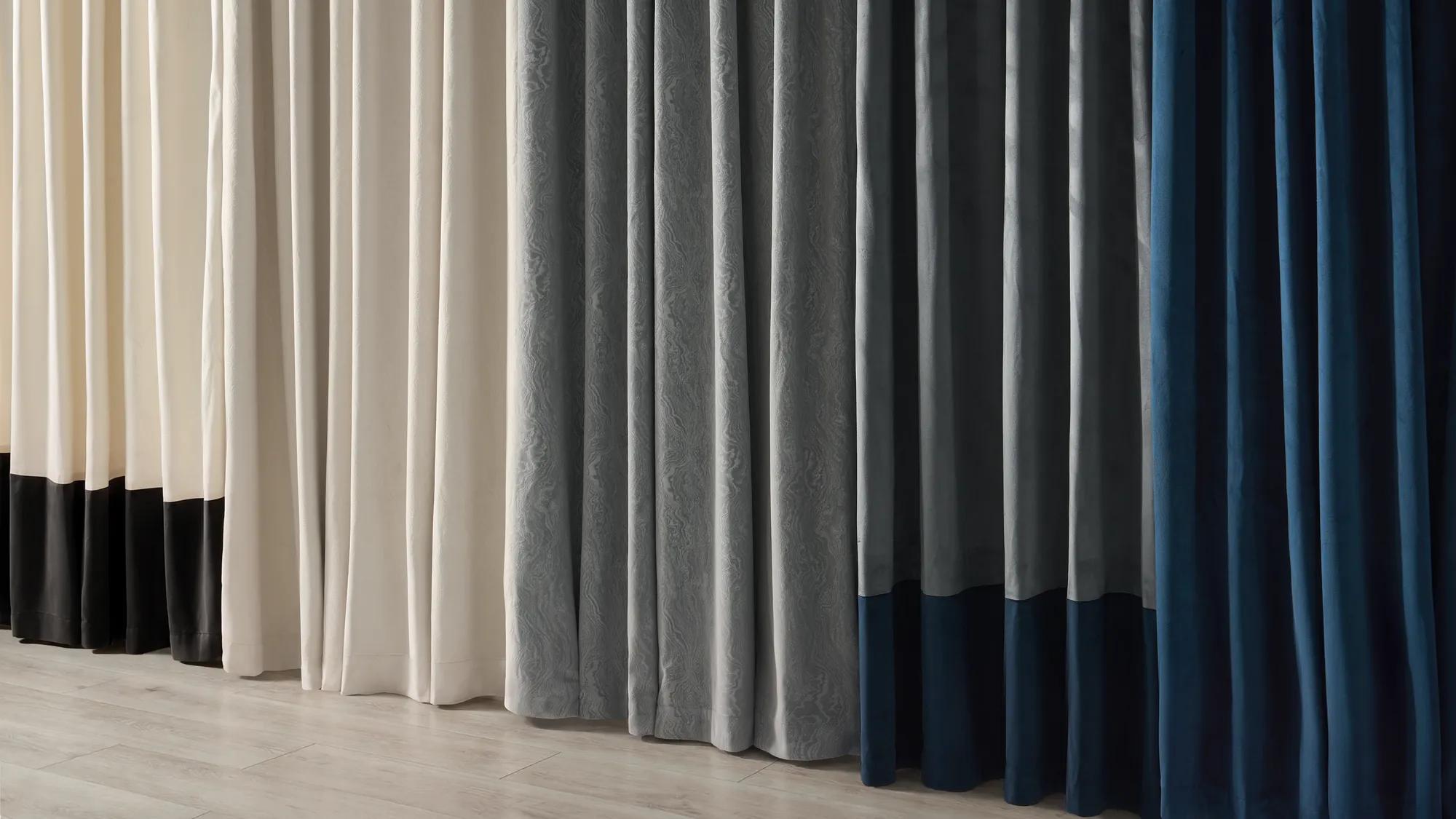 Mabel Velvet Swirl Curtain - Grey Blue$99
A grey blue velvet curtain featuring a tonal swirl pattern and versatile dual hanging options.
Add To Cart -
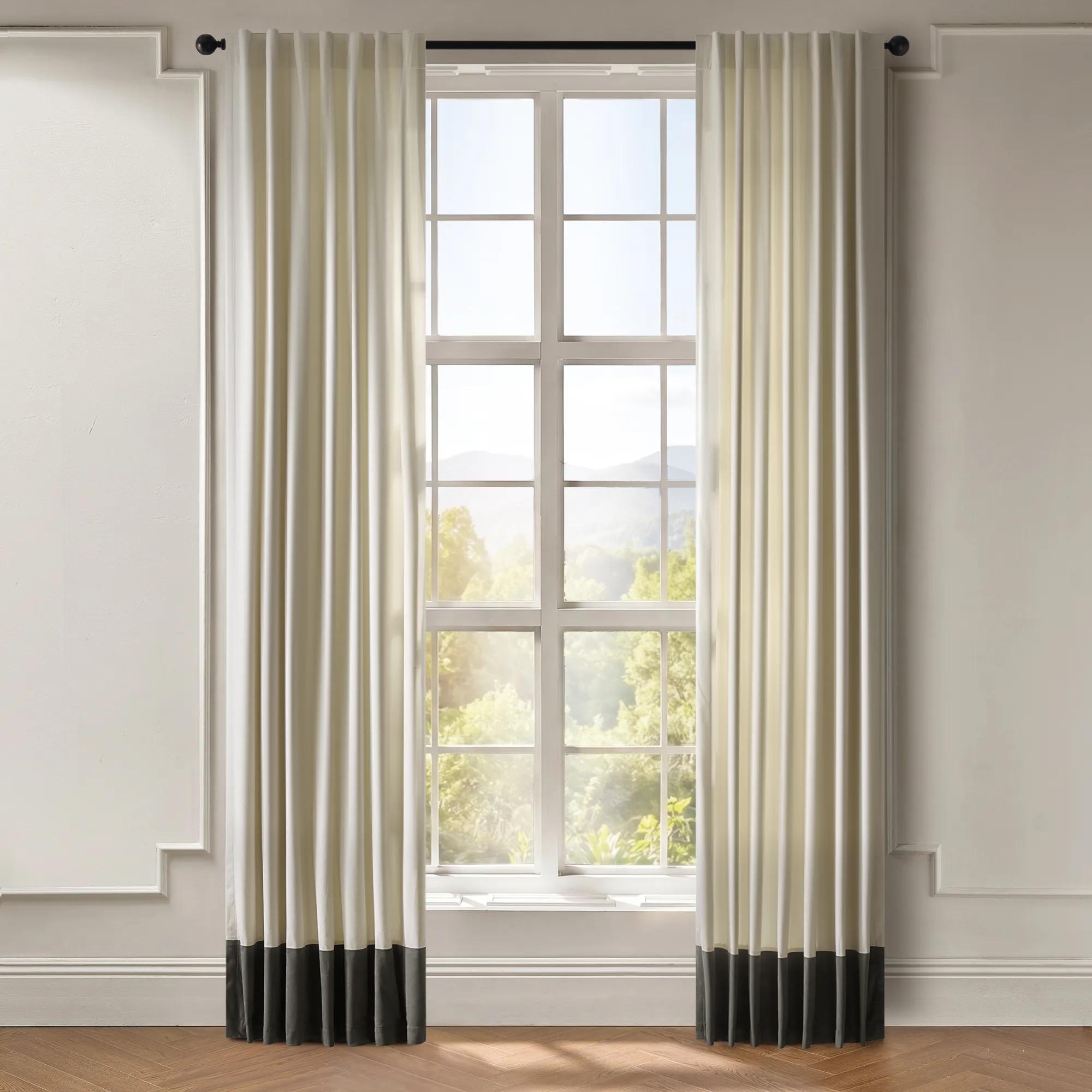
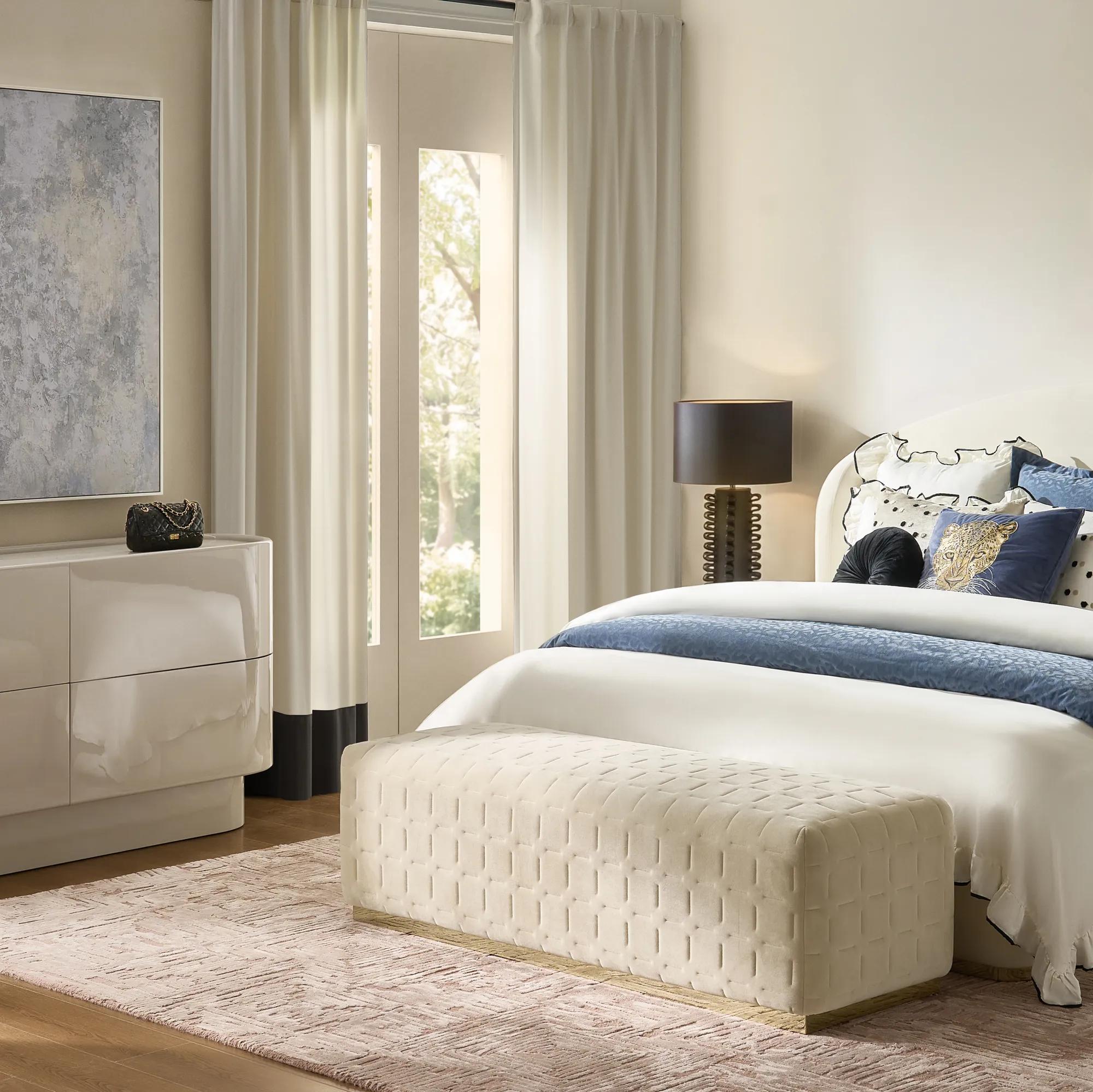 Bastien Ivory/Graphite Velvet Border Window Curtain Panel$109
A two-tone ivory and graphite velvet curtain panel with a Deco-inspired border and room-darkening design.
Add To Cart -
.jpeg?w=1200&h=1200)
 Anson Charcoal Textured Window Curtain Panel$89
Anson Charcoal Textured Window Curtain Panel$89A moody charcoal curtain with crushed polyester texture and subtle sheen for stylish, room-darkening appeal.
Add To Cart -
.jpeg?w=1200&h=1200)
 Adair Midnight Blue Solid Velvet Window Curtain Panel$69
Adair Midnight Blue Solid Velvet Window Curtain Panel$69A sumptuous midnight blue velvet curtain that adds elegance, depth, and room-darkening style to any space.
Add To Cart -
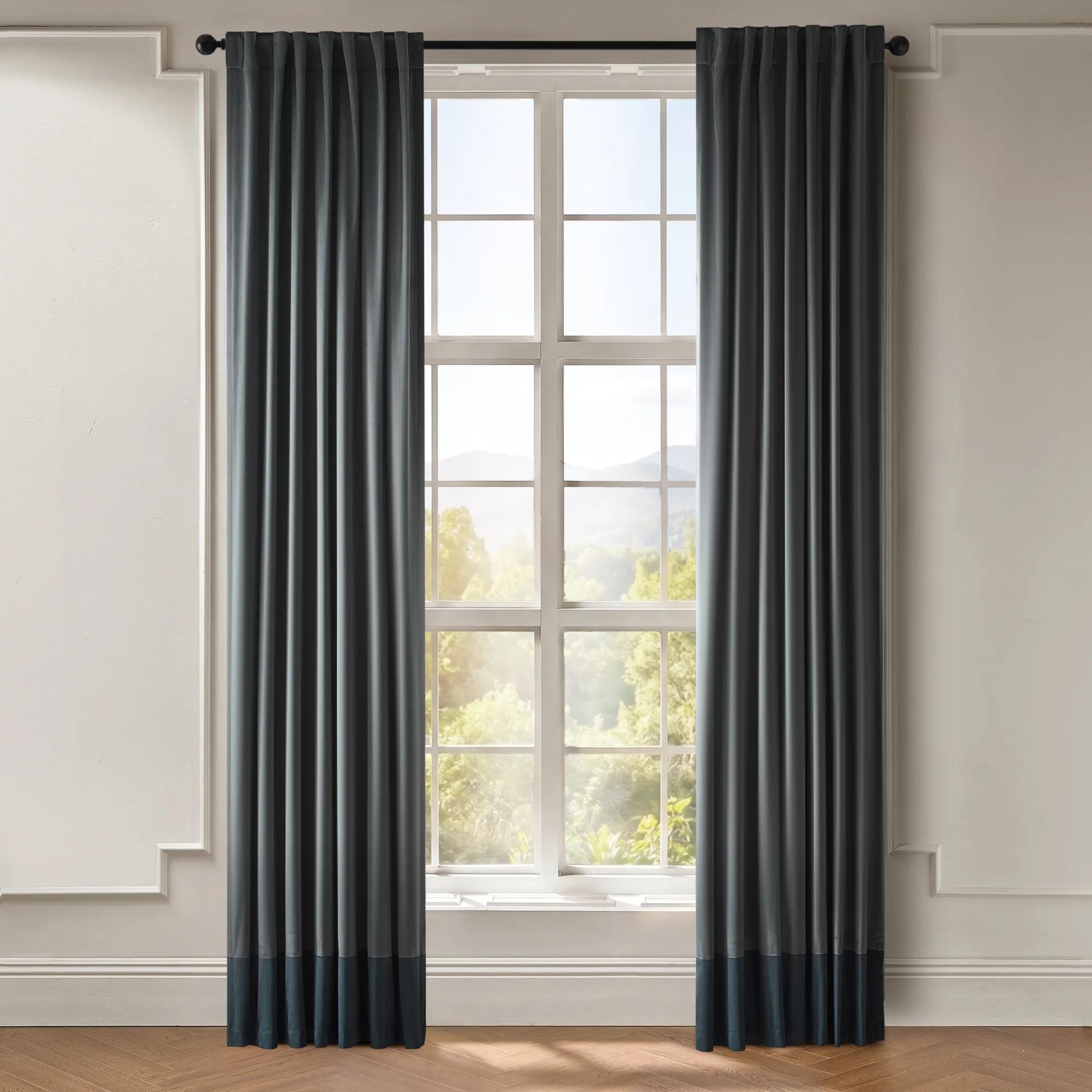
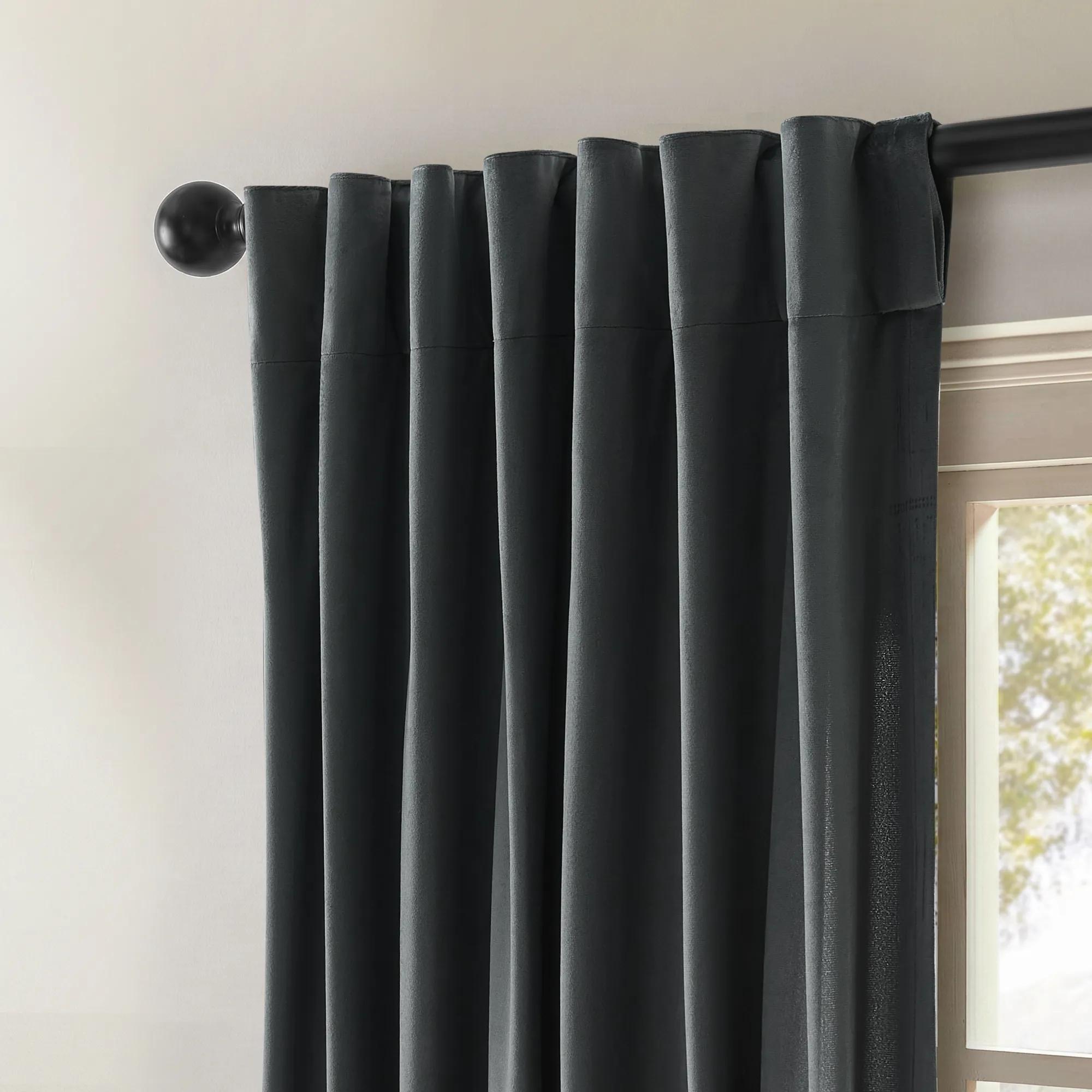 Bastien Blue/Midnight Velvet Border Window Curtain Panel$89
A two-tone dusty and midnight blue velvet curtain panel with a Deco-inspired border and room-darkening design.
Add To Cart -
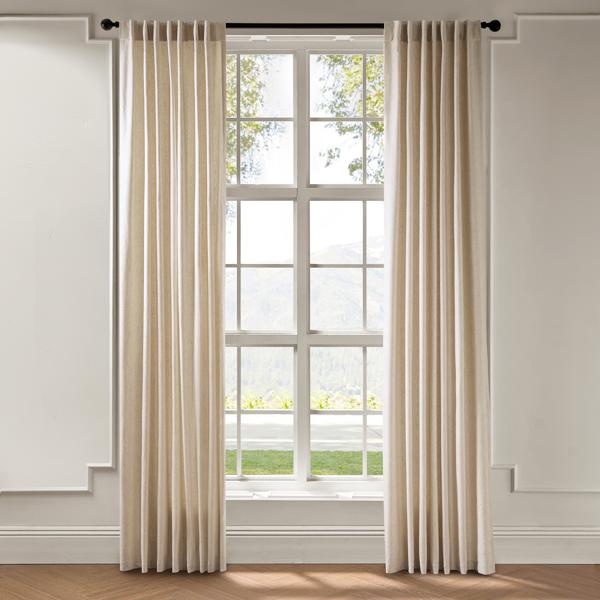
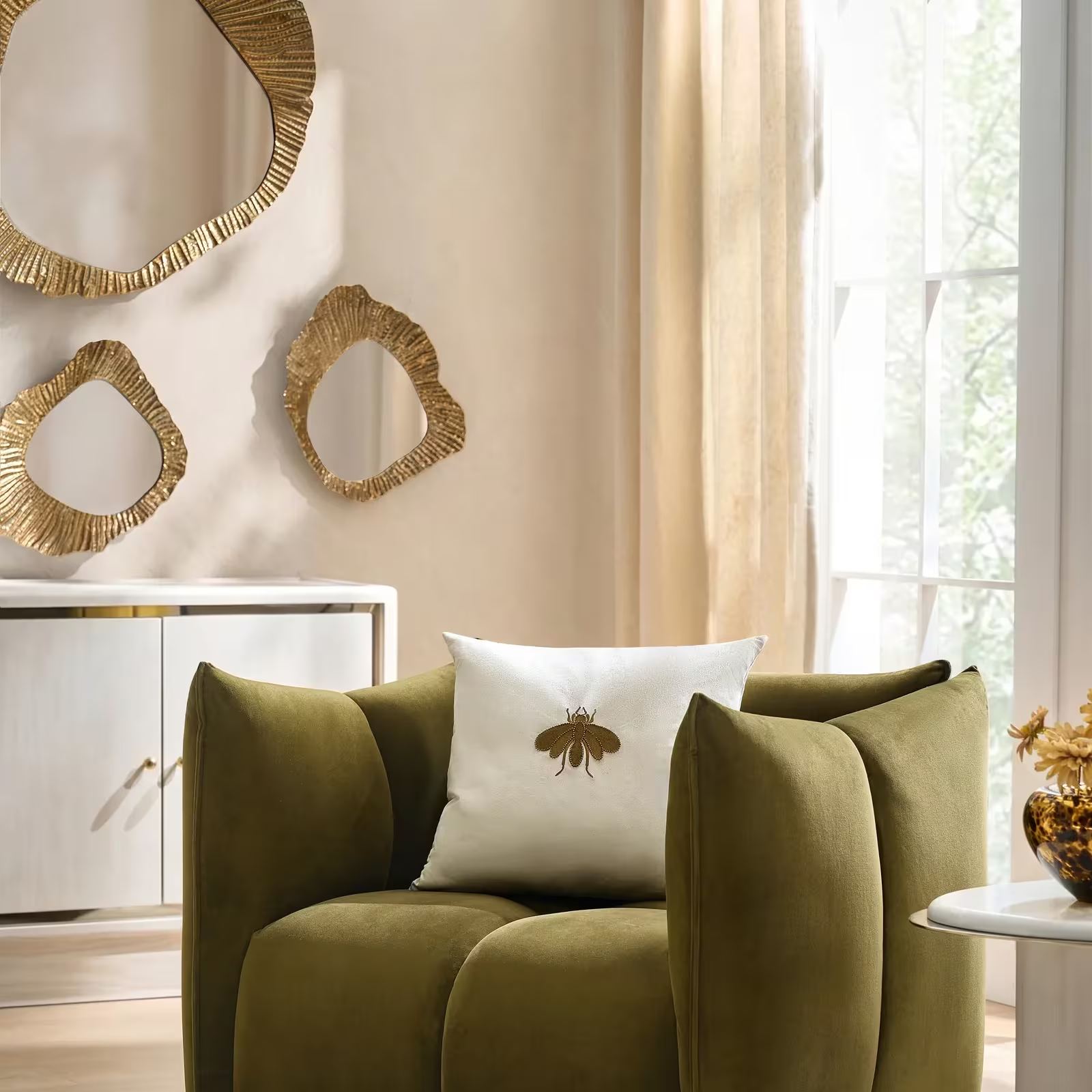 Anson Ivory Textured Window Curtain Panel$99
An elegant ivory curtain panel with a crushed, light-reflective texture for subtle shine and room darkening.
Add To Cart -
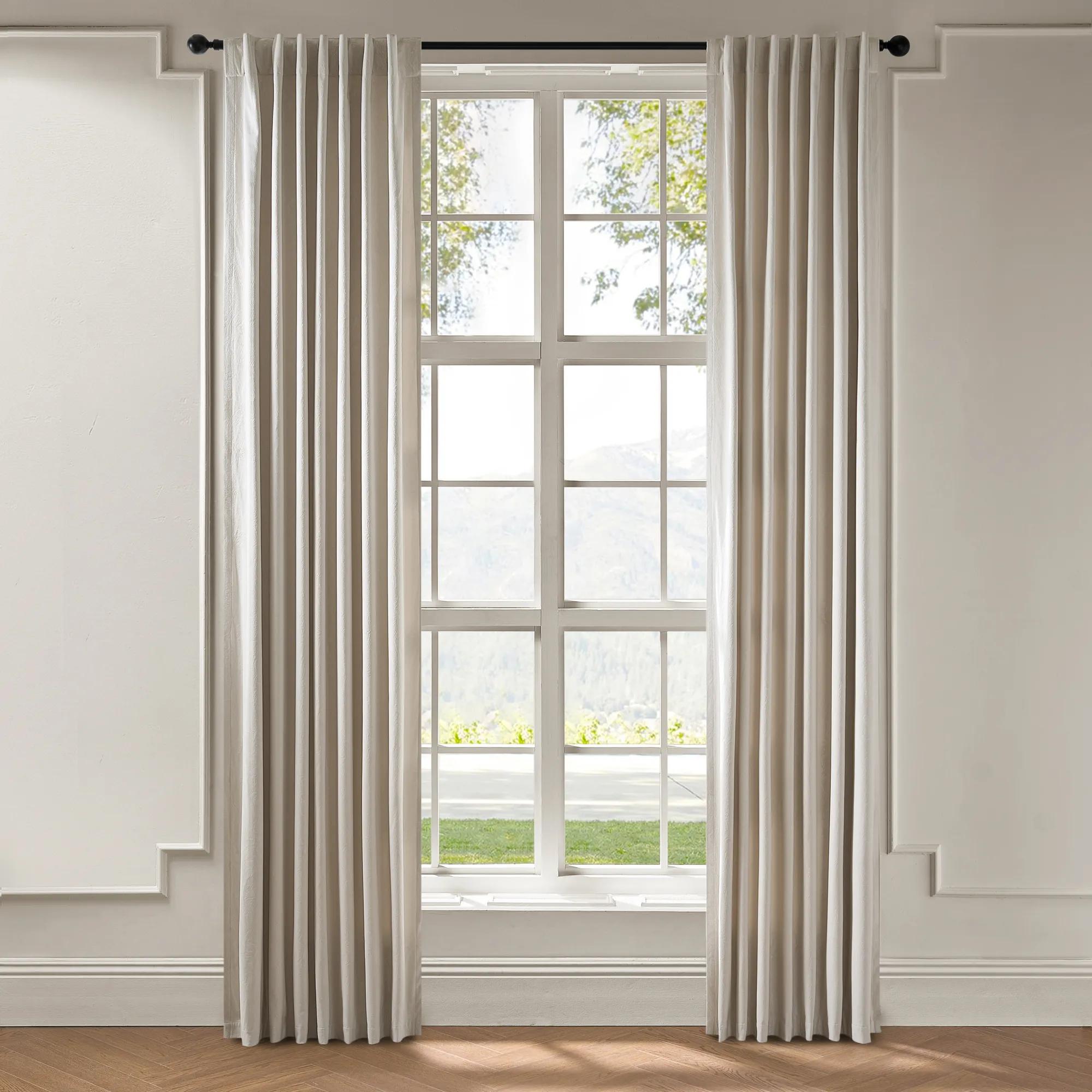
.jpeg?w=1200&h=1200) Mabel White Velvet Swirl Window Curtain Panel$99
Mabel White Velvet Swirl Window Curtain Panel$99A crisp white velvet curtain featuring a tonal swirl texture and versatile dual hanging options.
Add To Cart -
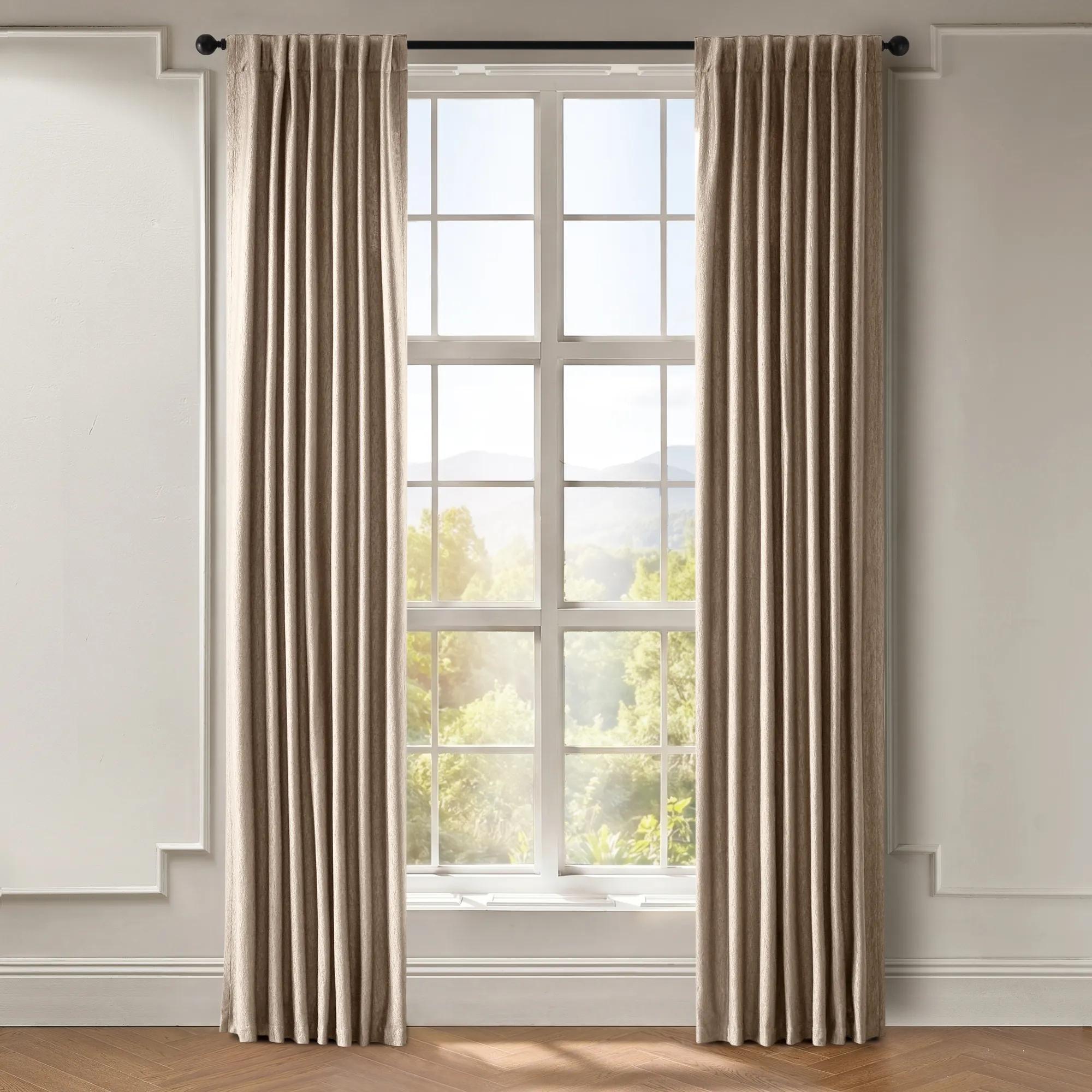 Anson Mocha Rose Textured Window Curtain Panel$109
A light mocha rose curtain panel with crushed sheen texture and room-darkening, dual hanging design.
Add To Cart -
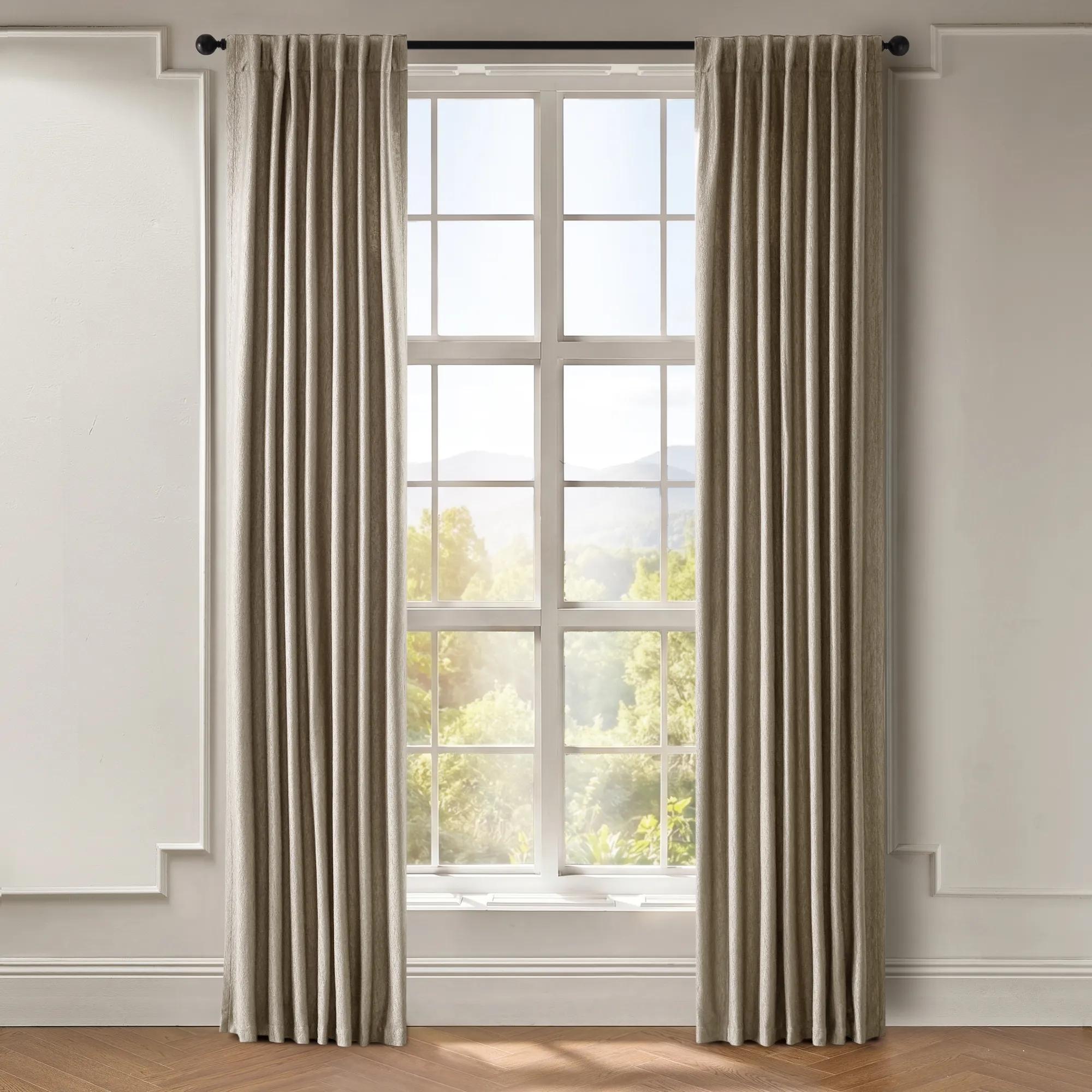
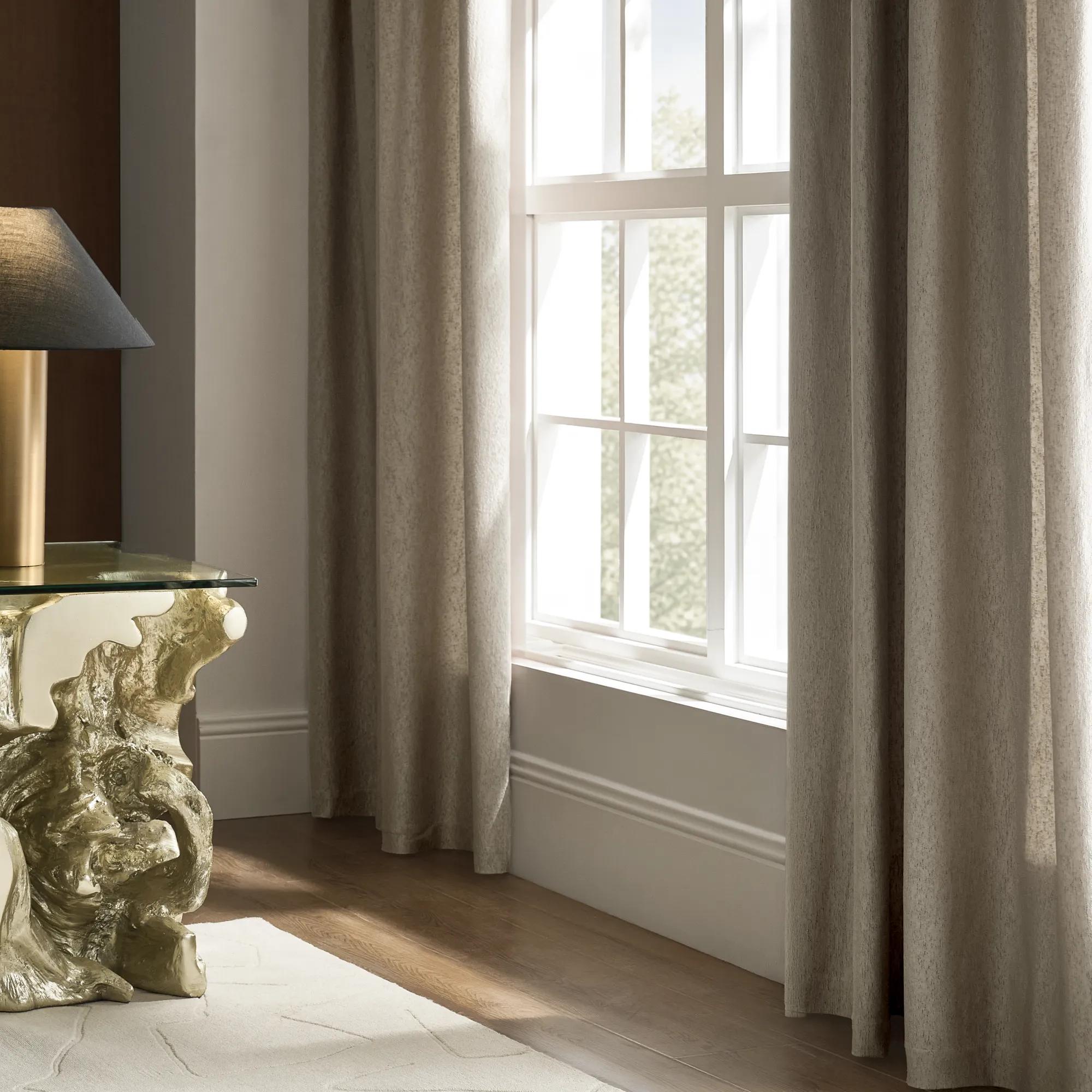 Anson Taupe Textured Window Curtain Panel$89
A taupe polyester curtain panel featuring a crushed sheen texture and room-darkening, dual hanging design.
Add To Cart -
.jpeg?w=1200&h=1200)
 Adair Sand Solid Velvet Window Curtain Panel$79
Adair Sand Solid Velvet Window Curtain Panel$79A room-darkening sand velvet curtain with dual hanging options for a soft, tailored finish.
Add To Cart -
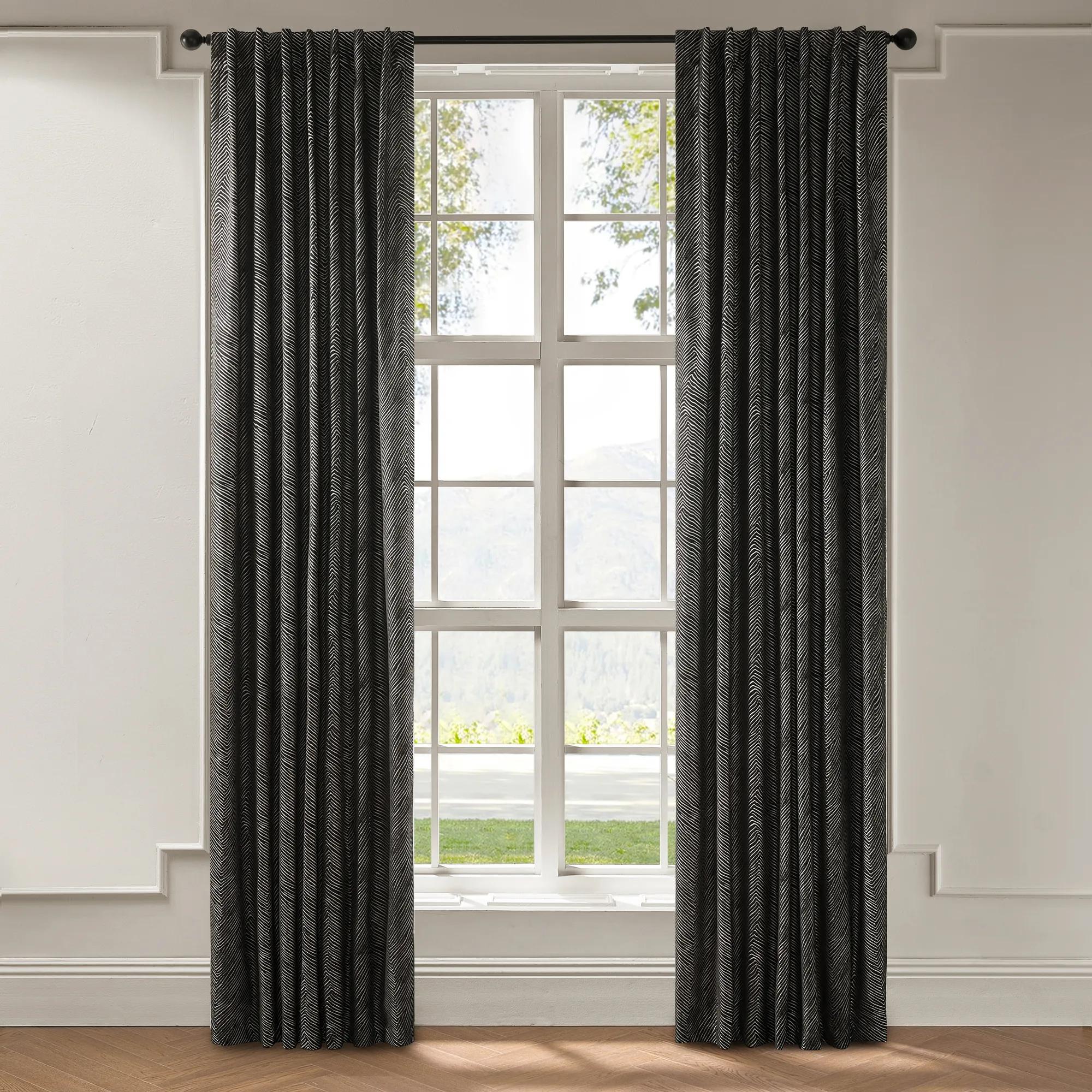
.jpeg?w=1200&h=1200) Kenzo Black Chenille Window Curtain Panel$139
Kenzo Black Chenille Window Curtain Panel$139A black chenille jacquard curtain with a room-darkening finish and versatile dual hanging options.
Add To Cart -
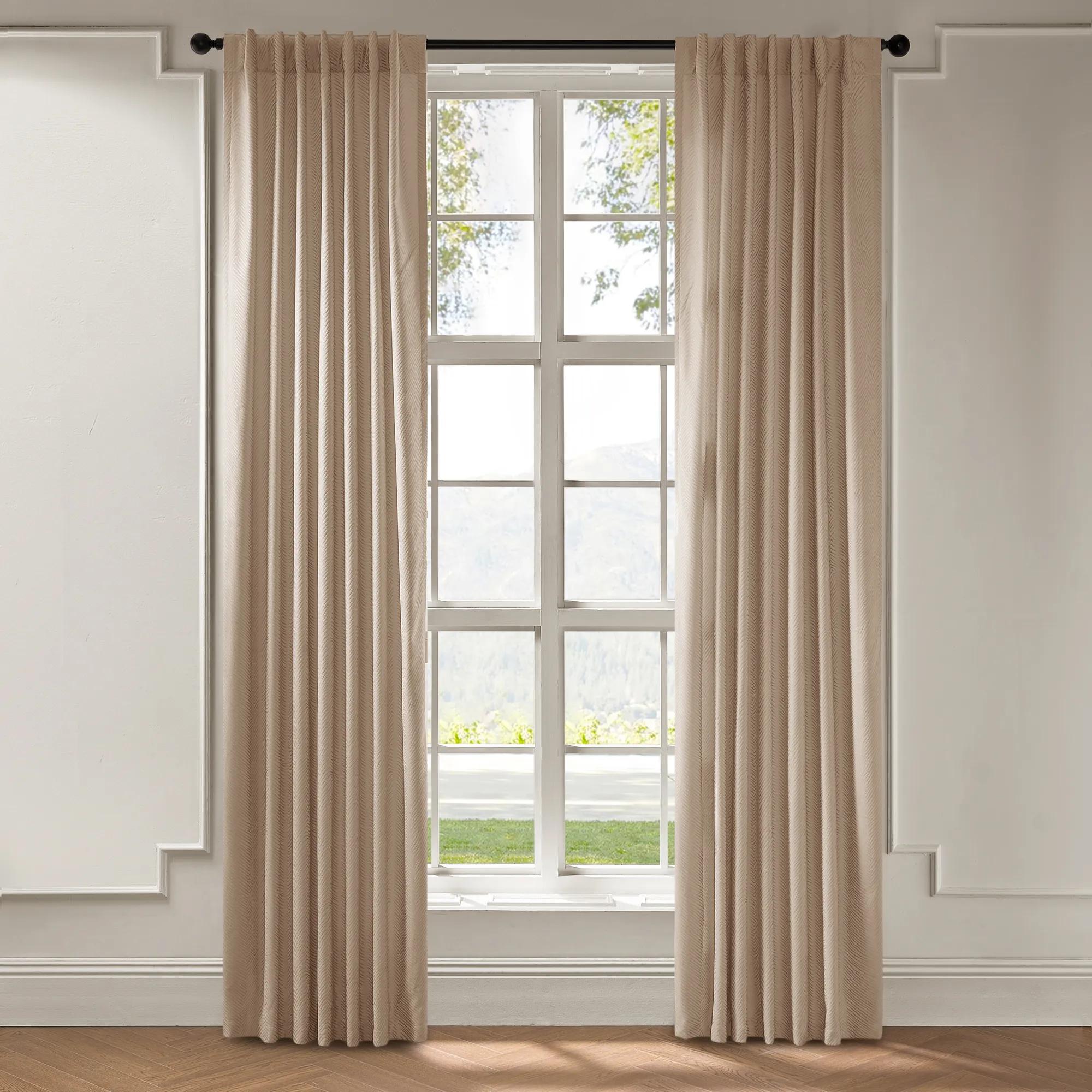 Kenzo Jacquard Beige Chenille Window Curtain Panel$129
A warm beige chenille jacquard curtain with a subtle sheen and versatile rod pocket or back tab hanging.
Add To Cart -
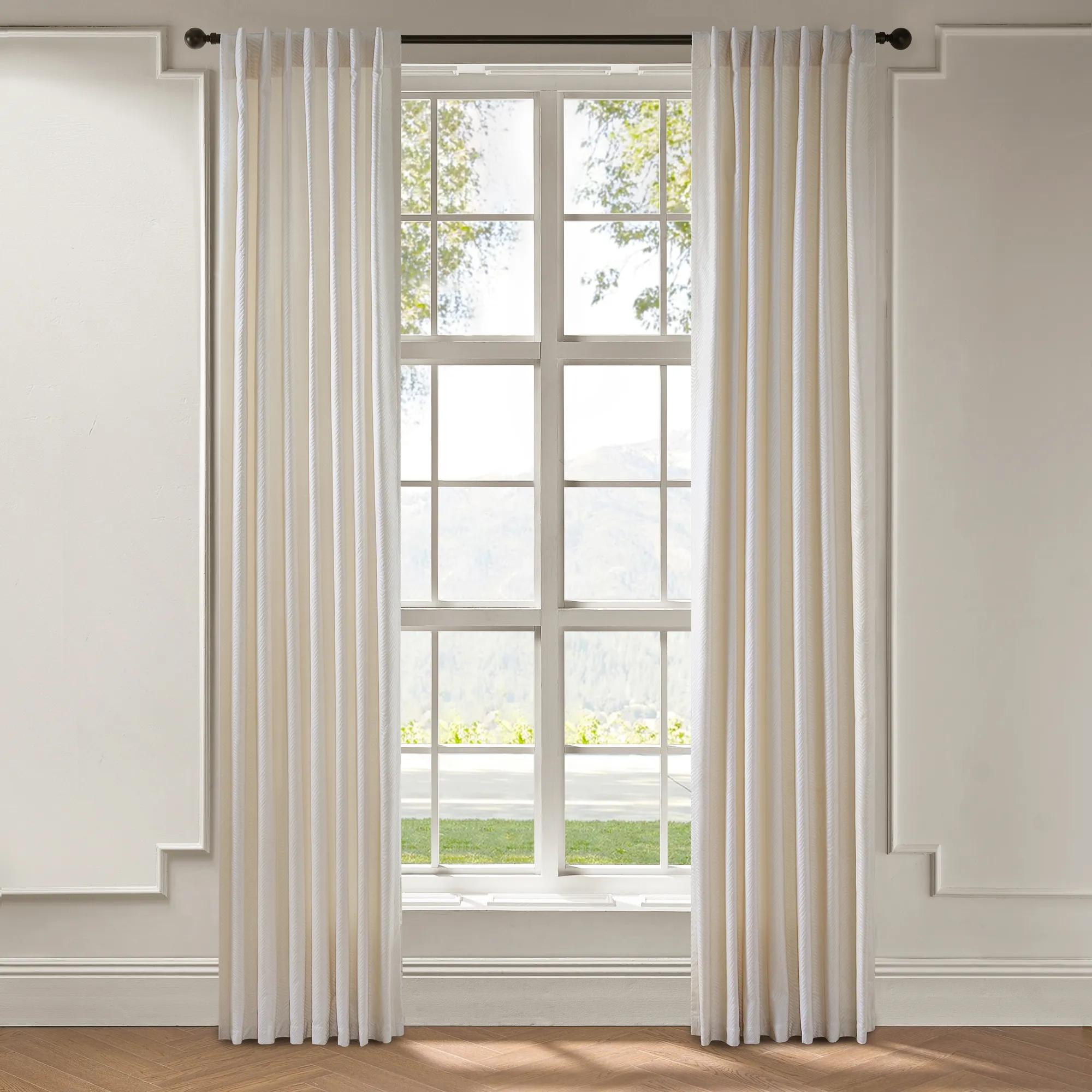
.jpeg?w=1200&h=1200) Kenzo Chenille Curtain - White$139
Kenzo Chenille Curtain - White$139A luxe white chenille jacquard curtain featuring a subtle high-contrast pattern and versatile dual construction.
Add To Cart -
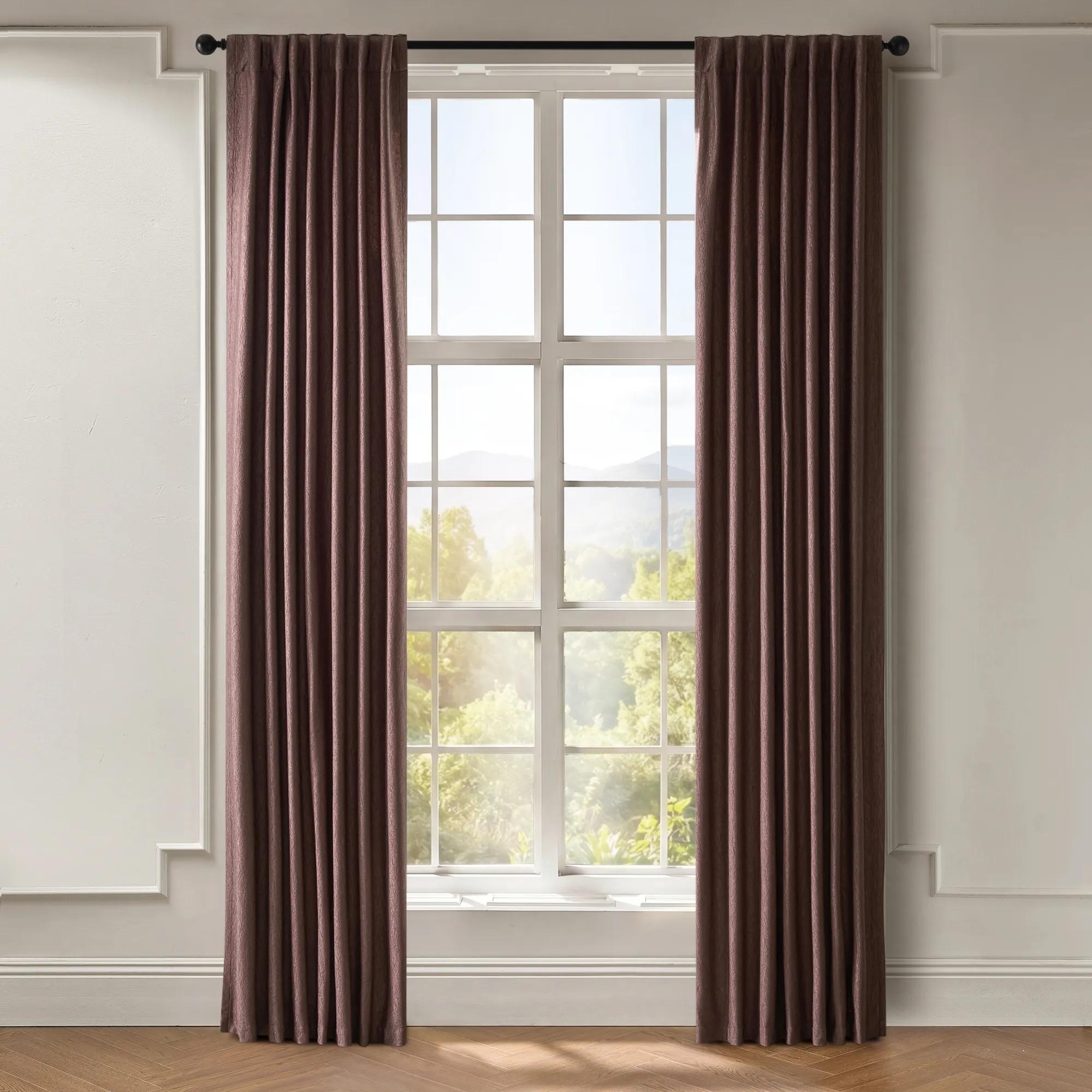
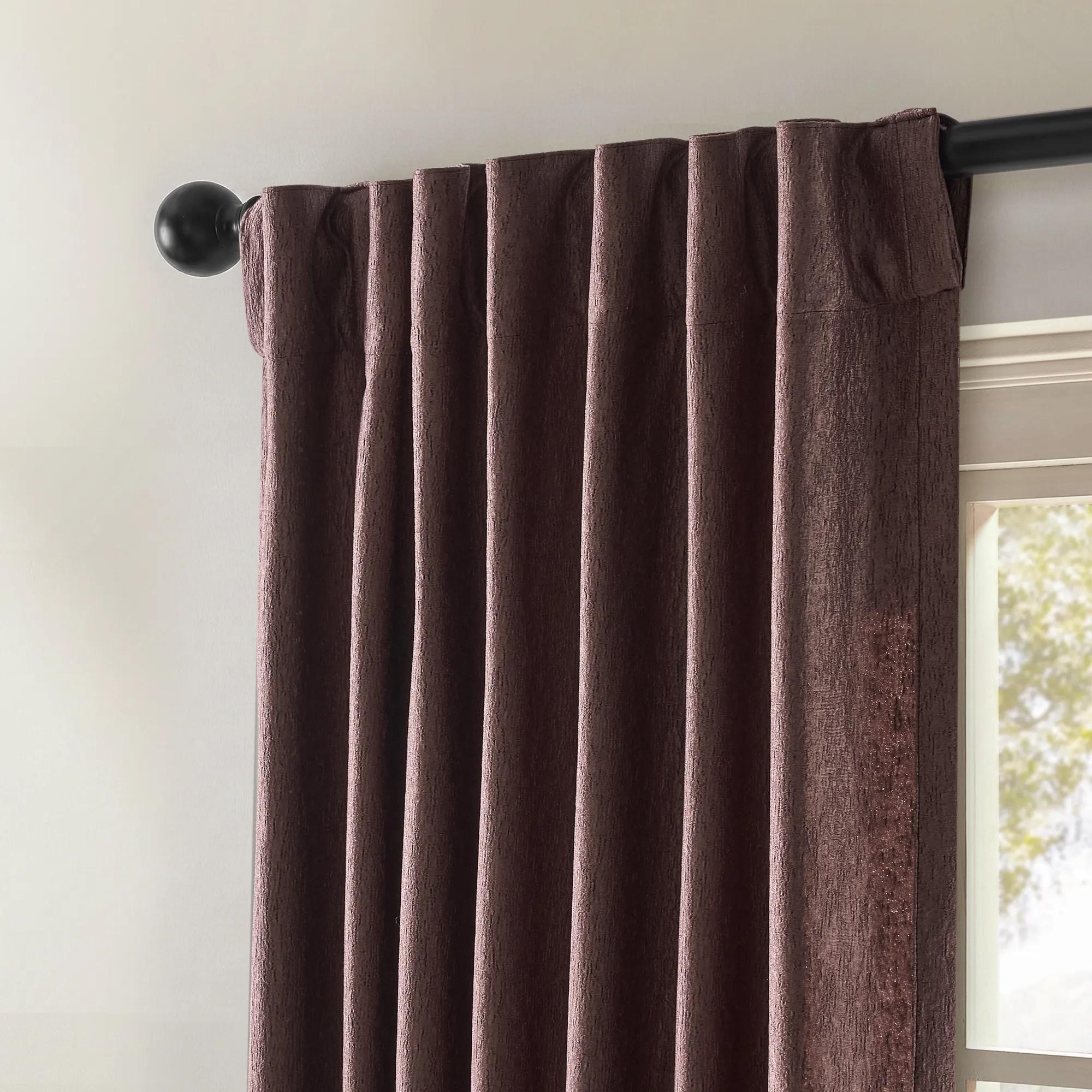 Anson Fig Textured Window Curtain Panel$109
A room-darkening fig curtain panel with a crushed sheen texture and versatile dual hanging options.
Add To Cart

Room Darkening Window Treatments
Room darkening window treatments soften incoming light and create a more private, intimate setting for bedrooms and living spaces. Explore options that balance light control with a richly layered look, and consider how coverage, color, and texture will frame your windows and complement your décor. For a darker retreat, check each style’s light-filtering details—room darkening doesn’t necessarily mean complete blackout.
Room darkening window treatments bring a room’s light into balance, softening the intensity of daylight while giving the windows a richly finished presence. Designed to block substantially more light than sheer or light-filtering fabrics, they create a dimmer interior without necessarily producing complete darkness. Their performance depends on the material, lining, construction, and fit: even a dense fabric can leave a glow around the edges if the treatment does not adequately cover the window. Blackout treatments use materials designed to prevent light from passing through the fabric, although gaps around the installation can still admit light. That distinction matters in a bedroom where a subdued atmosphere is welcome, a media room where glare interrupts the picture, or a living room where direct sunlight overwhelms a carefully composed seating area. Room darkening curtains and drapes offer generous folds and tactile depth, while roller shades place the emphasis on a smooth expanse of fabric. Cellular shades use a pleated, pocketed construction; horizontal blinds regulate incoming light through adjustable slats, though light can remain visible between slats and along their edges. Each format brings a different visual rhythm to the room. A densely woven polyester or polyester-blend curtain can offer practical resilience, while a cotton-blend face fabric lends a softer, more tailored character. Velvet introduces a sumptuous surface that catches light across its pile, but velvet alone is not a guarantee of room darkening performance; a suitable lining or backing may provide the actual light barrier. Decorative face fabrics and functional linings work together, allowing an expressive interior to retain its character when the curtains are closed. For people who sleep during daylight hours, families creating a quieter setting for naps, or anyone seeking less glare during a film, these treatments make light control part of the room’s design rather than an afterthought. They can also increase privacy when properly closed, although privacy depends on the fabric’s opacity, coverage, and the contrast between indoor and outdoor light.
The most convincing window treatment feels proportionate to both the architecture and the furnishings around it. Panel width determines whether drapery hangs in graceful folds or stretches flat across the glass; the listed width of a panel is not the same as the window width it can cover with fullness. For a layered, luxurious effect, the combined fabric width generally needs to exceed the span being covered, with the appropriate amount depending on the heading style and the desired fullness. Length shapes the mood just as decisively. Panels that finish just above the floor create a composed line and move freely, while fabric that rests on the floor introduces a more theatrical effect but collects more dust and can be less practical beside frequently used doors. A rod positioned above the frame can emphasize height, and sufficient extension beyond the sides lets open panels settle away from the glass. When closed, that additional coverage can also help reduce light at the edges. Return brackets or wraparound rods may further limit side gaps, while overlapping panels help avoid a bright opening at the center. For windows near a desk or behind a sofa, shades can provide light control without fabric gathering against furniture. Inside-mounted shades require careful attention to recess depth and can leave perimeter gaps; outside-mounted shades can overlap the opening when the surrounding space allows. Measurements should account for handles, trim, radiators, and other obstructions, not just the glass itself. Within a layered arrangement, room darkening drapery panels contribute softness and visual drama alongside the more contained silhouette of a shade. A sheer layer underneath can preserve diffused daylight when the heavier panels are drawn back, giving the same room two distinct expressions. Hardware should suit the treatment’s weight and be securely mounted, especially with substantial lined fabrics. In spaces used by children, cordless shades or window coverings with inaccessible operating cords are important considerations; accessible cords should never be within reach of a crib, bed, or climbing surface.
Materials and care requirements deserve the same attention as color and silhouette, particularly when window treatments will be opened and closed every day. Polyester fabrics often resist wrinkling and hold their shape well, but washability depends on the complete construction, including any lining, coating, trim, or bonded layers. Cotton-rich fabrics may require more careful laundering to avoid shrinkage, and velvet can need specialized care to preserve the direction and texture of its pile. The care label should determine whether panels can be machine washed, spot cleaned, or professionally cleaned; a decorative fabric that tolerates washing does not automatically make its room darkening backing washable. Gentle vacuuming with an appropriate upholstery attachment can remove surface dust from suitable fabrics, while vigorous scrubbing, high heat, or unapproved cleaning products may damage finishes or light-blocking layers. Blinds and shades have their own care needs, and pleated or cellular constructions should not be crushed during cleaning. Durability also depends on how a treatment is handled: moving panels by their leading edge rather than tugging at delicate trim, keeping hems clear of traffic, and using hardware that operates smoothly can help preserve their appearance. In a guest bedroom, an easily operated treatment allows visitors to adjust the light without navigating a complicated arrangement. Beside a frequently used patio door, adequate clearance and a practical hem length matter more than a dramatic fabric pool. In a media room, generous coverage can soften distracting reflections, though especially light-sensitive viewing may call for blackout materials and additional control at the edges. Color completes the composition without replacing the need for a verified light-control construction. Pale fabrics can still darken a room when suitably backed, while dark fabrics without the right weave or lining may transmit more light than expected. Ivory panels can frame sculptural furniture with quiet grandeur; charcoal lends definition beside polished metal, and jewel-toned fabric brings saturated depth to an upholstered setting. The strongest choice unites that visual expression with dependable coverage, comfortable operation, and care requirements that suit the household. The result is a window treatment that changes the atmosphere with a single gesture, revealing daylight or drawing the room into a more intimate, enveloping mood.
FAQs
Treat room darkening curtains as an architectural frame for your room. Sumptuous textures, tailored pleats, and richly saturated colors create a dramatic backdrop for sculptural furniture and expressive art. Echo a finish from your lighting or accent tables in the curtain hardware for a composed, luxurious look.
Velvet brings plush depth to room darkening curtains, while jacquard introduces intricate pattern and dimension. Linen-look fabrics offer a more softly textured expression of luxury. Choose a surface that complements your upholstery, or contrast smooth furnishings with richly tactile drapery.
Emerald, sapphire, and charcoal lend room darkening window treatments a richly expressive presence. Ivory, champagne, and warm taupe create a luminous-looking palette with quieter drama. Draw your curtain color from a favorite artwork or rug to give the room a deliberate visual thread.
Room darkening curtains and sheer panels make an elegant visual pairing. Airy sheers introduce a delicate counterpoint to substantial drapery, creating depth through contrasting textures. Pair tonal fabrics for a fluid composition, or frame pale sheers with jewel-toned curtains for a more theatrical statement.
Pleated headers give room darkening window treatments a tailored, architectural character. Grommet headers introduce a graphic metallic detail, while back-tab styles offer a clean presentation with concealed attachment points. Let the header echo your interior’s mood, from polished classicism to sculptural modern glamour.
.jpeg?w=4130&h=4130)
.jpeg?w=3942&h=3942)


