
Window Treatments For Bright Bedrooms
Window Treatments For Bright Bedrooms
-
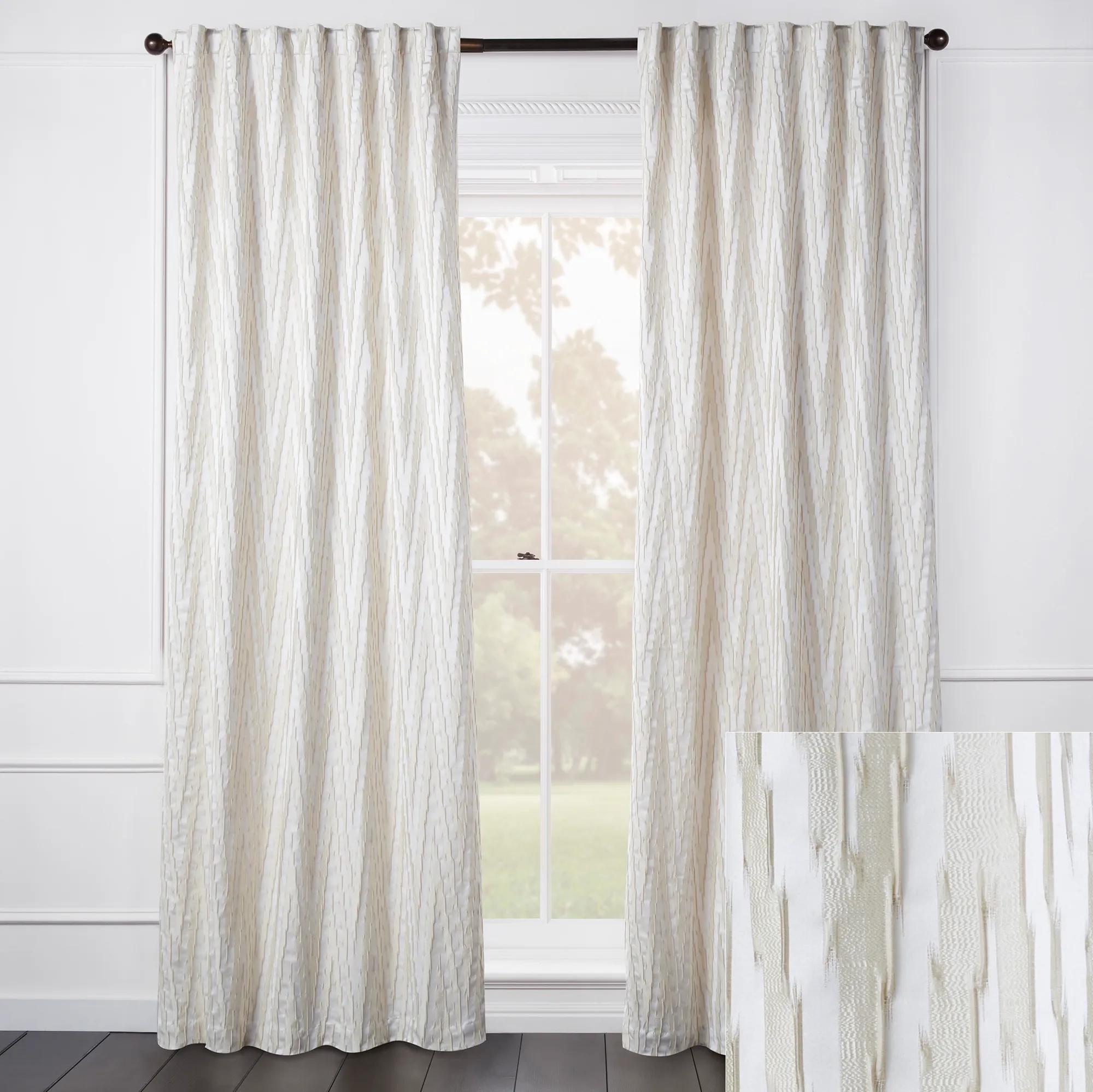
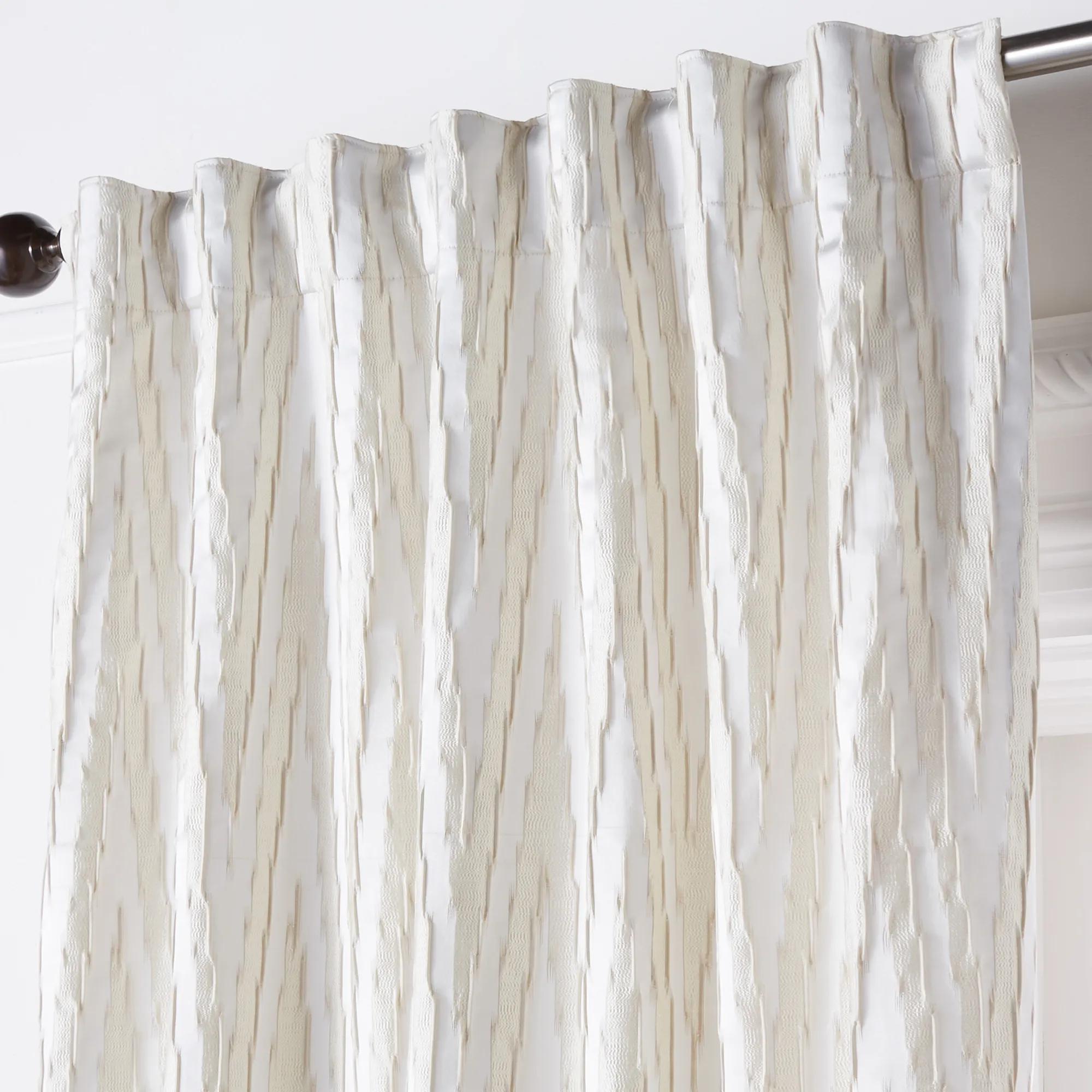 Minka Jacquard Pearl Window Curtain Panel Custom$329
A highly textured chevron curtain panel in pearl, grey, or natural polyester with customizable hanging options.
Add To Cart -
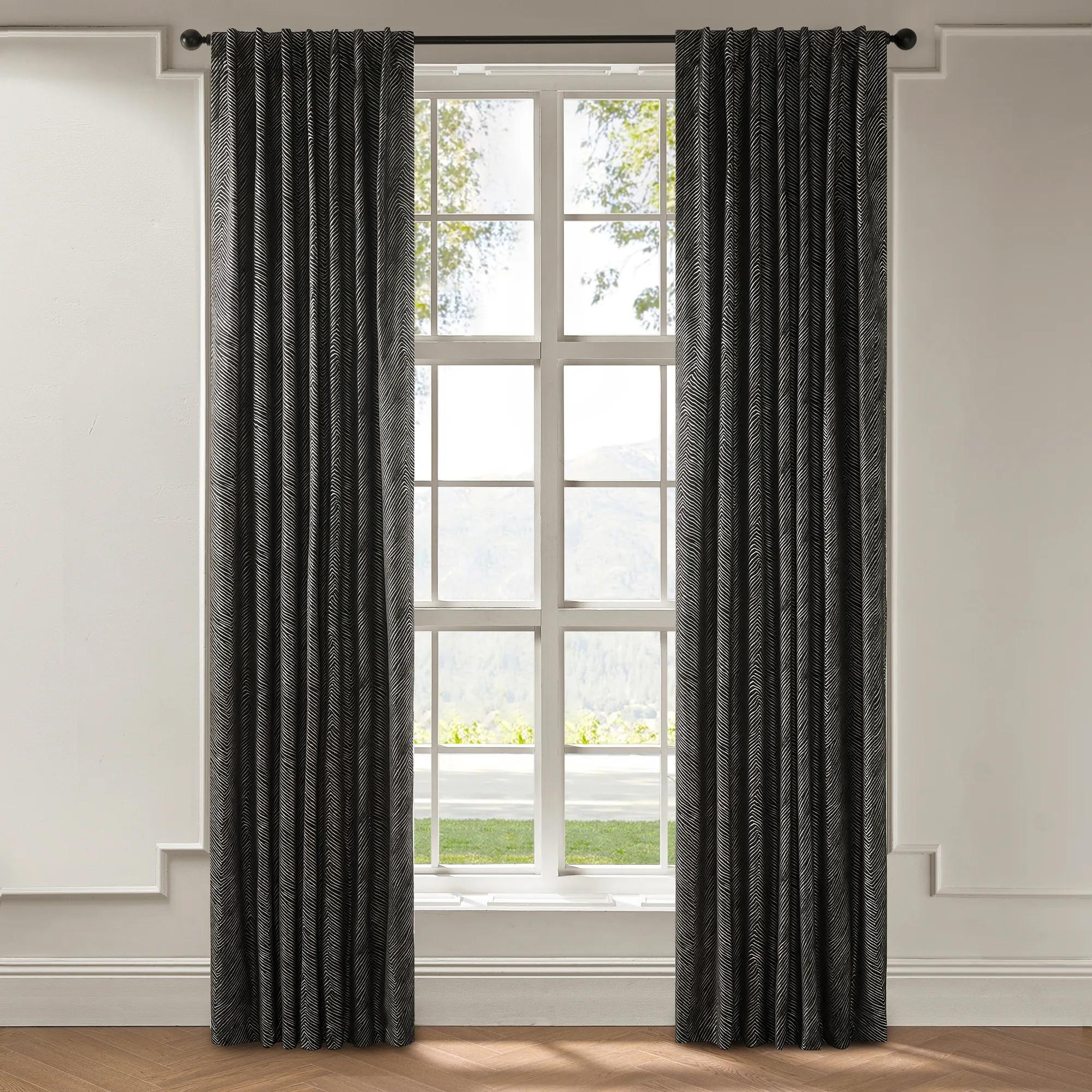
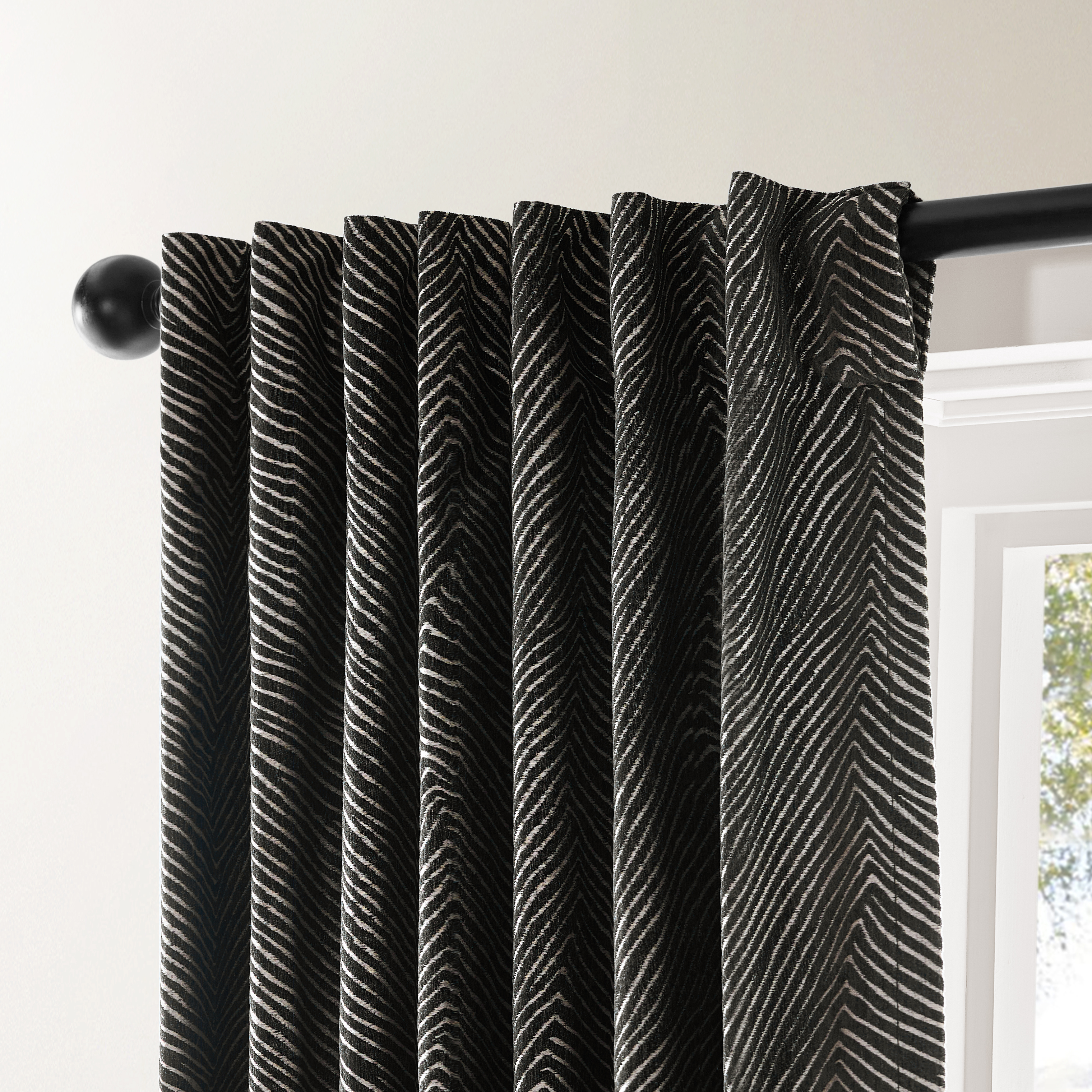 Kenzo Black Chenille Window Curtain Panel$139
A black chenille jacquard curtain with a room-darkening finish and versatile dual hanging options.
Add To Cart -
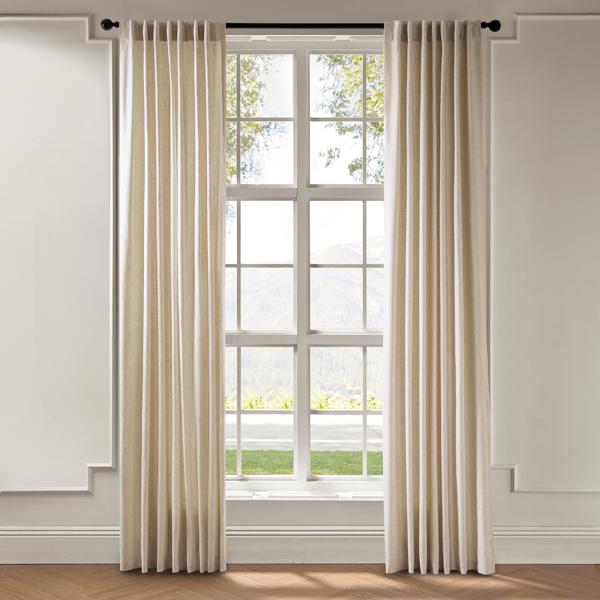
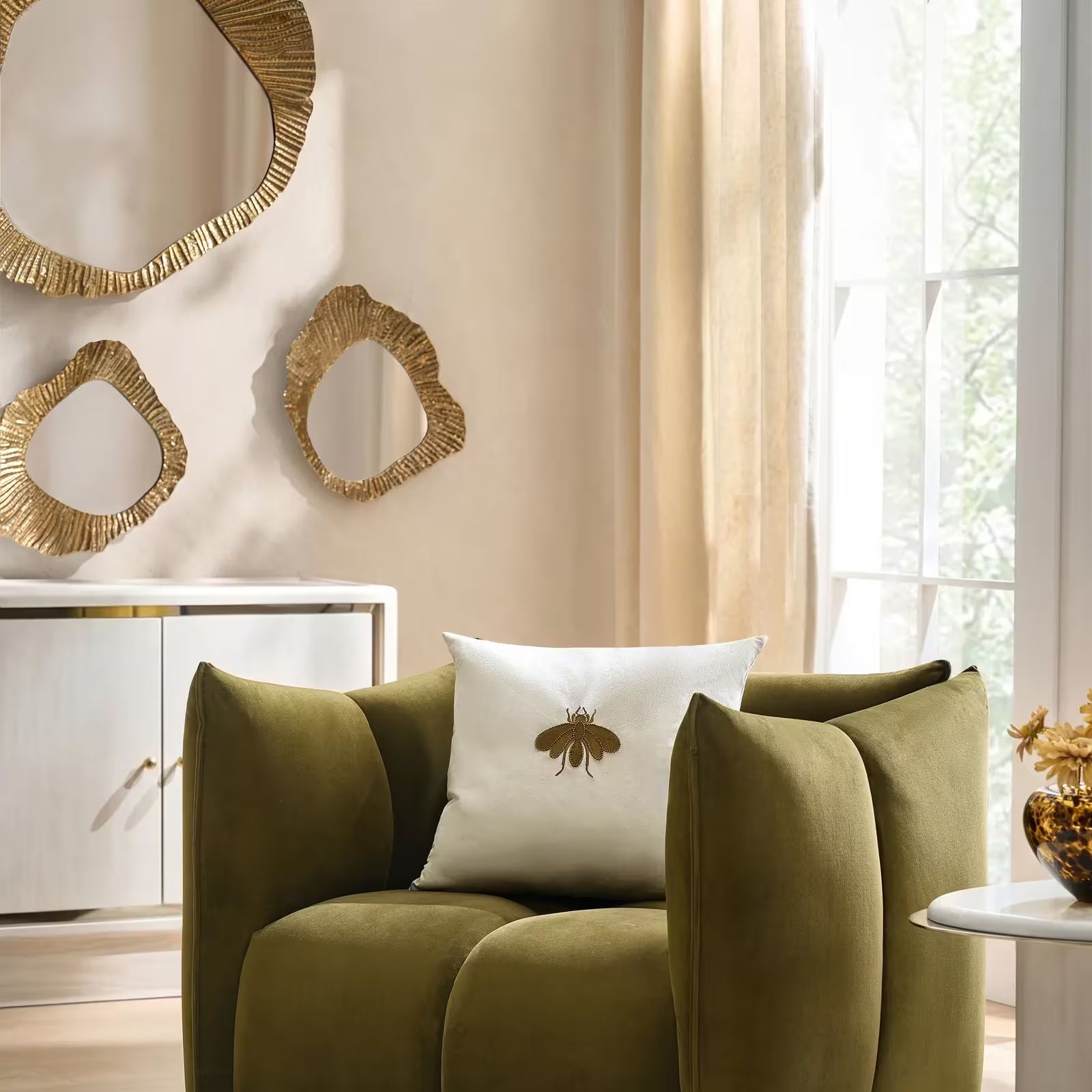 Anson Ivory Textured Window Curtain Panel$109
An elegant ivory curtain with a crushed, light-reflective texture and versatile dual hanging options.
Add To Cart -
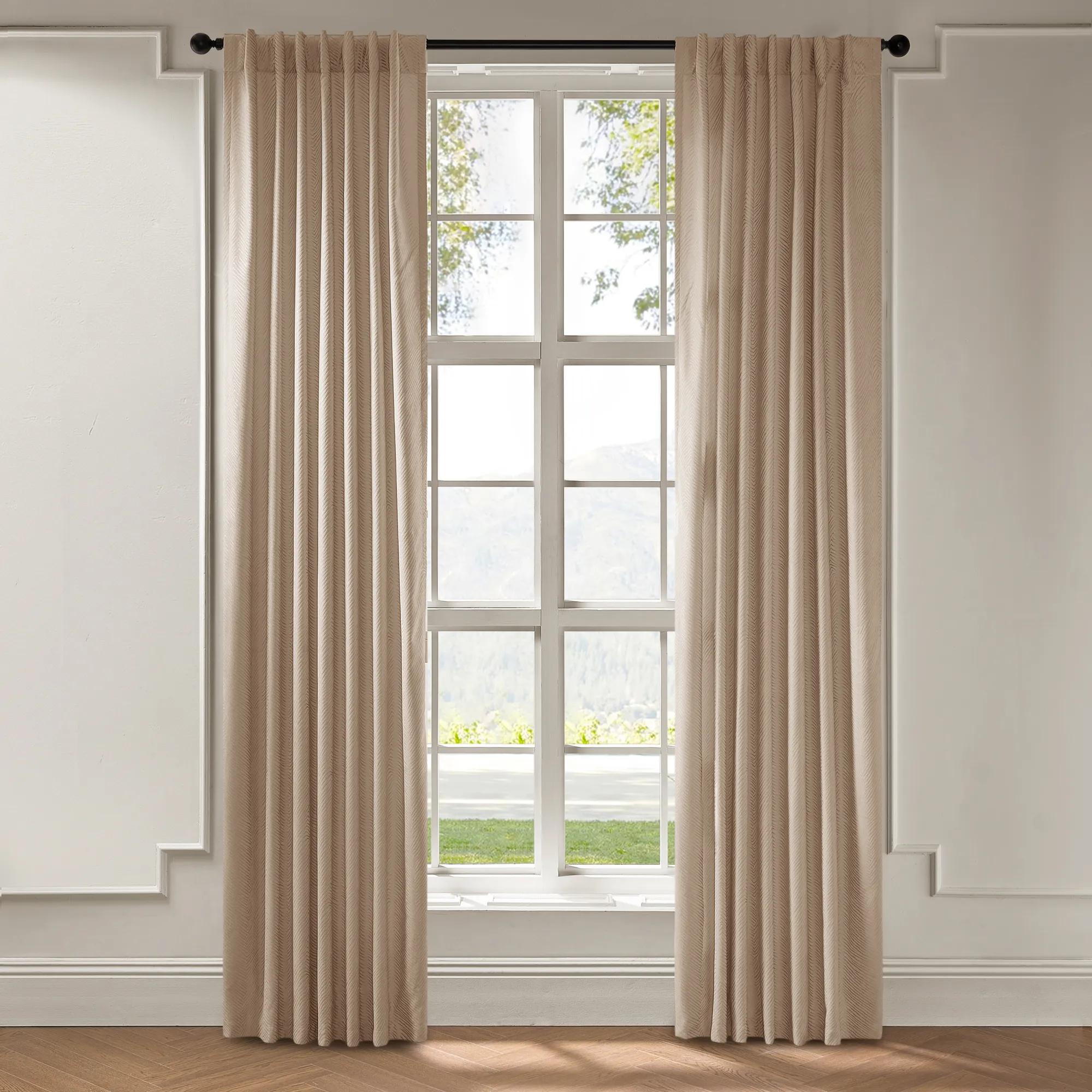 Kenzo Jacquard Beige Chenille Window Curtain Panel$119
A warm beige chenille jacquard curtain with a subtle sheen and versatile rod pocket or back tab hanging.
Add To Cart -
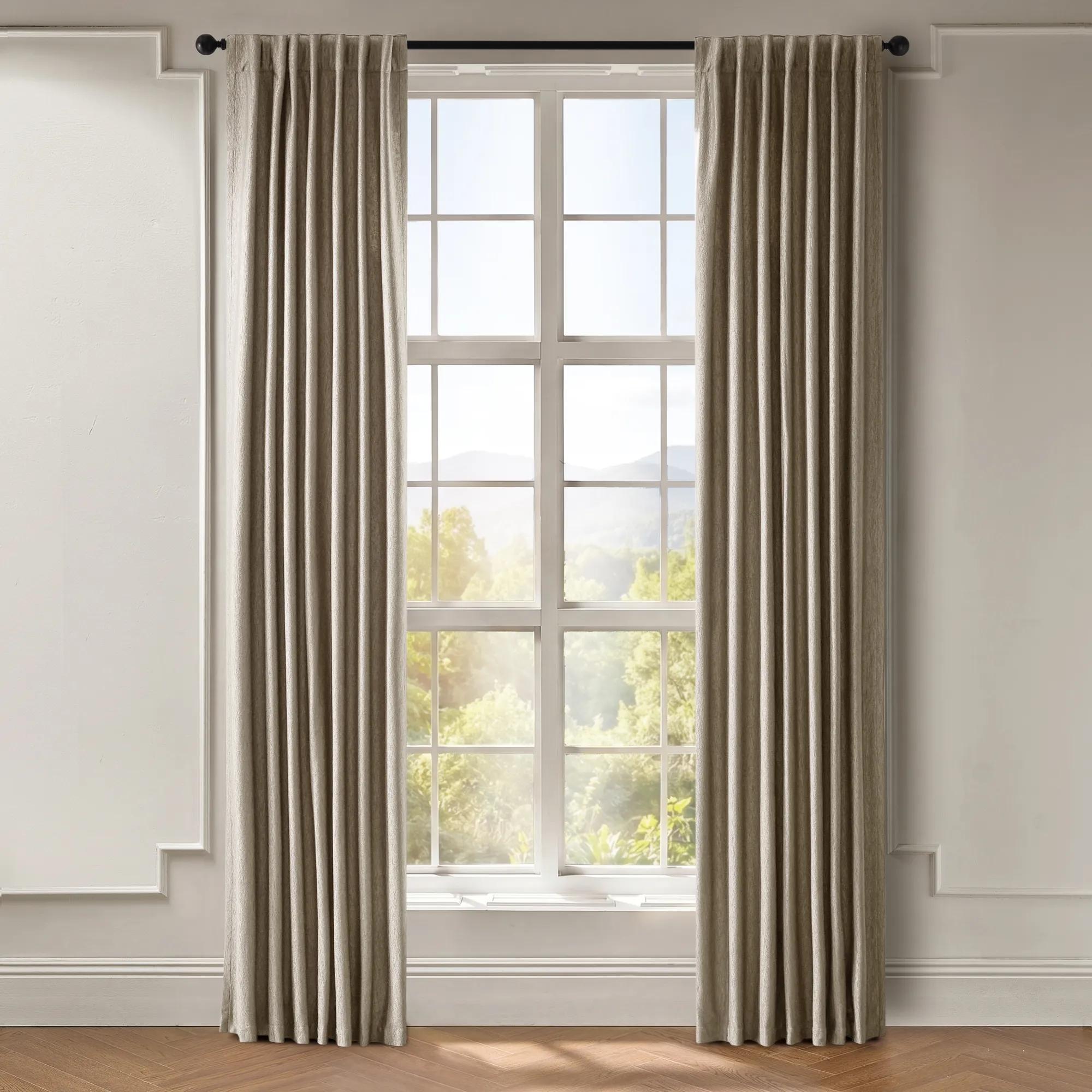
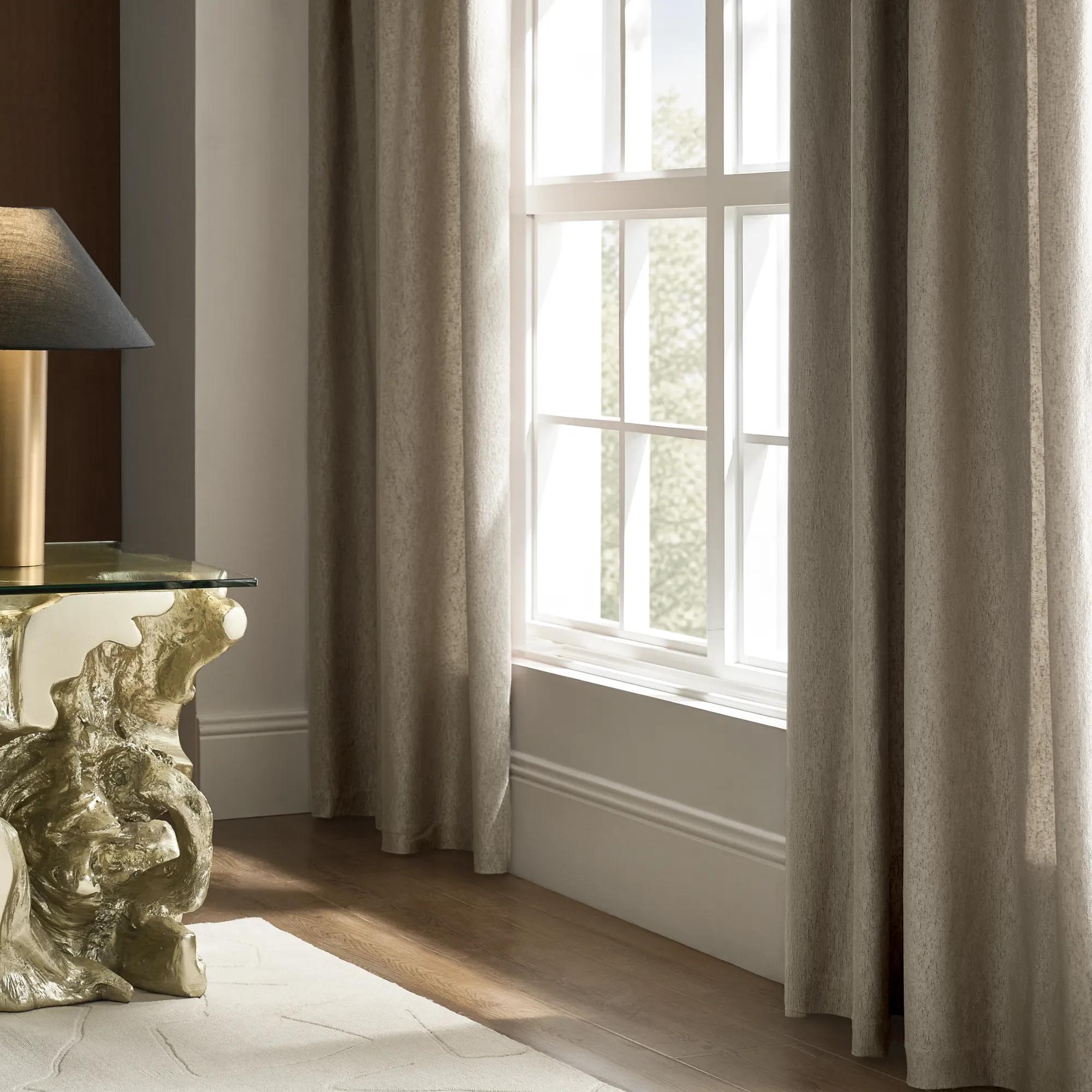 Anson Taupe Textured Window Curtain Panel$99
A taupe polyester curtain panel featuring a crushed sheen texture and versatile room-darkening design.
Add To Cart -
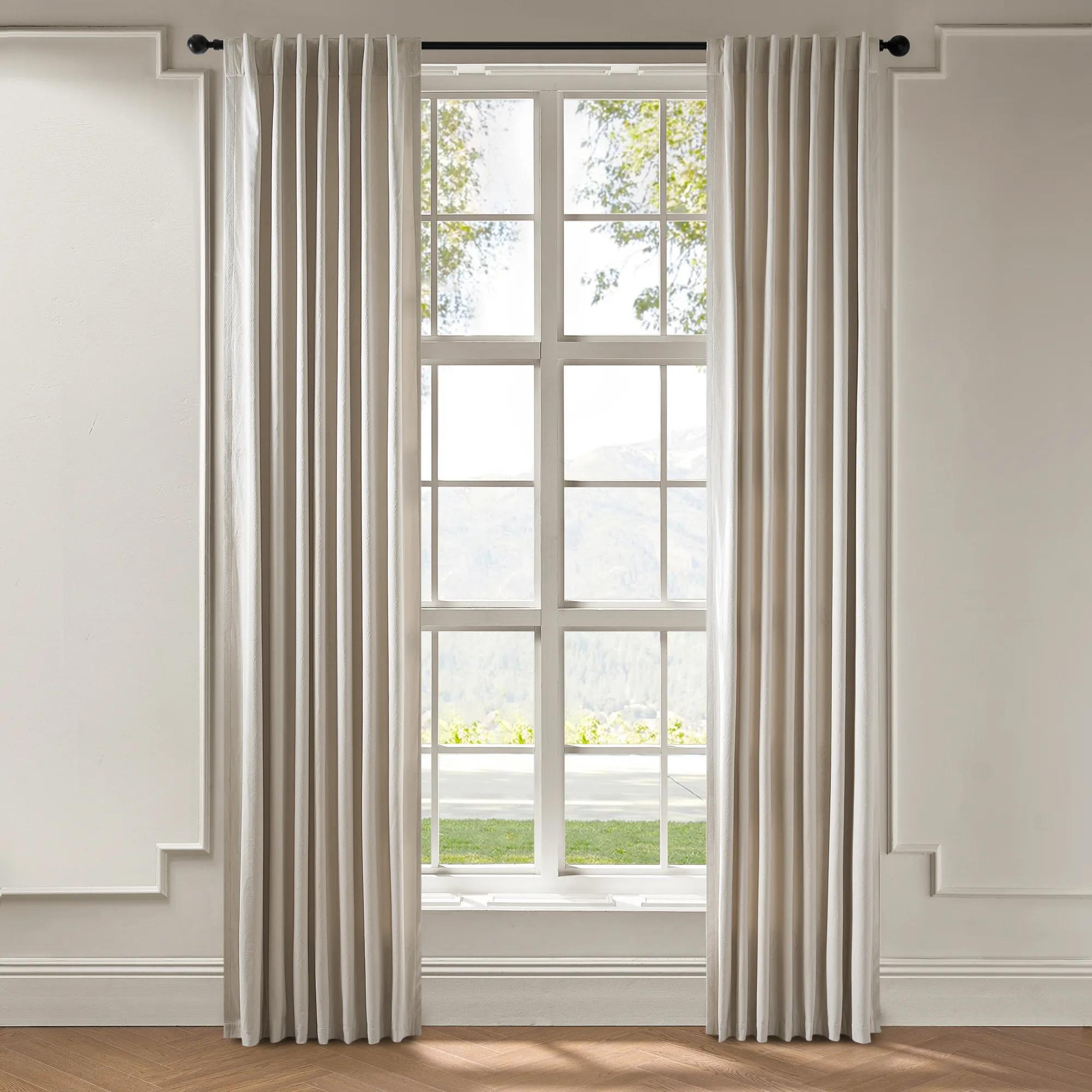
 Mabel White Velvet Swirl Window Curtain Panel$109
A crisp white velvet curtain featuring a tonal swirl texture and versatile dual hanging options.
Add To Cart -
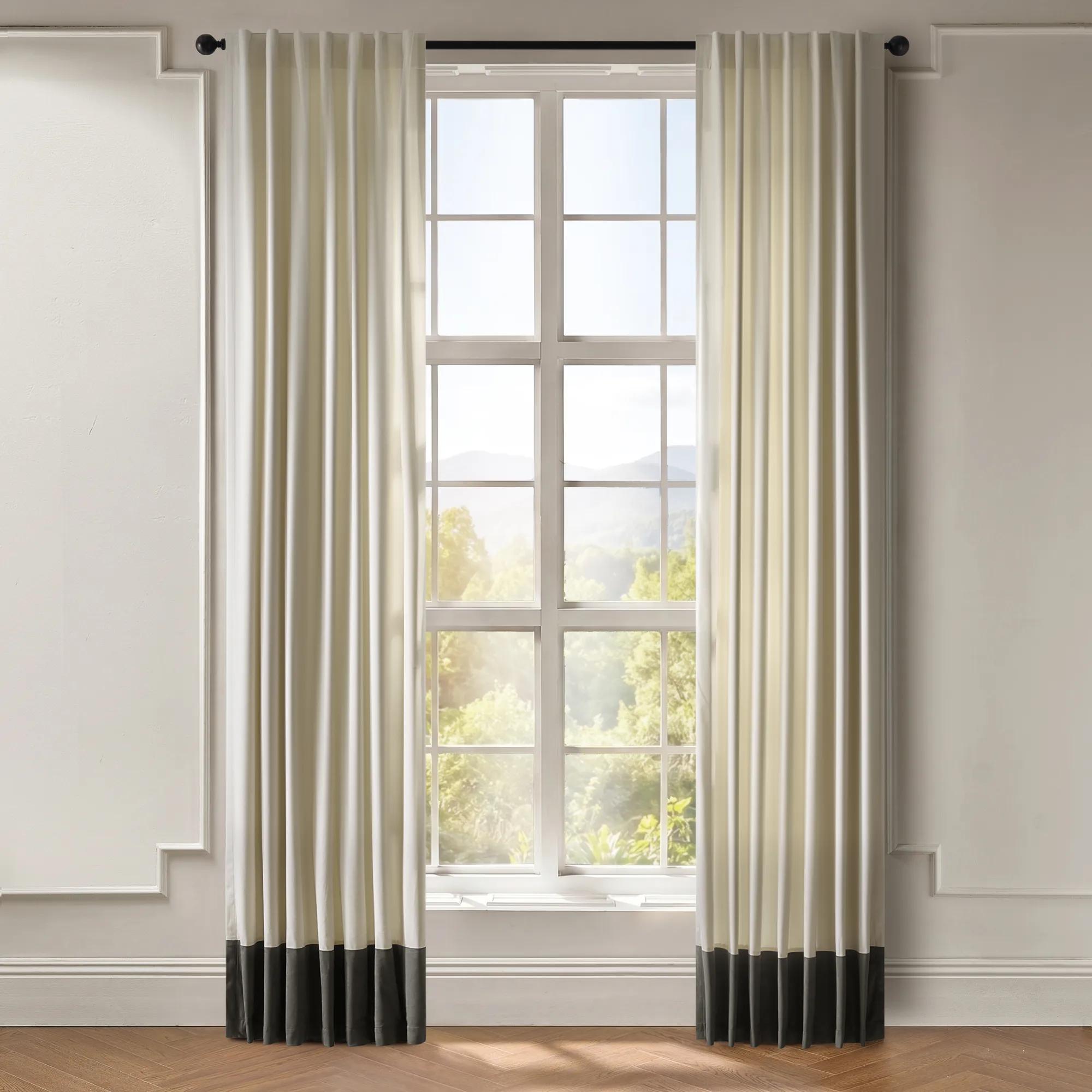
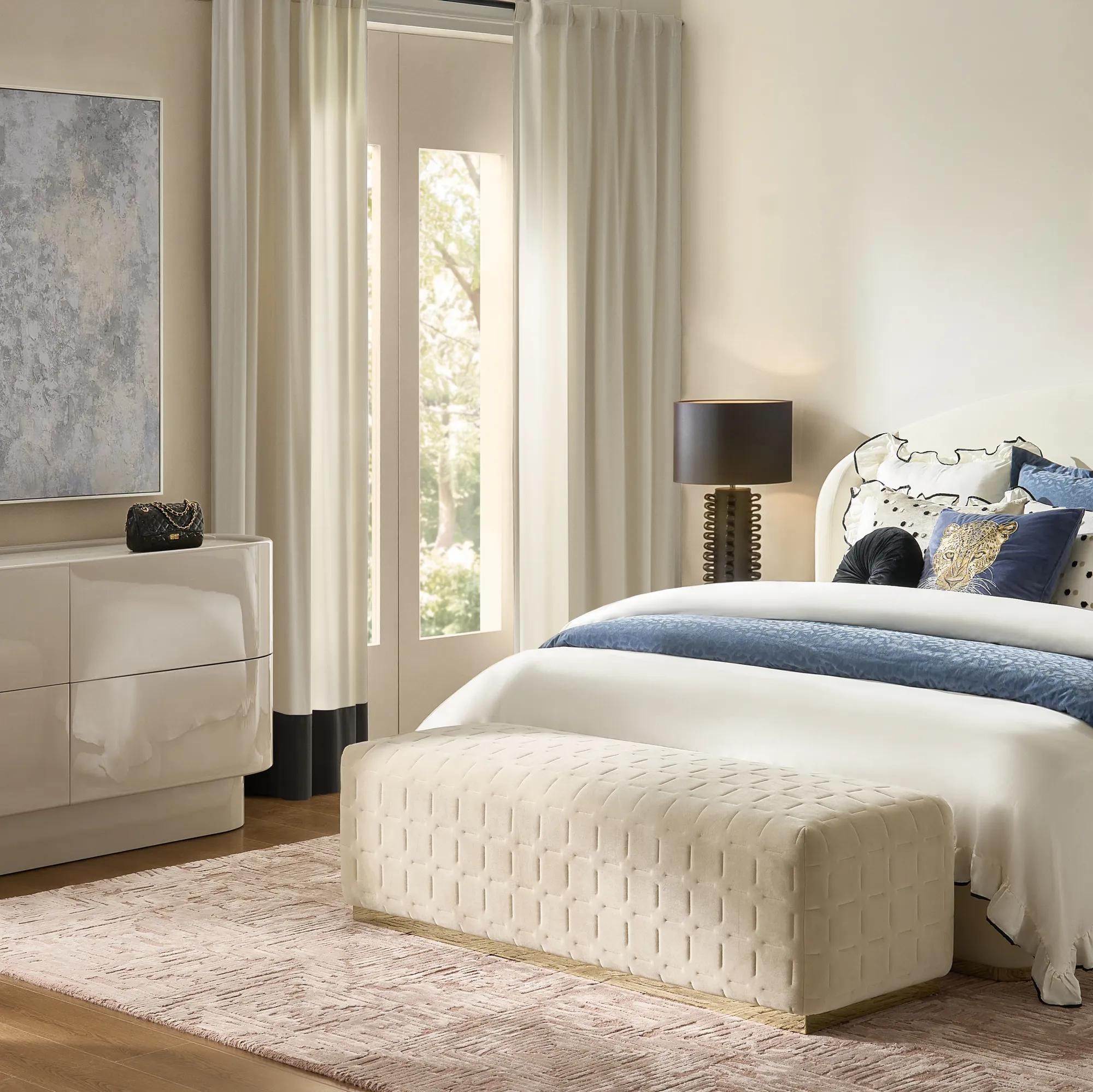 Bastien Ivory/Graphite Velvet Border Window Curtain Panel$99
A two-tone ivory and graphite velvet curtain panel with room-darkening design and versatile hanging options.
Add To Cart -
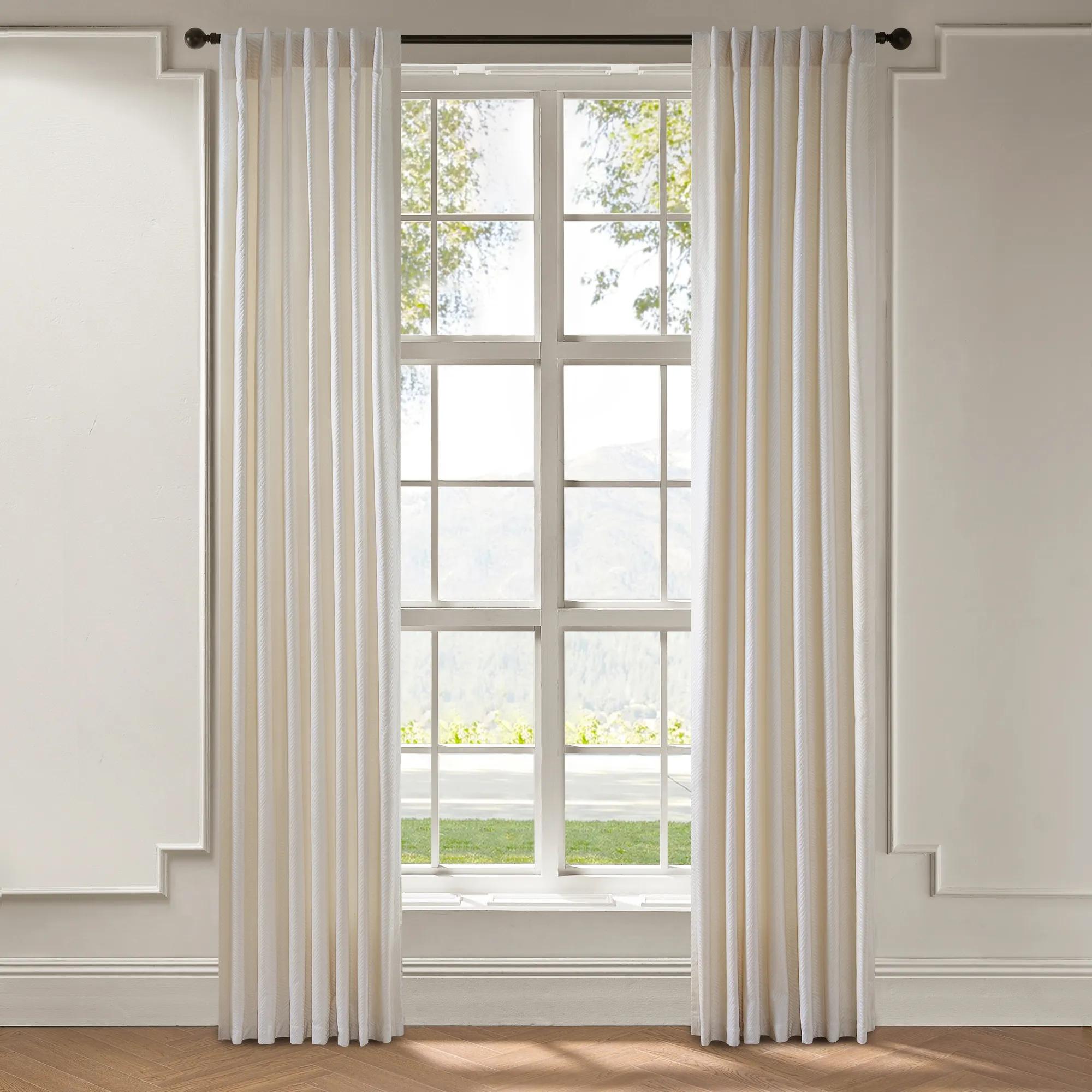
 Kenzo Chenille Curtain - White$139
A luxe white chenille jacquard curtain featuring a subtle high-contrast pattern and versatile dual construction.
Add To Cart -

 Mabel Natural Velvet Swirl Window Curtain Panel$99
A warm neutral velvet curtain with a tonal swirl pattern, offering room-darkening privacy and versatile hanging options.
Add To Cart -

 Adair Midnight Blue Solid Velvet Window Curtain Panel$79
A sumptuous midnight blue velvet curtain that adds rich dimension and room-darkening elegance to any space.
Add To Cart -
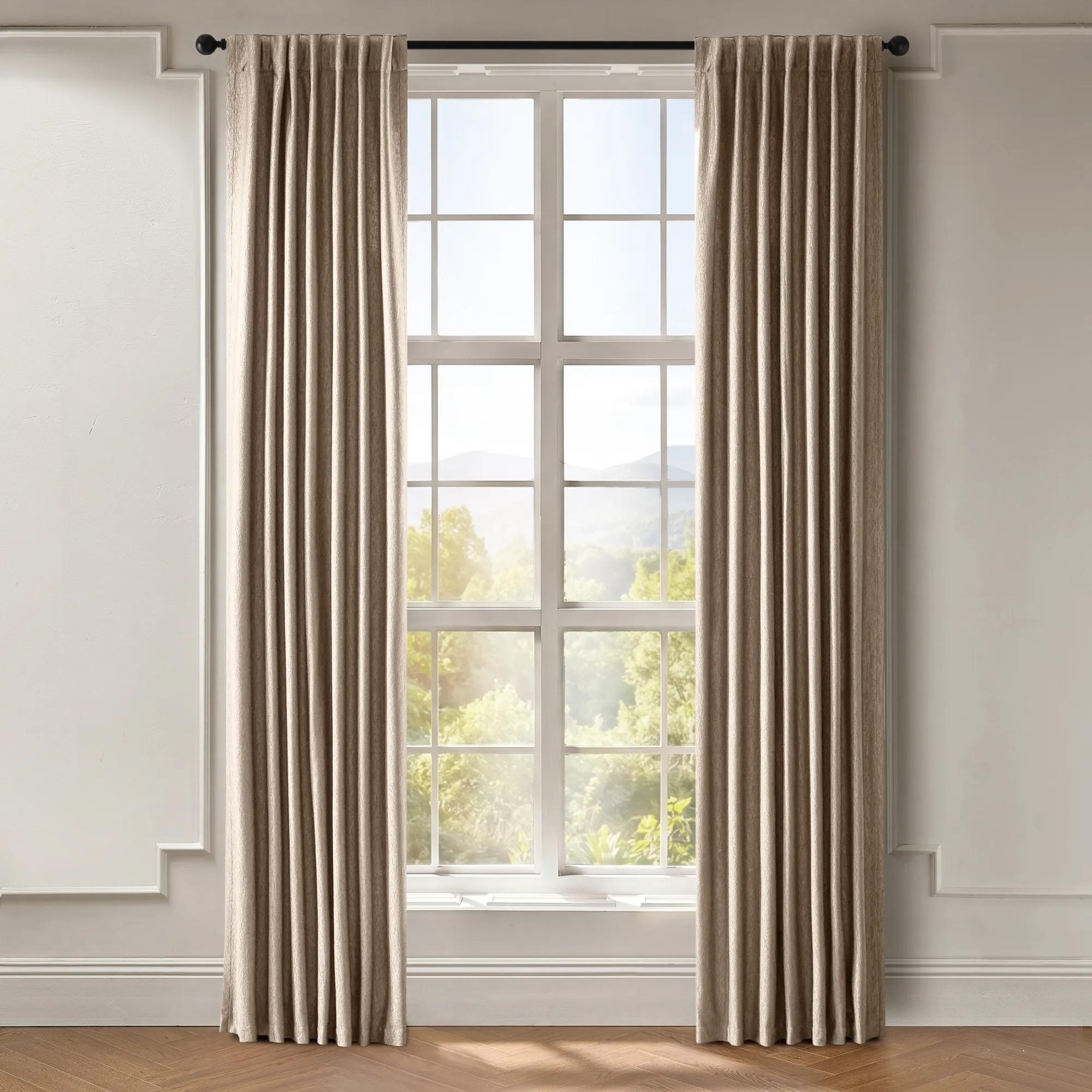 Anson Mocha Rose Textured Window Curtain Panel$89
A light mocha rose curtain panel with crushed sheen texture and room-darkening, dual hanging design.
Add To Cart -
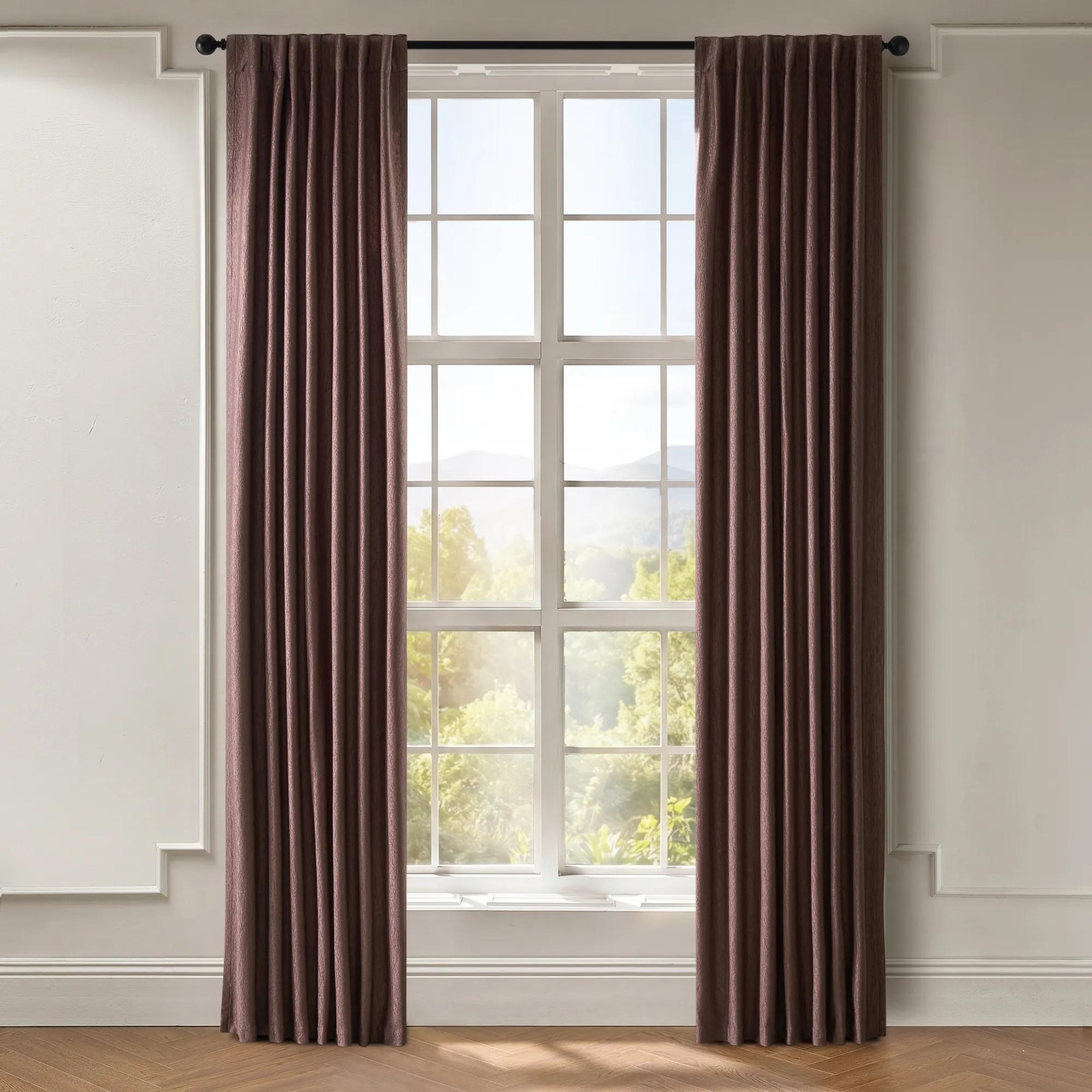
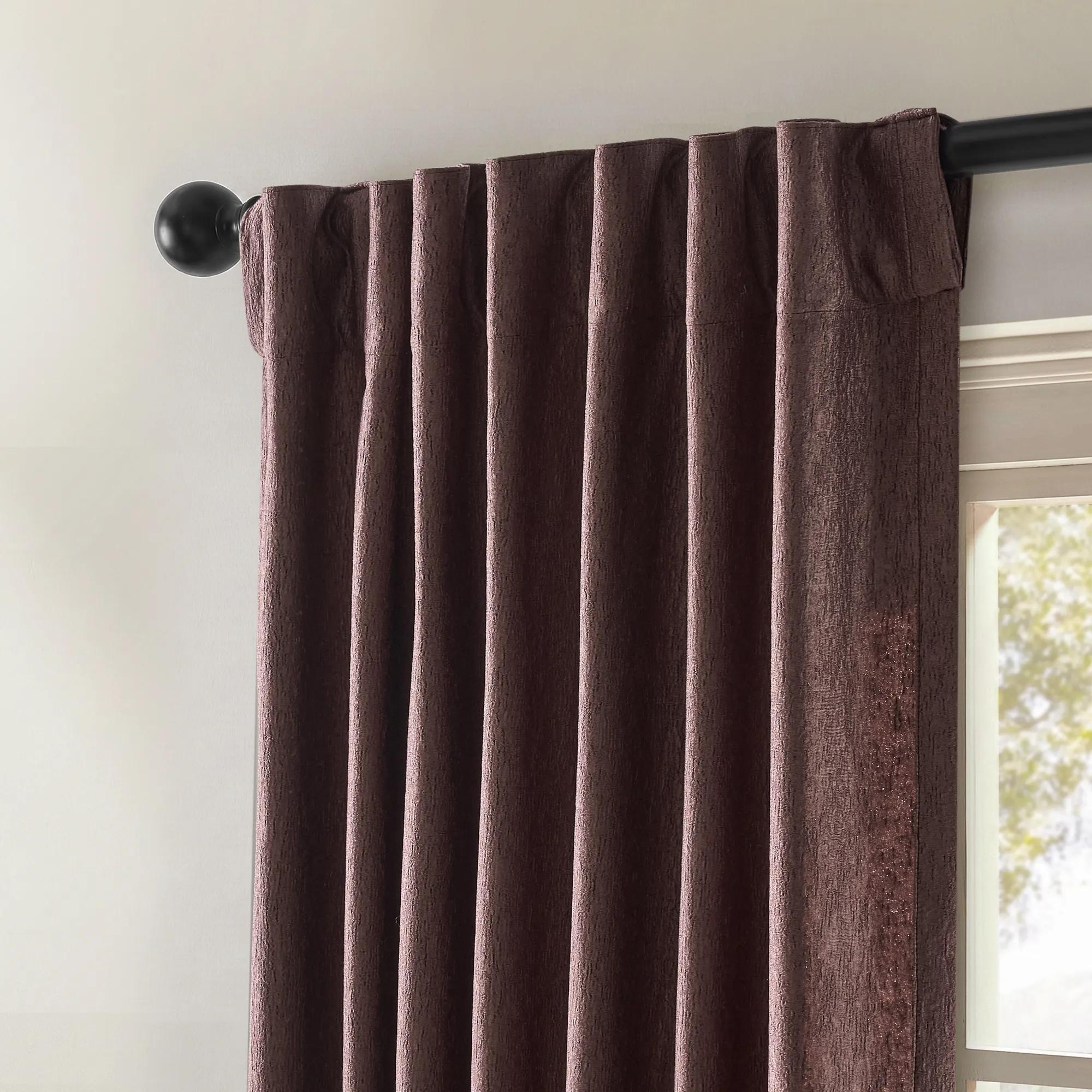 Anson Fig Textured Window Curtain Panel$109
A room-darkening fig curtain panel with a crushed sheen texture and versatile dual hanging options.
Add To Cart -

 Adair Sand Solid Velvet Window Curtain Panel$89
A sand-colored velvet curtain offering room-darkening privacy and versatile hanging options for refined interiors.
Add To Cart -

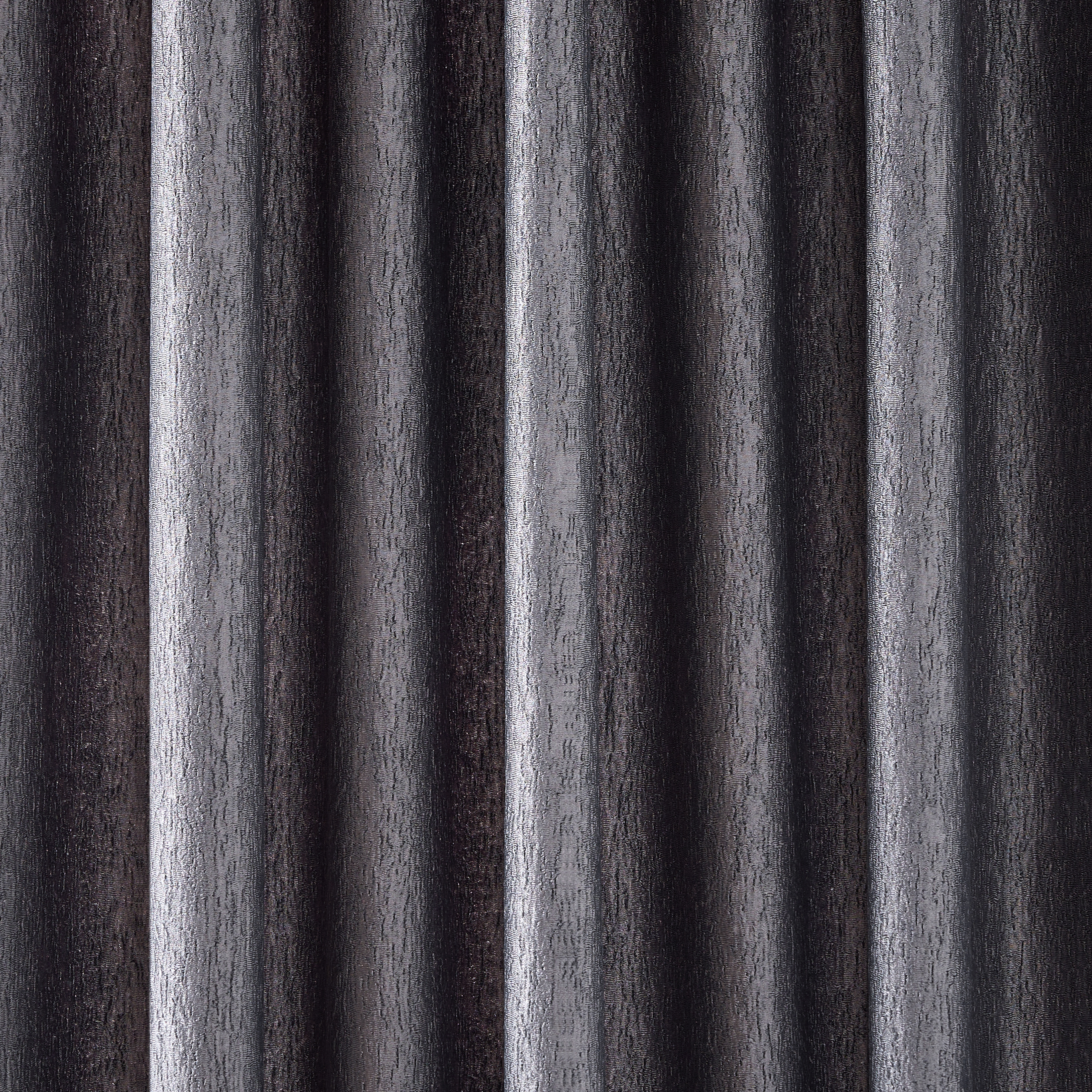 Anson Charcoal Textured Window Curtain Panel$89
A moody charcoal curtain with crushed polyester texture and subtle sheen for stylish, room-darkening appeal.
Add To Cart -
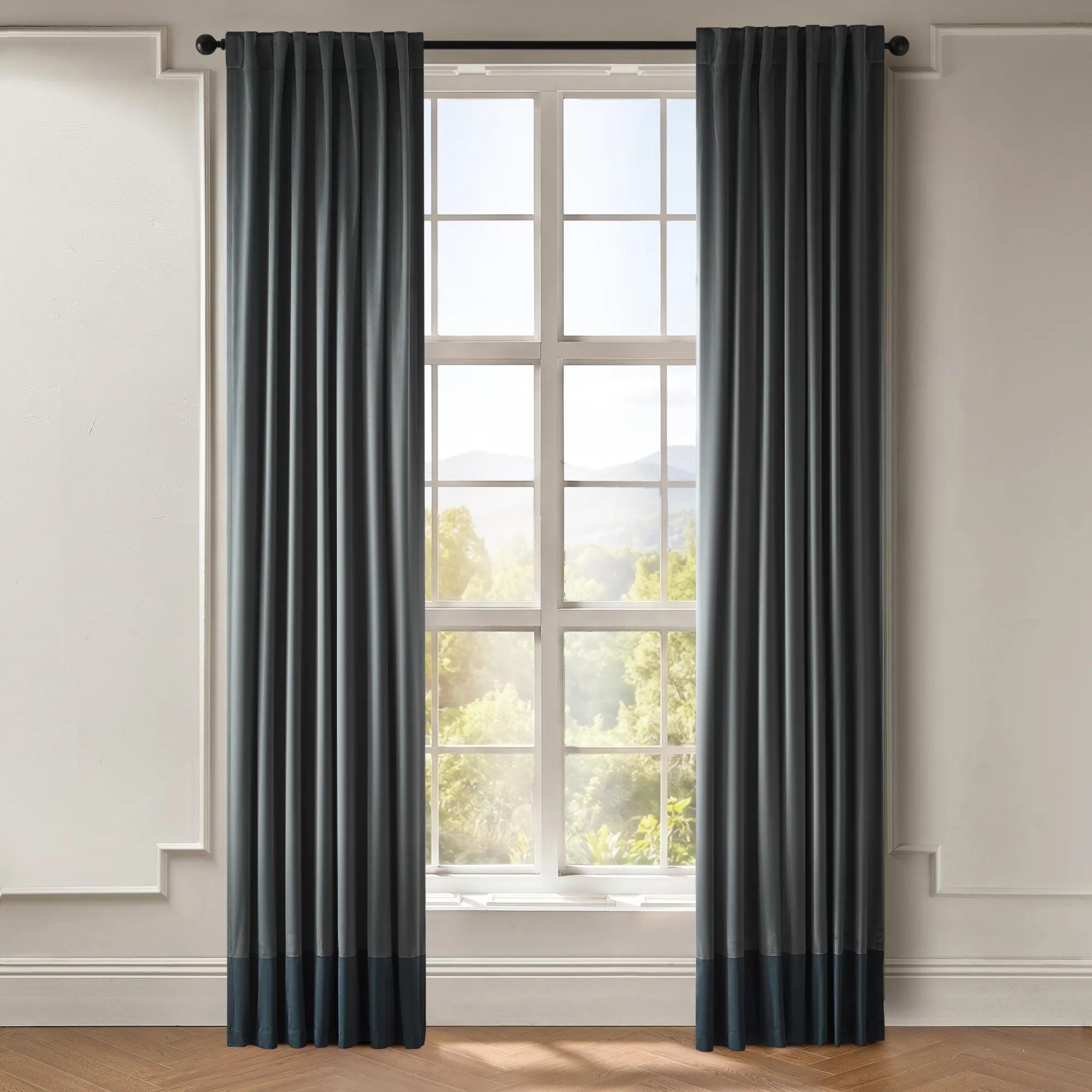
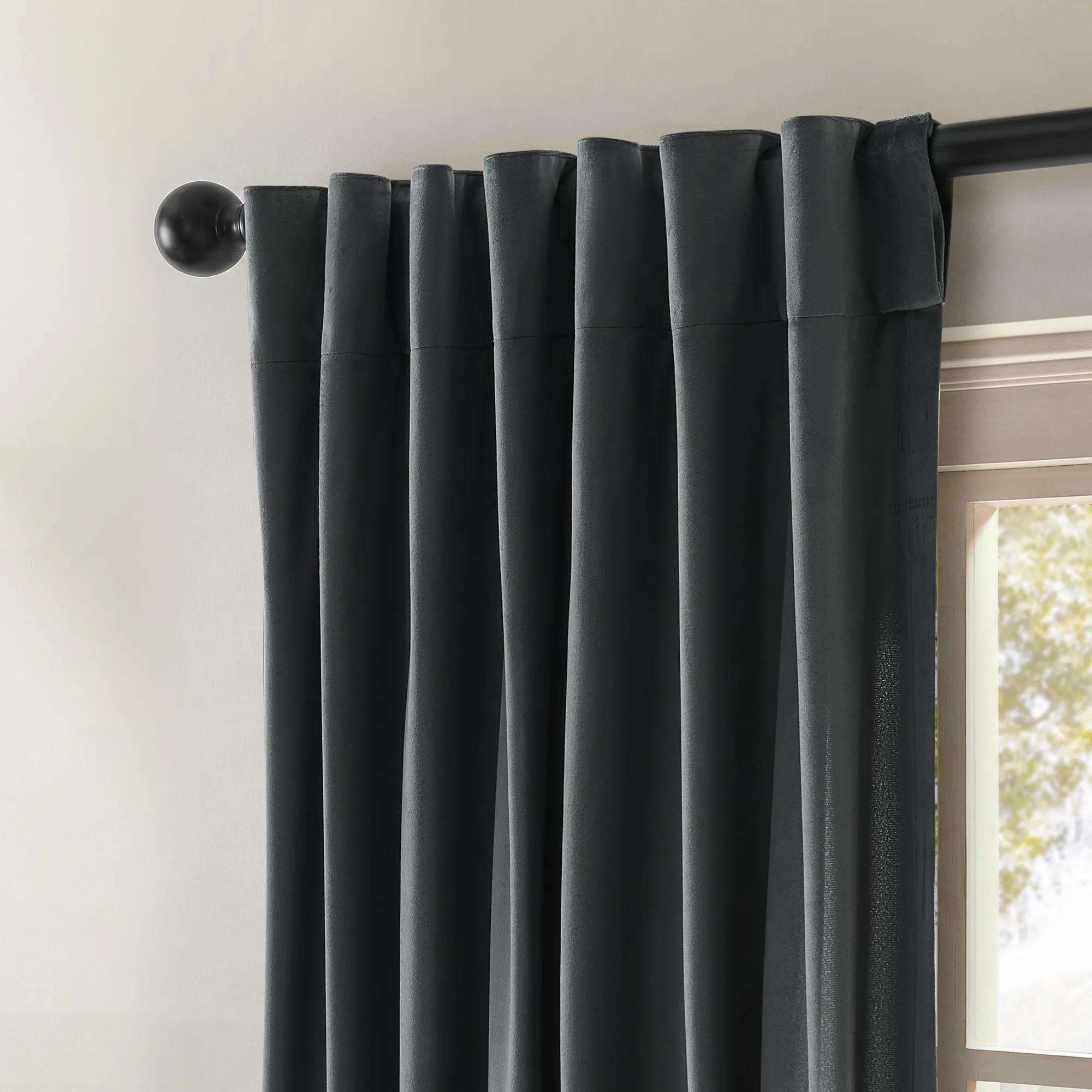 Bastien Blue/Midnight Velvet Border Window Curtain Panel$109
A two-tone dusty blue and midnight blue velvet curtain panel with room-darkening design and dual hanging options.
Add To Cart -
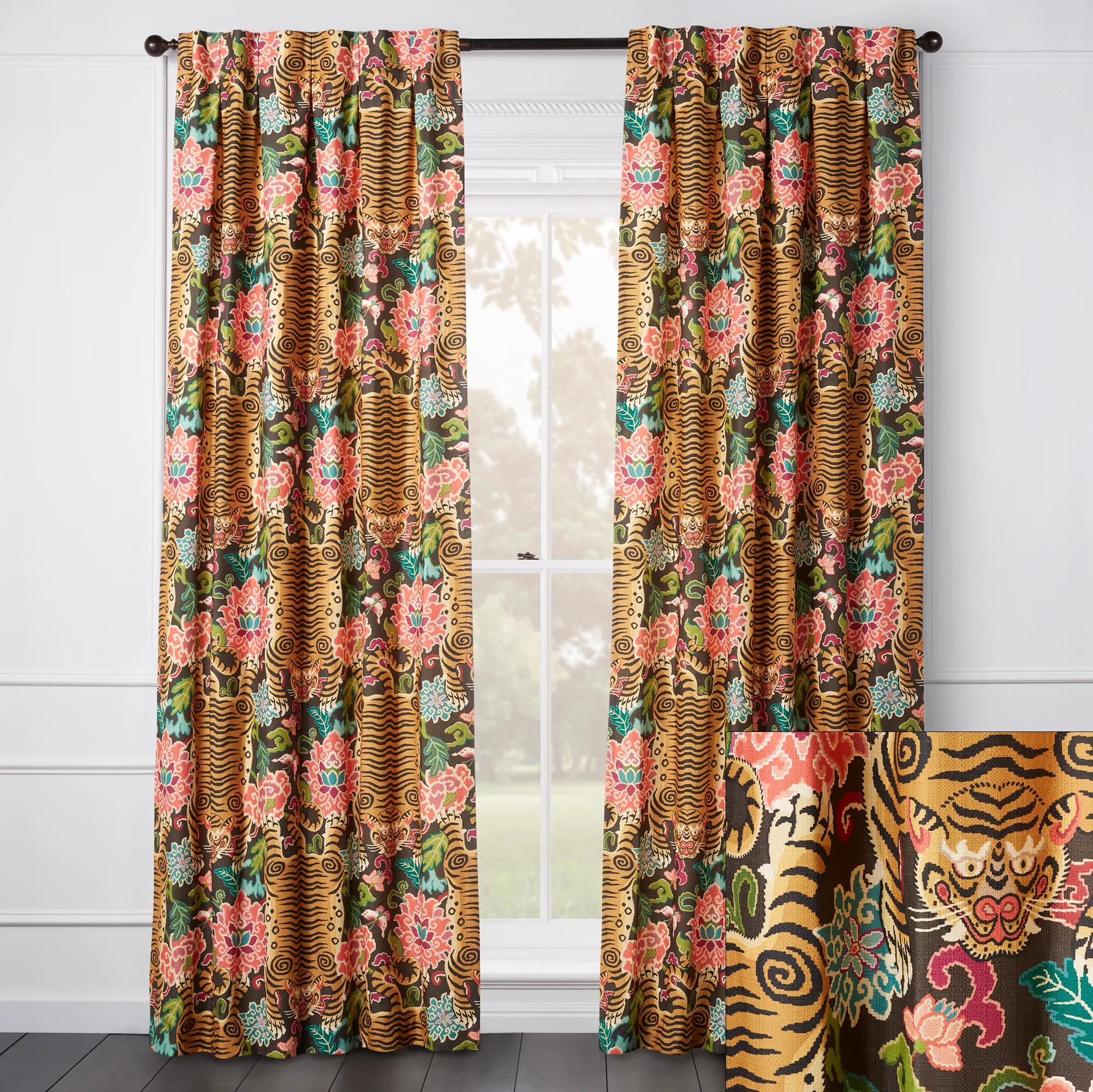
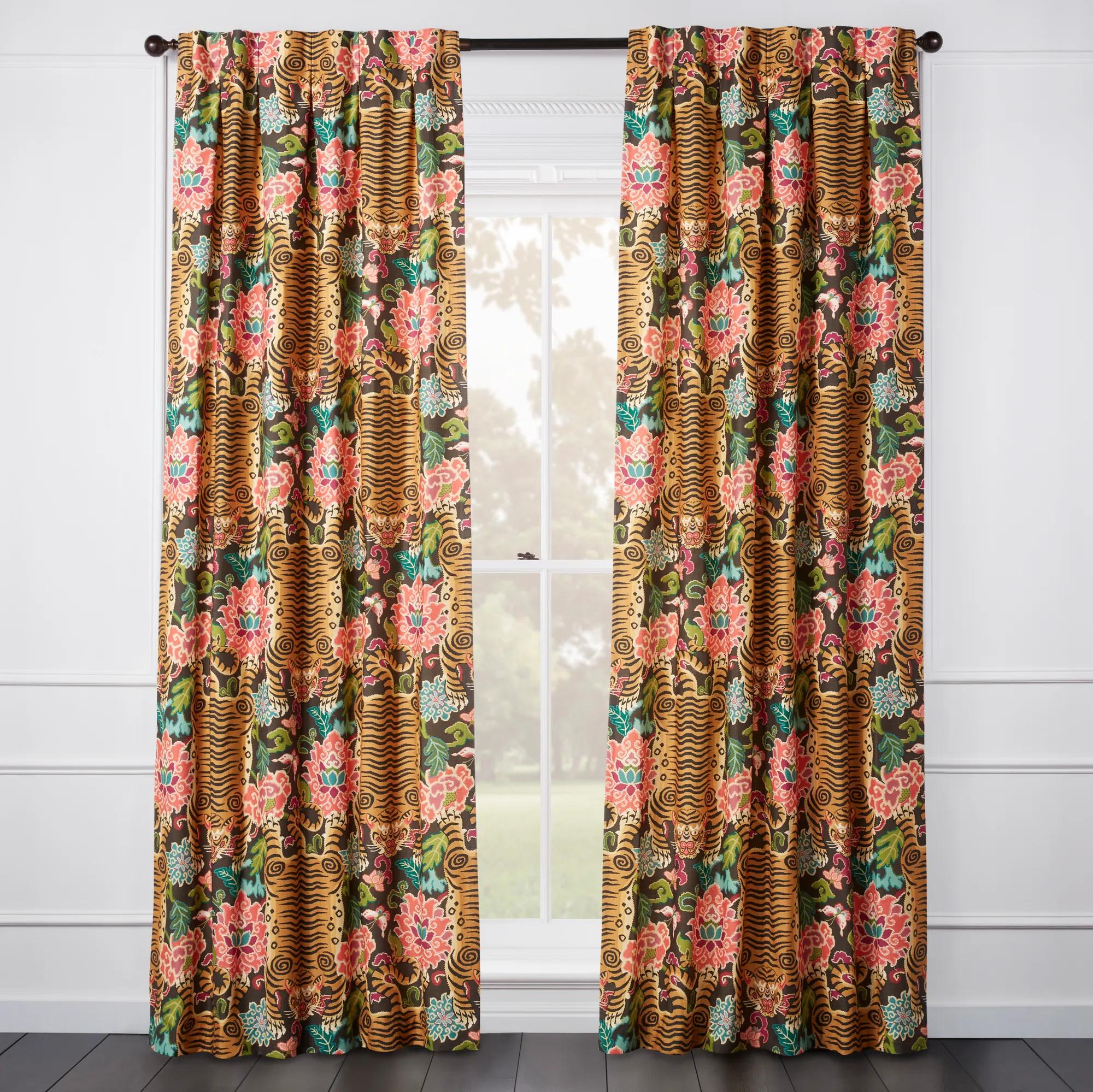 Nimer Gold/Multi Printed Slubbed Cotton Window Curtain Panel$299
A lively gold and multi-colored cotton curtain featuring a bold tiger print and customizable hanging options.
Add To Cart -
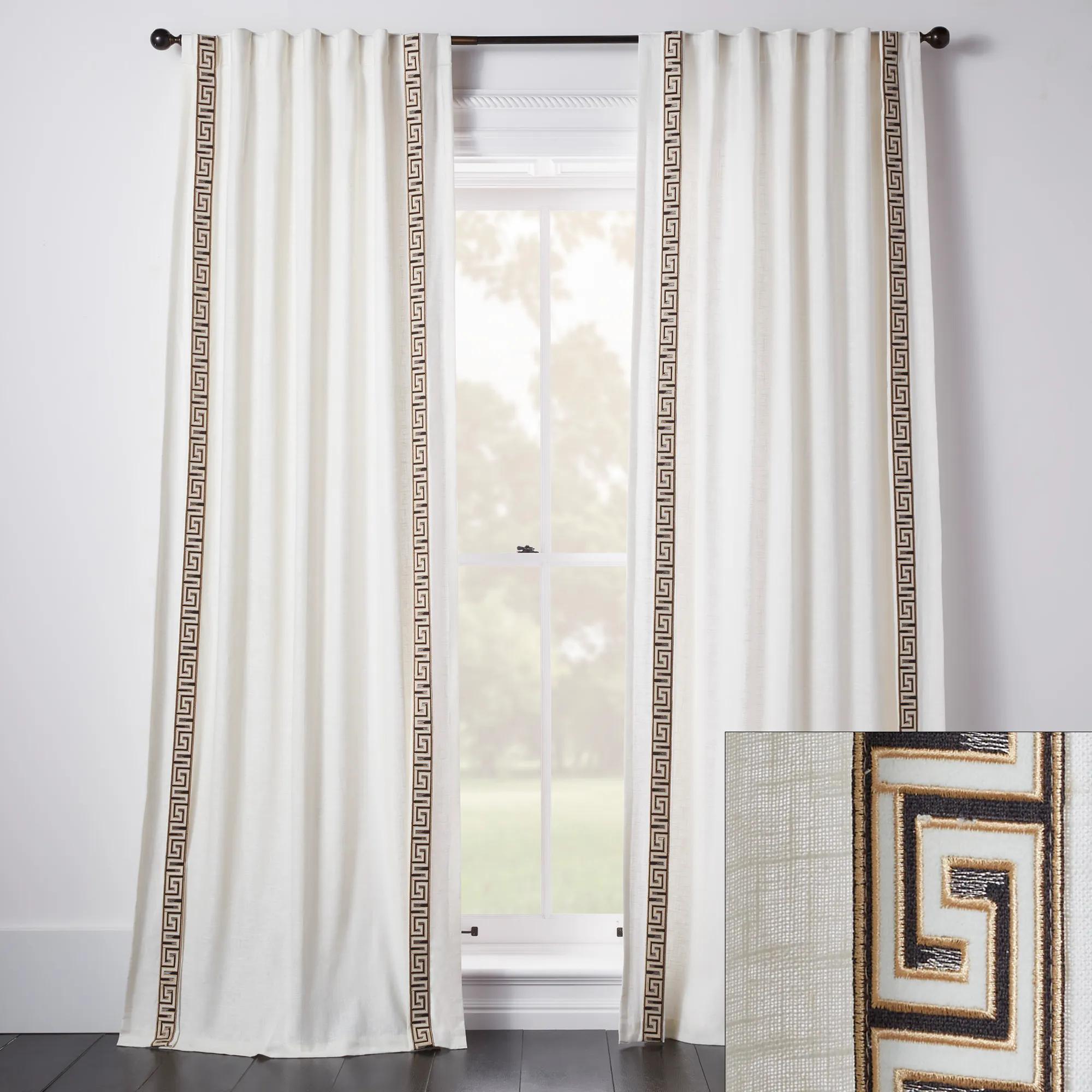 Chole Greek Key Border Velvet Widow Curtain Panels Custom$389
A white linen-blend curtain panel with black and gold velvet Greek key border and customizable options.
Add To Cart -
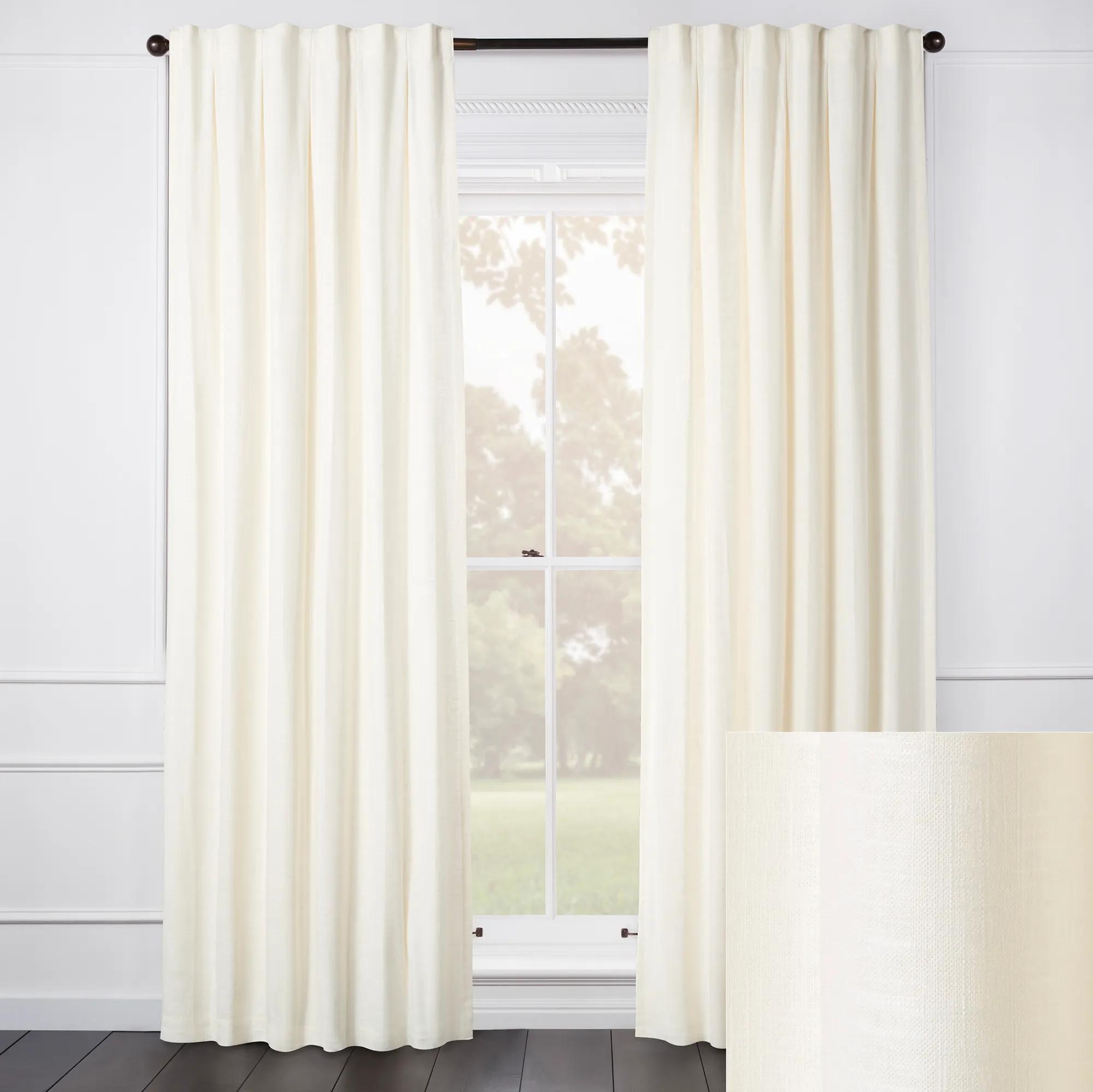
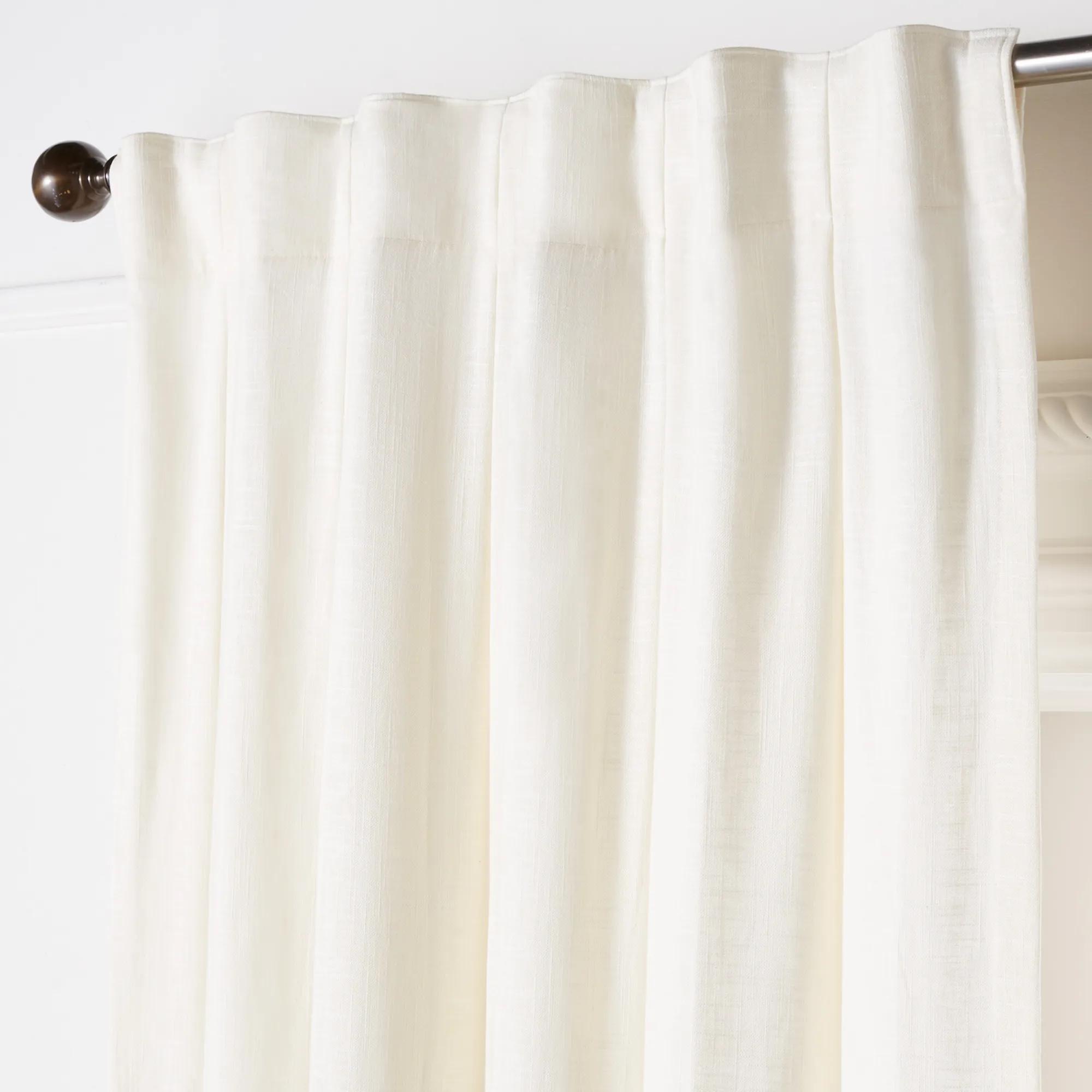 Audrey Linen Ivory Curtain - Custom$269
An ivory linen-blend curtain panel with lining, offering customizable lengths and two elegant header styles.
Add To Cart -

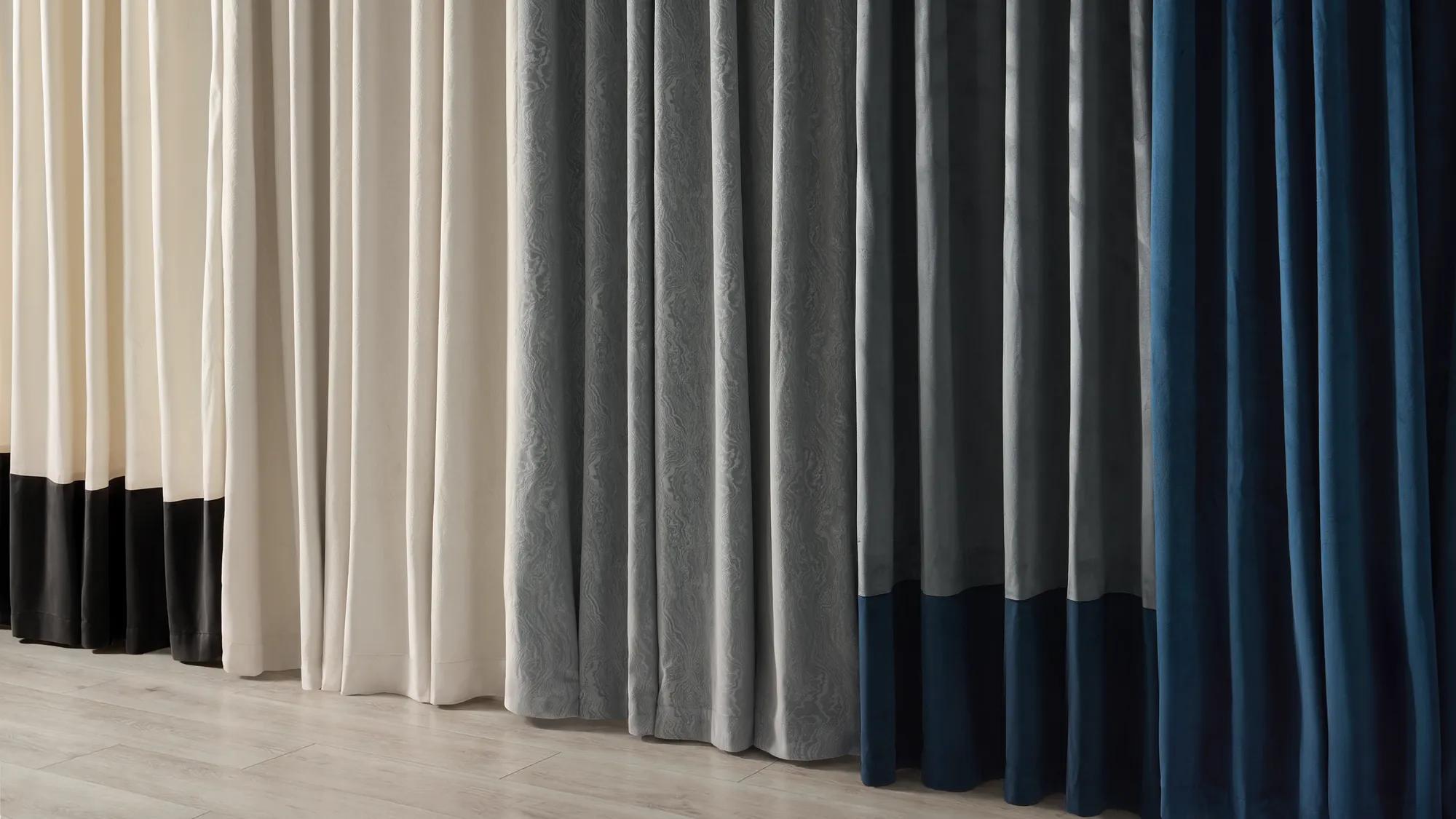 Mabel Velvet Swirl Curtain - Grey Blue$89
A grey blue velvet curtain featuring a tonal swirl pattern and versatile dual hanging options.
Add To Cart

Window Treatments For Bright Bedrooms
Sunlight pours in, gilding every corner and inviting the day to begin. Yet even the most radiant bedrooms deserve a moment of quiet luxury—a way to temper brilliance with elegance. Window treatments for bright bedrooms transform pure light into artful ambiance, softening glare while infusing the room with texture, movement, and a sense of curated calm. Whether you’re seeking to frame panoramic views or create a cocoon of serenity, these finishing touches invite you to orchestrate each sunrise and sunset with dramatic flair. Your sanctuary awaits—let every window become a masterpiece.
Window treatments for bright bedrooms bring definition to abundant daylight, giving a luminous space the softness, privacy, and visual drama that make it feel distinctly personal. Blackout cellular shades, layered sheer and blackout curtains, and roller shades made with opaque fabrics are effective choices for bedrooms with strong natural light. Each offers a different expression: cellular shades create a tailored surface within the window, roller shades emphasize clean architectural lines, and full-length drapery introduces sweeping folds and a more sumptuous silhouette. The right choice depends on how the bedroom is used and how much light needs to remain. Someone who sleeps after an overnight shift may value substantial light blocking, while an early riser might prefer filtered illumination with the option to darken the room. Sheer curtains soften direct brightness and preserve an airy atmosphere, but they do not provide dependable nighttime privacy when interior lights are on. A separate opaque layer makes that distinction especially useful, allowing translucent fabric to remain drawn during the day while heavier panels close for rest. Light-filtering treatments soften daylight rather than eliminate it; room-darkening fabrics reduce more light, while blackout fabrics are designed to block light through the material itself. Even blackout fabric does not guarantee a completely dark bedroom, because brightness can enter around the edges, above the rod, or between panels. Layering helps address those openings while creating a richer composition at the window. A discreet shade beneath generous drapery can feel almost invisible when raised, then provide a more enclosed atmosphere when lowered. For bedrooms that also accommodate reading, dressing, or a vanity, adjustable coverage allows different levels of illumination without leaving the entire window exposed. The result is not simply a darker room, but a space with greater range: radiant and open when desired, intimate and composed when it is time to retreat.
Fabric gives bedroom window treatments much of their character, influencing how they hang, how they soften light, and how they relate to the surrounding furniture. Linen and linen blends introduce a textured, relaxed elegance, with slubs and variations that lend depth to pale neutrals. Cotton offers a more understated surface, while velvet creates dense folds and a plush backdrop for sculptural furniture, upholstered headboards, or gleaming bedside accents. Polyester and blended fabrics can offer dimensional stability and resistance to wrinkling, though performance depends on the weave, finish, lining, and construction. Fiber content alone does not determine whether a curtain blocks light: an airy linen-look panel may remain translucent, while a similarly colored panel with an opaque lining can deliver substantially greater coverage. For a bright bedroom, pale ivory, pearl, and soft taupe can preserve a luminous palette without requiring a sheer fabric. Deeper charcoal, ink, or jewel tones create a more enveloping frame, particularly against light walls. Color should express the room’s mood, while the fabric’s stated light-control properties establish its practical role. Subtle sheen catches daylight beautifully, and a matte weave offers a quieter counterpoint to mirrored surfaces or metallic hardware. Pattern can be equally expressive, from a restrained geometric repeat to a large-scale motif that gives the window the presence of artwork. Well-finished hems, consistent stitching, and secure attachments help panels hang gracefully through repeated use. Durability also matters where curtains are opened daily or receive prolonged direct sun, which can gradually affect dyes and fibers. Lined construction can help shield decorative face fabric, although no textile should be assumed fade-proof. Care requirements deserve equal attention: some panels are machine washable, while others require professional cleaning, especially when decorative finishes or multiple layers are involved. Following the care label and removing settled dust with an appropriate gentle method helps preserve the fabric’s appearance without compromising its finish or backing.
Proportion turns functional coverage into an architectural statement. In a bedroom with a broad window and a substantial headboard, narrow panels can appear slight even when their color is beautifully chosen. Adequate fabric width creates fuller folds and helps panels meet comfortably at the center; the needed fullness varies with the heading style and fabric weight. Measurements should reflect the entire intended treatment, including the rod position, finished panel length, and space required for curtains to stack clear of the glass. A rod extending beyond the window frame can allow more daylight in when panels are open and improve overlap when they are closed, provided the wall space and installation permit it. Mounting drapery higher on the wall can emphasize height, while hems that just meet the floor create a polished line without gathering excess fabric in a frequently used walkway. Longer, pooled lengths deliver a more theatrical effect but collect dust and need more arranging. Shades require equally careful sizing: inside-mounted styles sit neatly within the frame but need sufficient mounting depth and may leave visible light gaps; outside-mounted styles can overlap the opening more generously. Neither approach should interfere with window handles, ventilation, or access to an emergency exit. Substantial drapery also calls for hardware rated to support its weight and mounting appropriate to the wall material. In a bedroom where the windows sit behind furniture or rise beyond easy reach, motorized shades can make daily adjustment more convenient; scheduling and smart-home compatibility depend on the particular system. Cordless operation is an especially important consideration in homes with children, and window-covering cords should always remain inaccessible to children and pets. These practical details matter just as much in spaces prepared for overnight visitors. Window Treatments For Guest Bedrooms can offer a similarly considered balance of privacy, intuitive operation, and layered light control, allowing different sleepers to settle in comfortably. Across primary bedrooms, shared rooms, and guest spaces, the most successful treatments give daylight a deliberate shape while making privacy and rest easy to achieve.
FAQs
Layering window treatments, such as pairing sheer curtains with blackout drapes, allows you to control the ambiance throughout the day. Sheers gently diffuse sunlight, creating a soft, luminous effect, while heavier drapes or shades can be drawn for complete privacy and darkness. This approach also introduces depth, texture, and a sense of luxury, transforming your windows into a dramatic focal point.
Materials and textures play a pivotal role in shaping the atmosphere of a bright bedroom. Matte fabrics reduce glare and evoke a calm, restful environment, while textured weaves—like linen, velvet, or bamboo—add dimension and tactile richness. Choosing the right combination can create anything from a serene retreat to a vibrant, energetic space that reflects your personal style.
Absolutely. Sleek roller or solar shades complement contemporary spaces with their clean lines and understated elegance, while Roman shades and layered drapery offer timeless sophistication perfect for traditional or transitional bedrooms. Woven wood shades bring a natural, artisanal touch that bridges both modern and classic aesthetics, allowing for versatile styling.
Options like sheer curtains, zebra shades, and woven wood blinds are designed to filter sunlight while maintaining privacy. These treatments allow you to enjoy daylight’s warmth and brilliance, yet shield your space from outside views. By adjusting layers or tilting slats, you can fine-tune the balance between openness and seclusion to suit your daily needs.
Window treatments make an inspired and luxurious housewarming gift, especially for those who appreciate design and comfort. They offer both practical benefits—like light management and privacy—and a touch of personal style, helping new homeowners transform a blank canvas into a welcoming sanctuary. Elegant drapery or artisanal shades can become a signature detail in their new space.


