Curtain Ideas For Bedrooms
Curtain Ideas For Bedrooms
-
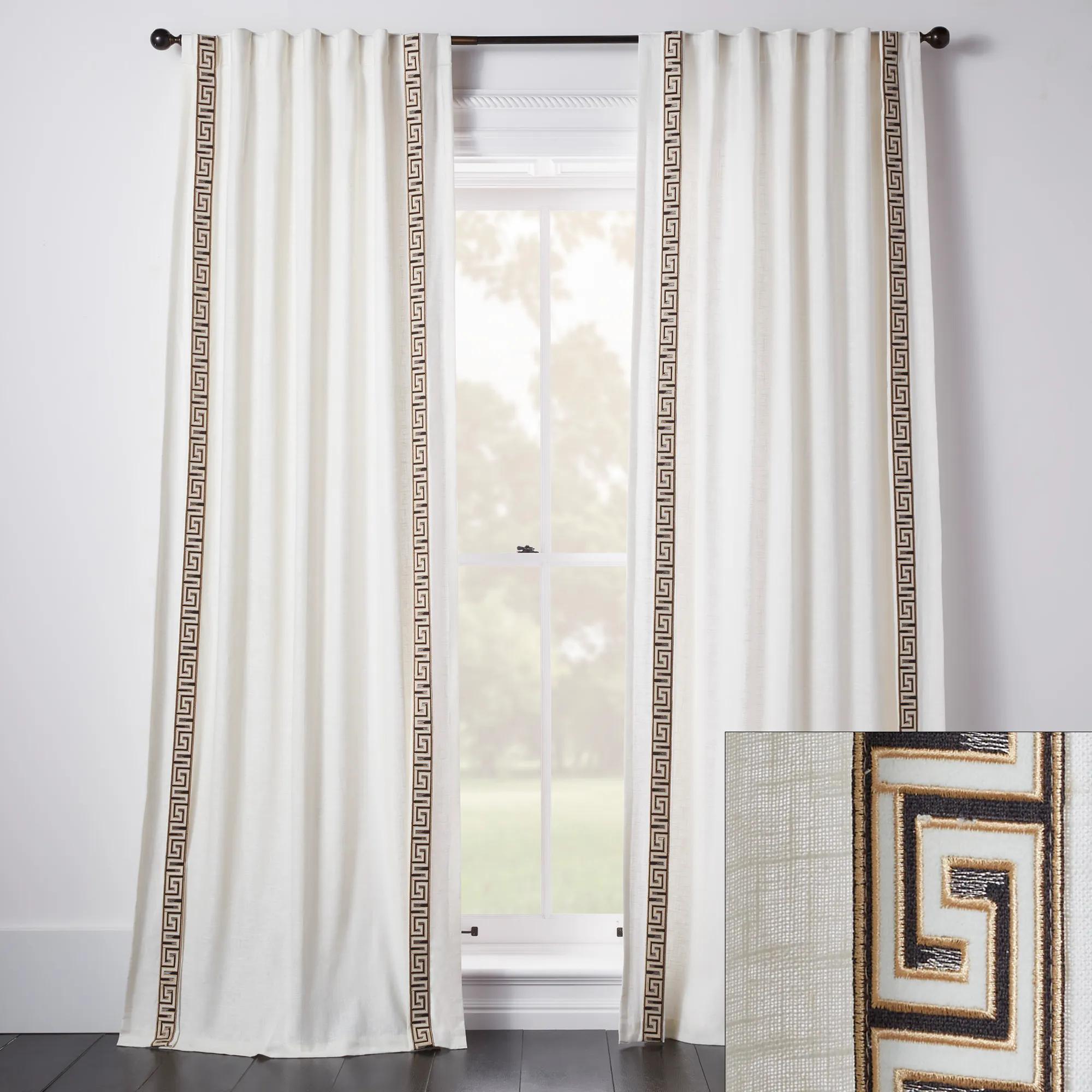 Chole Greek Key Border Velvet Widow Curtain Panels Custom$349
A white linen-blend curtain with black and gold velvet Greek key border and customizable hanging options.
Add To Cart -
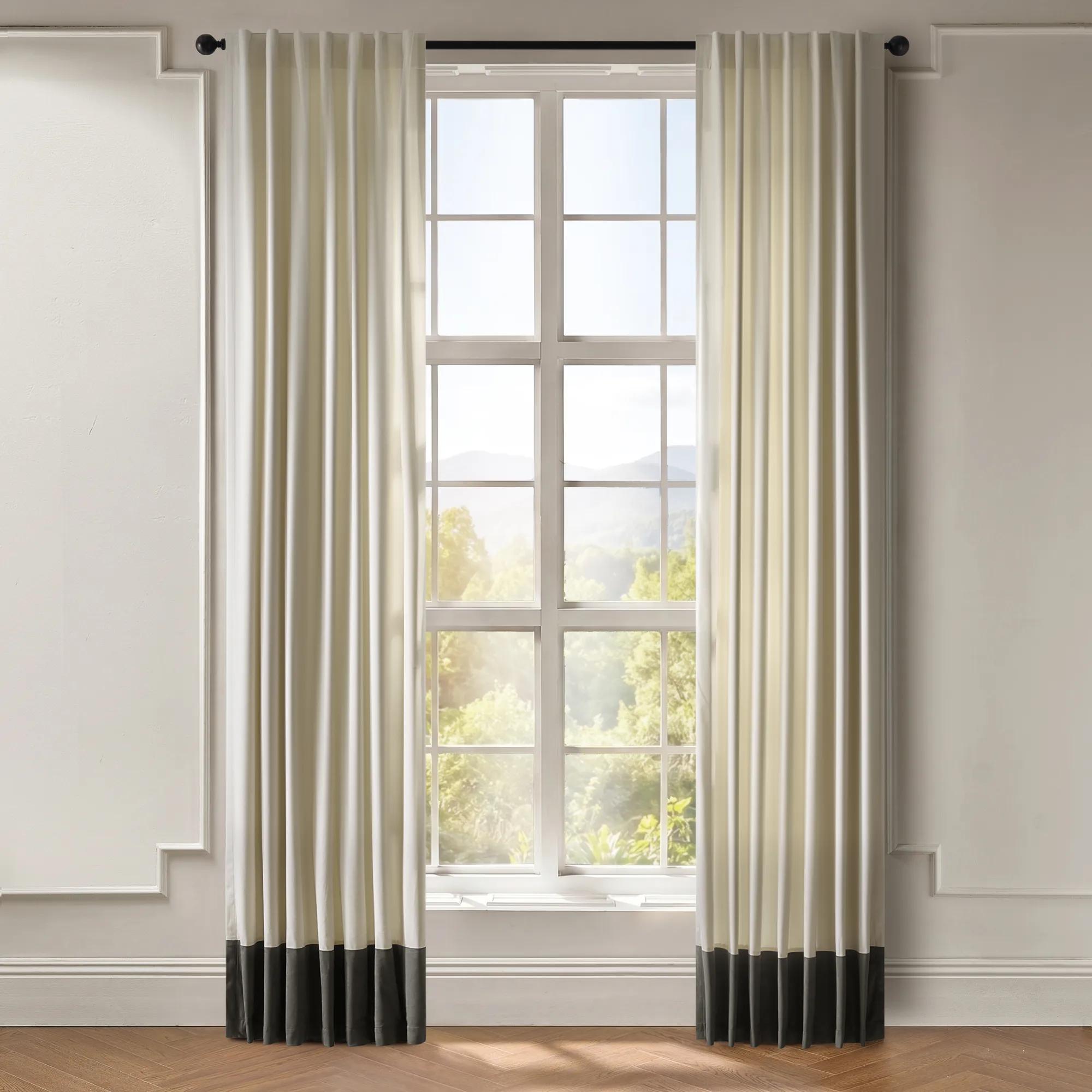
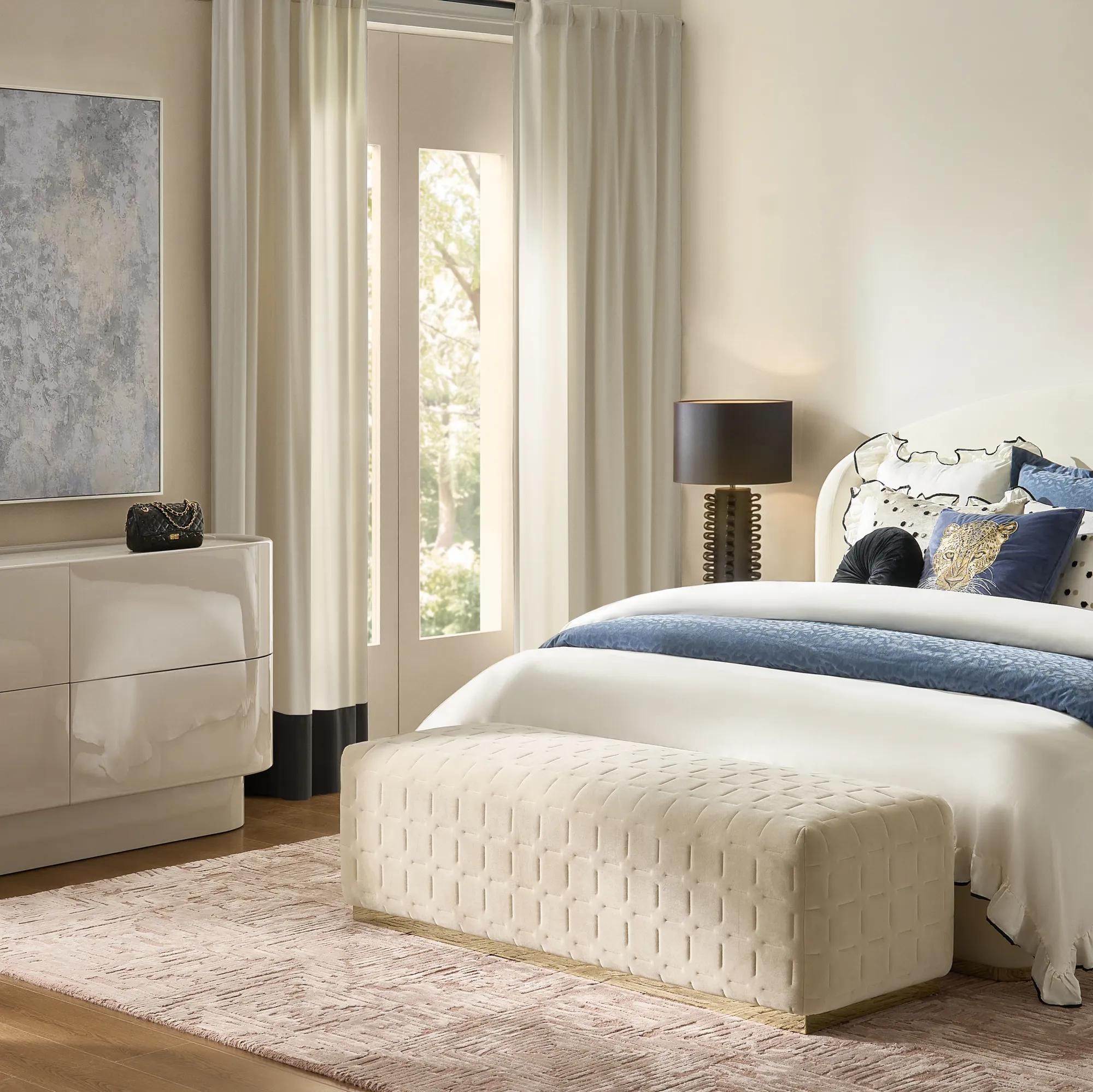 Bastien Ivory/Graphite Velvet Border Window Curtain Panel$109
A two-tone ivory and graphite velvet curtain panel with a Deco-inspired border and room-darkening design.
Add To Cart -

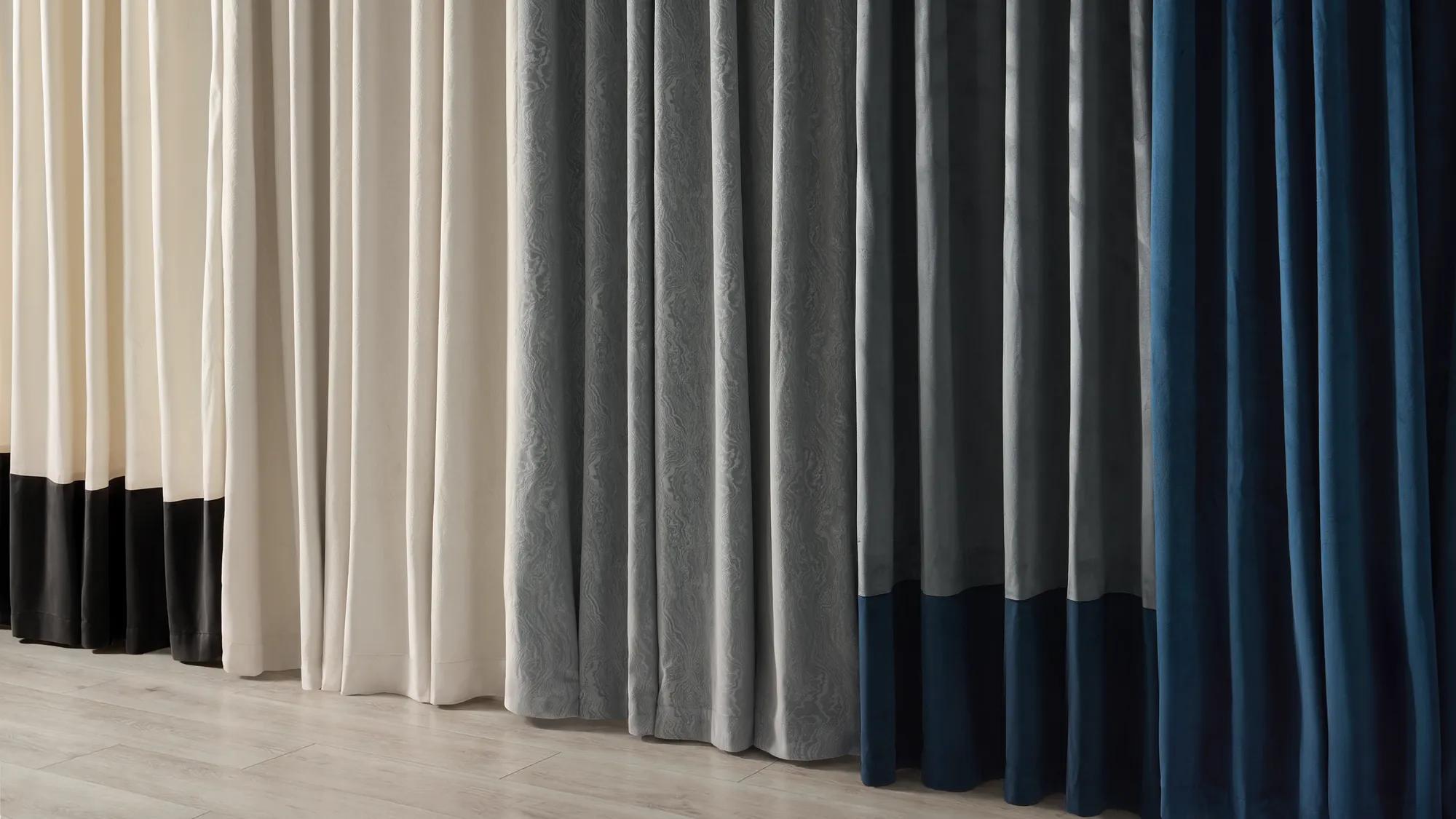 Mabel Velvet Swirl Curtain - Grey Blue$89
A grey blue velvet curtain featuring a tonal swirl pattern and versatile dual hanging options.
Add To Cart -
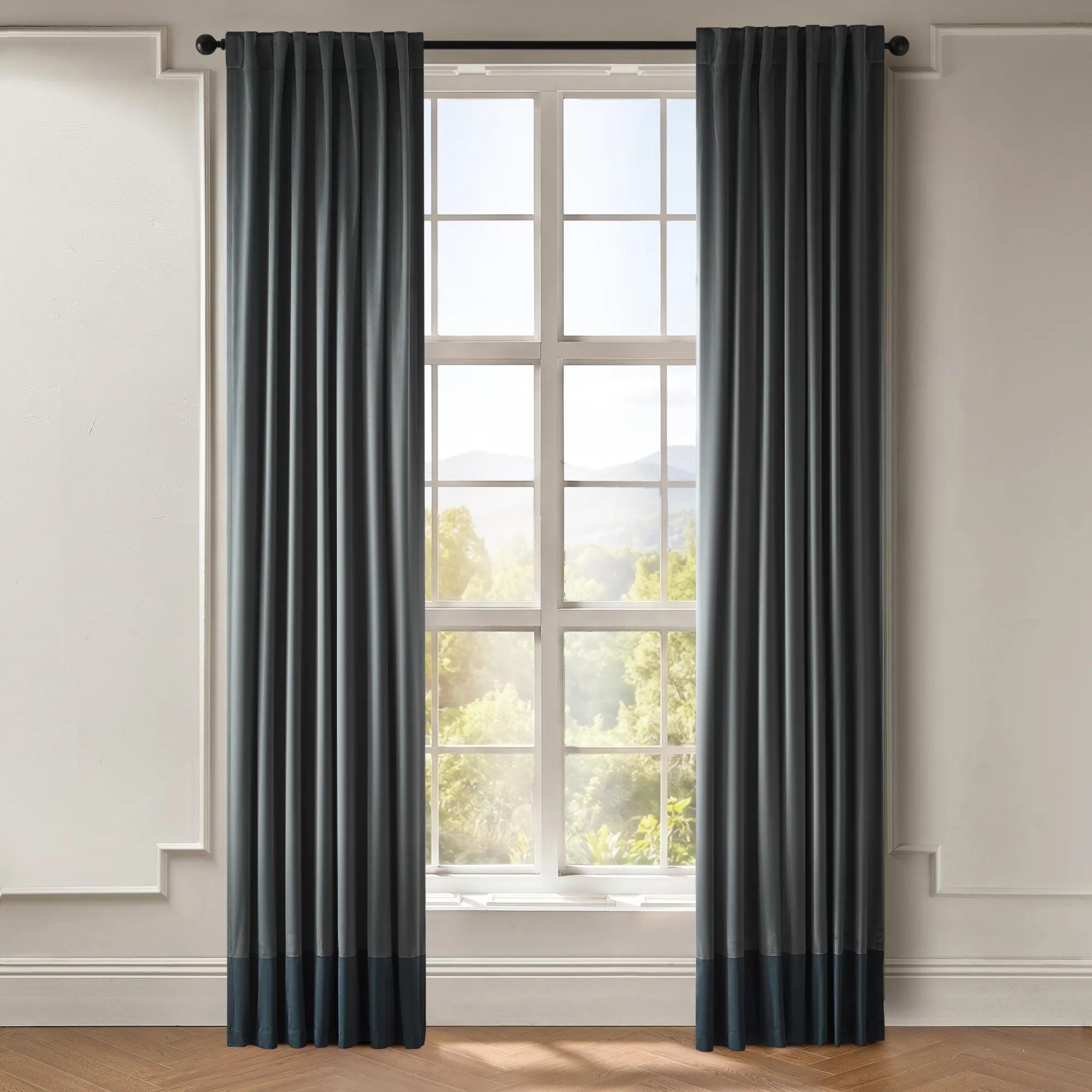
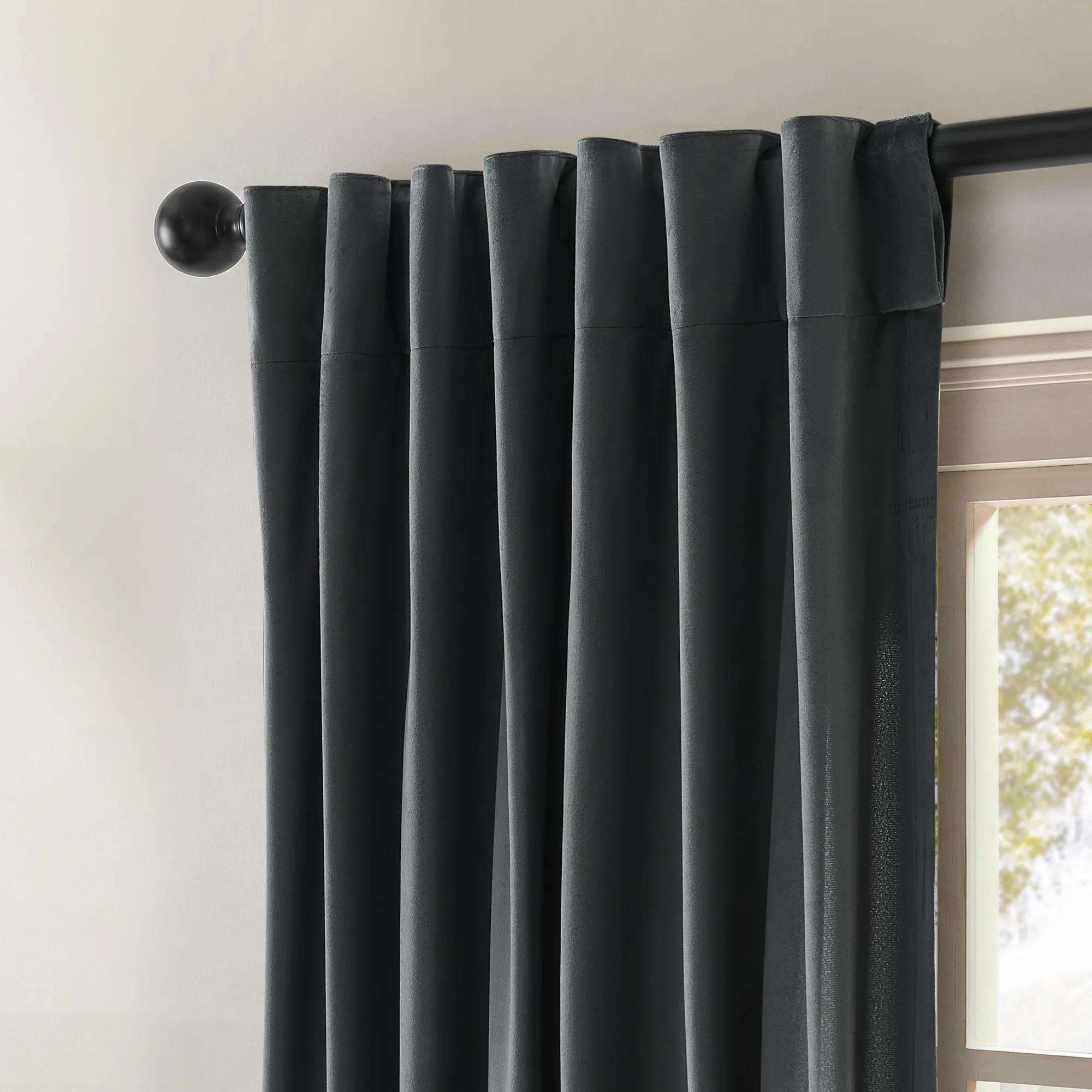 Bastien Blue/Midnight Velvet Border Window Curtain Panel$99
A two-tone dusty and midnight blue velvet curtain panel with a Deco-inspired border and room-darkening design.
Add To Cart -
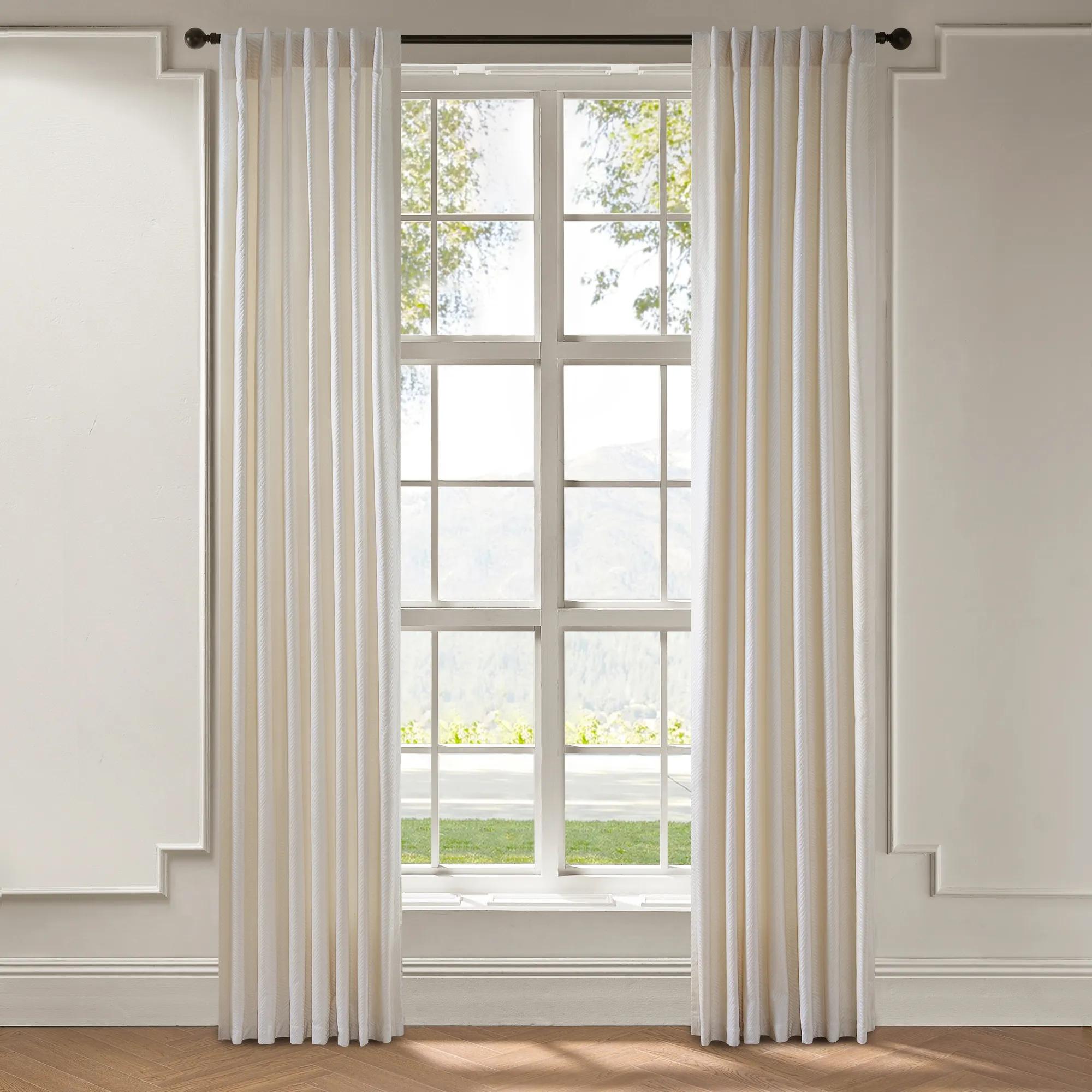
 Kenzo Chenille Curtain - White$119
A white chenille jacquard curtain featuring a subtle high-contrast pattern and soft, room-darkening texture.
Add To Cart -
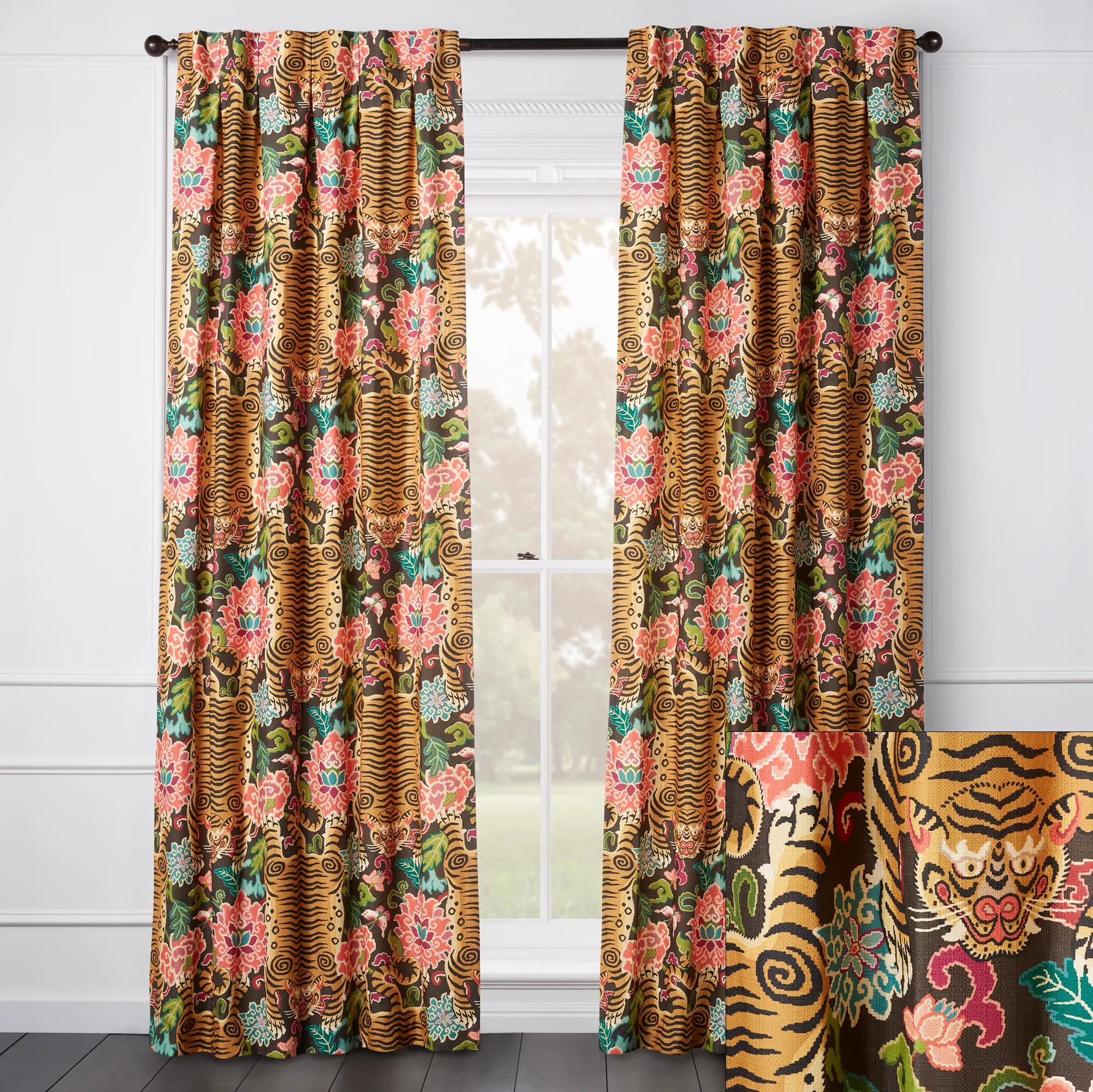
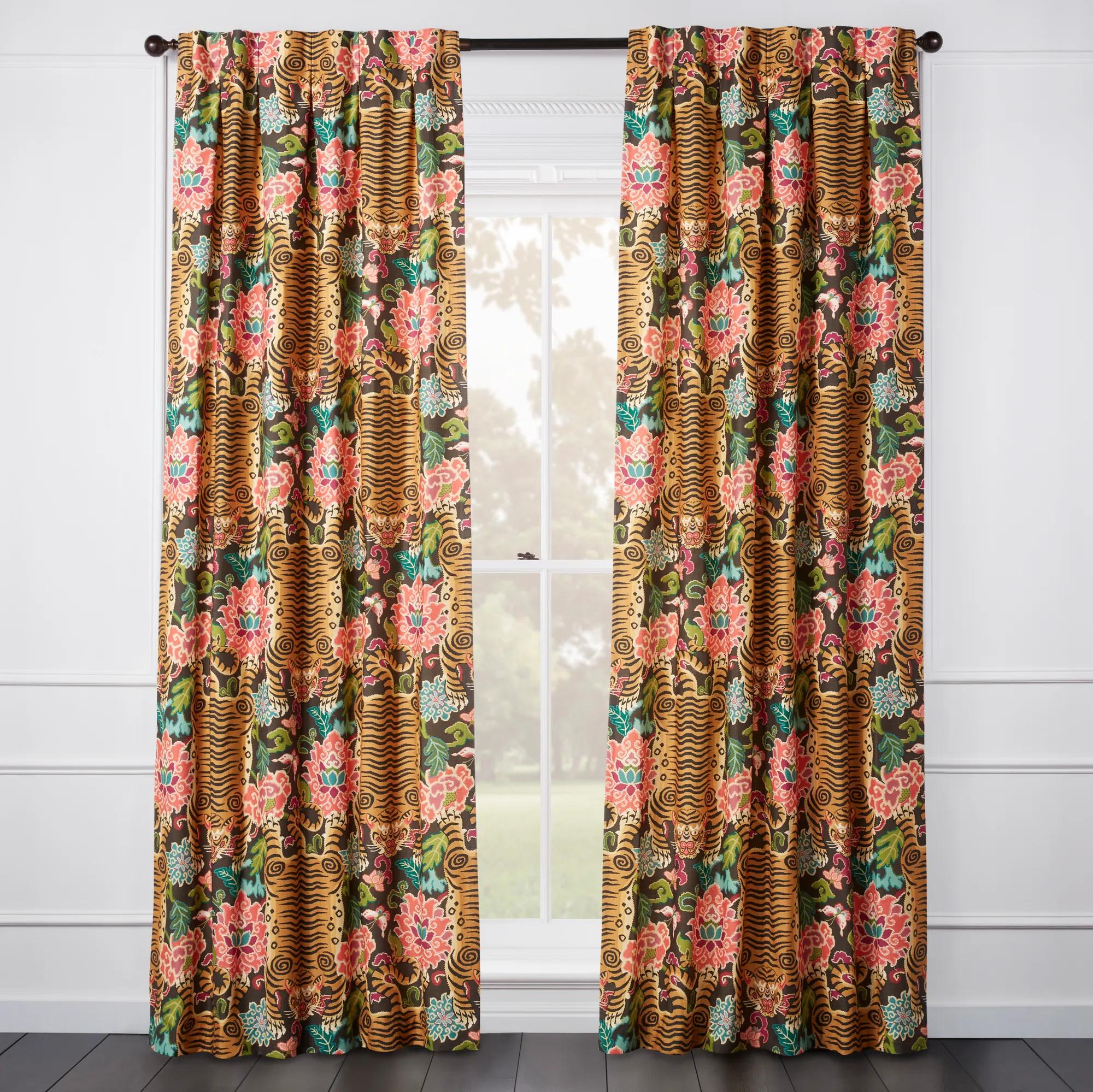 Nimer Gold/Multi Printed Slubbed Cotton Window Curtain Panel$349
A lively gold and multi-colored cotton curtain panel featuring a bold tiger print and customizable options.
Add To Cart -
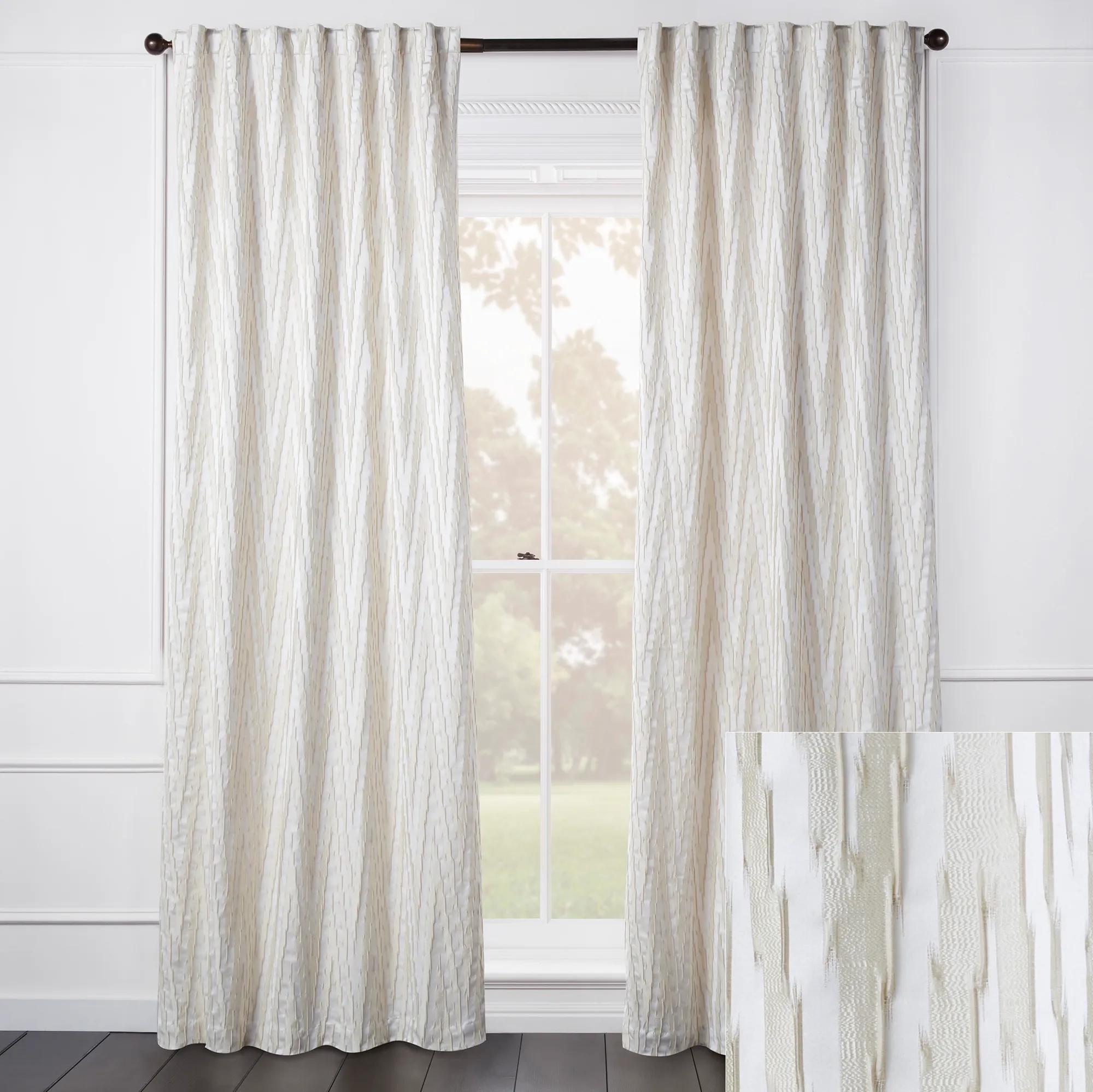
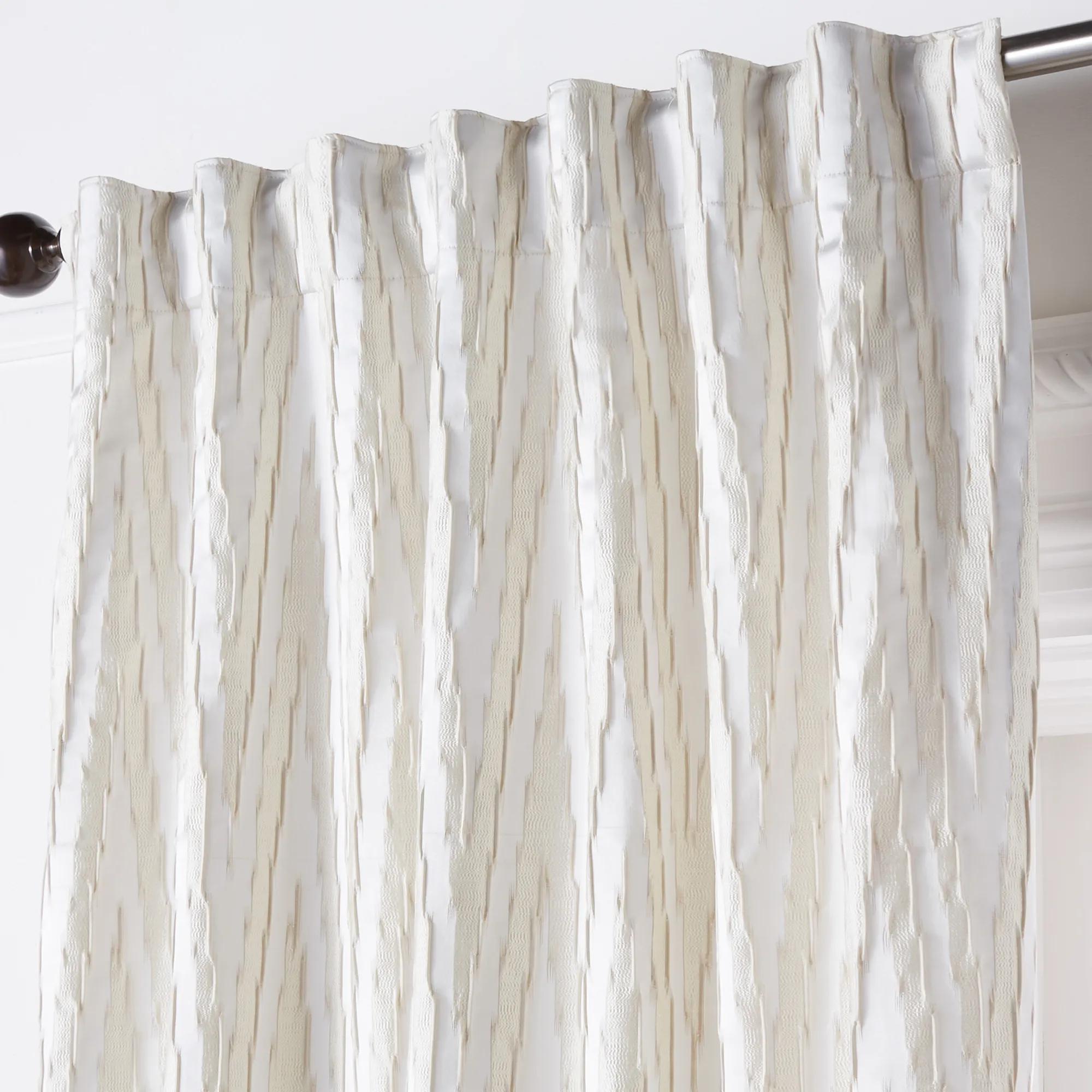 Minka Jacquard Pearl Window Curtain Panel Custom$299
A highly textured chevron curtain panel in pearl, crafted from polyester with customizable hanging options.
Add To Cart -
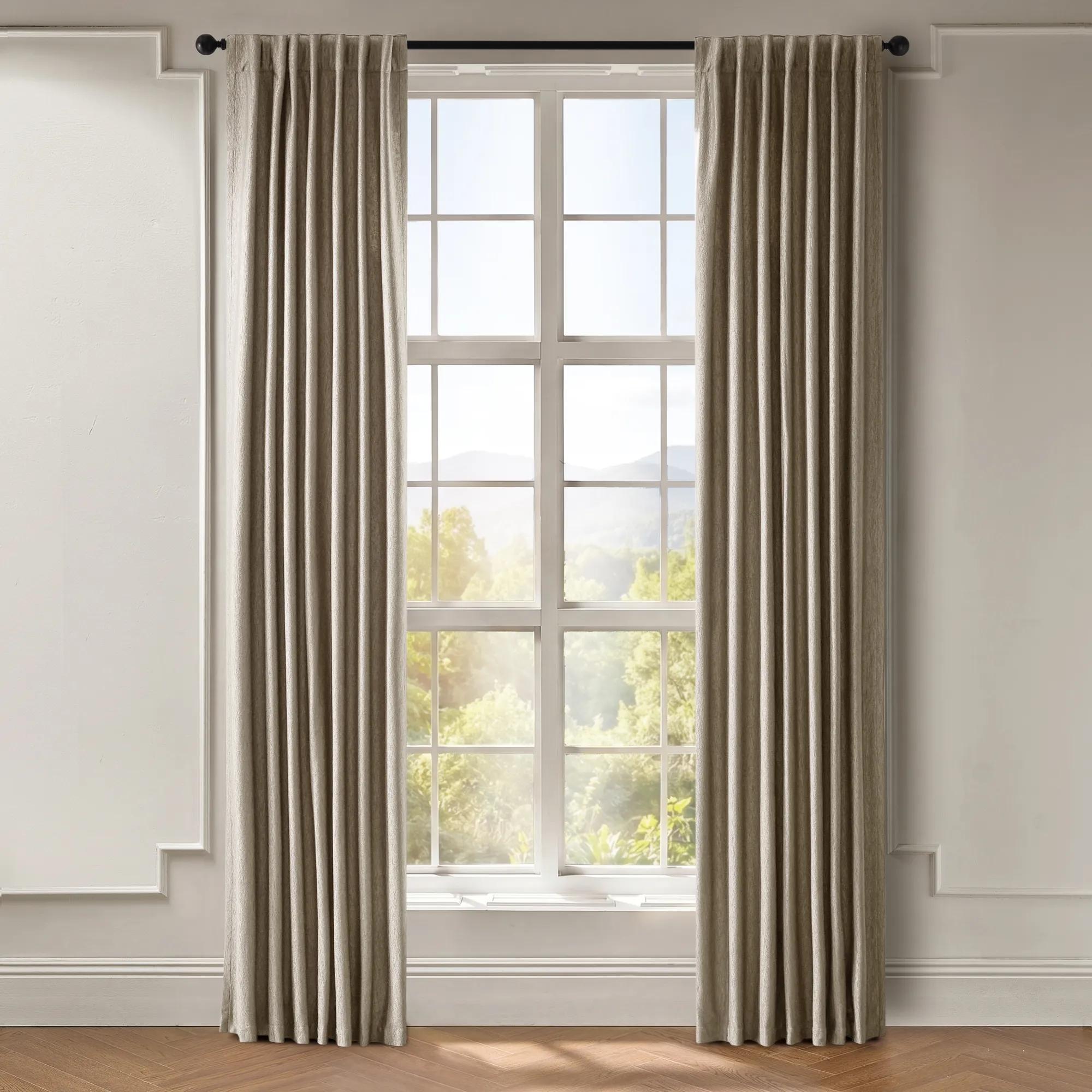
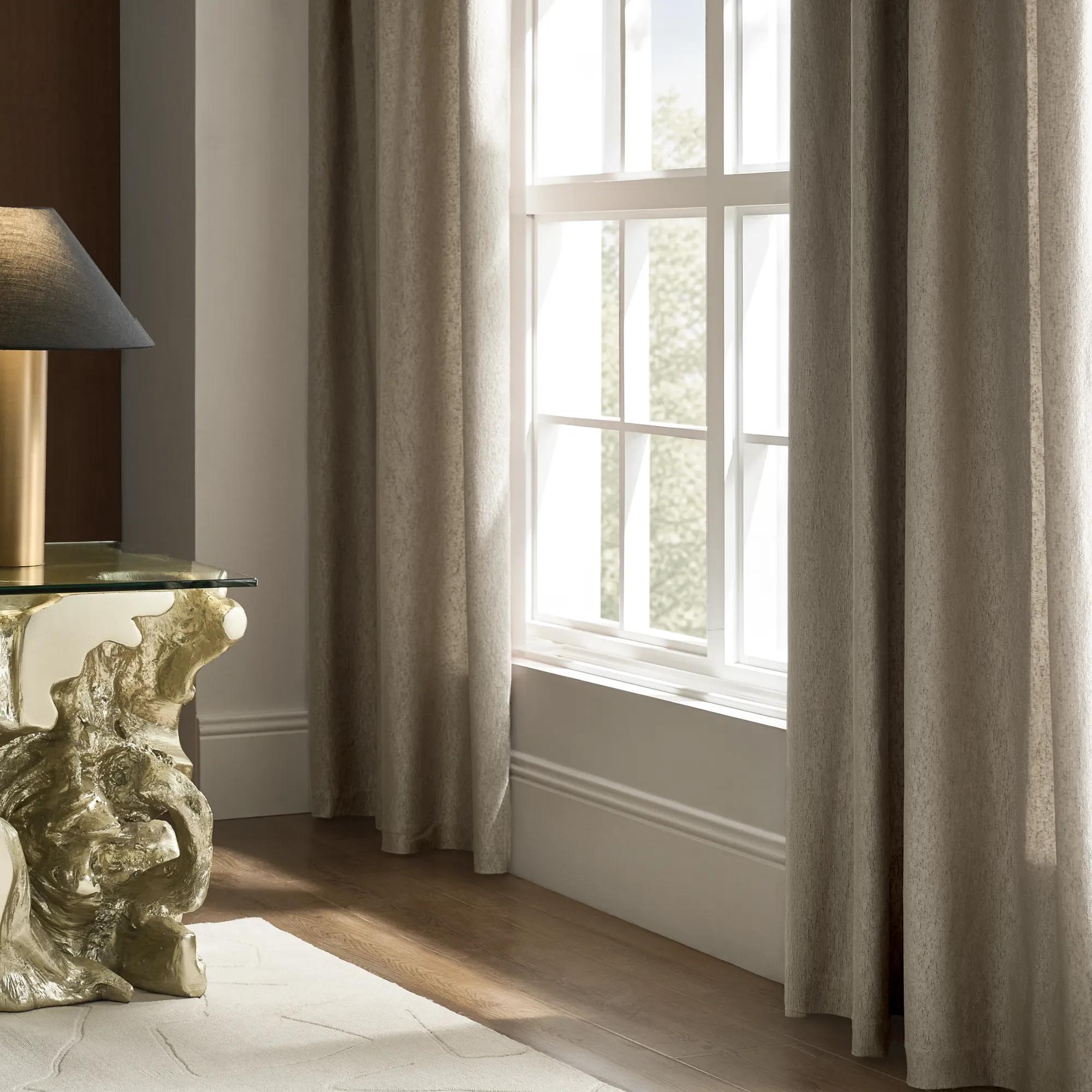 Anson Taupe Textured Window Curtain Panel$99
A taupe polyester curtain panel featuring a crushed sheen texture and versatile room-darkening design.
Add To Cart -

 Mabel Natural Velvet Swirl Window Curtain Panel$99
A warm neutral velvet curtain with a tonal swirl pattern, offering room-darkening privacy and versatile hanging options.
Add To Cart -
 Anson Mocha Rose Textured Window Curtain Panel$89
A light mocha rose curtain panel with crushed sheen texture and room-darkening, dual hanging design.
Add To Cart -
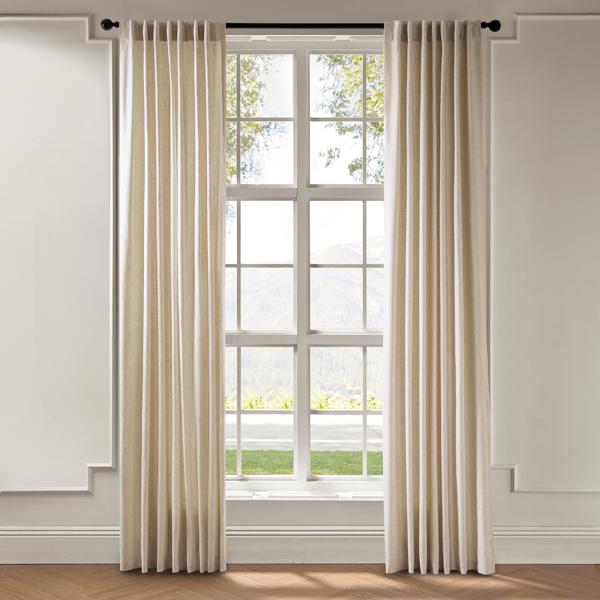
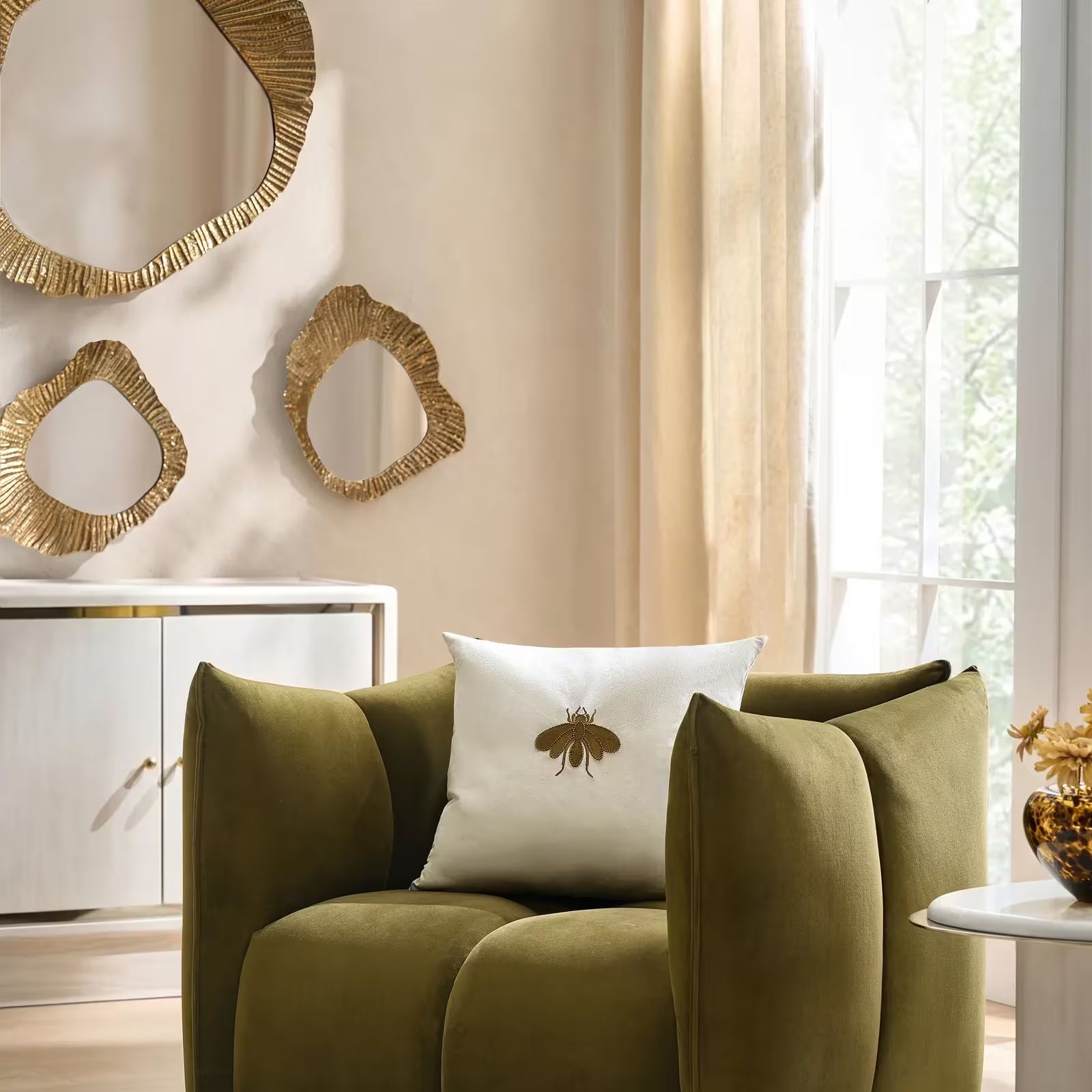 Anson Ivory Textured Window Curtain Panel$89
An ivory polyester curtain with a crushed, light-reflective texture for elegant, room-darkening style.
Add To Cart -

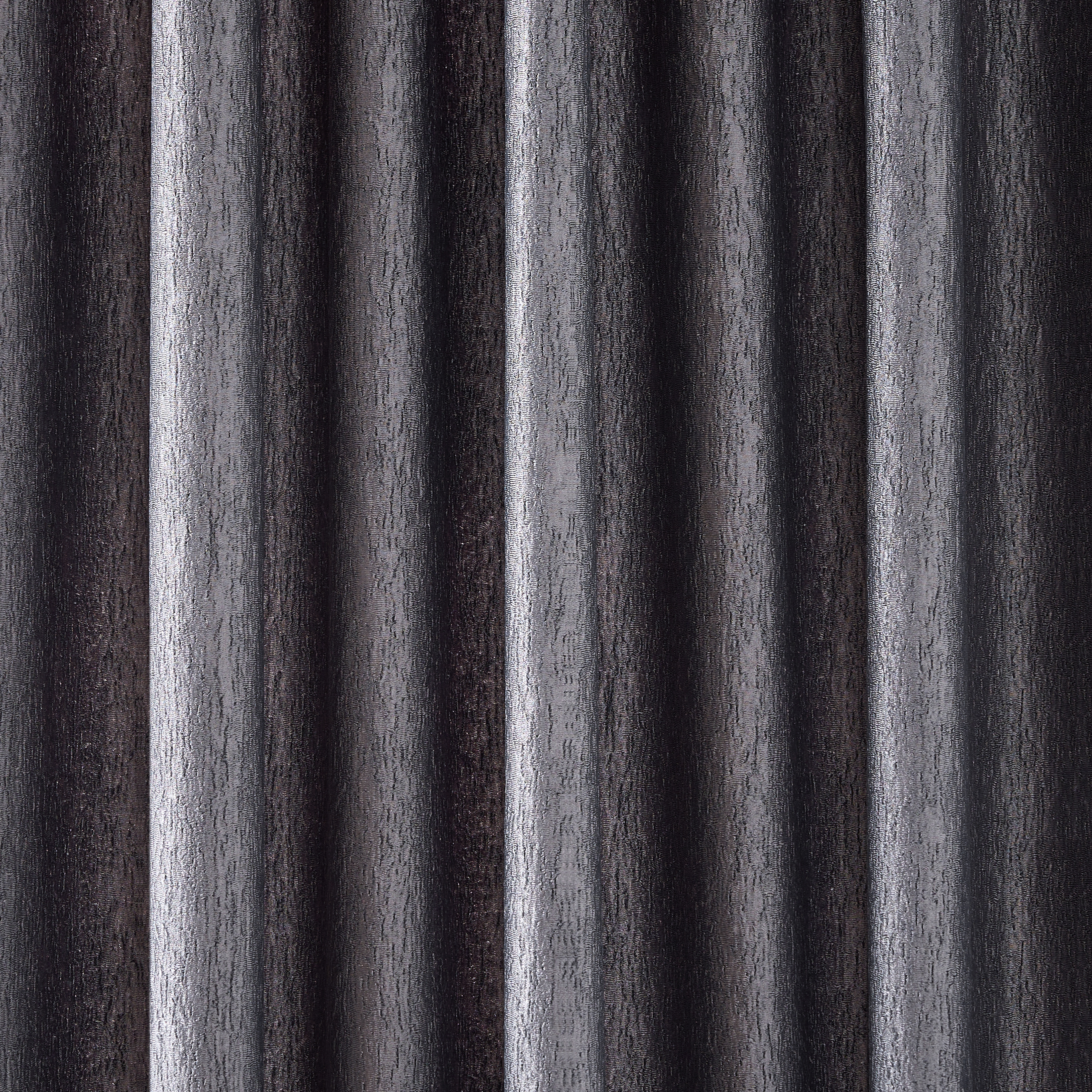 Anson Charcoal Textured Window Curtain Panel$89
A moody charcoal curtain with crushed polyester texture and subtle sheen for stylish, room-darkening appeal.
Add To Cart -

 Adair Midnight Blue Solid Velvet Window Curtain Panel$69
A sumptuous midnight blue velvet curtain that adds elegance, depth, and room-darkening style to any space.
Add To Cart -
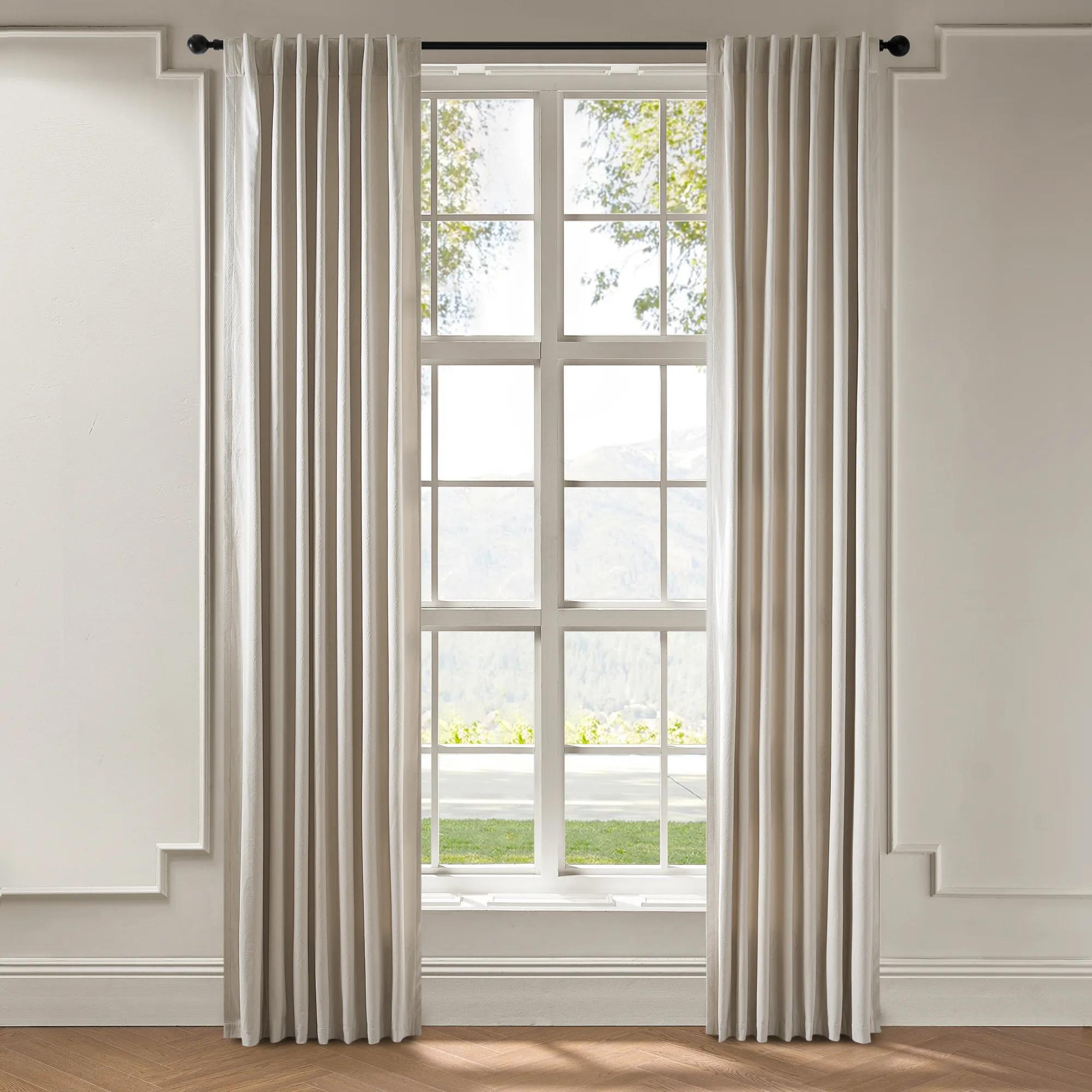
 Mabel White Velvet Swirl Window Curtain Panel$89
A crisp white velvet curtain featuring a tonal swirl texture and versatile dual hanging options.
Add To Cart -
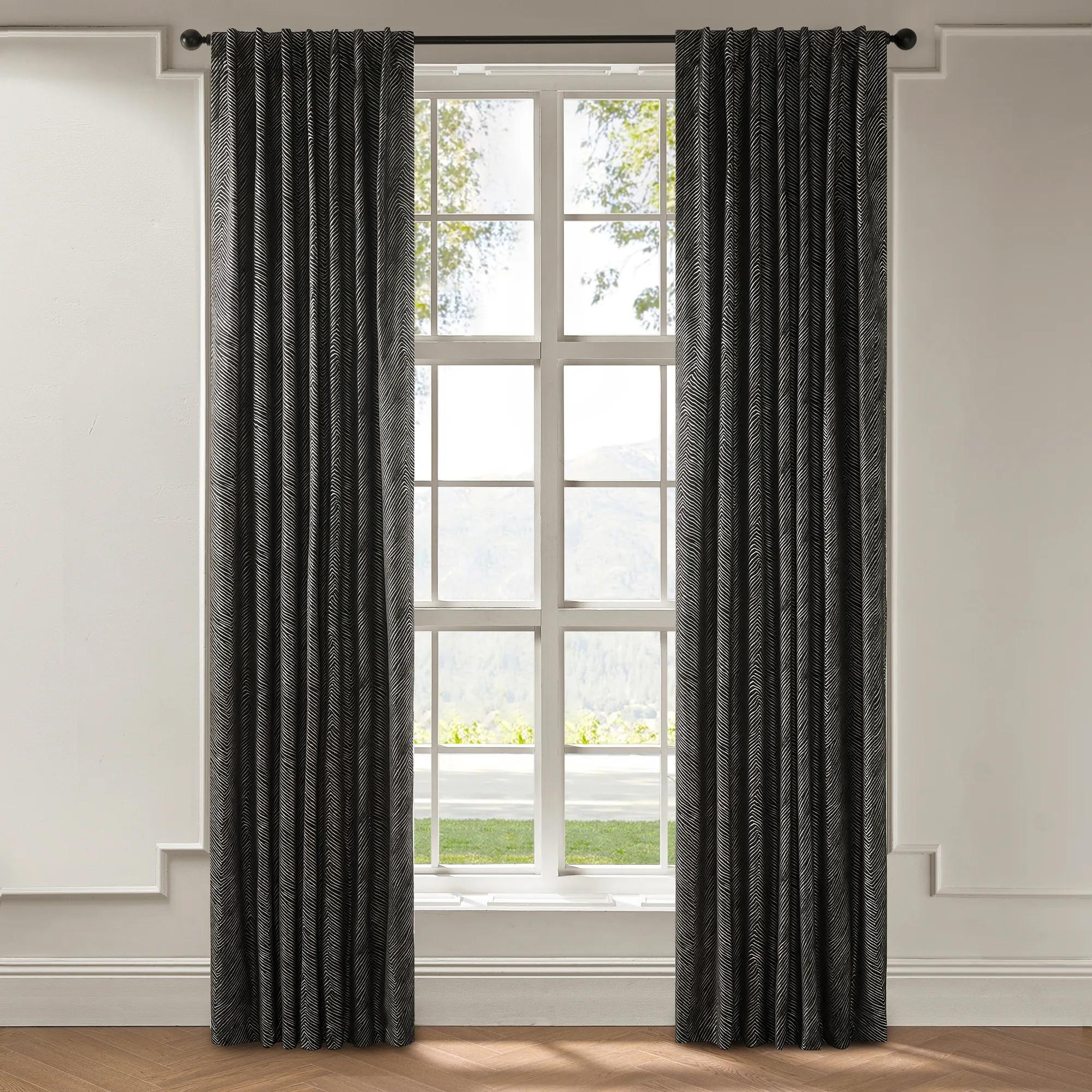
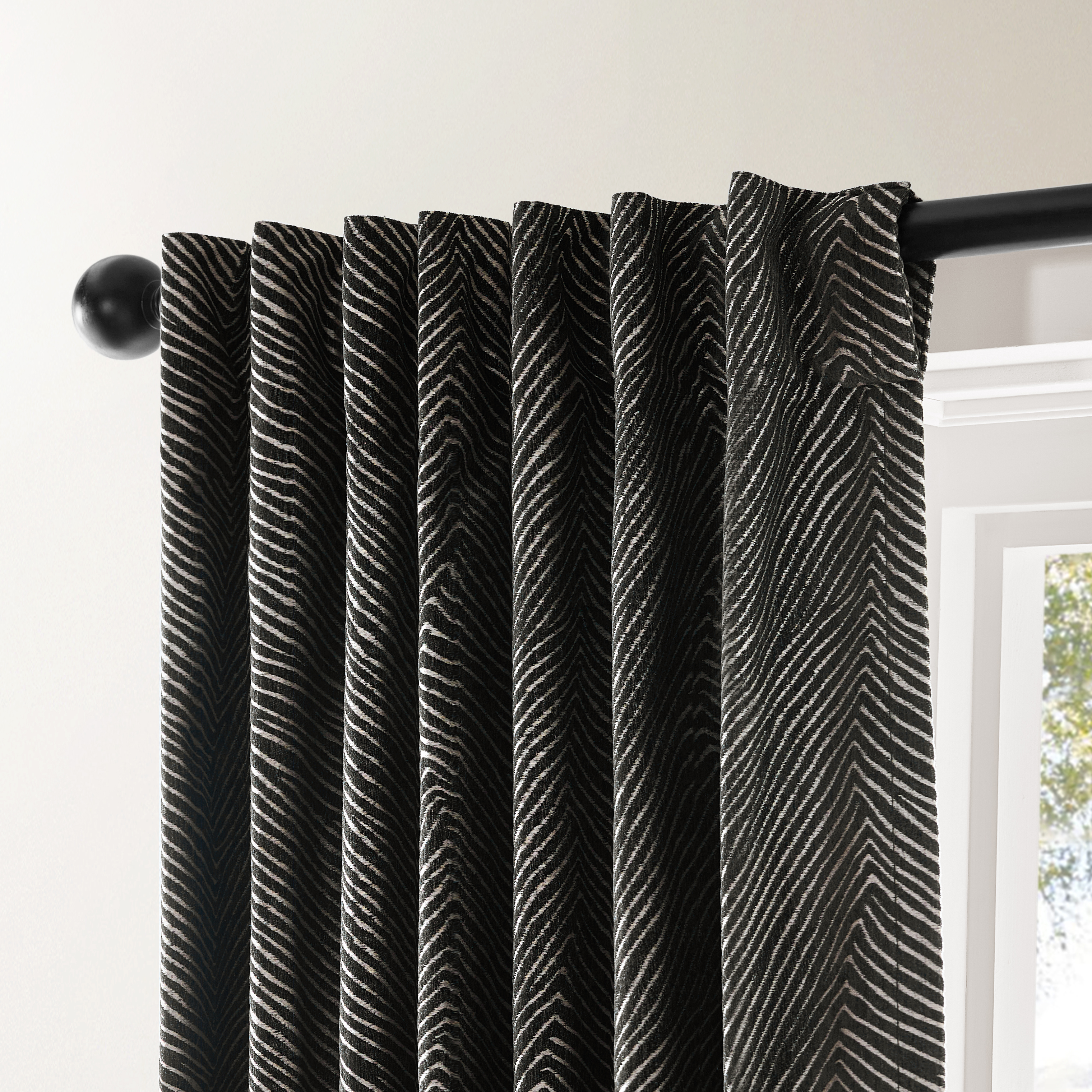 Kenzo Black Chenille Window Curtain Panel$119
A black chenille jacquard curtain with a luxe sheen and versatile dual hanging options for modern spaces.
Add To Cart -

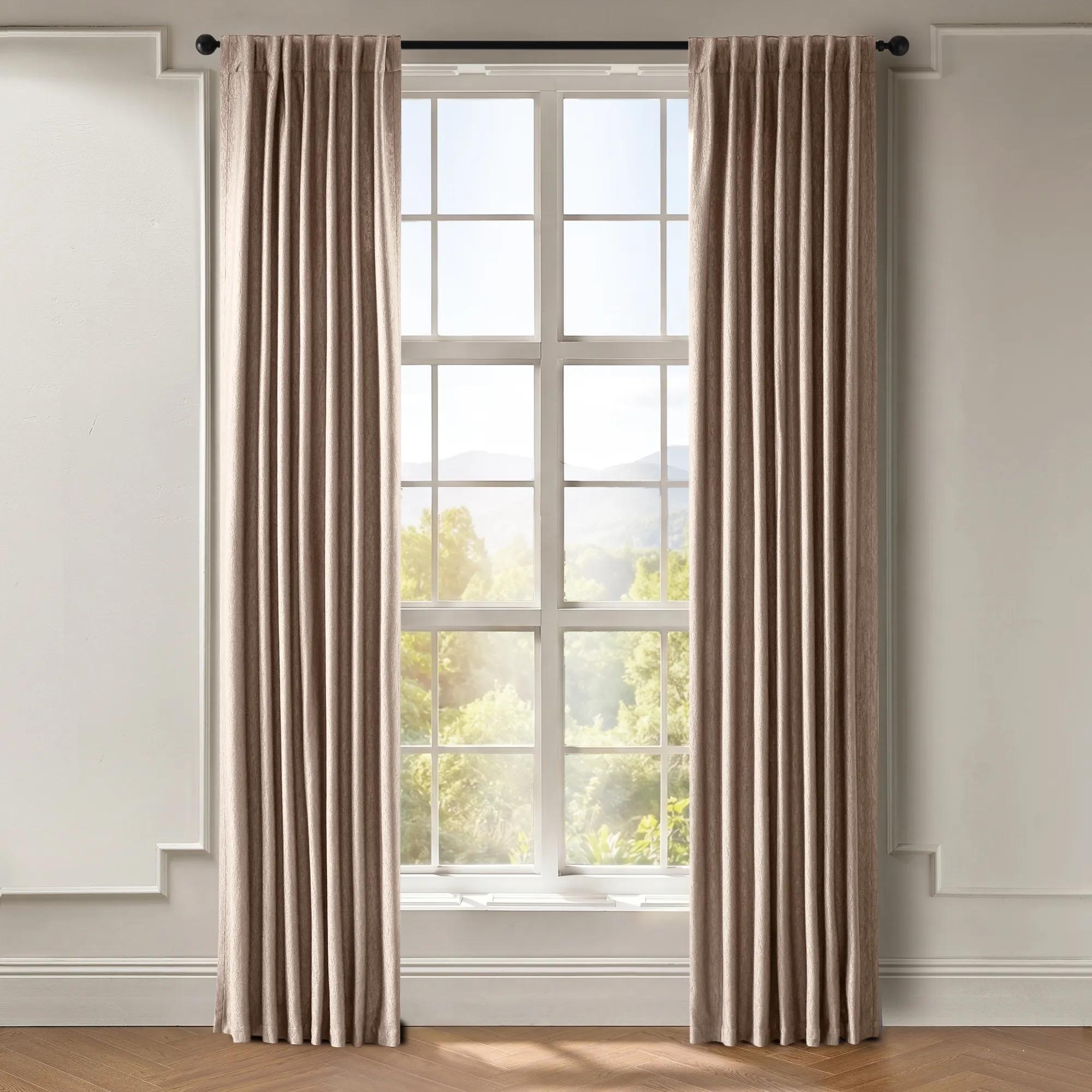
 Adair Sand Solid Velvet Window Curtain Panel$89
A sand-colored velvet curtain offering room-darkening privacy and versatile hanging options for refined interiors.
Add To Cart -
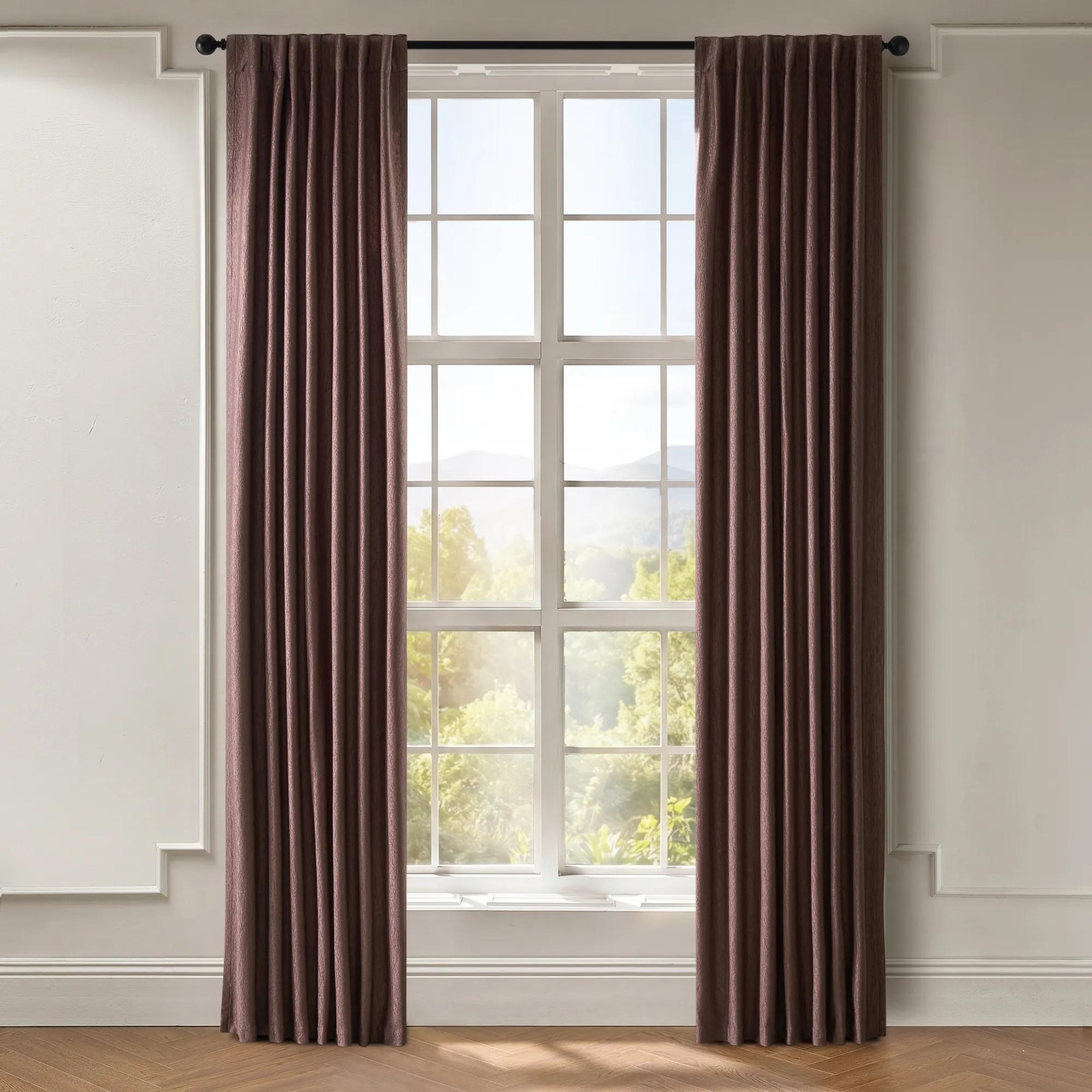
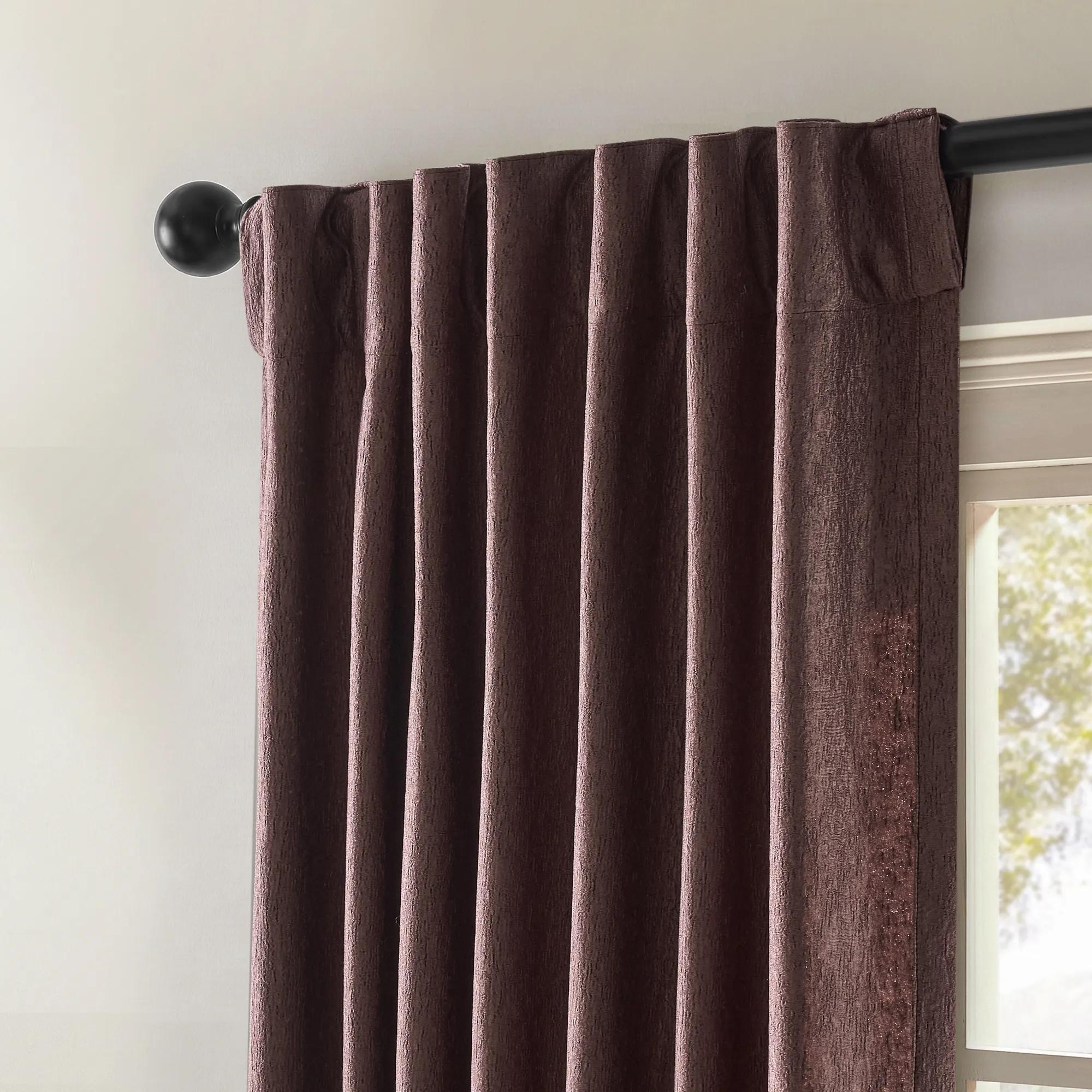 Anson Fig Textured Window Curtain Panel$109
A room-darkening fig curtain panel with a crushed sheen texture and versatile dual hanging options.
Add To Cart -
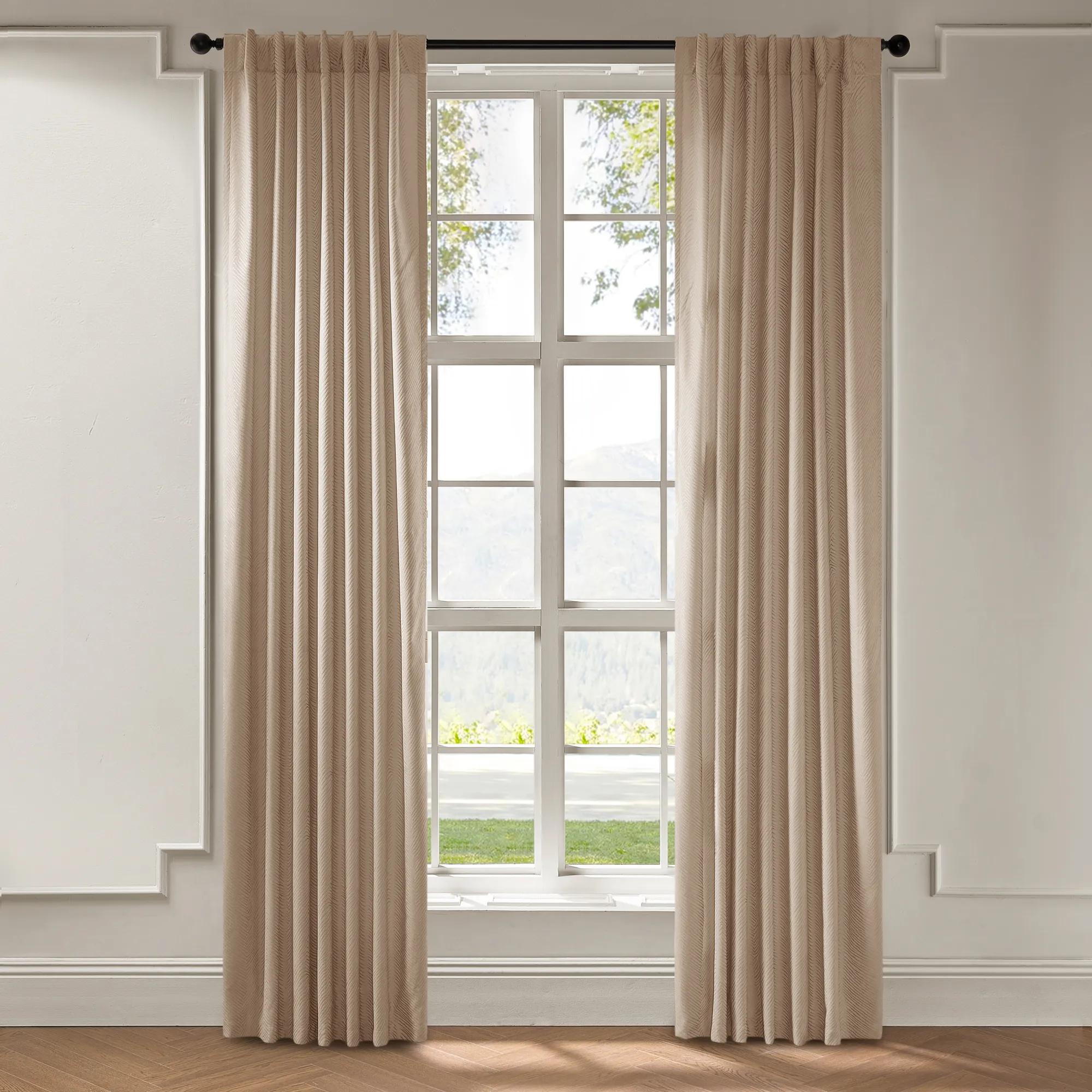 Kenzo Jacquard Beige Chenille Window Curtain Panel$119
A warm beige chenille jacquard curtain with a subtle sheen and versatile rod pocket or back tab hanging.
Add To Cart

Curtain Ideas For Bedrooms
Explore curtain ideas for bedrooms with window treatments that bring softness, dimension, and a touch of drama to your retreat. Consider how curtain length and fullness will frame your windows and complement your bedding, then weigh your light and privacy needs to balance an expressive look with a restful atmosphere.
Bedroom curtains bring softness, scale, and a sense of retreat to the room where the day begins and ends. Curtain ideas for bedrooms range from airy sheer panels that filter daylight to richly textured drapery that frames a bed with architectural presence. The most compelling choices balance the atmosphere of the room with its everyday needs: privacy, light control, comfortable movement, and a finish that feels considered alongside the bedding and furniture. Linen and linen blends introduce a visible weave and gently relaxed folds, making them a beautiful counterpoint to polished nightstands or a tailored upholstered headboard. Cotton offers a softer, more understated surface, while velvet creates depth through its plush pile and shifting highlights. Polyester and blended fabrics can offer a fluid drape and resistance to wrinkling, although performance varies with construction and finish. Sheer fabrics create a luminous veil across a window, softening the view without making the space feel visually enclosed. They generally do not provide reliable nighttime privacy when interior lights are on, so bedrooms facing neighboring homes or a shared courtyard often benefit from an additional opaque layer. Light-filtering curtains soften brightness, room-darkening curtains reduce incoming light more substantially, and blackout curtains are designed to block light through the fabric. Even blackout fabric cannot eliminate light entering around the edges, making coverage and installation important parts of the result. For someone who sleeps during daylight hours, a lined panel with generous overlap can be more useful than a decorative sheer alone. In a guest bedroom, layered curtains offer flexibility, allowing visitors to enjoy diffused daylight or draw the heavier panels for greater privacy. Fabric weight does not establish light-blocking performance by itself; the lining, weave, and stated construction matter more than an impression of thickness. Together, these details turn bedroom window treatments into an expressive design element with a clear purpose.
Proportion gives bedroom drapery its most polished presence. Floor-length curtains create an uninterrupted vertical line that can make a modest window feel more substantial, particularly when the rod extends above and beyond the opening. Positioning the hardware higher on the wall draws attention upward, while extending it beyond the window allows the panels to stack to the sides without covering as much glass when open. The exact placement depends on ceiling height, molding, wall space, and the clearance needed for the chosen hardware. A low ceiling benefits from a clean, elongated line; a broad wall can carry fuller panels with generous folds. For many flat curtain panels, a combined fabric width of roughly one and a half to two and a half times the rod width creates an appealing sense of fullness, although the appropriate ratio depends on the fabric and heading style. Made-to-pleat panels may use different sizing conventions, so finished-width information deserves close attention. Length is equally consequential. Curtains that just meet the floor have a tailored finish, while a slight break introduces softness without an exaggerated pool of fabric. More dramatic pooling creates a luxurious effect but collects dust and can interfere with walking paths, making it less practical beside a frequently used bedside route. Shorter curtains can be appropriate where furniture or architectural features prevent a full-length treatment, provided the proportions look deliberate. Measurements should account for whether the fabric hangs from rings, a rod pocket, tabs, or a track, because each changes the starting point of the finished drop. Headers also shape the mood: crisp pleats feel composed, rod pockets create gathered softness, and grommets form broad, regular folds. Double rods or layered tracks accommodate a sheer behind an opaque panel, giving the window depth and allowing each layer to move independently. Secure mounting and hardware rated for the full fabric weight are especially important with dense or lined drapery.
Color and texture connect bedroom curtains to the larger composition without requiring every surface to match. Ivory panels against pale walls create a continuous backdrop that lets a sculptural lamp or richly upholstered bed command attention. Charcoal, ink blue, or deep jewel tones give a window more definition, particularly when echoed in a pillow, artwork, or the edge of a patterned rug. A subtle sheen can catch the light beside mirrored furniture, while a matte weave provides contrast to gleaming metal and lacquered finishes. The flowing folds and layered translucency of window curtains for romantic bedrooms bring a more intimate expression of glamour, especially alongside plush bedding and softly contoured furniture. Romance does not require elaborate ornament; generous fabric, a nuanced neutral palette, and graceful movement can establish the mood with restraint. Pattern offers another form of expression. A large-scale motif needs enough uninterrupted fabric to remain legible, while a smaller repeat can introduce detail without competing with an ornate headboard. In a bedroom already rich with pattern, solid curtains give the eye a place to rest. Practical care helps preserve that carefully composed effect. Machine-washable fabrics can suit frequently used bedrooms, but washing temperature, drying method, and shrinkage allowances should always follow the care label. Velvet, silk, embellished fabrics, and some lined constructions may require professional cleaning rather than home laundering. A gentle vacuum attachment or another label-approved method can help remove surface dust between deeper cleanings, and any steaming should be appropriate for the fiber and finish. Direct sunlight can fade or weaken certain textiles over time; a suitable lining can help protect the decorative face fabric but does not make it immune to exposure. Strong seams, securely attached headers, and hardware that moves smoothly support repeated opening and closing. For primary suites, guest rooms, and smaller sleeping spaces alike, the enduring appeal comes from this balance: beautiful fabric, thoughtful proportions, and a level of privacy and light control that supports the way the room is used.
FAQs
Bedroom curtains with tailored pleats, fluid folds, or a subtle sheen bring a sense of occasion to the room. Pair structured drapery with a sculptural bed for a polished composition, or choose softly gathered panels to introduce romance alongside gleaming accents.
Let your bedroom’s palette guide the mood. Ivory and champagne create a luminous backdrop, while charcoal and jewel tones introduce richer drama. For a cohesive look, echo a shade from your artwork or bedding rather than matching every element exactly.
Solid curtains give expressive bedding and statement artwork room to shine. Patterned curtains can become the room’s artistic focal point, especially against simpler furnishings. Try an abstract motif for a modern composition or a geometric design for a more tailored rhythm.
Pair airy panels with more richly textured drapery to create visual depth. Keep the layers within one color family for tonal sophistication, or contrast a pale inner layer with a deeper outer curtain. Distinct textures make the arrangement feel thoughtfully composed.
Treat curtain hardware as jewelry for your windows. A gleaming finish can echo bedside lighting, while sculptural finials introduce an artful detail. Decorative tiebacks lend a more theatrical gesture; curtains left untied offer a fluid, understated counterpoint to an expressive bedroom.