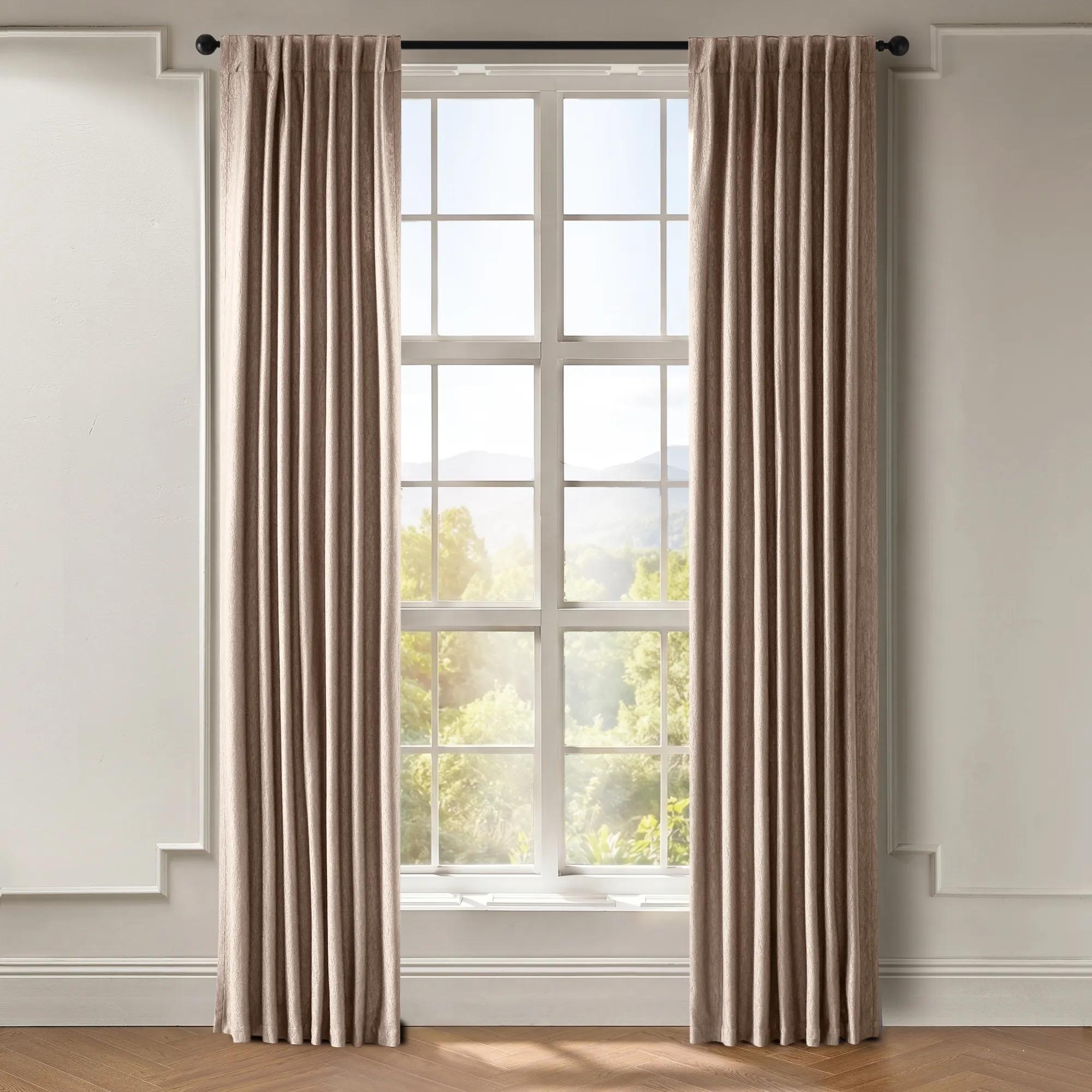
Bedroom Linen Window Curtains
Bedroom Linen Window Curtains
-
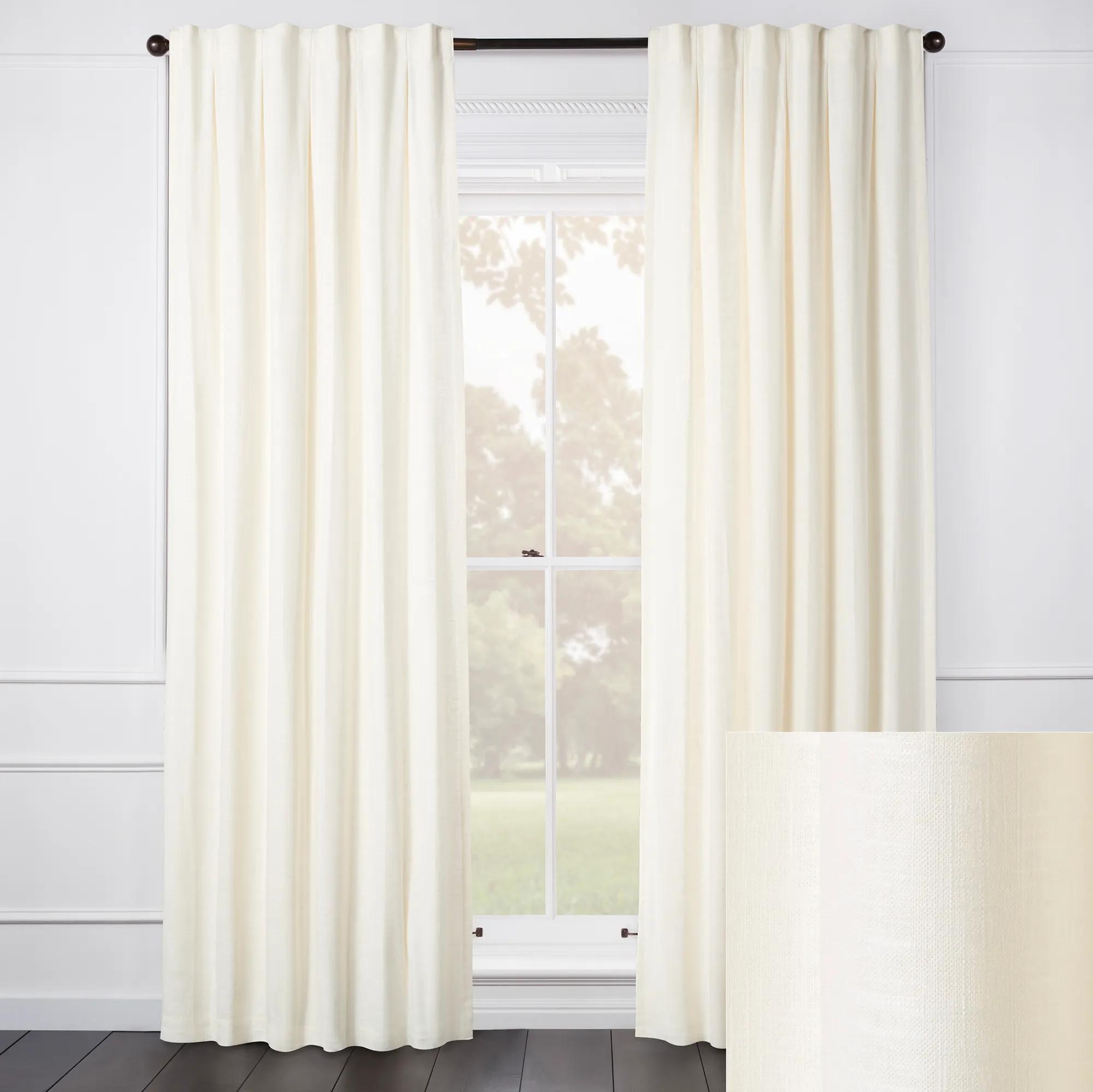
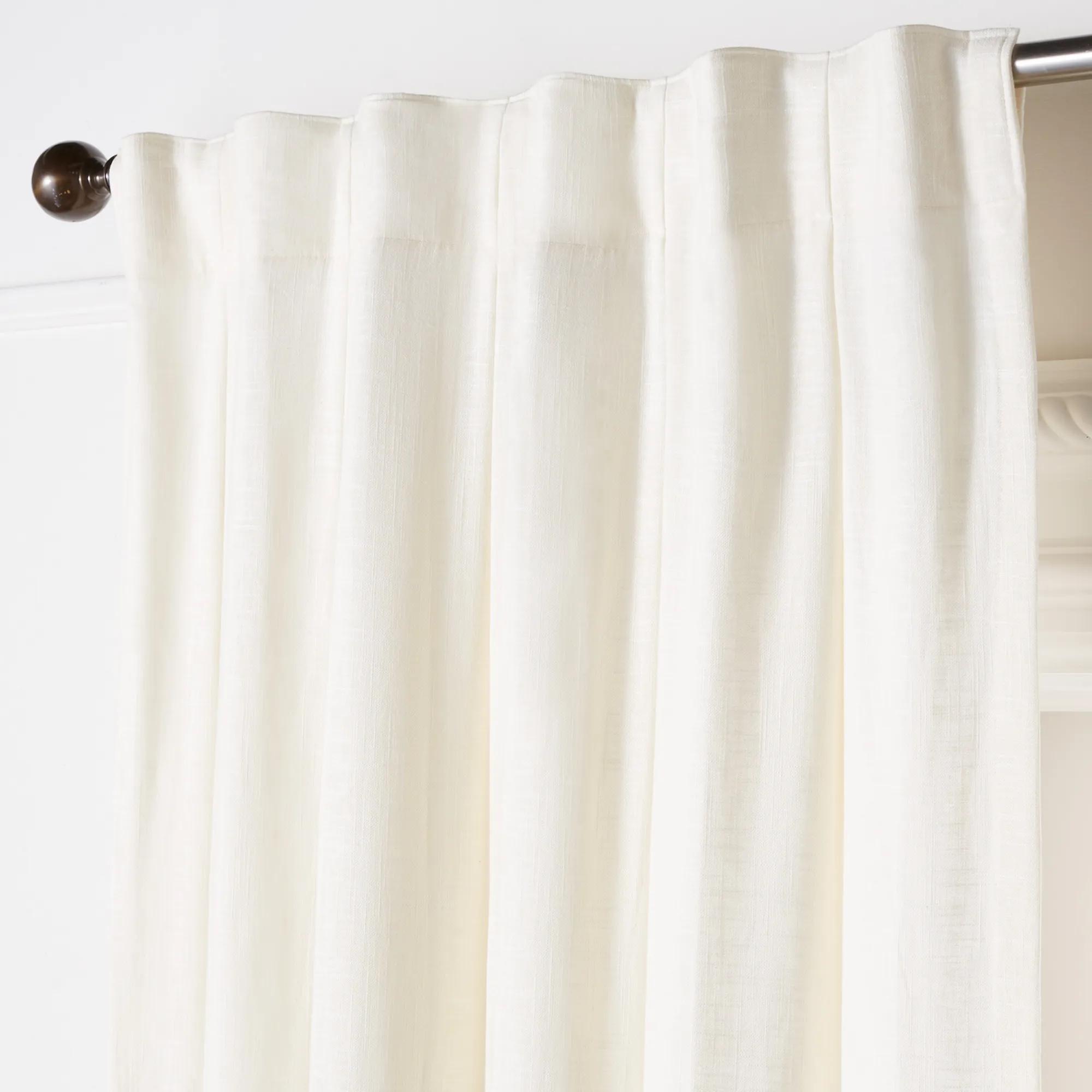 Audrey Linen Ivory Curtain - Custom$269
An ivory linen-blend curtain panel with lining, offering customizable lengths and two elegant header styles.
Add To Cart -
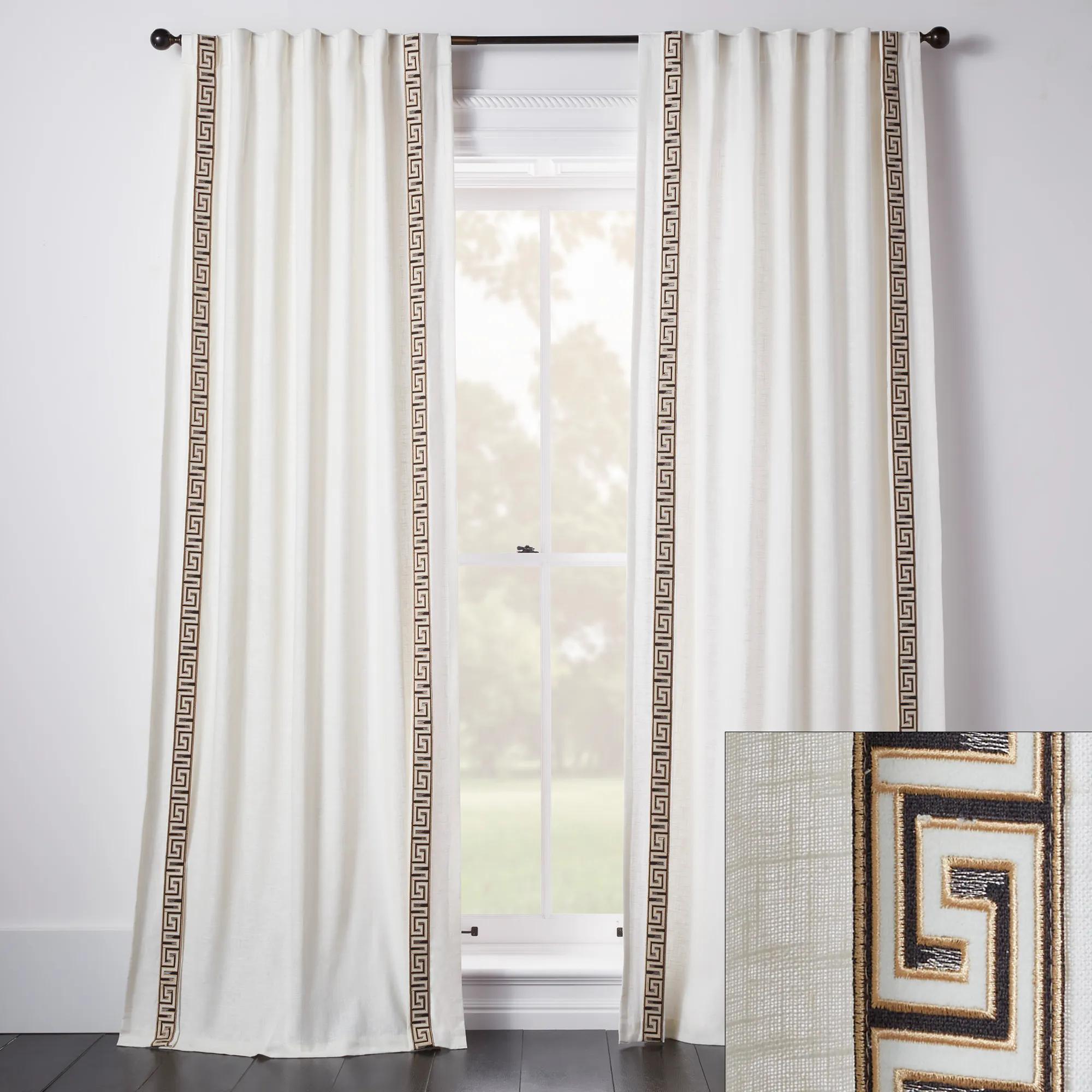 Chole Greek Key Border Velvet Widow Curtain Panels Custom$399
A white linen-blend curtain featuring a black and gold embroidered velvet Greek key border for elegant style.
Add To Cart -
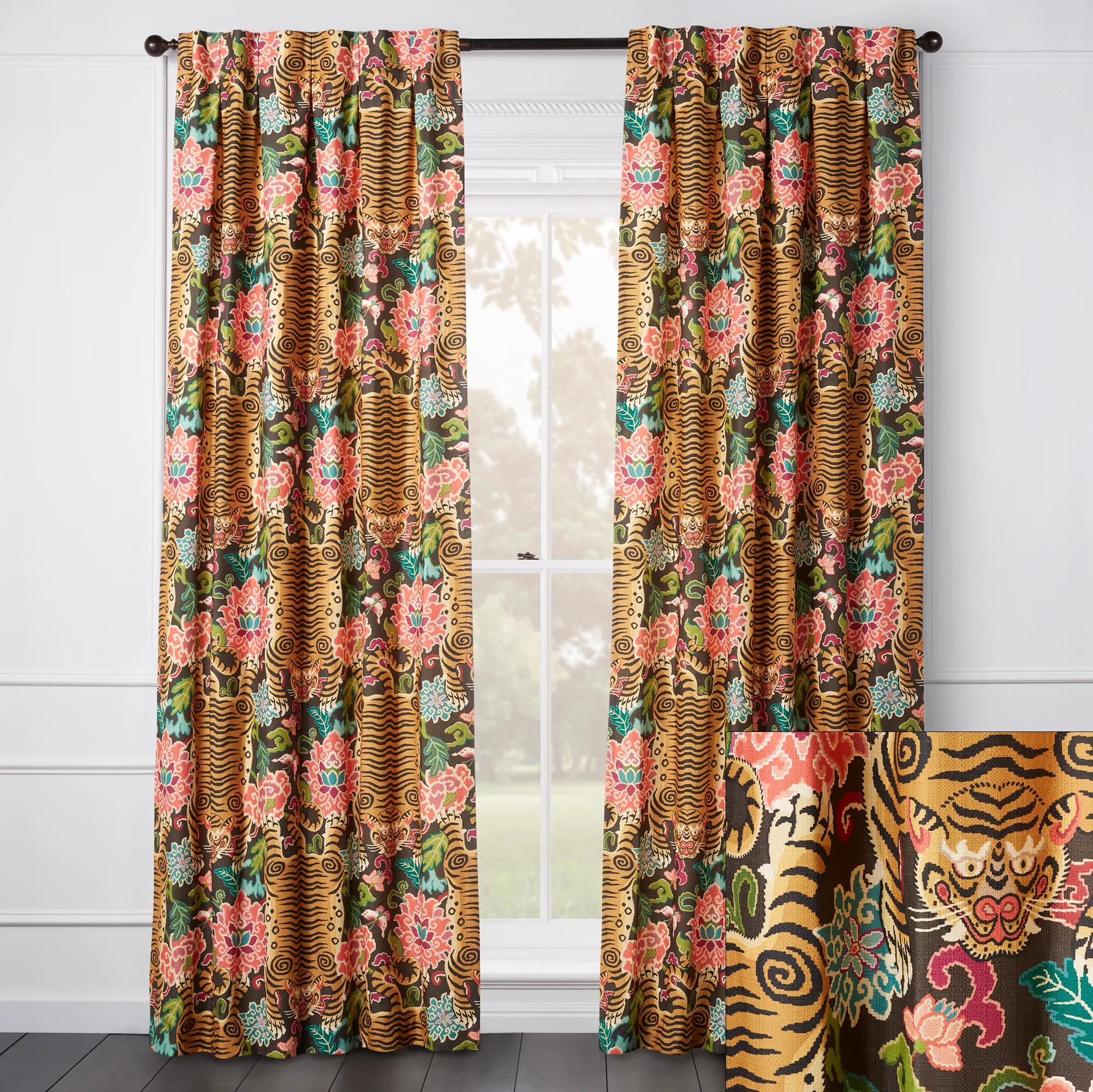
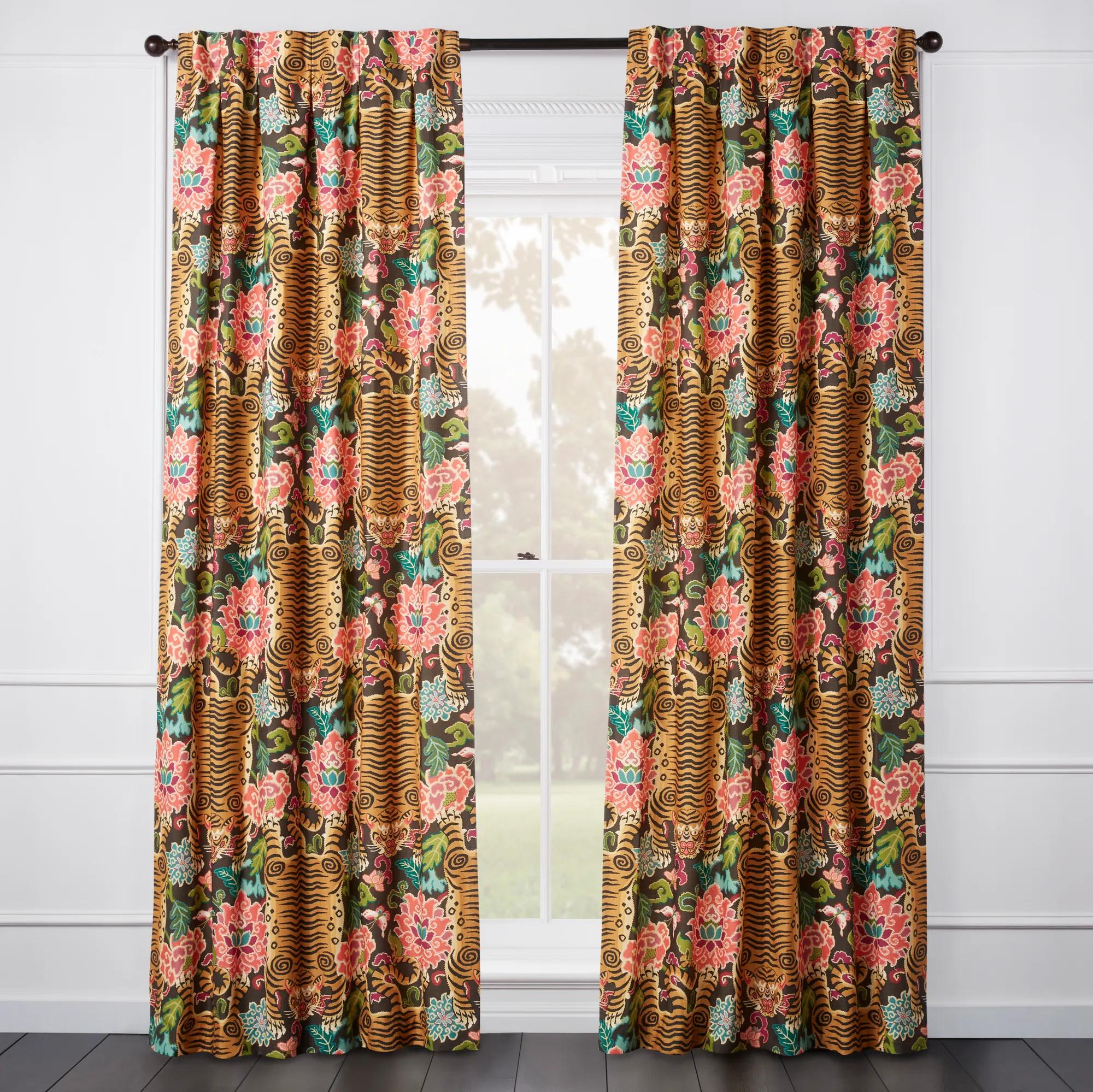 Nimer Gold/Multi Printed Slubbed Cotton Window Curtain Panel$299
A lively gold and multi-colored cotton curtain featuring a bold tiger print and customizable hanging options.
Add To Cart -
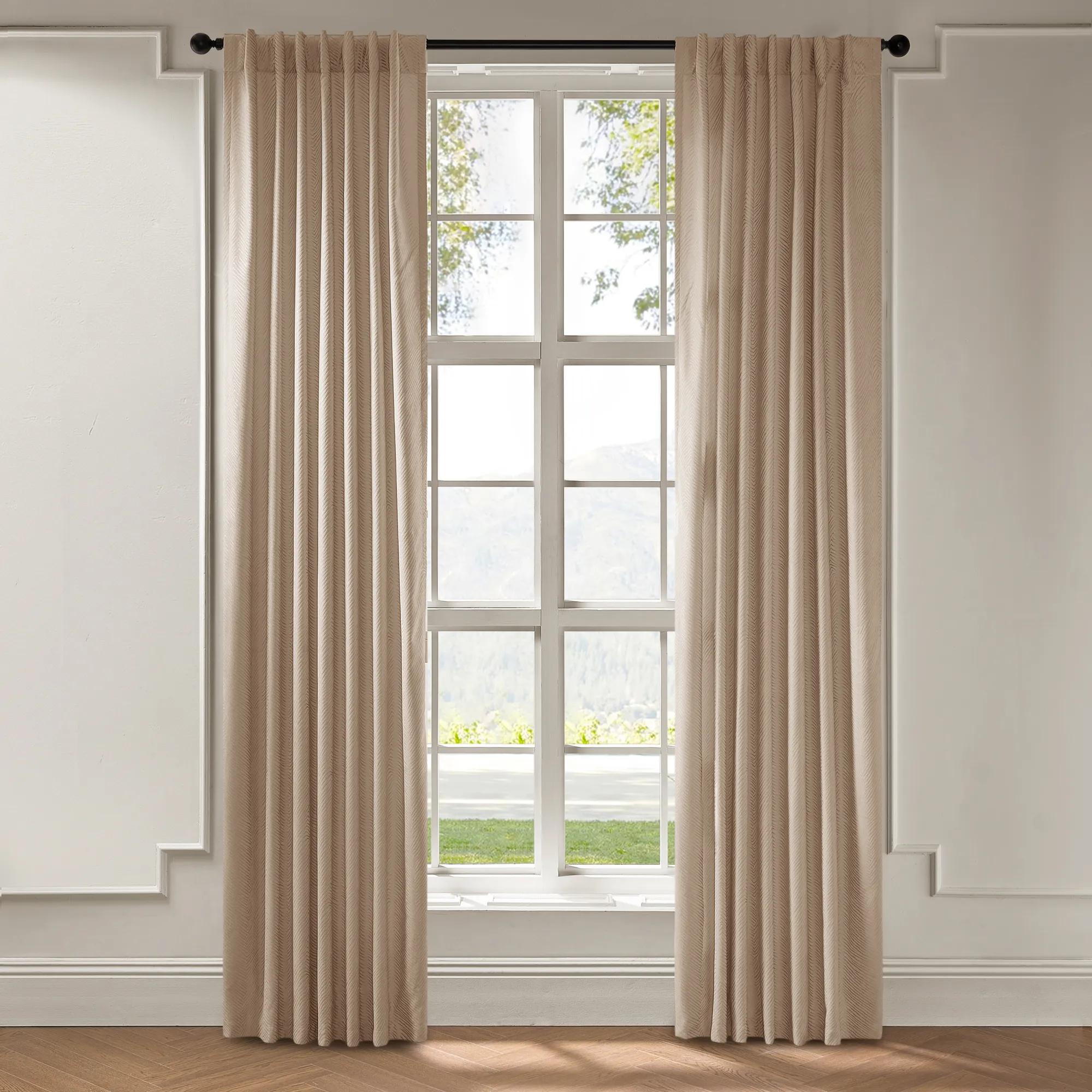 Kenzo Jacquard Beige Chenille Window Curtain Panel$129
A warm beige chenille jacquard curtain with a subtle sheen and versatile rod pocket or back tab hanging.
Add To Cart -
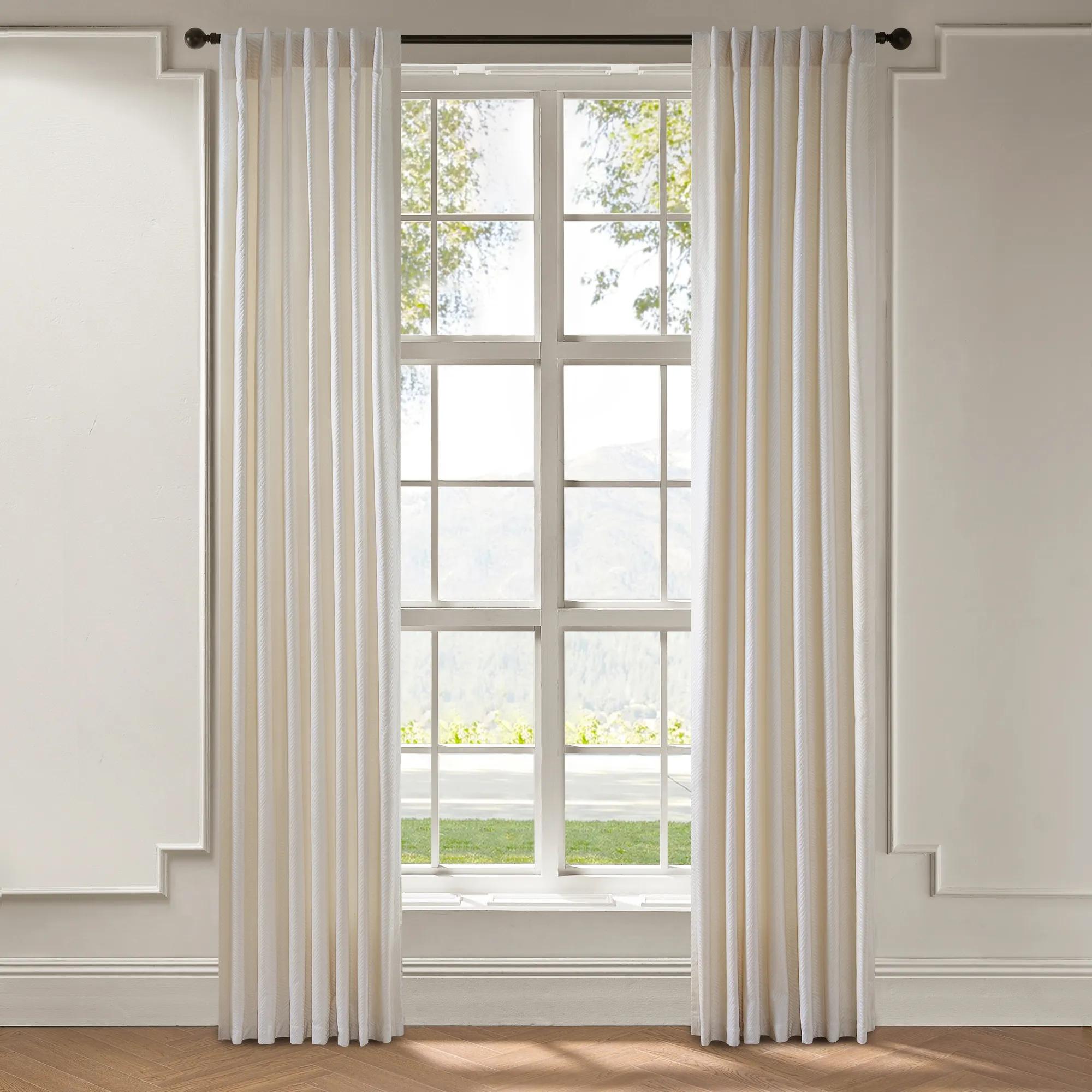
 Kenzo Chenille Curtain - White$129
A luxe white chenille jacquard curtain featuring a subtle high-contrast pattern and versatile dual construction.
Add To Cart -
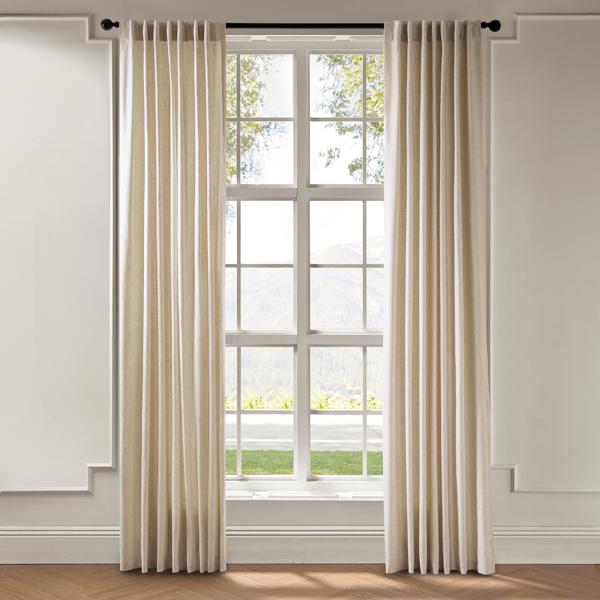
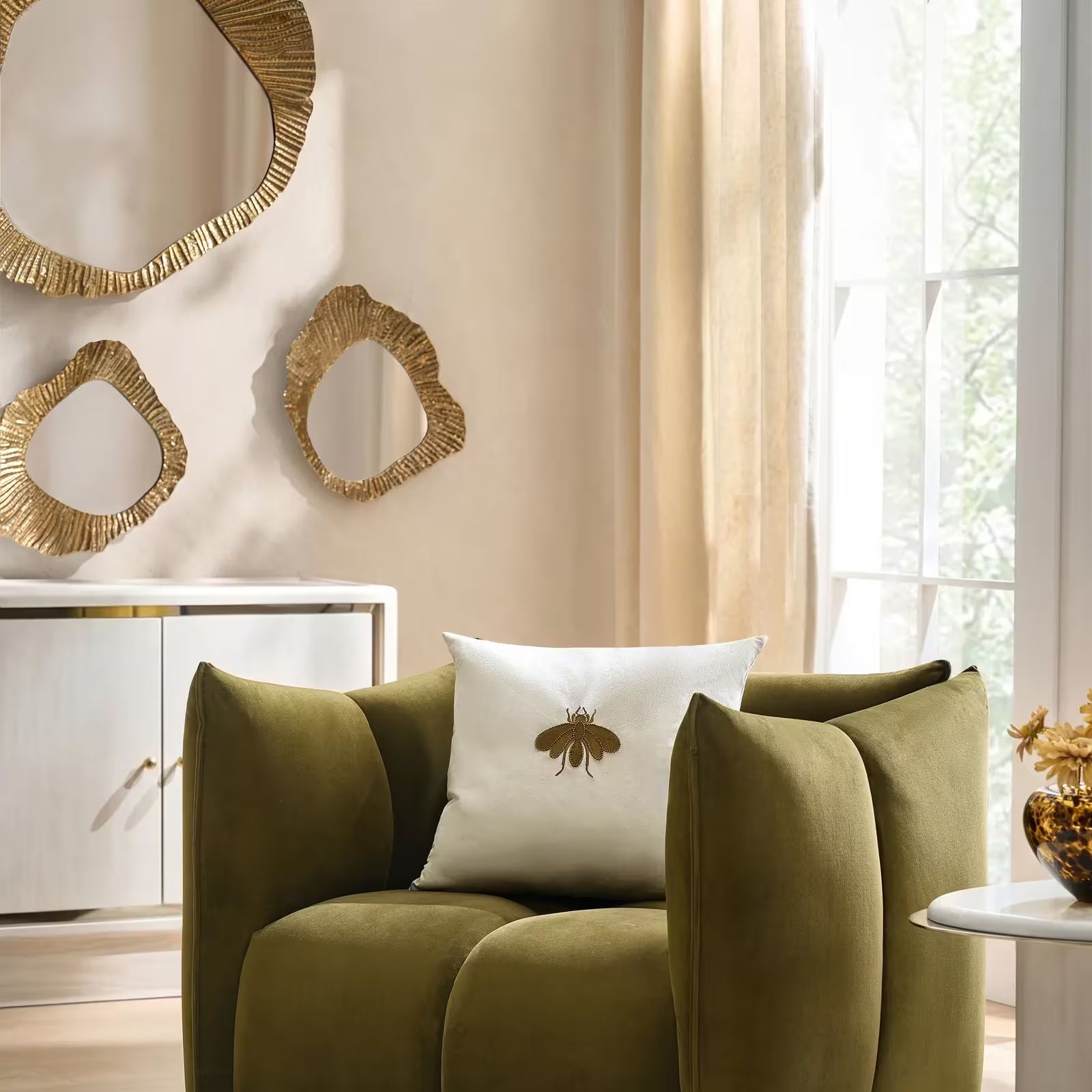 Anson Ivory Textured Window Curtain Panel$89
An ivory polyester curtain with a crushed, light-reflective texture for elegant, room-darkening style.
Add To Cart -

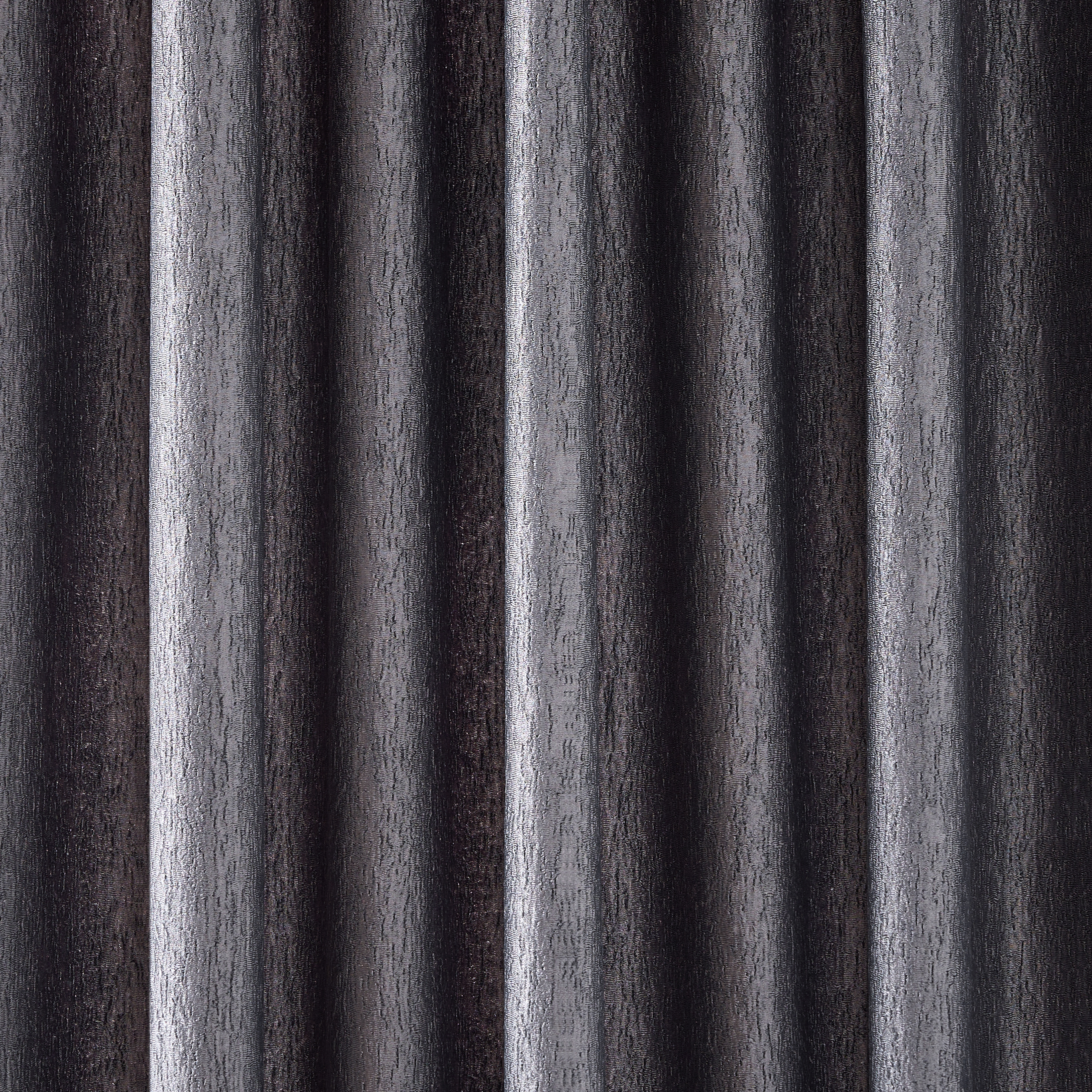 Anson Charcoal Textured Window Curtain Panel$89
A moody charcoal curtain with crushed polyester texture and subtle sheen for stylish, room-darkening appeal.
Add To Cart -
 Anson Mocha Rose Textured Window Curtain Panel$89
A light mocha rose curtain panel with crushed sheen texture and room-darkening, dual hanging design.
Add To Cart -
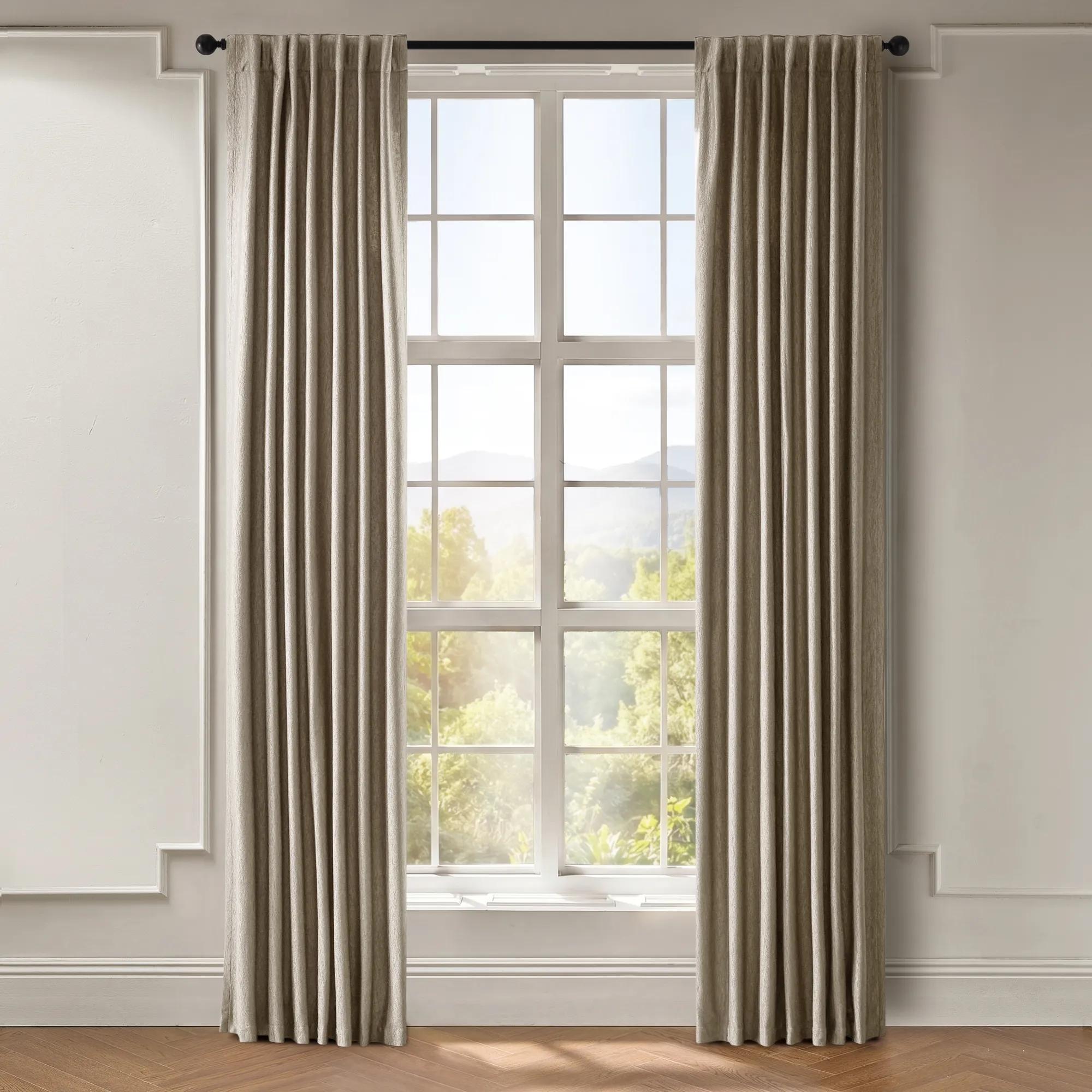
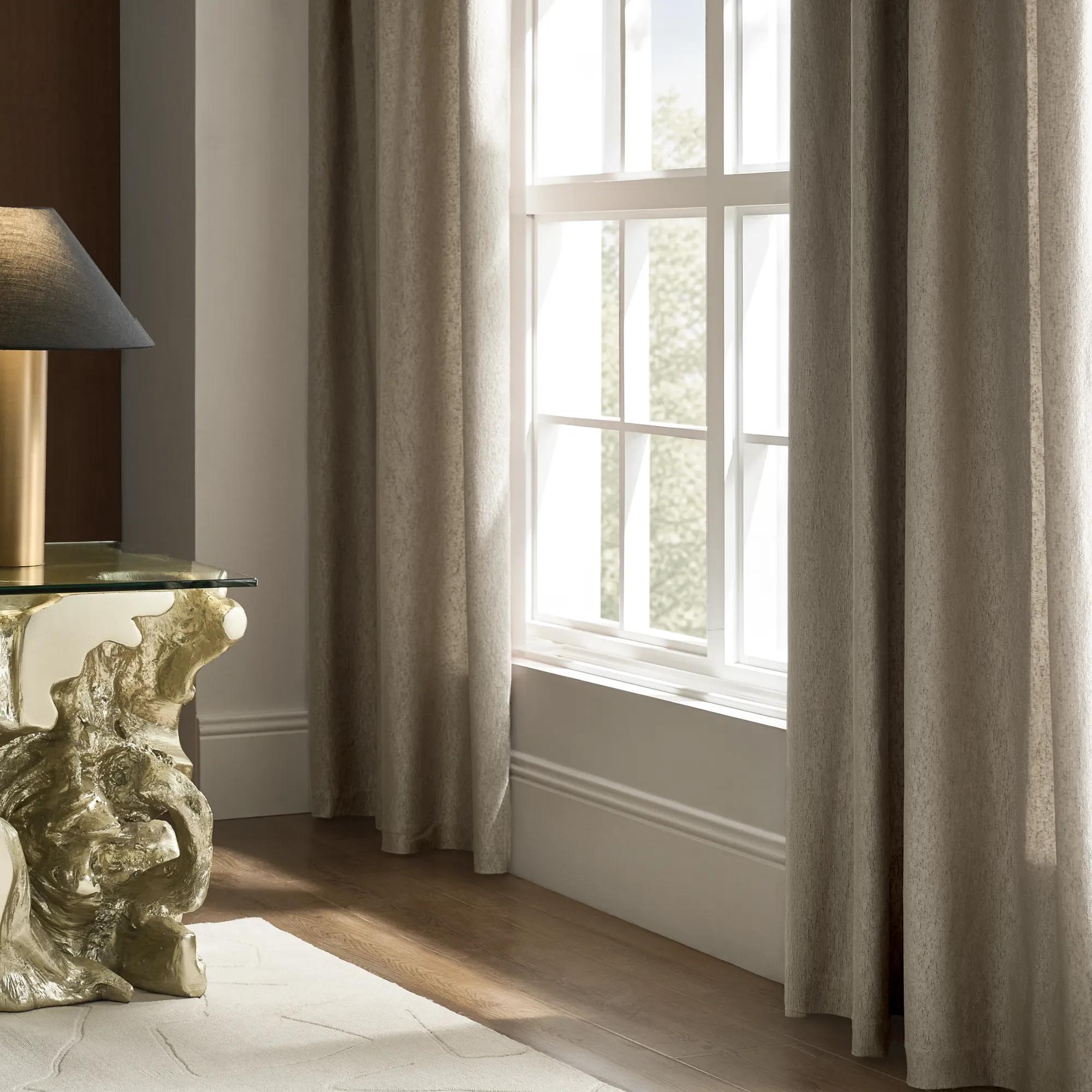 Anson Taupe Textured Window Curtain Panel$99
A taupe polyester curtain panel featuring a crushed sheen texture and versatile room-darkening design.
Add To Cart -
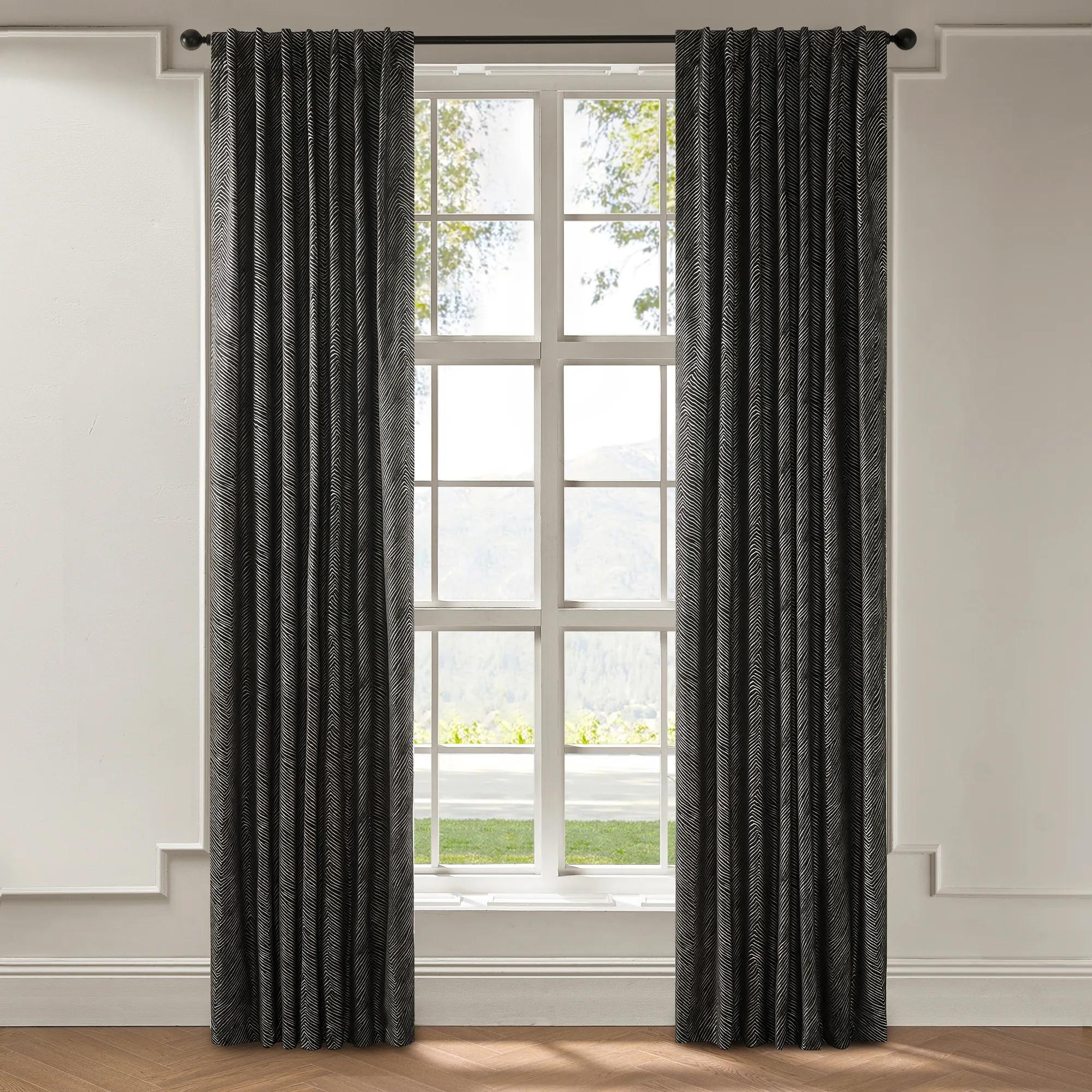
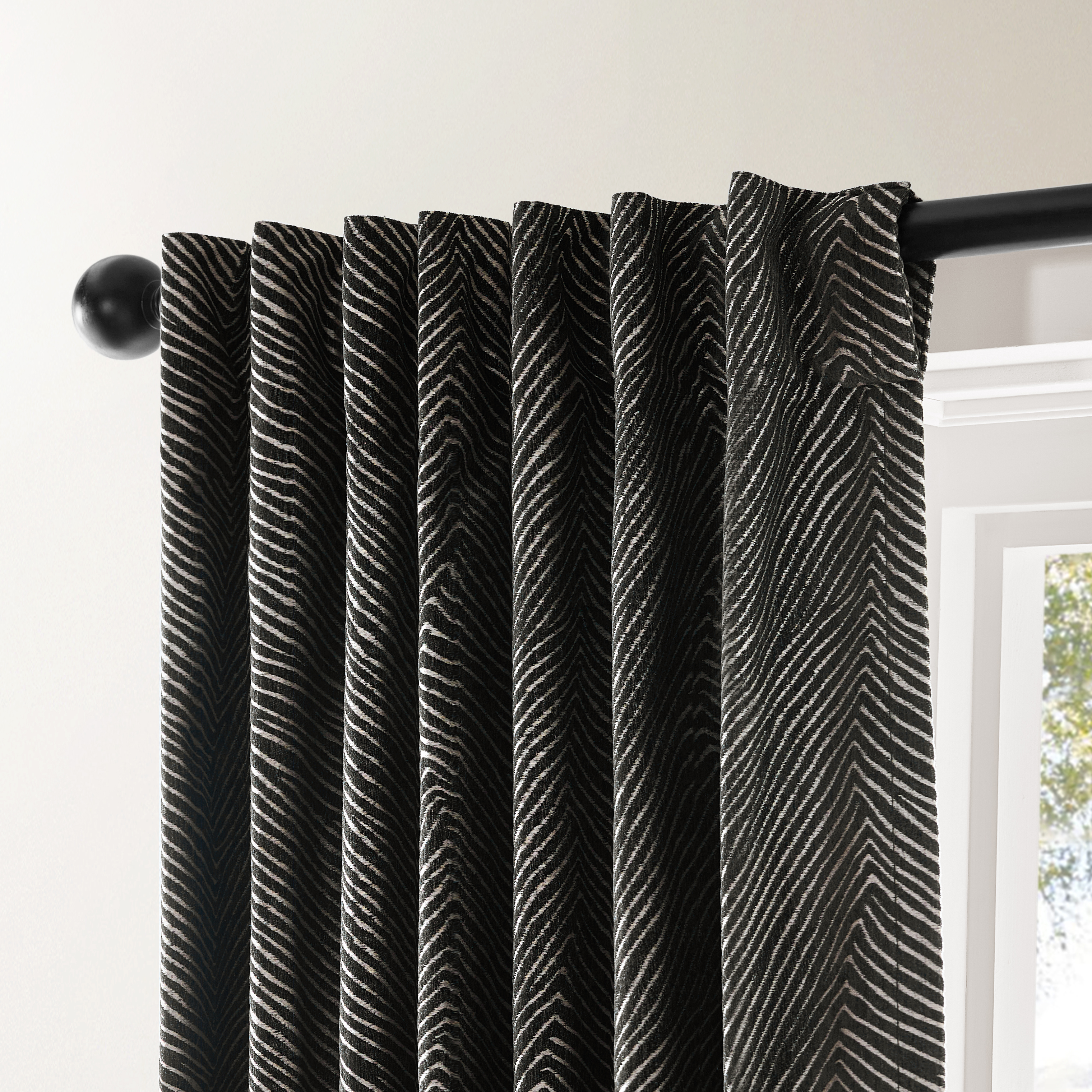 Kenzo Black Chenille Window Curtain Panel$139
A black chenille jacquard curtain with a room-darkening finish and versatile dual hanging options.
Add To Cart -

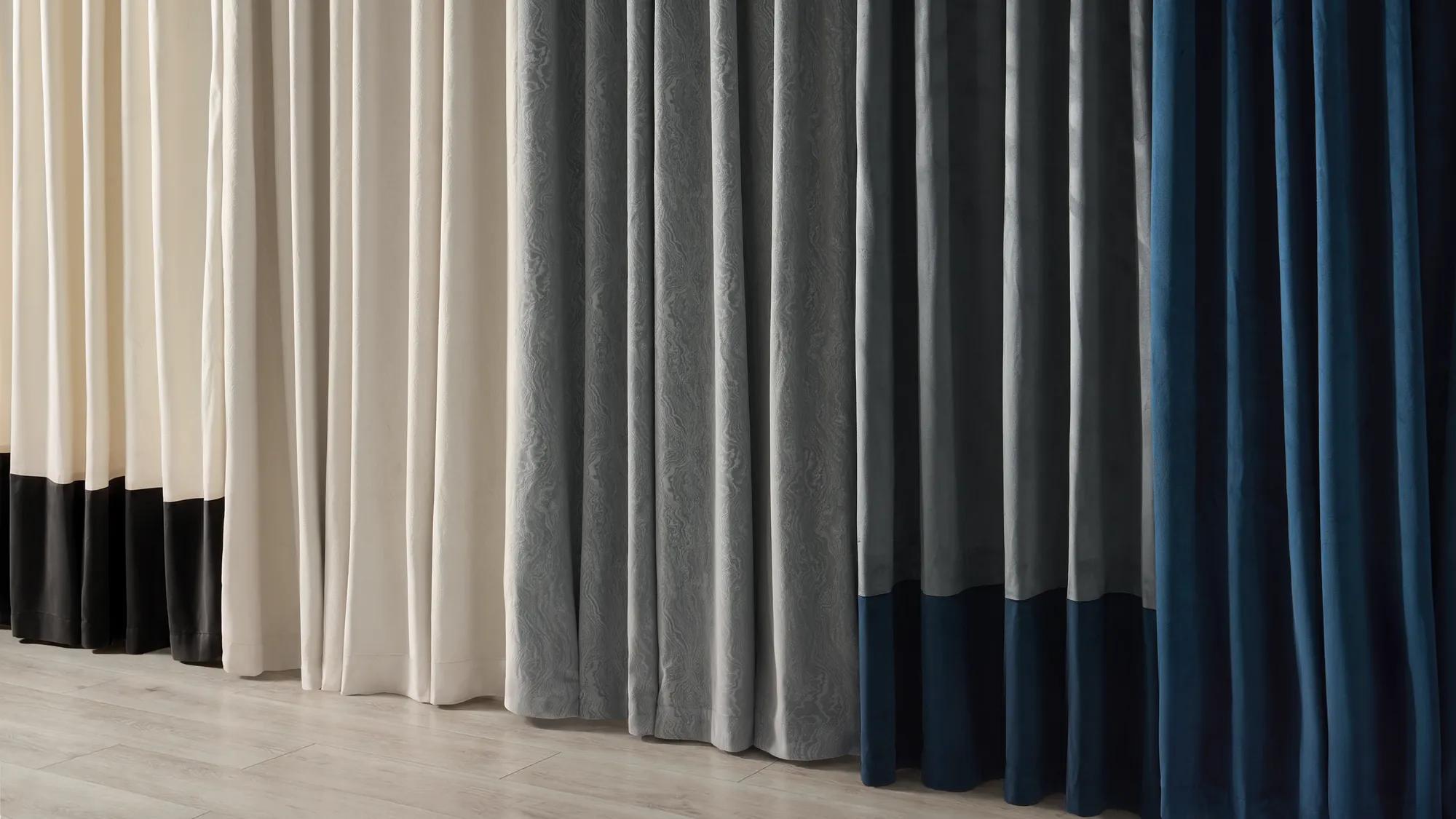 Mabel Velvet Swirl Curtain - Grey Blue$89
A grey blue velvet curtain featuring a tonal swirl pattern and versatile dual hanging options.
Add To Cart -
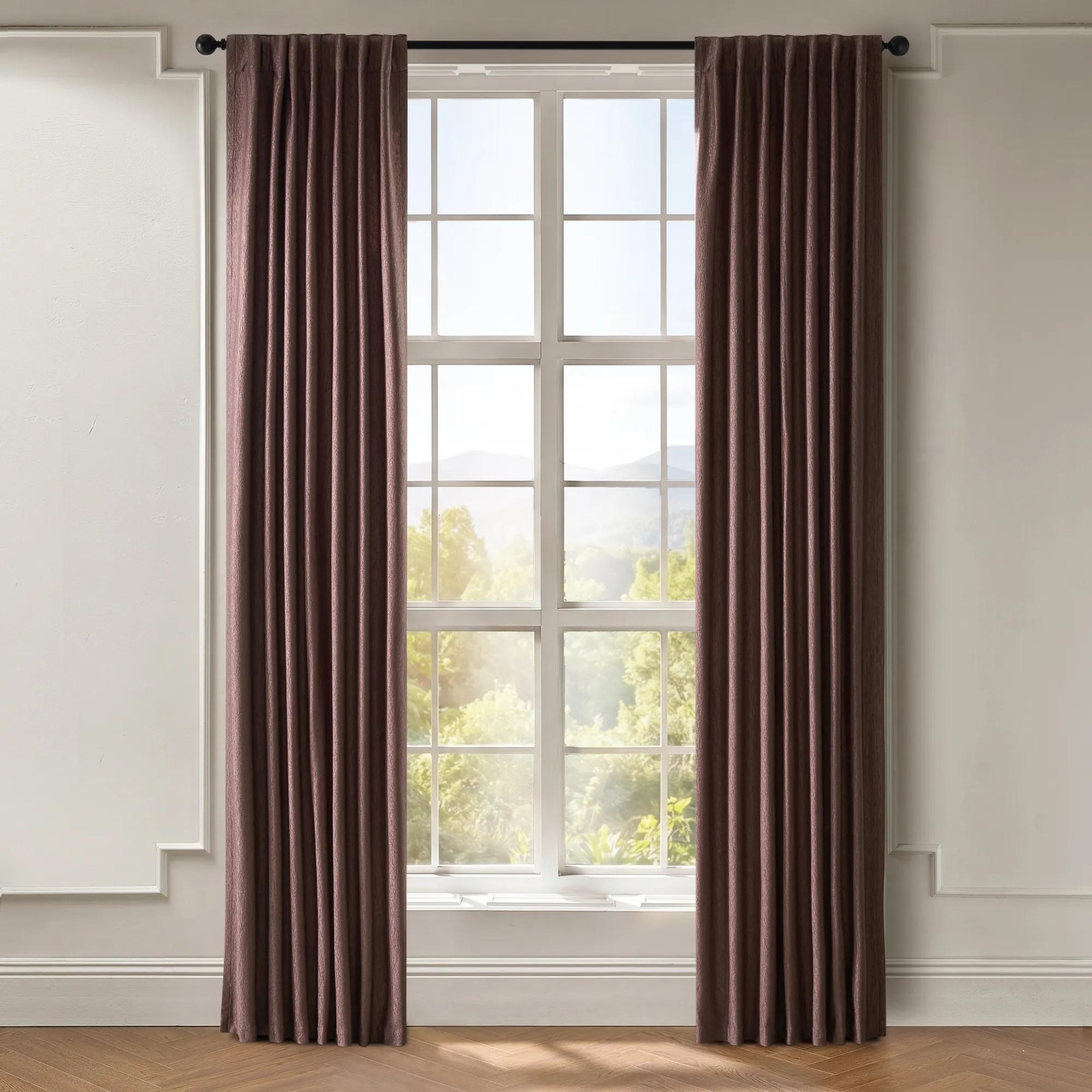
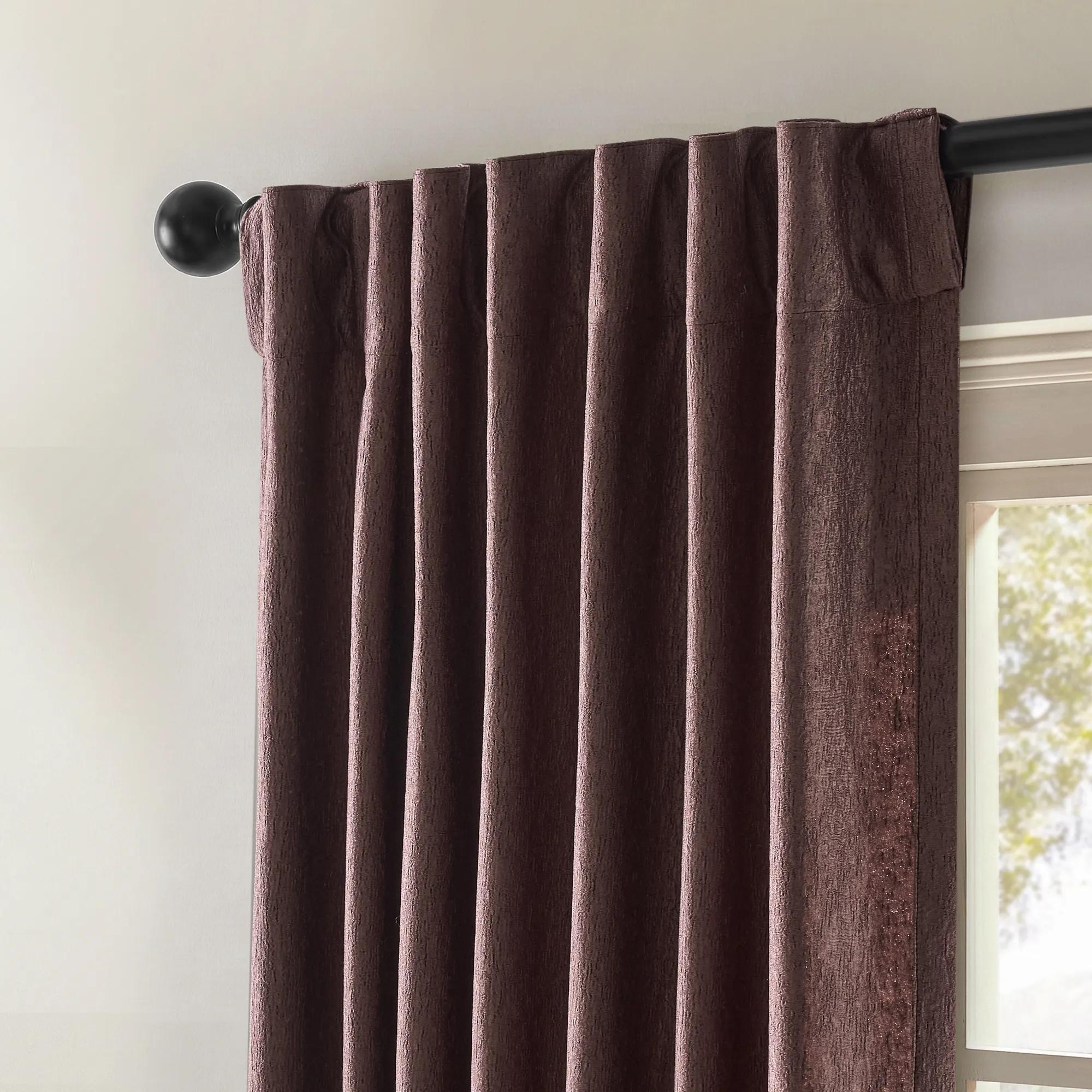 Anson Fig Textured Window Curtain Panel$89
A deep fig curtain panel with crushed sheen texture and room-darkening, dual hanging design in polyester.
Add To Cart -
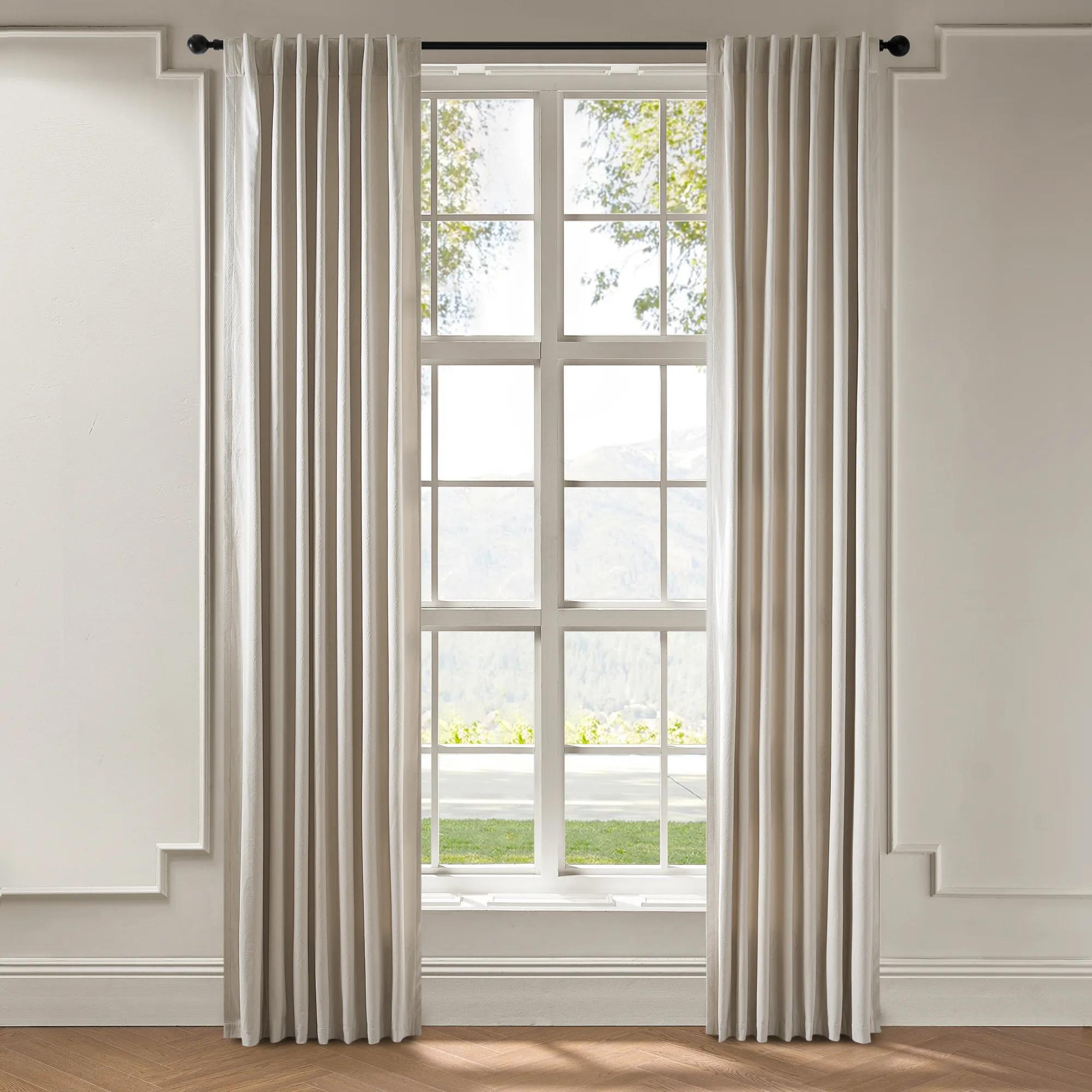
 Mabel White Velvet Swirl Window Curtain Panel$99
A crisp white velvet curtain featuring a tonal swirl texture and versatile dual hanging options.
Add To Cart -

 Mabel Natural Velvet Swirl Window Curtain Panel$99
A warm neutral velvet curtain with a tonal swirl pattern, offering room-darkening privacy and versatile hanging options.
Add To Cart -

 Adair Sand Solid Velvet Window Curtain Panel$89
A sand-colored velvet curtain offering room-darkening privacy and versatile hanging options for refined interiors.
Add To Cart -
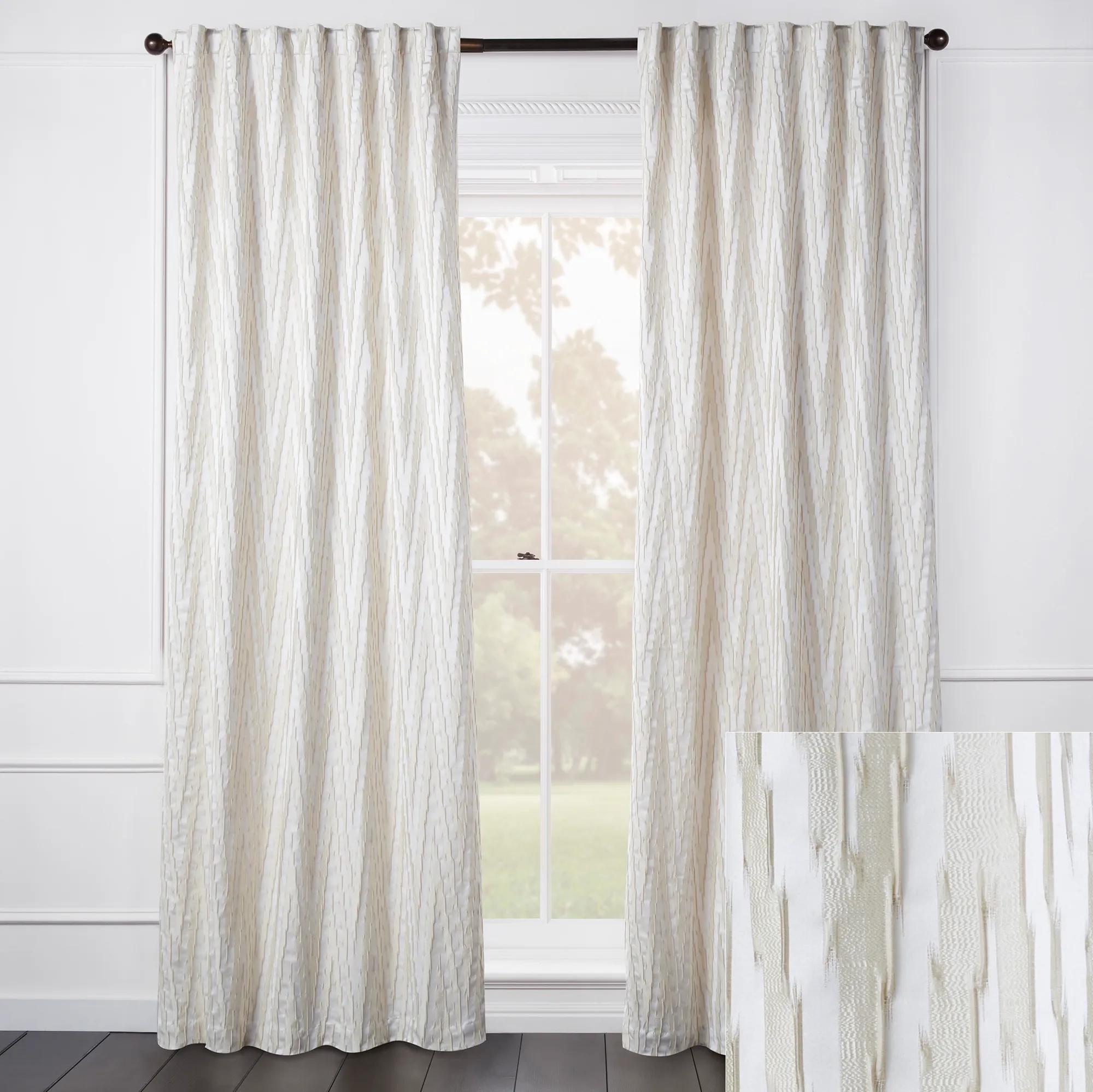
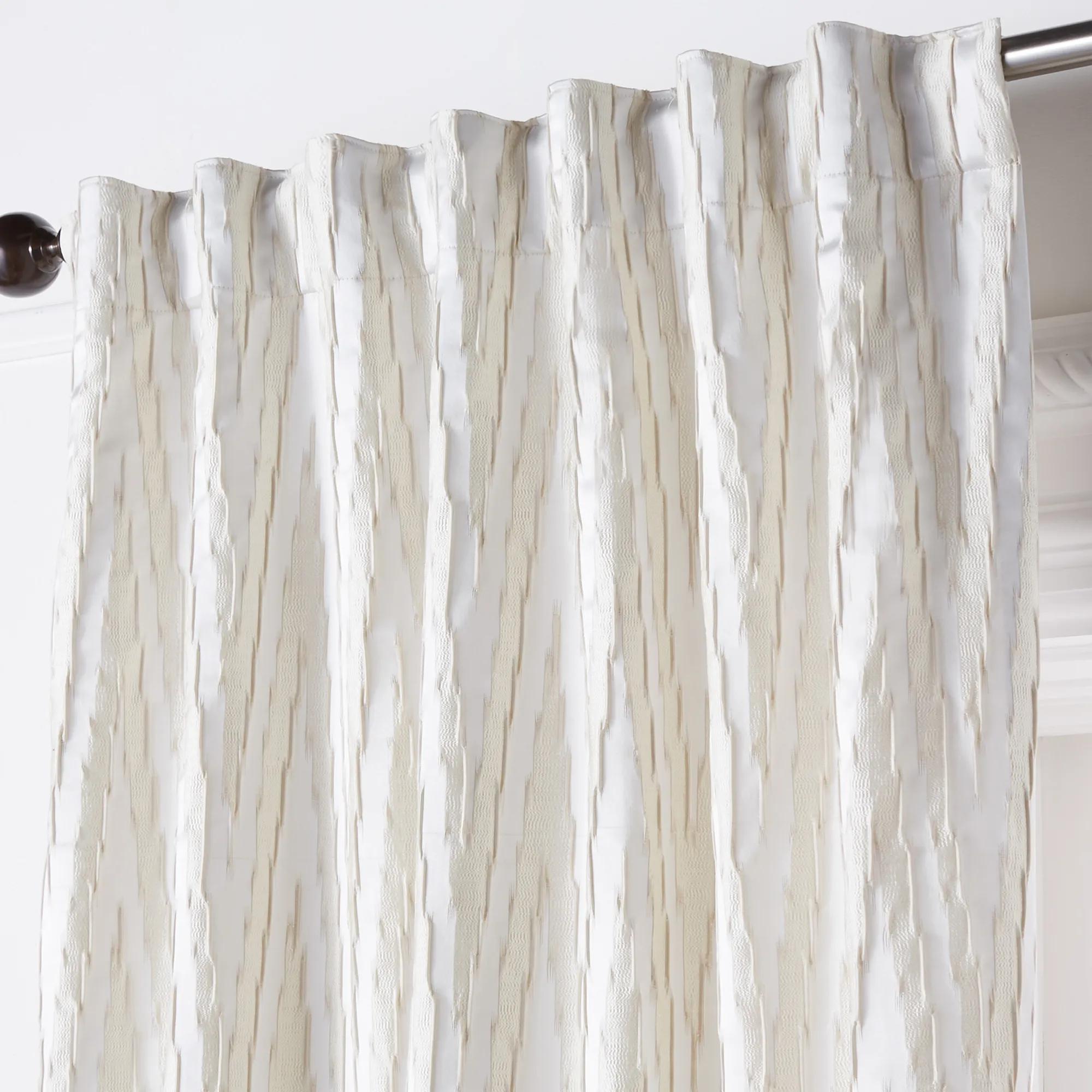 Minka Jacquard Pearl Window Curtain Panel Custom$269
A highly textured chevron curtain panel in pearl, grey, or natural polyester with customizable hanging options.
Add To Cart -

 Adair Midnight Blue Solid Velvet Window Curtain Panel$89
A sumptuous midnight blue velvet curtain that adds elegance, depth, and room-darkening style to any space.
Add To Cart -
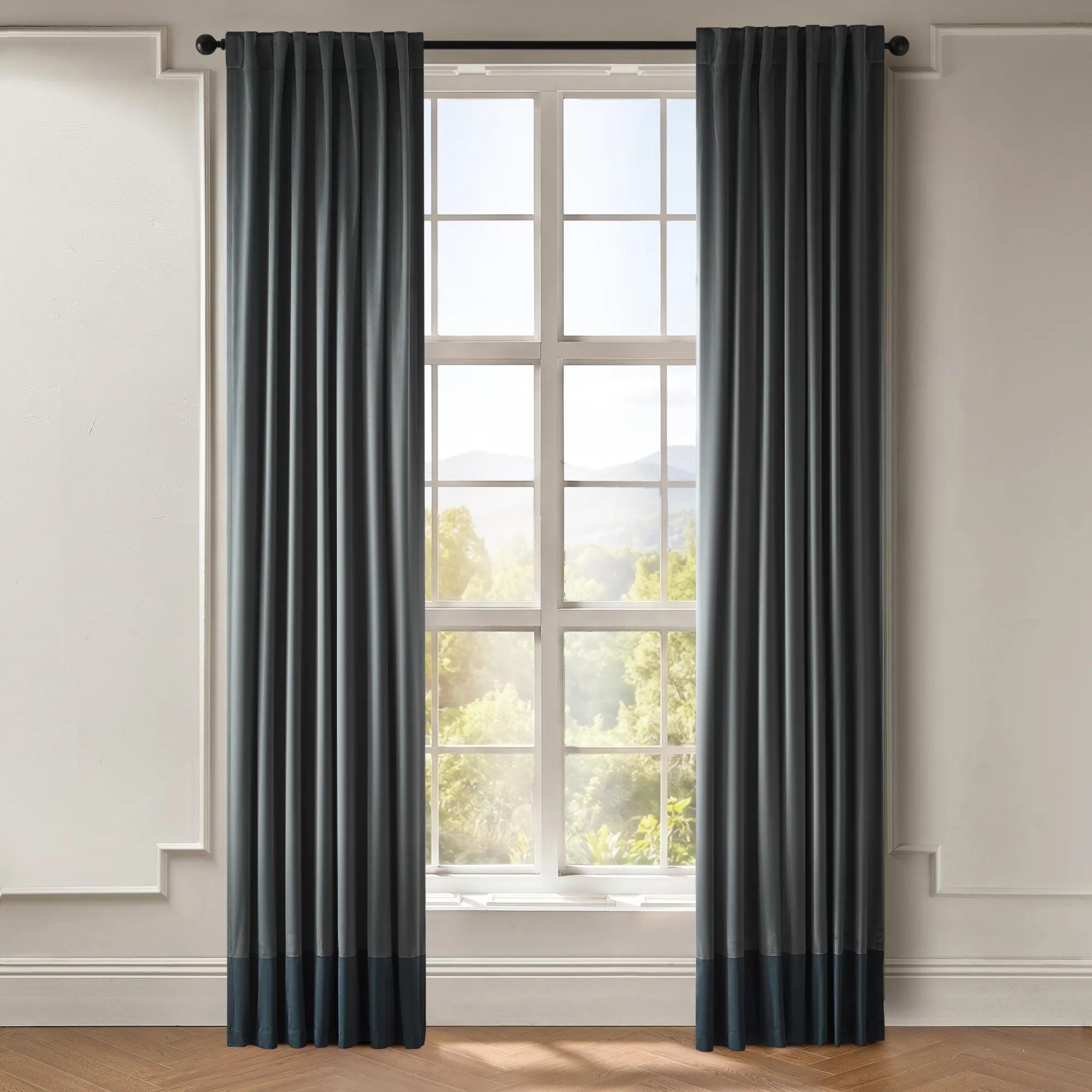
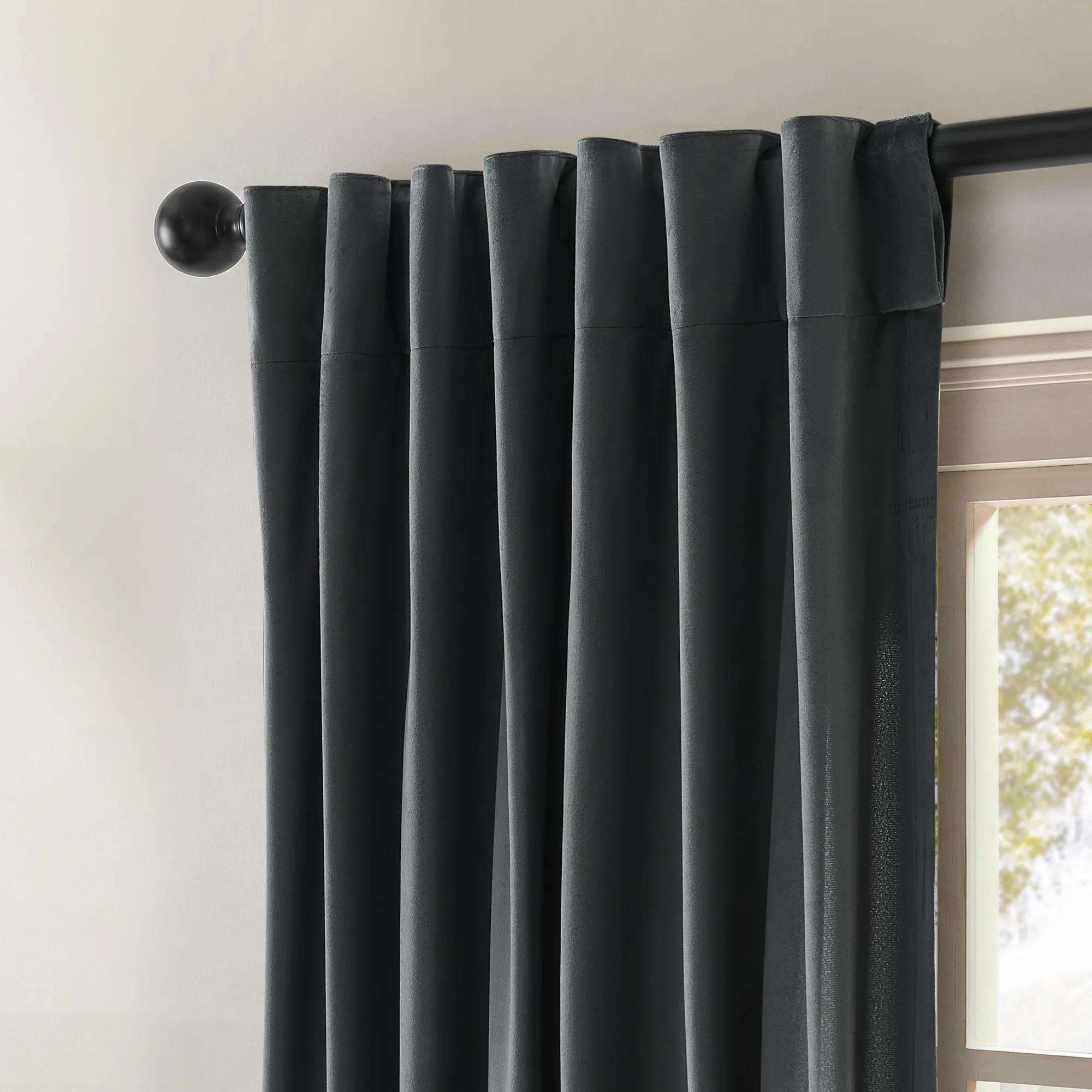 Bastien Blue/Midnight Velvet Border Window Curtain Panel$89
A two-tone dusty and midnight blue velvet curtain panel with a Deco-inspired border and room-darkening design.
Add To Cart -
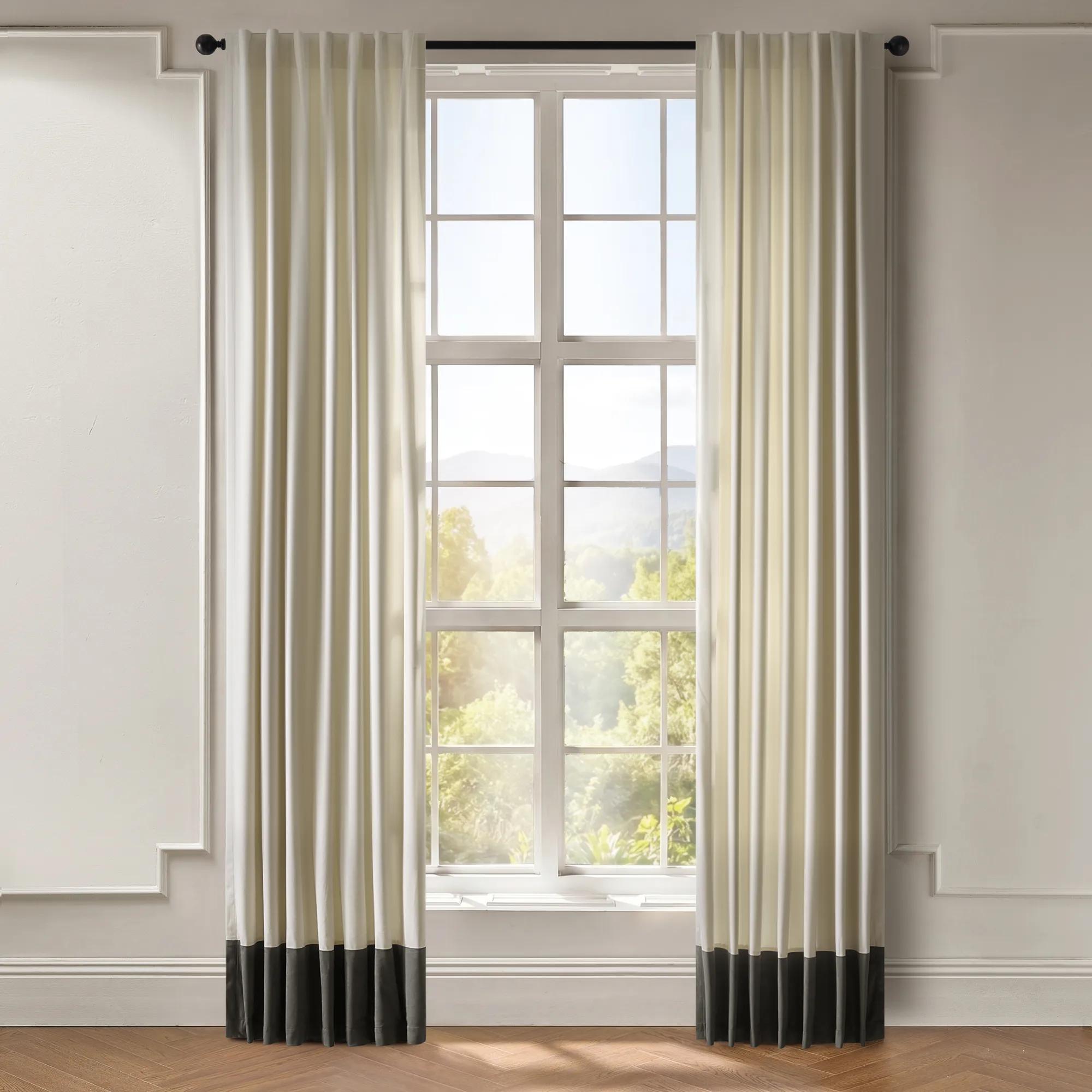
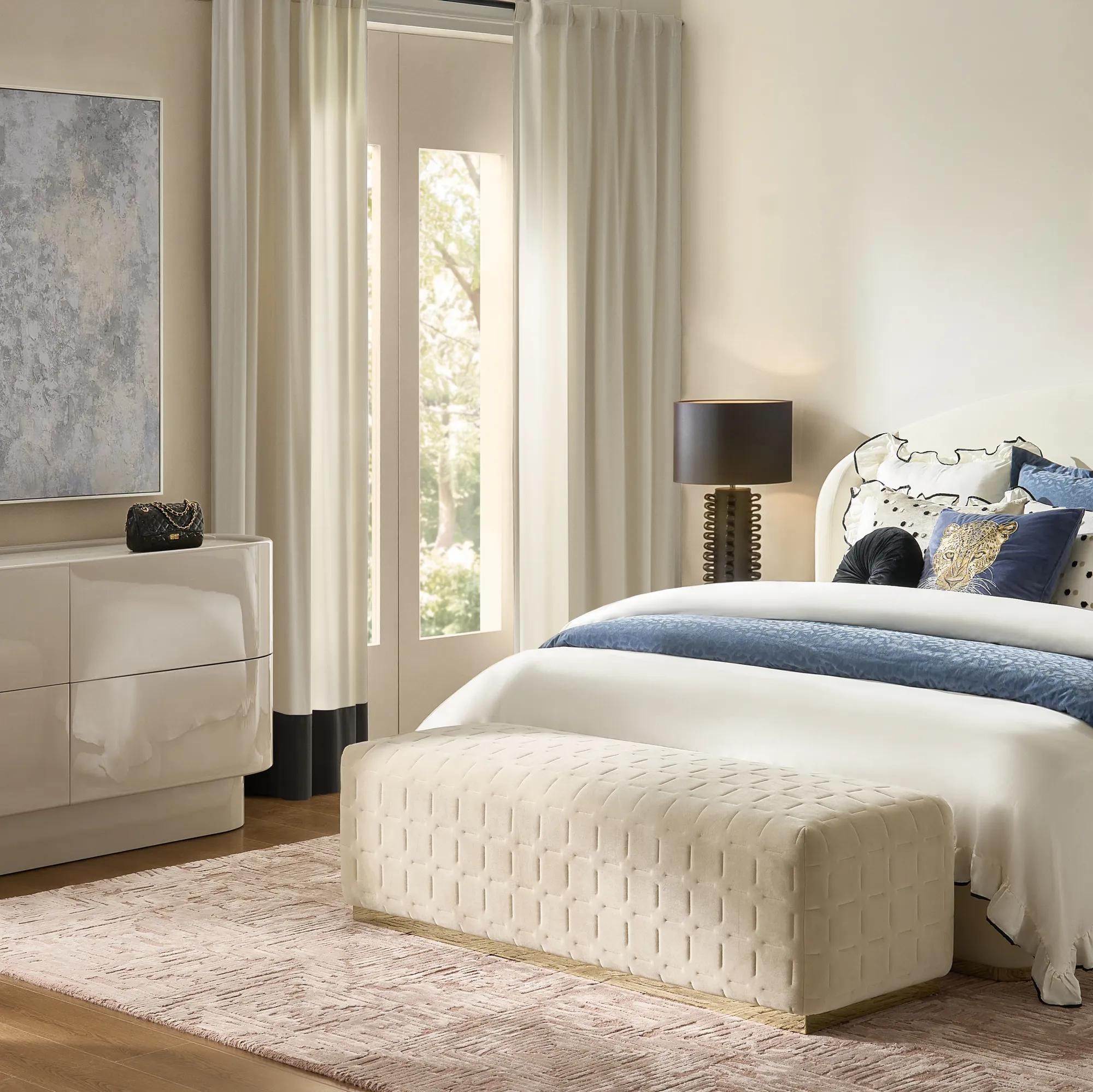 Bastien Ivory/Graphite Velvet Border Window Curtain Panel$89
A two-tone ivory and graphite velvet curtain panel with room-darkening design and versatile hanging options.
Add To Cart

Bedroom Linen Window Curtains
Bedroom linen window curtains are the ultimate invitation to indulge in a world of refined tranquility and sumptuous style. With every gentle fold and elegant drape, they transform your private sanctuary into a haven of soft light and serene sophistication. Whether you crave a touch of drama or a whisper of understated glamour, these curtains frame your space with an artist’s eye—balancing texture, movement, and allure. Elevate your retreat with bedroom linen window curtains that don’t just dress your windows—they compose the mood, set the scene, and turn every sunrise into a moment worth savoring.
Bedroom linen window curtains bring the distinctive texture of flax fibers to a space designed for rest, dressing, and personal expression. Unlined linen generally filters daylight rather than blocking it, while lined or blackout-backed curtains can provide greater privacy and light control, depending on their construction. That balance of tactile beauty and practical performance gives linen its enduring appeal: the fabric softens the architecture of a window without making the bedroom feel visually heavy. Subtle variations in the yarn create a surface with depth, catching light differently across each fold and giving even a solid-colored panel an artful presence. Against an upholstered headboard, linen introduces an elegant contrast between crisp tailoring and organic texture; beside mirrored furniture or polished metal accents, it tempers the gleam without diminishing the drama. Ivory and cream create a luminous frame for expressive bedding, while taupe, stone, and pale gray lend dimension to a tonal room. Deeper shades can turn the window into a more pronounced architectural feature, especially when the curtains echo an accent color in artwork or a patterned rug. Fabric color alone, however, does not determine how effectively a curtain darkens the room. Weave density, lining, backing, and coverage all influence the result. A loosely woven panel can make daylight feel gentler while still allowing silhouettes to remain visible when interior lights are on after dark. For bedrooms facing a sidewalk, neighboring windows, or a shared courtyard, a privacy lining or layered shade can preserve the beauty of linen while offering more dependable coverage. Those who sleep during daylight hours may prefer a blackout layer behind the decorative fabric, with sufficient overlap around the window to limit light gaps. The effect can still feel graceful and expressive: generous folds, a considered palette, and thoughtfully chosen hardware allow useful light control to become part of the room’s design.
Material composition shapes how bedroom linen curtains look, hang, and respond to everyday use. Pure linen often has a pronounced natural character, including small yarn variations and a tendency to develop relaxed creases. Linen blends combine flax with other fibers, which may alter softness, wrinkle resistance, drape, or care requirements; the precise fiber content matters more than the word “blend” alone. Cotton can contribute a softer hand, while polyester may improve dimensional stability or crease resistance, depending on the fabric’s construction. For a related expression of this texture, linen blend window panels for bedrooms offer another way to frame the room with tactile depth. Fabric weight also changes the visual impression. Lighter cloth creates fluid folds and a translucent effect, while a more substantial weave or lining gives panels greater body and a more defined silhouette. The most convincing fit considers the entire window setting, including trim, rod placement, nearby furniture, and the space needed to draw the curtains open. Curtain width is measured flat, so panels that only equal the width of the window can look stretched when closed rather than full and sculptural. A combined panel width of roughly one and a half to two times the intended coverage is a common starting point, though fabric weight and heading style can call for a different proportion. Length is equally expressive. A hem that just clears the floor gives the bedroom a tailored finish and moves easily during daily opening and closing; a slight break at the floor creates a softer line but collects more dust. Rod pockets, back tabs, grommets, and pleated headings each organize the fabric differently, influencing both the folds and how readily the panels slide. A substantial rod suited to the combined weight of fabric and lining supports a polished installation, while finials and brackets can echo the room’s metallic accents without competing with the textile.
Daily living gives these details their purpose. In a primary bedroom, linen window panels can establish a composed backdrop for a richly layered bed, letting velvet pillows, embroidered shams, or a sculptural bedside lamp take a more expressive role. In a guest bedroom, the same fabric can create a welcoming sense of finish while a separate shade accommodates different preferences for sleep and privacy. A bedroom that also contains a dressing area or reading chair may benefit from curtains that draw fully away from the glass, allowing daylight to reach a mirror or seating corner without leaving the window visually bare. Where a dresser or upholstered bench sits close to the window, the placement should leave enough room for the fabric to hang freely rather than bunch behind furniture. These practical relationships help preserve the intended drape and reduce unnecessary friction along the edges. Care deserves the same attention as color and proportion, especially with floor-length fabric. Linen may shrink or change texture with washing, and a lining, decorative heading, or blended fiber can introduce additional care requirements. The sewn-in care label should determine whether panels are washable or require professional cleaning; machine washing should never be assumed simply because the face fabric contains linen. When washing is permitted, the recommended water setting, cycle, and drying method help protect the dimensions and finish. Gentle steaming, where allowed, can ease pronounced folds, though linen’s characteristic texture does not need to be pressed into absolute smoothness. Regular, careful dust removal with an appropriate upholstery attachment can keep buildup from settling into the weave, with extra attention near the hem. Durability depends on yarn quality, weave, stitching, lining, and handling as well as fiber content; prolonged direct sunlight can also affect color over time. Well-finished seams and neatly constructed hems contribute to a lasting appearance. With suitable care and a fit that respects the room’s proportions, bedroom linen curtains provide a quietly opulent frame for everyday life, bringing movement, texture, and a deliberate sense of completion to the space.
FAQs
Linen curtains offer a unique blend of natural breathability, gentle light diffusion, and timeless texture, making them perfect for creating a serene and inviting bedroom atmosphere. Their ability to regulate temperature and soften harsh sunlight transforms the bedroom into a tranquil retreat, while their organic drape adds a touch of effortless sophistication.
Linen curtains introduce a relaxed elegance to any room, with their airy weave and subtle texture catching the light in a way that creates depth and warmth. They complement a variety of interior styles—from modern minimalism to layered bohemian chic—while their natural fibers evoke a sense of artisanal craftsmanship and understated luxury.
Absolutely. Linen curtains pair beautifully with woven shades, blackout linings, or sheer panels, allowing you to customize privacy, light control, and texture. Layering adds visual interest and allows you to adapt the mood of your bedroom throughout the day and across the seasons.
Linen curtains are available in a spectrum of hues, but soft neutrals like ivory, taupe, and dove gray can make a room feel more spacious and serene. For a touch of drama or sophistication, deeper shades such as charcoal or navy add depth, while cool blues and gentle greens evoke calm and relaxation.
Linen curtains make a luxurious and meaningful gift, especially for occasions like housewarmings, weddings, or milestone celebrations. Their timeless appeal and versatility suit a range of tastes, and gifting them is a way to share comfort, elegance, and the transformative power of beautiful design.