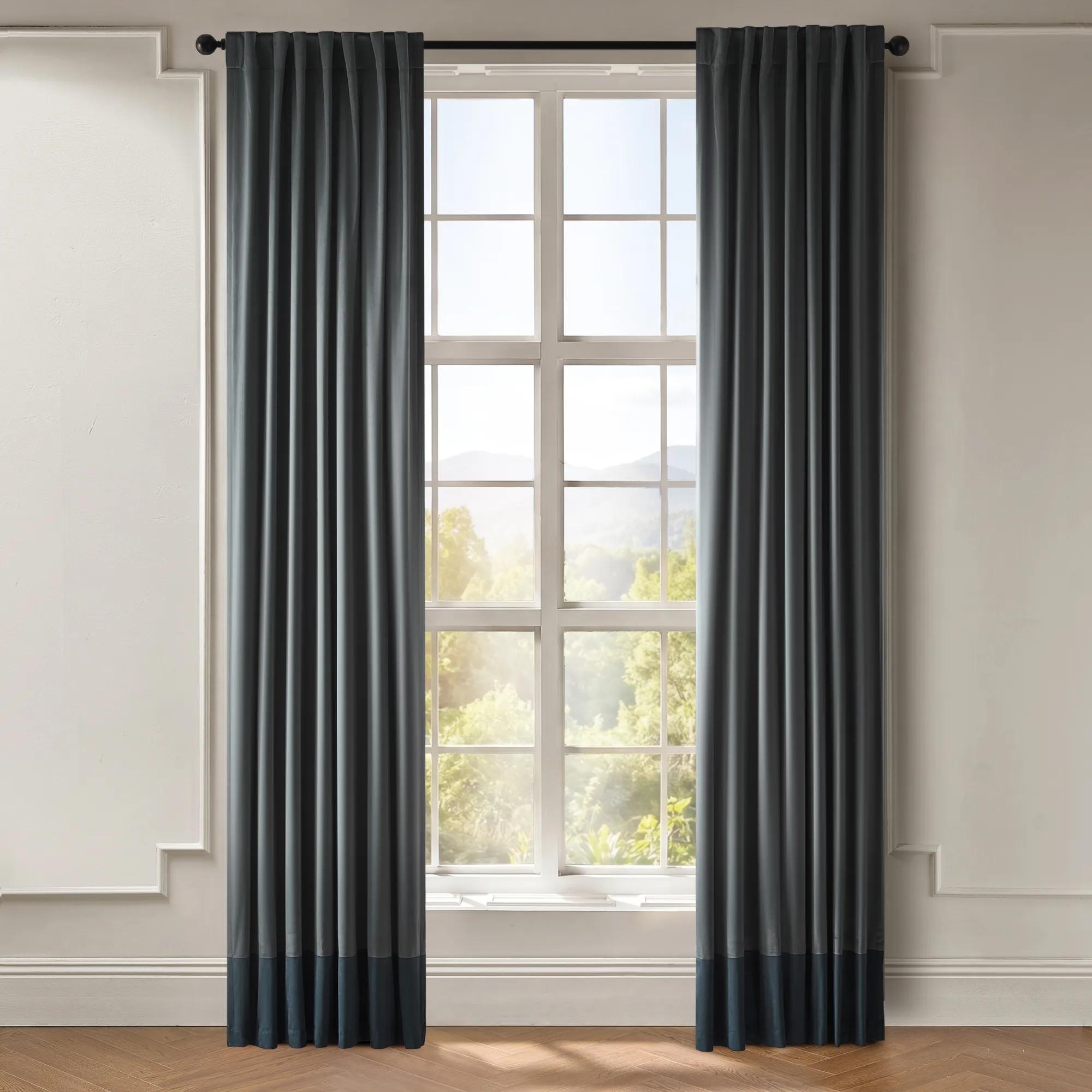
Grey Bedroom Linen Window Curtains
Grey Bedroom Linen Window Curtains
-

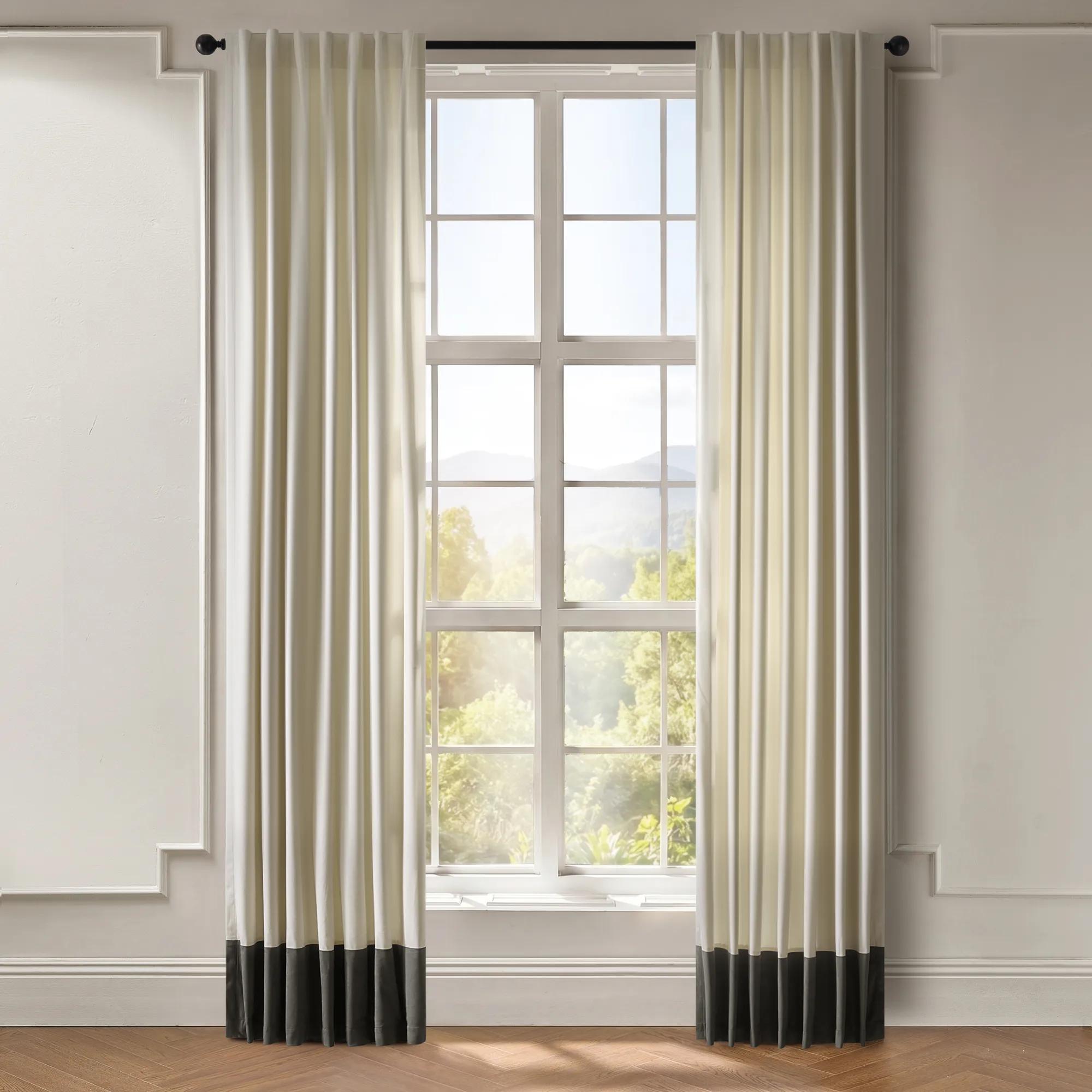
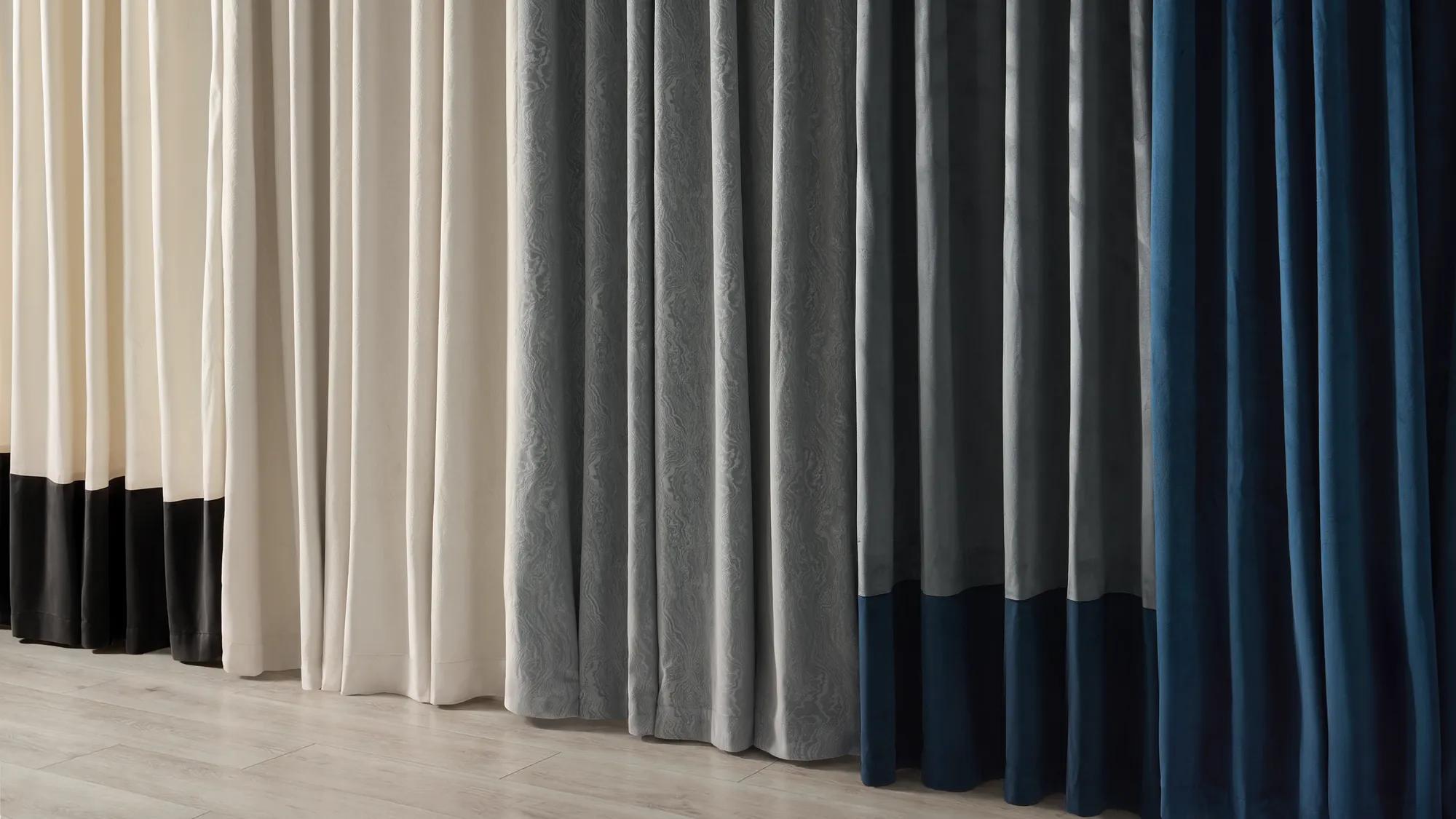 Mabel Velvet Swirl Curtain - Grey Blue$89
A grey blue velvet curtain featuring a tonal swirl pattern and versatile dual hanging options.
Add To Cart -
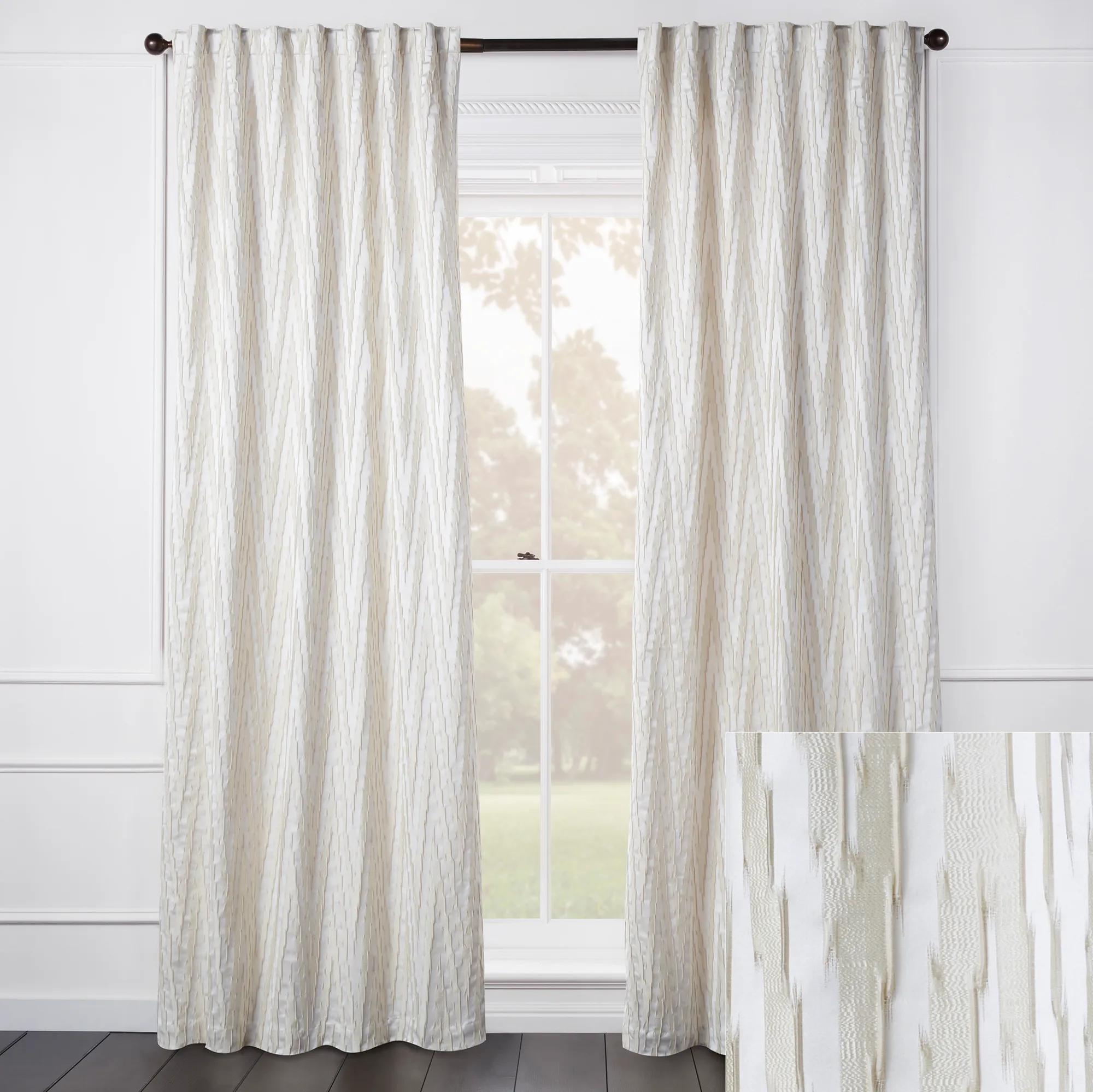
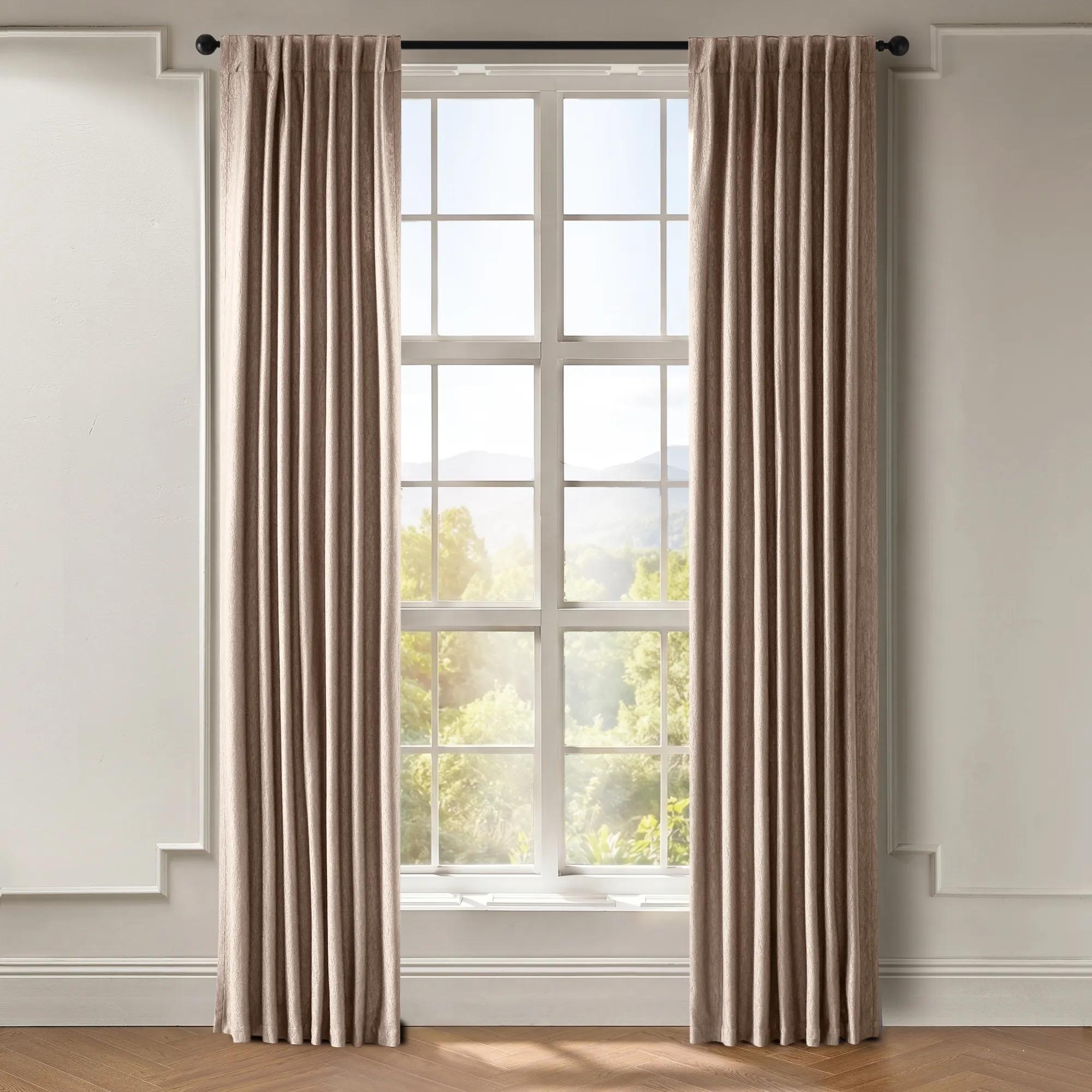
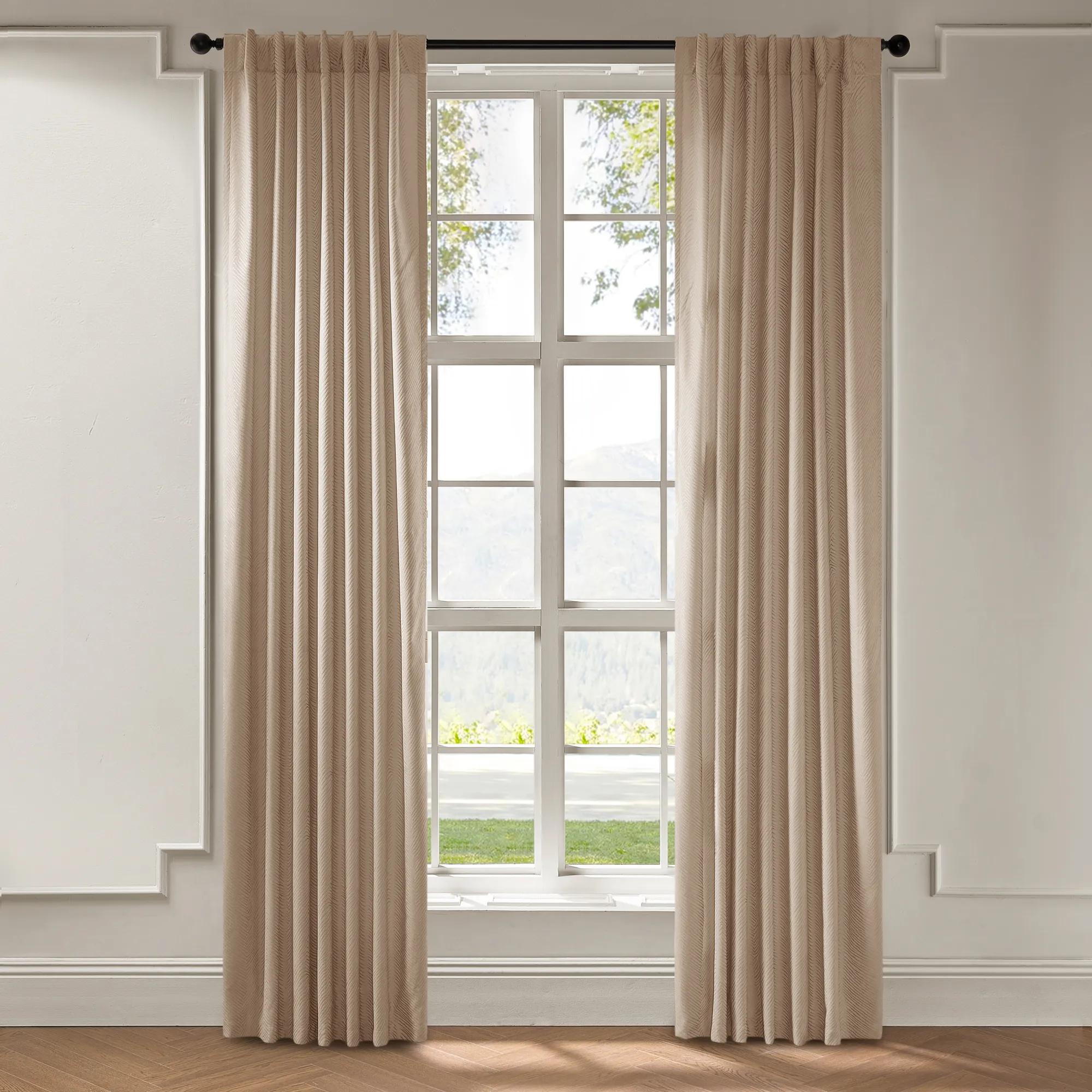 Kenzo Jacquard Beige Chenille Window Curtain Panel$129
A warm beige chenille jacquard curtain with a subtle sheen and versatile rod pocket or back tab hanging.
Add To Cart -
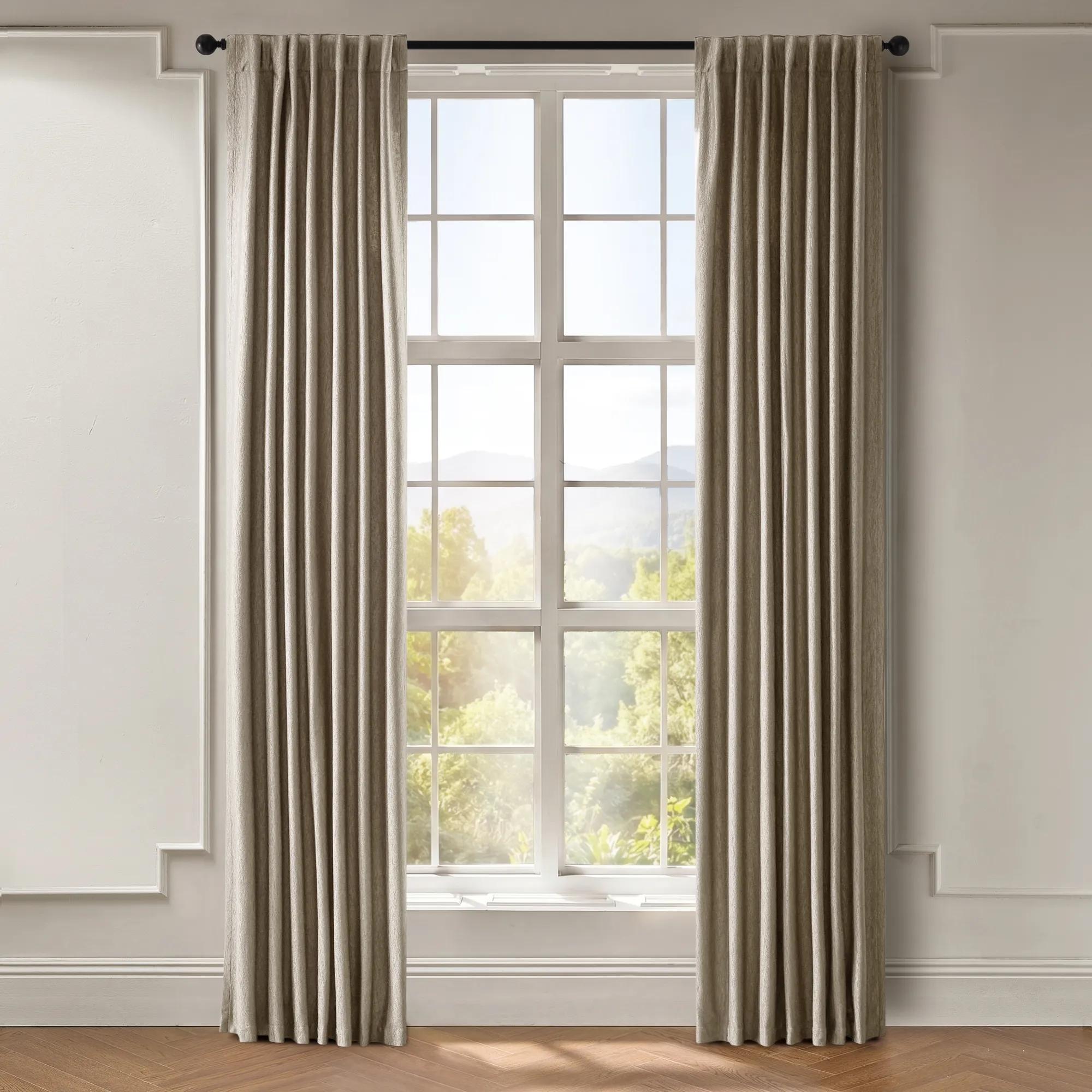
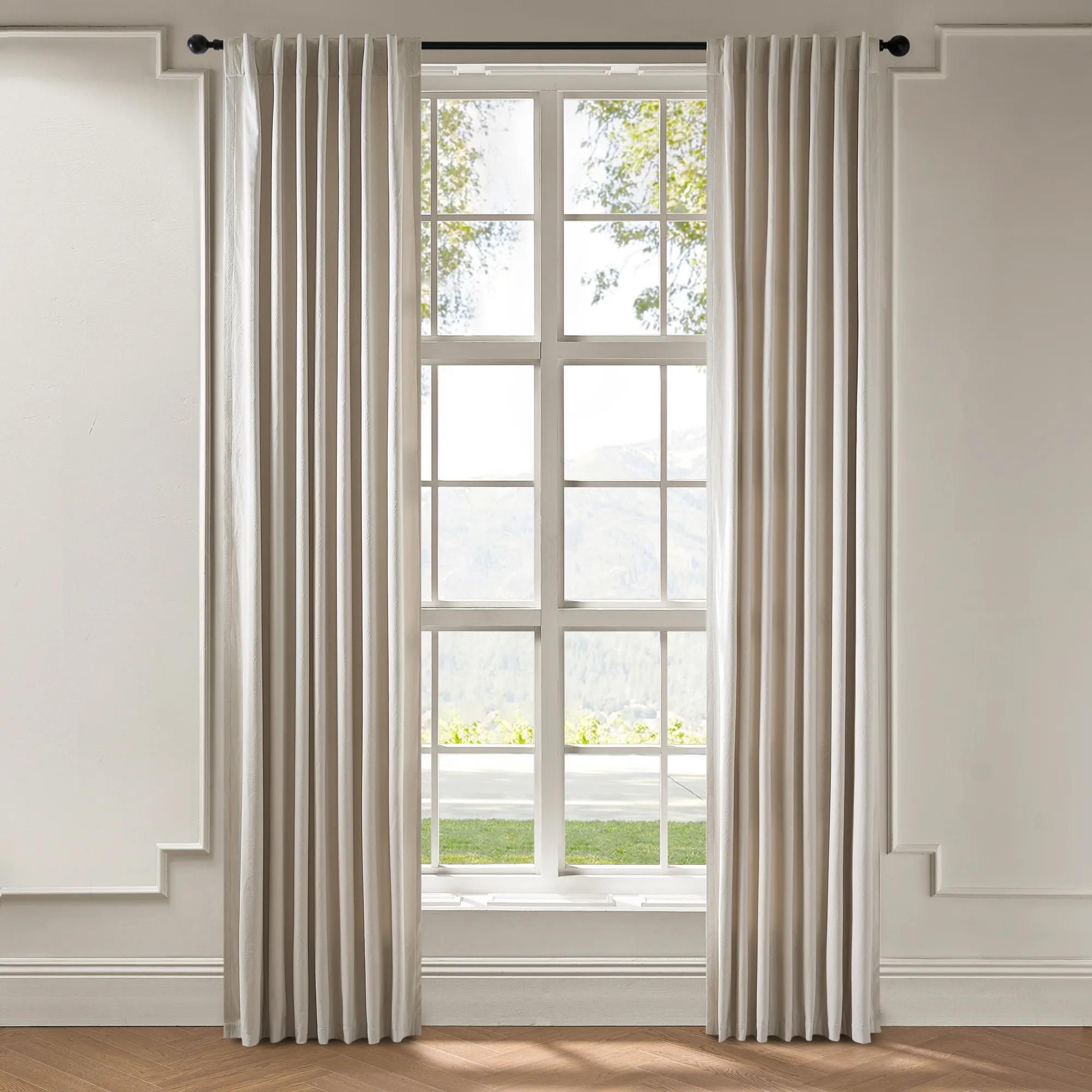
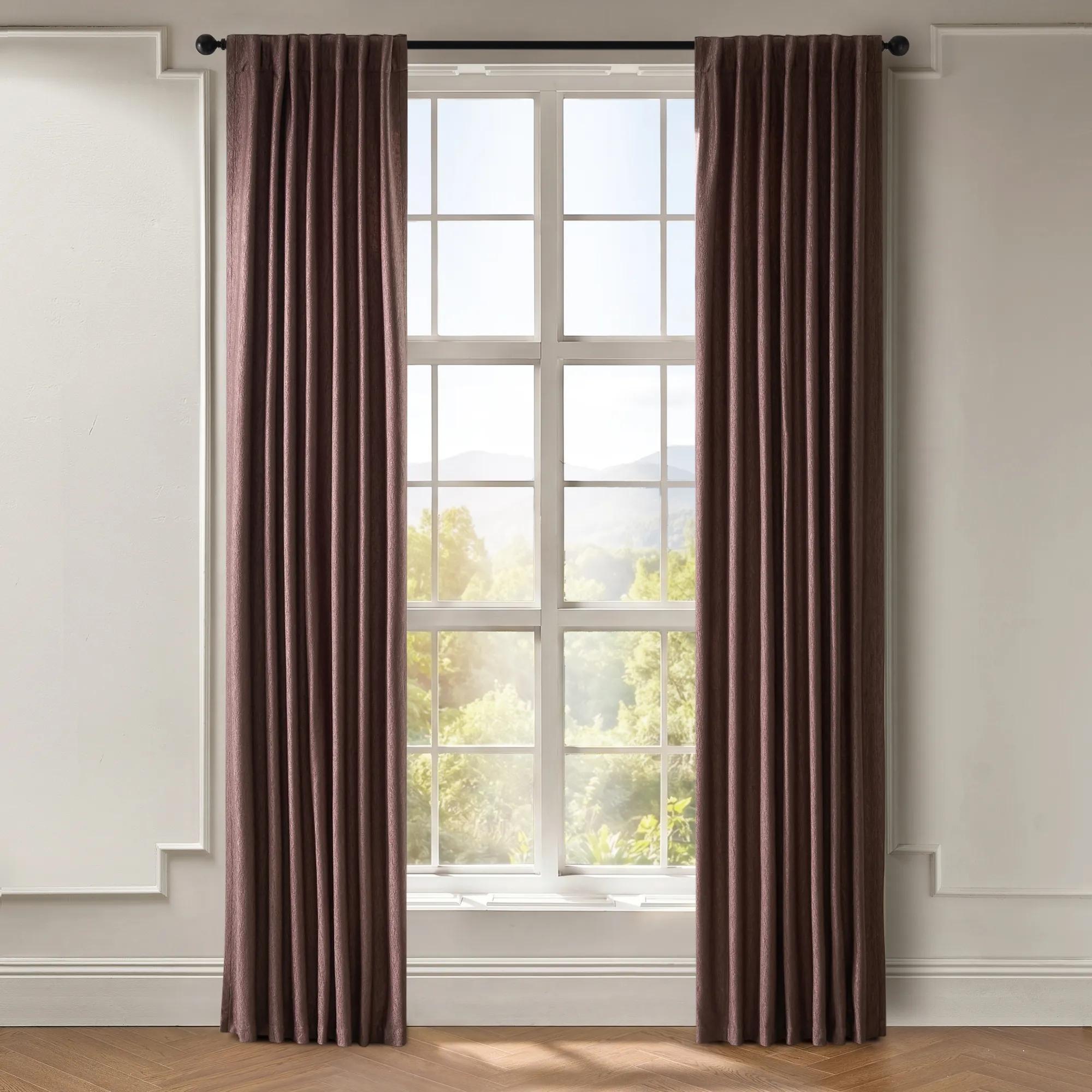
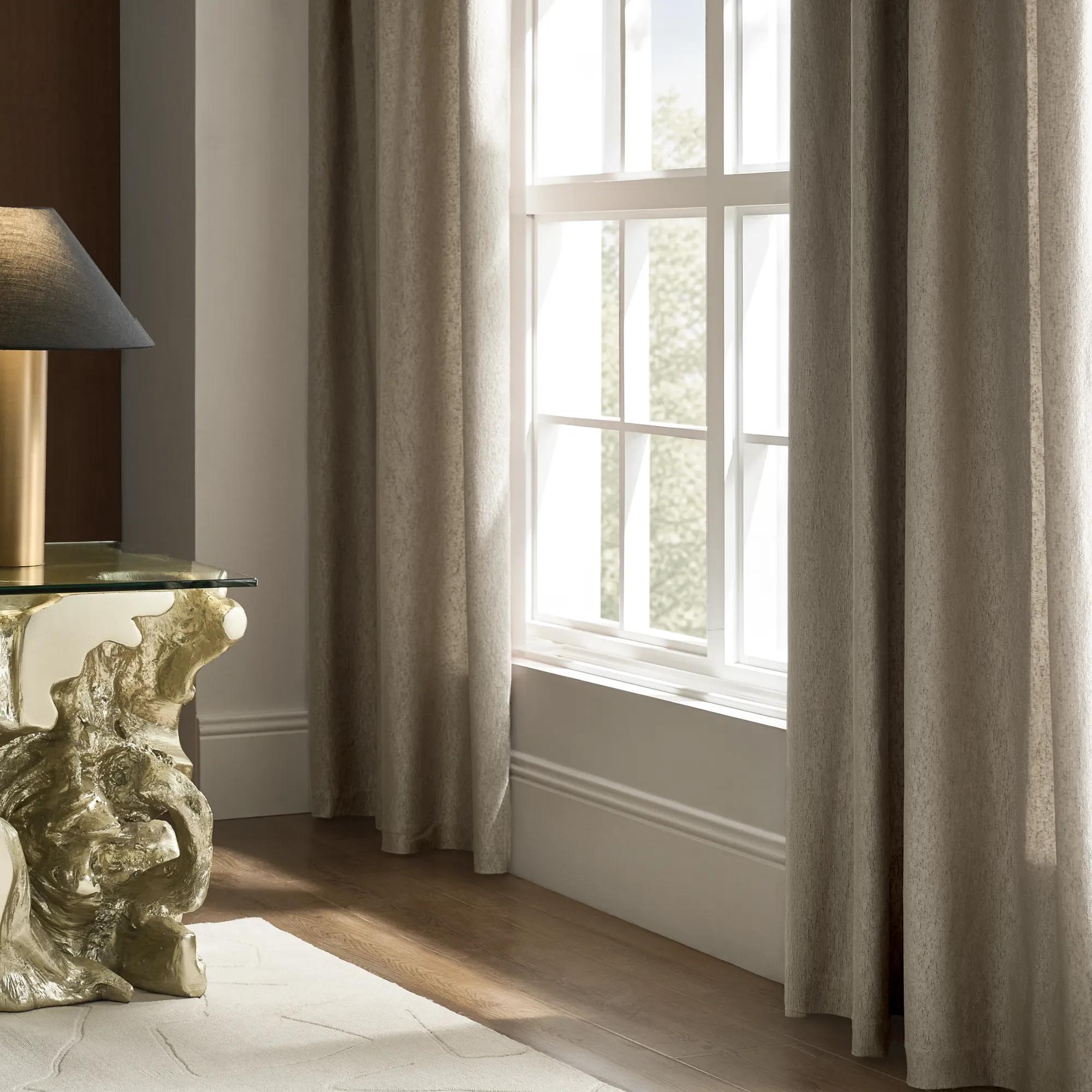 Anson Taupe Textured Window Curtain Panel$99
A taupe polyester curtain panel featuring a crushed sheen texture and versatile room-darkening design.
Add To Cart

Grey Bedroom Linen Window Curtains
Grey bedroom linen window curtains transform every sunrise and sunset into a scene of quiet sophistication. Their silvery hues evoke the tranquil elegance of misty mornings, while linen’s natural texture adds depth and artistry to your sanctuary. Whether you crave a backdrop for bold décor or a serene retreat, grey bedroom linen window curtains invite you to layer luxury and serenity, turning ordinary windows into expressive design statements. Let your bedroom become a canvas—where every fold, every shadow, tells a story of refined comfort and unapologetic style.
Gray linen bedroom curtains give the window a presence of its own. In a pale dove gray, the folds catch the light and bring out the grain of a dark wood bed or the sheen of a lacquered nightstand. A deeper charcoal can frame the same window with the visual weight of an upholstered headboard, especially against walls in chalk white or soft ivory. The undertone matters as much as the depth of color: a gray with a trace of beige sits easily beside warm oak and antique brass, while a blue-leaning gray feels at home with polished nickel and crisp white bedding. Linen gives those shades dimension. Woven from flax, pure linen often has subtle irregularities called slubs that are most apparent where daylight grazes the fabric. Its natural creases and softly defined folds give even a formal bedroom a sense of ease. Linen blends can retain that textured surface while changing the way the curtain hangs. A linen-cotton blend may feel softer in the hand, while a blend with polyester may hold a more uniform drape and show fewer creases. Fiber content tells only part of the story, though: the density of the weave and the weight of any lining have as much bearing on the finished look. An open weave lets the window read as a luminous plane; a denser weave or substantial lining gives the folds more body. In a bedroom with an ornate headboard or richly patterned rug, that quieter linen texture can balance the room without disappearing into it. For a space that calls for a sharper silhouette or a different fabric, Grey Contemporary Window Panels carry the same palette into a broader range of textures and finishes.
The most useful distinction among gray linen bedroom curtains is how much light they admit when drawn. Light-filtering or semi-sheer linen softens glare and leaves enough daylight to see the texture of a quilt or the outline of a vanity. It can offer some daytime privacy, but that effect can reverse after dark when the bedroom is lit from within. In a room facing a neighboring building or a sidewalk, a separate shade can provide privacy at night while the linen remains visible as the decorative layer. Room-darkening linen curtains are a middle ground: a denser construction or lining reduces incoming light without necessarily making the room fully dark. They suit a guest room where privacy matters but a soft wash of morning light is welcome. Blackout linen curtains typically pair a linen face with a light-blocking backing or lining, preserving the visible weave while addressing a different need. That construction is useful for shift workers sleeping during the day, light-sensitive sleepers, or bedrooms where a streetlamp shines directly onto the bed. The color of the face fabric is not a reliable measure of opacity: a lined pearl gray panel can block more light than an unlined charcoal one. Even with a blackout lining, light can slip around the sides, above the rod, or through a gap between two panels. A wraparound rod brings the fabric closer to the wall, while generous width allows the panels to meet or overlap at the center. Where deeper darkness is the priority, an opaque shade beneath the curtains can address gaps without asking the drapery to do all the work. Lining also changes how curtains hang: a backed panel tends to sit in fuller, more substantial folds, a detail worth considering beside a low-profile bed or in a room where open panels need to tuck neatly away from the glass.
Proportion gives linen curtains much of their character. A rod mounted above the window frame draws the eye upward, and extending it beyond the frame gives the panels space to gather without covering as much glass. Curtain width is best considered against the span the fabric will cover, rather than the width of the glass alone. For example, two 50-inch panels across a 50-inch span provide about twice the coverage width, leaving enough fabric for defined folds when the curtains are closed. A densely lined pair takes up more room when drawn open, so the space beside the window matters as much as the space across it. A single panel can make sense on a narrow window with clearance on only one side; a pair gives symmetry to a broad window centered behind a bed. For length, common options such as 84, 96, and 108 inches are points of reference, not substitutes for measuring from the actual hanging point. Back tabs, rod pockets, and rings can each place the hem at a slightly different height. A hem that just clears the floor keeps the line crisp and is practical where the curtains are opened daily; a slight break at the floor lets the linen settle into softer folds without the upkeep of a deep puddle. Linen can stand up well to regular use, but care depends on both the face fabric and the backing. A washable unlined panel and a lined blackout panel may have very different care labels. Gentle dusting with a soft brush helps keep the weave clear, especially along the leading edges where hands tend to land. If washing is permitted, follow the label’s temperature and drying instructions, since excess heat can shrink linen or affect the backing. A lining can also shield the face fabric from some direct light exposure and help slow fading. As a housewarming gift, linen curtains are most thoughtful when the recipient’s measurements and privacy preferences are known. The difference between a soft glow at the window and a room dark enough for daytime sleep is as personal as the shade of gray itself.
FAQs
Grey linen window curtains offer a sophisticated neutral foundation that complements a wide range of color palettes and design styles. The natural texture of linen introduces depth and softness, while grey’s subtle tones create a calming atmosphere. Whether your aesthetic leans modern, classic, or eclectic, these curtains adapt seamlessly, allowing you to easily update other elements in your bedroom without needing to replace your window treatments.
Pair grey linen curtains with soft, layered bedding in whites, creams, or blush tones to create a tranquil, spa-like retreat. Add metallic accents, such as mirrored nightstands or gold-framed art, to introduce a touch of glamour. Incorporate plush area rugs and textured throw pillows for added warmth and visual interest, letting the understated elegance of the curtains anchor the overall look.
Absolutely. Grey linen curtains bring their chic versatility to living rooms, home offices, nurseries, and even dining spaces. Their timeless hue and airy texture make them an ideal choice for creating a cohesive flow throughout your home, especially in open-concept spaces where continuity is key.
To preserve the natural elegance of linen, gently shake out dust or use a vacuum with a soft brush attachment for regular upkeep. Spot clean minor stains with a mild detergent and cool water. For deeper cleaning, professional dry cleaning is recommended to maintain the fabric’s texture and drape. Occasional steaming can help release wrinkles and keep the curtains looking refined.
Grey linen window curtains make a thoughtful, elevated gift for anyone setting up a new home, celebrating a milestone, or embracing a design refresh. They’re especially cherished by those who value timeless style, natural materials, and the art of creating a restful, expressive living space.