Grey Contemporary Window Panels
Grey Contemporary Window Panels
-

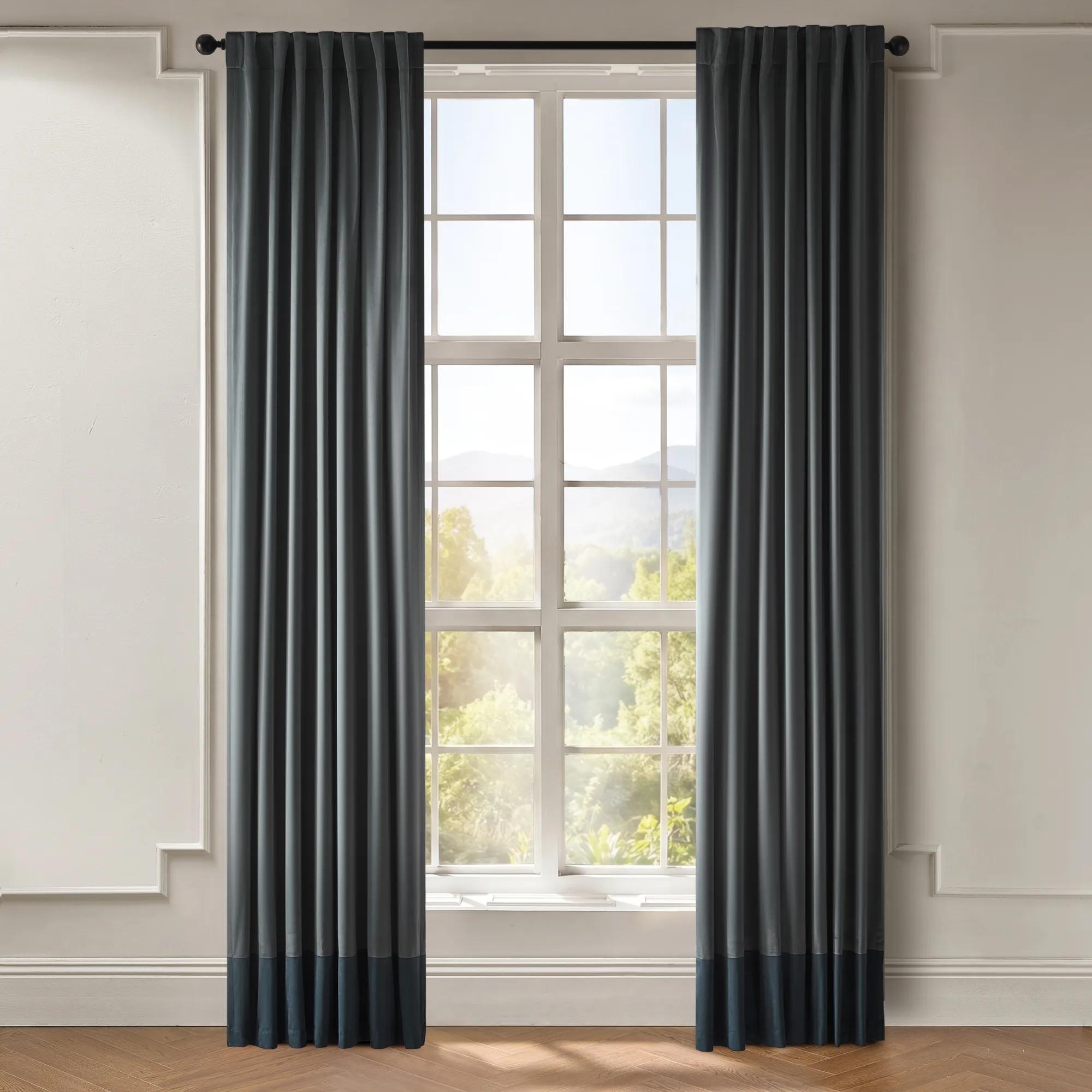
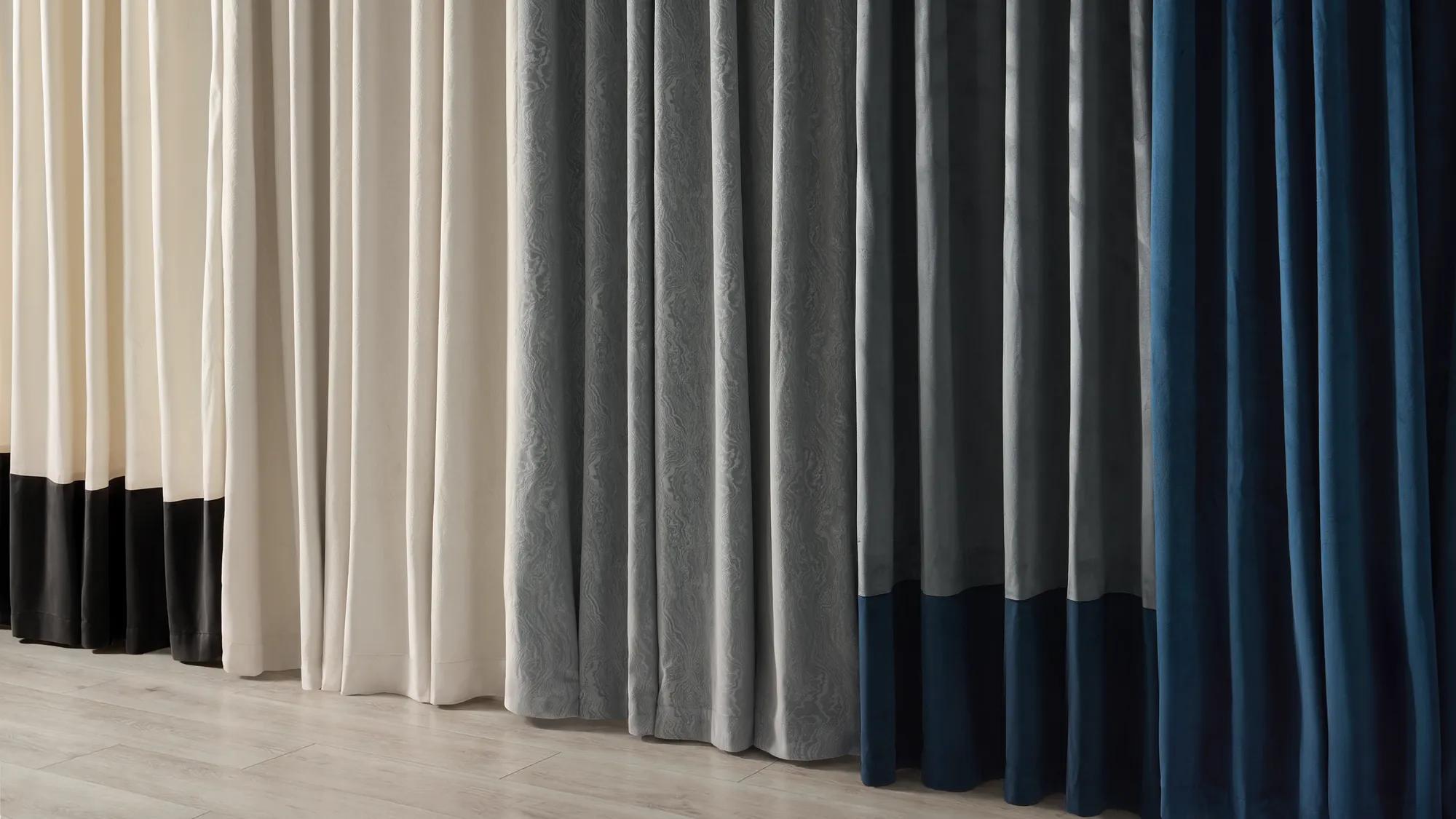 Mabel Velvet Swirl Curtain - Grey Blue$89
A grey blue velvet curtain featuring a tonal swirl pattern and versatile dual hanging options.
Add To Cart -
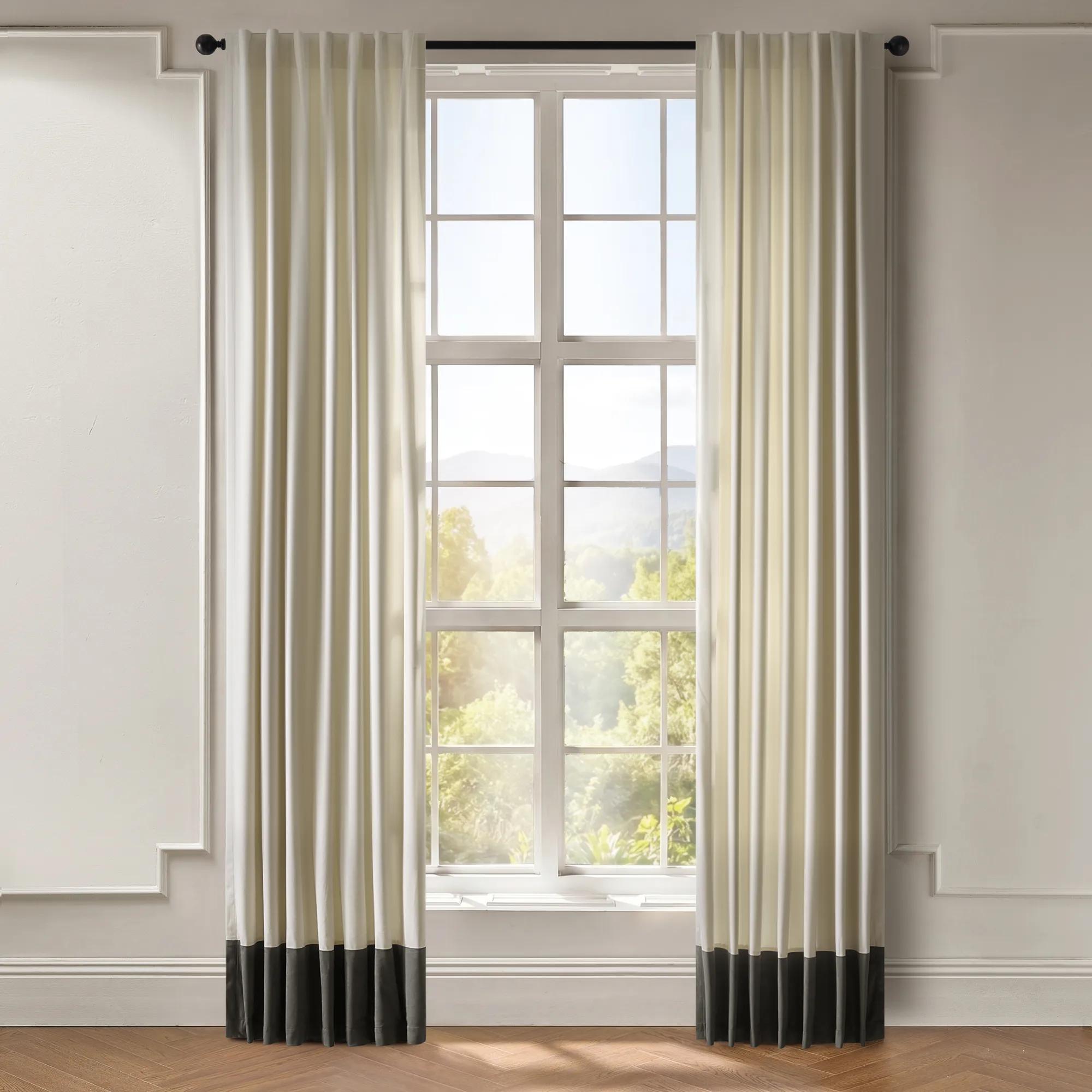
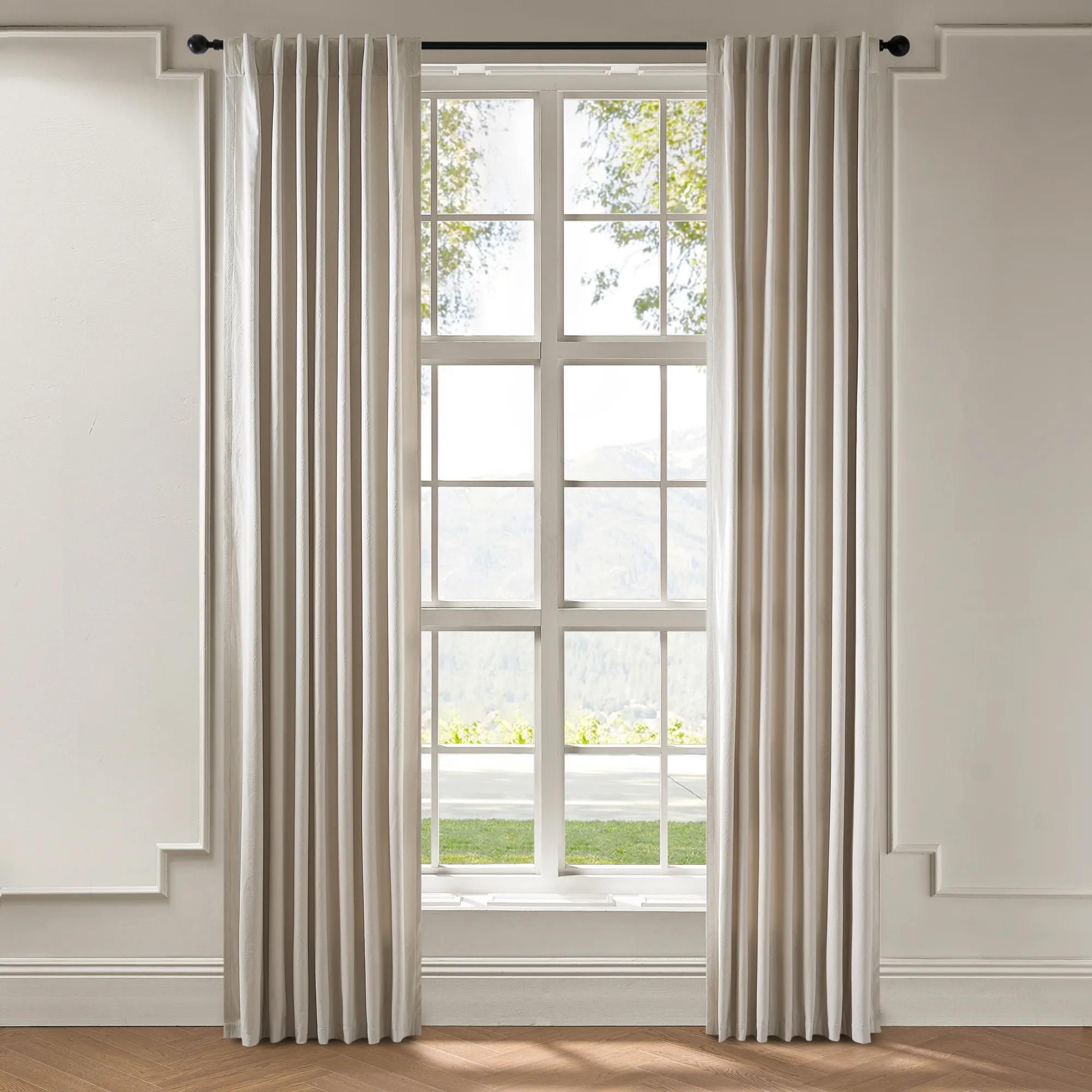
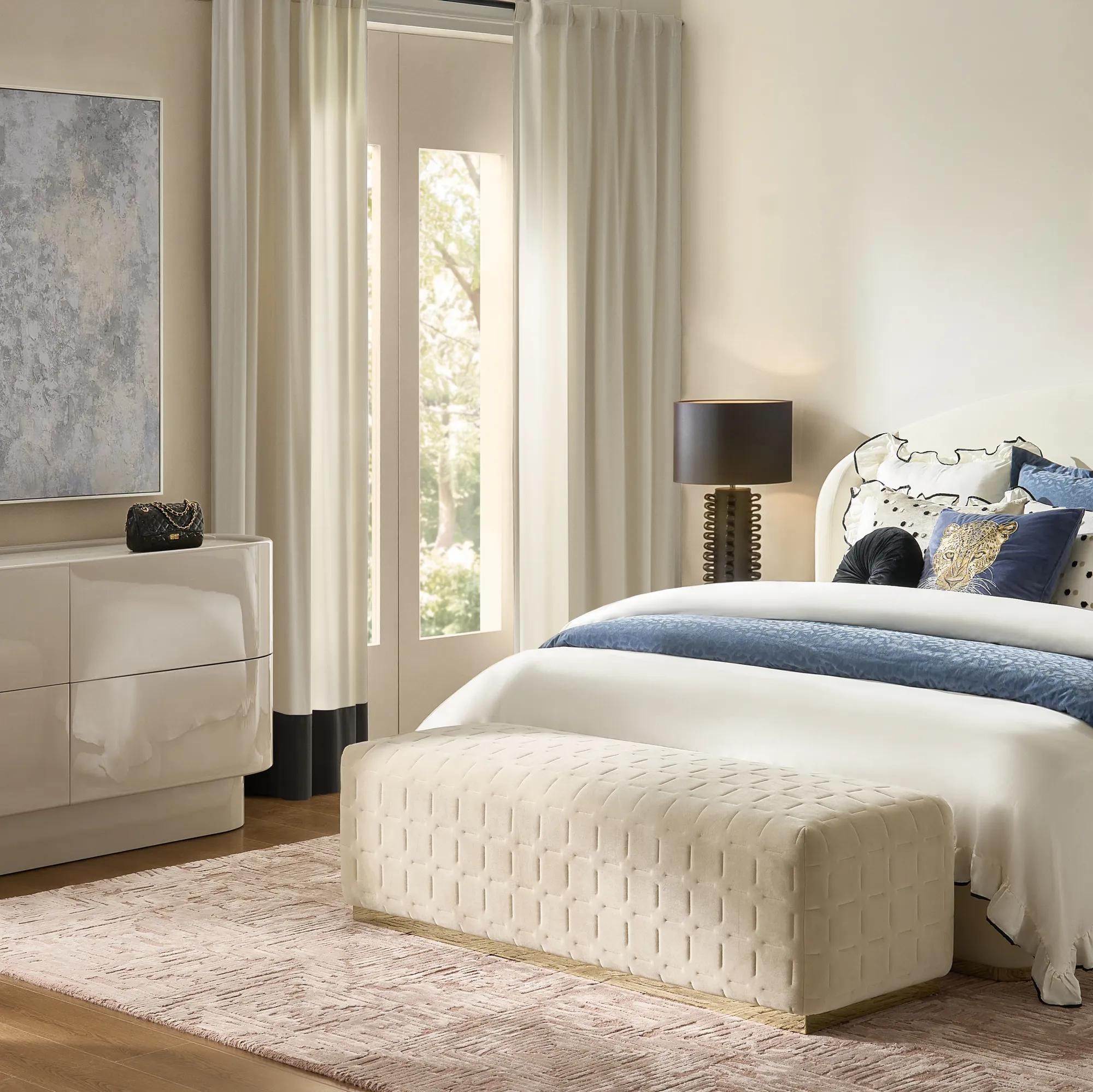 Bastien Ivory/Graphite Velvet Border Window Curtain Panel$109
A two-tone ivory and graphite velvet curtain panel with a Deco-inspired border and room-darkening design.
Add To Cart -
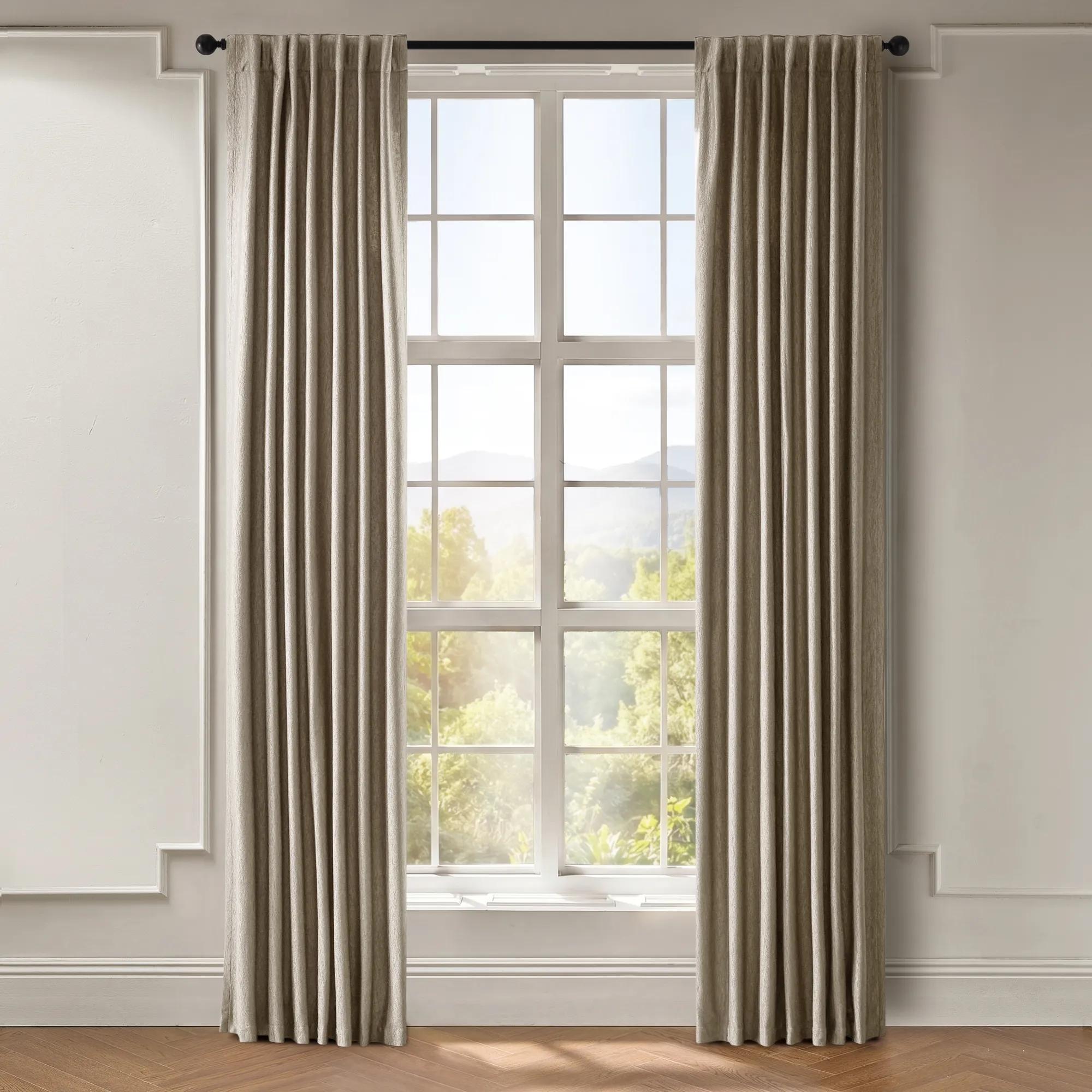
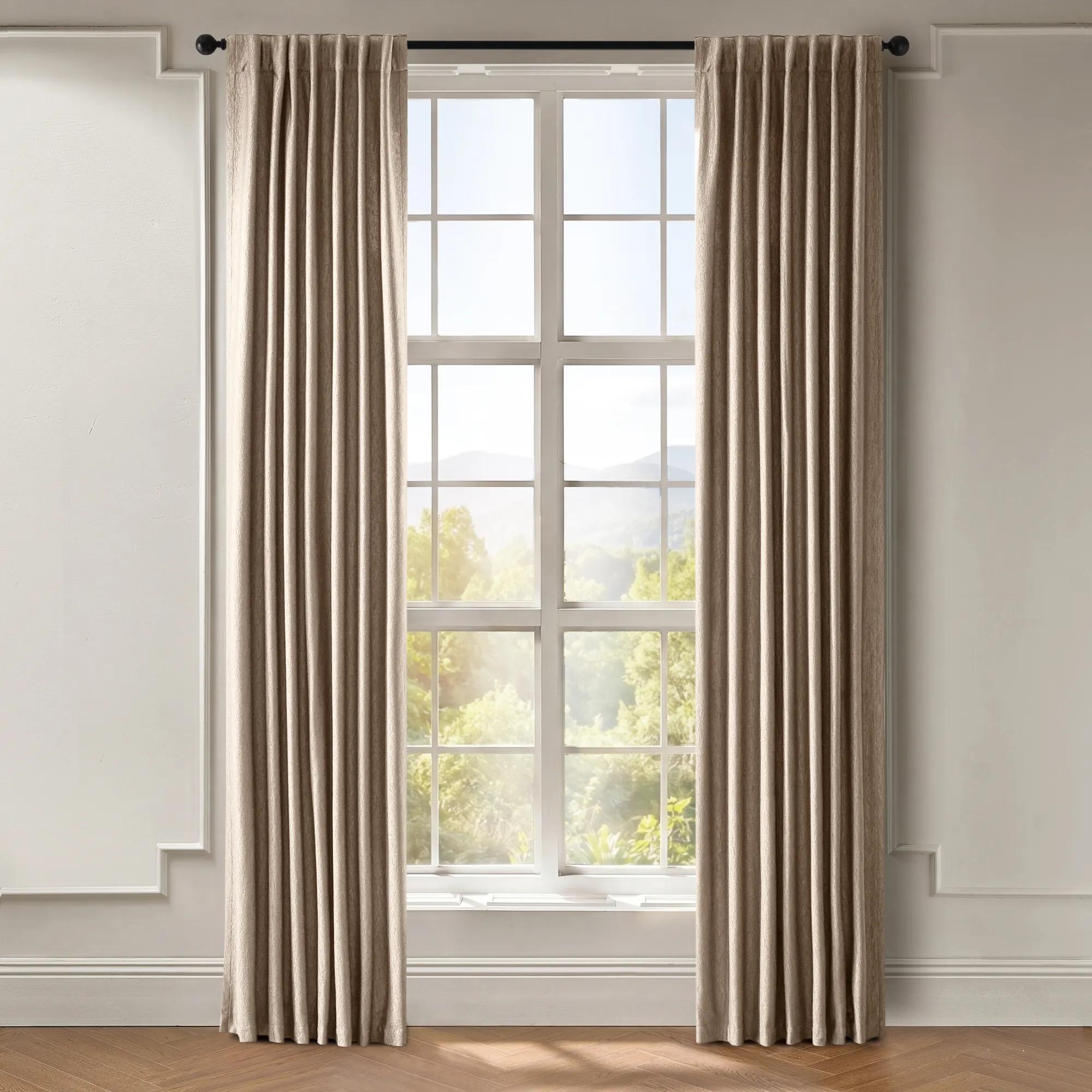
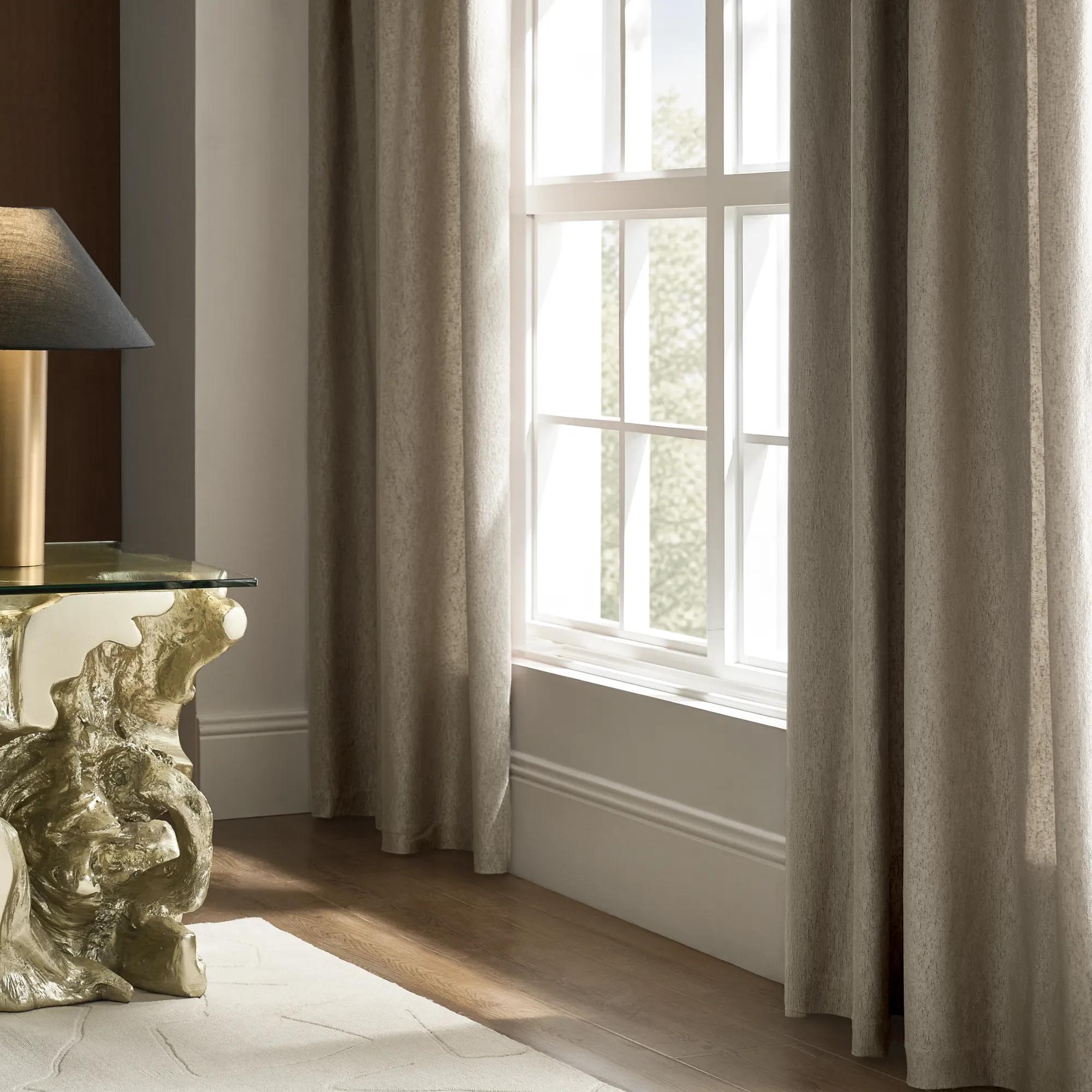 Anson Taupe Textured Window Curtain Panel$99
A taupe polyester curtain panel featuring a crushed sheen texture and versatile room-darkening design.
Add To Cart -
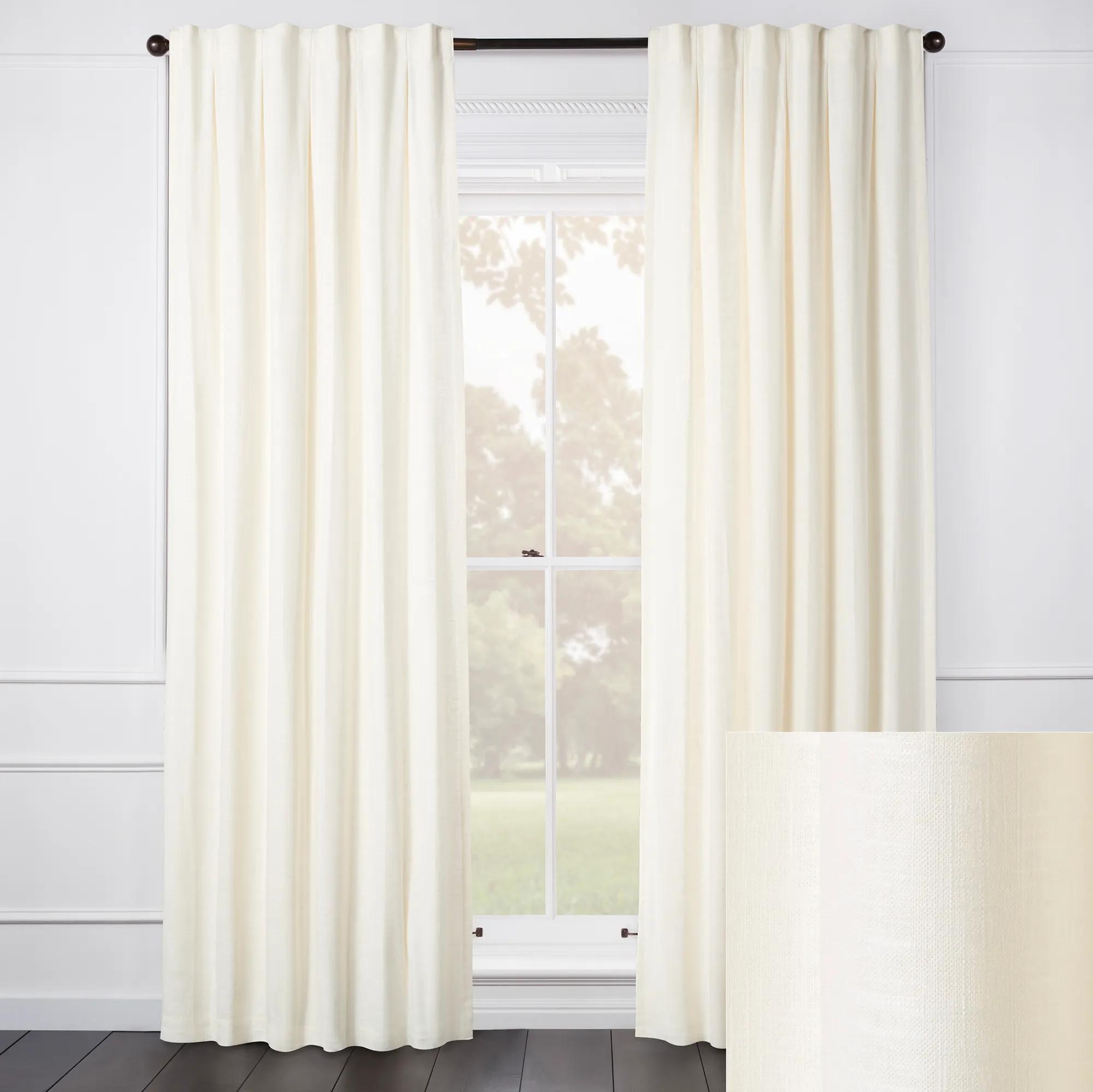
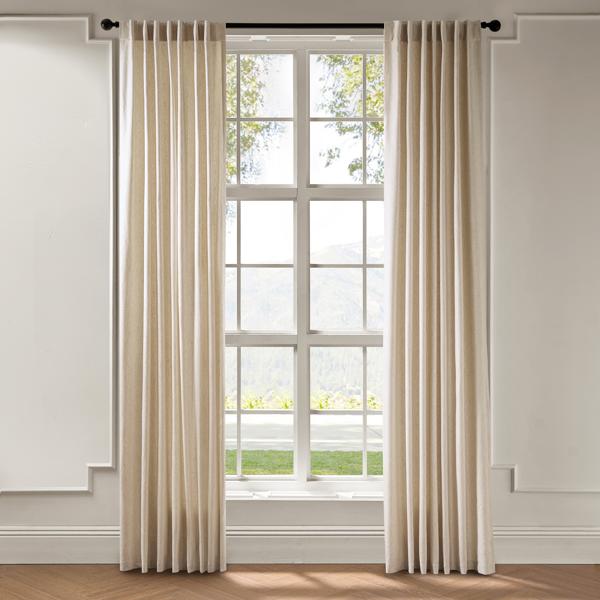
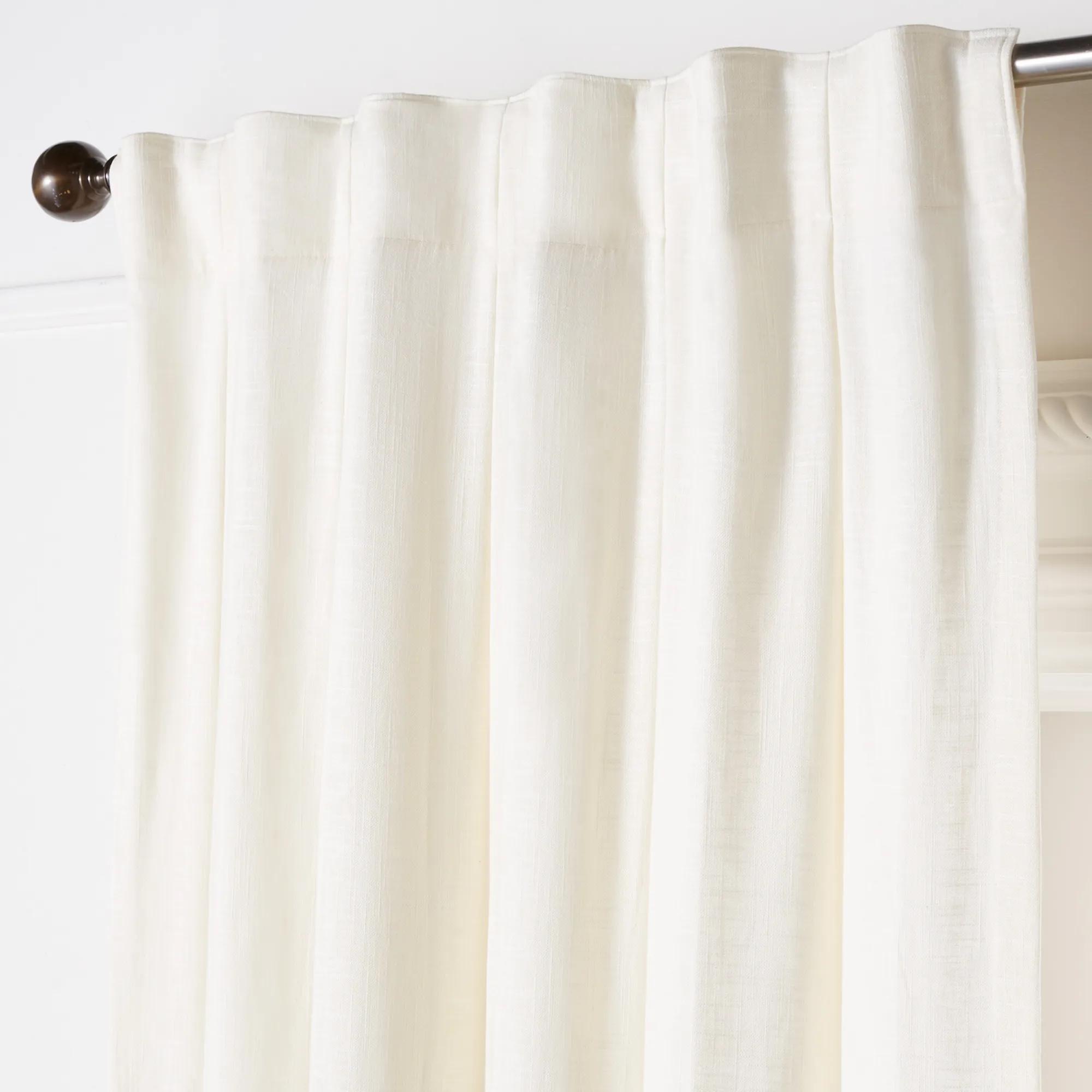 Audrey Linen Ivory Curtain - Custom$269
An ivory linen-blend curtain panel with lining, offering customizable lengths and two elegant header styles.
Add To Cart -
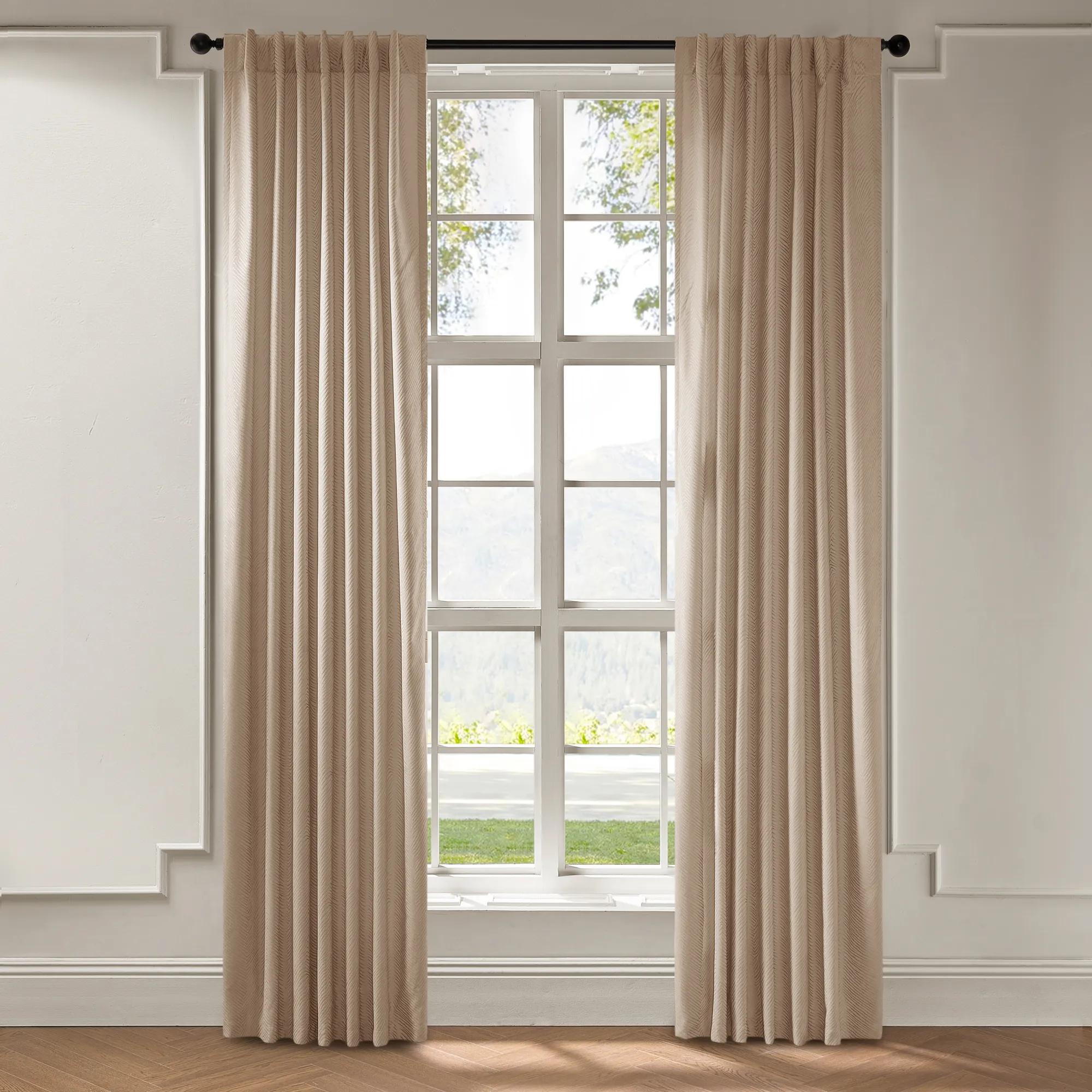 Kenzo Jacquard Beige Chenille Window Curtain Panel$129
A warm beige chenille jacquard curtain with a subtle sheen and versatile rod pocket or back tab hanging.
Add To Cart -

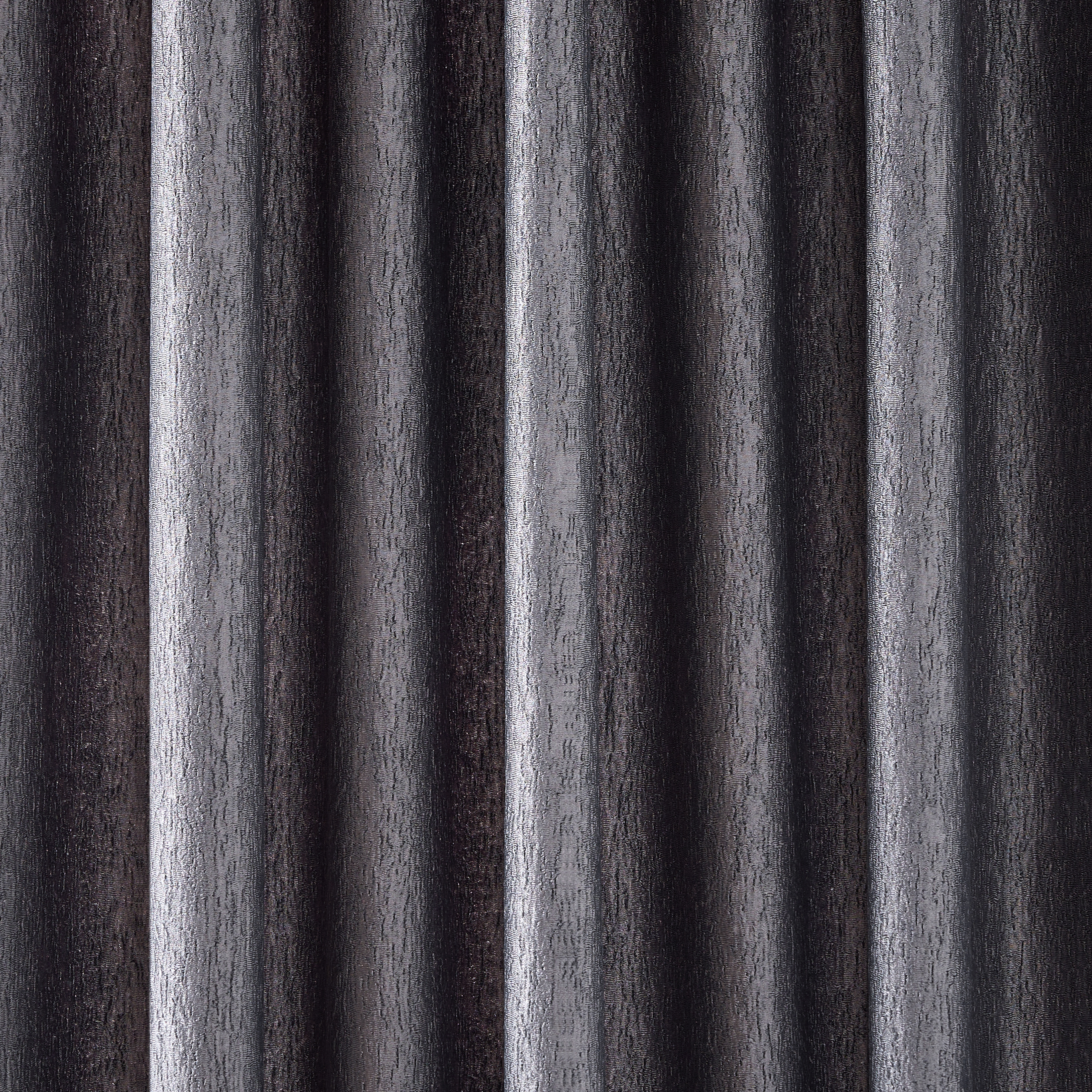 Anson Charcoal Textured Window Curtain Panel$89
A moody charcoal curtain with crushed polyester texture and subtle sheen for stylish, room-darkening appeal.
Add To Cart

Grey Contemporary Window Panels
Grey contemporary window panels transform ordinary windows into extraordinary statements, infusing every room with a sense of tailored sophistication. Their subtle, smoky hues evoke an air of refined drama, effortlessly balancing modern minimalism with artistic flair. Whether framing sunlight in a chic living space or lending serene elegance to a bedroom retreat, these panels become the backdrop for your most inspired moments. With their versatile palette and sleek silhouette, grey contemporary window panels invite you to drape your home in understated luxury—where every glance reveals a new layer of style and intrigue.
Grey contemporary window panels bring a tailored frame to the window, balancing the clean lines of modern interiors with the softness and movement of fabric. Their appeal lies in the range of moods a single color family can create: pale silver feels luminous beside white walls, smoky pewter adds depth to a tonal living room, and charcoal lends a striking outline to expansive glass. Unlike a neutral chosen simply to disappear, grey can shape the entire composition of a room. Cool shades with blue undertones complement crisp whites, sapphire upholstery, and polished chrome, while warmer greys with beige or brown undertones sit beautifully alongside ivory, taupe, blush, and brushed brass. The most harmonious pairing considers the undertones already present in flooring, walls, and larger furniture, rather than treating every grey as interchangeable. Texture adds another dimension. Linen and linen-blend fabrics often have visible variation in the weave, creating an expressive surface that feels relaxed without sacrificing sophistication. Cotton can offer a softer, more understated finish, while velvet introduces plush depth and a richer play of light across the folds. Silk and silk blends can lend subtle luster and fluid drape, though they generally call for more careful handling and protection from prolonged direct sunlight. Polyester and other synthetic blends may offer useful wrinkle resistance and shape retention, depending on the construction. A textured dobby weave or restrained geometric pattern can give a monochromatic panel presence without competing with dramatic artwork or sculptural furniture. Material names alone do not determine performance; fabric weight, weave density, lining, and finishing all influence how a panel hangs and how much light passes through it. In a living room with a sweeping sofa and a gleaming accent table, softly textured grey curtains can connect the upholstered and reflective surfaces. In a dining space, deeper grey panels create a composed backdrop for statement lighting, letting the room feel dressed rather than crowded.
The beauty of contemporary window panels also depends on their proportion and purpose. Light-filtering fabrics soften daylight while allowing some brightness into the room, making them appealing for living areas where a gentle glow is part of the atmosphere. Sheer grey panels create a more translucent layer, but they should not be assumed to provide dependable privacy, particularly after dark when interior lights are on. For bedrooms, media rooms, or other spaces where stronger light control matters, panels with a blackout fabric or lining can create a more sheltered setting. Blackout performance varies by construction, and even a light-blocking fabric can allow illumination around the top, sides, or center opening. A denser, lined panel may also have a fuller drape than an unlined version, giving the window a more substantial presence. Length and width deserve the same attention as color. Panel length is measured from the intended hanging position, which changes with the header style and hardware; a rod pocket, back tab, ring, or clip can place the top of the fabric differently. Floor-length panels typically create the elongated silhouette associated with contemporary interiors, whether the hem rests just above the floor or lightly touches it. A generous puddle delivers more theatrical softness, but it also collects dust and can interfere with frequent opening, so it suits decorative placement better than a busy passage. Width determines whether the closed panels look gracefully folded or stretched flat. For many curtain styles, a combined fabric width around one and a half to two times the rod span provides attractive fullness, although fabric weight and header construction can change the effect. Rods that extend beyond the window frame allow the panels to gather beside the glass, preserving more of the view when open. Hardware becomes part of the composition: concealed back tabs emphasize uninterrupted folds, grommets create a rhythmic, structured line, and rings add a visible metallic accent. Compatibility with the rod diameter and the weight of the fabric is essential to a polished, reliable installation.
Grey contemporary curtains are especially compelling when their decorative role aligns with the way a room is lived in. A home office may benefit from light-filtering panels that soften glare without making the workspace feel enclosed, while a bedroom may call for a more opaque layer and a generous overlap at the center. In an open living and dining area, repeating the same grey tone across several windows can establish continuity without requiring every furnishing to match. Layering a sheer behind a heavier panel offers a choice between softened daylight and greater privacy, provided the hardware has room for both layers and the outer panels have the necessary opacity. This layered approach also introduces depth: a translucent inner curtain gives the heavier fabric a lighter visual counterpoint. For households with children or pets, hems that clear the floor and fabrics with manageable care requirements can make an elegant treatment easier to maintain. Durability depends on more than fiber content. Secure seams, well-finished hems, reinforced headers, and hardware suited to the panel weight help support repeated use. Prolonged direct sun can fade or weaken some textiles, and lining may help protect the decorative face fabric, though it does not make every material immune to exposure. Care should always follow the individual fabric label. Some panels are machine washable, while others require professional cleaning; washing an unsuitable fabric can cause shrinkage, distortion, or damage to a lining. Gentle vacuuming with an upholstery attachment, when appropriate for the material, can help remove settled dust between cleanings. Steam or ironing should be used only at the recommended setting, with particular caution around delicate finishes and synthetic fibers. For interiors that call for a more richly dressed window, Grey High End Window Panels offer a related direction to explore. Thoughtfully chosen grey panels make room for bold expression elsewhere—a lacquered console, an oversized canvas, a chandelier with sculptural reach—while bringing their own measured drama through color, texture, and beautifully arranged folds.
FAQs
Grey contemporary window panels are remarkably versatile, complementing a wide range of interior styles. They add a sleek, tailored touch to modern and minimalist spaces, while their subtle sophistication also enhances eclectic, transitional, or even glam-inspired rooms. The nuanced tones of grey can ground bold color palettes or provide a serene backdrop for metallic accents, mirrored furniture, and dramatic artwork.
To achieve a luxurious layered effect, combine different textures and opacities. Start with a sheer or lightweight grey panel to softly filter daylight, then add a heavier, richly textured drape—such as velvet or jacquard—for depth and visual drama. This approach allows you to control light and privacy while adding dimension and artistry to your windows.
Absolutely. Grey window panels can enhance living rooms, bedrooms, dining areas, and even home offices. Their neutral yet expressive palette adapts effortlessly to diverse moods, from tranquil and restful to bold and dynamic. In bedrooms, they can create a calming retreat, while in living spaces, they set a sophisticated tone that welcomes conversation and creativity.
Contemporary grey window panels are often crafted from luxurious materials such as velvet, linen, faux silk, or textured jacquards. These fabrics not only offer varying degrees of light control and privacy but also introduce tactile richness and visual interest, elevating the overall ambiance of the room.
In winter, grey window panels help create a cozy, inviting atmosphere by softening natural light and insulating against the chill. Their cool undertones can evoke a sense of calm, while richer textures and deeper hues add warmth and depth. Grey panels frame the view, turning every window into a scene of quiet sophistication and seasonal comfort.