Grey Summer Home Window Panels
Grey Summer Home Window Panels
-

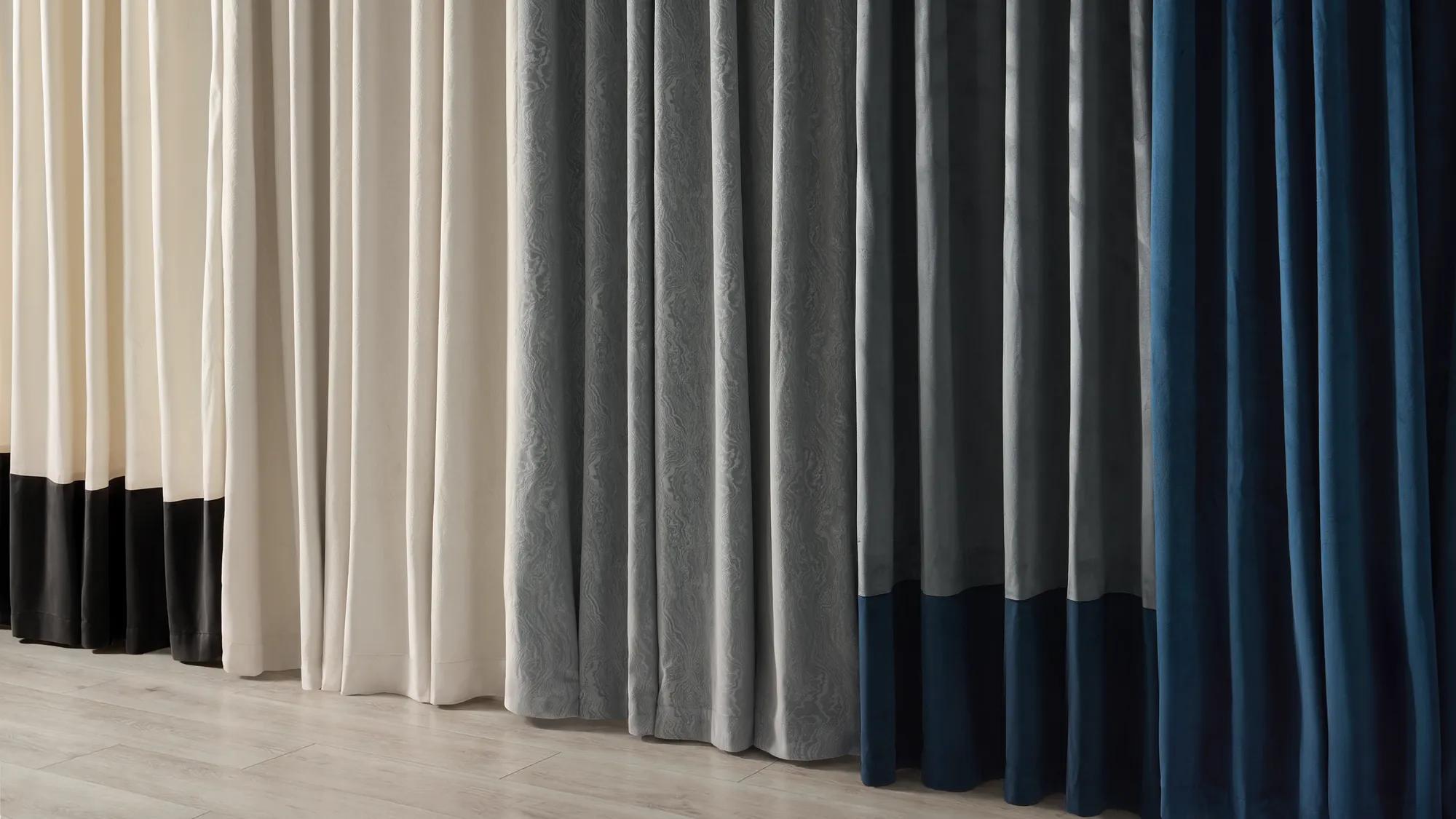 Mabel Velvet Swirl Curtain - Grey Blue$99
A grey blue velvet curtain featuring a tonal swirl pattern and versatile dual hanging options.
Add To Cart -
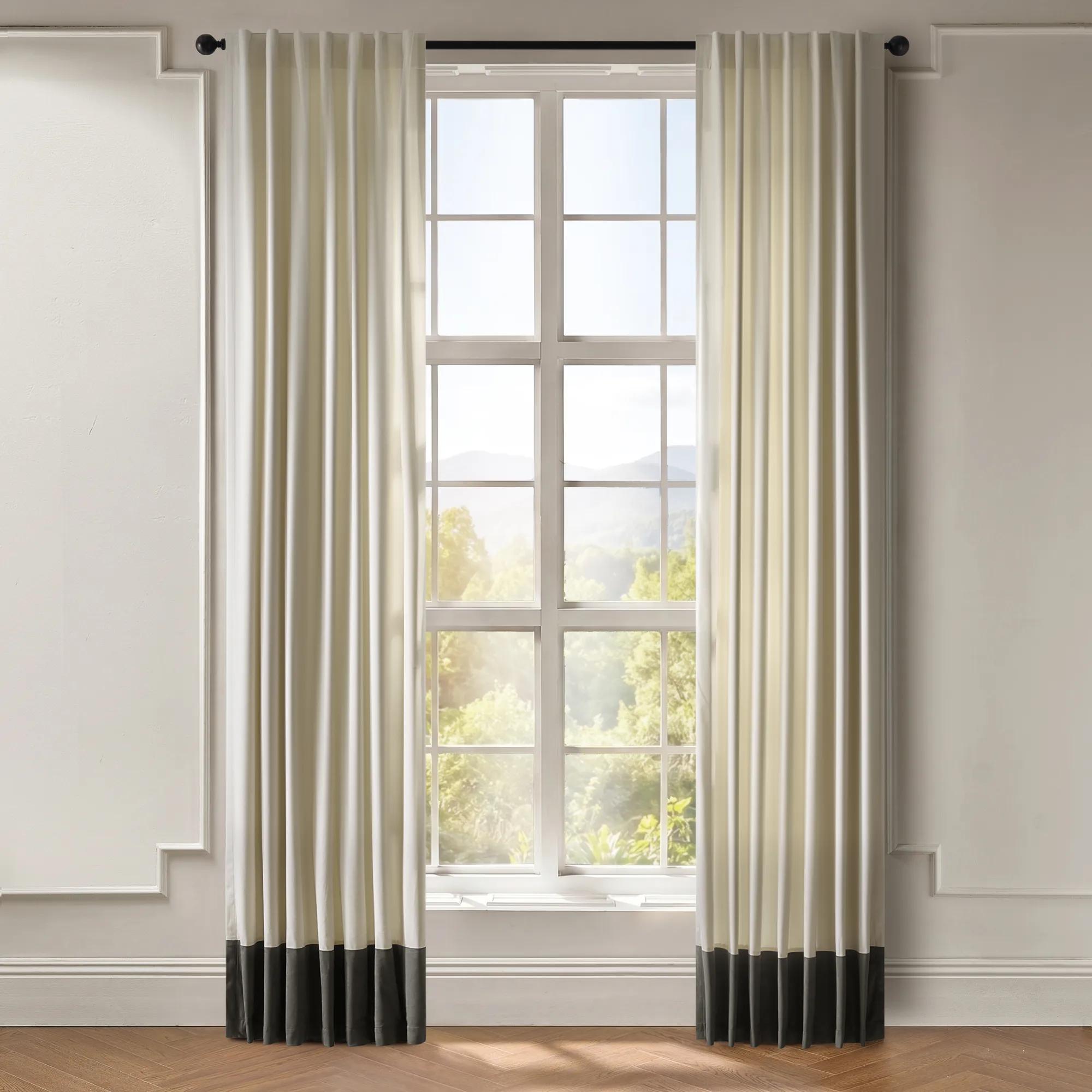
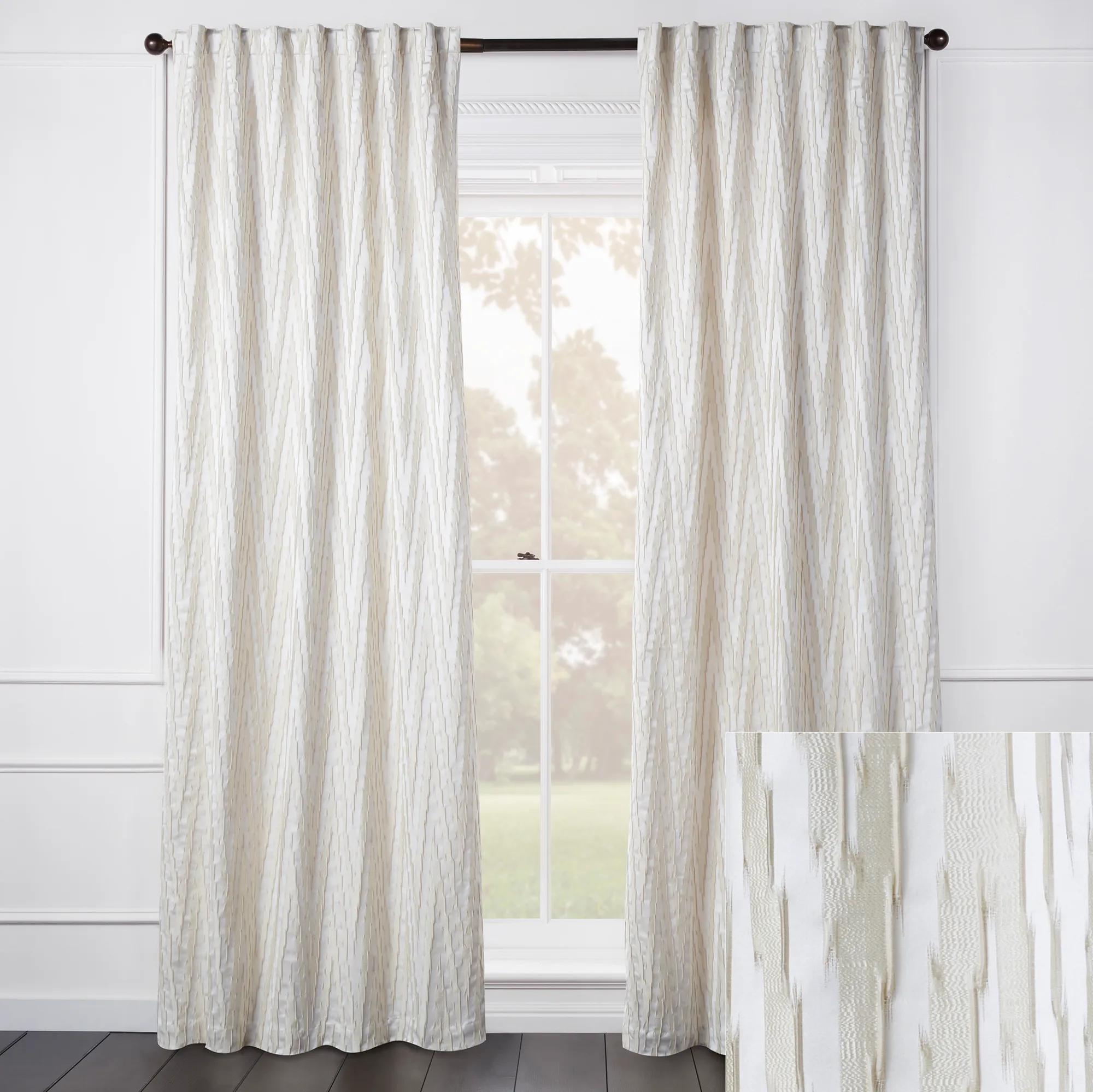
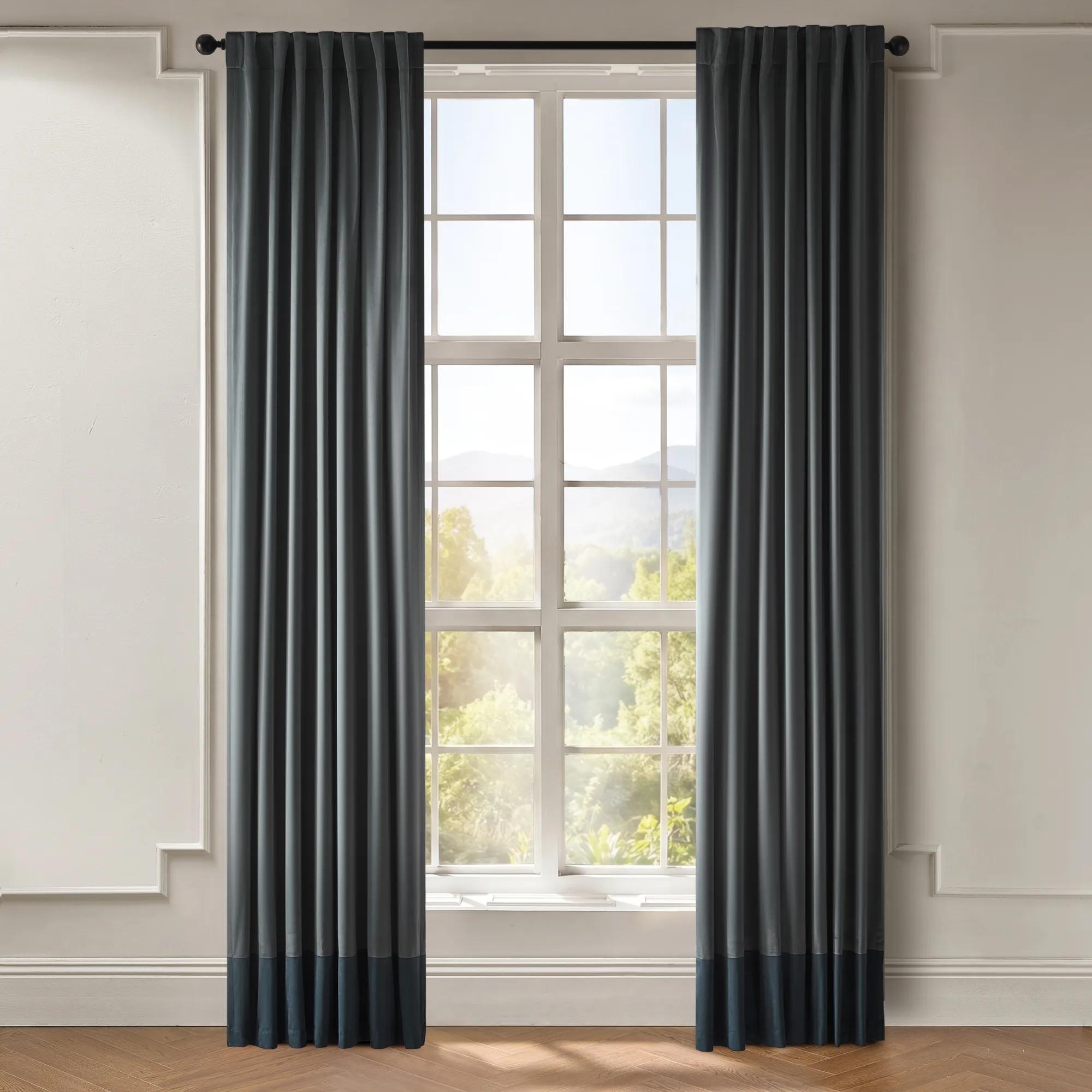
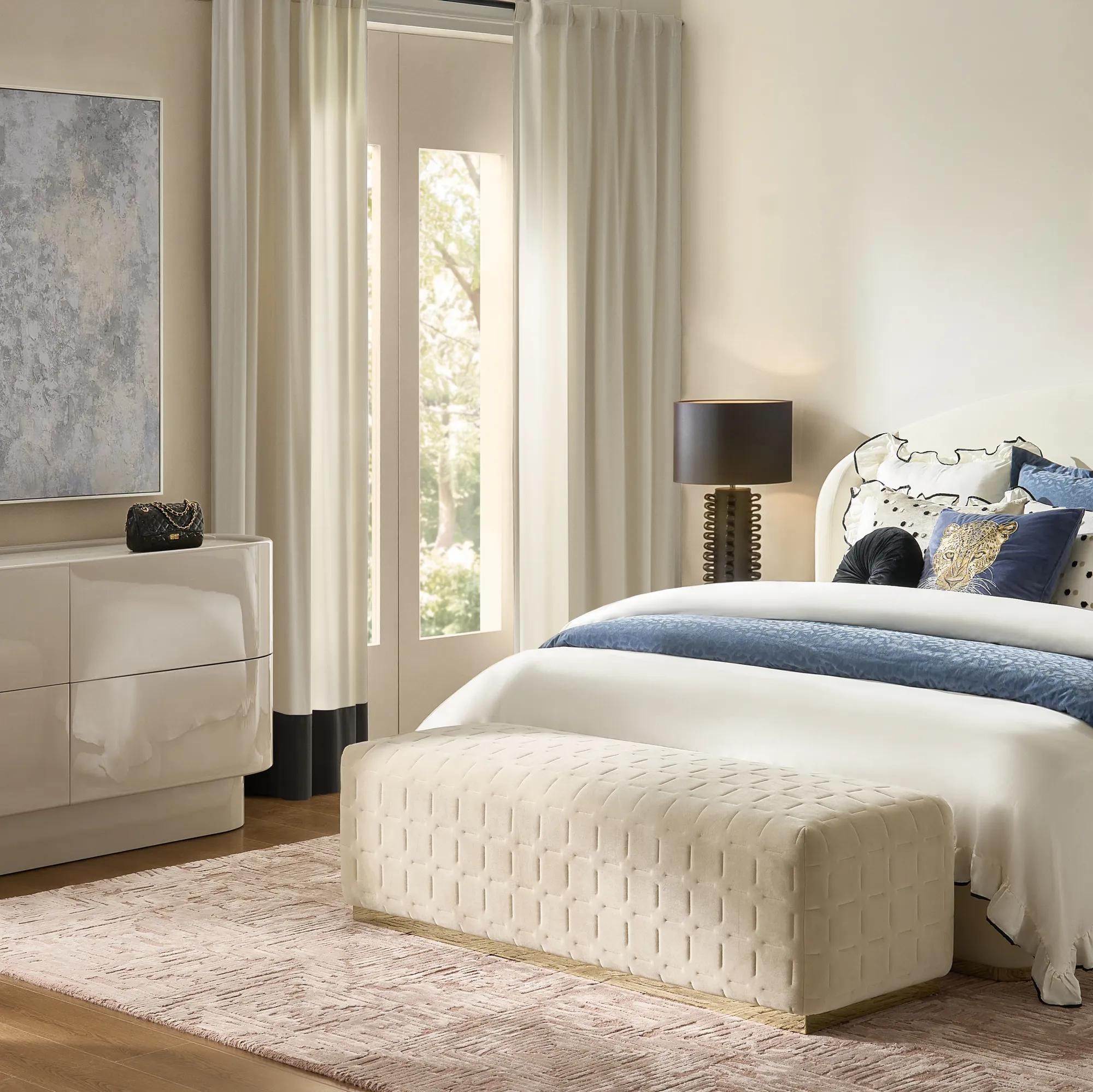 Bastien Ivory/Graphite Velvet Border Window Curtain Panel$99
A two-tone ivory and graphite velvet curtain panel with room-darkening design and versatile hanging options.
Add To Cart -
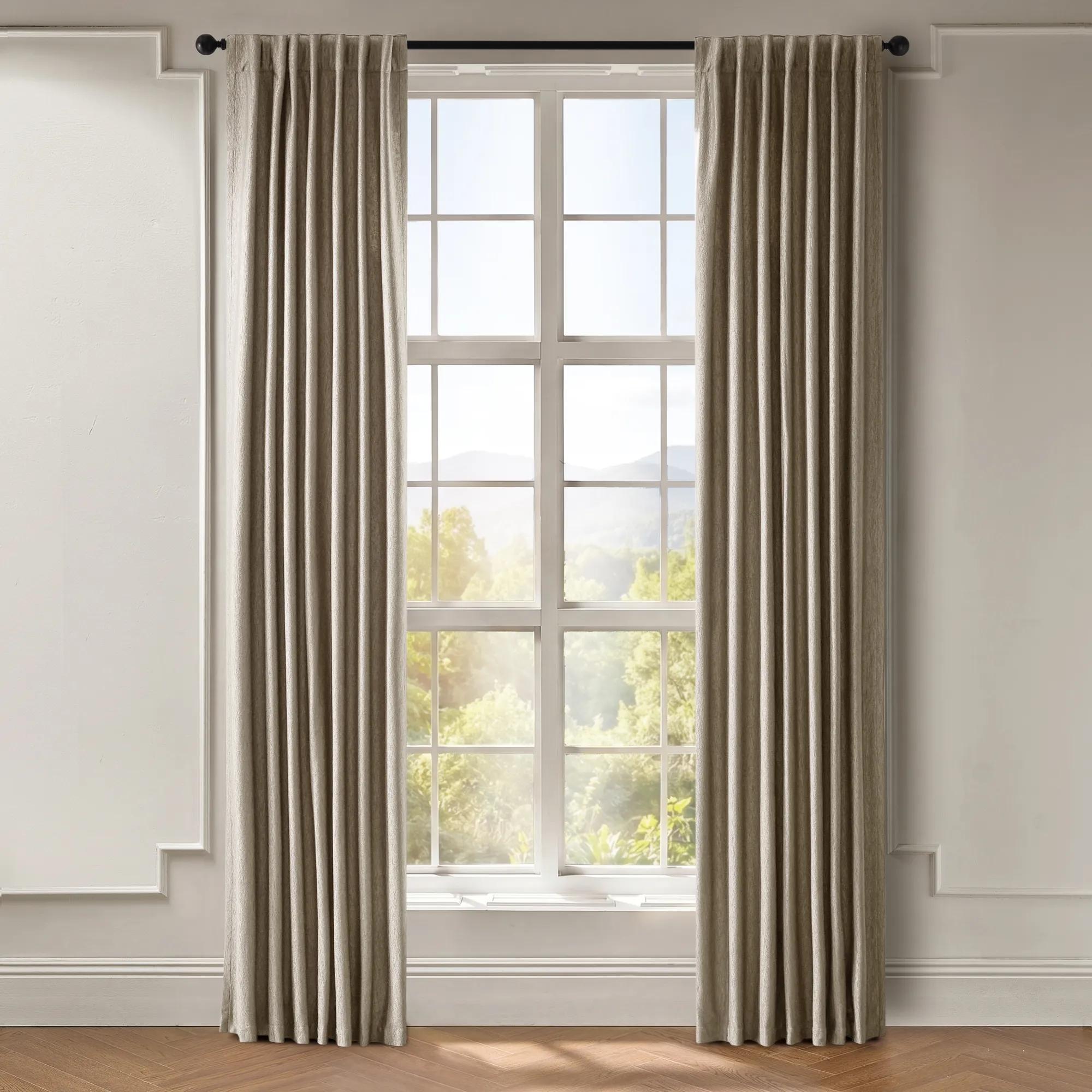
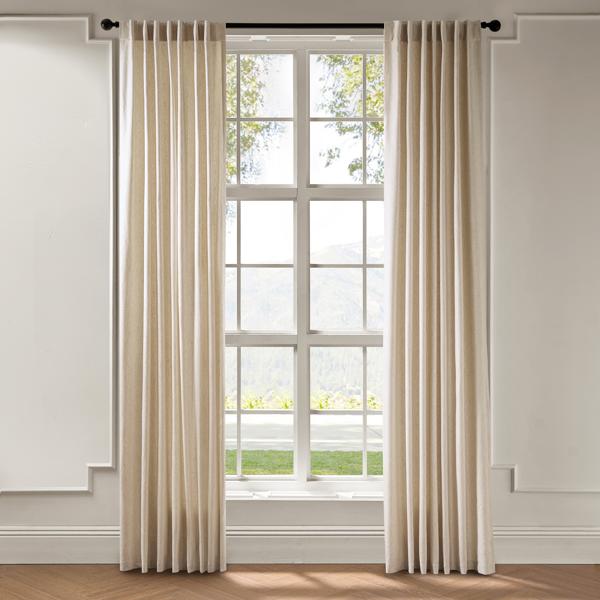
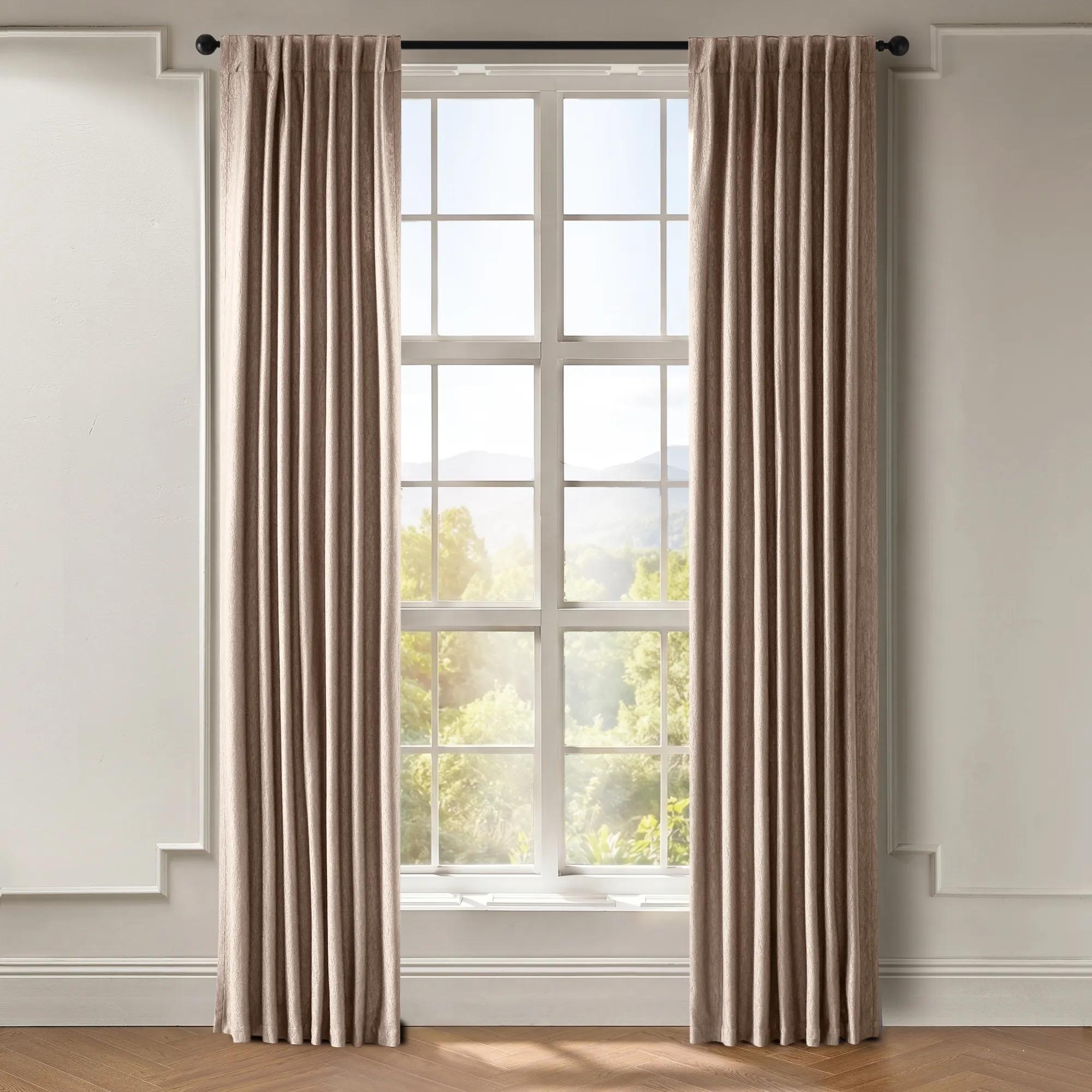
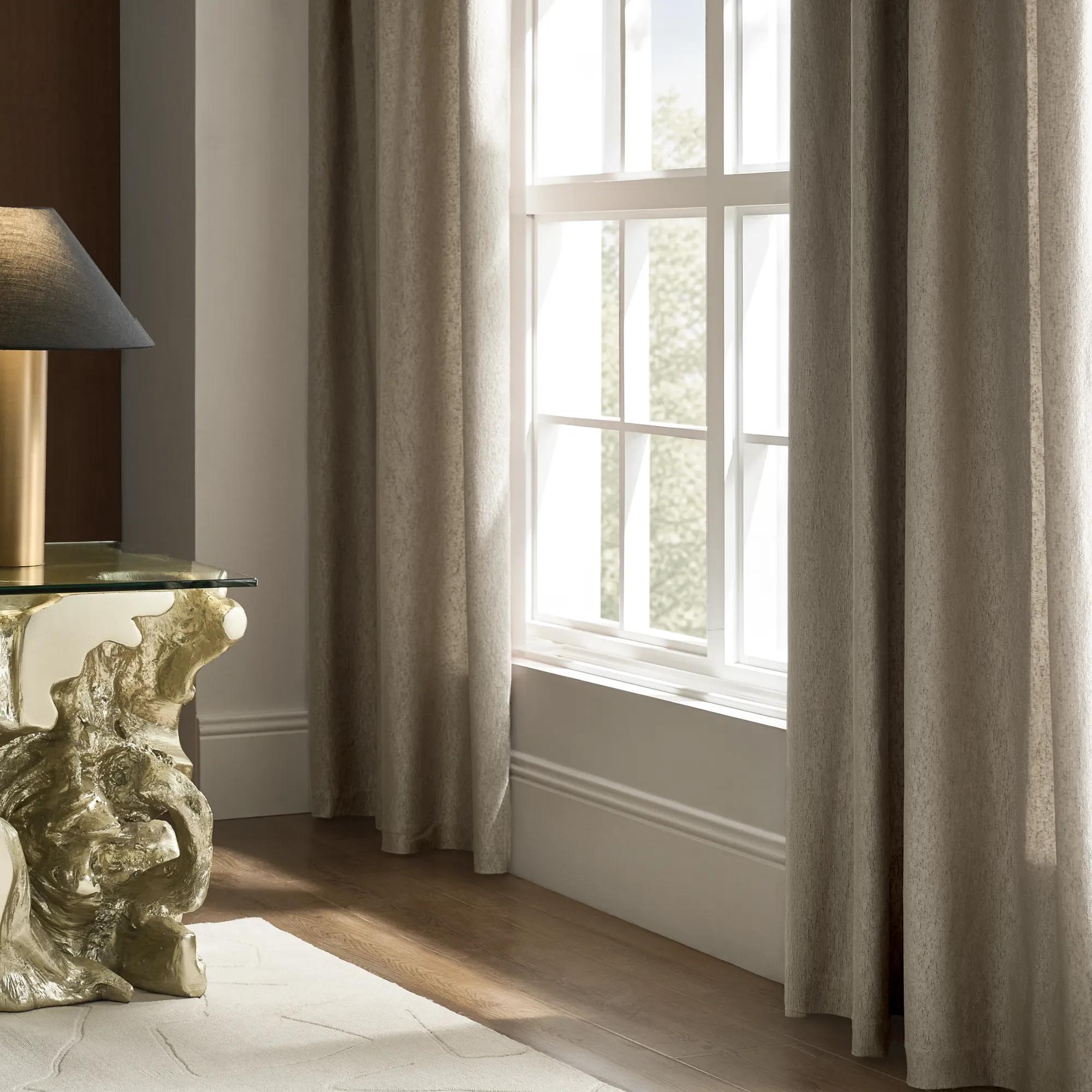 Anson Taupe Textured Window Curtain Panel$99
A taupe polyester curtain panel featuring a crushed sheen texture and versatile room-darkening design.
Add To Cart -
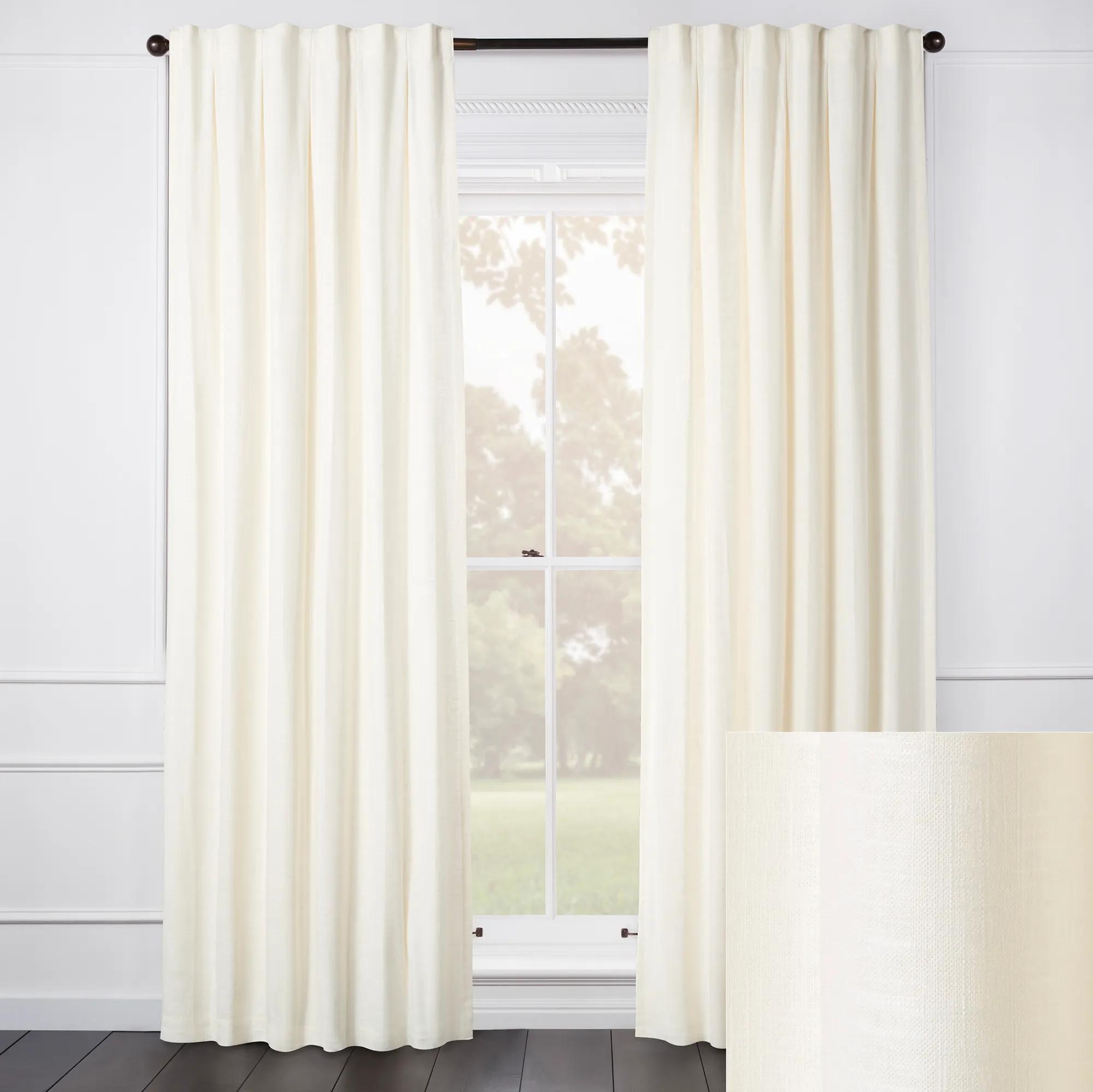
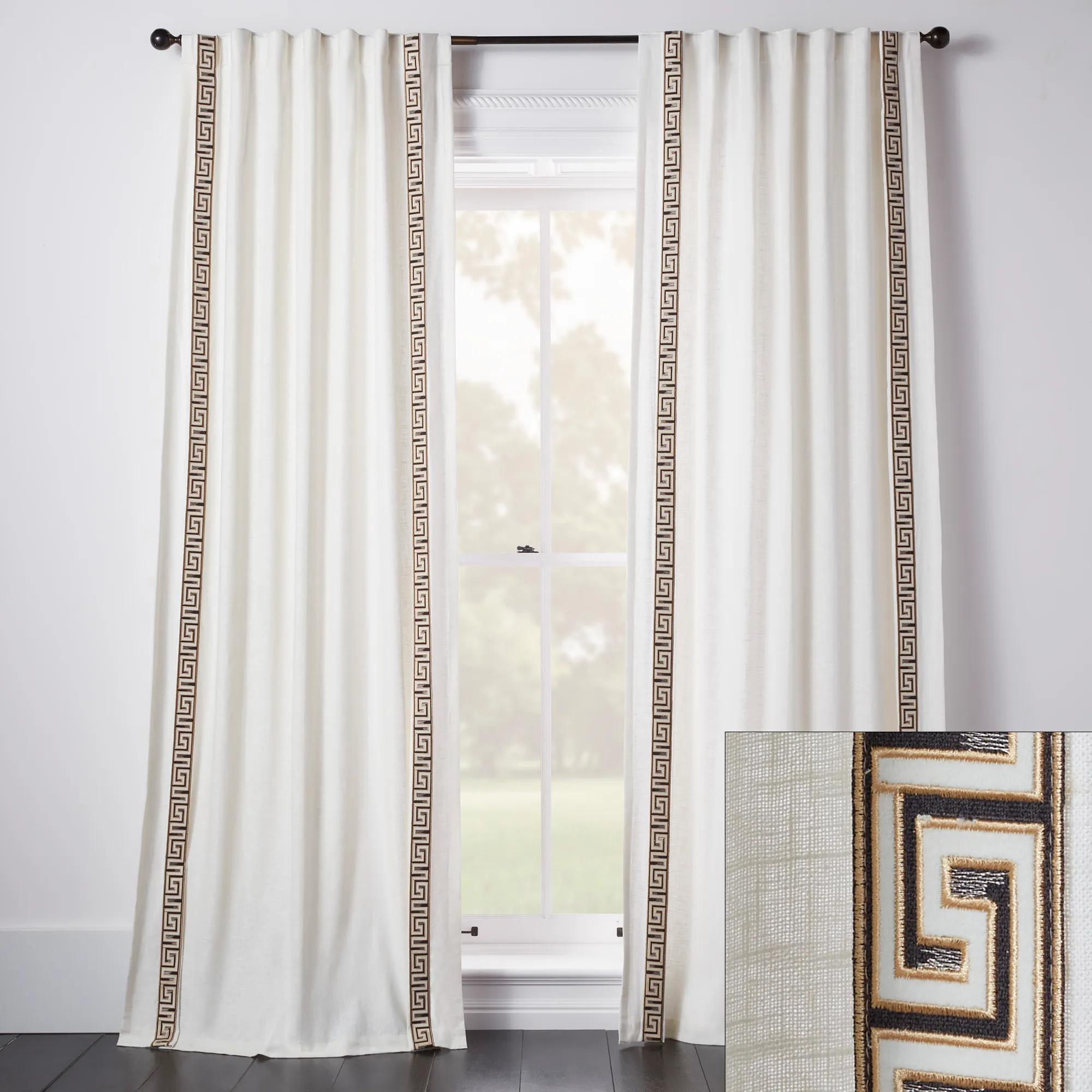
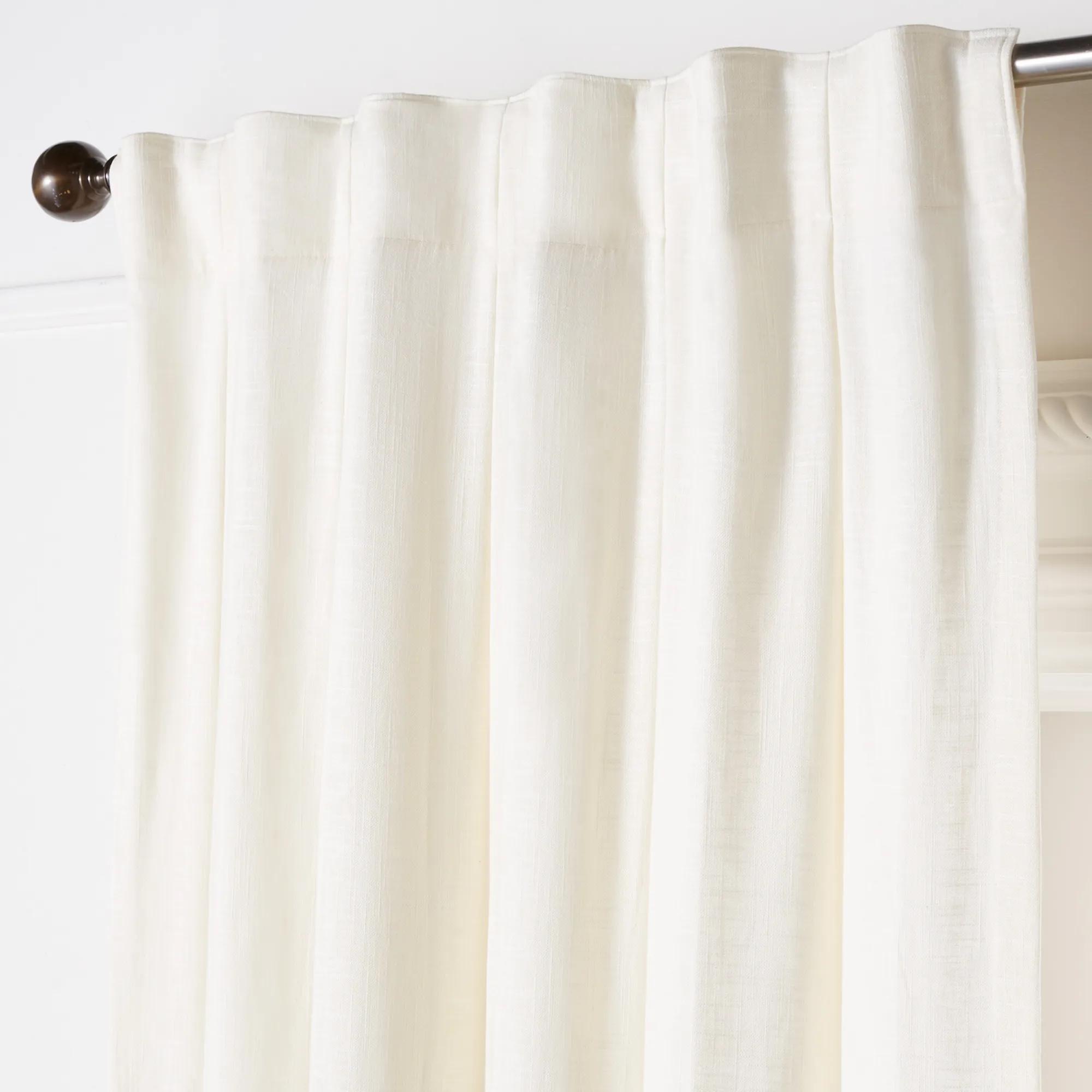 Audrey Linen Ivory Curtain - Custom$269
An ivory linen-blend curtain panel with lining, offering customizable lengths and two elegant header styles.
Add To Cart -
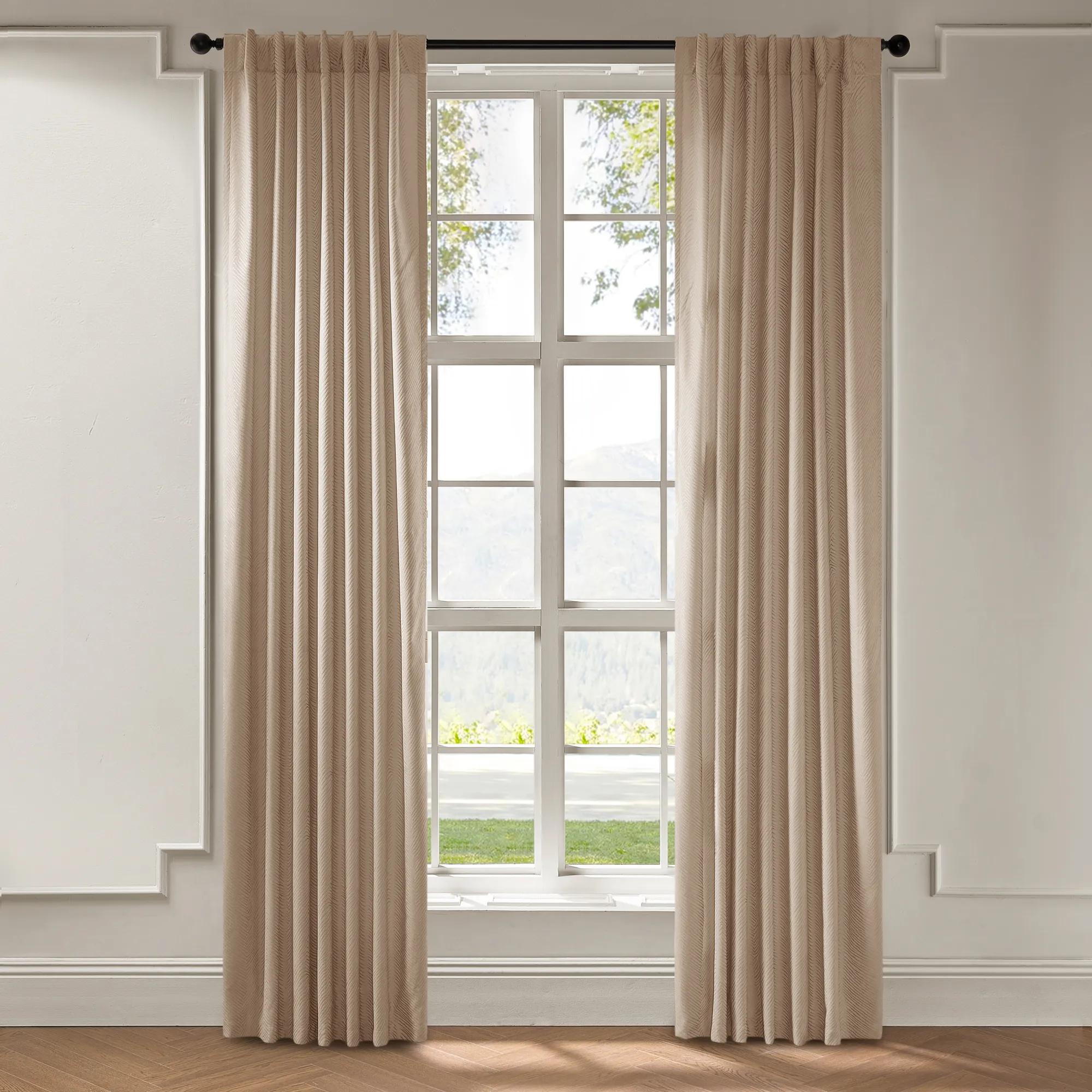 Kenzo Jacquard Beige Chenille Window Curtain Panel$129
A warm beige chenille jacquard curtain with a subtle sheen and versatile rod pocket or back tab hanging.
Add To Cart -

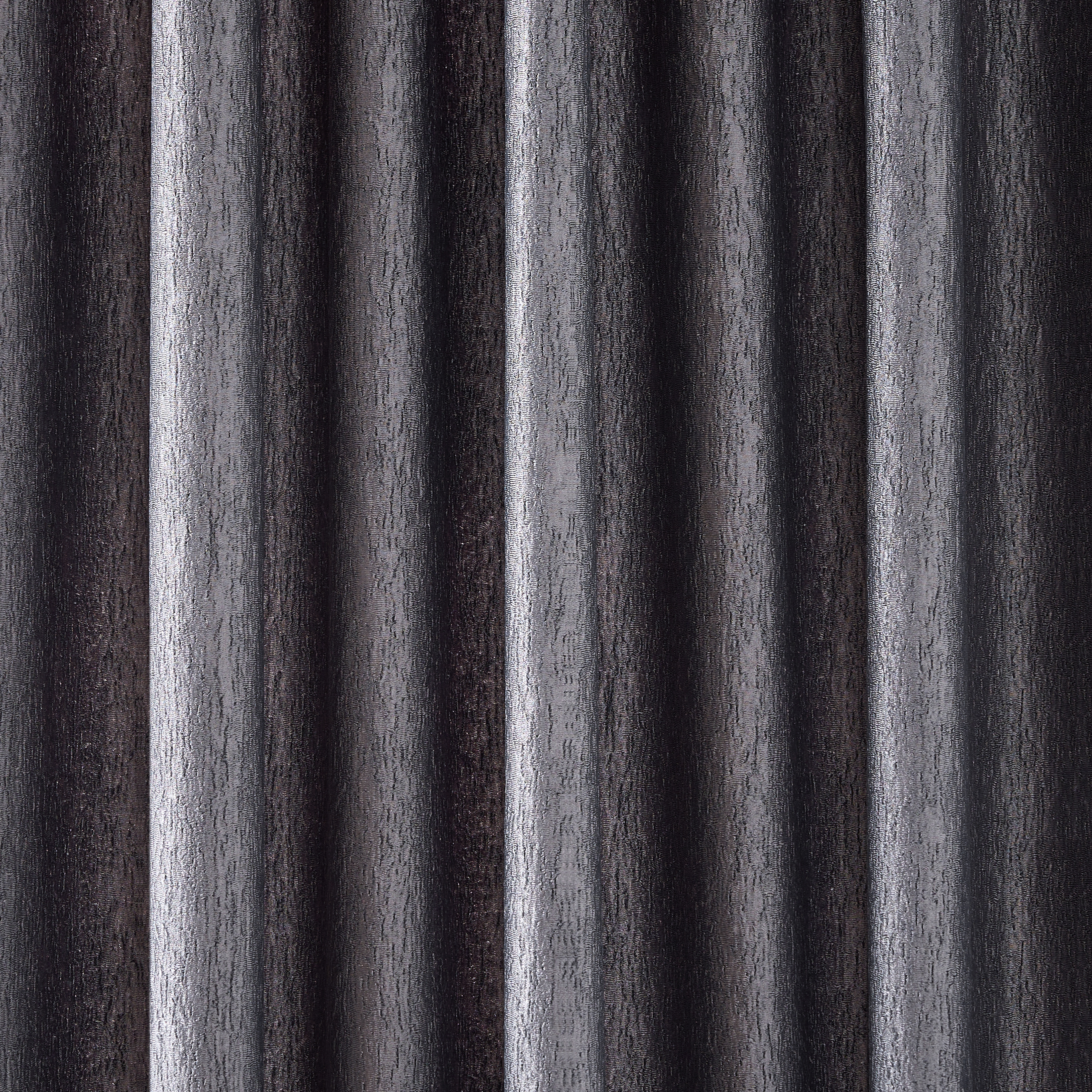 Anson Charcoal Textured Window Curtain Panel$99
A moody charcoal curtain with crushed polyester texture and subtle sheen for stylish, room-darkening appeal.
Add To Cart -

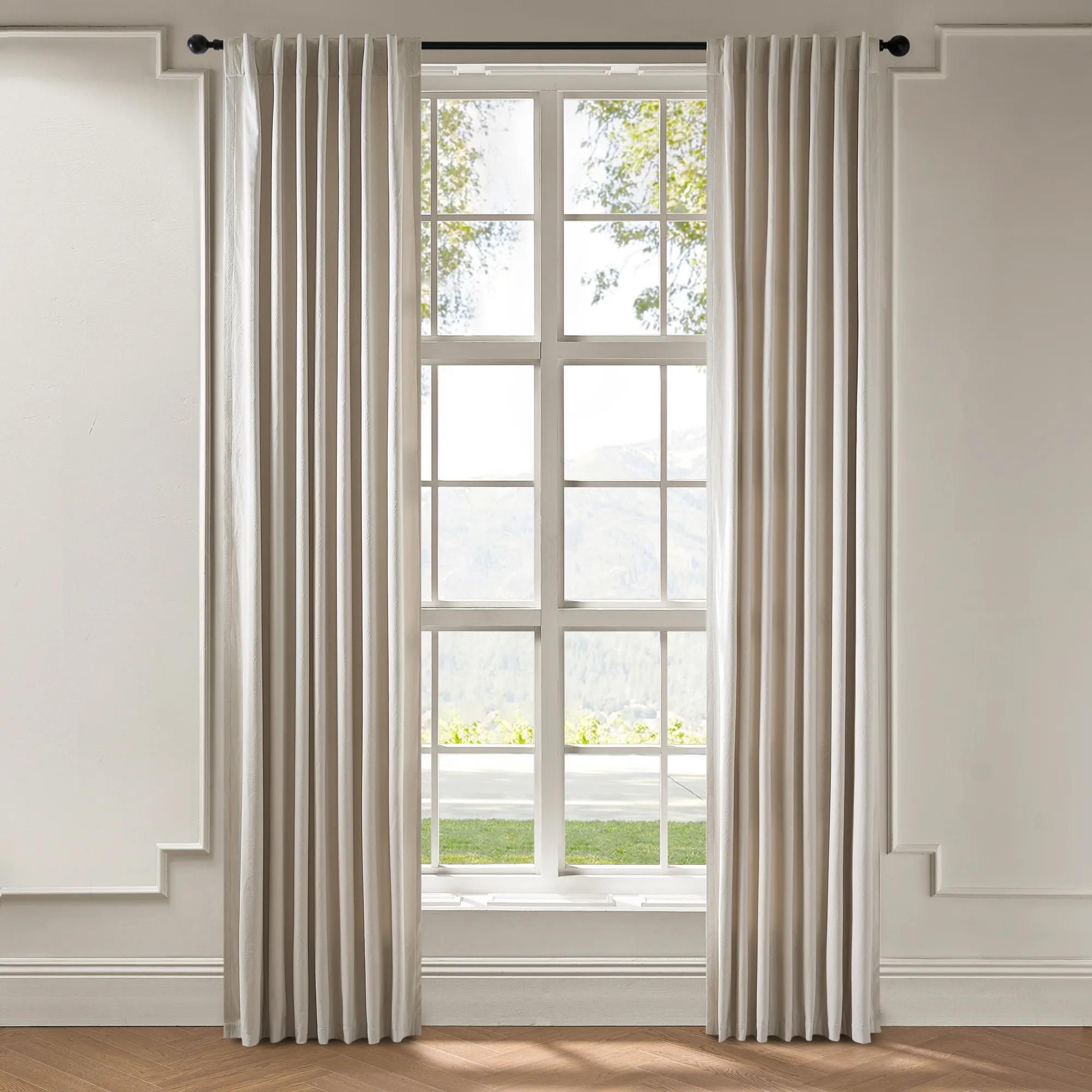
 Adair Sand Solid Velvet Window Curtain Panel$79
A room-darkening sand velvet curtain with dual hanging options for a soft, tailored finish.
Add To Cart

Grey Summer Home Window Panels
Grey summer home window panels invite an air of effortless sophistication, transforming sunlight into a silvery cascade that dances across your space. These panels are more than mere window dressings—they’re the finishing touch that elevates every room, infusing it with tranquil elegance and a whisper of contemporary drama. Whether you’re curating a serene retreat or crafting a bold, modern sanctuary, grey summer home window panels set the mood with their cool undertones and artful presence. Let each panel become a brushstroke in your design masterpiece, reflecting the season’s light while enveloping your home in chic, timeless allure.
Gray summer home window panels range from airy, light-filtering sheers to lined drapery and blackout styles, bringing a refined wash of color to rooms where daylight deserves a thoughtful frame. Their appeal lies in the balance between atmosphere and function: translucent fabrics soften bright light, while more substantial constructions offer greater control over glare and privacy. Pale silver, pearl gray, and smoky charcoal each create a distinct mood without demanding an entirely new decorating palette. A cool gray can sharpen the silhouette of a sculptural sofa or echo the veining of marble, while a warmer gray feels harmonious beside ivory upholstery, natural wood, and brushed brass. In a summer-inspired living room, lightweight panels can give tall windows a luminous presence, allowing the architecture and the view to remain part of the composition. Linen and linen-blend fabrics introduce visible texture and a relaxed, graceful drape; cotton can offer a softer, more matte appearance; and polyester fabrics may provide fluid movement and resistance to wrinkling, depending on their construction. Fiber content alone does not determine how much light passes through a panel. Weave density, fabric weight, color, and lining all influence the result. An open weave can feel beautifully airy without delivering substantial privacy, while a tightly woven panel can appear tailored and substantial even in a pale shade. Subtle slub textures give a large expanse of fabric depth, and a restrained sheen catches light with a more polished effect. These differences matter in rooms with strong decorative personalities. Beside mirrored furniture and gleaming metallic accents, matte gray fabric offers a composed counterpoint; against quiet upholstery and simple walls, a softly lustrous panel can become the expressive detail. The effect is neither purely decorative nor purely practical. Well-considered window panels shape how a room feels, lending softness to hard surfaces and giving summer interiors an elegant sense of ease.
Light control is especially important when selecting window panels for summer use, but light-filtering, room-darkening, blackout, and thermal descriptions refer to different qualities. Light-filtering panels diffuse daylight rather than eliminate it, making them appealing for living rooms, dining spaces, and sitting areas where a gentle glow is welcome. Sheer panels generally offer limited privacy after dark when interior lights are on, so bedrooms and street-facing windows may benefit from a second layer. Room-darkening fabrics reduce incoming light, while blackout constructions are designed to block substantially more light through the fabric itself; neither label guarantees a completely dark room when light can enter around the edges. Thermal performance is a separate consideration associated with insulating construction or lining. Some lined or thermal panels may help limit heat transfer at windows, but results depend on the fabric, installation, glazing, and exposure rather than the gray color alone. A layered arrangement can be particularly versatile: a translucent inner layer preserves a softened daytime view, and a more opaque outer panel adds privacy and a richer evening silhouette. Scale gives that arrangement its finished character. Panel width should account for the full span of the rod and the folds desired when the curtains are closed, not simply the width of the glass. A combined fabric width around one and a half to two and a half times the rod span is a common starting point, with fuller gathers often suited to lighter fabrics and a more tailored treatment possible with heavier cloth. Finished length also depends on the heading style and the point from which the panel hangs. Grommets, rod pockets, tabs, and ring-supported headings sit differently, so the listed dimensions and hanging method deserve equal attention. Floor-skimming panels create a crisp, elongated line without leaving excess fabric underfoot. In rooms with frequently opened patio doors or busy walkways, a clean hem clearance keeps the effect graceful and practical. Rod placement, adequate support, and room for the gathered fabric beside the window all influence how generously the opening is framed.
The most satisfying gray window treatments also suit the rhythms of the home. A bedroom used by someone who sleeps beyond sunrise may call for a more substantial lining, while a sunlit dining room can welcome a translucent fabric that lends glassware and polished surfaces a delicate glow. In a home office, light diffusion can help temper distracting brightness, although panel opacity and placement determine how effectively direct sunlight is controlled. Households with children or pets may favor washable constructions, resilient weaves, and hems that stay clear of active pathways. Closely woven fabrics can be less prone to catching than loose, highly textured weaves, but durability depends on the full construction, including stitching, heading reinforcement, lining, and the weight placed on the hardware. Direct sun can affect fabrics over time, making care instructions and any stated performance characteristics worth reviewing rather than assuming every panel offers the same protection. Some cotton, linen-blend, and synthetic panels are machine washable; others require professional cleaning, particularly when decorative finishes or specialized linings are involved. Routine dust removal with a soft vacuum attachment, when permitted by the care label, helps keep folds looking fresh. Laundering, steaming, and ironing should follow the stated directions because heat and moisture can alter texture, dimensions, or coated backings. For a more formal expression of the same versatile palette, Grey High End Window Panels offers another perspective on gray as an architectural finishing touch. Across casual gathering spaces and richly appointed bedrooms, the color’s strength is its ability to connect materials without flattening their differences. Silver-gray fabric can echo cool metal, a deeper graphite can outline pale walls, and a warm gray can draw together creamy textiles and dark wood. Paired with the appropriate opacity, dimensions, and care requirements, that nuanced color becomes more than a backdrop: it frames the view, gives daylight a softer presence, and lends the room a distinctive, beautifully composed finish.
FAQs
Grey window panels offer a refined, neutral palette that complements a variety of design styles, from modern minimalism to classic elegance. Their subtle hues can soften bright summer light, create a sense of calm, and pair effortlessly with both bold and muted color schemes, making them an adaptable choice for any room.
The fabric of your window panels dramatically shapes the mood of your room. Sheer linens or voiles allow natural light to filter through, creating an airy, ethereal effect perfect for summer. Heavier textiles like jacquard or velvet add depth and drama, enhancing privacy and introducing a touch of luxury to your space.
Absolutely—grey panels serve as an elegant foundation for layered window treatments. Pair them with patterned drapes, textured shades, or metallic tiebacks to create a rich, dimensional look that evolves with the seasons and your personal style.
Yes, the timeless appeal of grey allows these panels to bridge the gap between contemporary and classic interiors. In modern spaces, they provide sleek sophistication, while in traditional settings, they offer balance and subtlety, grounding ornate details with understated grace.
For summer gatherings, consider tying back grey panels with sculptural hardware or layering them with sheer whites for a breezy, resort-inspired look. Accentuate their cool tones with metallic or glass accessories, and let them frame your windows to create a luminous backdrop for memorable moments.