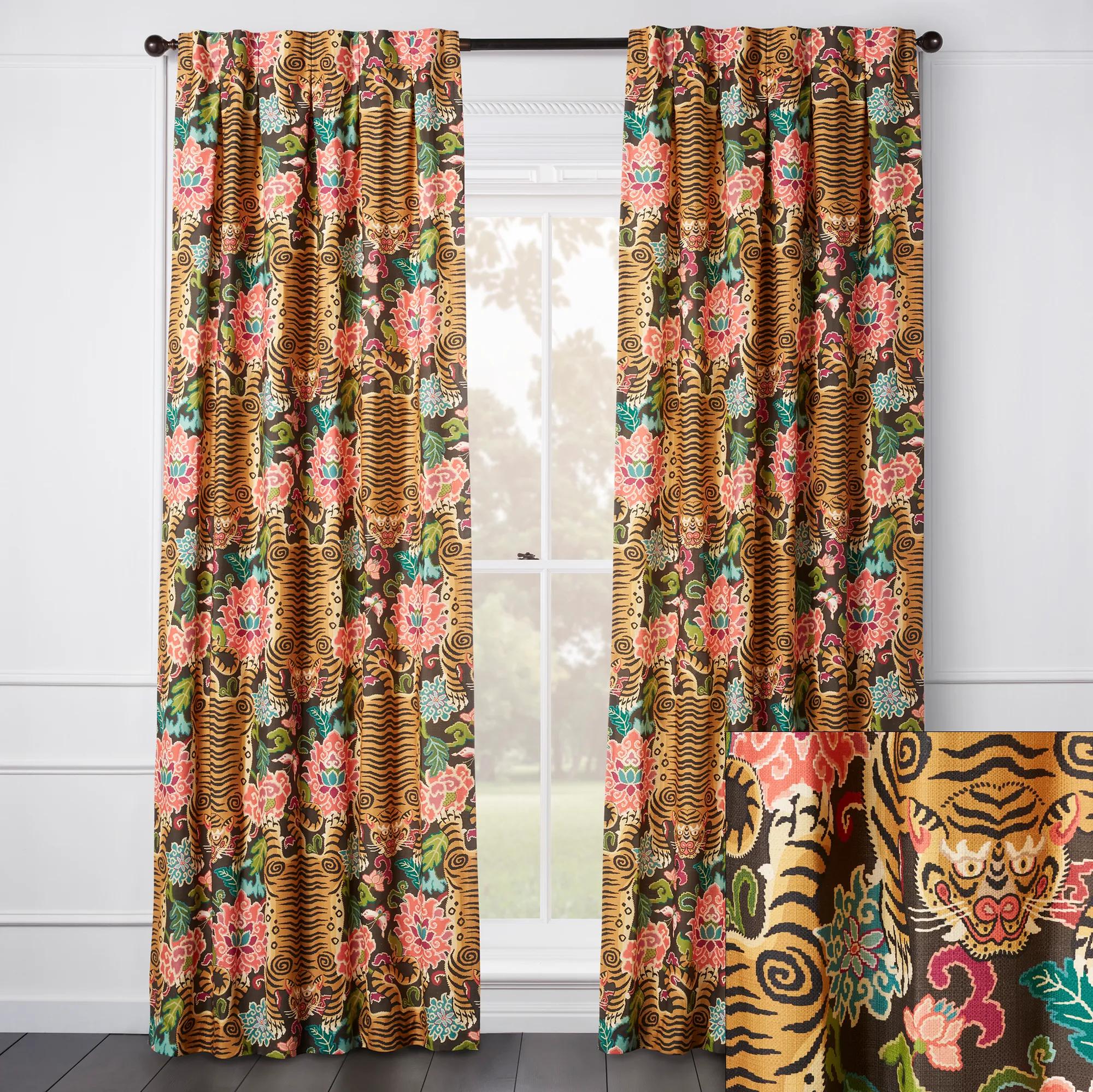
Modern Bedroom Window Panels
Modern Bedroom Window Panels
-
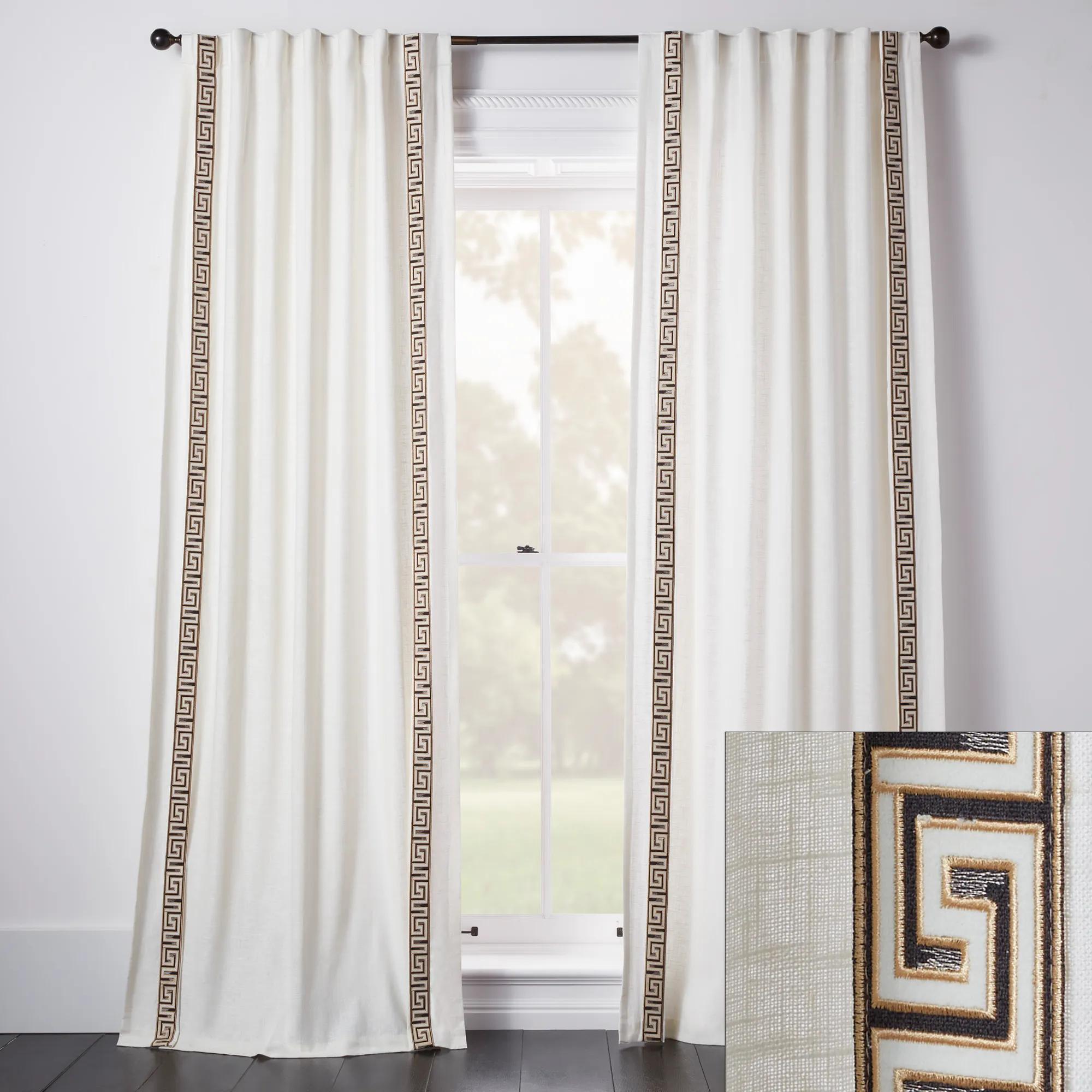 Chole Greek Key Border Velvet Widow Curtain Panels Custom$359
A linen-blend curtain panel with black and gold velvet Greek key border and customizable header options.
Add To Cart -
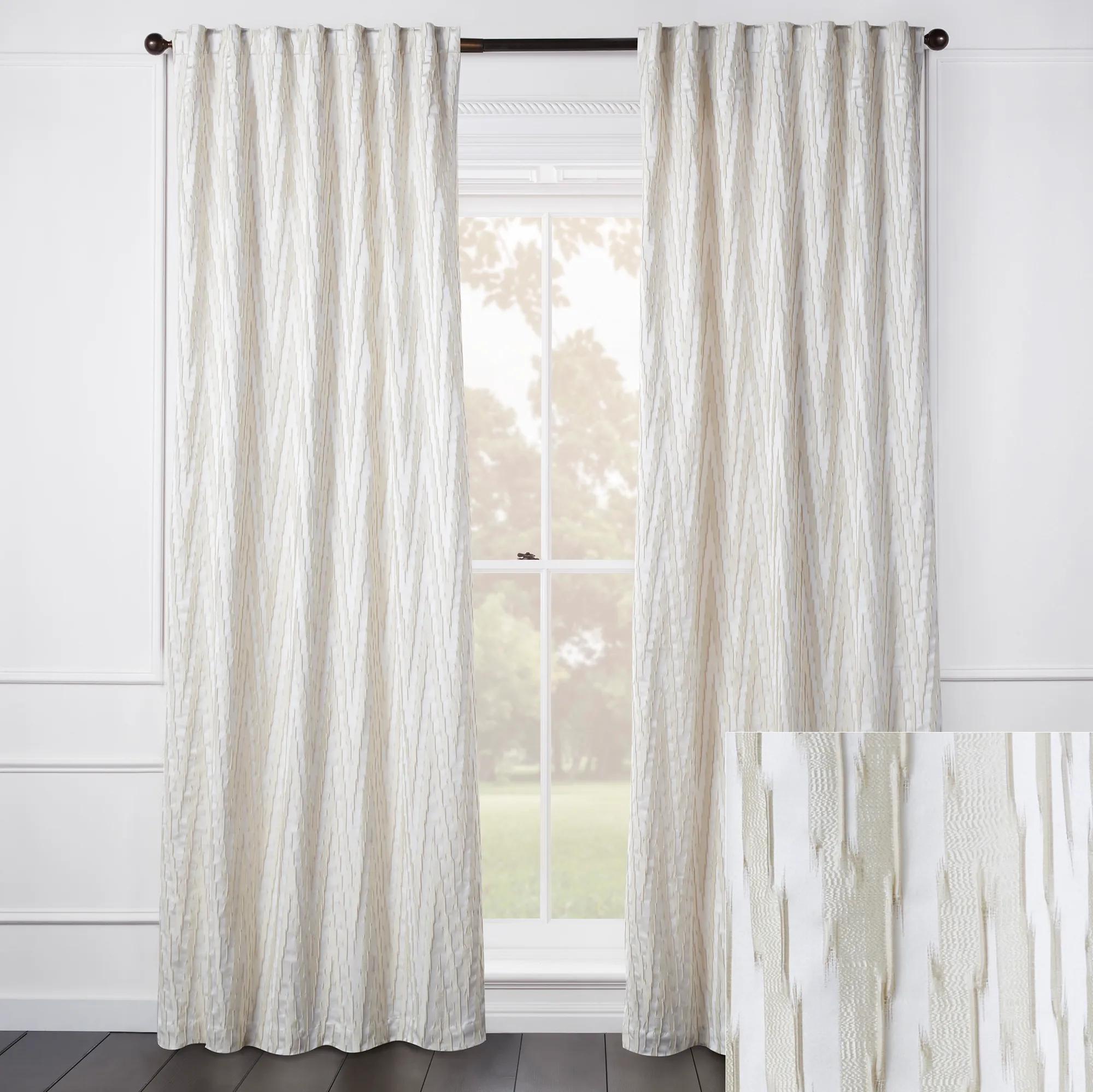
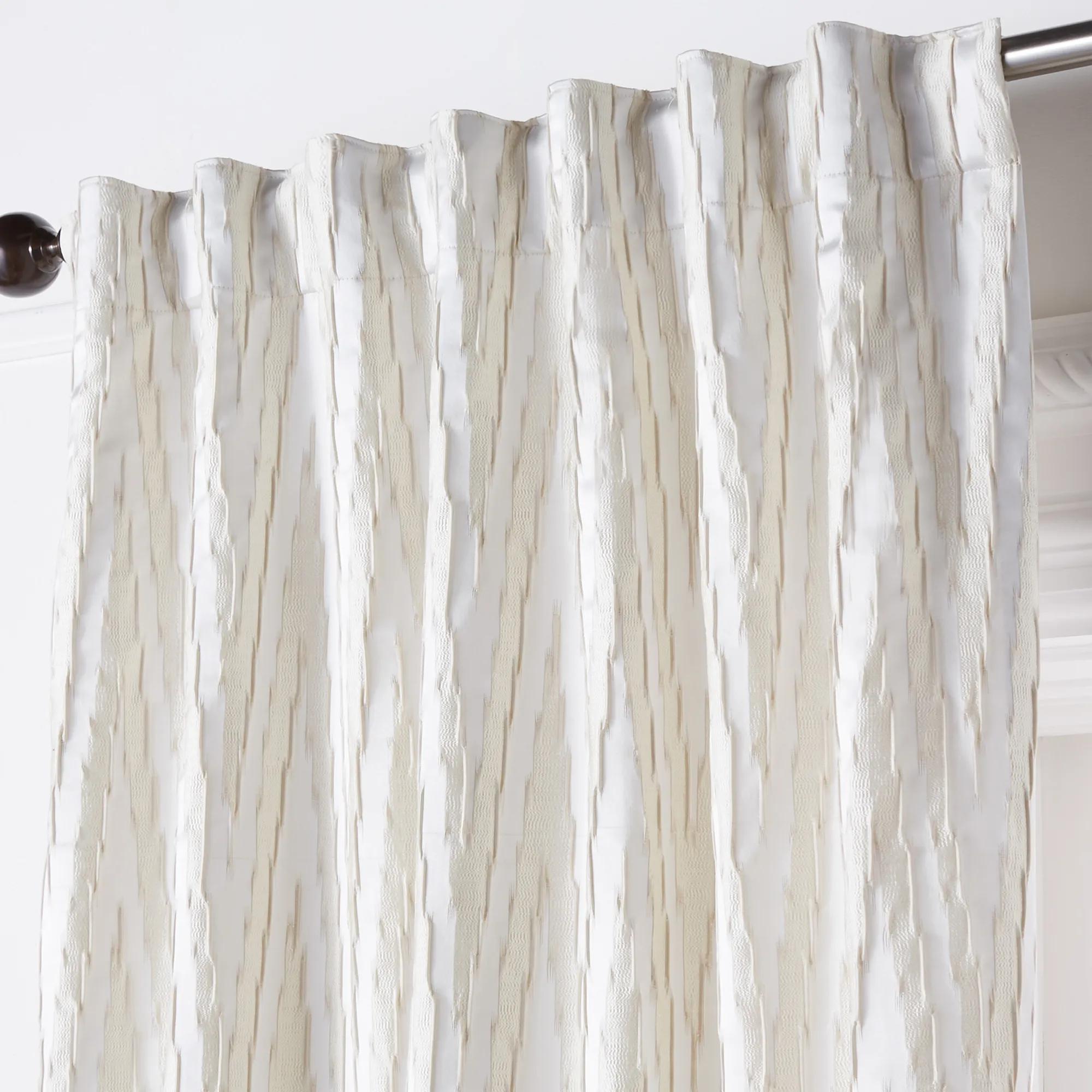 Minka Jacquard Pearl Window Curtain Panel Custom$289
A highly textured chevron curtain panel in pearl, grey, or natural polyester with customizable hanging options.
Add To Cart -
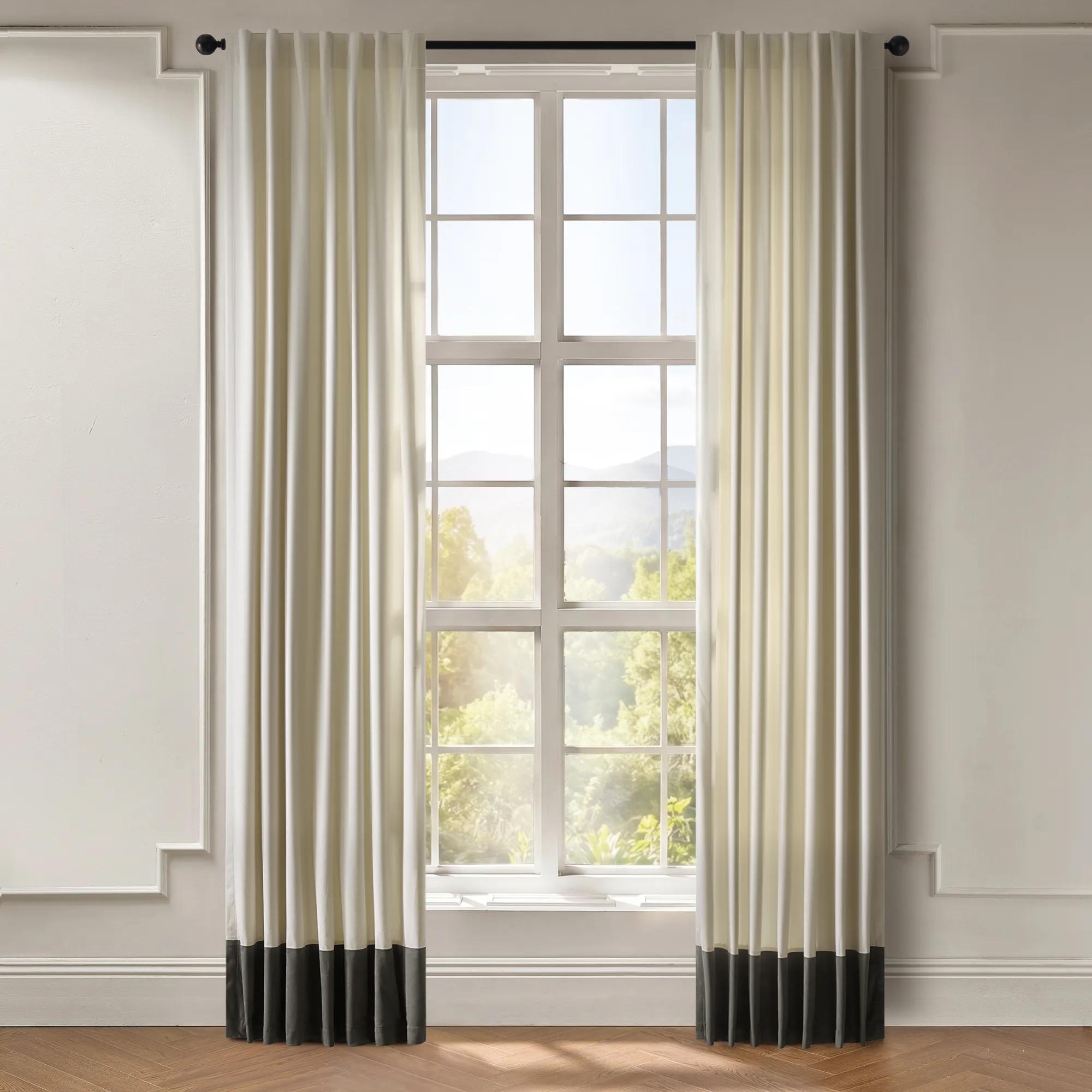
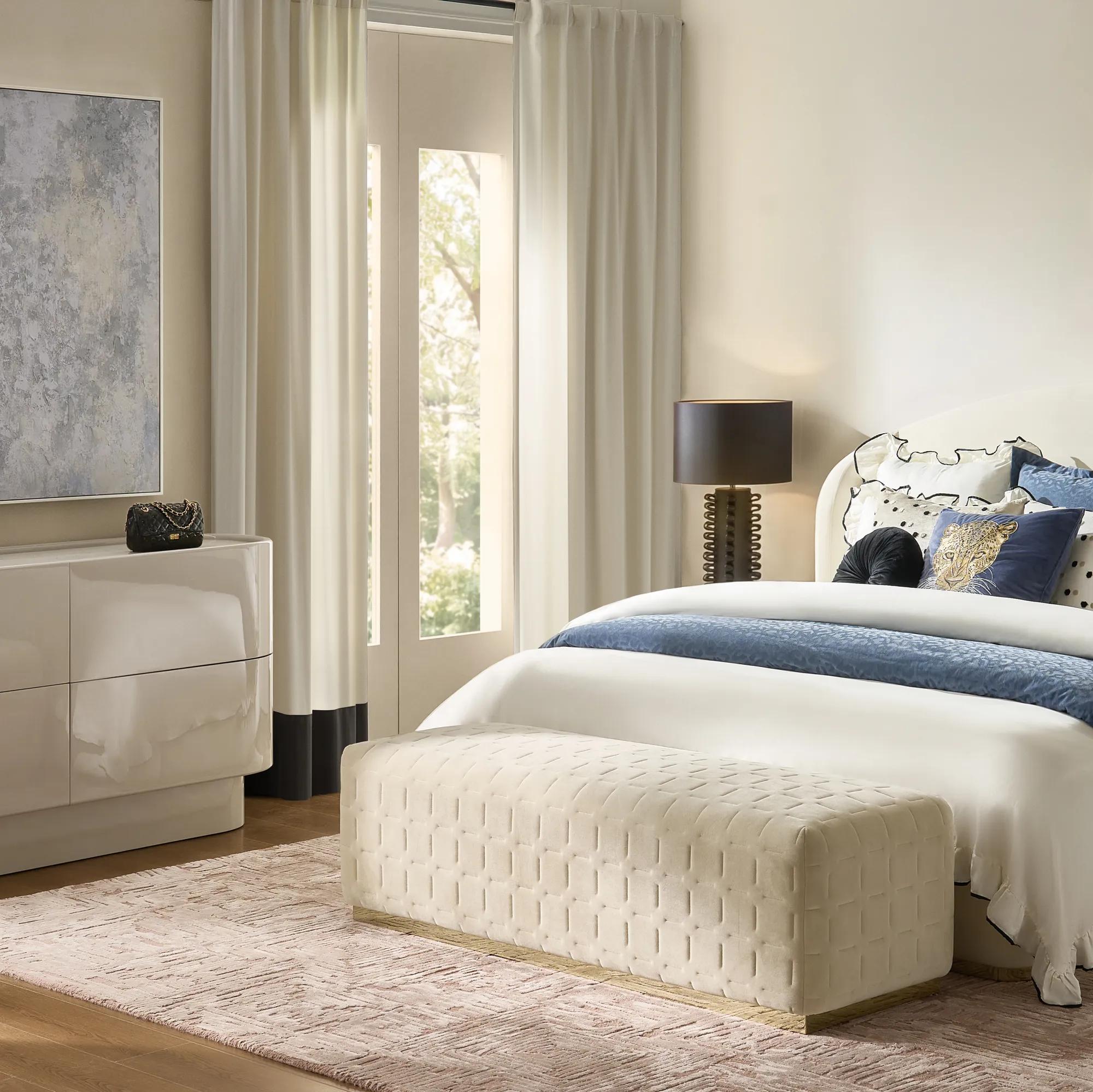 Bastien Ivory/Graphite Velvet Border Window Curtain Panel$99
A two-tone ivory and graphite velvet curtain panel with room-darkening design and versatile hanging options.
Add To Cart -
.jpeg?w=1200&h=1200)
 Mabel Natural Velvet Swirl Window Curtain Panel$99
Mabel Natural Velvet Swirl Window Curtain Panel$99A warm neutral velvet curtain with a tonal swirl pattern, offering room-darkening privacy and versatile hanging options.
Add To Cart -
.jpeg?w=1200&h=1200)
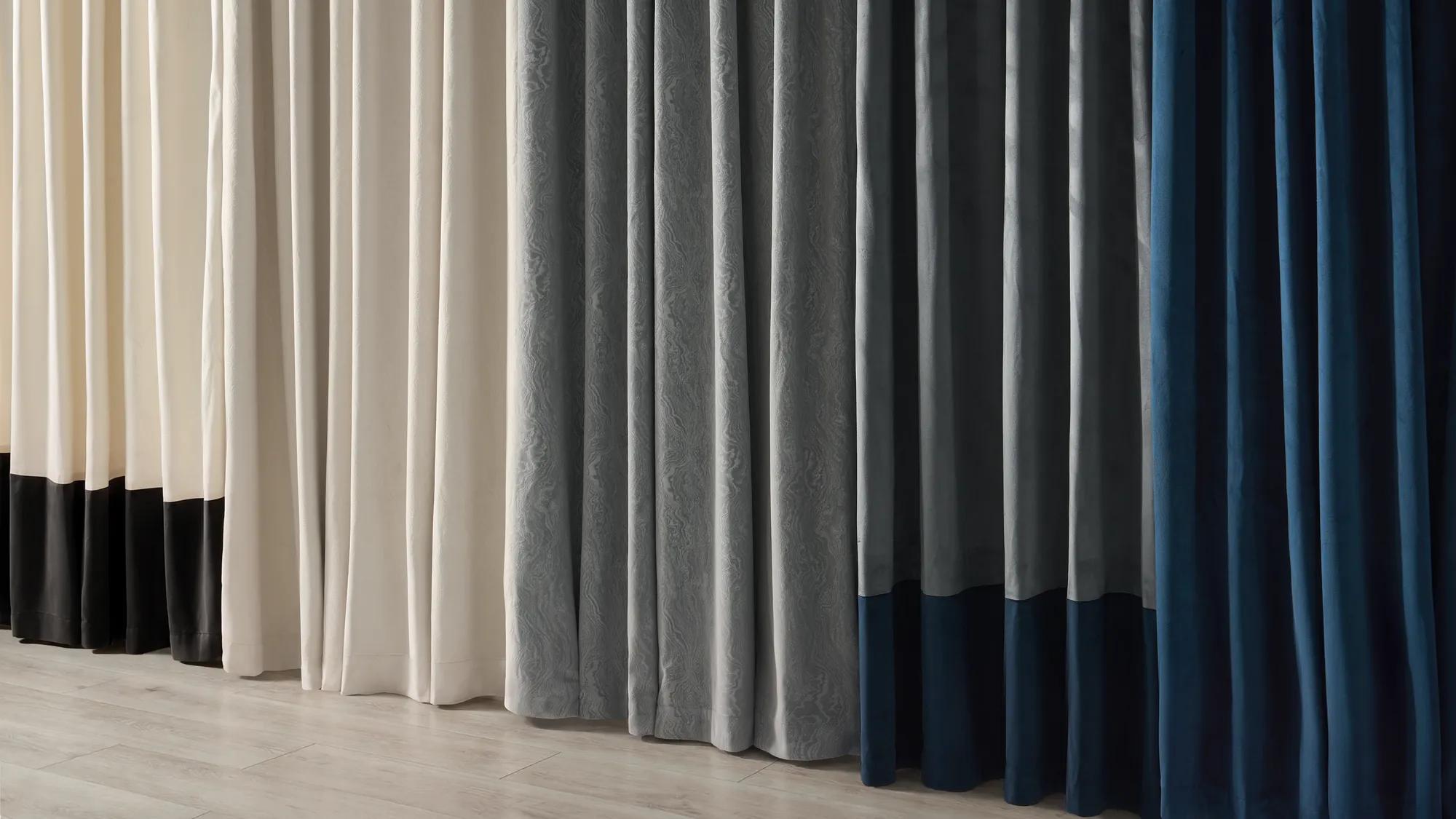 Mabel Velvet Swirl Curtain - Grey Blue$99
A grey blue velvet curtain featuring a tonal swirl pattern and versatile dual hanging options.
Add To Cart -
.jpeg?w=1200&h=1200)
 Anson Charcoal Textured Window Curtain Panel$89
Anson Charcoal Textured Window Curtain Panel$89A moody charcoal curtain with crushed polyester texture and subtle sheen for stylish, room-darkening appeal.
Add To Cart -
.jpeg?w=1200&h=1200)
 Adair Midnight Blue Solid Velvet Window Curtain Panel$69
Adair Midnight Blue Solid Velvet Window Curtain Panel$69A sumptuous midnight blue velvet curtain that adds elegance, depth, and room-darkening style to any space.
Add To Cart -
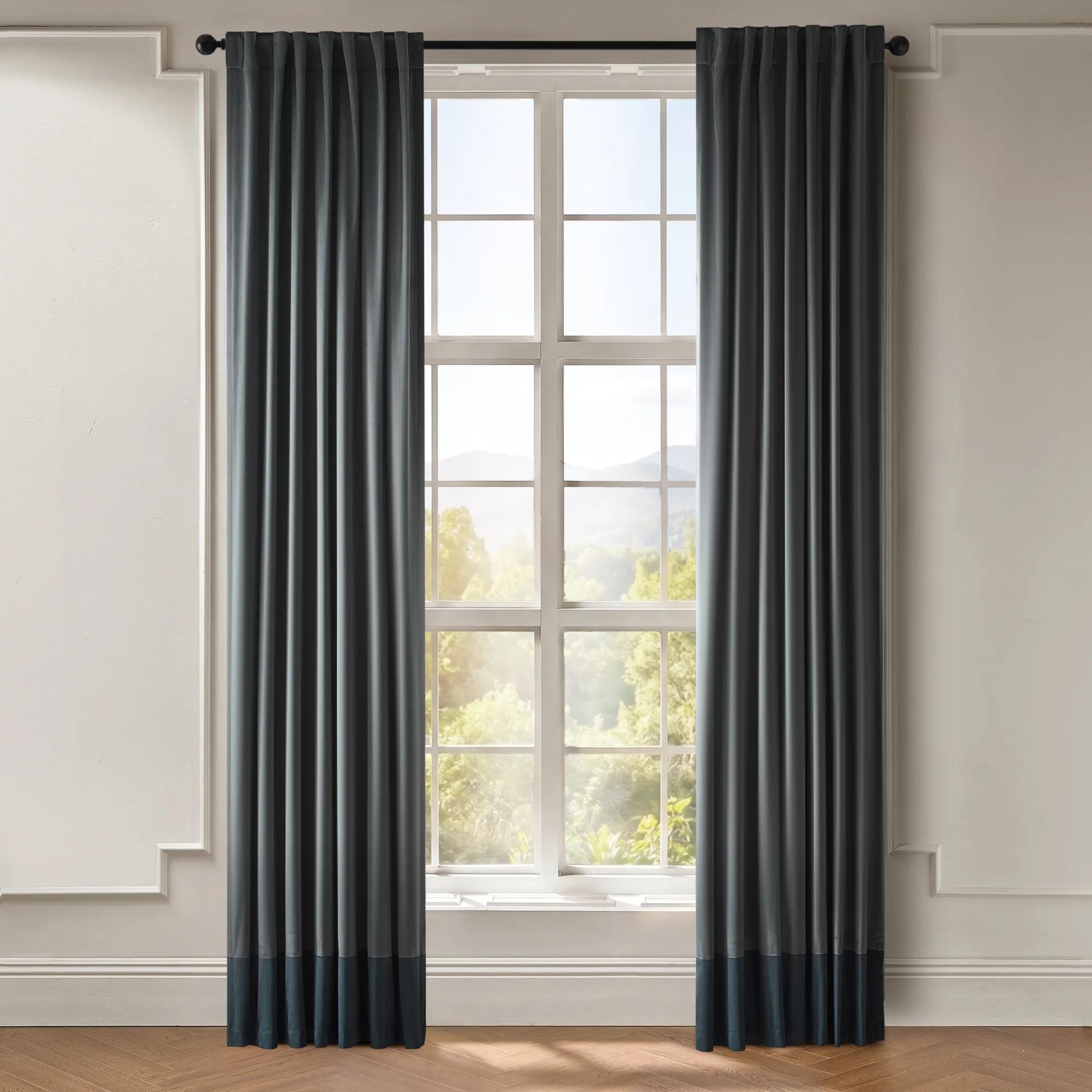
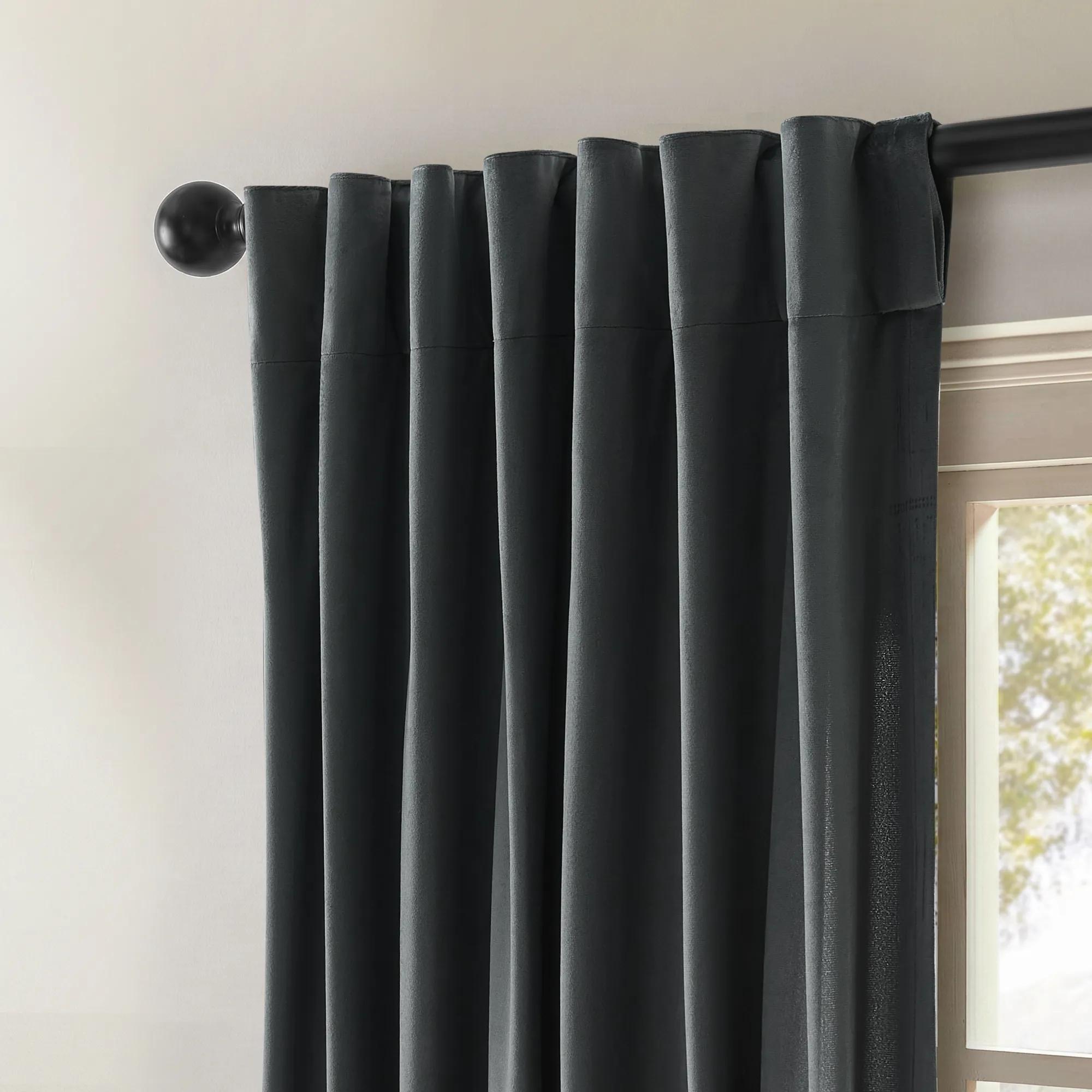 Bastien Blue/Midnight Velvet Border Window Curtain Panel$89
A two-tone dusty and midnight blue velvet curtain panel with a Deco-inspired border and room-darkening design.
Add To Cart -
.jpeg?w=1200&h=1200)
 Adair Sand Solid Velvet Window Curtain Panel$79
Adair Sand Solid Velvet Window Curtain Panel$79A room-darkening sand velvet curtain with dual hanging options for a soft, tailored finish.
Add To Cart -
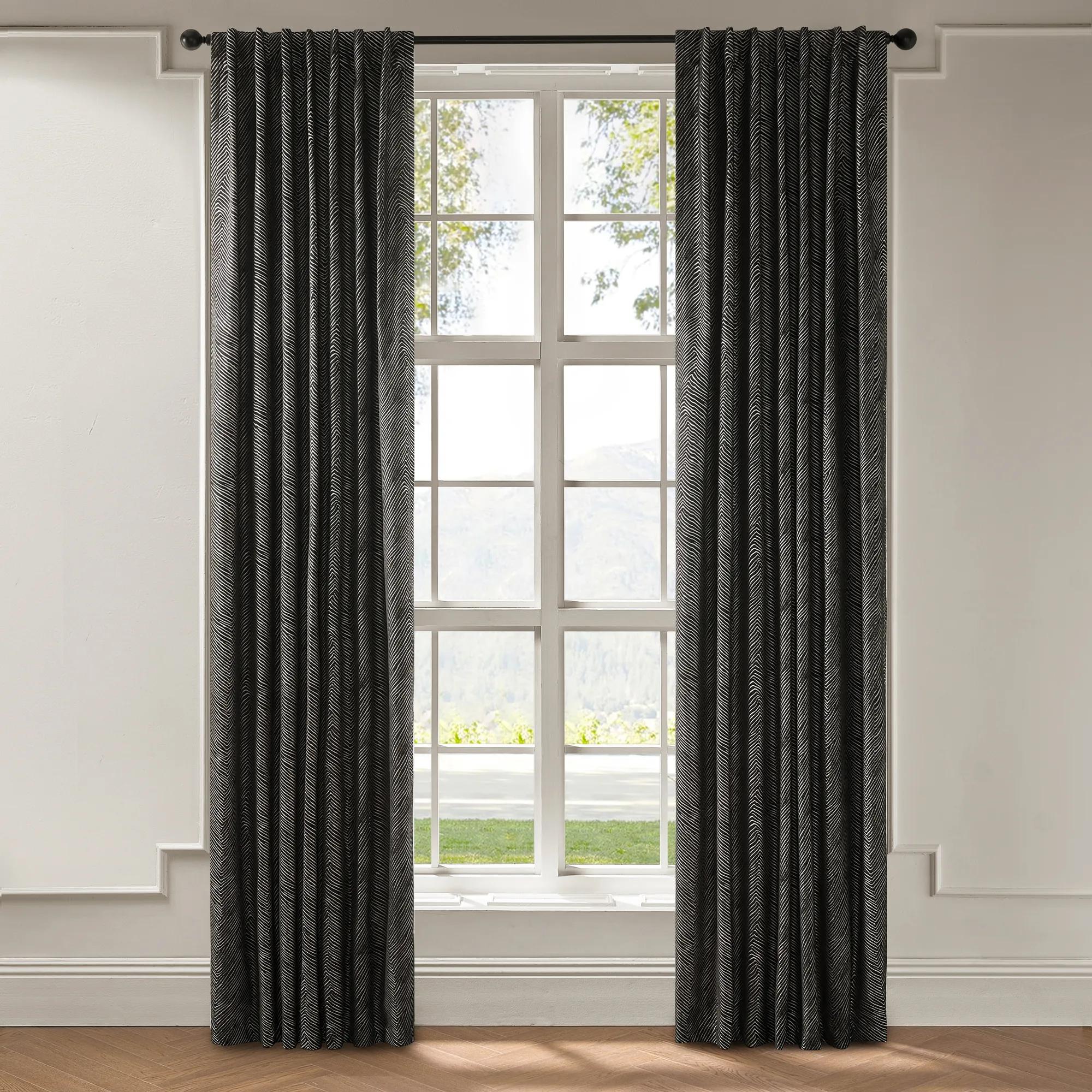
.jpeg?w=1200&h=1200) Kenzo Black Chenille Window Curtain Panel$139
Kenzo Black Chenille Window Curtain Panel$139A black chenille jacquard curtain with a room-darkening finish and versatile dual hanging options.
Add To Cart -
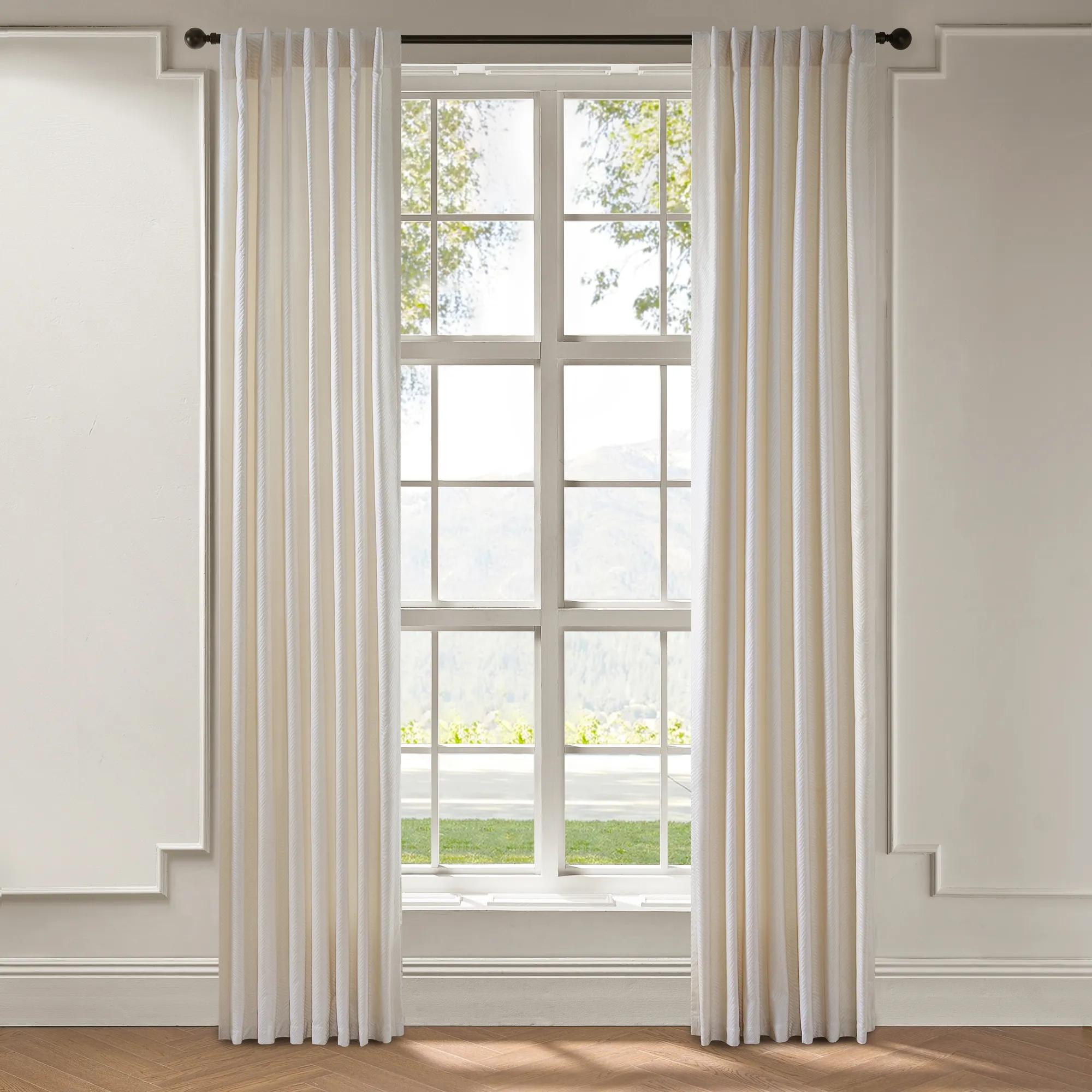
.jpeg?w=1200&h=1200) Kenzo Chenille Curtain - White$139
Kenzo Chenille Curtain - White$139A luxe white chenille jacquard curtain featuring a subtle high-contrast pattern and versatile dual construction.
Add To Cart -
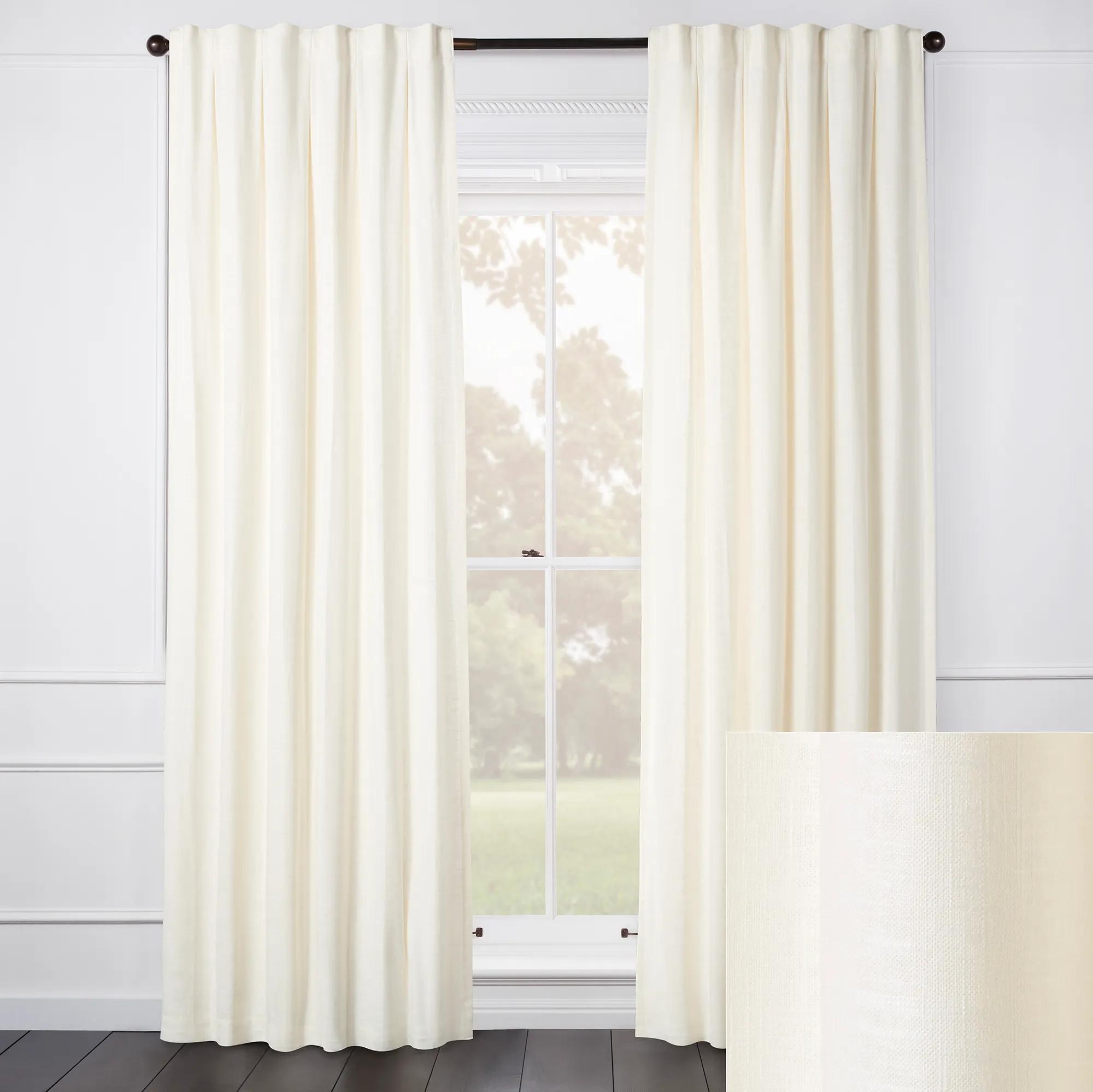
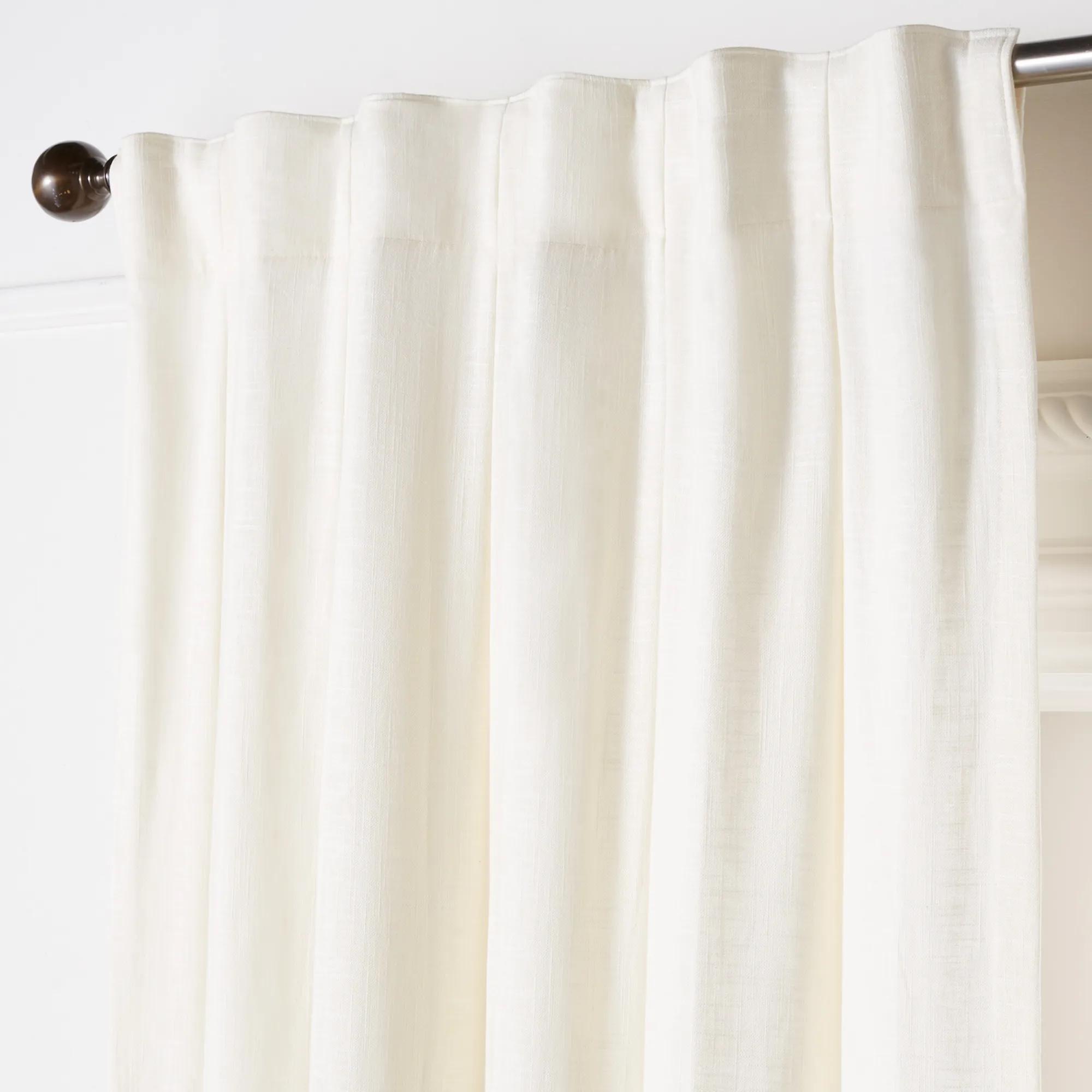 Audrey Linen Ivory Curtain - Custom$269
An ivory linen-blend curtain panel with lining, offering customizable lengths and two elegant header styles.
Add To Cart -
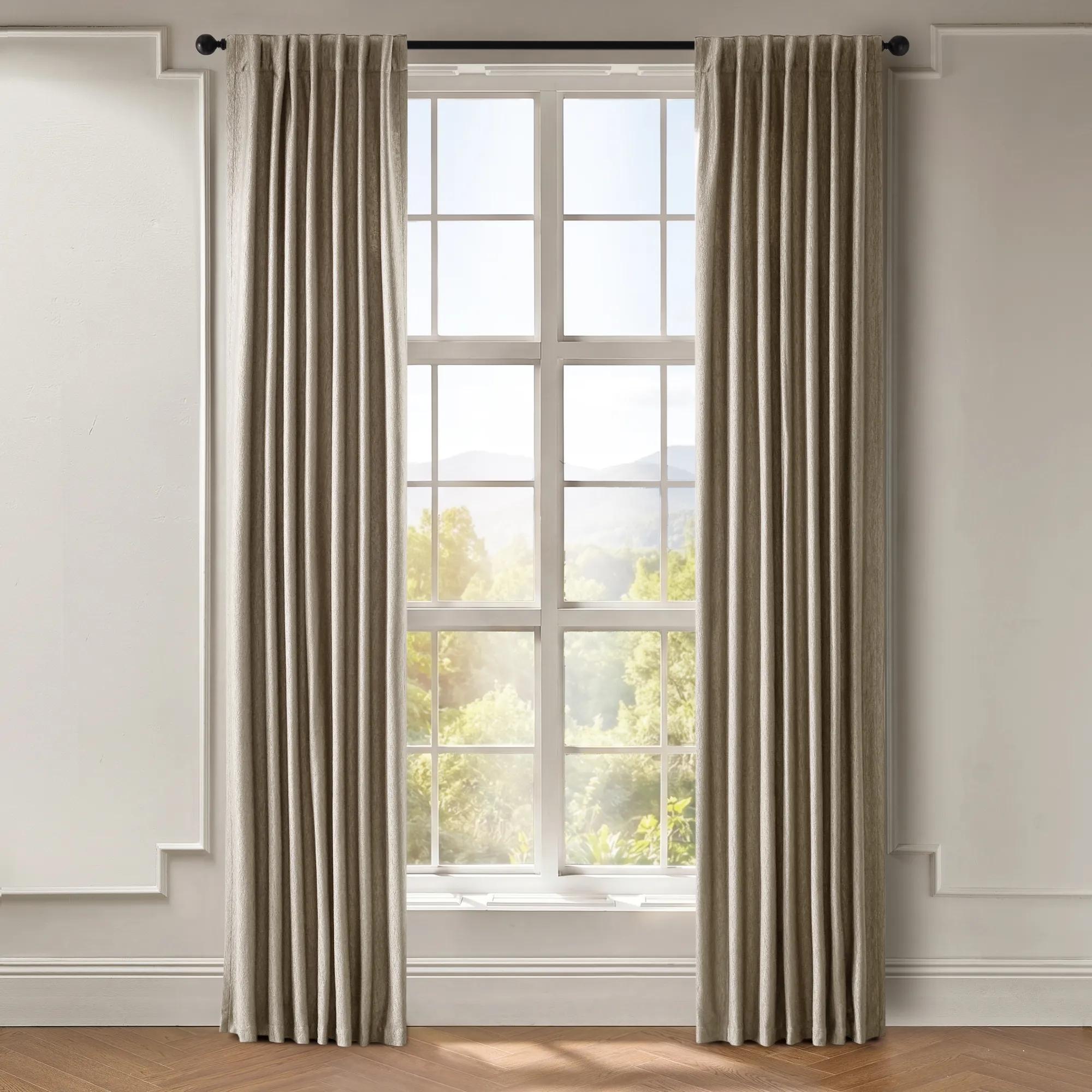
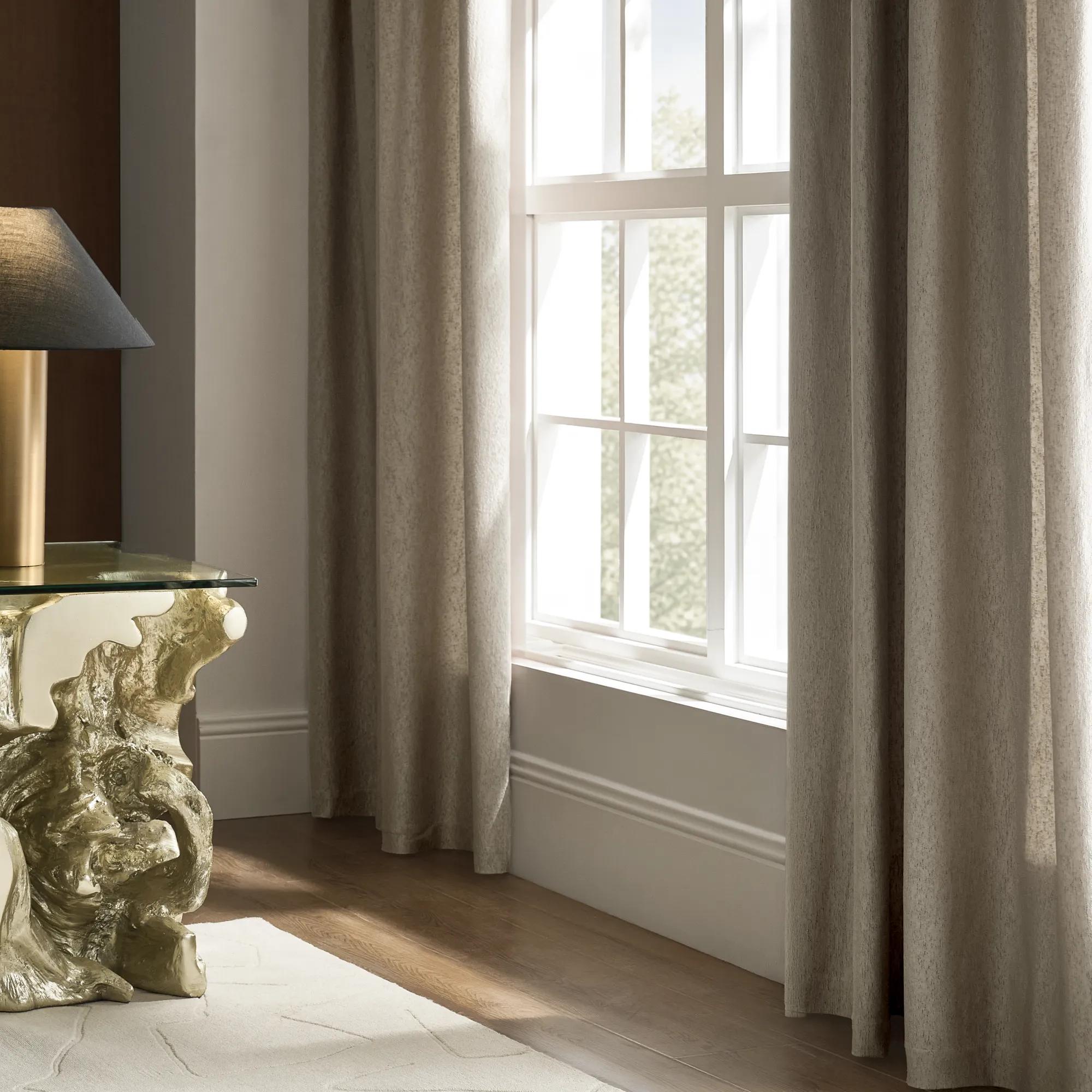 Anson Taupe Textured Window Curtain Panel$99
A taupe polyester curtain panel featuring a crushed sheen texture and versatile room-darkening design.
Add To Cart -
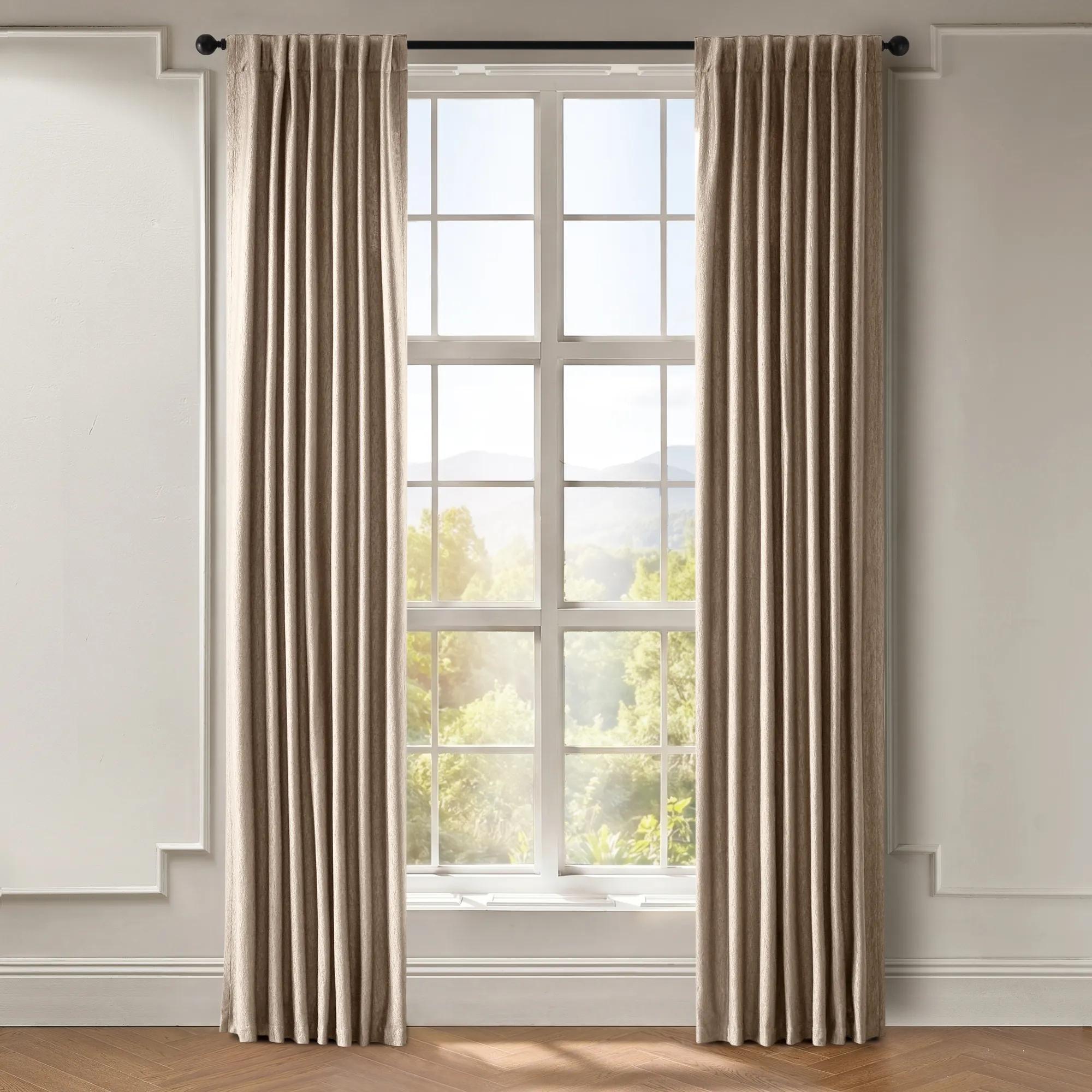 Anson Mocha Rose Textured Window Curtain Panel$89
A light mocha rose curtain panel with crushed sheen texture and room-darkening, dual hanging design.
Add To Cart -
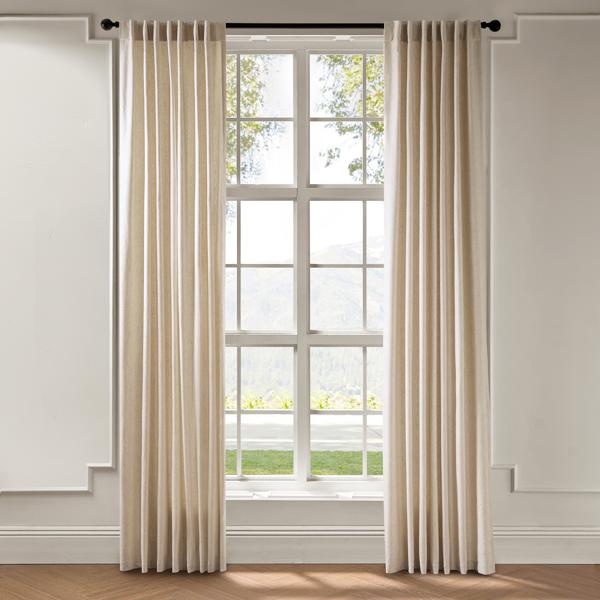
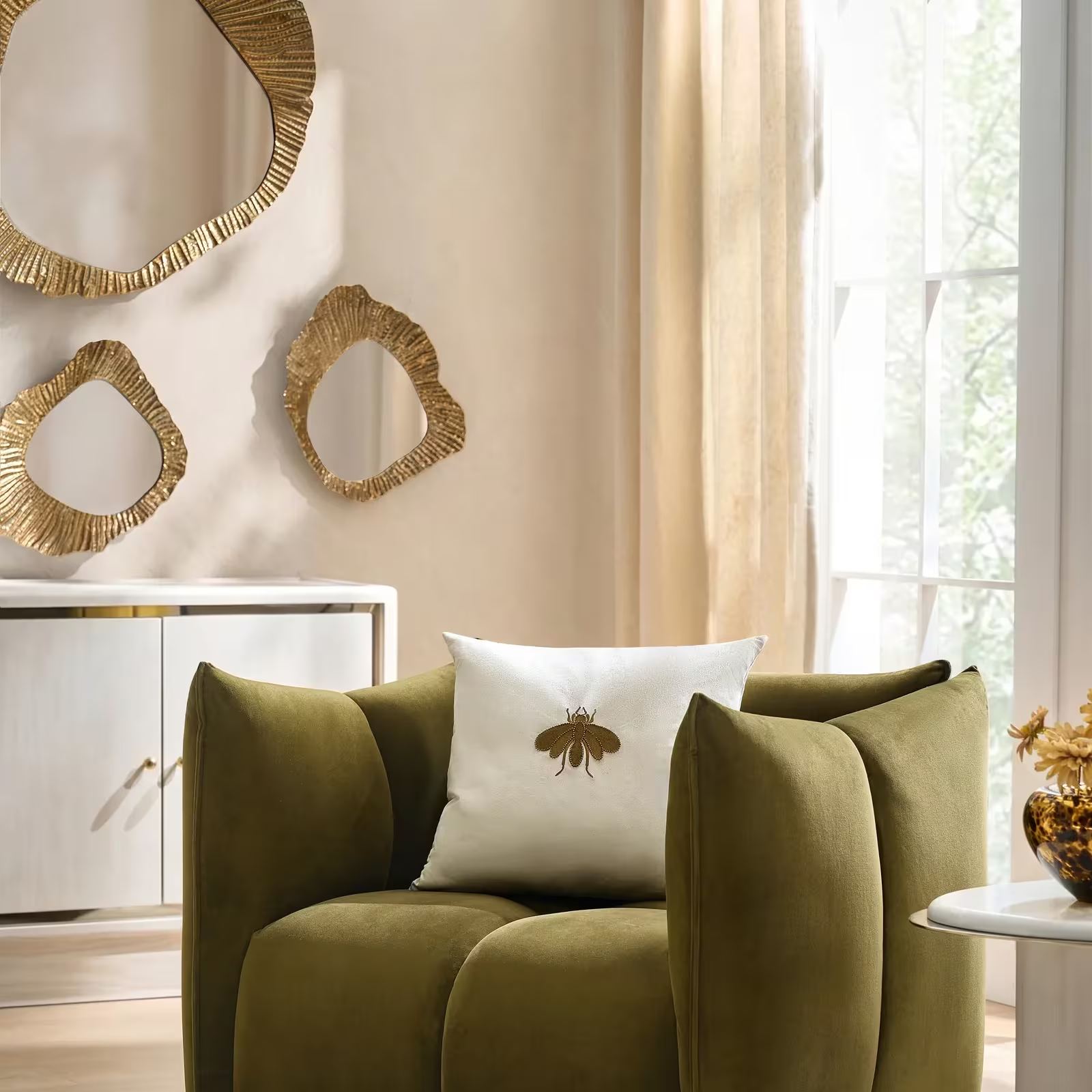 Anson Ivory Textured Window Curtain Panel$89
An ivory polyester curtain with a crushed, light-reflective texture for elegant, room-darkening style.
Add To Cart -
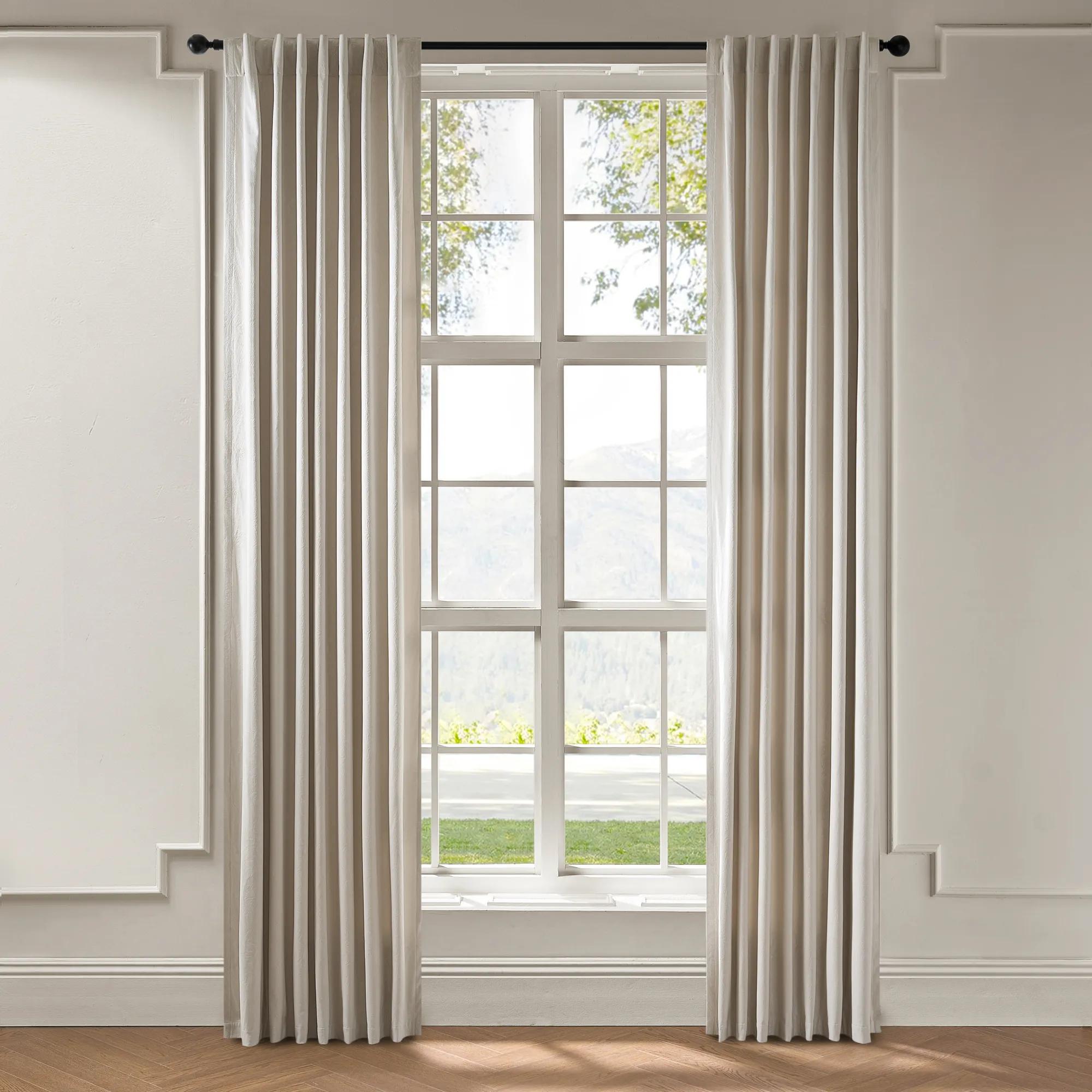
.jpeg?w=1200&h=1200) Mabel White Velvet Swirl Window Curtain Panel$99
Mabel White Velvet Swirl Window Curtain Panel$99A crisp white velvet curtain featuring a tonal swirl texture and versatile dual hanging options.
Add To Cart -
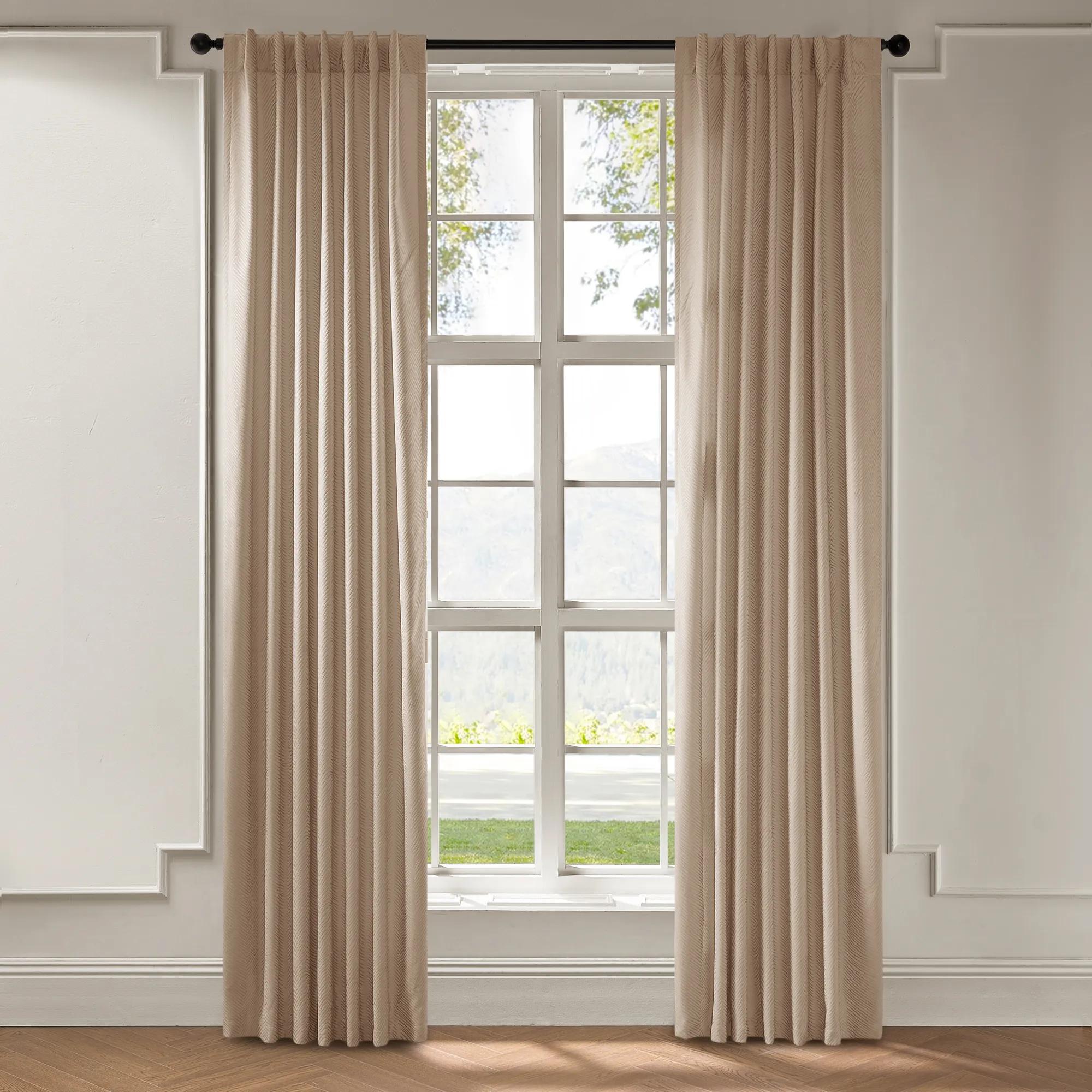 Kenzo Jacquard Beige Chenille Window Curtain Panel$129
A warm beige chenille jacquard curtain with a subtle sheen and versatile rod pocket or back tab hanging.
Add To Cart -
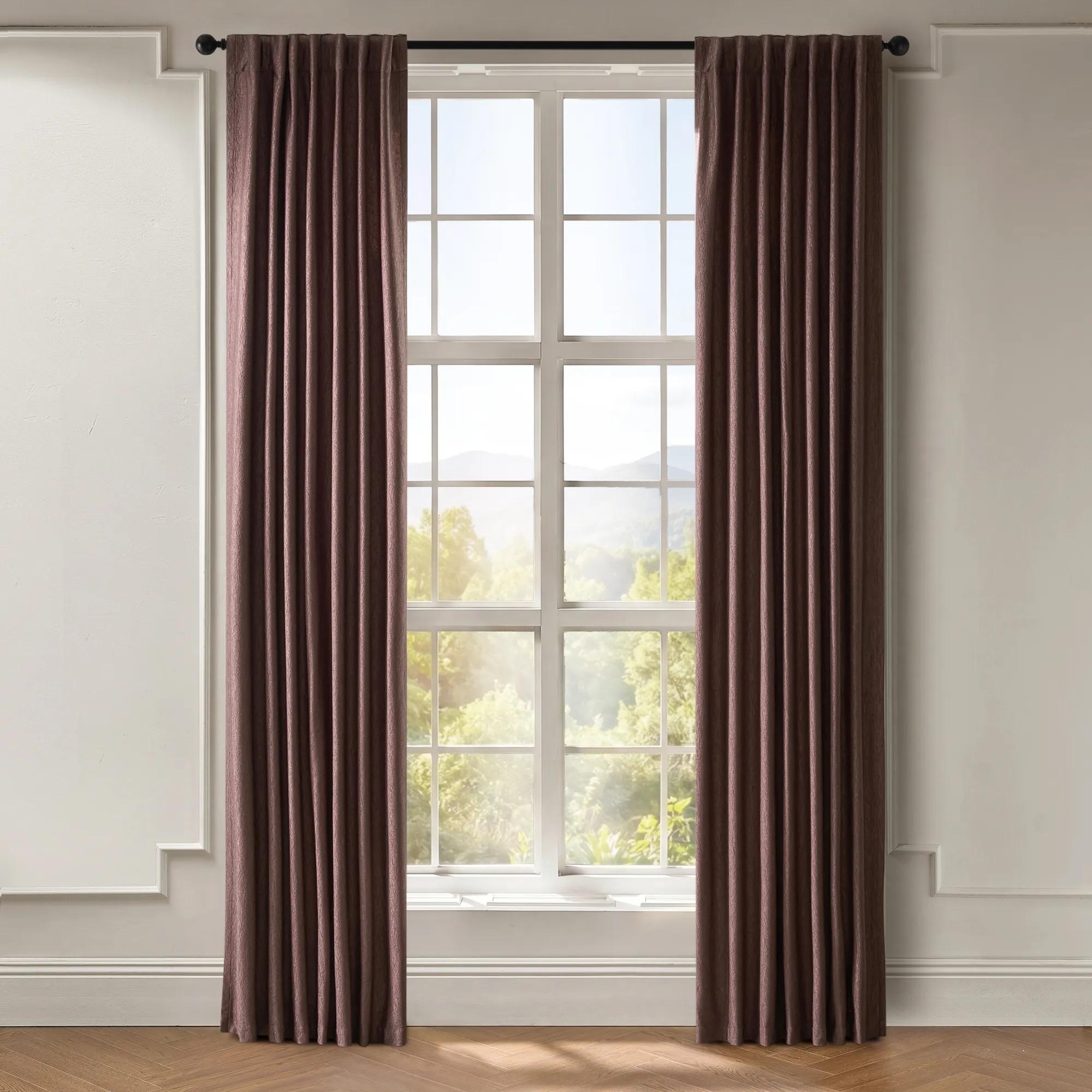
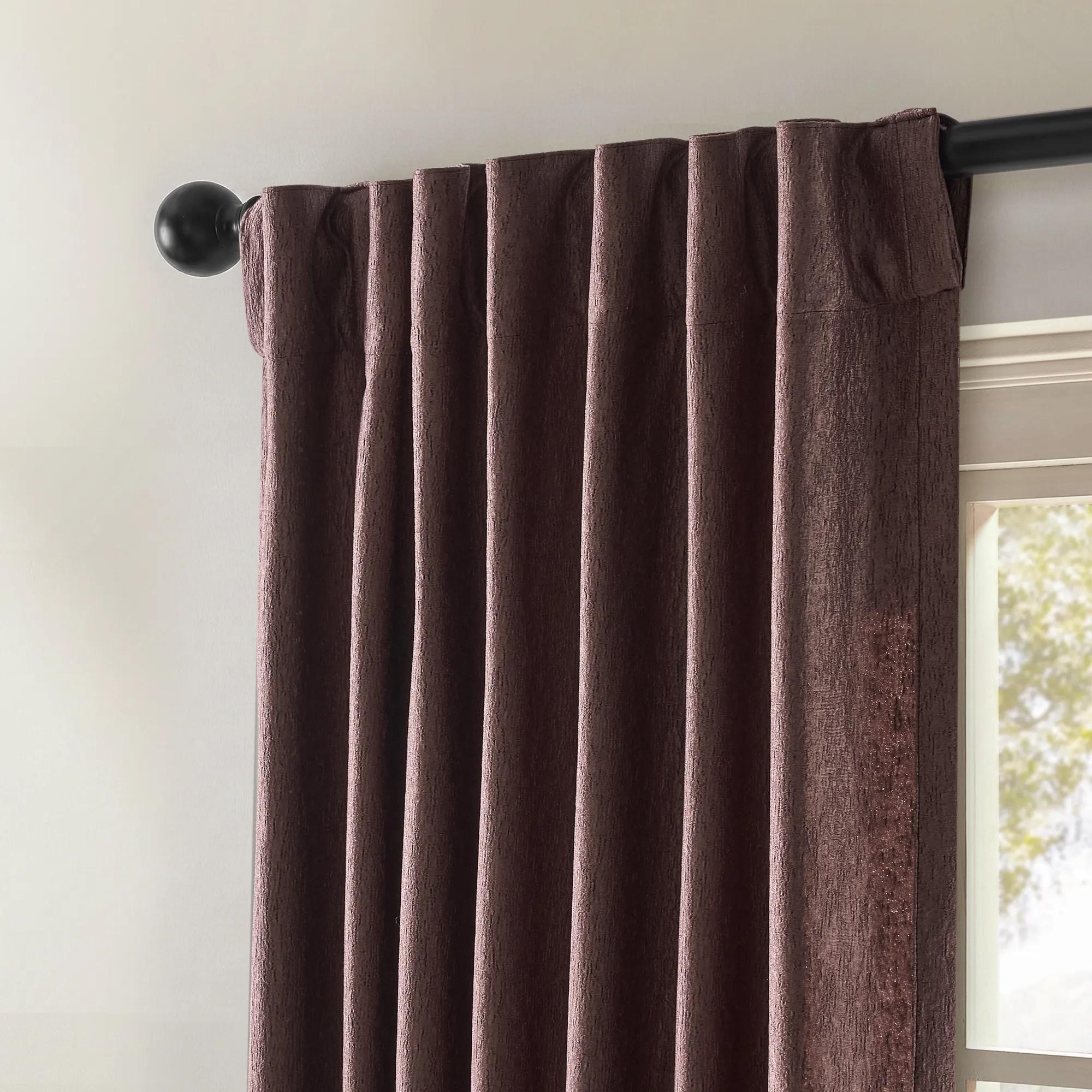 Anson Fig Textured Window Curtain Panel$89
A deep fig curtain panel with crushed sheen texture and room-darkening, dual hanging design in polyester.
Add To Cart

Modern Bedroom Window Panels
Modern bedroom window panels are the ultimate finishing touch for a space that dares to dream beyond the ordinary. Imagine sunlight filtering through sumptuous fabrics, casting delicate patterns and a sense of intimacy across your personal sanctuary. These panels don’t just frame your view—they sculpt atmosphere, adding layers of depth, drama, and undeniable sophistication. With every fold and flourish, modern bedroom window panels transform the everyday into something extraordinary, inviting you to curate a retreat where style reigns and every detail delights.
Modern bedroom window panels frame a room with expressive fabric while helping shape its light, privacy, and sense of retreat. Unlike a full window treatment system, a panel is an individual length of fabric, typically suspended from a rod or track; panels may be arranged singly or in pairs, depending on the window and the desired fullness. Their impact reaches beyond the glass. A sweep of sumptuous velvet can give a tailored upholstered bed a more dramatic backdrop, while a softly textured weave brings dimension to smooth nightstands and gleaming metallic accents. Modern styling favors an intentional relationship between fabric, proportion, and hardware rather than a single prescribed look. Solid colors, sculptural folds, restrained geometric patterns, and subtle luster all belong in a bedroom that feels personal and composed. Ivory and warm neutral panels create a luminous frame around the view; charcoal, ink, and richly saturated hues give the window greater visual weight. A tonal pairing with the walls creates continuity, while a contrasting fabric makes the window an architectural focal point. Light control is equally defining. Sheer panels soften daylight but generally offer limited privacy, especially after dark when interior lights are on. Light-filtering panels diffuse brightness, with privacy depending on the fabric’s density, color, and construction. Room-darkening panels reduce incoming light without necessarily eliminating it, while blackout panels use specialized fabric or lining designed to block light through the material. Even blackout fabric can leave visible light around the edges, so the overall effect depends on coverage and installation as well as the panel itself. For a primary bedroom, guest suite, or apartment sleeping space, the most compelling choice balances that practical role with the atmosphere the room deserves. A softly illuminated reading corner may call for translucent layers; a bedroom used by a daytime sleeper may benefit from a more substantial treatment with generous overlap. The distinction is not simply decorative: it determines how the room feels and functions throughout daily life.
Fabric gives bedroom curtains their character, influencing everything from the depth of each fold to the way the surface catches light. Velvet brings a plush, light-responsive finish that can appear subtly different as its pile changes direction, creating a rich counterpoint to crisp bedding and polished furniture. Linen and linen-blend panels introduce visible texture and a more relaxed drape, with natural variation and creasing that form part of their appeal. Cotton can offer a softer matte presence, while polyester and blended fabrics may provide dimensional stability and crease resistance, depending on their construction. Fiber content alone does not determine opacity, durability, or care: weave, fabric weight, lining, and surface treatments matter, too. A loosely woven fabric may look substantial from across the room yet allow silhouettes to remain visible when backlit. Lined panels can give folds more body and help shield the face fabric from direct light, although no decorative textile should be assumed immune to fading. For rooms built around a restrained palette, Bedroom Textured Window Panels offer another way to explore dimension without relying on bold color contrasts. A raised weave, slubbed surface, or subtle pattern can echo the tactile richness of an upholstered headboard while keeping the composition cohesive. Pattern scale also changes the mood: a broad geometric design reads as a graphic gesture, whereas a fine repeating motif creates detail that emerges at closer range. Bedrooms used every day benefit from fabrics suited to regular opening and closing, with securely finished seams, well-constructed headers, and care requirements that fit the household. In a guest room, a graceful drape and straightforward operation help the space feel considered rather than merely decorated. Layering sheer curtains beneath more opaque panels adds flexibility, allowing diffused daylight when the outer panels are open and greater coverage when they are closed. A double rod or compatible track keeps those layers moving independently, preserving both their function and their distinct silhouettes.
Fit turns beautiful fabric into a finished composition. Panel width should be considered against the span of the rod or track, not just the glass, with enough fabric to create folds when the curtains are closed. As a general starting point, a combined panel width of about one and a half to two times the rod width creates fullness for many styles, though sheer fabrics and certain headers may need more. Product measurements also deserve close attention because a stated width may describe one panel rather than a pair. Length is measured from the actual hanging point to the intended hem position, and that starting point changes with rings, grommets, rod pockets, or other header styles. Floor-length panels create an elongated, polished line; hems that just clear the floor allow easier movement and cleaning than a generous puddle of fabric. Mounting hardware above the window frame can emphasize height, while extending it beyond the sides allows open panels to stack away from more of the glass, provided the wall space and mounting surface permit it. In a bedroom with a wide dresser near the window or a nightstand beside the opening, that stacking space helps determine whether the treatment will move freely. Hardware must also support the combined weight of the panels and any lining, with suitable brackets and anchors for the mounting surface. Header construction influences daily use as much as appearance: rings and grommets often move readily along an appropriate rod, while rod pockets can create soft gathering but may be less convenient for frequent adjustment. Keep fabric clear of heaters, vents, and other fixtures according to their safety requirements. Care should follow the individual fabric label rather than assumptions about the fiber; lined, embellished, or velvet panels may need different treatment from washable unlined fabrics. Gentle dust removal, when permitted, helps preserve the surface, and testing any approved steaming method in an inconspicuous area can prevent an unwanted finish change. With considered proportions and fabric chosen for the way the bedroom is lived in, modern window panels become more than a finishing layer. They give light a softer entrance, lend the walls a sense of movement, and bring the room’s textures into a deliberate, expressive whole.
FAQs
Modern bedroom window panels are often crafted from luxurious materials such as velvet, linen, silk blends, and textured jacquards. Velvet is celebrated for its plush feel and dramatic presence, while linen offers an airy, organic look. Silk blends and jacquards introduce subtle sheen and intricate patterns, perfect for those who appreciate tactile and visual richness.
Window panels play a pivotal role in shaping a bedroom’s ambiance. Sheer panels bathe the room in soft, diffused light, creating an ethereal, calming environment. Heavier, textured panels add warmth and intimacy, perfect for cozy winter months. The color, texture, and drape of your panels can evoke everything from serene tranquility to bold glamour, allowing you to personalize the mood to your taste.
Absolutely. Modern window panels are designed to be versatile and work beautifully layered with shades, blinds, or even other drapery. Layering adds depth, dimension, and a designer touch to your bedroom, while also allowing you to control light and privacy with precision. Mixing textures—such as pairing sheer panels with velvet drapes—creates a richly styled window vignette.
Window panels make an inspired and elegant gift, especially for housewarmings, weddings, or milestone celebrations. They offer a blend of function and artistry, helping loved ones transform a new bedroom into a personal haven. Gifting high-quality, stylish panels shows an appreciation for beauty and comfort, making them a memorable gesture.
Consider the overall aesthetic and color palette of your bedroom. For a modern, glamorous look, opt for panels with metallic accents or bold hues. If your space is more serene or minimalist, textured neutrals or soft, layered sheers can enhance the calm. Pay attention to the interplay of light, fabric, and existing furnishings to select a style that completes your unique vision.
.jpeg?w=4130&h=4130)