
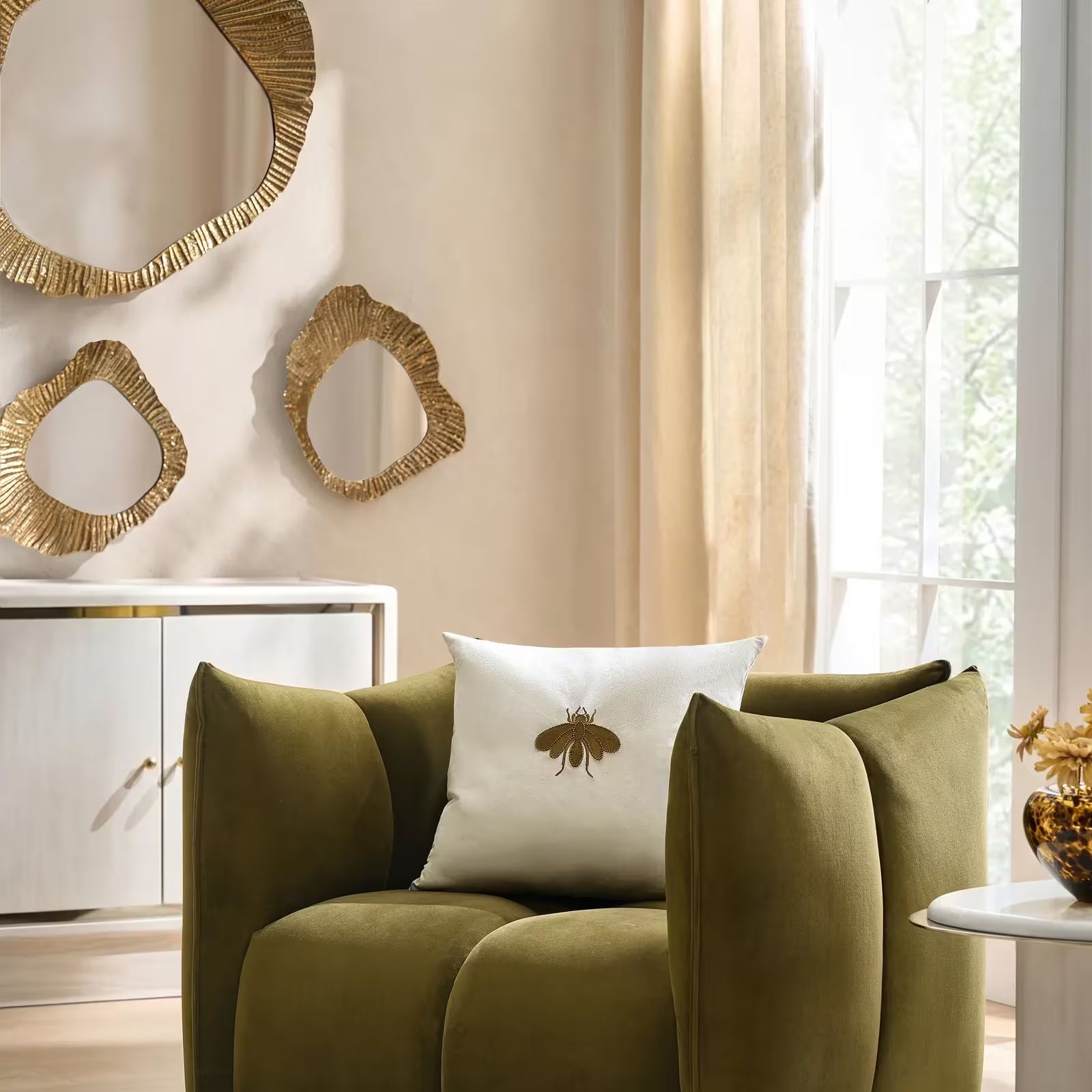
Modern Textured Window Panels
Modern Textured Window Panels
-
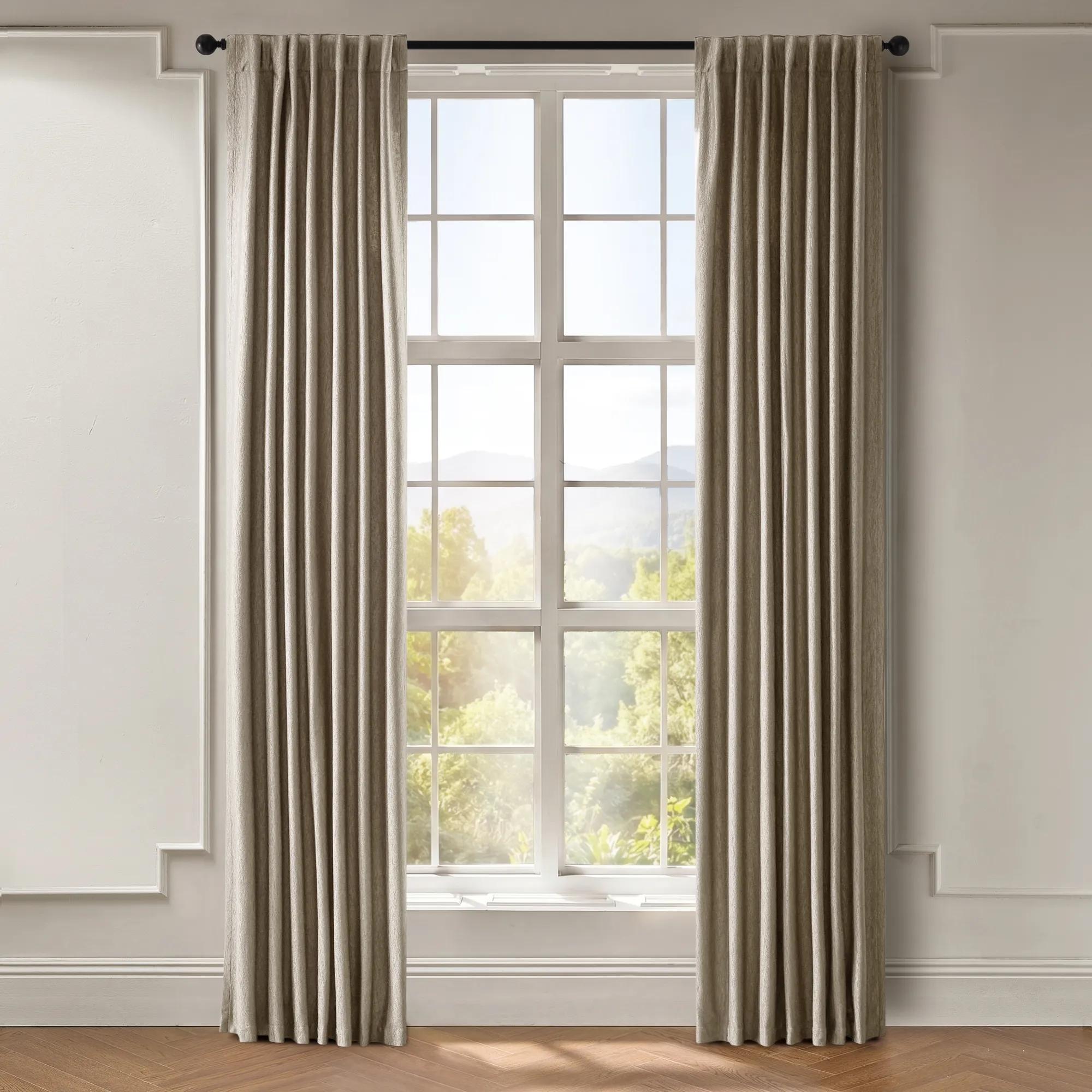
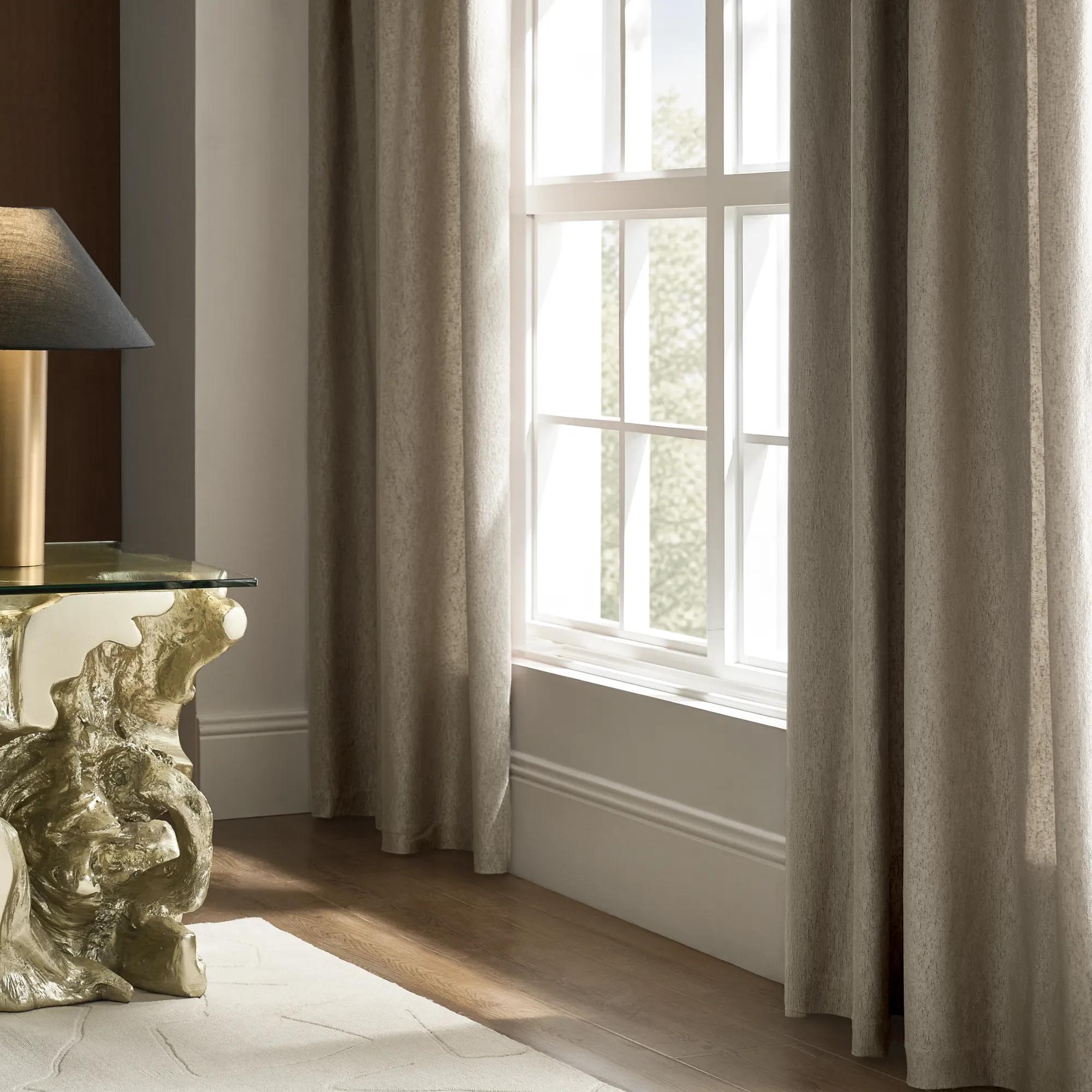 Anson Taupe Textured Window Curtain Panel$99
A taupe polyester curtain panel featuring a crushed sheen texture and versatile room-darkening design.
Add To Cart -
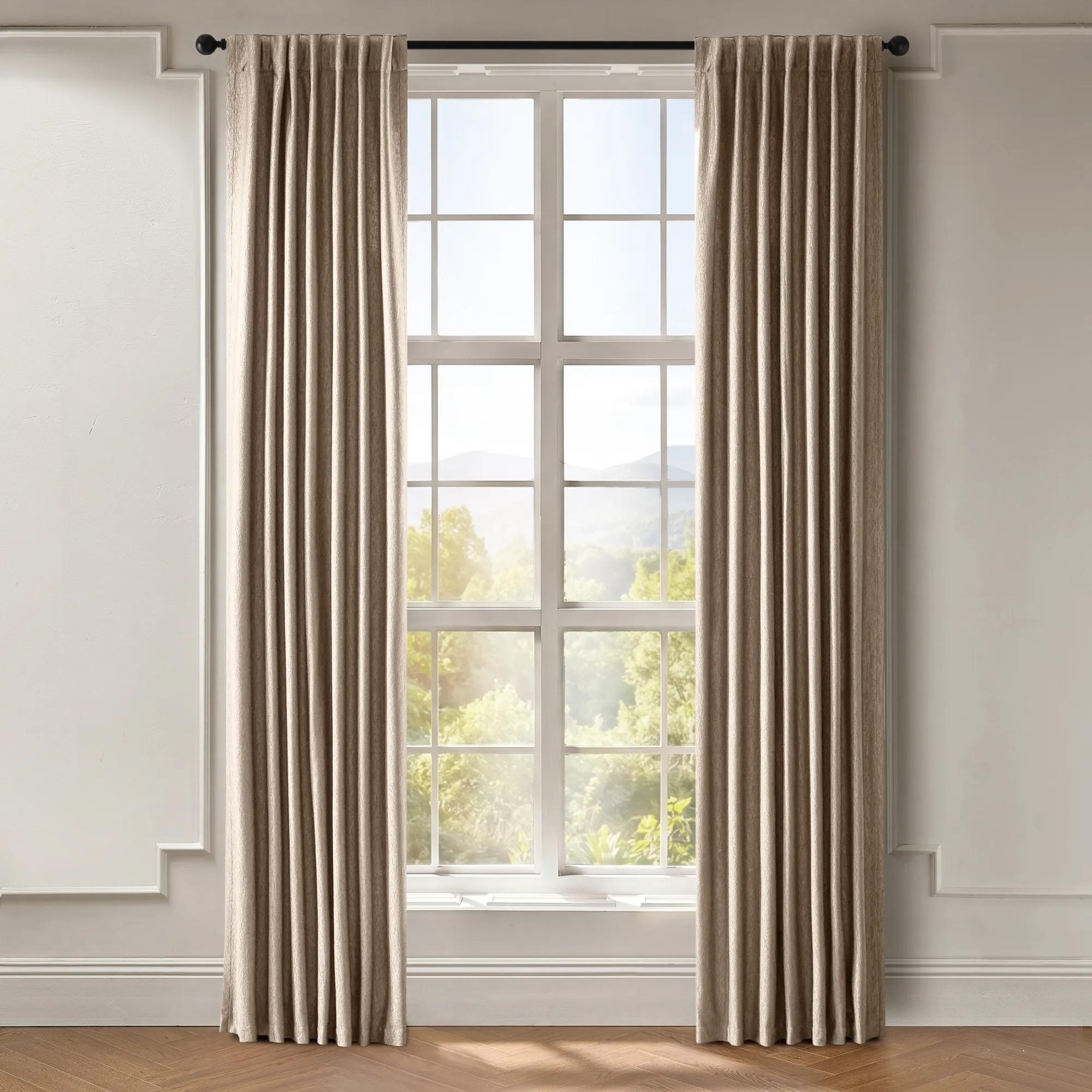 Anson Mocha Rose Textured Window Curtain Panel$109
A light mocha rose curtain panel with crushed sheen texture and room-darkening, dual hanging design.
Add To Cart -
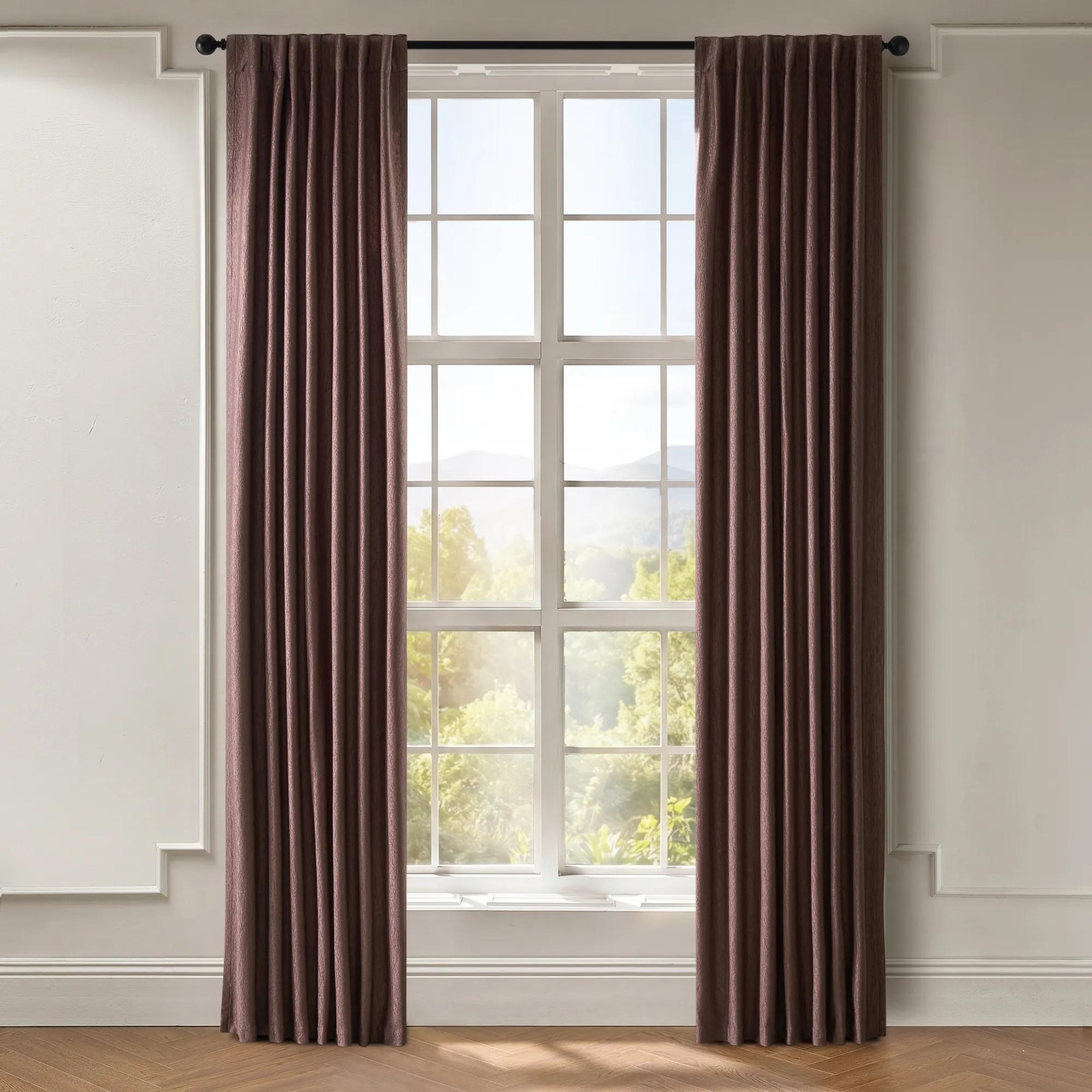
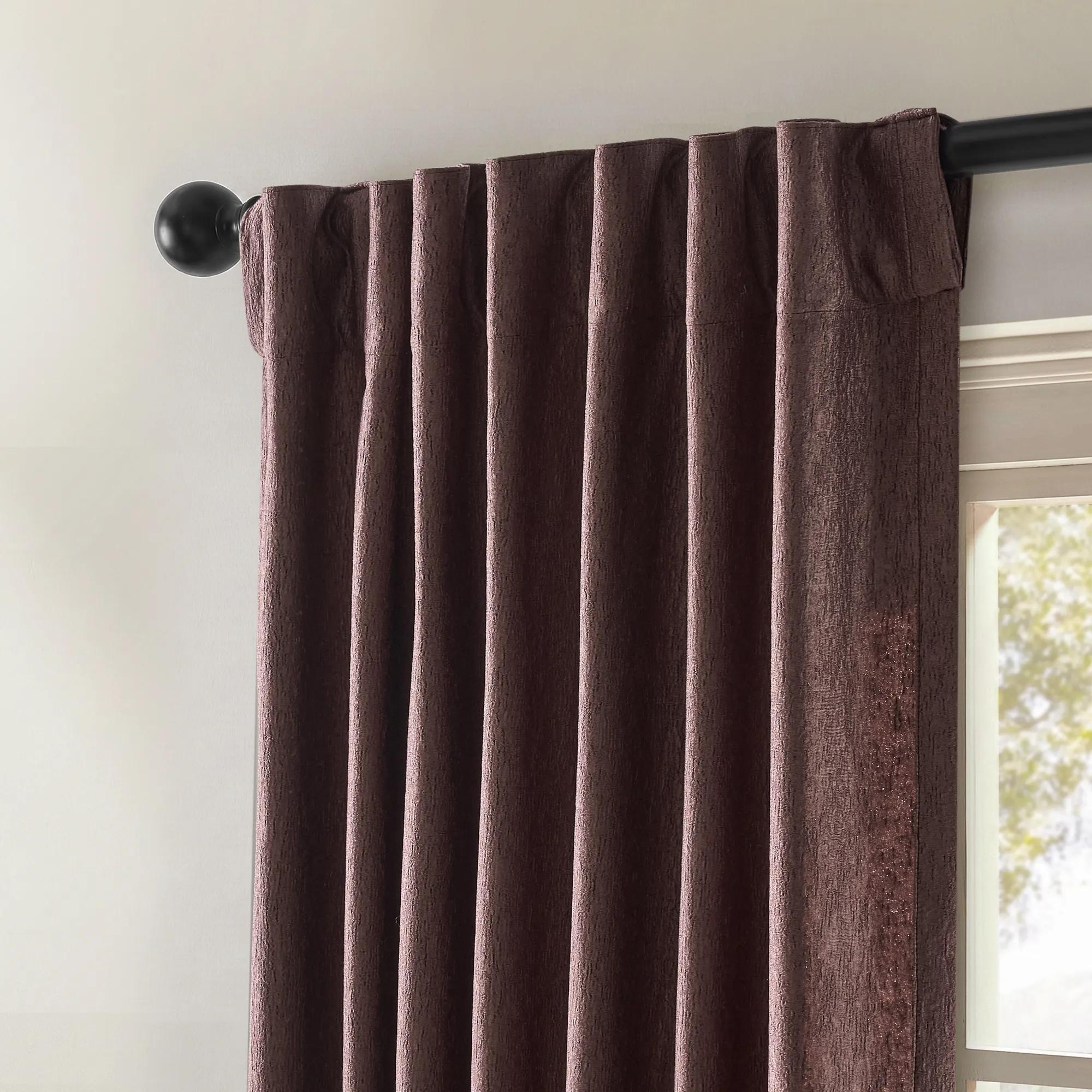 Anson Fig Textured Window Curtain Panel$99
A deep fig curtain panel in crushed, subtly sheened polyester with room-darkening and dual hanging options.
Add To Cart -
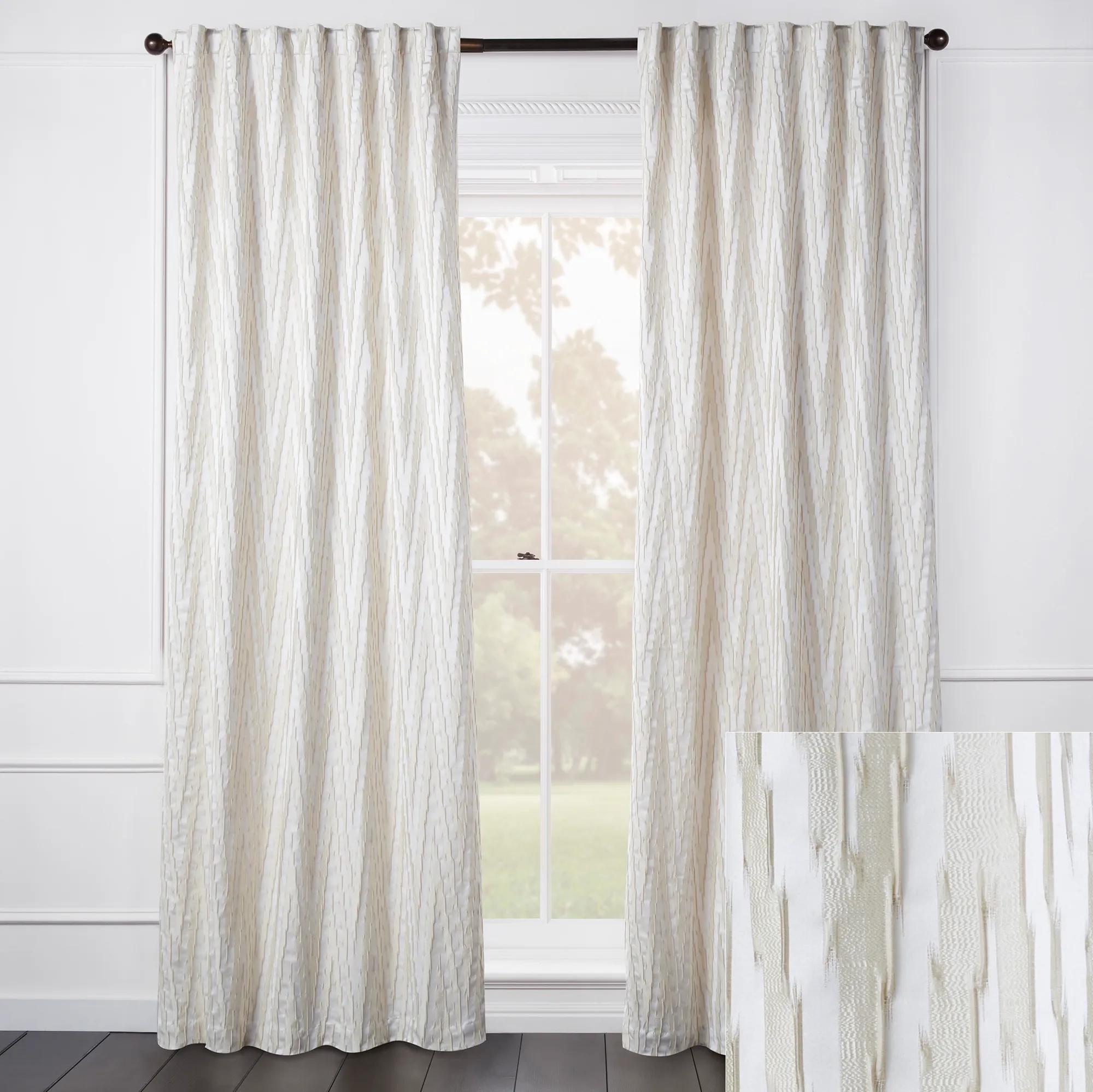
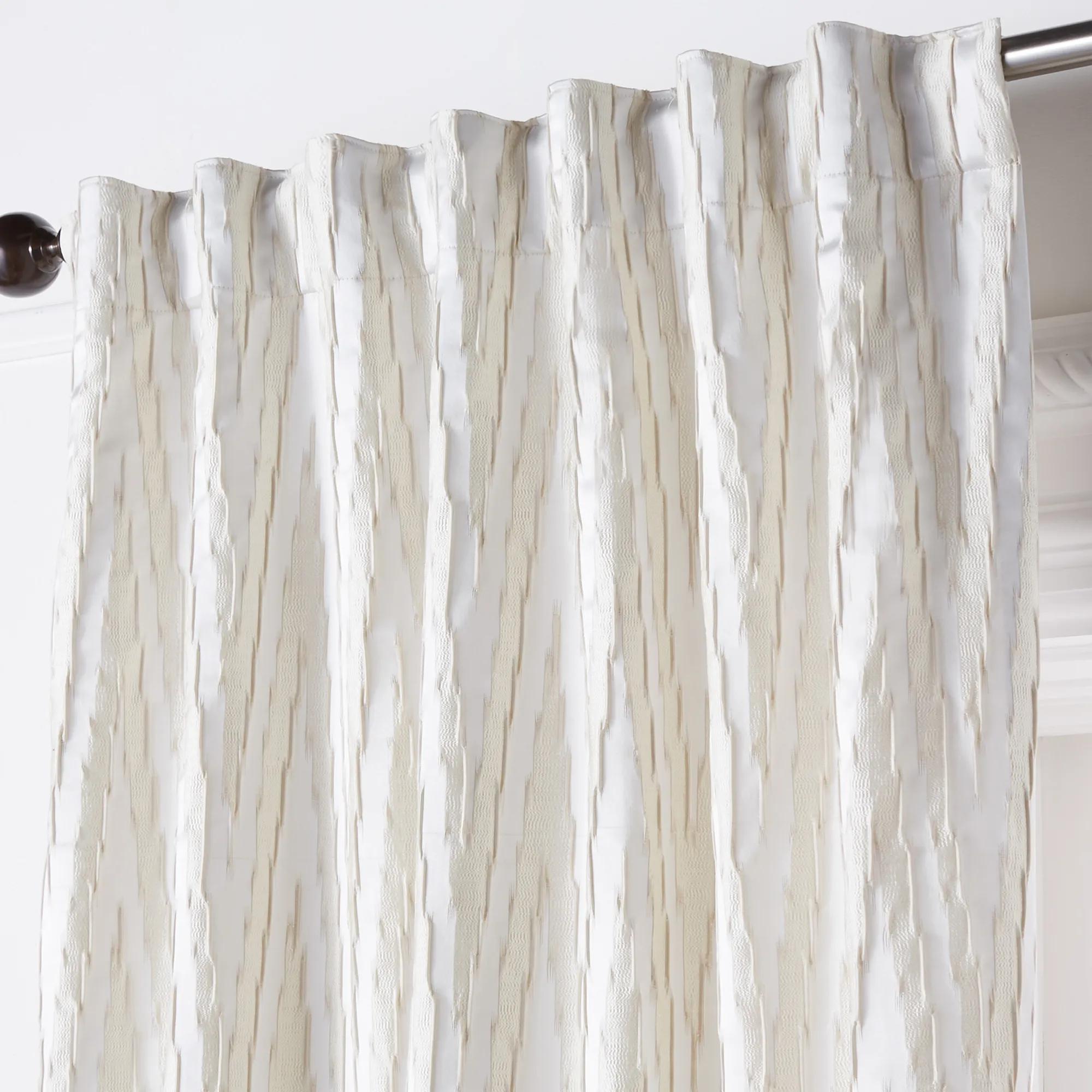 Minka Jacquard Pearl Window Curtain Panel Custom$249
A highly textured chevron curtain panel in pearl, grey, or natural polyester with customizable hanging options.
Add To Cart -
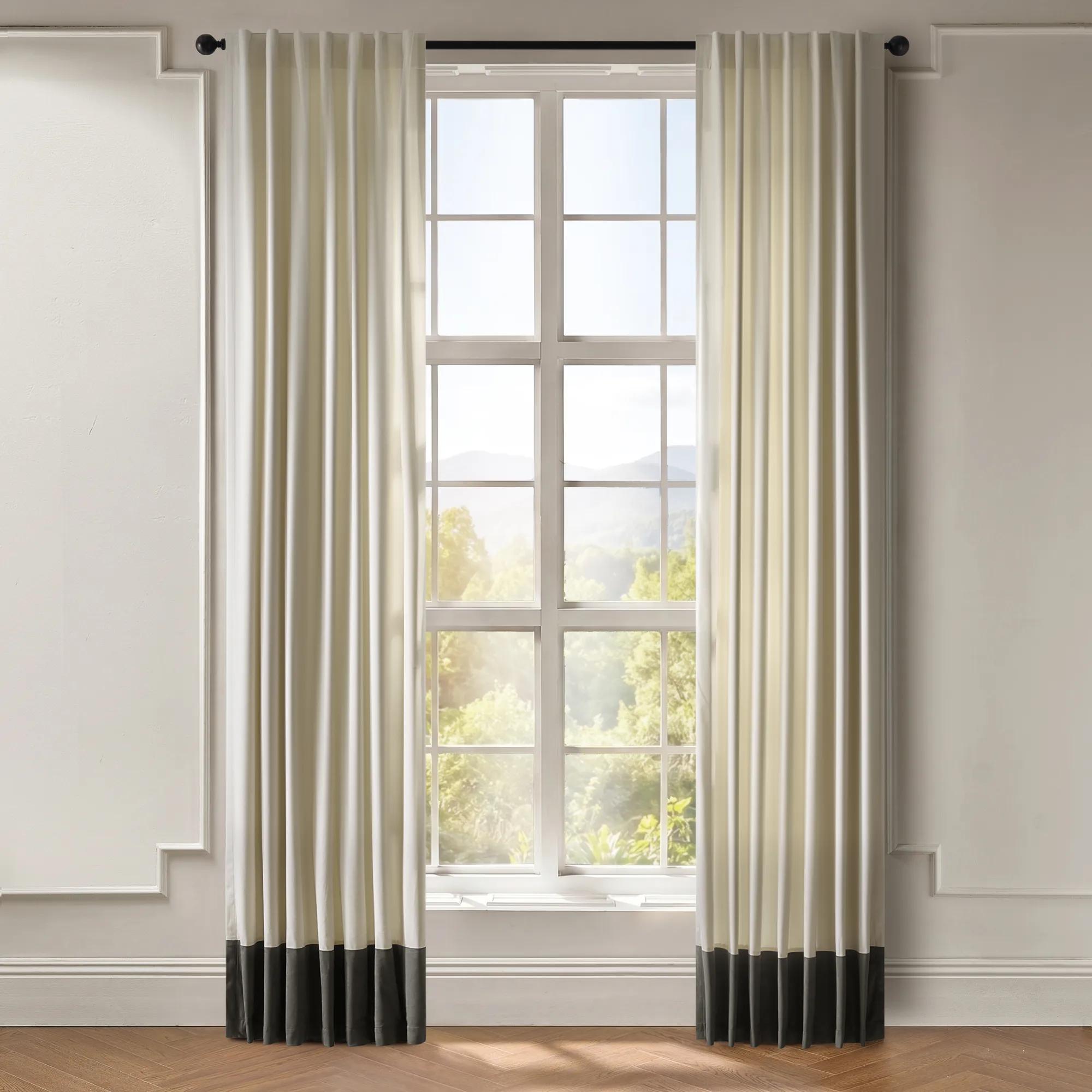
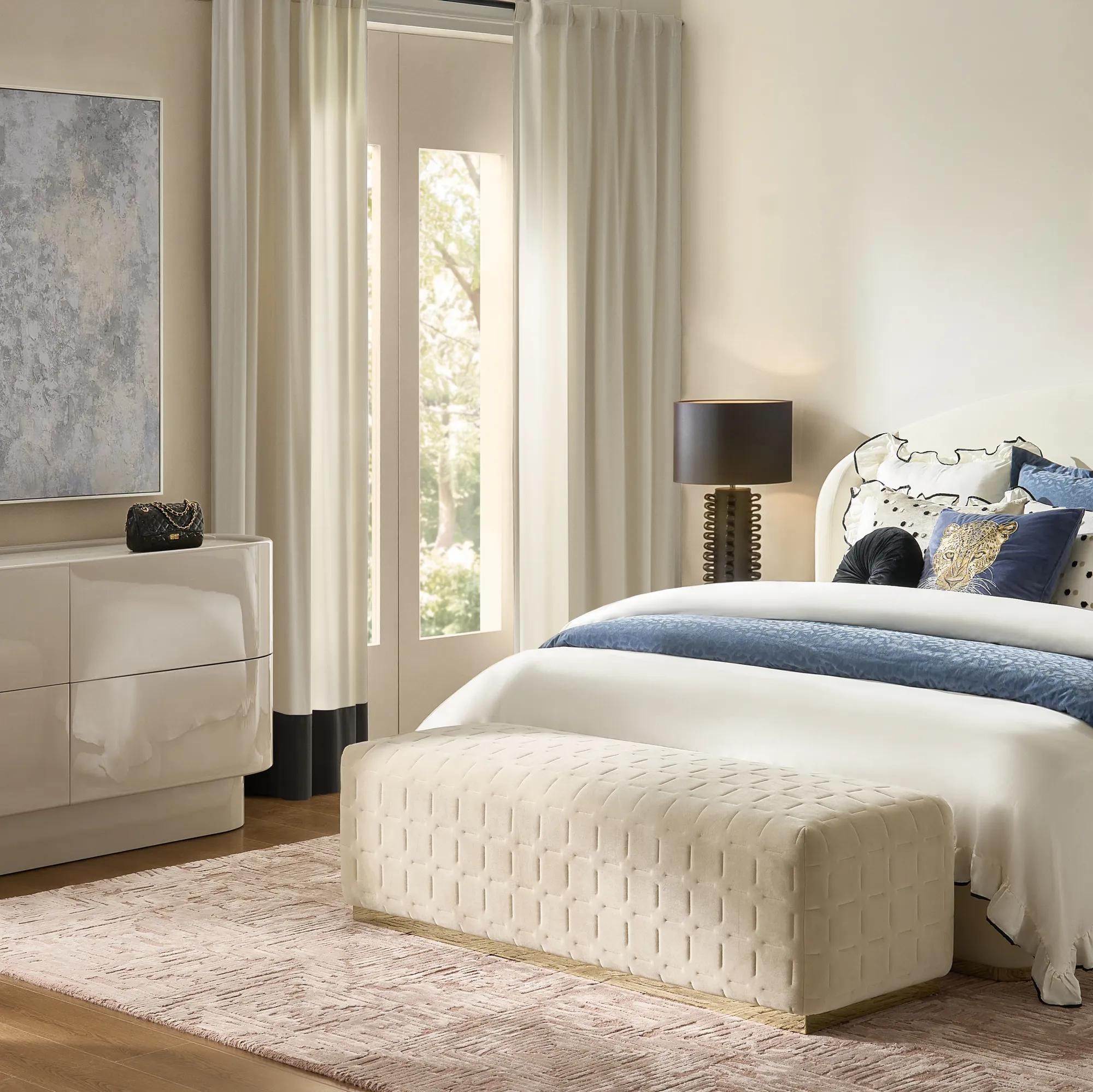 Bastien Ivory/Graphite Velvet Border Window Curtain Panel$89
A two-tone ivory and graphite velvet curtain panel with room-darkening design and versatile hanging options.
Add To Cart -
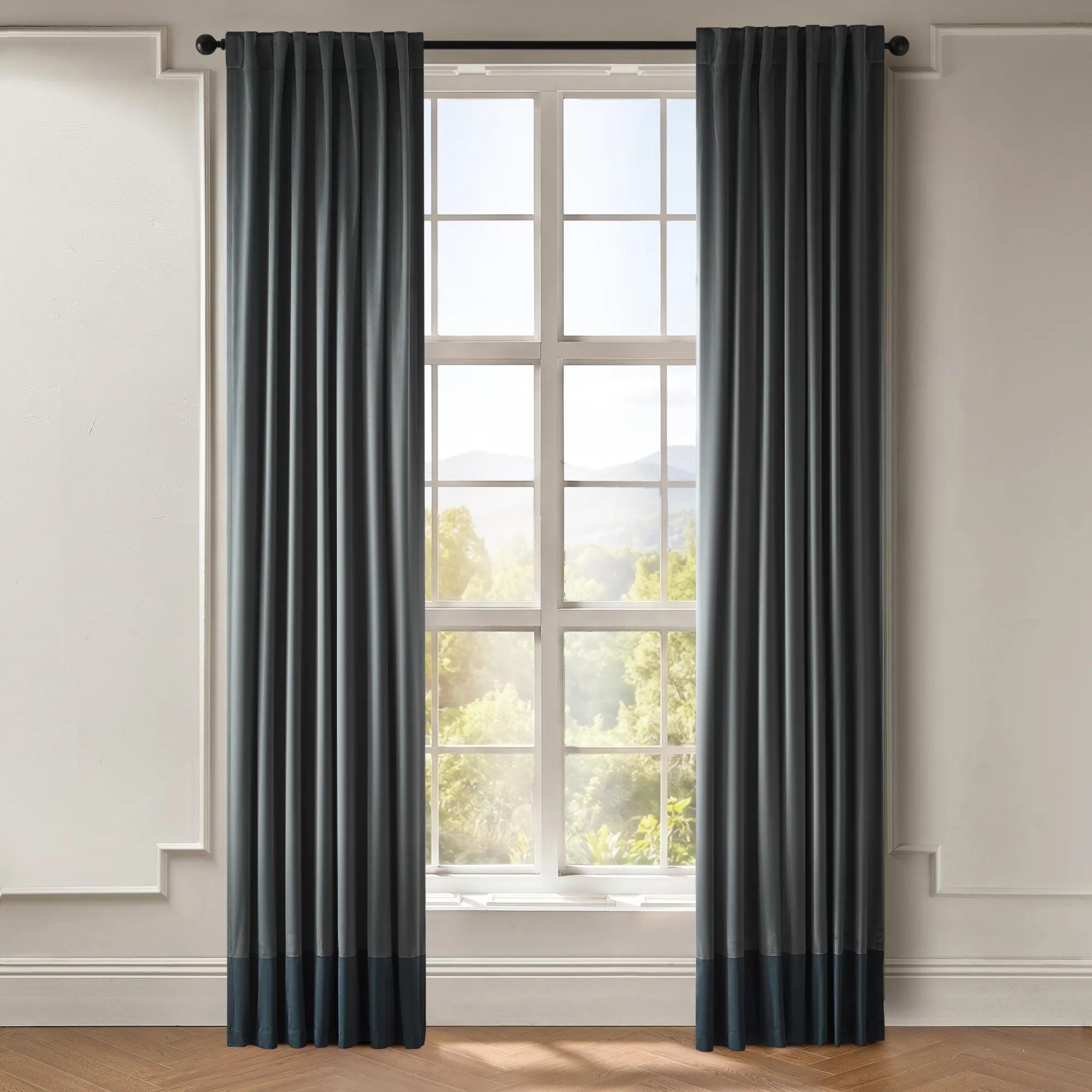
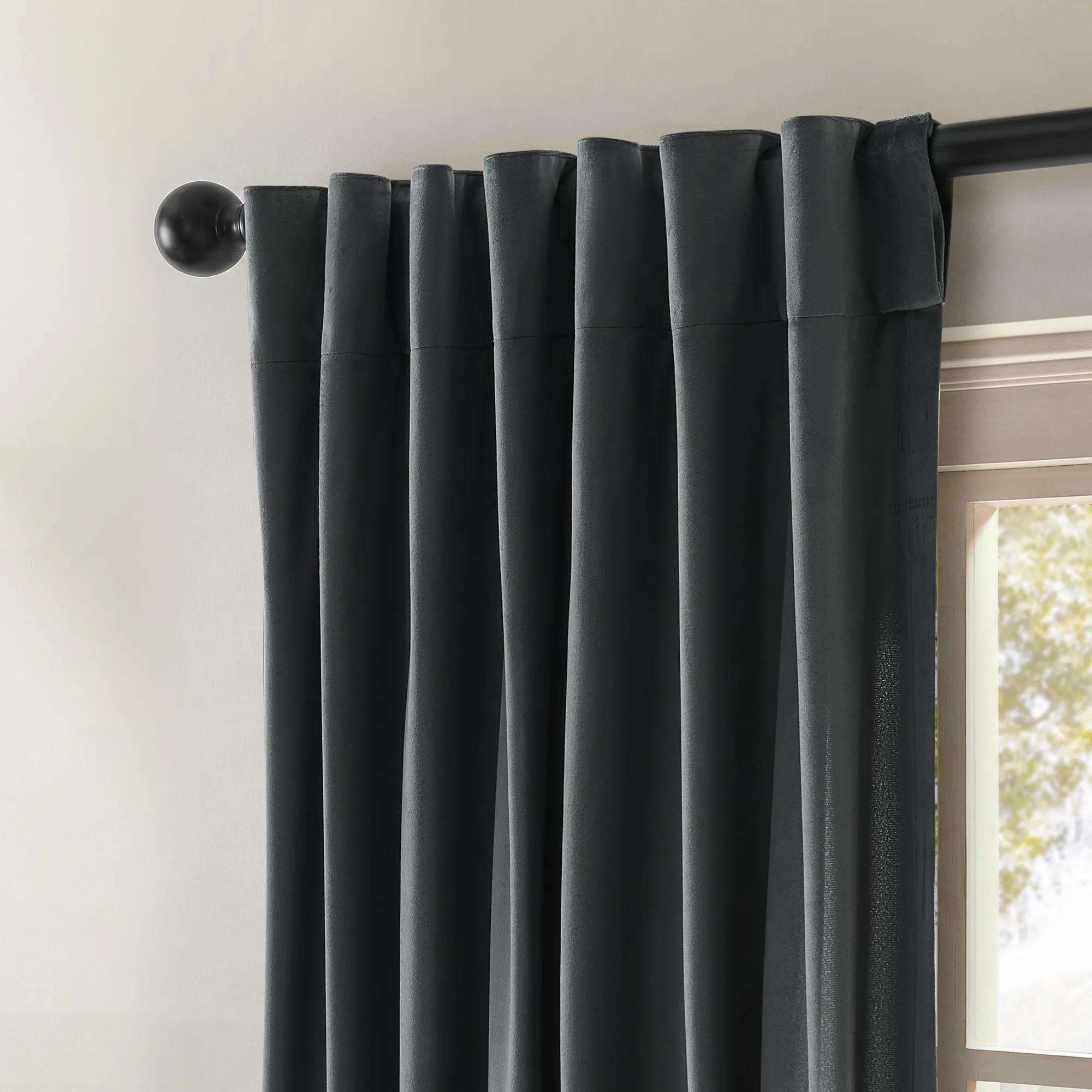 Bastien Blue/Midnight Velvet Border Window Curtain Panel$109
A two-tone dusty blue and midnight blue velvet curtain panel with room-darkening design and dual hanging options.
Add To Cart -
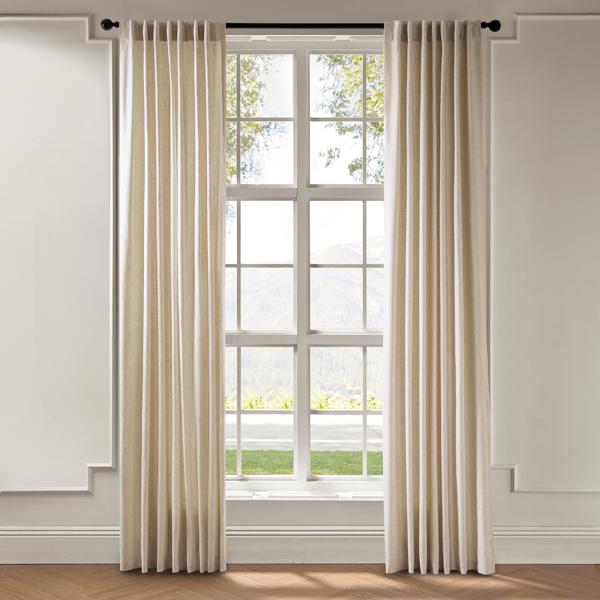
 Anson Ivory Textured Window Curtain Panel$89
An ivory polyester curtain with a crushed, light-reflective texture for elegant, room-darkening style.
Add To Cart -

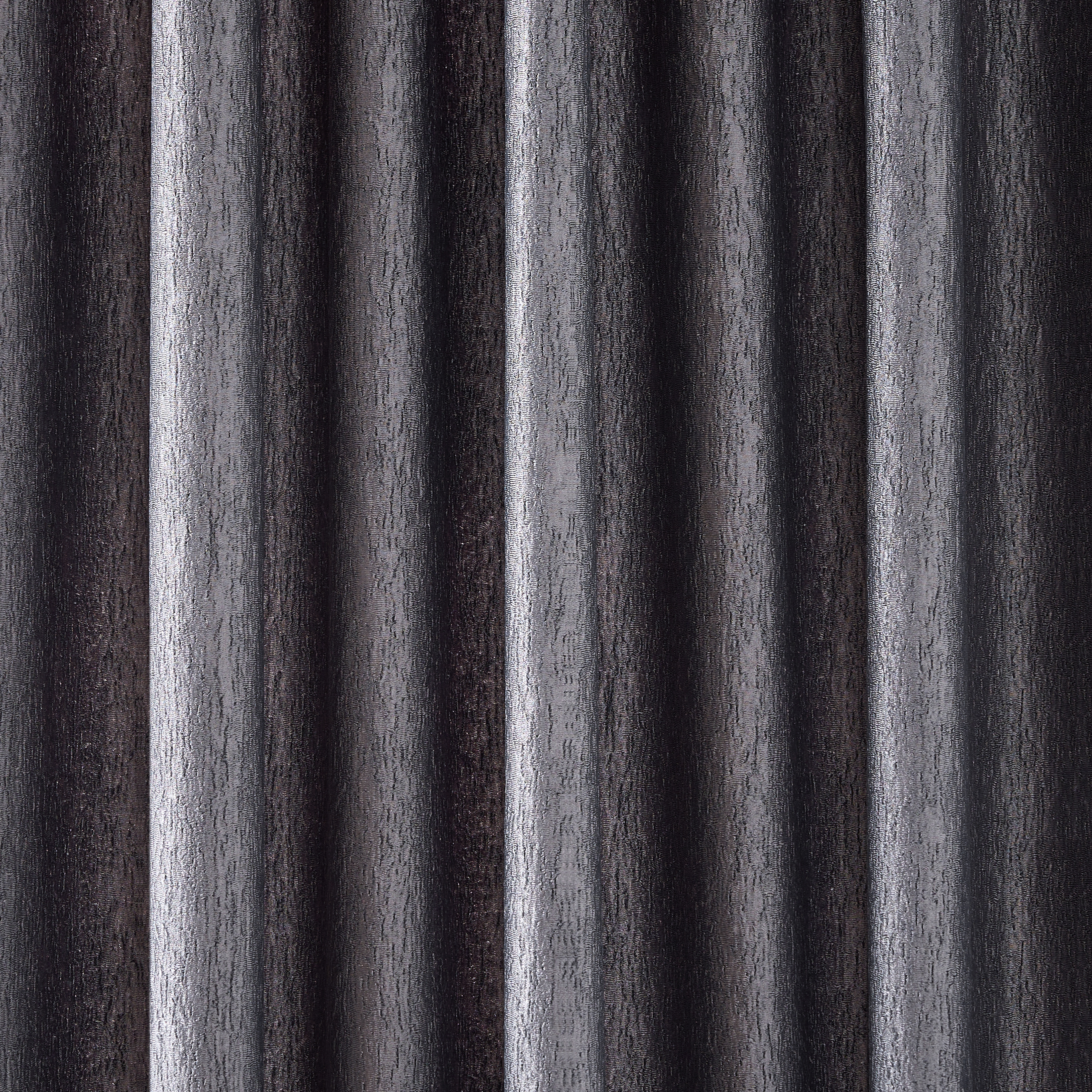 Anson Charcoal Textured Window Curtain Panel$109
A moody charcoal curtain with crushed polyester texture and subtle sheen for stylish, room-darkening appeal.
Add To Cart -

 Adair Sand Solid Velvet Window Curtain Panel$79
A room-darkening sand velvet curtain with dual hanging options for a soft, tailored finish.
Add To Cart -

 Adair Midnight Blue Solid Velvet Window Curtain Panel$69
A sumptuous midnight blue velvet curtain that adds elegance, depth, and room-darkening style to any space.
Add To Cart -
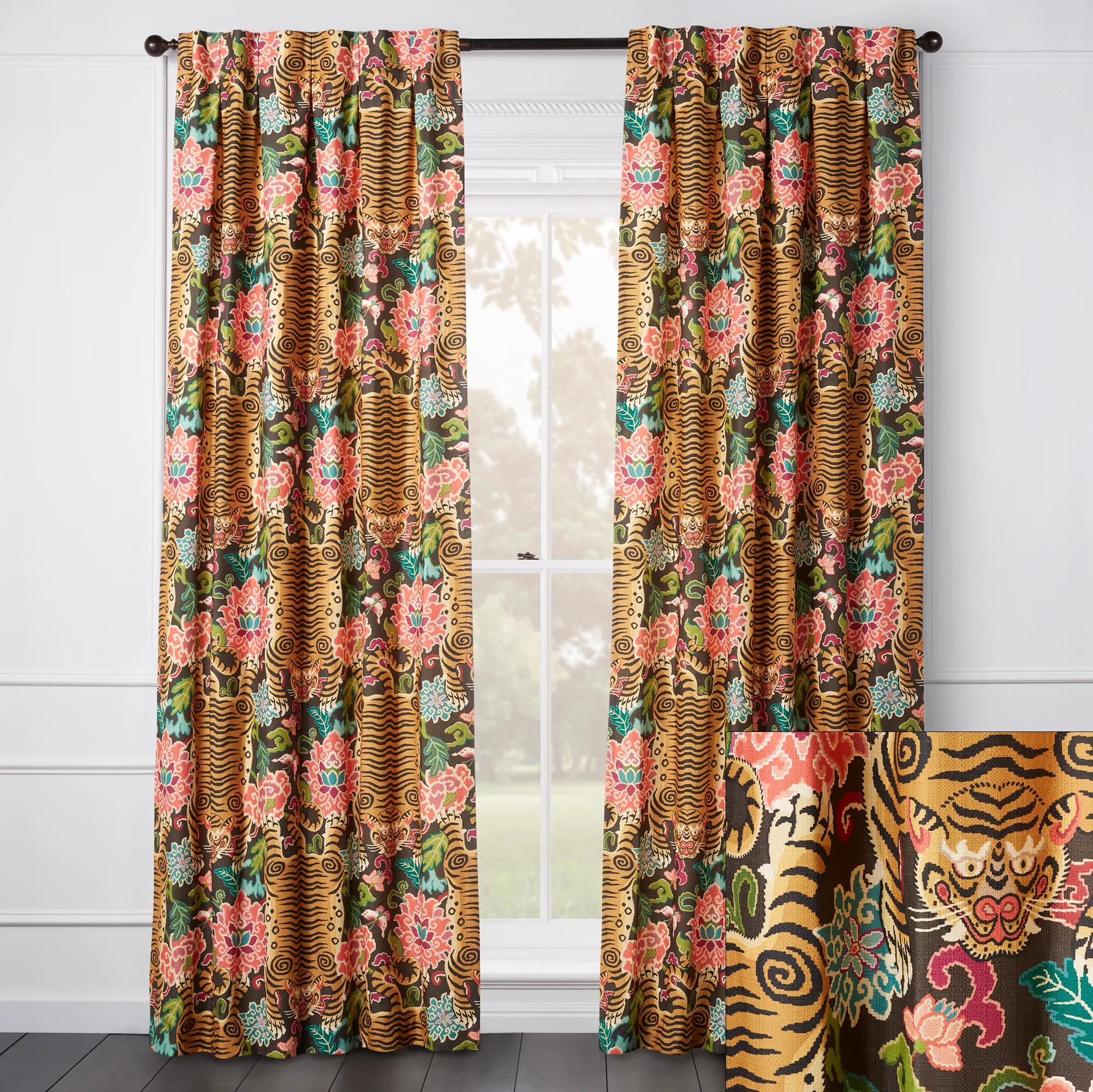
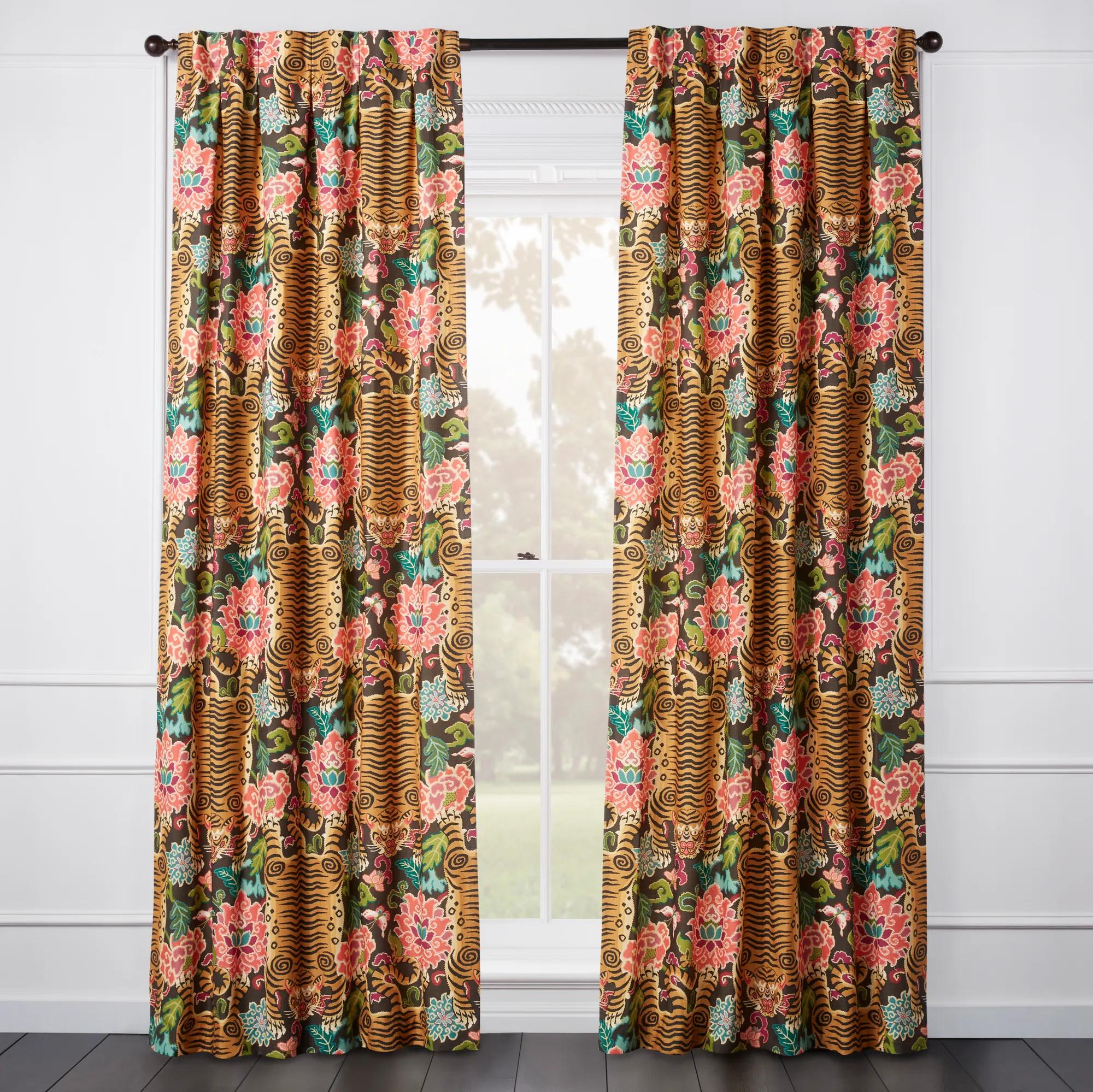 Nimer Gold/Multi Printed Slubbed Cotton Window Curtain Panel$349
A lively gold and multi-colored cotton curtain panel featuring a bold tiger print and customizable options.
Add To Cart -
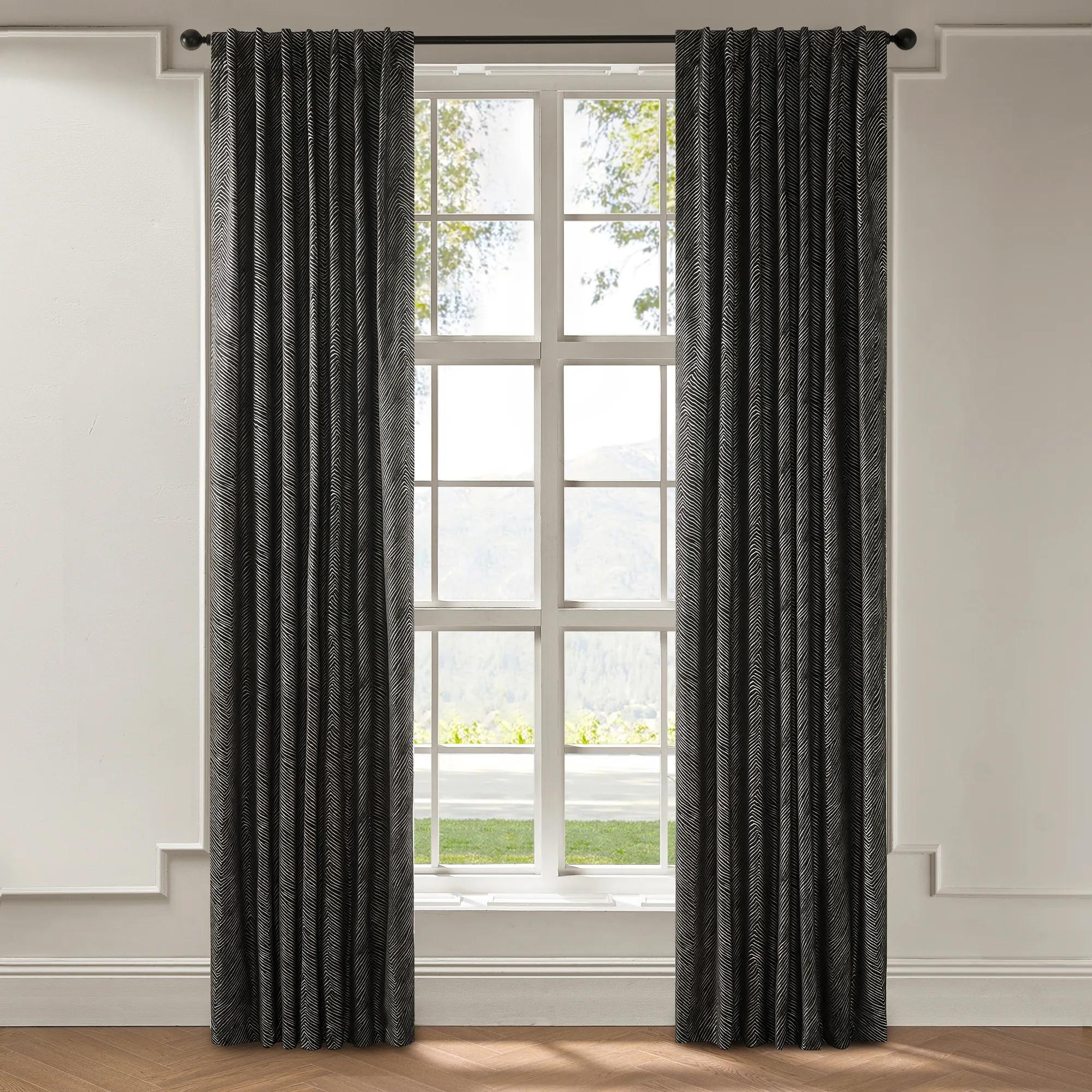
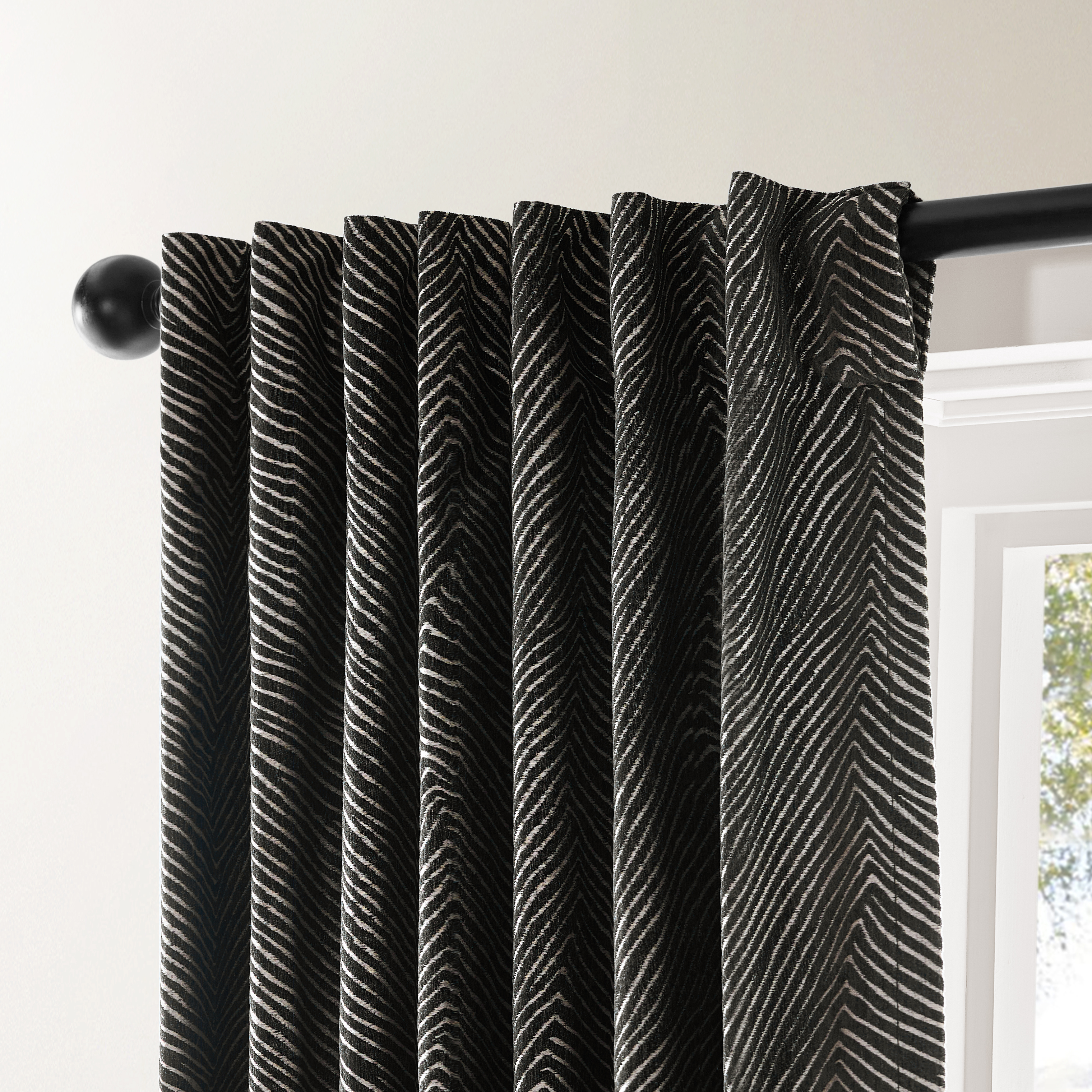 Kenzo Black Chenille Window Curtain Panel$139
A black chenille jacquard curtain with a room-darkening finish and versatile dual hanging options.
Add To Cart -
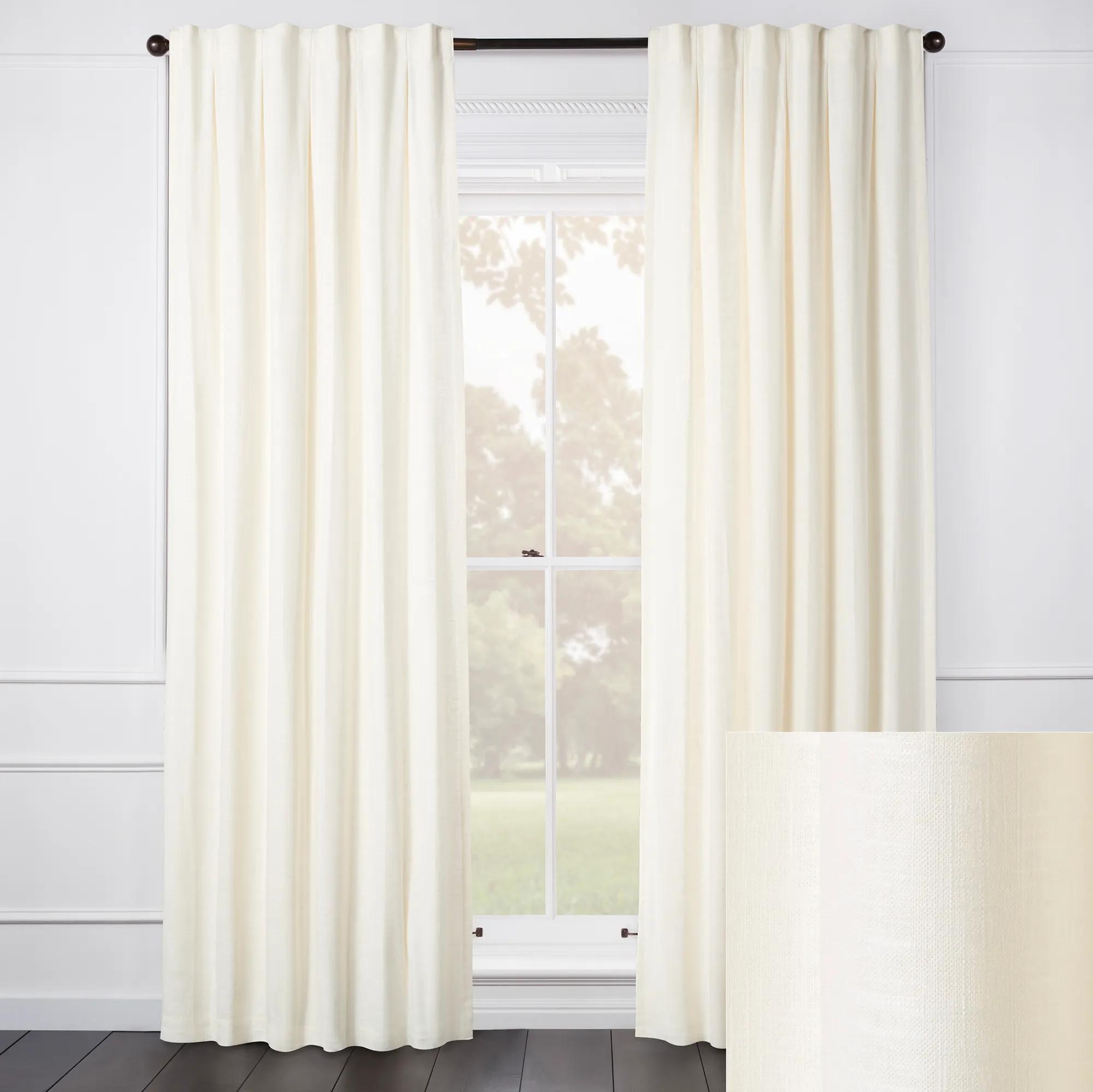
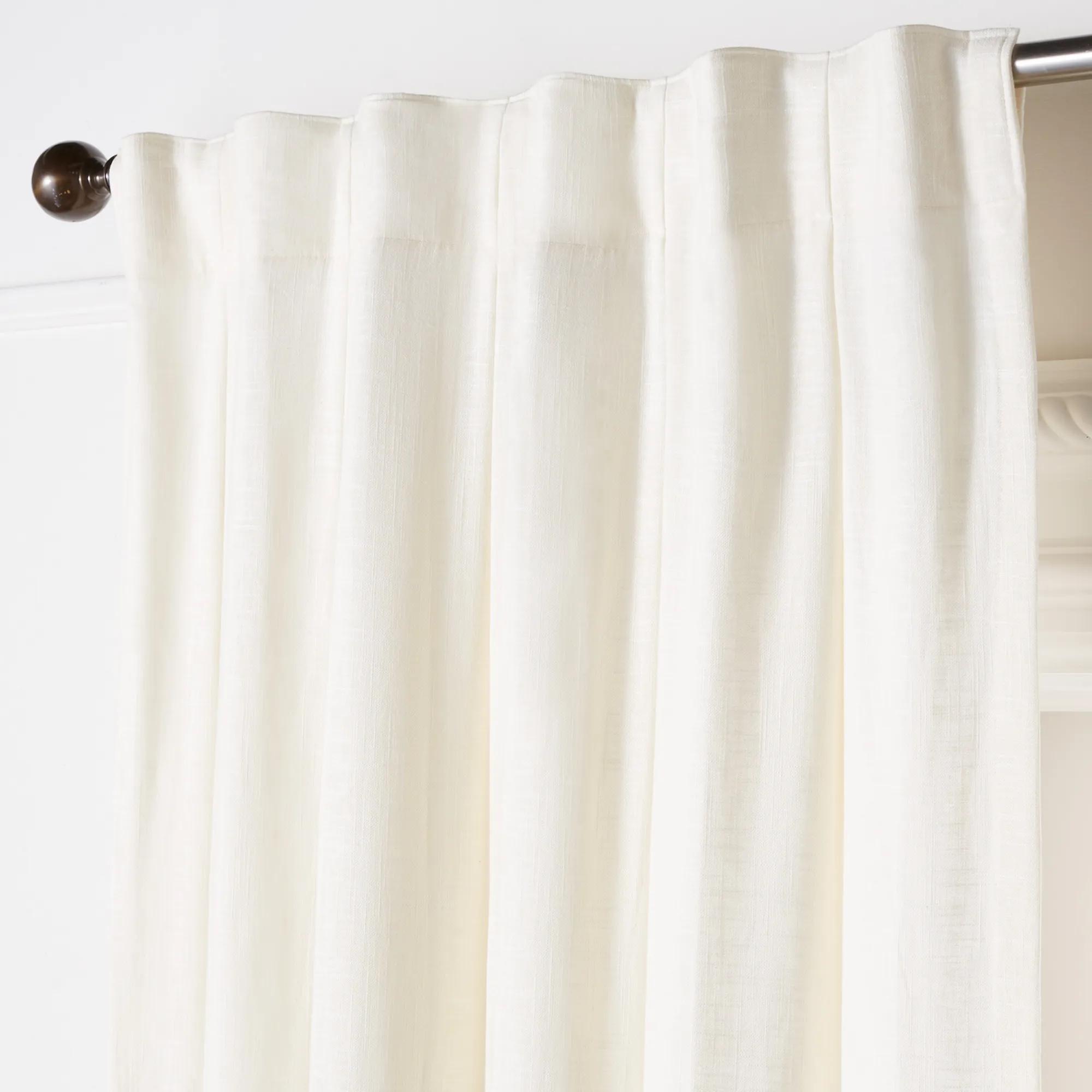 Audrey Linen Ivory Curtain - Custom$269
An ivory linen-blend curtain panel with lining, offering customizable lengths and two elegant header styles.
Add To Cart -
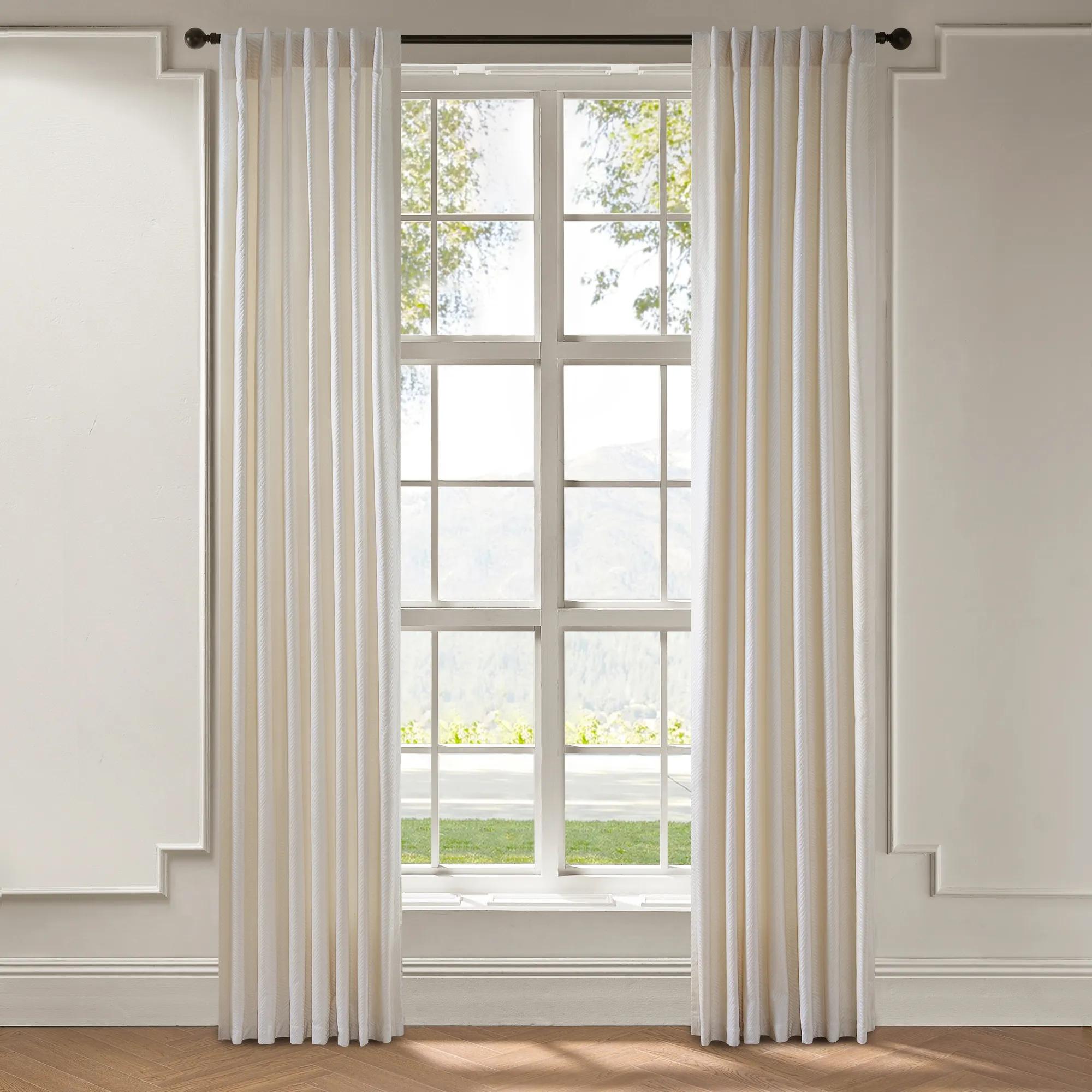
 Kenzo Chenille Curtain - White$139
A luxe white chenille jacquard curtain featuring a subtle high-contrast pattern and versatile dual construction.
Add To Cart -
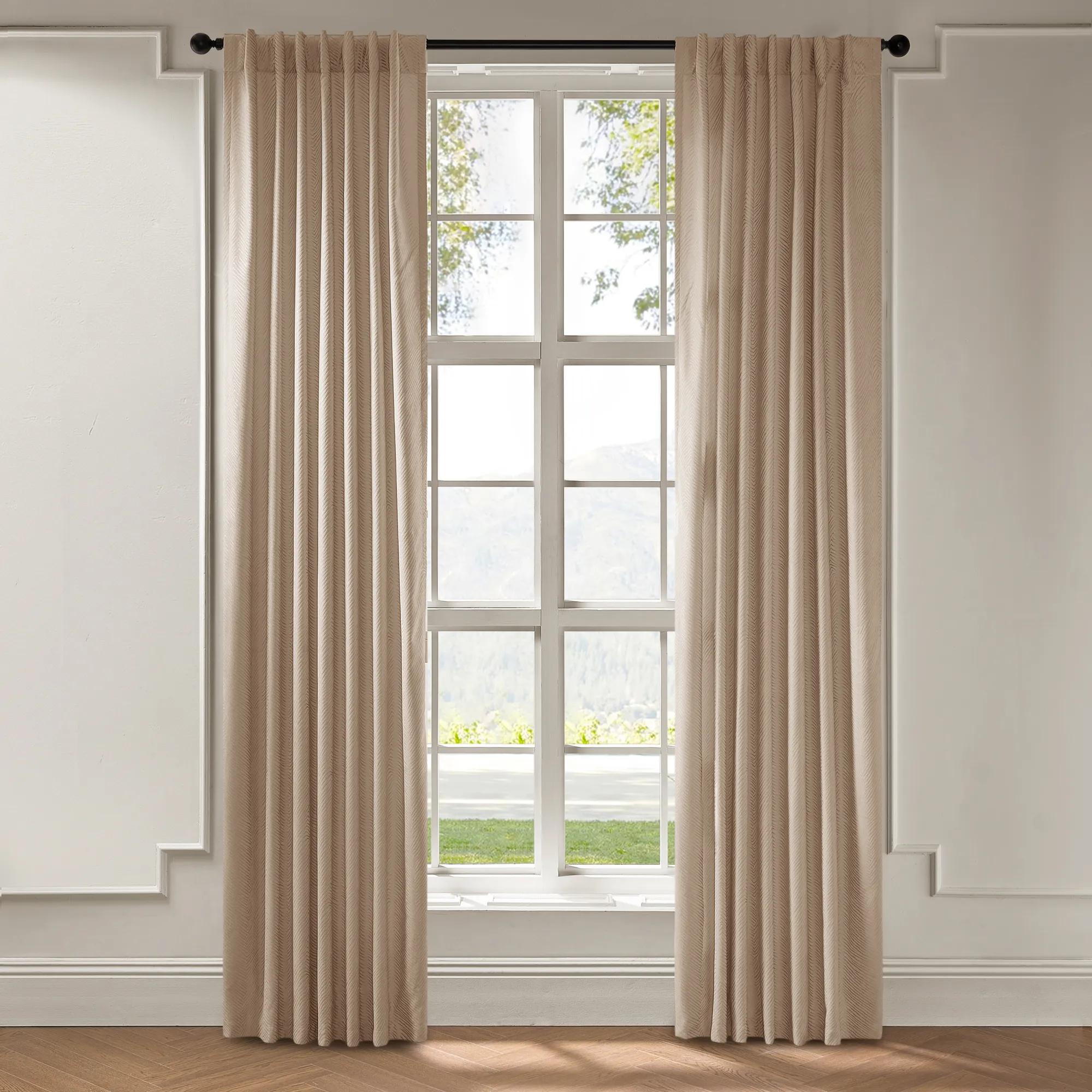 Kenzo Jacquard Beige Chenille Window Curtain Panel$119
A warm beige chenille jacquard curtain with a subtle sheen and versatile rod pocket or back tab hanging.
Add To Cart -
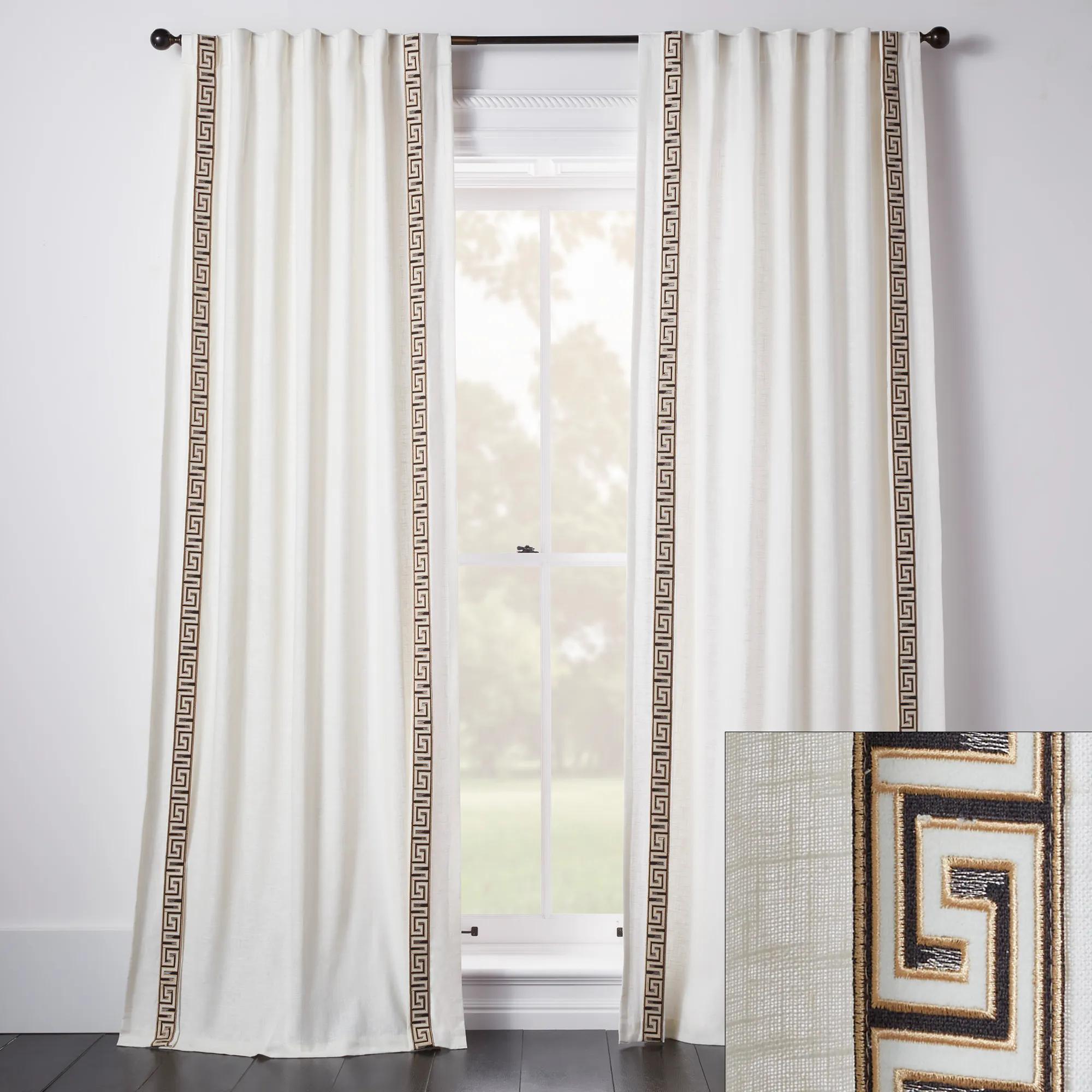 Chole Greek Key Border Velvet Widow Curtain Panels Custom$299
A white linen-blend curtain panel featuring a black and gold embroidered velvet Greek key border.
Add To Cart -

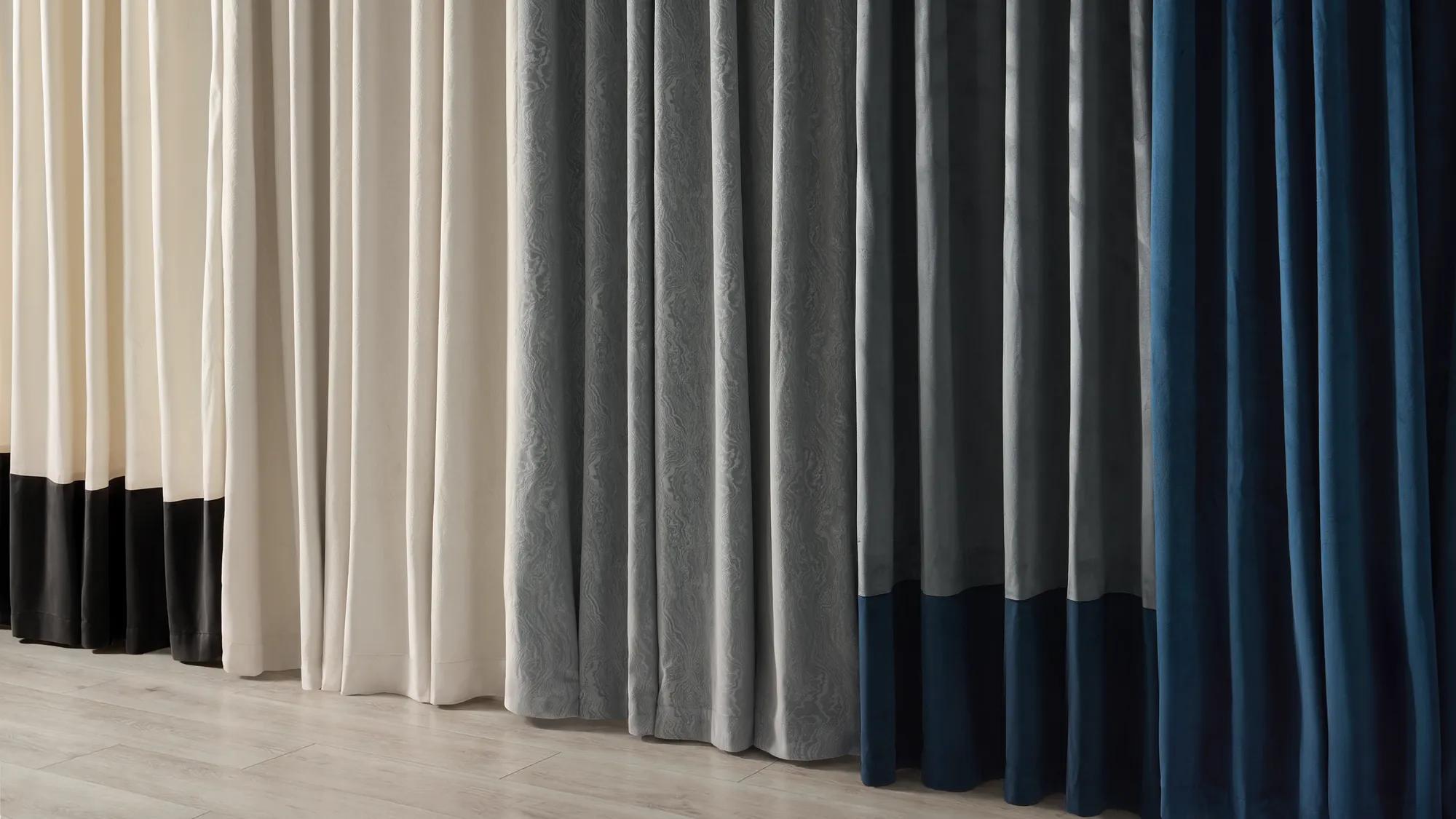 Mabel Velvet Swirl Curtain - Grey Blue$99
A grey blue velvet curtain featuring a tonal swirl pattern and versatile dual hanging options.
Add To Cart -

 Mabel Natural Velvet Swirl Window Curtain Panel$109
A warm neutral velvet curtain with a tonal swirl pattern and room-darkening, dual hanging options.
Add To Cart -
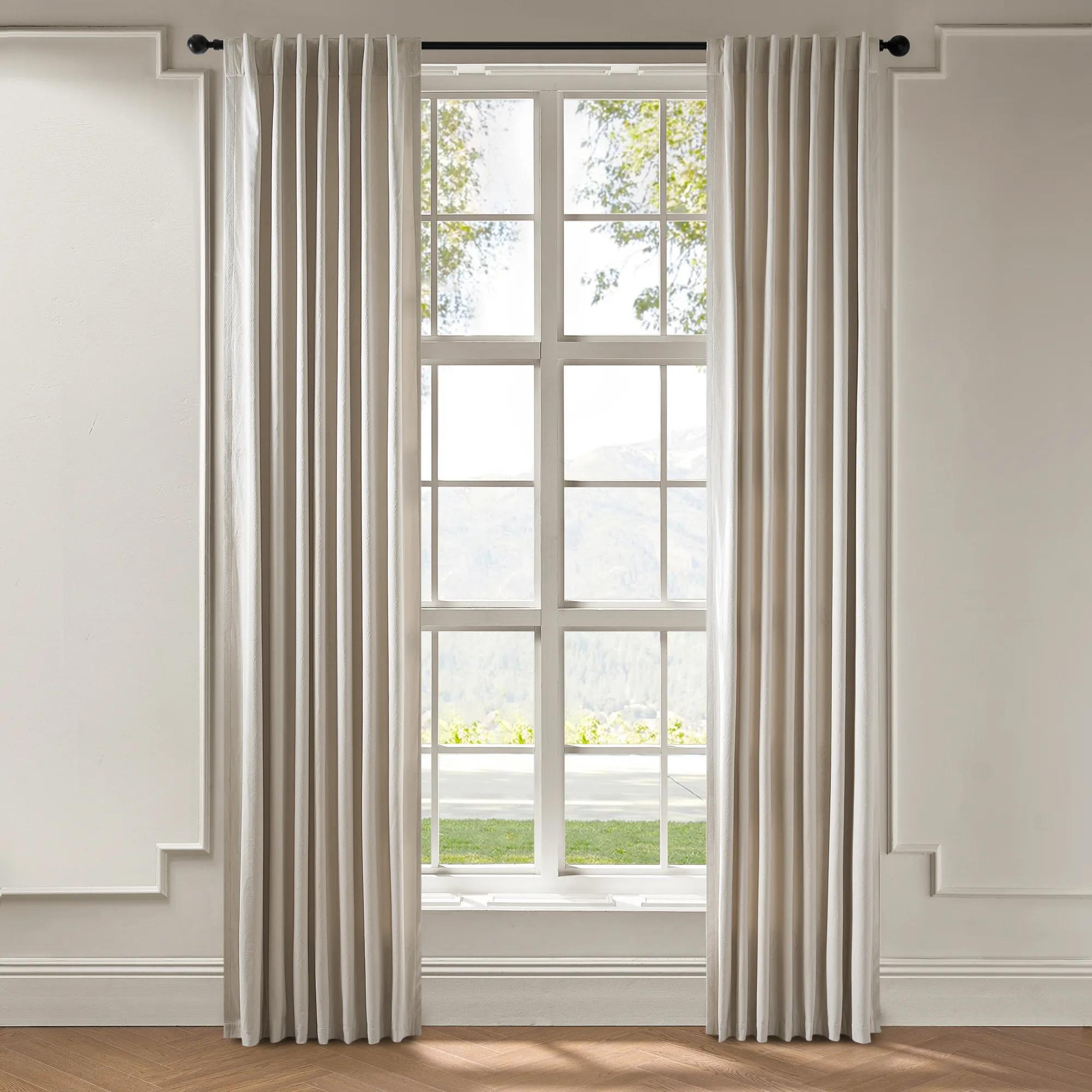
 Mabel White Velvet Swirl Window Curtain Panel$109
A crisp white velvet curtain featuring a tonal swirl texture and versatile dual hanging options.
Add To Cart

Modern Textured Window Panels
Modern textured window panels are more than mere backdrops—they are transformative statements, casting every room in a new light. With an artful interplay of pattern, dimension, and tactile intrigue, these panels invite you to reimagine your windows as living works of art. Whether framing a sun-drenched view or creating an intimate cocoon of elegance, modern textured window panels infuse your space with depth, drama, and undeniable allure. Let each fold and finish become part of your home’s unique narrative—where every glance reveals a fresh layer of sophistication.
Modern textured window panels bring dimension to contemporary interiors through slub weaves, linen blends, raised patterns, and subtle variations in yarn. Unlike a smooth, flat curtain, textured fabric catches light across its surface, creating depth even when the color is restrained. An ivory panel with visible flecks can soften the edge of a dark window frame; a tonal geometric weave can echo the sculptural lines of a console without competing with the art above it. The effect is especially compelling in rooms with polished stone, glass, or gleaming metal, where fabric introduces a softer counterpoint to reflective finishes. Texture also gives solid-colored drapery a distinctive presence, making it a compelling choice for spaces already rich with patterned rugs, expressive artwork, or sumptuous upholstery. Materials shape that presence as much as color does. Linen and linen-blend fabrics often have an irregular, organic character and a relaxed drape, while cotton can offer a softer, more matte surface. Polyester and blended constructions can deliver dimensional weaves with greater resistance to wrinkling, depending on the fabric and finish. Jacquard fabrics create patterns within the weave itself, lending tonal diamonds, ripples, or other motifs a layered quality rather than a printed effect. Velvet offers a different expression of texture: its pile shifts between luminous highlights and deeper shadows as the viewing angle changes. These distinctions make modern textured curtains adaptable to a range of interiors, from a tailored living room with crisp upholstery to a bedroom layered in plush bedding and brushed metallic accents. Pale neutrals emphasize the play of daylight, while charcoal, taupe, and deeper hues can give a window a more architectural frame. For a cohesive treatment across rooms with different moods, Modern Home Window Panels offer a broader design context, with texture serving as one expressive element alongside silhouette, color, and drape. The most successful pairing feels intentional: a fabric with enough character to enrich the room, and enough visual restraint to let its other statement pieces breathe.
Light control is an essential distinction within textured window treatments, because a richly woven surface does not automatically provide privacy or darken a room. Sheer and light-filtering panels soften incoming daylight, allowing texture to become especially visible when the fabric is backlit. In a living room used for afternoon conversation or a dining area overlooking a garden, that softened light can lend the space an inviting glow without the visual weight of heavier drapery. Privacy varies with weave density, fabric color, and lighting conditions; a panel that obscures the view during the day may reveal silhouettes after dark when interior lights are on. Bedrooms, street-facing sitting rooms, and media spaces often call for lined, room-darkening, or blackout constructions, with the appropriate choice depending on the product’s stated performance. Room-darkening fabric reduces light but should not be assumed to provide the same result as blackout fabric, and even blackout panels can admit light around uncovered edges. A lining can also give a panel more body, create a more uniform appearance from outside, and help shield the decorative face fabric from direct sunlight. Some lined or insulated constructions may help reduce drafts at the window, though performance depends on the material, fit, and installation rather than texture alone. Layering decorative panels over a shade offers another way to balance an expressive finish with adjustable privacy. Scale determines how convincingly all of these elements come together. Panel dimensions refer to the fabric itself, so a gathered treatment needs more total width than the span it covers. Around one and a half to two times the covered width is a common starting point for fullness, with pleated styles and denser fabrics sometimes requiring a different approach. Generous folds give raised weaves room to reveal their pattern; too little fabric can pull that dimension flat when the curtains close. Length changes the mood just as noticeably. A hem that barely clears the floor looks tailored and moves easily in a frequently used room, while a slight break at the floor creates a softer, more luxuriant line. Extra pooling brings drama, but it also collects more dust and can interfere with doors, pets, or regular movement through the space.
Hanging style gives modern textured window panels their final silhouette, influencing both their decorative presence and their everyday ease of use. Rod pockets create soft gathers and can suit panels that remain mostly in place, while back tabs conceal much of the hardware for a clean arrangement of folds. Grommets form broader, regular waves and make the rod part of the composition; rings introduce a deliberate metallic detail and can make compatible panels easier to draw. Not every panel supports every hanging method, and header dimensions, rod diameter, and fabric weight need to work together. A substantial textured fabric requires hardware and mounting appropriate to its weight, particularly across a wide window where center support may be necessary. Mounting the rod above the frame can emphasize ceiling height, while extending it beyond the sides can allow open panels to rest farther from the glass, preserving more daylight and the view. In a bedroom, those long vertical lines can balance a broad upholstered headboard; beside a dining table, they can create an elegant backdrop for candlelight and polished serving pieces during the cooler months. Daily habits matter just as much as the finished composition. For a frequently opened patio door, panels that clear the floor and draw without resistance are generally more practical than deep pooling or delicate, loosely woven fabric. Homes with pets may benefit from tighter weaves less vulnerable to catching claws, although no decorative fabric is immune to snagging. Durability also depends on seam quality, repeated handling, sun exposure, and appropriate care. Fiber content alone does not determine whether a panel is washable: linings, embellishments, and header construction can all affect its care requirements. Following the care label helps protect the intended length, surface texture, and drape; some fabrics tolerate gentle washing, while others require professional cleaning. Regular gentle dust removal, where recommended, keeps raised surfaces from looking dull, and steaming should be used only when the fabric permits it. With thoughtful proportions and care suited to the construction, textured panels retain the details that make them so expressive: sculpted folds, nuanced color, and a surface that gives changing light something beautiful to reveal.
FAQs
To create a dramatic focal point, opt for window panels featuring bold textures such as crushed velvet, geometric jacquard, or metallic-threaded weaves. These materials catch the light beautifully and add visual intrigue, transforming your windows into a statement piece that anchors the room’s design.
Textured window panels add a layer of warmth and softness to bedrooms, especially in winter. Fabrics like plush chenille or thick linen not only insulate against the chill but also create a cozy, cocooning effect—perfect for restful nights and luxurious mornings spent basking in filtered, golden light.
Absolutely. Modern textured panels pair beautifully with sheer curtains, blinds, or even valances. Layering allows you to play with opacity, color, and texture, giving you creative control over privacy, light, and the overall mood of your space.
Common materials include velvet, jacquard, silk blends, and linen with raised patterns or embroidery. These fabrics offer a sumptuous hand-feel and a sophisticated aesthetic, making them ideal for spaces where you want to evoke opulence and artistry.
Design enthusiasts, new homeowners, or anyone embarking on a home refresh would cherish the gift of modern textured window panels. They’re a thoughtful present for weddings, housewarmings, or milestone celebrations, offering both beauty and function to elevate any living space.


