
Modern Textured Window Curtains
Modern Textured Window Curtains
-
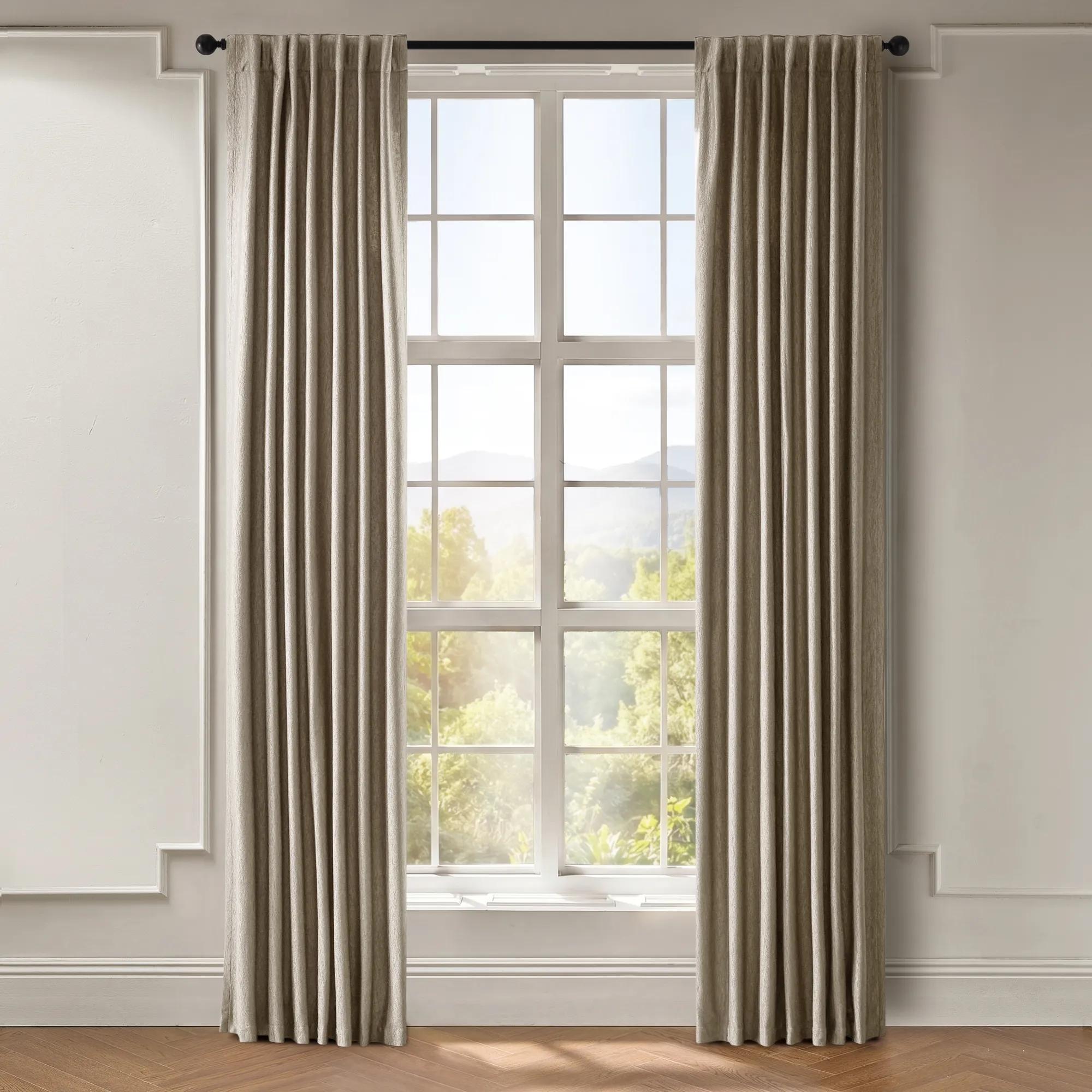
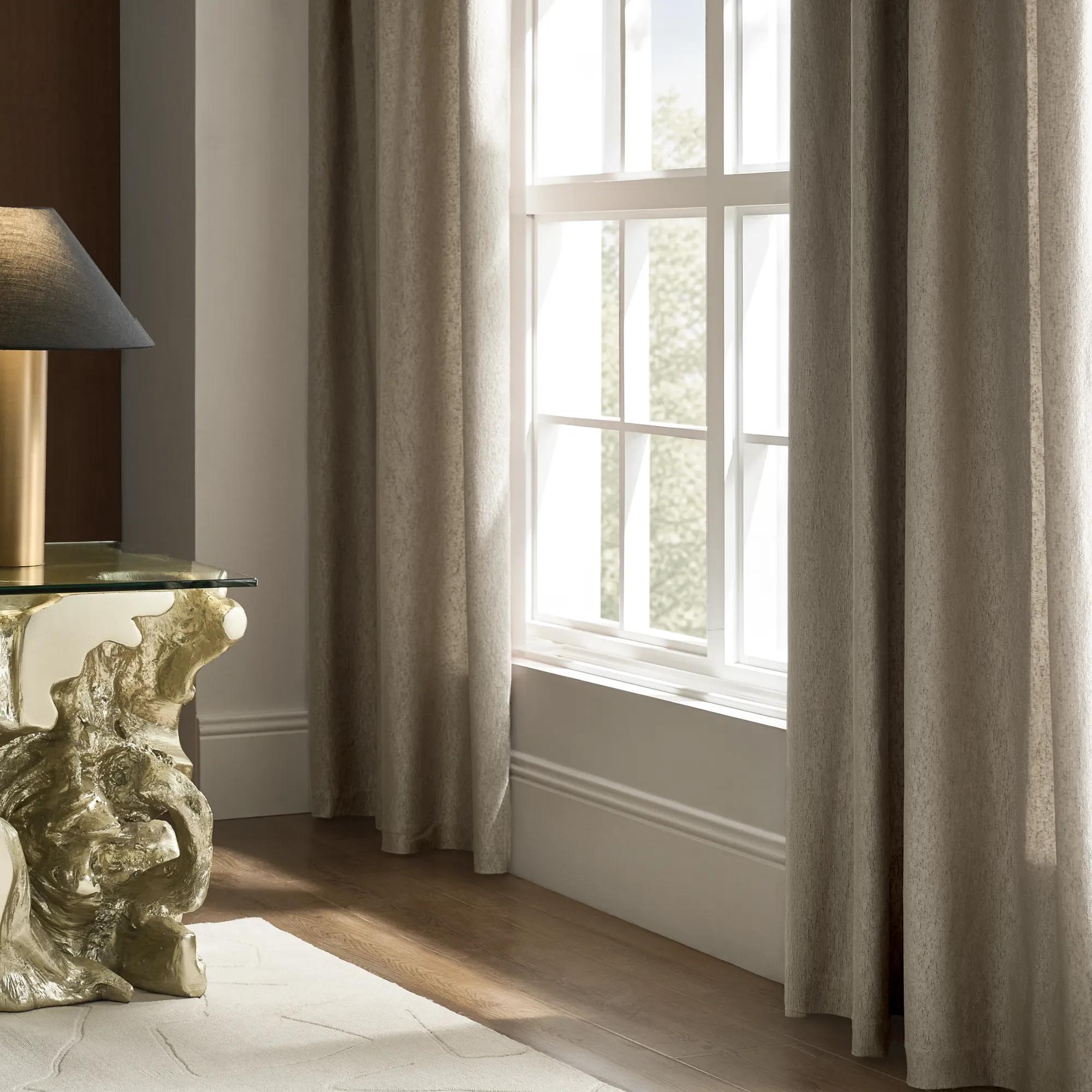 Anson Taupe Textured Window Curtain Panel$99
A taupe polyester curtain panel featuring a crushed sheen texture and versatile room-darkening design.
Add To Cart -
 Anson Mocha Rose Textured Window Curtain Panel$89
A light mocha rose curtain panel with crushed sheen texture and room-darkening, dual hanging design.
Add To Cart -
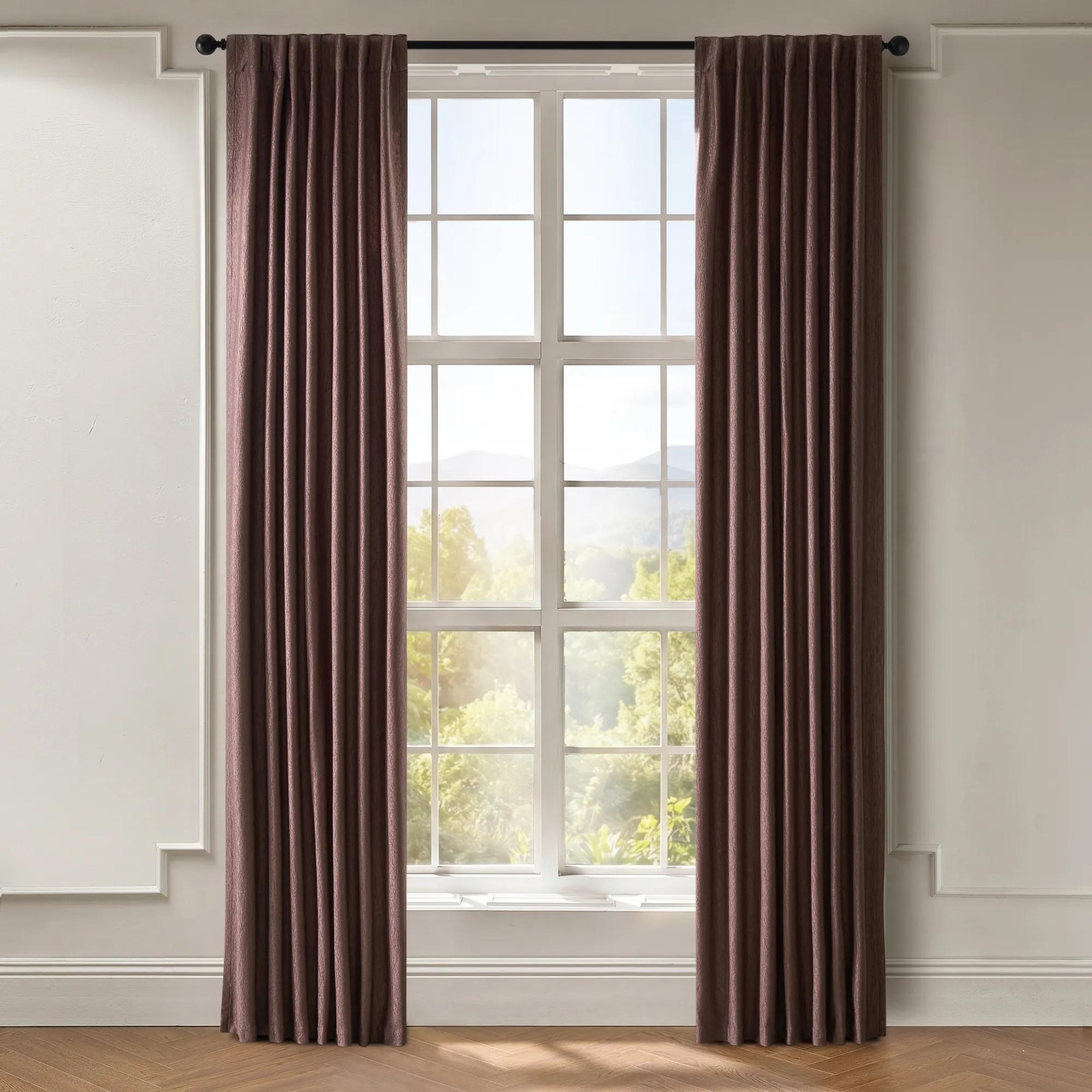
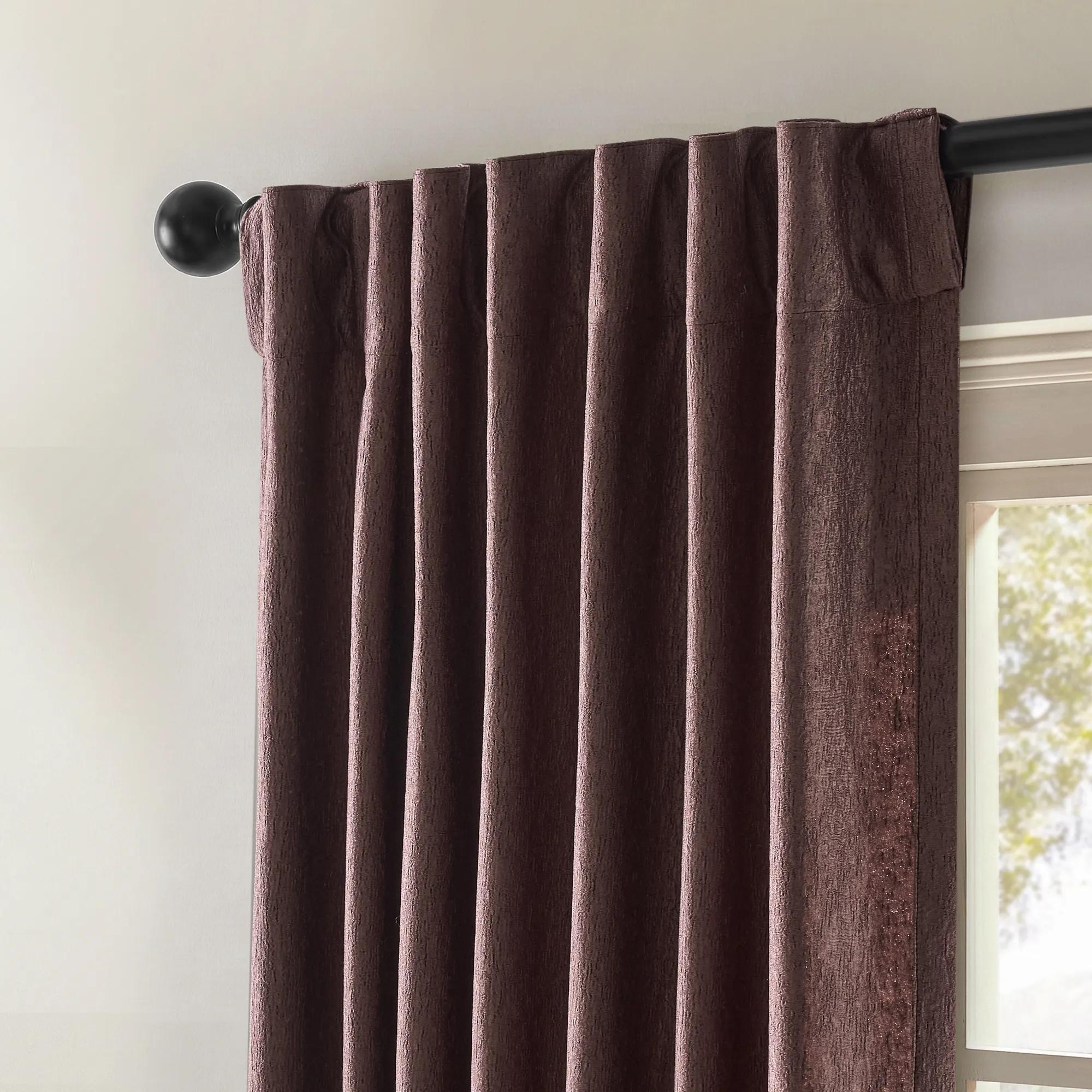 Anson Fig Textured Window Curtain Panel$99
A deep fig curtain panel in crushed, subtly sheened polyester with room-darkening and dual hanging options.
Add To Cart -
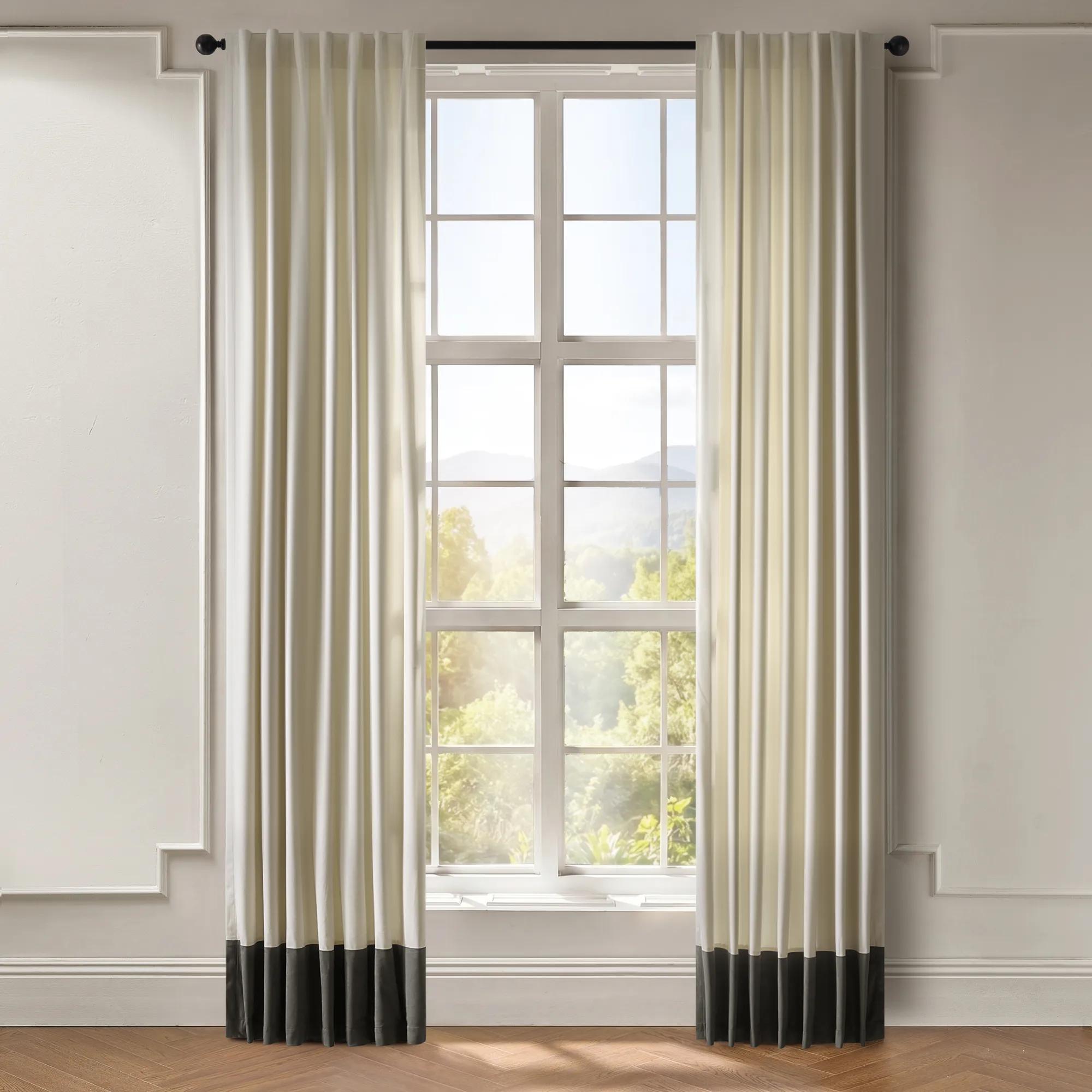
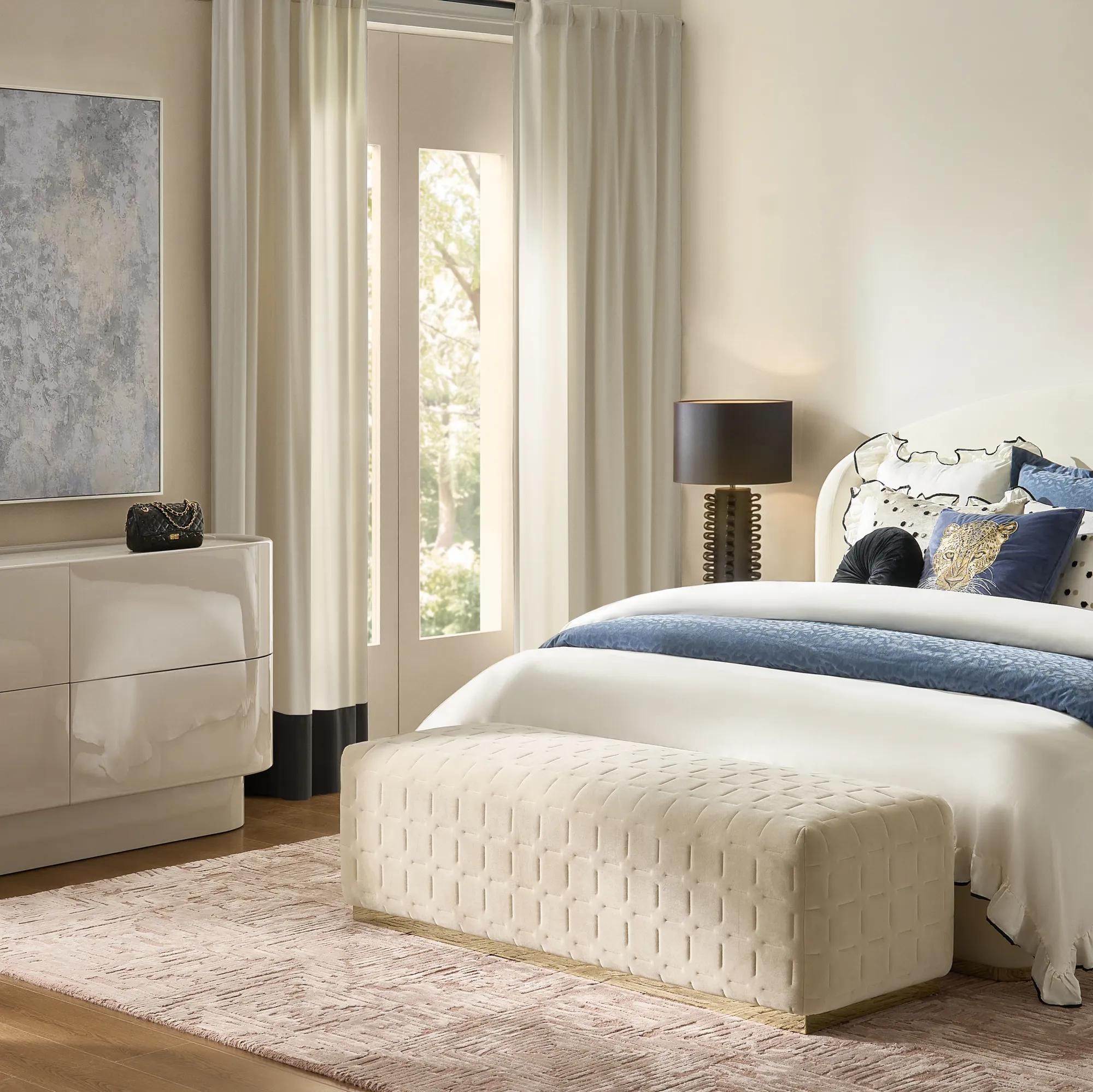 Bastien Ivory/Graphite Velvet Border Window Curtain Panel$109
A two-tone ivory and graphite velvet curtain panel with a Deco-inspired border and room-darkening design.
Add To Cart -
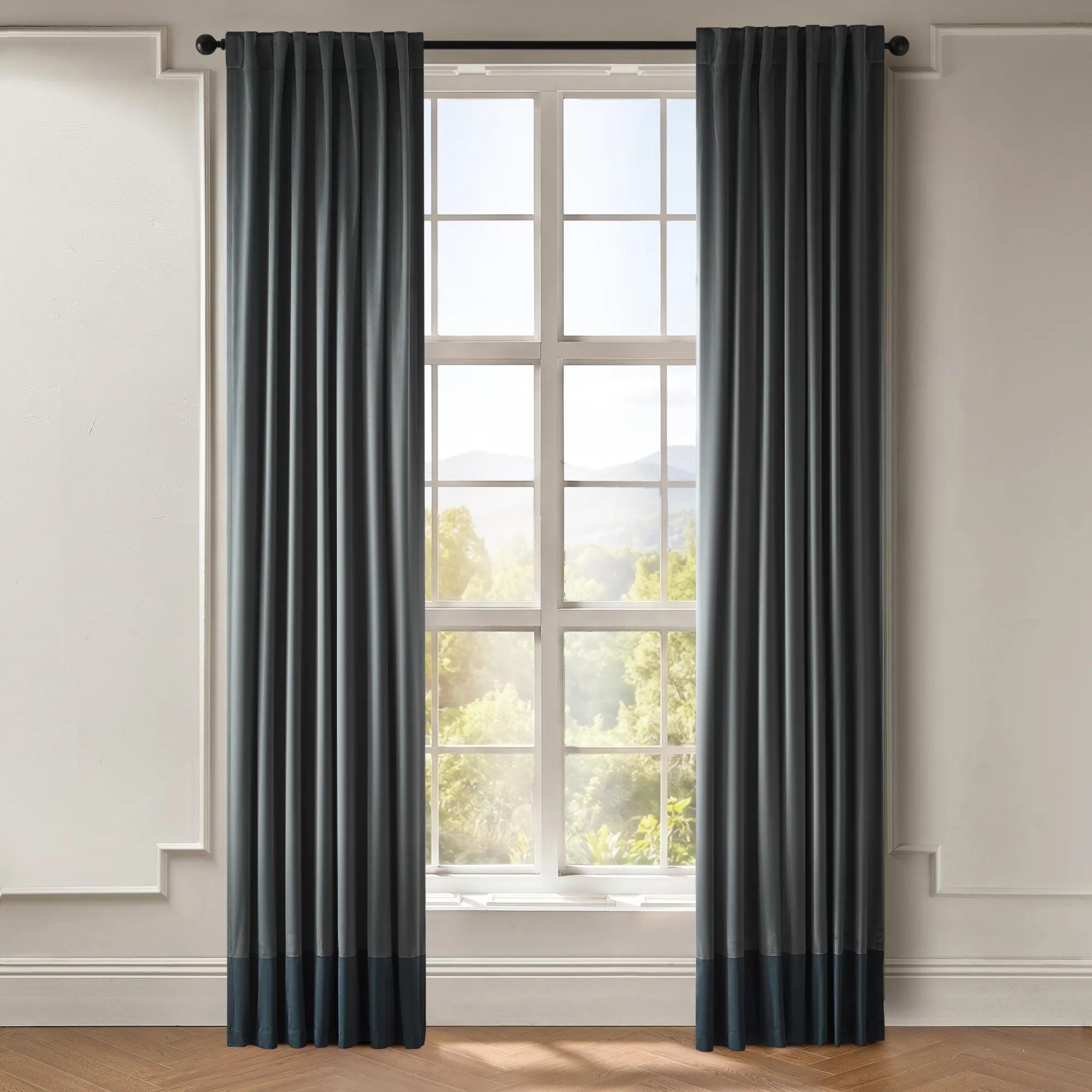
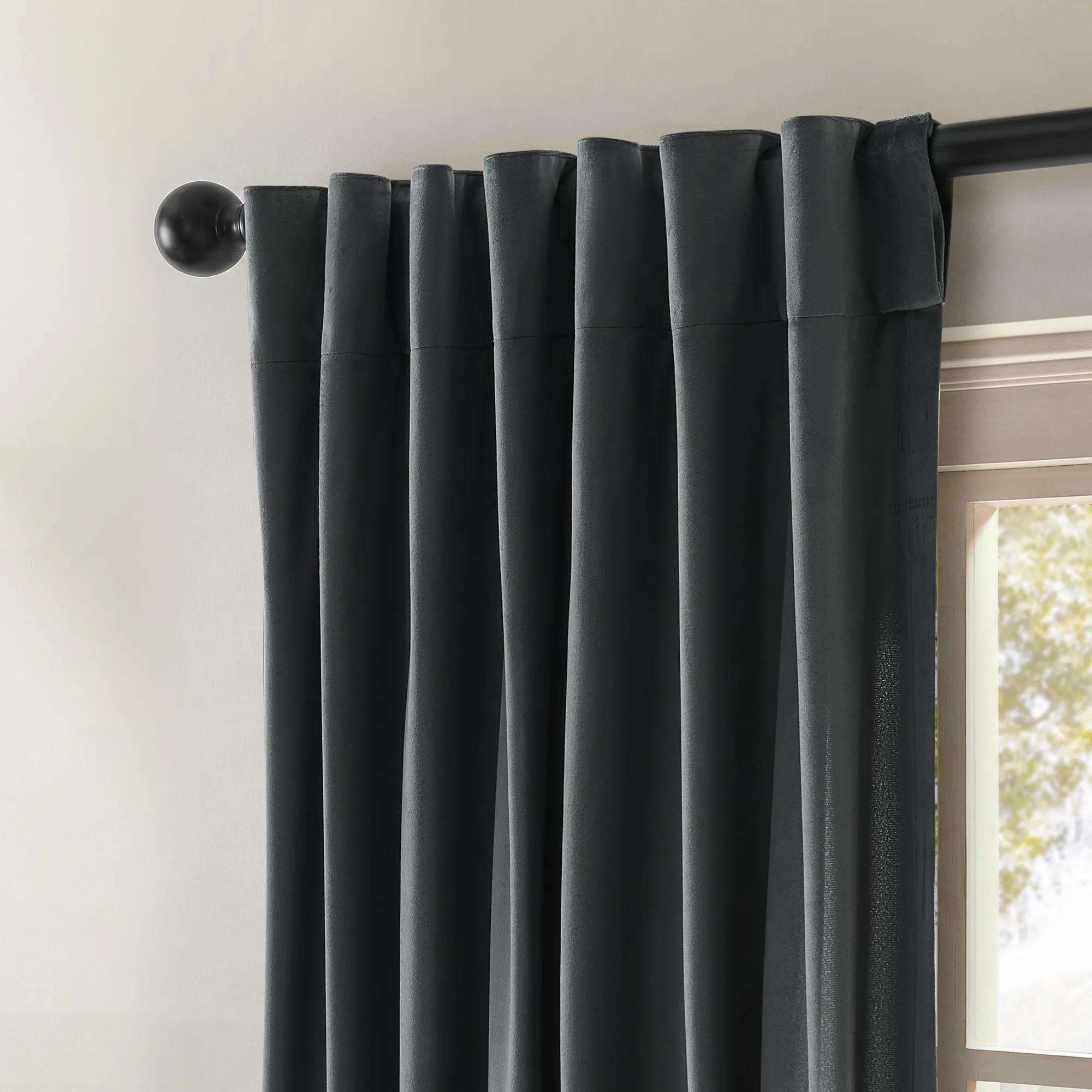 Bastien Blue/Midnight Velvet Border Window Curtain Panel$99
A two-tone dusty and midnight blue velvet curtain panel with a Deco-inspired border and room-darkening design.
Add To Cart -
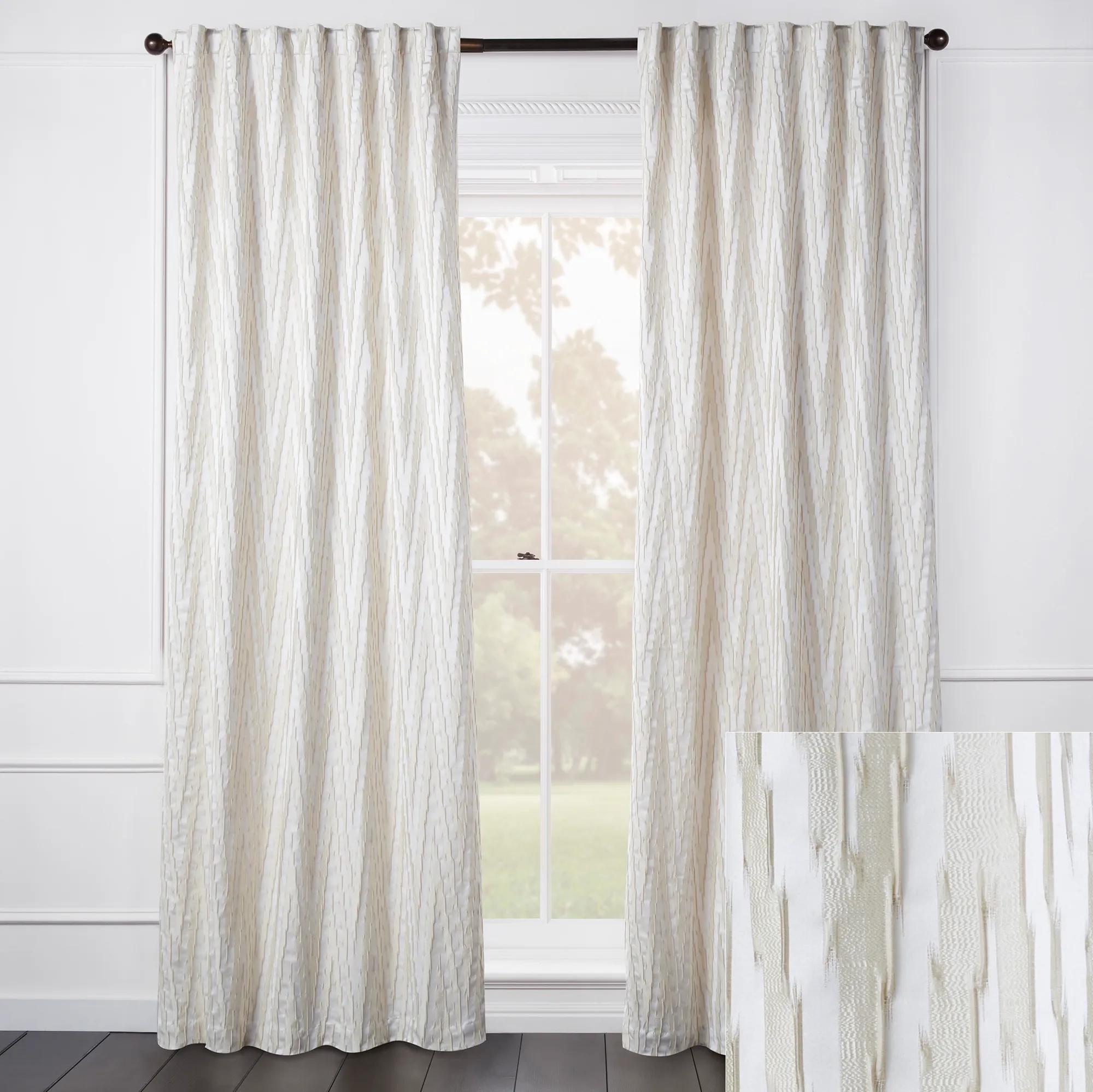
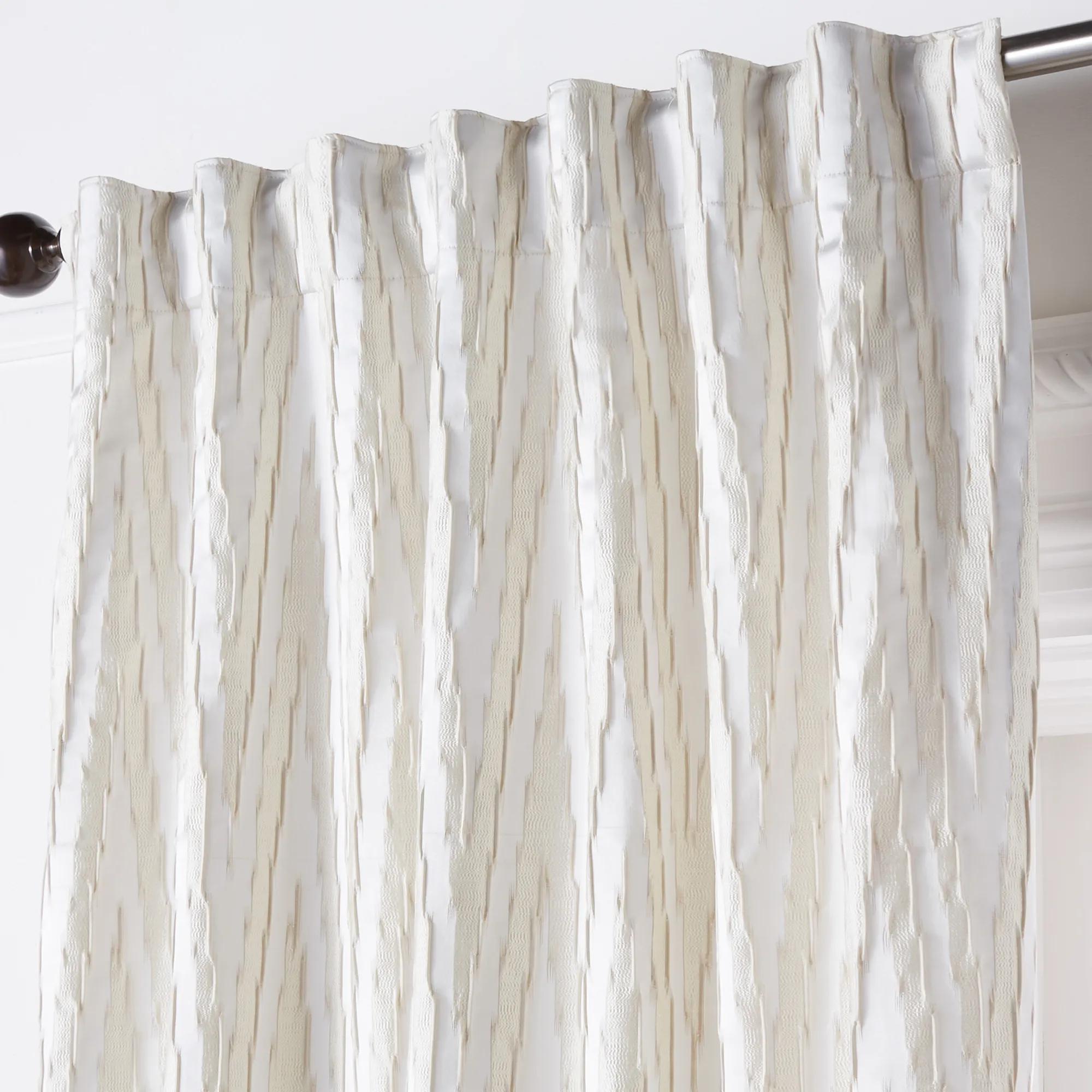 Minka Jacquard Pearl Window Curtain Panel Custom$329
A highly textured chevron curtain panel in pearl, grey, or natural polyester with customizable hanging options.
Add To Cart -
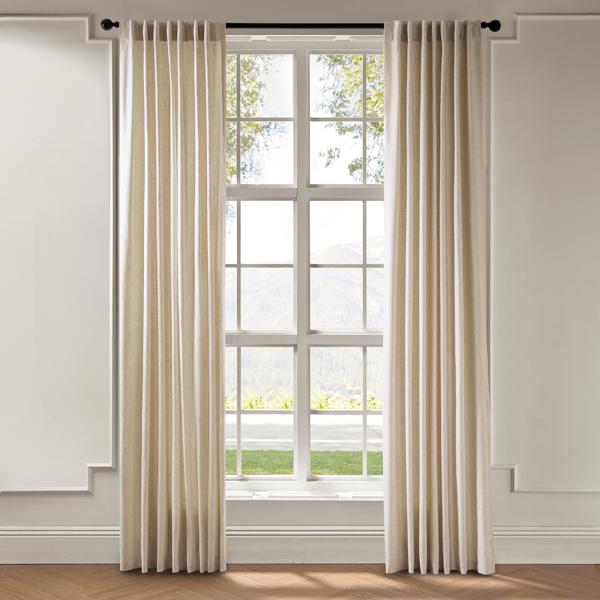
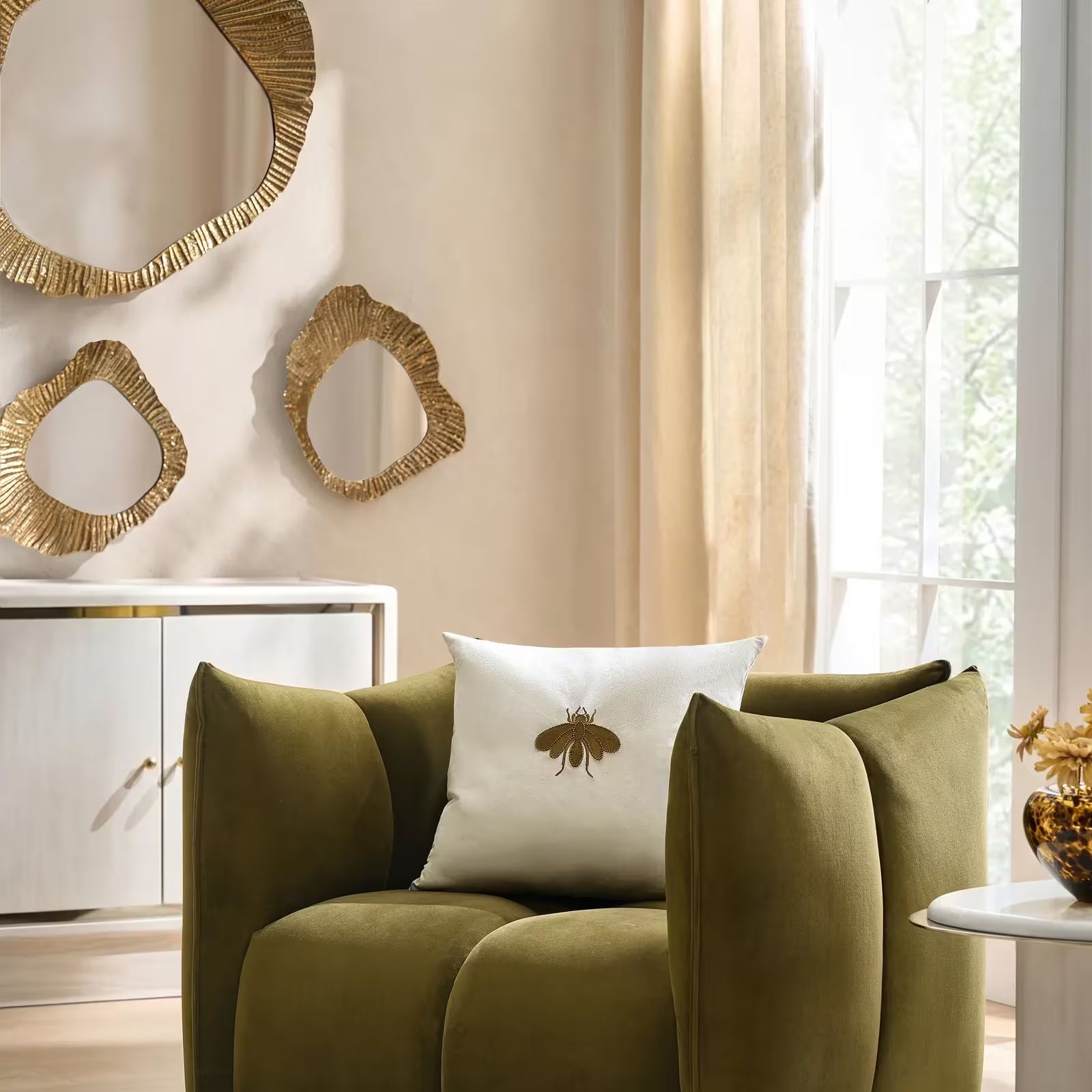 Anson Ivory Textured Window Curtain Panel$99
An elegant ivory curtain panel with a crushed, light-reflective texture for subtle shine and room darkening.
Add To Cart -

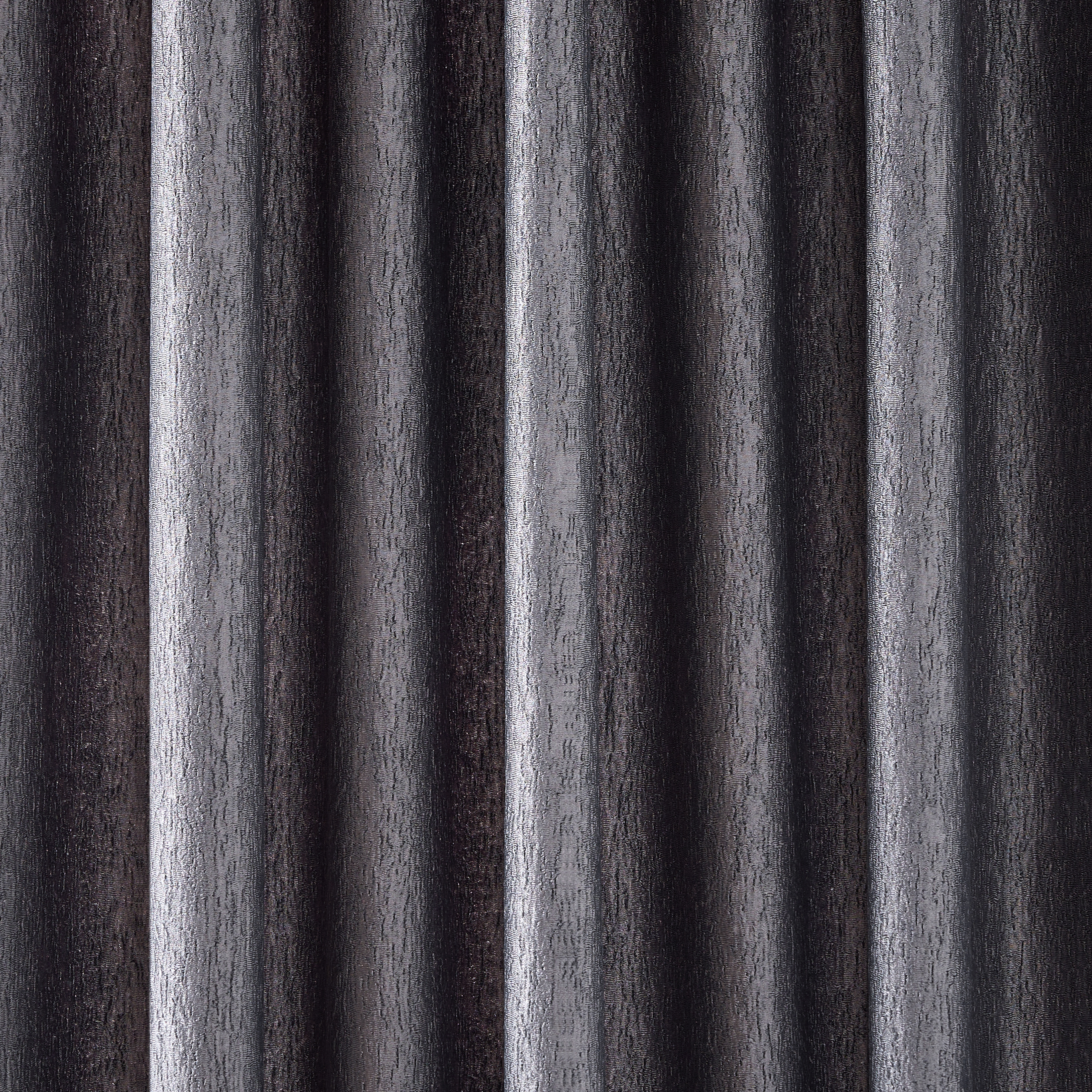 Anson Charcoal Textured Window Curtain Panel$109
A moody charcoal curtain with crushed polyester texture and subtle sheen for stylish, room-darkening appeal.
Add To Cart -

 Adair Sand Solid Velvet Window Curtain Panel$79
A room-darkening sand velvet curtain with dual hanging options for a soft, tailored finish.
Add To Cart -
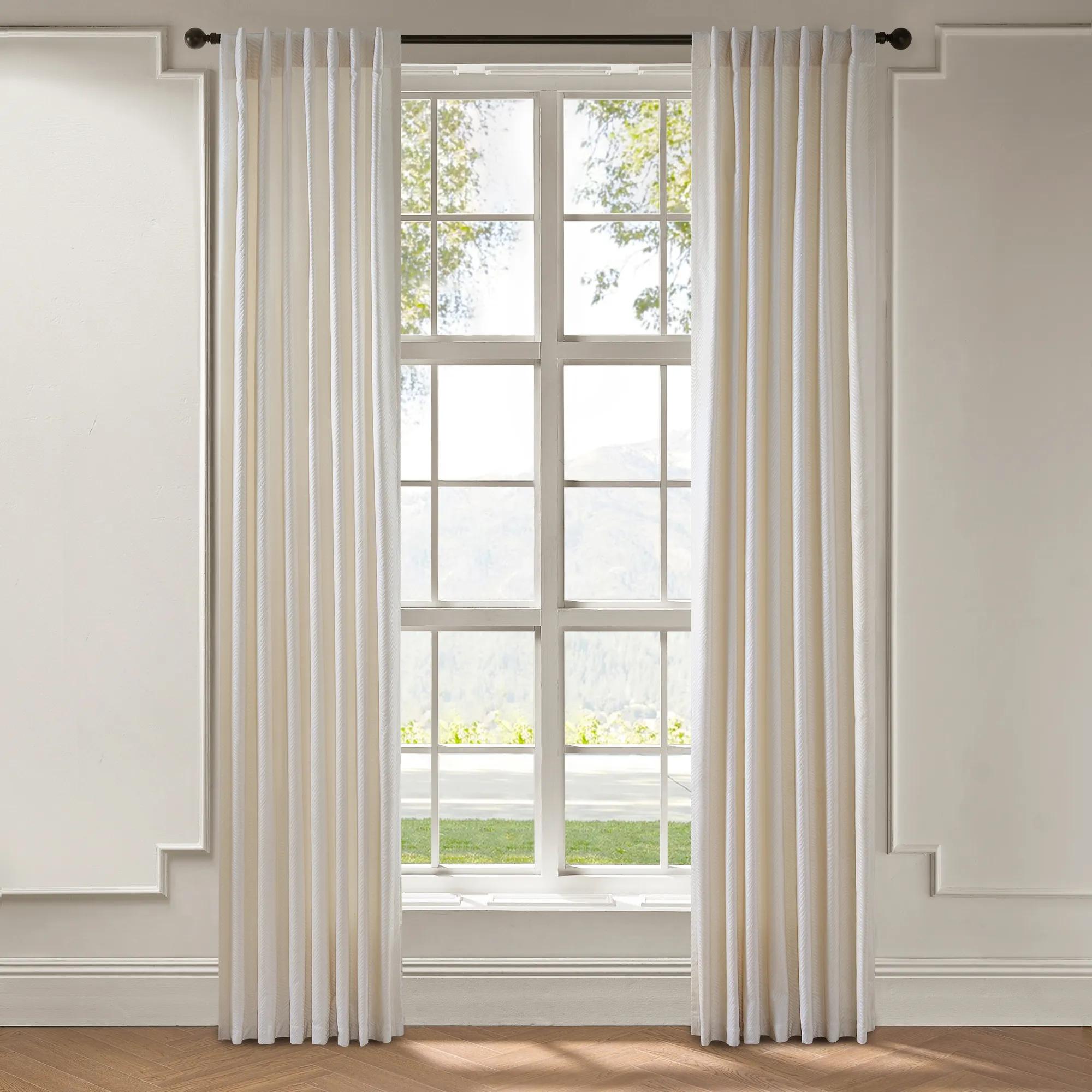
 Kenzo Chenille Curtain - White$119
A white chenille jacquard curtain featuring a subtle high-contrast pattern and soft, room-darkening texture.
Add To Cart -

 Adair Midnight Blue Solid Velvet Window Curtain Panel$69
A sumptuous midnight blue velvet curtain that adds elegance, depth, and room-darkening style to any space.
Add To Cart -
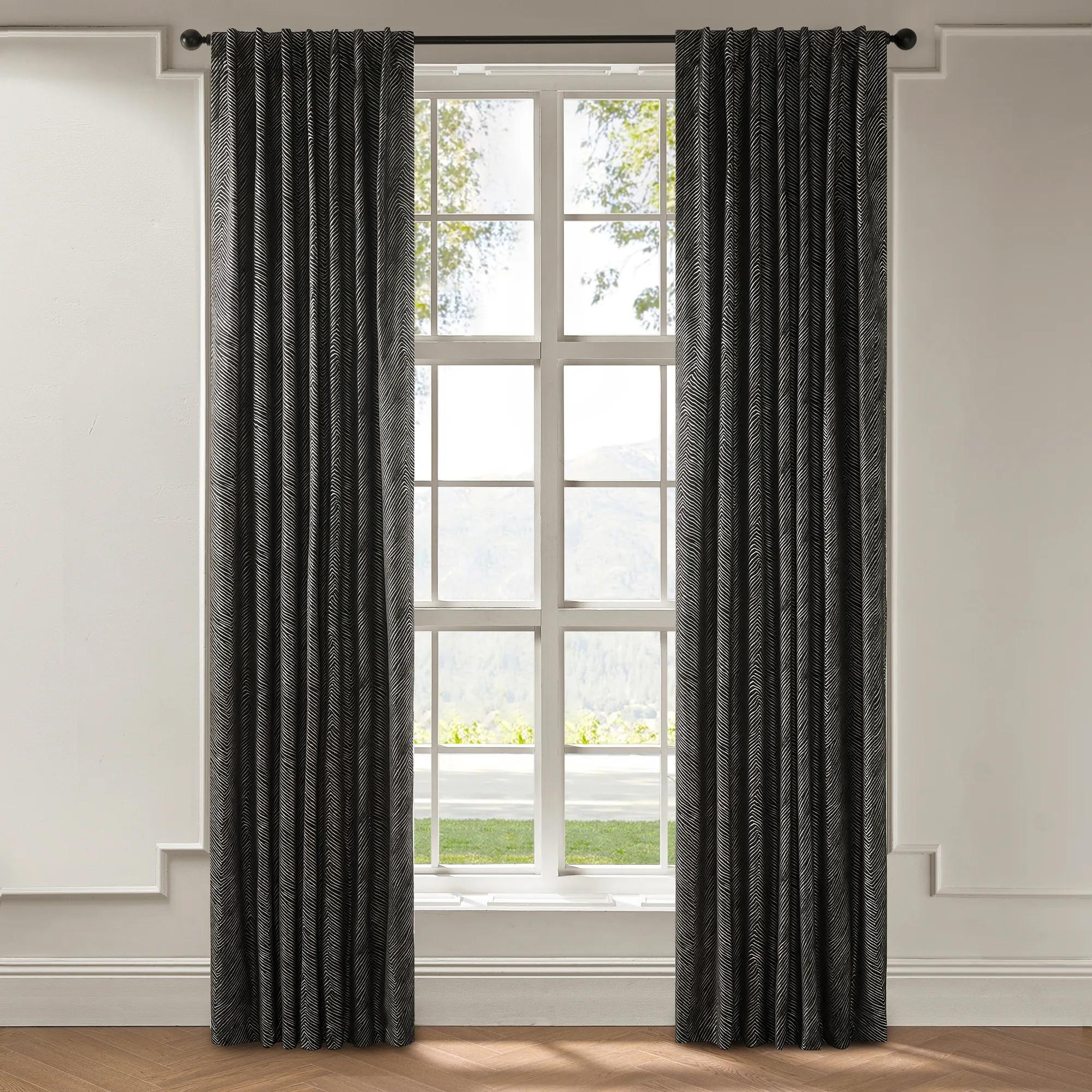
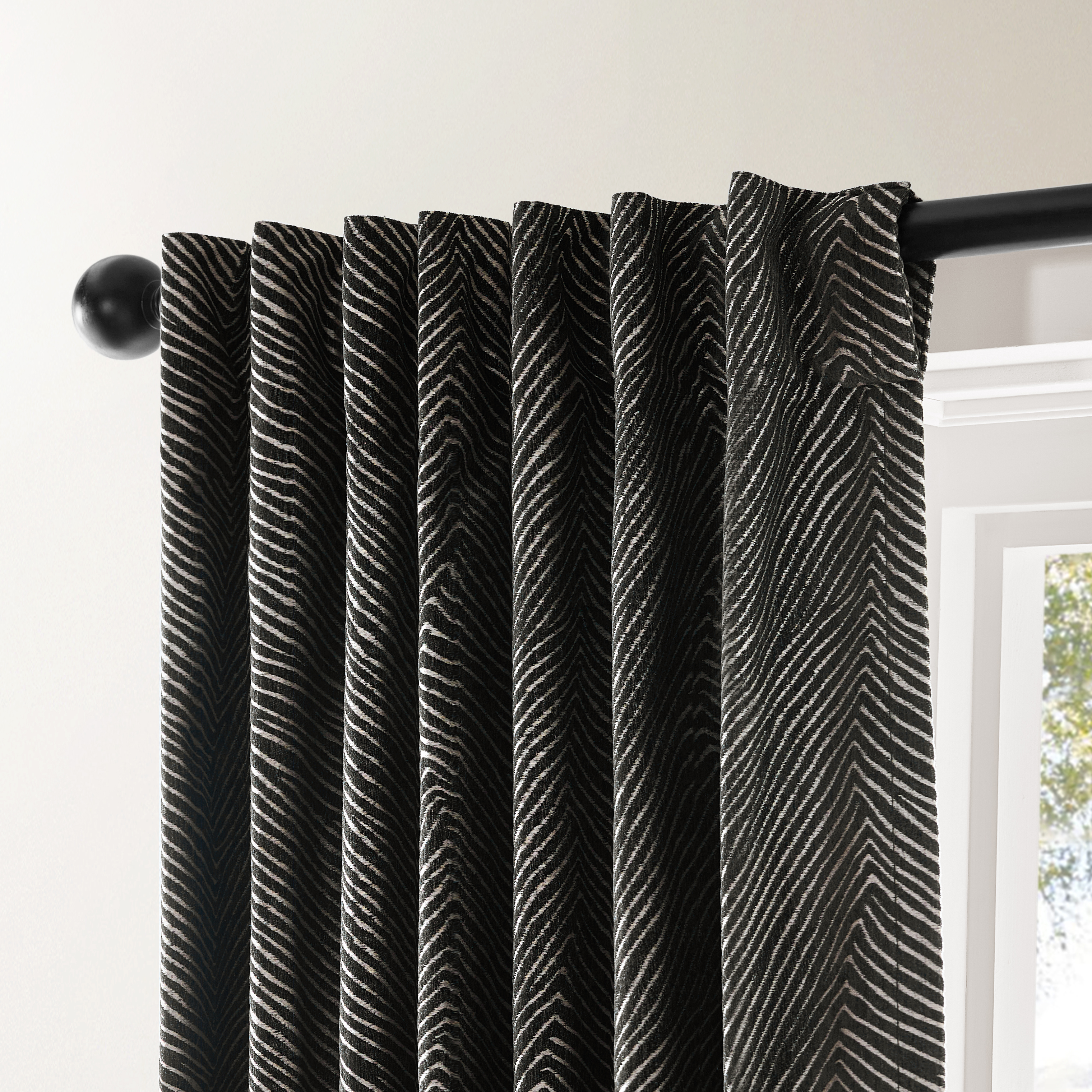 Kenzo Black Chenille Window Curtain Panel$119
A black chenille jacquard curtain with a luxe sheen and versatile dual hanging options for modern spaces.
Add To Cart -
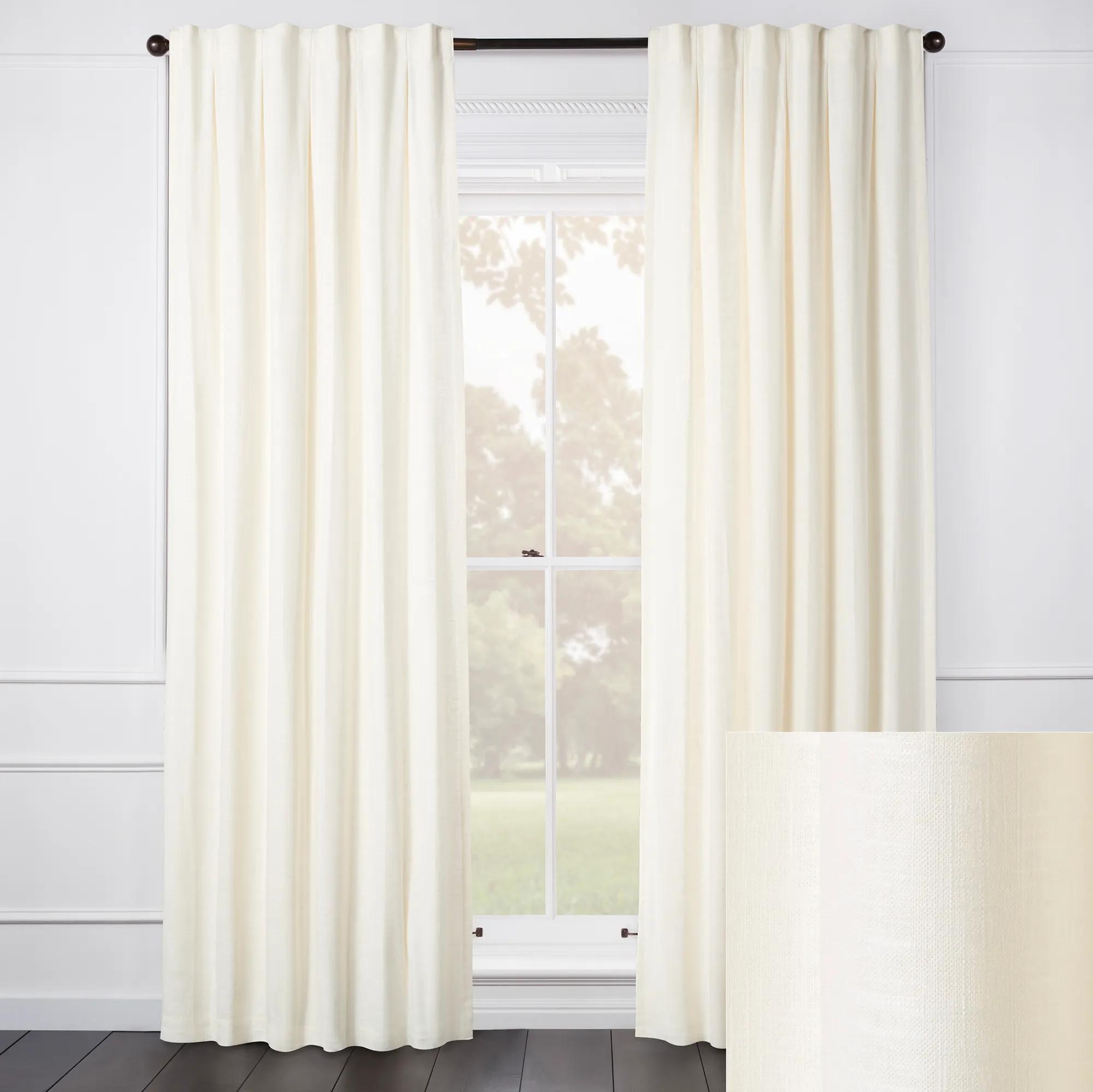
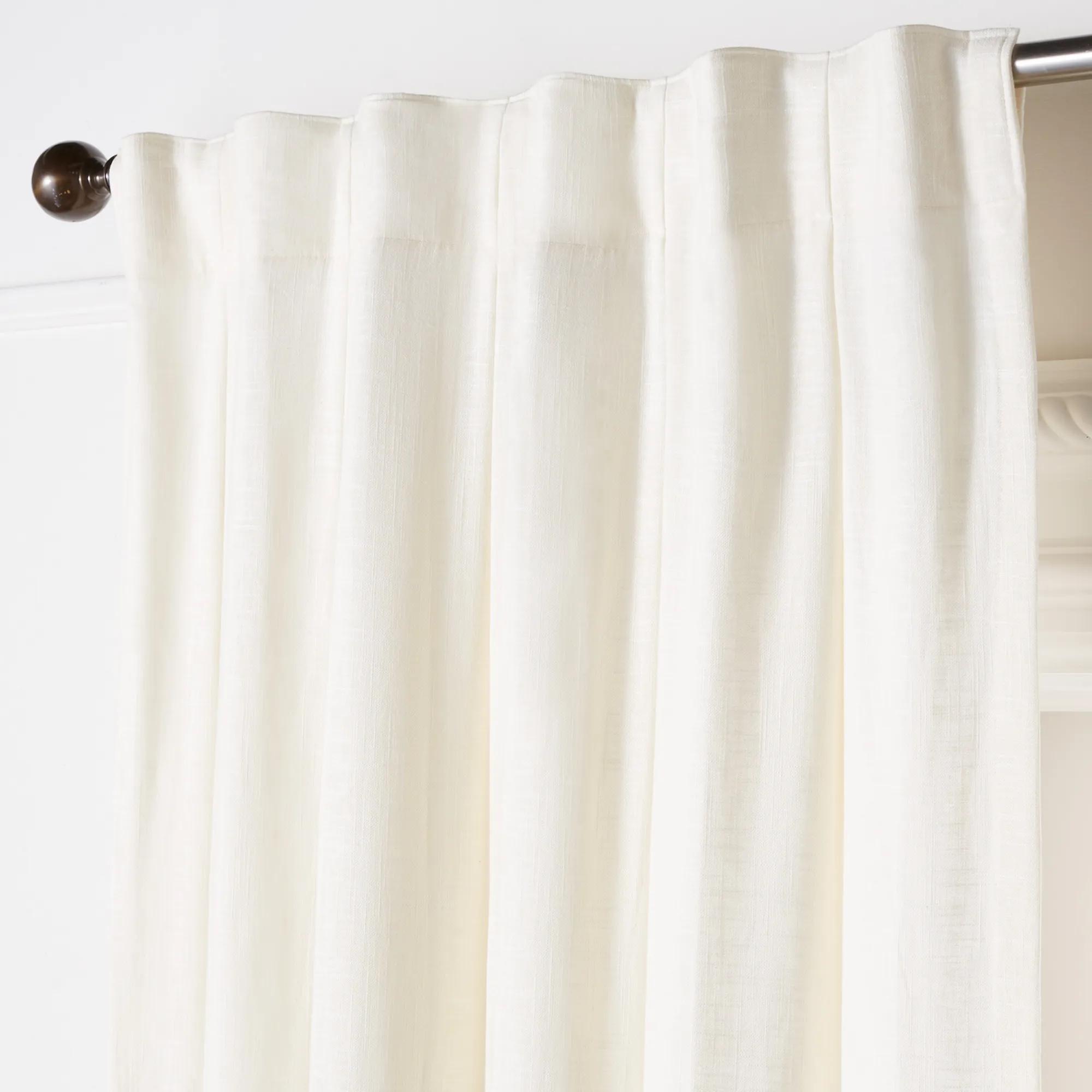 Audrey Linen Ivory Curtain - Custom$269
An ivory linen-blend curtain panel with lining, offering customizable lengths and two elegant header styles.
Add To Cart -
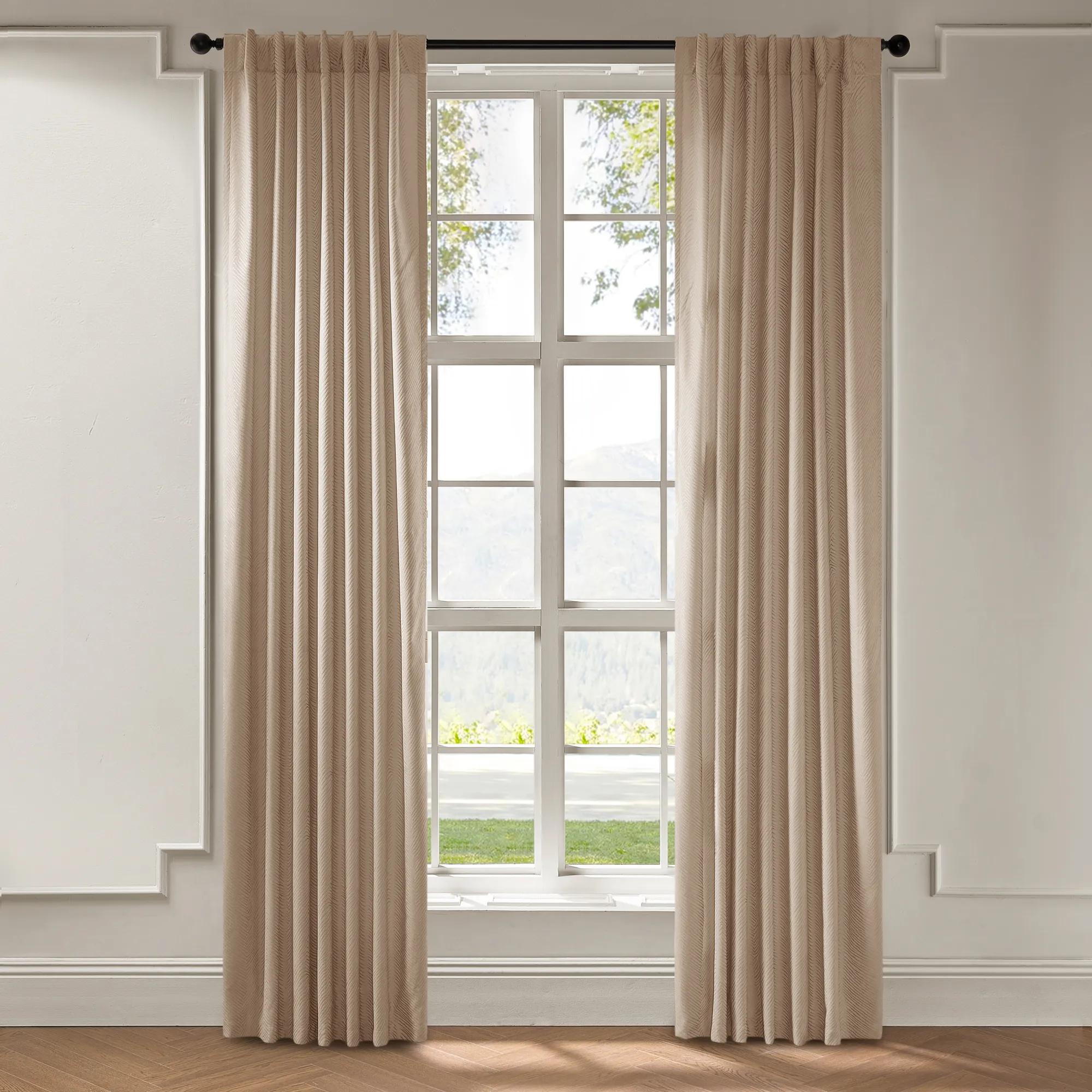 Kenzo Jacquard Beige Chenille Window Curtain Panel$119
A warm beige chenille jacquard curtain with a subtle sheen and versatile rod pocket or back tab hanging.
Add To Cart -
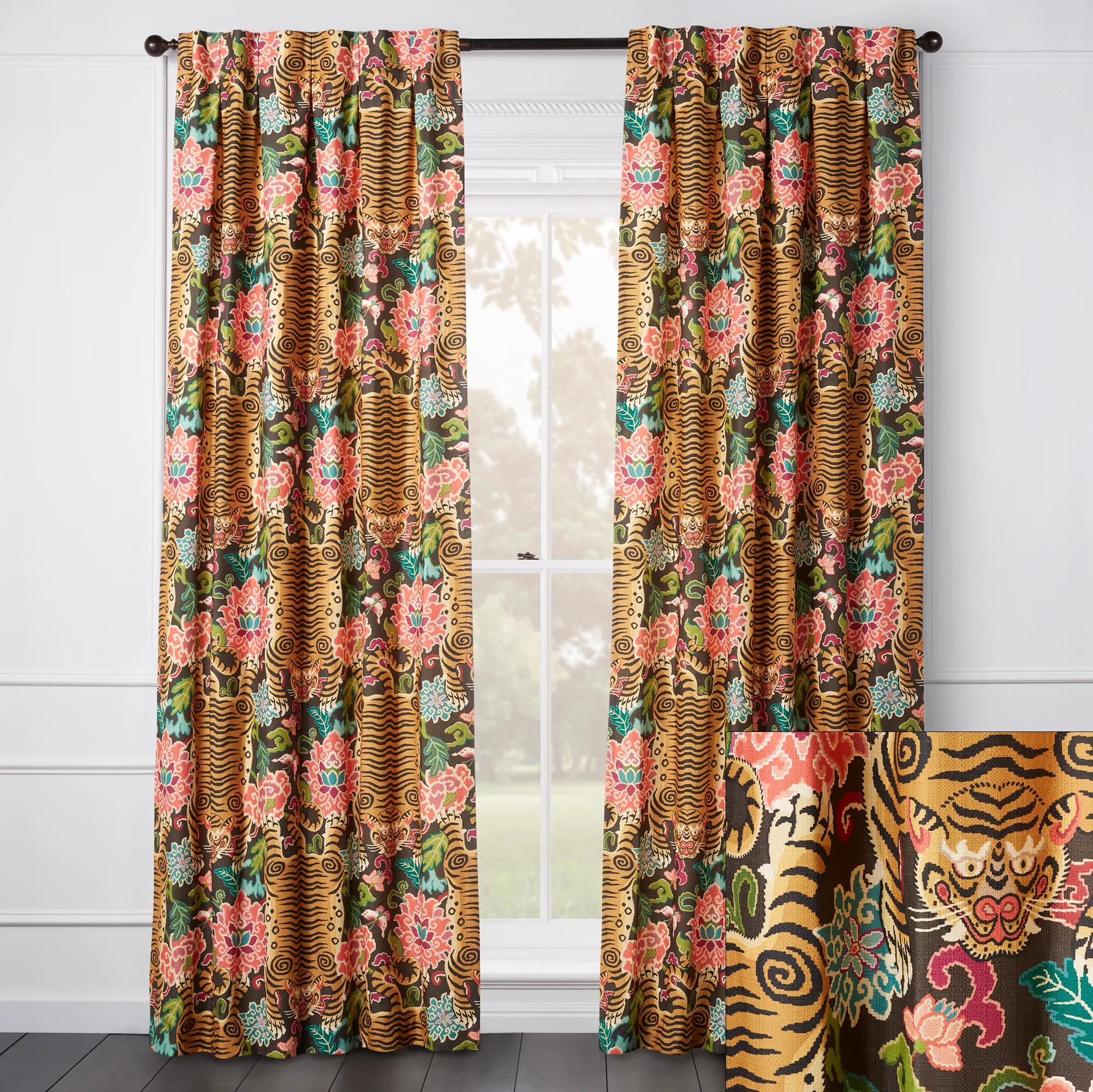
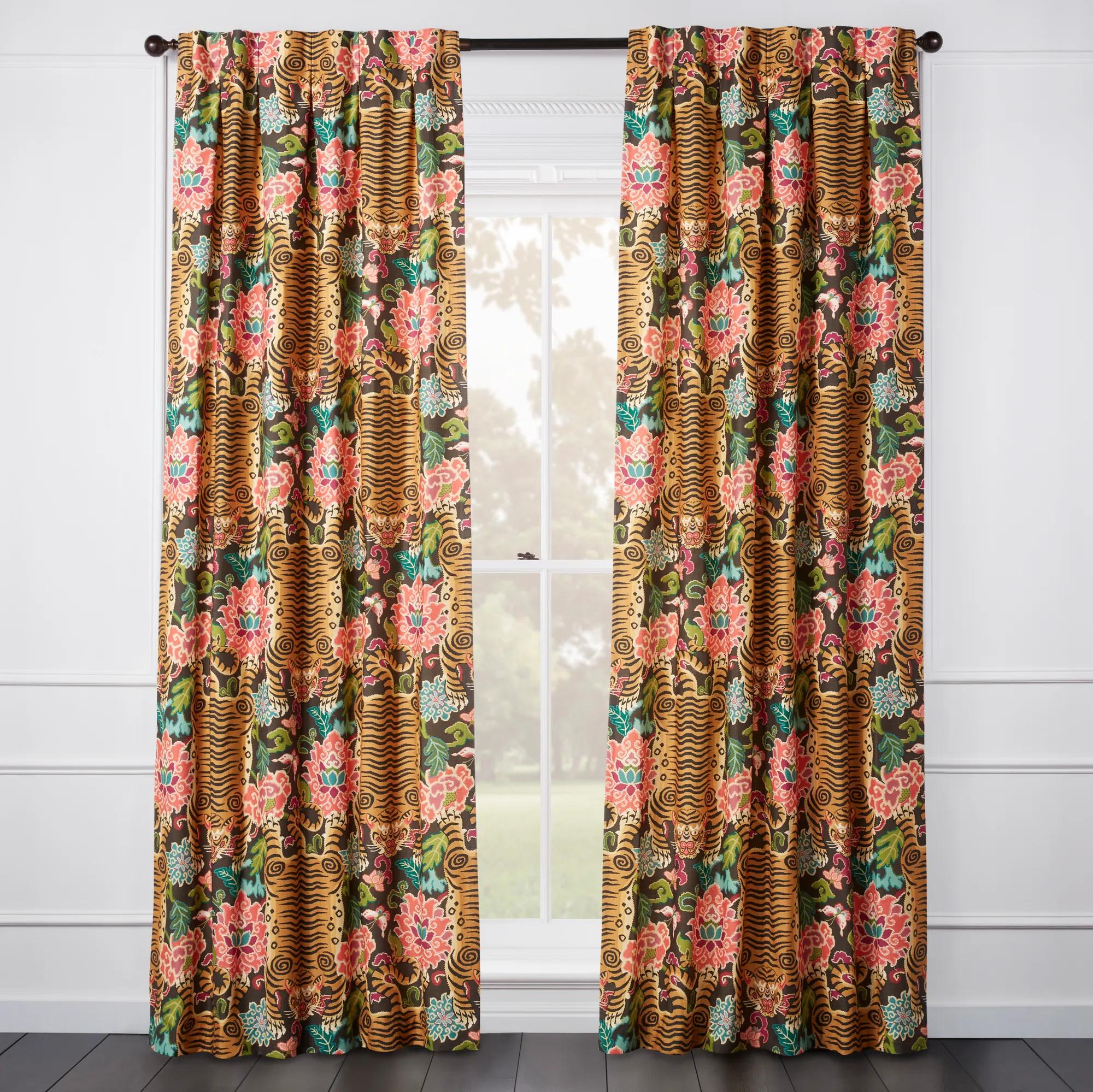 Nimer Gold/Multi Printed Slubbed Cotton Window Curtain Panel$299
A lively gold and multi-colored cotton curtain featuring a bold tiger print and customizable hanging options.
Add To Cart -

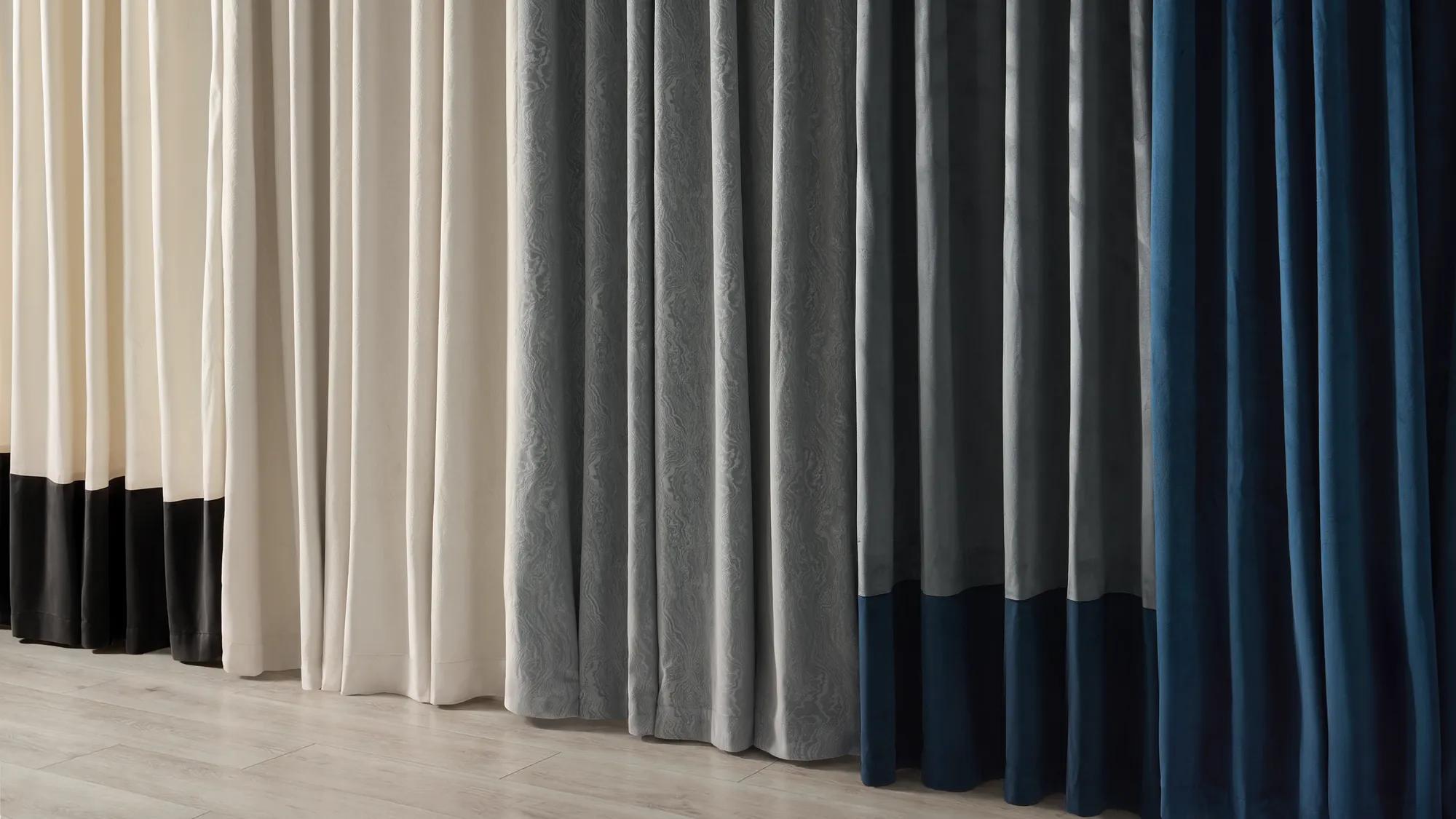 Mabel Velvet Swirl Curtain - Grey Blue$109
A grey blue velvet curtain featuring a tonal swirl pattern and versatile dual hanging options.
Add To Cart -
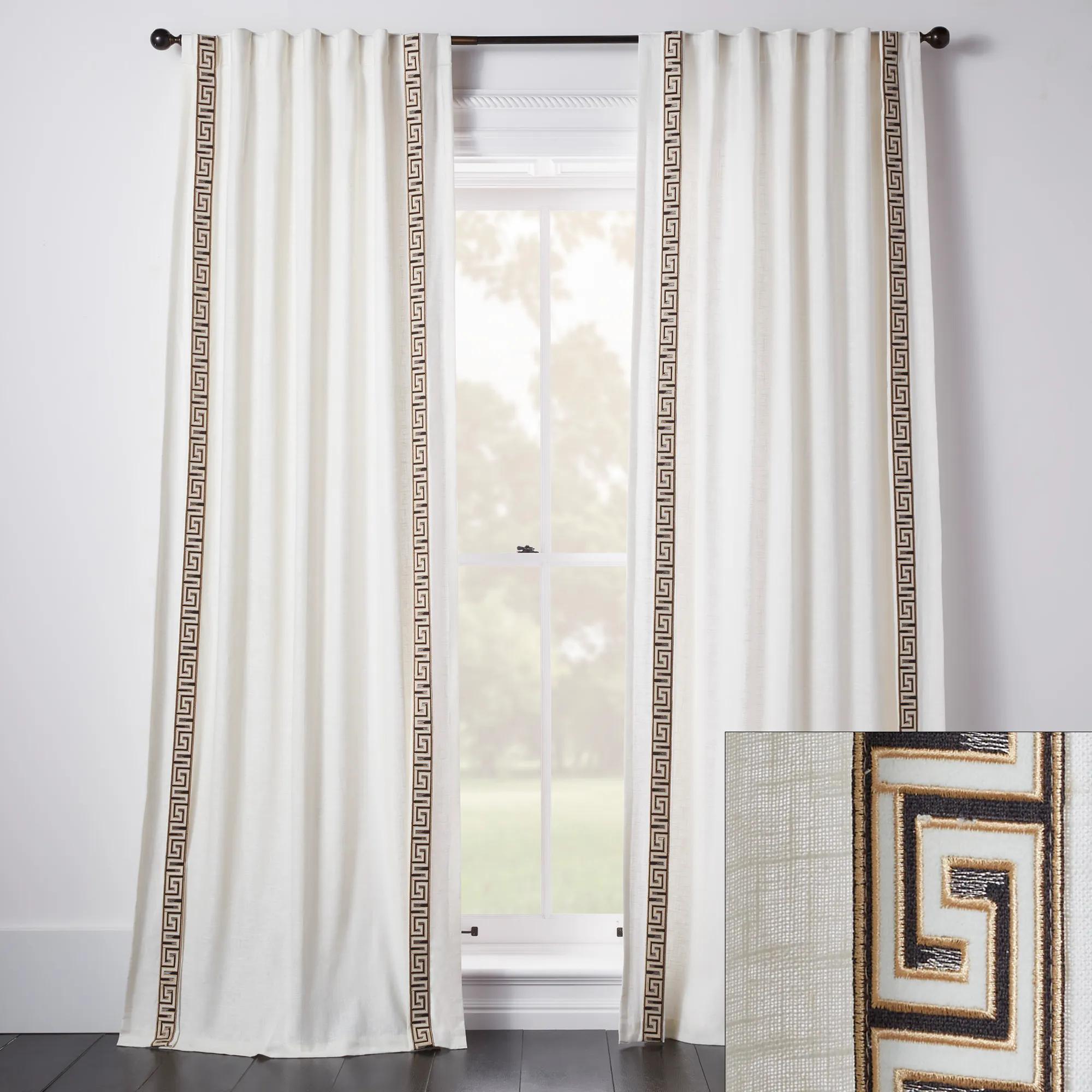 Chole Greek Key Border Velvet Widow Curtain Panels Custom$389
A white linen-blend curtain panel with black and gold velvet Greek key border and customizable options.
Add To Cart -

 Mabel Natural Velvet Swirl Window Curtain Panel$89
A warm neutral velvet curtain with a tonal swirl pattern, offering room-darkening privacy and versatile hanging options.
Add To Cart -
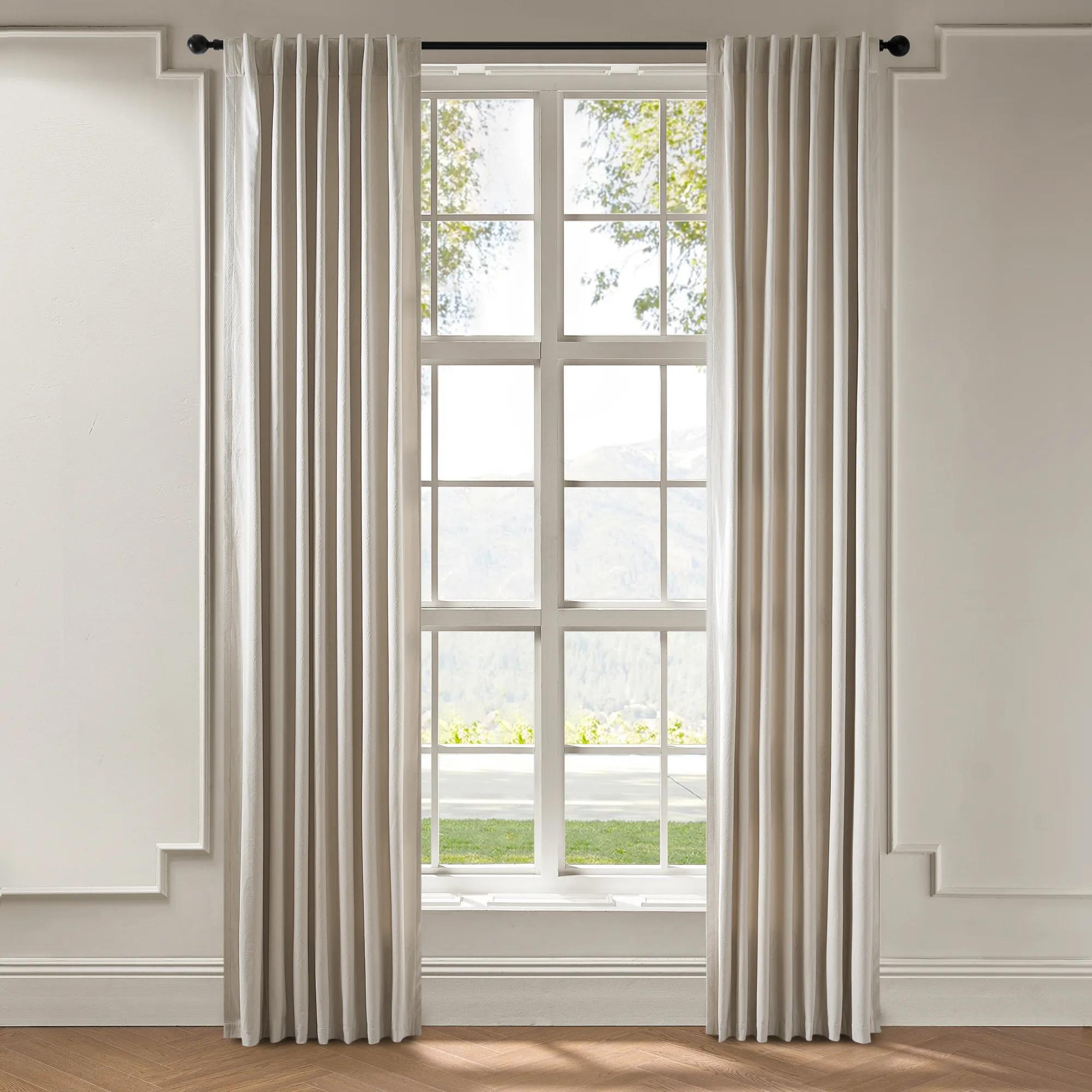
 Mabel White Velvet Swirl Window Curtain Panel$99
A crisp white velvet curtain featuring a tonal swirl texture and versatile dual hanging options.
Add To Cart

Modern Textured Window Curtains
Modern textured window curtains transform sunlight into an artistic statement, casting intricate shadows and adding a tactile dimension to any room. Each panel becomes more than mere fabric—it’s a gesture of style, an invitation to experience texture and depth in unexpected ways. Elevate your space with drapery that plays with light and shadow, creating an atmosphere that is both inviting and unapologetically bold. With modern textured window curtains, every glance becomes a moment of discovery, where luxury meets artistry at the edge of your view.
Modern textured window curtains bring tactile depth to a room through dimensional weaves, raised patterns, plush surfaces, and subtle variations in yarn. They frame the view with a tailored silhouette while adding a layer of softness that painted walls and sleek furniture cannot provide on their own. Unlike a flat, solid fabric, a textured curtain reveals different details as light moves across its surface: a slubbed weave becomes more pronounced, a tonal motif emerges, or a velvet pile shifts from luminous to richly saturated. The effect can be restrained or dramatic, depending on the fabric, color, and scale of the pattern. Ivory and warm neutral curtains create depth without competing with sculptural furnishings, while charcoal, deep blue, and other saturated shades give windows a more commanding presence. Linen and linen-blend fabrics often have an irregular, organic character; cotton can offer a softer, matte finish; and polyester or blended constructions may provide a more consistent surface with less tendency to wrinkle, depending on the weave. Jacquard fabrics introduce patterns woven into the material itself, making them especially compelling when a room calls for detail without a strong color contrast. Velvet offers another expression of texture, with a dense pile that complements polished metal, glass, and richly finished wood. In a living room, these surfaces can soften the geometry of a broad window and bring balance to an angular sofa. In a bedroom, they lend a sense of enclosure and intimacy without requiring an elaborate pattern. The most successful choice relates to the room’s existing textures rather than repeating every finish: a nubby weave can enliven smooth upholstery, while a lustrous fabric creates contrast against a matte wall. For an aesthetic that leans more toward enduring silhouettes and understated detailing, Classic Modern Window Curtains offer a related direction. In either expression, texture gives the window its own visual presence, helping the room feel composed rather than simply furnished.
The beauty of textured curtain panels depends as much on proportion and construction as on the fabric itself. A generous span of fabric creates deep, sculptural folds, allowing the weave to catch light across the full width of the window. Panels stretched nearly flat can make even a rich material look less dimensional, while excessive fullness may overwhelm a narrow opening or make a substantial fabric difficult to draw back. Combined panel width is often planned at roughly twice the width of the rod, though the appropriate fullness varies with the heading style, fabric weight, and desired effect. Panel measurements also deserve close attention because packaging may describe the width of a single panel rather than a pair. Length establishes a different kind of mood. Curtains that nearly meet the floor create a crisp, architectural line; a slight break introduces softness; and a deliberate puddle makes a more theatrical statement but requires additional attention to cleaning and placement. In a frequently used living room or beside a sliding door, a floor-clearing hem keeps the fabric out of the path of movement. A higher rod position can draw the eye upward, provided the selected panel length accommodates the distance from the actual attachment point to the intended hem. Rods that extend beyond the window frame give open panels room to gather without covering as much glass. Header construction matters, too: grommets create broad, regular folds, rod pockets gather more softly, and pleated headings establish a tailored rhythm. Each requires compatible hardware and enough support for the fabric’s weight. Light control should be considered separately from texture. An open weave may diffuse daylight beautifully but offer limited privacy after dark, while a lining can add coverage and body. Room-darkening and blackout performance depend on the complete construction, not simply a dark color or heavy appearance. For bedrooms, media spaces, and street-facing windows, the stated light-control properties are more meaningful than the fabric’s visual density alone.
Texture also influences how curtains live in a room over time. A tightly woven fabric may hold a defined fold differently from a loose, airy weave, while a plush pile can show directional shading that becomes part of its character. For households with pets, pronounced loops or loosely woven surfaces deserve consideration because claws may catch on exposed yarns; a smoother, more compact construction can be a more practical expression of texture. In dining rooms and spaces used for entertaining, panels with dimensional detail create an elegant backdrop without the visual movement of a large printed motif. In a bedroom, a softly textured neutral can connect upholstered furniture, layered bedding, and an accent chair while leaving room for expressive art. These curtains are particularly appealing to anyone who wants a room to feel richly layered without adding more decorative objects. Care requirements vary by fiber, finish, lining, and construction, so the sewn-in care label should determine whether panels can be washed, professionally cleaned, steamed, or ironed. A washable fiber does not necessarily mean the completed curtain is machine washable, especially when different materials are combined. Gentle dust removal with a suitable vacuum attachment, when permitted by the care instructions, can help keep folds and hems looking fresh. Any steaming or pressing should follow the recommended setting; excessive heat or direct pressure can flatten pile, alter a finish, or damage certain fibers. Light exposure may gradually affect color, and a lining can help shield the decorative fabric without guaranteeing protection against fading. Keeping hems away from damp floors and preventing panels from rubbing against furniture can also reduce avoidable wear. Well-supported hardware, finished seams, and properly aligned hems contribute to both appearance and dependable daily use. With considered proportions and care suited to the material, modern textured curtains give a window lasting presence: soft enough to make a room inviting, yet expressive enough to shape its entire atmosphere.
FAQs
Modern textured window curtains are distinguished by their innovative materials, dimensional patterns, and sophisticated finishes. Unlike traditional flat fabrics, these curtains incorporate tactile weaves, raised motifs, and unique details such as metallic threads or sculptural pleats, creating visual interest and a sense of depth that transforms any space into a showcase of contemporary artistry.
Textured window curtains introduce a layer of visual and tactile richness, capturing and diffusing light in captivating ways. The interplay of shadow and pattern can soften harsh sunlight, add drama to evening interiors, and create a cocooning effect that makes a room feel both inviting and luxurious. They are ideal for setting a mood, whether you seek serene tranquility or bold glamour.
Absolutely—textured window curtains are versatile and can be styled in living rooms, bedrooms, dining areas, or even home offices. Their ability to add dimension and personality makes them a favorite for spaces where you want to express your unique style. Choose lighter textures for airy rooms or plush, layered options for spaces that call for warmth and intimacy.
For a curated look, consider layering textured curtains with sheers or pairing them with statement hardware like gleaming rods or bold tiebacks. Mixing textures—such as velvet with linen or jacquard with metallic accents—can add depth and drama. Let the curtains pool elegantly on the floor for a luxe effect, or opt for crisp tailoring for a modern edge.
Textured window curtains make a memorable and meaningful gift, especially for housewarmings, weddings, or anyone embarking on a new chapter. They offer not just beauty, but a sense of comfort and artistry, transforming a house into a home and serving as a daily reminder of your thoughtful gesture.


