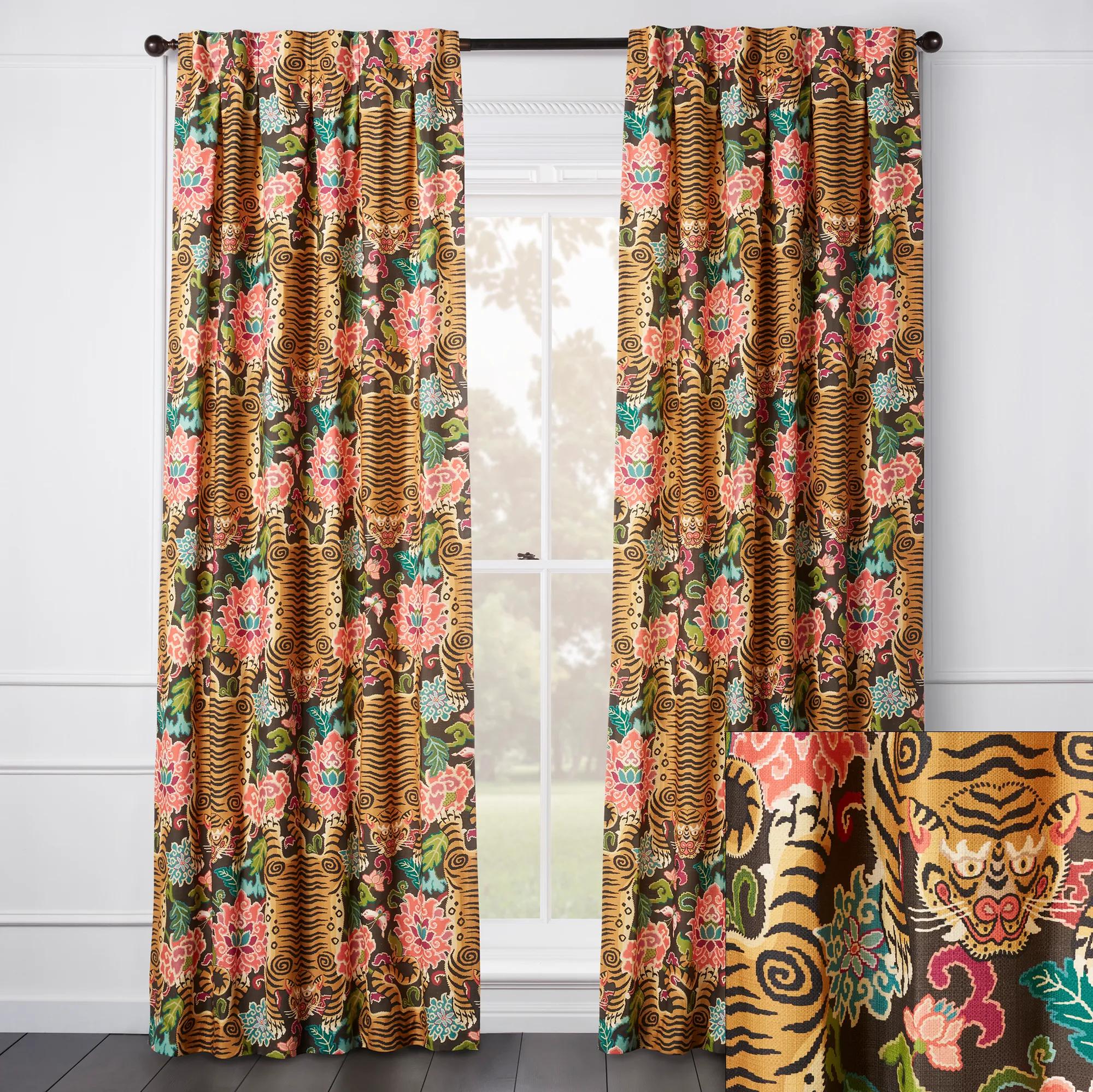
Refined Texture Window Curtains
Refined Texture Window Curtains
-
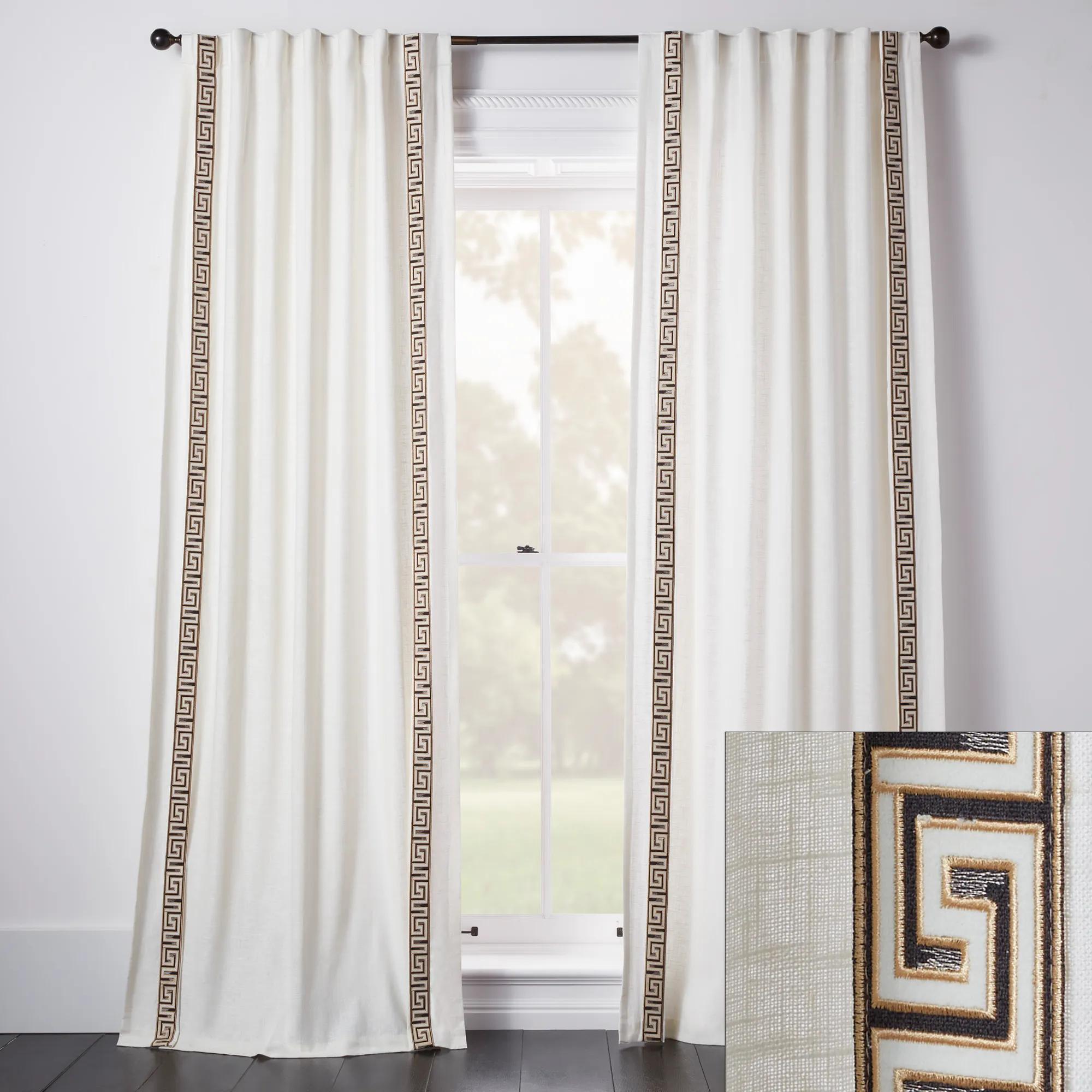 Chole Greek Key Border Velvet Widow Curtain Panels Custom$419
A linen-blend curtain panel with plush black and gold velvet Greek key border and customizable options.
Add To Cart -
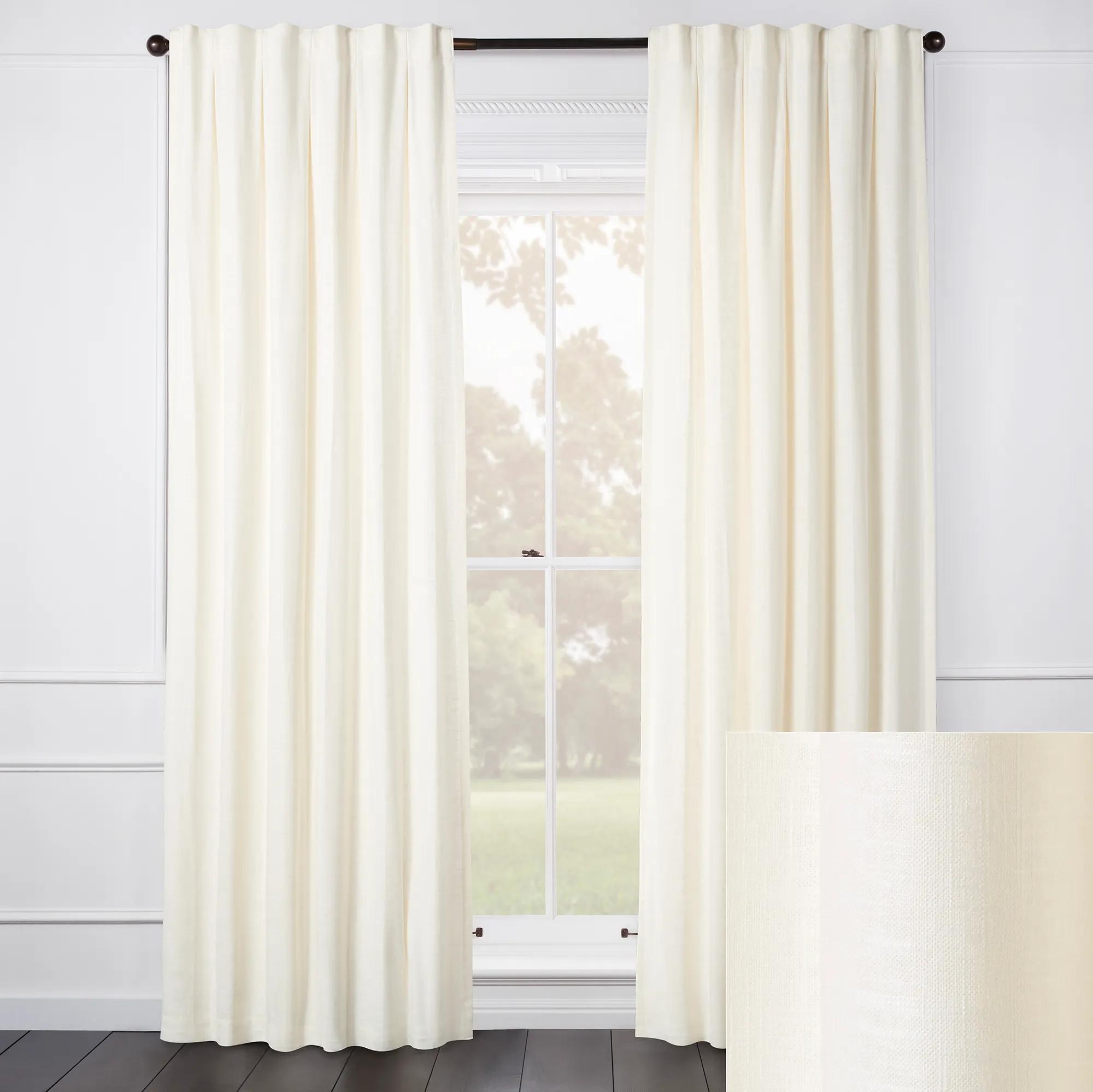
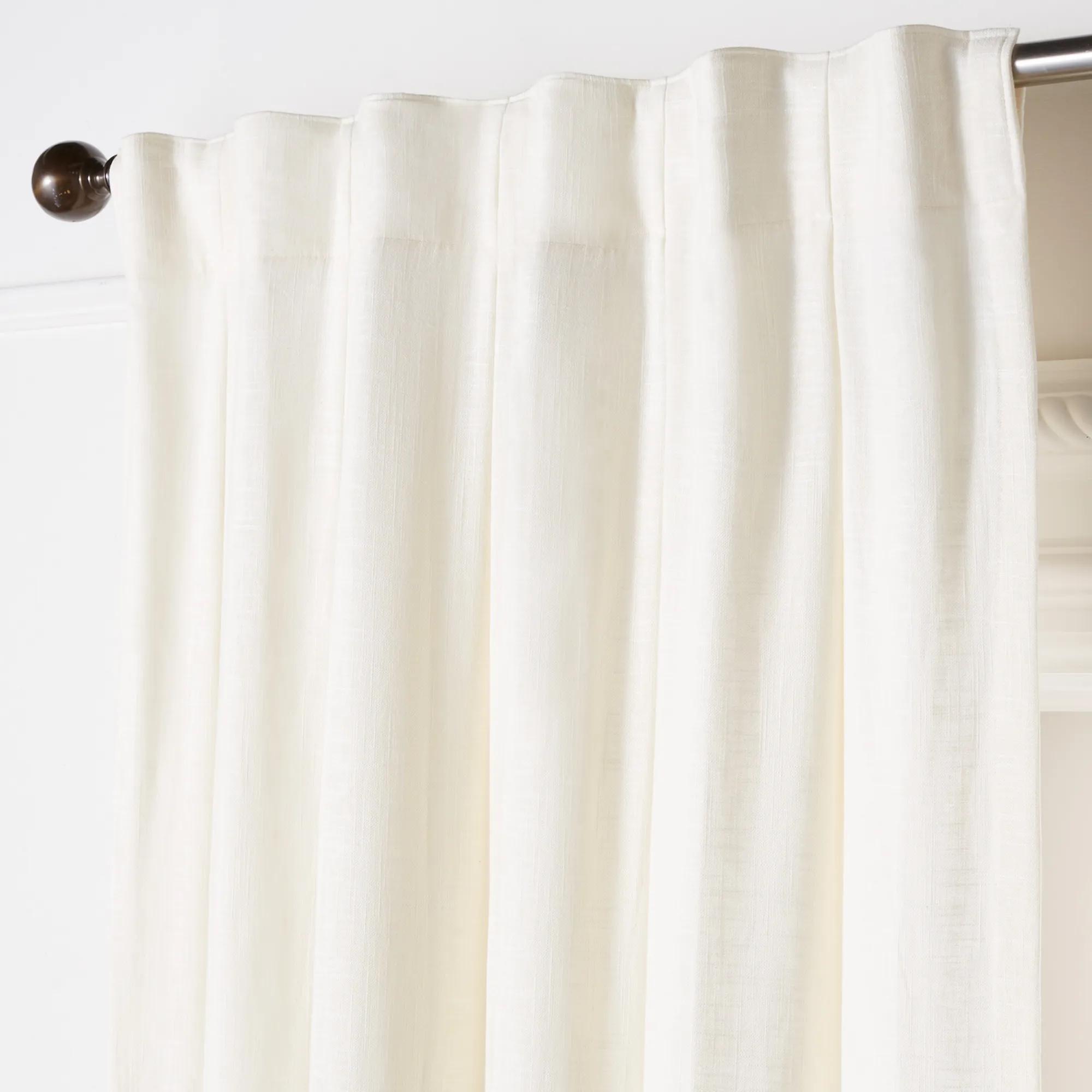 Audrey Linen Ivory Curtain - Custom$269
An ivory linen-blend curtain panel with lining, offering customizable lengths and two elegant header styles.
Add To Cart -
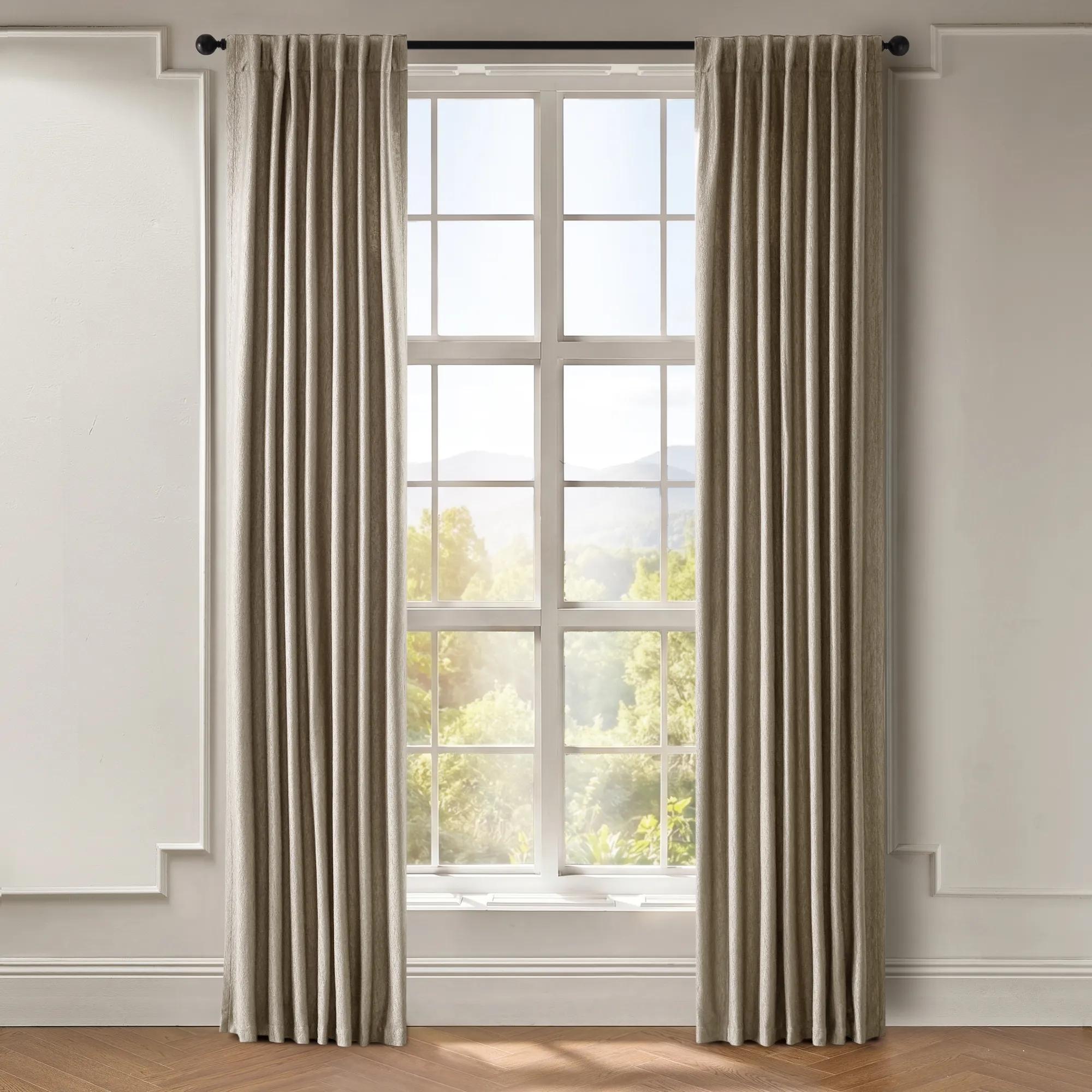
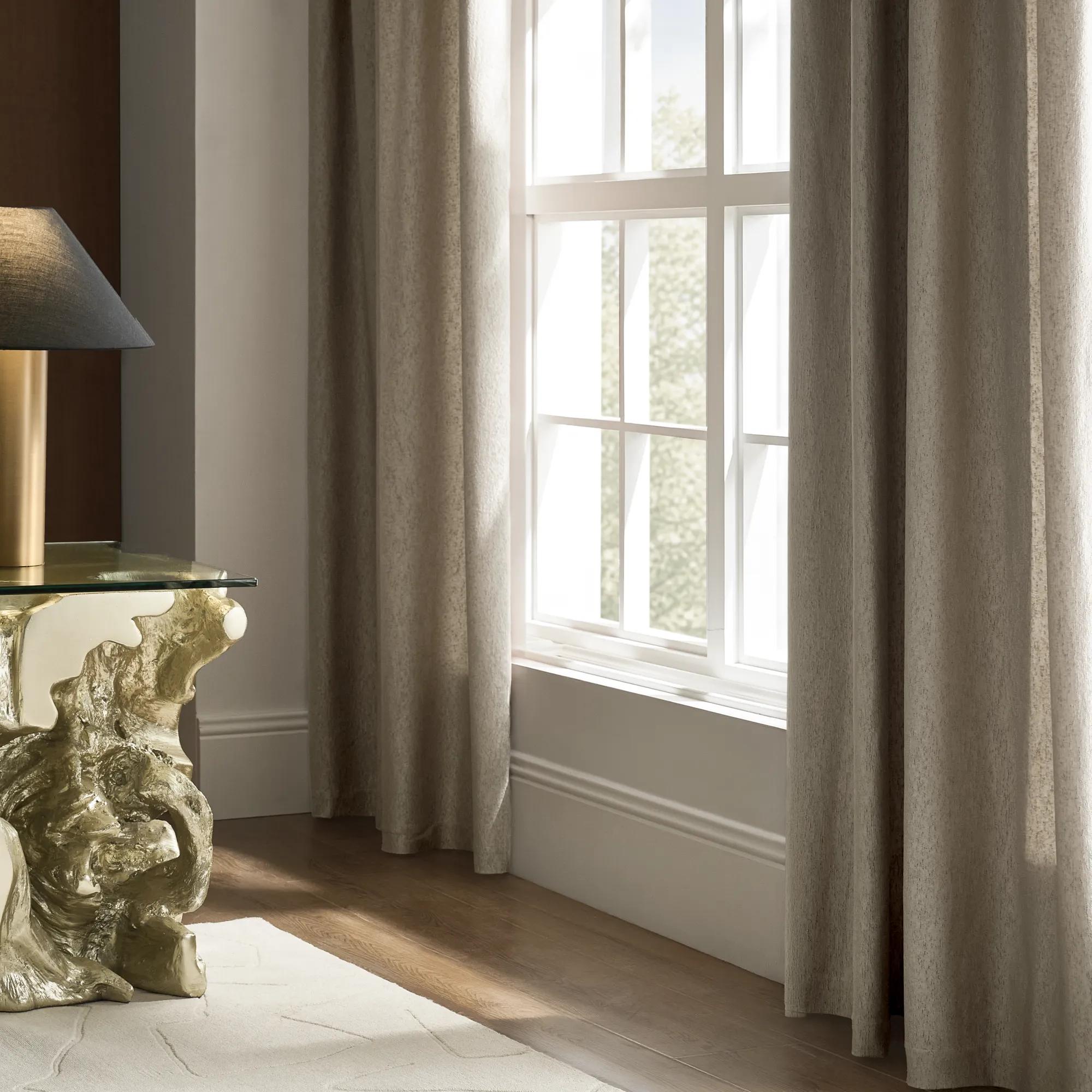 Anson Taupe Textured Window Curtain Panel$99
A taupe polyester curtain panel featuring a crushed sheen texture and versatile room-darkening design.
Add To Cart -
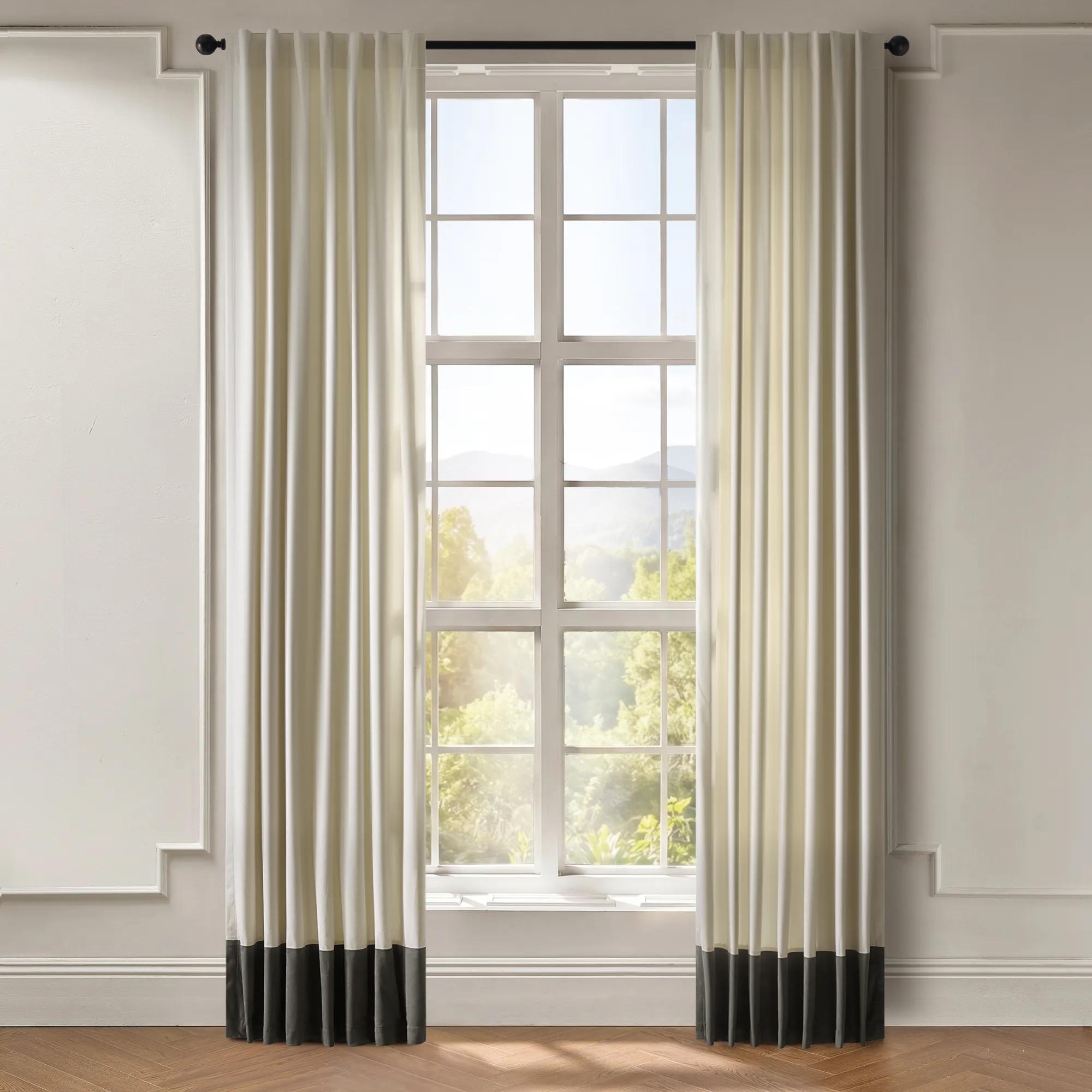
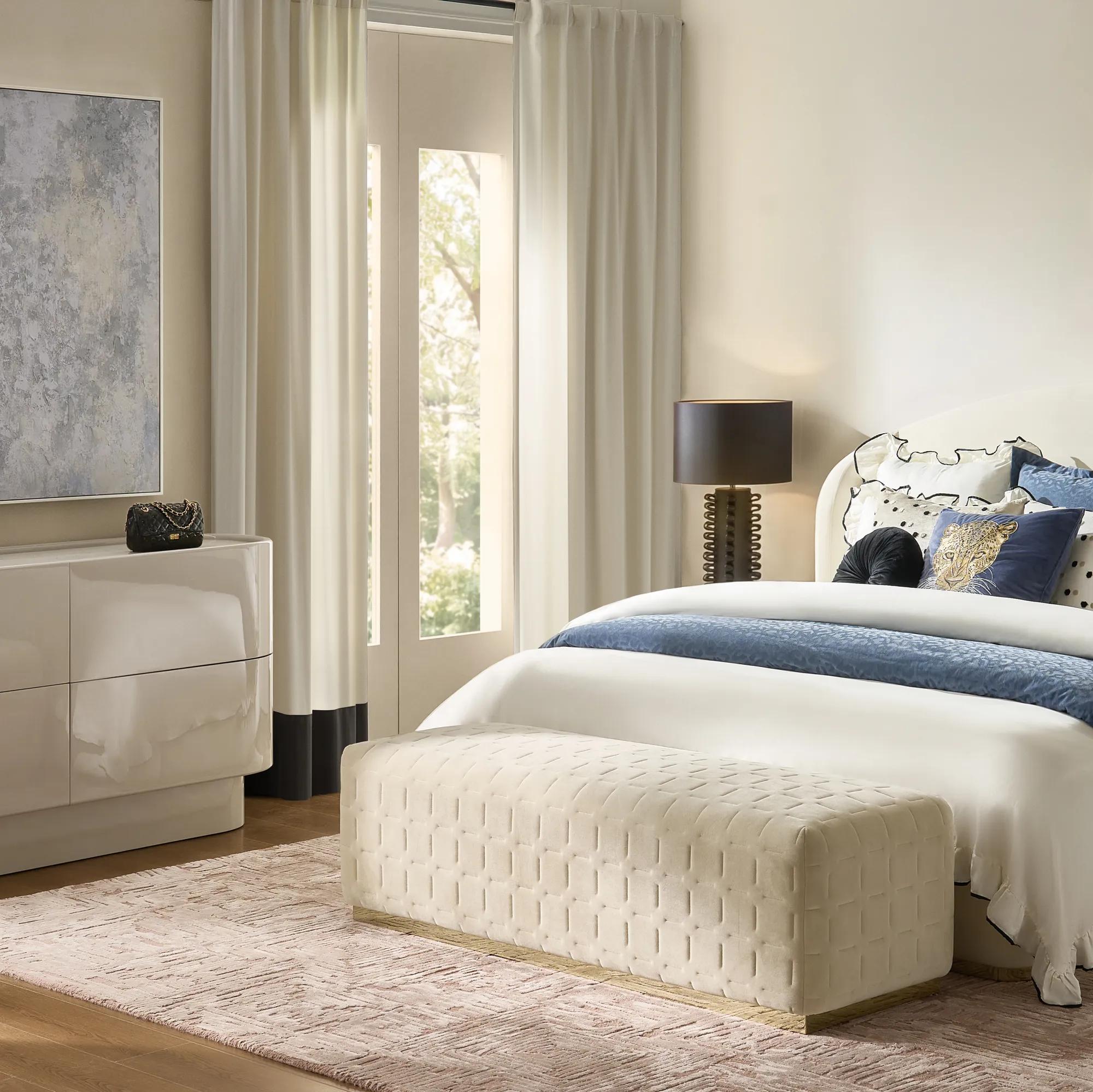 Bastien Ivory/Graphite Velvet Border Window Curtain Panel$99
A two-tone ivory and graphite velvet curtain panel with room-darkening design and versatile hanging options.
Add To Cart -
.jpeg?w=1200&h=1200)
 Mabel Natural Velvet Swirl Window Curtain Panel$99
Mabel Natural Velvet Swirl Window Curtain Panel$99A warm neutral velvet curtain with a tonal swirl pattern, offering room-darkening privacy and versatile hanging options.
Add To Cart -
.jpeg?w=1200&h=1200)
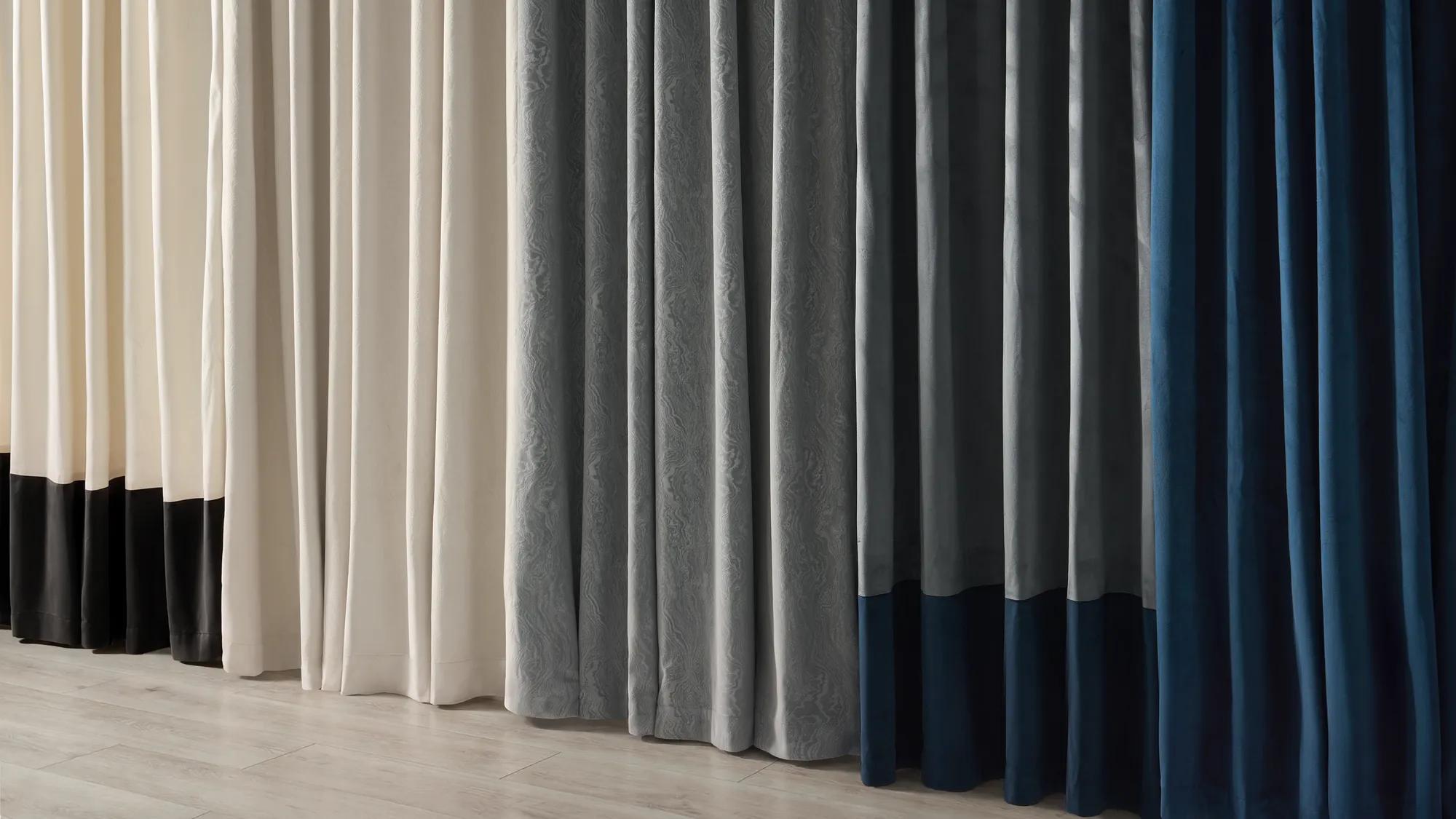 Mabel Velvet Swirl Curtain - Grey Blue$99
A grey blue velvet curtain featuring a tonal swirl pattern and versatile dual hanging options.
Add To Cart -
.jpeg?w=1200&h=1200)
 Anson Charcoal Textured Window Curtain Panel$89
Anson Charcoal Textured Window Curtain Panel$89A moody charcoal curtain with crushed polyester texture and subtle sheen for stylish, room-darkening appeal.
Add To Cart -
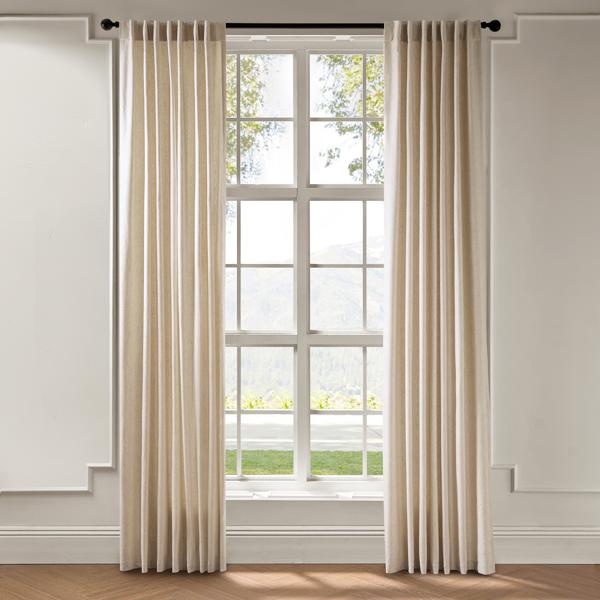
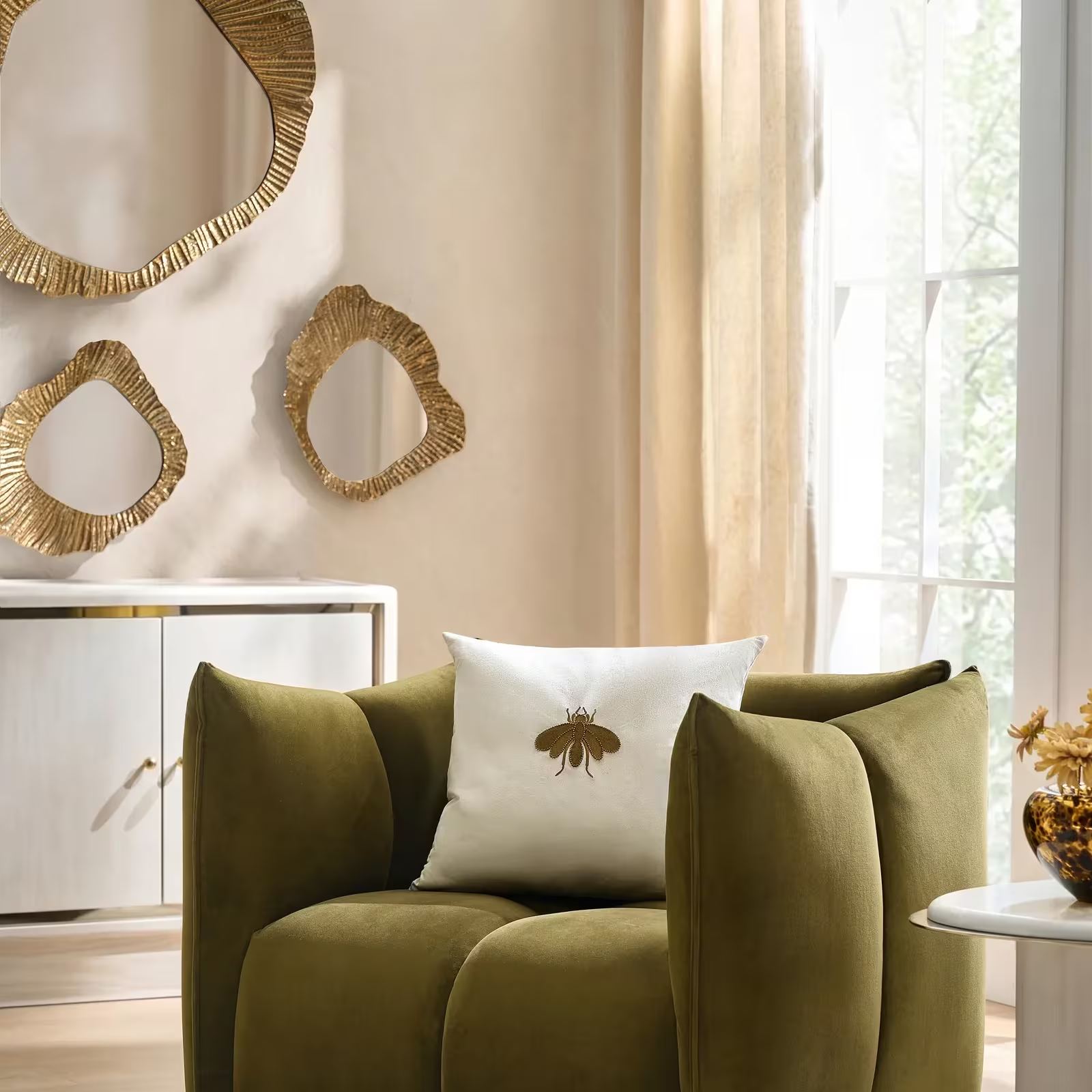 Anson Ivory Textured Window Curtain Panel$109
An elegant ivory curtain with a crushed, light-reflective texture and versatile dual hanging options.
Add To Cart -
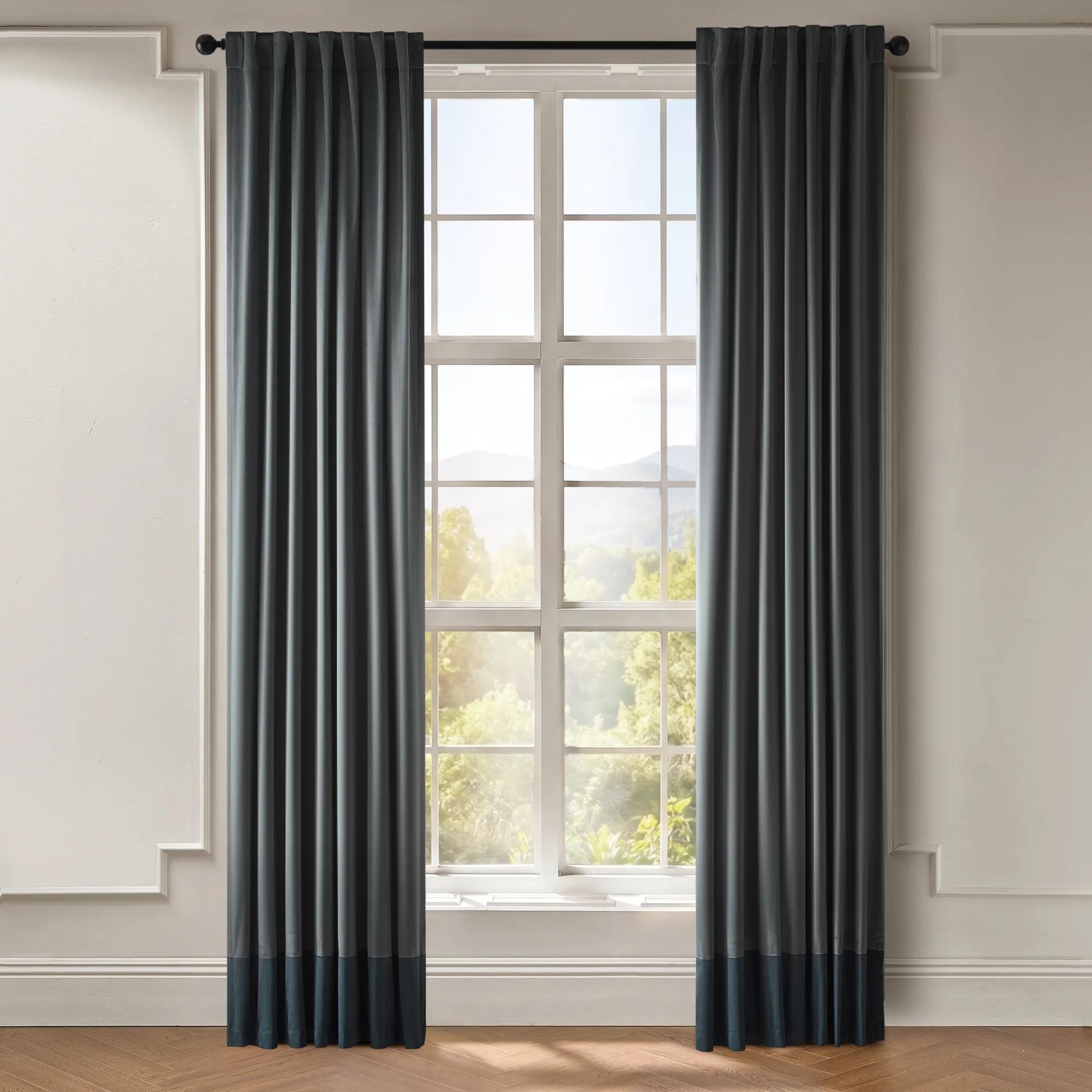
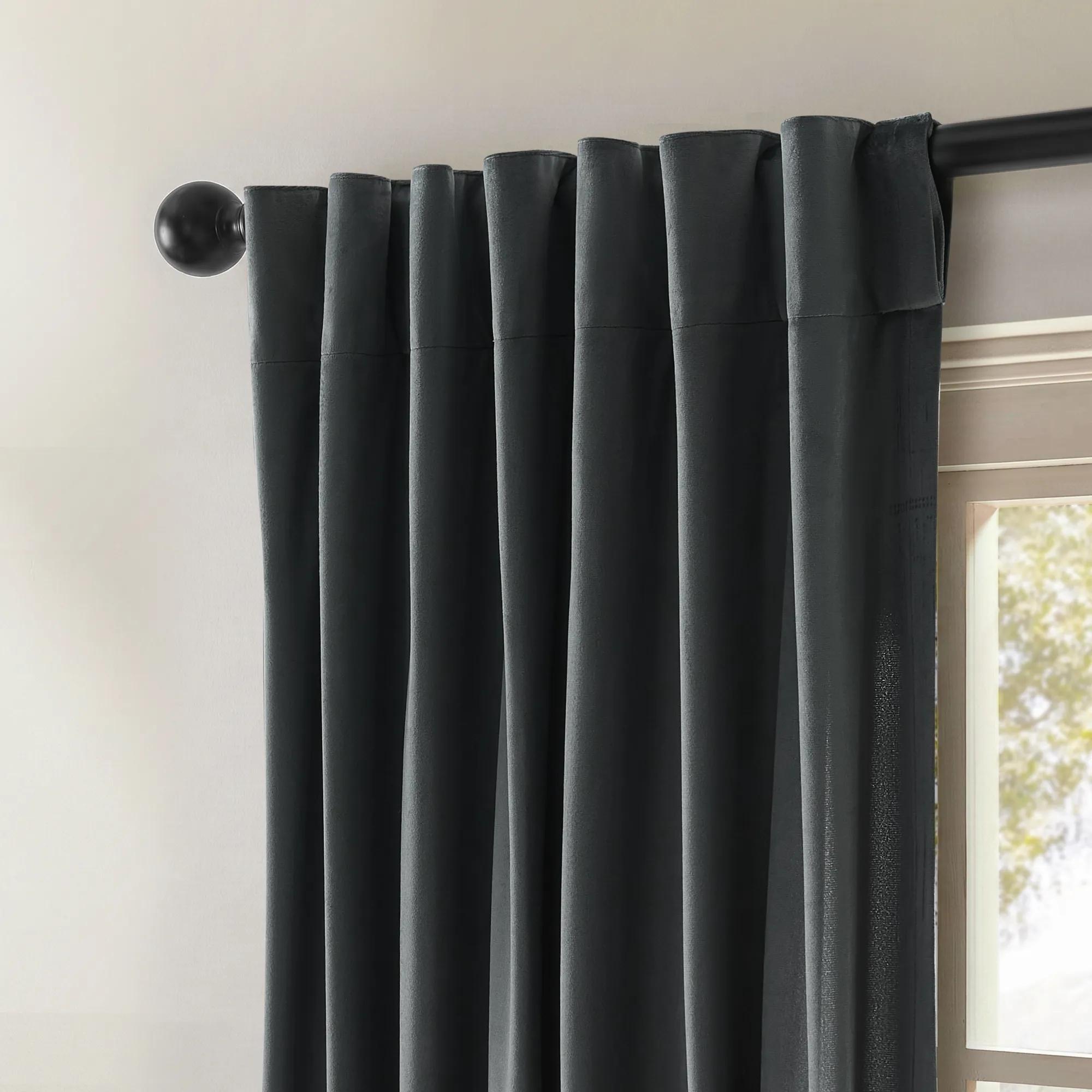 Bastien Blue/Midnight Velvet Border Window Curtain Panel$89
A two-tone dusty and midnight blue velvet curtain panel with a Deco-inspired border and room-darkening design.
Add To Cart -
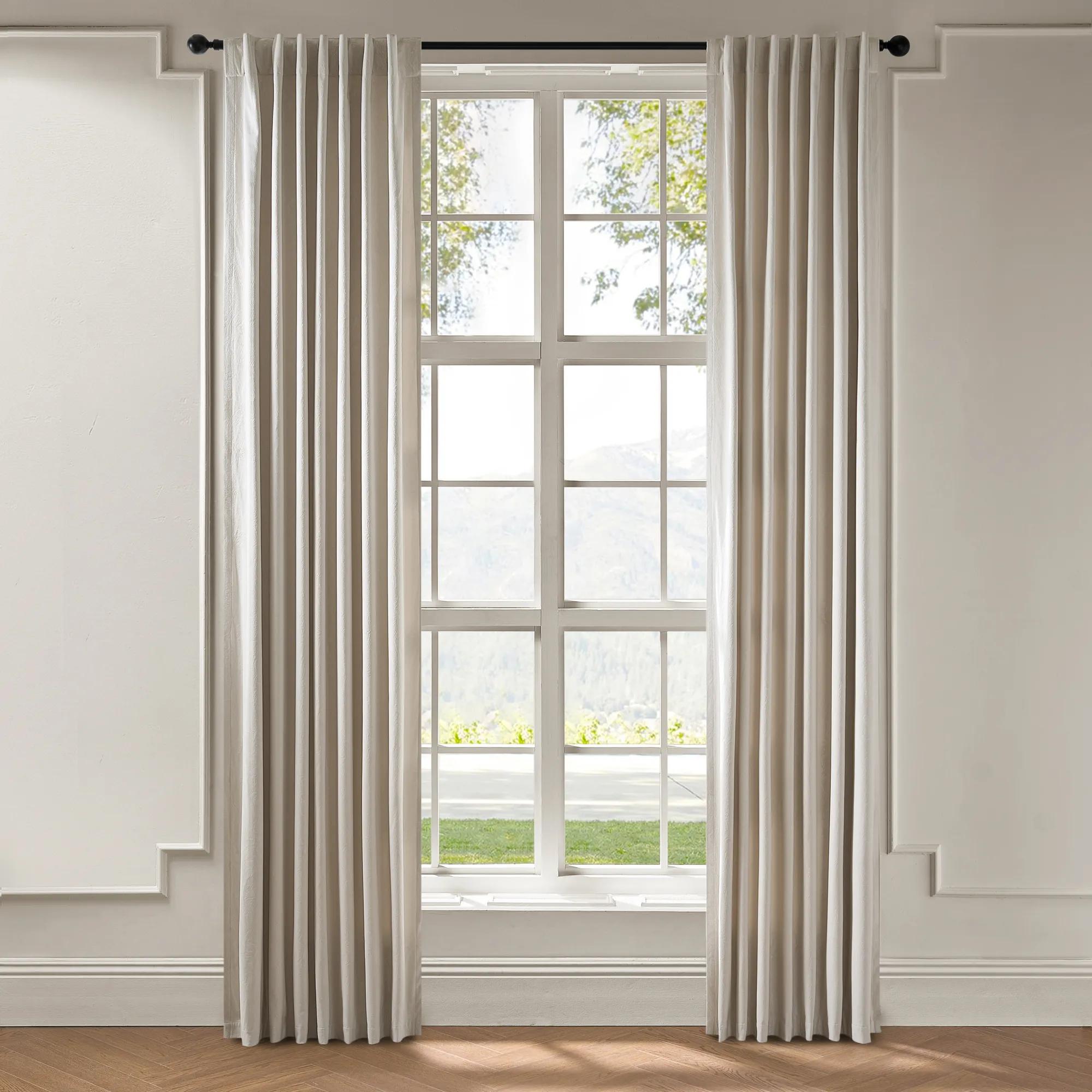
.jpeg?w=1200&h=1200) Mabel White Velvet Swirl Window Curtain Panel$99
Mabel White Velvet Swirl Window Curtain Panel$99A crisp white velvet curtain featuring a tonal swirl texture and versatile dual hanging options.
Add To Cart -
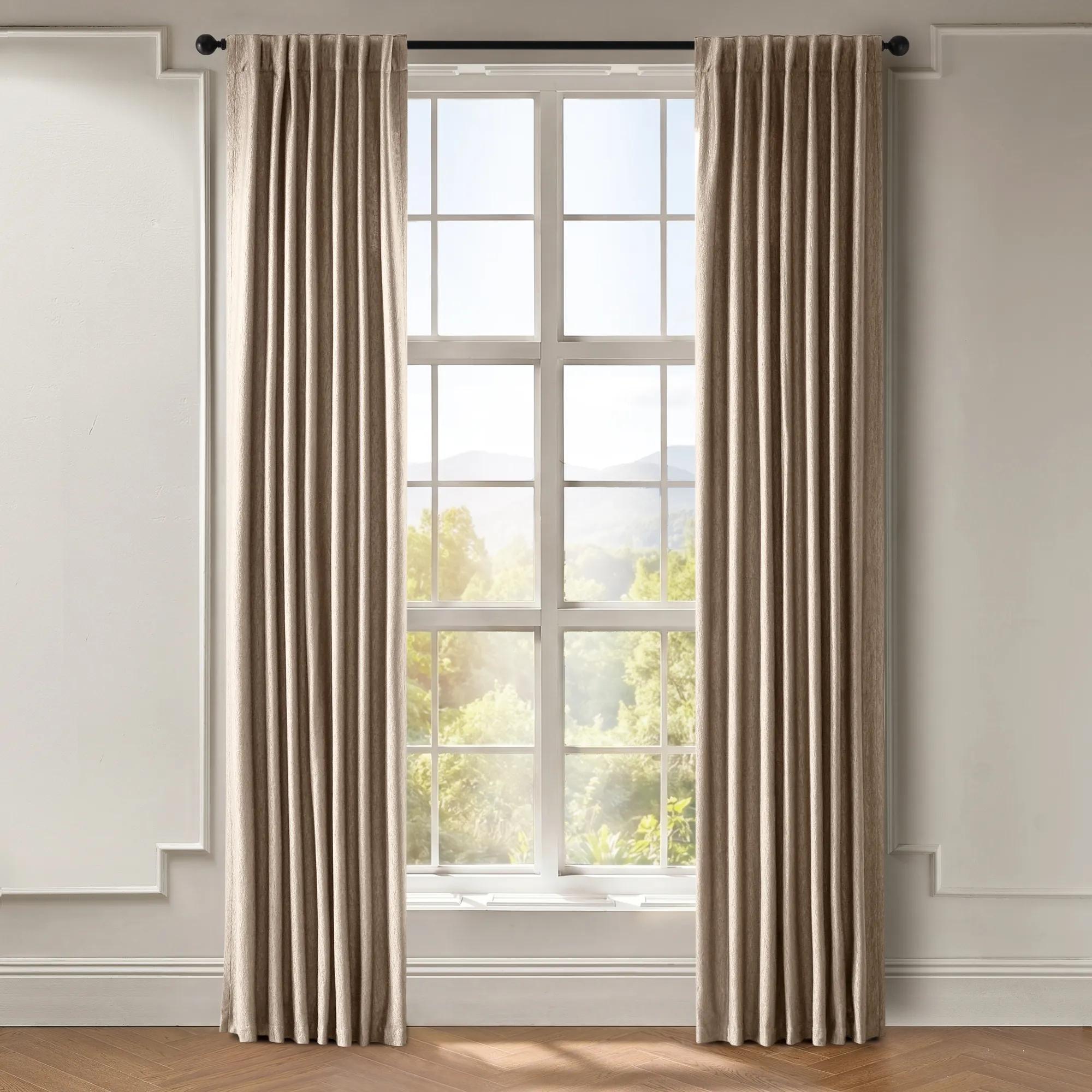 Anson Mocha Rose Textured Window Curtain Panel$109
A light mocha rose curtain panel with crushed sheen texture and room-darkening, dual hanging design.
Add To Cart -
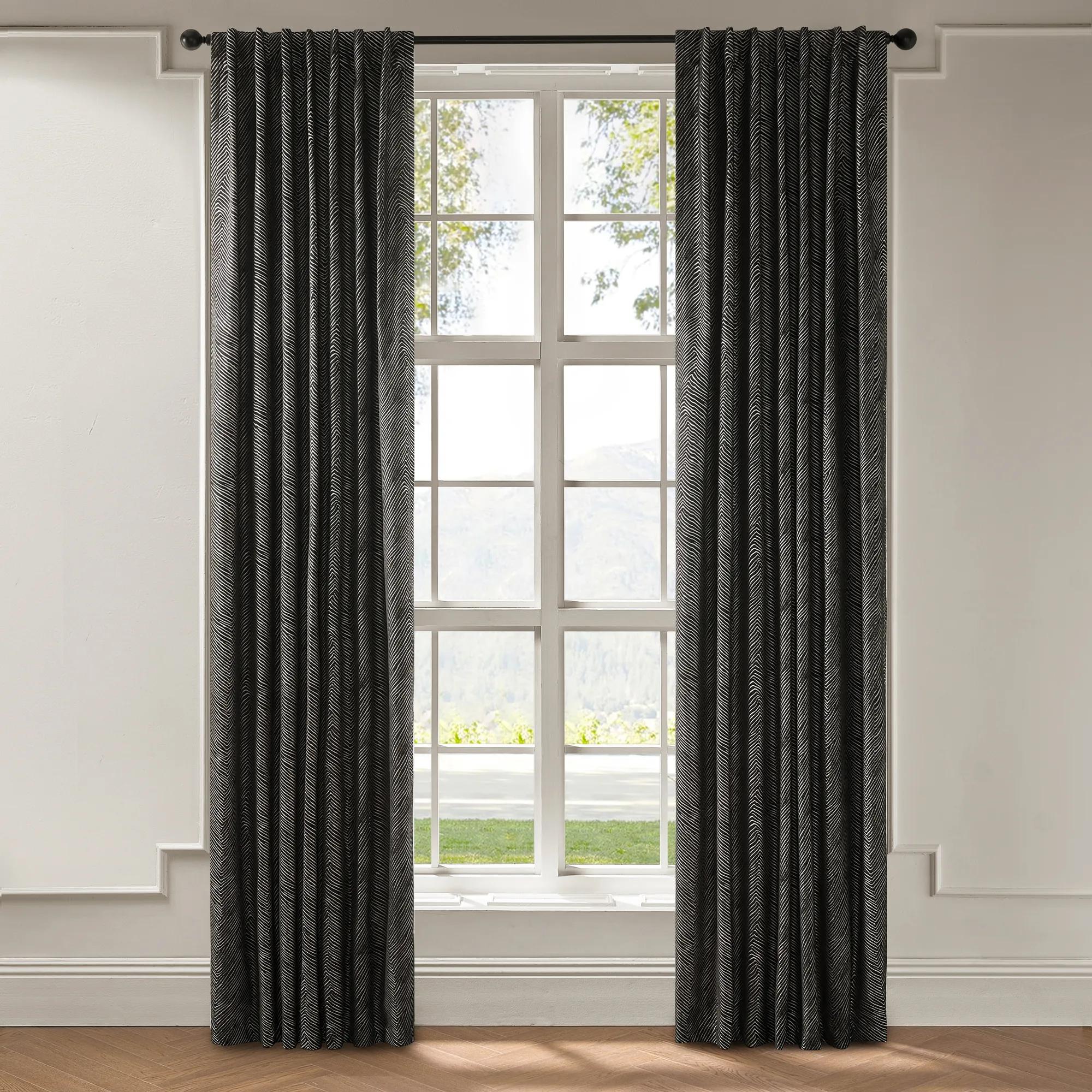
.jpeg?w=1200&h=1200) Kenzo Black Chenille Window Curtain Panel$139
Kenzo Black Chenille Window Curtain Panel$139A black chenille jacquard curtain with a room-darkening finish and versatile dual hanging options.
Add To Cart -
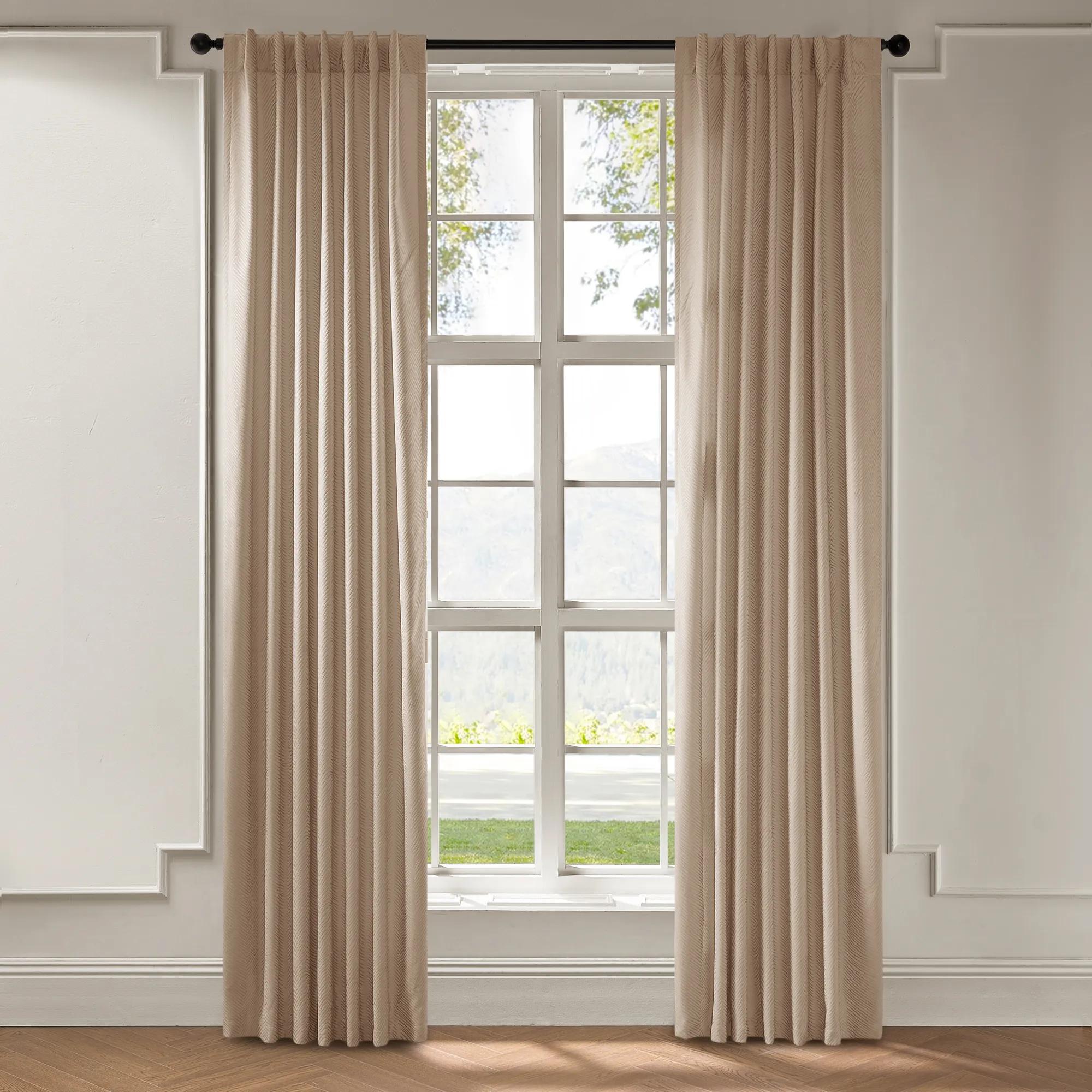 Kenzo Jacquard Beige Chenille Window Curtain Panel$129
A warm beige chenille jacquard curtain with a subtle sheen and versatile rod pocket or back tab hanging.
Add To Cart -
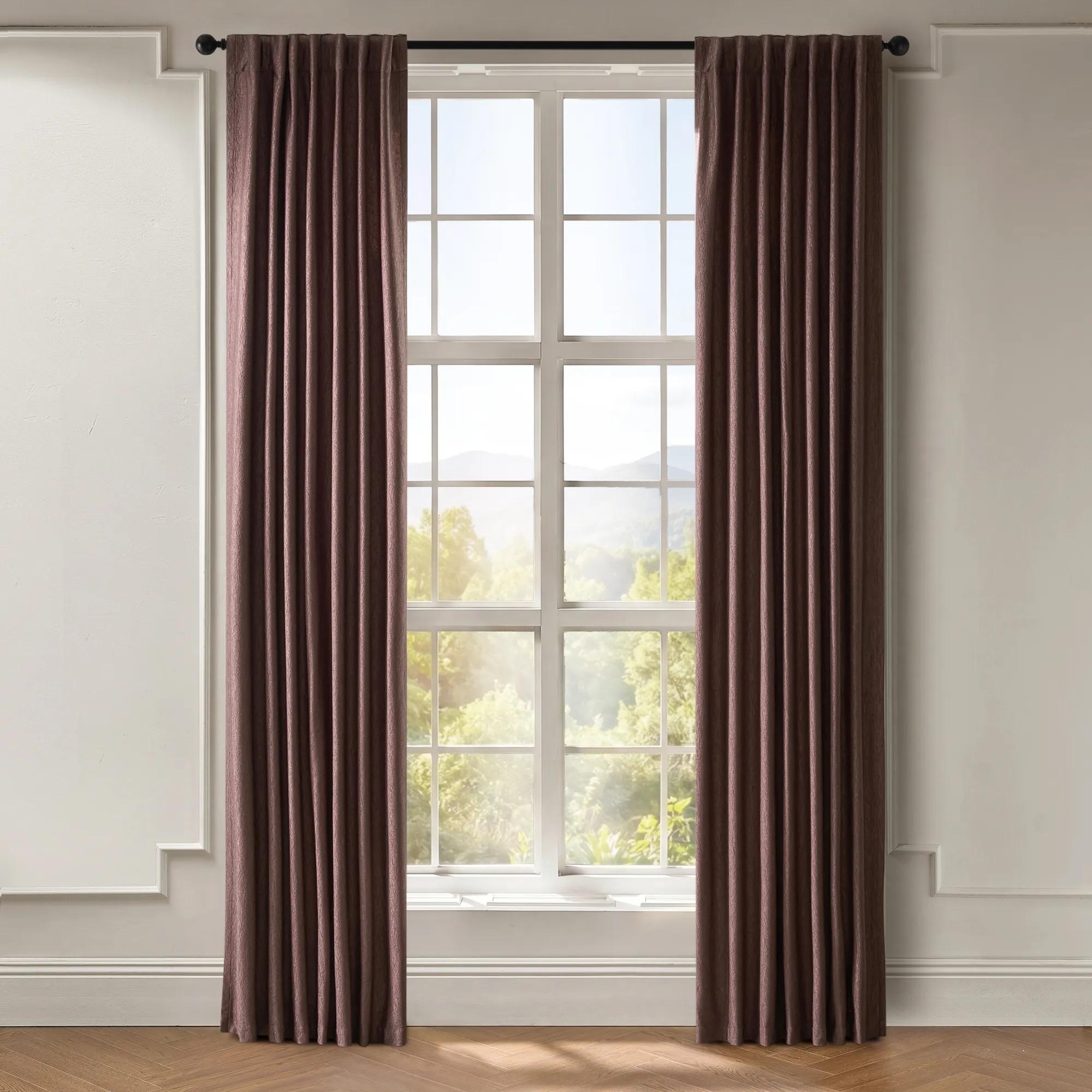
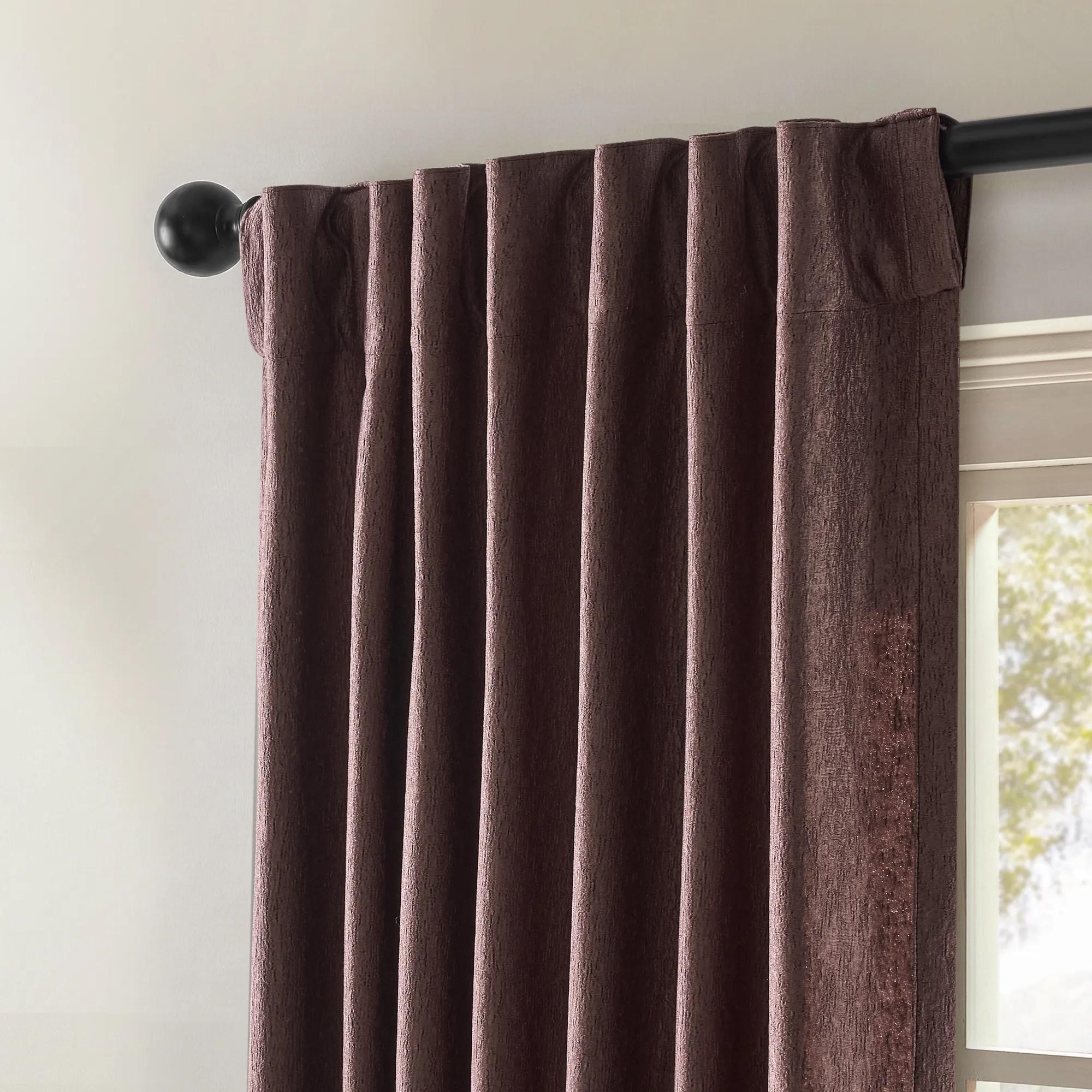 Anson Fig Textured Window Curtain Panel$99
A deep fig curtain panel in crushed, subtly sheened polyester with room-darkening and dual hanging options.
Add To Cart -
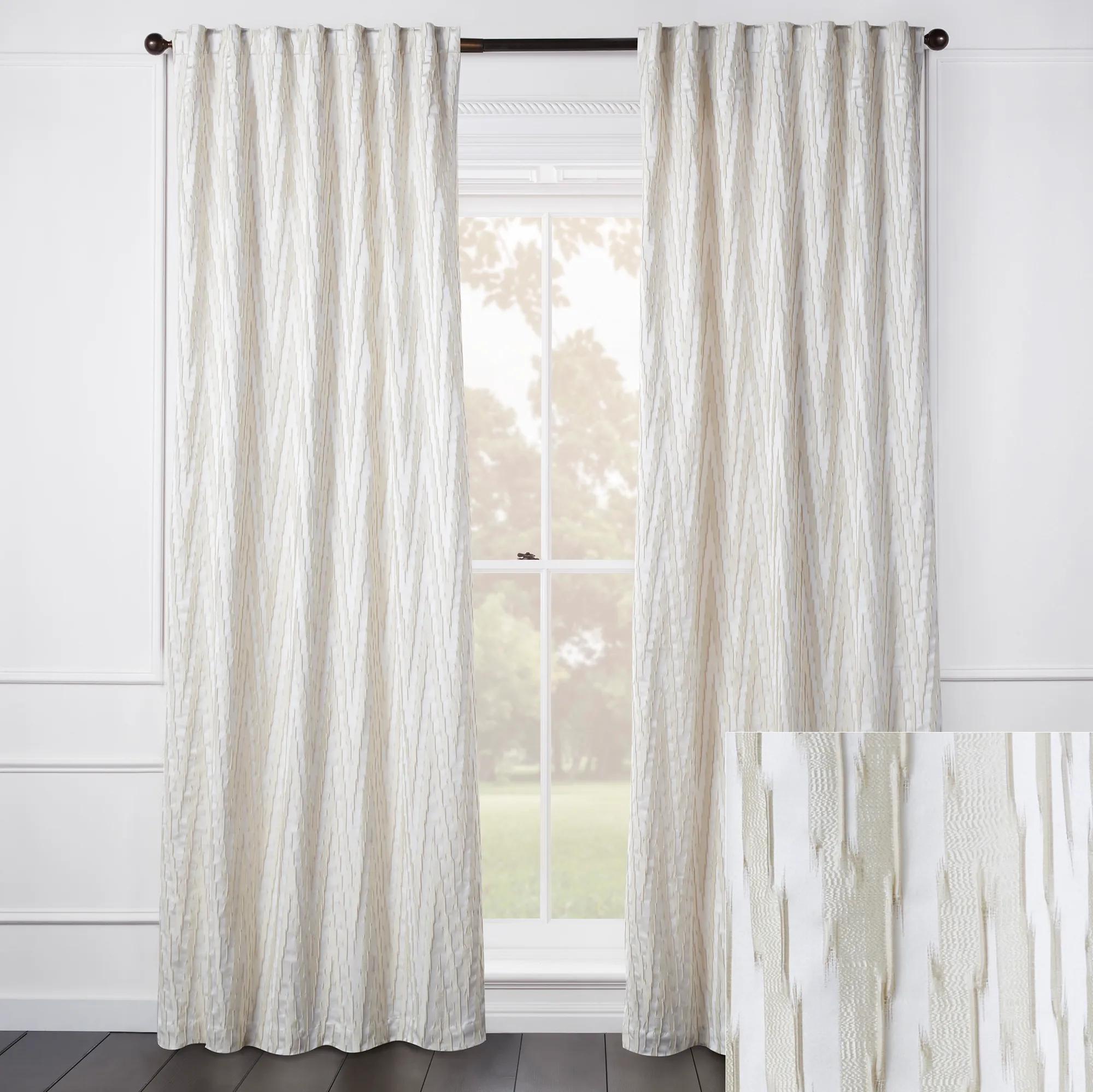
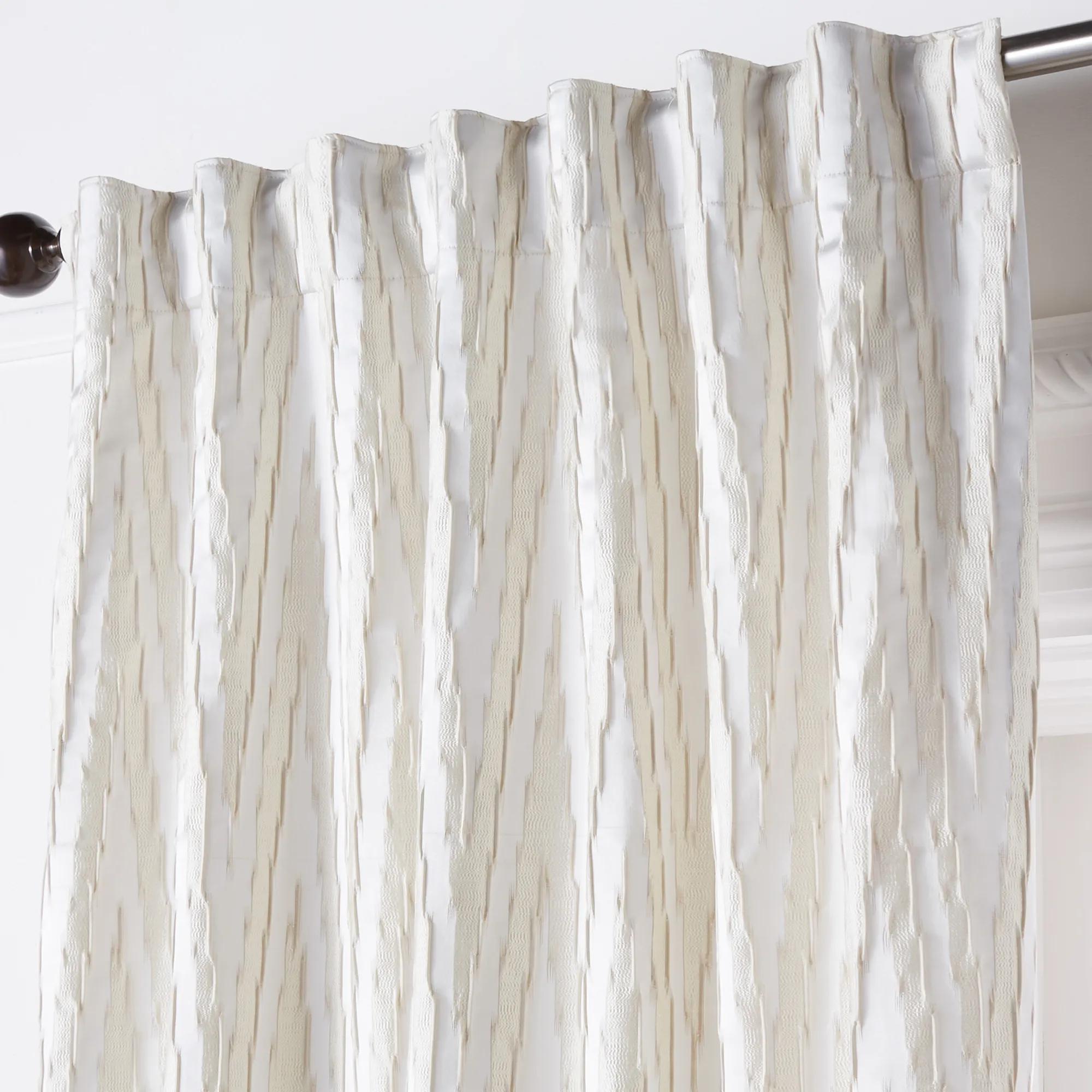 Minka Jacquard Pearl Window Curtain Panel Custom$319
A highly textured chevron curtain panel in pearl, grey, or natural polyester with customizable hanging options.
Add To Cart -
.jpeg?w=1200&h=1200)
 Adair Midnight Blue Solid Velvet Window Curtain Panel$69
Adair Midnight Blue Solid Velvet Window Curtain Panel$69A sumptuous midnight blue velvet curtain that adds elegance, depth, and room-darkening style to any space.
Add To Cart -
.jpeg?w=1200&h=1200)
 Adair Sand Solid Velvet Window Curtain Panel$79
Adair Sand Solid Velvet Window Curtain Panel$79A room-darkening sand velvet curtain with dual hanging options for a soft, tailored finish.
Add To Cart -
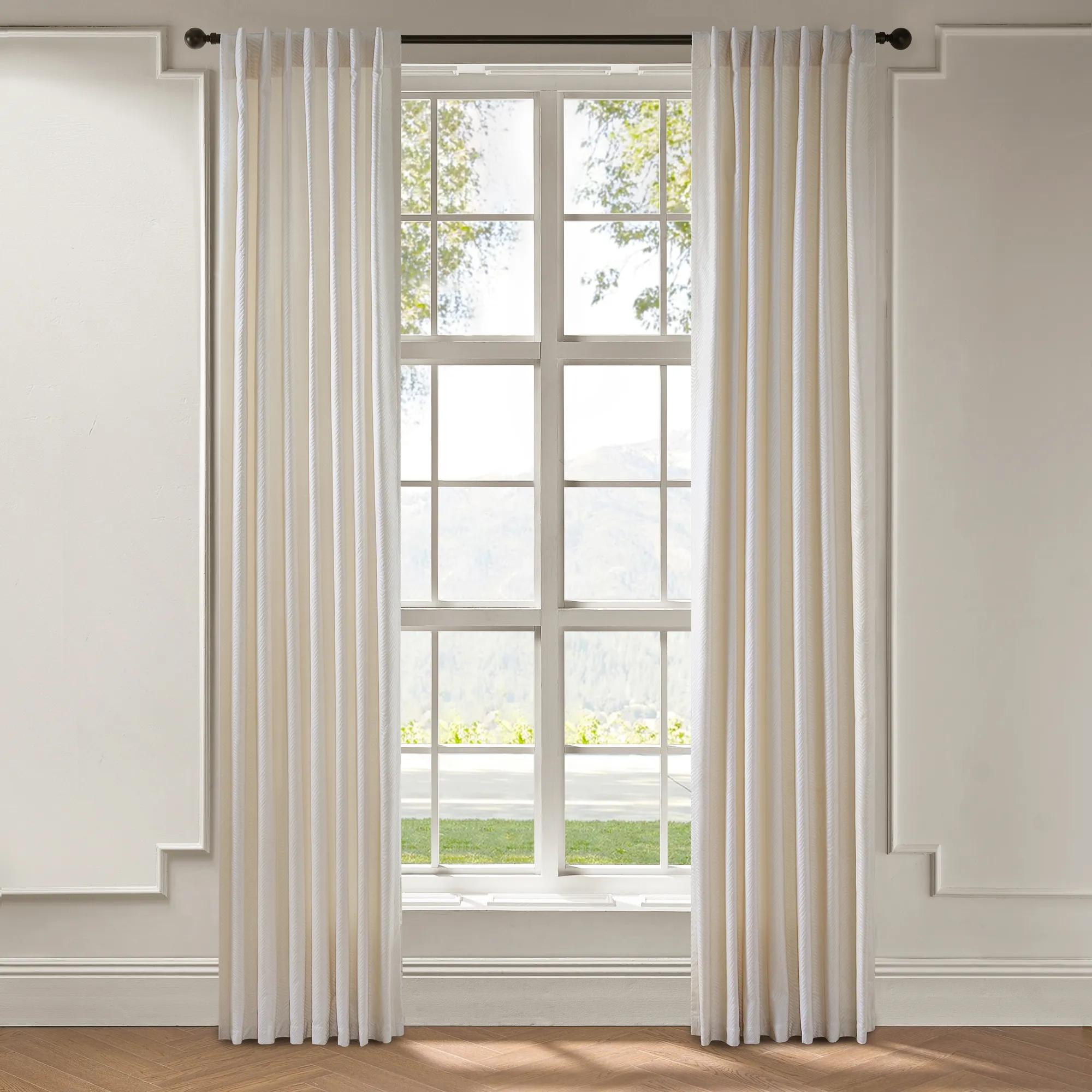
.jpeg?w=1200&h=1200) Kenzo Chenille Curtain - White$139
Kenzo Chenille Curtain - White$139A luxe white chenille jacquard curtain featuring a subtle high-contrast pattern and versatile dual construction.
Add To Cart

Refined Texture Window Curtains
Refined texture window curtains transform every glance into a moment of artistry, draping your space in sumptuous layers of sophistication and intrigue. Each panel is an invitation to indulge in tactile luxury, where subtle patterns and nuanced weaves catch the light, adding depth and dimension to your interiors. Whether framing a sunlit view or creating an intimate cocoon, refined texture window curtains elevate the atmosphere with effortless grace—proof that true elegance lives in the details. Let your windows become the stage for drama, serenity, and everything in between.
Refined texture window curtains bring dimension to a room through the fabric itself: a fine crosshatch, a softly irregular slub, a raised jacquard motif, or a crushed surface that catches light across its folds. Unlike a bold printed pattern, these details can create visual richness without dominating the surrounding furniture and art. From across the room, the effect is composed and elegant; up close, the weave reveals its character. Textured curtain panels frame a window with depth, softening the hard lines of glass, trim, and architectural edges while giving the room a more finished silhouette. They are especially expressive alongside smooth surfaces, where the contrast feels deliberate: an ivory woven panel beside a lacquered console, a softly lustrous drape near a mirrored accent, or a substantial neutral fabric behind a sculptural chair. Color shapes that relationship. Cream and pale stone let shadows within the folds become part of the design, while charcoal and deeper tones give the window a stronger presence. Tonal texture also offers an inviting middle ground for interiors that already feature patterned rugs, expressive artwork, or richly upholstered seating. The curtains contribute another layer without asking every element to compete. In a living room, they can lend balance to a generous seating arrangement; in a dining room, they create a graceful backdrop for intimate gatherings and more elaborate entertaining. A bedroom benefits from their visual softness, although the level of privacy and darkness depends on construction rather than appearance alone. For interiors with a more architectural emphasis, Modern Textured Window Curtains offer a related direction, bringing tactile detail into conversation with crisp lines and sculptural furnishings. Whether the setting is an expressive apartment or a spacious home, the appeal of refined texture lies in that balance of restraint and drama: fabric that rewards a closer look while making the entire room feel considered.
Material and construction determine how textured curtains look, hang, and function beyond their initial impression. Linen typically has natural irregularities and a relaxed drape, lending a room an artful ease rather than a sharply pressed formality. Cotton can offer a matte surface and a supple hand, with woven variations that range from delicate grain to a more pronounced crosshatch. Faux linen, often made with polyester or blended fibers, interprets the character of linen through a different composition; some constructions offer greater wrinkle resistance or simpler care, but the fabric label remains the authority. Slub describes the uneven yarn effect that gives cloth small variations in thickness, while jacquard refers to patterns woven into the fabric rather than printed on its surface. Neither term alone identifies fiber content or light-blocking performance. Crushed textures introduce another expression, breaking reflected light into subtle highlights that become especially noticeable along generous folds. The most suitable choice depends as much on the desired atmosphere as on the weave. A loosely woven, light-filtering panel may diffuse daylight beautifully over a reading chair, yet offer limited privacy after dark when interior lights are on. Denser fabrics and lined curtains generally provide more coverage, though texture and weight are not substitutes for a stated privacy or light-control rating. Room-darkening curtains reduce incoming light, while blackout constructions are designed for stronger light blocking; even then, light can enter around the top, sides, and bottom of the installation. For a bedroom used by a daytime sleeper or a media room where screen glare matters, the lining and coverage deserve particular attention. In a sitting room where a luminous atmosphere is the priority, a lighter weave may be more appropriate. Layering decorative textured panels over a separate shade can preserve the richness of the fabric while allowing more independent control of privacy and light. This approach gives a window both an expressive outer frame and a functional layer tailored to everyday use.
Proportion is what allows refined texture to read as luxurious rather than incidental. Curtains need enough fabric to reveal their surface through folds, but not so much fullness that a substantial weave becomes cumbersome. A combined panel width of roughly one and a half to two times the width being covered is a common starting point, with the final amount depending on fabric weight, header construction, and the desired silhouette. Measurements should account for the rod and planned coverage, not simply the glass, and panel dimensions should be checked carefully to distinguish individual-panel width from the total width of a pair. Length is equally influential. Panels that just meet the floor create a poised, tailored finish; a slight break adds softness, while deliberate pooling feels more theatrical but requires additional attention during cleaning and everyday movement. For a frequently used patio door or a room shared with pets, fabric kept clear of the floor and away from the traffic path is generally more practical. Header styles influence both appearance and handling. Rod pockets gather fabric into soft folds and can suit panels that remain mostly in place. Back tabs offer a discreet presentation, while compatible rings or traversing hardware can make frequent opening and closing easier. The rod, brackets, and wall fasteners must also support the combined weight of fabric and lining. Long-term beauty depends on care suited to the entire construction, including decorative finishes and backing. Some curtains are washable, while others require professional cleaning; using the wrong method can cause shrinkage, distort texture, or affect a lining. Gentle dust removal with an appropriate vacuum attachment may help between cleanings when permitted by the care instructions, and steaming should likewise follow the fabric’s stated requirements. Repeated handling, strong direct sunlight, and contact with furniture can affect appearance over time, making durable construction especially valuable in busy rooms. For a new home or a thoughtfully redesigned space, textured curtains offer a deeply personal finishing layer. As a gift, they are best chosen with the recipient’s measurements, color palette, and privacy needs confirmed, so the gesture feels as considered as the room itself.
FAQs
Refined texture window curtains are especially impactful in living rooms, bedrooms, dining areas, and home offices—any space where you want to introduce a sense of depth, warmth, and visual intrigue. Their tactile appeal and subtle patterns help define zones within open-concept layouts, soften light in sunlit rooms, and add a sophisticated finishing touch to both formal and relaxed settings.
Textured curtains introduce layers of visual and tactile interest, catching the light in ways that flat fabrics cannot. Whether it’s the organic slub of a linen blend or the shimmer of a delicately woven jacquard, these details create a sense of movement and luxury. The result is a room that feels curated, inviting, and alive with personality—transforming windows into focal points of artistry.
Absolutely. The beauty of refined texture lies in its versatility. Linen blends and subtle weaves lend themselves to contemporary and minimalist spaces, while embroidered or velvet textures can add a touch of opulence to classic or transitional interiors. Choosing the right texture allows you to bridge different design eras, creating a harmonious and elevated look.
Textured curtains make an exceptional gift for housewarmings, weddings, or milestone celebrations. They offer the recipient a chance to transform their space with a touch of luxury and personal flair. The artistry and craftsmanship inherent in refined textures show a level of thoughtfulness and care, making them a memorable and practical present.
Layering sheer textured panels behind heavier drapes creates a dynamic interplay of light and privacy, while mixing different textures—such as pairing a linen-blend curtain with a velvet panel—adds dimension and drama. This approach allows you to customize the mood of your space, shifting from soft and airy by day to rich and cocooning by night.
.jpeg?w=4130&h=4130)