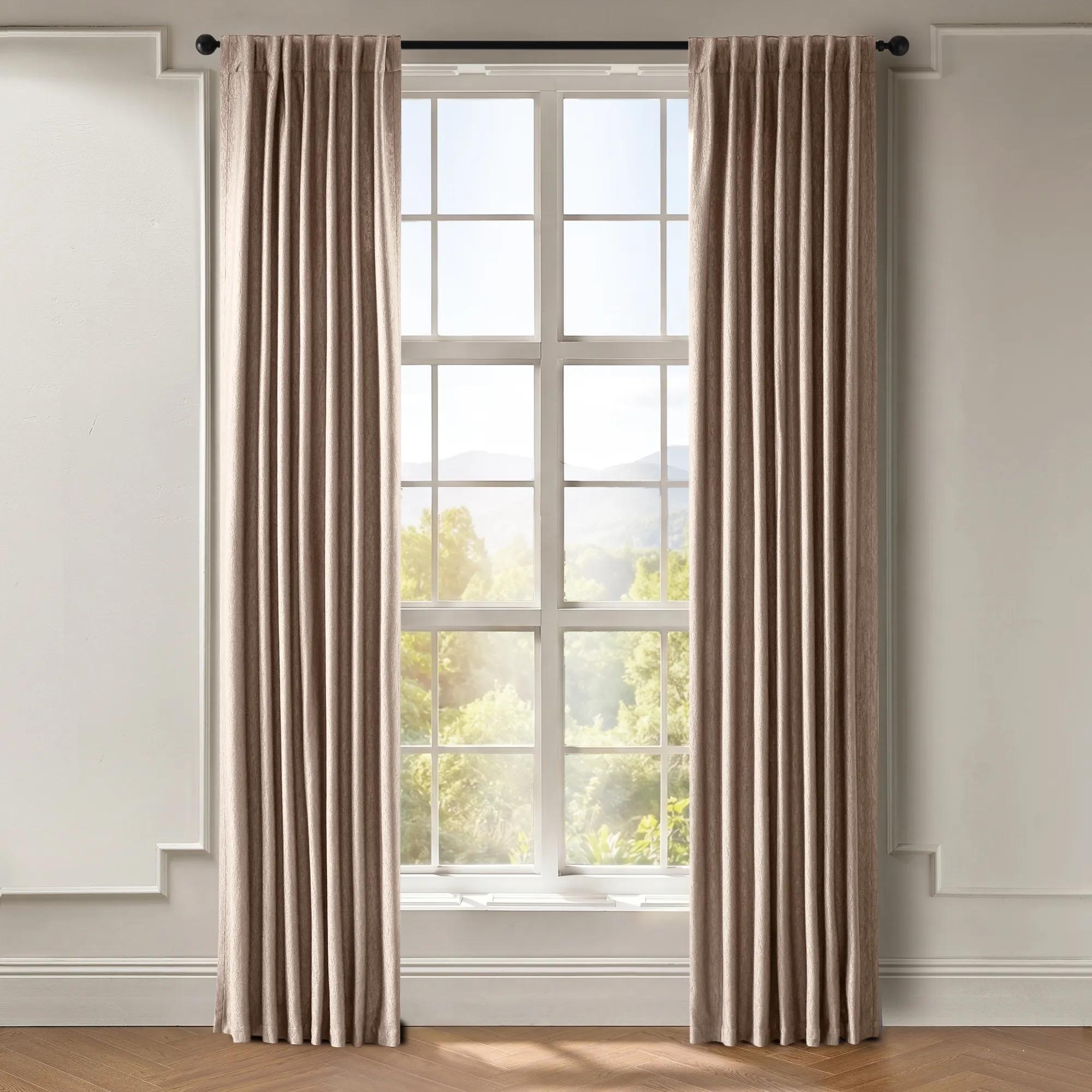
Premium Textured Window Panels
Premium Textured Window Panels
-
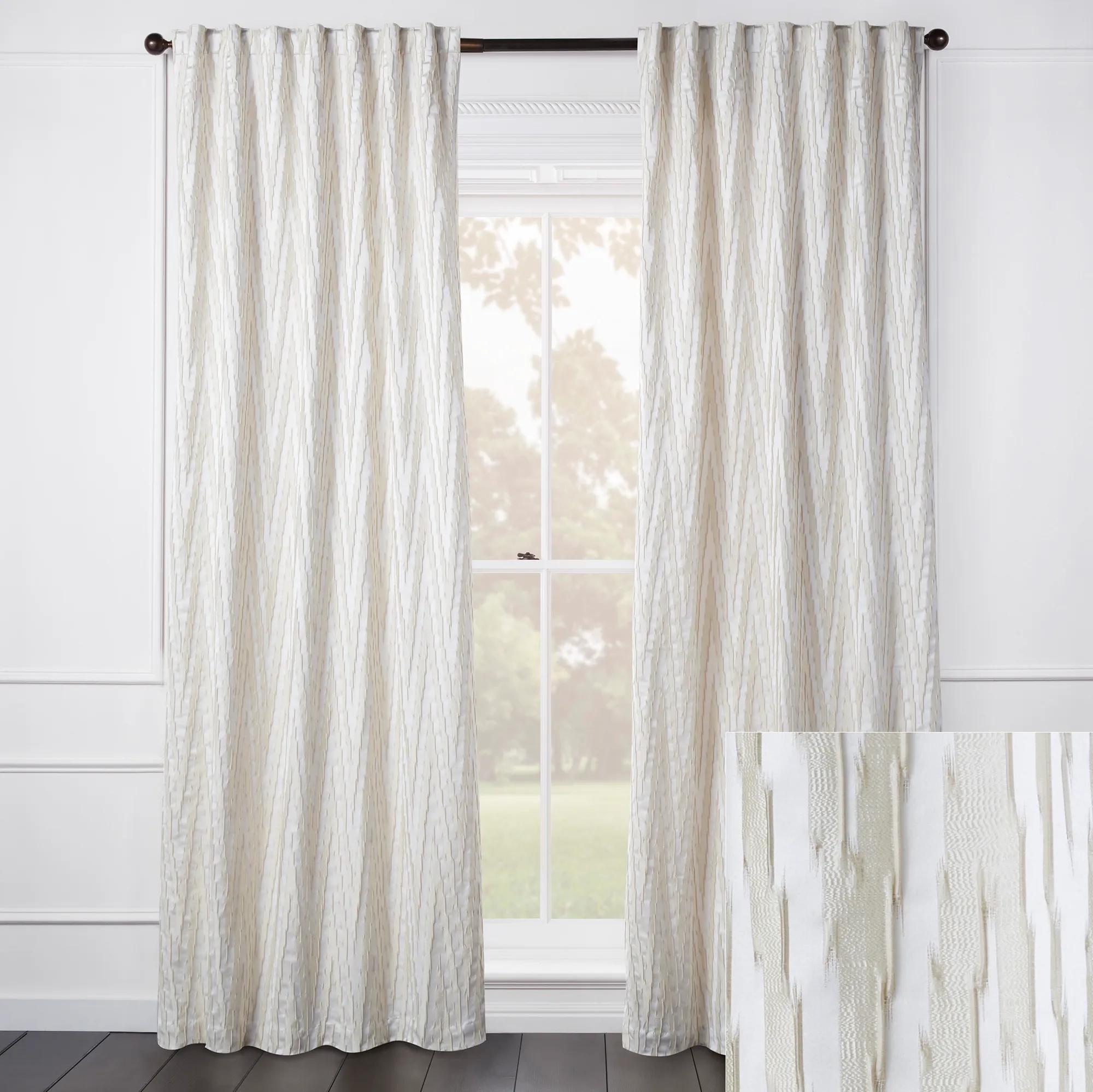
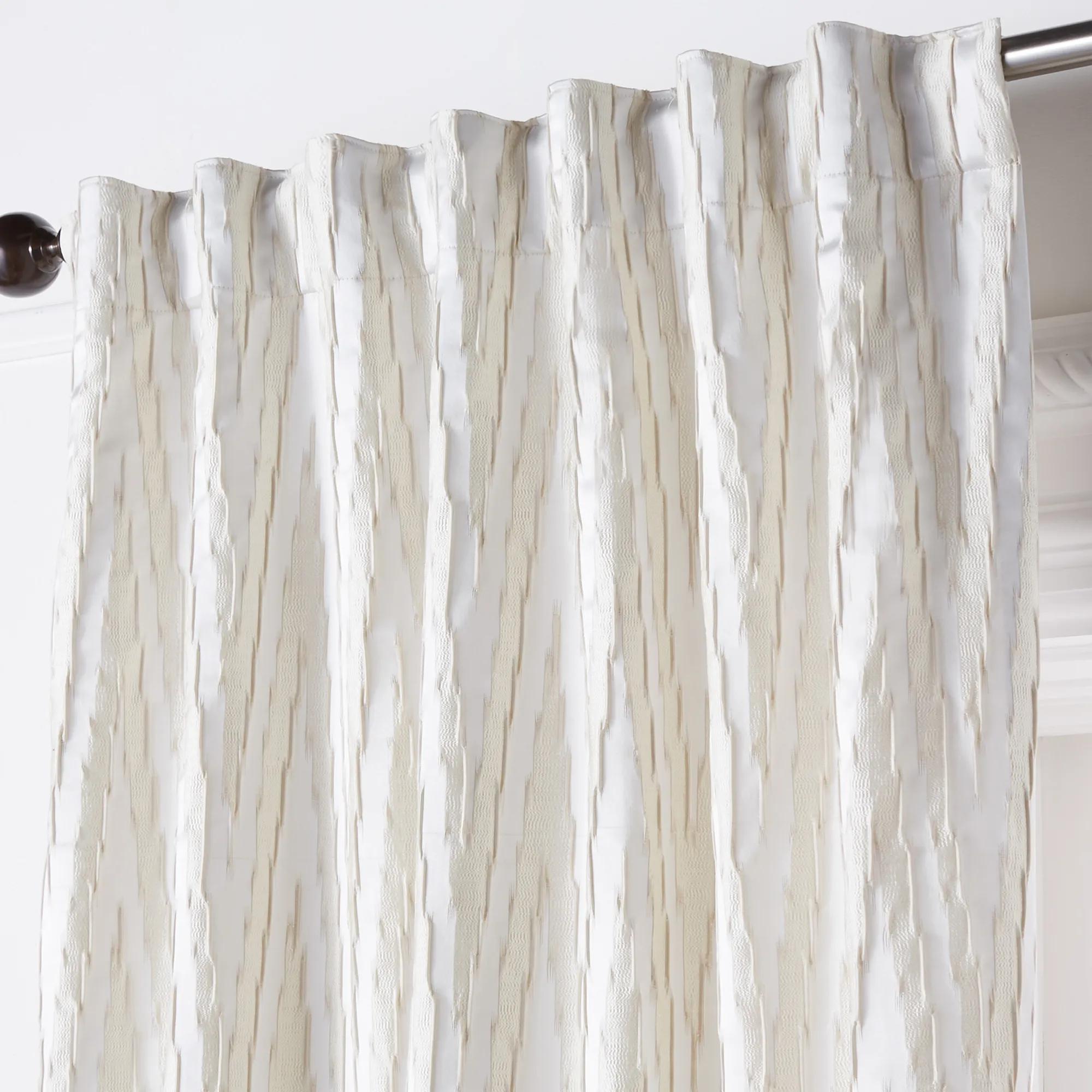 Minka Jacquard Pearl Window Curtain Panel Custom$329
A highly textured chevron curtain panel in pearl, grey, or natural polyester with customizable hanging options.
Add To Cart -
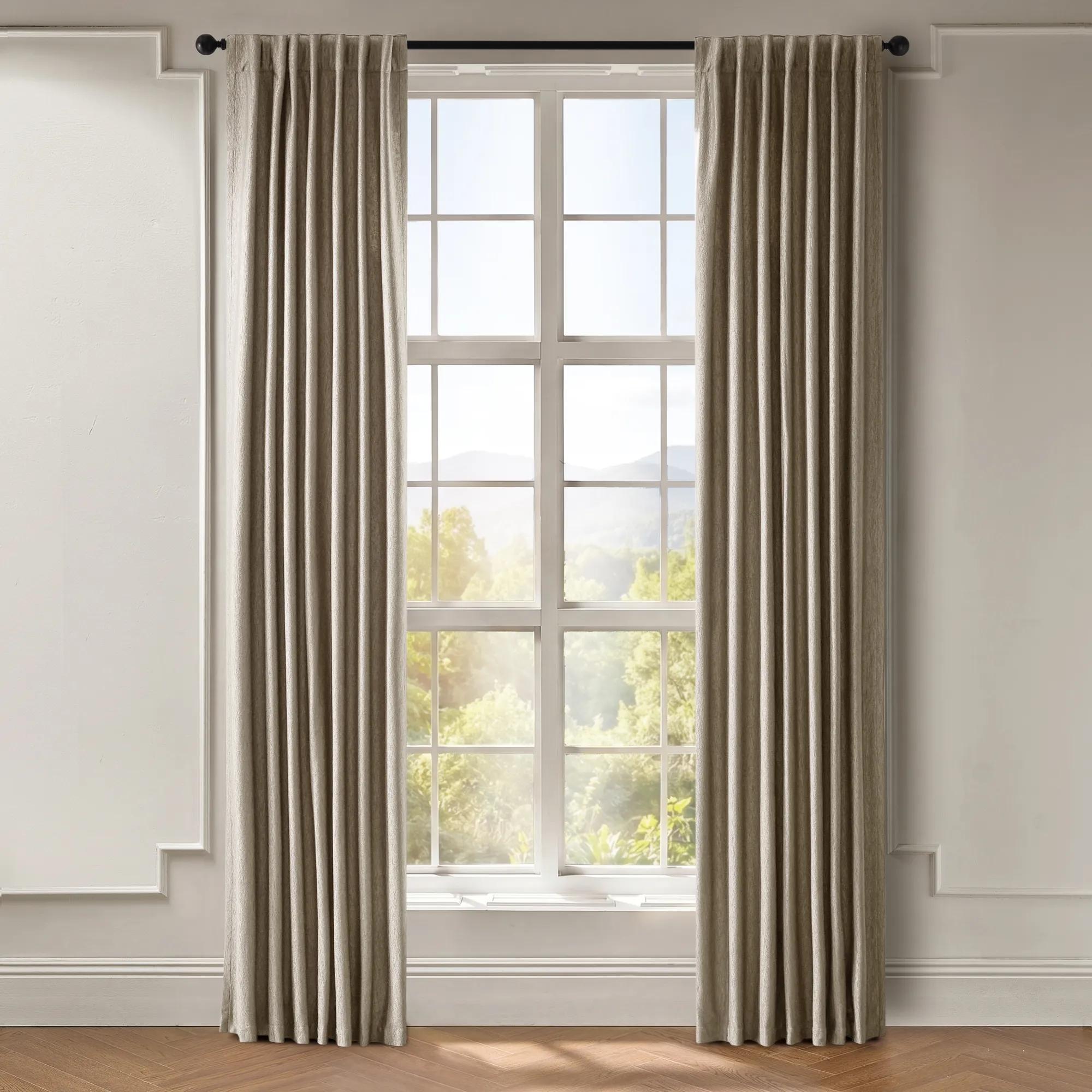
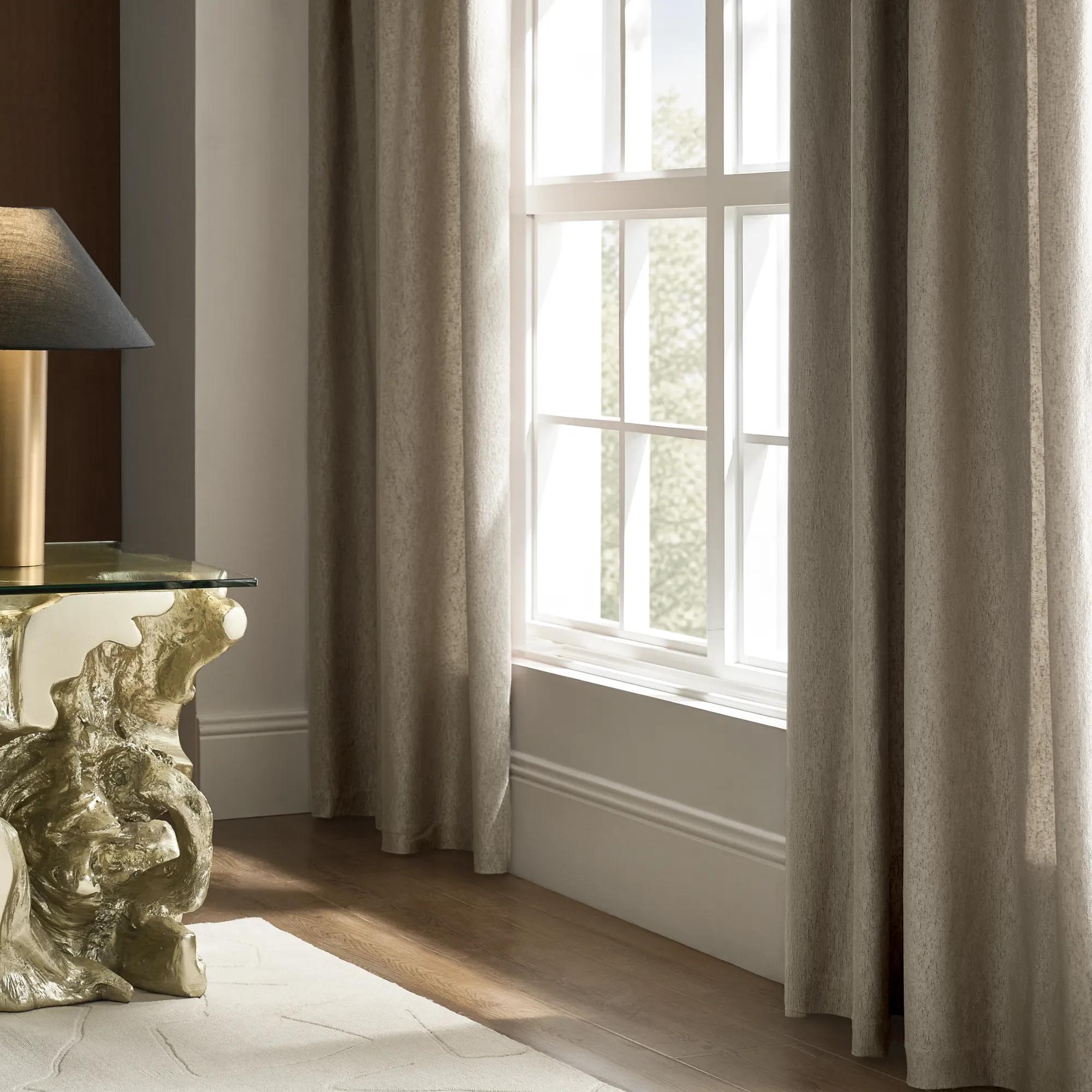 Anson Taupe Textured Window Curtain Panel$109
A taupe curtain panel featuring a crushed sheen texture and room-darkening, dual hanging design in 100% polyester.
Add To Cart -
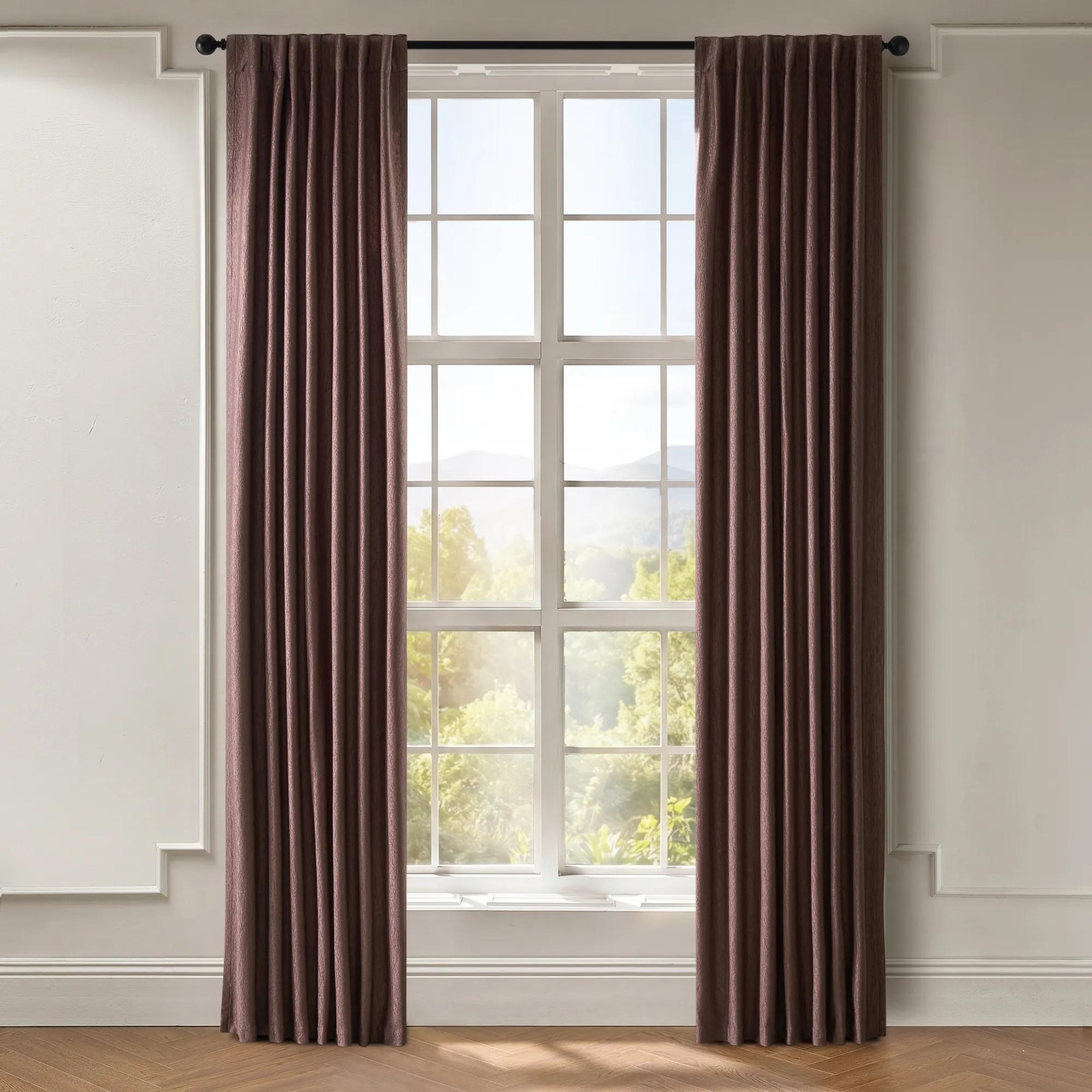
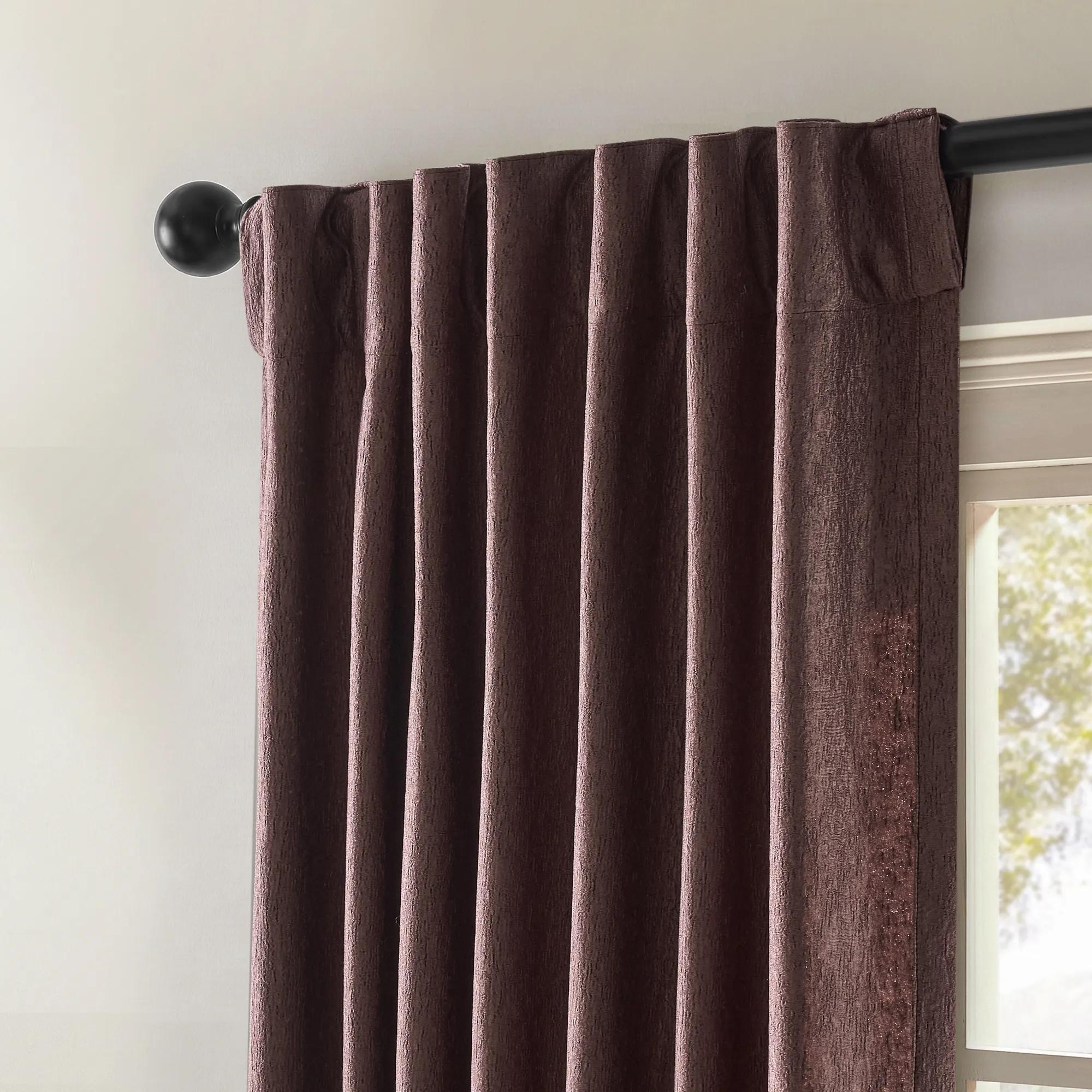 Anson Fig Textured Window Curtain Panel$89
A deep fig curtain panel with crushed sheen texture and room-darkening, dual hanging design in polyester.
Add To Cart -
 Anson Mocha Rose Textured Window Curtain Panel$109
A light mocha rose curtain panel with crushed sheen texture and room-darkening, dual hanging design.
Add To Cart -
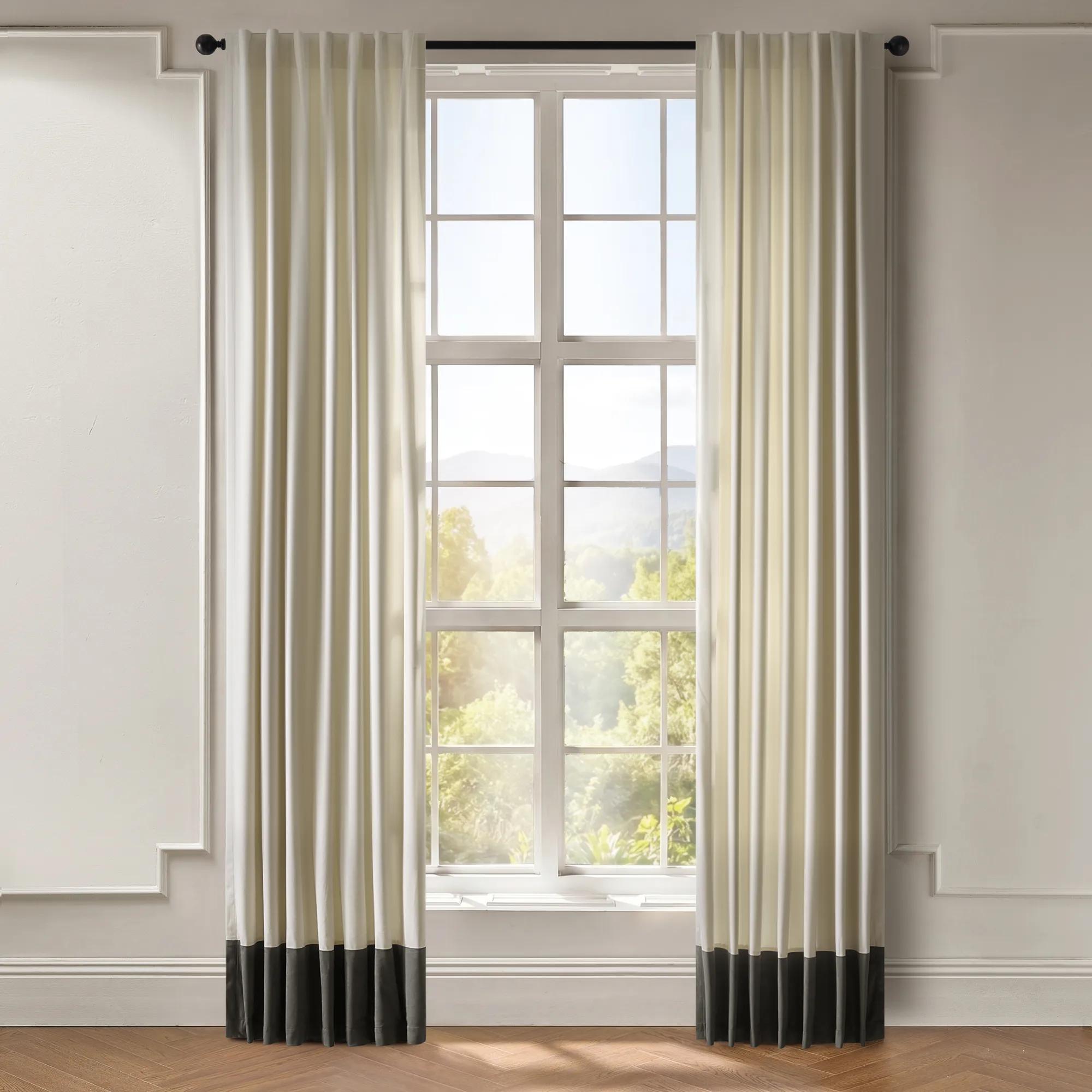
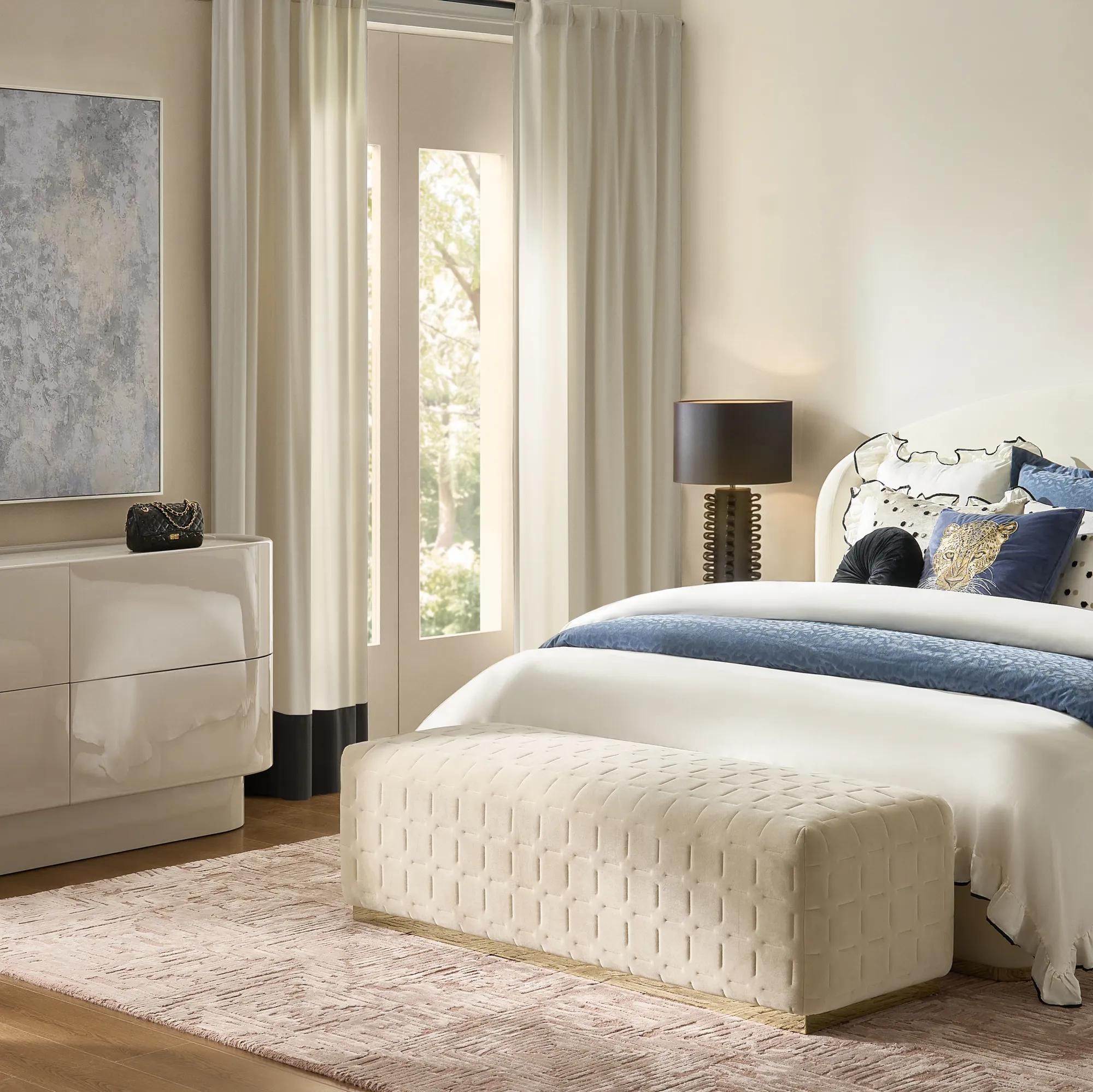 Bastien Ivory/Graphite Velvet Border Window Curtain Panel$109
A two-tone ivory and graphite velvet curtain panel with a Deco-inspired border and room-darkening design.
Add To Cart -
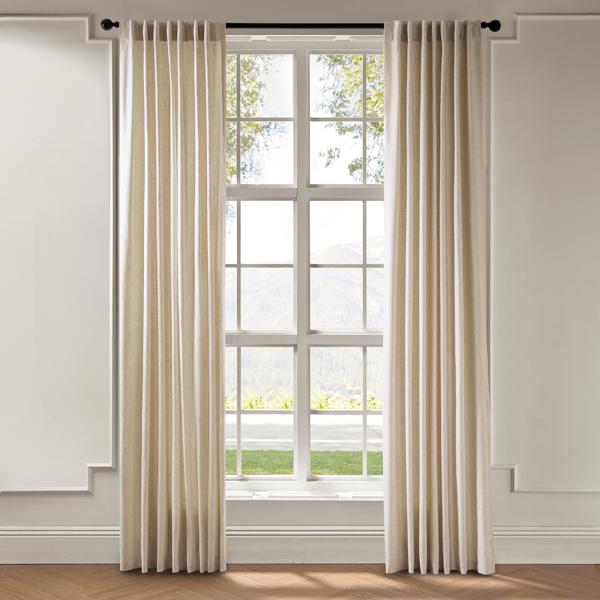
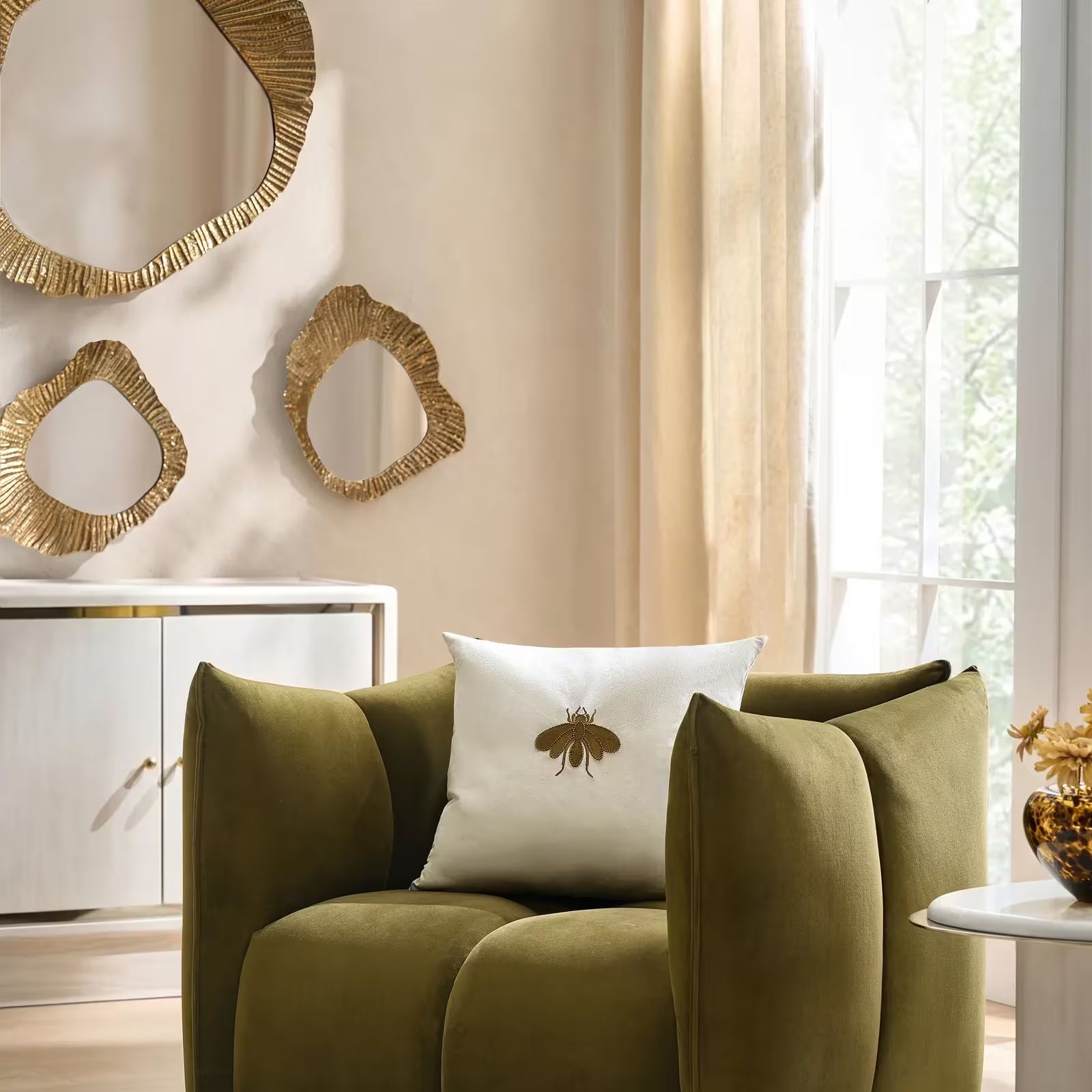 Anson Ivory Textured Window Curtain Panel$99
An elegant ivory curtain panel with a crushed, light-reflective texture for subtle shine and room darkening.
Add To Cart -
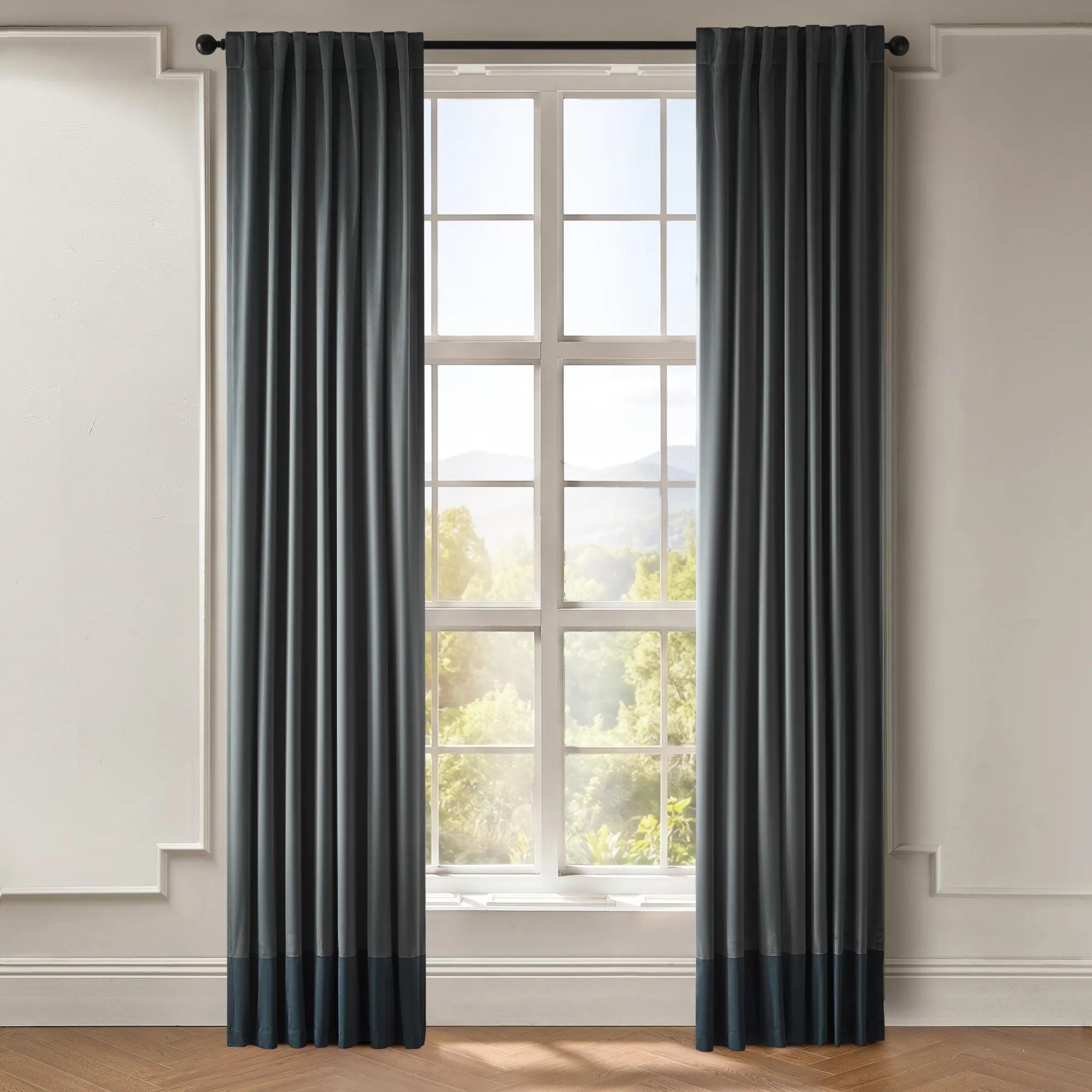
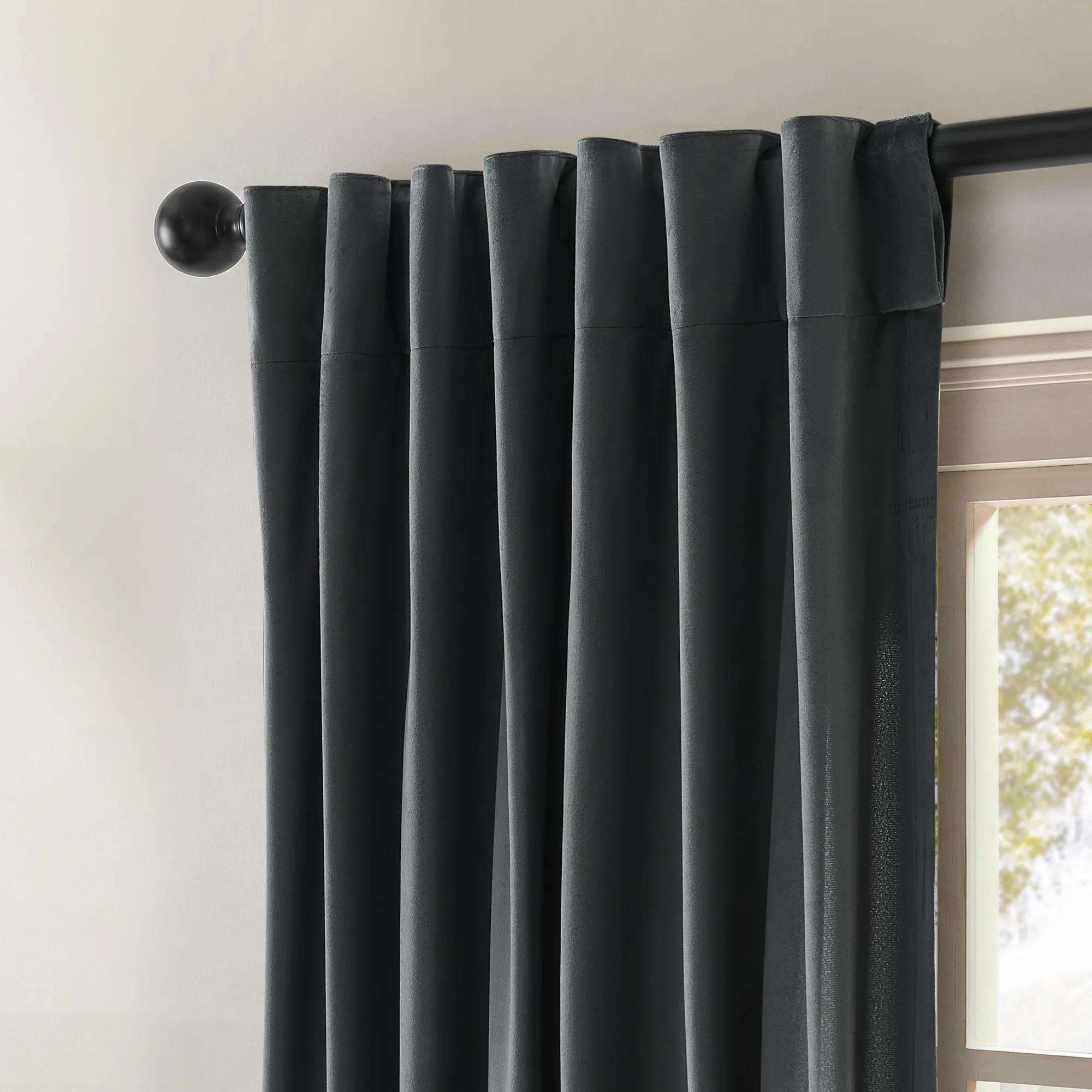 Bastien Blue/Midnight Velvet Border Window Curtain Panel$109
A two-tone dusty blue and midnight blue velvet curtain panel with room-darkening design and dual hanging options.
Add To Cart -

 Adair Midnight Blue Solid Velvet Window Curtain Panel$89
A sumptuous midnight blue velvet curtain that adds elegance, depth, and room-darkening style to any space.
Add To Cart -

 Adair Sand Solid Velvet Window Curtain Panel$79
A room-darkening sand velvet curtain with dual hanging options for a soft, tailored finish.
Add To Cart -

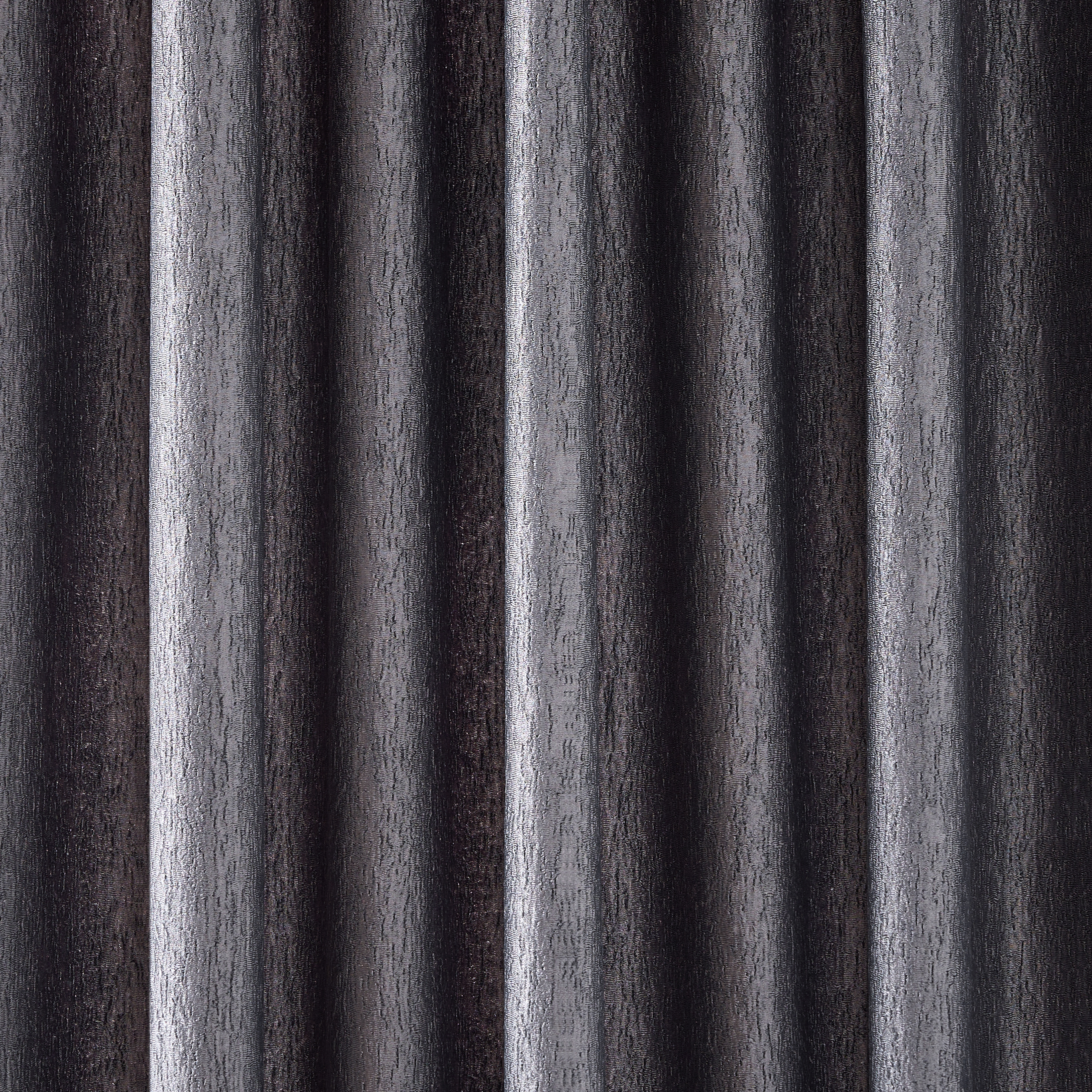 Anson Charcoal Textured Window Curtain Panel$109
A moody charcoal curtain with crushed polyester texture and subtle sheen for stylish, room-darkening appeal.
Add To Cart -
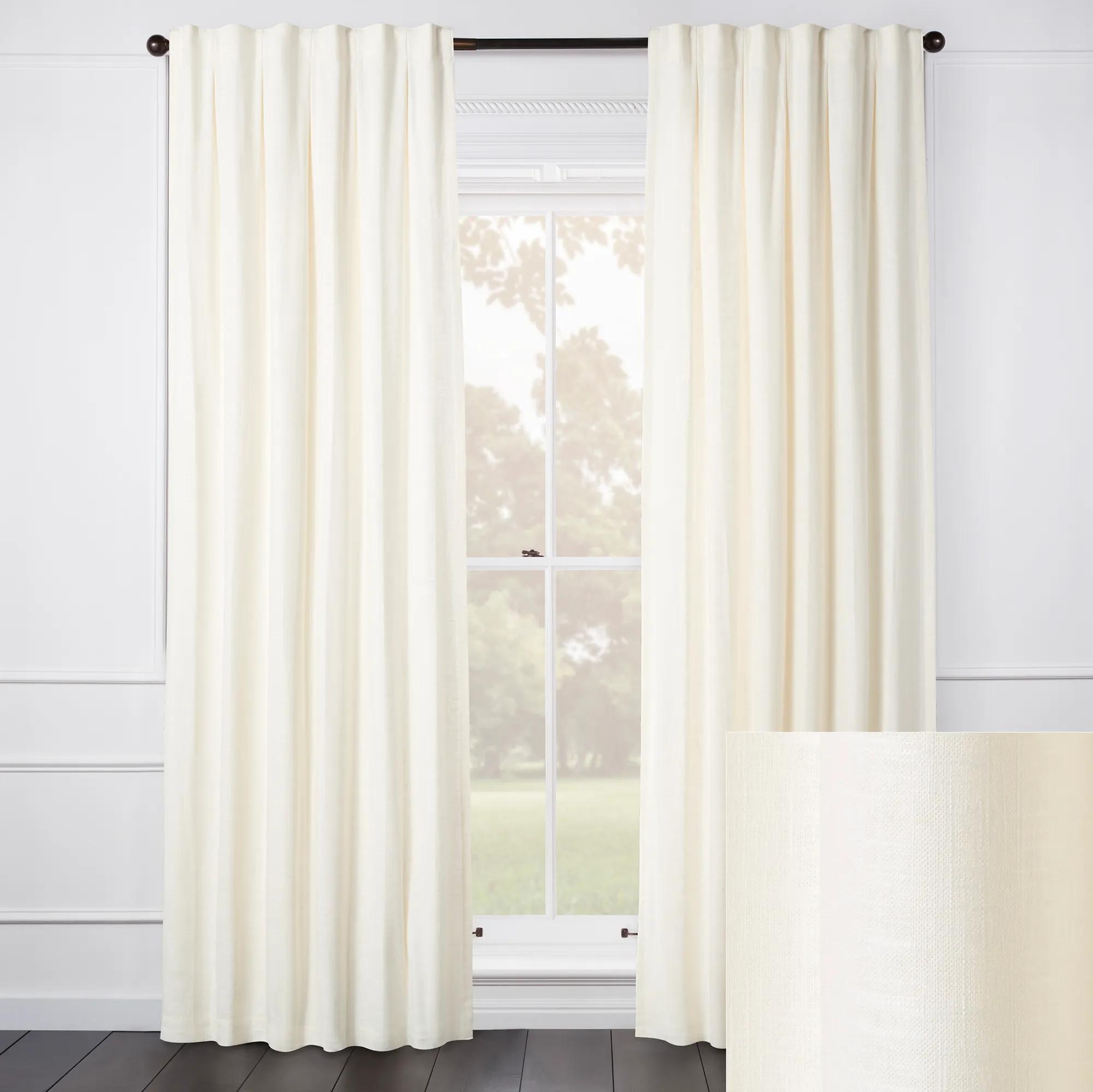
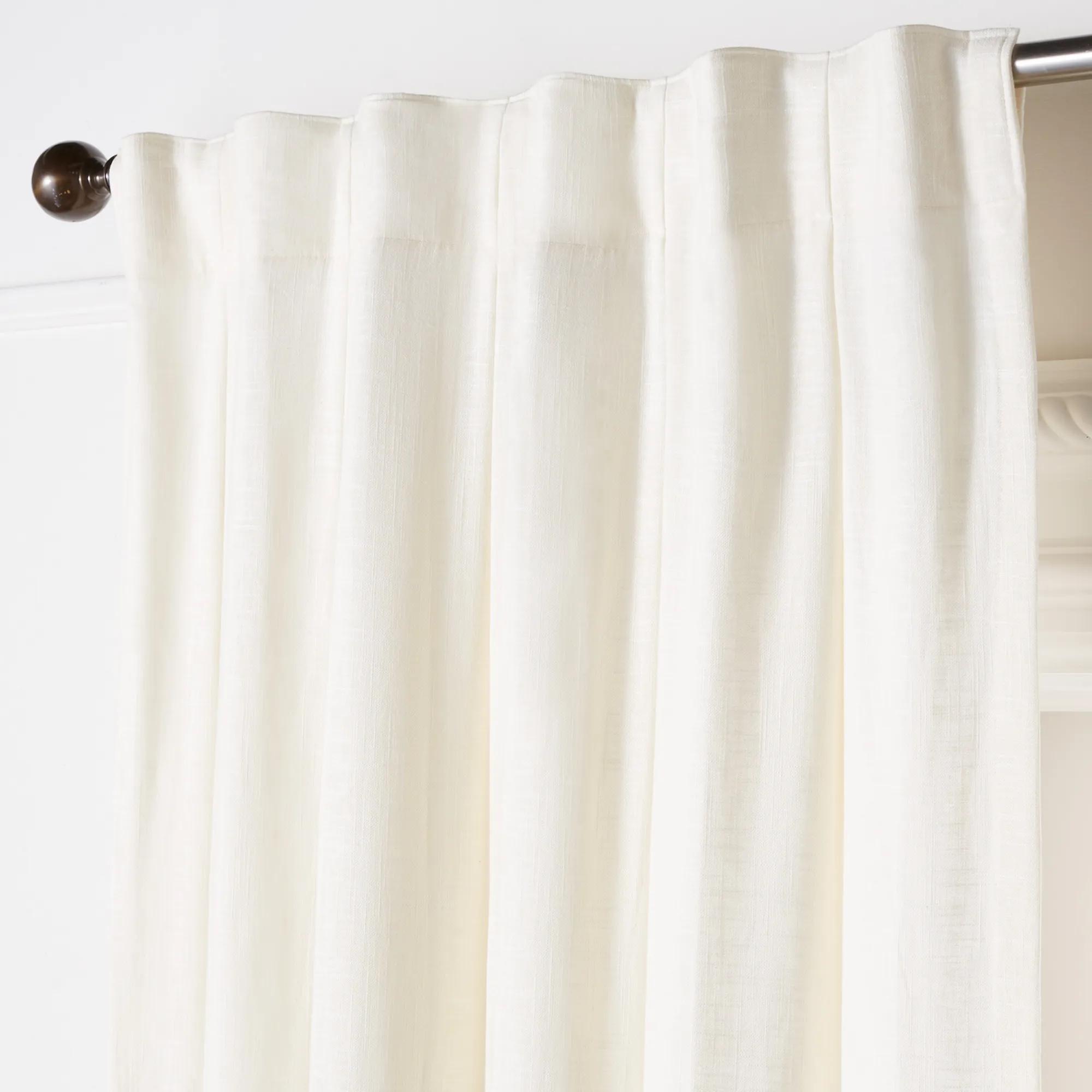 Audrey Linen Ivory Curtain - Custom$269
An ivory linen-blend curtain panel with lining, offering customizable lengths and two elegant header styles.
Add To Cart -
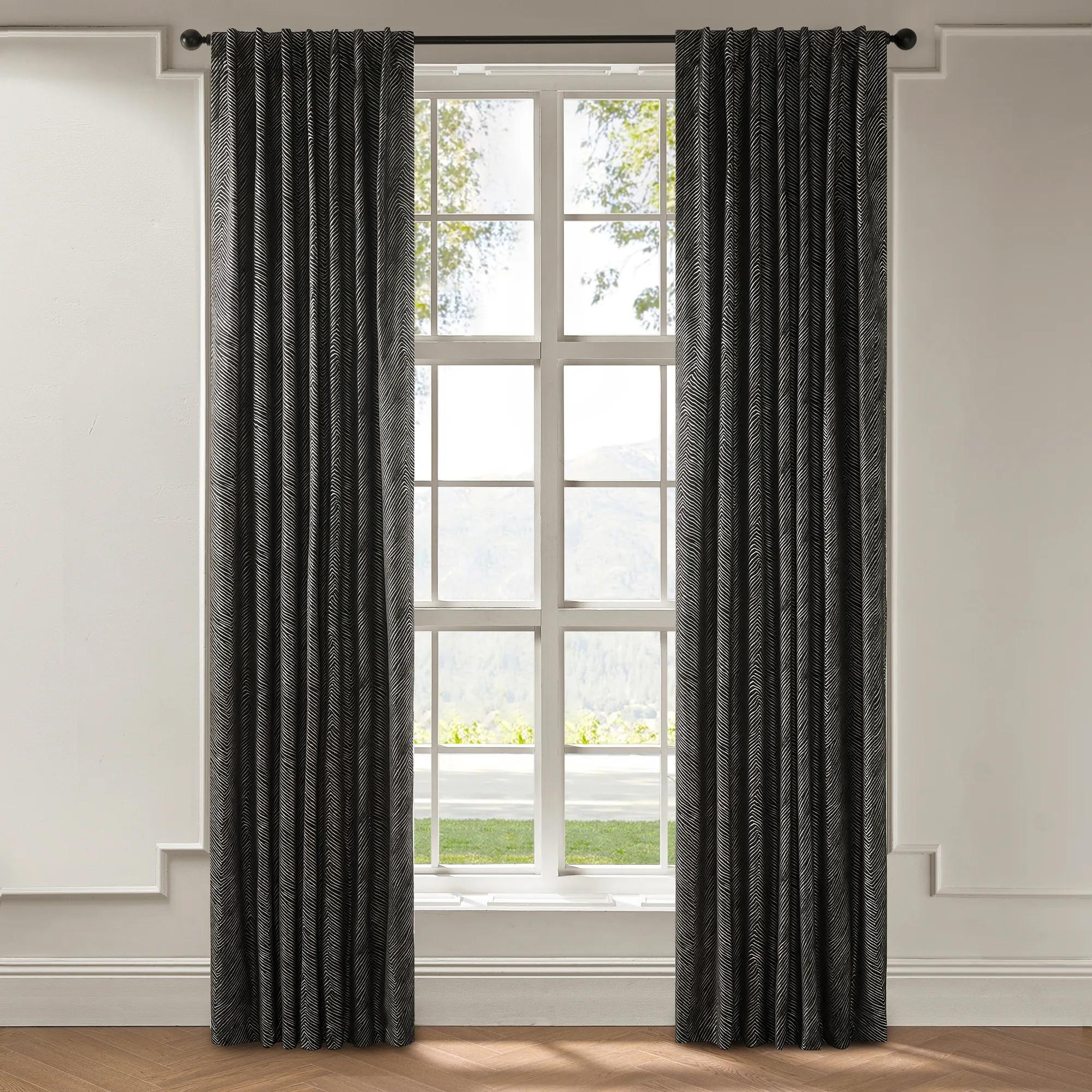
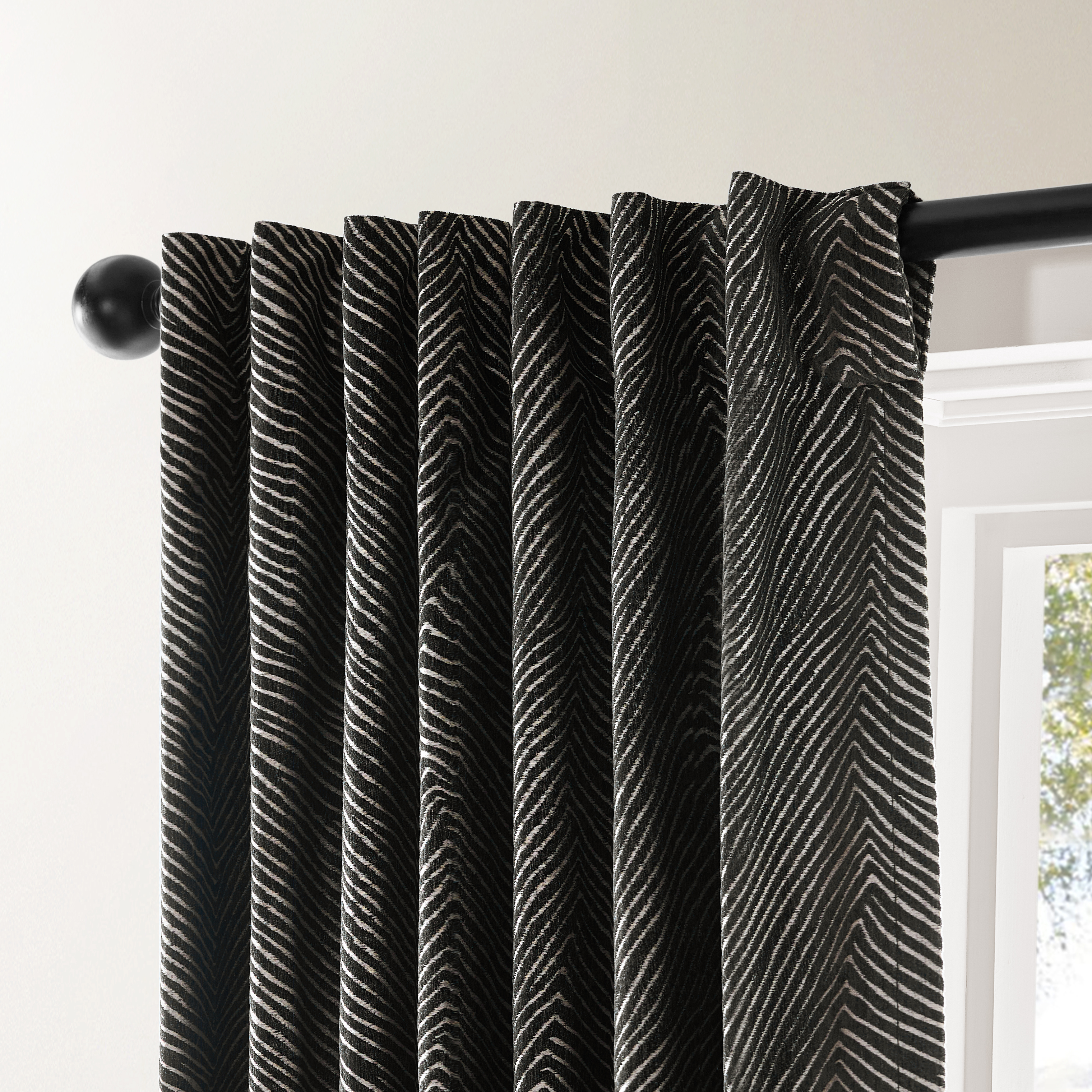 Kenzo Black Chenille Window Curtain Panel$139
A black chenille jacquard curtain with a room-darkening finish and versatile dual hanging options.
Add To Cart -
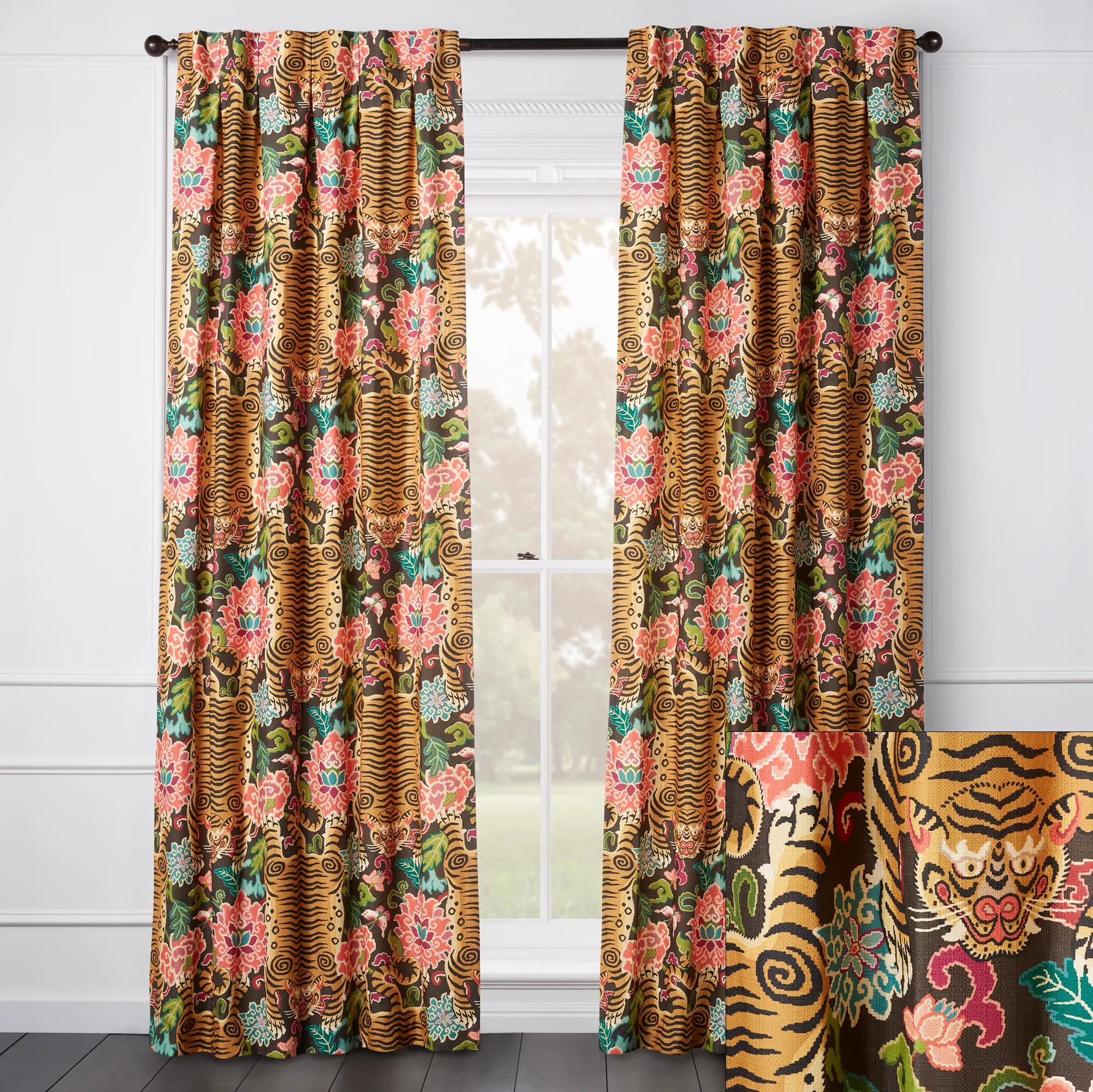
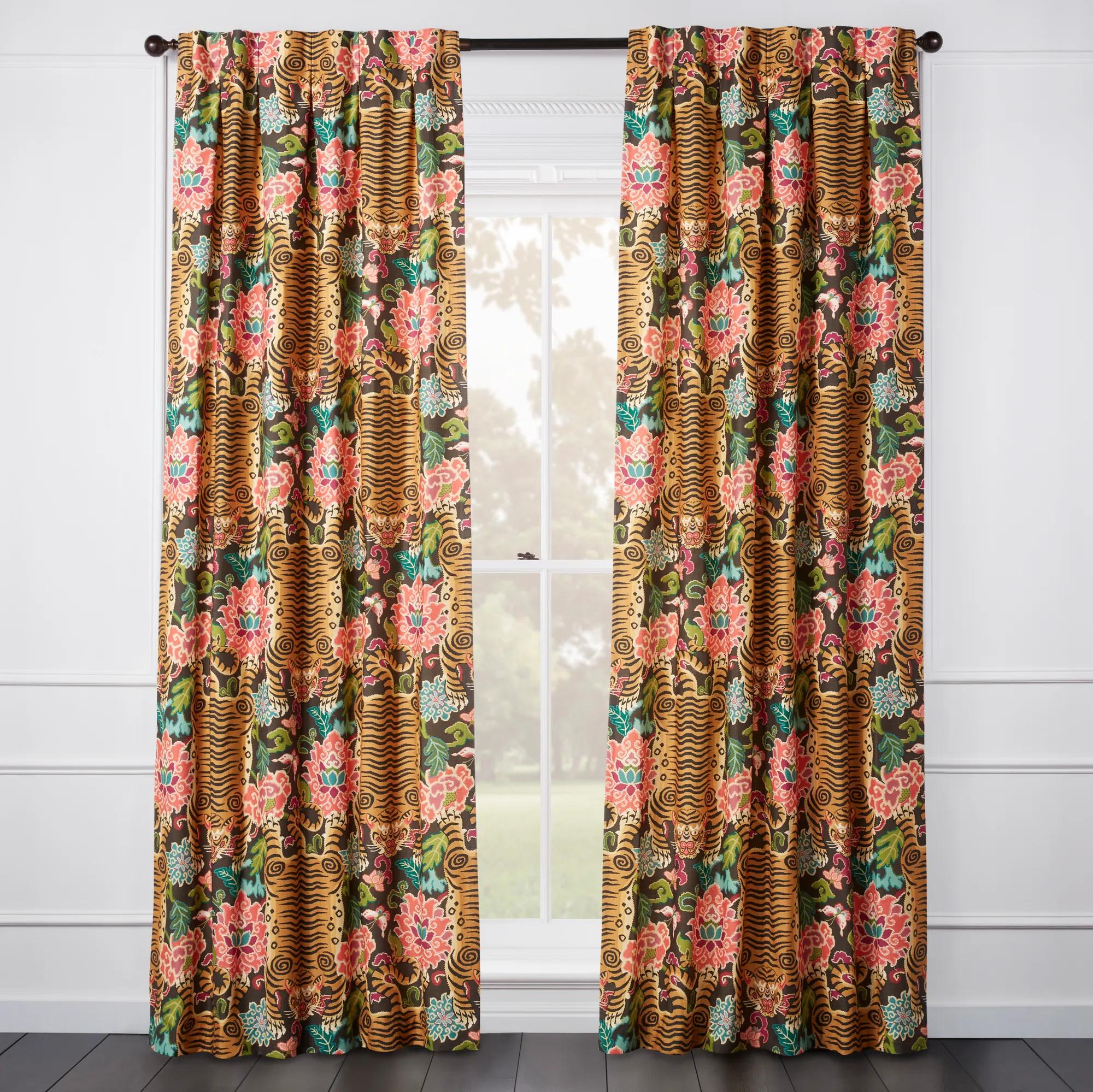 Nimer Gold/Multi Printed Slubbed Cotton Window Curtain Panel$379
A bold gold and multi-colored cotton curtain panel featuring a lively tiger print and customizable options.
Add To Cart -
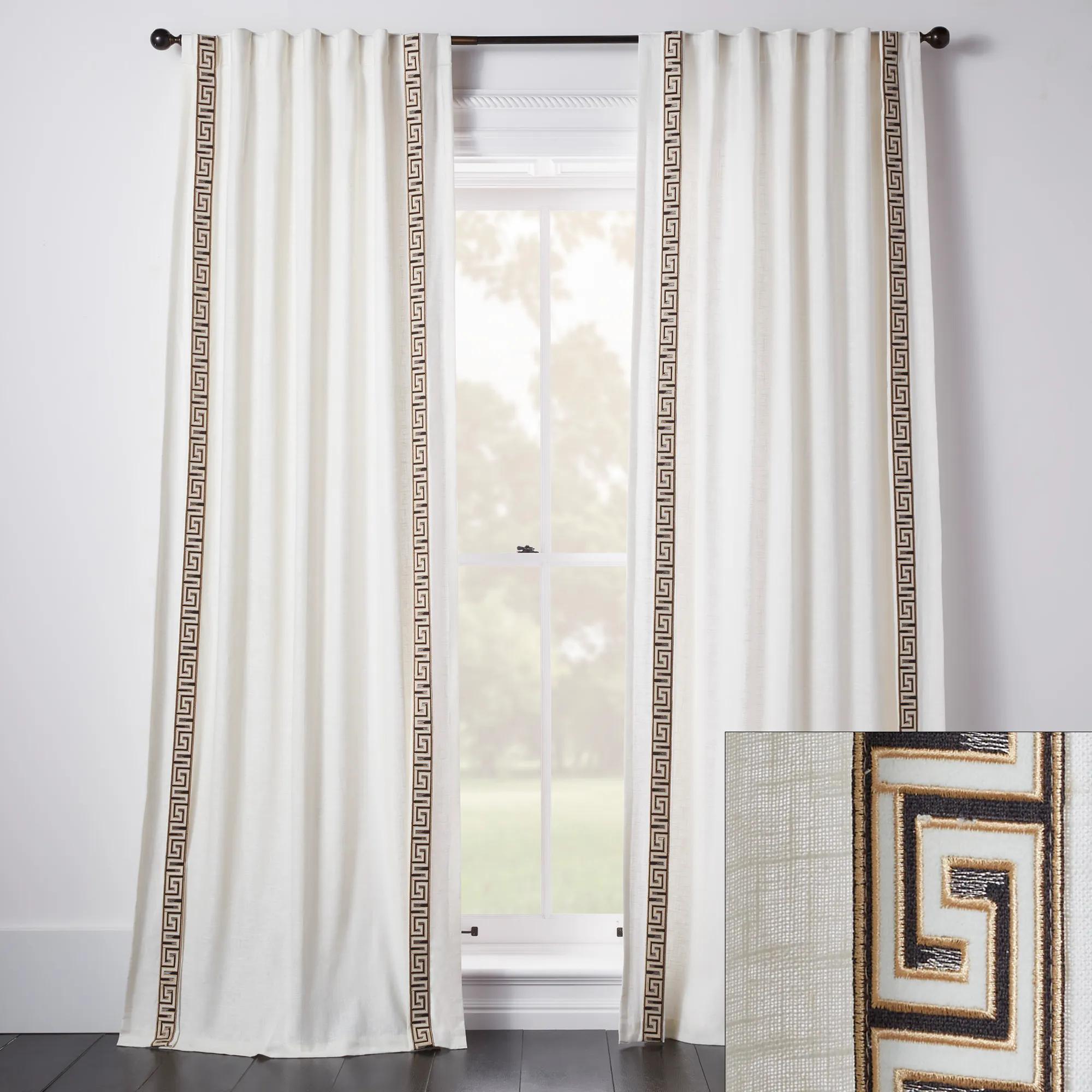 Chole Greek Key Border Velvet Widow Curtain Panels Custom$439
A white linen-blend curtain panel featuring a black and gold velvet Greek key border and customizable options.
Add To Cart -
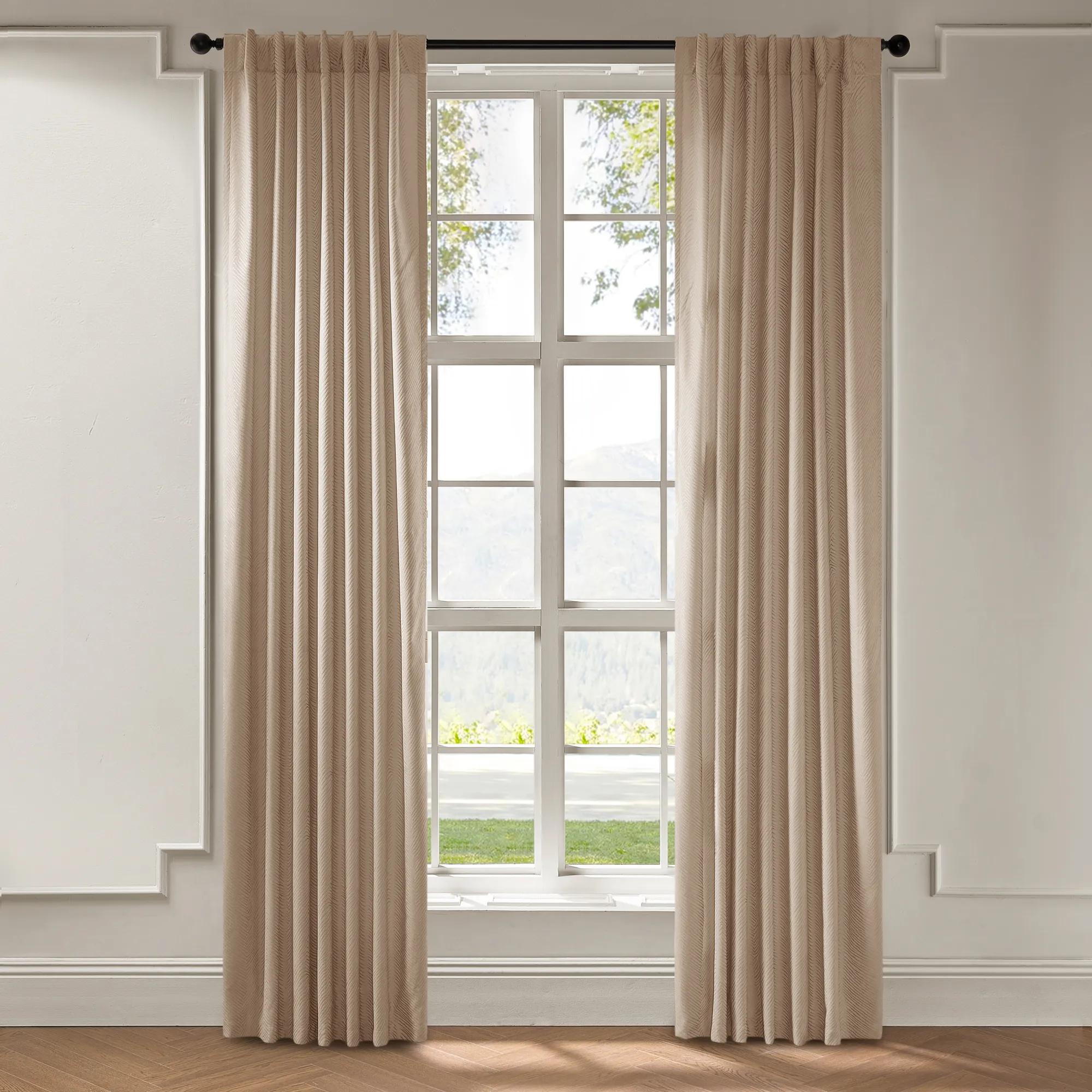 Kenzo Jacquard Beige Chenille Window Curtain Panel$129
A warm beige chenille jacquard curtain with a subtle sheen and versatile rod pocket or back tab hanging.
Add To Cart -
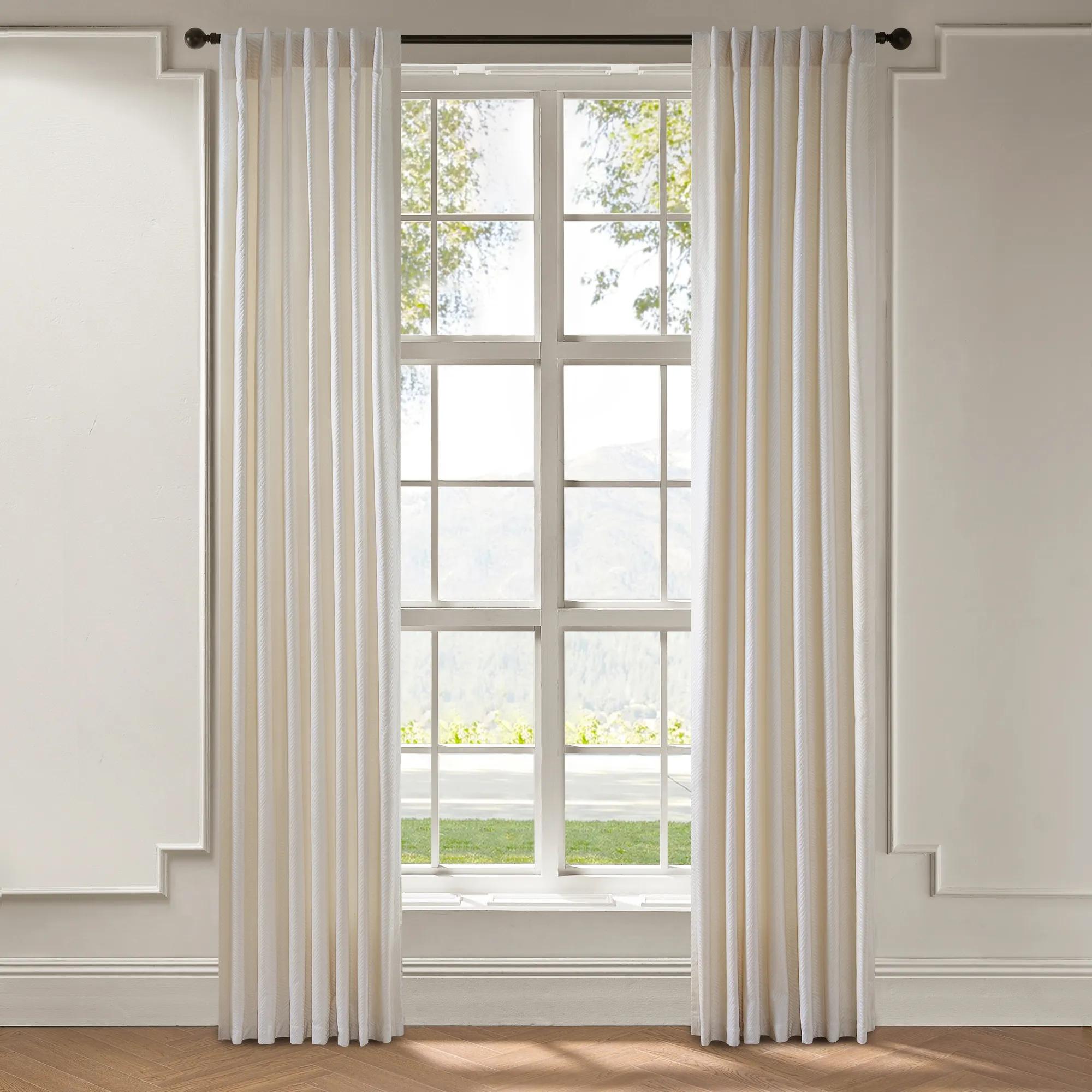
 Kenzo Chenille Curtain - White$139
A luxe white chenille jacquard curtain featuring a subtle high-contrast pattern and versatile dual construction.
Add To Cart -

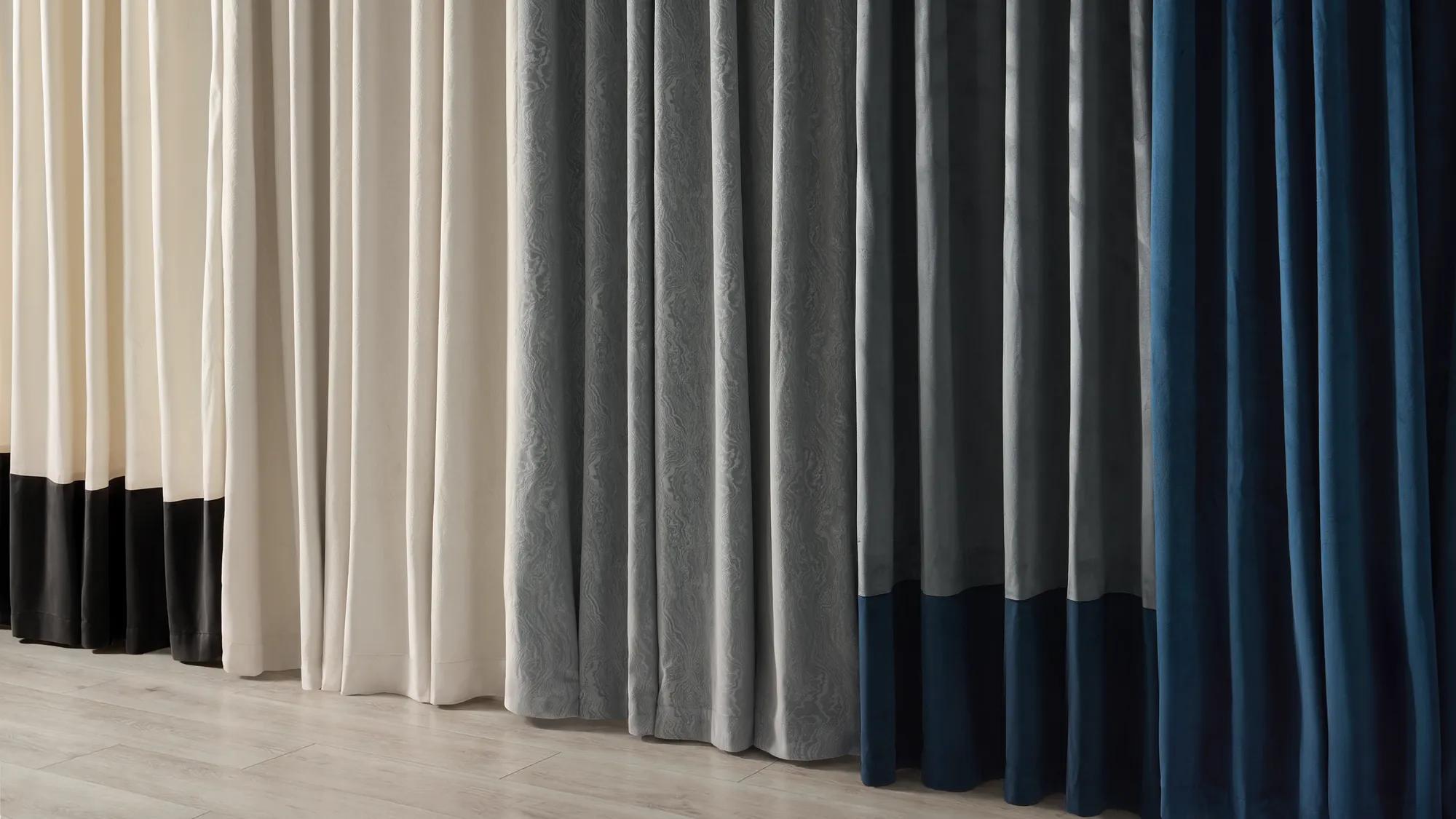 Mabel Velvet Swirl Curtain - Grey Blue$109
A grey blue velvet curtain featuring a tonal swirl pattern and versatile dual hanging options.
Add To Cart -

 Mabel Natural Velvet Swirl Window Curtain Panel$109
A warm neutral velvet curtain with a tonal swirl pattern and room-darkening, dual hanging options.
Add To Cart -
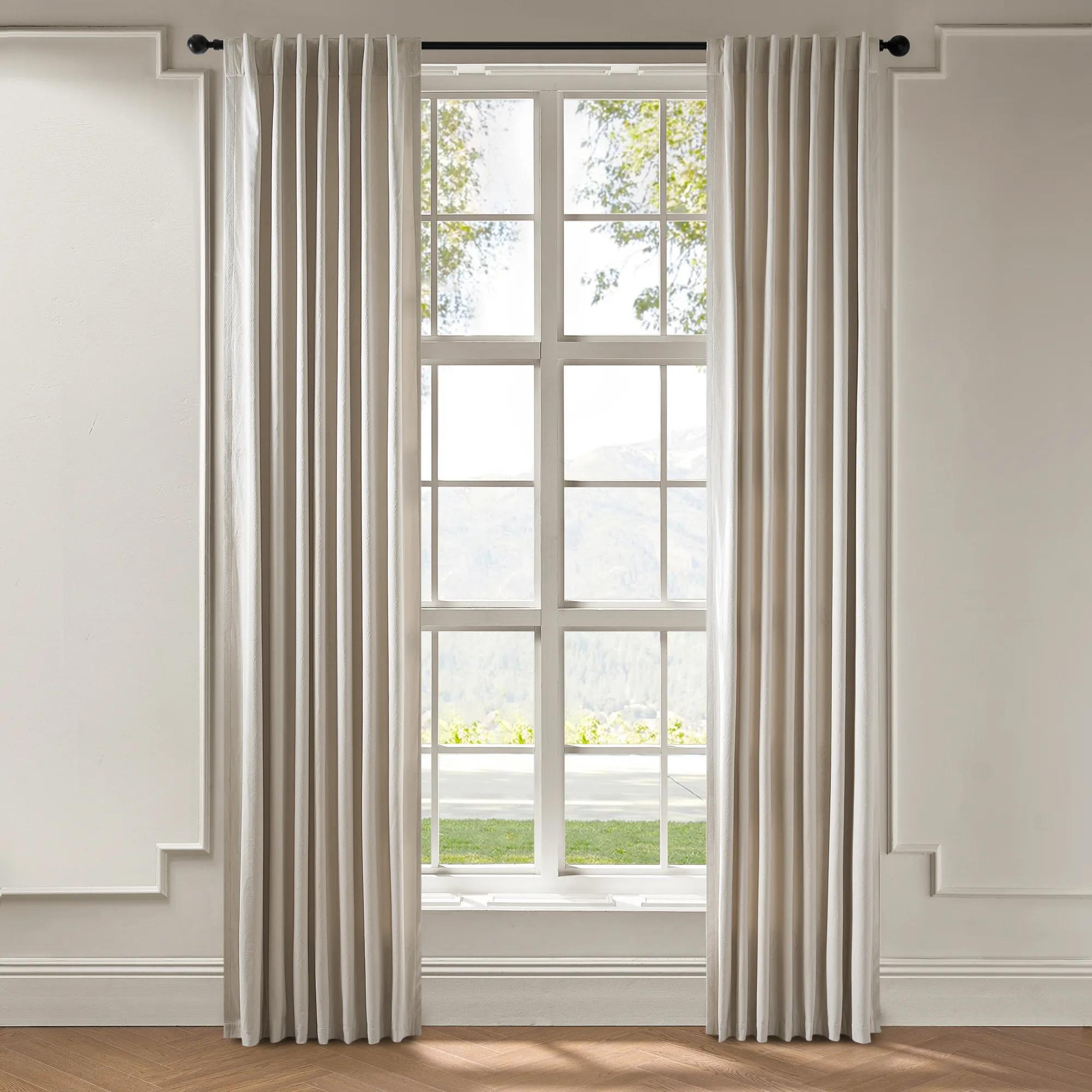
 Mabel White Velvet Swirl Window Curtain Panel$99
A crisp white velvet curtain featuring a tonal swirl texture and versatile dual hanging options.
Add To Cart

Premium Textured Window Panels
Dramatic, dimensional, and undeniably refined—premium textured window panels offer an invitation to artistry at every window. These opulent draperies transform sunlight into a living element, casting intricate shadows and layering each room with visual intrigue. Whether framing a grand salon or adding allure to an intimate retreat, their tactile surfaces evoke the sumptuousness of couture textiles and the sophistication of gallery-worthy design. With premium textured window panels, every glance becomes a moment of wonder, and every space is elevated from ordinary to extraordinary.
Premium textured window panels are fabric curtain panels distinguished by dimensional surfaces, from slubbed yarns and raised weaves to embroidered details and sculptural woven patterns. Rather than relying on color alone, these window treatments bring depth to a room through the interplay of fiber, light, and shadow. A softly irregular weave can lend an ivory panel an almost stone-like richness, while a more pronounced pattern gives a neutral window treatment presence against smooth walls. Linen offers a distinctive, naturally varied appearance and a relaxed drape; cotton can contribute softness and a tailored finish; and polyester or blended fabrics can create dimensional effects with greater resistance to wrinkling, depending on their construction. Jacquard fabrics introduce patterns woven into the cloth itself, while embroidered surfaces add raised detail over a fabric ground. Each creates a different expression, making texture as important as hue when establishing a room’s mood. In a living room with polished metal accents and glass surfaces, softly woven panels introduce a tactile counterpoint without interrupting the glamour. Against upholstered furniture and a richly patterned rug, a quieter texture gives the composition room to breathe. Pale neutrals emphasize subtle variations in yarn and weave, while deeper shades can make folds appear more pronounced and architectural. The most compelling choice is not necessarily the heaviest fabric or the boldest pattern, but a material whose drape, finish, and visual scale suit the surrounding space. A broad, expressive weave can hold its own beside oversized furnishings, while a finely textured surface creates depth in a more intimate seating area. For interiors shaped by clean silhouettes and layered materials, Modern Textured Window Panels offer another interpretation of this dimensional approach. Whether the effect is quietly lustrous or deliberately dramatic, textured curtain panels frame the view while giving the room a more considered, finished character.
The fit of textured window panels influences their effect just as strongly as the fabric. Length establishes the relationship between the window, wall, and floor: panels that finish just above the floor create a crisp line, while a slight break introduces a softer, more generous appearance. Pooled fabric brings additional drama, though it also gathers dust more readily and may be less practical near frequently used doors, active play areas, or pets. Width determines how much of the texture remains visible when the panels are closed. Fabric stretched flat can diminish the dimensional effect, whereas sufficient fullness allows alternating ridges and shadows to reveal the weave. A combined panel width of roughly one and a half to two times the rod width is a common starting point, although the appropriate fullness depends on the heading style, fabric weight, and intended appearance. Measurements should account for the rod’s position and the attachment method, since rings, tabs, grommets, and rod pockets affect where the fabric begins and falls. Pleated headings create an ordered rhythm; grommets produce broader folds; and rod pockets offer a gathered finish that may be better suited to panels moved less frequently. Hardware must also support the weight of the fabric and any lining, particularly across wide openings. Light control is a separate consideration from surface texture. An open weave may soften daylight while leaving silhouettes visible, especially when interior lights are on after dark. A denser face fabric can provide greater screening, but texture alone does not establish whether a panel is sheer, light-filtering, room-darkening, or blackout. Those functions depend on the complete construction, including any lining or backing. In bedrooms and media rooms, panels with a stated light-control function can serve a different purpose from decorative panels framing a dining room window. Even blackout fabric may allow light around its edges, making panel width, mounting placement, and overlap important parts of the finished result.
Premium textured curtains reward attention to construction and care, particularly when their surface detail is a central part of the design. Neatly finished seams, even hems, secure heading attachments, and a lining appropriate to the fabric help support a polished appearance through repeated use. Durability depends on both fiber content and weave: a tightly constructed textile generally behaves differently from a loose, open fabric, and raised loops or delicate embroidery may be more vulnerable to catching on jewelry, pet claws, or nearby furnishings. In a frequently used family room, a resilient blend with clearly specified care instructions may be more practical than an intricate textile that requires professional cleaning. In a formal dining room, a more elaborate weave can become part of the room’s decorative language, echoing the depth of a carved console or the sheen of a statement light fixture without matching either literally. Care should always follow the sewn-in label, since seemingly similar fabrics can require different treatment. Some panels are washable, while others call for dry cleaning; linings, embellishments, and fiber blends can affect the correct method. Regular gentle dust removal, when permitted, helps keep textured surfaces fresh, and any steaming or pressing should respect the recommended heat setting and the sensitivity of raised details. Fabric can relax after hanging, so the final drape may settle beyond its initial appearance. Exposure to strong direct sunlight can also affect color and fibers over time, making the window’s orientation relevant to fabric selection. These considerations matter most when the panels will be opened and closed daily, brush against furniture, or occupy a prominent wall where every fold is visible. For homeowners completing a bedroom retreat, furnishing an expansive living area, or adding dimension to a restrained palette, textured panels offer a distinctive finishing layer: substantial enough to shape the room, expressive enough to feel personal, and versatile enough to connect furnishings, architecture, and light in one continuous composition.
FAQs
Premium textured window panels introduce depth, dimension, and artistry to a space that flat panels simply cannot match. Their tactile surfaces—whether velvet, linen, jacquard, or embroidery—create visual intrigue and a sense of luxury, while also enhancing the ambiance by filtering light in unique and captivating ways. These panels become an expressive element of your décor, transforming windows into dramatic focal points and elevating the entire room’s mood.
Textured window panels have a remarkable ability to set the tone and character of a room. Rich, plush textures like velvet evoke opulence and intimacy, perfect for creating a cozy retreat, while lighter weaves or embroidered details bring softness and subtle movement, ideal for bright, airy spaces. The interplay of texture and light adds depth, making your interiors feel thoughtfully layered and artfully composed.
Absolutely. Layering textured window panels with sheers, blinds, or even other drapes allows you to craft a bespoke look that is both practical and visually dynamic. For example, pairing a sheer linen panel with a heavier jacquard or velvet drape offers flexibility in light control and privacy, while also introducing a sophisticated interplay of textures and tones that can be tailored to suit your evolving style.
Yes, the versatility of premium textured window panels makes them a compelling choice for a wide range of design aesthetics. Clean, geometric patterns and sleek finishes lend themselves beautifully to modern, minimalist spaces, while ornate embroidery and lush fabrics can enhance the drama of traditional or eclectic rooms. The key is in selecting textures and patterns that echo your personal style and the existing elements of your décor.
To showcase the artistry of textured window panels, consider positioning them where natural light can accentuate their surface details—such as framing a sunlit bay window or French doors. Complement the panels with metallic hardware or layered rugs to echo their tactile qualities, and use accent lighting in the evening to cast shadows that enhance their dimensional appeal. Treat your window panels as a canvas, allowing them to anchor a bold vignette or serve as a luxurious backdrop for statement furniture and art.