Exclusive Patterned Window Panels
Exclusive Patterned Window Panels
-
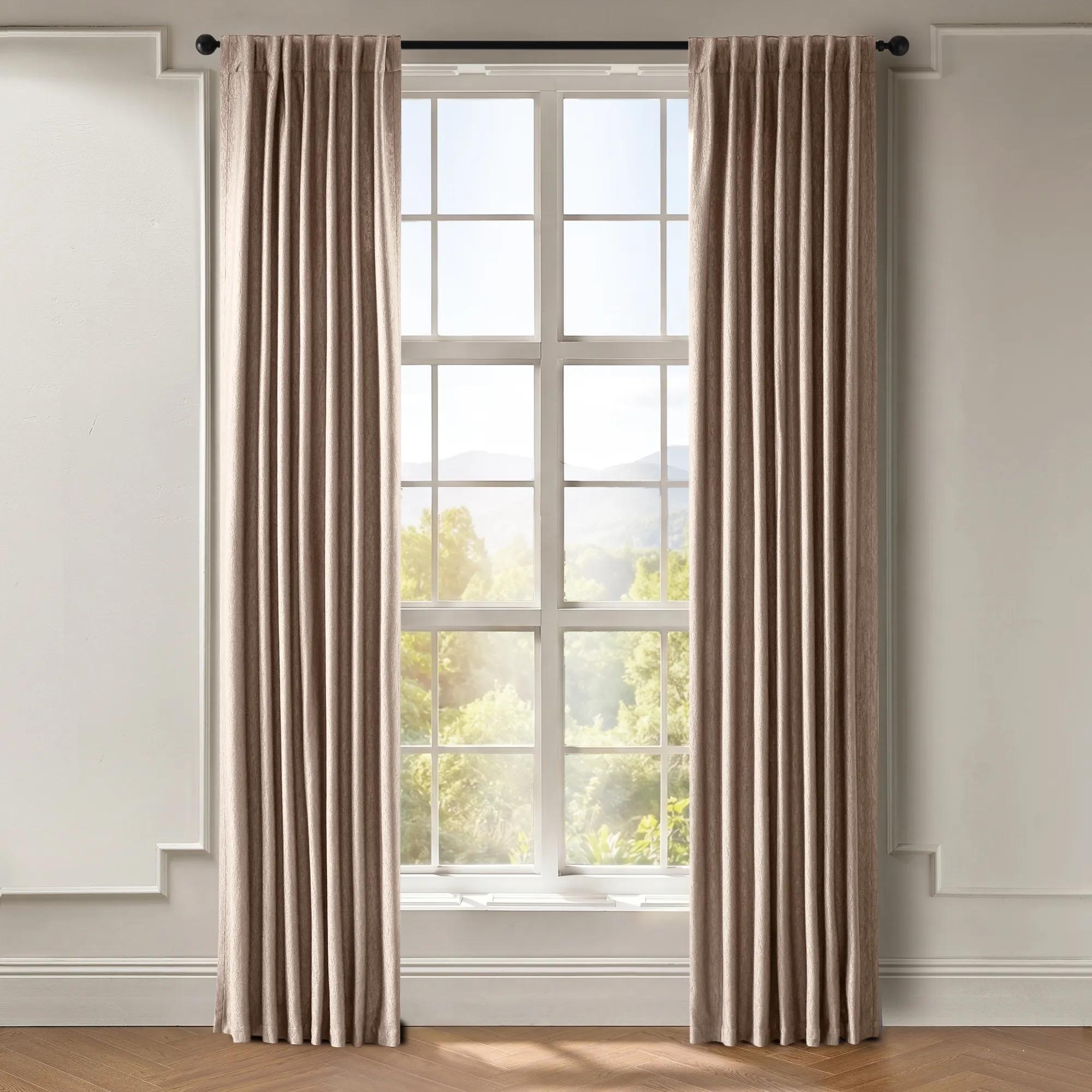
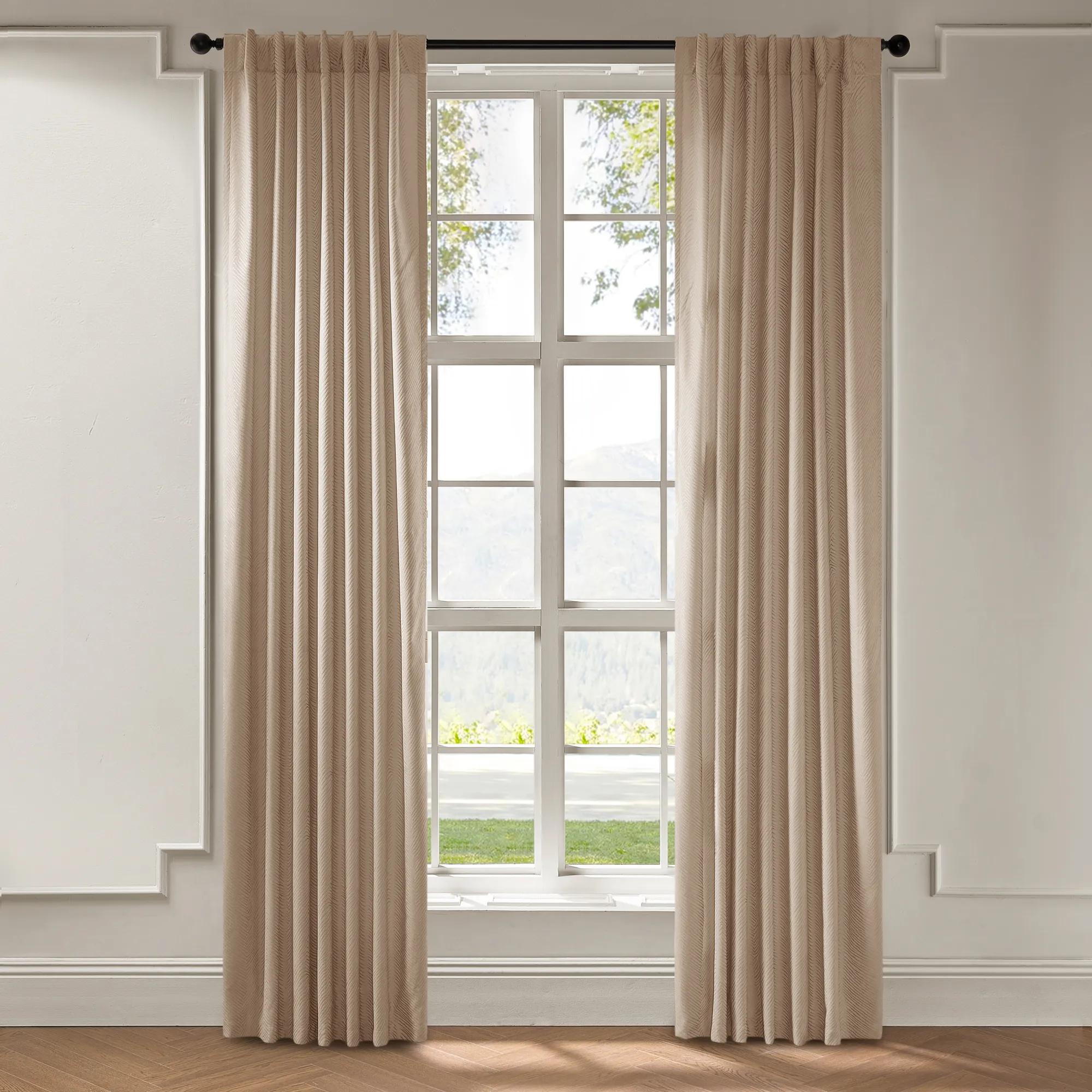 Kenzo Jacquard Beige Chenille Window Curtain Panel$119
A warm beige chenille jacquard curtain with a subtle sheen and versatile rod pocket or back tab hanging.
Add To Cart -
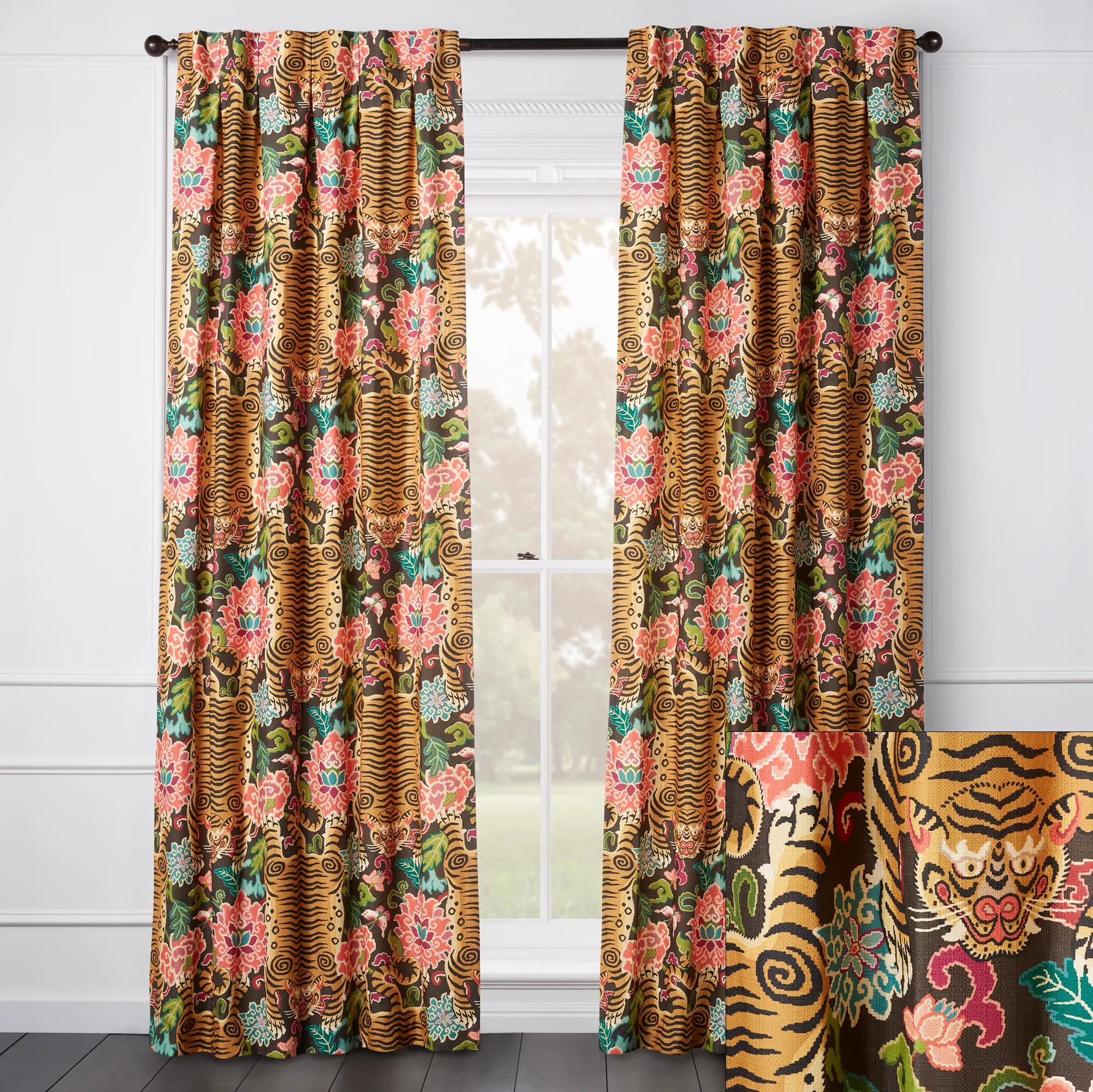
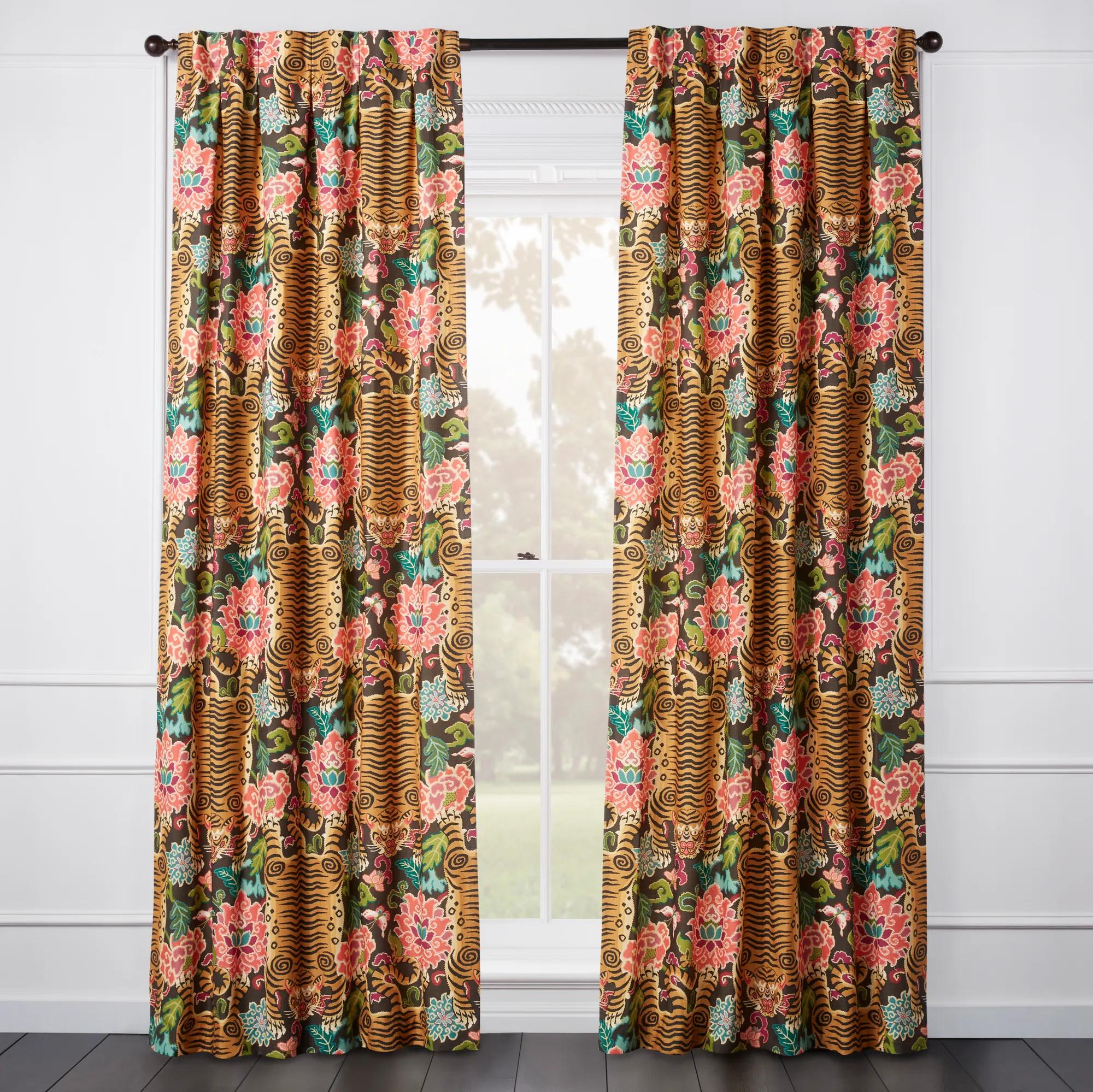 Nimer Gold/Multi Printed Slubbed Cotton Window Curtain Panel$289
A lively gold and multi-colored cotton curtain panel featuring a bold tiger print and customizable options.
Add To Cart -
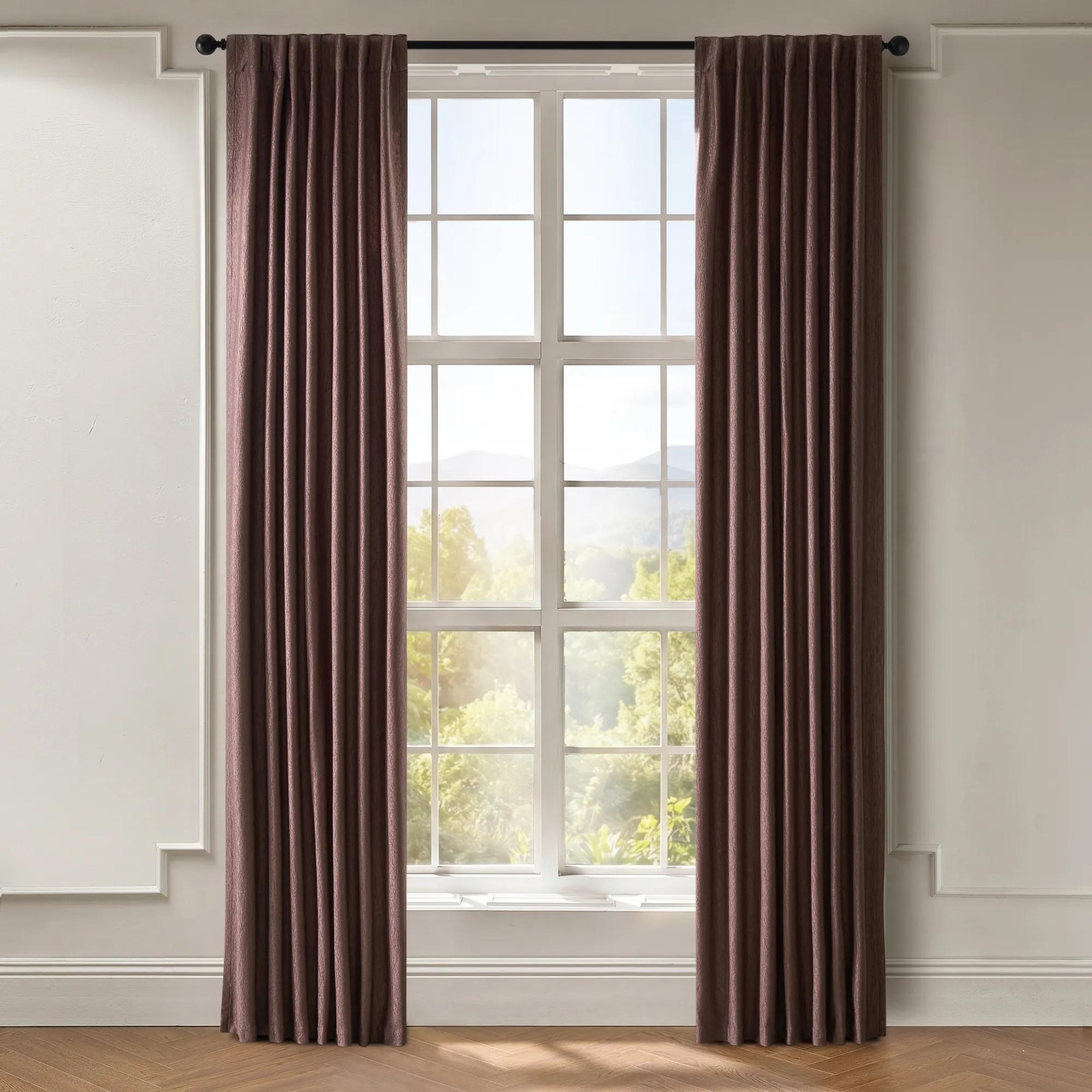
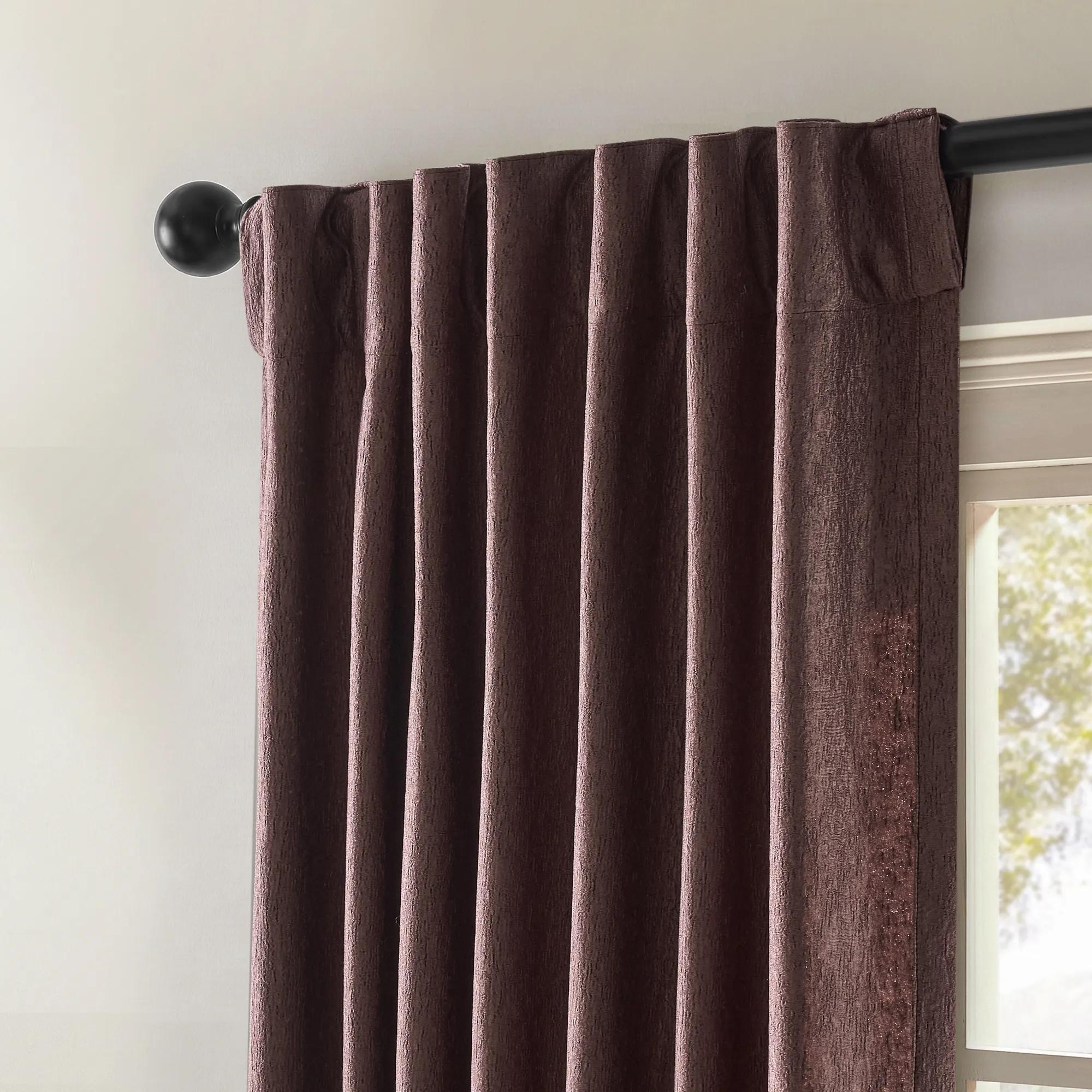 Anson Fig Textured Window Curtain Panel$99
A deep fig curtain panel in crushed, subtly sheened polyester with room-darkening and dual hanging options.
Add To Cart -
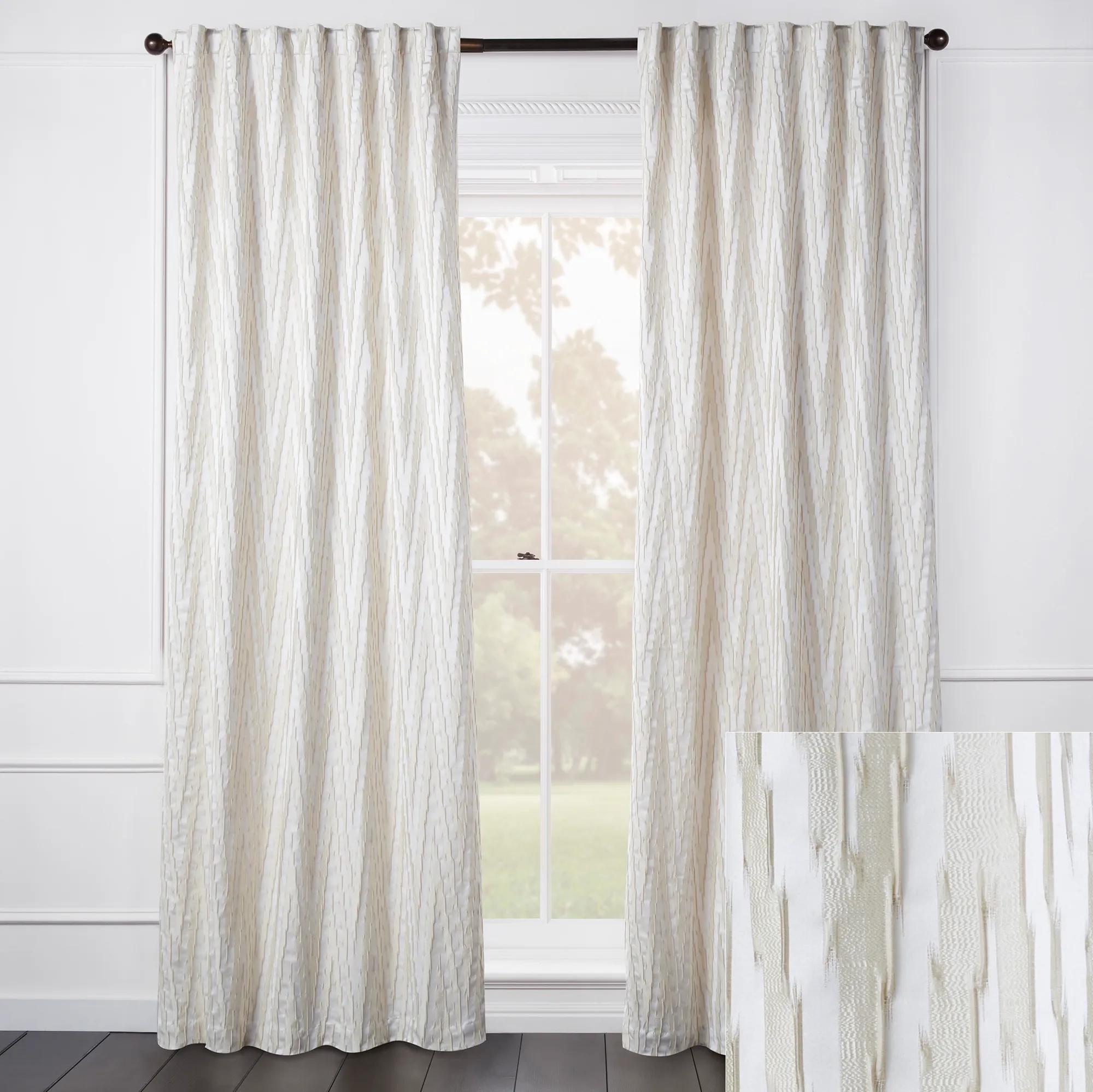
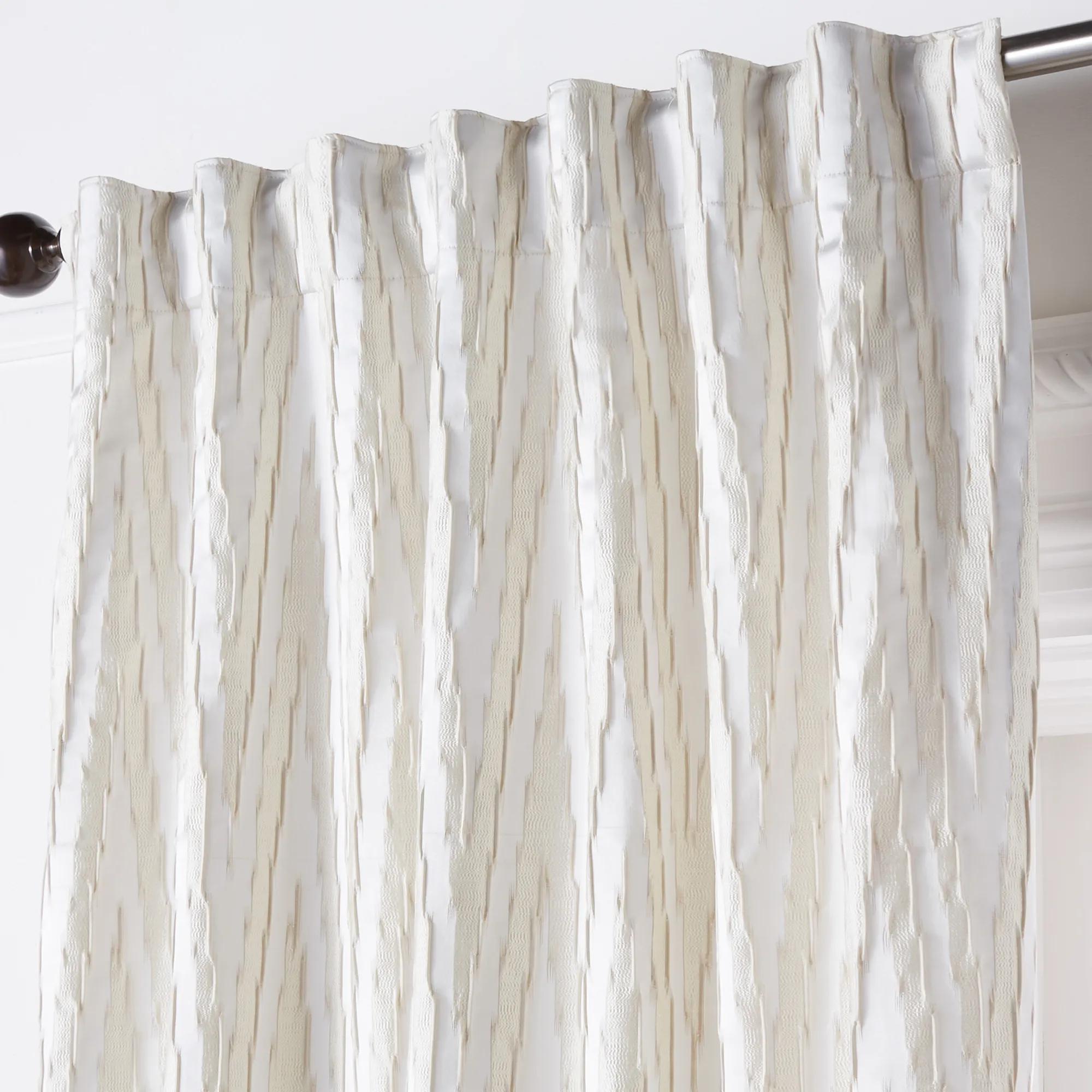 Minka Jacquard Pearl Window Curtain Panel Custom$239
A highly textured chevron curtain panel in pearl, grey, or natural, crafted from soft polyester blend.
Add To Cart -

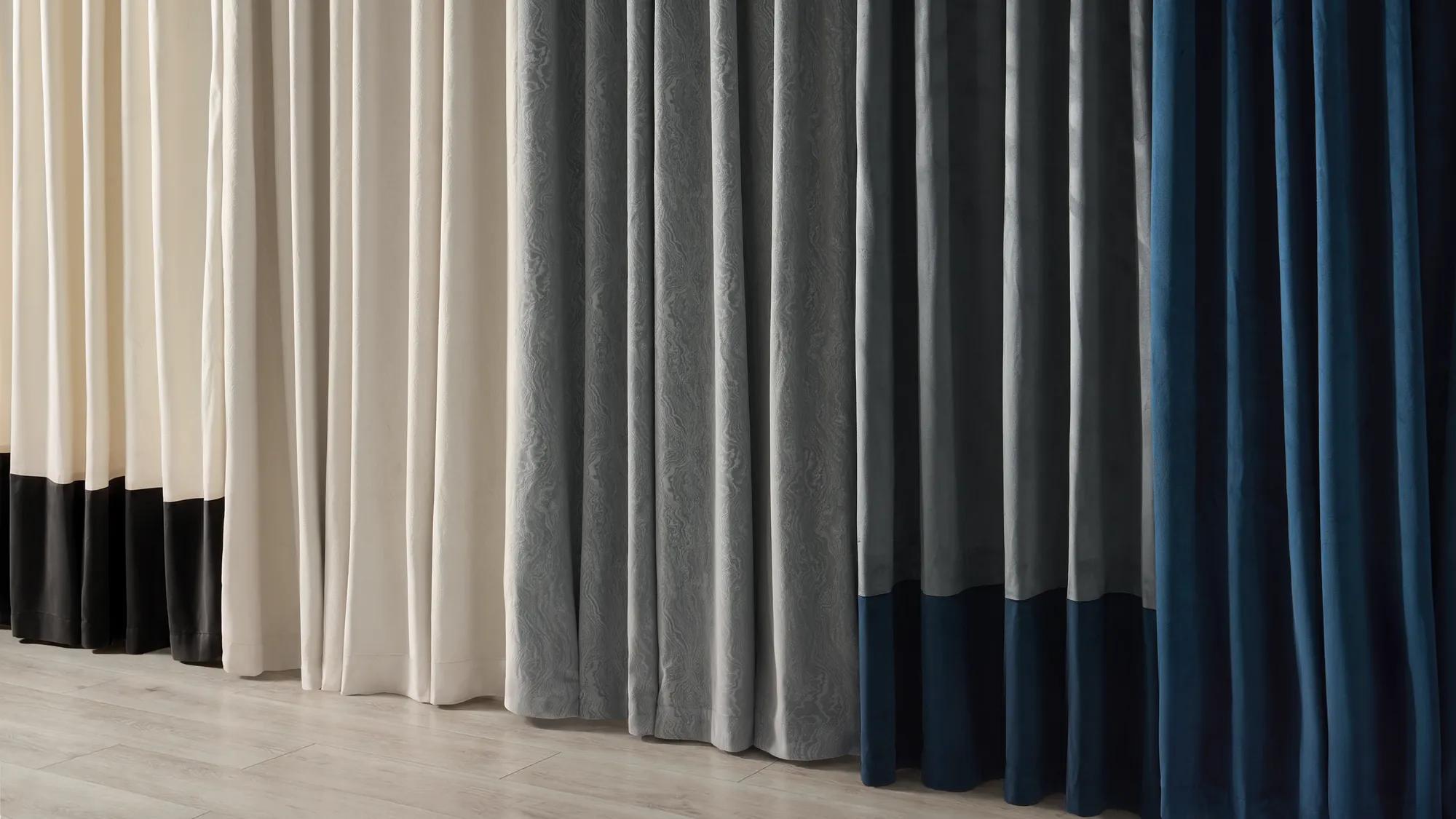 Mabel Velvet Swirl Curtain - Grey Blue$89
A grey blue velvet curtain featuring a tonal swirl pattern and versatile dual hanging options.
Add To Cart -
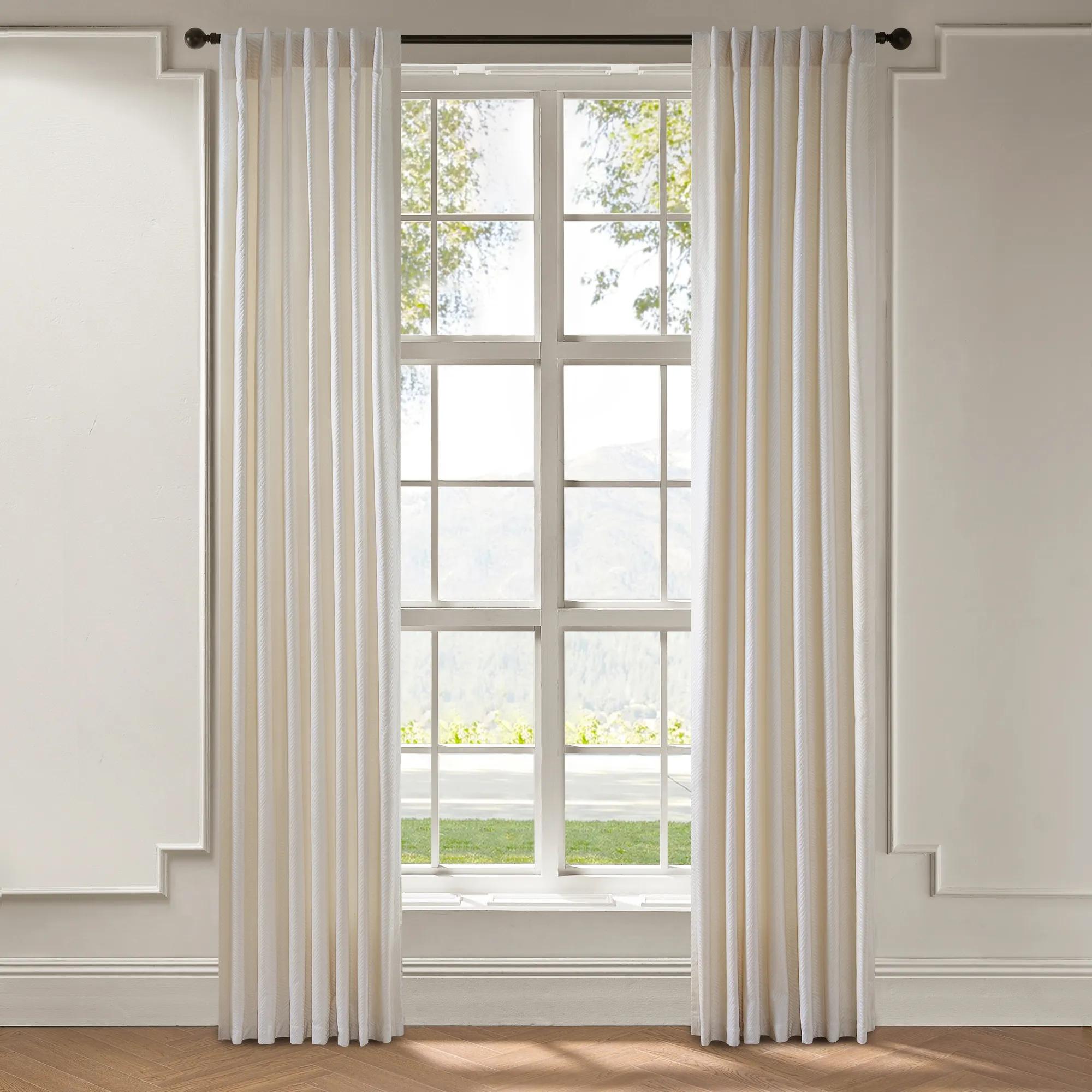
 Kenzo Chenille Curtain - White$139
A luxe white chenille jacquard curtain featuring a subtle high-contrast pattern and versatile dual construction.
Add To Cart -
 Anson Mocha Rose Textured Window Curtain Panel$89
A light mocha rose curtain panel with crushed sheen texture and room-darkening, dual hanging design.
Add To Cart -
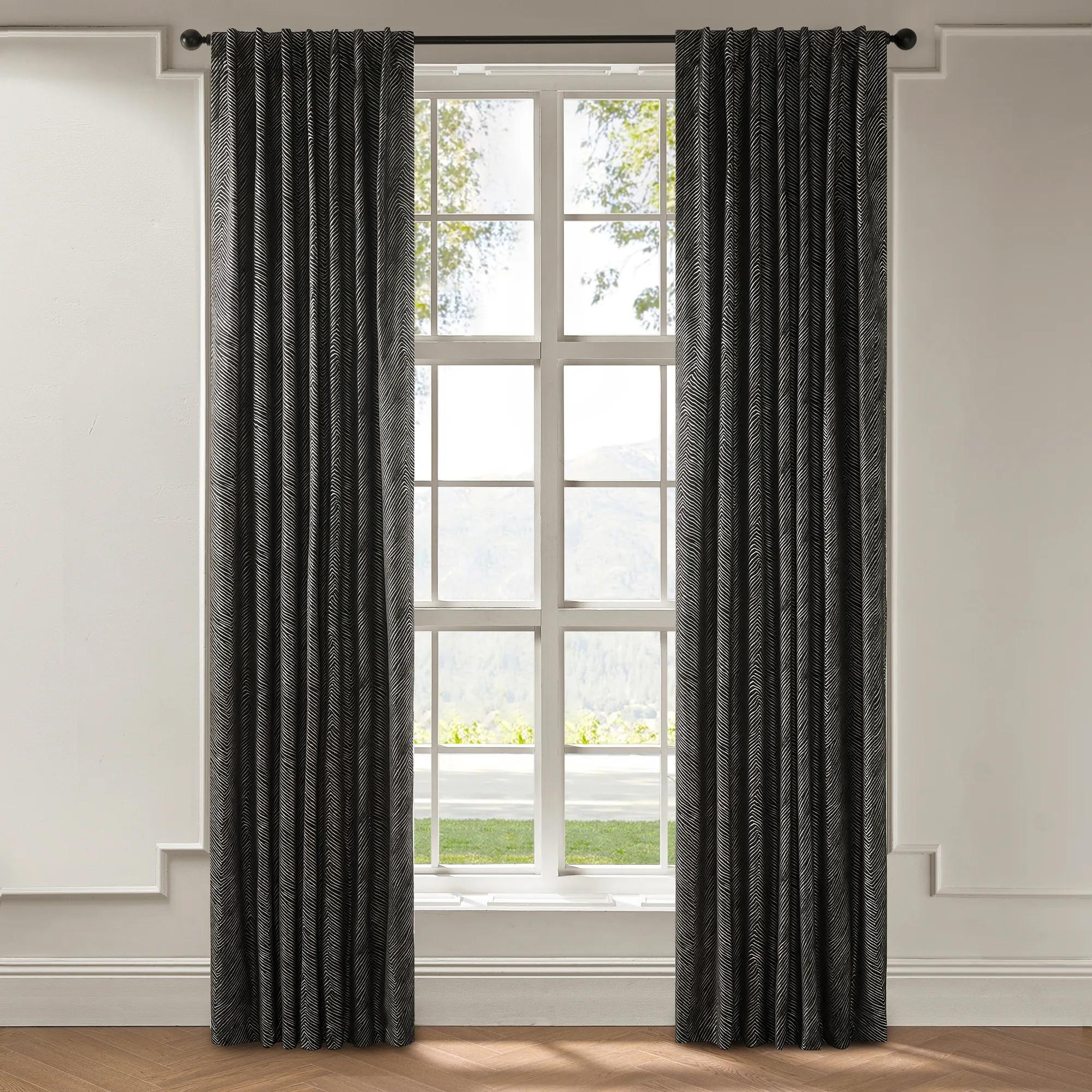
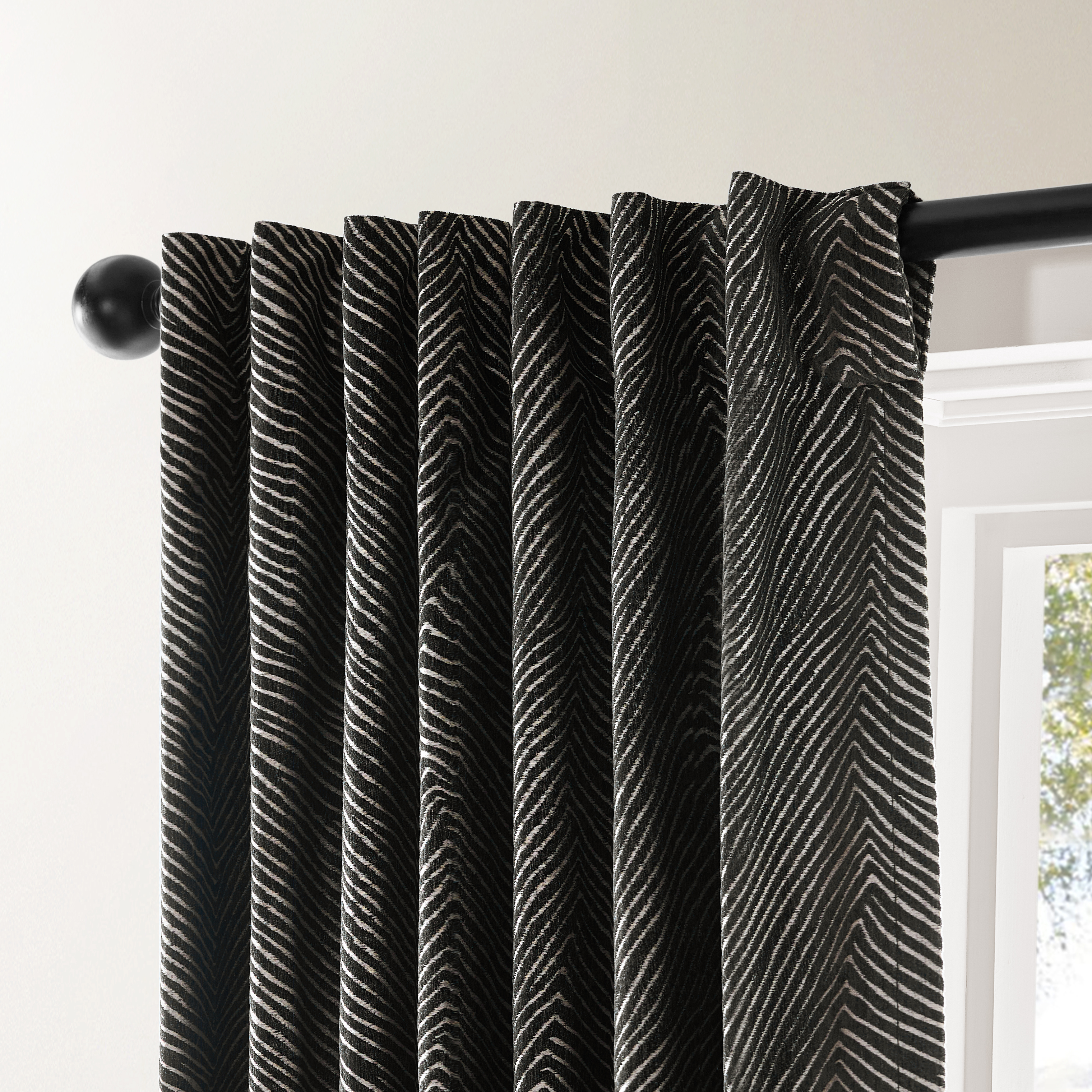 Kenzo Black Chenille Window Curtain Panel$119
A black chenille jacquard curtain with a luxe sheen and versatile dual hanging options for modern spaces.
Add To Cart -

 Mabel Natural Velvet Swirl Window Curtain Panel$109
A warm neutral velvet curtain with a tonal swirl pattern and room-darkening, dual hanging options.
Add To Cart -
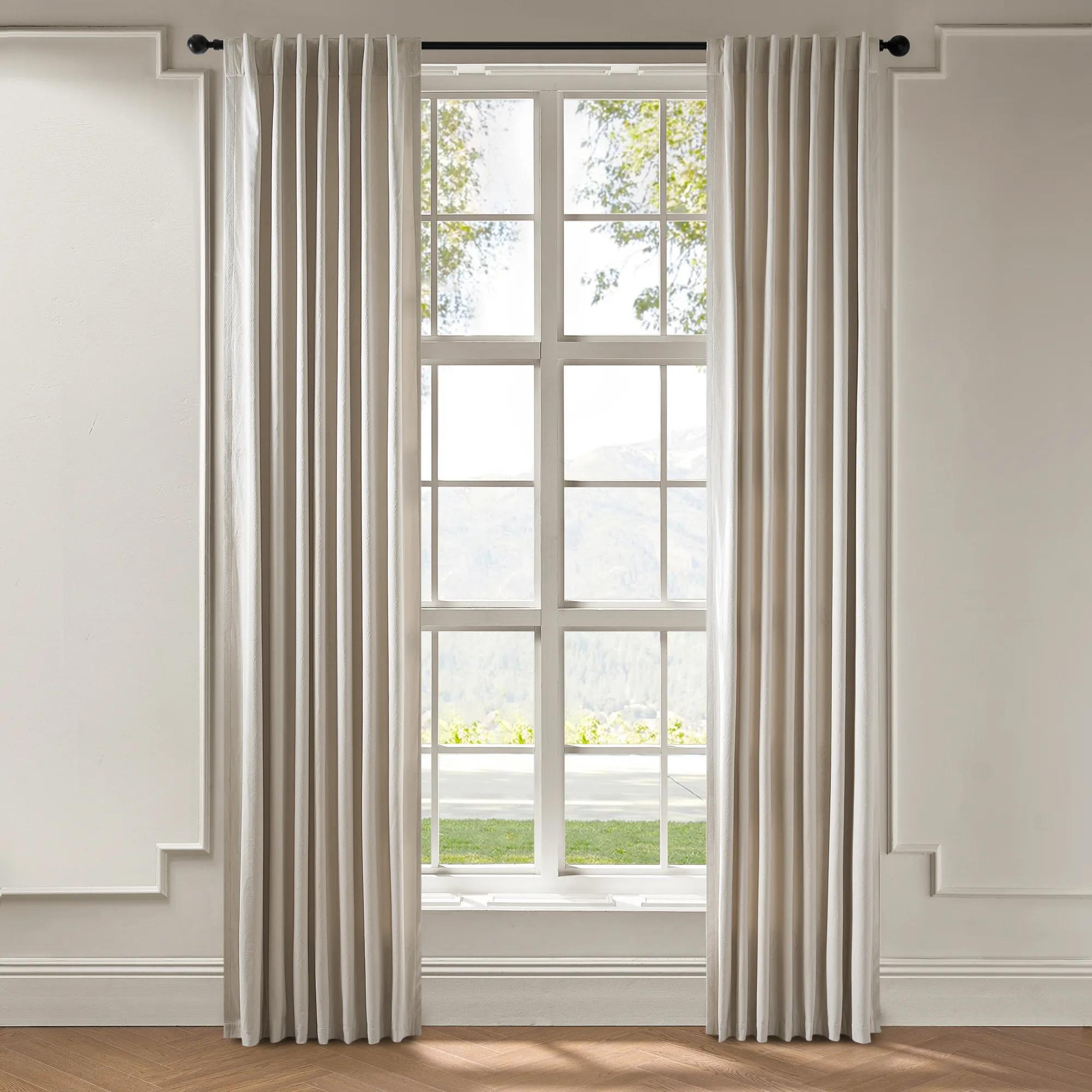
 Mabel White Velvet Swirl Window Curtain Panel$99
A crisp white velvet curtain featuring a tonal swirl texture and versatile dual hanging options.
Add To Cart -
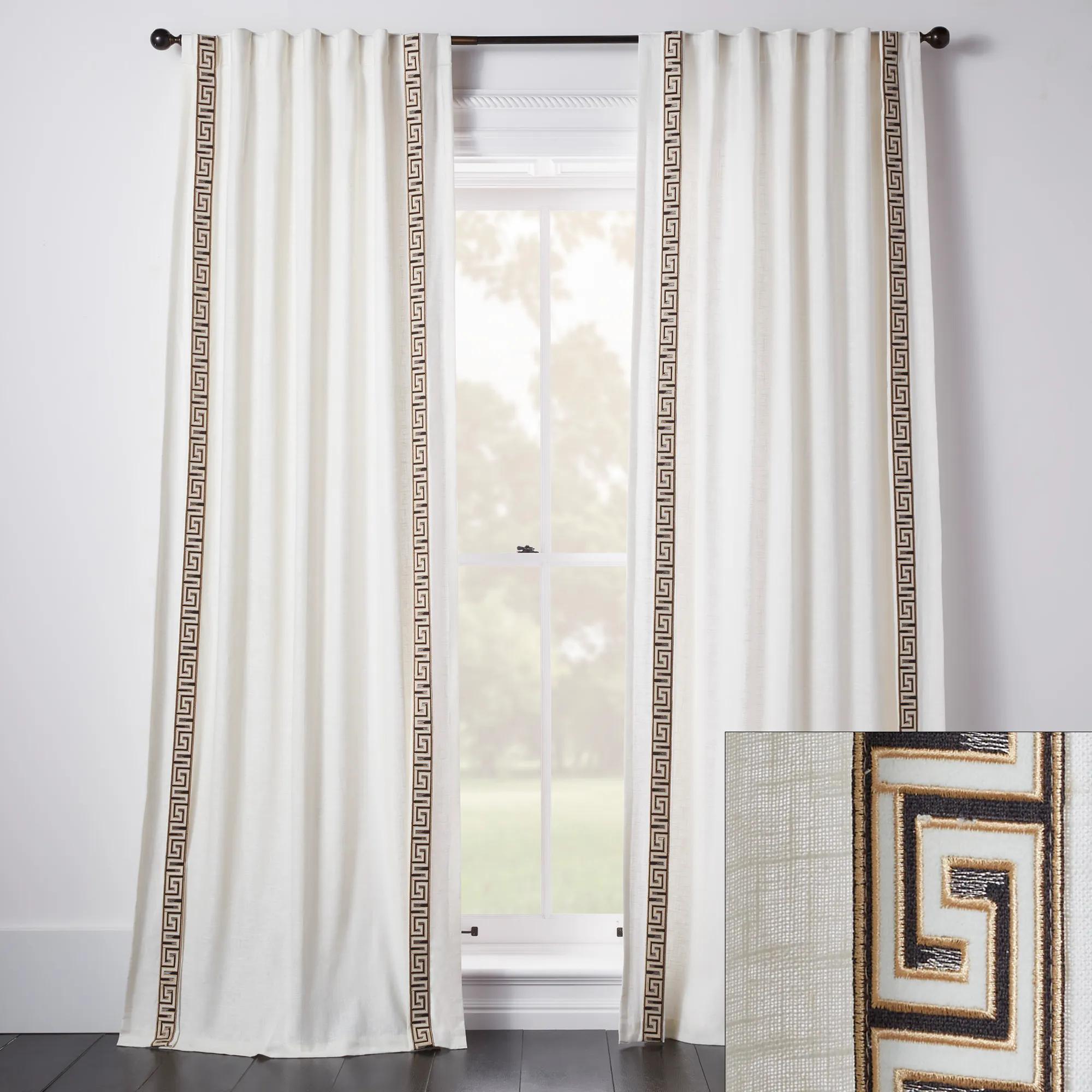 Chole Greek Key Border Velvet Widow Curtain Panels Custom$379
A linen-blend curtain panel with black and gold velvet Greek key border and customizable hanging options.
Add To Cart -
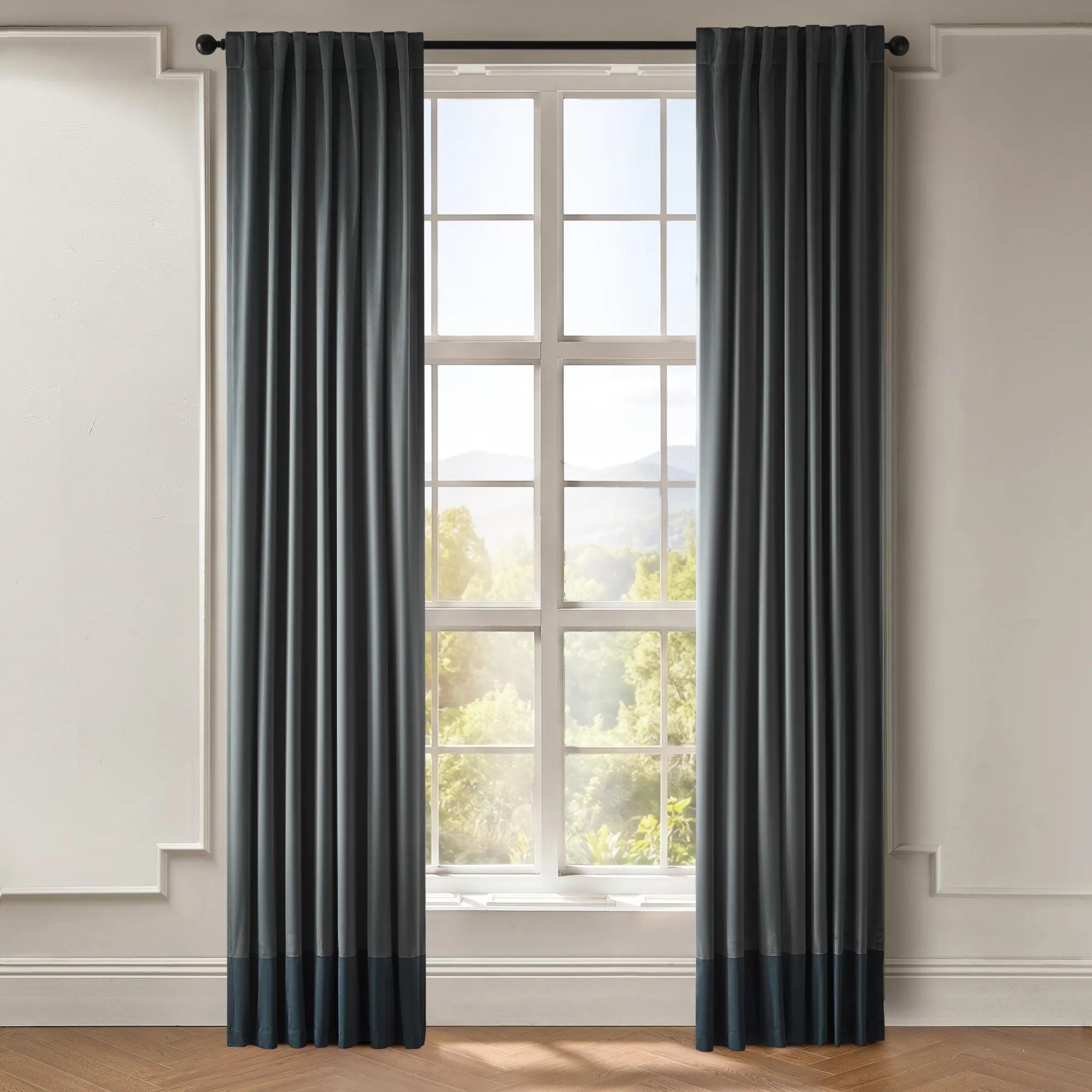
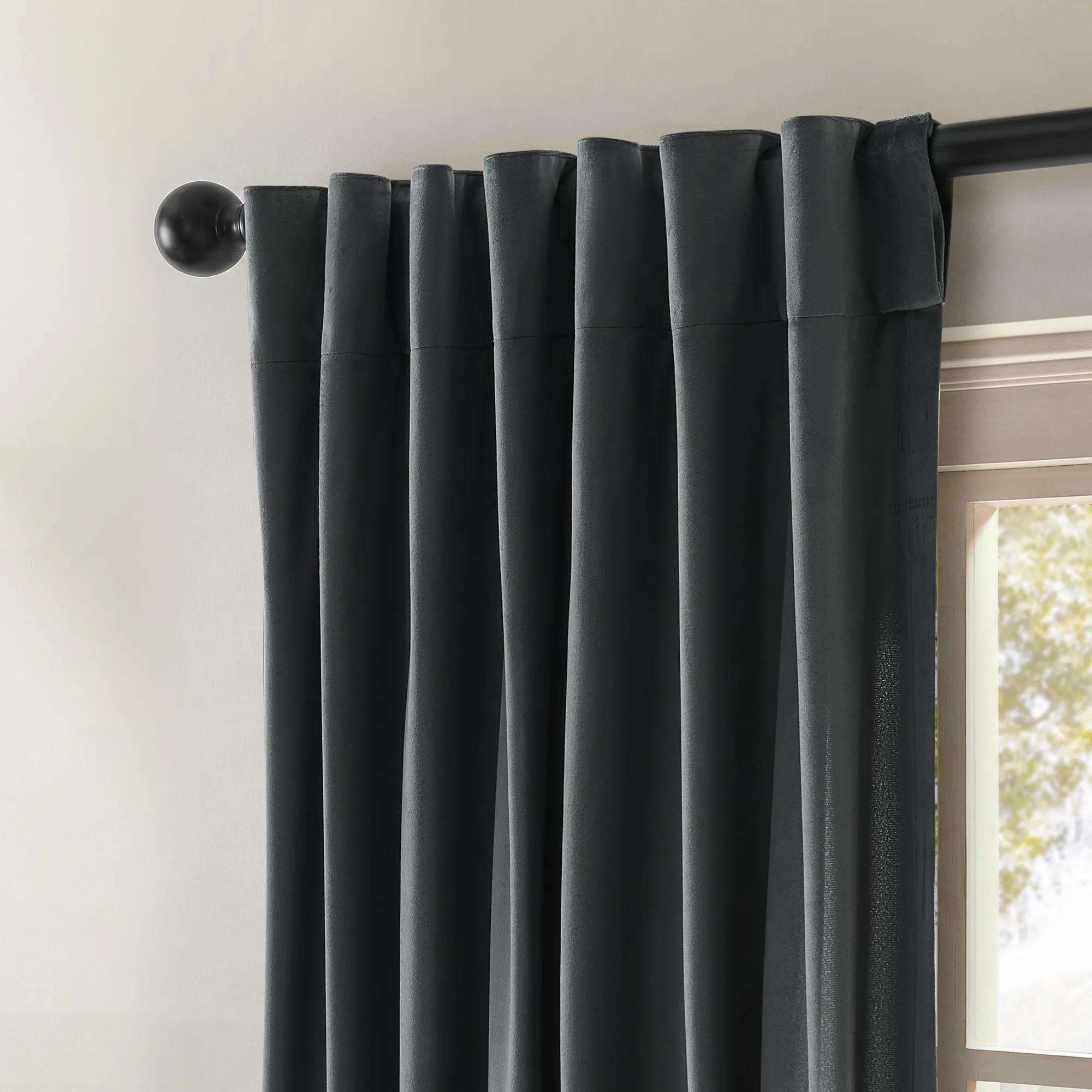 Bastien Blue/Midnight Velvet Border Window Curtain Panel$99
A two-tone dusty and midnight blue velvet curtain panel with a Deco-inspired border and room-darkening design.
Add To Cart -

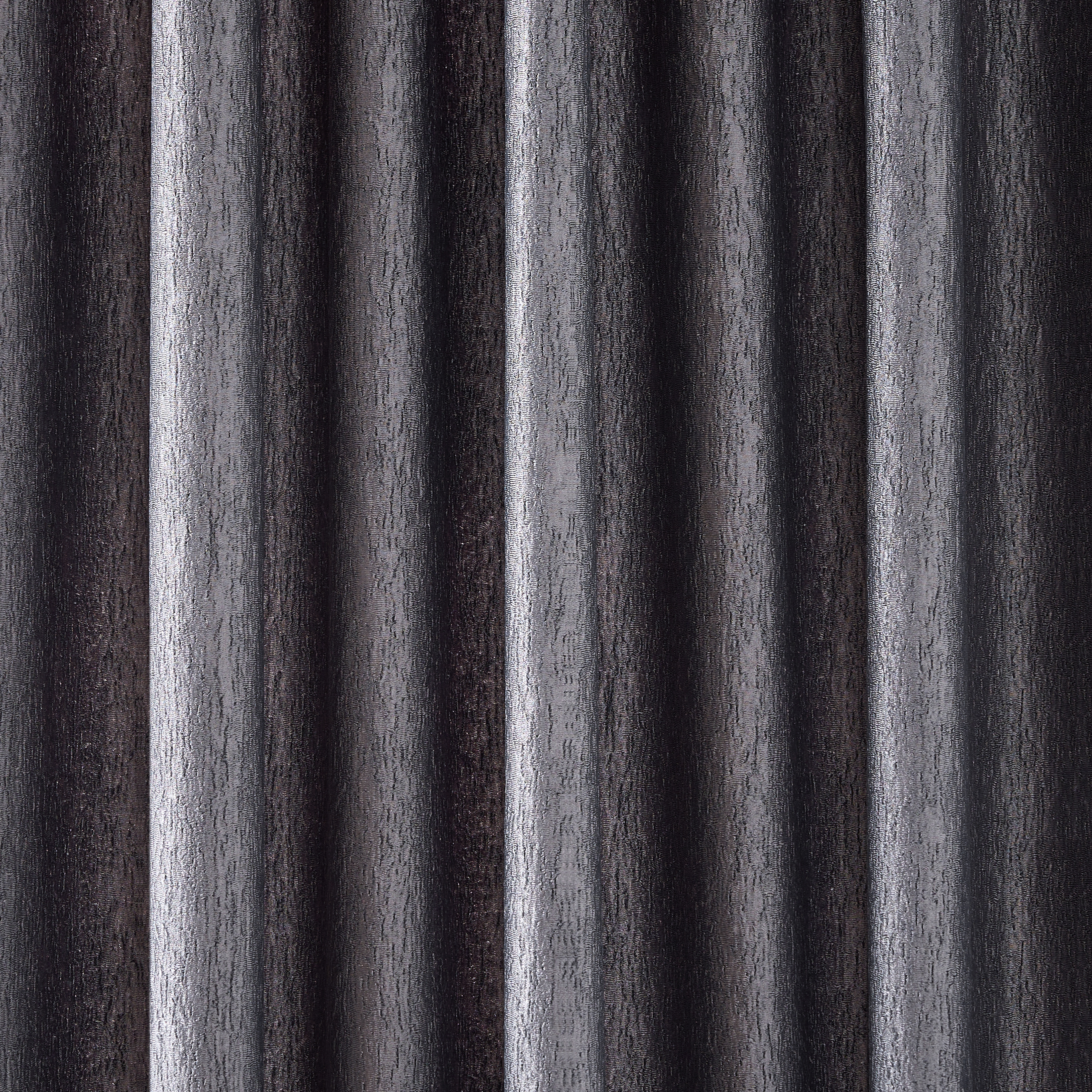 Anson Charcoal Textured Window Curtain Panel$89
A moody charcoal curtain with crushed polyester texture and subtle sheen for stylish, room-darkening appeal.
Add To Cart -
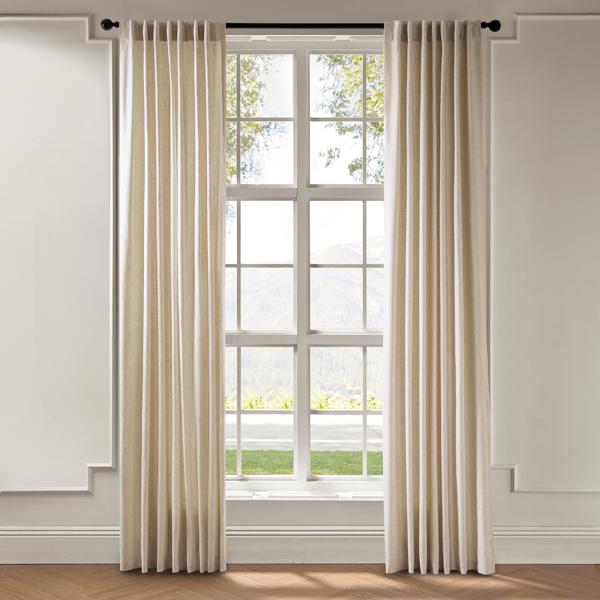
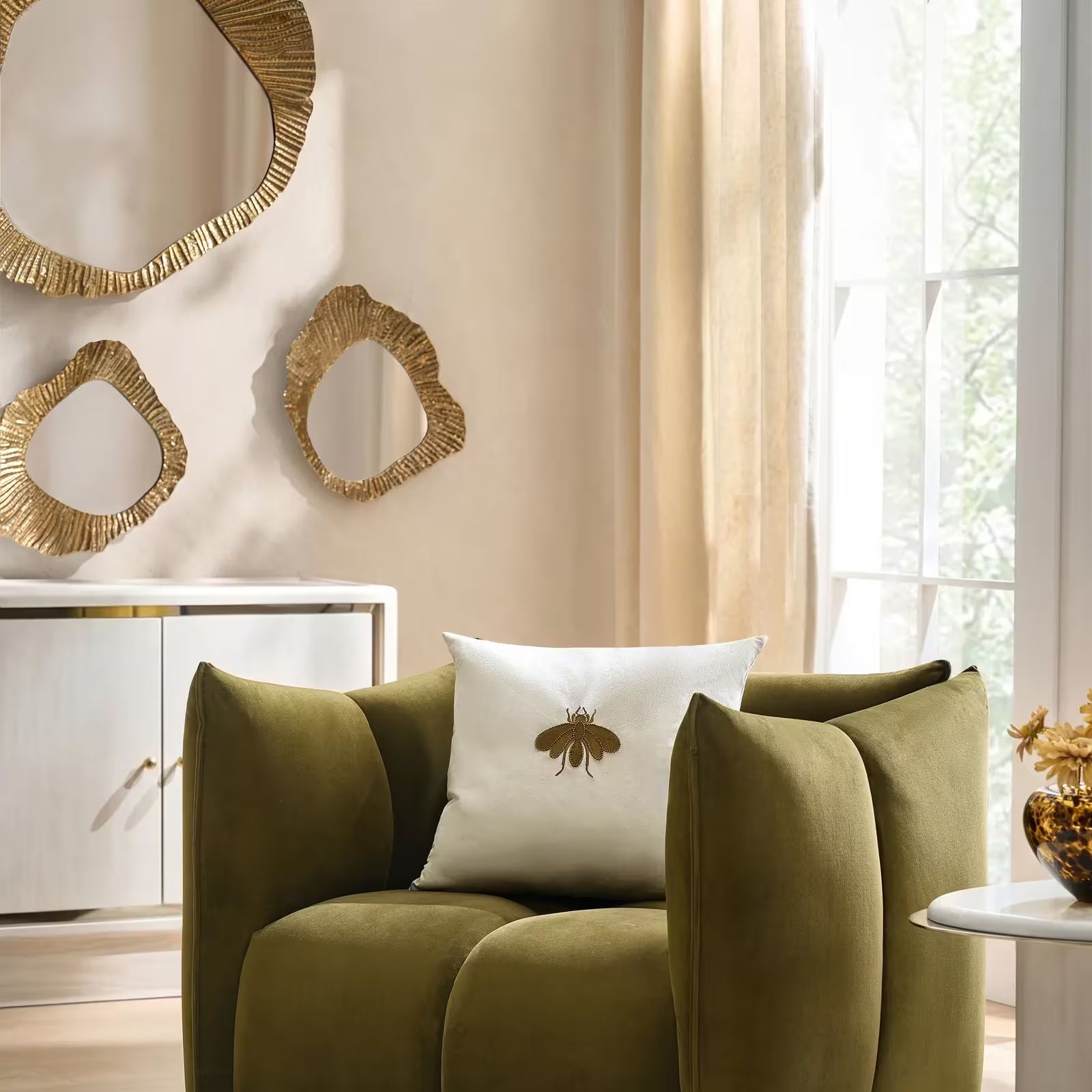 Anson Ivory Textured Window Curtain Panel$109
An elegant ivory curtain with a crushed, light-reflective texture and versatile dual hanging options.
Add To Cart -
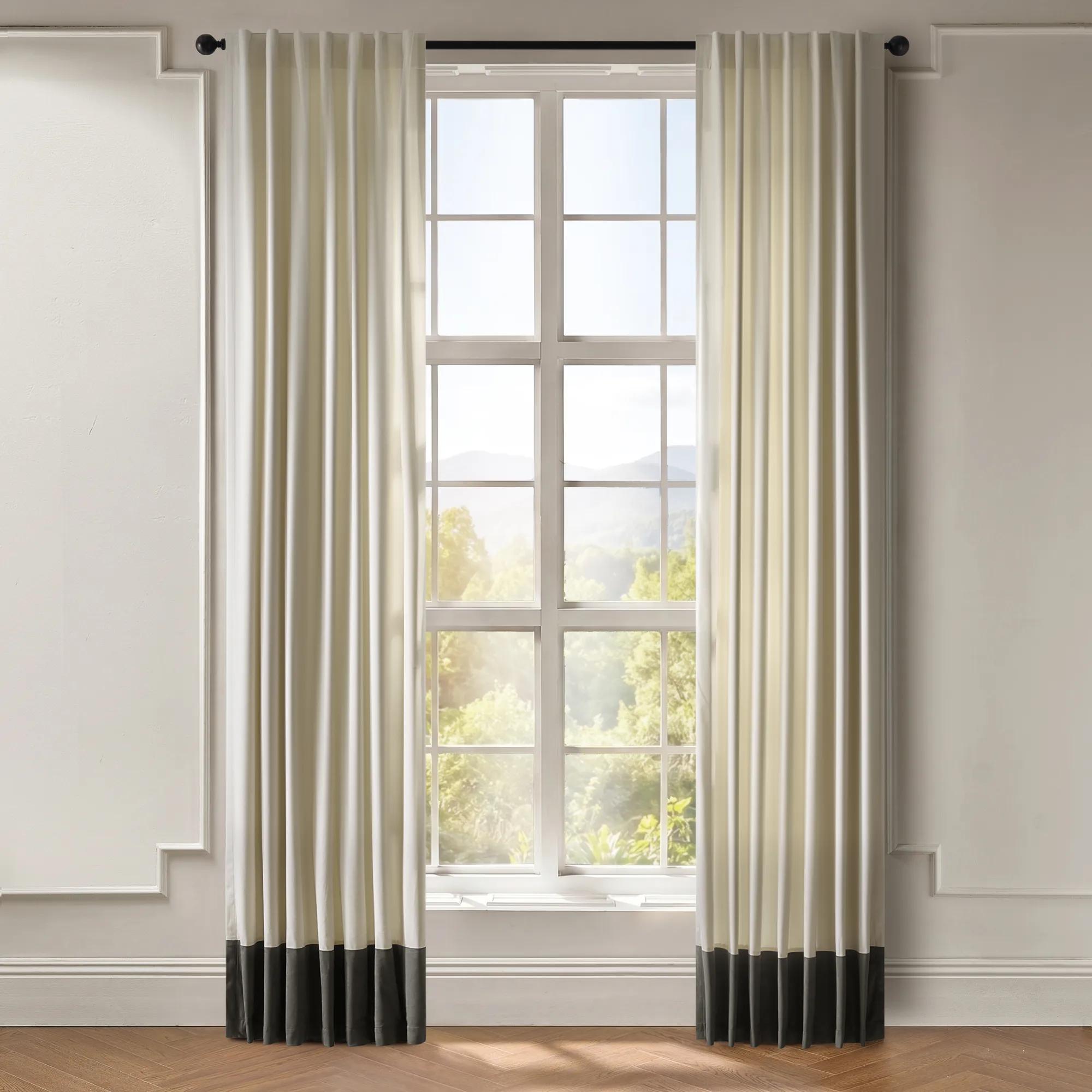
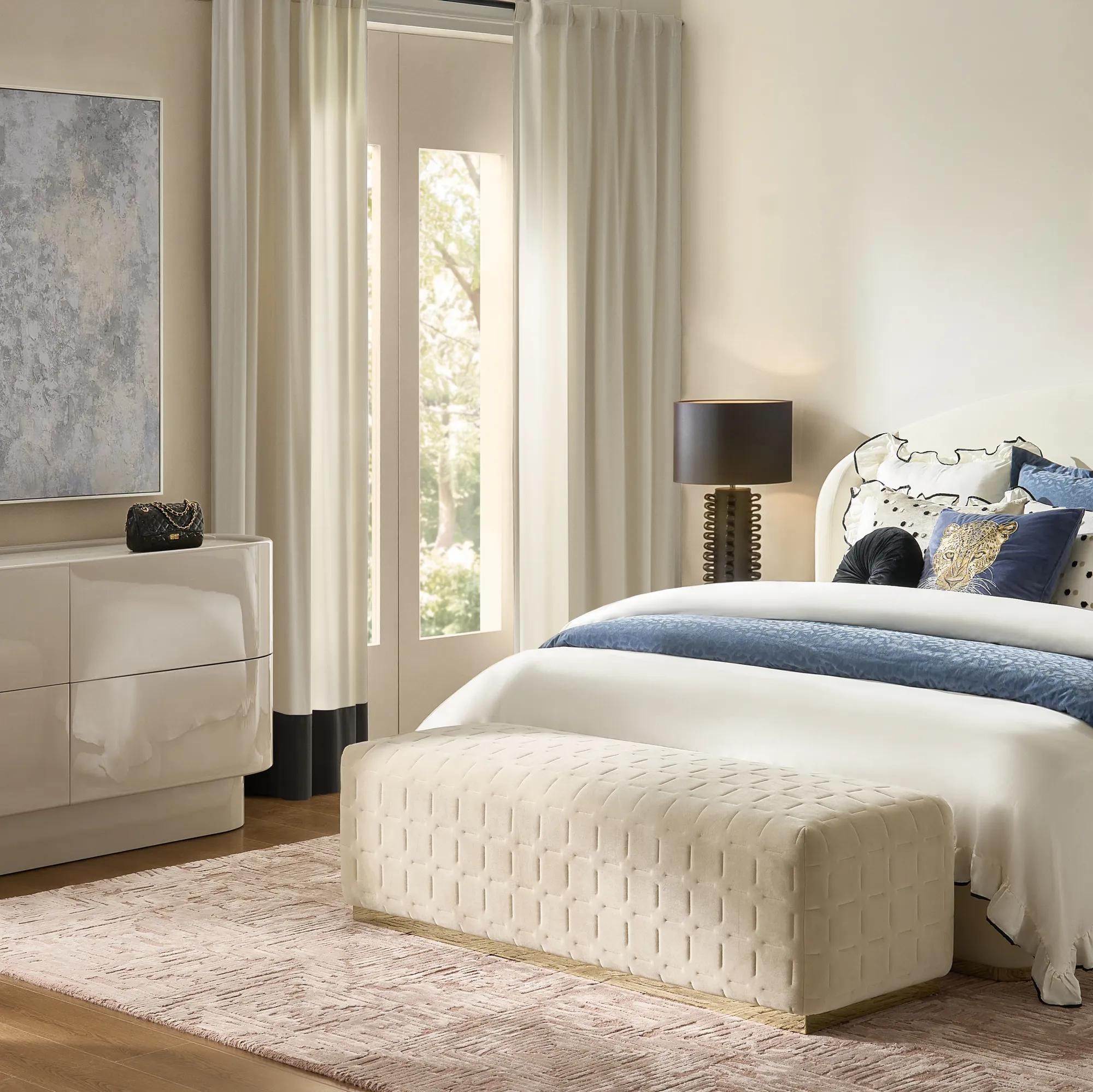 Bastien Ivory/Graphite Velvet Border Window Curtain Panel$109
A two-tone ivory and graphite velvet curtain panel with a Deco-inspired border and room-darkening design.
Add To Cart -
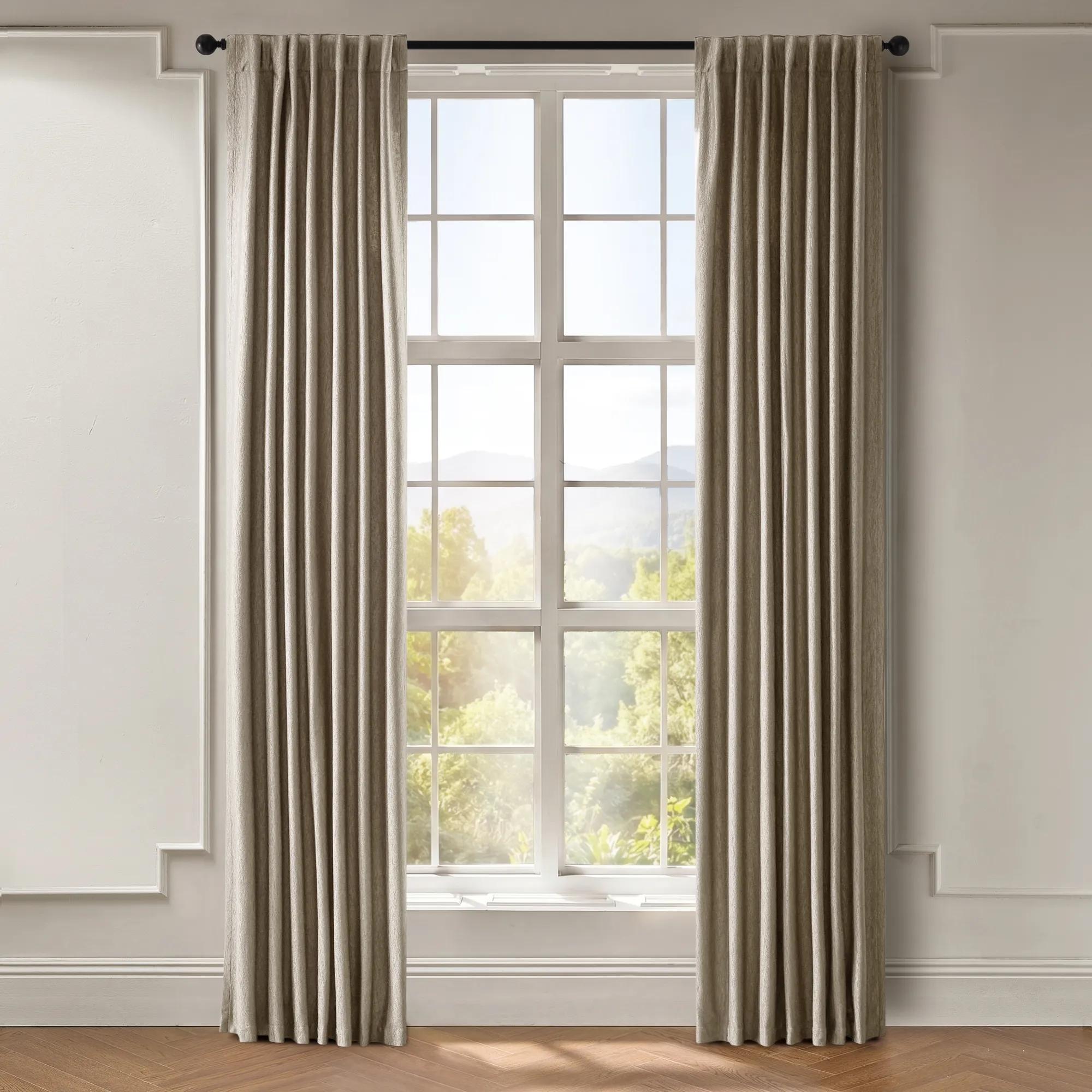
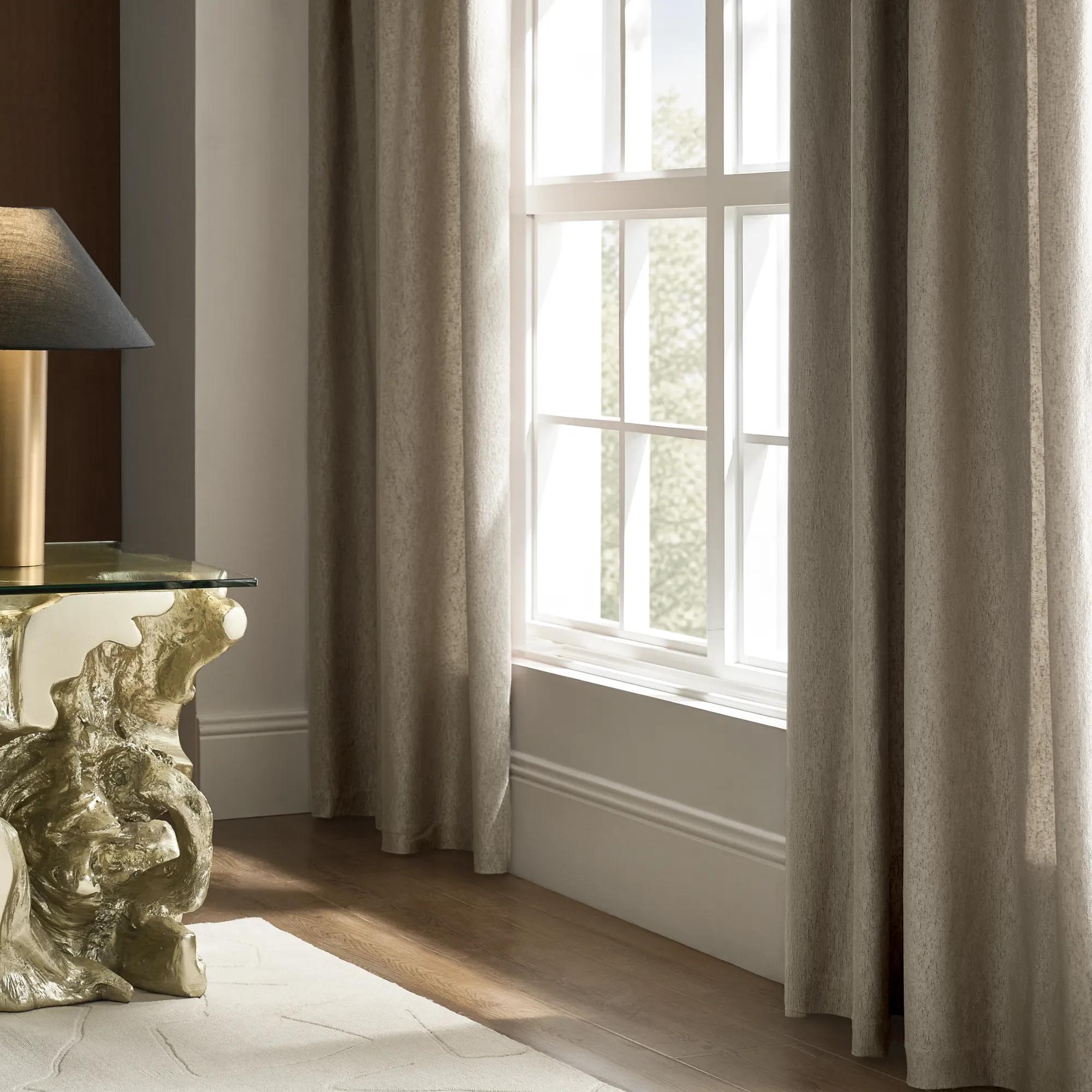 Anson Taupe Textured Window Curtain Panel$109
A taupe curtain panel featuring a crushed sheen texture and room-darkening, dual hanging design in 100% polyester.
Add To Cart -
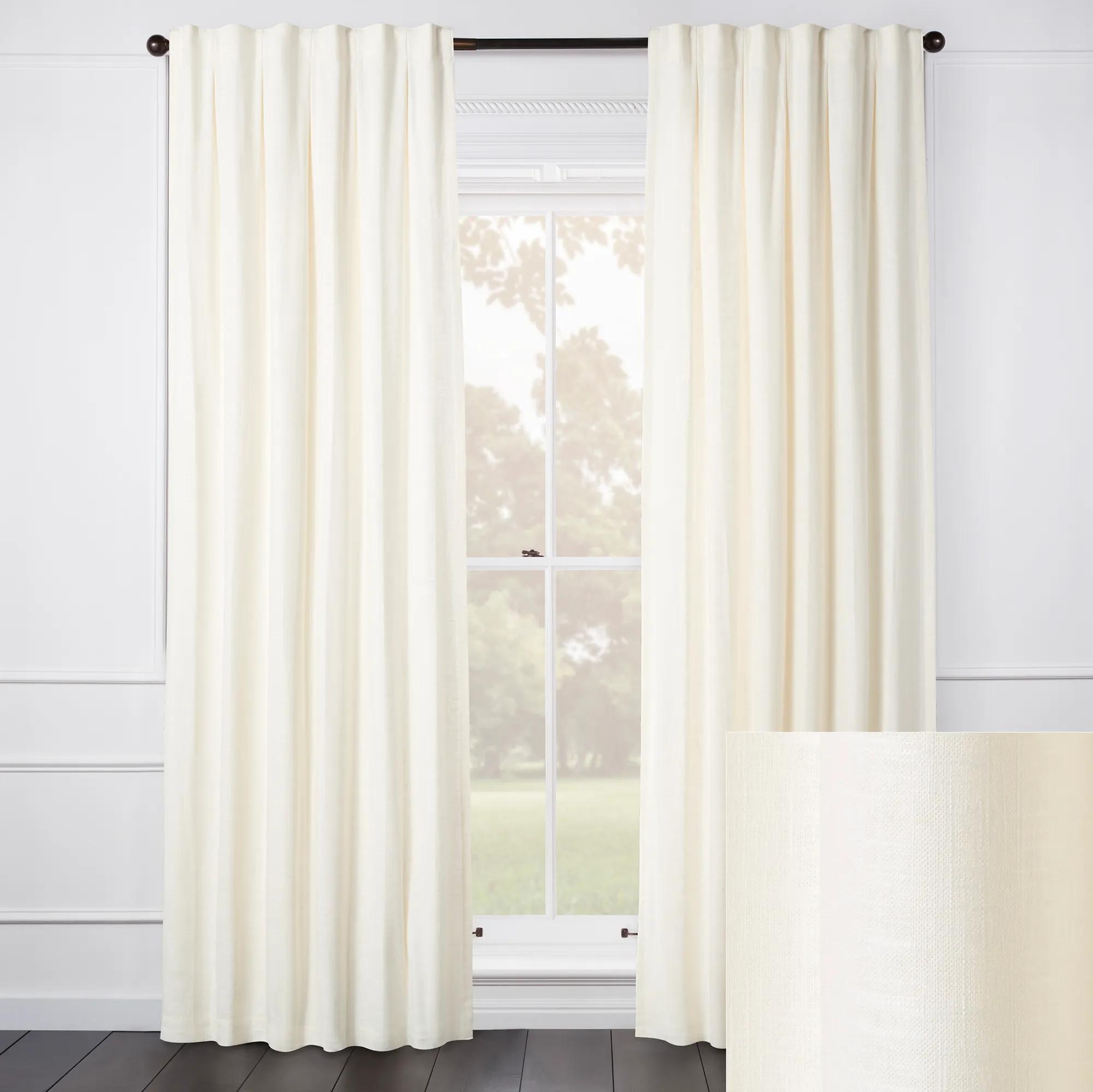
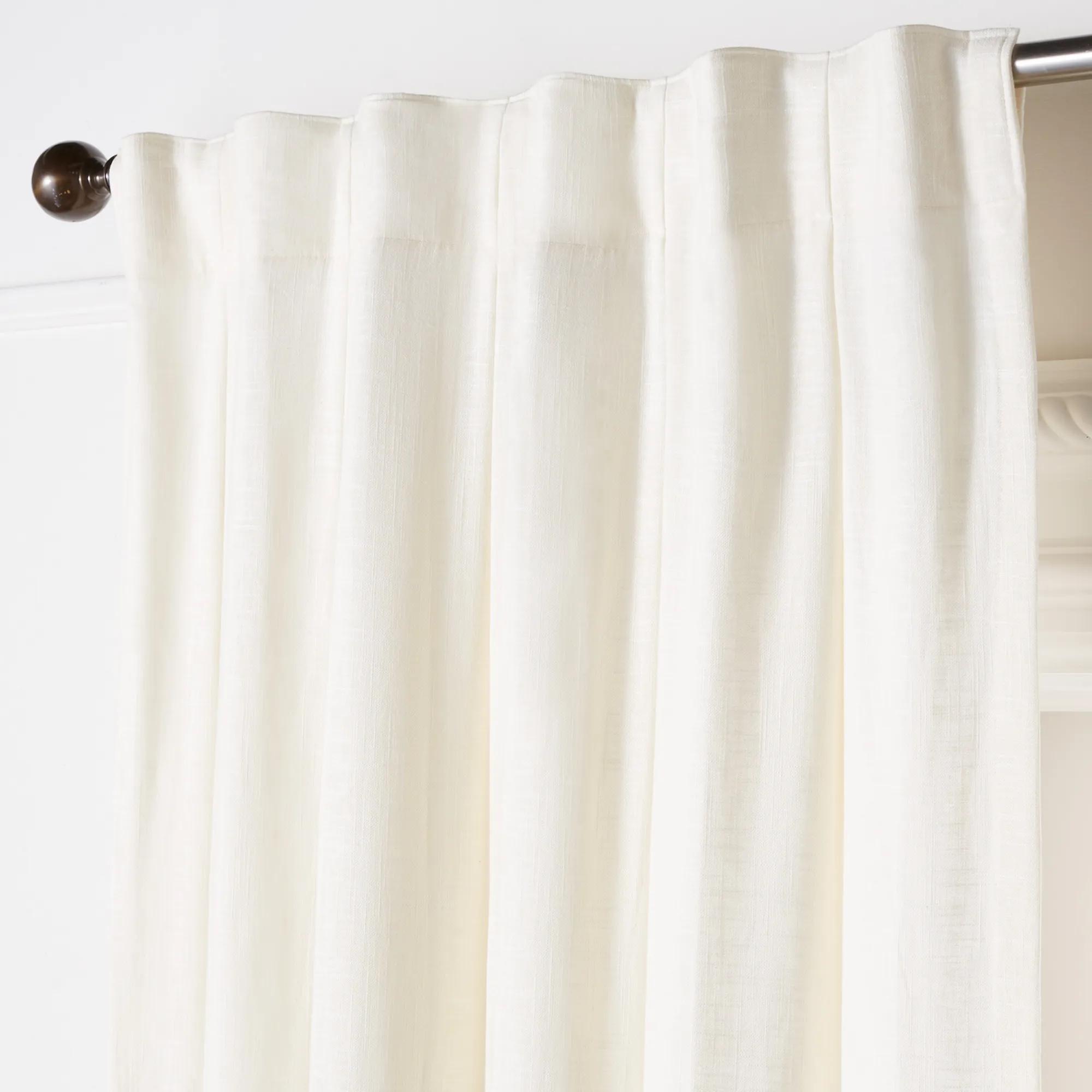 Audrey Linen Ivory Curtain - Custom$269
An ivory linen-blend curtain panel with lining, offering customizable lengths and two elegant header styles.
Add To Cart

Exclusive Patterned Window Panels
Exclusive Patterned Window Panels transform every window into a showcase of artistry and allure. Imagine sunlight dancing through intricate motifs, casting mesmerizing shadows that shift with the day—each panel is an invitation to indulge in drama and sophistication. Elevate your interiors with a flourish of pattern and texture, where bold design meets refined elegance. With Exclusive Patterned Window Panels, your space becomes a gallery of self-expression, capturing the essence of luxury living in every luminous detail.
Exclusive patterned window panels give a room a distinctive visual signature, combining decorative fabric with the graceful architecture of a full-length drape. Unlike solid curtains, patterned panels introduce movement through their motifs: a sweeping botanical can soften angular furniture, a geometric repeat can echo architectural lines, and a richly layered damask can lend depth to a restrained palette. Their appeal lies in that balance of expression and proportion. In a living room with a broad sofa and expansive windows, a generous pattern has the presence to hold its own; beside a reading chair or across a narrower opening, a finer repeat can create an intimate, detailed backdrop. Color is equally influential. Tonal patterns reveal themselves gradually as light moves across the folds, while contrasting designs make the window a deliberate focal point. Fabrics shape that effect as much as the artwork itself. Cotton often offers a natural hand and clear pattern definition, while linen and linen blends bring visible texture and a more relaxed fall. Polyester and blended fabrics can offer dimensional stability and resistance to wrinkling, depending on their construction. Jacquard describes a pattern woven into the fabric rather than simply printed on its surface, creating depth that becomes especially noticeable in pleats and folds. Chenille introduces a plush, tactile dimension, while patterned velvet can give color a luminous richness that changes with the direction of its pile. None of these materials determines performance alone; fabric weight, weave, backing, and finishing all influence how a panel hangs and filters light. For spaces with sculptural furnishings, gleaming finishes, or expressive artwork, patterned drapery creates a vertical layer that helps the composition feel complete. The strongest combinations often share one color or shape with the surrounding room without repeating every detail, allowing the window treatment to feel connected rather than precisely matched.
Beyond their decorative impact, patterned window panels serve different needs for light control, privacy, and everyday use. Lightweight sheers and semi-sheers can scatter direct sunlight into a softer glow while keeping the pattern airy and translucent. Burnout designs use areas of contrasting opacity to reveal their motifs, giving the fabric an almost etched appearance against the window. These lighter constructions are especially appealing where atmosphere matters more than visual screening, but they should not be assumed to provide nighttime privacy when interior lights are on. More densely woven panels generally offer greater coverage, though privacy still depends on the fabric and the lighting on either side of the glass. A lining can add body, help support a more substantial drape, and create a more consistent appearance from outside. Lined Patterned Window Panels bring that additional construction layer to the decorative surface, making them worth considering for bedrooms, street-facing living spaces, and rooms where the fabric needs a fuller silhouette. Lined does not automatically mean blackout; light-filtering, room-darkening, and blackout performance should be confirmed in the individual specifications. Fit is just as important as fabric. The combined panel width needs to accommodate both the opening and the folds, with many decorative treatments using roughly one and a half to two times the rod width for fullness, depending on the heading and fabric weight. A bold repeat needs enough fabric to remain legible without being pulled flat when the panels close. Rod placement, the heading style, and the distance from the hanging point to the floor all affect finished length. Grommets create broad, regular waves, back tabs can offer a tailored face, and rod pockets produce gathered folds. Hardware compatibility matters, particularly for heavier fabrics or panels that will move daily. Extending the rod beyond the window can give open panels somewhere to rest without covering as much glass, while generous side coverage can help limit light gaps when closed.
The most satisfying patterned drapery also suits the way a household lives. In a bedroom, a subdued geometric or softly drawn botanical can provide visual interest without competing with layered bedding. In a dining room, a more pronounced motif can frame the table with the richness of an upholstered wall, especially when the panels hang in generous, uninterrupted lengths. A home office may benefit from a quieter repeat that adds character behind a desk while avoiding excessive visual activity. For doors and frequently used walkways, hems that clear the floor are often easier to live with than pooled fabric; a lightly grazing length delivers elegance without leaving excess material underfoot. Durability depends on more than a substantial feel. Secure seams, well-finished hems, reinforced headings, and fabric appropriate to repeated handling all contribute to lasting performance. Patterns may also appear different across folds, so their alignment matters most where two panels meet or where multiple windows share a wall. A fabric swatch viewed upright in the intended room can reveal undertones, translucency, and texture more accurately than a flat image alone. Care requirements deserve the same attention as color and scale. Some fabrics permit gentle machine washing, while others require professional cleaning, and decorative finishes or linings may change the recommended method. Following the care label helps protect the drape, dimensions, and surface detail; unapproved washing or high heat can cause shrinkage or distort layered construction. Routine dust removal with an appropriate soft brush or low-suction upholstery attachment can keep folds looking fresh between cleanings. Direct sunlight can gradually fade textiles, so lining and thoughtful placement may help protect the decorative face without eliminating that risk. With proportion, performance, and care considered together, exclusive patterned window panels offer more than an ornamental finish: they frame daily life with texture, color, and a confident sense of personal style.
FAQs
Patterned window panels introduce visual intrigue and depth, transforming natural light into a dynamic design element. Whether you choose bold geometrics or soft botanicals, these panels can set the mood—adding drama, warmth, or sophistication to any space. Their unique designs become a focal point, reflecting your personal style and elevating the room’s overall ambiance.
Absolutely. Patterned window panels are remarkably versatile, seamlessly complementing both modern and traditional decor. In contemporary spaces, they can provide a striking contrast or reinforce a color palette, while in classic interiors, they add a layer of texture and elegance. The key is to select patterns and fabrics that harmonize with your existing furnishings and design vision.
Exclusive patterned window panels are often crafted from luxurious materials such as velvet, linen, jacquard, and silk blends. These fabrics not only showcase intricate patterns beautifully but also offer tactile richness, enhancing the sensory experience of the room. The choice of material can influence how the panels drape, filter light, and contribute to the room's atmosphere.
Yes, layering patterned window panels with other treatments—such as sheer curtains or solid drapes—can create a custom, designer look. This approach allows you to play with opacity, color, and pattern, offering both functional benefits and a heightened sense of luxury. Layering also provides flexibility in controlling light and privacy throughout the day.
Patterned window panels make a sophisticated gift for anyone passionate about interior design, new homeowners, or those celebrating milestones like a move or renovation. They are especially cherished by individuals who love to refresh their spaces seasonally or entertain guests, as these panels add a distinctive, personal touch to any room.