Light Colored Window Curtains
Light Colored Window Curtains
-
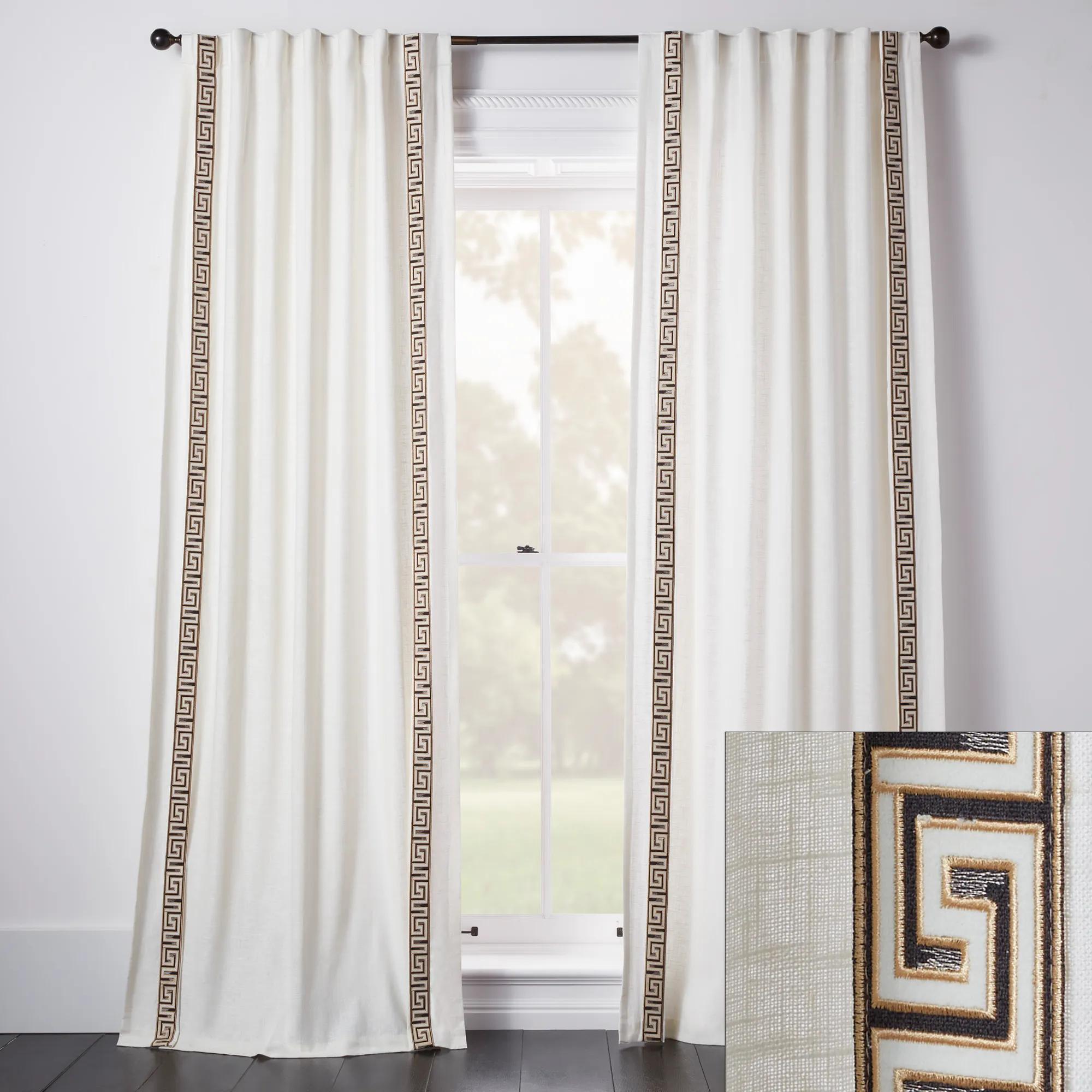 Chole Greek Key Border Velvet Widow Curtain Panels Custom$349
A white linen-blend curtain panel with black and gold velvet Greek key border and customizable options.
Add To Cart -
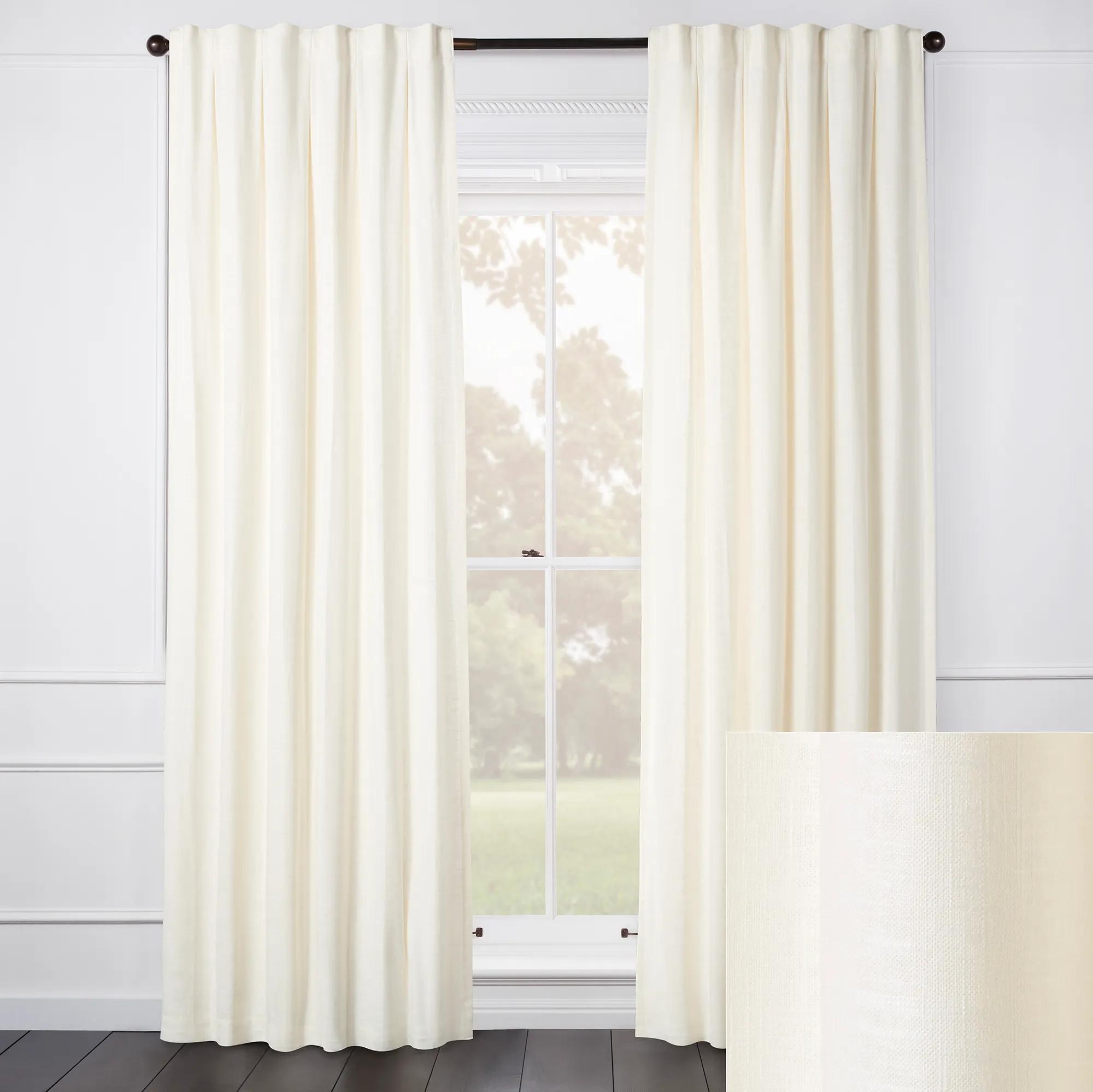
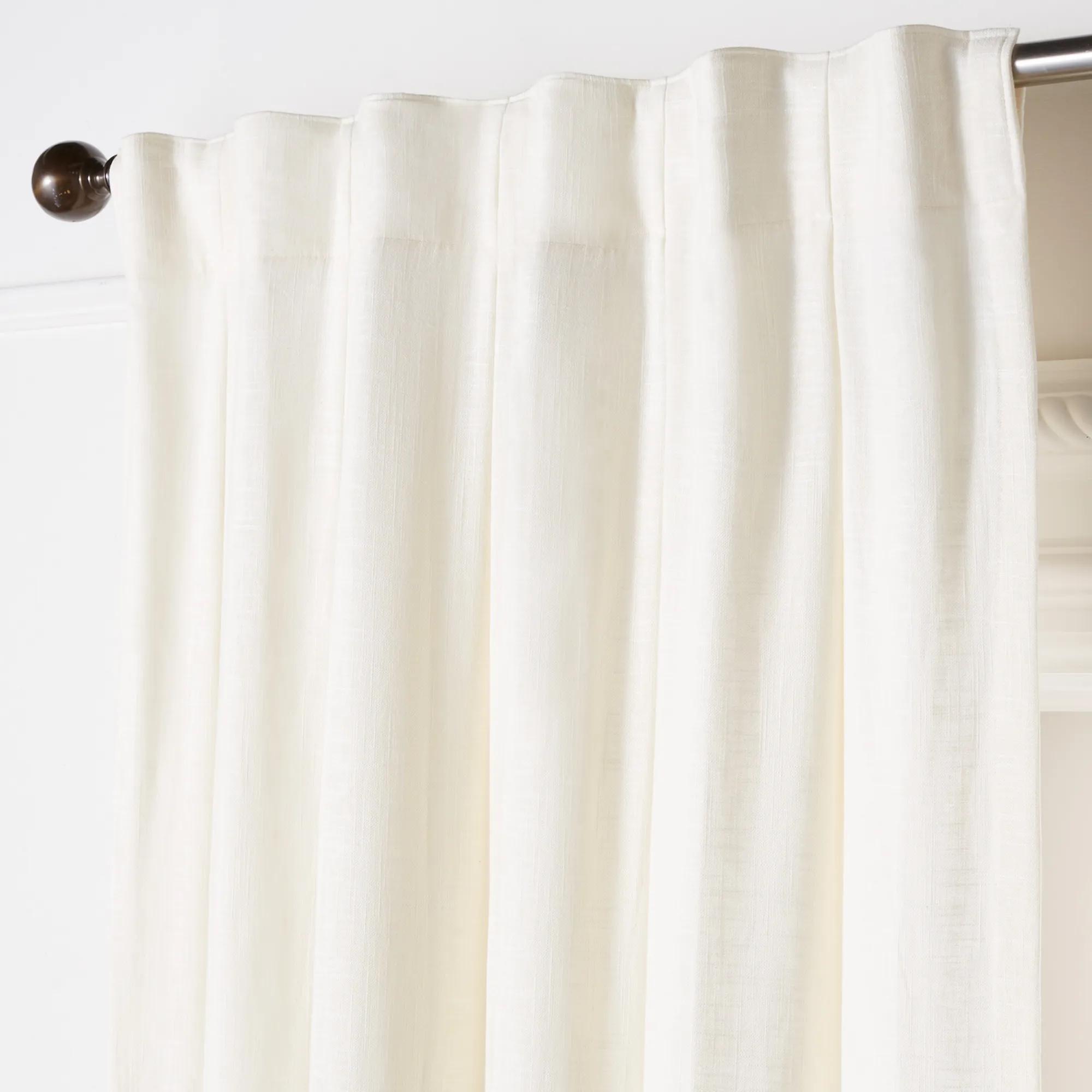 Audrey Linen Ivory Curtain - Custom$269
An ivory linen-blend curtain panel with lining, offering customizable lengths and two elegant header styles.
Add To Cart -
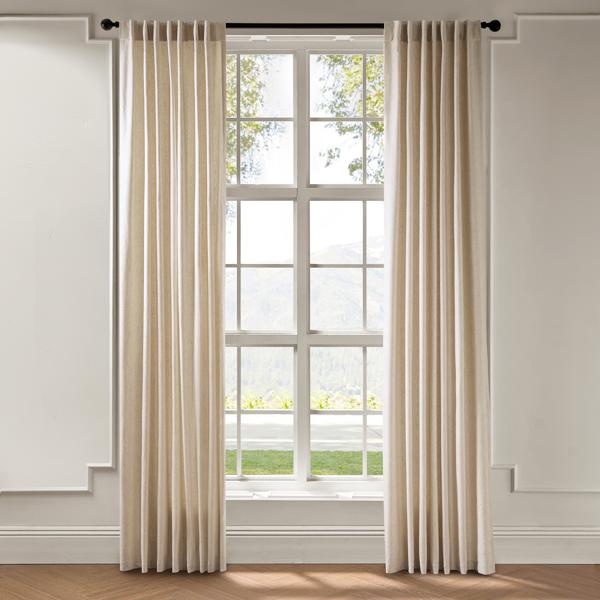
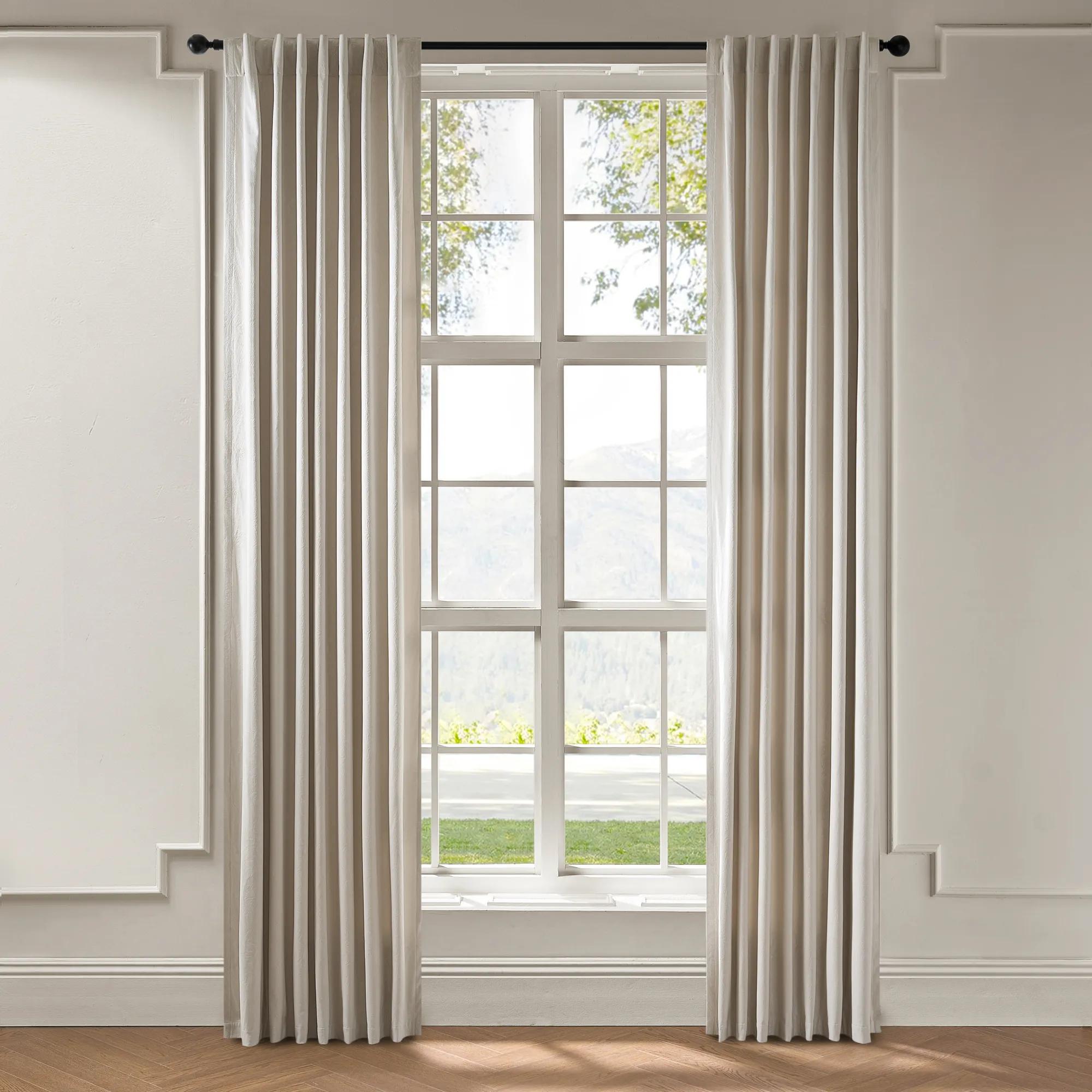
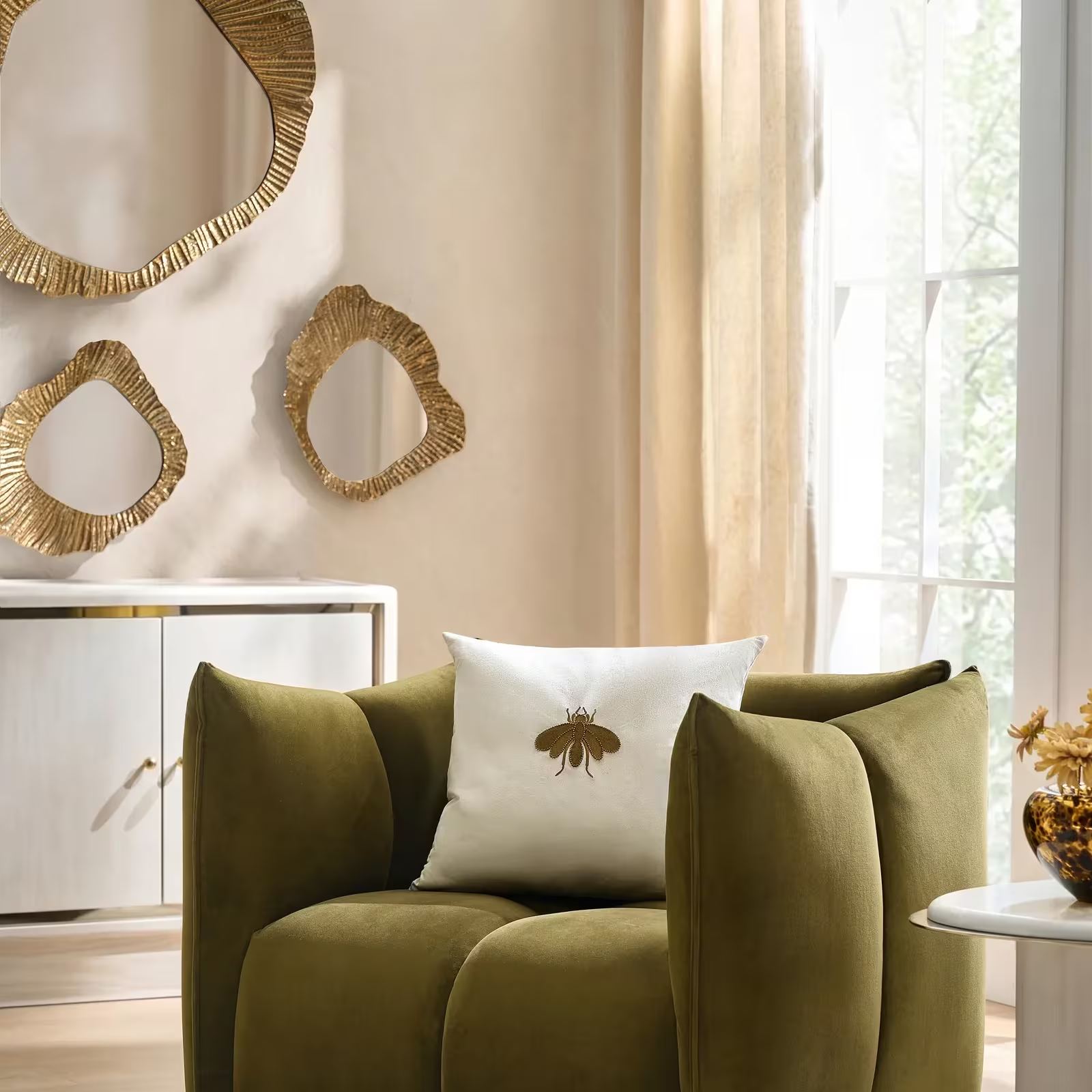 Anson Ivory Textured Window Curtain Panel$89
An ivory polyester curtain with a crushed, light-reflective texture for elegant, room-darkening style.
Add To Cart -
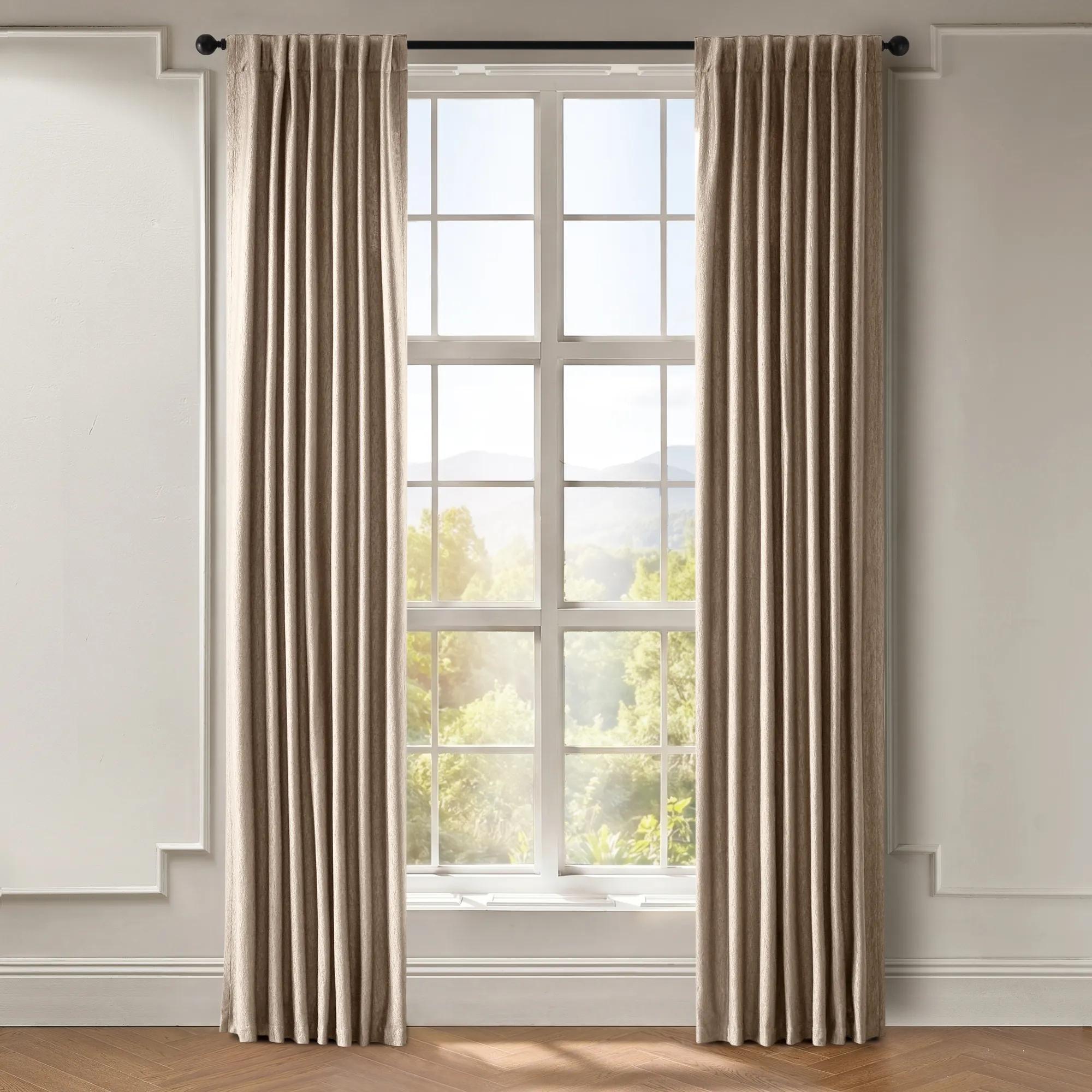 Anson Mocha Rose Textured Window Curtain Panel$99
A light mocha rose curtain panel with crushed sheen texture and room-darkening, dual hanging design.
Add To Cart -
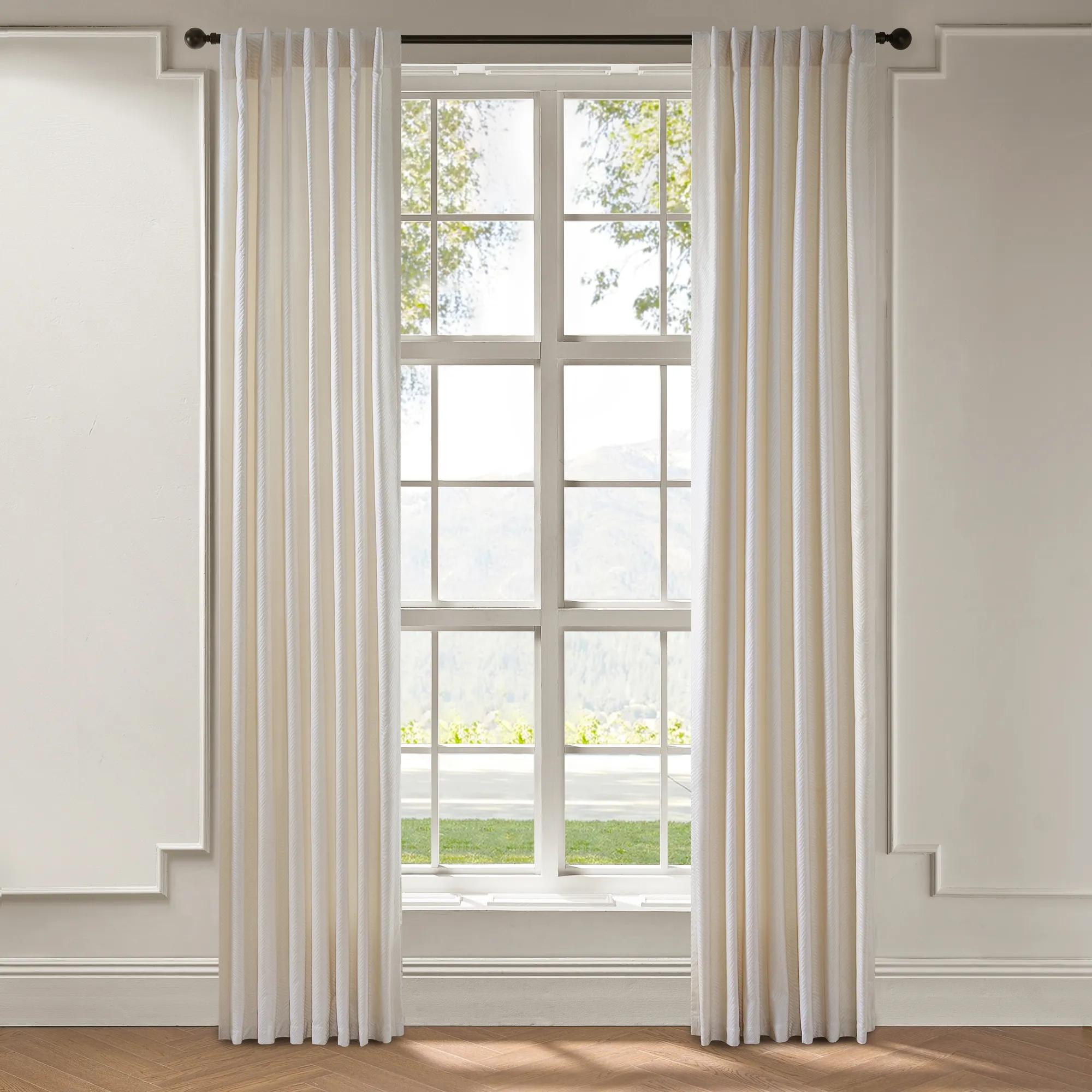
.jpeg?w=1200&h=1200) Mabel White Velvet Swirl Window Curtain Panel$99
Mabel White Velvet Swirl Window Curtain Panel$99A crisp white velvet curtain featuring a tonal swirl texture and versatile dual hanging options.
Add To Cart -
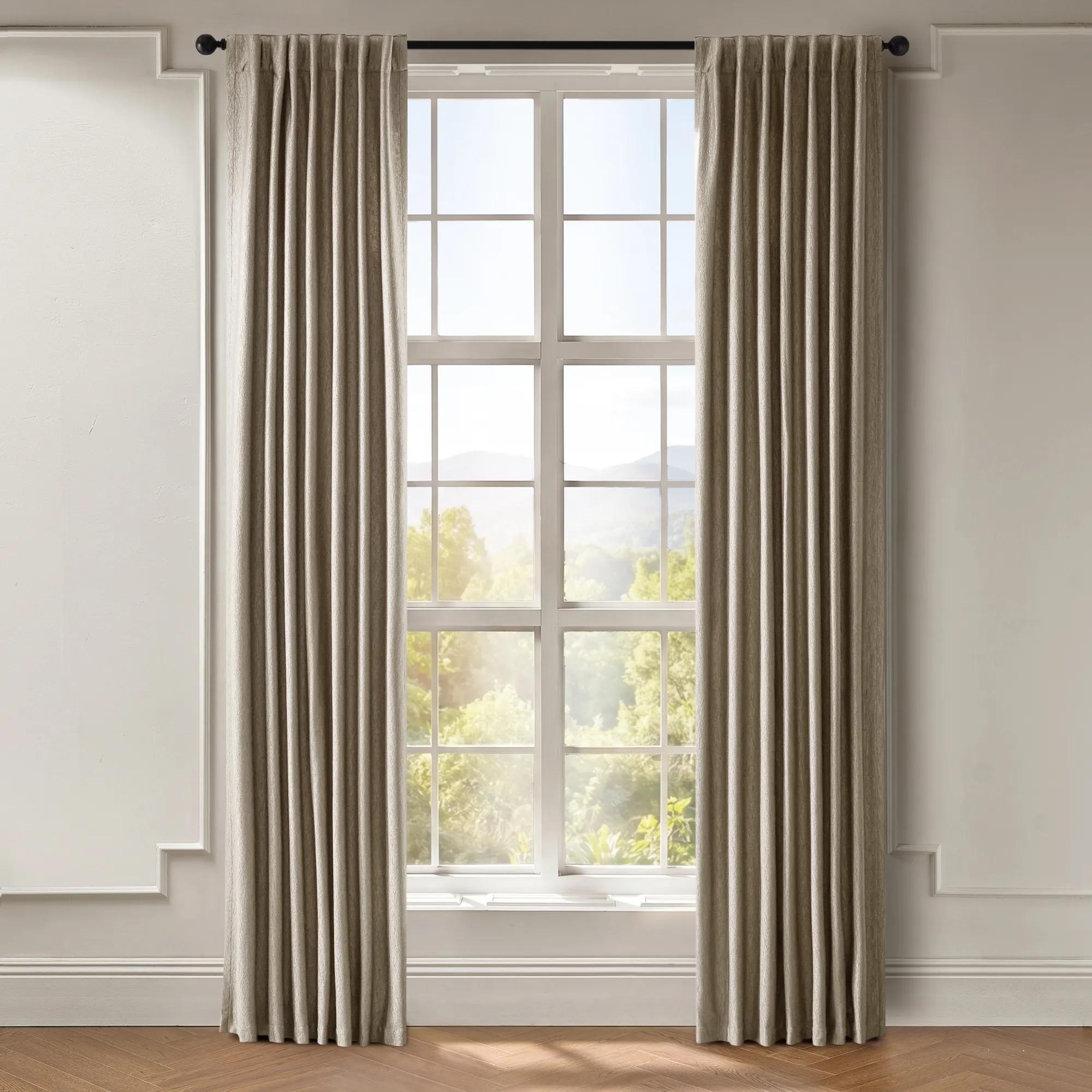
 Kenzo Jacquard Beige Chenille Window Curtain Panel$129
A warm beige chenille jacquard curtain with a subtle sheen and versatile rod pocket or back tab hanging.
Add To Cart -
.jpeg?w=1200&h=1200) Kenzo Chenille Curtain - White$139
Kenzo Chenille Curtain - White$139A luxe white chenille jacquard curtain featuring a subtle high-contrast pattern and versatile dual construction.
Add To Cart -
.jpeg?w=1200&h=1200)
 Adair Sand Solid Velvet Window Curtain Panel$69
Adair Sand Solid Velvet Window Curtain Panel$69A sand-colored velvet curtain offering room-darkening privacy and versatile hanging options for refined interiors.
Add To Cart -
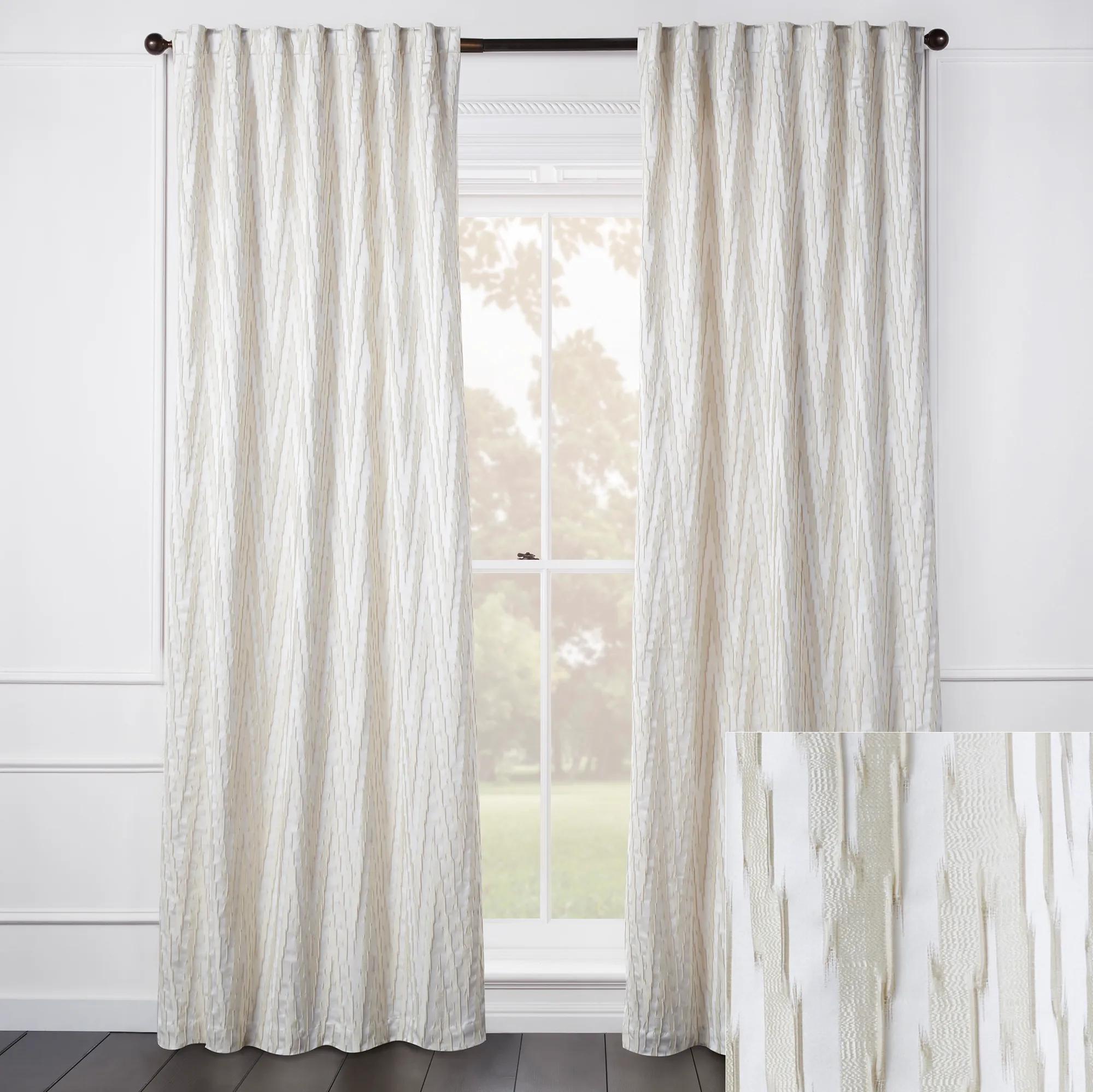
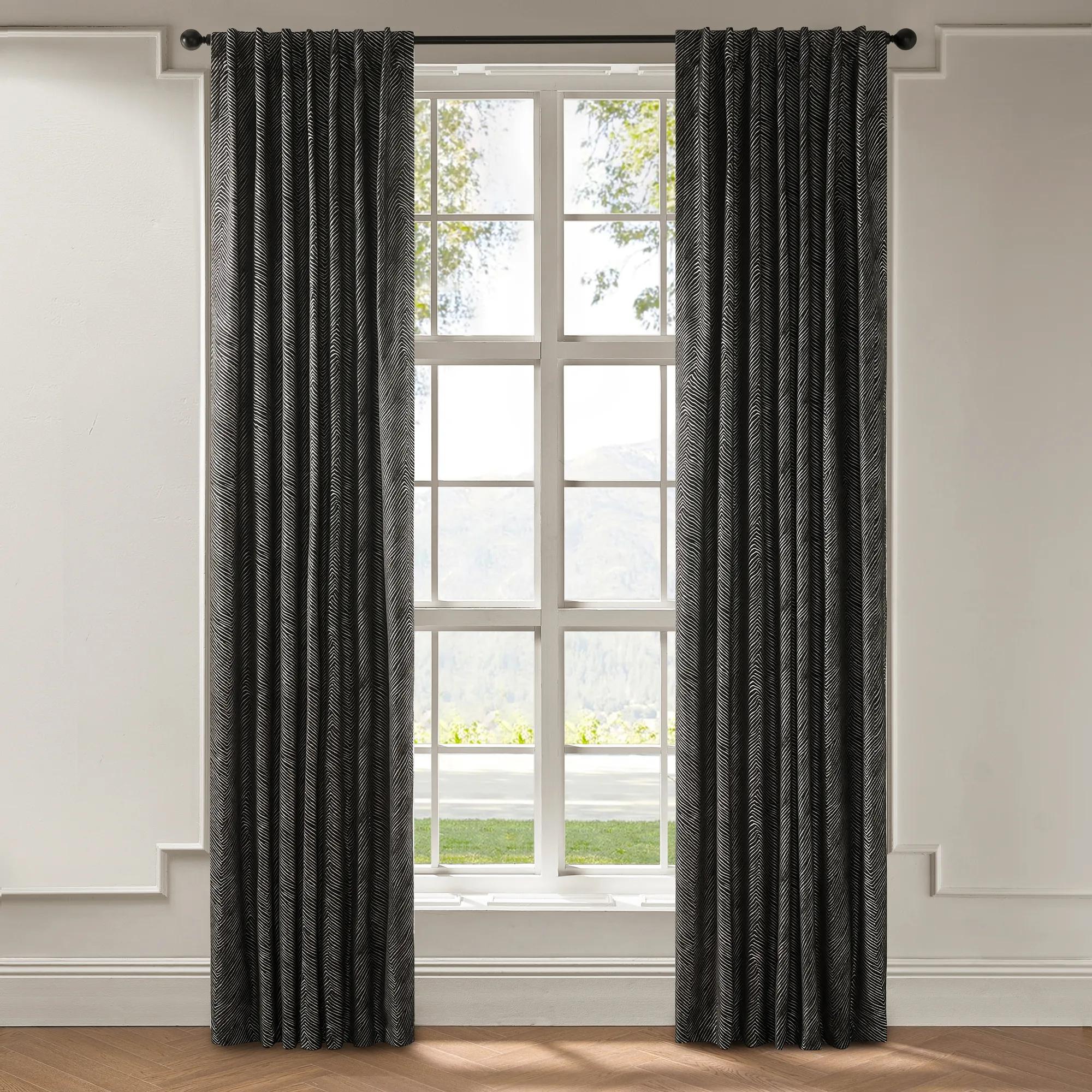
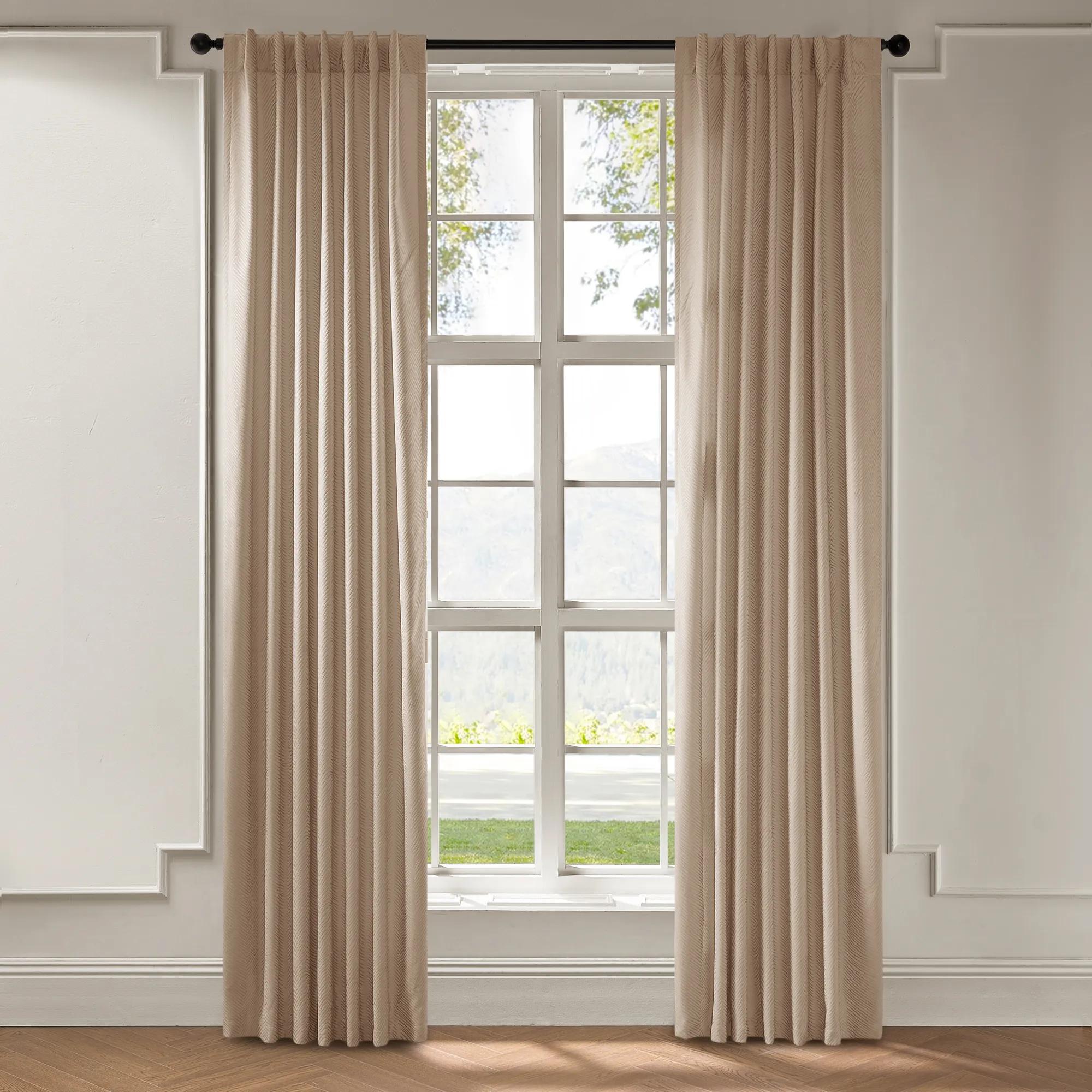
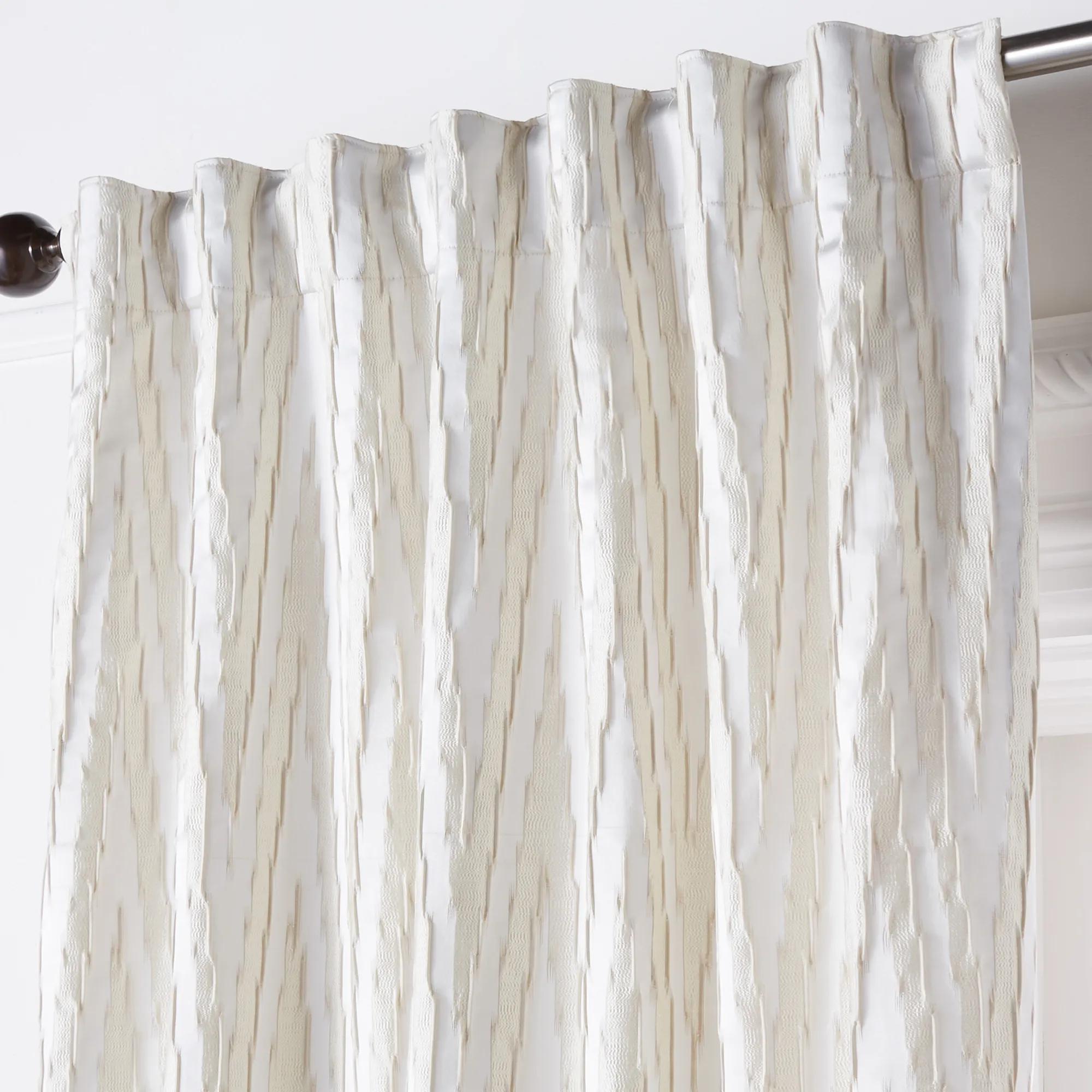 Minka Jacquard Pearl Window Curtain Panel Custom$289
A highly textured chevron curtain panel in pearl, grey, or natural polyester with customizable hanging options.
Add To Cart -
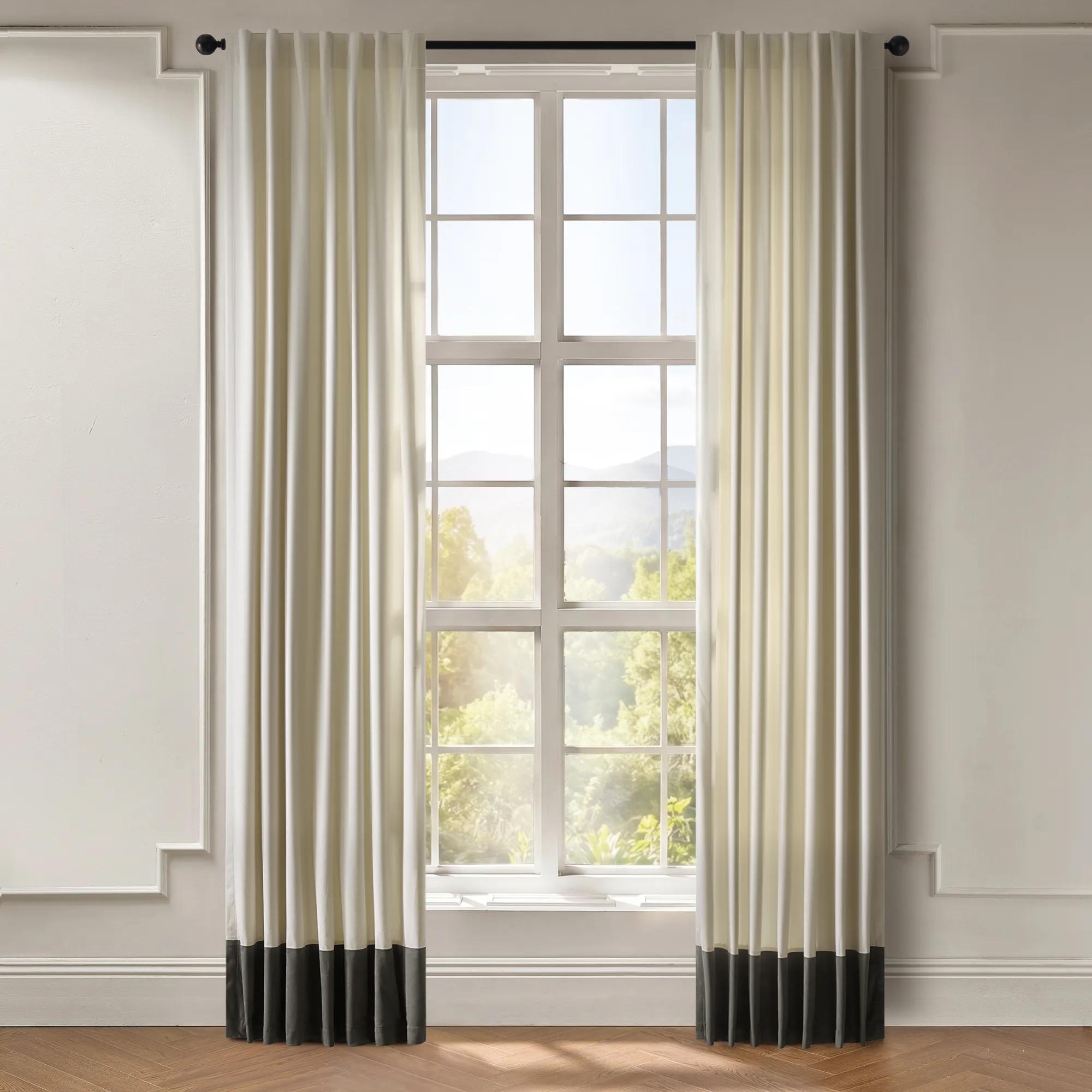
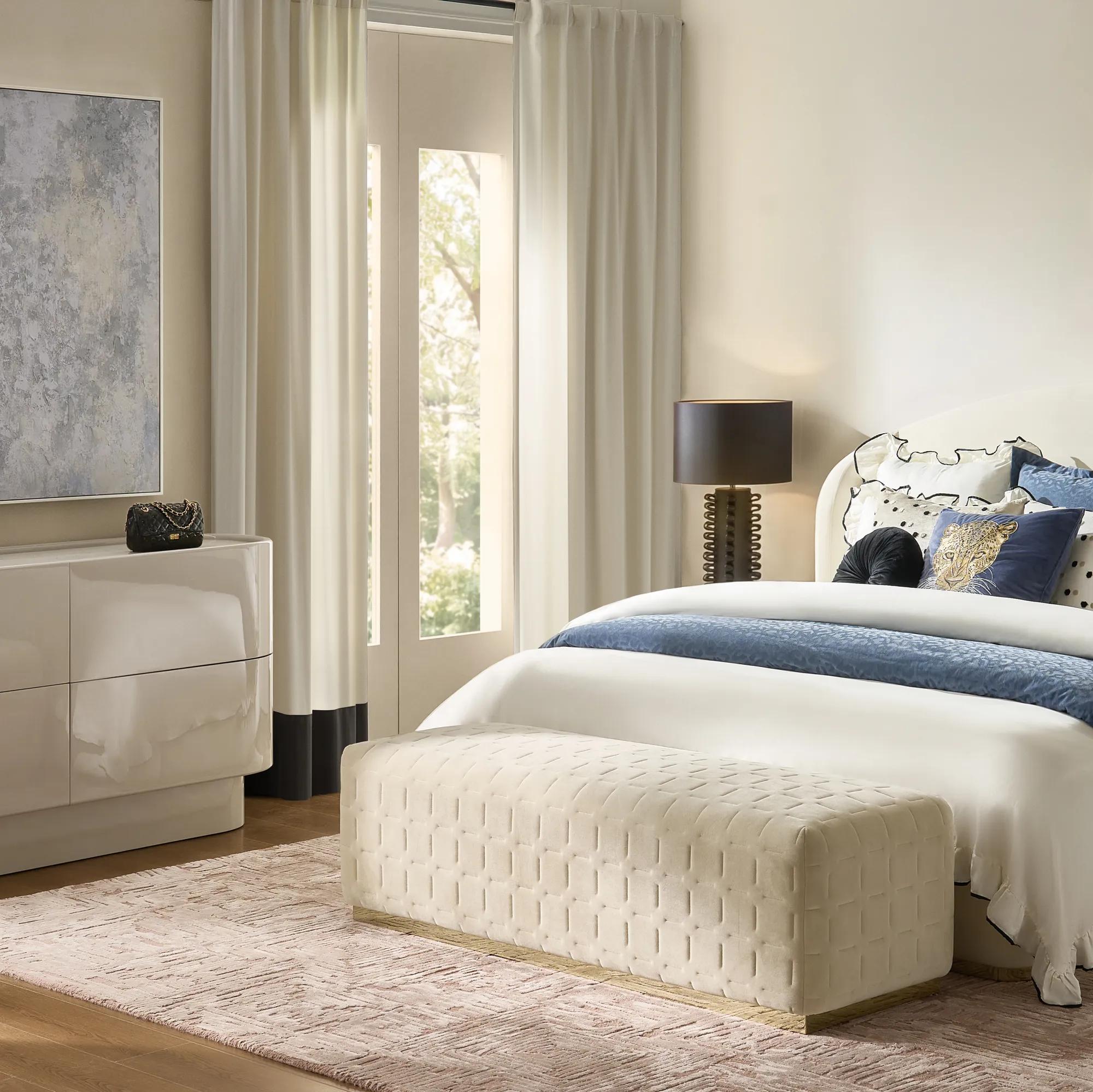 Bastien Ivory/Graphite Velvet Border Window Curtain Panel$99
A two-tone ivory and graphite velvet curtain panel with room-darkening design and versatile hanging options.
Add To Cart -
.jpeg?w=1200&h=1200)
 Mabel Natural Velvet Swirl Window Curtain Panel$99
Mabel Natural Velvet Swirl Window Curtain Panel$99A warm neutral velvet curtain with a tonal swirl pattern, offering room-darkening privacy and versatile hanging options.
Add To Cart

Light Colored Window Curtains
Light colored window curtains transform any space into a sanctuary of luminosity and ease, infusing rooms with a sense of airiness and refined tranquility. These ethereal drapes invite sunlight to dance across your interiors, casting a gentle glow that flatters every detail and silhouette. Whether you’re curating a serene retreat or elevating an entertaining space, light colored window curtains become the backdrop for moments of artistry and self-expression—effortlessly balancing sophistication with a breath of fresh, radiant style. Let your windows frame the view while these curtains frame your imagination, painting every room in soft elegance.
Light colored window curtains frame a room with softness, luminosity, and a sense of scale that reaches beyond the glass. White, ivory, cream, pale gray, and delicate beige create distinctly different moods, yet each gives furnishings and architectural details room to command attention. Crisp white looks striking beside dark wood and sculptural metal; ivory lends a sumptuous note to champagne finishes and richly textured upholstery; pale gray draws out the elegance of silver accents and cool stone. In a living room with a dramatic sofa or oversized artwork, light curtains provide a composed backdrop without leaving the windows feeling unfinished. In a bedroom, their generous folds can make the space feel more enveloping while preserving a luminous palette. A curtain color close to the wall color reduces visual interruption, helping a compact room feel more expansive, while a slightly contrasting shade gives the window a more deliberate outline. Undertones matter as much as the color name: a creamy fabric can appear yellow against a cool white wall, and a silvery gray may look blue beside warm beige upholstery. Comparing a fabric sample with the wall, flooring, and largest upholstered piece under both daylight and interior lighting helps reveal those relationships. For a particularly crisp interpretation, White Modern Window Curtains offer a focused expression of this luminous look. Light tones also invite texture to become the focal point. A subtle slub, a dimensional weave, or a quiet sheen gives pale fabric depth, allowing the curtain to feel expressive rather than blank. Against patterned wallpaper, a solid light panel creates a graceful pause; beside smooth walls, a more pronounced weave adds visual richness. The result depends less on filling the room with pale shades than on composing a thoughtful balance of contrast, texture, and proportion. Even a deeply saturated interior can carry light curtains beautifully, with their pale vertical lines bringing definition to a jewel-toned setting.
Fabric construction determines how light colored curtains look, move, and perform. Linen has a characterful surface and an easy, fluid drape, with natural creasing that suits a relaxed yet refined interior. Cotton can create a softer matte finish or a more tailored silhouette depending on the weave, while polyester and blended fabrics may offer improved wrinkle resistance and dimensional stability. Fiber content alone does not tell the whole story: fabric weight, weave density, backing, and lining all influence opacity and the way a panel falls. Sheer curtains soften the view and diffuse incoming daylight, giving a sitting room or dining area an atmospheric glow. Their privacy is limited, however, especially when the interior is illuminated after dark. Semi-sheer and light-filtering curtains provide varying degrees of coverage, so those descriptions should be considered alongside the fabric’s actual opacity. A light color does not automatically mean a curtain is sheer, just as a thick-looking fabric does not necessarily provide blackout performance. For bedrooms, media rooms, or street-facing spaces, an opaque lining or a separate privacy layer can provide more control without sacrificing the pale outer fabric. Blackout curtains rely on their construction or backing, not a dark face color, to block light; gaps around the edges can still admit it. Layering a translucent panel beneath a more substantial drape creates two distinct settings: a softly illuminated room when the outer panels are open and a more secluded retreat when they are drawn. This arrangement is especially useful in a living room that moves from daytime reading to intimate evening entertaining. Near a desk or television, light-filtering fabric can soften glare, although stronger direct light may call for a denser layer. Light fabrics can support a brighter visual impression, but no curtain creates daylight, and a dense pale panel may reduce incoming light more than a darker sheer. Selecting by the room’s actual needs, rather than color alone, preserves both the beauty of the window treatment and the comfort of the people using the space.
Proportion gives light colored window curtains their presence. Panels that barely span the window can look flat when closed, while sufficient fabric creates the deep, continuous folds that make a pale textile feel luxurious. As a general starting point, a combined panel width of roughly one and a half to two times the curtain rod’s usable span provides fullness, though sheer fabrics and certain heading styles may call for more. Check whether measurements describe a single panel or a pair, and account for the width taken up by pleats or other tailored headings. Hanging the rod above the window frame can emphasize height, while extending it beyond the frame gives open panels somewhere to gather without covering as much glass. The appropriate placement depends on ceiling height, surrounding trim, and available wall space. Measure length from the actual hanging point: grommets, rings, hooks, and rod pockets position the fabric differently. A hem that just clears the floor creates a polished line in frequently used rooms; a slight break at the floor feels more relaxed, while a generous puddle requires more attention to dust and foot traffic. Curtains beside patio doors should clear handles and allow easy passage, and fabric should remain safely away from heat sources. Durability depends on the weave, seams, lining, hardware, and care as much as on fiber choice. Pale shades may show fading less conspicuously than saturated colors, but prolonged sunlight can still discolor or weaken fabric. Light surfaces also reveal dust, fingerprints, and marks from pets, making maintenance especially important near busy doors or favorite lounging spots. Follow the care label rather than assuming all cotton, linen, or synthetic curtains can be washed alike; linings, trims, and finishes may require a different approach. Gentle vacuuming with an appropriate upholstery attachment can help control surface dust, while laundering, professional cleaning, and steaming should follow the fabric’s instructions. Well-chosen dimensions and thoughtful care allow these curtains to retain their graceful drape, turning an everyday window into an assured architectural statement.
FAQs
Light colored window curtains infuse your space with natural brightness, creating an airy and expansive atmosphere. They reflect sunlight, making rooms feel larger and more inviting, while their neutral tones offer versatility, complementing both bold and understated décor. These curtains also provide a serene backdrop that highlights your furniture and art, setting the stage for a sophisticated, luminous interior.
Popular materials for light colored curtains include linen, cotton, and polyester. Linen offers a natural, textured look with a relaxed drape, perfect for casual elegance. Cotton provides a soft, refined feel, ideal for classic or contemporary spaces. Polyester is celebrated for its durability and easy maintenance, making it a practical choice for high-traffic rooms. Each material brings its own tactile appeal, allowing you to tailor your window treatments to your desired aesthetic.
Light colored curtains set a tranquil, uplifting tone, transforming any room into a bright and welcoming sanctuary. Their subtle hues act as a canvas for self-expression, allowing bolder elements—like statement furniture or vibrant art—to take center stage. Whether you prefer a minimalist retreat or a layered, eclectic look, these curtains create a harmonious foundation that elevates the entire space.
Absolutely. Light colored curtains pair beautifully with other window treatments such as blackout shades gladeview or textured roman blinds. Layering adds depth and dimension to your windows, allowing you to control light and privacy with style. Combining sheer panels with heavier drapes or metallic tiebacks can also introduce drama and sophistication, turning your windows into a true design focal point.
Light colored window curtains make a thoughtful and elegant gift for new homeowners, newlyweds, or anyone embarking on a fresh chapter in their living space. They symbolize new beginnings and bring a sense of clarity and optimism, making them perfect for housewarmings, weddings, or milestone celebrations. Their timeless appeal ensures they’ll be cherished and admired for years to come.
.jpeg?w=4130&h=4130)