White Window Curtains For Tall Windows
White Window Curtains For Tall Windows
-
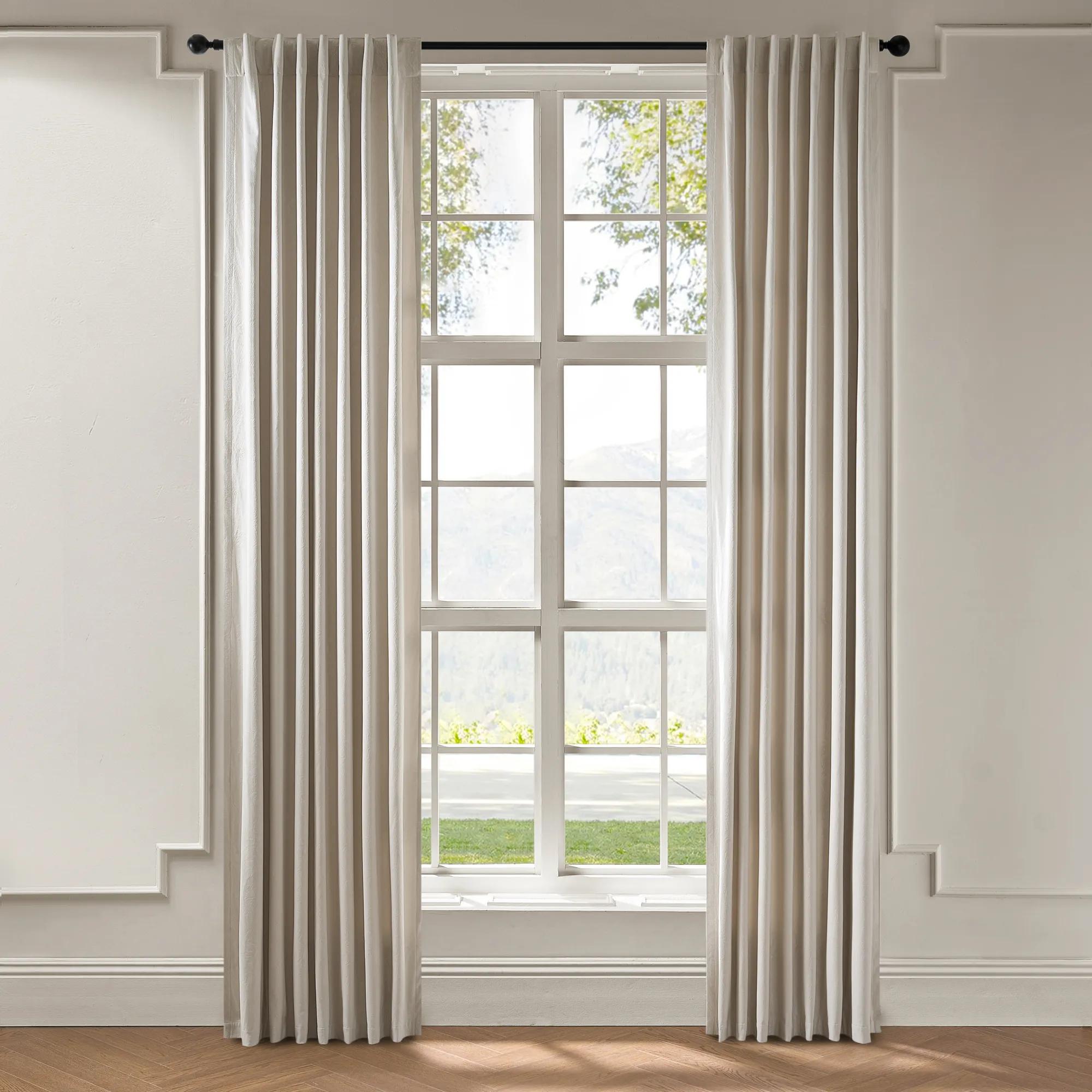
.jpeg?w=1200&h=1200) Mabel White Velvet Swirl Window Curtain Panel$99
Mabel White Velvet Swirl Window Curtain Panel$99A crisp white velvet curtain featuring a tonal swirl texture and versatile dual hanging options.
Add To Cart -
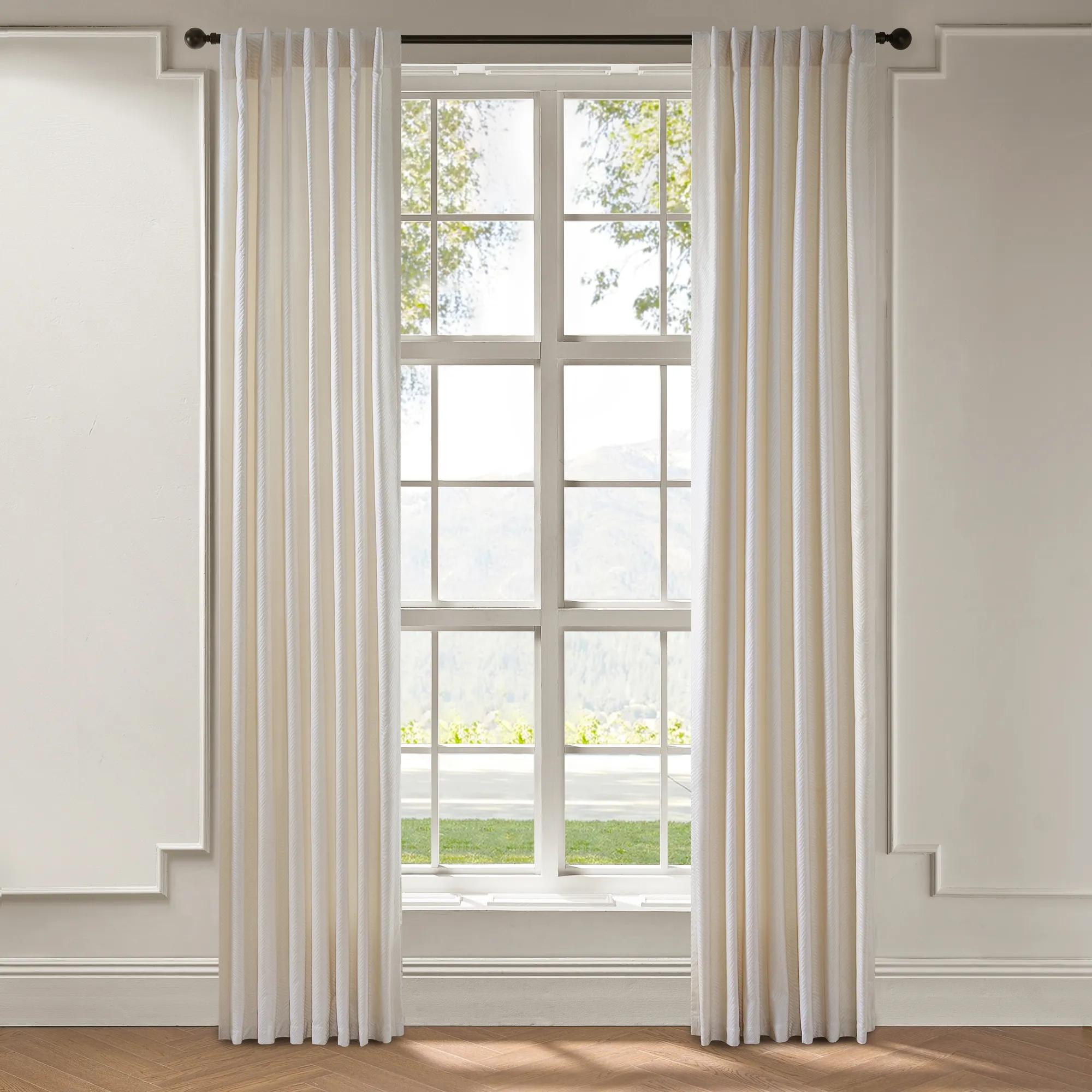
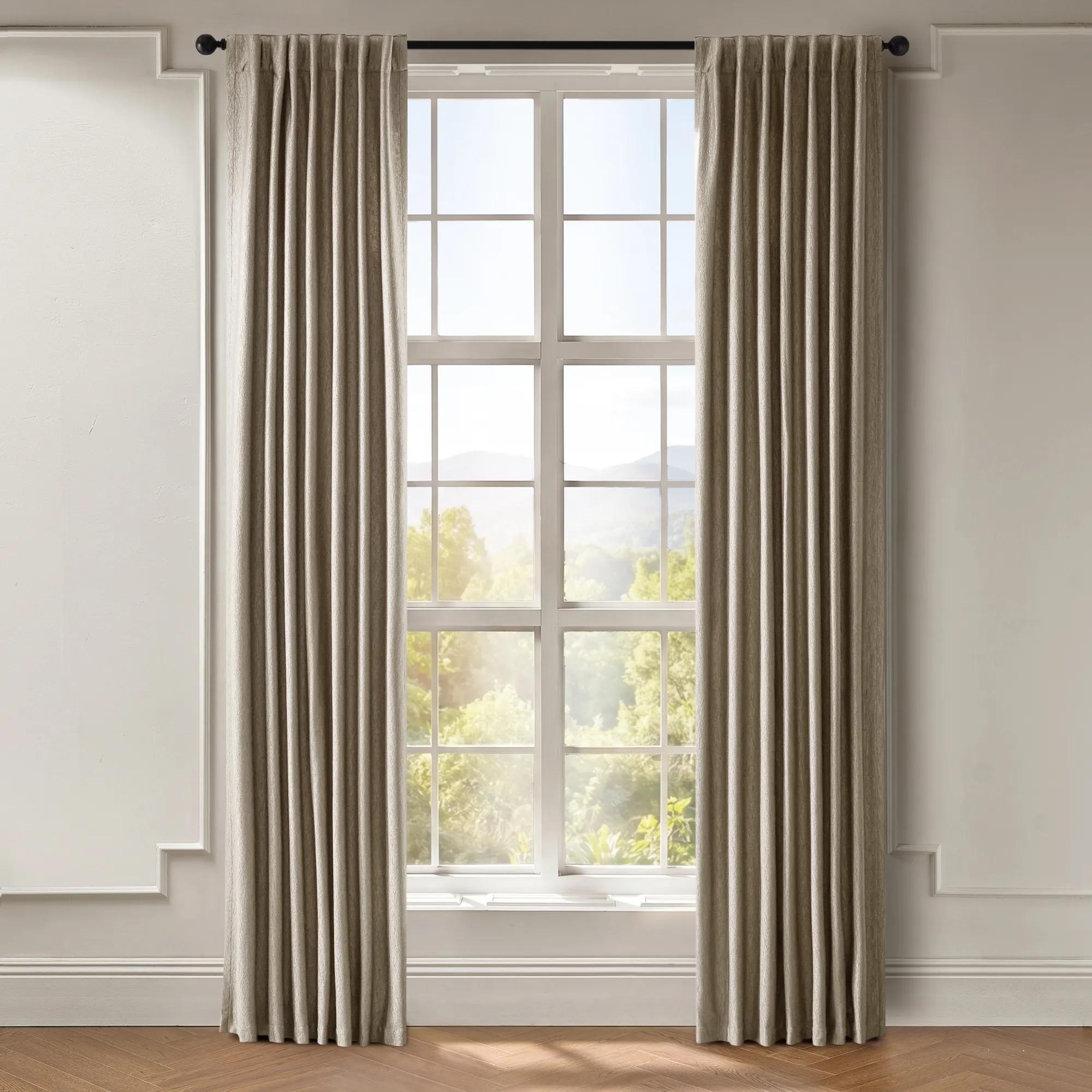
.jpeg?w=1200&h=1200) Kenzo Chenille Curtain - White$139
Kenzo Chenille Curtain - White$139A luxe white chenille jacquard curtain featuring a subtle high-contrast pattern and versatile dual construction.
Add To Cart -
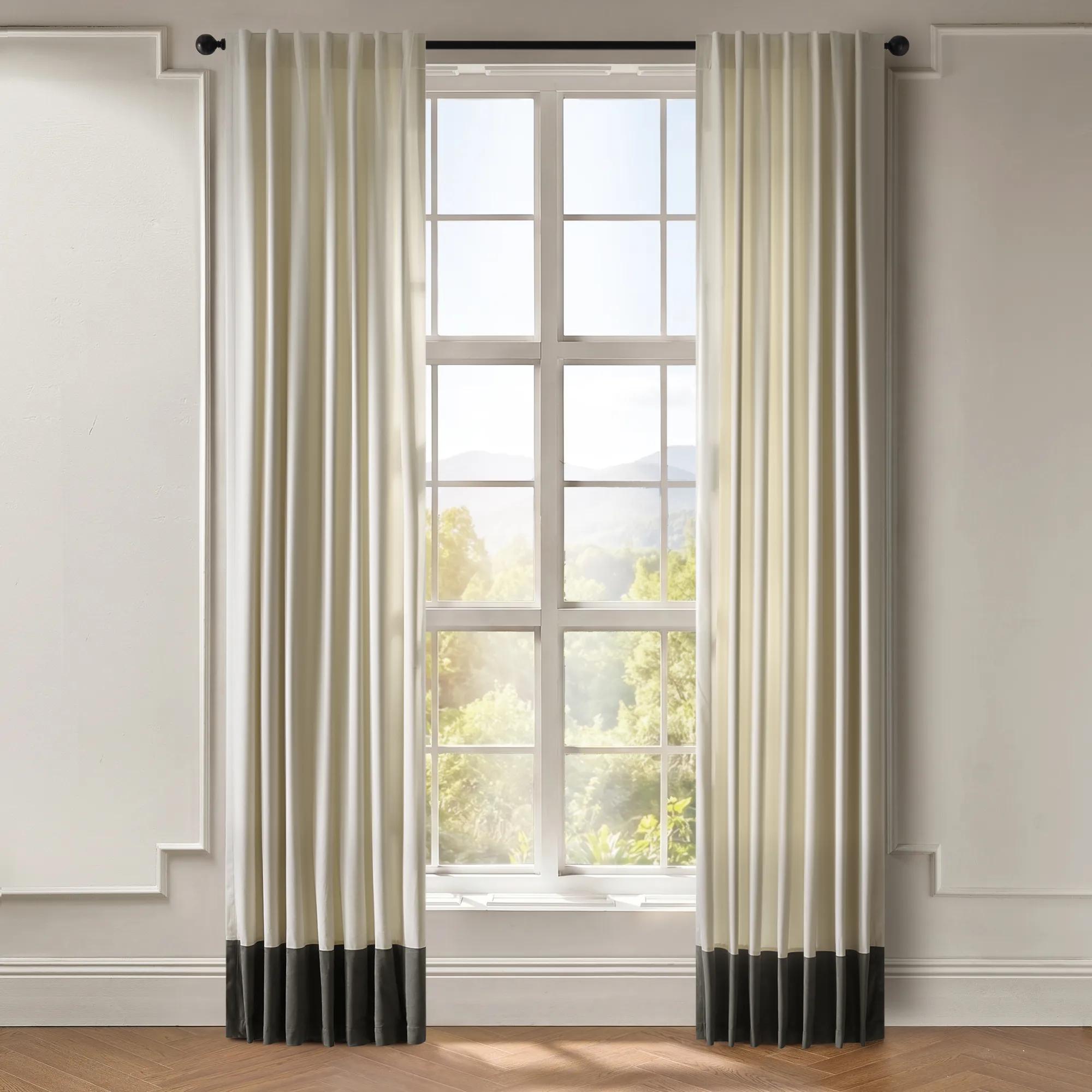
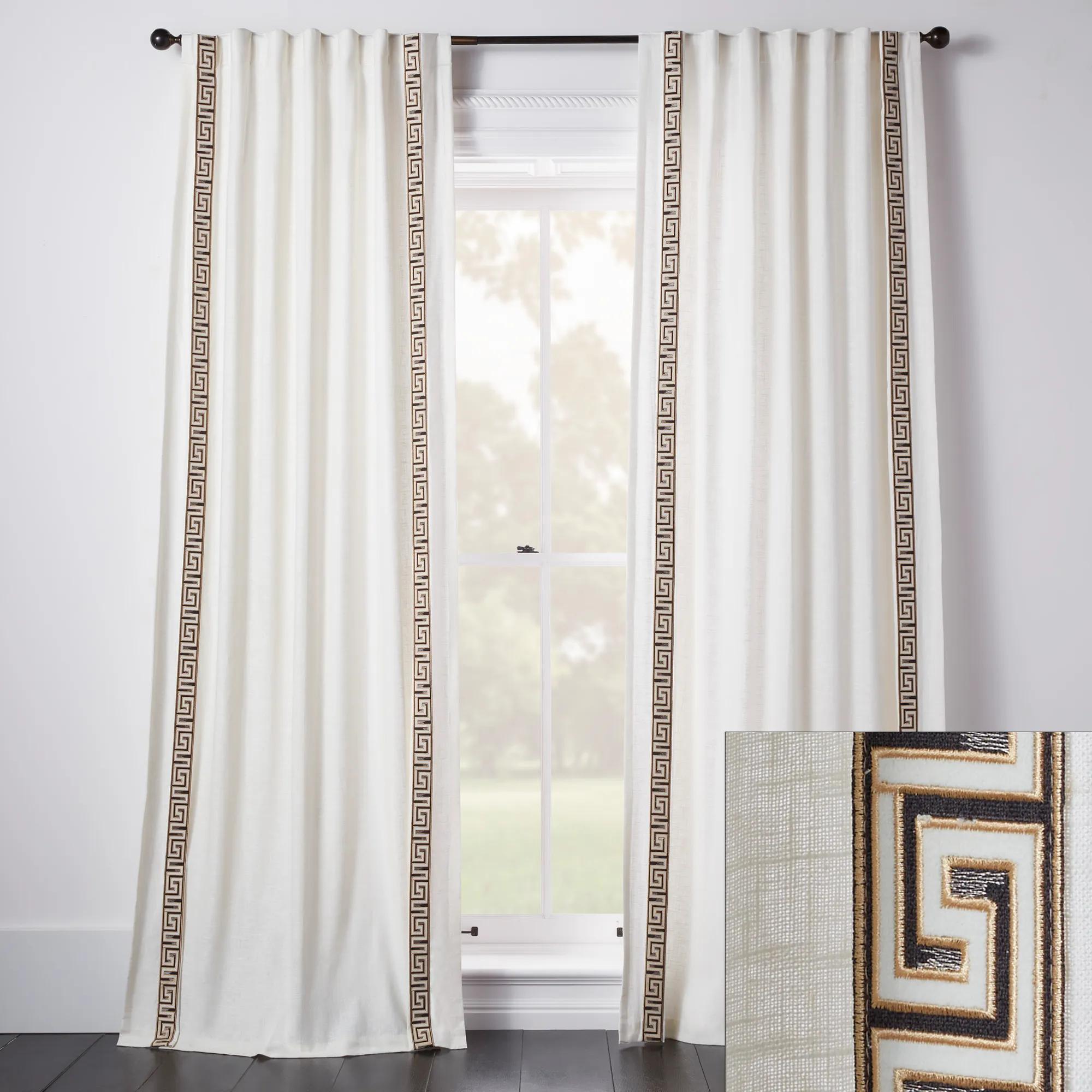 Chole Greek Key Border Velvet Widow Curtain Panels Custom$309
A white linen-blend curtain panel with black and gold velvet Greek key border and customizable options.
Add To Cart -
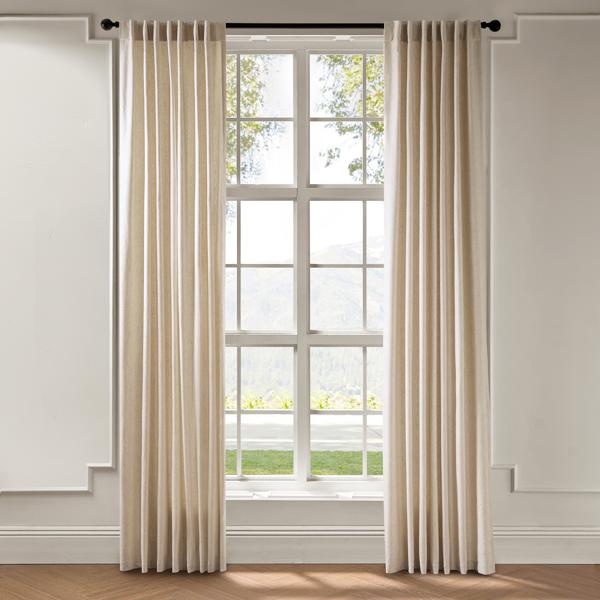
 Anson Ivory Textured Window Curtain Panel$89
An ivory polyester curtain with a crushed, light-reflective texture for elegant, room-darkening style.
Add To Cart -
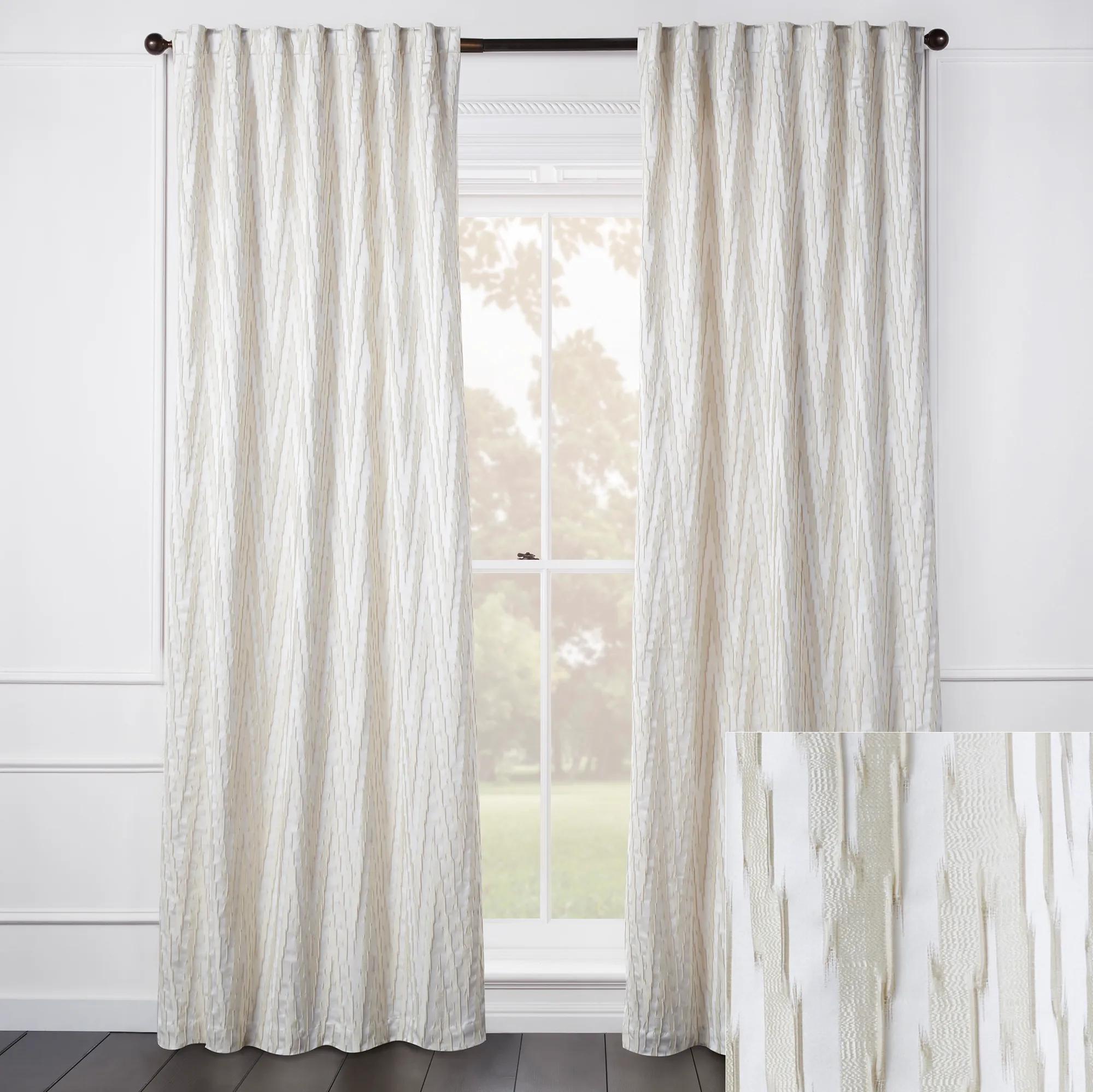
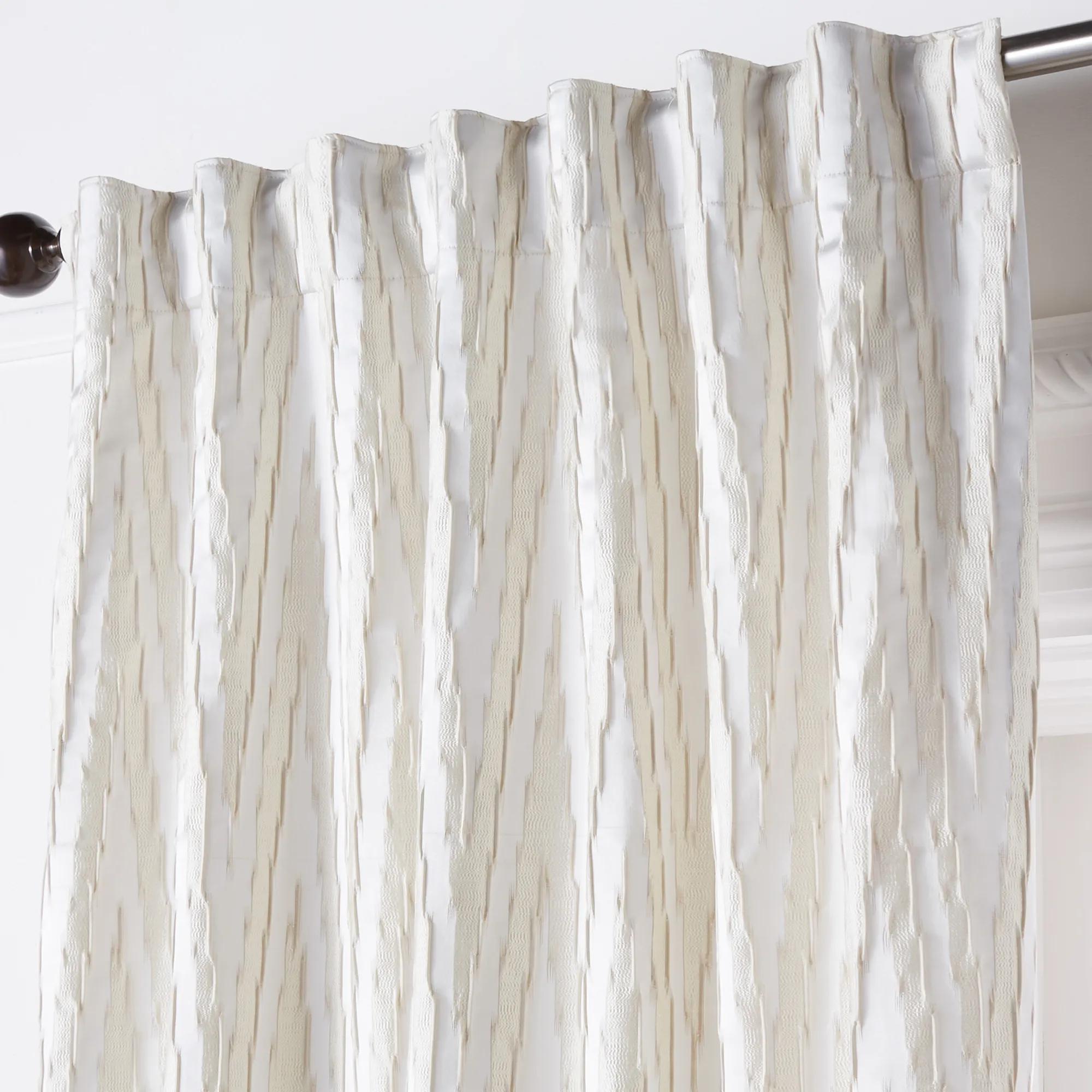 Minka Jacquard Pearl Window Curtain Panel Custom$289
A highly textured chevron curtain panel in pearl, grey, or natural polyester with customizable hanging options.
Add To Cart

White Window Curtains For Tall Windows
White Window Curtains for Tall Windows invite light to dance across your interiors while enveloping each room in an ethereal sense of height and grandeur. These luminous draperies become more than a backdrop—they are the brushstrokes of elegance that accentuate soaring ceilings and architectural drama. Whether framing panoramic city views or softening sunlit sanctuaries, White Window Curtains for Tall Windows transform every glance upward into a moment of airy sophistication, setting the stage for a home that feels both expansive and exquisitely refined.
White window curtains for tall windows bring a luminous, architectural presence to a room, drawing the eye upward while softening the expanse of glass. Extra-long curtain panels commonly measure 96, 108, or 120 inches, with longer or custom lengths sometimes needed for exceptionally high mounting points. The right length depends on the distance from the curtain’s actual hanging point to the desired hem position, not simply the height of the window or ceiling. That distinction gives tall-window treatments their polished proportions: fabric should trace a deliberate line from the hardware to the floor rather than stop unexpectedly above it. In a living room with soaring ceilings, white curtains can frame the view like a gallery surround, allowing sculptural furniture, expressive artwork, and gleaming accents to command attention. In a bedroom, the same generous sweep of fabric creates a softer mood, turning a large window into an enveloping backdrop. White also has remarkable range. A crisp, cool white sharpens the contrast against charcoal walls and dark window frames, while ivory-leaning whites bring warmth to pale wood, champagne-toned metals, and richly textured upholstery. The most harmonious shade takes its cue from the room’s existing whites, particularly painted trim, bedding, and larger upholstered pieces. Daylight can reveal subtle differences that are less apparent under evening lamps, so fabric samples, when possible, are useful for comparing undertones in the space itself. Texture makes an equally expressive contribution. A smooth surface reads tailored and restrained; a visible weave introduces dimension without interrupting a light palette. For interiors that carry this clean-lined sensibility beyond a single dramatic window, White Modern Window Curtains offers a related direction for a cohesive look. Across open living areas, repeated white drapery can connect windows of different widths, establishing a graceful visual rhythm without making every room feel identical. The result is brightness with substance, where even a quiet color becomes a confident design gesture.
Fabric and lining determine how white curtains perform as much as how they look. Linen typically offers an irregular weave and relaxed movement, with natural creasing that suits an artfully layered room. Cotton can deliver a softer, more tailored finish, while polyester and blended fabrics often provide crease resistance and dimensional stability; the precise feel and durability depend on the weave, weight, and construction. Linen-look fabrics offer another way to introduce visible texture, though their fiber content and care requirements vary. On a tall window, these distinctions become especially noticeable because there is more fabric on display. A supple textile falls in long, fluid folds, while a firmer material creates a more structured silhouette. Sheer white curtains diffuse daylight and soften a view, making them appealing for living and dining spaces where an airy atmosphere matters more than complete screening. Sheers generally do not provide dependable nighttime privacy when interior lights are on. Light-filtering panels offer a greater degree of coverage, but their opacity varies, and silhouettes may remain visible. Bedrooms, media rooms, and street-facing spaces may benefit from lined or blackout curtains, particularly when paired with sheers on a separate rod or track. That layered arrangement allows daylight to enter through one layer while the heavier panels remain open, then provides greater coverage when closed. White face fabric can be paired with blackout backing, so a pale appearance does not necessarily mean limited light control. Even with blackout fabric, light can enter around the top, sides, and center opening; mounting and overlap affect the overall result. Thermal linings may help reduce heat transfer through the window area, although performance depends on the fabric system, fit, and window itself. During cooler months, lined drapery can also give large expanses of glass a more sheltered, intimate character. For a dining room used for evening gatherings, that combination of softness and coverage makes candlelight and reflective finishes feel particularly rich. For a home office, filtered daylight can soften harsh brightness, though screen position and sun exposure still influence glare.
Scale is essential to the finished appearance of extra-long white curtains. Mounting hardware above the window frame, sometimes closer to the ceiling when the architecture allows, emphasizes vertical lines and gives the fabric room to unfold. A 96-inch panel may suit one installation, while another requires 108 or 120 inches simply because the rod sits higher. Rings, hooks, grommets, and rod pockets each position the fabric differently, so measurements need to account for the chosen heading. Width matters just as much: combined panel widths of roughly one and a half to two times the span being covered often create pleasing fullness, while sheers may call for more fabric and tailored pleated styles may have their fullness built in. Panels drawn tightly across a broad window lose the depth that makes white drapery feel sumptuous. Extending the rod beyond the frame, where wall space permits, lets open curtains rest beside the glass rather than obscure it, preserving more daylight and the view. Tall, lined panels can be substantial, making appropriately rated rods, brackets, and secure installation important for smooth everyday use. In a busy family room or beside frequently opened doors, a hem that just clears the floor keeps the line elegant without collecting as much dust or catching underfoot. A slight break at the floor offers softness, while a deliberate puddle brings more theatrical volume to quieter spaces and requires extra attention during cleaning. White fabric rewards thoughtful care: dust and marks are more visible, especially along hems and leading edges touched daily. Regular gentle vacuuming with an appropriate upholstery attachment can help limit buildup, while laundering, steaming, ironing, or professional cleaning should follow the fabric’s care label. Some washable textiles shrink, and some linings require special handling, making care instructions worth considering before settling on a floor-skimming length. For households with pets or children, a durable, easy-care construction can make a pale palette more practical. With the right proportions and finish, white curtains give tall windows an unmistakable presence—expansive in daylight, softly sculpted after dark, and expressive without competing with the room around them.
FAQs
Tall windows are a natural canvas for dramatic, floor-grazing curtains in a variety of styles. For a look that feels ethereal and modern, opt for sheer white panels that allow light to filter through while emphasizing vertical lines. If you prefer a more opulent effect, consider pleated or pinch-pleat drapes in heavier fabrics such as velvet or jacquard. Layering sheer and opaque curtains can add both dimension and flexibility, allowing you to control light and privacy with ease.
White curtains have a transformative effect on rooms with tall windows, magnifying natural light and creating an airy, uplifting atmosphere. They can soften architectural details and make a space feel more expansive, while their neutral tone serves as a sophisticated backdrop for bolder furnishings or artwork. Whether you choose crisp, tailored panels or flowing, romantic sheers, white curtains lend a sense of tranquility and timeless elegance to any space.
Absolutely. White window curtains are remarkably versatile, complementing a wide range of rooms from grand living areas and formal dining rooms to serene bedrooms and sun-filled studios. Their ability to reflect light makes them especially well-suited for spaces where you want to maximize brightness and create a clean, cohesive look. They also pair beautifully with both minimalist and maximalist décor, adapting seamlessly to your personal style.
The choice of fabric plays a key role in the look and feel of your curtains. Sheer voile or linen creates a breezy, light-filled effect, perfect for spaces that embrace natural sunlight. For a richer, more dramatic presence, opt for heavier materials like velvet, silk, or textured cotton. Blended fabrics that incorporate both durability and softness can also offer the best of both worlds, ensuring your curtains drape gracefully while standing up to everyday use.
To achieve a layered, designer-inspired aesthetic, combine different curtain weights and textures. Start with a sheer white base layer to diffuse light, then add heavier white drapes or panels for depth and privacy. Consider using decorative rods, dramatic tiebacks, or metallic hardware to add a touch of glamour. This approach not only enhances the visual interest of your tall windows but also gives you the flexibility to adjust the mood and lighting of your space throughout the day.
.jpeg?w=3942&h=3942)
.jpeg?w=4130&h=4130)
.jpeg?w=4130&h=4130)