
Curtains For Large Windows
Curtains For Large Windows
-
.jpeg?w=1200&h=1200)
 Adair Sand Solid Velvet Window Curtain Panel$89
Adair Sand Solid Velvet Window Curtain Panel$89A sand-colored velvet curtain offering room-darkening privacy and versatile hanging options for refined interiors.
Add To Cart -
.jpeg?w=1200&h=1200)
 Adair Midnight Blue Solid Velvet Window Curtain Panel$79
Adair Midnight Blue Solid Velvet Window Curtain Panel$79A sumptuous midnight blue velvet curtain that adds rich dimension and room-darkening elegance to any space.
Add To Cart -
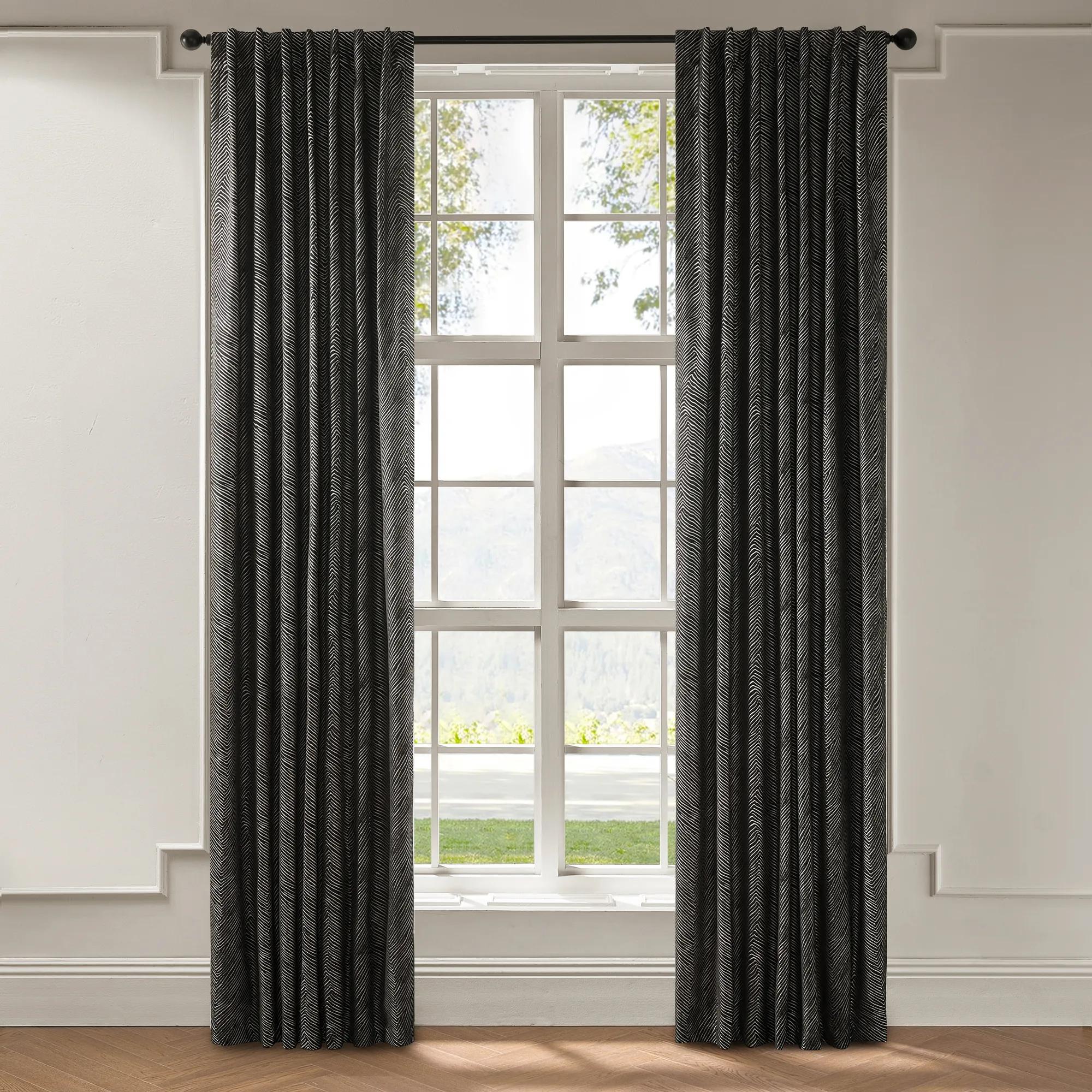
.jpeg?w=1200&h=1200) Kenzo Black Chenille Window Curtain Panel$119
Kenzo Black Chenille Window Curtain Panel$119A black chenille jacquard curtain with a luxe sheen and versatile dual hanging options for modern spaces.
Add To Cart -
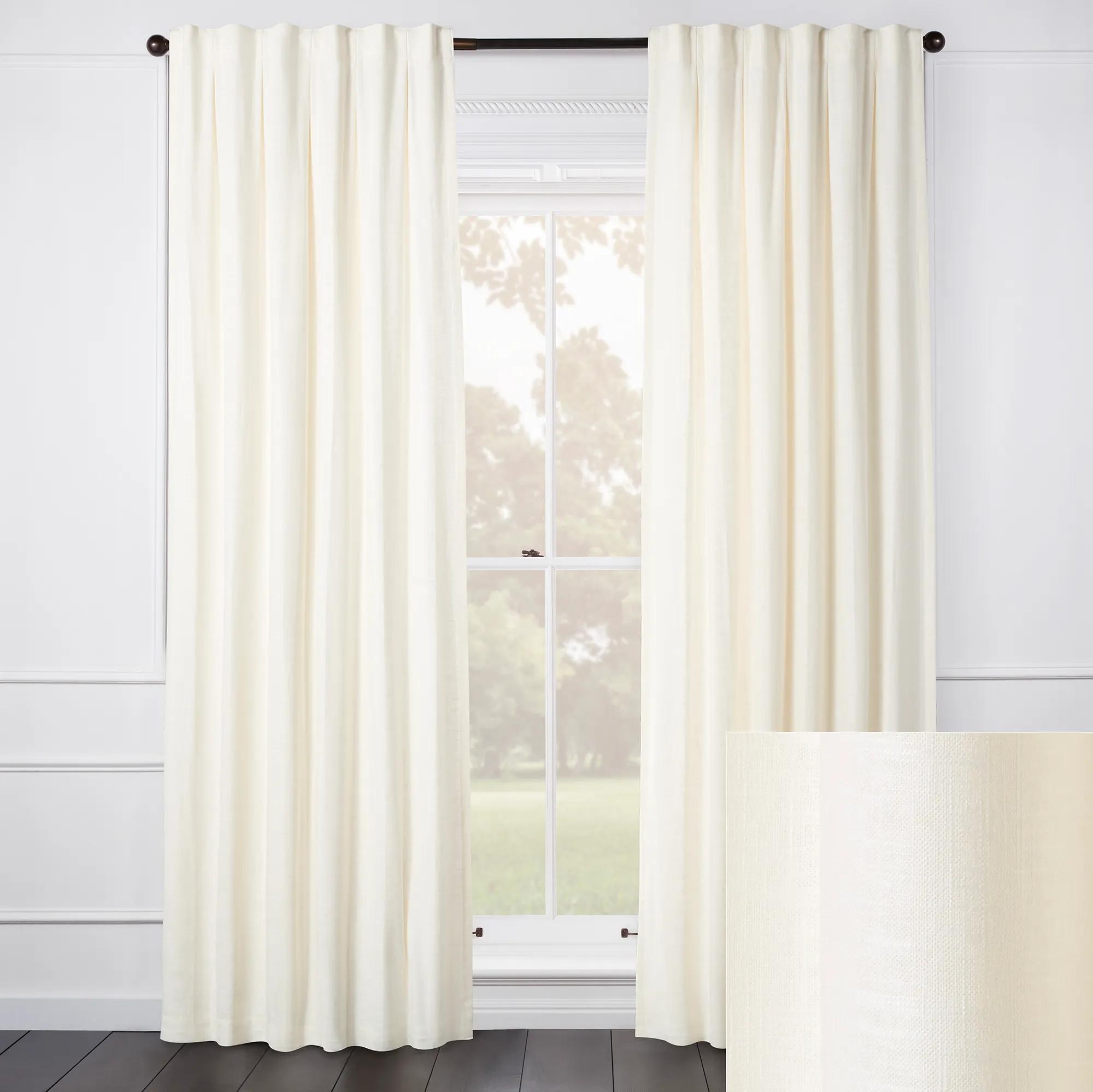
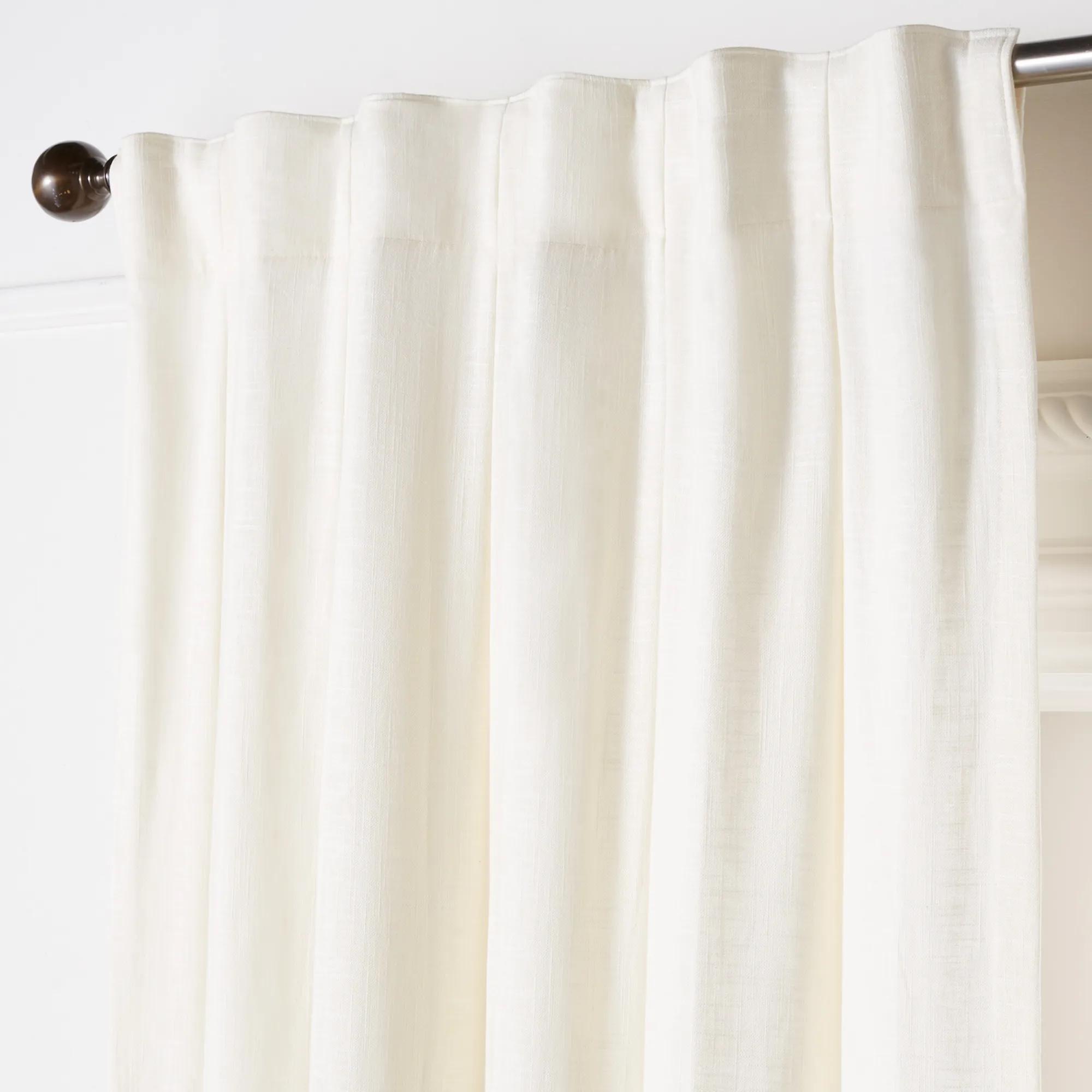 Audrey Linen Ivory Curtain - Custom$269
An ivory linen-blend curtain panel with lining, offering customizable lengths and two elegant header styles.
Add To Cart -
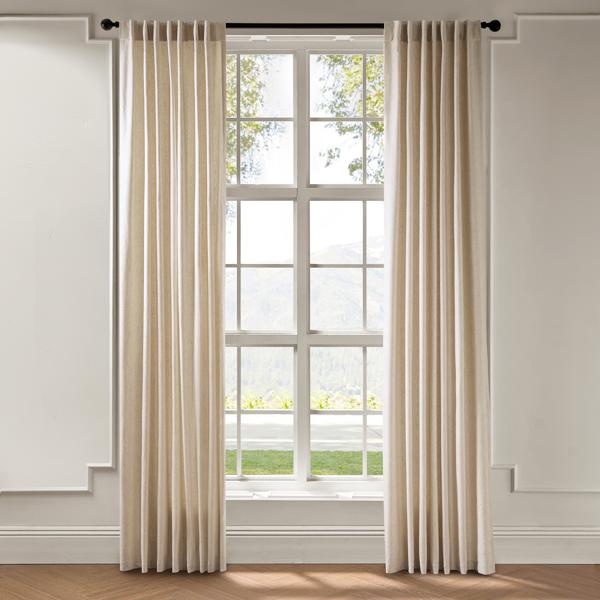
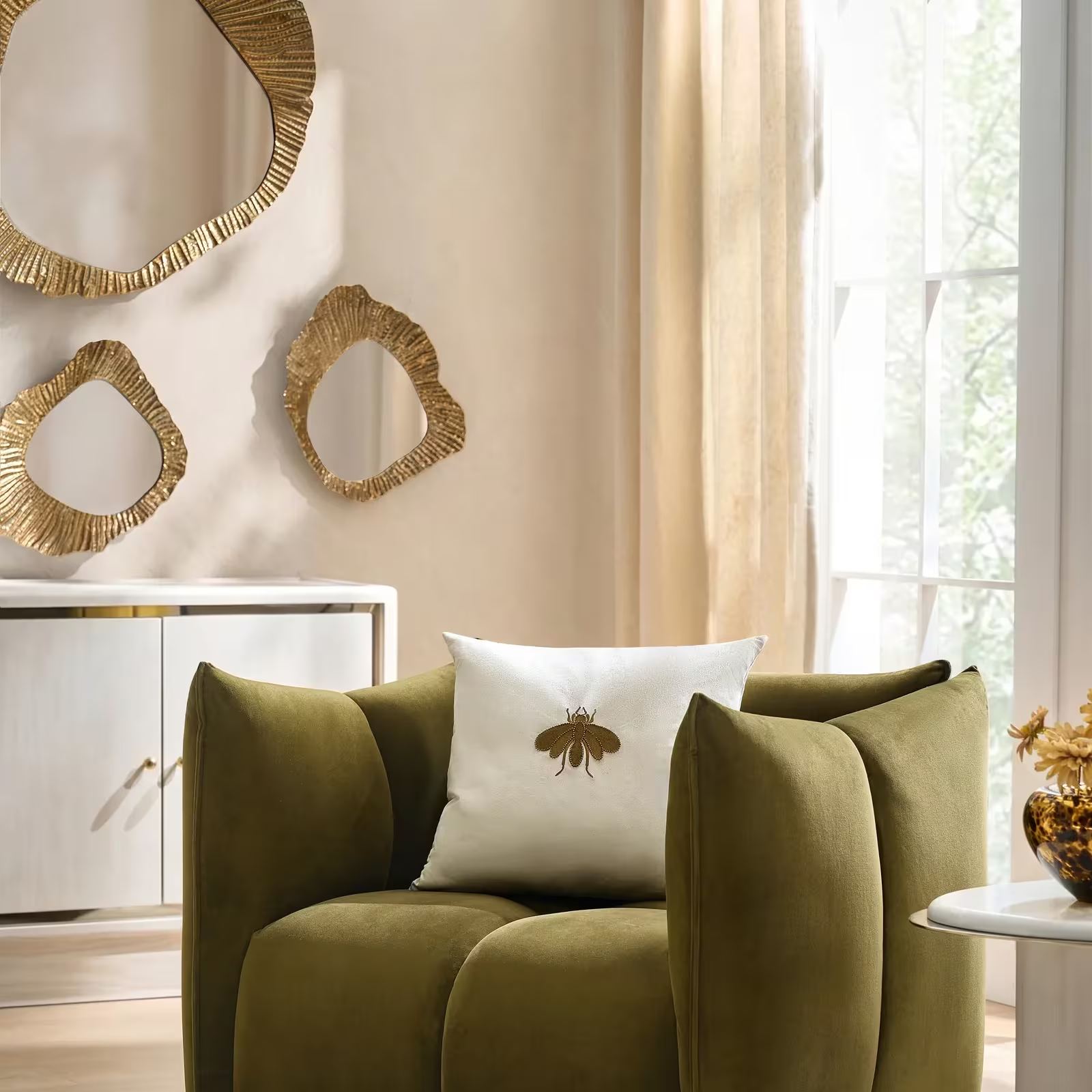 Anson Ivory Textured Window Curtain Panel$109
An elegant ivory curtain with a crushed, light-reflective texture and versatile dual hanging options.
Add To Cart -
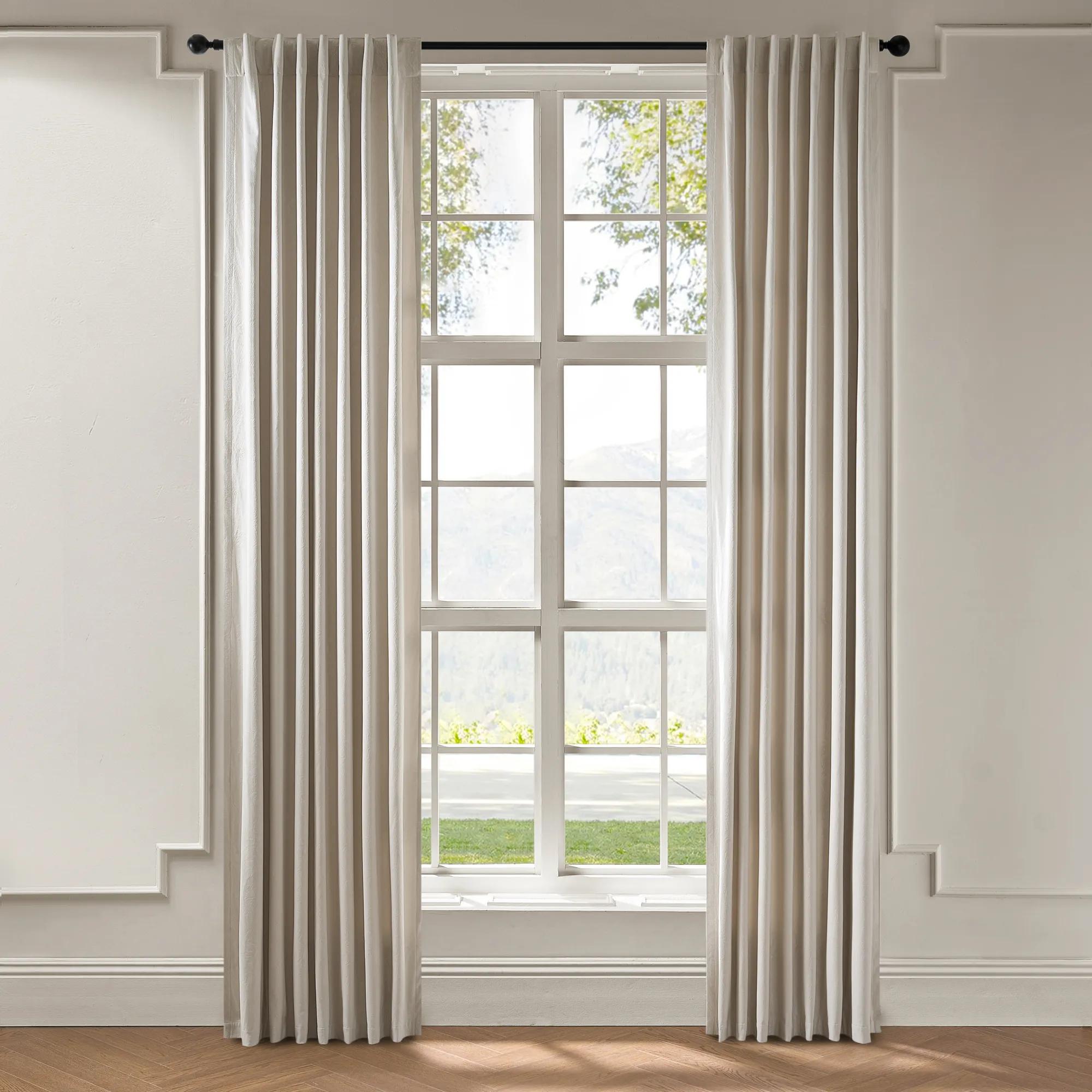
.jpeg?w=1200&h=1200) Mabel White Velvet Swirl Window Curtain Panel$109
Mabel White Velvet Swirl Window Curtain Panel$109A crisp white velvet curtain featuring a tonal swirl texture and versatile dual hanging options.
Add To Cart -
.jpeg?w=1200&h=1200)
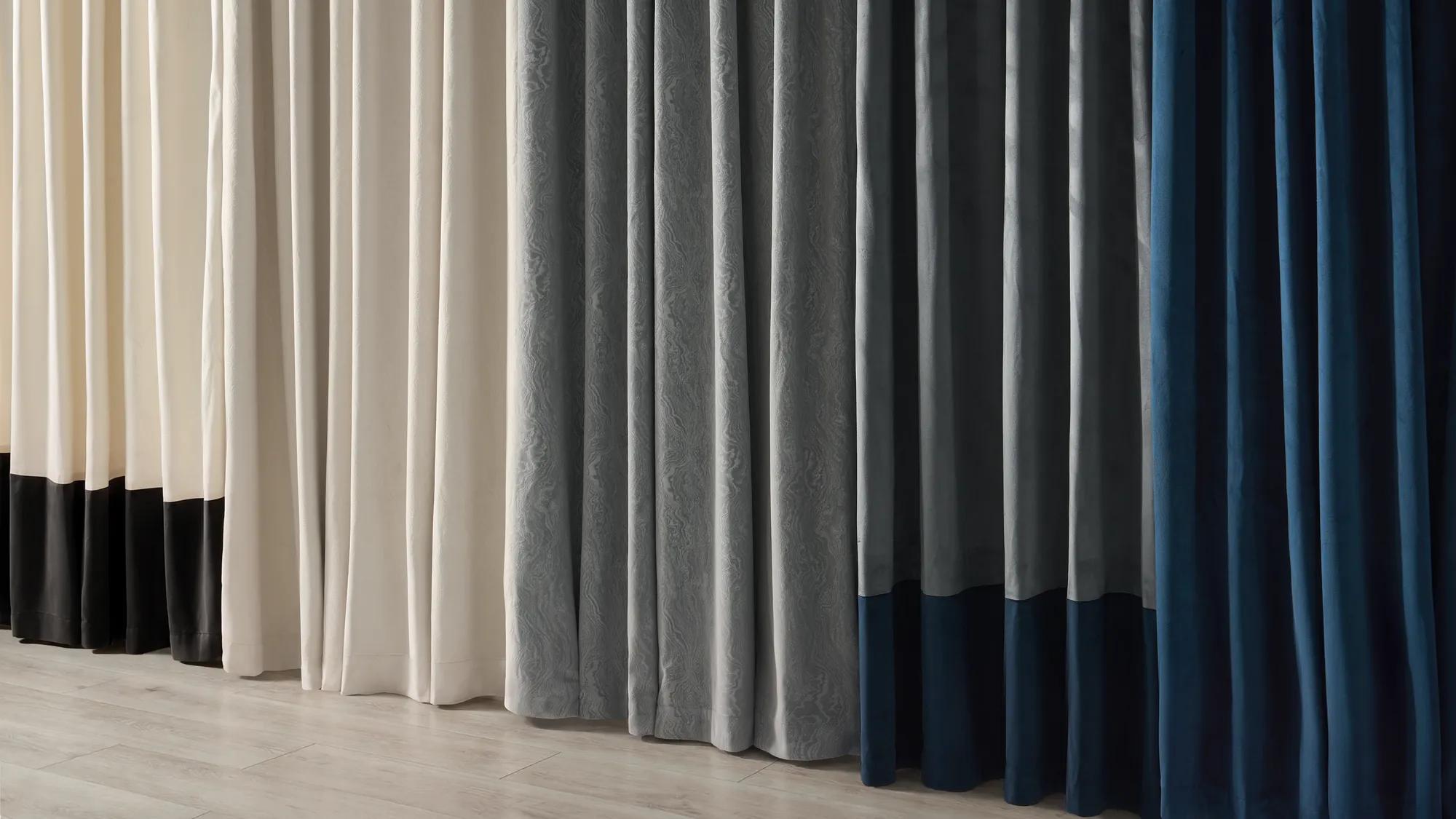 Mabel Velvet Swirl Curtain - Grey Blue$89
A grey blue velvet curtain featuring a tonal swirl pattern and versatile dual hanging options.
Add To Cart -
.jpeg?w=1200&h=1200)
 Mabel Natural Velvet Swirl Window Curtain Panel$109
Mabel Natural Velvet Swirl Window Curtain Panel$109A warm neutral velvet curtain with a tonal swirl pattern and room-darkening, dual hanging options.
Add To Cart -
.jpeg?w=1200&h=1200)
 Anson Charcoal Textured Window Curtain Panel$99
Anson Charcoal Textured Window Curtain Panel$99A moody charcoal curtain with crushed polyester texture and subtle sheen for stylish, room-darkening appeal.
Add To Cart -
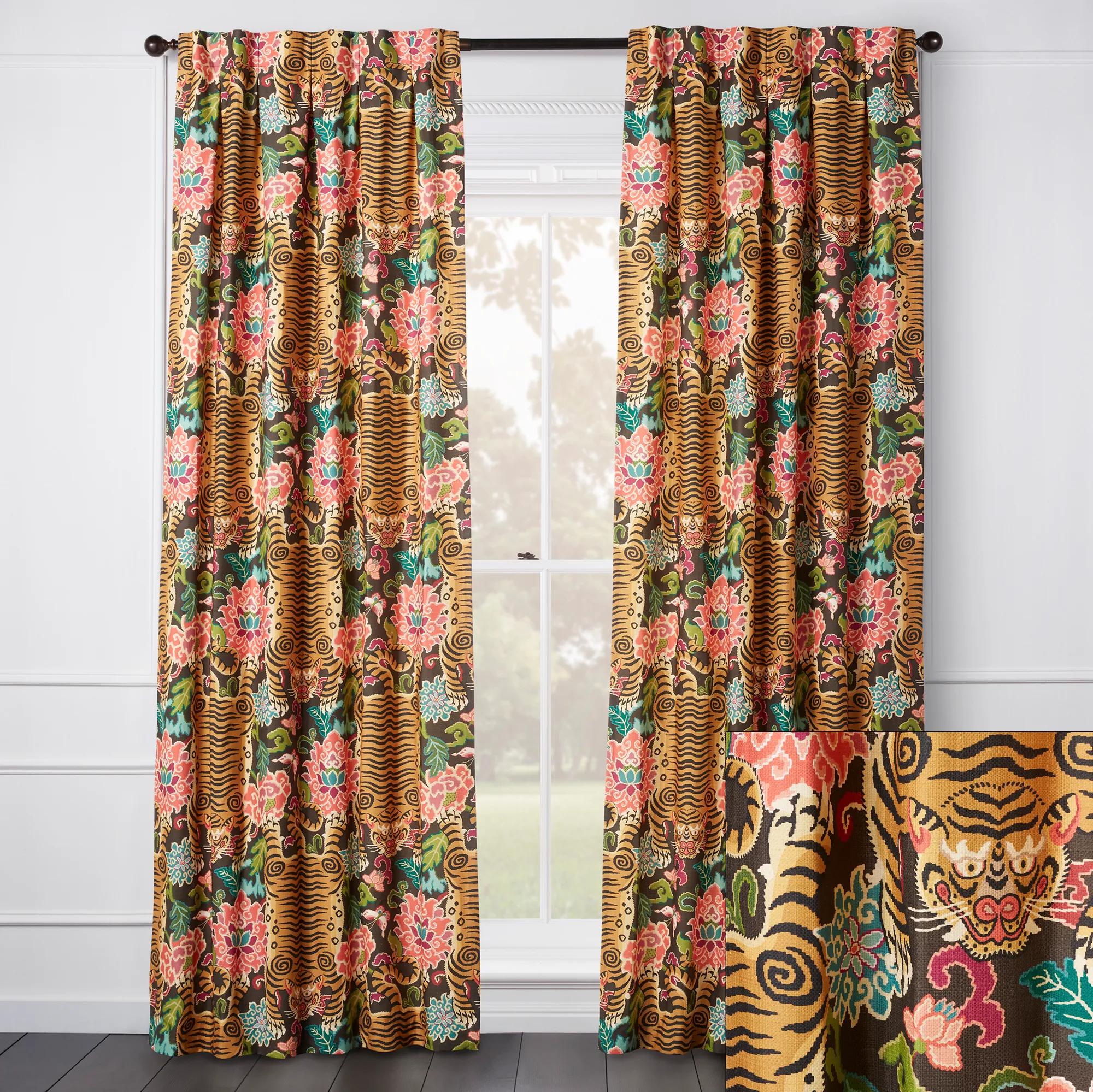
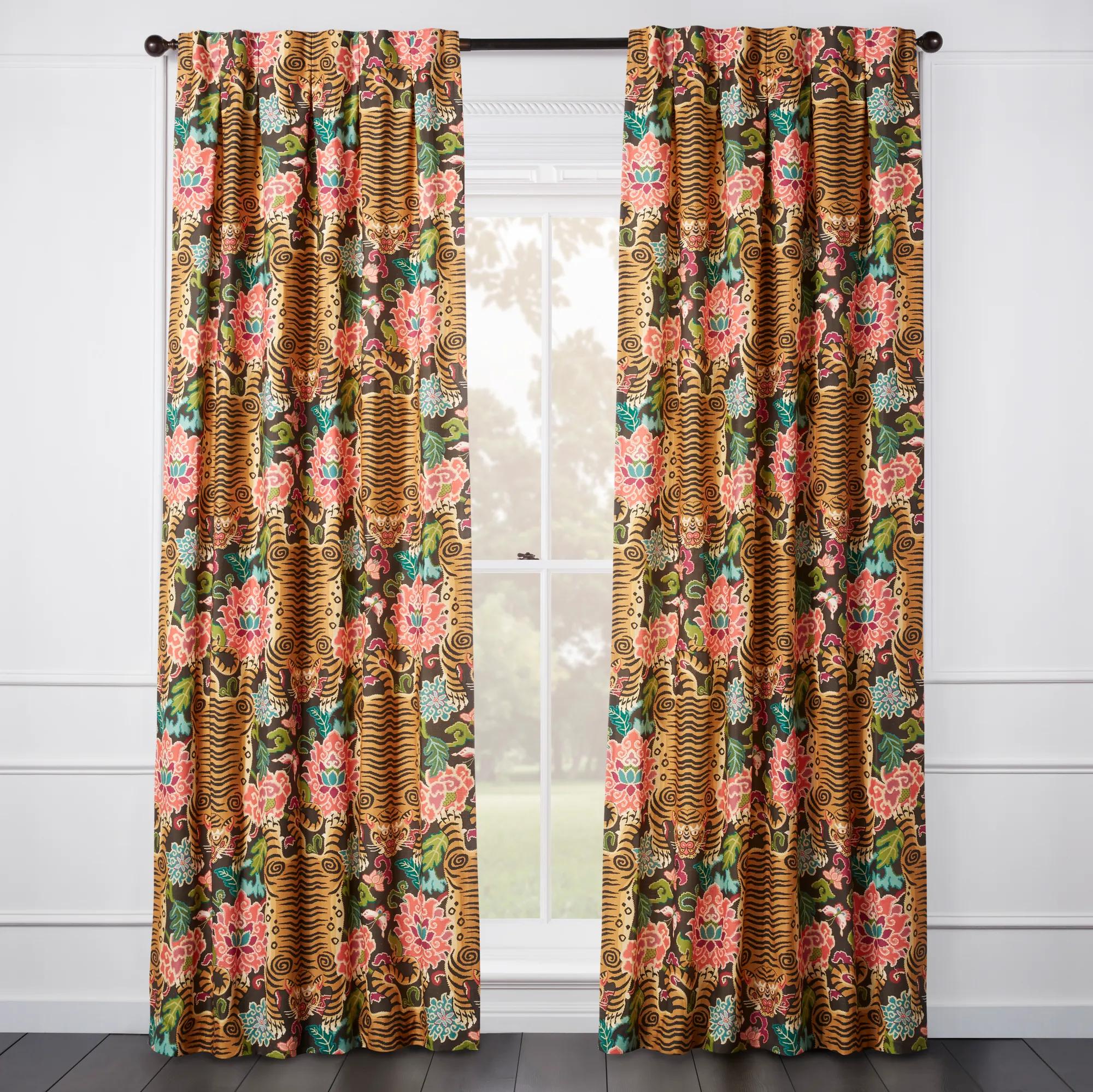 Nimer Gold/Multi Printed Slubbed Cotton Window Curtain Panel$299
A lively gold and multi-colored cotton curtain featuring a bold tiger print and customizable hanging options.
Add To Cart -
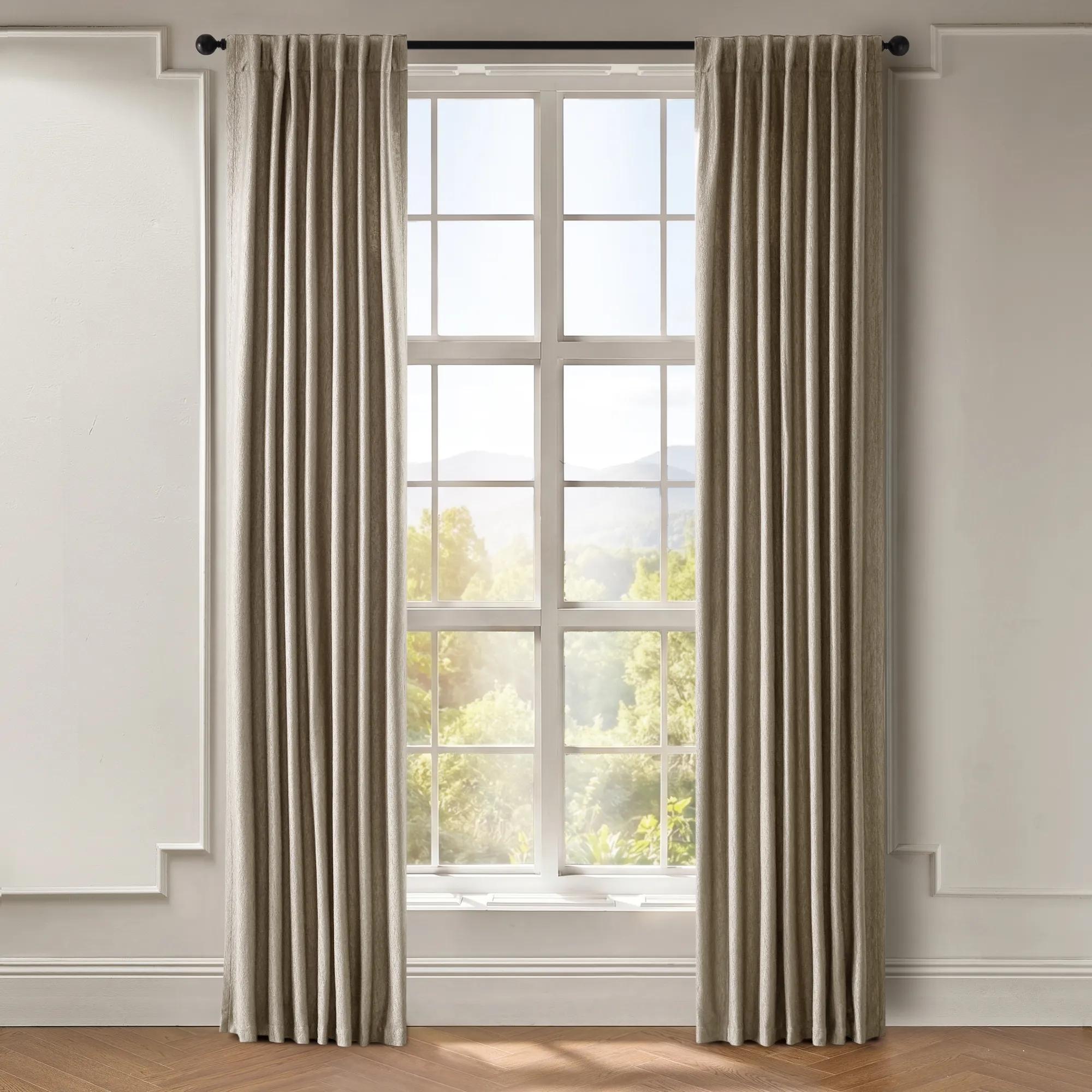
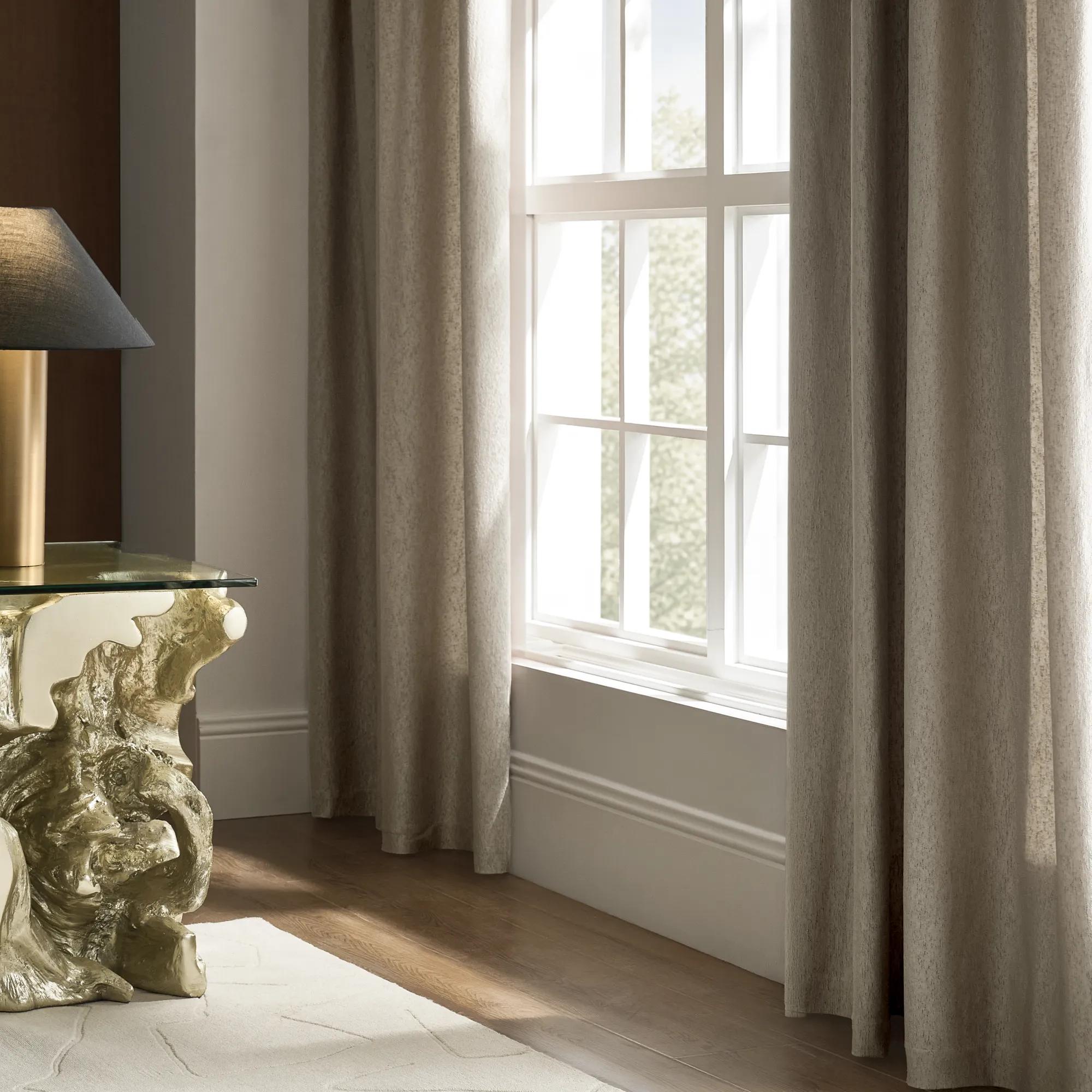 Anson Taupe Textured Window Curtain Panel$89
A taupe polyester curtain panel featuring a crushed sheen texture and room-darkening, dual hanging design.
Add To Cart -
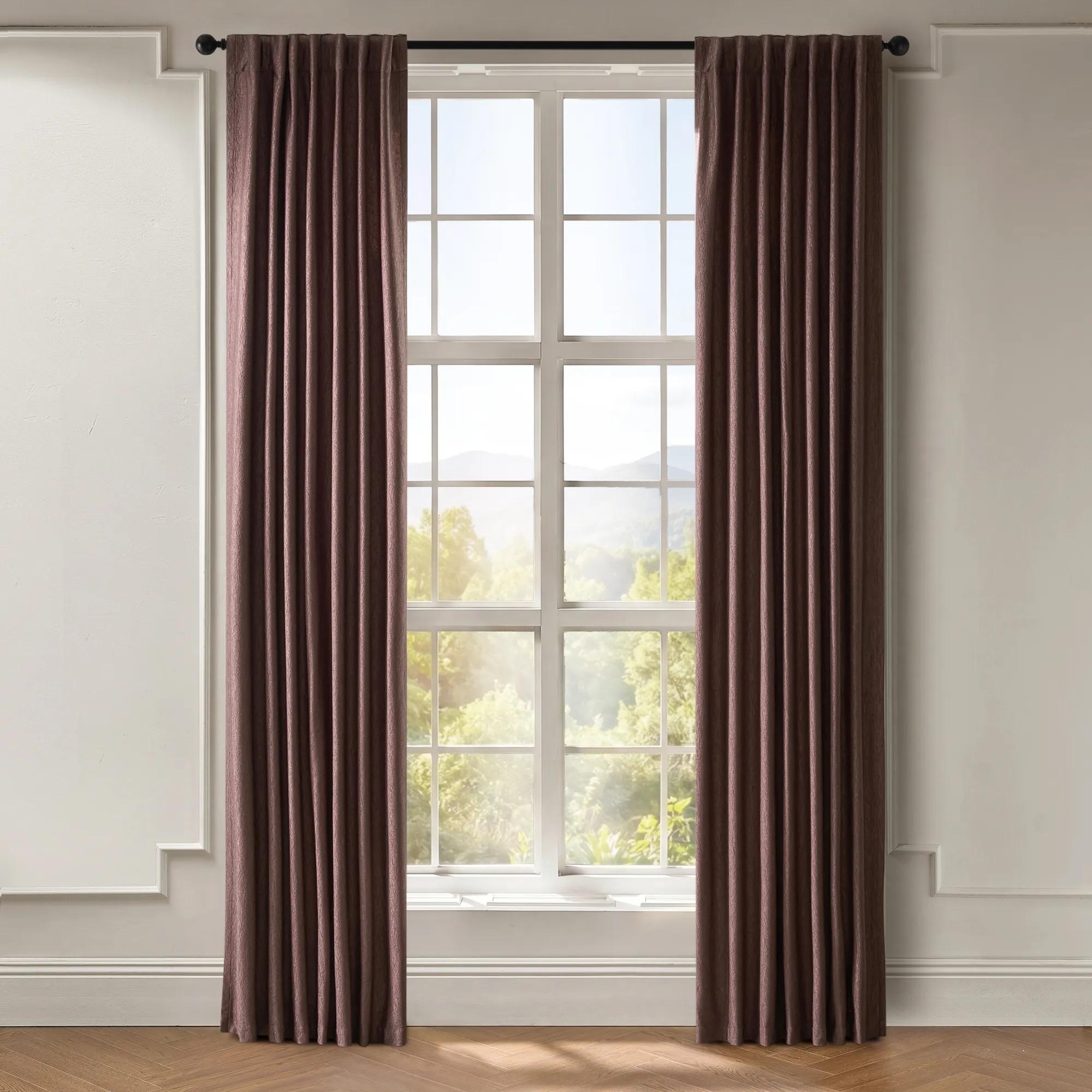
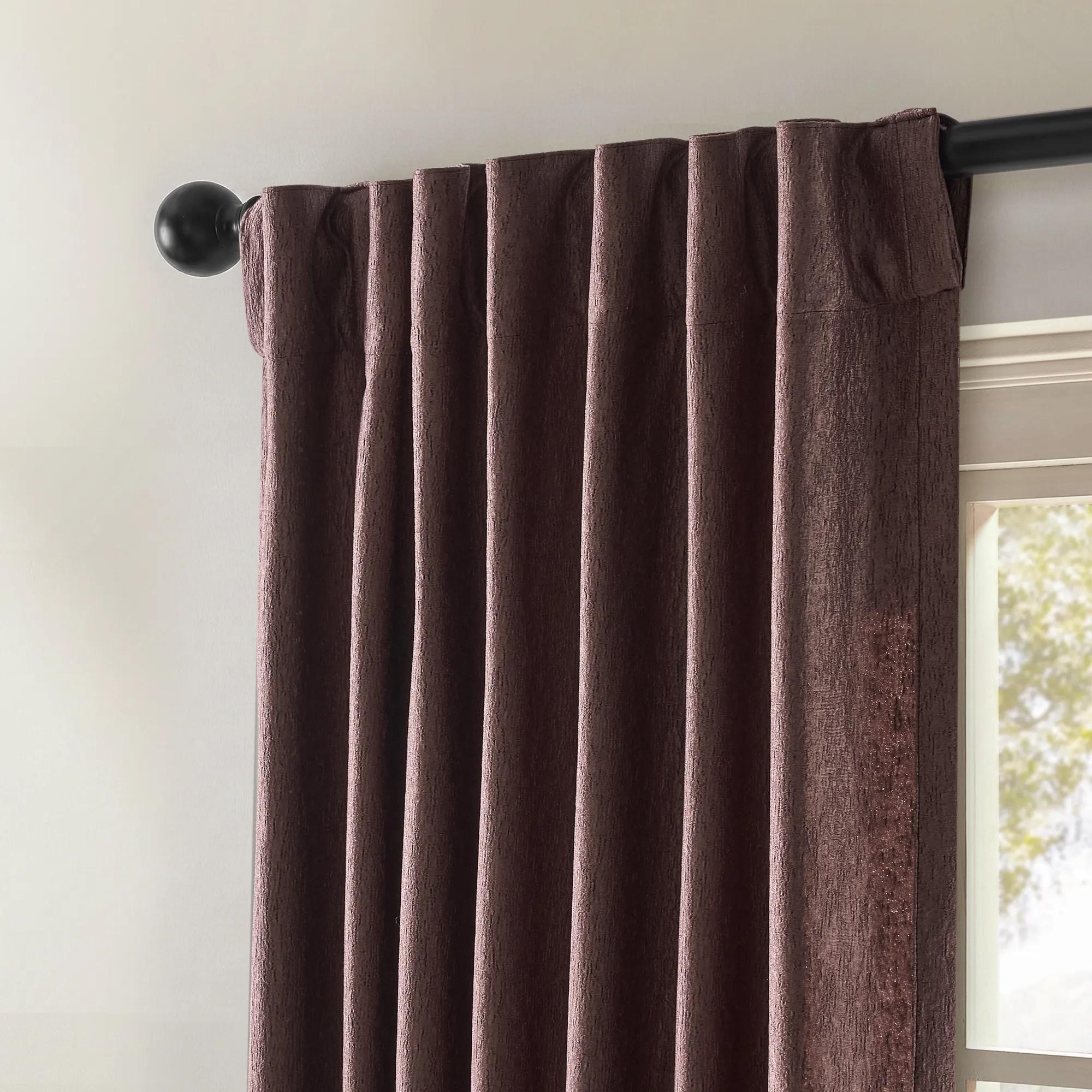 Anson Fig Textured Window Curtain Panel$99
A deep fig curtain panel in crushed, subtly sheened polyester with room-darkening and dual hanging options.
Add To Cart -
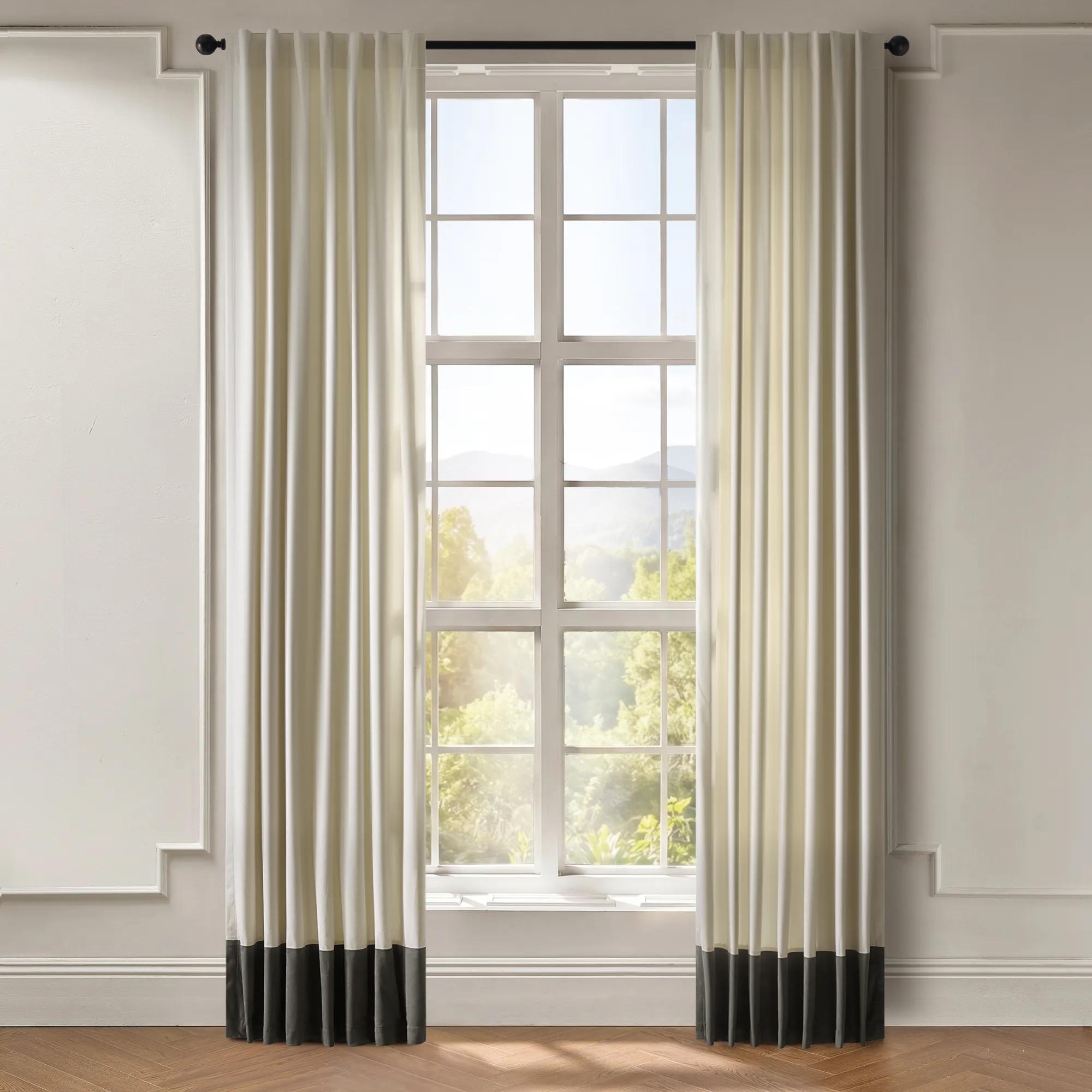
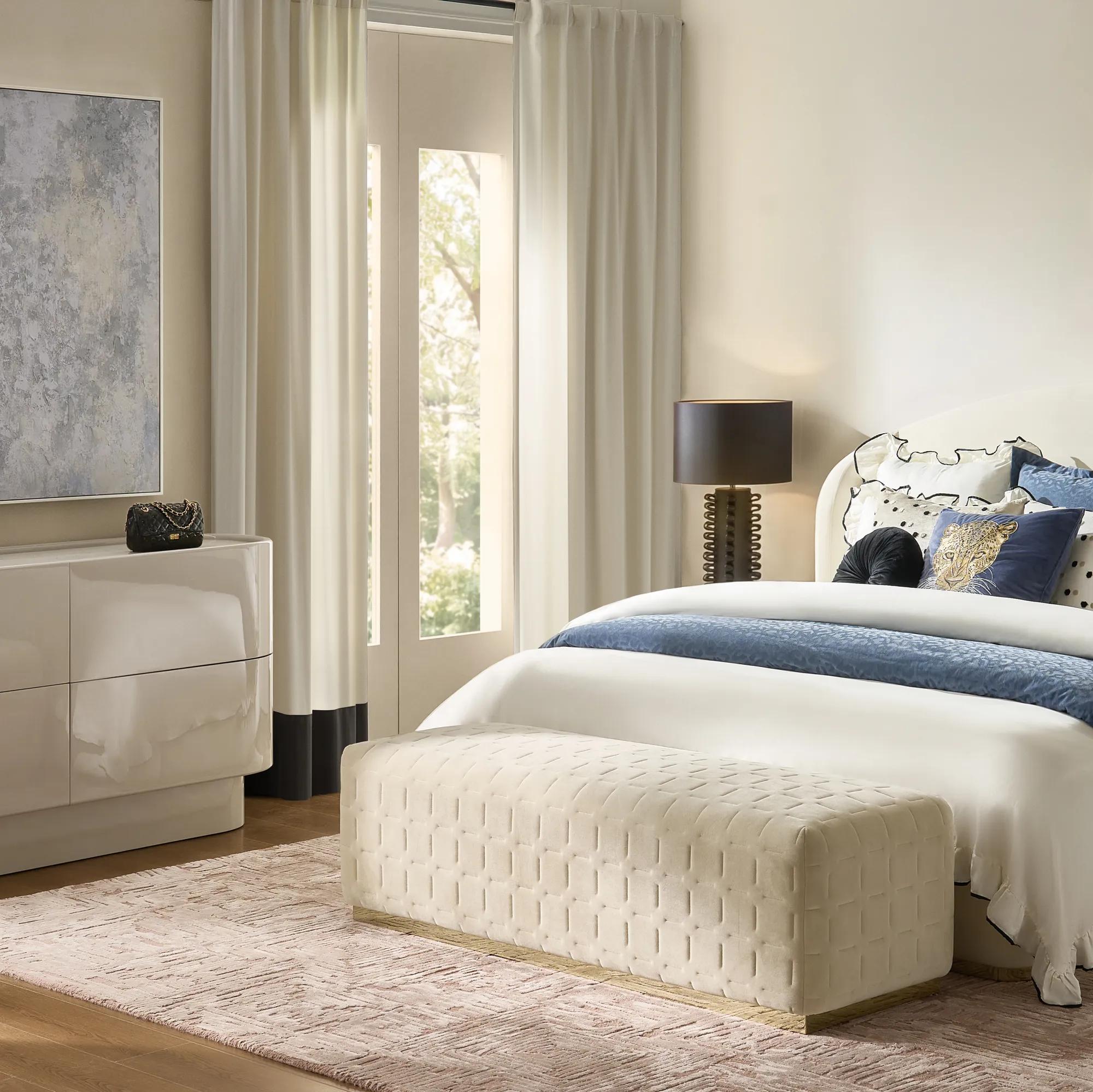 Bastien Ivory/Graphite Velvet Border Window Curtain Panel$109
A two-tone ivory and graphite velvet curtain panel with a Deco-inspired border and room-darkening design.
Add To Cart -
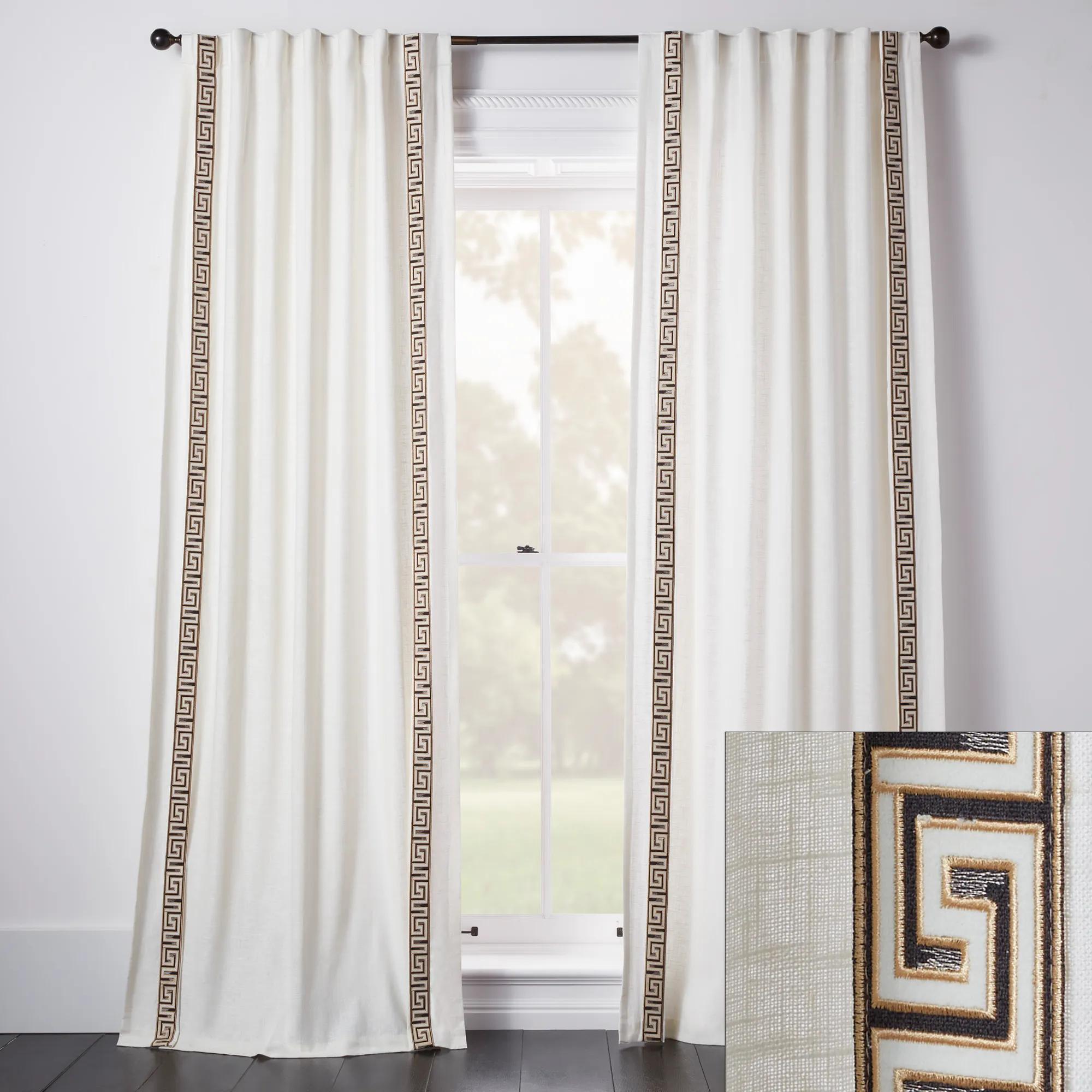 Chole Greek Key Border Velvet Widow Curtain Panels Custom$349
A white linen-blend curtain with black and gold velvet Greek key border and customizable hanging options.
Add To Cart -
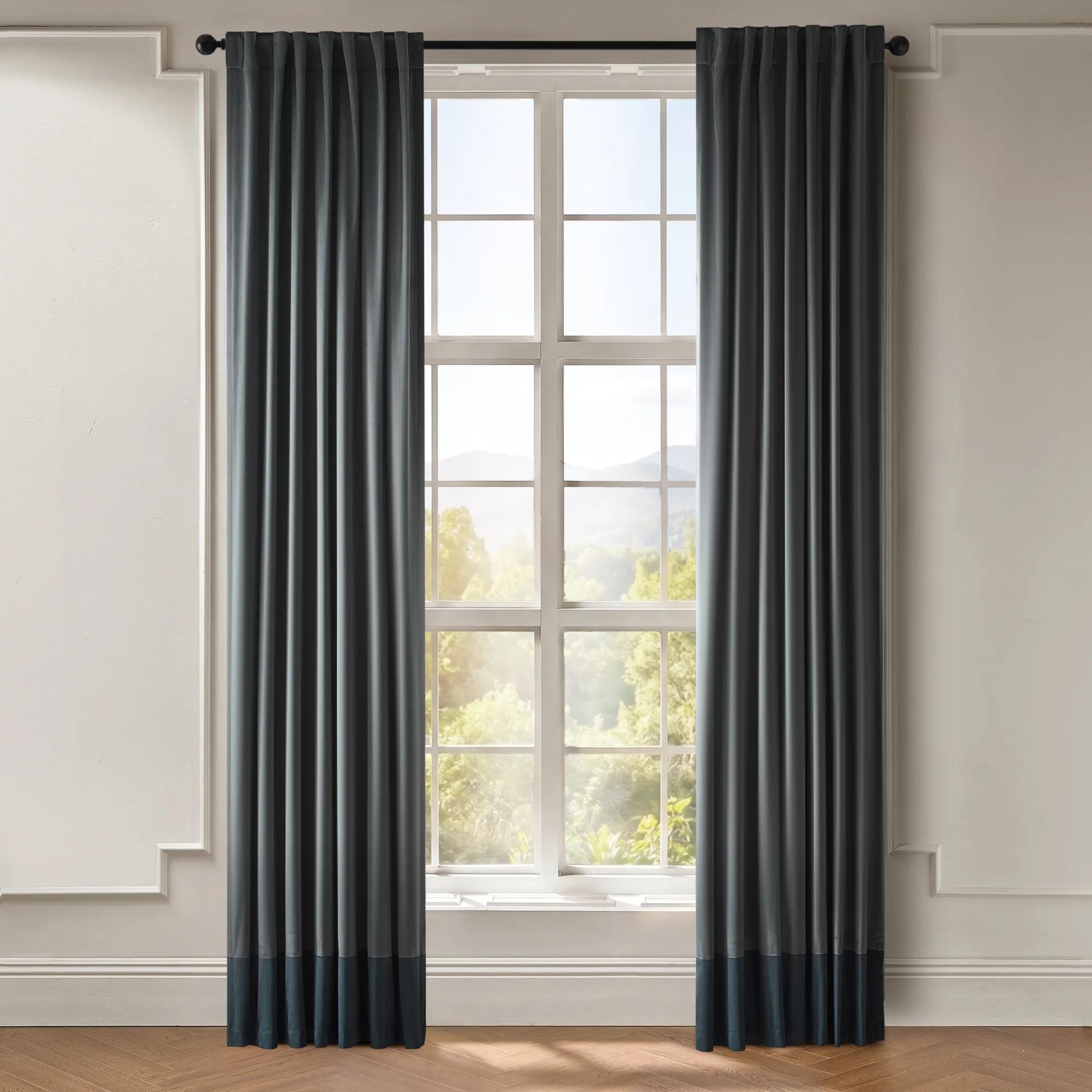
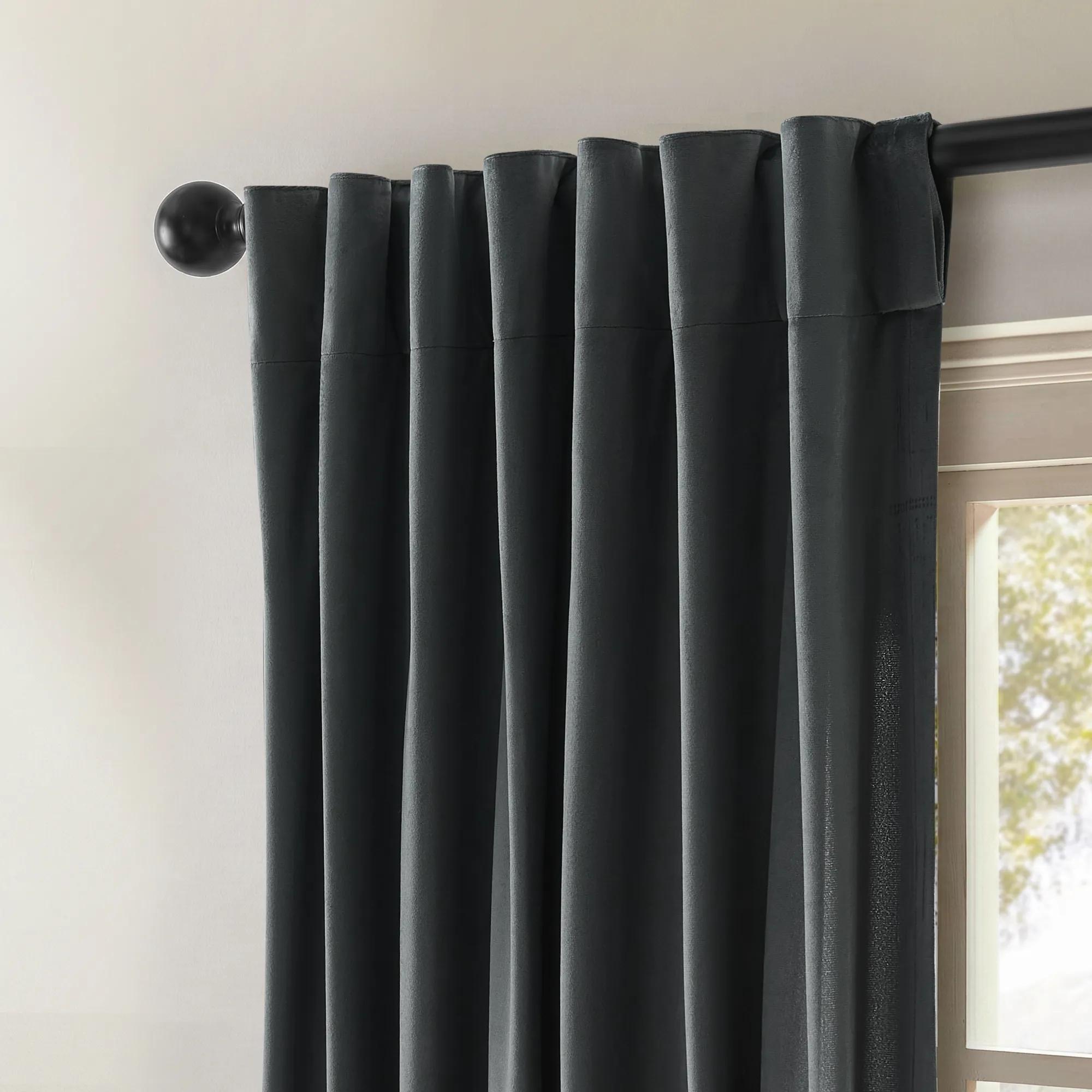 Bastien Blue/Midnight Velvet Border Window Curtain Panel$109
A two-tone dusty blue and midnight blue velvet curtain panel with room-darkening design and dual hanging options.
Add To Cart -
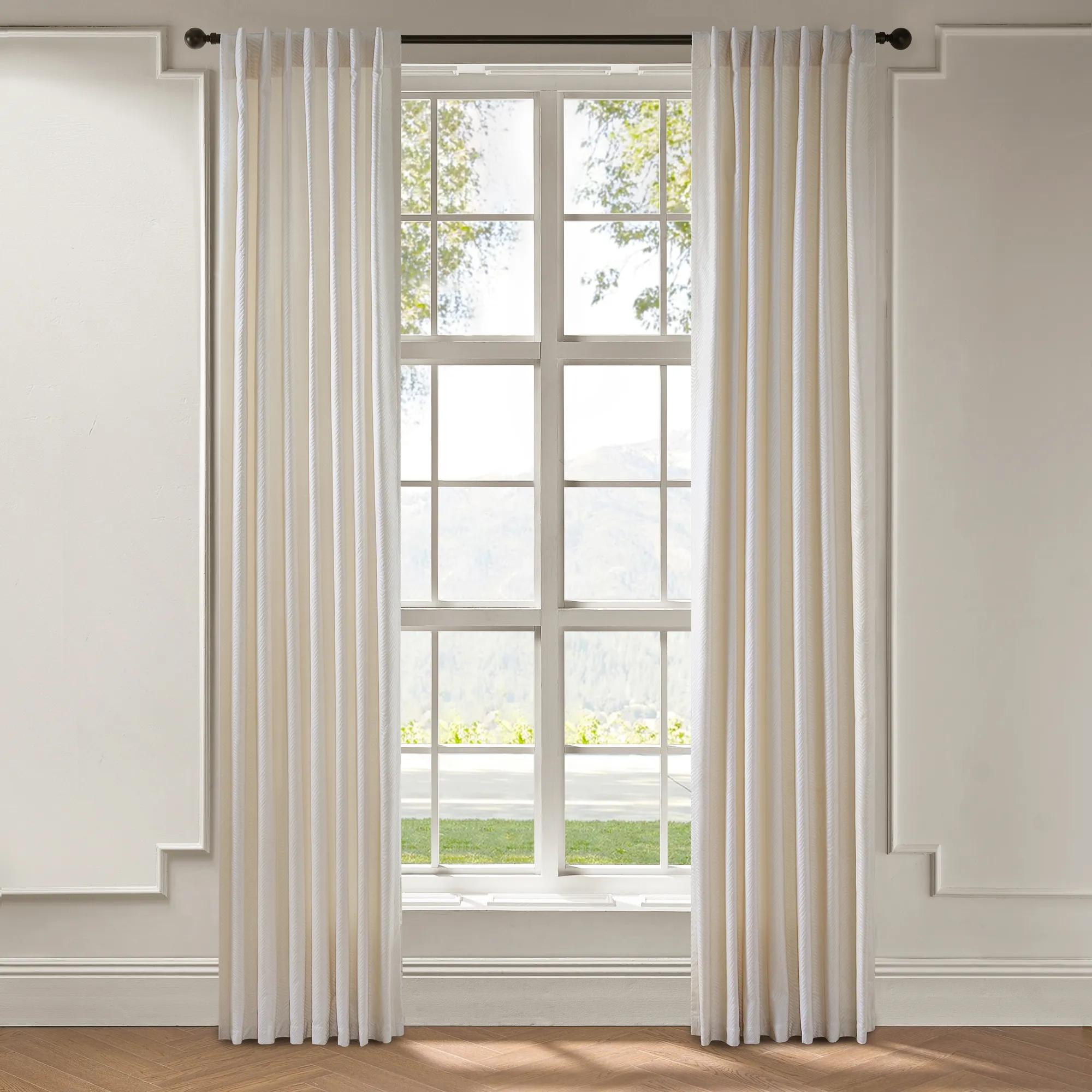
.jpeg?w=1200&h=1200) Kenzo Chenille Curtain - White$129
Kenzo Chenille Curtain - White$129A luxe white chenille jacquard curtain featuring a subtle high-contrast pattern and versatile dual construction.
Add To Cart -
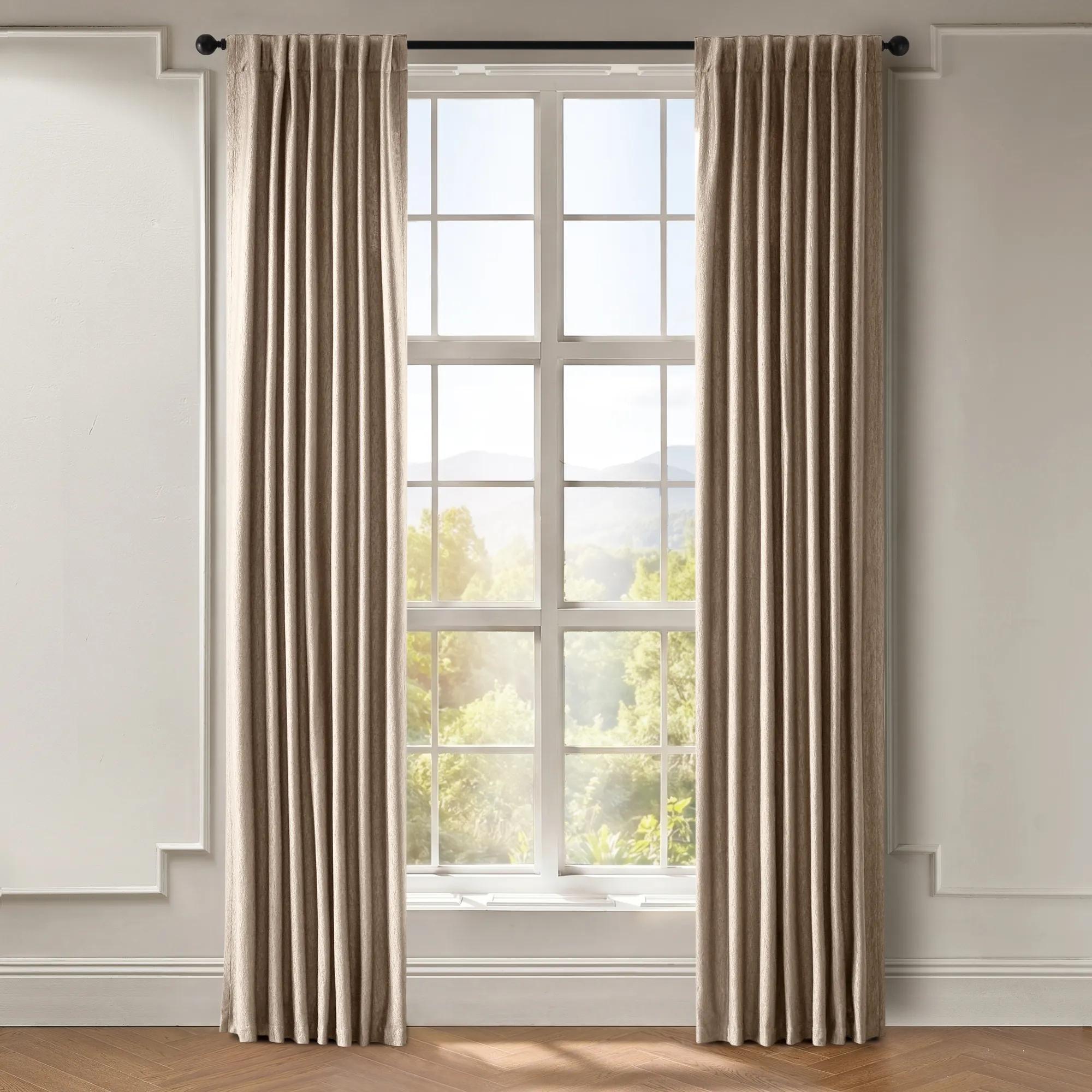 Anson Mocha Rose Textured Window Curtain Panel$109
A light mocha rose curtain panel with crushed sheen texture and room-darkening, dual hanging design.
Add To Cart -
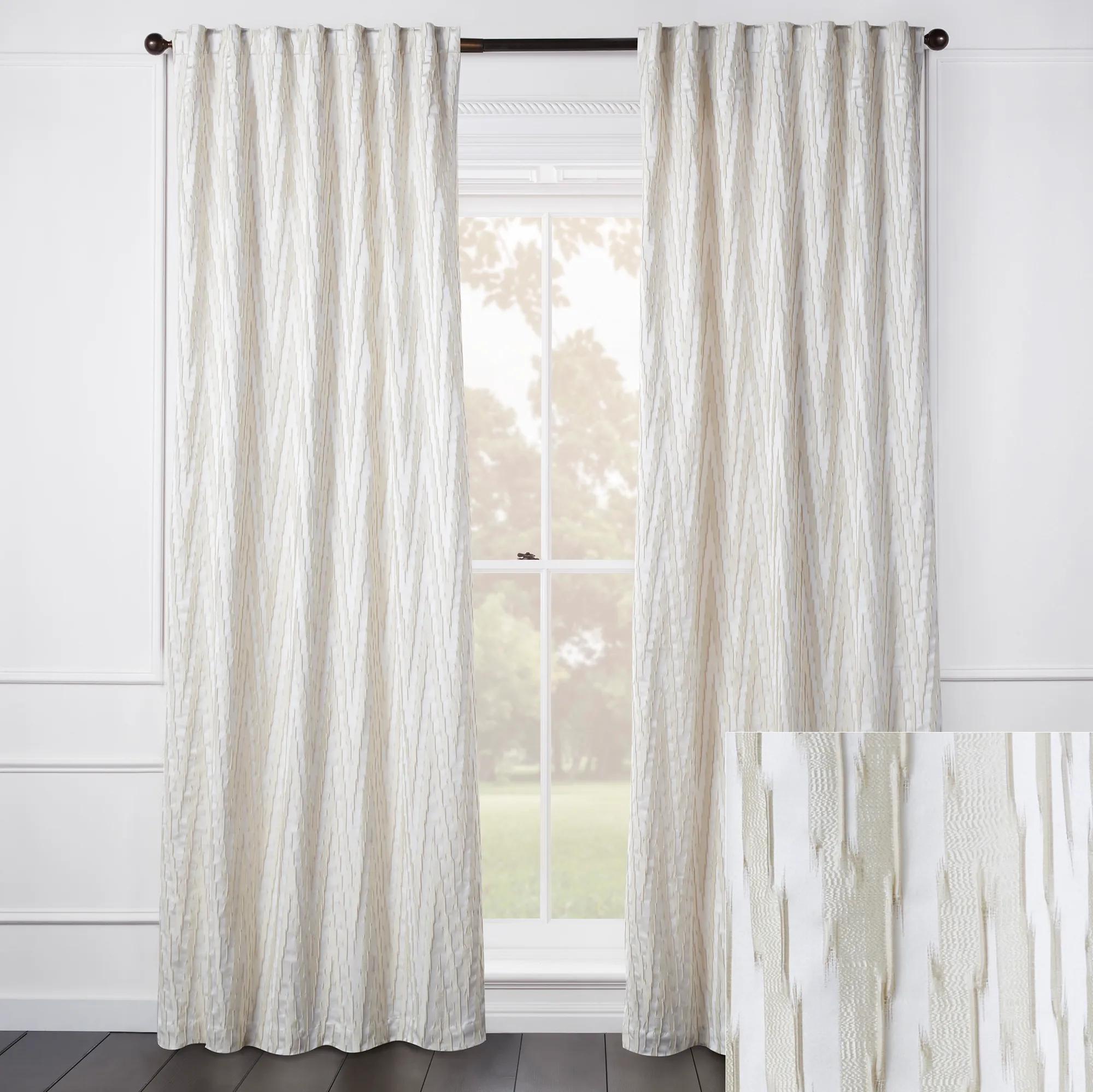
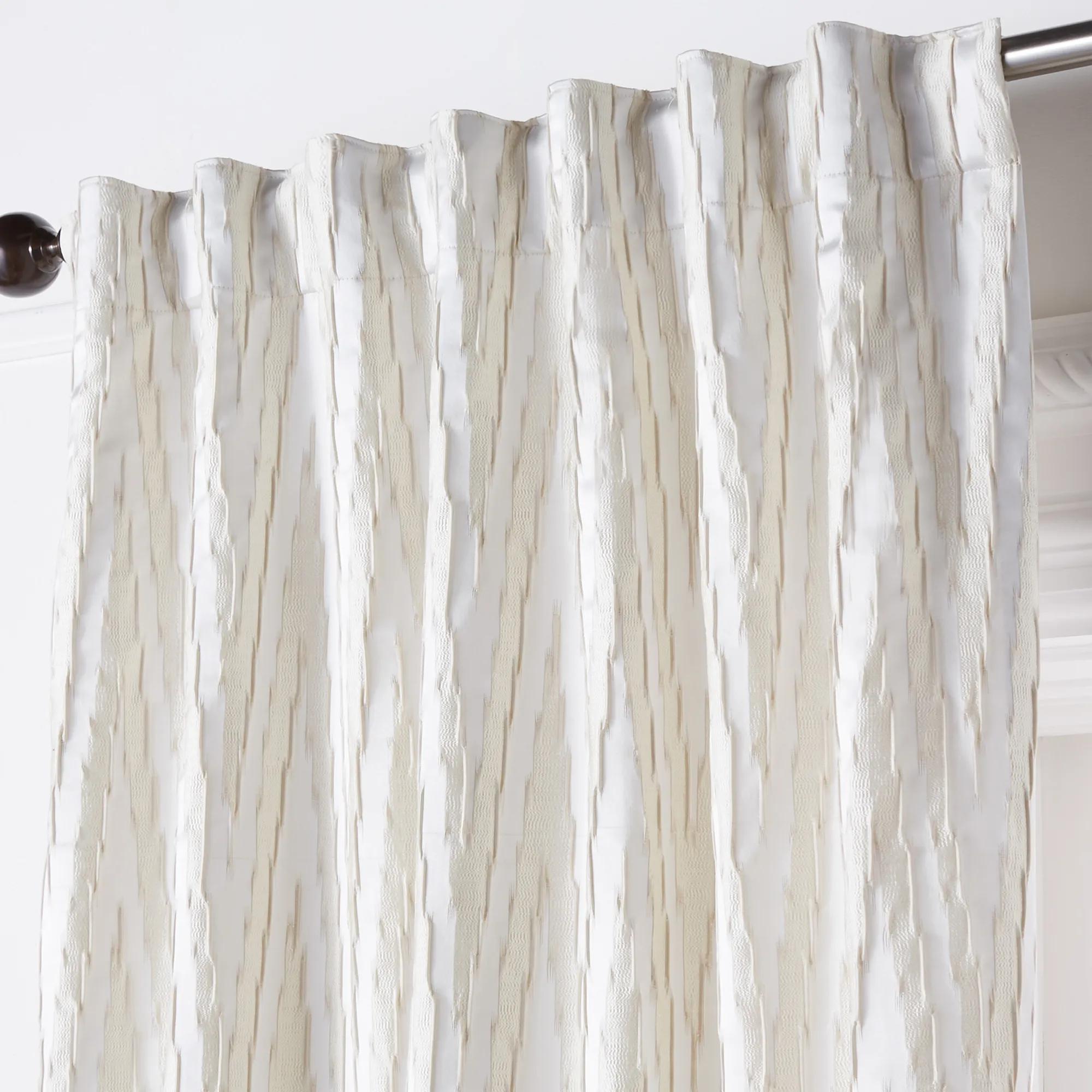 Minka Jacquard Pearl Window Curtain Panel Custom$329
A highly textured chevron curtain panel in pearl, grey, or natural polyester with customizable hanging options.
Add To Cart -
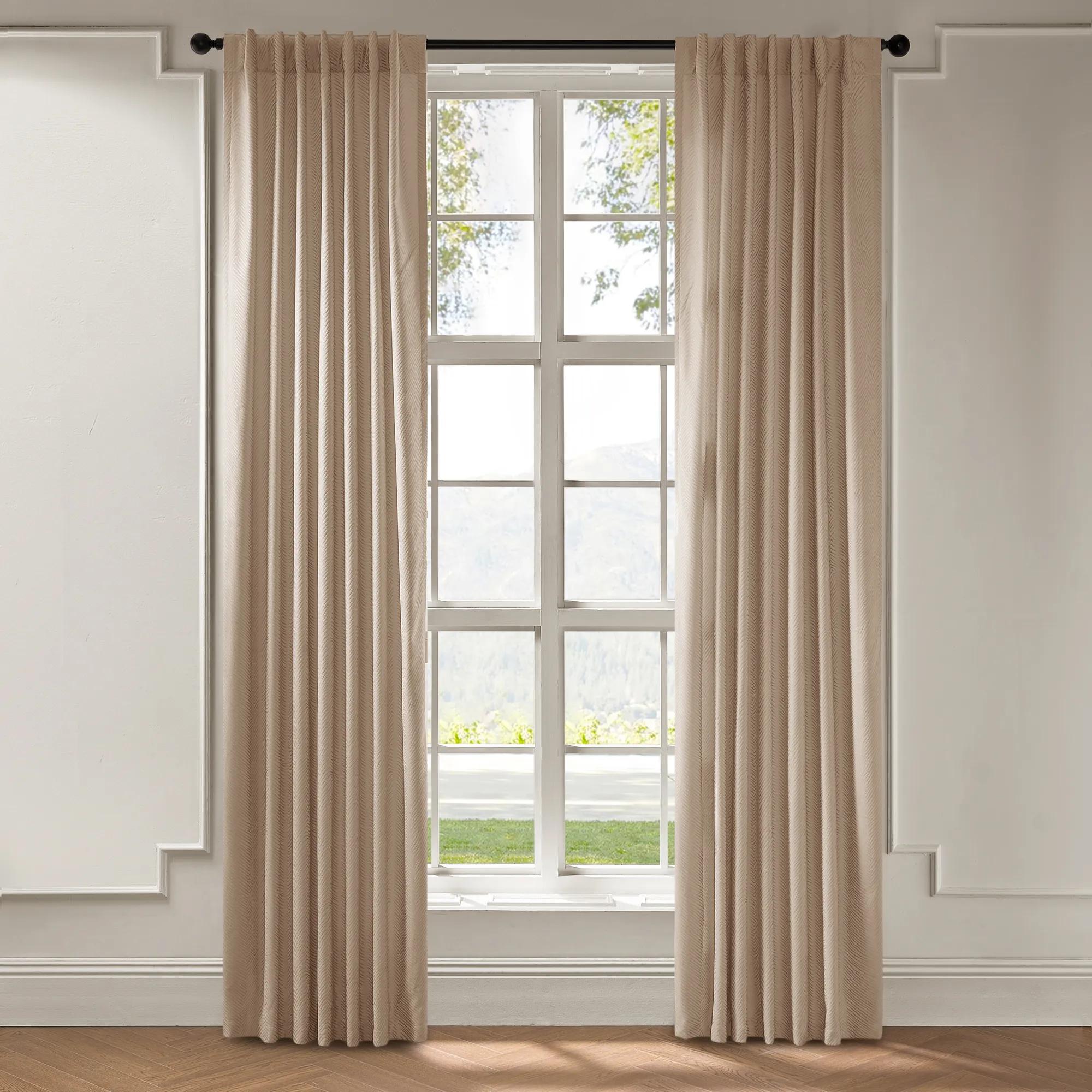 Kenzo Jacquard Beige Chenille Window Curtain Panel$119
A warm beige chenille jacquard curtain with a subtle sheen and versatile rod pocket or back tab hanging.
Add To Cart

Curtains For Large Windows
Curtains for large windows are more than mere window treatments—they are sweeping gestures of style, framing your view with grandeur and intention. Elevate your interiors with drapery that commands attention, cascading in sumptuous folds and transforming sunlight into a living work of art. Whether you crave understated elegance or unapologetic drama, the right curtains for large windows set the tone for every gathering, every quiet morning, every unforgettable moment. Let your space unfold in layers of luxury, where every detail is designed to amplify your vision and inspire awe.
Curtains for large windows bring proportion, privacy, and a sense of occasion to a room, transforming an expansive stretch of glass into a beautifully framed architectural feature. The most suitable curtains combine enough width for graceful folds with a length and fabric weight that complement the scale of the space. For many styles, a combined flat panel width of about 1.5 to 2 times the curtain rod’s coverage width creates fullness without leaving the fabric stretched taut when closed; lightweight sheers may need more generous gathering, while tailored pleated styles follow their own finished-width requirements. Extra-wide curtain panels, often around 100 inches wide or more, can cover broad openings with fewer separate panels, although dimensions vary and should always be checked. Multiple standard-width panels can also create a substantial arrangement, particularly when their inner edges meet neatly and their hems align. In a living room with a picture window, generous drapery establishes a soft vertical rhythm beside a low sofa or sculptural accent chair. Across a wall of dining room windows, it adds an enveloping backdrop that gives artwork, reflective finishes, and an expressive table setting room to shine. Color shapes that effect as decisively as scale: ivory and warm neutral curtains create luminous continuity, charcoal introduces a sharply defined border, and saturated jewel tones make the window an intentional focal point. Texture can be equally expressive without relying on strong color. A slubbed weave gives a monochromatic room dimension, while velvet lends depth to broad folds and catches light differently as the panels move. Patterned curtains deserve particular attention at this size, since a motif repeats across a much larger surface than it would on a narrow window. An oversized geometric design can echo architectural lines, while a restrained tonal pattern brings detail without competing with a statement rug. The result should feel composed rather than crowded, with the window treatment contributing as much to the room’s character as its furniture.
Fabric and lining determine how curtains for wide windows look, feel, and perform throughout everyday use. Linen offers an organic texture and a relaxed drape, with natural creasing that suits interiors where polish leaves room for character. Cotton can provide a softer, more tailored appearance, depending on its weave and weight, while polyester and blended fabrics often offer good shape retention and resistance to wrinkling. Velvet creates sumptuous volume and a richly shaded surface, making it especially compelling in bedrooms, formal living spaces, and rooms with tall ceilings. These material names alone do not establish privacy or light control; weave density, backing, lining, and construction matter just as much. Sheer curtains diffuse daylight and soften the view, but they generally do not provide reliable privacy after dark when interior lights are on. Light-filtering curtains offer a more veiled effect, with the degree of privacy varying by fabric. Room-darkening curtains reduce incoming light, while blackout curtains are designed to block light through the fabric; gaps above, below, and beside the panels can still admit light. For a bedroom facing exterior lighting or a media room where reflections compete with the screen, a substantial lining and generous edge coverage can matter more than a dark color alone. A double rod or compatible layered track allows sheer panels to remain closed for softened daylight while opaque drapery opens to frame the view. This combination is particularly useful in a street-facing living room or an open-plan space that serves several purposes. It also gives the window a dimensional quality, with translucent fabric behind deeper, sculptural folds. For additional inspiration on coordinating coverage, proportion, and decorative layers, Window Treatment Ideas for Large Windows offers a related perspective. Wide windows near a desk, beside a reading chair, or opposite a television each call for a slightly different balance of filtered light and coverage, making intended use an essential part of the visual composition.
Fit gives large-window curtains their finished presence, particularly when the opening spans much of a wall. Measuring the intended rod or track coverage, rather than the glass alone, helps account for overlap and the space needed to draw the fabric aside. Extending the hardware beyond the window frame can preserve more of the view when the curtains are open, provided adjacent walls and furnishings leave sufficient room for the gathered panels. A rod positioned approximately 4 to 6 inches above the frame, or closer to the ceiling where the architecture allows, can emphasize height and give the arrangement a more expansive silhouette. Curtain length should be measured from the actual hanging point, which varies with rings, grommets, rod pockets, and other heading styles. Floor-length panels that just skim the surface create a tailored finish; a slight clearance can be more practical beside frequently used doors or in homes with pets. A deliberate puddle of fabric feels lavish in a formal setting but requires more attention to cleaning and is less suitable for a busy passage. For sliding glass doors, panels need to move clear of handles and access points without trailing underfoot. Hardware is equally important: broad spans and heavy fabrics require a rod or track rated for the load, securely mounted with appropriate brackets and anchors. Center supports can affect how far panels travel, so the opening arrangement deserves consideration alongside the fabric. Compatible traverse tracks or motorized systems can make substantial, frequently operated curtains easier to manage, especially where access is awkward. Lasting beauty also depends on care. Follow the fabric’s care label, since some panels are washable and others require professional cleaning; oversized panels may exceed a household machine’s capacity. Gentle dust removal with an appropriate upholstery attachment can help maintain the surface between cleanings. Linings may help protect decorative fabric from light exposure, although fading resistance varies. Well-supported headings, sound seams, and fabric suited to repeated handling allow dramatic drapery to remain an elegant part of daily life, not merely a decorative gesture.
FAQs
For large windows, luxurious fabrics such as velvet, silk, and heavyweight linen offer a dramatic drape and a sense of opulence, while sheers in voile or organza create an ethereal, light-diffusing effect. The choice of fabric sets the mood—velvet cocoons your space in warmth and grandeur, while lighter weaves keep the atmosphere bright and airy.
Curtains for large windows act as both a statement piece and a unifying element in your décor. Bold patterns or rich, saturated hues can anchor the room and add visual drama, while subtle textures and soft neutrals amplify natural light and create a serene, gallery-like backdrop for your furnishings.
Modern interiors often benefit from streamlined curtain styles such as extra-wide panels, floor-to-ceiling drapes, or minimalist sliding panels. These options emphasize clean lines and grand proportions, while allowing you to play with texture, color, and layering for a sophisticated, curated look.
Absolutely. Heavier fabrics and lined drapery panels not only add a sense of luxury but also help insulate your home against seasonal temperature changes. Layering with sheers allows you to maintain privacy during the day without sacrificing natural light, creating a versatile and comfortable environment year-round.
During winter, consider layering sumptuous velvet drapes with luminous sheers to capture the season’s cozy elegance. Deep jewel tones or metallic accents can reflect the festive spirit, while dramatic pooling at the floor adds a sense of warmth and grandeur—perfect for turning your windows into a stunning seasonal focal point.
.jpeg?w=4130&h=4130)
.jpeg?w=3942&h=3942)
.jpeg?w=4130&h=4130)


