
Curtains For Family Room Windows
Curtains For Family Room Windows
-
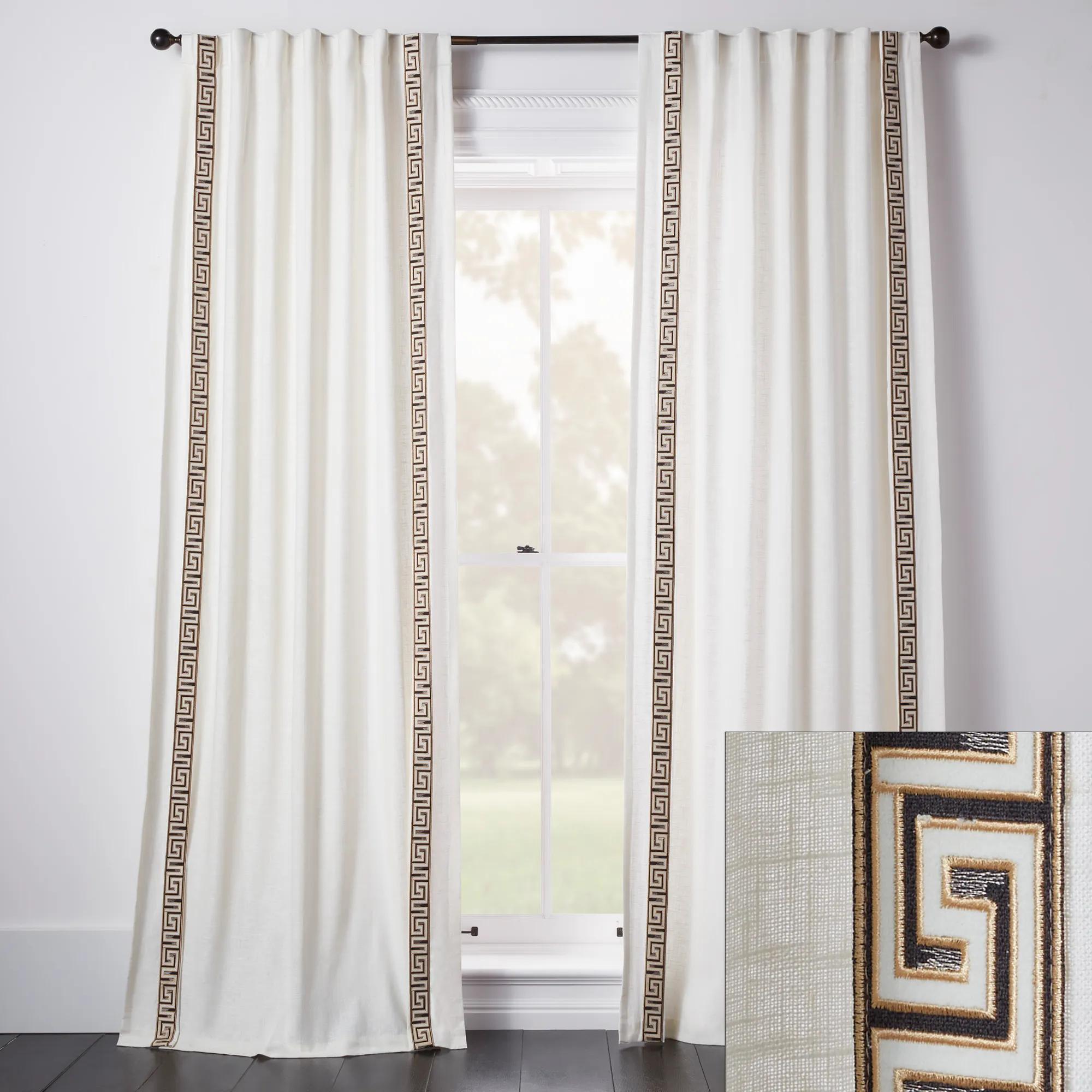 Chole Greek Key Border Velvet Widow Curtain Panels Custom$379
A linen-blend curtain panel with black and gold velvet Greek key border and customizable hanging options.
Add To Cart -
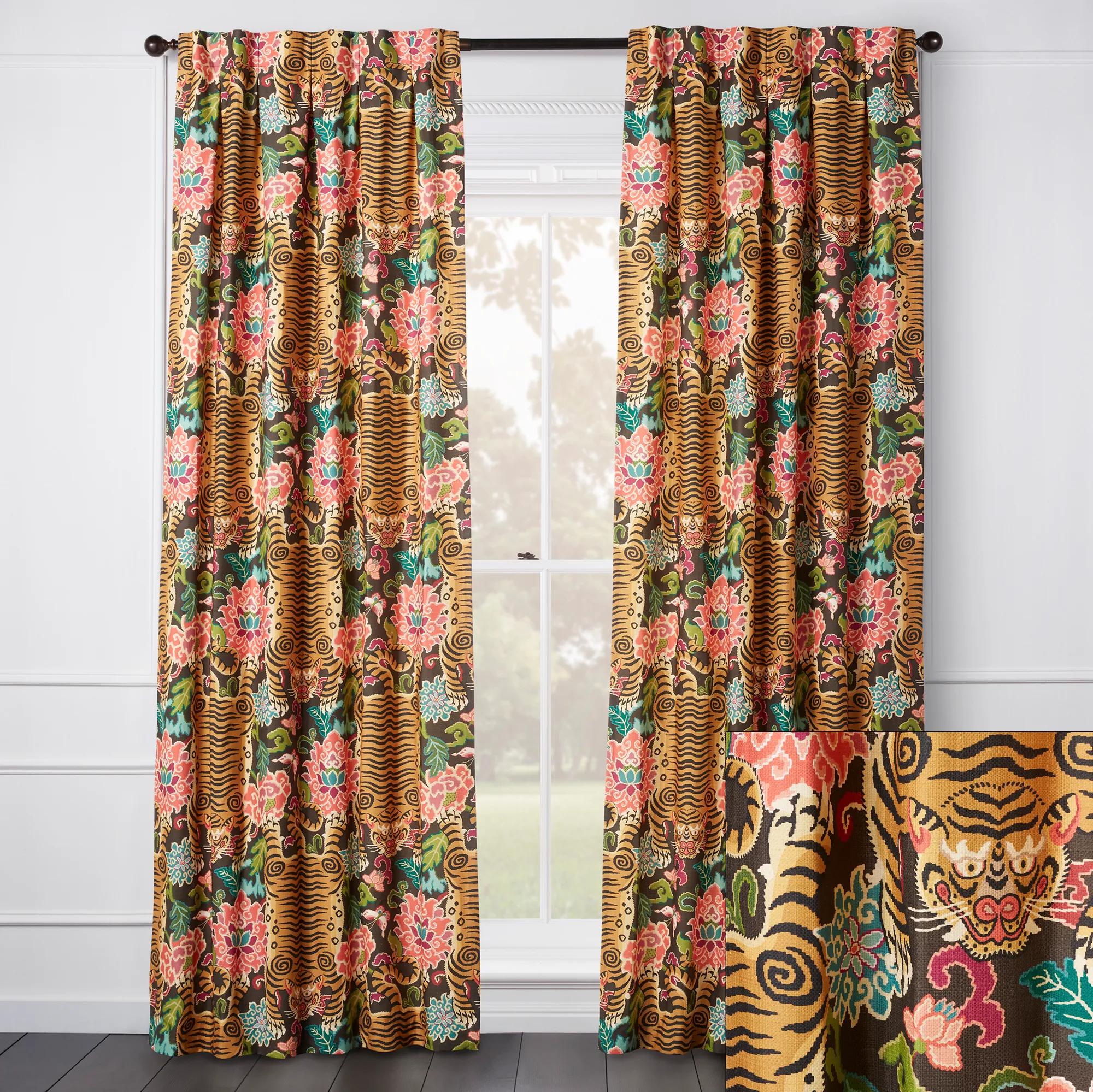
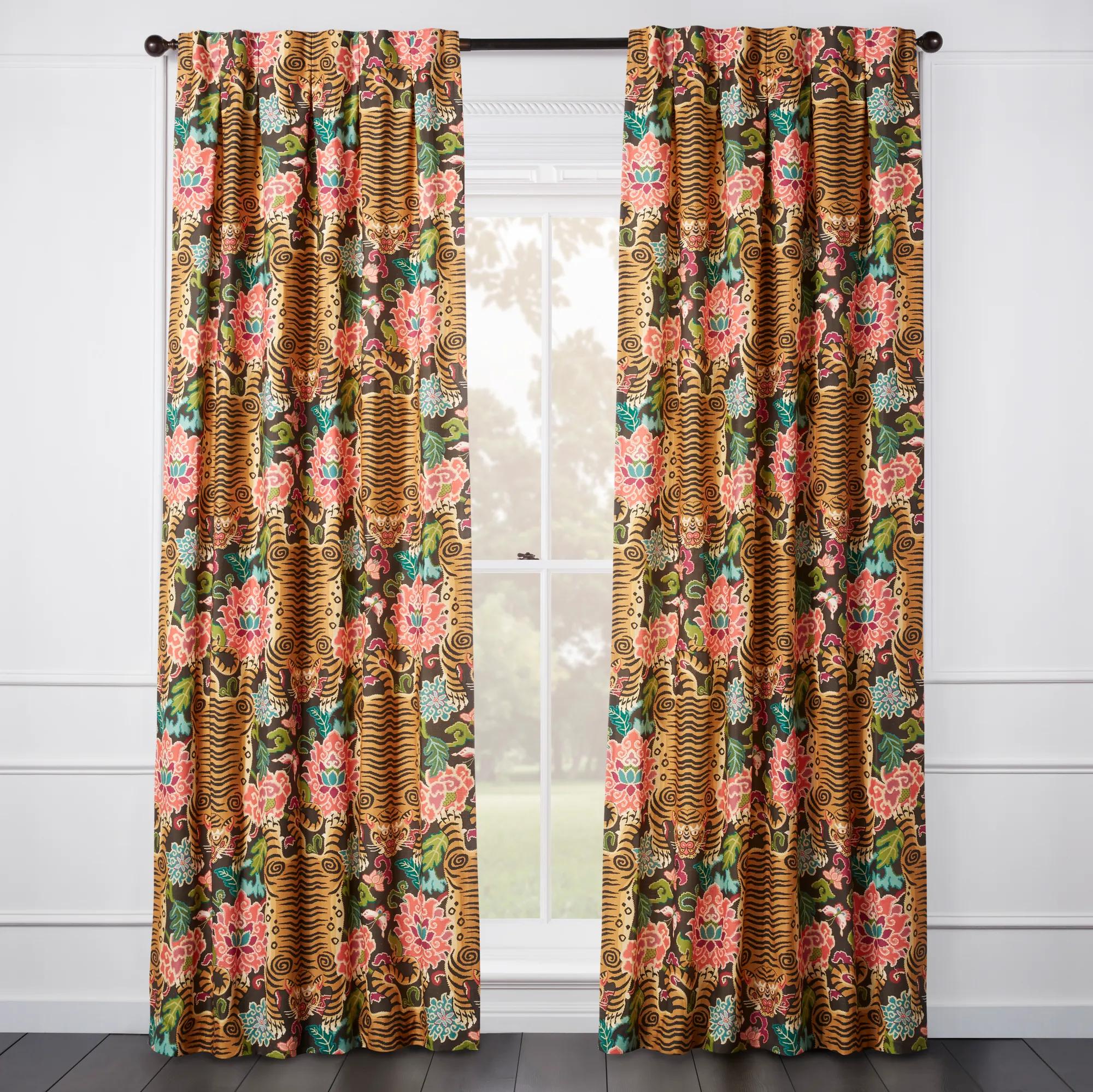 Nimer Gold/Multi Printed Slubbed Cotton Window Curtain Panel$349
A lively gold and multi-colored cotton curtain panel featuring a bold tiger print and customizable options.
Add To Cart -
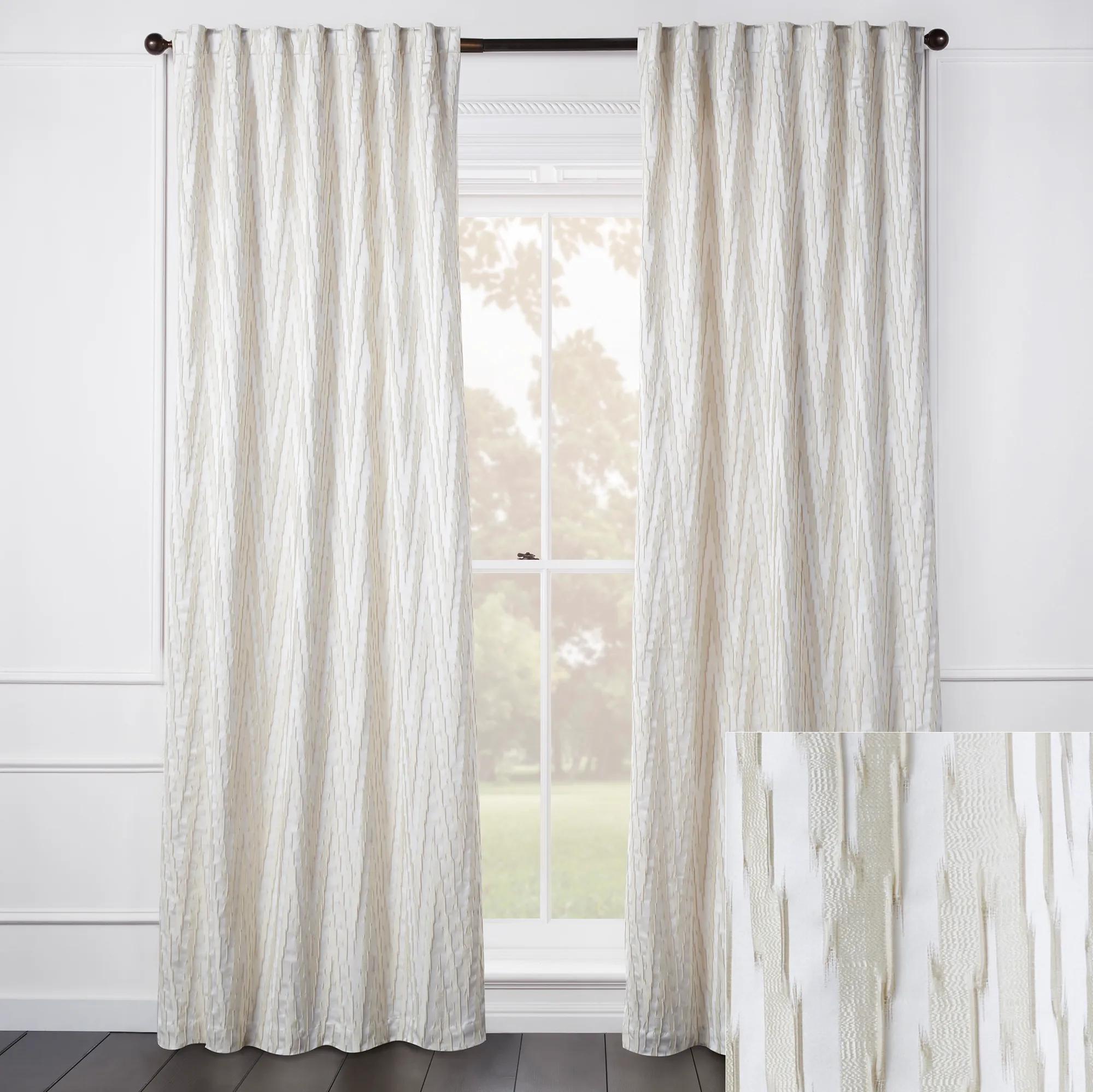
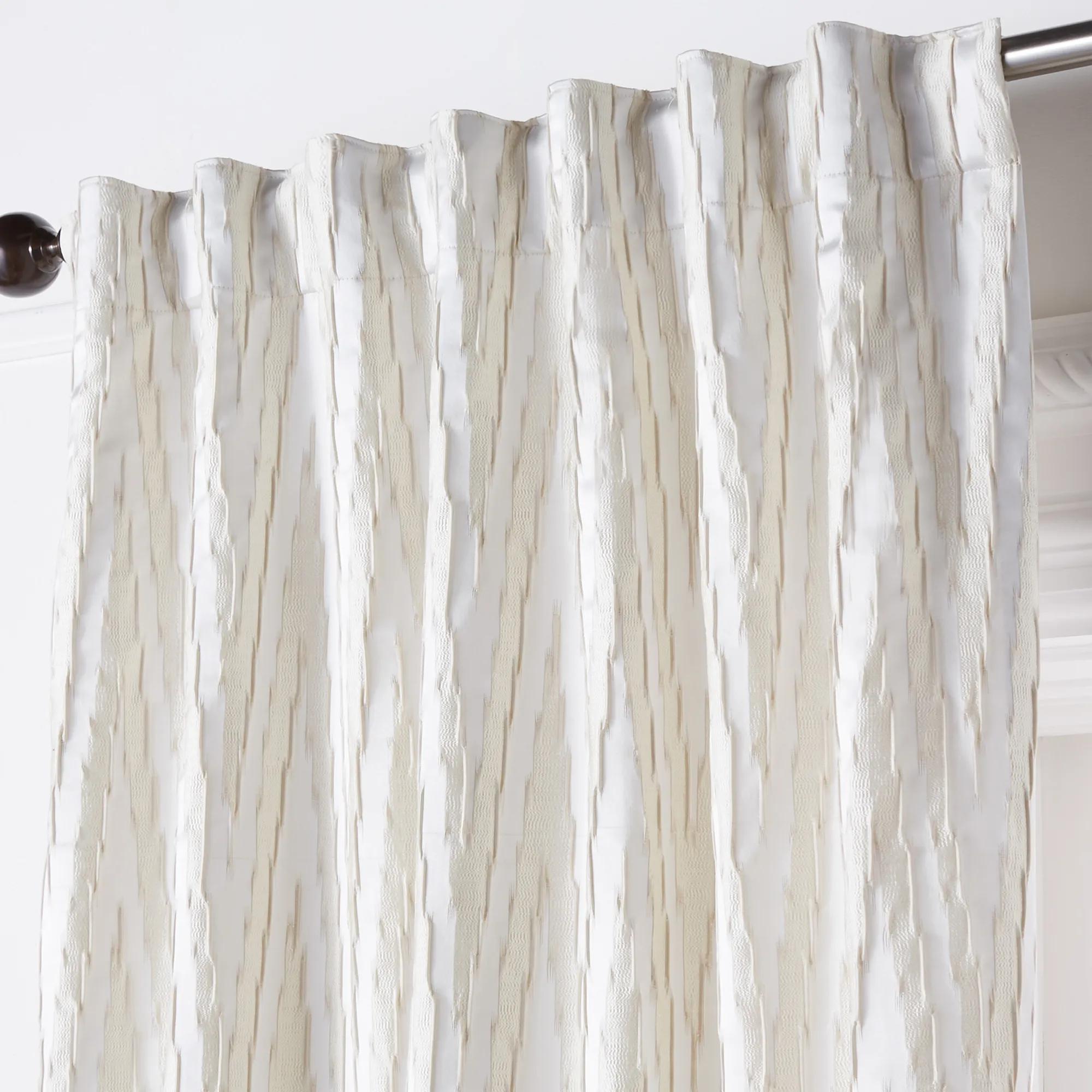 Minka Jacquard Pearl Window Curtain Panel Custom$289
A highly textured chevron curtain panel in pearl, grey, or natural polyester with customizable hanging options.
Add To Cart -
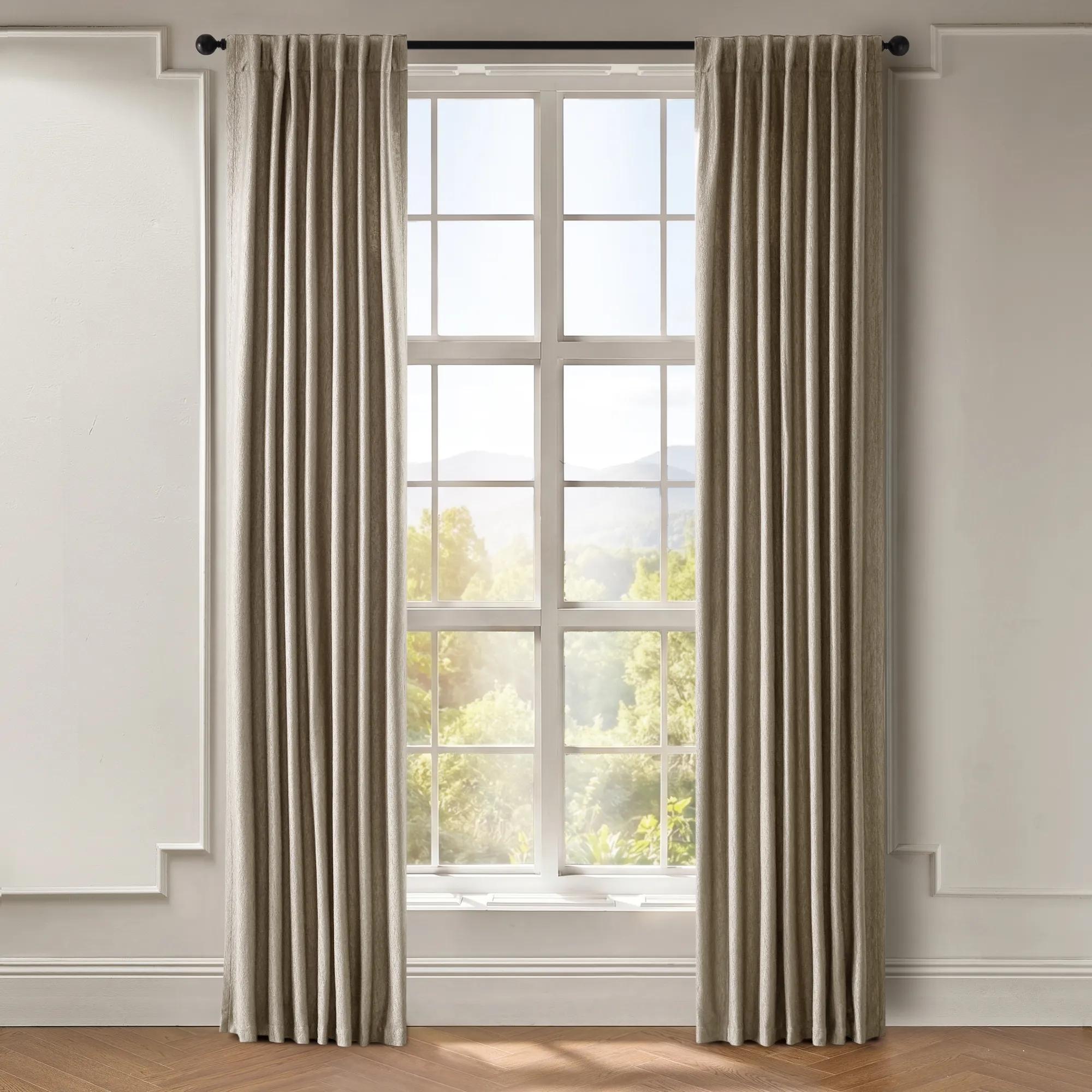
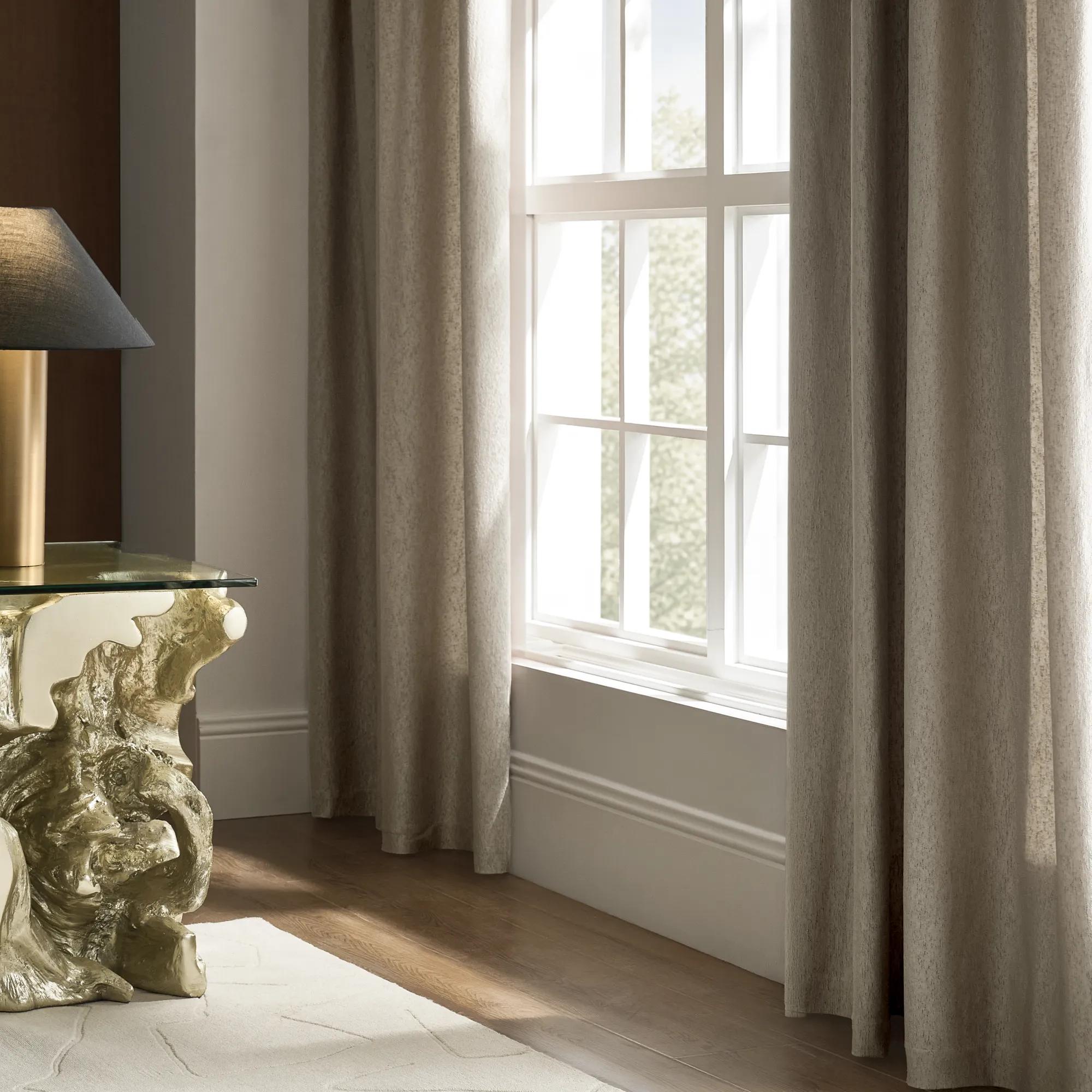 Anson Taupe Textured Window Curtain Panel$99
A taupe polyester curtain panel featuring a crushed sheen texture and versatile room-darkening design.
Add To Cart -
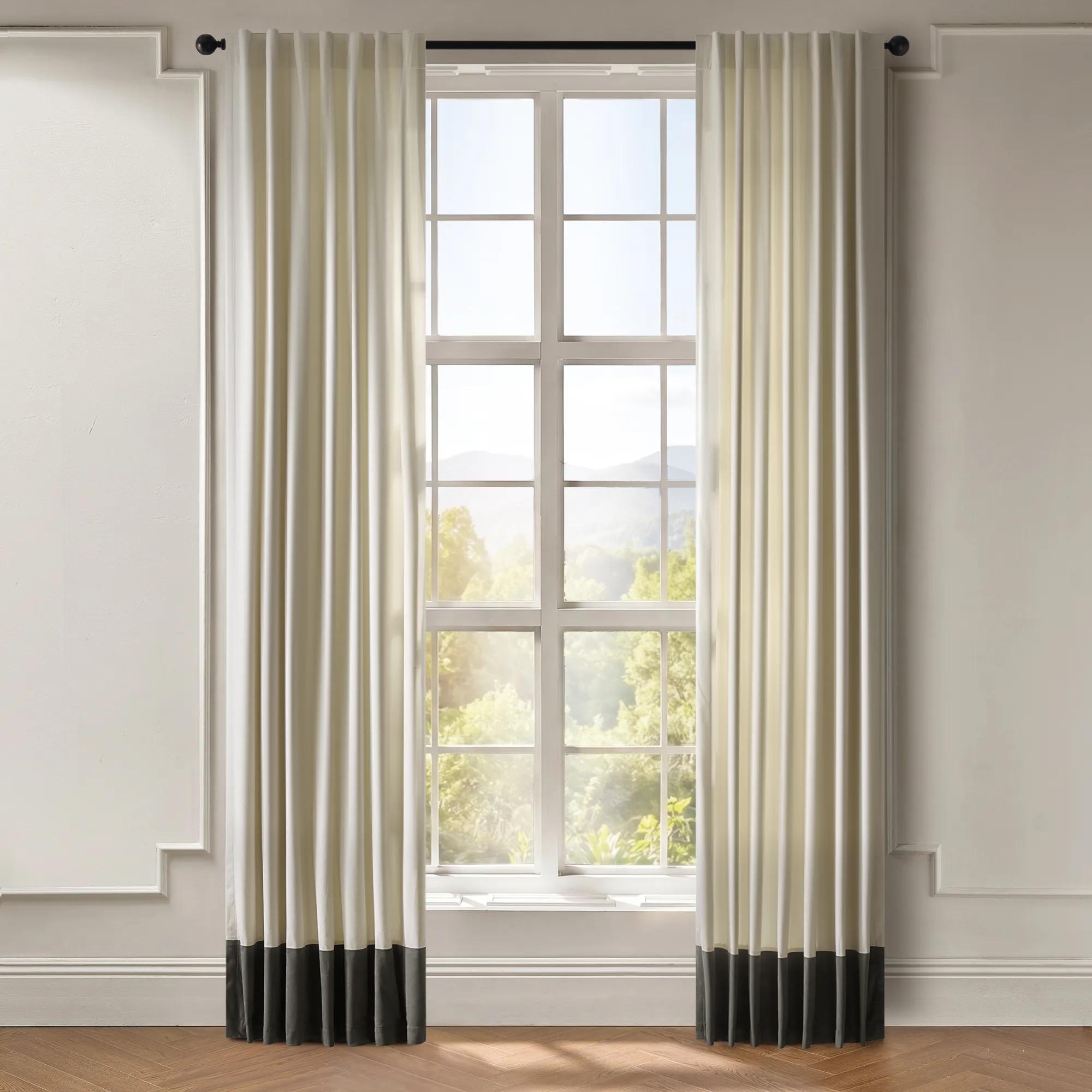
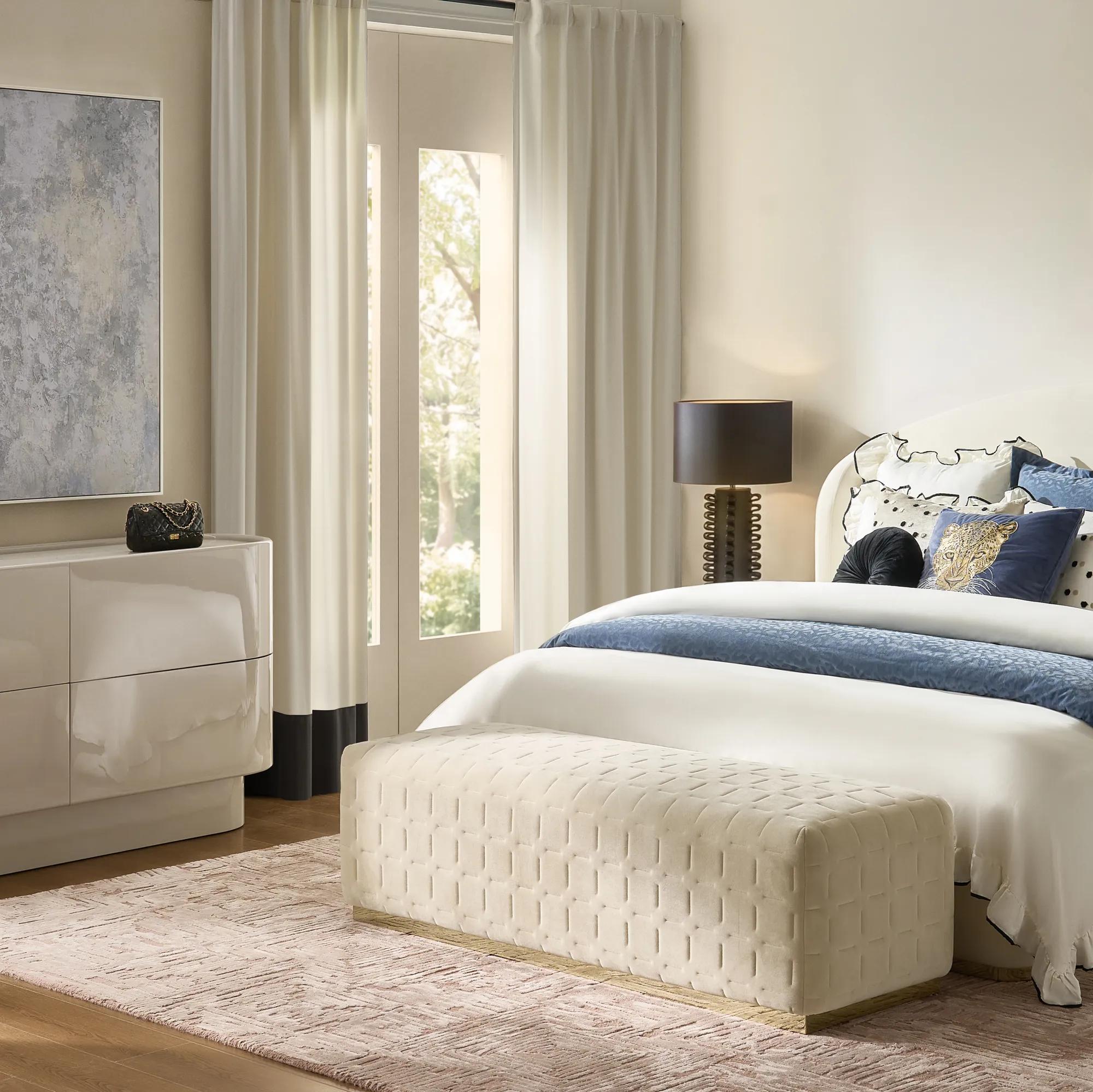 Bastien Ivory/Graphite Velvet Border Window Curtain Panel$99
A two-tone ivory and graphite velvet curtain panel with room-darkening design and versatile hanging options.
Add To Cart -
.jpeg?w=1200&h=1200)
 Mabel Natural Velvet Swirl Window Curtain Panel$99
Mabel Natural Velvet Swirl Window Curtain Panel$99A warm neutral velvet curtain with a tonal swirl pattern, offering room-darkening privacy and versatile hanging options.
Add To Cart -
.jpeg?w=1200&h=1200)
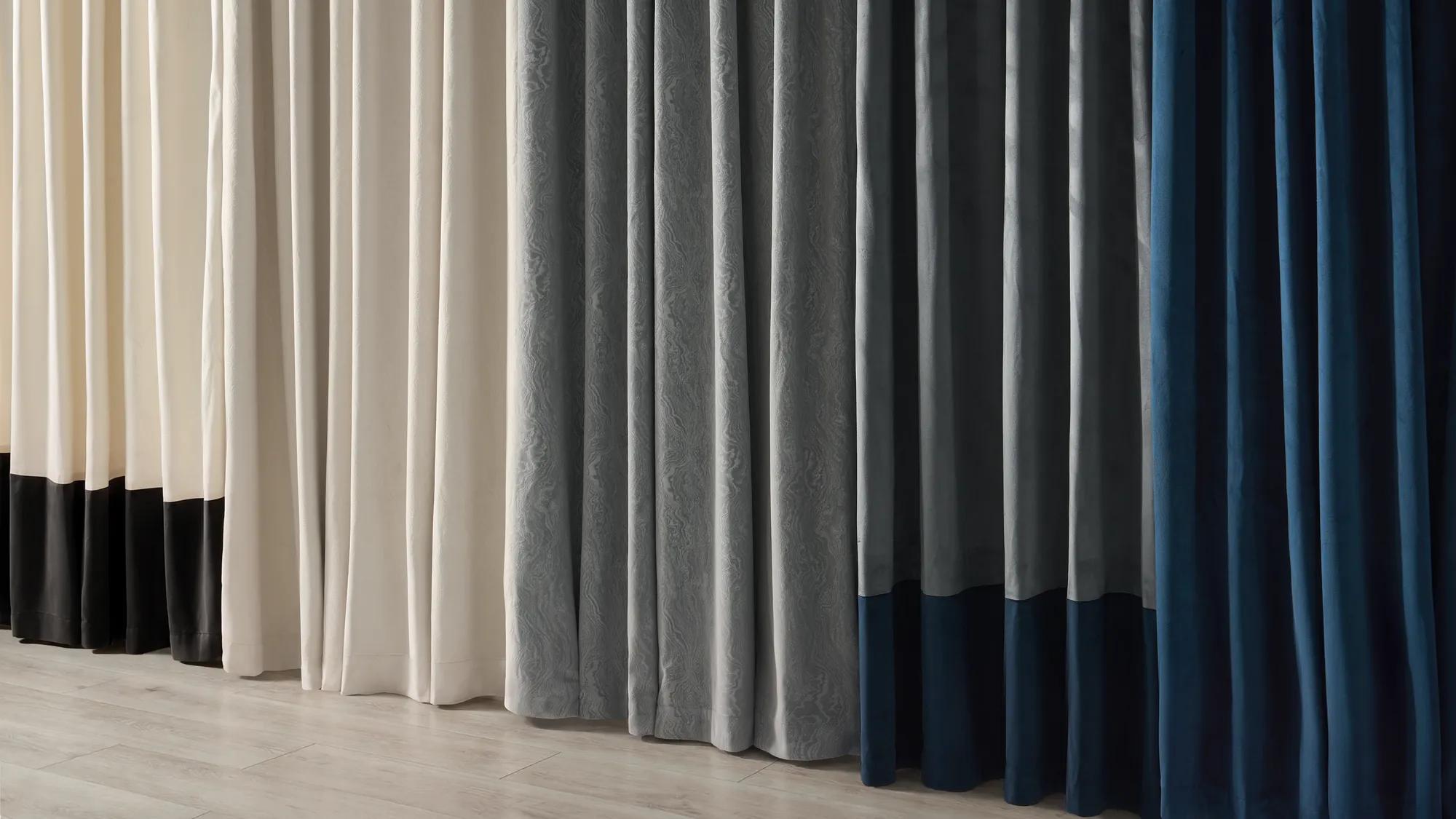 Mabel Velvet Swirl Curtain - Grey Blue$99
A grey blue velvet curtain featuring a tonal swirl pattern and versatile dual hanging options.
Add To Cart -
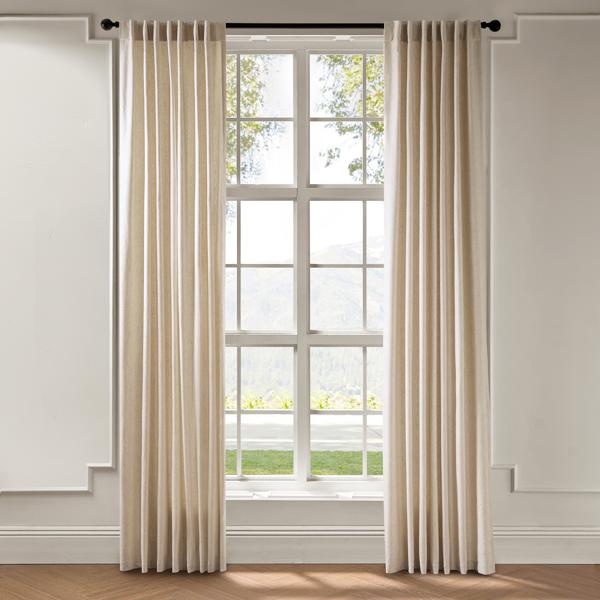
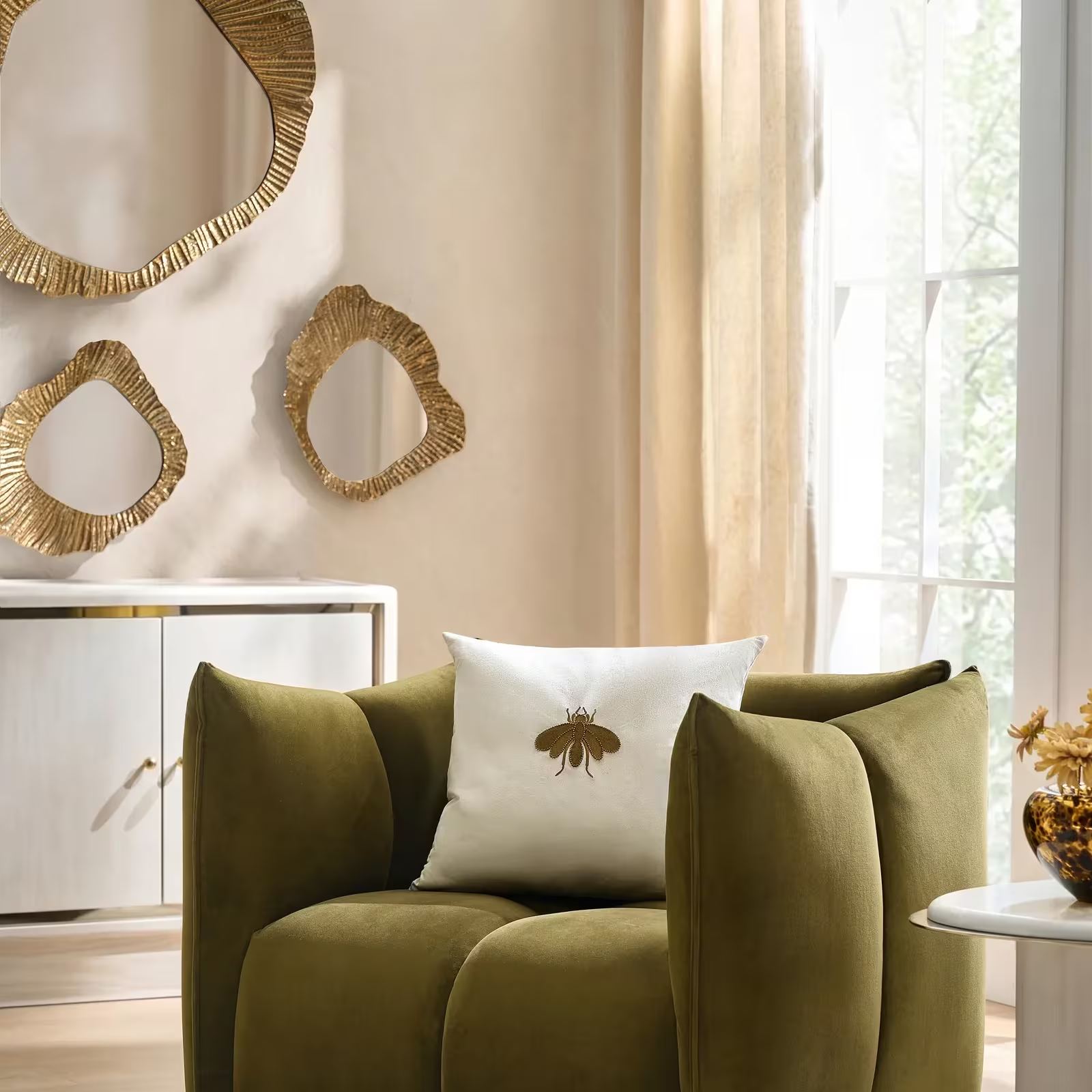 Anson Ivory Textured Window Curtain Panel$89
An ivory polyester curtain with a crushed, light-reflective texture for elegant, room-darkening style.
Add To Cart -
.jpeg?w=1200&h=1200)
 Anson Charcoal Textured Window Curtain Panel$89
Anson Charcoal Textured Window Curtain Panel$89A moody charcoal curtain with crushed polyester texture and subtle sheen for stylish, room-darkening appeal.
Add To Cart -
.jpeg?w=1200&h=1200)
 Adair Midnight Blue Solid Velvet Window Curtain Panel$69
Adair Midnight Blue Solid Velvet Window Curtain Panel$69A sumptuous midnight blue velvet curtain that adds elegance, depth, and room-darkening style to any space.
Add To Cart -
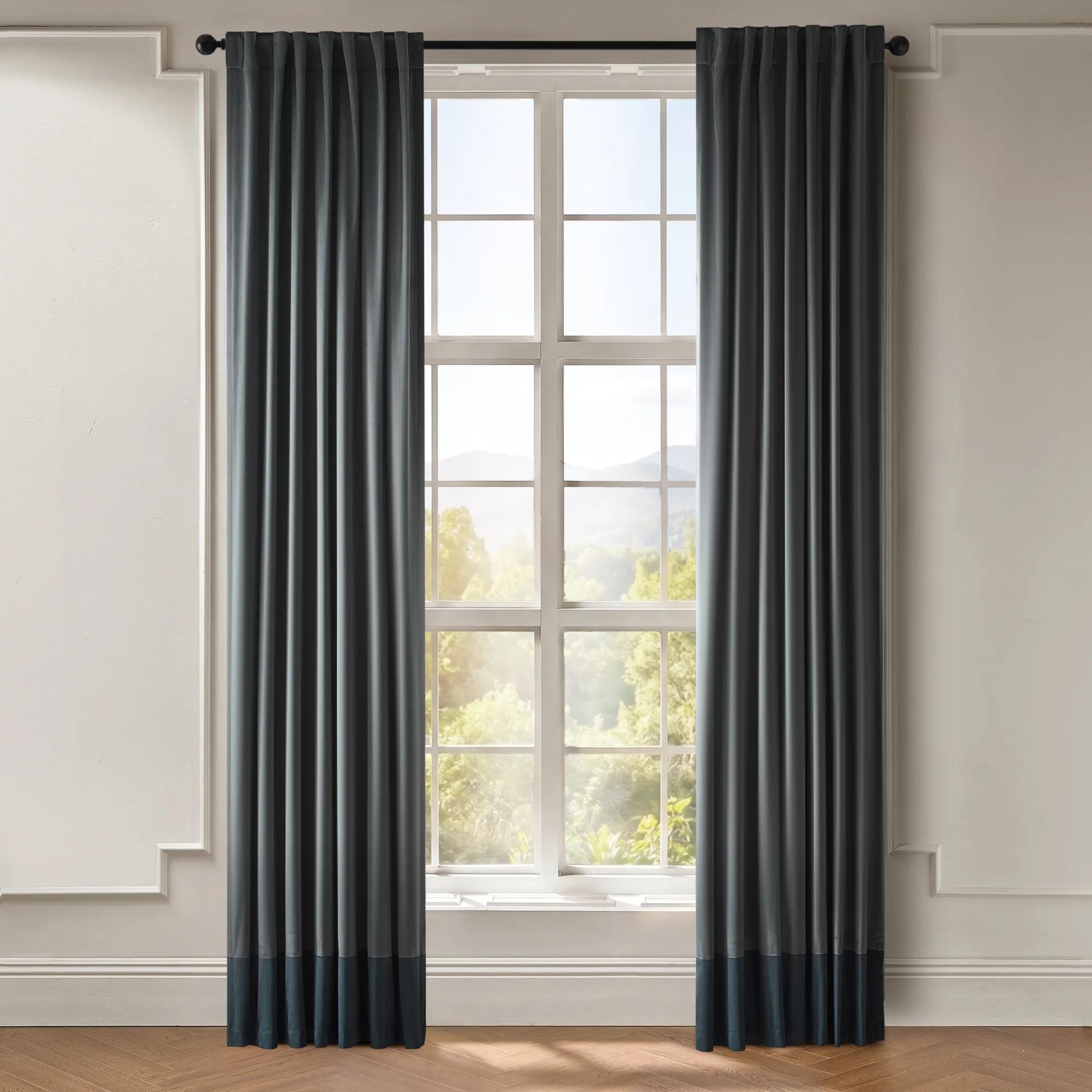
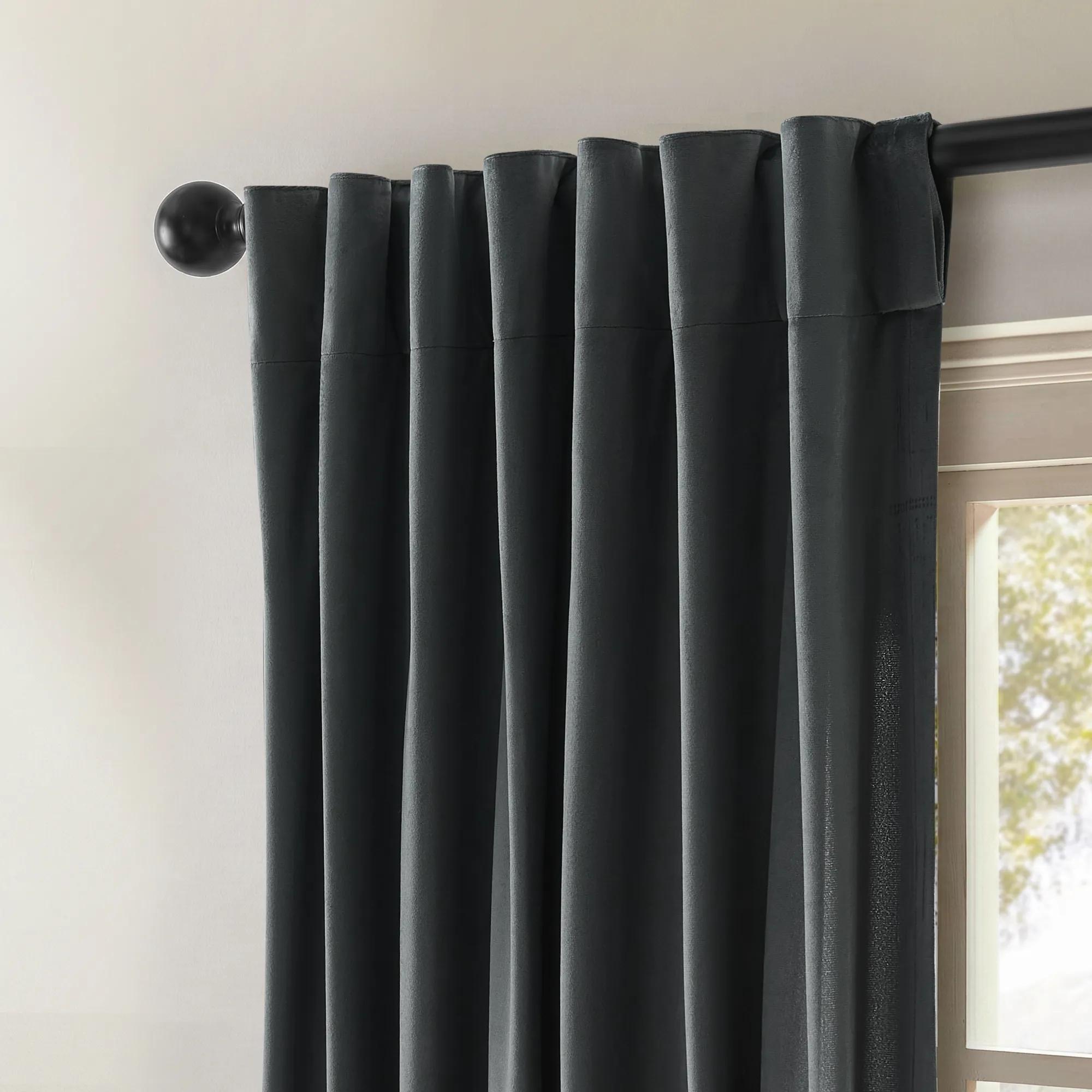 Bastien Blue/Midnight Velvet Border Window Curtain Panel$89
A two-tone dusty and midnight blue velvet curtain panel with a Deco-inspired border and room-darkening design.
Add To Cart -
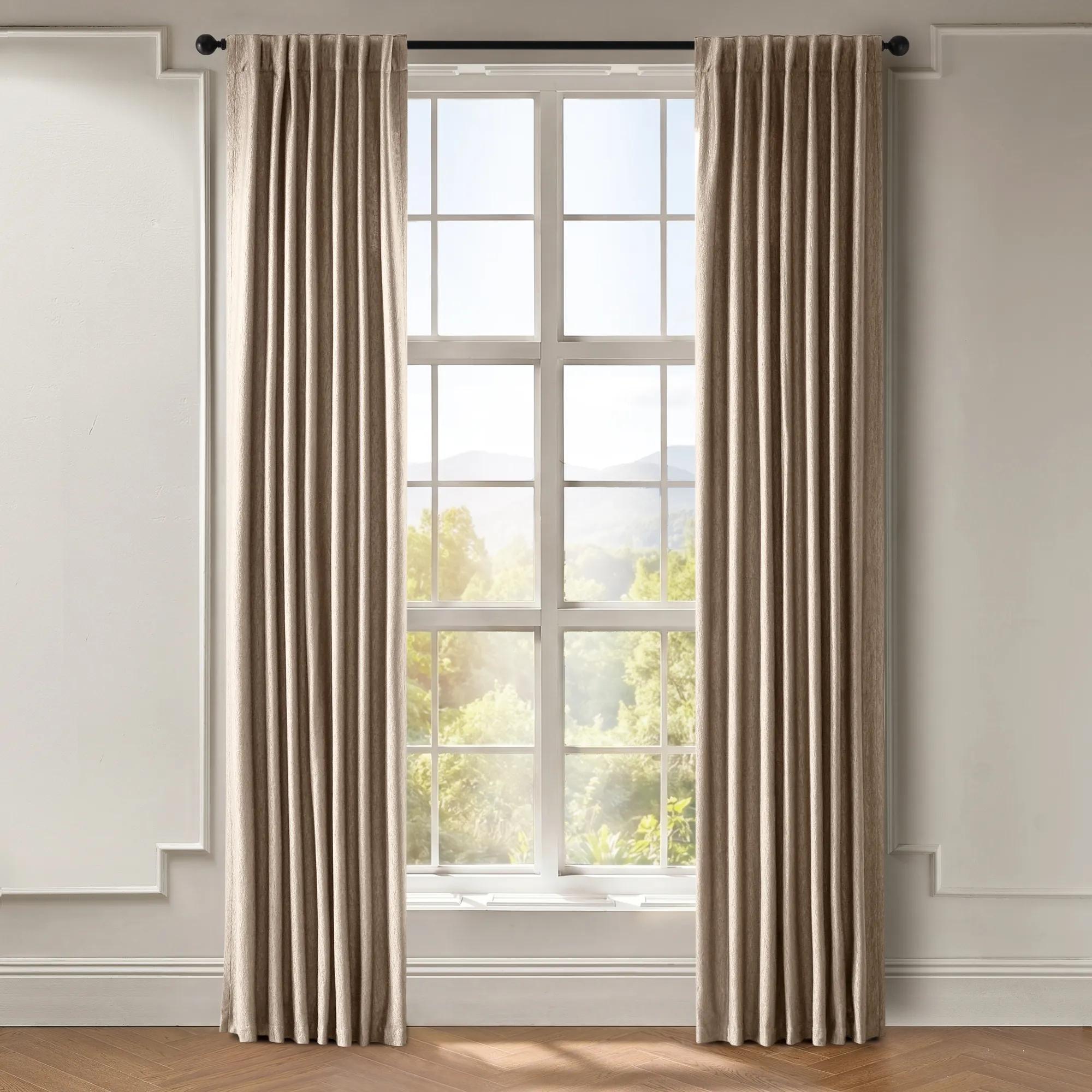 Anson Mocha Rose Textured Window Curtain Panel$99
A light mocha rose curtain panel with crushed sheen texture and room-darkening, dual hanging design.
Add To Cart -
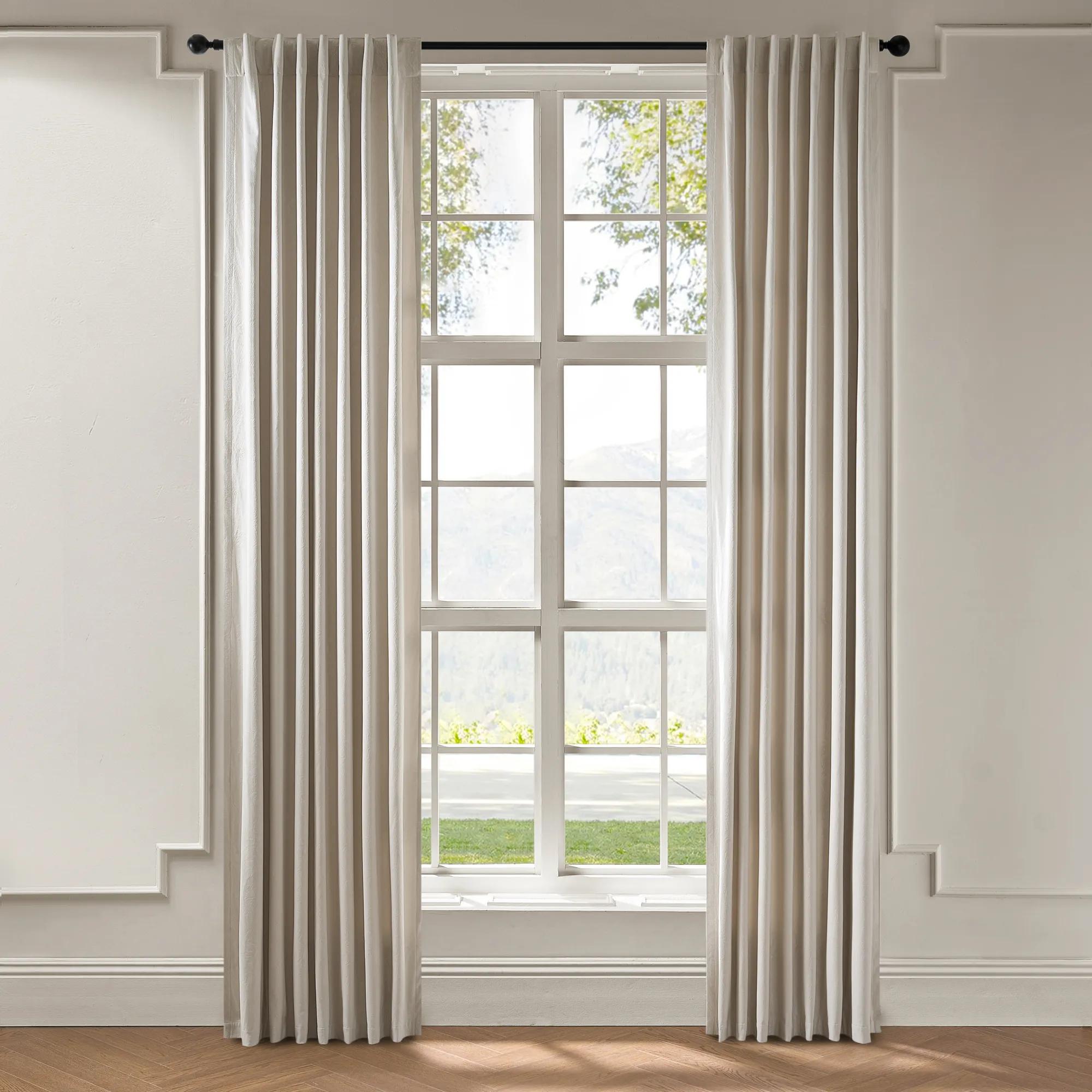
.jpeg?w=1200&h=1200) Mabel White Velvet Swirl Window Curtain Panel$99
Mabel White Velvet Swirl Window Curtain Panel$99A crisp white velvet curtain featuring a tonal swirl texture and versatile dual hanging options.
Add To Cart -
.jpeg?w=1200&h=1200)
 Adair Sand Solid Velvet Window Curtain Panel$79
Adair Sand Solid Velvet Window Curtain Panel$79A room-darkening sand velvet curtain with dual hanging options for a soft, tailored finish.
Add To Cart -
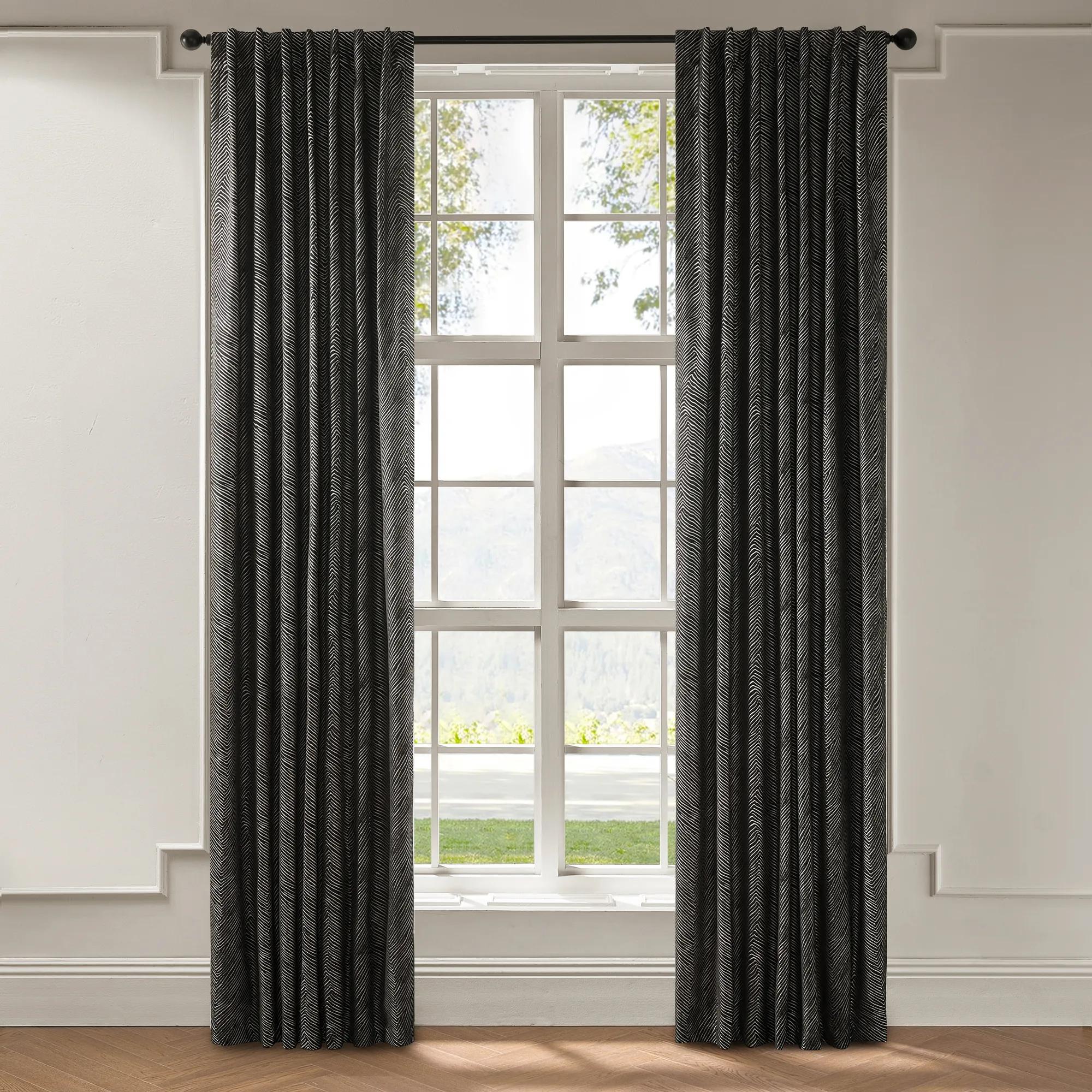
.jpeg?w=1200&h=1200) Kenzo Black Chenille Window Curtain Panel$139
Kenzo Black Chenille Window Curtain Panel$139A black chenille jacquard curtain with a room-darkening finish and versatile dual hanging options.
Add To Cart -
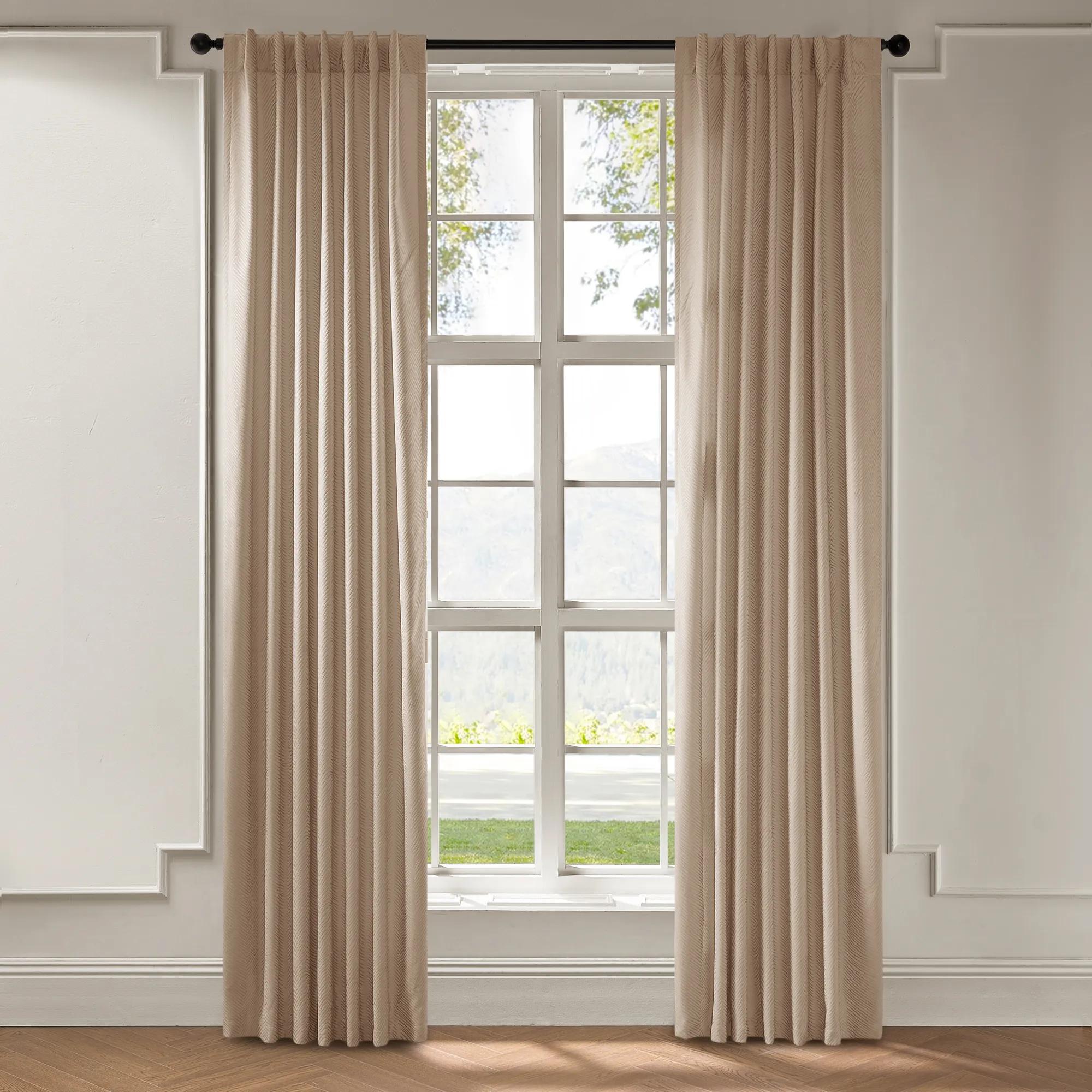 Kenzo Jacquard Beige Chenille Window Curtain Panel$129
A warm beige chenille jacquard curtain with a subtle sheen and versatile rod pocket or back tab hanging.
Add To Cart -
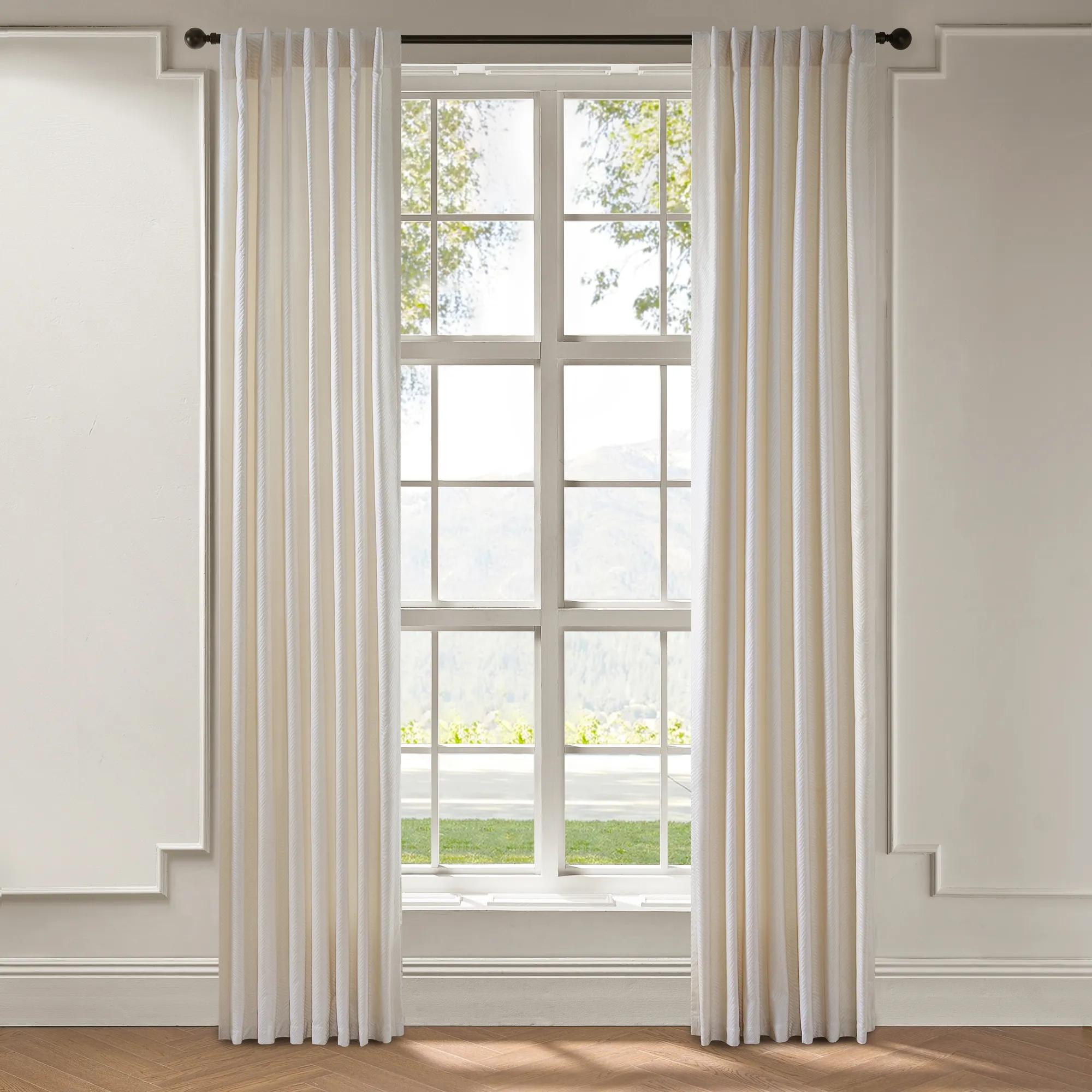
.jpeg?w=1200&h=1200) Kenzo Chenille Curtain - White$139
Kenzo Chenille Curtain - White$139A luxe white chenille jacquard curtain featuring a subtle high-contrast pattern and versatile dual construction.
Add To Cart -
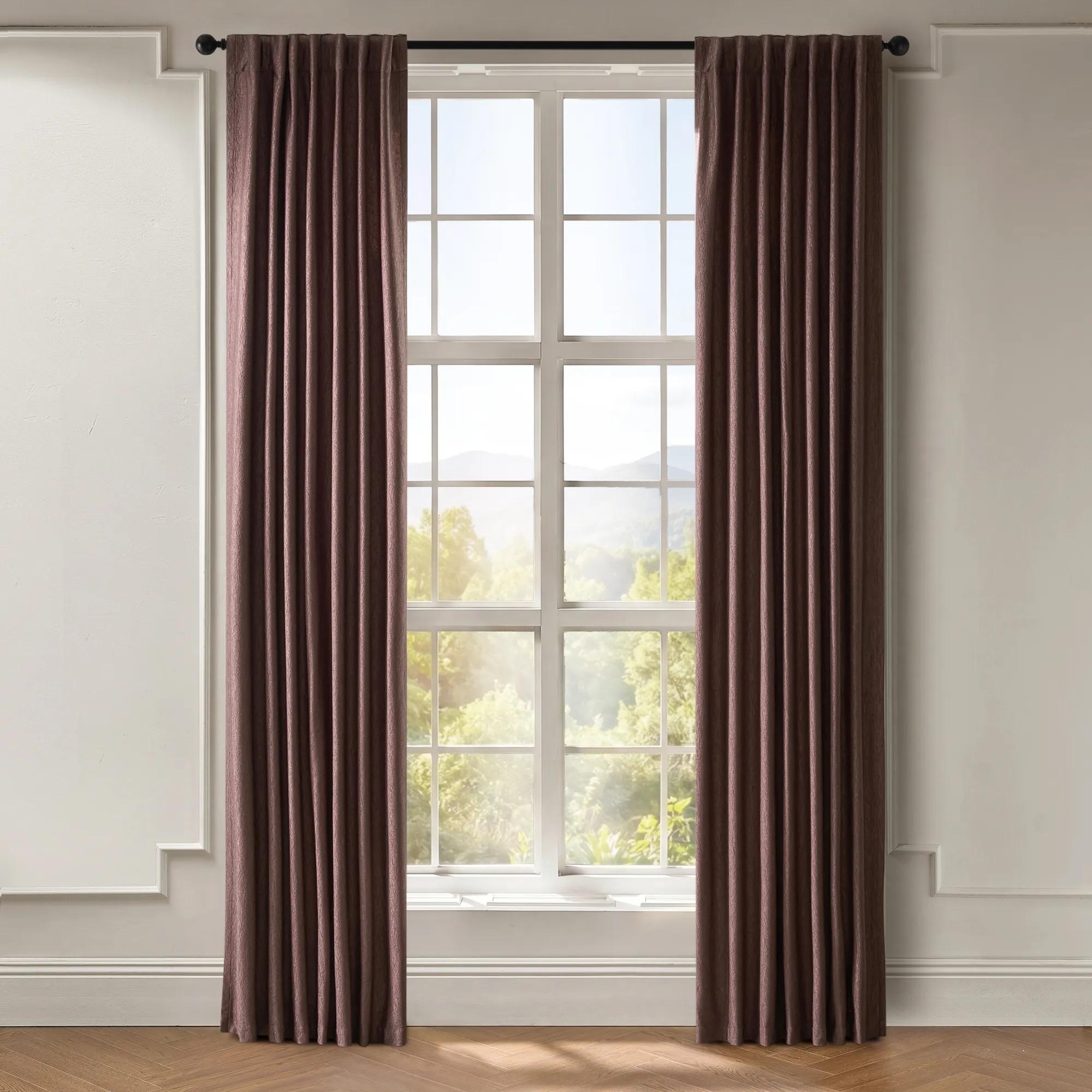
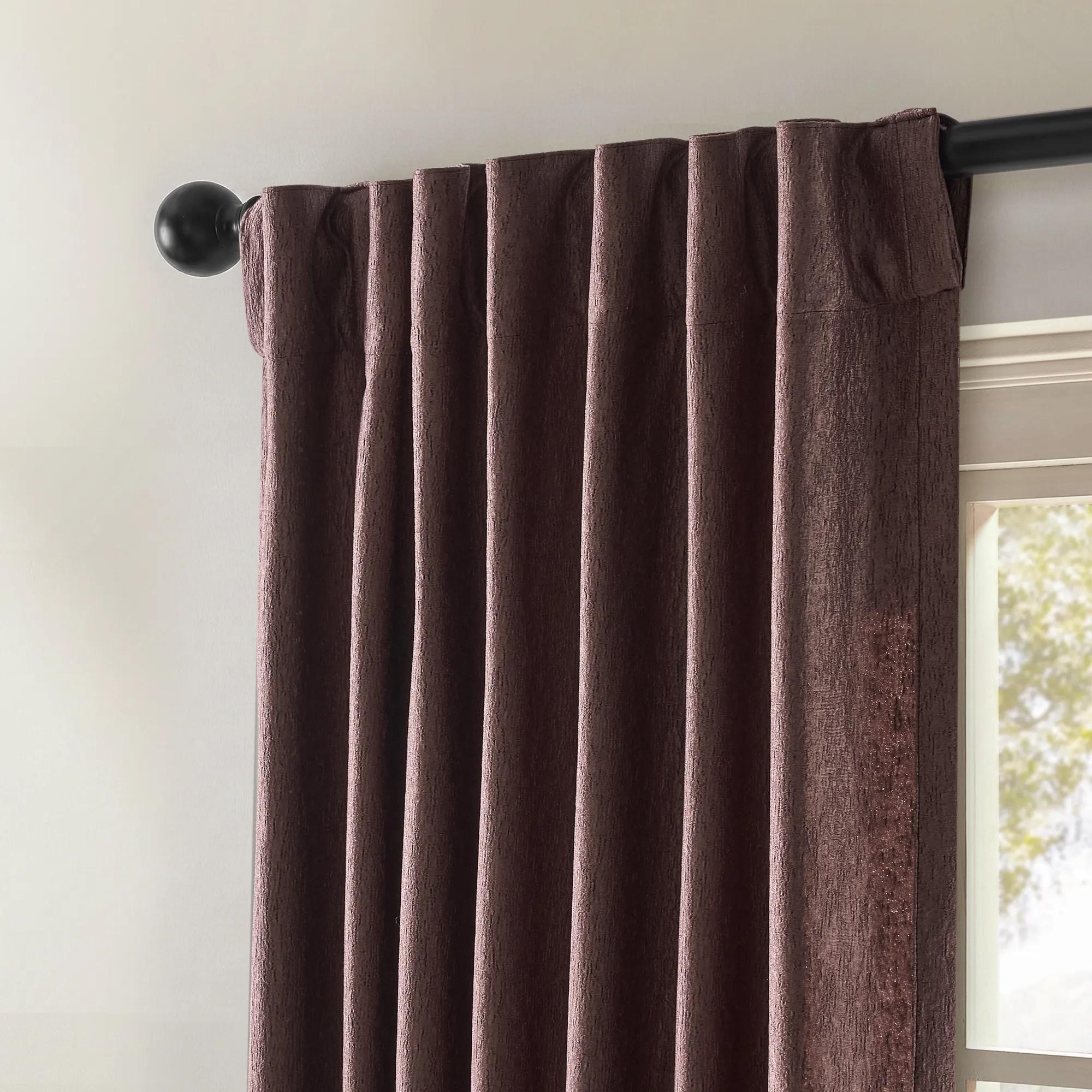 Anson Fig Textured Window Curtain Panel$99
A deep fig curtain panel in crushed, subtly sheened polyester with room-darkening and dual hanging options.
Add To Cart -
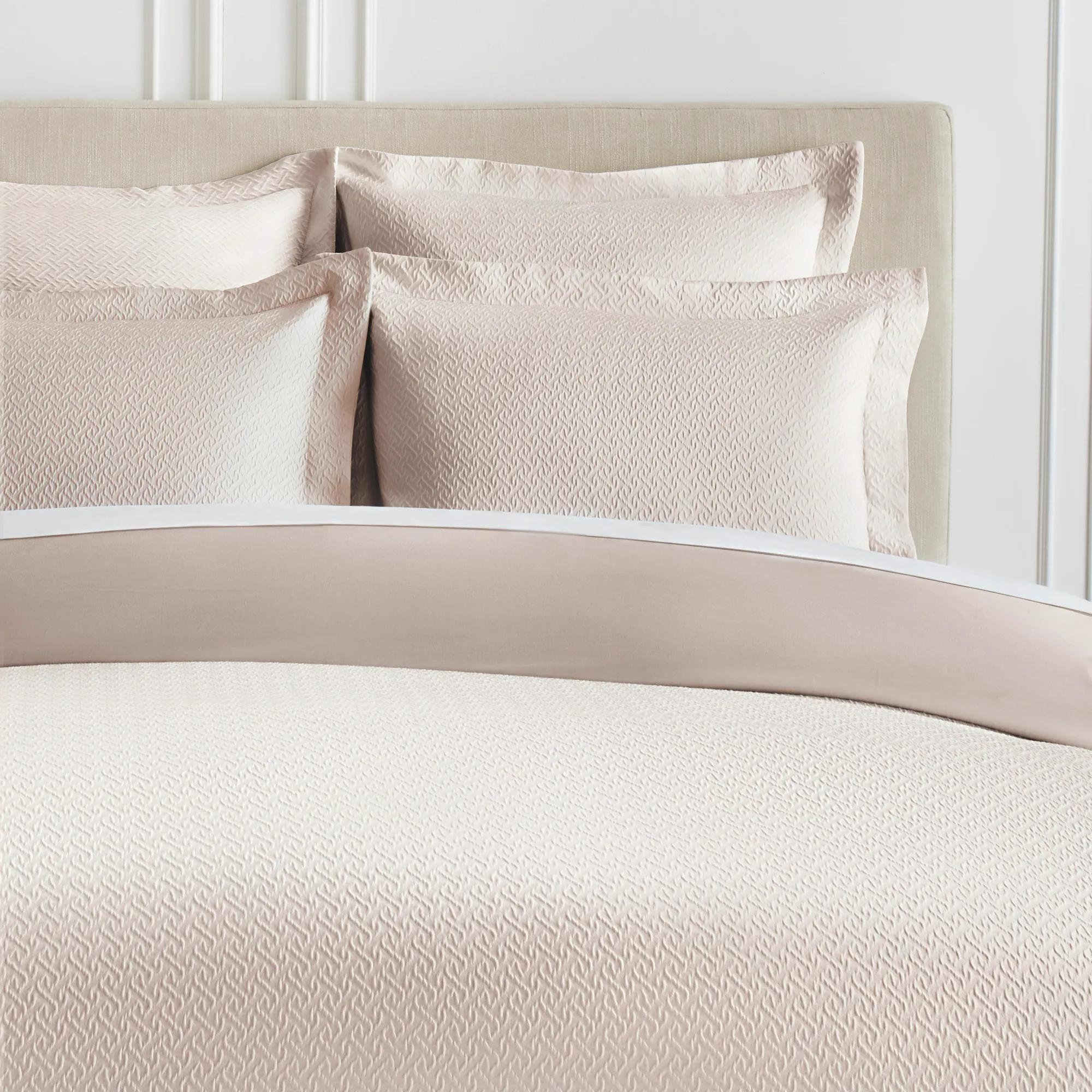
 Marlowe Jacquard Blush Bedding Set$169
A blush jacquard bedding collection offering subtle texture and year-round comfort with a soft cotton blend.
Add To Cart

Curtains For Family Room Windows
Curtains for Family Room Windows are the finishing touch that transforms an everyday gathering space into a stage for unforgettable moments. Imagine sunlight filtering through sumptuous fabrics, casting an inviting glow that beckons loved ones to linger just a little longer. Whether your style leans toward dramatic drapery or crisp, tailored panels, each curtain is an opportunity to express your unique vision and elevate the heart of your home. With artistry in every fold and texture, these window dressings set the mood, balance the room, and create a canvas worthy of your most cherished memories.
Curtains for family room windows give a shared gathering space its sense of intimacy, proportion, and personality. These are the rooms where a sprawling sectional hosts movie nights, a favorite chair becomes a reading retreat, and conversation carries from one seat to the next. Fabric at the windows softens the architecture around those moments, framing the view with color and texture while helping manage light and privacy. A generous sweep of velvet brings depth to a room with gleaming metal accents and sculptural furniture; a linen blend introduces a more relaxed elegance beside richly grained wood or a textured rug. Sheer panels diffuse daylight into a delicate veil, while more opaque fabrics create a stronger visual boundary between the room and the world outside. The distinction matters in a space that serves several purposes: a family room used for daytime reading may benefit from softly filtered light, while one centered on a television may call for lined or room-darkening curtains to help reduce glare. Light-filtering, room-darkening, and blackout descriptions indicate different intended effects, so the fabric construction and lining deserve as much attention as the color. Even blackout fabric cannot eliminate light that enters around the edges of a poorly fitted panel. Visually, curtains can either extend the palette or introduce its most expressive note. Ivory against pale walls creates a continuous, luminous backdrop; charcoal adds definition; a saturated jewel tone can echo a single striking detail in a painting. Pattern offers another layer of artistry, especially when its scale complements rather than competes with upholstery and rugs. In an open-plan interior, repeating a curtain fabric across connected windows creates rhythm without requiring every furnishing to match. For adjoining sitting areas, Living Room Curtain Panels offer a related decorating direction, with the same emphasis on a graceful drape, considered proportions, and a finish that makes the entire space feel composed.
The most compelling window treatments have a presence that comes from fit, not simply from fabric. Curtain width determines whether a closed panel looks richly gathered or stretched flat across the glass. A combined panel width of roughly one and a half to two times the rod width is a common starting point, although sheers, pleated styles, and different header constructions may require different fullness. Measure the rod or intended hanging span rather than relying only on the window opening, and check whether dimensions refer to an individual panel or a pair. Length deserves equal precision: a grommet panel hangs differently from a curtain suspended on rings, so measurements should begin at the appropriate point on the hardware. Floor-length curtains create an elegant vertical line and often suit the scale of a family room better than abbreviated panels. A hem that just clears the floor preserves that tailored effect while making vacuuming easier and keeping fabric away from the path of children and pets. Puddled fabric has theatrical appeal, but its extra folds can collect dust and interfere with a well-traveled route beside a sofa or patio door. Where wall space allows, extending the rod beyond the window helps the open curtains rest beside the glass, revealing more of the view and giving the fabric room to stack. Hanging hardware above the frame can emphasize ceiling height, provided the proportions suit the room and the installation follows the hardware requirements. Wide picture windows and grouped windows may need longer rods, suitable center supports, and enough panels to maintain an even cadence of folds. Sliding doors require particular attention to access: panels should draw clear of the opening rather than brushing against everyone who passes through. Grommets create broad, regular folds, rod pockets offer a softly gathered look, and pleated headers lend architectural definition. Curtains opened and closed daily also benefit from hardware designed for smooth movement. Rod diameter, bracket placement, curtain weight, and header compatibility all contribute to a finished arrangement that feels effortless rather than cumbersome.
Material and construction shape how that elegance holds up to everyday life. Velvet brings a sumptuous surface and a distinctive play of light, with a pile that can appear lighter or darker depending on its direction and the viewing angle. Consistent panel orientation helps preserve an even appearance across multiple windows. Linen and linen-blend curtains offer visible texture and an organic drape; some creasing is part of their character, making them especially appealing in rooms that balance polished accents with softer furnishings. Cotton can range from airy and understated to substantial and structured, while polyester and blended fabrics may offer good shape retention and easier maintenance, depending on their weave and finish. Fiber content alone does not establish durability. Dense construction, secure seams, well-finished hems, and reinforced headers are important details when curtains will be handled frequently. Looser weaves and embellished surfaces deserve extra consideration in homes with climbing pets or young children, where snagging and pulling are more likely. Keep curtain fabric clear of fireplaces and heating equipment according to applicable clearance requirements, secure hardware appropriately for its weight, and keep operating cords inaccessible to children. Lining can add body, improve privacy, and help shield decorative fabric from direct light, though performance varies and textiles may still fade with prolonged exposure. Layering sheers with opaque panels allows the room to move between a luminous daytime setting and a more enclosed atmosphere when interior lights are on. Sheers alone generally provide limited privacy after dark, particularly when the room is brighter than the area outside. Care should follow each curtain’s label: some fabrics tolerate machine washing, while others require professional cleaning, and inappropriate washing or heat can cause shrinkage, damage a lining, or alter the drape. Gentle dust removal with a suitable vacuum attachment, when permitted, helps keep folds looking fresh between deeper cleanings. For a busy household, the most satisfying choice balances expressive fabric with a realistic care routine. Whether the room belongs to an avid host, a family with young children, or someone who treasures an expansive place to unwind, thoughtfully chosen curtains give its daily rituals a beautifully defined setting.
FAQs
Family rooms benefit from a range of curtain fabrics, depending on the mood and functionality you desire. Luxurious velvets and jacquards add warmth and drama, while linen and cotton blends offer a breezy, relaxed elegance. For high-traffic spaces, consider performance fabrics that resist stains and fading, ensuring your curtains remain beautiful even with daily use.
Curtains act as both a visual anchor and a sensory experience in your family room. Rich textures and layered designs can add depth and sophistication, while sheer panels invite natural light and create a soft, inviting glow. The right curtains can set the tone—whether you’re aiming for cozy intimacy, modern glamour, or a playful burst of color.
Absolutely—durability and easy maintenance are key for family rooms that see plenty of activity. Look for fabrics that are machine-washable or treated to resist stains and spills. Avoid floor-length panels if you have curious pets or toddlers, and opt for sturdy hardware to withstand daily tugging and play.
Curtains can be refreshed seasonally to reflect changing light, moods, or décor trends. Many families enjoy swapping out heavier drapes for lighter sheers in spring and summer, then returning to plush, insulating fabrics for fall and winter. Updating your curtains is a simple way to instantly transform the look and feel of your family room.
Layering curtains is a chic and practical way to add dimension and versatility to your family room. Try pairing sheer panels with blackout drapes for flexible light control, or combine patterns and solids to create a custom, designer-inspired look. Layered curtains not only enhance privacy and insulation but also offer endless opportunities for personal expression.
.jpeg?w=4130&h=4130)


