
Living Room Curtain Panels
Living Room Curtain Panels
-
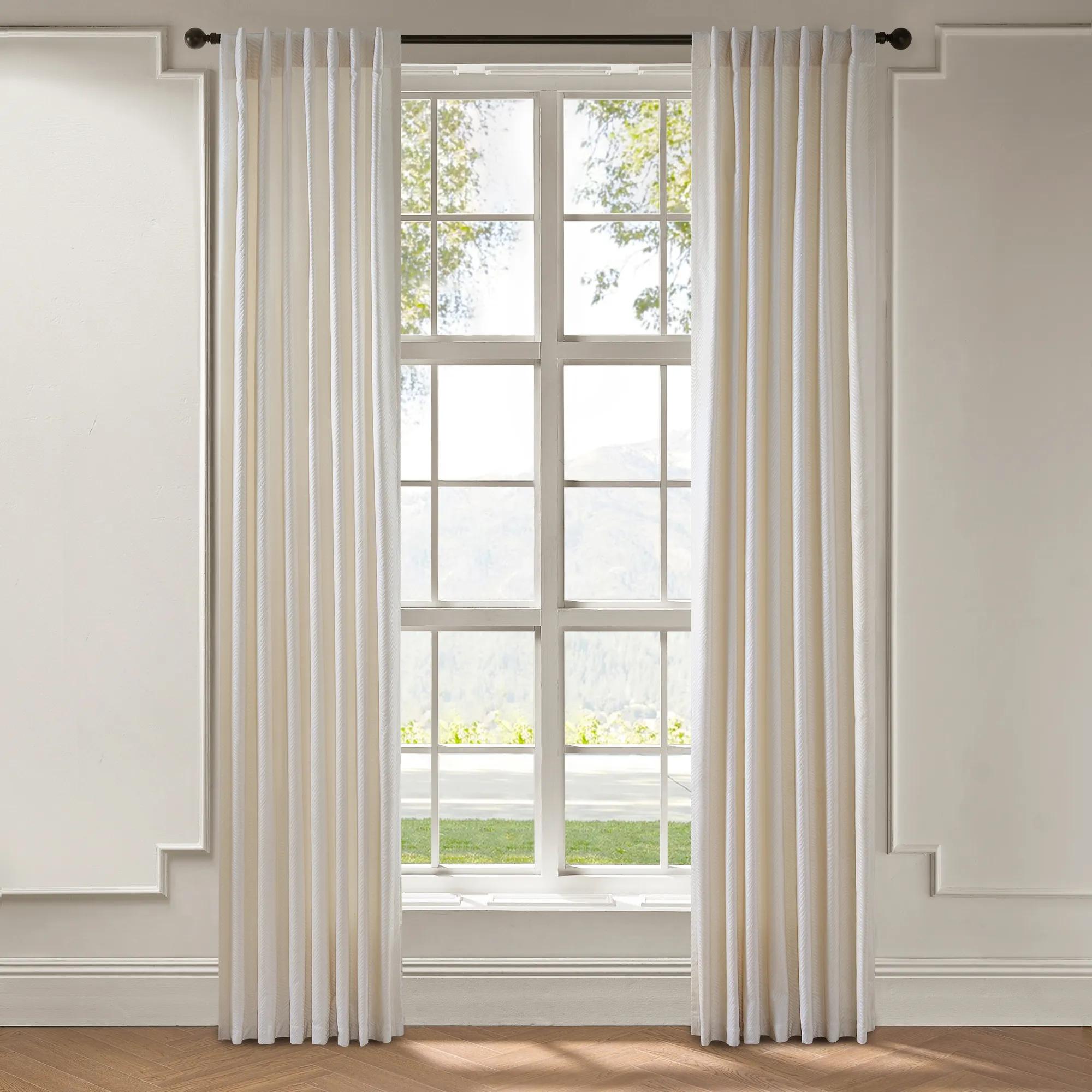
 Kenzo Chenille Curtain - White$139
A luxe white chenille jacquard curtain featuring a subtle high-contrast pattern and versatile dual construction.
Add To Cart -

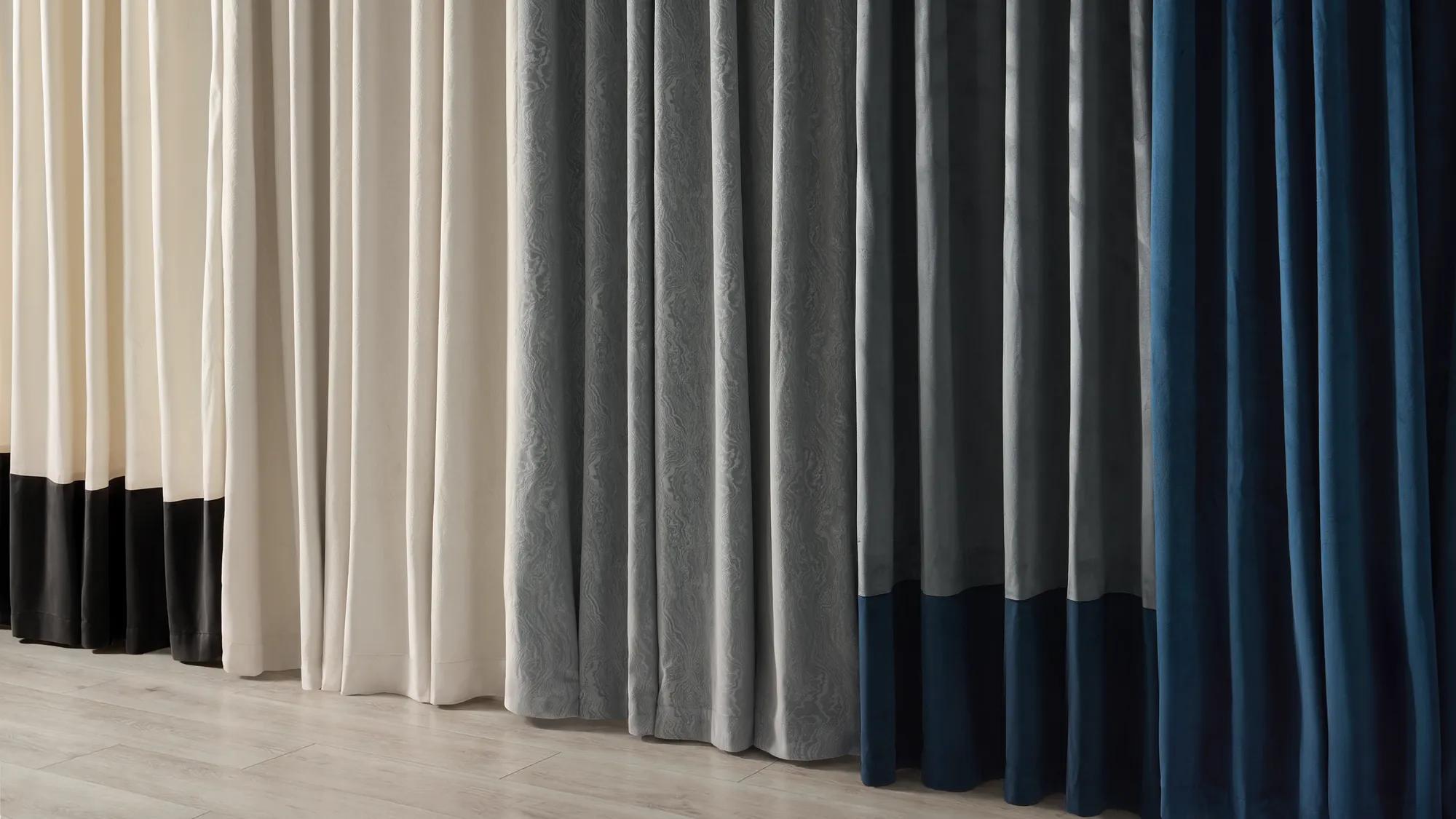 Mabel Velvet Swirl Curtain - Grey Blue$99
A grey blue velvet curtain featuring a tonal swirl pattern and versatile dual hanging options.
Add To Cart -
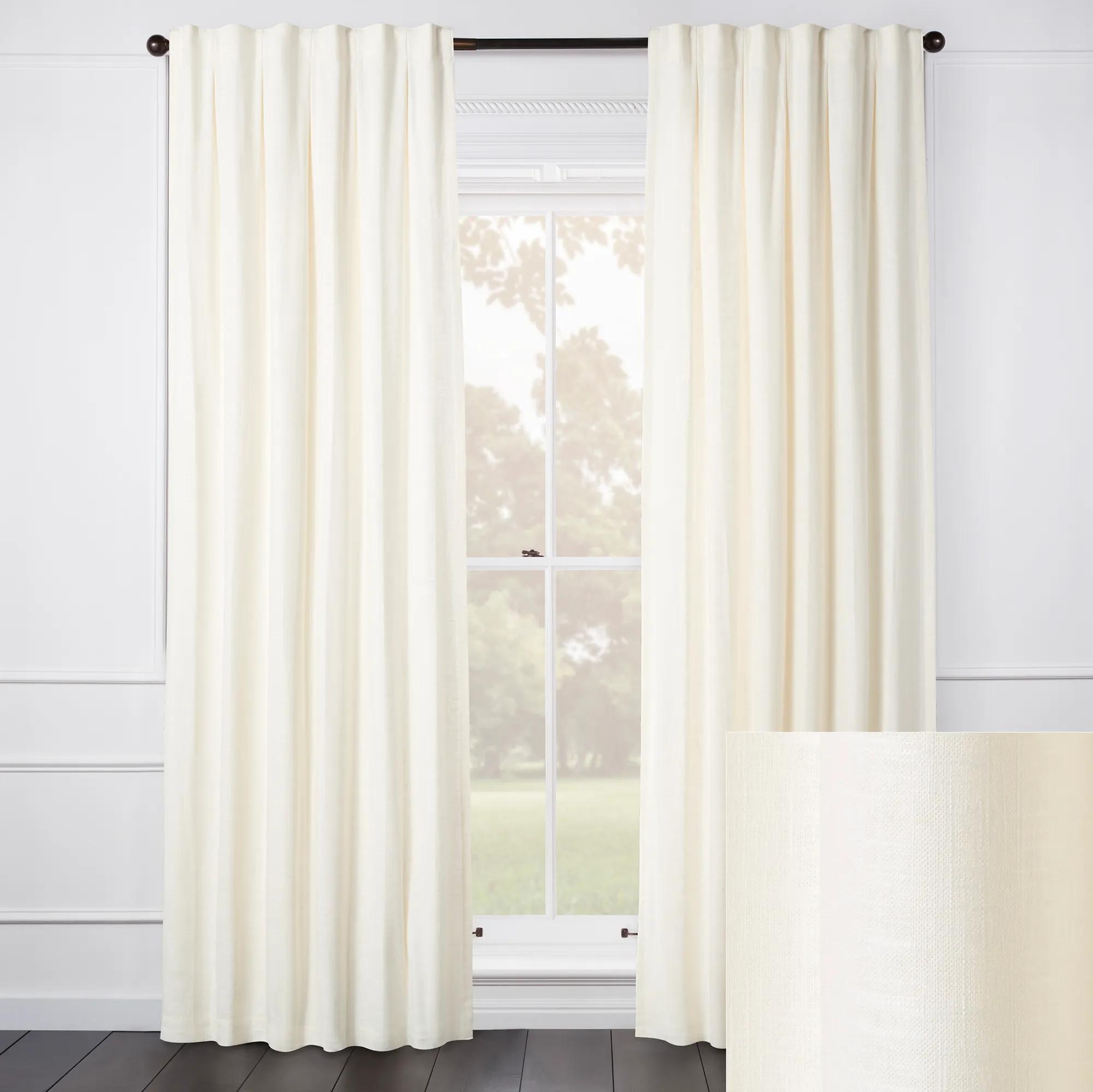
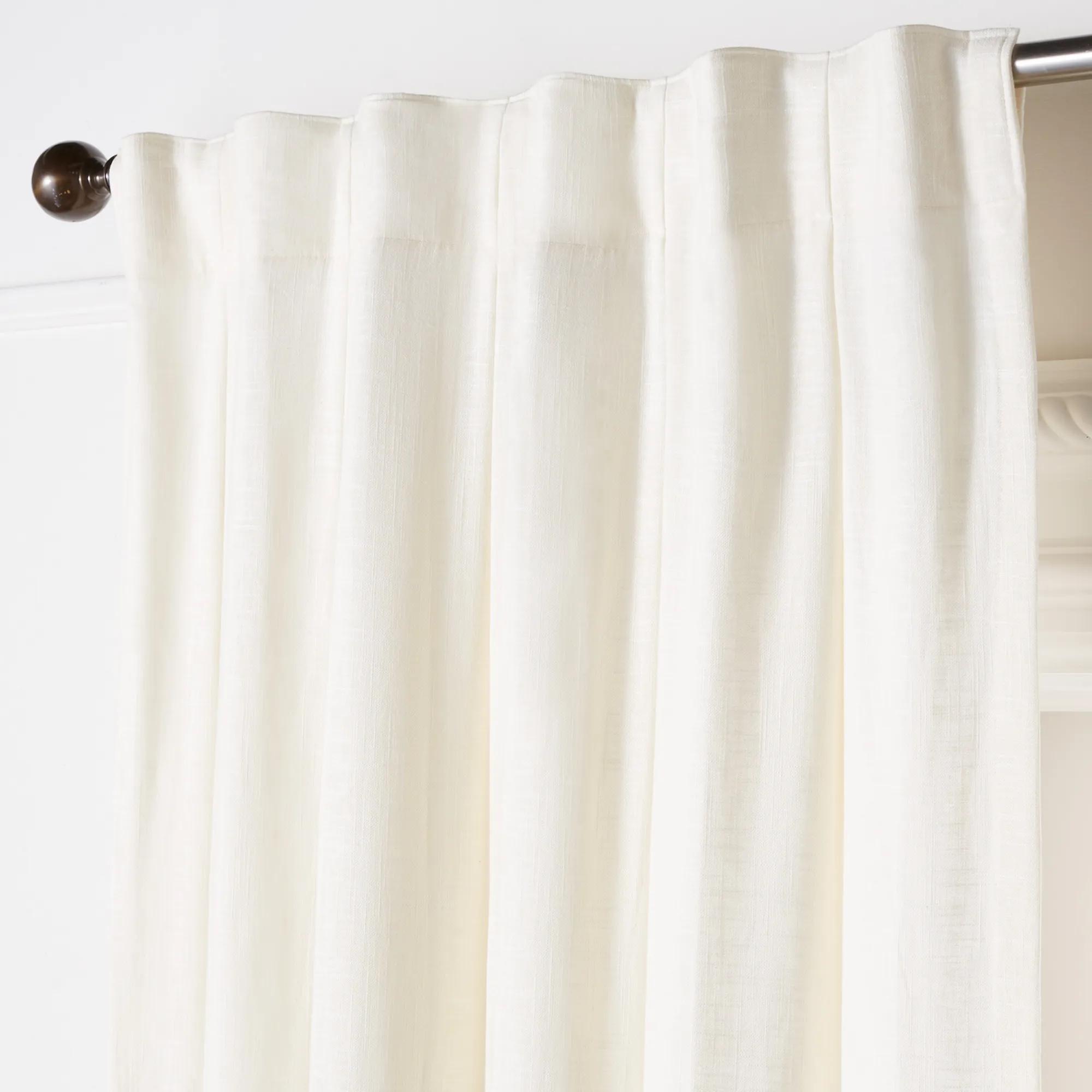 Audrey Linen Ivory Curtain - Custom$269
An ivory linen-blend curtain panel with lining, offering customizable lengths and two elegant header styles.
Add To Cart -
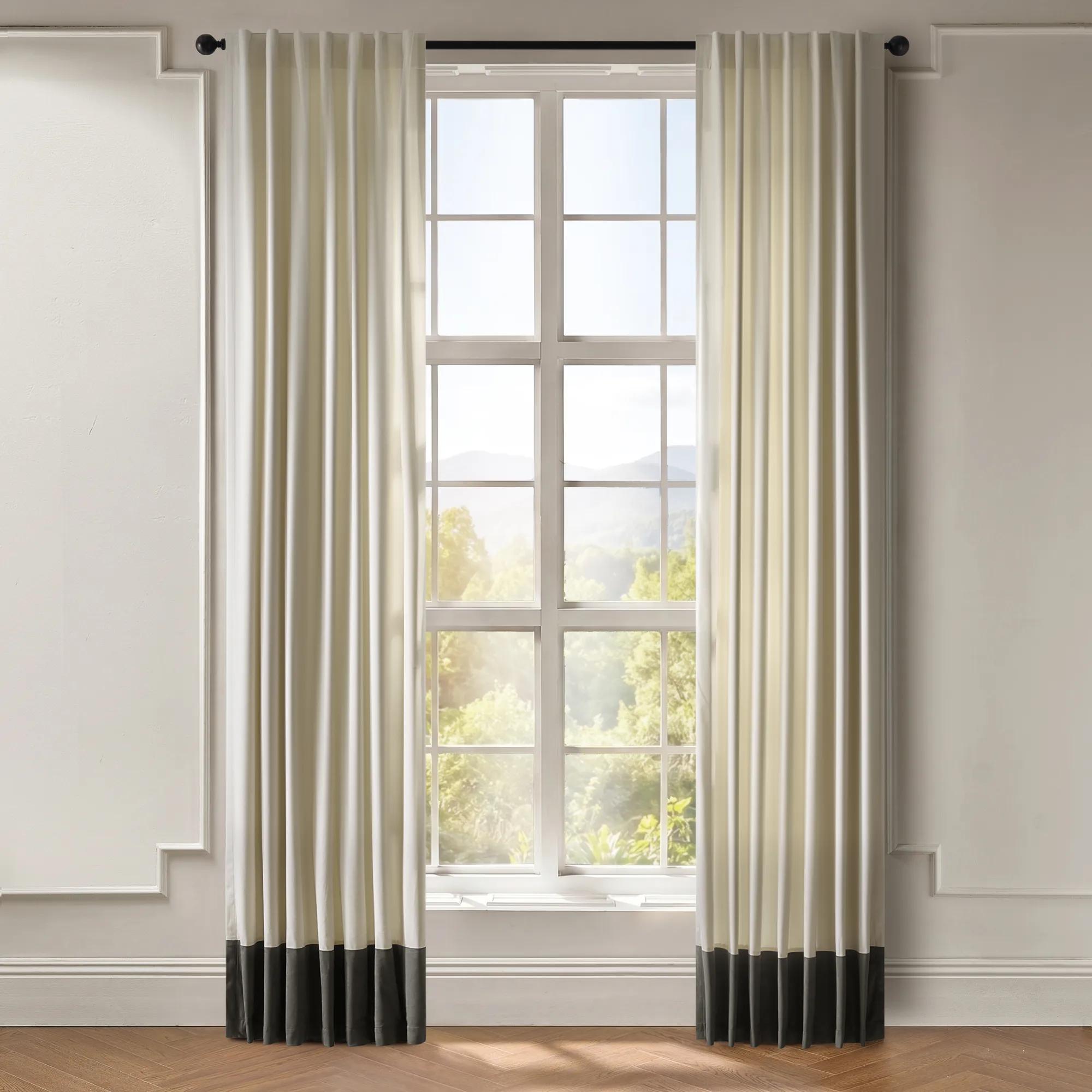
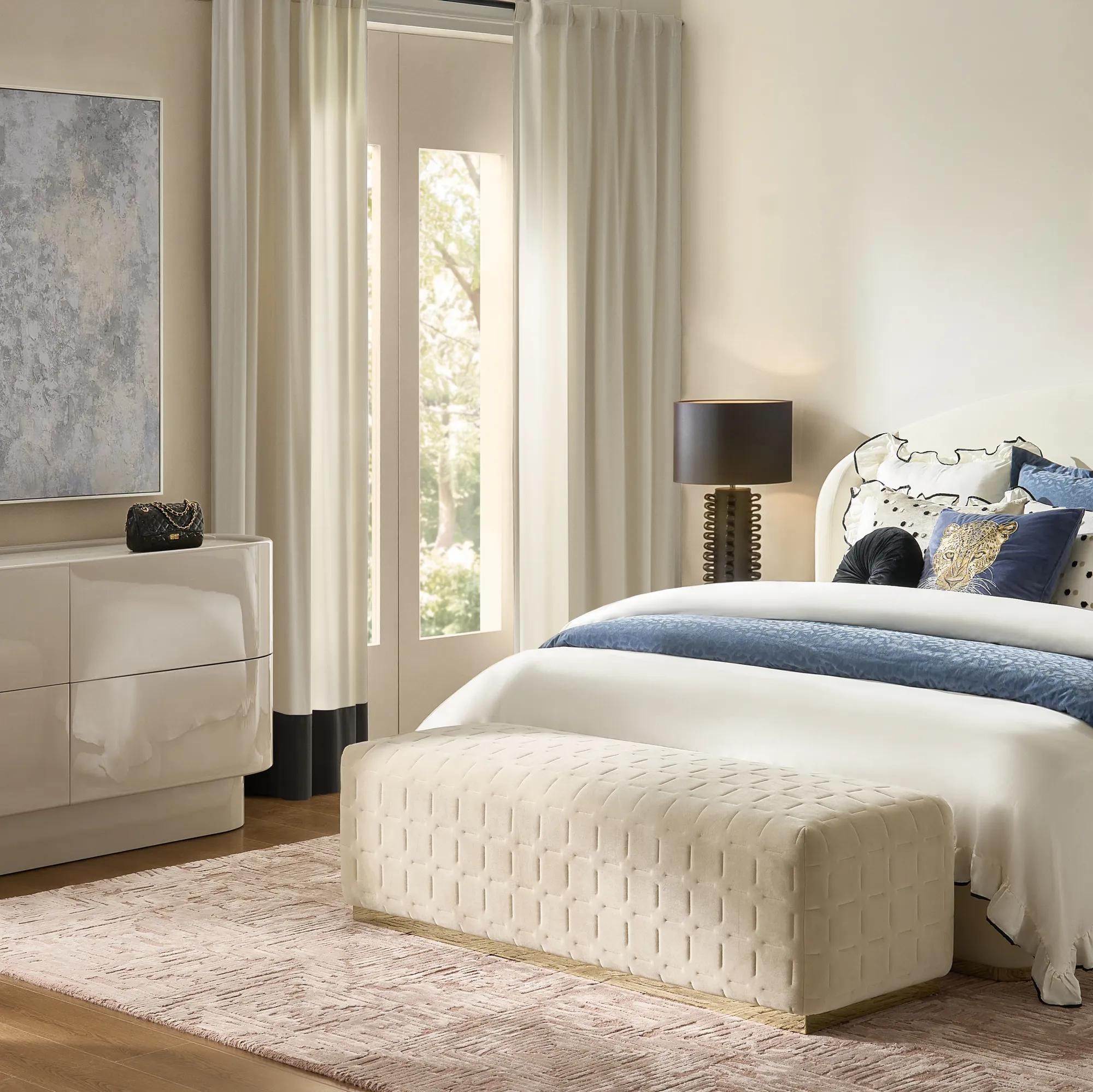 Bastien Ivory/Graphite Velvet Border Window Curtain Panel$99
A two-tone ivory and graphite velvet curtain panel with room-darkening design and versatile hanging options.
Add To Cart -
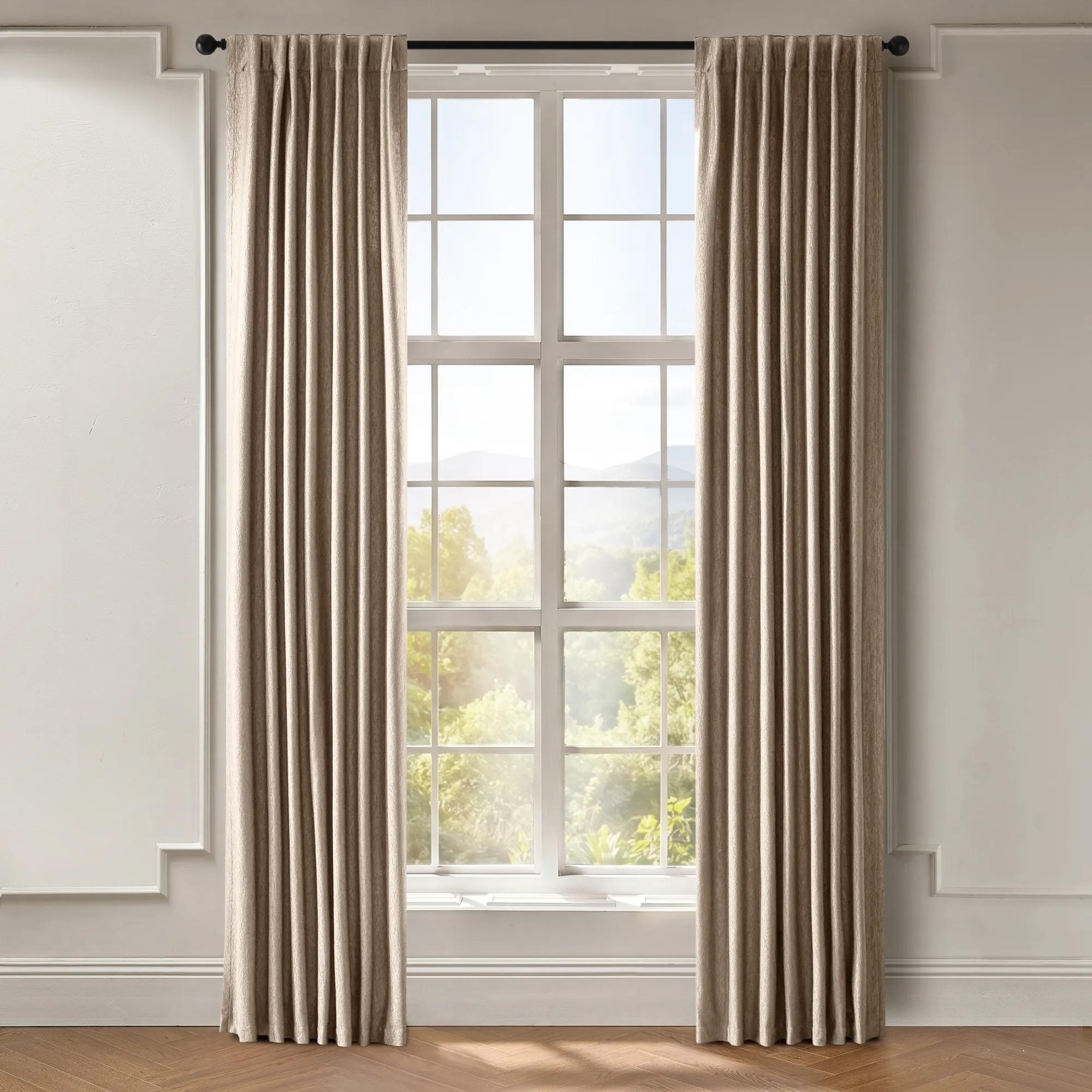 Anson Mocha Rose Textured Window Curtain Panel$109
A light mocha rose curtain panel with crushed sheen texture and room-darkening, dual hanging design.
Add To Cart -
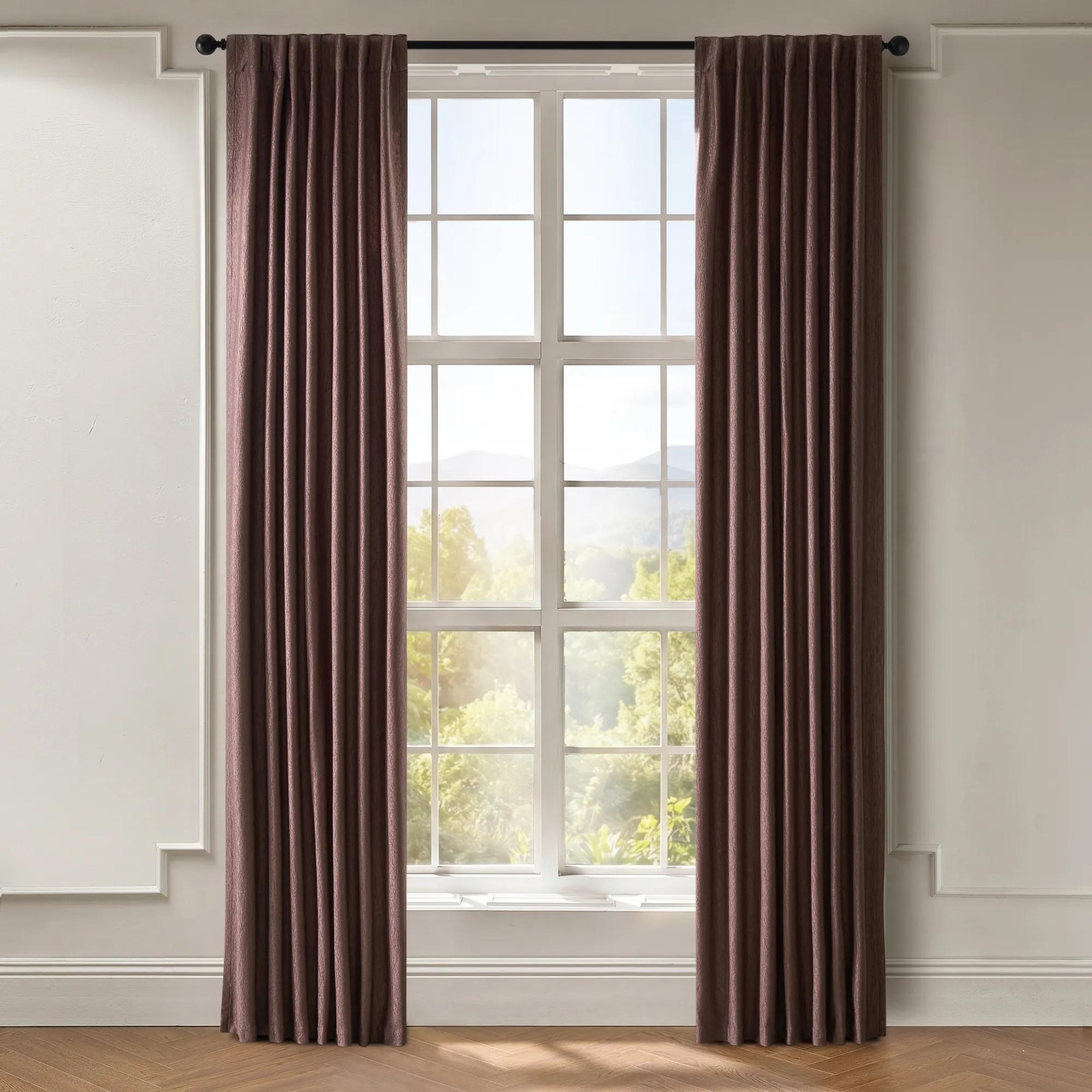
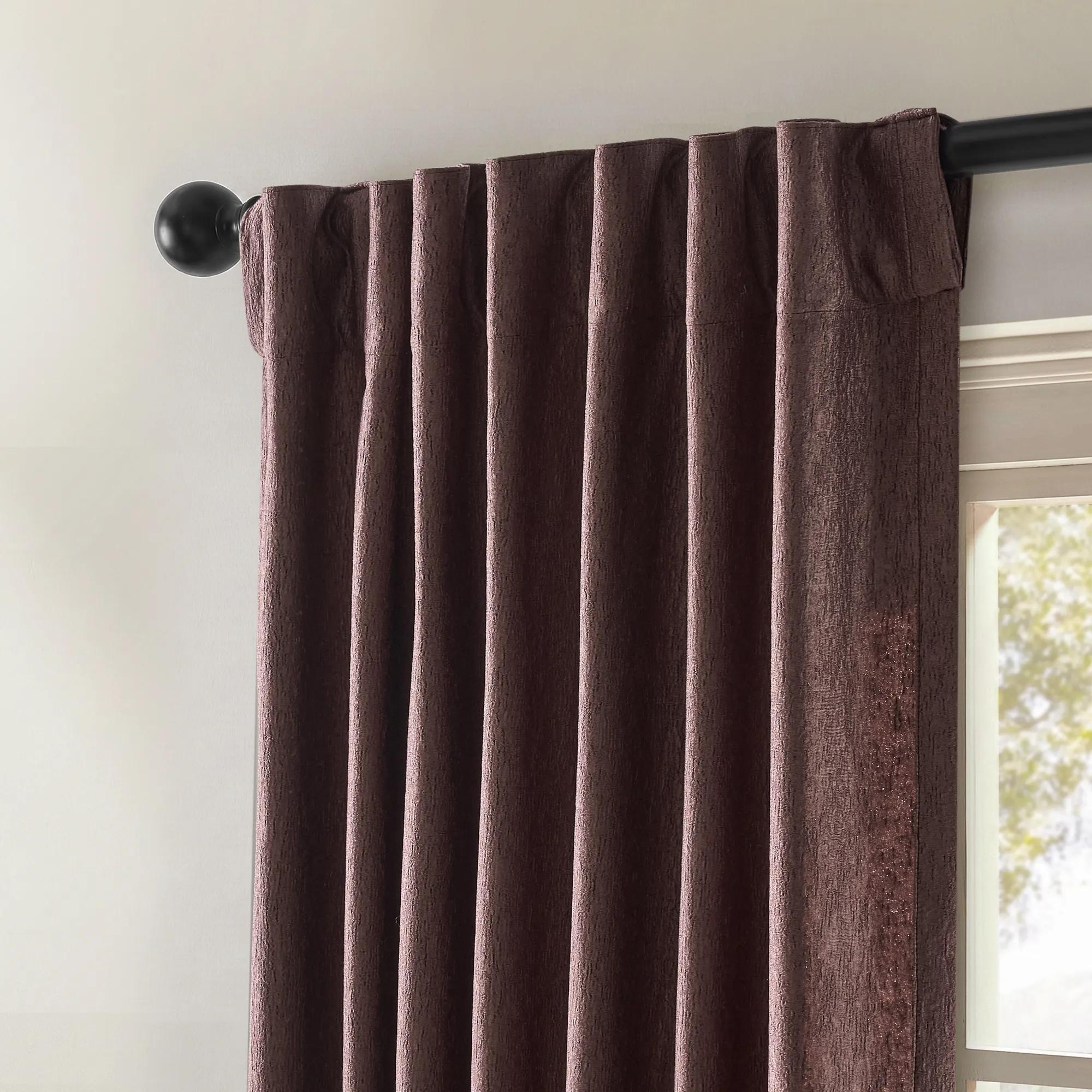 Anson Fig Textured Window Curtain Panel$99
A deep fig curtain panel in crushed, subtly sheened polyester with room-darkening and dual hanging options.
Add To Cart -
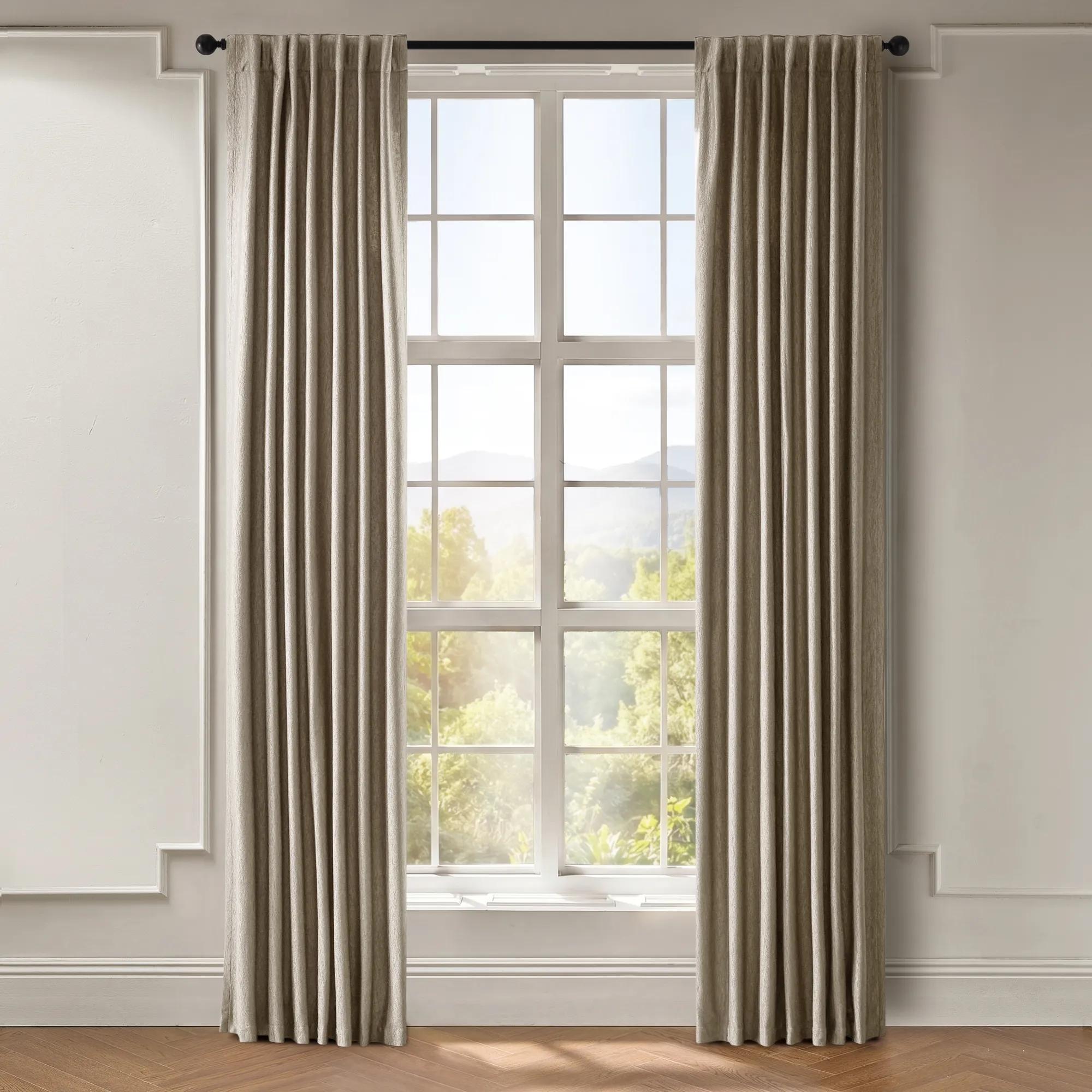
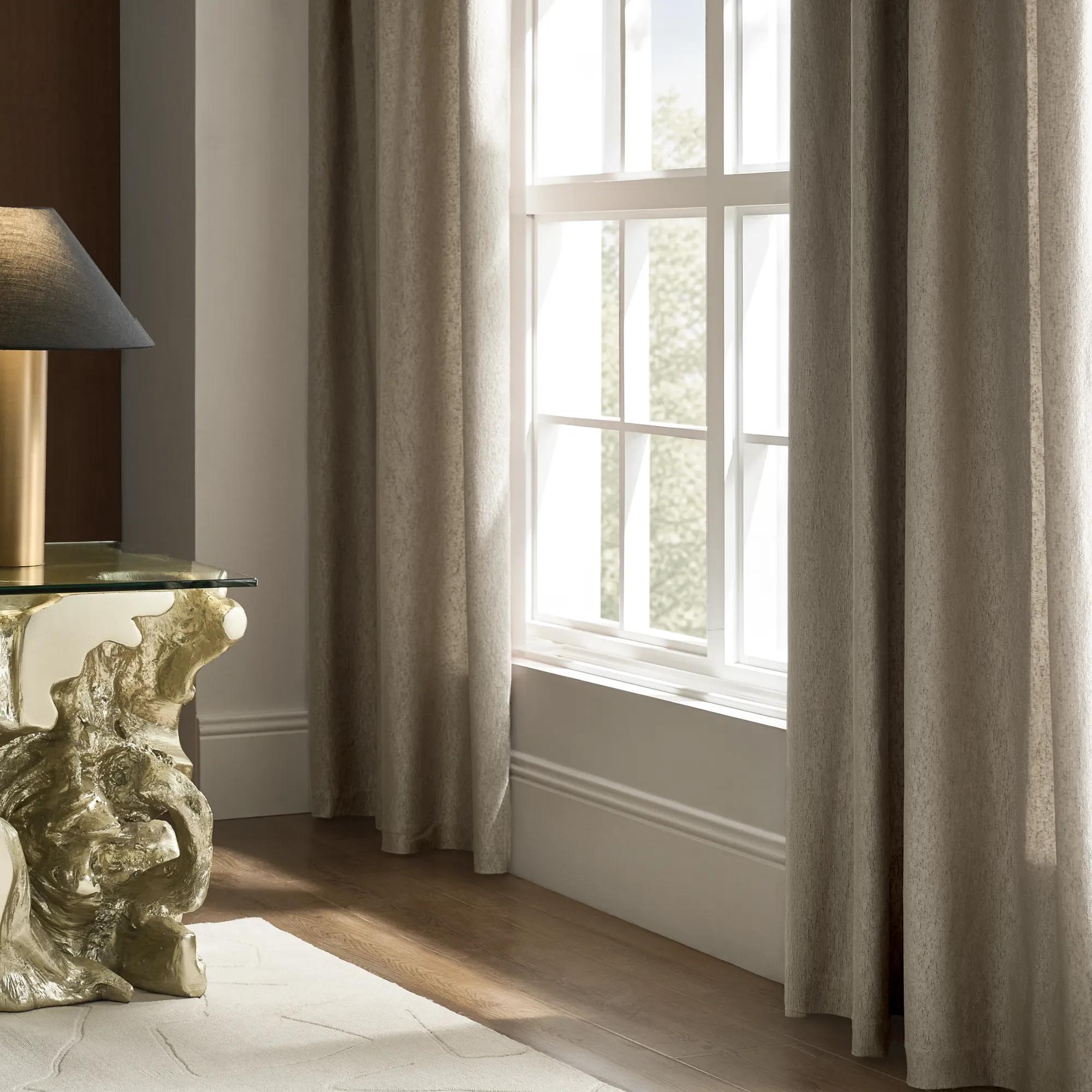 Anson Taupe Textured Window Curtain Panel$89
A taupe polyester curtain panel featuring a crushed sheen texture and room-darkening, dual hanging design.
Add To Cart -
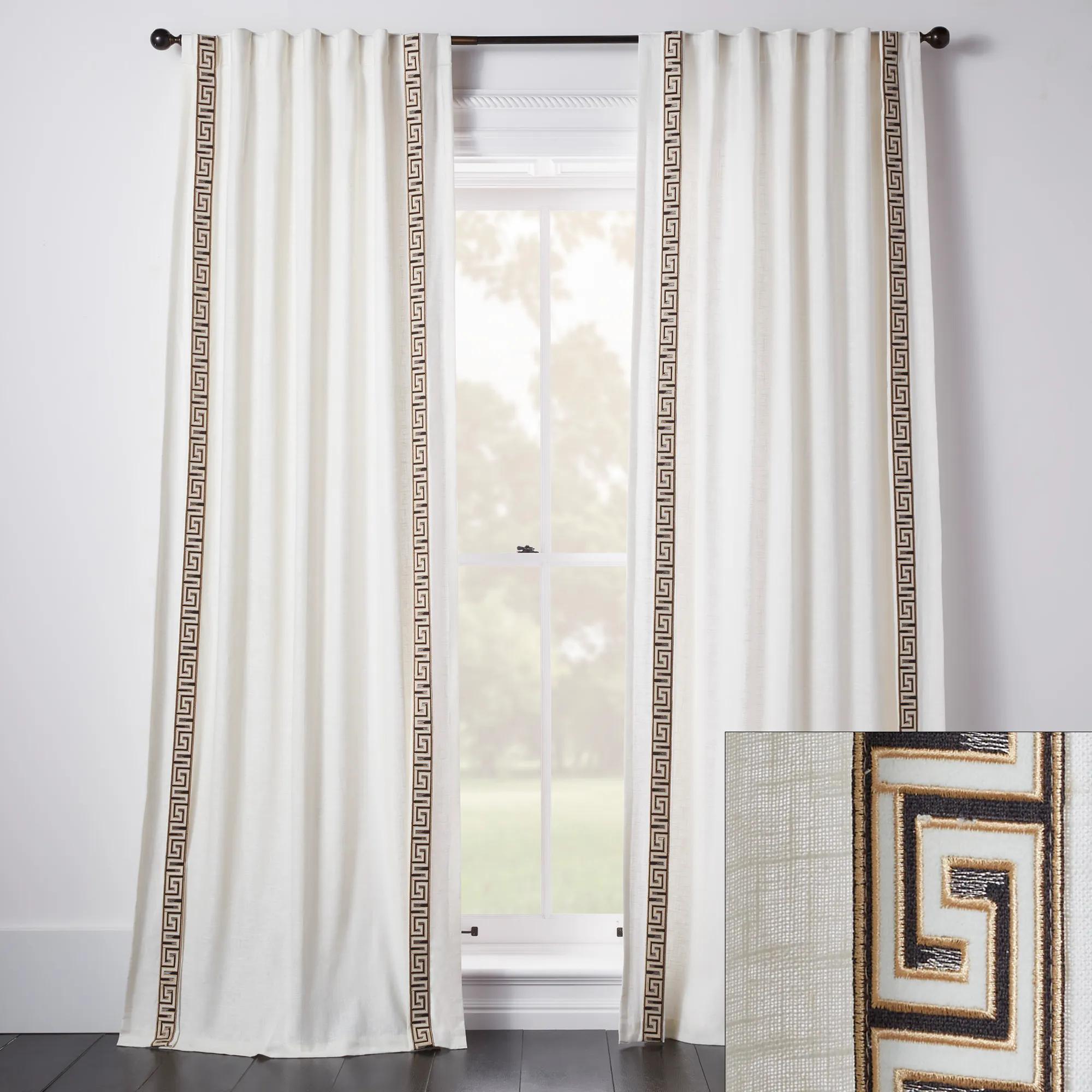 Chole Greek Key Border Velvet Widow Curtain Panels Custom$379
A linen-blend curtain panel with black and gold velvet Greek key border and customizable hanging options.
Add To Cart -
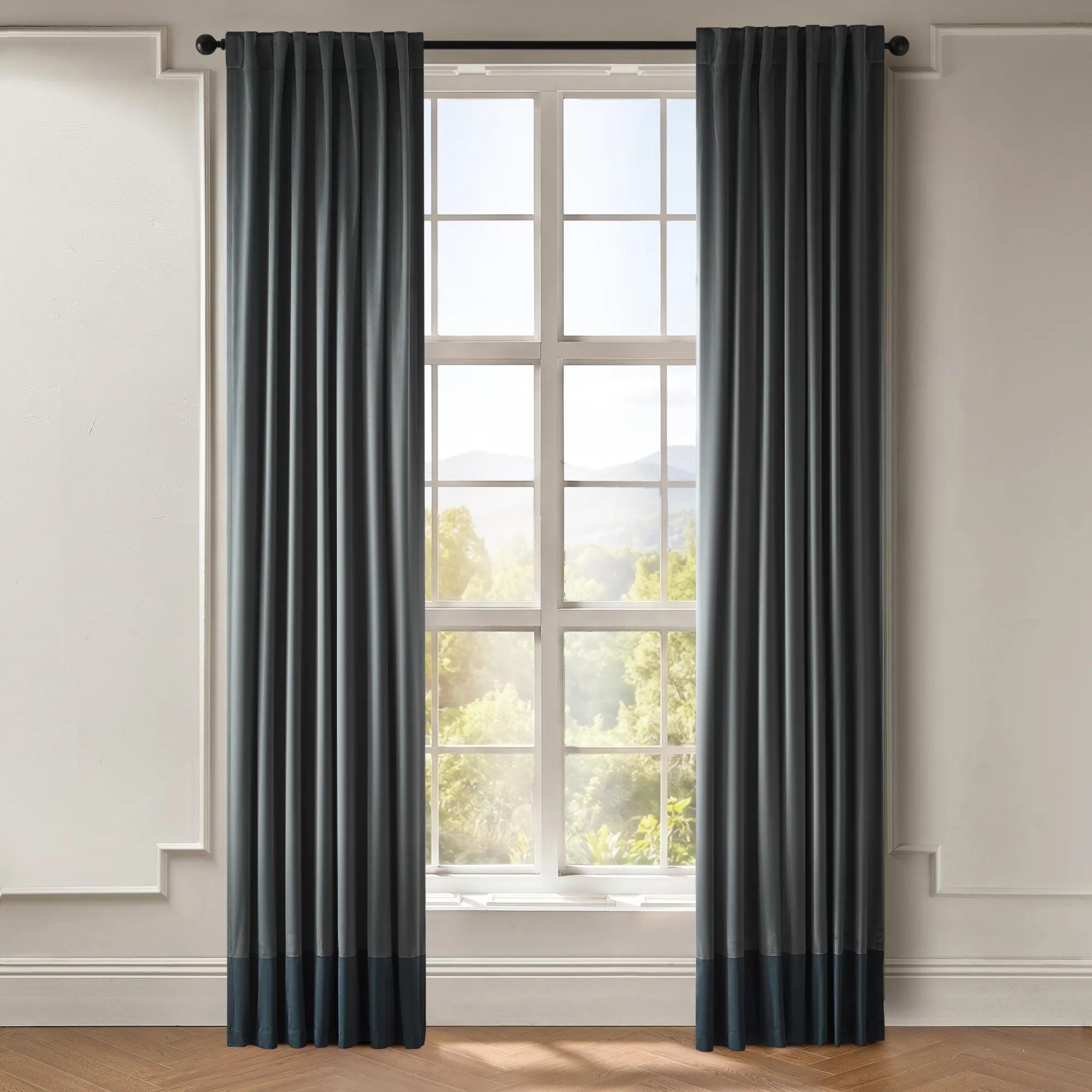
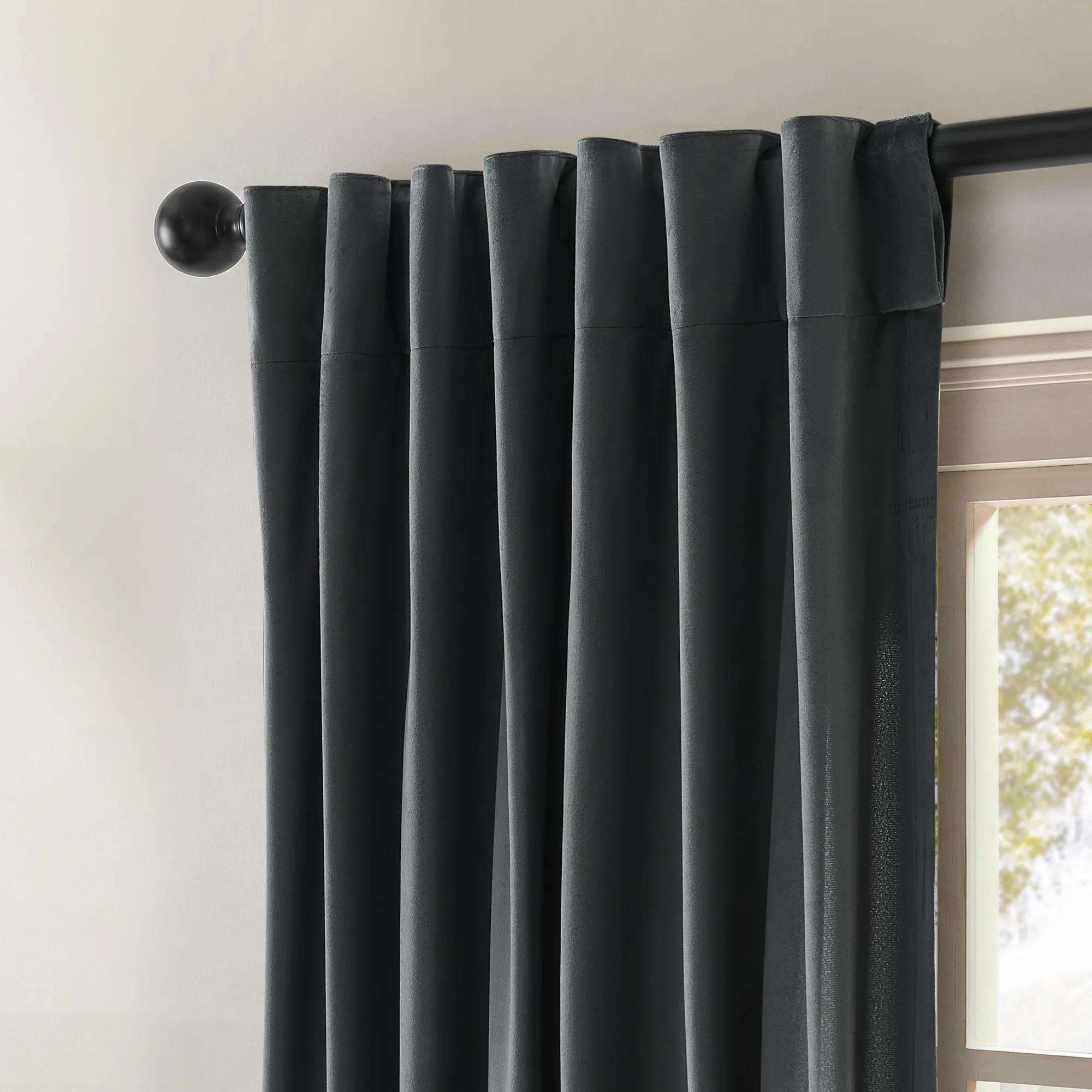 Bastien Blue/Midnight Velvet Border Window Curtain Panel$99
A two-tone dusty and midnight blue velvet curtain panel with a Deco-inspired border and room-darkening design.
Add To Cart -
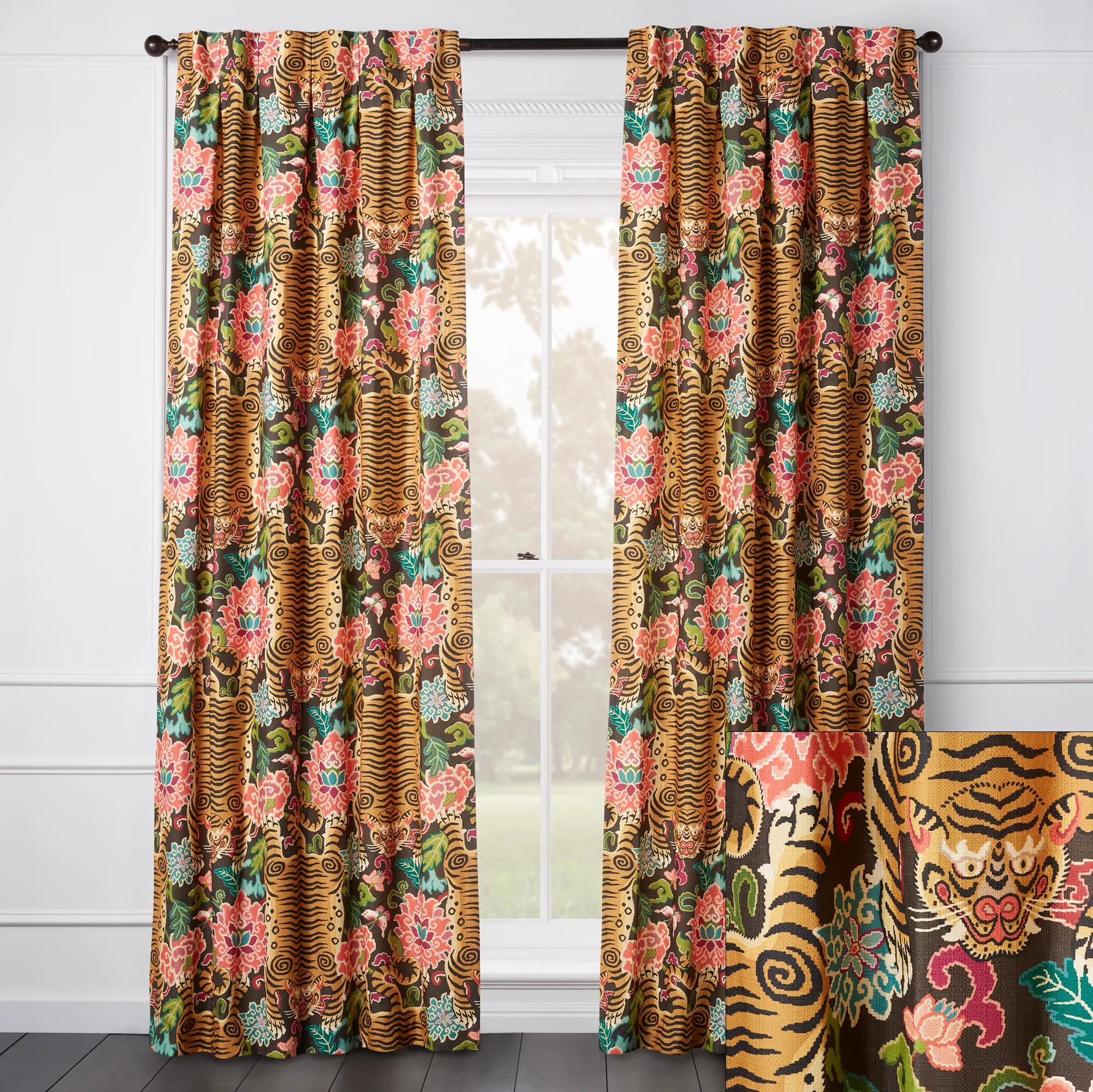
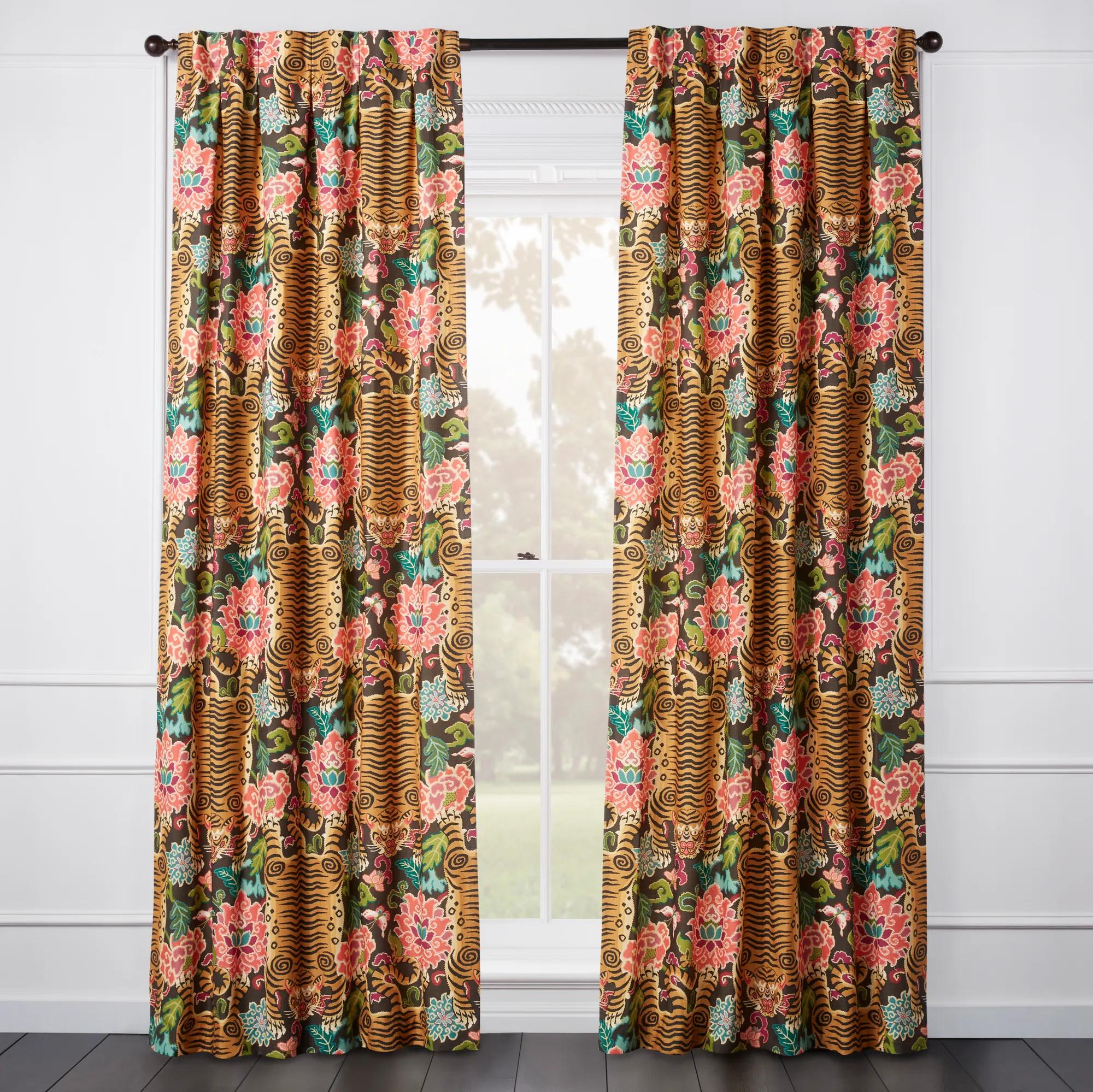 Nimer Gold/Multi Printed Slubbed Cotton Window Curtain Panel$349
A lively gold and multi-colored cotton curtain panel featuring a bold tiger print and customizable options.
Add To Cart -
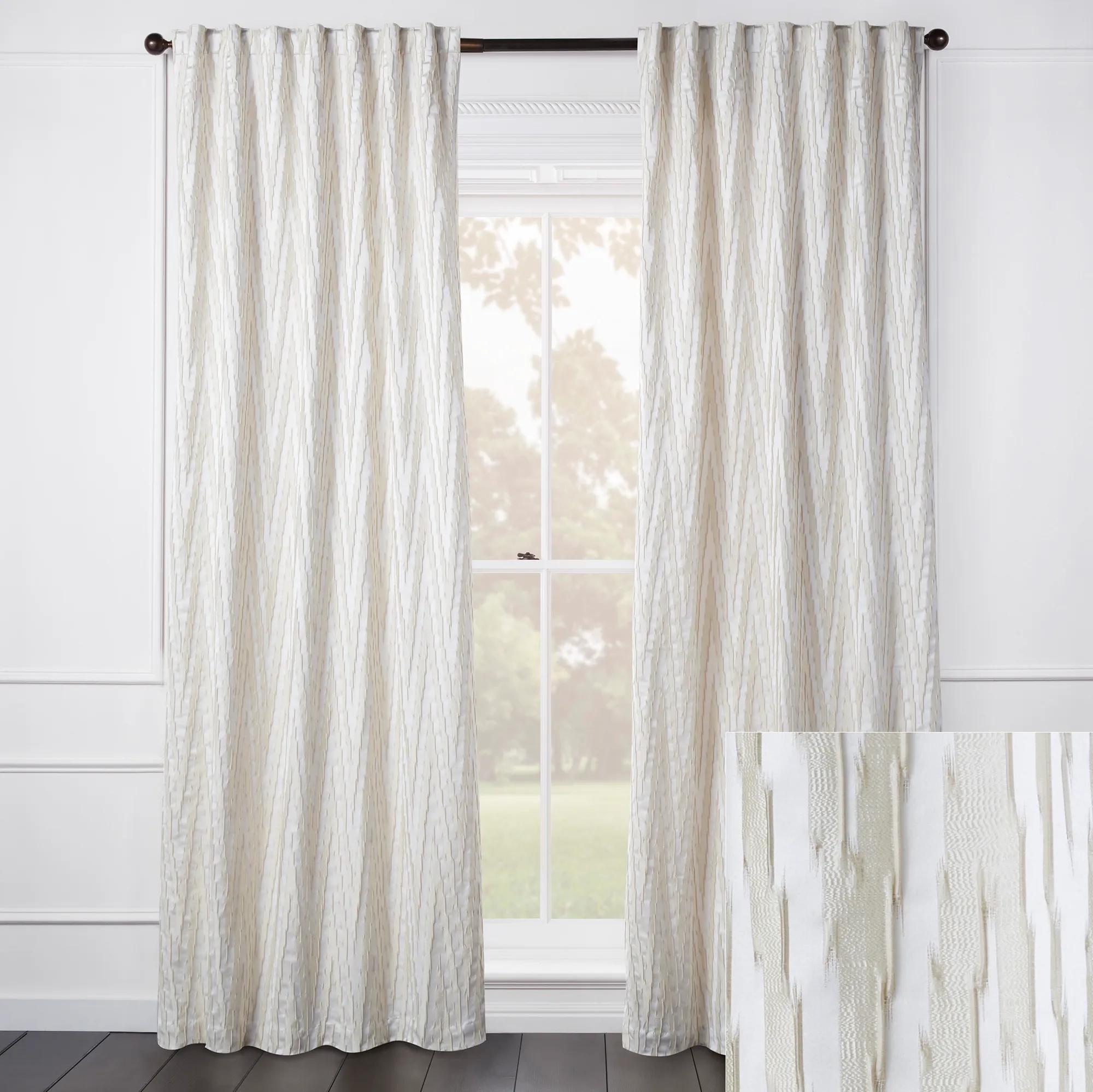
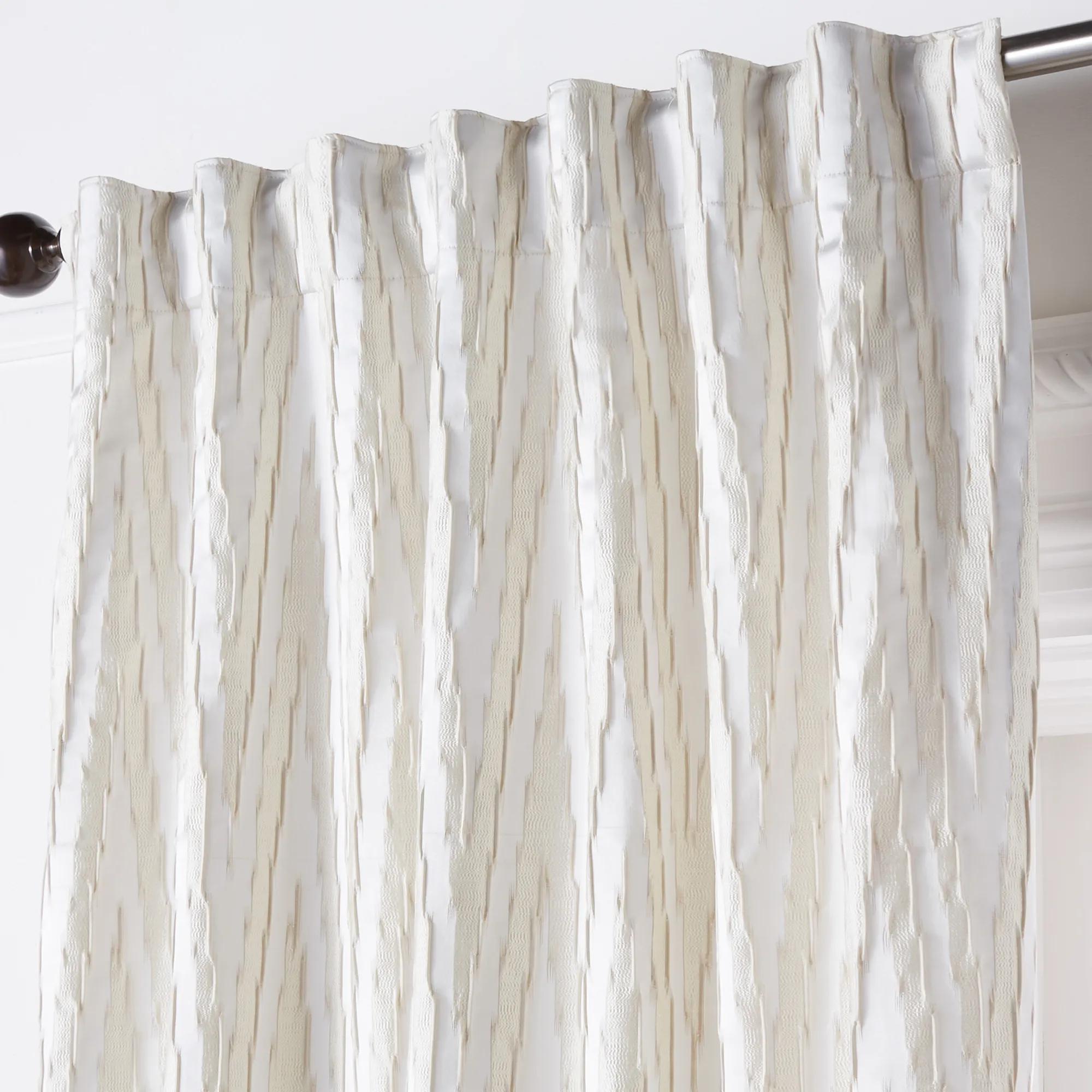 Minka Jacquard Pearl Window Curtain Panel Custom$289
A highly textured chevron curtain panel in pearl, grey, or natural polyester with customizable hanging options.
Add To Cart -
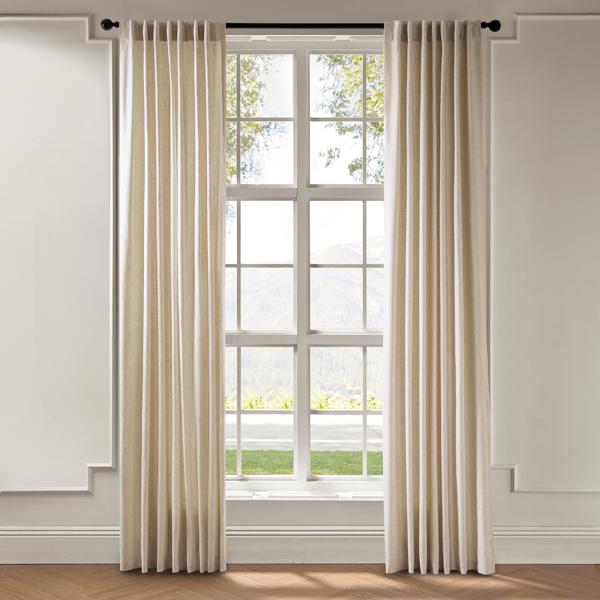
 Anson Ivory Textured Window Curtain Panel$99
An elegant ivory curtain panel with a crushed, light-reflective texture for subtle shine and room darkening.
Add To Cart -
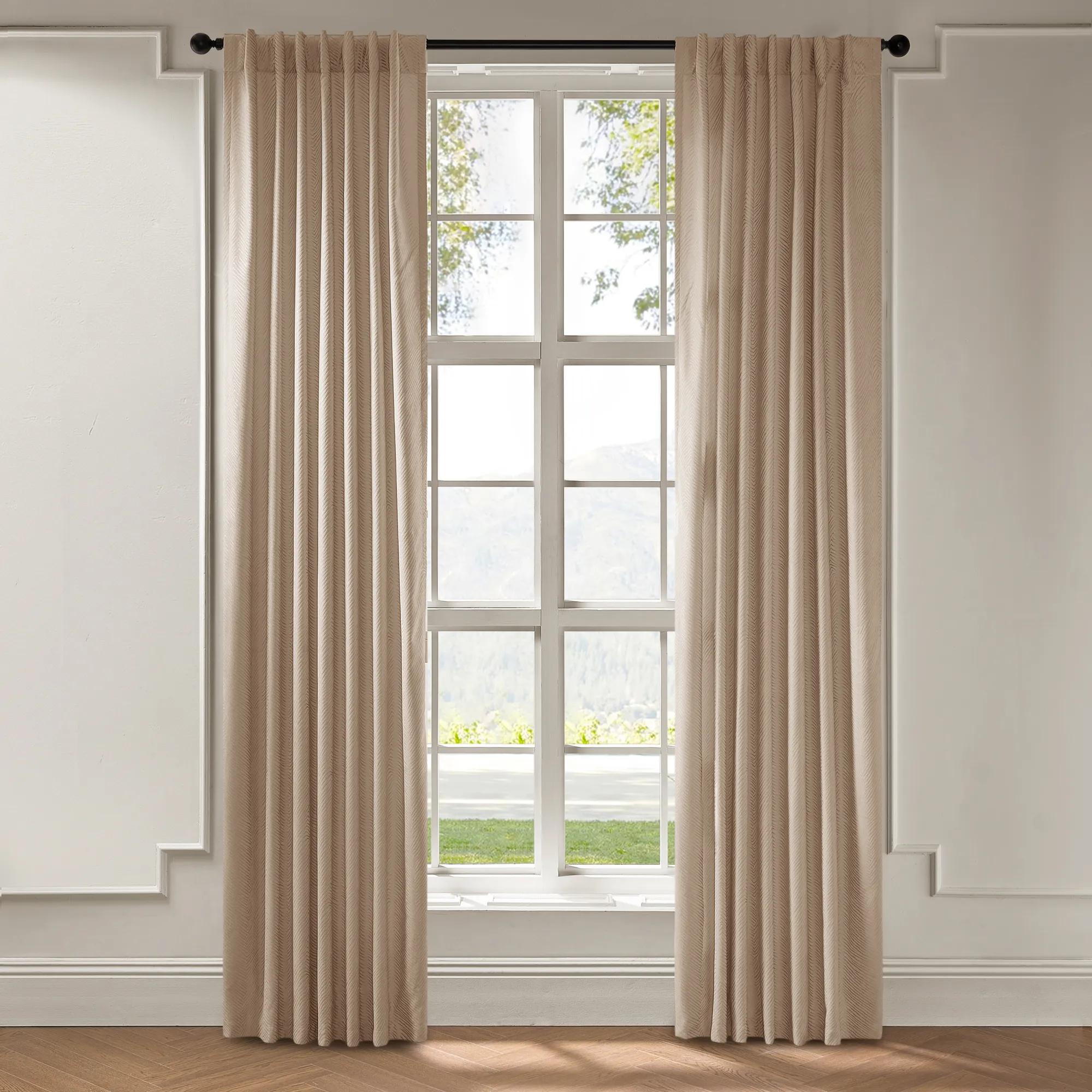 Kenzo Jacquard Beige Chenille Window Curtain Panel$139
A warm beige chenille jacquard curtain with a subtle sheen and versatile rod pocket or back tab hanging.
Add To Cart -

 Mabel Natural Velvet Swirl Window Curtain Panel$99
A warm neutral velvet curtain with a tonal swirl pattern, offering room-darkening privacy and versatile hanging options.
Add To Cart -

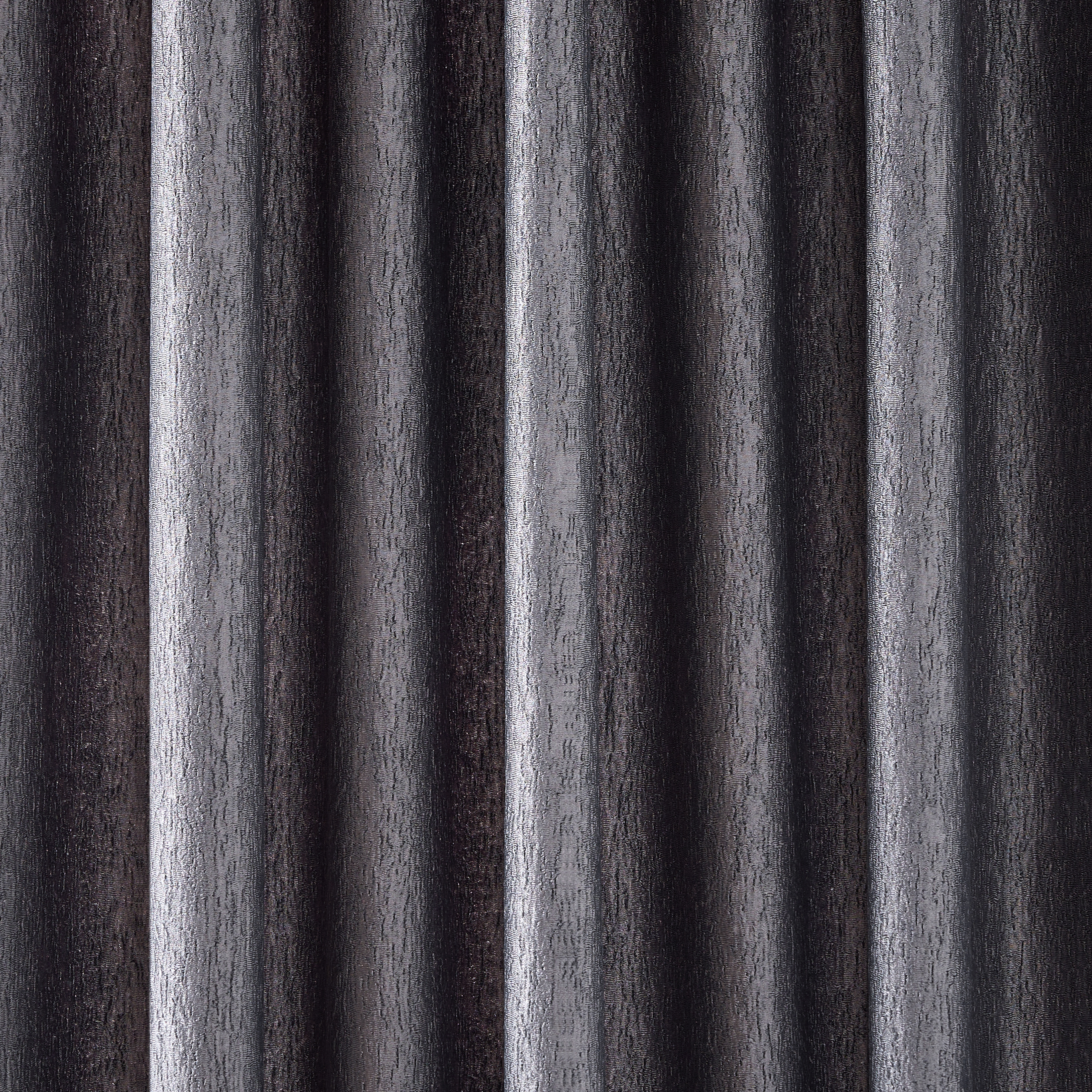 Anson Charcoal Textured Window Curtain Panel$109
A moody charcoal curtain with crushed polyester texture and subtle sheen for stylish, room-darkening appeal.
Add To Cart -
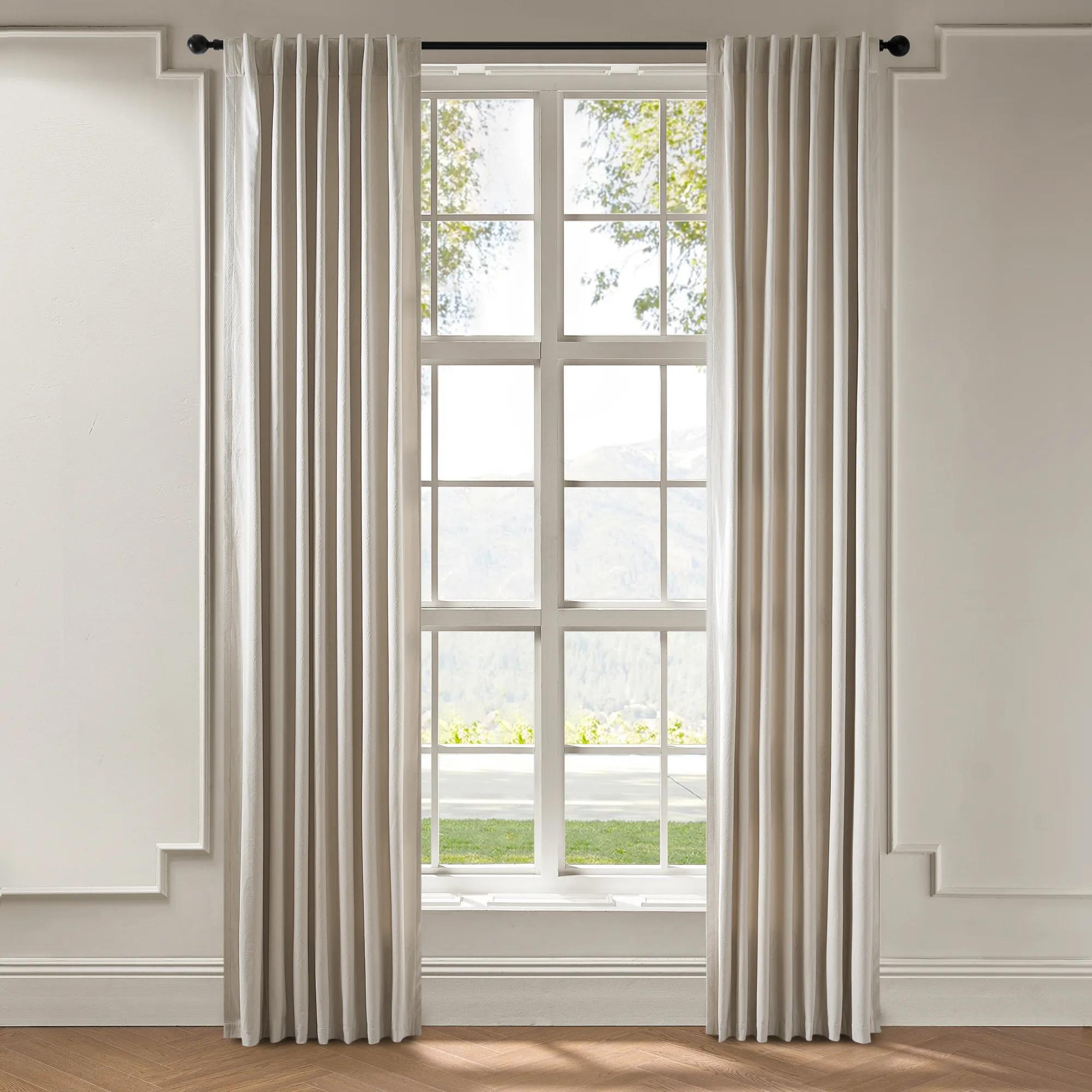
 Mabel White Velvet Swirl Window Curtain Panel$109
A crisp white velvet curtain featuring a tonal swirl texture and versatile dual hanging options.
Add To Cart -
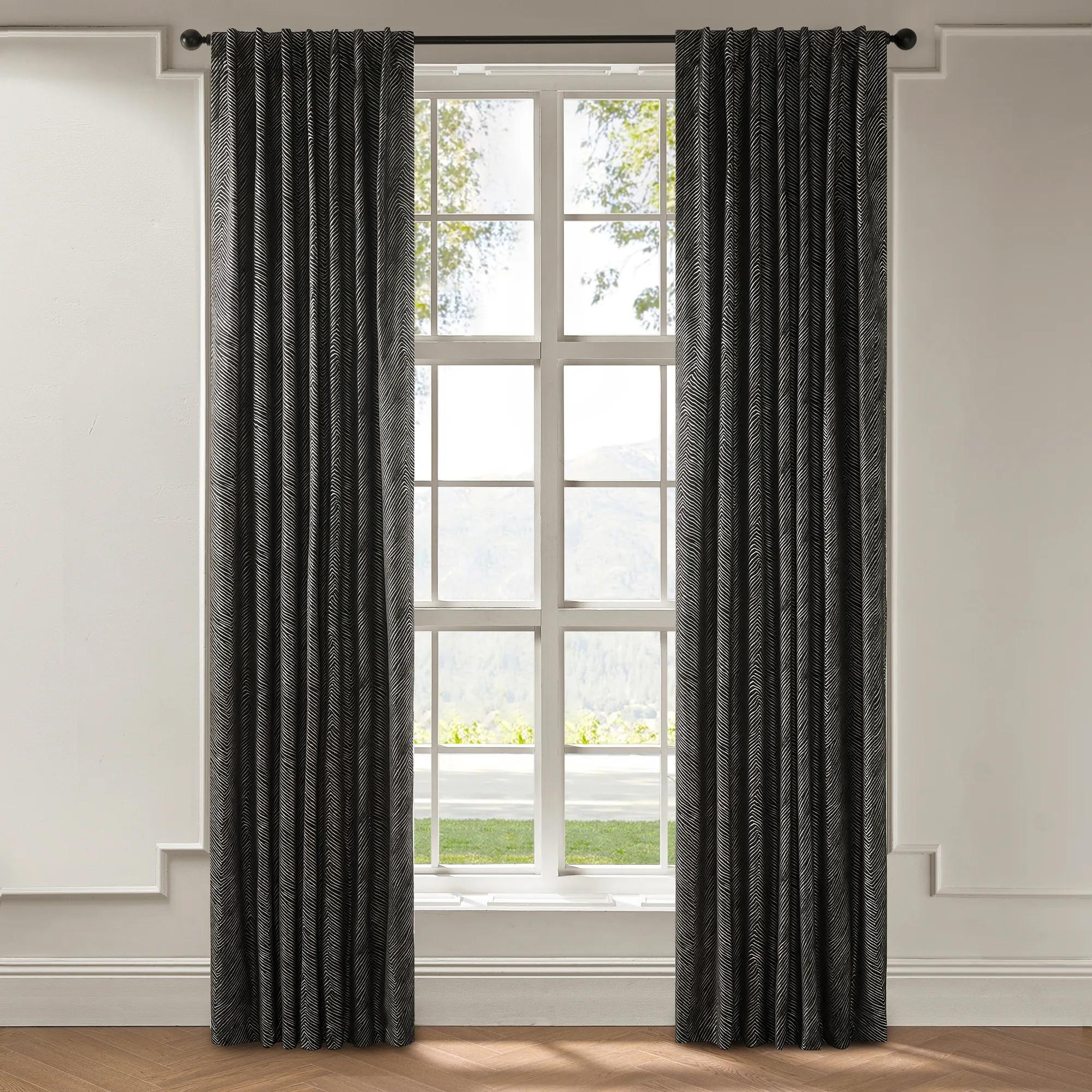
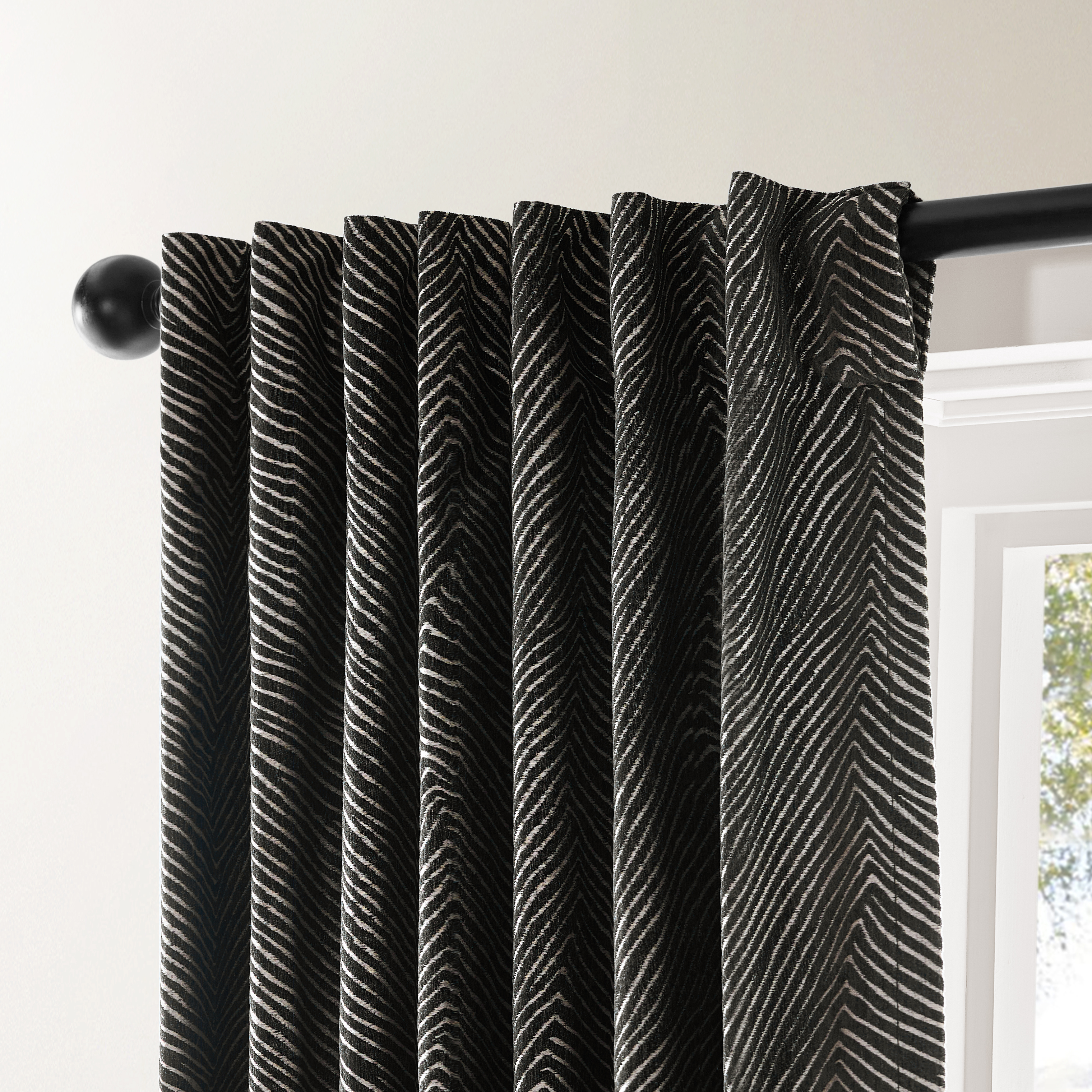 Kenzo Black Chenille Window Curtain Panel$129
A black chenille jacquard curtain with a luxe sheen and versatile dual hanging options.
Add To Cart -

 Adair Midnight Blue Solid Velvet Window Curtain Panel$69
A sumptuous midnight blue velvet curtain that adds elegance, depth, and room-darkening style to any space.
Add To Cart -

 Adair Sand Solid Velvet Window Curtain Panel$69
A sand-colored velvet curtain offering room-darkening privacy and versatile hanging options for refined interiors.
Add To Cart

Living Room Curtain Panels
Living room curtain panels are the unsung artists of interior drama—transforming sunlight into ambiance and framing your space with an air of curated luxury. More than mere window coverings, they become the backdrop to your most memorable moments, casting every gathering in a luminous, sophisticated glow. Whether you crave an ethereal cascade or a striking statement, each panel invites you to layer texture, color, and intrigue into your living room’s story. Elevate your everyday with living room curtain panels that don’t just dress your windows—they define the entire scene.
Living room curtain panels give windows architectural presence, bringing softness, proportion, and expressive color to the space where daily life and entertaining meet. Their fabric, lining, and construction shape both the view and the atmosphere: sheers diffuse daylight, light-filtering fabrics soften brightness, and room-darkening or blackout panels offer greater control over outside light. Sheer curtain panels create a luminous backdrop for sculptural furniture and richly textured upholstery, allowing the window to remain part of the room’s composition. Because sheer fabrics generally provide limited privacy, especially when interior lights are on after dark, they are often paired with an opaque layer. Linen and linen-blend panels introduce a dimensional weave and an elegant, relaxed drape; their natural variations and tendency to wrinkle contribute to their character. Faux-linen fabrics can offer a similar textured appearance, though their feel, light transmission, and care requirements depend on the fiber blend and construction. Velvet curtain panels make a more enveloping statement, with a plush surface that changes subtly as light crosses the pile. Their substantial drape brings visual weight to tall windows and balances gleaming metal, glass, or polished stone elsewhere in the room. Velvet alone does not guarantee blackout performance; that depends on the complete panel construction, including any lining or backing. Cotton fabrics provide another versatile option, ranging from softly translucent weaves to denser constructions with a more defined silhouette, while polyester and blended fabrics may offer wrinkle resistance and consistent draping. A lining can improve opacity, support the face fabric, and help protect it from direct light, depending on its composition. For a living room used for conversation, reading, and occasional movie nights, the most useful distinction is not simply light versus dark fabric, but how much light the finished panel actually allows through. Pale curtains can be highly opaque when properly lined, while an unlined darker weave may still transmit noticeable daylight. Material and light-control details give the decorative impression its practical foundation, whether the desired mood is luminous and layered or intimate and dramatic.
Scale gives living room curtains their confidence. Panels that are too narrow can look stretched when closed, while generous fabric creates folds that lend depth even to a restrained color palette. A common starting point is a combined panel width of about one and a half to two times the curtain rod’s usable span, with additional fullness sometimes suited to sheer fabrics or a more lavishly gathered effect. The appropriate amount depends on the header style, fabric thickness, and desired drape, so panel width and quantity deserve as much attention as length. Product descriptions may specify dimensions for one panel rather than a pair, an important distinction when planning coverage for a broad window or sliding door. Length is measured from the point where the fabric hangs to the intended hem position; rings, hooks, and different headers can change that starting point. Panels that just meet the floor create a tailored, continuous line, while a slight clearance can make opening and closing easier in a frequently used living room. A small puddle adds theatrical softness but requires more floor space and attention to cleaning, particularly around pets or active households. A rod positioned above the window frame can emphasize ceiling height, provided there is adequate clearance and secure mounting. Extending the rod roughly three to six inches beyond each side of the frame is a common starting point, though thick fabrics and wider windows may need more room for the open panels to stack without covering the glass. Grommet headers form broad, regular folds and make the rod part of the visual design. Rod pockets create a gathered effect, although they may be less convenient for panels moved frequently. Tab tops expose more hardware, while pleated headers offer a structured silhouette and typically use hooks or rings. The rod, brackets, and wall attachment must support the weight of both fabric and lining. A generous sweep of velvet calls for different support than a delicate sheer, and long spans may require a center bracket according to the hardware manufacturer’s specifications.
The most compelling curtain arrangements connect a window to the room without making every surface match. Ivory panels can soften a composition of dark wood, polished metal, and saturated upholstery; charcoal can give pale walls a crisp boundary; a deep jewel tone can echo one color in artwork without repeating the entire palette. Texture is equally influential. A lustrous fabric catches highlights beside a matte sofa, while a visible woven grain adds depth to a room filled with smooth finishes. Patterned curtain panels carry more visual movement, particularly across large windows, and their repeat and placement affect how the design reads when the fabric is gathered. For flexible light control, a double rod allows sheer panels to remain closed while a denser outer layer opens, giving the room a finished appearance without surrendering all its daylight. In a street-facing living room, that combination can support daytime privacy and evening coverage, though the actual level of privacy depends on the fabrics and lighting conditions. Curtains near a television may help reduce glare when their opacity and coverage suit the window, while panels beside a frequently opened patio door need a length and mounting arrangement that keep the passage clear. Durability depends on fiber content, weave, stitching, lining, and use rather than weight alone. Regular opening and closing puts demands on headers and seams, and prolonged direct sunlight can affect dyes and fibers over time. Care should follow the label: some panels tolerate machine washing, while others require professional cleaning, especially when delicate fibers, special finishes, or multiple layers are involved. Gentle vacuuming with a suitable upholstery attachment can remove surface dust when permitted, and steaming or ironing should follow the fabric’s specified settings. Velvet needs particular care to avoid flattening or marking its pile. For a coordinated home, bedroom curtain panels can carry a related color or texture into a more private setting while meeting different light-control needs. In the living room, thoughtful proportion and expressive fabric turn practical window coverage into a defining part of the interior.
FAQs
Curtain panels are a transformative element in any living room, infusing the space with texture, color, and a sense of drama. Whether you choose sheer, flowing fabrics for a soft, ethereal glow or opt for rich, opaque panels to create an intimate retreat, the right curtains can set the mood, frame your view, and elevate the overall design of your room.
Velvet, silk, and linen are among the most luxurious choices for living room curtain panels. Velvet lends a sumptuous, theatrical flair and insulates against winter’s chill, while silk shimmers with elegance and catches the light beautifully. Linen offers a relaxed yet sophisticated look, perfect for layering with other textures to create depth and dimension.
Absolutely. Layering curtain panels—such as pairing heavier blackout shades park haven with lighter sheers or linen panels—adds visual interest and allows for customizable light control and privacy. This technique also introduces a sense of curated luxury and can help you achieve a tailored, designer-inspired look.
Curtain panels make a distinctive and memorable gift, especially for new homeowners or those passionate about interior design. Gifting a set of elegant panels is a way to help loved ones express their style and transform their living space with a gesture that feels both personal and luxurious.
Seasonal shifts offer the perfect opportunity to refresh your living room with new curtain panels. In winter, opt for heavier, insulating fabrics in rich tones to create a cozy sanctuary. As spring and summer approach, lighter materials like linen or sheer panels invite breezy elegance and allow natural light to fill the room, reflecting the changing mood of the season.


