Living Room Velvet Window Panels
Living Room Velvet Window Panels
-
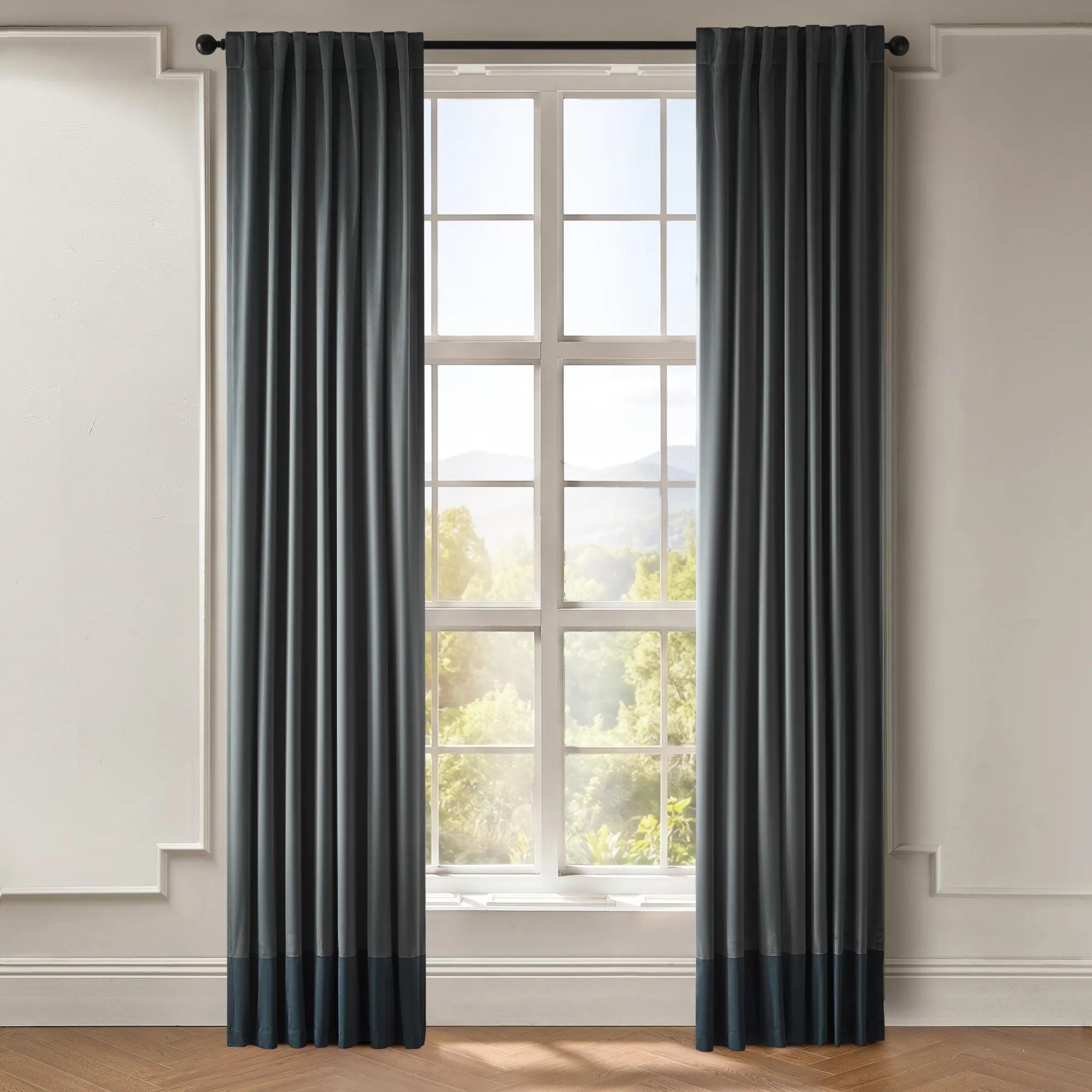
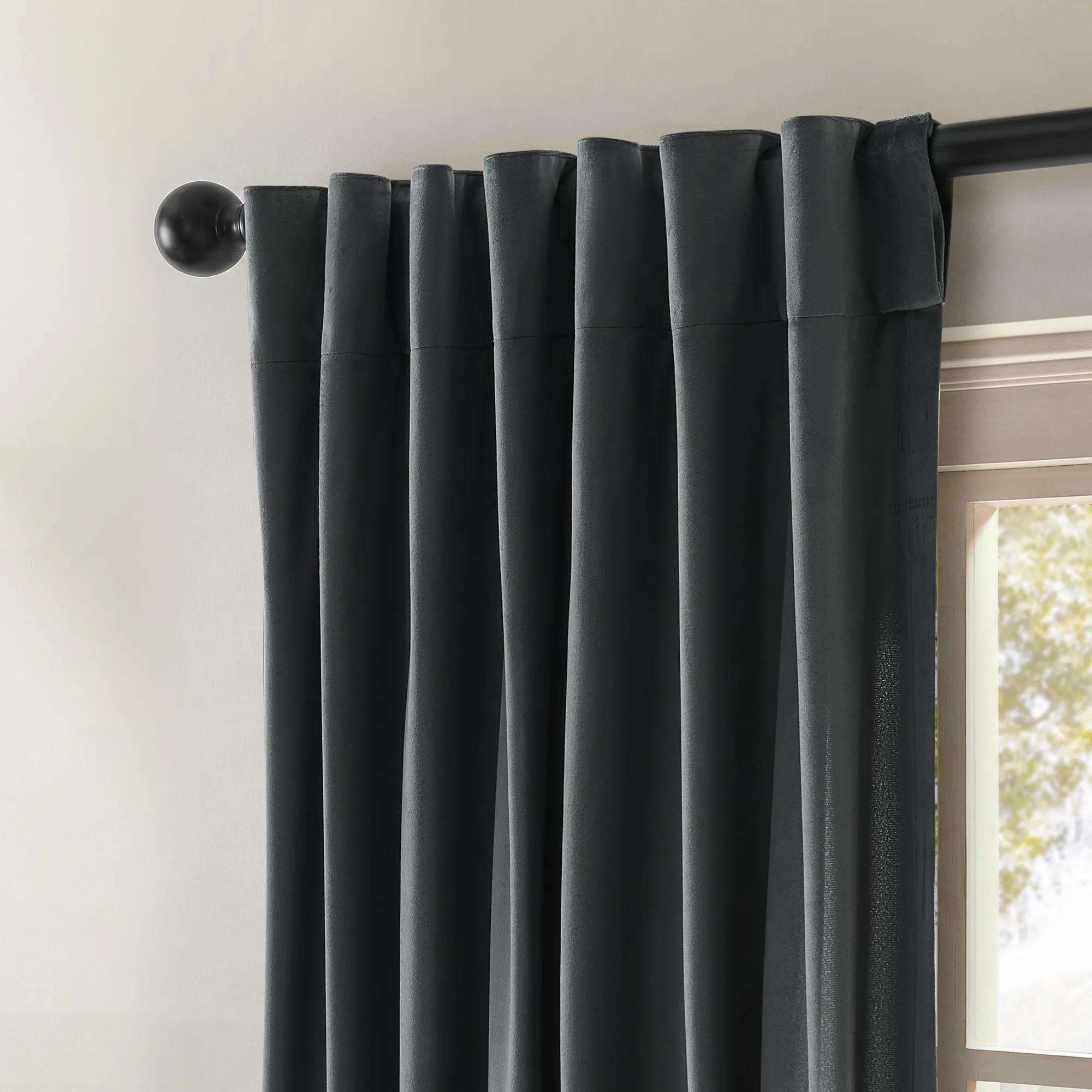 Bastien Blue/Midnight Velvet Border Window Curtain Panel$109
A two-tone dusty blue and midnight blue velvet curtain panel with room-darkening design and dual hanging options.
Add To Cart -
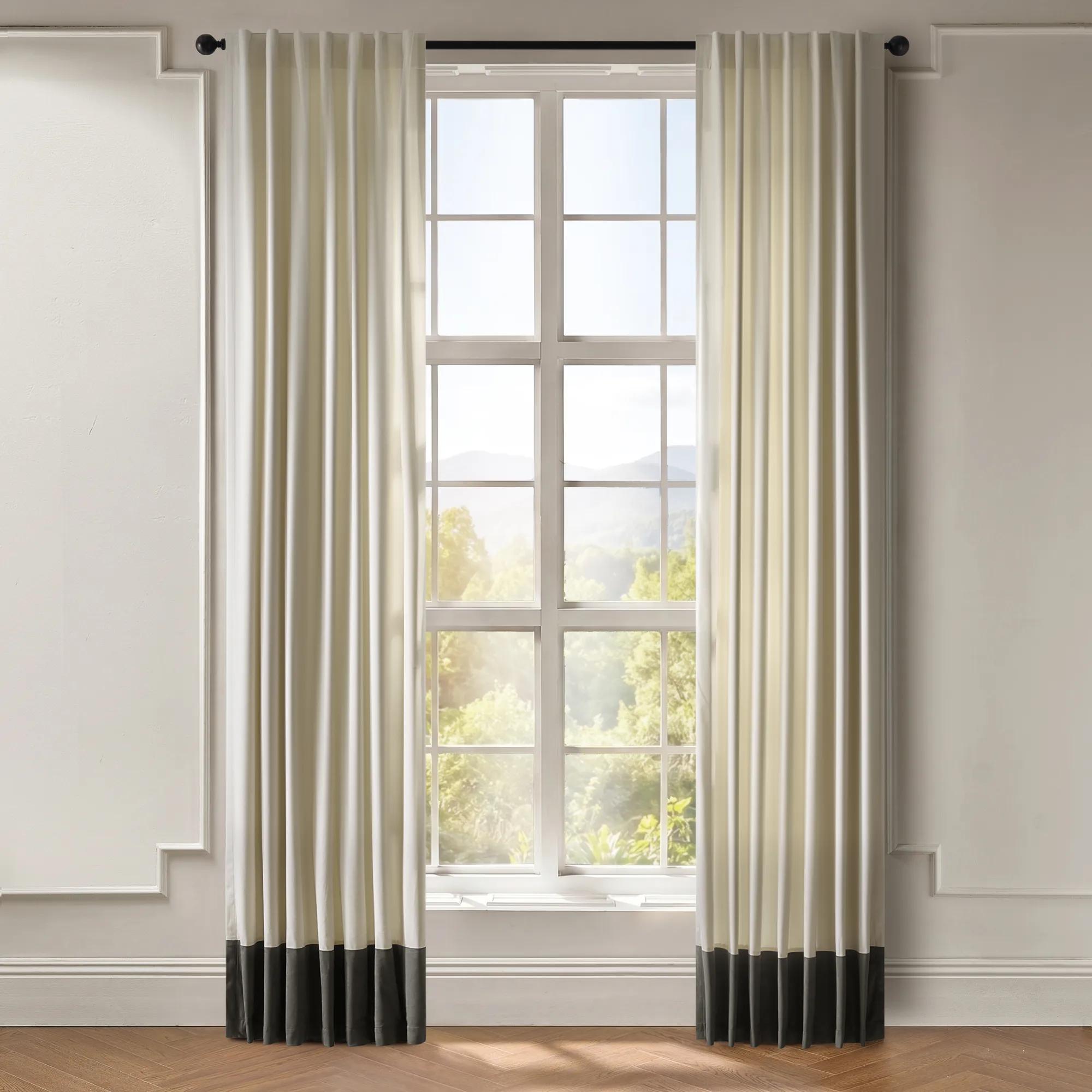
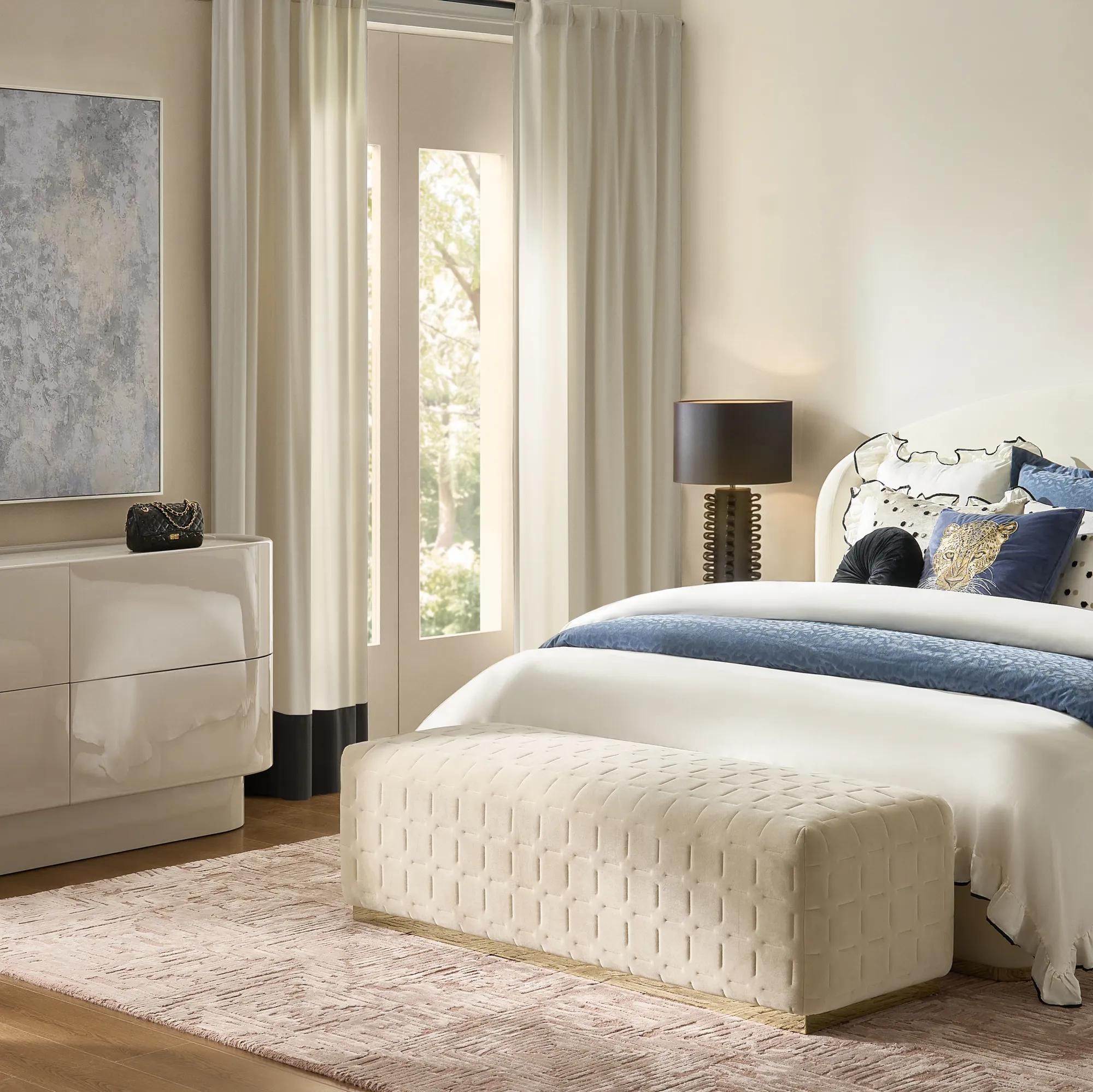 Bastien Ivory/Graphite Velvet Border Window Curtain Panel$109
A two-tone ivory and graphite velvet curtain panel with a Deco-inspired border and room-darkening design.
Add To Cart -

 Adair Sand Solid Velvet Window Curtain Panel$79
A room-darkening sand velvet curtain with dual hanging options for a soft, tailored finish.
Add To Cart -
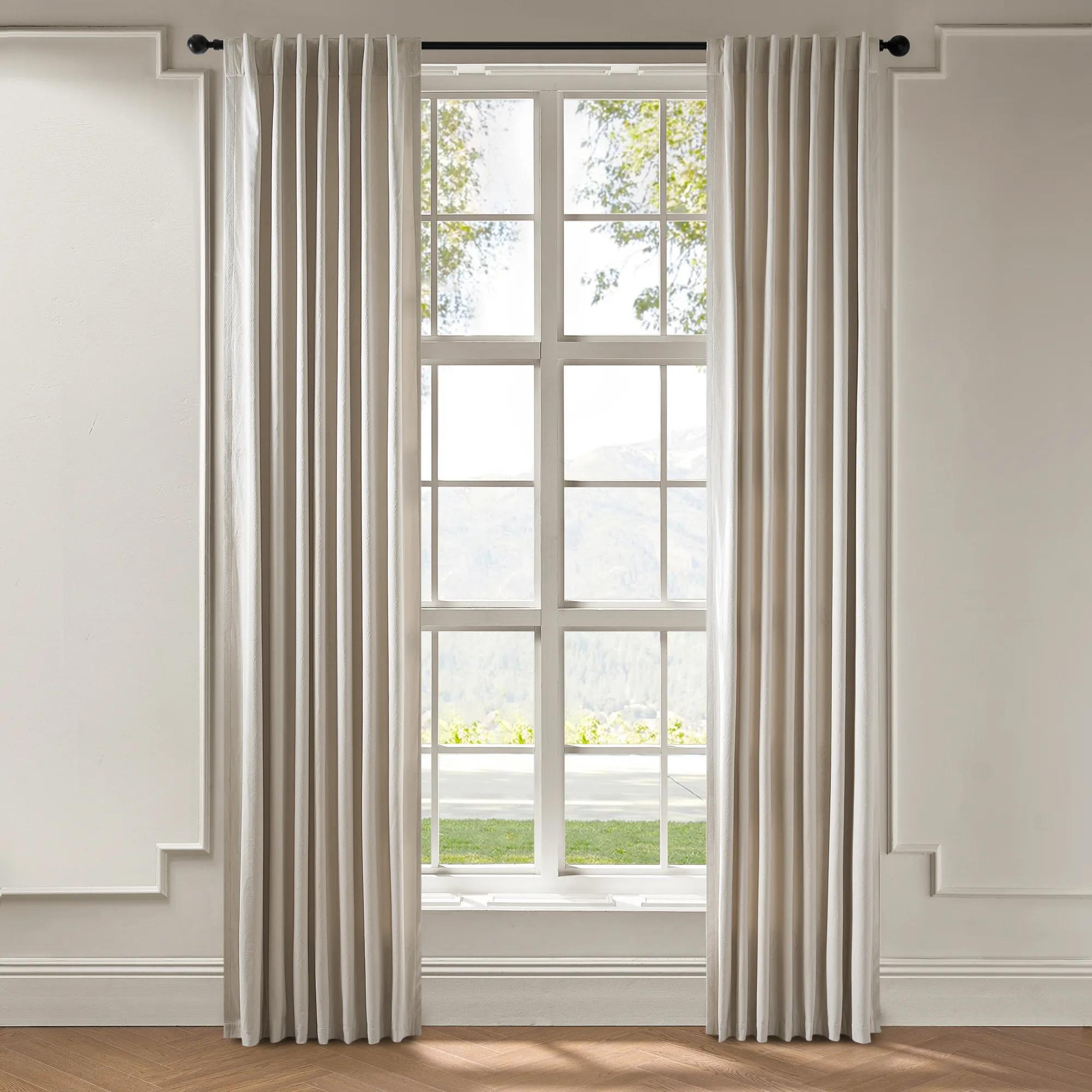
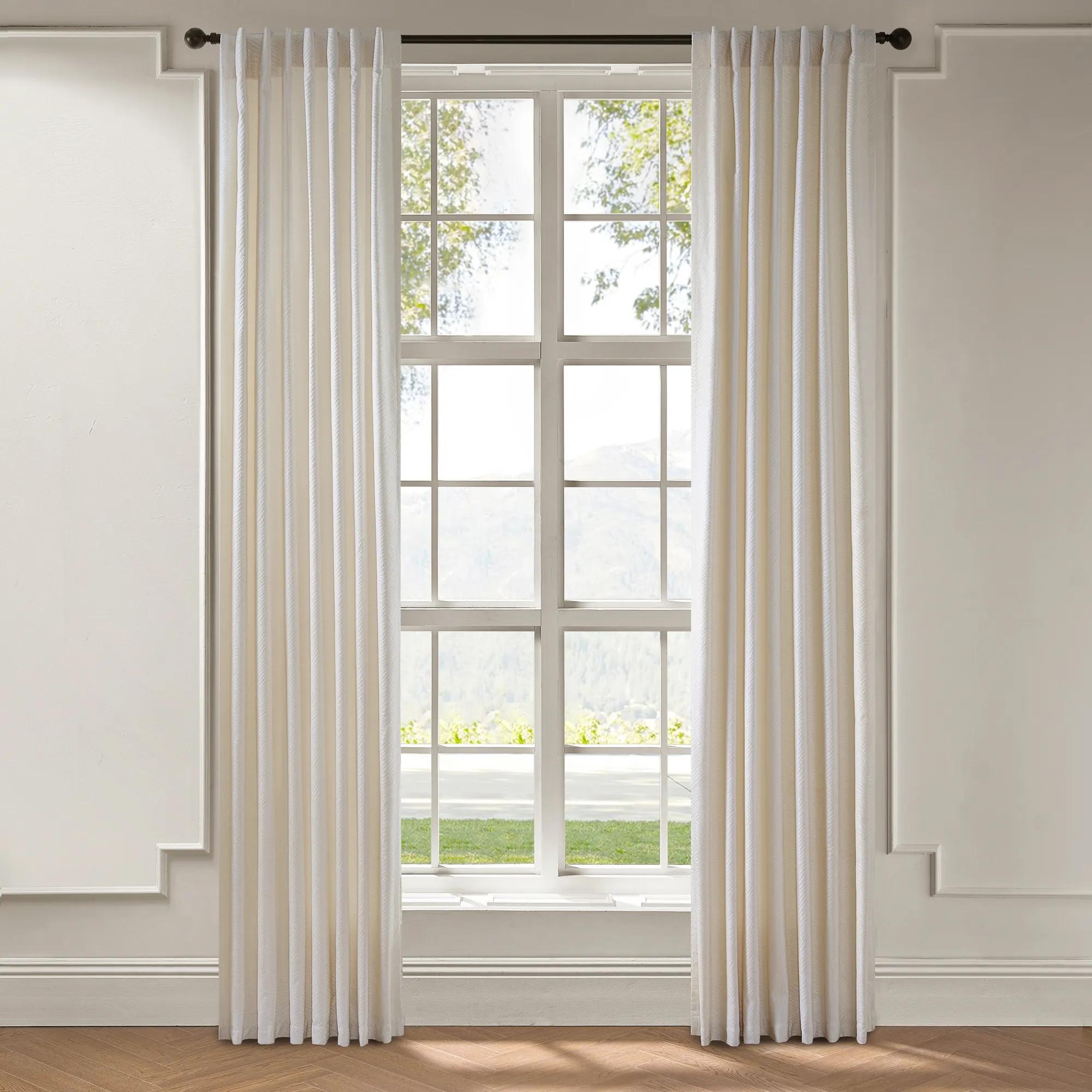
 Mabel White Velvet Swirl Window Curtain Panel$89
A crisp white velvet curtain featuring a tonal swirl texture and versatile dual hanging options.
Add To Cart -

 Adair Midnight Blue Solid Velvet Window Curtain Panel$69
A sumptuous midnight blue velvet curtain that adds elegance, depth, and room-darkening style to any space.
Add To Cart -

 Mabel Natural Velvet Swirl Window Curtain Panel$99
A warm neutral velvet curtain with a tonal swirl pattern, offering room-darkening privacy and versatile hanging options.
Add To Cart -

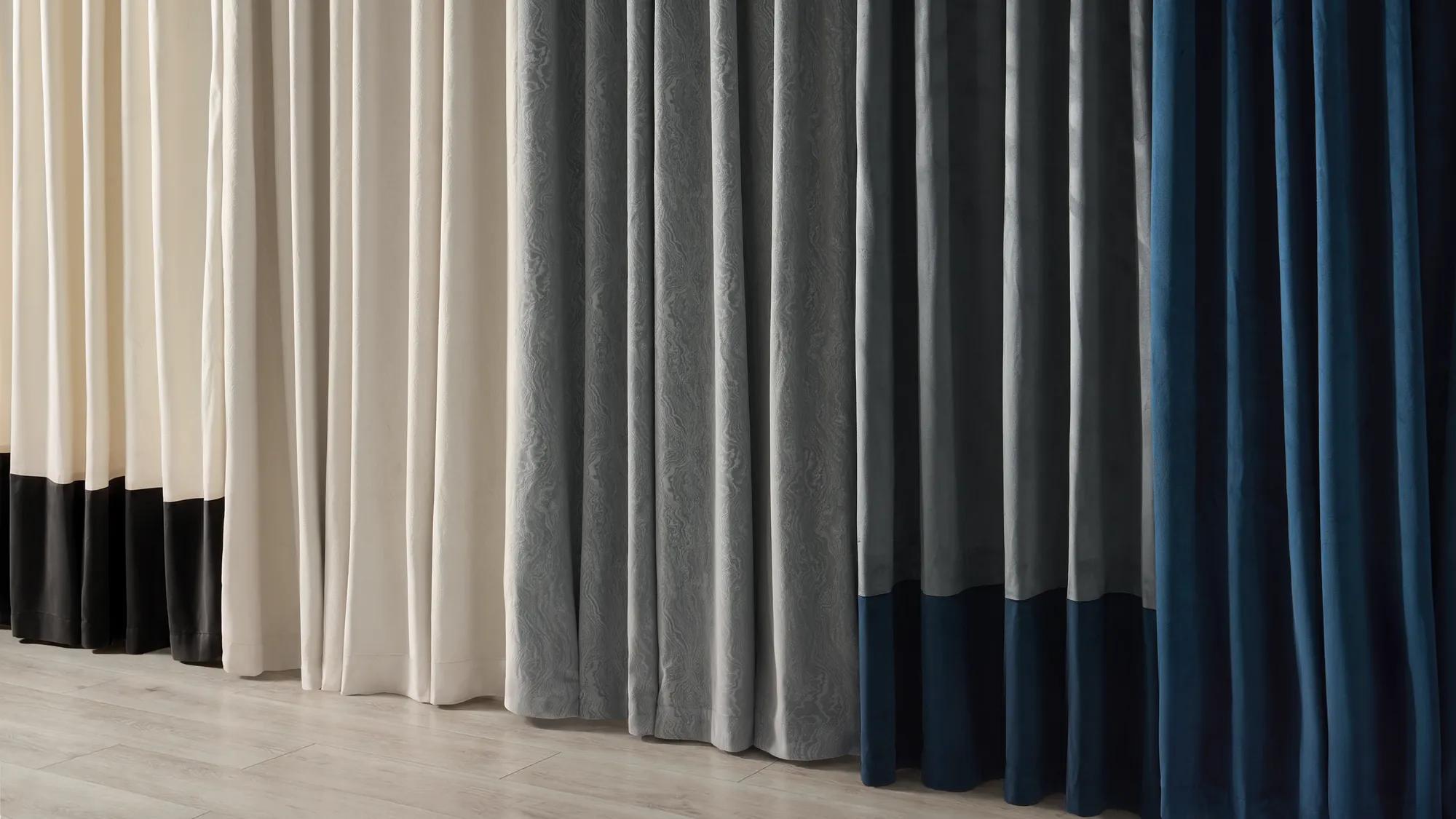 Mabel Velvet Swirl Curtain - Grey Blue$99
A grey blue velvet curtain featuring a tonal swirl pattern and versatile dual hanging options.
Add To Cart -
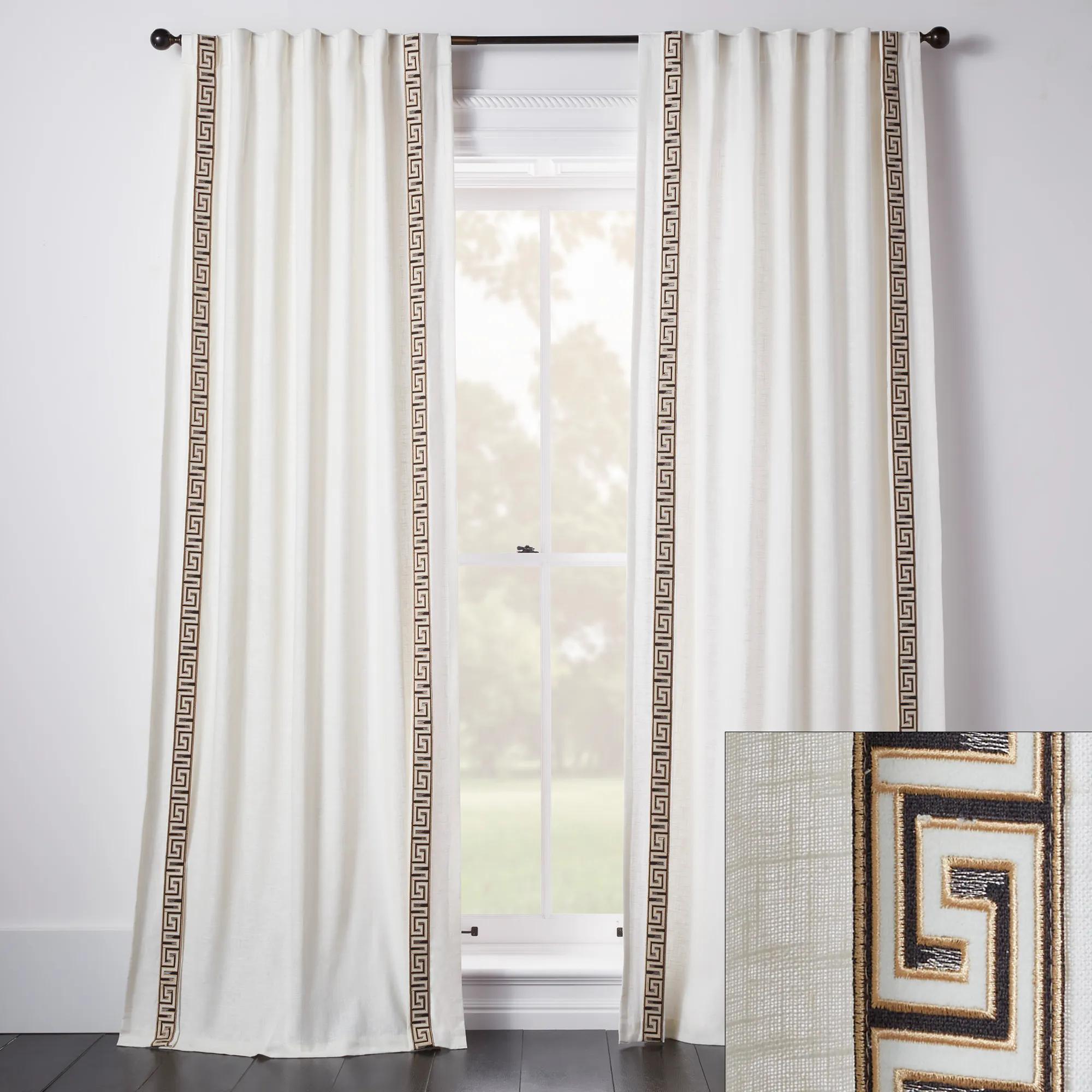 Chole Greek Key Border Velvet Widow Curtain Panels Custom$319
A linen-blend curtain panel with black and gold velvet Greek key border and customizable hanging options.
Add To Cart

Living Room Velvet Window Panels
Living room velvet window panels transform ordinary windows into breathtaking focal points, evoking an air of refined drama with every fold. Plush, light-catching velvet drapes frame your space in sumptuous softness, inviting both glamour and intimacy into the heart of your home. Whether you crave a cocoon of jewel-toned opulence or a whisper of understated elegance, living room velvet window panels create a stage for self-expression—where every glance reveals depth, texture, and undeniable allure. Let your windows become the backdrop for artful living and unapologetic style.
Living room velvet window panels bring plush texture, graceful drape, and a sense of architectural presence to the space where daily life and entertaining meet. Their dense pile catches light across the surface, creating subtle variations in tone that give even a single color remarkable depth. Beyond their decorative appeal, velvet panels can help soften incoming light, increase privacy, and absorb some reflected sound, making a living room feel more intimate. Performance depends on the fabric’s weight, weave, lining, and installation: velvet alone does not guarantee blackout coverage, and decorative curtains are not a substitute for soundproofing. For a room used for movie nights, a room-darkening or blackout lining can make a meaningful difference, while generous coverage around the window helps limit light at the edges. In a conversation area with hard floors and expansive walls, velvet adds another soft surface alongside rugs and upholstery, helping temper the sharpness of an echo. The fabric itself may be made from cotton, polyester, or blended fibers, with each construction influencing its sheen, weight, feel, and care requirements. Cotton velvet often has a softer, more muted appearance, while some polyester velvets offer a more luminous surface and practical wrinkle resistance; the exact finish matters as much as the fiber name. Color becomes especially expressive in this texture. Deep blue or emerald can frame a pale sofa with saturated drama, while ivory, champagne, or soft gray creates a quieter composition without losing richness. Against sculptural furniture or a gleaming metal accent, the fabric’s soft surface provides a compelling contrast. In a room already layered with expressive artwork and patterned cushions, solid velvet gives the eye a place to rest. The result can be grand or restrained, depending on the palette and fullness, but the defining quality remains the same: a window treatment with enough visual substance to feel like part of the room’s design, rather than an afterthought.
The most elegant effect begins with proportion, particularly when velvet’s weight and volume are part of the appeal. Measure the span the panels need to cover, not simply the glass, and account for how far the rod extends beyond the window frame. That extra space allows open panels to gather beside the window instead of obscuring much of the view. For a softly folded appearance when closed, the combined flat width of the panels often needs to be approximately one and a half to two times the intended coverage width, though the appropriate fullness varies with the heading style and manufacturer’s specifications. Pleated panels may already have fullness built into their stated dimensions, so checking how width is measured prevents an unexpectedly sparse or overcrowded arrangement. Length deserves equal attention. Measure from the actual hanging point to the desired hem position, allowing for rings, hooks, or other attachments rather than assuming the rod marks the top of the fabric. A hem that just clears the floor offers a polished line in a frequently used living room; a slight break at the floor feels more relaxed and decorative. More pronounced pooling creates theatrical volume, but it also gathers dust and can interfere with foot traffic, pets, or robotic vacuums. Mounting panels higher on the wall can emphasize ceiling height, provided the proportions suit the architecture and the fabric clears nearby furnishings. Heading details shape the final impression: pleats create tailored rhythm, grommets form broader folds, and rod pockets give the top edge a gathered finish. Consider operation as carefully as appearance, especially if the curtains will open and close every day. Velvet and lining can be substantial together, so rods, brackets, rings, and wall fasteners should be rated for the finished weight. Panels should move freely without dragging across a sofa arm or catching on a side table. Keep fabric clear of fireplaces, heating equipment, and other heat sources, and choose cordless arrangements or safely secured operating cords wherever children may be present.
Velvet rewards thoughtful care with a surface that remains inviting and beautifully dimensional. Before choosing living room velvet curtains, review the fiber content, lining information, and care label together; similar-looking fabrics can require very different cleaning methods. Some panels are washable, while others need professional cleaning to protect their finish, backing, or tailored construction. Washing a dry-clean-only panel can alter its drape or cause uneven shrinkage between the face fabric and lining. Between deeper cleanings, gently removing dust with a suitable upholstery attachment on low suction, if permitted by the care instructions, helps keep the pile from looking dull. Support the fabric as it is cleaned, and avoid aggressive brushing or rubbing that can crush fibers. Blot accidental spills promptly with a clean, absorbent cloth rather than scrubbing, then follow the recommended treatment for that particular textile. Steam may help release packing creases on some velvets, but it should only be used when the label allows it, tested discreetly, and kept from saturating the material. Direct ironing can flatten the pile and leave an unwanted shine. The same sensitivity explains why velvet may appear lighter or darker when viewed from different angles: its directional surface reflects light differently as the fibers move. Hanging paired panels with the pile oriented consistently helps create a balanced appearance. Where strong sunlight reaches the window for extended periods, an appropriate lining or a separate shade can help reduce exposure, although no textile should be assumed fade-proof. For households balancing lavish texture with frequent use, easy operation and clearly stated care requirements deserve as much consideration as color. Those drawn to a more visibly woven, less plush finish may also explore Living Room Linen Window Panels, whose appeal rests in a different kind of texture. Velvet is particularly compelling when the desired effect is enveloping and composed: a backdrop for intimate conversation, an elegant frame for a favorite view, or a rich counterpoint to sleek furniture. Chosen with attention to construction, scale, and daily routines, these panels give the living room a confident finishing gesture.
FAQs
Velvet window panels stand out for their sumptuous texture and luminous sheen, which instantly elevate the ambiance of any living space. Their rich, tactile finish adds a layer of opulence and depth, transforming windows into striking focal points and infusing the room with a sense of drama and warmth.
Velvet panels have a unique ability to both soften and enrich a room’s atmosphere. Their dense weave absorbs sound, creating a cocooning effect that feels tranquil and intimate, while their reflective surface catches the light, adding vibrancy and a hint of glamour to your living room.
Absolutely. Velvet panels pair beautifully with lighter sheers or textured blinds, allowing you to play with opacity, color, and dimension. Layering velvet with other treatments lets you customize light control and privacy while creating a sophisticated, multi-dimensional look.
Velvet window panels make a thoughtful and luxurious gift for anyone who values artistry and self-expression in their home. They are especially well-suited for new homeowners, newlyweds, or anyone looking to refresh their living space with a touch of elegance and individuality.
Velvet window panels are remarkably versatile and complement a wide range of design aesthetics, from modern glam and Art Deco to classic traditional and eclectic bohemian. Their lush texture and bold colors allow them to serve as either a statement piece or a harmonious accent within your living room’s overall design.