
Elegant Living Room Window Panels
Elegant Living Room Window Panels
-
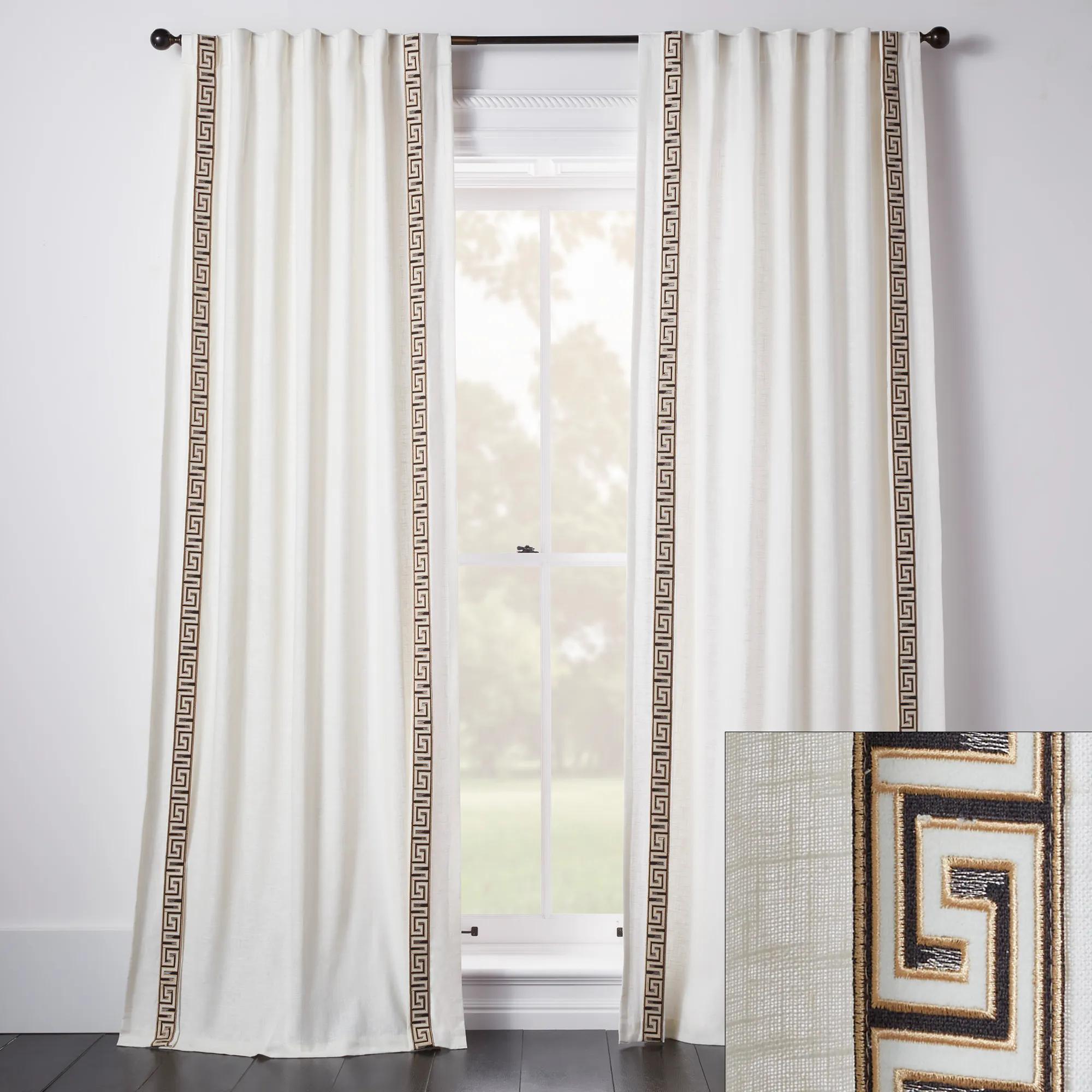 Chole Greek Key Border Velvet Widow Curtain Panels Custom$419
A linen-blend curtain panel with plush black and gold velvet Greek key border and customizable options.
Add To Cart -
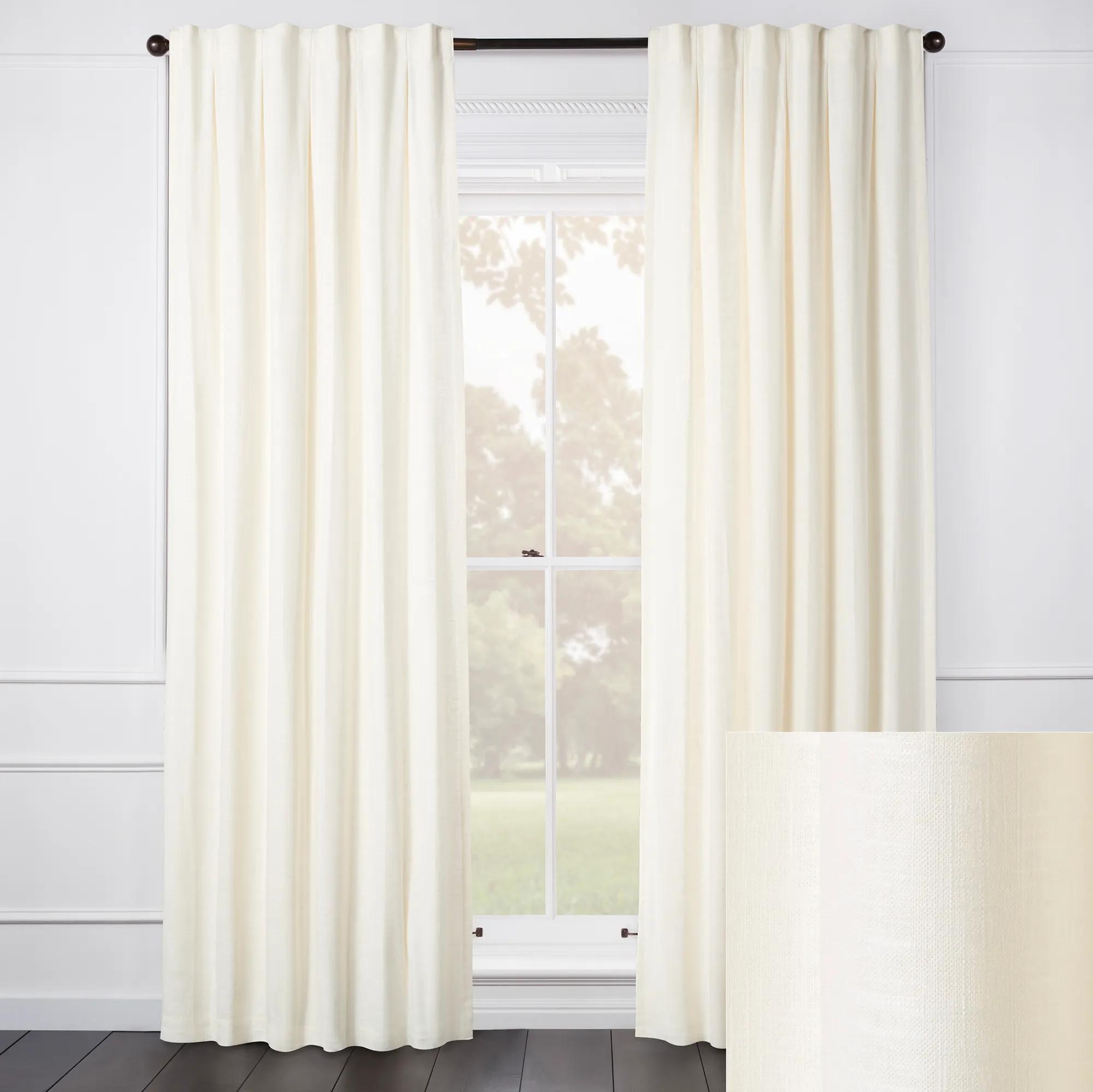
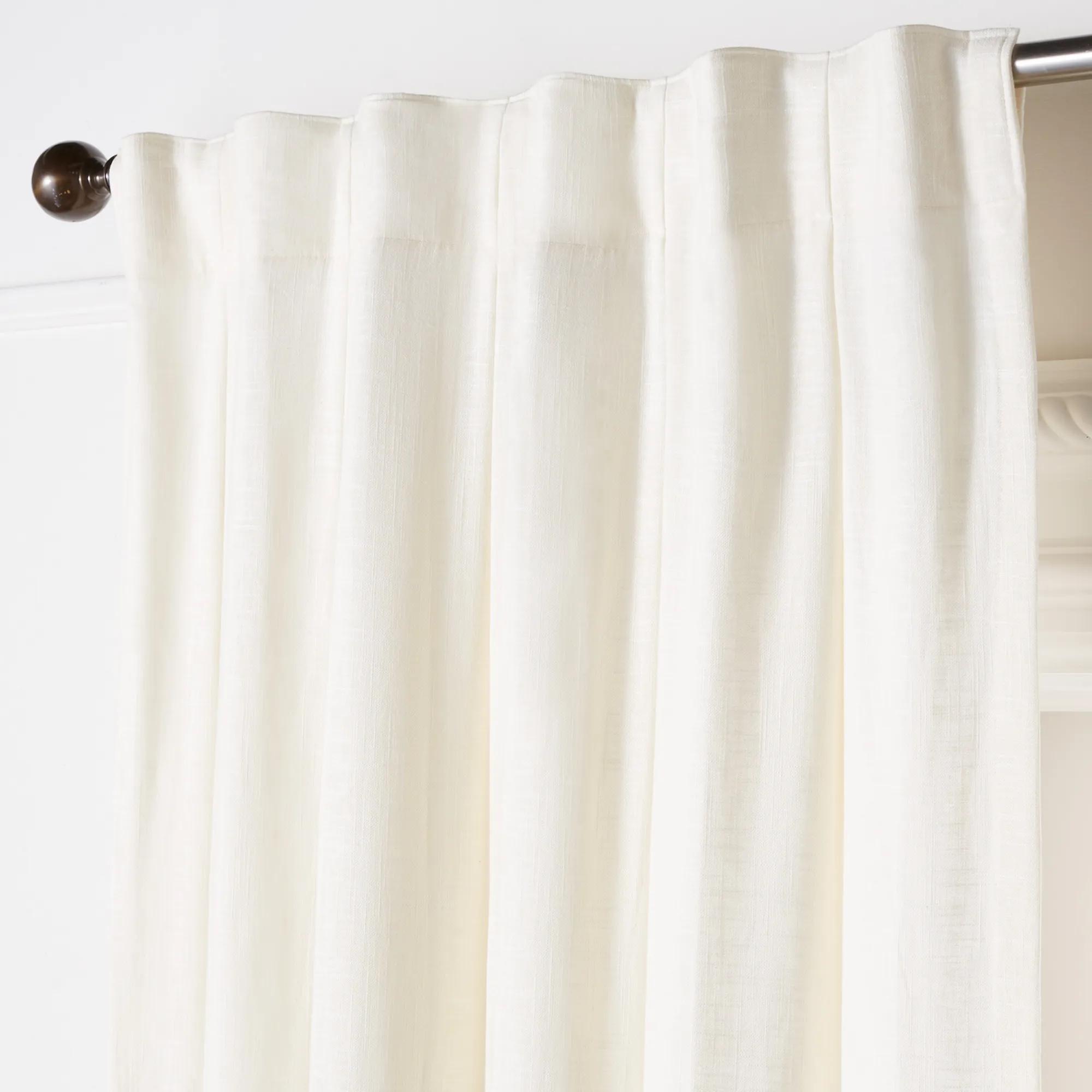 Audrey Linen Ivory Curtain - Custom$269
An ivory linen-blend curtain panel with lining, offering customizable lengths and two elegant header styles.
Add To Cart -
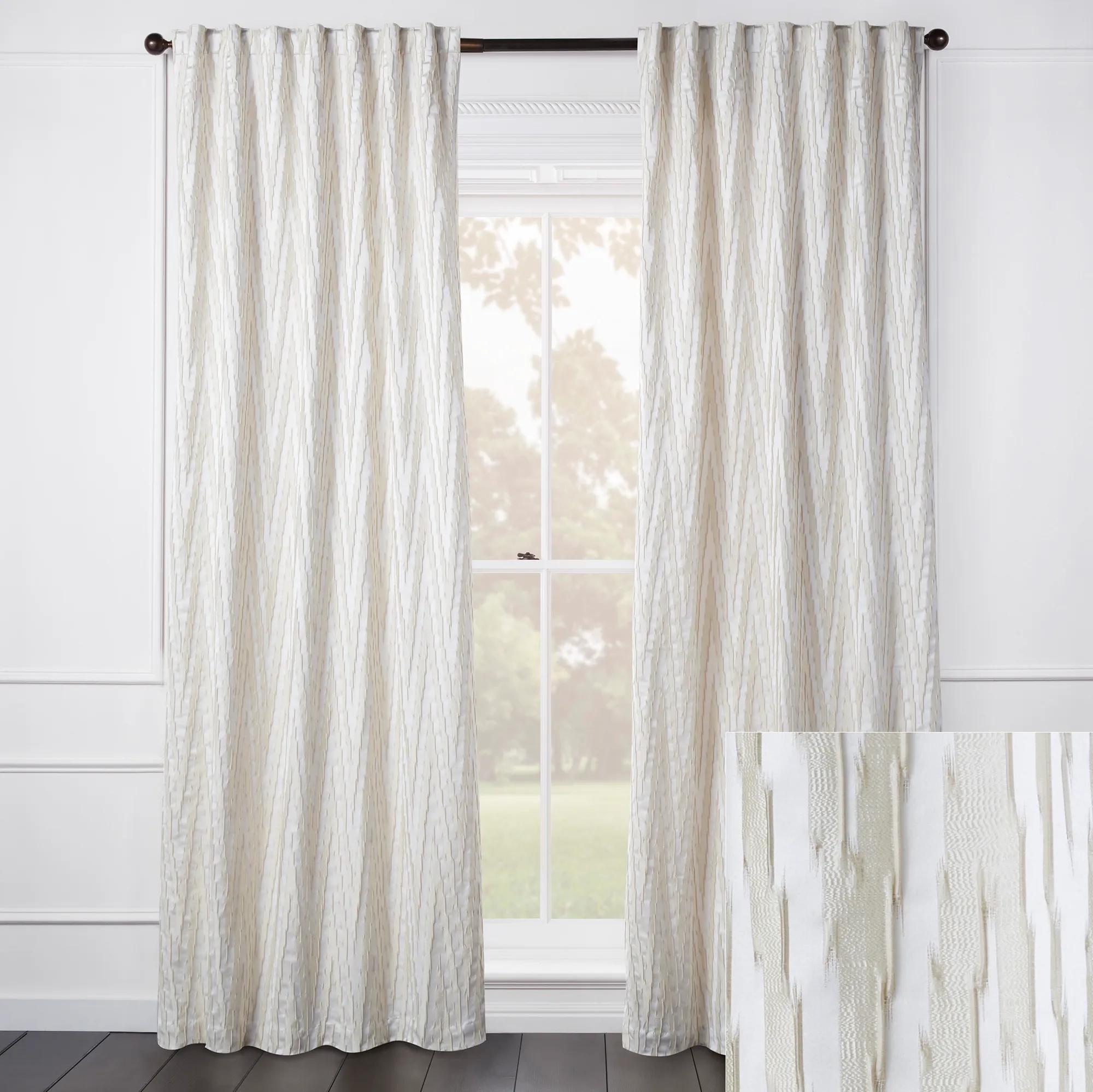
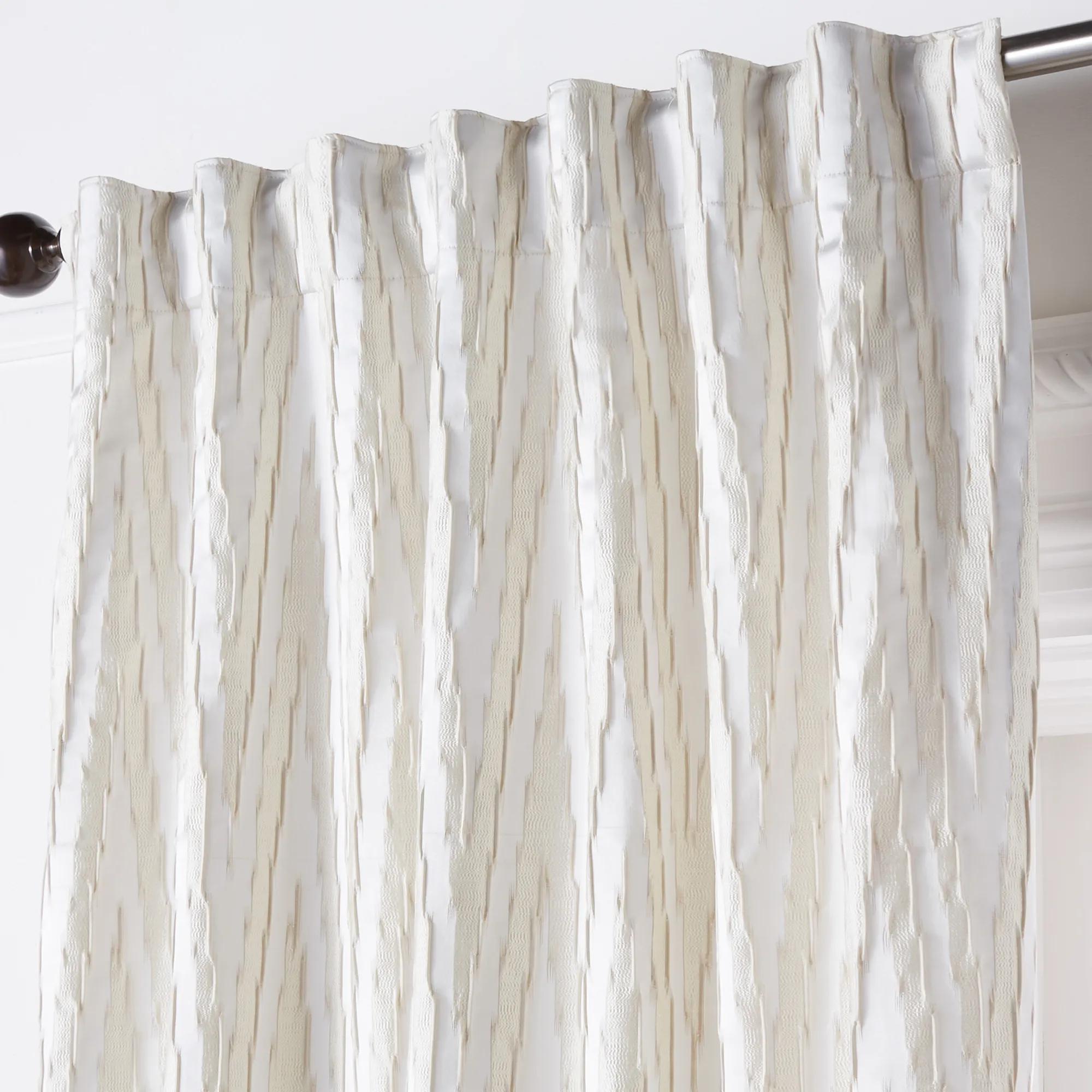 Minka Jacquard Pearl Window Curtain Panel Custom$289
A highly textured chevron curtain panel in pearl, grey, or natural polyester with customizable hanging options.
Add To Cart -

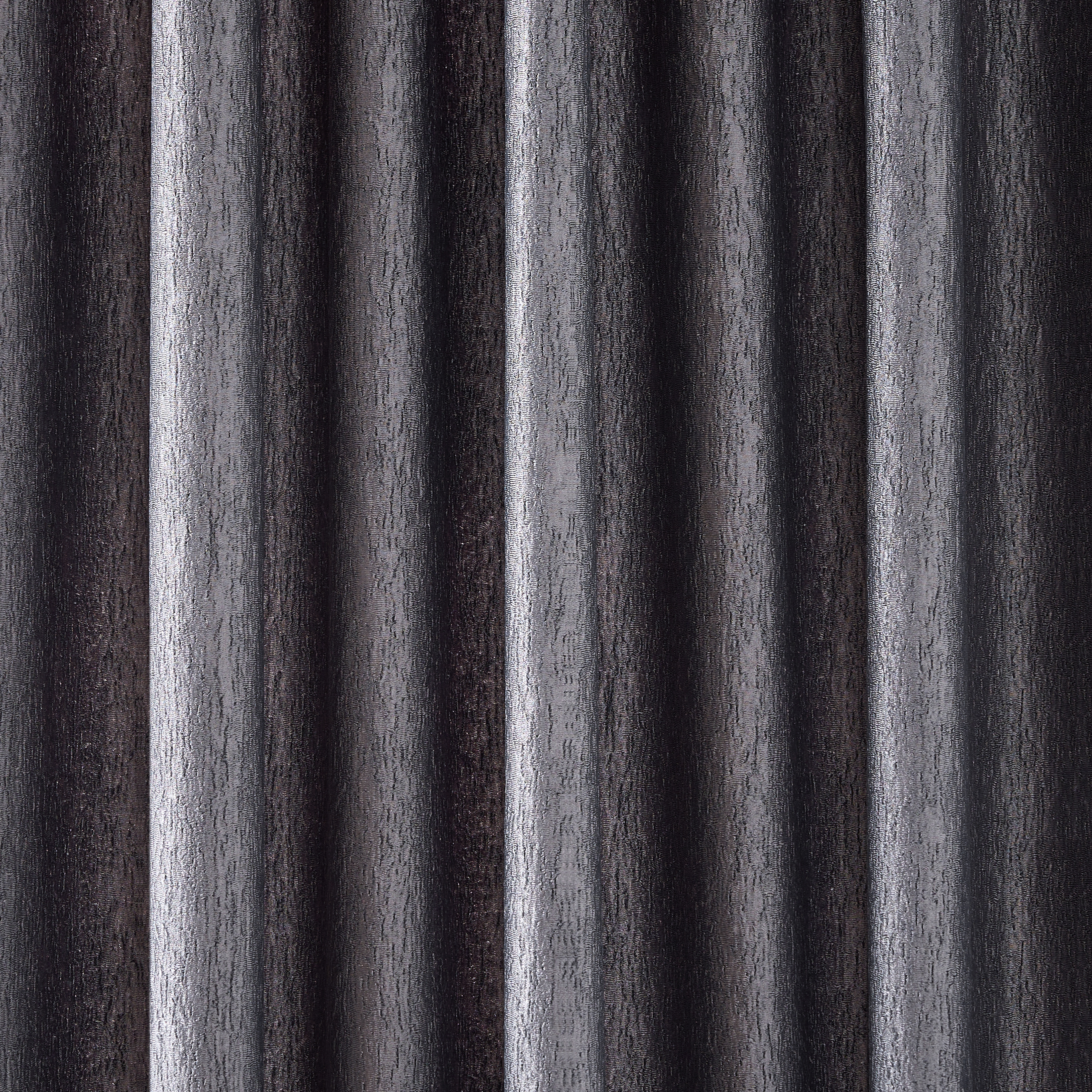 Anson Charcoal Textured Window Curtain Panel$89
A moody charcoal curtain with crushed polyester texture and subtle sheen for stylish, room-darkening appeal.
Add To Cart -

 Adair Midnight Blue Solid Velvet Window Curtain Panel$69
A sumptuous midnight blue velvet curtain that adds elegance, depth, and room-darkening style to any space.
Add To Cart -
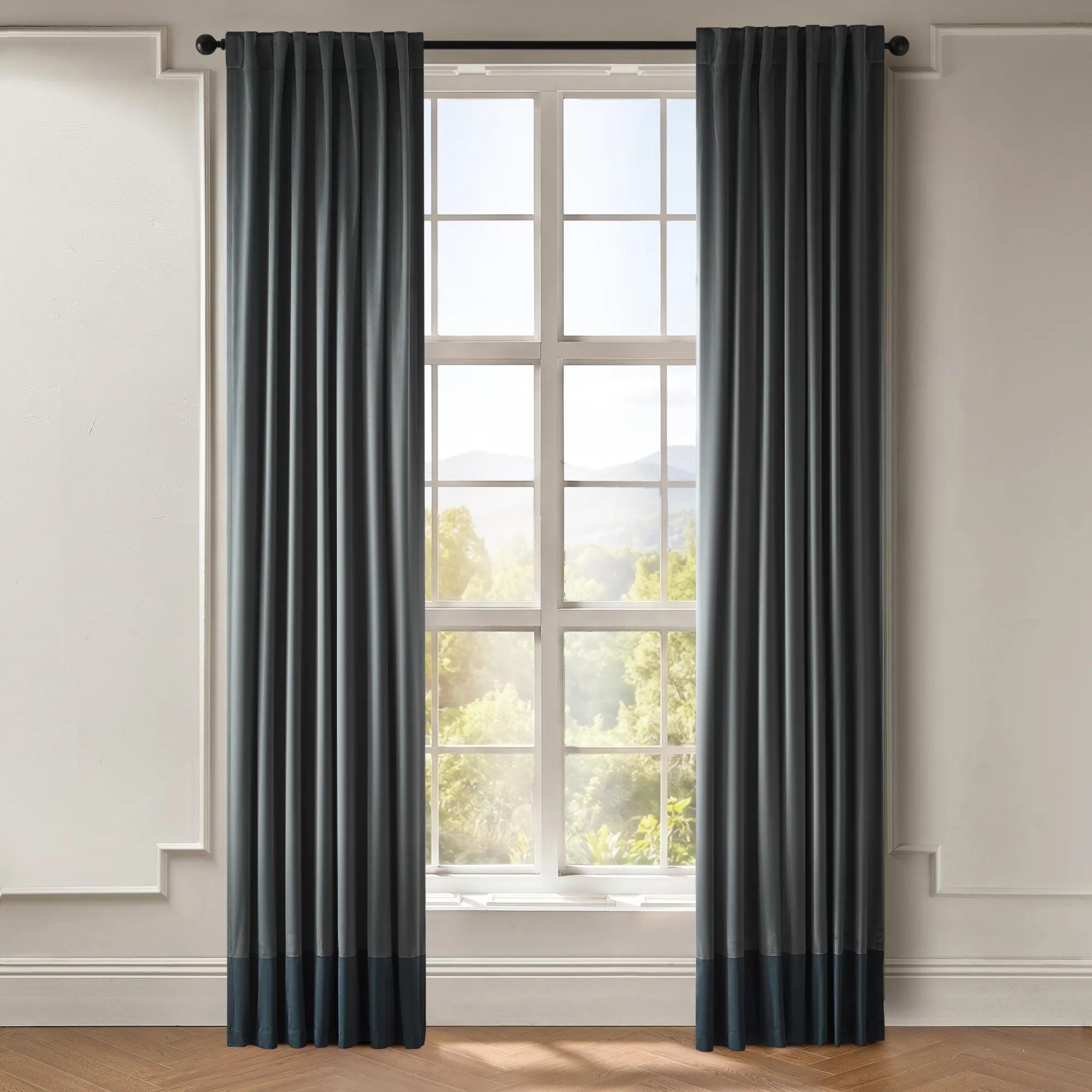
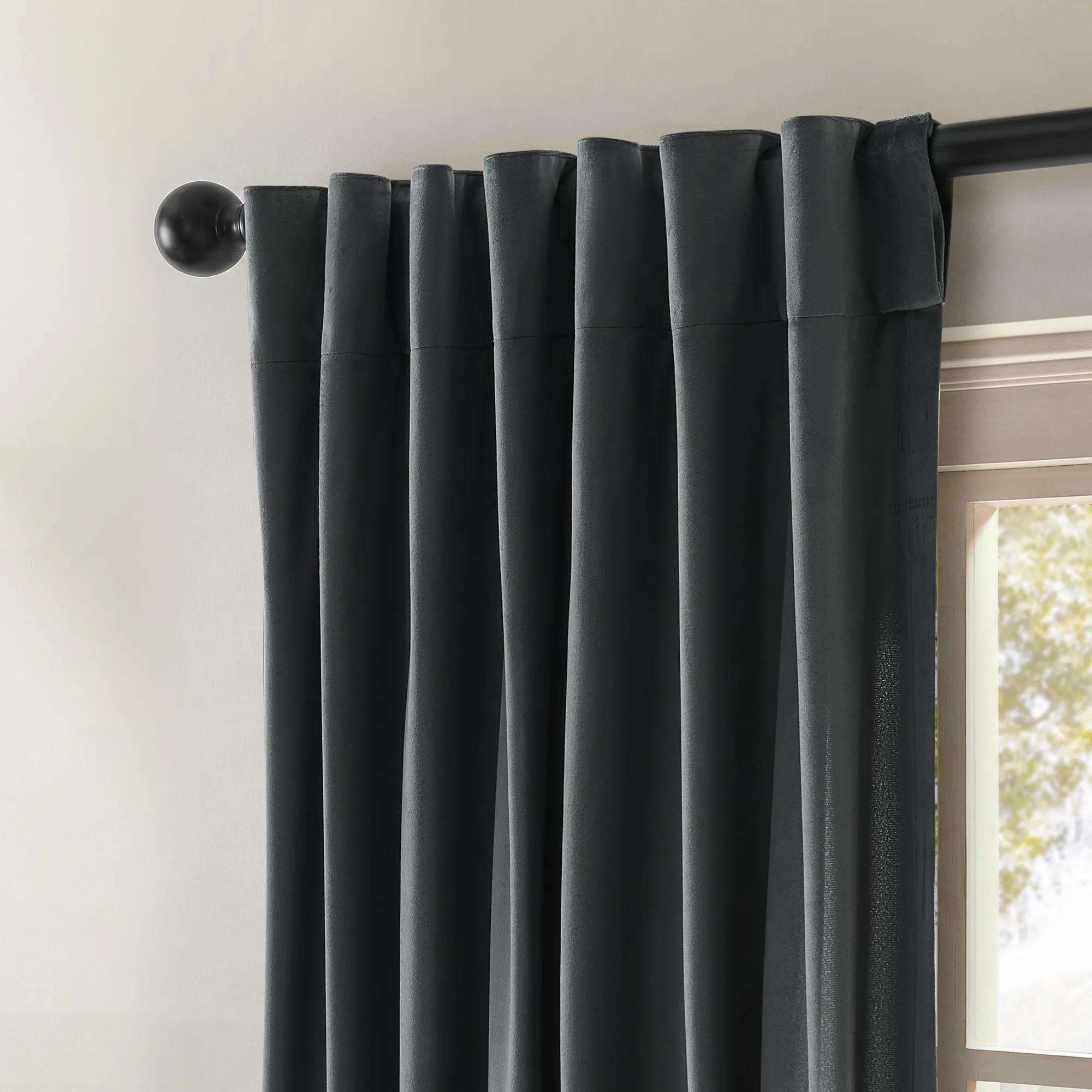 Bastien Blue/Midnight Velvet Border Window Curtain Panel$89
A two-tone dusty and midnight blue velvet curtain panel with a Deco-inspired border and room-darkening design.
Add To Cart -
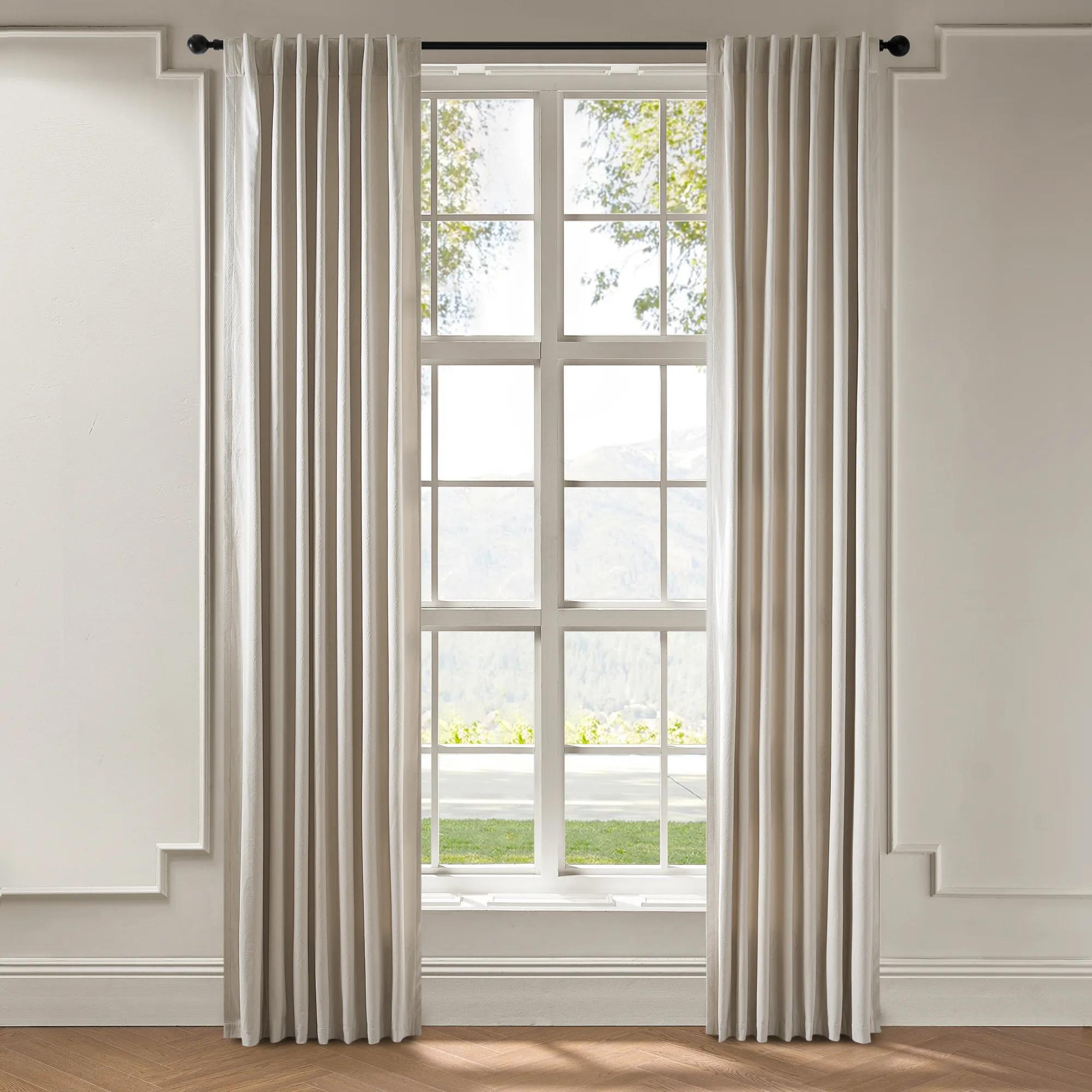
 Mabel White Velvet Swirl Window Curtain Panel$99
A crisp white velvet curtain featuring a tonal swirl texture and versatile dual hanging options.
Add To Cart -

 Adair Sand Solid Velvet Window Curtain Panel$79
A room-darkening sand velvet curtain with dual hanging options for a soft, tailored finish.
Add To Cart -
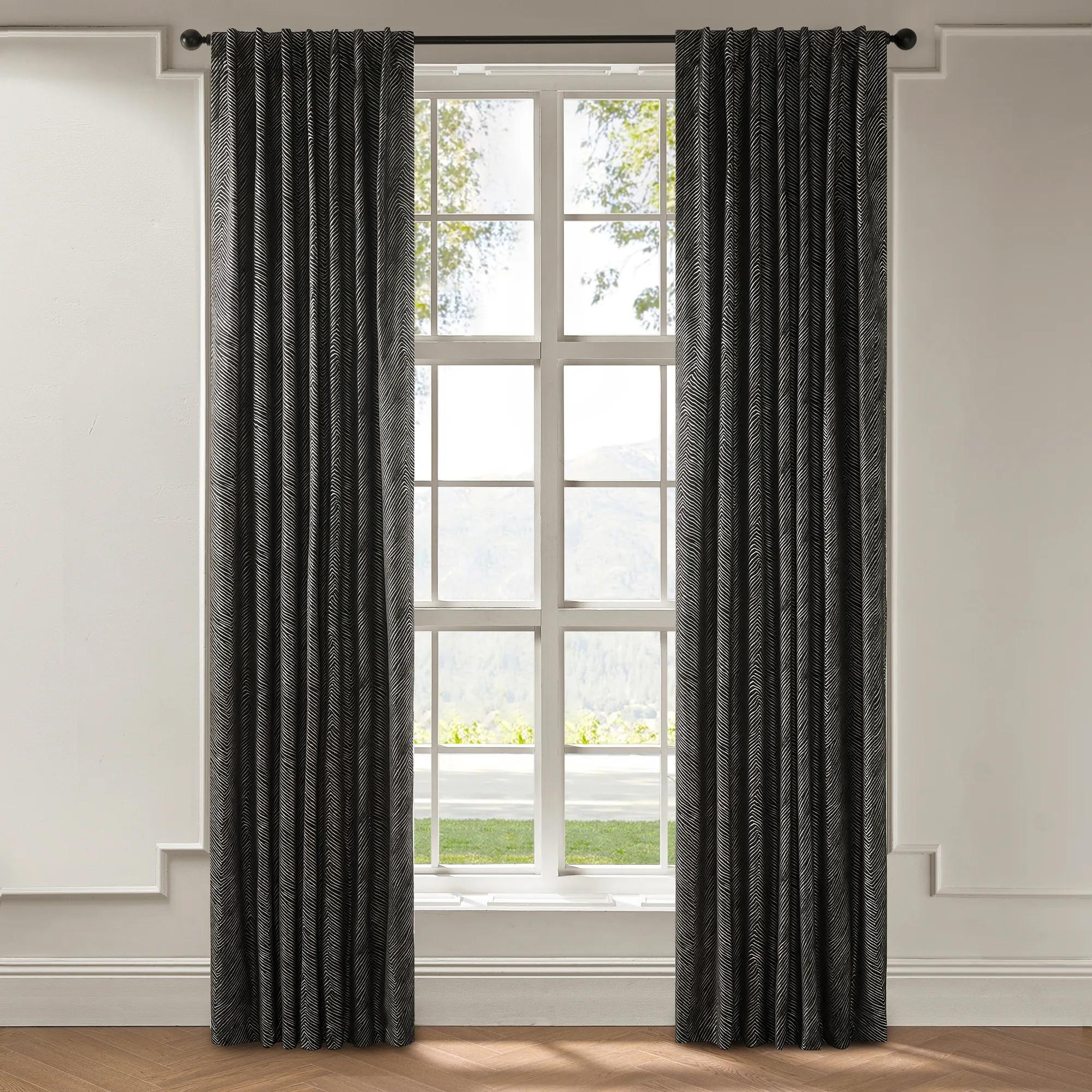
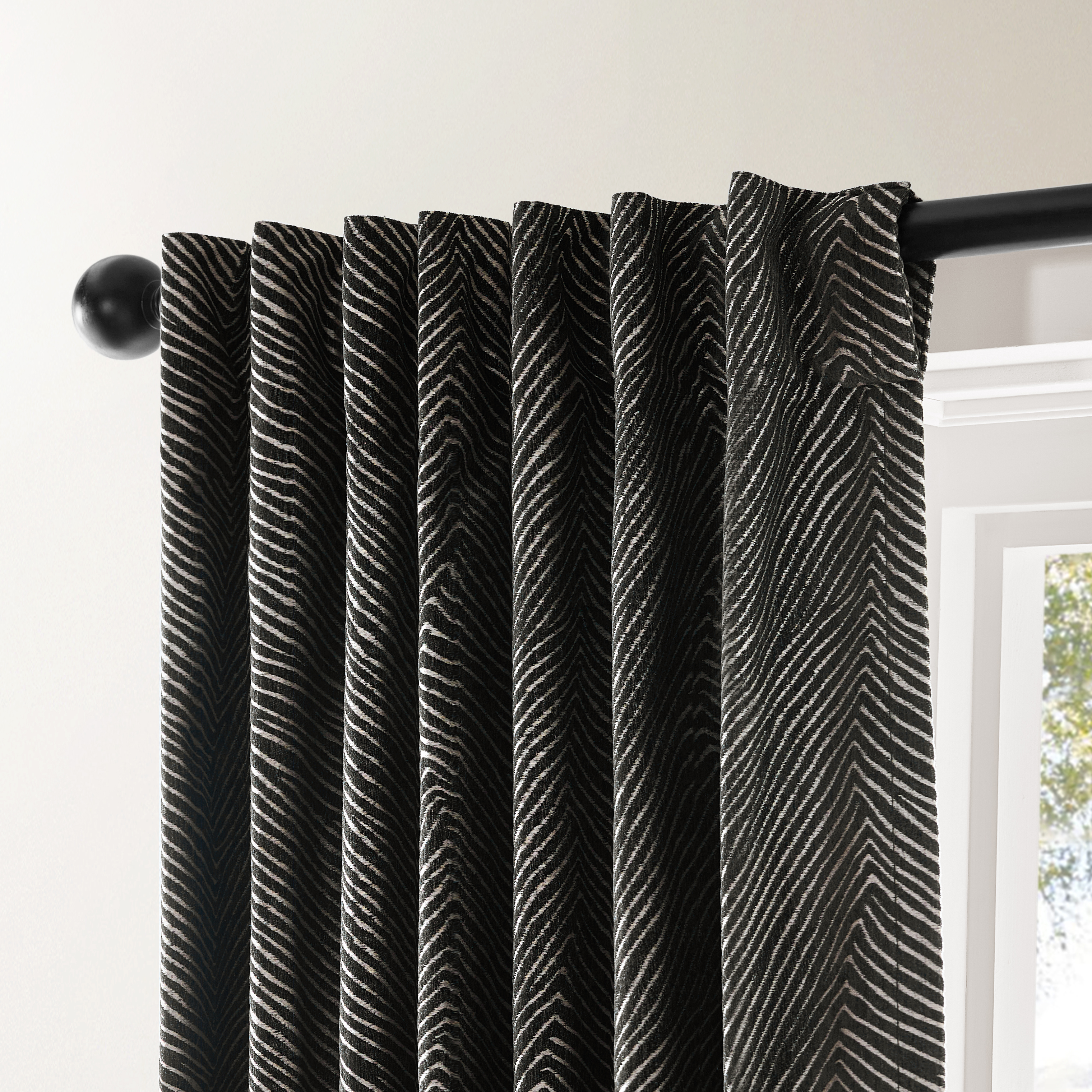 Kenzo Black Chenille Window Curtain Panel$139
A black chenille jacquard curtain with a room-darkening finish and versatile dual hanging options.
Add To Cart -
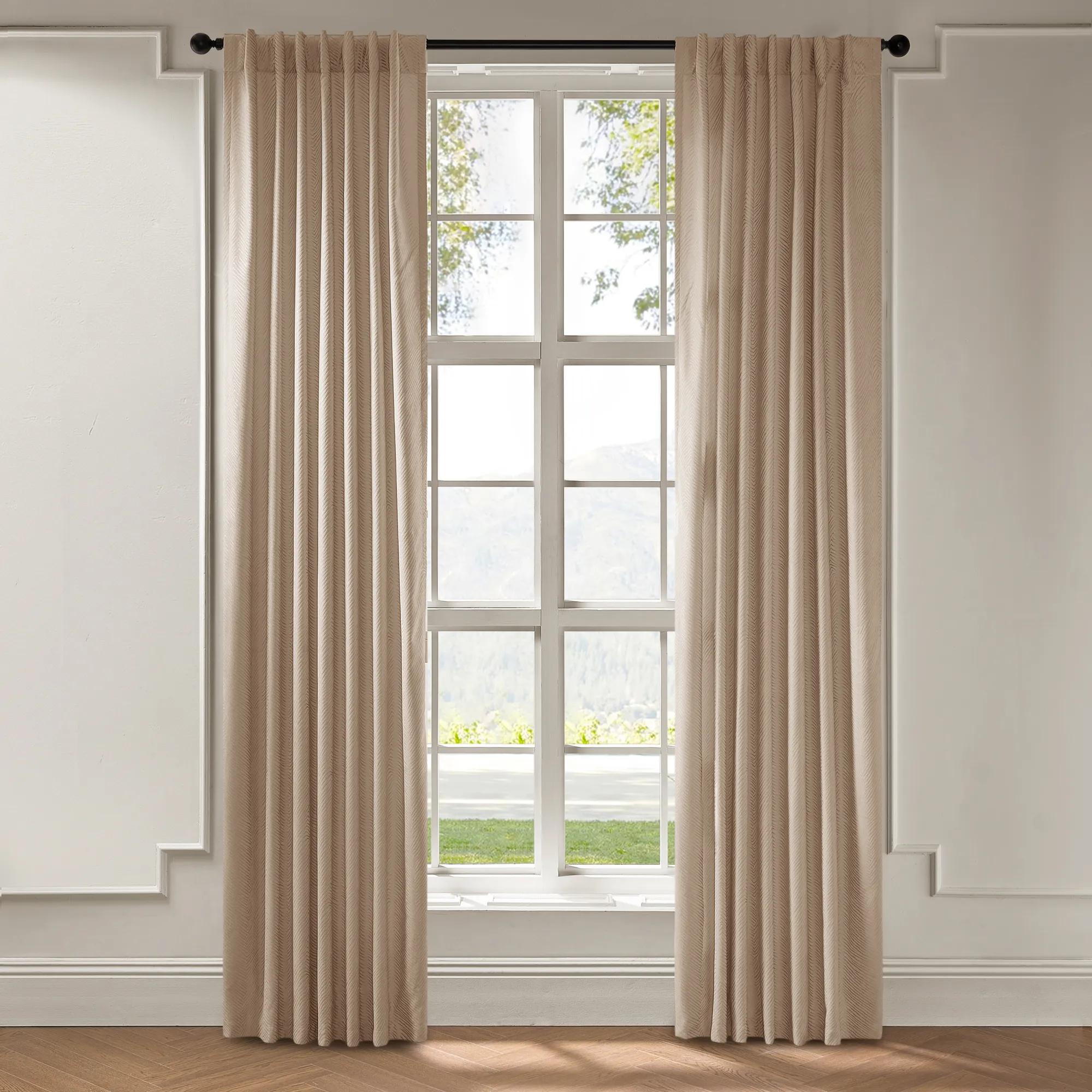 Kenzo Jacquard Beige Chenille Window Curtain Panel$129
A warm beige chenille jacquard curtain with a subtle sheen and versatile rod pocket or back tab hanging.
Add To Cart -
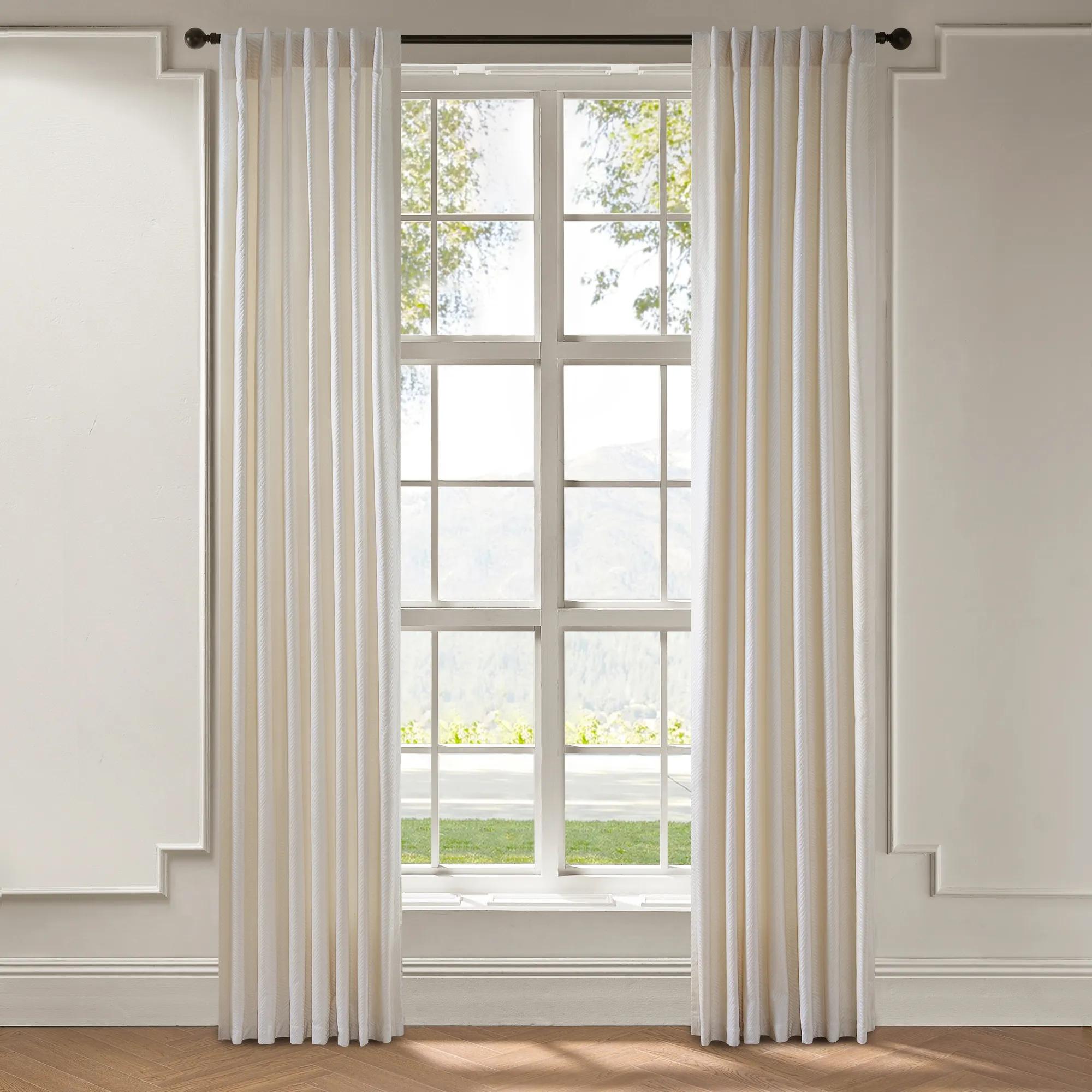
 Kenzo Chenille Curtain - White$139
A luxe white chenille jacquard curtain featuring a subtle high-contrast pattern and versatile dual construction.
Add To Cart -
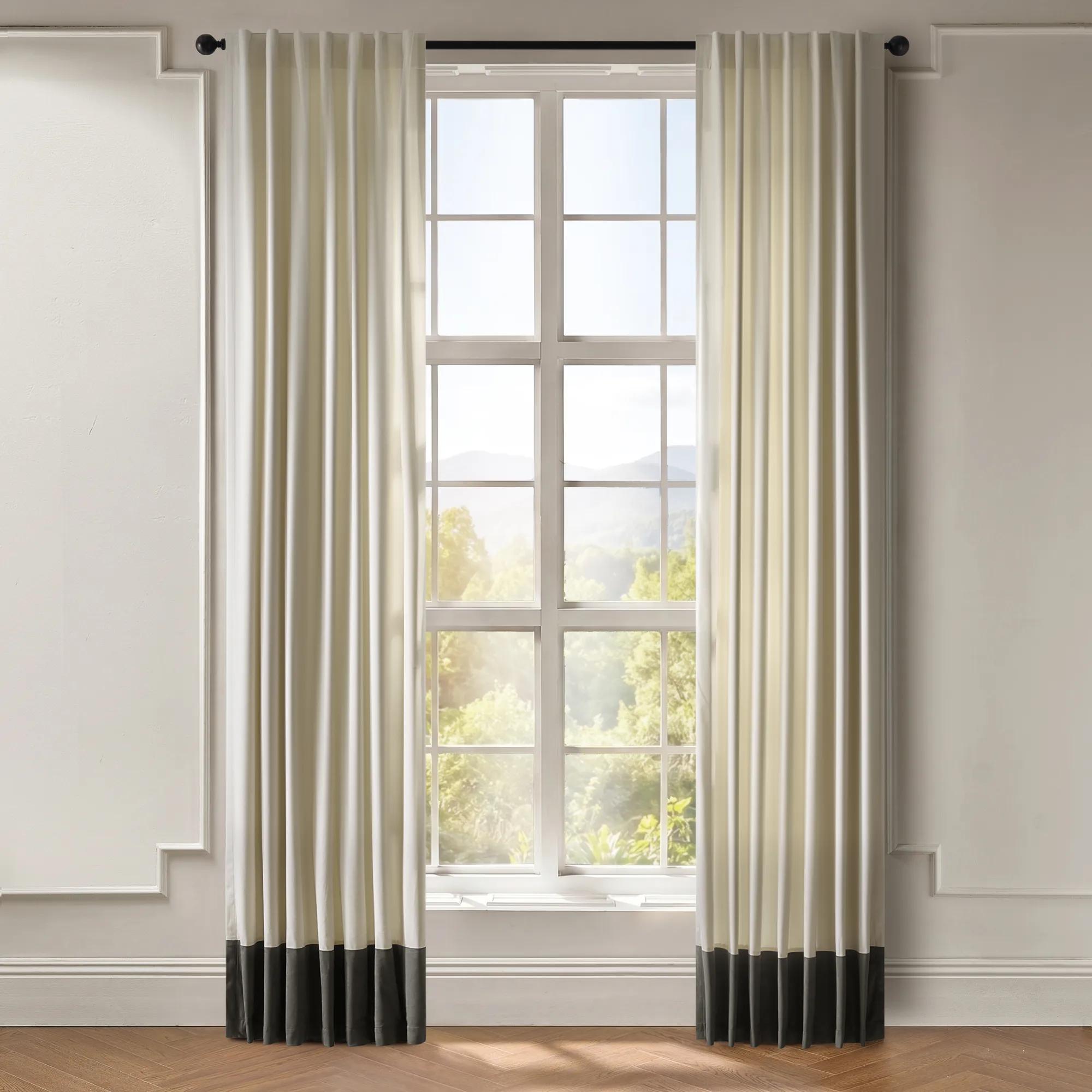
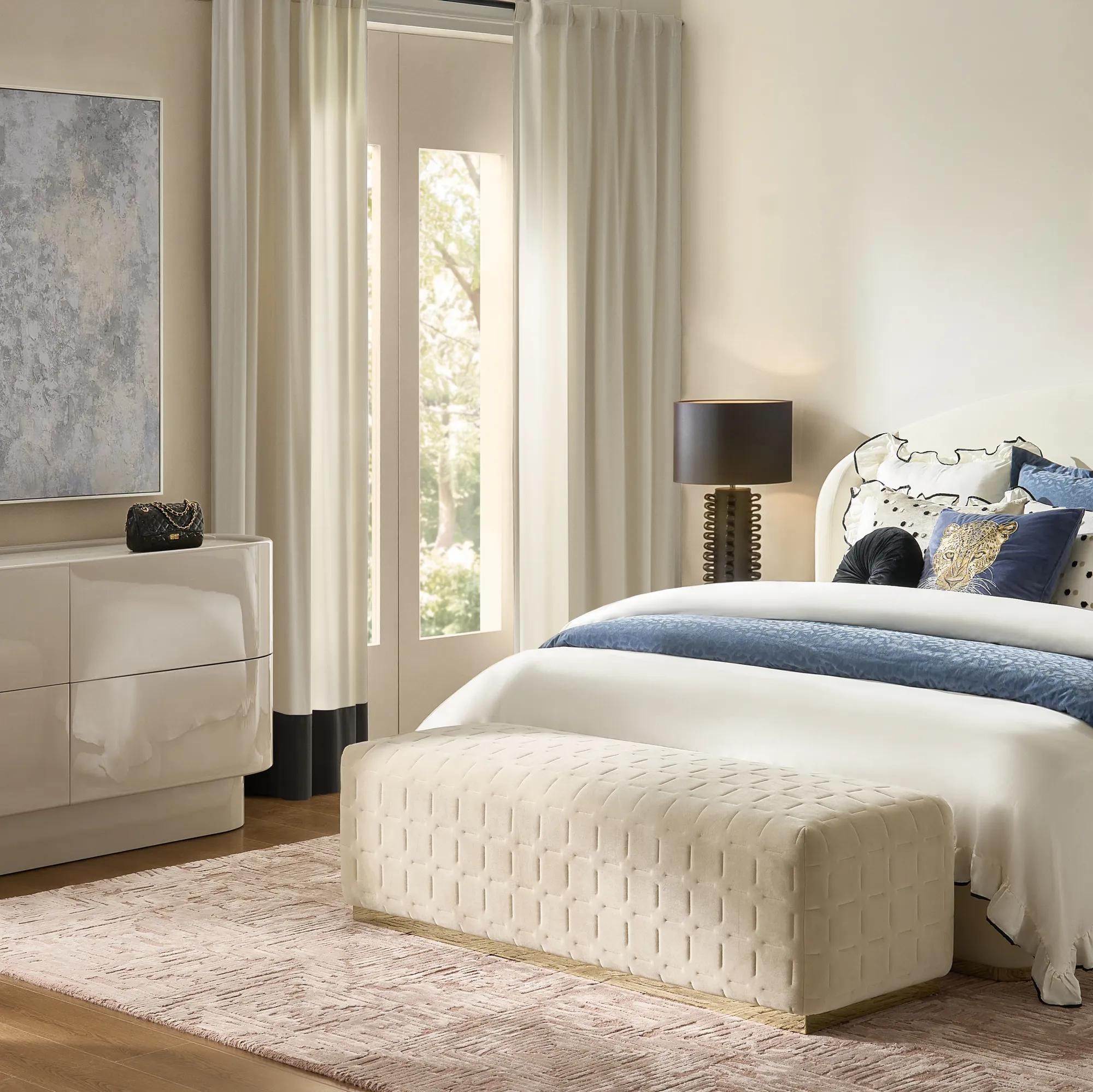 Bastien Ivory/Graphite Velvet Border Window Curtain Panel$99
A two-tone ivory and graphite velvet curtain panel with room-darkening design and versatile hanging options.
Add To Cart -

 Mabel Natural Velvet Swirl Window Curtain Panel$99
A warm neutral velvet curtain with a tonal swirl pattern, offering room-darkening privacy and versatile hanging options.
Add To Cart -

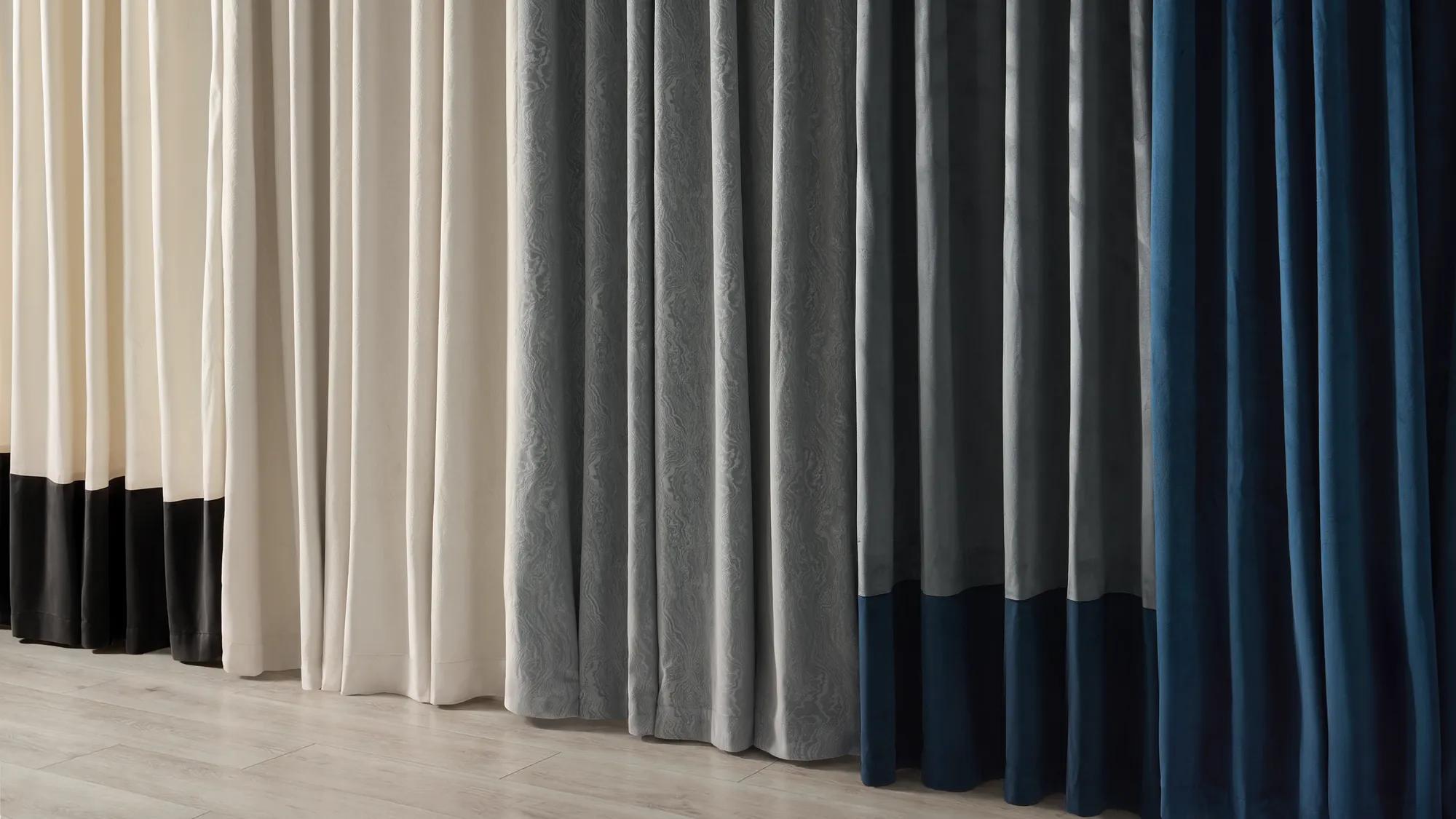 Mabel Velvet Swirl Curtain - Grey Blue$99
A grey blue velvet curtain featuring a tonal swirl pattern and versatile dual hanging options.
Add To Cart -
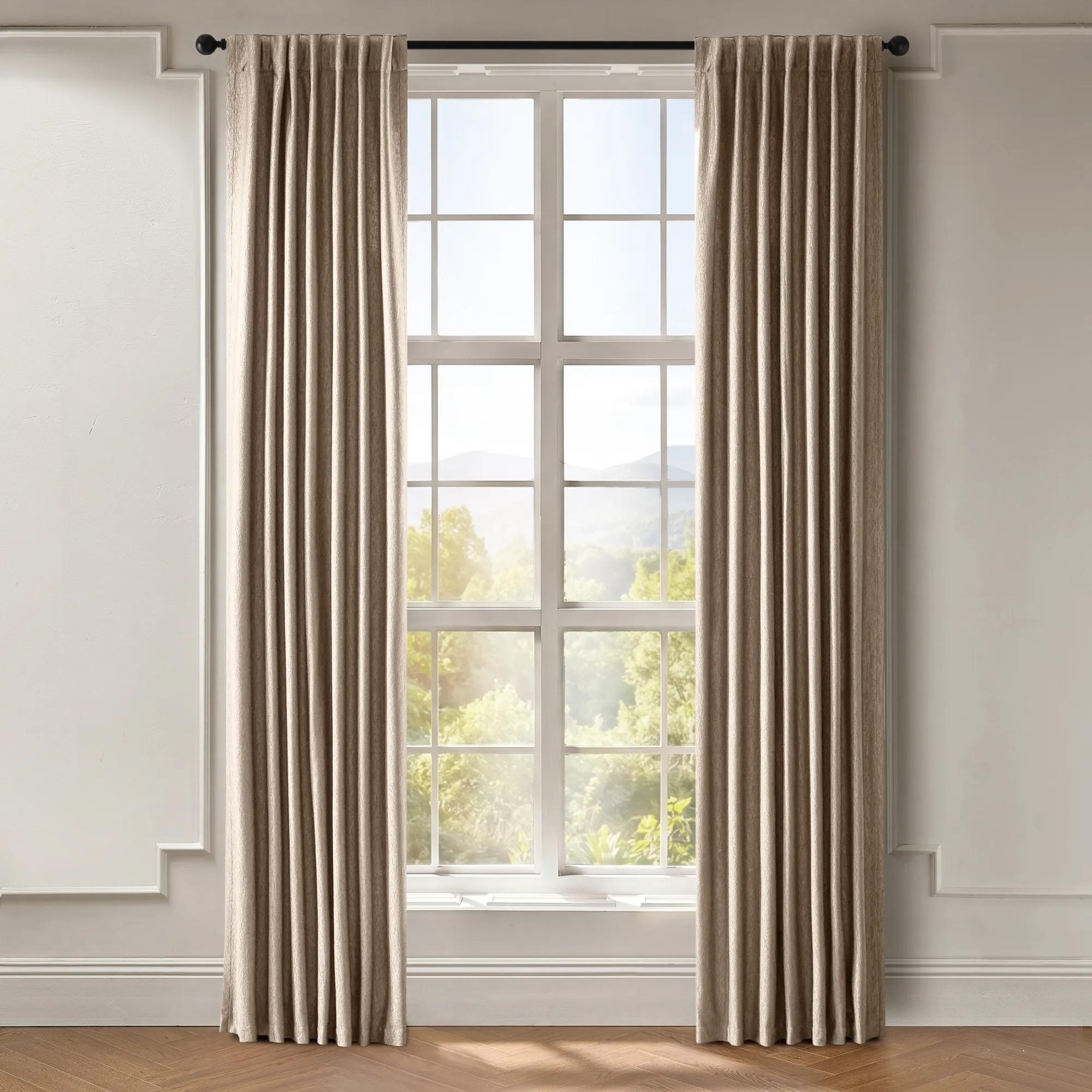 Anson Mocha Rose Textured Window Curtain Panel$89
A light mocha rose curtain panel with crushed sheen texture and room-darkening, dual hanging design.
Add To Cart -
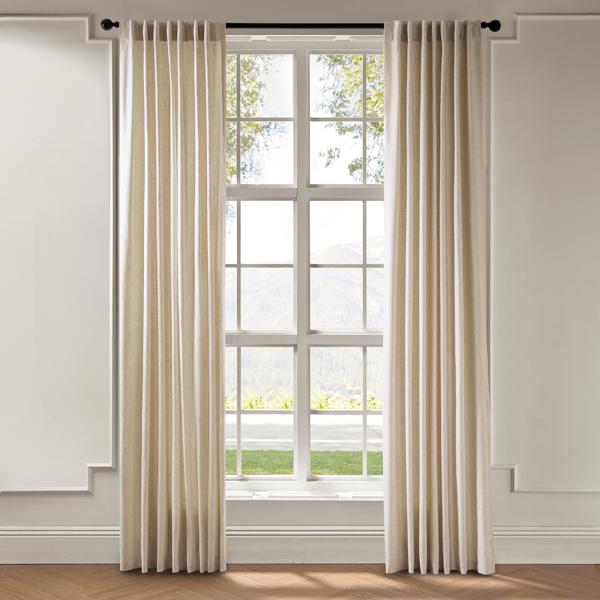
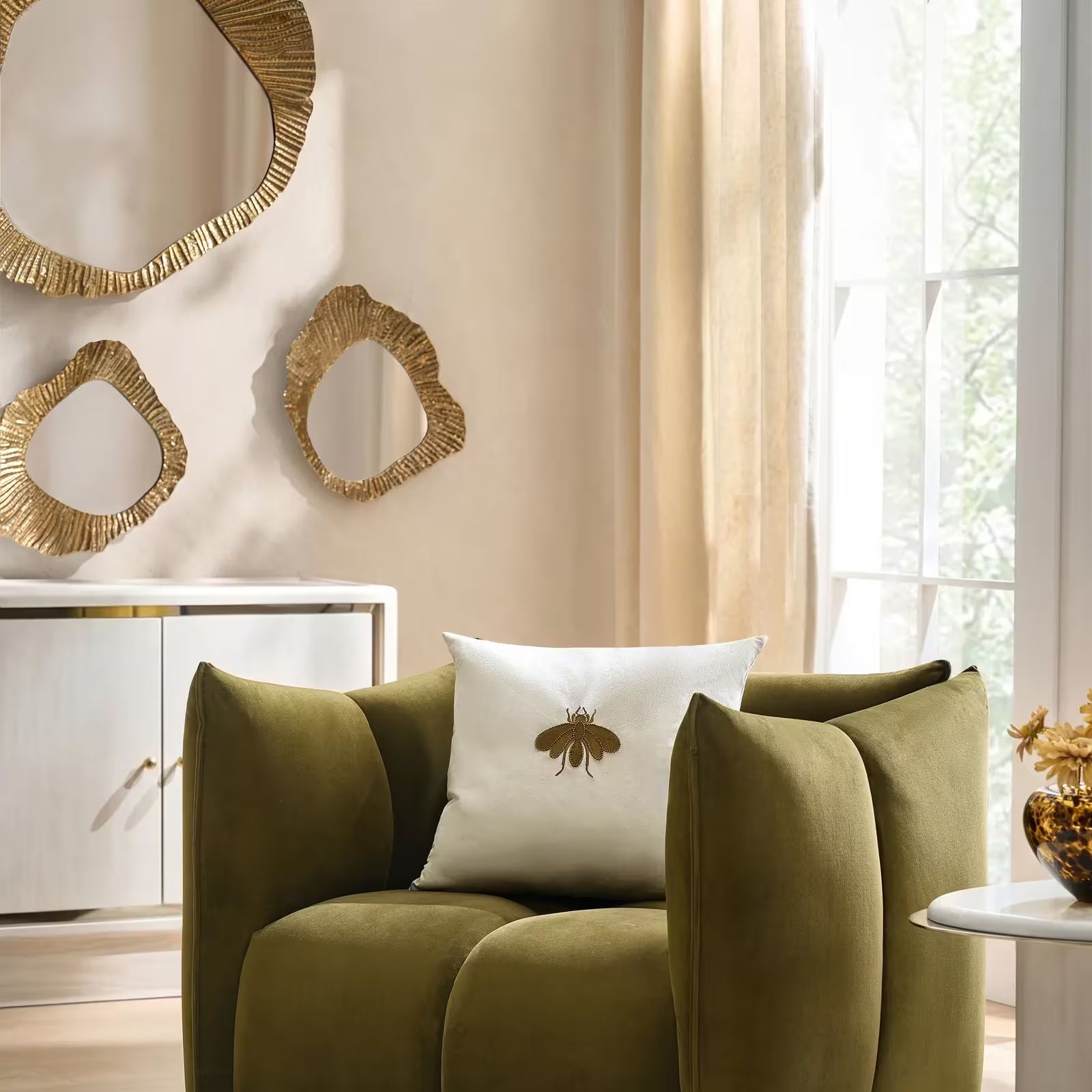 Anson Ivory Textured Window Curtain Panel$89
An ivory polyester curtain with a crushed, light-reflective texture for elegant, room-darkening style.
Add To Cart -
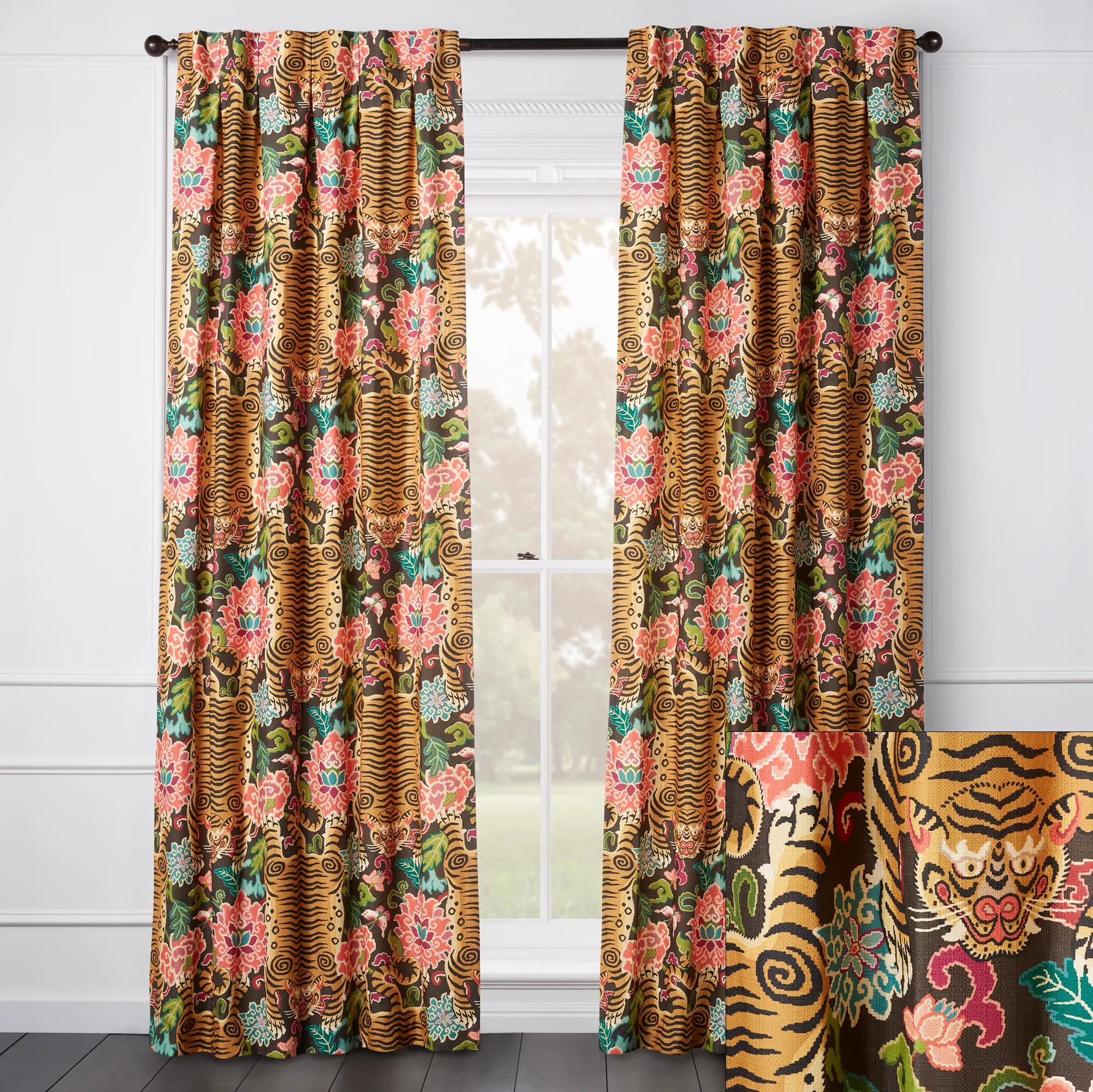
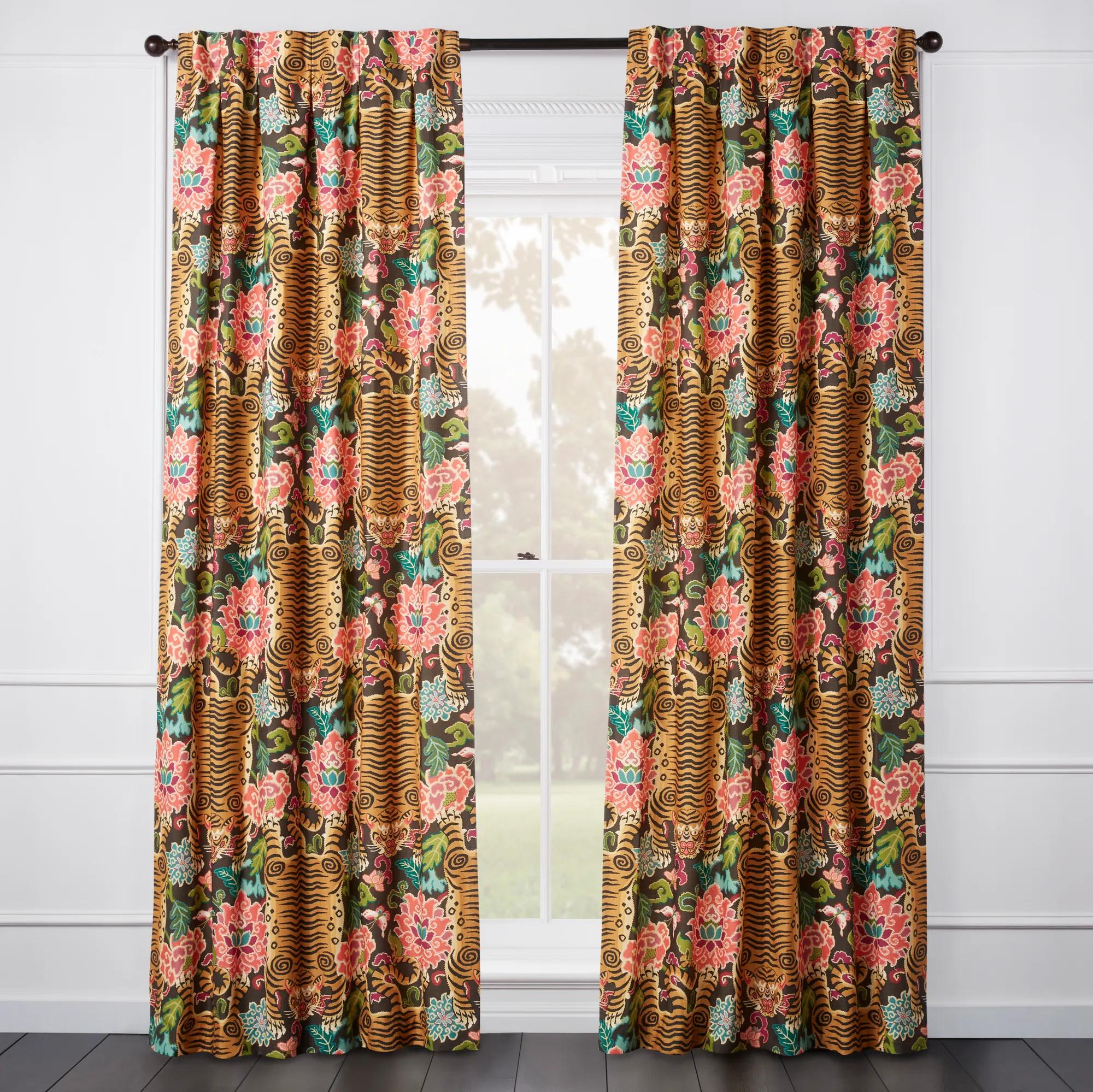 Nimer Gold/Multi Printed Slubbed Cotton Window Curtain Panel$369
A bold gold and multi-colored cotton curtain panel featuring a lively tiger print and customizable options.
Add To Cart -
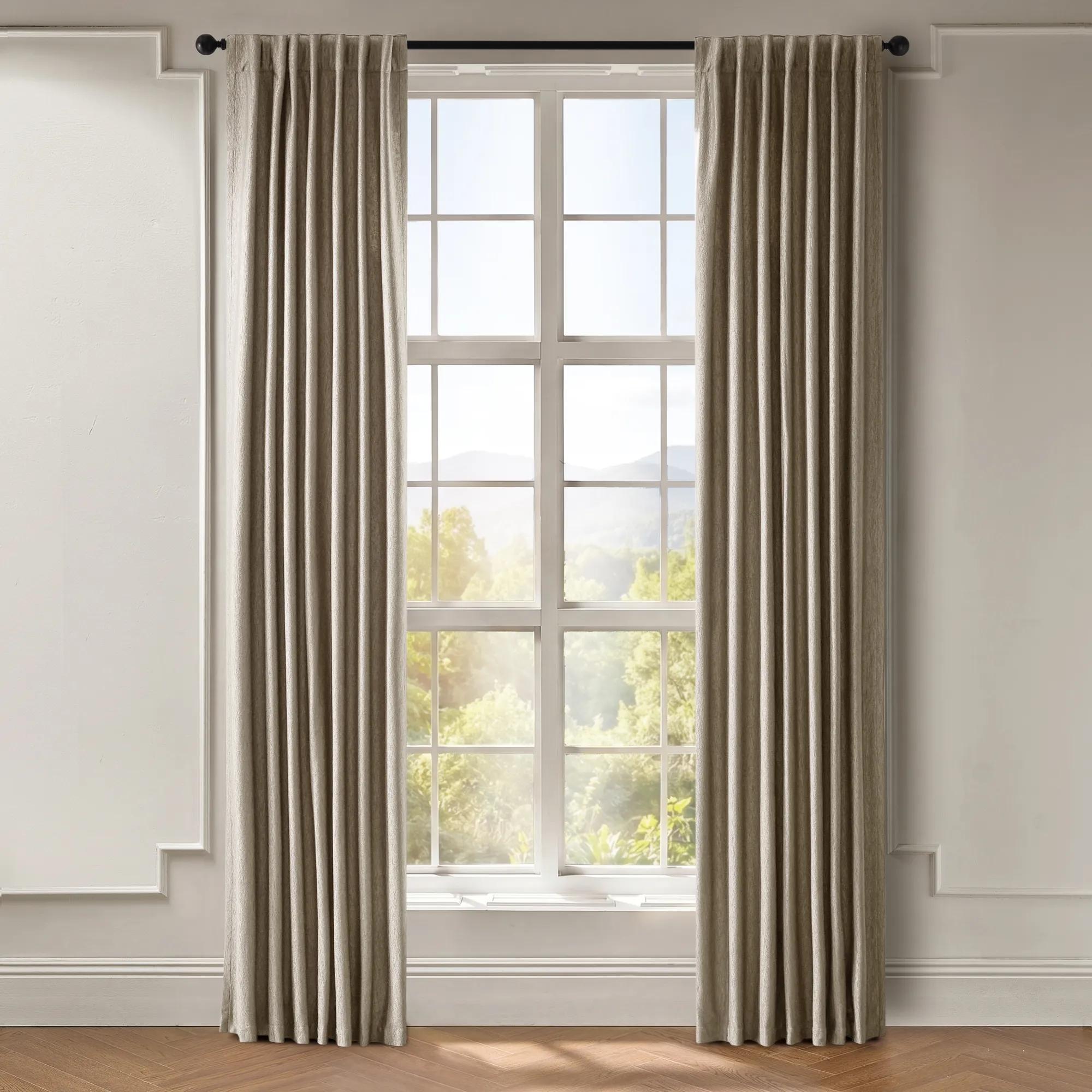
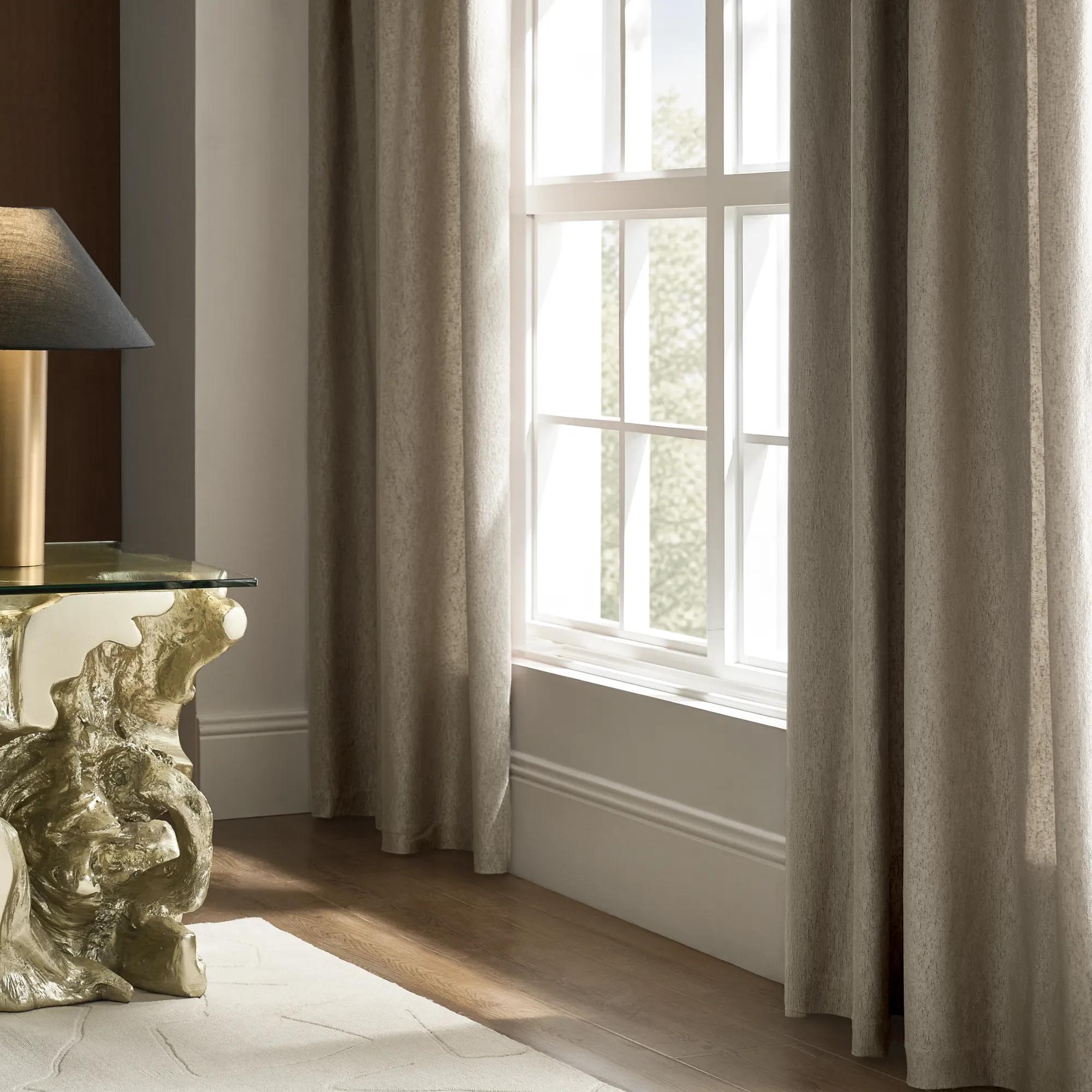 Anson Taupe Textured Window Curtain Panel$89
A taupe polyester curtain panel featuring a crushed sheen texture and room-darkening, dual hanging design.
Add To Cart -
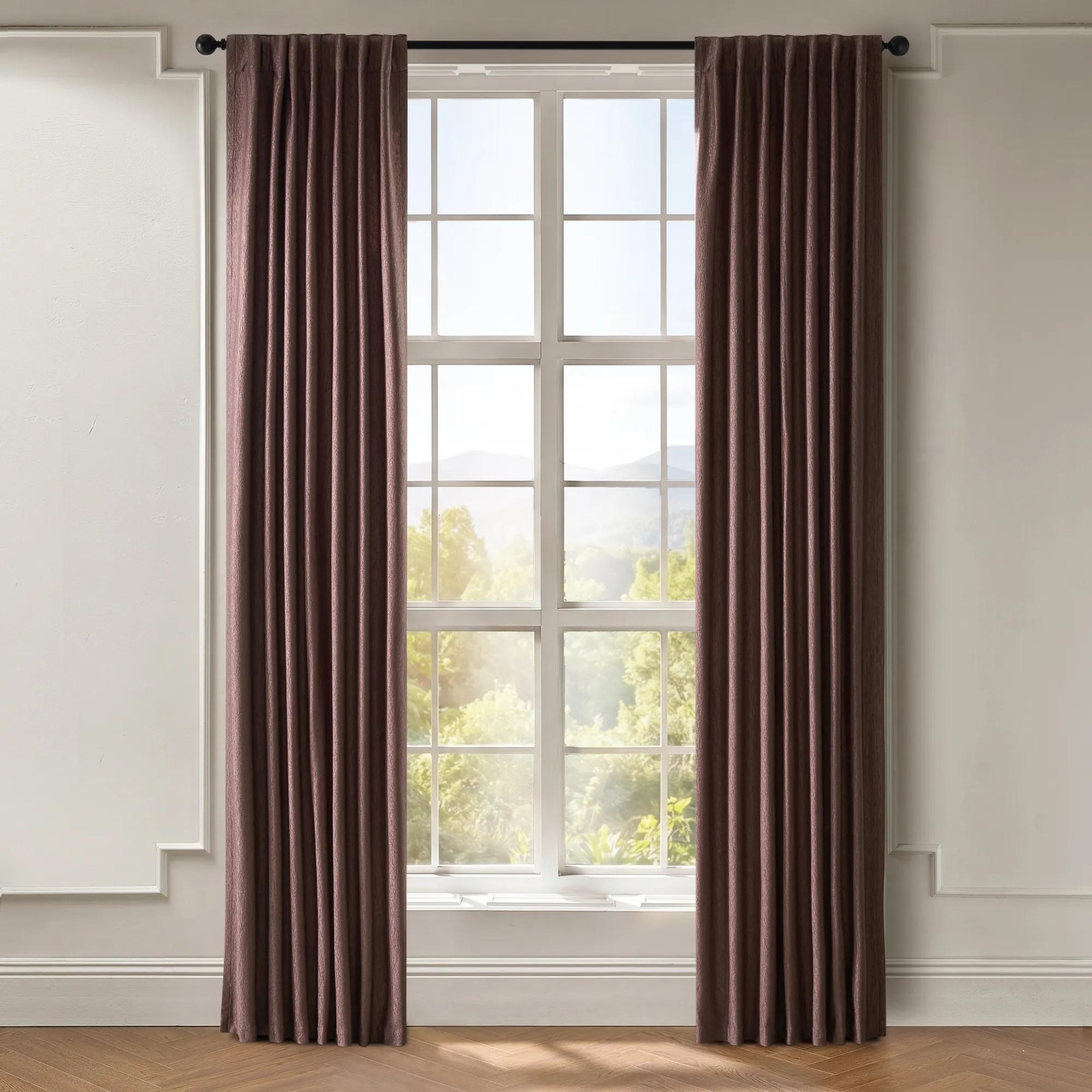
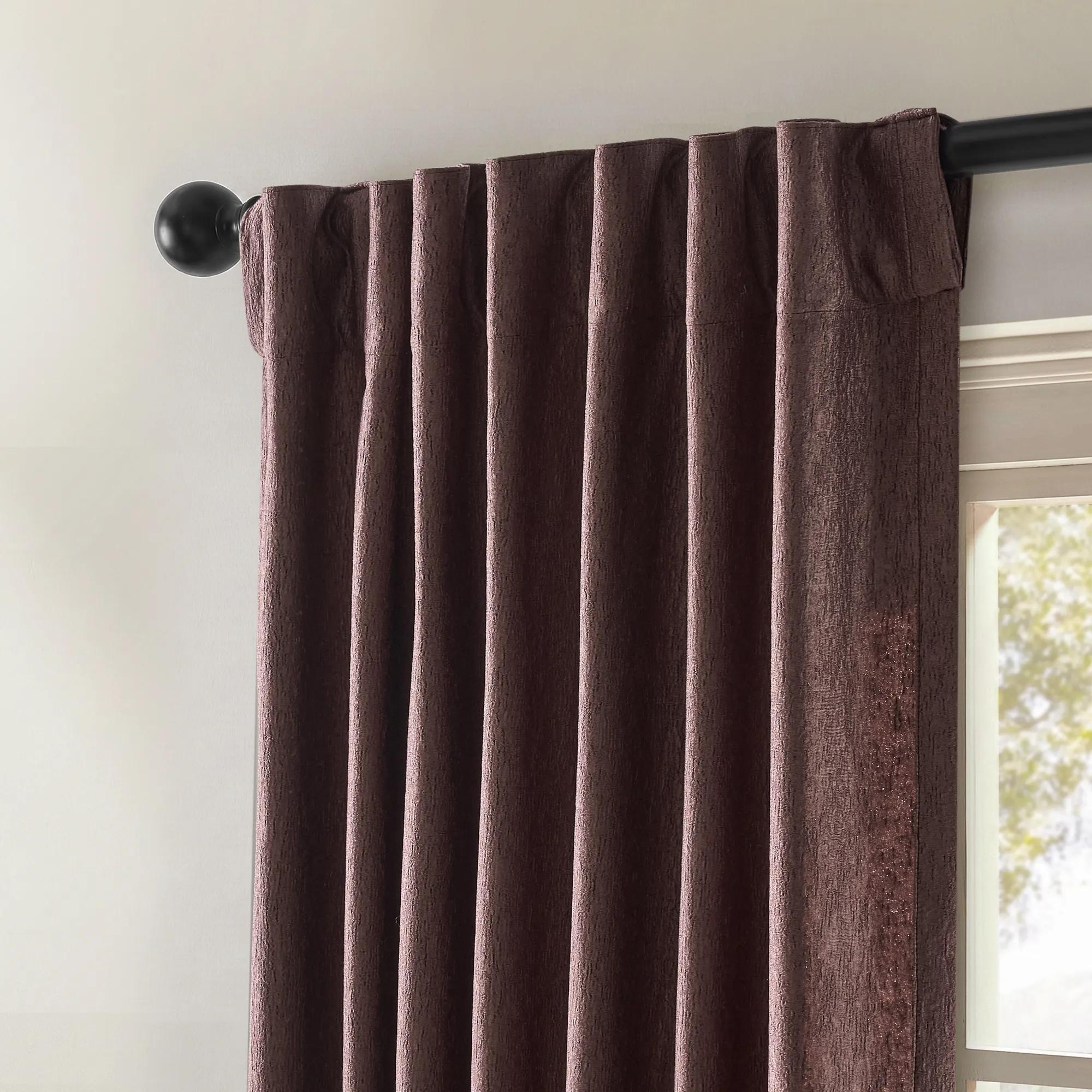 Anson Fig Textured Window Curtain Panel$99
A deep fig curtain panel in crushed, subtly sheened polyester with room-darkening and dual hanging options.
Add To Cart

Elegant Living Room Window Panels
Elevate your sanctuary with elegant living room window panels that transform sunlight into a spectacle of style. Each drape is more than mere fabric—it’s an invitation to drama, framing your view with sweeping sophistication and creating a backdrop worthy of your most inspired moments. Whether you crave the soft romance of diffused light or the bold statement of tailored pleats, these panels promise to infuse your living space with an artful sense of luxury. Let every window become a stage, every glance a celebration of refined design—because in a Z Gallerie home, even the daylight deserves to be dressed to impress.
Elegant living room window panels give a room its finishing gesture: a sweep of fabric that frames the view, softens architectural edges, and brings the palette into focus. Their presence is especially striking beside a sculptural sofa, above a richly textured rug, or along a wall that needs movement rather than another decorative object. The fabric establishes much of that character. Velvet window panels have a dense, plush surface that catches light differently across each fold, lending deep colors a dimensional richness. Heavier fabrics can also help soften reflected sound, although decorative curtains are not a substitute for acoustic treatments. Linen and linen-blend panels offer a more relaxed elegance, with visible texture that complements polished tables, pale upholstery, and expressive artwork. Blended fibers may improve wrinkle resistance or simplify care, depending on the fabric composition. Silk brings a luminous surface and fluid drape, but its delicate fibers generally require greater protection from direct sunlight and careful cleaning. Sheer window panels create a translucent frame around the glass, diffusing daylight without the visual weight of a dense textile. These differences matter beyond appearance: a softly filtered glow suits a living room centered on conversation, while a more substantial panel lends definition to an expansive seating area. Color carries the story further. Ivory, champagne, and warm gray allow sculptural furnishings to remain the focal point; saturated blue, charcoal, or jewel-toned fabric gives the window a more commanding role. A subtle woven pattern introduces depth without competing with artwork, while a larger motif becomes part of the room’s visual composition. Texture is often the most compelling bridge between furnishings: a smooth panel can balance a heavily textured sofa, and a softly slubbed fabric can temper gleaming metal or glass. Elegance does not depend on ornament alone. The strongest effect comes from a considered relationship among fabric, color, proportion, and the objects surrounding the window.
Proportion gives living room curtains their architectural poise. Floor-length window panels usually look most tailored when the hem barely touches the floor or finishes just above it, allowing the fabric to fall cleanly without collecting along a walkway. A slight break at the floor creates a softer silhouette, while generous pooling is more decorative and less practical near doors, pets, or frequently used seating. Panel length should be measured from the intended hanging point, accounting for rings, hooks, or other hardware that changes where the fabric begins. Mounting a rod above the window frame draws the eye upward and can make the room appear taller, provided the placement respects ceiling trim and the proportions of the wall. Extending the rod roughly four to eight inches beyond each side of the frame, where space permits, helps panels stack beside the glass rather than cover it; especially full or heavy fabrics may need more clearance. Width is equally important. For a gathered appearance when closed, the combined flat width of the panels is commonly about one and a half to two times the rod’s usable width. Sheers may benefit from additional fullness, while structured pleated styles should be evaluated according to their finished coverage and heading requirements. Pinch pleats create repeated, tailored folds; rod pockets produce softer gathers; and grommets create broader waves with a more graphic rhythm. Ripple-fold treatments rely on compatible track hardware to maintain their continuous shape. The heading, rod, and fabric weight need to work together, with secure mounting appropriate to the wall and the load. Light control adds another layer of purpose. Sheers soften brightness but generally do not provide reliable privacy after dark when interior lights are on. More opaque panels offer greater screening, while room-darkening or blackout performance depends on the fabric, lining, and gaps around the installation. Layering sheers with heavier curtains on a double rod or suitable track allows the room to move between an open, luminous atmosphere and a more enclosed setting for conversation or television viewing. That flexibility is particularly valuable in living rooms used throughout the day.
The most satisfying elegant window panels feel connected to everyday life as well as to the room’s design. In an apartment, a pair of long, softly textured panels can give a compact seating area a sense of height and composure without adding another piece of furniture. In a larger living room, substantial drapery helps frame broad windows and gives the surrounding furnishings a more deliberate arrangement. A reading chair beside the window benefits from fabric that tempers glare, while a television across from the glass may call for denser coverage. Panels near a patio door need enough clearance to stay out of the opening and hardware that supports frequent movement. Homes with children or pets often benefit from floor-skimming hems and fabrics whose care requirements fit the household. Durability depends on fiber content, weave, construction, sunlight exposure, and handling rather than thickness alone. Well-finished seams, consistent hems, and a heading suited to the panel’s weight help preserve a graceful hang over time. Lining can give fabric more body and provide a protective layer between the face fabric and the window, though prolonged direct sunlight can still cause fading or deterioration. Care should always follow the textile’s label: some panels tolerate machine washing, while others require professional cleaning, and velvet or silk may need specialized treatment. Gentle dust removal with a soft attachment, when permitted, helps prevent buildup; steaming or pressing should use only the method and temperature approved for the fabric. These practical details protect the visual effect that made the panels appealing in the first place. For interiors shaped by clean silhouettes and restrained detailing, Modern Living Room Window Panels offer a complementary expression of the same attention to proportion and texture. Whether the setting favors luminous neutrals or dramatic color, the right window treatment gives the living room a coherent backdrop—one that frames cherished objects, supports daily rituals, and turns the fall of fabric into an unmistakable design statement.
FAQs
For a truly elegant living room, premium fabrics such as velvet, silk, and linen are favored for their luxurious texture and sophisticated appearance. Velvet offers a rich, dramatic drape, silk brings a luminous sheen, and linen provides a refined, airy feel. High-quality synthetics can also deliver beauty and durability, making them a versatile choice for homes with active lifestyles.
Window panels have the power to transform the mood of your living room. Layering sheer panels with heavier drapes allows you to control light and privacy, while patterns like damask or florals add artistic flair. Choosing panels that extend beyond the window frame creates a sense of grandeur, making the space feel more expansive and inviting.
Sophisticated design details such as pinch pleats, tailored folds, and flowing silhouettes elevate the overall look of window panels. Decorative hardware in coordinating metallic finishes, as well as generously sized panels for lush, overlapping folds, contribute to a polished, high-end finish that complements any luxurious living room.
Absolutely. Elegant window panels make a memorable and enduring gift for occasions like housewarmings, weddings, or milestone celebrations. They offer both beauty and utility, allowing recipients to infuse their space with personal style and comfort for years to come.
To achieve a harmonious look, consider the color, pattern, and texture of your window panels in relation to your furniture, rugs, and accent pieces. Metallic finishes on curtain rods can echo the gleam of lamps or mirrors, while patterned panels can pick up hues from artwork or cushions, creating a cohesive and curated living space.


