
Dining Room Luxury Window Panels
Dining Room Luxury Window Panels
-
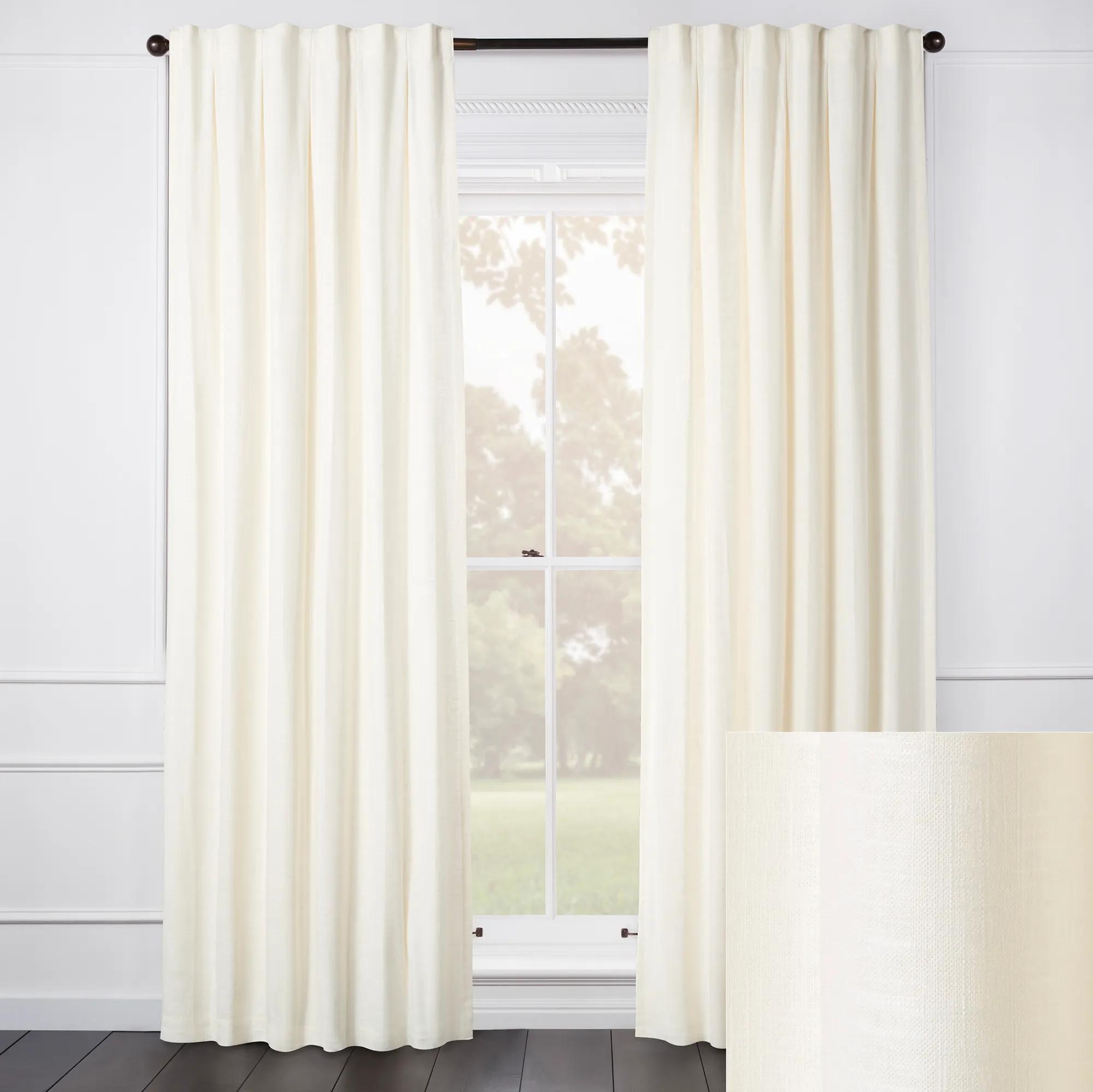
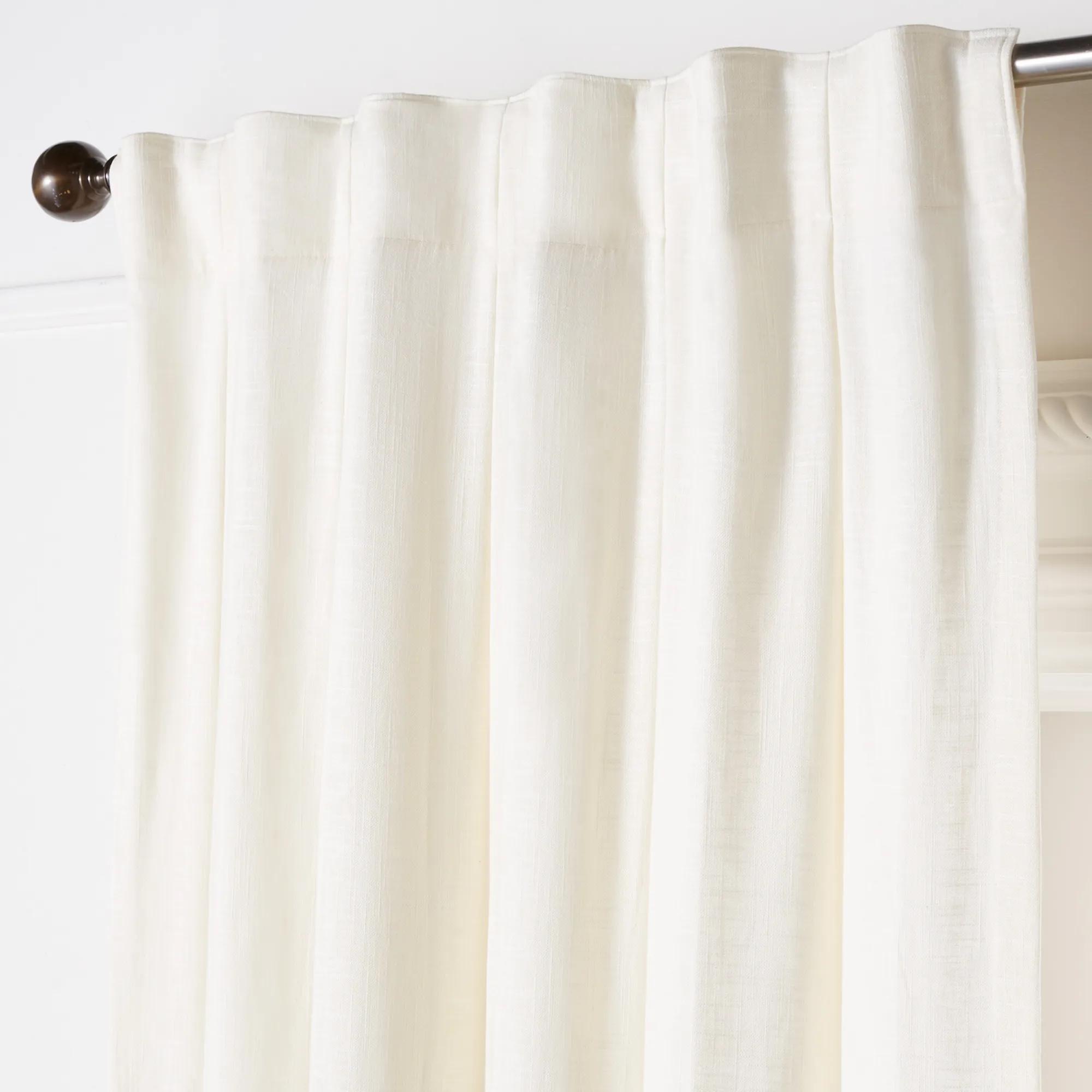 Audrey Linen Ivory Curtain - Custom$269
An ivory linen-blend curtain panel with lining, offering customizable lengths and two elegant header styles.
Add To Cart -
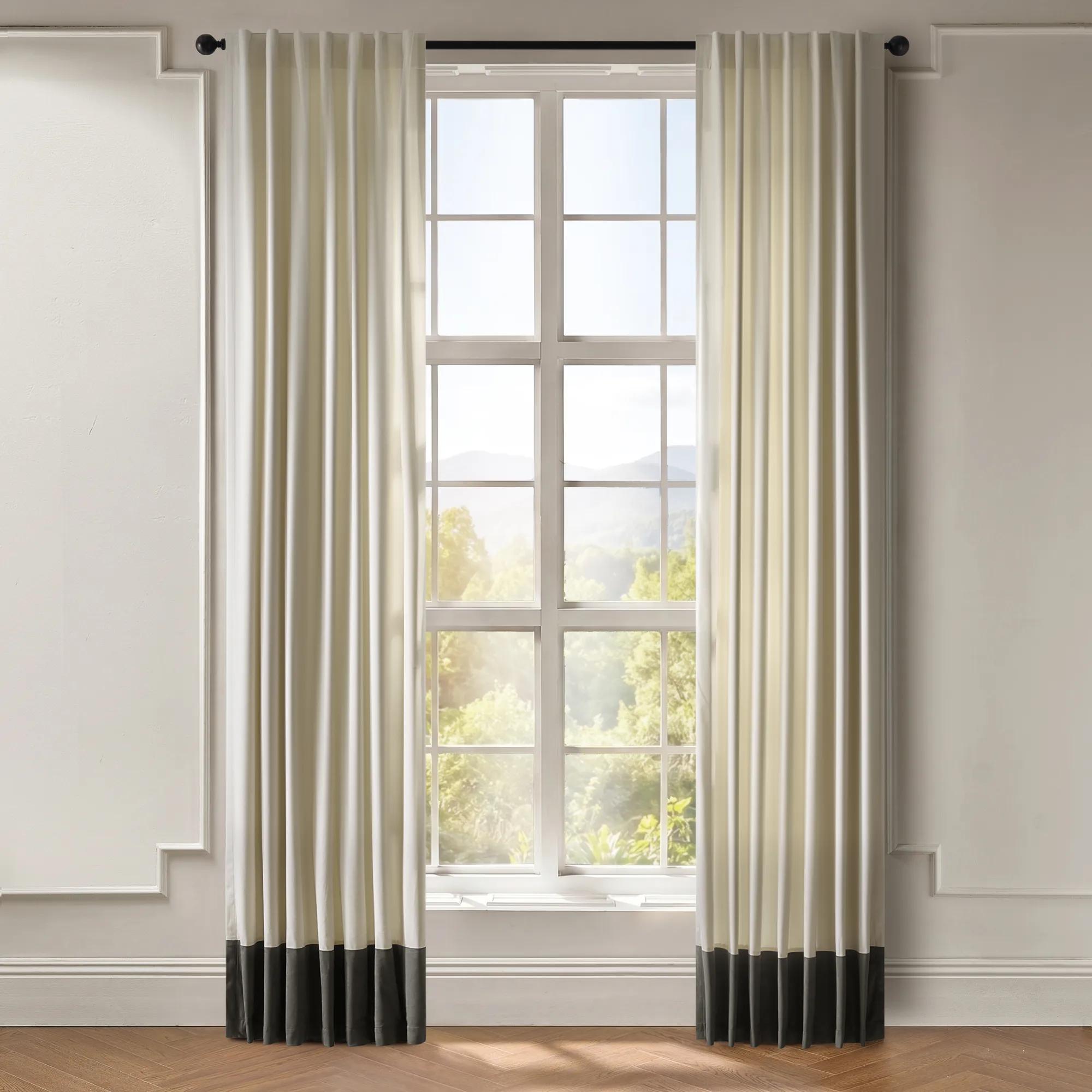
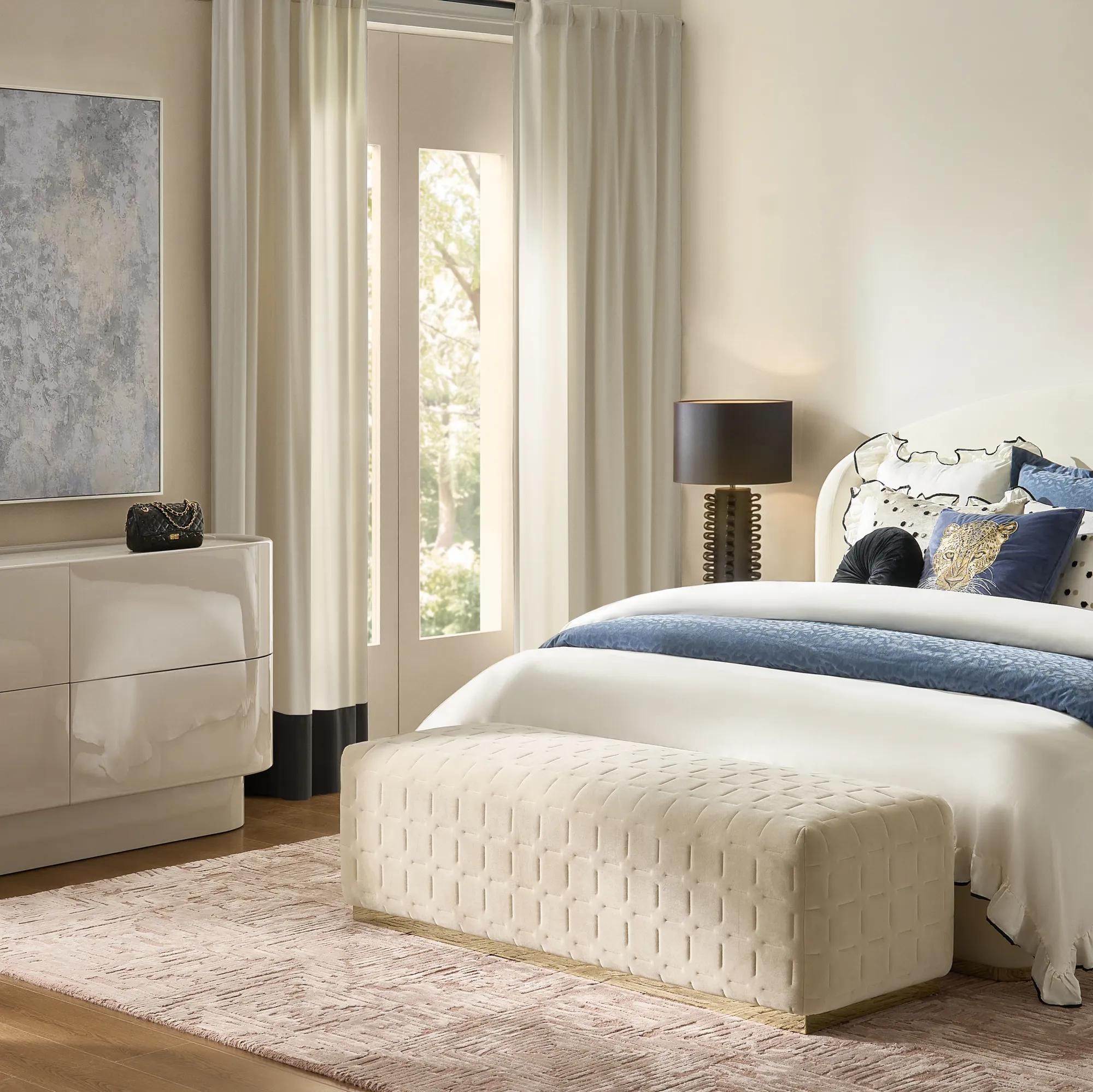 Bastien Ivory/Graphite Velvet Border Window Curtain Panel$99
A two-tone ivory and graphite velvet curtain panel with room-darkening design and versatile hanging options.
Add To Cart -
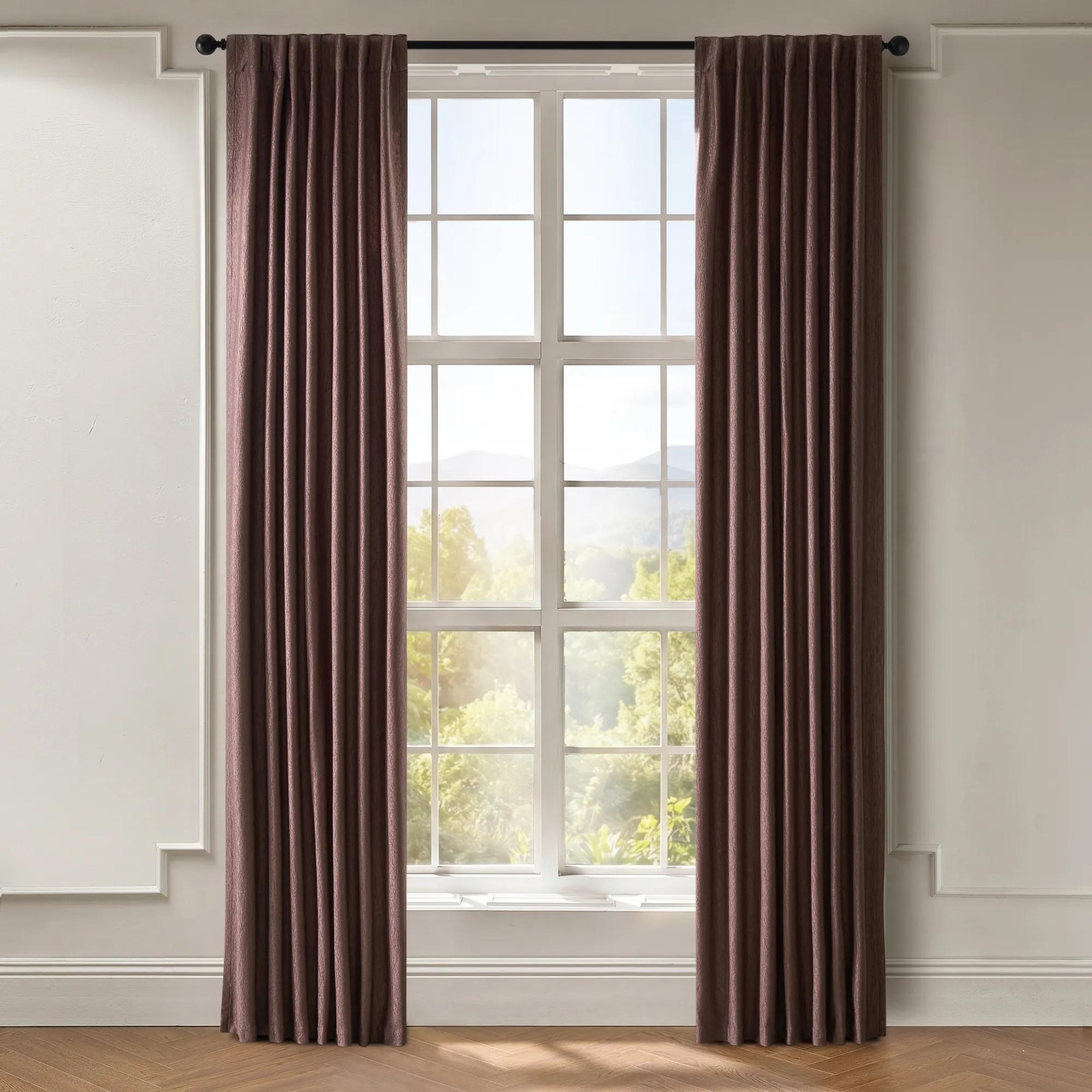
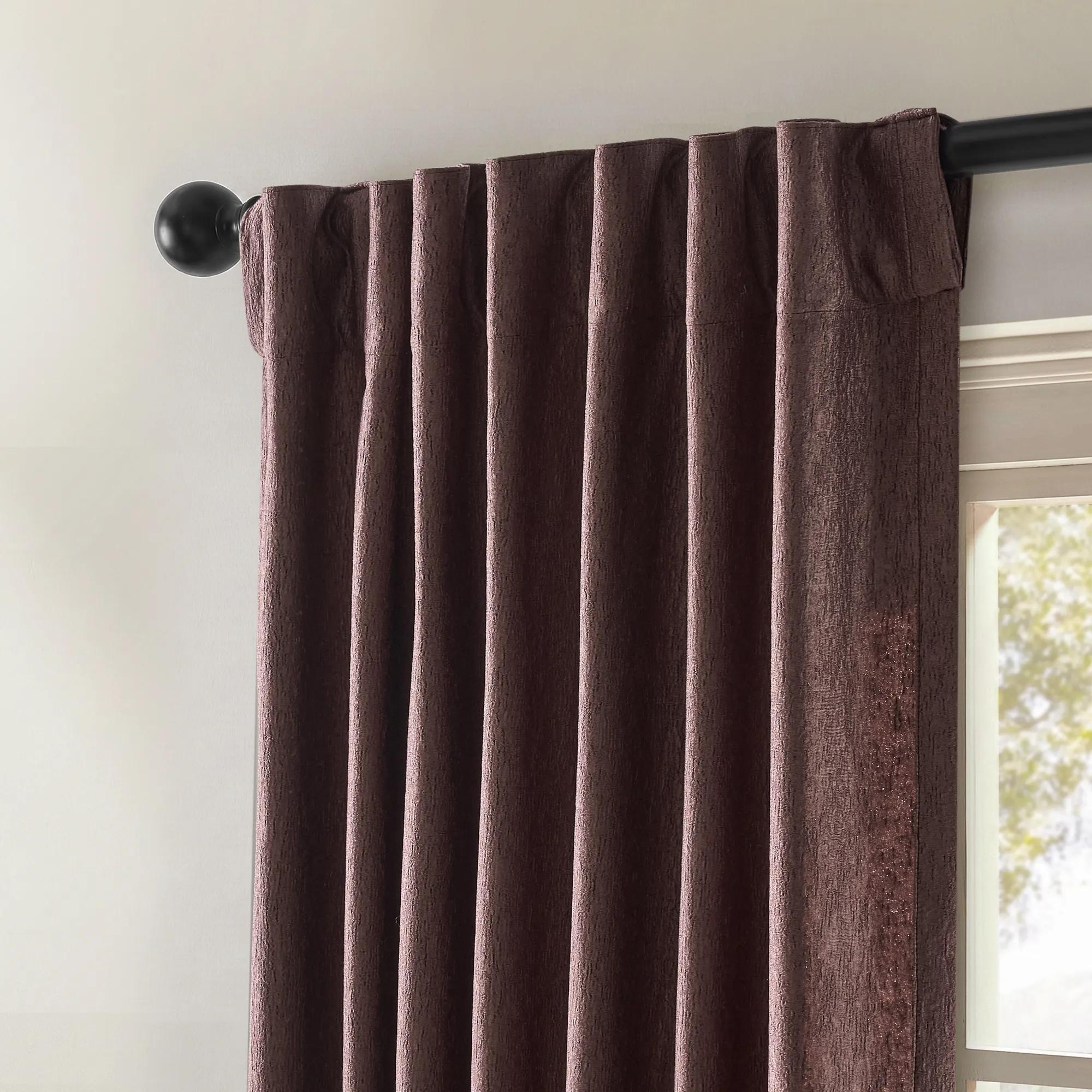 Anson Fig Textured Window Curtain Panel$99
A deep fig curtain panel in crushed, subtly sheened polyester with room-darkening and dual hanging options.
Add To Cart -
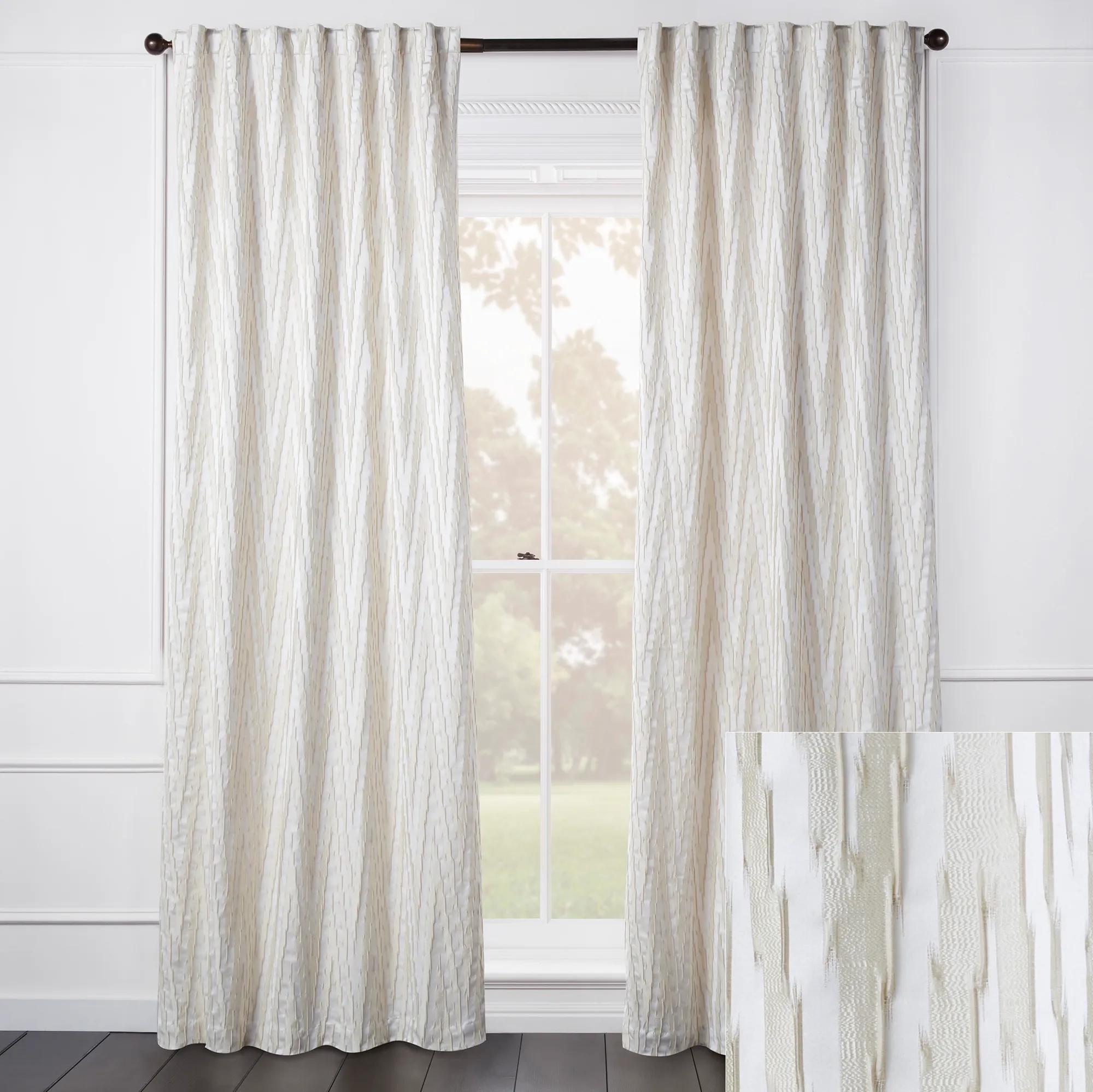
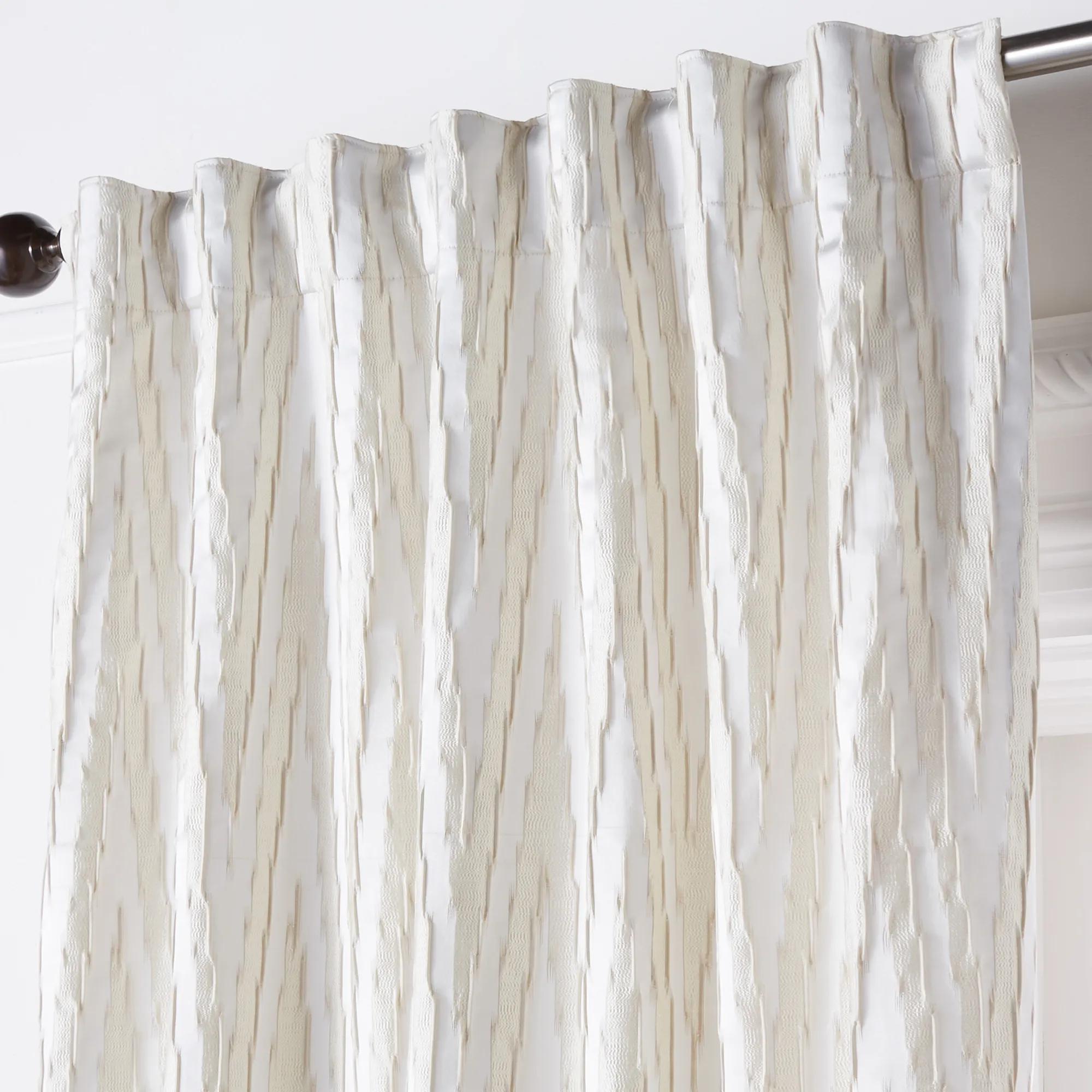 Minka Jacquard Pearl Window Curtain Panel Custom$239
A highly textured chevron curtain panel in pearl, grey, or natural, crafted from soft polyester blend.
Add To Cart -
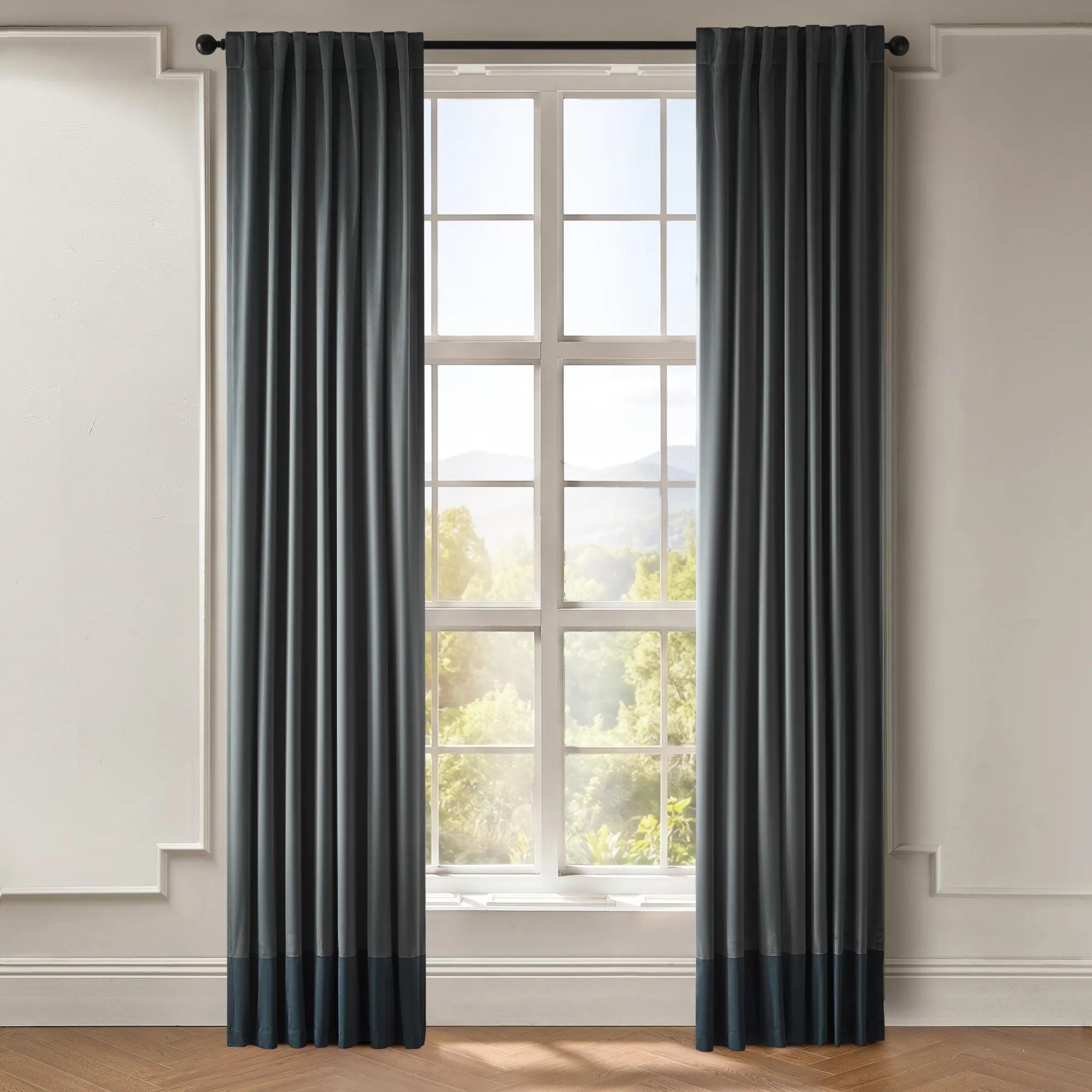
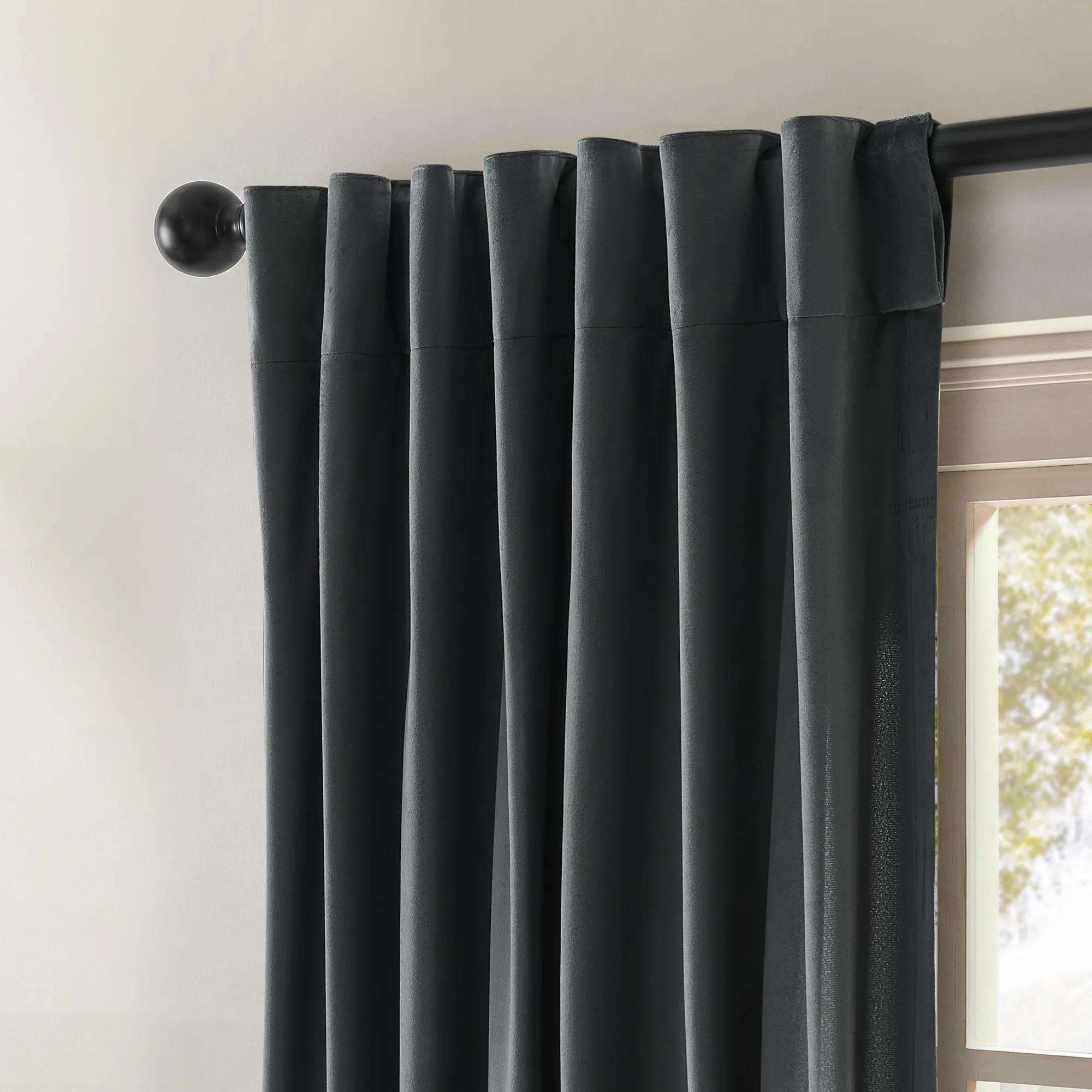 Bastien Blue/Midnight Velvet Border Window Curtain Panel$99
A two-tone dusty and midnight blue velvet curtain panel with a Deco-inspired border and room-darkening design.
Add To Cart -
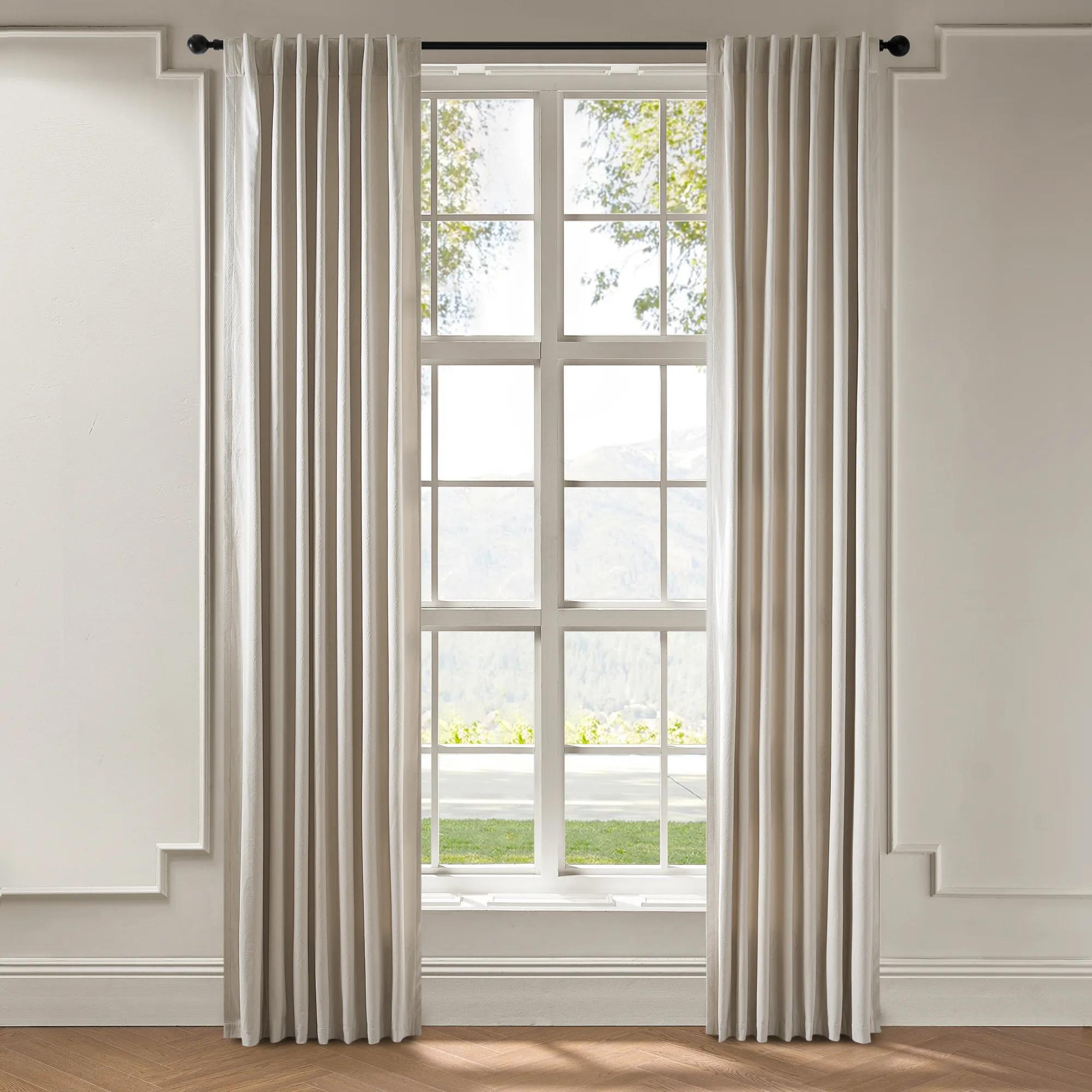
 Mabel White Velvet Swirl Window Curtain Panel$89
A crisp white velvet curtain featuring a tonal swirl texture and versatile dual hanging options.
Add To Cart -

 Adair Midnight Blue Solid Velvet Window Curtain Panel$69
A sumptuous midnight blue velvet curtain that adds elegance, depth, and room-darkening style to any space.
Add To Cart -
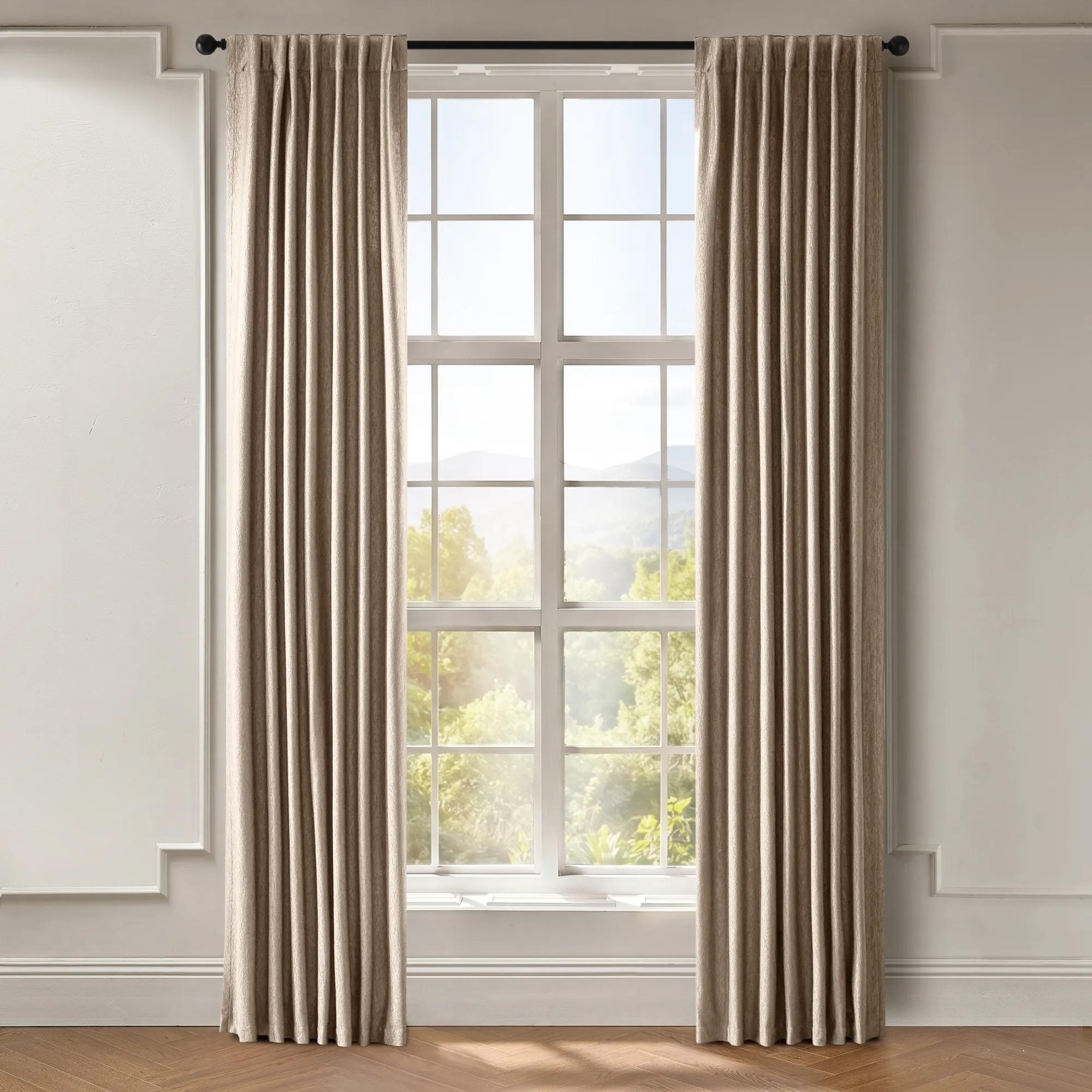 Anson Mocha Rose Textured Window Curtain Panel$109
A light mocha rose curtain panel with crushed sheen texture and room-darkening, dual hanging design.
Add To Cart -

 Mabel Natural Velvet Swirl Window Curtain Panel$109
A warm neutral velvet curtain with a tonal swirl pattern and room-darkening, dual hanging options.
Add To Cart -

 Adair Sand Solid Velvet Window Curtain Panel$89
A sand-colored velvet curtain offering room-darkening privacy and versatile hanging options for refined interiors.
Add To Cart -
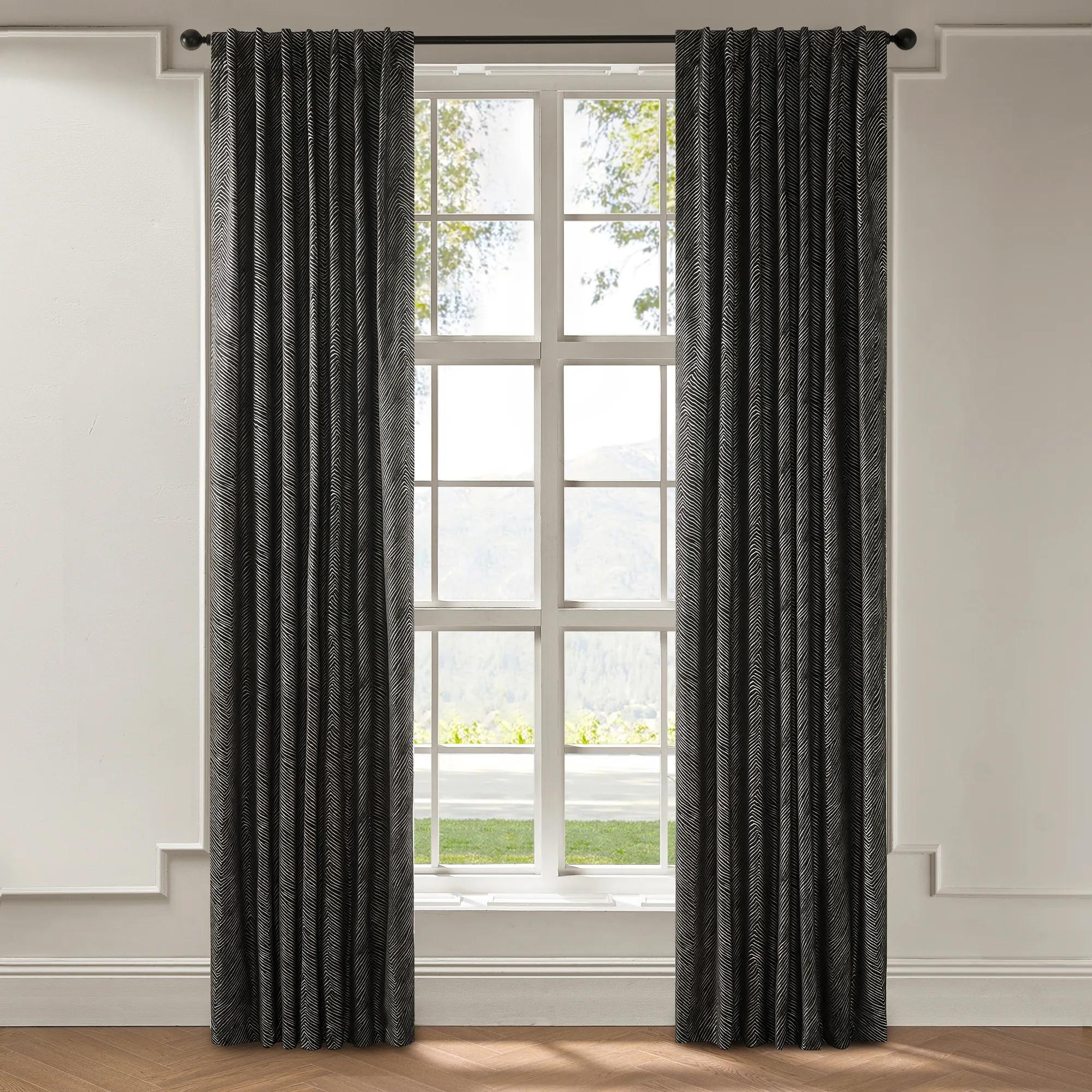
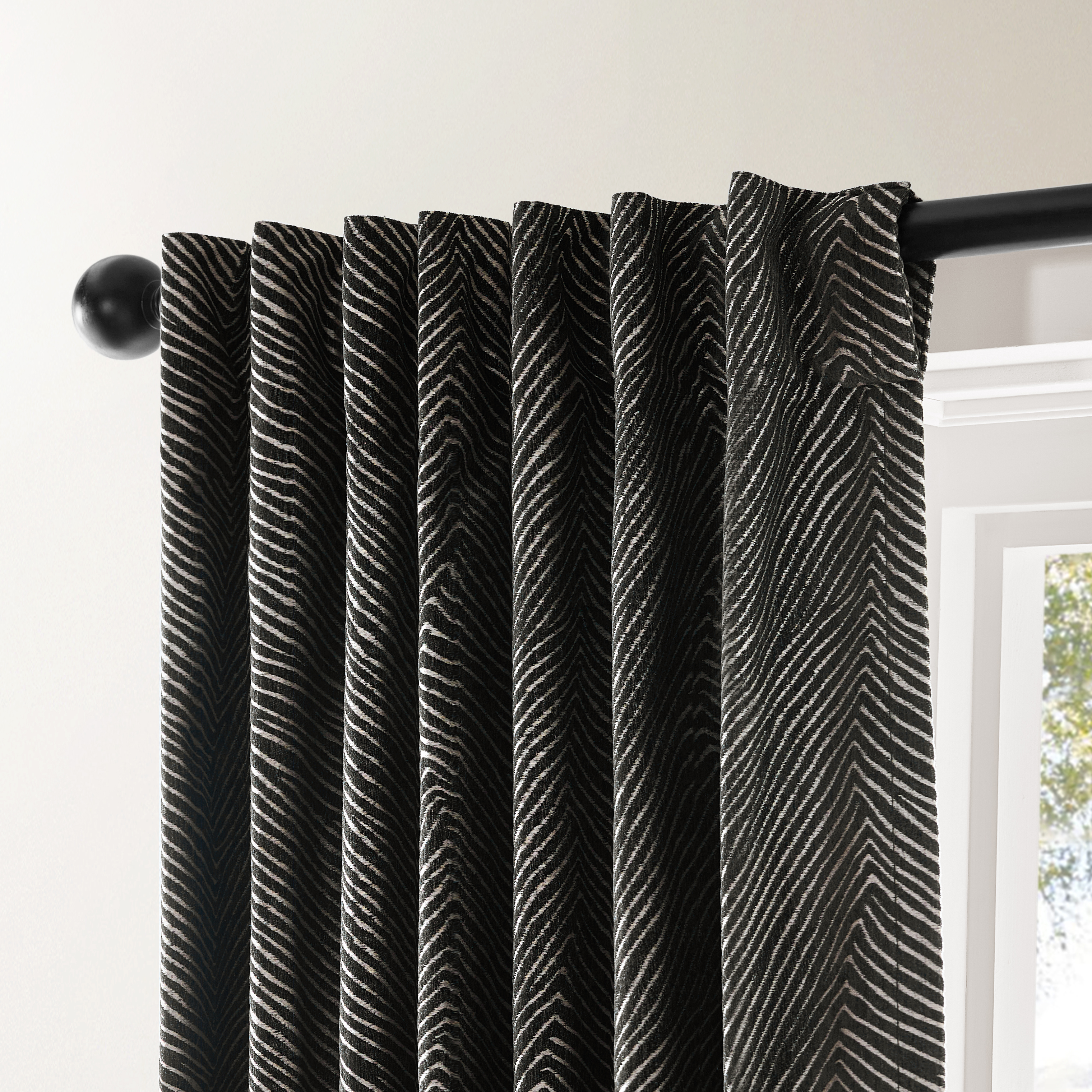 Kenzo Black Chenille Window Curtain Panel$139
A black chenille jacquard curtain with a room-darkening finish and versatile dual hanging options.
Add To Cart -

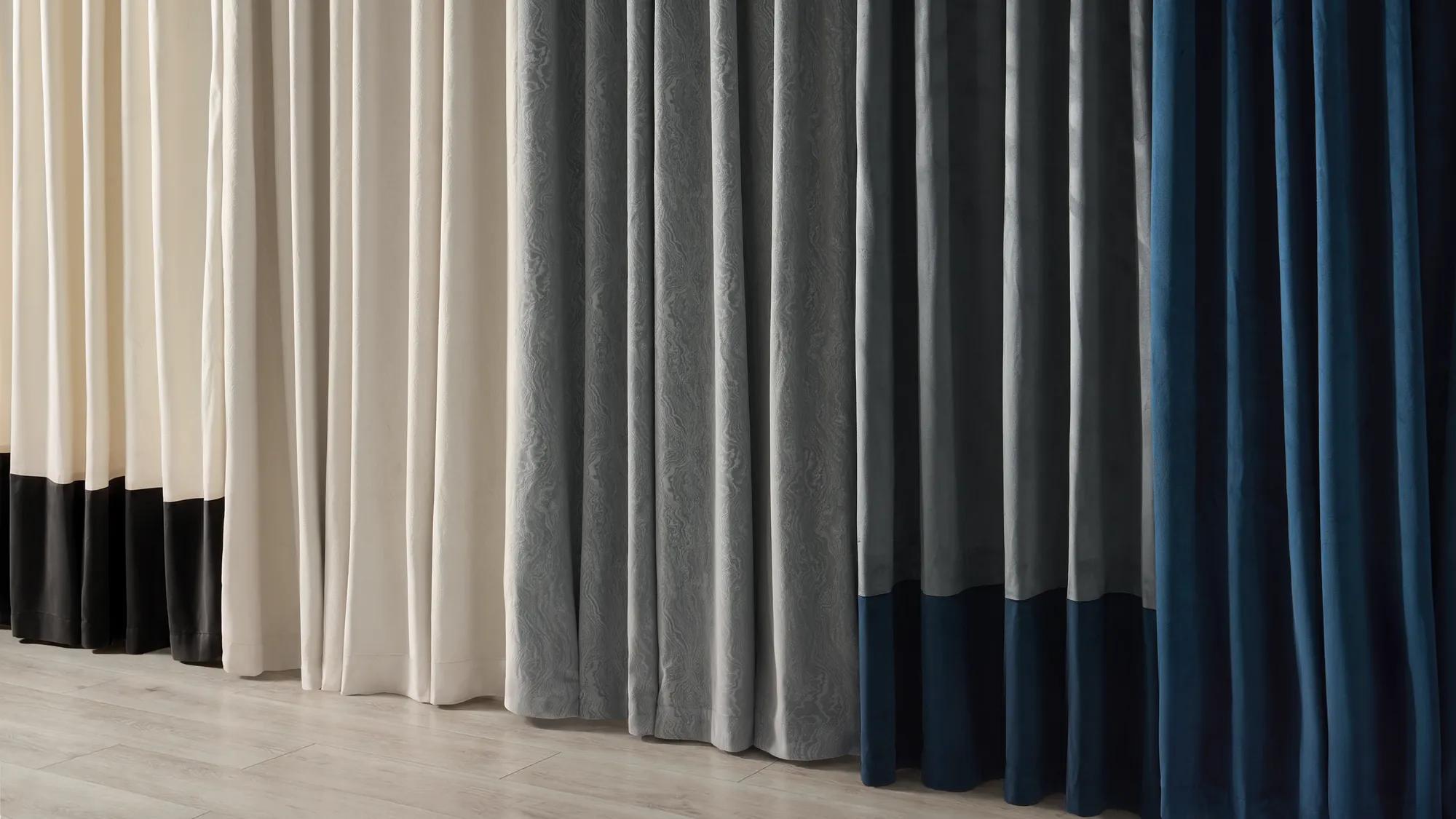 Mabel Velvet Swirl Curtain - Grey Blue$99
A grey blue velvet curtain featuring a tonal swirl pattern and versatile dual hanging options.
Add To Cart -
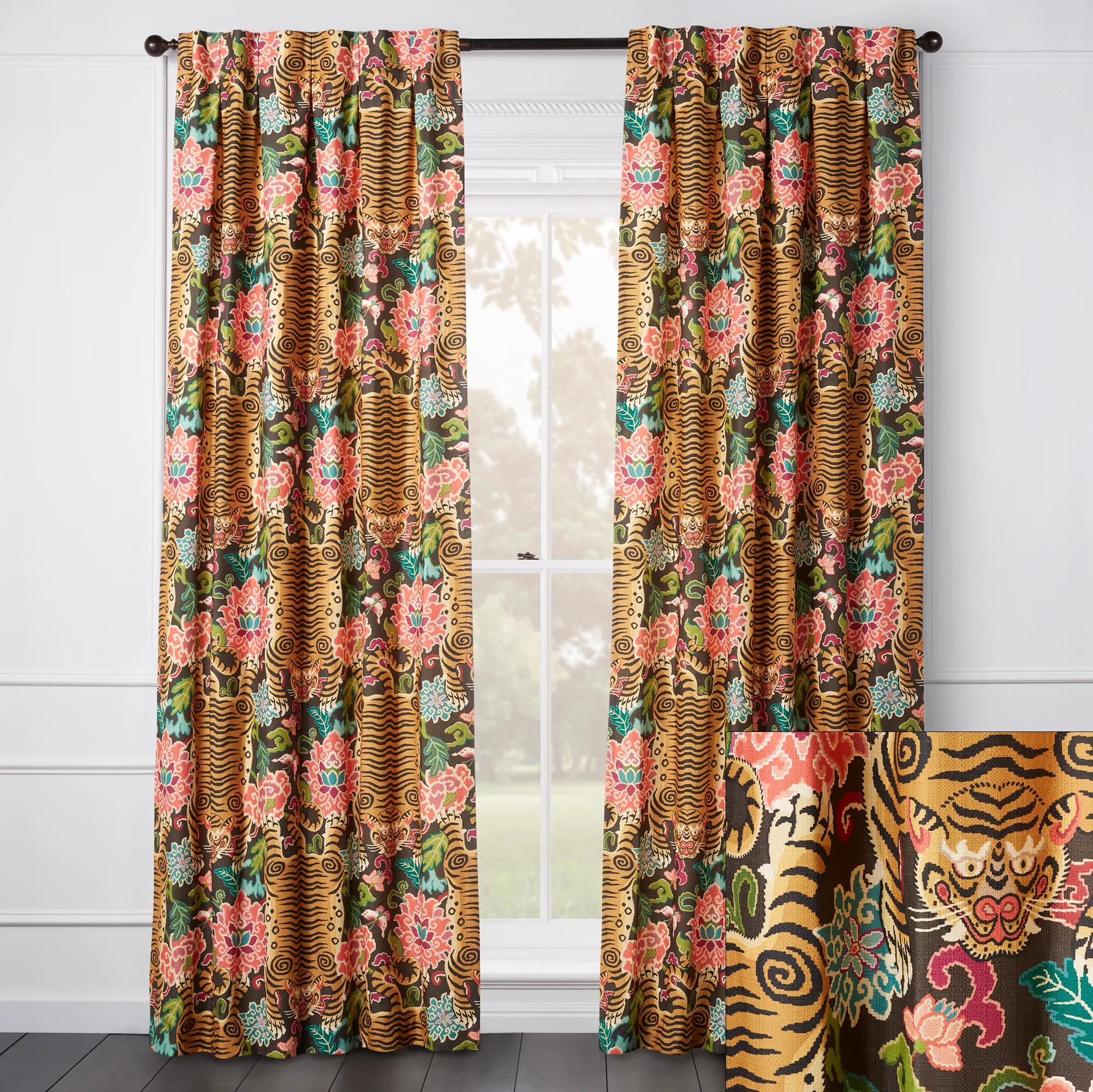
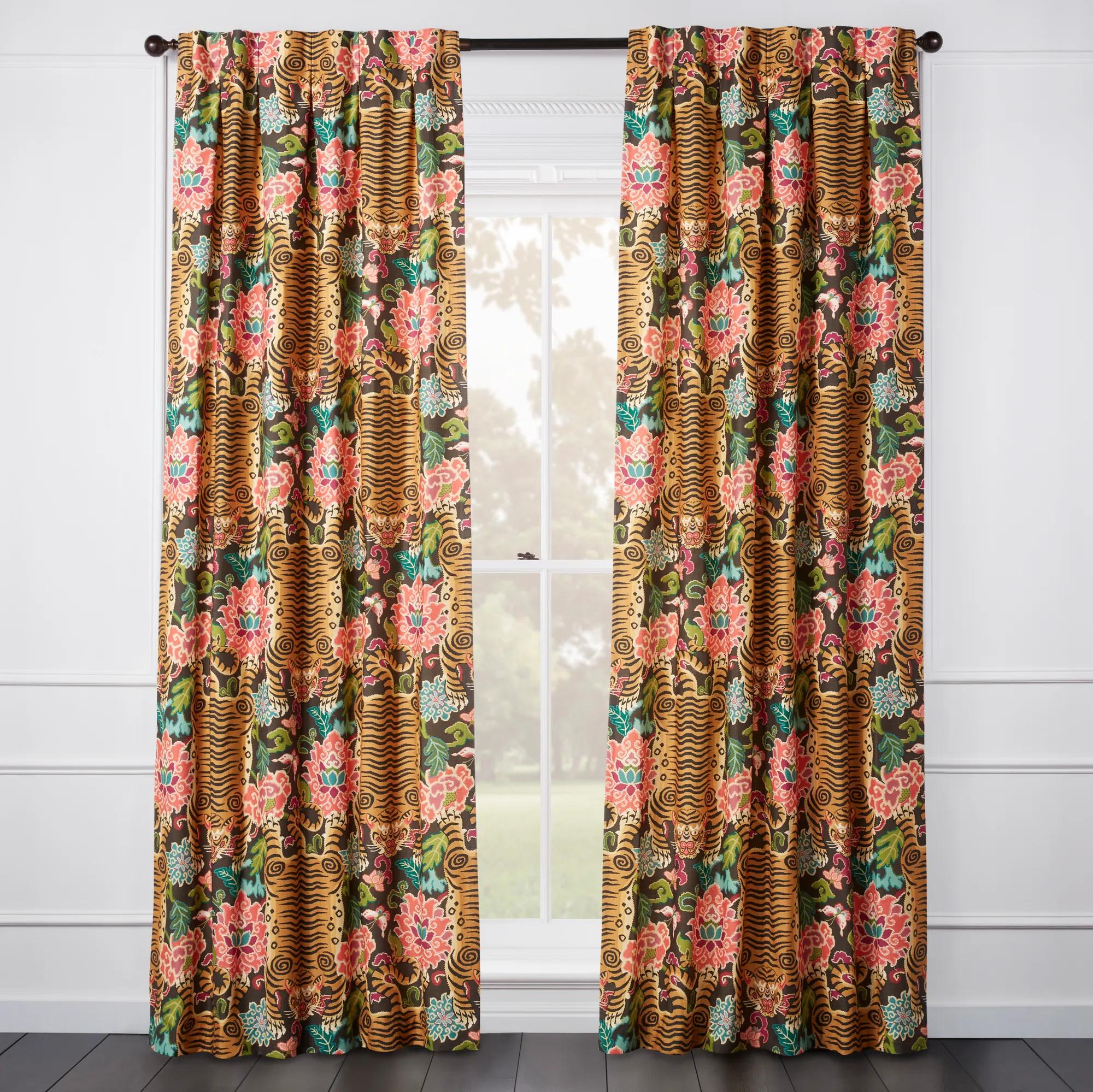 Nimer Gold/Multi Printed Slubbed Cotton Window Curtain Panel$349
A lively gold and multi-colored cotton curtain panel featuring a bold tiger print and customizable options.
Add To Cart -
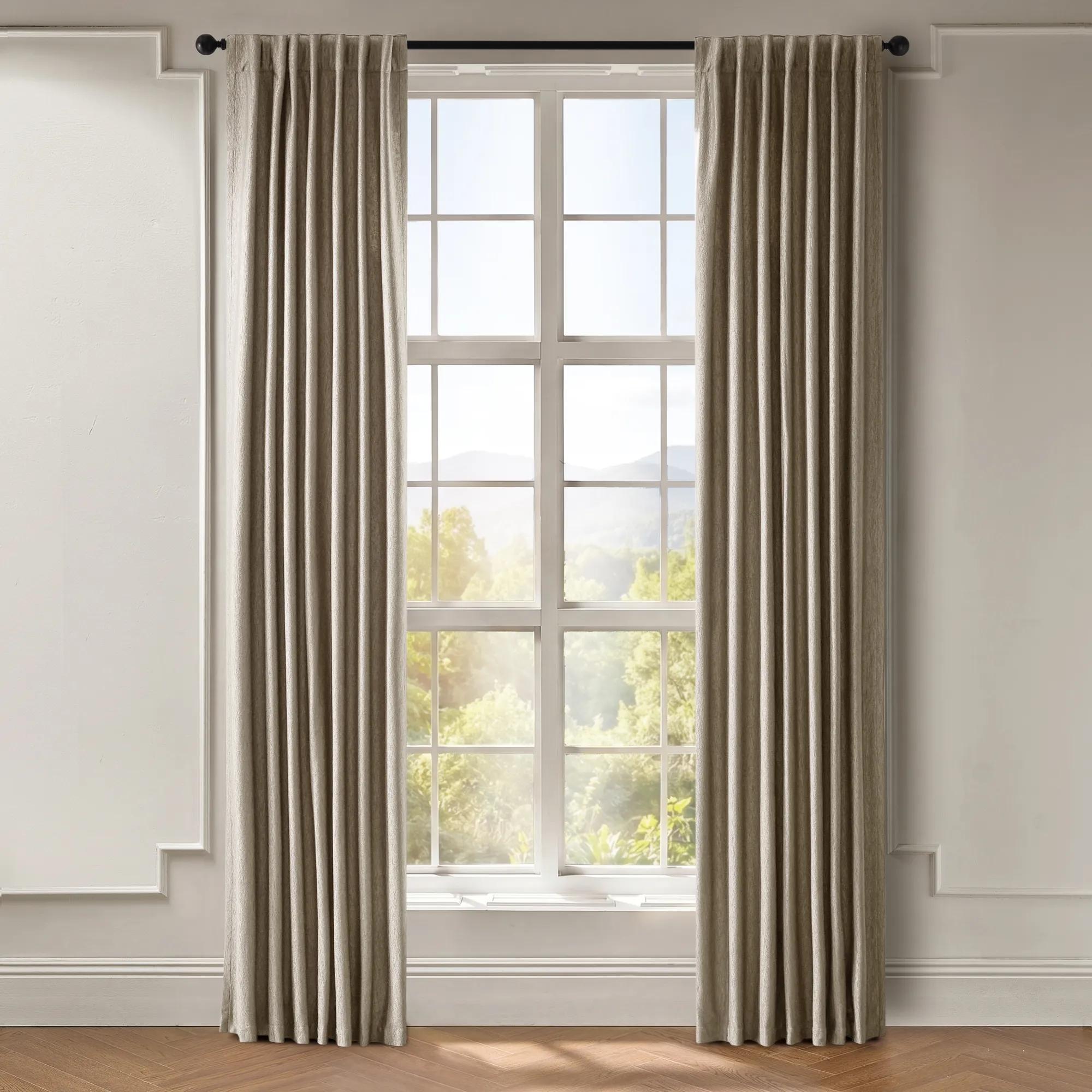
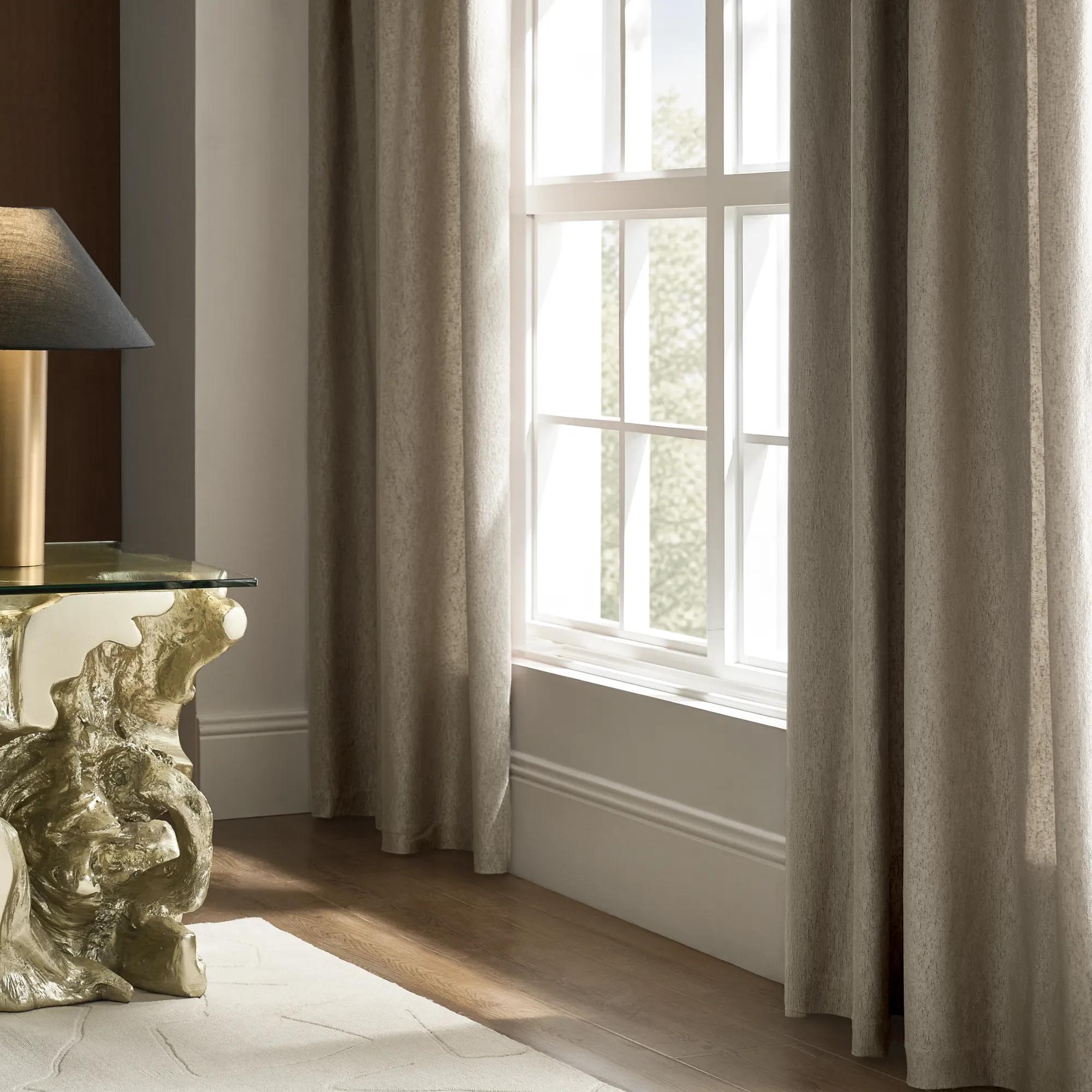 Anson Taupe Textured Window Curtain Panel$109
A taupe curtain panel featuring a crushed sheen texture and room-darkening, dual hanging design in 100% polyester.
Add To Cart -
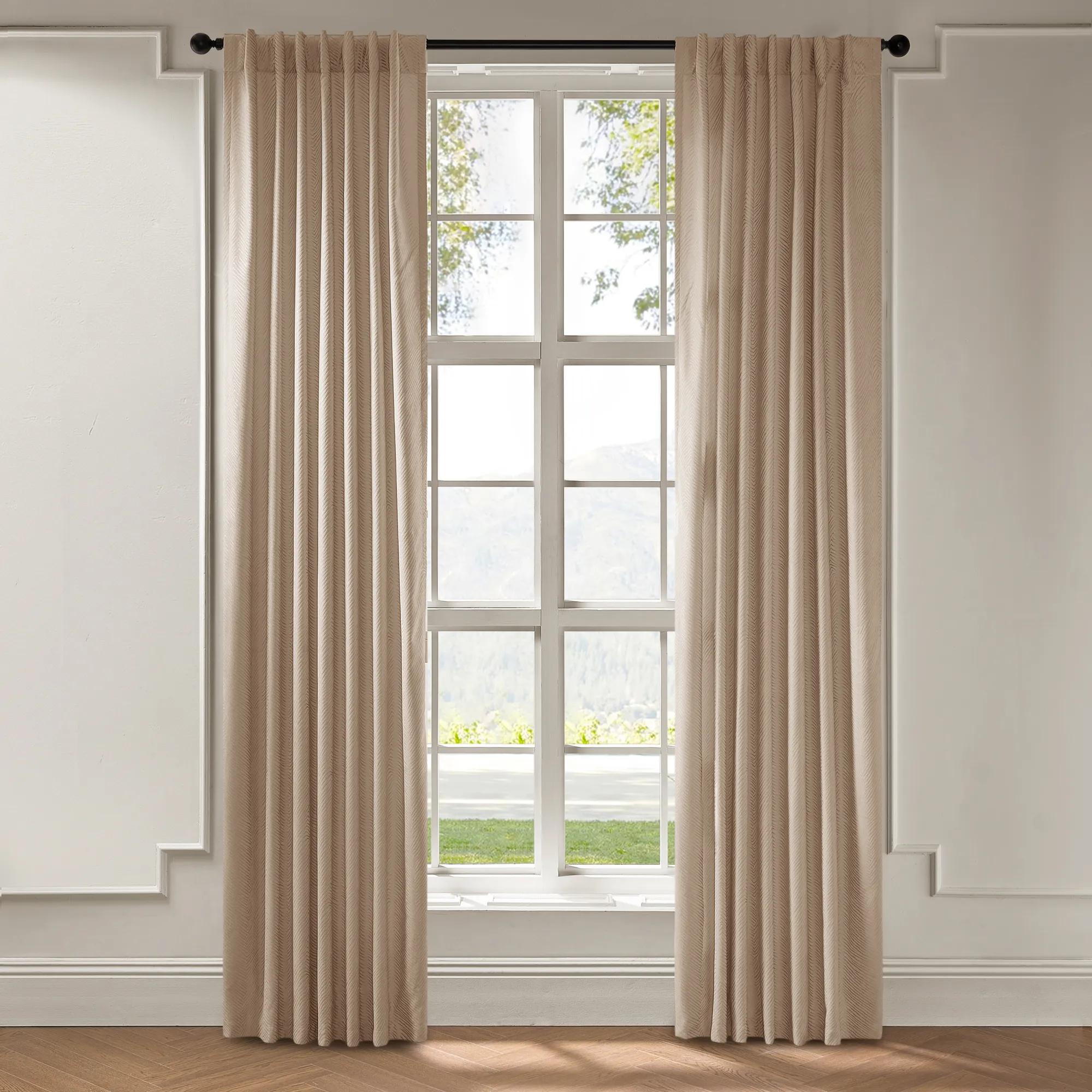 Kenzo Jacquard Beige Chenille Window Curtain Panel$119
A warm beige chenille jacquard curtain with a subtle sheen and versatile rod pocket or back tab hanging.
Add To Cart -
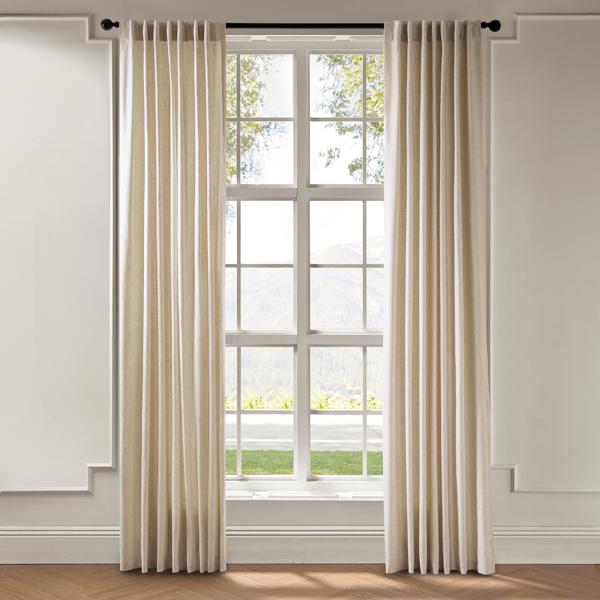
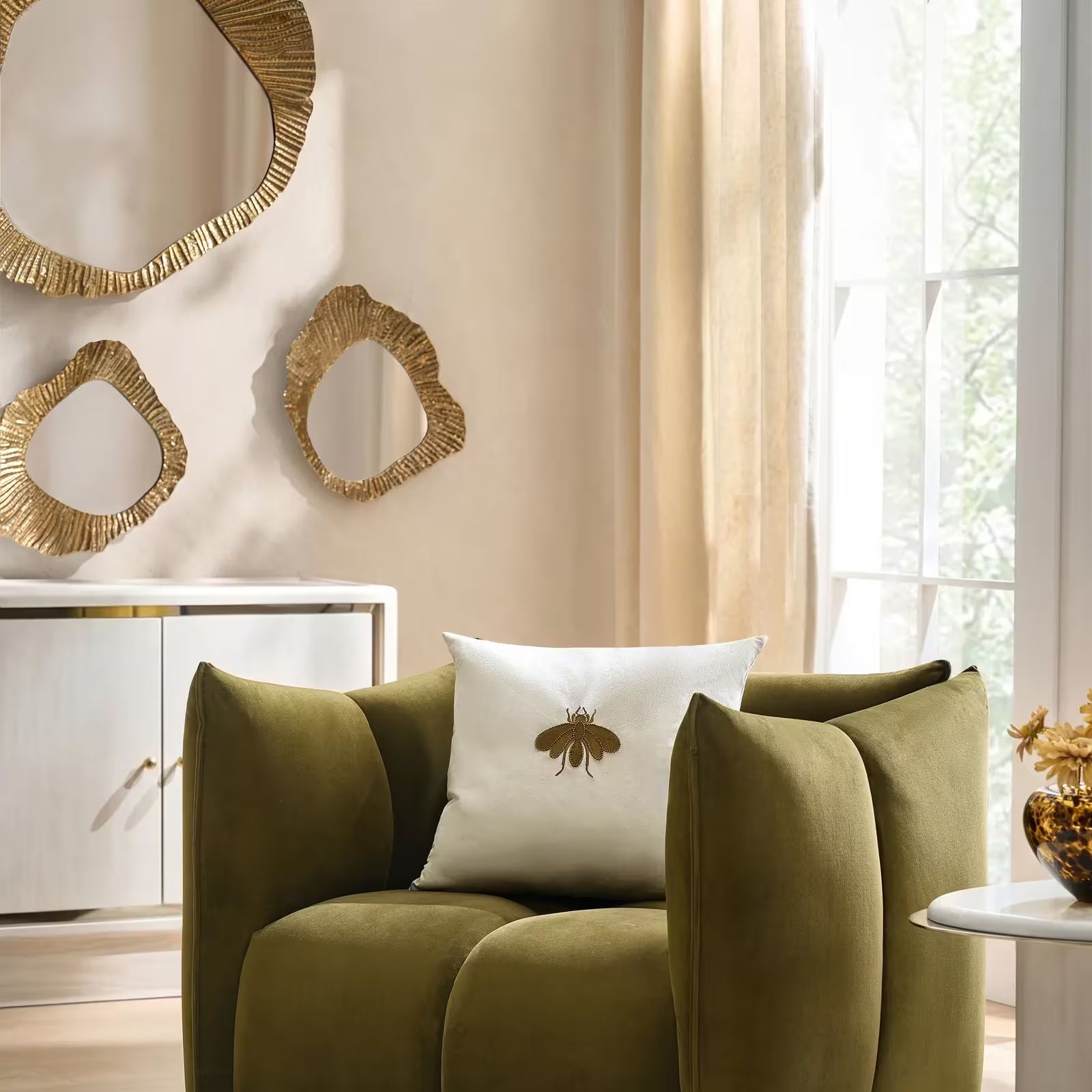 Anson Ivory Textured Window Curtain Panel$109
An elegant ivory curtain with a crushed, light-reflective texture and versatile dual hanging options.
Add To Cart -
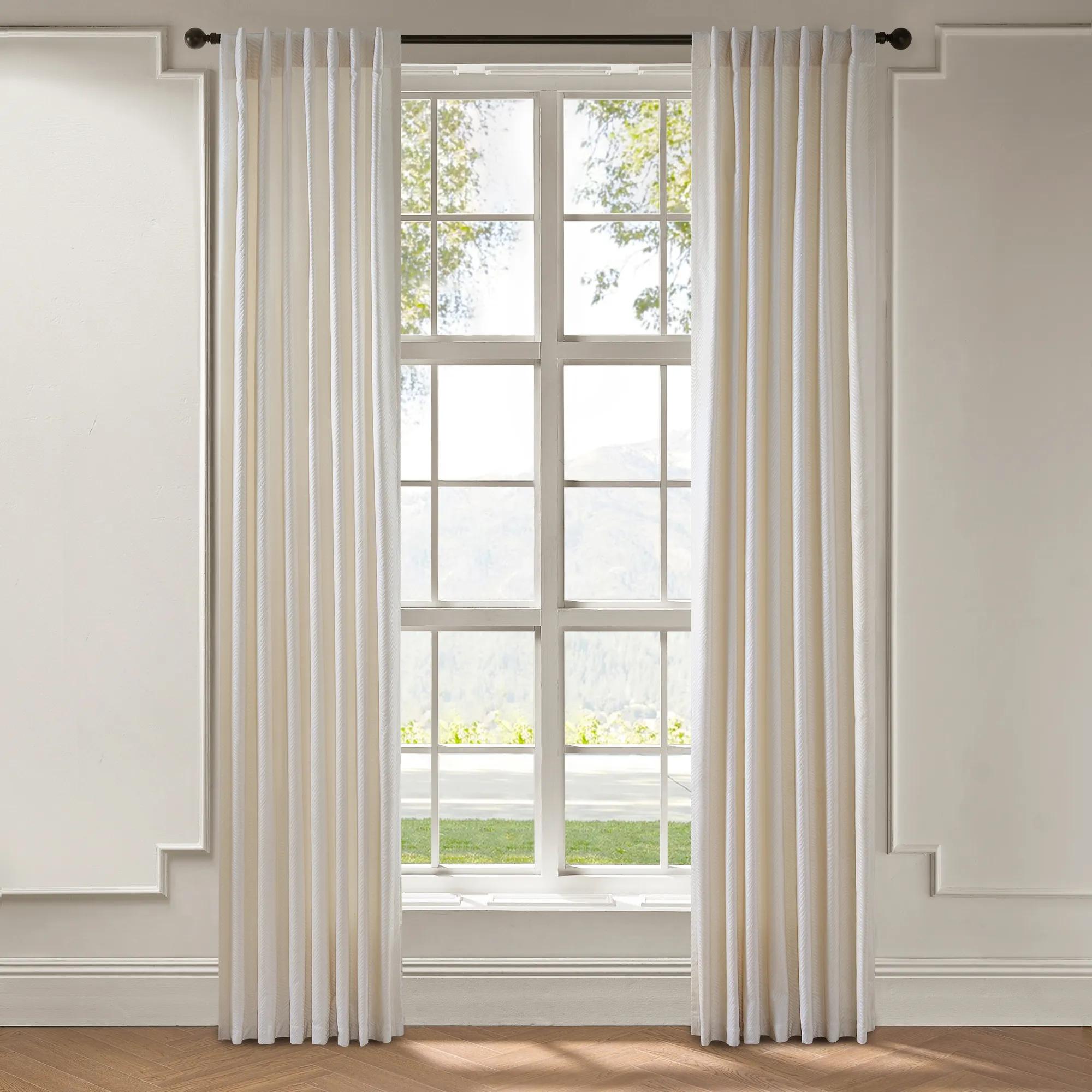
 Kenzo Chenille Curtain - White$129
A luxe white chenille jacquard curtain featuring a subtle high-contrast pattern and versatile dual construction.
Add To Cart -
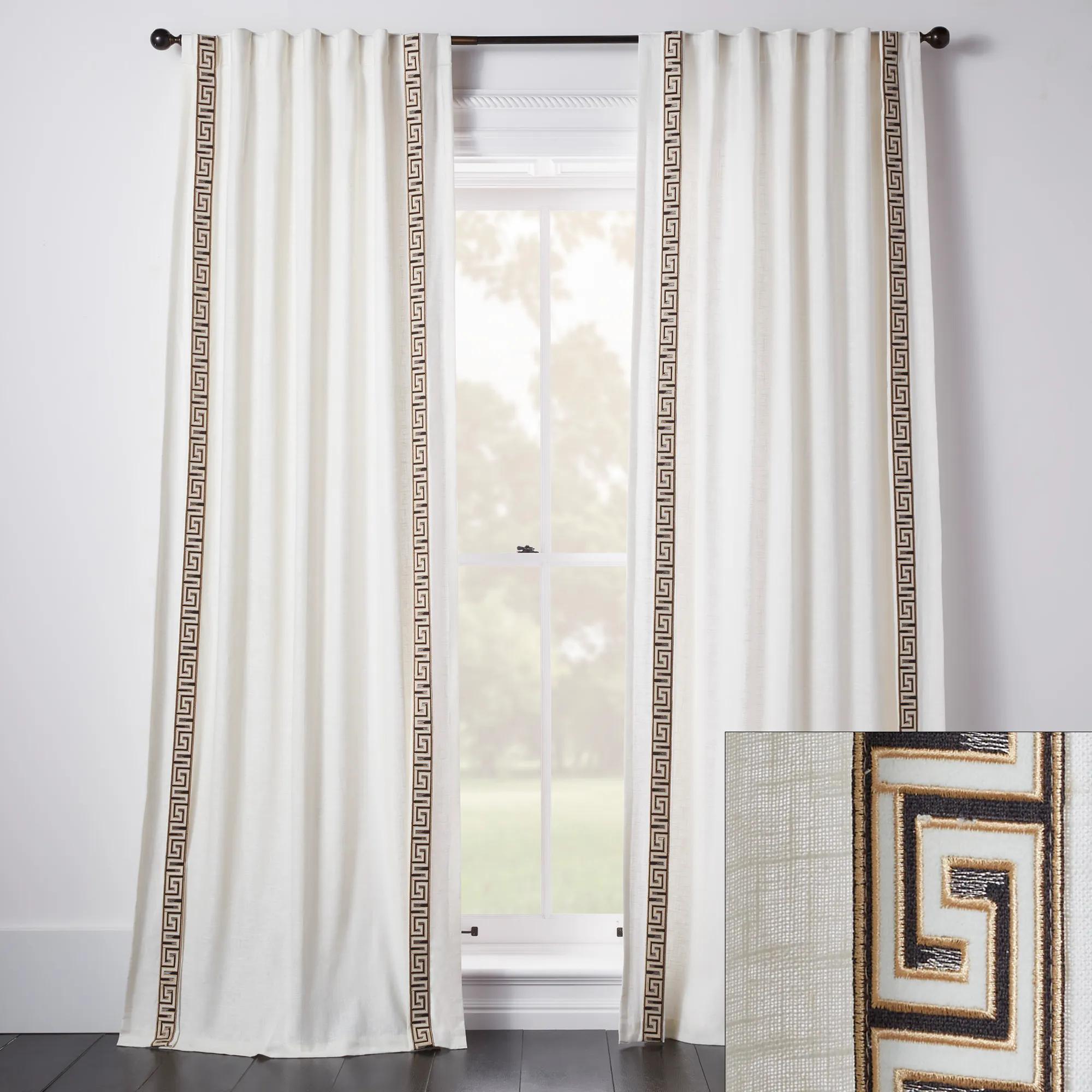 Chole Greek Key Border Velvet Widow Curtain Panels Custom$439
A white linen-blend curtain panel featuring a black and gold velvet Greek key border and customizable options.
Add To Cart -

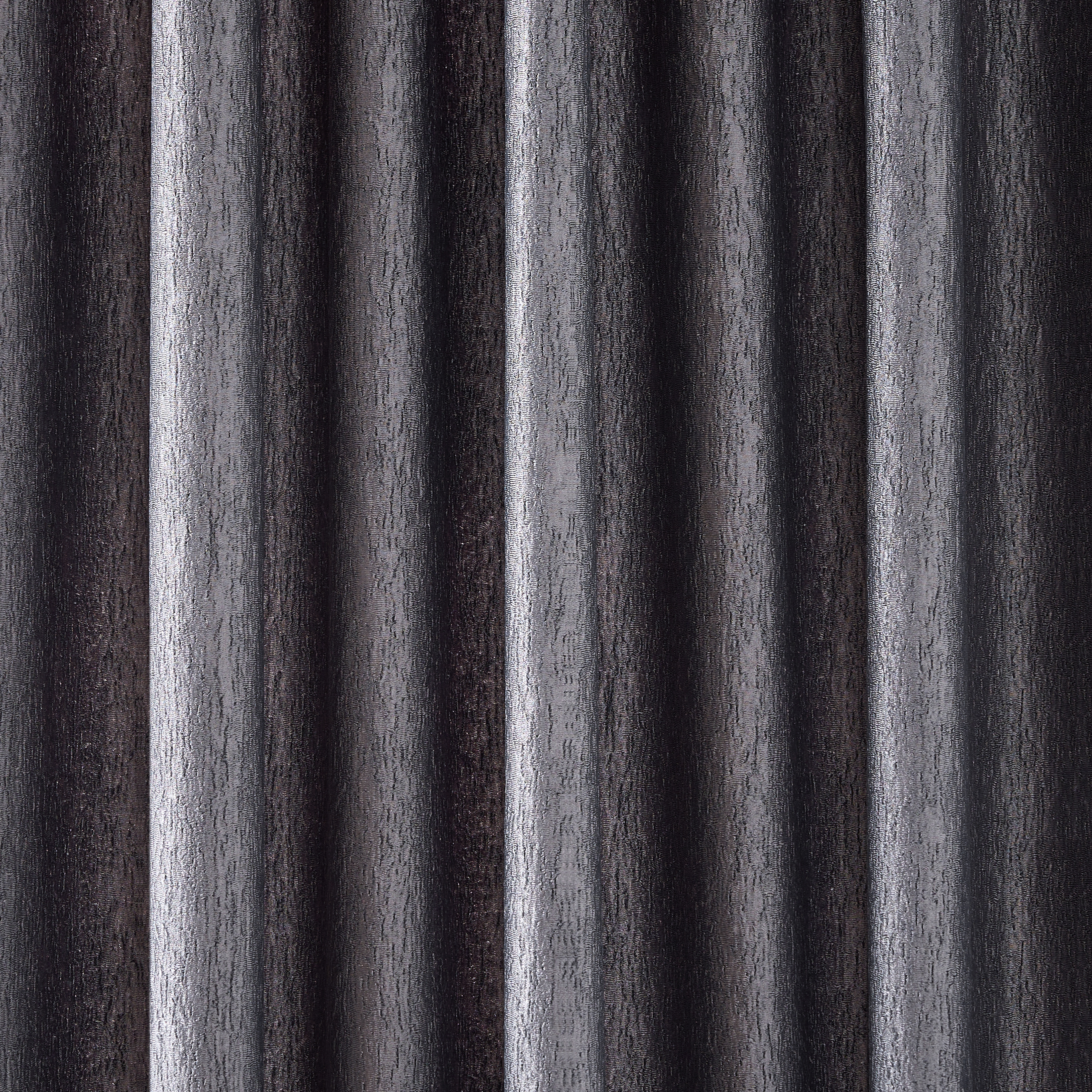 Anson Charcoal Textured Window Curtain Panel$109
A moody charcoal curtain with crushed polyester texture and subtle sheen for stylish, room-darkening appeal.
Add To Cart

Dining Room Luxury Window Panels
Dining room luxury window panels are more than mere accents—they are the finishing brushstrokes that transform your dining space into a masterpiece of ambiance and artistry. Imagine sumptuous fabrics cascading to the floor, framing every meal with an air of grandeur and tailored sophistication. Each panel becomes a statement, catching the light and casting an alluring glow that elevates gatherings from everyday to extraordinary. Let your windows set the stage for lavish dinners, intimate conversations, and unforgettable moments—because in a Z Gallerie dining room, drama is always on the menu.
Dining room luxury window panels frame the room with rich texture, graceful folds, and a sense of scale that makes the dining table feel beautifully composed. More than a backdrop, these fabric panels soften architectural lines and bring a deliberate finish to spaces designed for conversation, celebration, and everyday meals served with style. Their character begins with the textile. Velvet creates deep, plush color and a surface that changes subtly as light moves across its pile, making it especially compelling beside polished wood, gleaming metal, or upholstered dining chairs. Chenille offers tactile richness with a softer visual rhythm, while jacquard introduces patterns woven into the fabric itself, adding dimension without relying solely on printed color. Linen and linen blends bring a more relaxed elegance through visible texture and fluid movement; silk and silk blends can lend a luminous finish, though their care requirements and sensitivity to sunlight deserve consideration. Fabric weight, weave, and lining influence the final effect as much as fiber content. A substantial panel holds generous folds and gives a broad window a sculptural presence, while a lighter textile lets the surrounding architecture remain more visible. Color establishes the mood: ivory and champagne create a luminous frame for mirrored accents, charcoal lends definition to pale walls, and deep blue brings saturated contrast to warm wood furniture. Pattern can be equally expressive. A large-scale motif feels especially intentional when the rug and chair upholstery are quieter, while a restrained woven texture adds depth to a room already rich with decorative detail. The most persuasive luxury dining room curtains do not compete with every surface. They connect the room’s materials, drawing a warm undertone from the table or echoing the subtle sheen of a chandelier. In an open dining area, that connection can distinguish the dining space without interrupting the larger interior. In a dedicated room, full-length panels create an enveloping setting, turning a simple arrangement of table, chairs, and lighting into a complete visual composition.
Proportion gives dining room window panels their architectural confidence. Long panels can emphasize ceiling height, especially when the rod sits above the window frame, but the right placement depends on the wall, molding, and available mounting space. A rod that extends beyond the sides of the window allows open panels to rest largely against the wall rather than across the glass, preserving the view and admitting more daylight. Finished length should be measured from the actual hanging point, since rings, hooks, rod pockets, and other headers position the fabric differently. Panels that just meet the floor create a tailored line; a slight break adds softness, while a generous puddle is more theatrical and better suited to areas where chairs, serving carts, and frequent foot traffic will not disturb the fabric. Width matters just as much. Flat panels often need a combined fabric width of about twice the rod width for comfortably full gathers, although the ideal fullness varies with textile weight and header construction. Pleated panels require attention to their finished coverage rather than the amount of fabric used to create the folds. A pinch-pleat header produces orderly, sculpted lines that suit a composed dining room, while other header styles may create softer gathers or broader waves. The choice should feel connected to the furniture: crisp folds complement a symmetrical table setting, and fluid draping can soften angular chairs or a sharply defined pedestal base. Confirm whether dimensions describe one panel or a pair, and consider how much space the fabric occupies when drawn open. This is particularly important beside narrow windows, doorways, or built-in cabinetry. Hardware completes the effect, with its finish and scale balancing both the fabric and the surrounding fixtures. For interiors with a more ceremonial mood, Formal Dining Room Window Panels offer a related direction for framing a room devoted to gracious entertaining. Whether the setting is intimate or expansive, well-proportioned panels give the window a presence that feels intentional rather than oversized or visually spare.
Luxury also lives in how dining room curtains perform through daily use. The desired balance of light, privacy, and ease of movement should inform the fabric and construction. Sheer or loosely woven panels soften daylight but generally provide limited privacy, particularly when interior lights are on after dark. Denser fabrics and appropriate linings can offer greater coverage, while room-darkening or blackout performance depends on the panel’s specified construction and how completely it covers the window. A lining may also help support the drape and reduce direct sunlight reaching the face fabric, although no textile should be assumed immune to fading. Heavier panels can soften some reflected sound in a room with hard flooring and glass surfaces, but they are not a substitute for dedicated acoustic treatment. For a dining room used frequently, secure headers, sound stitching, neatly finished hems, and hardware suited to the panel’s weight support lasting function as well as appearance. Fabric should move freely without catching on chair backs or brushing against food-service areas. In a compact breakfast-to-dinner space, a clean floor-length hem keeps the setting polished without creating excess fabric underfoot. In a room reserved for lingering dinners, fuller folds can contribute a more lavish atmosphere. Care requirements vary considerably, so the care label should govern cleaning, washing, pressing, and steaming. Some washable fabrics tolerate gentle laundering, while delicate fibers, specialty finishes, and lined constructions may require professional cleaning. Avoid assuming that all velvet, linen, or blended panels can be treated alike, and test any permitted maintenance method in an inconspicuous area. Keeping fabric clear of candles, serving surfaces, and repeated handling helps preserve its finish. These considerations make luxury window panels especially rewarding for hosts, design-minded homeowners, and anyone shaping a dining room with both presence and practicality. A room used for family dinners can carry the same visual confidence as one arranged for an elaborate gathering. Thoughtfully chosen fabric gives that confidence a lasting form: folds that frame the view, color that enriches the furnishings, and texture that makes the entire room feel considered.
FAQs
For a truly opulent dining room, fabrics like velvet, silk, and high-quality linen deliver both sumptuous texture and visual drama. These materials drape beautifully, catch the light with subtle sheen, and bring a sense of grandeur to your space. For those seeking a sustainable touch, organic cotton and eco-friendly linen offer refined style with mindful craftsmanship.
Layering is the hallmark of a designer-inspired dining room. Combine flowing fabric panels with natural woven shades or sheer undercurtains to add depth and dimension. This approach not only allows for versatile light control, but also creates a rich, multi-textured look that feels curated and complete.
Pinch pleats, tailored grommets, and dramatic box pleats are all sophisticated options that elevate the look of luxury window panels. These heading styles create structured, architectural lines that give your drapery a bespoke, custom-finished appearance—perfect for a formal dining setting.
Decorative rods in gleaming finishes, sculptural finials, and elegant tiebacks are the jewelry of your window ensemble. These details frame your panels with polish, while adding a layer of artistry and refinement that transforms the entire room into a statement of elevated taste.
Absolutely. Gifting luxury window panels is a gesture of generosity and style—ideal for housewarmings, weddings, or milestone celebrations. They invite the recipient to create a space that feels glamorous, welcoming, and uniquely their own, making every gathering a memorable occasion.


