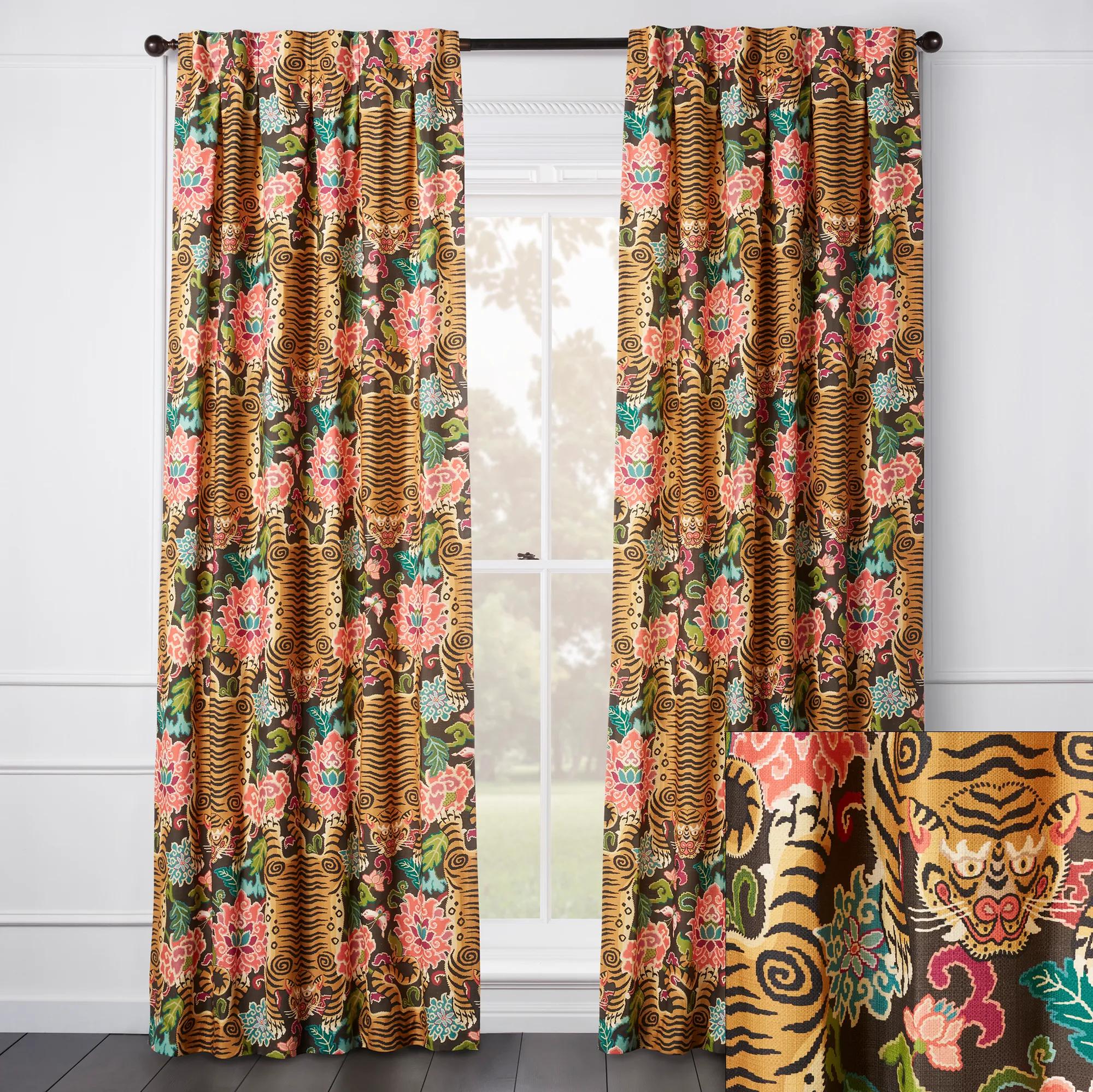
Formal Dining Room Window Panels
Formal Dining Room Window Panels
-
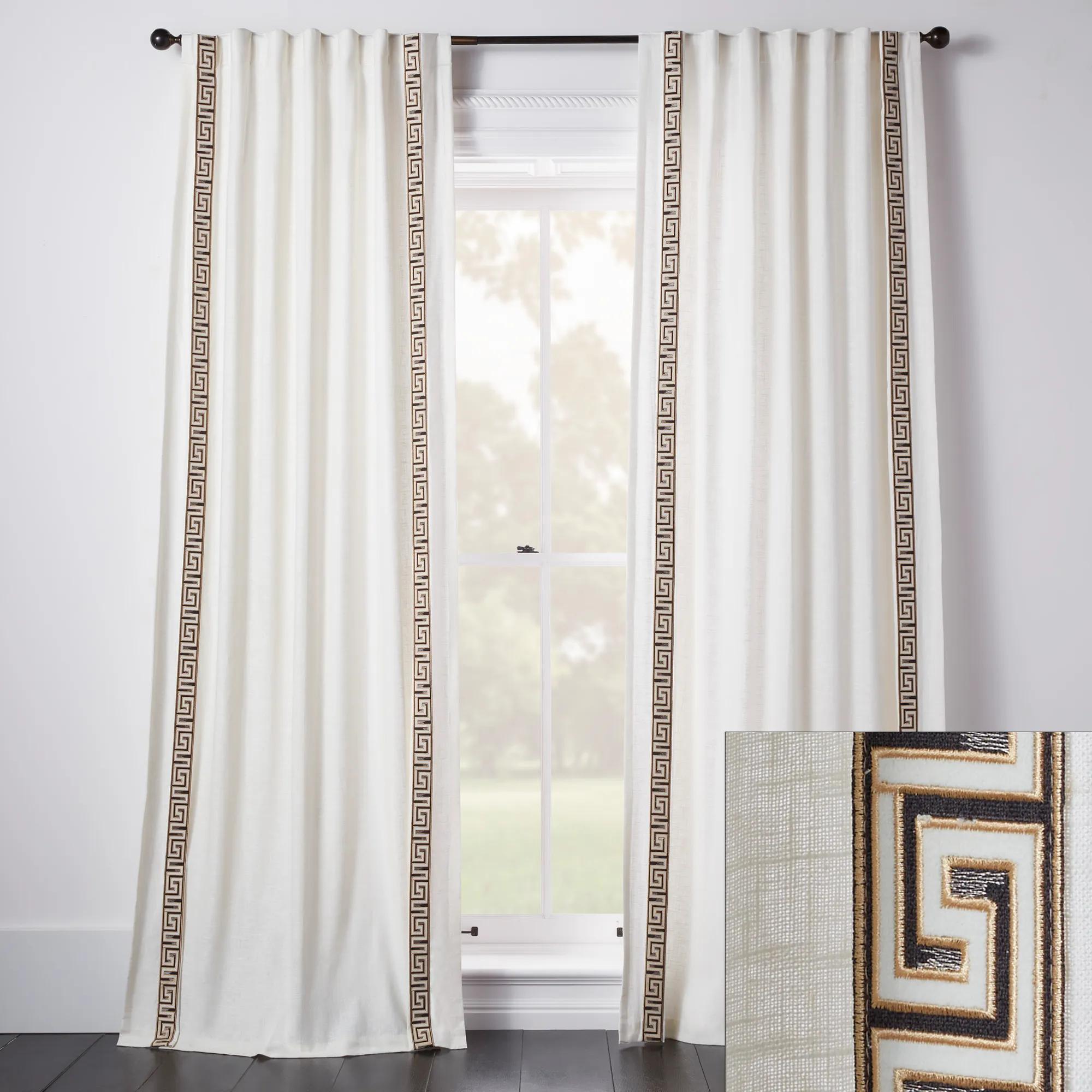 Chole Greek Key Border Velvet Widow Curtain Panels Custom$379
A linen-blend curtain panel with black and gold velvet Greek key border and customizable hanging options.
Add To Cart -
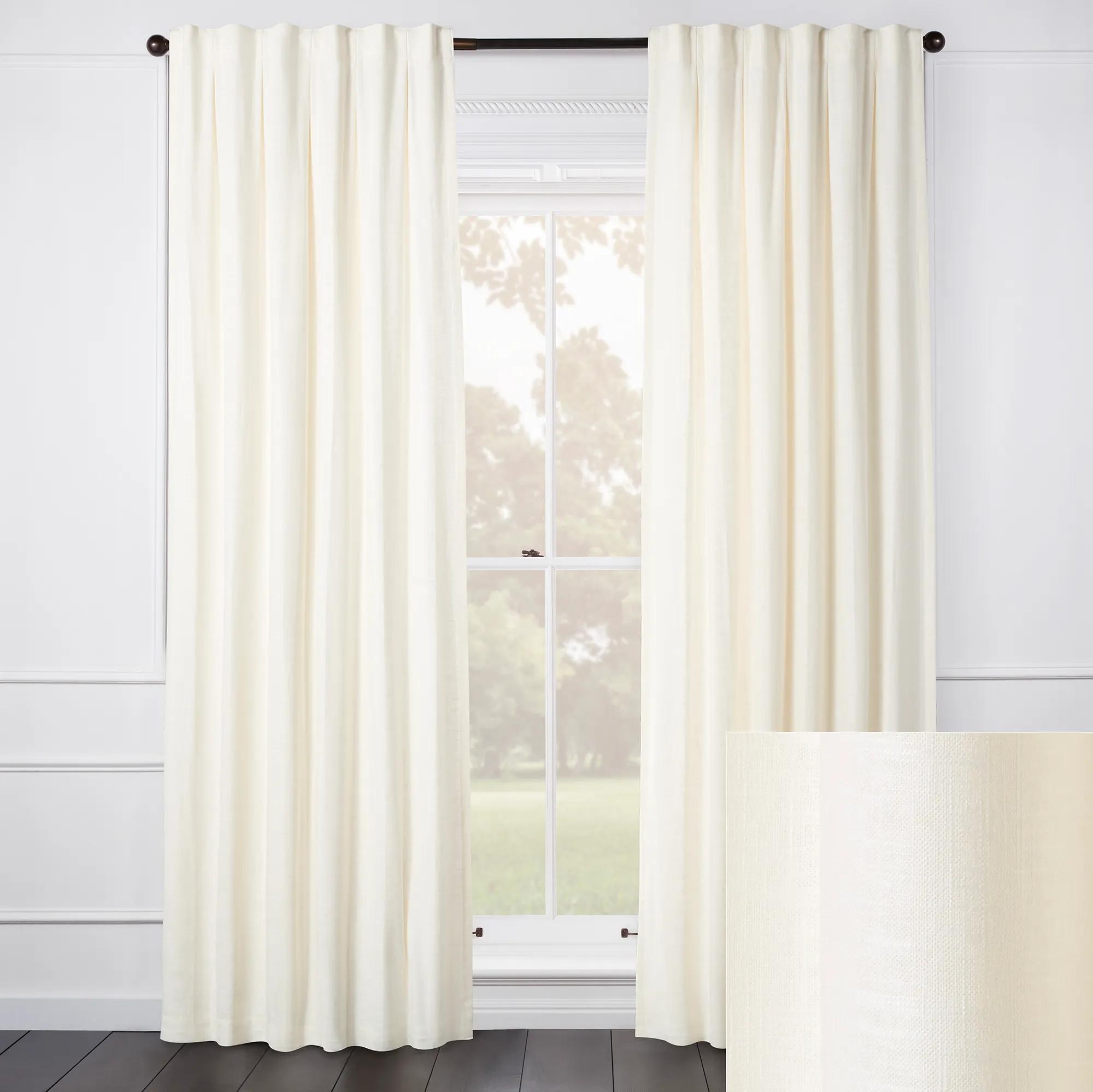
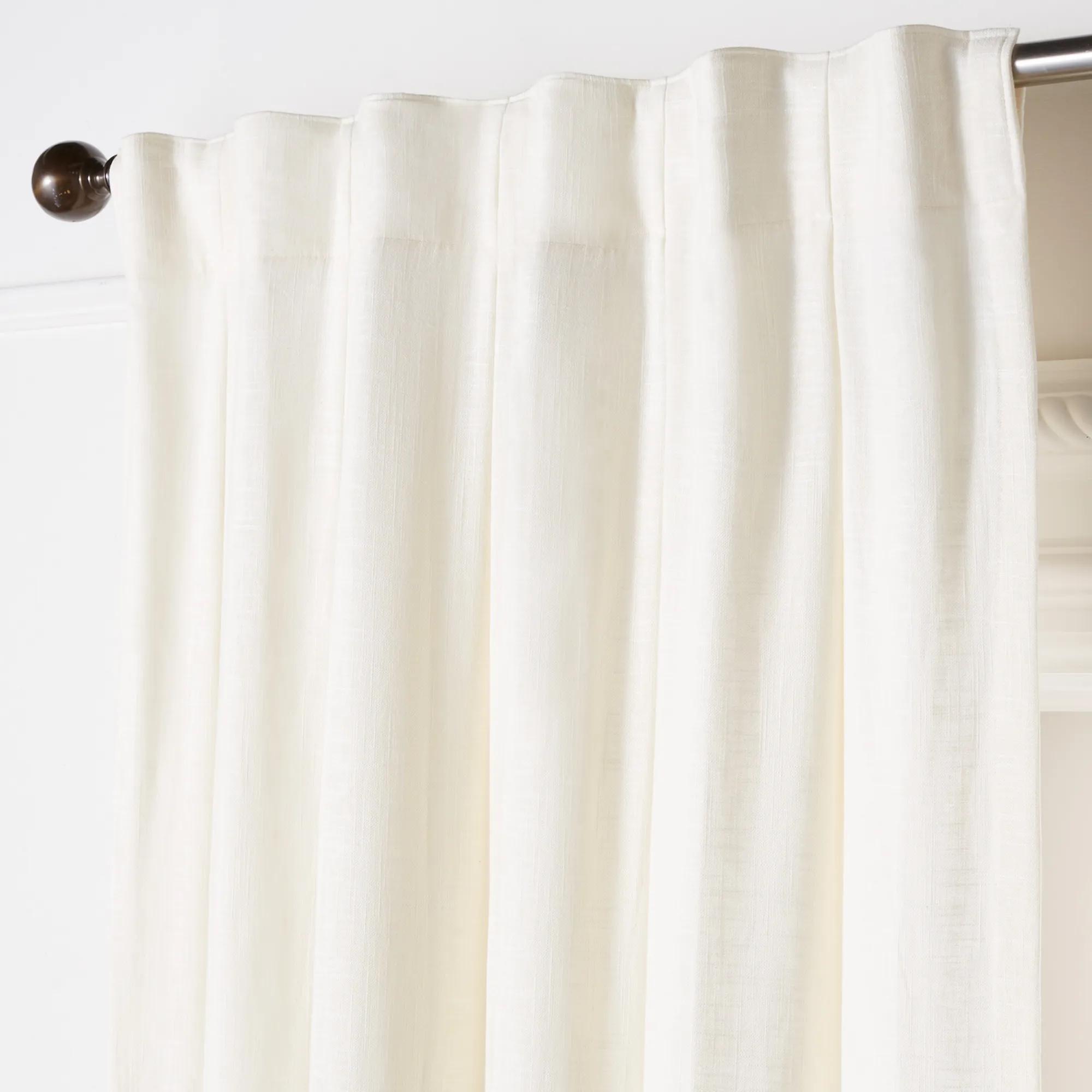 Audrey Linen Ivory Curtain - Custom$269
An ivory linen-blend curtain panel with lining, offering customizable lengths and two elegant header styles.
Add To Cart -
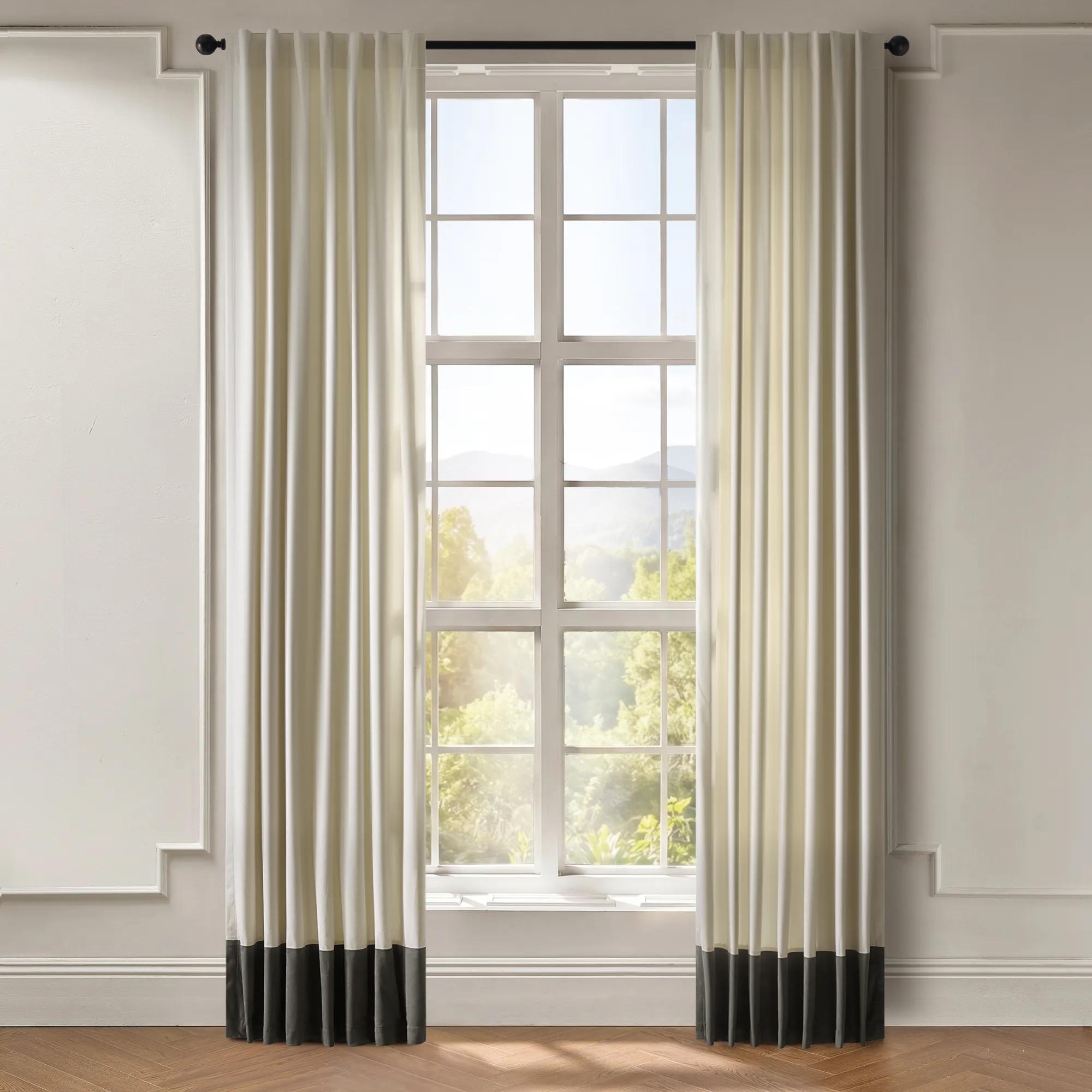
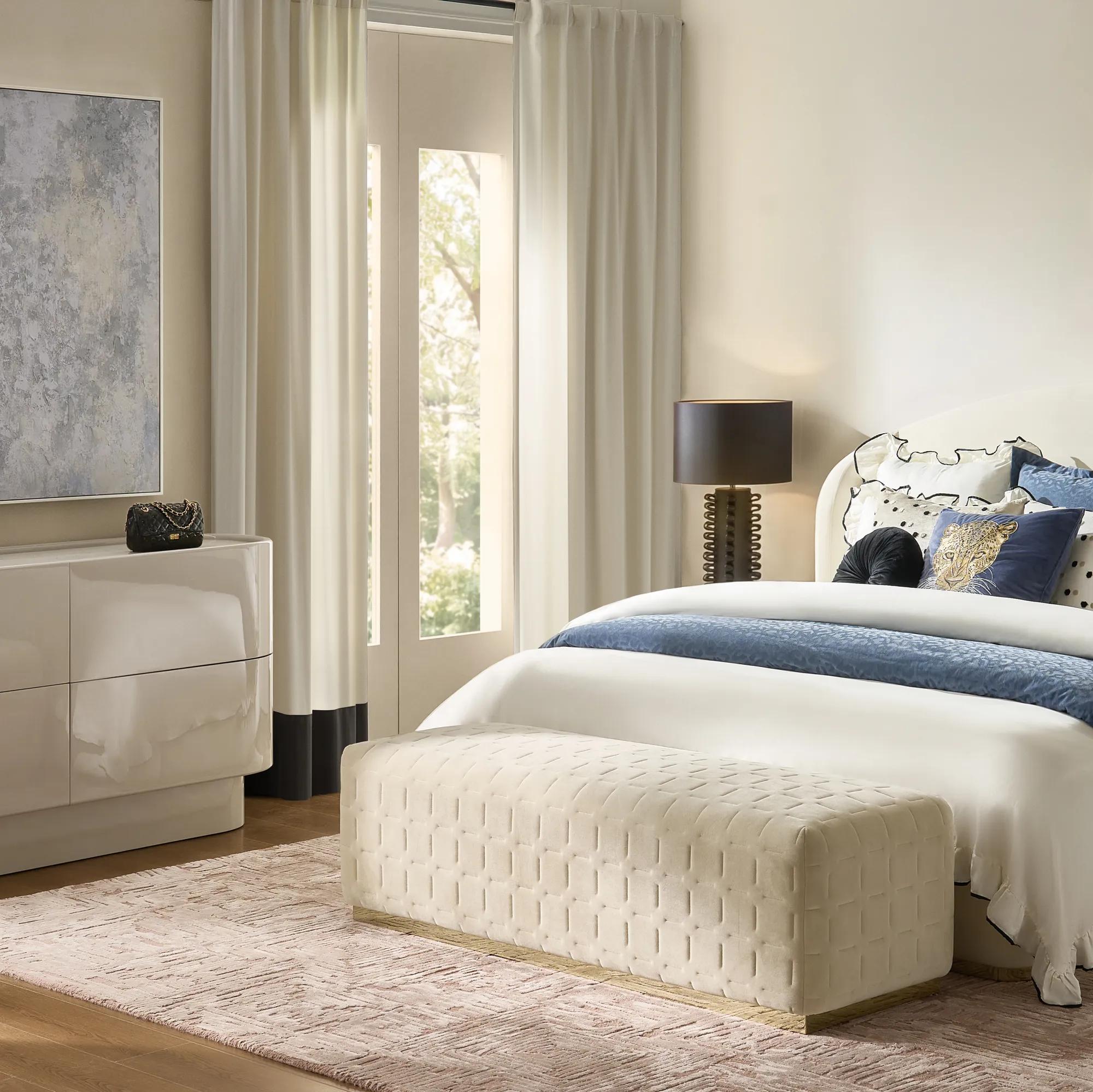 Bastien Ivory/Graphite Velvet Border Window Curtain Panel$109
A two-tone ivory and graphite velvet curtain panel with a Deco-inspired border and room-darkening design.
Add To Cart -
.jpeg?w=1200&h=1200)
 Adair Midnight Blue Solid Velvet Window Curtain Panel$69
Adair Midnight Blue Solid Velvet Window Curtain Panel$69A sumptuous midnight blue velvet curtain that adds elegance, depth, and room-darkening style to any space.
Add To Cart -
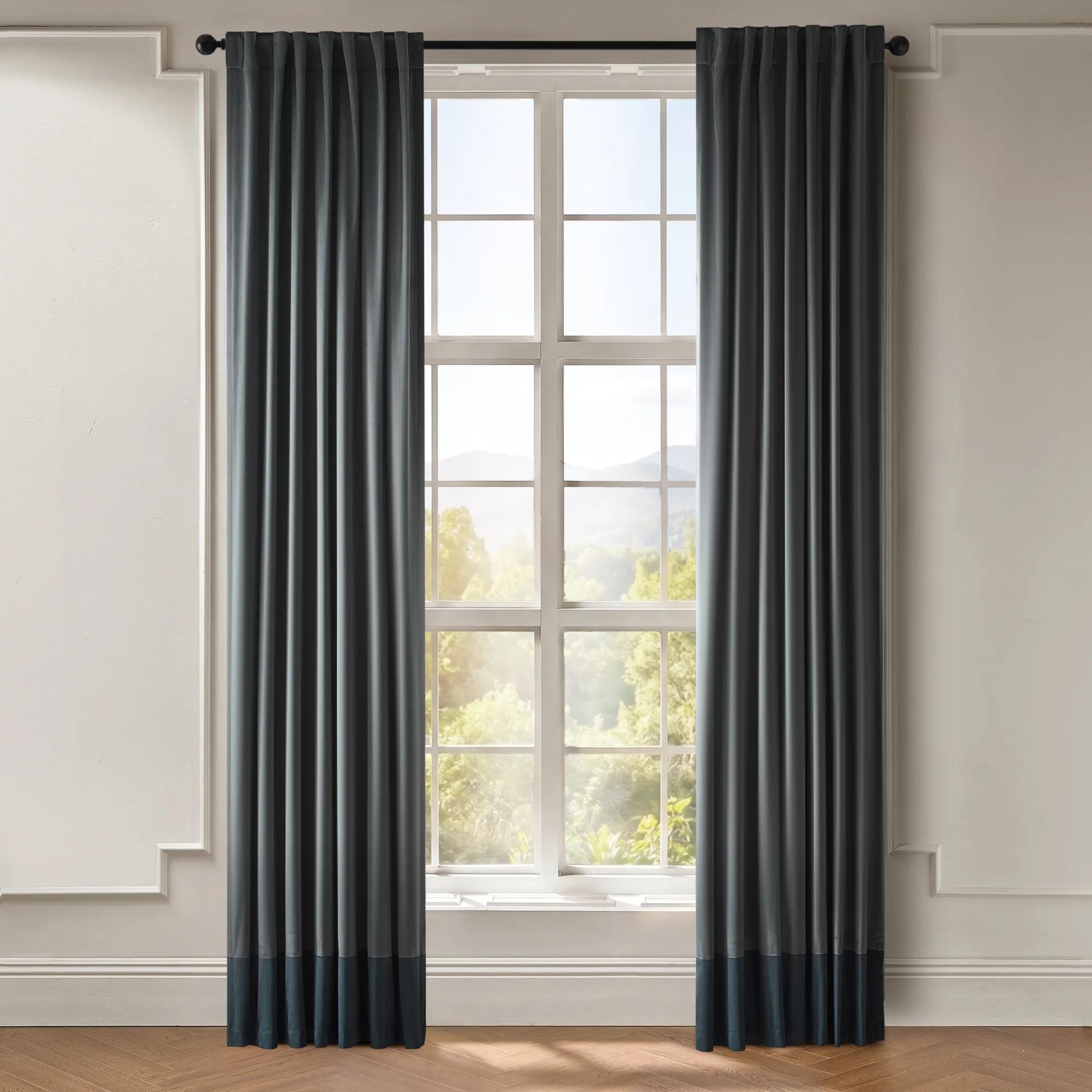
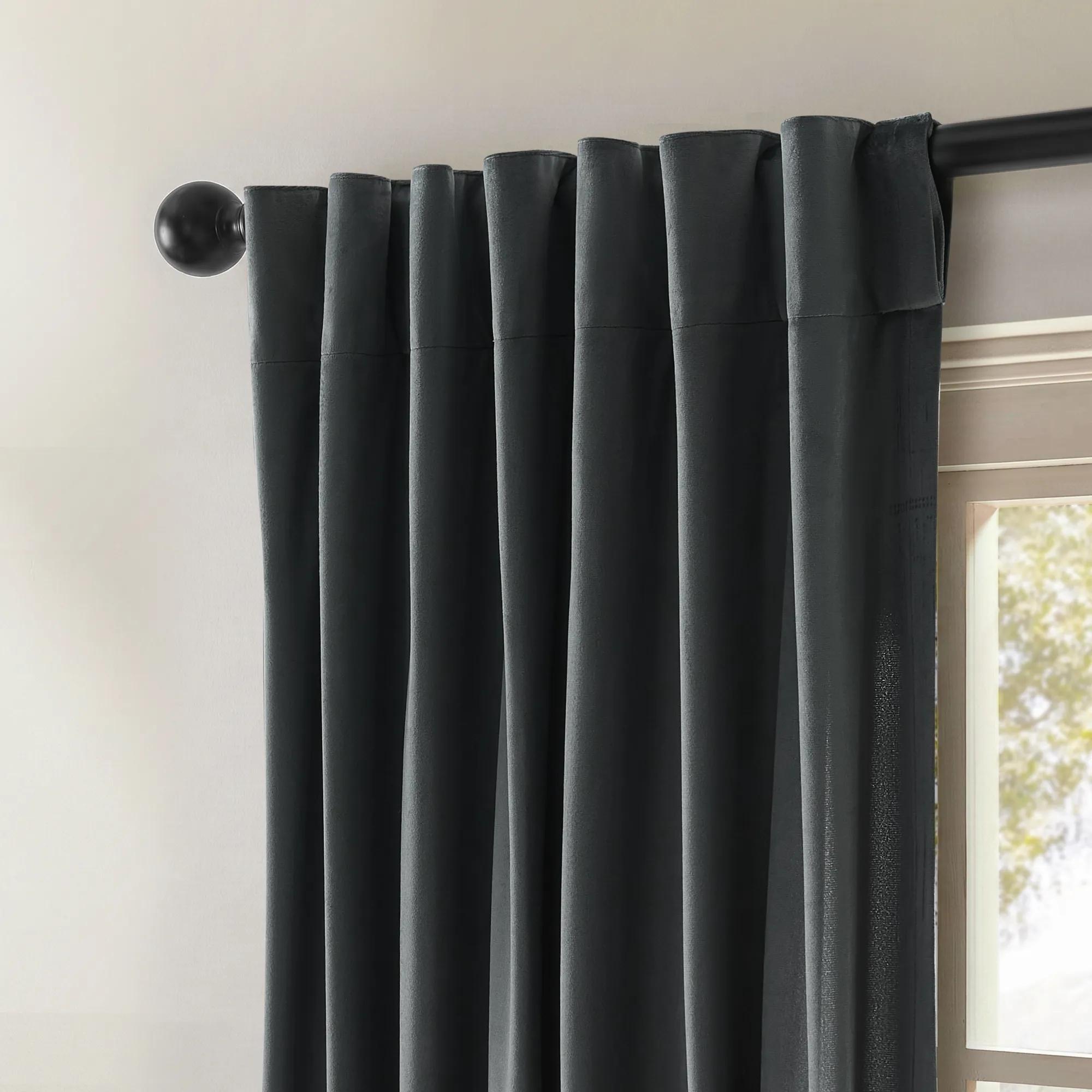 Bastien Blue/Midnight Velvet Border Window Curtain Panel$89
A two-tone dusty and midnight blue velvet curtain panel with a Deco-inspired border and room-darkening design.
Add To Cart -
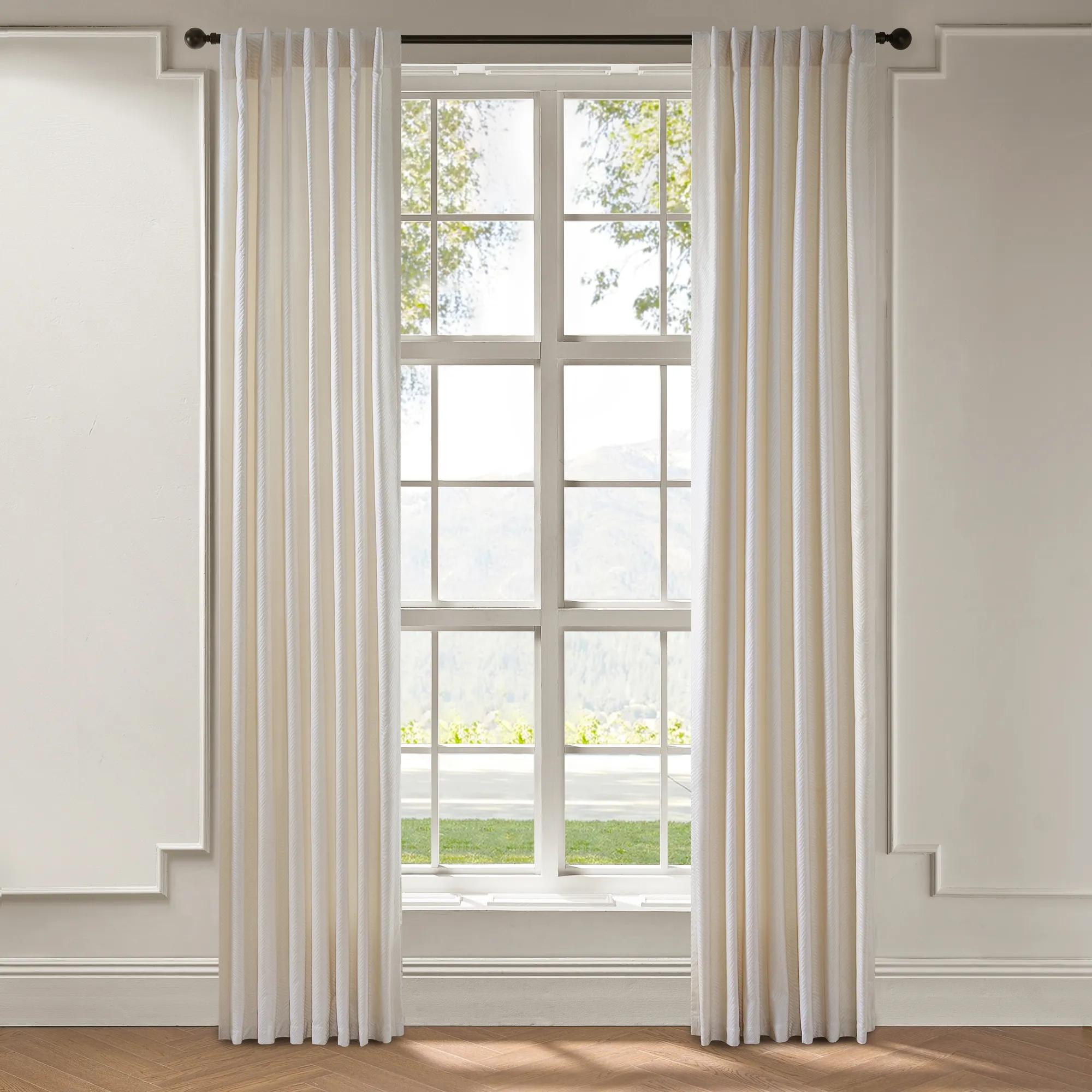
.jpeg?w=1200&h=1200) Kenzo Chenille Curtain - White$139
Kenzo Chenille Curtain - White$139A luxe white chenille jacquard curtain featuring a subtle high-contrast pattern and versatile dual construction.
Add To Cart -
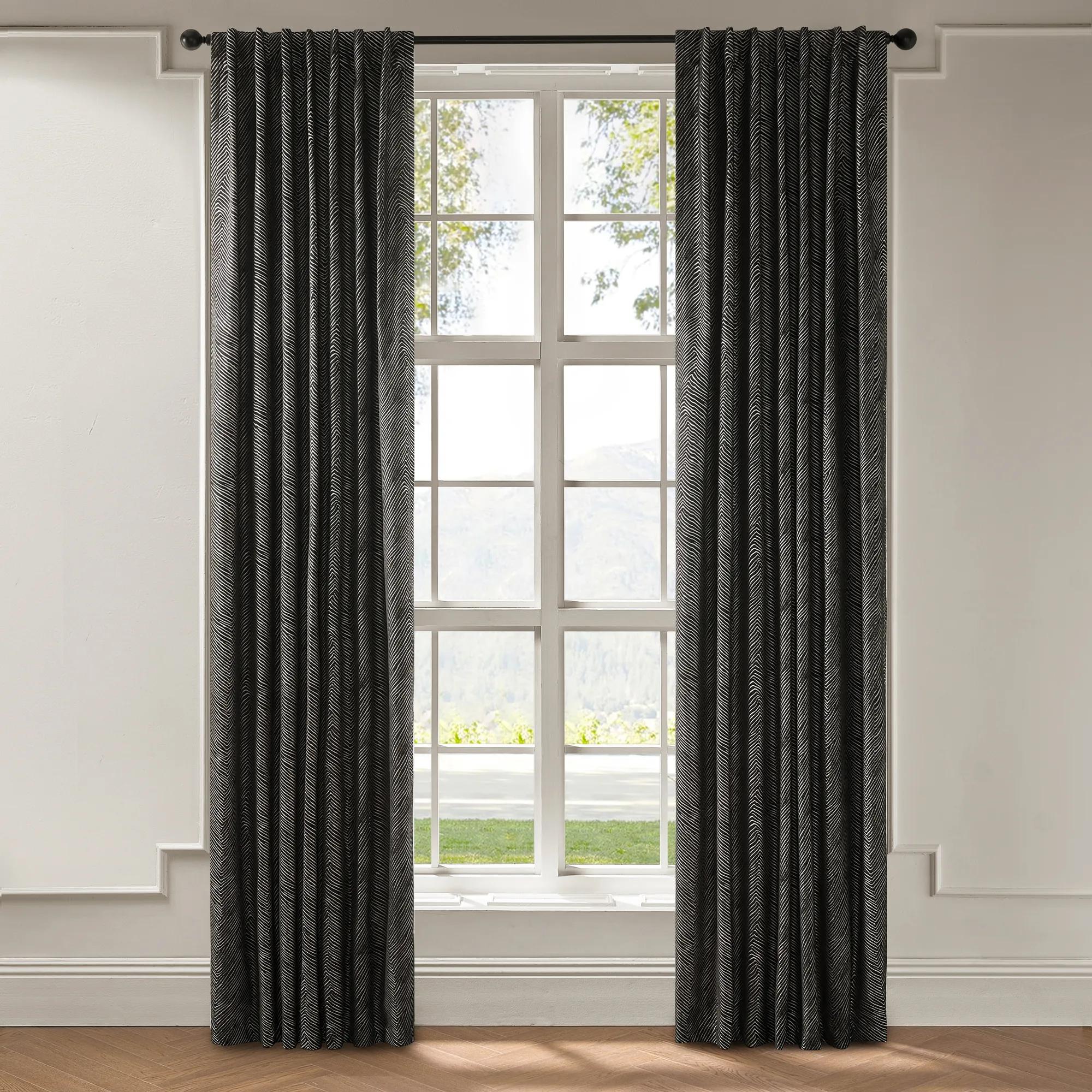
.jpeg?w=1200&h=1200) Kenzo Black Chenille Window Curtain Panel$119
Kenzo Black Chenille Window Curtain Panel$119A black chenille jacquard curtain with a luxe sheen and versatile dual hanging options for modern spaces.
Add To Cart -
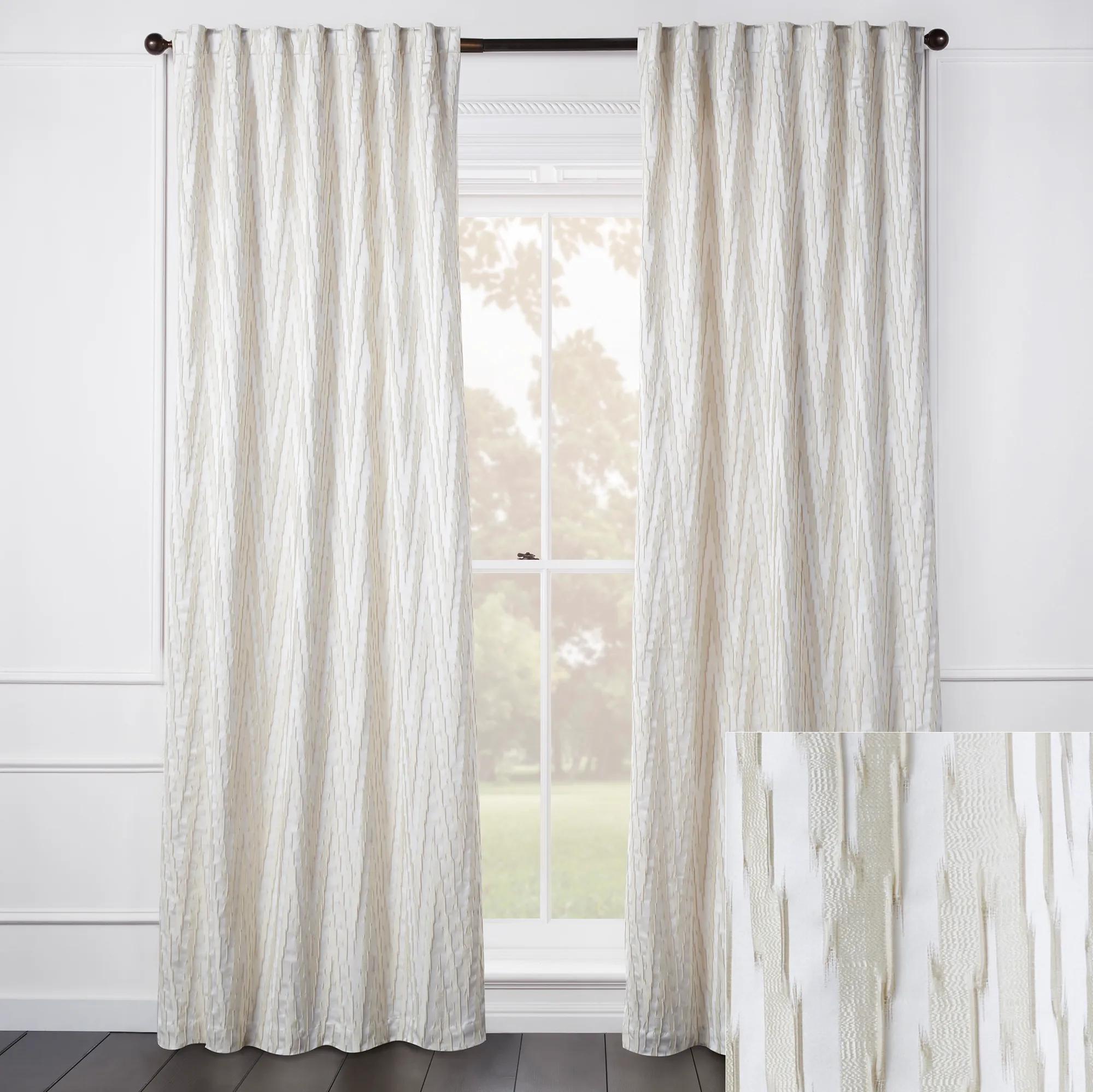
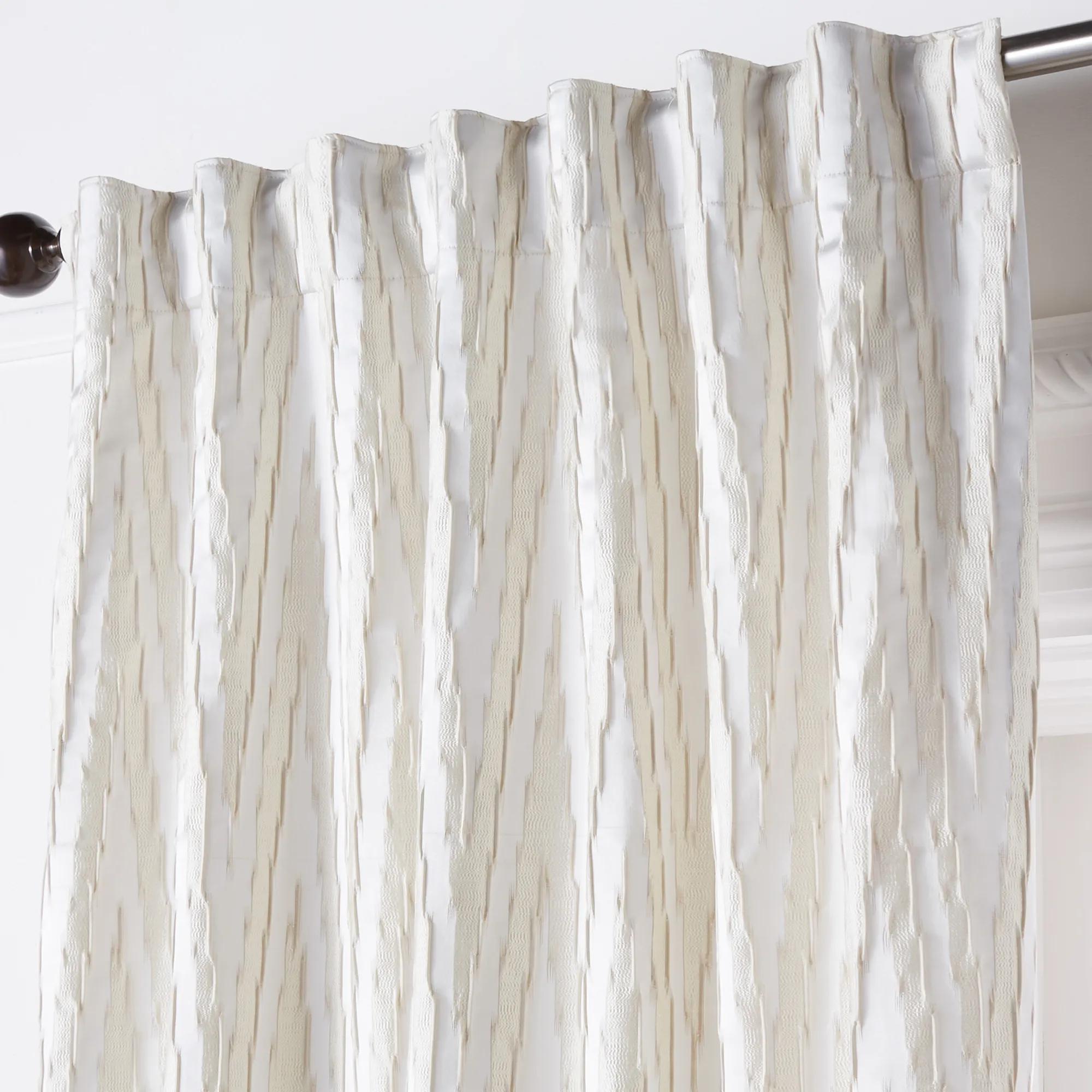 Minka Jacquard Pearl Window Curtain Panel Custom$289
A highly textured chevron curtain panel in pearl, grey, or natural polyester with customizable hanging options.
Add To Cart -
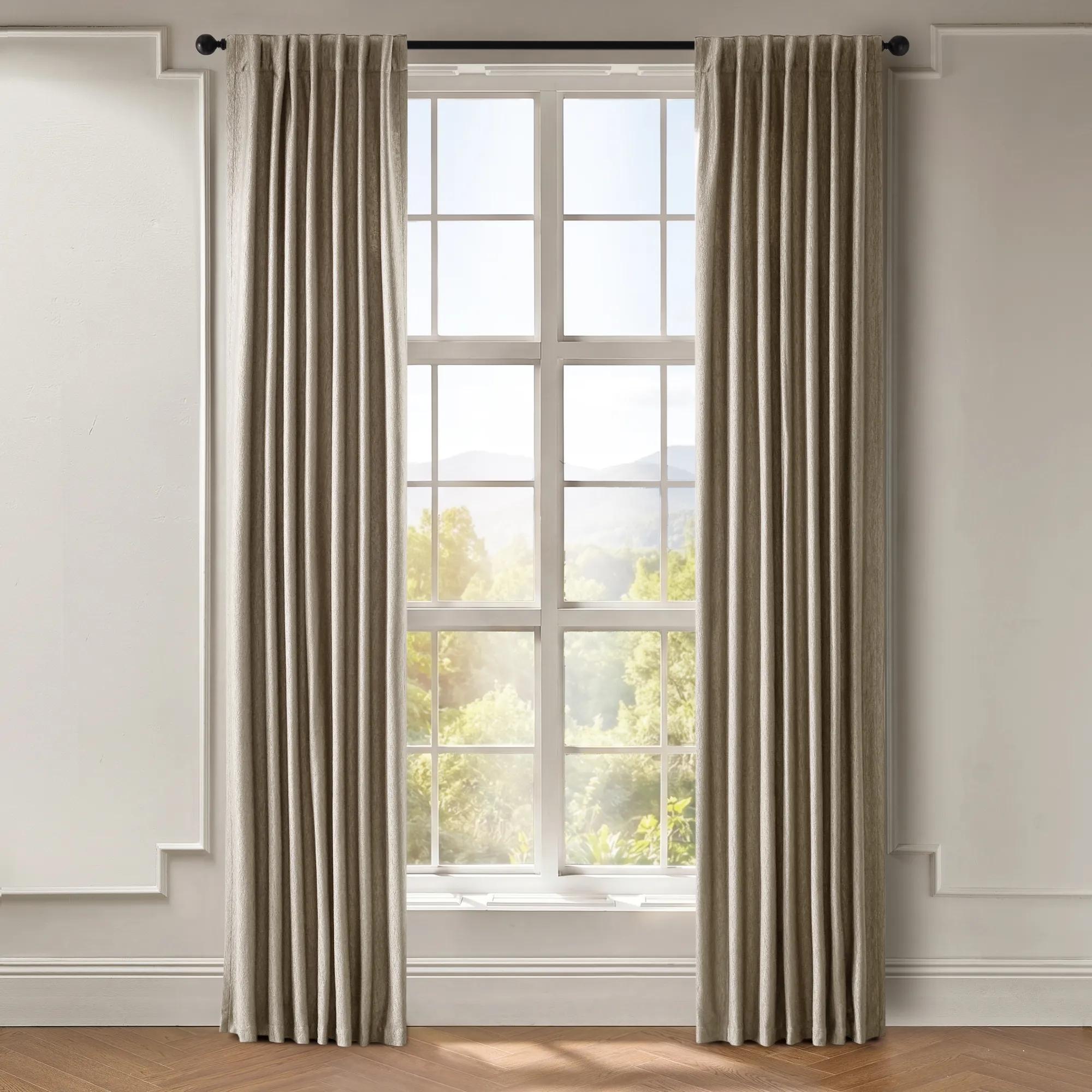
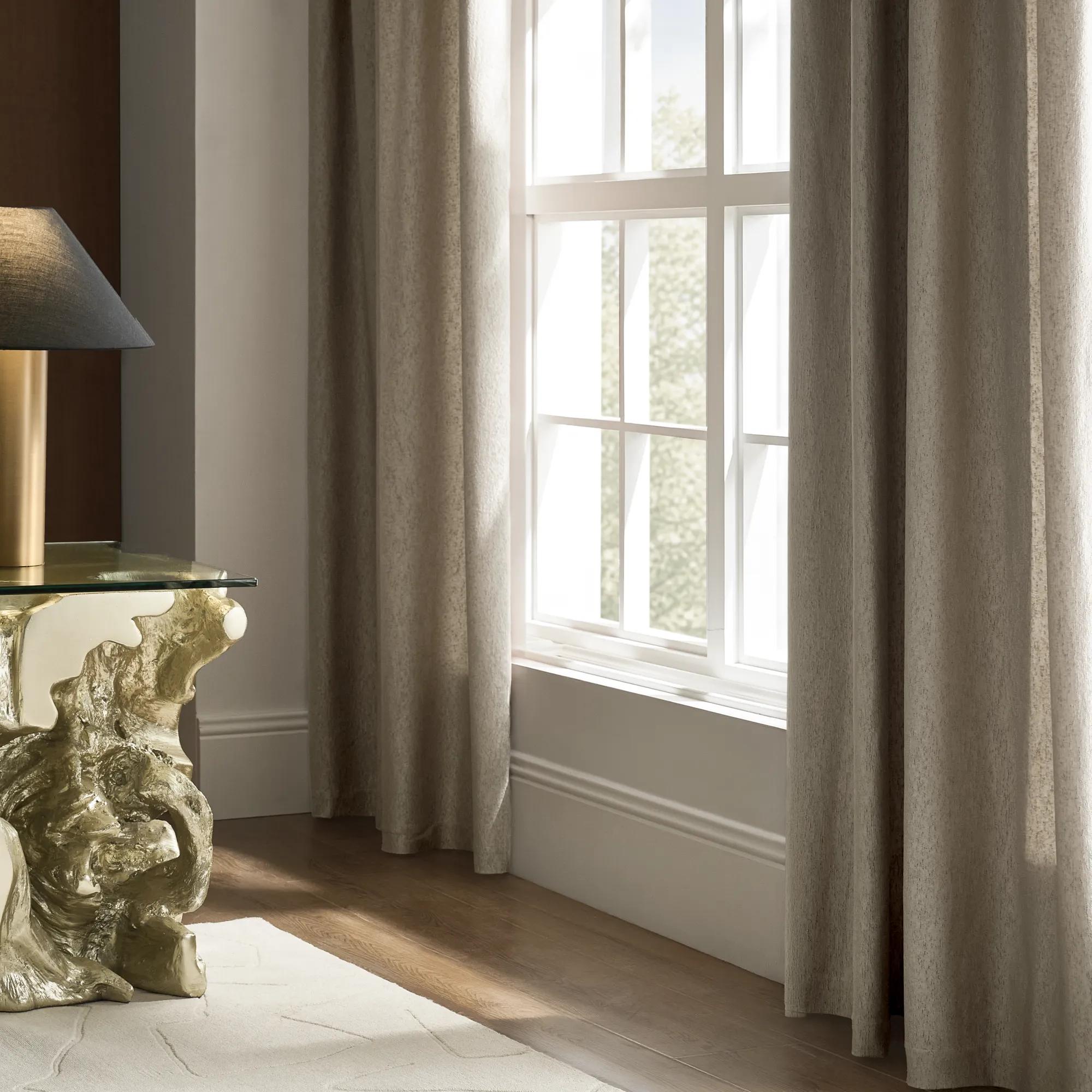 Anson Taupe Textured Window Curtain Panel$99
A taupe polyester curtain panel featuring a crushed sheen texture and versatile room-darkening design.
Add To Cart -
.jpeg?w=1200&h=1200)
 Mabel Natural Velvet Swirl Window Curtain Panel$99
Mabel Natural Velvet Swirl Window Curtain Panel$99A warm neutral velvet curtain with a tonal swirl pattern, offering room-darkening privacy and versatile hanging options.
Add To Cart -
.jpeg?w=1200&h=1200)
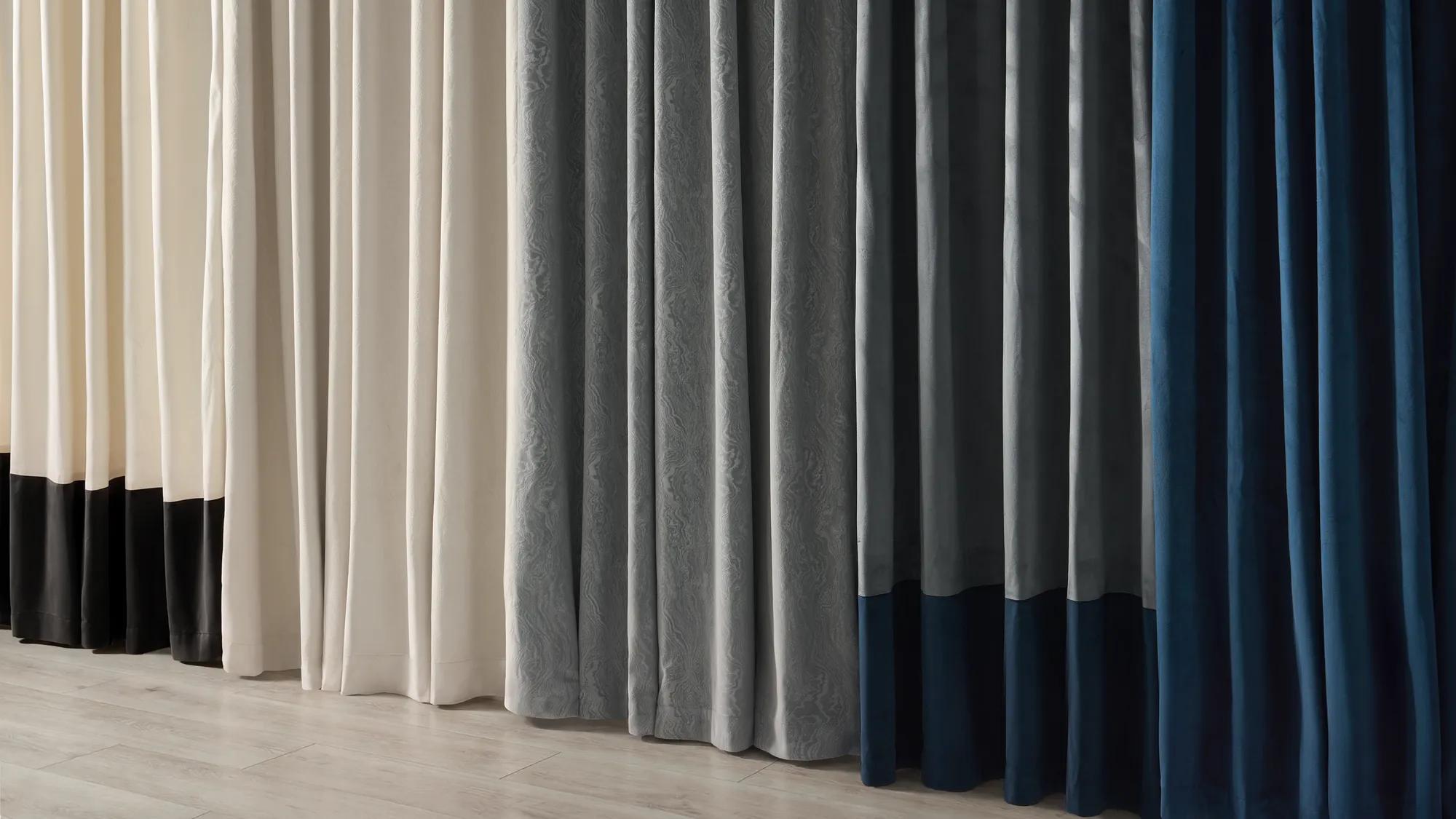 Mabel Velvet Swirl Curtain - Grey Blue$99
A grey blue velvet curtain featuring a tonal swirl pattern and versatile dual hanging options.
Add To Cart -
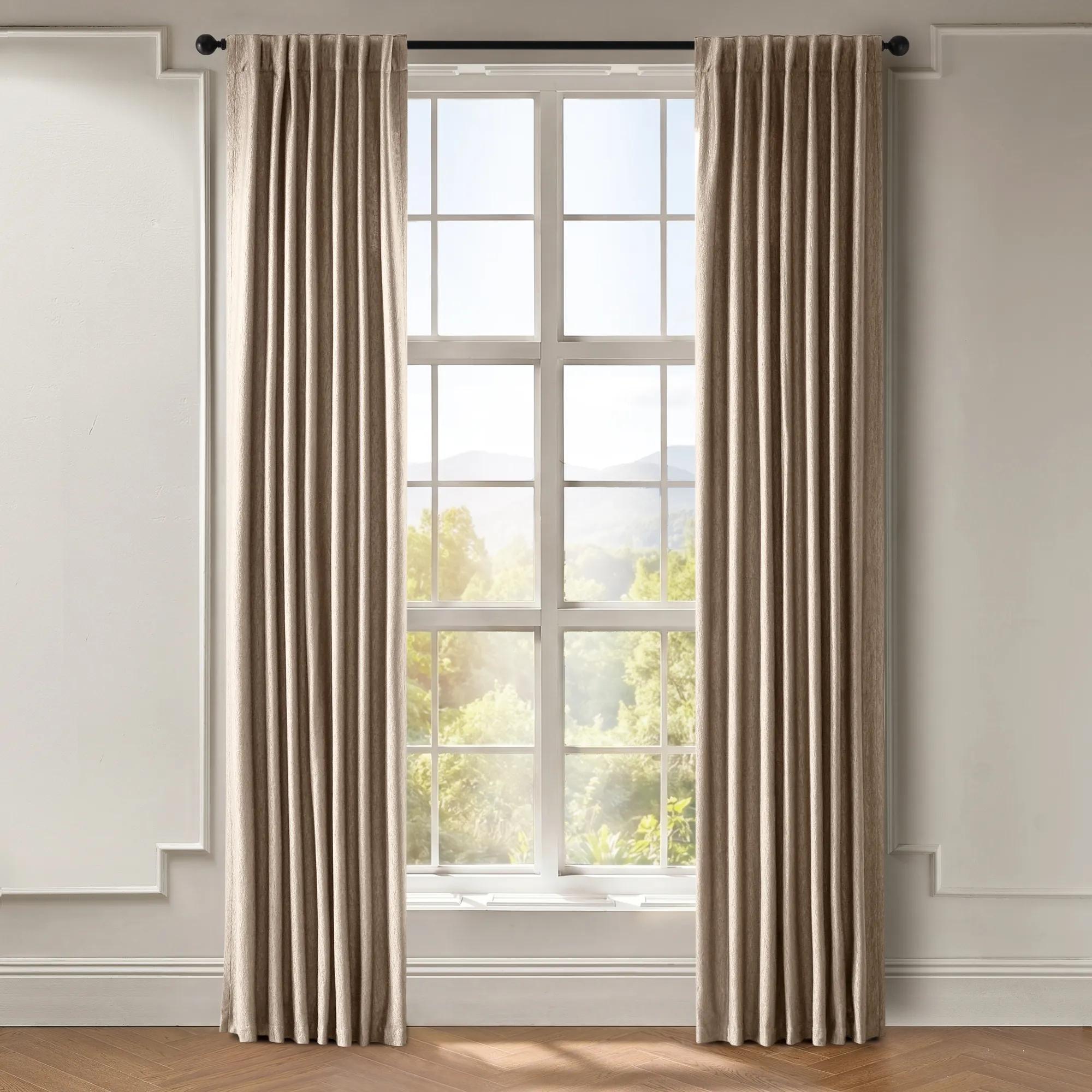 Anson Mocha Rose Textured Window Curtain Panel$89
A light mocha rose curtain panel with crushed sheen texture and room-darkening, dual hanging design.
Add To Cart -
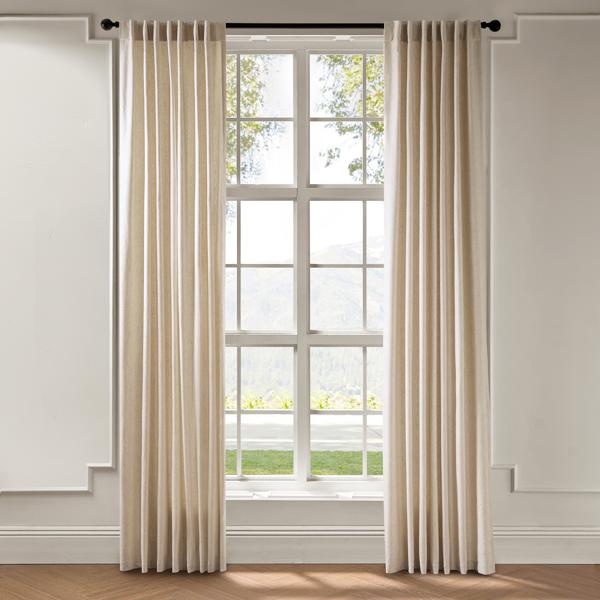
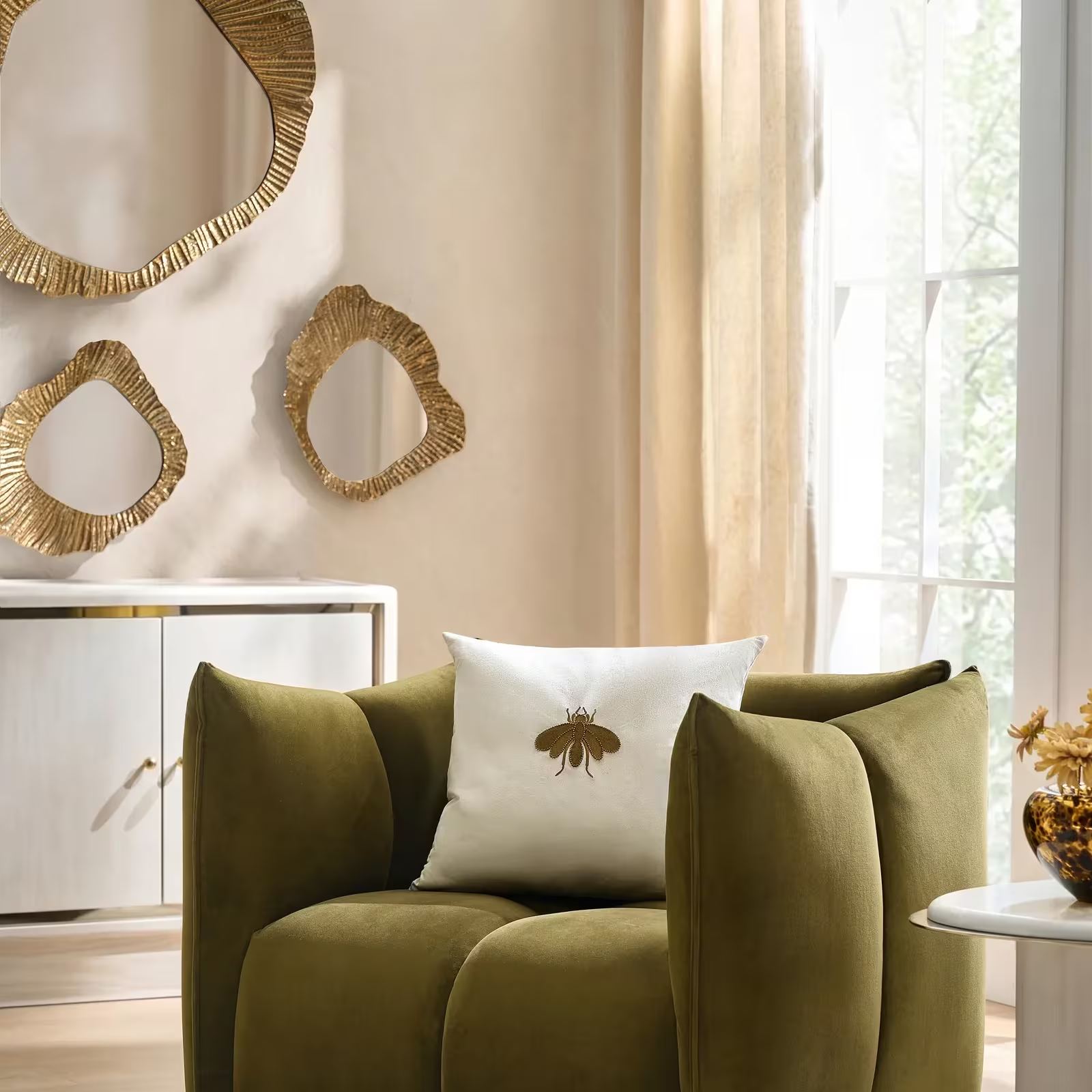 Anson Ivory Textured Window Curtain Panel$89
An ivory polyester curtain with a crushed, light-reflective texture for elegant, room-darkening style.
Add To Cart -
.jpeg?w=1200&h=1200)
 Anson Charcoal Textured Window Curtain Panel$89
Anson Charcoal Textured Window Curtain Panel$89A moody charcoal curtain with crushed polyester texture and subtle sheen for stylish, room-darkening appeal.
Add To Cart -
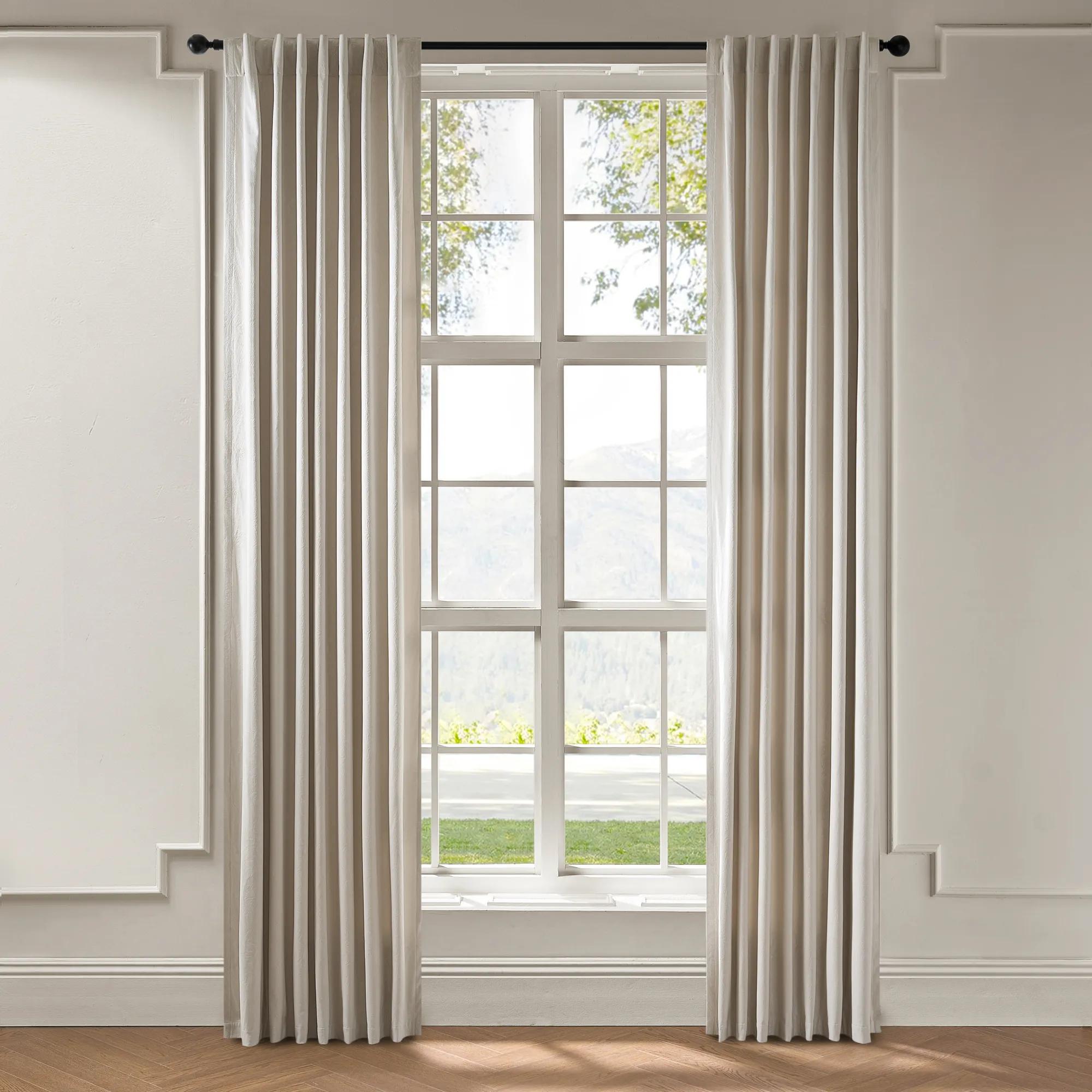
.jpeg?w=1200&h=1200) Mabel White Velvet Swirl Window Curtain Panel$99
Mabel White Velvet Swirl Window Curtain Panel$99A crisp white velvet curtain featuring a tonal swirl texture and versatile dual hanging options.
Add To Cart -
.jpeg?w=1200&h=1200)
 Adair Sand Solid Velvet Window Curtain Panel$79
Adair Sand Solid Velvet Window Curtain Panel$79A room-darkening sand velvet curtain with dual hanging options for a soft, tailored finish.
Add To Cart -
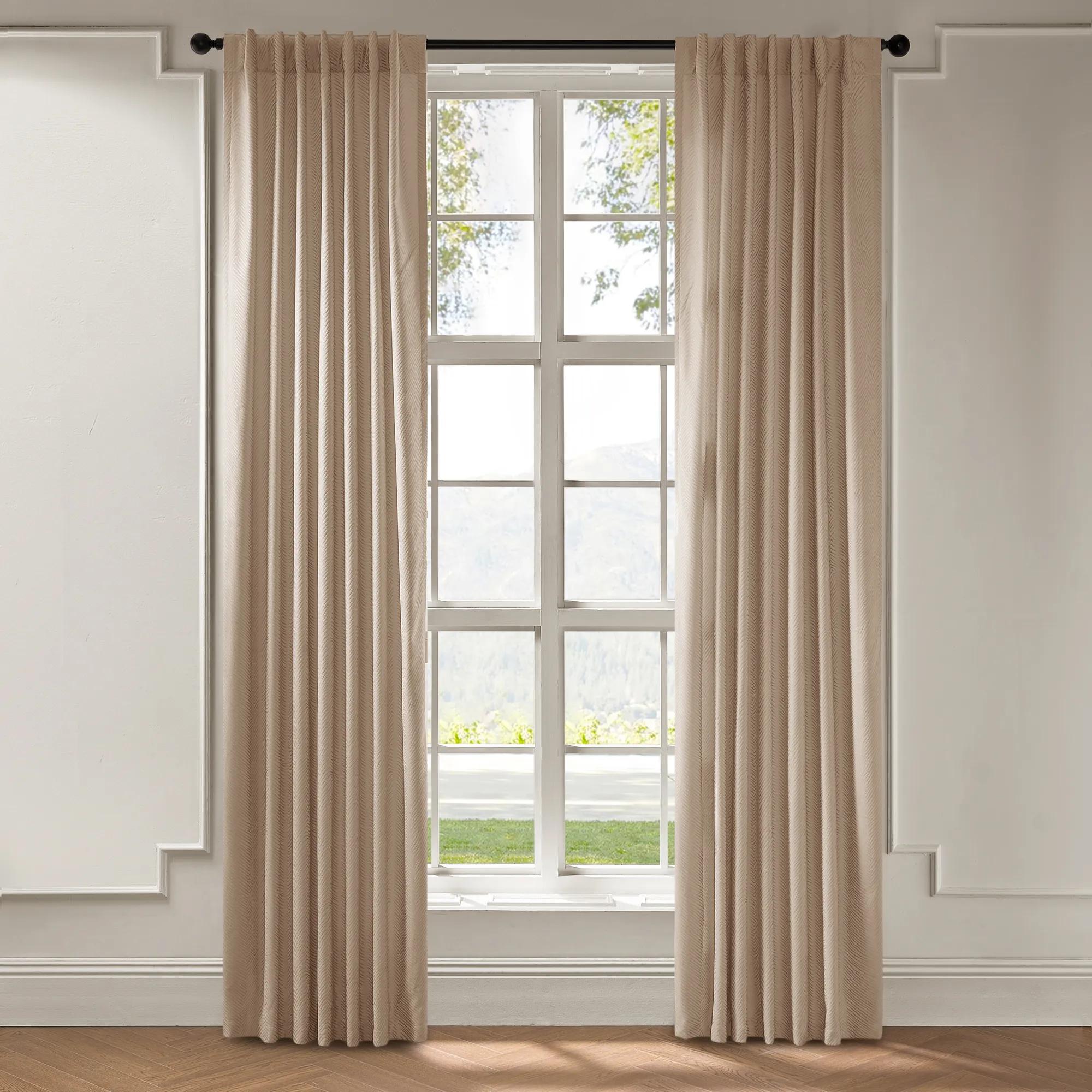 Kenzo Jacquard Beige Chenille Window Curtain Panel$129
A warm beige chenille jacquard curtain with a subtle sheen and versatile rod pocket or back tab hanging.
Add To Cart -
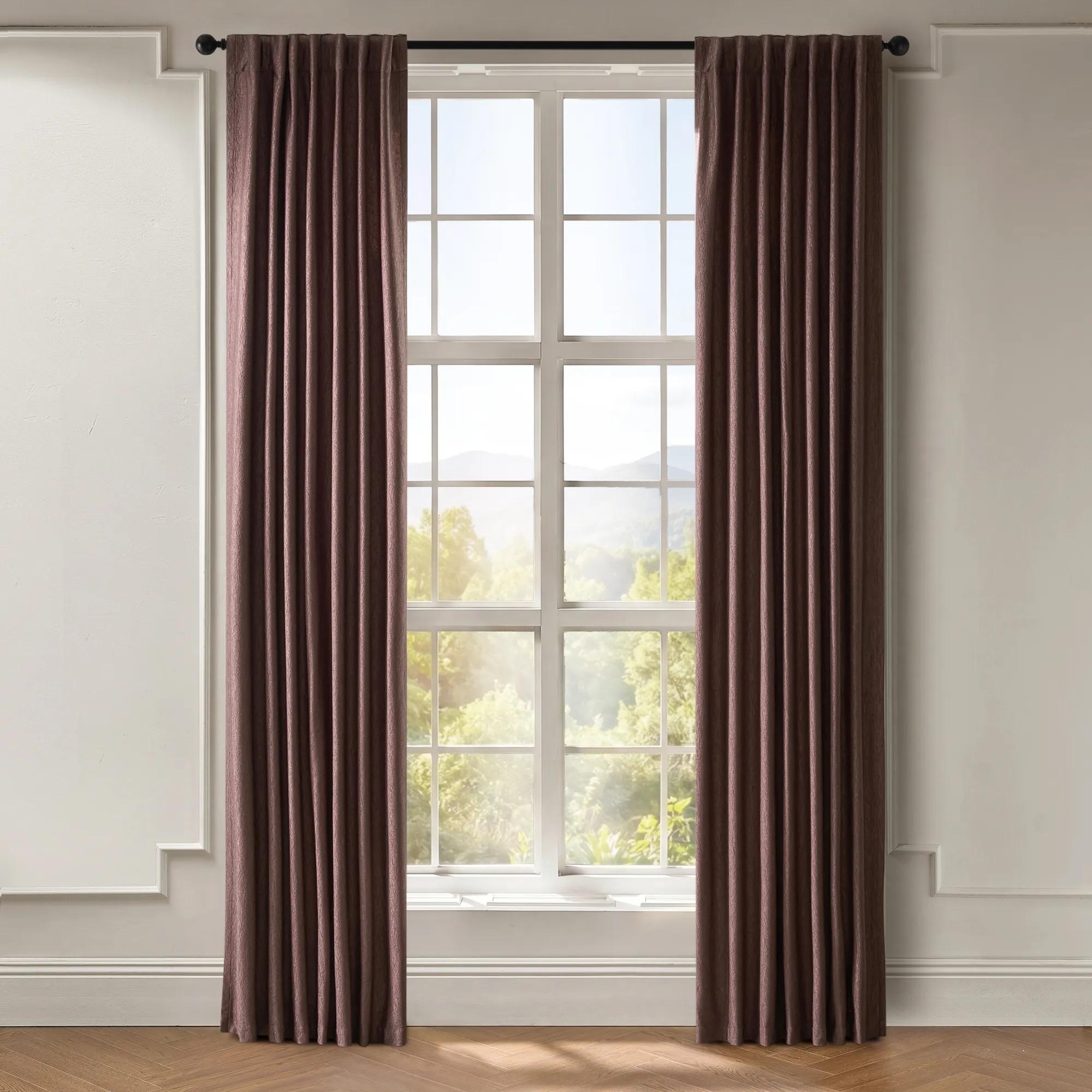
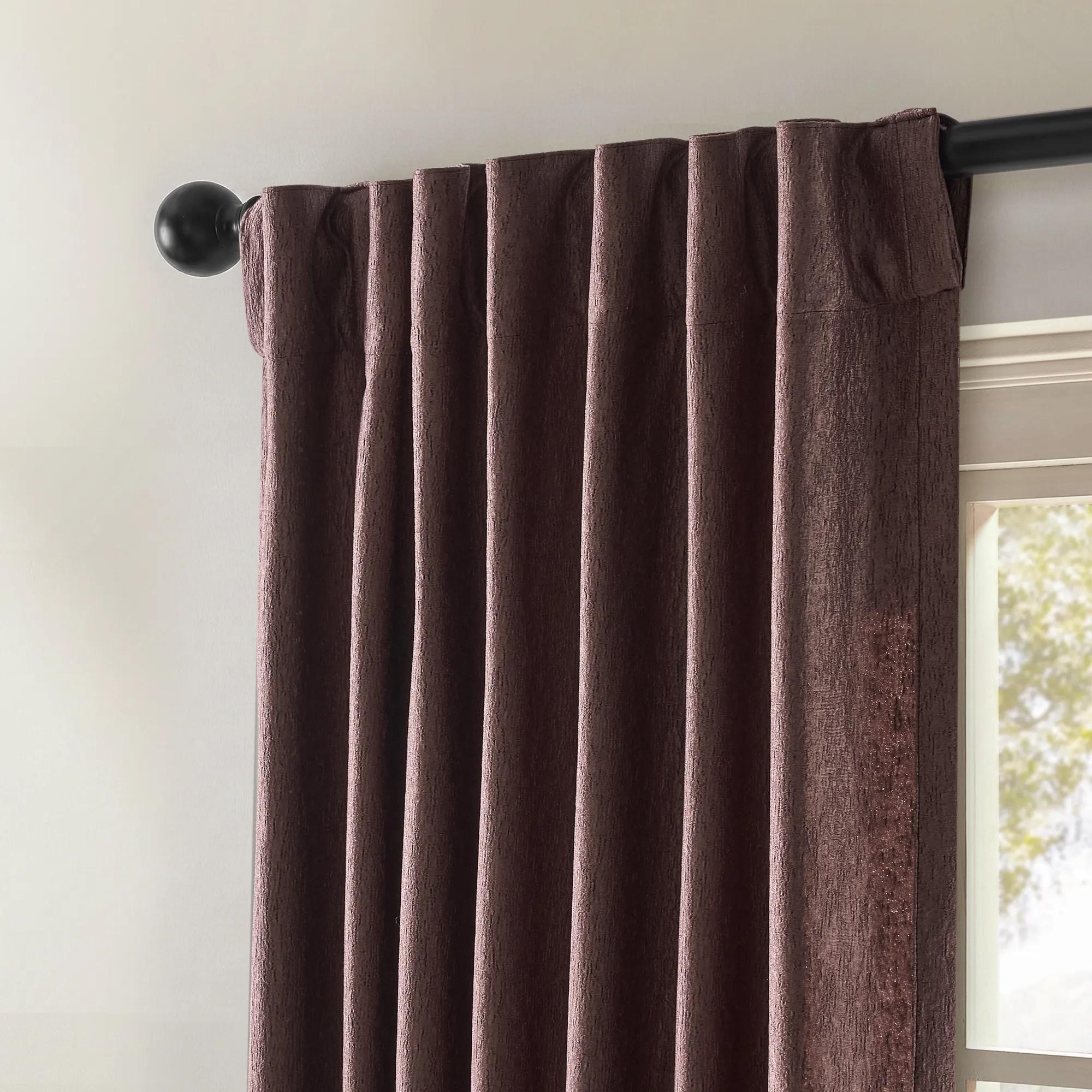 Anson Fig Textured Window Curtain Panel$99
A deep fig curtain panel in crushed, subtly sheened polyester with room-darkening and dual hanging options.
Add To Cart

Formal Dining Room Window Panels
Formal dining room window panels are the finishing touch that transforms gatherings into grand affairs, casting every meal in an atmosphere of refined elegance. With every fold and drape, these panels create a stage for celebration—framing your dining space in sumptuous texture, luminous color, and a sense of occasion. Whether you crave the drama of sweeping lengths or the tailored allure of crisp pleats, formal dining room window panels invite you to envelop your setting in artistry and allure, elevating each moment shared around the table into a scene worthy of admiration.
Formal dining room window panels bring a sense of ceremony to the table, framing the room with fabric, proportion, and an expressive finishing detail. Typically designed to hang at or near floor length, these decorative curtain panels soften the architecture around a window while adding opportunities for privacy and light control, depending on their weave and lining. Their presence can be as striking as a chandelier: ivory fabric falling in deep folds beside dark walls, a lustrous neutral catching the light above a polished console, or velvet creating a rich backdrop for sculptural dining chairs. In a formal setting, the distinction often comes from how the fabric hangs rather than how ornate it is. Pinch pleats create defined, repeating folds with a tailored character, while back-tab headers conceal much of the rod for a clean, composed presentation. Ring-hung panels can feel equally refined when the rings, rod, and finials complement the room’s metal finishes. A restrained header gives a dramatic textile room to shine; a more structured pleat adds architectural interest to a solid fabric. Color establishes another layer of atmosphere. Cream, champagne, and soft gray allow expressive artwork and tabletop arrangements to command attention, while deeper shades create contrast around pale upholstery and reflective accents. Tonal patterns reward a closer look without overwhelming the room, and larger motifs can become a deliberate focal point when the surrounding furnishings have simpler lines. These panels suit dedicated dining rooms, open-plan entertaining spaces, and intimate dining alcoves where the window needs a more polished frame. For hosts who enjoy lingering dinners, celebratory meals, or beautifully composed place settings, drapery helps make the entire room feel considered—not just the table. Even between gatherings, a well-proportioned pair of panels gives the dining area a finished identity, connecting the height of the walls with the furniture below and bringing softness to rooms dominated by wood, glass, stone, or metal.
Material determines much of that effect, from the way a panel reflects light to the weight of its folds. Velvet has a plush surface and substantial visual presence, making it especially expressive against smooth walls and gleaming furniture. Its directional pile can appear lighter or darker from different angles, creating subtle movement even in a solid color. Silk offers a distinctive luster and fluid elegance, although direct sunlight and moisture require particular care; a suitable lining can help protect the face fabric without making it impervious to fading. Faux-silk textiles can offer a similar luminous impression, with maintenance requirements determined by their fiber content and construction. Linen brings visible texture and a less uniform surface, giving formal dining room curtains an artistic softness rather than a rigidly decorated appearance. Natural creasing is part of its character, while linen blends may offer a more controlled finish. Jacquard fabrics introduce patterns through the weave, and damask designs can lend dimension to a room without relying on sharp color contrast. Whatever the textile, lining deserves attention. Unlined panels may allow more light through, while privacy, room-darkening, and blackout constructions serve different purposes and should not be treated as interchangeable. Light-filtering fabric can soften brightness during a daytime meal, but it may reveal silhouettes after dark when interior lights are on. Blackout fabric limits light passing through the panel itself, though light can still enter around its edges. For a dining room facing neighboring windows, lined drapery or panels layered over a separate shade can balance an elegant appearance with practical privacy. Fabric weight alone does not establish opacity, washability, or insulating performance; the stated construction and care information offer a clearer picture. For a broader expression of this polished aesthetic, Dining Room Luxury Window Panels brings the focus to window treatments that complement an elevated dining space. The strongest visual connection is often a shared undertone or texture rather than an exact match to the chairs, rug, or wall color.
Fit gives formal window panels their authority. Length is measured from the panel’s actual hanging point to the desired hem position, which varies with rings, hooks, rod pockets, and tabs. Panels that just meet the floor create a precise, tailored line; a slight break introduces softness, while a small puddle makes a more theatrical statement. In dining rooms where chairs pull back close to the window or guests pass through frequently, a floor-skimming hem usually offers a more practical balance of elegance and movement. Extra fabric on the floor can collect dust and interfere with cleaning, particularly near a serving area. Width matters just as much as length. For many gathered styles, a combined flat panel width of roughly one and a half to two and a half times the rod width produces fullness, although heavier fabrics and different headers may call for another proportion. Pre-pleated panels are often measured by their finished width, so their specifications should take precedence over a general fullness formula. Stationary side panels frame the glass but do not necessarily provide enough fabric to close; working drapery needs sufficient coverage across the opening. Hardware mounted above the frame can emphasize height, and a rod extending beyond the sides allows open panels to rest farther from the glass, preserving the view. The exact placement depends on ceiling height, molding, wall space, and secure mounting points rather than a single universal measurement. Substantial fabrics also need hardware rated to support their weight. Over time, careful handling helps preserve the presentation: follow the care label, use gentle dust removal where appropriate, and avoid assuming that every lined or embellished panel can be machine washed. Steam and pressing settings should suit the fabric, since excessive heat or pressure can damage delicate finishes or crush a velvet pile. Well-sewn hems, secure header construction, and appropriate lining contribute to lasting performance, especially when panels are opened daily. With those details resolved, the result feels effortless: graceful folds framing the view, ample clearance around the dining chairs, and a room whose elegance extends from the tabletop to the windows.
FAQs
For a formal dining room, luxurious fabrics such as silk, velvet, and high-quality linen are favored for their rich texture and elegant drape. These materials not only enhance the visual drama of your space but also offer beautiful light diffusion and a tactile sense of opulence.
Layering is key to creating depth and dimension in a formal dining room. Combine sheer panels or Roman shades for daytime privacy and soft light with heavier drapes or velvet panels for evening drama. This approach allows for flexible light control and a polished, designer-inspired finish.
Both bold patterns and neutral tones can be stunning in a formal dining room. Neutrals like ivory, taupe, or silver offer timeless elegance and versatility, while bold patterns or rich hues create a striking focal point and add personality. Consider your overall décor and the mood you wish to evoke when choosing.
Elevate your window panels with elegant hardware, such as gleaming metallic rods or sculptural tie-backs. Floor-to-ceiling drapes add grandeur, while decorative trims and tassels can introduce a bespoke touch, ensuring your window treatments feel as curated as the rest of your dining space.
Absolutely. Gifting formal dining room window panels is a sophisticated gesture, perfect for housewarmings, weddings, or milestone celebrations. High-quality drapes or a beautifully coordinated set can help loved ones transform their dining space into a canvas for cherished gatherings and memories.
.jpeg?w=3942&h=3942)